



A good glass of lemonade should wake your mouth up before the ice has time to clink.
Homemade lemonade looks simple, which is exactly why people get it wrong. Sugar left grainy on the bottom, bottled lemon juice with that flat, tired edge, a pitcher diluted by melting ice before the second pour — all of it turns a drink that ought to snap into something dull and watery. I like mine sharp enough to feel lively, but not so sharp that you wince halfway through the glass.
The trick is not some clever flourish. It’s balance. Fresh lemon juice, a proper syrup, cold water, and a tiny pinch of salt do most of the work, and they do it without making the drink taste polished to death. When the balance lands, the first sip is bright, the middle is clean, and the finish doesn’t go bitter at the back of your throat. That’s the whole game.
Why This Homemade Lemonade Tastes So Bright
The best lemonade starts with restraint, not gimmicks.
If you want a pitcher that tastes crisp instead of syrupy, the order of operations matters more than people think. Sugar dissolved in water turns into a simple syrup, and that syrup blends smoothly with lemon juice instead of settling into a gritty layer at the bottom of the glass. Fresh juice keeps the flavor awake. A pinch of salt keeps the lemon from tasting thin and one-note.
There’s also a small but useful detail that gets ignored in a lot of mediocre lemonade: cold changes the way sweetness reads. Warm lemonade tastes sweeter than chilled lemonade, which means a batch can seem balanced in the saucepan and flat once it sits in the fridge. I always taste the finished pitcher after it’s had time to chill. That last check saves you from overcorrecting.
One more thing, and this is where people usually get impatient: lemons are not identical. Some are juicy and soft-skinned, some are tight and stubborn, and the amount of juice you get from one fruit can swing more than you expect. A medium lemon often gives about 2 to 3 tablespoons, which is why the ingredient list below gives you a range instead of pretending all citrus behaves the same.
This version stays faithful to the drink’s best qualities. It’s bright, cold, lightly sweet, and clean on the finish. Nothing fancy. Nothing to hide behind.
Why You’ll Love This Lemonade
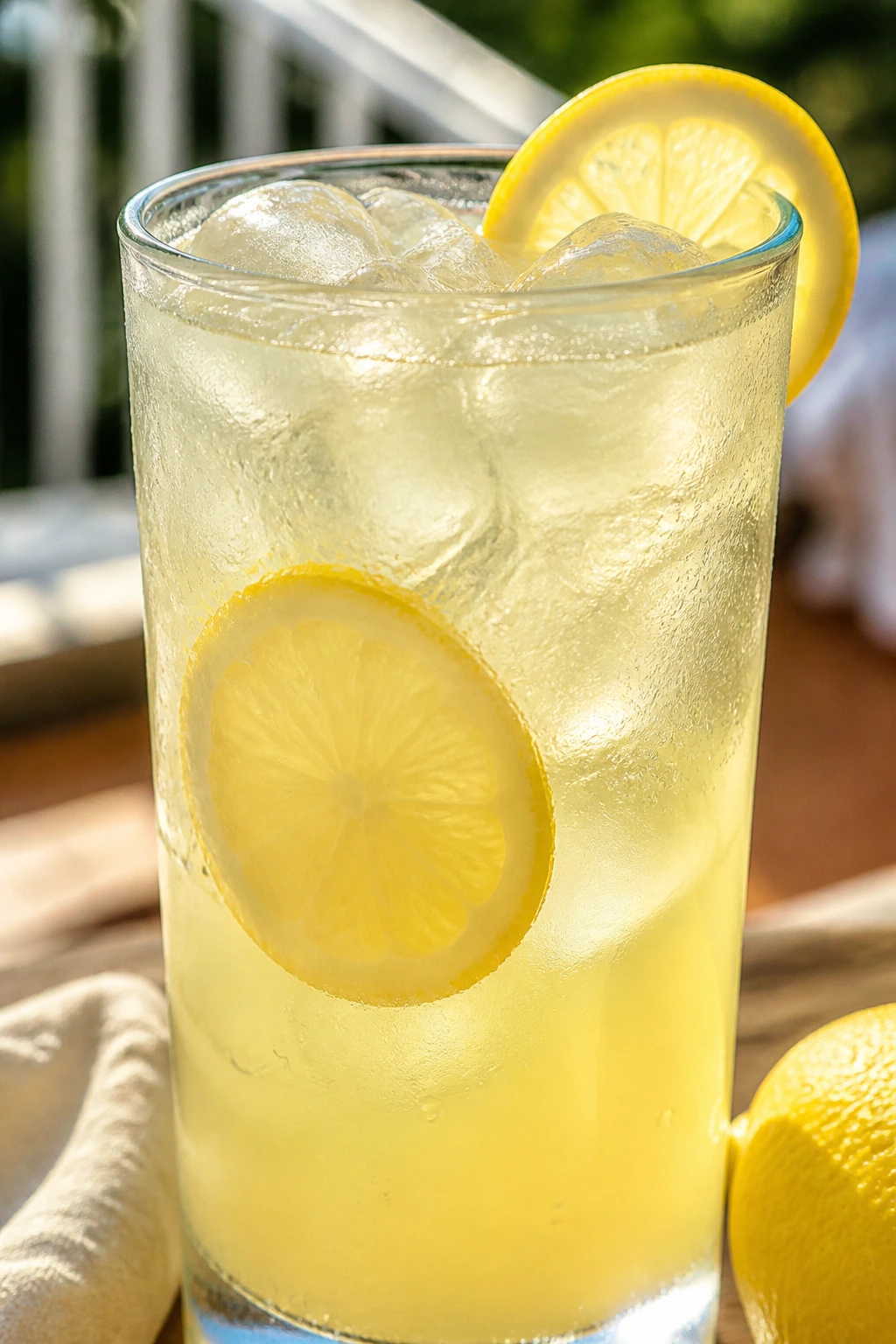
-
Clean sweetness: The sugar dissolves into a syrup first, so the last sip tastes as smooth as the first instead of leaving a sandy layer in the bottom of the pitcher.
-
Sharp lemon flavor: Using fresh juice from 6 to 8 lemons gives the drink a brighter, more vivid edge than bottled concentrate can manage.
-
Easy to control: A quick taste after chilling lets you nudge the batch toward more tart or more sweet without starting over.
-
No heavy aftertaste: A small pinch of salt tightens the flavor and keeps the lemon from tasting flat or metallic.
-
Built for cold service: The method keeps the ice in the glass, not the pitcher, which means the drink stays brighter longer.
-
Simple to scale: The same ratio works for a small family dinner, a porch pitcher, or a larger drink dispenser if you’re making more.
Yield: Serves 6
Prep Time: 15 minutes
Cook Time: 5 minutes
Total Time: 20 minutes active + 1 hour chilling
Chill/Rest Time: 1 hour, or until thoroughly cold
Difficulty: Beginner — the steps are straightforward, and the main skill is tasting at the right moment
Best Served: Very cold, over plenty of ice
The Ingredient List for a Clean, Cold Pitcher
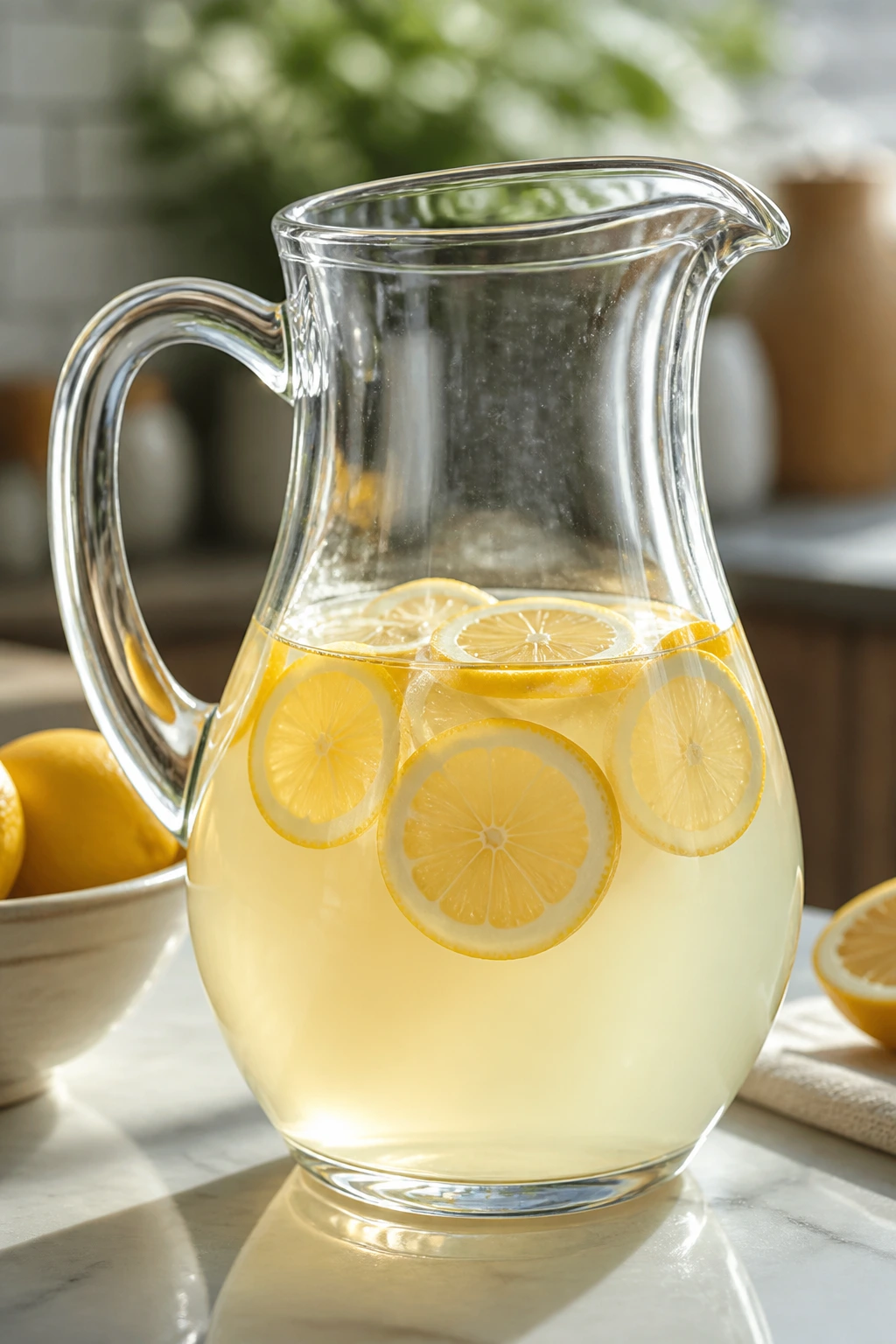
For the Lemonade Base:
- 1 cup granulated sugar
- 1 cup water
- 1 cup fresh lemon juice, strained, from 6 to 8 medium lemons
- 3 cups cold water
- 1/4 teaspoon fine sea salt
For Serving:
- Ice cubes
- 1 lemon, thinly sliced into rounds or half-moons
- Fresh mint sprigs, optional
What Each Ingredient Does in the Glass

Lemons
What to use: You need 6 to 8 medium lemons to get about 1 cup of juice. If they’re very large and juicy, you may need fewer; if they’re old or firm, you may need more.
Preparation: Roll each lemon on the counter with the heel of your hand for 10 to 15 seconds before cutting it. That loosens the membranes and gives up more juice, especially if the fruit has been sitting in the fridge.
Substitutions: Meyer lemons work if you like a softer, more floral drink, though they’ll make a sweeter, less sharply tart lemonade. A mix of regular lemons and a little lime juice can also work if you want a harder citrus edge.
Tips: Fresh juice matters here. Bottled lemon juice can taste dull or slightly bitter, and once that note lands in the pitcher, there isn’t much you can do to hide it. Strain out seeds and excess pulp so the drink stays clean instead of thick.
Sugar
What to use: Use 1 cup granulated sugar. It dissolves cleanly and gives you the classic lemonade texture most people expect.
Preparation: Dissolve it in 1 cup water over medium heat to make a simple syrup. Stir until the liquid turns clear and you can no longer feel sugar grains scraping the spoon.
Substitutions: Superfine sugar works if that’s what you have, and honey can replace part or all of the sugar if you like a softer, floral finish. If you use honey, warm it gently in the water so it loosens completely.
Tips: Brown sugar is not my pick here. It adds a molasses note that turns lemonade murky and drags the flavor in the wrong direction. Keep the sweetness clean and let the lemon do the talking.
Water and Ice
What to use: You need 1 cup water for the syrup and 3 cups cold water to finish the batch, plus plenty of ice for serving.
Preparation: Keep the finishing water cold. If you can chill the pitcher ahead of time, even better. A cold vessel helps the drink feel crisp on contact instead of starting lukewarm and working backward.
Substitutions: You can replace up to 1 cup of the cold water with chilled plain sparkling water if you want bubbles, but add it only right before serving. Still water is the safer choice if you’re making the lemonade ahead.
Tips: Ice in the pitcher is a shortcut that causes trouble. It dilutes the drink fast and blunts the citrus. Put the ice in the glass instead, where it belongs.
Salt and Garnishes
What to use: A 1/4 teaspoon of fine sea salt is enough to round out the flavor. Use lemon slices and a few mint sprigs for serving.
Preparation: Add the salt to the lemon juice before mixing in the water so it disperses evenly. Slice the lemons thinly so they look tidy in the glass and don’t take over the drink.
Substitutions: If you want a slightly more savory edge, a tiny pinch of flaky salt on the rim works, though I’d keep that to the first glass, not the whole batch. Basil can stand in for mint if you like a greener, peppery scent.
Tips: Salt should not make the drink taste salty. It should make the lemon taste clearer. If you can taste the salt directly, you added too much.
Tools That Make Lemonade Less Fussy
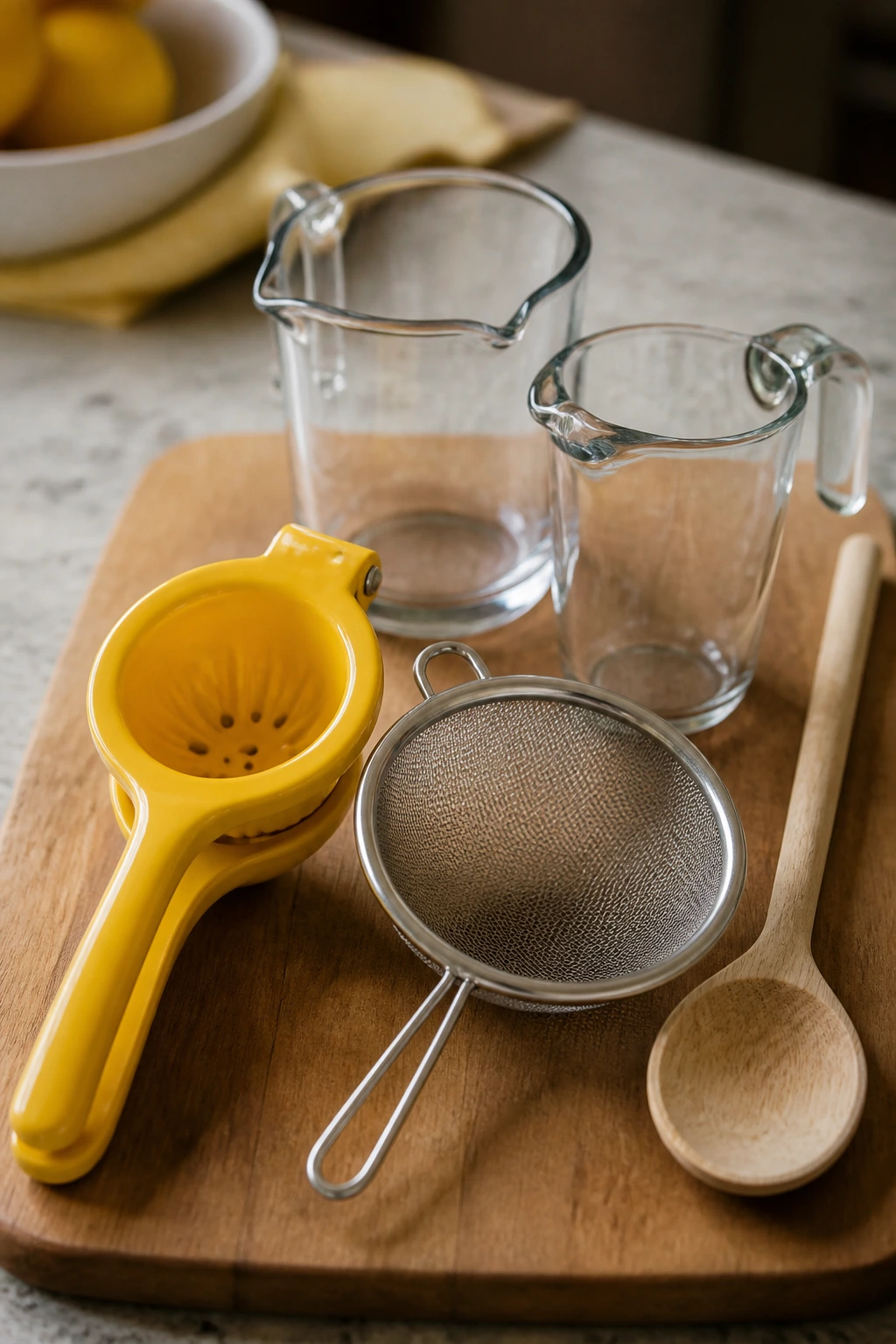
-
Small saucepan: You only need a basic one for the sugar syrup, but choose one with a heavy bottom so the syrup heats evenly.
-
Citrus juicer or handheld reamer: Either one works. A reamer is slower, but it gives you good control and less chance of squeezing in seeds.
-
Fine-mesh strainer: This keeps the juice clean and catches seeds, pulp, and stubborn little bits of membrane.
-
Large pitcher, at least 2 quarts: A roomy pitcher makes stirring easier and keeps the liquid from sloshing over the rim.
-
Wooden spoon or silicone spatula: Useful for dissolving the sugar and stirring the finished drink without scratching the pitcher.
-
Measuring cups and spoons: Lemonade lives or dies on ratio. Eyeballing the sugar is how you end up with something thin or syrupy.
-
Sharp knife and cutting board: For halving lemons and slicing garnishes cleanly.
-
Ice cube tray, optional: Handy if you want to freeze lemonade cubes later so your second glass doesn’t dilute as fast.
How to Stir, Taste, and Chill the Batch
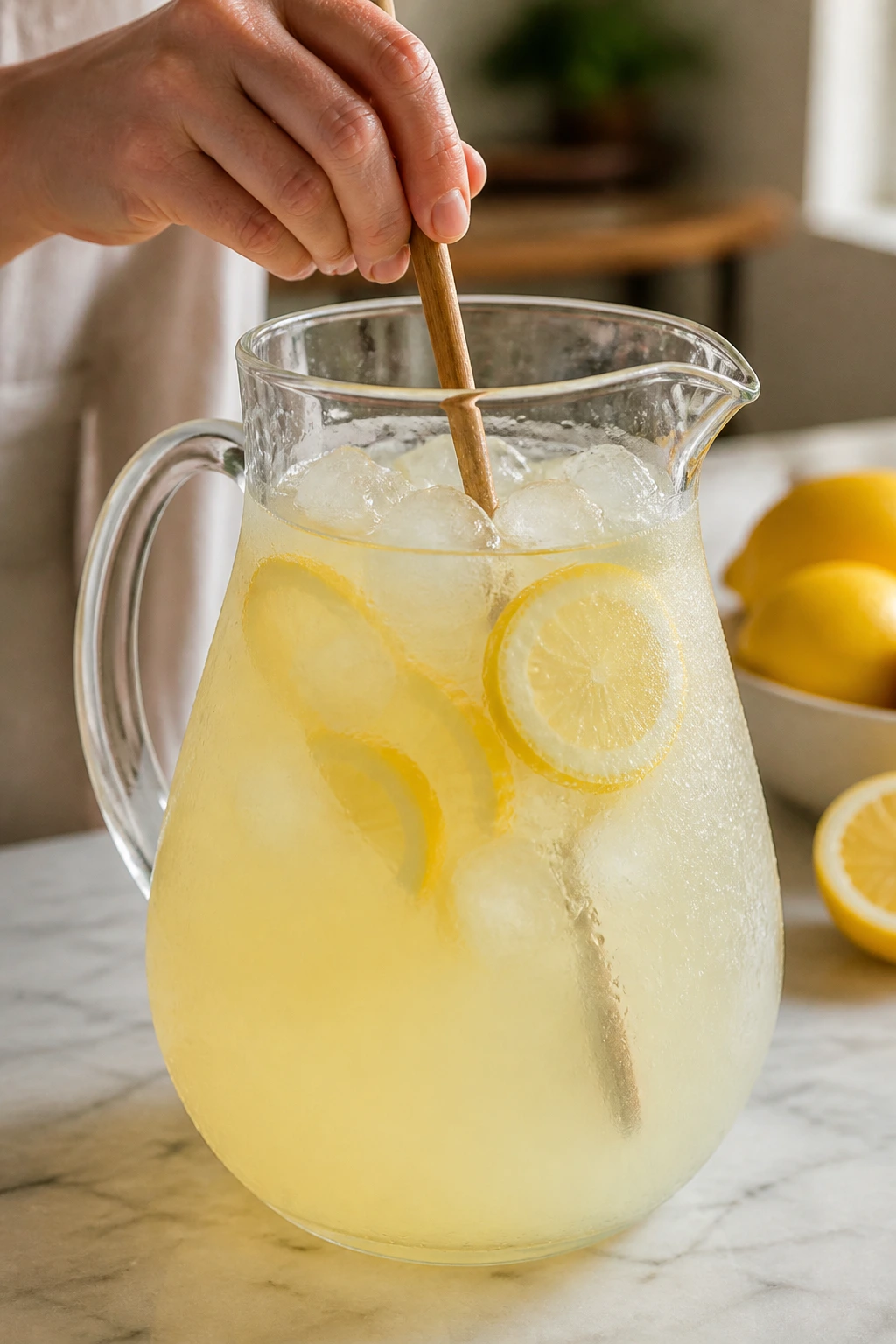
Make the syrup first.
-
Combine 1 cup granulated sugar and 1 cup water in a small saucepan over medium heat. Stir steadily for 2 to 3 minutes, just until the sugar disappears and the liquid turns clear. Do not let it boil hard or reduce down; you want syrup, not candy.
-
Remove the pan from the heat and let the syrup cool for 5 to 10 minutes until it feels warm rather than hot. Hot syrup can dull the lemon juice and melt your ice too quickly later.
Juice the lemons with a little patience.
-
Roll 6 to 8 medium lemons on the counter, then cut them in half and juice them until you have 1 cup of strained juice. If the lemons are firm or cold, microwave them for 10 seconds first; that often gives you another tablespoon or two you would otherwise leave behind. Strain the juice through a fine-mesh strainer into a bowl or measuring cup. If you see seeds, a lot of pulp, or little white bits, strain again.
-
Pour the lemon juice into a 2-quart pitcher and add 1/4 teaspoon fine sea salt. Stir once or twice so the salt starts dissolving before the syrup goes in.
Mix and chill.
-
Add the warm syrup to the pitcher, then pour in 3 cups cold water. Stir for 20 to 30 seconds until the liquid looks uniform and slightly glossy. Taste a small spoonful. Taste now, not later in a panic — once the lemonade is cold, sweetness reads differently.
-
If the drink tastes too sharp, add 1 to 3 tablespoons more water. If it feels thin, add 1 to 2 tablespoons more syrup. Stir again and taste once more. You’re looking for a clean lemon snap, not a sugar rush.
-
Cover the pitcher and refrigerate for at least 1 hour, or until it’s cold all the way through. Chilling matters more than most people think; warm lemonade can fool you into adding too much sugar.
-
Fill glasses with ice, pour in the lemonade, and finish with lemon slices and mint if you want a fresher scent. Give the pitcher one quick stir before each pour, because the flavor settles a little as it sits.
How to Serve a Pitcher of Lemonade
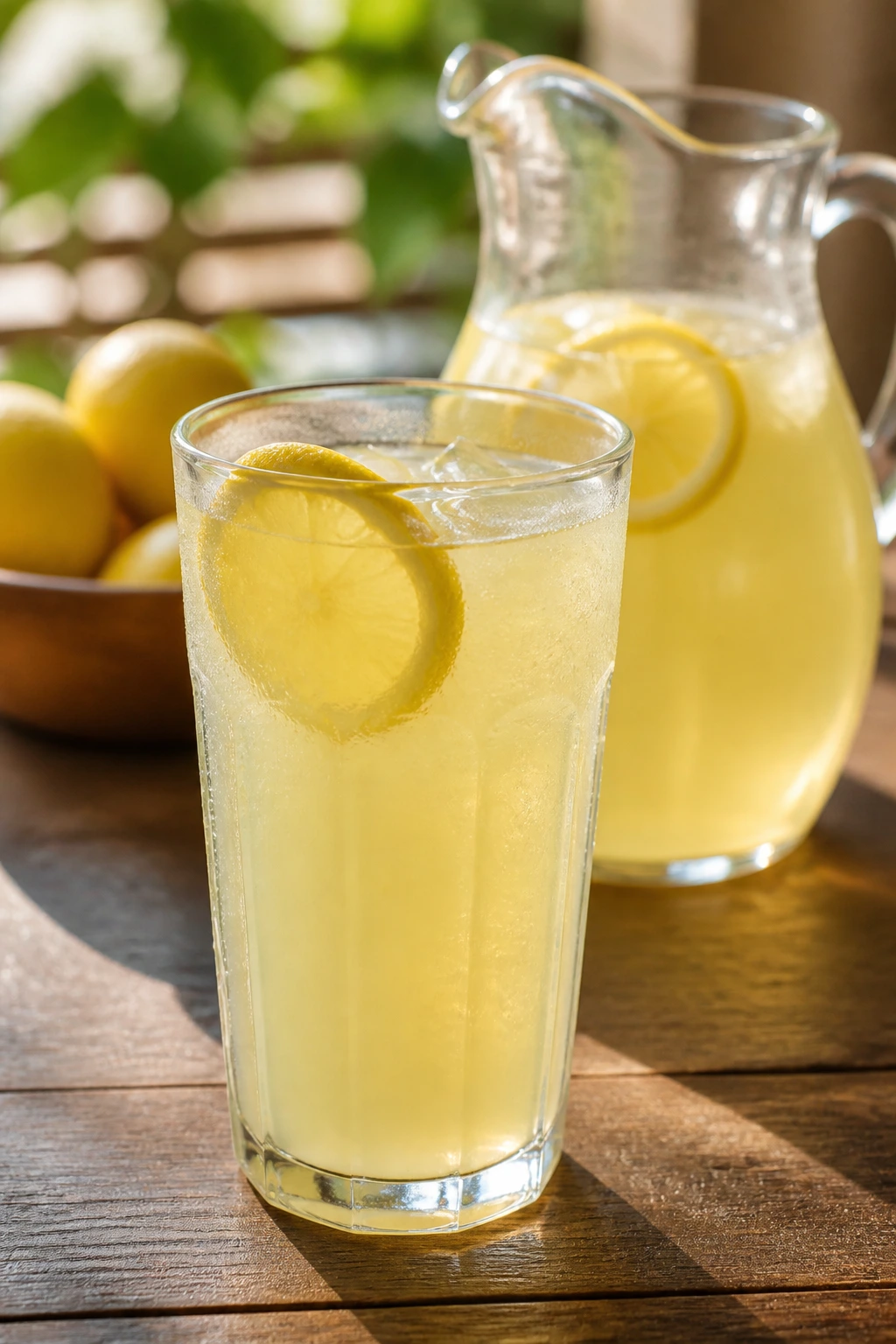
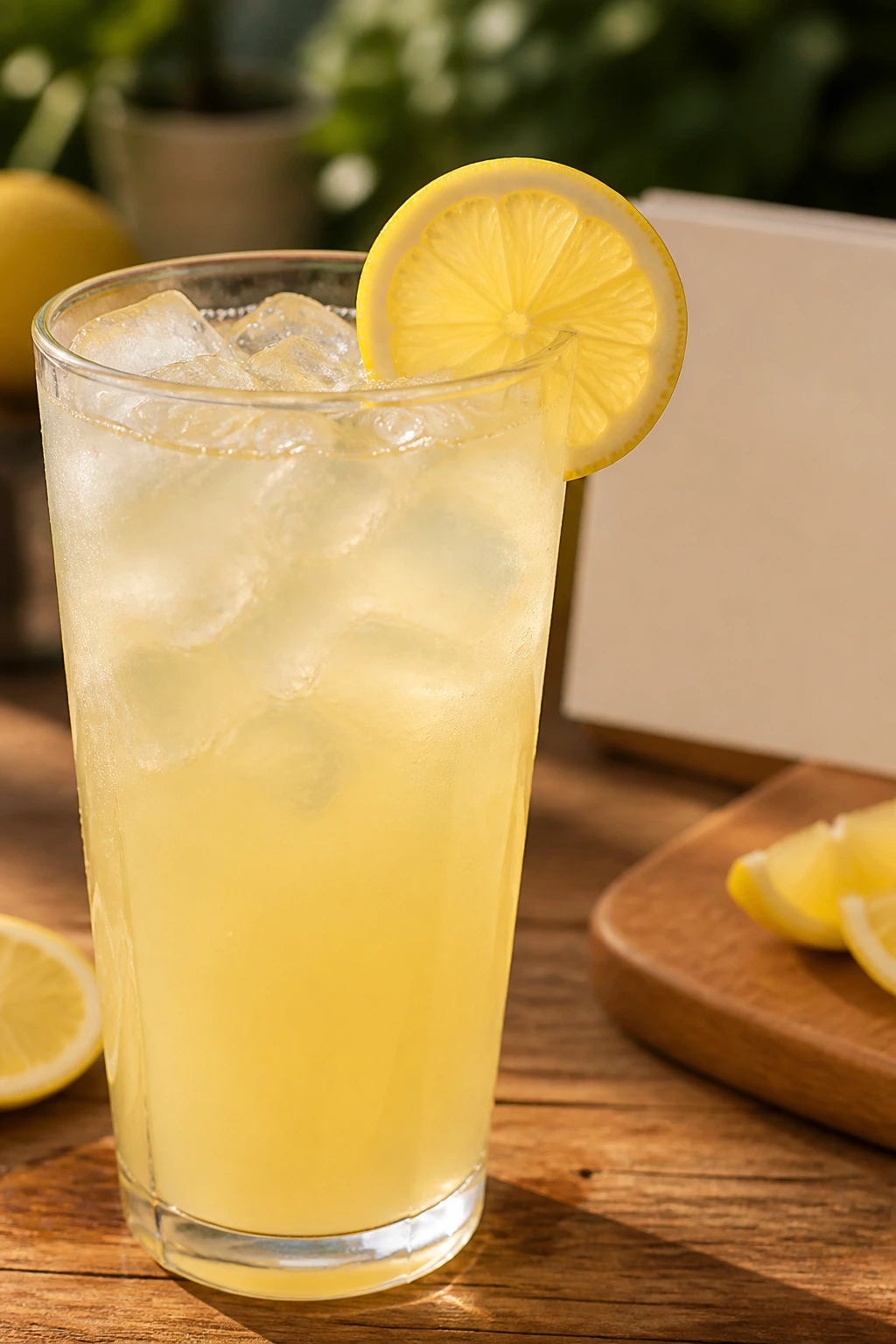
Presentation: Serve it in tall, cold glasses with a lemon wheel tucked against the inside of each glass. If you’re using mint, slap the sprigs lightly between your palms first; that wakes up the aroma without bruising the leaves into mush. A clear pitcher shows off the color, which should look pale gold rather than cloudy white.
Accompaniments: I like this with salty food. Grilled chicken, tomato sandwiches, a bowl of potato chips, cucumber salad, or shrimp skewers all work because the tartness cuts through the fat and salt without fighting them. If you’re serving it as part of a snack spread, a bowl of strawberries nearby makes sense too.
Portions: Plan on about 1 cup per person for a normal meal, or 8 ounces if the lemonade is just one drink among several. For a larger gathering, double the batch and keep extra lemon slices in a small bowl nearby so the pitcher doesn’t get overcrowded.
Beverage Pairing: For a nonalcoholic pairing, unsweetened iced tea is the best contrast I know. It lets the lemonade stay bright while giving the table something less tart to alternate with. Cold sparkling water with a slice of cucumber is another good companion if you want to keep the overall drink service light.
Little Upgrades That Change the Whole Glass
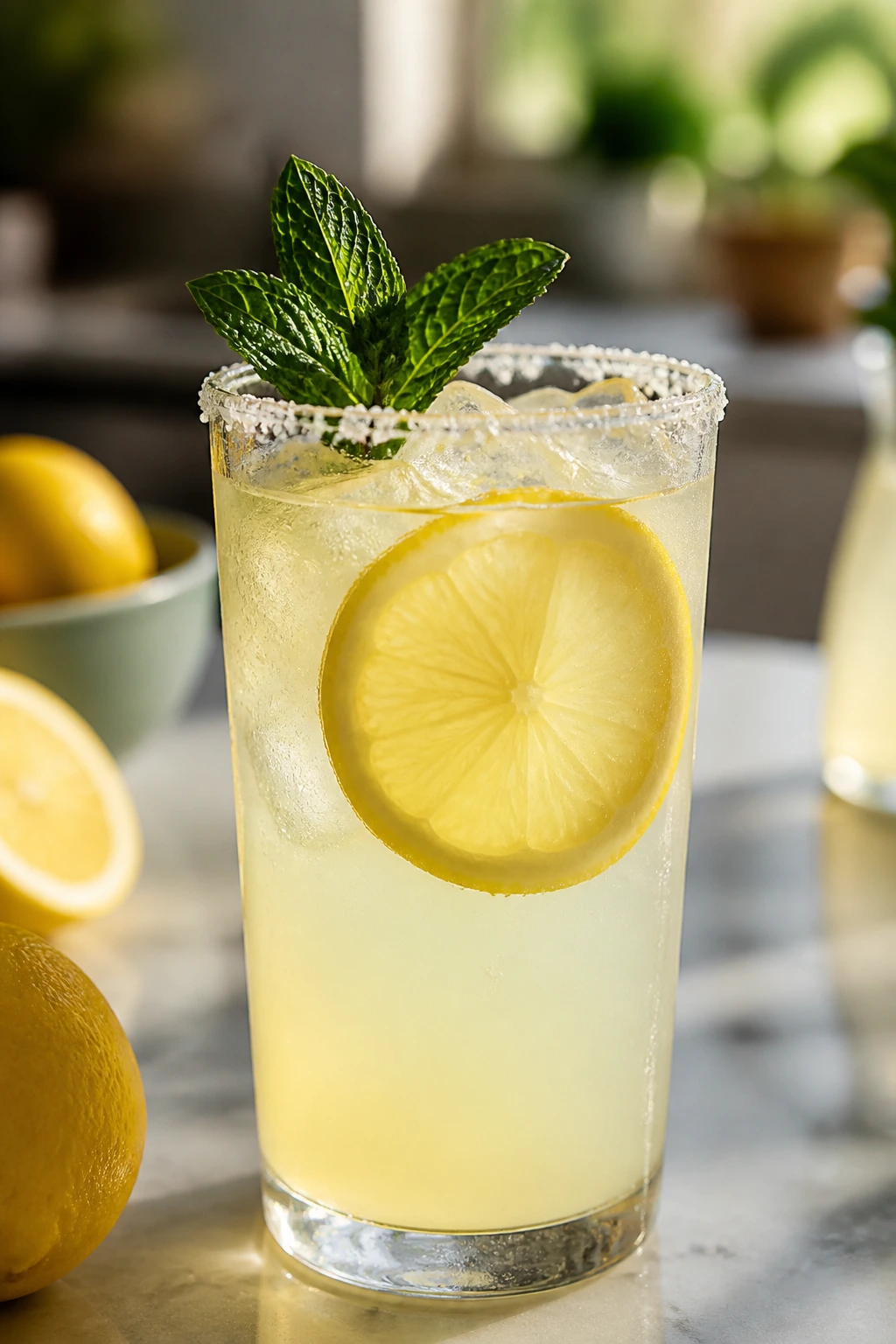
Flavor Enhancement: A tiny pinch of salt is the easiest upgrade, and it deserves its place here. It doesn’t make the lemonade savory; it just sharpens the lemon so the flavor feels more complete. If you want a slightly more aromatic batch, chill the pitcher with a few lemon slices inside and pull them out after an hour.
Time-Saver: If you know you’ll be busy later, make the syrup and juice the lemons separately up to a day ahead. Keep both chilled in sealed containers, then combine them when you’re ready. That way the drink still tastes fresh, but the work is already done.
Texture Fix: If your lemonade looks a little pulpy after mixing, run the finished batch through the fine-mesh strainer one more time into a clean pitcher. It’s a small step, and it makes the drink feel much cleaner on the tongue. I reach for this especially when the lemons were extra juicy and full of pulp.
Make-It-Yours: If you like a gentler drink, reduce the sugar by 2 tablespoons and keep the salt. If you want something sharper, leave the sugar alone and add 1 to 2 tablespoons more lemon juice after chilling. For a lighter finish, serve it with a splash of cold sparkling water in the glass rather than diluting the whole pitcher.
Common Lemonade Mistakes and How to Fix Them
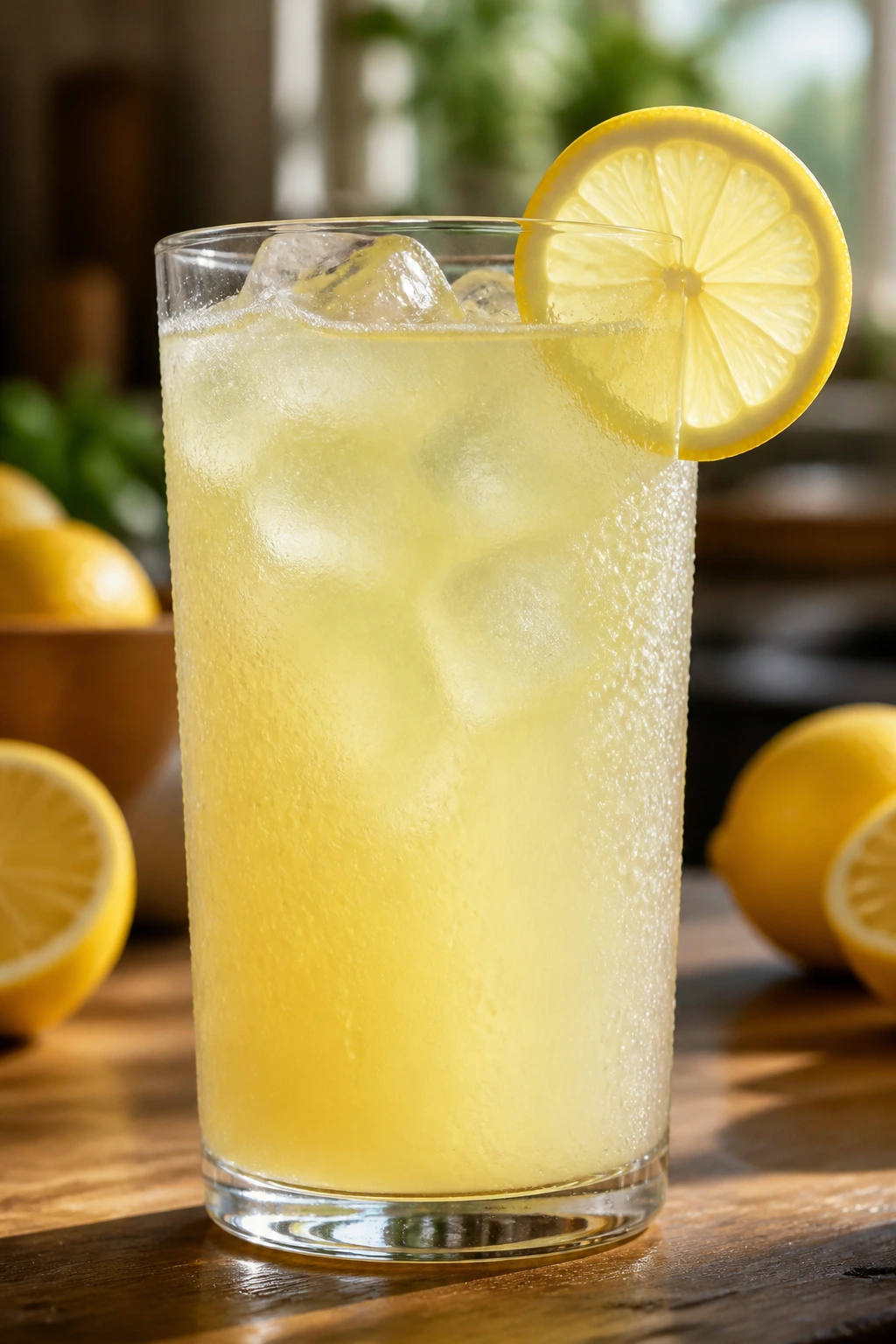
Grainy sugar at the bottom: If the last glass tastes gritty, the sugar never fully dissolved. The fix is simple syrup — heat the sugar with water first until the liquid is clear. Once you’ve made lemonade this way a few times, you stop tolerating the lazy version.
Bottled lemon juice doing the heavy lifting: This is the fastest way to make the drink taste flat. Fresh lemons bring brightness and a little fragrant oil from the peel area around the fruit, while bottled juice usually tastes one-dimensional. If you’re stuck with bottled juice, use it only as a backup and add fresh juice if you can.
Too much ice in the pitcher: The drink starts cold, then slides into watery territory as the cubes melt. Keep the ice in individual glasses and chill the pitcher instead. That way the second pour tastes like the first.
Tasting before chilling: Warm lemonade is sweeter and less sharp than cold lemonade, which makes early tasting misleading. If you adjust only while the batch is warm, you may overshoot and end up with a cloying drink after refrigeration. Taste once when it’s mixed, then again after it’s cold.
Skipping the strain: Lemon seeds and thick pulp make the drink feel rough. They also clog the pour and make the texture uneven from glass to glass. A fine-mesh strainer solves this in seconds.
Pushing the syrup too hard: If you boil the sugar mixture aggressively or reduce it too much, the lemonade can start tasting heavy instead of clean. You want dissolving, not concentration. Keep the heat moderate and pull the pan once the sugar disappears.
Variations Worth Pouring Another Way
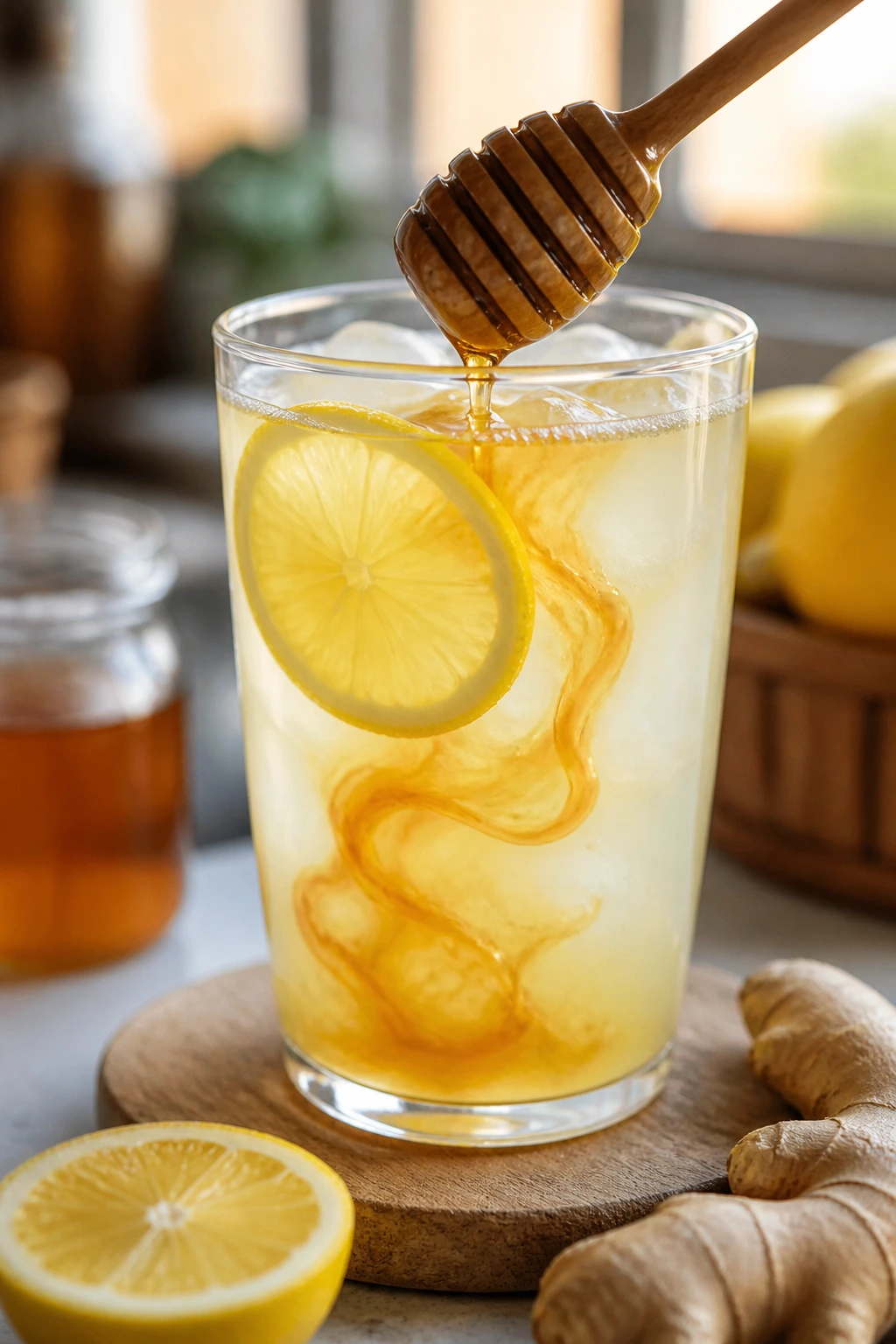
Honeyed Lemonade: Replace the 1 cup sugar with 3/4 cup honey and warm it with the 1 cup water until it loosens completely. The result is softer, a little floral, and less sharp on the finish. It’s the version I’d pour for people who want something rounder than the classic.
Sparkling Porch Lemonade: Make the base exactly as written, but replace 1 cup of the cold water with 1 cup chilled plain seltzer. Add the bubbles only right before serving so they don’t go flat in the pitcher. This version tastes lighter and gives the drink a quicker snap on the tongue.
Mint-Pressed Lemonade: Add a small handful of mint leaves to the pitcher and bruise them gently with a wooden spoon before chilling. Don’t mash them to a paste; you want aroma, not green bits floating everywhere. The flavor goes cooler and more herbal, which is useful if the lemonade is being served with salty food.
Ginger Lemonade: Simmer a 1-inch piece of peeled ginger, sliced thin, in the sugar syrup for 5 minutes, then strain it out before mixing the batch. Ginger pushes the drink toward a sharper, warmer profile that feels especially good when you want something less plain. It also stands up nicely if you’re serving the lemonade with grilled or spicy food.
Berry-Striped Lemonade: Muddle 6 to 8 strawberries in the bottom of the pitcher before adding the lemonade, or stir in 1/2 cup crushed raspberries. The fruit softens the tartness and turns the drink into something a little less formal. I like this one in a clear pitcher because the streaks look as good as they taste.
Make-Ahead, Storage, and Leftover Lemonade
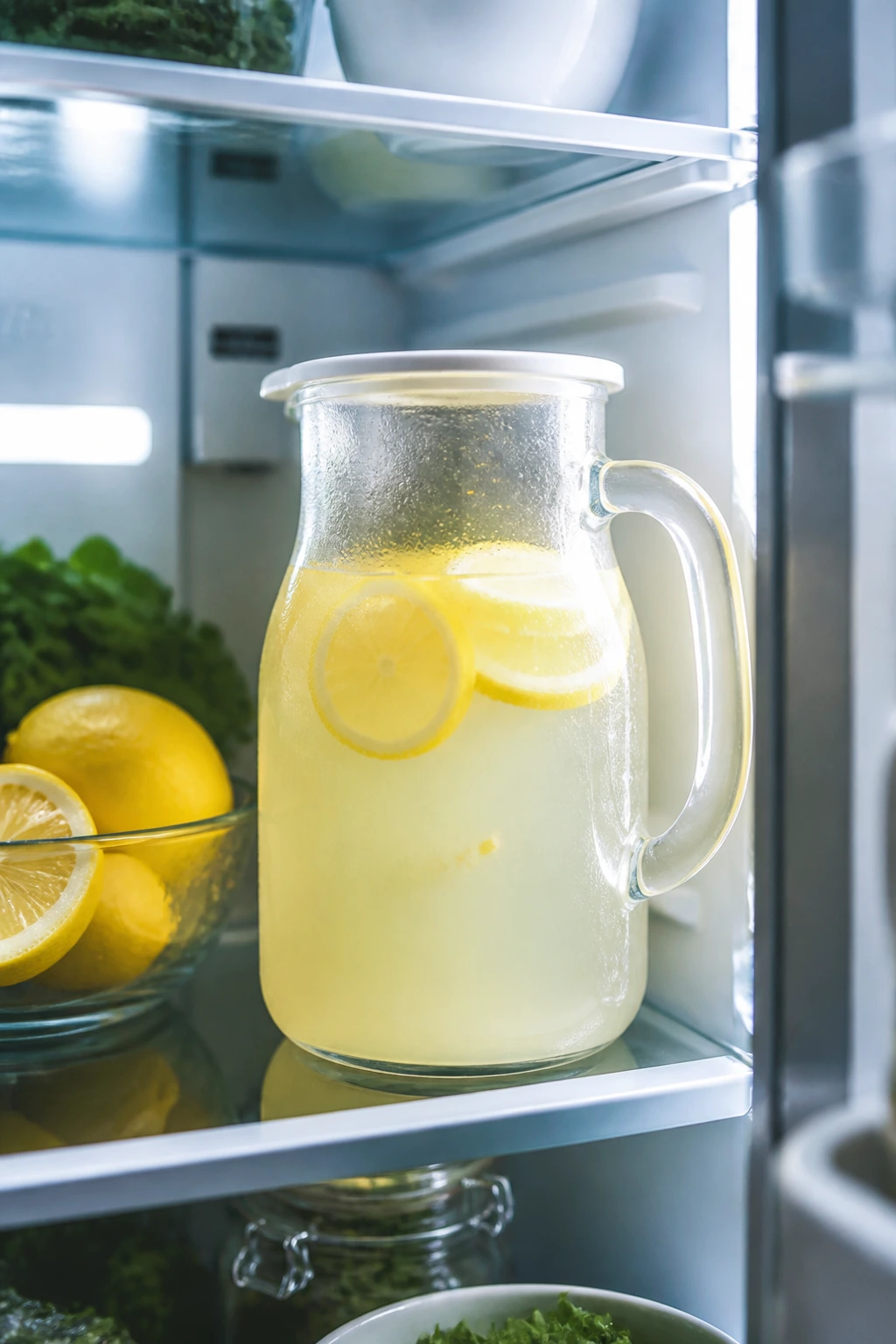
Lemonade keeps, but it doesn’t age gracefully forever. The cleanest way to make it ahead is to prepare the syrup and juice separately, then combine them a few hours before serving. Once mixed, the pitcher holds best in the refrigerator for 3 to 4 days in a tightly covered container.
If you want to stretch the life of the batch, freeze the lemonade base rather than the fully diluted pitcher. Ice cube trays work well for this. The cubes keep for up to 2 months, and you can thaw them in the fridge overnight or drop them into sparkling water for a quick drink that still tastes bright. A freezer-safe container works too, but leave a little headspace because liquid expands.
Room temperature is not where this drink belongs. If a pitcher has been sitting out with ice in it for more than 2 hours, the flavor starts to soften and the dilution climbs fast. On a warm day, that tipping point comes sooner than people expect. I would move anything left after the meal back into the fridge rather than leaving it on the counter “for later.”
There is no good reheating method here, and I would not try to invent one. Warm lemonade tastes flatter, sweeter, and less sharp than cold lemonade, which is the opposite of what you want. If a chilled batch tastes a little dull the next day, stir in 1 to 2 tablespoons fresh lemon juice and a tiny pinch of salt before serving.
For make-ahead work, I like this order: syrup first, juice second, combine last. That gives you the most control and the least wasted effort. If you make the whole thing the night before, keep the pitcher sealed and give it a stir before pouring the next day.
Lemonade Questions People Actually Ask

Can I use bottled lemon juice if I’m short on fresh lemons?
Yes, but use it as a backup, not the star. Fresh juice gives the drink a cleaner, brighter edge, while bottled juice can taste flat or slightly bitter. If you must use bottled, try mixing it with at least a few freshly squeezed lemons so the flavor doesn’t feel hollow.
Why does my lemonade taste too sour after it chills?
Cold dulls sweetness, so a batch that seemed balanced warm can taste sharper once it’s cold. Add 1 to 2 tablespoons more syrup, or a tablespoon of water if the lemon is barking at you too hard. Taste again after the adjustment and give it another 10 minutes in the fridge.
Can I make this with honey instead of sugar?
You can, and it changes the flavor in a nice way. Warm the honey with the water until it dissolves fully, then cool it before mixing with the lemon juice. The taste will be softer and a little more floral than the classic version.
How do I keep lemonade from getting watery?
Don’t put ice in the pitcher. Chill the drink before serving, and use ice only in the glass. If you need a slower-melting option, freeze a little lemonade in cube trays and use those cubes in place of regular ice.
Can I make sparkling lemonade from this recipe?
Yes, and it works best if you mix the base first, chill it, and then add plain seltzer at the last minute. If you add sparkling water too early, the bubbles disappear and you’re left with ordinary lemonade and regret. Use chilled seltzer so you don’t warm the batch.
What if my lemons barely give any juice?
They were probably cold or older than they looked. Roll them firmly, microwave them for 10 seconds, and try again. If they still underperform, you can make up the difference with another lemon rather than trying to squeeze too hard and forcing bitter notes into the juice.
Can I freeze leftover lemonade?
Yes, though I prefer freezing the concentrate or juice rather than the fully diluted batch. The texture stays better, and the flavor wakes up faster when you thaw and mix it. If you freeze the finished lemonade, expect to stir it well after thawing because some separation is normal.
One Cold Glass

A good pitcher of lemonade doesn’t need extra noise. It needs balance, cold temperature, and the kind of lemon flavor that feels awake from the first sip to the last one in the glass.
That’s why this version leans so hard on fresh juice, simple syrup, and a little salt. The drink stays clean instead of sugary, bright instead of flat, and useful in the way only a plain, well-made thing can be. Keep a few lemons around, and you’re already halfway to a pitcher that disappears faster than the ice.
Refreshing Lemon Lemonade for Summer Sipping — Recipe Card
Recipe Name: Refreshing Lemon Lemonade for Summer Sipping
Description: A bright, clean homemade lemonade made with fresh lemon juice, simple syrup, cold water, and a tiny pinch of salt. It’s crisp, balanced, and meant to be served very cold over ice.
Prep Time: 15 minutes
Cook Time: 5 minutes
Total Time: 20 minutes active + 1 hour chilling
Course: Drink
Cuisine: American
Servings: 6 servings
Calories: About 130 kcal per serving
Ingredients
For the Lemonade Base:
- 1 cup granulated sugar
- 1 cup water
- 1 cup fresh lemon juice, strained, from 6 to 8 medium lemons
- 3 cups cold water
- 1/4 teaspoon fine sea salt
For Serving:
- Ice cubes
- 1 lemon, thinly sliced
- Fresh mint sprigs, optional
Instructions
- Combine the sugar and 1 cup water in a small saucepan over medium heat. Stir for 2 to 3 minutes until the sugar dissolves and the liquid turns clear.
- Remove from the heat and let the syrup cool for 5 to 10 minutes until warm, not hot.
- Roll the lemons, cut them in half, and juice them until you have 1 cup of strained juice.
- Add the lemon juice and salt to a pitcher, then stir in the cooled syrup and 3 cups cold water.
- Taste and adjust with a little more water for a softer edge or a little more syrup for more sweetness.
- Chill for at least 1 hour.
- Serve over ice with lemon slices and mint, if using.
Notes: Taste again after chilling, since cold dulls sweetness. Keep ice in the glass, not the pitcher. If the lemonade tastes flat the next day, add 1 tablespoon fresh lemon juice and a pinch of salt.