



Some green smoothies taste like they were assembled by a lawn mower, and the first sip tells on them immediately.
A good Green Goddess Smoothie for summer sipping should not taste like punishment in a glass. It should be cold enough to fog the outside of the cup, bright enough to wake up your mouth, and creamy enough that you’re not chewing on spinach shreds between sips. The trick is balance: frozen fruit for sweetness and chill, cucumber for clean freshness, yogurt or avocado for body, and enough lime to keep the whole thing awake.
That balance matters more than people think. Too much spinach and you get a damp, grassy finish. Too much ice and the whole thing turns thin and watery after a minute. Too little acid and the fruit starts to feel flat instead of vivid. The sweet spot is a smoothie that looks almost too green to be appetizing, then tastes like pineapple, mint, and cold shade on a hot afternoon.
I keep coming back to this style of smoothie because it behaves like a real drink, not a blender compromise. The spinach fades into the background, the fruit leads, and the cucumber and mint keep the finish crisp instead of sticky. Once you get the proportions right, it becomes the sort of glass you make without measuring every time — but only after you’ve made it carefully a few times first.
Why This Green Goddess Smoothie Tastes Bright Instead of Grassy
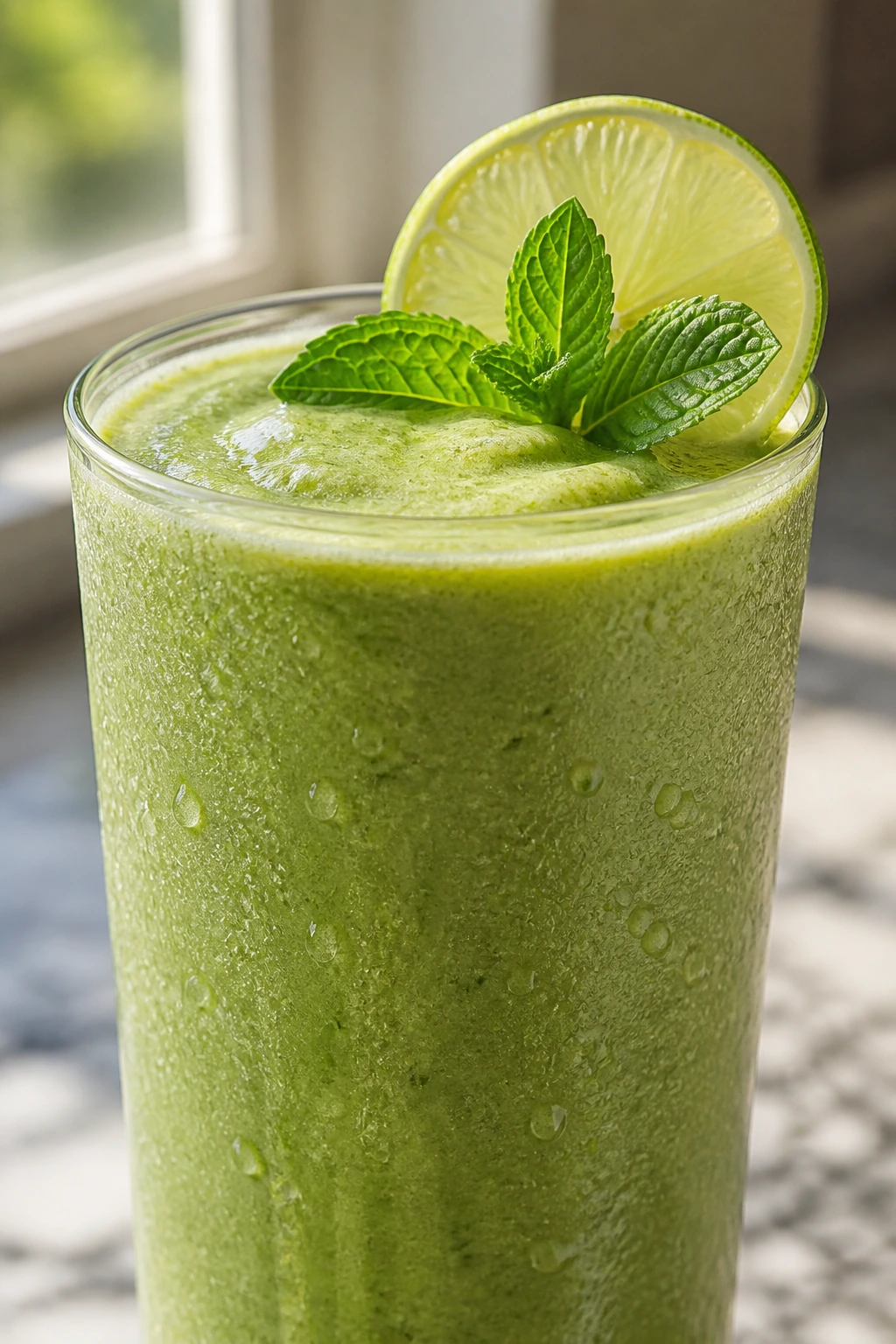
The name borrows from that old green goddess idea: herbs, tang, and creaminess all showing up together instead of one ingredient trying to dominate the room. In smoothie form, that means the greens need support. Spinach on its own is mild, which is a blessing here, because frozen pineapple and mango can do the loud work while cucumber and mint keep the texture cool and clean.
I’m opinionated about this part. Spinach is the right green for this drink because it blends down smoothly and doesn’t bring the sharp, peppery note you get from kale. Kale has its place. A smoothie meant for slow summer sipping is not one of them.
The other thing that makes this version worth making is the temperature. Frozen fruit matters more than a lot of people realize. It gives you body without needing a heap of ice, and that matters because ice dilutes flavor the second it melts. A smoothie that starts thick and cold stays pleasant longer in the glass, which is the whole point when you’re making breakfast that doubles as a cold drink.
There’s also a practical reason this mix works so well on a hot day: cucumber and lime pull the blend toward refreshing instead of dessert-like. You still get enough sweetness to keep the greens in check, but the finish stays light. That’s a rare and useful thing. Most green smoothies either lean too sweet or too earthy; this one lands in the middle, where you can actually sip it slowly.
Why You’ll Keep This One on Repeat
-
Bright, not muddy: Frozen pineapple, mango, and lime keep the flavor sharp enough that the spinach never turns the drink swampy.
-
Cold without being watery: Using frozen fruit instead of a pile of ice gives the smoothie a thicker, creamier body that doesn’t collapse in ten minutes.
-
Easy to adjust: A splash more coconut water loosens it, another spoon of yogurt thickens it, and a little honey rounds out the edges if your fruit isn’t fully ripe.
-
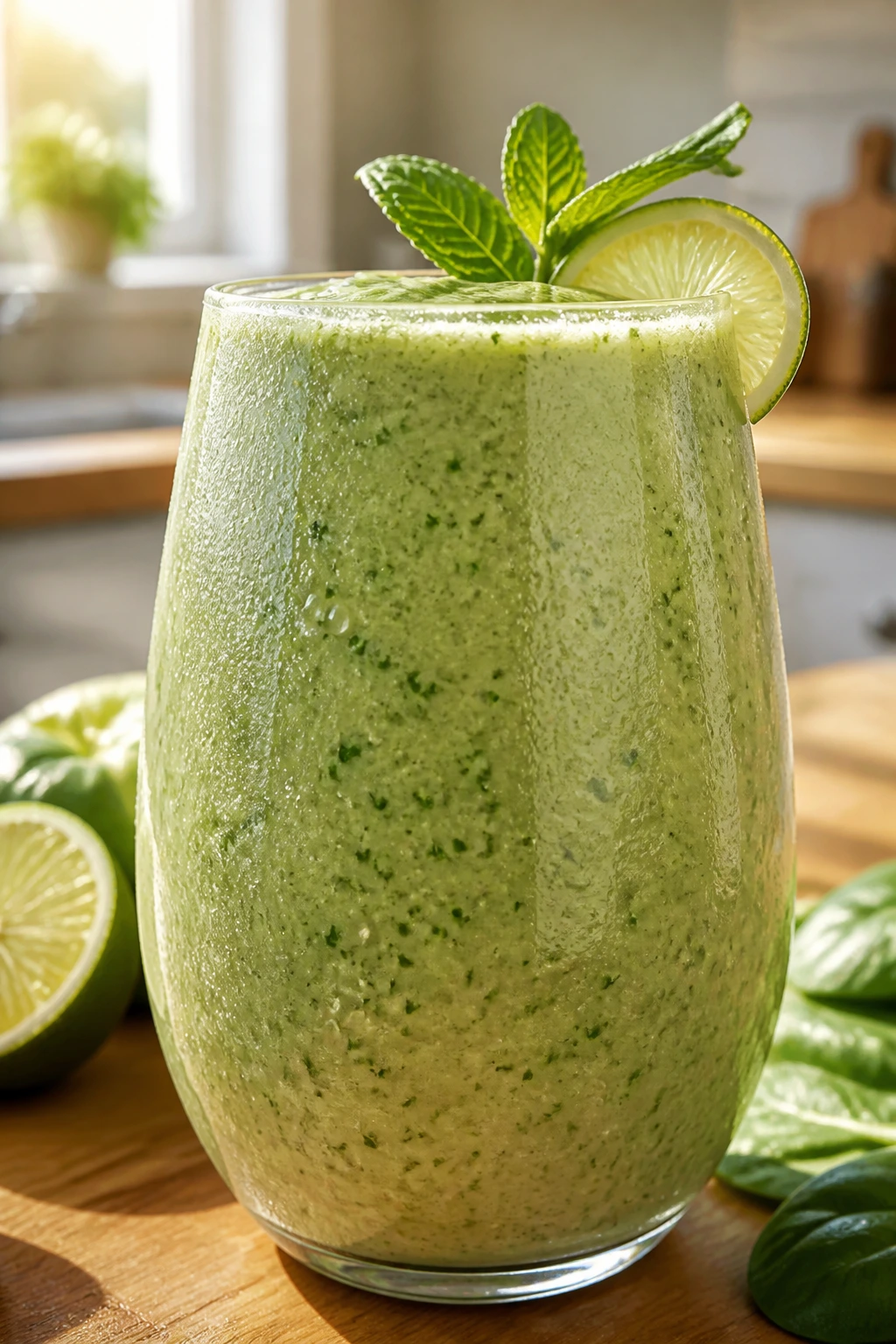
Looks fresh in the glass: That pale green color with mint flecks and a lime garnish has a clean, chilled look that feels right for warm weather.
-
Works as breakfast or a snack: The yogurt, chia, and avocado give enough substance that it doesn’t vanish like flavored juice.
-
Forgiving after a few swaps: If you’re out of mango, peaches step in. If you want it dairy-free, coconut yogurt slides into the same spot without breaking the flavor.
Yield, Blend Time, and Best Served
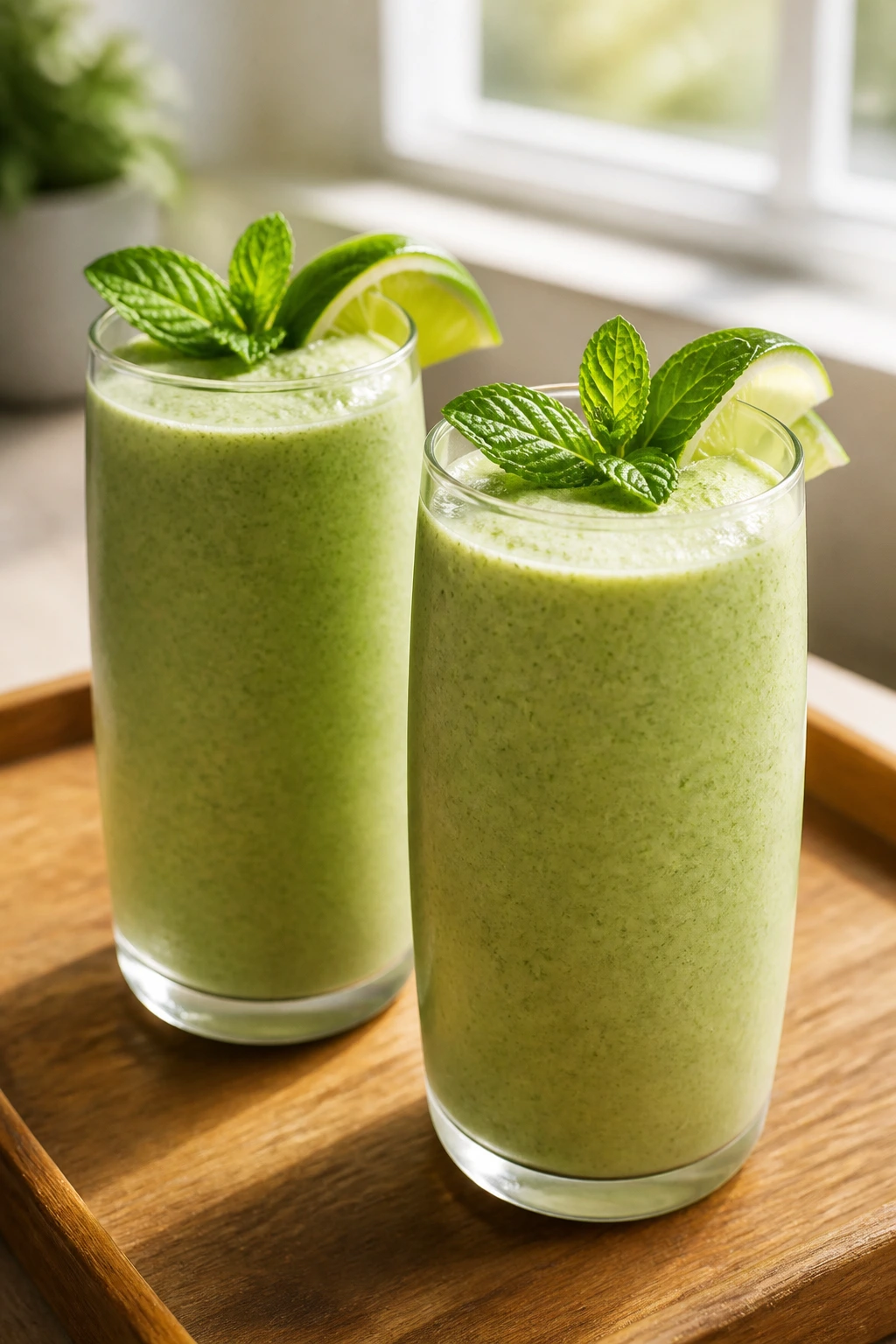
Yield: Serves 2 large smoothies
Prep Time: 10 minutes
Cook Time: 0 minutes
Total Time: 10 minutes
Difficulty: Beginner — the method is simple, but the texture depends on using cold ingredients and the right liquid balance.
Best Served: Immediately, in chilled glasses, while the fruit is still frosty and the mint is fragrant
The Ingredient Lineup for a Creamy, Cold Pour
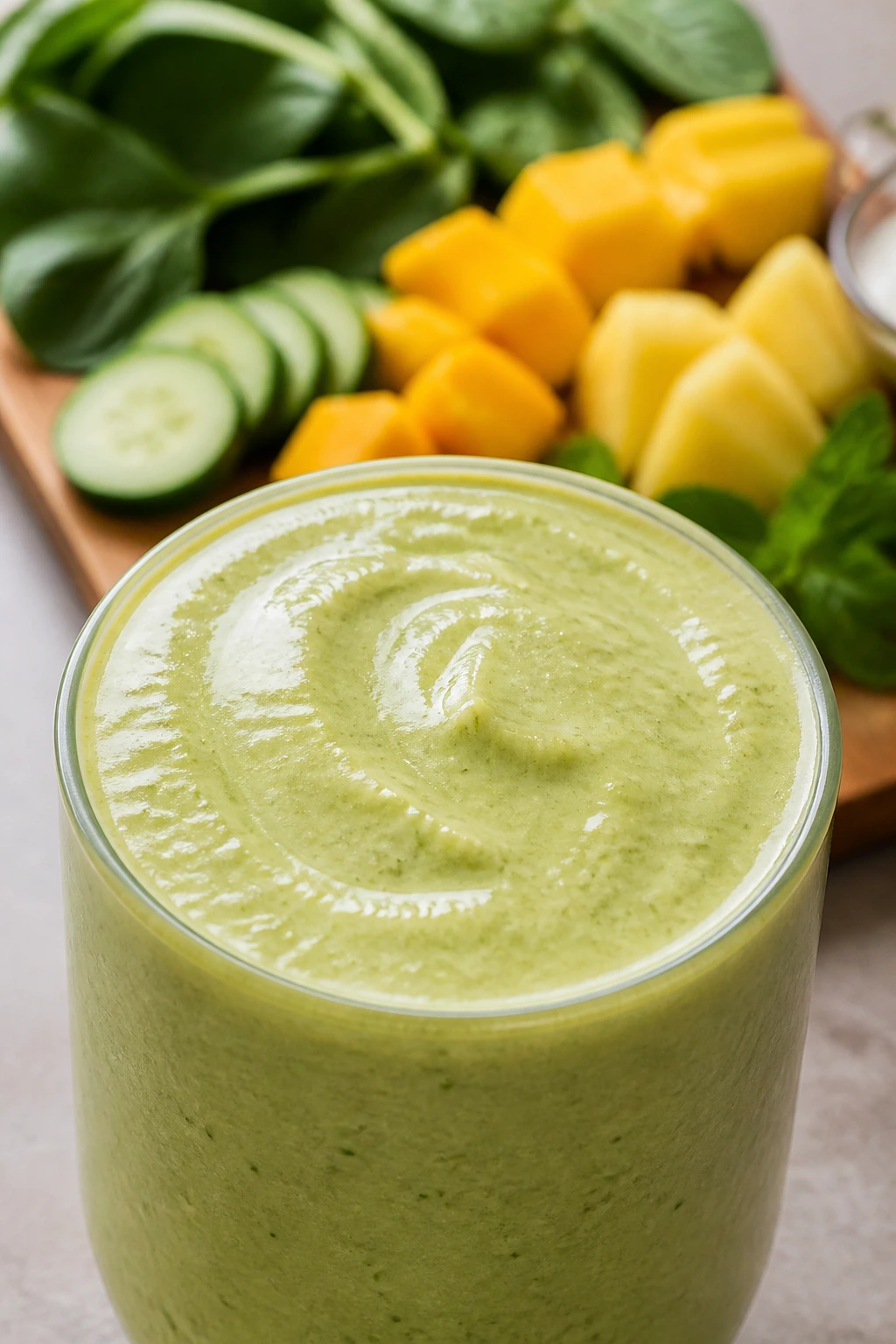
For the smoothie base:
- 2 cups packed baby spinach
- 1 cup frozen pineapple chunks
- 1 cup frozen mango chunks
- 1 small ripe banana, peeled and sliced, frozen if possible
- 1/2 medium cucumber, peeled if waxed and chopped
- 1/4 ripe avocado
- 3/4 cup plain Greek yogurt
- 3/4 cup cold coconut water
- 1 tablespoon fresh lime juice
- 6 fresh mint leaves
- 1 tablespoon chia seeds
- 1 to 2 teaspoons honey or maple syrup, optional
- 4 to 6 ice cubes, only if your fruit isn’t fully frozen or you want a frostier finish
How Each Ingredient Changes the Flavor and Texture
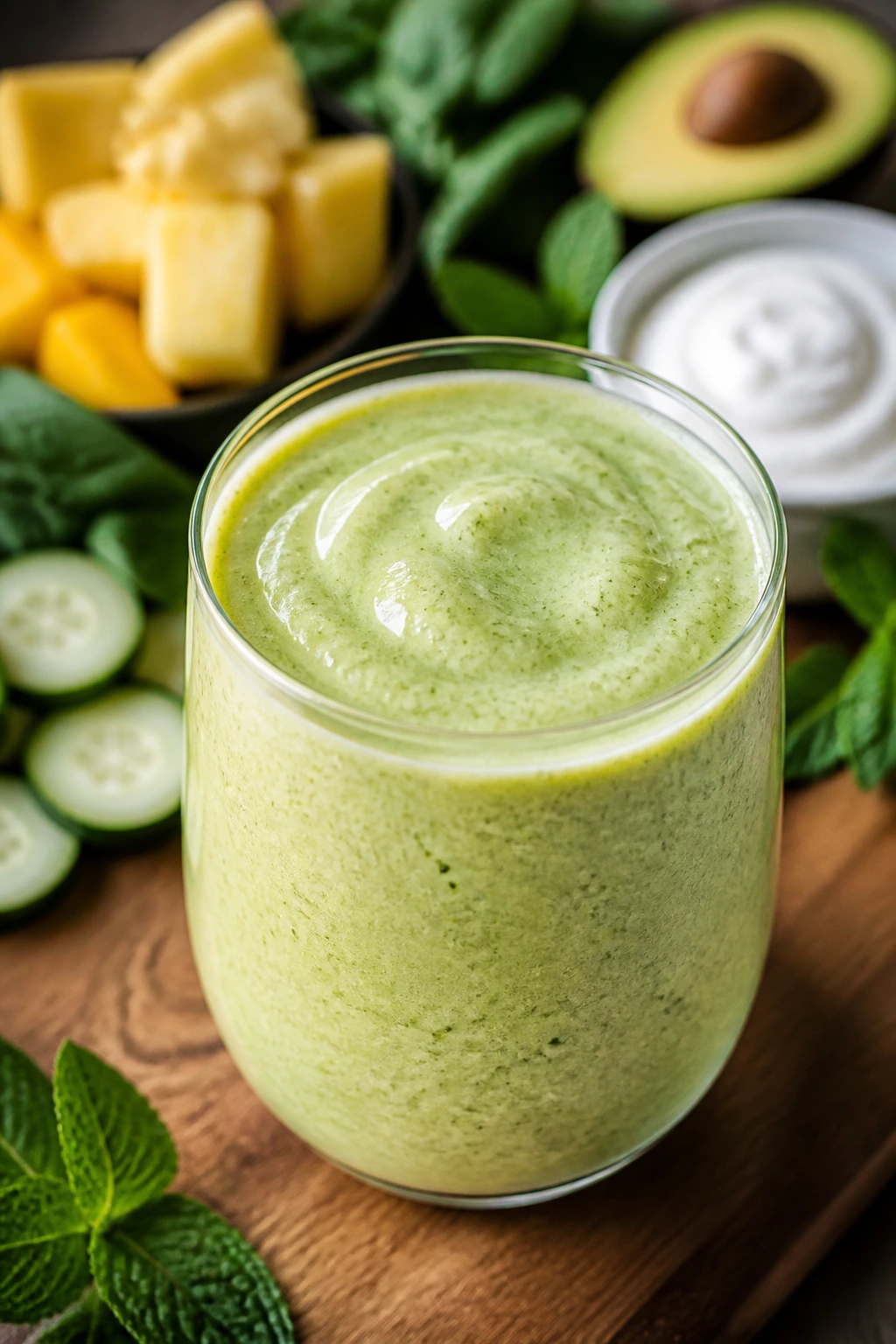
Frozen Fruit
What to use: 1 cup frozen pineapple chunks, 1 cup frozen mango chunks, and 1 small banana, preferably frozen in slices.
Preparation: Keep the fruit frozen until the last minute, and break up any clumps before it goes into the blender so the blade can catch it faster.
Substitutions: Frozen peaches can replace mango, and frozen papaya can stand in for pineapple if you want something softer and less tangy.
Tips: Frozen fruit gives you thickness without wrecking the flavor the way ice can, and that difference shows up fast in the first sip.
Greens, Herbs, and Freshness
What to use: 2 cups packed baby spinach, 6 mint leaves, and 1/2 medium cucumber.
Preparation: Rinse the spinach well and dry it if it’s wet from the bag; extra water can make the smoothie thinner than you meant it to be.
Substitutions: Use baby kale if you want a stronger green note, or swap the mint for basil if you want the drink to lean more herbal and less cool.
Tips: Spinach disappears cleanly in a blender, while mint needs a gentle hand. Too much mint turns medicinal fast.
Creamy Body
What to use: 3/4 cup plain Greek yogurt and 1/4 ripe avocado.
Preparation: Scoop the avocado flesh from the skin and cut it into a few chunks so it blends evenly instead of sitting in one soft lump.
Substitutions: Coconut yogurt gives you a dairy-free option, and plain regular yogurt works if you want a slightly looser texture.
Tips: The avocado is not there to make the smoothie taste like avocado. It softens the edges and gives the drink that silky, almost spoonable body you want before it melts.
Liquid, Acid, and Finishers
What to use: 3/4 cup cold coconut water, 1 tablespoon lime juice, 1 tablespoon chia seeds, and 1 to 2 teaspoons honey or maple syrup if needed.
Preparation: Chill the coconut water before blending, and squeeze the lime fresh; bottled juice can taste flat in a smoothie this bright.
Substitutions: Unsweetened almond milk works if you want a creamier, less tropical profile, while plain cold water can loosen the blend in a pinch.
Tips: Start with less liquid than you think you need. You can always add another splash; you cannot pull liquid back out once the blender turns the whole thing thin.
The Blender and Tools That Make the Job Easy
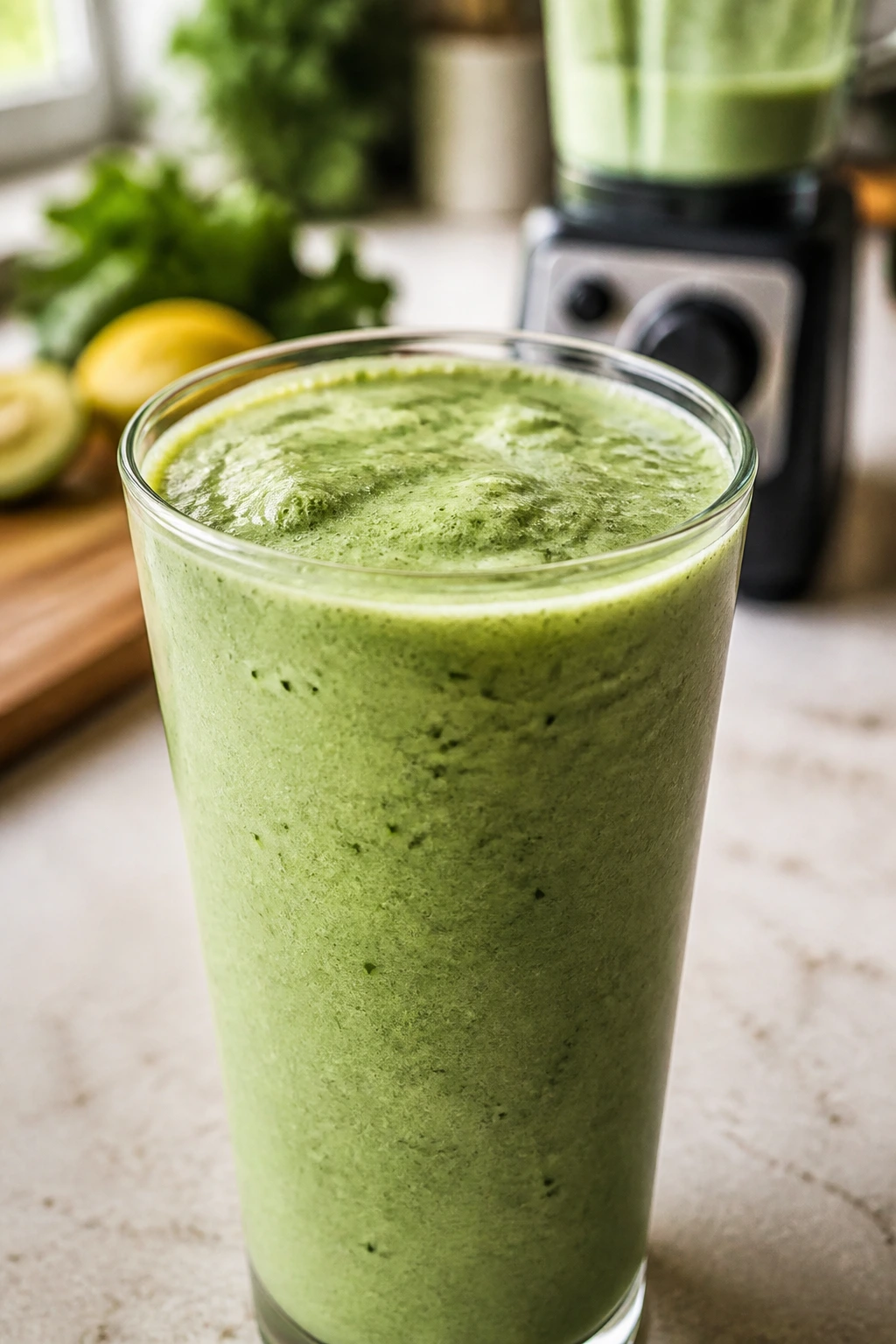
- High-speed blender: Best for frozen fruit, especially if your banana and mango are rock-solid.
- Standard blender: Works too, but it usually needs smaller fruit pieces and a little more patience.
- Measuring cups and spoons: This smoothie is forgiving, but the first batch should be measured so you can learn the texture.
- Cutting board and sharp knife: For trimming the cucumber, slicing the banana, and cutting the avocado cleanly.
- Rubber spatula: Handy for scraping down the sides when the spinach sticks near the top.
- Two chilled glasses: A cold glass keeps the smoothie tasting fresher longer, which matters more than people admit.
- Wide straw or spoon: Useful if you add chia seeds and let the smoothie sit for a few minutes, because the texture thickens slightly.
Blending It Without Ending Up With Green Water
Prep the Fruit and Liquid
-
Measure the coconut water, yogurt, and lime juice first and keep them close to the blender. Cold liquid helps the smoothie stay thick, and it gives the blade something to grab before the frozen fruit hits.
-
Chop the cucumber into a few rough pieces and cut the avocado into chunks. If the banana is frozen in slices, separate the pieces now so they don’t lock together in one hard clump.
Build the Blender in the Right Order
-
Pour the coconut water into the blender first, then add the yogurt, lime juice, spinach, cucumber, and mint. Putting the greens near the liquid helps them break down before the fruit weighs everything down.
-
Add the frozen pineapple, frozen mango, banana, avocado, chia seeds, and honey if you’re using it. If you want a frostier drink, toss in the ice cubes now, but only after you’ve decided the fruit isn’t enough on its own.
Blend and Adjust
-
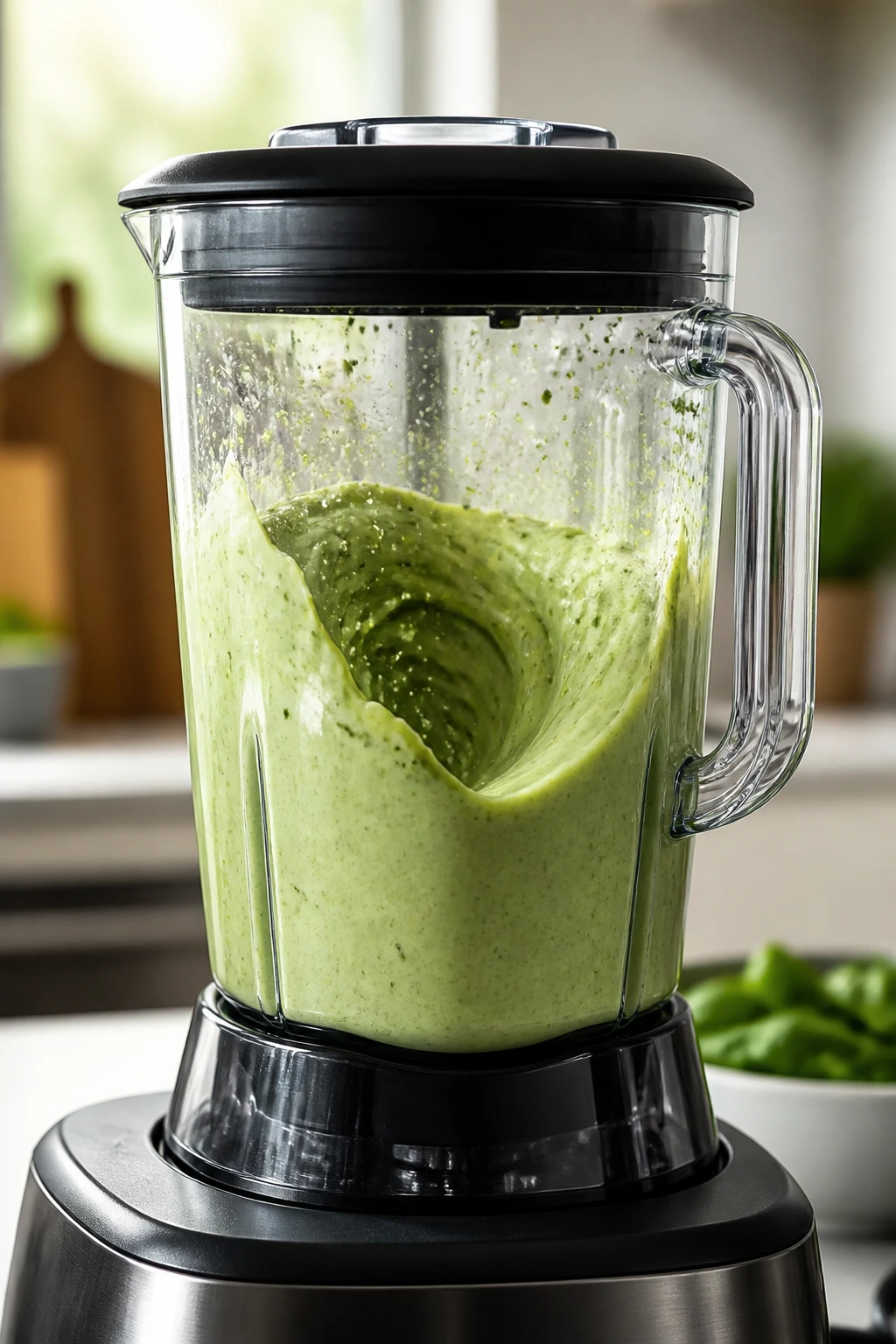
Start on low speed for about 10 seconds, then move to high and blend for 30 to 45 seconds, stopping once to scrape the sides with a spatula if needed. The mixture should turn smooth and pale green, with no obvious spinach flecks or stubborn fruit chunks.
-
Taste the smoothie before pouring it. If it feels too thick, add 1 to 2 tablespoons more coconut water and blend for 5 to 10 seconds. If it tastes flat, add another teaspoon of lime juice or a tiny bit more honey. Do not keep blending long after it looks smooth — warm smoothie is a sad smoothie.
-
Pour immediately into chilled glasses and serve right away. If you wait, the chia will thicken the drink a little and the frosty edge will soften.
How to Serve a Green Goddess Smoothie for Summer Sipping
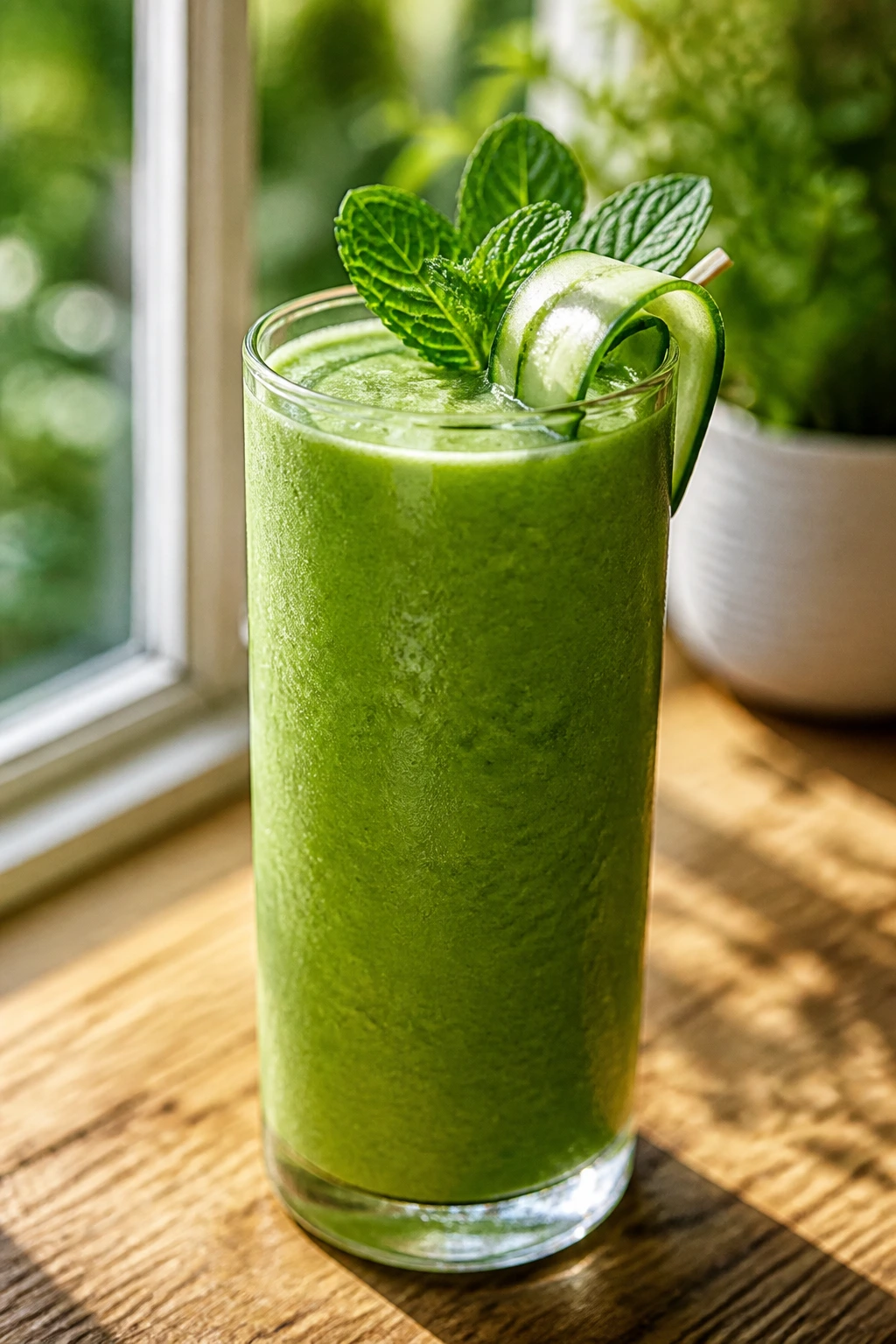
Presentation: Pour the smoothie into chilled tall glasses or wide-mouth tumblers and finish with a mint sprig, a thin cucumber ribbon, or a tiny wedge of pineapple perched on the rim. The surface should look smooth and velvety, not foamy and broken.
Accompaniments: For breakfast, I like this with buttered sourdough toast, a soft-boiled egg, or a handful of salted almonds. If you’re having it as an afternoon snack, a plain rice cake with peanut butter keeps the sweet-cold balance from feeling too one-note.
Portions: This recipe makes two generous servings, about 12 to 14 ounces each. If you want smaller glasses, it stretches into three lighter servings, but it’s better to use smaller cups than to leave a full glass sitting around while the ice melts.
Beverage Pairing: If you’re serving it with brunch, keep the companion drink simple — unsweetened iced coffee, sparkling water with lime, or plain iced tea works better than anything sugary. The smoothie already brings enough flavor to the table.
Small Tweaks That Change the Glass
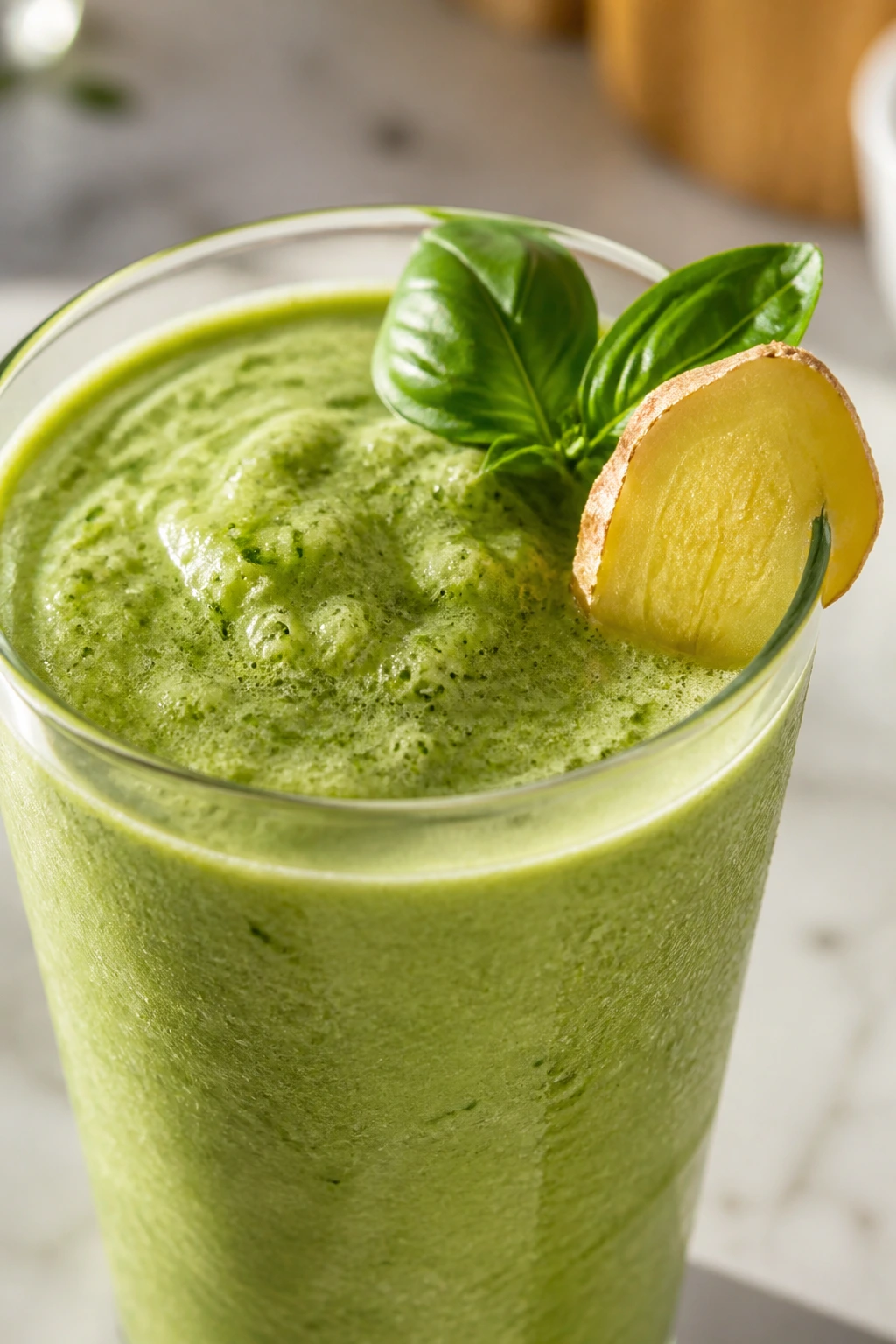
Flavor Enhancement: A few basil leaves can sit beside the mint if you want a sharper, garden-bright finish, and a 1-inch piece of peeled ginger gives the smoothie a little snap without making it taste spicy. I like ginger when the pineapple is especially sweet; it keeps the drink from drifting into candy territory.
Customization: If you want the smoothie thinner, add another 1/4 cup coconut water and blend just long enough to combine it. For a thicker, spoonable version, use all frozen fruit and skip the ice completely — that’s the version I make when I want something closer to a smoothie bowl that you can still sip.
Serving Suggestions: A pinch of toasted coconut on top sounds fussy until you taste it next to the lime and pineapple. It gives the glass a little scent and a faint crunch if you’re eating with a spoon, and it makes the smoothie feel a bit more finished.
Make-It-Yours: For a dairy-free version, use plain coconut yogurt and keep the coconut water. For a higher-protein glass, add a scoop of vanilla protein powder and reduce the coconut water by 2 tablespoons so the texture doesn’t turn too thin. If you want less sugar, cut the banana down to half and add a little more avocado and cucumber instead.
Mistakes That Make It Thin, Bitter, or Chalky
-
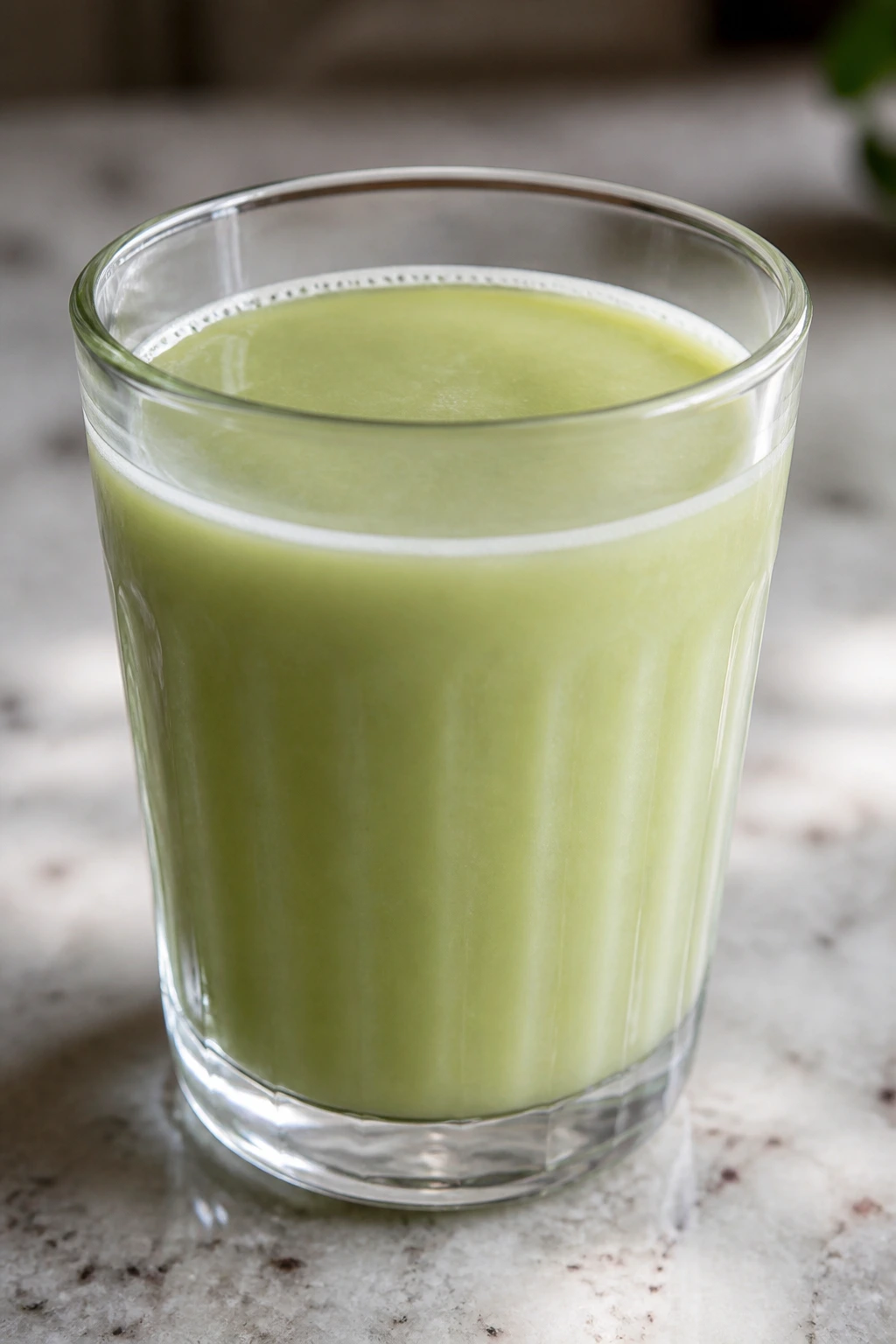
Using too much liquid from the start: The smoothie turns pale and runny, and the fruit flavor gets washed out. Start with the listed 3/4 cup coconut water, then add only a tablespoon or two more if the blade needs help.
-
Adding ice as the main thickener: Ice can make the drink feel cold for a minute, then it melts and steals the flavor. Frozen fruit is the real thickener here; ice is only a backup.
-
Overloading the spinach: A mountain of greens looks virtuous and tastes like it. Keep the spinach measured and packed lightly so the fruit still leads the glass.
-
Skipping the lime juice: Without acid, the smoothie can feel sleepy and flat, even if the fruit is ripe. One tablespoon is enough to make the pineapple and mango taste more alive.
-
Blending too long: A smoothie that sits in the blender for a full minute after it already looks smooth can turn frothy and warm. Stop as soon as the texture evens out and no green flecks are left.
-
Using cucumber with a bitter skin: If the cucumber is waxed or the skin tastes sharp, peel it. That tiny step keeps the finish clean and stops the drink from developing a sneaky bitter edge.
Variations Worth Trying
Tropical Mint Cooler
Lean harder into the pineapple by using 1 1/2 cups pineapple and only 1/2 cup mango. Add an extra mint leaf or two and keep the coconut water cold; this version tastes brighter and a little more beachy, which is useful when the fruit is very sweet.
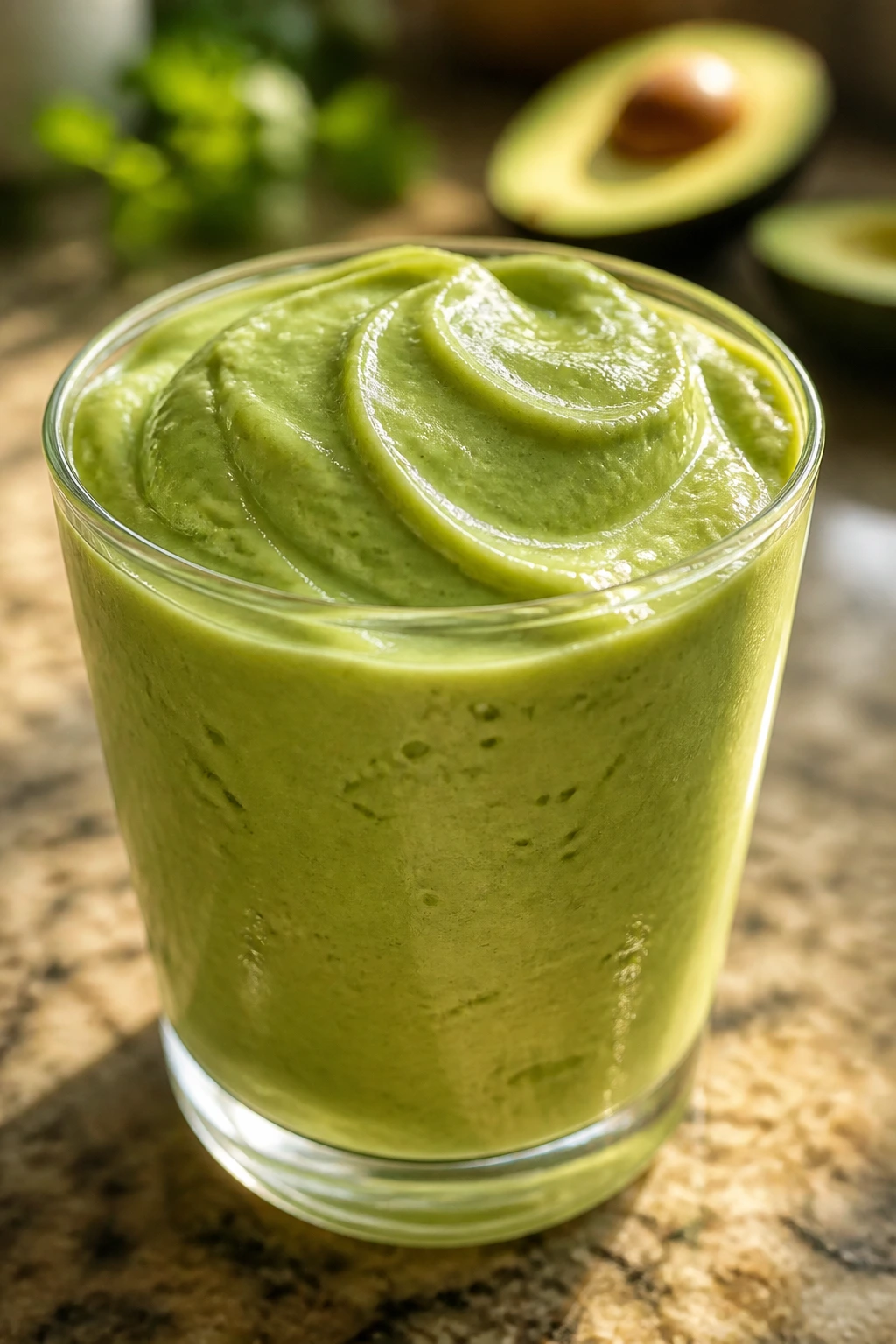
Creamier Avocado Cloud
Use 1/2 avocado instead of 1/4 and reduce the coconut water by a splash. The smoothie turns richer and almost mousse-like, which is the one I reach for when I want something closer to a breakfast drink than a light refresher.
Dairy-Free Garden Blend
Swap the Greek yogurt for plain coconut yogurt and add 1 extra tablespoon lime juice. The coconut flavor rounds out the tropical fruit nicely, and the drink keeps its tang without needing dairy to hold it together.
Ginger-Lime Snap
Add a 1-inch piece of peeled ginger and bump the lime juice up to 1 1/2 tablespoons. This version is sharper and a little more grown-up tasting, with a finish that lingers in a good way instead of fading fast.
Lower-Sugar Green Sip
Cut the banana to half and add another 1/4 avocado plus a few extra cucumber chunks. You lose some sweetness, yes, but the smoothie gets cleaner and more vegetal in a way that works if you want a less fruit-forward glass.
Make-Ahead, Storage, and How to Bring It Back
The finished smoothie is at its best the moment it leaves the blender. After about 15 to 20 minutes on the counter, the ice, if you used any, starts to melt and the drink loosens. The color stays fine, but the texture changes fast, and that creamy, frosty body is half the point.
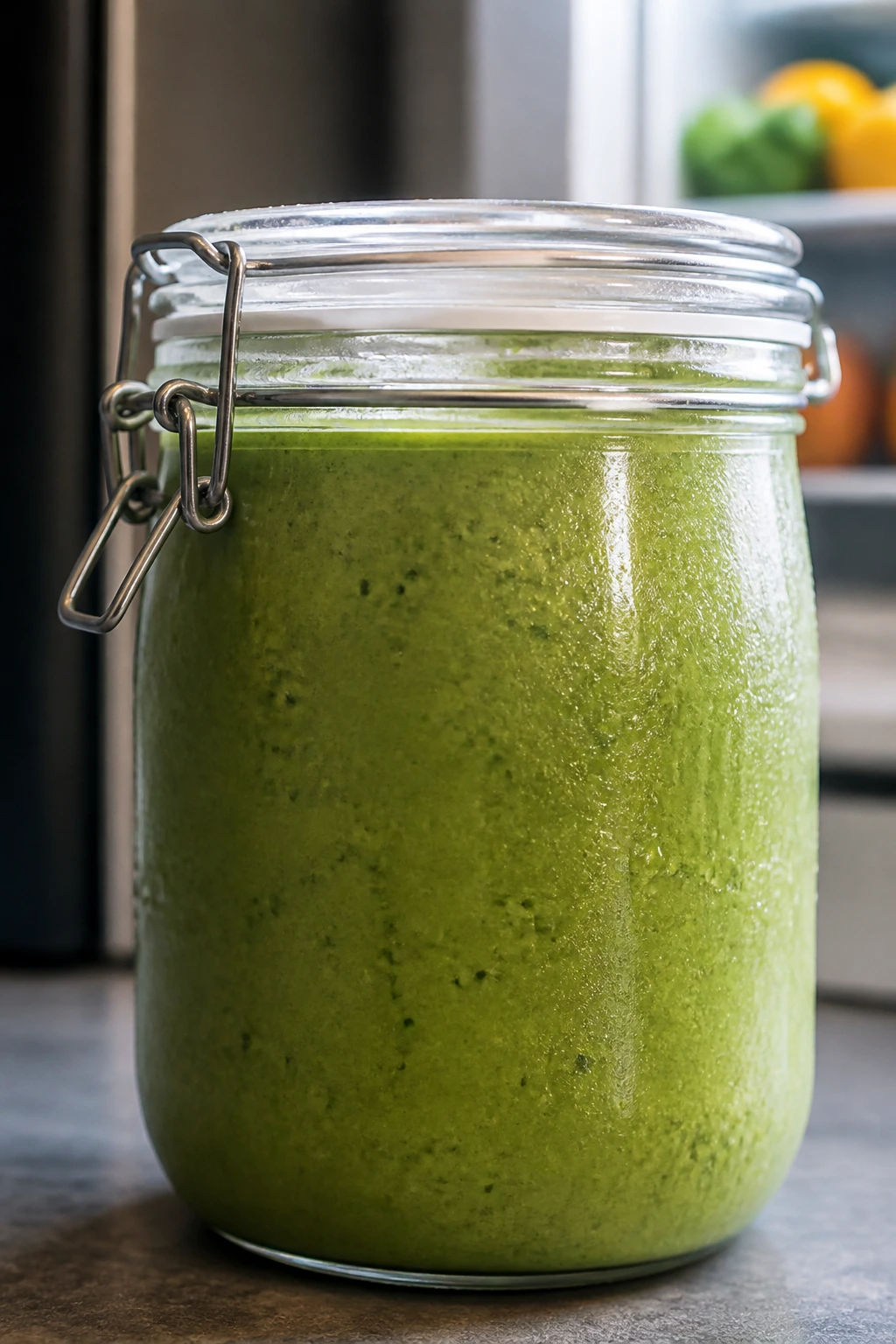
If you need to store leftovers, pour them into an airtight jar or bottle and fill it as close to the top as possible so there’s less air sitting on the surface. Refrigerate for up to 24 hours. Shake hard before drinking, or give it a quick 5- to 10-second blend with a splash of cold coconut water to wake the texture back up.
Freezing works better if you treat the smoothie like a future problem you’ve already solved. Pour leftovers into ice cube trays, freeze them solid, then blend the cubes later with a little coconut water. Smoothie cubes keep for about 1 month in a sealed freezer bag, and they’re useful when you want a cold drink without pulling out all the fruit again.
For true make-ahead prep, build freezer packs instead of finished smoothies. Combine the spinach, pineapple, mango, banana, cucumber, mint, and chia seeds in a freezer bag or container, then add the yogurt, lime juice, and coconut water when you’re ready to blend. That keeps the flavor fresher and saves you from the weird, slightly flat taste that can happen when a blended smoothie sits too long.
Questions People Ask Before They Blend
Can I make this Green Goddess Smoothie without banana?
Yes. Swap the banana for an extra 1/4 avocado and another 1/2 cup frozen mango or pineapple. You’ll lose a little sweetness, but the smoothie will still have a soft, creamy body and a better fruit balance than a banana-free version that tries to rely on greens alone.
What if I don’t have Greek yogurt?
Plain regular yogurt works, and so does coconut yogurt if you want a dairy-free glass. If you skip yogurt entirely, add more avocado and reduce the coconut water a bit, or the drink will feel thinner and less balanced.
Can I use fresh fruit instead of frozen?
You can, but the texture changes a lot. Fresh fruit makes the smoothie looser, so you’ll need more ice, and that usually dulls the flavor a bit; if fresh is all you have, freeze the banana at minimum and chill the coconut water before blending.
How do I stop spinach bits from showing up in the glass?
Blend the liquid, yogurt, spinach, cucumber, and mint first for 10 to 15 seconds before adding the frozen fruit. That first pass breaks the leaves down while the mixture is still thin, which is much easier than trying to fix a half-blended smoothie later.
Can I make it sweeter without adding honey?
Yes. Use a riper banana, bump the pineapple up by 1/2 cup, or add a splash more mango. Sweetness from fruit tastes cleaner here than a lot of added sugar, and it keeps the drink from tasting canned.
Is there a good way to make this ahead for breakfast?
Make freezer packs and blend in the morning if you can. If you must blend ahead, refrigerate the finished smoothie in a tight container and shake it hard before drinking, but expect a thinner texture by the next day.
Can I add protein powder without ruining the flavor?
You can, but vanilla works best because it doesn’t fight the lime and mint. Start with half a scoop the first time; some powders thicken fast and can turn a smooth drink into something pasty if you dump in a full scoop at once.
Do I need a high-speed blender?
No, but it helps. A standard blender can still make a smooth drink if you cut the fruit small, put the liquid in first, and blend the greens before the frozen fruit; the tradeoff is a little more stopping, scraping, and patience.
The Glass I Reach For First
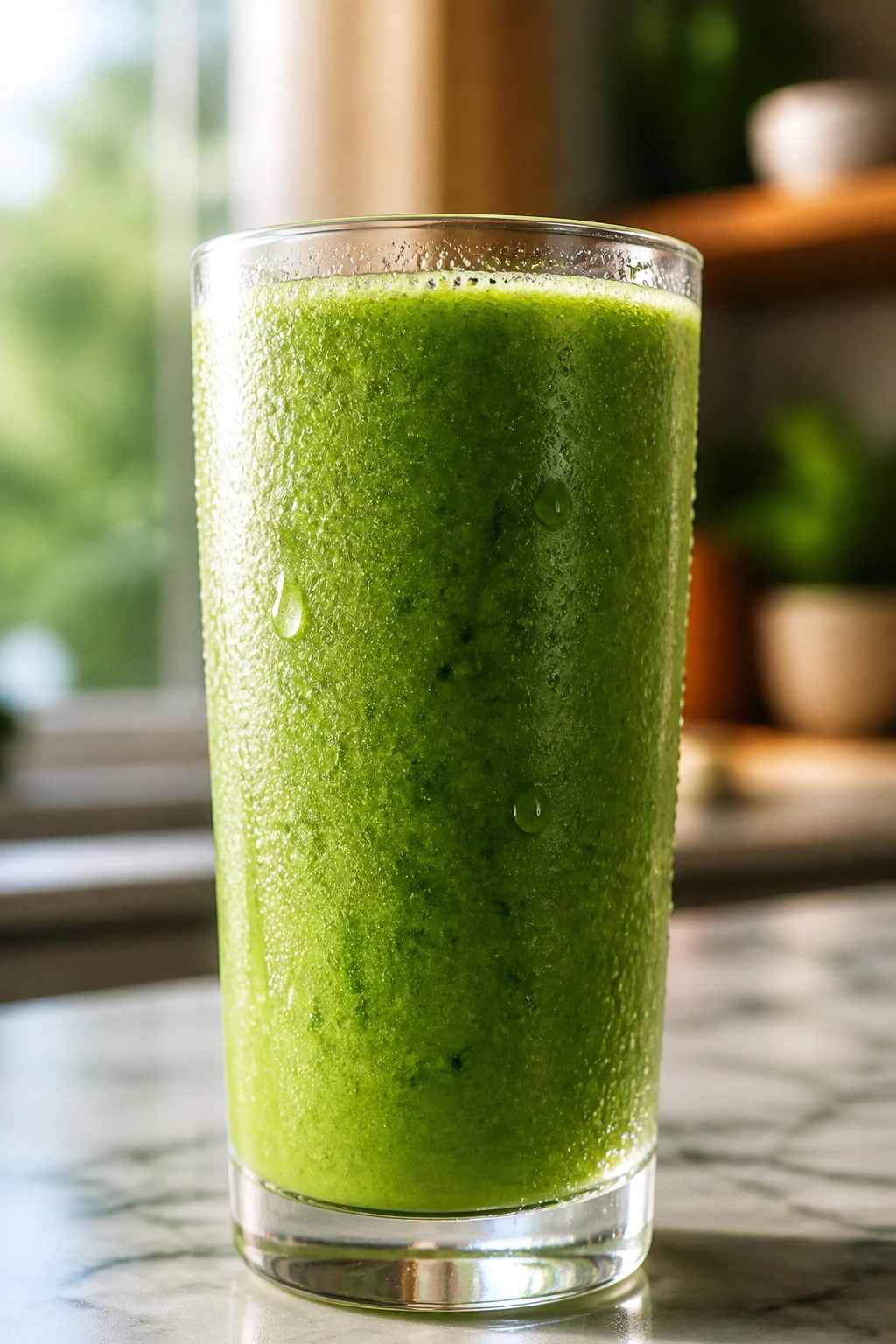
A green smoothie earns its keep when it tastes like a drink you chose on purpose, not a chore you agreed to because spinach was sitting in the crisper drawer. That’s the sweet spot here: cold, bright, lightly herbal, and creamy enough to feel satisfying without turning heavy.
Get the fruit cold, keep the lime in play, and don’t drown it in water. Do those three things, and the smoothie stays vivid from the first sip to the last one, which is more than most blended drinks can say.
Green Goddess Smoothie — Recipe Card
Recipe Name: Green Goddess Smoothie
Description: A cold, creamy green smoothie with spinach, pineapple, mango, cucumber, mint, lime, and yogurt. It tastes bright and tropical, with enough body to sip slowly on a warm day.
Prep Time: 10 minutes
Cook Time: 0 minutes
Total Time: 10 minutes
Course: Breakfast, Snack, Beverage
Cuisine: American
Servings: 2 servings
Calories: About 280 kcal per serving
Ingredients
For the smoothie:
- 2 cups packed baby spinach
- 1 cup frozen pineapple chunks
- 1 cup frozen mango chunks
- 1 small ripe banana, peeled and sliced, frozen if possible
- 1/2 medium cucumber, peeled if waxed and chopped
- 1/4 ripe avocado
- 3/4 cup plain Greek yogurt
- 3/4 cup cold coconut water
- 1 tablespoon fresh lime juice
- 6 fresh mint leaves
- 1 tablespoon chia seeds
- 1 to 2 teaspoons honey or maple syrup, optional
- 4 to 6 ice cubes, optional
Instructions
-
Add the coconut water, Greek yogurt, lime juice, spinach, cucumber, and mint to the blender.
-
Add the frozen pineapple, frozen mango, banana, avocado, chia seeds, honey or maple syrup if using, and ice cubes if needed.
-
Blend on low for about 10 seconds, then increase to high and blend for 30 to 45 seconds, stopping once to scrape the sides if necessary.
-
Blend again for 5 to 10 seconds until the smoothie is smooth, pale green, and free of visible spinach flecks.
-
Taste and adjust with a little more lime juice, a touch more sweetener, or 1 to 2 tablespoons more coconut water if the texture is too thick.
-
Pour into chilled glasses and serve immediately.
Notes: For a thicker smoothie, skip the ice and use fully frozen fruit. For a dairy-free version, swap the Greek yogurt for plain coconut yogurt and keep the coconut water cold.