



A slow cooker set-and-forget meal earns its keep on the day you do not have time to hover over the stove. You slide dinner into the pot, snap the lid shut, and leave a handful of sturdy ingredients to do their quiet work for six or eight hours. By the time you come back, the kitchen smells like onion, garlic, and something that has been simmering long enough to lose its edges and turn supple.
The part people get wrong is treating a slow cooker like a tiny oven with a lid. It is not that. The heat is gentler, the moisture stays trapped, and the pot rewards ingredients that can handle a long bath without breaking apart. A chuck roast will forgive you. A lean chicken breast usually will not. A pot full of broth will often taste washed out unless you build more flavor before the lid goes on.
That difference matters. A good slow cooker dinner is not about dumping food into a box and hoping for the best. It is about knowing which cuts like time, which vegetables need a late entrance, and how much liquid is enough without turning the whole thing into soup. Once those pieces click, the method stops feeling like a shortcut and starts feeling like a small domestic luxury.
Why Slow Cooker Cooking Pulls Its Weight
- The clock does the work: A slow cooker lets dinner ride through a workday, school run, or packed afternoon without a single stir.
- Cheap cuts come out useful: Beef chuck, pork shoulder, and chicken thighs turn tender in ways that lean, expensive cuts often do not.
- One pot means fewer dishes: Most of the meal lives in the insert, which beats a stack of pans and baking dishes on a tired night.
- Leftovers usually improve: Stews, chili, and braises often taste deeper after a night in the fridge because the seasoning settles in.
- The meal can flex at serving time: The same pot can become rice bowls, sandwiches, baked potatoes, or noodles depending on what you have.
- It gives you back the stove: If you cook in a small kitchen, this matters more than people admit. The burners stay free for sides.
What Low Heat Does to Meat, Beans, and Vegetables
Low heat does not sound dramatic, but it changes food in specific ways. Collagen loosens, starches swell, and watery ingredients give up some of their structure without going hard and dry. That is why a pot roast can go from chewy to spoon-tender while a carrot keeps enough bite to feel like a carrot, not baby food.
Collagen Takes Its Time
Beef chuck, pork shoulder, short ribs, and shanks carry connective tissue that needs hours of gentle heat. Around the slow cooker’s low setting, which many models keep roughly in the neighborhood of a steady simmer, that tissue slowly turns into gelatin and gives the sauce a glossy, rich feel. That glossy texture is the part people remember, even if they cannot name it.
A fast, hot cook can tighten meat before the collagen has time to relax. That is why a slow cooker is kind to the ugly cuts and a little rude to the wrong ones. I would rather put a cheap chuck roast into the pot than a fancy sirloin and hope for the best. No contest.
Beans Soften Without Falling Apart
Beans want heat, time, and enough liquid to stay covered or close to it. Dried beans can work well in a slow cooker when they are the right kind and have been handled safely, but they are not all equal. Red kidney beans, for example, need a full hard boil before slow cooking because their natural toxins are not something you want to gamble with. Canned beans are easier, safer, and less fussy when you want dinner to keep moving.
Split peas and lentils are a little more forgiving. They break down into body and thickness, which is why they make such useful soups. Still, if you want them creamy rather than grainy, keep an eye on the liquid and do not flood the pot.
Vegetables Need Different Timing
Root vegetables handle the long haul. Carrots, potatoes, parsnips, turnips, and onions can sit under or around the main protein and come out soft without collapsing. Zucchini, spinach, peas, asparagus, and fresh herbs need the opposite treatment. Those belong at the end, where they can keep a little color and shape.
A slow cooker is not a place to throw every vegetable in at the start and walk away. That habit is how you get drab green mush and potatoes that taste like whatever liquid they were sitting in for eight hours. Use sturdy vegetables for the long cook and delicate ones for the last stretch.
Choosing the Cuts and Staples That Thrive in Long Simmering
Start with ingredients that can take a hit. That sounds blunt, but it is the cleanest way to shop for slow cooker food. The best set-and-forget meals are built on cuts with connective tissue, decent fat, and enough structure to survive a long, damp cook without turning stringy.
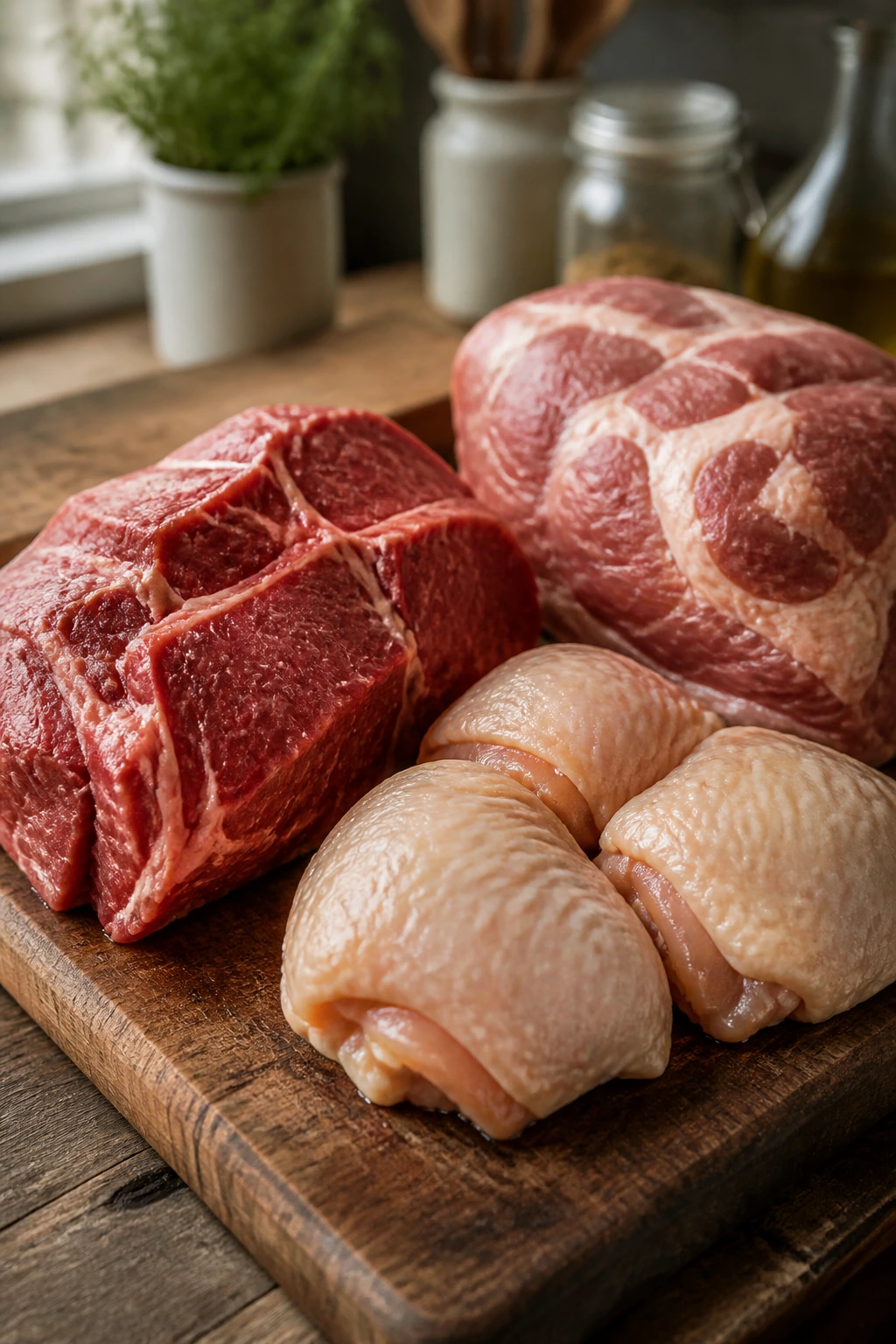
Beef chuck is the old reliable. It has enough marbling and connective tissue to become rich and shreddable, and it is usually priced in a way that makes sense for a large family pot. Pork shoulder behaves the same way. Country-style ribs, pork butt, and even some brisket cuts can work if you keep the rest of the recipe in line.
Chicken thighs beat chicken breasts almost every time in a slow cooker. Breasts can work in shorter cooks or in recipes with a lot of sauce, but if you are leaving the house for eight hours, thighs are the safer, better-tasting choice. Drumsticks are another good option because they stay moist and the bones help hold the meat together.
For vegetarian slow cooker meals, lean on lentils, split peas, chickpeas, black beans, mushrooms, sweet potatoes, carrots, onions, and cauliflower. Those ingredients can take time without disappearing. Pasta and rice are trickier; they tend to soak up too much liquid and go soft unless they are added late or cooked separately.
One thing I would not build an all-day slow cooker dinner around is seafood. Fish and shrimp do not want eight hours of anything. They want a short, careful finish. Same with leafy greens, fresh basil, and tender summer vegetables. Good ingredients, wrong job.
Layering the Pot So the Bottom Doesn’t Turn Mushy
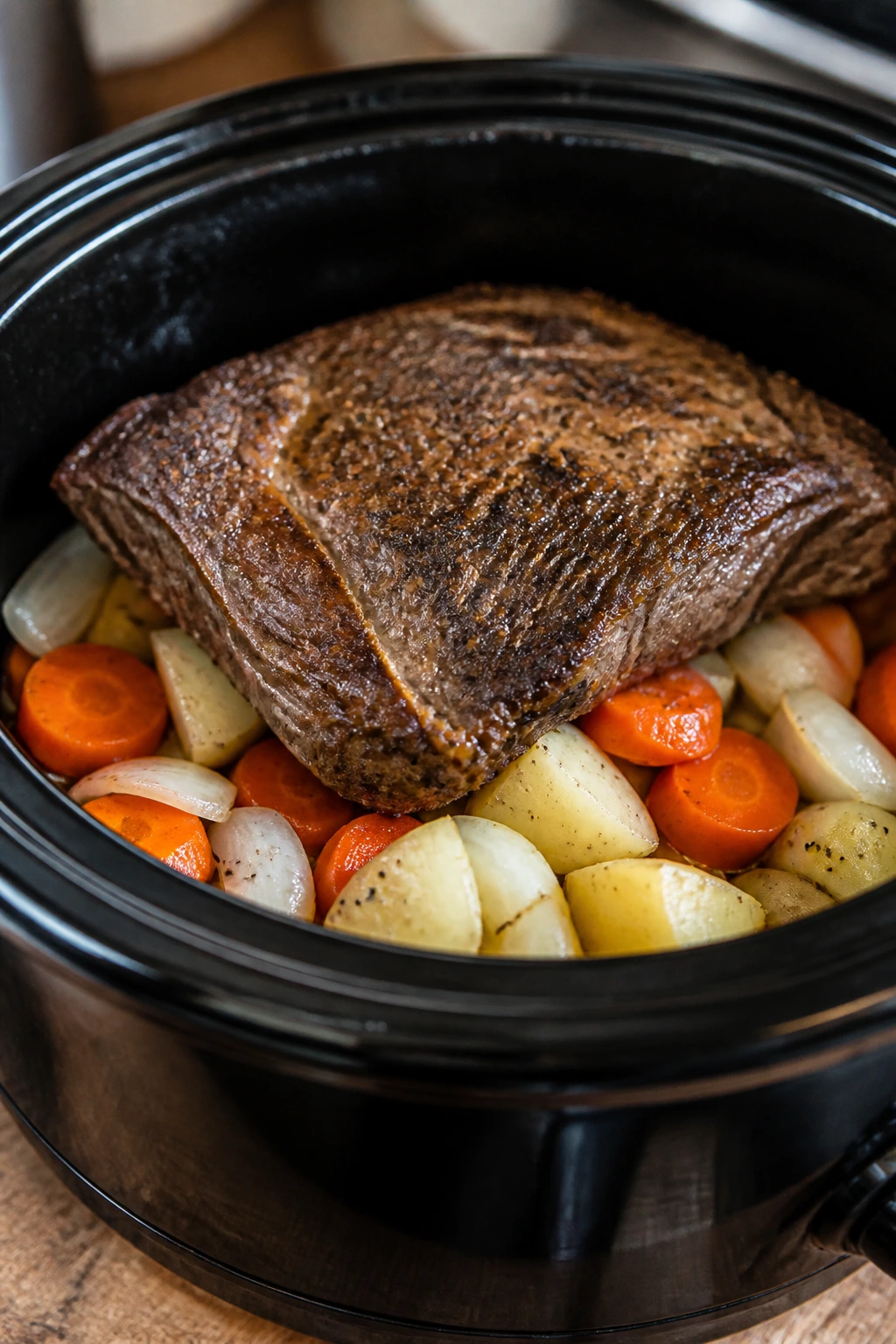
A slow cooker heats from the bottom and the sides, which means the arrangement inside the insert matters more than most people think. Put the hardest ingredients where they can take the heat. Save the fragile ones for later. That alone fixes a shocking number of bad results.
Dense Ingredients Go Low
Onions, carrots, potatoes, celery, cabbage, dried beans, and long-cooking aromatics belong toward the bottom or around the edges of the pot. They can handle the heat and help form the base of the sauce. If you are cooking a roast, I like the vegetables under and around the meat so they catch the drippings instead of sitting in a flat layer.
Meat Can Sit on the Cushion
For braises, a layer of onions or chopped root vegetables works almost like a rack. It keeps the meat from sticking to the ceramic and helps the liquid circulate. You do not need to build a picture-perfect stack. You just need to avoid burying the delicate bits right against the hottest spots if your cooker tends to run hot.
Delicate Things Wait Their Turn
Spinach, peas, fresh herbs, zucchini, cream, yogurt, and cheese belong near the end. If you want them to look and taste like themselves, they need only a short finish. Fifteen to thirty minutes is often enough for tender greens. Dairy is usually better stirred in after the main cook, with the heat turned low or off for a few minutes so it does not split.
Do not crowd the insert to the top. A slow cooker needs a little headspace so the lid can trap steam without forcing everything into a boil. Most recipes behave best when the pot is somewhere between half full and two-thirds full. That range is boring advice, but it saves dinner.
How Much Liquid to Add Without Turning Dinner Into Soup
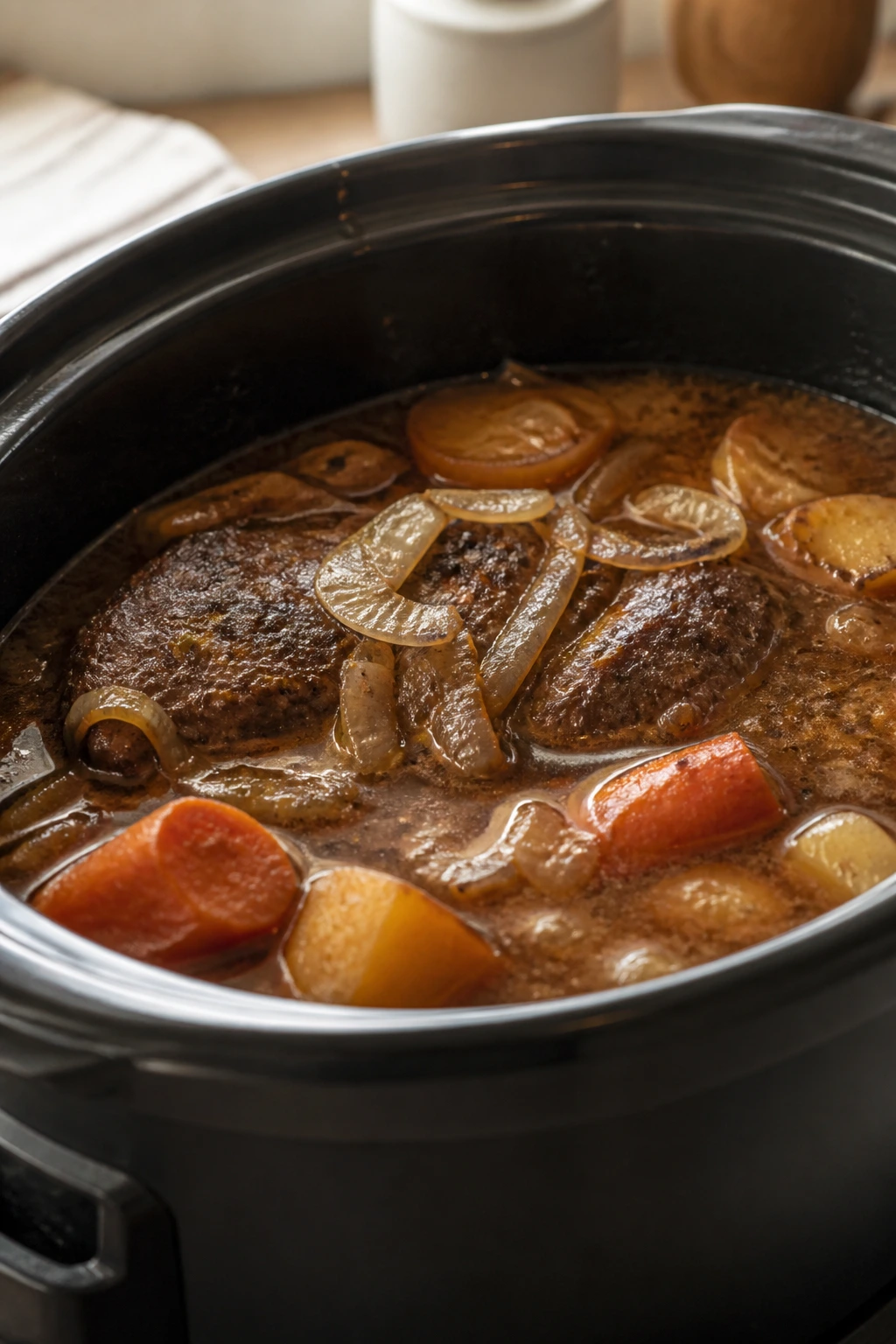
Slow cooker food needs moisture, but not the flood people often give it. The lid holds onto steam, so the liquid in the pot does not evaporate the way it would in an open saucepan. That is why too much broth can leave you with a pale, thin result that tastes like the ingredients were boiled in a hurry.
For a braise or shredded-meat dinner, I usually want the liquid to come about one-third to halfway up the ingredients, not cover them completely. You are not poaching. You are braising. There is a difference. The meat gives off juices, the onions collapse, tomatoes soften, and the sauce grows on its own.
For chili, soup, and bean dishes, the liquid can be higher, but even there, you want room to breathe. Tomatoes count as liquid. Salsa counts as liquid. Canned beans with their liquid count too. Frozen vegetables also release water as they cook, which can surprise you if you already poured in a full carton of stock.
If a sauce looks too loose near the end, do not keep guessing and pouring in thickeners blindly. A cornstarch slurry works well: mix 1 tablespoon cornstarch with 1 tablespoon cold water, stir it in, and give the pot 15 to 20 minutes on high or warm until it thickens slightly. For a richer finish, pull the lid off for the last 20 to 30 minutes and let some steam escape. That often does more than a spoonful of flour ever will.
Low vs High: Picking the Right Setting for the Clock
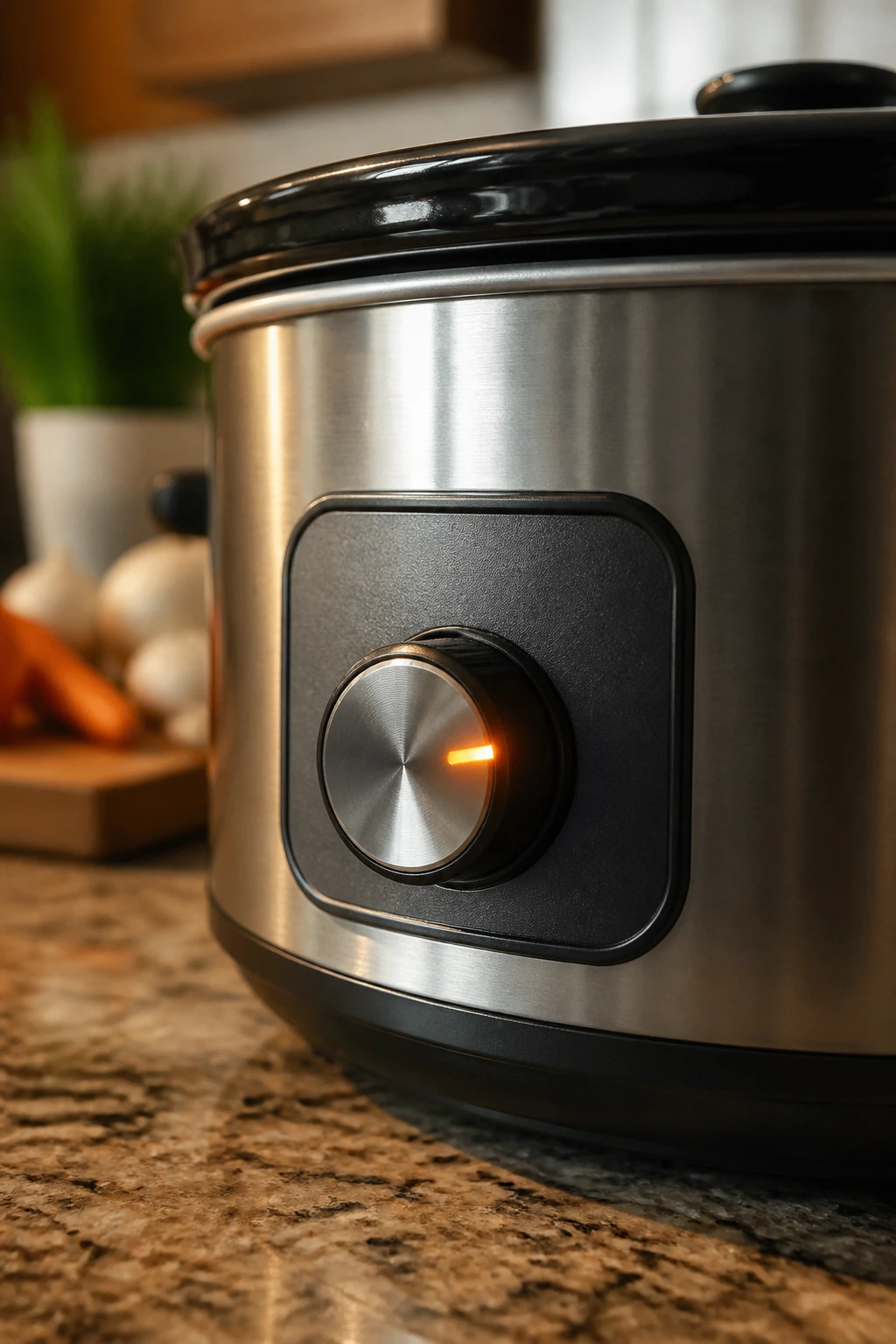
Low. High. Warm. Those three labels look simple, and then they fool people.
Low is the calmer setting. It gives tough meats time to relax and lets sauce ingredients blend without rushing the edges of the pot. High is useful when you are short on time or making something forgiving like soup, chili, or a shredded chicken filling with plenty of moisture. It is not a perfect half-time conversion. A recipe that says 8 hours on low does not always become 4 clean hours on high with the same texture.
The exact timings depend on the model, the fullness of the pot, and whether the ingredients started cold or room temperature. Some slow cookers run hotter than others, especially older ones with simpler controls. I have seen one cooker make a 6-hour low behave like a 5-hour medium. Annoying. Common, too.
Warm is for holding food after it is cooked through. It is not a cooking setting. If you try to start raw meat on warm, you are asking for unsafe temperatures and strange texture. Keep warm for serving, not for beginning the process.
A Simple Rule That Holds Up
If the recipe centers on a tough cut, choose low unless you know your cooker runs cool and you need the faster route. If the meal is mostly liquids, vegetables, or a quick braise, high can be fine. If you lift the lid more than once, budget extra time. Each peek bleeds heat, and the pot needs a while to recover.
Browning, Blooming, and Other Flavor Work Before the Lid Goes On
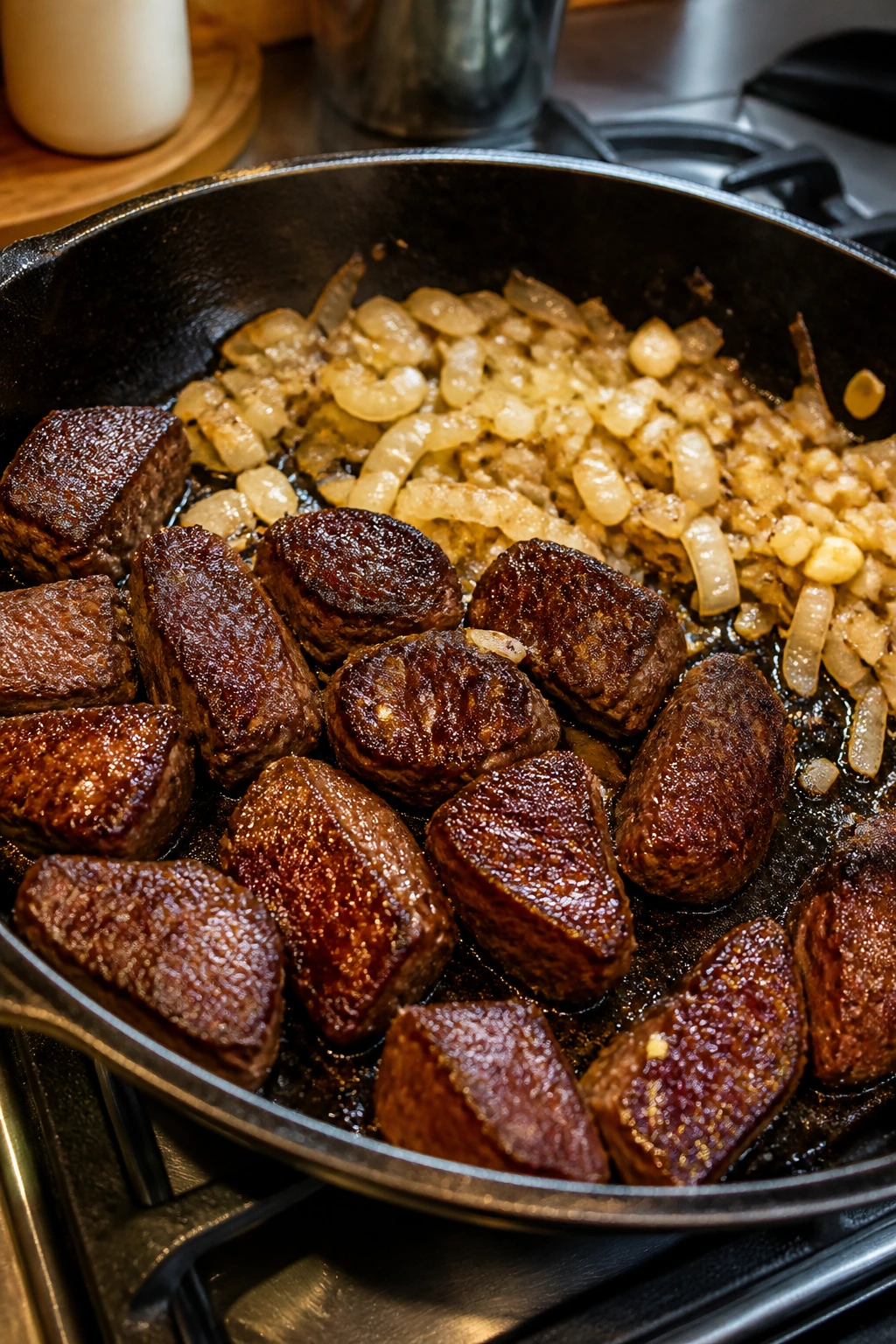
Ten minutes in a skillet can change the whole pot. That is the part many dump-and-go recipes skip, and it is why some slow cooker dinners taste competent but flat. A slow cooker can make food tender. It cannot invent brown bits, toasted spices, or the sweet edge of properly cooked onions.
Brown the Meat When You Can
Searing beef, pork, or chicken in a hot pan gives you Maillard browning, which is the brown crust that tastes deeper than plain simmered meat. You do not need a heroic sear. Three to four minutes per side is enough to start building flavor. Use a heavy skillet, leave space between the pieces, and do it in batches if needed. Crowding the pan just steams the surface.
Soften the Aromatics First
Onions, garlic, carrots, celery, and leeks often taste better if they get a quick sauté before they go into the cooker. Five to eight minutes over medium heat is enough to pull the raw edge out of onion and make garlic smell sweet instead of harsh. If the recipe uses tomato paste, fry it for a minute or two until it darkens from brick red to a deeper rust color. That tiny move gives the sauce a rounder base.
Bloom the Spices
Dry spices wake up in fat. Cumin, coriander, paprika, chili powder, fennel seed, and curry powder all gain more voice if they hit a little oil before the liquid goes in. Even 30 to 60 seconds can matter. I do not bother with this for every recipe, but when I want a chili or curry to taste layered rather than one-note, it is worth the extra dish.
Deglaze the Pan
Once the meat and aromatics have browned, pour a splash of broth, wine, beer, or water into the hot skillet and scrape up the stuck brown bits with a wooden spoon. That liquid carries concentrated flavor into the slow cooker. It is the sort of small, slightly fussy step that separates a pot that tastes okay from one that makes people ask what you did differently.
Meals That Love the Set-and-Forget Treatment
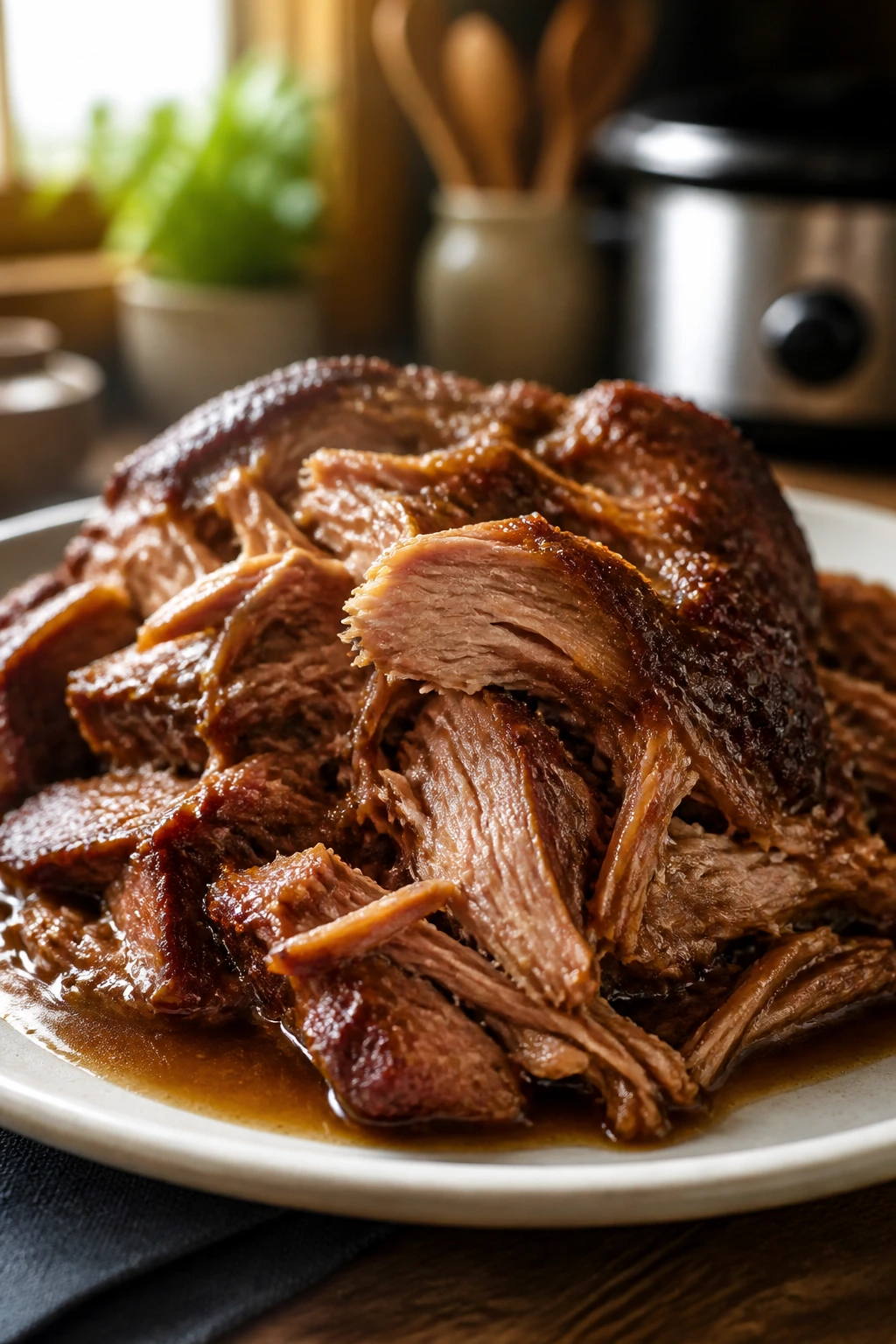
Some foods are just built for a long, quiet cook. Others fight it every inch of the way. Knowing the difference saves money and keeps you from forcing a method where it does not belong.
Shreddable Meats
Pork shoulder, beef chuck, brisket, short ribs, and chicken thighs are the clearest winners. They get more tender the longer they sit in gentle heat, up to the point where they can be pulled apart with a fork or sliced without resistance. These are the cuts that make sandwiches, tacos, rice bowls, and mashed-potato dinners worth repeating.
Soups, Stews, and Chilis
This is the slow cooker’s comfort zone. Bean chili, beef stew, chicken soup, lentil soup, and vegetable stew all benefit from the way the lid traps steam and keeps flavors close together. A slow cooker is especially good for dishes where you want the broth to taste like it borrowed flavor from every ingredient in the pot.
Beans and Lentils
Dried lentils, split peas, black beans, and chickpeas can all do useful things in the crock, though dried beans deserve more caution and a bit of planning. Canned beans are easier and safer for many weeknight meals. Lentils break down enough to thicken soups, which is a nice little trick when you want body without cream.
Chicken Thigh Dinners
Chicken thighs are humble in the best way. They stay moist, they soak up sauce, and they do not fall apart into stringy shreds as easily as breasts. In a tomato sauce, curry, or broth-heavy braise, they can cook all day and still keep a pleasing texture.
What I Would Not Leave All Day
Pasta, rice, shrimp, fish, asparagus, peas, spinach, basil, cream, milk, yogurt, and most fresh herbs need a late entrance. If you want them to stay bright or tender, give them 5 to 30 minutes at the end depending on the ingredient. Pasta and rice are often better cooked separately unless the recipe was written specifically to handle them in the pot.
How to Serve Slow-Cooked Meals Without Making Them Heavy
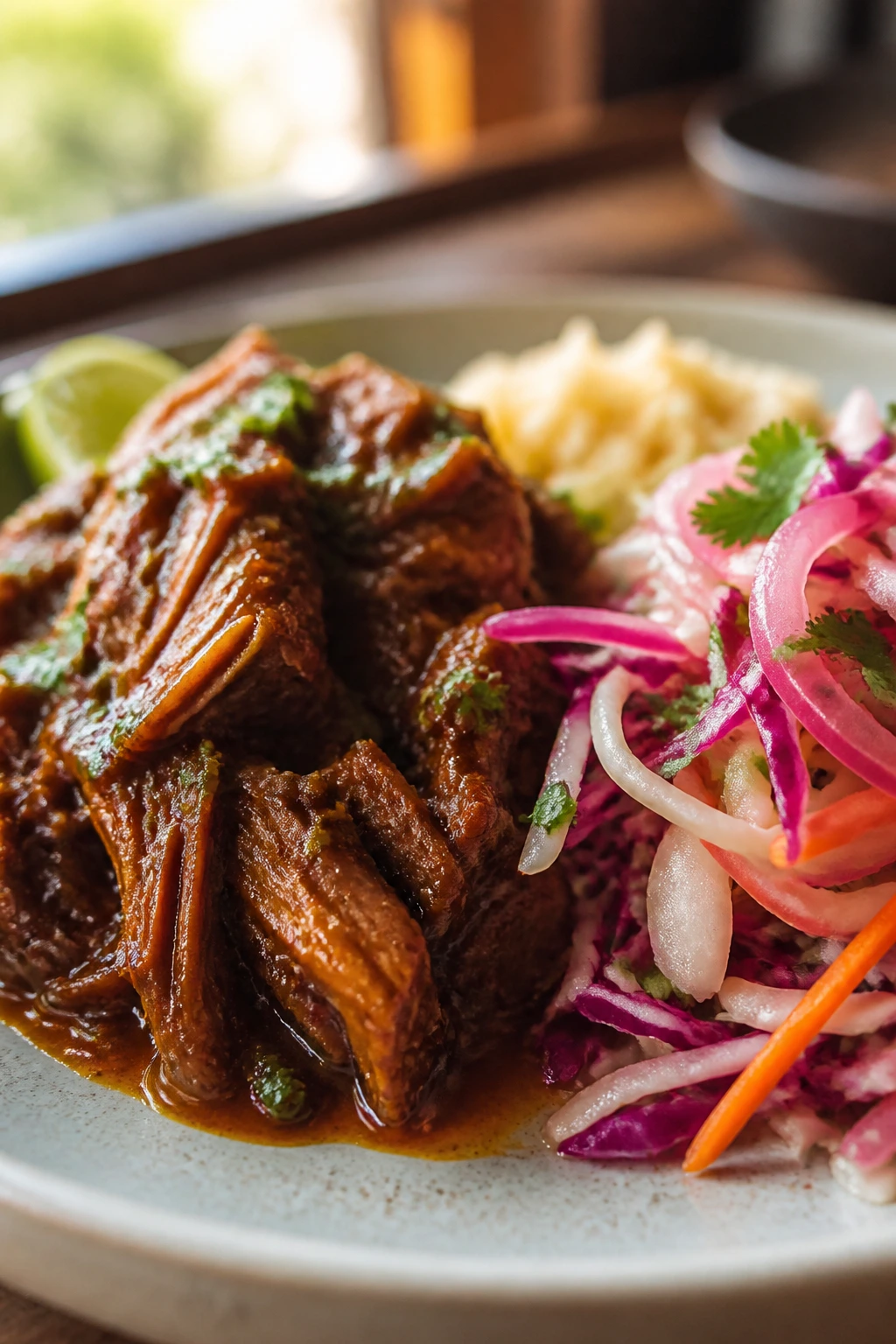
A slow cooker can make the main dish rich enough that the plate needs some relief. That does not mean the food is heavy in a bad way. It means the bowl likes balance. Acid, crunch, and a simple starch usually fix the whole thing.
Put Something Sharp on the Plate
A spoonful of vinegar slaw, chopped pickles, lemon juice, hot sauce, or even a splash of pickle brine can cut through a rich braise. If the pot has pork shoulder or beef chuck, I almost always want something bright at the table. It wakes the whole thing up. A stew without acid tastes heavier than it should.
Choose the Right Base
Mashed potatoes, buttered noodles, rice, polenta, toasted crusty bread, baked potatoes, or soft tortillas all work under slow-cooked food. The trick is to pick one base and let the sauce do the rest. If you pile rice, potatoes, bread, and noodles all together, the meal loses its shape.
Add Crunch at the End
Chopped scallions, sliced celery, crispy fried onions, toasted pepitas, croutons, or a handful of fresh herbs can give a bowl some texture. That small contrast matters more than people think. Slow cooker food is often soft by design. A little crunch keeps the plate from feeling flat.
Keep Portions Honest
A hearty stew usually lands around 1½ to 2 cups per adult. Shredded meat on buns often works best at 4 to 6 ounces of meat per sandwich, depending on how saucy it is. If you are feeding a crowd, a 6-quart cooker usually does the job for 6 to 8 servings without making the insert feel packed to the brim.
A tart drink helps, too. Sparkling water with lemon, dry cider, or unsweetened iced tea all play nicely with rich slow-cooked food.
Practical Tips for Better Slow Cooker Results
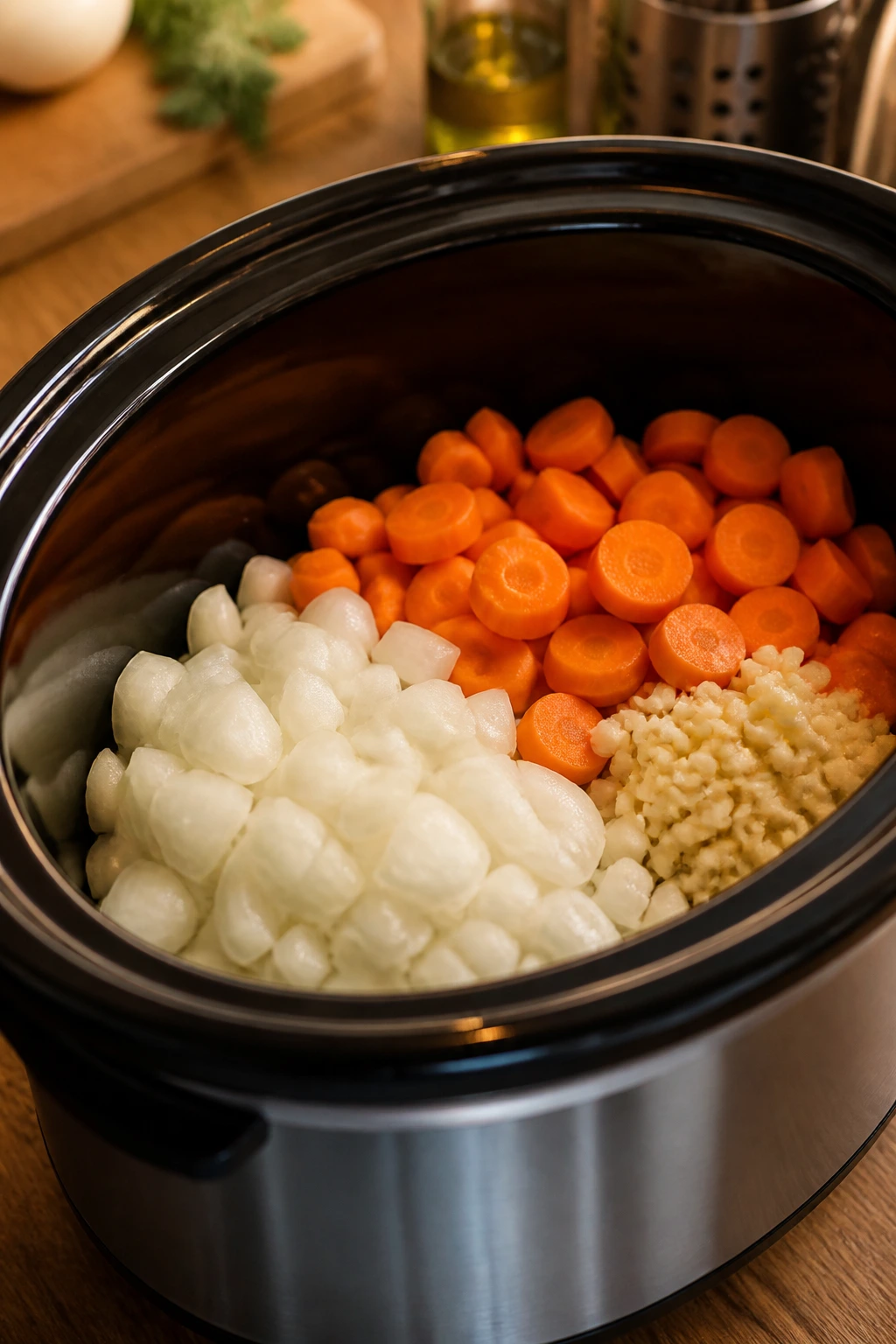
Time-Saver: Chop onions, carrots, celery, and garlic the night before and store them in a sealed container in the fridge. If you do this often, you can build a “slow cooker bin” in the freezer with bagged aromatics, seasoned meat, and measured dry spices.
Flavor Boost: Add a small amount of something savory and concentrated—tomato paste, soy sauce, Worcestershire, miso, fish sauce, or a parmesan rind if the dish allows it. You do not need much. A teaspoon or a tablespoon can make the broth taste like it spent the afternoon thinking about dinner.
Texture Fix: Add peas, spinach, zucchini, cream, cheese, yogurt, or fresh herbs near the end. Fifteen to thirty minutes is usually enough for greens and tender vegetables. Dairy should go in even later, often after the heat drops a little, so it does not separate.
Cost-Saver: Buy chuck roast, pork shoulder, or chicken thighs when they are on sale and freeze them in meal-size portions. Slow cooking rewards the budget cuts that other methods sometimes punish.
Cleaner Finish: If you know the dish will be saucy, use a liner only if your model and recipe allow it. I still prefer a well-oiled insert for browning-heavy recipes, but liners can save time on a plain stew. They are not magic. They are just less scrubbing.
Safety Habit: Use an instant-read thermometer for poultry. Color is not enough. Chicken should reach 165°F in the thickest part, and it is worth checking if your cooker runs hot or the pieces are uneven.
Common Slow Cooker Mistakes That Ruin Texture or Flavor
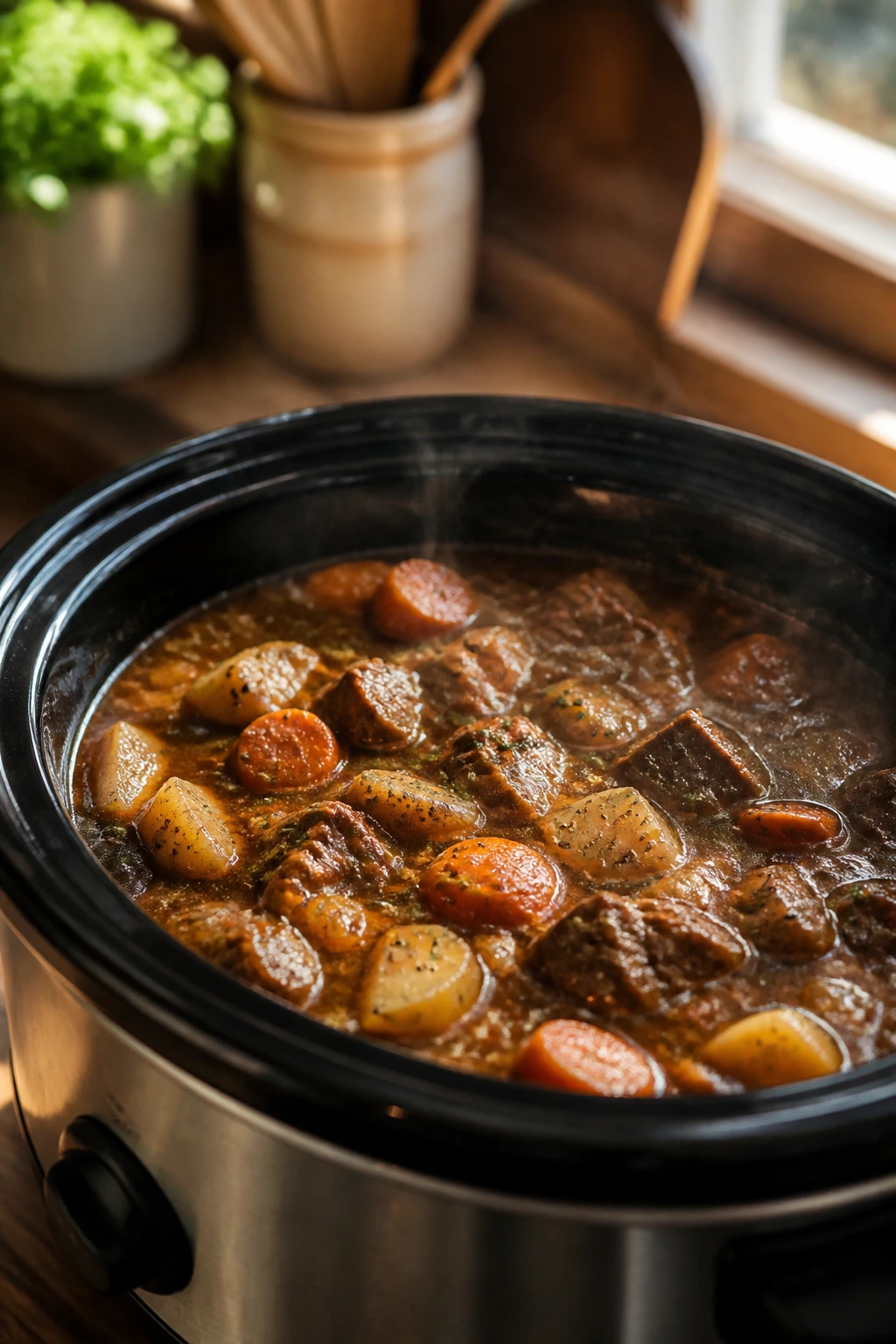
- Too much liquid from the start: The symptom is a broth that tastes thin and never seems to thicken. The fix is simple: use less stock than you think, count tomatoes and vegetable juices as liquid, and thicken at the end if needed.
- Adding delicate ingredients too early: Spinach turns sad and dark, peas go dull, and zucchini loses its shape. Stir those in near the end so they still taste like vegetables.
- Using lean meat for a marathon cook: Chicken breast can turn chalky, and lean pork can dry out before the sauce has a chance to help. Choose thighs, shoulder, or chuck for all-day cooking, or shorten the time and watch it closely.
- Opening the lid over and over: Every peek dumps heat and slows the cook. The food may still get there, but the timing stretches and the texture can drift. Trust the timer and use the lid like it matters.
- Adding dairy too early: Cream, milk, yogurt, and cheese can curdle or turn grainy if they sit in the pot for hours. Stir them in at the end, over low heat, or off the heat altogether.
- Skipping the final seasoning check: Foods can taste flat after long cooking because the salt, acid, and fat are all sitting in the same mellow lane. Taste at the end and add salt, lemon, vinegar, hot sauce, or herbs until the dish wakes up.
Variations for Different Diets and Flavor Styles
The Brown-First Braise
This version starts with a hard sear on the meat and a proper sauté of the onions and garlic. It takes a few extra minutes, but the finished pot tastes deeper and a little more like something from a Dutch oven. I reach for this when the main ingredient is a roast, ribs, or chicken thighs and I want the sauce to feel built, not assembled.
The Pantry Dump-and-Go Pot
This is the laziest useful version, and I mean that as praise. Canned tomatoes, broth, onions, garlic, beans, jarred salsa, and a spice blend can get you to dinner with almost no chopping. It works best for chili, taco meat, chicken tortilla filling, and bean-heavy stews where the pantry ingredients already carry a lot of flavor.
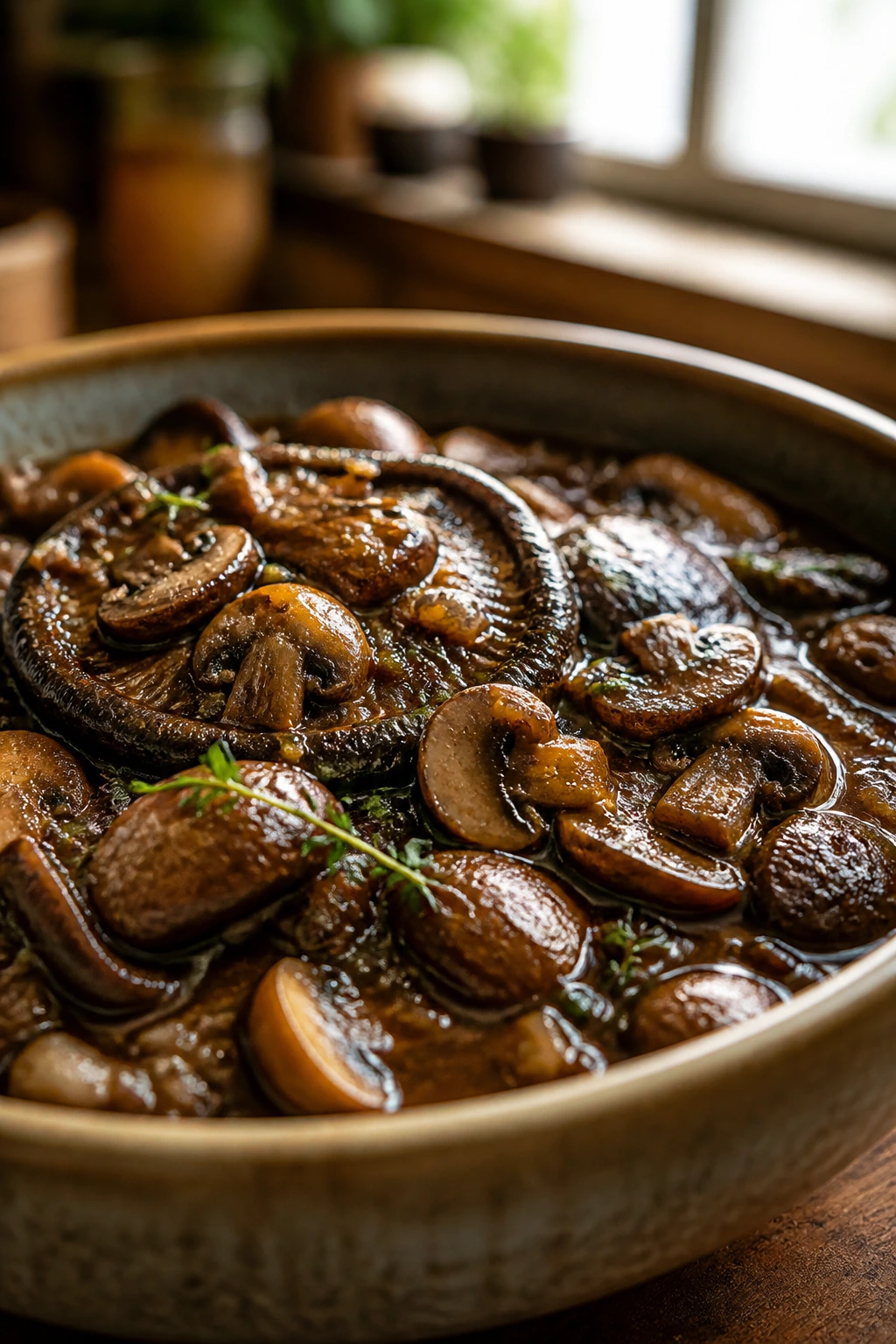
The Meatless Mushroom Braise
Mushrooms, lentils, onions, carrots, thyme, and a little soy sauce make a slow cooker dinner that feels earthy and full without any meat at all. Cremini and portobello mushrooms hold up best, and a splash of balsamic or red wine at the end sharpens the whole thing. If you want more body, add pearl barley, but expect a softer texture than you would get on the stove.
The Bright Finish Version
This one is for the people who like rich food but do not want the last bite to feel heavy. Finish the pot with lemon juice, chopped parsley, dill, scallions, or a spoonful of capers. It is especially good with chicken thighs, white beans, and fish-free stews that need a little lift at the end.
The Low-Sodium Pantry Pot
Use unsalted broth, plain tomatoes, dried herbs, onion, garlic, mushrooms, and a splash of vinegar to build flavor without leaning on salt. Then season at the table. That gives each person a bit of control, and it keeps the pot from tasting aggressively salty after hours of reduction.
The Creamy Finish Pot
If the recipe wants richness, stir in coconut milk, cream, or sour cream near the end rather than from the start. Coconut milk is the easiest of the three because it handles gentle heat well. Dairy needs more caution, so I like to lower the heat before stirring it in.
Tools, Storage, and Reheating That Keep It Easy
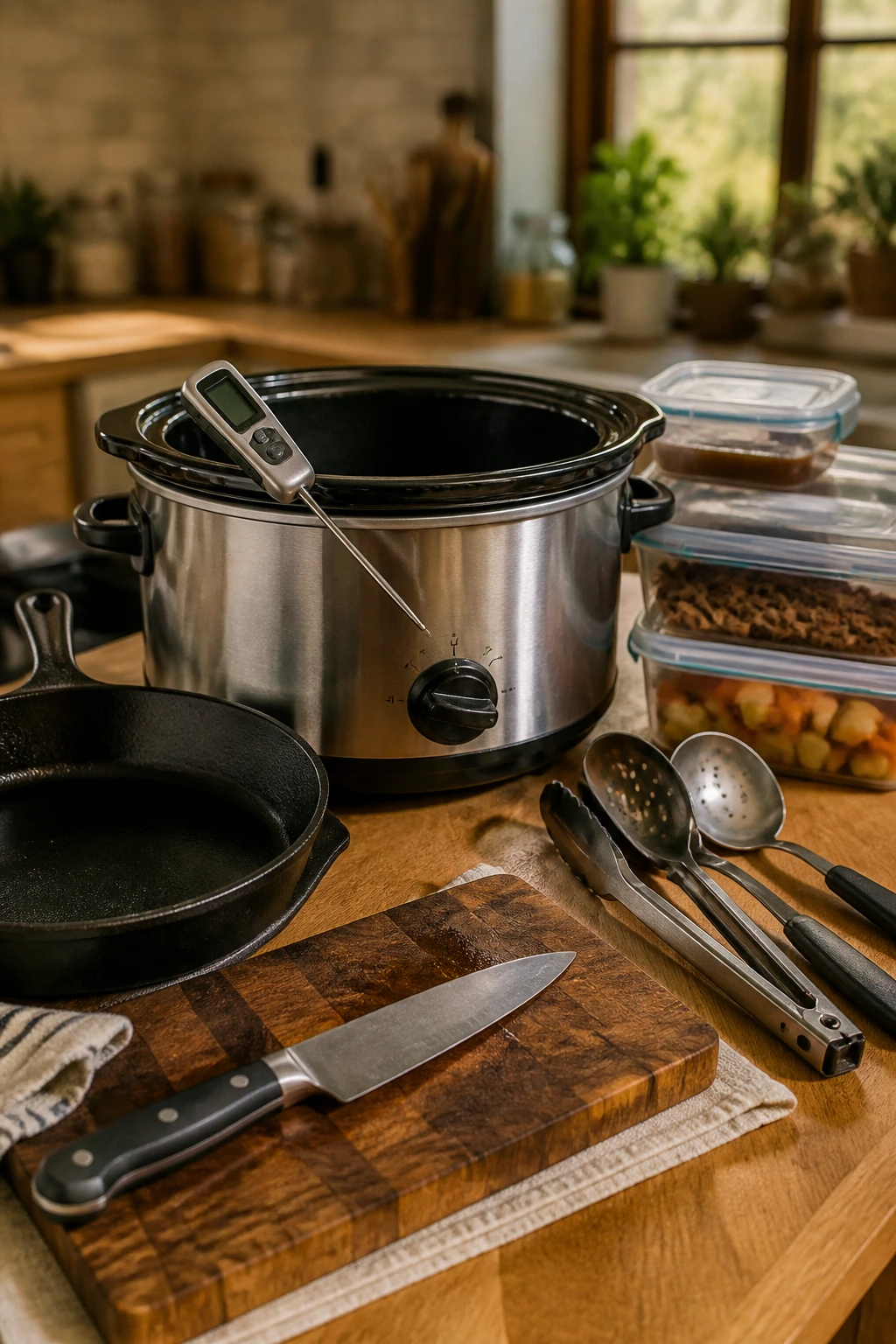
Tools That Earn Counter Space
- A 6-quart slow cooker: This size fits most family-size braises, stews, and shredded meat recipes without crowding.
- An instant-read thermometer: The fastest way to check poultry and make sure the center is where it should be.
- A heavy skillet or cast-iron pan: Useful for browning meat, sautéing onions, and deglazing the pan before the ingredients go into the cooker.
- A sharp chef’s knife: Even cuts cook more evenly, and a dull knife makes prep more annoying than it needs to be.
- A sturdy cutting board: If it slides, tuck a damp towel under it. That small trick matters.
- Tongs and a slotted spoon: Better than stabbing meat with a fork and tearing it apart before it is tender enough.
- A ladle: Handy for soups, chili, and sauces that need to be portioned into bowls or containers.
- Airtight storage containers: Shallow containers cool faster in the fridge and reheat more evenly later.
- Freezer-safe bags or boxes: Good for portioning leftovers flat, which speeds thawing.
- A non-scratch sponge: Especially useful for ceramic inserts with stubborn sauce rings.
Cleaning and Maintenance
Let the insert cool before washing it. A hot ceramic crock plunged into cold water can crack or craze, and that is a silly way to kill a perfectly useful appliance. If your insert is dishwasher-safe, fine. If not, hot water, dish soap, and a soft sponge are enough. Wipe the base unit with a damp cloth only. Never submerge the electrical part.
If the lid gasket or steam vent comes off on your model, clean those pieces separately and dry them fully before putting them back. Small bits of food can hide there and make the next batch smell off. If the insert chips or cracks, stop using it. Heat spots get strange, and the risk is not worth the savings.
Storing Leftovers
Cool leftovers within 2 hours of cooking, then move them into shallow containers. Most slow-cooked meals keep 3 to 4 days in the fridge and up to 3 months in the freezer if packed well. Soups and stews freeze especially well. Cream-heavy sauces can separate a little after freezing, but they usually come back together with a gentle stir.
Reheating Without Ruining Texture
For soups, chili, and braises, reheat on the stovetop over medium-low heat until steaming hot, stirring now and then. Add a splash of broth or water if the sauce has thickened in the fridge. For poultry and meat, aim for an internal temperature of 165°F during reheating. The microwave works for single portions, but use short bursts and stir between them so the edges do not dry out while the center stays cool.
Rice and pasta should usually be stored separately from the slow-cooked main if you can manage it. That keeps them from soaking up all the sauce and turning soft by day two.
Common Questions About Set-and-Forget Slow Cooking
How full should the slow cooker be?
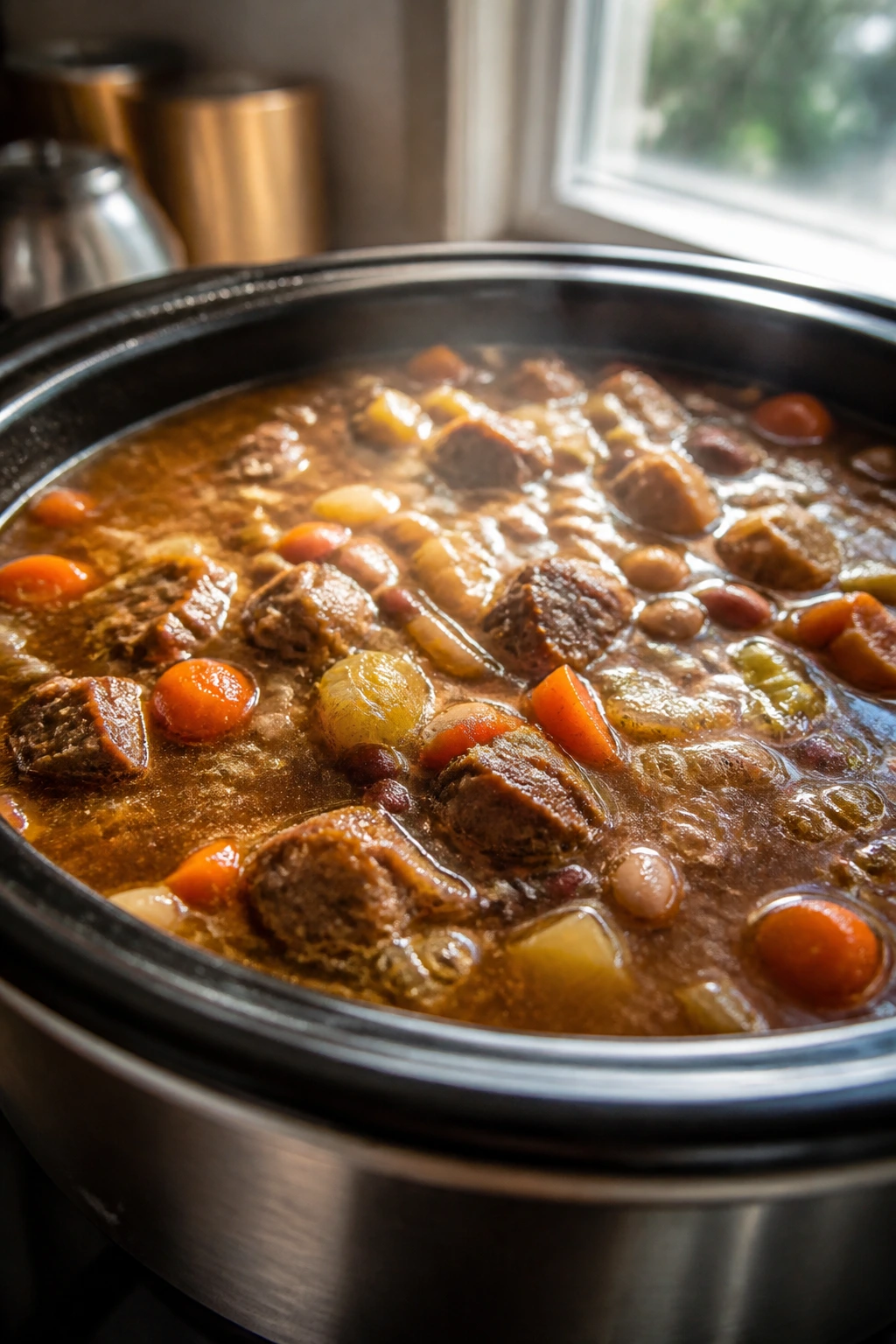
Most recipes work best when the insert is between half full and two-thirds full. Too little food and the edges can cook unevenly; too much and you risk overflow, weak circulation, and messy steam buildup.
Can I put frozen meat straight into the slow cooker?
I would not make that my default. Thawed meat cooks more evenly and reaches safe temperature faster, which matters for both texture and food safety. If a recipe specifically calls for frozen ingredients, follow that version only.
Do I really need to brown the meat first?
Need? No. Want a better-tasting pot? Usually yes. Browning gives you flavor that the slow cooker cannot create on its own, and it is especially worth the effort for beef and pork braises.
When should I add cream, milk, yogurt, or cheese?
Near the end. Stir them in during the last 15 to 30 minutes, or even after the cooker is off if the dish is hot enough to melt them gently. Long heat can make dairy split or turn grainy.
Why does my sauce come out watery?
Usually because there was too much liquid to start, the lid was lifted too often, or the vegetables released more water than expected. Fix it by reducing the liquid next time and thickening at the end with a slurry or a brief lid-off finish.
Is low always better than high?
Not always. Low is better for tough cuts and long, forgiving braises. High is fine for soups, chili, and faster cooks, but it can tighten meat if you use it as a shortcut for a recipe that really wanted more time.
Can I leave it on warm for hours?
Warm is a holding setting, not a cooking setting. Use it after the food is cooked through, and do not rely on it to get raw ingredients safely up to temperature. It is fine for keeping dinner ready while people drift to the table.
What vegetables should go in at the end?
Spinach, peas, zucchini, asparagus, green beans if you want bite, and fresh herbs all do better late. They need only enough heat to wilt or soften slightly. Add them near the last 15 to 30 minutes.
What about dried beans?
Some dried beans work well in a slow cooker, but kidney beans are the one that needs special care: boil them hard for at least 10 minutes before slow cooking. Canned beans are simpler if you want dinner to stay easy.
The Meal That Waits for You
A slow cooker set-and-forget meal is not about doing less cooking. It is about doing the right work early, then letting the pot hold the line while the rest of your day gets messy. A roast needs the brown bits. A stew needs the right amount of liquid. Beans need care. Dairy needs patience. None of that is fussy once you know the rhythm.
That rhythm is what makes the method worth keeping around. A good slow cooker dinner tastes like someone stayed home and paid attention, even when nobody did. The next time your schedule gets crowded, let the crock carry the evening and see how much steadier dinner feels when it has had time on its side.