



Healthy air fryer dinners earn their keep on the kind of weeknight when the sink already holds breakfast dishes, someone wants dinner in half an hour, and takeout starts whispering your name. Fast food is easy to find. The harder trick is landing a meal with browned edges, real vegetables, and enough protein to keep you full past 8 p.m. without coating everything in oil.
An air fryer helps because it behaves like a compact convection oven with a sharper attitude. Hot air moves fast, the basket exposes more surface area, and a tablespoon of oil can cover dinner for four if you use it well. Treat the machine properly—dry the food, leave space around it, and pull proteins at the right temperature—and it turns salmon, chicken, tofu, beans, and vegetables into food with crisp corners and juicy centers in a hurry.
I keep coming back to the same weeknight rule: if dinner is going to happen often, it needs to be balanced and a little forgiving. The recipes below lean on the dinner pattern the USDA has pushed for years—vegetables taking up serious space, lean protein doing the heavy lifting, and starch showing up where it adds something useful—while the air fryer handles the browning that makes healthy food taste like something you actually wanted.
Why These Healthy Air Fryer Dinners Pull Their Weight on Busy Nights
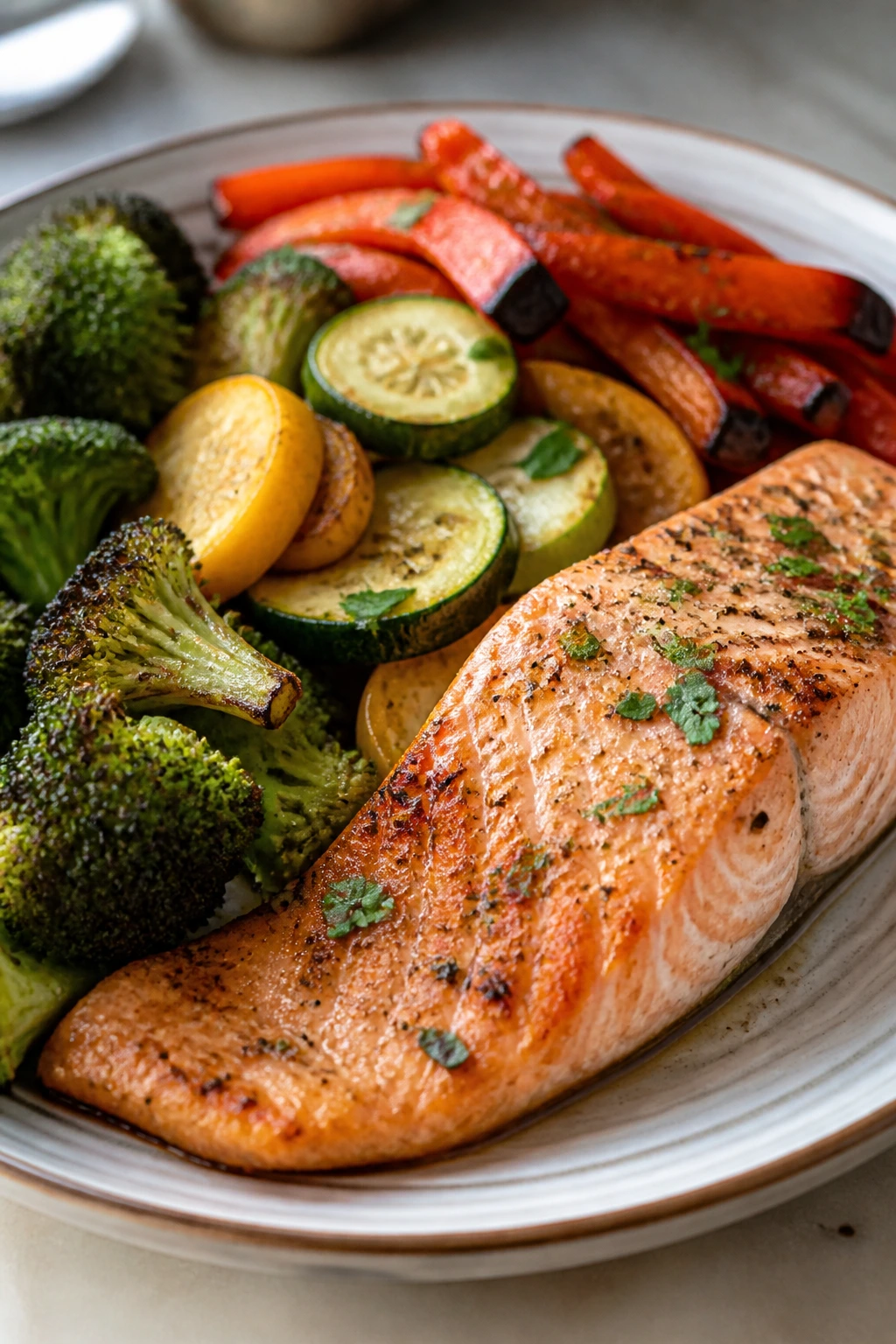
- Fast Heat: Most of these dinners hit the table in 20 to 35 minutes because the air fryer preheats quickly and cooks hard from the outside in.
- Lean Protein First: Salmon, shrimp, turkey, tofu, beans, cod, pork tenderloin, and ground sirloin give these meals staying power without the greasy drag of deep-fried food.
- Vegetables Built In: Each recipe includes at least one vegetable in the basket or bowl, which makes a balanced plate much easier on a Tuesday.
- Oil Stays Low: Nearly every dinner uses 1 tablespoon of oil or less for 4 servings, since circulating heat does much of the browning work.
- Flavor Stays Loud: Dijon, lime, harissa, garlic, sesame, herbs, pesto, and fajita spices keep the meals lively even when the prep stays short.
- Meal-Prep Friendly: Several of these recipes hold up well for lunch the next day, especially the stuffed peppers, meatballs, kofta, and sweet potatoes.
1. Lemon-Dijon Salmon with Broccoli and Red Onion
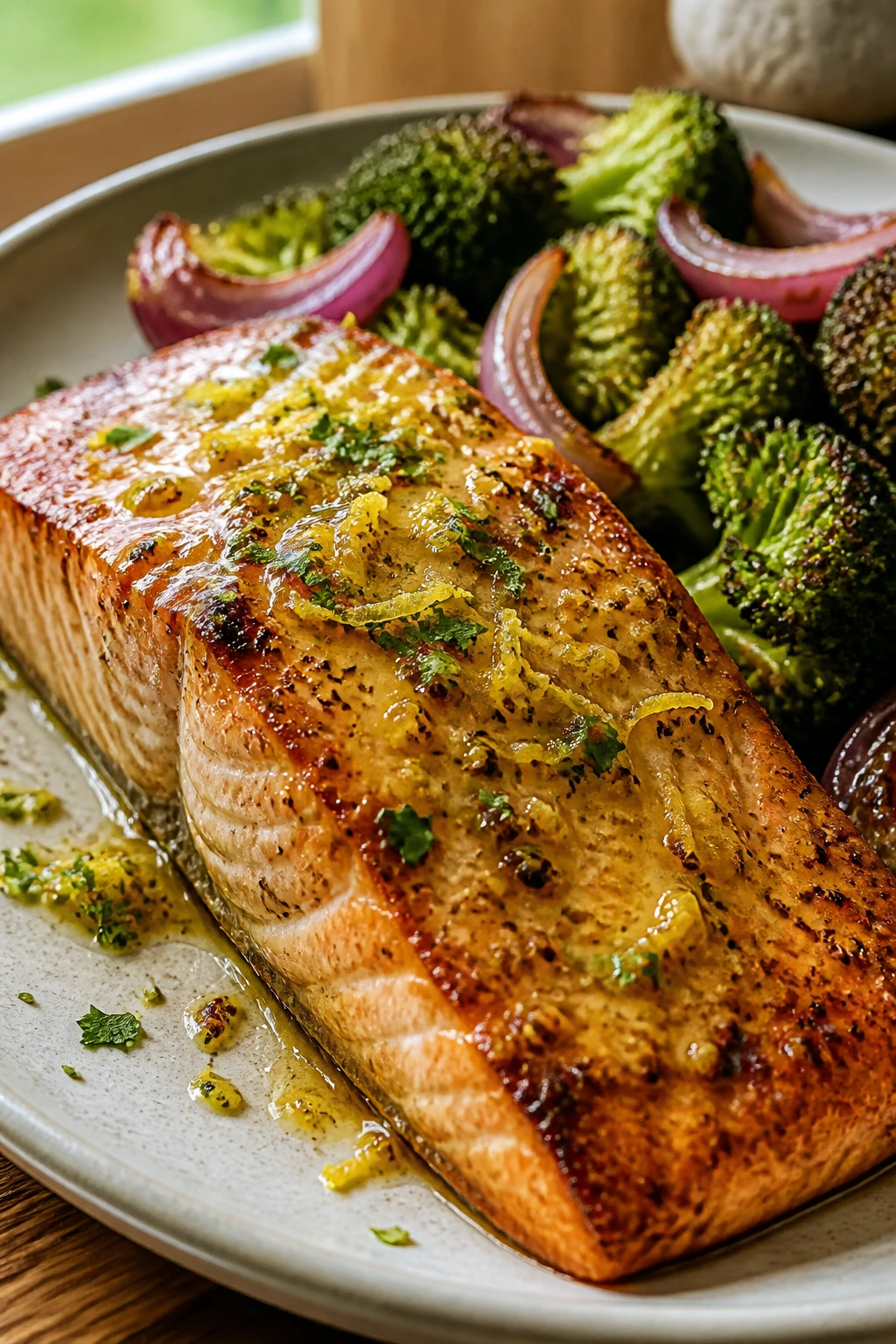
Salmon is one of the smartest proteins you can hand to an air fryer. The top browns fast, the center stays moist if you pull it on time, and the fish does not need a heavy coating to feel satisfying. This lemon-Dijon version gives you sharp mustard, bright citrus, sweet garlic, and a little smoky depth, while broccoli and red onion pick up dark roasted tips beside it.
I like this dinner when I want something clean-tasting that still feels like a full meal. It looks polished on the plate, but the work is light.
Why It Works
At 400°F, salmon fillets about 1 inch thick need only 7 to 9 minutes, which is weeknight gold. Broccoli likes a short head start, since the florets need a few extra minutes to char at the edges without turning limp. The mustard helps the lemon zest and garlic cling to the fish instead of sliding off into the basket, and the onion brings sweetness that rounds out the sharper flavors. The FDA safe endpoint for fish is 145°F, though salmon will usually tell you it is ready before the thermometer does: it flakes with light pressure and turns opaque from edge to center.
Key Ingredients
- 4 salmon fillets, 5 to 6 ounces each — center-cut pieces of similar thickness cook more evenly.
- 4 cups broccoli florets — cut into bite-size pieces so the stems soften before the tops darken too much.
- 1 small red onion, sliced into 1/2-inch wedges — it sweetens as it cooks and gives the plate color.
- 1 tablespoon olive oil — enough to help the vegetables roast instead of dry out.
- 1 1/2 tablespoons Dijon mustard — the base of the quick glaze.
- 1 tablespoon lemon juice plus 1 teaspoon lemon zest — brings freshness without drowning the fish.
- 2 garlic cloves, finely grated — grating spreads the flavor through the glaze.
- 1/2 teaspoon smoked paprika — adds a subtle roasted note.
- 3/4 teaspoon kosher salt plus 1/4 teaspoon black pepper — split between the vegetables and the salmon.
Quick Steps
- Preheat the air fryer to 400°F for 3 minutes.
- Toss the broccoli and red onion with the olive oil, 1/2 teaspoon salt, and the black pepper. Air fry them for 4 minutes, shaking once halfway through.
- Stir the Dijon, lemon juice, lemon zest, garlic, smoked paprika, and the remaining 1/4 teaspoon salt in a small bowl.
- Pat the salmon dry, then brush the tops and sides with the mustard mixture. Dry fish browns better than damp fish.
- Nestle the salmon into the basket with the vegetables and air fry for 7 to 9 minutes, until the salmon flakes easily and the thickest part reaches 145°F.
- Rest the fish for 2 minutes, then serve with the roasted broccoli and onion, spooning any glaze left in the bowl over the top.
Tips and Variations
- Swap the vegetables: Asparagus, green beans, or zucchini all work if you cut them into pieces that cook in the same range.
- Make it sweeter: Stir 1 teaspoon maple syrup into the mustard glaze if you want a gentler edge.
- Add a base: Spoon the salmon over cooked quinoa, farro, or brown rice if you want more heft.
2. Chicken Fajita Stuffed Peppers
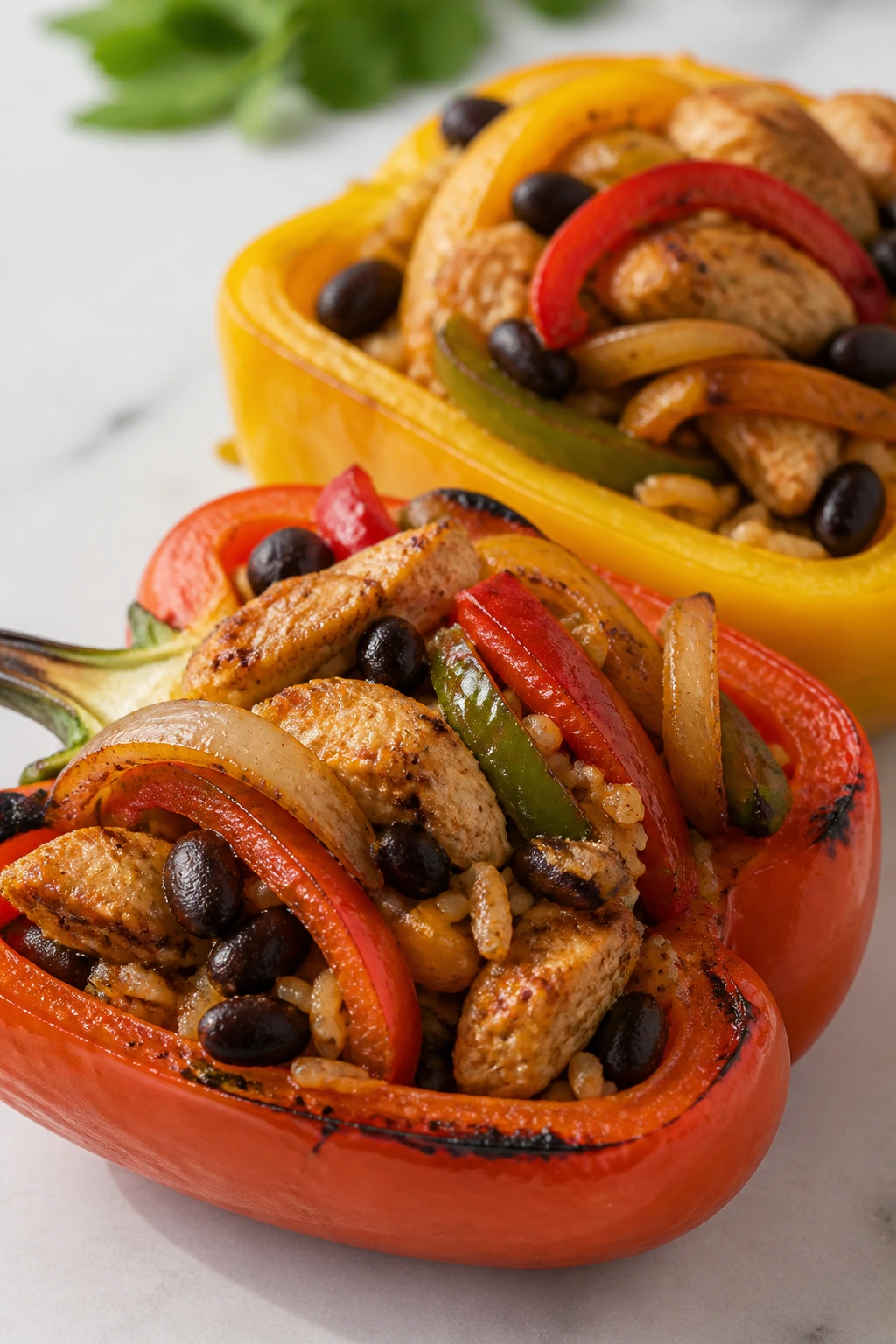
If fajitas and burrito bowls had a tidier weeknight cousin, it would look like this. Bell pepper halves become built-in serving bowls, thin strips of chicken cook fast, and the filling gets bulk from brown rice and black beans instead of a heavy blanket of cheese. You still get the chili, cumin, onion, and salsa notes that make fajita night worth making.
These have a nice bonus: they reheat well, which is not something I say about most chicken dinners.
Why It Works: The peppers need a brief head start so they soften without collapsing. Thinly sliced chicken breast cooks fast at 380°F, and salsa acts like a shortcut sauce, seasoning the filling while keeping it moist. Using 1 cup cooked brown rice is enough to make the dish feel complete without turning it into a rice bomb. A measured amount of cheese—1/2 cup for 8 pepper halves—gives you that melty finish without taking over.
Key Ingredients:
- 4 large bell peppers, halved lengthwise and seeded — red, orange, or yellow bring the best sweetness.
- 1 pound boneless, skinless chicken breast, thinly sliced — thinner strips cook before they dry out.
- 1 tablespoon olive oil — divided between peppers and chicken.
- 1 small yellow onion, thinly sliced — cooks down with the chicken and builds the fajita flavor.
- 2 teaspoons chili powder — the backbone of the seasoning.
- 1 teaspoon ground cumin — gives the filling its earthy edge.
- 1 cup cooked brown rice — use leftover rice if you have it.
- 1 cup no-salt-added black beans, drained and rinsed — fiber and protein without extra work.
- 1/2 cup chunky salsa — binds the filling and adds acidity.
- 1/2 cup shredded Monterey Jack or cheddar — enough for a browned top.
Quick Steps:
- Preheat the air fryer to 380°F.
- Brush the cut sides of the pepper halves with 1 teaspoon oil and air fry them, cut side up, for 5 minutes to soften slightly.
- Toss the chicken and onion with the remaining oil, chili powder, cumin, and 3/4 teaspoon kosher salt. Air fry for 6 to 8 minutes, shaking once, until the chicken reaches 165°F.
- Combine the cooked chicken mixture with the brown rice, black beans, salsa, and half the cheese in a bowl.
- Fill each pepper half generously, then sprinkle the remaining cheese on top.
- Return the stuffed peppers to the air fryer and cook for 5 to 6 minutes, until the peppers are tender-crisp and the cheese melts with browned spots.
- Serve hot, with chopped cilantro or a squeeze of lime if you have it around.
Tips and Variations:
- Lower the carbs: Skip the rice and double the black beans.
- Turn up the heat: Add 1 finely chopped jalapeño to the filling.
- Meal-prep move: Make the filling a day ahead, then stuff and cook the peppers when you get home.
3. Garlic-Parmesan Turkey Meatballs with Zucchini Coins
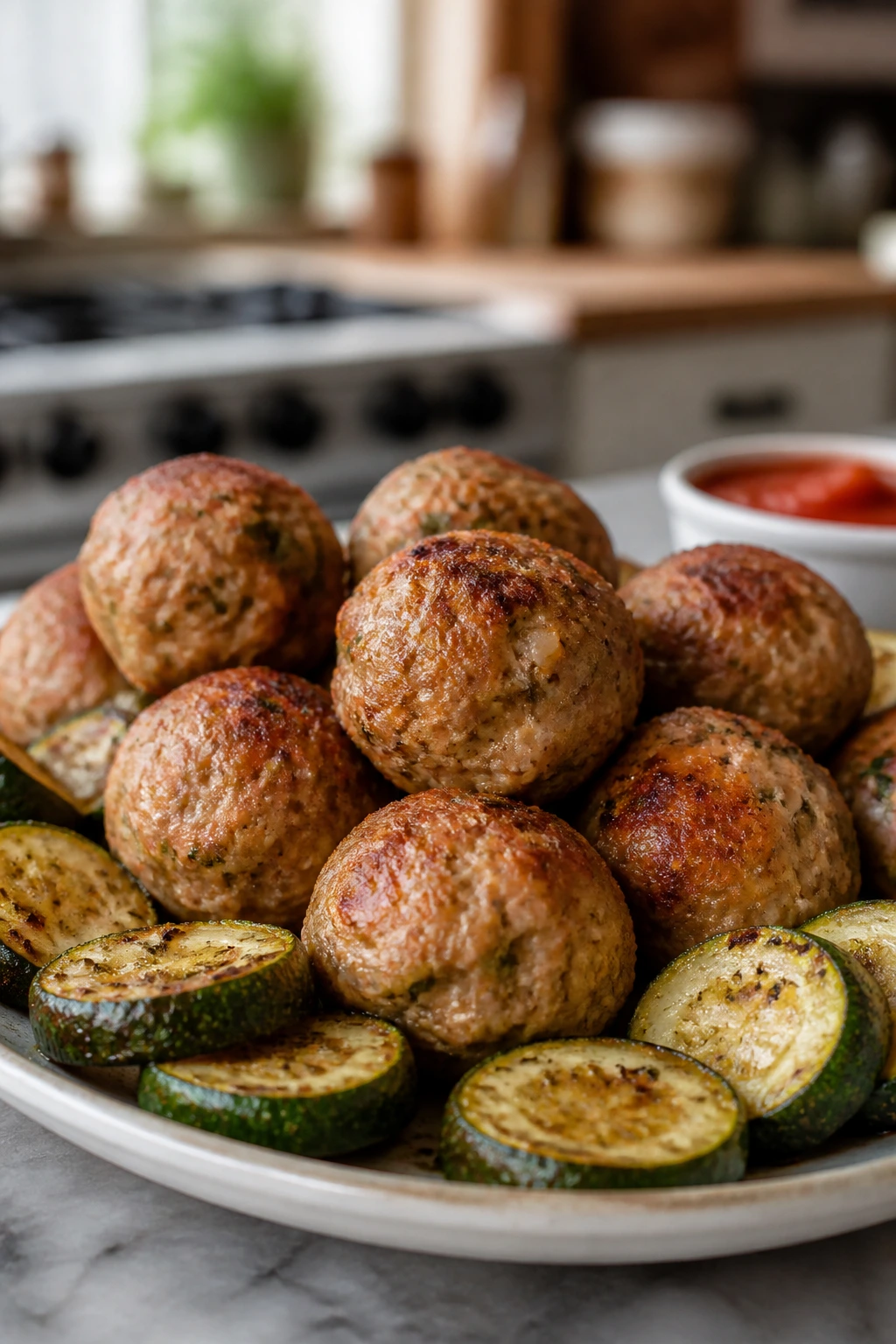
Ground turkey gets a bad reputation for dryness, and I get why. Cook it too long and you end up chewing through something that tastes like duty. These meatballs dodge that problem with grated onion, Parmesan, and a small amount of oats or whole-wheat breadcrumbs, which hold onto moisture without making the meatballs dense.
The zucchini cooks in the same basket, picks up the drippings, and turns this into a full dinner with almost no extra cleanup. Warm marinara on the side seals the deal.
Why It Works
Turkey meatballs do best when they stay small. Sixteen meatballs from 1 pound of turkey gives you plenty of browned surface area and keeps the centers from drying out before they reach the FDA safe temperature of 165°F. Grated onion releases moisture as the meat cooks, Parmesan adds fat and salt in a controlled way, and zucchini coins need only 6 to 7 minutes once they hit the basket. The result feels like comfort food, but the plate stays lighter than a bowl of pasta with a heavy meat sauce.
Key Ingredients
- 1 pound lean ground turkey, 93% lean — lean enough for a lighter dinner, with enough fat to stay tender.
- 1/3 cup quick oats or whole-wheat breadcrumbs — holds the mixture together.
- 1/4 cup finely grated Parmesan cheese — adds savory depth.
- 1 large egg — helps bind the meatballs.
- 1/4 cup grated yellow onion — moisture insurance.
- 2 garlic cloves, minced — garlic-Parmesan without the jarred bottled taste.
- 1 teaspoon Italian seasoning — a quick all-in-one herb layer.
- 2 medium zucchini, sliced into 1/4-inch coins — thin slices cook quickly and brown at the edges.
- 1 tablespoon olive oil — for the zucchini.
- 1 cup marinara sauce, warmed for serving — no need to bury the meatballs in sauce.
Quick Steps
- Preheat the air fryer to 390°F.
- Mix the turkey, oats or breadcrumbs, Parmesan, egg, onion, garlic, Italian seasoning, and 3/4 teaspoon kosher salt in a bowl until combined. Do not overwork the mixture or the meatballs tighten up.
- Shape the mixture into 16 small meatballs, about 1 1/2 inches wide.
- Arrange the meatballs in the basket with a little space between them and air fry for 6 minutes.
- Toss the zucchini coins with the olive oil and a pinch of salt. Add them around the meatballs, then cook for 6 to 7 minutes more, shaking once, until the zucchini is browned in spots and the meatballs reach 165°F.
- Warm the marinara while the last batch cooks, then serve the meatballs and zucchini with sauce spooned over or beside them.
Tips and Variations
- Use chicken: Ground chicken works with the same timing if it has some fat in it.
- Stretch the meal: Serve over whole-wheat spaghetti, spaghetti squash, or white beans.
- Freeze ahead: Cooked meatballs freeze well for up to 2 months; thaw in the fridge before reheating.
4. Sesame-Ginger Tofu with Green Beans and Brown Rice
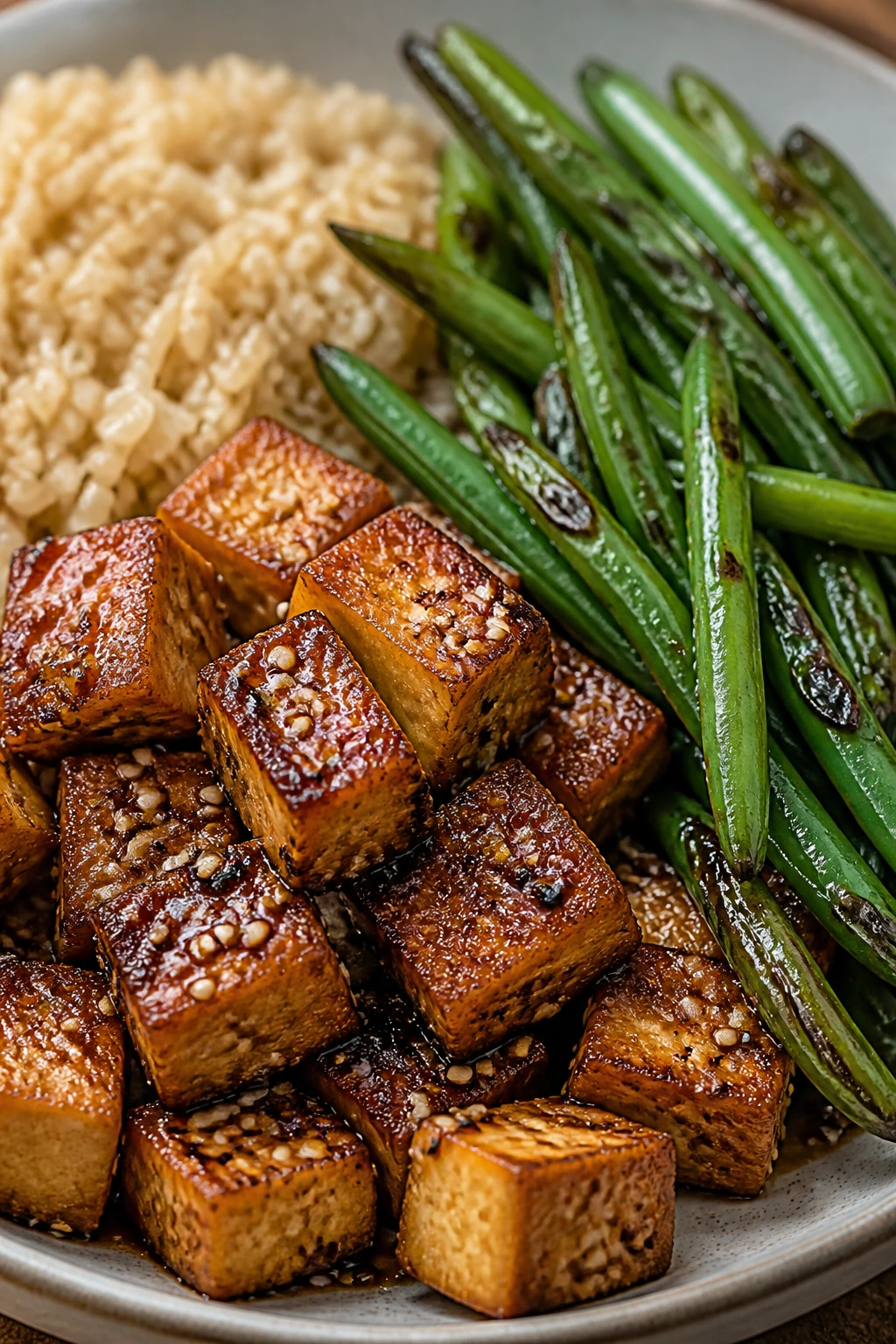
Can tofu turn crisp in an air fryer without a heavy breading? Yes—if you start with extra-firm tofu, press out some moisture, and coat the cubes with a thin layer of cornstarch instead of drowning them in sauce. This dinner hits that nice line between sharp, nutty, salty, and fresh, with blistered green beans and warm brown rice catching the extra sesame-ginger sauce.
People who think tofu is bland usually have not let it brown enough. Pale tofu is forgettable. Crisp tofu with dark corners is dinner.
Why It Works: Tofu needs three things to behave in an air fryer: dryness, space, and a little starch. Pressing it for 15 minutes and patting it dry gives the cornstarch somewhere to cling, which helps the cubes crisp instead of steam. Green beans can join partway through so they blister without collapsing, and a restrained sauce strategy matters here—some goes on before cooking, while the rest lands at the table, where it adds flavor without softening the crust you worked for.
Key Ingredients:
- 1 block extra-firm tofu, 14 ounces, pressed for 15 minutes and cubed — avoid soft tofu here.
- 12 ounces green beans, trimmed — thin beans blister faster than thick ones.
- 2 tablespoons low-sodium soy sauce or tamari — enough seasoning without pushing the salt too far.
- 1 tablespoon rice vinegar — gives the sauce brightness.
- 2 teaspoons toasted sesame oil — rich flavor, so a little goes far.
- 1 tablespoon grated fresh ginger — clean heat that wakes up the bowl.
- 1 garlic clove, finely grated — small amount, big payoff.
- 1 tablespoon cornstarch — the crisping trick.
- 1 tablespoon neutral oil — for the beans and tofu surface.
- 2 cups cooked brown rice — the sturdy base that catches the sauce.
Quick Steps:
- Preheat the air fryer to 390°F.
- Whisk the soy sauce, rice vinegar, sesame oil, ginger, and garlic in a bowl.
- Toss the tofu with 1 tablespoon of the sauce, then sprinkle with the cornstarch and toss again until lightly coated.
- Arrange the tofu in the basket, mist or brush with a little of the neutral oil, and air fry for 4 minutes.
- Toss the green beans with the remaining neutral oil and 1 tablespoon of the sauce. Add them to the basket and cook for 6 to 8 minutes more, shaking once, until the tofu is crisp and the beans have blistered spots.
- Serve over warm brown rice, drizzling the remaining sauce over the bowls right before eating.
Tips and Variations:
- Add heat: Stir 1 teaspoon sriracha or chili crisp into the finishing sauce.
- Swap the vegetable: Broccoli, snap peas, or sliced bell peppers all fit the same flavor profile.
- Use freezer tofu: Freeze and thaw tofu first if you like a chewier texture.
5. Chili-Lime Shrimp Tacos with Cabbage Slaw
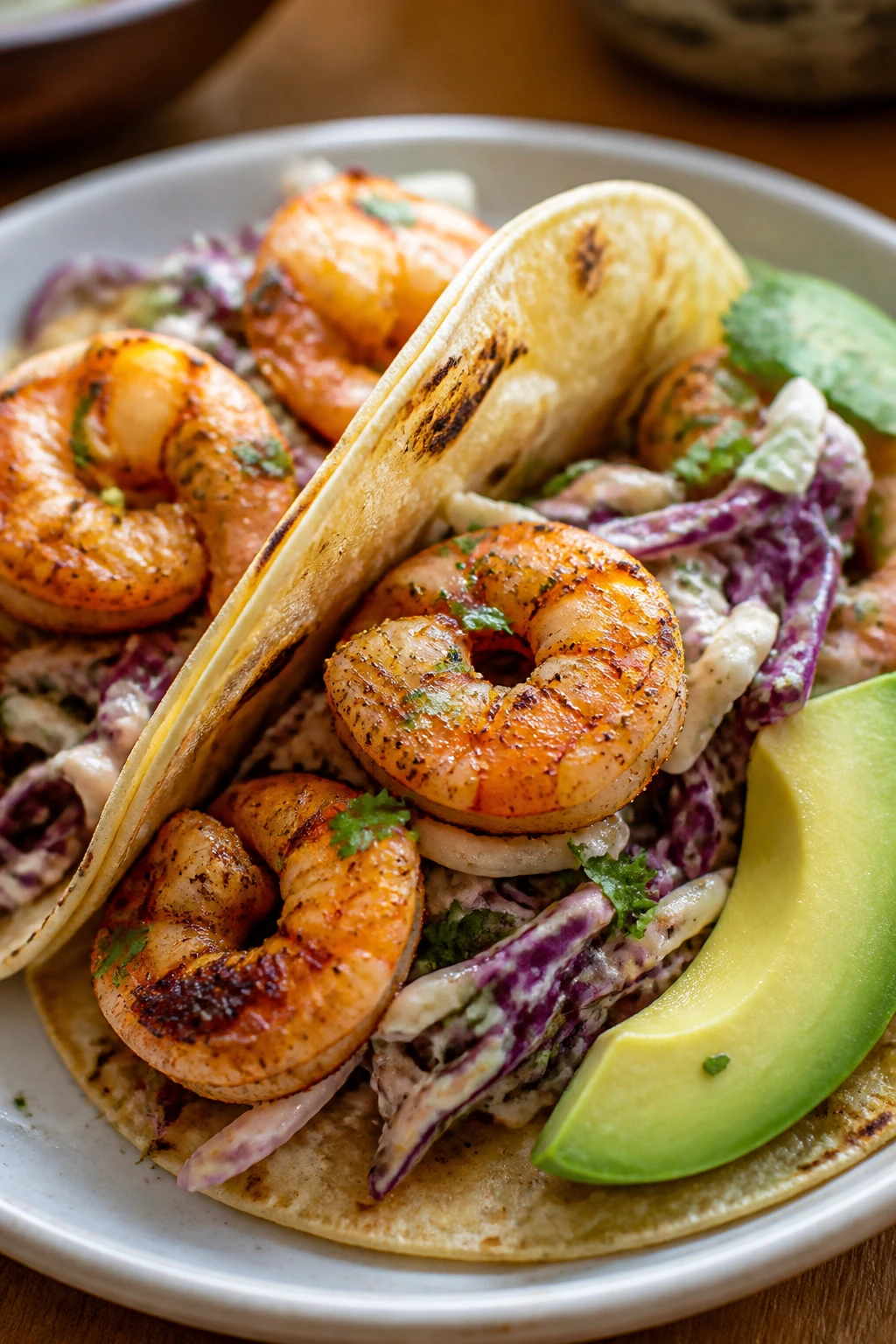
Shrimp is weeknight gold because it cooks at a speed that borders on unfair. By the time you set the table, it is often done. These tacos lean on that advantage, with chili powder, cumin, lime zest, and a cool cabbage slaw bound with Greek yogurt instead of mayo.
They feel fresh, bright, and a little punchy. More important, they do not leave you feeling like you need a nap after dinner.
Why It Works
Large shrimp need only 5 to 6 minutes at 400°F, which makes them one of the fastest proteins in the air fryer lineup. Cabbage stays crisp even after a quick toss with yogurt and lime, so the tacos keep some crunch instead of collapsing into a wet pile. Corn tortillas help hold portions in check and bring their own flavor, while avocado adds creaminess that keeps you from reaching for a heavier sauce. If you buy large shrimp, 21/25 count, they cook evenly and stay plump.
Key Ingredients
- 1 pound large shrimp, peeled and deveined — thaw fully if frozen and pat dry.
- 1 tablespoon olive oil — helps the spices coat the shrimp.
- 1 1/2 teaspoons chili powder — warmth without blowing out the other flavors.
- 1/2 teaspoon ground cumin — a deeper base note.
- Zest and juice of 1 lime — split between shrimp and slaw.
- 2 cups shredded cabbage — green, red, or a mix.
- 1/4 cup plain Greek yogurt — creamy enough without heaviness.
- 8 small corn tortillas — two tacos per person works well here.
- 1 avocado, sliced — richness and texture.
- 2 tablespoons chopped cilantro — a fresh finish.
Quick Steps
- Preheat the air fryer to 400°F.
- Toss the shrimp with the olive oil, chili powder, cumin, half the lime zest, half the lime juice, and 1/2 teaspoon kosher salt.
- Stir the cabbage with the Greek yogurt, the remaining lime juice, half the cilantro, and a pinch of salt. If it looks thick, thin it with 1 teaspoon water.
- Arrange the shrimp in a single layer and air fry for 5 to 6 minutes, shaking once, until they are opaque and lightly curled. Do not wait for tight circles; that is the road to rubber.
- Warm the tortillas in a dry skillet or in the air fryer for 30 to 60 seconds.
- Fill the tortillas with slaw, shrimp, avocado, and the remaining cilantro.
Tips and Variations
- Make bowls instead: Skip the tortillas and serve the shrimp over rice with the slaw on top.
- Add crunch: Toasted pumpkin seeds or crushed baked tortilla chips work well here.
- Prep ahead: The slaw can sit in the fridge for a few hours; the cabbage softens a touch and takes on more lime.
6. Cumin Beef Kofta with Tomato-Cucumber Salad
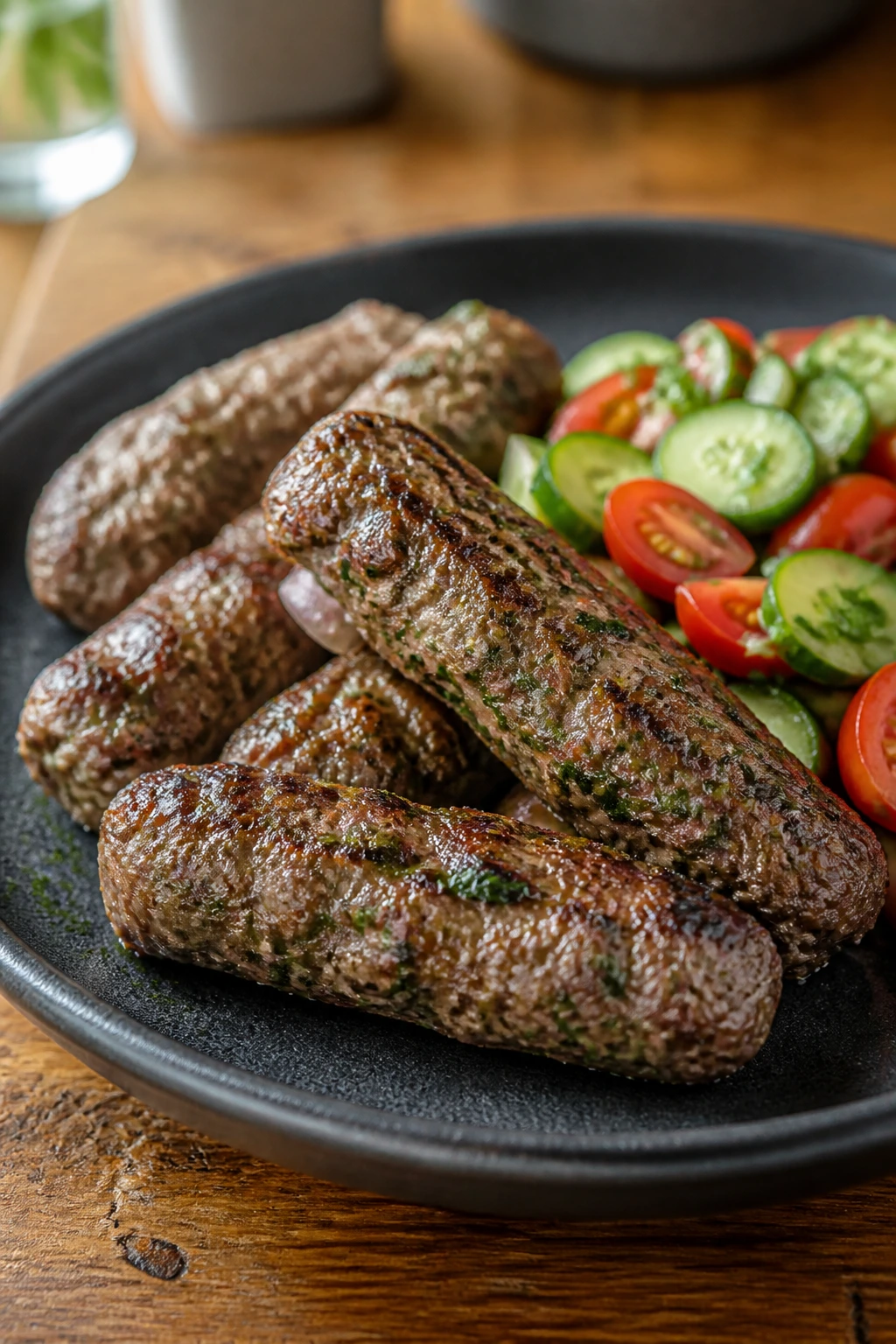
Lean ground beef does not show up in enough air fryer dinner conversations, which is a shame. Shape it into kofta-style logs, season it hard with cumin, coriander, garlic, and parsley, and the air fryer browns the ridges fast while keeping the inside juicy. Served with a cold tomato-cucumber salad and a spoonful of yogurt, it hits that grilled-meat satisfaction without the grill.
This dinner feels like more effort than it is. I enjoy meals like that.
Why It Works: Kofta shapes cook more evenly than thick burgers because there is more surface exposed to the heat. Using 90% lean ground sirloin keeps the fat in check while still giving the meat enough richness to stay pleasant, and grated onion helps lock in moisture. Ground beef needs to reach 160°F, so an instant-read thermometer earns its keep here. The cool salad and yogurt do more than decorate the plate; they balance the spice and make the meal feel lighter.
Key Ingredients:
- 1 pound lean ground sirloin, 90% lean — enough fat to stay juicy, not enough to make the basket smoke heavily.
- 1/4 cup grated yellow onion, squeezed dry — moisture for the meat, without flooding it.
- 2 garlic cloves, minced — beef likes garlic, full stop.
- 2 tablespoons chopped parsley — fresh and grassy against the spice.
- 1 teaspoon ground cumin plus 1/2 teaspoon ground coriander — classic kofta territory.
- 1/2 teaspoon kosher salt plus 1/4 teaspoon black pepper — enough seasoning for the meat.
- 1 large cucumber and 1 pint cherry tomatoes, chopped — the cold side salad.
- 1 tablespoon olive oil plus 1 tablespoon red wine vinegar — quick dressing for the salad.
- 1/2 cup plain Greek yogurt — cool finish with protein.
Quick Steps:
- Preheat the air fryer to 400°F.
- Mix the ground sirloin, onion, garlic, parsley, cumin, coriander, salt, and pepper until combined.
- Shape the mixture into 8 short logs or 4 longer kofta, pressing firmly enough that they hold together.
- Air fry the kofta for 10 to 12 minutes, turning once halfway, until browned outside and 160°F in the center.
- Toss the cucumber and tomatoes with the olive oil, red wine vinegar, and a pinch of salt.
- Serve the kofta with the salad and Greek yogurt spooned over or beside it. Warm whole-wheat pita is nice if you want it, though the plate holds up fine without it.
Tips and Variations:
- Use herbs aggressively: Mint can replace part of the parsley for a sharper finish.
- Add a grain: Couscous or bulgur makes this a bigger dinner for hungrier eaters.
- Watch the onion: If the grated onion is dripping wet, squeeze it over the sink first so the kofta does not loosen too much.
7. Black Bean Stuffed Sweet Potatoes with Corn and Avocado
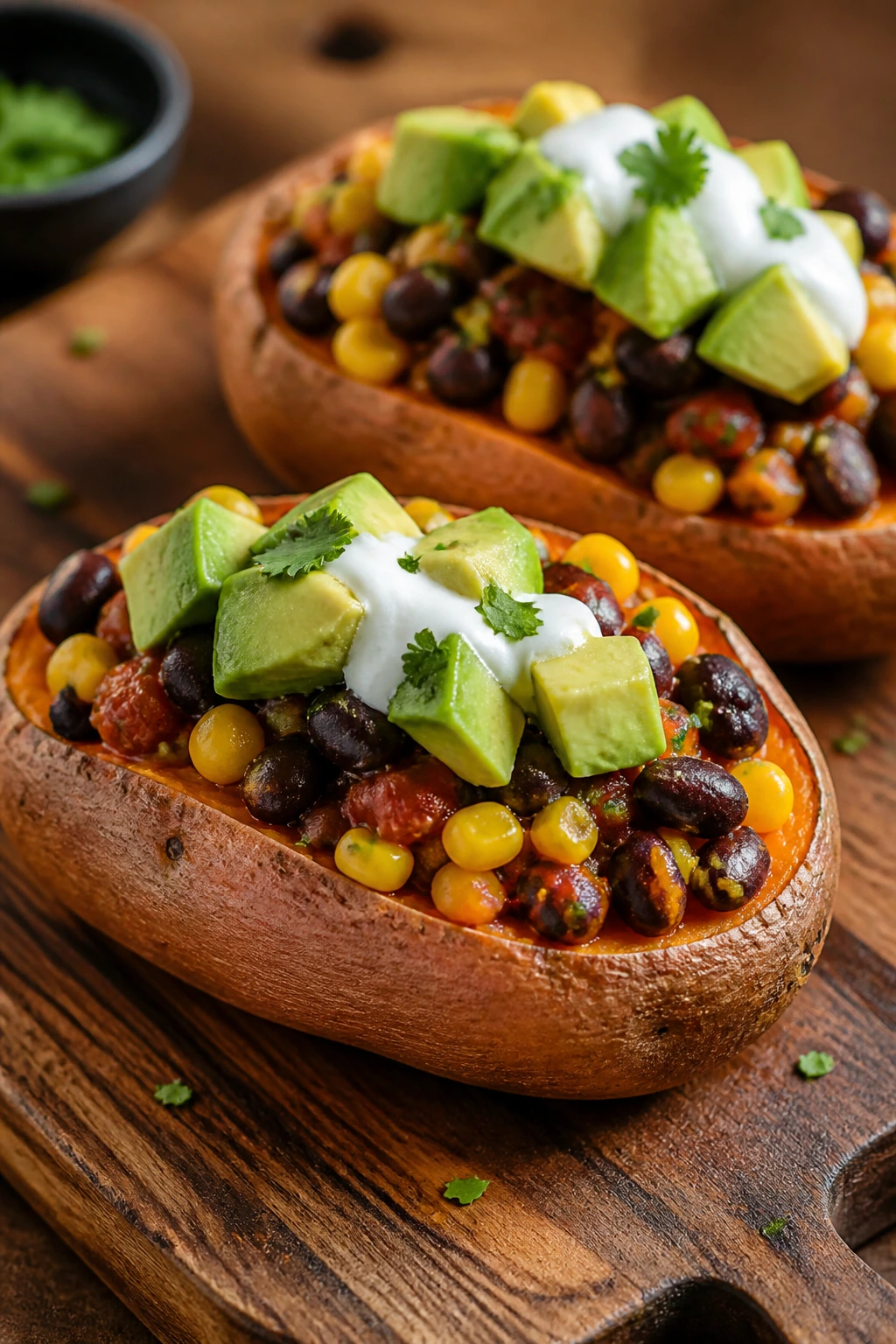
Not every filling dinner needs meat. Sweet potatoes turn soft and caramel-edged in the air fryer, and once you split them open they act like built-in bowls for black beans, corn, salsa, avocado, and a cool spoonful of yogurt. It is the kind of dinner that feels generous even though the ingredient list stays short.
A good stuffed sweet potato has contrast. Soft base, warm savory filling, cool topping, bright lime. Miss that contrast and the whole thing gets sleepy.
Why It Works
The air fryer cooks whole sweet potatoes faster than a full oven because the heat moves through a smaller space and hits the skins from all sides. Medium potatoes usually need 30 to 35 minutes at 390°F, which is manageable on a weeknight. Black beans and corn bring protein and fiber, salsa gives you seasoning without needing a separate sauce, and avocado plus yogurt makes the finish creamy enough that you will not miss shredded cheese if you want to keep the plate lighter. This is one of the strongest meatless dinners in the bunch because the textures do so much work.
Key Ingredients
- 4 medium sweet potatoes, about 8 to 10 ounces each — choose similar sizes so they finish together.
- 1 teaspoon olive oil — rubbed on the skins for better texture.
- 1 can black beans, 15 ounces, drained and rinsed — no-salt-added is helpful if you watch sodium.
- 1 cup frozen corn, thawed — sweet and easy.
- 1/2 cup prepared salsa — red or green both work.
- 1 teaspoon ground cumin — warms up the bean filling.
- 1 ripe avocado, diced — creamy topping with some heft.
- Juice of 1 lime — brightens the whole plate.
- 1/4 cup chopped cilantro or scallions — freshness at the end.
- 1/2 cup plain Greek yogurt or unsweetened dairy-free yogurt — cool contrast to the warm filling.
Quick Steps
- Preheat the air fryer to 390°F.
- Pierce each sweet potato 5 or 6 times with a fork, rub with the olive oil, and sprinkle lightly with salt.
- Air fry the potatoes for 30 to 35 minutes, turning once halfway, until a knife slides in with almost no resistance.
- Stir the black beans, corn, salsa, and cumin together in a small oven-safe dish or microwave-safe bowl. Heat until hot—3 to 4 minutes in the air fryer or about 2 minutes in the microwave.
- Split each sweet potato lengthwise and fluff the inside with a fork.
- Fill with the bean-corn mixture, then top with avocado, lime juice, yogurt, and cilantro or scallions.
Tips and Variations
- Add crunch: A spoonful of pumpkin seeds or chopped toasted walnuts gives the top more texture.
- Make it richer: Crumble a little feta or cotija on top.
- Boost the protein: Stir 1/2 cup cooked quinoa into the bean mixture.
8. Pork Tenderloin Medallions with Brussels Sprouts and Apples
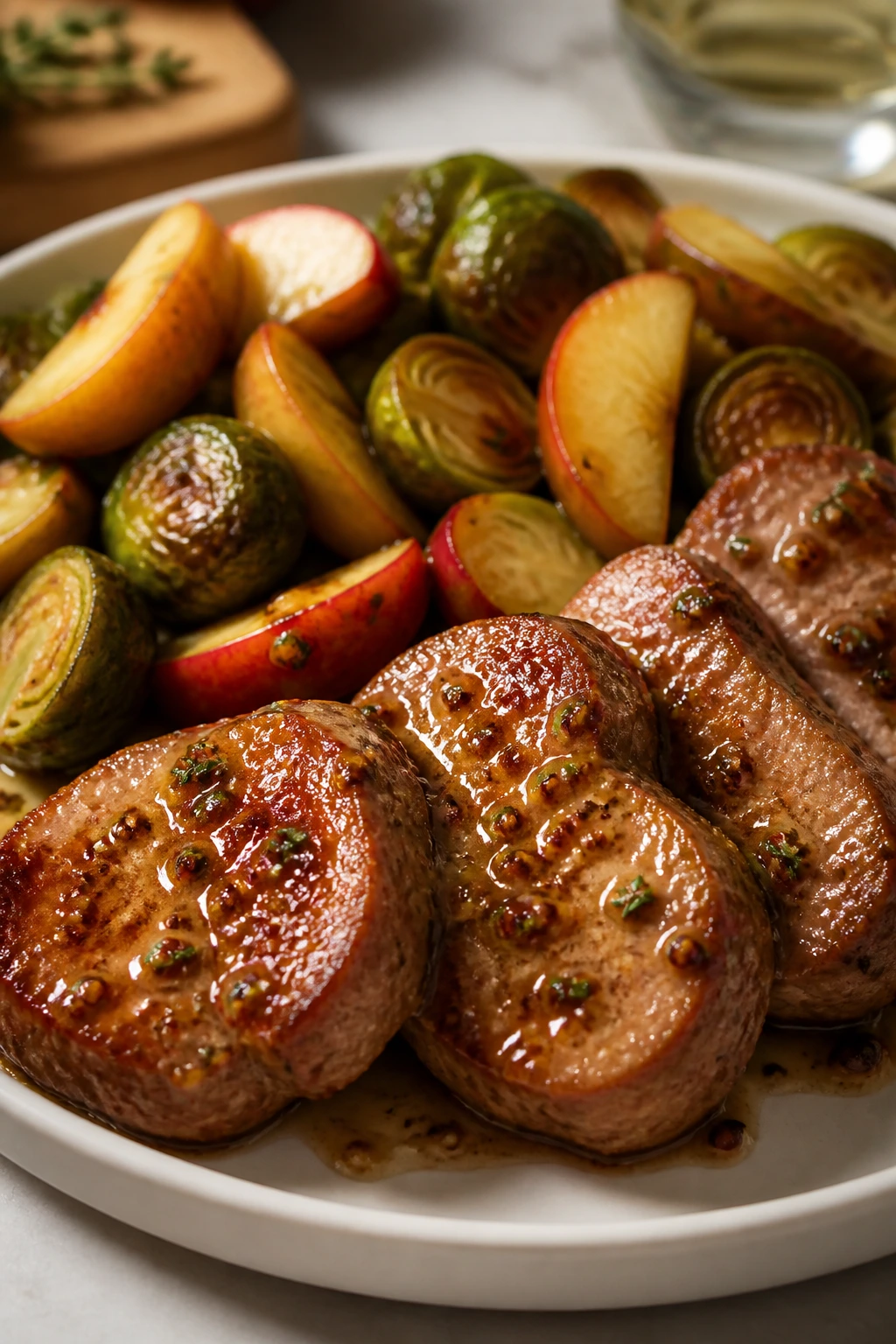
Pork tenderloin gets ignored beside chicken, which has never made much sense to me. It is lean, it cooks fast, and it holds up well to high heat if you do not overcook it. Slice it into medallions, glaze it with Dijon, maple, rosemary, and garlic, then let Brussels sprouts and apples roast alongside until the sprouts brown and the fruit softens into sweet-tart bites.
This one tastes like cooler-weather food without locking you into a long braise. Useful trick.
Why It Works: Whole pork tenderloin can cook unevenly in smaller baskets, while 1-inch medallions cook fast and pick up more browning. Brussels sprouts need a short head start, and apples join them without much fuss because they soften in the same window. The FDA safe endpoint for whole cuts of pork is 145°F with a short rest, which keeps the meat tender instead of chalky. Dijon and maple add a quick glaze that lands somewhere between savory and sharp, with rosemary giving it structure.
Key Ingredients:
- 1 pork tenderloin, 1 to 1 1/4 pounds, sliced into 1-inch medallions — avoid pork loin, which is a different cut.
- 12 ounces Brussels sprouts, halved — smaller sprouts cook more evenly.
- 1 crisp apple, sliced — Honeycrisp or Pink Lady holds shape well.
- 1 tablespoon olive oil — for the vegetables.
- 1 tablespoon Dijon mustard — glaze base.
- 1 teaspoon maple syrup — a little sweetness goes far.
- 1 teaspoon chopped fresh rosemary or 1/2 teaspoon dried — piney, savory backbone.
- 1/2 teaspoon garlic powder — easy, even garlic flavor.
- 3/4 teaspoon kosher salt plus 1/4 teaspoon black pepper — split across pork and vegetables.
Quick Steps:
- Preheat the air fryer to 400°F.
- Toss the Brussels sprouts and apple slices with the olive oil, half the salt, and the black pepper. Air fry for 5 minutes.
- Stir the Dijon, maple syrup, rosemary, garlic powder, and the remaining salt in a bowl. Coat the pork medallions with the mixture.
- Add the pork to the basket in a single layer with the Brussels sprouts and apples.
- Cook for 8 to 10 minutes, turning the pork once, until the medallions reach 145°F and the sprouts are browned at the edges.
- Rest the pork for 3 minutes before serving so the juices stay in the meat instead of running onto the plate.
Tips and Variations:
- Use pears: A firm pear works if you do not have apples.
- Add grain mustard: Stir 1 teaspoon whole-grain mustard into the glaze for extra texture.
- Mind the thickness: If some medallions are twice as thick as others, they will not finish together.
9. Harissa Cauliflower and Chickpea Bowls with Yogurt Sauce
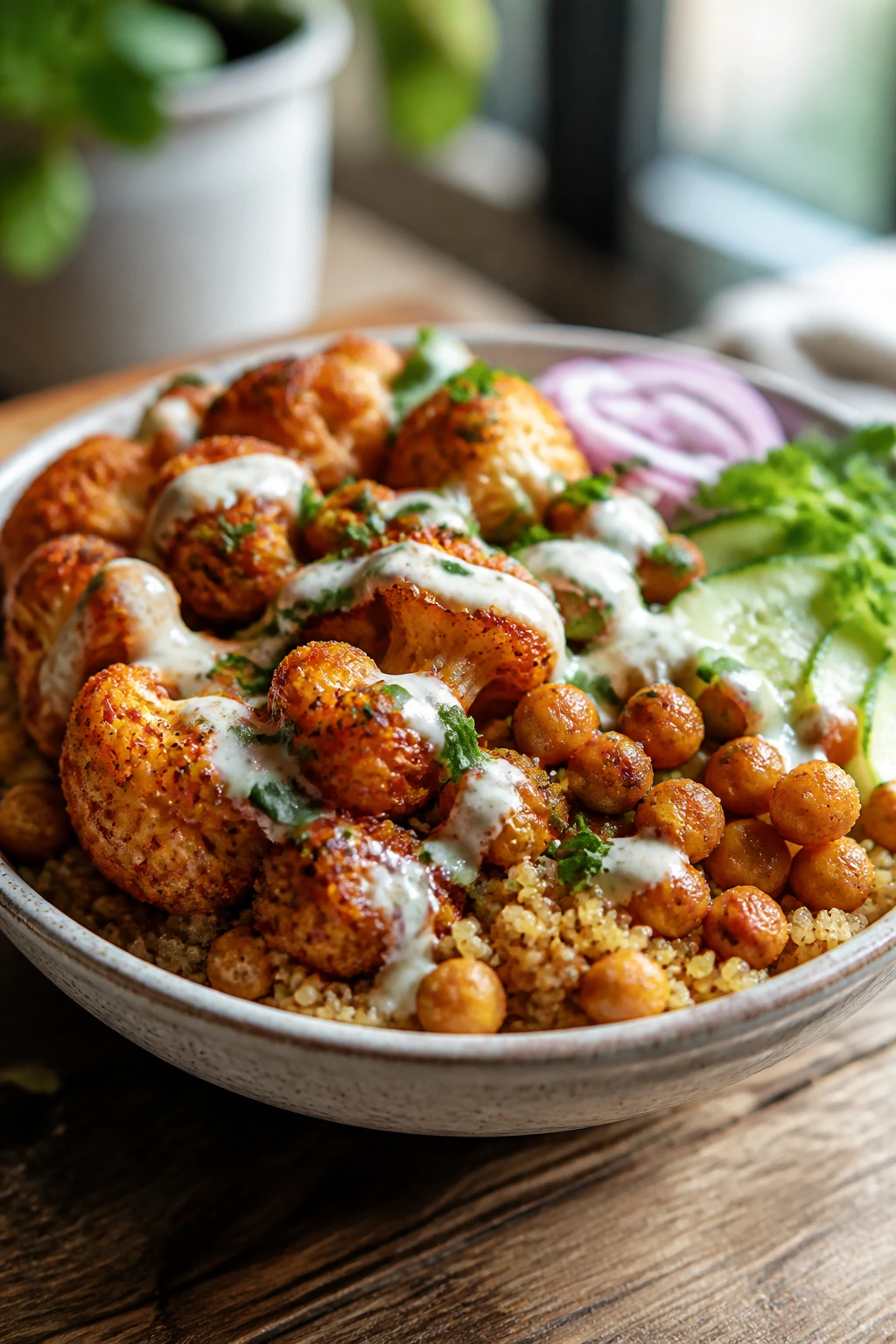
A meatless dinner does not need fake meat or a mountain of cheese to feel complete. This bowl leans on charred cauliflower, crisp chickpeas, warm quinoa, and a harissa coating that lands smoky, spicy, and a little tangy. Yogurt sauce cools everything down, and herbs on top keep the bowl from feeling heavy.
This is the dinner I make when I want bold flavor with pantry help. A can of chickpeas can take you far if you dry them well and give them heat.
Why It Works
Cauliflower and chickpeas both thrive under hot circulating air, though the chickpeas need special treatment: pat them dry until the surface no longer looks glossy. That is what lets them crisp instead of steam. Harissa paste brings chili, garlic, and spice in one spoonful, so the seasoning work stays short, and quinoa adds more protein without weighing the bowl down. A cool yogurt drizzle on top rounds out the heat and gives the meal some contrast.
Key Ingredients
- 1 small head cauliflower, cut into bite-size florets — smaller florets char more evenly.
- 1 can chickpeas, 15 ounces, drained, rinsed, and dried well — drying matters more than people think.
- 1 1/2 tablespoons olive oil — helps the harissa coat both chickpeas and cauliflower.
- 1 1/2 tablespoons harissa paste — adjust if yours runs fiery.
- 1 teaspoon ground cumin — deepens the spice profile.
- 1/2 teaspoon smoked paprika — extra roasted edge.
- 1/2 cup plain Greek yogurt — cooling sauce base.
- 1 tablespoon lemon juice — wakes up the yogurt.
- 2 cups cooked quinoa — sturdy base with extra protein.
- 2 tablespoons chopped parsley or mint — fresh finish.
Quick Steps
- Preheat the air fryer to 400°F.
- Toss the cauliflower and chickpeas with the olive oil, harissa, cumin, smoked paprika, and 1/2 teaspoon kosher salt until coated.
- Air fry for 15 to 18 minutes, shaking at the 5-minute and 10-minute marks, until the cauliflower is tender with dark edges and the chickpeas feel crisp outside.
- Stir the Greek yogurt with the lemon juice and a pinch of salt.
- Divide the quinoa among bowls and top with the cauliflower-chickpea mixture.
- Drizzle with yogurt sauce and scatter the herbs over the top.
Tips and Variations
- Lower the heat: Cut the harissa with 1 tablespoon plain tomato paste.
- Skip dairy: Use tahini thinned with lemon juice and water instead of yogurt.
- Add crunch: Toasted almonds or pumpkin seeds work well on top.
10. Pesto Cod with Cherry Tomatoes and Green Beans
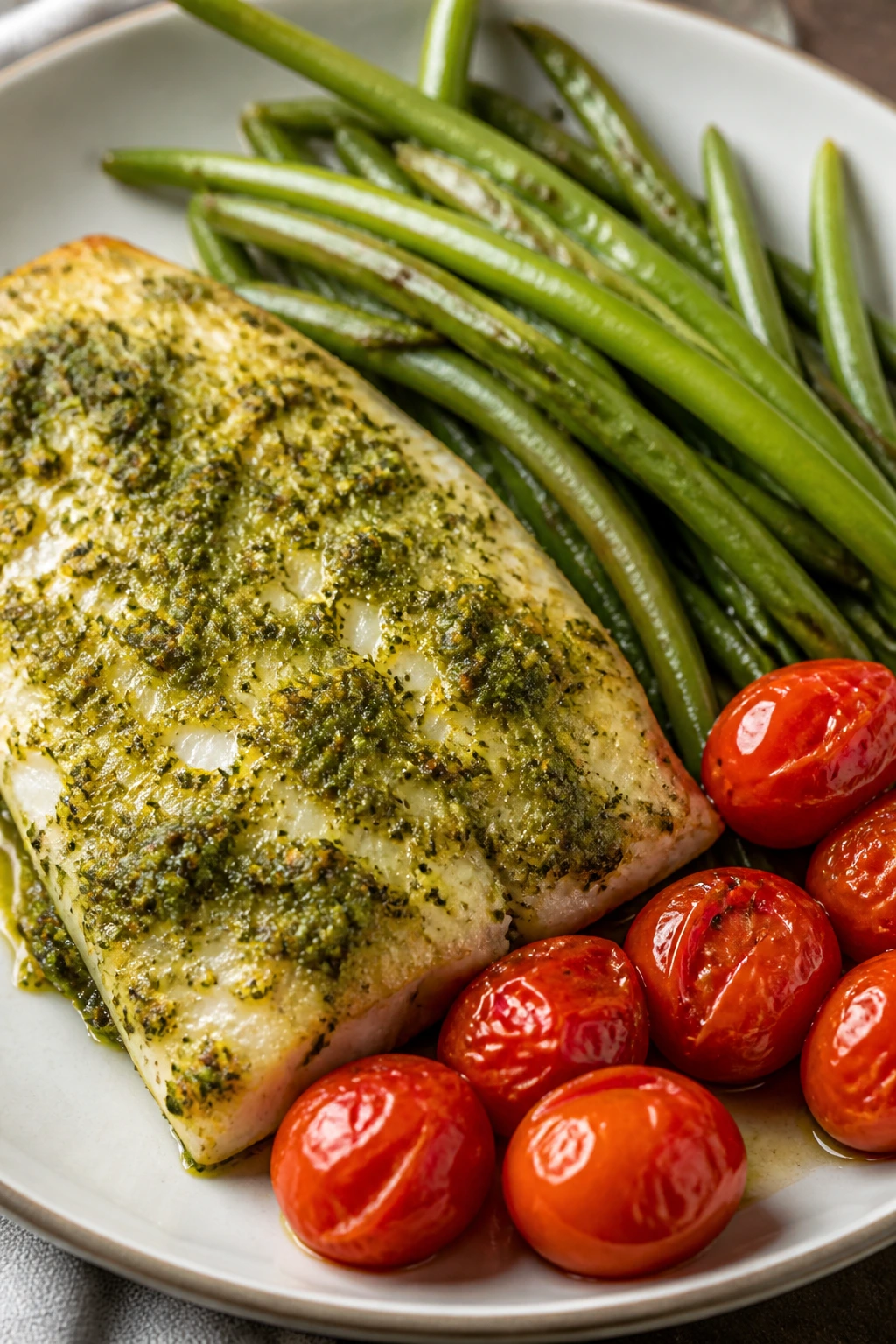
Cod can go from flaky to dry in one distracted phone call, which is why I like giving it a protective layer of pesto. The coating helps shield the surface, keeps the flavor assertive, and turns a mild white fish into something that tastes finished instead of plain. Green beans and cherry tomatoes blister around it, and a squeeze of lemon at the end keeps the whole plate bright.
When cod is good, it is clean, delicate, and easy to pair with vegetables. When it is overcooked, it tastes like regret. Timing matters here.
Why It Works: Cod cooks fast—7 to 9 minutes at 390°F for 1-inch fillets—so the vegetables go in first. Pesto is a smart coating because the oil, nuts, herbs, and cheese all bring flavor in one swipe, and it clings better than a thin marinade. Cherry tomatoes soften and burst at roughly the same pace the fish finishes, while green beans hold their bite. Pull the fish at 145°F, and do not keep cooking because the tomatoes need another minute; the basket can run without the cod.
Key Ingredients:
- 4 cod fillets, 5 to 6 ounces each — thicker center-cut pieces stay juicier.
- 1/4 cup basil pesto — homemade or store-bought both work.
- 12 ounces green beans, trimmed — thin beans cook in the same window as the tomatoes.
- 1 pint cherry tomatoes — they blister and sweeten quickly.
- 1 tablespoon olive oil — for the vegetables.
- 1 tablespoon lemon juice — added after cooking for brightness.
- 2 tablespoons grated Parmesan, optional — small finishing touch.
- 3/4 teaspoon kosher salt plus 1/4 teaspoon black pepper — mostly for the vegetables.
Quick Steps:
- Preheat the air fryer to 390°F.
- Toss the green beans and cherry tomatoes with the olive oil, salt, and black pepper. Air fry for 5 minutes.
- Pat the cod dry and spread the tops with the pesto.
- Nestle the cod among the vegetables and cook for 7 to 9 minutes, until the fish flakes easily and reaches 145°F.
- Squeeze the lemon juice over everything and scatter on the Parmesan, if using.
- Serve right away, spooning the softened tomatoes over the fish so their juices mix with the pesto.
Tips and Variations:
- Swap the fish: Haddock or halibut works with close timing, though halibut may need an extra minute.
- Loosen thick pesto: Stir in 1 teaspoon water if your pesto is stiff enough to tear the fish.
- Add beans: White beans on the side make this a sturdier dinner without much effort.
Why the Air Fryer Wins on Busy Weeknights
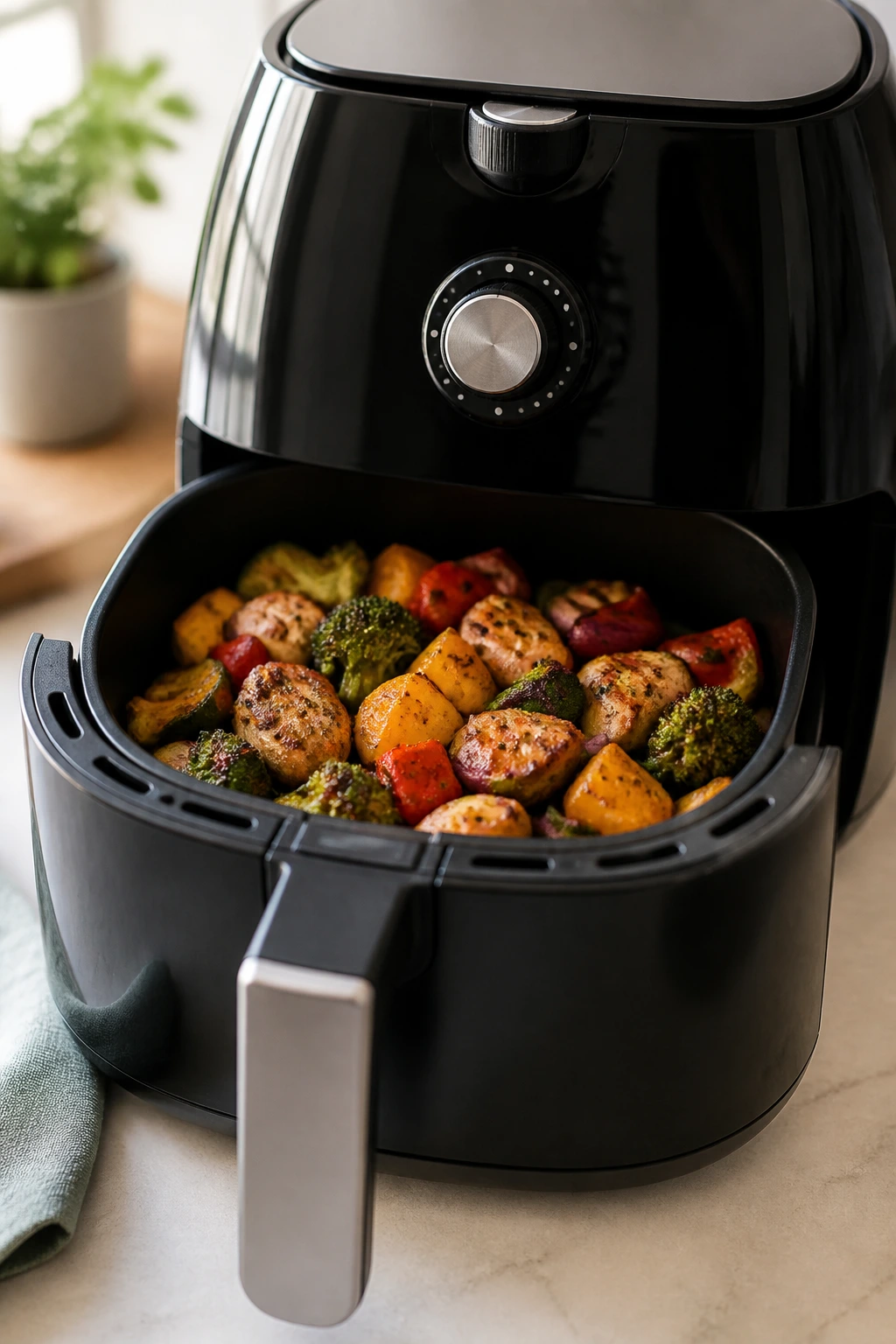
An air fryer does not make food healthy by itself. A basket full of breaded frozen snacks proves that fast. What it does make easier is the style of dinner most people want during the week: lean protein, browned vegetables, and enough texture to keep the meal from tasting flat.
That matters.
The machine works because it heats a small space fast and moves air hard enough to dry the surface of food while the inside cooks through. That surface drying is what pushes browning, and browning is where flavor lives. In a skillet, you often need more oil to get that effect. In a full-size oven, you wait longer for the same payoff and heat the whole kitchen besides.
Air fryers also help with portion discipline in a quiet, practical way. A basket sized for four tends to nudge you toward 4 to 6 ounces of protein per person, a decent pile of vegetables, and a moderate starch on the side if you want one. That lines up nicely with the dinner pattern the USDA’s MyPlate guidance has pushed for years: fill half the plate with vegetables or fruit, give lean protein a defined spot, and keep grains or starchy vegetables sensible.
There is a catch, though, and it is not mysterious. Crowding the basket kills the whole point. Wet food steams. Thick sauces burn before the center cooks. And air fryer temperatures can run hot or cold depending on the model, which is why an instant-read thermometer is more useful than blind faith in the timer. The FDA safe endpoints are worth knowing by memory: 165°F for poultry, 160°F for ground beef, and 145°F for fish and whole cuts of pork.
Used well, the air fryer is not a gimmick. It is a weeknight workhorse.
Essential Equipment for These Recipes
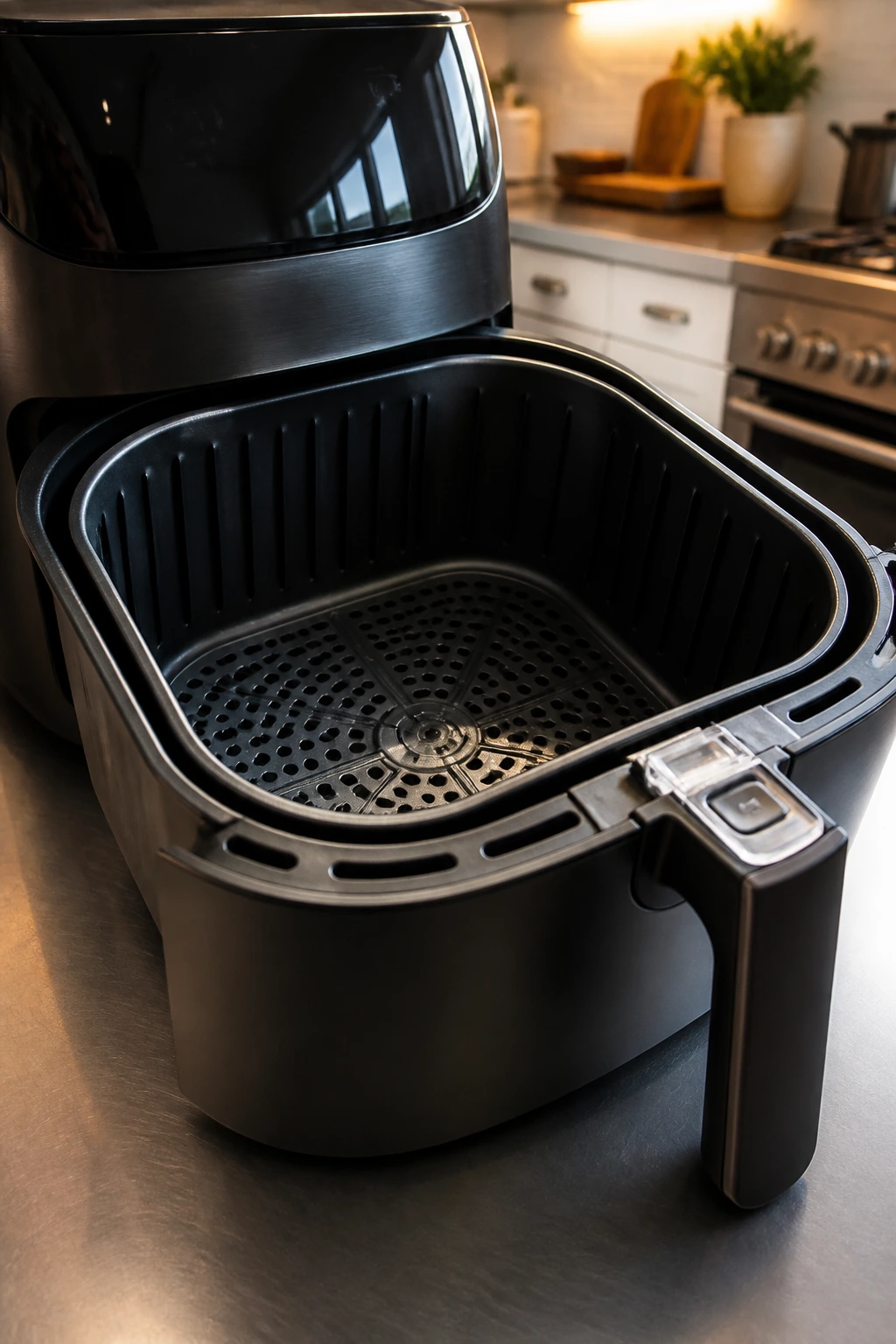
- 5- to 6-quart basket air fryer — large enough for most four-serving dinners without forcing food into a pile.
- Instant-read thermometer — the easiest way to stop overcooking salmon, cod, chicken, pork, and kofta.
- Metal or silicone tongs — safer for flipping hot food than a fork, especially delicate fish.
- Large mixing bowls — season proteins and vegetables separately so nothing gets soggy.
- Measuring spoons and cups — weeknight cooking still benefits from precise salt, oil, and spice amounts.
- Sharp chef’s knife — even cuts matter because air fryers punish uneven sizing.
- Large cutting board — gives you room to prep vegetables and proteins without crowding yourself.
- Silicone brush — handy for mustard glazes, pesto, or light oil coatings.
- Small oven-safe dish or pan — useful for bean mixtures, reheating fillings, or warming sauces if your air fryer manual allows it.
- Parchment liner or perforated liner, optional — good for sticky foods, though direct basket contact usually browns better.
- Sheet pan or platter for staging — a clean landing spot for raw and cooked batches.
- Airtight glass containers — leftovers keep better and reheat more cleanly when they are stored flat.
Smart Shopping for Healthy Air Fryer Dinners
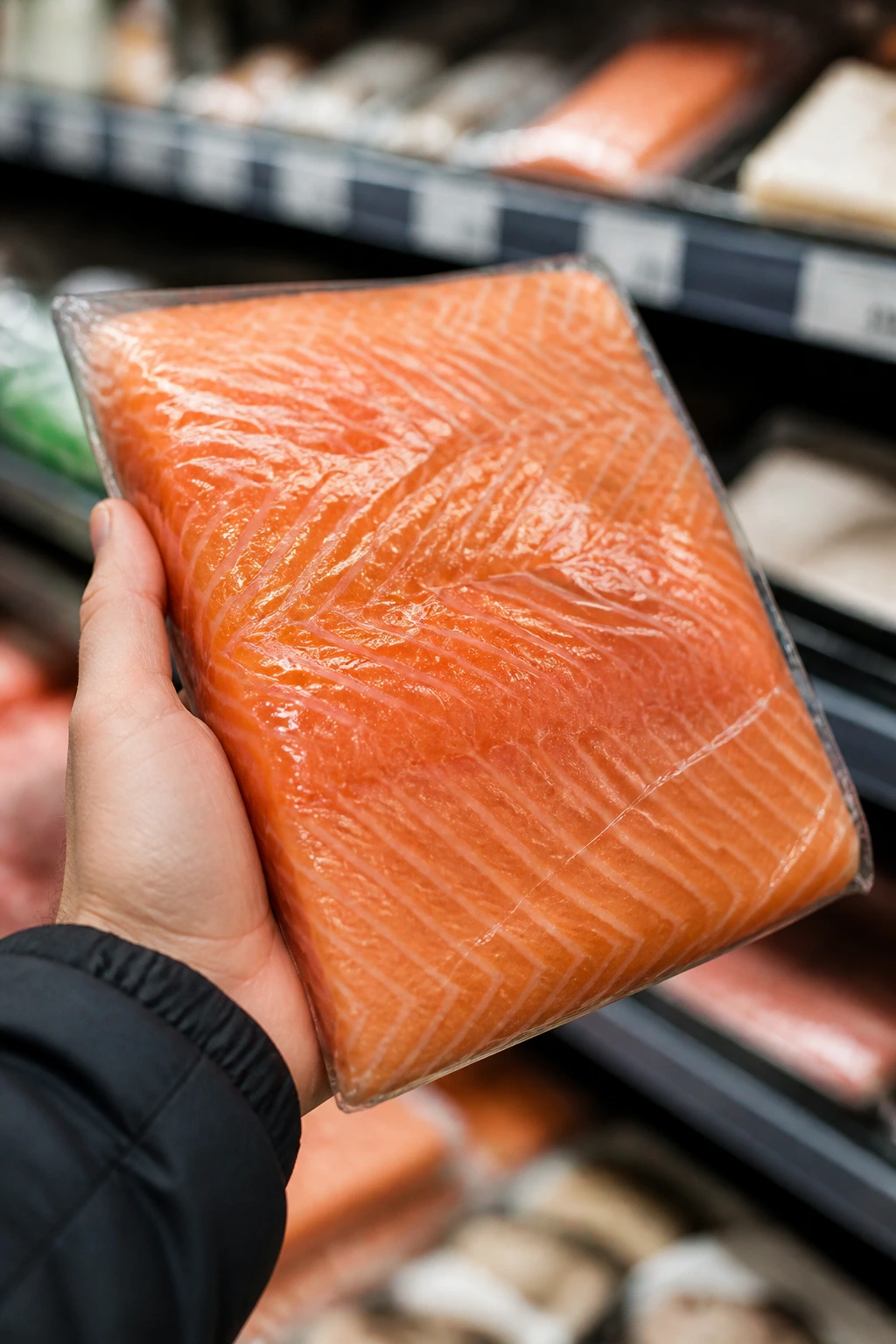
The shopping trip does half the job.
Start with protein thickness. Salmon and cod fillets that are all over the map in size will not finish together, and the same goes for chicken strips cut from one skinny end and one thick end of the breast. Aim for fish fillets around 1 inch thick, shrimp labeled large or 21/25 count, pork tenderloin rather than pork loin, and ground turkey that is 93% lean instead of the driest extra-lean package on the shelf. For tofu, buy extra-firm, not firm and not silken. Vacuum-packed tofu tends to contain less water and browns better.
Produce matters more than people give it credit for. Choose bell peppers that can sit flat once halved, Brussels sprouts on the smaller side, green beans that feel dry, and sweet potatoes close in size so one is not done while the other still fights back with the knife. Broccoli should look tight and dense, not yellowing at the tips. Cherry tomatoes need intact skins. Apples for the pork dinner should be crisp and tart-sweet rather than soft and mealy.
Pantry labels are worth a glance too. Low-sodium soy sauce or tamari gives you breathing room. No-salt-added beans help more than you might expect, since canned beans can swing wildly in sodium. Jarred pesto should list basil, oil, nuts, and cheese near the top rather than filler oils first. Salsa needs little more than tomatoes, onion, peppers, and salt. Harissa paste varies in heat, so if your household has mixed spice tolerance, pick one that lists chili, garlic, and spices without sounding like a dare.
Frozen ingredients can still earn a spot. Frozen shrimp is often the better buy because it was frozen close to harvest. Frozen broccoli, corn, and green beans work too, though they need thawing and a good towel-dry before they hit the basket. Water is the enemy of browning. Air fryers keep teaching that lesson.
How to Serve These Air Fryer Weeknight Meals
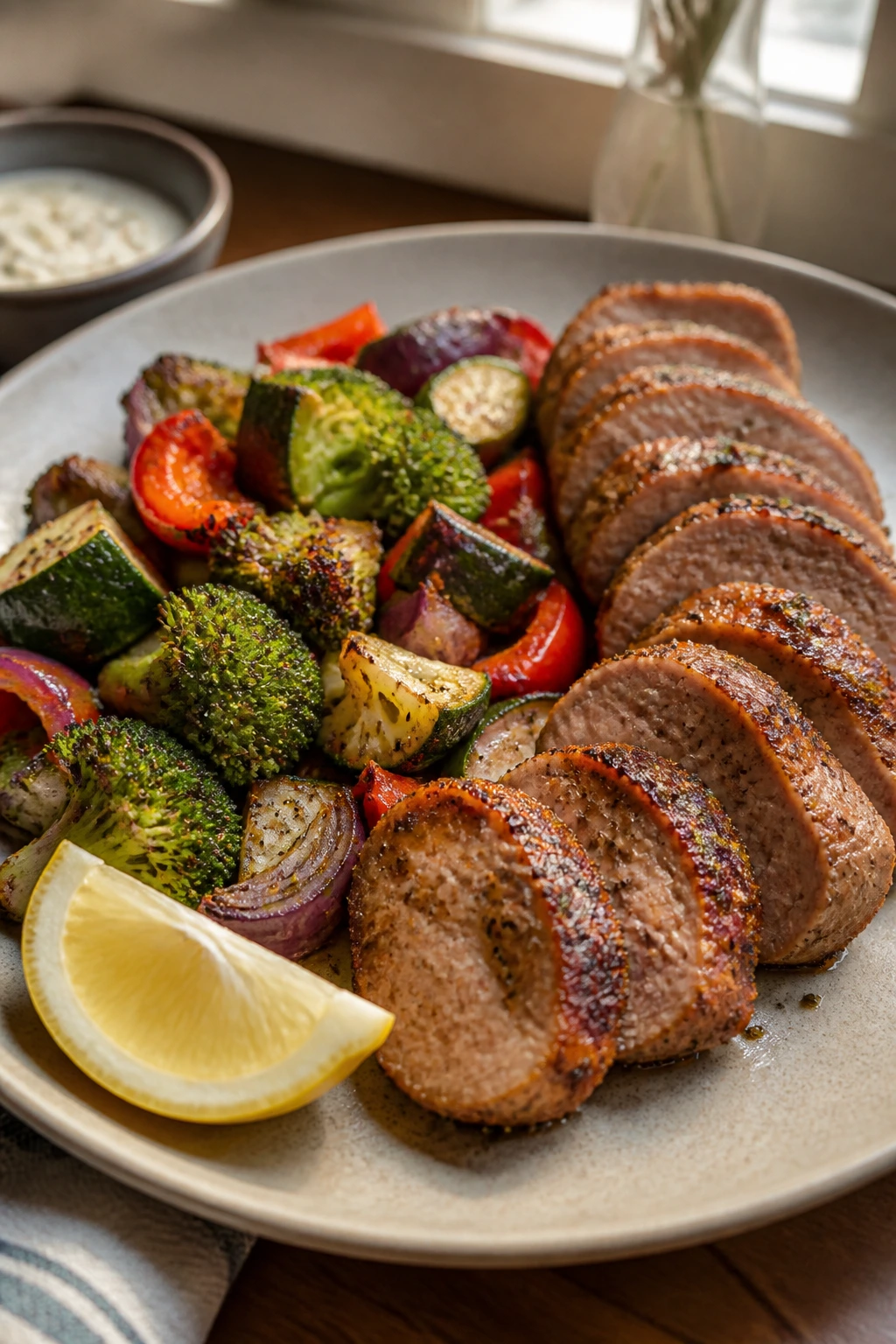
Presentation: Slice proteins like pork medallions or kofta on a slight angle, pile vegetables beside rather than underneath if you want the crisp edges to stay intact, and add sauces at the table instead of drowning the basket before cooking. Bowls work well for the tofu, chickpea, and sweet potato dinners, while plates suit the salmon, cod, pork, and kofta better. A wedge of lemon or lime at the edge of the plate is not decoration alone; it wakes up the whole meal.
Accompaniments: Keep three standby sides around and weeknight dinners get easier: cooked brown rice or quinoa, a fast cucumber-tomato salad, and whole-grain flatbread or corn tortillas. A bag of washed greens helps too, especially with the pork, chicken stuffed peppers, and kofta. If the dinner already includes a starch, like sweet potatoes or brown rice, I would rather add a crisp salad than another grain.
Portions: A solid dinner target for most adults is 4 to 6 ounces cooked protein, 1 1/2 to 2 cups vegetables, and 1/2 to 3/4 cup cooked grains or beans if you want a starch component. Bigger eaters, teens, and anyone coming off a workout may want another 1/2 cup rice, quinoa, or beans. Scaling down is easy too—most of these meals shrink cleanly to 2 servings without odd leftovers.
Beverage Pairing: Cold sparkling water with lime works with every dinner here, which is one reason I keep it around. Unsweetened iced tea fits the shrimp tacos and harissa bowls, while a crisp white wine like Sauvignon Blanc suits the salmon, cod, and shrimp if wine is your thing. For the pork and kofta, a light red with low tannin works better than anything heavy.
Extra Flavor Moves That Keep Air Fryer Dinners Light
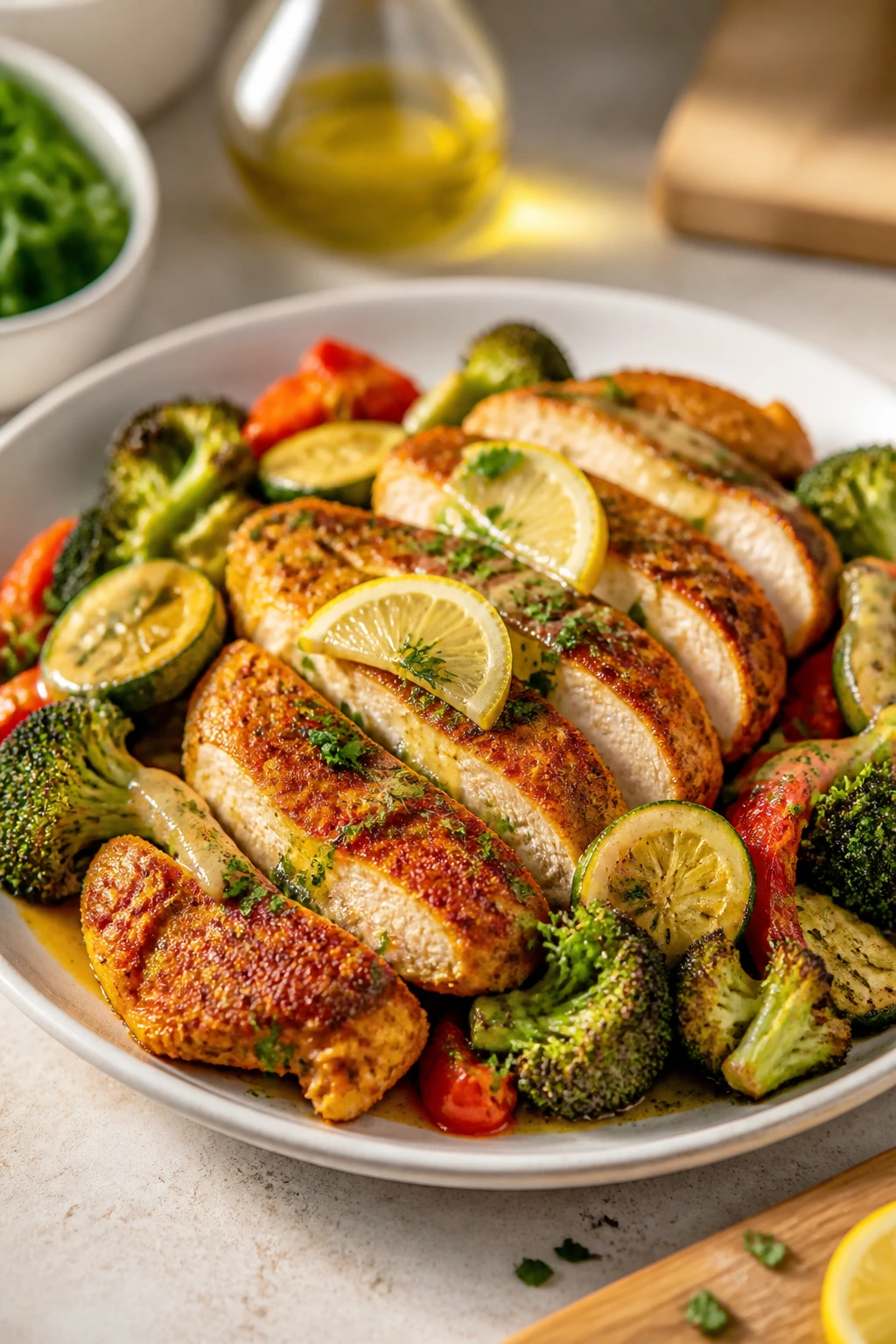
Flavor Enhancement: Acid at the end changes everything. A squeeze of lemon on cod, lime on shrimp and sweet potatoes, or rice vinegar in the tofu sauce can make a dinner taste brighter without adding extra fat. Fresh herbs do the same job. Dill with salmon, cilantro with tacos, parsley or mint with kofta—small handful, big payoff.
Customization: Build a sauce habit instead of a cheese habit. Greek yogurt thinned with lemon juice, tahini loosened with warm water, salsa sharpened with extra lime, or pesto stretched with a spoonful of water all add flavor in a controlled way. You get contrast, moisture, and punch without turning dinner heavy.
Serving Suggestions: Texture is half the battle. Add toasted nuts, pumpkin seeds, sliced radishes, pickled onions, or crisp shredded cabbage where the dish can use a snap. The sweet potato dinner loves pumpkin seeds, the harissa bowl wakes up with chopped herbs and a crunchy top, and the shrimp tacos benefit from extra cabbage even if it looks like too much at first.
Make-It-Yours: If you want more protein, add edamame to the tofu bowls, white beans to the cod, or extra black beans to the stuffed peppers. If you want lower carbs, trade rice for cauliflower rice or a larger salad. Spice-sensitive eaters can pull back on harissa and chili powder while keeping smoked paprika, cumin, garlic, and herbs high enough that dinner still tastes like something. That balance matters more than people think.
Make-Ahead, Storage, and Reheating Guidance
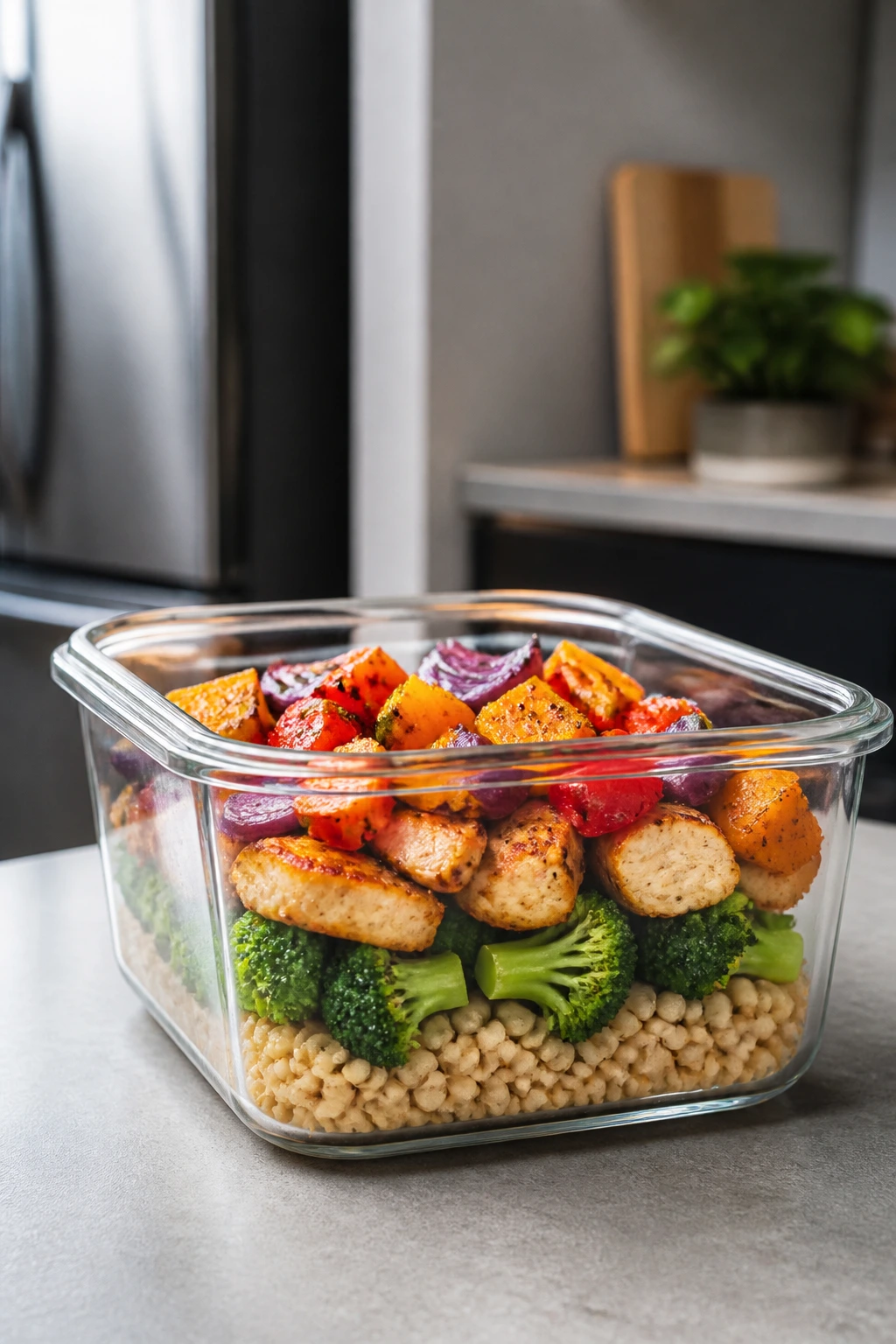
Weeknight cooking gets much easier when the prep work happens in stages. Cut broccoli, peppers, onions, and cauliflower up to 2 days ahead and store them in airtight containers lined with a dry paper towel. Press tofu the night before. Mix sauces and spice blends early. Cook grains in a batch and hold them in the fridge for up to 4 days. Small moves, big help.
Cooked leftovers follow a few clear patterns. Chicken stuffed peppers, turkey meatballs, tofu bowls, kofta, pork, and sweet potato fillings hold well in the fridge for 3 to 4 days. Fish and shrimp are shorter-lived and taste best within 2 days. Dress slaws and salads closer to serving if you can; cabbage holds better than lettuce, though, so the shrimp taco slaw can survive a day in the fridge without turning sad.
Freezing works best for the sturdier recipes. Turkey meatballs, stuffed peppers, black bean filling, cooked quinoa, and beef kofta freeze well for up to 2 months. Pork medallions can freeze too, though the Brussels sprouts lose some texture. Fish is best cooked fresh or eaten from the fridge within that short window. Tofu bowls can freeze, though the green beans soften more on the way back.
For reheating, the air fryer earns its counter space again. Reheat most proteins and vegetables at 325°F to 350°F for 3 to 6 minutes, arranged in a single layer. Meatballs and kofta may need the full 6 minutes. Fish does better at 300°F to 325°F for 3 to 4 minutes so it warms through without drying out. Grain bowls can go through the microwave with 1 tablespoon water stirred into the rice or quinoa first.
The FDA guidance for leftovers is 165°F when reheated, so use the thermometer if the food sat chilled for a while and you want certainty. Store sauces separately whenever you can. Yogurt sauce, pesto, avocado, and fresh herbs all taste better added after reheating than baked into a second round of heat.
Variations and Adaptations to Keep the Rotation Fresh
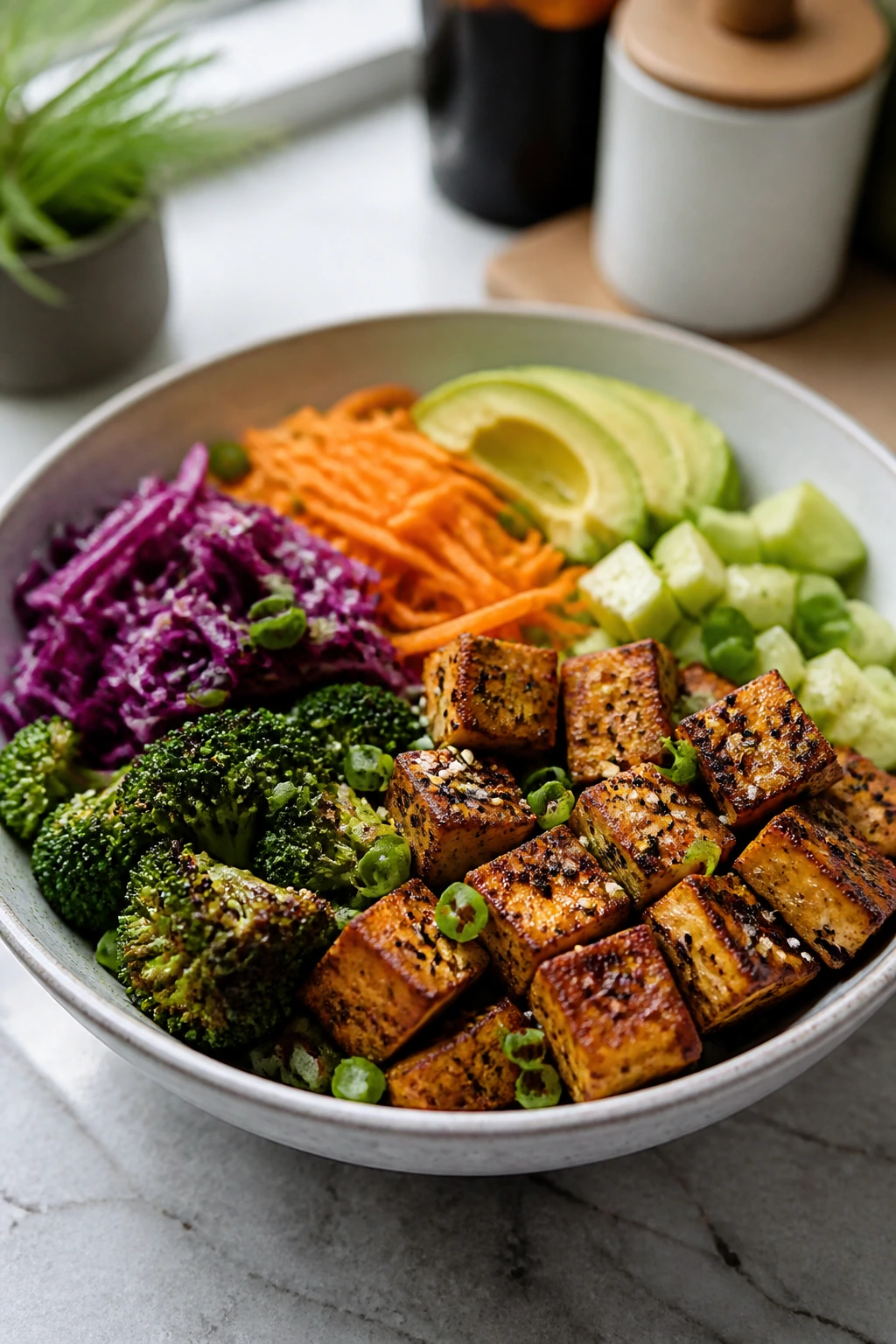
Lower-Sodium Pantry Pass
Use no-salt-added beans, reduced-sodium soy sauce or tamari, and salsa with modest sodium numbers on the label. Pull back slightly on the salt in the recipes, then lean harder on lemon, lime, herbs, garlic, and vinegar so the food still tastes lively. This change matters most in the stuffed peppers, tofu bowls, and chickpea bowls, where pantry ingredients can stack salt quickly.
Dairy-Free Dinner Track
Swap Greek yogurt for unsweetened dairy-free yogurt or tahini sauce, skip the Parmesan in the turkey meatballs or cod, and use a dairy-free shredded cheese in the stuffed peppers if you want that melted top. Unsweetened coconut yogurt works in a pinch, though almond or oat versions usually taste less assertive next to savory food. Pesto may contain cheese, so read the label if dairy is off the table.
Kid-Milder Spice Route
Cut the harissa in half, use sweet paprika in place of part of the chili powder, and serve lime wedges and sauces on the side. Children who resist “mixed” food may do better with deconstructed plates: shrimp, tortillas, slaw, and avocado kept separate; kofta beside cucumber and yogurt; salmon with broccoli and rice in clear lanes. Same dinner, less friction.
Higher-Protein Training Plate
Add 1/2 cup edamame to the tofu bowls, double the black beans in the sweet potatoes, or serve the salmon and cod over lentils instead of rice. Another smart move is adding 2 tablespoons pumpkin seeds or a larger spoonful of Greek yogurt where it fits. These tweaks increase protein and satiety without turning dinner greasy.
Gluten-Free Without Fuss
Use tamari instead of soy sauce, certified gluten-free oats or breadcrumbs in the meatballs, corn tortillas for tacos, and quinoa or rice as your grain base. Most of these dinners are close to gluten-free already, which makes them handy if one person at the table needs the swap and everyone else still wants normal dinner.
Budget Freezer Rescue
Frozen salmon portions, frozen shrimp, frozen corn, and bags of frozen broccoli or green beans can cover half this list without wrecking it. Thaw proteins safely in the fridge and dry them well before cooking. Canned beans, brown rice packets, and jarred sauces like salsa or pesto turn those freezer basics into dinners that feel planned rather than improvised.
Common Mistakes That Ruin Healthy Air Fryer Dinners
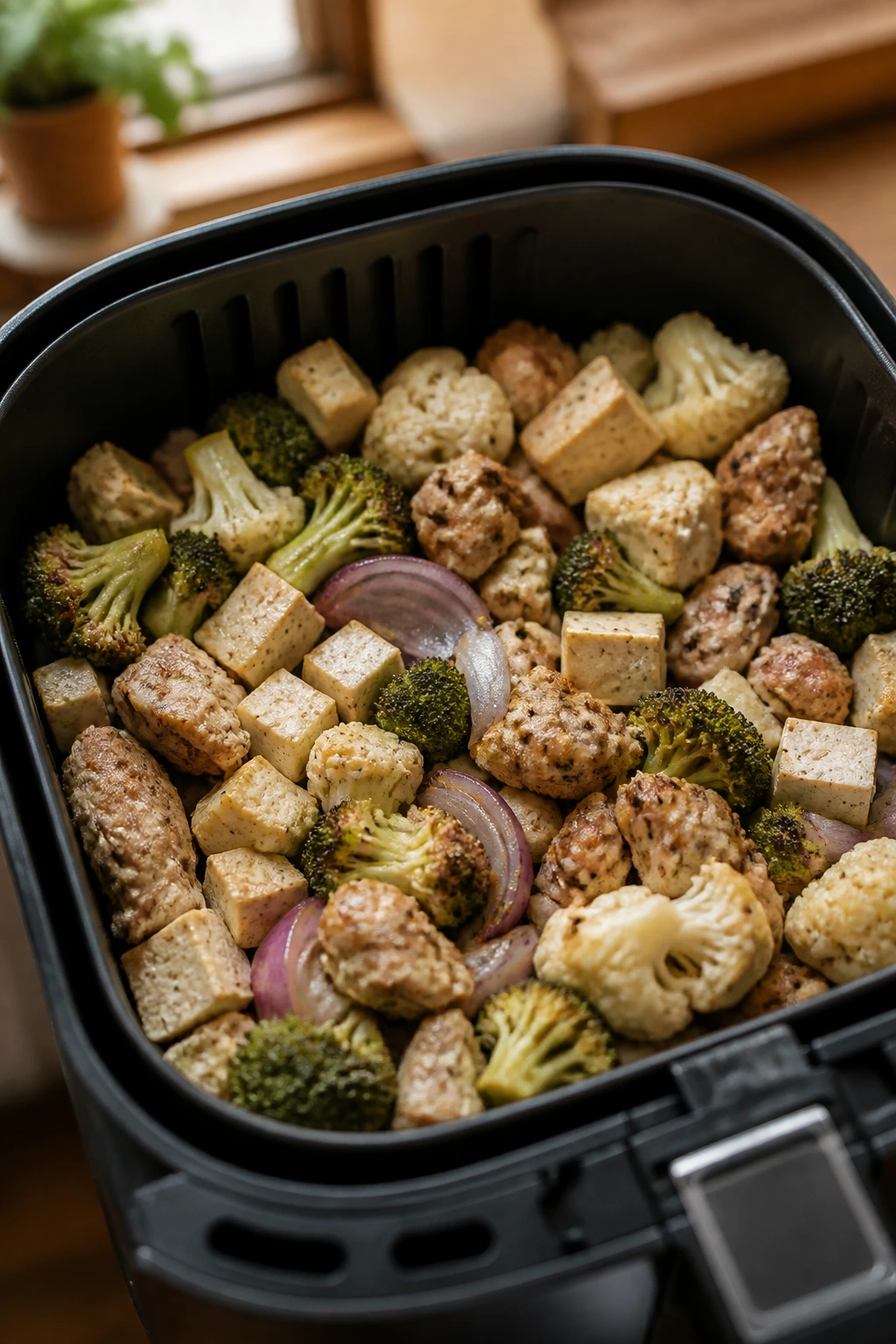
Packing the basket wall to wall is mistake number one. The symptom is pale vegetables, damp tofu, and meat that looks cooked but never quite browns. Leave visible gaps between pieces or cook in batches. If air cannot move, the basket turns into a steamer.
Skipping the dry-off step causes more trouble than weak seasoning. Wet shrimp, damp chickpeas, glossy tofu, and fish straight from the package all shed moisture into the basket. Pat proteins dry with paper towels, press tofu, and dry canned chickpeas until they stop looking slick.
Using too much marinade too early creates a different problem. Thin marinades drip off, wet coatings steam the surface, and sugary sauces can scorch before the center cooks. Use enough to coat the food, not bathe it. Save part of the sauce for finishing at the table if the recipe allows it.
Cutting food in mismatched sizes makes dinner uneven. Tiny broccoli florets turn black while thick stems stay hard. One pork medallion hits 145°F while another sits raw in the middle. Aim for consistency: similar fillet thickness, evenly sliced vegetables, same-size meatballs.
Trusting the timer more than the thermometer is how salmon dries out and chicken gets left in “for safety” long after it was safe. Air fryer models vary, basket loads vary, and food straight from the fridge cooks differently from food that sat out for 10 minutes. Use the clock as a guide, not a judge.
Forgetting carryover and rest time wastes good cooking. Pork and beef need a short rest so juices settle back in, and even fish benefits from a minute or two before serving. Cut too soon and the plate fills with liquid that belonged in dinner.
Questions Home Cooks Ask About Healthy Air Fryer Dinners
Can I make these in a small 4-quart air fryer?
Yes, though you will need to cook in batches for some dinners, especially the stuffed peppers, salmon with vegetables, and cauliflower-chickpea bowls. Keep cooked pieces warm on a plate tented loosely with foil while the second batch runs.
Do I need to preheat the air fryer every time?
Preheating helps more than people think, especially when you want browning on fish, tofu, and vegetables. A short 2- to 3-minute preheat gives you better surface color and more predictable timing.
Can I start with frozen chicken, fish, or shrimp?
Shrimp can thaw quickly under cold running water and still make dinner on time. Chicken breasts, pork tenderloin, tofu, and fish fillets do better when thawed first so the outside does not overcook before the center catches up. Frozen vegetables can work if they are thawed and dried well.
What oil is best for healthy air fryer dinners?
Olive oil works for most of these recipes, and neutral oils like avocado or grapeseed are useful when you do not want the oil flavor showing up. You need less oil than pan-frying, though zero oil is not always the goal; a thin coat often improves browning and texture.
How do I keep lean proteins from drying out?
Cook them to temperature, not past it. Chicken and turkey need 165°F, ground beef 160°F, fish and whole cuts of pork 145°F. Coatings like Dijon, pesto, or yogurt-based sauces added after cooking help too, but timing is still the main fix.
Can these dinners double for lunch meal prep?
Several do. The stuffed peppers, turkey meatballs, kofta, sweet potatoes, and harissa bowls hold up especially well the next day. Store fresh toppings like avocado, herbs, yogurt sauce, and slaw separately so lunch still has some life in it.
Why does my air fryer smoke when I cook salmon or beef?
Fat dripping onto a hot surface is the usual cause. Trim excess fat from beef, do not use more oil than you need, and clean the basket between rounds if residue builds up. Some cooks add a thin layer of water under the basket if their model allows it, which can cut smoke during fatty cooks.
Can I double these recipes for a family of six?
Yes, though the air fryer rarely wants all six portions at once. Double the ingredients, then cook the proteins in two rounds or use the air fryer for the main item while a sheet pan or stovetop handles the vegetables or grains. The recipes still save time even when split.
What if my vegetables finish before the protein?
Pull them out and set them aside. Vegetables are more forgiving when reheated for a minute at the end than fish or chicken are when overcooked. This happens most with green beans, broccoli, and thinner asparagus.
Keep These in Rotation
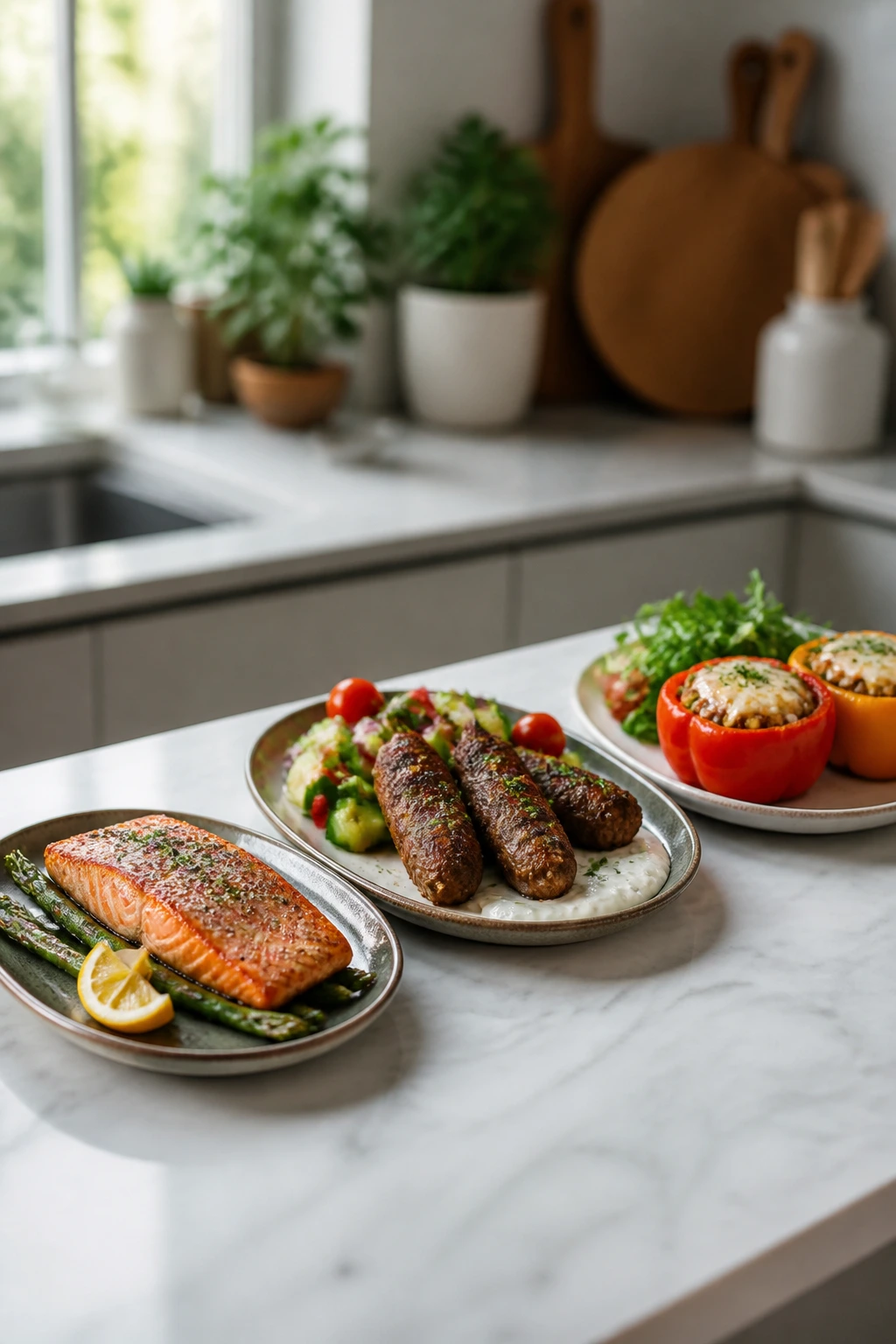
Weeknight dinner does not need to be a showdown between health and convenience. The best healthy air fryer dinners hit a narrower target: fast enough to make on a tired evening, balanced enough to keep you satisfied, and flavorful enough that nobody asks what snacks are in the pantry an hour later.
Start with the one that sounds good tonight, not the one that feels most ambitious. Learn the pattern behind it—dry food, hot basket, single layer, thermometer—and the rest of the list gets easier each time you cook from it. Your next rushed Tuesday can still end with salmon, kofta, stuffed peppers, or crisp tofu instead of a paper bag on the counter.