



Toddler dinner ideas live or die on texture. If the food is too chewy, too sharp, too dry, or too spicy, it sits there while a small person stares at it like they’ve been personally insulted.
The sweet spot is narrower than most adults expect. Good toddler dinner ideas need to feel like real food, not baby food in disguise, but they also need to be soft enough, small enough, and familiar enough that a child can actually get through a few bites without turning the whole table into a courtroom. Tiny meatballs, tender pasta, rice with soft vegetables, mild sauces, and foods that can be dipped or pinched with little fingers tend to win more often than elaborate meals with ten competing flavors.
What I like about this set is how practical it is. These 18 dinners lean on pantry staples, leftover-friendly ingredients, and gentle seasoning that still tastes like dinner instead of compromise. Some are fast skillet meals. Some bake in one dish. Some can be eaten with a spoon, which, if you’ve fed a toddler before, you know is not a small thing. A few are deliberately simple; others are built to hide vegetables without acting smug about it.
There’s no need to make one separate meal for everyone in the house, either. That’s the real trick. If dinner can be broken into small pieces, served with a dip, or left slightly deconstructed on the plate, you’ve already improved your odds.
Why These Dinners Earn a Spot on Busy Nights
-
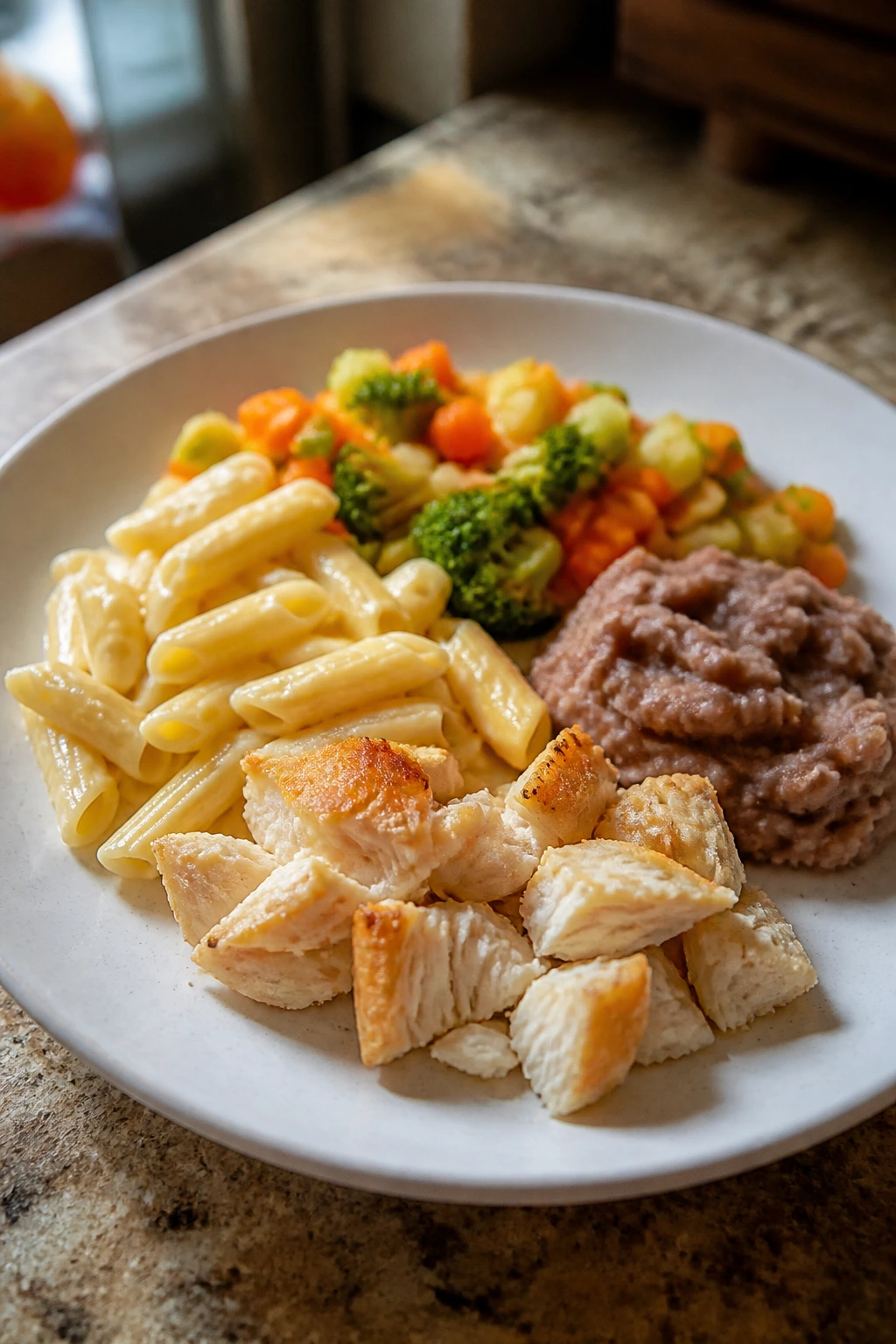
Soft textures: Every recipe here leans toward tender pasta, flaky fish, mashed beans, finely chopped vegetables, or bite-size meat, which makes chewing easier for small mouths.
-
Family-friendly prep: Most of these meals use one skillet, one baking dish, or one pot, so dinner doesn’t create a mountain of dishes after an already long day.
-
Easy to scale: A few extra portions are no trouble here. Many of these dinners reheat well for lunch or tomorrow’s supper, which is half the point.
-
Mild without being boring: The base flavors stay gentle, but adults can still add hot sauce, chili crisp, pickled onions, or a bigger squeeze of lemon at the table.
-
Vegetables that actually get eaten: Finely diced, grated, roasted, or blended vegetables are easier for toddlers to accept than a pile of steamed broccoli standing alone.
-
Picky-eater flexibility: Several of these meals can be served in pieces, tucked into tortillas, spooned over rice, or dipped in yogurt or marinara, which gives kids choices without turning dinner into a custom order line.
1. Mini Turkey Meatballs with Hidden Veggies and Rice
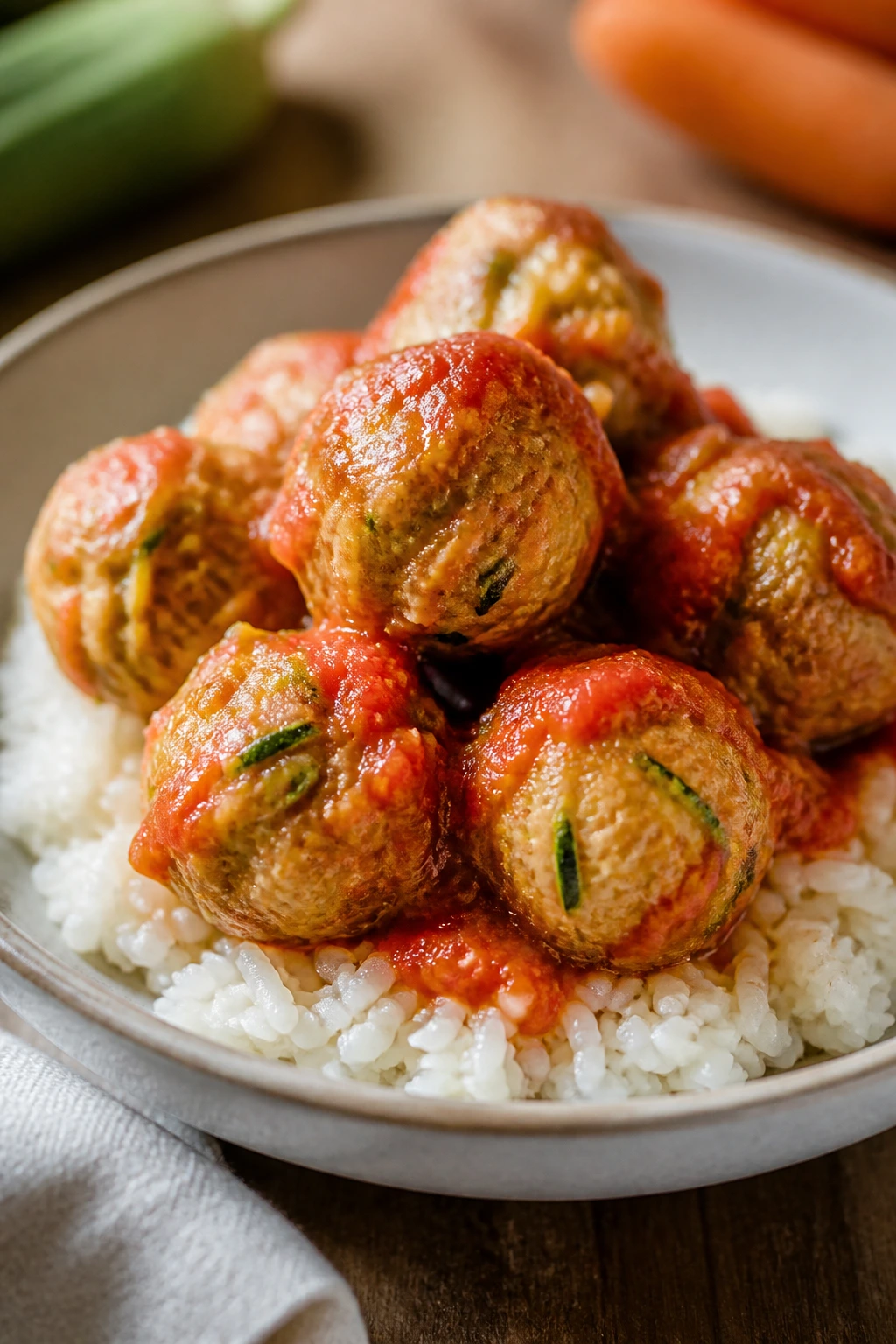
Tiny meatballs solve a very specific problem. They look like real dinner, but they don’t ask much from a toddler’s chewing skills, and the grated zucchini and carrot practically disappear into the mixture. The rice underneath catches the sauce and keeps the whole plate soft, warm, and easy to scoop.
Why It Works:
Ground turkey gives you a mild base that takes on seasoning without becoming heavy, and the grated vegetables add moisture instead of making the meatballs fall apart. Baking at 400°F lets them set without needing constant babysitting at the stove, which is a gift on a noisy evening. The size matters here too: meatballs about 1 inch across cook evenly, cool fast, and fit well on a toddler fork or spoon.
Key Ingredients:
- 1 lb ground turkey
- 1 small zucchini, grated and squeezed dry
- 1 small carrot, grated
- 1/2 cup fine breadcrumbs
- 1 large egg
- 2 tablespoons grated parmesan
- 1 teaspoon garlic powder
- 1/2 teaspoon fine salt
- 2 cups cooked rice
- 1 cup low-sodium marinara sauce
Quick Steps:
- Preheat the oven to 400°F (205°C) and line a baking sheet with parchment paper.
- In a large bowl, mix the turkey, zucchini, carrot, breadcrumbs, egg, parmesan, garlic powder, and salt until just combined.
- Shape the mixture into 18 to 20 meatballs, each about 1 inch wide, and place them on the baking sheet with a little space between each one.
- Bake for 14 to 16 minutes, until the meatballs are cooked through and reach 165°F in the center.
- Warm the marinara in a small saucepan over low heat until it’s steaming and smooth.
- Spoon the rice into bowls, top with meatballs and sauce, and serve while warm.
Tips and Variations:
- Freezer move: Freeze cooked meatballs on a tray, then transfer them to a bag for up to 2 months.
- Softer finish: If your toddler likes very tender meatballs, simmer them in the warm sauce for 3 minutes before serving.
- Easy swap: Ground chicken works too, and the flavor stays just as mild.
2. Cheesy Broccoli Pasta
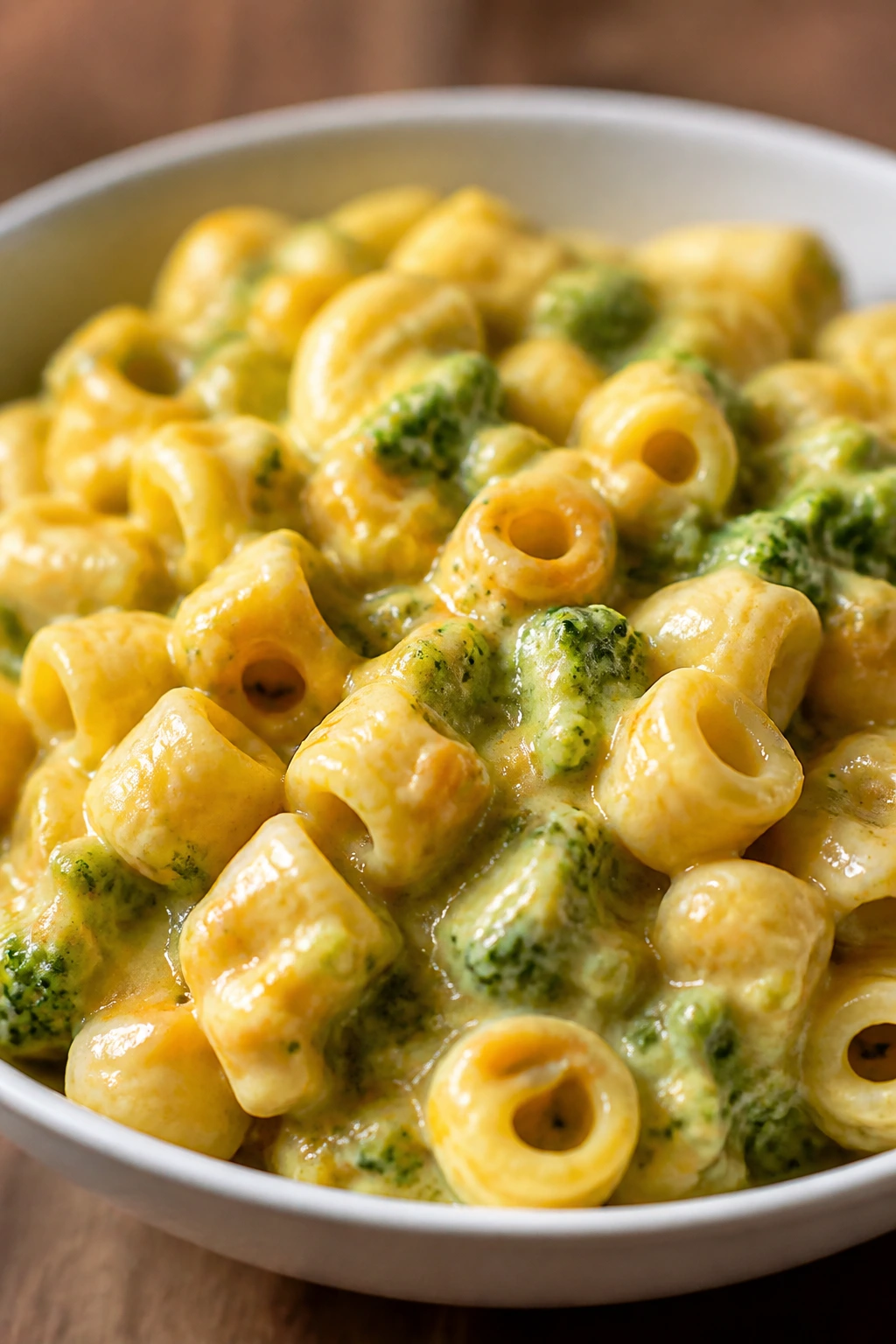
What do you make when broccoli needs a little diplomacy? This. The broccoli gets chopped small, the pasta stays soft, and the cheese sauce does the kind of heavy lifting adults pretend not to appreciate.
Why It Works:
Broccoli and cheese are a familiar pair, but the real trick is cooking the florets until they’re tender enough to mash slightly against the side of a bowl. Small pasta shapes like shells or elbows hold onto the sauce, which means less sauce sliding to the bottom of the plate. A simple roux made with butter and flour gives the cheese sauce body so it clings instead of pooling.
Key Ingredients:
- 8 oz small pasta, such as shells or elbows
- 3 cups broccoli florets, chopped small
- 2 tablespoons butter
- 2 tablespoons all-purpose flour
- 1 1/2 cups whole milk
- 1 cup shredded mild cheddar
- 1/2 cup shredded mozzarella
- 1/4 teaspoon fine salt
- 1 pinch black pepper
Quick Steps:
- Bring a pot of salted water to a boil and cook the pasta for 2 minutes less than the package directions.
- Add the broccoli to the pot for the last 3 minutes of cooking, until bright green and tender.
- Drain the pasta and broccoli, then return the pot to low heat.
- Melt the butter, whisk in the flour, and cook for 1 minute until it smells a little nutty.
- Slowly whisk in the milk and cook for 3 to 4 minutes, stirring often, until the sauce thickens enough to coat a spoon.
- Stir in the cheddar, mozzarella, salt, and pepper, then fold in the pasta and broccoli.
Tips and Variations:
- Texture fix: If the sauce looks thick, add a splash of milk. Pasta keeps soaking it up.
- Veggie boost: A handful of finely chopped cauliflower disappears well here too.
- Best shape: Shells hold the sauce better than long pasta, and toddlers tend to like them for scooping.
3. Chicken and Vegetable Fried Rice
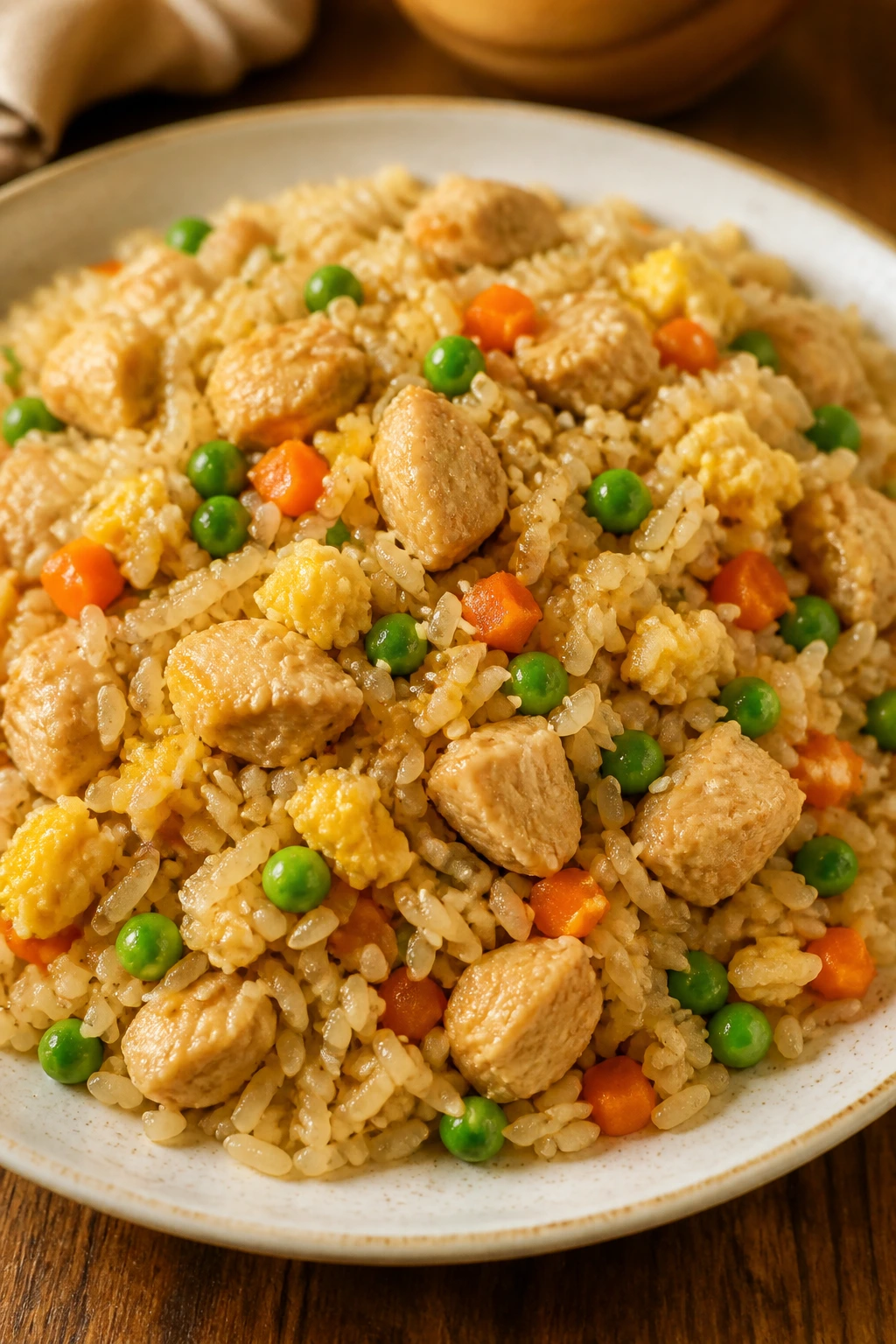
A skillet of fried rice has a nice, calming effect on dinner. Everything is cut small, everything cooks fast, and the egg makes the whole thing feel like a complete meal instead of a pile of bits.
Why It Works:
Cold rice is the backbone here. Fresh rice tends to go sticky and soft in a way that makes fried rice clump, while day-old rice stays separate and soaks up sauce without turning mushy. Using cooked chicken keeps the dish quick, and the peas and carrots bring color and sweetness without introducing a strong flavor fight. A little sesame oil at the end gives the rice a familiar takeout smell that makes the whole pan feel more appealing.
Key Ingredients:
- 2 cups cold cooked rice
- 1 tablespoon neutral oil
- 1 cup cooked chicken, diced small
- 1/2 cup frozen peas
- 1/2 cup carrots, diced tiny
- 2 large eggs
- 2 tablespoons low-sodium soy sauce
- 1 teaspoon sesame oil
- 2 tablespoons water
- 1 tablespoon chopped green onion, optional
Quick Steps:
- Heat the oil in a large skillet over medium heat.
- Scramble the eggs in the skillet for 1 to 2 minutes, until softly set, then move them to a plate.
- Add the carrots and peas with the water and cook for 3 to 4 minutes, until the carrots soften.
- Stir in the rice and chicken, breaking up clumps with a spatula.
- Add the soy sauce and sesame oil, then stir-fry for 2 to 3 minutes until the rice is hot and lightly glossy.
- Fold the eggs back in and serve right away.
Tips and Variations:
- Rice rule: Use rice that has had time to cool, or it can turn gummy.
- Gentle swap: Tamari works if you need a gluten-free version.
- Extra soft: Chop the chicken even smaller than you think you need; toddlers notice size faster than flavor.
4. Mild Lentil Sloppy Joes
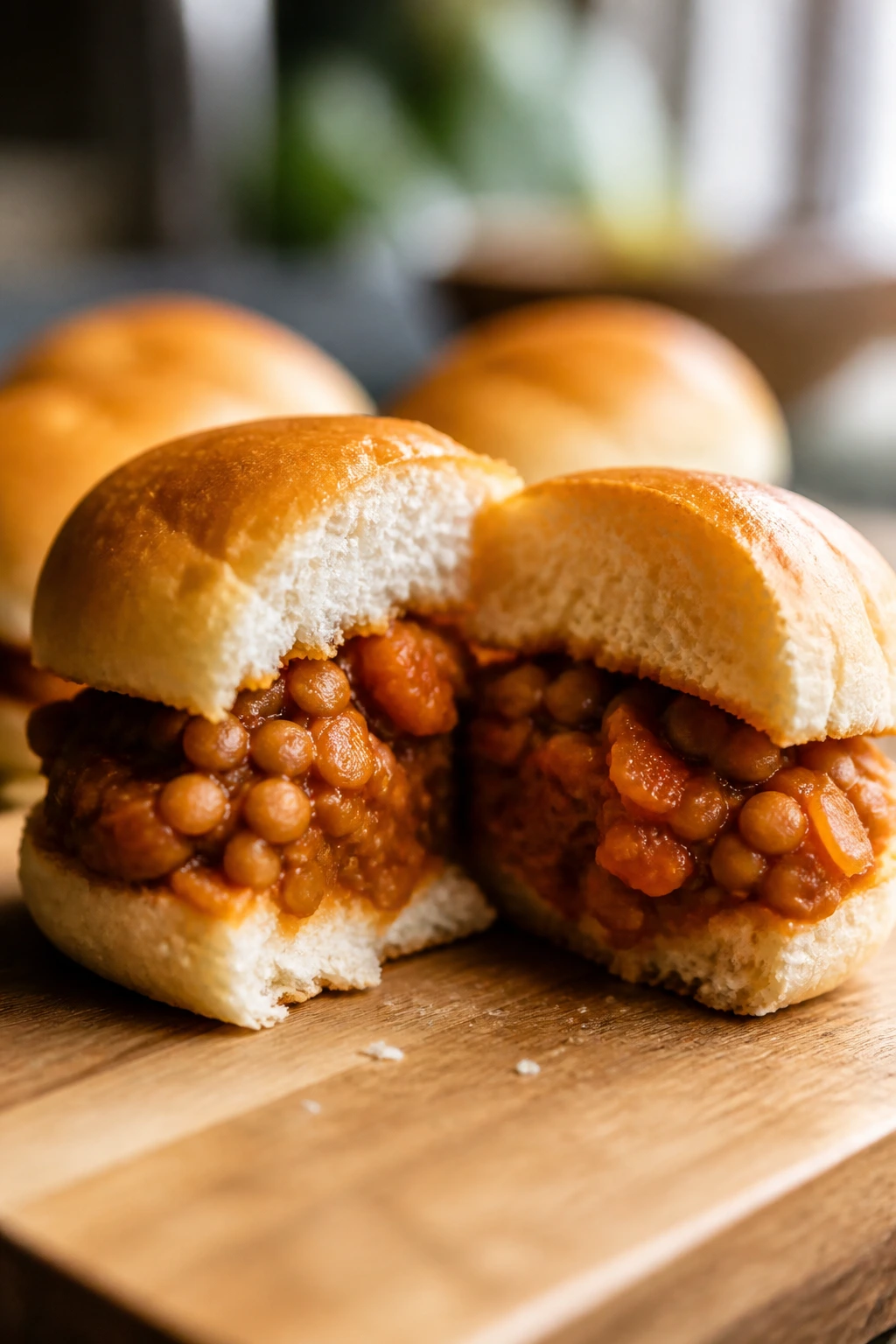
This is the kind of dinner that earns respect because it behaves. The filling is soft, spoonable, and sweetened just enough by carrot and tomato to feel familiar, even though the lentils bring the protein.
Why It Works:
Red lentils cook down quickly and lose their shape, which is exactly what you want in a toddler-friendly sandwich filling. The texture lands somewhere between thick chili and soft mince, and that makes it easy to pile onto slider buns without falling everywhere. A little ketchup and vinegar give it the familiar tang that makes sloppy joes taste like sloppy joes instead of lentil stew wearing a costume.
Key Ingredients:
- 1 tablespoon olive oil
- 1 small onion, diced fine
- 1 small carrot, grated
- 2 garlic cloves, minced
- 1 cup red lentils, rinsed
- 1 1/2 cups low-sodium vegetable broth or water
- 1 cup tomato sauce
- 1 tablespoon ketchup
- 1 teaspoon paprika
- 1 teaspoon apple cider vinegar
- 4 slider buns or small sandwich rolls
Quick Steps:
- Warm the olive oil in a saucepan over medium heat.
- Cook the onion and carrot for 5 minutes, stirring often, until soft and fragrant.
- Add the garlic and paprika and cook for 30 seconds.
- Stir in the lentils, broth, tomato sauce, ketchup, and vinegar.
- Bring to a gentle simmer, reduce the heat to low, and cook for 18 to 20 minutes, stirring now and then, until the lentils are soft and the mixture is thick.
- Spoon the filling onto the buns and serve warm.
Tips and Variations:
- Smoother texture: Mash a few spoonfuls with the back of a spoon if your child likes less texture.
- Make-ahead win: The filling keeps well and tastes even better the next day.
- Serving idea: Serve with cucumber slices or soft roasted carrots on the side.
5. Baked Salmon Cakes with Peas
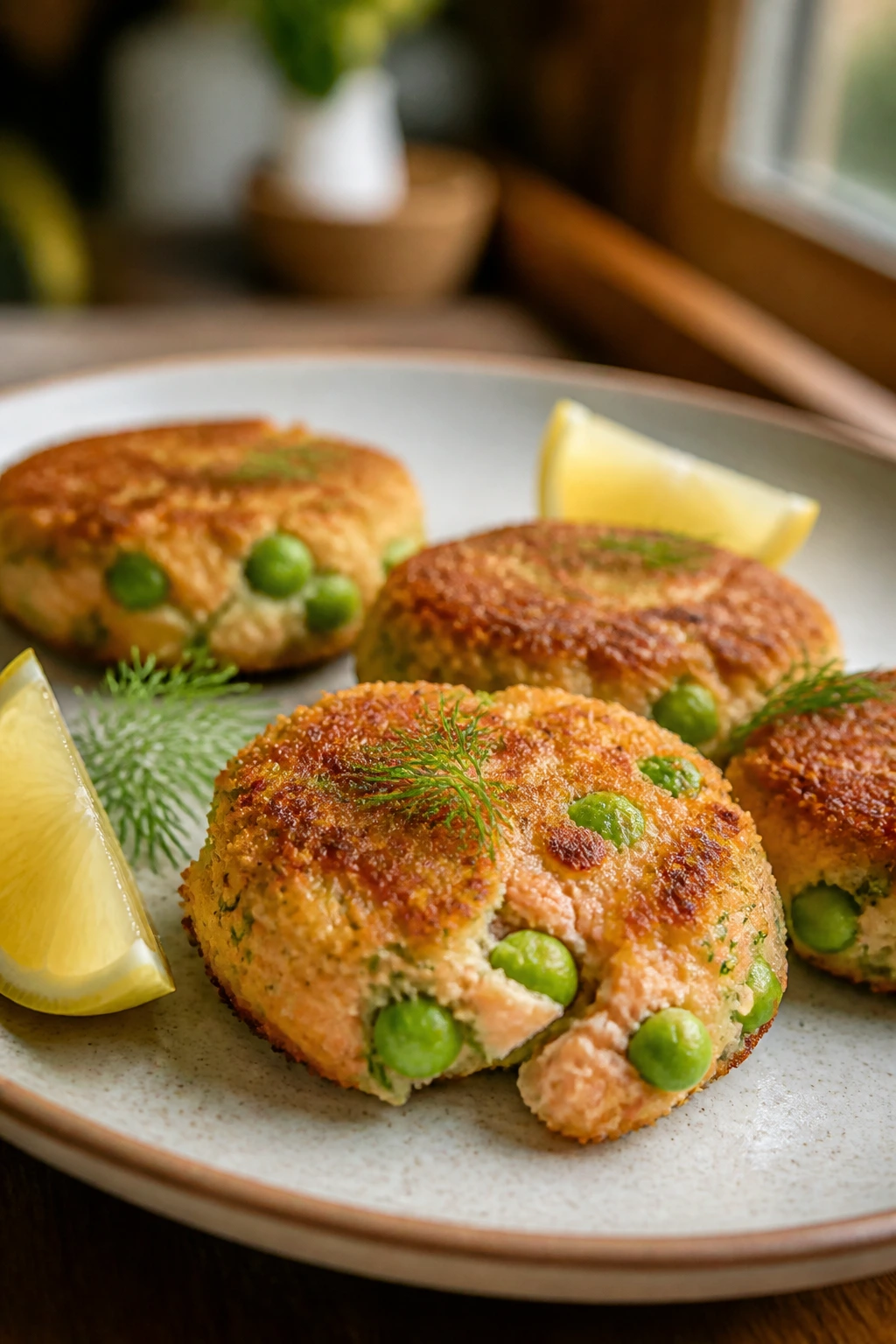
Fish can be a hard sell at a toddler table, but salmon cakes are a different story. They’re small, crisp at the edges, and soft in the middle, with peas folded in so each bite has a little sweetness.
Why It Works:
Canned salmon makes this dinner fast and affordable, and it already has a tender flake that binds well with egg and breadcrumbs. The peas add color and a little burst of sweetness, which helps tame the fish flavor. Baking instead of frying keeps the cakes light and easy to handle, and the shape stays compact enough for little hands to manage.
Key Ingredients:
- 1 lb canned salmon, drained and flaked
- 1 large egg
- 1/2 cup breadcrumbs
- 1/4 cup plain Greek yogurt or mayonnaise
- 1/2 cup frozen peas, thawed and lightly mashed
- 1 tablespoon lemon juice
- 1 tablespoon chopped dill or 1 teaspoon dried dill
- 1/4 teaspoon fine salt
- 1 tablespoon oil for the baking sheet
Quick Steps:
- Heat the oven to 375°F (190°C) and lightly oil or line a baking sheet.
- Mix the salmon, egg, breadcrumbs, yogurt, peas, lemon juice, dill, and salt in a bowl.
- Shape the mixture into 8 small cakes and place them on the baking sheet.
- Chill the cakes for 10 minutes if the mixture feels soft; this helps them hold together.
- Bake for 14 to 16 minutes, until the edges are set and lightly golden.
- Serve with a spoonful of yogurt or a mild dip.
Tips and Variations:
- Fresh fish option: Flaked cooked salmon works just as well if you already have leftovers.
- Dip idea: Plain yogurt with a little lemon and dill keeps the flavor gentle.
- Toddler move: Break the cakes into smaller pieces before serving if your child dislikes any crust.
6. Bean and Avocado Quesadilla Wedges
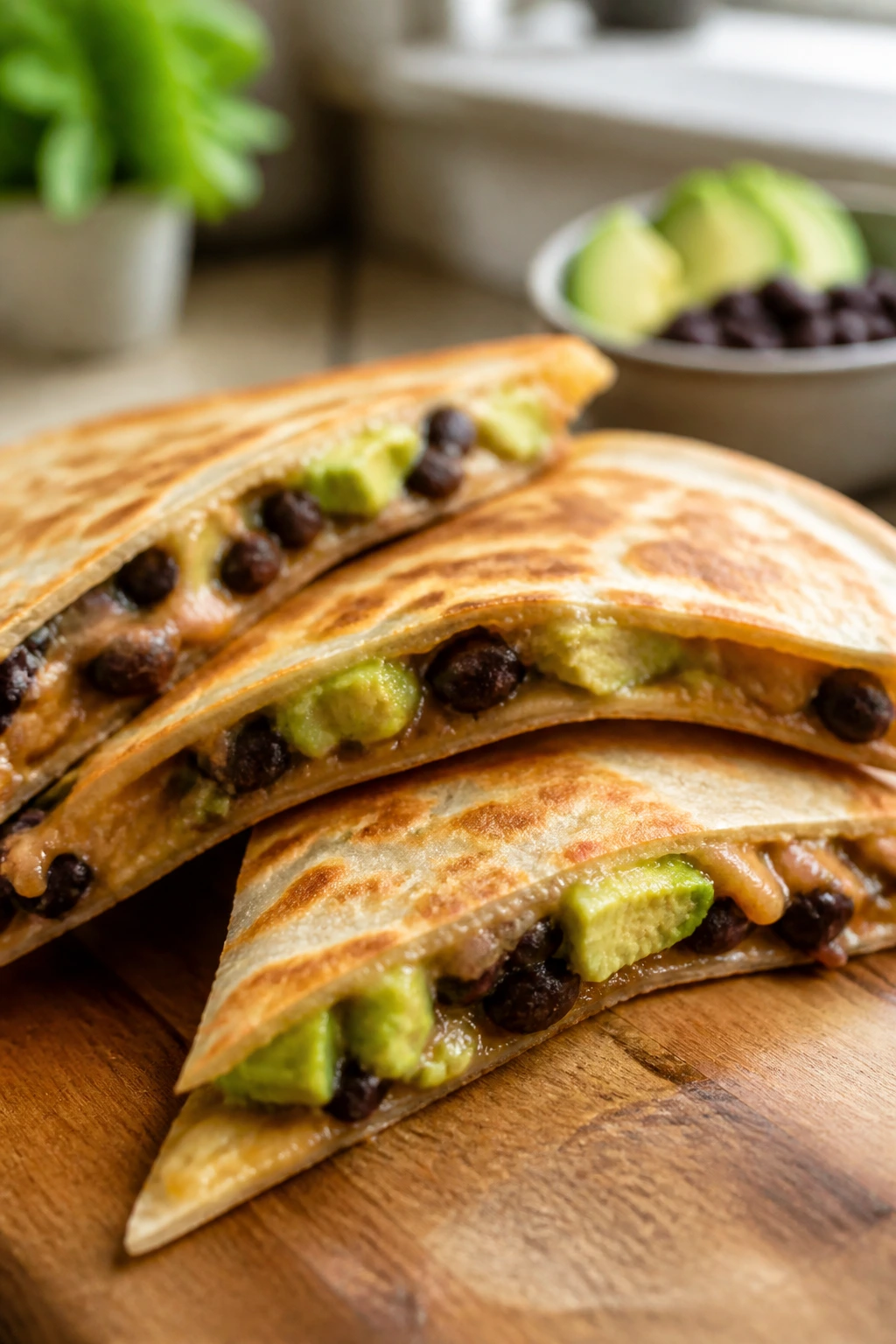
A quesadilla has one job: be warm, melty, and easy to pick up. Add beans and avocado, and you get a soft, filling dinner that can be sliced into neat little wedges without much drama.
Why It Works:
Refried beans spread smoothly and stay put, which keeps the tortilla from becoming floppy. Avocado adds creaminess without needing much seasoning, and mild cheese gives the quesadilla enough stretch to feel fun. Cooking it in a skillet over medium heat makes the tortilla golden without drying it out, which matters more than most people think.
Key Ingredients:
- 4 small flour tortillas
- 1 cup refried beans
- 1 cup shredded mild cheddar or Monterey Jack
- 1/2 cup mashed avocado
- 1/4 cup finely chopped spinach, optional
- 1 tablespoon butter or neutral oil
- 1 tablespoon plain yogurt, optional for serving
- Mild salsa for adults, optional
Quick Steps:
- Heat a skillet over medium heat and melt a little butter or oil.
- Spread beans over half of each tortilla, then top with cheese, avocado, and spinach if using.
- Fold each tortilla in half and cook for 2 to 3 minutes per side, until the outside is lightly golden and the cheese has melted.
- Transfer to a cutting board and let rest for 1 minute so the filling settles.
- Slice into wedges or strips and serve warm.
Tips and Variations:
- Keep it neat: Thin fillings stay inside better than thick mounds.
- Better toddler shape: Cut wedges into strips if your child prefers finger food.
- Flavor swap: Add a little shredded chicken if you want more protein without changing the texture much.
7. Gentle Chicken Curry with Rice
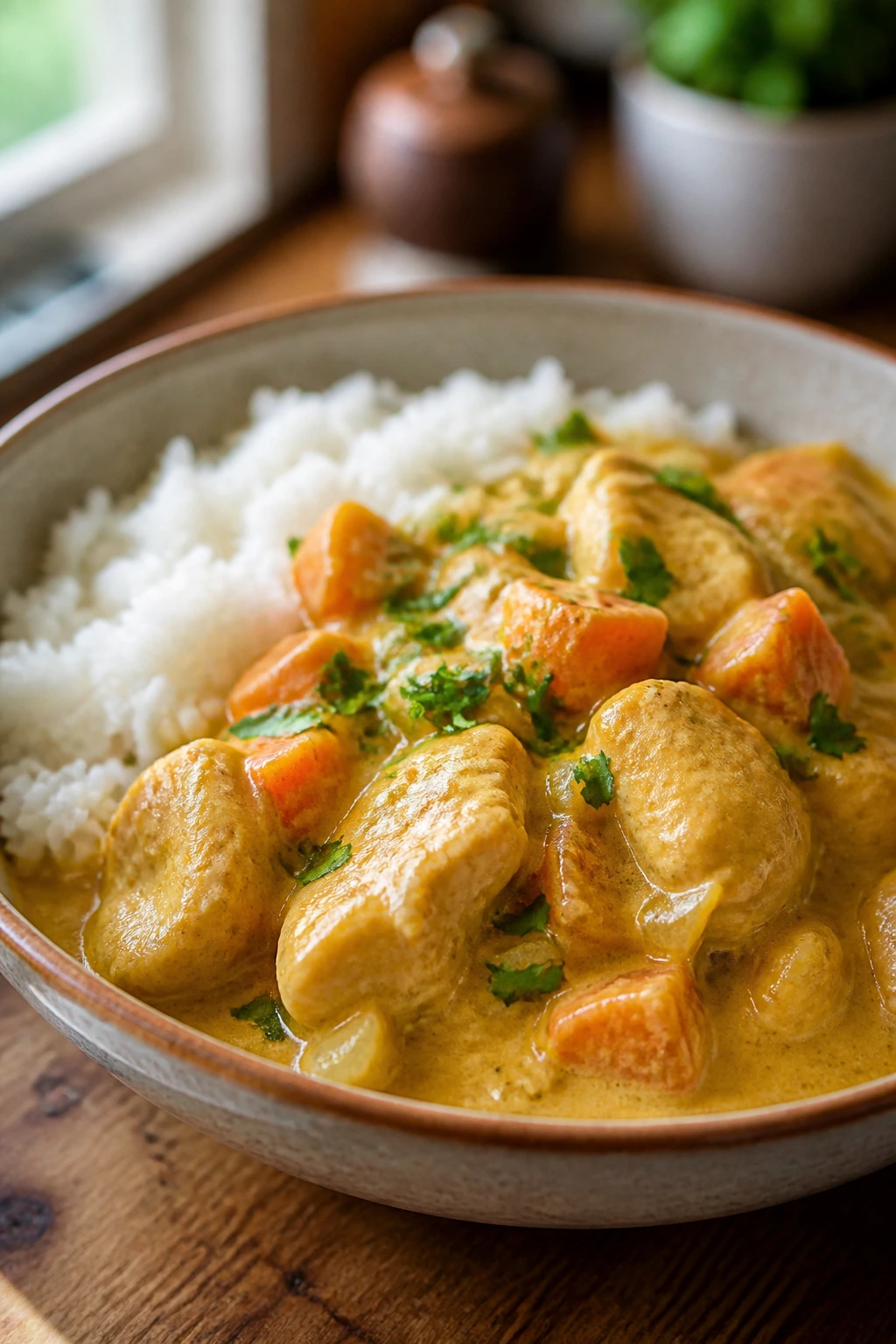
This is the curry for families who want warmth without a spice shock. It smells cozy, tastes mild, and coats the rice in a creamy sauce that toddlers often accept faster than they’d accept a dry piece of chicken on its own.
Why It Works:
Chicken thighs stay tender through a short simmer, and coconut milk softens the curry powder into something round and mellow. The carrots cook right in the sauce, so they pick up flavor instead of standing apart, and the peas can go in at the end so they keep their color and sweetness. Served over rice, the whole thing feels like a bowl meal, which is usually easier for young children than a plated mix of separate bits.
Key Ingredients:
- 1 lb boneless, skinless chicken thighs, cut into bite-size pieces
- 1 tablespoon oil
- 1 small onion, diced
- 1 teaspoon garlic, minced
- 1 teaspoon mild curry powder
- 1 cup carrots, diced small
- 1 cup coconut milk
- 1/2 cup low-sodium chicken broth
- 1 cup frozen peas
- 2 cups cooked rice
Quick Steps:
- Heat the oil in a skillet over medium heat.
- Cook the onion for 3 to 4 minutes, then add the garlic and curry powder for 30 seconds.
- Add the chicken and cook for 4 minutes, stirring until the outside turns opaque.
- Stir in the carrots, coconut milk, and broth, then bring the pan to a gentle simmer.
- Cover and cook for 12 to 15 minutes, until the chicken is cooked through and the carrots are tender.
- Stir in the peas for the last 2 minutes and serve over rice.
Tips and Variations:
- Very mild version: Use half the curry powder and add more at the table for adults.
- Shortcut: Frozen diced carrots save chopping time and work fine.
- Serving note: A spoonful of plain yogurt on top can cool the sauce even more.
8. Creamy Tuna Noodle Skillet with Peas
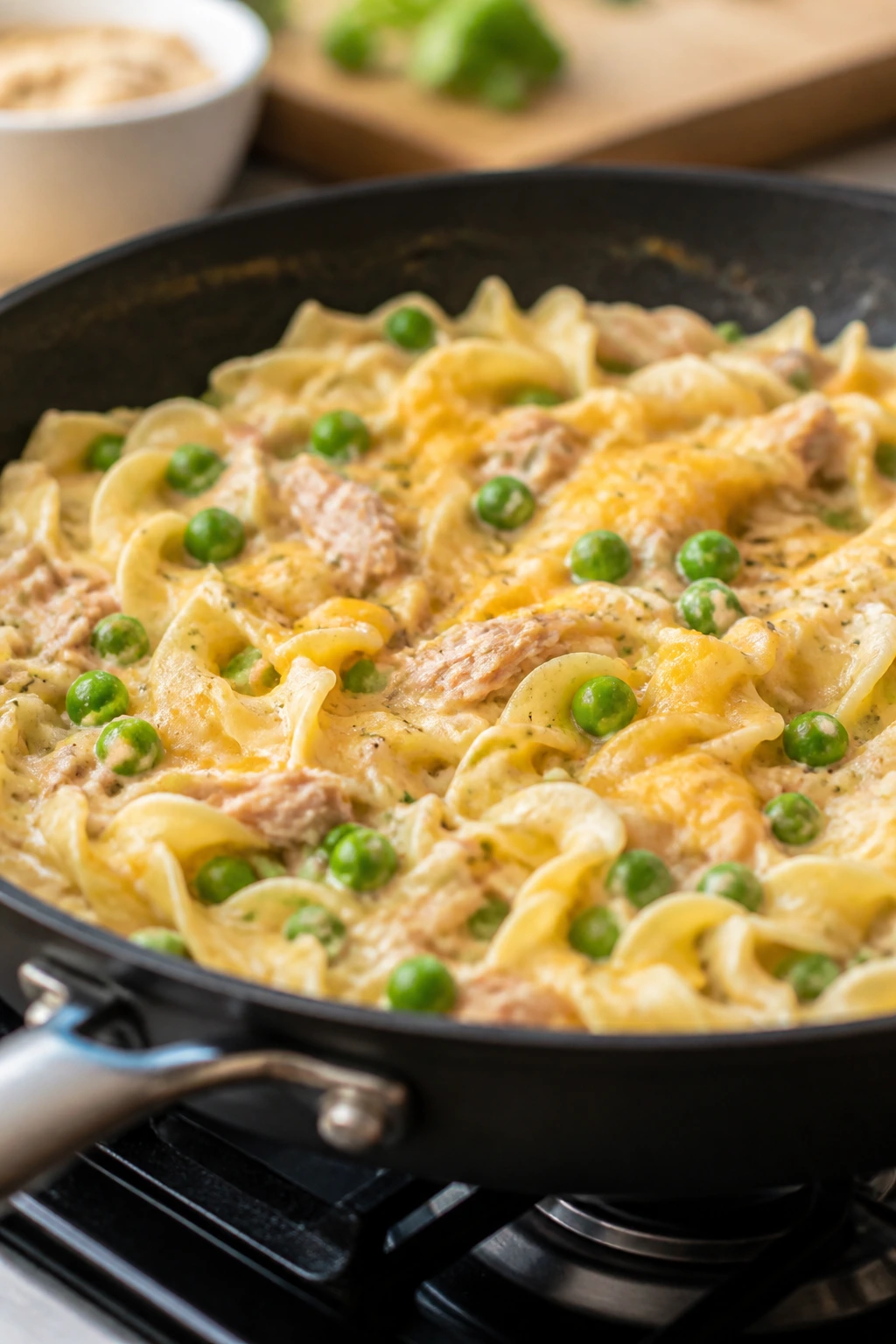
Some toddlers will eat tuna if you stop trying to make it dramatic. Keep the noodles soft, the sauce creamy, and the tuna flaked very fine, and this becomes a quick dinner that feels old-school in a good way.
Why It Works:
Egg noodles are soft, fast, and easy to twirl or scoop. The sauce thickens in the pan, which means the tuna and peas cling to the noodles instead of slipping off. Using cheese in a mild amount helps soften the fish flavor, and that matters more than pretending a strong-tasting ingredient will magically disappear.
Key Ingredients:
- 8 oz egg noodles
- 2 tablespoons butter
- 2 tablespoons all-purpose flour
- 1 1/2 cups milk
- 1 can tuna in water, drained and flaked very fine
- 1 cup frozen peas
- 1/2 cup shredded mild cheddar
- 1 tablespoon lemon juice, optional
- 1/4 teaspoon fine salt
Quick Steps:
- Cook the noodles according to the package directions until tender, then drain.
- Melt the butter in the same pot over medium heat and whisk in the flour for 1 minute.
- Slowly whisk in the milk and cook for 3 to 4 minutes, until the sauce thickens.
- Stir in the tuna, peas, cheese, lemon juice if using, and salt.
- Fold in the noodles and cook for 1 to 2 minutes more, just until everything is hot.
- Serve immediately while the sauce is still creamy.
Tips and Variations:
- Fish swap: Shredded chicken works if tuna is a bridge too far.
- Crunch option: A few toasted breadcrumbs on top add texture for older kids.
- Leftover note: Add a splash of milk when reheating so the sauce loosens again.
9. Mini Pita Pizzas with Veggies
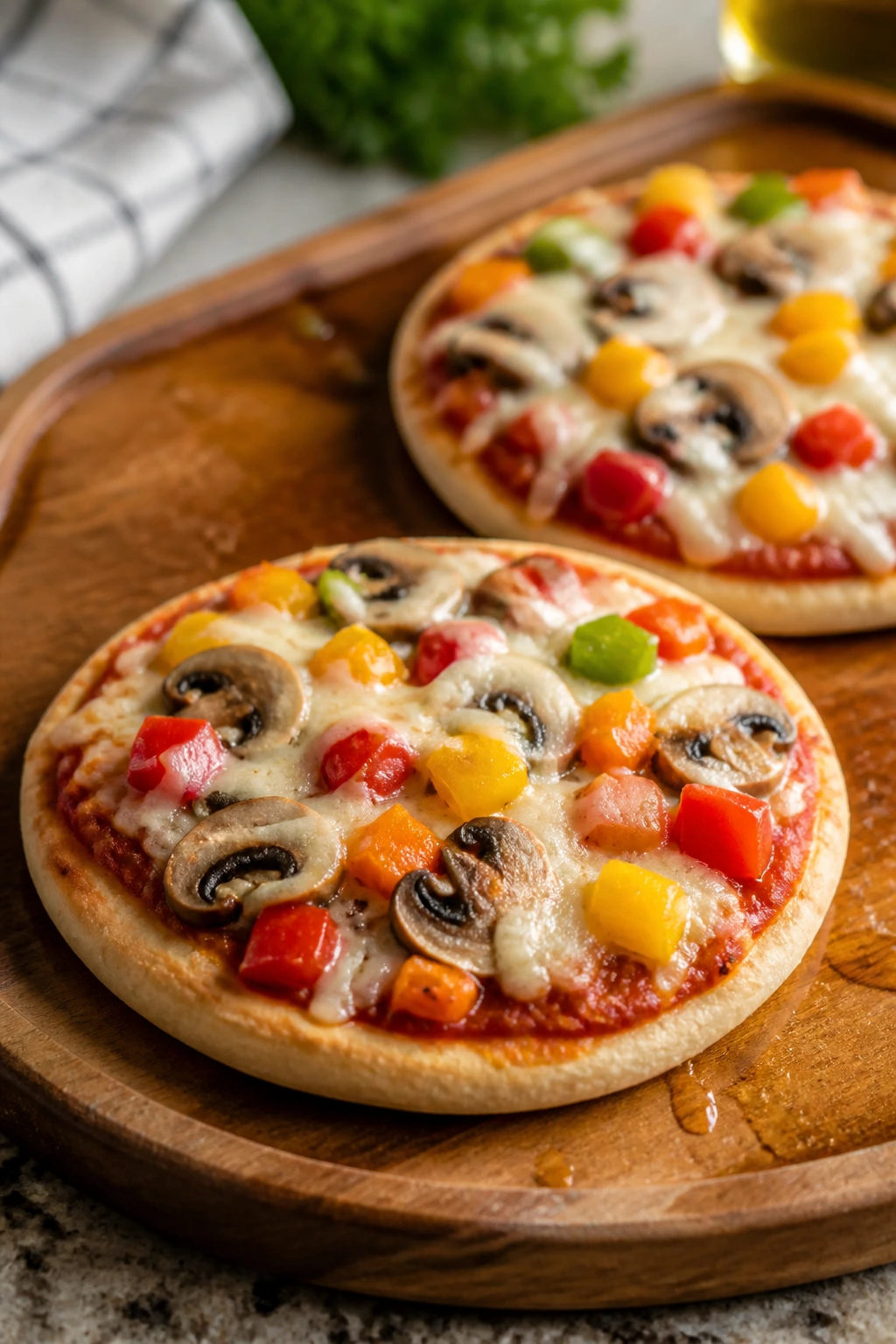
Pizza is one of the few foods that can usually negotiate its way into toddler dinner without a fight. Mini pitas make it even easier, because they’re crisp at the edges, soft in the center, and the toppings stay small and contained.
Why It Works:
The pita acts like a thin crust, which means it bakes quickly and doesn’t need dough work. A mild sauce and a modest layer of cheese keep the base from getting soggy, while finely chopped vegetables cook through fast enough to stay tender. If your child likes to help, this is one of the easiest dinners to set up as a build-your-own situation.
Key Ingredients:
- 4 mini pitas or 2 naan breads halved
- 1/2 cup pizza sauce
- 1 cup shredded mozzarella
- 1/2 cup bell pepper, diced very small
- 1/4 cup mushrooms, finely chopped and pre-cooked
- 1 tablespoon olive oil
- 1 tablespoon grated parmesan, optional
Quick Steps:
- Preheat the oven to 425°F (220°C) and line a baking sheet.
- Brush the pita or naan lightly with olive oil.
- Spread each round with pizza sauce, leaving a small border around the edge.
- Top with mozzarella, bell pepper, mushrooms, and parmesan if using.
- Bake for 8 to 10 minutes, until the cheese melts and the edges are lightly crisp.
- Cool for 2 minutes, then cut into strips or triangles.
Tips and Variations:
- Water control: Pre-cook mushrooms or they’ll leak onto the crust.
- Toddler trick: Cut the pizzas into strips so they’re easier to grasp.
- Table win: Serve toppings on the side and let kids add their own cheese.
10. One-Pan Beef and Sweet Potato Skillet
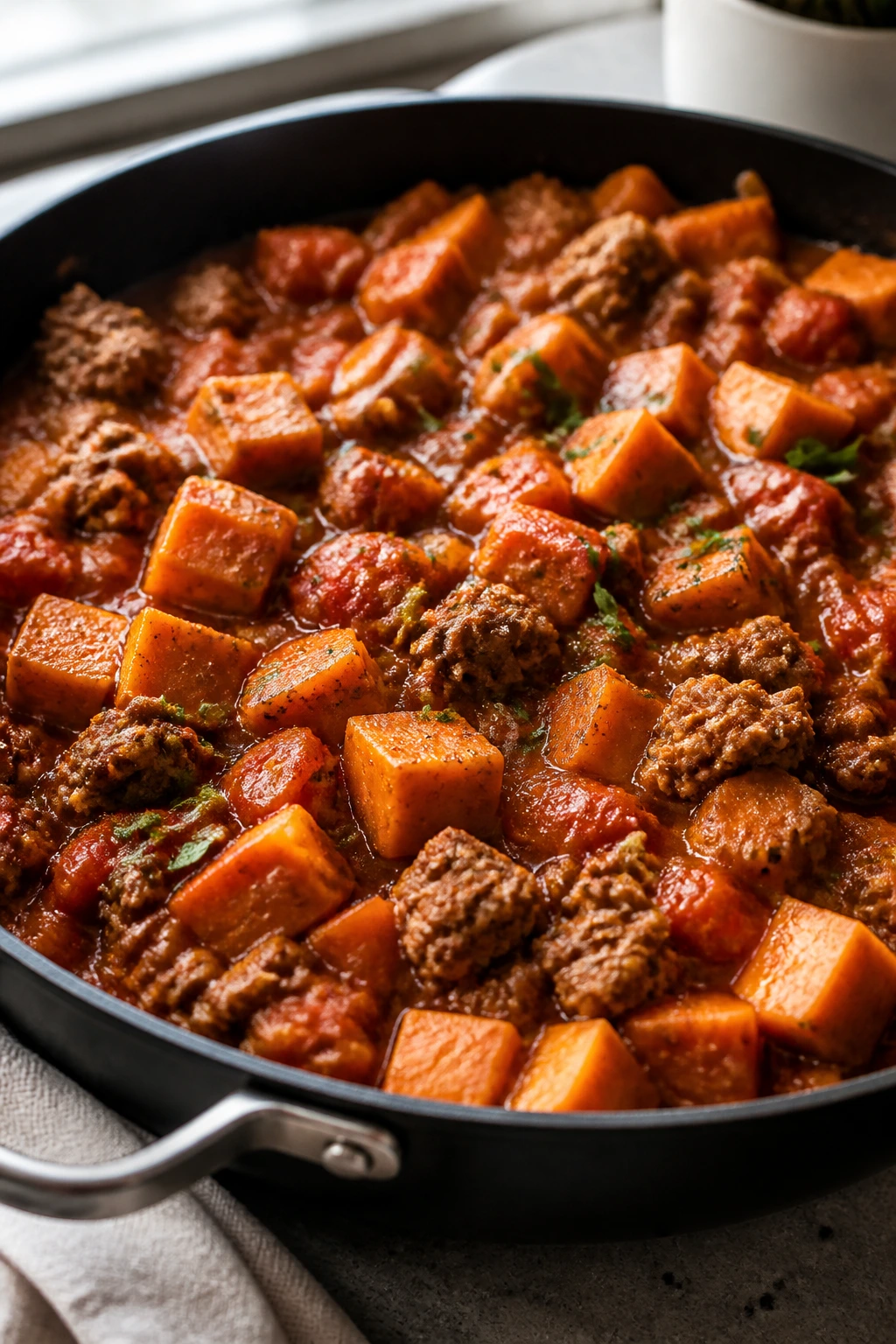
This skillet dinner feels sturdy in the best way. Sweet potatoes bring a little sweetness, beef adds richness, and the whole pan comes together as a soft, spoonable mix that works in bowls, tortillas, or beside rice.
Why It Works:
Sweet potatoes soften into tender chunks when cut small enough, which is the part most home cooks miss the first time. Ground beef gives the dish a savory base, but not so much seasoning that it overwhelms the sweet potato. The tomato sauce keeps everything moist, and a cover-on simmer helps the vegetables finish without burning the beef.
Key Ingredients:
- 1 lb ground beef
- 1 tablespoon olive oil, if needed
- 1 small onion, diced
- 1 medium sweet potato, cut into 1/2-inch cubes
- 1 bell pepper, diced small
- 1 cup corn
- 1 cup tomato sauce
- 1/2 cup water
- 1 teaspoon cumin
- 1 teaspoon paprika
- 1/4 teaspoon fine salt
Quick Steps:
- Heat the oil in a large skillet over medium heat if the beef is lean.
- Cook the beef and onion for 5 to 6 minutes, breaking the meat into small crumbles.
- Add the sweet potato, water, cumin, paprika, and salt, then cover and cook for 10 minutes.
- Stir in the bell pepper and corn and cook uncovered for 5 minutes more, until the sweet potato is tender.
- Add the tomato sauce and simmer for 2 to 3 minutes until everything looks saucy and glossy.
- Serve warm in shallow bowls.
Tips and Variations:
- Speed tip: Dice the sweet potato small so it cooks quickly.
- Meal trick: Spoon the filling into tortillas for an easy hand-held version.
- Leftover move: It reheats well for lunch and tastes even better after resting.
11. Cheesy Bean Enchilada Roll-Ups
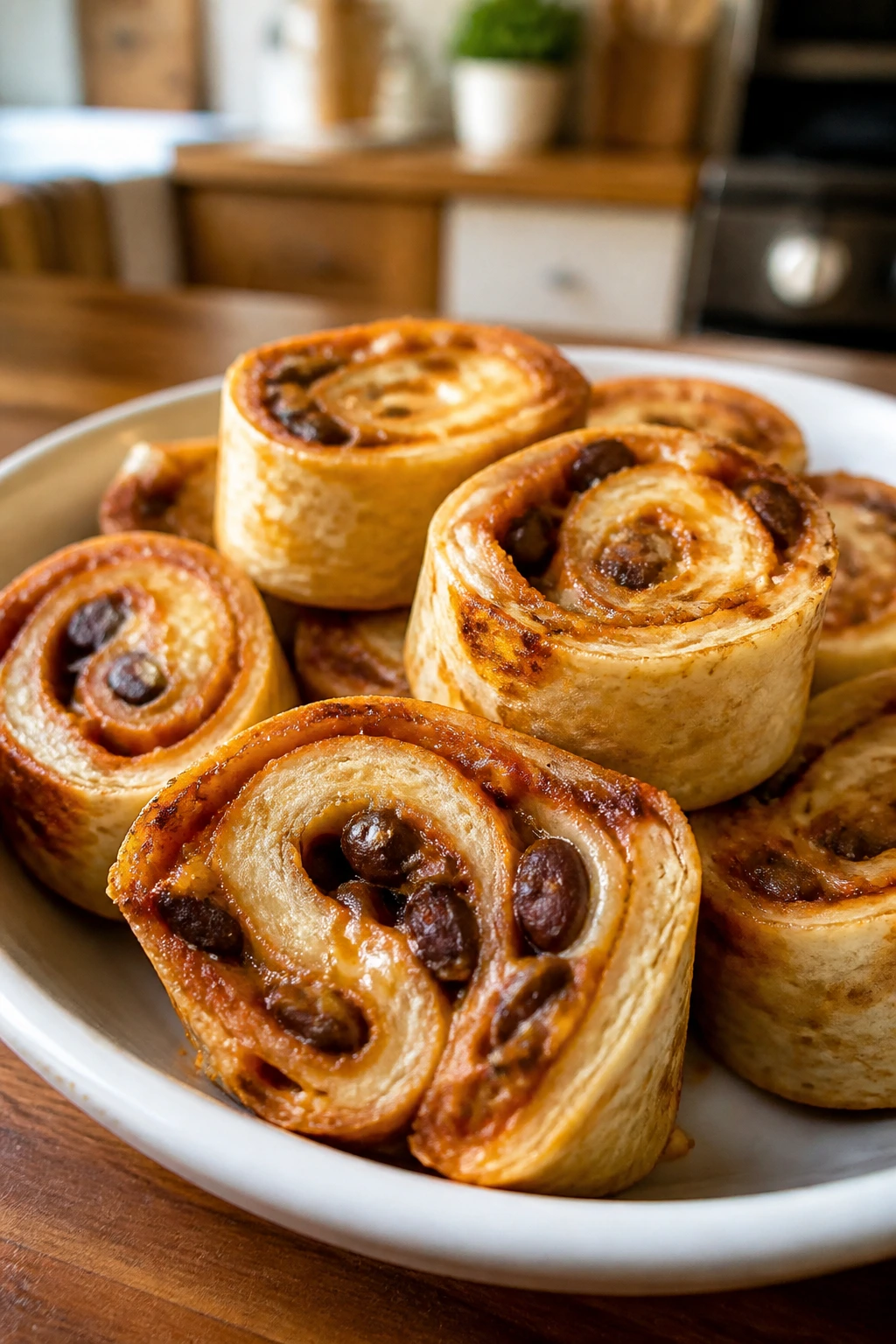
These are enchiladas in a more manageable shape. The filling stays soft, the tortilla holds the sauce, and you can slice the finished pan into pieces that look a lot less threatening to a small child than a giant rolled tortilla.
Why It Works:
Refried beans give the filling a smooth texture that spreads easily and stays in place. Mild enchilada sauce adds flavor without much heat, and baking the roll-ups under a layer of cheese helps everything melt together into one soft, scoopable bake. If your toddler likes finger food, the roll-ups can be cut into pinwheel pieces once they cool for a minute.
Key Ingredients:
- 8 small flour tortillas
- 2 cups refried beans
- 1 cup shredded mild cheddar
- 1 cup mild enchilada sauce
- 1/2 cup frozen corn, thawed
- 1/4 cup plain yogurt or sour cream
- 1 tablespoon chopped cilantro, optional
Quick Steps:
- Preheat the oven to 375°F (190°C) and lightly grease an 8×8-inch baking dish.
- Mix the beans, half the cheese, and the corn in a bowl.
- Spread the mixture over each tortilla, roll them up, and place them seam-side down in the dish.
- Pour the enchilada sauce over the top and scatter on the remaining cheese.
- Bake for 18 to 20 minutes, until the cheese is melted and the sauce is bubbling around the edges.
- Cool for 5 minutes, then top with yogurt and cilantro if using.
Tips and Variations:
- Pinwheel idea: Slice the roll-ups after baking for smaller bites.
- Protein add-on: Shredded chicken works well inside the filling.
- Sauce check: Keep the enchilada sauce mild, not smoky-hot; toddlers can tell the difference.
12. Creamy Tomato Gnocchi with Spinach
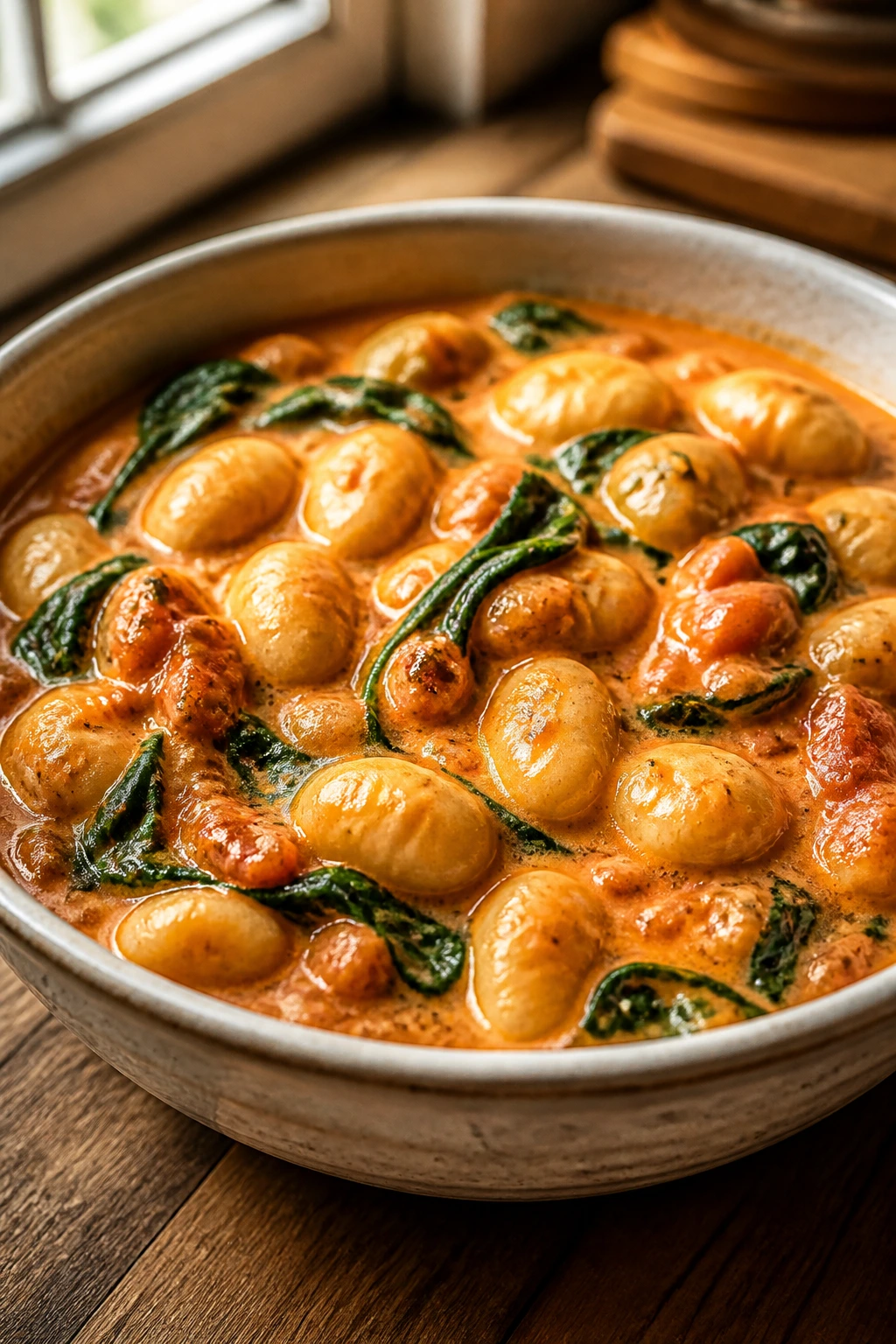
Gnocchi is one of those foods that feels a little fancy while doing almost no work. It cooks fast, goes soft fast, and makes a tomato sauce feel richer than it really is. Add spinach, and the bowl looks like dinner without needing a speech.
Why It Works:
Shelf-stable gnocchi cooks directly in the sauce, which means the dumplings soak up flavor and help thicken the pan as they go. The spinach wilts down almost instantly, so you get a bit of green in every scoop without turning the dish into a vegetable parade. A touch of milk or cream softens the tomato sharpness, which is usually the part toddlers push away first.
Key Ingredients:
- 1 lb shelf-stable gnocchi
- 1 tablespoon olive oil
- 2 garlic cloves, minced
- 1 can crushed tomatoes, 14 oz
- 1/2 cup milk or cream
- 2 cups baby spinach
- 1/2 cup grated parmesan
- 1/4 teaspoon fine salt
Quick Steps:
- Warm the olive oil in a deep skillet over medium heat.
- Cook the garlic for 30 seconds, just until fragrant.
- Stir in the crushed tomatoes, milk, and salt, and bring the sauce to a gentle simmer.
- Add the gnocchi and cook for 4 to 5 minutes, stirring often, until the gnocchi is tender and the sauce thickens.
- Fold in the spinach and cook for 1 minute until wilted.
- Stir in the parmesan and serve immediately.
Tips and Variations:
- Extra mellow: A pinch of sugar can soften very sharp tomatoes.
- Flavor lift: Tear a little basil over the top if your child tolerates herbs.
- Serving note: This is best right after cooking, while the gnocchi is pillowy.
13. Soft Veggie Egg Fried Rice
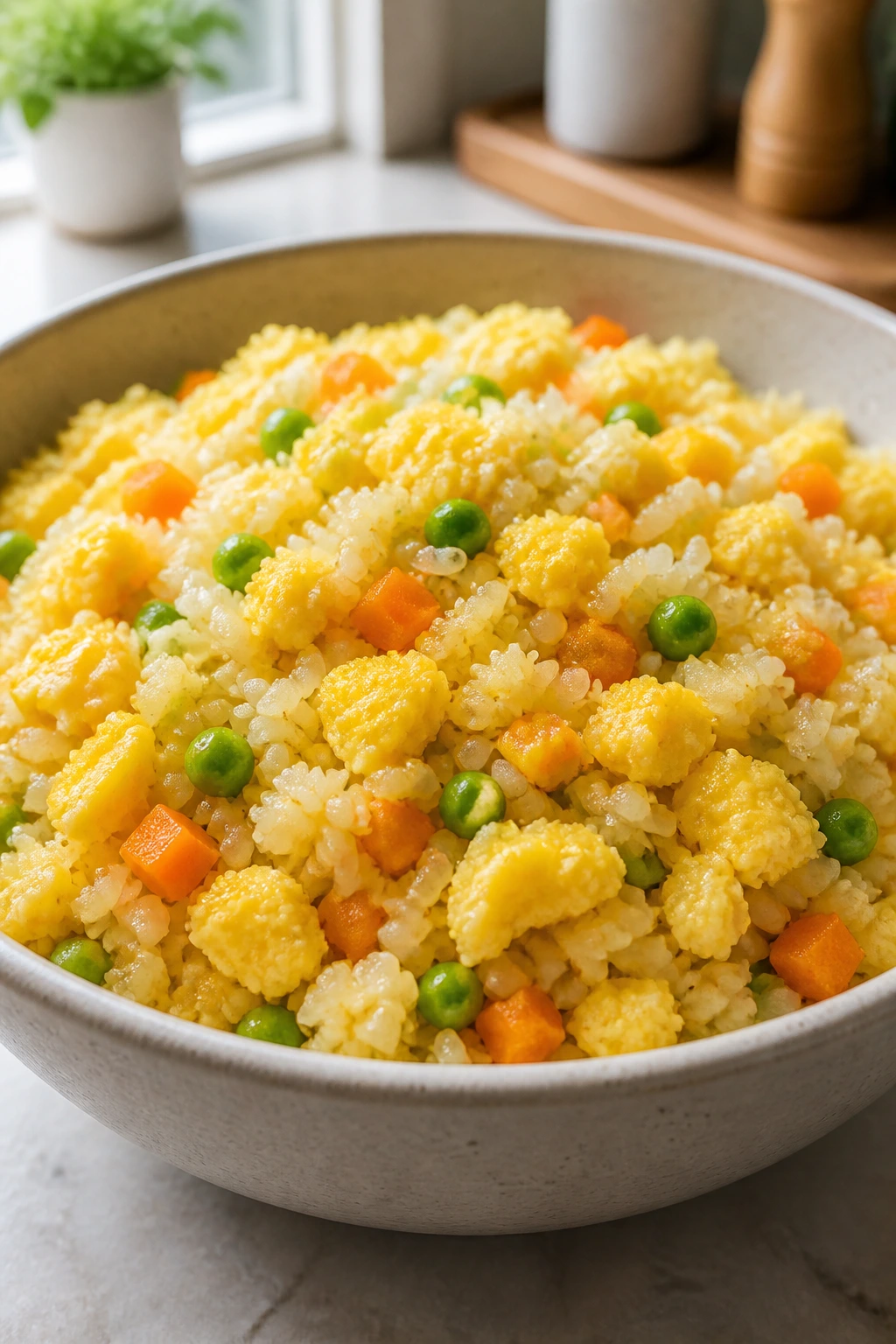
Egg fried rice is one of the easiest ways to turn leftovers into dinner that feels finished. The eggs make it filling, the vegetables stay tiny, and the whole pan comes together fast enough that the rice doesn’t have time to dry out.
Why It Works:
The eggs get folded in softly, which gives the rice a mild, almost custardy feel that young kids tend to accept. Carrots and peas bring sweetness, while sesame oil and soy sauce add enough flavor for adults without making the dish loud. It’s also one of the better meals for using small leftovers before they slide into the back of the fridge and become a science project.
Key Ingredients:
- 2 cups cooked rice, cooled
- 3 large eggs
- 1 cup carrots, diced tiny
- 1 cup frozen peas
- 2 tablespoons butter or neutral oil
- 1 tablespoon low-sodium soy sauce
- 1 teaspoon sesame oil
- 1/4 cup chopped spinach, optional
Quick Steps:
- Heat 1 tablespoon of the butter or oil in a large skillet over medium heat.
- Scramble the eggs softly, then move them to a plate.
- Add the remaining butter or oil, then cook the carrots and peas for 3 to 4 minutes.
- Stir in the rice and spinach if using, breaking up any clumps.
- Drizzle in the soy sauce and sesame oil, then cook for 2 minutes until hot.
- Fold the eggs back in and serve warm.
Tips and Variations:
- Rice safety: Cool cooked rice quickly and refrigerate it promptly.
- Better texture: Day-old rice works better than fresh, full stop.
- Easy add-in: Tiny cubes of cooked tofu or chicken fit in without changing the mood.
14. Shepherd’s Pie Muffin Cups
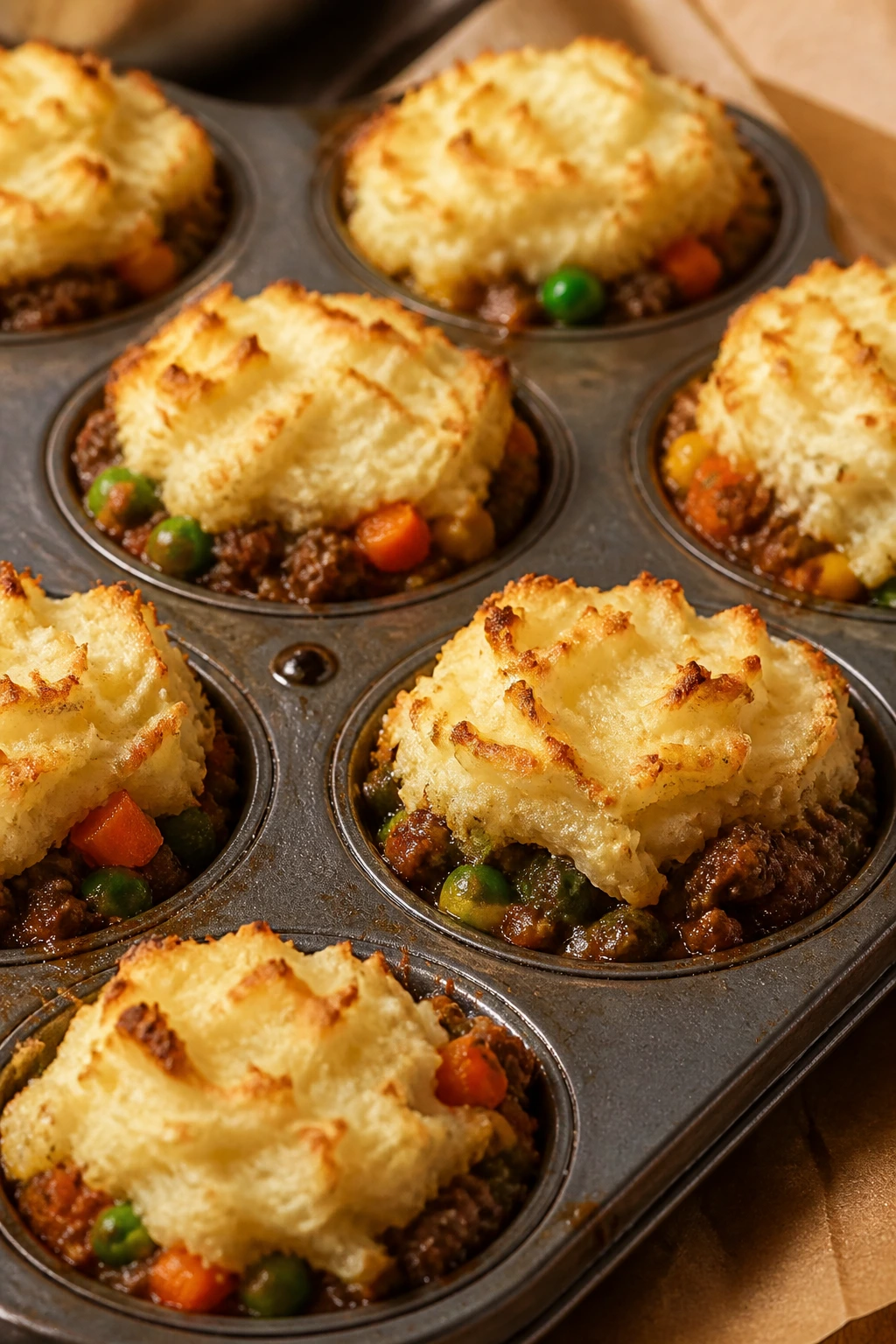
These are the sort of dinners that feel playful without becoming cute in a tiring way. The meat and vegetable filling sits under a mashed potato lid, and the muffin tin turns the whole thing into individual portions that are easy to serve and easy to freeze.
Why It Works:
Shepherd’s pie already has the right structure for toddlers: soft filling, soft topping, no sharp edges, no complicated chew. Baking the mixture in a muffin tin gives each serving a firm shape, so it doesn’t spread all over the plate. The potato top also acts like a little blanket over the filling, which helps kids accept vegetables hiding underneath.
Key Ingredients:
- 1 lb ground turkey or ground beef
- 1 small onion, diced
- 1 cup frozen peas and carrots
- 2 tablespoons tomato paste
- 1/2 cup low-sodium broth
- 2 cups mashed potatoes
- 1 tablespoon butter
- 1/4 cup milk
- 1/2 cup shredded cheddar, optional
Quick Steps:
- Preheat the oven to 400°F (205°C) and grease a muffin tin.
- Cook the meat and onion in a skillet over medium heat for 6 to 7 minutes, breaking the meat into small crumbles.
- Stir in the peas and carrots, tomato paste, and broth, and cook for 3 minutes until thick.
- Mix the mashed potatoes with the butter and milk until smooth.
- Spoon the meat mixture into the muffin cups, top with potatoes, and add cheese if using.
- Bake for 15 to 18 minutes, until the tops are lightly golden.
Tips and Variations:
- Small eater move: Use a mini muffin tin for bite-size portions.
- Leftover magic: Leftover mashed potatoes work beautifully here.
- Serving idea: A little ketchup on the side can make this feel friendlier.
15. Baked Tofu Nuggets with Buttered Noodles
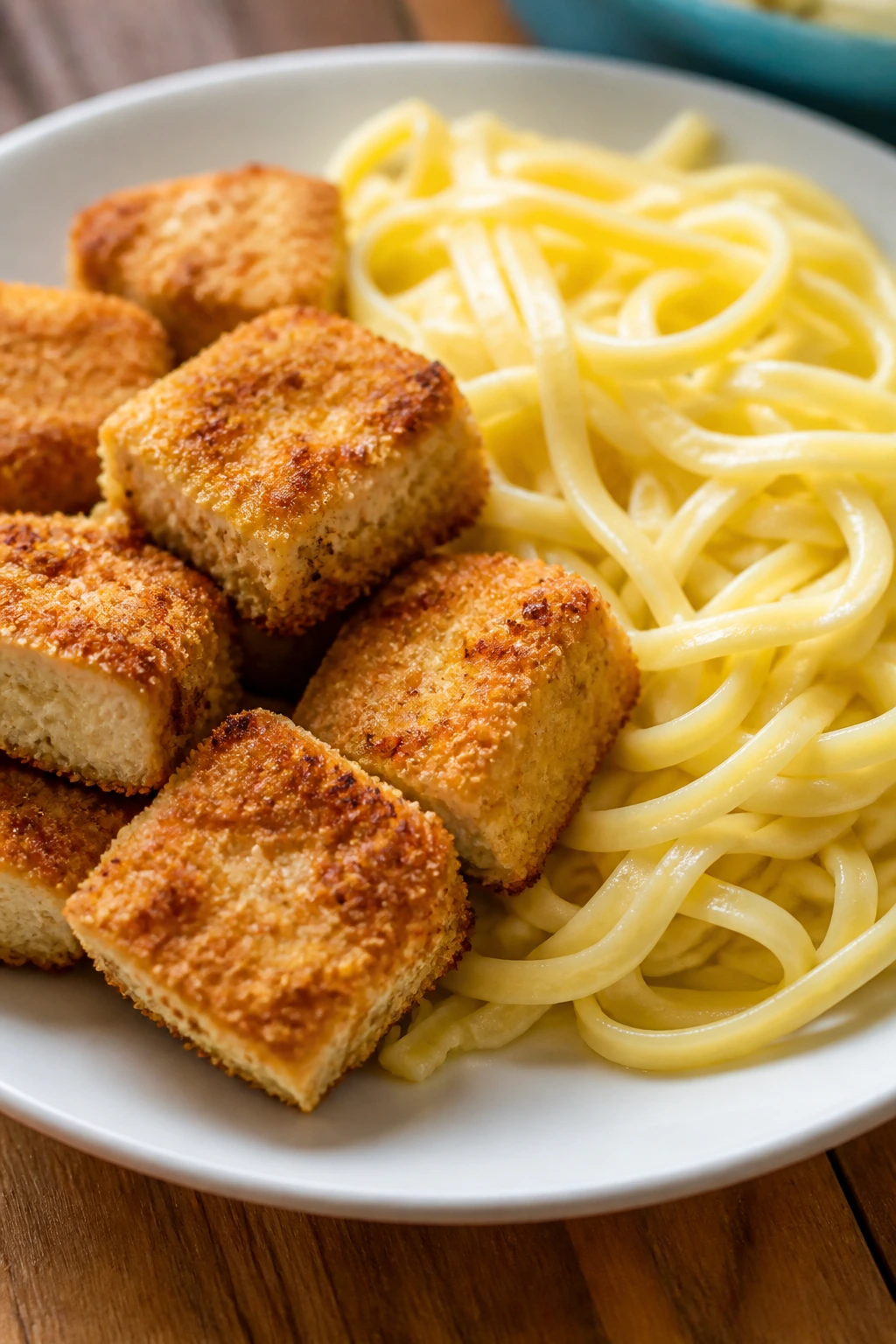
If you want a plant-based dinner that behaves like comfort food, this is a good place to start. The tofu gets crisp on the outside, tender inside, and the buttered noodles are soft enough to match that texture without fighting it.
Why It Works:
Extra-firm tofu holds its shape after pressing, which is the whole game here. A breadcrumb coating gives the nuggets a familiar crunch, and baking keeps them lighter than frying while still making them feel like something a child can pick up and dip. Buttered noodles are simple, but sometimes that’s the point; they create a soft, neutral base that balances the nuggets.
Key Ingredients:
- 14 oz extra-firm tofu, pressed
- 1 large egg
- 1 cup breadcrumbs
- 2 tablespoons grated parmesan
- 1 teaspoon garlic powder
- 8 oz noodles
- 2 tablespoons butter
- 1 cup peas
Quick Steps:
- Press the tofu for 15 minutes, then cut it into nugget-size cubes.
- Heat the oven to 425°F (220°C) and line a baking sheet.
- Dip the tofu cubes in beaten egg, then coat them with breadcrumbs mixed with parmesan and garlic powder.
- Bake for 18 to 20 minutes, turning once halfway through, until golden.
- Cook the noodles and peas in salted water until tender, then drain.
- Toss the noodles with butter and serve with the tofu nuggets.
Tips and Variations:
- Crispier crust: Panko gives a lighter crunch than standard breadcrumbs.
- Dip idea: Ketchup, plain yogurt, or hummus all work.
- Gluten-free option: Use gluten-free breadcrumbs and noodles.
16. Butternut Squash Risotto with Chicken
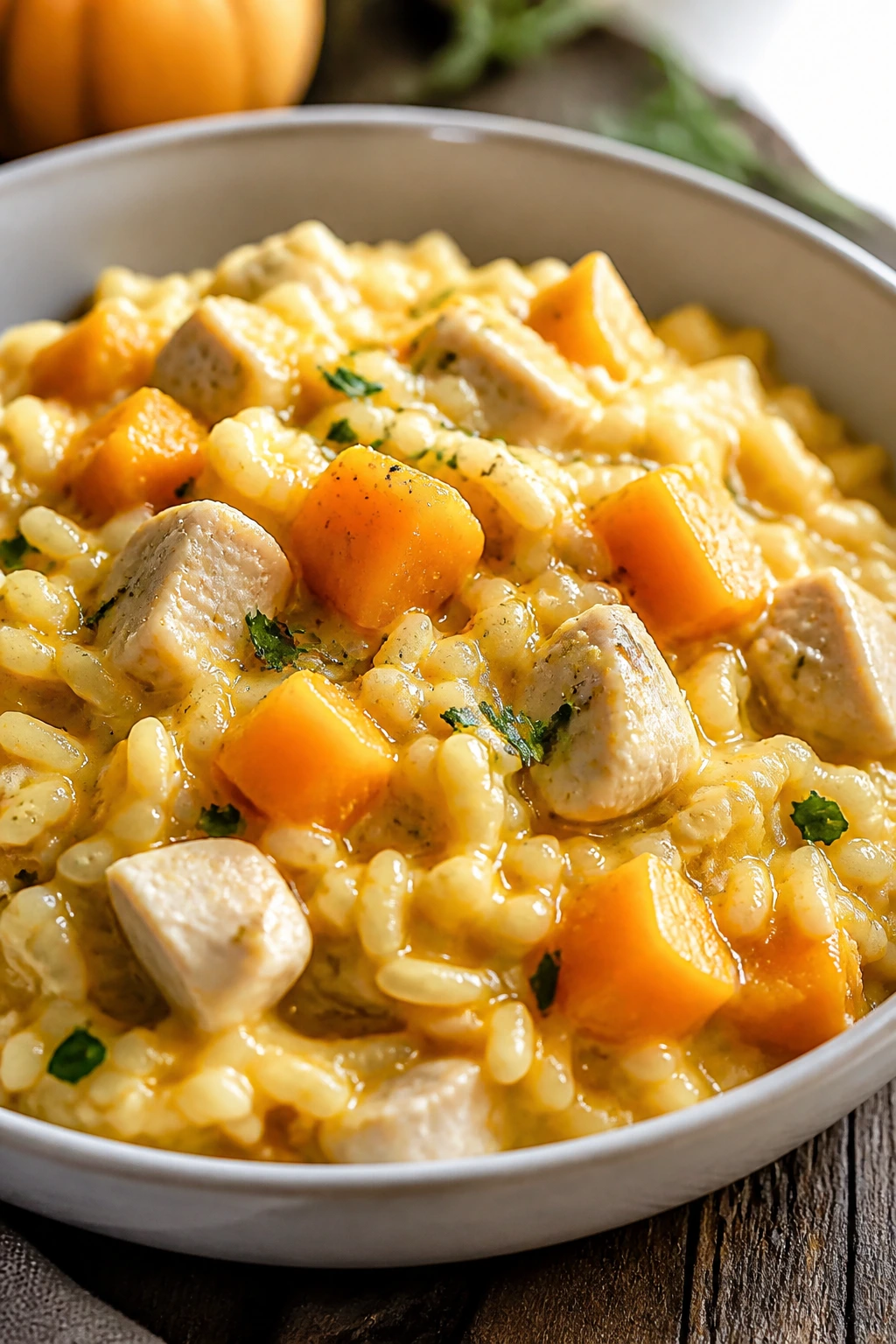
Risotto sounds fussy until you make it once and realize it’s mostly patience and warm broth. This version stays mild, creamy, and spoonable, with butternut squash adding sweetness and color that children usually trust.
Why It Works:
Arborio rice releases starch as it cooks, which gives risotto its soft, almost velvety texture. That matters here because toddlers often do better with food that holds together in a creamy mound rather than in dry grains. Butternut squash melts into the rice a bit, the chicken adds protein, and the parmesan finishes the dish with a salty edge that keeps the flavor from going flat.
Key Ingredients:
- 1 tablespoon olive oil
- 1 lb chicken thighs or breast, diced small
- 1 small onion, finely diced
- 1 1/2 cups arborio rice
- 1 cup butternut squash, diced small
- 4 cups low-sodium chicken broth, warmed
- 1/2 cup grated parmesan
- 1 tablespoon butter
- 1/4 teaspoon fine salt
Quick Steps:
- Warm the broth in a saucepan and keep it hot over low heat.
- Heat the oil in a deep skillet over medium heat and cook the chicken for 4 to 5 minutes until mostly cooked through.
- Add the onion and cook for 3 minutes, then stir in the rice for 1 minute.
- Add the squash and about 1/2 cup of broth, stirring until the liquid absorbs.
- Keep adding broth in 1/2-cup additions, stirring often, for 18 to 20 minutes until the rice is tender and creamy.
- Stir in the parmesan, butter, and salt, then serve warm.
Tips and Variations:
- Frozen helper: Frozen butternut squash cubes save chopping and work well.
- Don’t rush: Risotto needs stirring, and high heat will leave the center chalky.
- Soft side: A few peas stirred in at the end add color if you want more green.
17. Veggie Omelet Muffins with Toast Soldiers
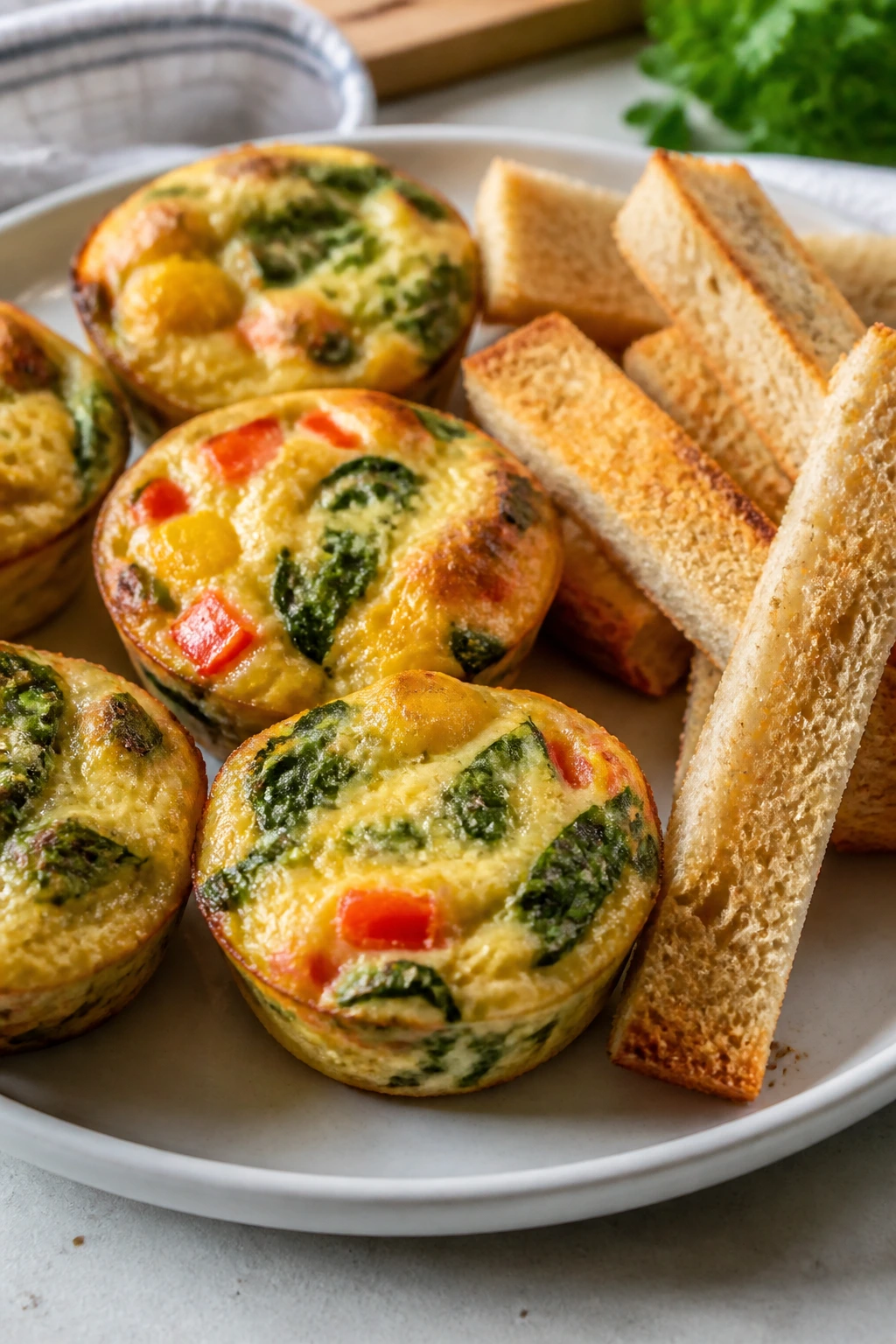
Eggs are one of the simplest toddler dinner anchors because they cook fast and take on nearly anything you throw at them. Baked as muffins, they become tidy little portions that can be dipped, handed over, or eaten straight from the plate with very little mess.
Why It Works:
The oven does the work here, so you don’t have to stand over a skillet making tiny omelets one at a time. Chopped spinach and bell pepper stay suspended in the egg base, and the cheese keeps the muffins soft instead of rubbery. Toast soldiers on the side give the meal a familiar dippable piece, which often helps more than another speech about vegetables.
Key Ingredients:
- 8 large eggs
- 1/2 cup milk
- 1/2 cup shredded mild cheese
- 1/2 cup spinach, chopped small
- 1/2 cup bell pepper, diced tiny
- 1/4 cup diced ham or mushrooms, optional
- 1 tablespoon butter or nonstick spray
- 4 slices toast, cut into strips
Quick Steps:
- Preheat the oven to 350°F (175°C) and grease a muffin tin.
- Whisk the eggs and milk until well mixed, then stir in the cheese, spinach, bell pepper, and optional add-ins.
- Fill each muffin cup about 3/4 full.
- Bake for 18 to 20 minutes, until the centers are set and the tops look slightly puffed.
- Let them cool for 5 minutes before removing from the tin.
- Serve with toast strips for dipping.
Tips and Variations:
- Mini version: Use a mini muffin tin and bake for about 12 to 14 minutes.
- Storage win: These reheat well in the microwave for breakfast or dinner.
- Veggie swap: Zucchini works too, but squeeze out extra water first.
18. Sweet Potato and Black Bean Tacos
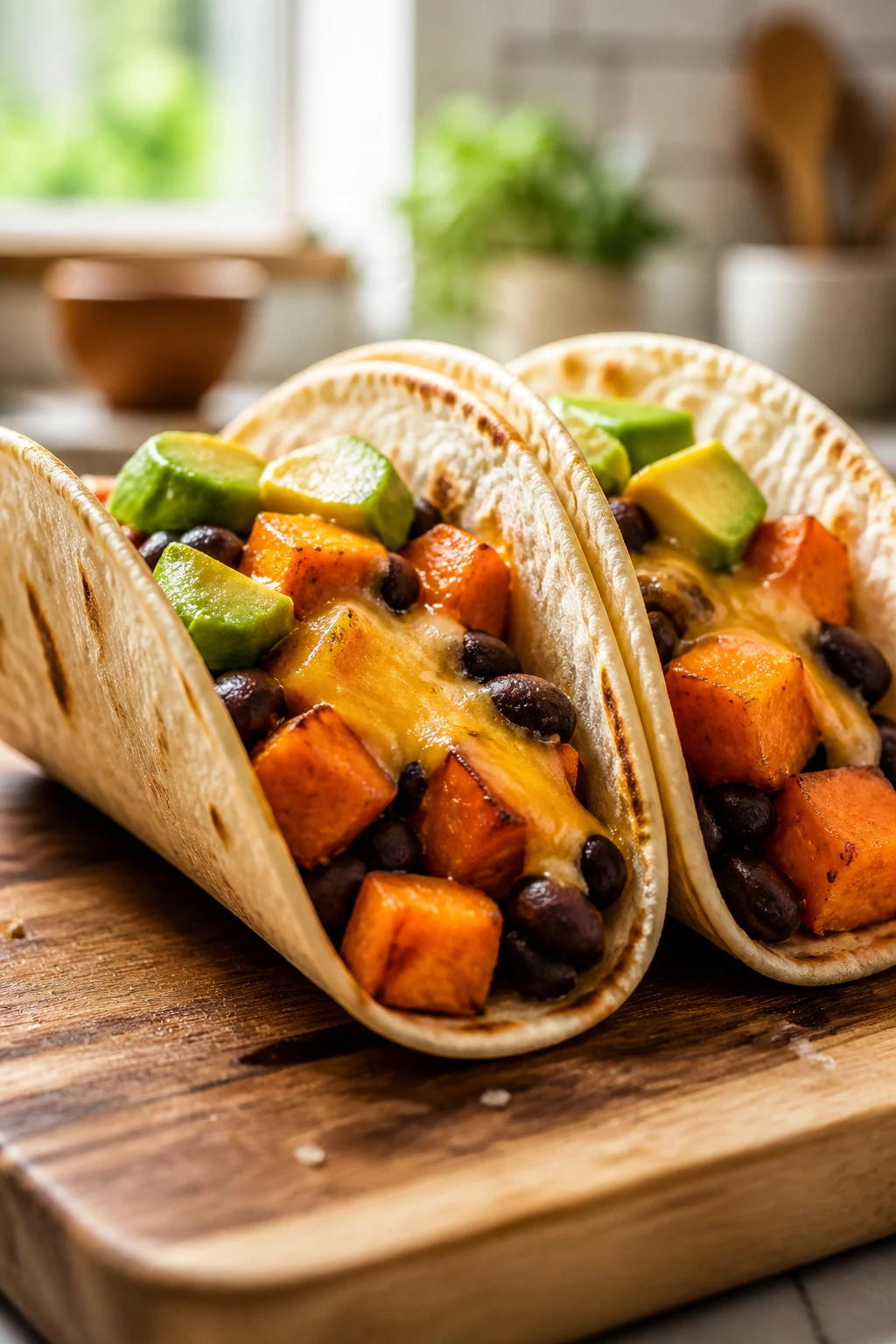
Tacos can be toddler-friendly if you stop insisting they stay folded. Sweet potato and black bean filling is soft, colorful, and mild, and the components can be served separately when your child is in a sorting mood.
Why It Works:
Roasted sweet potatoes bring sweetness and a soft bite that pairs well with mashed or whole black beans. The filling is easy to spoon into tortillas, but it also works as a bowl, which is useful on days when wrapping food feels like a test no one signed up for. A little avocado and yogurt give the tacos a creamy finish that helps the spices stay in the background.
Key Ingredients:
- 2 medium sweet potatoes, diced small
- 1 tablespoon olive oil
- 1 teaspoon cumin
- 1/2 teaspoon paprika
- 1 can black beans, rinsed and drained
- 8 small tortillas
- 1 cup shredded mild cheese
- 1 avocado, sliced or mashed
- 1/2 cup plain yogurt
Quick Steps:
- Preheat the oven to 400°F (205°C) and line a baking sheet.
- Toss the sweet potatoes with olive oil, cumin, and paprika.
- Roast for 20 to 25 minutes, stirring once, until the cubes are tender and lightly browned.
- Warm the black beans in a small saucepan over low heat until soft.
- Fill each tortilla with sweet potatoes, beans, cheese, avocado, and a spoonful of yogurt.
- Fold or serve open-faced, depending on your toddler’s mood.
Tips and Variations:
- Deconstructed option: Serve the filling in a bowl with tortilla strips on the side.
- Extra flavor: A little lime juice over the avocado keeps it bright.
- Meal prep: Roast the sweet potatoes ahead and warm them just before dinner.
What Makes These Dinners Work at the Toddler Table
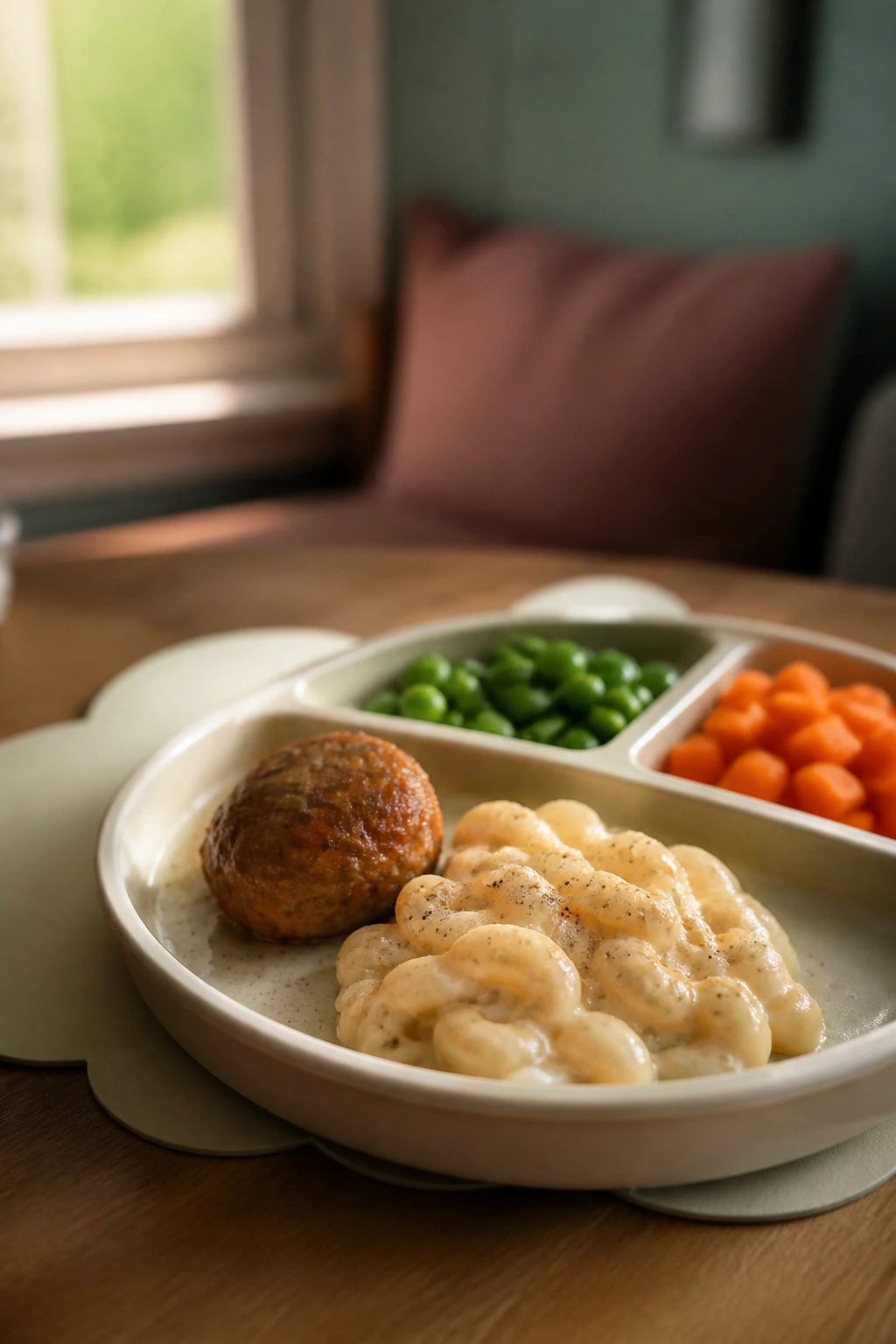
The best toddler dinners are not the fanciest ones. They’re the meals that arrive in a form a small child can handle: soft, small, familiar, and not too aggressive about flavor.
Texture does more work here than adults tend to realize. A creamy sauce, a tender meatball, a fork-soft vegetable, or a food that can be dipped in something familiar usually goes farther than a perfectly seasoned but awkward dish. A toddler doesn’t need a long ingredient list. They need a dinner that feels safe enough to try.
There’s also a practical truth that’s easy to miss when you’re cooking for children: sauces keep food from feeling dry and difficult. That’s why pasta, rice bowls, skillet fillings, and baked bakes show up so often in this kind of cooking. They stay soft on the plate, which buys you a few extra bites.
And yes, presentation matters a little. Not in the polished restaurant sense. In the “cut it into triangles, keep the peas from hiding under the sauce, and offer a dip” sense. That’s the kind of detail that changes whether a plate gets pushed away or actually eaten.
Essential Equipment for These Recipes
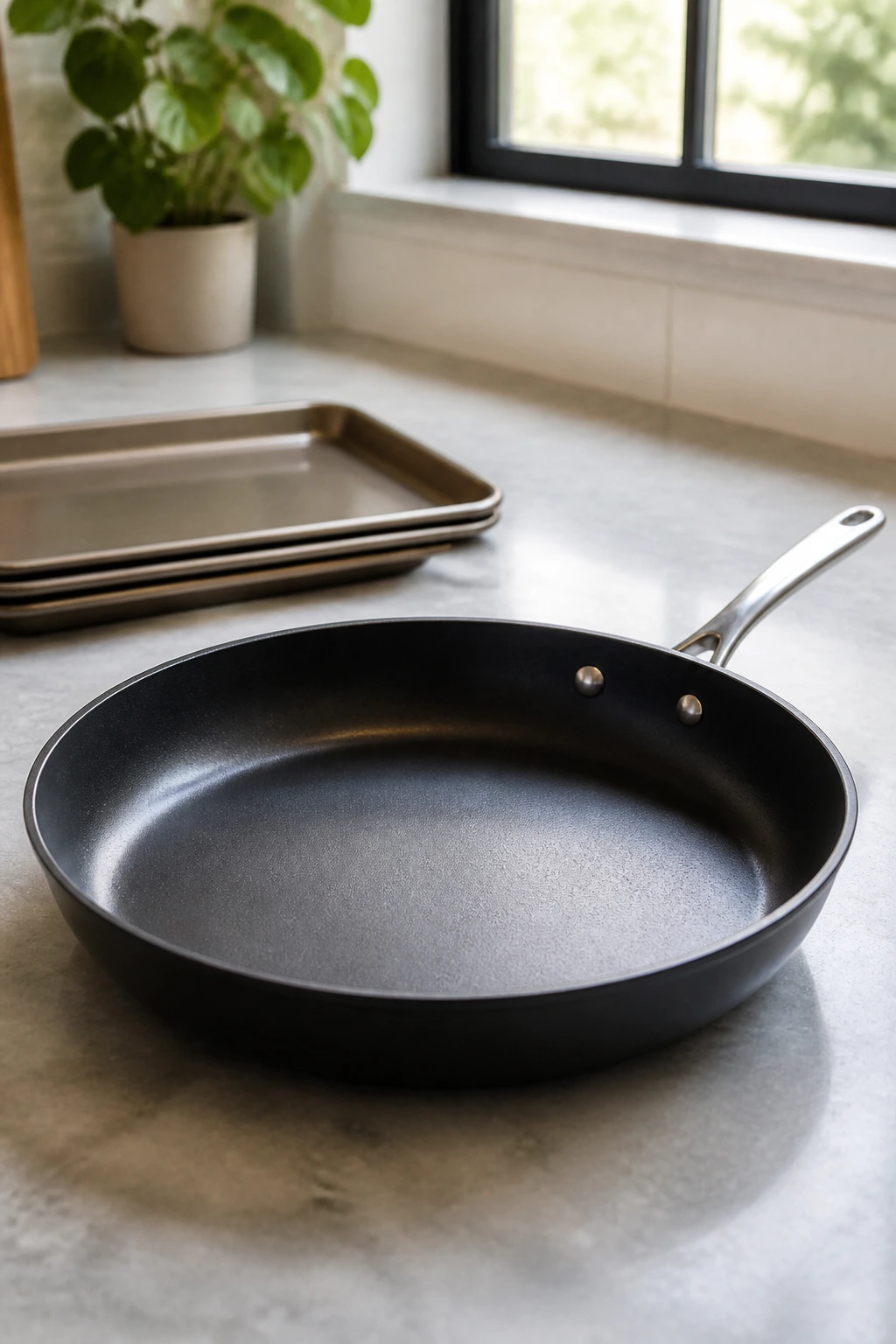
- Large nonstick skillet: Useful for fried rice, skillet pasta, curry, sloppy joe filling, and quick fillings that need even heat.
- Baking sheet with parchment paper: Great for meatballs, salmon cakes, tofu nuggets, and pita pizzas.
- 9×13-inch baking dish or 8×8-inch dish: Handy for enchilada roll-ups and other baked family-style meals.
- Muffin tin: Needed for shepherd’s pie muffin cups and omelet muffins; a mini muffin tin is a nice bonus for smaller portions.
- Medium saucepan: Good for sauces, lentils, noodles, and any dish that needs a gentle simmer.
- Large pot: Needed for pasta, rice, and any recipe where you’re boiling or blanching vegetables.
- Box grater: Makes fast work of zucchini, carrots, and cheese.
- Fine mesh strainer: Helps rinse beans, drain tuna, and squeeze moisture from vegetables.
- Wooden spoon or silicone spatula: Useful for stirring without scraping nonstick surfaces.
- Measuring cups and spoons: These recipes rely on small amounts of seasoning, so eyeballing can go sideways fast.
- Sharp knife and cutting board: Small, even pieces cook faster and are safer for toddlers to eat.
- Storage containers with tight lids: Leftovers matter here. A lot.
Smart Shopping and Ingredient Tips
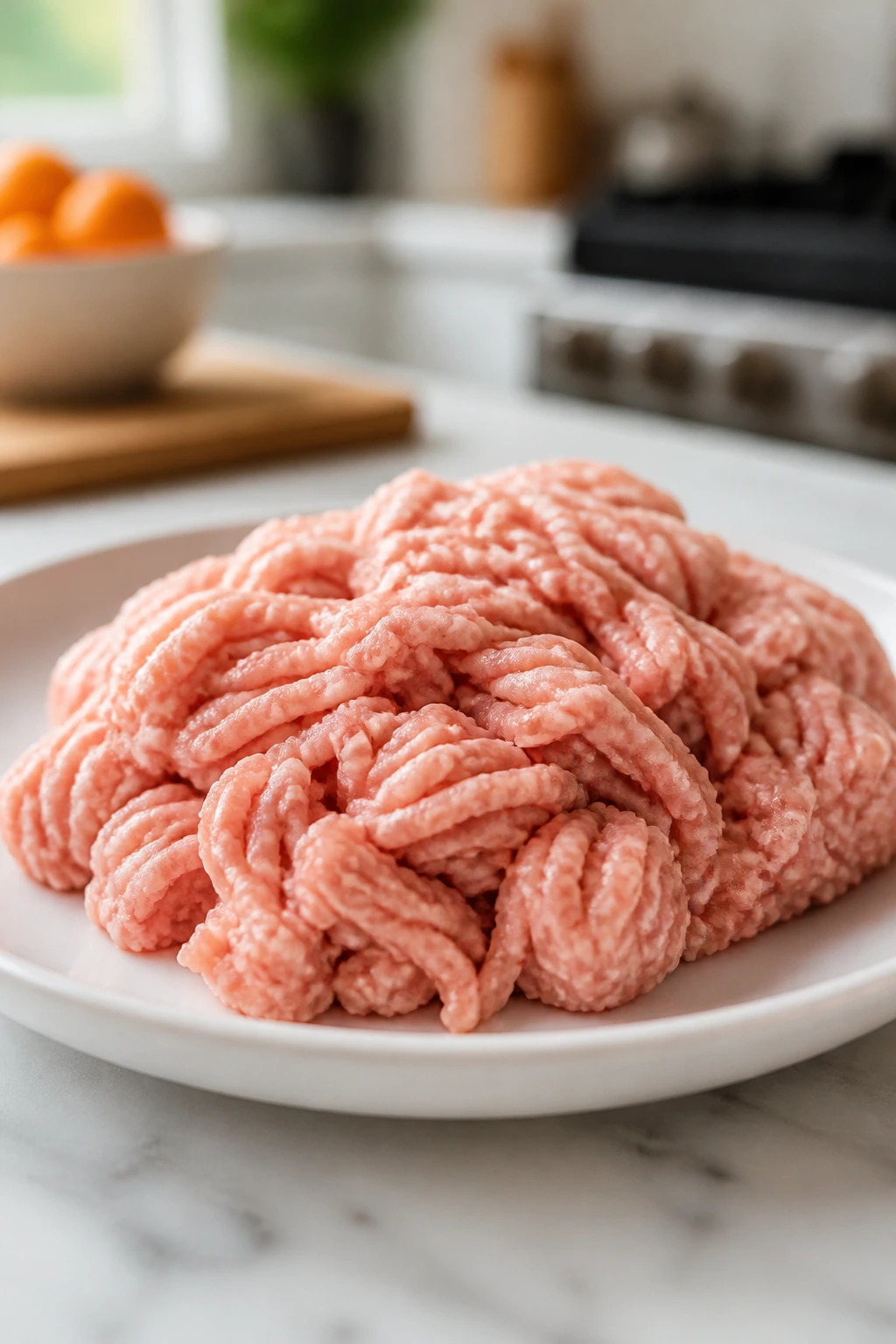
Toddler dinners get easier when the ingredients are chosen for softness and consistency, not just price or habit. Ground turkey around 93% lean works well because it stays moist without turning greasy, while chicken thighs are usually more forgiving than breast meat if you’re simmering or baking. For fish cakes, canned salmon is a practical choice because the texture is already soft and the bones, if any, are easy to remove.
Frozen vegetables earn their keep in this kind of cooking. Peas, carrots, spinach, and corn all keep their shape and color after thawing or quick cooking, and they’re often better than limp produce that has been hanging around the crisper too long. Small pasta shapes matter too. Shells, elbows, mini penne, and gnocchi all carry sauce in a way long noodles sometimes don’t.
For dairy, mild cheese is your friend. Cheddar, mozzarella, Monterey Jack, and parmesan all melt or finish dishes well without shouting over everything else. If you’re buying yogurt for dips or toppings, plain Greek yogurt is thick enough to stay put, which makes a difference when little hands are trying to scoop.
Beans and lentils deserve a note too. Rinse canned beans well to reduce salt, and pick red lentils if you want a softer, faster-cooking filling. For tortillas and bread, smaller shapes are usually better. Mini pitas, slider buns, small flour tortillas, and soft sandwich rolls all make dinner feel less like a wrestling match.
How to Serve These Recipes
Presentation:
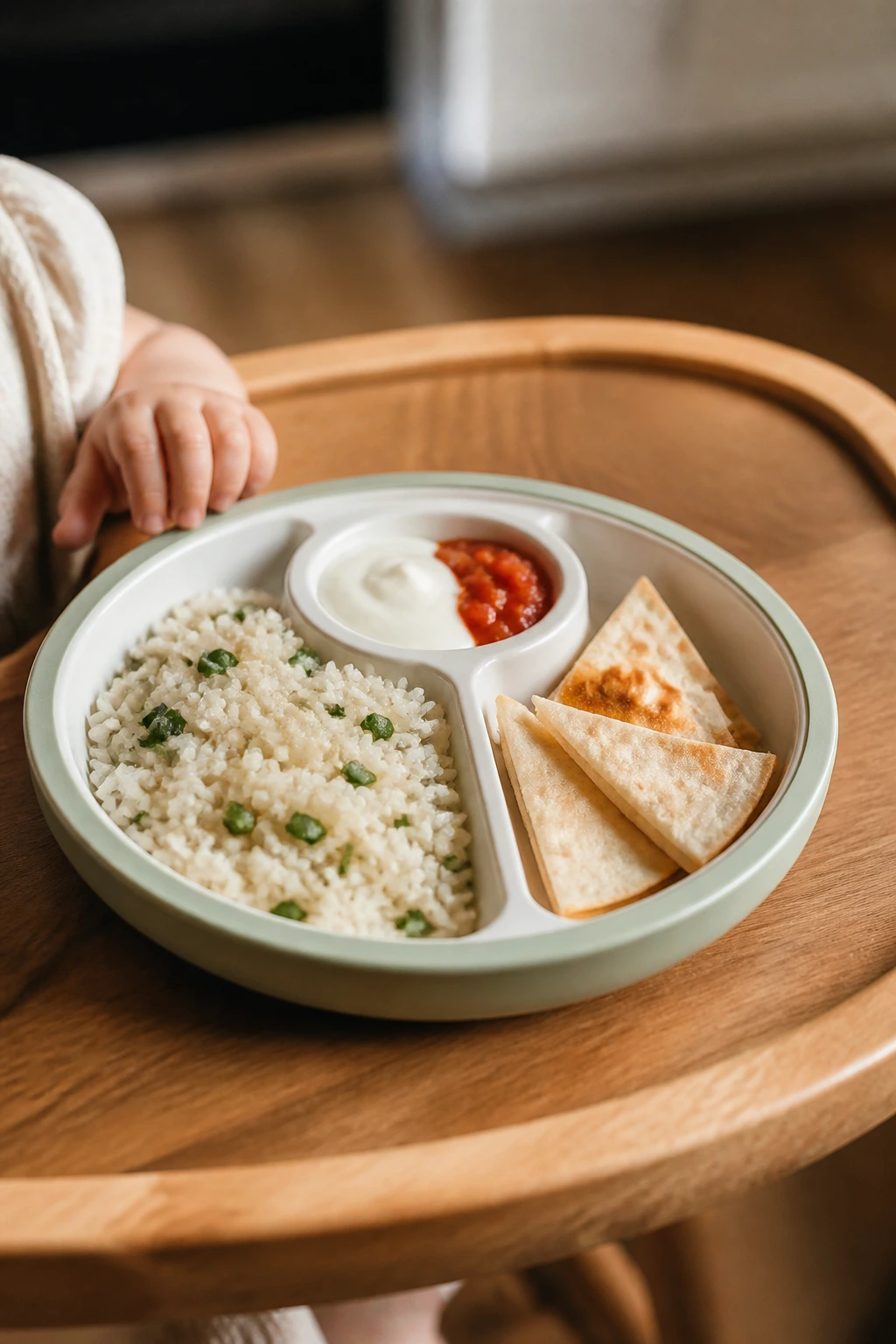
Use shallow bowls, small divided plates, or low-sided plates so toddlers can see what’s on the plate without everything merging into one mystery heap. A little height helps too; a small mound of rice, a neat row of wedges, or a few rolled-up pieces can make dinner feel more inviting without any fussy garnish.
Accompaniments:
Choose soft sides that don’t fight the main dish: cucumber coins, steamed carrots, avocado slices, applesauce, yogurt, or a simple fruit cup. For the pasta, rice, curry, and skillet meals, a piece of soft bread or a tortilla on the side gives kids something familiar to hold. For fish cakes or tofu nuggets, a mild dip such as yogurt, ketchup, or hummus is usually a better move than piling on more seasoning.
Portions:
A toddler portion is often smaller than a parent expects, and that is fine. Start with 2 to 4 tablespoons of each component for younger toddlers, then offer more if they ask. Older toddlers and bigger eaters may take closer to 1/4 to 1/2 cup of the main dish, especially if it’s a bowl meal or something easy to self-feed.
Beverage Pairing:
Water should always be the default. Milk also fits many of these dinners, especially pasta, quesadillas, egg dishes, and baked bakes. If you serve a curry or tomato-heavy dish, a cold cup of water or milk keeps the meal calm and simple.
Additional Tips and Flavor Boosters
Flavor Enhancement:
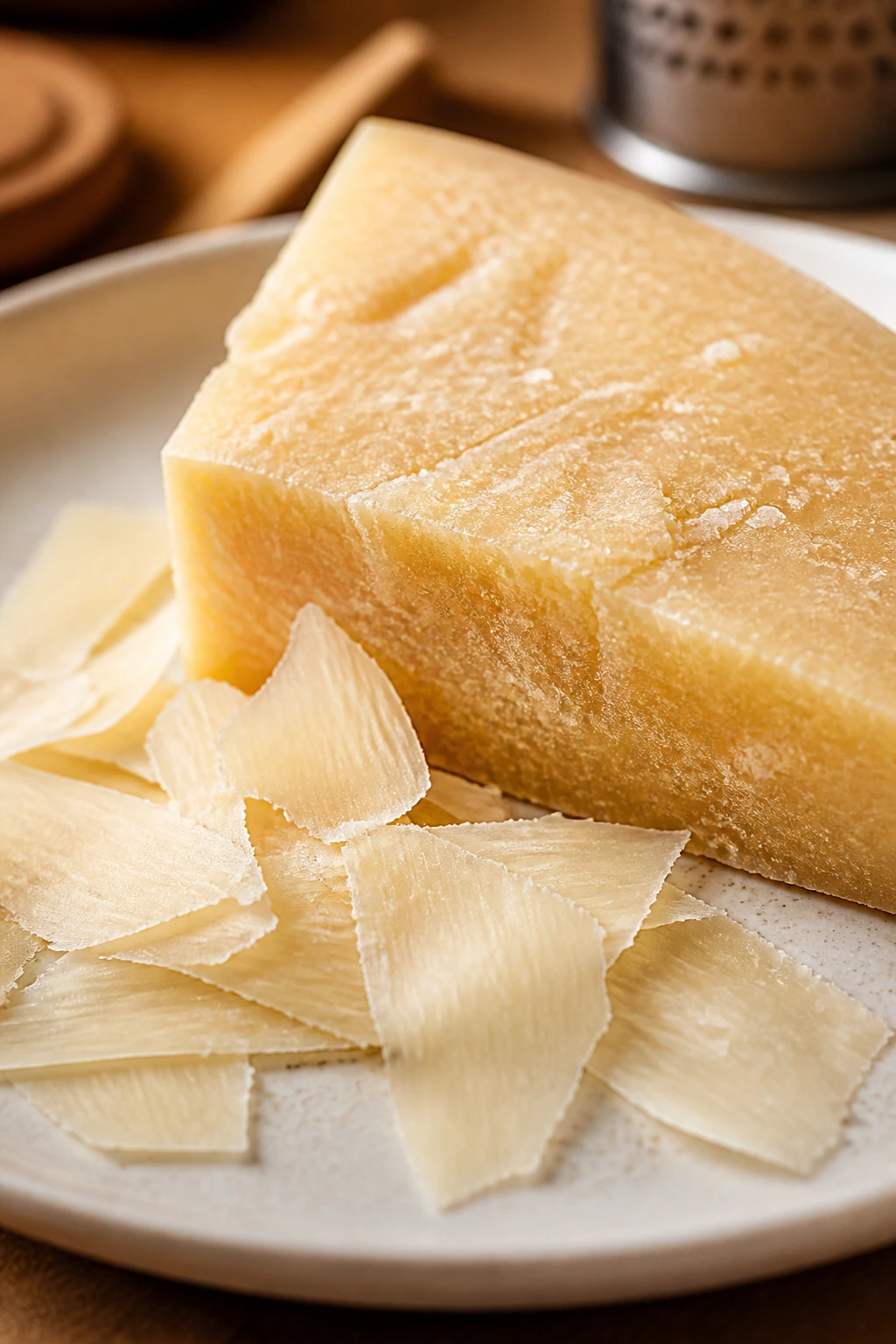
A few finishing touches can change a dish without making it too strong for a toddler. A squeeze of lemon on salmon cakes, a little parmesan on pasta, or a spoonful of plain yogurt on curry adds enough brightness to keep adult palates interested. Keep the main recipe mild, then let the grown-ups dress their plates later.
Customization:
Most of these dinners welcome swaps. Turkey can stand in for chicken, black beans can replace meat in tacos or enchilada roll-ups, and tofu can take over where chicken might otherwise go. Grated zucchini, spinach, or cauliflower can sneak into sauces, rice, and meat mixtures without changing the whole personality of the dish.
Serving Suggestions:
Offer one dip whenever possible. Toddlers love control, and a small bowl of ketchup, yogurt, hummus, marinara, or mild salsa gives them a way to interact with dinner on their own terms. A sprinkle of cheese, a few avocado slices, or a soft tortilla cut into strips also helps dishes feel complete.
Make-It-Yours:
For dairy-free meals, use olive oil, coconut milk, or unsweetened yogurt alternatives where needed. For gluten-free dinners, choose rice, corn tortillas, gluten-free pasta, or breadcrumbs made from gluten-free bread. If you want more protein, add shredded chicken, extra beans, Greek yogurt, or an egg on the side.
Make-Ahead, Storage, and Reheating Guidance
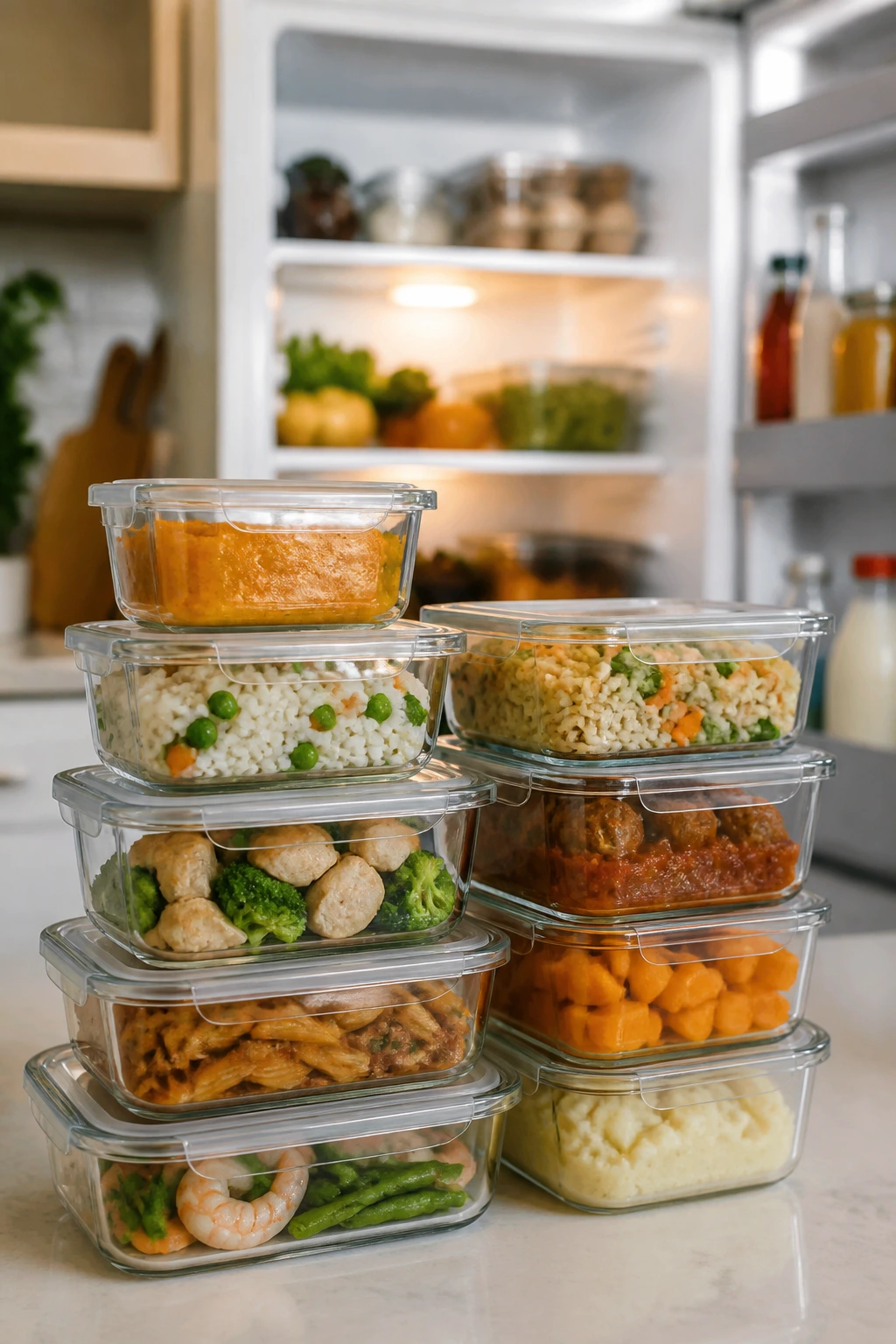
A lot of these dinners are forgiving, which is exactly what you want from family food. Most meat-based skillet meals, lentil fillings, curry, sloppy joe filling, and shepherd’s pie cups keep well in the refrigerator for 3 to 4 days. Store them in shallow containers so they cool fast and reheat evenly. If you’re freezing, aim for up to 2 months for meatballs, lentil filling, curry, salmon cakes, and tofu nuggets.
Rice dishes need a little extra care. Cool cooked rice quickly, get it into the fridge within about 1 hour, and reheat it until steaming hot. The same goes for fried rice and risotto leftovers, though risotto is best reheated with a splash of broth or milk to bring the creaminess back. Pasta dishes such as cheesy broccoli pasta or creamy tomato gnocchi are usually best within 3 days in the fridge; add a spoonful of milk or water before reheating so the sauce loosens instead of clumping.
Fish and egg dishes deserve the shorter end of the storage window. Salmon cakes, tuna noodle skillet, and omelet muffins are best eaten within 2 to 3 days from the refrigerator, and egg muffins can go into the freezer for about 1 month if wrapped well. Reheat in the microwave in 20 to 30 second bursts, stirring or turning once so the hot spots don’t get too hot.
For oven reheating, use 325°F and cover the food loosely with foil if it has cheese or sauce. For skillet reheating, a low flame and a tablespoon of water or broth usually does the trick. Dry heat is the enemy here. Keep things moist, and the leftovers will behave.
Variations and Adaptations to Try
No-Dairy Night:
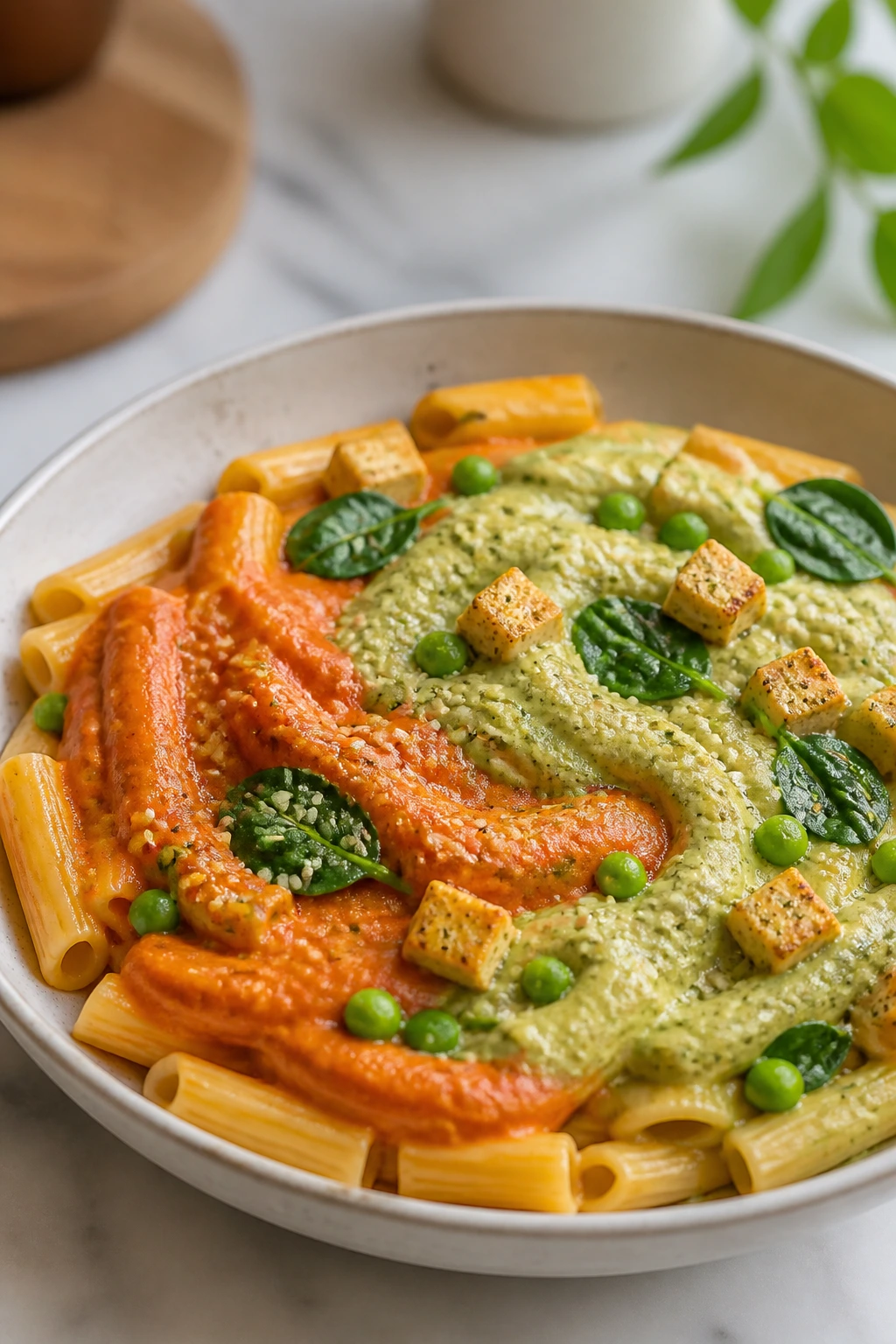
Use olive oil instead of butter, coconut milk instead of cream, and dairy-free cheese if you have one that melts well. This works especially well for curry, tomato gnocchi, and some pasta dishes. The key is keeping enough fat in the dish so it still feels soft and satisfying.
Gluten-Free Plate:
Swap in rice, corn tortillas, gluten-free pasta, and gluten-free breadcrumbs where needed. Fried rice, curry, tacos, and skillet dinners already fit this style naturally, and the baked recipes adapt without much trouble. Just watch the soy sauce; tamari is the easier gluten-free stand-in.
Big-Veg, Small-Bite:
If you want more vegetables without changing the overall mood, grate carrots and zucchini, chop spinach finely, or fold in peas and corn. This works best in meatballs, lentil fillings, rice dishes, and pasta sauces because the vegetables can melt into the dish instead of sitting on top like a challenge.
Protein Swap Rotation:
Use the same structure and change the protein. Turkey can stand in for beef, chicken can replace tuna, tofu can take the place of meat in several of these dinners, and beans can take over when you want a meatless night. Toddlers often care more about shape and texture than the label on the package.
Gentle Spice for Grown-Ups:
Keep the main dish mild, then set out hot sauce, chili crisp, crushed red pepper, or pickled onions at the table. That lets adults eat a more lively plate without making the toddler version harder to swallow. Separate finishers save a lot of mid-dinner bargaining.
Bento-Style Meal:
Serve the same recipe as separate compartments instead of one mixed bowl. Rice in one section, protein in another, vegetables on the side, and dip in a tiny cup can make a child feel more in control. It’s not a trick. It’s structure, and toddlers tend to like structure.
Common Mistakes to Avoid
Cutting everything too large:
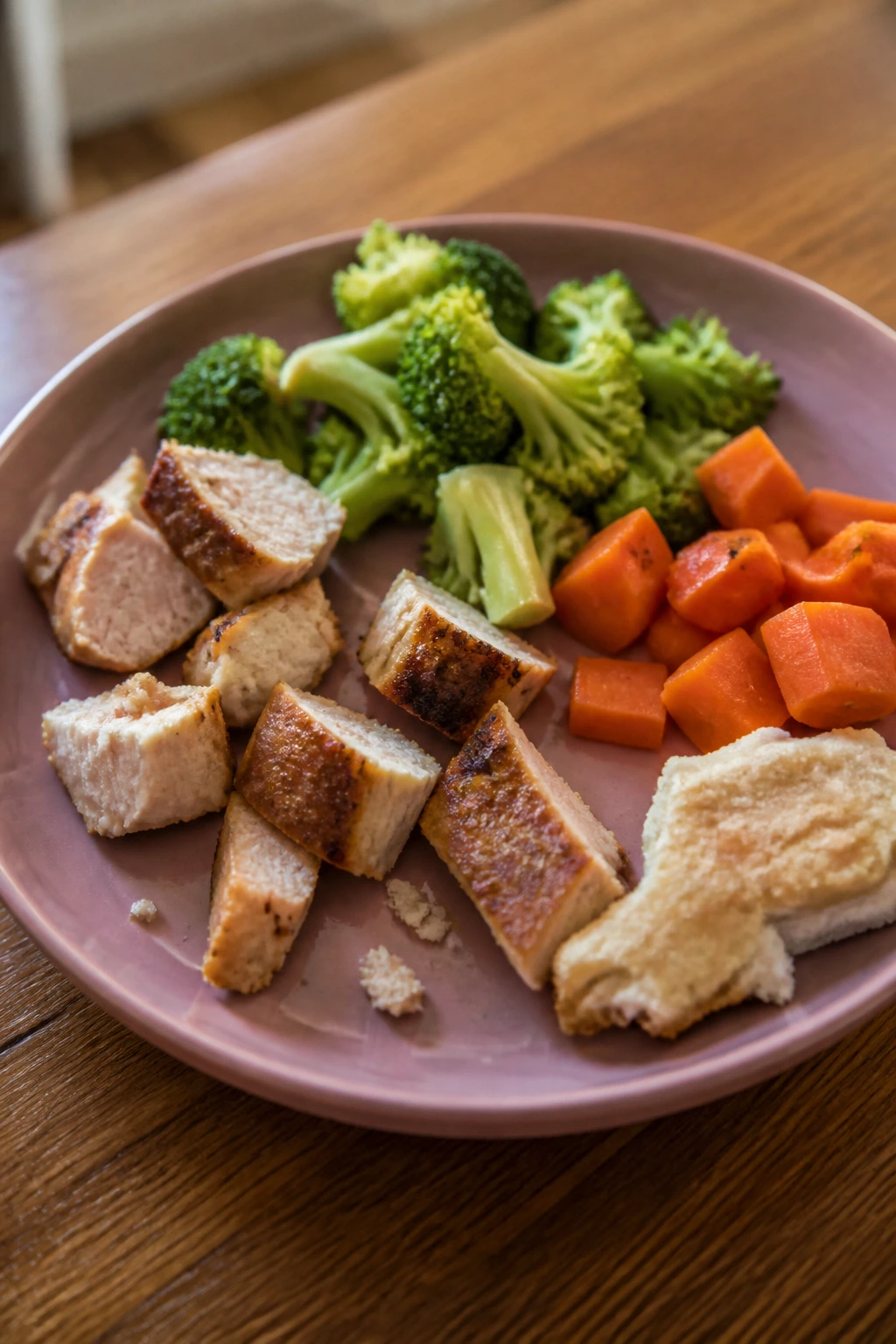
Big pieces are one of the fastest ways to lose a toddler’s interest. If the food is bigger than what a spoon can hold or a small hand can grip, it becomes work. Chop smaller than you think you need, especially for vegetables, meatballs, and sandwich fillings.
Seasoning for adult taste only:
Salt, pepper, heat, and strong spice can easily overpower a toddler plate. The fix is simple: keep the base mild, then add your bolder seasoning at the table or to the adult portion after the food is plated. One skillet, two finishes. Easy.
Letting dry food sit too long:
Pasta, rice, noodles, and baked proteins dry out fast once they leave the stove or oven. Serve with a sauce, a dip, or a spoonful of yogurt, and reheat leftovers with a splash of liquid. Moist food is easier to eat, full stop.
Mixing too many new things at once:
A plate with a brand-new sauce, a new protein, and an unfamiliar vegetable can be one novelty too many. Introduce one or two new elements alongside something familiar. The familiar piece acts like an anchor.
Skipping leftovers safety:
Rice, pasta, eggs, and cooked meat all need proper cooling and storage. Get leftovers into shallow containers, refrigerate them promptly, and reheat them until hot all the way through. If food has been sitting out too long, don’t talk yourself into keeping it.
Assuming refusal means failure:
Toddlers refuse food for reasons that have nothing to do with flavor. Some days they want separate foods. Some days they want the same dinner they rejected yesterday. Keep offering, keep it calm, and try not to turn the meal into a referendum on your cooking.
Frequently Asked Questions

How much dinner should a toddler eat?
There isn’t one fixed amount, and pretending there is only creates stress. A good starting point is a few tablespoons of each part of the meal, then more if they ask for it. Some nights that might look tiny. That still counts.
What if my toddler only eats one part of the meal?
That’s normal, not a failure. Put a familiar food next to the new one, keep the portions small, and keep serving the same meal in different forms over time. Repetition matters more than persuasion.
Can I make these dinners ahead of time?
Yes, and several of them get easier with a little advance work. Meatballs, lentil filling, curry, shepherd’s pie cups, and enchilada roll-ups all hold up well for a few days, and many freeze neatly. Pasta and gnocchi are better cooked fresh, but their sauces can be made ahead.
Which recipes freeze best?
Mini meatballs, lentil sloppy joe filling, salmon cakes, tofu nuggets, shepherd’s pie cups, and curry all freeze well. Rice-based dishes can be frozen too, but they need careful reheating with added liquid so they don’t turn dry or odd.
How do I keep the food low-sodium without making it bland?
Use low-sodium broth, rinse canned beans, and rely on mild flavor builders like garlic, onion, lemon juice, parmesan, and yogurt. A little fat and acidity usually does more than a salt bomb ever will. The food should taste balanced, not flat.
What if my toddler hates mixed foods?
Serve the same dinner in separate parts. Rice, sauce, protein, and vegetables can live on one plate without being mashed together. Many toddlers warm up to mixed dishes later, but separate components can get you through tonight.
Are these meals safe for younger toddlers?
They can be, as long as you adjust texture and size. Cut round foods, keep vegetables soft, avoid whole nuts, and break up anything slippery or large. Soft, bite-size pieces are the rule here.
How can I make one dinner work for adults too?
Keep the main recipe mild and set out extras for the table: hot sauce, chopped herbs, lemon wedges, pickled onions, chili crisp, or extra cheese. That lets adults add more flavor without making the toddler portion harder to eat. One base, two finishes. Nice and simple.
Small Plates, Real Dinner Wins
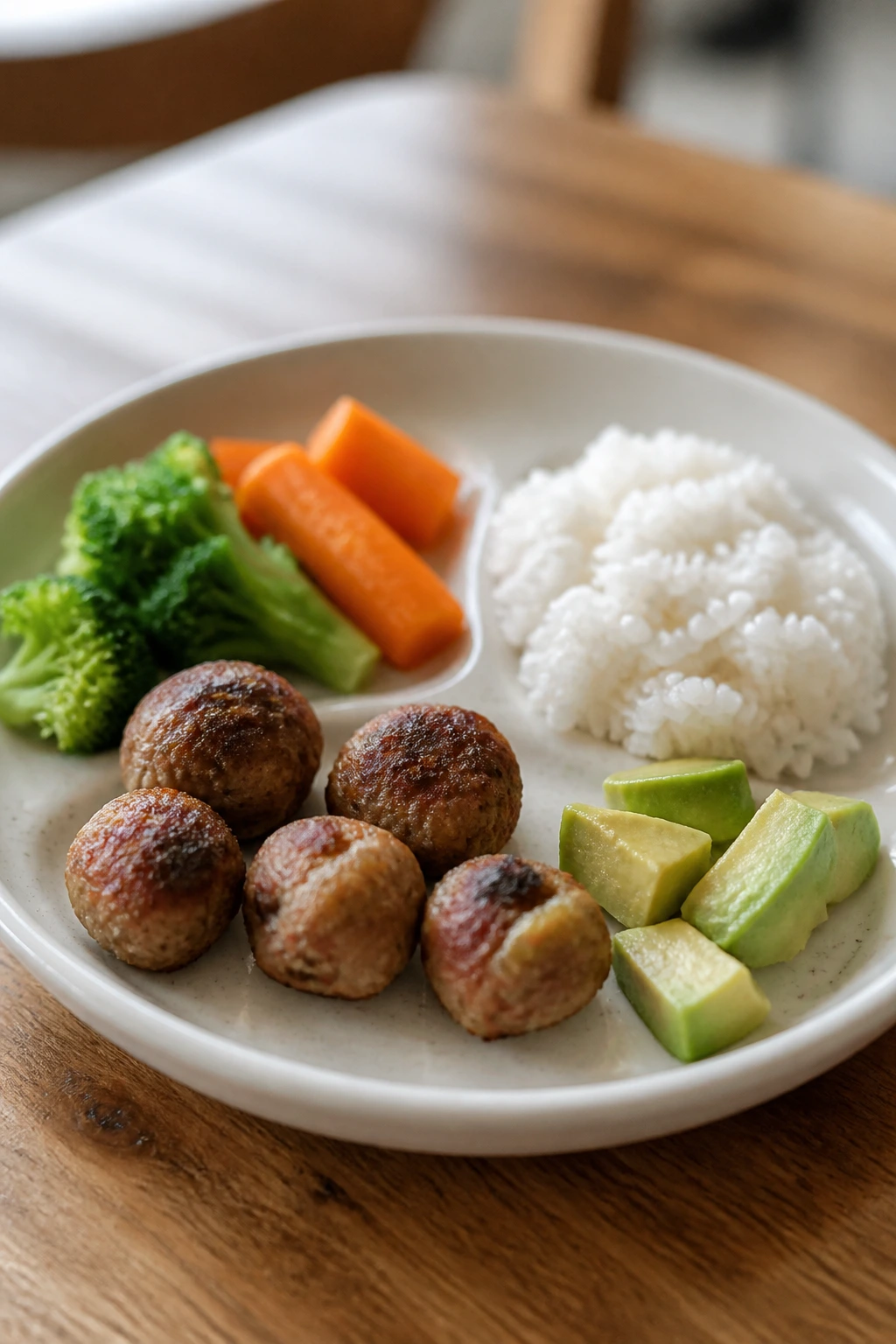
The goal here is not to win a beauty contest with the plate. It’s to put down a meal your toddler can actually eat, then maybe eat again tomorrow without complaint. That’s a quieter kind of success, but it matters more on a Tuesday night than any fancy recipe ever will.
Keep a few of these dinners in rotation and dinner gets lighter. Not perfect. Just lighter. And if the food is soft, small, and familiar enough to invite that first bite, the rest usually has a fighting chance.