



Dinner can go sideways fast. One green fleck, one sauce that looks too orange, one noodle that is “wrong,” and the whole plate sits there like a dare. Dinner ideas for picky kids need to do more than taste good; they have to look familiar, smell comforting, and let a child feel some control.
That is why the best kid-friendly dinners usually borrow from food children already trust: chicken tenders, pasta, sliders, pizza, noodles, cheese, potatoes. Keep the seasoning mild, keep the texture crisp or creamy in obvious ways, and the plate stops feeling like a negotiation. I have watched the same child reject a casserole and inhale the same ingredients layered in a different order. Texture matters that much.
There is no magic trick here. There is a better pattern. Give kids a familiar base, keep one or two parts on the side, and use sauces, dips, or toppings to make the meal feel personal instead of forced. The recipes below lean on that idea hard, because it works at a real kitchen table, not just in theory.
Why This Collection Works for Picky Eaters
- Familiar flavors: These dinners lean on chicken, pasta, cheese, potatoes, tortillas, and mild sauces — the foods many kids already trust.
- Built-in control: Several recipes can be served with toppings, dips, or mix-ins on the side, so a child gets a say without turning dinner into a free-for-all.
- Fast weeknight fit: Every dish uses common grocery ingredients and a short, realistic method that won’t leave you standing at the stove forever.
- Hidden help: A few recipes sneak in cauliflower, carrots, broccoli, peas, or beans without making the plate look like a nutrition lecture.
- Leftover-friendly: Most of these meals reheat well, travel well, or can be packed into lunchboxes without losing their appeal.
- Adult-friendly too: None of these dinners are locked into “kids only” territory; you can season them up, add heat, or pair them with a salad and call it dinner for everyone.
1. Crispy Baked Chicken Tenders
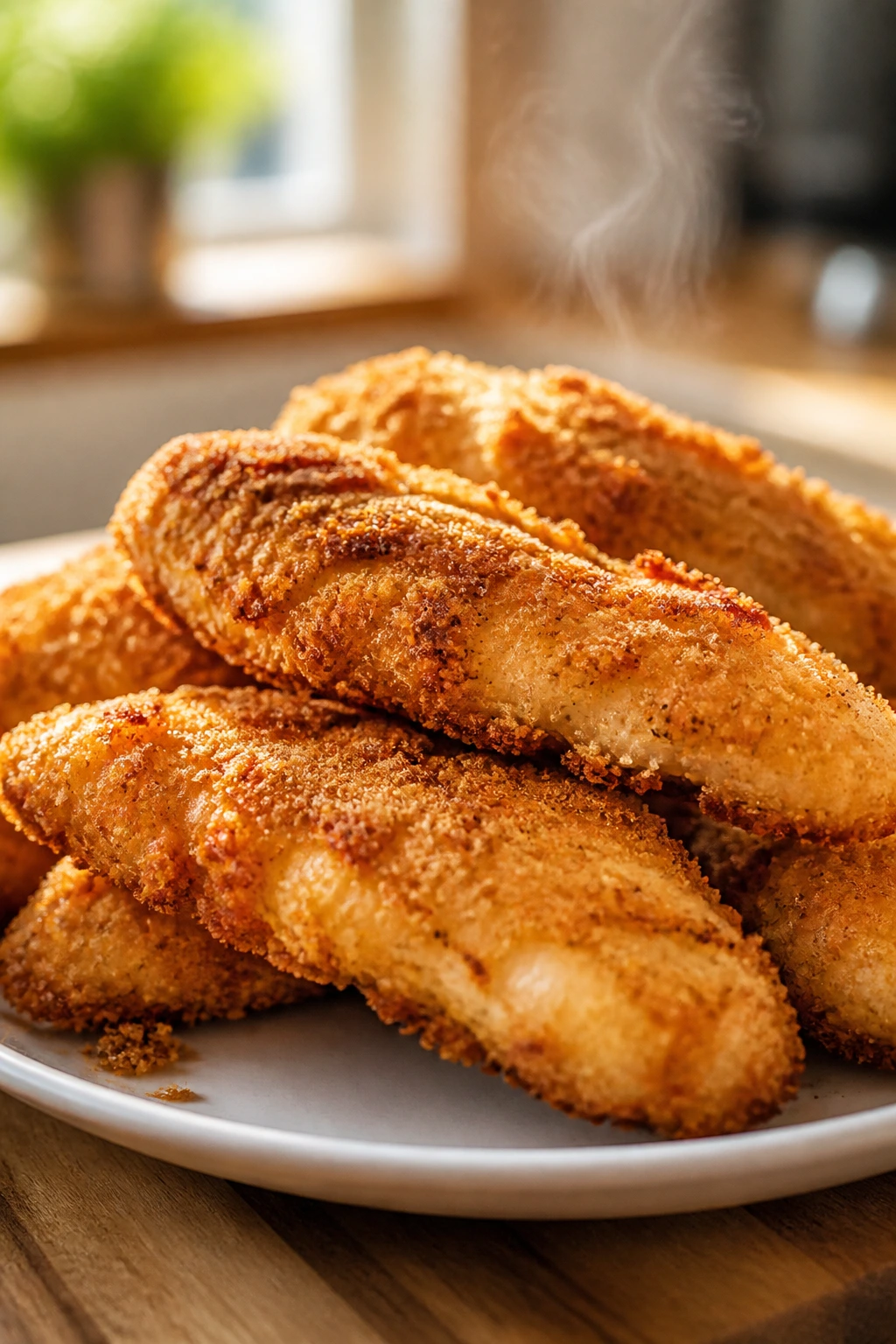
A plate of chicken tenders can calm a chaotic dinner faster than almost anything else. Kids know the shape, trust the crunch, and rarely argue with a food that can be dunked in ketchup, ranch, or honey mustard.
Why It Works:
This is plain comfort food in a form kids understand at first glance. The panko gives the outside a light crackle instead of a heavy crust, and baking at a high temperature keeps the chicken juicy without turning the breading soggy. The trick is in the texture contrast: crisp on the outside, soft in the middle, and familiar all the way through. Serve them with a dip on the side, and suddenly dinner feels optional in the best possible way.
Key Ingredients:
- 1½ pounds chicken tenders, trimmed of loose bits
- 1 cup all-purpose flour, for the first coating
- 2 large eggs
- 2 tablespoons milk
- 2 cups panko breadcrumbs
- 1 teaspoon kosher salt
- 1 teaspoon garlic powder
- 1 teaspoon paprika
- Cooking spray or 2 tablespoons neutral oil
- Ketchup, ranch, or honey mustard for serving
Quick Steps:
- Preheat the oven to 425°F (220°C) and line a rimmed baking sheet with parchment paper or foil. Set a wire rack on top if you have one, because it helps the tenders crisp on both sides.
- Set up three shallow bowls: one with flour, salt, garlic powder, and paprika; one with the eggs whisked with milk; one with panko.
- Dredge each chicken tender in flour, then egg, then panko, pressing gently so the crumbs stick in a thin, even layer.
- Arrange the tenders on the prepared sheet and mist lightly with cooking spray or brush with a little oil. Do not crowd the pan or the crumbs will steam instead of crisp.
- Bake for 15 to 18 minutes, flipping once halfway through, until the coating is deep golden and the chicken reaches 165°F in the thickest part.
- Rest for 2 to 3 minutes before serving so the crust stays on the chicken instead of sliding off the second you pick it up.
Tips and Variations:
- Freezer move: Bread the tenders, freeze them on a tray, then bag them raw for a fast bake later.
- Kid move: Cut each tender into smaller strips before serving if your child likes “bite-size” food.
- Swap idea: Use gluten-free panko if breading needs to stay crisp without wheat.
2. Mini Turkey Meatballs with Buttered Noodles
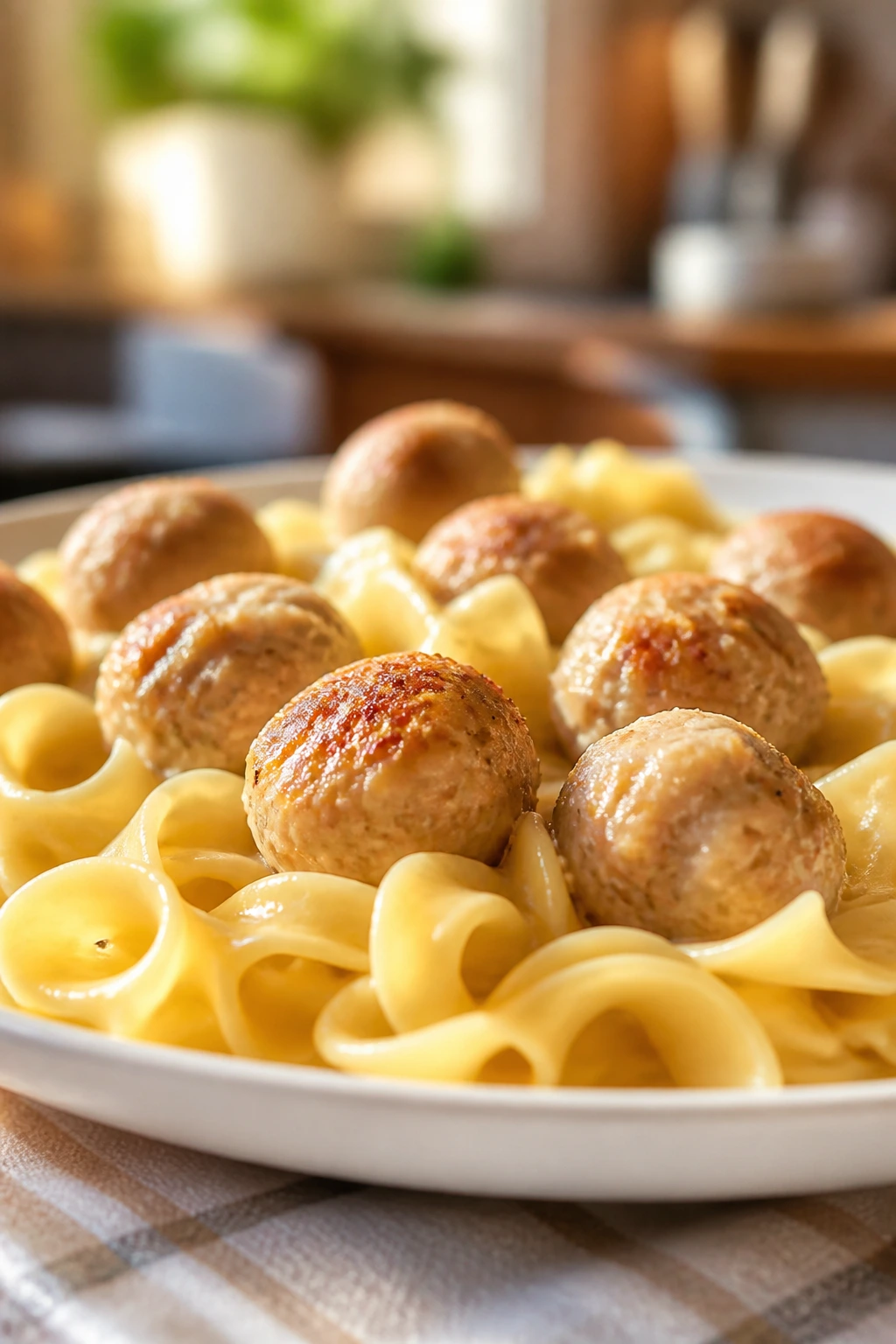
Tiny meatballs solve a specific dinner problem. They look friendly, they cook fast, and they’re less intimidating than a big meatball staring back from the plate.
Why It Works:
Ground turkey has a mild flavor that lets parmesan, garlic, and herbs do the talking without overwhelming the dish. Baking the meatballs keeps them neat and tender, while buttered noodles give kids something soft and predictable to cling to. This is the kind of dinner that feels gentle, which sounds simple until you’ve spent a week trying to get a child to take three bites of anything with edges. A little warm marinara on the side helps the cautious eaters dip instead of commit.
Key Ingredients:
- 1 pound ground turkey
- ½ cup plain breadcrumbs
- ¼ cup grated parmesan
- 1 large egg
- 1 teaspoon Italian seasoning
- ½ teaspoon kosher salt
- ¼ teaspoon black pepper
- 12 ounces egg noodles or small pasta
- 3 tablespoons butter
- 2 tablespoons chopped parsley
- ½ cup warmed marinara, optional for dipping
Quick Steps:
- Preheat the oven to 400°F (200°C) and line a baking sheet with parchment.
- Mix the turkey, breadcrumbs, parmesan, egg, Italian seasoning, salt, and pepper in a bowl just until combined. Stop early once the mixture holds together; overmixing makes the meatballs dense.
- Shape into 1-inch meatballs and place them on the sheet with a little space between each one.
- Bake for 12 to 14 minutes, until the meatballs are firm and reach 165°F.
- Cook the noodles in salted water until tender, then drain well.
- Toss the hot noodles with butter, parsley, and a spoonful of the pasta water if they look dry. Serve the meatballs on top or keep them separate for kids who prefer “plain noodles, please.”
- Add warm marinara in a small cup for dipping if your crowd likes control more than sauce.
Tips and Variations:
- Make-ahead move: Shape the meatballs a day ahead and refrigerate them covered.
- Texture fix: If the mix feels wet, add 1 to 2 more tablespoons breadcrumbs.
- Serve it differently: Swap noodles for rice or mashed potatoes if pasta gets pushback.
3. Cheesy Quesadilla Pizzas
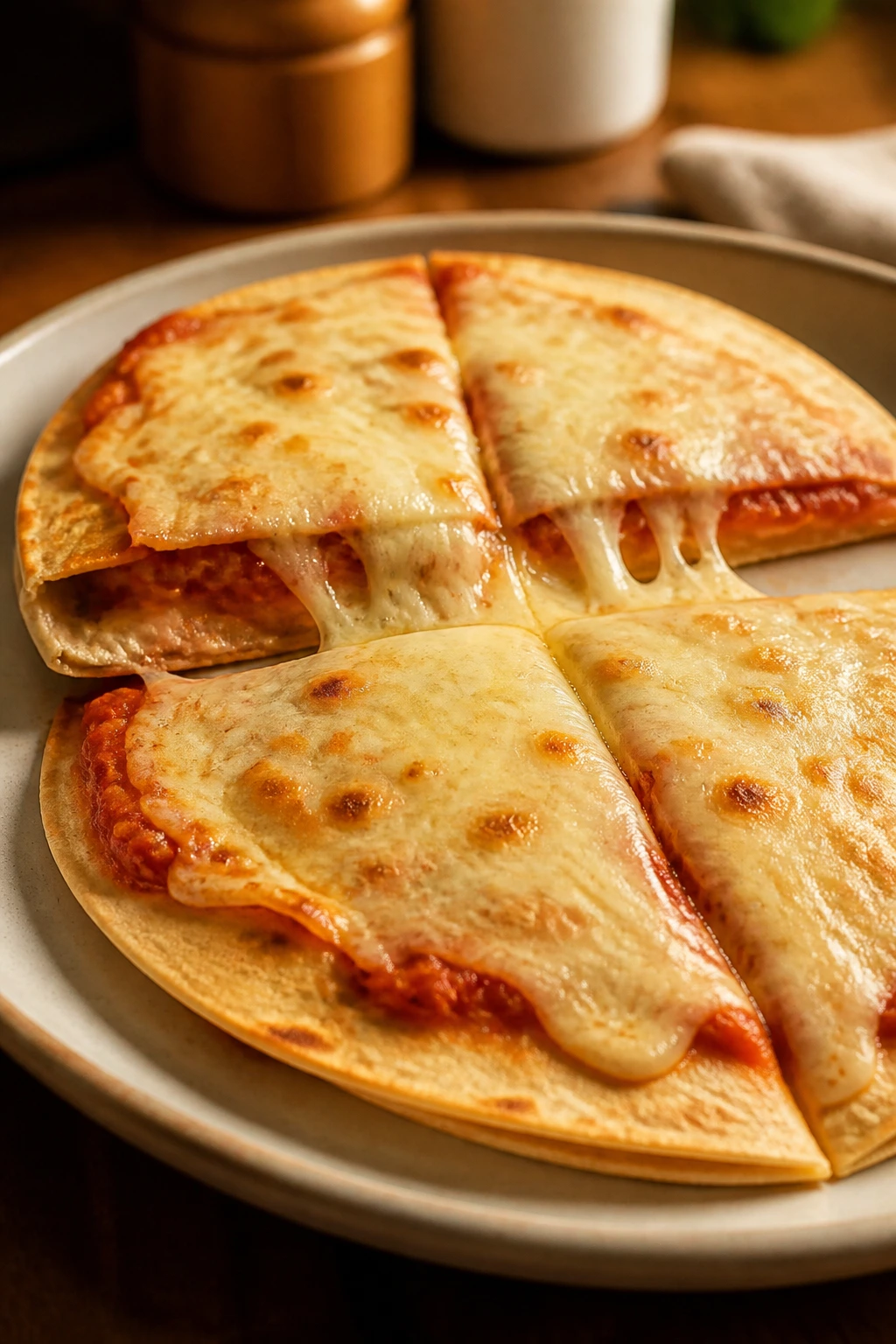
This is what happens when pizza and quesadillas decide not to fight. The result is cheesy, familiar, and fast enough that nobody has time to complain about dinner taking too long.
Why It Works:
Kids who love pizza usually trust this immediately because it looks like a pizza and eats like a quesadilla — in other words, two safe things wearing one hat. The tortilla turns crisp in a skillet or oven, the cheese melts into a stretchy layer, and the sauce stays mild if you keep it simple. It is also a clean entry point for picky eaters who don’t want a mountain of toppings. Let the adventurous people add pepperoni or chopped peppers to their own half.
Key Ingredients:
- 6 medium flour tortillas
- 1 cup pizza sauce
- 2 cups shredded mozzarella
- ½ cup finely chopped pepperoni or diced ham, optional
- 1 tablespoon olive oil or softened butter
- 1 teaspoon dried oregano
- ¼ teaspoon garlic powder
- Grated parmesan for finishing, optional
Quick Steps:
- Warm a large skillet over medium heat or preheat the oven to 425°F.
- Spread pizza sauce over half of each tortilla, leaving a clean edge so the filling does not ooze out.
- Scatter mozzarella over the sauce, then add a little pepperoni or ham if you’re using it. Sprinkle with oregano and garlic powder.
- Fold each tortilla in half and brush the outside lightly with oil or butter.
- Cook in the skillet for 2 to 3 minutes per side, or bake on a sheet for 8 to 10 minutes, until the tortilla is crisp and the cheese has melted.
- Rest for a minute, then cut into wedges. A sharp knife or pizza cutter makes them easy for small hands.
- Finish with a pinch of parmesan if you want a more pizza-shop feel.
Tips and Variations:
- Shortcut: Use leftover rotisserie chicken instead of pepperoni for a gentler flavor.
- Kid move: Serve the sauce on the side for dunking if your child hates “wet” pizza.
- Flavor nudge: Add a few chopped black olives on the adult half and leave the kids’ side plain.
4. Sloppy Joe Sliders
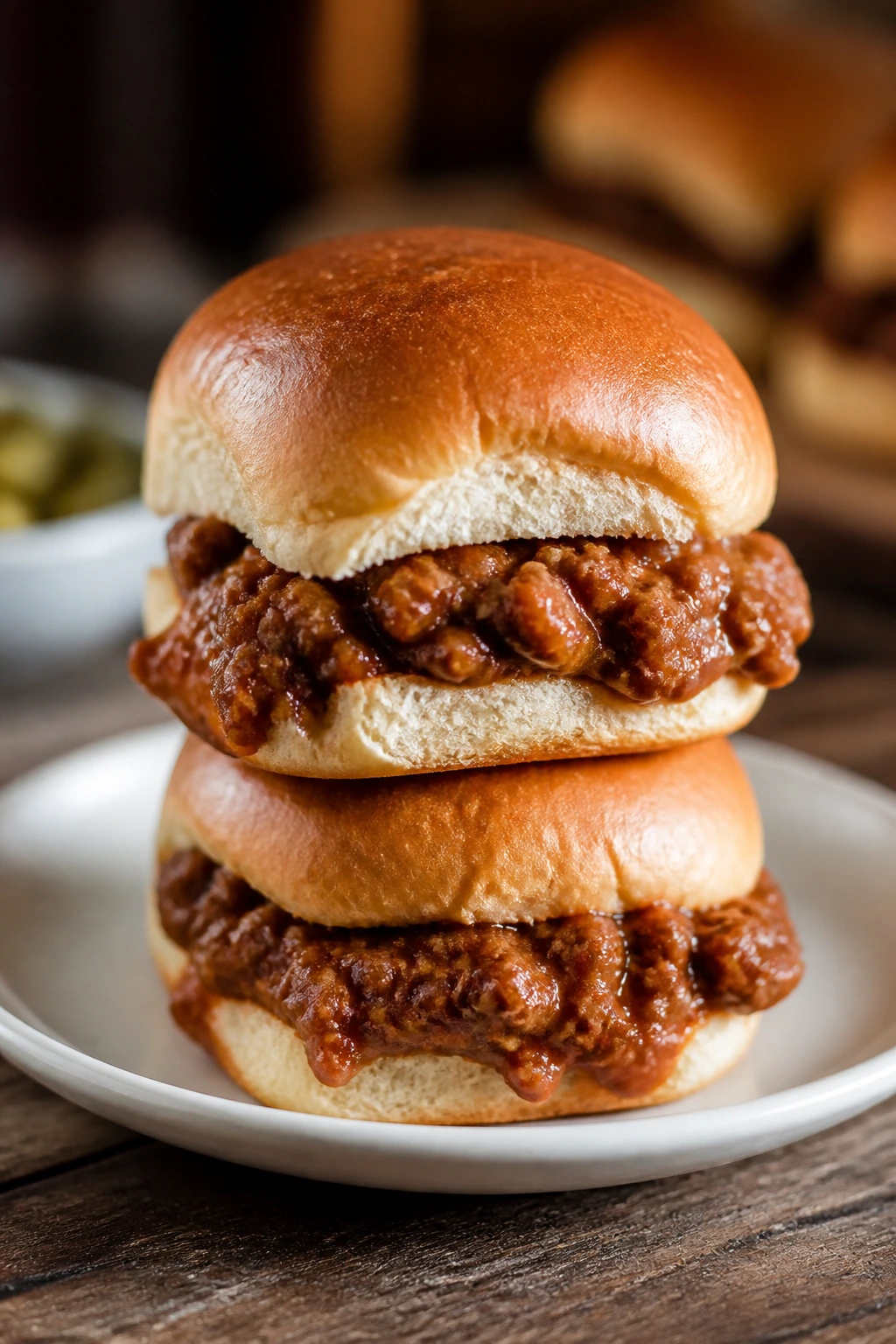
Sloppy Joes are messy by design, and that’s part of their charm. On a soft slider bun, they feel playful instead of chaotic, which is a useful distinction when you’re feeding a child who likes food to look contained.
Why It Works:
The beef mixture is sweet, savory, and soft enough that even kids who object to chewy textures usually accept it. Sliders make the portion size less intimidating, and the bun acts like a built-in wrapper, which means fewer complaints about the filling wandering across the plate. A little melted cheese gives the whole thing a softer, richer finish. You can keep the sauce milder than old-school diner versions and still get enough tang to make it taste like dinner, not baby food.
Key Ingredients:
- 1½ pounds ground beef
- 1 small yellow onion, finely diced
- 2 garlic cloves, minced
- ¾ cup ketchup
- ¼ cup tomato sauce
- 1 tablespoon Worcestershire sauce
- 1 tablespoon brown sugar
- 1 teaspoon yellow mustard
- 12 slider buns
- 1 cup shredded cheddar
- Salt and pepper to taste
Quick Steps:
- Brown the beef and onion in a large skillet over medium heat until the meat is no longer pink and the onion softens.
- Stir in the garlic and cook for 30 seconds, just until fragrant.
- Add the ketchup, tomato sauce, Worcestershire, brown sugar, mustard, and a pinch of salt and pepper. Simmer for 8 to 10 minutes until thick and glossy.
- Split the slider buns and place the bottoms in a baking dish.
- Spoon the meat mixture over the buns, then top with cheddar.
- Bake at 375°F (190°C) for 5 to 7 minutes, just until the cheese melts and the tops warm through.
- Cap with the bun tops and serve right away while the filling is hot and the buns are still soft.
Tips and Variations:
- Sauce control: Keep extra sauce separate for kids who like the meat drier.
- Freezer note: The filling freezes well for up to 2 months.
- Easy swap: Use ground turkey if you want a lighter version with the same shape and feel.
5. Hidden-Veggie Mac and Cheese
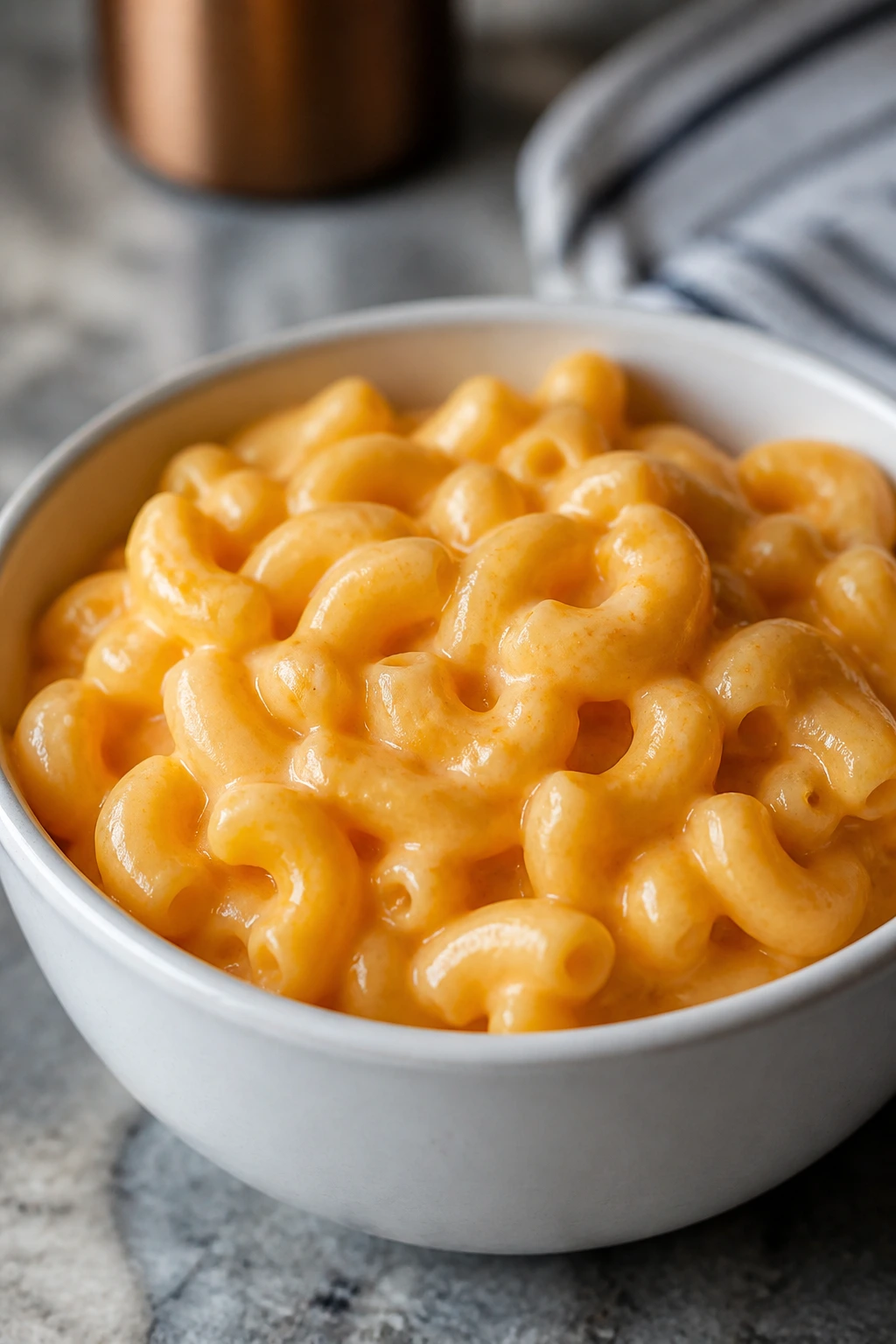
Mac and cheese earns its place because it almost never gets an argument. This version sneaks in vegetables without changing the bright, creamy identity kids already expect.
Why It Works:
Cauliflower and carrot disappear into the sauce once they’re cooked soft and blended smooth, so the color stays orange and the flavor stays in the comfort zone. The cream cheese and cheddar make the sauce cling to the pasta instead of pooling at the bottom of the bowl. That thickness matters. Kids often react to watery, separated sauces as if they’ve been tricked; a glossy, clingy mac feels reassuring from the first bite. You get a vegetable boost without making dinner look like a science experiment.
Key Ingredients:
- 12 ounces elbow macaroni
- 2 cups cauliflower florets
- 1 medium carrot, peeled and chopped
- 3 tablespoons butter
- 3 tablespoons all-purpose flour
- 2 cups milk
- 2 cups shredded sharp cheddar
- 4 ounces cream cheese
- 1 teaspoon kosher salt
- ¼ teaspoon garlic powder, optional
- ¼ teaspoon black pepper
Quick Steps:
- Boil the macaroni in salted water until just tender, then drain.
- Cook the cauliflower and carrot in simmering water until very soft, about 10 minutes. Drain well.
- Blend the vegetables with 1 cup of the milk until completely smooth.
- Make a roux in a saucepan by melting the butter, whisking in the flour, and cooking for 1 minute.
- Whisk in the remaining milk and the vegetable puree, then simmer until the sauce thickens enough to coat a spoon.
- Melt in the cream cheese and cheddar, stirring until smooth. Season with salt, garlic powder, and pepper.
- Fold in the macaroni and serve right away, or bake for 10 minutes if you want a firmer top.
Tips and Variations:
- Texture fix: Blend the vegetables longer than you think you need to; any chunks will get noticed.
- Make-it-crunchy: Sprinkle buttered breadcrumbs on top before baking.
- Dairy-light option: Use extra milk and less cream cheese if you want a lighter sauce.
6. Mild Beef Taco Bowls
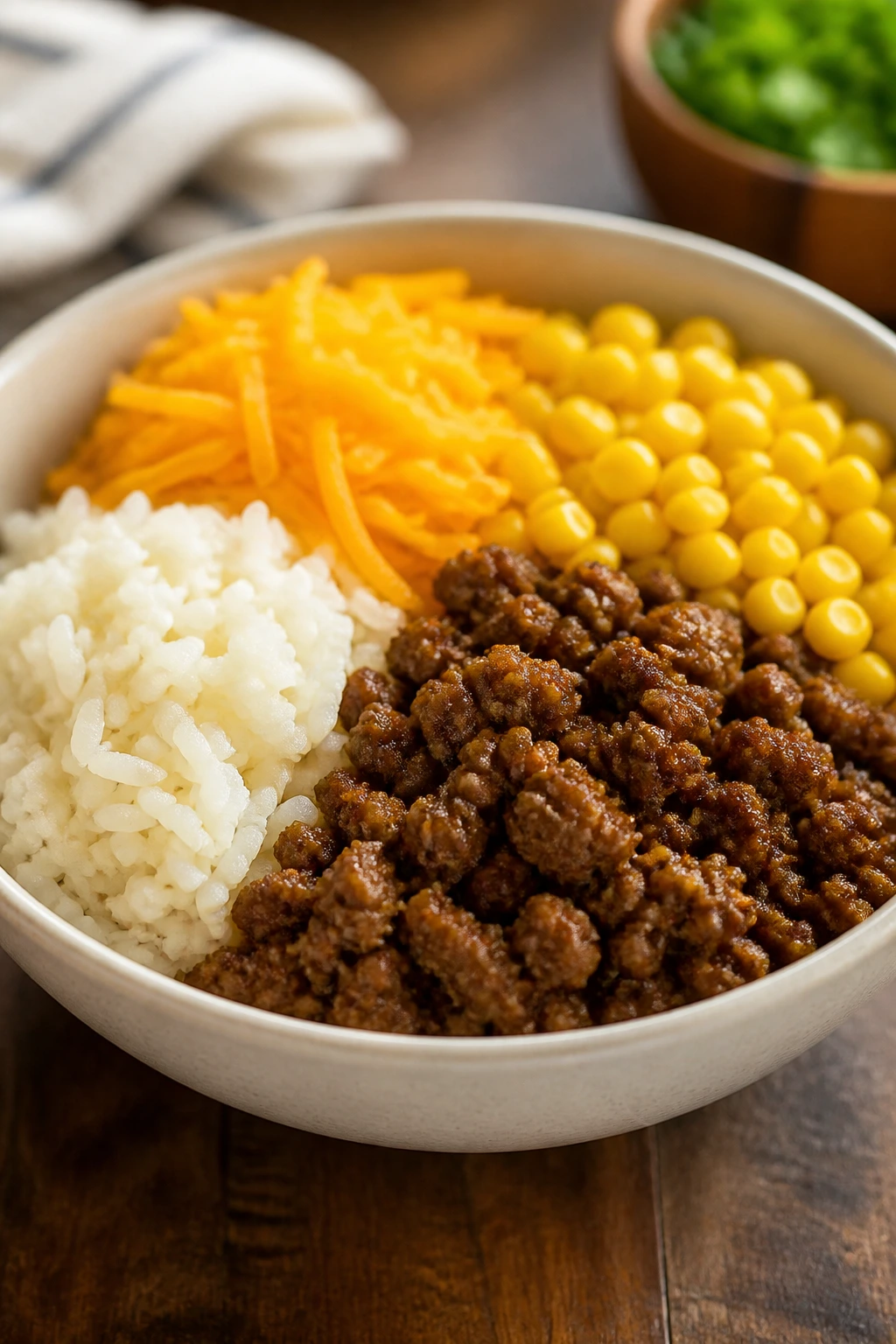
A taco bowl gives picky kids a rare gift: control. The components stay separate, the rice is plain, and nobody has to commit to salsa if they don’t want to.
Why It Works:
This dinner works because it breaks a complicated idea into easy pieces. Mild seasoned beef, rice, cheese, and a few low-pressure toppings are enough to feel like a real meal without pushing hot sauce or raw onion on anybody. The bowl format is also friendly to kids who object to mixed textures. If a child wants rice, beef, cheese, and nothing else, the dinner still works. That flexibility usually means fewer battles and more actual eating.
Key Ingredients:
- 1 pound ground beef
- 1 tablespoon olive oil
- 1 packet mild taco seasoning or 2 tablespoons homemade seasoning
- 1 cup long-grain white rice
- 1½ cups water or low-sodium broth
- 1 cup corn, thawed if frozen
- 1 cup shredded cheddar
- 1 avocado, sliced, optional
- ½ cup mild salsa, optional
- Sour cream or plain Greek yogurt for serving
Quick Steps:
- Cook the rice with water or broth according to package directions until fluffy.
- Brown the beef in a skillet over medium heat, breaking it into small crumbles as it cooks.
- Drain off extra fat, then stir in the taco seasoning with ¼ cup water. Simmer for 2 to 3 minutes until the meat looks saucy but not soupy.
- Warm the corn quickly in a small pan or microwave so it does not chill the bowl.
- Build each bowl with rice on the bottom, beef in one section, corn in another, and cheese on top.
- Add avocado, salsa, and sour cream on the side so each kid can decide what belongs on the plate.
- Serve immediately while the rice is warm and the cheese starts to soften.
Tips and Variations:
- Tiny-kid move: Chop the beef even finer if your child objects to larger crumbles.
- Meal-prep note: Cook extra rice and beef for lunch bowls the next day.
- Gentle twist: Swap the salsa for a spoon of mild tomato sauce if your child hates chunky toppings.
7. Baked Ravioli Casserole
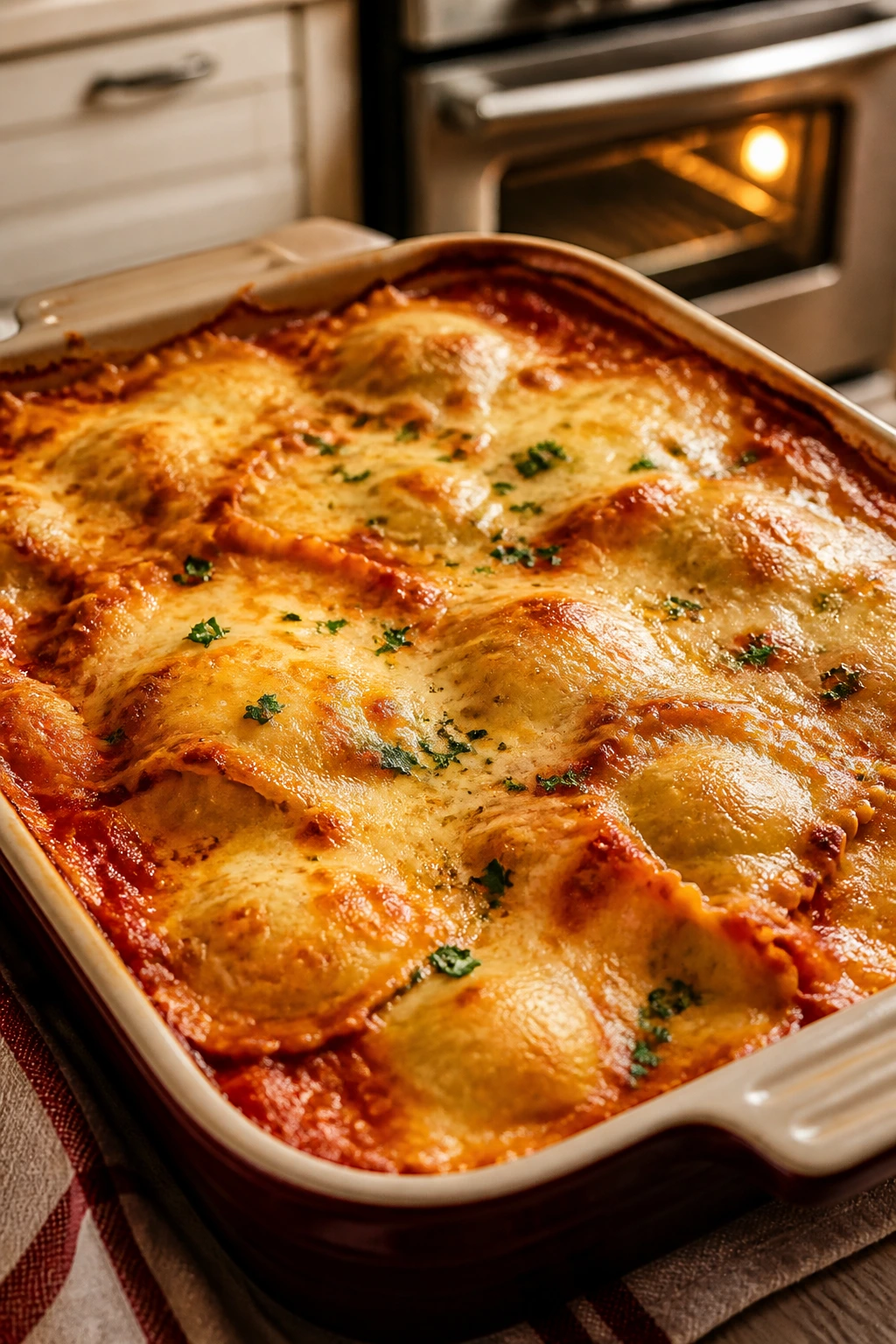
Frozen ravioli is one of those smart shortcuts that makes dinner feel more generous than it is. It lands somewhere between lasagna and baked pasta, which is a sweet spot for many kids.
Why It Works:
The ravioli already carries a cheese filling, so there is no hard sell. Layering it with marinara and mozzarella gives you the comfort of pasta bake food without the fuss of boiling noodles and mixing a filling from scratch. It also slices neatly, which helps kids who prefer order on the plate. If you want to keep dinner mild, use a plain tomato sauce and let the cheese do the heavy lifting.
Key Ingredients:
- 24 ounces cheese ravioli, fresh or frozen
- 3 cups marinara sauce
- 2 cups shredded mozzarella
- ½ cup ricotta
- ¼ cup grated parmesan
- 1 teaspoon Italian seasoning
- 1 tablespoon olive oil
- Chopped basil for finishing, optional
Quick Steps:
- Preheat the oven to 375°F (190°C) and grease a 9×13-inch baking dish.
- Spread 1 cup of marinara over the bottom of the dish.
- Arrange half the ravioli in a single layer, then dollop with half the ricotta and sprinkle with a third of the mozzarella.
- Repeat with the remaining ravioli, marinara, ricotta, mozzarella, and parmesan. Finish with Italian seasoning.
- Cover tightly with foil and bake for 25 minutes.
- Uncover and bake for 10 to 15 minutes more, until the cheese is melted and the edges are bubbling.
- Rest for 10 minutes before serving so the layers hold together instead of sliding apart.
Tips and Variations:
- Kid move: Cut the ravioli bake into squares and serve with a plain cucumber salad on the side.
- Shortcut: Use jarred marinara, but choose one with a shorter ingredient list and a mild tomato flavor.
- Add-on: Stir cooked spinach into the sauce if your kids tolerate leafy greens in a soft, hidden form.
8. Sheet Pan Sausage and Potatoes
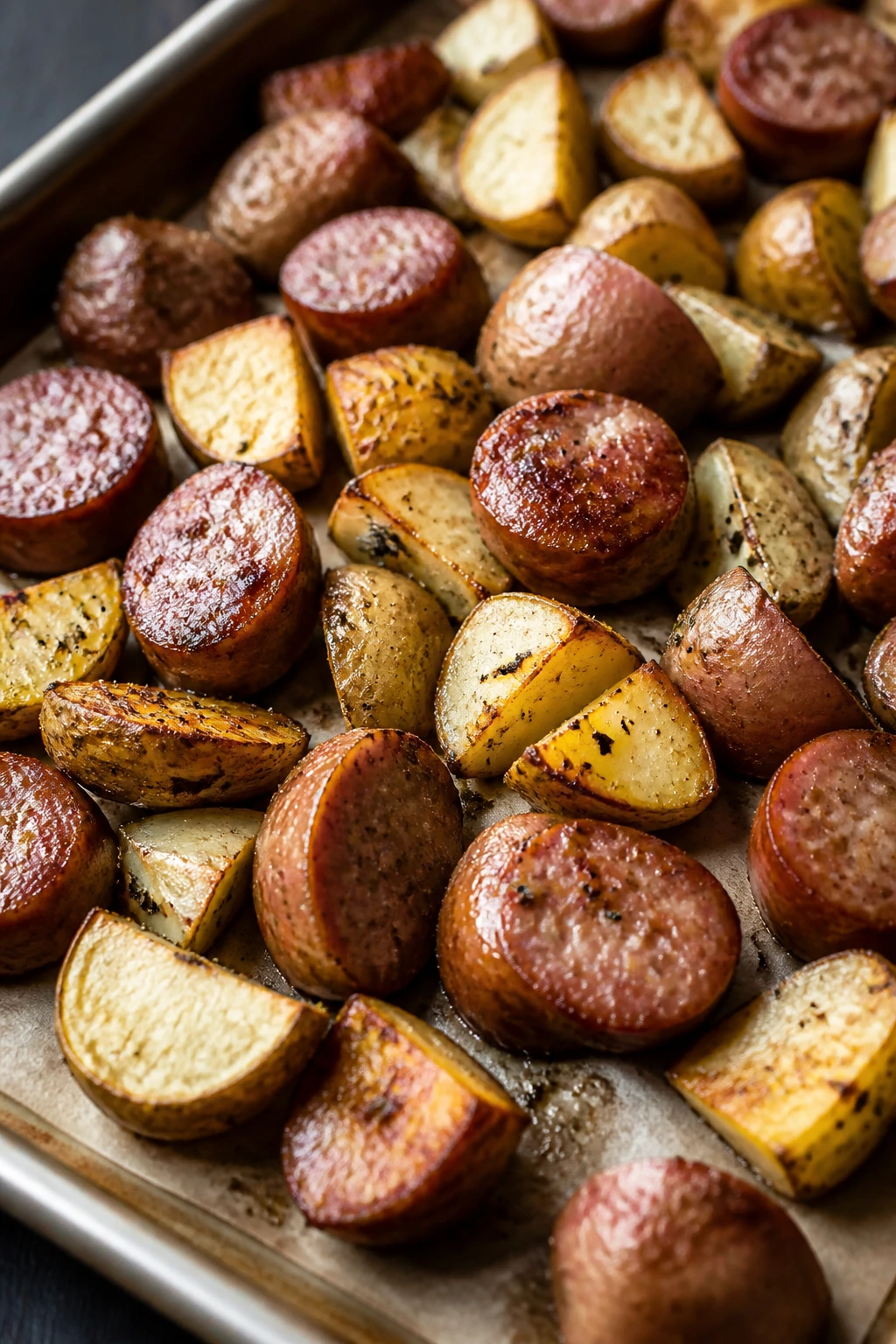
Sheet pan dinners earn their keep by keeping the mess low and the flavors simple. This one gives you crisp edges, salty sausage, and potatoes that taste like they came out of a much more expensive roast.
Why It Works:
Kids usually like sausage because it has a clear flavor and a familiar shape. Potatoes are another safe food, and roasting them turns the edges golden while keeping the insides fluffy. If you use a mild smoked sausage, the whole pan stays approachable. A little ketchup on the side does not hurt either; some dinners simply need to be allowed to be easy.
Key Ingredients:
- 1½ pounds baby potatoes, halved
- 3 carrots, peeled and sliced on a bias
- 14 ounces fully cooked smoked sausage, sliced into rounds
- 2 tablespoons olive oil
- 1 teaspoon garlic powder
- 1 teaspoon kosher salt
- ½ teaspoon black pepper
- 1 teaspoon smoked paprika
- 1 tablespoon chopped parsley, optional
Quick Steps:
- Preheat the oven to 425°F (220°C) and line a large baking sheet with parchment.
- Toss the potatoes and carrots with olive oil, garlic powder, salt, pepper, and smoked paprika.
- Roast the vegetables for 15 minutes first so the potatoes begin to brown.
- Add the sausage slices to the pan and toss everything lightly.
- Roast for another 12 to 15 minutes, until the potatoes are tender and the sausage edges start to caramelize.
- Finish with parsley and serve while the pan is still hot and the potatoes have crisp spots.
Tips and Variations:
- Texture tip: Cut the potatoes small if you want them to cook faster and feel more “fries-like.”
- Veggie swap: Use zucchini or bell peppers in warmer months; just add them during the last 10 minutes so they do not collapse.
- Serve it better: Put a little ketchup, mustard, or ranch in ramekins so picky eaters can choose.
9. Chicken Parmesan Meatball Subs
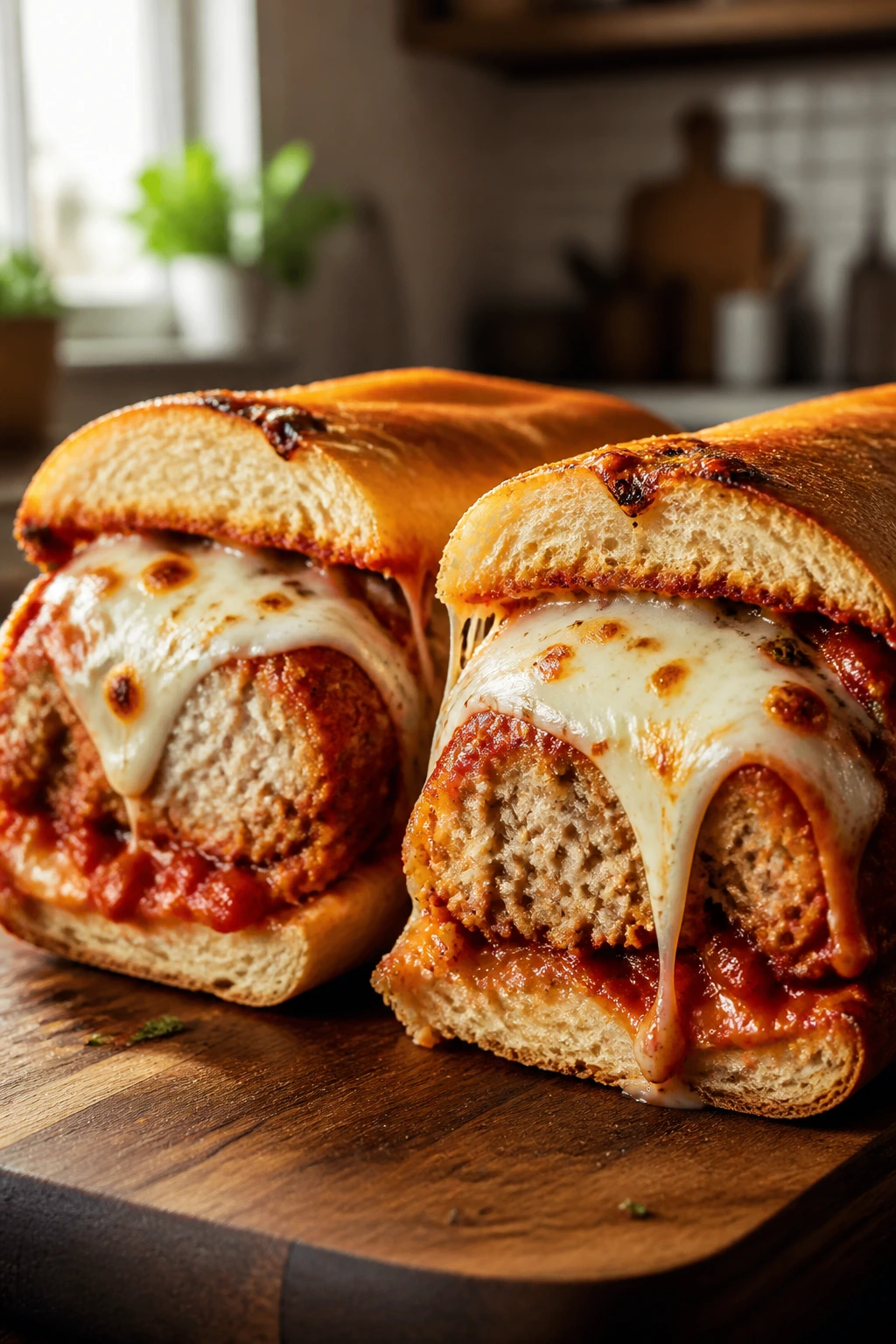
These subs take the best part of chicken parmesan — the saucy, cheesy part — and package it into something hand-held. That alone makes dinner less intimidating.
Why It Works:
Ground chicken stays mild, and when you turn it into meatballs, the texture gets softer and easier for kids to accept. A little marinara and mozzarella give you the classic chicken parm flavor without a big fried cutlet on the plate. The roll is doing important work here too; it turns the whole thing into a neat sandwich instead of a fork-and-knife situation. Kids who resist “saucy chicken” often do fine with “cheesy sandwich.”
Key Ingredients:
- 1 pound ground chicken
- ½ cup breadcrumbs
- ¼ cup grated parmesan
- 1 large egg
- 1 teaspoon garlic powder
- 1 teaspoon Italian seasoning
- ½ teaspoon kosher salt
- 2 cups marinara sauce
- 1½ cups shredded mozzarella
- 4 sub rolls or hoagie rolls
Quick Steps:
- Preheat the oven to 400°F (200°C) and line a baking sheet with parchment.
- Mix the chicken, breadcrumbs, parmesan, egg, garlic powder, Italian seasoning, and salt until just combined.
- Roll into 16 small meatballs and place them on the sheet.
- Bake for 12 to 14 minutes, until cooked through and lightly golden.
- Warm the marinara in a skillet, then drop in the meatballs and coat them gently.
- Split the rolls, fill each with meatballs and sauce, and top with mozzarella.
- Broil for 1 to 2 minutes until the cheese melts and bubbles. Watch closely; broilers move fast.
Tips and Variations:
- Kid move: Keep extra sauce on the side if your child likes a drier sandwich.
- Batch tip: Freeze the cooked meatballs without sauce for a fast second dinner.
- Flavor note: Add a pinch of red pepper flakes to the adult portion only.
10. Personal Pita Pizzas
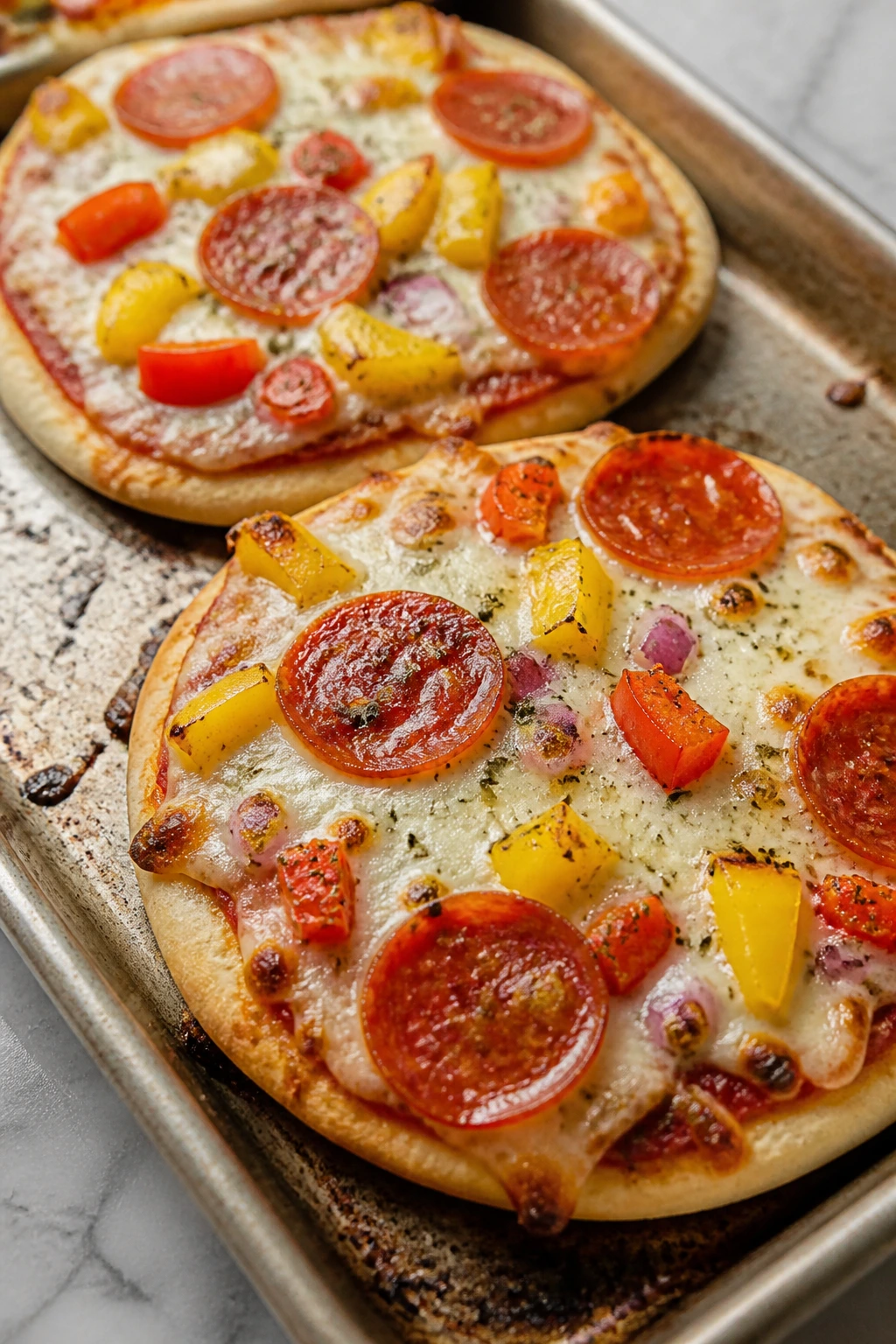
Personal pizzas are one of the easiest ways to get a child interested in dinner. The food says “pick me,” and kids usually like being trusted with that choice.
Why It Works:
A pita or flatbread gives you a crisp base in minutes, and the small size keeps the meal from feeling overwhelming. Since each person builds their own, you can leave mushrooms, onions, and other suspicious ingredients off the kids’ pizzas without making a separate meal. The idea is simple, and simple is often the point. A child who refuses a casserole may happily eat three small pizza rounds because they look like a project they can understand.
Key Ingredients:
- 4 to 6 pita rounds or mini flatbreads
- 1 cup pizza sauce
- 2 cups shredded mozzarella
- 1 cup pepperoni, optional
- ½ cup finely diced bell pepper, optional
- 1 teaspoon dried oregano
- 1 tablespoon olive oil
- Grated parmesan for finishing, optional
Quick Steps:
- Preheat the oven to 425°F (220°C) and place the pitas on a baking sheet.
- Brush each pita lightly with olive oil if you want a crisper bottom.
- Spread a thin layer of pizza sauce over each round, leaving a small border at the edge.
- Top with mozzarella and any optional toppings, keeping the kids’ versions plain if needed.
- Bake for 8 to 10 minutes, until the cheese melts and the edges of the pita turn golden.
- Cut into wedges or leave whole for a hand-held dinner.
- Serve immediately so the crust stays crisp.
Tips and Variations:
- Freezer fix: Freeze pitas with sauce and cheese already on top, then bake straight from frozen.
- Kid move: Offer toppings in tiny bowls so each child gets a few safe choices.
- Shortcut: Pre-shredded cheese keeps the prep fast, though fresh mozzarella melts a little better.
11. Honey Garlic Chicken and Rice
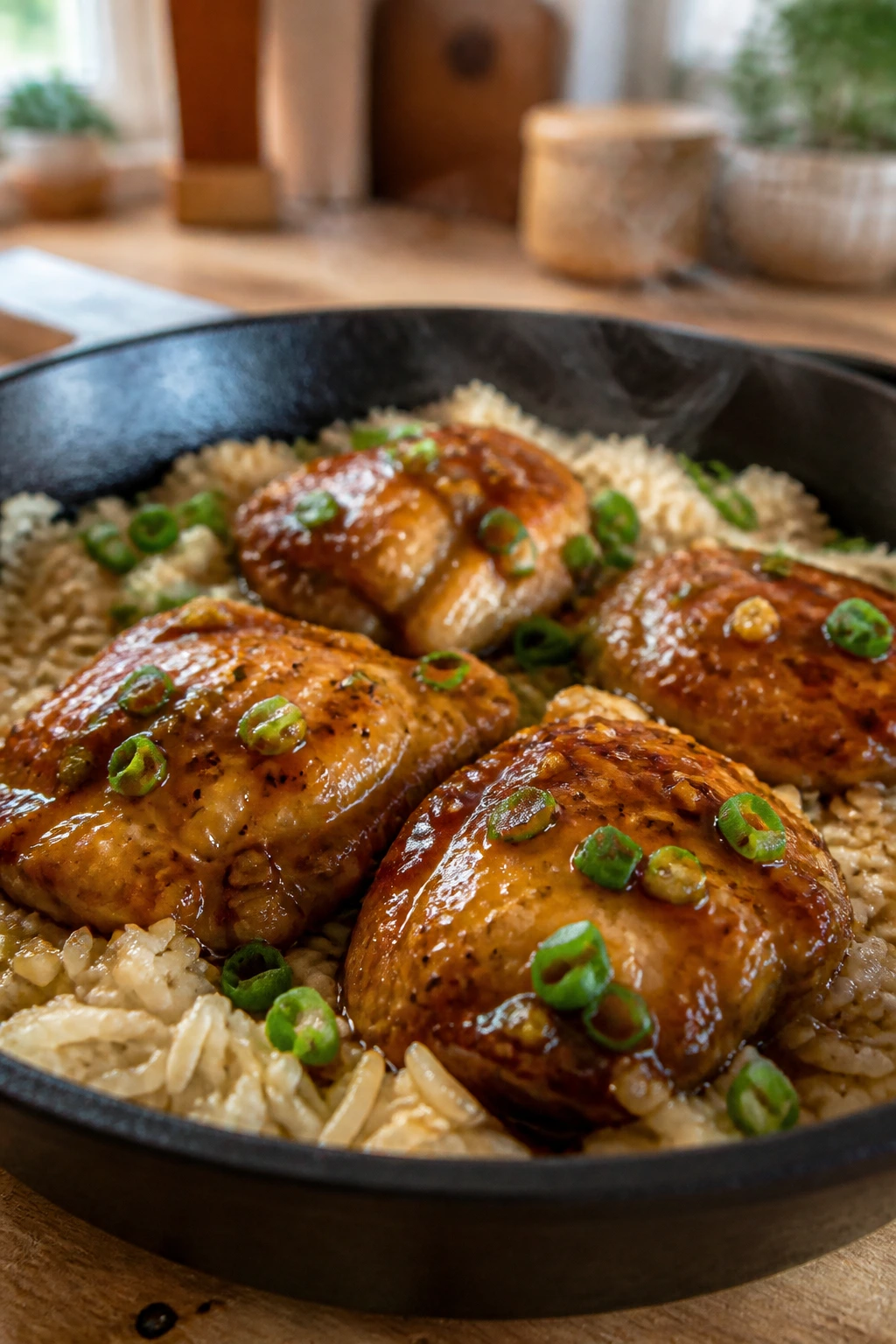
Sweet-savory chicken tends to land well with kids because the flavor is bold enough to be interesting but still gentle. Add rice, and the whole meal feels calm.
Why It Works:
Honey brings a mild sweetness that softens the garlic and soy sauce, which keeps the flavor profile in kid territory without tasting flat. Cooking the rice in the same pan or alongside the chicken helps the sauce soak into something familiar and soft. This dinner is especially useful when you want a one-pan meal that doesn’t feel too “saucy” or too sharp. A few broccoli florets can join the pan without taking over, though you can keep them separate if that gets a better response.
Key Ingredients:
- 1½ pounds boneless, skinless chicken thighs
- 1 tablespoon neutral oil
- 4 cloves garlic, minced
- ¼ cup low-sodium soy sauce
- 3 tablespoons honey
- 1 tablespoon rice vinegar
- 1 cup long-grain white rice
- 2 cups low-sodium chicken broth
- 1 cup broccoli florets, optional
- Sesame seeds, optional
Quick Steps:
- Heat the oil in a large skillet over medium-high heat.
- Sear the chicken for 3 to 4 minutes per side until lightly browned. Remove it to a plate.
- Stir the garlic, soy sauce, honey, and vinegar into the skillet and let it bubble for 30 seconds.
- Add the rice and broth, scraping up the browned bits from the pan.
- Nestle the chicken back in, cover, and simmer on low for 18 to 20 minutes until the rice is tender and the liquid is absorbed.
- Add broccoli during the last 5 minutes if you’re using it, then fluff the rice and let the pan rest for 5 minutes.
- Finish with sesame seeds if you want a little extra texture.
Tips and Variations:
- Sauce control: Start with 2 tablespoons honey if your family prefers less sweetness.
- Texture fix: Keep the lid on tight while the rice cooks so it stays fluffy instead of gummy.
- Serve it with: A few slices of cucumber or a plain fruit cup makes the bowl feel complete.
12. Cheeseburger Pasta Skillet
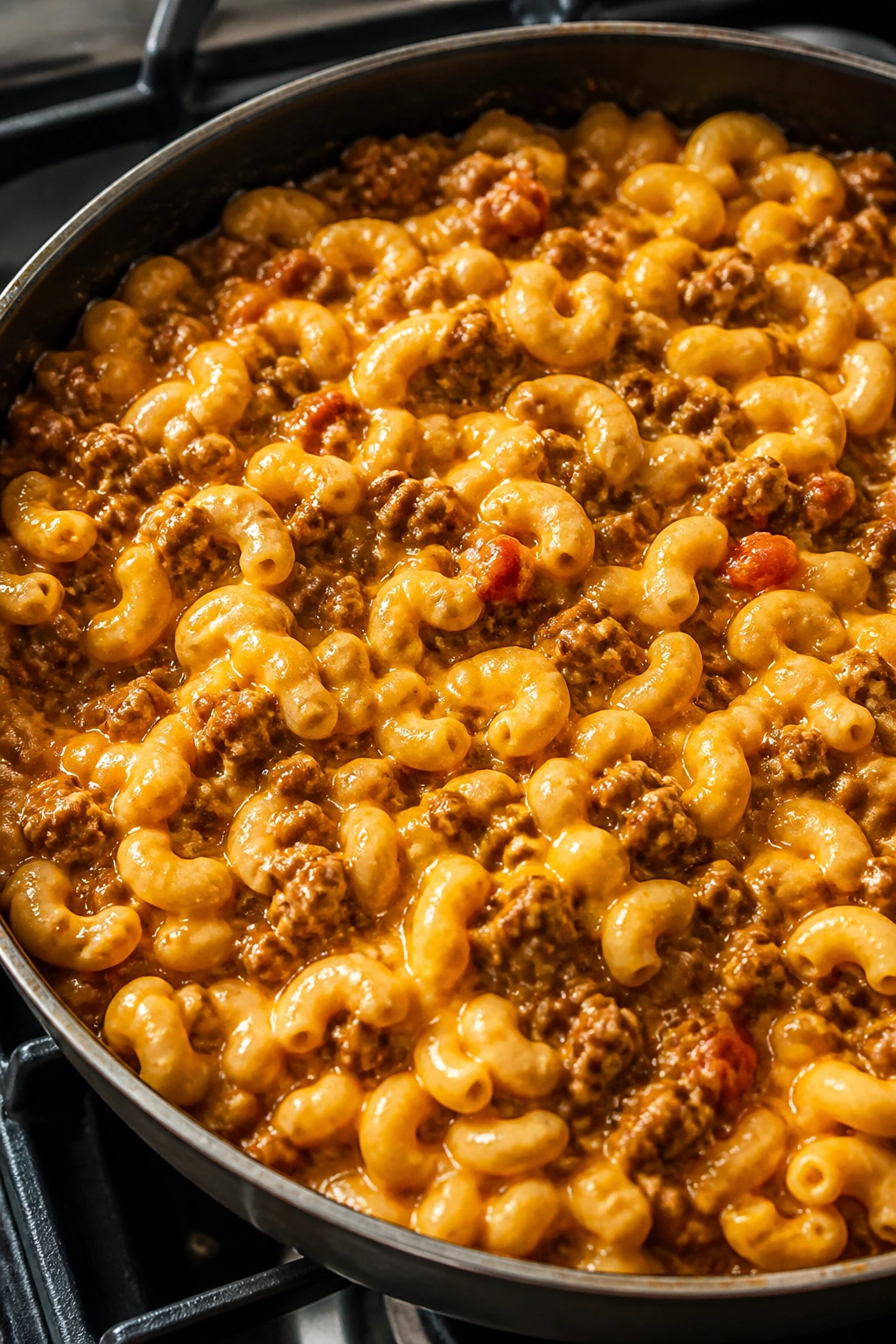
This dinner tastes like a cheeseburger decided to wear pasta instead of a bun. Kids usually catch that idea fast, which is half the battle.
Why It Works:
Cheeseburger flavors are already familiar — beef, cheese, a little tomato, a little mustard — and pasta makes them feel softer and less structured. Cooking everything in one skillet saves time and gives you a creamy sauce that clings to each noodle. It is also easy to keep the flavor gentle. If a child likes plain macaroni and hamburger helper-style dinners, this sits right in that lane without needing a box.
Key Ingredients:
- 1 pound ground beef
- 1 small onion, finely diced
- 12 ounces elbow macaroni
- 2 cups low-sodium beef broth
- 1 cup milk
- 2 cups shredded cheddar
- 2 tablespoons tomato paste
- 1 teaspoon yellow mustard
- 1 teaspoon kosher salt
- Pickle slices for serving, optional
Quick Steps:
- Brown the beef and onion in a deep skillet over medium heat until the meat is no longer pink.
- Stir in the tomato paste and mustard, cooking for 1 minute so the flavor deepens a little.
- Add the macaroni, beef broth, milk, and salt.
- Simmer uncovered for 10 to 12 minutes, stirring often, until the pasta is tender and most of the liquid is absorbed.
- Reduce the heat to low and stir in the cheddar until melted and creamy.
- Taste and adjust salt if needed, then serve with pickle slices on the side for anyone who likes the burger connection to be obvious.
- Let it sit for 2 minutes before serving so the sauce thickens slightly.
Tips and Variations:
- Kid move: Leave out the pickles if sour flavors are a hard no.
- Extra creamy: Add 2 ounces of cream cheese with the cheddar.
- Leftover note: Reheat with a splash of milk to loosen the sauce.
13. Beef and Cheese Enchilada Casserole
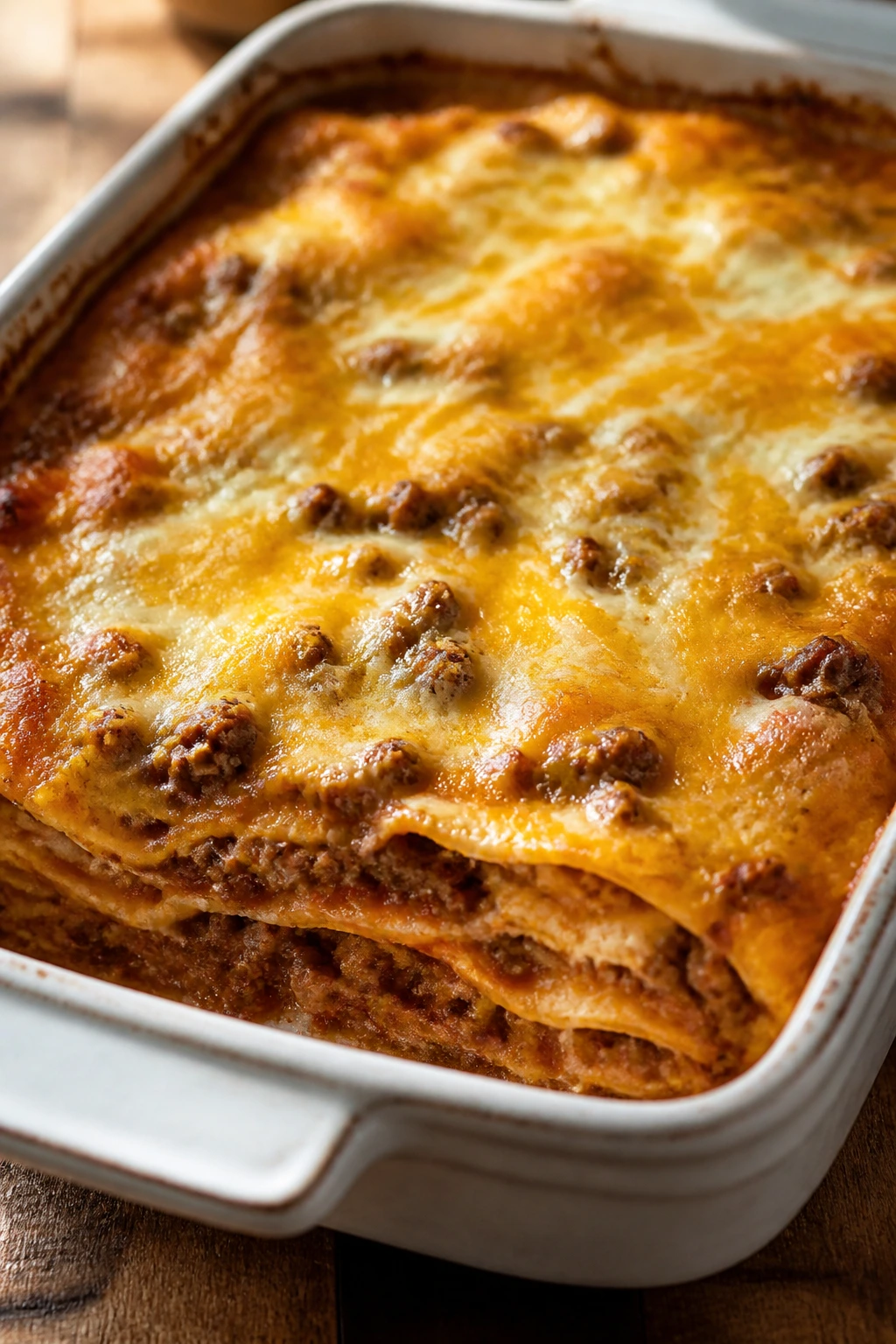
A casserole like this is useful because it gives you taco-night energy without the assembly line. For picky kids, fewer moving parts usually means fewer objections.
Why It Works:
The tortilla layers soften into the sauce, which makes each bite taste familiar and gentle instead of sharp or chewy. Mild enchilada sauce keeps the flavor warm rather than spicy, and the beef-cheese combination lands like a comfort food even for kids who are skeptical of anything with “enchilada” in the name. It is one of those dinners that holds together nicely after baking, which helps children who hate loose fillings. A square from the pan feels complete on its own.
Key Ingredients:
- 1 pound ground beef
- 1 small onion, diced
- 8 small flour tortillas or 6 medium corn tortillas
- 2 cups mild enchilada sauce
- 2 cups shredded cheddar
- 1 cup shredded Monterey Jack
- 1 teaspoon chili powder
- 1 teaspoon kosher salt
- 1 can black beans, drained, optional
Quick Steps:
- Preheat the oven to 375°F (190°C) and grease a 9×13-inch baking dish.
- Cook the beef and onion in a skillet until the beef is browned and the onion is soft.
- Season with chili powder and salt, then stir in the black beans if you’re using them.
- Spread a thin layer of enchilada sauce in the dish, then add tortilla pieces, beef, and cheese in layers.
- Repeat until everything is used, ending with sauce and a generous cheese layer on top.
- Bake uncovered for 25 to 30 minutes, until bubbling around the edges and melted across the top.
- Rest for 10 minutes before slicing so the layers hold together.
Tips and Variations:
- Gentle version: Use flour tortillas for a softer bite if corn tortillas feel too sturdy.
- Vegetable note: Finely grate zucchini into the beef if your kids don’t notice mild vegetables well.
- Serve it with: Plain rice or fruit keeps the plate balanced without making it fussy.
14. Chicken and Broccoli Alfredo Bake
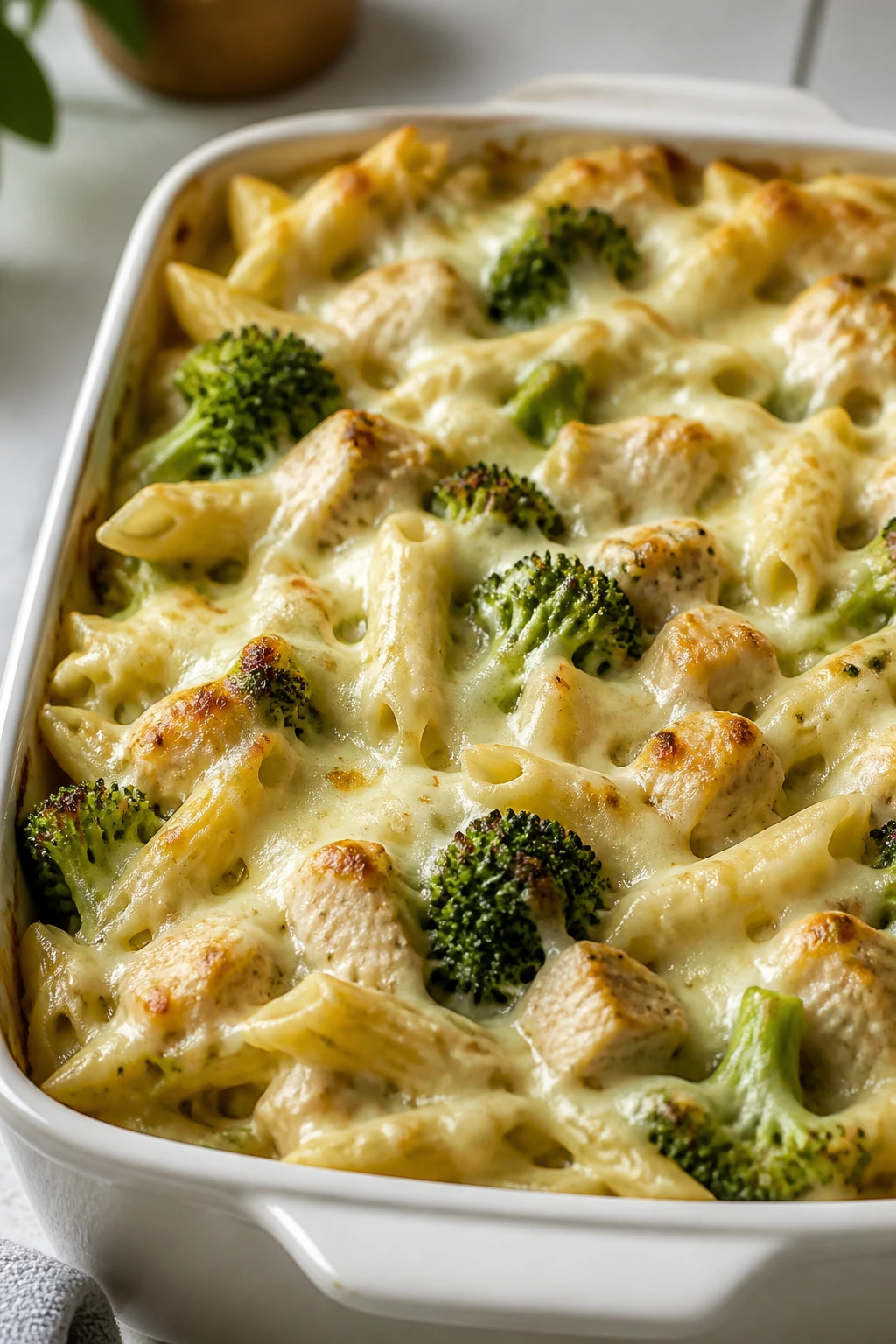
This is the casserole for kids who trust pasta more than vegetables. The broccoli hides in plain sight, softened by the sauce and tucked among noodles.
Why It Works:
Alfredo sauce is creamy enough to coat every piece of pasta, which means the broccoli gets a softer edge and a less obvious personality. Chicken adds enough substance that the meal feels like dinner, not a side dish gone rogue. If you use cooked chicken, the whole thing comes together fast and bakes into a creamy, familiar pan that many kids accept without much fuss. The key is not overloading it with broccoli; a modest amount keeps the flavor calm.
Key Ingredients:
- 12 ounces pasta such as penne or rotini
- 2 cups cooked chicken, diced or shredded
- 3 cups broccoli florets, cut small
- 2 cups Alfredo sauce
- 1 cup shredded mozzarella
- ¼ cup parmesan
- 1 teaspoon garlic powder
- ½ teaspoon black pepper
Quick Steps:
- Cook the pasta in salted water until just shy of tender.
- Add the broccoli during the last 2 minutes of boiling, then drain everything together.
- Mix the pasta, broccoli, chicken, Alfredo sauce, garlic powder, and pepper in a bowl.
- Pour into a greased 9×13-inch baking dish and top with mozzarella and parmesan.
- Bake at 375°F (190°C) for 20 to 25 minutes, until hot and lightly browned on top.
- Broil for 1 to 2 minutes if you want a little more color, but keep your eye on it.
- Rest for 5 minutes before serving so the sauce settles.
Tips and Variations:
- Kid move: Chop the broccoli very small if the florets are a problem.
- Shortcut: Rotisserie chicken saves a lot of time and usually blends well with the sauce.
- Flavor lift: A small squeeze of lemon over the adult portion brightens the whole pan.
15. French Bread Pizza Boats
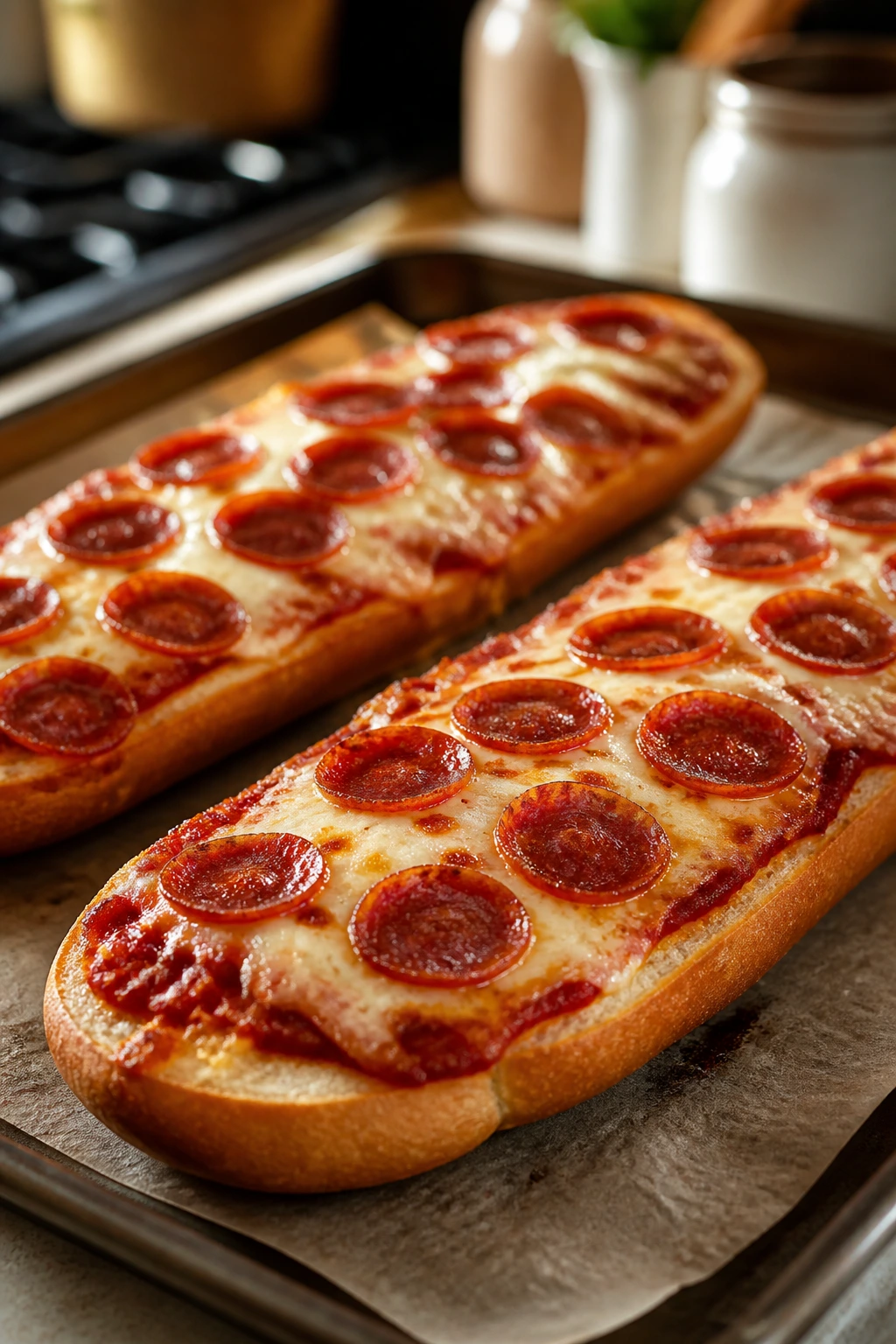
French bread pizza is basically dinner wearing sneakers. It is fast, familiar, and easy to customize without making any child feel singled out.
Why It Works:
The bread becomes crisp on the outside and stays soft underneath the sauce, which gives you a sturdy base that does not flop around on the plate. Kids recognize the flavors immediately: sauce, cheese, pepperoni, maybe nothing else. That familiarity is the whole point. It is also easy to cut into smaller pieces, so younger kids can handle it without dragging toppings across the table.
Key Ingredients:
- 2 loaves French bread, split lengthwise
- 1 cup pizza sauce
- 3 cups shredded mozzarella
- 1 cup sliced pepperoni
- 1 teaspoon Italian seasoning
- 1 tablespoon olive oil
- Grated parmesan, optional
Quick Steps:
- Preheat the oven to 425°F (220°C).
- Place the bread halves cut-side up on a baking sheet and brush lightly with olive oil.
- Spread pizza sauce in a thin layer over the bread, then sprinkle with Italian seasoning.
- Top with mozzarella and pepperoni, or leave one side plain for a cautious eater.
- Bake for 12 to 15 minutes, until the cheese is melted and the bread edges turn golden.
- Slice into strips or squares while still warm.
- Finish with parmesan if you want a sharper cheese flavor.
Tips and Variations:
- Texture tip: Toast the bare bread for 3 minutes before adding toppings if you want extra crunch.
- Kid move: Make one “plain cheese” loaf and one loaded loaf.
- Leftover note: Reheat in a toaster oven or hot oven so the bread stays crisp.
16. Teriyaki Meatball Rice Bowls
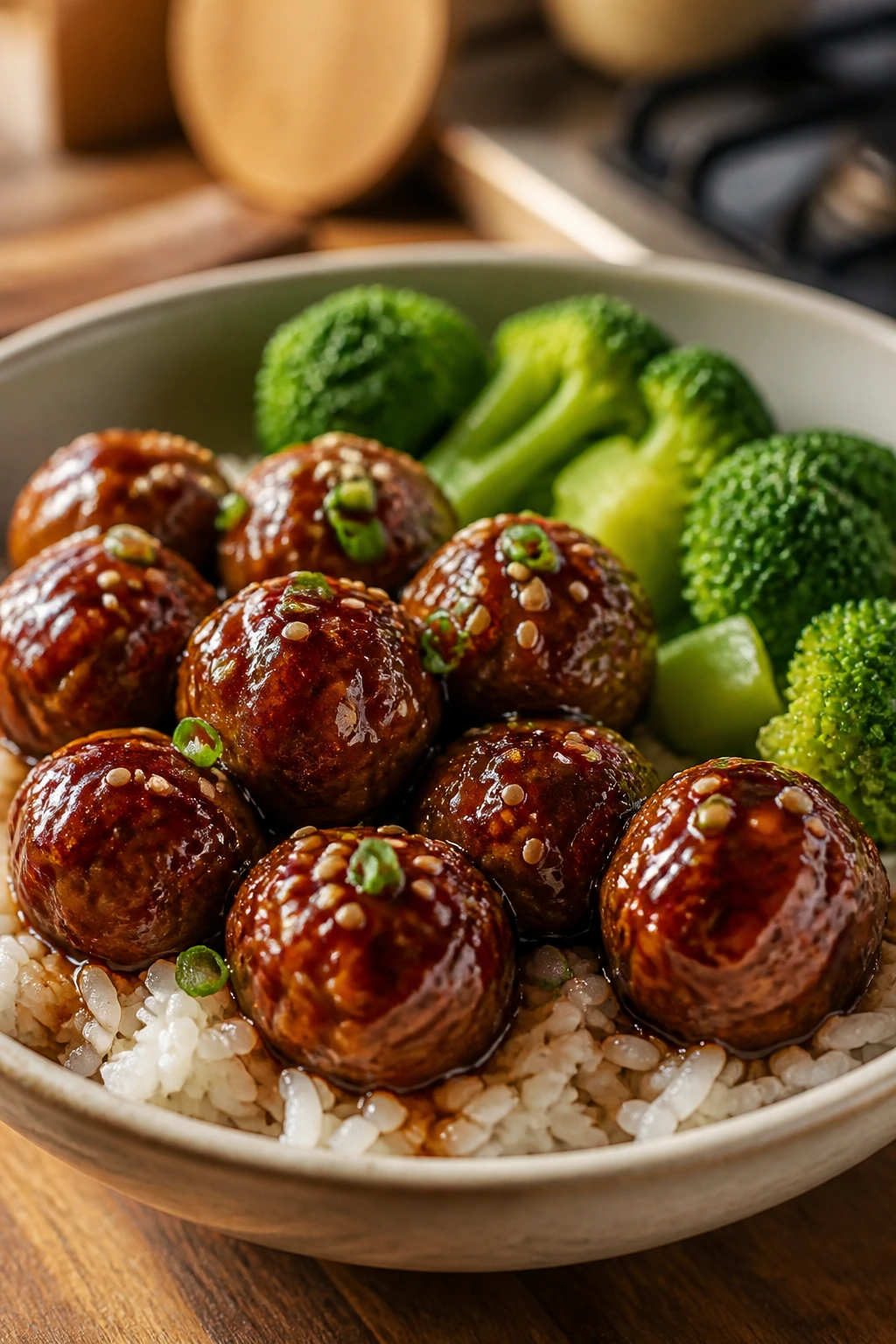
Sweet teriyaki can work wonders with kids because it tastes friendly without feeling bland. The meatballs give you a tidy shape, and the rice acts like a soft landing.
Why It Works:
Teriyaki sauce brings sweetness, salt, and a glossy finish that many children accept faster than stronger savory sauces. Rolling the meat into meatballs keeps the texture uniform, which matters more than people think; some kids dislike mixed chunks in a saucy skillet but eat the same flavors in a neat ball. Rice under the meatballs makes the whole bowl feel filling without adding complicated flavors. If you serve the vegetables on the side, you stay in control of the argument.
Key Ingredients:
- 1 pound ground turkey or beef
- 1 egg
- ½ cup breadcrumbs
- ¼ cup finely grated onion
- 1 teaspoon garlic powder
- 1 cup teriyaki sauce
- 2 cups cooked white rice
- 1 cup steamed broccoli or peas
- Sesame seeds, optional
Quick Steps:
- Preheat the oven to 400°F (200°C) and line a baking sheet.
- Mix the meat, egg, breadcrumbs, grated onion, and garlic powder until just combined.
- Roll into 16 meatballs and bake for 12 to 14 minutes, until cooked through.
- Warm the teriyaki sauce in a saucepan, then toss the meatballs in it until coated.
- Spoon rice into bowls and top with the meatballs.
- Add broccoli or peas on the side, or tuck them under the meatballs if your child tolerates them better hidden a little.
- Sprinkle sesame seeds on the adult bowls for a bit of texture.
Tips and Variations:
- Sauce note: If your teriyaki is very salty, thin it with 2 tablespoons water.
- Meal-prep move: Make the meatballs ahead and refrigerate them for 2 days before saucing.
- Gentle change: Swap rice for noodles if your kids like slurpy food better.
17. Loaded Baked Potato Bar
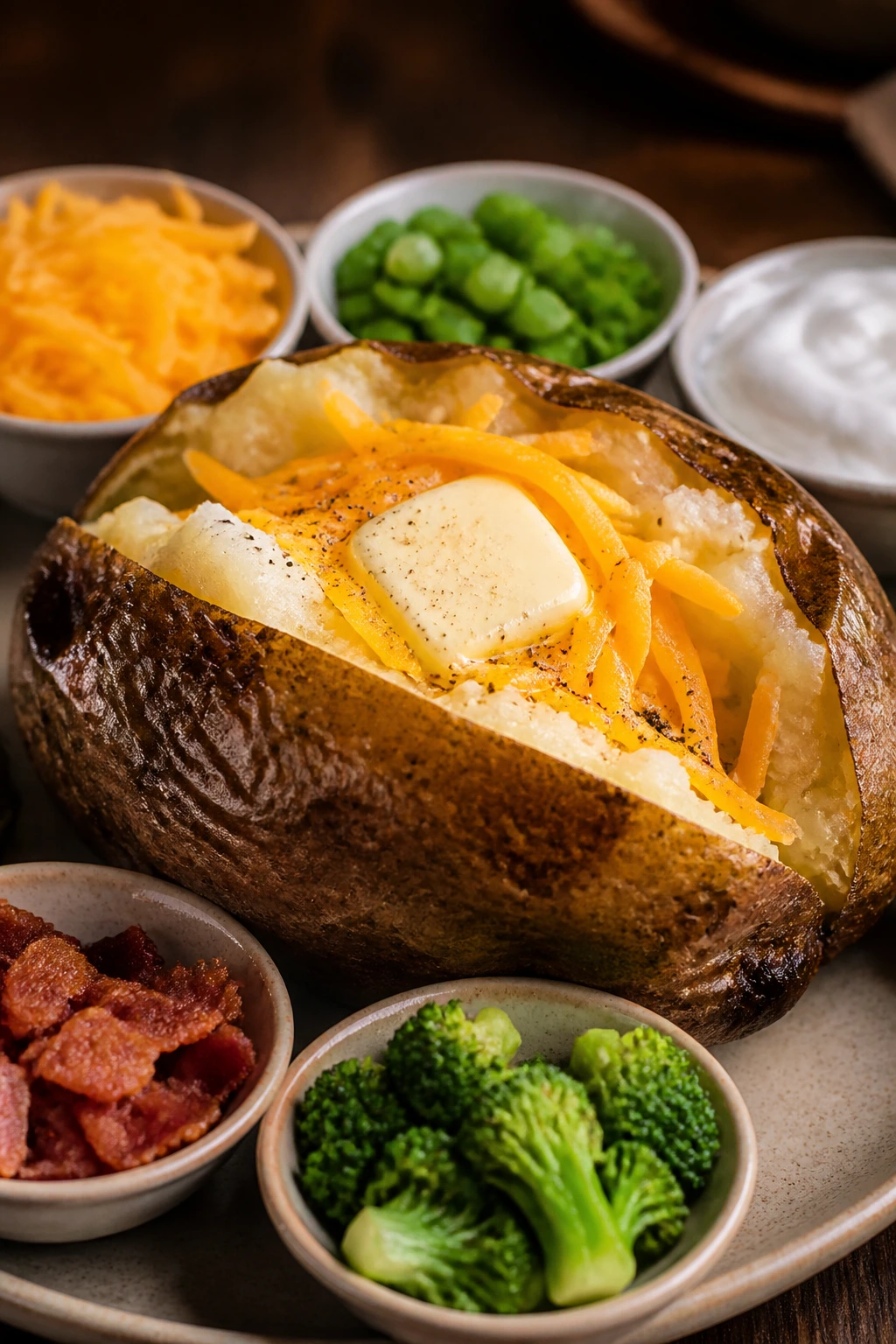
Some nights, the smartest dinner is not a plated meal at all. It is a table full of toppings and a baked potato that can become whatever a kid will eat.
Why It Works:
A baked potato is a blank canvas with a very safe personality. Kids who dislike mixed food often do better when they can build the plate themselves, and the potato bar gives them that choice without handing over the whole kitchen. The toppings can be as plain or as loaded as needed. Cheese, sour cream, and butter do the heavy lifting, while broccoli, bacon, or green onions can sit in little bowls for anybody willing to explore. It is the edible version of letting people keep their distance.
Key Ingredients:
- 6 medium russet potatoes
- 1 tablespoon olive oil
- 1 teaspoon kosher salt
- 2 cups shredded cheddar
- 1 cup sour cream
- 4 slices bacon, cooked and crumbled
- 1 cup steamed broccoli florets
- 4 green onions, sliced
- Butter for serving
Quick Steps:
- Preheat the oven to 425°F (220°C).
- Scrub the potatoes, dry them well, prick them with a fork, then rub each one with olive oil and salt.
- Bake directly on the rack for 50 to 60 minutes, until a knife slides in easily.
- Split each potato open and fluff the insides with a fork.
- Set out the toppings in small bowls so everyone can build their own plate.
- Top with butter, cheese, sour cream, and whatever else gets a yes.
- Serve immediately while the potatoes are steaming hot.
Tips and Variations:
- Make it faster: Microwave the potatoes for part of the cook time, then finish in the oven for better skin.
- Kid move: Keep broccoli very small and plain if you want it to feel less like a vegetable intervention.
- Adult note: Chili or shredded chicken can turn the same setup into a more filling dinner.
18. Mini Corn Dog Muffins

Mini corn dog muffins have the kind of goofy charm that usually wins over small diners before they taste a single bite. They are familiar, hand-held, and a little bit fun.
Why It Works:
Cornbread batter is soft and slightly sweet, which makes it friendlier than many savory bakes. Nestling a hot dog piece into each muffin gives kids the exact flavor they expect from a corn dog, but without the deep frying or the need to stand over hot oil. They bake quickly, hold well, and can be dipped in ketchup or mustard without losing their shape. Sometimes dinner just needs to feel like a snack that got promoted.
Key Ingredients:
- 1 cup yellow cornmeal
- 1 cup all-purpose flour
- 2 tablespoons sugar
- 1 tablespoon baking powder
- 1 teaspoon kosher salt
- 1 large egg
- 1 cup milk
- 4 hot dogs, each cut into 4 pieces
- 2 tablespoons melted butter
- Ketchup or mustard for serving
Quick Steps:
- Preheat the oven to 375°F (190°C) and grease a mini muffin tin well.
- Whisk the cornmeal, flour, sugar, baking powder, and salt in a bowl.
- Stir in the egg, milk, and melted butter until just combined. The batter should be thick but spoonable.
- Spoon batter into the muffin cups, filling each about two-thirds full.
- Press a hot dog piece into the center of each cup.
- Bake for 12 to 15 minutes, until the tops are golden and a toothpick inserted in the batter comes out clean.
- Cool for 2 minutes before serving with ketchup or mustard.
Tips and Variations:
- Batch tip: Freeze the muffins after baking and reheat them in the oven for quick lunches.
- Kid move: Use turkey hot dogs if you want a milder flavor.
- Serving idea: Add apple slices or carrot sticks to make the plate feel a little more complete.
19. Creamy Parmesan Pea Pasta
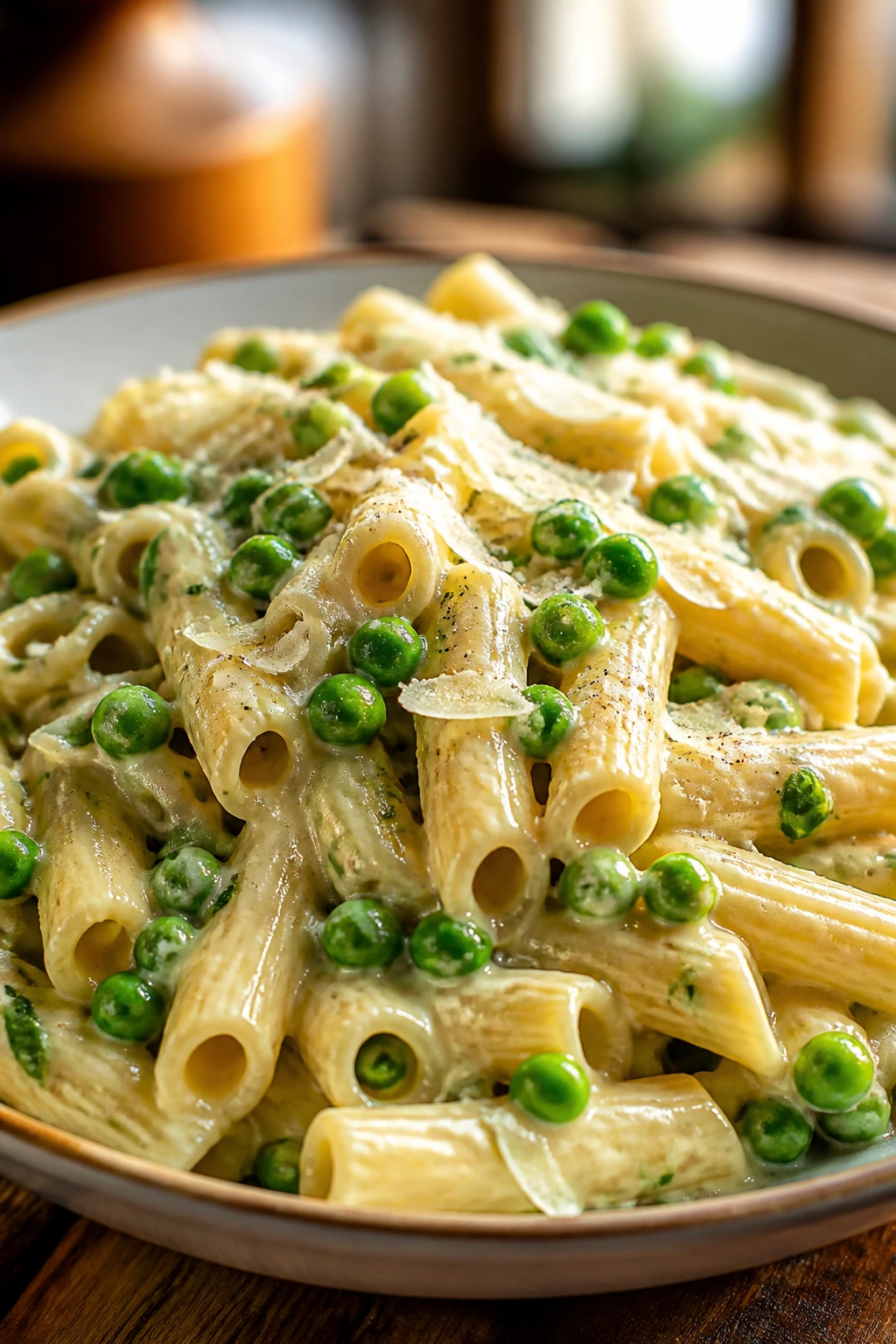
This pasta tastes like a simple bowl of comfort, which is exactly why it works. The peas are soft, sweet, and easy to ignore if a child is not in the mood for a vegetable lecture.
Why It Works:
Butter, garlic, cream, and parmesan make a sauce that feels rich without being fussy. Peas slide into the pasta without changing the whole identity of the meal, and their sweetness makes them less likely to trigger resistance than bitter greens or big vegetable chunks. The trick is keeping the sauce light enough to coat the noodles and not so thick that it turns gluey. A little black pepper goes a long way for adults, but the kid version can stay plain and mild.
Key Ingredients:
- 12 ounces pasta, such as shells or rotini
- 3 tablespoons butter
- 2 garlic cloves, minced
- 1 cup milk or half-and-half
- 1 cup grated parmesan
- 1½ cups frozen peas
- ½ teaspoon kosher salt
- ¼ teaspoon black pepper
- Optional chopped parsley
Quick Steps:
- Cook the pasta in salted water until just tender, adding the peas during the last minute.
- Drain the pasta and peas together, reserving ½ cup of the cooking water.
- Melt the butter in the same pot over medium heat and cook the garlic for 30 seconds.
- Pour in the milk or half-and-half and warm it gently without boiling.
- Stir in the parmesan until melted and smooth, loosening with a splash of pasta water if needed.
- Toss the pasta and peas in the sauce until coated.
- Season with salt and pepper, then serve right away.
Tips and Variations:
- Texture fix: Add the pasta water a spoonful at a time so the sauce stays silky.
- Protein add-on: Stir in diced chicken if you want the dish to carry the whole dinner.
- Kid move: Leave the pepper off the kids’ bowls and add it at the table for adults.
20. Oven Fish Sticks and Sweet Potato Fries
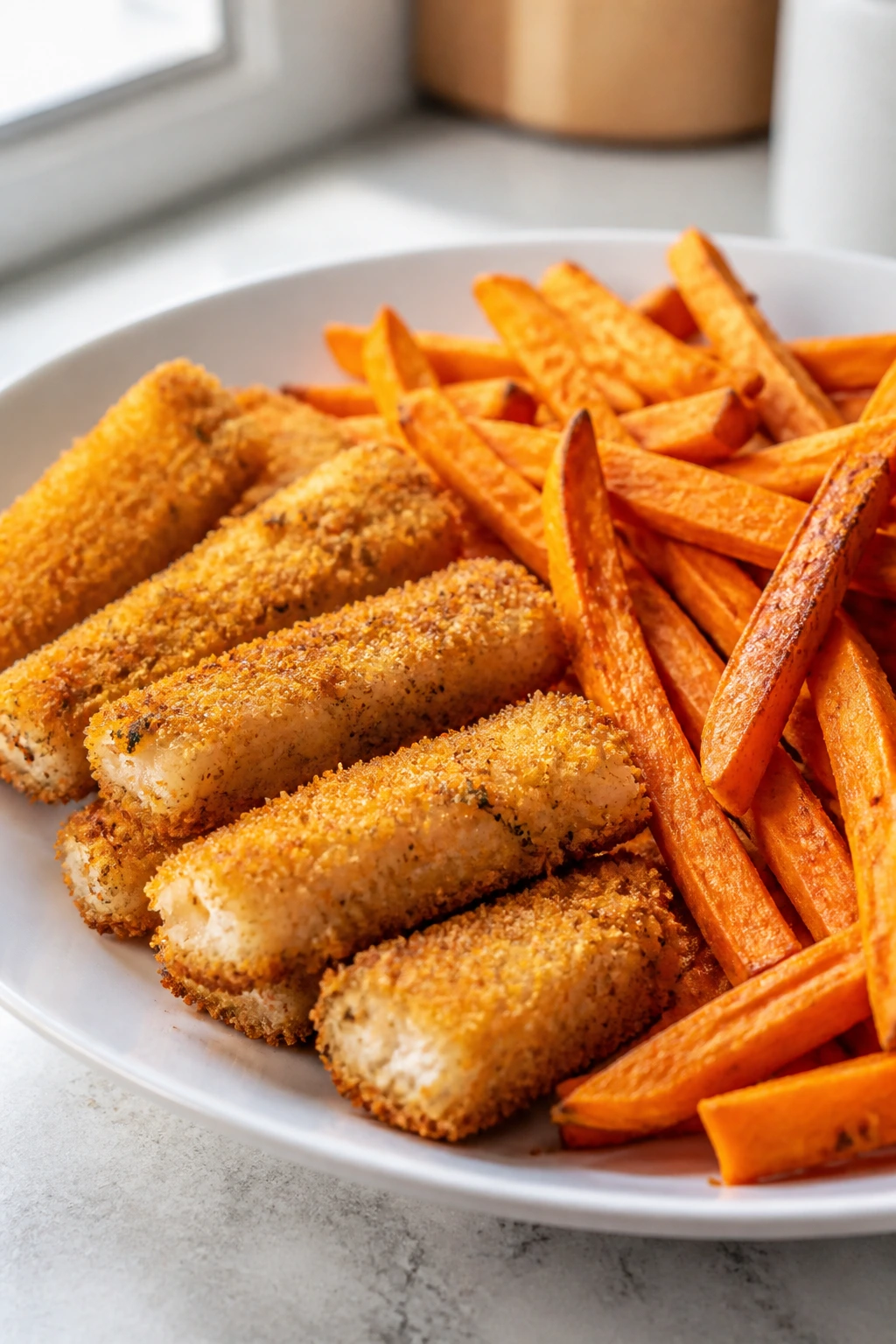
Fish sticks get a bad reputation from stale cafeteria versions, but homemade ones can be crisp, mild, and very easy to dip. Pair them with sweet potato fries and you have a plate that feels familiar without being boring.
Why It Works:
White fish like cod or tilapia has a mild flavor, which makes it a better entry point than stronger-tasting seafood. The panko coating gives you a crisp shell, and baking keeps the inside tender instead of greasy. Sweet potato fries add a familiar fry shape with a little natural sweetness, which tends to go over well with kids who like ketchup. The whole plate benefits from a dip — tartar sauce, ketchup, or plain mayo mixed with a little lemon.
Key Ingredients:
- 1½ pounds white fish fillets, cut into strips
- 1 cup all-purpose flour
- 2 large eggs
- 2 cups panko breadcrumbs
- 2 medium sweet potatoes, cut into fries
- 2 tablespoons olive oil
- 1 teaspoon kosher salt
- ½ teaspoon paprika
- Lemon wedges and dipping sauce for serving
Quick Steps:
- Preheat the oven to 425°F (220°C) and line two baking sheets.
- Toss the sweet potato fries with olive oil, half the salt, and paprika.
- Roast the fries for 10 minutes before adding the fish, so they start to soften and brown.
- Set up a breading station with flour, beaten eggs, and panko.
- Coat each fish strip in flour, then egg, then panko, pressing gently so the crumbs stick.
- Bake the fish on the second sheet for 12 to 15 minutes, until the coating is golden and the fish flakes easily.
- Serve with lemon and a dip while everything is hot and crisp.
Tips and Variations:
- Kid move: Cut the fish into nugget-size bites if strips feel too fishy.
- Flavor note: A little garlic powder in the panko helps without making the fish taste garlicky.
- Serve it with: Plain peas or a small fruit bowl keeps the plate balanced.
21. Turkey Chili Mac
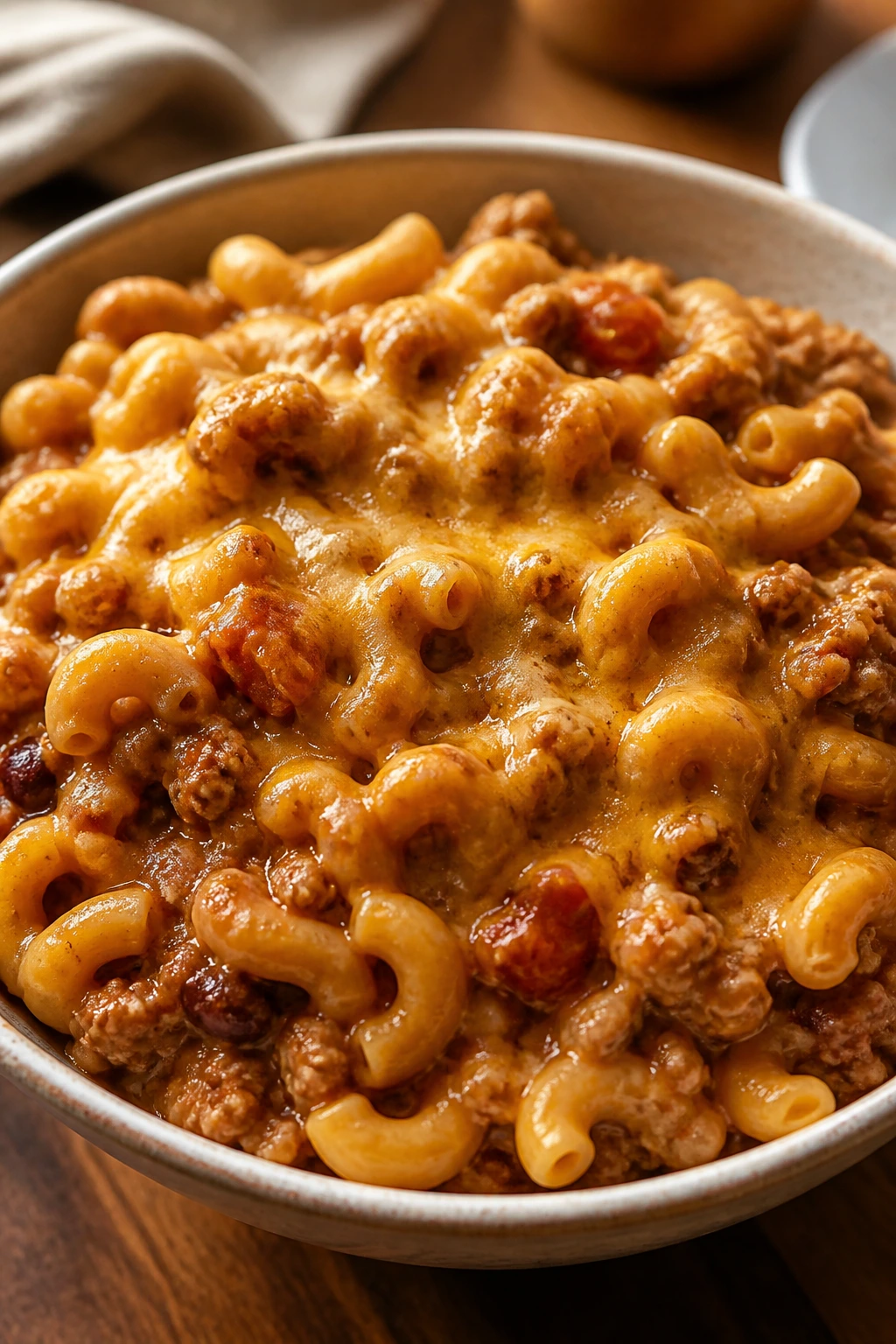
This is a mash-up dinner for nights when you want one bowl to do a lot of work. It tastes like chili met mac and cheese and decided to stop arguing.
Why It Works:
Ground turkey keeps the flavor mild, and pasta makes the chili less intense for kids who balk at beans and tomato-heavy sauces. The cheese pulls everything together into a creamy finish, which can make a cautious eater more willing to take a second bite. You can keep the chili seasoning low and let adults add heat at the table. That separation matters. A bowl that feels friendly gets eaten faster than one that feels like a dare.
Key Ingredients:
- 1 pound ground turkey
- 1 small onion, finely diced
- 12 ounces elbow macaroni
- 1 can crushed tomatoes, 15 ounces
- 1 can mild pinto beans or chili beans, drained
- 1 tablespoon mild chili powder
- 1 teaspoon ground cumin
- 1 teaspoon kosher salt
- 2 cups shredded cheddar
- 1 cup water or broth
Quick Steps:
- Brown the turkey and onion in a large skillet or pot over medium heat.
- Stir in the chili powder, cumin, and salt, cooking for 30 seconds to wake the spices up.
- Add the crushed tomatoes, beans, water or broth, and macaroni.
- Simmer covered or partly covered for 10 to 12 minutes, stirring once or twice, until the pasta is tender and the liquid has thickened.
- Turn off the heat and stir in the cheddar until melted.
- Taste and adjust salt if needed.
- Serve hot, with extra cheese or a dollop of sour cream if that helps the kids say yes.
Tips and Variations:
- Kid move: Use less cumin if your child is sensitive to stronger spice notes.
- Thicker bowl: Add a little more cheese if you want it closer to stovetop chili mac.
- Freezer note: This one freezes well in airtight containers for later dinners.
22. Biscuit Pizza Casserole
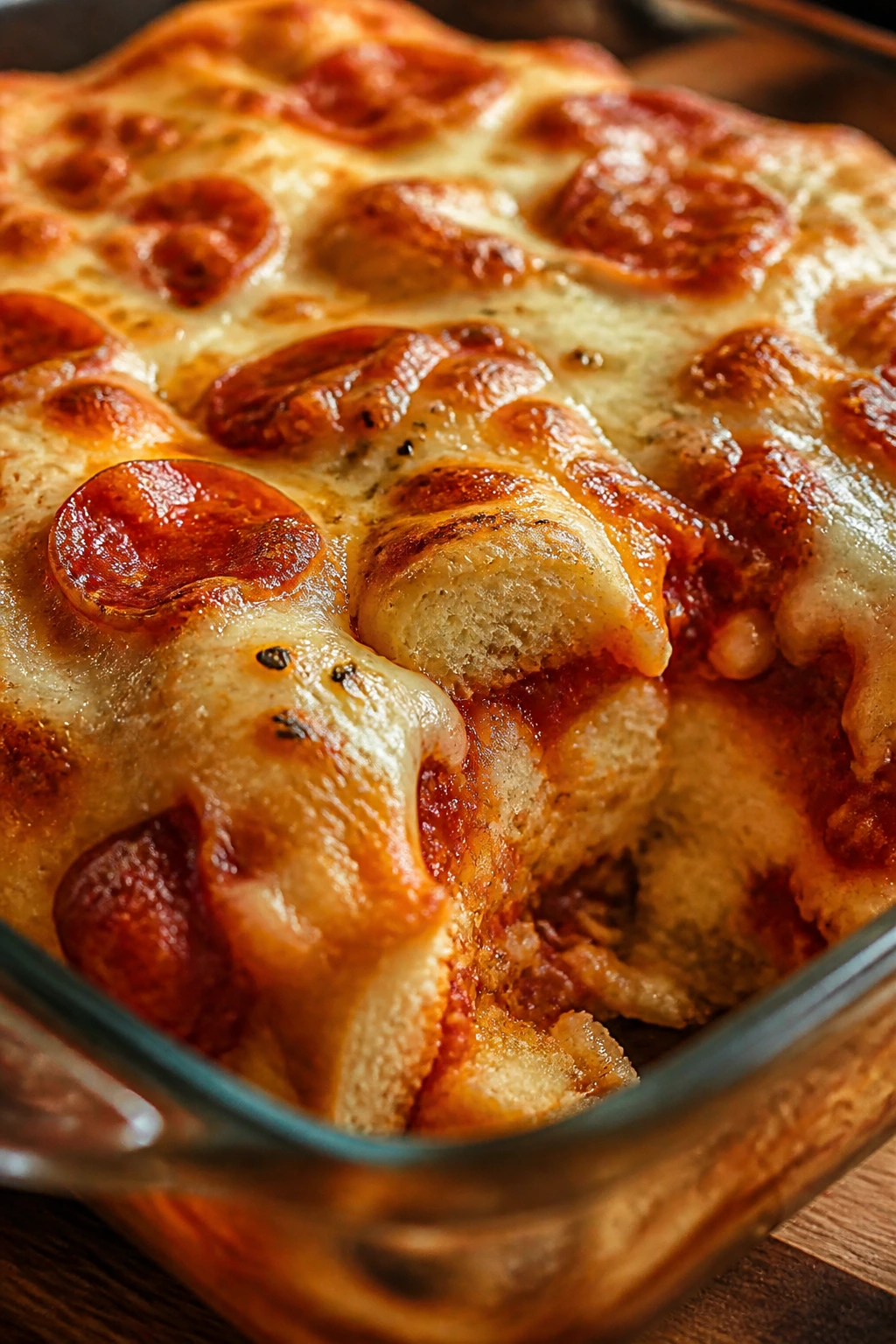
This is the kind of dinner that gets attention because it smells like a pizza shop and looks like a tray of party food. Biscuit pieces bake into soft, golden pillows under the sauce and cheese.
Why It Works:
Refrigerated biscuits are one of the easiest ways to get a kid-friendly dinner on the table fast. They bake into a soft, bread-like base that feels more special than plain dough but still lands in the pizza zone children already love. The casserole format also gives you a single pan, which is useful on nights when nobody has the patience for individual portions. Keep the toppings modest and the sauce mild, and you get a crowd-pleaser that feels playful instead of complicated.
Key Ingredients:
- 1 can refrigerated biscuits, cut into quarters
- 1 cup pizza sauce
- 2 cups shredded mozzarella
- 1 cup pepperoni slices
- ½ cup cooked sausage, optional
- 1 teaspoon Italian seasoning
- 1 tablespoon olive oil
- Grated parmesan, optional
Quick Steps:
- Preheat the oven to 375°F (190°C) and grease a 9×13-inch baking dish.
- Cut the biscuits into quarters and scatter them in the dish.
- Toss the biscuit pieces with pizza sauce, Italian seasoning, and olive oil until lightly coated.
- Top with mozzarella, pepperoni, and sausage if you’re using it.
- Bake for 25 to 30 minutes, until the biscuits are cooked through and the cheese is bubbling and browned at the edges.
- Rest for 5 minutes before serving so the casserole firms up a little.
- Finish with parmesan if you want a saltier, sharper top.
Tips and Variations:
- Kid move: Make one corner plain cheese for a picky child who wants the simplest possible piece.
- Shortcut: Use smaller toppings so every bite tastes balanced.
- Leftover note: Reheat in the oven rather than the microwave if you want the biscuit pieces to keep some structure.
Why Familiar Dinners Win at the Table
Kids rarely reject dinner for no reason. They reject a shape, a smell, a color, a texture, or the small insult of being asked to trust something unfamiliar when they were expecting noodles. That is why these dinners lean so hard on familiar foods. A child does not have to decode chicken tenders or mac and cheese. They already know the rules.
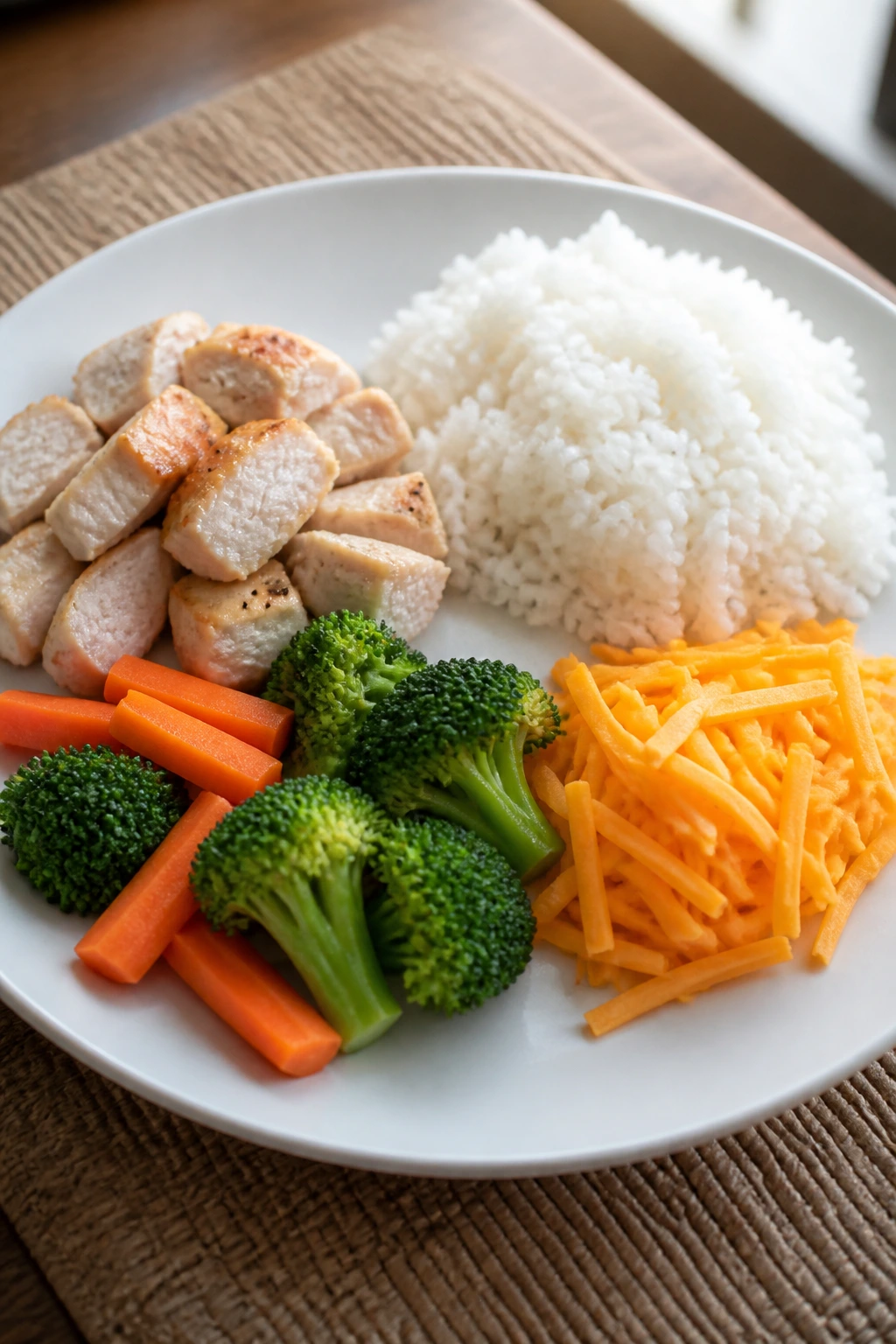
The best picky-eater dinners also keep the plate readable. Separate piles of rice, meat, cheese, and vegetables feel safer than a casserole where everything has blended into one brownish mass. Some children love mixed dishes; plenty do not. If you can present the same ingredients in a way that lets them stay visually distinct, you usually get less resistance and fewer untouched bites.
And honestly, a little control helps. Dip on the side. Sauce in a ramekin. Toppings in a bowl. That tiny bit of choice often matters more than trying to hide everything. The goal is not to trick kids into eating dinner. The goal is to make dinner feel easy enough that they want to meet you halfway.
Essential Equipment for These Dinner Ideas
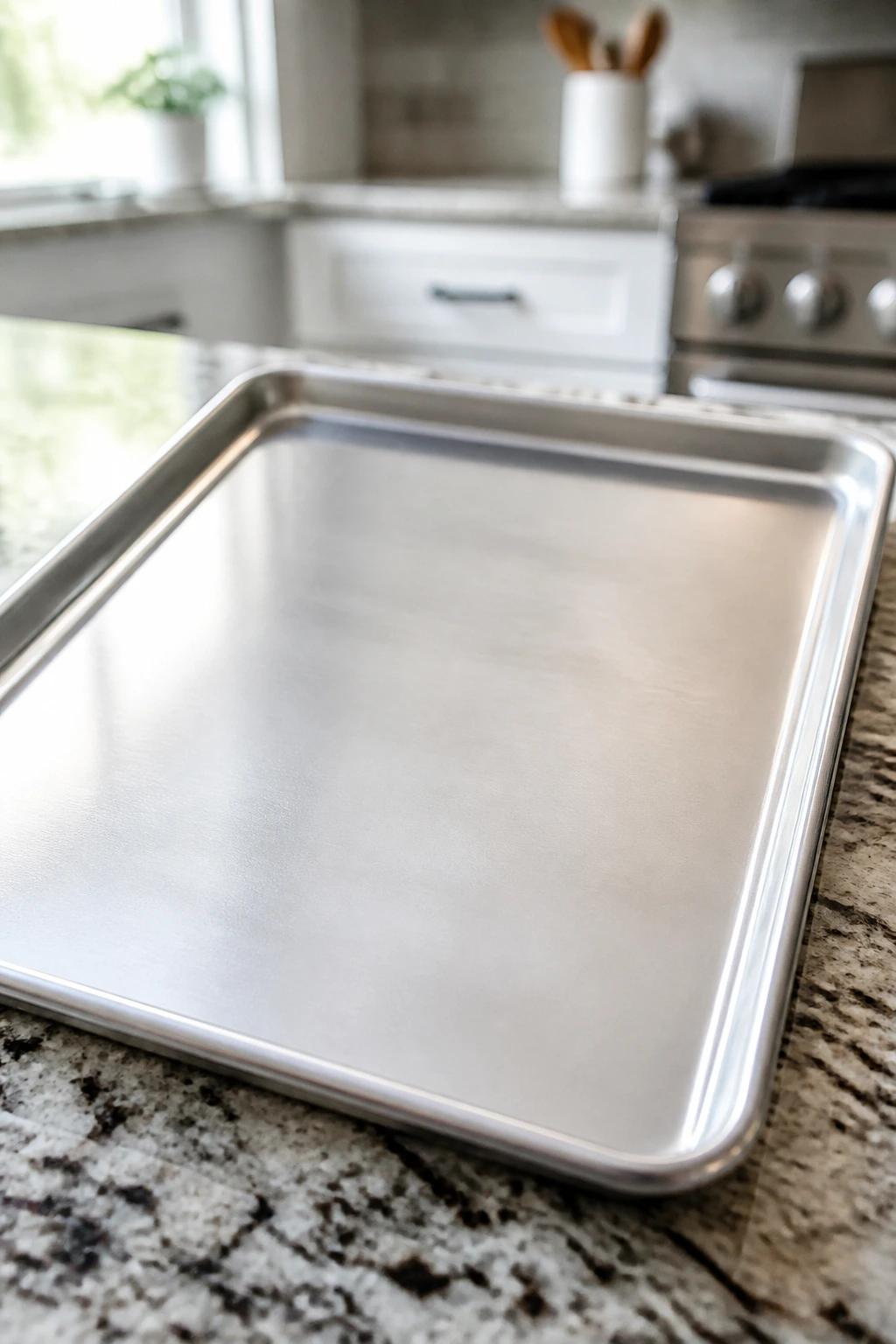
- Rimmed baking sheets: Needed for chicken tenders, fish sticks, pizza boats, meatballs, and anything that benefits from a hot oven.
- 9×13-inch baking dish: The workhorse for casseroles like ravioli bake, enchilada casserole, and biscuit pizza casserole.
- Large skillet or sauté pan: Useful for sloppy Joes, taco meat, cheeseburger pasta, and honey garlic chicken.
- Deep pot or Dutch oven: Helpful for chili mac, mac and cheese, and one-pot pasta meals.
- Medium saucepan: Good for sauces, cheese melts, and warming marinara without scorching it.
- Mixing bowls: Keep at least three on hand for breading, meatball mixing, and sauce prep.
- Whisk and wooden spoon: The whisk keeps sauces smooth; the spoon is better for folding and stirring without scraping the pan.
- Colander: You’ll need this for pasta, vegetables, and draining hot ingredients quickly.
- Instant-read thermometer: Best for chicken, turkey, and fish so you know the middle is safely cooked.
- Mini muffin tin: Required for corn dog muffins and handy for portioning little bites.
- Sharp knife and cutting board: For sliders, pizza boats, vegetables, and slicing soft bakes cleanly.
- Cheese grater: Freshly grated cheese melts better than the pre-shredded stuff in a bag.
- Storage containers with lids: Useful for leftovers, meal prep, and freezing filling or meatballs.
Smart Shopping for Picky-Eater Staples
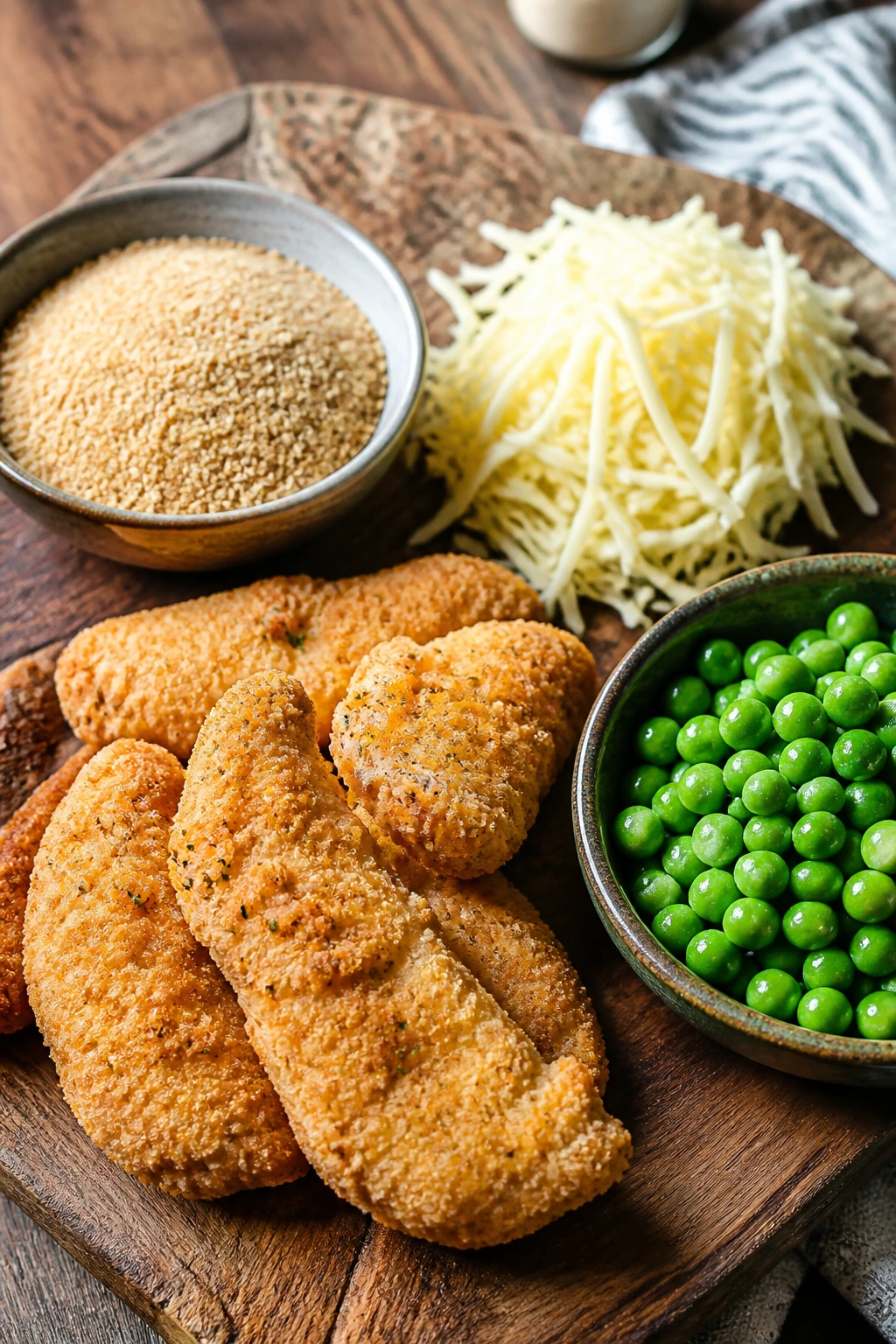
Shopping for picky-kid dinners is less about finding exotic ingredients and more about choosing the right version of familiar ones. Buy mild marinara, not the jar that tastes like chili flakes and regret. Choose low-sodium broth so sauces stay in your control, and pick panko or plain breadcrumbs if you want a crisp coating without a heavy crust. The same rule applies to cheese: freshly grated melts better, but pre-shredded is fine when speed matters more than the smoothest sauce in the world.
For proteins, look for chicken tenders, ground turkey, ground beef, and fully cooked sausage links because they fit a lot of these meals without extra work. Boneless chicken thighs stay juicy in skillet dishes, while chicken tenders and fish fillets work better for breaded recipes. If your family likes fish sticks, choose mild white fish with a clean smell and a firm texture. That one detail saves a disappointing dinner.
Frozen vegetables are useful here, and I say that without any apology. Peas, broccoli florets, cauliflower, and corn are often better than the tired produce sitting in the crisper drawer. They cook evenly and keep their color. Tortillas, slider buns, pitas, pasta, rice, and potatoes are the pantry backbone of this whole collection, so buy the shapes your kids already accept. Tiny pasta matters. Small buns matter. Food that fits small hands usually gets eaten faster.
Also, keep dips around. Ketchup, ranch, sour cream, mild salsa, mustard, and honey mustard do more than add flavor; they lower the emotional risk of the meal. That sounds dramatic, but if you’ve tried to get a child to eat a baked fish strip with no dip, you already know it’s true.
How to Serve Them So Kids Actually Sit Down
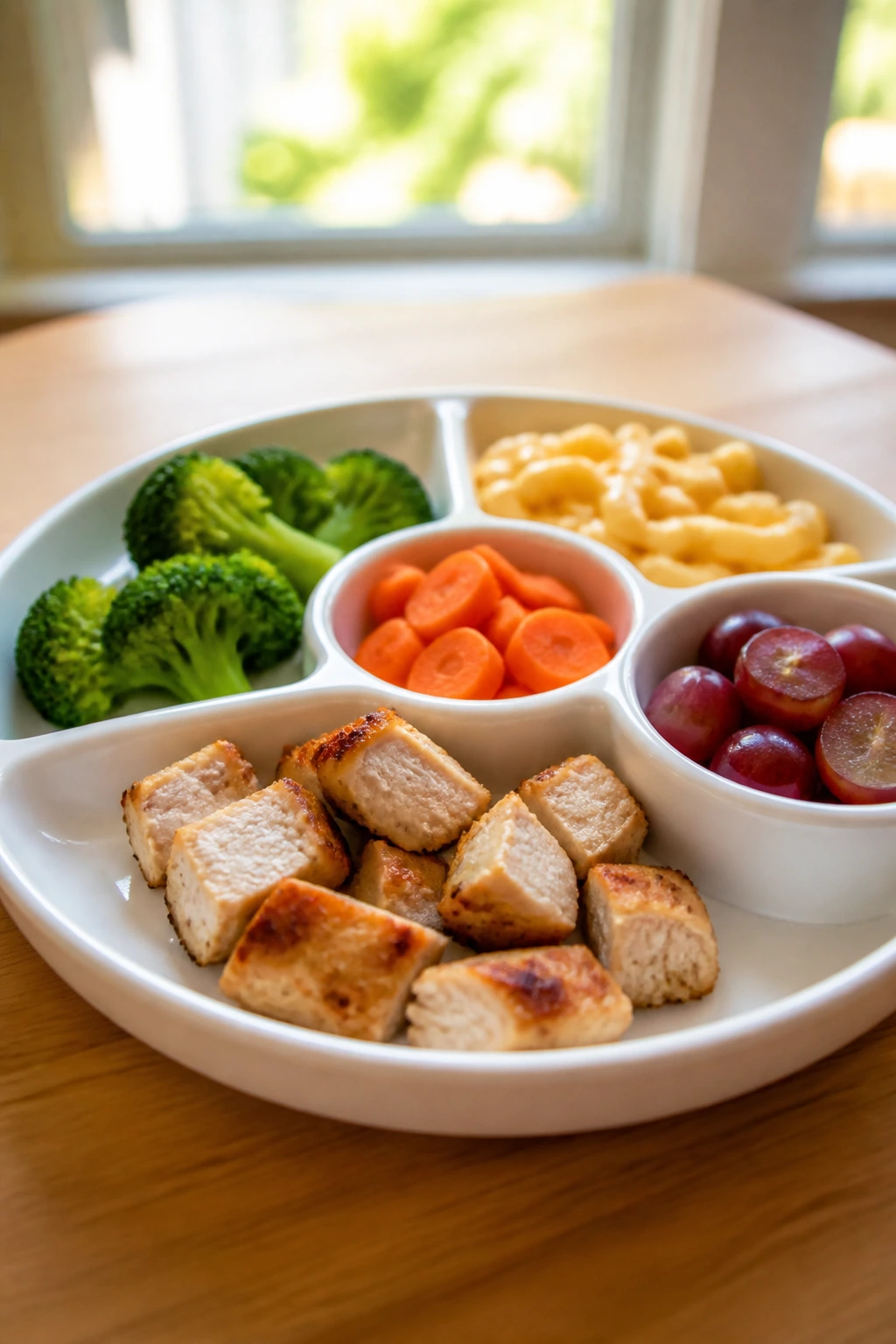
Presentation:
Keep the plate readable. Serve saucy foods in a shallow bowl, slice sandwiches into smaller pieces, and put vegetables in a separate section instead of burying them under everything else. Tiny bowls or ramekins help, too. Children tend to relax when food is visibly divided into parts they can identify.
Accompaniments:
The easiest sides are fruit, cucumber sticks, applesauce, steamed peas, roasted carrots, buttered corn, or a plain green salad for the adults. Bread goes well with many of these meals, but so does a simple starch like rice or mashed potatoes. If a dinner already includes pasta, make the side light and crisp. If the meal is heavy on meat and cheese, a juicy fruit cup is often a better balance than another starch.
Portions:
Start smaller than you think. Two chicken tenders, a small scoop of pasta, or one slider is often enough for a younger child, and second helpings feel like a choice instead of a command. Older kids usually need a little more, especially if the meal is rice-based or pasta-heavy. If you’re feeding mixed ages, put the food in the middle and let people build their own plate. It saves time and lowers the pressure to “finish everything.”
Beverage Pairing:
Water is the default, and milk still works beautifully with pasta, sliders, mac and cheese, and pizza-style dinners. For something a little brighter, a splash of fruit juice mixed with water or sparkling water can make the meal feel special without loading it with sugar. For adults, a crisp iced tea or a lemony seltzer usually fits the same table just fine.
Extra Flavor Without a Fight
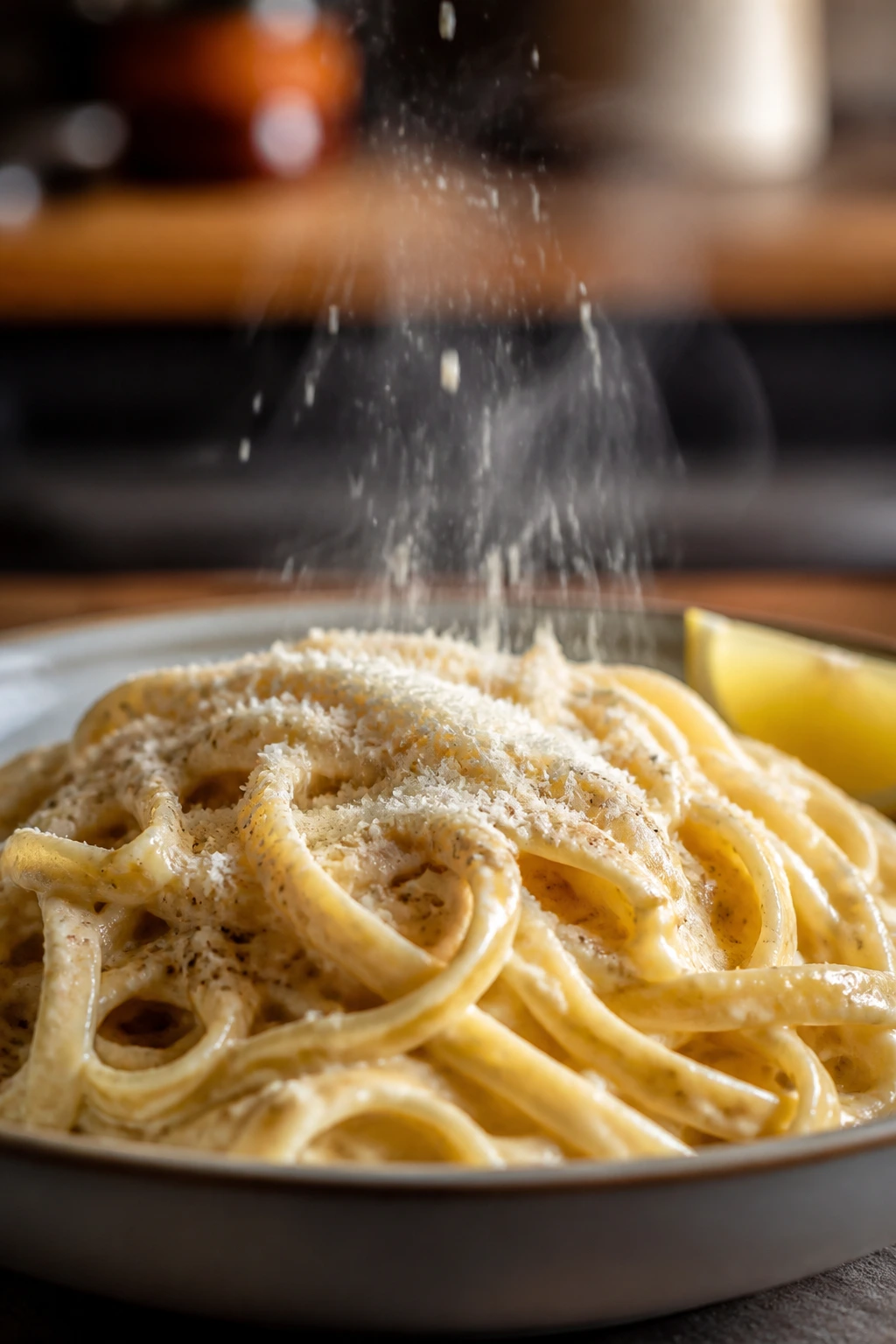
Flavor Enhancement:
A finishing touch can change a meal more than people expect. A little parmesan over pasta, a squeeze of lemon on fish, or a dab of butter on potatoes gives the food a fresh smell the second it lands on the table. That last-minute hit of flavor matters because kids notice smell before they ever take a bite.
Customization:
If one child wants plain cheese pizza and another wants pepperoni, make both. If someone likes more sauce, keep it in a cup. If a kid hates visible onions, grate them into the meat mixture instead of chopping them large. Small changes at the table beat big battles in the kitchen.
Serving Suggestions:
Use dips on purpose, not as a rescue mission. Ranch with tenders, ketchup with corn dog muffins, sour cream with taco bowls, marinara with meatballs, and a little teriyaki on the side all make picky eaters feel safer. Fresh herbs, chopped parsley, or a pinch of sesame seeds can make the adult plates look more finished without changing the kids’ food at all.
Make-It-Yours:
For gluten-free eaters, use corn tortillas, gluten-free pasta, rice, potato bases, and gluten-free breadcrumbs. For dairy-light versions, reduce the cheese and lean harder on herbs, broth, and olive oil. For vegetarian households, swap in beans, tofu, or meatless meatballs where the shape and texture still make sense. The point is not to reinvent every dish. The point is to keep the dinner recognizable while nudging it in the direction you need.
Make-Ahead, Storage, and Reheating
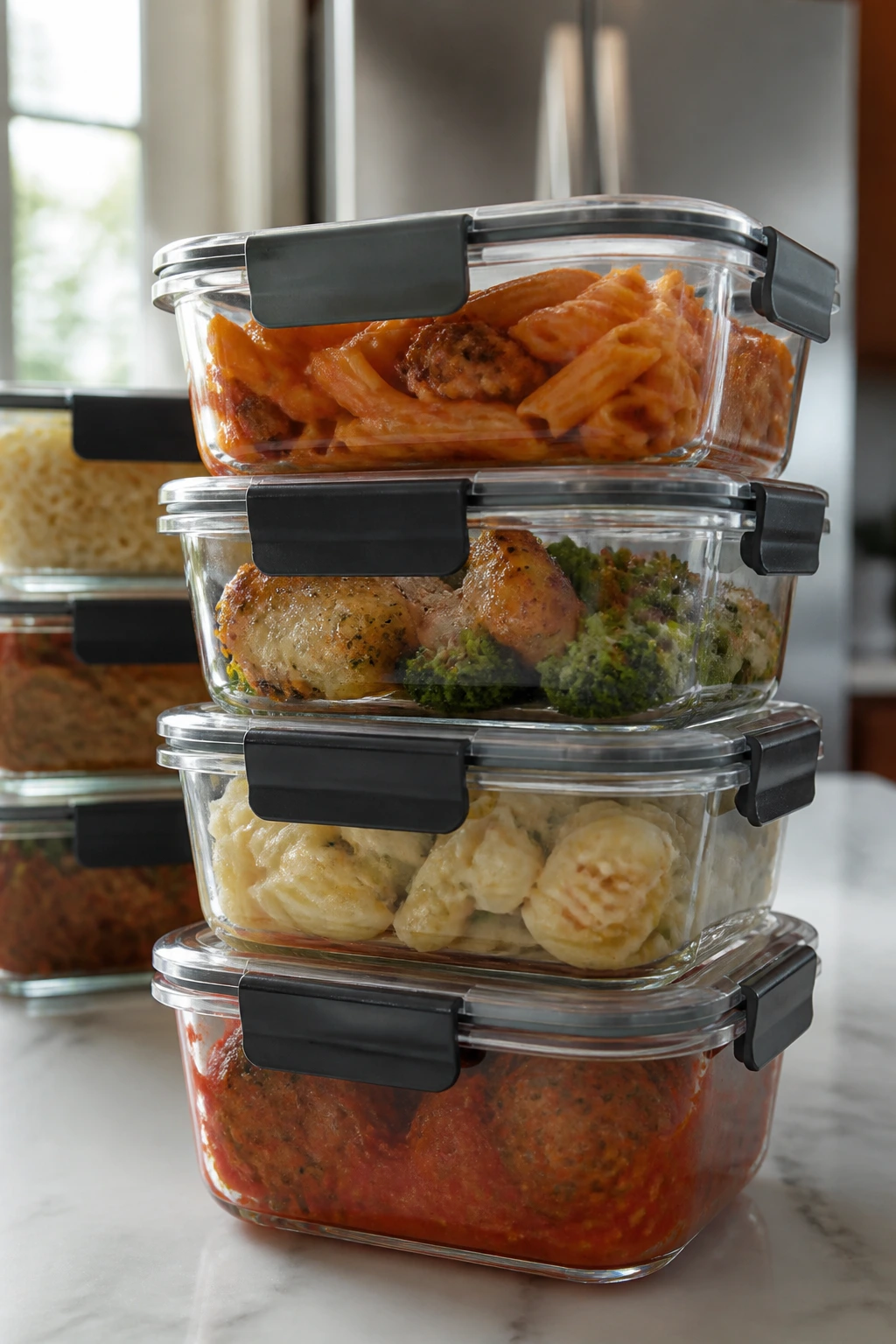
A few of these dinners are best eaten right away, but many hold up better than people expect. Meatballs, sloppy joe filling, taco meat, chili mac, ravioli casserole, enchilada casserole, and chicken-and-broccoli bake all keep well in the fridge for 3 to 4 days in airtight containers. They also freeze well for about 2 months, especially if you let them cool fully before packing them away. Breaded items like chicken tenders and fish sticks can be frozen after baking, though the crust is at its best when reheated in the oven or air fryer instead of the microwave.
For crispy foods, the oven is your friend. Reheat tenders, fish sticks, pizza boats, and corn dog muffins at 375°F to 400°F for 8 to 12 minutes, depending on thickness. An air fryer works even faster, usually 4 to 8 minutes at 375°F. Add a light mist of oil if the coating looks dry. That little step keeps the outside from going dusty.
Saucy casseroles and pasta dishes are more forgiving. Cover them with foil and reheat at 350°F until hot in the middle, or warm single portions in the microwave with a splash of milk, broth, or water to loosen the sauce. If the pasta looks tight after chilling, it probably needs more liquid than heat. Give it a spoonful, stir, and warm again.
Rice bowls and build-your-own dinners are best stored in parts. Keep the rice, protein, and toppings separate so nothing gets soggy. Baked potatoes can be made ahead, but they lose some of their skin texture after a day, so I’d treat them as a same-day or next-day meal. Breaded chicken can be breaded several hours ahead and held in the fridge before baking, which is a nice trick for a busy afternoon. And, as always, don’t leave cooked food at room temperature for more than 2 hours.
Variations and Adaptations to Try
No-Red-Sauce Night:
Not every kid loves tomato sauce, and some children object to red food before they taste it. Swap in Alfredo, butter, or a simple cheese sauce for pasta bakes, pizza-style dinners, and chicken dishes when you need a gentler path. The structure stays the same, but the flavor gets softer and less sharp.
Vegetable Hide-and-Seek:
This is the easiest way to add produce without turning dinner into a showdown. Grate zucchini or carrots into meatballs, blend cauliflower into mac and cheese, or stir puréed vegetables into pasta sauce. Use small amounts and smooth textures so the vegetables disappear into the meal instead of sitting in obvious chunks.
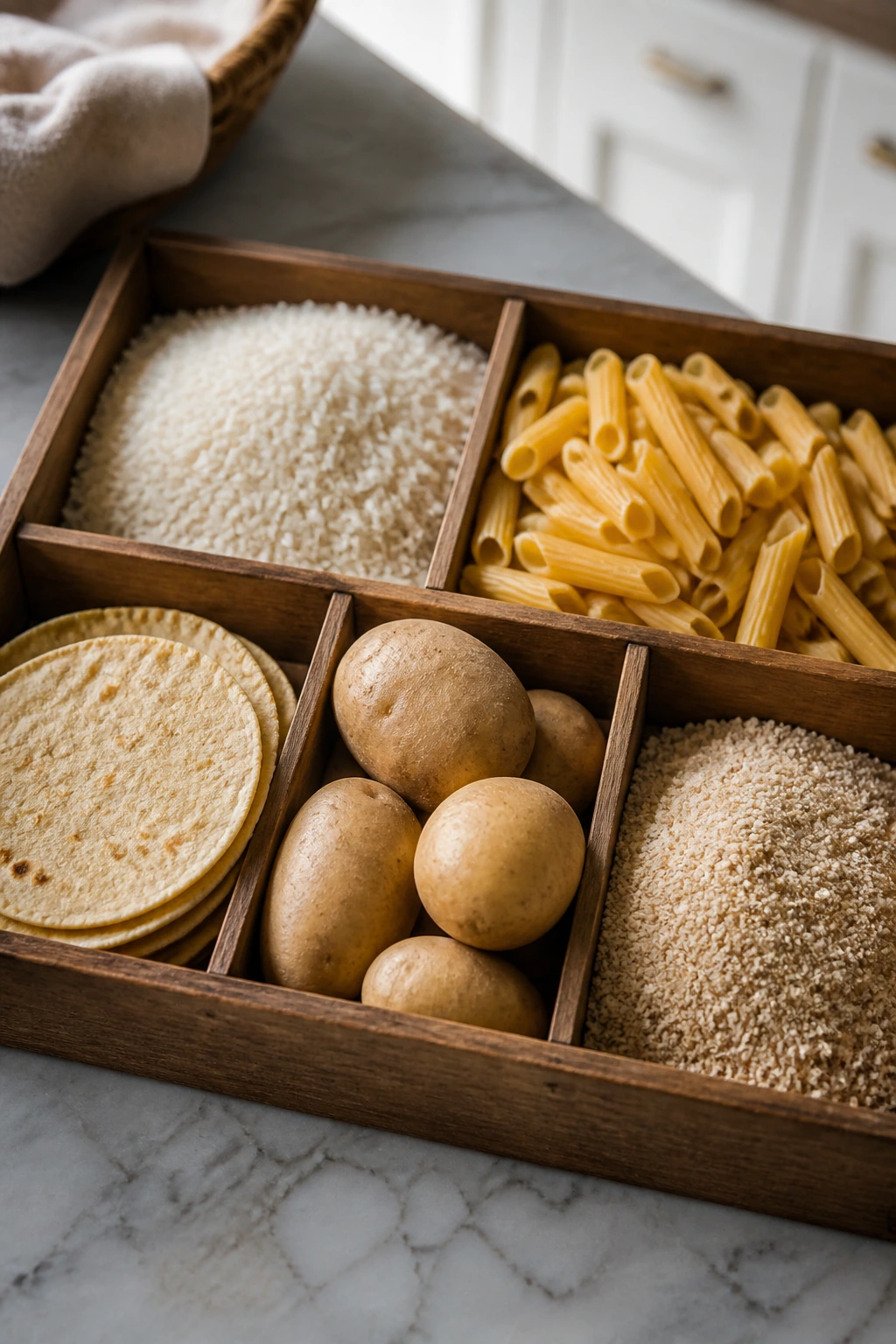
Gluten-Free Swap Box:
Use rice, potatoes, corn tortillas, gluten-free pasta, and gluten-free breadcrumbs to keep almost all of these dinners in play. Corn dog muffins can be made with a gluten-free baking mix, and meatballs or taco bowls barely change at all. The shape of the meal matters more than the flour choice.
Dairy-Light Version:
Cut the cheese back by a third and lean on olive oil, broth, garlic, and herbs to keep flavor in the dish. A little parmesan often gives more punch than a heavy layer of shredded cheese, so you can use less and still get a satisfying finish. This works especially well with pasta, chicken, and rice dishes.
Spice-on-the-Side Setup:
Keep hot sauce, chili flakes, pickled jalapeños, or extra black pepper out of the main dish and on the table. Adults can sharpen up taco bowls, enchilada casserole, chili mac, or honey garlic chicken without making the kids eat through a spicy version. It is a small move, and it saves a lot of complaints.
Protein Shuffle:
Ground turkey can replace beef in meatballs, chili mac, sliders, and teriyaki bowls. Chicken can step into pizza bakes and casseroles without fuss. Fish can become nuggets or sticks, and beans can stand in for meat in tacos or baked casseroles if that’s what your household needs that night.
Common Mistakes That Make Dinner Harder
Too many new things at once:
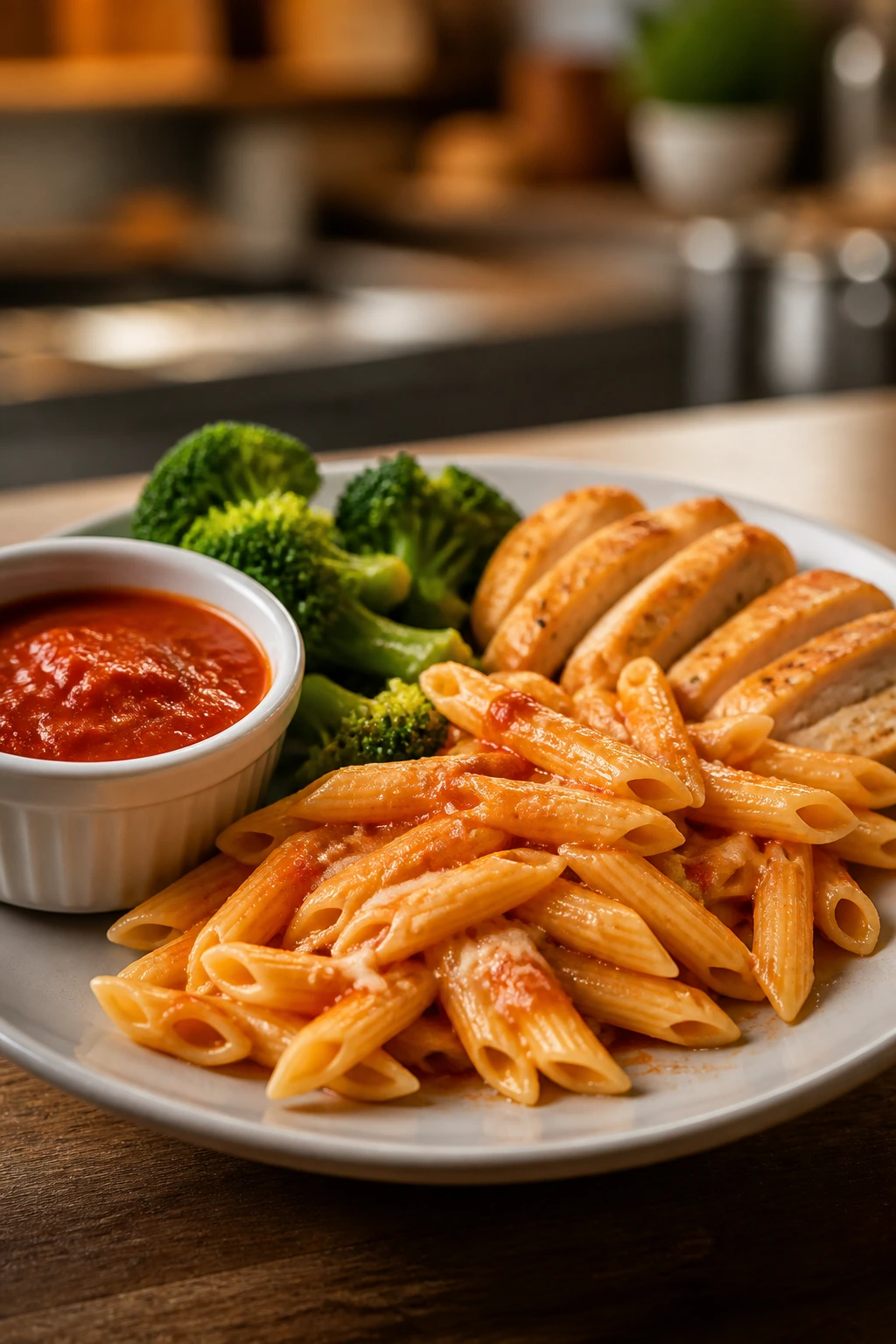
The fastest way to lose a picky eater is to put an unfamiliar protein, a new sauce, and a strange vegetable on the same plate. One new thing is a test; three new things feels like a trap. Keep one safe food on the plate and let the rest be gently familiar.
Sauce overload:
Kids who dislike mushy textures usually hate food swimming in sauce. If a dish is supposed to be saucy, keep the layer light and let extra sauce live on the side. The food should look coated, not flooded.
Forgetting texture:
A soft dinner can help, but a meal with no contrast can feel flat and boring. Chicken tenders need crunch. Mac and cheese benefits from a little baked top. Fish sticks need crisp edges. If every bite feels the same, children often lose interest.
Serving food too hot:
Picky kids can be suspicious of steam. If a plate looks like it just came from a volcano, they may refuse it before the first bite. Let casseroles and saucy dishes sit for a few minutes so the temperature feels safe and the texture firms up a little.
Hiding vegetables too aggressively:
Tiny shreds and purées are one thing. Giant vegetable chunks hiding in pasta are another. Kids notice surprise pieces fast, and once they feel tricked, they tend to distrust the whole meal. Keep hidden vegetables smooth and modest, or serve them plainly and let the child opt in.
Skipping the backup food:
You do not need a second meal, but a safe side helps. Plain rice, bread, fruit, or a small bowl of noodles can keep the peace when the main dish gets a hard no. That backup does not mean failure. It means dinner still happens.
Frequently Asked Questions

How do I get a picky kid to try something new?
Start with a food they already like and change only one small thing at a time. A child who eats plain pasta is more likely to accept pasta with a mild cheese sauce than a casserole full of surprise vegetables and strong seasoning.
Which dinners on this list are easiest to make ahead?
Meatballs, sloppy joe filling, taco meat, casseroles, and chili mac are the strongest make-ahead choices. Breaded foods are better prepped and baked later, while pizzas and fries usually taste best when assembled close to mealtime.
What if my child refuses sauce?
Keep the sauce separate. Dipping feels less threatening than having food soaked in tomato, cheese, or teriyaki sauce before it reaches the plate. That small change can make a big difference.
Can I use frozen vegetables?
Yes, and they’re often the smarter choice. Frozen peas, broccoli, cauliflower, and corn cook quickly and stay tender, which is useful in pasta bakes, rice bowls, and casseroles.
How do I make these dinners healthier without causing pushback?
Use smaller amounts of cheese, choose leaner proteins like turkey or chicken, and add vegetables in smooth or very small forms. The trick is to improve the meal without changing its identity so much that it stops feeling familiar.
Which recipes freeze best?
Meatballs, chili mac, casseroles, sloppy joe filling, and baked pasta dishes freeze very well. Breaded fish and chicken can also freeze, but their coating is best when reheated in a hot oven or air fryer.
What if my kid only eats plain pasta or rice?
Start there and add one side of protein or sauce on the plate, not mixed into it. A plain base with a dip on the side is often the easiest bridge from “safe food only” to a fuller dinner.
How do I handle one kid who likes spice and one who doesn’t?
Keep the main dish mild and put heat on the table in separate bowls. Adults can add hot sauce, chili flakes, or pickled peppers to their own portions without making the whole meal too hot for everyone else.
Can these work for toddlers too?
Yes, if you cut food into small pieces and keep salt and spice light. Soft noodles, tiny meatballs, scrambled or baked eggs, and tender vegetables all work well when the portions are small and the texture is easy to chew.
A Calmer End to the Day

The best thing about dinner ideas for picky kids is not that they trick anyone. It is that they lower the tension in the room. A meal that looks familiar, tastes mild, and offers a little choice can change the whole feel of the evening.
Keep a few of these dinners in regular rotation and you stop having to invent peace at 6:00 p.m. every single night. That alone is worth a good chicken tender, a forgiving casserole, or a pasta dish that disappears faster than you expected.
Pick three, shop once, and let the next week’s dinner be a little less of a negotiation.