



The first week of Whole30 has a way of making even a well-stocked kitchen feel suspiciously empty. The pantry looks clean, the fridge looks polite, and somehow dinner still feels like a small emergency. That’s usually the moment people start craving a plan that doesn’t rely on willpower and a stack of complicated steps.
These Whole30 dinners for beginners are built for the nights when you want dinner to taste like dinner, not like a compromise. Each one leans on a short ingredient list, a sensible cooking method, and flavors that show up fast: lemon and garlic, browned beef, roasted vegetables, coconut milk, tomato sauce, a sharp hit of lime. No one needs a foam cannon or a spiralizer shrine to make any of them work.
Whole30 gets easier when dinner has a repeatable shape. Protein. Vegetable. Fat. Acid. Maybe a sauce if the day has been especially rude. That pattern shows up again and again below, because it works, and because beginners need meals that behave the first time.
Why These Dinners Stay Manageable
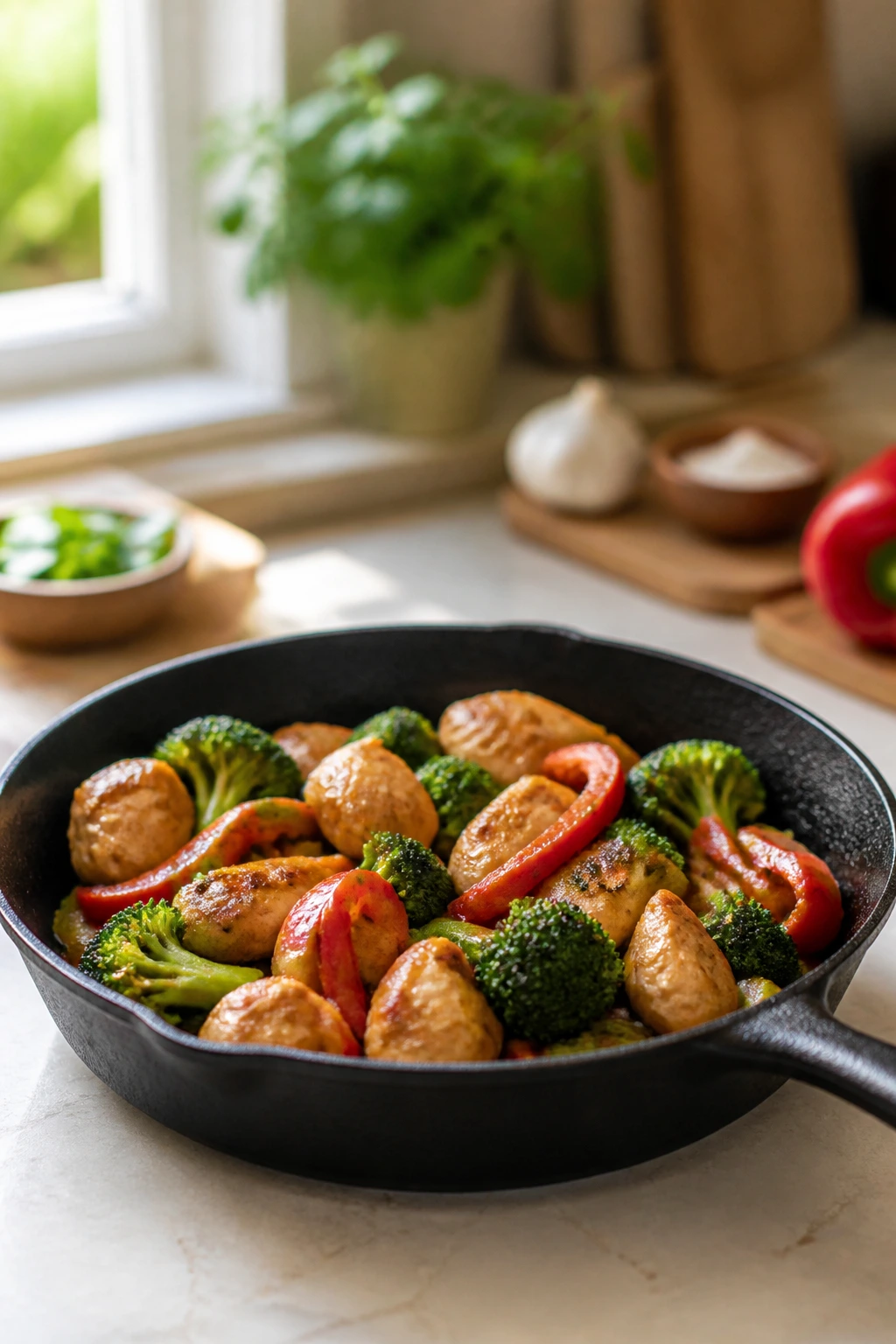
- Short ingredient lists: Every recipe here uses a tight set of Whole30 staples, so you can shop once and cook without a scavenger hunt.
- One-pan or one-skillet cleanup: A sheet pan, a skillet, or one sturdy pot does most of the work, which matters when you’re tired before you even start.
- Flexible protein choices: Chicken, turkey, beef, salmon, shrimp, and pork all show up, so you can buy what looks good and cook with confidence.
- Big flavor, no dairy or grains: Garlic, citrus, tomato, herbs, and coconut milk carry more of the load than people expect.
- Beginner-friendly timing: You get clear visual cues for doneness instead of vague “cook until done” advice.
- Leftovers that hold up: Several of these taste even better the next day, which is handy when dinner also needs to become tomorrow’s lunch.
1. Sheet Pan Lemon Garlic Chicken Thighs with Broccoli and Carrots
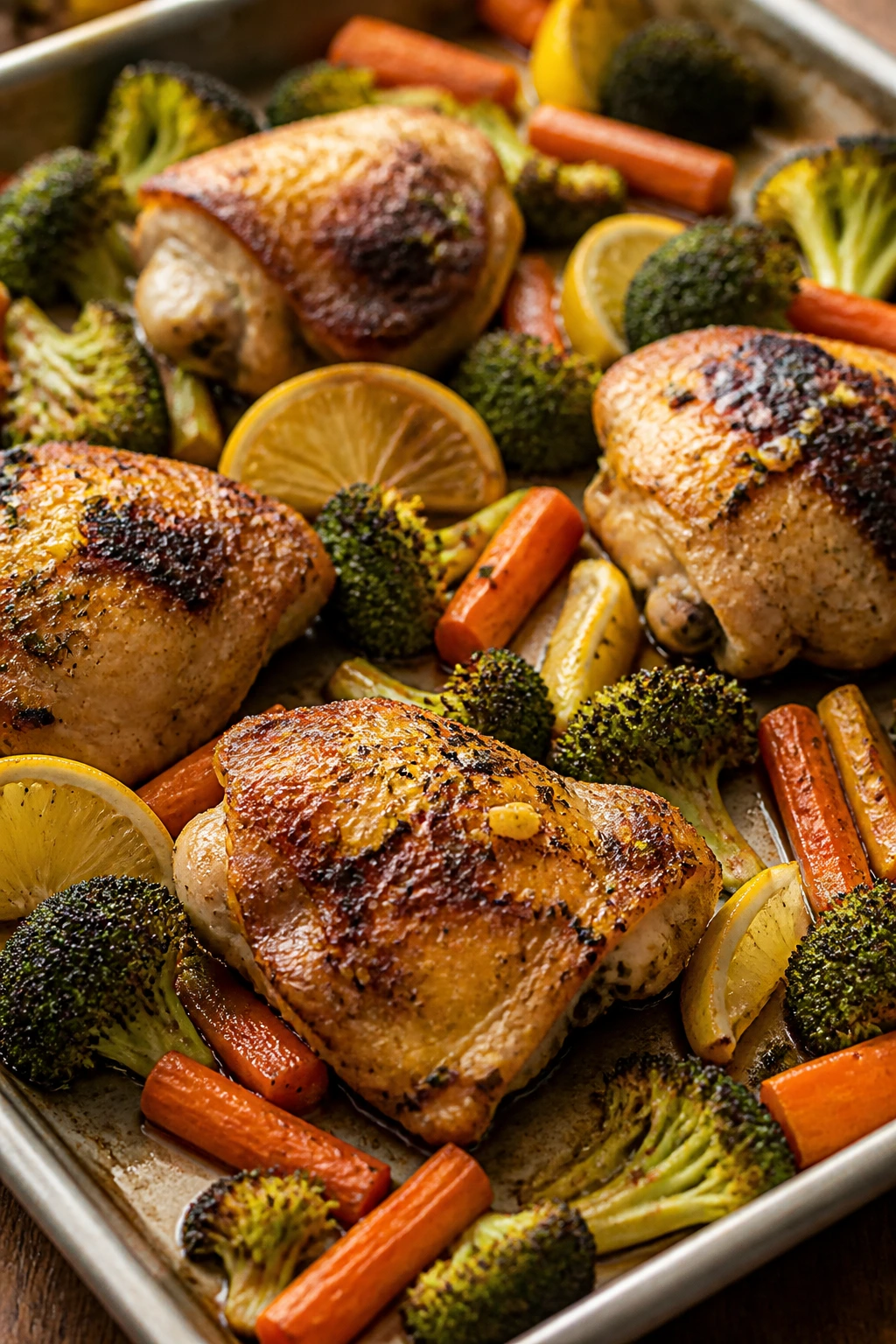
Juicy chicken thighs, browned edges, sweet carrots, and broccoli that catches a little char on the tips. That’s the whole mood here. It smells like garlic and lemon the second the pan comes out, and it looks like a dinner you put more effort into than you actually did.
This is the kind of meal that makes beginners feel calm. The oven does the work, chicken thighs stay forgiving even if you leave them in a couple of minutes too long, and the vegetables roast right alongside the protein instead of asking for a second pan. If you’re new to Whole30, that matters. A lot.
Why It Works
Chicken thighs are the right choice for a first sheet-pan dinner because they stay juicy at 425°F and don’t punish you for being a little distracted. Broccoli and carrots roast at roughly the same speed when the carrot pieces are cut on the diagonal and not left in chunky slabs. The lemon goes on at the end, which keeps the flavor bright instead of cooked-flat. It’s simple food, but not dull food.
Key Ingredients
- 2 lbs boneless, skinless chicken thighs — trim obvious fat, but don’t worry about making them perfect.
- 4 cups broccoli florets — cut into medium florets so they brown instead of steam.
- 3 large carrots, peeled and sliced on the diagonal — thinner slices roast faster and pick up sweetness.
- 3 tablespoons olive oil — enough to coat the pan and help the edges color.
- 4 garlic cloves, minced — fresh garlic gives this its backbone.
- 1 lemon, zested and juiced — the zest goes in early, the juice goes on at the end.
- 1 teaspoon kosher salt — chicken thighs need steady seasoning, not a whisper.
- 1/2 teaspoon black pepper — enough bite to keep the lemon from tasting flat.
- 1 teaspoon dried oregano — a small herby note that makes the pan taste finished.
- 2 tablespoons chopped parsley, optional — for a fresh finish if you have it.
Quick Steps
- Preheat and prep: Heat the oven to 425°F (220°C). Line a large rimmed sheet pan with parchment for easier cleanup, then set it aside.
- Season the vegetables: Toss the broccoli and carrots with 2 tablespoons of olive oil, half the garlic, half the salt, half the pepper, and the oregano. Spread them out in a single layer.
- Season the chicken: Pat the chicken thighs dry, then rub them with the remaining olive oil, garlic, salt, pepper, and lemon zest.
- Arrange the pan: Nestle the chicken thighs among the vegetables without piling anything on top of anything else. Crowding is the fast route to pale, steamed food.
- Roast: Bake for 20 minutes, then stir the vegetables and flip the chicken. Return the pan to the oven for 8 to 10 minutes, until the chicken reaches 165°F and the broccoli edges are browned.
- Finish: Drizzle the lemon juice over everything and scatter parsley on top if you’re using it. Let the chicken rest for 5 minutes before serving.
Easy Tweaks
- Flavor lift: Add a pinch of red pepper flakes to the oil mixture if you want a little heat.
- Vegetable swap: Cauliflower, Brussels sprouts, or green beans can replace the broccoli if that’s what you have.
- Make-ahead note: You can season the chicken and chop the vegetables up to 24 hours ahead, then keep them covered in the fridge.
2. Smoky Taco Beef Skillet with Cauliflower Rice
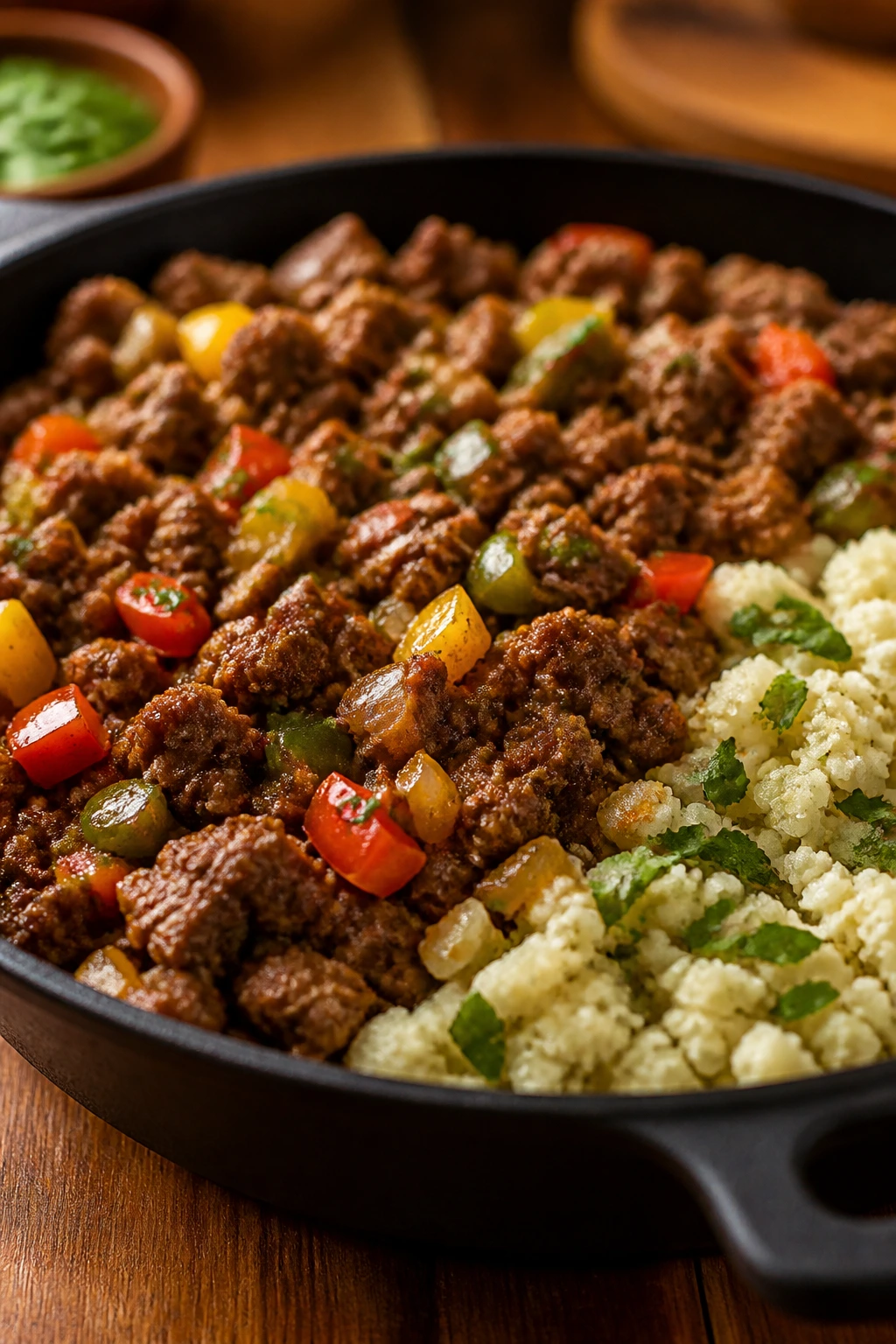
This tastes like taco night without the shell drama. The beef gets deeply browned, the spices bloom in the hot pan, and the cauliflower rice soaks up every bit of tomato and seasoning. It’s savory, a little smoky, and the sort of dinner that disappears fast.
The skillet format is what makes it beginner-friendly. You’re not juggling separate pans, and there’s no fussy layering. Brown the beef. Add the vegetables. Stir in the cauliflower rice. Done. That’s a lovely sentence for a weeknight.
What Makes It Easy
Ground beef is one of the most forgiving proteins you can buy. It browns quickly, it tells you what it’s doing, and it doesn’t care if your knife work is a little uneven. Cauliflower rice cooks in minutes and absorbs the taco seasoning without turning mushy if you keep the heat at medium and don’t walk away. A little avocado on top gives the whole skillet a creamy finish without dairy.
Pantry Check
- 1 1/2 lbs ground beef, 85/15 if you can find it — enough fat for flavor without a greasy pan.
- 1 tablespoon avocado oil — useful if your beef is lean.
- 1 medium yellow onion, diced — the base flavor that keeps the skillet from tasting one-note.
- 1 red bell pepper, diced — brings sweetness and color.
- 3 garlic cloves, minced — don’t skip it.
- 2 tablespoons tomato paste — check the label for no added sugar.
- 1 1/2 teaspoons ground cumin — gives the dish its taco shape.
- 1 teaspoon chili powder — use a compliant blend with no sugar or fillers.
- 1 teaspoon smoked paprika — adds a subtle charred note.
- 1/2 teaspoon kosher salt, plus more to taste — season in layers.
- 4 cups cauliflower rice, fresh or frozen — if frozen, thaw and drain it first.
- 1/2 cup water or unsalted broth — helps the sauce coat the cauliflower.
- 1 avocado, sliced — for the creamy finish.
- 2 tablespoons chopped cilantro — optional, but worth it.
How to Make It
- Brown the beef: Heat the avocado oil in a large skillet over medium-high heat. Add the ground beef and cook for 6 to 8 minutes, breaking it up, until browned and no pink remains.
- Cook the vegetables: Add the onion and bell pepper. Cook for 4 to 5 minutes, stirring now and then, until the onion turns translucent and the pepper softens.
- Bloom the spices: Stir in the garlic, tomato paste, cumin, chili powder, smoked paprika, and salt. Cook for 30 to 45 seconds, just until the spices smell toasty.
- Add the cauliflower rice: Stir in the cauliflower rice and water or broth. Keep the pan at medium heat and cook for 4 to 6 minutes, until the cauliflower is tender but not soggy.
- Taste and adjust: Add more salt if needed. The skillet should taste bold enough on its own before you add toppings.
- Serve: Spoon into bowls and top with avocado and cilantro.
Variations
- Mild Family Skillet: Cut the chili powder in half and add extra cumin if you want less heat.
- Spicy Borderline-Risky Version: Add a minced jalapeño with the onion and finish with red pepper flakes.
- Vegetable-Heavy Bowl: Fold in a handful of chopped spinach at the end and let it wilt for 30 seconds.
3. Roasted Salmon with Asparagus and Avocado Salsa
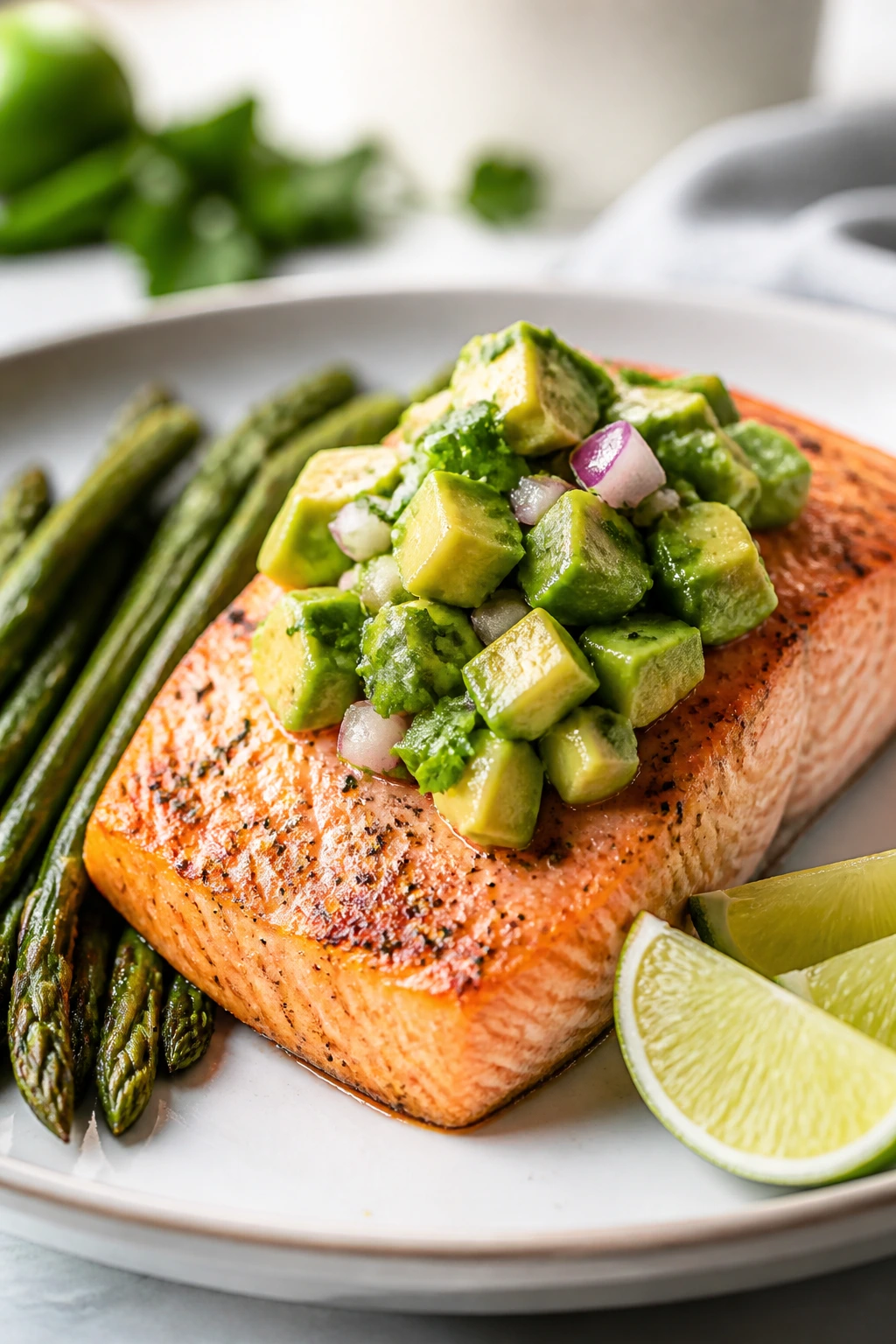
Salmon can feel intimidating until you realize it wants one thing: not to be overcooked. This dinner keeps the method simple and the results bright. The fish turns flaky and rich, the asparagus gets tender with crisp tips, and the avocado salsa brings the kind of cool, citrusy contrast that makes the whole plate sing.
I like this recipe for beginners because it teaches timing without turning dinner into a science project. Asparagus and salmon both cook quickly, and the salsa is a no-cook finish that makes the dish feel complete. If you’re nervous about fish, this is a smart place to start.
Why This One Works
Salmon fillets are naturally rich, which means they don’t need a lot of fuss. A hot oven and a short cook time are enough to bring out the texture you want: opaque on the outside, just barely translucent in the center if you like it that way, or fully opaque if you prefer it more done. Asparagus cooks in the same window, especially when the spears are medium-thick and not pencil thin. The avocado salsa cuts through the richness so the dish doesn’t feel heavy.
Ingredients You’ll Need
- 4 salmon fillets, about 6 oz each — pick fillets that are roughly the same thickness.
- 1 lb asparagus, woody ends trimmed — medium spears roast best here.
- 2 tablespoons olive oil — split between the fish and the vegetables.
- 1 teaspoon kosher salt — use a little on the asparagus, a little on the salmon.
- 1/2 teaspoon black pepper — enough to sharpen the flavor.
- 2 limes, divided — one for the salmon, one for the salsa.
- 2 avocados, diced — choose ripe but not mushy avocados.
- 1/4 cup red onion, finely diced — keeps the salsa sharp.
- 2 tablespoons chopped cilantro — fresh and bright.
- 1 small garlic clove, very finely minced — optional, but it adds depth.
- Pinch of red pepper flakes, optional — if you want a little heat.
Steps That Keep It Simple
- Heat the oven: Preheat to 400°F (205°C). Line a sheet pan with parchment if you want easier cleanup.
- Prep the vegetables: Toss the asparagus with 1 tablespoon of olive oil and 1/2 teaspoon salt. Spread it in a single layer on the pan.
- Roast the asparagus first: Put the pan in the oven for 8 minutes. Starting the asparagus first keeps the fish and vegetables done at the same time.
- Season the salmon: Rub the fillets with the remaining olive oil, salt, pepper, and the zest and juice of 1 lime.
- Add the salmon: Move the asparagus aside and place the salmon on the pan. Roast for 10 to 12 minutes, until the fish flakes easily with a fork and the center is just cooked through.
- Mix the salsa: Stir together the avocado, red onion, cilantro, garlic if using, juice of the second lime, and a pinch of salt.
- Serve immediately: Spoon the salsa over the salmon and let the asparagus catch some of the juices on the plate.
Little Fixes
- Don’t overcook the salmon: Pull it when it flakes but still looks moist in the center; it keeps cooking for a minute or two after the pan comes out.
- Use thick asparagus if you can: Skinny spears turn soft too fast and lose that crisp edge.
- Make the salsa last: Avocado browns if it sits around too long, so mix it right before serving.
4. Turkey Meatballs with Tomato Sauce and Zucchini Noodles
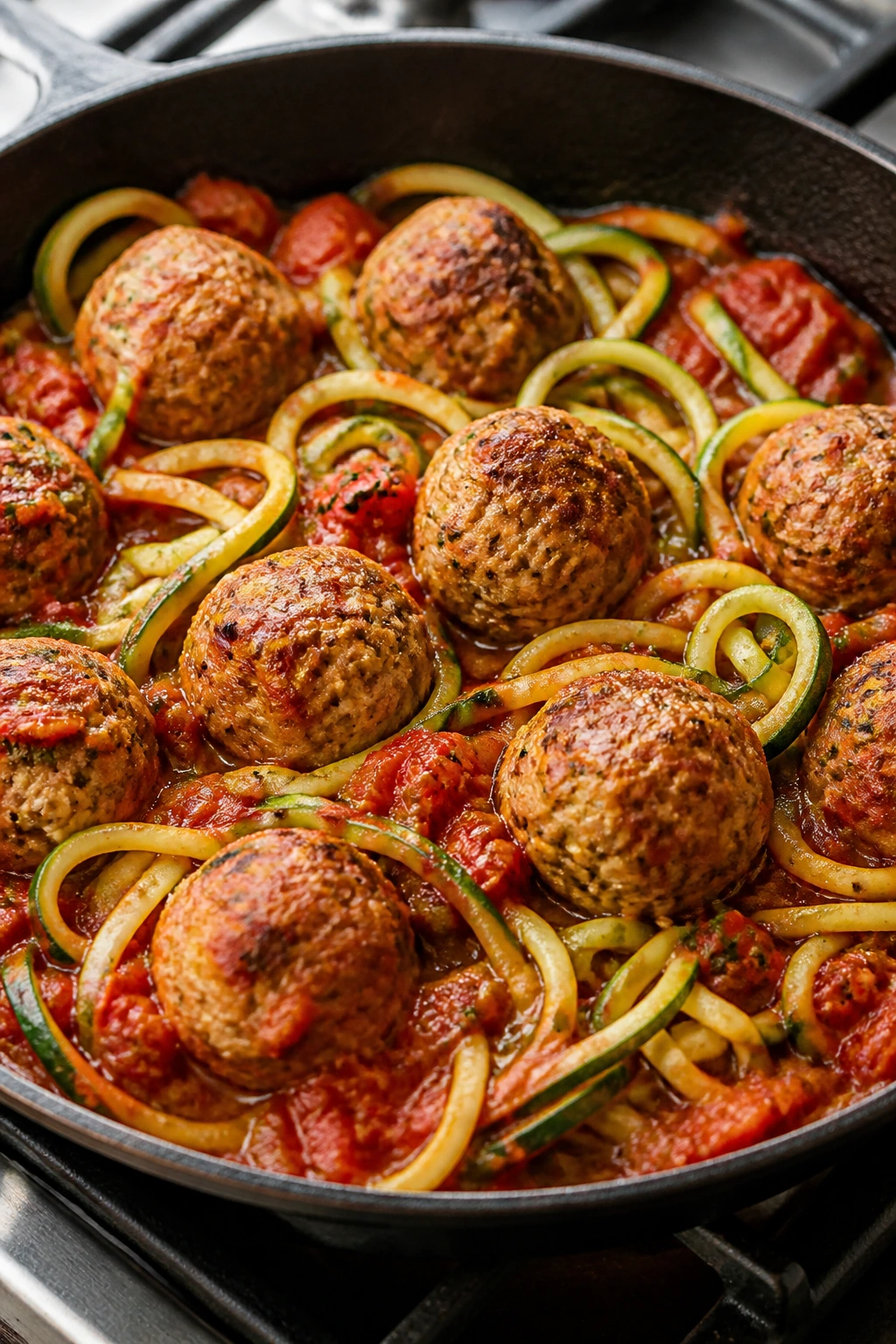
These meatballs are soft in the middle, lightly browned on the outside, and tucked into a tomato sauce that tastes like it simmered longer than it did. The zucchini noodles keep the plate light, but not sad. That balance matters when you’re trying to make Whole30 feel like dinner and not a lecture.
Turkey meatballs are a great early Whole30 win because they are more forgiving than people think. A little almond flour and egg keep them tender, the sauce covers a multitude of small imperfections, and the whole thing can be finished in one skillet. That’s a welcome sight on a Tuesday.
Why It Fits Whole30
Ground turkey needs structure, and Whole30 gives you a simple one: egg, almond flour, herbs, and salt. The sauce keeps the meatballs from drying out, which is especially helpful if you’re new to judging doneness by feel. Zucchini noodles cook in a flash, so you get a full dinner without the heavy starch. It’s a plate that feels familiar without borrowing from grains or dairy.
Shopping List
- 1 1/2 lbs ground turkey — 93% lean is a nice middle ground.
- 1 large egg — helps bind the meatballs.
- 1/4 cup almond flour — keeps them tender and compliant.
- 2 tablespoons chopped parsley — fresh flavor inside the meatballs.
- 2 garlic cloves, minced — one for the meatballs, one for the sauce if you want.
- 1 teaspoon dried Italian seasoning — oregano, basil, thyme, or a mix.
- 1 teaspoon kosher salt — turkey needs proper seasoning.
- 1/2 teaspoon black pepper — small amount, big payoff.
- 1 tablespoon olive oil — for browning.
- 1 medium onion, diced — for the sauce.
- 1 28-ounce can crushed tomatoes, no sugar added — read the label.
- 1 teaspoon dried oregano — boosts the tomato sauce.
- 4 medium zucchini, spiralized — or buy pre-spiralized noodles if you want to save time.
- 1 tablespoon apple cider vinegar — brightens the sauce at the end.
How to Cook It
- Mix the meatballs: In a large bowl, combine the turkey, egg, almond flour, parsley, garlic, Italian seasoning, salt, and pepper. Mix gently until just combined; overmixing makes the meatballs dense.
- Shape them: Roll into 16 to 18 meatballs, about 1 1/2 inches wide. Keep them roughly the same size so they cook evenly.
- Brown the meatballs: Heat the olive oil in a large skillet over medium heat. Add the meatballs and cook for 6 to 8 minutes, turning them gently, until browned on most sides.
- Build the sauce: Add the onion and cook for 3 to 4 minutes, then stir in the crushed tomatoes, oregano, and apple cider vinegar. Bring to a gentle simmer.
- Simmer through: Cover partially and cook for 12 to 15 minutes, until the meatballs reach 165°F and the sauce thickens slightly.
- Cook the zucchini noodles: In a second skillet, sauté the zoodles over medium heat for 1 to 2 minutes, just until they soften a touch. They should still have some bite.
- Serve: Spoon the sauce and meatballs over the zucchini noodles.
Ways to Change It
- Spaghetti Squash Swap: Roast spaghetti squash halves and shred the strands instead of using zucchini noodles.
- Herbier Version: Add chopped basil at the end for a sharper, fresher finish.
- Freezer Smart Move: Freeze the cooked meatballs in sauce, then thaw and reheat on the stove for an easy future dinner.
5. Coconut Curry Chicken with Bell Peppers and Spinach
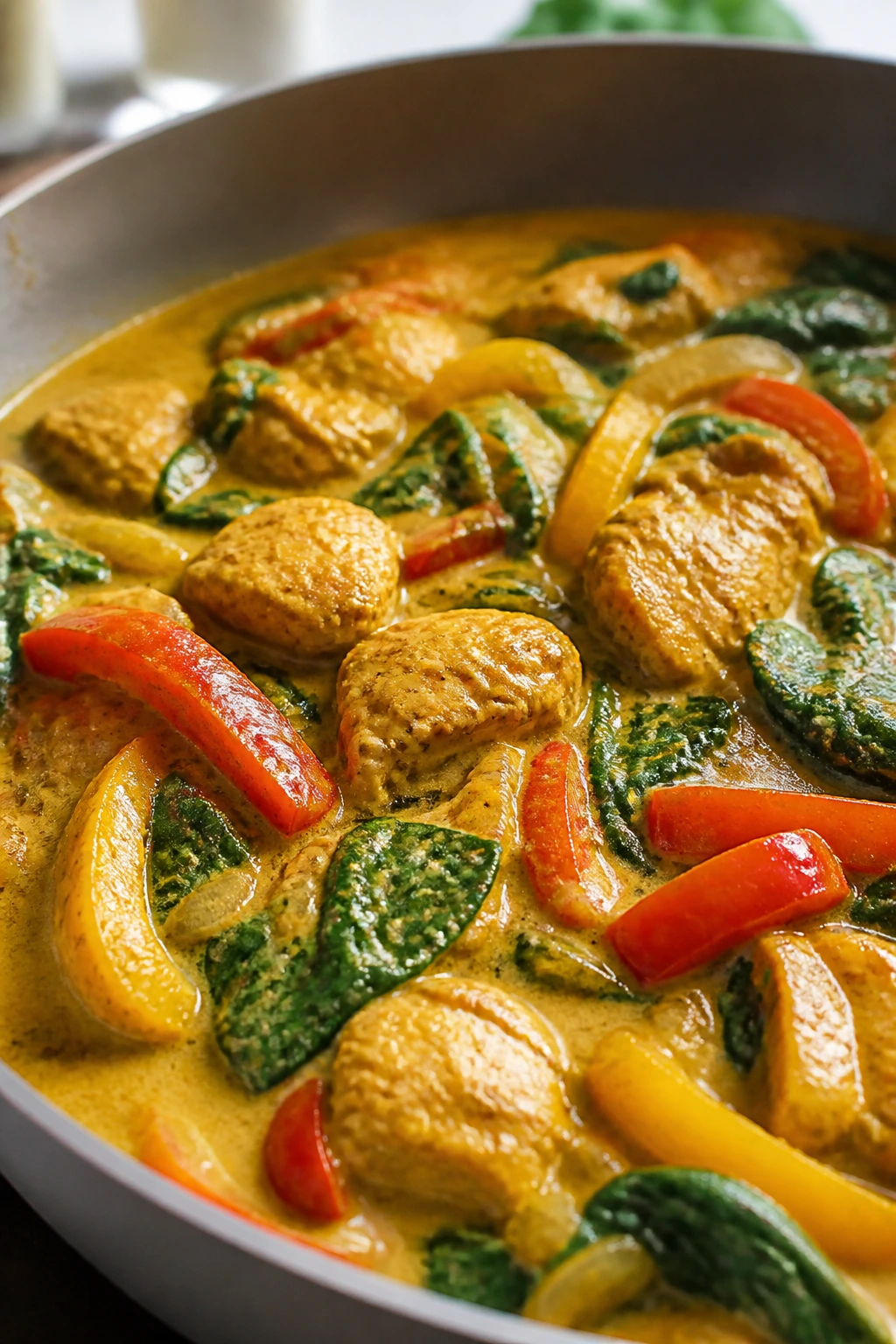
This one smells like ginger, garlic, and warm spice the second the coconut milk hits the pan. The sauce is creamy without any dairy, the bell peppers stay sweet, and the spinach disappears into the coconut base like it was meant to be there all along. It’s the kind of dinner that feels richer than the ingredient list suggests.
Beginners often assume curry means complicated. It doesn’t have to. Here, the trick is to bloom the spices in oil for a few seconds before you add the liquid. That tiny step gives the whole dish its depth.
What Makes It Work
Coconut milk gives you body and silkiness without needing cream. Chicken thighs work especially well because they stay tender through a short simmer, though chicken breast can work if you watch the clock closely. Bell peppers add color and a little sweetness, while spinach softens into the sauce at the end. The whole pan becomes dinner with hardly any separate effort.
Core Ingredients
- 1 1/2 lbs boneless, skinless chicken thighs, cut into bite-size pieces — thighs stay juicier than breasts.
- 1 tablespoon coconut oil — helps the spices bloom.
- 1 medium onion, sliced — a soft base for the curry.
- 3 garlic cloves, minced — fresh and sharp.
- 1 tablespoon fresh ginger, grated — the flavor wakes up fast.
- 2 tablespoons curry powder — check for added sugar or fillers.
- 1 teaspoon kosher salt — add more at the end if needed.
- 1 red bell pepper, sliced — for color and sweetness.
- 1 yellow bell pepper, sliced — optional, but nice.
- 1 13.5-ounce can full-fat coconut milk — shake it well before opening.
- 1 cup unsalted chicken broth — thins the sauce just enough.
- 2 cups cauliflower florets — they hold their shape in the simmer.
- 2 cups baby spinach — for the last-minute green note.
- 1 tablespoon lime juice — brightens the finished curry.
How to Make It
- Start the aromatics: Heat the coconut oil in a large skillet over medium heat. Add the onion and cook for 3 to 4 minutes, until softened.
- Add garlic and ginger: Stir in the garlic and ginger and cook for 30 seconds, just until fragrant.
- Brown the chicken: Add the chicken pieces, salt, and curry powder. Cook for 4 to 5 minutes, stirring, until the chicken is lightly browned on the outside.
- Add the liquid and vegetables: Pour in the coconut milk and broth, then add the bell peppers and cauliflower. Bring the mixture to a gentle simmer.
- Simmer until tender: Cook for 10 to 12 minutes, uncovered, until the chicken is cooked through and the cauliflower is tender but not collapsing.
- Finish with greens: Stir in the spinach and cook for 1 minute, just until it wilts.
- Brighten and serve: Add the lime juice, taste for salt, and serve hot over cauliflower rice if you want a bigger bowl.
Small Tweaks
- Milder Curry: Use 1 tablespoon curry powder instead of 2 if you want a gentler flavor.
- Thicker Sauce: Simmer uncovered for a few extra minutes at the end.
- More Heat: Add a pinch of red pepper flakes with the curry powder.
6. Pork Tenderloin with Apples and Brussels Sprouts
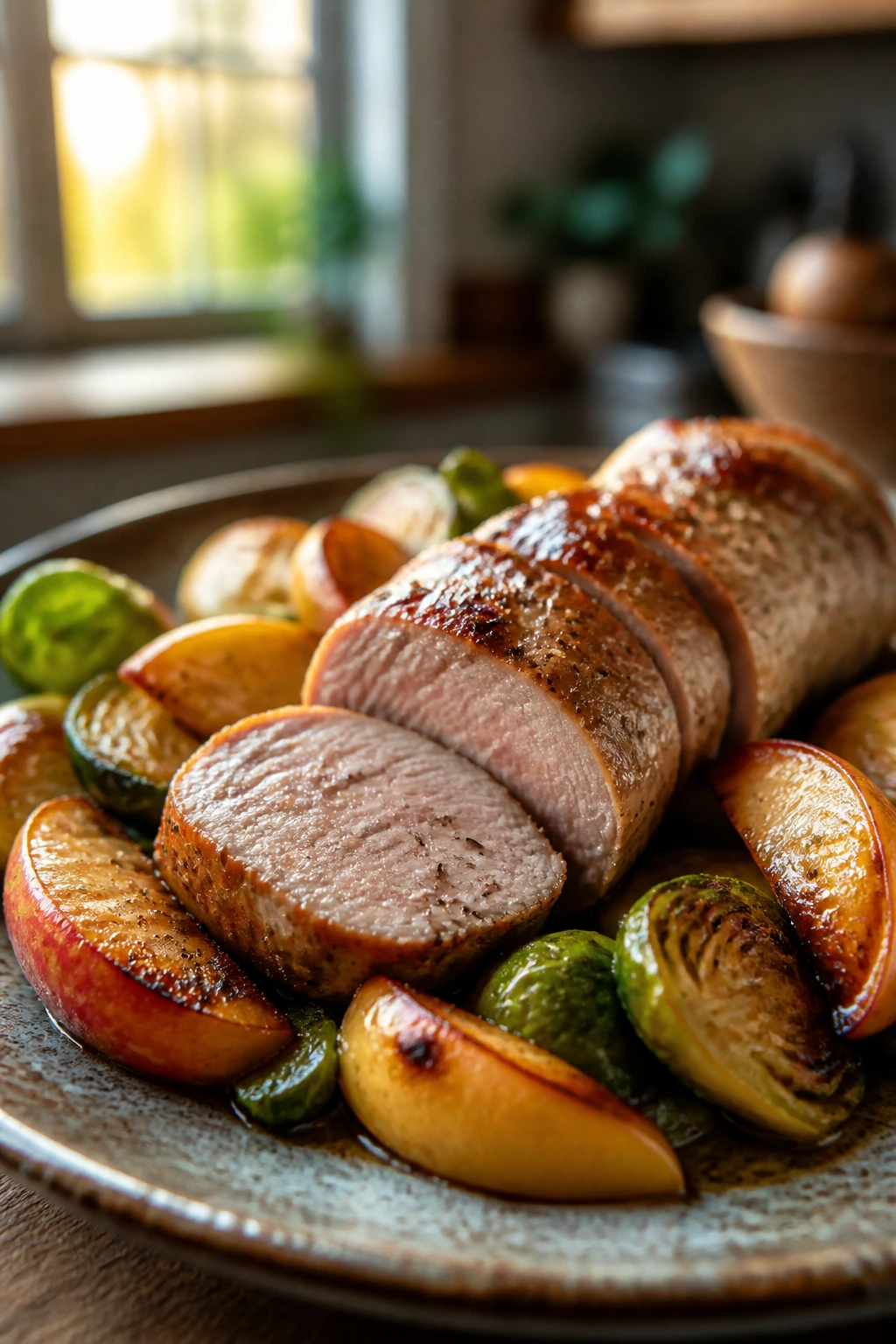
Pork tenderloin has a quiet confidence to it. It sears well, roasts quickly, and plays nicely with sweet fruit and bitter greens. Here, the apples soften at the edges, the Brussels sprouts pick up a little caramelization, and the pork stays tender if you pull it on time. That’s the part people miss. Timing matters more than fuss.
This dinner feels a little more polished than the rest of the collection, but it isn’t harder. If you can stir vegetables and check a thermometer, you can make it. And if you’ve been avoiding pork because it sounds fussy, this is the one that should change your mind.
Why It Works
Pork tenderloin is lean, which means it cooks quickly and doesn’t need a long roast to turn out well. The apples release a little juice into the pan, which keeps the vegetables from drying out while also adding a gentle sweetness. Brussels sprouts love high heat, and their cut sides get nicely browned in the same window. A splash of apple cider vinegar at the end keeps the pan from leaning too sweet.
Ingredients to Buy
- 1 1/2 lbs pork tenderloin — trim the silvery membrane if it’s still attached.
- 1 lb Brussels sprouts, trimmed and halved — cut through the stem so they stay together.
- 2 firm apples, cored and sliced into wedges — Honeycrisp, Fuji, or Gala all work.
- 2 tablespoons olive oil — divided.
- 1 teaspoon kosher salt — give the pork and vegetables their share.
- 1/2 teaspoon black pepper — sharpens the sweet elements.
- 1 teaspoon dried rosemary — a little goes a long way.
- 1 teaspoon garlic powder — keeps the seasoning even.
- 1 tablespoon apple cider vinegar — for the finish.
- Optional: 1 tablespoon chopped fresh parsley — for a cleaner look at the end.
Quick Steps
- Preheat the oven: Set it to 425°F (220°C).
- Season the pork: Rub the tenderloin with 1 tablespoon olive oil, salt, pepper, rosemary, and garlic powder.
- Start the sear: Heat the remaining oil in an oven-safe skillet over medium-high heat. Sear the pork for 2 to 3 minutes per side, until browned.
- Add the vegetables: Scatter the Brussels sprouts and apple wedges around the pork. Toss them lightly in the pan juices.
- Roast: Transfer the skillet to the oven and cook for 15 to 20 minutes, until the pork reaches 145°F in the thickest part and the sprouts are tender with browned edges.
- Rest and finish: Move the pork to a cutting board and let it rest for 5 to 10 minutes. Drizzle the vegetables with apple cider vinegar, then slice the pork against the grain.
Little Fixes
- Use firm apples: Soft apples can collapse into mush before the pork is done.
- Don’t overcook the tenderloin: Pull it at 145°F and let the rest do its work.
- Slice against the grain: The tenderloin stays much easier to chew when you cut it correctly.
7. Cabbage Roll Skillet with Ground Turkey
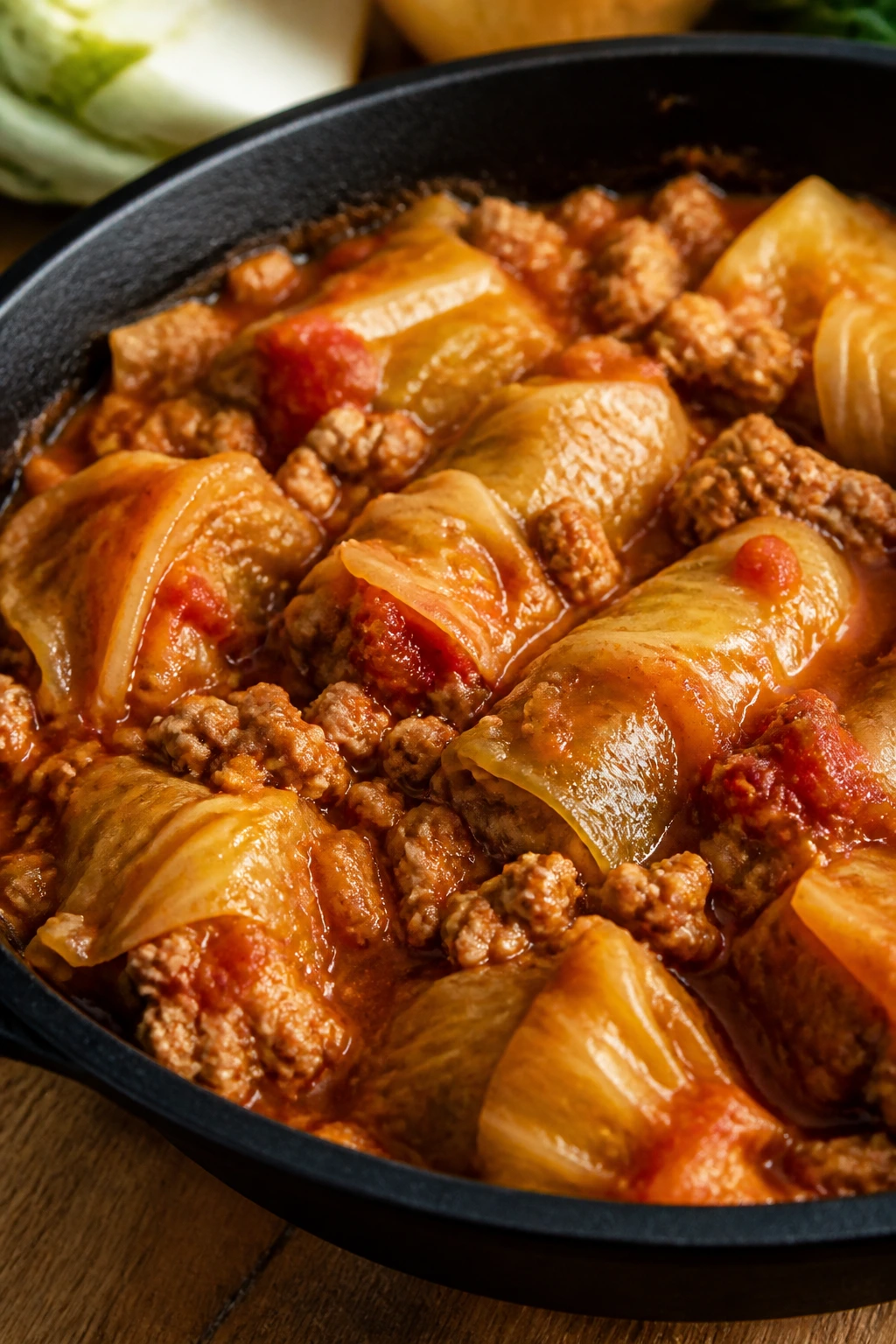
All the flavor of cabbage rolls, none of the rolling. That’s the pitch, and it’s a good one. The cabbage softens into the tomato sauce, the turkey brings the protein, and the skillet fills with a cozy, savory smell that makes the whole kitchen feel lived in. A little rough around the edges, in a good way.
This is one of my favorite beginner Whole30 dinners because it rewards patience without demanding skill. You’re not shaping anything delicate, and you’re not trying to make perfect little parcels. You’re just cooking a reliable skillet meal that tastes familiar in a very comforting way.
Why It Works
Cabbage rolls usually take time because the cabbage has to be softened and the filling has to be cooked separately. This skillet version collapses all of that into one pan. The cabbage wilts in the tomato sauce, the turkey stays juicy, and a splash of vinegar at the end gives the dish the little tang that makes cabbage roll flavors recognizable. It’s the same old idea, just stripped down to what matters.
Ingredient List
- 1 1/2 lbs ground turkey — lean enough to stay light, fatty enough to stay flavorful.
- 1 medium yellow onion, diced — the first layer of flavor.
- 2 garlic cloves, minced — enough to keep the sauce from tasting flat.
- 1 small green cabbage, cored and sliced — about 8 packed cups.
- 1 15-ounce can tomato sauce, no sugar added — check the label carefully.
- 1 14.5-ounce can diced tomatoes, no sugar added — gives body and texture.
- 1 cup unsalted chicken broth — helps the cabbage steam and soften.
- 1 teaspoon paprika — mild warmth and color.
- 1 teaspoon dried oregano — classic tomato-sauce flavor.
- 1 tablespoon apple cider vinegar — wakes up the whole skillet.
- 1 teaspoon kosher salt — start here, then taste.
- 1/2 teaspoon black pepper — small but important.
How to Cook It
- Brown the turkey: Heat a large skillet over medium-high heat. Add the ground turkey and cook for 6 to 7 minutes, breaking it up, until no pink remains.
- Add onion and garlic: Stir in the onion and cook for 3 to 4 minutes, then add the garlic and cook for 30 seconds.
- Add the cabbage: Pile in the cabbage and stir it around for a minute or two. It will look impossible at first, then suddenly not.
- Build the sauce: Pour in the tomato sauce, diced tomatoes, broth, paprika, oregano, salt, and pepper. Stir well.
- Simmer: Cover the skillet and cook over medium-low heat for 15 to 20 minutes, stirring once or twice, until the cabbage is tender and the sauce has thickened.
- Finish: Stir in the apple cider vinegar. Taste and add a pinch more salt if needed.
- Serve hot: Spoon into bowls while the cabbage is still silky and the sauce is glossy.
Ways to Change It
- Extra Hearty: Stir in chopped mushrooms with the onion if you want more body.
- Herbier Finish: Add chopped dill or parsley at the end for a fresher finish.
- Mild Tang: If you like the cabbage roll flavor sharper, add another teaspoon of vinegar.
8. Shrimp and Pepper Skillet over Cauliflower Rice
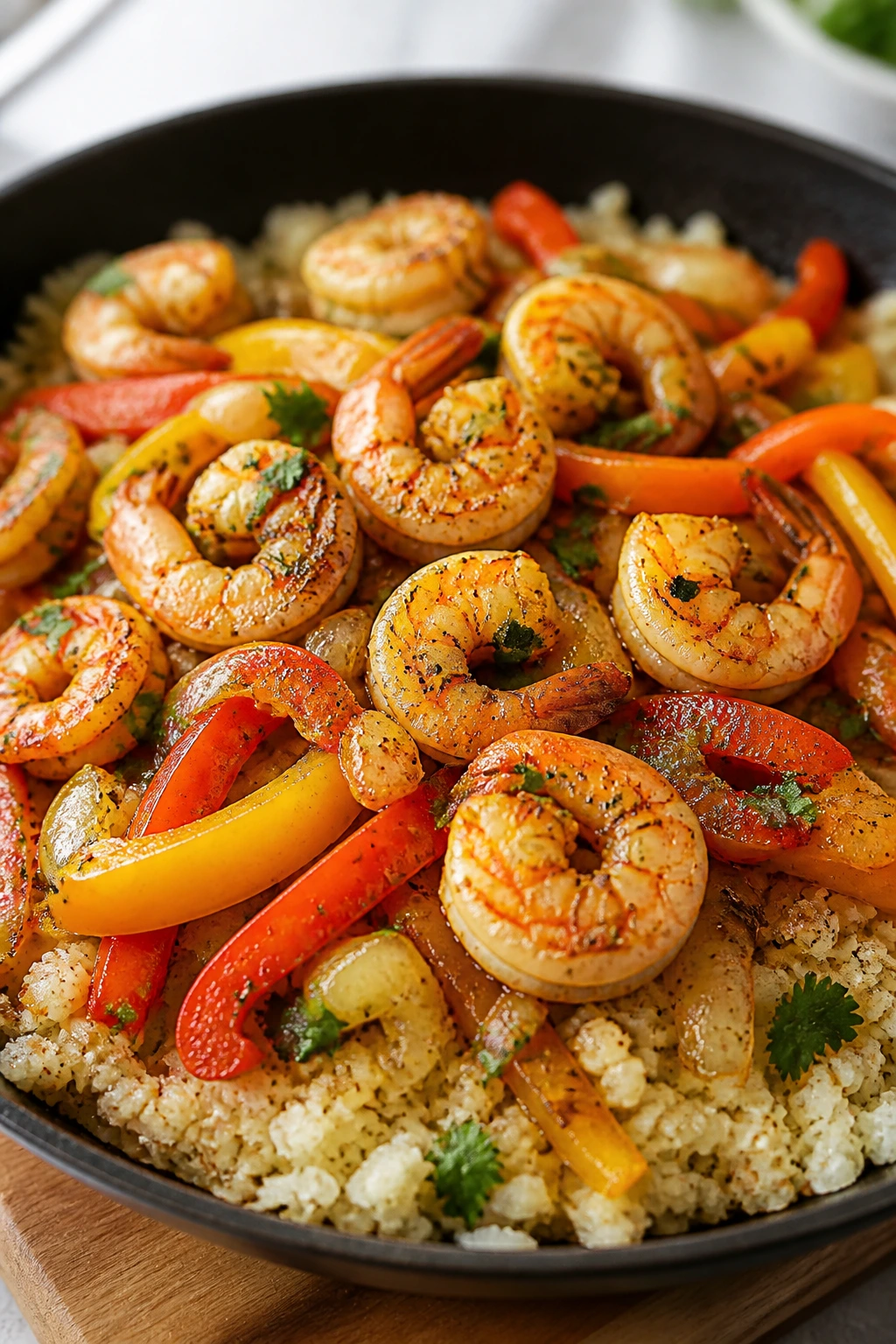
Shrimp are fast, bright, and a little bit showy in the best way. They curl in the pan, turn pink almost immediately, and make you feel like you got away with something because dinner took so little time. Bell peppers bring sweetness, cauliflower rice catches the juices, and lime at the end gives the whole thing a snap.
This is the fastest dinner in the group, which makes it useful when you’re hungry and patience is gone. The key is to keep the shrimp dry, the pan hot, and the cook time short. Shrimp do not need your help for long. Sometimes they need less.
Why It Earns a Spot
Shrimp cook in minutes, which is exactly why beginners like them once they stop worrying about them. If they’re thawed well and patted dry, they sear instead of steaming. Bell peppers soften without losing all their shape, and cauliflower rice keeps the skillet from feeling too light. Lime juice at the end gives the dish a clean, almost beachy brightness without crossing into sugary sauce territory.
Ingredients
- 1 1/2 lbs raw shrimp, peeled and deveined — medium or large both work.
- 2 bell peppers, sliced — use different colors if you want the pan to look lively.
- 1 medium onion, sliced — helps round out the sweetness.
- 3 garlic cloves, minced — always worth it.
- 2 tablespoons olive oil — enough to coat the pan well.
- 1 teaspoon smoked paprika — the main seasoning note.
- 1/2 teaspoon ground cumin — supports the paprika.
- 1/4 teaspoon red pepper flakes — optional, for heat.
- 4 cups cauliflower rice, fresh or frozen — thaw and drain frozen rice first.
- 2 limes — one for the pan, one for serving.
- 2 tablespoons chopped cilantro — optional but fresh.
- Salt and black pepper, to taste — season the shrimp and vegetables separately.
Quick Steps
- Dry the shrimp: Pat the shrimp dry with paper towels and season lightly with salt, pepper, and half the smoked paprika.
- Cook the vegetables: Heat 1 tablespoon olive oil in a large skillet over medium-high heat. Add the onion and peppers and cook for 5 to 6 minutes, until softened but still a little crisp.
- Add garlic and spices: Stir in the garlic, cumin, remaining paprika, and red pepper flakes if using. Cook for 30 seconds.
- Cook the shrimp: Push the vegetables to the side or remove them briefly. Add the remaining oil and the shrimp. Cook for 2 to 3 minutes per side, until pink and opaque.
- Warm the cauliflower rice: Stir in the cauliflower rice and cook for 3 to 4 minutes, just until hot and tender.
- Finish with lime: Squeeze in the juice of 1 lime, then taste and adjust salt.
- Serve: Top with cilantro and more lime if you like it sharp.
Tips
- Do not overcook the shrimp: The line between tender and rubbery is short.
- Frozen cauliflower rice is fine: Just thaw and squeeze out extra water first.
- Serve with avocado: A few slices make the bowl feel fuller.
9. Burger Bowls with Pickles and Special Sauce
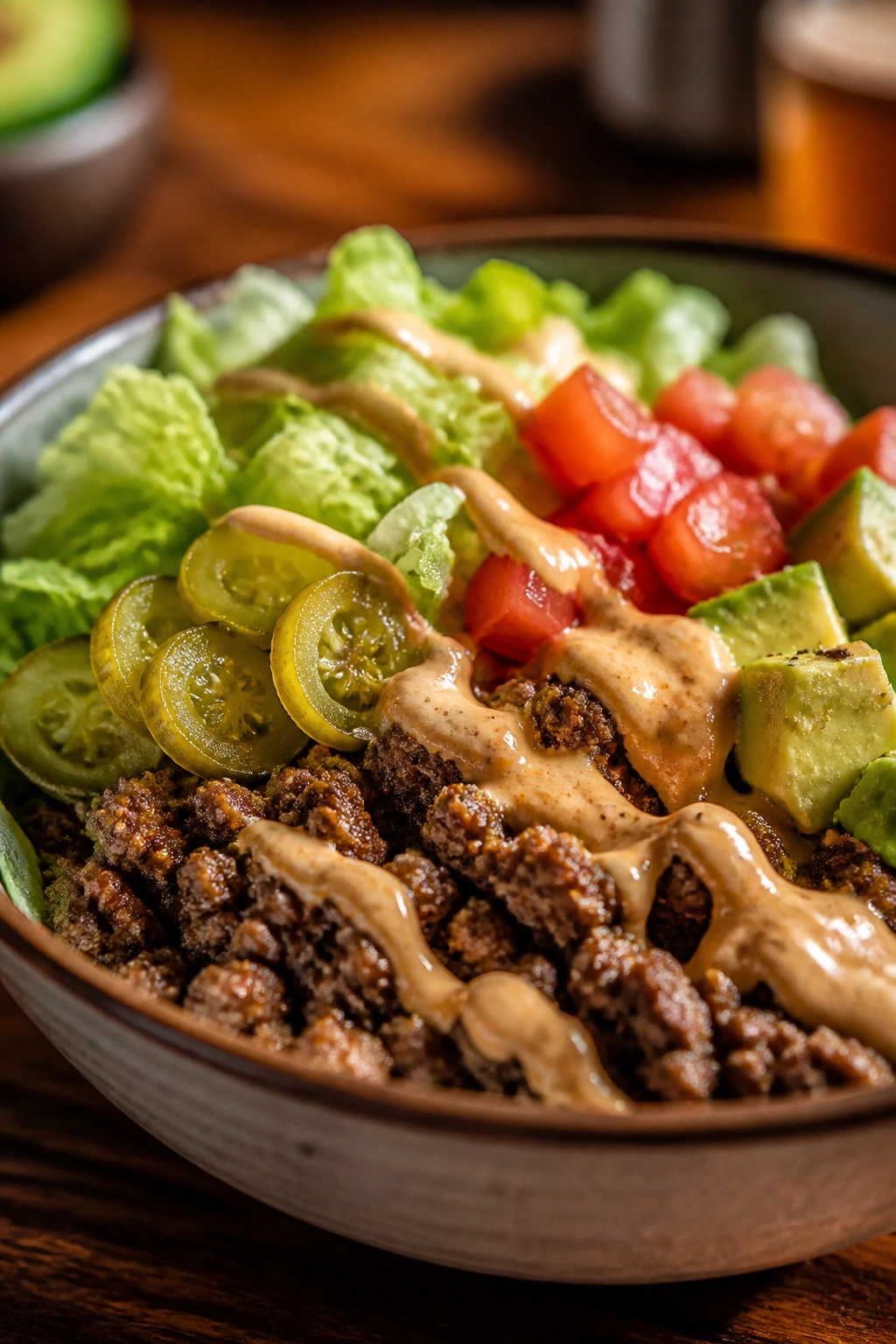
All the comfort of a burger, minus the bun and the side of regret. That’s the appeal here. You get browned beef, crunchy lettuce, tomatoes, pickles, red onion, avocado, and a creamy sauce that tastes like it belongs on a diner tray. It scratches a very specific itch.
This is one of the best beginner Whole30 dinners because it feels familiar on the first bite. There’s no strange texture to get used to, no special technique, and no ingredient that makes you stop and wonder why it’s there. It’s dinner by assembly, which is not laziness. It’s smart.
Why This One Works
A burger bowl gives you a lot of flavor with very little fuss. The beef cooks fast, the vegetables stay raw and crisp, and the sauce brings the whole thing together without relying on sugar. Because the toppings are separate, everyone can build their own bowl. That’s a small thing, but small things keep dinner from turning into a negotiation.
Build List
- 1 1/2 lbs ground beef — 85/15 gives good flavor and texture.
- 1 teaspoon kosher salt — season the beef well.
- 1/2 teaspoon black pepper — enough to sharpen the meat.
- 1 teaspoon garlic powder — simple and reliable.
- 1 tablespoon avocado oil — optional if the beef is lean.
- 6 cups chopped romaine or iceberg lettuce — romaine holds up better, iceberg gives more crunch.
- 2 medium tomatoes, diced — for juiciness.
- 1/2 red onion, thinly sliced — sharp enough to matter.
- 1 avocado, sliced — for creaminess.
- 1/2 cup dill pickle slices, compliant and sugar-free — check the label.
- 1/2 cup avocado-oil mayonnaise — Whole30-compliant.
- 1 tablespoon Dijon mustard — make sure it’s compliant.
- 1 tablespoon pickle juice — the secret to the burger-sauce vibe.
- 1 tablespoon tomato paste — optional, but it deepens the sauce.
- 1/2 teaspoon smoked paprika — for that familiar burger-shop note.
How to Make It
- Make the sauce: Stir together the mayonnaise, mustard, pickle juice, tomato paste, and smoked paprika in a small bowl. Taste and add a pinch of salt if needed.
- Cook the beef: Heat a skillet over medium-high heat. Add the ground beef, salt, pepper, and garlic powder. Cook for 6 to 8 minutes, breaking it up, until browned and cooked through.
- Drain if needed: If there’s more fat than you want, spoon a little off. Leave enough behind to keep the beef juicy.
- Build the bowls: Divide the lettuce among 4 bowls. Top with beef, tomatoes, onion, avocado, and pickles.
- Add the sauce: Spoon the special sauce over the top or serve it on the side.
- Eat while the beef is warm: That contrast between hot meat and cold greens is half the charm.
Make It Your Own
- Cheeseburger Feel, No Cheese: Add chopped dill pickles and extra mustard for a sharper flavor profile.
- Bacon Version: Crisp 4 to 6 slices of compliant bacon and crumble them over the bowls.
- Meal-Prep Move: Keep the sauce and toppings separate until you’re ready to eat so the lettuce stays crisp.
10. Steak, Mushrooms, and Green Beans Skillet
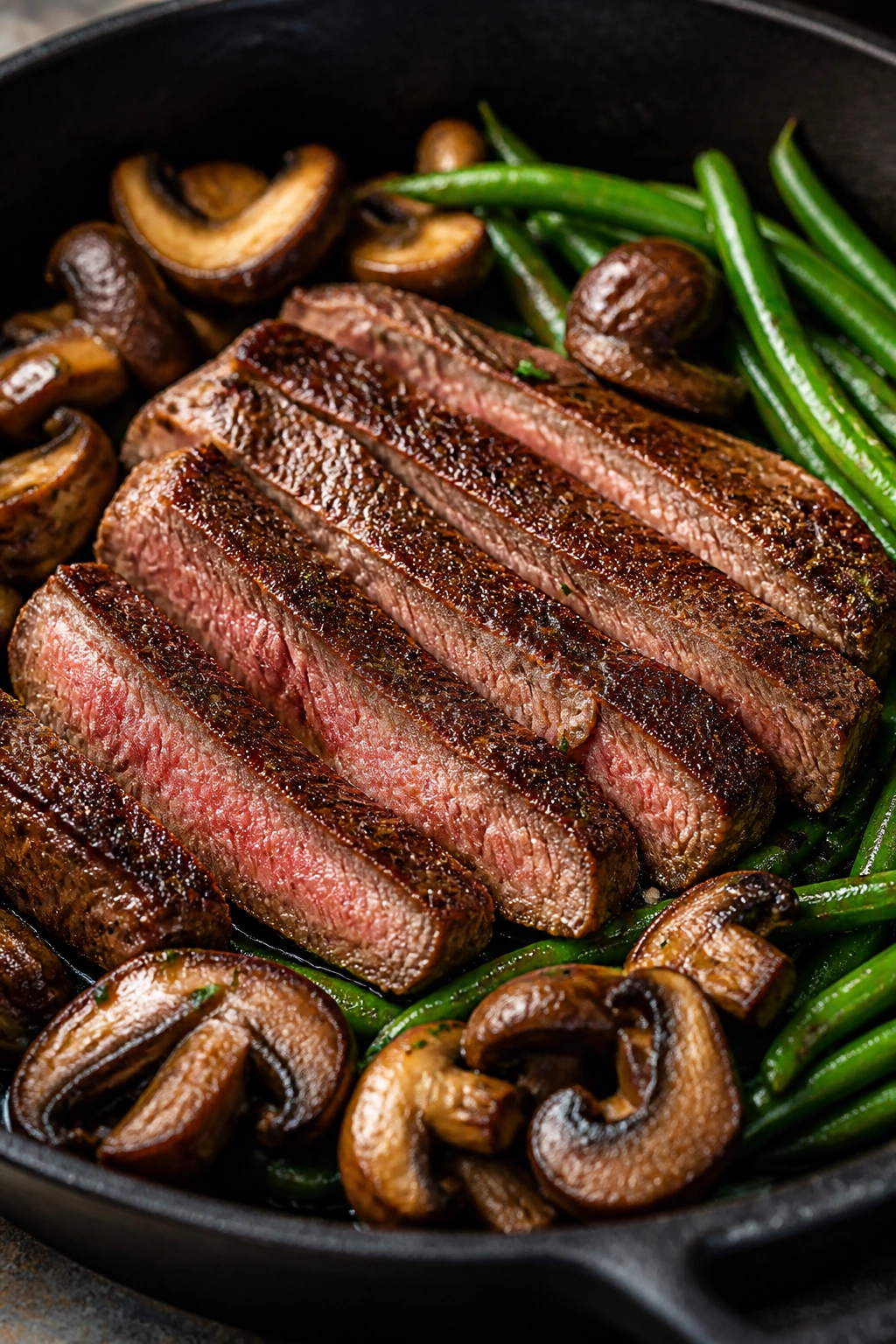
Steak dinners look fancy until you make one in a skillet and realize most of the glamour is just good browning and a short rest. The mushrooms soak up the pan drippings, the green beans stay crisp-tender, and the steak slices across the top like you meant to do something elegant. You did. Sort of.
This is the dinner I’d hand to someone who wants a “real” meal without a complicated process. Sirloin is the friendly cut here. It’s flavorful, cooks quickly, and doesn’t need a marinade to behave. If you can heat a pan properly and let meat rest, you can make this work.
Why It Stands Out
A hot skillet gives steak a proper crust, which is where a lot of the flavor lives. Mushrooms are good at catching everything in the pan, so they act like little flavor sponges. Green beans keep the plate from getting too heavy, and they cook quickly enough to fit the same pan timing. The whole thing feels balanced without trying too hard.
Core Ingredients
- 1 1/2 lbs sirloin steak or flank steak — sirloin is a little easier for beginners.
- 8 oz cremini mushrooms, sliced — baby bellas also work.
- 12 oz green beans, trimmed — crisp and quick-cooking.
- 1 small shallot or 1/2 yellow onion, thinly sliced — adds sweetness.
- 3 garlic cloves, minced — added late so they don’t burn.
- 2 tablespoons olive oil — split between the steak and vegetables.
- 1 teaspoon kosher salt — season in layers.
- 1/2 teaspoon black pepper — enough for a proper crust.
- 1 tablespoon coconut aminos — optional, but gives a deeper savory note.
- 1 tablespoon lemon juice — brightens the pan right at the end.
Quick Steps
- Prep the steak: Pat the steak dry and season both sides with salt and pepper. Let it sit at room temperature for 15 to 20 minutes if you have time.
- Sear the steak: Heat 1 tablespoon olive oil in a large skillet over medium-high heat. Sear the steak for 3 to 4 minutes per side for medium-rare, or a minute or two longer if you want it more done.
- Rest it: Move the steak to a cutting board and let it rest. Do not skip this or the juices will run everywhere.
- Cook the vegetables: Add the remaining oil, mushrooms, green beans, and shallot to the skillet. Cook for 5 to 6 minutes, stirring now and then, until the beans are crisp-tender and the mushrooms have browned.
- Add garlic and finish the pan: Stir in the garlic and cook for 30 seconds. Add coconut aminos if using, and a splash of lemon juice.
- Slice and serve: Cut the steak against the grain, then return any juices to the skillet or spoon them over the top.
Small Tweaks
- Flank Steak Version: Slice it extra thin across the grain for the most tender bite.
- More Sauce: Add another teaspoon of lemon juice and a splash of broth if you want the pan a little looser.
- Vegetable Swap: Broccolini or asparagus can replace the green beans without changing the method much.
Why These Whole30 Dinners Work on a Real Weeknight
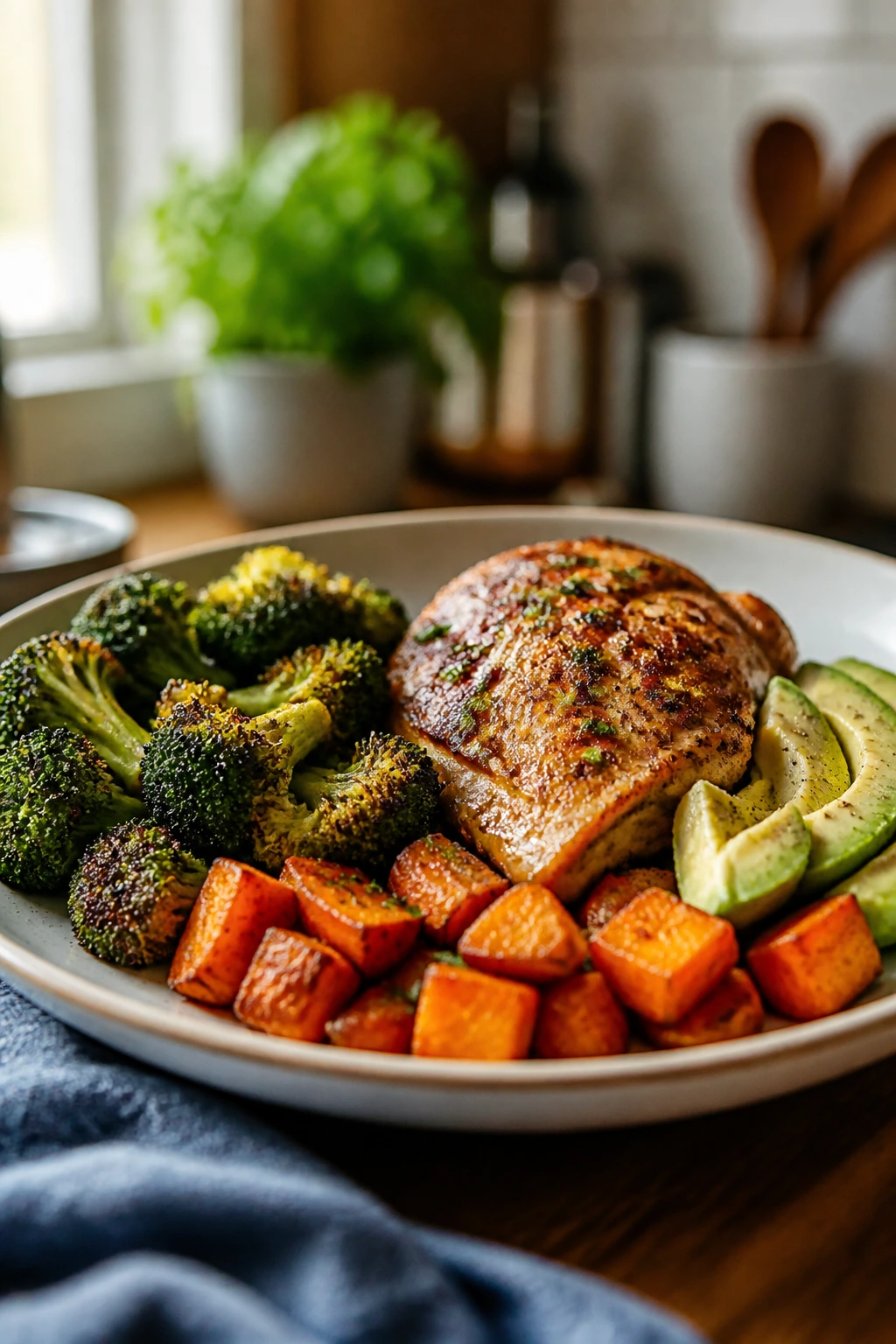
The reason these dinners stay manageable is boring, and boring is useful. Each one follows a pattern you can repeat without thinking too hard: a protein that cooks in one pan, a vegetable that shares the heat, a seasoning mix that doesn’t need a shopping expedition, and a finishing hit of acid or herbs to wake everything up. That shape is the whole trick.
Beginners usually get tripped up when dinner feels like a test. It doesn’t need to. A good Whole30 dinner is not a performance piece. It’s just a plate of food that tastes complete, keeps you full, and doesn’t send you hunting for backup snacks an hour later.
I also like that these recipes don’t all lean on the same flavor lane. Some are lemony and clean. Some are smoky and beefy. Some are creamy without dairy, and one or two feel almost old-school cozy. That mix matters because boredom is real, and people quit meal plans when every dinner starts tasting like the last one with a different garnish.
A final thing beginners tend to appreciate: every recipe here gives you a clear sign that it’s done. Chicken hits 165°F. Salmon flakes. Steak gets a crust and a rest. Shrimp turn pink and opaque. Those are not tiny details. They’re the difference between confidence and guesswork.
Essential Equipment for These Recipes
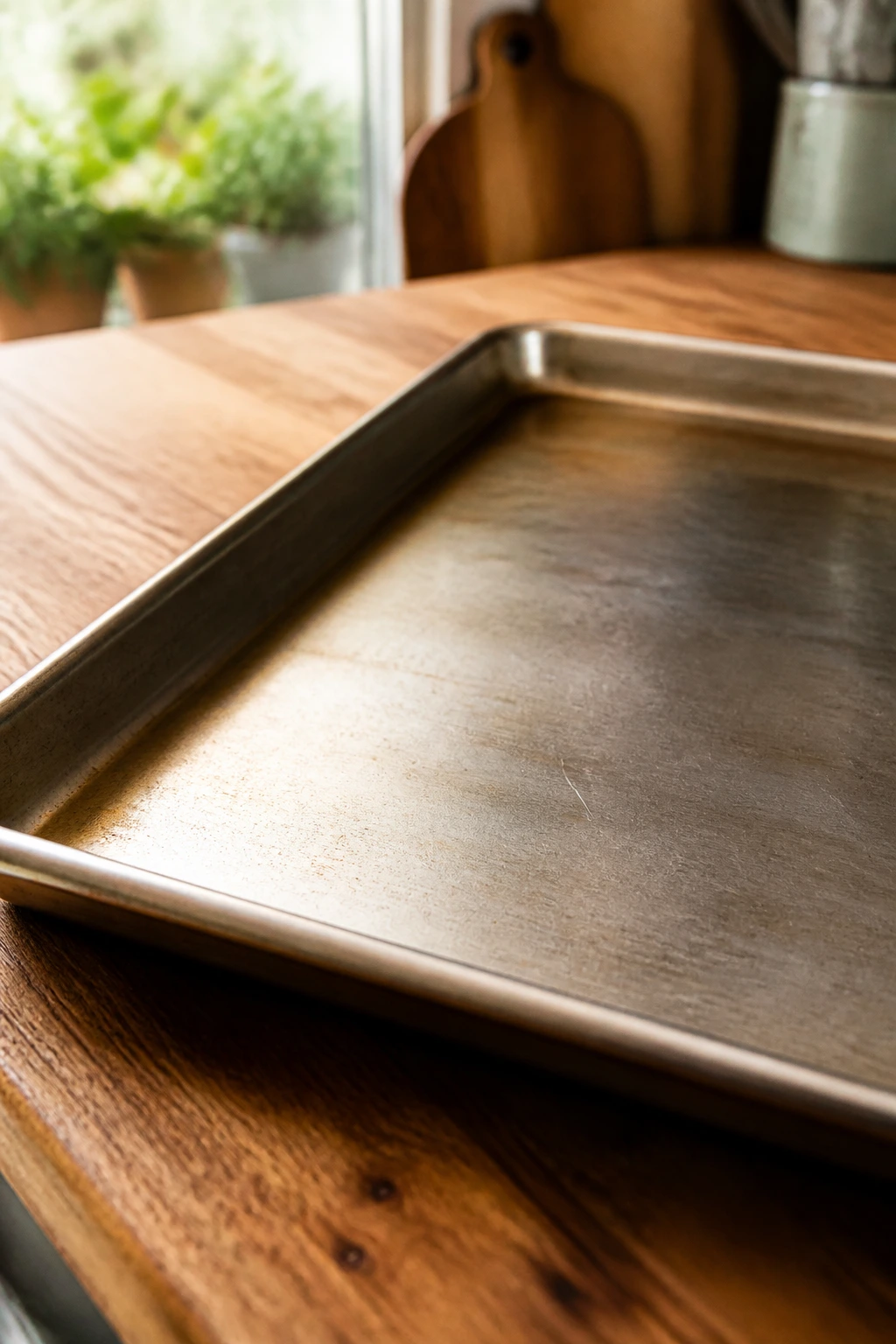
- Large rimmed sheet pan: Needed for the chicken, salmon, and pork dinners; a heavy pan browns better than a flimsy one.
- 12-inch skillet: The workhorse for taco beef, turkey meatballs, curry, burger bowls, and steak.
- Oven-safe skillet: Helpful for the pork tenderloin and steak recipes so you can move from stove to oven without switching pans.
- Sharp chef’s knife: Makes vegetable prep faster and safer, especially for cabbage, Brussels sprouts, and herbs.
- Cutting board: A large board gives you room to work without chasing carrots around the counter.
- Instant-read thermometer: The easiest way to avoid overcooking chicken, pork, salmon, or steak.
- Tongs: Better than a fork for turning chicken, salmon, steak, and shrimp without tearing them.
- Mixing bowls: One for seasoning proteins, one for sauces, one for whatever small thing refuses to stay contained.
- Spatula or wooden spoon: Useful for browning ground meat and scraping up flavorful bits from the pan.
- Vegetable peeler or spiralizer: Optional, but handy for zucchini noodles and some prep work.
- Airtight storage containers: Necessary if you want leftovers to stay usable instead of drying out.
Smart Shopping and Ingredient Tips
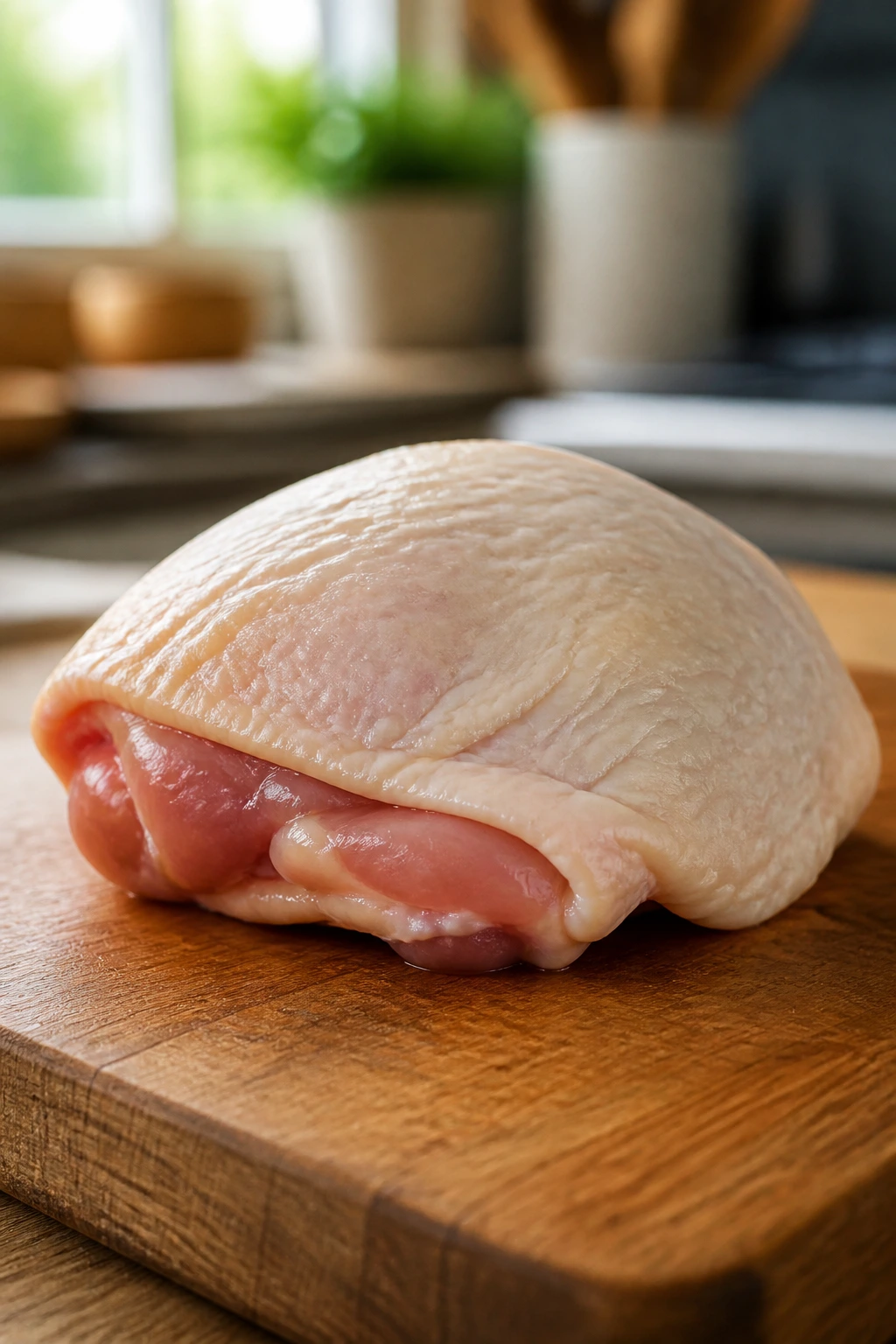
Whole30 shopping gets easier when you stop trying to make every item do three jobs. Buy proteins that cook well with simple seasoning. Chicken thighs are more forgiving than breasts. Ground beef with a little fat tastes better than ultra-lean beef. Salmon fillets that are similar in size will cook at the same pace, which is one less headache.
Label reading matters more than people expect. Tomato sauce, crushed tomatoes, broth, curry powder, mustard, pickles, mayonnaise, and spice blends can all hide sugar, soy, or odd fillers. If a jar or can promises “seasoned” or “sweet,” flip it over and check the ingredient list. You want short labels here. Real ingredients. Nothing mysterious.
Frozen produce is fine, and sometimes it’s the smart buy. Frozen cauliflower rice, shrimp, green beans, and even broccoli can save time without sacrificing much. Just thaw watery items and pat them dry before cooking, or you’ll end up steaming instead of browning. That little bit of moisture control changes the texture more than most people realize.
For meat, look at shape as much as price. Chicken thighs should be fairly even in thickness. Salmon fillets should not be wildly different sizes. Pork tenderloin should feel firm and trim cleanly. Steak benefits from being cut into a thick piece that can sear, not something paper-thin that dries out before the crust forms.
And buy a few finishers that make everything taste brighter: lemons, limes, fresh parsley, cilantro, red onions, avocados, and good olive oil. Those ingredients show up across multiple dinners, which means you’re not buying garnish for the sake of garnish. You’re buying the things that make plain food taste finished.
How to Serve These Recipes
Presentation:
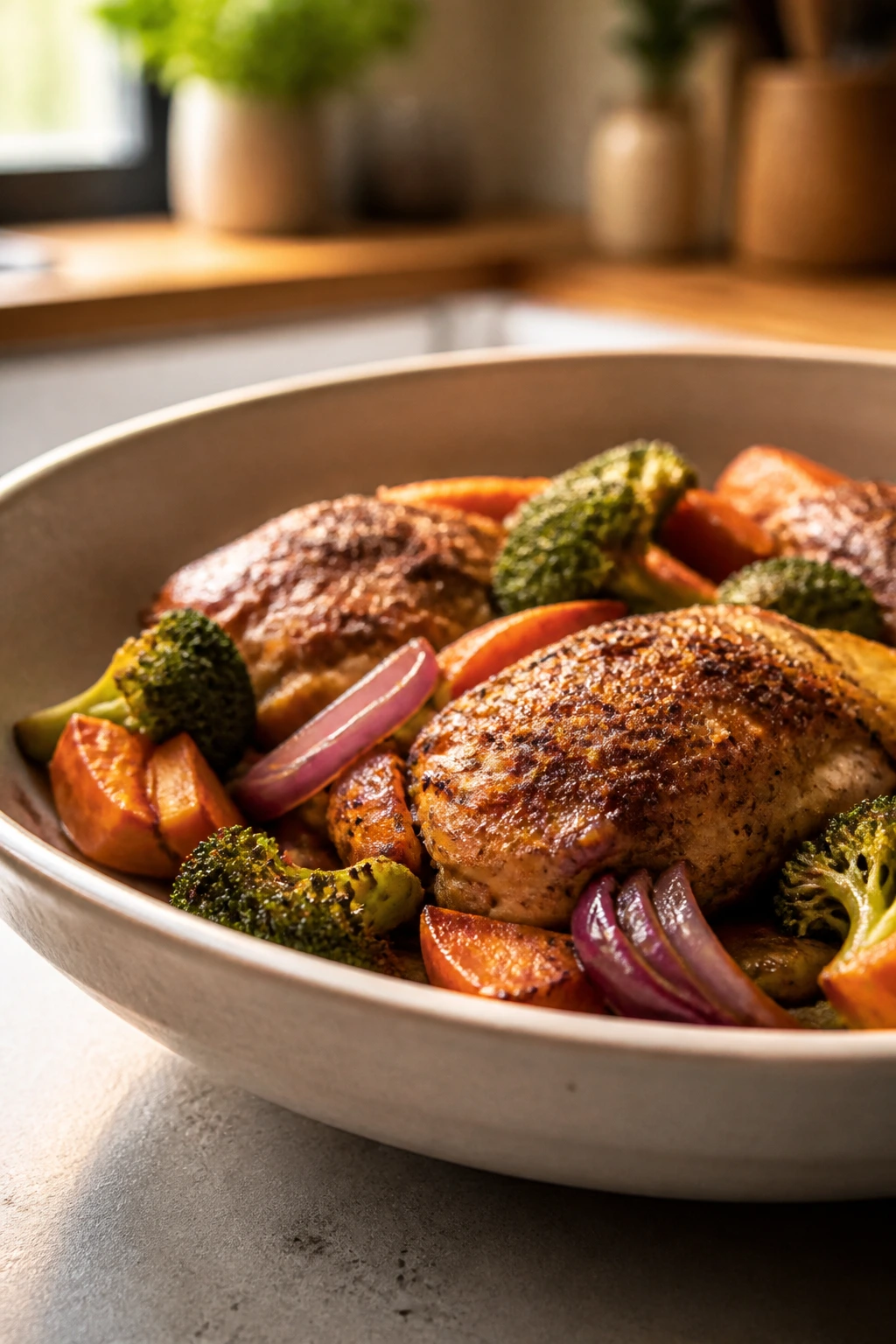
Use a shallow bowl for skillet meals and a wide plate for sheet-pan dinners. Let the browned parts show. A lemon wedge, a scatter of herbs, or a few avocado slices can make even a plain weeknight plate look intentional.
Accompaniments:
Most of these dinners work on their own, but a simple green salad, roasted sweet potatoes, or extra steamed vegetables can stretch them further if you need more food. For the curry or taco skillet, cauliflower rice is the cleanest add-on. For the salmon and pork, a pile of greens with olive oil and vinegar keeps the plate balanced.
Portions:
Plan on about 4 to 6 ounces of cooked protein per person, then add vegetables to fill the plate. If you’re feeding bigger appetites, increase the vegetable portion first before you double the protein. It’s cheaper, and usually easier on the cook.
Beverage Pairing:
Sparkling water with lime, unsweetened iced tea, or cold water with lemon keeps the meal bright without adding sugar. If you like something warmer at dinner, plain herbal tea works too, especially with the curry or pork.
Additional Tips and Flavor Boosters
Flavor Enhancement:
A squeeze of citrus or a splash of vinegar at the end changes more than people expect. Lemon, lime, and apple cider vinegar all sharpen flavors that can feel heavy after cooking. Use them like a reset button.
Customization:
Treat the vegetables as flexible. Broccoli can become cauliflower. Bell peppers can become zucchini. Spinach can slide into curry, tomato sauce, or a skillet at the last minute. You do not need to shop for a hundred different things to keep these dinners interesting.
Serving Suggestions:
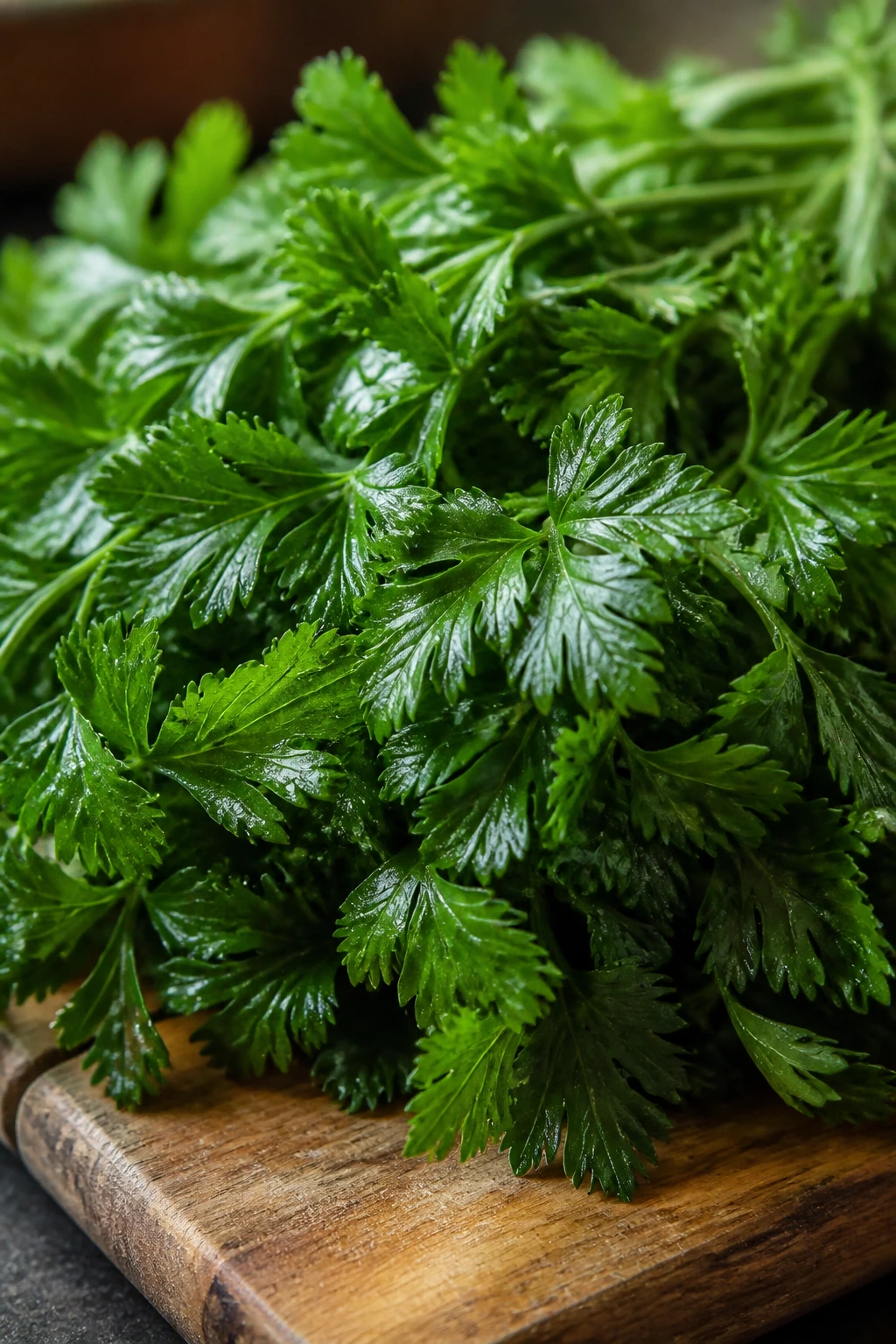
Fresh herbs matter more than they get credit for. Parsley, cilantro, dill, and basil all do different jobs, but they all make a hot pan taste fresher. Sliced avocado, compliant pickles, and lemon wedges help too.
Make-It-Yours:
If you want more heat, add red pepper flakes or fresh jalapeño. If you want a calmer dinner for kids, back off the spice and serve sauces on the side. If you want a richer plate, use chicken thighs, salmon, or a fattier cut of beef. If you want a lighter one, pile on vegetables and keep the protein portions steady.
Make-Ahead, Storage, and Reheating Guidance
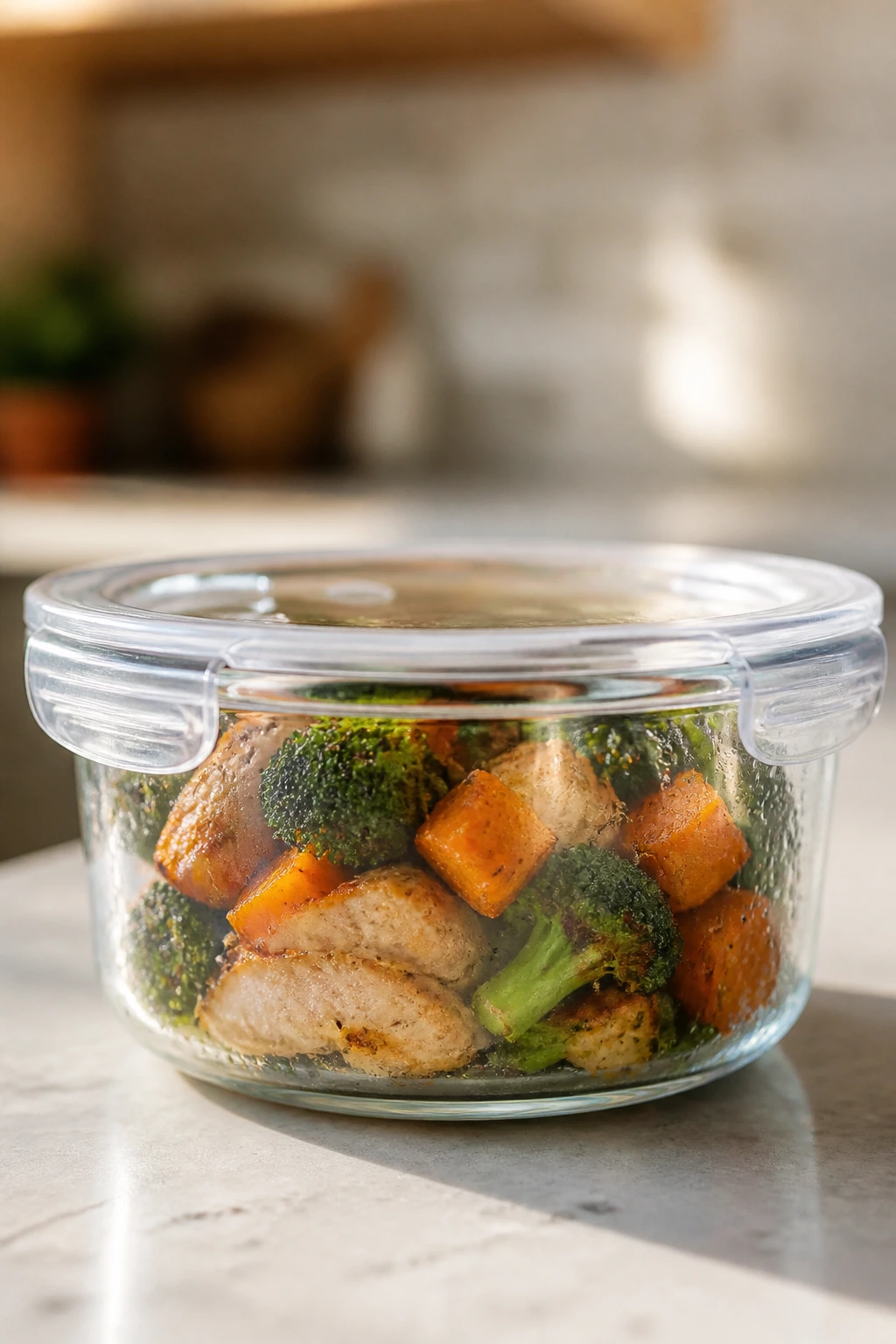
Most of these dinners keep well in the refrigerator for 3 to 4 days in airtight containers. The cabbage skillet, taco beef, turkey meatballs in sauce, curry chicken, and burger beef are the strongest leftovers. They reheat cleanly and the flavors usually settle in a good way after a night in the fridge. The sheet-pan chicken and pork are also fine the next day, though they’re best reheated gently so they don’t dry out.
For the freezer, think in terms of up to 2 to 3 months for the saucier dishes. Meatballs in tomato sauce, taco beef, curry chicken, and cabbage skillet freeze well. Salmon and shrimp are the least freezer-friendly once cooked, so I’d treat those as same-day or next-day meals. Cooked steak can be frozen, but the texture softens a little after thawing, so it’s better saved for a bowl or salad than reheated as a centerpiece.
Reheat skillet meals on the stovetop over medium-low heat with a tablespoon or two of water or broth. Stir often and stop as soon as the food is hot through. For sheet-pan chicken or pork, use a 325°F oven and cover loosely with foil for 10 to 15 minutes. That protects the surface from drying out. Salmon and shrimp are trickier; reheat them gently in a skillet over low heat or eat them cold over greens if the texture starts to suffer.
If you want to prep ahead, you can chop vegetables, mix sauces, and season proteins a day in advance. Just keep wet and dry components separate when you can. Zucchini noodles are the one thing I would not spiralize too early. They get watery fast. Make those close to serving if you can, or at least dry them very well before storing.
Variations and Adaptations to Try
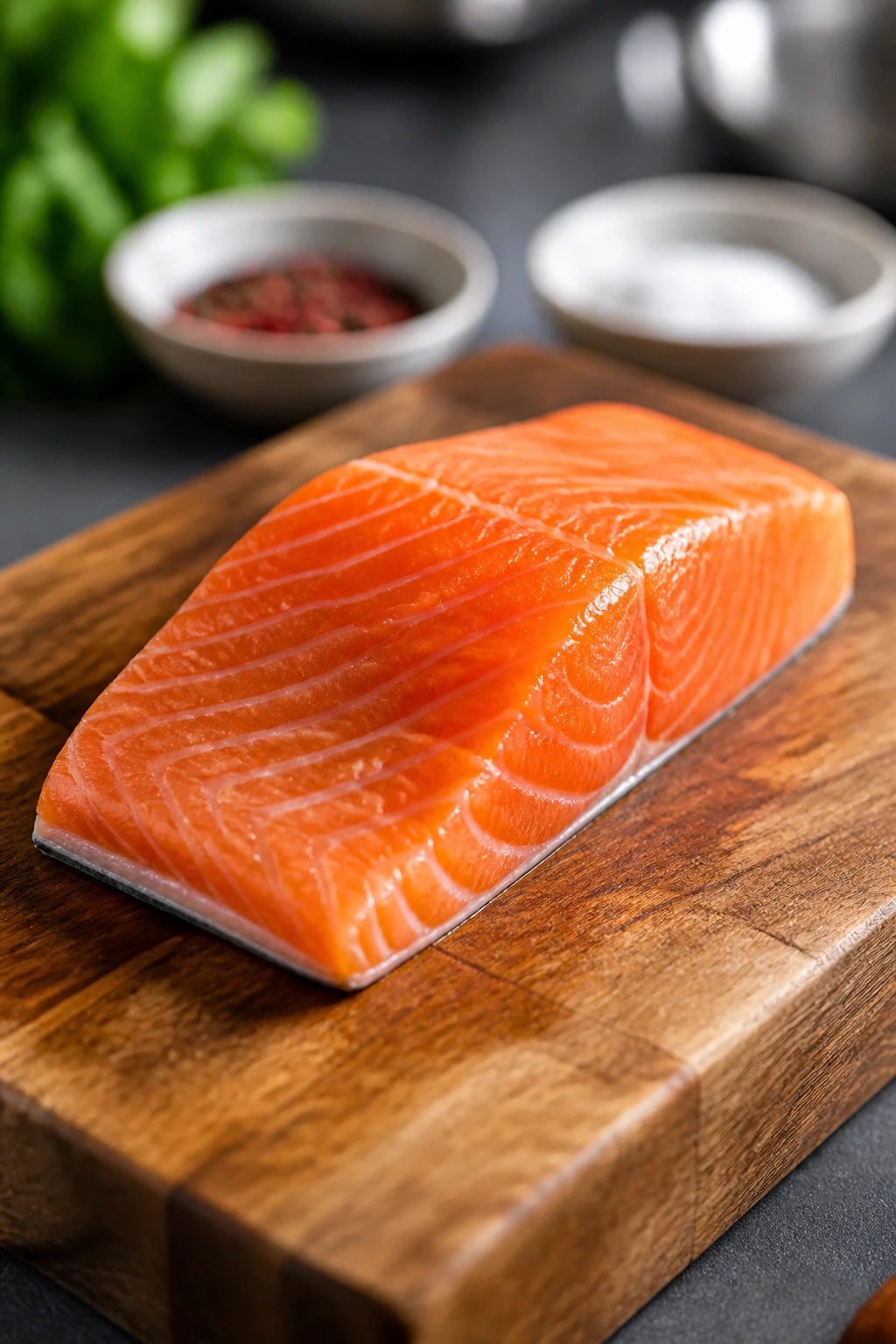
The Frozen-First Pantry Night:
Use frozen cauliflower rice, frozen green beans, or thawed shrimp when fresh produce is limited. This version keeps dinner moving without sacrificing texture, as long as you thaw watery ingredients and pat them dry first. It’s the right move for nights when the fridge feels a little bare.
The Mild Family Plate:
Cut the chili powder, red pepper flakes, and curry powder in half, then serve the spicy elements on the side. Kids and cautious eaters usually do better when they can build their own bowl or season their own portion. That small bit of control changes the whole dinner.
The Extra-Herb Finish:
Add chopped parsley, cilantro, dill, or basil right before serving. It’s a simple adjustment, but it makes the food taste fresher and more awake. This works especially well on the chicken, salmon, steak, and curry.
The One-Protein Rotation:
Keep the seasoning style but swap the protein. Lemon garlic works on chicken thighs or salmon. Taco seasoning works on beef or turkey. Coconut curry works with chicken or shrimp. Once you see the pattern, the recipes become a lot more flexible.
The Bigger Bowl Version:
Serve the skillet dishes over extra vegetables, shredded lettuce, or cauliflower mash if you want a fuller plate. This is useful when the meal needs to feed hungry adults without adding grains or dairy. It also helps leftovers stretch farther.
The Mild Crunch Upgrade:
Add thinly sliced radishes, cucumbers, or compliant pickles as a cold topping. That little bit of crunch plays nicely against soft sauces and roasted vegetables. It’s a small tweak, but it keeps repeated dinners from feeling mushy.
Common Mistakes to Avoid
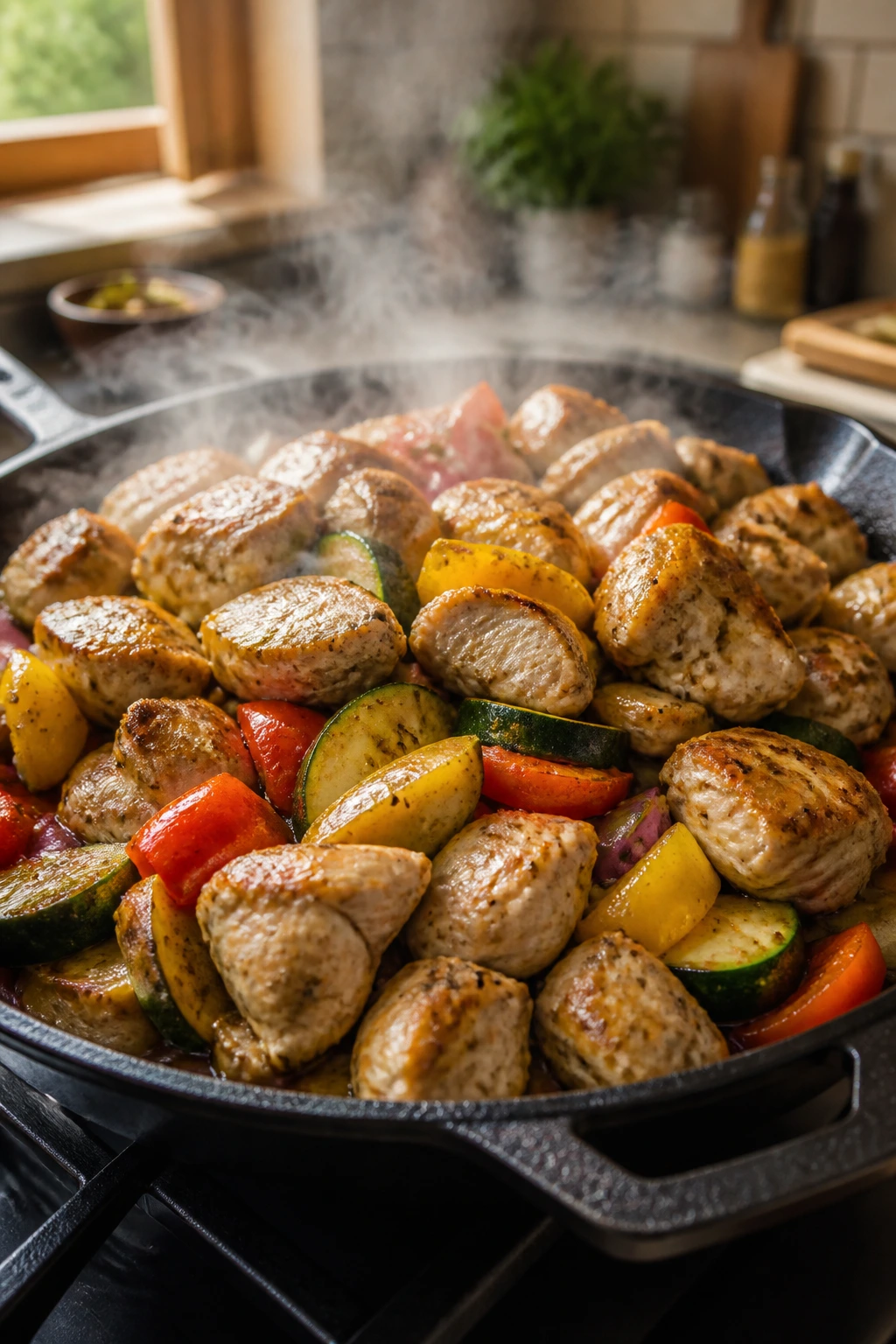
Overcrowding the pan:
If chicken, vegetables, shrimp, or steak are piled on top of one another, they steam instead of browning. The fix is simple: use a larger pan or cook in two batches. Browned food tastes better, and it looks better too.
Skipping the label check:
Whole30 dinners can fail on hidden sugar or soy before they even reach the pan. Tomato sauce, broth, mustard, pickles, curry powder, mayonnaise, and spice blends are the usual trouble spots. Read the ingredient list every time, especially with sauces.
Cooking lean protein too long:
Chicken breast, salmon, shrimp, and steak all turn dry fast if you chase “just a little more.” Use a thermometer for chicken and pork, watch the color on shrimp, and let steak rest before slicing. Don’t guess if you can avoid it.
Treating cauliflower rice like real rice:
Cauliflower rice needs short heat and a dry pan. If you cook it forever, it goes watery and faintly sad. Add it late, stir just until tender, and stop there.
Forgetting the acid:
A finished skillet without lemon, lime, or vinegar can taste heavy, even when the seasoning is correct. That final squeeze or splash is not decoration. It is part of the flavor.
Underseasoning out of caution:
People new to Whole30 sometimes get timid with salt and herbs, then wonder why dinner tastes flat. Season in layers. Taste before serving. Add a little more salt, pepper, or citrus if the dish needs it. The food will tell you.
Frequently Asked Questions

Can I meal prep these Whole30 dinners for beginners?
Yes, and a few of them are especially good for it. The taco beef, curry chicken, meatballs, cabbage skillet, and burger bowls hold up well for 3 to 4 days in the fridge. Keep crunchy toppings and sauces separate until you’re ready to eat so the texture stays better.
What’s the easiest beginner dinner if I only want to try one?
The sheet pan chicken or the taco beef skillet are probably the gentlest starting points. Both have short ingredient lists, obvious doneness cues, and very little cleanup. If you want the fastest option, the shrimp and pepper skillet wins on time.
Can I use chicken breasts instead of thighs?
You can, but watch the cook time closely. Chicken breasts dry out faster, so check them a few minutes early and pull them as soon as they reach 165°F. Thighs are still the safer choice if you’re nervous.
What can I use instead of cauliflower rice?
For Whole30, try extra roasted vegetables, shredded lettuce, zucchini noodles, or mashed cauliflower. Each one changes the feel of the meal, so choose based on the sauce and the protein. Burger bowls and taco beef work well over lettuce; curry works well over cauliflower mash.
How do I keep shrimp from turning rubbery?
Start with raw shrimp that are fully thawed and patted dry, then cook them hot and fast. They only need a few minutes per side. The second they’re pink and opaque, pull them off the heat.
Can I freeze the leftovers?
Yes, but not every recipe handles freezing the same way. Saucy dishes like the curry, taco beef, meatballs, and cabbage skillet freeze well. Salmon and shrimp are the ones I’d keep out of the freezer if possible because the texture gets softer after thawing.
What if my dish tastes bland at the end?
Add salt first, then acid, then herbs. That order fixes most flat-tasting dinners without making them harsh. A squeeze of lemon or lime, or a teaspoon of apple cider vinegar, usually wakes the whole pan up.
Are these recipes spicy?
Most of them are mild by default. The taco skillet, curry, and shrimp skillet can take more heat if you want it, but none of them need to be spicy to taste finished. If you’re cooking for kids, keep the red pepper flakes on the table instead of in the pan.
Can I swap the proteins across these recipes?
Often, yes. Chicken thighs can replace pork in some pans, turkey can replace beef in the skillet meals, and shrimp can work in the curry if you cut the simmer time way down. Just match the cooking time to the protein, not the original recipe.
A Dinner Rhythm That Sticks
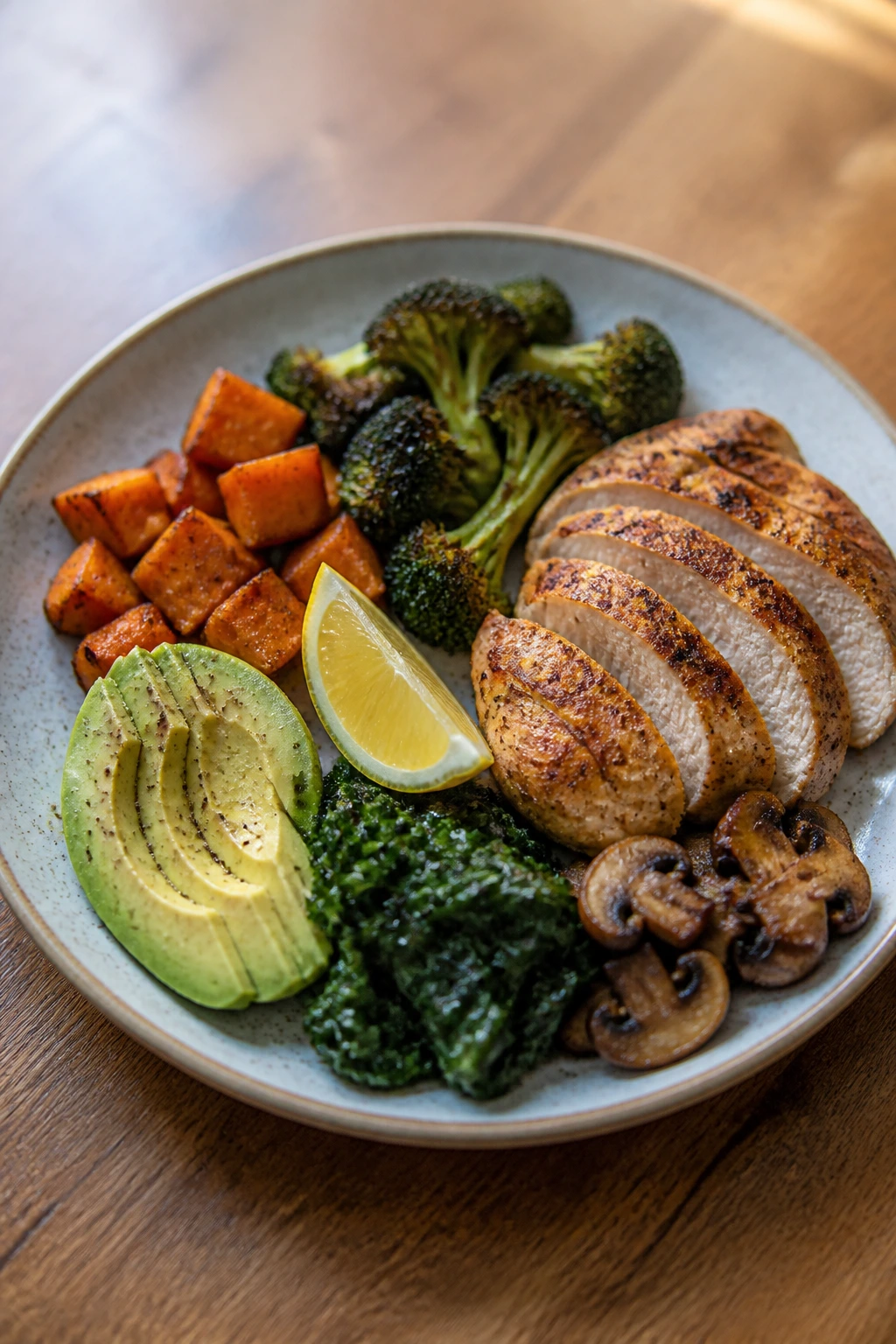
The nicest thing about these dinners is not that they are trendy or clever. They’re repeatable. Once you’ve made one or two, the rest start to feel less like recipes and more like dinner moves you can count on when the day has run long and you still need to feed yourself well.
That’s the part people usually want from Whole30, even if they don’t say it out loud. Not perfection. Not a ceremonial meal. Just a dinner that lands on the table, tastes good, and doesn’t make you work harder than you need to.
Keep the pattern. Protein, vegetables, fat, acid. That’s the rhythm. Once it settles in, the rest of the week gets easier in a way that feels practical, not magical.