



Sunday night has a way of draining the kitchen of ambition. The fridge is half-full, nobody wants a sink full of pans, and the idea of “making dinner” can feel like a small, annoying job that showed up without warning. That’s where lazy dinners for Sunday nights earn their keep: not sad meals, not throwaway meals, but the kind of low-effort food that gets you fed without asking for a performance.
The best ones share a few traits. They lean on one smart shortcut — rotisserie chicken, sausage, pantry pasta, frozen vegetables, a slow cooker, a good jar of sauce — and then they stop there. No elaborate garnish. No six-step sauce. No drama. You want a dinner that can handle tired hands and a tired brain, and still come out smelling like somebody cared.
I’ve always thought Sunday night cooking should be a little more forgiving than the rest of the week. A good sheet-pan dinner can turn out crisp and caramelized with barely any active work. A skillet meal can soak up flavor fast. A casserole can sit quietly in the oven while you clean one cutting board and call it a win. That’s the sweet spot.
So here are ten dinners that fit that mood: fast, calm, and practical, with enough flavor to make the last meal of the week feel like a reset instead of a chore.
1. Sheet Pan Sausage, Peppers, Potatoes, and Onions
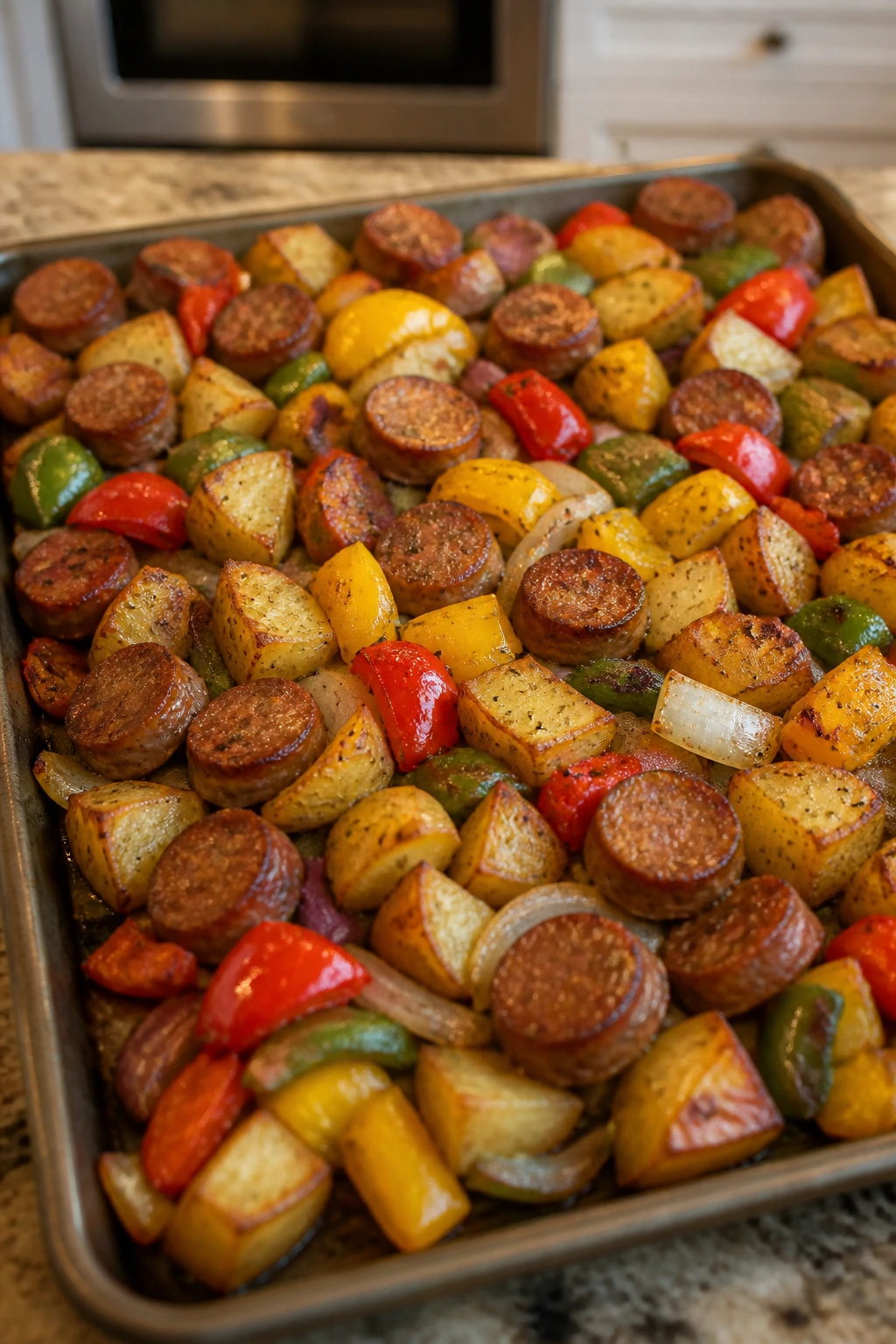
A sheet pan can save a Sunday night.
This is the kind of dinner I make when I want the oven to do the heavy lifting and the cleanup to stay small. Smoked sausage brings salt and smoke, the potatoes turn crisp at the edges, and the onions go soft and sweet in that slightly messy, browned way that makes the whole tray smell better than it has any right to. It’s the sort of food that looks casual and eats like a full meal.
Why It Works
High heat does most of the work for you. Baby potatoes need a head start, so they go in first, then the sausage and vegetables join later and pick up color without turning mushy. Using a fully cooked smoked sausage keeps the dinner lazy in the best possible way — you’re browning, not babysitting.
The other trick is size. Cut the potatoes into pieces that match the pepper strips and onion slices, and they’ll cook at the same pace. If the pieces are wildly different, the peppers collapse before the potatoes soften. Nobody wants that.
Key Ingredients
- 1 1/2 pounds baby potatoes, halved if small or quartered if larger
- 12 ounces smoked sausage, sliced into 1/2-inch rounds
- 2 bell peppers, sliced into thick strips
- 1 large yellow onion, sliced into wedges
- 2 tablespoons olive oil
- 1 teaspoon kosher salt
- 1/2 teaspoon black pepper
- 1 teaspoon garlic powder
- 1 teaspoon dried Italian seasoning
- 1 tablespoon chopped parsley, for finishing
Quick Steps
Prepare and Roast the Potatoes:
- Preheat the oven to 425°F (220°C) and line a rimmed sheet pan with parchment if you want easier cleanup.
- Toss the potatoes with 1 tablespoon olive oil, half the salt, half the pepper, the garlic powder, and the Italian seasoning.
- Spread them in a single layer and roast for 15 minutes, until the edges start to look dry and lightly golden.
Add the Sausage and Vegetables: 4. Add the sausage, peppers, and onion to the pan. Drizzle with the remaining olive oil and season with the rest of the salt and pepper. 5. Toss everything right on the pan, then spread it back into a single layer. Crowding kills browning, so use a second pan if yours looks packed. 6. Roast for 15 to 20 minutes more, until the potatoes are tender enough to pierce easily and the sausage is browned on the edges.
Finish and Serve: 7. Sprinkle with parsley and serve hot.
Tips and Variations
- Sharper flavor: A teaspoon of Dijon tossed in after roasting adds a nice tang.
- Extra vegetables: Zucchini or broccoli florets work well, but add them during the last 12 to 15 minutes so they do not collapse.
- Best pan choice: A bare metal sheet pan browns better than parchment, though parchment makes cleanup easier.
2. Rotisserie Chicken Enchilada Skillet
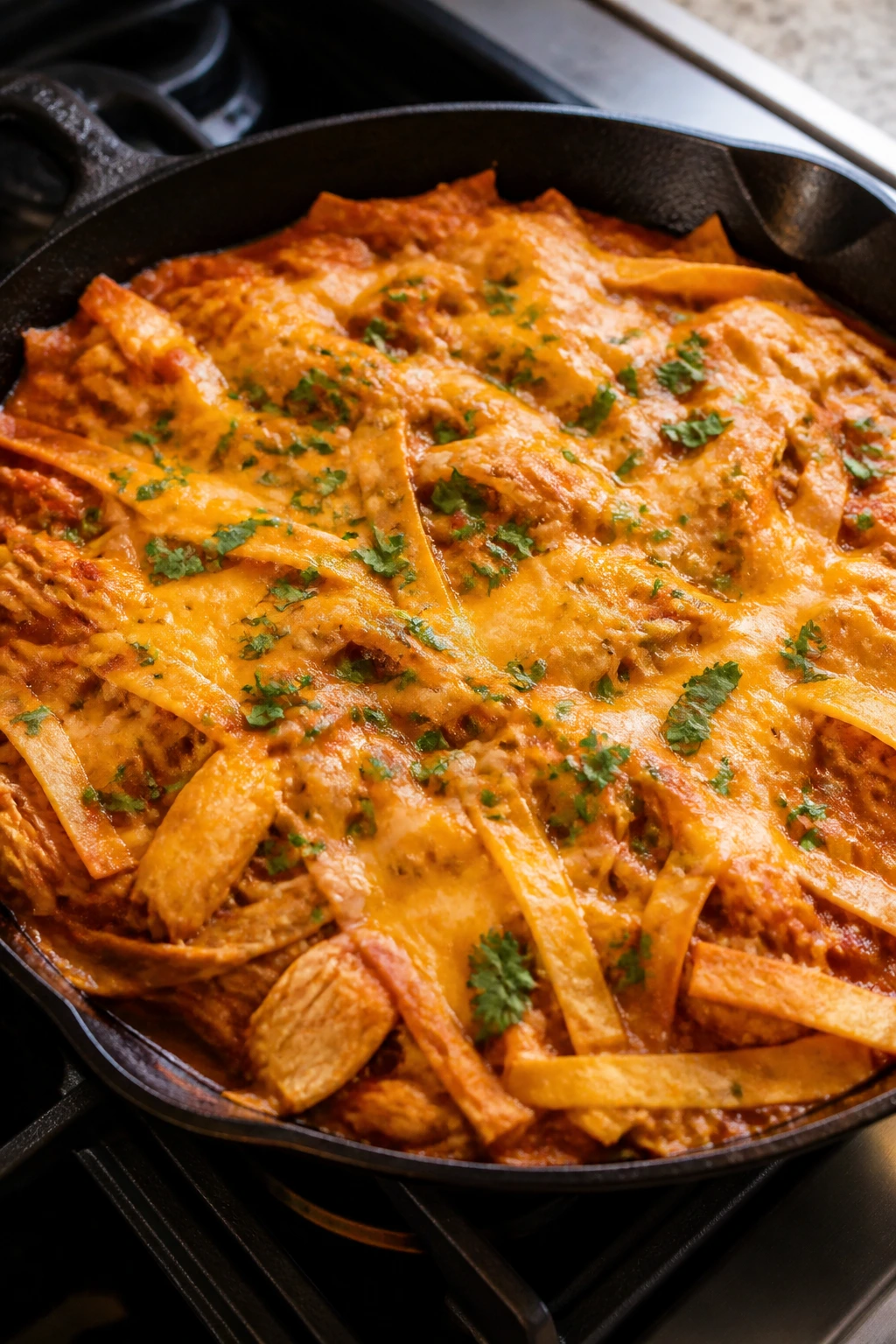
Rotisserie chicken is the shortcut that never feels lazy in a bad way.
This skillet is warm, saucy, and a little messy in the way good enchiladas are supposed to be. The tortilla strips soften into the sauce, the cheese melts into long stretchy strands, and the shredded chicken soaks up enchilada flavor without any extra work from you. It tastes like comfort food that skipped the formalities.
Why It Works
Everything in this skillet is already halfway cooked. The chicken is seasoned, the sauce is ready, and the tortillas only need enough heat to soften and thicken the pan into something between a casserole and a taco filling. That means you can pull dinner together in about 20 minutes if you’re moving at a normal, tired-person pace.
The pan also rewards a light simmer. If you let it bubble too hard, the sauce gets too thick and the tortilla strips turn gluey. Keep the heat at medium, and the whole thing stays creamy instead of pasty. That small detail matters more than people think.
Key Ingredients
- 3 cups shredded rotisserie chicken
- 1 tablespoon olive oil
- 1 small yellow onion, finely diced
- 2 cups red enchilada sauce
- 1 cup frozen corn
- 1 can black beans, drained and rinsed
- 6 small corn tortillas, cut into 1-inch strips
- 1 teaspoon ground cumin
- 1 1/2 cups shredded Monterey Jack cheese
- 1/4 cup chopped cilantro
- 1 lime, cut into wedges
Quick Steps
Build the Skillet Base:
- Heat the olive oil in a large skillet over medium heat.
- Add the onion and cook for 3 to 4 minutes, until translucent and sweet-smelling.
- Stir in the chicken, enchilada sauce, corn, black beans, cumin, and tortilla strips.
Simmer and Melt: 4. Let the mixture simmer for 5 to 6 minutes, stirring once or twice, until the tortilla strips soften and the sauce thickens slightly. 5. Scatter the cheese evenly over the top, cover the skillet, and cook for 2 to 3 minutes more, until the cheese melts and looks glossy.
Finish the Dish: 6. Top with cilantro and a squeeze of lime. Serve right away while the edges are still bubbling.
Tips and Variations
- If the sauce seems thin: Simmer it uncovered for 2 extra minutes before adding cheese.
- For more heat: Add a chopped chipotle in adobo or a pinch of cayenne.
- Easy topping idea: Crushed tortilla chips on top give a little crunch if you want texture.
3. Baked Ziti with Store-Bought Marinara
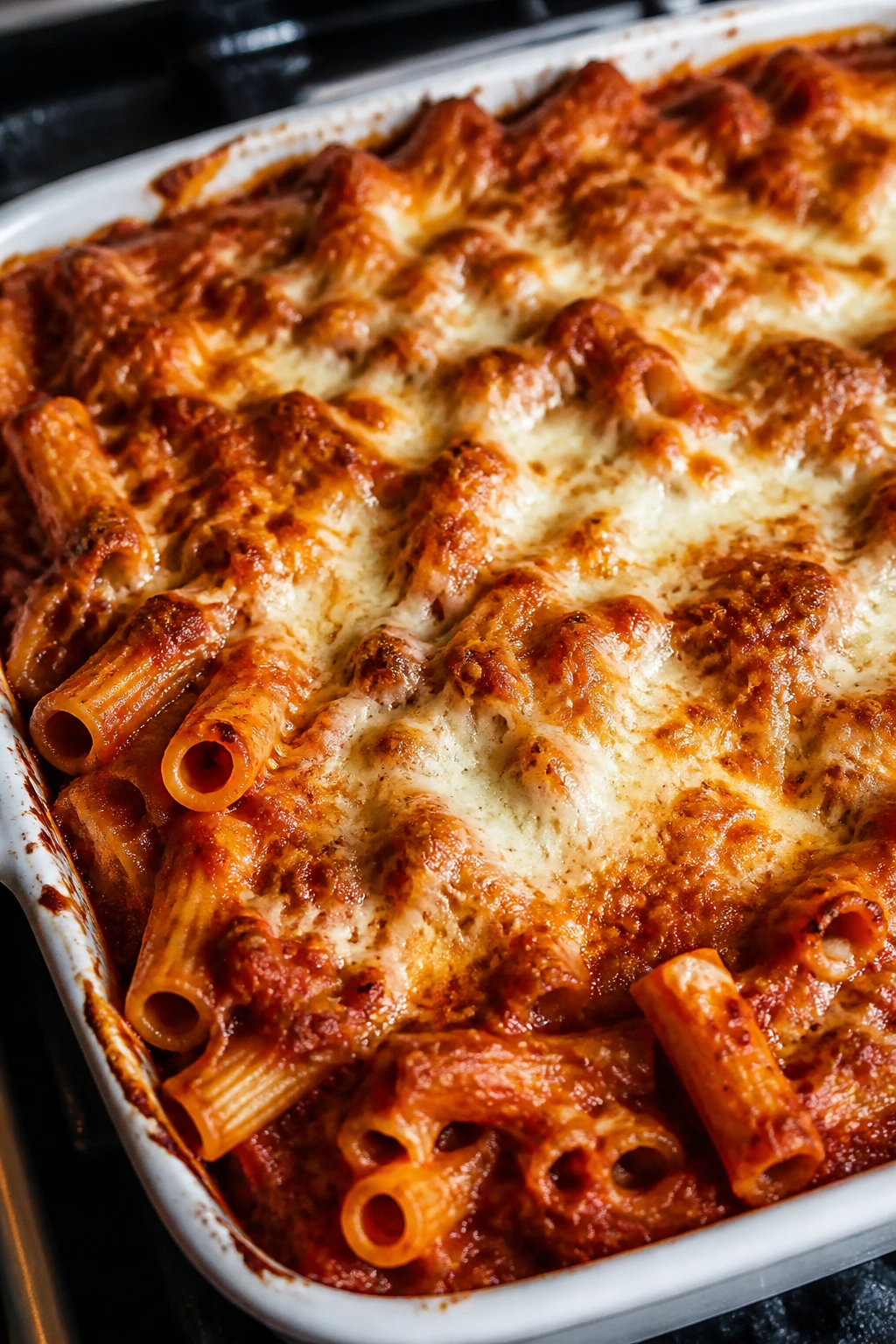
Baked ziti is the sort of dinner that makes the kitchen smell like you tried harder than you did.
It’s baked pasta in its coziest form: saucy, cheesy, a little stretchy, and very forgiving. You can keep it meatless, or stir in cooked Italian sausage if you want more heft. Either way, this is one of those Sunday-night meals that feels like a soft landing.
Why It Works
Store-bought marinara is not a shortcut here — it’s the point. Good jarred sauce already has garlic, tomato, and herb flavor built in, which means you can focus on texture instead of building a sauce from scratch. The ricotta mixture gives the baked ziti creamy pockets, while the mozzarella on top melts into that browned, bubbling lid people always scrape first.
The one thing to watch is pasta doneness. Cook the ziti until it’s just shy of al dente, because it will keep softening in the oven. If you boil it all the way through, the final dish can go a little floppy. Nobody wants noodle paste.
Key Ingredients
- 1 pound ziti
- 1 (32-ounce) jar marinara sauce
- 15 ounces ricotta cheese
- 2 cups shredded low-moisture mozzarella
- 1/2 cup grated Parmesan cheese
- 1 large egg
- 2 cloves garlic, minced
- 1 teaspoon Italian seasoning
- 1 teaspoon kosher salt
- 1/2 teaspoon black pepper
- 1 tablespoon olive oil
Quick Steps
Cook the Pasta and Mix the Filling:
- Preheat the oven to 375°F (190°C) and lightly grease a 9×13-inch baking dish.
- Bring a large pot of salted water to a boil and cook the ziti for 2 minutes less than the package says.
- In a bowl, stir together the ricotta, egg, garlic, Italian seasoning, half the Parmesan, salt, and pepper.
Assemble the Ziti: 4. Drain the pasta and return it to the pot. Toss with the marinara and the ricotta mixture until the noodles are evenly coated. 5. Spread half the pasta in the baking dish, sprinkle with 1 cup mozzarella, then add the rest of the pasta and top with the remaining mozzarella and Parmesan.
Bake and Rest: 6. Bake for 25 to 30 minutes, until the sauce is bubbling at the edges and the cheese is melted with a few golden spots. 7. Rest for 10 minutes before serving. That pause keeps the layers from sliding apart.
Tips and Variations
- Make-ahead move: Assemble it earlier in the day, refrigerate, and bake later with 10 extra minutes.
- Add greens: A few handfuls of chopped spinach can be folded into the hot pasta before baking.
- Cheese note: Low-moisture mozzarella melts cleaner than fresh mozzarella here.
4. Slow Cooker Salsa Chicken Tacos
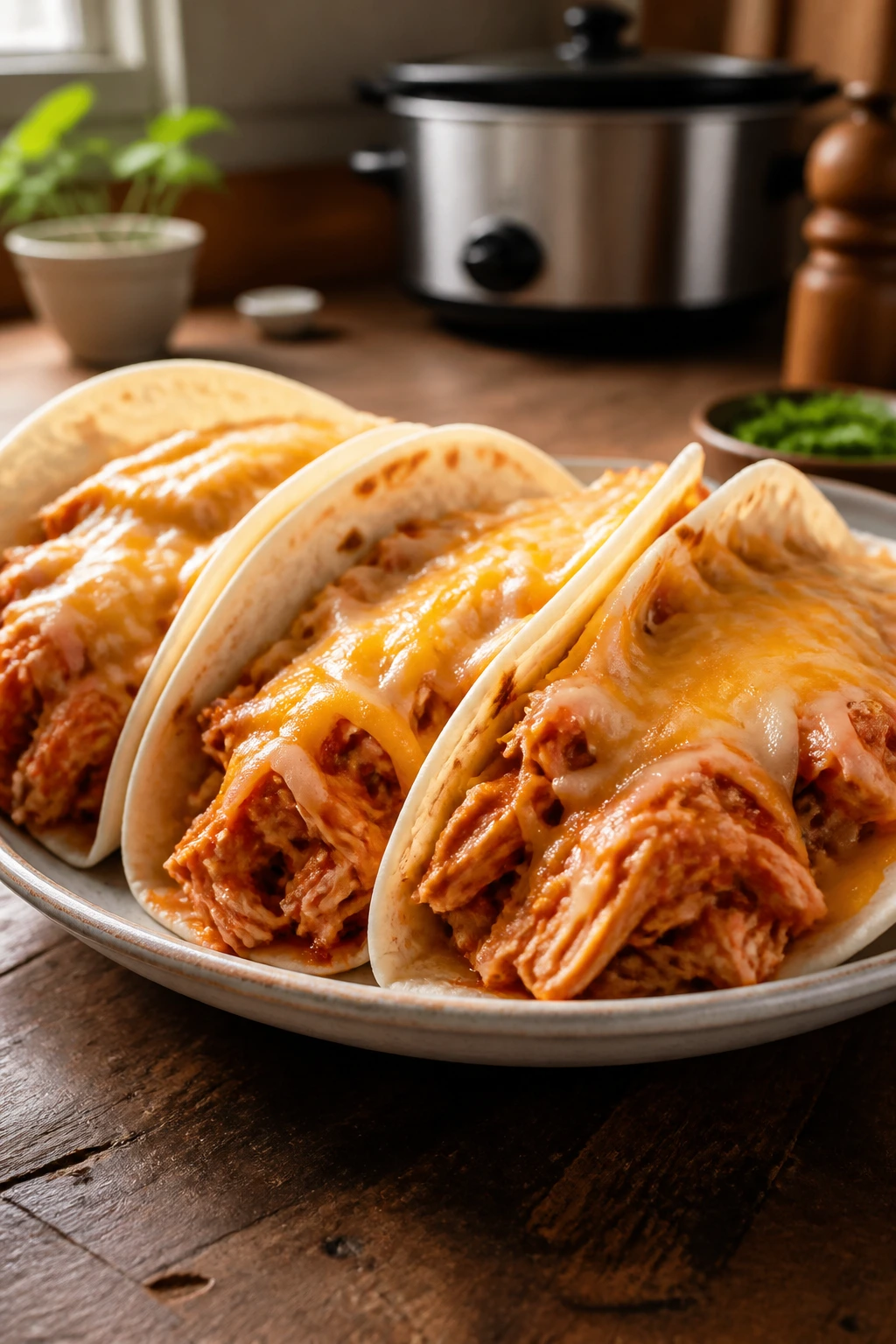
Why does salsa chicken feel like cheating in the best way?
Because it mostly is. You put chicken, salsa, and seasoning in a slow cooker, walk away, and come back to a filling that shreds with almost no effort. It’s flexible too: tacos, bowls, nachos, quesadillas, salads. If you want dinner to do more than one job, this is a smart place to start.
Why It Works
Chicken thighs stay juicy through long cooking. Breasts work too, but thighs are more forgiving if you’re out of the room, helping with something else, or simply forgetting about dinner for an hour longer than planned. Salsa brings both moisture and seasoning, so you do not need to build a separate sauce from scratch.
The best version has a thick, not watery, salsa. Thin salsa can leave you with a brothy filling instead of one that clings to the shredded chicken. If your salsa pours like soup, choose a different jar. That one small decision changes the final texture.
Key Ingredients
- 2 pounds boneless, skinless chicken thighs
- 16 ounces salsa
- 2 tablespoons taco seasoning
- 1 small yellow onion, thinly sliced
- 1 can black beans, drained and rinsed
- 1 cup frozen corn
- 8 to 12 small tortillas
- 1 cup shredded cheese, for serving
- 1 cup shredded lettuce, for serving
- 1 lime, cut into wedges
Quick Steps
Set Up the Slow Cooker:
- Place the onion in the bottom of a 4- to 6-quart slow cooker.
- Lay the chicken thighs on top, then pour over the salsa and sprinkle with taco seasoning.
Cook Until Shreddable: 3. Cover and cook on low for 6 to 7 hours or on high for 3 to 4 hours, until the chicken reaches 165°F (74°C) and pulls apart easily. 4. Shred the chicken with two forks, then stir in the black beans and corn. Let them warm through for 10 to 15 minutes.
Serve the Tacos: 5. Spoon the filling into tortillas and top with cheese, lettuce, and a squeeze of lime. 6. If you want a saucier taco filling, ladle in a bit of the cooking liquid before serving.
Tips and Variations
- For burrito bowls: Serve over rice with avocado and pico de gallo.
- For extra flavor: Stir in chopped cilantro after shredding.
- For a thicker filling: Leave the slow cooker uncovered for the last 15 minutes.
5. Creamy Tomato Tortellini Soup with Spinach
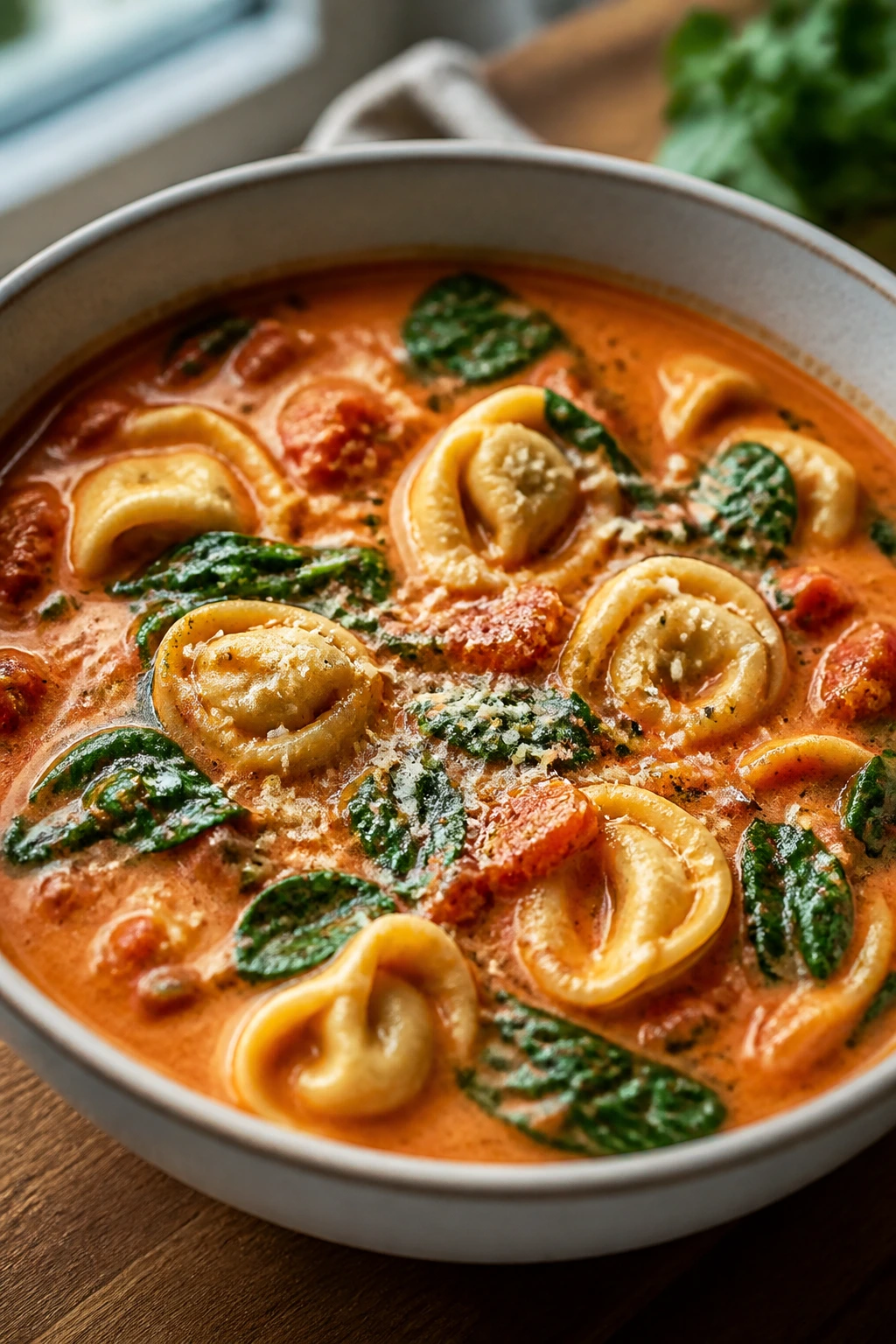
Crushed tomatoes, garlic, and cream make the whole house smell warm before the soup even finishes simmering.
This is one of those dinners that feels much slower than it is. Cheese tortellini gives you pasta without a separate pot, spinach disappears into the broth almost instantly, and the whole thing lands somewhere between soup and a pasta bowl. That’s not a bad place to be on a Sunday night.
Why It Works
Refrigerated tortellini cooks fast and carries the meal. You do not need meat to make this filling, because the pasta itself brings cheese, body, and enough heft to turn soup into dinner. The tomatoes give brightness, the cream softens the edges, and the spinach keeps things from feeling too heavy.
Do not boil hard after the cream goes in. That is the part people rush and then regret. A gentle simmer keeps the soup silky and stops the dairy from turning grainy. One quiet bubble at a time.
Key Ingredients
- 1 tablespoon butter
- 1 tablespoon olive oil
- 1 small yellow onion, diced
- 3 cloves garlic, minced
- 4 cups chicken or vegetable broth
- 1 (28-ounce) can crushed tomatoes
- 1 teaspoon dried basil
- 1/2 teaspoon red pepper flakes, optional
- 1 (20-ounce) package refrigerated cheese tortellini
- 1/2 cup heavy cream
- 3 cups baby spinach
- 1 teaspoon kosher salt, plus more to taste
- 1/2 teaspoon black pepper
- Grated Parmesan, for serving
Quick Steps
Start the Soup Base:
- Warm the butter and olive oil in a large pot over medium heat.
- Add the onion and cook for 4 to 5 minutes, until soft and translucent.
- Stir in the garlic and cook for 30 seconds, just until fragrant.
Simmer the Broth: 4. Pour in the broth and crushed tomatoes, then add basil, red pepper flakes, salt, and pepper. 5. Bring to a gentle simmer and cook for 10 minutes so the flavors settle together.
Cook the Tortellini and Finish: 6. Add the tortellini and cook according to the package, usually 3 to 5 minutes, until tender and floating. 7. Stir in the cream and spinach. Cook for 1 minute more, just until the spinach wilts and the broth turns a soft orange-pink. 8. Serve with Parmesan on top.
Tips and Variations
- Thicker soup: Add 1/4 cup tomato paste with the broth if you want a more concentrated flavor.
- Protein boost: Stir in shredded rotisserie chicken at the end.
- Best reheating tip: Warm it gently and add a splash of broth, since tortellini keeps drinking liquid.
6. Ground Beef Taco Rice Skillet
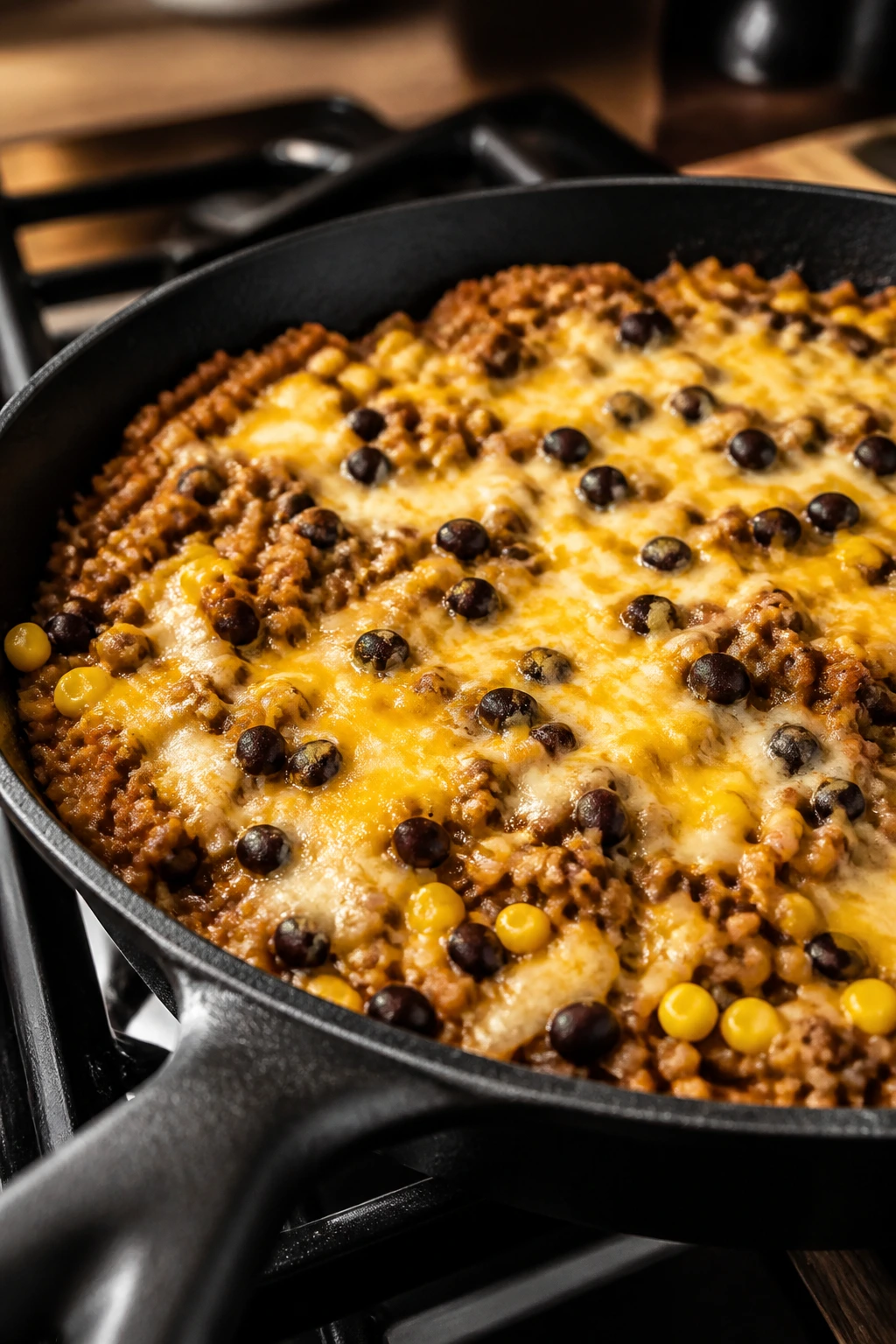
Ground beef and rice can look plain on paper.
In the skillet, they behave differently. The beef browns, the taco seasoning gets into every grain of rice, and the beans and corn make the whole thing feel like a burrito bowl that skipped the assembly line. This is one of those dinners that turns leftovers into something people ask for again.
Why It Works
Rice is a very good sponge. It soaks up salsa, beef drippings, and seasoning in a way that makes each bite taste built, not thrown together. Using cooked rice keeps the process fast, and it also makes this an excellent use for yesterday’s leftovers, which is exactly the sort of Sunday-night thinking I like.
The other advantage is flexibility. If you have cooked rice that’s a little dry, this skillet wakes it up. If you have fresh rice, spread it out for a few minutes so it doesn’t clump into one stubborn mass. Soft, warm grains stir in better than steaming-hot ones.
Key Ingredients
- 1 pound ground beef
- 1 small yellow onion, diced
- 1 packet taco seasoning or 2 tablespoons homemade taco seasoning
- 1 cup salsa
- 2 cups cooked white or brown rice
- 1 can black beans, drained and rinsed
- 1 cup frozen corn
- 1 cup shredded cheddar cheese
- 2 tablespoons water or broth
- 2 tablespoons chopped cilantro, optional
- Sour cream, for serving
Quick Steps
Brown the Beef:
- Heat a large skillet over medium-high heat and add the beef and onion.
- Cook for 6 to 8 minutes, breaking up the meat, until the beef is browned and the onion looks soft.
- Drain off excess fat if needed.
Build the Skillet: 4. Stir in the taco seasoning, salsa, water or broth, black beans, and corn. Cook for 2 to 3 minutes, until everything is hot and the sauce looks glossy. 5. Add the rice and stir until the grains are evenly coated and warmed through. 6. Sprinkle the cheese over the top, cover the skillet, and cook for 1 to 2 minutes, until melted.
Serve: 7. Finish with cilantro and a spoonful of sour cream.
Tips and Variations
- Use leftover rice: Cold rice works well here, and it breaks apart more cleanly.
- Make it spicier: Add diced jalapeño with the onion.
- Stretch it farther: Serve with tortilla chips or spoon into lettuce cups.
7. Loaded Baked Potato Bar with Broccoli and Cheddar
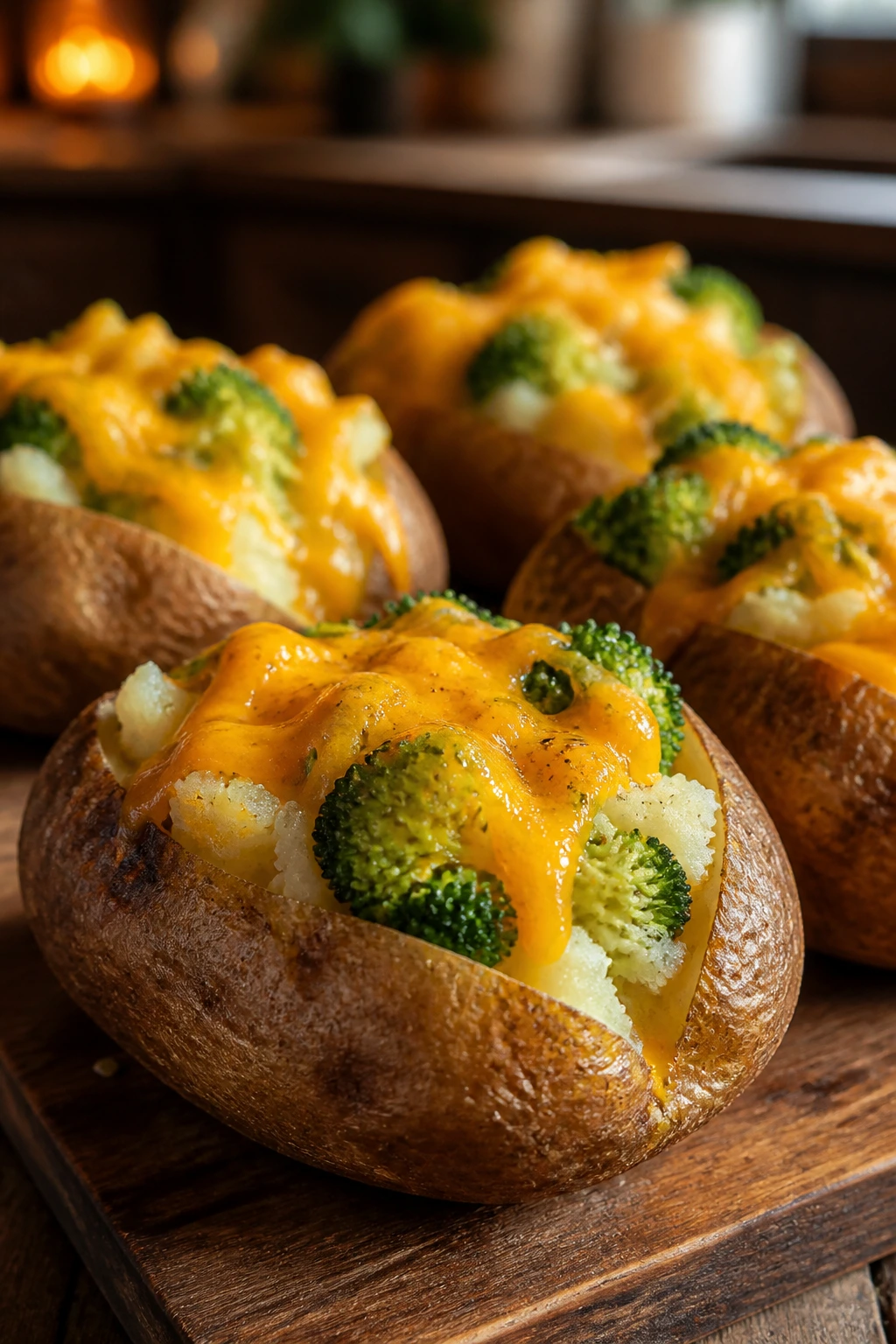
A baked potato bar is the move when nobody can agree on toppings.
One person wants butter and salt. Another wants broccoli and cheddar. Someone else wants bacon, sour cream, and way too much pepper. Fine. A potato bar solves the argument by making dinner modular, which is a polite way of saying everybody gets to build their own plate.
Why It Works
The potato is doing less than you think, and that’s exactly why this works. A russet potato gives you a hot, fluffy base, then the toppings carry the flavor. If you want the dinner to feel lazy without feeling skimpy, this is a strong answer.
Starting the potatoes in the microwave cuts the baking time down a lot. Then the oven or air fryer crisps the skin, which matters more than people admit. A soft skin is fine for lunch. For dinner, I want a little crackle when the fork goes in.
Key Ingredients
- 4 large russet potatoes
- 1 tablespoon olive oil
- 1 teaspoon kosher salt
- 2 cups broccoli florets
- 2 cups shredded cheddar cheese
- 1 cup sour cream or plain Greek yogurt
- 4 slices bacon, cooked and crumbled, optional
- 2 tablespoons chopped chives
- 2 tablespoons butter
Quick Steps
Cook the Potatoes:
- Scrub the potatoes dry, then pierce each one 4 to 5 times with a fork.
- Rub with olive oil and salt.
- Microwave on high for 5 minutes, flip them, then microwave for 4 to 5 minutes more, until the centers are starting to soften.
- Transfer to a 425°F (220°C) oven or air fryer for 15 to 20 minutes, until the skins are crisp and a knife slips in easily.
Prepare the Toppings: 5. Steam the broccoli for 3 to 4 minutes, just until bright green and tender. 6. Warm the cheese slightly if you want it to melt faster when it hits the hot potato.
Assemble: 7. Split the potatoes open, fluff the insides with a fork, and add butter, broccoli, cheese, sour cream, bacon, and chives. 8. Season again with pepper if needed.
Tips and Variations
- Shortcut option: Use leftover roasted broccoli if you have it.
- Lighter version: Greek yogurt stands in for sour cream without making the potato feel dry.
- Make it a meal: Add a fried egg on top if you want extra richness.
8. One-Pan Chicken and Rice with Peas
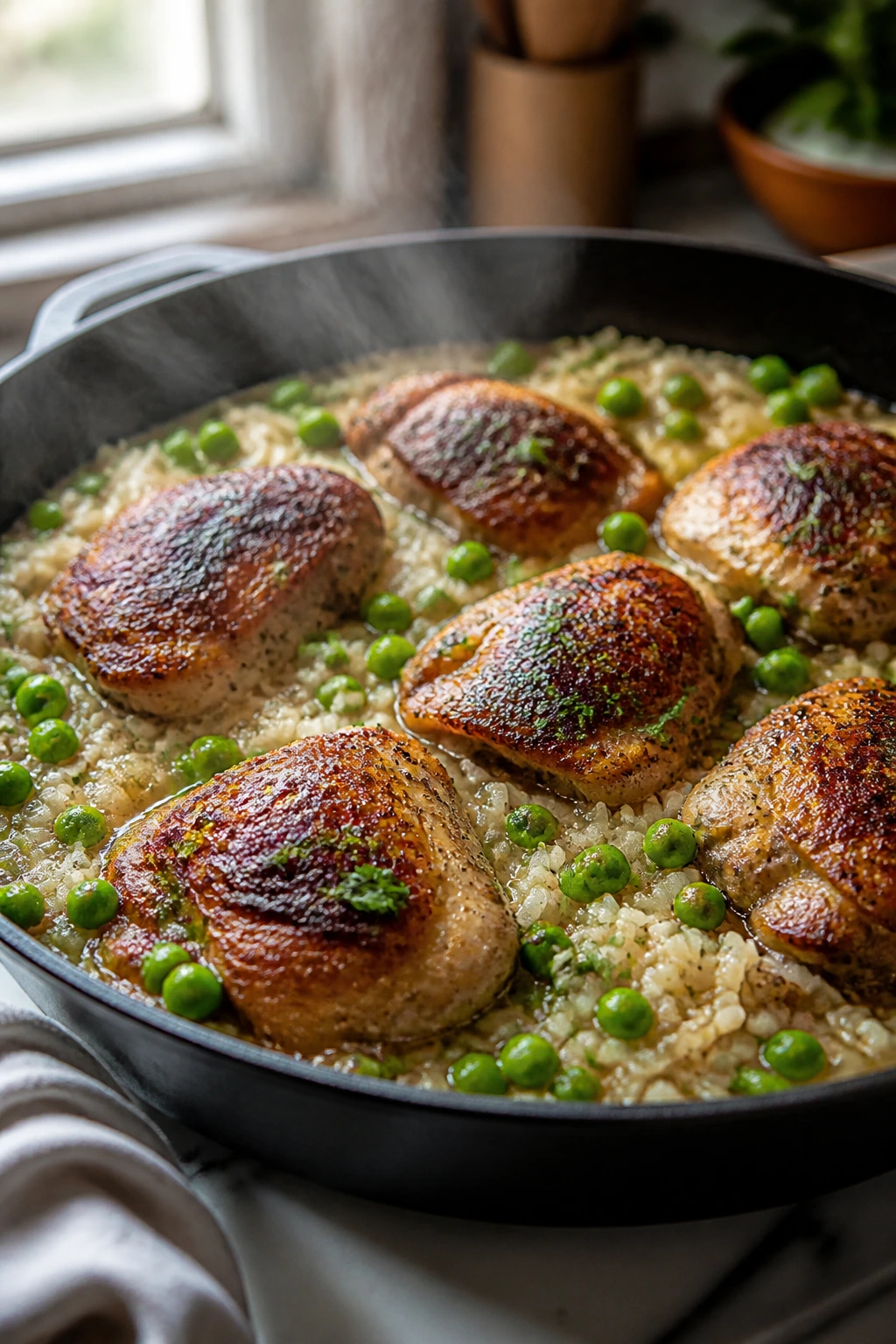
One pan, one lid, one calm hour.
This is the kind of dinner that feels old-fashioned in a comforting way. The chicken browns first, the rice cooks in the same pan, and the peas go in at the end so they stay bright instead of turning khaki. It’s a good Sunday-night meal when you want something complete without juggling three burners.
Why It Works
Chicken thighs and rice like each other. The thighs release fat and flavor into the pan, and the rice catches all of it as it cooks in broth. That means every spoonful tastes like it had a lot more attention than it did.
The pan needs a tight-fitting lid and a little patience. Once the rice goes in, resist the urge to stir it every few minutes. Stirring turns grains into porridge. Let the steam do its job, and the texture stays fluffy with a little richness from the butter.
Key Ingredients
- 1 1/2 pounds boneless, skinless chicken thighs
- 1 cup long-grain white rice, rinsed
- 2 cups chicken broth
- 1 small yellow onion, diced
- 1 carrot, diced
- 2 tablespoons butter
- 2 cloves garlic, minced
- 1 teaspoon paprika
- 1/2 teaspoon dried thyme
- 1 cup frozen peas
- 1 teaspoon kosher salt
- 1/2 teaspoon black pepper
- Chopped parsley, for serving
Quick Steps
Brown the Chicken:
- Season the chicken with salt, pepper, paprika, and thyme.
- Heat the butter in a large deep skillet or sauté pan over medium-high heat.
- Cook the chicken for 3 minutes per side, until browned but not fully cooked through. Remove to a plate.
Build the Rice Base: 4. Add the onion and carrot to the pan and cook for 4 minutes, stirring, until softened. 5. Stir in the garlic and rice and cook for 1 minute, until the rice smells a little nutty. 6. Pour in the broth and scrape up any browned bits from the bottom.
Finish in One Pan: 7. Nestle the chicken back into the pan, cover, and simmer on low for 18 to 20 minutes, until the rice is tender and the chicken reaches 165°F (74°C). 8. Stir in the peas, cover again, and cook for 3 to 4 minutes more. 9. Rest for 5 minutes, then fluff with a fork and scatter with parsley.
Tips and Variations
- Rice choice matters: Long-grain rice stays fluffier than short-grain.
- For brighter flavor: Add a squeeze of lemon before serving.
- If using chicken breasts: Check them sooner so they do not dry out.
9. Pesto Gnocchi with Cherry Tomatoes and White Beans
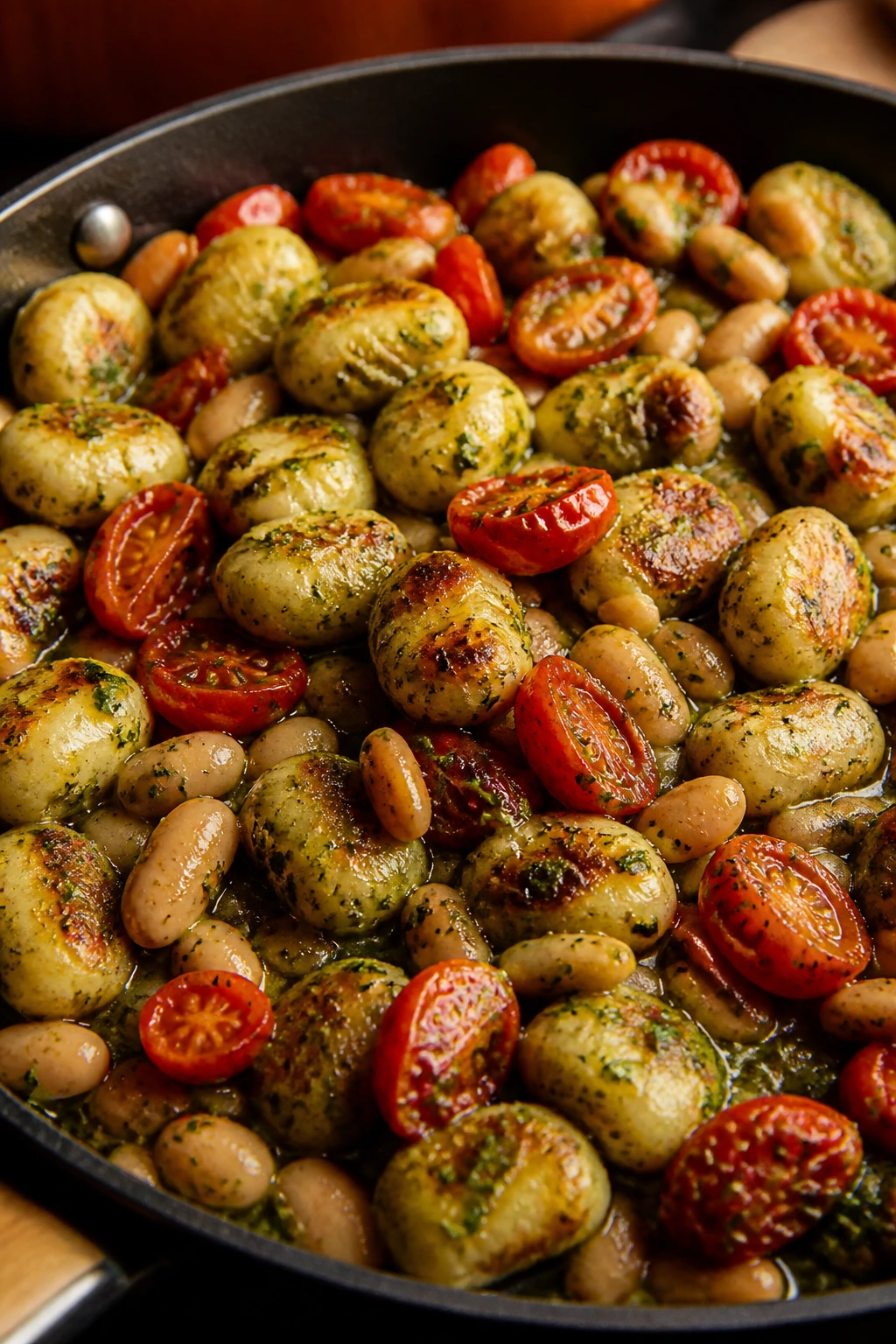
Shelf-stable gnocchi is one of those pantry moves that feels almost too easy.
The little dumplings brown in a skillet, which gives them a firmer edge than boiling ever does. Cherry tomatoes burst into a loose sauce, the white beans make the dish more filling, and the pesto ties everything together with barely any effort. It’s a very good lazy dinner, and it knows it.
Why It Works
Gnocchi cooks fast, but pan-browning gives it more personality. Instead of ending up soft all the way through, the outside turns lightly crisp in spots while the middle stays tender. That texture makes the dish feel fuller, even though the ingredient list is short.
White beans are the quiet hero here. They soak up pesto, add protein, and make the skillet feel like a real dinner instead of a pasta side dish. If your pesto is thick, a spoonful of water loosens it enough to coat everything evenly.
Key Ingredients
- 1 (16-ounce) package shelf-stable gnocchi
- 2 tablespoons olive oil
- 2 cups cherry tomatoes
- 1 (15-ounce) can white beans, drained and rinsed
- 1/3 cup basil pesto
- 2 cups baby spinach
- 1/4 cup grated Parmesan
- 1/4 teaspoon kosher salt
- 1/4 teaspoon black pepper
- Lemon wedge, optional
Quick Steps
Brown the Gnocchi:
- Heat the olive oil in a large skillet over medium-high heat.
- Add the gnocchi in a single layer and cook for 4 to 5 minutes, stirring once or twice, until lightly golden on the outside.
Build the Pan Sauce: 3. Add the cherry tomatoes and cook for 3 minutes, until they start to blister and split. 4. Stir in the white beans and cook for 2 minutes more, until warmed through.
Finish with Pesto: 5. Lower the heat and add the pesto along with 2 tablespoons of water if needed. 6. Stir in the spinach and cook just until wilted, about 30 seconds. 7. Finish with Parmesan, salt, pepper, and a squeeze of lemon if you want brightness.
Tips and Variations
- More protein: Add shredded rotisserie chicken or cooked Italian sausage.
- Creamier finish: Stir in 2 tablespoons of ricotta at the end.
- Best texture tip: Do not overcook the tomatoes; you want them soft, not erased.
10. Breakfast-for-Dinner Frittata with Potatoes and Greens
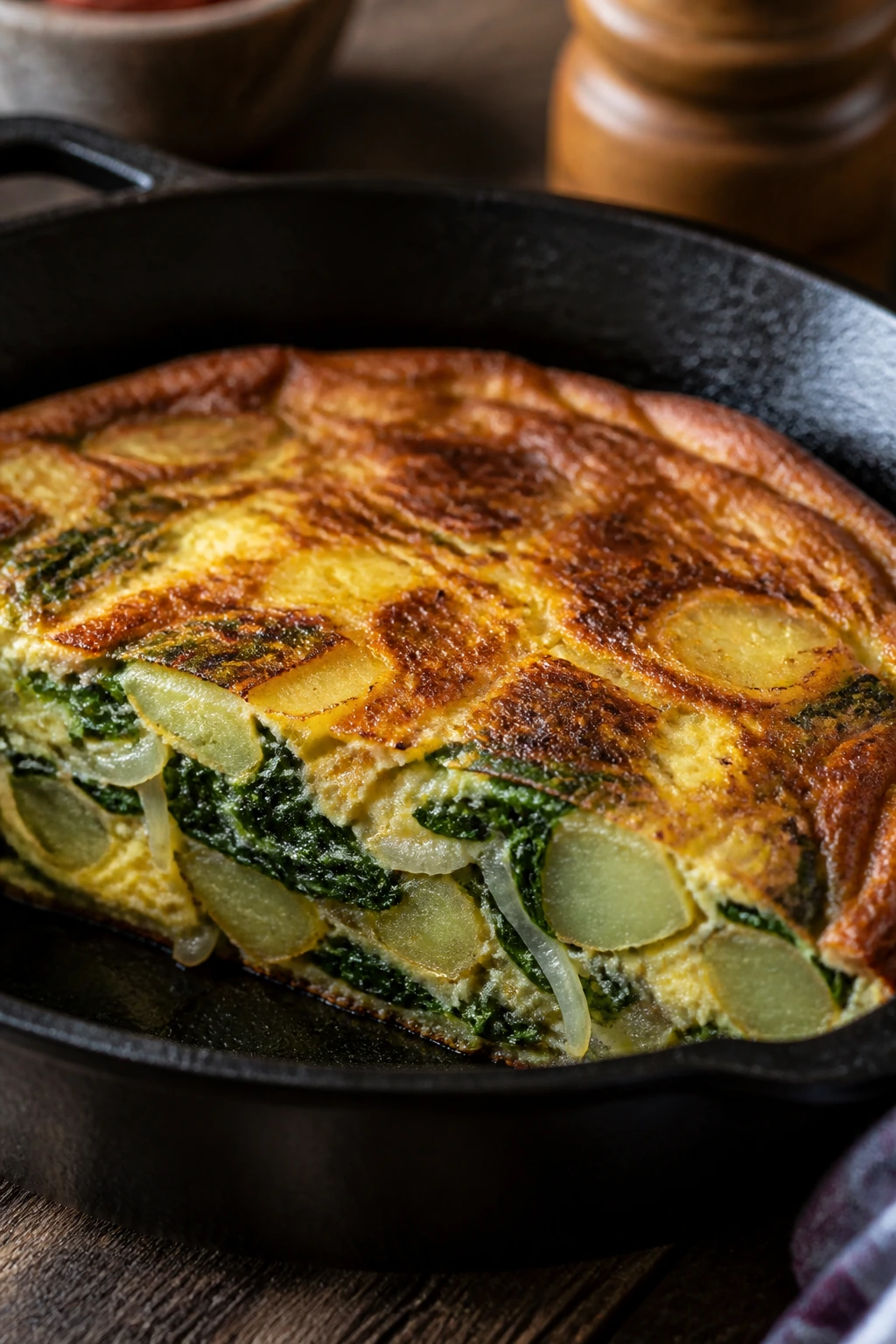
Eggs for dinner get dismissed too quickly.
A frittata is what happens when you stop pretending dinner has to be complicated. Potatoes make it sturdy, greens keep it from feeling too heavy, and the oven does the final set so you are not standing over the stove hoping the center cooperates. It slices neatly, travels well, and somehow feels like a tidy answer to a messy Sunday night.
Why It Works
The pan handles the whole meal. You cook the potatoes and onions first, then pour in the eggs, then finish under the broiler so the top sets without drying out the bottom. That layered approach gives you a dinner with structure instead of scrambled chaos.
Cooked potatoes are the trick that makes this feel lazy. If you have leftover roasted potatoes or thawed hash browns, even better. The eggs just need a sturdy base and a bit of salt, which is why this dish can be built from things already in the fridge.
Key Ingredients
- 8 large eggs
- 1/4 cup milk or half-and-half
- 1 teaspoon kosher salt
- 1/2 teaspoon black pepper
- 2 tablespoons olive oil
- 1 small yellow onion, thinly sliced
- 2 cups diced cooked potatoes or thawed frozen hash browns
- 2 cups baby spinach
- 1 cup shredded cheddar cheese
- 2 tablespoons chopped chives or parsley, optional
Quick Steps
Start the Filling:
- Preheat the broiler and heat the olive oil in a 10-inch oven-safe skillet over medium heat.
- Add the onion and potatoes and cook for 6 to 8 minutes, until the potatoes start to brown and the onion softens.
- Stir in the spinach and cook for 30 seconds, just until wilted.
Add the Eggs: 4. Whisk together the eggs, milk, salt, and pepper in a bowl until blended but not frothy. 5. Pour the eggs into the skillet, tilting the pan if needed so they spread between the potatoes. 6. Cook over medium heat for 2 to 3 minutes, until the edges start to set.
Finish Under the Broiler: 7. Scatter the cheese over the top and slide the skillet under the broiler for 1 to 3 minutes, until the center is just set and the top looks puffed and lightly browned. 8. Rest for 5 minutes before slicing so the wedges hold together.
Tips and Variations
- Use what you have: Cooked broccoli, chopped ham, or sautéed mushrooms all work here.
- Cheese choice: Cheddar is classic, but feta gives a sharper, saltier edge.
- Serving move: A simple salad on the side keeps the plate balanced.
Why These Sunday Night Dinners Work So Well
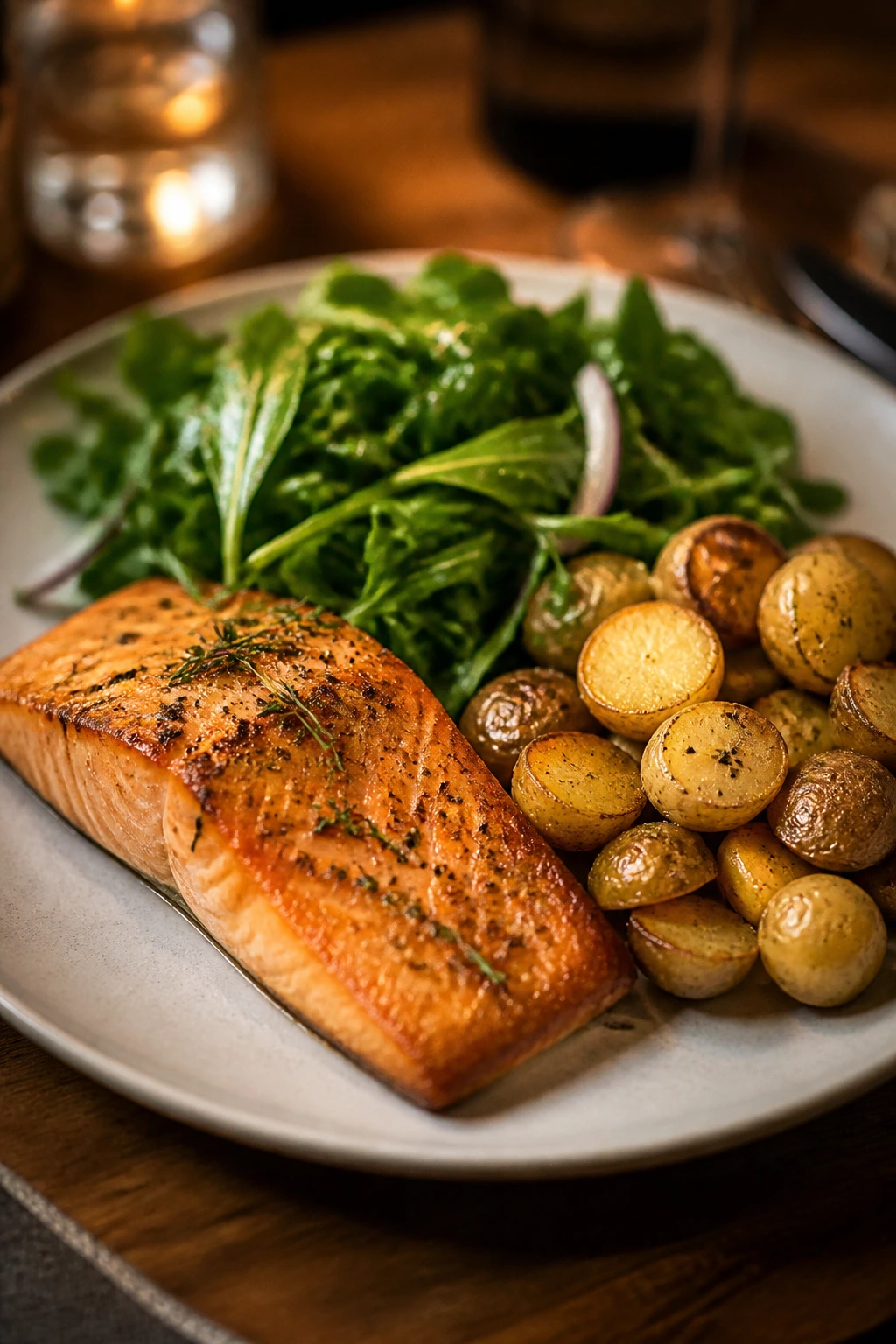
Lazy Sunday dinners are not about doing nothing. They’re about choosing the right kind of work. A sheet pan gives you browning, a slow cooker gives you time, a skillet gives you speed, and a casserole gives you leftovers that still taste like dinner the next day. That’s the whole game.
The strongest common thread here is a good shortcut that carries real weight. Rotisserie chicken is already seasoned. Frozen peas behave better than you’d expect. Jarred marinara can be excellent when it’s baked under cheese. Even the potatoes and eggs play nice with almost no help. The dinner is lazy, yes, but it still needs shape.
That shape is what makes Sunday night feel manageable instead of annoying. You get a meal that asks for one pan or one pot, not five. You get food that can be set down in front of people without a speech. And you get to keep enough energy for the rest of the night, which is the whole point.
Essential Equipment for These Recipes
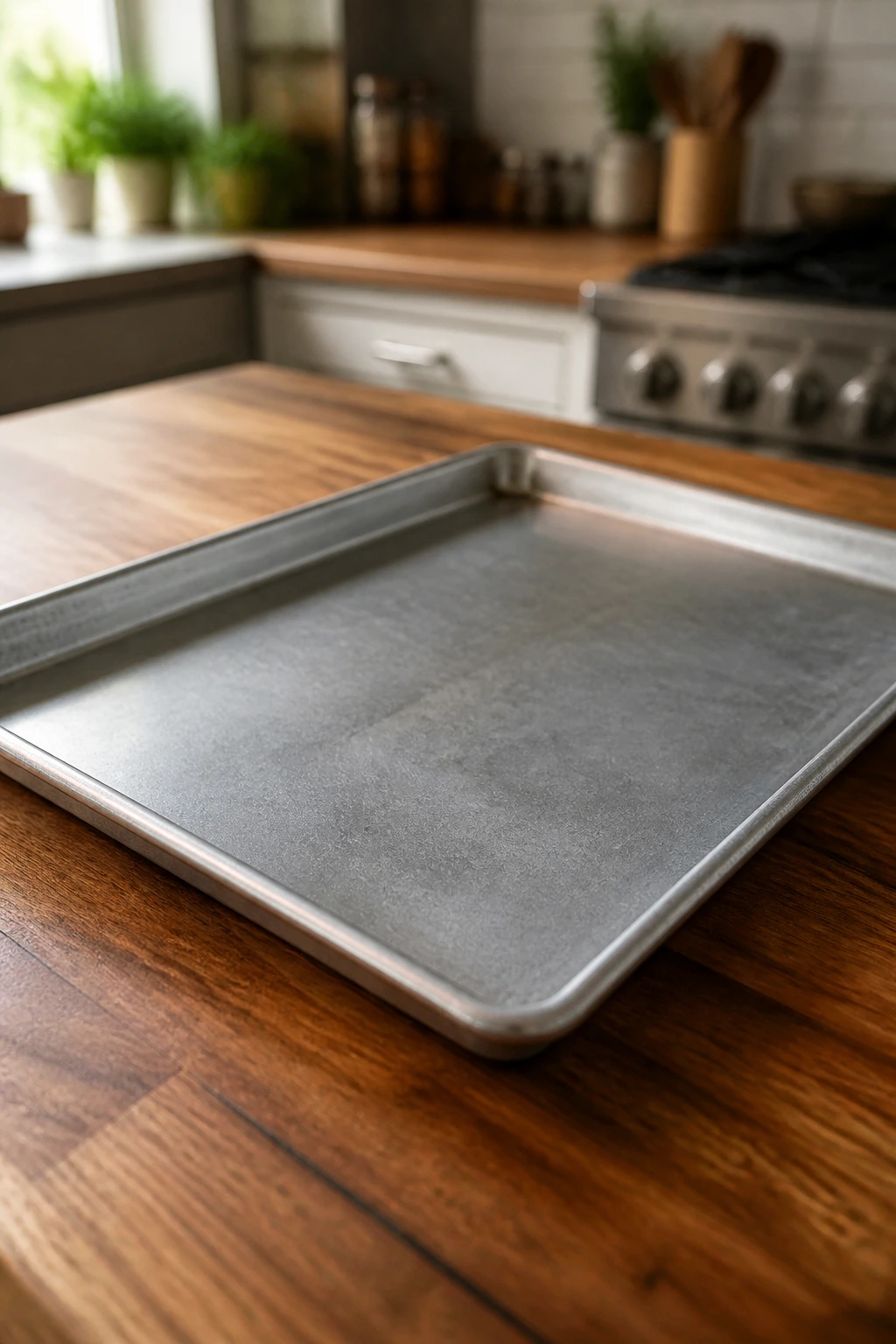
- Rimmed sheet pan: Best for sausage dinners and anything that needs browning without spillover.
- Large skillet, 12 inches if possible: Useful for taco skillets, gnocchi, and the enchilada mix.
- Oven-safe skillet: Needed for the frittata and helpful for one-pan chicken and rice.
- 9×13-inch baking dish: The workhorse for baked ziti and other casserole-style dinners.
- Dutch oven or heavy soup pot: The right pot makes tortellini soup and similar brothy dinners easier.
- Slow cooker, 4- to 6-quart: Perfect for salsa chicken and any meal you want to leave alone.
- Colander: For pasta nights and draining beans without making a mess.
- Sharp knife and cutting board: Sounds basic, but dull knives turn “lazy” into “annoyed.”
- Wooden spoon or heatproof spatula: Better than a whisk for breaking up meat and stirring sticky fillings.
- Instant-read thermometer: The easiest way to make sure chicken is done without guessing.
Smart Shopping and Ingredient Tips
Buy the shortcut ingredients with a little care, because lazy cooking still rewards good judgment. For sausage, look for fully cooked smoked sausage or kielbasa so it only needs browning. For rotisserie chicken, choose one that still feels moist under the skin; dry chicken makes enchilada skillets sad fast. For pasta nights, low-moisture mozzarella and a jar of marinara with garlic listed near the top usually give better results than watery sauce that tastes thin after baking.
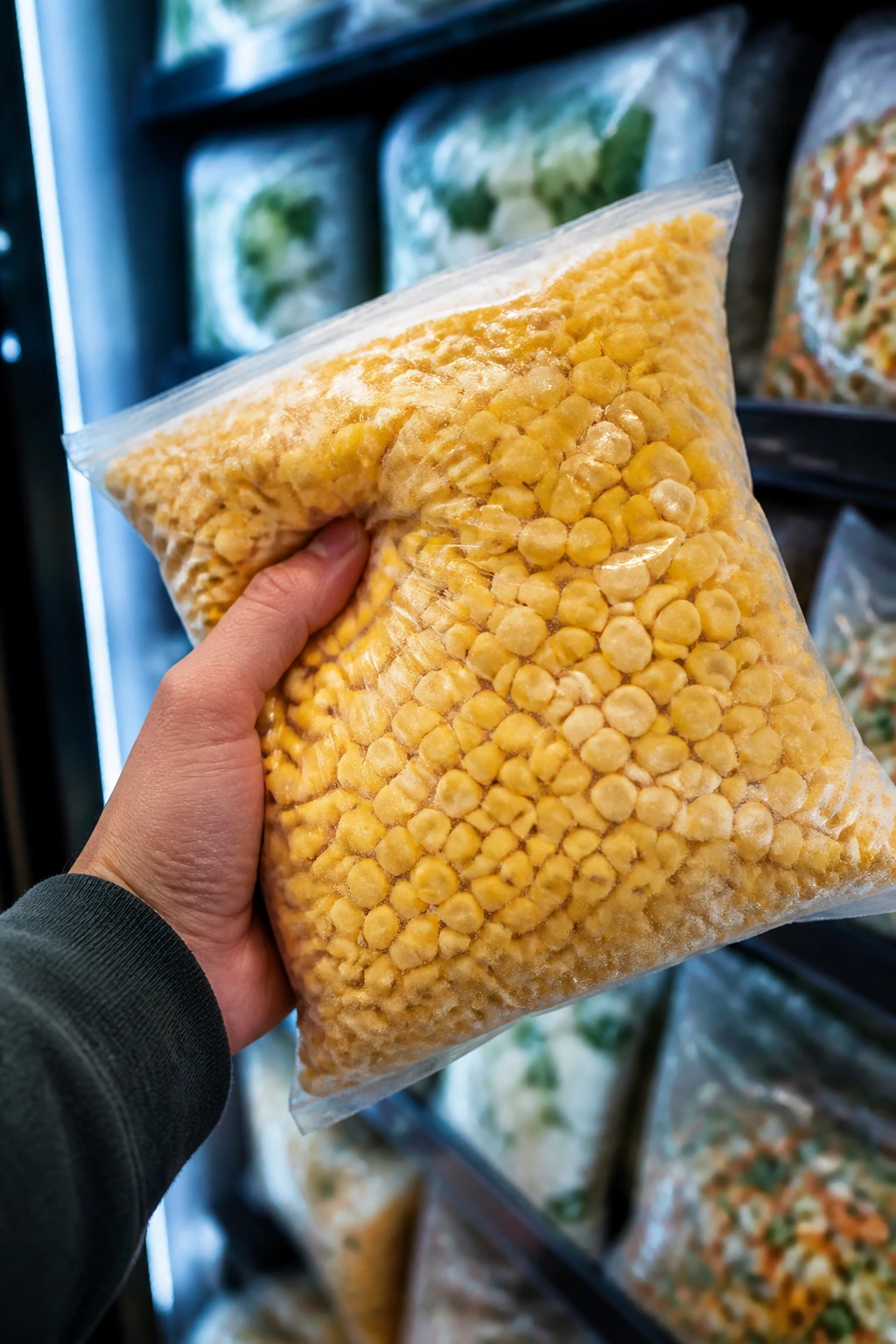
Frozen vegetables are your friend here. Corn, peas, and spinach can save a dinner when the crisper drawer is looking bleak. Use them straight from the freezer unless the recipe says otherwise, and do not thaw them into a soggy puddle first. Canned beans should always be drained and rinsed unless you want extra salt and starchy liquid clouding the skillet.
For potatoes, pick ones that are close in size so they cook at the same pace. Russets are best for baking, while baby potatoes are ideal for sheet-pan dinners. For rice, long-grain white rice stays fluffier in one-pan dishes than shorter varieties, which can turn sticky in a hurry. Small choices like that keep Sunday dinner smooth.
Make-Ahead, Storage, and Reheating Guidance
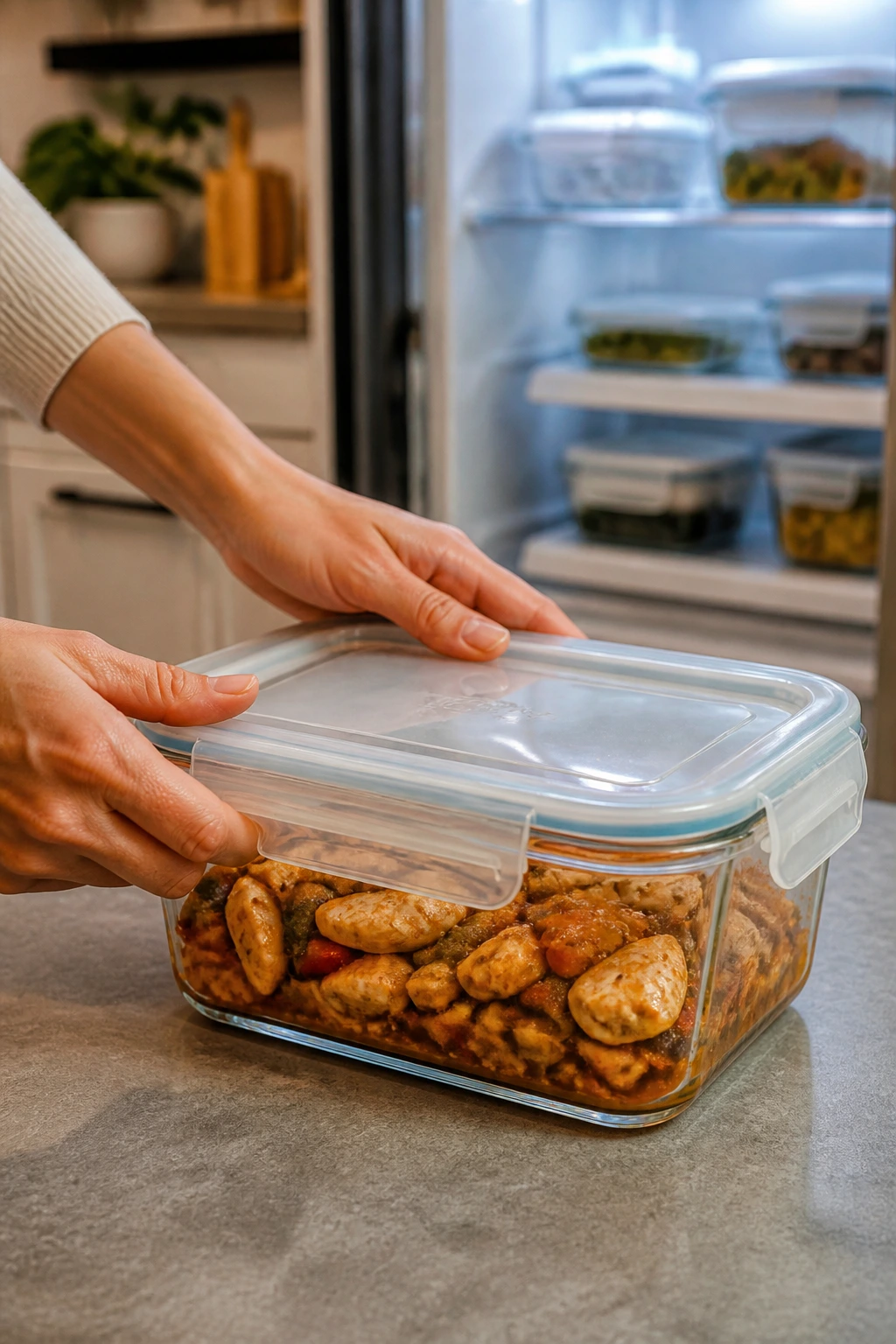
A lot of these dinners hold up well for a few days, which is one reason they feel so useful. Most cooked meals here keep well in the refrigerator for 3 to 4 days in sealed containers. Soups can do that easily, as can taco fillings, baked ziti, and chicken-and-rice dishes. Frittata is usually best within 3 days, while potato bars are at their best the day they’re made.
Freezing works better for some dinners than others. Salsa chicken, taco beef, baked ziti, and sausage-and-pepper mixtures freeze well for up to 2 months if cooled fully before freezing. Tortellini soup can be frozen, but the pasta may soften a bit more when reheated, so I’d keep that one in the fridge if possible. Potatoes and frittata are less freezer-friendly because their texture gets a little mealy or spongy after thawing.
Reheat baked casseroles in a 350°F oven, covered with foil, until hot in the center. Skillet fillings do well in a pan over medium-low heat with a splash of broth or water to loosen them. Soup comes back to life on the stovetop over medium heat, stirred often, with a little extra broth if needed. Potato leftovers are fine in the microwave, though a brief oven or air fryer finish brings the skin back to life. Cool leftovers within 2 hours of cooking, then refrigerate promptly. That habit matters more than people think.
Variations and Adaptations to Try
Gluten-Free Night: Use corn tortillas, rice, potatoes, and gluten-free pasta or gnocchi where needed. Check sausage, broth, and enchilada sauce labels for hidden wheat, because those little details are where gluten sneaks in.
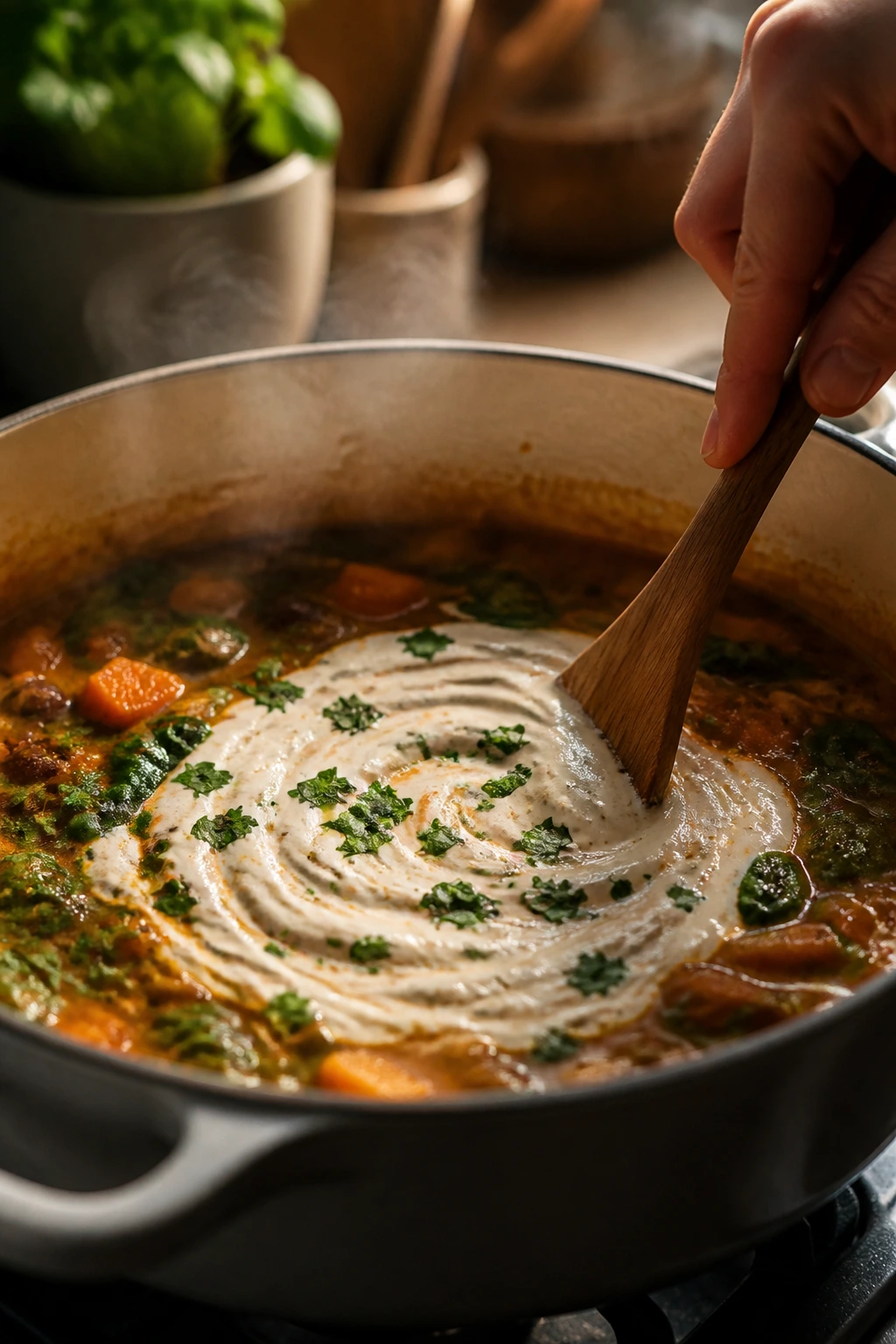
Dairy-Free Swap: Skip the ricotta, sour cream, and cream, then lean on olive oil, tomato sauce, and extra herbs. For creamy soups, a plain unsweetened dairy-free cream or a little blended cashew cream works better than trying to force coconut flavor into everything.
Lower-Sodium Version: Choose low-sodium broth, rinse canned beans well, and use less cheese than the original recipe calls for. Brighten with lemon, lime, vinegar, and herbs so the food still tastes awake.
Meatless Pantry Dinner: Swap chicken, sausage, or beef for white beans, chickpeas, or extra vegetables. Smoked paprika, mushrooms, and a little butter or olive oil can give the dish enough depth that you won’t miss the meat as much as you expect.
Heat-It-Up Version: Add sliced jalapeños, red pepper flakes, chipotle in adobo, or hot sauce depending on the dish. Keep the base the same and let the heat ride on top, which is easier than trying to make everything spicy from the start.
Common Mistakes to Avoid
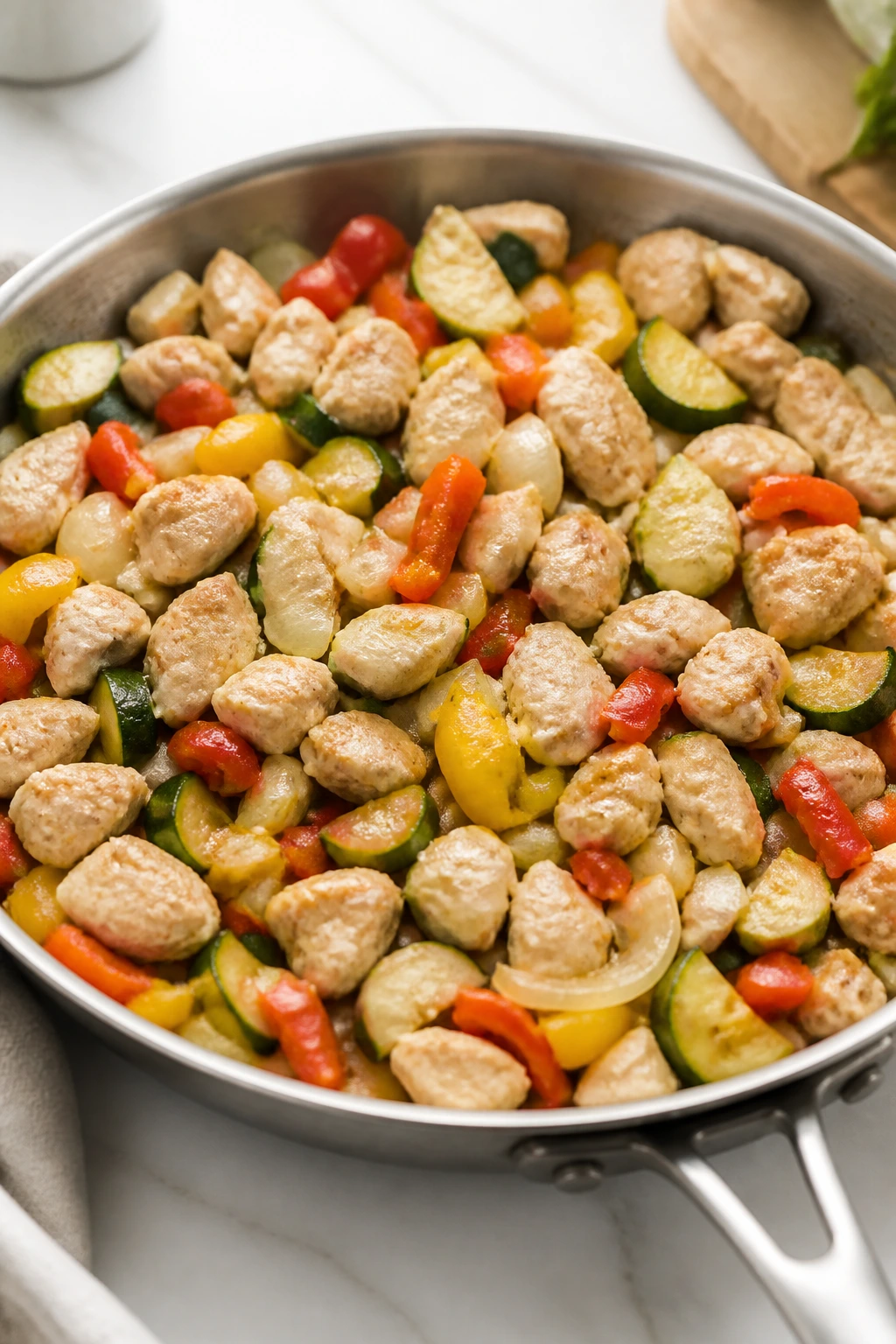
The first mistake is crowding the pan. Sheet-pan dinners need breathing room if you want browning instead of steaming, and skillet meals need enough space so the sauce can reduce instead of pooling. If the pan looks cramped, split it. Simple fix.
The second mistake is under-seasoning lazy food. Because these dinners use shortcuts, people sometimes forget that shortcuts still need salt, pepper, and one bright finishing note like lime, lemon, chives, or Parmesan. A squeeze of acid at the end can make a whole dish taste more awake.
The third mistake is cooking pasta, rice, or chicken past the point of rescue. Pasta for baked ziti should be underdone by a couple of minutes. Chicken should reach 165°F / 74°C for safe eating, but breasts dry out if they go much past that. Ground beef should hit 160°F / 71°C. Use the thermometer. It saves dinner.
The fourth mistake is forgetting to drain excess liquid from beans, corn, or thawed vegetables. A watery skillet turns blunt fast, and nobody likes enchilada filling that looks like soup. Drain well, then add moisture back with intention instead of by accident.
The fifth mistake is skipping the rest time for casseroles, frittatas, and baked pasta. Hot food needs a few minutes to settle. If you cut too soon, the layers slide, the slices fall apart, and the whole thing looks less appealing than it should.
Frequently Asked Questions

Which of these dinners is fastest if I’m truly short on time?
The pesto gnocchi and the rotisserie chicken enchilada skillet are probably the quickest. Both can land on the table in about 20 minutes if the ingredients are already out, and neither one needs much chopping.
Can I swap chicken thighs for chicken breasts in the slow cooker recipe?
Yes, but keep a closer eye on the timing. Breasts cook faster and dry out more easily, so check them once they’re shreddable and at 165°F / 74°C instead of letting them sit too long.
What if I don’t want to turn on the oven?
Choose the skillet recipes, slow cooker tacos, soup, taco rice, or gnocchi. They give you a full dinner without heating the kitchen much, which can matter more than usual when you’re already done with the day.
Can I use frozen vegetables in these dinners?
Absolutely. Frozen corn, peas, spinach, and broccoli are all useful here. Add them late enough that they stay bright and do not water down the pan.
How do I keep baked pasta from drying out when reheating it?
Cover it with foil and add a small splash of water or sauce before reheating at 350°F. That trapped steam keeps the noodles from going tough around the edges.
Can I double these recipes for a bigger group?
Most of them double well, but use a larger pan or a second baking dish if needed. The real caution is with sheet-pan dinners, because overcrowding changes the texture more than people expect.
Are these meals okay for leftovers the next day?
Very much so, though some are better than others. Baked ziti, taco fillings, and chicken-and-rice dishes usually taste even deeper the next day, while the potato bar is best when the toppings are refreshed rather than fully assembled in advance.
A Softer End to the Week

Sunday night dinner does not need to feel like a final exam. It needs to be warm, doable, and good enough that you sit down without feeling like you negotiated with the kitchen. That’s what these meals are built for.
Keep a few of the right things on hand — a jar of salsa, a box of pasta, a bag of potatoes, a pack of sausage, a rotisserie chicken when life gets crowded — and the last dinner of the week becomes calmer almost by accident. And that’s a nice way to end a day.