



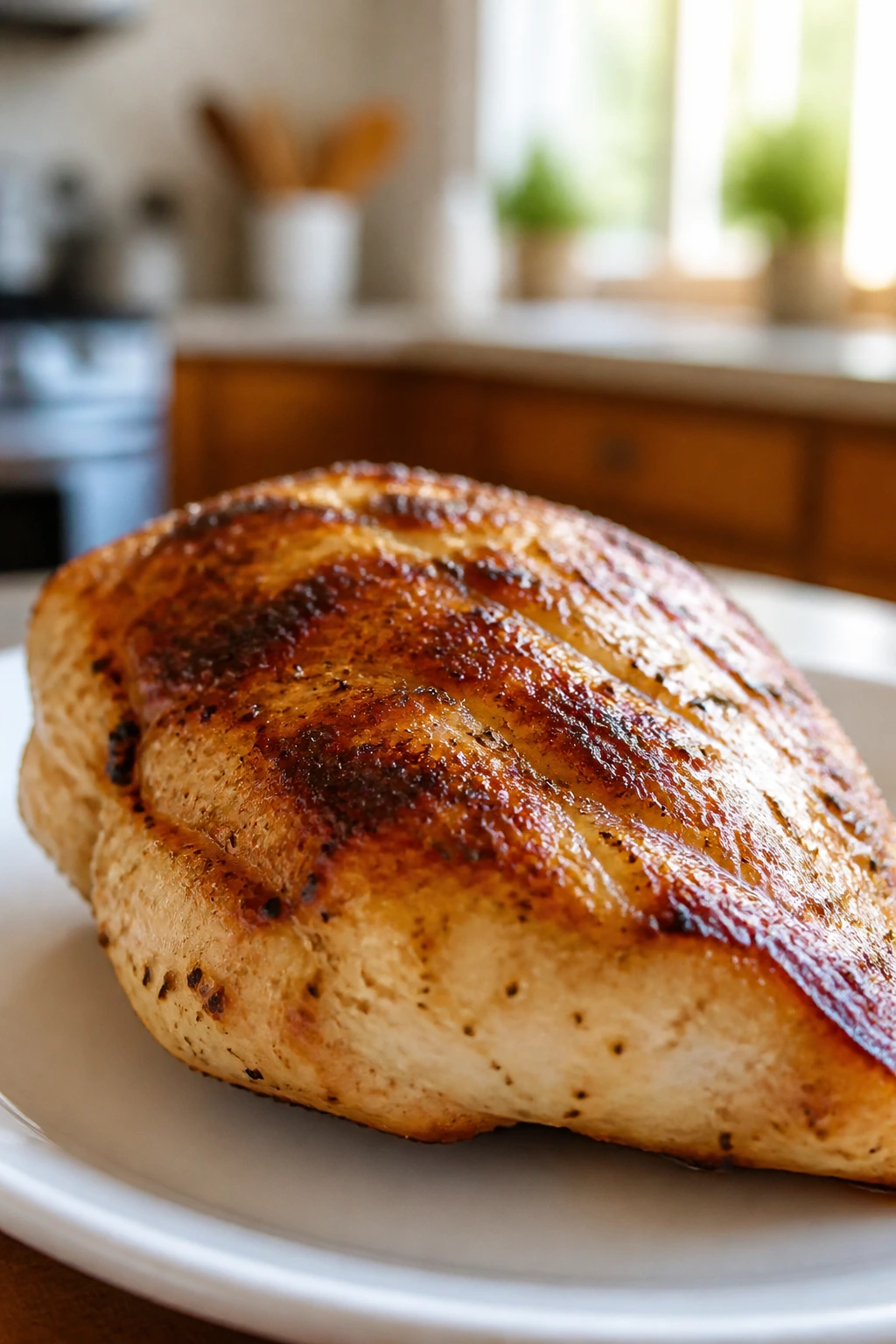
High protein dinners for weight loss work best when they taste like real dinner, not a compromise. A plate of browned chicken with lemon, a skillet of turkey and peppers, a piece of salmon with a crisp edge — that kind of food has staying power. It feels generous. It doesn’t leave you prowling the kitchen an hour later.
The pattern is pretty simple. Lean protein gives a meal its backbone, vegetables bring volume and texture, and a smart sauce or seasoning blend keeps everything from tasting flat. When those three pieces show up together, you get the thing most people are actually after: a dinner that feels finished, satisfying, and easy to repeat without getting bored.
I’ve always liked dinners that do their job without acting precious. One skillet. One sheet pan. A pot that only needs one rinse afterward. That’s the sweet spot here, because a weight-loss dinner should make life easier, not more fussy. You’ll see chicken, turkey, salmon, shrimp, tofu, beans, lean beef, and a few old-school workhorses in this collection — enough variety to keep the table interesting, and enough protein to keep the whole thing grounded.
Why These Dinners Pull Their Weight
-
Built for staying power: Each dinner centers on a real protein source, which helps keep the meal satisfying instead of snack-inducing an hour later.
-
Still tastes like dinner: These are not sad “diet plates.” They use browning, spice, acid, and a little crunch so the food actually tastes finished.
-
Easy to portion well: Most of the recipes here land cleanly in the 4-to-6-ounce protein range per serving, which makes it easier to keep portions steady.
-
Weeknight-friendly methods: Skillet dinners, sheet pan meals, soups, and fast stir-fries show up often because they’re the dishes people actually make on a Tuesday.
-
Flexible with the pantry: A few of these rely on beans, yogurt, canned fish, frozen vegetables, or basic spices, which means you can cook them without a special shopping trip.
-
Good leftovers matter: Several of these meals hold up for lunch the next day, and that matters more than most recipe roundups admit.
1. Lemon Garlic Chicken and Broccoli Skillet
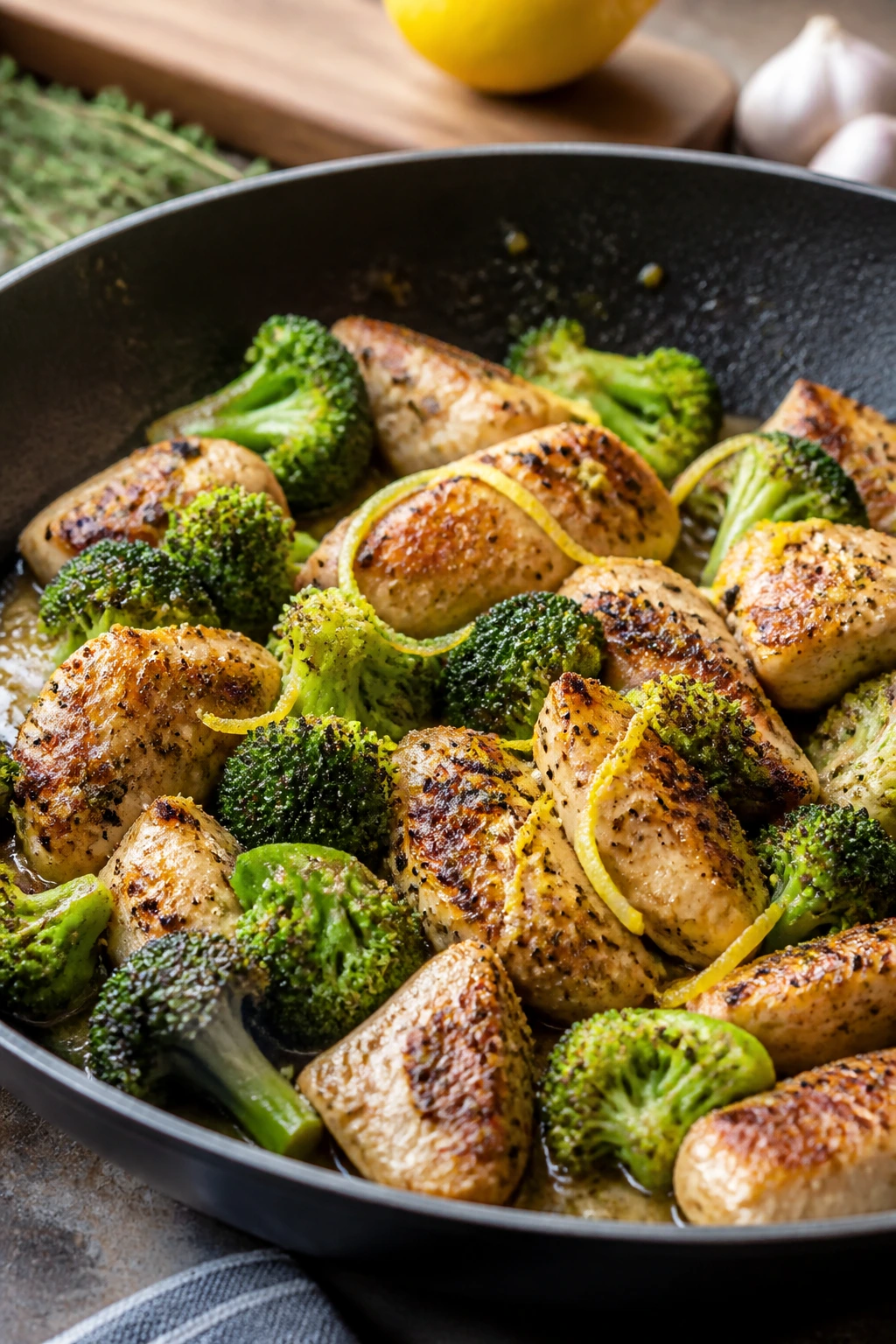
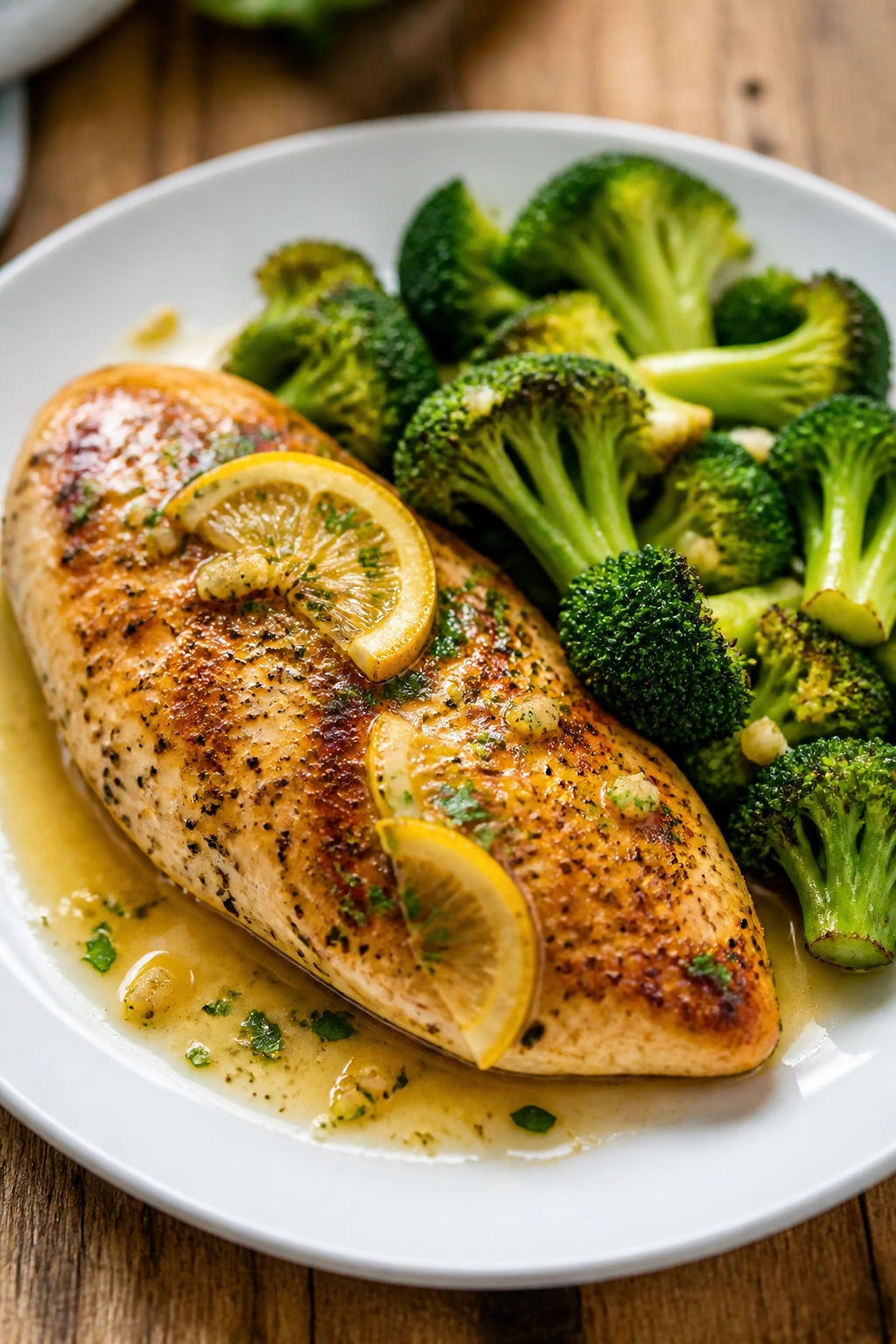
A hot skillet does a lot of work here. The chicken gets a golden crust, the broccoli turns bright green with a little char, and the lemon comes in at the end like a clean sharp note that keeps the whole thing from feeling heavy. I like this one because it tastes cleaner than it smells while it’s cooking, which is saying something — garlic and lemon together can make a kitchen feel expensive without costing much at all.
Why It Works:
Lean chicken breast gives this dinner a strong protein base, and broccoli adds enough bulk that a normal portion actually feels like a full plate. Searing the chicken first builds flavor fast, then a splash of broth loosens the browned bits so you get a light pan sauce instead of dry meat. The whole thing lands in the sweet spot between simple and satisfying, which is exactly where a weight-loss dinner should live.
Key Ingredients:
- 1 1/2 lb boneless, skinless chicken breasts, cut into 1-inch cutlets
- 1 tsp kosher salt
- 1/2 tsp black pepper
- 1 tsp paprika
- 1 tbsp olive oil
- 1 large head broccoli, about 1 lb, cut into florets
- 4 cloves garlic, minced
- 1/2 cup low-sodium chicken broth
- Juice and zest of 1 lemon
- 2 tbsp chopped parsley
- 2 tbsp grated Parmesan, optional
Quick Steps:
- Season the chicken with salt, pepper, and paprika on both sides.
- Heat the olive oil in a large skillet over medium-high heat, then sear the chicken for 4 to 5 minutes per side until deeply golden and nearly cooked through.
- Transfer the chicken to a plate. Add the broccoli and broth to the skillet, scraping up the browned bits as the liquid starts to bubble.
- Cover and cook for 3 minutes, until the broccoli turns crisp-tender and bright green. Add the garlic and stir for 30 seconds, just until fragrant.
- Return the chicken to the pan and cook 1 to 2 minutes more, until the chicken reaches 165°F and the broth reduces to a light glaze. Finish with lemon juice, zest, parsley, and Parmesan if you want it.
Tips and Variations:
- Slice the chicken across the grain before serving if you want every bite to feel more tender.
- Cauliflower florets can stand in for half the broccoli if that’s what you have.
- A pinch of red pepper flakes gives the pan sauce more bite without making it spicy.
2. Turkey Taco Lettuce Wraps
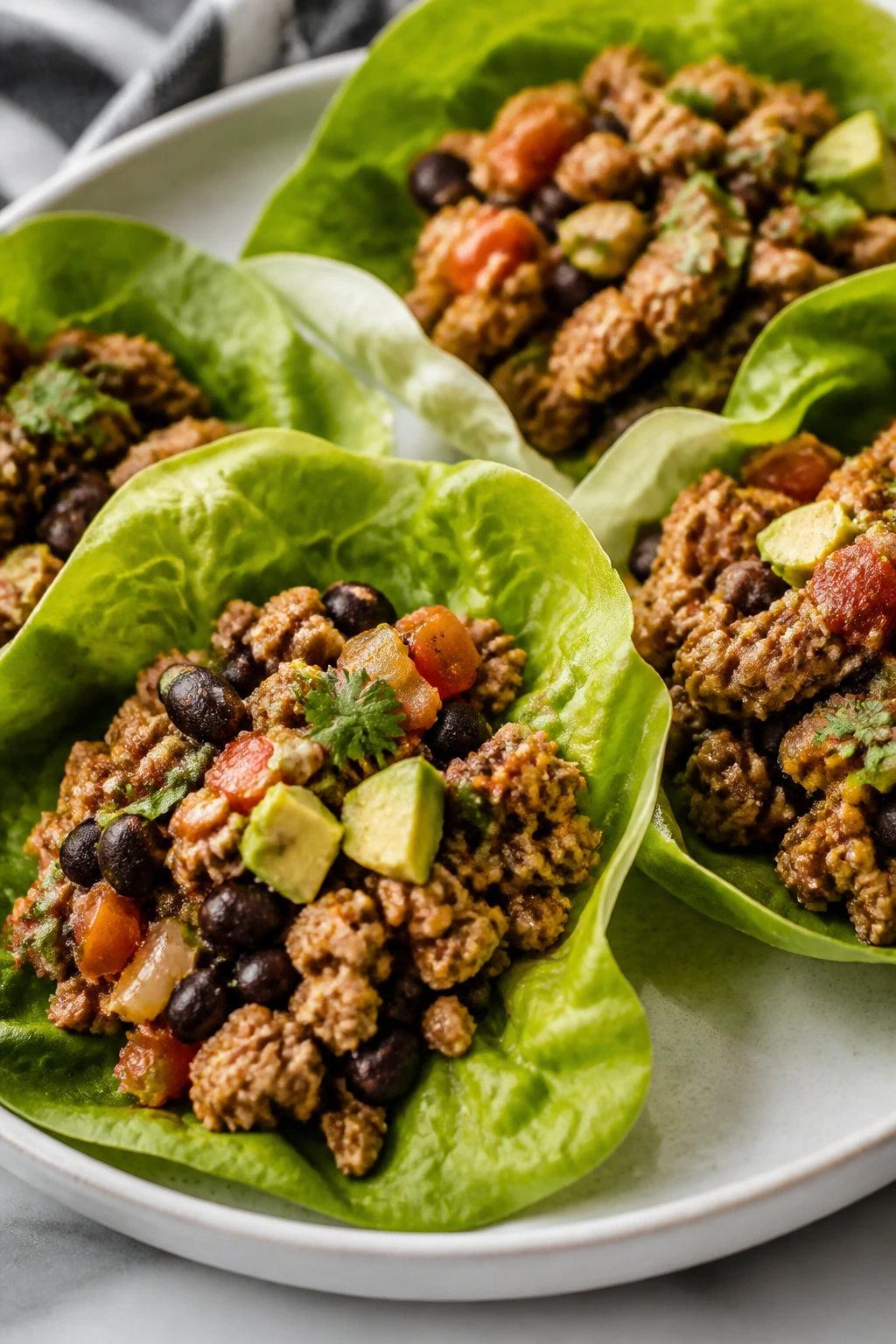
Taco night gets easier when the shells disappear and the filling gets all the attention. The turkey cooks up crumbly and seasoned, the black beans bring a little extra body, and the cold lettuce leaves give every bite a hard, crisp snap. It’s messy in the best way. The kind of dinner that disappears fast because everyone builds their own.
Why It Works:
Lean ground turkey is one of the easiest protein swaps when you want a lower-fat dinner that still feels substantial. Black beans add fiber and make the filling go further, which helps with portion control without leaving the plate bare. Salsa keeps the mixture juicy, so you don’t need a lot of oil or cheese to make it feel complete. That’s the whole trick here: strong flavor, controlled calories, no sad food energy.
Key Ingredients:
- 1 tbsp avocado oil
- 1 small yellow onion, diced
- 1 lb 93% lean ground turkey
- 2 tsp chili powder
- 1 tsp ground cumin
- 1/2 tsp smoked paprika
- 1/2 tsp kosher salt
- 1/2 cup salsa
- 1/2 cup canned black beans, rinsed
- 8 large romaine or butter lettuce leaves
- 1/2 avocado, sliced
- 1/4 cup plain Greek yogurt
- 2 tbsp chopped cilantro
Quick Steps:
- Heat the avocado oil in a skillet over medium heat. Add the onion and cook for 3 minutes, until soft and lightly translucent.
- Add the turkey and cook, breaking it up with a spoon, until it loses its pink color and starts to brown around the edges.
- Stir in the chili powder, cumin, smoked paprika, and salt. Cook for 30 seconds so the spices bloom in the pan.
- Add the salsa and black beans. Simmer for 2 to 3 minutes, until the filling thickens and looks spoonable instead of watery.
- Spoon into lettuce leaves and top with avocado, Greek yogurt, and cilantro. Eat right away while the lettuce is still crisp.
Tips and Variations:
- Iceberg lettuce gives more crunch if you like a taco shell effect.
- Keep the filling warm in a low skillet if people are building their own plates.
- A spoonful of pickled jalapeños helps if you want sharper flavor without more salt.
3. Salmon with Asparagus and Dill Yogurt
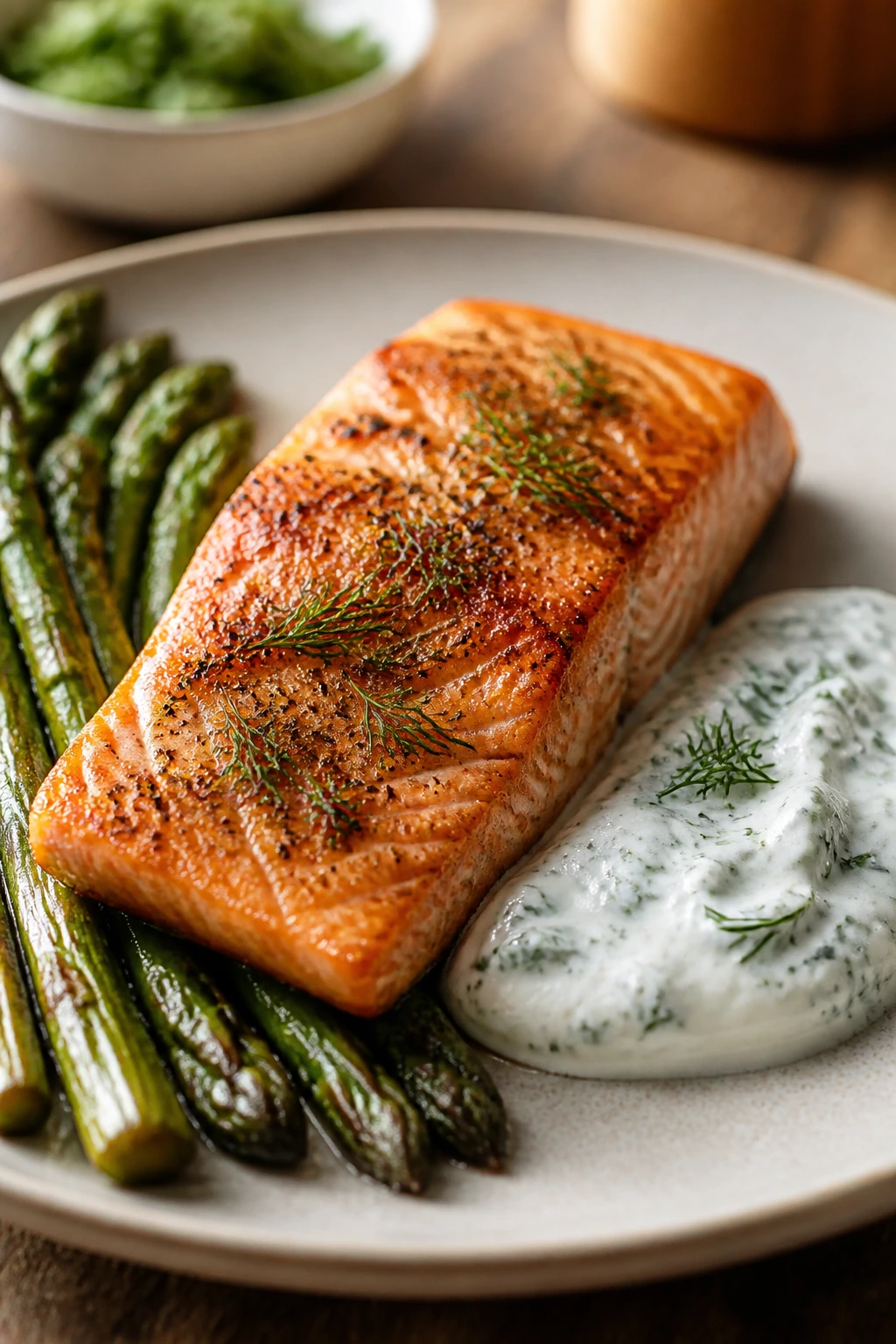
Salmon has a way of making a simple dinner feel bigger than it is. The edges brown, the center stays soft, and the asparagus roasts in the same pan until the tips go just a little crisp. Then the dill yogurt goes on top, cool and tangy, and the whole plate suddenly looks like you planned ahead.
Why It Works:
Salmon brings a lot of protein with very little fuss, and it also gives you richness, which can be useful when you’re trying to feel satisfied without overdoing the portion size. Asparagus is fast, sturdy, and low-effort, so it fits the same tray without turning limp. The yogurt sauce adds another layer of protein and replaces heavier cream-based finishes. That little swap matters more than people think.
Key Ingredients:
- 4 salmon fillets, 5 to 6 oz each
- 1 lb asparagus, trimmed
- 1 tbsp olive oil
- 1/2 tsp kosher salt
- 1/2 tsp black pepper
- 1 lemon, sliced and zested
- 1 cup plain Greek yogurt
- 1 tbsp chopped fresh dill
- 1 small garlic clove, grated
- 1 tsp Dijon mustard
Quick Steps:
- Heat the oven to 400°F and line a sheet pan with parchment paper.
- Toss the asparagus with half the olive oil, salt, and pepper. Roast for 5 minutes, just until it starts to soften.
- Stir together the Greek yogurt, dill, grated garlic, Dijon, lemon zest, and a pinch of salt.
- Pat the salmon dry, rub with the remaining oil, and season both sides. Place it on the sheet pan with lemon slices tucked around the fillets.
- Roast for 10 to 12 minutes, until the salmon flakes at the edges but still looks moist in the middle. Serve with the dill yogurt on top.
Tips and Variations:
- If your salmon is thin, start checking at 8 minutes so it doesn’t dry out.
- Swap asparagus for green beans or broccolini if that’s what looks good at the market.
- A few capers on top give the plate a sharper, brinier finish.
4. Garlic Shrimp and Veggie Stir-Fry
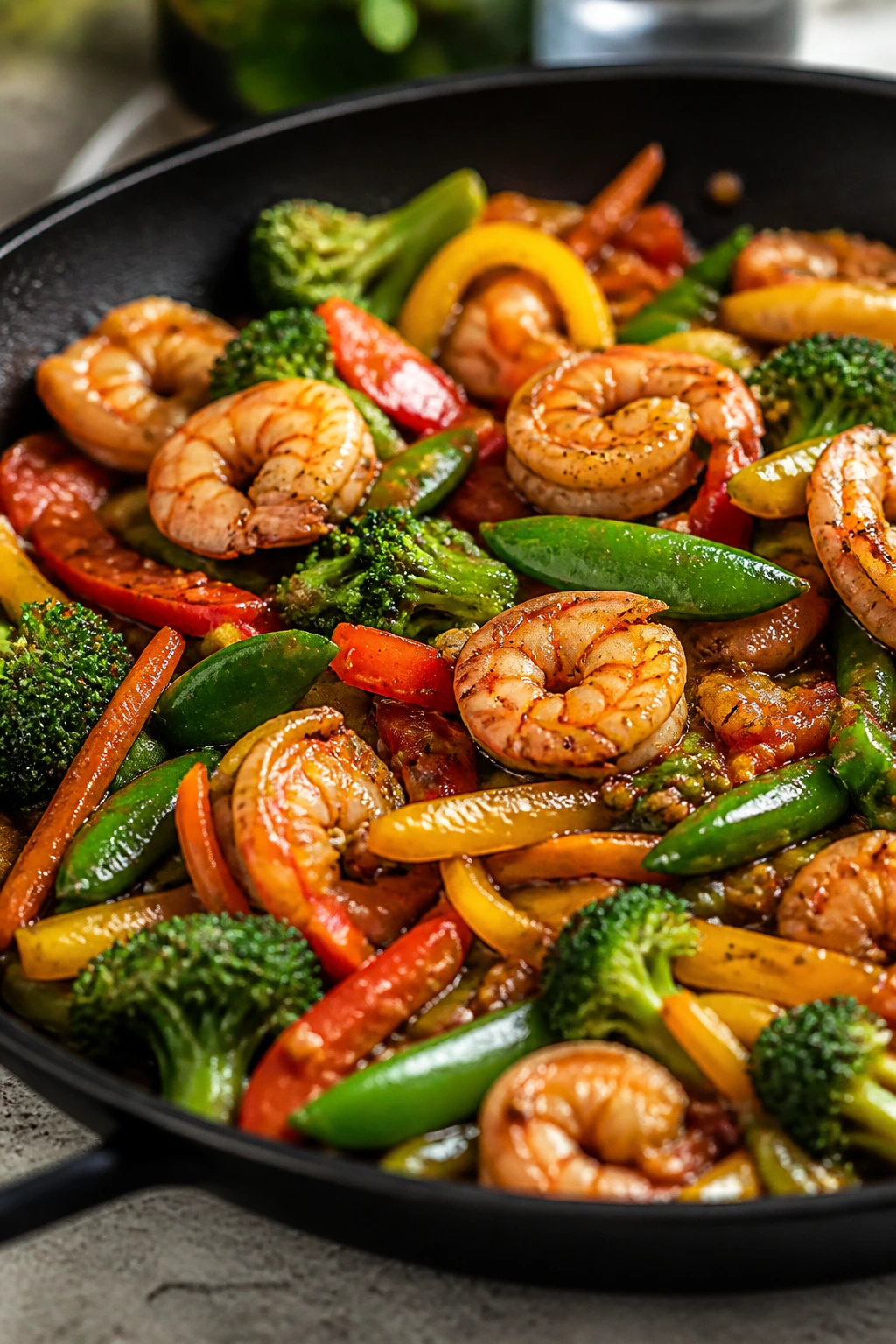
Shrimp is the speed demon of the protein world. It cooks fast, it takes on flavor fast, and it doesn’t need much to feel like a full meal. Toss it with broccoli, snap peas, bell pepper, and a glossy ginger-garlic sauce, and you’ve got a dinner that’s bright, crisp, and done before the rice finishes steaming.
Why It Works:
This dinner gives you a lot of food volume without a pile of calories because the vegetables do most of the visual heavy lifting. Shrimp brings high protein and cooks in minutes, which means it stays tender if you pay attention for two seconds. The ginger, garlic, tamari, and sesame oil combo gives the dish enough personality that you don’t miss deep frying or sugary takeout sauce. That’s a decent trade.
Key Ingredients:
- 1 1/2 lb raw shrimp, peeled and deveined
- 2 tbsp avocado oil
- 1 red bell pepper, sliced
- 2 cups broccoli florets
- 1 cup snap peas
- 3 cloves garlic, minced
- 1 tbsp grated ginger
- 3 tbsp low-sodium tamari
- 1 tbsp rice vinegar
- 1 tsp sesame oil
- 3 cups cauliflower rice or cooked brown rice
- 2 tbsp sliced scallions
Quick Steps:
- Pat the shrimp dry and season lightly with salt.
- Heat 1 tbsp oil in a large skillet or wok over medium-high heat. Add the shrimp and cook for 1 to 2 minutes per side, until pink and just curled. Remove them.
- Add the remaining oil, bell pepper, broccoli, and snap peas. Stir-fry for 3 to 4 minutes, until the vegetables are crisp-tender and a little blistered.
- Add the garlic and ginger, stir for 30 seconds, then pour in the tamari, rice vinegar, and sesame oil.
- Return the shrimp to the pan and toss until everything looks shiny and coated. Serve over cauliflower rice or brown rice with scallions on top.
Tips and Variations:
- Dry shrimp sear better; wet shrimp steam, and that’s not the goal here.
- Frozen stir-fry vegetables work fine if you thaw and pat them dry first.
- A spoonful of chili crisp on the side changes the whole mood fast.
5. Greek Turkey Meatball Bowls
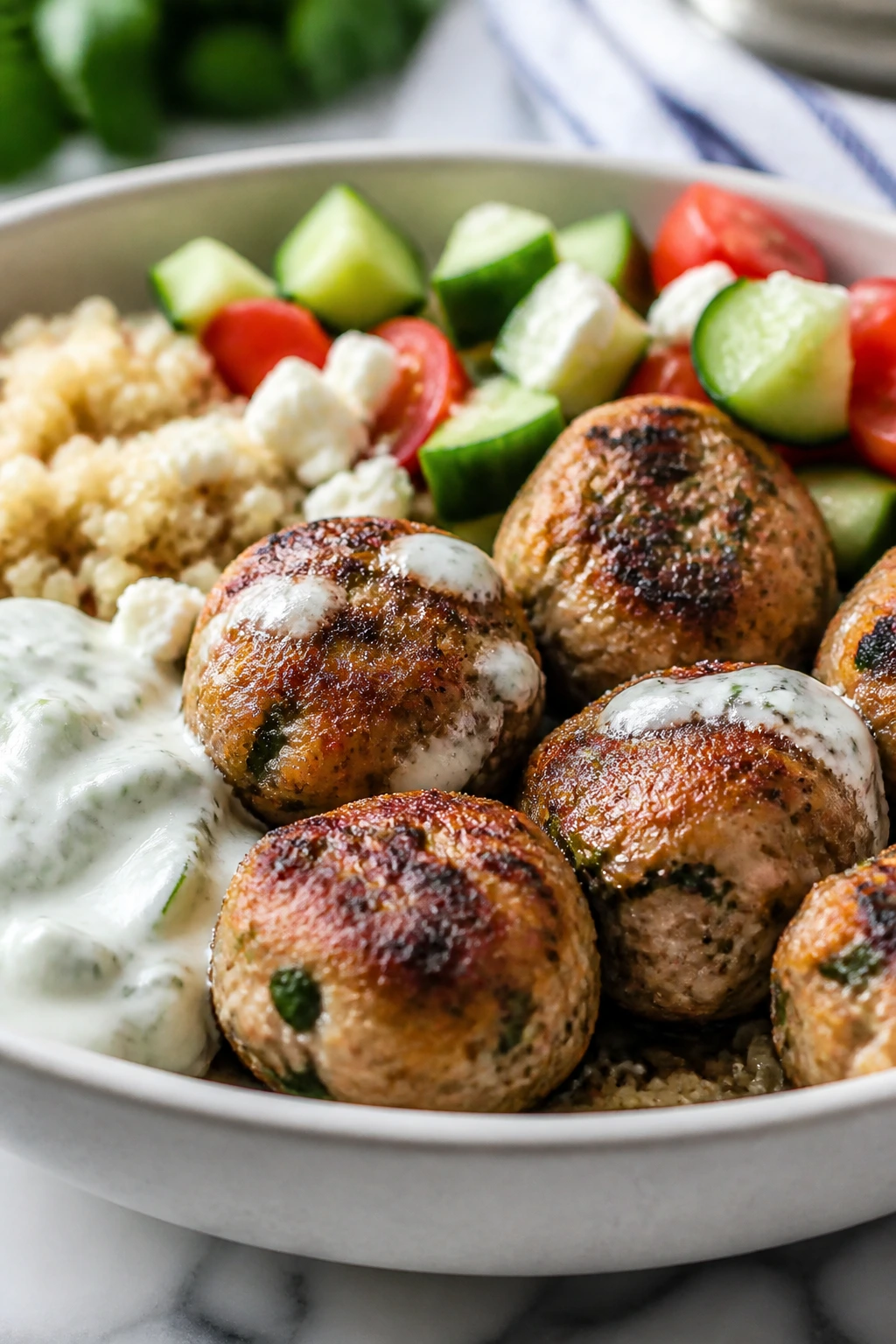
These meatballs are the kind of thing that disappear before you’ve even finished plating them. They’re savory, a little herby, and sturdy enough to stand up to cool cucumber, juicy tomatoes, and a spoonful of tzatziki. Put them in a bowl instead of a pita and they stay lighter without losing their charm.
Why It Works:
Turkey meatballs are naturally portion-friendly because each one has a built-in size and shape, which makes it easier to keep the protein level steady. Quinoa brings a little extra protein and a soft, nutty base, while the vegetables keep the bowl from feeling heavy. The Greek flavors are doing a lot of the flavor work here, and that matters when you’re avoiding creamy sauces or big carb loads. You still get dinner. You just get it in a cleaner package.
Key Ingredients:
- 1 lb 93% lean ground turkey
- 1 egg
- 1/3 cup panko or oat flour
- 2 tbsp grated red onion
- 2 cloves garlic, minced
- 1 tsp dried oregano
- 1/2 tsp kosher salt
- 1/4 tsp black pepper
- 1 tbsp olive oil or cooking spray
- 1 cup cooked quinoa
- 1 cucumber, diced
- 1 cup cherry tomatoes, halved
- 1/4 cup crumbled feta
- 1/2 cup tzatziki
Quick Steps:
- Heat the oven to 400°F and lightly oil a baking sheet.
- Mix the turkey, egg, panko, red onion, garlic, oregano, salt, and pepper just until combined. Don’t overwork it.
- Roll into 16 meatballs and place on the sheet. Bake for 15 to 18 minutes, until browned and cooked through.
- Build bowls with quinoa, cucumber, tomatoes, and feta.
- Top with warm meatballs and a generous spoonful of tzatziki.
Tips and Variations:
- A touch of lemon zest in the meatball mix makes the flavor brighter.
- Use chopped dill instead of oregano for a fresher profile.
- These freeze well, so make a double batch if you like easy lunches.
6. Lean Beef and Cabbage Skillet
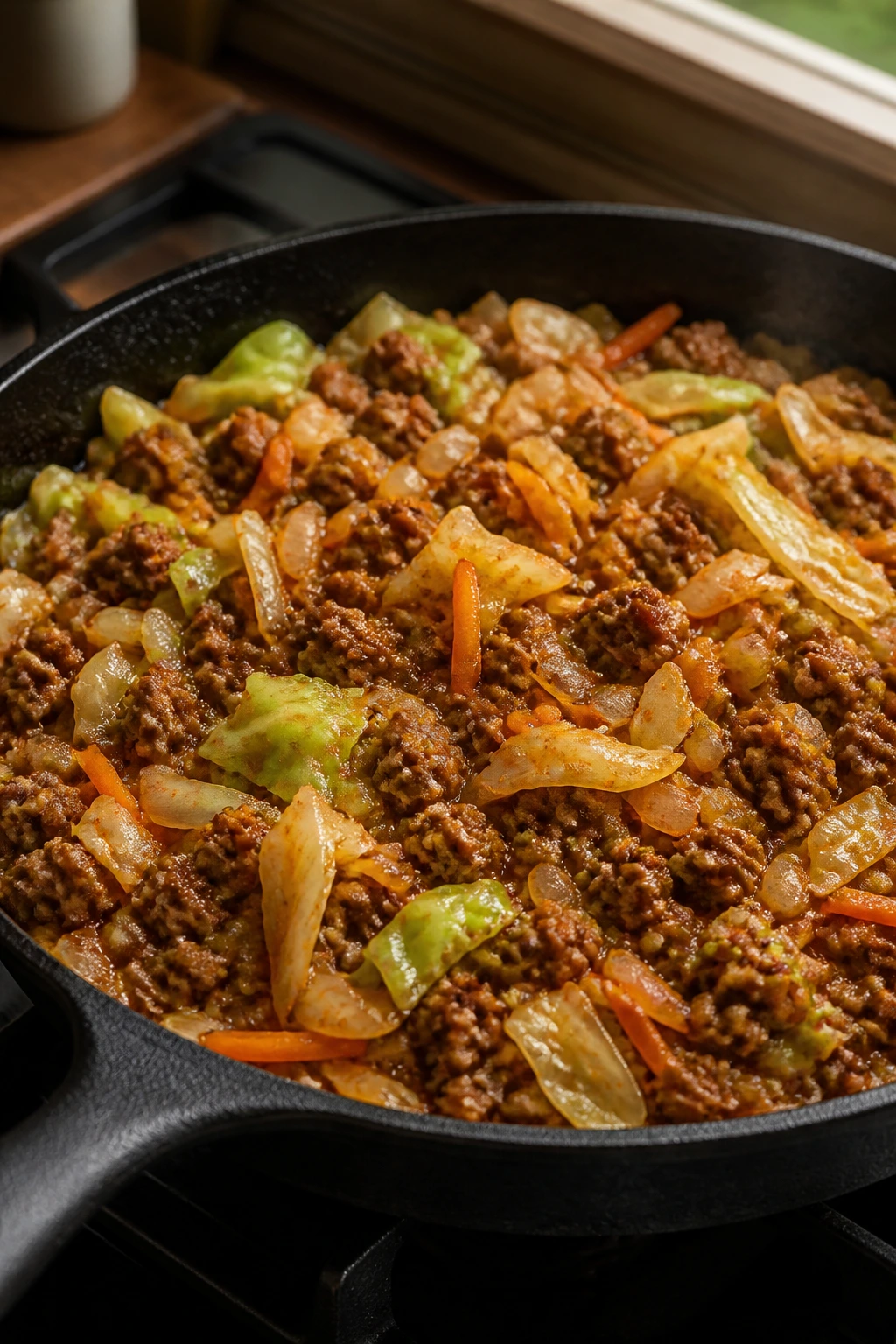
Cabbage earns its keep in a skillet like this. It softens, picks up the beef drippings, and turns sweet around the edges while the tomato paste and Worcestershire give the pan a deeper, savory note. This is the kind of dinner that feels older than a trend and smarter than it looks.
Why It Works:
93% lean ground beef gives you strong flavor without a lot of extra fat, and cabbage adds a huge amount of volume for very few calories. The carrot and onion round out the skillet so it doesn’t taste bare, and the tomato paste gives the dish a dark, cooked-through richness. If you’re trying to make a plate that actually fills you up, this one does the job quietly. No drama. No giant starch required.
Key Ingredients:
- 1 lb 93% lean ground beef
- 1 tbsp olive oil
- 1 small onion, diced
- 2 cloves garlic, minced
- 1 medium carrot, shredded
- 6 cups shredded green cabbage
- 2 tbsp tomato paste
- 1 tbsp Worcestershire sauce
- 1 tsp smoked paprika
- 1/2 tsp caraway seeds, optional
- 1/4 cup low-sodium beef broth
- 1 tbsp apple cider vinegar
Quick Steps:
- Heat the olive oil in a large skillet over medium heat. Add the onion and carrot and cook for 3 minutes, until they begin to soften.
- Add the beef and cook, breaking it up, until browned and no longer pink.
- Stir in the garlic, tomato paste, Worcestershire, smoked paprika, and caraway if using. Cook for 1 minute so the paste darkens slightly.
- Add the cabbage and broth. Cover and cook for 5 to 7 minutes, stirring once, until the cabbage is tender but not mushy.
- Finish with apple cider vinegar and a pinch of salt. Serve hot.
Tips and Variations:
- A few cooked potatoes on the side turn this into a more classic, stick-to-your-ribs meal.
- Swap the beef for ground turkey if you want something a little lighter.
- Don’t skip the vinegar; it wakes up all the browned flavor in the pan.
7. Sheet Pan Chicken Fajitas
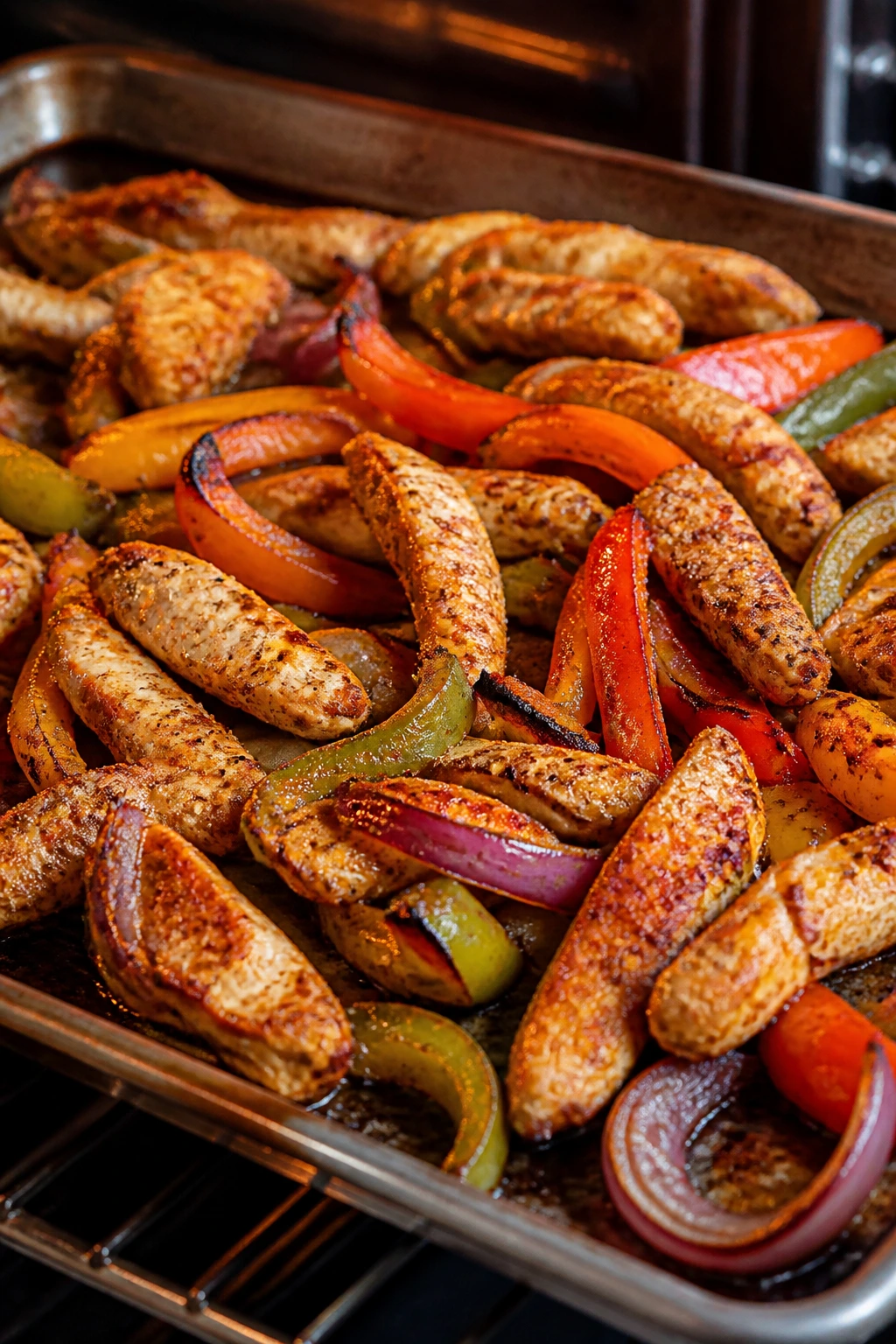
Sheet pan fajitas are not glamorous, and that’s part of why they work. The chicken, peppers, and onions roast together until the edges char a little, the spices smell smoky, and the whole kitchen starts feeling warmer. You can serve them in tortillas, lettuce cups, or right over salad, which makes this one flexible enough to repeat often.
Why It Works:
Chicken fajitas are one of the easiest ways to build a high-protein dinner that still feels festive. The vegetables roast beside the chicken, so you get volume, color, and a sweet bite from the onions and peppers without making extra pans dirty. A squeeze of lime at the end changes the whole dish; it sharpens the spices and keeps the meal from feeling flat. That bright finish matters when the rest of the plate is lean.
Key Ingredients:
- 1 1/2 lb boneless, skinless chicken breasts or thighs, sliced
- 3 bell peppers, sliced
- 1 red onion, sliced
- 2 tbsp olive oil
- 2 tsp chili powder
- 1 tsp ground cumin
- 1 tsp smoked paprika
- 1/2 tsp garlic powder
- 1/2 tsp kosher salt
- 1 lime, juiced
- 1/4 cup chopped cilantro
- 8 small corn tortillas or lettuce cups
- 1/2 cup plain Greek yogurt
Quick Steps:
- Heat the oven to 425°F and line a sheet pan with parchment paper.
- Toss the chicken, peppers, and onion with olive oil, chili powder, cumin, paprika, garlic powder, and salt.
- Spread everything in a single layer and roast for 18 to 22 minutes, stirring once halfway through, until the chicken is cooked through and the vegetables show a few browned edges.
- Squeeze lime juice over the pan and toss with cilantro.
- Serve in warm tortillas or lettuce cups with Greek yogurt on the side.
Tips and Variations:
- If you want extra char, broil for 1 to 2 minutes at the end and watch it closely.
- Cauliflower rice makes a good base if you want to keep the meal lighter.
- Slice the chicken evenly so it cooks at the same pace as the peppers.
8. Turkey Chili with Beans
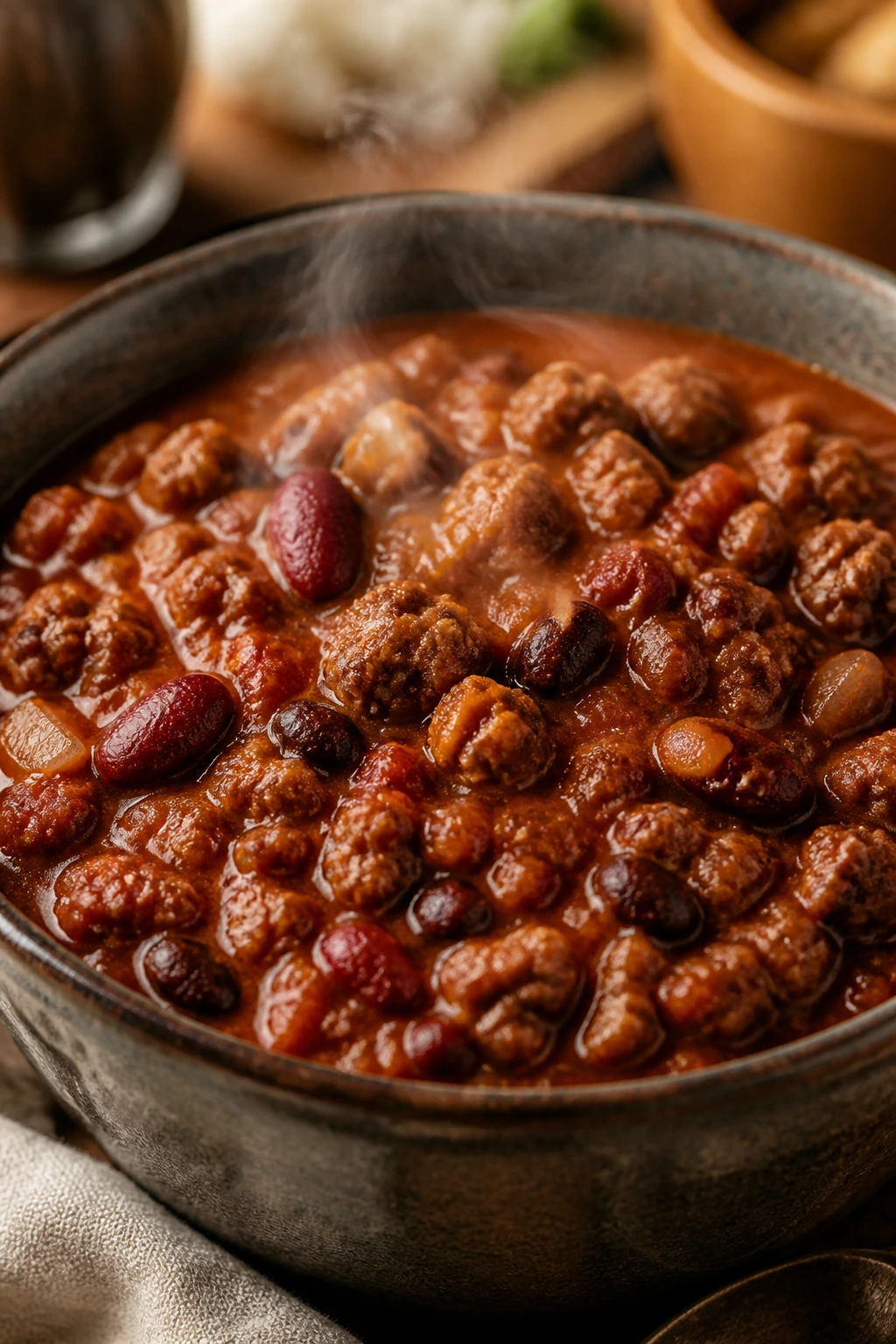
Chili is the rare dinner that gets better when it sits for a bit. The turkey takes on the spices, the beans make it hearty, and the tomatoes pull everything into one deep, thick bowl that feels like more than the sum of its parts. It’s hard to beat on a cold evening, and it reheats like a dream.
Why It Works:
This is one of the most practical high protein dinners for weight loss because it combines protein and fiber in the same bowl. Turkey keeps the base lean, while kidney beans and black beans add bulk and a slow-burn kind of fullness. Simmering the chili lets the spices mellow and the tomato flavor deepen, which is why the leftovers often taste even better than the first bowl. That’s not a small point.
Key Ingredients:
- 1 tbsp olive oil
- 1 onion, diced
- 1 green bell pepper, diced
- 3 cloves garlic, minced
- 1 1/2 lb 93% lean ground turkey
- 2 tbsp chili powder
- 1 tsp cumin
- 1 tsp dried oregano
- 1 tbsp tomato paste
- 1 can (28 oz) crushed tomatoes
- 1 can (15 oz) kidney beans, rinsed
- 1 can (15 oz) black beans, rinsed
- 1 cup low-sodium chicken broth
- 1 tbsp apple cider vinegar
- Greek yogurt and cilantro for serving
Quick Steps:
- Heat the olive oil in a Dutch oven over medium heat. Cook the onion and bell pepper for 4 minutes, until softened.
- Add the garlic and turkey and cook until the turkey is browned and crumbly.
- Stir in the chili powder, cumin, oregano, and tomato paste. Cook for 1 minute, until the paste darkens.
- Add the crushed tomatoes, beans, and broth. Bring to a simmer, then cook uncovered for 30 to 40 minutes, stirring now and then, until thick.
- Stir in the vinegar and serve with Greek yogurt and cilantro.
Tips and Variations:
- If you like a thicker chili, mash a small scoop of beans against the side of the pot.
- A diced chipotle pepper adds smoke and heat in one shot.
- This freezes well in single portions, which makes later dinners easier than they should be.
9. Baked Cod with Tomato Olive Relish
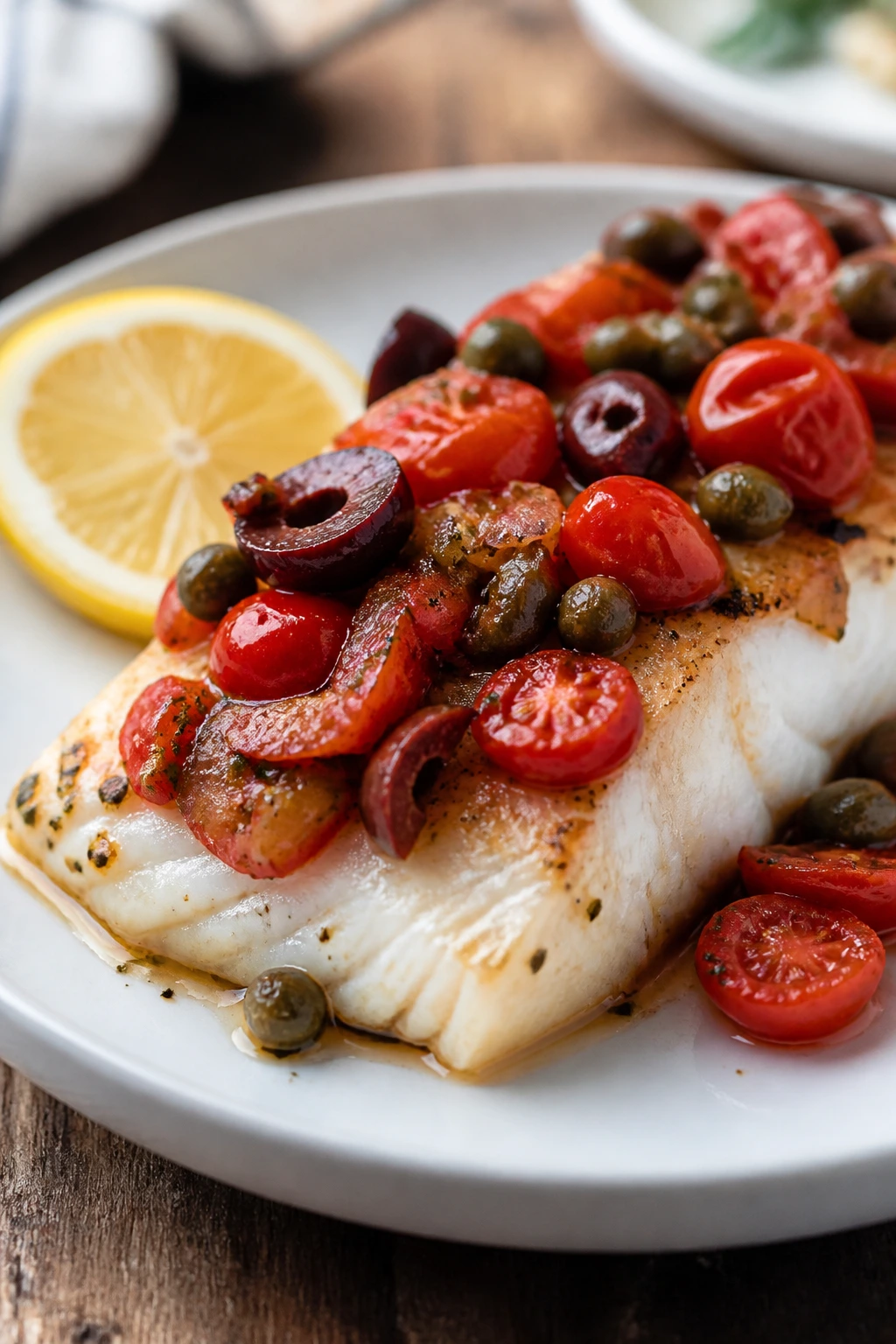
Cod can be bland if you treat it like an afterthought. Here, it gets a bright, salty topping that does the rescuing for you: tomatoes blister, olives soften, capers pop, and the whole thing tastes cleaner and more interesting than a plain fillet ever could. The fish stays flaky and gentle underneath.
Why It Works:
Cod is lean, mild, and fast, which makes it useful when you want a light dinner that still feels finished. The tomato olive relish adds moisture and enough punch to wake up the fish without loading on sauce or butter. Because the topping roasts first, the tomatoes break down and the garlic mellows before the cod even hits the pan. That keeps the fish from drying out and gives the plate a more developed flavor.
Key Ingredients:
- 1 1/2 lb cod fillets
- 1 pint cherry tomatoes
- 1/2 cup sliced kalamata olives
- 1 tbsp capers
- 2 tbsp olive oil
- 2 cloves garlic, minced
- 1 lemon
- 1/4 cup chopped parsley
- 1/2 tsp kosher salt
- 1/4 tsp black pepper
Quick Steps:
- Heat the oven to 400°F.
- Toss the tomatoes, olives, capers, olive oil, garlic, salt, and pepper in a baking dish. Roast for 10 minutes, until the tomatoes start to burst.
- Nestle the cod into the hot relish. Add lemon slices over the top.
- Bake for 10 to 12 minutes, until the fish flakes easily with a fork and looks opaque through the center.
- Finish with parsley and a squeeze of lemon juice.
Tips and Variations:
- If your cod is very thick, add 2 to 3 extra minutes and check the center.
- Halibut or haddock work the same way.
- Serve with a spoonful of white beans if you want the plate to feel more filling.
10. Ginger Tofu and Edamame Rice Bowls
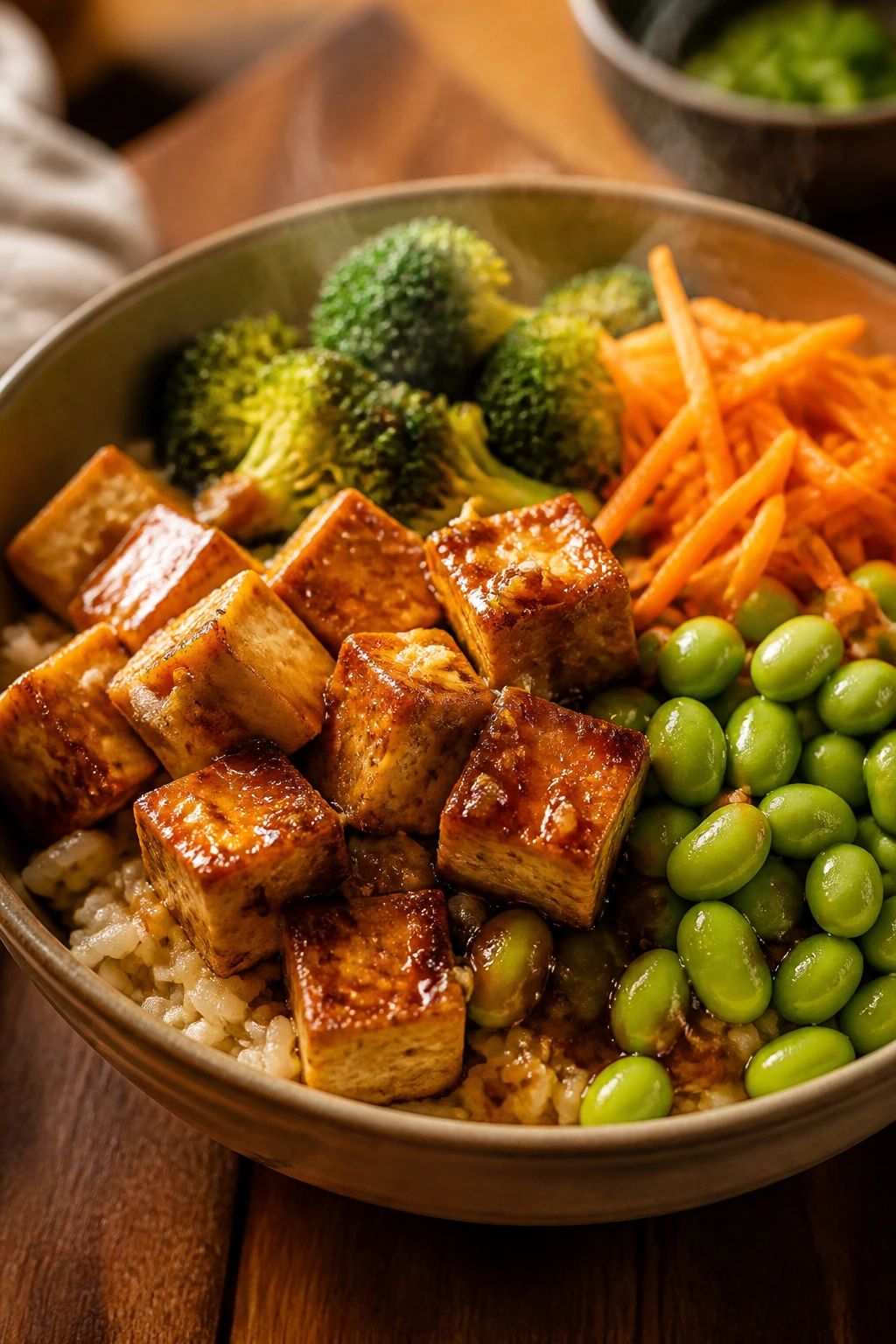
Tofu gets a bad rap from people who don’t brown it properly. Press it, dust it with cornstarch, and let it crisp in a hot pan, and the whole story changes. Add edamame, broccoli, carrots, and a ginger-soy glaze, and you get a bowl that eats like a real dinner instead of a compromise.
Why It Works:
This is one of the strongest plant-based options in the lineup because tofu and edamame together bring a solid protein load without needing meat. The vegetables add crunch and color, while the sauce gives enough salt, sweetness, and ginger heat to keep the bowl lively. Brown rice makes it heartier; cauliflower rice keeps it lighter. Either way, the structure is the same: protein first, then volume, then flavor.
Key Ingredients:
- 2 blocks extra-firm tofu, 14 oz each, pressed and cubed
- 2 tbsp cornstarch
- 2 tbsp avocado oil
- 1 1/2 cups shelled edamame
- 2 cups broccoli florets
- 1 cup shredded carrots
- 3 cups cooked brown rice or cauliflower rice
- 3 tbsp low-sodium soy sauce or tamari
- 1 tbsp rice vinegar
- 1 tbsp honey or maple syrup
- 1 tbsp grated ginger
- 2 cloves garlic, minced
- 1 tsp sesame oil
- 2 tbsp water
Quick Steps:
- Press the tofu for 15 minutes, then cut it into cubes and toss with cornstarch.
- Heat the avocado oil in a large skillet over medium-high heat and cook the tofu for 8 to 10 minutes, turning until the edges are crisp and golden.
- Add the broccoli, edamame, and carrots. Stir-fry for 3 to 4 minutes, until the broccoli turns bright green.
- Whisk together the soy sauce, rice vinegar, honey, ginger, garlic, sesame oil, and water. Pour into the pan and toss until glossy.
- Serve over rice and spoon any extra sauce over the top.
Tips and Variations:
- Don’t skip the tofu press; extra water is the reason tofu turns soft instead of crisp.
- Add a handful of sliced mushrooms if you want more savory depth.
- Chili flakes or sriracha help if you like the sauce to lean hotter.
11. Pork Tenderloin with Brussels Sprouts
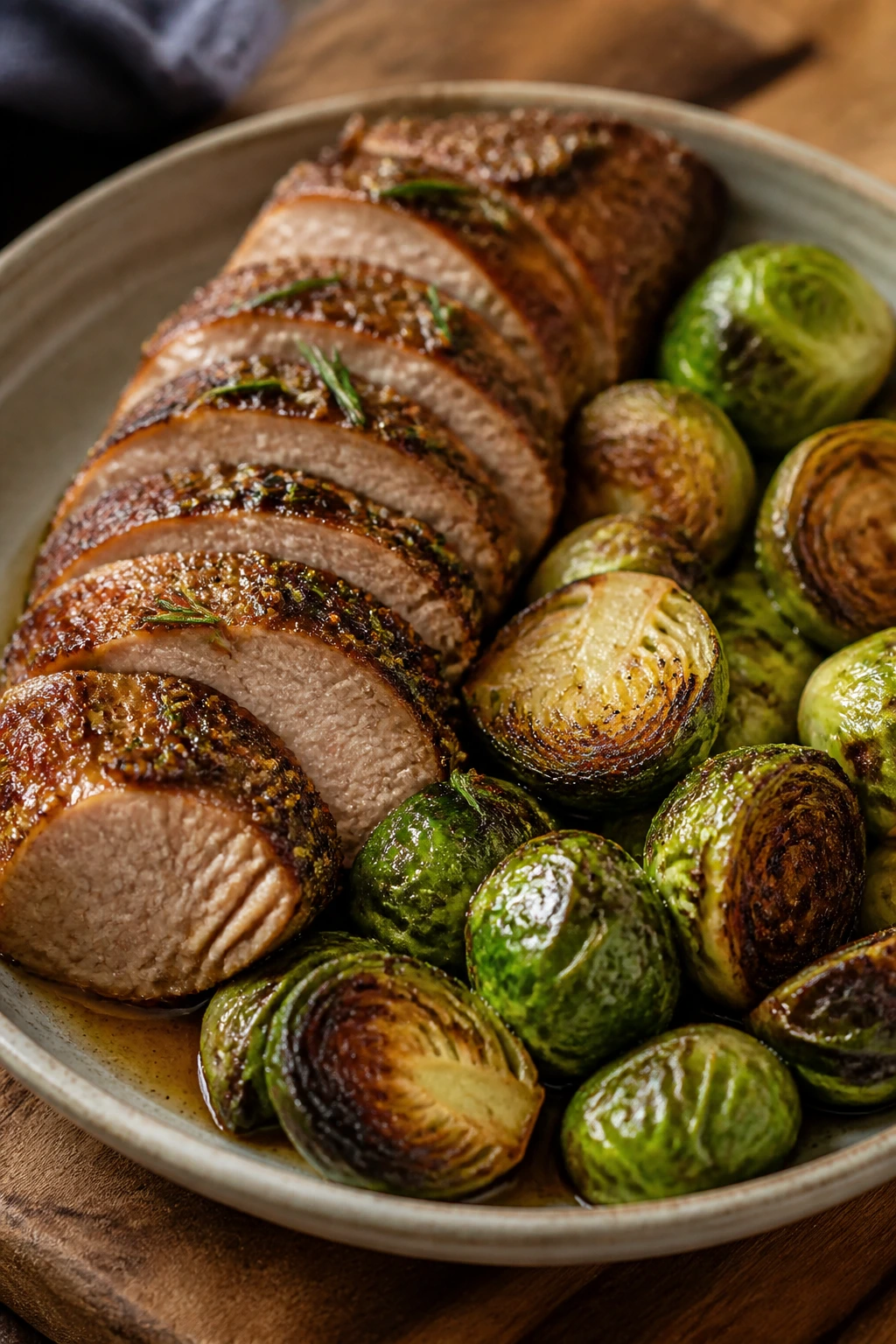
Pork tenderloin is one of the leanest cuts you can put on a weeknight table, and it cooks fast enough that dinner doesn’t drag. Brussels sprouts pick up the browned bits in the pan and roast into something sweet and nutty around the edges. Dijon and rosemary keep the whole plate sharp and clean.
Why It Works:
This dinner hits a useful middle ground: rich enough to feel like a proper entrée, lean enough to fit a lighter eating pattern. Pork tenderloin stays tender if you don’t overcook it, and Brussels sprouts bring fiber and bulk in the same pan. The Dijon-balsamic finish adds tang without a heavy sauce, which is exactly the sort of trade that helps a dinner stay satisfying but controlled.
Key Ingredients:
- 1 1/2 lb pork tenderloin
- 1 1/2 lb Brussels sprouts, halved
- 2 tbsp olive oil
- 2 tsp Dijon mustard
- 3 cloves garlic, minced
- 1 tsp chopped rosemary
- 1 tsp kosher salt
- 1/2 tsp black pepper
- 1 tbsp balsamic vinegar
- 1/2 cup low-sodium chicken broth
Quick Steps:
- Heat the oven to 425°F.
- Toss the Brussels sprouts with 1 tbsp olive oil, salt, pepper, and half the garlic. Spread them on a sheet pan.
- Rub the pork with the remaining oil, Dijon, rosemary, salt, pepper, and garlic. Set it in the center of the pan.
- Roast for 20 to 25 minutes, until the pork reaches 145°F in the thickest part and the sprouts are browned on the cut sides.
- Rest the pork for 5 minutes, then slice and spoon any pan juices with balsamic and broth over the top.
Tips and Variations:
- Slice the tenderloin only after it rests or the juices will run all over the cutting board.
- Add a few apple wedges if you want a sweeter note.
- Mustard powder can stand in for Dijon in a pinch, though the texture is less silky.
12. Stuffed Bell Peppers with Turkey and Quinoa
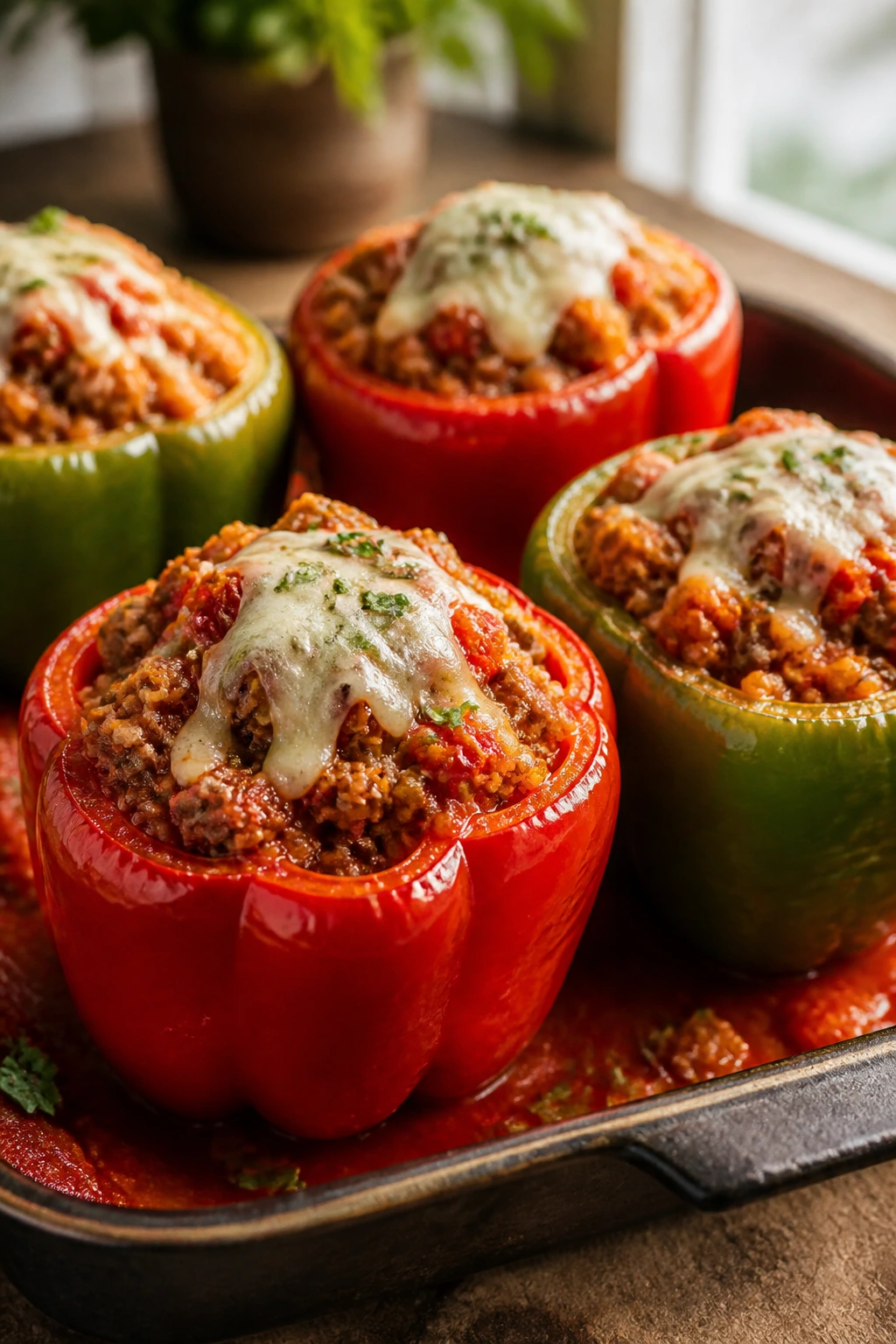
Stuffed peppers look old-school, but they still work because each one is a self-contained dinner. You get meat, grain, and vegetables in one tidy package, and the pepper itself turns soft and sweet as it bakes. They also reheat without turning to mush, which earns them extra points in my book.
Why It Works:
Quinoa adds extra protein and a light, nutty texture to the turkey filling, so the peppers feel complete without relying on a huge amount of cheese or rice. The tomato sauce keeps the filling moist while the pepper shell keeps the serving size in check. That combination is useful when you’re trying to eat enough, but not too much. It’s a built-in portion guide, and that’s no small advantage.
Key Ingredients:
- 6 large bell peppers, tops cut and seeds removed
- 1 tbsp olive oil
- 1 small onion, diced
- 1 lb ground turkey
- 2 cloves garlic, minced
- 1 cup cooked quinoa
- 1 can (15 oz) tomato sauce
- 1 tsp Italian seasoning
- 1/2 tsp kosher salt
- 1/4 tsp black pepper
- 1 cup shredded part-skim mozzarella
- 2 tbsp chopped parsley
Quick Steps:
- Heat the oven to 375°F.
- Cook the onion in olive oil for 3 minutes, then add the turkey and garlic and cook until browned.
- Stir in the quinoa, tomato sauce, Italian seasoning, salt, and pepper. Simmer for 2 minutes so the filling thickens.
- Arrange the peppers in a baking dish and fill each one with the turkey mixture. Top with mozzarella.
- Bake for 30 to 35 minutes, until the peppers are tender and the cheese is melted and lightly browned.
Tips and Variations:
- Parboil the peppers for 3 minutes if you like them softer.
- A spoonful of chopped spinach can disappear into the filling without changing the flavor much.
- These are easy to pack for lunch because each pepper holds together neatly.
13. Chicken Shawarma Salad
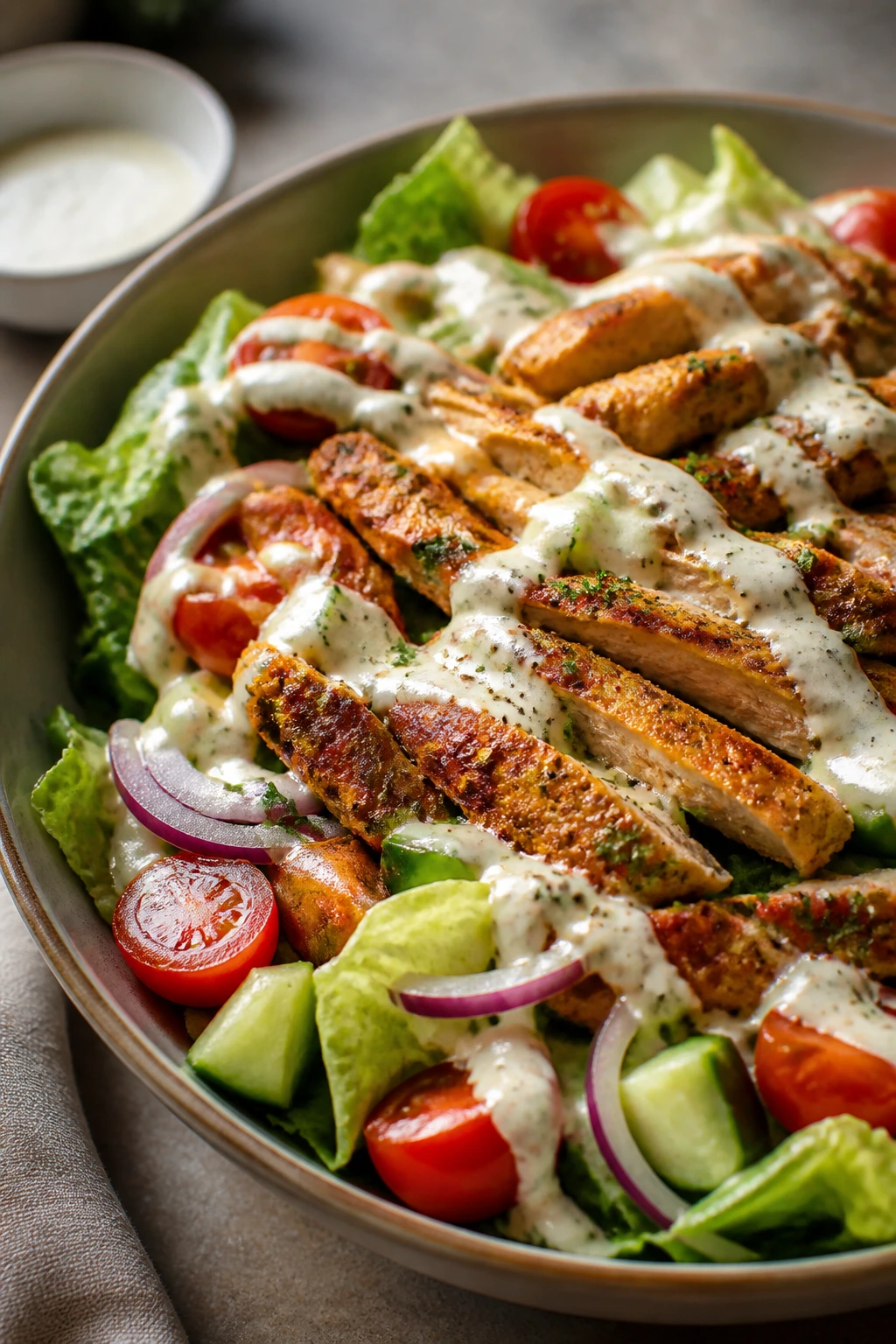
Shawarma spices make ordinary chicken taste far more expensive than it is. The warm seasoning, the crisp romaine, the cool cucumber, and the tahini yogurt dressing all pull in different directions in a way that works. It’s a salad, yes, but not one of those hollow salads that leaves you checking the clock.
Why It Works:
This dinner layers protein and vegetables in a way that feels full without feeling dense. The chicken carries cumin, paprika, coriander, turmeric, and a little cinnamon, which gives it depth without needing a heavy marinade. The salad base adds a big pile of crunch and freshness, while the dressing brings enough fat and tang to tie the whole thing together. That balance is why this one works so well for a lighter dinner.
Key Ingredients:
- 1 1/2 lb chicken breasts or thighs
- 2 tbsp olive oil
- 2 tsp cumin
- 2 tsp paprika
- 1 tsp coriander
- 1 tsp garlic powder
- 1/2 tsp turmeric
- 1/2 tsp cinnamon
- 1 tsp salt
- 1/2 tsp black pepper
- 6 cups chopped romaine
- 1 cucumber, diced
- 1 cup cherry tomatoes, halved
- 1/4 red onion, thinly sliced
- 1/3 cup tahini
- 1/2 cup plain Greek yogurt
- Juice of 1 lemon
Quick Steps:
- Mix the olive oil, spices, and salt, then coat the chicken and let it sit for 15 minutes if you have the time.
- Roast the chicken at 425°F for 18 to 22 minutes, or sear it in a skillet until browned and cooked through.
- Whisk the tahini, Greek yogurt, lemon juice, and a splash of water until the dressing turns smooth and pourable.
- Slice the chicken and arrange it over romaine, cucumber, tomatoes, and red onion.
- Drizzle with the dressing and serve right away.
Tips and Variations:
- Pickled onions add sharpness if you like a little bite.
- Serve the chicken over chopped cucumber and tomato if you want more of a mezze-style plate.
- Leftover chicken is excellent tucked into a wrap the next day.
14. White Chicken Chili
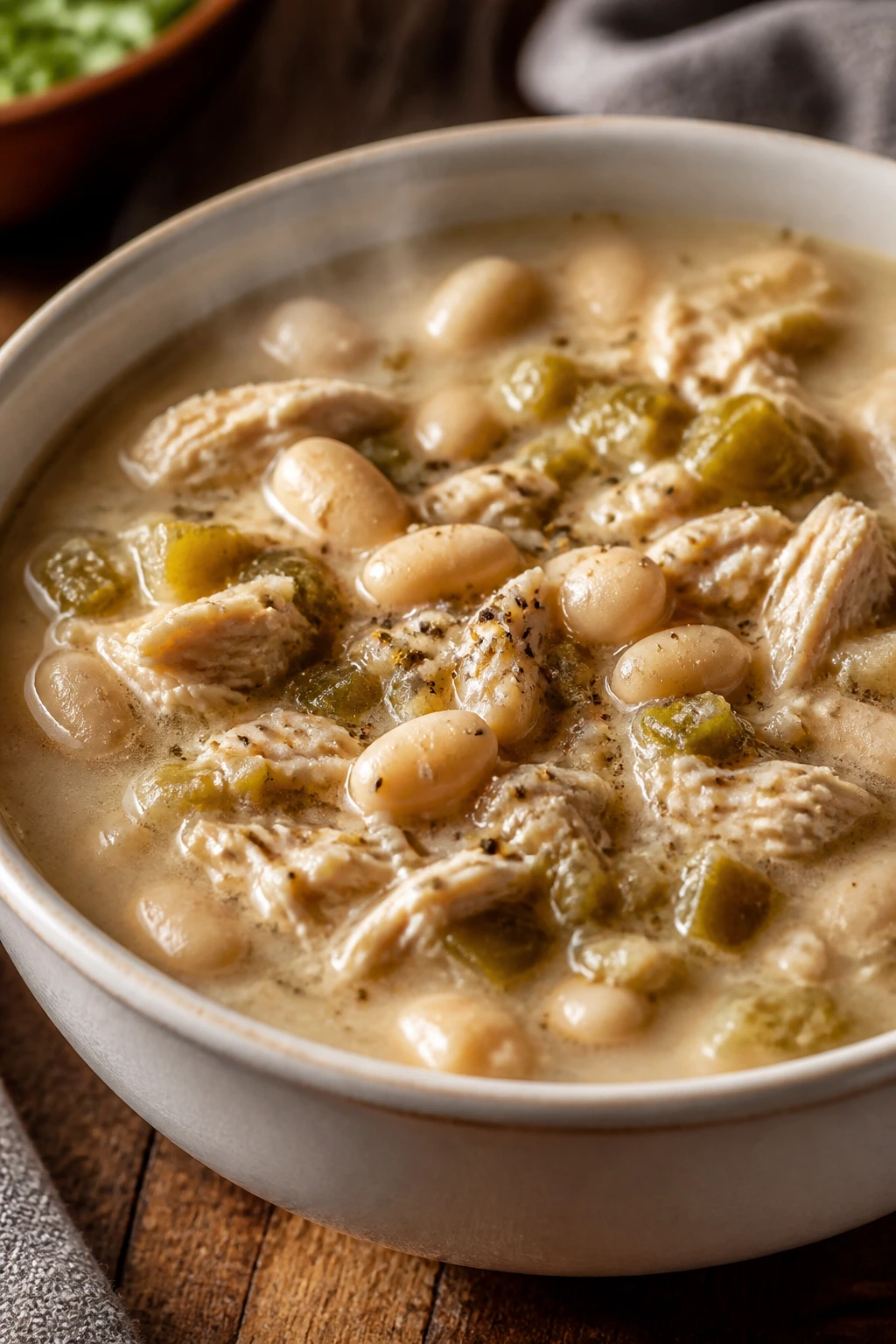
White chicken chili walks a nice line between creamy and light. The broth stays pale and mellow, the beans make it filling, and the green chiles keep the flavor moving so it never tastes flat. It’s one of those bowls that seems simple until you notice how satisfied you are halfway through.
Why It Works:
This recipe gets a lot of mileage out of chicken, cannellini beans, and broth. The chicken brings the lean protein, the beans bring body and fiber, and the green chiles give the chili a gentle heat without overpowering the rest of the pot. A spoonful of Greek yogurt at the end gives you creaminess with more protein than sour cream. That’s a nice little upgrade.
Key Ingredients:
- 1 tbsp olive oil
- 1 onion, diced
- 3 cloves garlic, minced
- 1 1/2 lb boneless, skinless chicken breasts or thighs
- 2 cans (15 oz each) cannellini beans, rinsed
- 1 can (4 oz) diced green chiles
- 4 cups low-sodium chicken broth
- 1 tsp cumin
- 1 tsp oregano
- 1/2 tsp kosher salt
- 1/4 tsp black pepper
- 1/2 cup plain Greek yogurt or 4 oz cream cheese
- Lime wedges and cilantro for serving
Quick Steps:
- Heat the olive oil in a pot over medium heat. Cook the onion for 4 minutes, until softened.
- Add the garlic, chicken, beans, chiles, broth, cumin, oregano, salt, and pepper.
- Bring to a simmer and cook for 30 to 35 minutes, until the chicken is cooked through and easy to shred.
- Remove the chicken, shred it with two forks, and return it to the pot.
- Stir in the Greek yogurt right off the heat. Serve with lime juice and cilantro.
Tips and Variations:
- If you want a thicker chili, blend one cup of beans with some broth and stir it back in.
- Corn kernels make a good sweet counterpoint if you don’t mind the extra starch.
- This one freezes well, but add the yogurt after reheating, not before.
15. Cajun Salmon Cakes with Crunchy Slaw
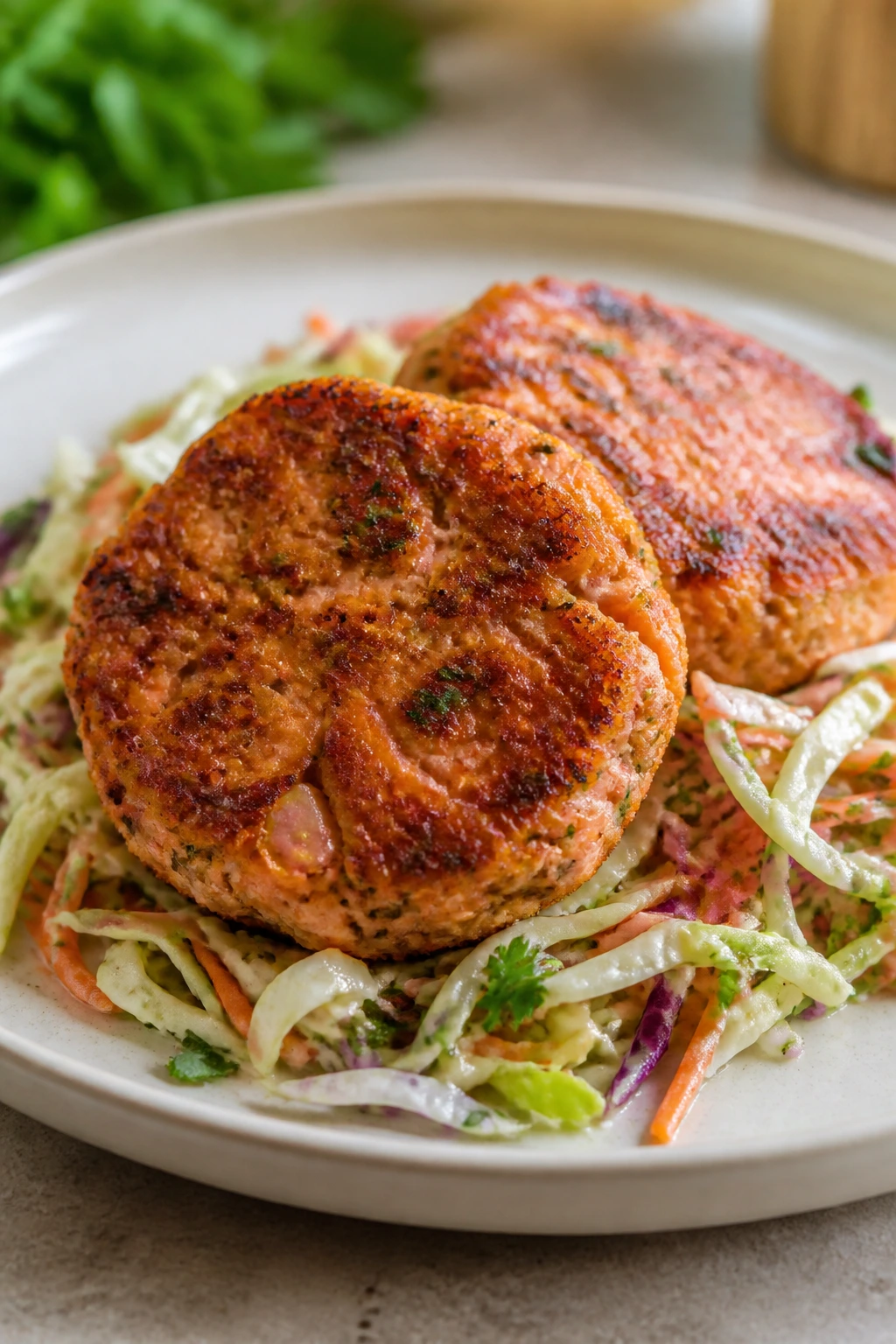
Salmon cakes are what I make when I want dinner to feel a little less straight-lined. The outside gets crisp, the inside stays soft, and the Cajun seasoning gives each bite enough heat to keep it lively. The slaw underneath adds crunch and coolness, which matters because salmon cakes can feel dense if you don’t give them some air.
Why It Works:
Canned salmon is inexpensive, high in protein, and sturdy enough to hold together once mixed with egg and a little binder. The slaw balances the richness of the cakes and brings a fresh, acidic edge that keeps the whole plate from feeling heavy. You also get a lot of flavor from seasoning instead of extra oil or cheese. That makes this one feel smart without tasting strict.
Key Ingredients:
- 2 cans salmon, 6 oz each, drained and flaked
- 1 egg
- 1/3 cup panko or almond flour
- 2 tbsp mayonnaise or Greek yogurt
- 1 tbsp Dijon mustard
- 1 1/2 tsp Cajun seasoning
- 1/4 cup chopped scallions
- 1 tbsp lemon juice
- 1 tbsp olive oil
- 4 cups shredded cabbage
- 1 carrot, shredded
- 1/4 cup Greek yogurt
- 1 tbsp apple cider vinegar
- 1 tsp honey
- Pinch of salt
Quick Steps:
- Mix the salmon, egg, panko, mayo or yogurt, Dijon, Cajun seasoning, scallions, and lemon juice until just combined.
- Form into 6 small cakes and chill for 10 minutes if the mixture feels soft.
- Heat the olive oil in a skillet over medium heat and cook the cakes for 3 to 4 minutes per side, until crisp and browned.
- Toss the cabbage, carrot, Greek yogurt, vinegar, honey, and salt together for the slaw.
- Serve the cakes over the slaw with extra lemon if you want a sharper finish.
Tips and Variations:
- If the cakes crack, add another tablespoon of binder and let them rest 5 minutes.
- Old Bay works in place of Cajun seasoning for a softer spice profile.
- A mustardy green salad beside the slaw makes the meal feel bigger.
16. Zucchini Noodles with Turkey Bolognese
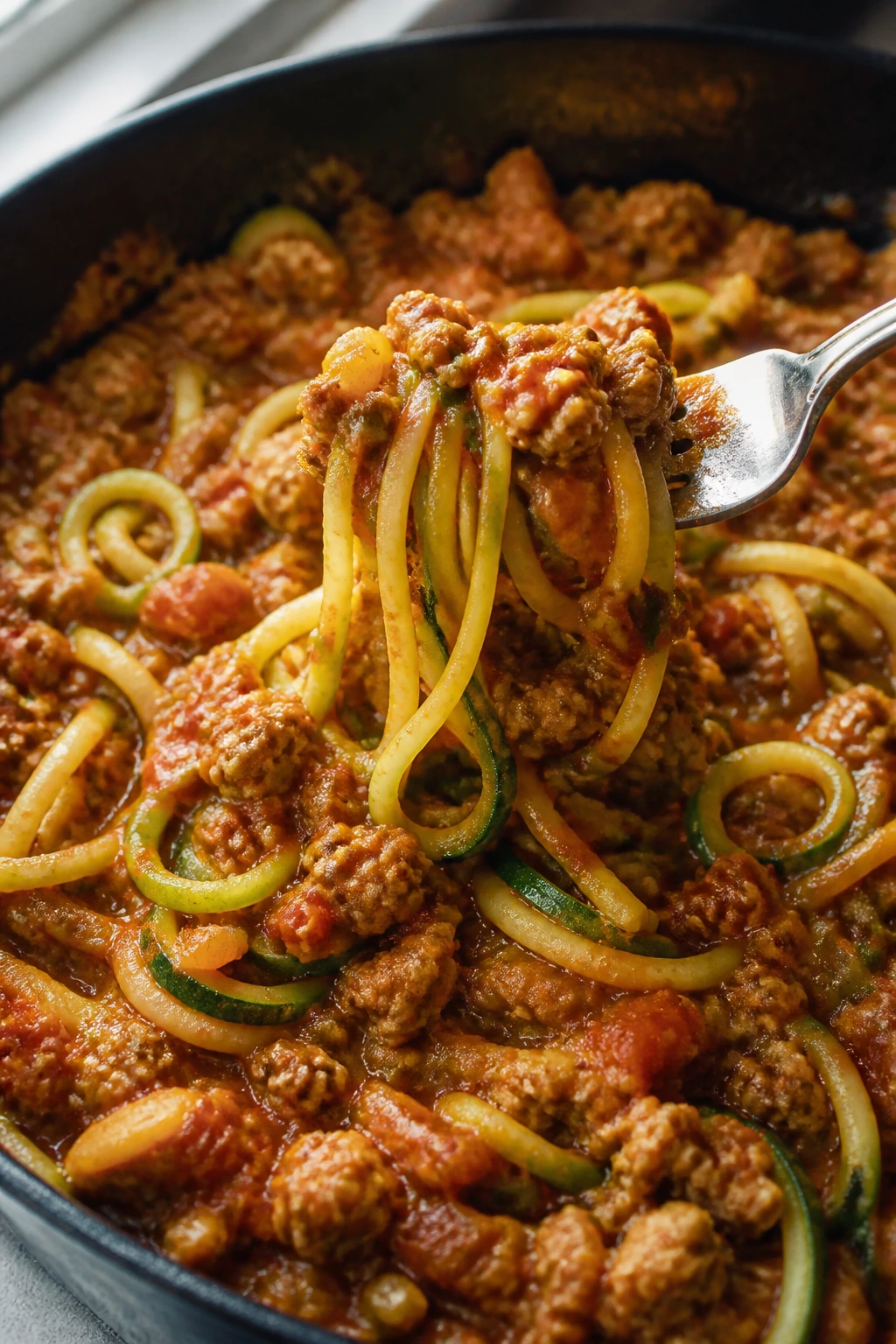
Zucchini noodles need a sauce that knows what it’s doing. Turkey bolognese gives them that. The sauce is thick, savory, and rich enough to coat the noodles without burying them, which is the whole point when you want pasta-night comfort with fewer calories and more protein.
Why It Works:
Ground turkey, mushrooms, and tomatoes make a sauce that tastes like it simmered longer than it really did. The zucchini noodles keep the starch down, but they still give you a fresh, juicy bite that feels more substantial than plain greens. A little Parmesan at the end makes the dish feel familiar, which helps more than people admit. Familiar food is easier to keep eating.
Key Ingredients:
- 1 tbsp olive oil
- 1 onion, diced
- 2 cloves garlic, minced
- 1 lb ground turkey
- 8 oz mushrooms, finely chopped
- 1 can (15 oz) crushed tomatoes
- 2 tbsp tomato paste
- 1 tsp Italian seasoning
- 1/2 tsp kosher salt
- 1/4 tsp black pepper
- 4 medium zucchini, spiralized
- 2 tbsp grated Parmesan, optional
- 2 tbsp chopped basil
Quick Steps:
- Heat the olive oil in a large skillet over medium heat. Cook the onion for 3 minutes, then add the garlic.
- Add the turkey and mushrooms and cook until the turkey is browned and the mushrooms have released their moisture.
- Stir in the crushed tomatoes, tomato paste, Italian seasoning, salt, and pepper. Simmer for 15 to 20 minutes, until thick.
- Toss the zucchini noodles into the hot sauce for just 1 minute. Do not cook them much longer or they’ll get watery.
- Finish with Parmesan and basil.
Tips and Variations:
- Salt the zucchini noodles lightly and drain them if they look especially wet.
- A splash of balsamic vinegar gives the sauce a deeper edge.
- If you want more bite, stir in red pepper flakes with the tomato paste.
17. Teriyaki Chicken with Snap Peas
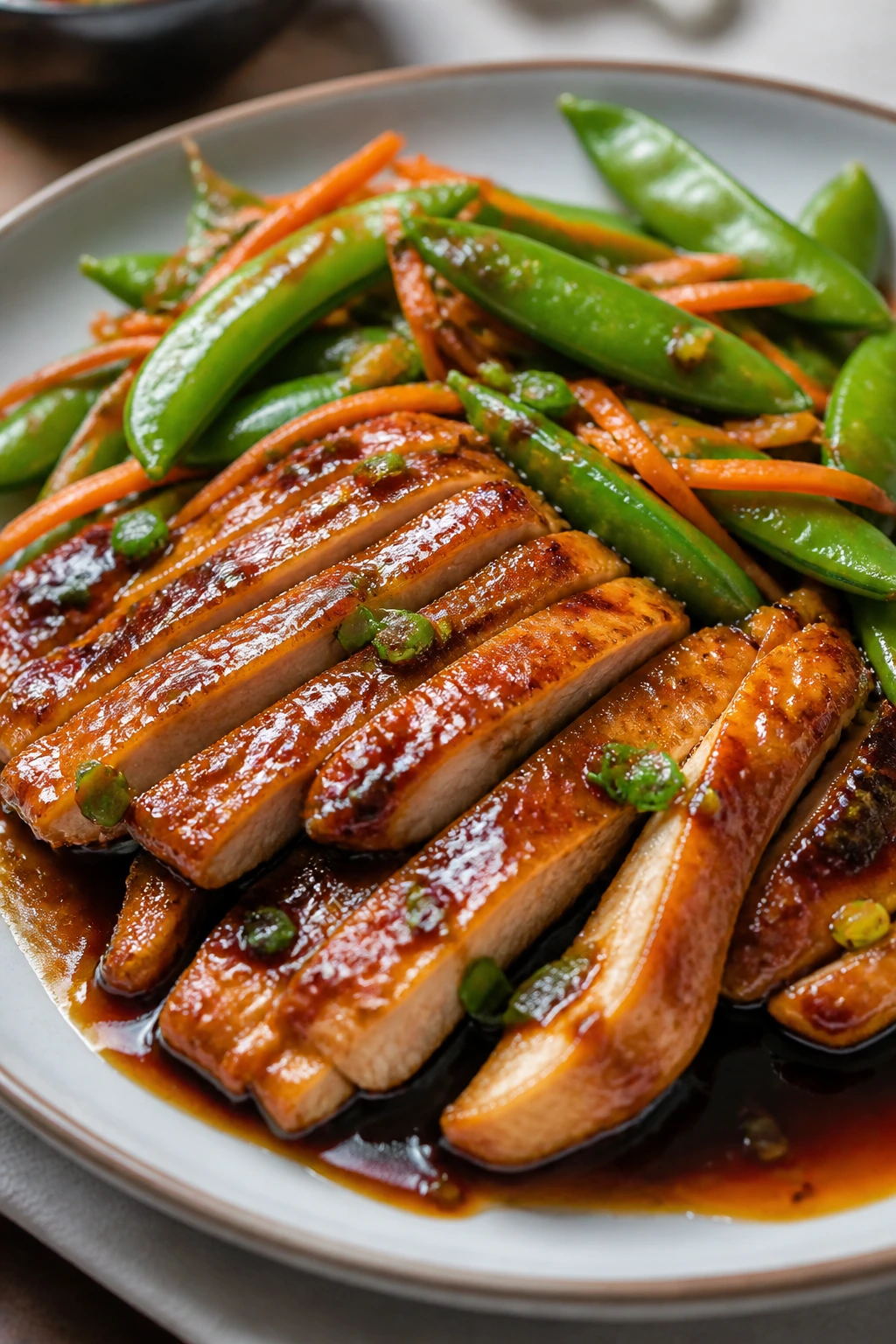
Sweet-salty teriyaki can get sticky fast, and that’s fine if you keep the sauce lean and the vegetables crisp. The chicken browns first, the snap peas stay bright, and the sauce clings without drowning anything. This is a quick dinner that feels like takeout in a cleaner outfit.
Why It Works:
Chicken breast gives the meal its protein, while snap peas and carrots keep the texture lively and the plate large. Using a light homemade teriyaki sauce means you can control the sugar and sodium, which is one of the easier ways to keep a dinner lighter without making it bland. The cornstarch thickens the sauce just enough to coat the chicken instead of pooling at the bottom of the pan. That little detail matters more than a lot of people think.
Key Ingredients:
- 1 1/2 lb chicken breasts, cut into bite-size pieces
- 1 tbsp avocado oil
- 2 cups snap peas
- 1 red bell pepper, sliced
- 1 cup shredded carrots
- 3 cloves garlic, minced
- 1 tbsp grated ginger
- 1/4 cup low-sodium soy sauce
- 2 tbsp water
- 1 tbsp honey
- 1 tbsp rice vinegar
- 1 tsp cornstarch
- 1 tsp sesame oil
- 2 cups cooked brown rice or cauliflower rice
- Sesame seeds for serving
Quick Steps:
- Stir the soy sauce, water, honey, rice vinegar, cornstarch, and sesame oil together in a small bowl.
- Heat the avocado oil in a skillet over medium-high heat and cook the chicken until golden and cooked through, about 5 to 6 minutes.
- Add the garlic, ginger, snap peas, bell pepper, and carrots. Stir-fry for 3 minutes, until the vegetables are crisp-tender.
- Pour in the sauce and toss for 1 to 2 minutes, until glossy and thickened.
- Serve over rice and finish with sesame seeds.
Tips and Variations:
- Fresh ginger tastes brighter, but grated frozen ginger works when time is tight.
- Use broccoli instead of snap peas if that’s what’s in the crisper drawer.
- A handful of scallions at the end gives the dish a cleaner finish.
18. Chicken Sausage and Lentil Soup
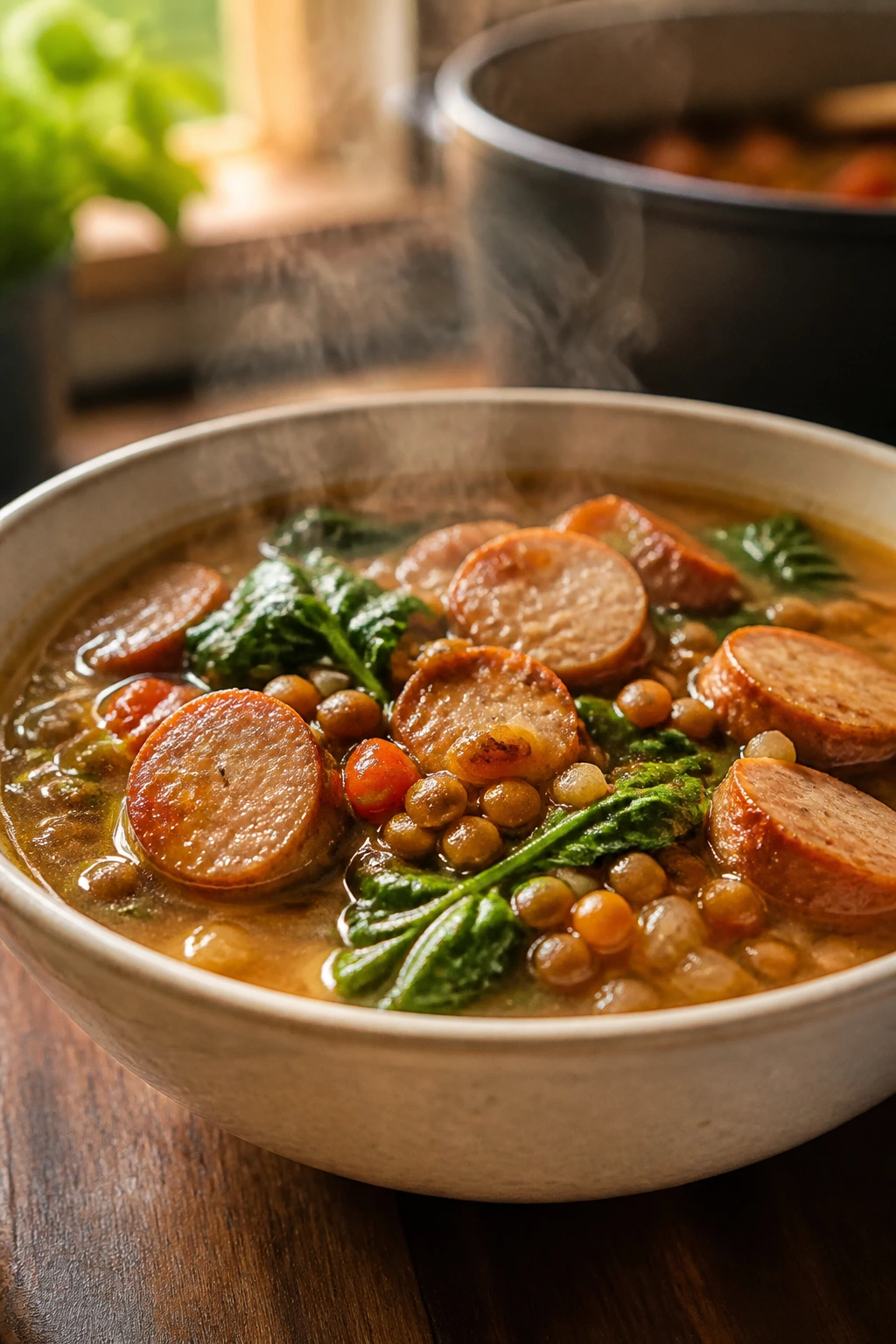
A soup like this solves the “I want something filling but not heavy” problem in a way that plain salad never quite does. The lentils cook down until they’re tender and earthy, the chicken sausage brings spice and protein, and the spinach disappears into the broth at the end. It’s humble in the right way.
Why It Works:
Lentils are doing serious work here. They thicken the soup naturally, add fiber, and make the bowl feel larger without turning it into a starch bomb. Chicken sausage gives you a meaty bite with less fat than many pork sausages, and the vegetables build a flavorful base that tastes layered rather than watery. This is one of those soups that behaves like a full meal instead of a starter.
Key Ingredients:
- 12 oz chicken sausage, sliced
- 1 tbsp olive oil
- 1 onion, diced
- 2 carrots, diced
- 2 celery stalks, diced
- 3 cloves garlic, minced
- 1 cup brown or green lentils, rinsed
- 1 can (14.5 oz) diced tomatoes
- 6 cups low-sodium broth
- 1 tsp thyme
- 1 bay leaf
- 3 cups baby spinach
- 1 tbsp lemon juice
Quick Steps:
- Heat the olive oil in a soup pot over medium heat. Brown the sausage for 3 to 4 minutes, then remove it if you want a cleaner broth.
- Cook the onion, carrots, and celery for 5 minutes, until softened.
- Add the garlic, lentils, tomatoes, broth, thyme, and bay leaf. Bring to a boil, then reduce to a simmer.
- Cook for 35 to 40 minutes, until the lentils are tender but not mushy.
- Stir in the sausage, spinach, and lemon juice. Simmer for 2 more minutes and serve.
Tips and Variations:
- Red lentils cook faster but turn softer, so use them only if you want a thicker soup.
- A spoonful of pesto on top gives the bowl a richer finish.
- This is one of the best freezer meals in the whole collection.
19. Seared Tuna Nicoise Salad
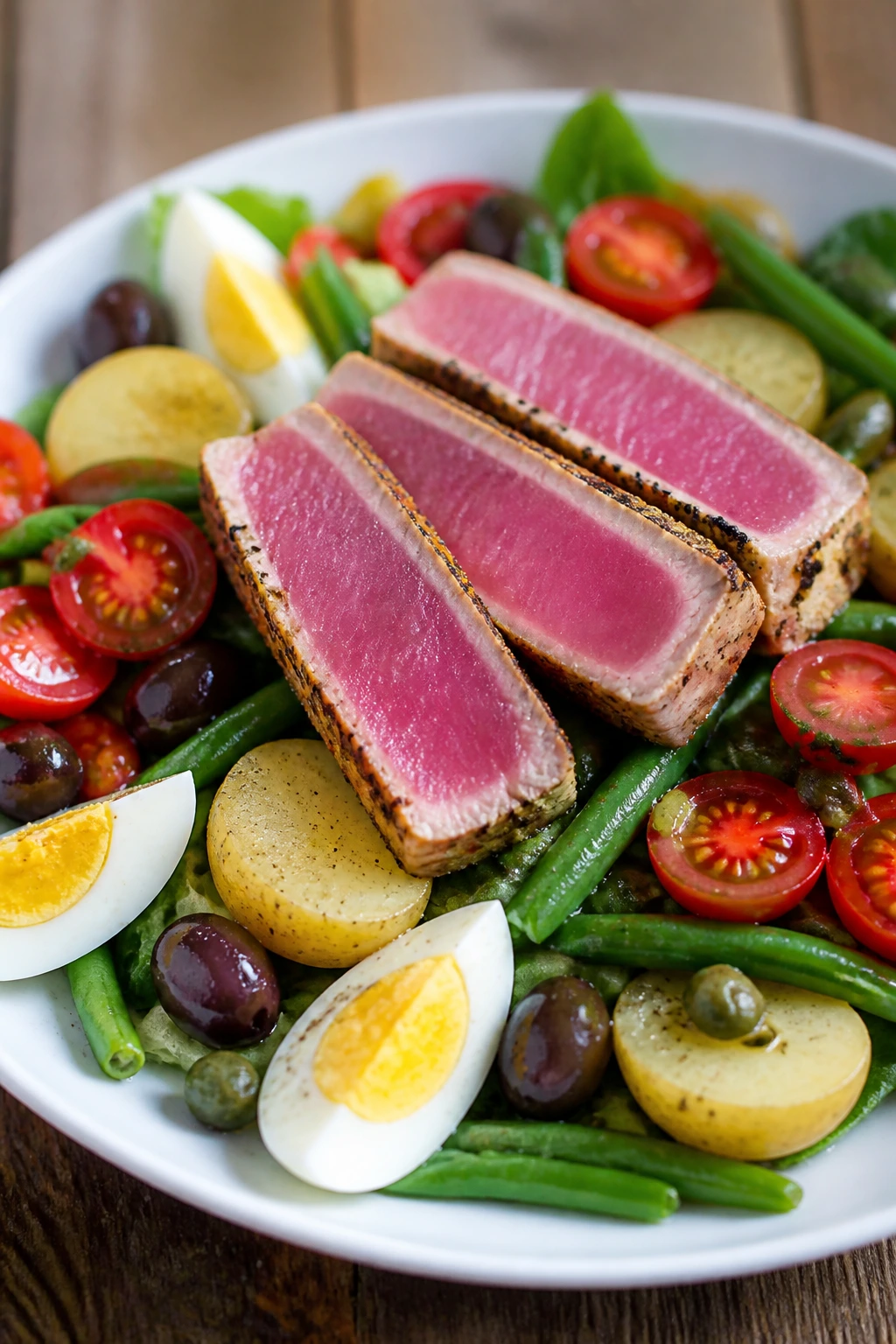
Nicoise salads have a built-in sense of order, which I appreciate. The potatoes, eggs, green beans, olives, tomatoes, and seared tuna each bring their own thing, and none of them have to pretend to be something else. It feels restaurant-y without being fussy, and the tuna gives the salad a real center of gravity.
Why It Works:
Tuna steaks are lean, high in protein, and fast to cook if you keep the pan hot and the timing short. The eggs add even more protein, while the green beans and tomatoes keep the plate fresh and sharp. A small portion of potatoes makes the salad feel complete without pushing it into heavy territory. That balance is what makes this kind of salad worth repeating.
Key Ingredients:
- 4 tuna steaks, 5 oz each
- 2 tbsp olive oil
- 1 tsp kosher salt
- 1/2 tsp black pepper
- 1 lb baby potatoes, halved
- 8 oz green beans, trimmed
- 4 eggs
- 1 cup cherry tomatoes
- 1/2 cup olives
- 2 tbsp capers, optional
- 3 tbsp olive oil
- 1 tbsp red wine vinegar
- 1 tsp Dijon mustard
- 1 tsp lemon juice
Quick Steps:
- Boil the potatoes until tender, about 12 to 15 minutes. Drain and cool slightly.
- Boil the eggs for 9 minutes, then cool and peel them.
- Blanch the green beans for 2 to 3 minutes, then rinse under cold water so they stay bright green.
- Heat a skillet over high heat. Pat the tuna dry, season it, and sear for 1 to 2 minutes per side for a rare center, or longer if you prefer it more cooked.
- Whisk the dressing ingredients and assemble the salad with the potatoes, eggs, beans, tomatoes, olives, and tuna on top.
Tips and Variations:
- If you don’t like rare tuna, cook it to medium, but keep an eye on dryness.
- Use canned tuna over greens for a pantry version when fresh tuna isn’t available.
- A few chopped fresh herbs make the plate feel less rigid.
20. Steak and Mushroom Skillet with Cauliflower Mash
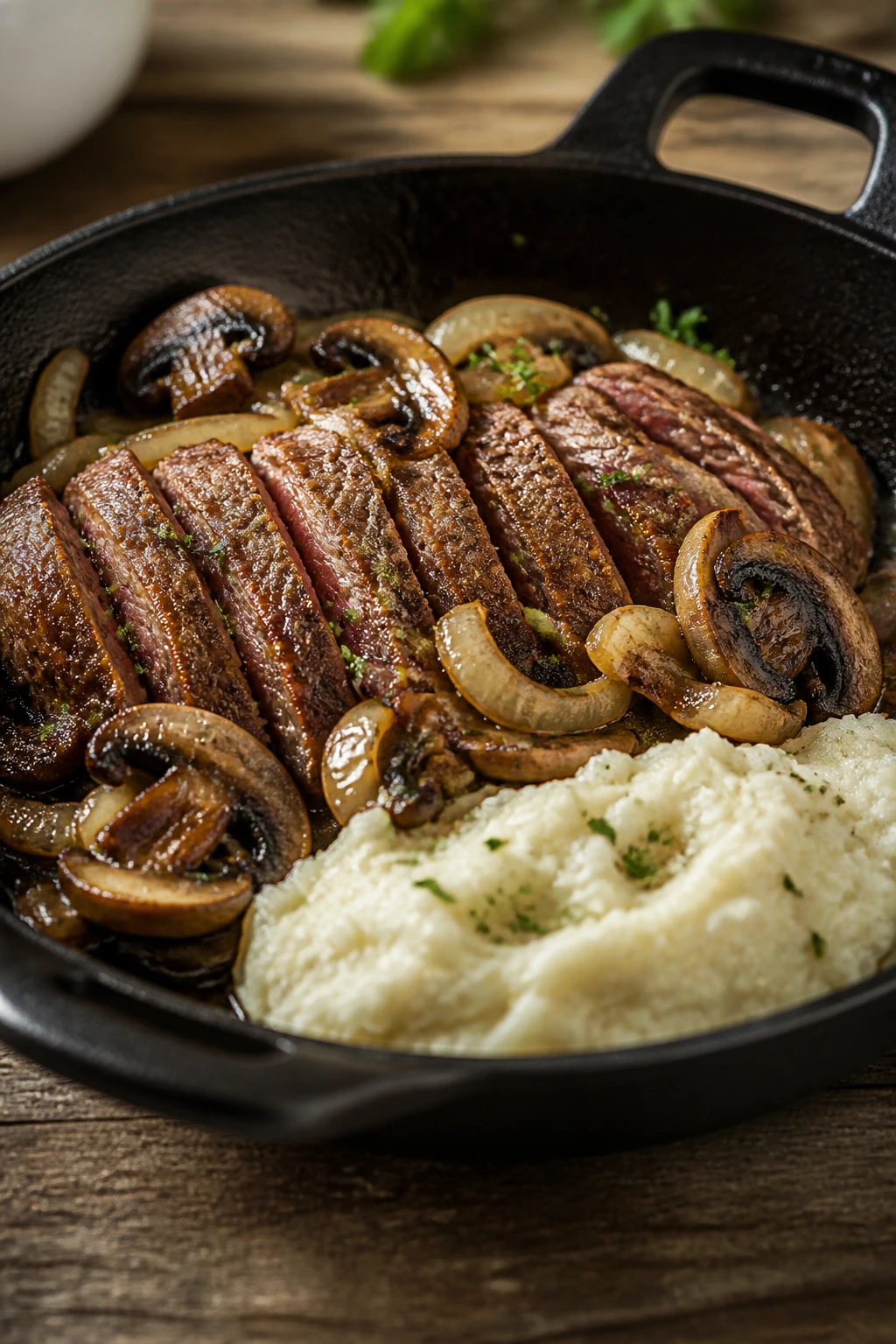
Steak and mushrooms are a classic match because mushrooms pick up the browned flavor left behind by the meat. Cauliflower mash steps in where potatoes usually would, giving you the creamy comfort without a heavy base. It’s a dinner with a little old-fashioned energy, only lighter and more precise.
Why It Works:
Flank steak or sirloin gives you a strong hit of protein, and slicing it thin keeps the portion reasonable while still feeling generous. Mushrooms and onions round out the skillet and add a savory sauce-like quality once the broth and Worcestershire hit the pan. Cauliflower mash is the quiet hero here; it gives the plate that soft, spoonable side that makes steak feel complete without leaning on a big pile of starch.
Key Ingredients:
- 1 1/4 lb flank steak or sirloin, sliced against the grain
- 1 tbsp olive oil
- 12 oz mushrooms, sliced
- 1 small onion, sliced
- 2 cloves garlic, minced
- 1 tsp thyme
- 1/2 cup low-sodium beef broth
- 1 tbsp Worcestershire sauce
- 1 medium head cauliflower, cut into florets
- 2 tbsp plain Greek yogurt
- 1 tbsp butter or olive oil
- 2 tbsp chopped parsley
Quick Steps:
- Steam or boil the cauliflower until very tender, about 10 minutes. Drain well.
- Mash the cauliflower with Greek yogurt, butter or olive oil, and a pinch of salt until smooth enough to spoon.
- Heat the olive oil in a skillet over medium-high heat. Sear the steak for 1 to 2 minutes per side, depending on thickness, then remove it.
- Add the mushrooms and onion to the skillet and cook until browned and softened. Stir in the garlic and thyme for 30 seconds.
- Pour in the broth and Worcestershire, then return the steak just long enough to warm through. Serve over cauliflower mash with parsley on top.
Tips and Variations:
- Don’t crowd the steak or it will steam instead of sear.
- A splash of balsamic can stand in for Worcestershire if needed.
- If you like a creamier mash, blend the cauliflower in a food processor for a smoother finish.
Why Protein-Forward Dinners Feel So Satisfying
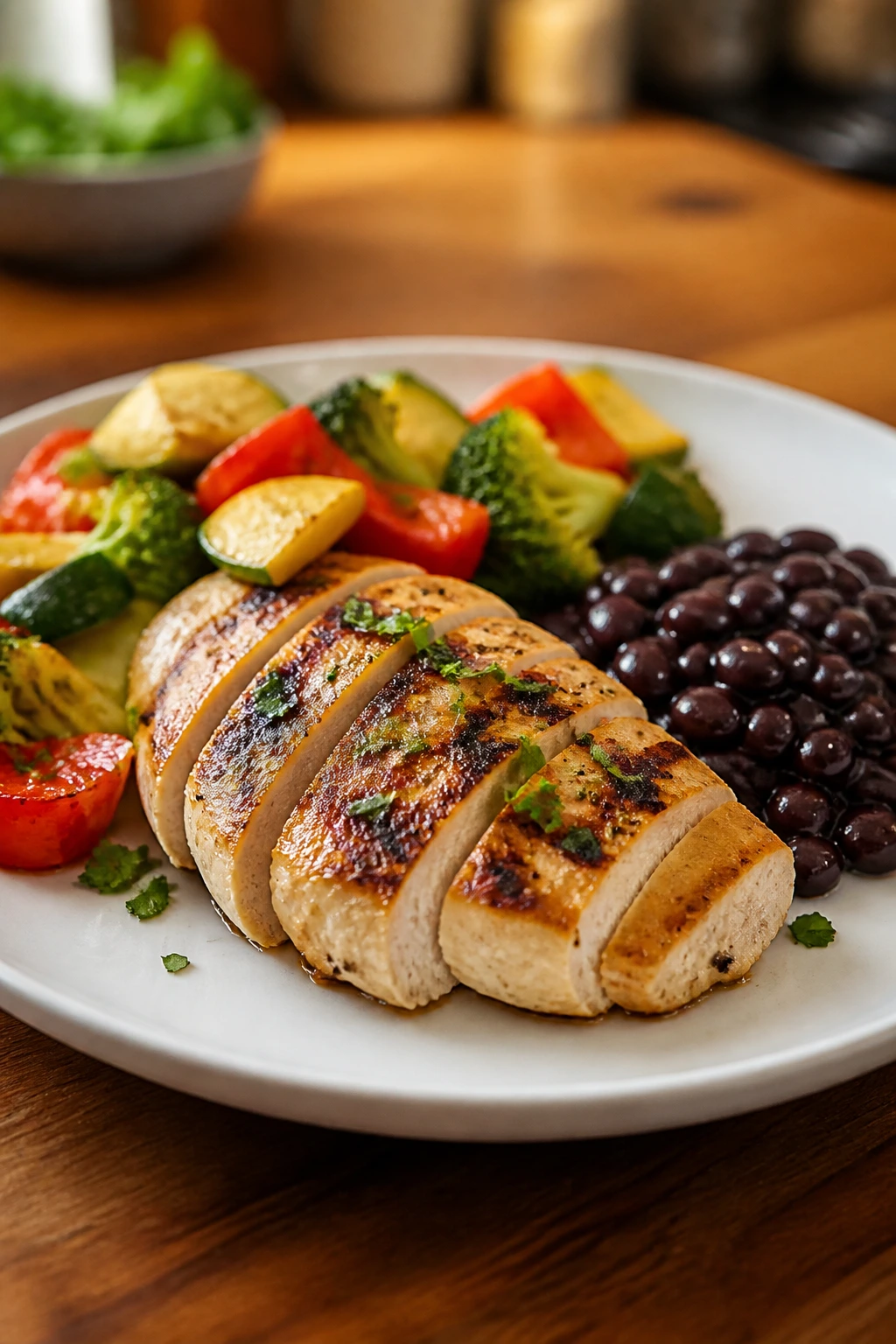
A dinner built around protein tends to keep its shape better than one built around bread, pasta, or random snacks from the pantry. That’s the plain version, and it’s the useful version too. Protein gives the meal a center, and when you pair it with vegetables or beans, you get more chewing, more volume, and more time at the table before hunger starts poking again.
I also think cooking method matters more than people give it credit for. A chicken breast seared in a skillet tastes different from a poached one. A salmon fillet roasted until the edges brown feels more complete than one that’s steamed into submission. Browning, roasting, charring, and deglazing all pull flavor out of lean ingredients that might otherwise taste spare.
That’s why these high protein dinners for weight loss aren’t built like punishment food. They use acid, herbs, spice, and a little fat on purpose. The point isn’t to strip dinner down until it has no personality left. The point is to keep the plate useful.
Essential Equipment for These Recipes
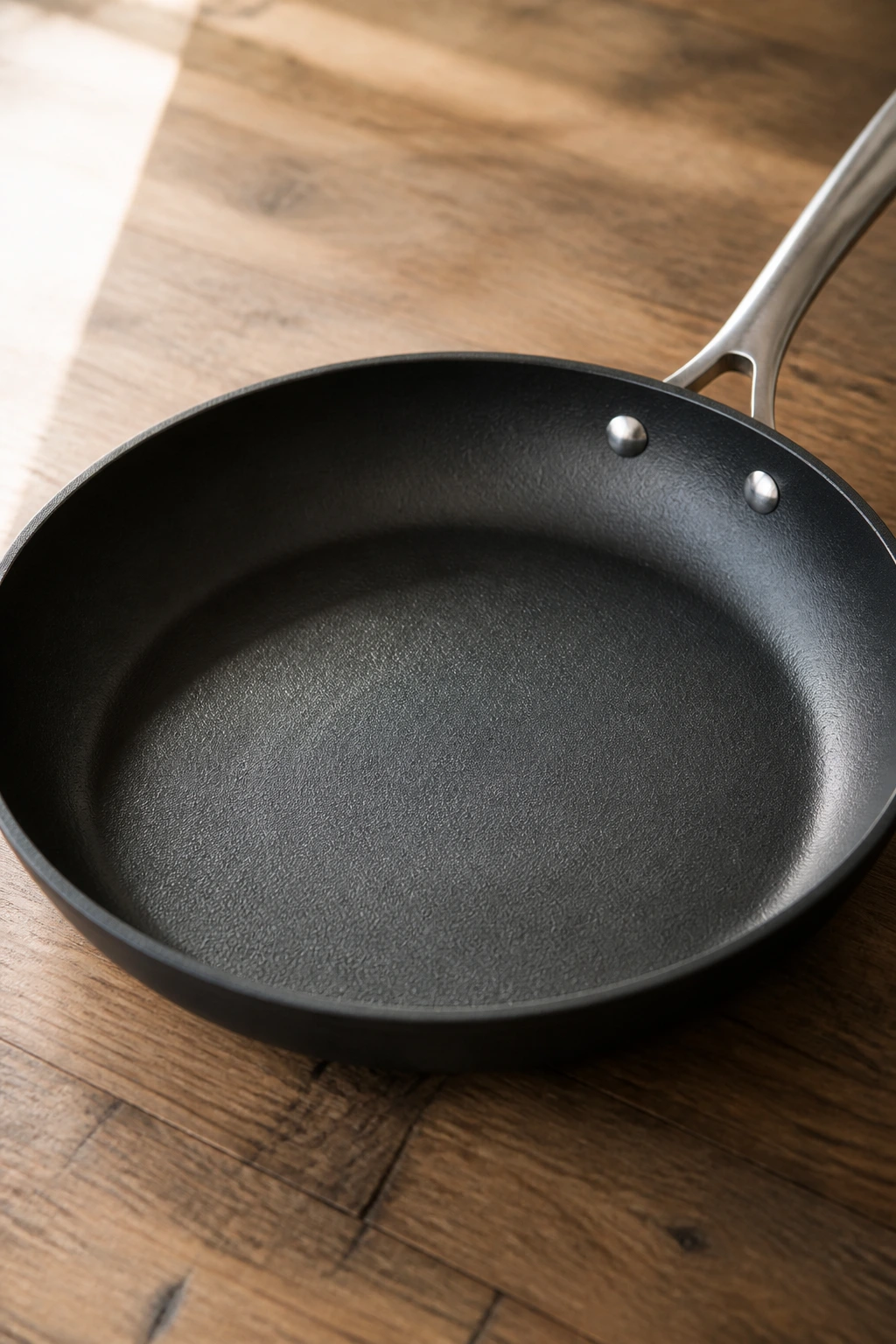
- Large skillet, 10 to 12 inches: Useful for chicken, shrimp, turkey, steak, and quick sauces.
- Rimmed sheet pan: Ideal for fajitas, salmon, chicken, Brussels sprouts, and anything that roasts fast.
- Dutch oven or soup pot: The best choice for chili, white chicken chili, and lentil soup.
- Instant-read thermometer: The easiest way to avoid dry chicken, overcooked fish, or steak that runs past the sweet spot.
- Cutting board with a sharp chef’s knife: You’ll use it for everything from slicing peppers to trimming broccoli.
- Mixing bowls, medium and large: Handy for spice mixes, meatballs, dressings, and slaws.
- Tongs and a sturdy spatula: Makes flipping, stirring, and serving much easier than chasing food around the pan.
- Fine-mesh strainer: Helpful for beans, lentils, and rinsing canned ingredients.
- Airtight storage containers: Necessary if you want leftovers to stay useful instead of drying out in the fridge.
Smart Shopping and Ingredient Tips
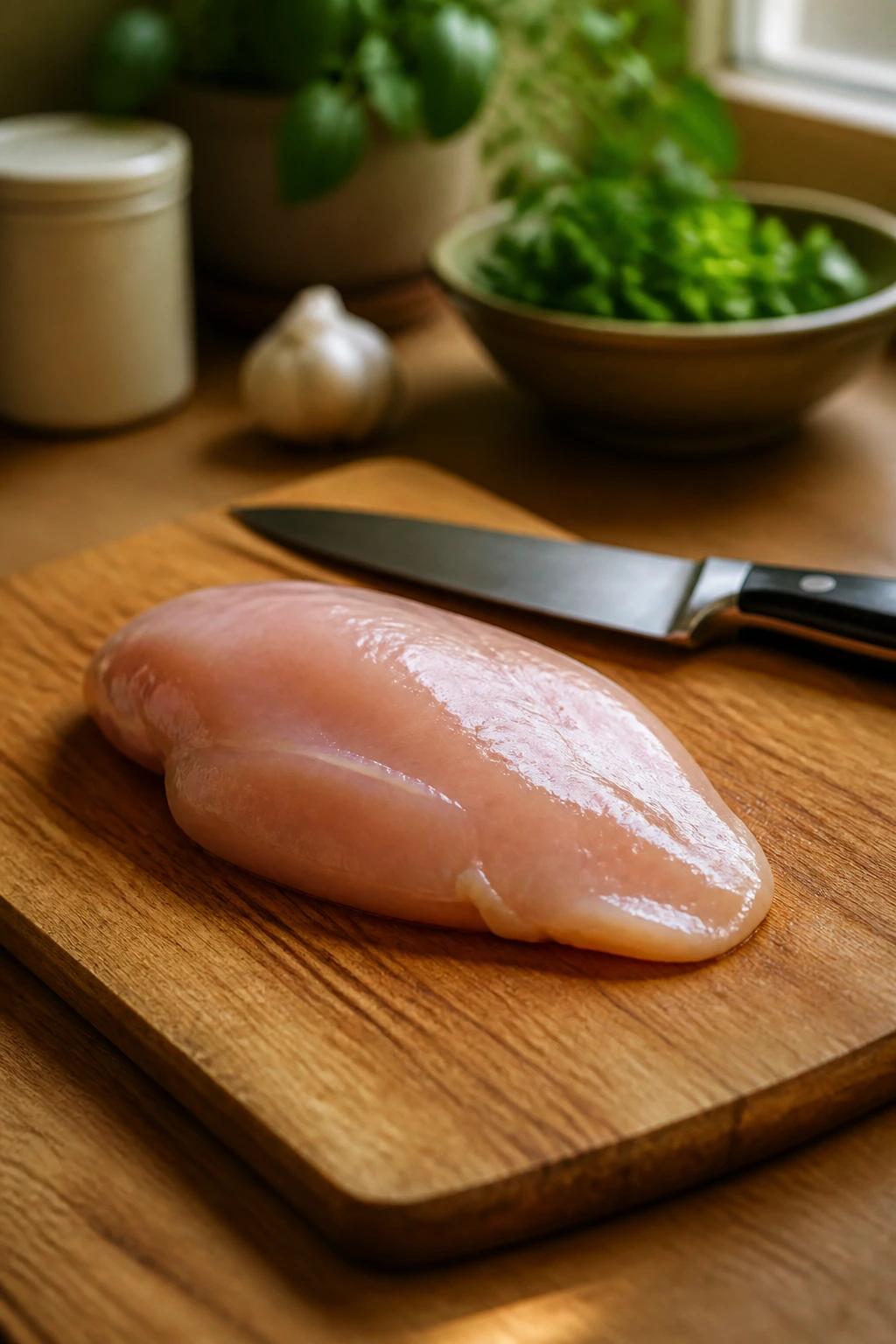
Lean protein is where these dinners live or die, so it’s worth buying the right cut. For ground turkey, look for 93% lean rather than the extra-lean stuff, which can dry out fast. For chicken, breasts work well when cut thin or pounded evenly, while thighs give you more forgiveness and a little more flavor. Salmon fillets should look moist and smell clean, not fishy; cod should be firm enough to hold together when you lift it with a spatula.
Frozen vegetables are not a compromise in these recipes. Frozen broccoli, snap peas, edamame, and green beans can save a dinner when the fresh produce drawer is leaning tired. Beans from a can are fine too — just rinse them so the sauce doesn’t turn murky or overly salty. For broths and canned tomatoes, low-sodium versions give you room to season the dish yourself instead of fighting the salt level later.
A small amount of fat goes a long way when the rest of the meal is lean. Olive oil, avocado oil, tahini, yogurt, and a little cheese can make a dinner feel complete without turning it heavy. I’d rather use 1 tablespoon of a good ingredient than drown a plate in something bland and call it balance.
How to Serve These Recipes
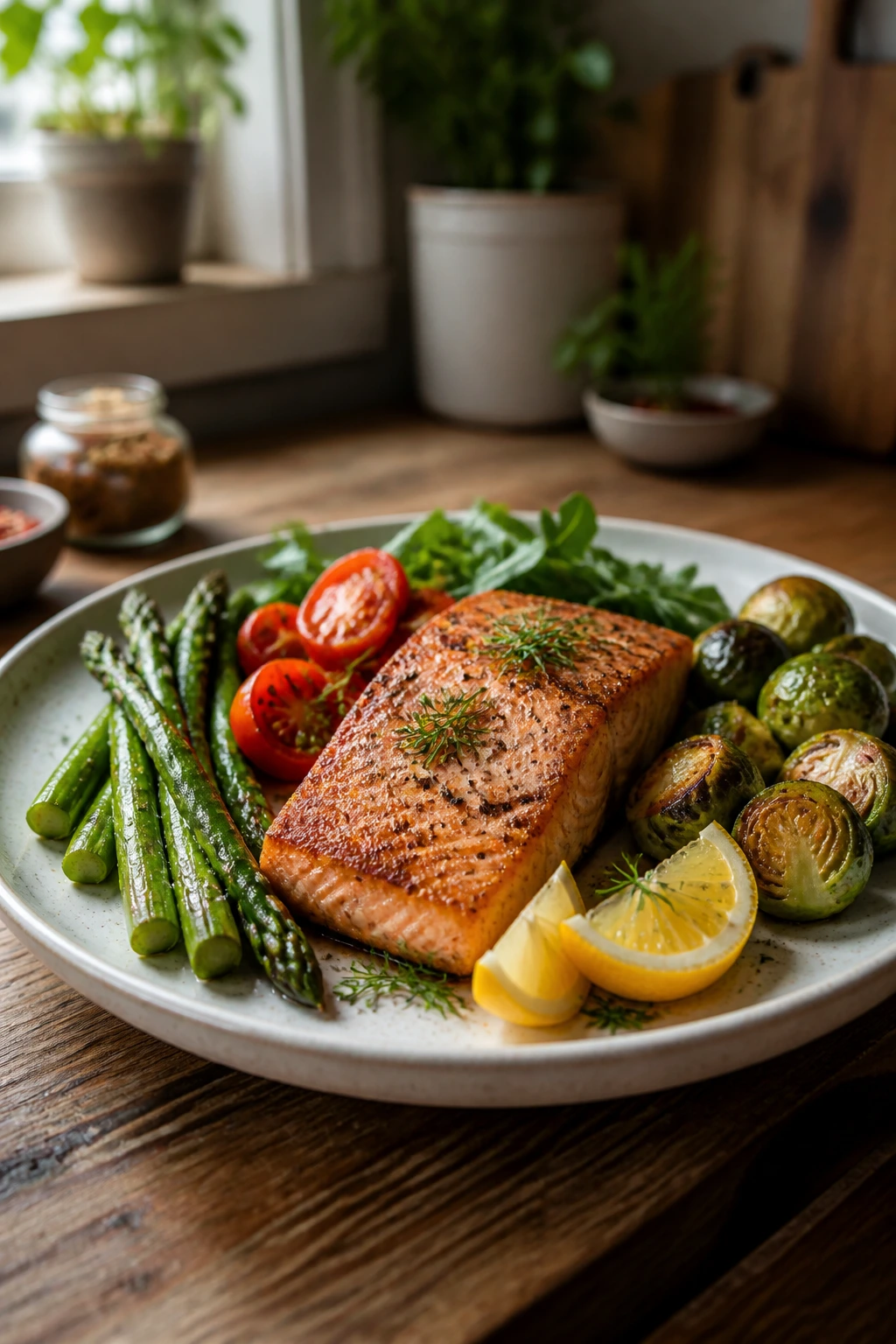
Presentation: Put the protein in the center or slightly off-center, then let the vegetables frame it instead of burying it. Wide bowls work well for chili, stir-fries, grain bowls, and salads; shallow plates are better for fish, chicken, and sheet pan dinners. A finish of herbs, lemon, scallions, or pickled onions keeps the plate from looking flat.
Accompaniments: For the lighter dinners, a simple salad with a sharp vinaigrette does more good than another starch. Cauliflower rice, quinoa, brown rice, roasted potatoes, warm tortillas, or a slice of whole-grain bread all work when you want a little more staying power. If the meal already has beans or grains, keep the side simple — roasted vegetables or a crisp slaw is enough.
Portions: Most of these recipes work well at 4 to 6 ounces of cooked protein per serving, plus 1 to 2 cups of vegetables. For bigger appetites, increase the vegetables first, then the protein, before reaching for a heavy extra side. For a lighter dinner, trim the starch and keep the sauce or garnish bright so the plate still feels complete.
Beverage Pairing: Sparkling water with lemon or lime fits nearly everything here. Unsweetened iced tea, chilled cucumber water, or a dry white wine with fish and chicken can work if that’s your habit. The goal is refreshment, not another source of sugar.
Additional Tips and Flavor Boosters
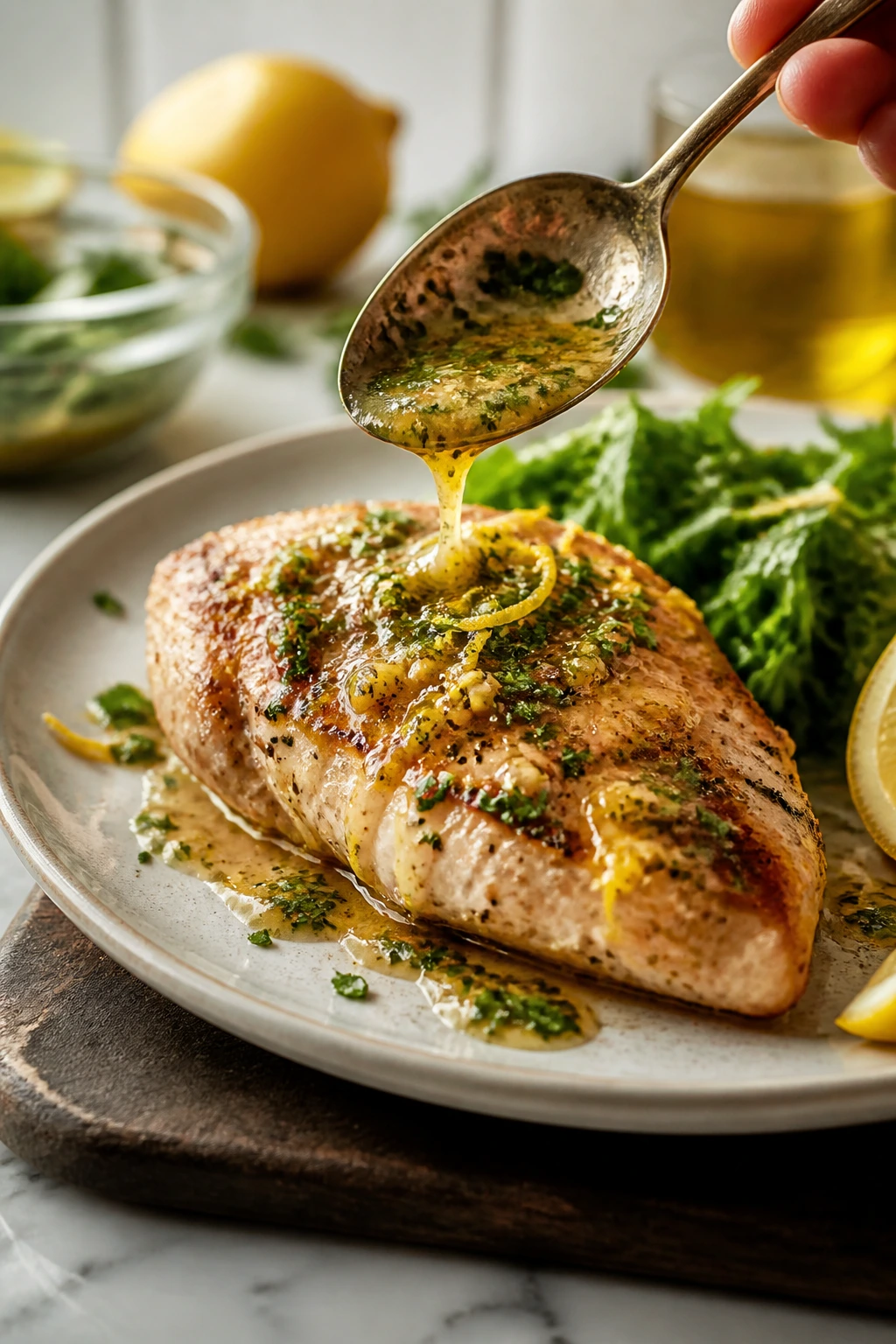
Flavor Enhancement: A bright finish changes lean food more than almost anything else. Lemon juice, red wine vinegar, lime zest, or a spoonful of yogurt stirred into a sauce can wake up chicken, turkey, fish, and beans in a single move. If a dinner tastes a little flat, acid is usually the first fix I reach for.
Customization: Add heat with chili flakes, harissa, chipotle, or a diced jalapeño. Add freshness with parsley, dill, cilantro, mint, or basil. Add depth with a teaspoon of Dijon, soy sauce, Worcestershire, tomato paste, or miso. These small additions don’t make the meal heavier; they make it less forgettable.
Serving Suggestions: Crunch matters. Toasted pumpkin seeds, sliced almonds, crispy chickpeas, or a few sesame seeds can give soft dishes a better finish. A spoon of salsa, tzatziki, chimichurri, or chimed-up yogurt sauce can also do a lot of lifting without much effort.
Make-It-Yours: For dairy-free meals, use tahini, olive oil, or avocado instead of yogurt or cheese. For gluten-free versions, lean on rice, potatoes, beans, corn tortillas, or cauliflower rice. For vegetarian dinners, tofu, tempeh, lentils, and edamame carry the protein load without needing a whole new cooking style.
Make-Ahead, Storage, and Reheating Guidance
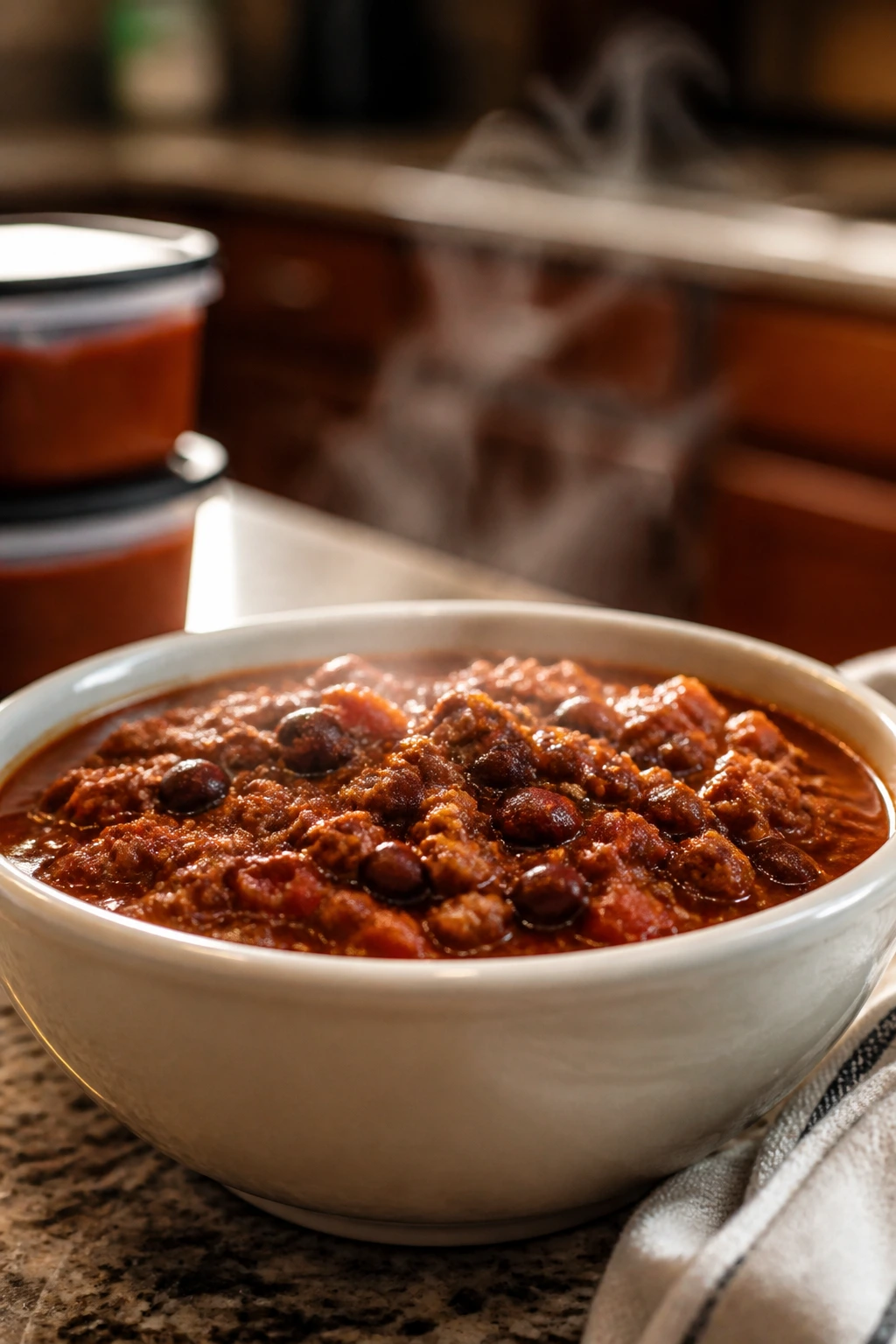
Most of these dinners keep well in the refrigerator for 3 to 4 days, though the fish-based plates and lettuce-wrapped meals are best closer to day 1 or 2. Chili, soups, turkey sauces, meatballs, and cooked chicken are the easiest leftovers to work with because they reheat evenly and don’t lose much texture. Delicate fish, shrimp, and salads with fresh greens should be eaten sooner or stored with the wet and dry parts separated.
The freezer is a better friend to chili, soup, turkey meatballs, cooked chicken fillings, and bolognese-style sauces. Freeze those in airtight containers for up to 2 to 3 months. Thaw overnight in the fridge, then reheat gently. A stovetop works best for soups and saucy dishes; add a splash of broth or water and warm over medium-low heat until steaming. For sheet pan chicken or roasted pork, a 325°F oven keeps the texture better than a microwave. Use the microwave only when speed matters, and stop at short intervals so the protein doesn’t turn rubbery.
For leftovers, keep sauces separate when you can. That one habit saves a lot of soggy vegetables and dry meat. If you know a dish will be boxed for lunch, undercook the vegetables a touch and stop the protein at just-done instead of pushing it far past the line. It’s a small move, but it pays off the next day.
Variations and Adaptations to Try
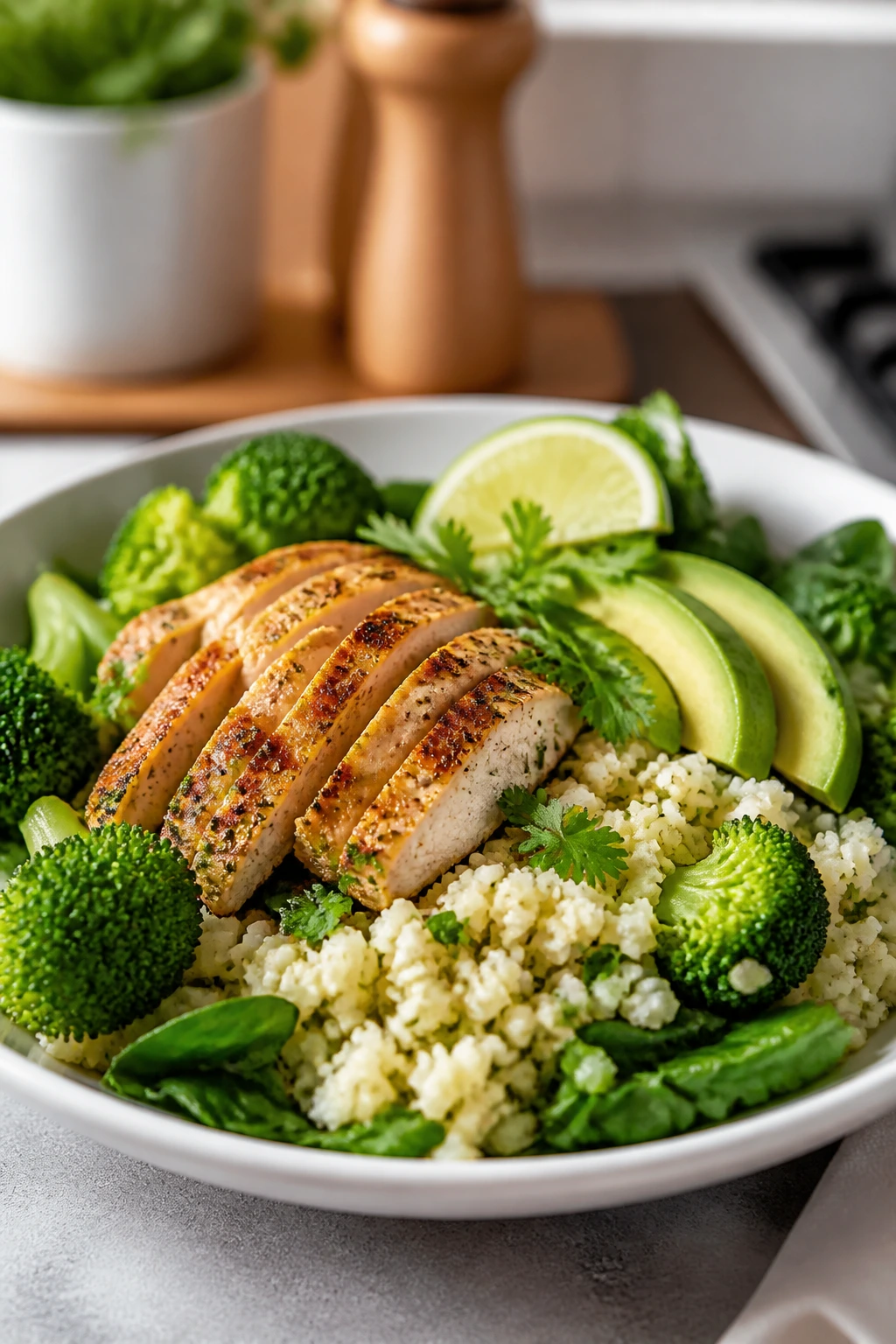
Low-Carb Plate: Swap rice, potatoes, tortillas, and pasta shapes for cauliflower rice, zucchini noodles, cabbage, or extra greens. That keeps the dinner lighter without changing the basic flavor profile. It works especially well for stir-fries, fajita bowls, and bolognese-style sauces.
Dairy-Free Finish: Replace yogurt sauces with tahini sauces, avocado crema, or a simple olive oil and lemon dressing. Coconut yogurt can work in a few places, though I prefer it in small amounts because its flavor can take over. The rest of the meal doesn’t need to change much.
Vegetarian Protein Shift: Tofu, edamame, lentils, beans, tempeh, and eggs can stand in for meat in several of these dinners. Use the same spice blends and sauces so the meal stays familiar. The trick is not to act surprised that vegetables need a little more seasoning.
Mild Family Version: Keep the heat low in the pan, then set chili flakes, hot sauce, and pickled peppers on the table. Kids and spice-shy eaters can stay comfortable, and the rest of the table can season on the fly. That’s the easiest way to avoid cooking two separate dinners.
Budget Pantry Version: Canned salmon, beans, lentils, frozen vegetables, and chicken thighs stretch a grocery bill without making dinner feel cheap. The flavor work comes from the seasoning, the browning, and a little acid at the end. That’s where the savings live.
Common Mistakes to Avoid
Overcooking lean protein: Chicken breast, shrimp, cod, and tuna go from perfect to dry fast. The fix is a thermometer and a little restraint. Pull chicken at 165°F, shrimp when they just turn pink, and tuna before the center turns chalky.
Using too little seasoning: Lean food needs help. If the chicken, turkey, or tofu tastes flat, it usually wasn’t salted enough or wasn’t given enough acid at the end. Season in layers: before cooking, while cooking, and once the dish is finished.
Skipping vegetables or fiber: A protein-only dinner can leave you hunting for snacks later. The fix is to build the plate around vegetables, beans, or a real salad, not treat them like decoration. Volume matters.
Drowning the meal in sauce: A creamy sauce can make a dinner taste rich, but it can also wipe out the point of the whole exercise. Use just enough to coat the food and brighten it. You want flavor, not a soup accident.
Making portions too tiny: People often cut dinner down so far that they end up hungry and annoyed by 9 p.m. A better move is a normal protein portion plus a big serving of vegetables. That’s the part that usually works.
Ignoring texture: Soft-on-soft dinners are hard to love. Add a browned edge, a crisp slaw, roasted vegetables, toasted seeds, or fresh herbs so each dish has some bite.
Frequently Asked Questions
How much protein should a dinner have for weight loss?
A lot of people do well with a dinner that lands around 25 to 40 grams of protein, depending on body size and how the rest of the day looks. The bigger point is that dinner should leave you satisfied without making you feel stuffed, and protein is one of the easiest ways to get there.
Can I make these dinners ahead for the week?
Yes, and some of them are better on day two. Chili, soups, turkey meatballs, bolognese, and chicken fillings hold up especially well. Keep fresh toppings like lettuce, herbs, and yogurt sauces separate until serving.
Which recipes are best for meal prep?
Turkey chili, white chicken chili, stuffed peppers, Greek turkey meatballs, and chicken sausage lentil soup are the easiest meal-prep wins. They reheat cleanly and don’t lose much texture in the fridge. Fish and salad-based dinners are better for same-day cooking.
Are these dinners low carb?
Some are, some are not, and that’s fine. The meals with rice, quinoa, potatoes, beans, or tortillas can be made lower carb by swapping in cauliflower rice, extra vegetables, or lettuce cups. You don’t need to make every dinner the same way.
What if my chicken breast keeps turning dry?
Cut it thinner, pound it to an even thickness, and stop cooking the second it hits 165°F. Also, give it a quick rest before slicing. Dry chicken is usually an overcooking problem, not a bad-recipe problem.
Can I freeze fish or shrimp dinners?
You can freeze some cooked seafood dishes, but the texture changes more than it does with chili or chicken. Salmon cakes and cooked salmon can freeze better than flaky roasted fish. Shrimp and delicate fish are usually best eaten fresh or within a day or two.
What can I use instead of Greek yogurt?
Tahini, mashed avocado, light sour cream, or a dairy-free yogurt can fill the same role depending on the recipe. Greek yogurt adds protein, so if you skip it, try to keep the rest of the plate protein-heavy. A sauce that tastes good matters more than the exact label on the container.
How do I keep dinner from tasting boring when I’m watching portions?
Use sharp flavors: lemon, vinegar, mustard, herbs, pickles, garlic, ginger, and spice blends. Also, keep one texture contrast on the plate, like crunch from slaw or roasted edges from vegetables. A smaller plate with good flavor is more satisfying than a big one that tastes sleepy.
A Satisfying Way to Eat Lean
The best thing about these dinners is that they don’t ask you to choose between feeling full and eating well. They use real protein, enough vegetables, and enough flavor that dinner still feels like dinner. That’s the whole point, and it’s why these recipes keep showing up on my own short list.
Start with the ones that fit your week best — one sheet pan, one skillet, one pot, one bowl. Then keep the winners in rotation and build from there. A dinner that’s easy to repeat is the one that actually helps.