



Six o’clock hits fast on a school night. One minute you’re answering a math worksheet question, and the next minute somebody is asking what’s for dinner while standing in the exact spot where you need to chop onions.
That’s why speedy dinners for school nights matter so much. They are not about settling. They are about getting a real meal on the table without turning your kitchen into a hostage situation. The best ones are quick because they’re built smartly: thin-cut meat, pasta that cooks in a single pot, vegetables that brown fast, and sauces that come together before anyone has time to ask, again, whether dinner is ready yet.
I have a soft spot for dinners that work hard without looking like they did. A skillet chicken cutlet with lemon and green beans. A bowl of beef and broccoli over rice that tastes like it took a lot longer than it did. A pan of cheesy tortellini with spinach that behaves like comfort food and still gets the job done in under 20 minutes. That’s the sweet spot. Not fussy. Not sad. Just useful, good food.
What follows leans into that rhythm. Fast, family-friendly, weeknight-proof cooking with enough flavor to keep everyone from treating dinner like a chore. Grab a skillet. Maybe two. Then let’s get into the dishes that actually make school nights easier.
1. Lemon Garlic Chicken Cutlets with Green Beans
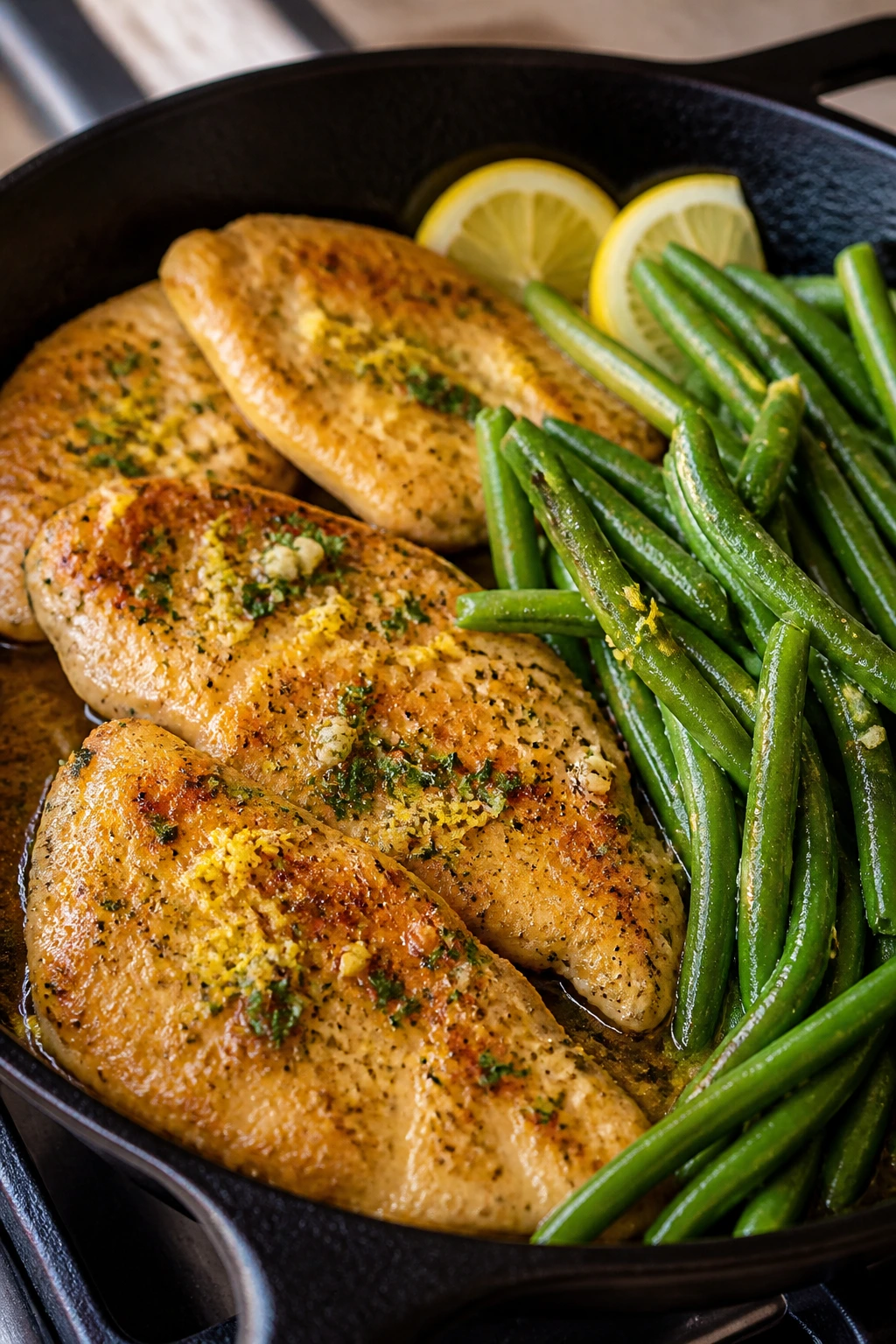
Thin chicken cutlets are the weeknight cheat code nobody talks about enough. They cook in minutes, they take on flavor fast, and they stay juicy if you keep the heat where it belongs. Add green beans to the same pan and you’ve got a dinner that looks polished but acts like it’s in a hurry.
Why it works: The cutlets are thin enough to sear quickly, which means you get browned edges before the middle dries out. Green beans hold their shape well, so they can ride in the skillet with broth and lemon without turning limp. The garlic goes in late, which keeps it sweet instead of bitter. That small timing choice matters.
Key Ingredients:
- 1½ lbs chicken cutlets, about ¼- to ½-inch thick
- 1 teaspoon kosher salt
- ½ teaspoon black pepper
- ⅓ cup all-purpose flour
- 2 tablespoons olive oil
- 2 tablespoons unsalted butter
- 3 cloves garlic, minced
- 1 lemon, zested and juiced
- 1 lb green beans, trimmed
- ½ cup low-sodium chicken broth
- 2 tablespoons chopped parsley
Quick Steps:
- Pat the chicken cutlets dry, season them with salt and pepper, and lightly coat them in flour. Shake off the extra flour so the skillet doesn’t turn pasty.
- Heat the olive oil in a large skillet over medium-high heat. Add the chicken in a single layer and cook for 3 minutes per side, until golden and the internal temperature reaches 165°F. Transfer to a plate.
- Lower the heat to medium. Add the butter and green beans, then cook for 2 minutes, stirring once or twice.
- Add the garlic and cook for 30 seconds, just until fragrant. Do not let it brown.
- Pour in the chicken broth and lemon juice, scraping up the browned bits from the pan. Let the beans simmer for 3 to 4 minutes, until crisp-tender.
- Return the chicken to the skillet, spoon the sauce over the top, and finish with lemon zest and parsley.
Tips and Variations:
- Swap green beans for asparagus or broccoli florets if that’s what’s in the fridge.
- Spoon this over rice or mashed potatoes if you want the lemony pan juices to go further.
- A pinch of red pepper flakes gives the sauce a little edge without making it spicy.
2. Beef and Broccoli Rice Bowls
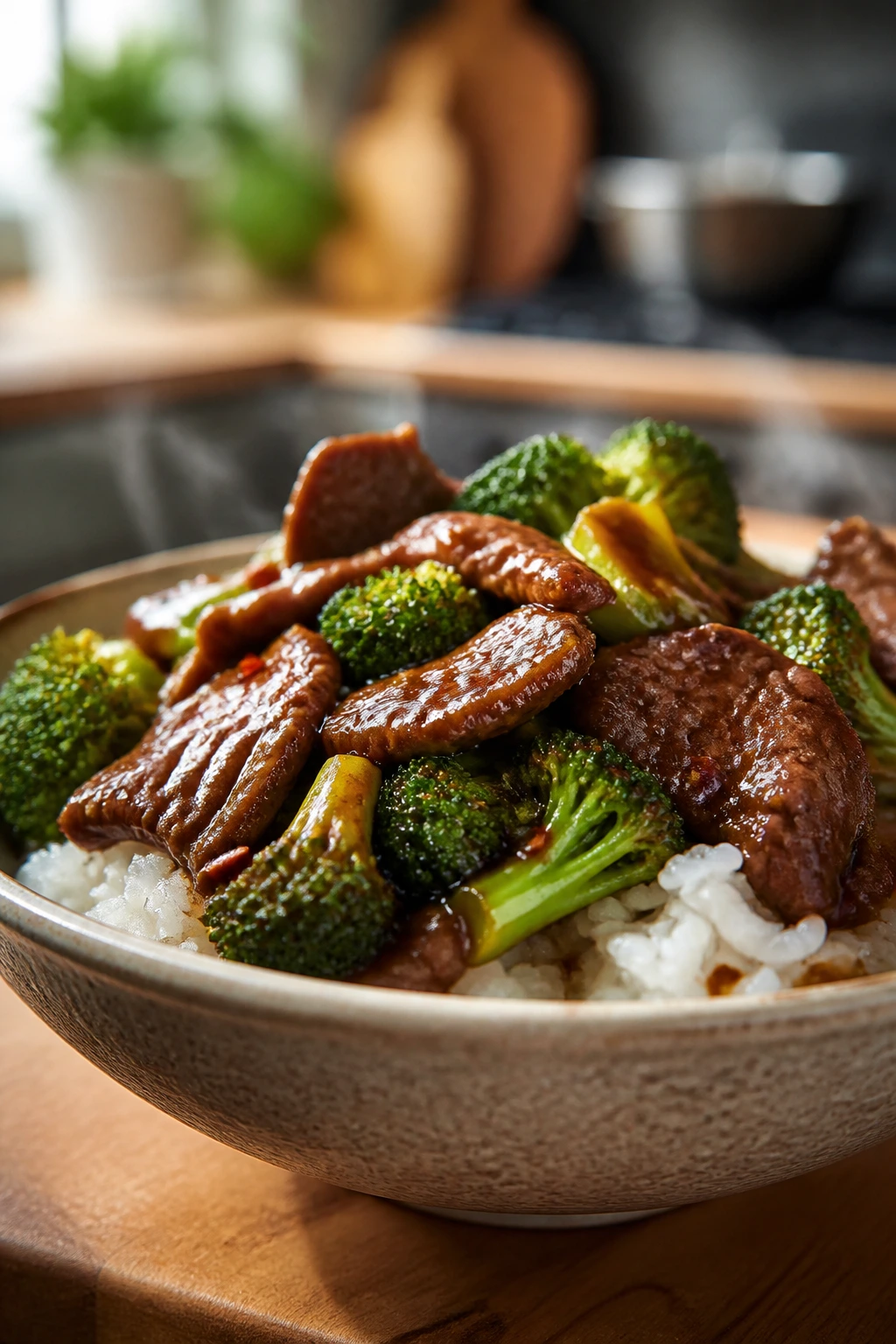
This is the dinner that makes people think you ordered takeout and lied about it. The sauce is glossy, the beef stays tender if you slice it thin, and broccoli soaks up the salty-sweet glaze in the best way. It’s a strong school-night move.
Why it works: Thin slices of steak cook in under 3 minutes, so you get beef that stays soft instead of turning chewy. Broccoli florets take well to a quick steam in the pan, and the sauce thickens fast because the cornstarch is whisked in before it ever hits heat. Rice underneath catches everything. Nothing gets wasted.
Key Ingredients:
- 1½ lbs flank steak or sirloin, sliced very thin against the grain
- 2 tablespoons cornstarch
- 3 tablespoons low-sodium soy sauce
- 2 tablespoons honey
- 1 tablespoon rice vinegar
- 2 teaspoons sesame oil
- 3 cloves garlic, minced
- 1 tablespoon fresh ginger, grated
- 1 lb broccoli florets, cut small
- 2 cups cooked jasmine rice
- 1 tablespoon neutral oil
- 1 tablespoon sesame seeds
Quick Steps:
- Toss the sliced beef with cornstarch and 1 tablespoon soy sauce. Let it sit while you make the sauce.
- Whisk the remaining soy sauce, honey, rice vinegar, sesame oil, garlic, and ginger in a small bowl.
- Heat the neutral oil in a large skillet over medium-high heat. Sear the beef in a single layer for 1 to 2 minutes per side, then transfer it out.
- Add the broccoli with 2 tablespoons water, cover the pan, and steam for 2 minutes until bright green and just tender.
- Pour in the sauce and bring it to a simmer. Stir for 1 minute, until it turns shiny and lightly thickened.
- Return the beef to the pan, toss to coat, then serve over rice with sesame seeds on top.
Tips and Variations:
- Freeze the steak for 20 minutes before slicing. It’s easier to cut thin.
- Frozen broccoli works in a pinch; just cook off the extra water before adding sauce.
- A few sliced scallions at the end make the bowl feel finished.
3. Creamy Tomato Tortellini with Spinach
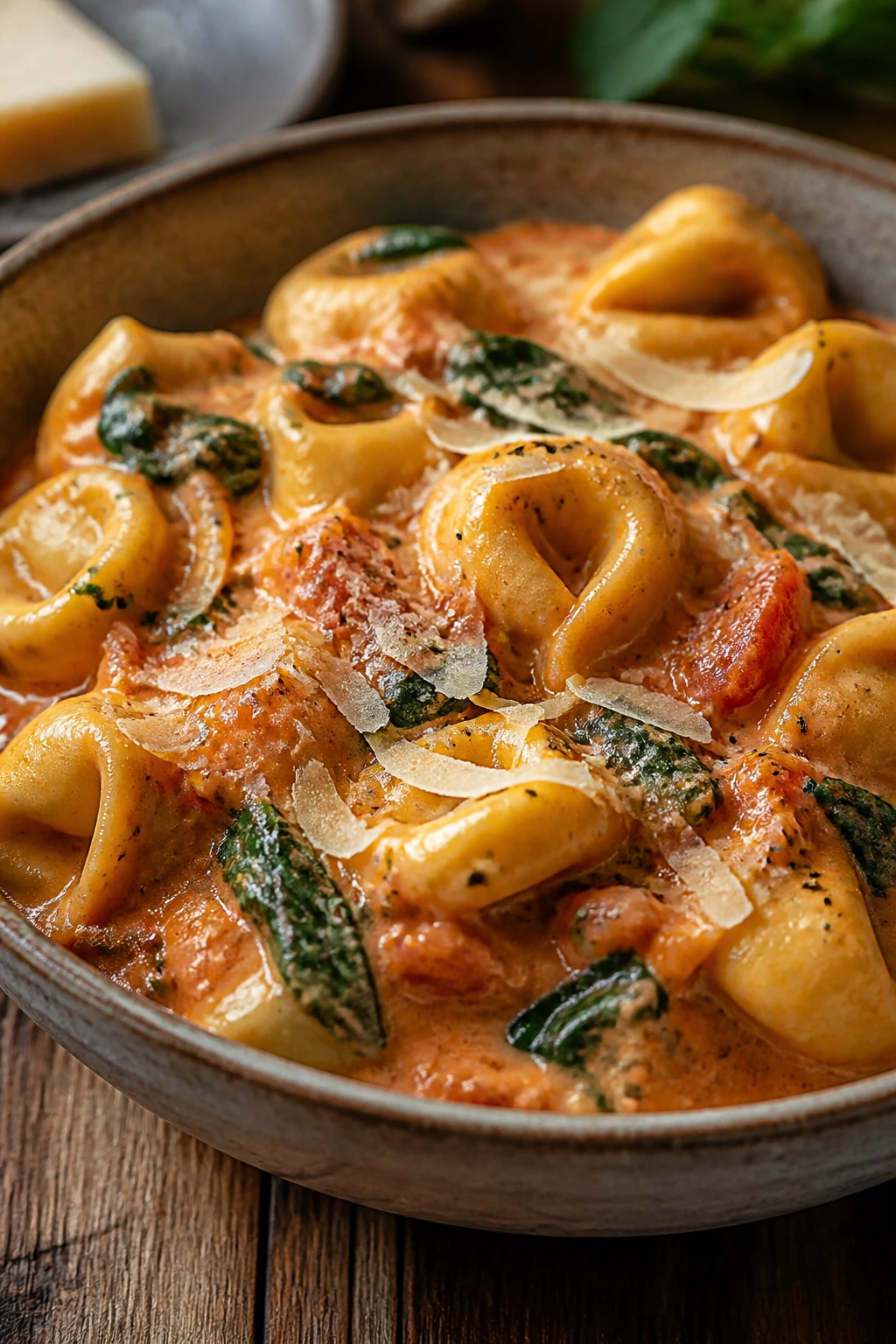
If a pot of pasta can solve a Tuesday, this is the one. It’s rich without being heavy, red without tasting flat, and fast enough that the tortellini cook almost faster than you can set the table. I like this one because it feels cozy but not sloppy.
Why it works: Cheese tortellini cook quickly and bring their own filling, so you do not need a separate protein to make the meal feel complete. Crushed tomatoes and cream make a sauce that tastes rounded instead of sharp, and spinach wilts in the last minute without getting swampy. A little parmesan at the end gives the sauce grip.
Key Ingredients:
- 20 oz refrigerated cheese tortellini
- 2 tablespoons olive oil
- 1 small yellow onion, finely chopped
- 3 cloves garlic, minced
- 1 can (28 oz) crushed tomatoes
- 1 cup low-sodium vegetable or chicken broth
- ½ cup heavy cream
- 4 cups baby spinach
- ½ cup grated parmesan
- ½ teaspoon dried basil
- ¼ teaspoon red pepper flakes
- Salt and black pepper, to taste
Quick Steps:
- Heat the olive oil in a large pot over medium heat. Add the onion and cook for 4 minutes, until soft and translucent.
- Add the garlic, basil, and red pepper flakes. Stir for 30 seconds, just until fragrant.
- Pour in the crushed tomatoes and broth. Bring to a simmer and cook for 5 minutes.
- Stir in the tortellini and cook according to the package, usually 3 to 5 minutes, until tender.
- Lower the heat and stir in the cream, spinach, and parmesan. Cook for 1 minute, until the spinach wilts and the sauce turns silky.
- Taste for salt and pepper, then serve right away.
Tips and Variations:
- Add cooked chicken or Italian sausage if you want more protein.
- Use kale instead of spinach, but give it an extra 2 minutes to soften.
- A squeeze of lemon at the end wakes the sauce up fast.
4. Turkey Taco Skillet
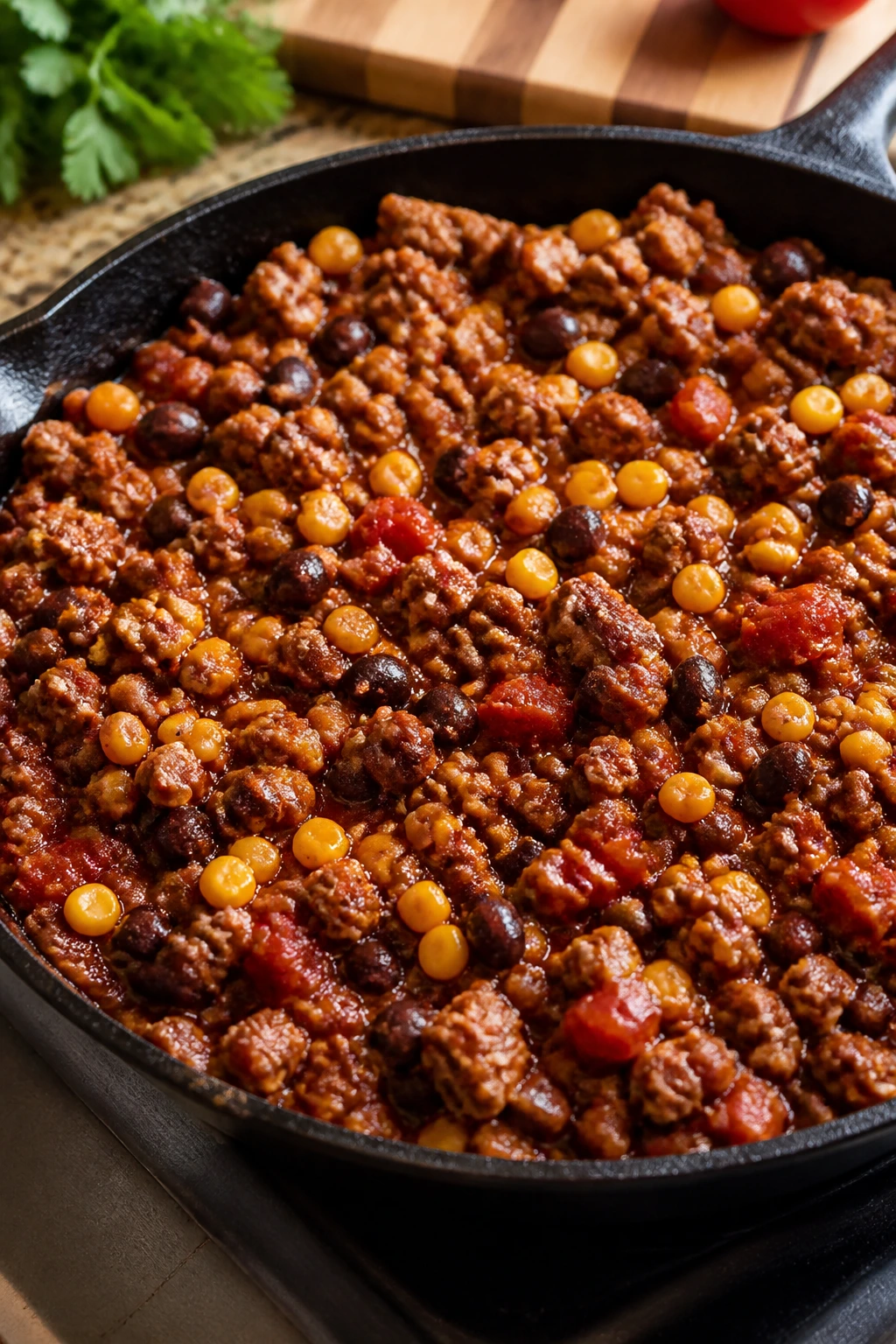
Some dinners need to be calm. This one doesn’t. It’s fast, loud, and built for the kind of night when everybody wants dinner to feel like taco night but nobody has the patience for a full spread. One skillet. Big flavor. Done.
Why it works: Ground turkey cooks in a few minutes and takes on seasoning better than people give it credit for, especially when you season it while it’s still hot. Salsa adds both moisture and body, so you don’t need to fuss with a separate sauce. Black beans and corn bulk it out enough to feed a full table without turning the meal into a carb bomb.
Key Ingredients:
- 1 lb ground turkey
- 1 tablespoon olive oil
- 1 small onion, diced
- 2 tablespoons taco seasoning
- 1 cup salsa
- 1 can (15 oz) black beans, drained and rinsed
- 1 cup frozen corn
- 1 cup shredded cheddar cheese
- 6 small flour or corn tortillas
- 2 tablespoons chopped cilantro
- Sour cream and sliced avocado, for serving
Quick Steps:
- Heat the olive oil in a large skillet over medium-high heat. Add the onion and cook for 2 minutes.
- Add the ground turkey and cook for 5 to 6 minutes, breaking it up with a spoon, until no pink remains.
- Stir in the taco seasoning, salsa, black beans, and corn. Simmer for 3 minutes, until the mixture is thick and saucy.
- Sprinkle the cheese over the top, cover the skillet, and let it melt for 1 minute.
- Warm the tortillas in a dry pan or microwave.
- Spoon the turkey mixture into tortillas, then finish with cilantro, sour cream, and avocado.
Tips and Variations:
- Serve it over rice or tortilla chips if you want a less hands-on dinner.
- Use pinto beans instead of black beans if that’s what you’ve got.
- A spoonful of chopped pickled jalapeños adds real lift.
5. Sausage, Peppers, and Onions Hoagies
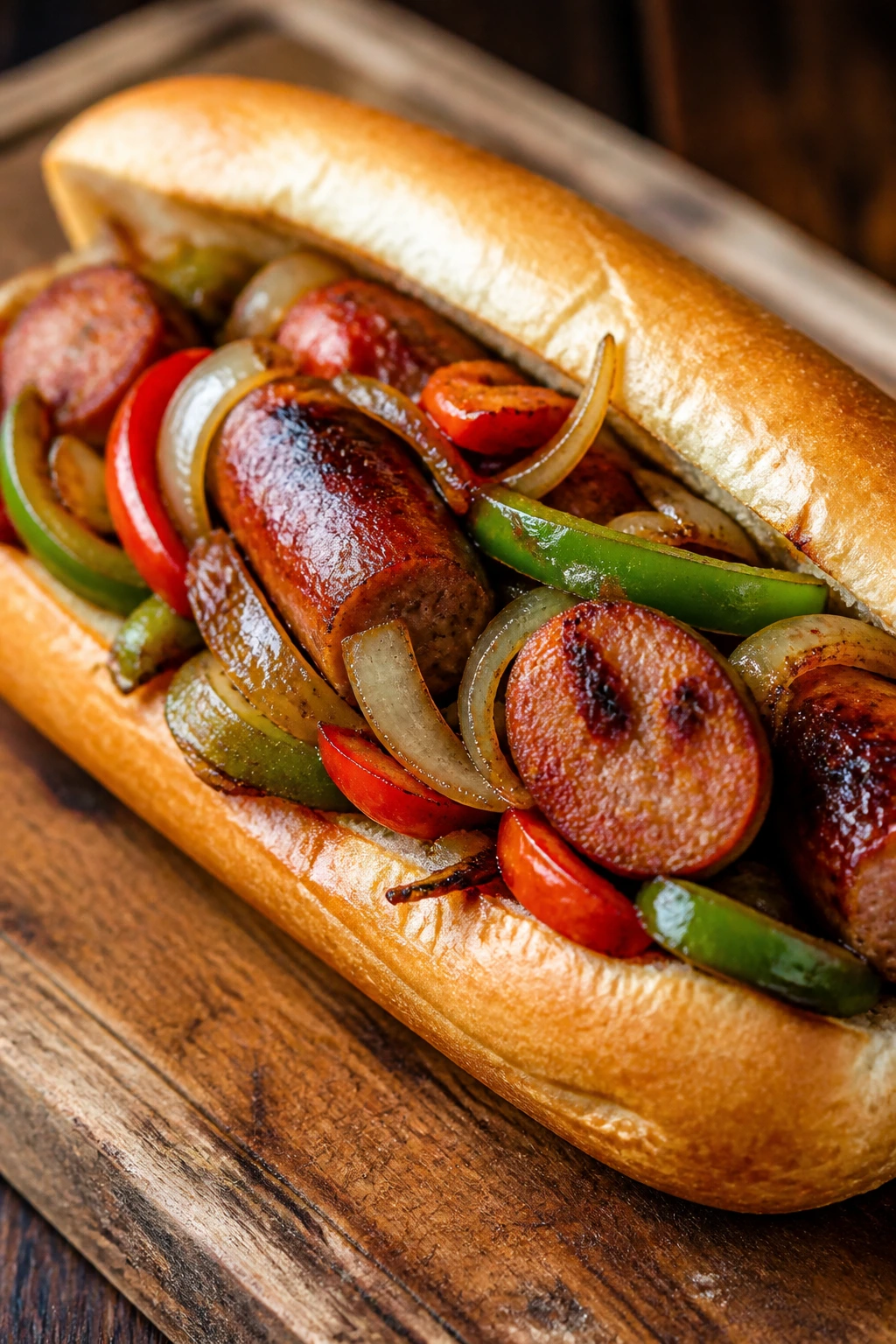
The smell alone can pull people into the kitchen. Sweet peppers, onions, browned sausage, hot bread. It’s an old-school sandwich dinner, but it still earns its keep because it’s quick and deeply satisfying. No one leaves the table hunting for a snack afterward.
Why it works: Sausage brings built-in fat and seasoning, which means the peppers and onions pick up flavor as they cook in the same pan. A splash of broth keeps the vegetables from sticking, and marinara gives the filling a little sauce without turning it soupy. Broiling the rolls for a minute at the end gives you the good part: crisp edges and melted cheese.
Key Ingredients:
- 1½ lbs Italian sausage links
- 2 tablespoons olive oil
- 2 bell peppers, sliced into strips
- 1 large yellow onion, sliced
- ½ cup low-sodium chicken broth
- 1 cup marinara sauce
- 6 hoagie rolls
- 6 slices provolone cheese
- 1 teaspoon dried oregano
- Salt and black pepper, to taste
Quick Steps:
- Heat 1 tablespoon olive oil in a large skillet over medium-high heat. Brown the sausage for 6 to 8 minutes total, turning until colored on most sides. Remove it to a plate.
- Add the remaining oil, peppers, and onion to the pan. Cook for 5 minutes, stirring now and then, until the vegetables start to soften.
- Slice the sausage into thick coins and return it to the skillet.
- Pour in the broth and marinara, sprinkle in oregano, and simmer for 4 minutes until the sauce clings to everything.
- Split the rolls and fill them with the sausage mixture. Top each one with provolone.
- Broil for 1 to 2 minutes, until the cheese melts and the edges of the bread toast.
Tips and Variations:
- Hot Italian sausage gives more kick; sweet sausage keeps it kid-friendly.
- Hoagie rolls are best here, but sturdy sandwich buns will do.
- Serve with a quick cucumber salad if you want something cold on the side.
6. Teriyaki Salmon with Snap Peas
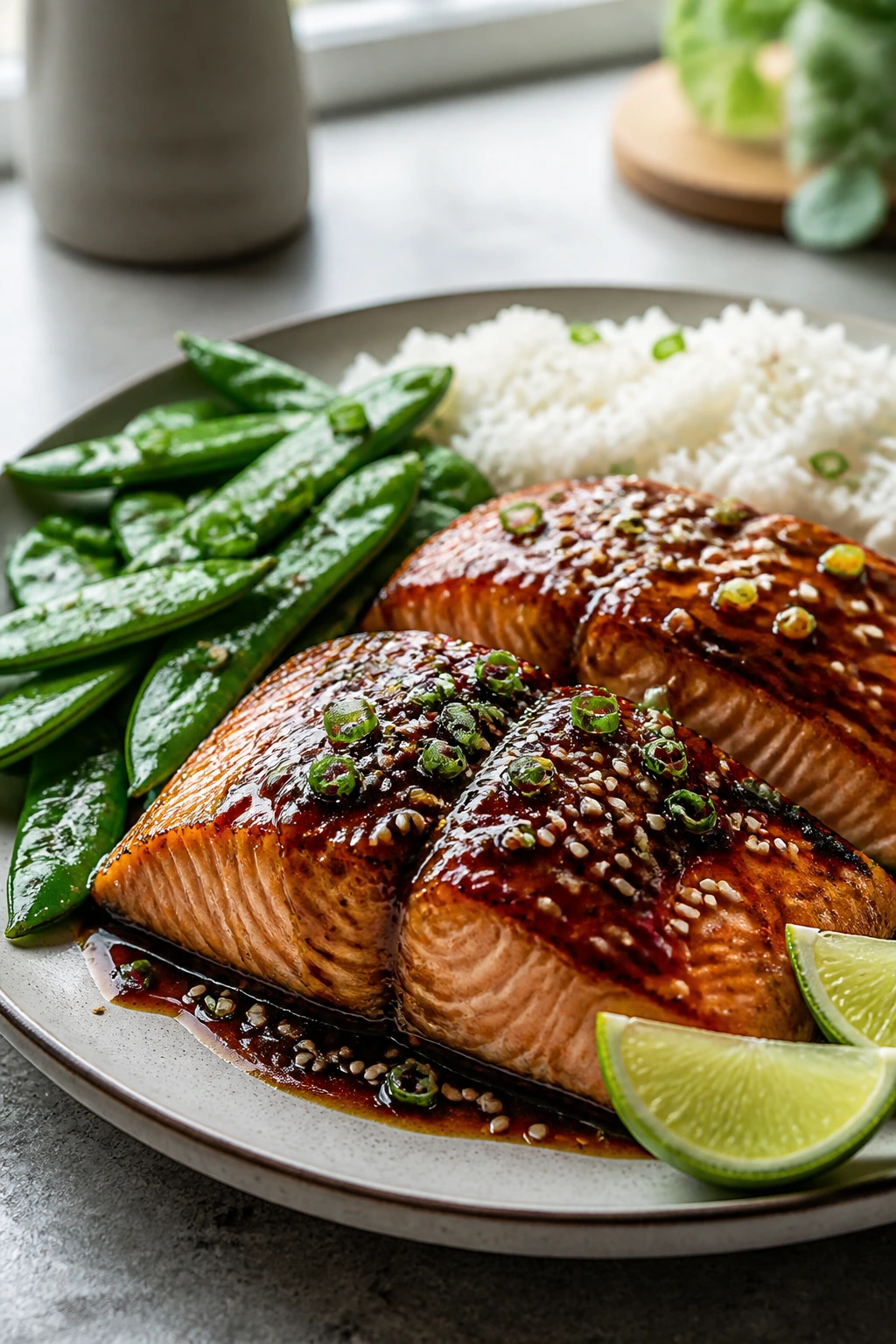
Salmon does not need much to feel complete, which is exactly why it belongs on a school-night list. A brush of teriyaki, a pan of crisp snap peas, and a bowl of rice. That’s enough. And when the fish flakes in big, juicy pieces, the whole meal feels more thoughtful than the clock suggests.
Why it works: Salmon cooks fast at high heat, and its fatty flesh handles strong flavor better than lean fish does. Snap peas roast or sauté in the same short window, so they stay snappy instead of dull. Teriyaki sauce gives sweet-salty depth, but brushing it on toward the end keeps the sugars from scorching.
Key Ingredients:
- 4 salmon fillets, about 6 oz each
- 1 tablespoon olive oil
- 1 cup snap peas, trimmed
- ⅓ cup teriyaki sauce
- 1 tablespoon low-sodium soy sauce
- 1 teaspoon sesame oil
- 2 cups cooked rice
- 2 scallions, thinly sliced
- 1 tablespoon sesame seeds
- Lime wedges, for serving
Quick Steps:
- Heat the oven to 425°F and line a rimmed baking sheet with foil or parchment.
- Toss the snap peas with olive oil and spread them around the edges of the sheet pan.
- Place the salmon in the center, skin-side down if it has skin. Brush the tops with teriyaki sauce mixed with soy sauce and sesame oil.
- Roast for 10 to 12 minutes, until the salmon flakes easily and reaches 145°F in the thickest part.
- Warm the rice while the fish cooks.
- Serve the salmon over rice with snap peas, scallions, sesame seeds, and a squeeze of lime.
Tips and Variations:
- Broil for the last minute if you want a little caramelized top.
- Swap snap peas for asparagus if that’s easier to find.
- A little grated ginger in the teriyaki adds extra bite.
7. Sheet Pan Chicken Fajitas
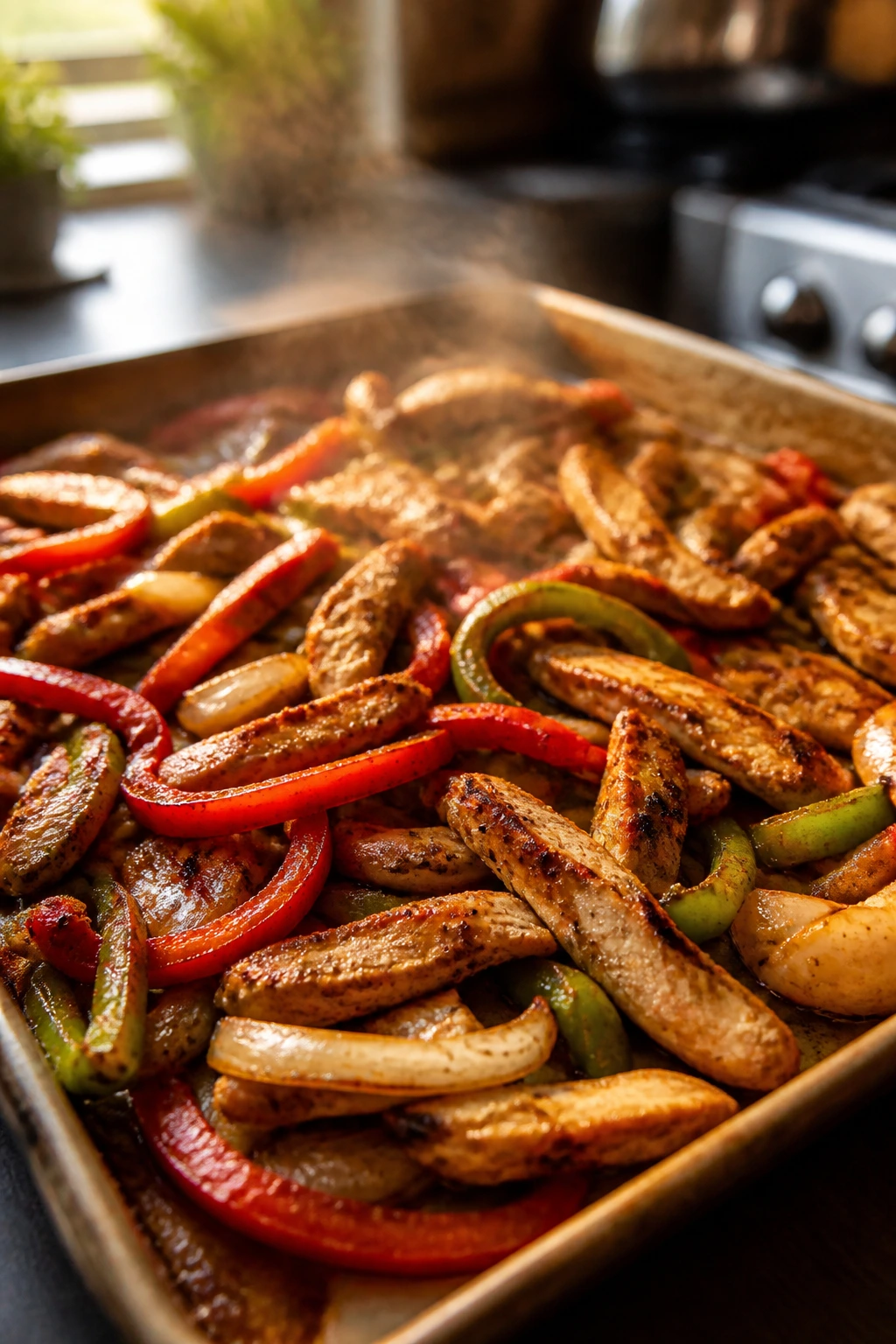
When dinner needs to land fast, a sheet pan is the right kind of boring. It chops down the dishes, it keeps the vegetables from getting mushy, and it gives you those browned edges that make fajitas taste like they came from a hotter kitchen than yours probably is.
Why it works: Thin strips of chicken and vegetables roast at the same rate, so nothing waits around and dries out. The spice mix coats the whole pan instead of clumping in one corner, which means every bite tastes seasoned. A brief broil at the end gives the peppers a little char, and that matters more than people think.
Key Ingredients:
- 1½ lbs boneless, skinless chicken breasts or thighs, sliced into thin strips
- 3 bell peppers, sliced
- 1 large onion, sliced
- 2 tablespoons olive oil
- 2 teaspoons chili powder
- 1 teaspoon ground cumin
- 1 teaspoon smoked paprika
- ½ teaspoon garlic powder
- 1 teaspoon kosher salt
- ¼ teaspoon black pepper
- 1 lime, cut into wedges
- 8 small tortillas
- Sour cream and avocado, for serving
Quick Steps:
- Heat the oven to 425°F and line a sheet pan with parchment.
- Toss the chicken, peppers, onion, olive oil, chili powder, cumin, paprika, garlic powder, salt, and pepper in a large bowl.
- Spread everything on the pan in a single layer. Crowding leads to steaming, not browning.
- Roast for 16 to 18 minutes, stirring once halfway through, until the chicken reaches 165°F.
- Broil for 1 to 2 minutes if you want the vegetables to char at the edges.
- Squeeze lime over the pan, then serve with warm tortillas and toppings.
Tips and Variations:
- Use thighs if you want richer flavor and a little more forgiveness.
- Add sliced zucchini or mushrooms if you want more vegetables.
- Warm the tortillas directly over a gas flame or in a dry skillet for better texture.
8. Chickpea Coconut Curry
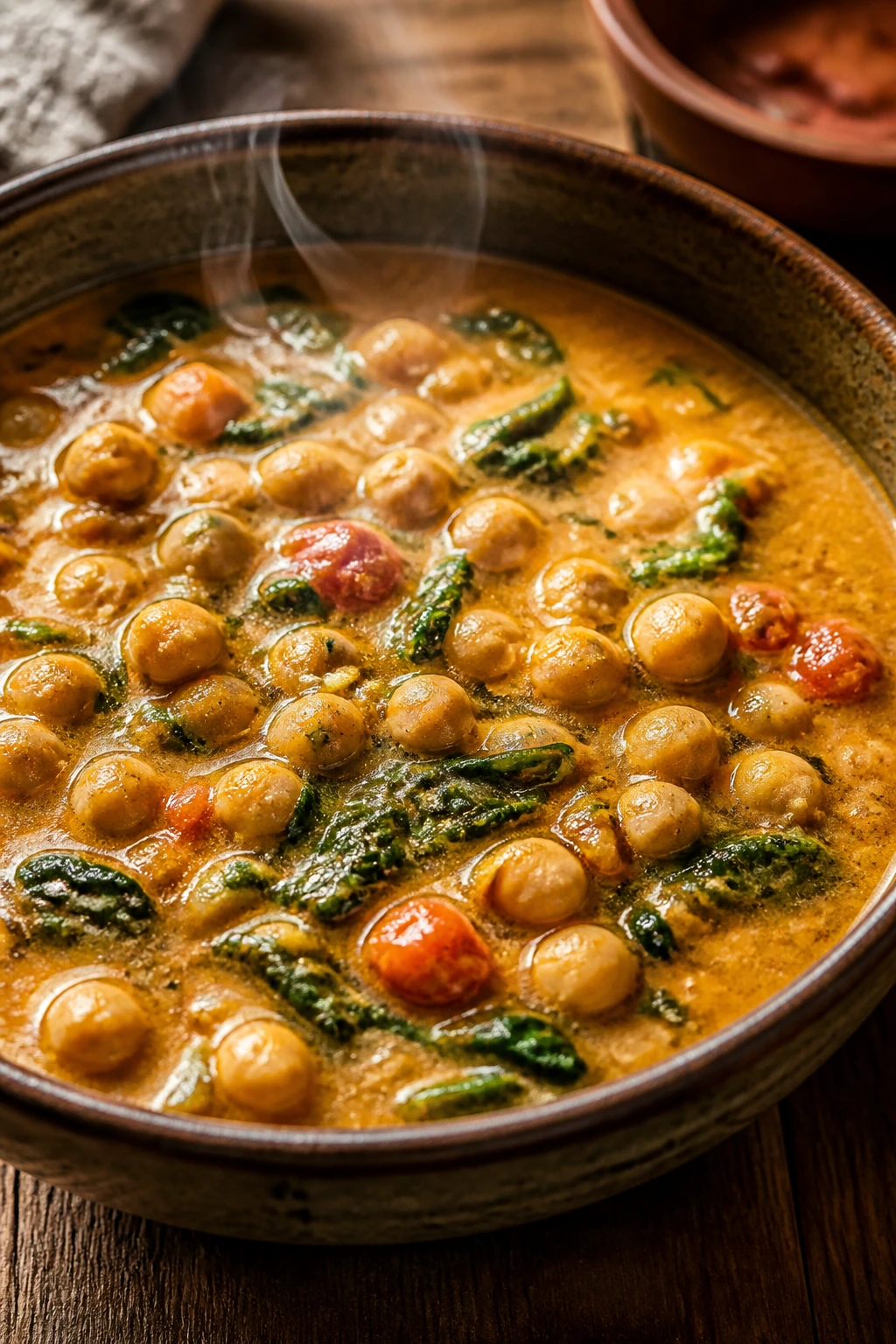
This is the kind of dinner that makes a pantry feel smarter than a full fridge. Chickpeas, coconut milk, curry, spinach, rice. That’s the backbone, and it holds up even when your produce drawer looks half-empty. It’s also one of those meals that tastes better than its ingredient list suggests.
Why it works: Chickpeas are sturdy enough to simmer without breaking apart, so they absorb the curry flavor while keeping their shape. Coconut milk rounds out sharp spices and gives the sauce body without needing cream. Spinach disappears into the pot at the end, which means you get some greens in the bowl without a lot of extra work.
Key Ingredients:
- 2 cans (15 oz each) chickpeas, drained and rinsed
- 1 tablespoon olive oil
- 1 small onion, diced
- 3 cloves garlic, minced
- 1 tablespoon fresh ginger, grated
- 2 tablespoons curry powder or 1½ tablespoons curry paste
- 1 can (13.5 oz) coconut milk
- 1 can (14.5 oz) diced tomatoes
- 1 cup low-sodium vegetable broth
- 4 cups baby spinach
- 2 cups cooked rice
- Salt, to taste
- Fresh cilantro, for serving
Quick Steps:
- Heat the olive oil in a large skillet or saucepan over medium heat. Add the onion and cook for 4 minutes.
- Stir in the garlic, ginger, and curry powder. Cook for 30 seconds until fragrant.
- Add the chickpeas, coconut milk, diced tomatoes, and broth. Bring to a simmer.
- Cook for 10 minutes, stirring now and then, until the sauce thickens a little.
- Add the spinach and stir until wilted, about 1 minute.
- Taste and salt as needed, then serve over rice with cilantro.
Tips and Variations:
- A squeeze of lime at the end sharpens the whole dish.
- Stir in cauliflower florets or diced sweet potato if you want more bulk.
- Use naan for scooping if rice feels like too much work.
9. Pesto Pasta with White Beans and Tomatoes
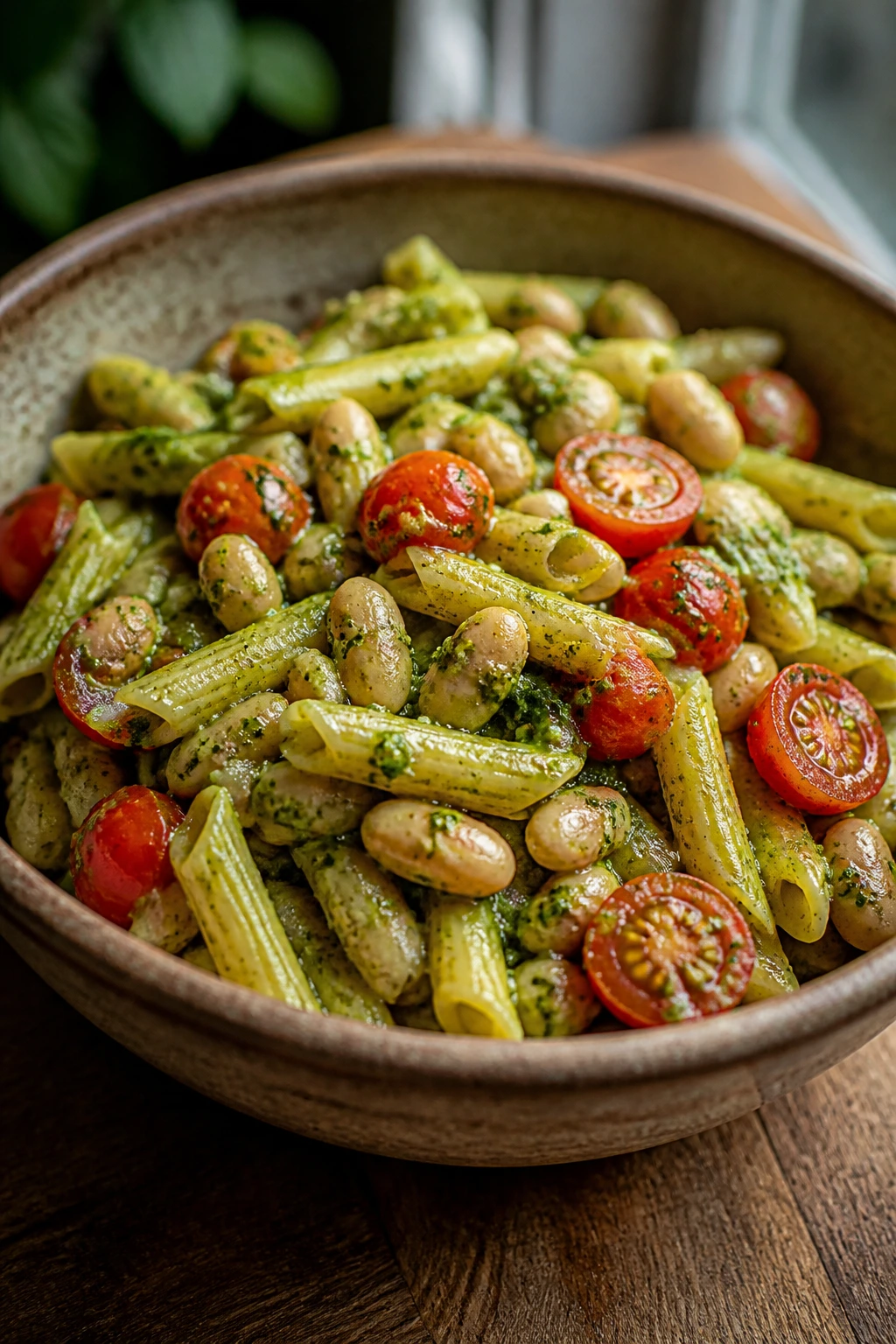
Cold-weather pasta gets all the glory, but a bright pesto bowl can save a tiring evening just as well. The trick here is not overthinking it. You cook the pasta, warm the tomatoes, toss in beans and pesto, and call it dinner before the room gets restless.
Why it works: Pesto coats pasta quickly because it already has oil, herbs, and cheese built in. White beans make the dish feel more substantial without adding extra cooking time, and cherry tomatoes burst just enough in the warm pan to give you fresh, juicy pockets. A little pasta water loosens the sauce so it clings instead of sitting in a greasy layer.
Key Ingredients:
- 12 oz pasta, such as rotini, penne, or fusilli
- 1 tablespoon olive oil
- 2 cups cherry tomatoes, halved
- 1 can (15 oz) cannellini beans, drained and rinsed
- 1 cup basil pesto
- 1 cup baby spinach or arugula
- ½ cup grated parmesan
- ¼ cup reserved pasta water
- 1 lemon, cut into wedges
- Salt and black pepper, to taste
Quick Steps:
- Boil the pasta in well-salted water until al dente. Reserve ¼ cup pasta water before draining.
- Heat the olive oil in the same pot over medium heat. Add the tomatoes and cook for 2 minutes, just until they start to soften.
- Stir in the beans and warm them for 1 minute.
- Add the drained pasta, pesto, spinach, and reserved pasta water. Toss until the sauce coats everything.
- Stir in the parmesan and season with pepper.
- Serve with lemon wedges for a bright finish.
Tips and Variations:
- Add shredded rotisserie chicken if you want more protein.
- Sun-dried tomatoes work too, though the flavor gets deeper and saltier.
- Leftovers are good cold the next day, which is not always true of pasta.
10. Pork Fried Rice with Frozen Veggies
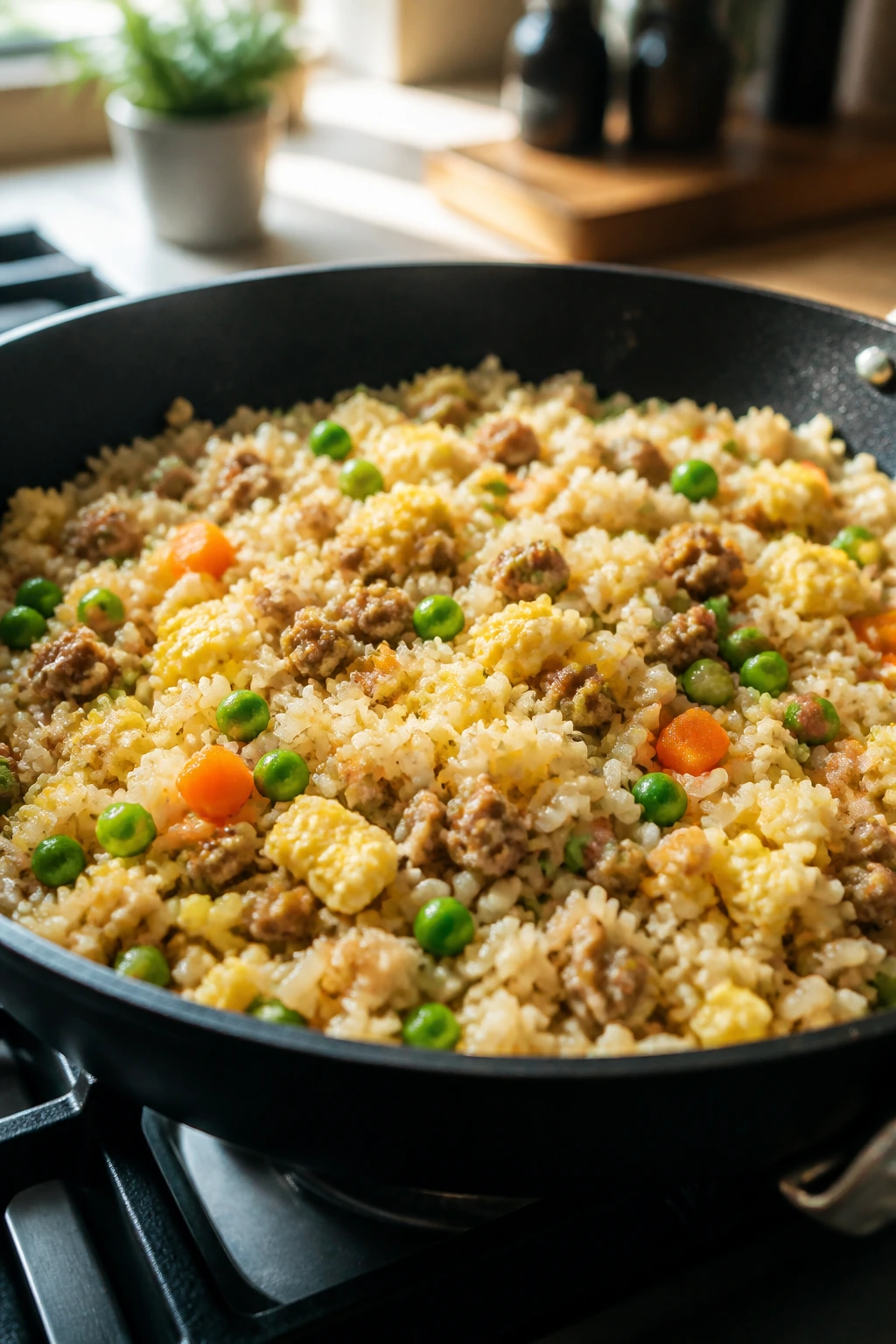
Fried rice is a leftover rescue mission that stopped being a backup plan and turned into a proper dinner. The key is cold rice and a hot pan. Without those two things, you get mush. With them, you get the best kind of fast comfort food: salty, savory, and gone in minutes.
Why it works: Day-old rice dries out just enough to fry instead of clump, so each grain picks up flavor. Ground pork cooks quickly and brings enough fat to coat the pan, which helps the eggs and vegetables move around without sticking. Frozen vegetables are the right move here because they’re already chopped and they don’t complain.
Key Ingredients:
- 3 cups cold cooked white rice
- 1 lb ground pork
- 2 tablespoons neutral oil
- 2 eggs, lightly beaten
- 2 cups frozen peas and carrots
- 3 scallions, sliced
- 3 tablespoons soy sauce
- 1 tablespoon oyster sauce
- 2 cloves garlic, minced
- 1 teaspoon sesame oil
- Salt and black pepper, to taste
Quick Steps:
- Heat 1 tablespoon oil in a large skillet or wok over medium-high heat. Add the pork and cook for 5 minutes, breaking it up, until browned.
- Push the pork to one side and pour in the eggs. Scramble them for 30 to 45 seconds, then mix them with the pork.
- Add the remaining oil, garlic, and frozen vegetables. Cook for 2 minutes until the vegetables are hot.
- Add the rice, breaking up any clumps with a spatula.
- Stir in the soy sauce, oyster sauce, and sesame oil. Cook for 2 to 3 minutes, until everything is hot and slightly crisp.
- Finish with scallions and black pepper.
Tips and Variations:
- Use ham or diced chicken instead of pork if that’s already in the fridge.
- A splash of water can loosen rice that’s too dry to move.
- Keep the heat fairly high. Low heat gives you sad rice.
11. Black Bean Quesadillas with Corn and Cheese
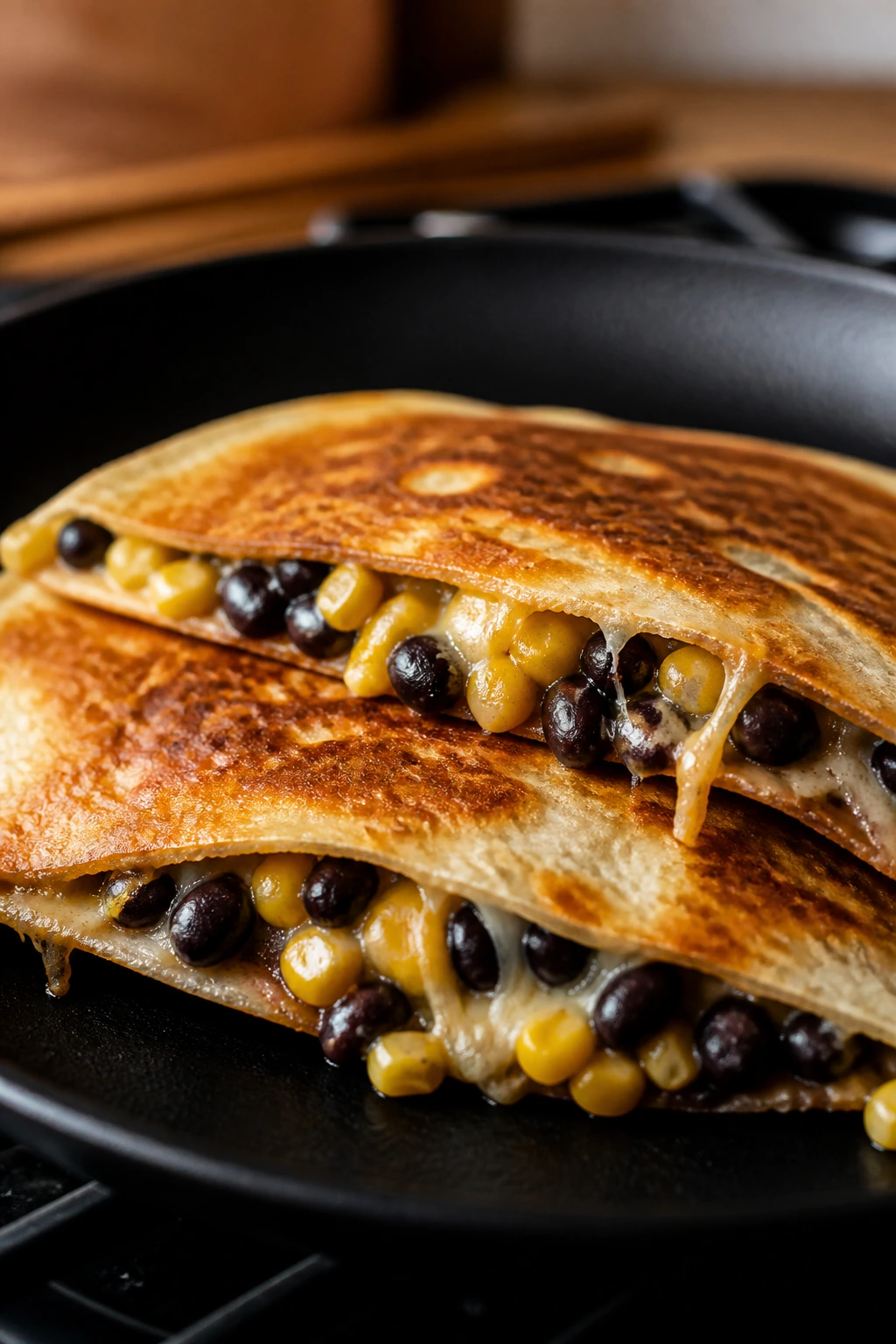
Quesadillas get dismissed as kid food by people who don’t know how to build one properly. A good one has a crisp tortilla, seasoned filling, and cheese that melts all the way to the edge. These hit that mark, and they do it without turning the stove into a project.
Why it works: Black beans mash just enough to hold the filling together, while corn adds sweetness and little pops of texture. Cheese acts as the glue, so the quesadillas slice cleanly instead of spilling all over the pan. A little salsa mixed into the beans keeps the inside from tasting dry, which is the usual failure point.
Key Ingredients:
- 2 cans (15 oz each) black beans, drained and rinsed
- 1 cup frozen or canned corn, drained
- 2 cups shredded cheddar or Monterey Jack
- 8 small flour tortillas
- 2 tablespoons salsa
- 1 teaspoon ground cumin
- 1 teaspoon chili powder
- 2 tablespoons butter or oil, for the pan
- 1 avocado, sliced
- Sour cream, for serving
Quick Steps:
- In a bowl, mash about half the black beans with the salsa, cumin, and chili powder.
- Stir in the remaining beans and the corn.
- Heat a large skillet over medium heat and add a little butter or oil.
- Lay down a tortilla, sprinkle on cheese, spoon on the bean mixture, then add a little more cheese before topping with a second tortilla or folding in half.
- Cook for 2 to 3 minutes per side, until the tortilla is golden and the cheese has melted.
- Slice into wedges and serve with avocado and sour cream.
Tips and Variations:
- Add chopped spinach for extra greens; it disappears once the cheese melts.
- A little crumbled queso fresco gives a saltier finish.
- Serve with tomato soup if you want the dinner to feel more substantial.
12. Shrimp Scampi with Linguine
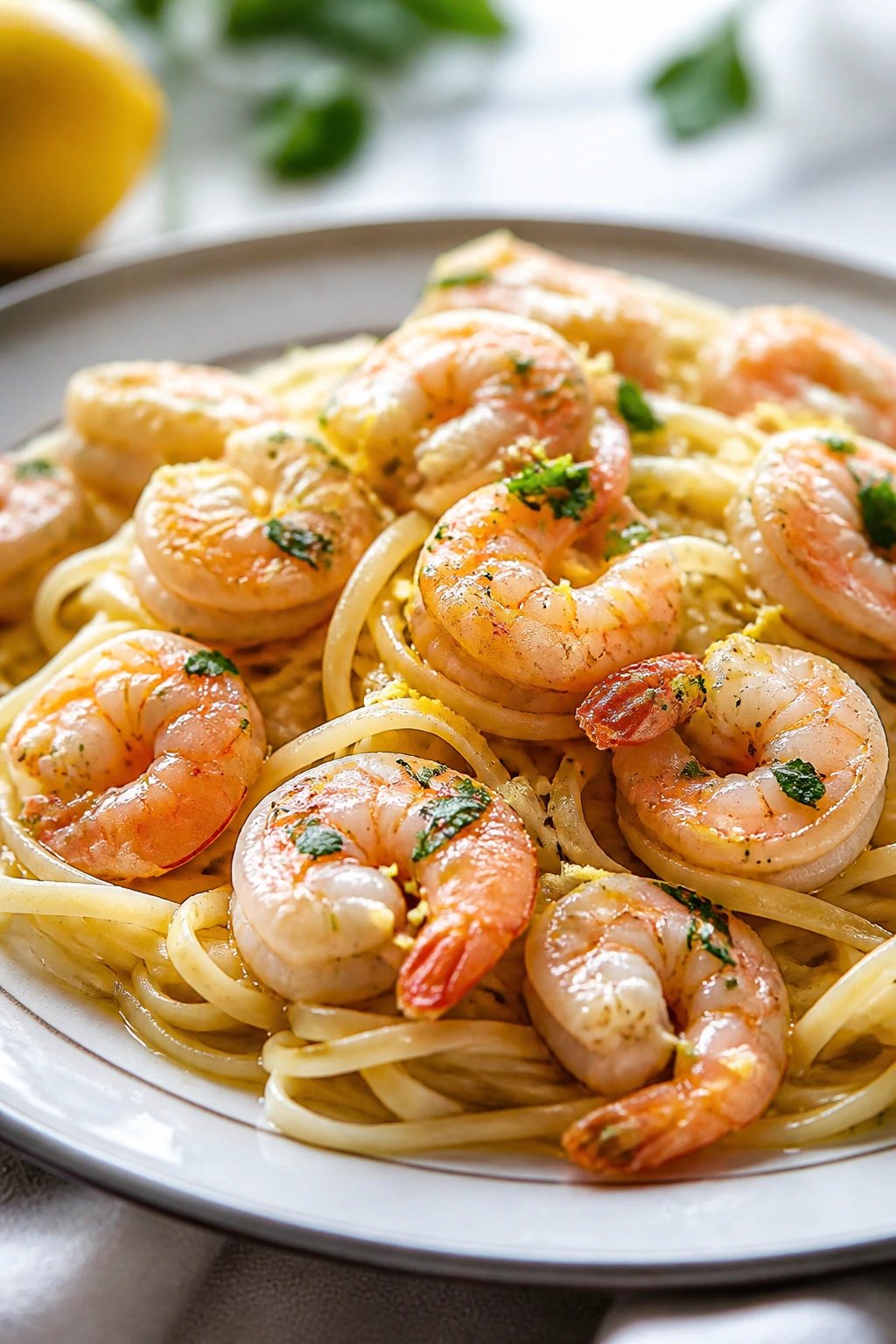
Shrimp scampi is the rare fast dinner that still feels like a treat. Garlic, butter, lemon, a little white wine or broth. That’s the whole trick. The shrimp cook in a flash, which is handy, because shrimp punish overcooking faster than almost anything else.
Why it works: Shrimp only need a couple of minutes per side, so the entire dish stays quick from start to finish. The pasta water gives the sauce enough starch to cling to the noodles, and the garlic-butter base tastes rich without needing cream. Lemon keeps the whole thing from feeling heavy.
Key Ingredients:
- 1 lb linguine
- 1½ lbs large shrimp, peeled and deveined
- 4 tablespoons unsalted butter
- 2 tablespoons olive oil
- 5 cloves garlic, minced
- ½ cup dry white wine or low-sodium chicken broth
- 1 lemon, zested and juiced
- ¼ teaspoon red pepper flakes
- 2 tablespoons chopped parsley
- Salt and black pepper, to taste
Quick Steps:
- Cook the linguine in salted water until al dente. Reserve 1 cup pasta water before draining.
- Pat the shrimp dry and season them lightly with salt and pepper.
- Heat the butter and olive oil in a large skillet over medium-high heat. Add the shrimp and cook for 1 to 2 minutes per side, until pink and just opaque. Remove them to a plate.
- Add the garlic and red pepper flakes to the pan and cook for 30 seconds.
- Pour in the wine or broth and lemon juice, scraping up the browned bits. Simmer for 2 minutes.
- Add the pasta, shrimp, parsley, and a splash of pasta water. Toss until glossy, then serve.
Tips and Variations:
- If the sauce looks tight, add pasta water a tablespoon at a time.
- A handful of baby spinach can go in at the end if you want greens.
- Do not walk away from the shrimp. They go from perfect to rubbery fast.
13. Meatball Couscous Bowls
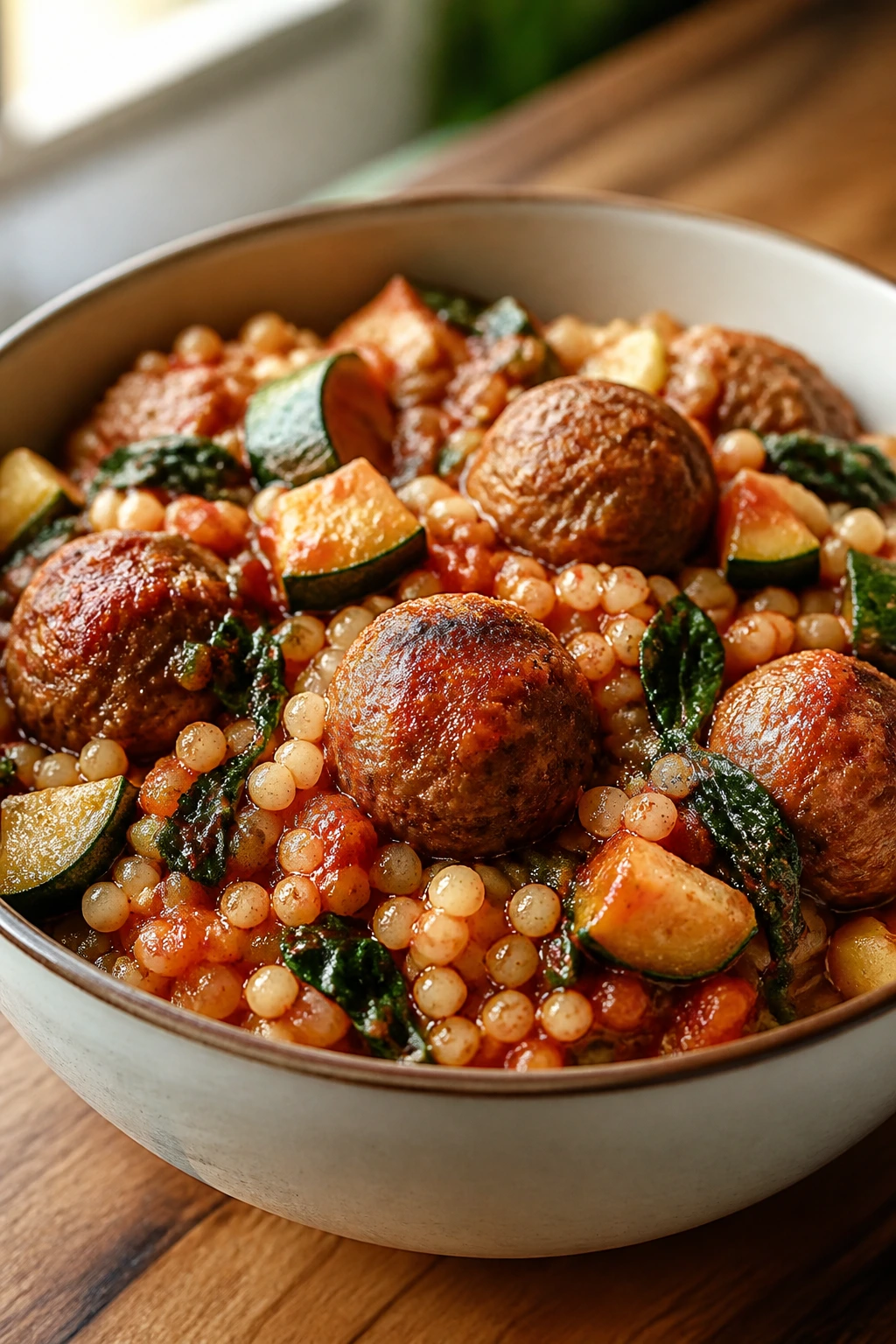
This is the dinner I make when I want the table to feel a little more put together than the clock would suggest. Couscous cooks fast, meatballs bring immediate heft, and the sauce ties it all together without making you wait for a long simmer. Easy, but not boring.
Why it works: Pearl couscous has a chewy bite that stands up to sauce, unlike tiny pasta that can go soft in a hurry. Fully cooked meatballs save time and still absorb flavor once they warm in marinara. Zucchini and spinach add enough vegetables to keep the bowl from feeling one-note.
Key Ingredients:
- 1 package fully cooked frozen meatballs, about 20 oz
- 1 tablespoon olive oil
- 1 zucchini, diced
- 2 cloves garlic, minced
- 1 cup pearl couscous
- 2 cups marinara sauce
- 1 cup low-sodium chicken broth
- 2 cups baby spinach
- ½ cup shredded mozzarella
- 2 tablespoons grated parmesan
- Fresh basil, for serving
Quick Steps:
- Heat the olive oil in a deep skillet over medium heat. Add the zucchini and cook for 4 minutes, until lightly browned.
- Stir in the garlic and couscous. Toast for 1 minute.
- Add the marinara, broth, and meatballs. Bring to a simmer, cover, and cook for 8 minutes, stirring once or twice.
- Uncover, stir in the spinach, and cook for 1 minute until wilted.
- Sprinkle mozzarella and parmesan on top, then cover for 1 more minute to melt.
- Serve with basil over the top.
Tips and Variations:
- Use turkey meatballs if you want a lighter flavor.
- A pinch of crushed red pepper gives the sauce some heat.
- If the couscous drinks up the liquid too fast, splash in a little extra broth.
14. Greek Chicken Pita Pockets
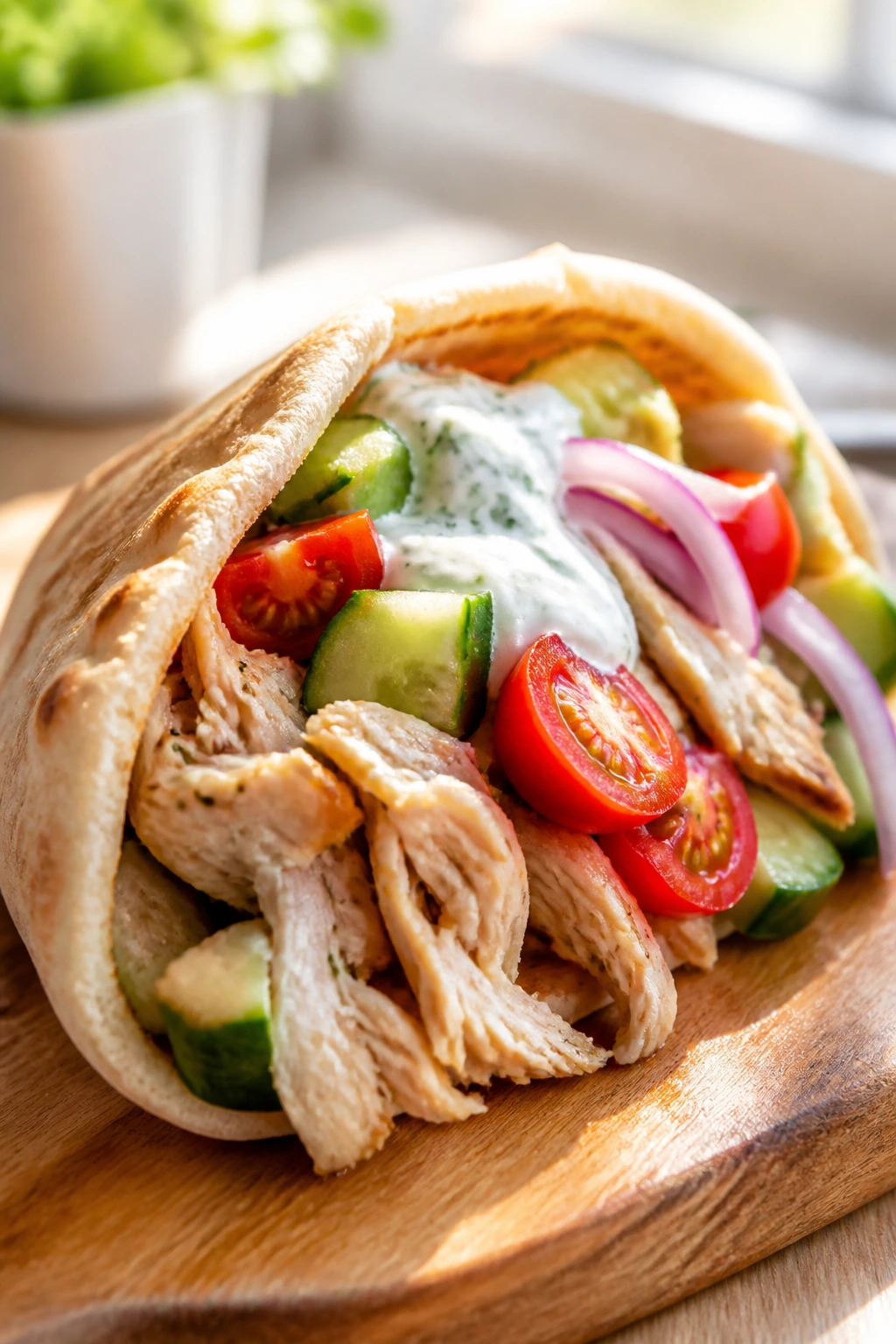
Some dinners are better when everybody builds their own plate. Pita pockets fit that mood perfectly. Warm chicken, crisp cucumber, tomatoes, yogurt sauce, feta. It’s cool, salty, and fresh enough to reset a long day without feeling like rabbit food.
Why it works: Rotisserie chicken gives you a head start, which is the whole point here. A quick lemon-oregano toss wakes it up, while the yogurt sauce gives creaminess without a long marinade. The vegetables stay raw and crunchy, so the contrast is part of the appeal.
Key Ingredients:
- 2 cups shredded rotisserie chicken
- 1 tablespoon olive oil
- 1 teaspoon dried oregano
- 1 lemon, juiced
- 4 pita breads
- 1 cucumber, diced
- 1 pint cherry tomatoes, halved
- ½ red onion, thinly sliced
- 1 cup plain Greek yogurt
- 1 garlic clove, grated
- ½ cup crumbled feta
- 2 tablespoons chopped dill
- Salt and black pepper, to taste
Quick Steps:
- Mix the Greek yogurt, garlic, dill, a little lemon juice, salt, and pepper in a small bowl.
- Warm the olive oil in a skillet over medium heat, then add the chicken, oregano, and remaining lemon juice. Cook for 2 to 3 minutes until hot.
- Warm the pita breads in a dry skillet or wrapped in foil in the oven.
- Toss the cucumber, tomatoes, and onion with a pinch of salt.
- Stuff each pita with chicken, vegetables, yogurt sauce, and feta.
- Serve immediately before the bread cools and stiffens.
Tips and Variations:
- Add chopped lettuce if you want more crunch.
- Swap feta for shredded mozzarella if your crowd prefers milder cheese.
- The yogurt sauce also works as a dip for carrots and peppers.
15. One-Pan Gnocchi with Sausage and Kale
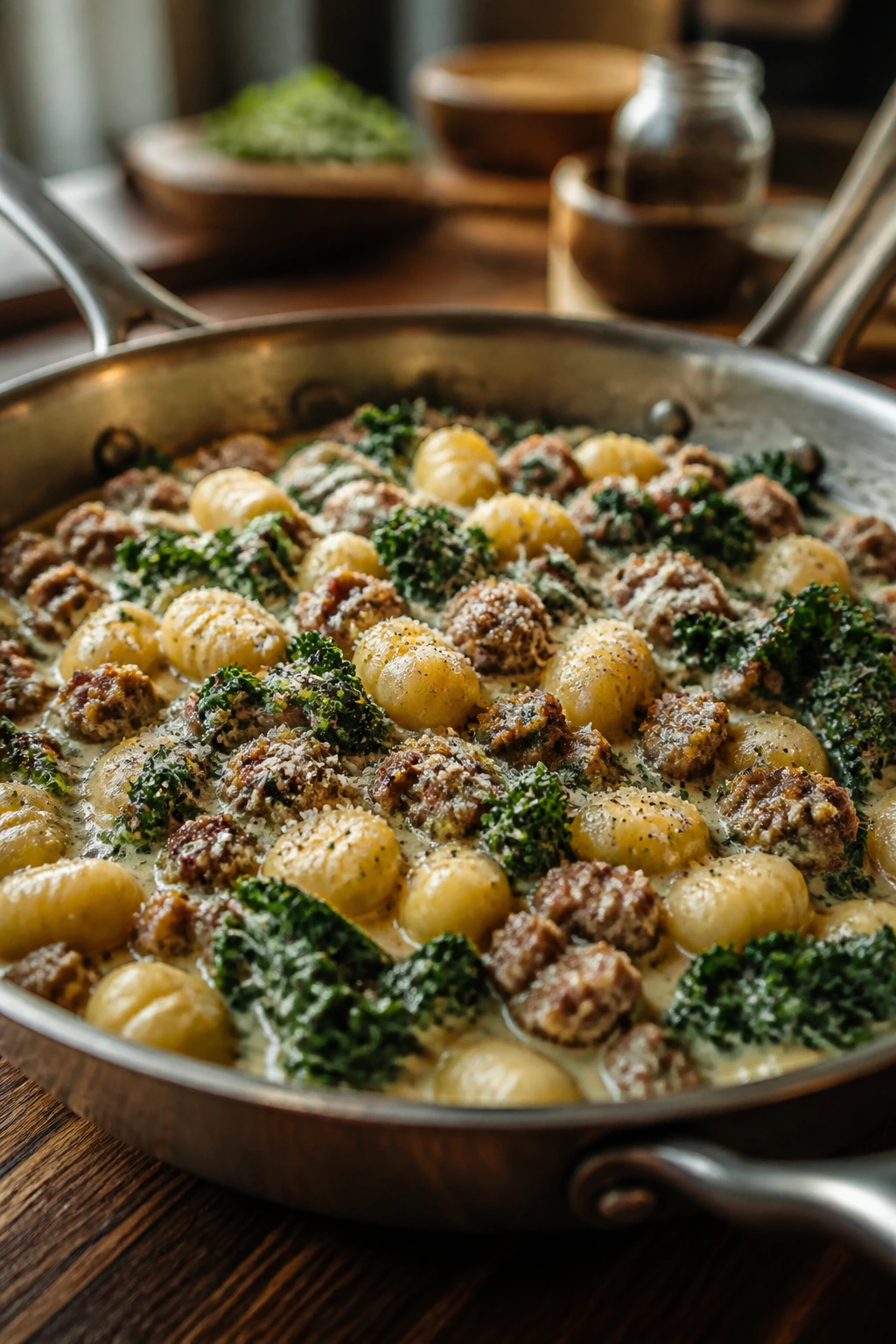
Shelf-stable gnocchi is one of the smartest things to keep in the pantry. It cooks fast, turns tender in a skillet, and soaks up whatever sauce it lands in. Put it with sausage and kale, and dinner starts to feel far more deliberate than it is.
Why it works: Gnocchi softens in just a few minutes, which means you can build the whole dish in one pan without boiling water first. Sausage gives the sauce flavor from the start, and kale holds up better than spinach when everything simmers together. A little cream and parmesan make the pan feel cohesive instead of greasy.
Key Ingredients:
- 1 lb Italian sausage, casings removed
- 1 tablespoon olive oil
- 1 small onion, chopped
- 3 cloves garlic, minced
- 1 lb shelf-stable gnocchi
- 1 bunch kale, stems removed and leaves chopped
- 1 cup low-sodium chicken broth
- ½ cup heavy cream
- ½ cup grated parmesan
- Salt and black pepper, to taste
- Red pepper flakes, optional
Quick Steps:
- Heat the olive oil in a large skillet over medium-high heat. Add the sausage and cook for 5 minutes, breaking it apart until browned.
- Add the onion and cook for 3 minutes until softened.
- Stir in the garlic and gnocchi, letting the gnocchi pick up a little color for 1 minute.
- Pour in the broth and add the kale. Cover and simmer for 4 minutes.
- Stir in the cream and parmesan. Cook uncovered for 1 to 2 minutes, until the sauce coats the gnocchi.
- Season with pepper and red pepper flakes if you want a little heat.
Tips and Variations:
- Use sweet sausage for a milder, kid-friendlier skillet.
- A squeeze of lemon at the end cuts the richness.
- Add mushrooms with the onion if you want more depth.
16. Veggie Frittata with a Side Salad
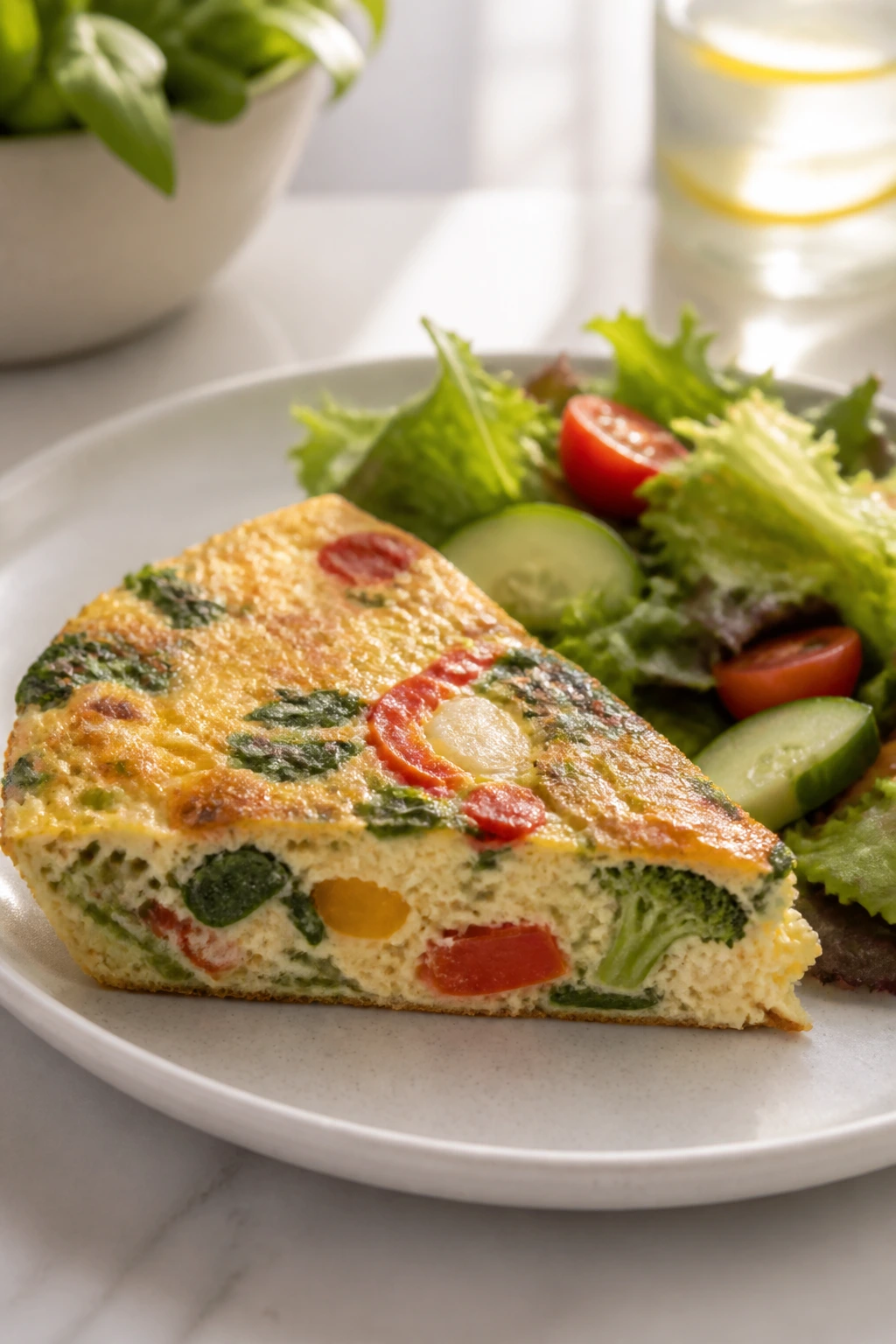
Eggs do not get enough credit as a weeknight dinner base. They’re fast, cheap, and better than a lot of rushed alternatives when you give them some vegetables and a little cheese. A frittata also happens to be one of the few dinners that’s good hot, warm, or room temperature.
Why it works: Eggs set quickly in a skillet, and the oven finish gives you a firm top without overcooking the bottom. The vegetables are cooked first, so they release less water into the eggs. That keeps the texture tender instead of watery, which is the line you do not want to cross here.
Key Ingredients:
- 8 large eggs
- ¼ cup milk
- 2 tablespoons olive oil
- ½ yellow onion, chopped
- 1 cup bell pepper, diced
- 2 cups baby spinach
- 1 cup cherry tomatoes, halved
- 1 cup shredded cheddar or feta
- 1 teaspoon kosher salt
- ½ teaspoon black pepper
- 2 cups salad greens, for serving
- Simple vinaigrette, for the side salad
Quick Steps:
- Heat the oven to 375°F.
- Whisk the eggs, milk, salt, and pepper in a bowl until smooth.
- Warm the olive oil in an oven-safe skillet over medium heat. Cook the onion and bell pepper for 4 minutes, until softened.
- Add the spinach and tomatoes and cook for 1 minute, just until the spinach wilts.
- Pour the egg mixture into the pan and scatter the cheese on top. Cook on the stove for 2 minutes without stirring.
- Transfer the skillet to the oven and bake for 8 to 10 minutes, until the center is just set and no longer jiggly.
- Serve with a simple side salad.
Tips and Variations:
- Leftover cooked potatoes make this more filling.
- Goat cheese gives a sharper finish than cheddar.
- Let the frittata rest for 5 minutes before slicing so the pieces hold together.
Why These Speedy Dinners Work So Well on School Nights
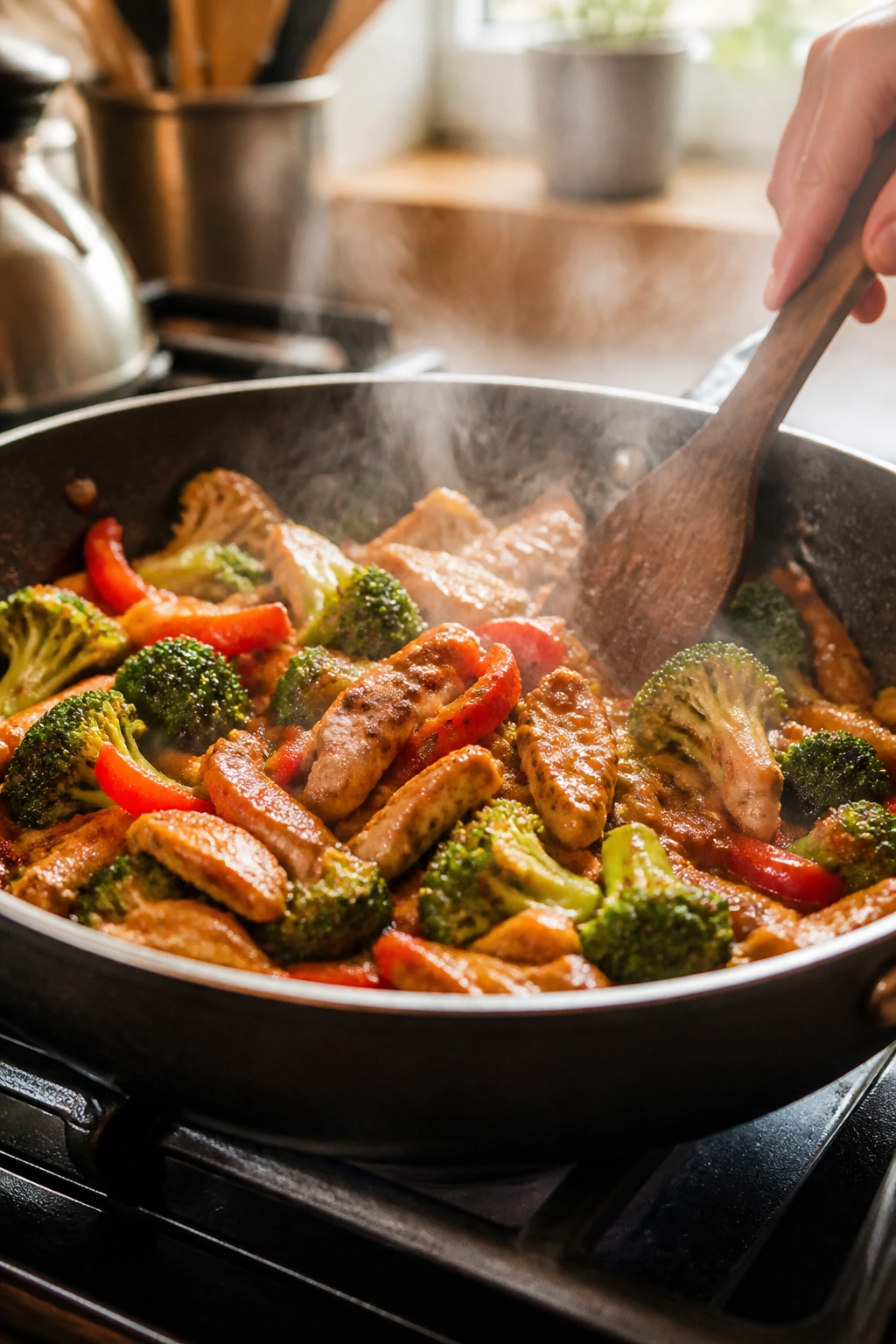
The common thread here is not just speed. It’s structure. Thin proteins cook fast. Pantry sauces carry flavor without a long simmer. Vegetables get chosen for quick tenderness or good roastability, not because they look cheerful in a market basket.
That’s the real trick with school-night cooking: choosing recipes that move at the speed of a tired person with a hungry household. One pan helps. So does one pot. So does knowing that a bag of frozen corn or a jar of pesto can save a dinner without making it feel lazy.
I also like that these meals leave room for a little improvisation. You can swap broccoli for green beans, rice for couscous, sausage for chicken, or spinach for kale. The bones stay the same. That makes the whole thing less fragile, and fragile dinners are where weeknights go to get weird.
Essential Equipment for These Recipes
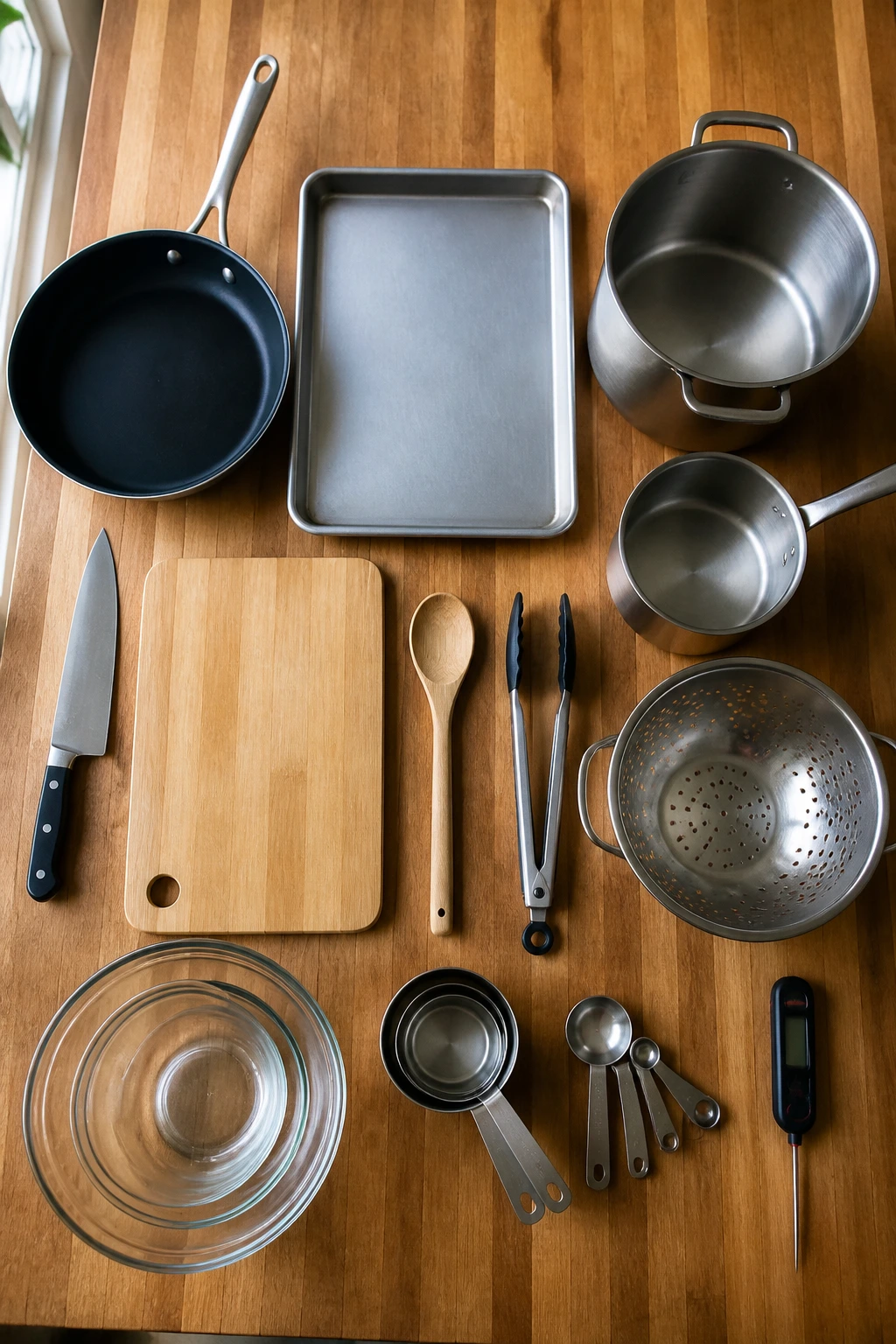
A few tools show up again and again in this kind of cooking. Nothing fancy. Just the things that keep dinner moving.
- 12-inch skillet: Big enough for chicken cutlets, fried rice, fajitas, and quesadillas without overcrowding.
- Large sheet pan: Handy for fajitas, salmon, and any dinner that needs a hot oven to do the heavy lifting.
- Large pot or Dutch oven: Best for tortellini, curry, pasta, and anything saucy.
- Medium saucepan: Useful for rice, couscous, or warming sauce without burning it.
- Sharp chef’s knife: Thin slices matter for steak, peppers, onions, and chicken.
- Cutting board: A sturdy one speeds up prep and keeps you from chopping on a tiny plate.
- Wooden spoon or heatproof spatula: Better than metal for scraping up browned bits and folding saucy dishes.
- Tongs: Great for turning chicken, sausage, shrimp, and salmon without mangling them.
- Colander: Pasta and rice dishes go faster when draining is easy.
- Measuring cups and spoons: Not glamorous. Still necessary for sauces, spice mixes, and consistent results.
- Instant-read thermometer: Especially useful for chicken and salmon, where guessing can ruin dinner.
- Mixing bowls: One small bowl for sauce, one medium bowl for seasoning, and one fewer reason to improvise badly.
Smart Shopping and Ingredient Tips
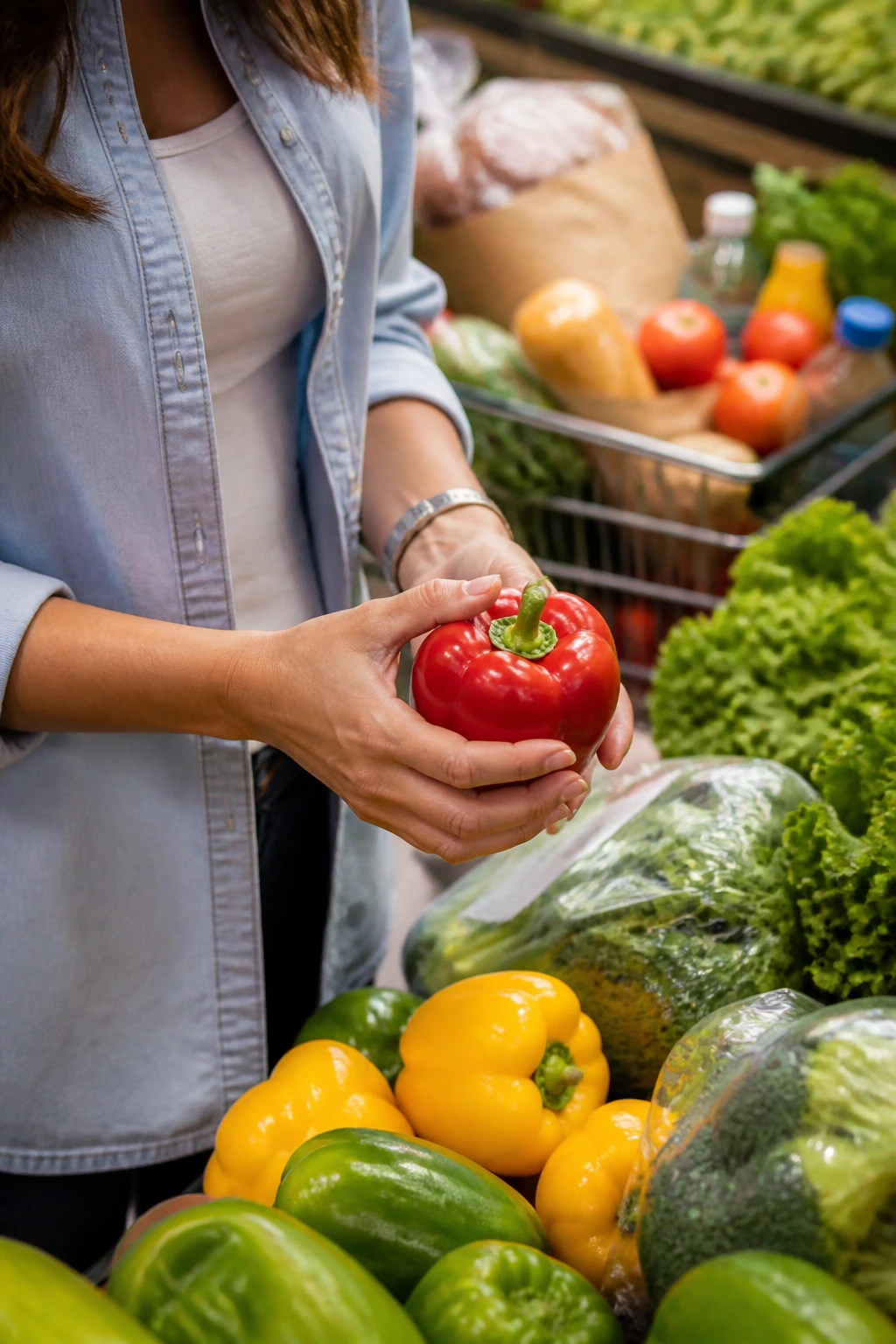
The fastest dinner in the world gets slower when you buy the wrong ingredients. That starts with protein. For chicken, look for cutlets, tenders, or boneless thighs that are already trimmed. For steak, choose a cut that slices thinly across the grain without turning stringy. For salmon, look for fillets that are roughly the same thickness so they finish at the same time.
Frozen vegetables are not a compromise here; they’re a tool. Peas, corn, mixed vegetables, and snap peas save chopping time and often hold texture better than tired fresh produce. Just keep an eye on excess water. If frozen broccoli goes straight into a skillet, let the moisture cook off before you add sauce.
Canned beans, jarred pesto, marinara, salsa, and coconut milk are the backbone of fast cooking. Read the labels. Lower-sodium versions give you more control, especially in dishes that already include cheese, broth, or soy sauce. For pasta, grab shapes with ridges or twists so sauce clings better. For tortillas, choose ones that bend without cracking, because a brittle tortilla is a bad dinner waiting to happen.
Rotisserie chicken deserves a spot in the cart when life is busy. So do good eggs, decent Parmesan, and a bag of rice that cooks reliably. Pantry dinners are only as good as the pantry, and a stocked one makes the whole week easier.
Make-Ahead, Storage, and Reheating Guidance
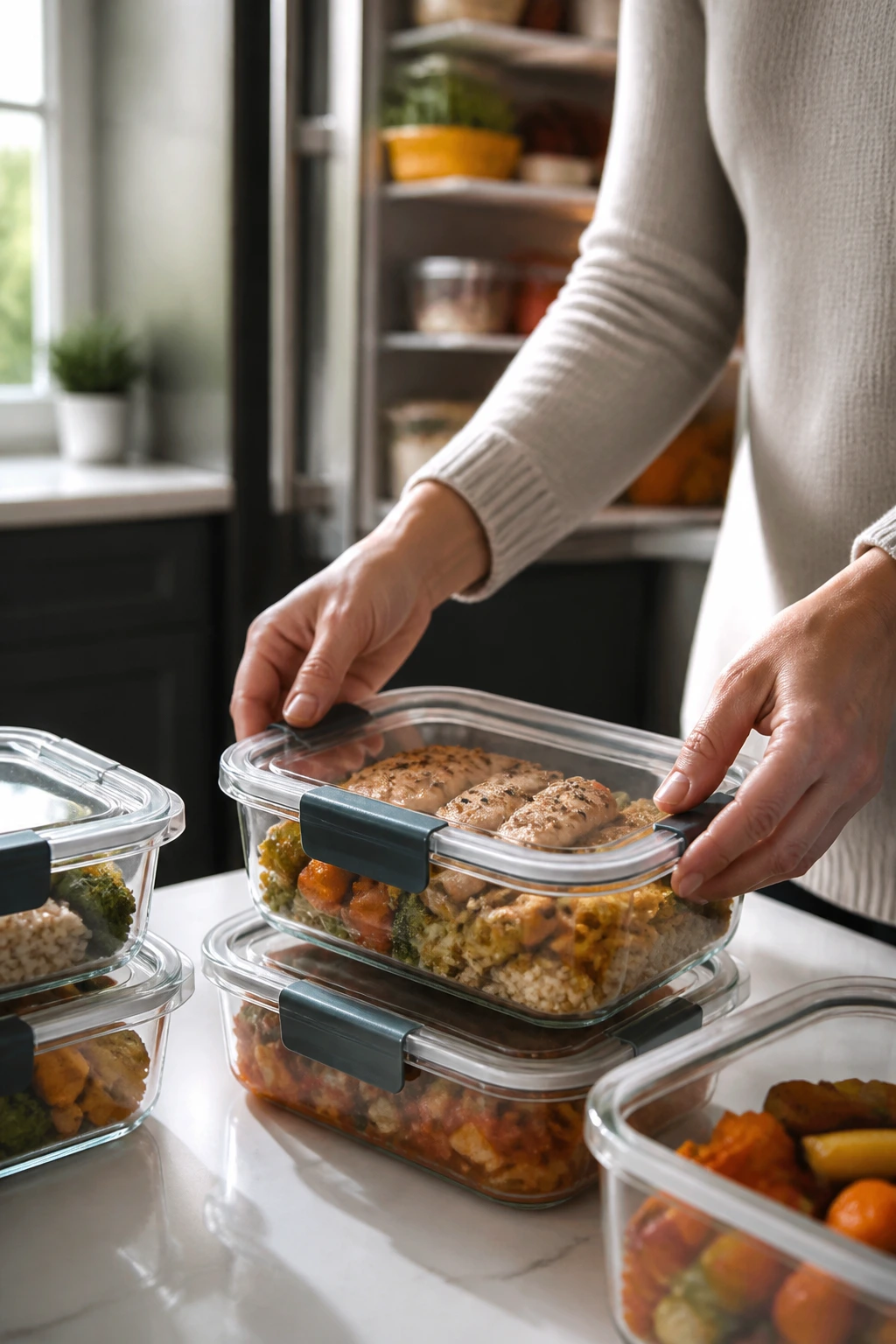
Most of these dishes keep well for 3 to 4 days in the refrigerator in airtight containers. The seafood meals are the exception: shrimp scampi and salmon are best within 2 days, because the texture starts to slide after that. Rice, pasta, curries, taco skillets, and sausage dishes all hold nicely if you cool them within 2 hours of cooking.
Freezing works best for saucy dishes and cooked proteins. Turkey taco skillet, chickpea curry, sausage and peppers, meatballs in sauce, and chicken fajita filling can go in the freezer for up to 2 months. Creamier pasta dishes and frittatas do not freeze as gracefully. They’re edible, but the texture can get grainy or spongy. I would rather eat those fresh.
Reheat on the stovetop when you can. A skillet over medium-low heat with a splash of water, broth, or sauce keeps things from drying out. Pasta and rice dishes need a little liquid to loosen them up. Quesadillas and hoagies are best in a dry skillet, air fryer, or toaster oven so the bread and tortillas crisp back up instead of going limp. For chicken, turkey, and pork, reheat until the center is steaming hot and the thermometer reads 165°F. That number matters.
Some dishes improve overnight. Curry thickens. Meatball sauce deepens. Fried rice loses its chill and starts tasting more integrated. Others are better fresh by a wide margin. Shrimp scampi, salmon, and quesadillas all fall into that camp. If you can plan leftovers strategically, do it. If not, just enjoy dinner and move on.
Variations and Adaptations to Try
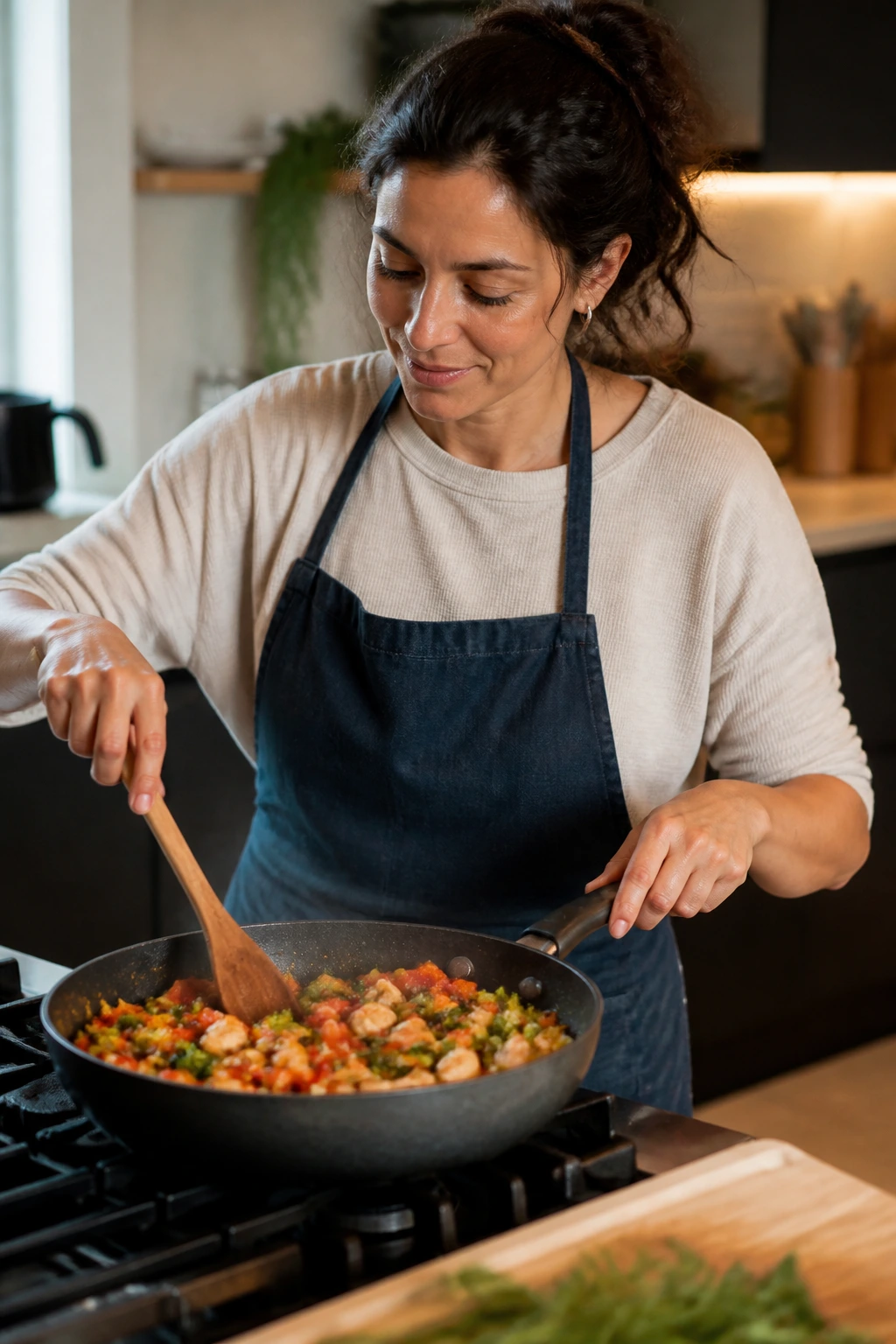
Gluten-Free Swap Night
Use rice, corn tortillas, gluten-free pasta, or polenta in place of wheat-based staples. Tamari works in place of soy sauce, and cornstarch thickens sauces just fine. The main thing is to keep an eye on texture, because gluten-free pasta can soften fast if it sits too long in sauce.
Dairy-Free Pantry Night
Leave out the cream, cheese, and butter where you can, then lean on olive oil, coconut milk, or a splash of broth. Chickpea curry, beef and broccoli, and sheet pan fajitas adapt with almost no fuss. The flavor stays strong if you season in layers and do not try to replace dairy with something bland and watery.
Vegetarian Reset
Beans, chickpeas, eggs, tortellini, gnocchi, and mushrooms can carry a school-night dinner just fine. Swap the chicken or meat for extra beans, tofu, or a bigger pile of vegetables. The key is to make the dish feel complete, not like you simply removed something and hoped for the best.
Lower-Sodium Swap
Use low-sodium broth, reduced-sodium soy sauce, and canned beans that you rinse well. Then add flavor with garlic, lemon, herbs, and a little acid instead of reaching for more salt. This works especially well in curry, pasta, and rice bowls, where the sauce does a lot of the heavy lifting.
Extra-Protein Upgrade
Add a fried egg to fried rice, toss rotisserie chicken into pasta, or pile extra beans into taco filling and quesadillas. You can also serve a simple salad or fruit on the side and let the main dish stay fast. Sometimes the easiest upgrade is not changing the recipe much at all.
Common Mistakes to Avoid
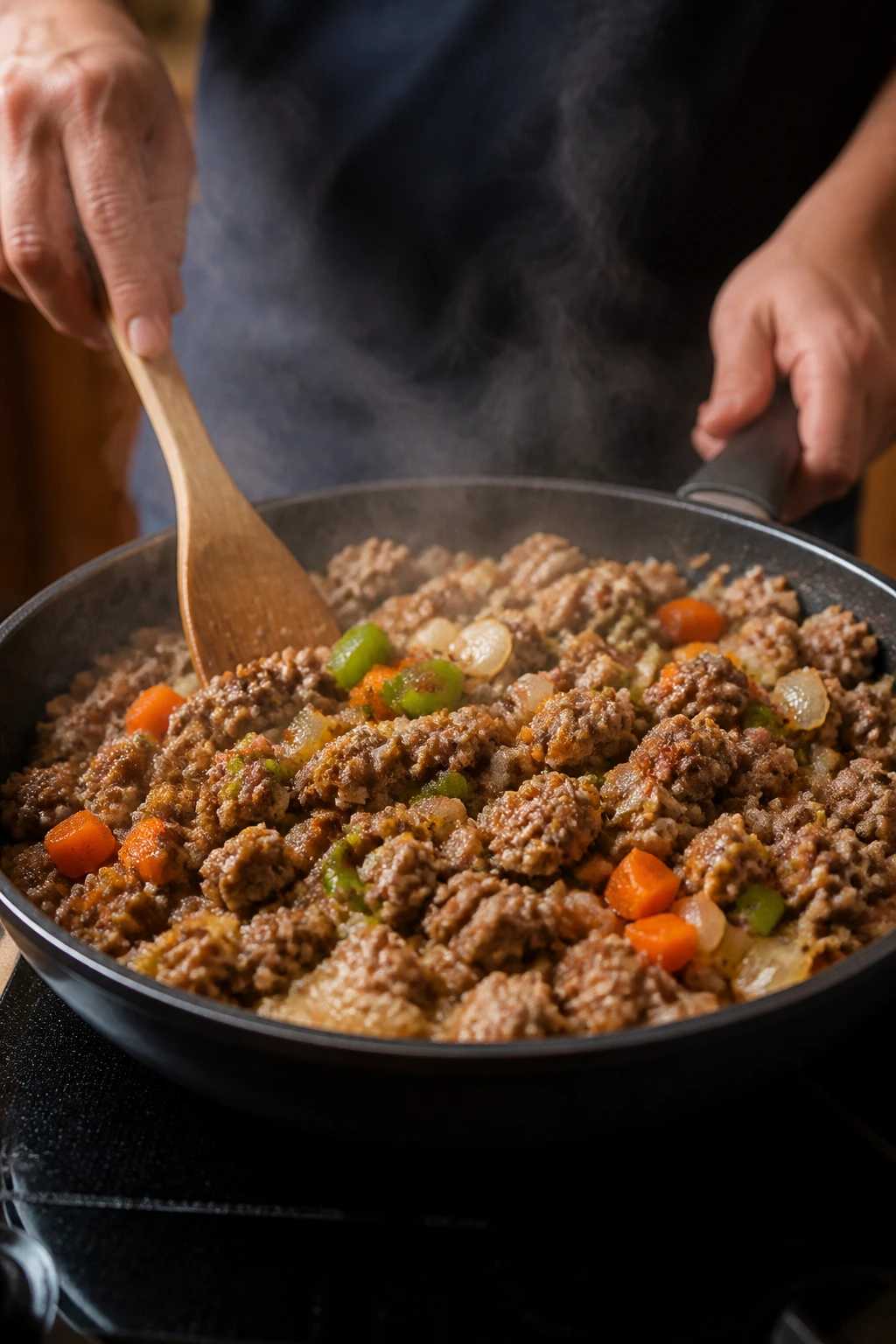
Overcrowding is the most common one. A packed skillet steams meat and vegetables instead of browning them, and browning is where a lot of flavor lives. If the pan looks crowded, cook in two batches. It takes a little longer on paper and saves time in the mouth.
Underseasoning is another easy miss. Fast dinners need salt at more than one stage: in the pan, in the sauce, and sometimes at the end. If you only season once, the food often tastes flat and oddly cautious. Taste before serving. Always.
Skipping the drying step causes trouble too. Wet chicken won’t brown well, shrimp will steam, and tofu or vegetables can sit in their own moisture. Pat things dry, especially proteins. That one move changes the result more than people expect.
Overcooking quick proteins is a classic school-night mistake because you get distracted. Shrimp need minutes, not time to wander. Salmon should flake, not dry out. Thin chicken cutlets should be taken off the heat the moment they hit temperature. Use the thermometer if you have it. Guessing is expensive.
Finally, don’t build a dinner that needs too many moving parts for the time you have. If the chicken is done and the rice still needs 20 minutes, the recipe is not fast for your house. Fast only counts when it fits the clock you actually live by.
Frequently Asked Questions

Can I use rotisserie chicken in several of these dinners?
Yes, and it’s one of the smartest shortcuts on a busy night. It works especially well in Greek pita pockets, pesto pasta, quesadillas, and even a quick skillet with vegetables. Add it at the end so it heats through without drying out.
What if I only have frozen vegetables?
Use them. Frozen peas, corn, broccoli, peppers, and mixed vegetables are useful in fried rice, curry, taco skillets, and pasta. Just cook off excess moisture in the pan before you add a sauce or cheese.
Which of these meals freeze best?
The saucy, hearty ones freeze best: turkey taco skillet, chickpea curry, sausage and peppers, meatball bowls, and the chicken fajita filling. Shrimp, salmon, and quesadillas are not strong freezer candidates because their texture suffers after thawing.
How do I keep chicken from turning dry?
Use thin cutlets or thighs, cook over medium-high heat, and pull the chicken as soon as it reaches 165°F. Resting it for a couple of minutes before serving helps too. Dry chicken usually comes from too much heat for too long.
Can I swap rice for pasta or pasta for rice?
Sometimes, yes. Beef and broccoli can sit on noodles, curry can go over couscous, and meatballs can land on rice if that’s what you have. The only real rule is to match the sauce to a base that can hold it.
Are these good for picky eaters?
Most of them are, because the flavor profiles are familiar: cheese, chicken, pasta, tacos, rice bowls, and simple sauces. You can keep toppings on the side and let people build their own plates. That small bit of control goes a long way.
How do I scale these dinners for a bigger family?
The easiest way is to double the vegetable and starch portions first, then increase the protein by about half to one full extra pound depending on the recipe. Sheet pans and big skillets matter here. If the pan cannot hold everything in one layer, use two pans instead of making the food fight for space.
Can I make parts of these dinners ahead of time?
Absolutely. Chop vegetables, mix spice blends, and cook rice or pasta earlier in the day. For some dishes, like fajitas and curry, that prep cuts the active work so much that dinner feels almost unfairly easy.
Weeknight Relief
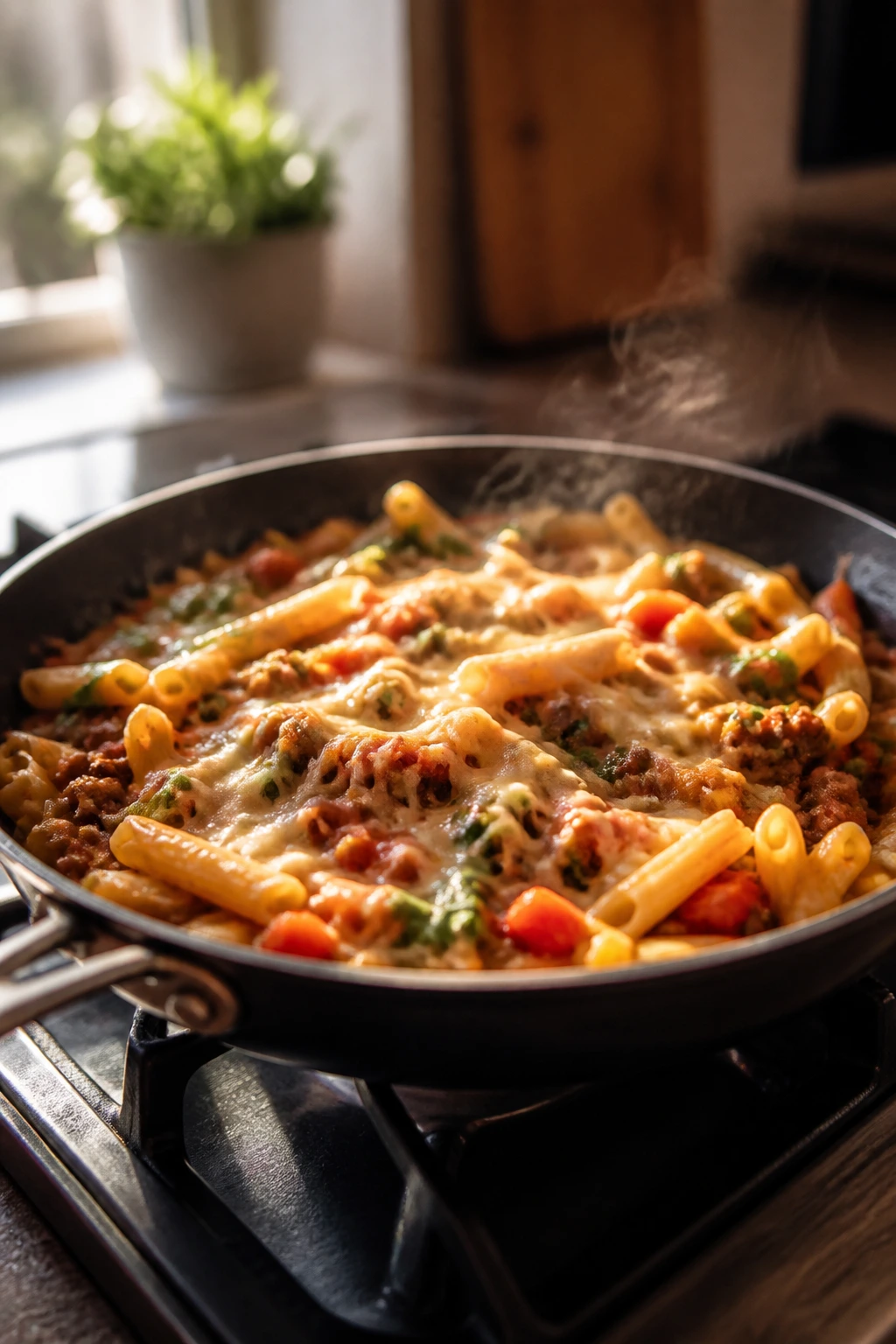
A good school-night dinner doesn’t need to be fancy. It needs to show up on time, taste like someone cared, and leave enough energy for the rest of the evening. That’s the real win here.
Keep a few of these patterns in your head: thin protein, one-pan sauce, fast-cooking vegetable, sturdy starch. Once those pieces become familiar, dinner gets less noisy. Not silent. Just calmer.
And that matters more than people admit. The right recipe won’t solve homework, lost shoes, or the eternal missing water bottle, but it can make the kitchen feel like a place where something is going right. Keep a skillet hot, a few pantry staples close, and the six o’clock rush gets a lot more manageable from here.