



Five ingredient dinners are the reason some weeknights feel civilized. Not glamorous. Civilized.
When the day has already gone sideways — school forms, work messages, a forgotten library book, somebody asking for a snack the second you put the groceries away — dinner needs to be fast, dependable, and forgiving. Not precious. Not fussy. A good five ingredient dinner gives you a clear path from fridge to table without asking for twenty minutes of chopping and a sink full of bowls.
And the best part? Fewer ingredients does not mean boring food. It usually means smarter food. Rotisserie chicken, jarred pesto, canned beans, frozen meatballs, salsa, enchilada sauce, smoked sausage — these are the hardworking ingredients that carry flavor so you don’t have to build every bite from scratch. A lot of the flavor is already packed in.
I’ve always thought the real trick is choosing combinations that do three jobs at once: one ingredient brings the protein, one gives the sauce, one adds body, and one or two create the finish. That’s why these recipes feel bigger than their ingredient count. They taste like dinner, not like a compromise. The first batch worth making is the one that gets on the table before the questions start.
1. Salsa Chicken Tacos
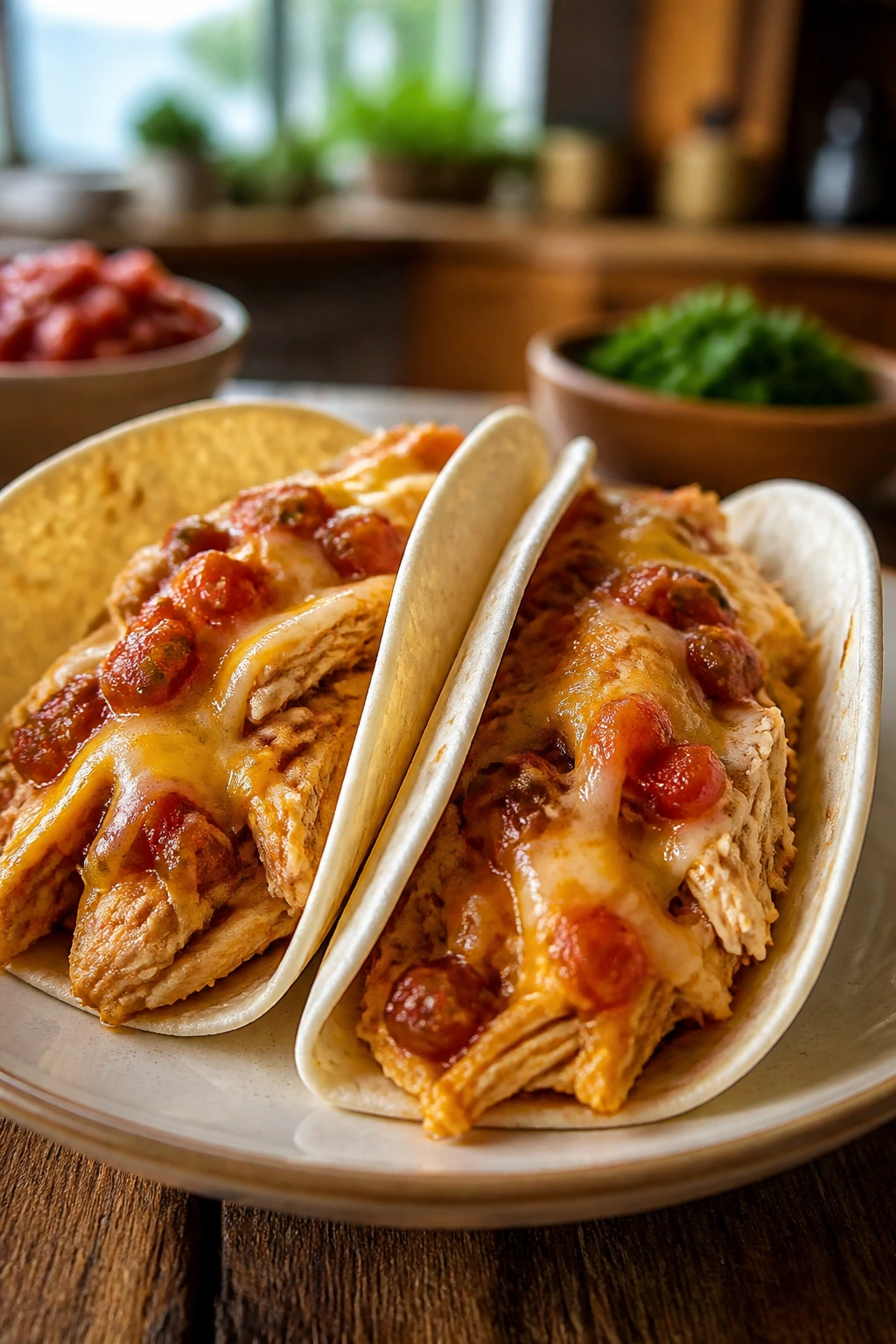
A good taco night does not need a shopping marathon. It needs something hot, something bright, and something that can be tucked into a tortilla without drama. Shredded chicken simmered with salsa and taco seasoning hits that sweet spot every time — saucy, a little smoky, and ready before anyone has time to wander back into the kitchen asking if dinner is almost done.
Why it works: Rotisserie chicken already does half the work, which is the kind of shortcut I trust on a packed evening. Salsa brings the seasoning and moisture in one shot, so you are not building a separate sauce. The cheese melts into the warm filling and gives the whole thing that soft, stretchy finish kids tend to love. And because the filling is already fully cooked, you are only heating, folding, and serving. Easy. Direct. No nonsense.
Key ingredients:
- 3 cups shredded rotisserie chicken
- 1 1/2 cups salsa
- 2 tablespoons taco seasoning
- 8 small flour tortillas
- 1 cup shredded cheddar cheese
- 1 lime, cut into wedges
Quick steps:
- Warm the filling: Set a large skillet over medium heat. Add the shredded chicken, salsa, and taco seasoning, then cook for 4 to 5 minutes, stirring often, until the mixture is hot and the sauce looks glossy around the edges.
- Heat the tortillas: Place the tortillas in a dry skillet over medium heat for about 20 seconds per side, or warm them in the microwave wrapped in a damp paper towel for 30 seconds.
- Fill each taco: Spoon the chicken mixture into the center of each tortilla and top with a small handful of cheddar. Do not overfill them; a tidy taco eats better than a collapsing one.
- Melt and seal: Fold the tortillas and set them back in the skillet for 30 to 45 seconds per side, just until the cheese starts to melt and the tortilla picks up a little color.
- Finish and serve: Squeeze lime over the top right before serving. That little hit of acid sharpens the salsa and keeps the filling from tasting flat.
Tips and variations:
- Make it milder: Choose a mild salsa and use less taco seasoning if you’re feeding younger kids.
- Make it stretch farther: Add a side of rice or beans if you need to feed a bigger table.
- Best texture move: Toast the tacos in the skillet for a minute. It makes the outside sturdier and the edges a little crisp.
2. Sheet-Pan Sausage, Peppers, and Potatoes
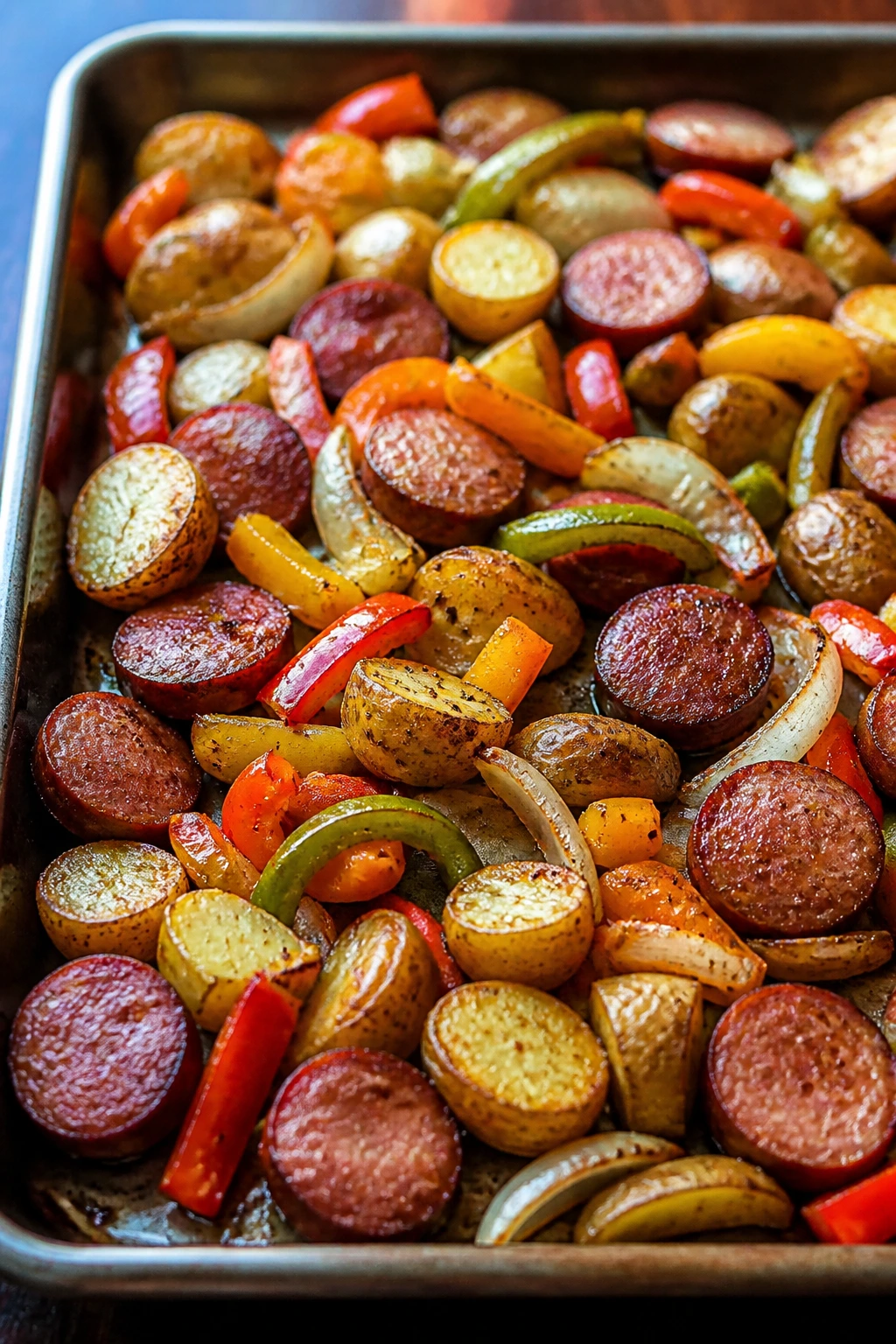
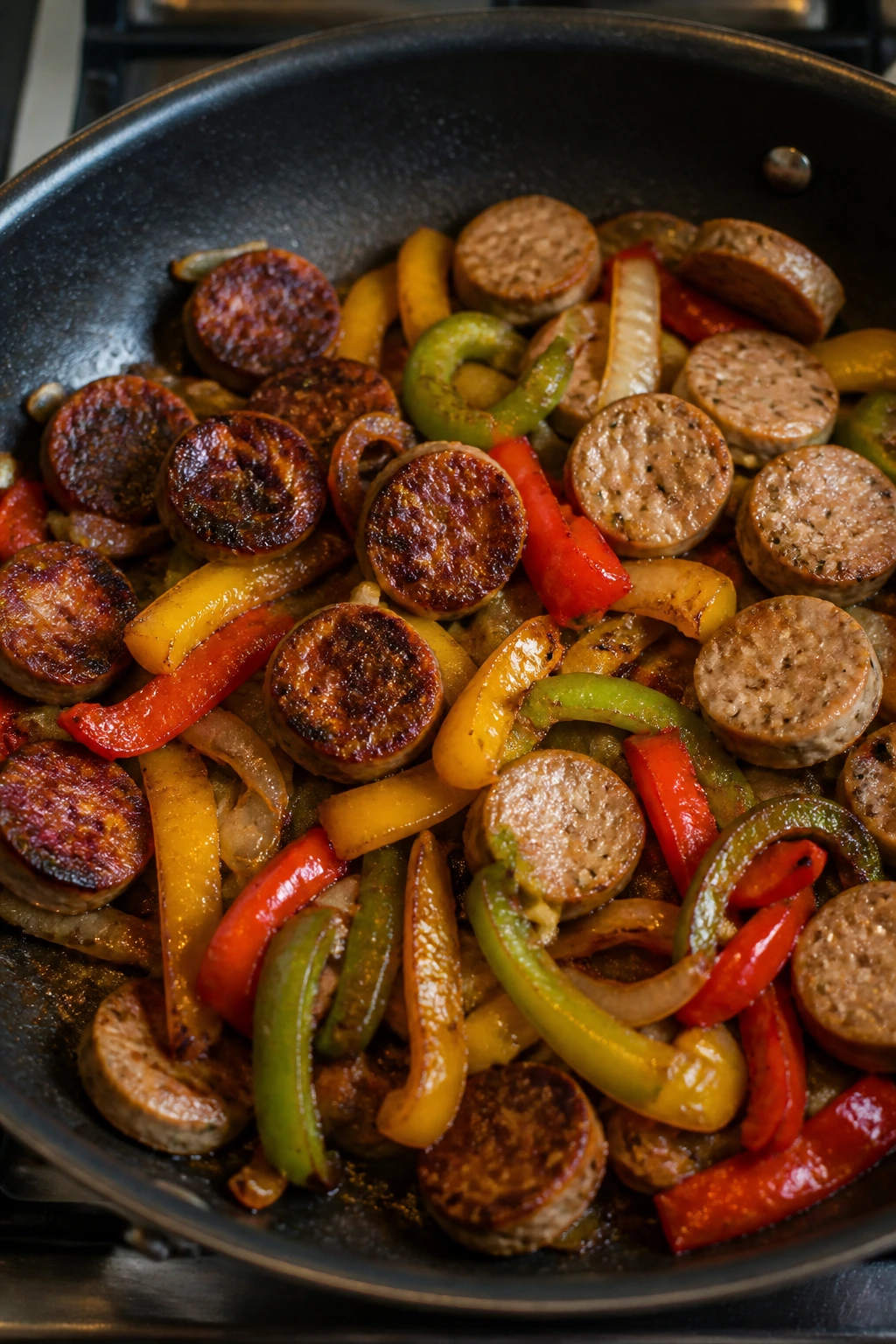
This is the dinner equivalent of letting the oven do the heavy lifting while you stand around pretending you planned ahead. Sausage, peppers, potatoes, and onion roast into something smoky and sweet, with the potatoes turning crisp at the edges and the peppers going soft and glossy. It smells like supper before it looks like supper.
Why it works: Smoked sausage brings built-in seasoning and fat, which means the vegetables get a lot of flavor just by sharing a pan with it. Baby potatoes roast at the same pace as sliced peppers and onion if you keep the pieces small and even. That’s the whole trick here — same pan, same heat, same finish. A busy cook does not need a complicated formula. She needs a pan that cooperates.
Key ingredients:
- 1 pound baby potatoes, halved
- 12 ounces smoked sausage, sliced into 1/2-inch rounds
- 2 bell peppers, sliced
- 1 medium onion, cut into wedges
- 2 tablespoons olive oil
- 1 teaspoon dried Italian seasoning
Quick steps:
- Heat the oven: Preheat to 425°F and line a large sheet pan with parchment for easier cleanup.
- Start with the potatoes: Toss the halved potatoes with olive oil and Italian seasoning. Spread them on the pan in a single layer and roast for 15 minutes.
- Add the rest: Pull the pan out and add the sausage, peppers, and onion. Toss lightly right on the pan so everything picks up the oil already there.
- Finish the roast: Return the pan to the oven for 18 to 20 minutes, until the potatoes are tender when pierced with a fork and the sausage edges are browned.
- Serve hot: Let it rest for 3 minutes on the pan, then scoop onto plates. The vegetables will look glossy, and the potatoes should give a tiny sigh when you cut them.
Tips and variations:
- Use smaller potato halves: Big chunks take too long and throw off the timing.
- Swap the sausage: Kielbasa, andouille, or chicken sausage all work, though the flavor changes a bit.
- For extra browning: Give the pan a quick broil for 1 to 2 minutes at the end, but watch it like a hawk.
3. Pesto Chicken Tortellini Skillet
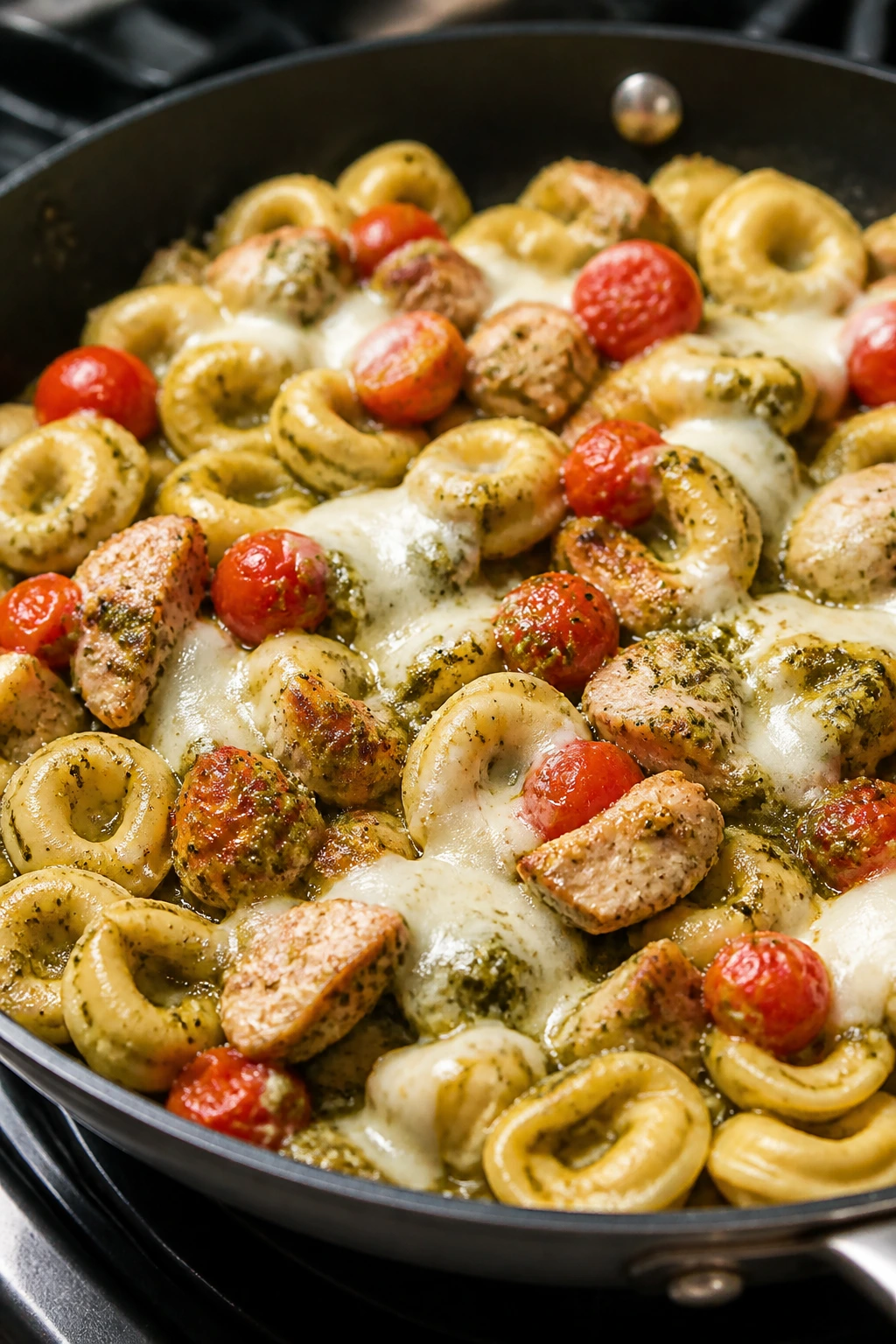
Jarred pesto deserves more respect than it gets. It is one of those ingredients that quietly carries a whole dinner without asking for applause. Toss it with cheese tortellini, cooked chicken, tomatoes, and a little mozzarella, and you get a skillet that tastes like you did more than you did. Which, frankly, is the dream.
Why it works: Tortellini is already stuffed, so the pasta brings its own interest before the sauce even shows up. Pesto clings to the folds and ridges, while cherry tomatoes burst a little in the heat and give the dish a bright, sweet edge. Chicken makes the skillet feel complete, and mozzarella gives you those stretchy pockets that make everyone pause for the first bite. It is fast food in the best sense: fast, but still dinner.
Key ingredients:
- 1 pound refrigerated cheese tortellini
- 2 cups cooked chicken, chopped or shredded
- 1 cup basil pesto
- 1 pint cherry tomatoes
- 1 cup shredded mozzarella
- 1/4 cup grated parmesan
Quick steps:
- Cook the pasta: Boil the tortellini according to the package directions, usually 3 to 4 minutes, until it floats and feels tender but not mushy. Drain well.
- Warm the filling: Return the empty pot or a large skillet to medium-low heat. Add the tortellini, chicken, pesto, and cherry tomatoes, then toss until everything is coated and hot.
- Add the cheese: Sprinkle in the mozzarella and parmesan, stirring just enough to distribute them without smashing the tortellini.
- Let it melt: Cover the skillet for 1 to 2 minutes, until the cheese softens and the tomatoes start to wrinkle.
- Serve right away: Spoon into bowls while the cheese is still stretchy. If you let it sit too long, the pesto clings less and the whole thing gets a little stiff.
Tips and variations:
- Use leftover chicken: This is one of the best ways to turn roasted or grilled chicken into a second dinner.
- Keep the tomatoes whole: They burst on their own and give you little pockets of juice.
- If it seems dry: Add a splash of pasta water or a spoonful of water from the tomato container before serving.
4. BBQ Beef Sliders
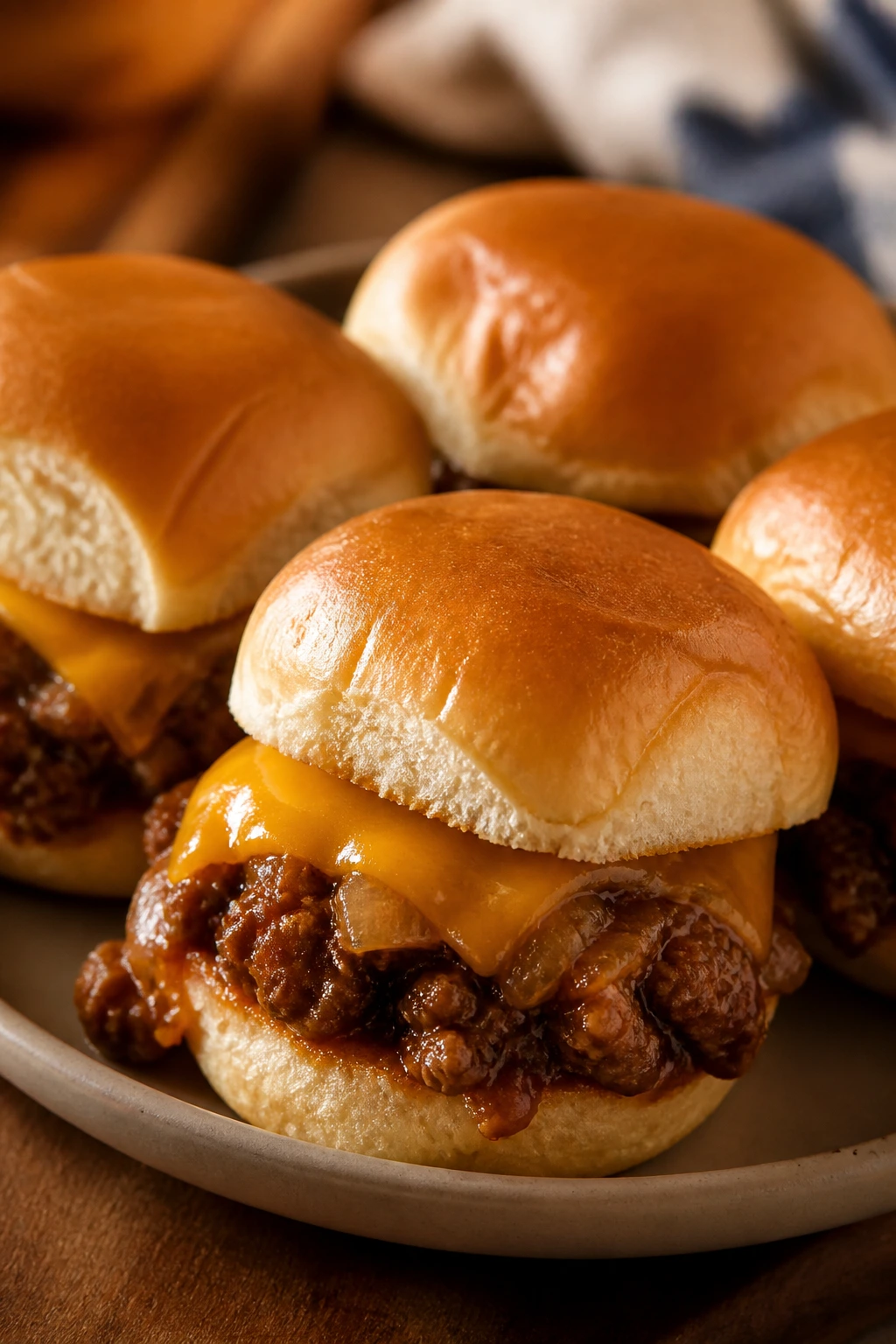
These are the kind of sliders that disappear fast and leave behind a pan with a few crumbs and not much else. Sweet barbecue sauce, seasoned beef, melted cheddar, and soft buns make a dinner that feels party-adjacent even when the only audience is a tired family at a kitchen table. I have a soft spot for that kind of meal.
Why it works: Ground beef cooks quickly and takes on flavor from the onion before the barbecue sauce even hits the pan. The sauce does double duty as seasoning and moisture, so the meat stays juicy instead of dry and crumbly. Buns keep the whole thing easy to handle, and cheese melts into the hot filling like it was always meant to be there. This is a short ingredient list with a lot of payoff.
Key ingredients:
- 1 pound ground beef
- 1 small onion, finely diced
- 1/2 cup barbecue sauce
- 12 slider buns
- 1 cup shredded cheddar cheese
- 1 tablespoon butter, softened
Quick steps:
- Cook the beef and onion: Set a skillet over medium heat. Add the beef and onion, breaking the meat apart with a spoon, and cook for 7 to 8 minutes until the beef is browned and the onion looks soft.
- Drain if needed: Spoon off excess fat, especially if the beef is on the richer side. You want juicy, not greasy.
- Add the sauce: Stir in the barbecue sauce and cook for 1 to 2 minutes, just until the meat is coated and steaming.
- Assemble the sliders: Split the buns and place the bottoms in a baking dish. Spoon the beef mixture over them and scatter the cheddar on top.
- Melt and toast: Butter the bun tops lightly and bake at 375°F for 5 to 7 minutes, until the cheese melts and the tops are warm.
- Serve immediately: These are best when the cheese is still gooey and the buns have a little give.
Tips and variations:
- Use Hawaiian rolls: They lean sweet and work well with barbecue sauce.
- Add heat carefully: A few dashes of hot sauce in the beef mixture go a long way.
- Make ahead: Cook the beef filling earlier in the day and rewarm it right before assembling.
5. Lemon Butter Salmon and Green Beans
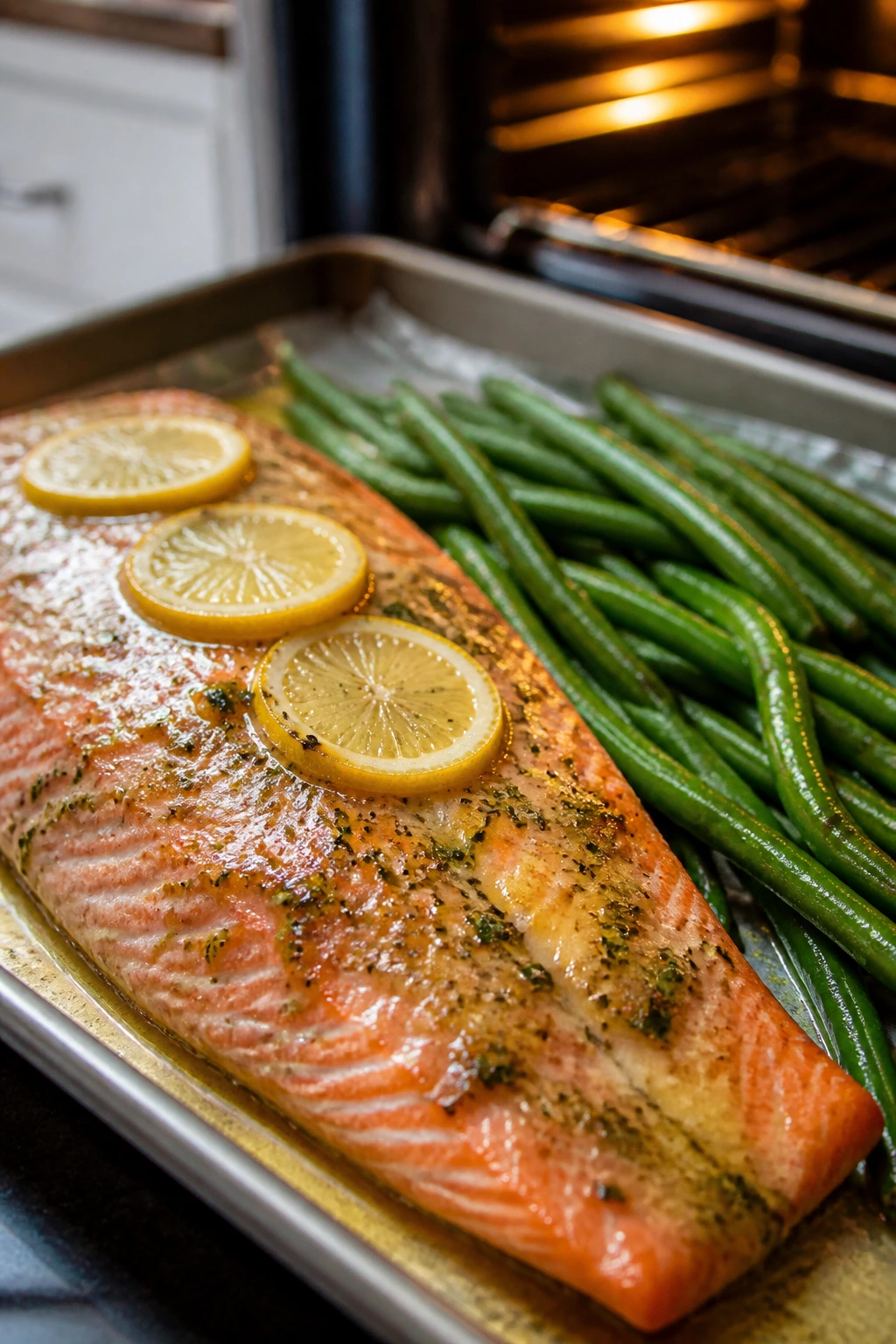
Salmon with lemon and butter has a quiet kind of confidence. It does not need much help. The fish turns silky, the green beans soften at the edges, and the lemon brings a sharp, clean smell that makes the kitchen feel brighter than it did ten minutes earlier. This is one of those dinners that looks calm even when the day was not.
Why it works: Salmon cooks fast and tolerates simple seasoning better than people think. Butter gives it richness, lemon keeps that richness from feeling heavy, and garlic ties the whole pan together with a little savory depth. Green beans are sturdy enough to share the oven with salmon if you give them a head start. The result is a full dinner on one pan, which is a victory on any crowded night.
Key ingredients:
- 4 salmon fillets, about 6 ounces each
- 12 ounces green beans, trimmed
- 1 lemon, sliced and juiced
- 4 tablespoons butter, melted
- 2 garlic cloves, minced
- 1 tablespoon olive oil
Quick steps:
- Heat the oven: Preheat to 400°F and line a sheet pan with parchment.
- Start the beans: Toss the green beans with olive oil, half the butter, and the garlic. Spread them on the pan and roast for 5 minutes.
- Add the salmon: Push the beans aside and place the salmon fillets on the pan. Spoon the rest of the butter over the fish and add lemon juice and a few lemon slices on top.
- Roast until done: Return the pan to the oven for 10 to 12 minutes, until the salmon flakes easily and reaches 145°F in the thickest part.
- Rest briefly: Let it sit for 2 minutes before serving. The juices settle, and the fish stays tender instead of falling apart on the pan.
Tips and variations:
- Choose thin green beans: Haricots verts or small beans cook more evenly than thick ones.
- Use foil if you want easier cleanup: Parchment works too.
- Do not overbake: Salmon gets dry fast, and the last minute matters more than people expect.
6. Creamy Chicken Alfredo Bake
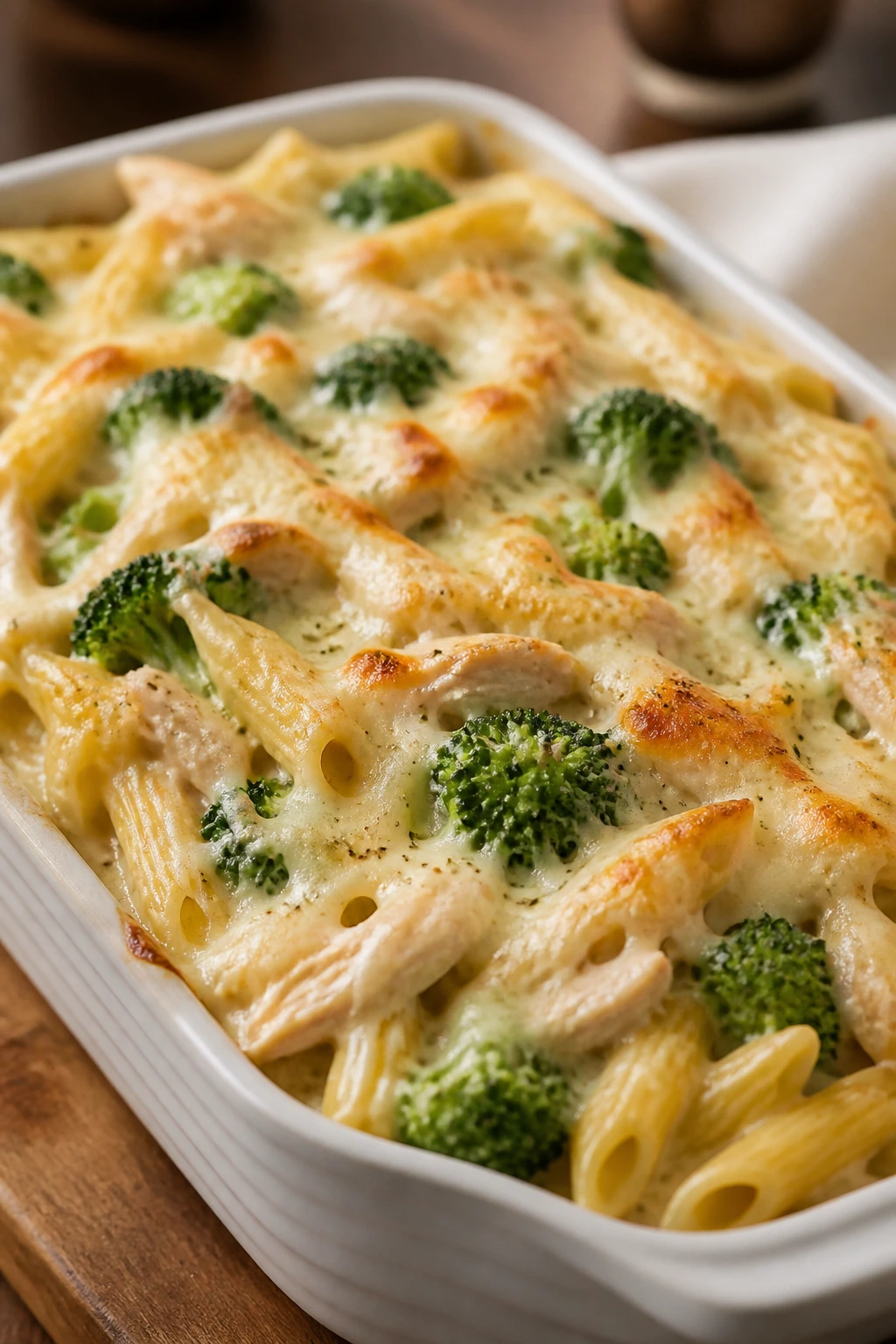
There is a reason casseroles keep showing up in real kitchens. They are dependable. This one leans on jarred Alfredo, cooked chicken, pasta, broccoli, and a little cheese on top, which means you get something rich and comforting without making sauce from scratch. That matters when the evening already feels too full.
Why it works: Penne is the right shape here because it catches the sauce inside the tubes and along the edges. Broccoli gives you some green and some bite, so the whole pan does not turn into a soft blur. Chicken makes the bake hearty enough to stand as dinner on its own. And the top layer of cheese browns into those little spots people always pick off first.
Key ingredients:
- 12 ounces penne
- 2 cups shredded cooked chicken
- 2 cups jarred Alfredo sauce
- 2 cups broccoli florets, cut small
- 1 cup shredded mozzarella
- 1/4 cup grated parmesan
Quick steps:
- Cook the pasta halfway: Boil the penne for 2 minutes less than the package says. It should still have some bite; it will finish in the oven.
- Mix the casserole: In a large bowl, combine the pasta, chicken, Alfredo sauce, broccoli, and half the parmesan. Stir until everything is coated.
- Transfer to a baking dish: Scrape the mixture into a greased 9×13-inch dish and spread it evenly.
- Add the topping: Scatter the mozzarella and remaining parmesan over the top.
- Bake until bubbly: Bake at 375°F for 20 to 25 minutes, until the sauce is bubbling at the edges and the top is lightly browned.
- Rest before serving: Give it 10 minutes on the counter. If you cut too soon, the sauce runs. If you wait, it settles into proper casserole texture.
Tips and variations:
- Keep the broccoli small: Big florets stay too crunchy.
- Use rotisserie chicken: It saves real time and keeps the bake moist.
- If the top darkens too fast: Cover loosely with foil for the last 10 minutes.
7. Sausage Gnocchi Skillet
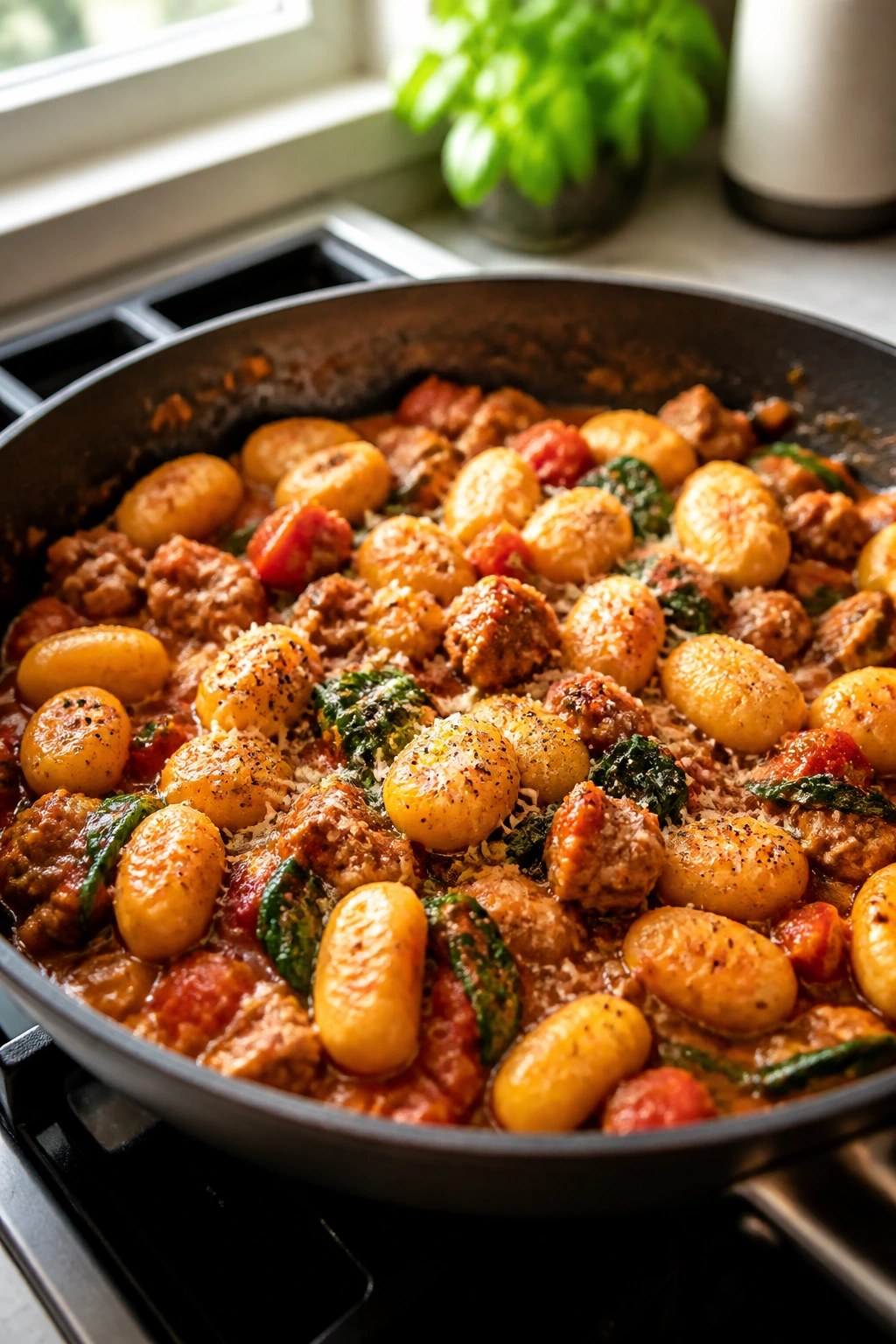
Gnocchi has a way of making a skillet feel fancier than it is. Those little potato dumplings turn soft in the center and golden on the outside when they hit a hot pan with sausage and marinara. Add spinach and parmesan, and you’ve got a dinner that tastes like you spent time on it — but you did not.
Why it works: Shelf-stable gnocchi cooks fast, which makes it ideal for a skillet meal that needs to land quickly. Sausage brings seasoning and fat, marinara keeps the pan saucy, and spinach wilts down at the very end so you still get a fresh note in the bowl. Parmesan melts into the sauce and gives the whole thing a salty finish that feels more layered than the ingredient count suggests.
Key ingredients:
- 1 pound shelf-stable gnocchi
- 12 ounces Italian sausage, casings removed if needed
- 24 ounces marinara sauce
- 5 ounces baby spinach
- 1/2 cup grated parmesan
- 1 tablespoon olive oil
Quick steps:
- Brown the sausage: Heat the olive oil in a large skillet over medium heat. Add the sausage and cook for 6 to 8 minutes, breaking it into crumbles and letting it take on some color.
- Add the sauce: Pour in the marinara and bring it to a gentle simmer.
- Stir in the gnocchi: Add the gnocchi straight from the package and cook for 4 to 5 minutes, stirring often, until the pieces are tender and coated.
- Finish with spinach: Add the spinach in handfuls and stir until it collapses into the sauce, about 1 minute.
- Top with parmesan: Turn off the heat and sprinkle in the parmesan. The sauce should thicken slightly and cling to the gnocchi.
Tips and variations:
- Add a splash of water if the skillet gets tight: Gnocchi drinks up sauce quickly.
- Use mild or hot sausage depending on the crowd: Both work.
- Do not walk away from the pan: Gnocchi goes from tender to gummy if it sits too long.
8. Turkey Taco Stuffed Sweet Potatoes
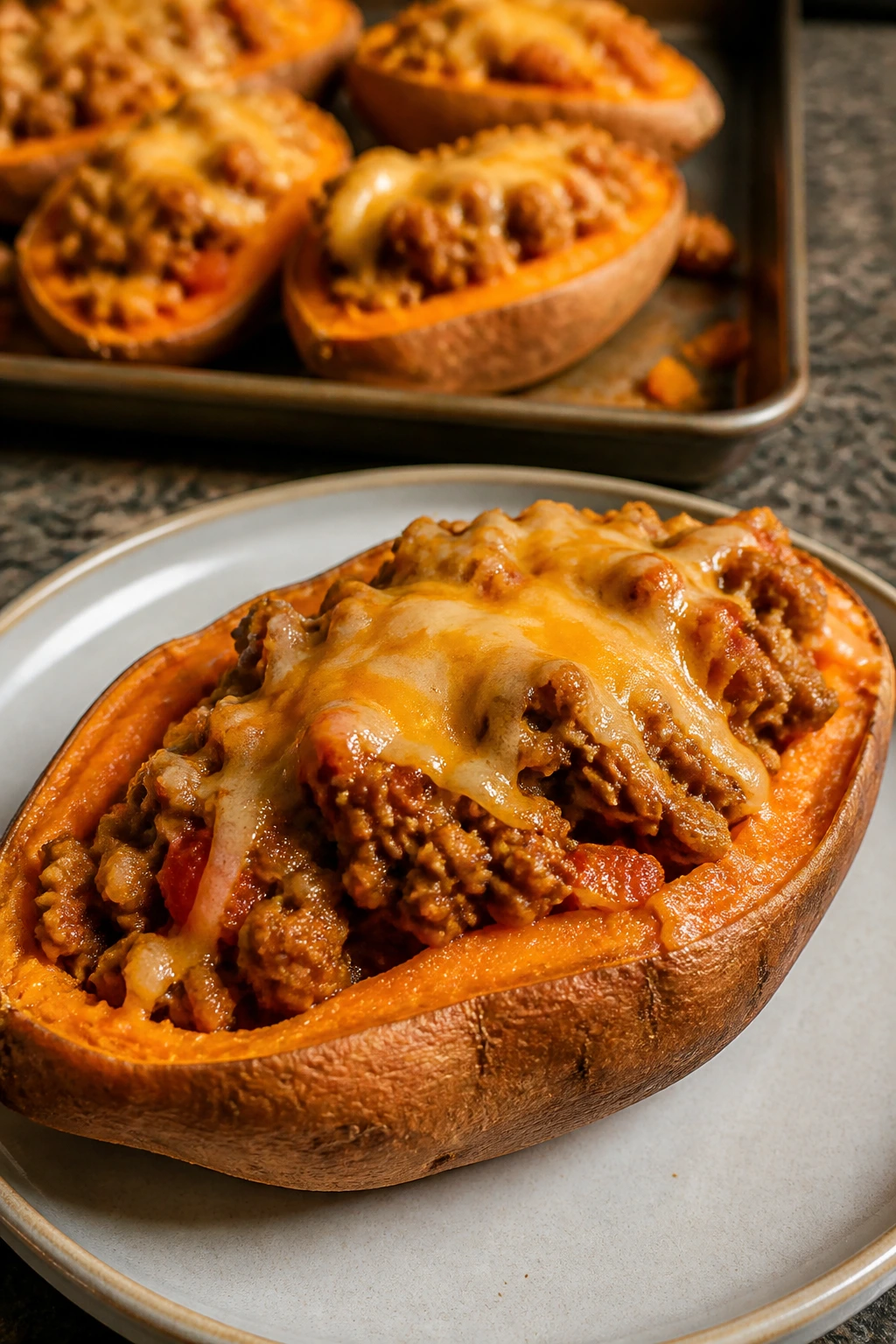
Sweet potatoes are a small miracle on a busy night. They come with their own edible bowl. Bake or microwave them, split them open, and suddenly the dinner looks intentional even if the effort was mostly strategic. Ground turkey, taco seasoning, salsa, and cheese take care of the rest.
Why it works: Sweet potatoes give the dish natural sweetness and enough body to carry a savory filling. Turkey cooks quickly and takes on taco seasoning well because it starts out mild. Salsa keeps the filling juicy, which matters because sweet potatoes can taste dry if you pile on meat that has been cooked too long. The cheese melts into the hot potato and makes the whole thing feel complete.
Key ingredients:
- 4 medium sweet potatoes
- 1 pound ground turkey
- 1 packet taco seasoning
- 1 cup salsa
- 1 cup shredded Monterey Jack cheese
- 1 tablespoon olive oil
Quick steps:
- Cook the potatoes: Microwave the sweet potatoes for 8 to 10 minutes, turning once halfway through, until a knife slides into the center without resistance. You can also bake them at 400°F for 45 to 55 minutes.
- Brown the turkey: Heat the olive oil in a skillet over medium heat. Add the turkey and cook for 5 to 6 minutes, breaking it up until no pink remains.
- Season the meat: Stir in the taco seasoning plus a splash of water if the mixture looks dry. Cook for 1 more minute, until the seasoning smells toasted.
- Split and fill: Slice the sweet potatoes open lengthwise and fluff the centers with a fork.
- Top and melt: Spoon the turkey over the potatoes, add salsa and cheese, then return them to the oven for 2 to 3 minutes, just until the cheese melts.
- Serve hot: The skins should hold together, and the filling should be steaming when it reaches the table.
Tips and variations:
- Microwave first, bake later: That gives you the best balance of speed and texture.
- Swap turkey for ground beef: If that is what you have, the method stays the same.
- For extra crunch: Add a few crushed tortilla chips on top right before serving.
9. Teriyaki Meatball Rice Bowls
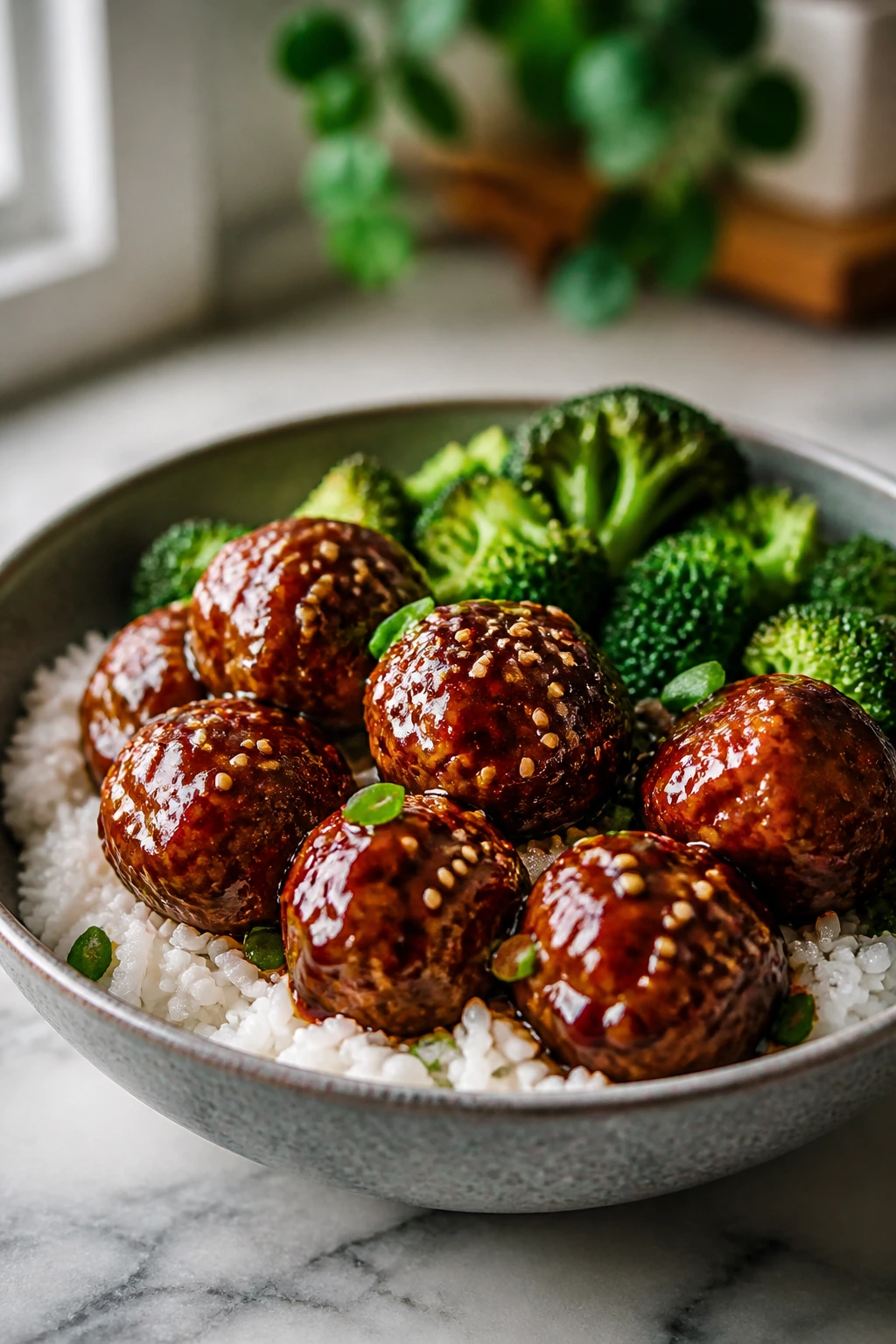
Frozen meatballs are one of those grocery shortcuts that earn their space in the freezer. They turn a plain bowl of rice into something glossy, savory, and dependable with almost no effort. Broccoli adds color and bite, teriyaki sauce pulls everything together, and sesame seeds give the bowl a little finish.
Why it works: Pre-cooked meatballs need only heat, which makes them perfect for a speed dinner. Teriyaki sauce gives the bowl its sweet-salty backbone, and rice absorbs any extra sauce that drips down. Broccoli brings a clean, slightly bitter contrast, which keeps the bowl from tasting heavy. It is the kind of dinner that feels balanced without being fussy about it.
Key ingredients:
- 1 pound frozen cooked meatballs
- 1 cup teriyaki sauce
- 3 cups cooked rice
- 12 ounces broccoli florets
- 2 tablespoons sesame seeds
- 2 green onions, sliced
Quick steps:
- Heat the meatballs: Place the meatballs in a large skillet over medium heat with the teriyaki sauce. Cook for 8 to 10 minutes, stirring now and then, until the meatballs are hot all the way through.
- Steam the broccoli: Microwave the broccoli with a tablespoon or two of water in a covered bowl for 3 to 4 minutes, or steam it on the stove until bright green and tender-crisp.
- Warm the rice: Reheat the rice if needed so it is fluffy and hot, not cold and clumpy.
- Build the bowls: Spoon rice into bowls, add the broccoli, then top with the meatballs and extra sauce from the pan.
- Finish the top: Sprinkle sesame seeds and green onions over each bowl before serving.
Tips and variations:
- Use brown rice if you want more chew: It holds up well under the sauce.
- Pick meatballs with a short ingredient list: It makes the shortcut taste cleaner.
- Add a little water if the sauce gets too sticky: Teriyaki can tighten fast in a hot pan.
10. Spinach Ricotta Ravioli Bake
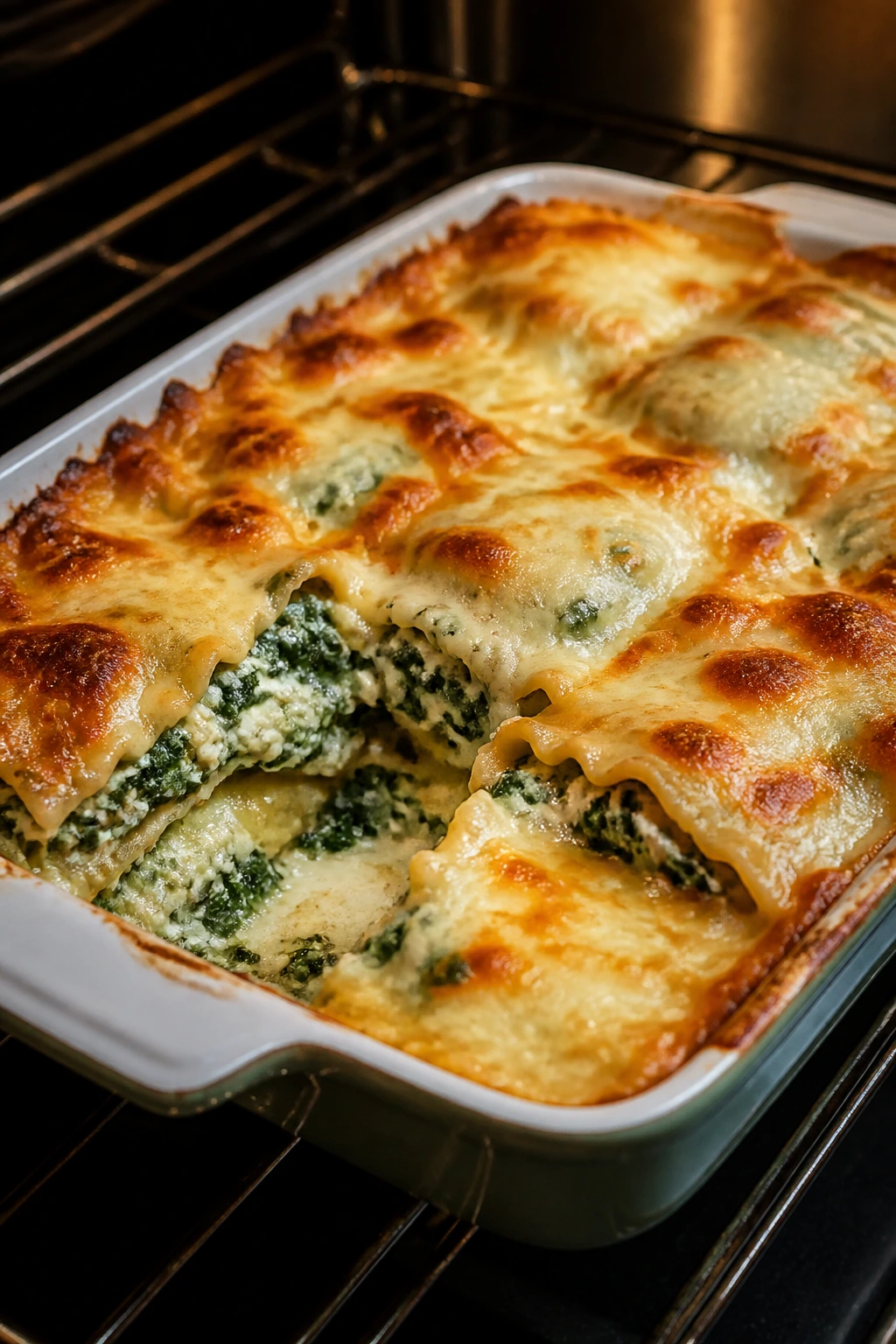
This is the kind of baked pasta that looks much more complicated than it is. Ravioli, ricotta, marinara, spinach, and mozzarella layer into a bubbling dish that tastes creamy in the center and crisp at the edges. I like this one for nights when people want comfort, but I do not want to spend twenty minutes stuffing shells or babysitting a sauce pot.
Why it works: Ravioli already contains the pasta and a filling, so it does a lot of structural work for you. Ricotta adds soft, mild richness in little pockets, while spinach cuts through the richness and keeps the casserole from feeling one-note. Marinara keeps everything moist, and the mozzarella on top seals the deal with that browned, melty finish people notice first.
Key ingredients:
- 1 pound refrigerated cheese ravioli
- 2 cups marinara sauce
- 1 cup ricotta cheese
- 2 cups baby spinach
- 1 cup shredded mozzarella
- 1/4 cup grated parmesan
Quick steps:
- Heat the oven: Preheat to 375°F and grease a medium baking dish.
- Start with sauce: Spread 1/2 cup of marinara in the bottom of the dish.
- Layer the ravioli: Arrange half the ravioli over the sauce, then dot with half the ricotta and half the spinach. Repeat with the remaining ravioli, ricotta, and spinach.
- Add more sauce and cheese: Spoon the rest of the marinara over the top and cover with mozzarella and parmesan.
- Bake until bubbling: Bake for 25 to 30 minutes, until the sauce bubbles around the edges and the cheese is melted and lightly golden.
- Rest before cutting: Let it sit for 10 minutes. That pause helps the layers hold together instead of sliding apart.
Tips and variations:
- If using frozen ravioli: Add 8 to 10 minutes to the bake time.
- Do not skip the rest: It makes serving much easier.
- A little extra marinara helps: If your dish looks dry before baking, add another few spoonfuls around the edges.
11. Egg Roll in a Bowl
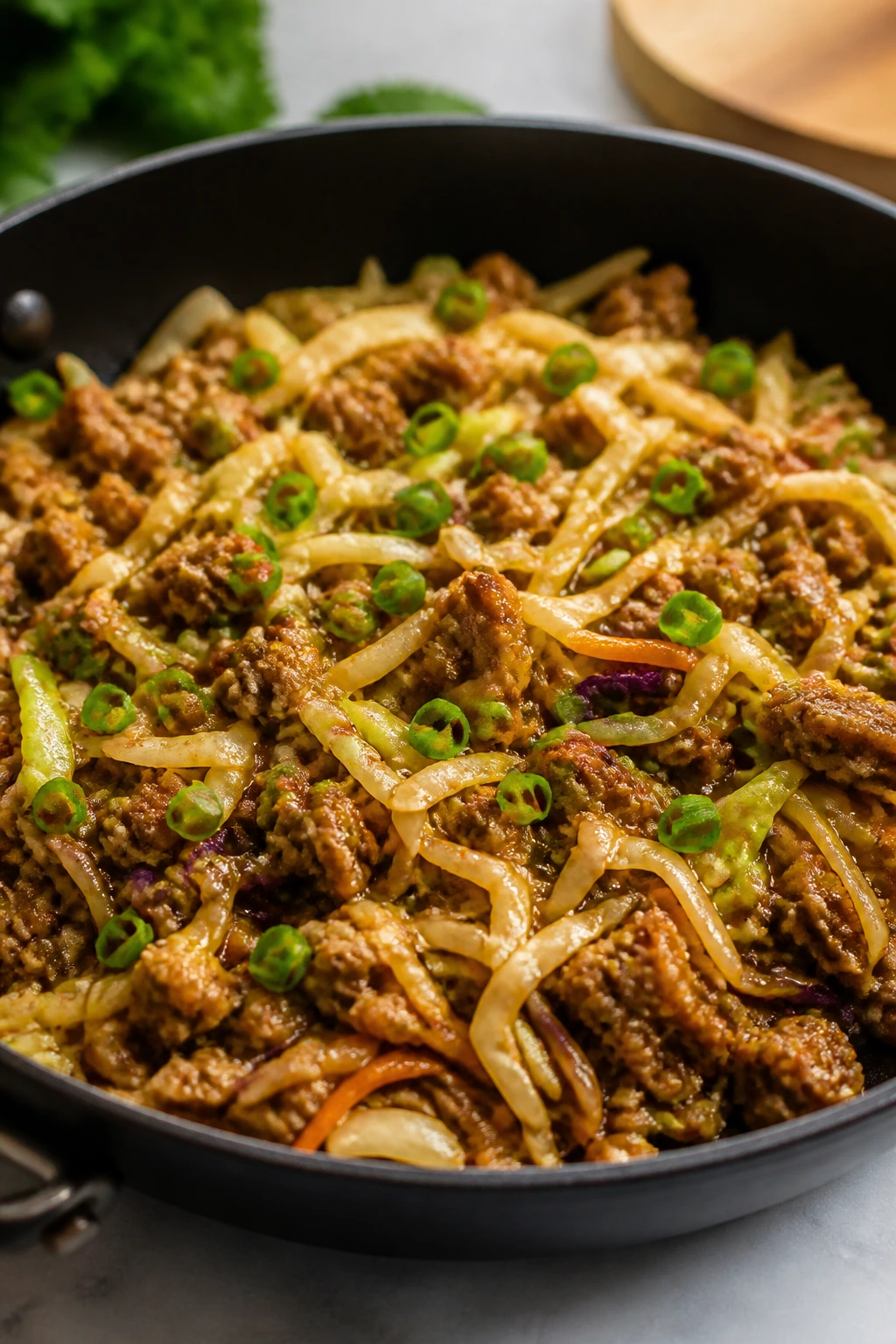
Crunchy cabbage mix turns soft, savory, and a little glossy in this skillet dinner that tastes like takeout without the container stack. Ground pork, soy sauce, sesame oil, garlic, and green onions make the flavor happen fast. It is one of those dinners that feels almost suspiciously easy, which is usually a sign I will make it again.
Why it works: Ground pork has enough fat to carry the flavor without needing much help. Coleslaw mix saves all the chopping and gives you cabbage, carrot, and crunch in one bag. Soy sauce and sesame oil bring the fast, unmistakable egg-roll flavor, while green onions brighten the final bite. There is no wrapper, no frying, and no fuss.
Key ingredients:
- 1 pound ground pork
- 1 bag coleslaw mix, about 14 ounces
- 1/4 cup soy sauce
- 1 tablespoon sesame oil
- 2 green onions, sliced
- 1 garlic clove, minced
Quick steps:
- Brown the pork: Heat a large skillet over medium-high heat. Add the pork and garlic, breaking the meat into crumbles, and cook for 6 to 8 minutes until no pink remains.
- Add the slaw: Stir in the coleslaw mix and soy sauce. Cook for 4 to 5 minutes, tossing often, until the cabbage softens but still has some bite.
- Finish with sesame oil: Drizzle in the sesame oil and toss once more. The smell should turn nutty right away.
- Top with onions: Scatter green onions over the skillet and serve while hot.
- Serve as is or over rice: It stands alone well, but rice makes it stretch farther if you need that.
Tips and variations:
- Use ground turkey if that is what you have: Add a little extra sesame oil for flavor.
- Keep the cabbage slightly crisp: Overcooking turns it soft and watery.
- A dash of chili sauce works well: If your crowd likes heat, add it at the end.
12. Chicken Parmesan Melts
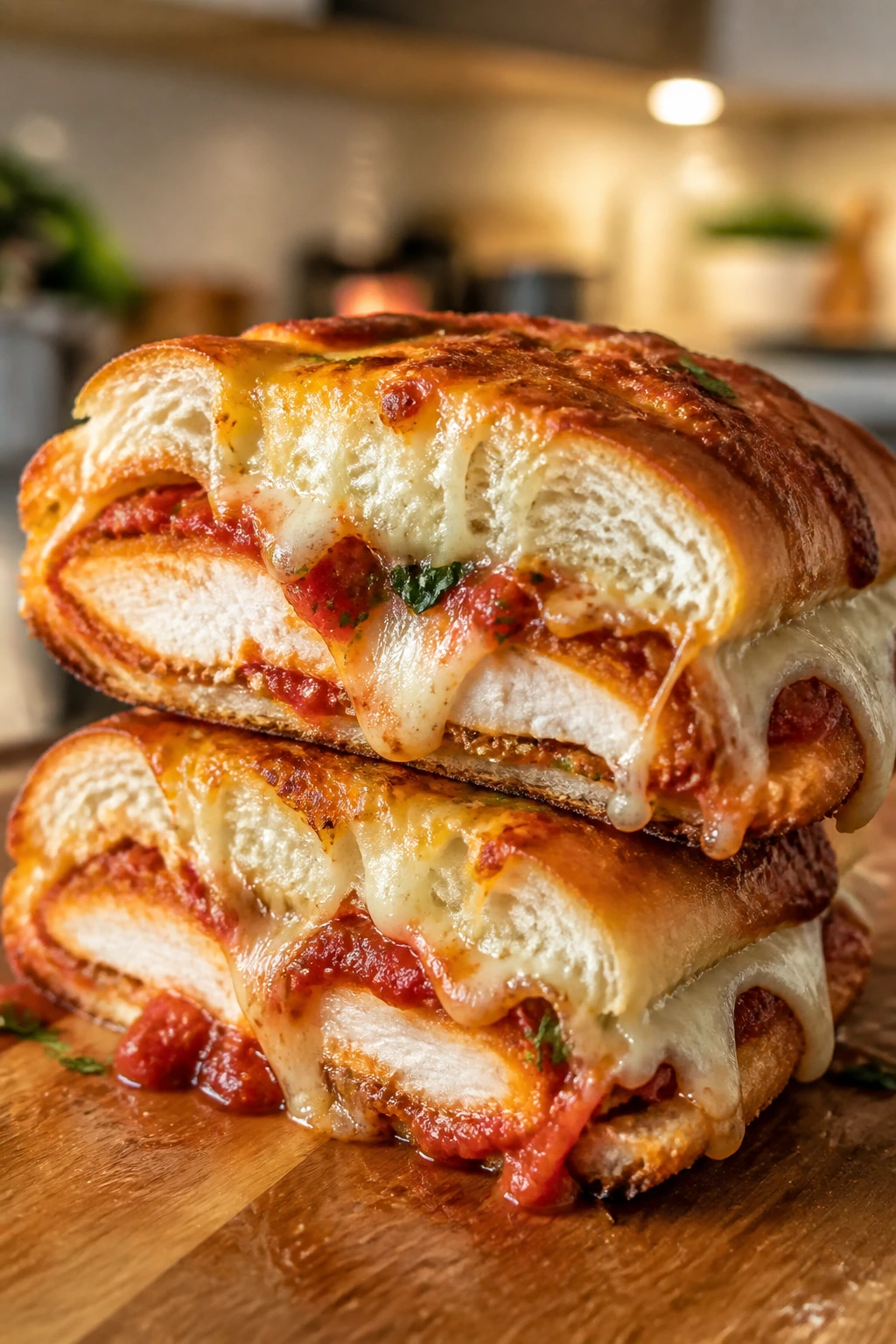
Chicken parmesan in sandwich form feels a little unreasonably satisfying. Thin chicken cutlets, marinara, mozzarella, parmesan, and rolls come together into something saucy and crisp at once. It is messy in the good way, which is usually the sign of a dinner worth repeating.
Why it works: Thin cutlets cook quickly and stay tender if you do not over-sear them. Marinara keeps the chicken moist, mozzarella melts into the sauce, and parmesan adds that salty edge that makes chicken parm taste like itself. Putting it on rolls turns the whole thing into a hand-held meal that still feels substantial. No fork required if you do not want one.
Key ingredients:
- 4 thin chicken cutlets, about 1 1/2 pounds total
- 1 cup marinara sauce
- 1 cup shredded mozzarella
- 4 hoagie rolls
- 1/2 cup grated parmesan
- 2 tablespoons olive oil
Quick steps:
- Cook the chicken: Heat olive oil in a large skillet over medium heat. Add the cutlets and cook for 3 to 4 minutes per side, until golden and cooked through to 165°F.
- Warm the sauce: Spoon the marinara over the chicken in the skillet or warm it separately if you prefer cleaner plating.
- Build the sandwiches: Split the rolls and place the chicken on the bottom halves. Spoon sauce over each piece, then top with mozzarella and parmesan.
- Melt the cheese: Place the open sandwiches on a sheet pan and broil for 1 to 2 minutes, just until the cheese bubbles and the edges of the rolls toast.
- Close and serve: Cap with the top buns and serve while the cheese is still soft.
Tips and variations:
- Pound thicker chicken thin: That keeps the cooking time short and even.
- Use sturdy rolls: Soft buns can slump under the sauce.
- For easier cleanup: Line the sheet pan with foil before broiling.
13. Italian Sausage and White Bean Soup
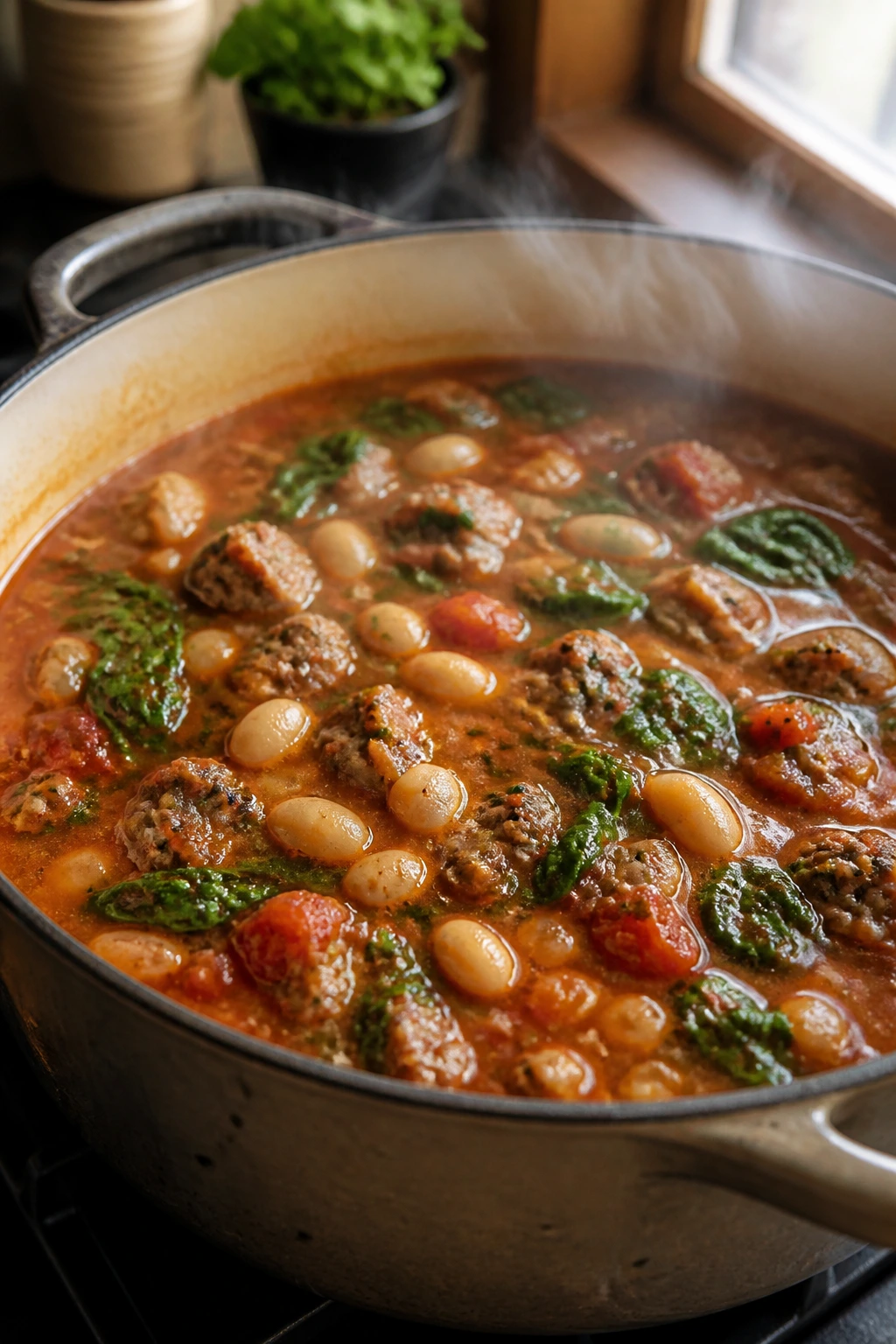
Soup is not always a winter thing. Sometimes it is just a smart thing. Italian sausage, white beans, tomatoes, broth, and spinach make a pot that feels hearty enough for dinner and easy enough for a Tuesday. It is especially nice when the people at your table want something warm but not heavy.
Why it works: Sausage seasons the broth from the start, which means the soup tastes built instead of assembled. White beans thicken the pot a little as they simmer, giving the broth body without cream. Tomatoes add acidity so the soup does not read flat, and spinach folds in at the end for color and freshness. That balance matters more than any fancy garnish ever will.
Key ingredients:
- 1 pound Italian sausage
- 2 cans cannellini beans, drained and rinsed
- 4 cups chicken broth
- 1 can diced tomatoes, 14 to 15 ounces
- 5 ounces baby spinach
- 1 tablespoon olive oil
Quick steps:
- Brown the sausage: Heat the olive oil in a large pot over medium heat. Add the sausage and cook for 6 to 8 minutes, breaking it up as it browns.
- Add the base: Stir in the beans, broth, and diced tomatoes. Bring the pot to a gentle simmer.
- Let it simmer: Cook for 12 to 15 minutes, uncovered, until the broth tastes round and the beans start to soften.
- Add spinach last: Stir in the spinach and cook for 1 minute, just until it wilts.
- Serve hot: Taste and adjust if needed, then ladle into bowls while the broth is still steaming.
Tips and variations:
- Mash a few beans: That gives the soup a thicker texture without adding cream.
- Use kale if spinach is not available: Just simmer it a few minutes longer.
- This soup freezes well: It is one of the better make-ahead dinners in the bunch.
14. Pesto Shrimp Linguine
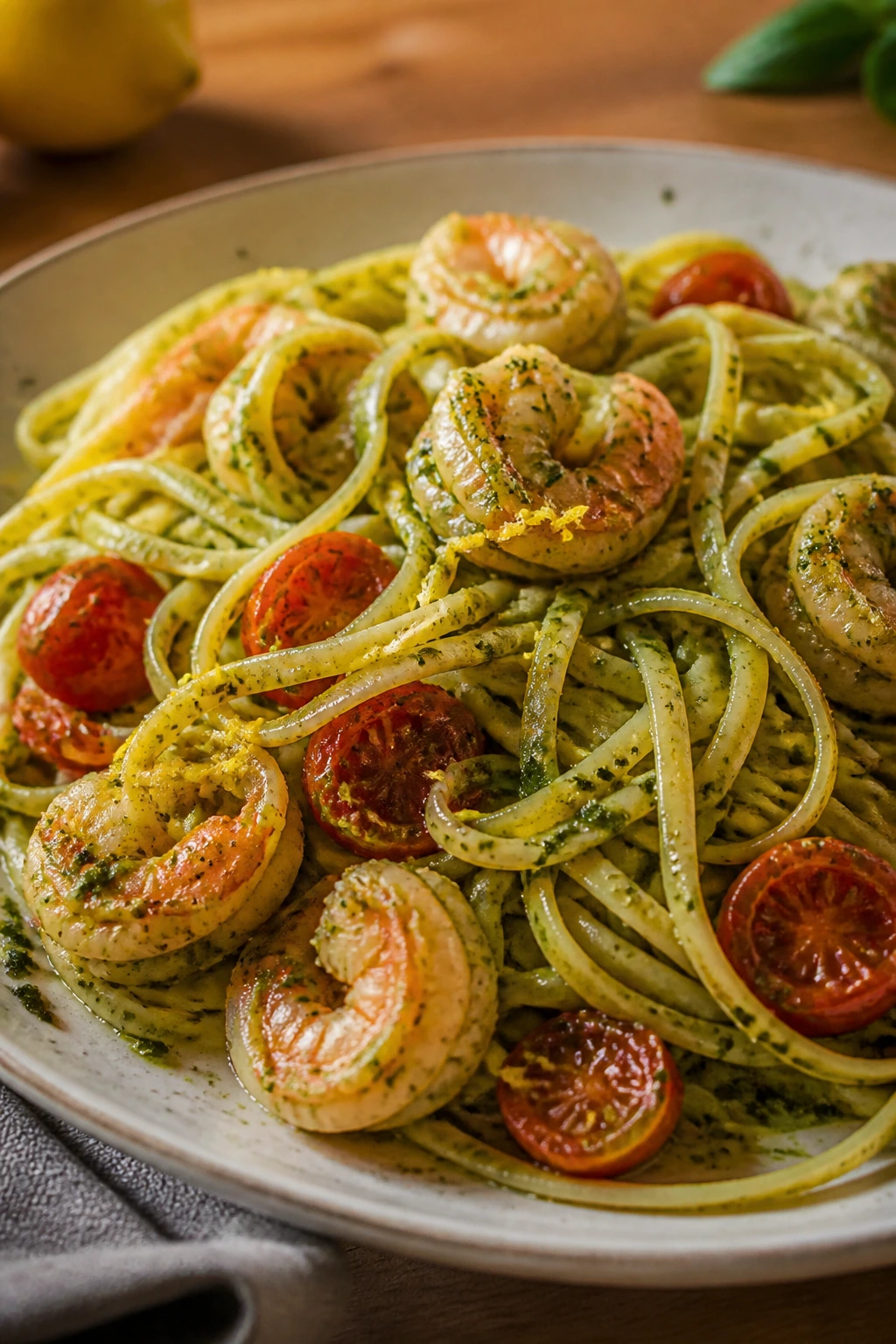
Shrimp cooks faster than almost anything else in the fridge, which is why it has earned its place in so many hurried dinners. Toss it with linguine, pesto, tomatoes, lemon, and a little olive oil, and you get a pasta bowl that tastes bright and clean instead of heavy. That matters on nights when everyone is hungry but nobody wants a casserole.
Why it works: Shrimp needs only a few minutes in the pan, so the whole dinner moves fast. Pesto clings to the pasta and shrimp in a way that jarred sauces often do not, and cherry tomatoes bring a little sweetness when they soften. Lemon keeps the pesto from tasting too rich, which is the difference between a pasta dinner that feels balanced and one that feels like it needs a nap.
Key ingredients:
- 12 ounces linguine
- 1 pound raw shrimp, peeled and deveined
- 1/2 cup basil pesto
- 1 pint cherry tomatoes
- 1 lemon
- 1 tablespoon olive oil
Quick steps:
- Cook the pasta: Boil the linguine in salted water until just al dente. Reserve 1/2 cup of the pasta water before draining.
- Cook the shrimp: Heat the olive oil in a large skillet over medium-high heat. Add the shrimp and cook for about 2 minutes per side, until pink and opaque.
- Add the tomatoes: Stir in the cherry tomatoes and cook for 1 to 2 minutes, just until they start to wrinkle.
- Toss with pesto: Add the drained pasta, pesto, and a splash of reserved pasta water. Toss until the sauce coats the noodles.
- Finish with lemon: Squeeze the lemon over the top and toss once more. The whole bowl should smell fresh and a little sharp.
- Serve immediately: Shrimp gets rubbery if it sits. This one wants to be eaten hot.
Tips and variations:
- Thaw frozen shrimp fully: Pat them dry so they sear instead of steaming.
- Use spaghetti if that is what you have: The sauce still clings well.
- A little extra lemon zest helps: It brightens the pesto without adding another ingredient count.
15. Black Bean Enchilada Casserole
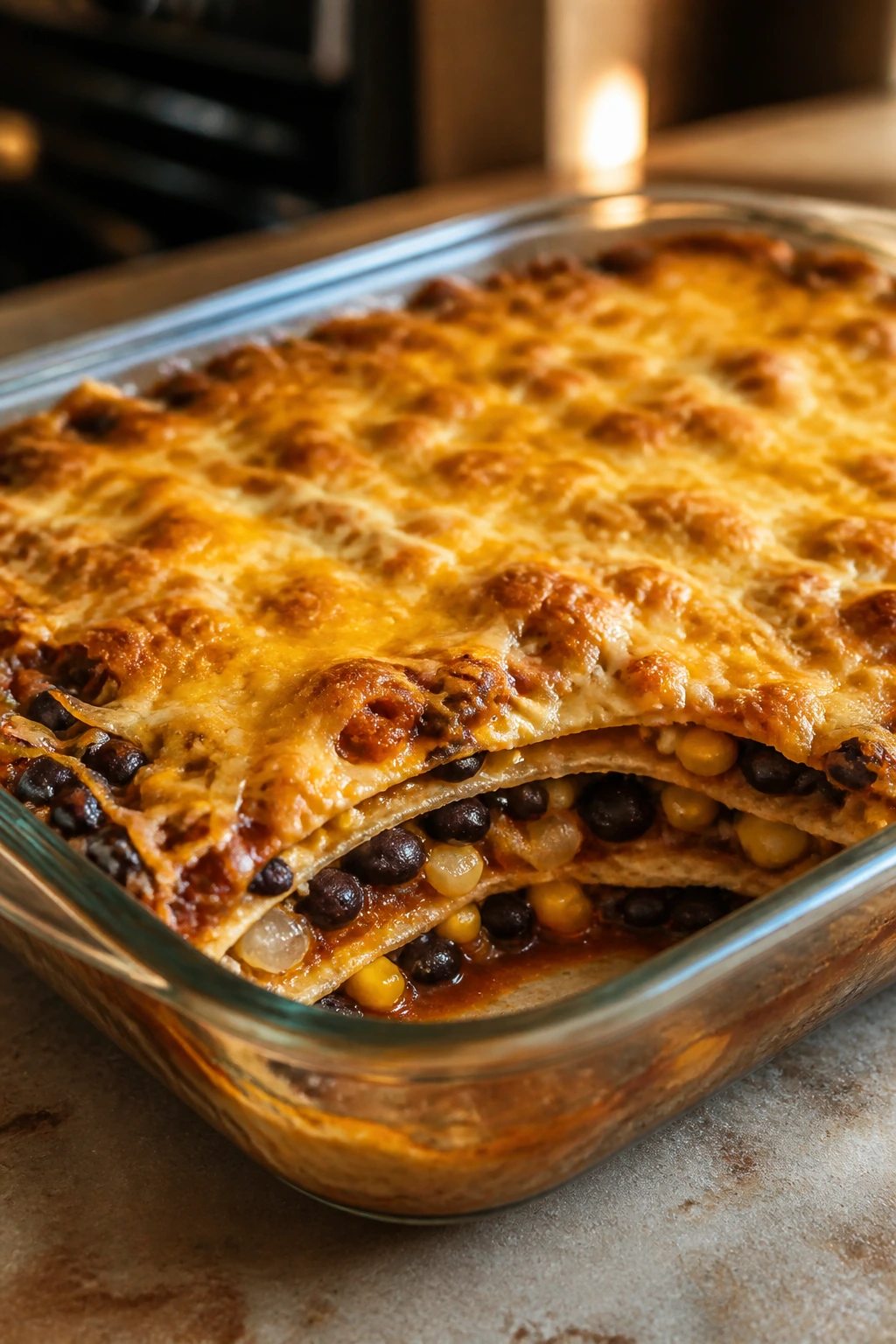
This is the sort of casserole that earns its place because it does a lot with a little. Corn tortillas, black beans, enchilada sauce, corn, and cheese layer into a pan that slices cleanly and comes out bubbling at the edges. It is budget-friendly, filling, and just messy enough to feel comforting.
Why it works: Black beans give the casserole bulk and enough protein to stand up as dinner. Enchilada sauce does the heavy lifting on flavor, so you do not need to build a separate spice base. Corn adds sweetness and texture, while the tortillas soften into layers that feel more like a baked enchilada than a pile of leftovers. Cheese seals the top and pulls the whole thing together.
Key ingredients:
- 10 small corn tortillas
- 2 cans black beans, drained and rinsed
- 2 cups enchilada sauce
- 2 cups shredded Mexican blend cheese
- 1 cup frozen corn
- 1 small onion, diced
Quick steps:
- Heat the oven: Preheat to 375°F and grease a 9×13-inch baking dish.
- Start the base: Spread a thin layer of enchilada sauce over the bottom of the dish.
- Build the layers: Add a layer of tortillas, then beans, corn, onion, sauce, and cheese. Repeat until everything is used, ending with cheese on top.
- Bake until set: Cover loosely with foil and bake for 20 minutes, then uncover and bake for another 8 to 10 minutes until the cheese is melted and the edges bubble.
- Rest before slicing: Let the casserole sit for 10 minutes so the layers settle and you can cut clean squares.
- Serve warm: A sharp spatula helps get under the corners without pulling the whole dish apart.
Tips and variations:
- Use green enchilada sauce if you want a brighter flavor.
- If you want more protein: Add cooked shredded chicken without changing the method much.
- Let it rest: That wait matters more than people think for neat slices.
Why Five Ingredient Dinners Work on Busy Nights
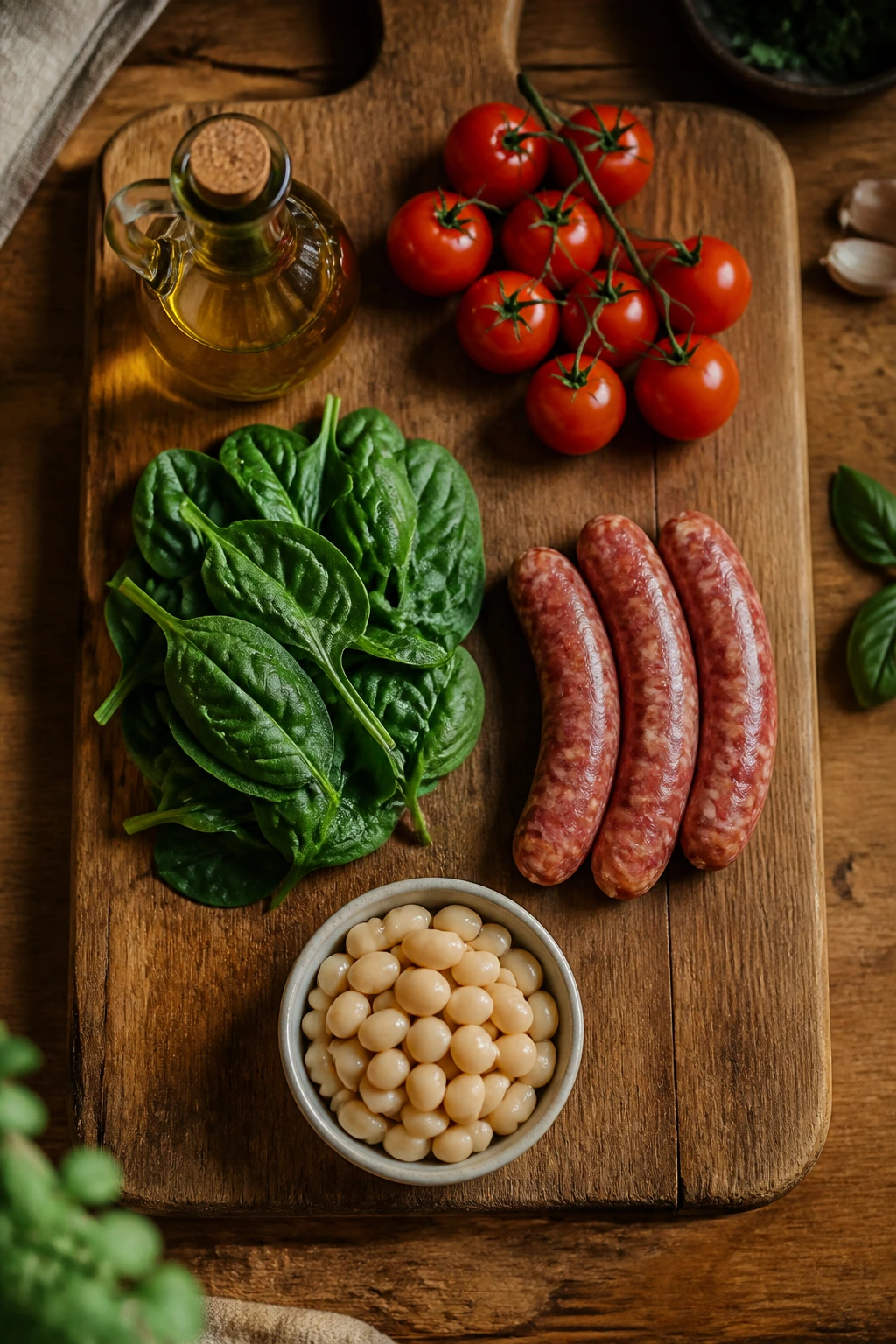
The best five ingredient dinners are not about deprivation. They are about ingredients that already know how to behave. A jar of pesto carries herbs, oil, and garlic in one spoonful. Salsa brings acid, salt, and heat. Smoked sausage arrives with seasoning already inside it. That is why these dinners feel bigger than the list on the page.
There is also a practical rhythm to them. One ingredient handles protein, one gives body, one adds sauce, one adds color, and one finishes the dish. That structure keeps you from overbuying groceries and overcomplicating the evening. If the rice is cooked, the sauce is open, and the protein is ready, dinner becomes a series of small moves instead of a project.
And honestly, that matters when the house is loud. A short ingredient list gives you less to wash, less to track, and fewer places for the evening to wobble. Good food does not need to feel hard. Sometimes the smartest dinner is the one that leaves your brain with a little room left over.
Essential Equipment for These Recipes
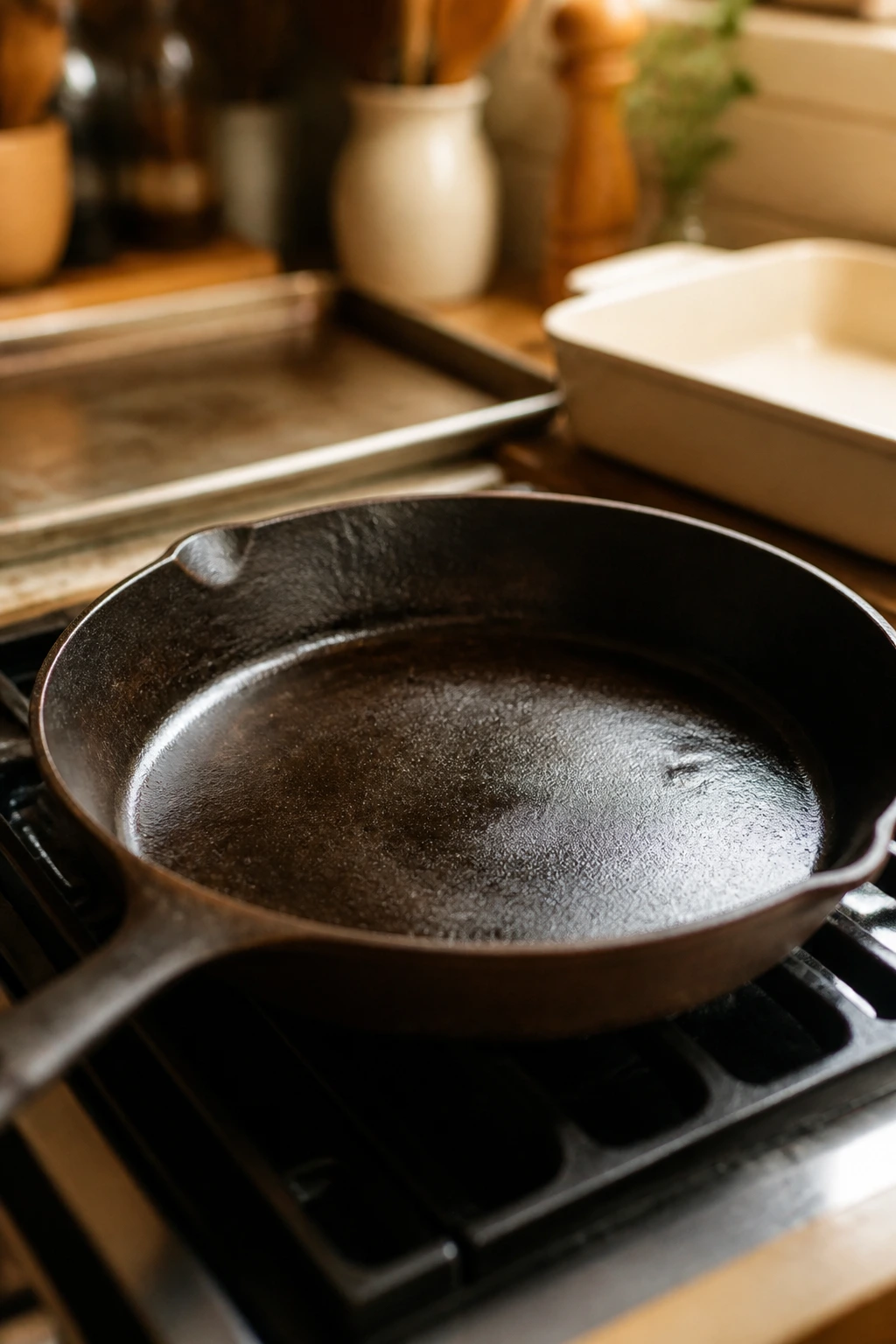
- Large skillet: This is the workhorse for tacos, sausage dishes, sliders, and the egg roll bowl.
- Sheet pan: Useful for sausage and potatoes, salmon and beans, and broiled chicken melts.
- 9×13-inch baking dish: Needed for the ravioli bake, enchilada casserole, and Alfredo bake.
- Large pot: Handy for soup, pasta, and anything that needs a quick boil.
- Colander: Makes pasta night move faster.
- Tongs: Better than a spoon for turning sausage, shrimp, chicken, and vegetables.
- Sharp knife and cutting board: Keep prep fast and safe, especially for peppers, onions, and potatoes.
- Instant-read thermometer: The easiest way to avoid dry chicken or overcooked salmon; chicken should reach 165°F, fish 145°F, and ground meat 160°F.
- Foil or parchment paper: Makes cleanup easier on sheet-pan and broiled dishes.
- Mixing bowl: Useful for tossing pasta bakes and seasoning vegetables before they hit the pan.
Smart Shopping and Ingredient Tips
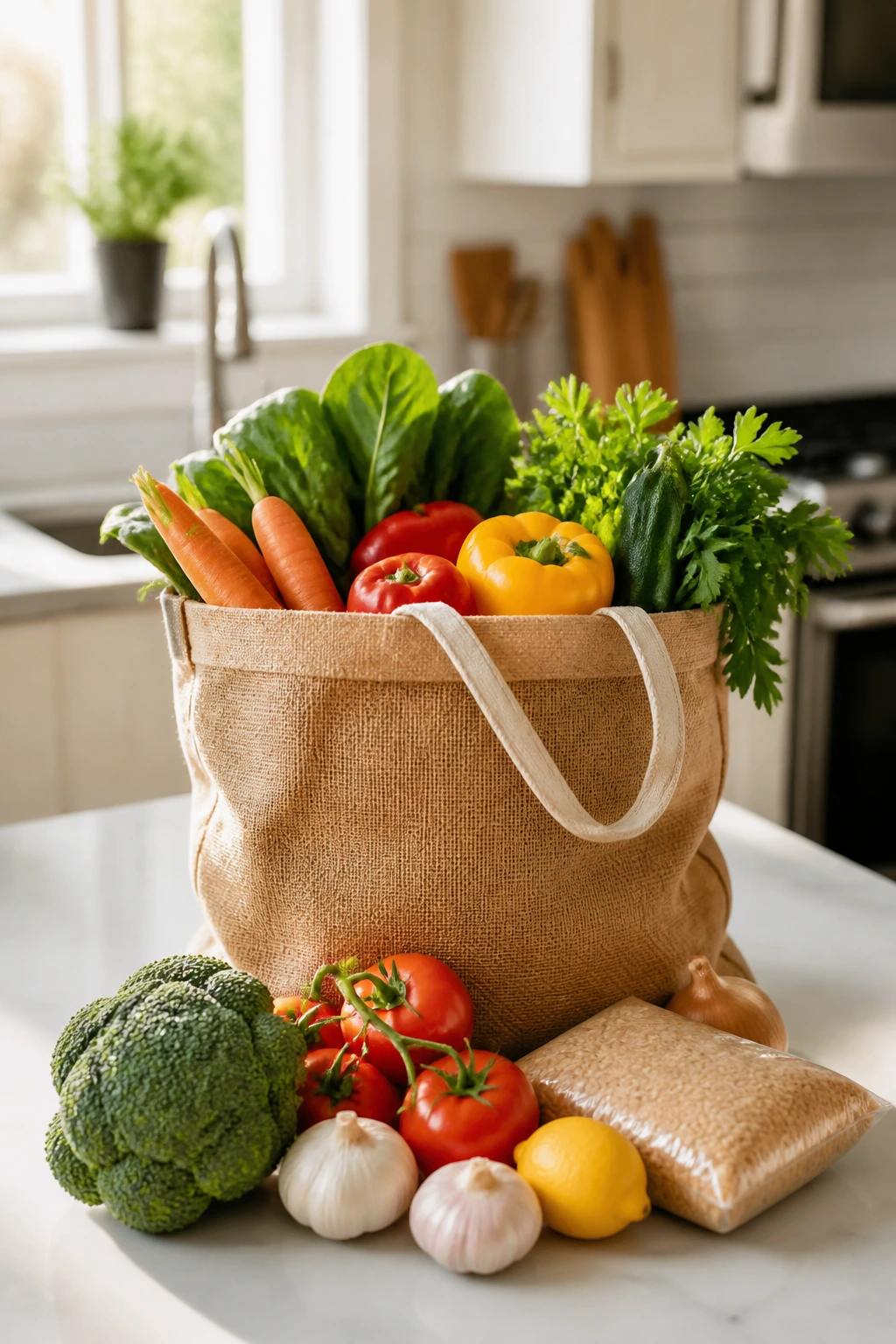
The ingredient list gets easier when you buy smart. That means choosing items with short ingredient labels and a flavor you actually like eating straight from the package. Jarred pesto, marinara, Alfredo, salsa, and enchilada sauce vary a lot from brand to brand, so if one tastes flat on a spoon, it will not get better in the oven. Pick the one that tastes bold enough to carry a whole pan.
For proteins, rotisserie chicken is the most obvious shortcut, and it earns that status. Frozen meatballs, smoked sausage, and refrigerated tortellini are also excellent time-savers because they are already seasoned and portioned. Salmon and shrimp should smell clean, not fishy; that little detail matters more than the label on the box. If you buy chicken cutlets or ground turkey, choose packages that will cook evenly without a lot of trimming.
Beans, pasta, rice, and tortillas are the quiet budget helpers in these recipes. Canned beans should be firm, not mushy, and they are worth rinsing unless the recipe depends on the canning liquid. Tortillas do better when they are fresh and pliable, especially for casserole layering or folded tacos. Frozen broccoli and green beans are perfectly fine in a pinch — sometimes better, because they are already trimmed and ready to go. No shame in that.
Cheese is another place where a little thought helps. Pre-shredded cheese is convenient, but it can melt a little less smoothly because of the coating on the shreds. If you have five extra minutes and a block of mozzarella, cheddar, or Monterey Jack, grating it yourself gives you a nicer melt. If not, the bagged stuff still gets dinner done. That counts for a lot.
Make-Ahead, Storage, and Reheating Guidance
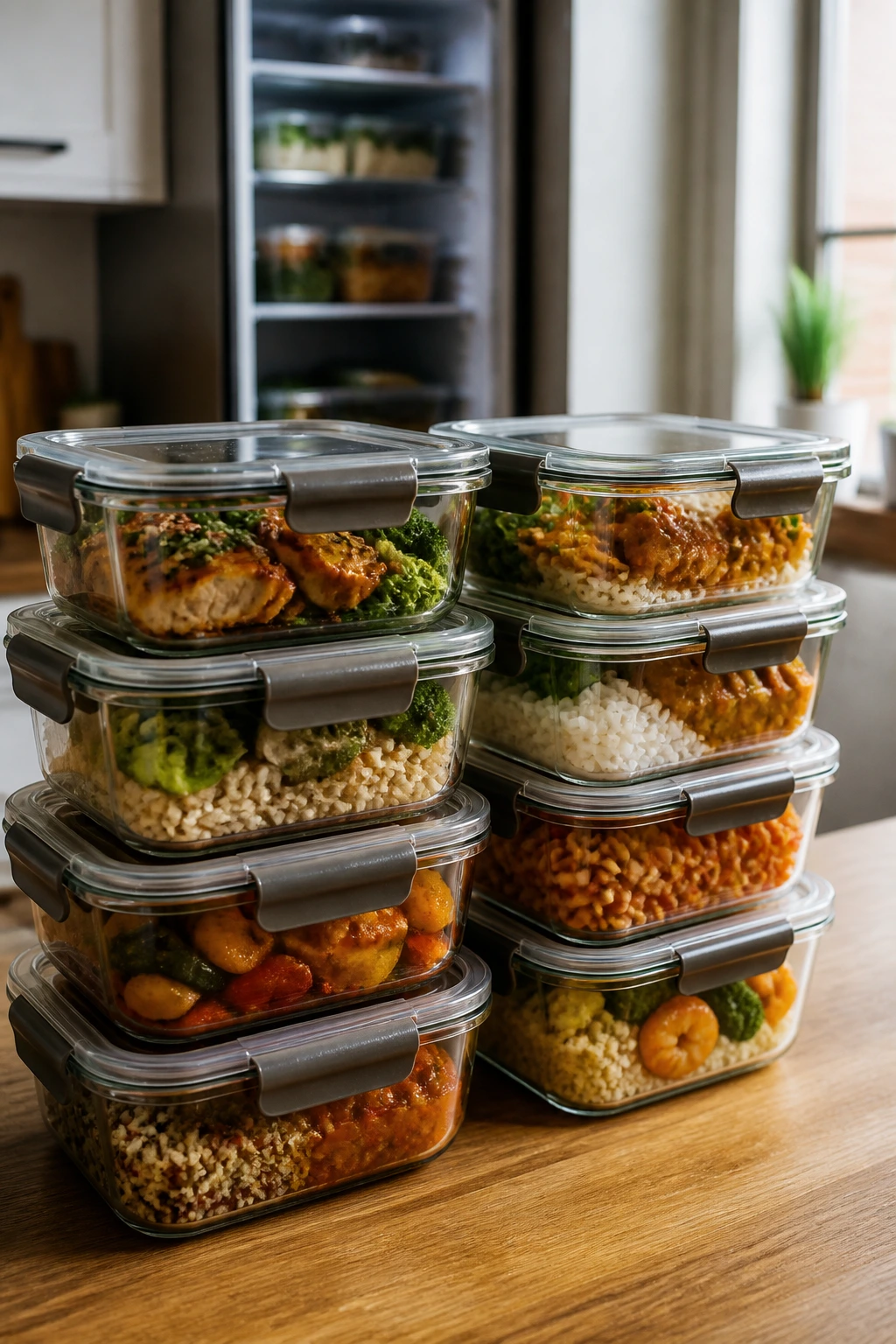
Most of these dinners keep well for 3 to 4 days in the refrigerator if you cool them quickly and store them in sealed containers. Soups, casseroles, sausage dishes, and pasta bakes are the easiest to save. Salmon and shrimp dinners are the ones to treat with more care; they are best eaten the same day, or within 1 day if you must keep leftovers. Seafood gets soft and a little tired if it sits too long.
For the freezer, bean-heavy casseroles, sausage bakes, and soups usually do best. Pack them in freezer-safe containers and freeze for up to 2 months. Pasta bakes can freeze too, though the texture gets softer after thawing, so I would freeze those only if I had to. Shrimp and salmon are not my first choice for freezing after they are cooked. They can be done, but the texture usually gives away the trick.
Reheat gently. That matters more than people think. For casseroles and pasta bakes, cover the dish and warm it at 325°F until hot, usually 15 to 25 minutes depending on the size. For skillet meals and soups, reheat over medium-low heat on the stove with a splash of water, broth, or sauce to loosen things up. In the microwave, use medium power in 60-second bursts and stir between rounds so the edges do not dry out while the middle stays cold.
Food safety still applies, even on a busy night. Reheat chicken, turkey, and beef dishes to 165°F in the center. Ground meat dishes should reach 160°F. If a casserole has been sitting out longer than 2 hours, it is better not to gamble with it. That rule is not glamorous, but it is useful.
Variations and Adaptations to Try
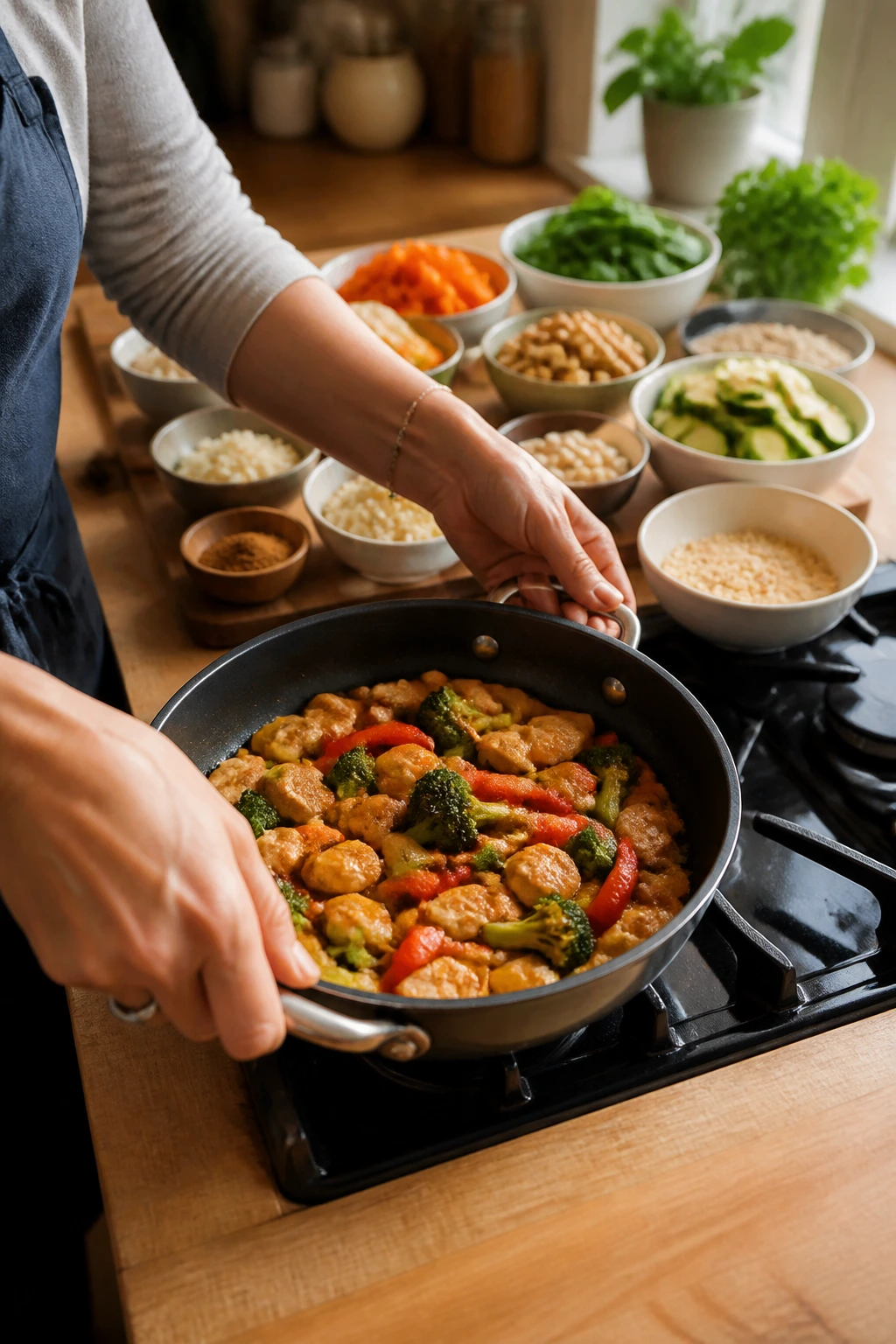
Gluten-Free Swap Box:
Use corn tortillas instead of flour tortillas, rice instead of pasta where it makes sense, and certified gluten-free pasta in the bakes. Most of these recipes adapt cleanly because the sauce and protein do the heavy lifting. The only thing that needs a little attention is the cook time on gluten-free pasta, which can go soft if you overboil it.
Dairy-Free Lane:
Skip the cheese-heavy finish and lean harder on sauce, lemon, salsa, or pesto. A dairy-free pesto pasta, taco skillet, sausage roast, or soup still tastes complete if you use a flavorful sauce and do not pretend the cheese is the whole meal. For casseroles, a dairy-free shredded topping can work, but I would not force it where the cheese is the main event.
Vegetarian Shortcut Night:
Swap the chicken, sausage, beef, or shrimp for canned beans, extra vegetables, meatless meatballs, or tofu. The enchilada casserole, ravioli bake, egg roll bowl, and soup all adapt well. Keep the seasoning bold, because vegetarian dinners need enough flavor to stand on their own. That is the part people sometimes forget.
Lower-Sodium Pantry Plan:
Choose low-sodium broth, rinse canned beans well, and taste sauces before you season anything else. Salsa, pesto, and teriyaki sauce can carry more salt than you expect, so be careful with add-ons. A squeeze of lemon or lime can wake up a dish without leaning on extra salt.
Heat-It-Up Version:
Keep the base mild, then add crushed red pepper, hot sauce, or sliced jalapeños at the table. That works best for family dinners because one pan can serve both the spice-loving person and the person who thinks black pepper is enough drama. I like this approach better than turning the whole dish fiery and then regretting it later.
Common Mistakes to Avoid
The biggest mistake is treating a short ingredient list like a permission slip to skip flavor. Five ingredient dinners work because the ingredients are chosen with care, not because you can toss anything into a pan and hope for the best. If the sauce is bland, the sausage is dull, or the chicken was dry before it hit the skillet, the dinner will still taste flat. Start with ingredients that have a job to do.
Another common slip is overcooking the fast proteins. Shrimp, salmon, thin chicken cutlets, and frozen meatballs all move quickly. If you cook them until they look “extra safe,” you often end up with dry edges and a tired center. A thermometer helps, but so does paying attention to color and texture. Shrimp should turn pink and opaque. Salmon should flake with a fork. Chicken should hit 165°F and then come off the heat.
People also undersize the vegetables or oversize them. A potato chunk the size of a golf ball will not roast in the same time as sausage slices and peppers. A broccoli floret cut too big stays stubborn in the middle while the cheese on top gets too brown. Keep the pieces in the same general range, and the whole pan behaves better.
The last one is simple: not tasting at the end. Jarred sauces vary. So do sausages, salsas, and broths. A squeeze of lemon, a pinch of salt, or a spoonful of extra sauce can turn a merely decent dinner into one that tastes finished. Do that last taste. It is the least dramatic step, and often the one that matters most.
Frequently Asked Questions

Do these recipes really count as five ingredient dinners?
Mostly, yes, in the way home cooks usually mean it. I’m counting the main ingredients that do the real work and treating salt, pepper, and a little oil as pantry basics. That keeps the spirit of the idea intact without turning dinner into a scavenger hunt.
Can I use rotisserie chicken in place of raw chicken?
Absolutely, and in several of these recipes it is the better choice. Rotisserie chicken saves time, stays tender, and soaks up sauces fast. Use it in the tacos, pesto tortellini, Alfredo bake, and even the chicken parmesan melts if you want a shorter path to dinner.
Which of these recipes freeze best?
The sausage and potato pan is best fresh, but soups, bean casseroles, enchilada bake, and the Alfredo bake freeze well. Pasta bakes soften a bit after freezing, though they still hold up for a later dinner. Seafood dishes are not my first choice for the freezer once they are cooked.
How can I make these recipes stretch for bigger appetites?
Serve them with rice, extra tortillas, a simple salad, or bread. The meatball bowls, taco skillet, soup, and sliders all stretch nicely with a side that is cheap and easy. That is often smarter than doubling the protein and overcomplicating the pan.
What if I only have frozen vegetables?
Use them. Frozen broccoli, green beans, and corn work well in these dinners because they are already trimmed and ready. Just keep an eye on moisture; frozen vegetables sometimes release extra water, so a hot oven or a well-heated skillet helps them cook instead of steam.
Can I make any of these in advance?
Yes. The sausage sheet pan, soup, taco filling, meatball bowls, and enchilada casserole all lend themselves to make-ahead prep. Cook the filling or sauce earlier in the day, then finish the final bake or reheat close to dinner so the texture stays right.
What is the easiest recipe here for a first try?
Salsa chicken tacos or the egg roll in a bowl. Both are fast, forgiving, and hard to ruin if you watch the heat. They also teach the basic pattern that makes the other dinners easier: one flavorful base, one main protein, one finishing move.
A Quieter Weeknight Table
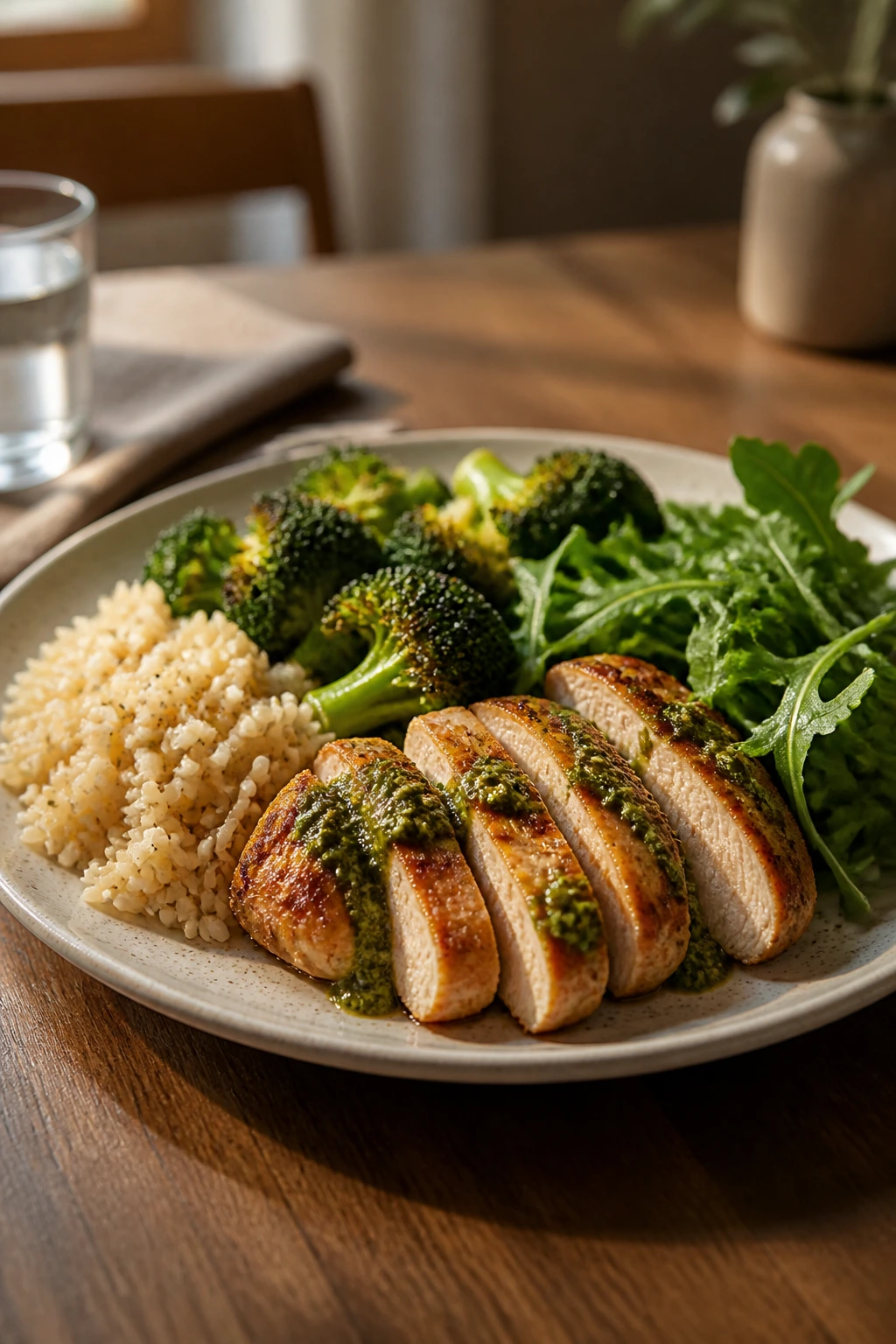
A short ingredient list can change the feel of an evening more than people expect. You spend less time chopping, less time hunting through the fridge, and less time wondering whether dinner is going to work out. That gives the whole room a little more breathing space.
I keep coming back to these kinds of dinners because they respect the reality of a full day. They do not ask for perfection. They ask for a hot pan, a decent sauce, and enough sense to stop before the chicken turns dry or the pasta goes soft. That is a fair trade.
If the next weeknight starts to feel crowded before dinner even begins, pick one of these and let the ingredients carry more of the load. The table will still get fed, and the evening might even feel a little lighter.