



When the wind starts rattling the windows and the kitchen feels a little too big and a little too cold, crockpot dinners for cold winter nights stop being a convenience and start feeling like a small, sensible luxury. You throw in a few real ingredients, walk away, and come back to something steaming, savory, and steady. No drama. No hovering. Just dinner that did its job while you were busy doing literally anything else.
The best slow cooker meals are not lazy food. They’re patient food. Beef chuck turns silky after hours of heat, chicken thighs stay juicy, beans soak up spice, and onions melt into the broth until the whole pot tastes deeper than the ingredient list looks on paper. That’s the quiet magic here. A good crockpot dinner doesn’t just feed you; it changes the mood of the room.
And yes, there’s a big difference between a watery dump-and-hope stew and a proper slow cooker meal. The good ones know when to brown, when to wait, when to add pasta or greens, and when to finish with acid so the whole thing doesn’t taste flat. That last bit matters more than people think. A spoonful of lemon, vinegar, or sharp cheese can pull a whole pot into focus.
These are the dinners I’d put on repeat when the nights are long and the sink is already full enough. Start with the beef stew.
1. Slow Cooker Beef Stew
A bowl of beef stew is the kind of dinner that makes a cold house feel inhabited. The broth turns dark and rich, the carrots go sweet at the edges, and the beef gets tender enough to cut with a spoon. If you want one meal that smells like a real home by dinnertime, this is it.
Why It Works
Beef chuck is the right cut here. It has enough fat and connective tissue to break down over a long cook without falling apart into mush. The flour on the beef gives the broth a little body, and the tomato paste helps the stew taste round instead of thin. I also like a small splash of Worcestershire; it does a sneaky amount of work.
The potatoes and carrots hold their shape if you cut them large, about 1-inch chunks. Smaller pieces disappear into the broth and make the stew muddy. That’s not the look we want. We want a pot where the spoon comes up glossy, with real pieces of vegetables and beef in every bite.
Key Ingredients
- 2 lbs beef chuck, cut into 1 1/2-inch cubes — the marbling keeps the meat tender after hours of heat.
- 2 tablespoons all-purpose flour — helps the stew thicken a little as it cooks.
- 1 teaspoon kosher salt — seasons the beef from the start.
- 1/2 teaspoon black pepper — gives the broth a warm edge.
- 2 tablespoons oil — use a neutral oil with a high smoke point for browning.
- 1 large onion, chopped — melts into the broth and gives it sweetness.
- 3 carrots, cut into 1-inch pieces — cut them big so they stay intact.
- 3 celery stalks, chopped — adds the savory base.
- 3 garlic cloves, minced — keep it short in the pan so it doesn’t burn.
- 2 tablespoons tomato paste — deepens the color and flavor.
- 4 cups beef broth — choose low-sodium so you can control the salt.
- 1 pound Yukon Gold potatoes, cut into 1-inch chunks — they hold together better than russets.
- 1 teaspoon dried thyme — the herb that makes stew taste like stew.
- 1 bay leaf — remove it before serving.
- 2 teaspoons Worcestershire sauce — brings a savory, almost roasted note.
- 1 cup frozen peas — stir in at the end so they stay bright.
Quick Steps
-
Season and brown the beef. Toss the beef with flour, salt, and pepper. Heat the oil in a skillet over medium-high heat, then brown the beef in 2 batches for 3 to 4 minutes per side until deeply colored, not gray. Do not crowd the pan or the meat will steam.
-
Build the base. Add the onion, carrots, and celery to the same skillet and cook for 4 to 5 minutes, stirring, until the onion looks translucent. Stir in the garlic and tomato paste for 30 seconds, then pour in 1/2 cup of the broth and scrape up the brown bits from the pan.
-
Load the crockpot. Transfer the beef and vegetables to the slow cooker. Add the remaining broth, potatoes, thyme, bay leaf, and Worcestershire sauce. Stir once so the tomato paste disappears into the liquid.
-
Cook low and slow. Cover and cook on low for 8 to 9 hours or on high for 4 to 5 hours, until the beef is fork-tender and the potatoes are soft at the center.
-
Finish the texture. Stir in the frozen peas and cook for 10 minutes more, just until they’re hot and green. If you want a thicker stew, whisk 1 tablespoon cornstarch with 1 tablespoon cold water and stir it in, then cook uncovered for 10 to 15 minutes.
-
Taste and serve. Remove the bay leaf, taste for salt, and spoon into bowls while it’s still steaming.
Tips and Variations
- Winey version: Swap 1 cup of the broth for dry red wine if you like a deeper, almost wine-stained sauce.
- Herb shift: Rosemary works too, but use less — about 1/2 teaspoon dried. It can take over fast.
- Leftover trick: The stew thickens overnight. The next day, a splash of broth loosens it back up.
2. Creamy Chicken and Dumplings
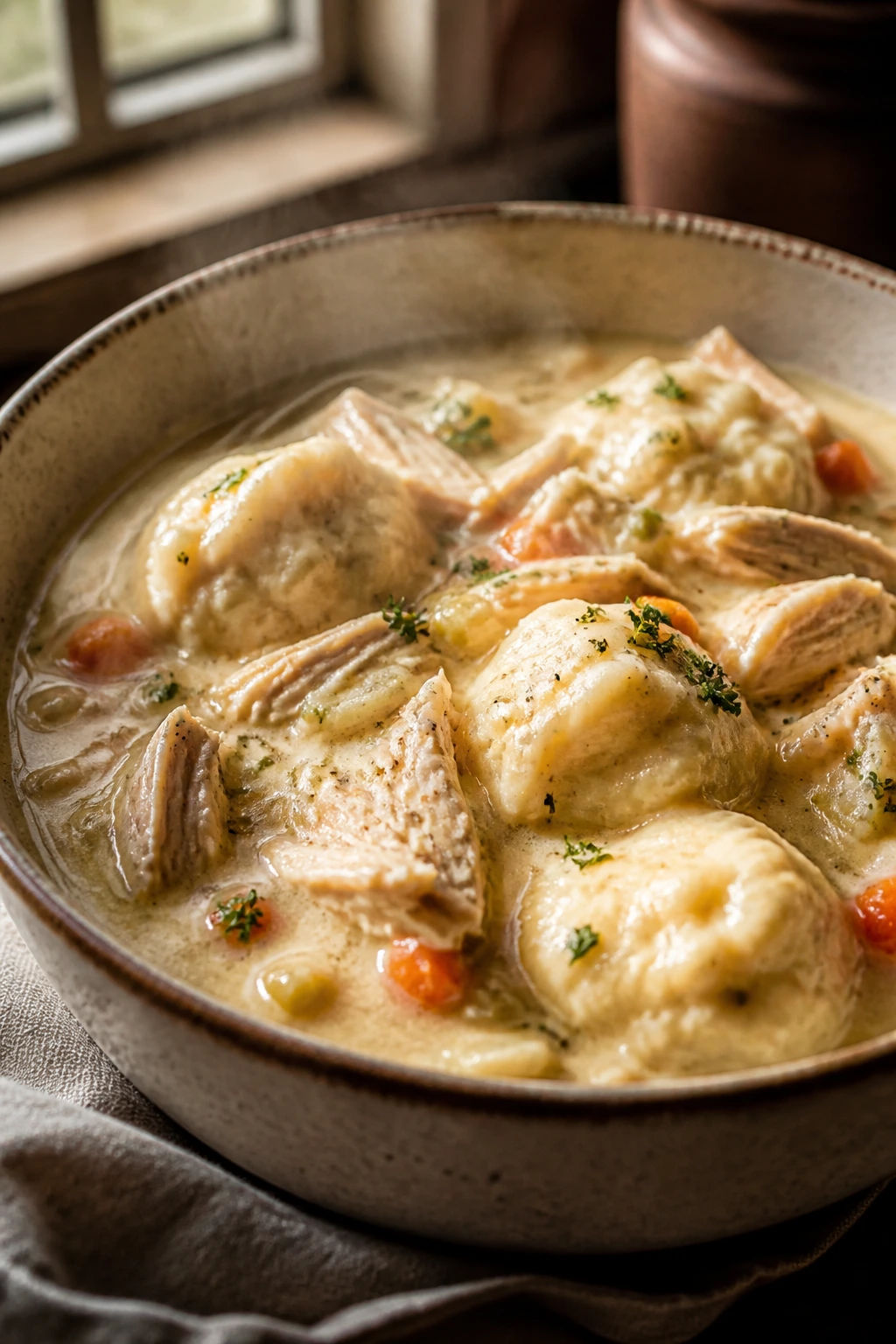
Chicken and dumplings has a way of turning an ordinary evening into something softer. The broth turns creamy, the chicken shreds into the spoon, and the dumplings rise on top like little soft lids. It’s not fancy. It doesn’t need to be. It’s the kind of dinner people go quiet over.
Why This Version Wins
Chicken thighs are the better choice in a slow cooker. They stay moist even after a long cook, which matters when the dumplings still need time at the end. A little sage and thyme make the broth taste old-fashioned in the best way, like somebody actually cared how the pot smelled while it cooked.
The dumplings are dropped in near the end, not at the beginning. That’s the whole trick. If you cook them too long, they get dense and gummy. If you peek too often, they fall flat and lose steam. Keep the lid closed and let them puff.
Key Ingredients
- 2 lbs boneless, skinless chicken thighs — they shred easily and stay juicy.
- 1 large onion, diced — gives the broth body without needing a roux.
- 3 carrots, sliced — classic, sweet, and sturdy.
- 2 celery stalks, sliced — for a savory base.
- 3 garlic cloves, minced — keeps the broth from tasting thin.
- 6 cups chicken broth — use low-sodium so the final seasoning stays in your hands.
- 1 teaspoon dried thyme — the quiet background note.
- 1/2 teaspoon dried sage — adds the dumpling-house flavor people expect.
- 1/2 teaspoon black pepper — enough to wake up the broth.
- 1 cup frozen peas — stir in right before the dumplings.
- 1/2 cup heavy cream — gives the broth a richer finish.
- 1 tablespoon cornstarch — useful if you want a slightly thicker sauce.
For the dumplings:
- 2 cups all-purpose flour — the structure of the dumplings.
- 1 tablespoon baking powder — gives them lift.
- 1 teaspoon kosher salt — keeps the dough from tasting flat.
- 1/2 teaspoon black pepper — a little savory bite.
- 1/2 teaspoon dried thyme — ties them to the broth.
- 3/4 cup whole milk — hydrates the dough.
- 4 tablespoons unsalted butter, melted — adds tenderness.
- 1 large egg — helps the dumplings hold together.
Quick Steps
-
Set up the slow cooker. Add the chicken thighs, onion, carrots, celery, garlic, broth, thyme, sage, and pepper to the crockpot. Cover and cook on low for 6 to 7 hours or on high for 3 to 4 hours, until the chicken is tender and reads 165°F.
-
Shred the chicken. Lift the thighs out, shred them with two forks, and return them to the pot. Stir in the peas, cream, and the cornstarch slurry if you want a slightly thicker broth.
-
Mix the dumpling dough. In a bowl, whisk together the flour, baking powder, salt, pepper, and thyme. Stir in the milk, melted butter, and egg just until combined. Do not overmix or the dumplings get tough.
-
Drop the dumplings. Spoon the dough by tablespoons onto the surface of the hot soup. Keep them fairly small; they expand more than people expect.
-
Cook without lifting the lid. Cover and cook on high for 30 to 40 minutes, until the dumplings are puffed, dry on top, and no longer doughy in the center.
-
Rest and serve. Turn off the heat and let the pot sit for 10 minutes before serving. The broth thickens a little as it stands.
Tips and Variations
- Store-bought shortcut: Refrigerated biscuit dough, cut into quarters, works in a pinch. The texture is a little different, but it gets dinner on the table.
- Extra-rich version: Stir in 2 tablespoons of butter at the end. It sounds small; it isn’t.
- Vegetable boost: Add 1 cup frozen corn with the peas if you want more sweetness and color.
3. Classic Beef Chili
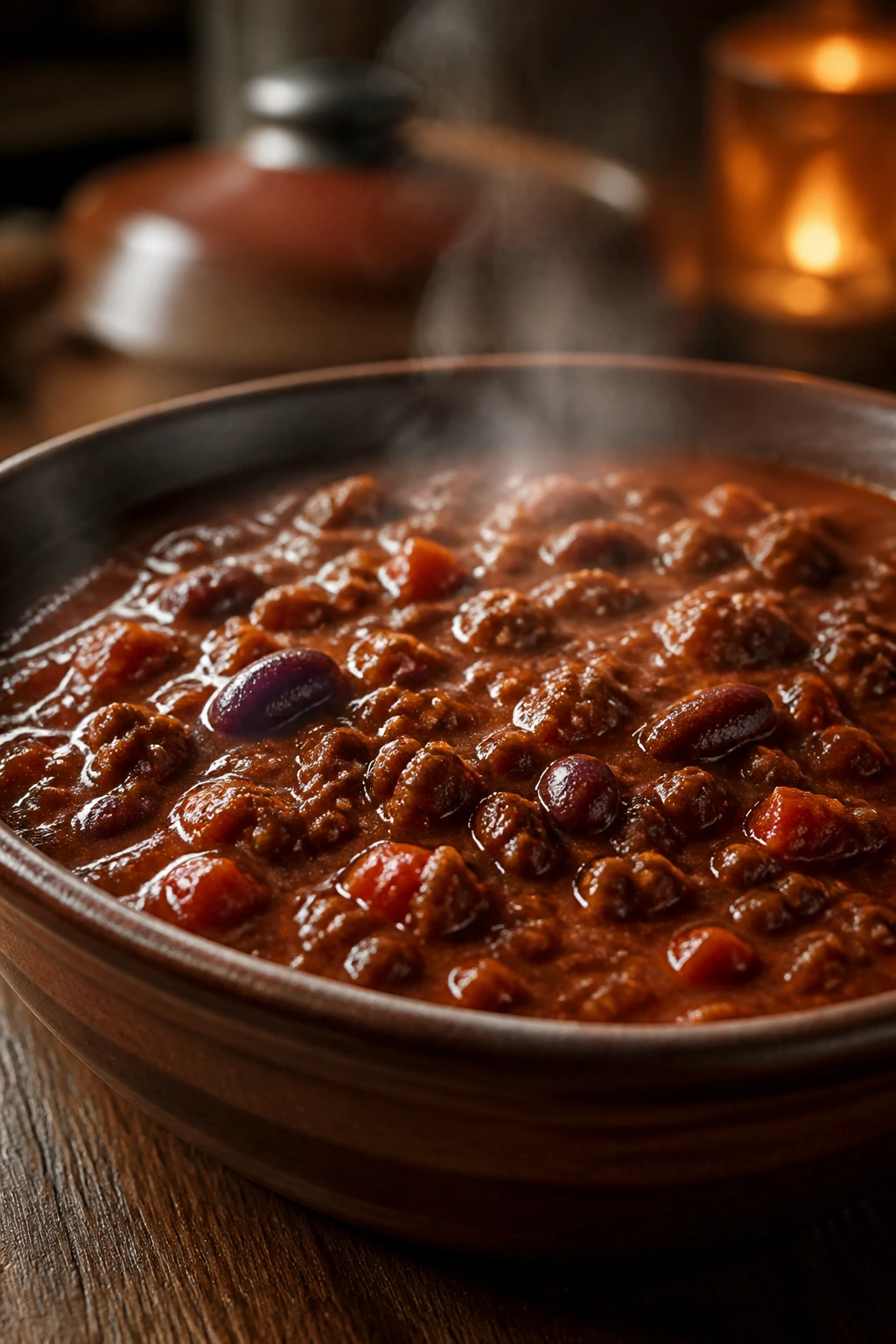
A good chili should smell spicy before you ever ladle it. It should look thick, almost brick-red, with beans tucked into the beef and steam that carries cumin and smoke. This is the one I make when I want a room to smell like dinner for hours.
What Makes It Work
Ground beef plus beans is the right balance for a slow cooker chili. The beef gives richness, the beans make it feel complete, and the tomato base holds everything together. A little tomato paste and a splash of vinegar at the end matter more than most people think. Chili can taste flat if you skip that last bright note.
If you like a chili that holds its shape on a spoon, keep the liquid modest. Crockpots trap moisture, so you do not need to drown everything in broth. The tomatoes and bean liquid bring enough of their own. The result should be thick enough to pile onto a baked potato or scoop with a chip.
Key Ingredients
- 2 lbs ground beef — enough fat for flavor, not so much that the pot turns greasy.
- 1 large onion, chopped — sweetens as it cooks.
- 1 red bell pepper, chopped — adds mild sweetness and some texture.
- 4 garlic cloves, minced — short, sharp, and necessary.
- 2 tablespoons chili powder — the backbone of the flavor.
- 1 tablespoon ground cumin — gives the pot that familiar chili smell.
- 1 teaspoon smoked paprika — adds a little fire without extra heat.
- 1/2 teaspoon ground cinnamon — optional, but it rounds out the tomatoes.
- 1 tablespoon tomato paste — deepens the color.
- 1 can (15 oz) kidney beans, drained and rinsed — firm and classic.
- 1 can (15 oz) black beans, drained and rinsed — softer, earthier, and good here.
- 1 can (28 oz) diced tomatoes — the main liquid and tomato base.
- 1 can (15 oz) tomato sauce — smooths the texture.
- 1 cup beef broth — keeps the chili from becoming paste.
- 1 tablespoon apple cider vinegar — brightens the finished pot.
- Salt, to taste — add at the end once the flavors have settled.
Quick Steps
-
Brown the beef. Cook the ground beef in a skillet over medium-high heat with the onion and bell pepper for 6 to 8 minutes, breaking it up as it browns. Drain off excess fat if needed.
-
Wake up the spices. Stir in the garlic, chili powder, cumin, smoked paprika, cinnamon, and tomato paste. Cook for 30 seconds until the spices smell fragrant and the tomato paste darkens a shade.
-
Transfer to the slow cooker. Add the beef mixture, beans, diced tomatoes, tomato sauce, and broth to the crockpot. Stir well so the spices are spread through the whole pot.
-
Cook low and slow. Cover and cook on low for 6 to 8 hours or on high for 3 to 4 hours, until the chili has thickened and the flavors taste blended instead of separate.
-
Finish with acid. Stir in the apple cider vinegar and taste. Add salt as needed. If the chili seems too thin, remove the lid and cook on high for 15 to 20 minutes.
-
Serve hot. Spoon into bowls and top with shredded cheddar, sour cream, onions, or crushed tortilla chips.
Tips and Variations
- Bean-free version: Leave out one can of beans and add 1 more pound of beef if you want a heavier meat bowl.
- Heat control: Add diced jalapeño with the onion if you want more kick.
- Make it smoky: A teaspoon of chipotle powder works better than a lot of extra cayenne.
4. Maple-Dijon Pulled Pork
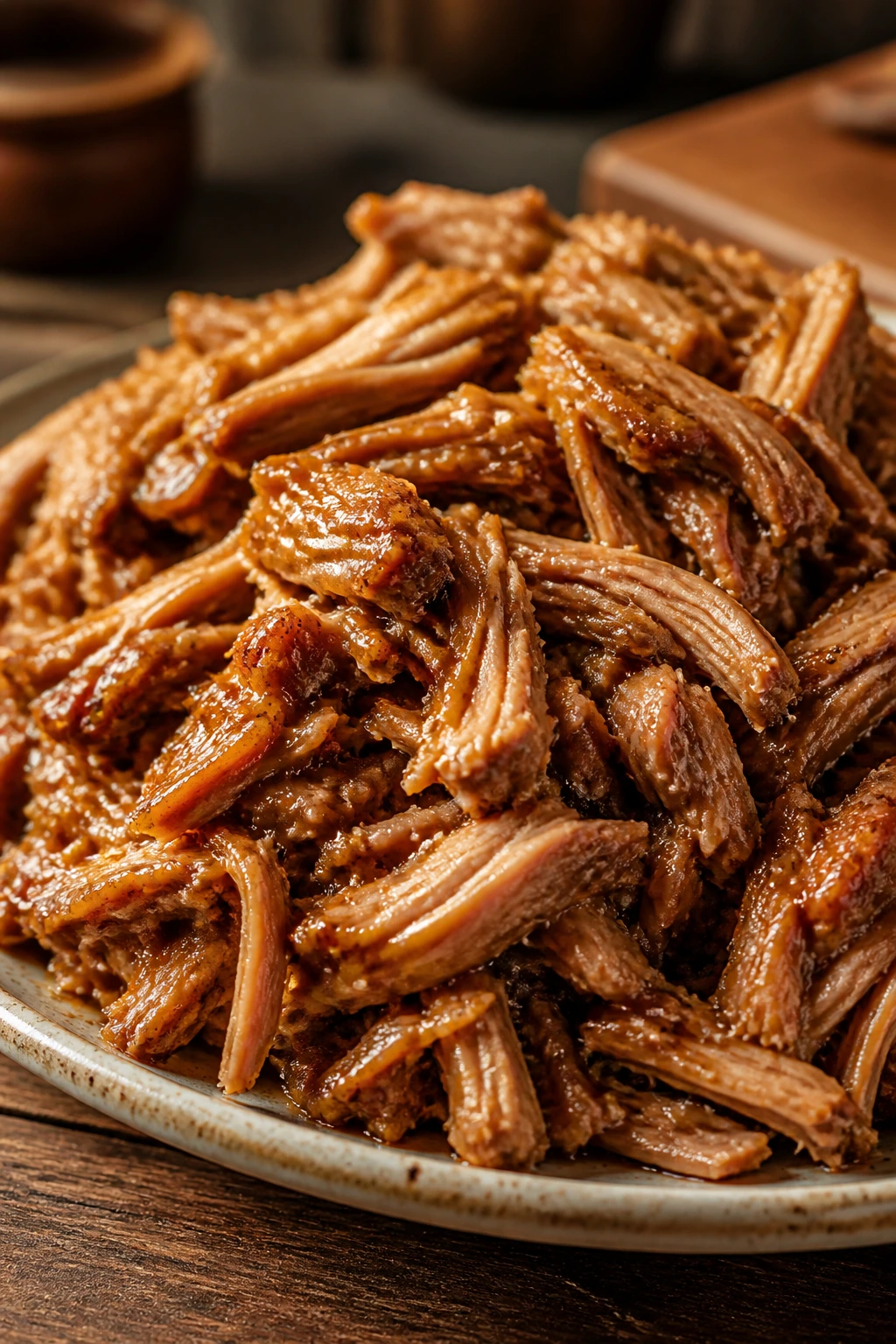
Pulled pork is at its best when it slides apart with a spoon and leaves a sticky sheen on the cutting board. The maple and Dijon make it taste a little sharper than the usual barbecue version, which is a good thing on a cold night. It’s rich, sweet, and a little tangy in the way that keeps people going back for one more bun.
Why It Earns Its Place
Pork shoulder is built for the slow cooker. It has enough fat and connective tissue to turn soft and shreddable without drying out. Maple syrup gives the sauce a round sweetness, but the Dijon keeps it from tasting like dessert. That balance matters; too much sweetness and the whole thing gets heavy.
This is also one of those recipes that rewards a little effort at the start. Browning the pork doesn’t make it mandatory, but it gives the finished meat a deeper flavor and a better smell in the kitchen. You can skip it if you must. I’d still do it.
Key Ingredients
- 4 lbs pork shoulder or pork butt — the best cut for shredding.
- 2 teaspoons kosher salt — helps season the meat all the way through.
- 1 teaspoon black pepper — gives the surface some bite.
- 1 tablespoon smoked paprika — adds gentle smoke.
- 1 large onion, sliced — melts into the sauce.
- 4 garlic cloves, smashed — softens and sweetens over time.
- 1 cup apple cider — adds fruit and a little acidity.
- 1/4 cup apple cider vinegar — keeps the sauce from getting sticky-sweet.
- 1/4 cup pure maple syrup — the sweet note that makes this version stand out.
- 2 tablespoons Dijon mustard — sharpens the whole pot.
- 1 tablespoon Worcestershire sauce — adds savory depth.
- Buns, for serving — toasted if you can manage it.
- Coleslaw, optional — useful if you like crunch and freshness against the rich meat.
Quick Steps
-
Season the pork. Pat the pork dry and rub it all over with salt, pepper, and smoked paprika. If you have time, sear it in a hot skillet for 3 to 4 minutes per side until browned.
-
Build the sauce base. Scatter the onion and garlic in the slow cooker. Pour in the apple cider, vinegar, maple syrup, Dijon, and Worcestershire sauce.
-
Nestle in the pork. Set the pork on top of the onions and spoon a little sauce over the surface. Cover and cook on low for 8 to 10 hours or on high for 5 to 6 hours, until it pulls apart easily.
-
Shred the meat. Transfer the pork to a cutting board and shred it with two forks. Remove and discard any big pockets of fat.
-
Reduce and return. Skim excess fat from the surface of the cooking liquid. If you want a thicker sauce, pour the liquid into a saucepan and simmer for 10 minutes, then stir it back into the shredded pork.
-
Serve warm. Pile onto buns and spoon a little extra sauce over the top.
Tips and Variations
- Spicy version: Add 1 teaspoon crushed red pepper or 1 tablespoon hot sauce to the sauce mixture.
- Sandwich upgrade: Toast the buns under the broiler for 1 to 2 minutes so they hold up better.
- Leftover move: The meat makes a good baked potato topping the next day. Don’t overthink it.
5. Tuscan White Bean and Kale Soup
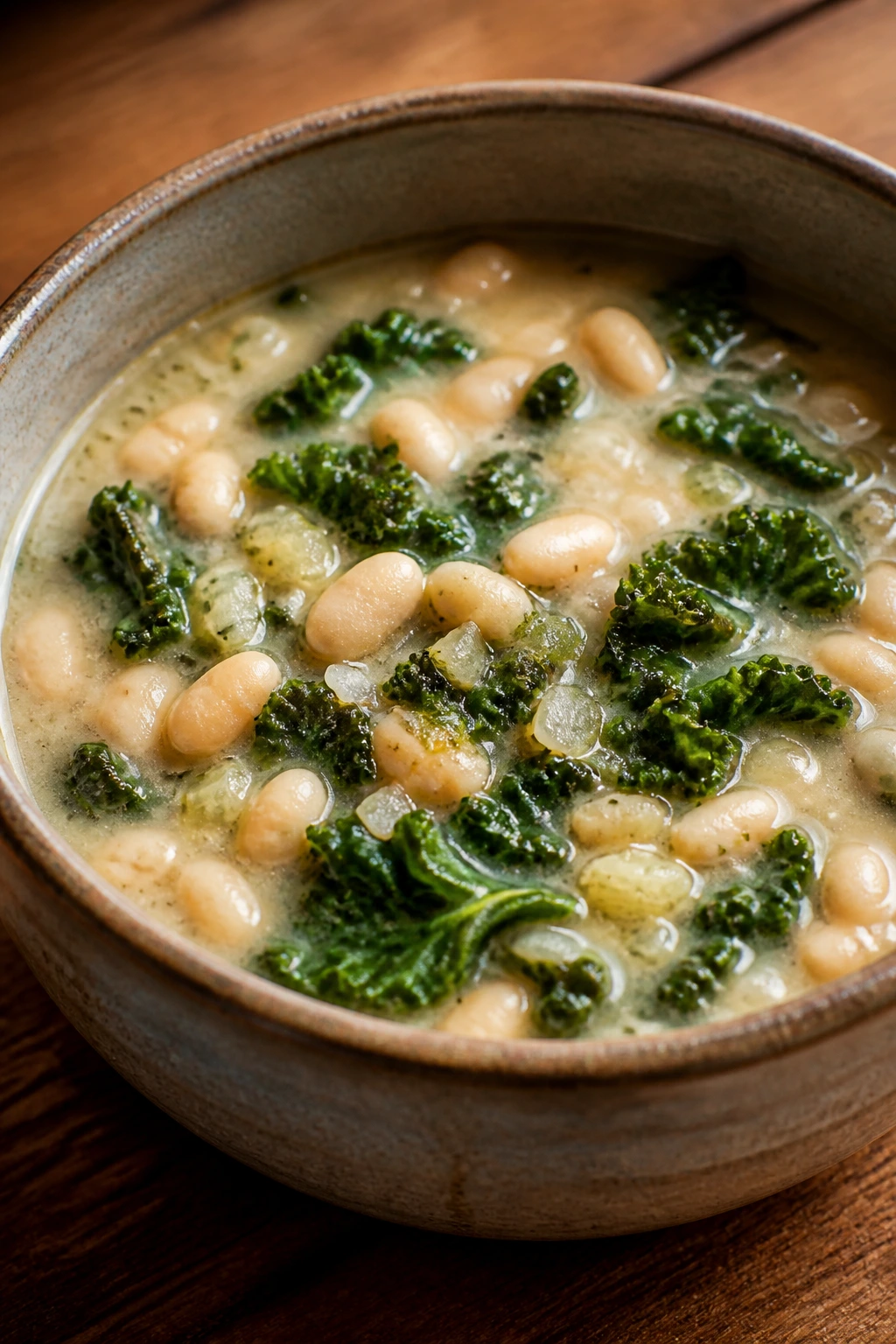
White bean soup can be plain, but this version isn’t. The beans go creamy, the kale stays a little chewy, and the broth picks up rosemary, garlic, and a bit of Parmesan tang if you use the rind. It’s the sort of meatless dinner that still feels sturdy.
Why It Works
Cannellini beans are naturally creamy when they cook long enough. That means you get body without needing a lot of cream or flour. A parmesan rind, if you’ve got one in the fridge, gives the soup a savory edge that makes people think you worked harder than you did. I’d call that a fair trade.
The kale should go in at the end. If you cook it for hours, it turns drab and loses the nice bite that keeps this soup from feeling soft all the way through. The lemon at the finish matters too. Without it, the broth tastes friendly but sleepy.
Key Ingredients
- 2 tablespoons olive oil — for starting the vegetables.
- 1 large onion, diced — the flavor base.
- 2 carrots, diced — gives sweetness and color.
- 2 celery stalks, diced — classic soup backbone.
- 4 garlic cloves, minced — adds depth fast.
- 2 medium Yukon Gold potatoes, diced — make the soup heartier.
- 3 cans cannellini beans, drained and rinsed — creamy and mild.
- 6 cups vegetable broth or chicken broth — both work well here.
- 1 Parmesan rind — optional, but worth using if you have one.
- 1 teaspoon dried rosemary — woody and wintery.
- 1 teaspoon dried thyme — softens the rosemary.
- 1 bay leaf — remove it before serving.
- 4 cups chopped kale, stems removed — keeps a little texture.
- 1 lemon, juiced — wakes up the bowl at the end.
- Salt and black pepper — adjust after the long cook.
Quick Steps
-
Start the vegetables. Warm the olive oil in a skillet over medium heat. Cook the onion, carrots, and celery for 5 to 6 minutes until the onion turns translucent, then stir in the garlic for 30 seconds.
-
Load the slow cooker. Transfer the vegetables to the crockpot. Add the potatoes, beans, broth, Parmesan rind, rosemary, thyme, and bay leaf.
-
Cook until the potatoes soften. Cover and cook on low for 6 to 7 hours or on high for 3 to 4 hours, until the potatoes are tender and the beans taste fully cooked.
-
Thicken the soup a little. Remove the bay leaf and Parmesan rind. Mash some of the beans against the side of the crockpot, or use a potato masher to crush a few spoonfuls. The broth should look creamier, not mushy.
-
Add the kale. Stir in the chopped kale and cover for 10 to 15 minutes, until the leaves wilt and turn a brighter green.
-
Finish with lemon. Stir in the lemon juice, taste, and season with salt and black pepper. Serve with bread.
Tips and Variations
- Meaty version: Add 1 pound of Italian sausage, browned first, if you want a richer soup.
- Greens swap: Spinach works, but use only 2 to 3 cups and add it in the last 5 minutes.
- Extra brightness: A little lemon zest on top makes the whole bowl taste fresher.
6. Crockpot Lasagna Soup
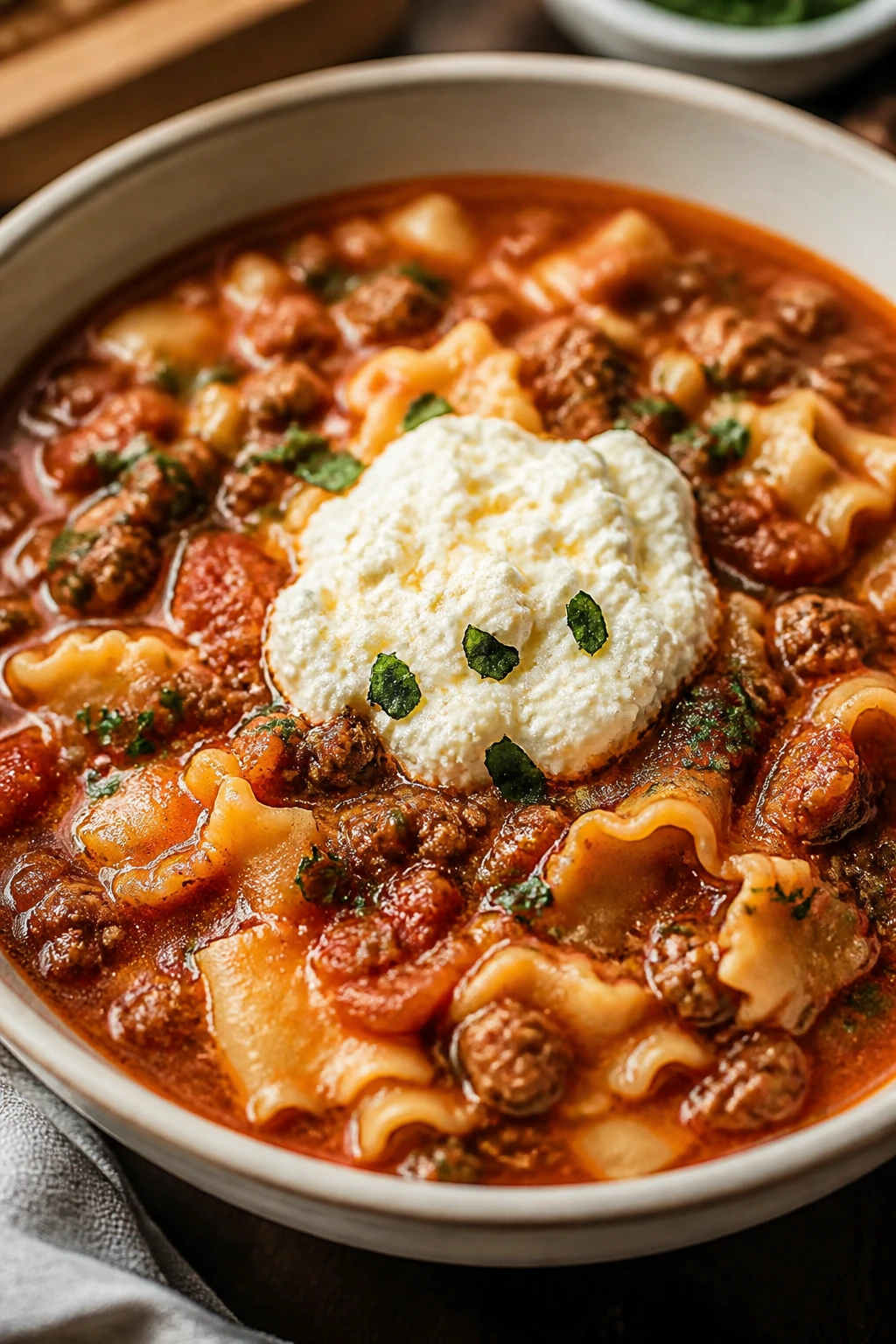
Lasagna in a bowl sounds like a trick; in a slow cooker, it’s mostly just smart. You still get tomato, sausage, noodles, and cheese, but you don’t have to layer anything neatly. The noodles soften in the broth, and the ricotta on top melts into little creamy pockets. That’s the good stuff.
Why This One Stays Satisfying
Broken lasagna noodles are the key move. They give you the texture of lasagna without the fussy assembly. The trick is adding them near the end so they stay al dente instead of turning into soft ribbons. If you cook them too early, the soup goes starchy and heavy.
The ricotta topping matters too. A bowl of lasagna soup without cheese is just tomato soup with attitude. A spoonful of ricotta mixed with Parmesan gives the whole thing the same satisfaction you get from a baked lasagna’s creamy middle.
Key Ingredients
- 1 lb Italian sausage — sweet or hot, depending on your mood.
- 1 lb ground beef — adds body and a meatier sauce.
- 1 large onion, diced — softens into the tomato base.
- 4 garlic cloves, minced — essential.
- 2 tablespoons tomato paste — concentrates the tomato flavor.
- 1 can (28 oz) crushed tomatoes — gives the soup its body.
- 6 cups chicken broth — enough liquid for the noodles.
- 2 teaspoons Italian seasoning — keeps the flavor consistent.
- 8 oz lasagna noodles, broken into pieces — the pasta that turns this into lasagna soup.
- 1 cup ricotta cheese — for the finishing dollop.
- 1 1/2 cups shredded mozzarella — melts into the bowl.
- 1/2 cup grated Parmesan — sharpens the cheese topping.
- Fresh basil, sliced — for the final hit of freshness.
Quick Steps
-
Brown the meat. Cook the sausage and ground beef in a skillet over medium-high heat with the onion for 7 to 8 minutes, breaking it up well. Drain excess fat if needed.
-
Build the tomato base. Stir in the garlic and tomato paste for 30 seconds, then transfer everything to the slow cooker. Add the crushed tomatoes, broth, Italian seasoning, and a good pinch of salt and pepper.
-
Cook the soup base. Cover and cook on low for 4 to 6 hours or on high for 2 to 3 hours, until the flavors taste blended and the broth looks rich.
-
Add the noodles late. Stir in the broken lasagna noodles and cook for 20 to 30 minutes more, until they’re tender but still have some bite. Stir once halfway through so they don’t clump together.
-
Mix the cheese topping. Stir the ricotta with the Parmesan and a pinch of salt. The mixture should be thick but spoonable.
-
Serve in bowls. Ladle the soup into bowls, top with a spoonful of the ricotta mixture, mozzarella, and basil.
Tips and Variations
- Sausage-only version: Skip the ground beef and use 2 lbs of sausage if you want a stronger fennel note.
- Vegetable add-in: Spinach stirred in at the end works well and barely changes the balance.
- Do not overcook the pasta. That’s the whole point. Soft noodles ruin the bowl.
7. Chicken Tortilla Soup
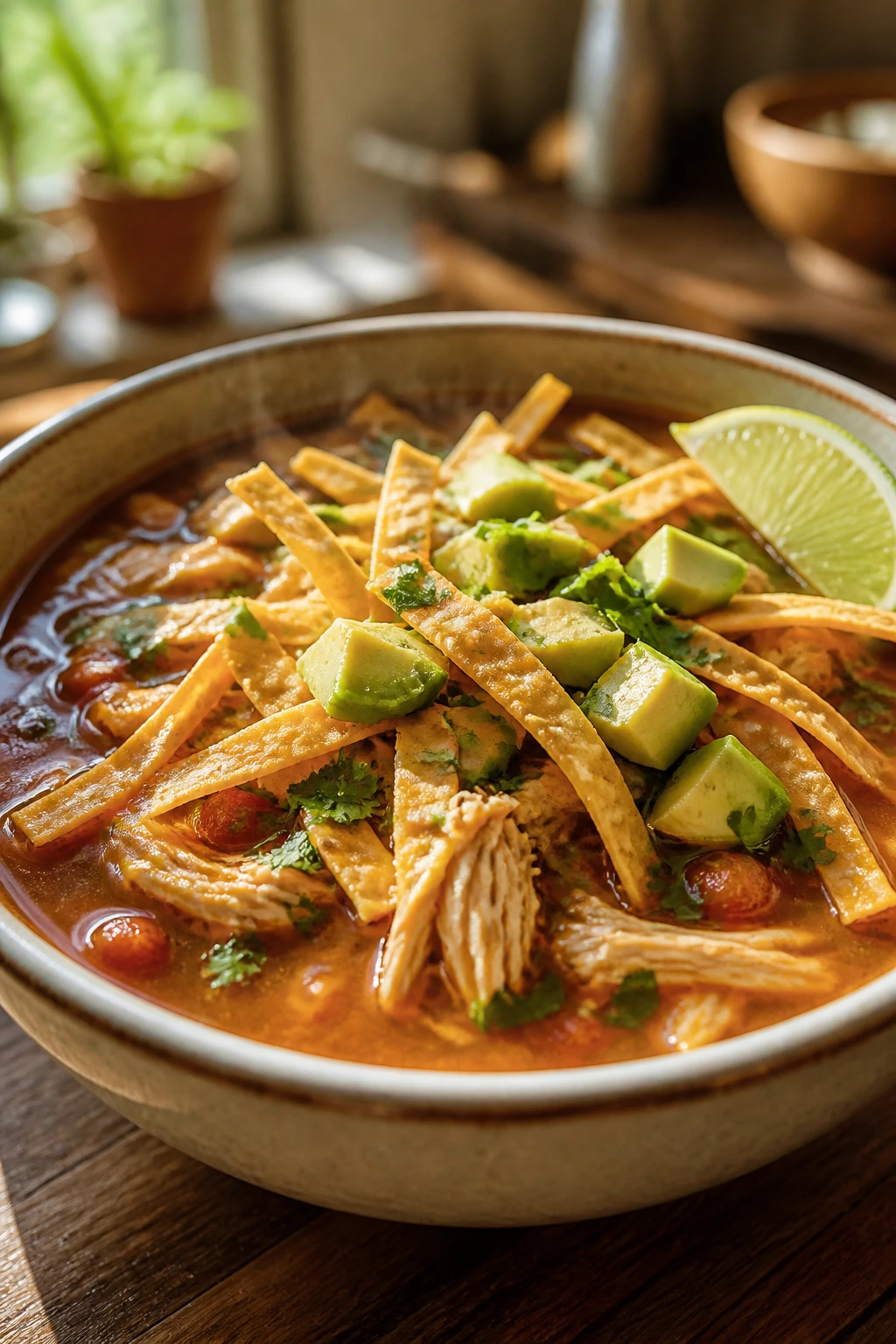
Tortilla soup is all about contrast: hot broth, crisp toppings, creamy avocado, bright lime. The soup itself is fairly simple, but the bowl eats like something much more interesting because every bite can be a little different. That’s part of why people keep coming back to it.
Why It Works
Chicken thighs and a tomato-chile broth make a strong base. They bring enough richness that the soup tastes full even before the toppings go on. Black beans and corn add sweetness and texture, while the lime at the end keeps the broth from sitting too heavy. It’s a nice example of how a few finishing ingredients can change a pot completely.
This is one of those recipes where the toppings are not optional decoration. They are the point. Crisp tortilla strips, avocado, cilantro, maybe a little cheese — those details keep the bowl from feeling one-note. If you skip them, you miss half the fun.
Key Ingredients
- 2 lbs boneless, skinless chicken thighs — they stay juicy in the crockpot.
- 1 large onion, chopped — builds the soup base.
- 3 garlic cloves, minced — adds depth.
- 1 jalapeño, seeded and minced — optional, but good for a little heat.
- 1 can (10 oz) diced tomatoes with green chiles — gives both tomato and pepper flavor.
- 6 cups chicken broth — the main liquid.
- 2 teaspoons ground cumin — classic tortilla soup flavor.
- 1 teaspoon chili powder — adds warmth.
- 1 teaspoon dried oregano — keeps the broth from tasting flat.
- 1 can black beans, drained and rinsed — for body.
- 1 cup corn kernels — frozen or canned both work.
- 1 lime, juiced — needed at the end.
- Tortilla strips — for crunch.
- Avocado, cilantro, and shredded cheese — the finishing touches.
Quick Steps
-
Fill the crockpot. Add the chicken thighs, onion, garlic, jalapeño, tomatoes with green chiles, broth, cumin, chili powder, oregano, and a good pinch of salt.
-
Cook until the chicken is tender. Cover and cook on low for 6 to 7 hours or on high for 3 to 4 hours, until the chicken shreds easily.
-
Shred the chicken. Remove the thighs, shred them, and return the meat to the pot.
-
Add the beans and corn. Stir in the black beans and corn, then cook for 15 minutes more until they’re hot through.
-
Brighten the broth. Stir in the lime juice and taste for salt. If the soup tastes sleepy, add a little more lime.
-
Serve with toppings. Ladle into bowls and top with tortilla strips, avocado, cilantro, and cheese right before eating.
Tips and Variations
- Smokier bowl: Add 1/2 teaspoon smoked paprika for a deeper base.
- Creamy version: A spoonful of sour cream softens the heat and adds richness.
- Make it crisp: Bake the tortilla strips for a few minutes so they stay crunchy longer.
8. Sweet Potato Black Bean Chili
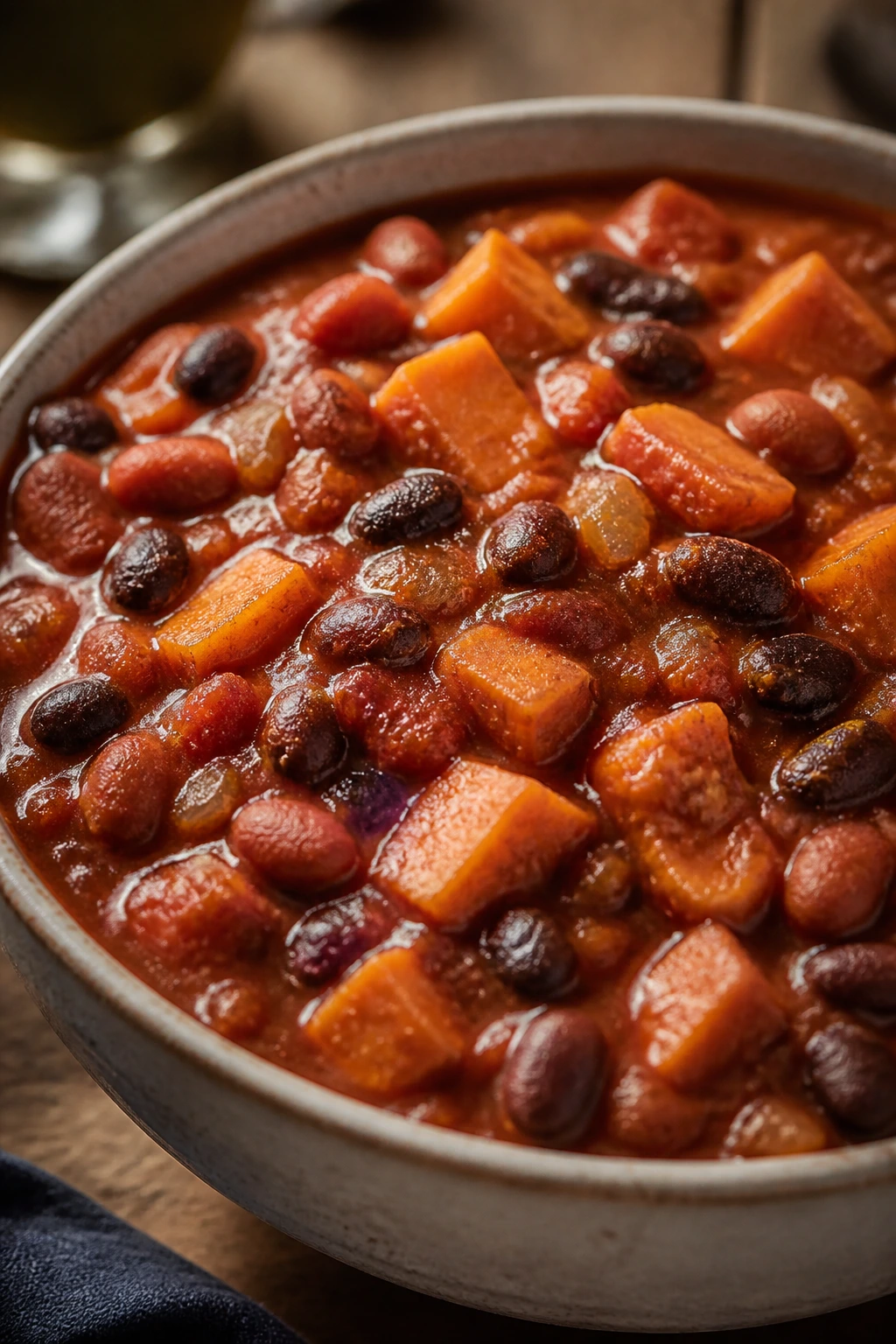
Vegetarian chili has a bad reputation with people who only know thin tomato soup. This version fixes that. Sweet potatoes bring body, black beans and pinto beans make it filling, and the chipotle gives it enough smoke to keep the pot from feeling sweet or soft.
Why This One Works
Sweet potatoes do a lot of the heavy lifting here. They break down just enough to thicken the broth, but they still hold some shape, which keeps the chili interesting. The beans add protein and heft, and the spices lean smoky rather than fiery. You want warmth, not punishment.
A small spoonful of cocoa powder is optional, but I like it. It doesn’t make the chili taste like chocolate. It makes the tomatoes and chipotle taste deeper, which is different and better. Use it if you like a pot with more backbone.
Key Ingredients
- 2 medium sweet potatoes, peeled and diced — they make the chili thick and a little sweet.
- 1 large onion, diced — for the base.
- 1 red bell pepper, diced — adds color and sweetness.
- 4 garlic cloves, minced — essential.
- 2 cans black beans, drained and rinsed — the main protein.
- 1 can pinto beans, drained and rinsed — softer and creamier.
- 1 can (28 oz) diced tomatoes — the tomato body.
- 2 cups vegetable broth — enough liquid to cook the potatoes.
- 2 tablespoons chili powder — the main seasoning.
- 1 tablespoon ground cumin — gives it depth.
- 1 teaspoon smoked paprika — keeps the flavor smoky.
- 1 chipotle pepper in adobo, minced, or 1 teaspoon chipotle powder — for heat and smoke.
- 1 tablespoon tomato paste — tightens up the flavor.
- 1 tablespoon cocoa powder — optional, but nice.
- Lime wedges and plain yogurt or sour cream — for serving.
Quick Steps
-
Start the vegetables. Warm a skillet over medium heat and cook the onion and bell pepper for 4 to 5 minutes until the onion softens. Stir in the garlic, chili powder, cumin, smoked paprika, chipotle, tomato paste, and cocoa powder for 30 seconds.
-
Transfer everything to the slow cooker. Add the sweet potatoes, beans, diced tomatoes, vegetable broth, and the seasoned vegetable mixture. Stir well.
-
Cook until the potatoes soften. Cover and cook on low for 6 to 7 hours or on high for 3 to 4 hours, until the sweet potatoes are tender but not mushy.
-
Thicken the bowl. Mash a few sweet potato cubes against the side of the crockpot to give the chili a thicker texture. If it still looks loose, cook uncovered on high for 10 to 15 minutes.
-
Finish with lime. Stir in a squeeze of lime juice and taste for salt.
-
Serve hot. Top with yogurt, cilantro, avocado, or crushed tortilla chips.
Tips and Variations
- Protein bump: Add 1 cup cooked quinoa in the last 20 minutes if you want a denser bowl.
- Milder version: Skip the chipotle and use extra smoked paprika instead.
- Baked potato topping: This chili is excellent spooned over a baked potato the next day.
9. Pot Roast with Carrots and Potatoes
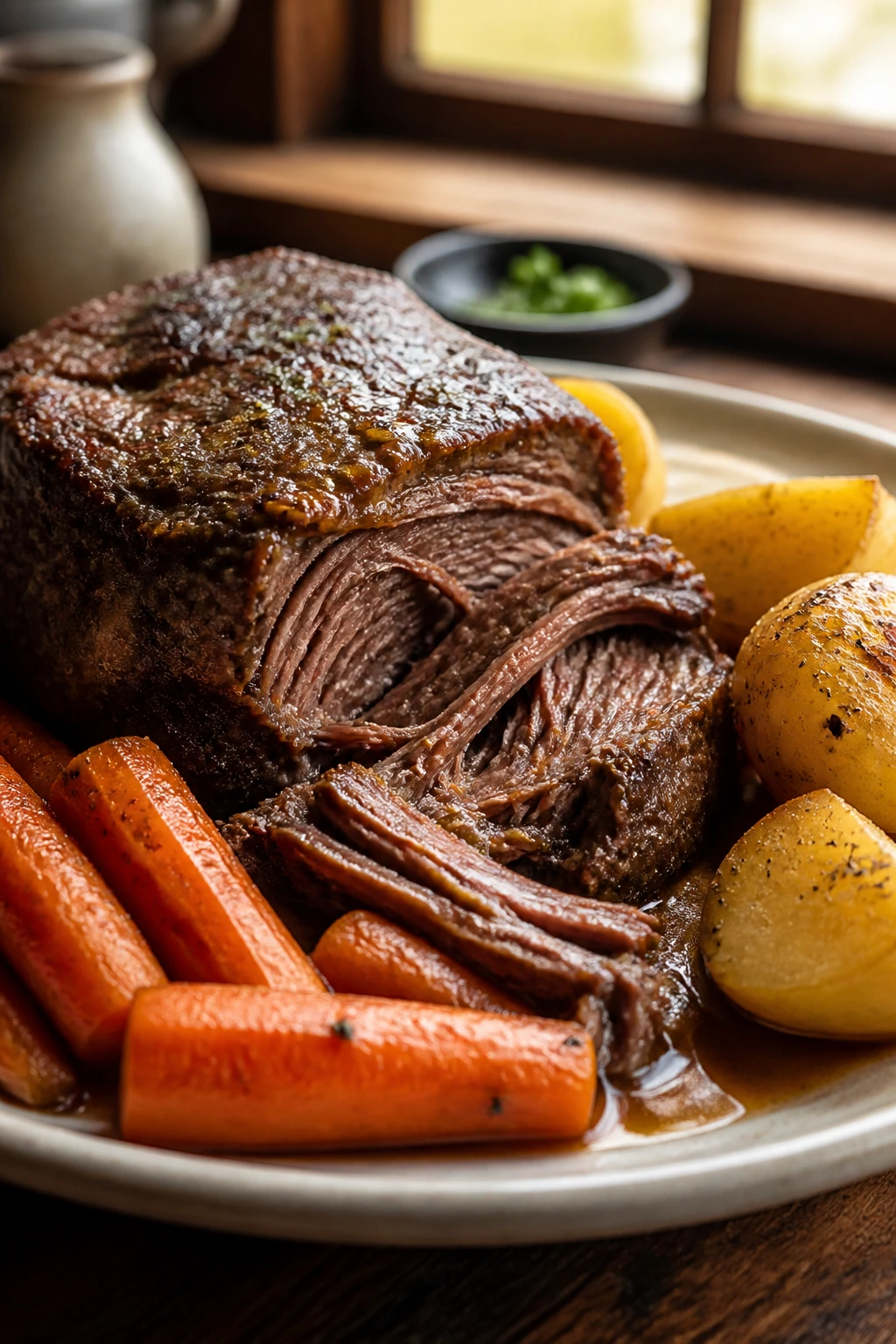
A roast that cooks itself while you do something else is one of winter’s best bargains. The meat becomes soft enough to pull apart with a fork, the potatoes soak up the juices, and the carrots turn sweet in a way they never quite do in the oven. It’s a meal with a little gravity to it.
Why The Roast Belongs Here
Chuck roast is made for this treatment. It has connective tissue that melts slowly, which means the long cook transforms it from tough to spoon-tender. Searing the roast before it goes in is worth the extra pan. It builds a crust that the slow cooker can’t give you on its own.
The gravy at the end is where the whole thing clicks. Slow cookers make excellent juices, but they’re often a little thin. A quick reduction in a saucepan turns them into something you’d actually want over mashed potatoes. No shame in making the broth do a little more work.
Key Ingredients
- 3 1/2 to 4 lbs chuck roast — choose one with visible marbling.
- 2 teaspoons kosher salt — seasons the meat.
- 1 teaspoon black pepper — helps the crust.
- 2 tablespoons all-purpose flour — for browning and thickening.
- 2 tablespoons oil — for searing.
- 1 large onion, sliced — softens into the sauce.
- 4 garlic cloves, smashed — mellow and savory.
- 4 carrots, cut into large chunks — keep them from disappearing.
- 1 1/2 lbs potatoes, halved if small or quartered if large — Yukon Gold works well.
- 3 cups beef broth — the main cooking liquid.
- 1/2 cup red wine, optional — deepens the flavor if you have it.
- 2 tablespoons Worcestershire sauce — adds savor.
- 2 tablespoons tomato paste — gives the gravy color and body.
- 2 sprigs thyme — or 1 teaspoon dried thyme.
- 2 bay leaves — remove them before serving.
Quick Steps
-
Season and dredge the roast. Pat the roast dry and season it with salt and pepper. Dust it lightly with flour on all sides.
-
Sear the meat. Heat the oil in a skillet over medium-high heat and brown the roast for 4 to 5 minutes per side until a crust forms. Do not skip this if you want deeper flavor.
-
Load the crockpot. Place the onion, garlic, carrots, and potatoes in the slow cooker. Set the roast on top.
-
Add the cooking liquid. Whisk the broth, wine if using, Worcestershire sauce, and tomato paste together. Pour over the roast and add the thyme and bay leaves.
-
Cook until the meat falls apart. Cover and cook on low for 8 to 9 hours or on high for 5 to 6 hours, until the meat shreds easily and the vegetables are tender.
-
Make the gravy. Remove the meat and vegetables. Strain the juices into a saucepan and simmer for 5 to 10 minutes. If needed, whisk in a cornstarch slurry until the sauce coats a spoon.
Tips and Variations
- Mushroom version: Add 8 oz sliced mushrooms with the onions for an earthier pot.
- Herb swap: Rosemary is stronger than thyme, so use only 1/2 teaspoon dried if you switch.
- Serving note: The roast slices cleaner if you let it rest 10 minutes before shredding.
10. Creamy Butter Chicken
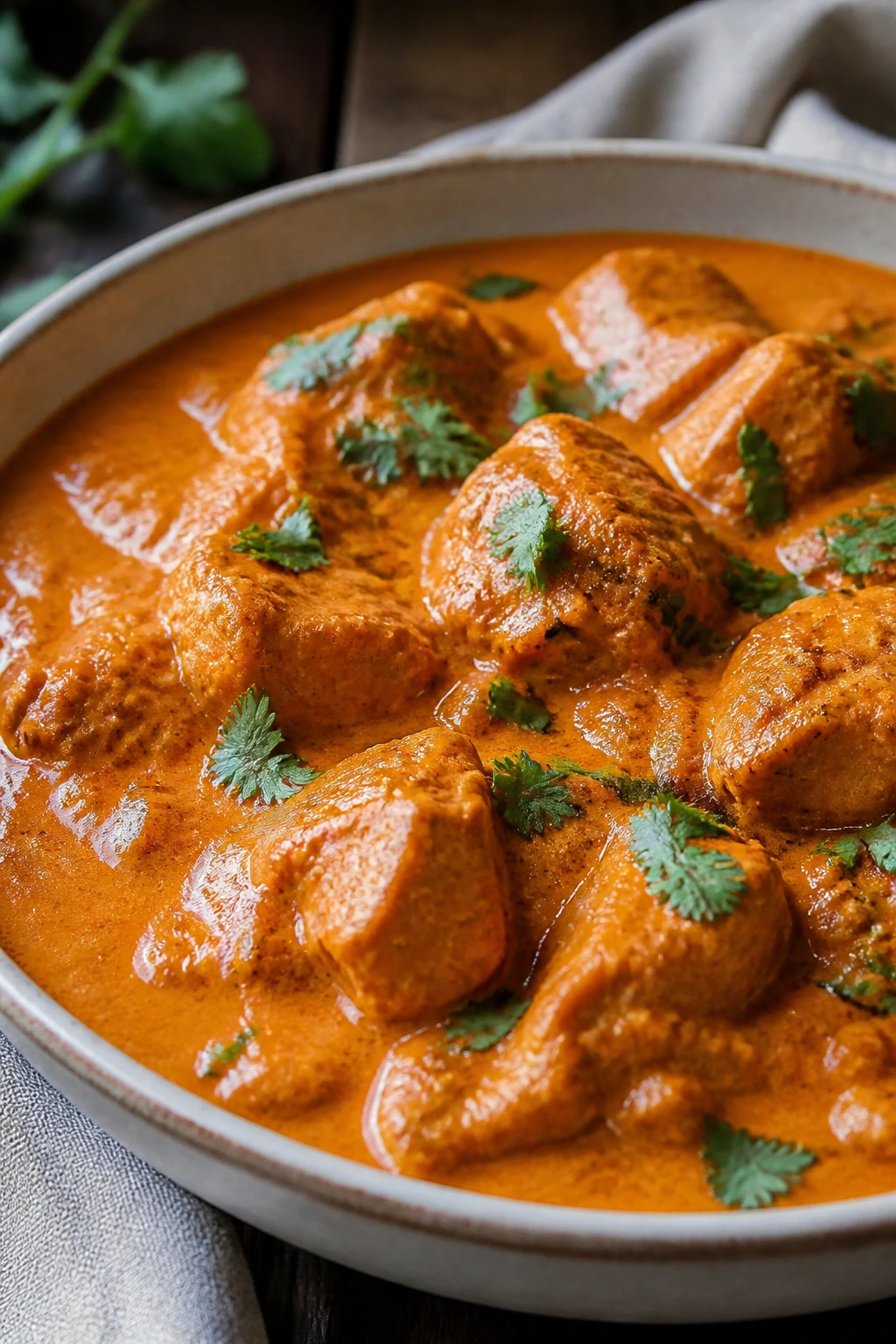
Butter chicken may be the best reason to keep a jar of garam masala around. The sauce gets velvety, the spices stay warm rather than sharp, and the cream at the end turns the whole thing into the sort of dinner that makes rice feel like a very good idea. It’s rich without feeling heavy if you balance it properly.
Why This Version Keeps Its Balance
Chicken thighs handle the spice and long cook better than breasts. They stay tender, which matters because the sauce gets its character from simmering the chicken directly in the tomato base. Garam masala, cumin, coriander, and paprika give you warmth without needing a long ingredient list. That’s one reason this dish works so well in a slow cooker.
A little yogurt in the marinade, even for 15 minutes, helps the chicken taste seasoned all the way through. Then butter and cream finish the sauce with the right texture. The result should cling to rice, not flood it.
Key Ingredients
- 2 lbs boneless, skinless chicken thighs — the best cut for this sauce.
- 1 large onion, chopped — the aromatic base.
- 4 garlic cloves, minced — do not be shy here.
- 1 tablespoon grated fresh ginger — adds brightness.
- 1 cup tomato puree or crushed tomatoes — forms the sauce.
- 2 tablespoons garam masala — the defining spice blend.
- 2 teaspoons ground cumin — deepens the flavor.
- 1 teaspoon ground coriander — rounds out the spices.
- 1 teaspoon paprika — for color and warmth.
- 1/2 teaspoon chili powder — optional, depending on heat tolerance.
- 1/2 cup plain yogurt — for a quick marinade.
- 1/2 cup heavy cream — makes the sauce silky.
- 3 tablespoons unsalted butter — the name says it all.
- Salt, to taste — add after the cream goes in.
- Cooked rice and naan — for serving.
Quick Steps
-
Marinate the chicken. Toss the thighs with yogurt, half the garam masala, half the cumin, half the paprika, and a little salt. Even 15 minutes helps.
-
Cook the aromatics. In a skillet over medium heat, cook the onion with a little butter for 4 to 5 minutes until soft. Stir in the garlic and ginger for 30 seconds, then add the remaining spices and tomato puree.
-
Transfer to the slow cooker. Put the chicken and tomato mixture into the crockpot. Cover and cook on low for 4 to 5 hours or on high for 2 to 3 hours, until the chicken reaches 165°F and breaks apart easily.
-
Finish the sauce. Stir in the cream and remaining butter. If the sauce looks thin, cook uncovered on high for 10 to 15 minutes until it thickens slightly.
-
Taste and adjust. Add salt if needed. A squeeze of lemon at the end can help if the sauce tastes too rich.
-
Serve hot. Spoon over rice and set naan on the side.
Tips and Variations
- Dairy-light version: Use coconut cream instead of heavy cream for a different finish.
- Smokier note: A little extra paprika, not extra chili, gives the best depth.
- Leftover tip: The sauce tastes even better the next day, after the spices settle in.
11. Sausage, White Bean, and Spinach Soup
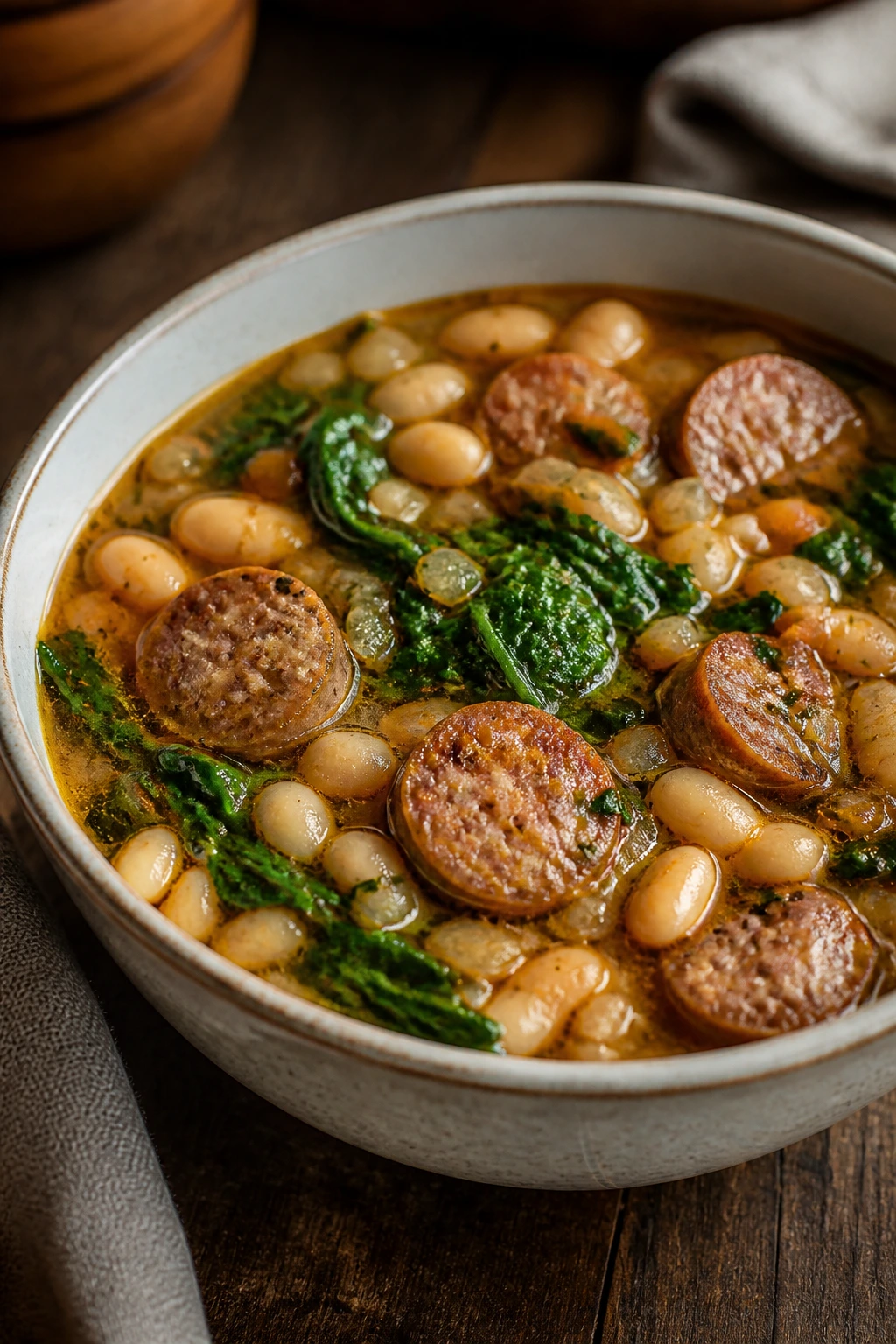
Sausage soup is blunt, savory, and exactly the sort of thing you want when the sky turns the color of dishwater. The beans make it filling, the spinach keeps it from feeling heavy, and the fennel in the sausage gives the broth a little built-in charm. It’s one of the easiest dinners in this whole group.
Why It Tastes Like More Than Soup
Italian sausage carries a lot of flavor without much work. Once it browns, you’ve already built most of the savory base. Cannellini beans soften into the broth and make the soup feel thicker than it really is, which is handy on nights when you want one bowl to count as dinner. Spinach goes in at the end so it stays green and fresh.
A little lemon and Parmesan at the finish change the whole pot. Without them, the soup can taste a touch stodgy. With them, it tastes finished. That’s the difference between “soup” and “I’d make this again.”
Key Ingredients
- 1 1/2 lbs Italian sausage — sweet or hot, depending on preference.
- 1 large onion, chopped — the base for the broth.
- 2 carrots, chopped — adds sweetness.
- 2 celery stalks, chopped — classic soup flavor.
- 4 garlic cloves, minced — necessary.
- 2 cans cannellini beans, drained and rinsed — creamy and mild.
- 6 cups chicken broth — use low-sodium if possible.
- 1 teaspoon fennel seeds — optional, but strong with sausage.
- 1 teaspoon Italian seasoning — ties the herbs together.
- 1 bay leaf — remove later.
- 4 cups fresh spinach — added at the end.
- 1/2 cup grated Parmesan — for serving and finishing.
- 1 tablespoon lemon juice — brightens the broth.
Quick Steps
-
Brown the sausage. Cook the sausage in a skillet over medium-high heat with the onion, carrots, and celery for 6 to 7 minutes, breaking the meat up as it cooks. Drain some of the fat if needed.
-
Build the soup. Add the garlic, fennel seeds, Italian seasoning, and bay leaf. Cook for 30 seconds, then transfer everything to the crockpot.
-
Add the beans and broth. Stir in the cannellini beans and chicken broth. Cover and cook on low for 6 to 7 hours or on high for 3 to 4 hours.
-
Finish the greens. Remove the bay leaf. Stir in the spinach and cook for 5 minutes, just until wilted.
-
Brighten the bowl. Stir in the lemon juice and taste for salt and pepper. Add Parmesan to each bowl.
-
Serve warm. This one is especially good with toasted bread.
Tips and Variations
- Tomato version: Add 1 can diced tomatoes if you want a slightly more brothy soup with color.
- Greens swap: Kale works, but give it 10 to 15 minutes instead of 5.
- Spice note: Red pepper flakes are better here than hot sauce.
12. Moroccan Chickpea and Sweet Potato Stew
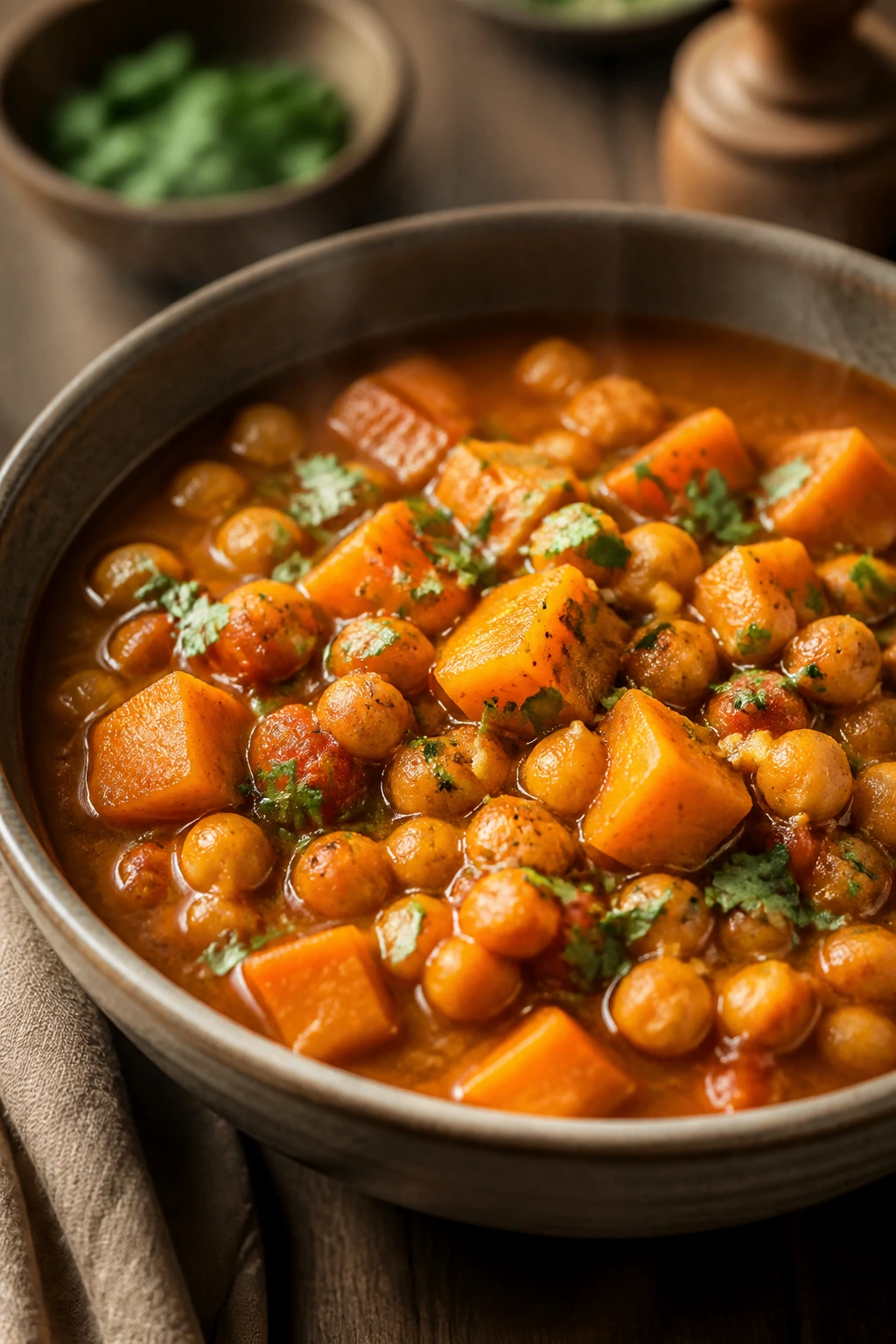
This stew leans sweet, earthy, and a little smoky. The apricots are subtle, not candy-sweet, and the cinnamon sits in the background where it belongs. If you like a dinner that feels cozy but not heavy, this is the one to keep around.
Why The Sweet And Savory Balance Works
Chickpeas and sweet potatoes carry texture in different ways. The chickpeas stay firm enough to notice, while the sweet potatoes soften and thicken the broth. That contrast keeps every spoonful from feeling identical, which is a common problem in vegetarian stews. The spices — cumin, coriander, cinnamon, and turmeric — make the whole pot smell warmer than it tastes, in a good way.
A little lemon at the end matters here too. It cuts through the sweetness and wakes up the chickpeas. Without that last splash of acid, the stew can drift into the background. I’d never leave it out.
Key Ingredients
- 1 large onion, diced — the flavor base.
- 4 garlic cloves, minced — for savor.
- 2 sweet potatoes, peeled and cut into 1-inch chunks — they thicken the stew as they soften.
- 2 carrots, sliced — add structure and sweetness.
- 2 cans chickpeas, drained and rinsed — the main protein.
- 1 can (28 oz) diced tomatoes — gives the stew body.
- 2 cups vegetable broth — enough liquid to cook the vegetables.
- 2 tablespoons tomato paste — helps the broth taste fuller.
- 2 teaspoons ground cumin — a warm, earthy anchor.
- 2 teaspoons ground coriander — brightens the cumin.
- 1 teaspoon cinnamon — use a light hand.
- 1/2 teaspoon turmeric — adds color and a mild earthy note.
- Pinch of cayenne — optional, for heat.
- 1/3 cup chopped dried apricots — a small amount makes a real difference.
- 1 lemon, juiced — for finishing.
- Chopped cilantro — for serving.
Quick Steps
-
Cook the aromatics. In a skillet, cook the onion and carrots over medium heat for 4 to 5 minutes. Add the garlic, tomato paste, cumin, coriander, cinnamon, turmeric, and cayenne for 30 seconds.
-
Transfer to the slow cooker. Add the sweet potatoes, chickpeas, diced tomatoes, broth, apricots, and the spiced vegetables. Stir well.
-
Cook until tender. Cover and cook on low for 6 to 7 hours or on high for 3 to 4 hours, until the sweet potatoes are soft and the broth has thickened slightly.
-
Adjust the texture. If you want a thicker stew, mash a few sweet potato cubes against the side of the crockpot.
-
Finish with lemon. Stir in the lemon juice and taste for salt. The broth should taste bright, not sweet.
-
Serve with grains. Couscous or rice both work well under the stew.
Tips and Variations
- Leafy add-in: A few handfuls of spinach stirred in at the end wilt nicely.
- Nuttier finish: Toasted almonds on top add crunch.
- More heat: Harissa, stirred in by the teaspoon, works well here.
13. Pork Posole Verde
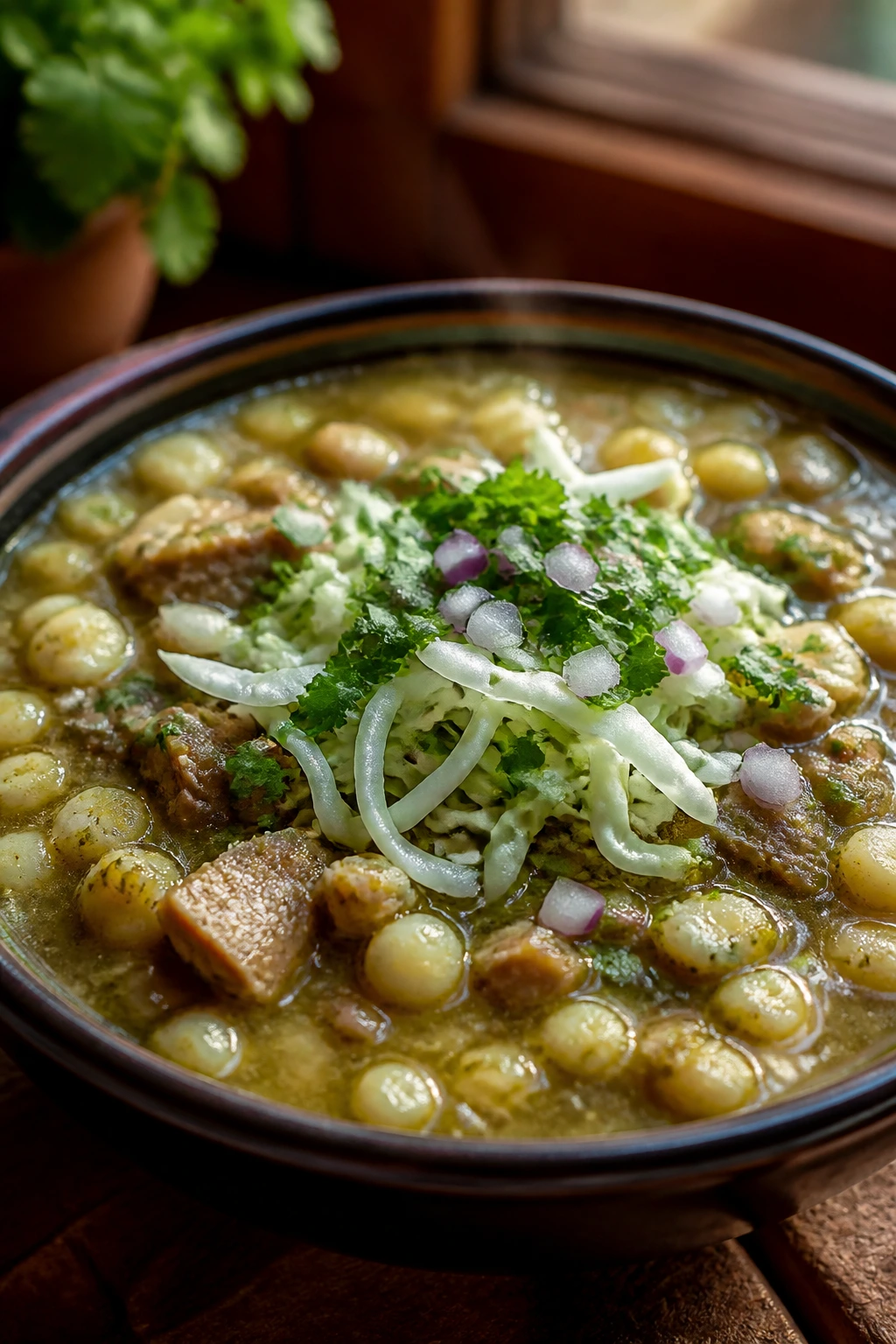
Posole is what happens when broth, pork, and hominy learn to get along. It’s brothy but substantial, bright with salsa verde, and full of the sort of texture that makes a soup eat like a meal. The toppings matter here, which is good news, because the toppings are fun.
Why Posole Fits This List So Well
Hominy gives the broth a chewy, almost cornlike bite that regular soup can’t fake. It softens a little in the pot but still keeps its shape, which is exactly why this dish feels satisfying on a cold night. Pork shoulder turns tender and soaks up the green chile flavor, and the salsa verde brings a sharp, lively note that keeps the whole bowl awake.
This is a dish that improves with a proper topping tray. Shredded cabbage, radish, cilantro, and lime are not garnish for garnish’s sake. They add crunch, freshness, and a little bite against the rich broth. One bowl can go from soft and cozy to layered and lively with those additions.
Key Ingredients
- 3 lbs pork shoulder, cut into large chunks — built for long cooking.
- 1 large onion, chopped — the base.
- 4 garlic cloves, minced — for depth.
- 2 cans hominy, drained and rinsed — the signature texture.
- 2 cups salsa verde — gives the broth its green chile flavor.
- 1 can diced green chiles — adds more pepper flavor.
- 6 cups chicken broth — the main liquid.
- 2 teaspoons ground cumin — earthy and warm.
- 1 teaspoon dried oregano — especially good in green chile dishes.
- 1 bay leaf — remove before serving.
- Shredded cabbage — for crunch.
- Sliced radishes — for sharpness.
- Lime wedges and cilantro — the bright finish.
Quick Steps
-
Season the pork. Sprinkle the pork with salt, pepper, cumin, and oregano. If you want deeper flavor, sear the pieces in a skillet for 2 to 3 minutes per side.
-
Fill the crockpot. Add the onion, garlic, salsa verde, green chiles, chicken broth, and bay leaf to the slow cooker. Nestle the pork on top.
-
Cook until tender. Cover and cook on low for 8 hours or on high for 5 to 6 hours, until the pork shreds easily.
-
Shred and add hominy. Pull the pork apart with forks, return it to the pot, and stir in the hominy. Cook for 20 to 30 minutes more so the hominy can warm through and soak up the broth.
-
Finish the broth. Taste and adjust salt. A squeeze of lime right in the pot helps a lot.
-
Serve with toppings. Add cabbage, radishes, cilantro, and extra lime at the table.
Tips and Variations
- Red posole shift: Use red enchilada sauce instead of salsa verde for a darker, deeper pot.
- Soupier bowl: Add 1 to 2 extra cups broth if you like more liquid.
- Heat control: Keep jalapeños on the side so people can add their own.
14. Loaded Baked Potato Soup

Loaded baked potato soup doesn’t apologize for being rich. Good. The potatoes make it thick, the cream cheese gives it body, and the bacon and cheddar turn each bowl into a full meal. It’s the kind of dinner that feels especially right when your boots are still drying by the door.
Why This Potato Soup Earns a Spot
Yukon Gold potatoes are the best all-purpose choice here. They break down enough to make the soup creamy, but they don’t turn gluey the way some starchy potatoes can if you overwork them. A little cream cheese goes a long way, and the bacon gives the broth the kind of salty edge that makes the cheese taste sharper.
The big rule is this: do not boil after the dairy goes in. High heat can make the soup grainy or split, and there’s no good reason to risk it. Gentle heat keeps the texture smooth. That’s the difference between a soup you brag about and one you quietly rescue with more cheese.
Key Ingredients
- 6 slices bacon — cooked crisp and crumbled.
- 1 large onion, diced — adds a soft base.
- 4 garlic cloves, minced — for depth.
- 3 lbs Yukon Gold potatoes, peeled and diced — the heart of the soup.
- 4 cups chicken broth — enough to cook the potatoes.
- 2 cups milk — adds creaminess.
- 1 cup heavy cream — gives the soup a richer finish.
- 8 oz cream cheese, cubed and softened — helps thicken the soup.
- 1 cup shredded cheddar cheese, plus more for topping — the salty finish.
- 1 teaspoon kosher salt — add carefully because the bacon and cheese are salty too.
- 1 teaspoon black pepper — balances the richness.
- Chopped chives — for the final garnish.
Quick Steps
-
Cook the bacon. Crisp the bacon in a skillet, then crumble it and save a spoonful of the drippings if you want a little extra flavor in the soup base.
-
Build the potato base. Add the onion, garlic, potatoes, broth, salt, and pepper to the slow cooker. Cover and cook on low for 6 to 7 hours or on high for 3 to 4 hours, until the potatoes are very tender.
-
Mash some potatoes. Use a potato masher to mash part of the pot right in the slow cooker. Leave some chunks so the soup still has texture.
-
Stir in the dairy. Add the milk, cream, and cream cheese. Stir until the cream cheese melts into the soup, then cook on low for 15 to 20 minutes. Do not let it boil.
-
Add the cheddar and bacon. Stir in most of the cheddar and most of the bacon until melted and incorporated.
-
Serve with toppings. Ladle into bowls and finish with more cheddar, bacon, and chives.
Tips and Variations
- Ham swap: Diced ham works if you want a different salty note.
- Thicker soup: Mash more of the potatoes instead of adding extra flour.
- Fresh finish: A tiny splash of hot sauce cuts the richness nicely.
Why Crockpot Dinners Feel Right on Cold Winter Nights
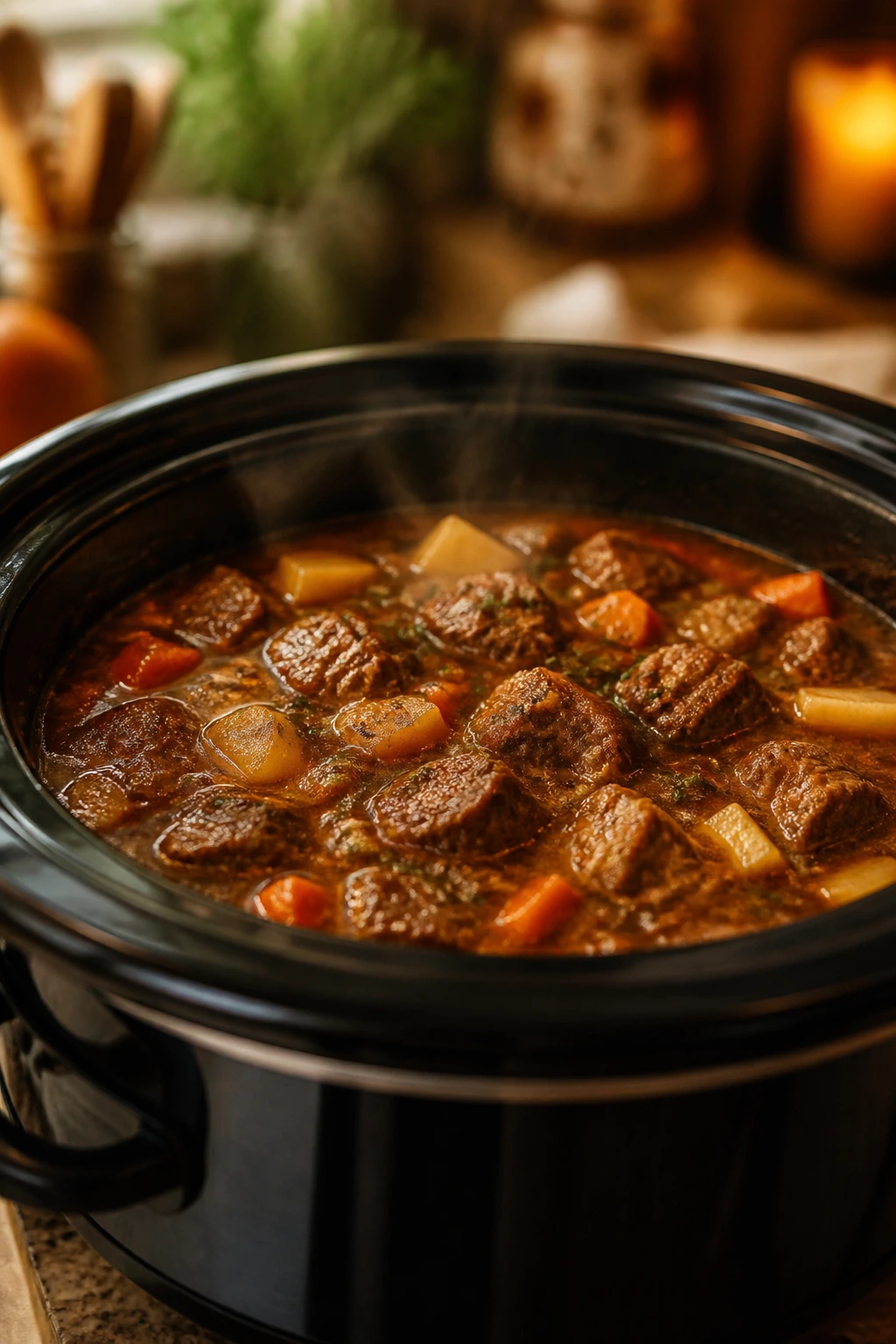
The slow cooker is not magical. It just does a few practical things better than most other methods when the weather turns rough and the evening gets long. It uses low, steady heat, which gives tough cuts time to relax, beans time to soften, and sauces time to pull themselves together without constant stirring. That matters more than speed.
There’s also the smell. A crockpot full of onions, garlic, broth, and herbs makes a house feel occupied in the nicest way. You walk in, and dinner has already been happening for hours. That simple sensory payoff is part of why these meals feel so satisfying when the air outside turns mean.
And because the heat is gentle, you can build flavor without standing over the stove. That doesn’t make the food lazy. It makes the schedule sane. On cold nights, sane wins.
Essential Equipment for These Recipes
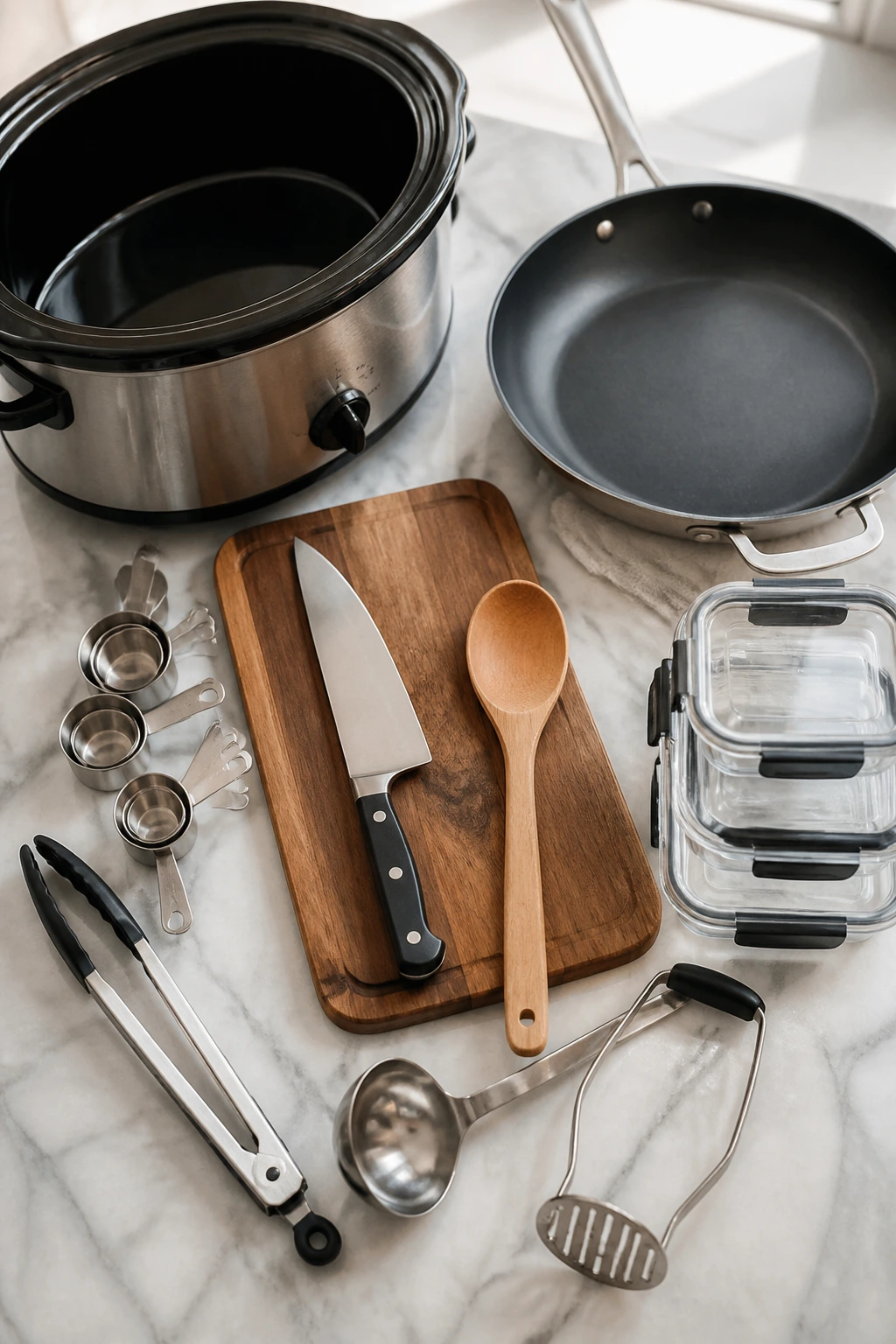
- 6-quart slow cooker — the sweet spot for most of these dinners and large enough for stews, chili, and roasts.
- Large skillet — useful for browning beef, sausage, pork, or chicken before the slow cook begins.
- Chef’s knife and cutting board — a sharp knife makes prep faster and safer.
- Wooden spoon or sturdy spatula — for stirring thick chili and soups without scraping the crock.
- Measuring cups and spoons — especially helpful for spices, broth, and thickening agents.
- Tongs — handy for moving seared meat and lifting roasts.
- Ladle — for serving soup, chili, and stew cleanly.
- Potato masher — useful for thickening bean soups and potato dishes.
- Small bowl or cup for slurry — cornstarch and water need a quick mix before going in.
- Airtight storage containers — for leftovers that you’ll want to keep.
Smart Shopping for Crockpot Dinners for Cold Winter Nights
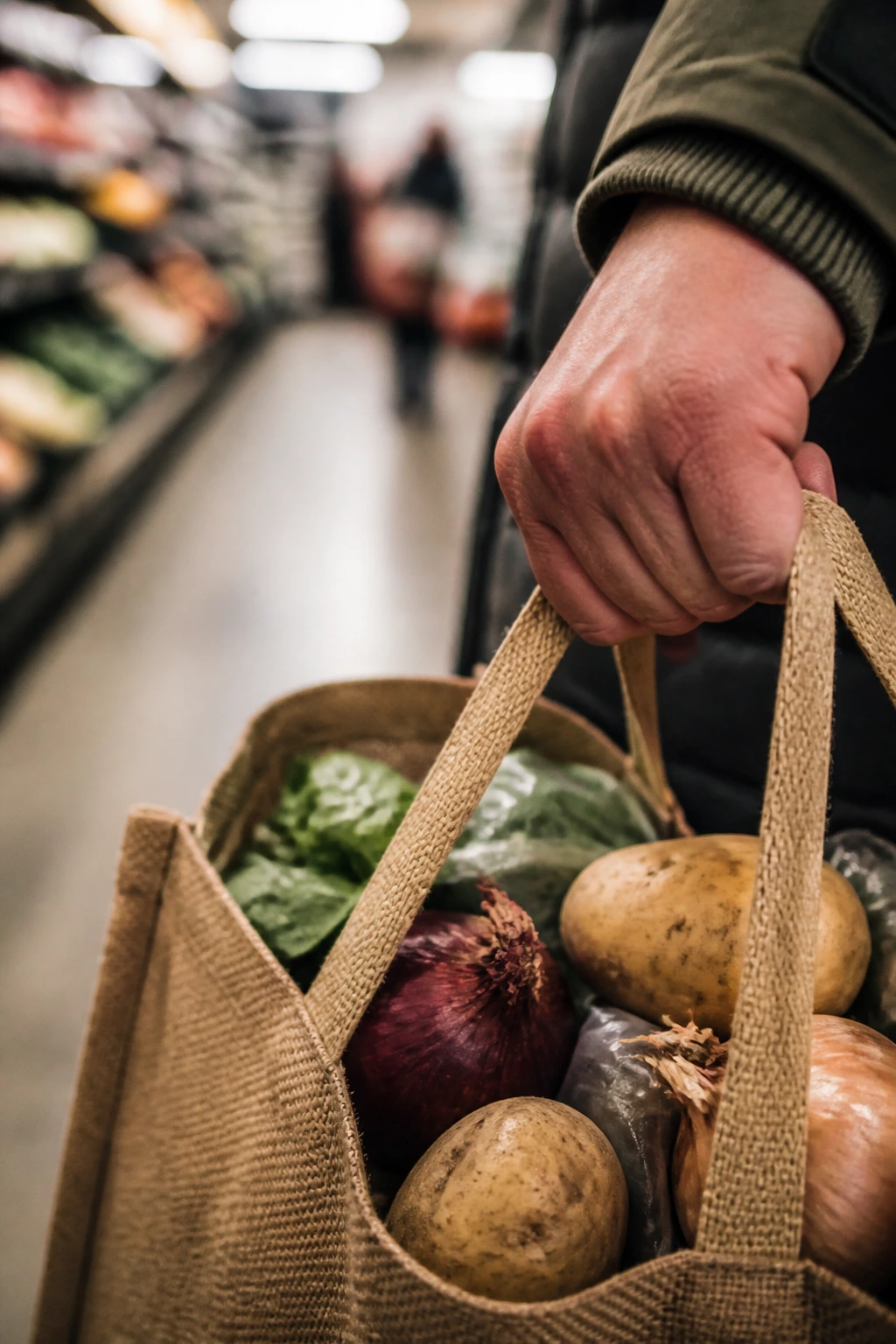
The cut of meat matters more than the marketing on the package. For beef stew and pot roast, look for chuck with visible marbling. For pork, shoulder or pork butt is the right call because it softens instead of drying out. For chicken, thighs stay juicier than breasts in the slow cooker, especially if the dish cooks more than a few hours.
Broth is worth buying thoughtfully. Low-sodium broth gives you room to season the pot yourself, which is useful because slow cookers concentrate flavor as liquids reduce. If you use salted broth plus salty sausage or bacon, the pot can get loud fast. Beans from a can are fine; rinse them if you want a cleaner-tasting broth, or leave them un-rinsed if you want a thicker, more rustic texture.
For vegetables, size and sturdiness matter. Yukon Gold potatoes hold their shape in stews and soups better than russets, while russets are fine when you want a soupier, more break-apart result. Kale, spinach, and other greens should usually go in near the end unless you want them very soft. Frozen corn, frozen peas, and frozen spinach are excellent in slow cooker meals; they’re picked at the right time and save work without hurting quality. Fresh herbs are best saved for the end, where they still taste alive.
Make-Ahead, Storage, and Reheating Guidance
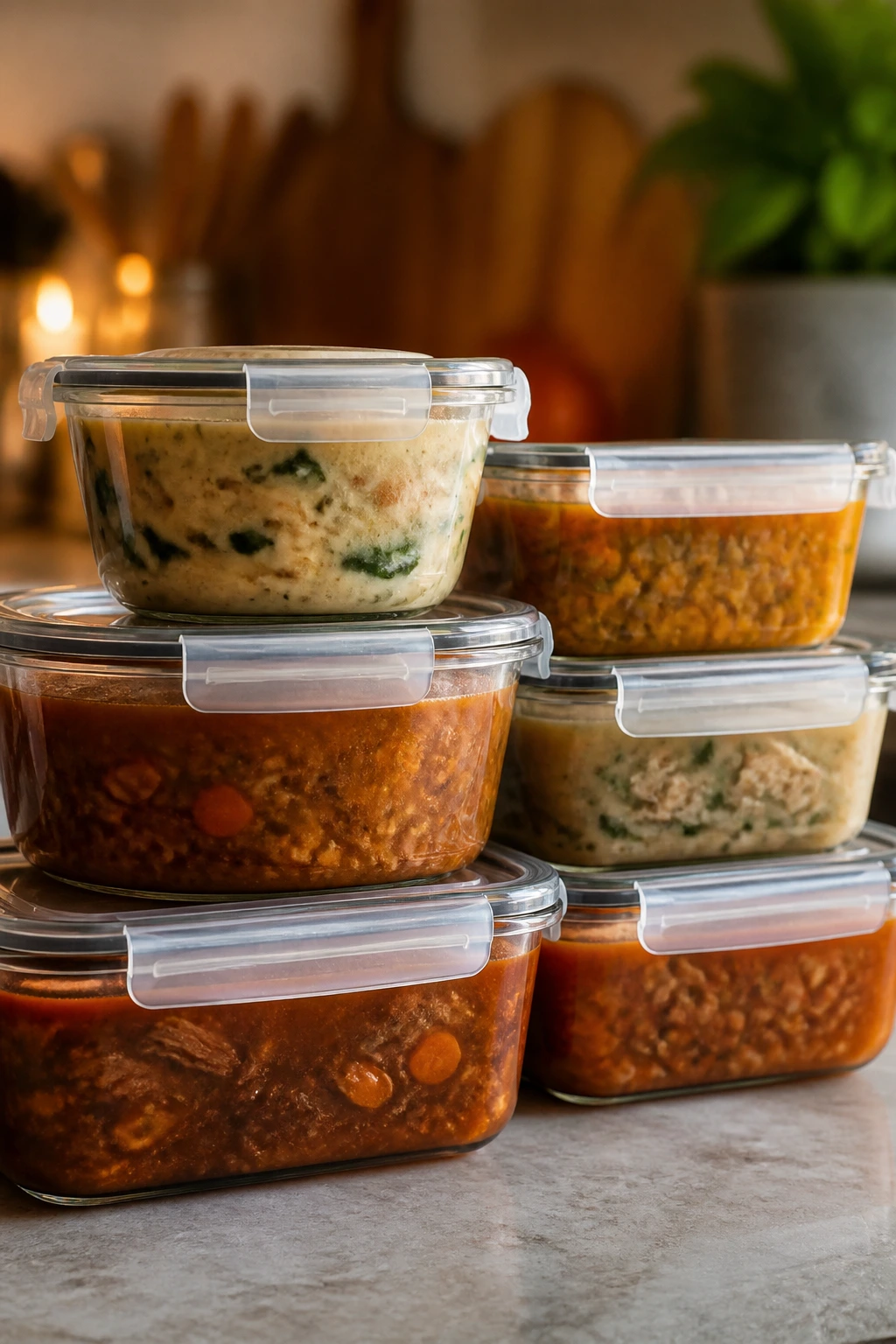
Most of these dinners keep well for 3 to 4 days in the refrigerator in airtight containers. Beef stew, chili, pulled pork, and bean soups freeze well for up to 2 to 3 months. Creamy dishes, especially potato soup and chicken and dumplings, are a little fussier; they can still be frozen, but the texture may loosen when they thaw. If you want the best result, freeze the base before adding cream, cheese, or dumplings, then finish those parts after reheating.
Cool leftovers quickly, but not recklessly. Get the food into shallow containers and refrigerate it within 2 hours of cooking. That’s the simple food-safety habit that keeps a good pot from becoming a bad idea. Once chilled, reheat on the stovetop over medium-low heat, stirring often and adding a splash of broth or water if the texture has tightened up.
The microwave works for single bowls, but heat in short bursts and stir between them. Long blasts can make chicken rubbery and cream-based soups separate. For slow cooker leftovers, I prefer a saucepan. It gives you more control, and the broth gets back to a proper simmer without overheating the dairy.
If a dish includes noodles or dumplings, expect them to keep absorbing liquid. Lasagna soup, chicken and dumplings, and any pasta-heavy soup usually taste better when the noodles are cooked separately for leftovers or when you keep back a little extra broth for the second day. That small habit saves a lot of disappointment.
Variations and Adaptations to Try
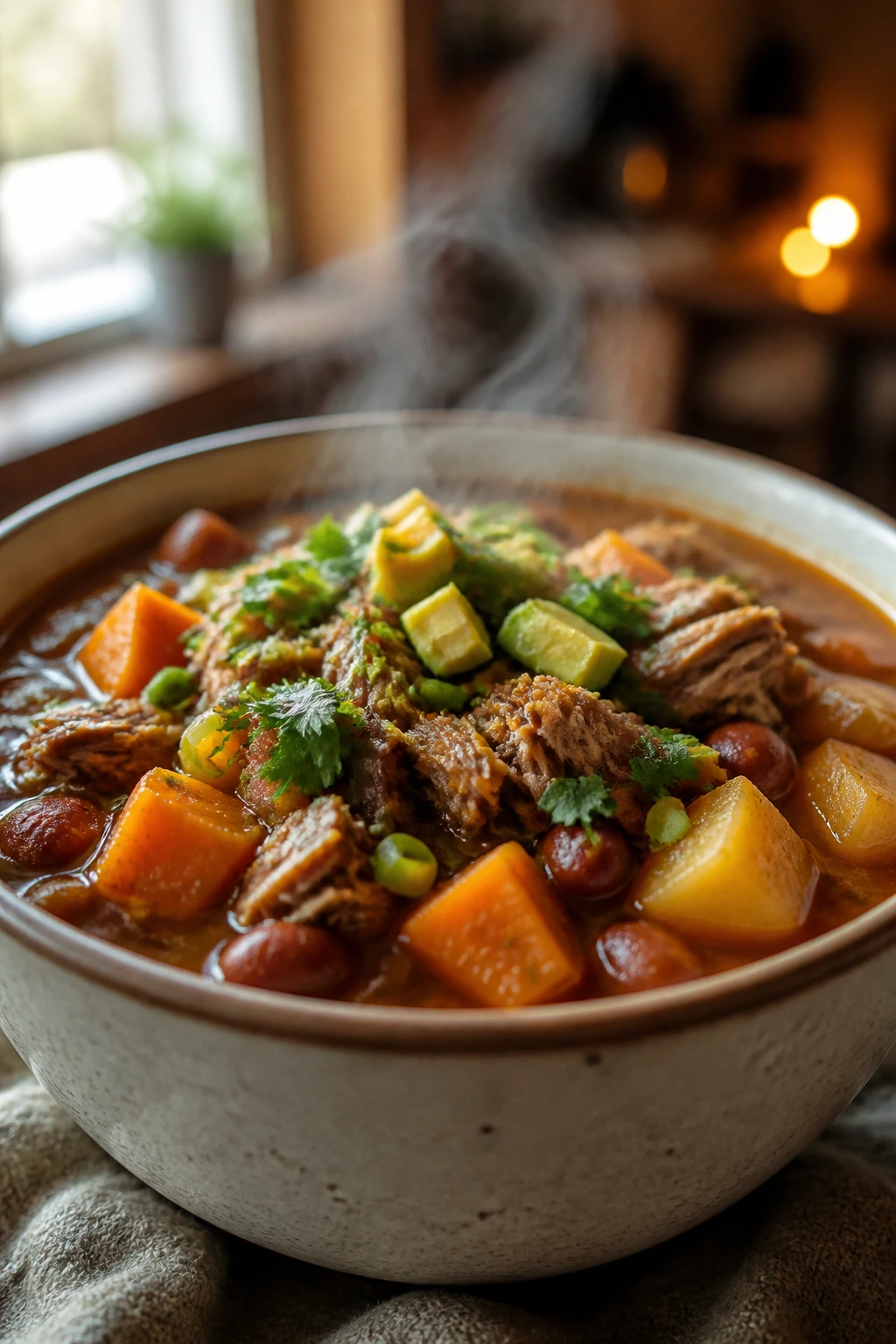
Gluten-Free Comfort Bowls
Use cornstarch or arrowroot to thicken stew and soup instead of flour, and choose gluten-free noodles or omit them entirely where needed. Most of these recipes already lean naturally gluten-free once the dumplings, bread, or pasta are handled separately.
Dairy-Free Finish
Skip cream, cheese, and butter in recipes that use them, then finish with coconut milk, olive oil, or a nut-based cream. The flavor changes a little, but the stew, chili, and soup still land well if you keep the seasoning bright.
Vegetable-Forward Swaps
Add extra carrots, celery, greens, beans, or mushrooms to stretch the meat dishes and make the bowls heartier without adding more protein. Vegetable soups and stews can take a handful of chopped mushrooms or a cup of extra beans without getting crowded.
Lower-Sodium Simmering
Choose low-sodium broth, rinse canned beans, and hold back on salt until the end. Slow cookers magnify salt over time, so seasoning in stages gives you a cleaner result.
Family Heat Control
Keep the base mild and put hot sauce, chili flakes, sliced jalapeños, or pickled peppers on the table. That way the pot works for everyone, and the people who want more fire can build it into their own bowls.
Common Mistakes to Avoid
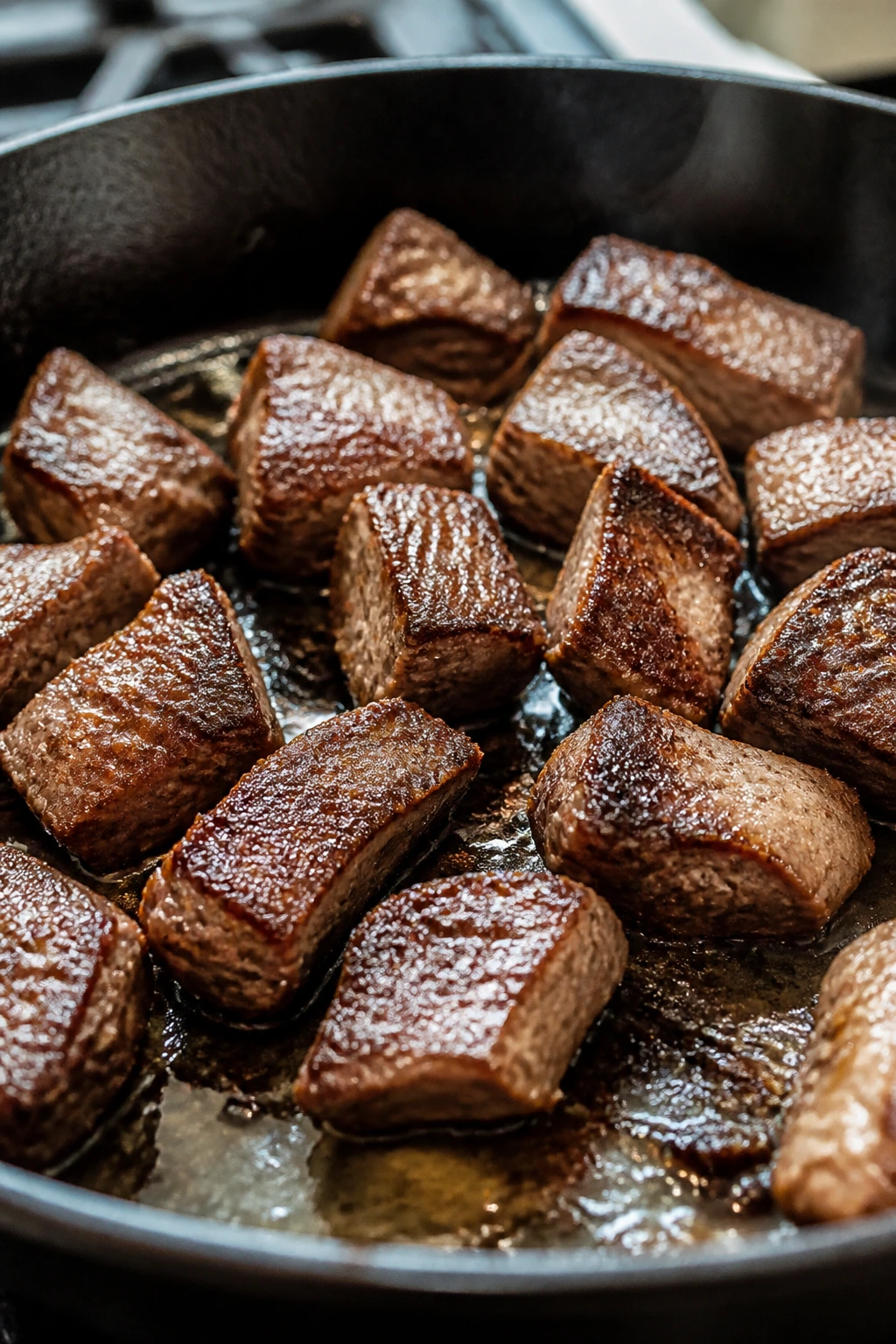
The first mistake is treating every slow cooker recipe like a dump-and-forget job from start to finish. Some dishes need browning, and that step matters. Browning meat gives you flavor on the surface and in the bottom of the pan, which is where a lot of the best taste lives. If you skip it every time, your food can taste flat even when the ingredient list looks strong.
The second mistake is adding pasta, dumplings, or greens too early. Those ingredients are fast and fragile. Broken noodles can turn to sludge, dumplings can get dense, and spinach can disappear into the broth if you leave it in for hours. Add them late, and keep the lid on while they finish.
The third mistake is overfilling the slow cooker. Most recipes need room for steam and movement. If the pot is too full, the food cooks unevenly and the surface doesn’t reduce properly. Fill the crock about two-thirds to three-quarters full unless the recipe says otherwise.
A smaller mistake, but a stubborn one, is forgetting acid at the end. A spoonful of vinegar or a squeeze of lemon can wake up a stew, soup, or chili that tastes dull after a long cook. That last little burst of sharpness is often what turns “fine” into “I want this again.”
Frequently Asked Questions

Can I cook these recipes on high instead of low?
Usually, yes, but the texture is often better on low. Tough cuts like beef chuck and pork shoulder have more time to soften gently on low, while high heat can make edges go dry before the center gets where it needs to be.
Can I put frozen meat into the slow cooker?
I wouldn’t. Frozen meat can spend too long in the temperature range where food safety gets messy, and it also changes the cooking time in a way that’s hard to predict. Thaw first for better control and better texture.
What if my crockpot runs hot?
If you know your cooker tends to run hot, check the food earlier than the recipe suggests and use the shorter end of the time range. Some slow cookers are aggressive enough to overcook chicken breasts or turn potatoes mushy if you treat them like every other model.
Can I double these recipes?
Sometimes, but only if your slow cooker has enough room. If the pot is packed too tightly, the center cooks poorly and the top can dry out. For a true double batch, an 8-quart cooker is safer than trying to cram everything into a smaller one.
How do I thicken a slow cooker dinner if it’s too thin?
Mash some of the vegetables or beans, then simmer uncovered for 10 to 20 minutes. You can also stir in a cornstarch slurry made from 1 tablespoon cornstarch and 1 tablespoon cold water, then cook until the broth turns glossy.
What’s the best way to keep dairy from curdling?
Add cream, milk, and cheese near the end and keep the heat low. Once dairy goes in, avoid a hard boil. Gentle heat keeps the texture smooth and prevents the soup from splitting.
Can I make these ahead for a busy week?
Yes. You can chop vegetables, measure spices, and even brown meat a day ahead so the actual slow cooker setup takes minutes. Many of these dishes also taste better after a night in the fridge, especially chili, stew, and pulled pork.
What should I serve with these dinners?
Crusty bread, a simple green salad, coleslaw, cornbread, or a baked potato all make sense depending on the dish. For soup-heavy nights, I’d choose bread. For pulled pork or pot roast, I’d go with something crisp or starchy on the side.
A Warm Pot at the End of the Day
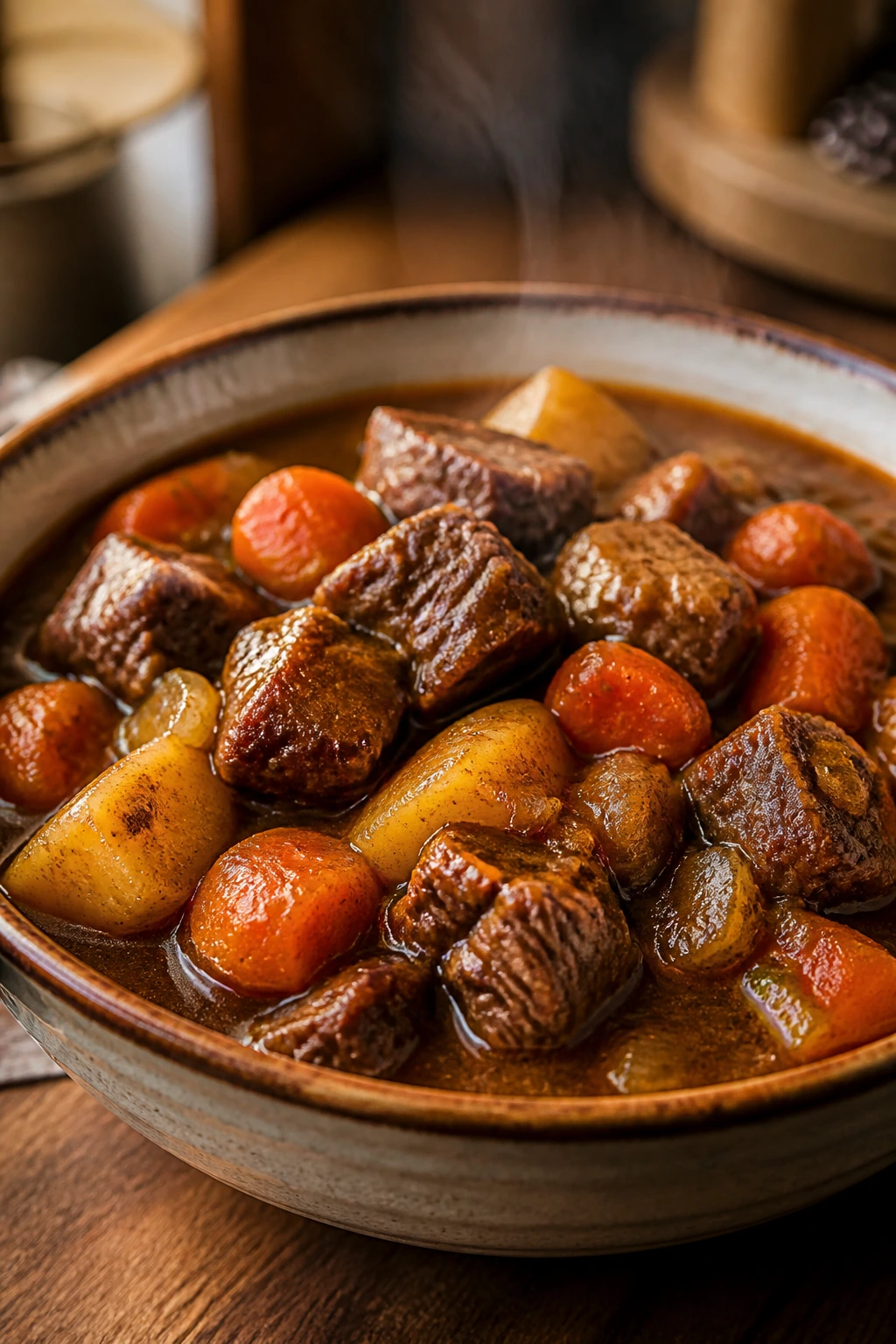
There’s a reason these dinners keep showing up when the weather turns cold. They ask for a little chopping, a little seasoning, and not much else. Then they spend the rest of the day quietly becoming dinner while you do everything else that needed doing.
The best part is how forgiving they are. A stew can wait. Chili can sit a little longer. A roast can be shredded, sauced, and served with hardly any fuss. That kind of dinner is not glamorous, but it’s deeply useful, and on cold nights, useful is exactly what you want.
Keep one of these pots in rotation and the kitchen starts paying you back before you even sit down.