



A thirty-minute dinner has one job: land on the table before the evening starts chewing up your patience. That sounds simple. It isn’t, unless you choose food that behaves — shrimp that cook in minutes, chicken cutlets instead of thick breasts, pasta that finishes before the sauce has a chance to sulk, beans and gnocchi and tortillas that do half the work for you.
The smartest weeknight cooking is rarely fancy. It’s a little ruthless. You want ingredients that brown fast, sauces that come together in one pan, and vegetables that still taste like vegetables after a hard blast of heat. No one needs a heroic dinner on a Tuesday. They need something hot, satisfying, and done before the sink fills up.
I tend to trust meals that leave a proper sear or a glossy sauce behind. Pale food makes the kitchen feel longer than it is, and nobody wants that. Give me a skillet with garlic in it, a sheet pan that smells like lemon and olive oil, or a bowl of noodles that got finished with something sharp at the end. That’s dinner with some backbone.
These twenty thirty-minute dinners lean hard on speed without acting cheap about it. Some are old standbys with a few better habits built in. Some are the kind of thing you make once and then keep making because the timing just works.
1. Garlic Butter Shrimp Scampi with Linguine
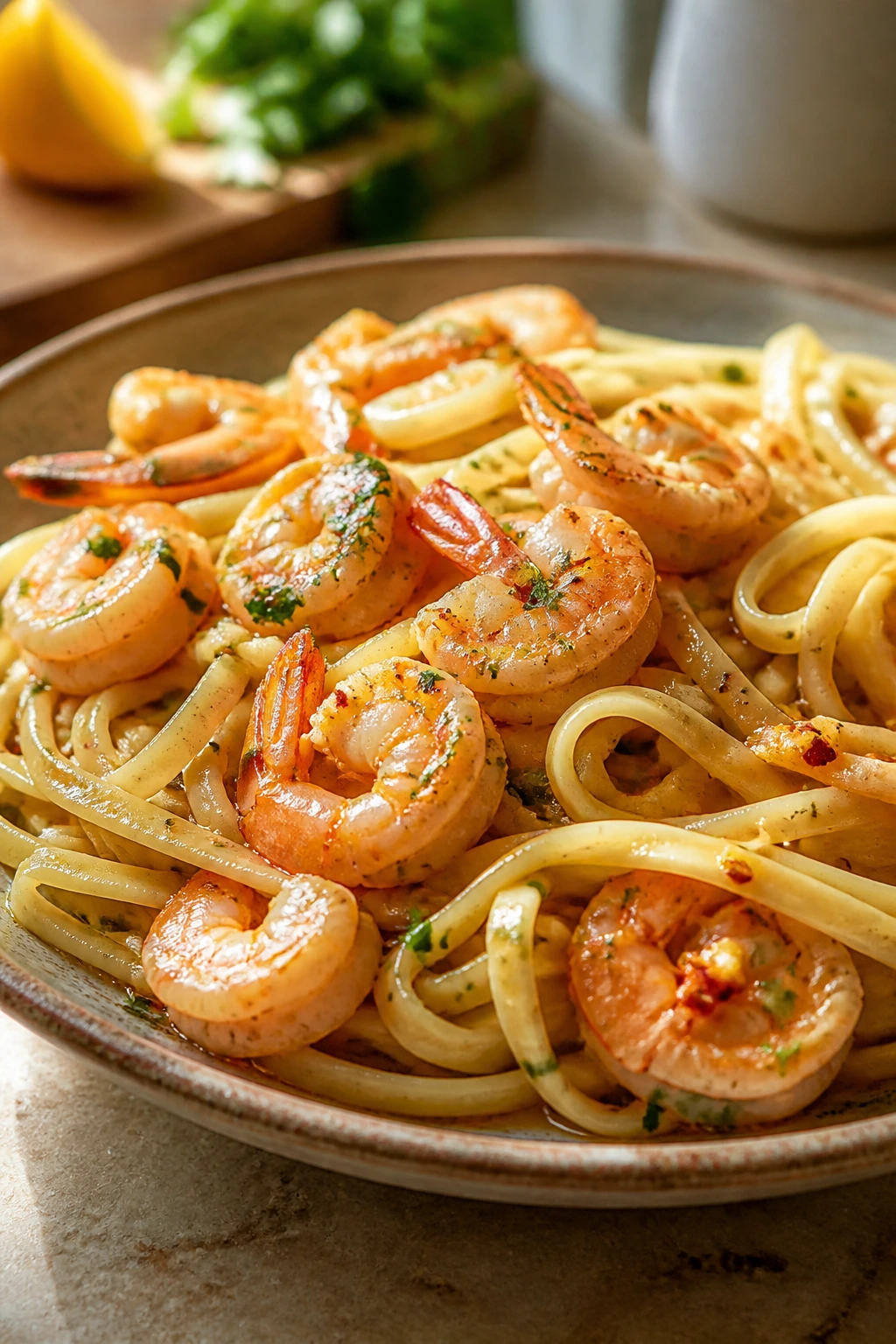
Shrimp scampi is what I make when I want dinner to feel a little dressed up without asking the clock for permission. The sauce is glossy, garlicky, and bright with lemon, and the pasta grabs every bit of it. If you’ve got bread on the side, fine. If not, the linguine will still disappear fast.
Why It Works: Shrimp are one of the few proteins that reward high heat and a short cooking time, which makes them almost unfairly useful on hectic nights. Linguine cooks while the sauce builds, and the whole dish stays lively because there’s no heavy simmer to flatten it out. A dry white wine adds depth, but broth works too, and a little pasta water ties everything together in the pan.
Key Ingredients:
- 12 oz linguine — thin strands that finish in about the same time as the shrimp.
- 1 lb large shrimp, peeled and deveined — about 16 to 20 count is ideal.
- 3 tbsp unsalted butter — split between the pan and the finish.
- 2 tbsp olive oil — keeps the butter from scorching.
- 4 garlic cloves, minced — enough for fragrance without bitterness.
- 1/2 cup dry white wine or low-sodium chicken broth — for deglazing.
- 1 lemon, zested and juiced — use both parts.
- 1/4 tsp red pepper flakes and 2 tbsp chopped parsley — small amounts, big lift.
Quick Steps:
- Boil the Pasta: Bring a large pot of salted water to a boil and cook the linguine until al dente, about 9 to 10 minutes. Reserve 1 cup of the pasta water, then drain.
- Season the Shrimp: Pat the shrimp dry and season with 1/2 tsp kosher salt and 1/4 tsp black pepper. Dry shrimp sear; wet shrimp steam.
- Build the Base: Heat the butter and olive oil in a large skillet over medium-high heat. Add the garlic and red pepper flakes and cook for 30 seconds, just until fragrant.
- Cook and Deglaze: Add the shrimp in a single layer and cook for 1 to 2 minutes per side until pink and opaque. Pour in the wine or broth, lemon juice, and 1/4 cup pasta water, scraping up the browned bits.
- Toss and Finish: Add the linguine, parsley, and lemon zest. Toss for 30 seconds, adding another splash of pasta water if the sauce needs loosening, then serve right away.
Tips and Variations:
- Use angel hair if you want a dinner that lands even faster.
- A handful of baby spinach can go in at the end and wilt in seconds.
- If the shrimp are frozen, thaw them under cold running water and dry them well before cooking.
2. Skillet Lemon Chicken and Orzo
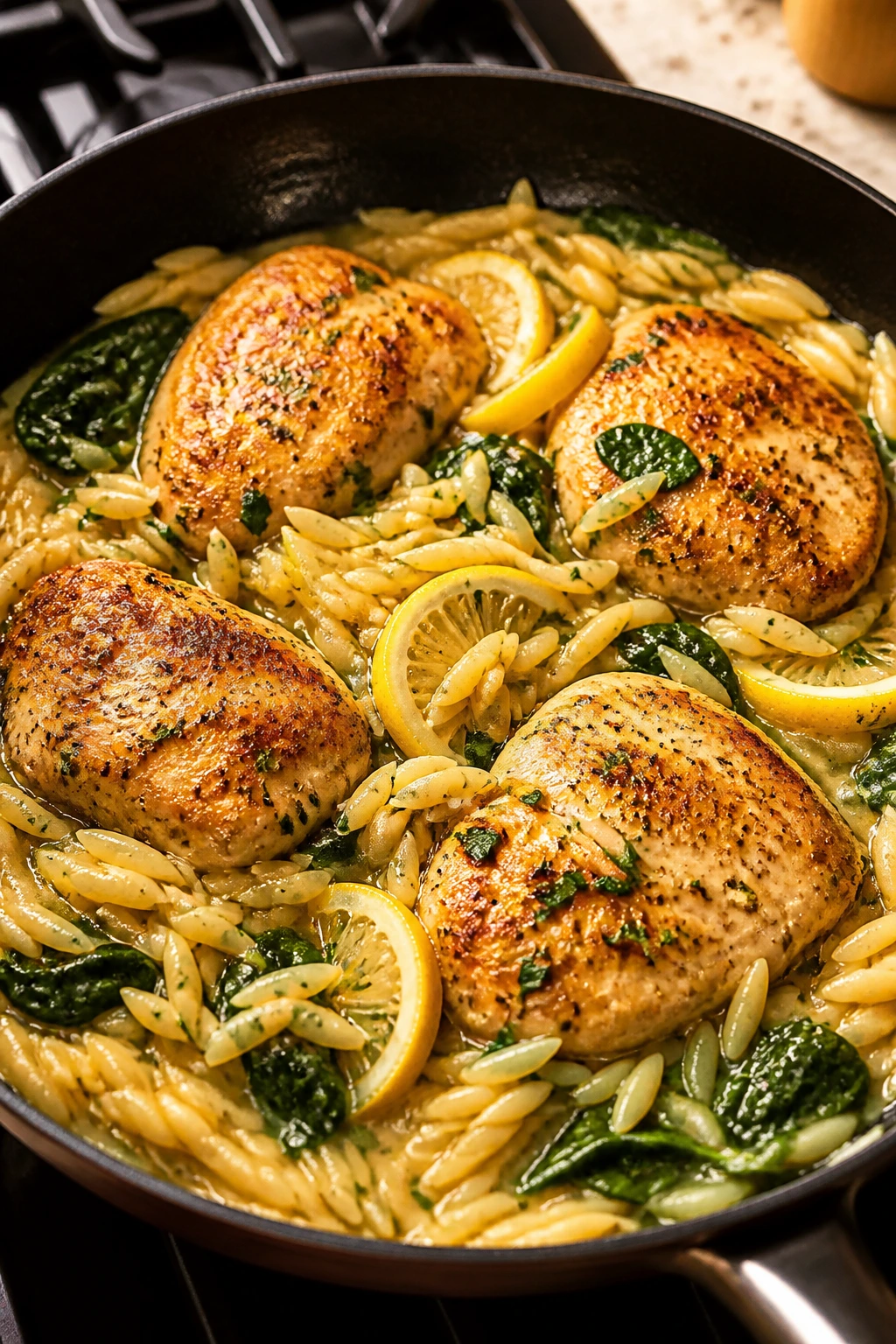
A skillet of lemon chicken and orzo has the nice trick of tasting calm even when the evening is not. The orzo cooks in the chicken broth, so you get a pasta shape that feels cozy and spoonable without needing a separate pot. I like this one with enough lemon to wake it up, but not so much that it turns sharp.
Why It Works: Chicken cutlets cook quickly and evenly, which is half the battle on a busy night. Orzo behaves like a tiny pasta and a tiny rice shape at once, soaking up broth in about 10 minutes and turning the pan into its own sauce. Add spinach and feta at the end and the whole thing gets brighter and saltier in a way that feels polished without being fussy.
Key Ingredients:
- 1 1/4 lb boneless chicken cutlets — thin pieces cook fast and stay tender.
- 1 cup orzo — the fastest pasta in the pantry that still feels like dinner.
- 2 1/2 cups low-sodium chicken broth — enough to cook the orzo without drying it out.
- 1 small yellow onion, finely diced — gives the pan a sweet base.
- 3 garlic cloves, minced — always worth the 30 seconds.
- 1 lemon, zested and juiced — use it early and late.
- 3 cups baby spinach — it disappears into the pan beautifully.
- 1/3 cup crumbled feta and 2 tbsp chopped dill — for a salty, herbal finish.
Quick Steps:
- Season and Sear: Pat the chicken dry and season with salt, pepper, and 1 tsp dried oregano. Heat 1 tbsp olive oil in a large skillet over medium-high heat and cook the chicken for 3 minutes per side until lightly golden and cooked through to 165°F. Remove it to a plate.
- Cook the Onion: Lower the heat to medium and add the onion with another drizzle of oil if needed. Cook for 3 to 4 minutes until soft and translucent, then stir in the garlic for 30 seconds.
- Toast the Orzo: Add the orzo and stir for 1 minute so the edges pick up a little color. Pour in the broth, lemon zest, and half the lemon juice.
- Simmer Gently: Cook for 8 to 10 minutes, stirring every minute or so, until the orzo is tender and most of the broth is absorbed.
- Finish in the Pan: Return the chicken to the skillet, add the spinach, and cover for 1 minute until the greens wilt. Top with feta, dill, and the remaining lemon juice.
Tips and Variations:
- Cutlets are easier than thick breasts; if you only have thicker chicken, butterfly it first.
- Stir in a handful of peas with the orzo if you want a little sweetness.
- A splash of broth on leftovers brings the orzo back to life the next day.
3. Beef and Broccoli Stir-Fry
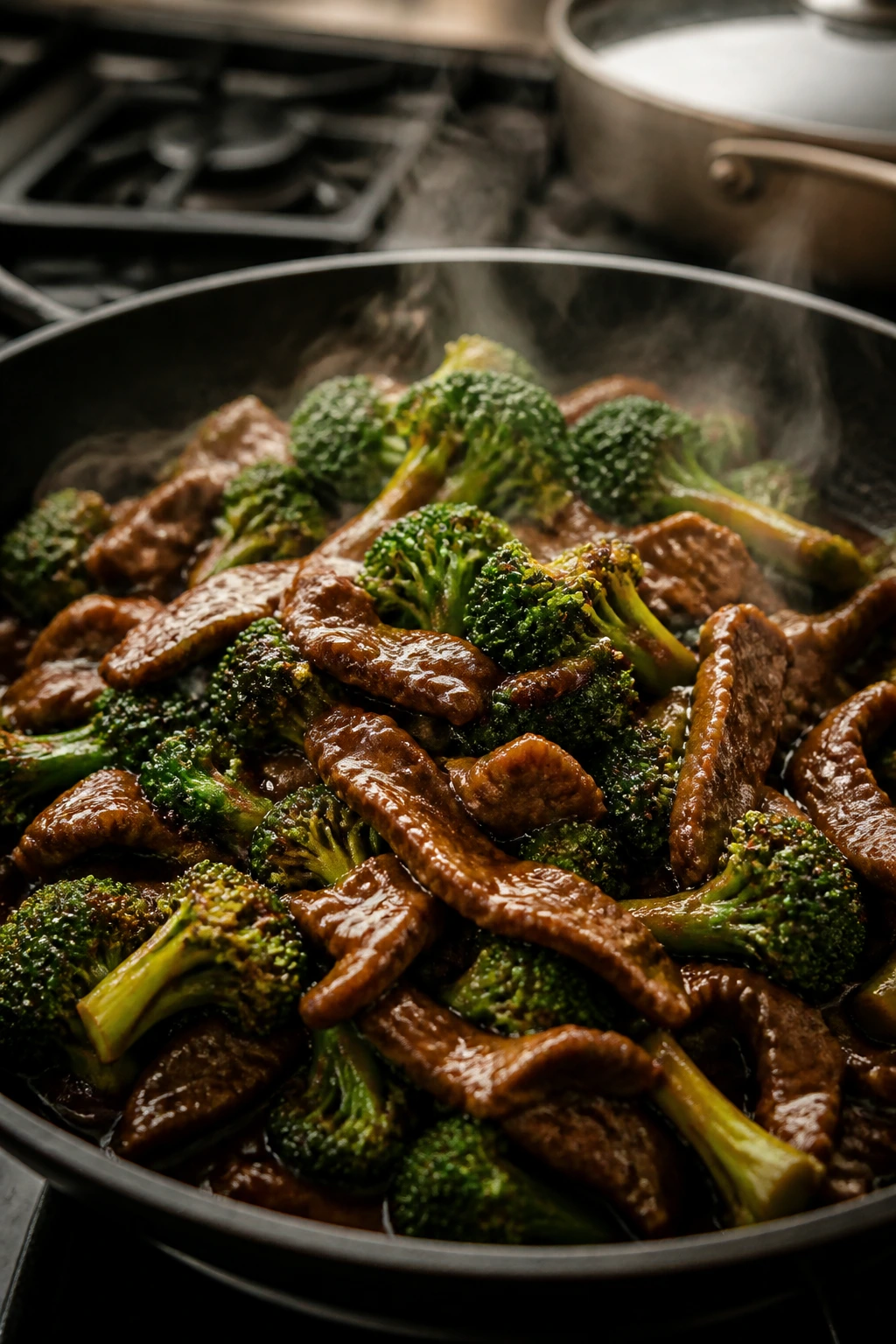
Beef and broccoli does not need a restaurant wok to be worth making. A hot skillet, thin-sliced steak, and a sauce that gets glossy in under a minute will do the job. This is one of those dinners that feels loud in the best way — sizzling, steaming, and finished before your phone has time to distract you.
Why It Works: Flank steak or skirt steak cooks quickly when sliced thin across the grain, and broccoli only needs a short blast of heat to stay crisp-tender. The sauce depends on cornstarch, which means it thickens fast instead of asking for a long reduction. Serve it with hot rice, and the whole thing lands like takeout with better timing.
Key Ingredients:
- 1 lb flank steak or skirt steak, sliced very thin — freeze it for 15 minutes first if needed.
- 4 cups broccoli florets — small florets cook faster and catch sauce better.
- 1/4 cup low-sodium soy sauce — the salty backbone.
- 2 tbsp cornstarch — thickens the sauce in minutes.
- 2 tbsp brown sugar — enough sweetness to balance the soy.
- 1 tbsp rice vinegar — keeps the sauce from feeling heavy.
- 3 garlic cloves and 1 tbsp fresh ginger, minced — the flavor base.
- 1 tbsp sesame oil and 2 tbsp neutral oil — for aroma and high-heat cooking.
- 3 cups hot cooked rice — white, brown, or jasmine all work.
Quick Steps:
- Mix the Sauce: Whisk together the soy sauce, cornstarch, brown sugar, rice vinegar, garlic, ginger, and 1/4 cup water until smooth.
- Cook the Broccoli: Heat 1 tbsp neutral oil in a large skillet over medium-high heat. Add the broccoli with 2 tbsp water and cook for 4 to 5 minutes, stirring until bright green and crisp-tender. Remove it to a bowl.
- Sear the Beef: Add the remaining oil and the sliced beef in a single layer. Cook for 2 to 3 minutes, turning once, until browned but still tender.
- Glaze the Pan: Pour in the sauce and cook for about 1 minute, stirring constantly until it turns glossy and thick.
- Bring It Together: Return the broccoli to the pan, toss for 30 seconds, and serve over rice with a drizzle of sesame oil.
Tips and Variations:
- Crowding the skillet is the fastest way to lose the sear, so cook the beef in batches if needed.
- Snap peas or sliced bell peppers can stand in for some of the broccoli.
- Leftover stir-fry reheats best in a hot skillet with a spoonful of water.
4. Creamy Tomato Tortellini Soup
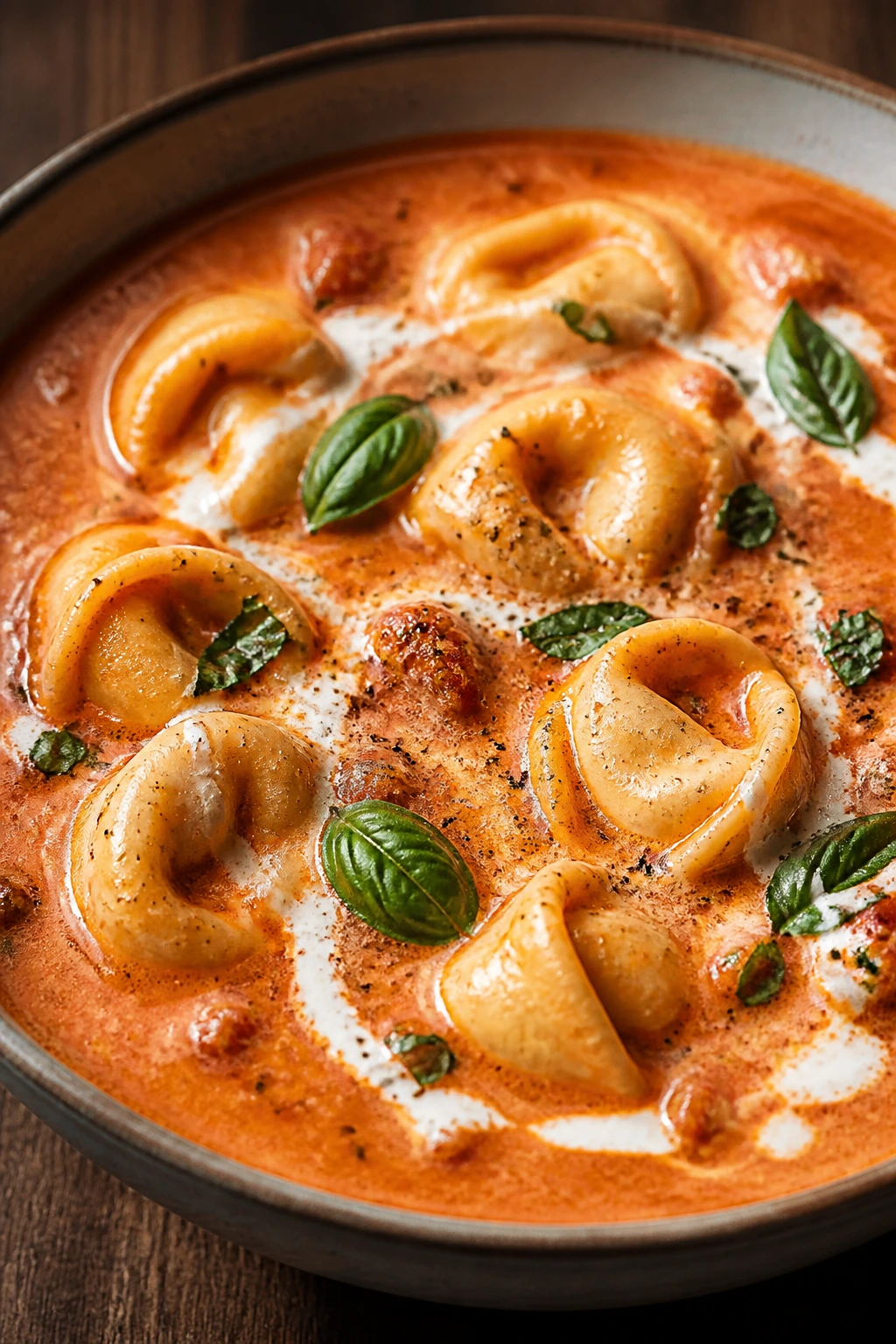
The first spoonful of tomato tortellini soup is all steam, herbs, and little cheese-filled pockets that make you feel like you planned dinner better than you did. It’s rich enough to count as a meal, but it still moves fast. That matters on nights when everyone is hungry and nobody has patience for a long simmer.
Why It Works: Tortellini is one of the quickest pasta shapes in the freezer or fridge, and it brings its own filling, which means the soup doesn’t need much else to feel complete. Tomato paste, when cooked briefly in oil, gives the broth a deeper flavor without taking time. A little cream at the end softens the acidity and makes the soup taste round instead of sharp.
Key Ingredients:
- 1 tbsp olive oil — for the base.
- 1 small onion, diced — builds sweetness.
- 3 garlic cloves, minced — the familiar backbone.
- 2 tbsp tomato paste — for deeper tomato flavor.
- 1 can (28 oz) crushed tomatoes — the body of the soup.
- 4 cups vegetable or chicken broth — use low-sodium if possible.
- 1 package (9 to 12 oz) refrigerated cheese tortellini — the fastest version.
- 1/2 cup heavy cream or half-and-half — stirred in at the end.
- 1/4 cup chopped basil and 1/4 cup grated Parmesan — for finishing.
Quick Steps:
- Start the Aromatics: Heat the olive oil in a large pot over medium heat. Add the onion and cook for 4 minutes until softened.
- Bloom the Paste: Stir in the garlic and tomato paste and cook for 1 minute, until the paste darkens slightly and smells sweet.
- Build the Soup: Add the crushed tomatoes and broth. Bring to a gentle boil, then lower the heat and simmer for 10 minutes.
- Cook the Tortellini: Add the tortellini and simmer for 3 to 5 minutes, or until the pasta floats and the filling is hot.
- Finish Gently: Turn the heat to low, stir in the cream and basil, and ladle into bowls with Parmesan on top.
Tips and Variations:
- Don’t let the soup boil hard after adding cream or it can split.
- A handful of spinach stirred in at the end melts down nicely.
- Frozen tortellini works too; just add a minute or two to the cooking time.
5. Turkey Taco Skillet
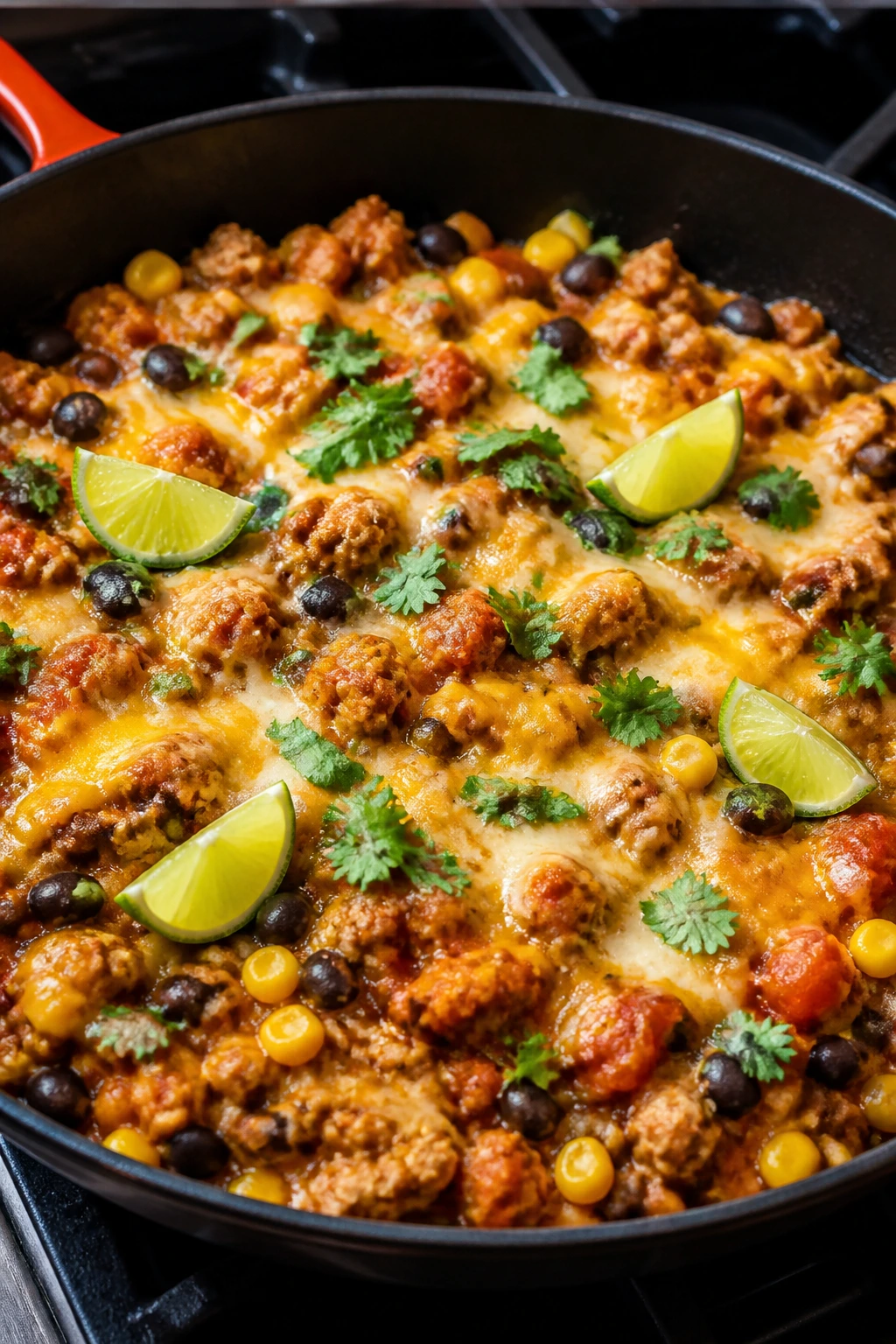
Turkey taco skillet is the sort of dinner that gets to wear two hats. It can be a bowl over rice, a filling for tortillas, or a messy scoop over chips if the evening has officially gone sideways. I like recipes that can change shape without needing a second trip to the stove.
Why It Works: Ground turkey cooks quickly, especially if you start with a hot skillet and don’t overcrowd it. Salsa stands in for a built sauce, which saves time and brings instant flavor. Beans and corn give the skillet enough body that you don’t need much else except cheese and a sharp finish from lime.
Key Ingredients:
- 1 lb ground turkey — 93% lean gives good flavor without excess grease.
- 1 small yellow onion, diced — adds sweetness.
- 2 tbsp taco seasoning — store-bought or homemade.
- 1 cup salsa — use one you actually like to eat.
- 1 can (15 oz) black beans, rinsed and drained — rinsing takes off extra salt.
- 1 cup frozen corn — no thawing needed.
- 1/2 cup shredded cheddar or Monterey Jack — for melting.
- 2 cups cooked rice or 8 small tortillas — pick the serving style you need.
- 1 lime and 2 tbsp chopped cilantro — for the final spark.
Quick Steps:
- Brown the Turkey: Heat 1 tbsp oil in a large skillet over medium-high heat. Add the onion and turkey and cook for 6 to 7 minutes, breaking the meat into small pieces until no pink remains.
- Season the Filling: Stir in the taco seasoning and 1/4 cup water. Cook for 30 seconds so the spices bloom.
- Add the Rest: Mix in the salsa, black beans, and corn. Simmer for 5 minutes until the mixture looks thick and saucy.
- Melt the Cheese: Sprinkle the cheese over the top, cover the skillet, and cook for 1 minute until melted.
- Serve Hot: Spoon over rice or into tortillas and finish with cilantro and a squeeze of lime.
Tips and Variations:
- A medium salsa gives you the best texture; thin salsa can make the skillet sloppy.
- Add diced bell pepper with the onion if you want more vegetables.
- A spoonful of sour cream on top cools the heat nicely.
6. Salmon with Dijon Dill Sauce and Green Beans
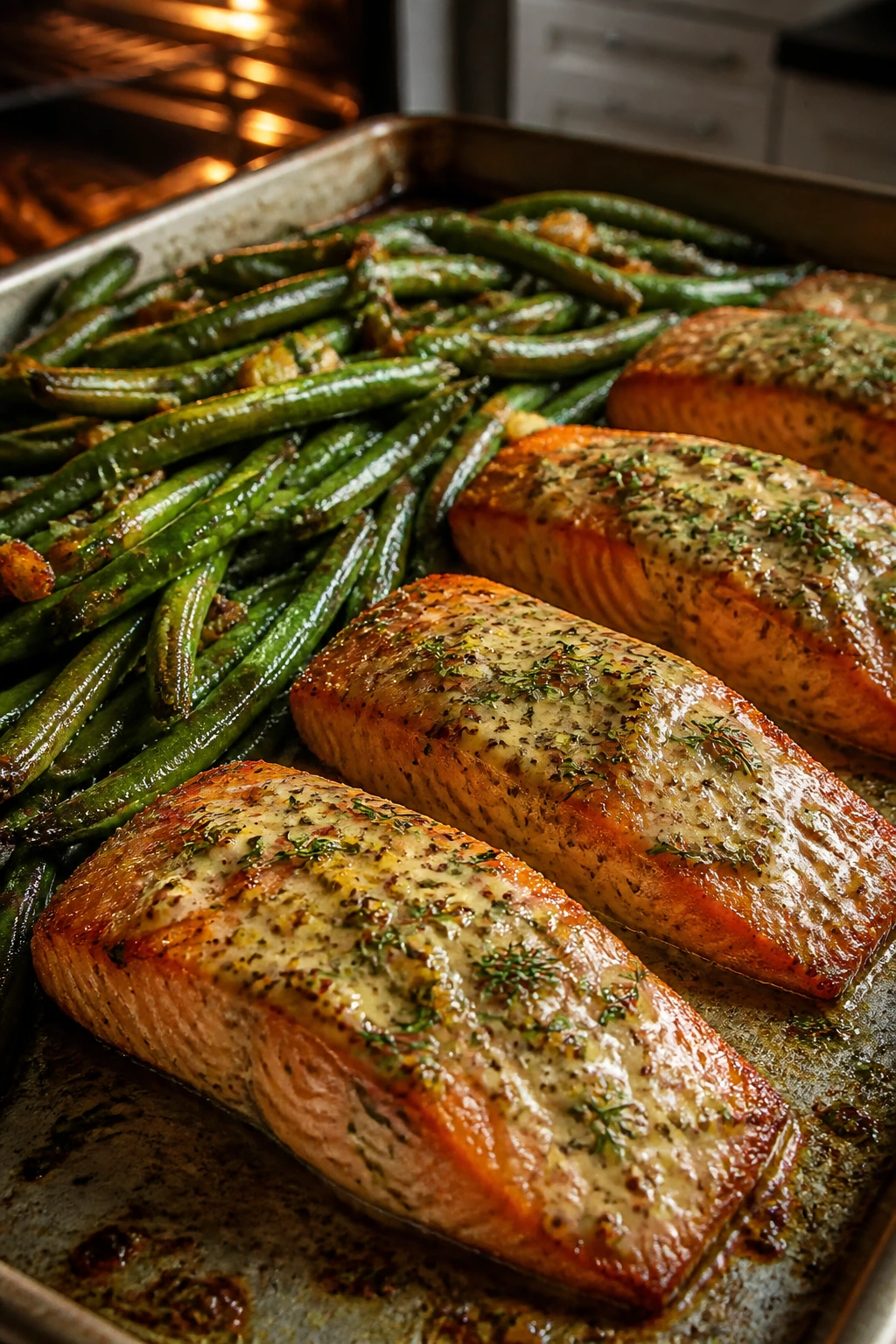
Salmon is one of the easiest dinners to overthink, which is a shame because it does not need that much help. A little Dijon, some dill, green beans on the same pan, and you’ve got a meal that looks deliberate and lands in under half an hour. The sauce is cool and sharp against the rich fish, and that contrast is the whole trick.
Why It Works: Salmon cooks quickly in a hot oven, and green beans are ready at the same speed if you give them room on the pan. Dijon acts like a built-in seasoning paste, helping the fish stay flavorful without a long marinade. The yogurt-dill sauce can be stirred together while the salmon roasts, so nothing sits around waiting to get cold.
Key Ingredients:
- 4 salmon fillets, about 6 oz each — skin-on or skinless both work.
- 12 oz green beans, trimmed — the thinner the bean, the faster the roast.
- 2 tbsp olive oil — for the vegetables.
- 2 tbsp Dijon mustard — spread on the fish.
- 2 garlic cloves, grated or minced — sharp and fast.
- 1 lemon, zested and juiced — brightens the whole tray.
- 1/3 cup plain Greek yogurt or sour cream — the sauce base.
- 2 tbsp chopped dill — fresh if possible.
- Salt and black pepper — enough to season both fish and beans.
Quick Steps:
- Heat the Oven: Preheat the oven to 425°F and line a sheet pan with parchment.
- Prep the Vegetables: Toss the green beans with olive oil, salt, and pepper. Spread them on one side of the sheet pan.
- Season the Salmon: Place the salmon on the pan, brush the tops with Dijon, and sprinkle on the garlic, lemon zest, salt, and pepper.
- Roast: Cook for 12 to 15 minutes, until the salmon flakes easily and the beans are blistered at the edges.
- Stir the Sauce: Mix the yogurt, dill, lemon juice, and a pinch of salt in a small bowl. Spoon it over the hot salmon before serving.
Tips and Variations:
- If the salmon fillets are thick, give the beans a 5-minute head start before adding the fish.
- Check the thickest part of the salmon with an instant-read thermometer; 145°F is the safe target.
- Broccolini can stand in for green beans if that’s what you’ve got.
7. Chickpea Coconut Curry with Spinach and Rice
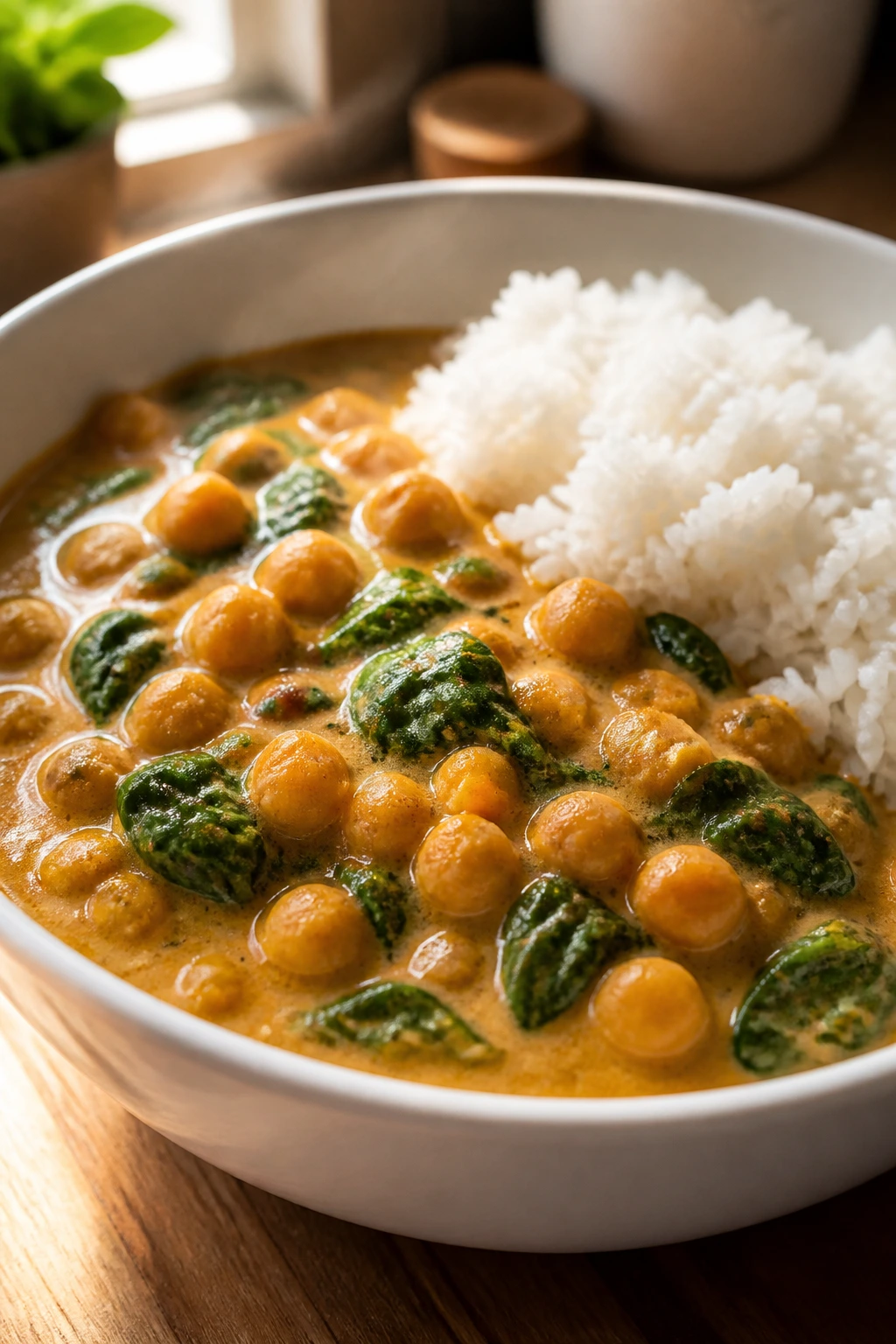
Chickpea coconut curry is the sort of vegetarian dinner that does not apologize for being vegetarian. It’s creamy, fragrant, and rich enough to satisfy the people at the table who always ask where the meat went. I like it with a lot of lime at the end; it keeps the coconut milk from settling into something sleepy.
Why It Works: Chickpeas are already cooked, so they only need a quick simmer to take on flavor. Coconut milk carries spices beautifully and gives the curry enough body that you don’t have to reduce it for ages. Spinach wilts in seconds, which means the last minute of cooking feels almost magical — green leaves go into the pot and come back as dinner.
Key Ingredients:
- 2 tbsp coconut oil or olive oil — for the base.
- 1 small onion, diced — builds sweetness.
- 3 garlic cloves, minced — keeps the curry grounded.
- 1 tbsp fresh ginger, grated — adds warmth.
- 2 tbsp red curry paste or 2 tsp curry powder — depending on how bold you like it.
- 2 cans (15 oz each) chickpeas, rinsed and drained — the main protein.
- 1 can (13.5 oz) full-fat coconut milk — for richness.
- 1/2 cup vegetable broth — loosens the sauce.
- 4 cups baby spinach — melts right in.
- 1 lime and 2 tbsp chopped cilantro — for the finish.
- 3 cups hot cooked rice or 2 microwave rice pouches — keeps the meal inside the 30-minute window.
Quick Steps:
- Start the Rice: Heat the rice according to package directions or keep cooked rice warm while the curry comes together.
- Cook the Aromatics: Warm the oil in a large skillet over medium heat. Add the onion and cook for 4 minutes, then stir in the garlic, ginger, and curry paste for 30 seconds.
- Simmer the Curry: Add the chickpeas, coconut milk, broth, and 1/2 tsp salt. Simmer for 10 minutes, stirring occasionally.
- Wilt the Spinach: Stir in the spinach and cook for 1 minute until it softens.
- Finish Bright: Add the lime juice and cilantro, then spoon the curry over rice.
Tips and Variations:
- If you want more heat, add a pinch of crushed red pepper with the curry paste.
- Cauliflower florets cook well here if you add them during the simmer.
- Leftovers taste even deeper the next day, especially with an extra squeeze of lime.
8. Pork Chops with Apple Pan Sauce and Couscous
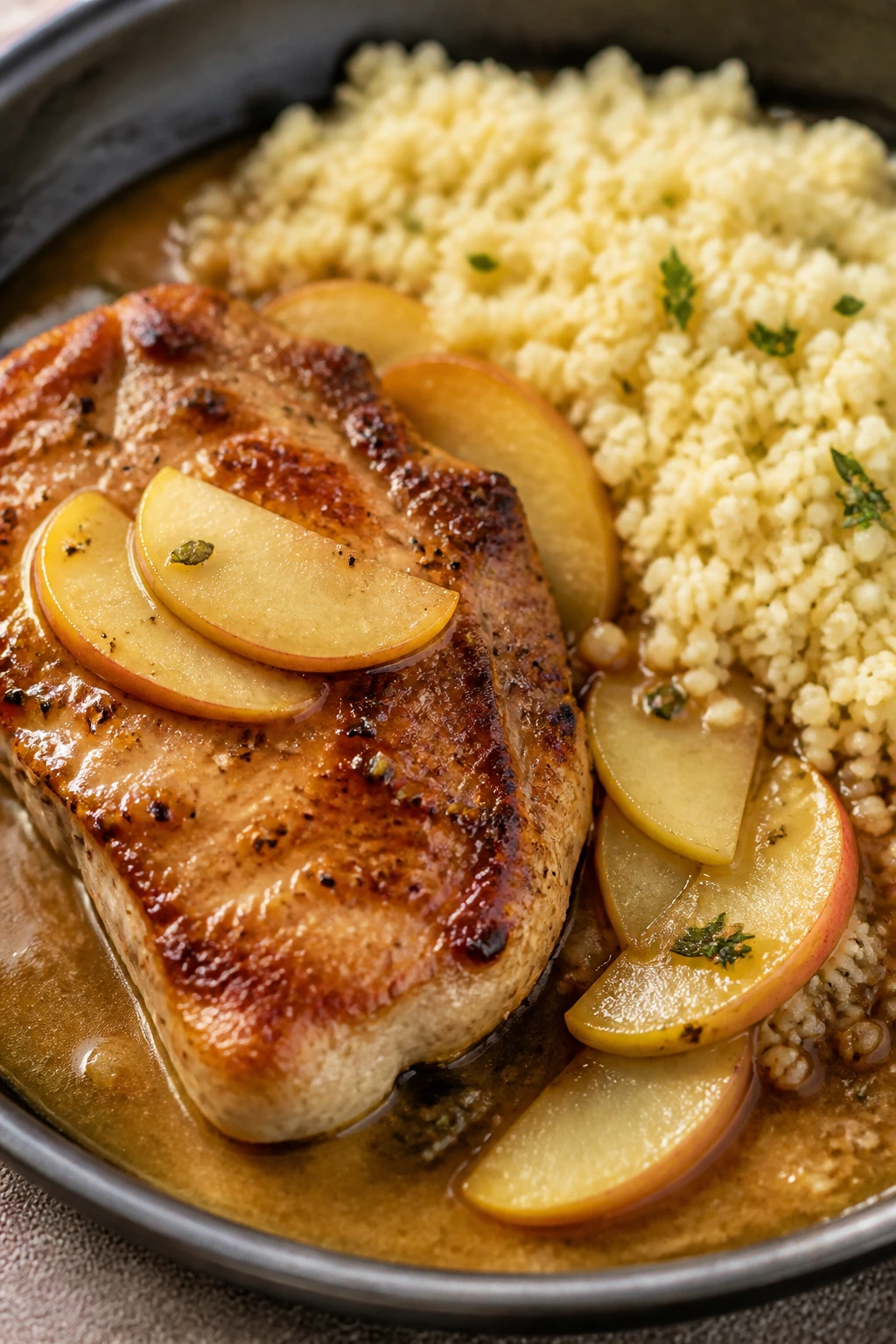
Pork chops and apples can sound old-fashioned in a way that makes people shrug, and that’s a mistake. Done in one skillet with a quick pan sauce, the combination tastes sharp, savory, and a little sweet in the best way. Couscous handles the clock for you, which is why this dinner works when you don’t want another starch that needs babysitting.
Why It Works: Boneless pork chops cook fast enough to fit the deadline, especially if they’re not much thicker than an inch. Couscous needs only boiling broth and a five-minute rest, so it can sit quietly while the pan sauce comes together. Apples soften just enough in the skillet to taste warm and golden, not mushy.
Key Ingredients:
- 4 boneless pork chops, about 1 inch thick — the sweet spot for quick cooking.
- 1 tbsp olive oil — for searing.
- 2 medium apples, thinly sliced — choose a firm variety.
- 1 small onion, thinly sliced — helps the sauce taste fuller.
- 1 tbsp Dijon mustard — sharpens the pan sauce.
- 3/4 cup low-sodium chicken broth — for deglazing.
- 1 tbsp butter — stirred in at the end.
- 1 cup couscous — the quickest grain in the drawer.
- 1 cup chicken broth or water for the couscous — use broth if you want more flavor.
- 1 tsp fresh thyme leaves or 1/2 tsp dried thyme — a small amount goes far.
Quick Steps:
- Sear the Chops: Season the pork chops with salt and pepper. Heat the oil in a skillet over medium-high heat and cook the chops for 3 to 4 minutes per side until browned and cooked to 145°F. Remove them to a plate.
- Cook the Fruit and Onion: Add the apples and onion to the same skillet and cook for 4 minutes, stirring now and then, until the apples soften at the edges.
- Make the Pan Sauce: Stir in the mustard, thyme, and broth, scraping up the browned bits. Simmer for 2 minutes, then whisk in the butter.
- Prepare the Couscous: Bring the couscous broth or water to a boil in a small saucepan, stir in the couscous, cover, and remove from the heat for 5 minutes. Fluff with a fork.
- Finish the Plate: Return the pork chops to the skillet for 1 minute just to warm them, then serve over couscous with the apple sauce spooned on top.
Tips and Variations:
- Thin pork chops overcook fast, so keep an eye on them once they hit color.
- A splash of apple cider in the pan sauce makes the fruit taste louder.
- If you want greens, a handful of arugula on the side works without extra cooking.
9. Sesame Ginger Chicken Lettuce Wraps
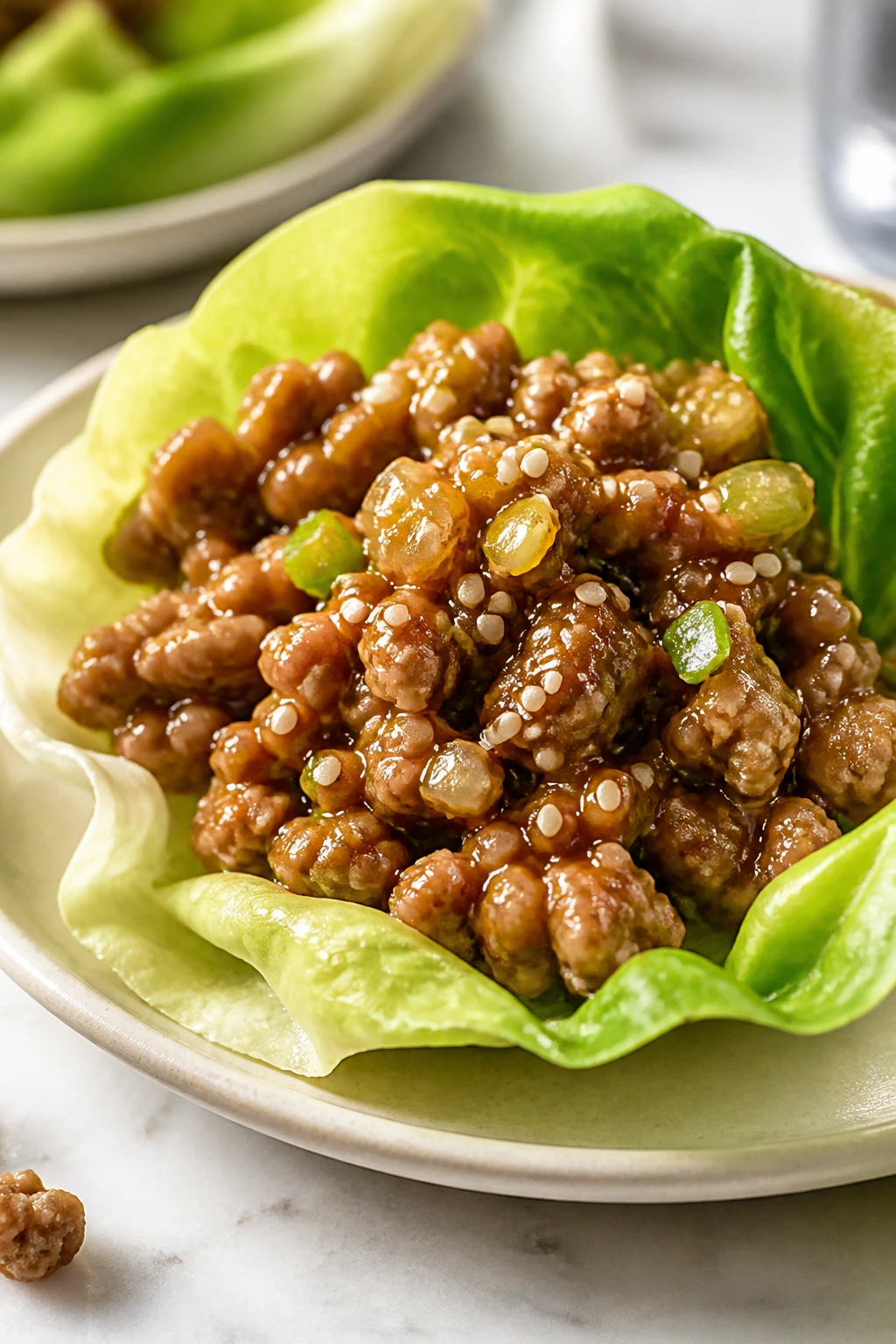
Sesame ginger chicken lettuce wraps are what I make when I want dinner to feel lighter without turning into a sad pile of leaves. The filling is savory and a little sticky, with water chestnuts for crunch and scallions for bite. It’s the kind of meal that moves fast because the skillet does most of the thinking.
Why It Works: Ground chicken cooks quickly and soaks up the sauce better than a leaner cut would. Water chestnuts add a crisp texture that keeps the filling from tasting soft and one-note. Butter lettuce or romaine gives you a cold, fresh wrapper that balances the hot filling without needing any extra effort.
Key Ingredients:
- 1 lb ground chicken — quick, mild, and easy to season.
- 1 tbsp sesame oil — adds that toasted flavor you want here.
- 3 garlic cloves, minced — the first smell that tells you dinner is happening.
- 1 tbsp fresh ginger, minced — keeps the filling bright.
- 1 can (8 oz) water chestnuts, drained and chopped — for crunch.
- 2 carrots, finely grated — a little sweetness and color.
- 3 scallions, sliced — half for cooking, half for finishing.
- 2 tbsp soy sauce and 1 tbsp hoisin sauce — the sticky-salty core.
- 1 tbsp rice vinegar — keeps the sauce awake.
- 1 head butter lettuce or 2 romaine hearts — for wrapping.
Quick Steps:
- Brown the Chicken: Heat the sesame oil in a large skillet over medium-high heat. Add the chicken and cook for 5 minutes, breaking it into small pieces until no pink remains.
- Add Aromatics and Crunch: Stir in the garlic, ginger, water chestnuts, carrots, and half the scallions. Cook for 2 minutes.
- Season the Filling: Add the soy sauce, hoisin, rice vinegar, and 2 tbsp water. Cook for 1 minute until the sauce coats the chicken.
- Prepare the Wraps: Separate and wash the lettuce leaves, then pat them dry so they hold the filling.
- Assemble and Serve: Spoon the hot filling into the lettuce cups and top with the remaining scallions.
Tips and Variations:
- Keep the lettuce cold and dry so it doesn’t wilt on contact.
- A spoonful of cooked rice in each leaf makes the wraps sturdier.
- Chopped peanuts or sesame seeds are a good finish if you want more crunch.
10. Black Bean Enchilada Skillet
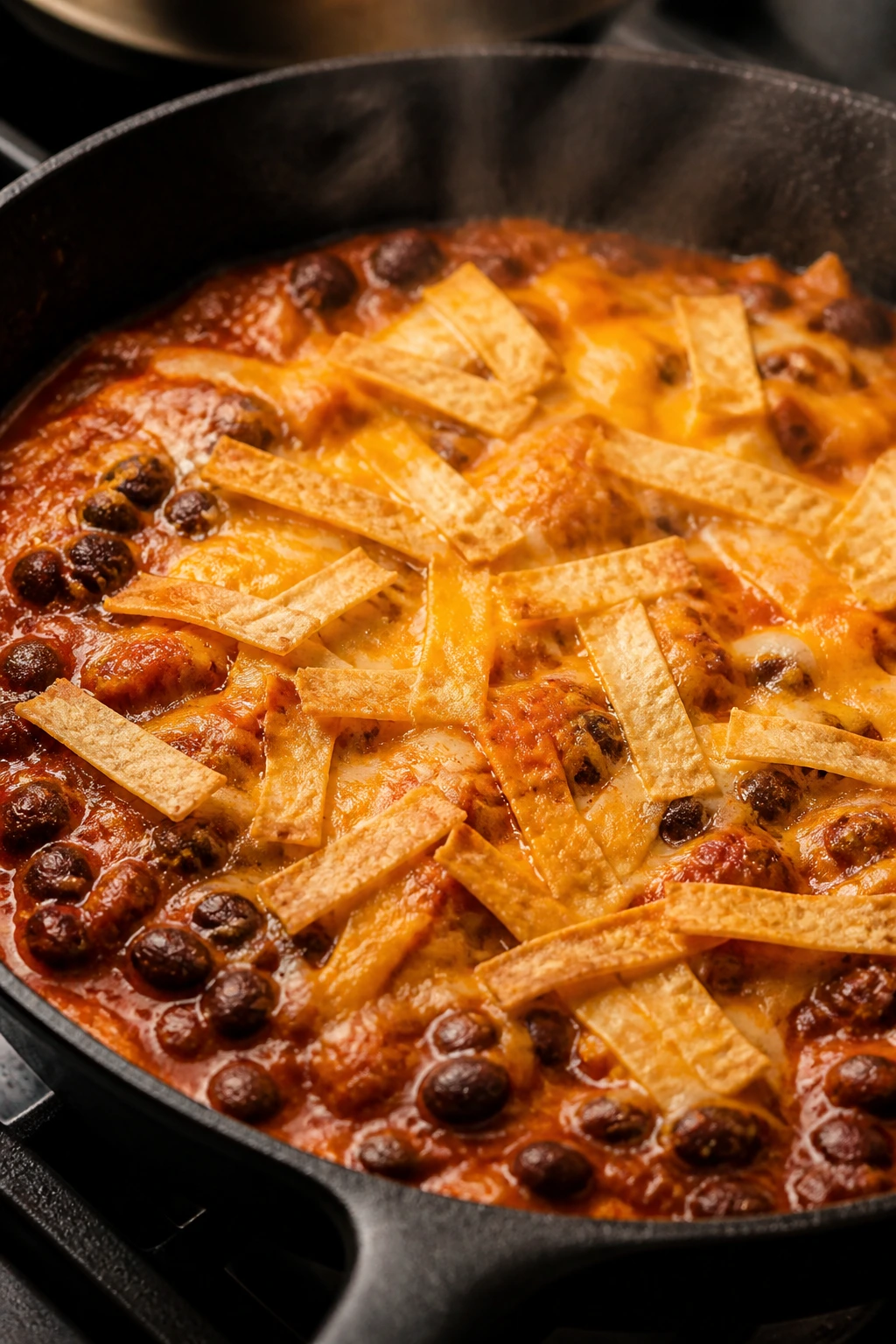
Black bean enchilada skillet is what happens when you want enchilada flavor without building a full pan of rolls. It’s saucy, cheesy, and forgiving, which is more than can be said for a lot of weeknight dinners. I like it with tortilla strips folded right into the skillet so every bite has a little chew.
Why It Works: Canned black beans and enchilada sauce give you most of the flavor in the first minute. Tortilla strips soften just enough in the sauce to feel like a layered casserole, but they don’t need a long bake. The cheese on top gives the whole skillet that oven-baked feeling even though it stays on the stovetop.
Key Ingredients:
- 1 tbsp vegetable oil — for the vegetables.
- 1 small onion, diced — starts the base.
- 1 red bell pepper, diced — sweet and fast-cooking.
- 1 tsp ground cumin — gives the skillet its warm edge.
- 2 cans (15 oz each) black beans, rinsed and drained — the backbone.
- 1 1/2 cups enchilada sauce — enough to coat everything.
- 1 cup frozen corn — no thawing needed.
- 4 small corn tortillas, cut into strips — they soften into the sauce.
- 1 1/2 cups shredded Mexican blend cheese — for the top.
- 1 avocado and 2 tbsp chopped cilantro — for finishing.
Quick Steps:
- Cook the Vegetables: Heat the oil in a large skillet over medium heat. Add the onion and bell pepper and cook for 5 minutes until softened.
- Season the Skillet: Stir in the cumin and cook for 30 seconds.
- Add the Saucy Parts: Mix in the black beans, enchilada sauce, corn, and 1/4 cup water. Simmer for 3 minutes.
- Fold in the Tortillas: Stir in the tortilla strips and cook for 2 minutes so they soften but still hold some texture.
- Melt the Cheese: Scatter the cheese over the top, cover the skillet, and cook for 2 minutes until melted. Finish with avocado and cilantro.
Tips and Variations:
- Rotisserie chicken can be folded in if you want more protein.
- Let the skillet sit for 2 minutes before serving so the tortillas absorb the sauce.
- A dollop of sour cream or Greek yogurt cools the heat nicely.
11. Pesto Gnocchi with Mozzarella and Cherry Tomatoes
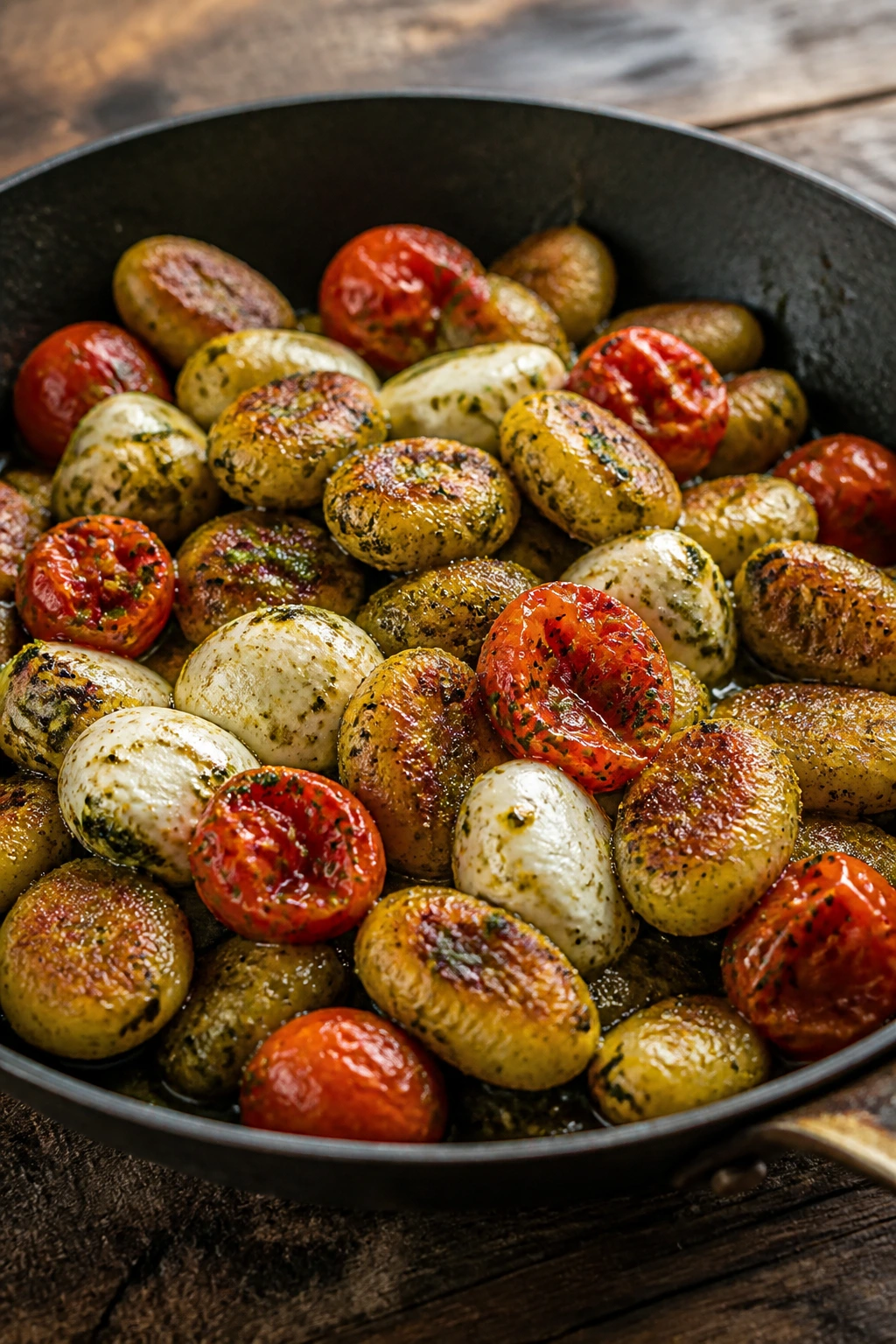
Pesto gnocchi is the sort of dinner that looks like you had more time than you did, which is a fine trick to keep in your pocket. Shelf-stable gnocchi browns in the pan instead of needing a long boil, and that gives the dish a little chew at the edges. Once the tomatoes blister and the pesto hits the heat, dinner feels done in a hurry.
Why It Works: Gnocchi made from potatoes cooks fast and gets better texture when it’s browned in a skillet first. Cherry tomatoes burst at roughly the same pace, which gives you juicy pockets without turning the pan into soup. Pesto brings both flavor and fat, so you don’t need a long sauce-building phase.
Key Ingredients:
- 1 lb shelf-stable gnocchi — the kind that can go straight into the skillet.
- 2 tbsp olive oil — enough for browning.
- 2 cups cherry tomatoes — they blister and sweeten quickly.
- 2 garlic cloves, minced — just enough for aroma.
- 1/2 cup basil pesto — store-bought is fine if it tastes good.
- 3 cups baby spinach — wilts in seconds.
- 8 oz mozzarella pearls or torn fresh mozzarella — for creamy pockets.
- 1 lemon, zested — a tiny amount wakes everything up.
- 2 tbsp grated Parmesan — optional, but useful.
Quick Steps:
- Brown the Gnocchi: Heat the olive oil in a large skillet over medium-high heat. Add the gnocchi and cook for 4 to 5 minutes, stirring occasionally, until golden in spots.
- Blister the Tomatoes: Add the cherry tomatoes and garlic and cook for 2 minutes until the skins split and the tomatoes soften.
- Add the Pesto: Stir in the pesto with 2 tbsp water to loosen it, coating the gnocchi and tomatoes.
- Wilt and Melt: Add the spinach and mozzarella. Cover for 1 minute until the spinach collapses and the cheese softens.
- Finish Bright: Sprinkle on the lemon zest and Parmesan, then serve while the cheese is still soft.
Tips and Variations:
- Don’t boil the gnocchi first if it’s shelf-stable; pan-browning gives better texture.
- A few red pepper flakes in the pesto make the whole dish sharper.
- If you only have refrigerated gnocchi, follow the package timing and still finish it in the skillet.
12. Teriyaki Meatball Bowls
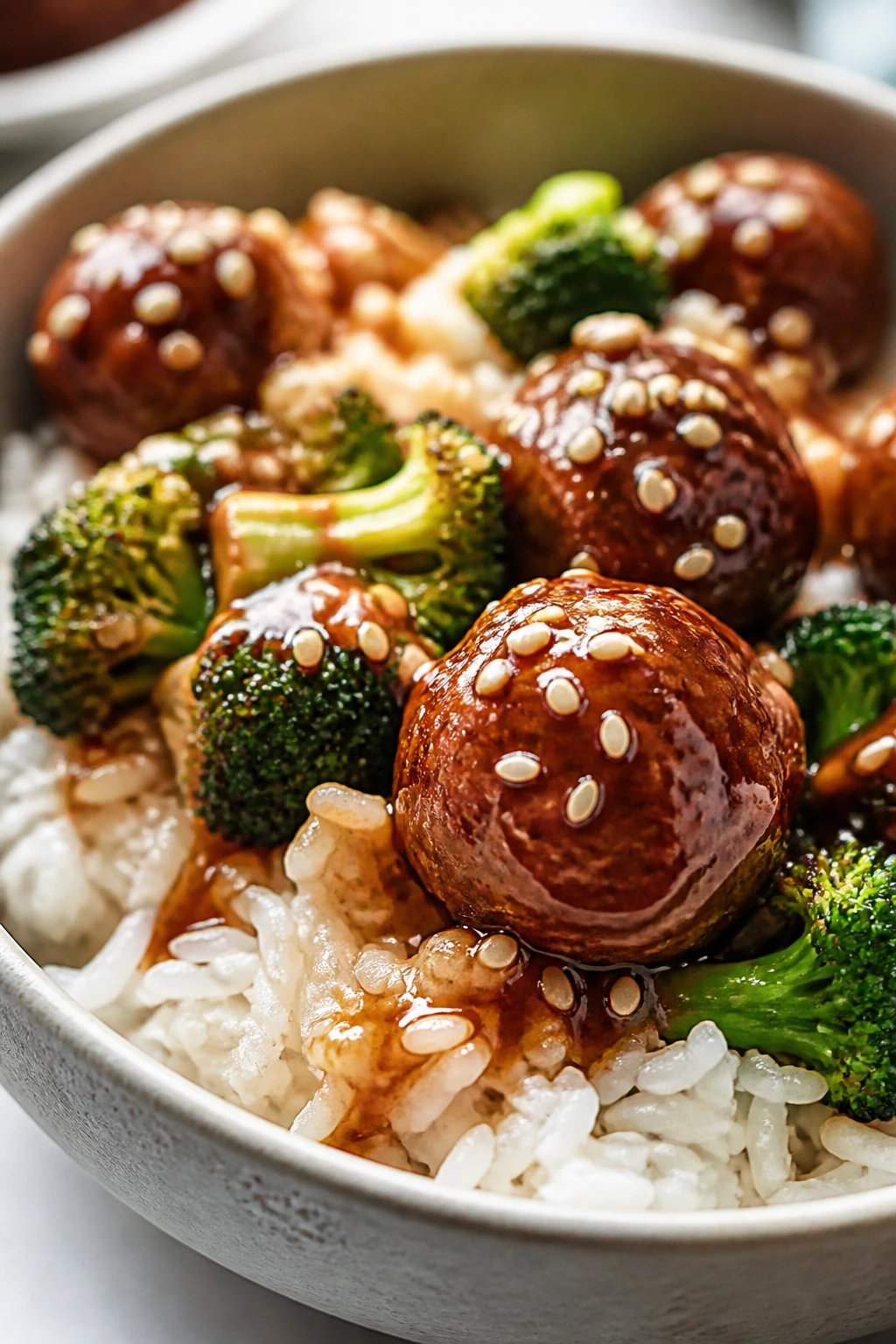
Teriyaki meatball bowls are one of those dinners that feel built for real life. There’s no ceremony here — just meatballs, a glossy sauce, broccoli, rice, and a bowl that can be assembled faster than most people can decide what to order. I like them because they hit that sweet spot between comforting and orderly.
Why It Works: Frozen meatballs shave off a huge amount of prep time, and teriyaki sauce turns them into a complete meal without much help. Broccoli and carrots add color and crunch, while rice catches the extra sauce so nothing ends up wasted in the bowl. This is the kind of dinner that benefits from being assembled rather than plated too carefully.
Key Ingredients:
- 1 lb frozen fully cooked meatballs — beef, turkey, or chicken all work.
- 3/4 cup teriyaki sauce — choose one with a flavor you’d happily drizzle on rice.
- 2 cups broccoli florets — fresh or frozen.
- 1 cup shredded carrots — no chopping needed.
- 3 cups hot cooked jasmine rice or 2 microwave rice pouches — keeps the timing tight.
- 2 scallions, sliced — for a fresh bite.
- 1 tbsp sesame seeds — for crunch.
- 1 tbsp neutral oil — only if the pan needs it.
Quick Steps:
- Prepare the Rice: Warm the rice according to package directions or keep it hot while the rest cooks.
- Warm the Meatballs: Place the meatballs and teriyaki sauce in a large skillet over medium heat with 2 tbsp water. Cook for 6 to 8 minutes, stirring now and then, until the meatballs are hot all the way through.
- Cook the Vegetables: Steam the broccoli in the microwave or in a small pan with a splash of water for 3 to 4 minutes until bright green. Leave the carrots raw for crunch.
- Build the Bowls: Divide the rice among bowls, then top with meatballs, broccoli, and carrots.
- Finish: Sprinkle on scallions and sesame seeds. If you like heat, add a little chili crisp or sriracha.
Tips and Variations:
- Meatballs with a shorter ingredient list usually taste better and brown less oddly.
- Frozen stir-fry vegetables can replace the broccoli and carrots in one move.
- A squeeze of lime sounds unusual here, but it works.
13. Crispy Tofu and Vegetable Stir-Fry
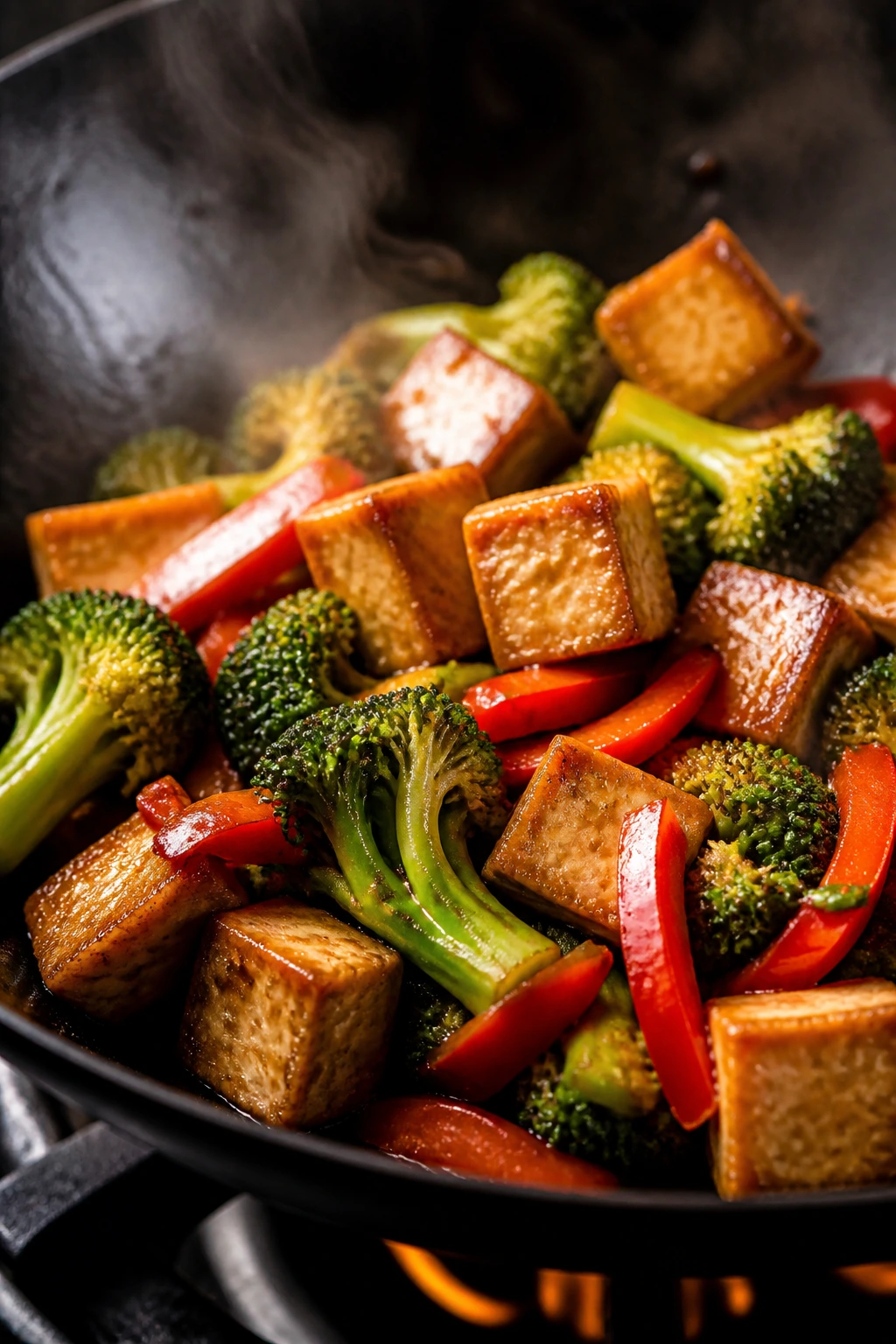
Crispy tofu is where a lot of people get twitchy, and I get it. Bad tofu can be rubbery, pale, and thoroughly disappointing. Good tofu, though — tofu that’s been dried, dusted, and seared hard in a hot pan — has enough crunch at the edges to make the whole stir-fry feel like a proper dinner.
Why It Works: Extra-firm tofu is already dense enough to hold up to heat, and cornstarch gives the surface a light crust in just a few minutes. Broccoli and bell pepper cook fast at high heat, so the entire pan can stay on schedule. The sauce is simple and loose, which means it coats without sogging the tofu down.
Key Ingredients:
- 1 block (14 oz) extra-firm tofu, pressed and cubed — the sturdier the tofu, the better this works.
- 2 tbsp cornstarch — for the crispy exterior.
- 2 tbsp neutral oil — for pan-frying.
- 3 cups broccoli florets — small pieces cook fast.
- 1 red bell pepper, sliced — for sweetness and color.
- 2 garlic cloves, minced — added late so they don’t burn.
- 1 tbsp fresh ginger, minced — gives the stir-fry lift.
- 3 tbsp soy sauce — the base of the sauce.
- 1 tbsp rice vinegar and 1 tsp honey — to balance the salt.
- 2 tsp sesame oil — stirred in at the end.
Quick Steps:
- Dry the Tofu: Press the tofu for 10 minutes if you have time, then pat it dry and cut it into 1-inch cubes. Toss with the cornstarch and 1/4 tsp salt.
- Crisp the Tofu: Heat the neutral oil in a large skillet over medium-high heat. Add the tofu and cook for 8 minutes, turning occasionally, until the edges are golden and crisp. Remove to a plate.
- Stir-Fry the Vegetables: Add the broccoli and bell pepper to the same skillet with 2 tbsp water. Cook for 4 minutes, then add the garlic and ginger for 30 seconds.
- Make the Sauce: Stir in the soy sauce, rice vinegar, honey, and sesame oil. Let it bubble for 30 seconds.
- Finish the Pan: Return the tofu to the skillet and toss for 1 minute until everything is coated. Serve over rice.
Tips and Variations:
- Pre-pressed tofu saves time and cuts down on mess.
- Don’t move the tofu too soon; the crust needs a minute to set.
- A spoonful of chili garlic sauce makes this sharper without changing the base recipe.
14. Sausage and Peppers Hoagies
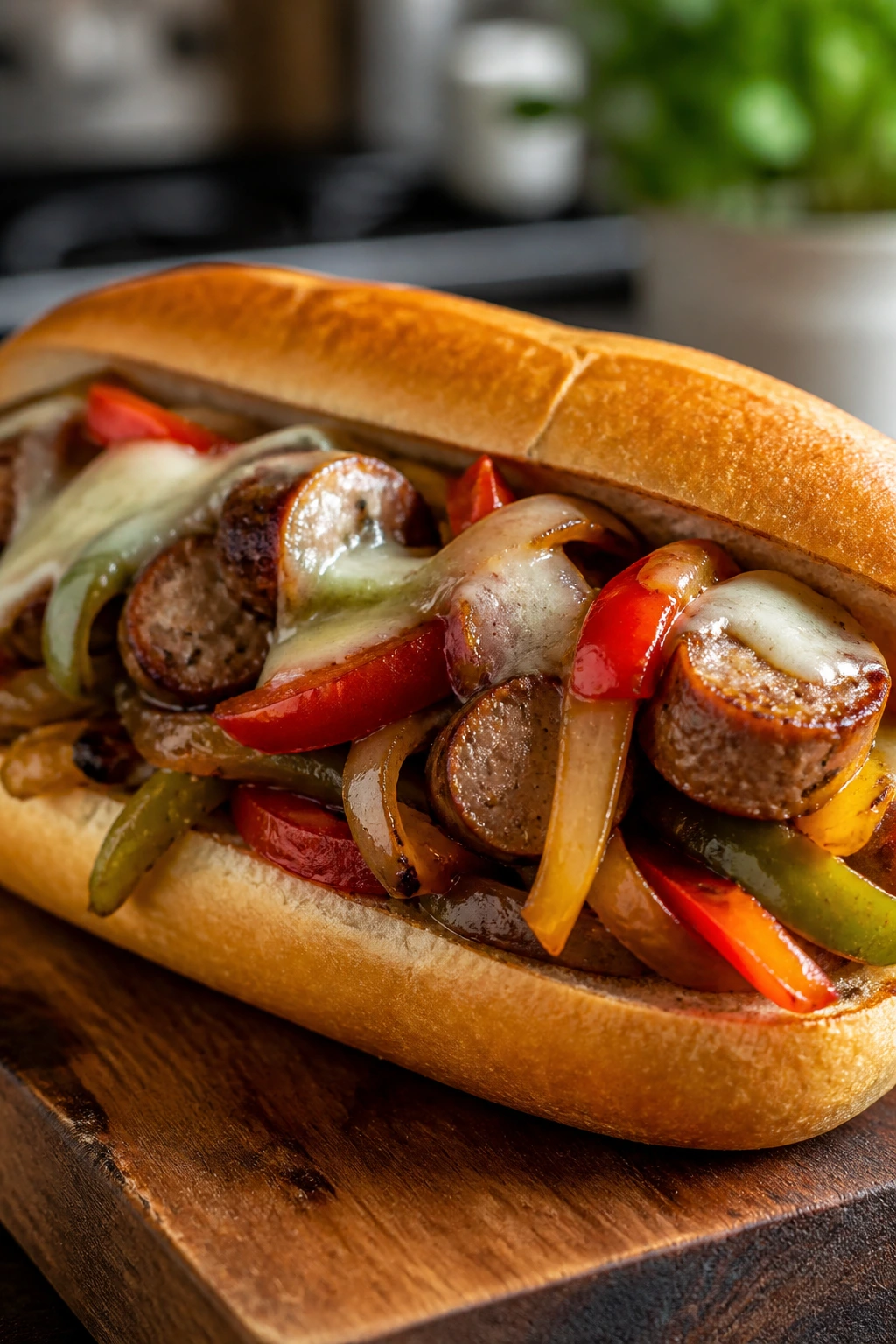
Sausage and peppers hoagies are a little messy, a little loud, and exactly the kind of dinner that saves a rough evening. The sausage brings the heft, the peppers and onions bring the sweetness, and the roll catches all the juice. I prefer them toasted, because a limp hoagie roll is not a serious thing.
Why It Works: Sausage browns quickly, especially in a hot skillet, and peppers and onions need only a short cook to turn soft and sweet. Marinara sauce gives the whole pan a saucy finish without requiring a separate simmer. Broiling the filled rolls for a minute or two melts the cheese and makes the sandwich feel finished, not assembled.
Key Ingredients:
- 4 Italian sausage links, about 1 lb total — sweet or hot depending on your mood.
- 2 tbsp olive oil — for the vegetables.
- 3 bell peppers, sliced — use different colors if you like.
- 2 medium onions, sliced — the sweet part of the pan.
- 1 cup marinara sauce — enough to coat without drowning.
- 4 hoagie rolls — sturdy rolls hold up better.
- 4 slices provolone — for a mellow melt.
- Salt and black pepper — for the vegetables.
Quick Steps:
- Brown the Sausage: Heat a large skillet over medium-high heat. Add the sausage and cook for about 6 minutes, turning until browned on most sides. Remove to a plate; it will finish cooking later.
- Cook the Peppers and Onions: Add the oil, peppers, and onions to the same skillet. Season with salt and pepper and cook for 6 to 7 minutes until softened and lightly browned.
- Build the Sauce: Stir in the marinara and 1/4 cup water. Return the sausage to the pan and simmer for 4 minutes until cooked through to 160°F.
- Prep the Rolls: Split the hoagies and, if you want, toast them under the broiler for 1 minute.
- Assemble: Nest a sausage in each roll, pile on the peppers and onions, top with provolone, and broil for 1 to 2 minutes until melted.
Tips and Variations:
- Chicken sausage works if you want a lighter version, though you may need a touch more oil.
- Let the sausages rest for a minute before slicing them into the rolls so the juices stay in the pan.
- A spoonful of pepperoncini on top adds bite without much work.
15. Greek Chicken Pita Pockets
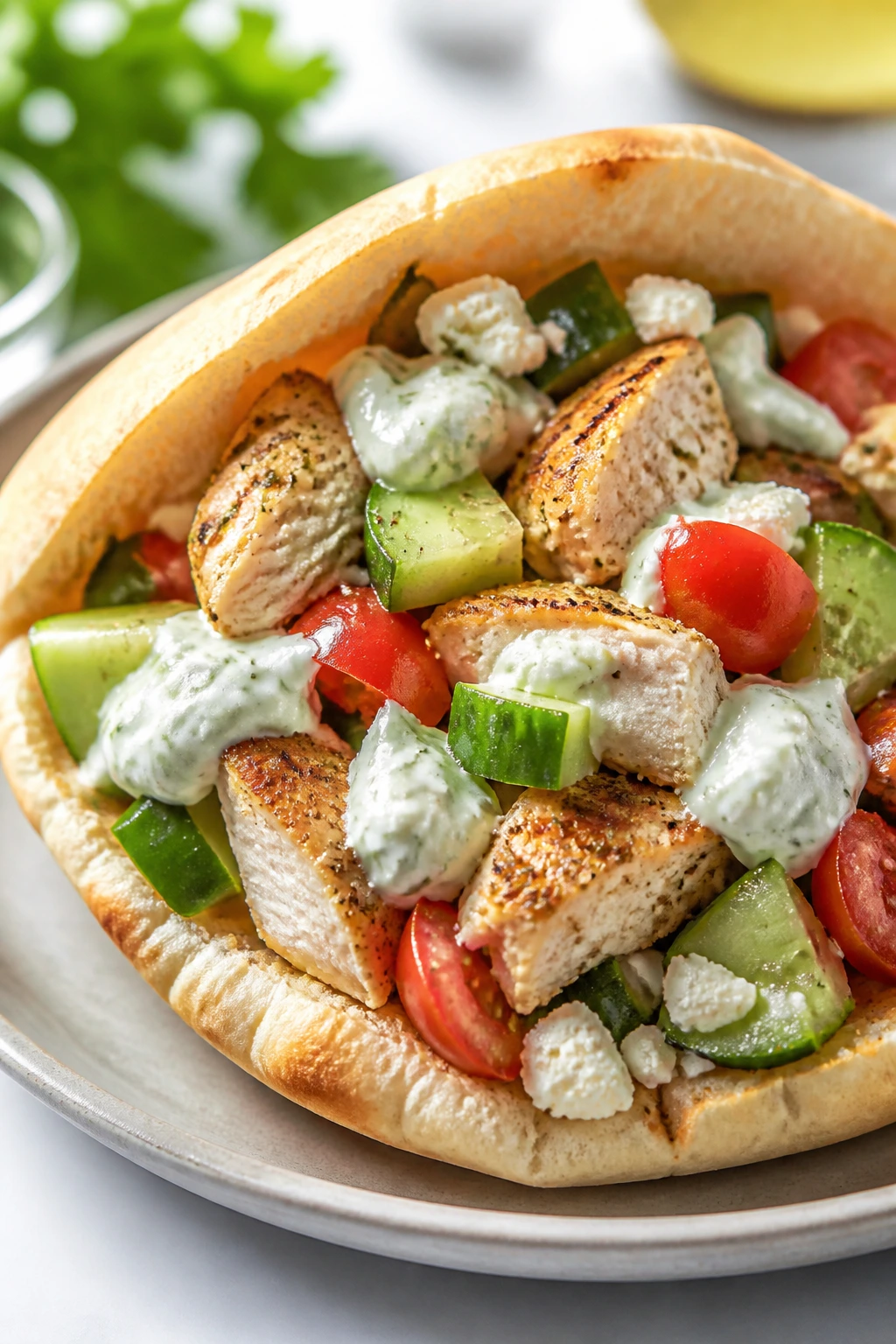
Greek chicken pita pockets are bright, cold, and hot all at once, which is part of why they feel so useful on busy nights. You cook the chicken quickly, toss together a simple salad, and let tzatziki do the heavy lifting. It’s a fresh dinner that still eats like dinner.
Why It Works: Thin chicken cutlets cook in just a few minutes, and the rest of the filling is mostly chopping and assembling. The cucumber-tomato mix gives you moisture and crunch without needing a dressing that takes over. Warm pita turns the whole thing from lunchy into dinner, which matters more than people admit.
Key Ingredients:
- 1 1/4 lb chicken cutlets — thin is the keyword here.
- 1 tsp dried oregano — the classic Greek note.
- 2 tbsp olive oil — for the pan and the salad.
- 1 cucumber, diced — cool and crisp.
- 1 1/2 cups cherry tomatoes, halved — sweet and juicy.
- 1/4 red onion, thinly sliced — a small amount goes a long way.
- 4 pita breads — pocket or pocket-style.
- 1/2 cup tzatziki — the sauce that makes the whole thing work.
- 1/3 cup crumbled feta — salty finish.
- 1 lemon, juiced — for both chicken and salad.
Quick Steps:
- Cook the Chicken: Season the chicken with oregano, salt, pepper, and half the lemon juice. Heat 1 tbsp olive oil in a skillet over medium-high heat and cook the cutlets for 3 to 4 minutes per side until golden and cooked through to 165°F. Rest and slice.
- Mix the Salad: Toss the cucumber, tomatoes, red onion, remaining olive oil, and a pinch of salt in a bowl.
- Warm the Pitas: Heat the pitas in a dry skillet for 30 seconds per side or in the microwave wrapped in a damp towel.
- Fill the Pockets: Spread tzatziki inside each pita, add sliced chicken, then spoon in the salad.
- Finish: Sprinkle feta over the top and add a little extra lemon if you want more brightness.
Tips and Variations:
- Rotisserie chicken can stand in if the evening is especially cramped.
- Hummus under the tzatziki makes the pita sturdier and richer.
- A handful of chickpeas turns this from light to lunch-meets-dinner.
16. Cajun Chicken Pasta with Bell Peppers
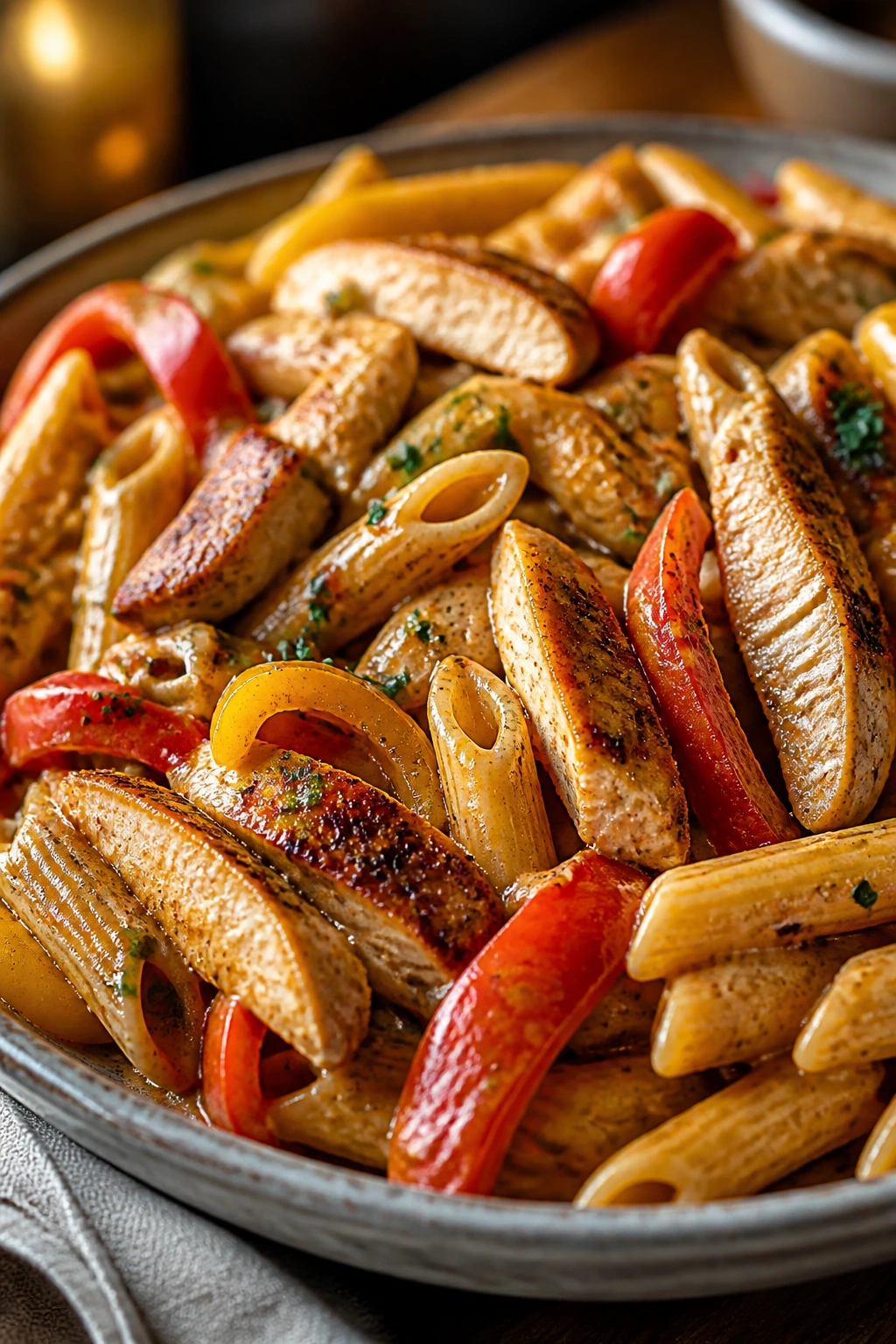
Cajun chicken pasta is bold enough to feel like a reward and fast enough to survive a Tuesday. The sauce clings to the pasta instead of pooling at the bottom, which is the sign of a good weeknight pasta in my book. Bell peppers bring sweetness, and the Cajun seasoning keeps everything awake.
Why It Works: Pasta and chicken can cook in parallel, which is the whole advantage here. A quick cream-and-broth sauce comes together in the same skillet the chicken used, so you get built-in flavor from the browned bits. Bell peppers and onions soften fast enough to stay inside the half-hour mark, but they still taste like they had a real say in the meal.
Key Ingredients:
- 12 oz penne — a shape that catches sauce well.
- 1 lb boneless chicken breast or thighs, sliced — thin strips cook fast.
- 2 tbsp Cajun seasoning — use a blend you trust, since salt levels vary.
- 1 tbsp olive oil — for browning.
- 2 bell peppers, sliced — one red, one yellow if you want color.
- 1 small onion, sliced — the sweet base.
- 2 garlic cloves, minced — stirred in late.
- 1/2 cup low-sodium chicken broth — to loosen the sauce.
- 3/4 cup half-and-half or heavy cream — for richness.
- 1/2 cup grated Parmesan and 2 tbsp parsley — for finishing.
Quick Steps:
- Cook the Pasta: Bring a pot of salted water to a boil and cook the penne until al dente, about 10 minutes. Reserve 1/2 cup pasta water and drain.
- Brown the Chicken: Toss the chicken with the Cajun seasoning. Heat the oil in a large skillet over medium-high heat and cook the chicken for 5 to 6 minutes until browned and cooked through to 165°F. Remove it.
- Sauté the Vegetables: Add the peppers and onion to the skillet and cook for 4 minutes until softened. Stir in the garlic for 30 seconds.
- Build the Sauce: Pour in the broth and half-and-half, scraping up the browned bits. Simmer for 3 minutes until slightly thickened.
- Toss Everything Together: Return the chicken and pasta to the skillet, add the Parmesan and a splash of pasta water, and toss until coated. Finish with parsley.
Tips and Variations:
- Use low-sodium broth, because Cajun seasoning can carry a lot of salt on its own.
- A squeeze of lemon at the end sharpens the cream sauce more than you’d think.
- If you want more heat, add a pinch of cayenne with the seasoning.
17. Skillet Quesadillas with Chicken, Corn, and Cheese
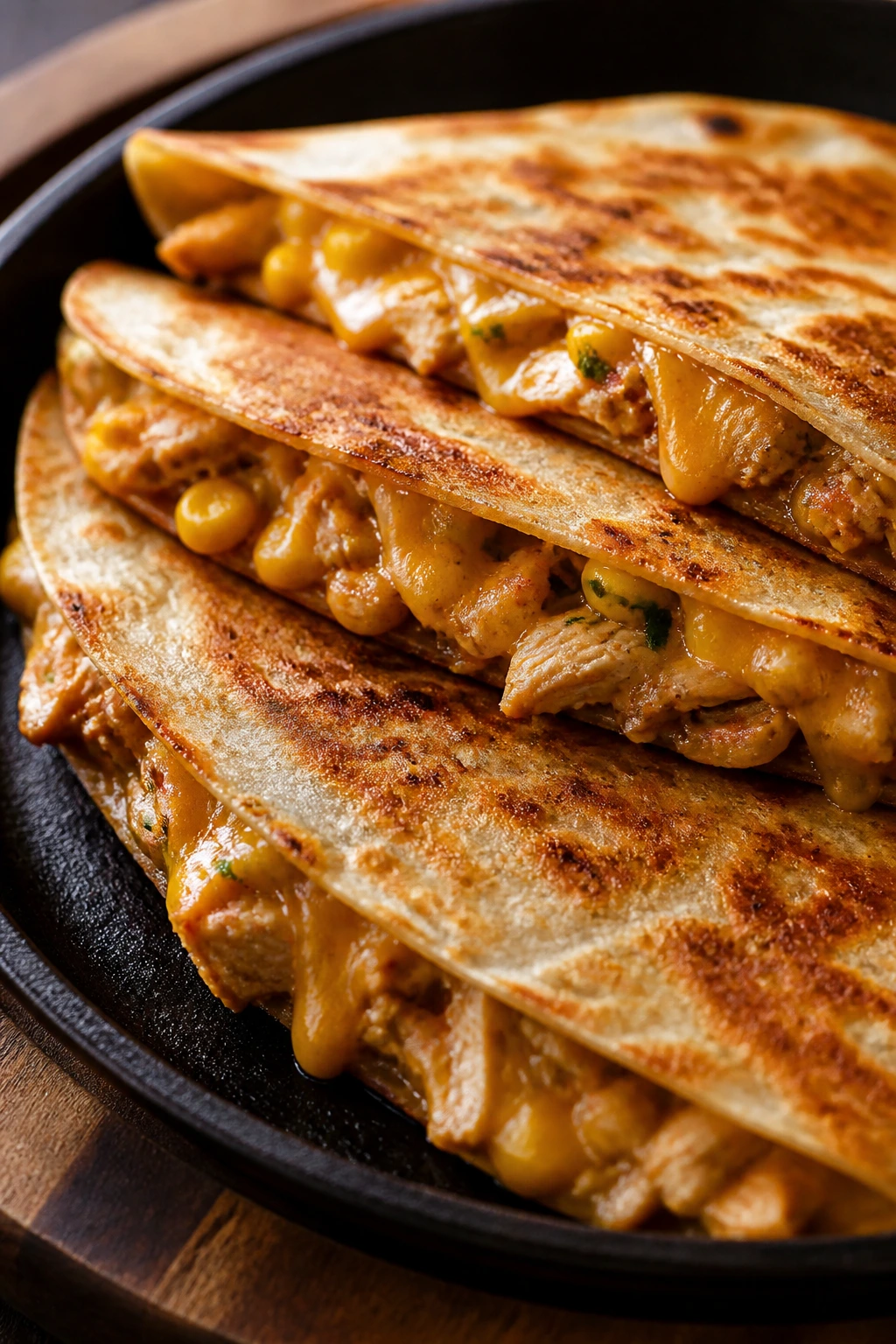
Skillet quesadillas are what I call a rescue dinner. Everything about them is forgiving: the filling can be leftover chicken, the cheese can be whatever melts, and the pan only needs to hold together enough heat to crisp the tortilla. Corn and salsa keep the inside from tasting flat.
Why It Works: A quesadilla is really about managing moisture and heat. Too much filling and the tortilla tears; too much heat and the outside burns before the cheese melts. Keeping the skillet at medium, not high, gives you a crisp shell and enough time for the cheese to turn fully molten.
Key Ingredients:
- 2 cups cooked chicken, shredded or chopped — rotisserie chicken makes this fast.
- 1 cup corn kernels — frozen or canned, drained.
- 1 1/2 cups shredded cheese — Monterey Jack, cheddar, or a mix.
- 1/2 cup salsa — enough to flavor the filling without soaking it.
- 2 scallions, sliced — for freshness.
- 1/2 tsp cumin — small but useful.
- 8 flour tortillas — medium size works best for folding.
- 1 tbsp neutral oil or butter — for the skillet.
- Sour cream, avocado, or hot sauce for serving — optional, but welcome.
Quick Steps:
- Mix the Filling: Combine the chicken, corn, 1 cup of the cheese, salsa, scallions, and cumin in a bowl.
- Heat the Skillet: Warm a large skillet over medium heat and lightly coat it with oil or butter.
- Build the Quesadilla: Lay one tortilla in the skillet, spread on a portion of the filling, and top with another tortilla. If you prefer halves folded over, use less filling and fold once.
- Cook Until Crisp: Cook for 2 to 3 minutes per side, pressing lightly with a spatula, until the tortillas are golden and the cheese has melted.
- Cut and Serve: Rest for 1 minute, then cut into wedges and serve with sour cream or avocado.
Tips and Variations:
- Medium heat is not optional; high heat burns the tortilla before the center melts.
- Black beans can be added if you want a more filling version.
- Brush the tortillas lightly with oil for a better crunch if you’re skipping butter.
18. White Bean and Kale Soup with Parmesan
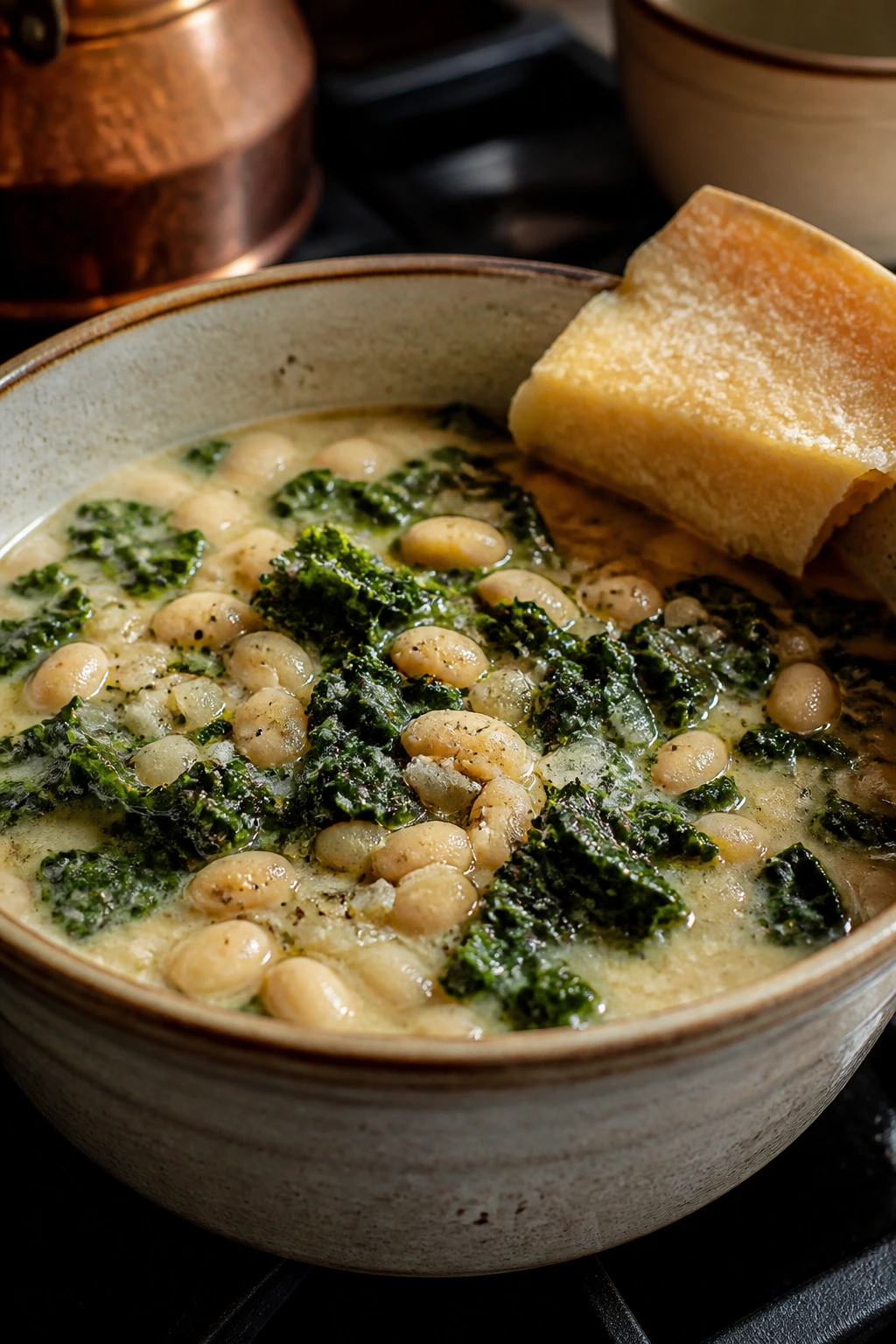
White bean and kale soup is what I reach for when I want something quiet but still satisfying. It tastes like it took longer than it did, which is a nice advantage for a soup that comes together in one pot. The beans make it creamy without cream, and the Parmesan rind does a lot of invisible work.
Why It Works: Canned white beans break down quickly and add body to the broth without a long simmer. Kale cooks in a few minutes, so the greens stay vibrant instead of collapsing into mush. If you keep a Parmesan rind in the freezer, you get a deeper, rounder soup with almost no extra effort.
Key Ingredients:
- 1 tbsp olive oil — for the base.
- 1 small onion, diced — sweetens the broth.
- 1 carrot, diced — adds color and a little sweetness.
- 1 celery stalk, diced — for savory balance.
- 3 garlic cloves, minced — stirred in at the end of the vegetables.
- 2 cans (15 oz each) white beans, rinsed and drained — cannellini or great northern.
- 5 cups low-sodium chicken or vegetable broth — enough for a light soup.
- 1 Parmesan rind or 1/4 cup grated Parmesan — adds depth.
- 4 cups chopped kale — stems removed for tenderness.
- 1 lemon, juiced — brightens the bowl at the end.
- Salt and black pepper — season to taste.
Quick Steps:
- Cook the Vegetables: Heat the olive oil in a soup pot over medium heat. Add the onion, carrot, and celery and cook for 5 minutes until softened.
- Add Garlic and Beans: Stir in the garlic for 30 seconds, then add the beans, broth, and Parmesan rind.
- Simmer: Cook for 10 minutes, letting the beans soften into the broth. Mash a few beans against the side of the pot if you want a thicker texture.
- Add the Kale: Stir in the kale and cook for 3 minutes until tender and dark green.
- Finish: Remove the Parmesan rind, add lemon juice, season with salt and pepper, and serve with bread.
Tips and Variations:
- Baby kale cooks faster than mature kale if that’s what you have.
- A chopped sausage link can be added with the beans if you want extra heft.
- The soup thickens as it sits, so add a splash of broth when reheating.
19. Thai Peanut Noodles with Broccoli and Carrots
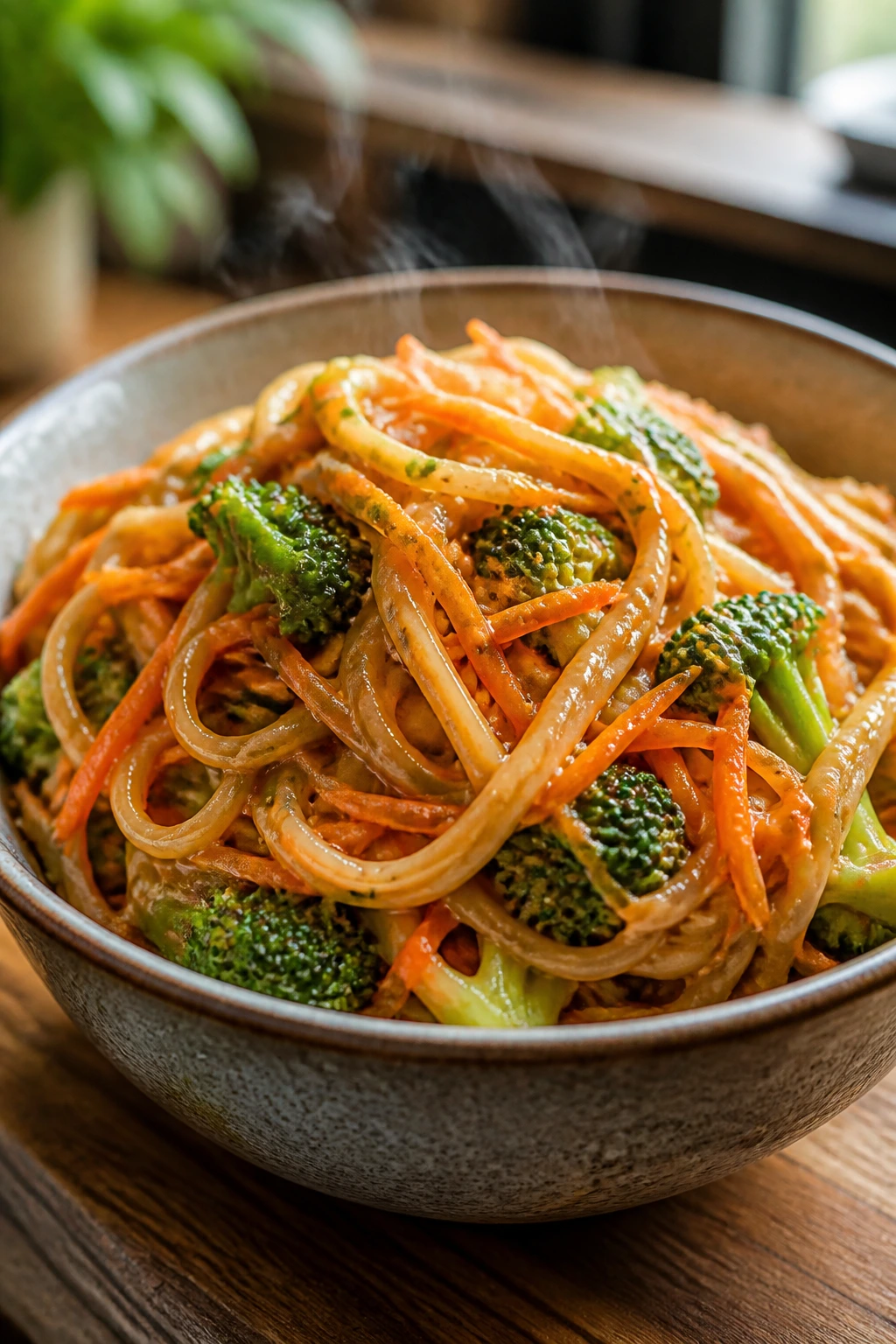
Thai peanut noodles are one of those dinners that people assume take more work than they do. They taste layered and a little sticky in the best way, with lime cutting through the peanut sauce so it doesn’t feel heavy. Broccoli and carrots give you enough vegetable crunch that the bowl feels complete.
Why It Works: Rice noodles soften in hot water in minutes, and the sauce only needs a whisk, not a stove. Peanut butter acts as a built-in thickener, so you can get a rich coating without reducing anything for ages. A splash of noodle water at the end loosens the sauce and makes it cling instead of clump.
Key Ingredients:
- 8 oz rice noodles or spaghetti — whichever cooks faster for you.
- 1/3 cup natural peanut butter — smooth or crunchy, though smooth is easier.
- 2 tbsp soy sauce — the salty base.
- 1 tbsp lime juice — sharpens the sauce.
- 1 tbsp honey — balances the salt and acid.
- 1 garlic clove, grated — for bite.
- 1 tsp grated ginger — small but important.
- 2 cups broccoli florets — bite-size pieces cook quickly.
- 1 cup shredded carrots — no knife work if you buy them pre-shredded.
- 2 scallions, sliced, plus 1 tbsp crushed peanuts — for finishing.
Quick Steps:
- Soften the Noodles: Soak the rice noodles in hot water until tender, about 8 to 10 minutes, then drain. If you’re using spaghetti, cook it in salted water and save 1/2 cup pasta water.
- Whisk the Sauce: Stir together the peanut butter, soy sauce, lime juice, honey, garlic, ginger, and 3 tbsp warm water until smooth.
- Cook the Vegetables: Heat a skillet over medium-high heat with 1 tbsp oil. Add the broccoli and carrots and stir-fry for 4 to 5 minutes until the broccoli turns bright green.
- Toss It All Together: Add the noodles and sauce to the skillet and toss until coated. Add splashes of noodle water as needed to keep the sauce silky.
- Finish and Serve: Top with scallions and crushed peanuts. A squeeze of extra lime makes the whole bowl pop.
Tips and Variations:
- Keep the sauce thinner than you think at the start; noodles tighten it up.
- Shredded rotisserie chicken can be folded in if you want more protein.
- A little chili paste or sriracha gives the sauce more edge.
20. Steak Fajita Rice Bowls
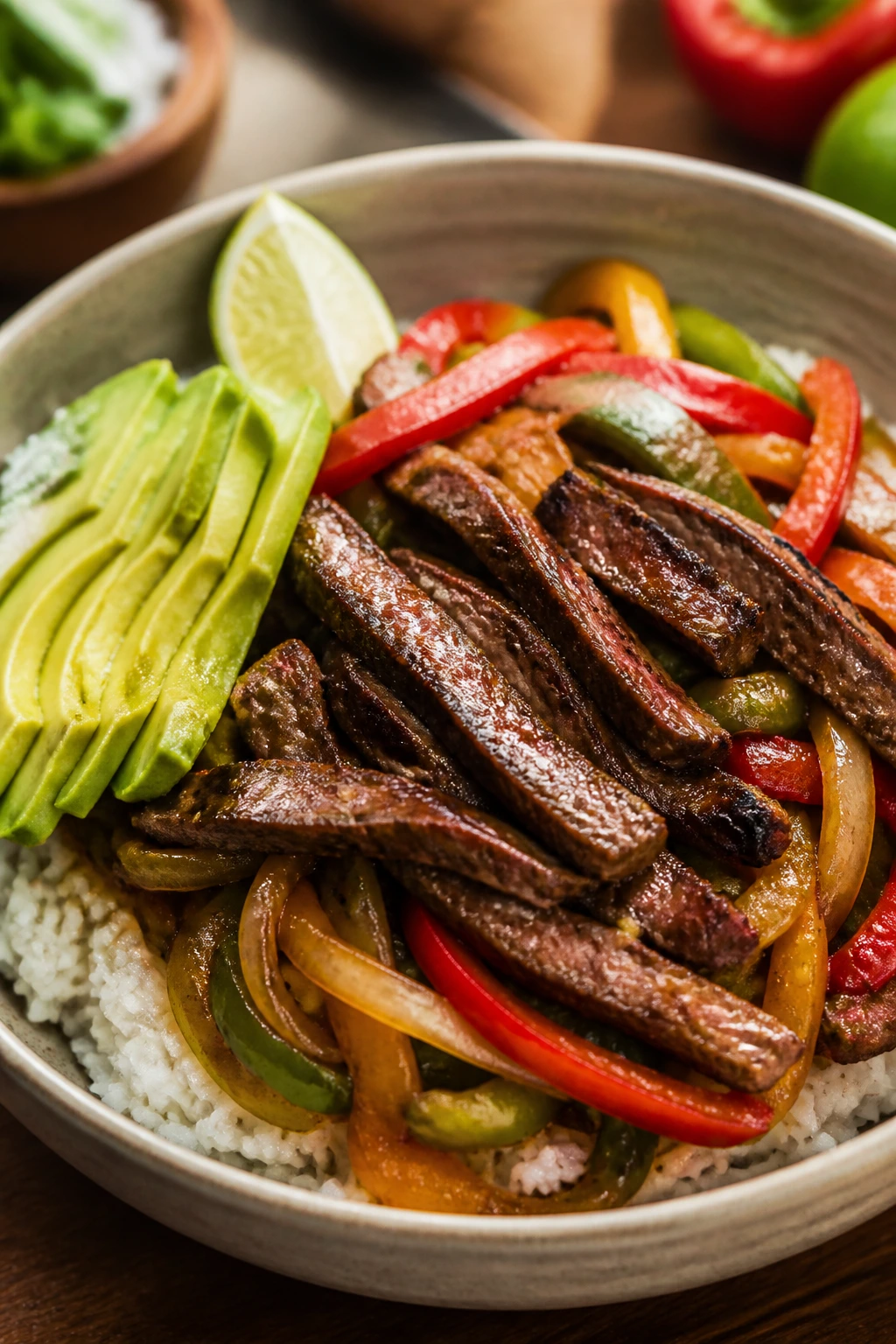
Steak fajita rice bowls are built for nights when everyone wants dinner fast, but nobody wants a boring plate. The steak gets a hard sear, the peppers keep their snap, and the rice catches everything that would otherwise stay in the skillet. It feels like a full meal because it is one.
Why It Works: Flank steak cooks quickly when sliced thin and seared in a hot pan. Bell peppers and onions soften in the same skillet, which means you get sweet, browned edges without extra cleanup. Using hot rice — whether it comes from a cooker or a microwave pouch — keeps the whole bowl inside the thirty-minute window.
Key Ingredients:
- 1 lb flank steak, sliced thin across the grain — this is the texture that works.
- 2 bell peppers, sliced — any colors you like.
- 1 large onion, sliced — the classic fajita base.
- 2 tbsp fajita seasoning — enough to coat the steak and vegetables.
- 2 tbsp neutral oil — for the skillet.
- 3 cups hot cooked rice or 2 microwave rice pouches — a fast base.
- 1 avocado, sliced — cool and creamy.
- 1 lime, cut into wedges — for brightness.
- 1/2 cup salsa and 2 tbsp chopped cilantro — to finish the bowls.
Quick Steps:
- Season the Steak: Toss the sliced steak with half the fajita seasoning and 1 tbsp oil.
- Sear the Meat: Heat a large skillet over high heat until very hot. Cook the steak for 2 to 3 minutes per side, in batches if needed, until browned but still juicy. Remove it to rest.
- Cook the Vegetables: Add the remaining oil, peppers, and onion to the skillet. Sprinkle with the rest of the seasoning and cook for 4 to 5 minutes until softened and lightly charred.
- Rest and Slice: Let the steak rest for 5 minutes, then slice it against the grain if needed.
- Build the Bowls: Divide the rice among bowls and top with steak, peppers, onion, avocado, salsa, cilantro, and lime.
Tips and Variations:
- A hot pan matters here more than almost anywhere else; lukewarm pans make steak gray.
- If you want beans, black beans slot in nicely without changing the timing.
- Don’t slice the steak before it rests, or the juices will flood the board instead of the bowl.
Why Thirty-Minute Dinners Work on Hectic Weeknights
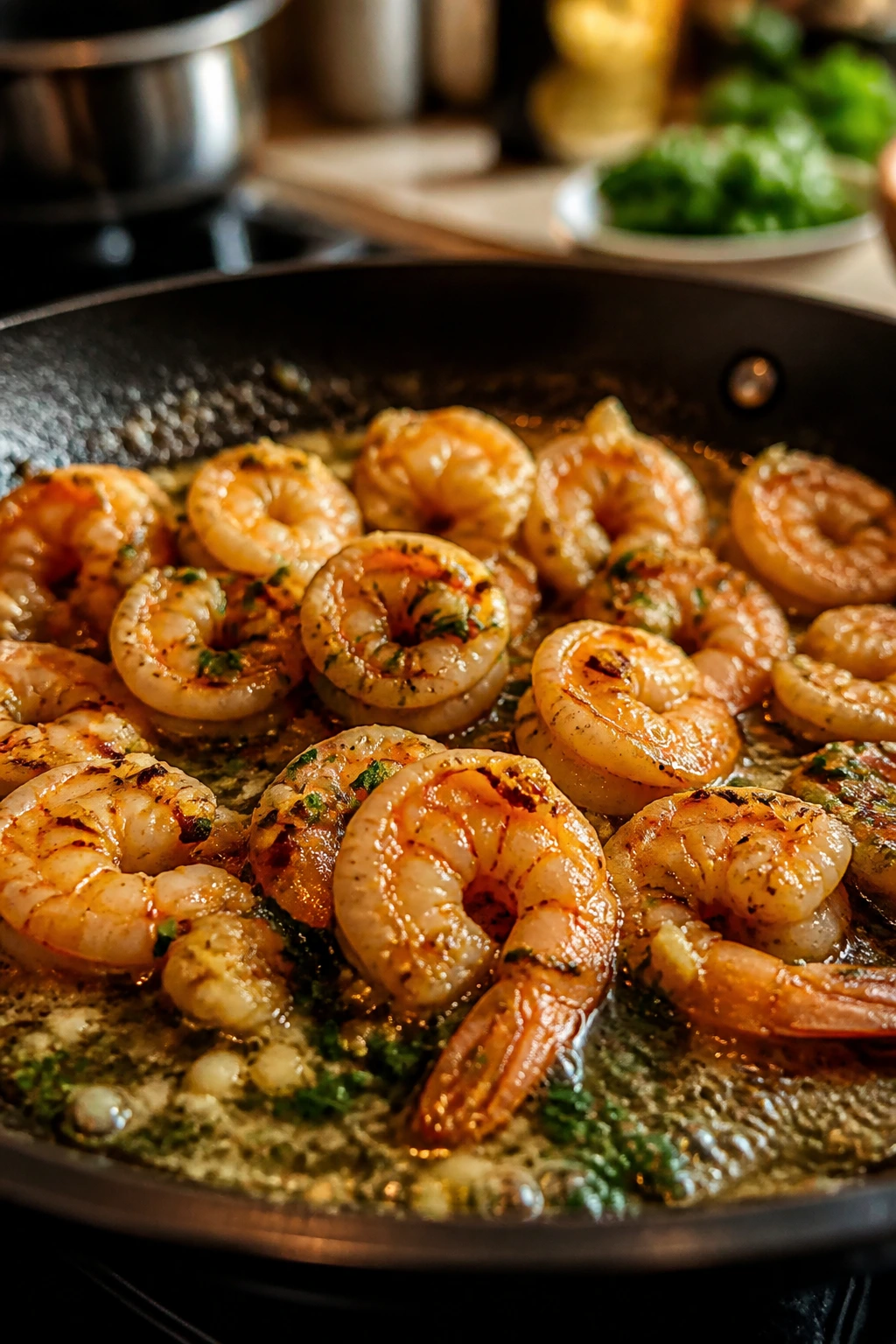
Fast dinners work when every part of the plate respects the same clock. A protein that cooks in 10 minutes, a vegetable that softens in 5, and a starch that can finish while you do everything else — that’s the real formula hiding under the phrase “thirty-minute dinner.” Once the cooking times line up, the evening gets a lot less noisy.
The other trick is not chasing drama. A sauce made in the same pan, a grain that starts from hot water instead of a long simmer, or a vegetable that gets a hard sear instead of a gentle cook can save more time than a complicated shortcut ever will. That’s why shrimp scampi, stir-fries, and skillet pastas keep showing up in kitchens that have actual things going on.
There’s a practical rhythm to it, and I think that’s the part people miss. Fast dinner is not about cutting corners blindly; it’s about choosing ingredients that already know how to move quickly.
Essential Equipment for These Recipes
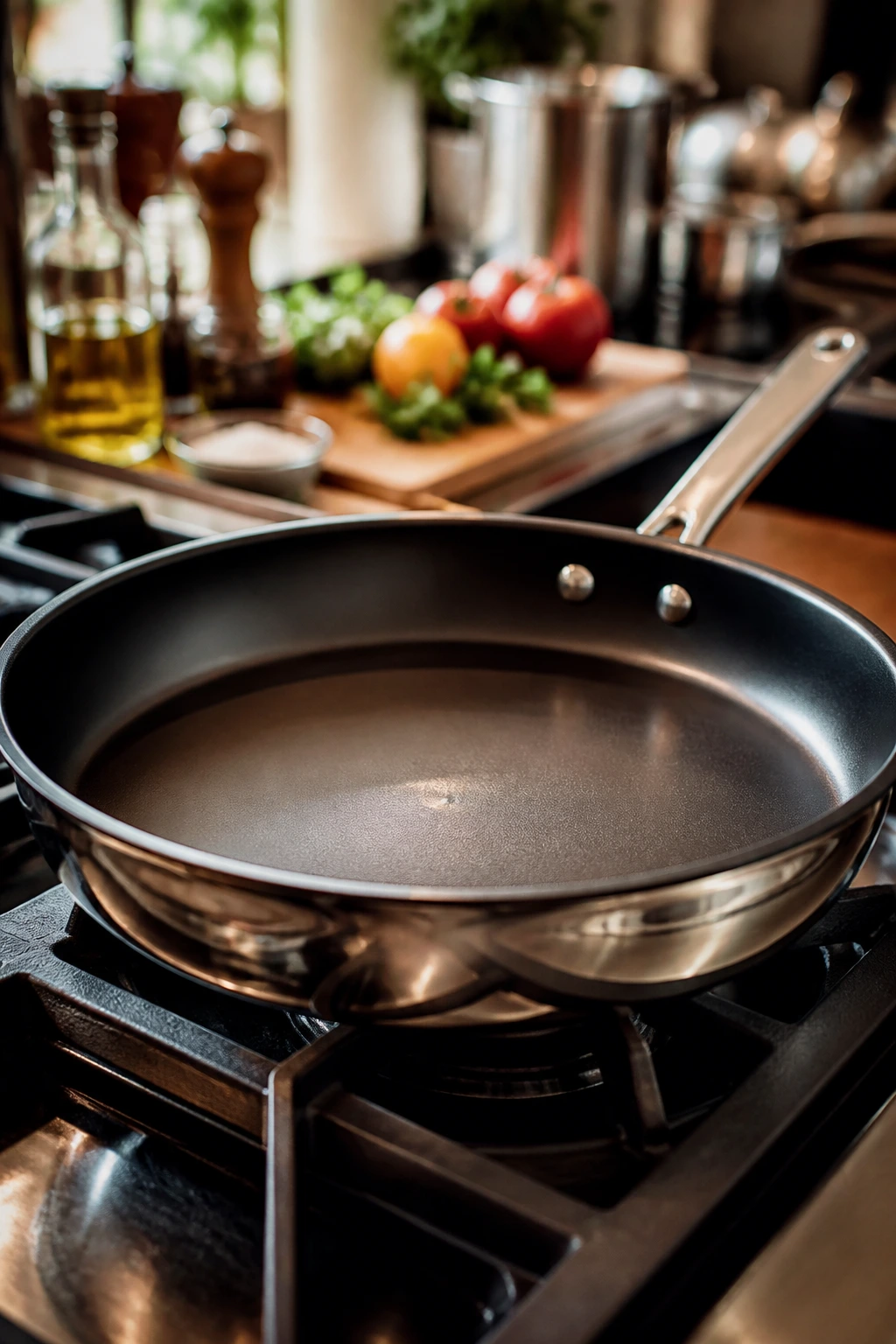
- 12-inch skillet or sauté pan — the workhorse for shrimp, chicken, stir-fries, and sausage.
- Large pot — needed for pasta, soup, and any water-based quick cook.
- Sheet pan — useful for salmon and other fast-roast dinners.
- Colander — makes pasta and noodles painless to drain.
- Wooden spoon or heatproof spatula — good for stirring sauces and scraping browned bits.
- Tongs — the easiest way to flip chicken, steak, or sausage without tearing them.
- Chef’s knife — thin slicing is half the speed advantage in these recipes.
- Cutting board — ideally one for produce and one for meat if you like order.
- Instant-read thermometer — the easiest way to keep chicken, pork, and steak from overcooking.
- Microplane or small grater — handy for garlic, ginger, lemon zest, and Parmesan.
Smart Shopping and Ingredient Tips
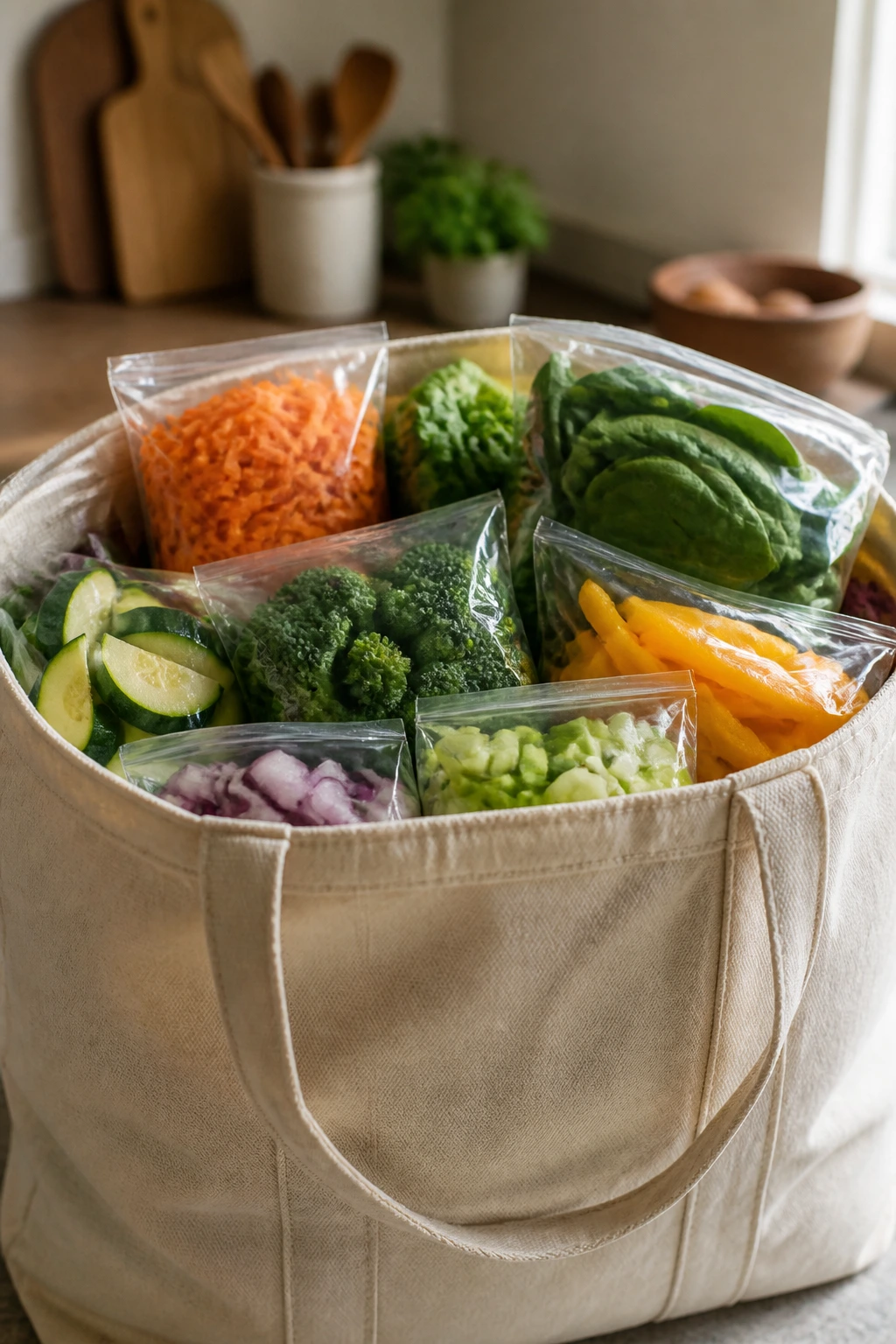
The fastest way to make a thirty-minute dinner slower is to buy ingredients that need extra babysitting. Thick chicken breasts, hard squash, dry beans that need soaking, and tough cuts of meat all fight the clock. Thin chicken cutlets, shrimp, ground meat, tofu, refrigerated tortellini, shelf-stable gnocchi, couscous, and quick noodles do the opposite.
I also like to shop for ingredients that already come with some prep taken care of. Pre-shredded carrots, bagged spinach, washed green beans, and frozen broccoli are not cheating. They are time saved where it matters. Canned beans deserve a place in this category too, especially if you rinse them before use to trim the salt.
Pay attention to sauce ingredients, because they can make or break the whole meal. Low-sodium broth gives you room to season properly, jarred pesto should taste like basil instead of oil, and salsa should be one you’d happily eat with chips. If you taste it and hate it, the dinner will carry that problem all the way to the table.
Make-Ahead, Storage, and Reheating Guidance
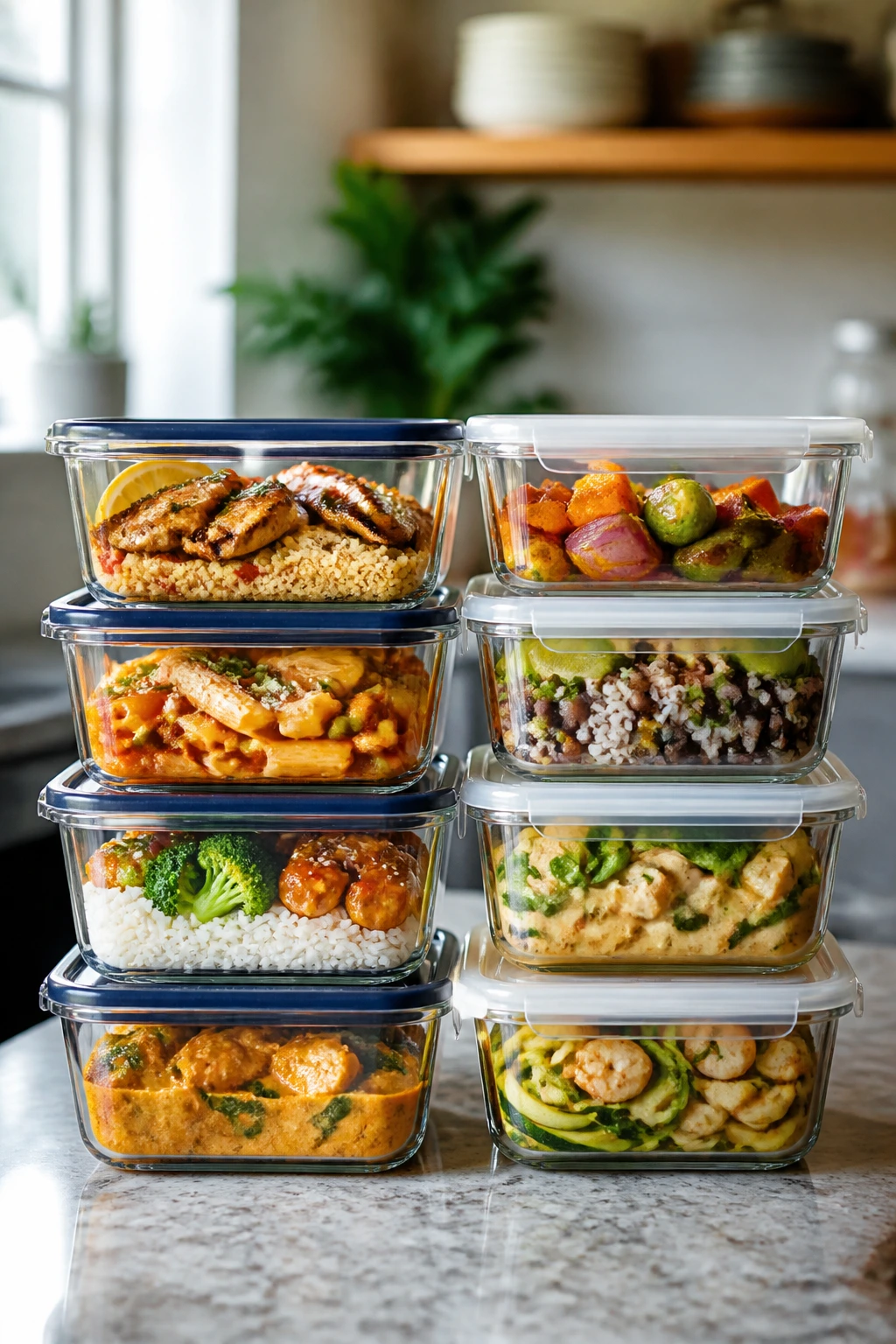
Most of these dinners keep 3 to 4 days in the refrigerator in airtight containers. Seafood-based meals are best within 2 days, while chicken, turkey, beef, pork, bean, and noodle dishes usually hold well for the full span. If you’re freezing, saucy meat, bean, and curry dishes can usually go up to 2 to 3 months; cream-heavy pastas and anything with delicate noodles are better frozen for no more than 1 month if you care about texture.
The cleanest reheating method is usually a skillet over medium heat with 1 to 2 tablespoons of water or broth added to loosen the sauce. Cover for a few minutes if the food looks dry, then stir until it’s hot all the way through. For chicken, turkey, pork, and beef dishes, aim for 165°F when reheating; for fish, heat gently until just hot so it doesn’t dry out and turn chalky.
Microwaving works too, especially for bowls and soups. Use 45-second bursts, stir between them, and stop when the center is hot instead of waiting for the edges to boil. If you’re planning ahead, chop vegetables, mix sauces, and portion rice a day early. The one thing I would not assemble ahead of time is lettuce wraps or quesadillas; both lose their best texture fast.
Variations and Adaptations to Try
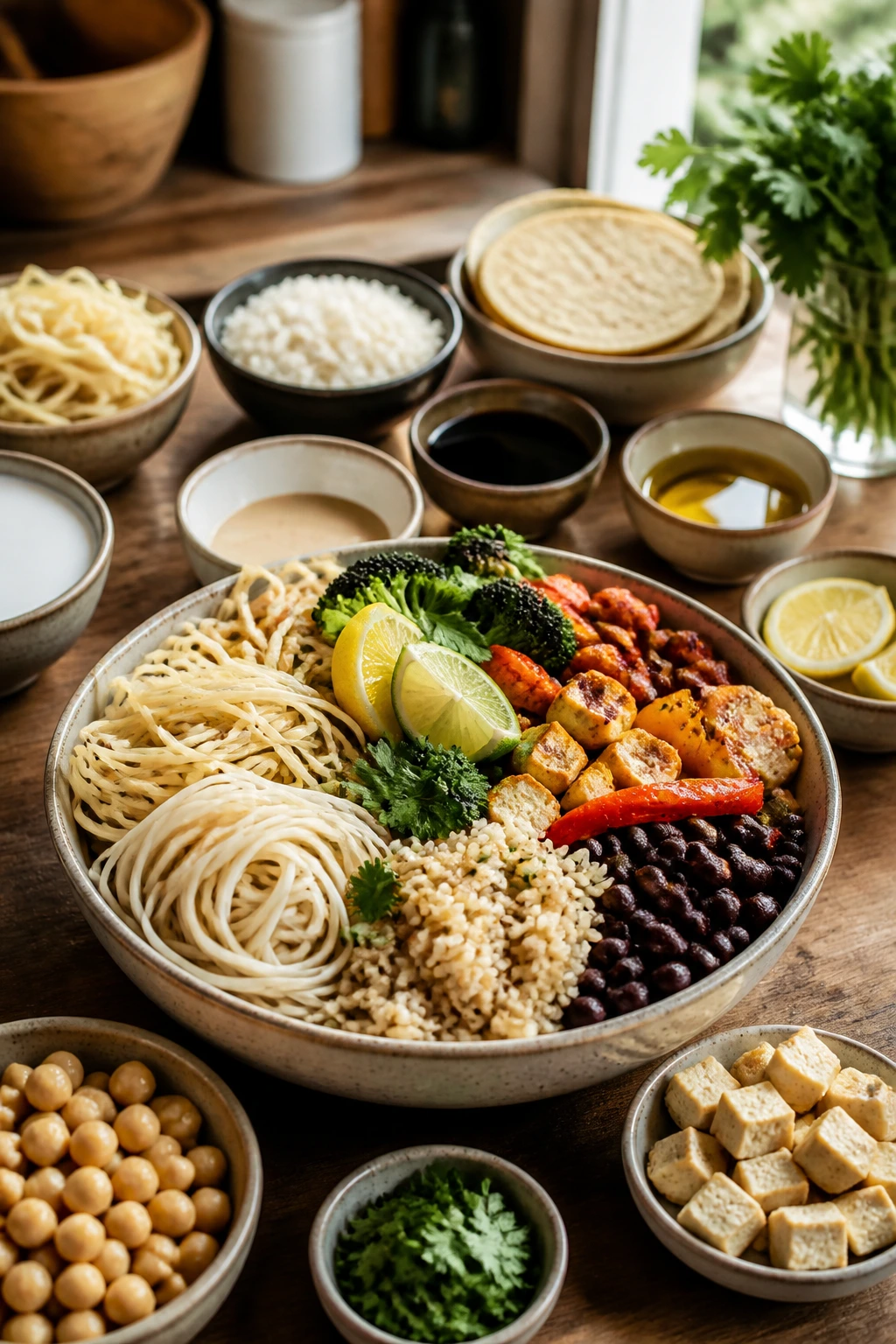
Gluten-Free Night: Use rice noodles, corn tortillas, gluten-free pasta, or rice bowls instead of flour tortillas and standard pasta. Tamari can stand in for soy sauce, and most of the skillet dinners here don’t lose anything when you swap the starch.
Dairy-Free Swaps: Leave out the butter, cream, feta, and Parmesan where needed, then replace them with olive oil, coconut milk, or a spoonful of tahini. The flavor changes a bit, but the timing stays the same.
Vegetarian Pantry Shift: Chickpeas, white beans, tofu, and black beans can replace meat in many of these meals without wrecking the clock. The key is to season them well and give them enough sauce to feel like a main dish.
Lower-Sodium Mode: Choose low-sodium broth, rinse canned beans, and lean on lemon, lime, vinegar, herbs, and garlic for flavor. That keeps the food lively even when the salt gets cut back.
Kid-Friendly Mild Version: Skip the hot pepper flakes, use mild salsa or a gentle curry paste, and keep sauces on the side when possible. Kids usually respond better when they can control the heat themselves.
Common Mistakes to Avoid
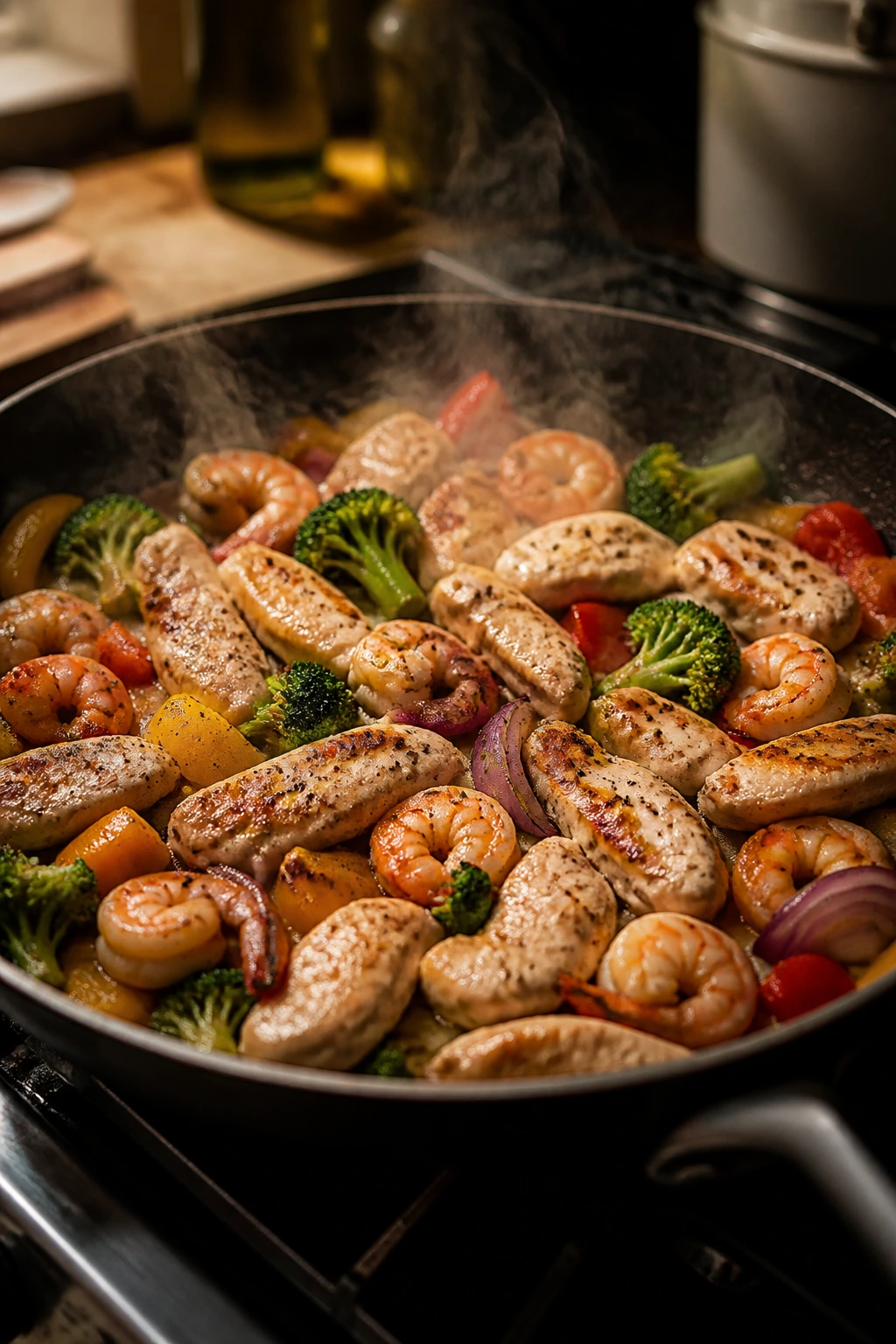
The biggest weeknight mistake is choosing ingredients that do not belong in a 30-minute dinner. Thick roasts, dried beans, and dense vegetables like large squash will fight you from the start. So will sauces that need a long reduction to taste good; a busy night is not the time for a recipe that wants to simmer itself into shape.
Crowding the pan is another classic problem. It seems efficient, but it traps steam and robs you of the browned edges that make fast dinners taste finished. If the skillet is packed, cook in batches. That extra minute pays back immediately.
People also under-season fast food because they assume speed and simplicity should mean restraint. Usually, it means the opposite. A squeeze of citrus, a spoonful of mustard, a handful of herbs, or a little extra garlic is what keeps a quick dinner from tasting flat. And if you’re cooking protein, don’t guess — shrimp should turn opaque, chicken should reach 165°F, pork 145°F, and steak should be rested before slicing.
Frequently Asked Questions
Can I use frozen vegetables in these dinners?
Yes, and in some of these recipes they’re the smarter choice. Frozen broccoli, corn, spinach, and stir-fry blends save time and still taste good if you cook off any extra moisture in a hot pan.
What protein is easiest to cook in thirty minutes?
Shrimp, thin chicken cutlets, ground meat, sausage, tofu, and salmon are the easiest to fit into a tight window. They cook fast and do not need a long marinade or a lengthy braise to taste complete.
Can I double these recipes for a bigger family?
Most of them scale well, but crowded pans need batches if you want any browning. Sauces, soups, and skillet meals usually double cleanly; delicate things like quesadillas and lettuce wraps are better made in smaller rounds.
What pantry items help the most on busy nights?
Canned beans, broth, rice, pasta, couscous, tortilla strips, jarred pesto, salsa, soy sauce, and coconut milk cover a lot of ground. Keep one or two fast grains and one or two quick sauces on hand, and dinner gets easier fast.
How do I keep chicken and fish from drying out?
Use thin cutlets or fillets, cook over hot heat, and stop as soon as the center is done. Rest chicken for a few minutes before slicing, and remove salmon when it flakes easily instead of pushing it until it turns chalky.
Do I need a wok for stir-fry dinners?
No. A wide skillet with high sides works fine, and in a home kitchen it often works better because the heat stays more even. The real requirement is a hot pan and enough space to keep the ingredients from steaming.
Which of these dinners is best for leftovers?
Turkey taco skillet, chickpea curry, white bean soup, and teriyaki meatball bowls all hold up well the next day. Seafood and quesadillas are better fresh, though they can still be reheated with care.
A Calmer Way to Cook Dinner
A good weeknight dinner should earn its place by being useful, not by being impressive on paper. That’s why thirty-minute meals with smart ingredients, hot pans, and short paths from raw to done keep winning in real kitchens. They don’t ask for much, and they give back more than their ingredient lists suggest.
Keep a few of these in rotation and the whole evening shifts a little. The stove stops feeling like a problem to solve and starts feeling like a tool that knows what to do. That’s the kind of dinner habit that holds up, and it tends to get easier every time you use it.