



Comfort food casseroles for Sunday suppers have a way of making a house feel settled. Butter hits a hot pan, onions soften, cheese melts into a sauce, and suddenly the whole place smells like dinner was planned by someone who knows exactly how to take care of people.
A good casserole is never just “throw everything in a dish and hope.” It needs enough seasoning to wake up the starches, enough moisture to keep the center tender, and enough structure that you can serve a clean square or scoop after a short rest. That’s the difference between a real supper casserole and a pan of soft, confused leftovers pretending to be dinner.
What I love about Sunday-supper casseroles is the range. Some are creamy and old-school, some lean smoky or tomato-rich, and some pack in enough vegetables that you feel virtuous without losing the comfort part. They feed a crowd, forgive a late arrival, and usually make Monday a little easier too.
Why These Casseroles Earn Their Place on the Table
-
Built for a full table: Most of these casseroles make enough for 6 to 8 people, which means fewer side dishes and less scrambling when the house is full.
-
Real leftovers, not sad leftovers: The best casserole leftovers reheat into something close to the original meal instead of collapsing into a dry, beige mess.
-
Comfort without sameness: You’ll find pasta bakes, potato casseroles, rice casseroles, tortilla casseroles, and biscuit-topped pans, so the comfort never turns monotonous.
-
Pantry-friendly at the edges: Even the richer recipes usually lean on onions, broth, cheese, canned tomatoes, rice, noodles, or potatoes — the kind of ingredients that are easy to keep around.
-
Sunday supper energy: These dishes feel relaxed but still a little special. No one needs a reservation. You just need a hot oven and a dish big enough to matter.
1. Creamy Chicken and Rice Casserole
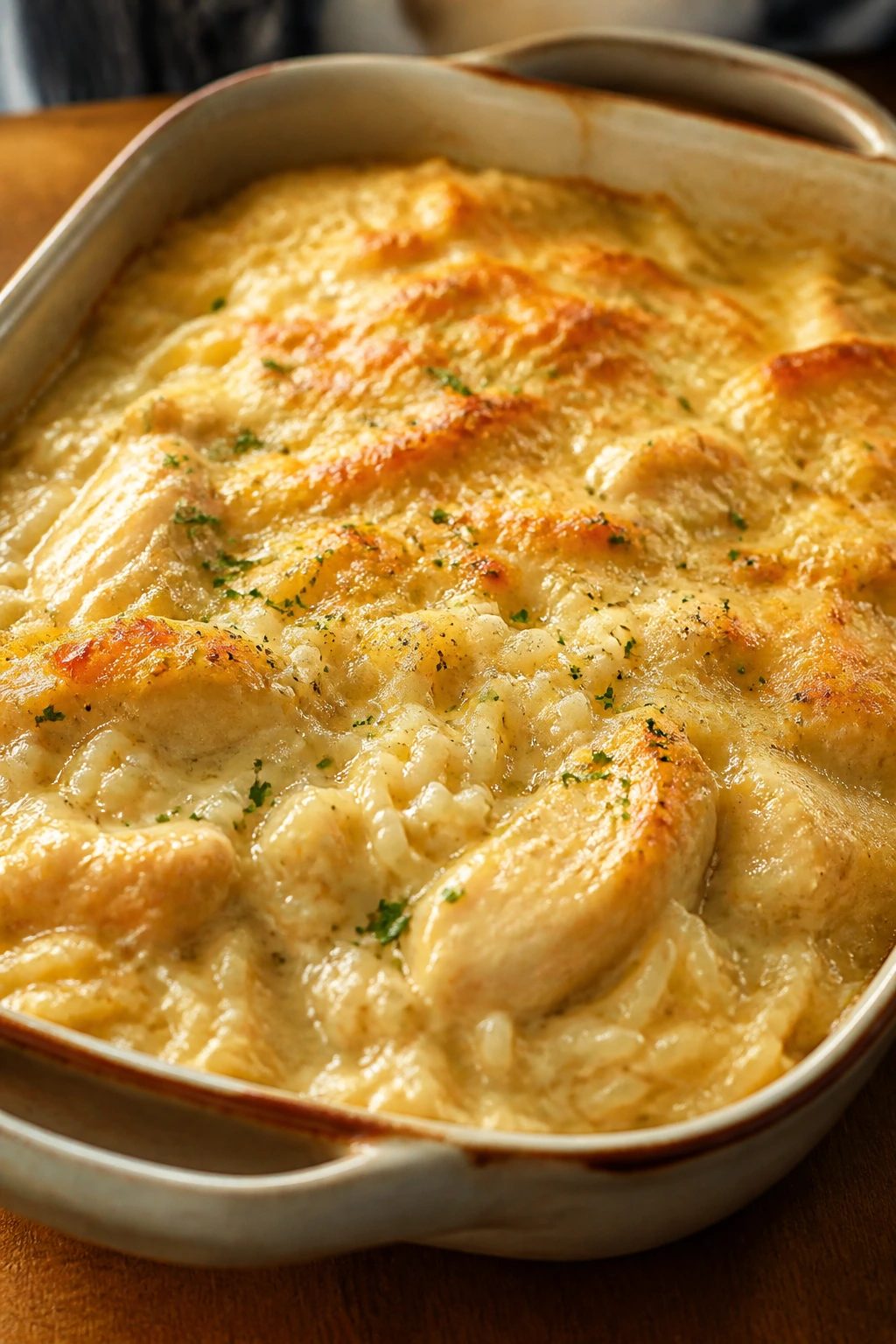
The nice thing about creamy chicken and rice casserole is that it smells like dinner by the time the onions soften. You get the soft sweetness of rice, the savory pull of chicken broth, and that cozy, spoon-coating creaminess that makes people hover near the kitchen before it’s even done.
I like this version because it behaves. The rice cooks in the same dish as the filling, which means the flavors settle together instead of feeling stitched on top of one another. And if you use cooked chicken — rotisserie works well — the whole thing lands on the table without a lot of fuss.
Why It Works
Rice casseroles fail when they’re too dry or too soupy. This one stays in the middle on purpose: enough broth and milk to cook the rice through, enough chicken to make it dinner, and enough cheese at the end to give the top a little pull. A 10-minute rest after baking matters here; it lets the liquid settle into the grains instead of puddling around the edges.
Key Ingredients
- 2 tablespoons unsalted butter — for softening the onion and celery into a savory base.
- 1 yellow onion, finely diced — it melts into the rice instead of staying sharp.
- 2 celery ribs, finely diced — small pieces keep the texture from turning mushy.
- 2 cloves garlic, minced — add near the end of sautéing so it stays sweet.
- 1 1/2 cups long-grain white rice, rinsed — rinsing helps the grains bake up separately.
- 2 1/2 cups low-sodium chicken broth — the main cooking liquid for the rice.
- 1 cup whole milk — rounds out the sauce without making it heavy.
- 3 cups cooked shredded chicken — rotisserie chicken or leftovers both work.
- 1 cup frozen peas — stir in frozen; no need to thaw.
- 1 cup shredded sharp cheddar — adds a salty finish on top.
- 1 teaspoon kosher salt and 1/2 teaspoon black pepper — season the base early.
- 1 tablespoon chopped parsley — fresh at the end keeps it from tasting flat.
Quick Steps
-
Preheat the oven to 375°F (190°C) and grease a 9×13-inch baking dish with butter or nonstick spray.
-
Sauté the aromatics: Melt the butter in a large skillet over medium heat, then cook the onion and celery for 5 to 6 minutes until softened and glossy. Add the garlic and cook for 30 seconds more.
-
Build the filling: Stir in the rinsed rice, chicken broth, milk, salt, and pepper. Fold in the chicken and peas, then pour everything into the prepared dish.
-
Cover and bake: Tightly cover with foil and bake for 40 minutes, until the rice is nearly tender and the liquid is mostly absorbed. Do not skip the cover; uncovered rice dries out fast.
-
Finish with cheese: Remove the foil, scatter the cheddar over the top, and bake for 10 to 12 minutes more until the cheese is melted and the edges are bubbling.
-
Rest before serving: Let it sit for 10 minutes, then sprinkle with parsley and serve while hot.
Tips and Variations
- Shortcut: Use cooked rotisserie chicken and frozen peas to cut the prep time almost in half.
- Flavor boost: A small pinch of thyme or poultry seasoning fits right in.
- Texture fix: If your rice is still a little firm after baking, splash in 1/4 cup hot broth and give it 5 more minutes covered.
2. Cheesy Tater Tot Hotdish
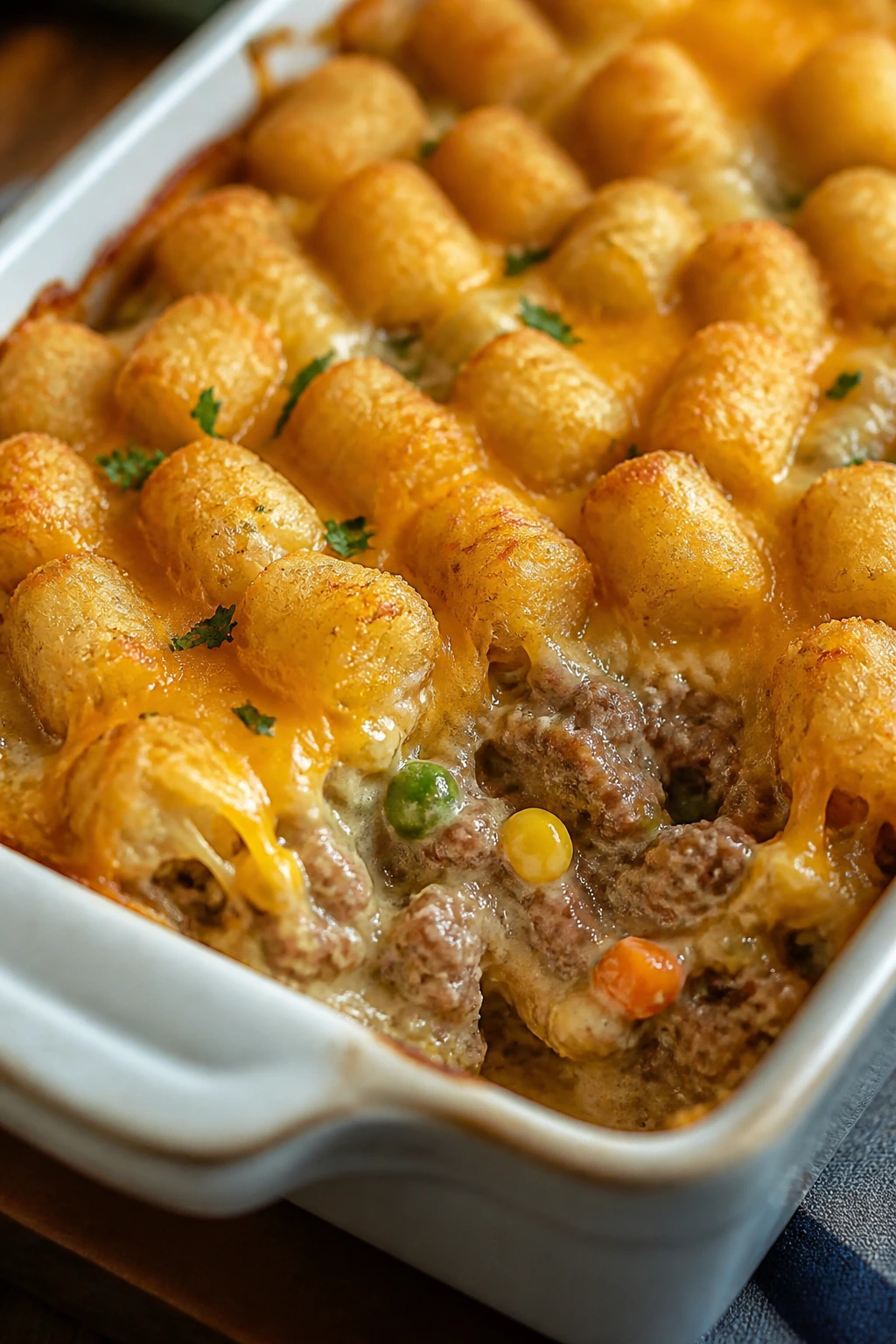
If you want a casserole that disappears while you’re still setting out the plates, this is the one. Tater tots on top turn crisp and golden, while the beef-and-vegetable layer underneath stays rich, saucy, and a little old-fashioned in the best way.
This is the kind of dish that doesn’t pretend to be elegant. It’s a hotdish, and it knows it. That’s part of the appeal — the contrast between the crunchy potato top and the creamy filling underneath is what keeps people reaching back for another square.
Why It Works
Tater tots do two jobs at once: they seal in the filling and create a built-in crust. The filling itself needs enough body to hold together under the potatoes, which is why a quick flour-thickened sauce and a bit of sour cream give it that proper hotdish texture. If you want the top crisp, the last 5 minutes under the broiler matter more than any garnish.
Key Ingredients
- 1 1/2 pounds ground beef — 80/20 gives you enough flavor without too much grease.
- 1 yellow onion, diced — softens into the beef and keeps the filling from tasting flat.
- 2 tablespoons tomato paste — deepens the savory flavor.
- 2 tablespoons all-purpose flour — thickens the sauce.
- 1 1/2 cups low-sodium beef broth — the base of the creamy filling.
- 1 cup sour cream — adds tang and body.
- 2 cups frozen mixed vegetables — peas, carrots, and corn are the classic move.
- 2 cups shredded cheddar — one cup in the filling, one on top.
- 1 (32-ounce) bag frozen tater tots — do not thaw them.
- 1 teaspoon garlic powder, 1 teaspoon kosher salt, and 1/2 teaspoon black pepper — simple seasoning that works.
- 1 teaspoon Worcestershire sauce — a little depth goes a long way.
Quick Steps
-
Preheat the oven to 400°F (205°C) and lightly grease a 9×13-inch baking dish.
-
Brown the beef: Cook the ground beef and onion in a large skillet over medium-high heat until the meat is browned and the onion is soft, about 8 minutes. Drain excess fat if needed.
-
Make the sauce: Stir in the tomato paste, flour, garlic powder, salt, pepper, and Worcestershire sauce. Cook for 1 minute, then add the broth and stir until the mixture turns glossy and thick.
-
Finish the filling: Stir in the sour cream, mixed vegetables, and 1 cup of cheddar. Spoon the mixture into the baking dish.
-
Add the tots: Arrange the frozen tater tots in a tight single layer over the filling. Keep them frozen so they crisp instead of steaming.
-
Bake and brown: Bake for 35 to 40 minutes, until the filling bubbles at the edges. Sprinkle the remaining cheddar over the top and bake 5 minutes more. Broil for 1 to 2 minutes if you want extra color.
Tips and Variations
- Swap smart: Ground turkey works, but add an extra teaspoon of Worcestershire and a little more salt.
- Make it sharper: A few dashes of hot sauce in the filling give the whole dish more bite.
- Best texture move: Let the hotdish rest 10 minutes before scooping, or the filling will run.
3. Baked Ziti with Sausage and Spinach
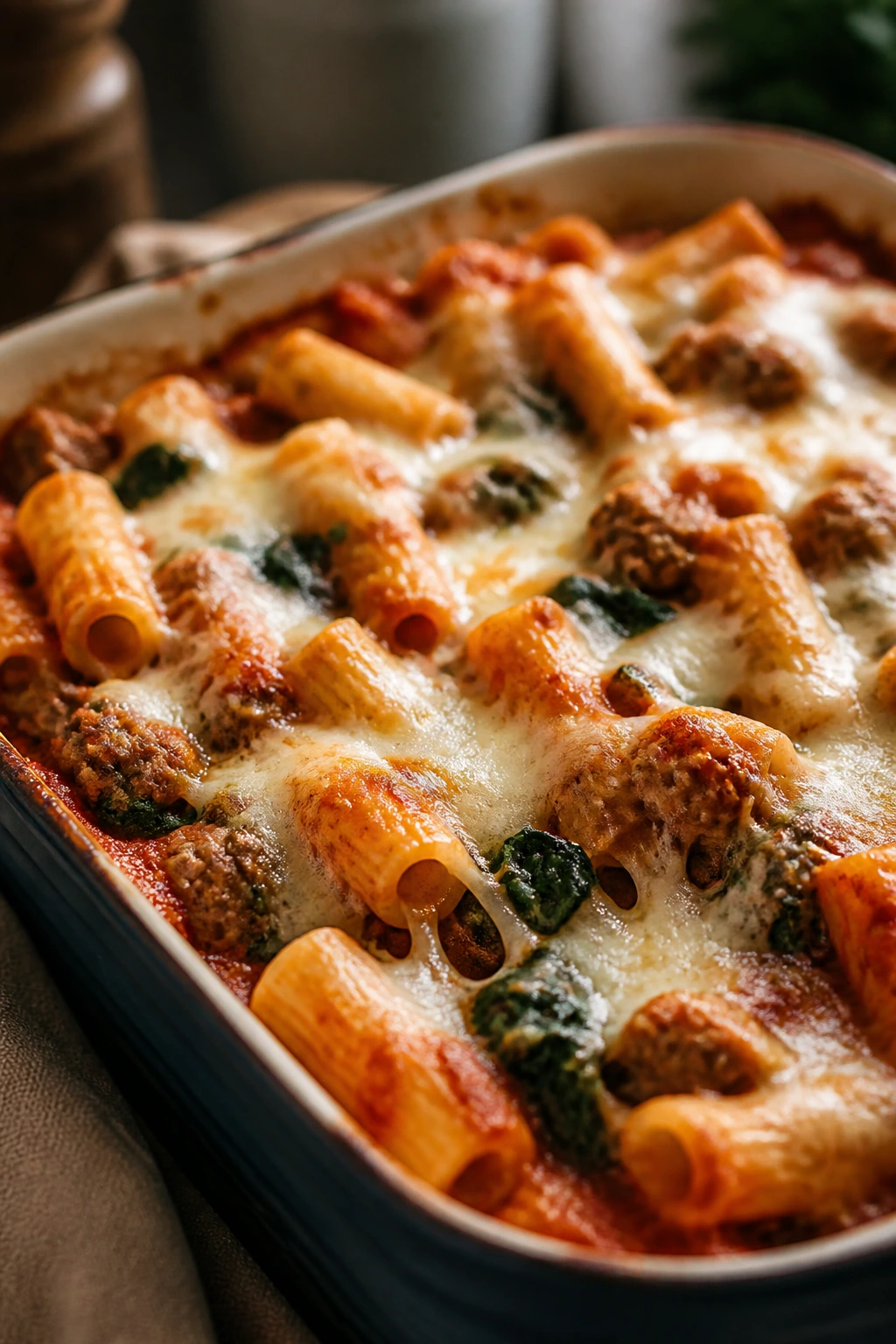
Baked ziti has a very specific kind of comfort. It comes out of the oven bubbling at the corners, red sauce clinging to the noodles, mozzarella stretching in long strings, and the whole pan smelling like a Sunday dinner that took more effort than it actually did.
The sausage matters here. So does the spinach, even if your eyes roll at that part. It softens into the sauce and keeps the casserole from feeling like a block of pasta and cheese with no green in sight.
Why It Works
The trick is undercooking the pasta slightly and letting it finish in the sauce. Ziti holds its shape better than thinner shapes, which is why it survives a second bake without turning to mush. Ricotta mixed with egg adds creamy pockets between the layers, while mozzarella on top gives you that browned, stretchy lid everyone wants to dig into first.
Key Ingredients
- 1 pound ziti — short tubes hold sauce and bake cleanly.
- 1 1/2 pounds Italian sausage, casings removed — use mild or hot depending on your table.
- 1 yellow onion, diced — builds sweetness in the sauce.
- 4 cloves garlic, minced — a full-handed amount keeps the sauce lively.
- 4 cups marinara sauce — choose one you already like the taste of.
- 1 (15-ounce) container ricotta — for creamy layers.
- 1 large egg — helps the ricotta set.
- 2 cups shredded mozzarella — one cup in the layers, one on top.
- 1/2 cup grated Parmesan — adds salty depth.
- 4 cups baby spinach — wilts into the sauce without getting stringy.
- 1 teaspoon dried oregano and 1/2 teaspoon red pepper flakes — optional, but worth using.
Quick Steps
-
Preheat the oven to 375°F (190°C) and grease a deep 9×13-inch baking dish.
-
Cook the pasta: Boil the ziti in salted water for 2 minutes less than the package directs, then drain. It should still have a firm bite.
-
Brown the sausage: Cook the sausage and onion in a large skillet over medium heat until the sausage is browned and crumbled, about 8 minutes. Add the garlic and cook for 30 seconds.
-
Mix the cheese layer: Stir the ricotta, egg, and Parmesan together in a bowl until smooth.
-
Assemble the casserole: Toss the pasta with the marinara, sausage mixture, spinach, and oregano. Layer half in the dish, dollop on half the ricotta mixture, then repeat. Finish with mozzarella on top.
-
Bake and rest: Bake for 25 to 30 minutes, until the sauce bubbles around the edges and the cheese is lightly browned. Rest 10 minutes before serving.
Tips and Variations
- Use spicy sausage if you want the casserole to cut through all that cheese.
- Add mushrooms with the onion if you like a deeper, earthier sauce.
- Skip the rush: If you fully cook the pasta before baking, it will go soft. Don’t do that.
4. Tuna Noodle Casserole
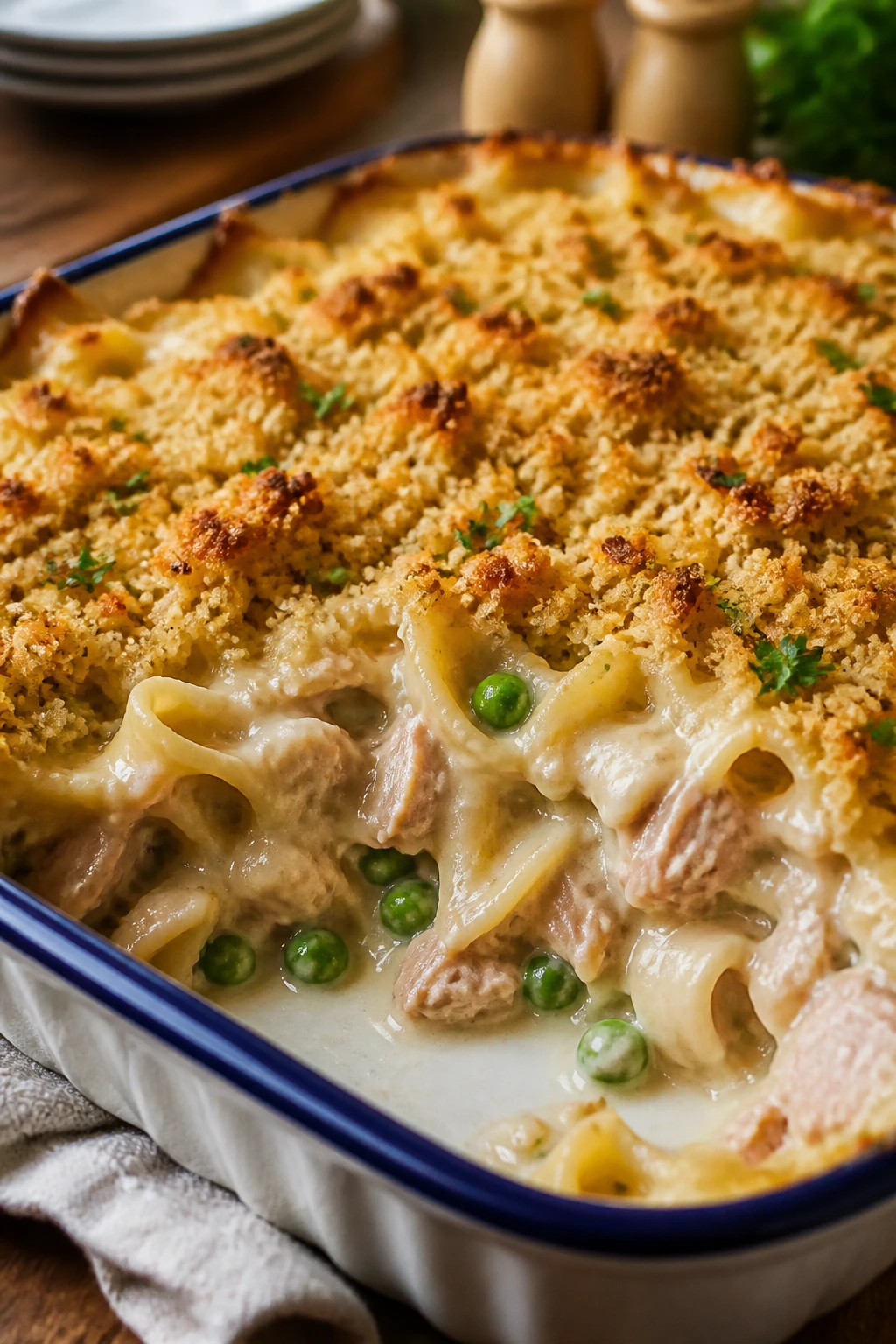
Tuna noodle casserole is a strange kind of comfort. It’s humble, a little retro, and surprisingly satisfying when the sauce is well seasoned and the top has a crisp, buttery crunch instead of just sitting there in a soft blanket of crumbs.
The best versions have contrast. Tender noodles. Creamy sauce. Flaky tuna. A few peas for sweetness. And something crisp on top, because no casserole should be all one texture unless that texture happens to be excellent.
Why It Works
This casserole relies on a simple white sauce, which gives you control over the flavor and thickness. Tuna brings salt and protein, peas add sweetness, and the noodles soak up just enough sauce in the oven to become cohesive without turning gummy. Lemon juice at the end lifts the whole pan and keeps the tuna from tasting sleepy.
Key Ingredients
- 12 ounces egg noodles — the classic shape because it hugs the sauce.
- 2 tablespoons unsalted butter — for the sautéed vegetables.
- 1 small onion, diced — keeps the sauce from tasting flat.
- 2 celery ribs, diced — gives a bit of crunch before baking.
- 8 ounces mushrooms, sliced — optional, but they deepen the flavor.
- 3 tablespoons all-purpose flour — thickens the sauce.
- 2 cups whole milk — for a creamy base.
- 1 cup low-sodium chicken broth — lightens the sauce a bit.
- 2 cans tuna in water, drained and flaked — chunk light or albacore both work.
- 1 cup frozen peas — no thawing needed.
- 1 cup shredded cheddar — a little cheese ties it together.
- 1 cup panko breadcrumbs — the crunchy top.
- 2 tablespoons melted butter and 1 tablespoon lemon juice — for the topping and brightness.
- 1 teaspoon salt and 1/2 teaspoon black pepper — enough to wake up the sauce.
Quick Steps
-
Preheat the oven to 375°F (190°C) and grease a 9×13-inch baking dish.
-
Cook the noodles: Boil the egg noodles in salted water until just shy of tender, then drain and set aside.
-
Start the sauce: Melt the butter in a skillet over medium heat and cook the onion, celery, and mushrooms for 5 to 6 minutes until softened.
-
Thicken it: Stir in the flour and cook for 1 minute. Slowly whisk in the milk and broth, then simmer until the sauce coats the back of a spoon.
-
Combine everything: Stir in the tuna, peas, cheddar, lemon juice, salt, and pepper. Fold in the noodles and spread the mixture in the baking dish.
-
Top and bake: Mix the panko with melted butter and scatter it over the casserole. Bake for 25 to 30 minutes, until bubbling and golden.
Tips and Variations
- Use albacore tuna if you want a milder flavor and larger flakes.
- Add Dijon to the sauce if the casserole tastes too mellow.
- Keep an eye on the noodles: They soften fast, and there’s no saving mushy tuna casserole.
5. Shepherd’s Pie Casserole
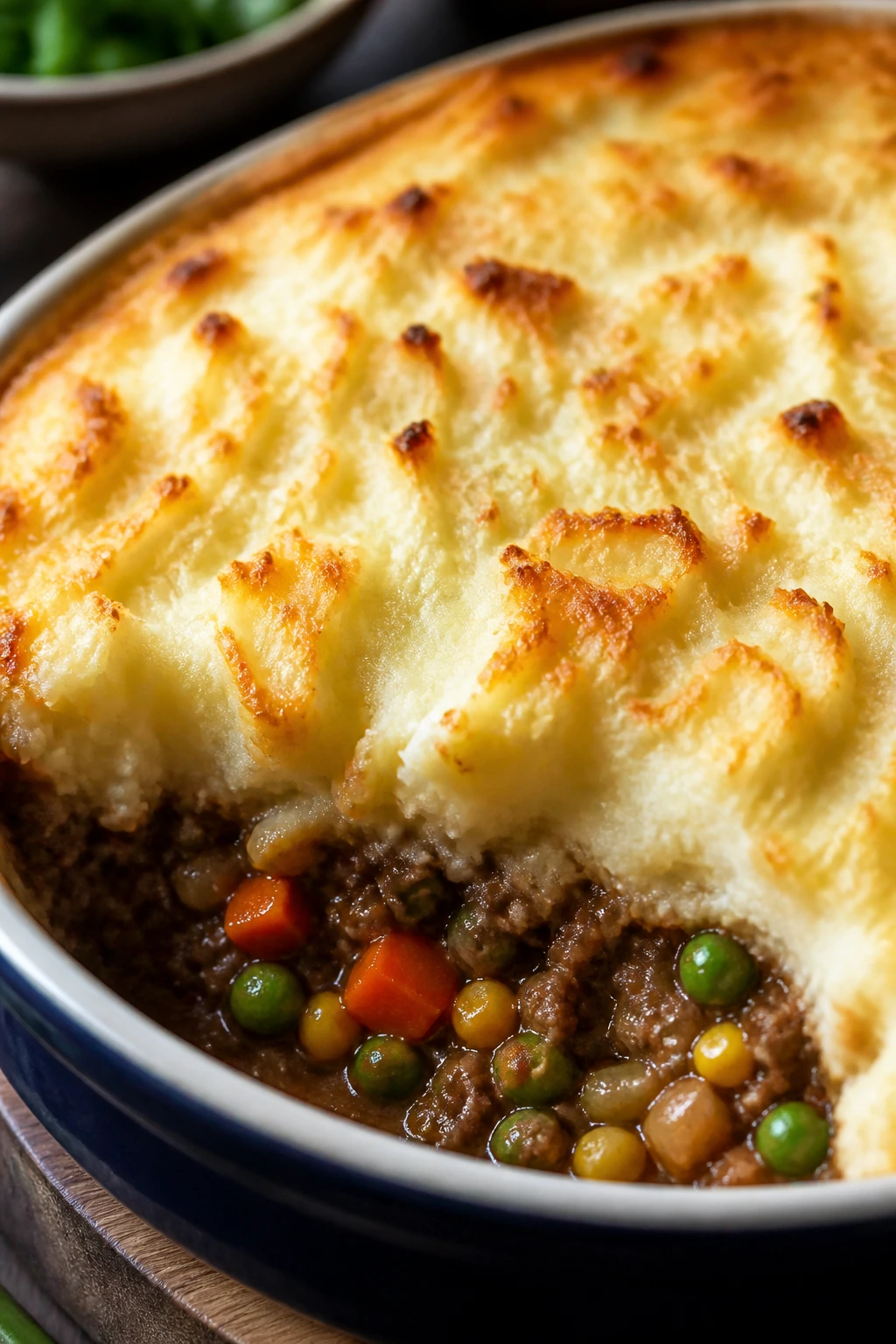
Shepherd’s pie is one of those dishes that looks simple and eats like a hug. You get savory meat, soft vegetables, and mashed potatoes with a rough, browned top that tastes even better where it catches on the corners of the pan.
It’s also one of the most practical Sunday suppers in the whole lineup. If you’ve got mashed potatoes left over, the work drops fast. If you don’t, the casserole still feels worth making because the layers are so familiar and deeply satisfying.
Why It Works
The filling needs a bit of richness and a little acid, which is why tomato paste and Worcestershire do such important work. The mashed potatoes act like a lid, keeping the meat layer moist while the top browns. Forking the potato surface before baking creates little ridges that crisp instead of staying smooth and pasty.
Key Ingredients
- 2 pounds Yukon Gold or russet potatoes, peeled and cubed — Yukon Golds make a silkier mash.
- 4 tablespoons unsalted butter — for the potatoes.
- 1/2 cup whole milk or cream — enough to make the mash spreadable.
- 1 1/2 pounds ground lamb or ground beef — lamb is classic, beef is familiar.
- 1 onion, diced — builds the base flavor.
- 2 carrots, diced small — they need time to soften.
- 2 tablespoons flour — helps thicken the filling.
- 1 tablespoon tomato paste — deepens the meat flavor.
- 1 cup beef broth — keeps the filling saucy.
- 1 cup frozen peas — stir them in at the end.
- 1 teaspoon Worcestershire sauce and 1 teaspoon thyme — the backbone seasoning.
- Salt and pepper — enough to season each layer.
Quick Steps
-
Preheat the oven to 400°F (205°C) and lightly butter a baking dish.
-
Make the mash: Boil the potatoes in salted water until tender, about 15 minutes. Drain, then mash with butter and milk until smooth but not gluey.
-
Cook the filling: Brown the meat with the onion and carrots in a large skillet over medium heat. Stir in the flour and tomato paste, cook for 1 minute, then add broth, Worcestershire, thyme, salt, and pepper.
-
Add the peas: Stir them in after the sauce thickens so they stay bright.
-
Assemble: Spread the meat filling in the dish, then top with the mashed potatoes. Rough up the top with a fork.
-
Bake: Bake for 20 to 25 minutes, until the edges are bubbling and the top is lightly browned. Broil for 1 to 2 minutes if you want more color.
Tips and Variations
- Use a piping bag for the potatoes if you want the top to look tidy.
- Mix in cauliflower with the potatoes if you want a lighter topping.
- Season the mash well: bland potatoes drag the whole casserole down.
6. Chicken Enchilada Casserole
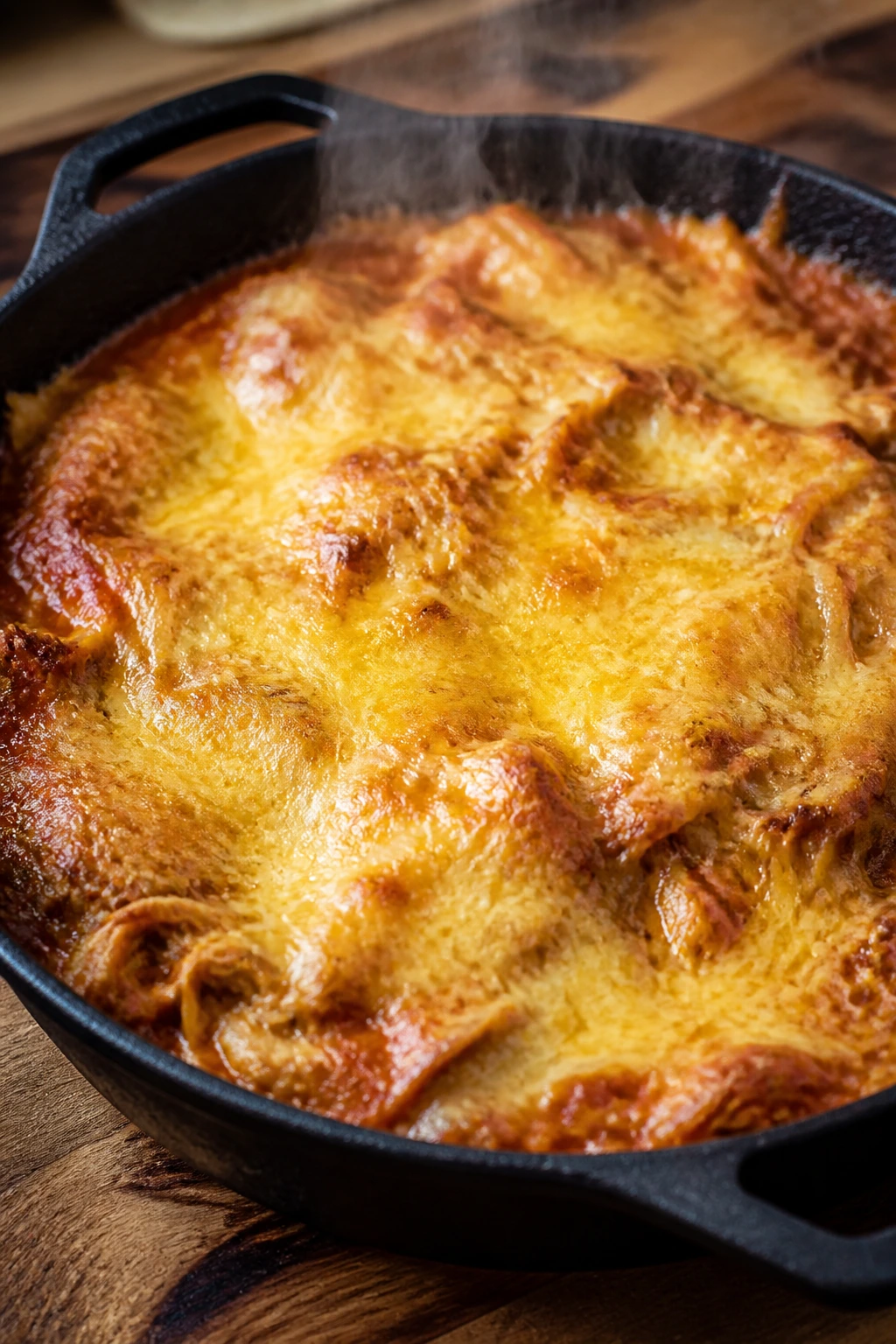
Chicken enchilada casserole has the same satisfying pull as rolled enchiladas, minus the patience tax. The tortillas soften in the sauce, the cheese melts into every corner, and the whole dish ends up tasting like the best part of a casual Tex-Mex dinner.
This is one of those casseroles that works hard for the table. It’s filling, easy to portion, and flexible enough to handle beans, corn, or extra heat depending on who’s eating.
Why It Works
Corn tortillas are the right choice because they stand up to enchilada sauce without disintegrating. Layering the sauce between the tortillas keeps the casserole moist from top to bottom, and using cooked chicken makes the whole thing move quickly. A short rest after baking lets the layers settle into slices instead of slipping apart on the plate.
Key Ingredients
- 3 cups cooked shredded chicken — rotisserie chicken makes this easy.
- 3 cups red enchilada sauce — use one with enough body to coat the tortillas.
- 12 corn tortillas, cut into strips — strips layer more evenly than whole tortillas.
- 1 can black beans, drained and rinsed — optional, but they bulk it up nicely.
- 1 1/2 cups frozen corn — sweet pops against the sauce.
- 1 small onion, diced — softens into the filling.
- 3 cups shredded Monterey Jack and cheddar — a blend melts well and tastes rich.
- 1 teaspoon cumin and 1/2 teaspoon chili powder — enough warmth without heat overload.
- Fresh cilantro and lime wedges — for serving.
Quick Steps
-
Preheat the oven to 375°F (190°C) and grease a 9×13-inch baking dish.
-
Mix the filling: In a bowl, stir together the chicken, black beans, corn, onion, cumin, and chili powder with 1 cup of enchilada sauce.
-
Layer the casserole: Spoon a thin layer of sauce into the dish, then add tortillas, chicken mixture, and cheese. Repeat until everything is used, ending with sauce and cheese on top.
-
Cover and bake: Bake for 25 minutes covered with foil, then uncover and bake 10 minutes more until the cheese is melted and the edges bubble.
-
Rest it: Let the casserole sit for 10 minutes before cutting. Skip the rest and you’ll lose the layers.
-
Finish fresh: Add cilantro and a squeeze of lime just before serving.
Tips and Variations
- Use green enchilada sauce if you want a brighter, tangier version.
- Add sliced olives for a saltier, more old-school flavor.
- Bring the heat carefully: one chopped chipotle in adobo goes a long way.
7. Broccoli Cheddar Chicken Casserole
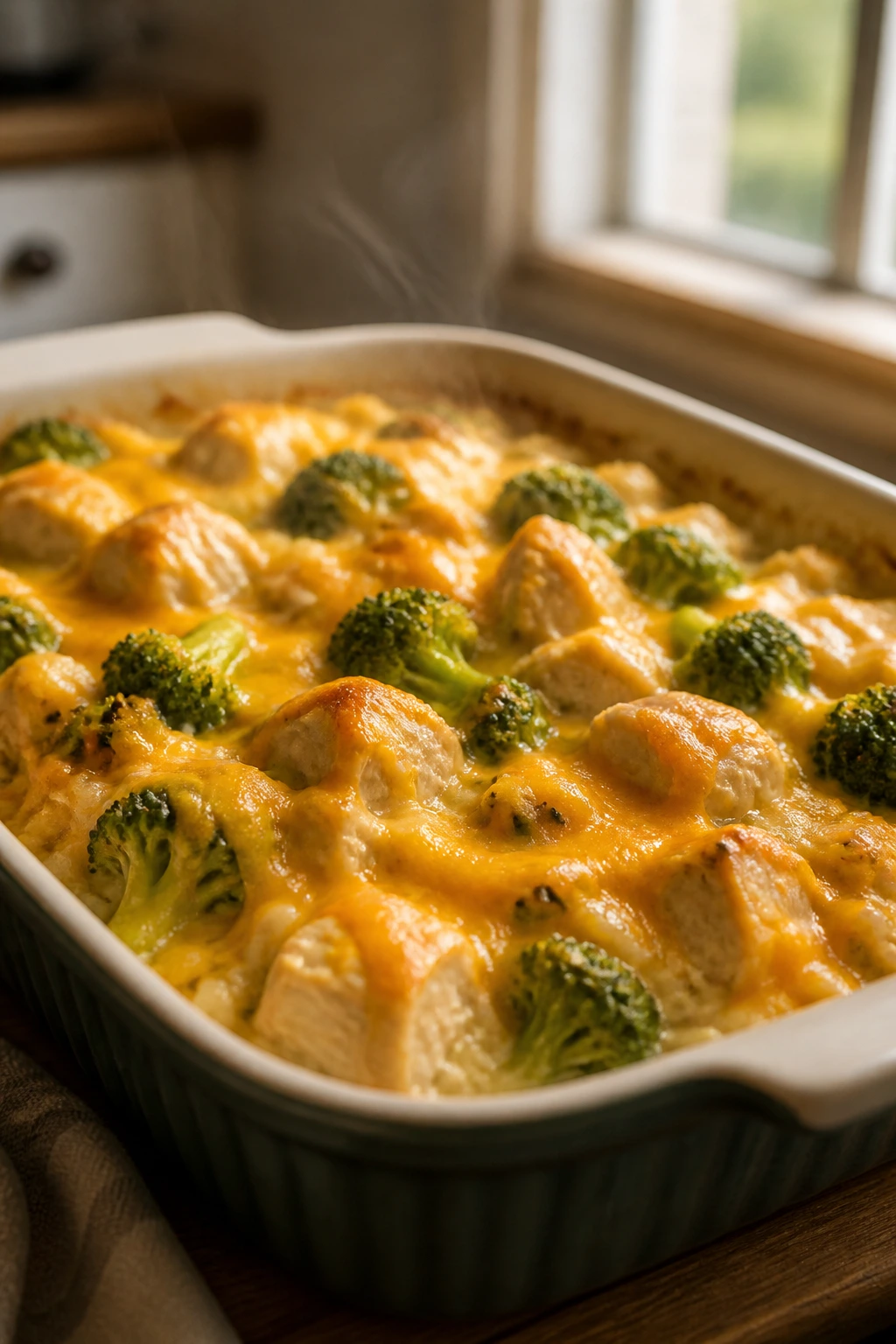
Broccoli cheddar chicken casserole tastes like the thing people wish they had ordered when the menu gets too long. It’s creamy, cheesy, and sturdy enough to stand as a full meal, which is what you want when Sunday supper needs to feed actual hunger.
The broccoli matters more than people think. It keeps the casserole from leaning too far into cheese sauce territory and adds a bit of bite, especially if you blanch it just until bright green.
Why It Works
A simple roux-based cheese sauce gives this casserole its backbone. Rice or another starch gives the dish shape, chicken adds body, and broccoli keeps the flavor from turning one-note. Dijon mustard sneaks in a little brightness that makes the cheddar taste sharper without making the whole pan taste like mustard.
Key Ingredients
- 3 cups cooked rice — white rice, brown rice, or even leftover rice all work.
- 4 cups broccoli florets, lightly steamed — just enough to soften the stems.
- 3 cups cooked chicken, chopped — bite-sized pieces help the bake stay even.
- 3 tablespoons unsalted butter — for the sauce.
- 3 tablespoons all-purpose flour — thickens the sauce.
- 2 cups whole milk — the main creamy base.
- 1 cup chicken broth — keeps the sauce from feeling too heavy.
- 2 1/2 cups shredded sharp cheddar — one of the better uses for extra-sharp cheese.
- 1 teaspoon Dijon mustard — the quiet flavor booster.
- 1 cup panko breadcrumbs and 2 tablespoons melted butter — for the top.
- Salt and pepper — season the sauce as you go.
Quick Steps
-
Preheat the oven to 375°F (190°C) and grease a medium baking dish.
-
Make the cheese sauce: Melt the butter in a saucepan over medium heat, whisk in the flour, and cook for 1 minute. Slowly whisk in the milk and broth, then simmer until thick.
-
Add the cheddar: Stir in the cheese and Dijon until smooth. Season with salt and pepper.
-
Combine the filling: Fold together the rice, broccoli, and chicken in a large bowl, then pour the cheese sauce over the top.
-
Top and bake: Transfer to the dish, sprinkle with panko mixed with melted butter, and bake for 25 to 30 minutes until bubbling.
-
Rest briefly: Let it stand 10 minutes before serving so the sauce sets up a little.
Tips and Variations
- Use leftover turkey instead of chicken after a holiday meal.
- Steam the broccoli lightly, not fully soft, or it gets dull and mushy in the oven.
- Add bacon if you want a smokier edge.
8. Stuffed Pepper Casserole
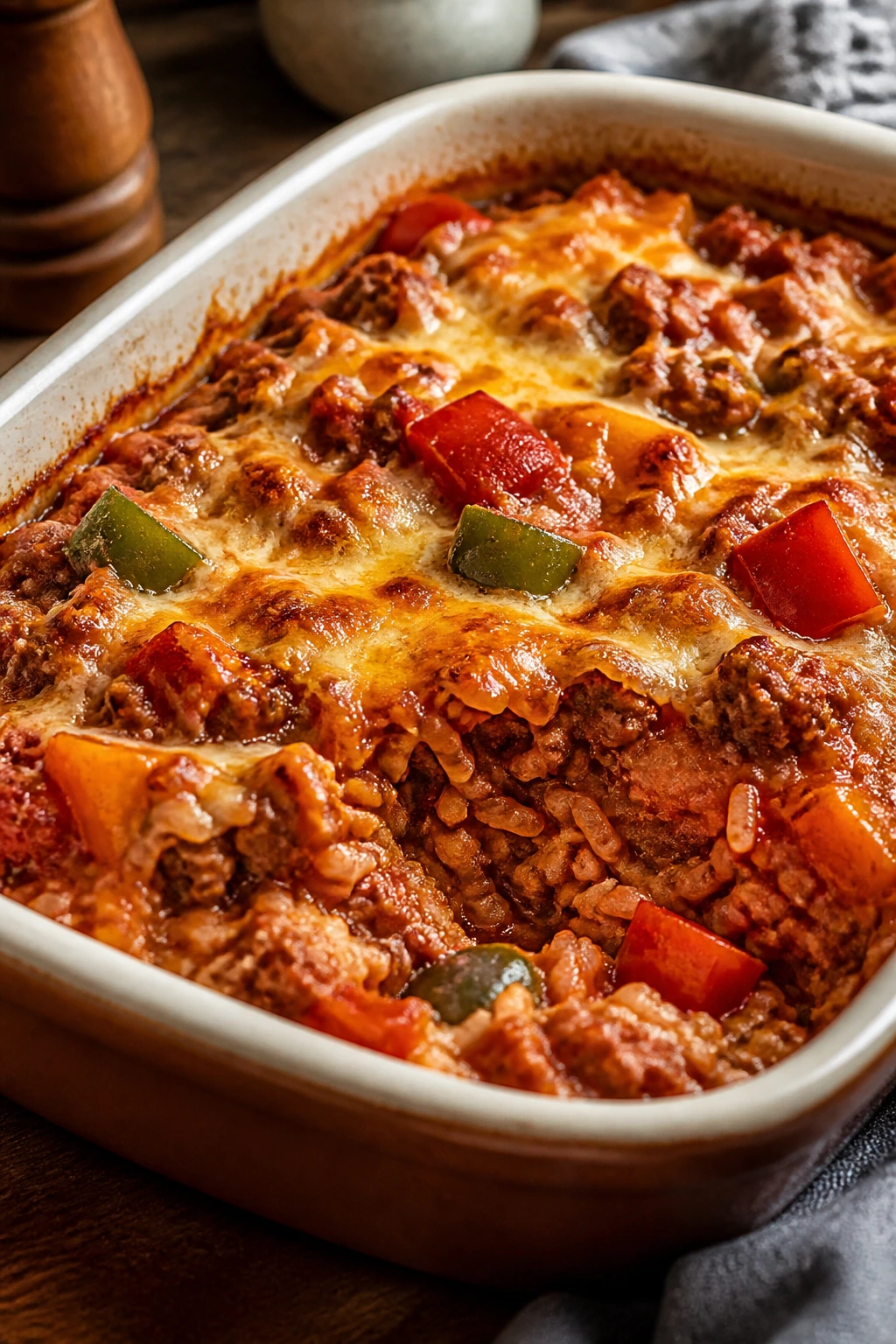
Stuffed pepper casserole is what happens when you take a classic and stop making it behave like a project. All the flavor is still there — bell peppers, tomato, beef, rice, and melted cheese — but the process is easier, and the finished dish scoops like a proper casserole instead of rolling around on a plate.
It’s hearty without being heavy in a greasy way. The peppers soften into the rice and tomatoes, and the top layer of cheese gives you just enough richness to make the whole thing feel like supper, not a side dish.
Why It Works
Stuffed peppers need time because rice needs liquid and peppers need softening. Breaking everything into one casserole means the rice absorbs the tomato and broth while the peppers melt into the base. The tomato paste deepens the sauce so the dish tastes cooked, not merely combined.
Key Ingredients
- 1 1/2 pounds ground beef — the classic base.
- 3 bell peppers, chopped — use a mix of colors if you like a sweeter flavor.
- 1 onion, diced — goes in with the beef.
- 3 cloves garlic, minced — for a savory kick.
- 1 cup long-grain white rice, rinsed — the starch that pulls it together.
- 2 cans diced tomatoes, 14.5 ounces each — with their juice.
- 2 cups low-sodium beef broth — cooks the rice.
- 2 tablespoons tomato paste — adds deeper flavor.
- 1 teaspoon Italian seasoning — keeps the seasoning balanced.
- 2 cups shredded mozzarella or Monterey Jack — melts smoothly.
- Salt and pepper — enough to season the filling.
Quick Steps
-
Preheat the oven to 375°F (190°C) and grease a 9×13-inch baking dish.
-
Brown the meat: Cook the ground beef, onion, and peppers in a skillet over medium-high heat until the beef is browned and the vegetables are starting to soften.
-
Season the base: Stir in the garlic and tomato paste, then cook for 1 minute. Add the rice, diced tomatoes, broth, Italian seasoning, salt, and pepper.
-
Simmer briefly: Cook just until the mixture starts to look cohesive, about 5 minutes, then pour it into the baking dish.
-
Bake covered: Cover tightly with foil and bake for 35 to 40 minutes, until the rice is tender and the liquid has been absorbed.
-
Add cheese and finish: Top with shredded cheese and bake uncovered for 5 to 10 minutes more, until melted and bubbling.
Tips and Variations
- Use turkey if you want a lighter version, but keep the broth at the same amount.
- Add a pinch of red pepper flakes if your table likes heat.
- Fresh parsley on top makes the dish look awake instead of beige.
9. Hash Brown Breakfast Casserole
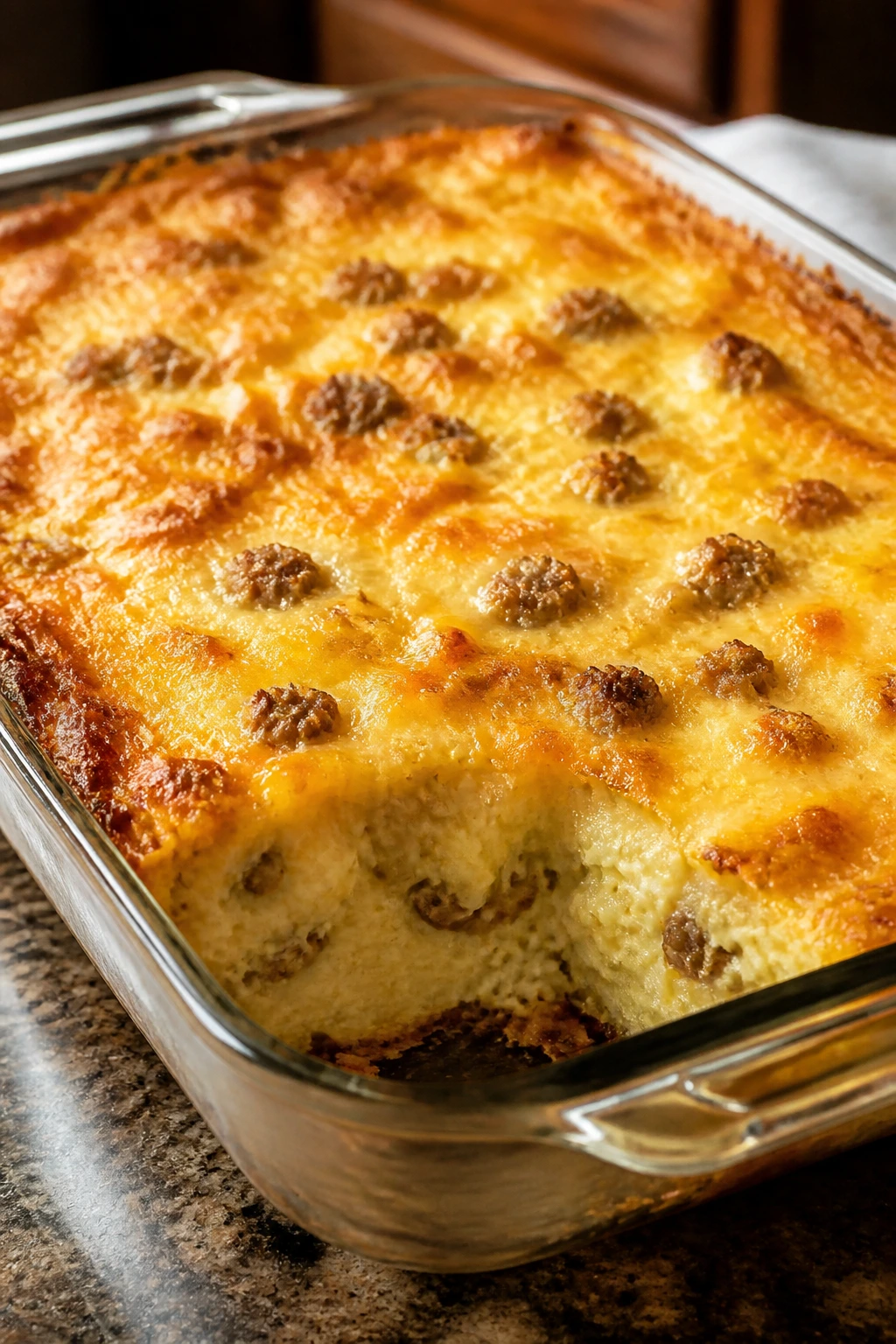
Breakfast casseroles are not just for mornings. On a Sunday evening, they feel almost luxurious in a sneaky way, because you get eggs, sausage, cheese, and crispy potatoes without setting an alarm or standing at the stove flipping anything.
Hash brown casserole has a real advantage over most breakfast bakes: the potatoes give you a hearty base that soaks up the egg mixture while still holding some structure. The edges brown, the center stays soft, and every slice feels like enough food to count as dinner.
Why It Works
Frozen hash browns are the shortcut that makes this casserole easy. They release less moisture than raw potatoes and cook into a sturdy base that catches the sausage drippings and egg custard. The ratio of eggs to milk matters here — too much milk and the casserole wobbles; too little and it turns dry.
Key Ingredients
- 1 1/2 pounds frozen shredded hash browns, thawed — thaw them so they bake evenly.
- 1 pound breakfast sausage — mild or spicy both work.
- 1 small onion, diced — adds sweetness to the sausage.
- 1 bell pepper, diced — gives color and a little crunch.
- 8 large eggs — the custard base.
- 1 cup whole milk — keeps the eggs soft.
- 2 cups shredded cheddar — breakfast’s favorite cheese.
- 1/2 teaspoon salt and 1/2 teaspoon black pepper — enough seasoning for the whole dish.
- 1/2 teaspoon paprika — gives the top a little warmth.
- 1 tablespoon butter — for greasing the dish or sautéing the vegetables.
Quick Steps
-
Preheat the oven to 375°F (190°C) and butter a 9×13-inch baking dish.
-
Cook the sausage: Brown the sausage in a skillet over medium heat, breaking it into crumbles. Add the onion and bell pepper and cook until softened.
-
Mix the egg base: Whisk the eggs, milk, salt, pepper, and paprika in a large bowl until smooth.
-
Assemble the casserole: Spread the thawed hash browns in the dish, top with the sausage mixture, and scatter the cheese over everything. Pour the egg mixture evenly across the top.
-
Bake: Bake for 40 to 45 minutes, until the center is set and the top is lightly browned. If the middle still jiggles, give it 5 more minutes.
-
Rest and slice: Let the casserole sit for 10 minutes before cutting into squares.
Tips and Variations
- Add diced ham if you want a more breakfast-brunch feel.
- Use pepper jack for a sharper, slightly spicy version.
- Don’t skip the rest, or the slices will fall apart on the plate.
10. Mac and Cheese with Ham and Peas
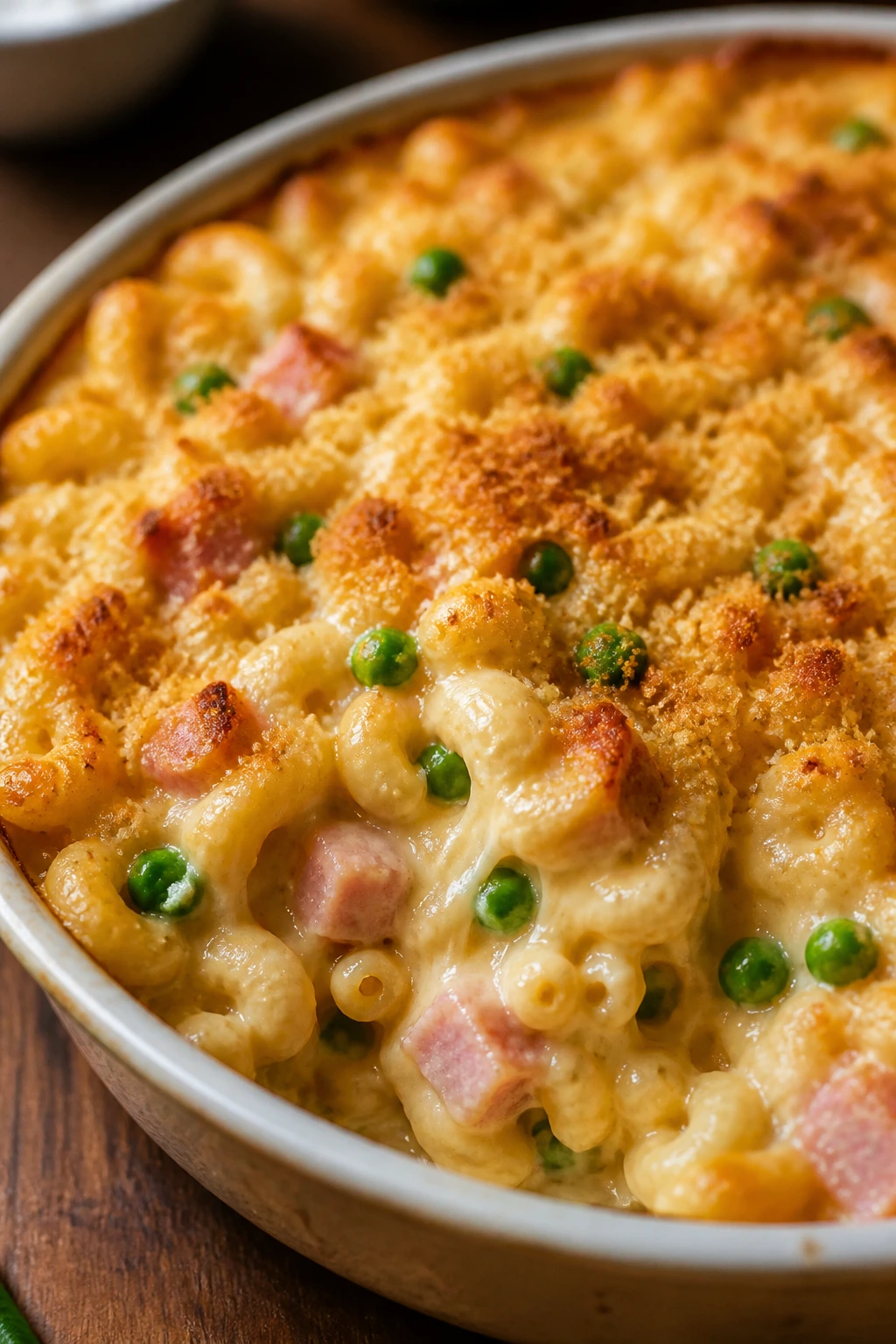
Mac and cheese with ham and peas sits in that sweet spot between indulgent and sensible. You get the creamy cheese sauce and toasted top everybody wants, plus salty ham and sweet peas that make it feel like a full dinner rather than a side dish that wandered off course.
The thing that makes this one work is contrast. The pasta should still have a little bite, the sauce should cling instead of pool, and the breadcrumb top should give you a little crunch when the spoon goes through it.
Why It Works
A smooth béchamel is the right base because it melts cleanly with the cheese and coats the macaroni instead of breaking into oil. Ham adds salt and chew, while peas keep the casserole from becoming too rich. A little Gruyère, if you use it, gives the dish a nutty edge that makes it taste more layered than it has any right to.
Key Ingredients
- 1 pound elbow macaroni — the classic shape for cheese sauce.
- 4 tablespoons unsalted butter — for the roux and the topping.
- 4 tablespoons all-purpose flour — thickens the sauce.
- 3 cups whole milk — the main sauce base.
- 1 cup heavy cream — optional, but it gives a lush texture.
- 3 cups shredded sharp cheddar — the main cheese flavor.
- 1 cup shredded Gruyère or mozzarella — for extra melt.
- 2 cups diced ham — cooked ham from the deli counter or leftovers works.
- 1 1/2 cups frozen peas — thawed or straight from the freezer.
- 1 cup panko breadcrumbs — for crunch.
- 2 tablespoons melted butter — binds the topping.
- Salt, black pepper, and a pinch of mustard powder — small seasonings with a big payoff.
Quick Steps
-
Preheat the oven to 375°F (190°C) and butter a casserole dish.
-
Cook the pasta: Boil the macaroni in salted water until just underdone, then drain.
-
Make the cheese sauce: Melt the butter in a saucepan, whisk in the flour, and cook for 1 minute. Slowly whisk in the milk and cream, then simmer until thick enough to coat a spoon.
-
Add the cheese: Stir in the cheddar, Gruyère, mustard powder, salt, and pepper until smooth.
-
Combine: Fold in the pasta, ham, and peas, then transfer to the dish.
-
Top and bake: Mix the panko with melted butter and scatter it over the casserole. Bake for 20 to 25 minutes until bubbling and golden.
Tips and Variations
- Use smoked ham if you want a deeper savory note.
- Add hot sauce to the cheese sauce if the table likes a little bite.
- Avoid overcooking the pasta or the casserole turns soft instead of creamy.
11. Beef and Potato Casserole
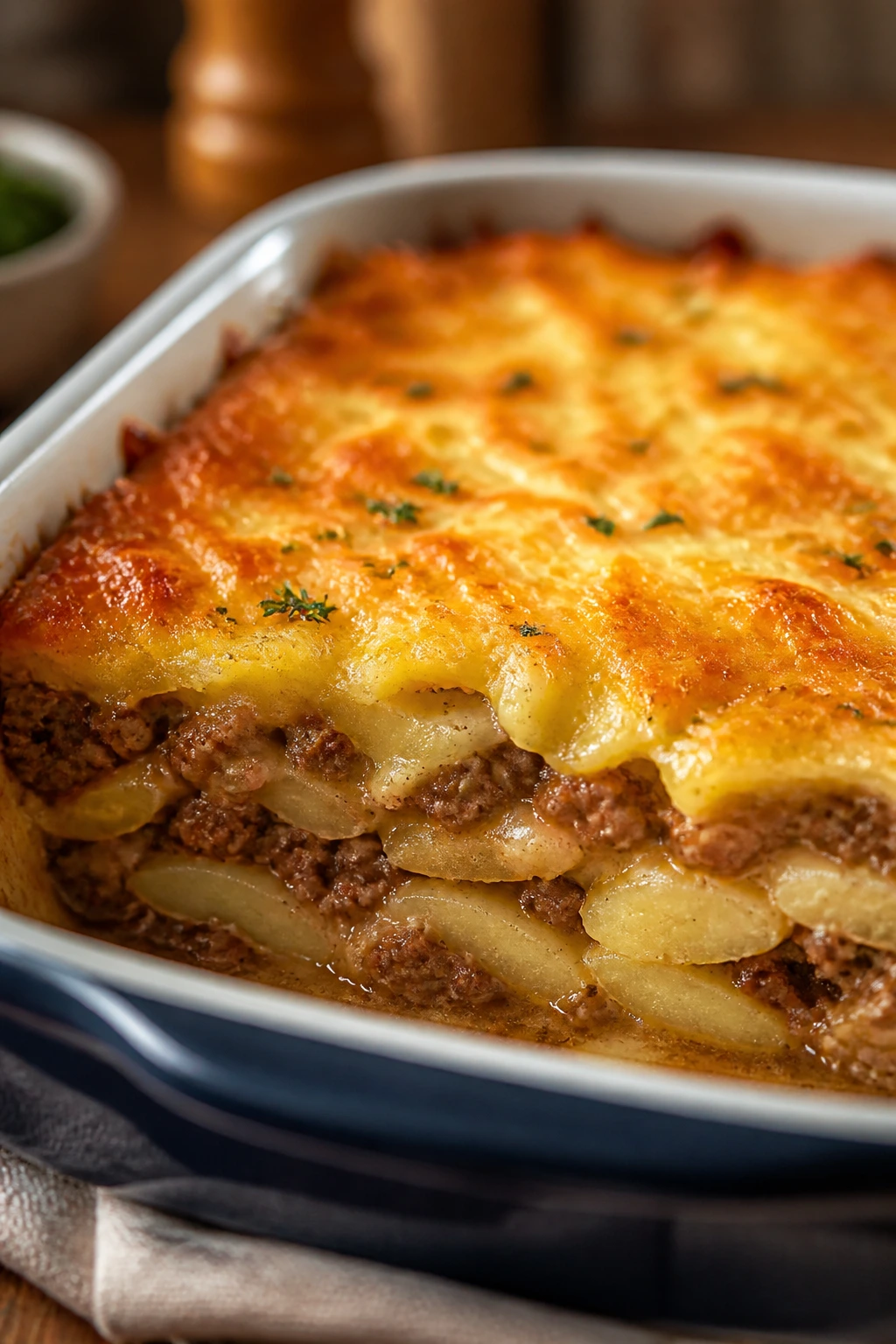
Beef and potato casserole is plain in the best sense of the word. No tricks, no fancy garnish, just layers of tender potatoes, seasoned beef, and enough sauce to make it feel like a meal that could have come from somebody’s very capable grandmother.
The potatoes do the heavy lifting here. Thin slices absorb the broth and softened onion flavor as they bake, while the beef mixture settles into the gaps and turns the whole pan into a proper one-dish supper.
Why It Works
Potatoes and beef need different kinds of moisture, and this casserole handles that balance by using broth for the potatoes and tomato paste for the meat. The broth keeps the potato layers from drying out, while a little cream or milk adds body without making the dish soupy. A final cheese layer seals the top and gives you the browned finish that makes the first scoop worth it.
Key Ingredients
- 1 1/2 pounds ground beef — enough to make the dish substantial.
- 1 onion, diced — softens with the beef.
- 3 cloves garlic, minced — use a little more if your family likes strong garlic.
- 2 tablespoons tomato paste — deepens the beef flavor.
- 2 pounds Yukon Gold potatoes, thinly sliced — they hold shape better than russets.
- 2 cups low-sodium beef broth — helps the potatoes cook.
- 1 cup whole milk or cream — enriches the sauce.
- 2 cups shredded cheddar — for the top.
- 1 teaspoon paprika and 1 teaspoon thyme — classic, cozy seasonings.
- Salt and black pepper — season each layer lightly.
Quick Steps
-
Preheat the oven to 375°F (190°C) and grease a deep baking dish.
-
Brown the beef: Cook the beef and onion in a skillet over medium heat until browned. Add the garlic and tomato paste, then cook for 1 minute.
-
Season the filling: Stir in paprika, thyme, salt, and pepper, then set aside.
-
Layer the potatoes: Arrange half the sliced potatoes in the dish, spoon over half the beef mixture, and repeat. Pour the broth and milk evenly over the top.
-
Bake covered: Cover tightly with foil and bake for 45 minutes, until the potatoes are nearly tender.
-
Add cheese and finish: Uncover, scatter cheddar on top, and bake 10 to 15 minutes more until the potatoes are soft and the top is browned.
Tips and Variations
- Slice the potatoes evenly or the casserole cooks unevenly.
- Add frozen corn if you want a sweeter, more rustic version.
- Let it rest 10 minutes so the broth settles instead of running.
12. Cornbread Tamale Pie
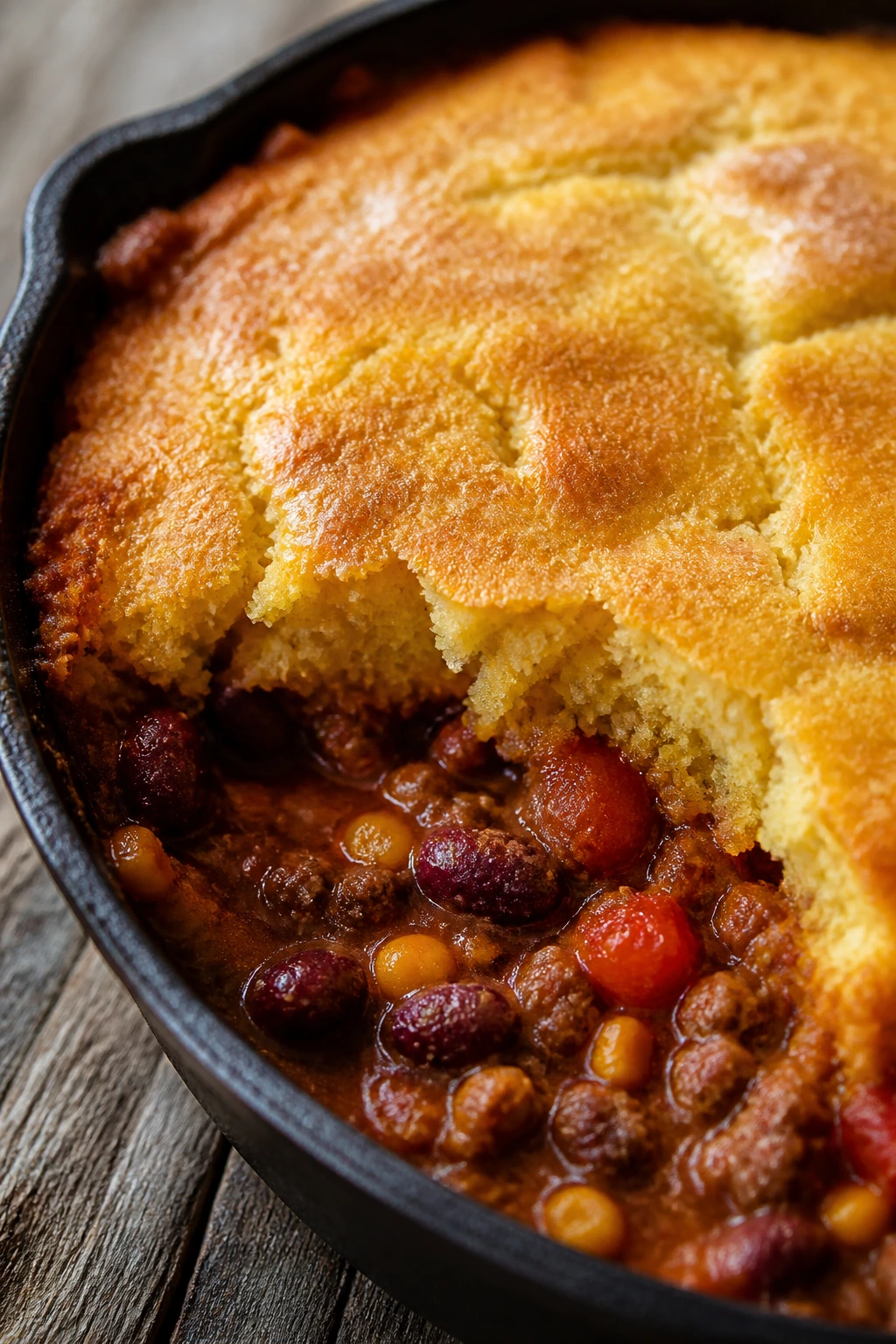
Cornbread tamale pie is the casserole that makes the table feel more relaxed. It has taco-night energy, but the cornbread top turns it into something you can carry to the table in one pan and slice like a proper Sunday supper.
I like this one because it gives you a little of everything: savory meat, beans, corn, a tomato-chile base, and that sweet-savory cornbread cap that soaks up the top layer of sauce. It’s the sort of casserole that tastes even better with hot sauce at the table.
Why It Works
The filling is wet enough to stay juicy, but not so loose that the cornbread sinks into it. Black beans and corn add texture, while taco seasoning and salsa do most of the flavor work without requiring a long spice list. The cornbread top bakes into a slightly sweet crust that balances the savory filling underneath.
Key Ingredients
- 1 1/2 pounds ground beef or ground turkey — both work, though beef is richer.
- 1 onion, diced — for the savory base.
- 1 jalapeño, seeded and minced — optional if you want heat.
- 2 tablespoons taco seasoning — the shortcut that pulls it together.
- 1 can black beans, drained and rinsed — adds body and fiber.
- 1 cup corn kernels — frozen or canned and drained.
- 1 cup salsa or enchilada sauce — for moisture and flavor.
- 1 box cornbread mix, plus the eggs and milk listed on the box — the easy topping.
- 2 cups shredded cheddar — some in the filling, some on top.
- Fresh cilantro — for a bright finish.
Quick Steps
-
Preheat the oven to 375°F (190°C) and grease a 9×13-inch baking dish or oven-safe skillet.
-
Cook the filling: Brown the meat with the onion and jalapeño over medium heat. Stir in the taco seasoning, beans, corn, and salsa, then simmer for 3 to 4 minutes.
-
Transfer to the dish: Spread the filling in an even layer and scatter 1 cup of cheddar over it.
-
Make the cornbread batter: Mix the cornbread batter according to the package directions.
-
Top and bake: Spoon the batter over the filling and smooth it gently. Sprinkle the remaining cheddar on top, then bake for 25 to 30 minutes until the cornbread is golden and a toothpick comes out clean.
-
Rest and garnish: Let the pie sit for 10 minutes, then add cilantro before serving.
Tips and Variations
- Use a little extra salsa if your filling seems too thick before baking.
- Top with sour cream at the table if you want more richness.
- Ground turkey needs seasoning, so don’t be shy with salt.
13. Eggplant Parmesan Casserole
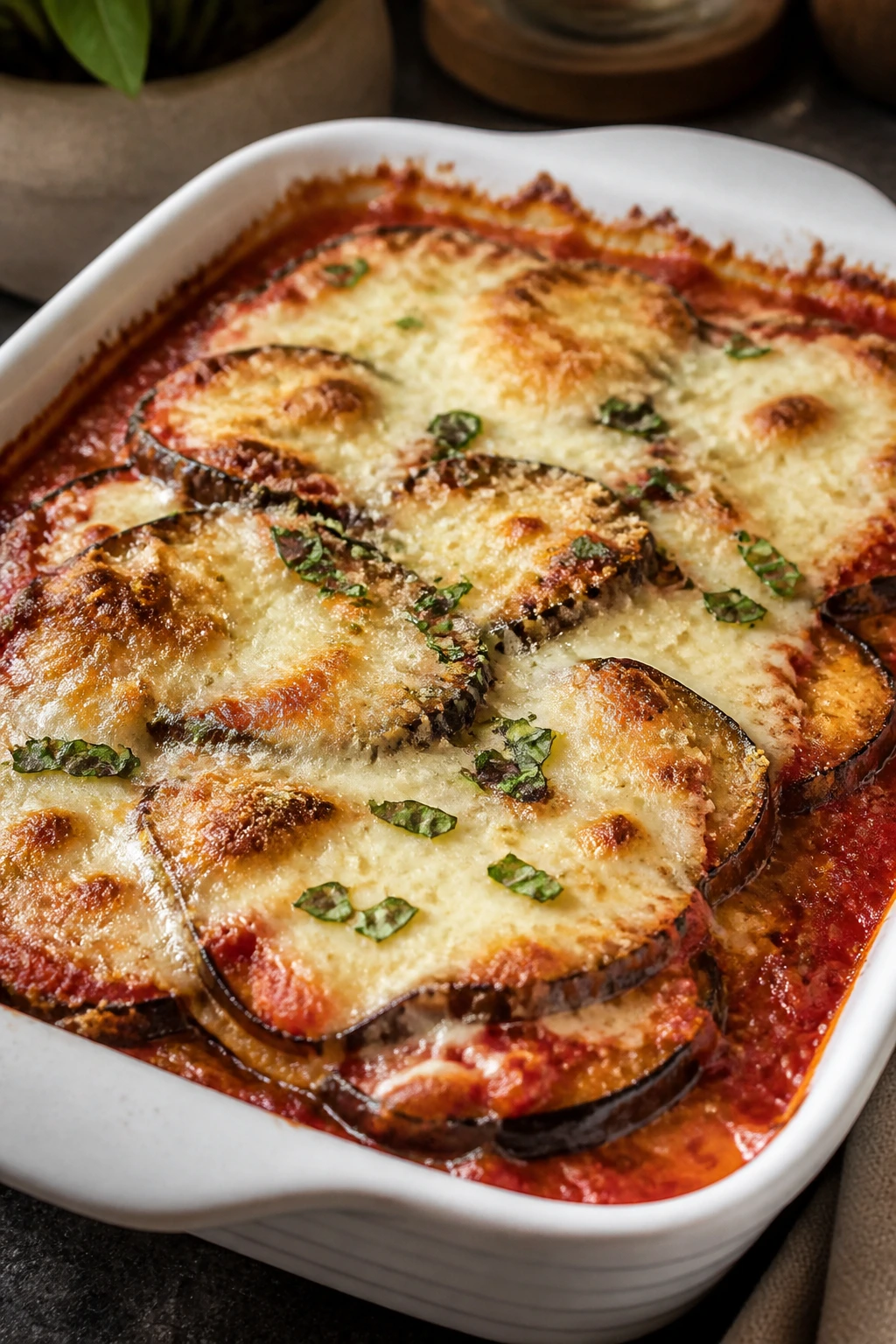
Eggplant Parmesan casserole is the quiet overachiever of the bunch. It takes a dish that can be fussy and turns it into a layered bake that still has the crisp-edged, saucy, cheesy pull people want from the original.
The eggplant needs a little respect, though. If you skip the salt step or undercook the slices, the casserole can turn watery and leaden. Treat the eggplant right, and it becomes silky instead of soggy.
Why It Works
Eggplant has a lot of water, which is why salting or pre-roasting it matters. That step keeps the casserole from turning into a loose puddle under the cheese. Marinara gives acidity, mozzarella gives melt, and Parmesan gives you the sharp finish that makes the whole dish taste complete.
Key Ingredients
- 2 large eggplants, sliced into 1/2-inch rounds — even slices cook at the same speed.
- 1 1/2 teaspoons kosher salt — to draw out moisture.
- 1/2 cup all-purpose flour — for a light coating, if you’re breading.
- 2 large eggs, beaten — helps the crumbs stick.
- 2 cups breadcrumbs — panko or Italian-style both work.
- 3 cups marinara sauce — choose a thick one.
- 3 cups shredded mozzarella — for the layers and top.
- 1 cup grated Parmesan — for salty depth.
- 1 cup ricotta, optional — for a creamier version.
- Olive oil — for roasting or frying the slices.
- Fresh basil — to finish.
Quick Steps
-
Preheat the oven to 425°F (220°C) if you’re roasting the eggplant, or 375°F (190°C) if the slices are already cooked.
-
Salt the eggplant: Lay the slices on paper towels, sprinkle with salt, and let them sit for 20 minutes. Pat dry thoroughly.
-
Cook the slices: Lightly coat in flour, egg, and breadcrumbs if you want a crispier casserole, then roast on oiled sheets until browned on both sides, about 20 minutes total.
-
Layer the dish: Spread a thin layer of marinara in the baking dish, then layer eggplant, mozzarella, Parmesan, and a few spoonfuls of ricotta if using. Repeat until everything is used.
-
Bake: Bake for 25 to 30 minutes, until the sauce bubbles and the top is browned in spots.
-
Rest and finish: Let it sit for 10 minutes, then add basil before serving.
Tips and Variations
- Roasting beats frying if you want less mess and less oil.
- Use a thick marinara, or the layers will slide apart.
- Add spinach between layers if you want a greener, fuller bake.
14. Kielbasa, Cabbage, and Potato Casserole
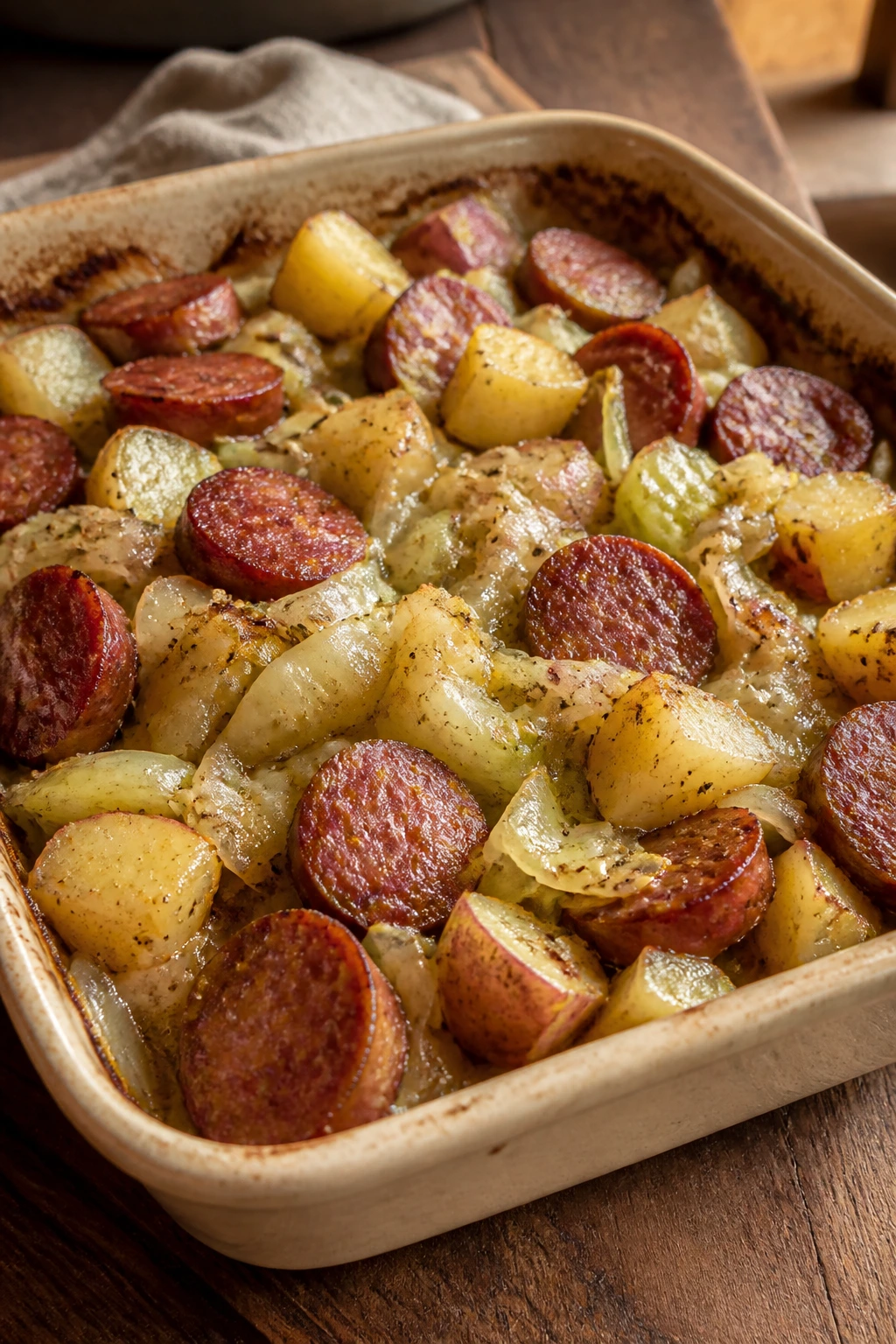
Kielbasa, cabbage, and potato casserole tastes like cold-weather food that knows exactly what it’s doing. It’s smoky from the sausage, sweet from the cabbage, and hearty enough that you don’t feel the need to build a second meal around it.
There’s something old-country and practical about this pan. It uses cheap, sturdy ingredients, but when they bake together with butter and broth, the result feels generous rather than frugal.
Why It Works
Kielbasa already brings salt, smoke, and fat, which means the vegetables don’t need much else. Cabbage softens into sweetness as it bakes, potatoes soak up the broth, and Dijon or caraway gives the dish the little nudge it needs to taste composed. A covered bake keeps the cabbage tender without scorching the edges.
Key Ingredients
- 1 1/2 pounds kielbasa, sliced into coins — smoked sausage gives the strongest flavor.
- 1 small green cabbage, chopped — remove the tough core first.
- 2 pounds Yukon Gold potatoes, cubed — small cubes cook faster.
- 1 onion, sliced — softens into the broth.
- 3 tablespoons unsalted butter — helps the vegetables brown.
- 1 cup low-sodium chicken broth — keeps everything moist.
- 1 tablespoon Dijon mustard — adds sharpness.
- 1 teaspoon caraway seeds or smoked paprika — choose one depending on the flavor direction.
- Fresh dill or parsley — for finishing.
Quick Steps
-
Preheat the oven to 375°F (190°C) and butter a large baking dish.
-
Sauté the sausage and onion: Cook the kielbasa and onion in a skillet over medium heat until the onion softens and the sausage picks up a little color.
-
Add the cabbage: Stir in the cabbage and cook for 3 to 4 minutes until it starts to wilt.
-
Assemble: Spread the potatoes in the dish, top with the sausage mixture, then pour over the broth mixed with Dijon and seasoning.
-
Bake covered: Cover tightly and bake for 45 minutes, until the potatoes are tender.
-
Finish uncovered: Remove the foil and bake 10 minutes more to let the top brown slightly. Garnish with dill or parsley.
Tips and Variations
- Add sliced apples if you like a sweeter, more German-style note.
- Smoked paprika makes a better fit than caraway if your crowd dislikes licorice notes.
- Cut the potatoes small or they’ll lag behind the cabbage.
15. Chicken Pot Pie Casserole with Biscuit Topping
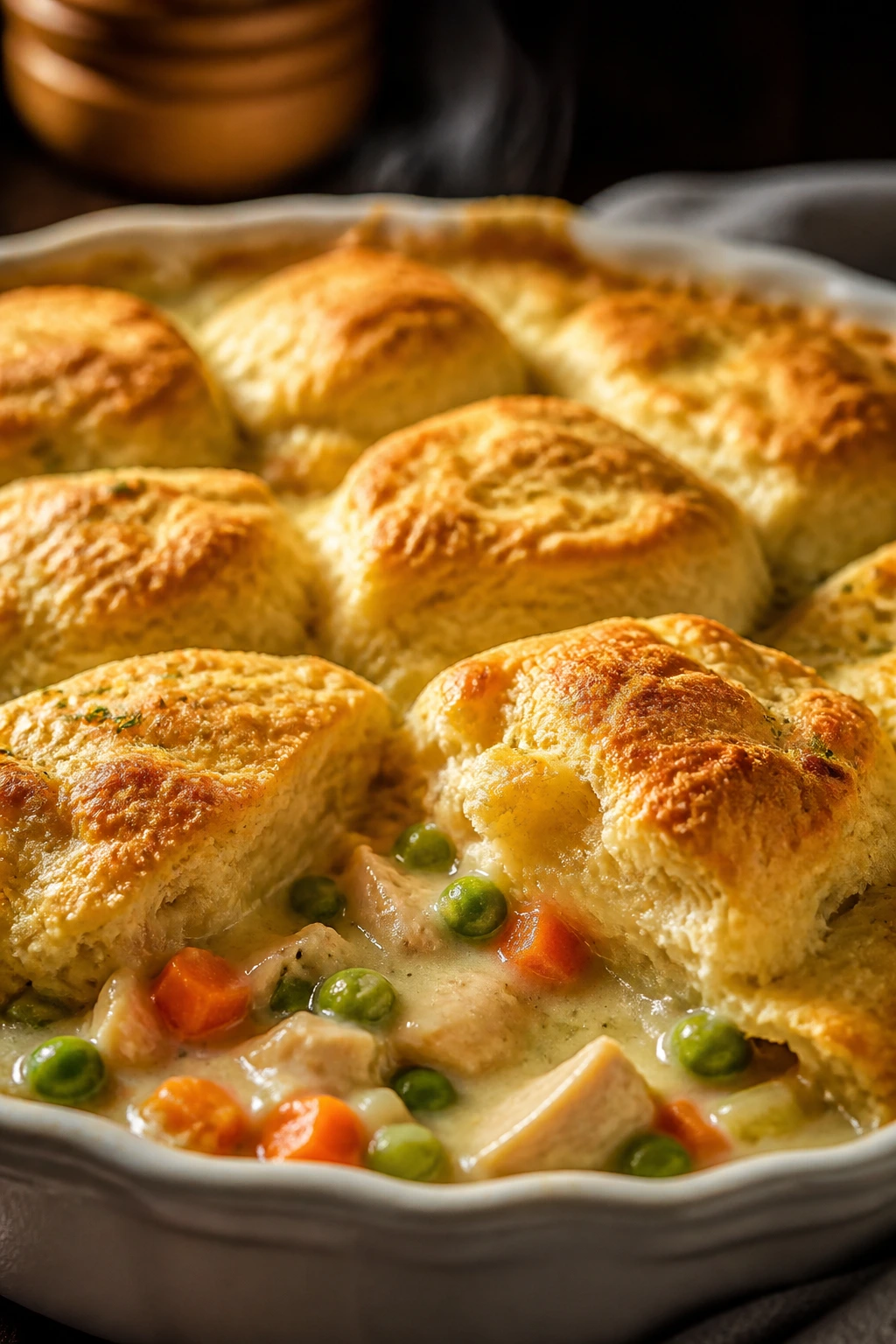
Chicken pot pie casserole gives you the cozy heart of a pot pie without wrestling with a bottom crust. The filling is creamy, the vegetables are soft but not mushy, and the biscuit topping bakes into golden, pull-apart pieces that soak up gravy in the best way.
This one earns Sunday supper status fast. It’s familiar enough for picky eaters, but the biscuit topping makes the whole thing feel like more than leftovers in a dish.
Why It Works
The filling needs to be thick before the biscuits go on top, or the tops sink and the whole bake turns messy. A good roux, enough broth, and a little milk create the gravy base that keeps the chicken and vegetables from drying out. The biscuits bake from the top down, so the filling stays moist while the tops brown.
Key Ingredients
- 3 cups cooked chicken, chopped — bite-sized pieces are easiest to scoop.
- 3 carrots, diced small — they need the full bake time.
- 2 celery ribs, diced — classic pot pie flavor.
- 1 onion, diced — the base note.
- 4 tablespoons unsalted butter — for the sauce.
- 4 tablespoons all-purpose flour — thickens the gravy.
- 2 cups low-sodium chicken broth — the main liquid.
- 1 cup whole milk — keeps the sauce creamy.
- 1 cup frozen peas — stir them in at the end.
- 1 teaspoon thyme — pot pie’s quiet signature.
- Biscuit dough for 8 to 10 biscuits — homemade or canned.
- Salt and pepper — enough to season the filling properly.
Quick Steps
-
Preheat the oven to 400°F (205°C) and lightly grease a baking dish.
-
Make the filling: Cook the carrots, celery, and onion in butter over medium heat until softened. Stir in the flour and cook for 1 minute.
-
Add the liquid: Whisk in the broth and milk, then simmer until the mixture thickens into a gravy.
-
Finish the filling: Stir in the chicken, peas, thyme, salt, and pepper. Pour into the baking dish.
-
Add the biscuits: Arrange the biscuit dough over the top, leaving small gaps so the steam can escape.
-
Bake: Bake for 25 to 30 minutes, until the biscuits are golden and the filling bubbles around the edges. If the biscuits brown too fast, cover loosely with foil.
Tips and Variations
- Use leftover turkey after a holiday meal and the dish still tastes right.
- Chill biscuit dough briefly if it’s too soft to handle.
- A little white pepper in the filling gives that classic pot-pie feel.
16. Pork Chop, Onion, and Potato Casserole
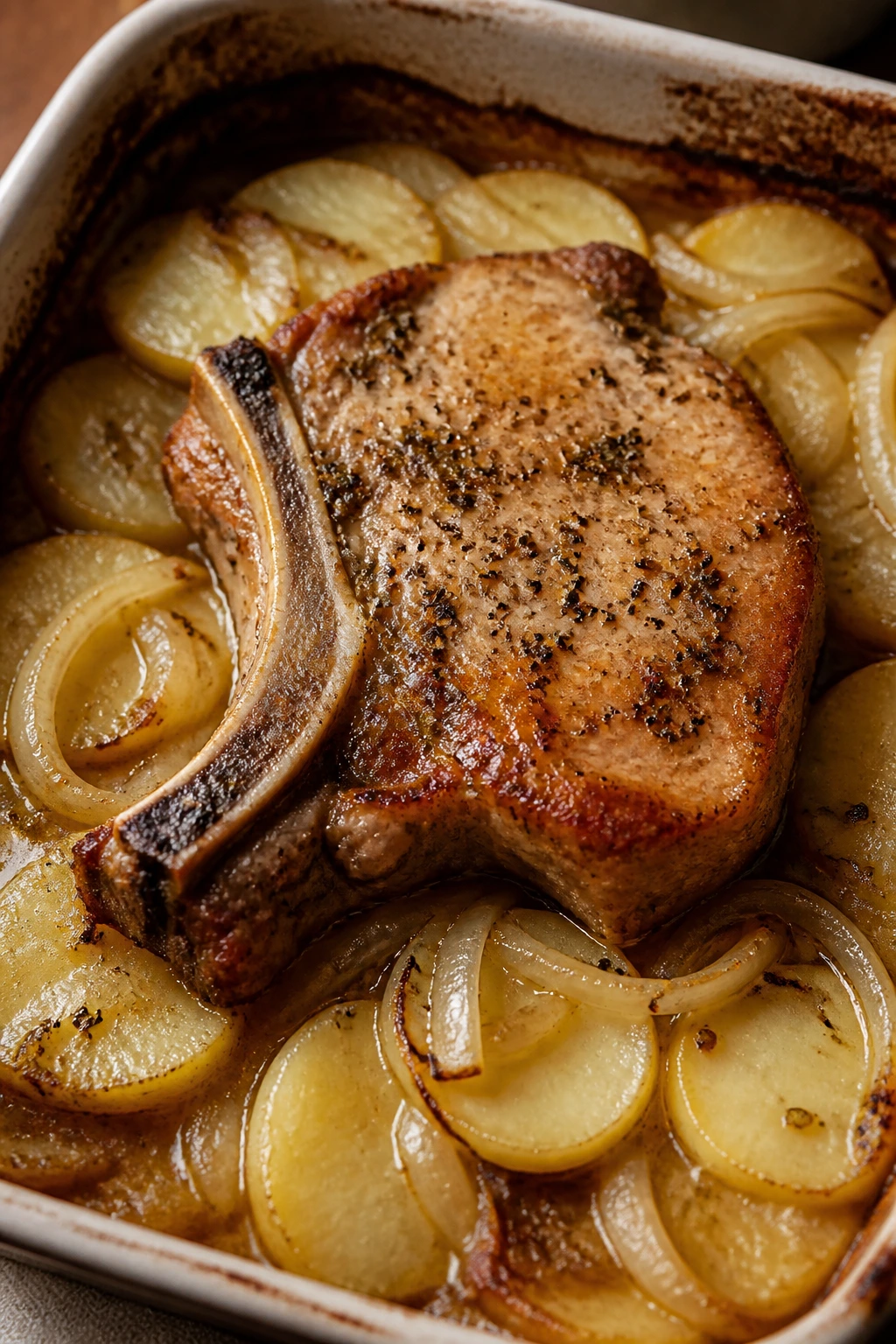
Pork chop casserole is one of those dishes people forget they like until it shows up on the table. The pork gets tender in the oven, the onions melt into the sauce, and the potatoes drink up all the flavor from the pan below them.
This is a sleeper hit. It looks plain when it goes into the oven, then comes out smelling like butter, onions, and Sunday dinner doing its best work.
Why It Works
Bone-in pork chops handle baking better than thin boneless cuts because they stay juicier. Layering them with potatoes and onions lets the pork fat and broth season the vegetables as everything cooks together. A Dijon-cream sauce keeps the bake from drying out while the potatoes soften underneath.
Key Ingredients
- 4 bone-in pork chops, about 1-inch thick — bone-in keeps them moister.
- 2 pounds Yukon Gold potatoes, thinly sliced — even slices matter here.
- 2 large onions, sliced — they become sweet in the oven.
- 2 apples, thinly sliced, optional — a mild sweet note that suits pork.
- 2 cups low-sodium chicken broth — enough to steam the potatoes.
- 1/2 cup heavy cream — adds body to the sauce.
- 2 teaspoons Dijon mustard — sharpens the flavor.
- 2 tablespoons flour — helps the sauce cling.
- 1 teaspoon dried sage — classic with pork.
- Salt and black pepper — season the chops and potatoes.
Quick Steps
-
Preheat the oven to 375°F (190°C) and grease a deep baking dish.
-
Sear the chops: Season the pork chops with salt and pepper, then sear them in a hot skillet for 2 to 3 minutes per side until browned. They do not need to be cooked through.
-
Build the sauce: Whisk the broth, cream, Dijon, flour, and sage together until mostly smooth.
-
Layer the casserole: Arrange half the potatoes and onions in the dish, top with the pork chops, then add the remaining potatoes, onions, and apples if using.
-
Pour and bake: Pour the sauce over the top, cover tightly with foil, and bake for 45 to 55 minutes until the potatoes are tender and the pork reaches 145°F at the center.
-
Rest before serving: Let the dish sit for 10 minutes so the sauce thickens slightly.
Tips and Variations
- Add thyme if you want a more herbal flavor than sage gives.
- Skip the apples if your table prefers a savory-only casserole.
- Thin slices cook faster, so don’t cut the potatoes thick and hope for the best.
17. Turkey and Wild Rice Casserole
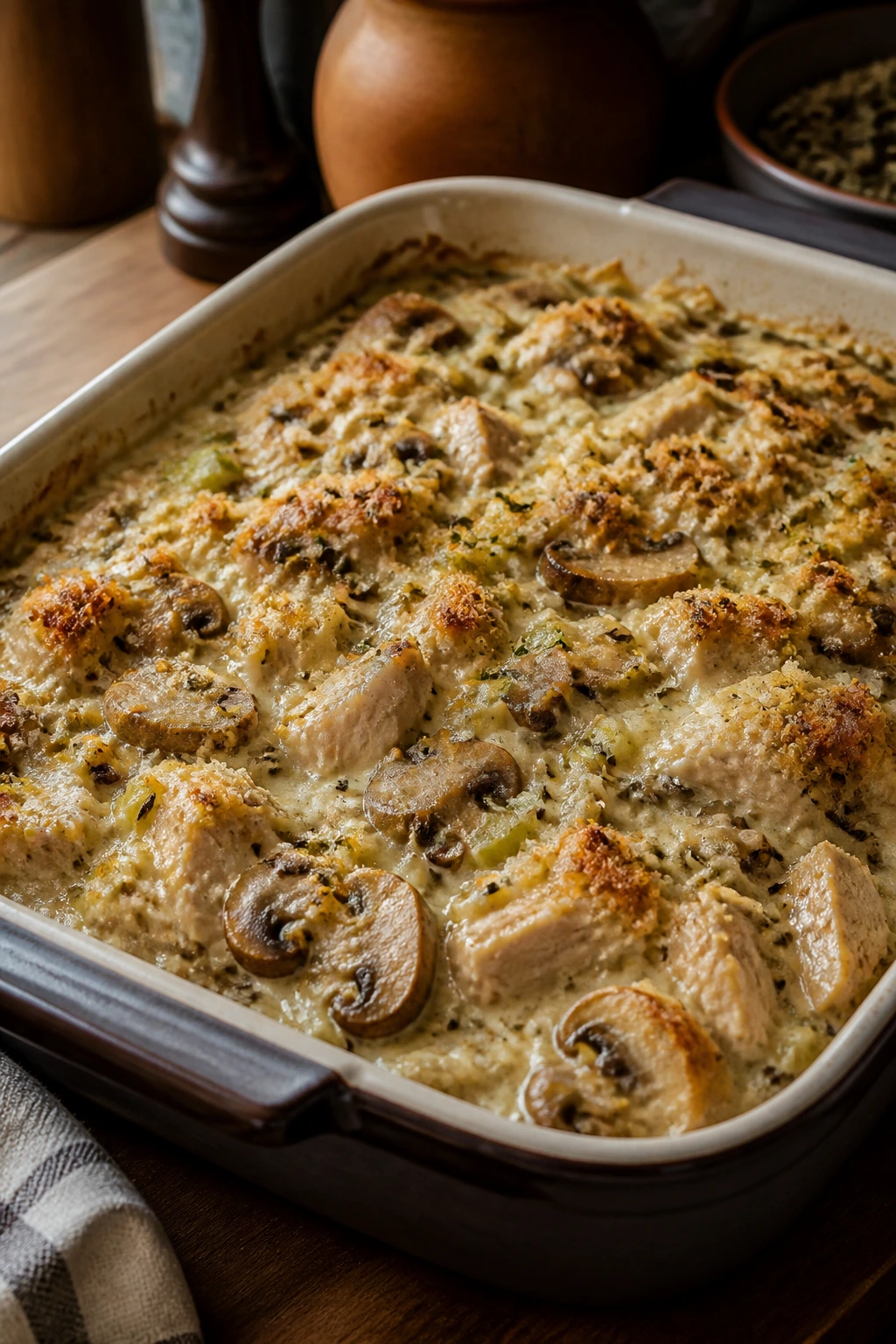
Turkey and wild rice casserole is the sort of dish that quietly handles the parts of a meal nobody wants to think too hard about. It’s practical, cozy, and a very good use for leftover turkey, but it still feels complete enough to serve on purpose.
Wild rice brings a nutty bite that keeps the casserole from becoming soft and one-note. Mushrooms and celery deepen the flavor, while a creamy sauce binds everything together without turning it heavy.
Why It Works
Wild rice has more chew and a deeper flavor than plain white rice, which makes it a smart match for turkey. The mushrooms fill in the savory gaps, and a modest cream sauce keeps the dish rich without burying the grain. Sliced almonds on top add a little crunch, which this casserole needs more than people expect.
Key Ingredients
- 4 cups cooked turkey, chopped or shredded — white, dark, or mixed meat all work.
- 1 1/2 cups cooked wild rice blend — cooked ahead or from leftovers.
- 8 ounces mushrooms, sliced — cremini or button mushrooms both fit.
- 2 celery ribs, diced — for texture.
- 1 onion, diced — the base flavor.
- 3 tablespoons unsalted butter — for sautéing.
- 3 tablespoons all-purpose flour — thickens the sauce.
- 2 cups turkey or chicken broth — enough to loosen the sauce.
- 1 cup whole milk or half-and-half — adds creaminess.
- 1 teaspoon dried sage — a natural match for turkey.
- 1 cup frozen peas — bright and sweet.
- 1/2 cup sliced almonds — for the topping.
- Salt and pepper — enough to season the sauce.
Quick Steps
-
Preheat the oven to 375°F (190°C) and lightly butter a casserole dish.
-
Cook the vegetables: Sauté the onion, celery, and mushrooms in butter over medium heat until the mushrooms lose their raw smell and the onions soften.
-
Make the sauce: Stir in the flour and cook for 1 minute, then whisk in the broth and milk until thickened.
-
Combine the filling: Fold in the turkey, cooked wild rice, peas, sage, salt, and pepper. Spoon into the baking dish.
-
Top with almonds: Scatter the sliced almonds over the surface.
-
Bake: Bake for 30 to 35 minutes, until the edges are bubbling and the top is lightly browned.
Tips and Variations
- Stir in dried cranberries if you want a sharper sweet note.
- Use a wild rice blend, not plain white rice, or the casserole loses its best texture.
- Toast the almonds first if you want a deeper, warmer crunch.
18. Lasagna Casserole with Cottage Cheese
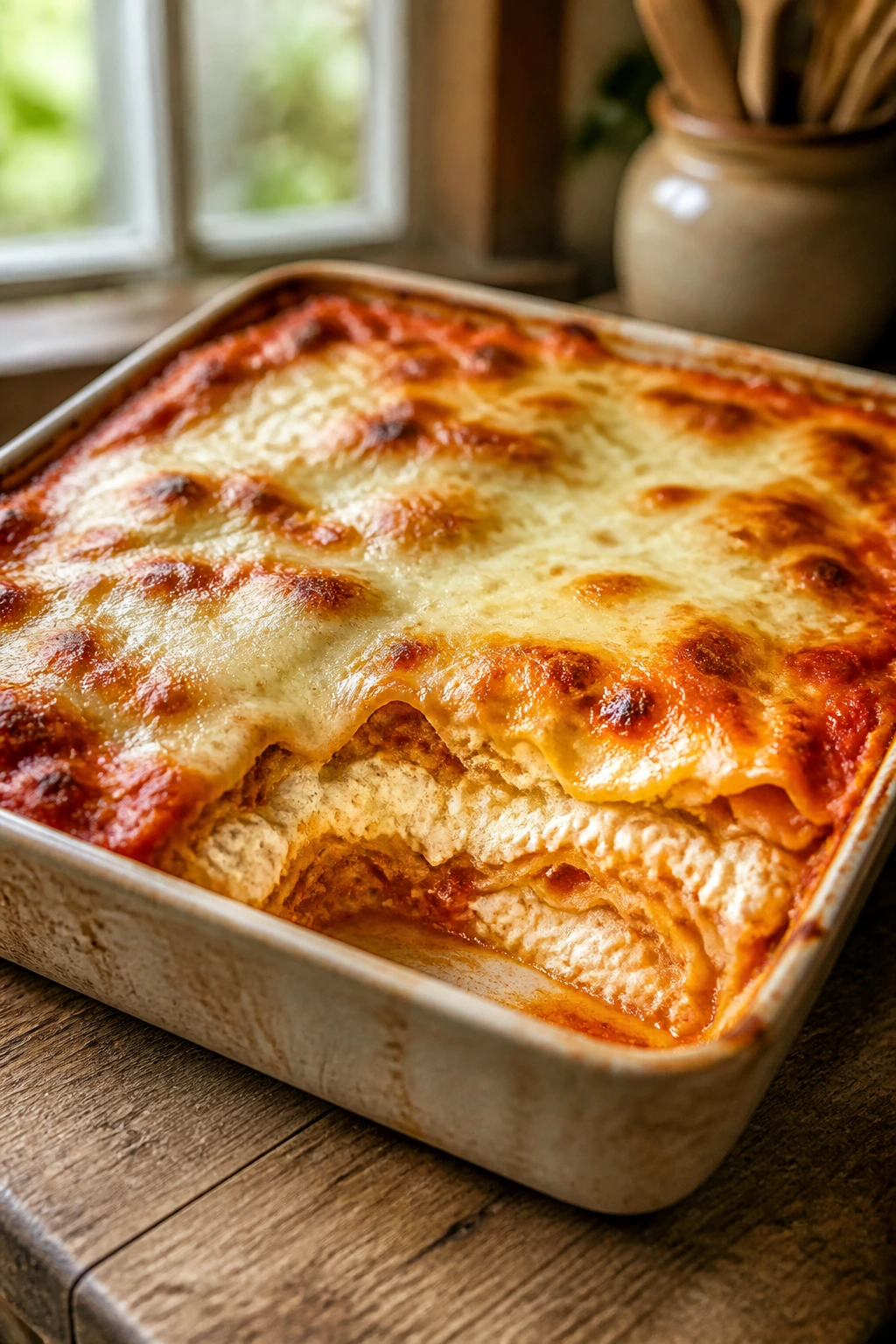
Lasagna casserole gives you the flavor of layered pasta without the careful building that traditional lasagna asks for. You still get sauce, noodles, meat, and cheese in all the right places, but the whole thing moves a little faster and feels more relaxed on a Sunday.
Cottage cheese gets a bad rap from people who haven’t used it well. In a casserole, it melts into the background and adds creaminess without making the filling too dense, which is exactly what you want when you’re feeding a group and want the pan to stay light enough to scoop.
Why It Works
Broken lasagna noodles distribute more evenly than full sheets and make serving easier. The meat sauce brings depth, the cottage cheese mixture keeps the middle creamy, and mozzarella on top creates the stretchy, browned finish that signals dinner is ready. Spinach is optional, but it helps the casserole feel a little less like a pasta brick.
Key Ingredients
- 12 ounces lasagna noodles, broken into large pieces — no need to fuss with perfect sheets.
- 1 pound ground beef — or use half beef, half Italian sausage.
- 1 onion, diced — softens into the meat sauce.
- 3 cloves garlic, minced — adds the familiar lasagna aroma.
- 4 cups marinara sauce — use a thick one.
- 2 cups cottage cheese — blend it if you want a smoother texture.
- 1 large egg — helps the cheese layer set.
- 3 cups shredded mozzarella — the melty top layer.
- 1/2 cup grated Parmesan — for sharpness.
- 2 cups baby spinach, optional — wilted into the sauce or layered in.
- 1 teaspoon Italian seasoning — keeps the flavor familiar.
- Salt and pepper — enough to season the sauce.
Quick Steps
-
Preheat the oven to 375°F (190°C) and grease a deep baking dish.
-
Cook the noodles: Boil the broken lasagna noodles until just shy of tender, then drain.
-
Make the meat sauce: Brown the beef and onion in a skillet over medium heat, then add the garlic, marinara, Italian seasoning, salt, and pepper. Simmer for a few minutes.
-
Mix the cheese layer: Stir the cottage cheese and egg together until combined. Blend it if you want a smoother texture.
-
Assemble: Layer half the noodles, half the meat sauce, half the cottage cheese mixture, and a handful of mozzarella. Repeat, ending with mozzarella and Parmesan on top.
-
Bake and rest: Bake for 30 to 35 minutes, until bubbling at the edges and browned on top. Rest 10 to 15 minutes before cutting.
Tips and Variations
- Use Italian sausage for a richer, more seasoned meat sauce.
- Blend the cottage cheese if you want the casserole to mimic ricotta more closely.
- Let it rest longer than you think; lasagna casseroles slice better when they’re not rushed.
Why Casseroles Fit Sunday Supper So Well
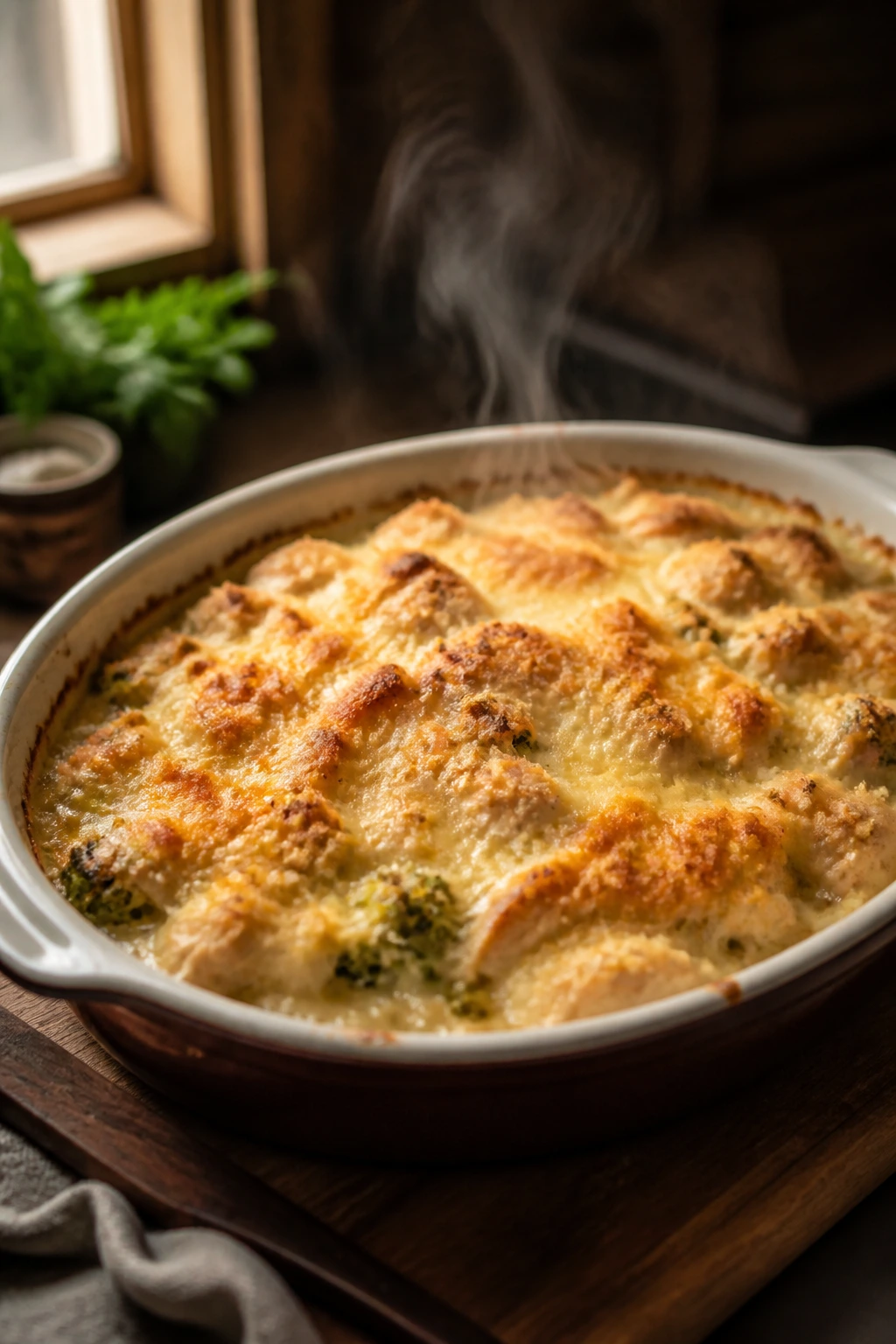
Sunday supper has a pace problem if you try to make every part separate. Casseroles fix that. They let one dish carry the starch, the protein, and a good chunk of the vegetables without turning dinner into a juggling act, and that matters more than people admit.
There’s also the matter of timing. A casserole can sit for 10 minutes after baking without losing its identity. That small pause gives you time to set out salad, bread, or a second spoon, which sounds minor until you’ve made a pan of chicken rice or lasagna casserole that needs a minute to settle.
The best part is how forgiving these dishes are. A little extra cheese won’t ruin them. A slightly late guest doesn’t change anything. And if you know how to balance liquid, seasoning, and texture, you can move around the whole category with confidence.
Essential Equipment for These Recipes
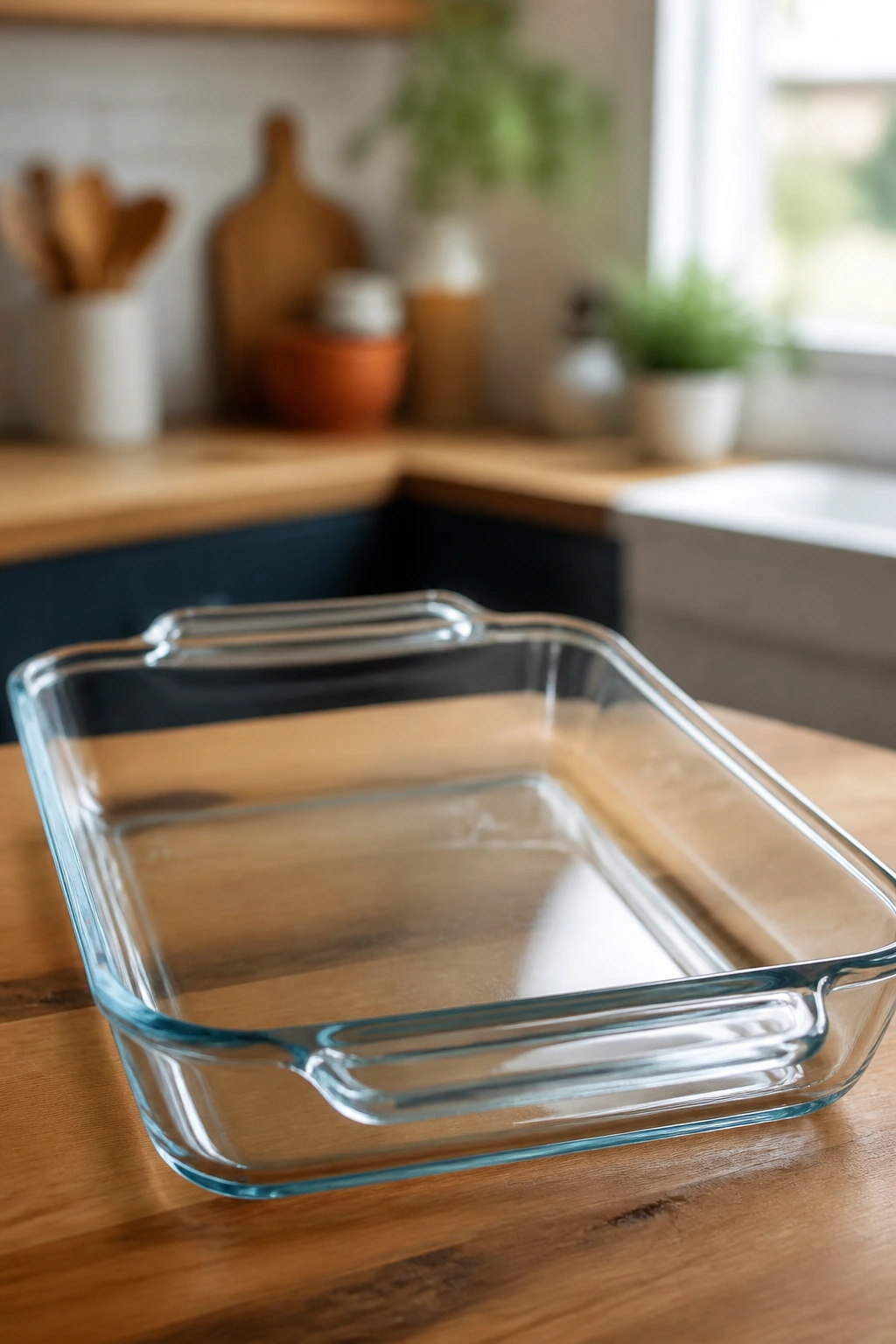
- 9×13-inch baking dish — the workhorse size for most of these casseroles.
- Deep casserole dish or Dutch oven — useful for saucier bakes that need a little more room.
- Large skillet — for browning meat and softening vegetables before baking.
- Medium saucepan — handy for cheese sauces, gravy bases, and quick white sauces.
- Large pot — for pasta, potatoes, or rice that need a head start.
- Mixing bowls — one big bowl saves you from overfilling a skillet.
- Whisk — the fastest way to smooth out a sauce before it thickens.
- Wooden spoon or spatula — better than metal for scraping up browned bits.
- Colander — for draining noodles, potatoes, or rice.
- Foil — keeps casseroles from drying out during the first part of baking.
- Box grater — fresh-shredded cheese melts better than pre-shredded.
- Instant-read thermometer — a smart check for chicken, pork, and sausage casseroles.
- Sharp knife and cutting board — the vegetable prep goes faster when your knife actually cuts.
Smart Shopping and Ingredient Tips
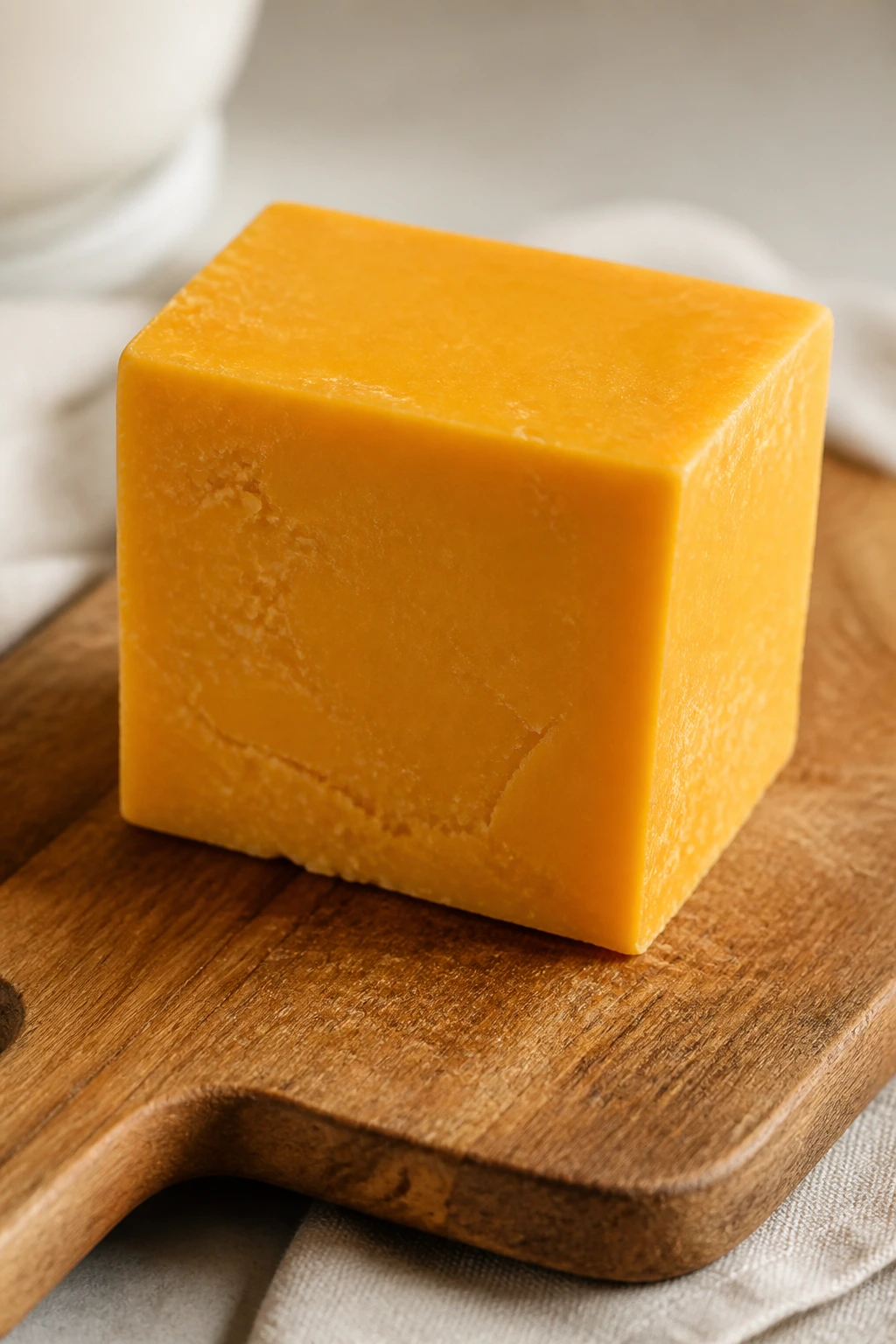
Casseroles reward a little ingredient common sense. Cheap cheese can separate into grease. Watery sauce makes rice or noodles slump. And a bad can of tomatoes can throw off the whole pan, which is why I’d rather buy fewer ingredients and choose them well.
For cheese, buy blocks and grate them yourself when you can. Pre-shredded cheese is coated to prevent clumping, and that coating can make sauces grainy. For pasta casseroles, stick to sturdy shapes like ziti, elbows, or egg noodles. They hold up better than delicate noodles and give the sauce something to cling to.
Potatoes deserve a second thought too. Yukon Golds are the best all-around choice for baked casseroles because they hold shape but still turn creamy. Russets mash better, so they’re a stronger fit for shepherd’s pie or a topping. If you use raw sliced potatoes in a casserole, slice them evenly and thinly — about 1/8 inch — or the middle will lag behind the edges.
For tomatoes and broths, low-sodium is usually the safer buy. It gives you room to season on your own instead of getting trapped under a salty sauce. Frozen vegetables are perfectly fine in casseroles, and in some cases they’re better than fresh because they’re already blanched and ready to mix in.
If a recipe calls for cooked chicken or turkey, rotisserie chicken is a practical shortcut, but don’t use the driest breast meat you can find and expect the casserole to save it. A little moisture matters. Dark meat brings more flavor and survives baking better than most people think.
How to Serve These Recipes
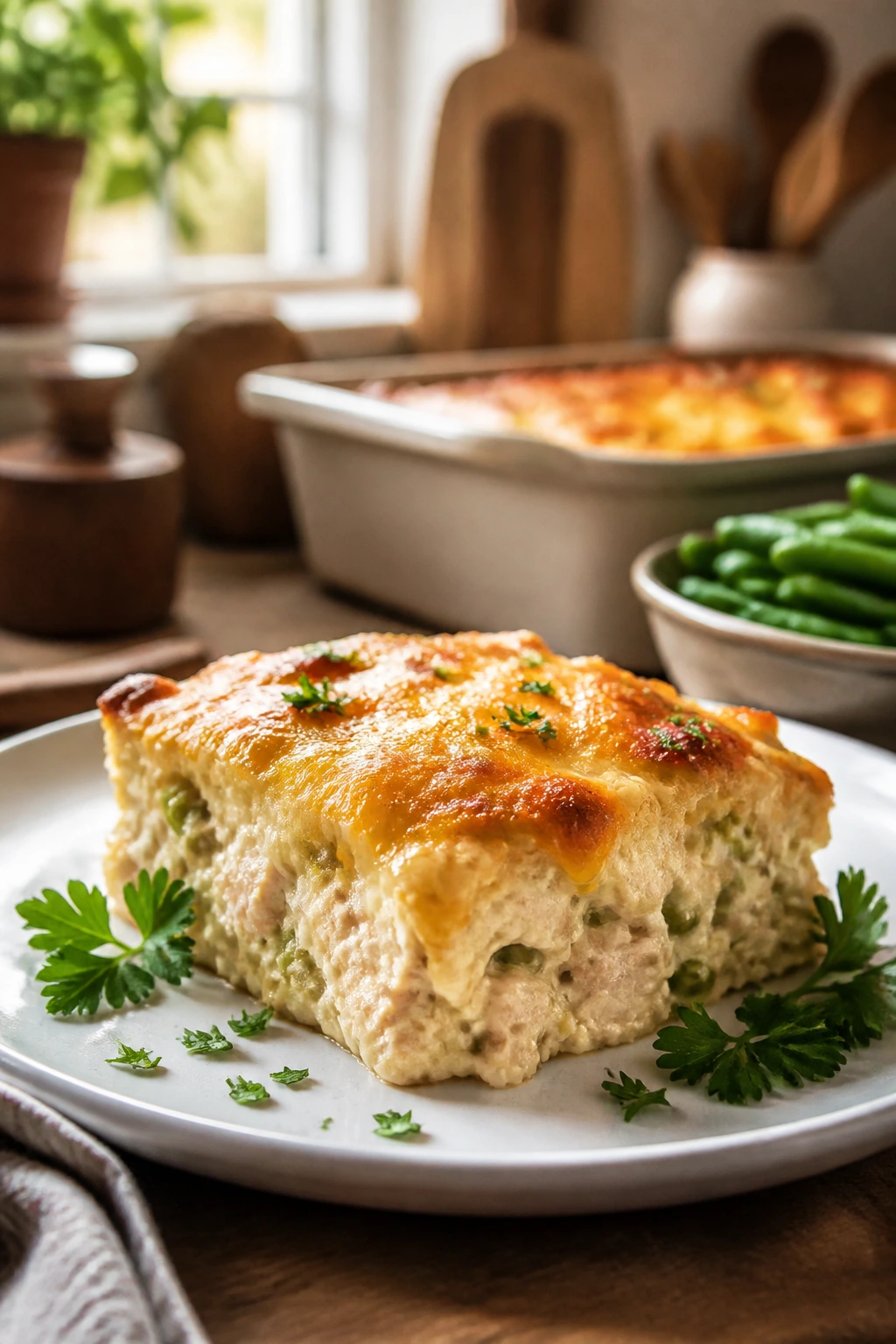
Presentation: Spoon or slice casseroles after a 10-minute rest so they hold their shape, then finish them with something fresh — parsley, chives, cilantro, or a small squeeze of lemon if the dish is rich. A sprinkle of extra cheese is fine, but a green finish keeps the plate from looking heavy.
Accompaniments: Most of these casseroles are complete meals, so the sides should be simple: a sharp green salad, buttered green beans, roast carrots, steamed broccoli, crusty bread, or warm dinner rolls. Tomato-based casseroles like ziti or lasagna also love garlic bread, while richer potato or cream casseroles benefit from something bright and acidic on the side.
Portions: A 9×13-inch casserole usually feeds 6 to 8 people, depending on how many sides you serve and how hungry the crowd is. For bigger appetites, cut the pan into 6 generous squares; for a lighter dinner with salad and bread, 8 portions is comfortable.
Beverage Pairing: Unsweetened iced tea, sparkling water with lemon, or a dry white wine all work well with these casseroles. Tomato-heavy dishes can handle a brighter drink, while creamy or cheesy bakes do better with something clean and cold.
Additional Tips and Flavor Boosters
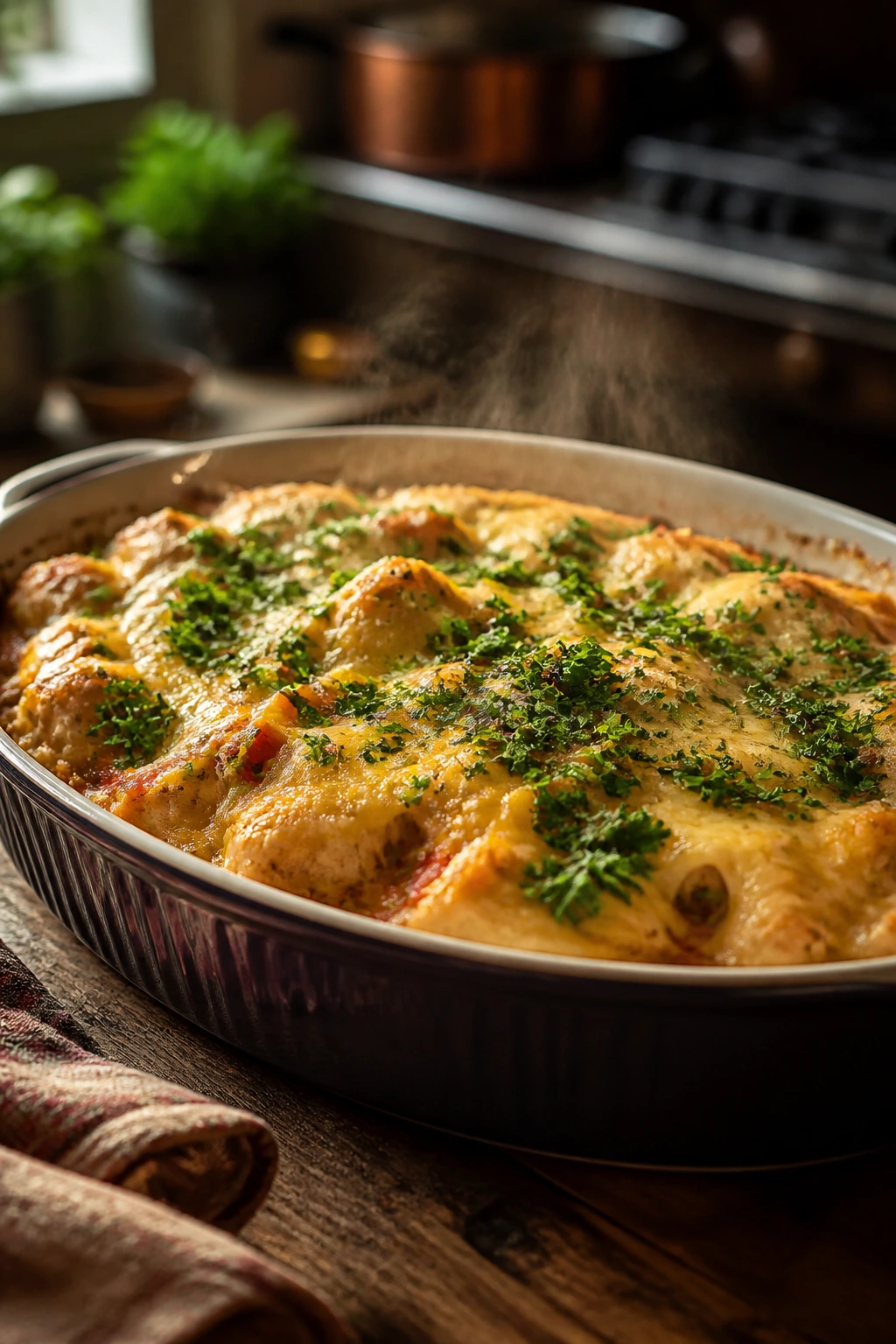
Flavor Enhancement: A small finish can change the whole pan. Fresh herbs, a squeeze of lemon, a few grinds of black pepper, or a spoonful of mustard in a cheese sauce all sharpen the flavor without making the casserole taste busy.
Customization: Don’t be shy about swapping vegetables. Peas can become corn. Broccoli can become cauliflower. Spinach can disappear into almost any baked pasta, and mushrooms fit into beef, turkey, or chicken casseroles without asking for permission.
Serving Suggestions: Crunchy toppings matter more than people realize. Panko, crushed crackers, toasted breadcrumbs, fried onions, or a quick broil at the end can turn a soft casserole into something with actual texture. That contrast is the difference between “warm and filling” and “I’d like seconds.”
Make-It-Yours: For a lighter pan, cut the cheese by a third and add more vegetables. For a richer one, use half-and-half instead of milk in the sauce. For a spicier casserole, add chipotle, hot sauce, or pepper jack instead of reaching for more salt.
Make-Ahead, Storage, and Reheating Guidance
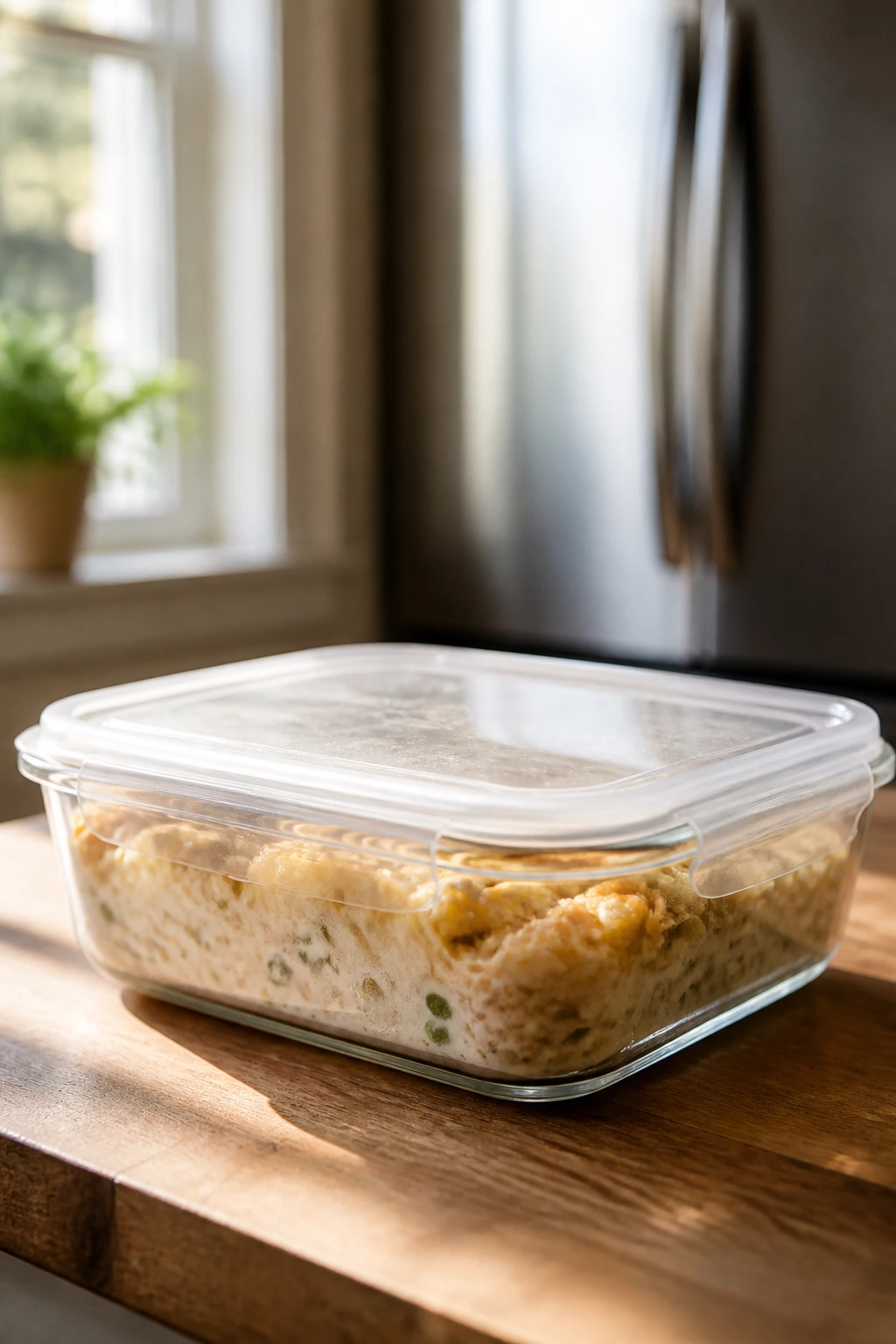
Most casseroles can be assembled a day ahead, covered tightly, and refrigerated before baking. That works especially well for pasta bakes, rice casseroles, and potato casseroles. If you’re doing this, add 10 to 20 minutes to the bake time because the dish will start colder than room temperature.
Cooked leftovers keep well in the refrigerator for 3 to 4 days in a sealed container. Reheat individual portions in the microwave at medium power with a damp paper towel over the top, or warm the whole dish in a 325°F oven, covered, until hot through. Add a splash of broth or milk to creamy casseroles before reheating if they look tight or dry.
Freezing is best for casseroles without very delicate toppings. Most of these will freeze for up to 2 months if wrapped well and tucked into an airtight container. Pasta and meat casseroles freeze better than egg-heavy breakfast bakes, which can get a little rubbery after thawing. If you’re freezing an unbaked casserole, hold back any crunchy topping and add it fresh before baking.
Some dishes improve overnight. Lasagna casserole, shepherd’s pie, and even tuna noodle casserole often taste more settled the next day because the sauce has had time to move through the starch. Biscuit toppings and tater tots, though, are best when they’re fresh from the oven. That’s just the tradeoff.
Variations and Adaptations to Try
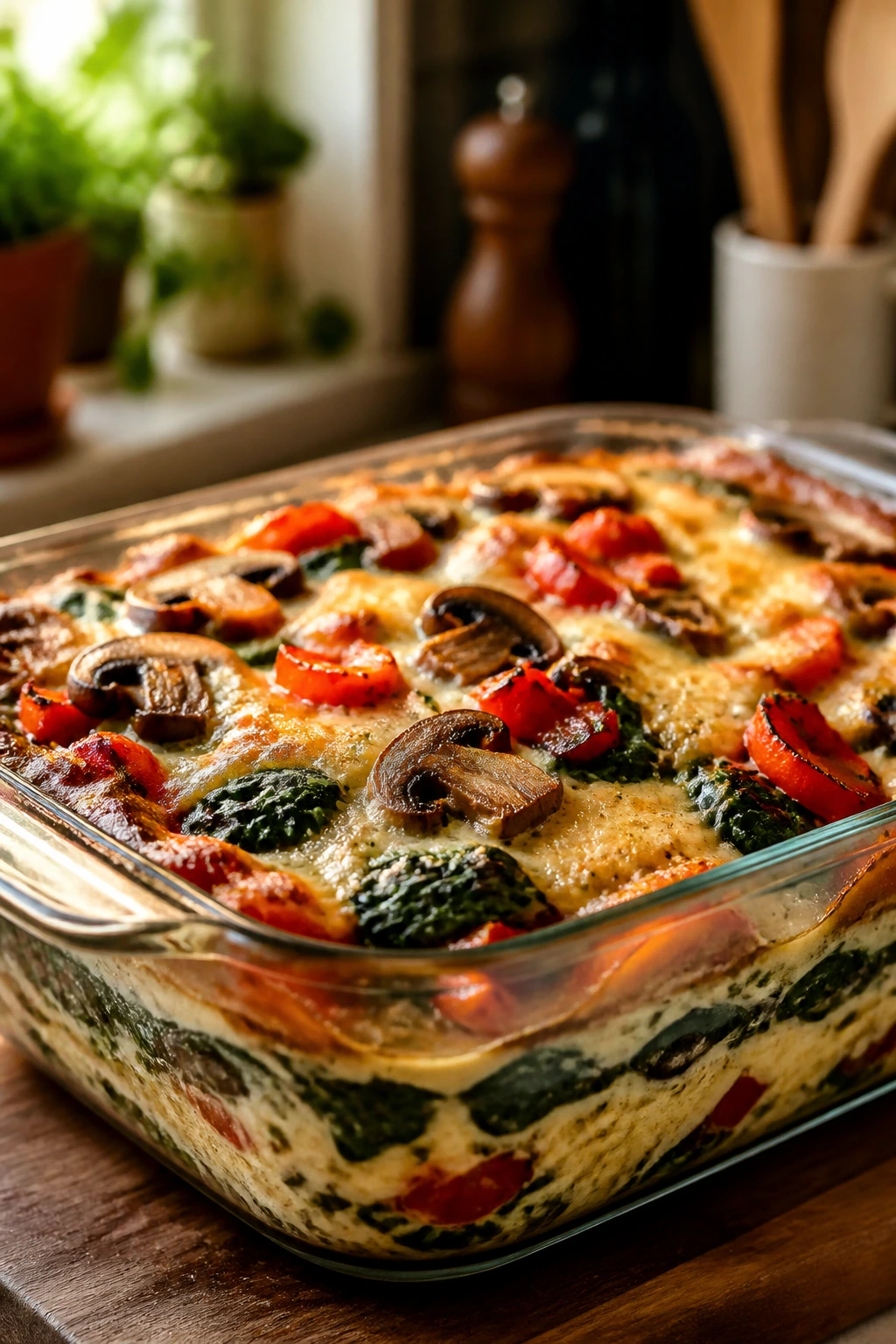
Gluten-Free Pantry Switch: Use gluten-free pasta, certified gluten-free breadcrumbs, and a cornstarch-thickened sauce where needed. Rice, potatoes, and corn tortillas already fit the plan in several of these casseroles, so the swap is easier than people expect.
Dairy-Light Comfort Bake: Replace some of the milk with unsweetened oat milk or broth, and cut the cheese topping back a little while adding more herbs and pepper. You lose some richness, but the casserole still tastes complete if the seasoning is strong enough.
Vegetable-First Supper: Add mushrooms, spinach, peas, zucchini, broccoli, or cabbage to the meat casseroles. The key is to cook off extra moisture first. If you skip that step, the whole dish can get loose.
Low-Sodium Family Pan: Use low-sodium broth, unsalted tomatoes, and less cheese, then season in layers with garlic, pepper, paprika, and herbs. It sounds dull on paper, but the flavor holds up better than a salty casserole that tastes sharp and one-dimensional.
Spice-Smart Southwest Turn: Add chipotle, pepper jack, black beans, roasted corn, and a little lime to the enchilada or tamale pie casseroles. That route gives you a deeper, smokier pan without pushing it into reckless heat.
Common Mistakes to Avoid
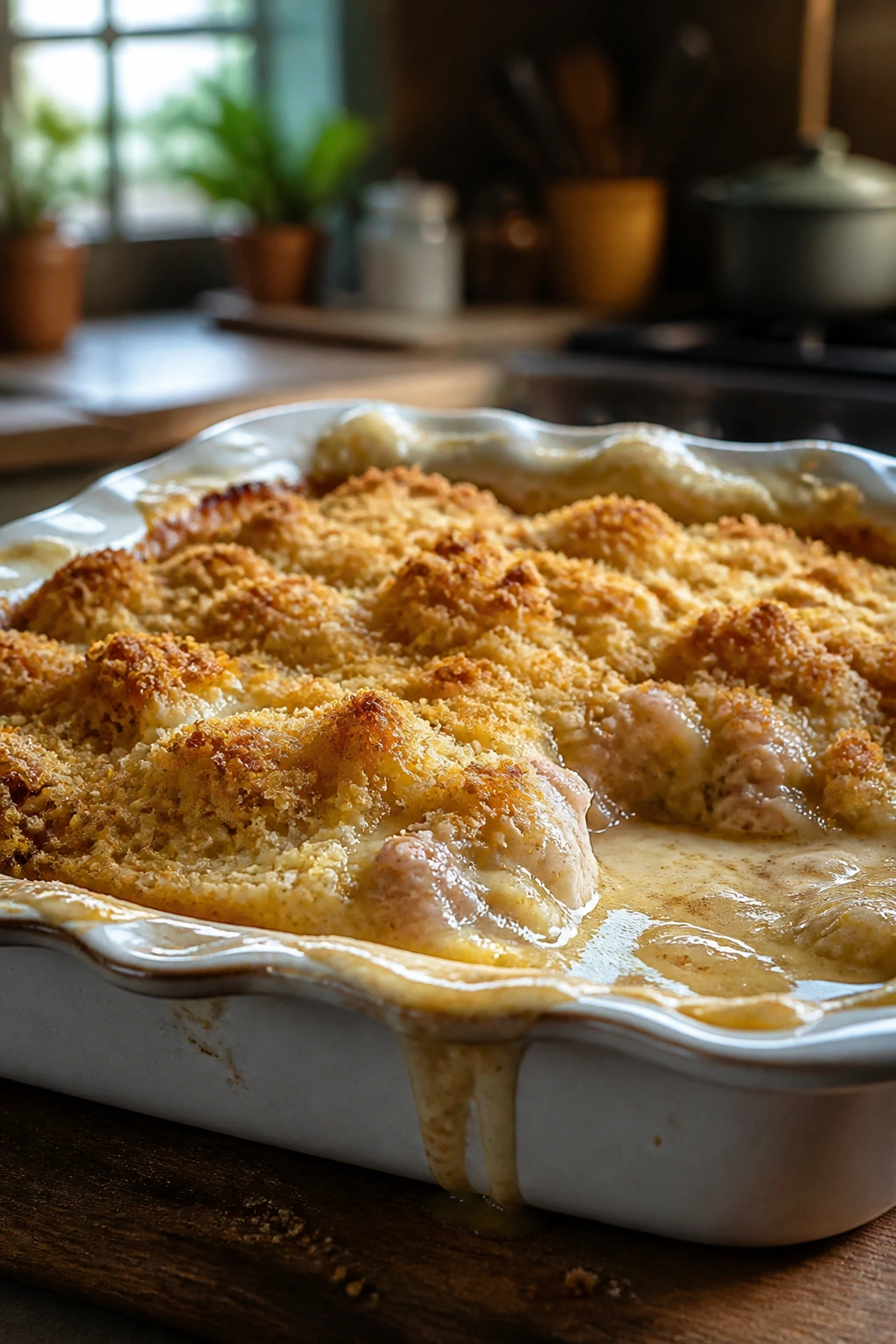
Too much liquid: A casserole that looks soupy before baking usually stays soupy after baking. Rice and pasta need moisture, yes, but they need enough structure to absorb it. If the sauce seems loose, let it simmer a few minutes longer before the pan goes into the oven.
Underseasoning the base: Cheese and cream hide weak seasoning better than they should, which is why bland casseroles are so common. Season the vegetables, the meat, and the sauce separately when possible. The finished dish should taste complete before the cheese goes on top.
Using the wrong texture topping: A breadcrumb top on a very wet filling can go soggy fast. Tater tots and biscuits need heat and space to brown, so don’t bury them under extra sauce. If the topping is meant to crisp, give it direct oven exposure.
Skipping the rest: Hot casserole looks done before it really sets. That 10-minute pause is not decorative. It keeps rice from running, sauce from flooding the plate, and lasagna-style bakes from collapsing into a pile.
Uneven cutting: Thick potato slices, giant onion chunks, and random pasta shapes that cook at different speeds make for a pan with soft spots and crunchy spots. Keep the pieces consistent, and the bake behaves better.
Forgetting the thermometer: Poultry casseroles should hit 165°F in the center, pork should reach 145°F with a rest, and ground beef should be cooked through to 160°F. Guessing is an expensive habit when one dish is supposed to feed everyone safely.
Frequently Asked Questions
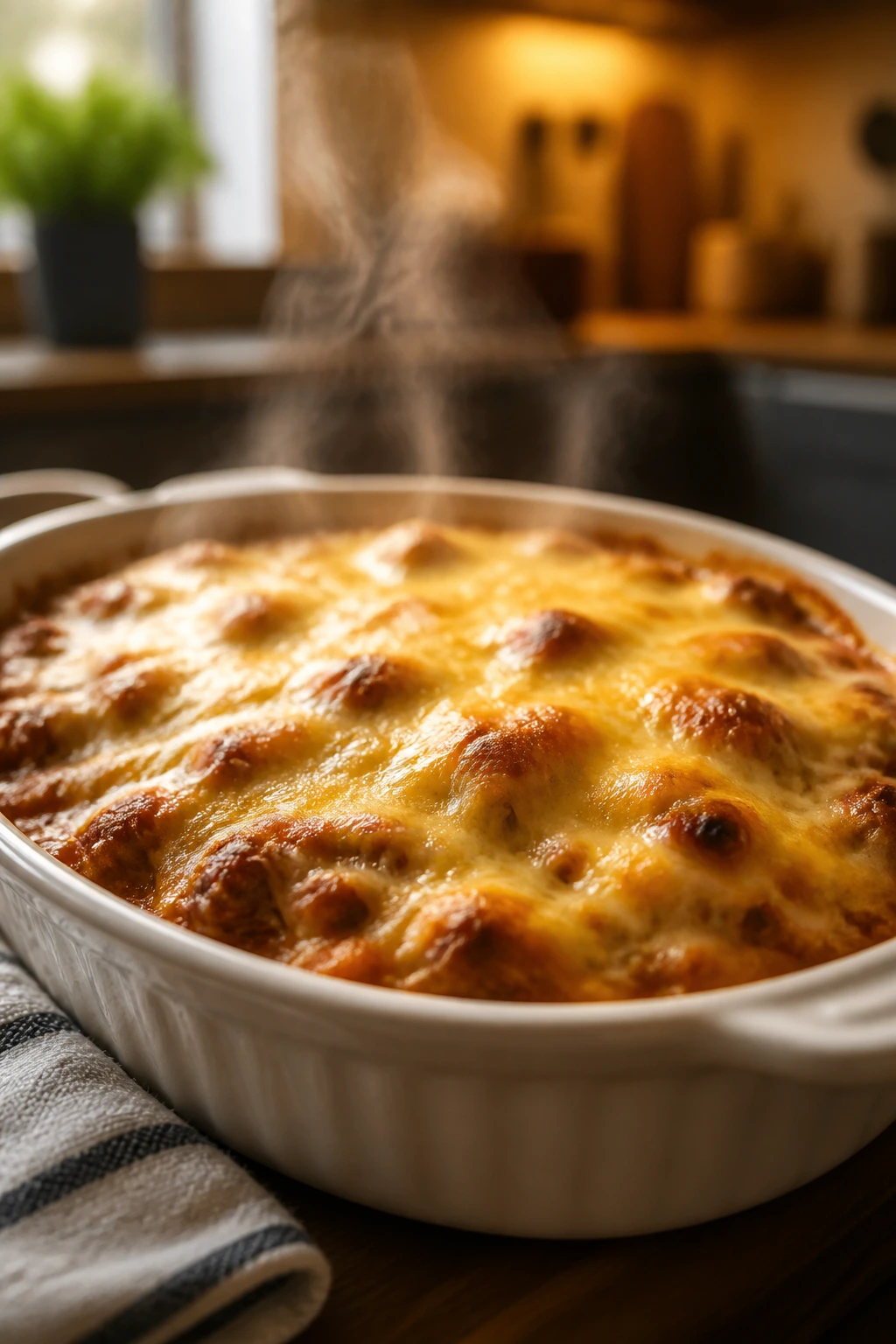
Can I assemble these casseroles the day before?
Yes, most of them can be built ahead and refrigerated overnight. Pasta, rice, potato, and meat casseroles handle this best; just add extra bake time because the dish starts cold.
Which casseroles freeze the best?
Lasagna, shepherd’s pie, chicken and rice, and beef-based casseroles freeze well for about 2 months if wrapped tightly. Topping-heavy dishes like biscuit casseroles or tater tot bakes are better frozen without the topping and finished fresh.
How do I keep a casserole from turning watery?
Cook off moisture before assembling. That means browning vegetables, draining meat, and steaming off liquid from mushrooms or cabbage. Also, let the casserole rest after baking so the sauce can set.
Can I use leftover chicken or turkey in most of these recipes?
Absolutely. Leftover cooked poultry is one of the easiest ways to make a casserole on a Sunday without starting from scratch. Just make sure it isn’t already dry, because the oven will not fix that.
What size dish should I use if I don’t have a 9×13-inch pan?
A deep 3-quart baking dish usually works, or you can split the mixture between two smaller dishes. What matters most is that the food sits in an even layer instead of crowding too thickly in the middle.
How do I make the top crisp instead of soft?
Use a dry topping — panko, crushed crackers, fried onions, tater tots, biscuits, or grated cheese — and give it direct heat. If needed, broil for 1 to 2 minutes at the end, but stay close. It can go from browned to burned fast.
Can I swap fresh vegetables for frozen ones?
Yes, but fresh vegetables often need a quick sauté or steam first. Frozen vegetables are already partly cooked, which is why they behave so well in casseroles and save time too.
What if the center is still cold after the top looks done?
Cover the top loosely with foil and keep baking at 325°F to 350°F until the middle heats through. That’s common with thick potato and rice casseroles, especially if the dish was assembled cold from the fridge.
Do these casseroles need side dishes?
Not really, but a crisp salad, steamed green vegetable, or a loaf of bread helps balance the richness. If the casserole is already heavy on potatoes or cheese, something bright and simple on the side makes the plate feel better.
A Table Worth Repeating
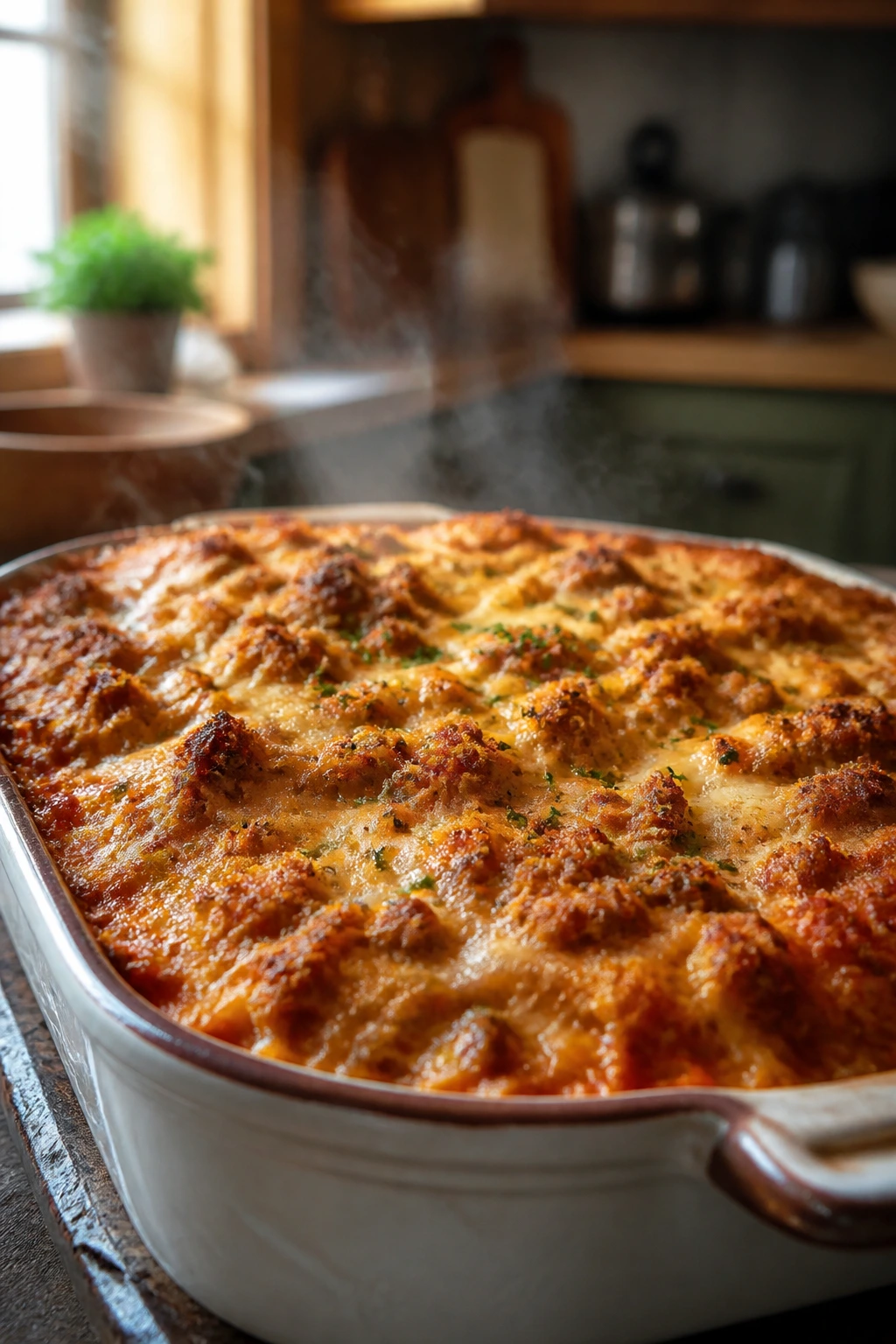
A good Sunday supper casserole earns its keep twice: once when it feeds everybody at the table, and again when the leftovers still taste worth eating. That’s the quiet test most of these dishes pass without much drama.
The best part is how they cover different moods without asking for a different cooking style every time. Creamy, smoky, tomato-rich, cheesy, crisp-topped, potato-heavy — they all belong to the same family of dinner, which is exactly why that family keeps showing up.