



The moment a skillet hits the stove and sliced peppers start to hiss, dinner gets everybody’s attention. That sound matters. It means you’re not serving another beige casserole or a dinner that arrives looking half-sad and half-rushed. You’re making fajita dinners for family night, which is one of those rare meal formats that feels lively without asking you to do a lot of fancy work.
What I love about fajitas — and what makes them so useful on a weeknight with a house full of different opinions — is the built-in compromise. One person wants extra onions, another wants no heat, somebody else wants more cheese, and nobody has to win the argument. You set out the tortillas, pile on the sizzling filling, and let everyone build their own plate. That little bit of control changes the tone at the table. It’s less “here’s dinner” and more “pick your own adventure.”
There’s also a practical side people sometimes miss. Fajita cooking rewards high heat, quick movement, and bold seasoning, which means the food tastes like you spent more time on it than you actually did. A good fajita dinner can be chicken, steak, shrimp, vegetables, rice bowls, quesadillas, stuffed peppers, or a sheet-pan situation that barely dirties the counter. The trick is matching the right format to the kind of night you’re having — fast skillet, slow cooker, one-pan bake, or something a little more playful.
Why This Collection Works for Busy Family Nights
- Built-in flexibility: Every recipe here can be served in tortillas, bowls, or over rice, so picky eaters don’t force a second dinner.
- Fast cleanup: Several of these fajita dinners use one skillet, one sheet pan, or one baking dish, which matters when the evening already feels full.
- Stretchable on a budget: Beans, rice, peppers, onions, and tortillas let you feed more people without making the plate feel thin.
- Kid-friendly by default: The seasoning stays mild enough to please a wide table, and the heat can live on the side where it belongs.
- Leftovers do useful work: Fajita fillings turn into quesadillas, burritos, nachos, bowls, and breakfast skillets without much effort.
- Easy to customize: Chicken, steak, shrimp, salmon, and vegetables all fit the same flavor lane, which keeps family night from getting boring.
1. Skillet Chicken Fajitas with Charred Peppers
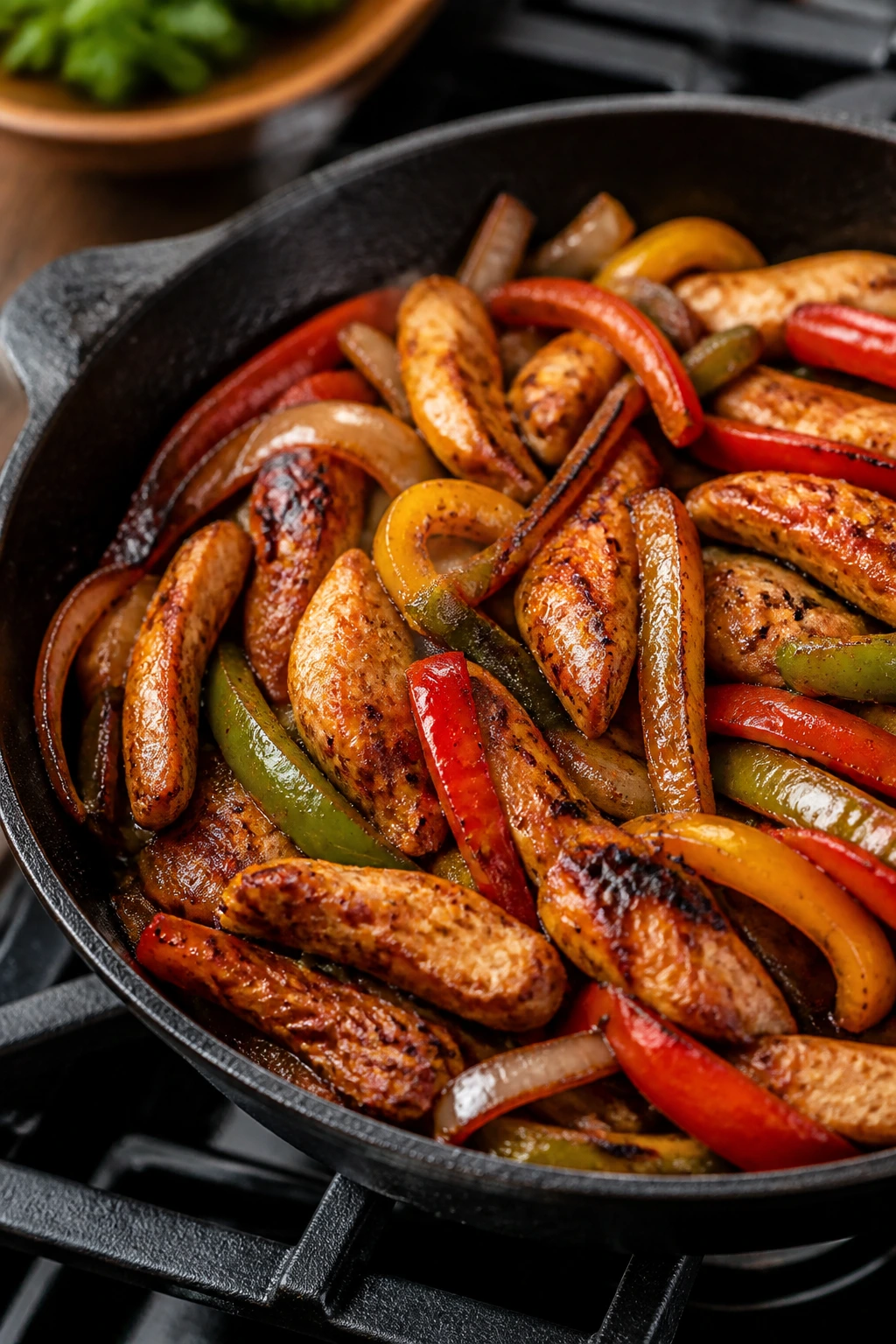
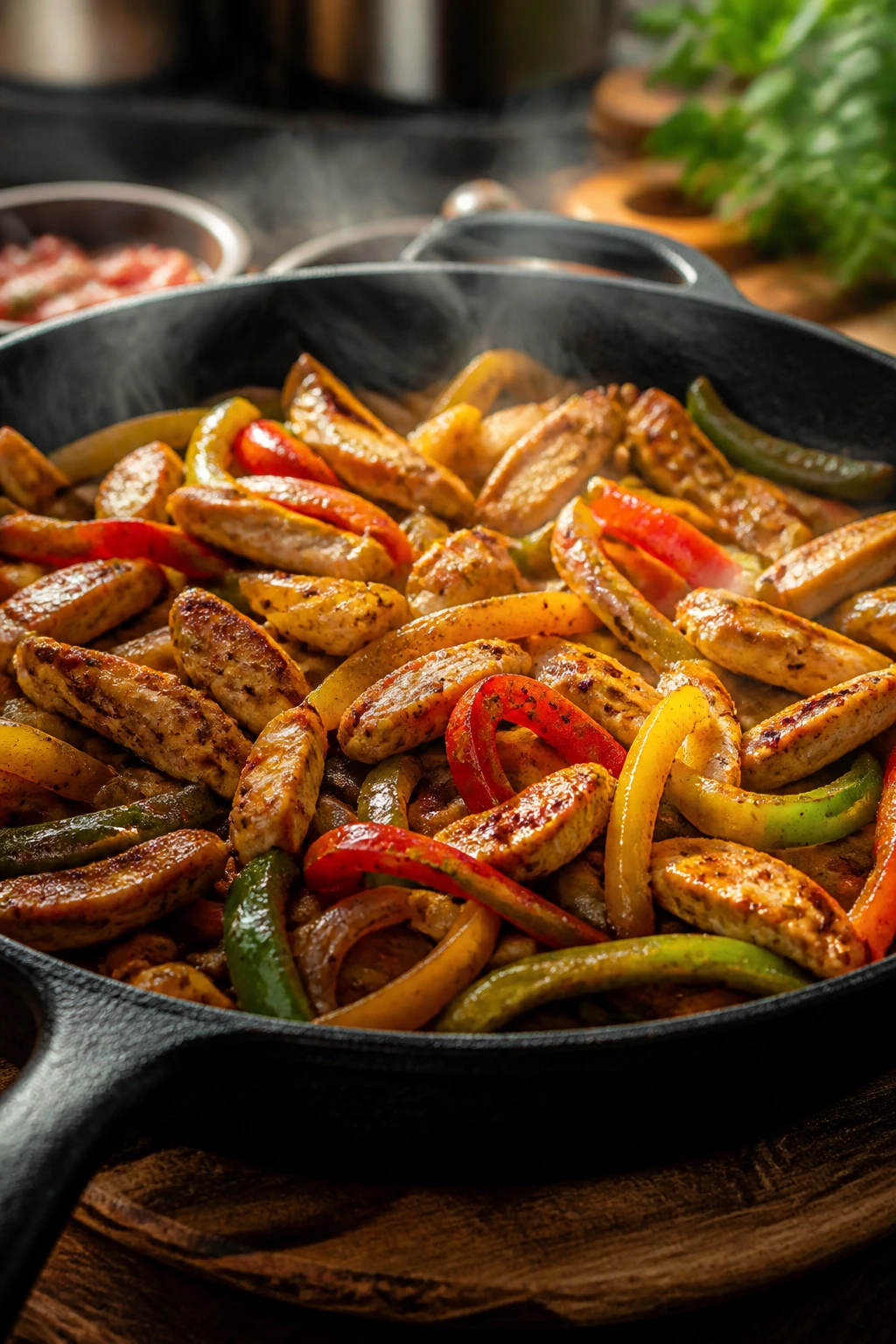
The classic version earns its place first because it solves the whole family-night problem with almost rude efficiency. Juicy chicken, smoky peppers, and onions with a little char at the edges smell like dinner should smell. Nothing here is fussy, and that’s the charm. It’s the fajita dinner most people picture for a reason.
Why It Works:
Chicken fajitas hit the sweet spot between fast and satisfying. Boneless, skinless chicken thighs stay juicy even if you leave them in the pan a minute too long, while bell peppers and onions soften just enough to turn sweet without collapsing. A hot skillet does most of the heavy lifting, and a squeeze of lime at the end makes the seasoning taste brighter and cleaner. The whole dish feels alive on the plate instead of heavy, which is one reason it works so well when everyone’s appetite is a little different.
Key Ingredients:
- 1½ pounds boneless, skinless chicken thighs, sliced into thin strips
- 3 bell peppers, sliced into thin strips, any mix of red, yellow, or green
- 1 large yellow onion, sliced into half-moons
- 2 tablespoons olive oil
- 2 teaspoons chili powder
- 1 teaspoon ground cumin
- 1 teaspoon smoked paprika
- 2 cloves garlic, minced
- 1 tablespoon lime juice
- 8 small flour tortillas, warmed
- Salt and black pepper, to taste
Quick Steps:
- Toss the chicken with olive oil, chili powder, cumin, paprika, garlic, salt, pepper, and lime juice. Let it sit while you slice the vegetables, about 10 to 15 minutes.
- Heat a large skillet over medium-high heat until a drop of water sizzles on contact. Add the chicken in a single layer and cook for 4 to 5 minutes, stirring once or twice, until browned and cooked through.
- Transfer the chicken to a plate. Add the peppers and onion to the same skillet with a pinch of salt.
- Cook the vegetables for 5 to 7 minutes, stirring often, until they’re softened but still have some bite and the edges start to brown.
- Return the chicken to the skillet and toss everything together for 1 minute so the flavors marry and the pan picks up those browned bits.
- Warm the tortillas in a dry skillet or wrapped in foil in a low oven, then serve the filling hot.
Tips and Variations:
- Juicier chicken: Use thighs if you can; breasts work too, but they dry out faster.
- Extra color: Add a handful of sliced poblano peppers if your crowd likes a little more flavor without much heat.
- Serving move: Set out sour cream, cotija, and pico de gallo so people can build their own.
2. Steak Fajitas with Lime and Garlic
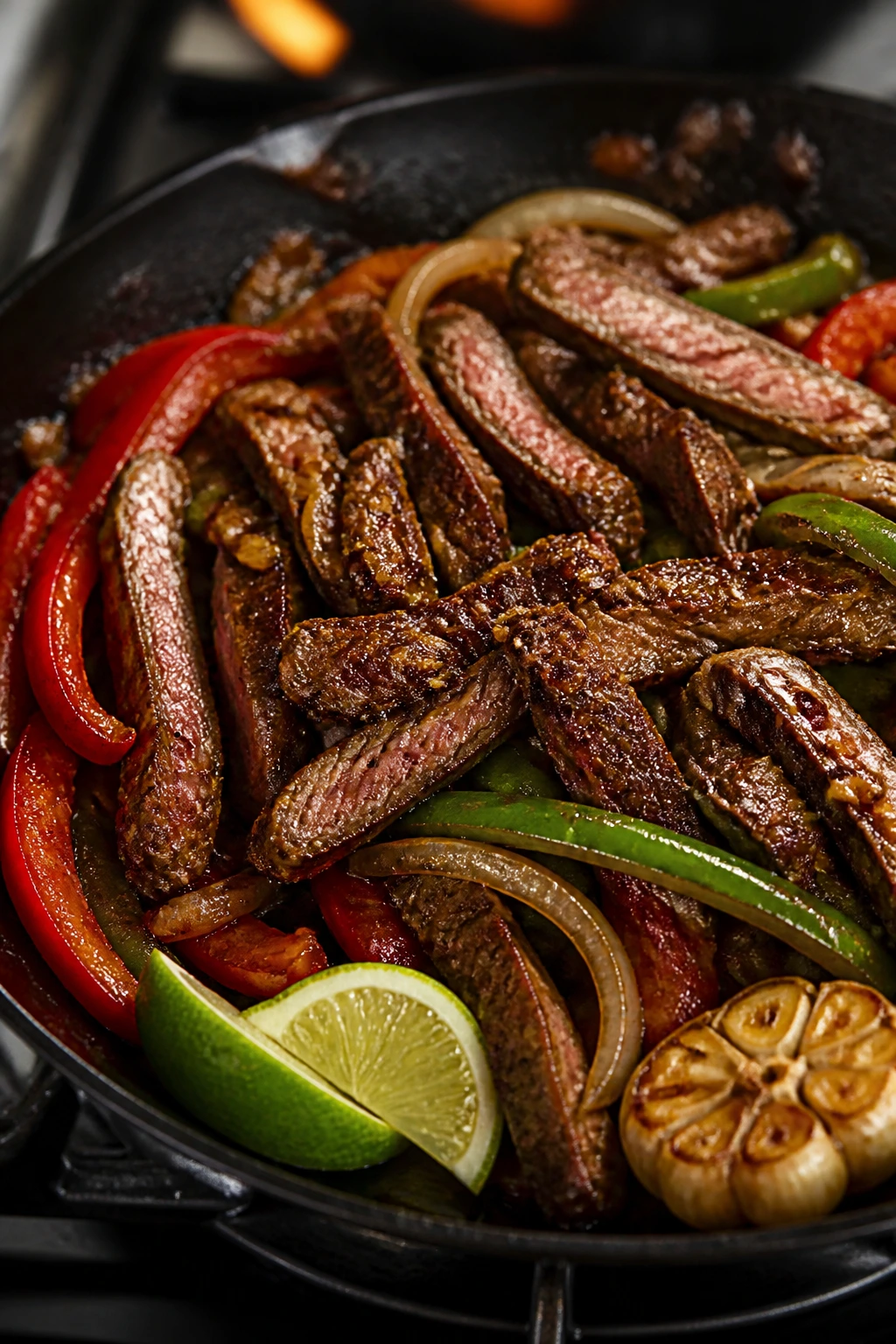
Steak fajitas are the louder, more dramatic cousin in the fajita family. They bring real char, a little smokiness, and that deeply savory flavor that makes people hover around the stove. If your household likes dinner with a bit more edge, this is the pan to make.
Why It Works:
Flank steak and skirt steak both love high heat and short cooking times, which makes them a natural fit for fajitas. The key is thin slicing and a brief rest before cutting; that’s what keeps the steak tender instead of stringy. Lime, garlic, and cumin do what they always do in a good fajita marinade — they wake up the meat without masking it. There’s a reason steak fajitas feel restaurant-like even when they’re cooked at home in 20 minutes flat.
Key Ingredients:
- 1½ pounds flank steak or skirt steak
- 3 bell peppers, sliced
- 1 large onion, sliced
- 2 tablespoons olive oil
- 2 tablespoons lime juice
- 3 cloves garlic, minced
- 2 teaspoons chili powder
- 1 teaspoon ground cumin
- 1 teaspoon kosher salt
- ½ teaspoon black pepper
- 8 flour tortillas, warmed
Quick Steps:
- Pat the steak dry and rub it with olive oil, lime juice, garlic, chili powder, cumin, salt, and pepper. Let it sit for 15 to 20 minutes while you prep the vegetables.
- Heat a heavy skillet or cast-iron pan over high heat until it is very hot. Sear the steak for 3 to 4 minutes per side for medium-rare, or a little longer if your cut is thicker.
- Move the steak to a cutting board and let it rest for 5 to 10 minutes. Do not skip this part; the juices need to settle.
- Cook the peppers and onion in the same pan for 5 to 6 minutes, scraping up the browned bits left behind by the steak.
- Slice the steak thinly against the grain, which matters more than almost anything else here.
- Toss the steak back into the skillet for 30 seconds, just long enough to coat it in the pan juices, then serve with warm tortillas.
Tips and Variations:
- Tender result: Slice the steak as thin as you can; thick slices fight the tortilla and the teeth.
- Family-friendly version: Keep the seasoning mild and put sliced jalapeños on the table instead of in the pan.
- Good extra: A spoon of chimichurri on top gives steak fajitas a fresh, sharp finish.
3. Shrimp Fajitas with Garlic Butter Finish
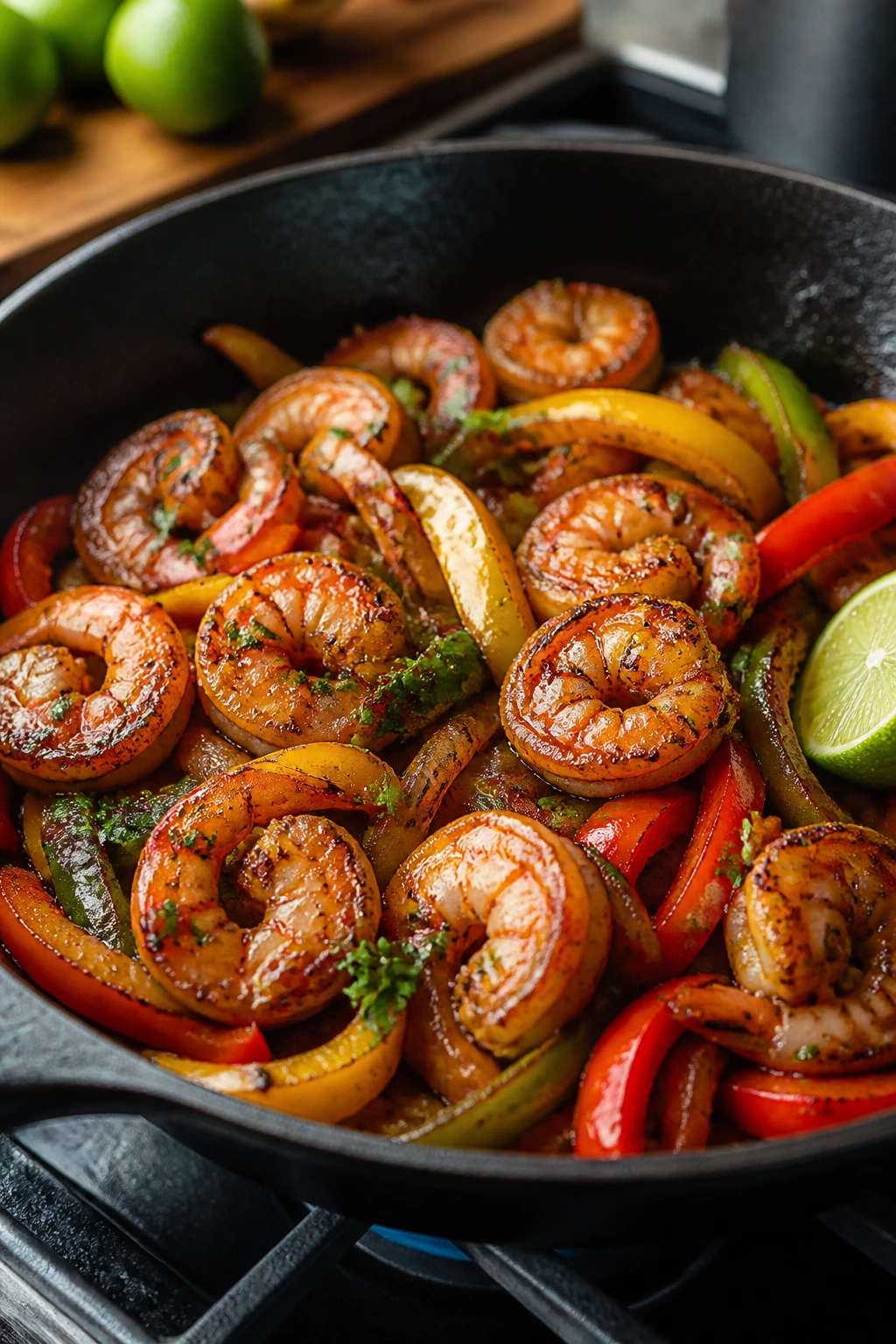
Shrimp fajitas are what I make when I want the dinner to feel fast but not lazy. The shrimp go pink and plump in minutes, the vegetables keep a little snap, and the garlic butter at the end gives the whole skillet a glossy finish that feels richer than the ingredient list suggests.
Why It Works:
Shrimp cook so quickly that they reward a clean, organized mise en place. That’s a fancy phrase for “have everything ready before the pan heats up,” and here it matters. If you cook shrimp just until they turn opaque and curl into a loose C shape, they stay tender and sweet. Butter plus lime is a smart finish because the butter rounds out the spice while the lime keeps the skillet from tasting heavy.
Key Ingredients:
- 1½ pounds large shrimp, peeled and deveined
- 2 bell peppers, sliced
- 1 large red onion, sliced
- 2 tablespoons olive oil
- 2 tablespoons butter
- 3 cloves garlic, minced
- 1 teaspoon smoked paprika
- 1 teaspoon ground cumin
- 1 tablespoon lime juice
- Salt and black pepper, to taste
- 8 corn or flour tortillas, warmed
Quick Steps:
- Pat the shrimp dry with paper towels and toss them with paprika, cumin, salt, and pepper.
- Heat olive oil in a large skillet over medium-high heat. Add the peppers and onion and cook for 4 to 5 minutes until they start to soften and pick up char.
- Push the vegetables to the side, add the shrimp in one layer, and cook for 1 to 2 minutes per side until opaque and pink.
- Add the butter and garlic to the skillet and stir for 30 seconds, just until the garlic smells sweet and not raw.
- Finish with lime juice and toss everything together once.
- Serve immediately with warm tortillas, because shrimp wait for no one.
Tips and Variations:
- Do not overcook: Shrimp go from tender to rubbery fast, so pull them as soon as they turn opaque.
- Heat control: If your skillet runs hot, lower it before adding the shrimp; burnt garlic is not the goal.
- Fresh finish: Chopped cilantro and avocado slices give this one a clean, cool balance.
4. One-Pan Sheet-Pan Chicken Fajitas
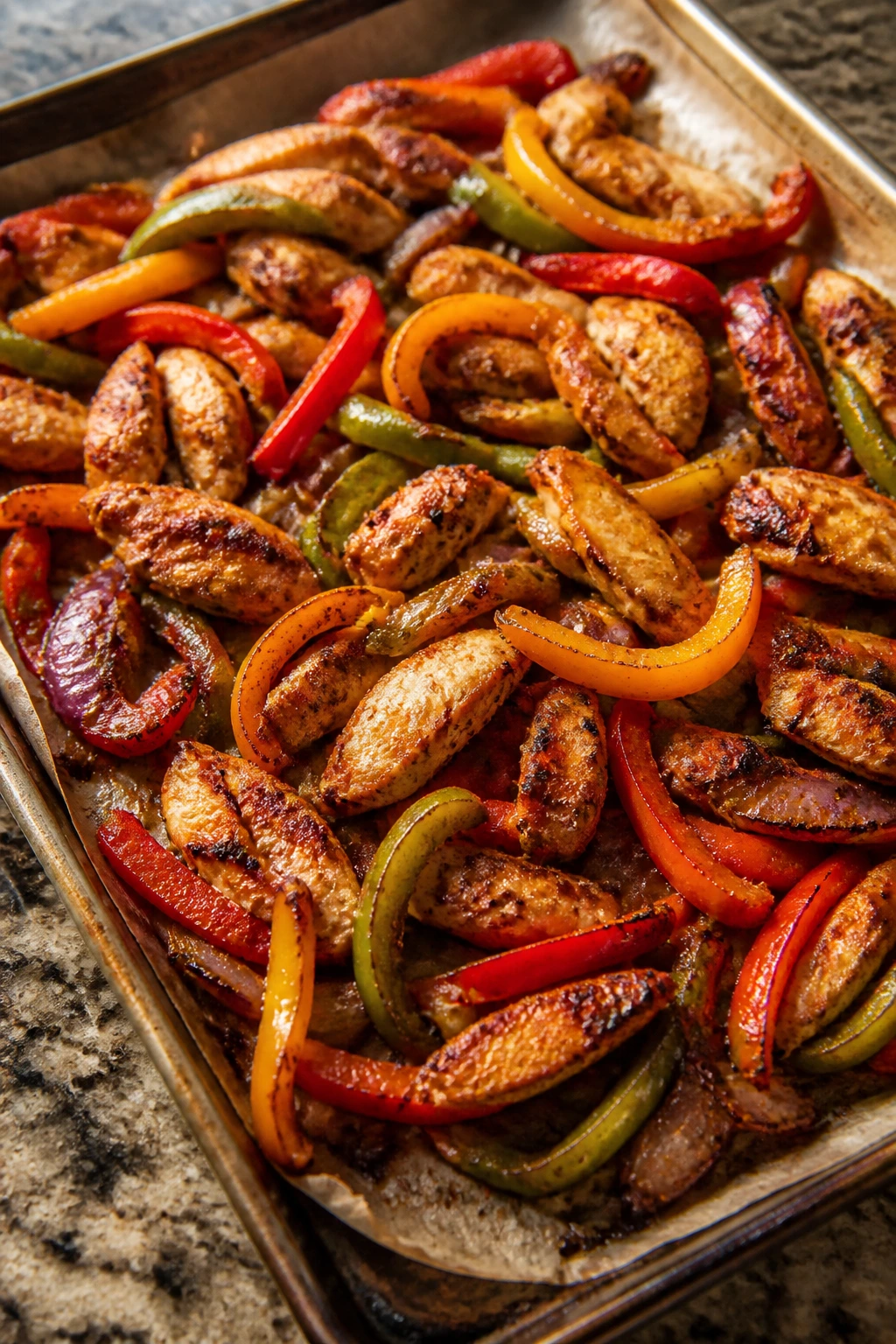
Sheet-pan fajitas are what I reach for when the evening feels too full for stovetop babysitting. You toss, roast, stir once, and dinner appears with hardly any fuss. The edges get browned, the peppers sweeten in the oven, and the whole tray smells like you worked harder than you did.
Why It Works:
A hot oven gives chicken and vegetables a chance to caramelize without standing over the stove. That’s the main appeal. The sheet pan keeps everything in one place, which is useful, but the better reason to make this version is consistency: the chicken cooks evenly, the peppers soften at the same pace, and the onion gets those browned edges that make fajitas taste finished. Use two pans if you have to. Crowding the tray turns everything soft.
Key Ingredients:
- 1½ pounds boneless, skinless chicken thighs or breasts, sliced
- 3 bell peppers, sliced
- 1 large onion, sliced
- 2 tablespoons olive oil
- 2 teaspoons chili powder
- 1 teaspoon cumin
- 1 teaspoon smoked paprika
- 2 cloves garlic, minced
- 1 tablespoon lime juice
- Salt and pepper, to taste
- 8 tortillas, warmed
Quick Steps:
- Preheat the oven to 425°F and line a rimmed sheet pan with parchment or foil.
- Toss the chicken, peppers, and onion with olive oil, chili powder, cumin, paprika, garlic, salt, pepper, and lime juice.
- Spread everything out in a single layer on the pan. If the tray looks crowded, split it between two pans.
- Roast for 18 to 22 minutes, stirring halfway through, until the chicken reaches 165°F and the vegetables have browned at the edges.
- If you want more color, broil for 1 to 2 minutes at the end, watching closely so nothing burns.
- Serve with tortillas and whatever toppings your table tends to fight over.
Tips and Variations:
- Best for leftovers: This filling reheats well for bowls the next day.
- Texture tip: Let the pan breathe; parchment helps, but space is what really creates browning.
- Easy add-in: Toss in sliced zucchini for a softer, sweeter vegetable mix.
5. Chicken Fajita Quesadillas with Melted Cheddar
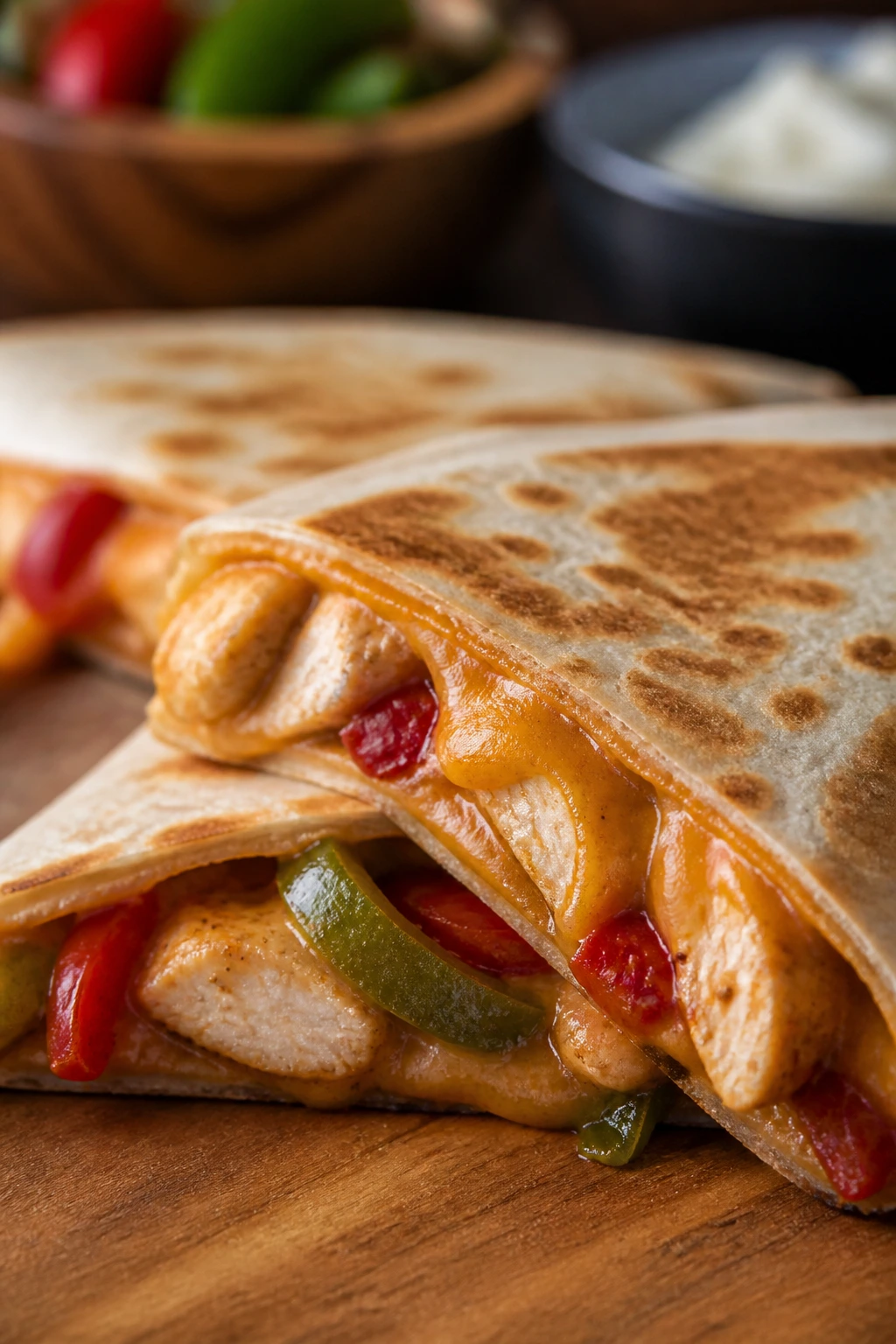
Quesadillas are fajita night’s calmer, cheesier spin-off. The peppers and chicken stay tucked inside a crisp tortilla, which makes the whole thing easier for younger kids or anyone who prefers dinner they can hold with one hand. And yes, the cheese matters. A lot.
Why It Works:
This is the recipe for the night when you already have cooked fajita filling and want dinner to feel new without starting over. The skillet-to-tortilla ratio is what keeps it useful: a moderate amount of filling, enough cheese to glue the layers together, and medium heat so the tortilla crisps before the cheese scorches. Cheddar brings a sharper flavor, while Monterey Jack melts into the soft pull people expect from a good quesadilla. The result is familiar, but not dull.
Key Ingredients:
- 2 cups cooked chicken fajita filling, chopped if needed
- 2 cups sautéed peppers and onions
- 2 cups shredded cheddar cheese
- 1 cup shredded Monterey Jack cheese
- 4 large flour tortillas
- 2 tablespoons butter or oil
- Salsa, for serving
Quick Steps:
- Heat a skillet over medium heat and lightly butter one side of each tortilla.
- Lay one tortilla in the skillet, buttered side down, and sprinkle half with a layer of cheese.
- Spoon chicken and vegetables over the cheese, then add a little more cheese on top before folding the tortilla in half.
- Cook for 2 to 3 minutes per side until the outside is golden and crisp and the cheese is fully melted.
- Repeat with the remaining tortillas, adding more butter as needed.
- Let each quesadilla rest for 1 minute before slicing so the filling does not spill out immediately.
Tips and Variations:
- Leftover hero: This is the best way to reuse fajita filling that’s already in the fridge.
- Don’t rush the heat: Medium heat is your friend; high heat gives you scorched tortillas and cold centers.
- Good garnish: Serve with sour cream and a little salsa verde for a brighter bite.
6. Fajita Rice Bowls with Black Beans and Corn
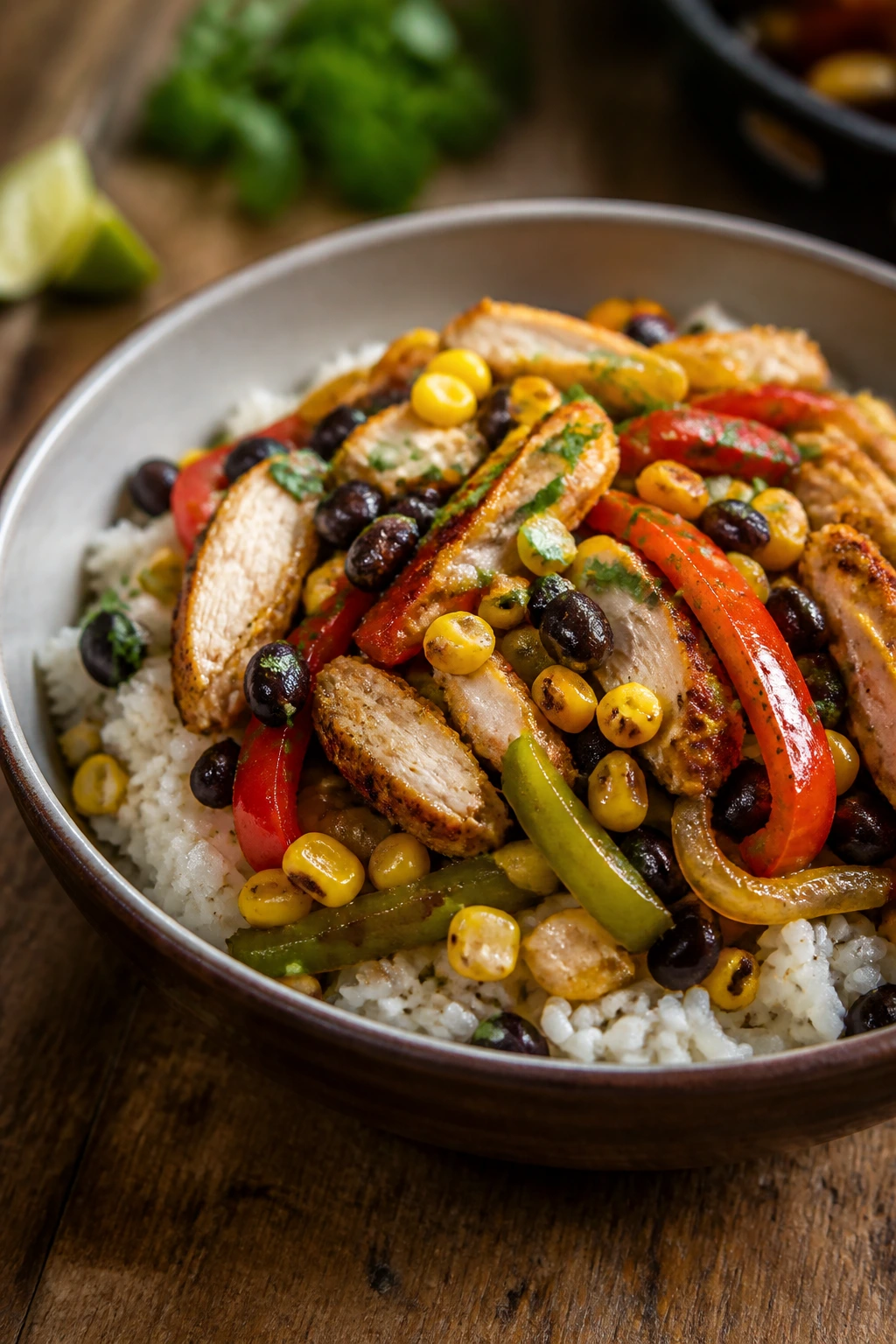
Rice bowls are the practical side of fajita night. They stretch a pound of protein, use up leftovers cleanly, and keep the whole meal filling without feeling heavy. If your family likes “a little of everything,” this version usually disappears fast.
Why It Works:
The bowl format handles all the saucy, spicy, crunchy parts of fajitas without requiring tortillas. That makes it useful for gluten-free eaters, big appetites, and the person at the table who always wants “more rice.” Black beans and corn add sweetness and texture, while a limey rice base keeps the whole bowl from tasting flat. When the protein is sliced thin and the vegetables still have color, the bowl eats like a composed meal instead of a pile of leftovers.
Key Ingredients:
- 2 cups cooked rice, white or brown
- 1 pound chicken or steak, sliced and seasoned
- 1 bell pepper, sliced
- 1 onion, sliced
- 1 can black beans, drained and rinsed
- 1 cup corn kernels, fresh, frozen, or thawed
- 1 tablespoon olive oil
- 1 tablespoon lime juice
- 1 teaspoon cumin
- 1 teaspoon chili powder
- Avocado, salsa, and cilantro for topping
Quick Steps:
- Cook the rice and keep it warm while you prepare the fajita filling.
- Sauté the chicken or steak in a hot skillet with oil, cumin, chili powder, salt, and pepper until cooked through and browned.
- Add the bell pepper and onion and cook until softened but still a little crisp.
- Warm the black beans and corn in a small pan or microwave with a splash of water and a pinch of salt.
- Fluff the rice with lime juice and a little chopped cilantro.
- Build bowls with rice on the bottom, fajita filling in the middle, and toppings on top.
Tips and Variations:
- Budget stretch: Rice and beans make this one feed more people without more meat.
- Meal prep friendly: Pack the rice, filling, and toppings separately so nothing turns soggy.
- Nice finish: A spoon of crema or plain Greek yogurt cools down the spice.
7. Slow Cooker Chicken Fajitas for Hands-Off Nights
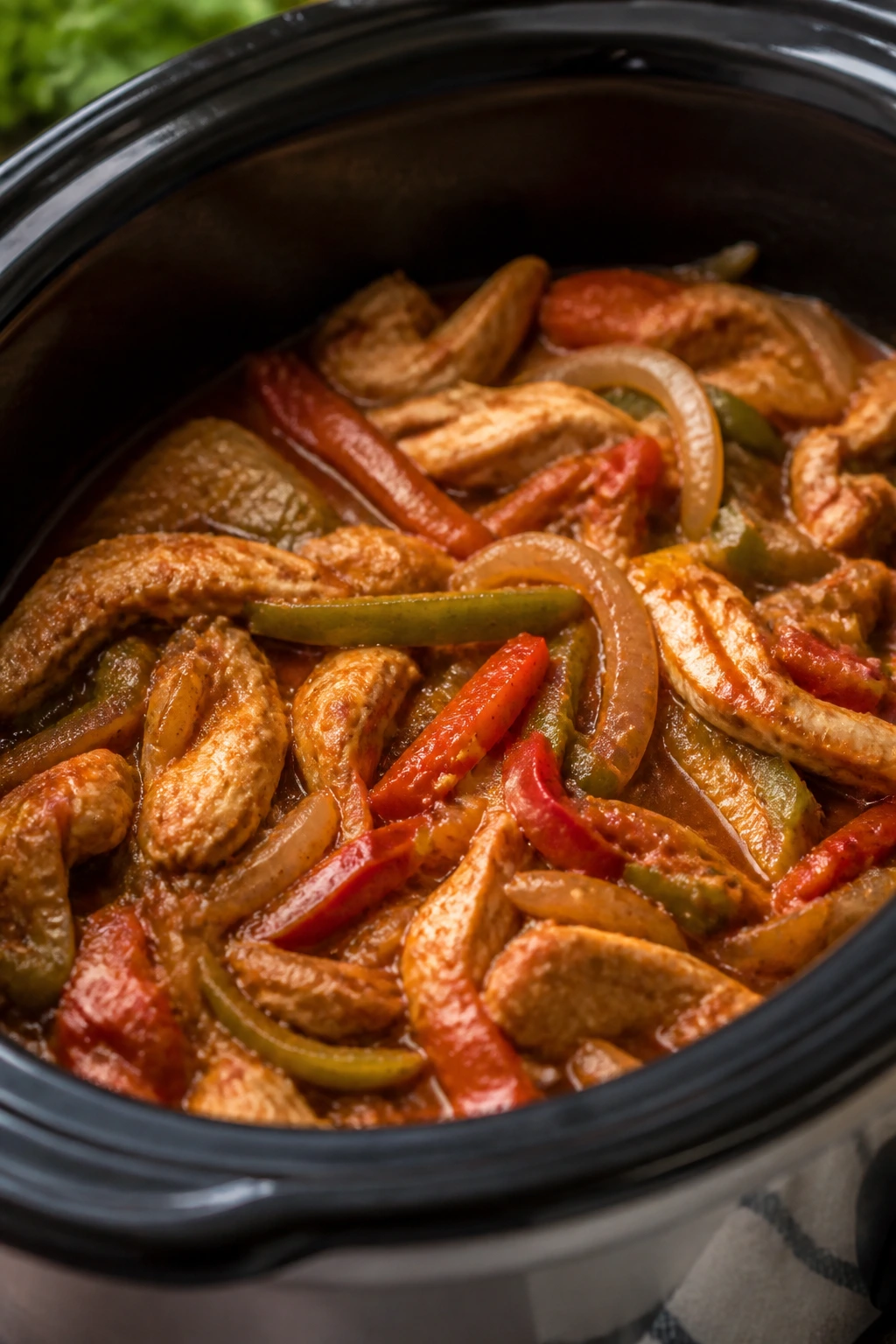
Some nights need dinner to behave itself. This is that recipe. You load the slow cooker in the morning or early afternoon, and by dinner the chicken is tender, the onions have gone sweet, and the peppers taste deep and mellow instead of sharp.
Why It Works:
The slow cooker breaks chicken down gently, which is why it’s such a useful tool when your evening schedule gets messy. The flavor base here is simple — salsa, spices, onion, pepper, lime — because long cooking rewards clean seasoning more than complicated seasoning. One catch: peppers in a slow cooker get soft. That is not a flaw if you want taco-style filling, but if you like them with bite, add a few fresh peppers near the end or save some for a quick sauté.
Key Ingredients:
- 2 pounds boneless, skinless chicken thighs or breasts
- 3 bell peppers, sliced
- 1 large onion, sliced
- 1 cup salsa
- 2 teaspoons chili powder
- 1 teaspoon cumin
- 1 teaspoon garlic powder
- 1 tablespoon lime juice
- Salt and pepper, to taste
- Tortillas or rice, for serving
Quick Steps:
- Scatter half of the onions and peppers in the bottom of the slow cooker.
- Place the chicken on top and sprinkle with chili powder, cumin, garlic powder, salt, and pepper.
- Add the remaining onions and peppers, then pour the salsa over everything.
- Cover and cook on low for 4 to 5 hours or on high for 2½ to 3 hours, until the chicken is tender and reaches 165°F.
- Shred or slice the chicken, then stir in lime juice.
- Serve in tortillas or over rice with the soft vegetables spooned over top.
Tips and Variations:
- Better texture: If you want crisper peppers, stir in a fresh handful after cooking and let them sit in the hot filling for 2 minutes.
- Flavor boost: A spoon of chipotle in adobo adds smoke fast.
- Family trick: Keep the salsa mild and let hot sauce live on the table instead.
8. Vegetable Fajitas with Portobello Mushrooms
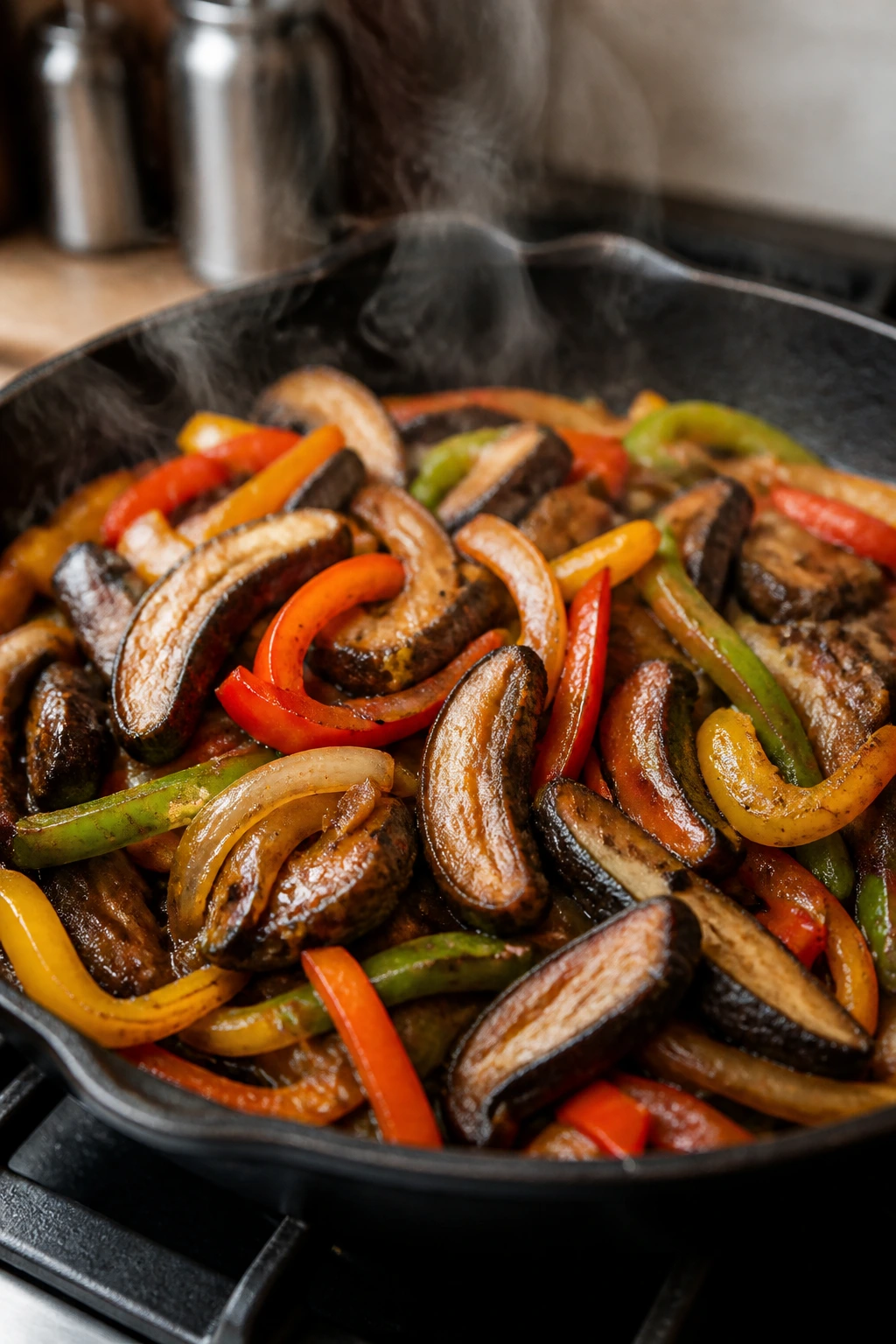
Vegetable fajitas can be a little disappointing if the vegetables are timid. This version is not timid. Portobellos bring a meaty bite, onions add sweetness, and peppers keep the whole skillet bright. It’s the dinner that proves you don’t need meat to make fajitas feel substantial.
Why It Works:
Portobello mushrooms behave differently from peppers and onions, and that’s the key. They need enough heat to release moisture, then enough space to brown instead of steam. Once they pick up color, they taste rich and earthy in a way that makes the whole skillet feel more filling. Add zucchini if you like, but don’t crowd the pan with watery vegetables and expect browning. You’ll get a soft pile instead of fajitas.
Key Ingredients:
- 3 large portobello mushroom caps, sliced
- 3 bell peppers, sliced
- 1 large onion, sliced
- 1 medium zucchini, sliced into half-moons
- 2 tablespoons olive oil
- 2 teaspoons chili powder
- 1 teaspoon cumin
- 1 teaspoon smoked paprika
- 1 tablespoon lime juice
- Salt and black pepper, to taste
- 1 can black beans, warmed
- Tortillas, for serving
Quick Steps:
- Wipe the mushroom caps clean and slice them into thick strips.
- Heat olive oil in a large skillet over medium-high heat.
- Add the mushrooms first and cook for 3 to 4 minutes until they start to brown and lose their watery look.
- Add the peppers, onion, and zucchini, then season with chili powder, cumin, paprika, salt, and pepper.
- Cook for 5 to 7 minutes, stirring often, until the vegetables are tender with browned edges.
- Finish with lime juice and serve with warm tortillas and black beans.
Tips and Variations:
- Most important step: Give the mushrooms time to brown before piling in the rest.
- Protein boost: Add pinto beans or crumbled queso fresco if you want more heft.
- Good side: Cilantro rice makes this feel like a full vegetarian supper.
9. Fajita Pasta Skillet with Creamy Sauce
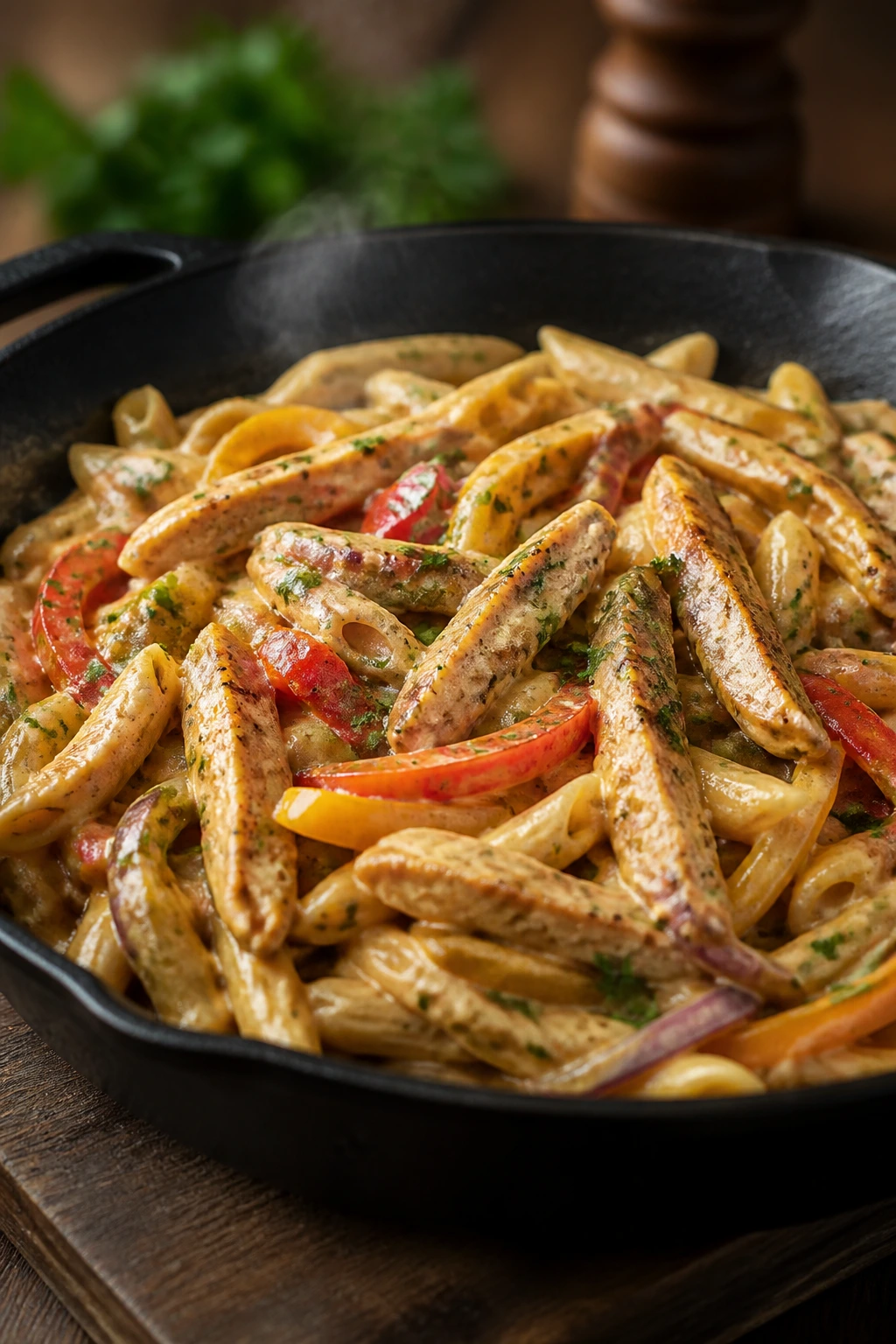
This is the recipe for people who like the fajita flavor but also want something a little softer and more comforting. The peppers still bring their sweet snap, but the pasta turns everything into a creamy, spoonable skillet dinner that tends to win over kids who claim they “don’t like peppers.” They usually do when the sauce is good.
Why It Works:
Pasta is a smart carrier for fajita seasoning because it absorbs sauce and holds onto bits of onion, garlic, and browned chicken. A small amount of cream cheese or crema gives the skillet a smooth finish without turning it into a heavy pasta bake. The important thing is balance: enough spice to taste like fajitas, enough sauce to feel comforting, and enough vegetable texture so the dish doesn’t collapse into mush. Serve this one hot. It thickens as it sits.
Key Ingredients:
- 12 ounces penne or rotini
- 1 pound chicken breast or thighs, sliced
- 2 bell peppers, sliced
- 1 onion, sliced
- 2 cloves garlic, minced
- 1 tablespoon olive oil
- 2 teaspoons chili powder
- 1 teaspoon cumin
- 2 cups chicken broth
- 4 ounces cream cheese, softened
- 1 cup shredded Monterey Jack cheese
- Salt and pepper, to taste
Quick Steps:
- Cook the pasta in salted water until just shy of al dente, then drain and set aside.
- Brown the chicken in olive oil over medium-high heat with chili powder, cumin, salt, and pepper.
- Add the peppers, onion, and garlic, and cook for 4 to 5 minutes until the vegetables begin to soften.
- Pour in the chicken broth and stir in the cream cheese until it melts into a smooth sauce.
- Add the pasta and Monterey Jack, then toss until everything is coated and the cheese melts.
- Serve right away while the sauce is still silky.
Tips and Variations:
- Texture tip: Don’t overcook the pasta in the first pot; it finishes in the skillet.
- Kid-friendly move: Go light on chili powder and let each person add hot sauce at the table.
- Nice add-in: Corn kernels give the skillet a little sweetness and a better bite.
10. Fajita Nacho Bake for Sharing
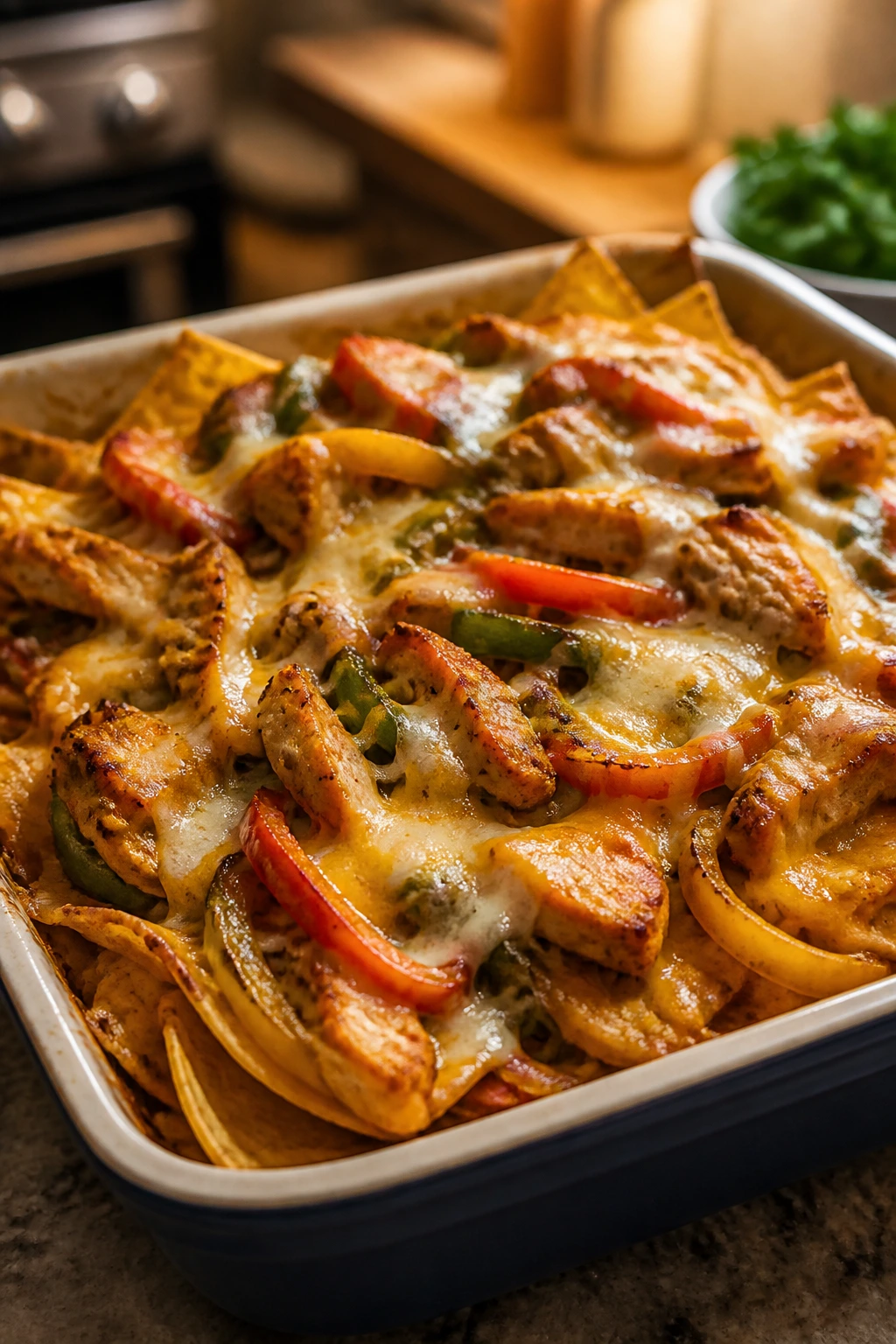
If fajita night needs to turn into party food, this is the move. Crunchy tortilla chips, seasoned chicken, peppers, and enough melted cheese to hold everything together make a dinner that disappears fast. It’s messy in the good way, which is probably why people keep going back for one more chip.
Why It Works:
Nacho bakes succeed when you layer with intention. Chips on the bottom need some protection from moisture, so a quick layer of cheese or a thicker filling helps keep them from turning limp too soon. The fajita seasoning carries through the whole dish, but the real pleasure is in the contrast between crisp edges and gooey pockets of cheese. This is more of a shared tray than a plated meal, and that makes it useful for casual family nights or hungry groups.
Key Ingredients:
- 1 pound cooked shredded chicken
- 1 tablespoon olive oil
- 2 bell peppers, sliced
- 1 onion, sliced
- 2 teaspoons chili powder
- 1 teaspoon cumin
- 1 large bag tortilla chips
- 2 cups shredded cheddar cheese
- 1 cup shredded Monterey Jack cheese
- 1 can black beans, drained and rinsed
- Salsa and sour cream for serving
Quick Steps:
- Preheat the oven to 400°F.
- Sauté the peppers and onion in oil with chili powder, cumin, salt, and pepper until softened.
- Stir in the shredded chicken and black beans so the filling is evenly coated.
- Spread a layer of tortilla chips in a 9×13-inch baking dish.
- Spoon the fajita filling over the chips, then blanket the top with cheddar and Monterey Jack.
- Bake for 10 to 15 minutes until the cheese melts and the edges of the chips start to brown.
- Serve immediately with salsa, sour cream, and any other toppings you like.
Tips and Variations:
- Crispness tip: Bake only until the cheese melts; if you wait too long, the chips lose their crunch.
- Good add-on: Jalapeños or pickled onions bring sharpness.
- Best for a crowd: Set the pan on the table and let everyone dig in while it’s still hot.
11. Stuffed Bell Peppers with Fajita Filling
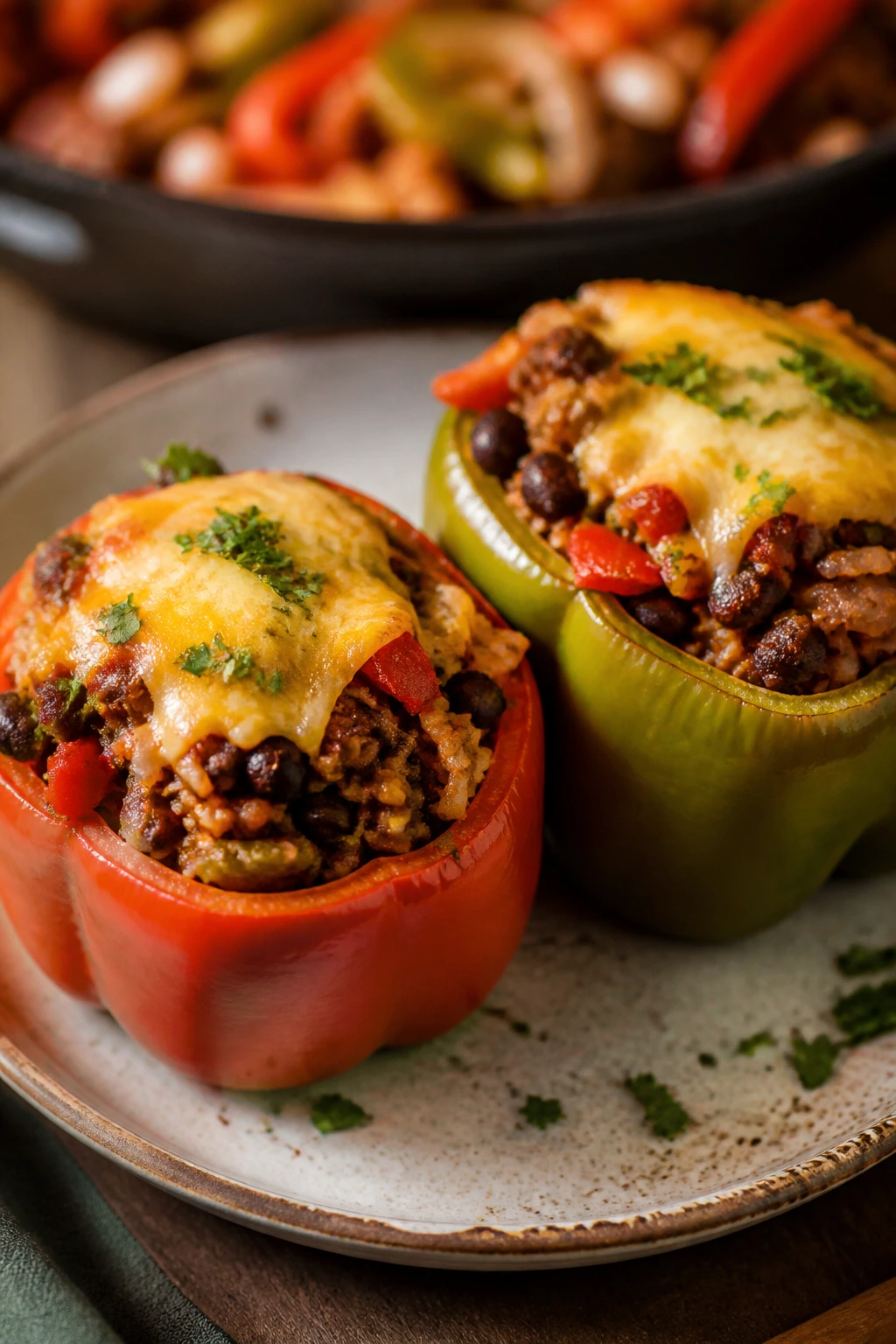
Stuffed peppers are neat in a way fajitas usually are not. That alone makes them handy for family night when you want the same flavors but a more structured plate. The peppers soften into little edible bowls, the filling turns savory and layered, and the cheese on top browns into a good-looking finish.
Why It Works:
This version takes the fajita flavor profile and packages it into something that feels like a full dinner on its own. The pepper shell adds sweetness, the rice or beans bulk up the filling, and the seasoning keeps the whole thing from tasting like a random casserole. Stuffed peppers are a little slower than skillet fajitas, but they pay you back with tidy portions and easy serving. They also reheat well, which matters if your family eats at different times.
Key Ingredients:
- 4 large bell peppers, halved and seeded
- 1 pound ground chicken or turkey
- 1 onion, diced
- 1 bell pepper, diced
- 1 cup cooked rice
- 1 can black beans, drained and rinsed
- 2 teaspoons chili powder
- 1 teaspoon cumin
- 1 cup shredded cheese
- 2 tablespoons olive oil
- Salsa, for serving
Quick Steps:
- Preheat the oven to 375°F and place the pepper halves cut-side up in a baking dish.
- Sauté the ground chicken or turkey with onion and diced bell pepper until the meat is cooked through.
- Stir in rice, black beans, chili powder, cumin, salt, and pepper.
- Spoon the filling into the pepper halves and top with shredded cheese.
- Add a splash of water to the bottom of the dish, cover with foil, and bake for 25 minutes.
- Remove the foil and bake for 10 more minutes until the cheese browns and the peppers are tender.
- Serve with salsa or sour cream.
Tips and Variations:
- Make-ahead move: Stuff the peppers a few hours ahead and refrigerate until baking time.
- Texture note: If you like firmer peppers, bake uncovered a little less.
- Extra flavor: A spoon of salsa in the filling keeps the inside juicy.
12. Pineapple Chicken Fajita Tacos
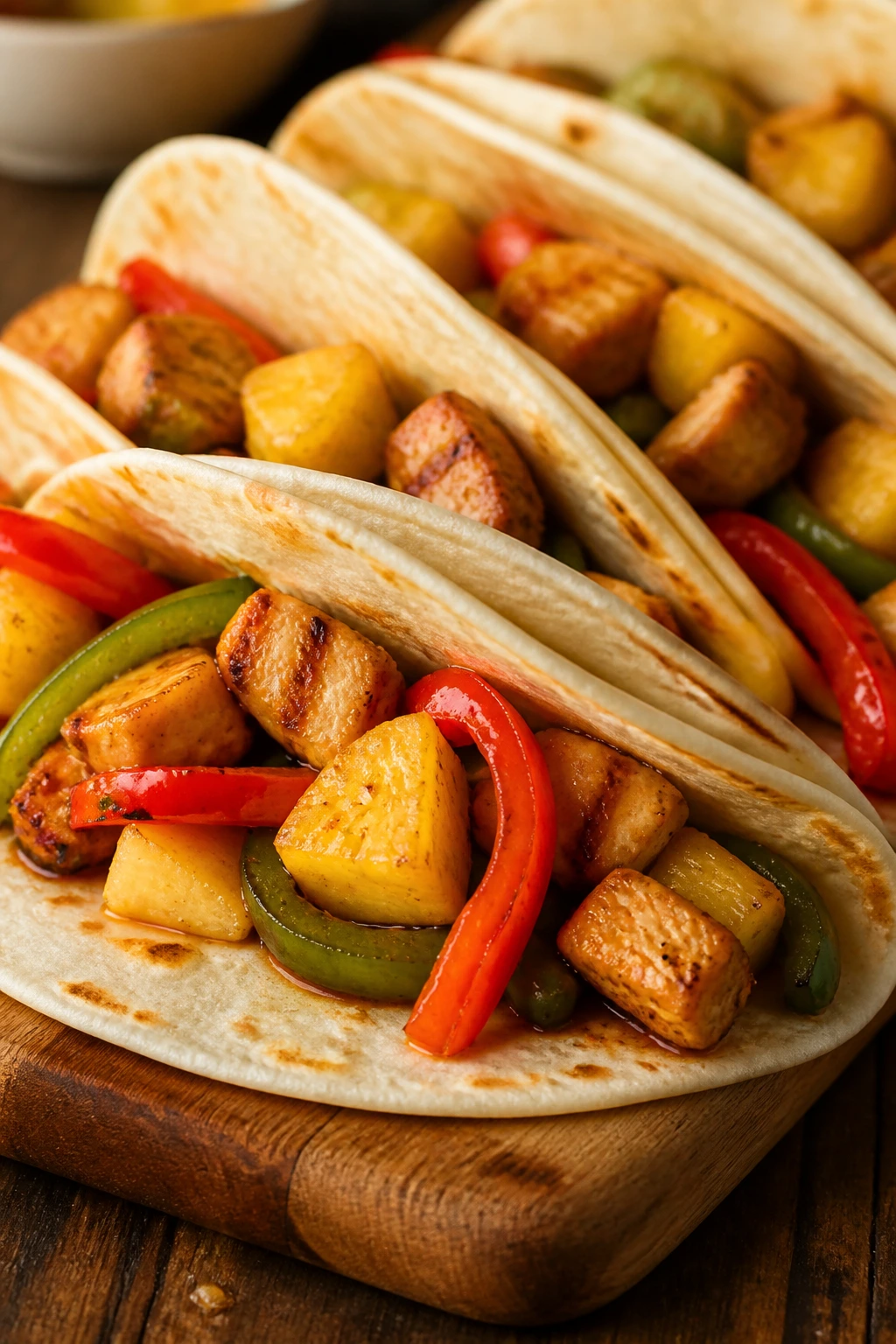
Sweet pineapple and smoky fajita seasoning make a pairing that sounds playful but works better than it has any right to. The fruit softens the spice, the chicken stays savory, and the tacos end up tasting bright rather than heavy. This one tends to please both kids and adults without much negotiation.
Why It Works:
Pineapple brings acidity and sweetness, which is useful when you want a fajita dinner that tastes a little more cheerful. The fruit also caramelizes quickly in a hot pan, so you get browned edges and concentrated flavor in a short amount of time. Chicken thighs hold up better than breasts here because the fruit adds moisture and the whole skillet benefits from a little fat. If you keep the pineapple in pieces that are too large, the taco gets clumsy; bite-size chunks are the move.
Key Ingredients:
- 1½ pounds boneless chicken thighs, sliced
- 1½ cups fresh pineapple, cut into small chunks
- 2 bell peppers, sliced
- 1 onion, sliced
- 2 tablespoons olive oil
- 2 teaspoons chili powder
- 1 teaspoon cumin
- 1 tablespoon lime juice
- 2 tablespoons chopped cilantro
- 8 tortillas
- Salt and pepper, to taste
Quick Steps:
- Season the chicken with chili powder, cumin, salt, and pepper.
- Heat oil in a skillet over medium-high heat and cook the chicken until browned and cooked through.
- Add the onion and peppers, then cook for 4 to 5 minutes until softened.
- Stir in the pineapple and cook for 2 minutes more, just until the fruit warms and picks up a little color.
- Finish with lime juice and cilantro.
- Spoon into tortillas and serve with extra pineapple on the side if your family likes it.
Tips and Variations:
- Pineapple choice: Fresh pineapple gives the cleanest flavor, but drained canned pineapple works in a pinch.
- Balance tip: Don’t drown the skillet in fruit; fajitas still need a savory center.
- Nice topping: A few sliced radishes add crunch and brightness.
13. Fajita Burrito Bake with Tortilla Layers
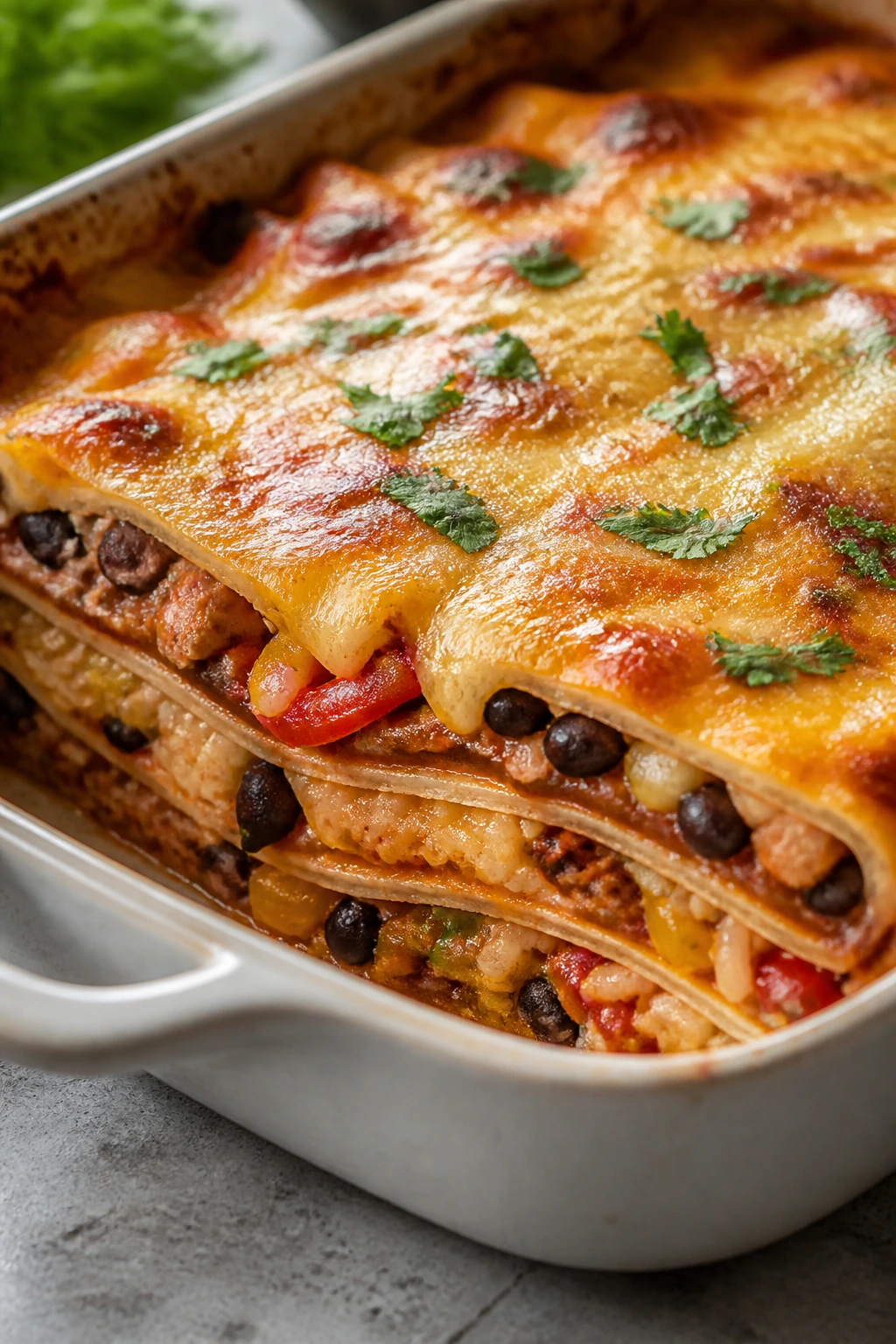
This is the casserole version of a burrito, which means it scratches the “comfort food” itch while still giving you that fajita flavor profile. It’s built for hungry people. Layers of tortillas, beans, rice, peppers, chicken, and cheese bake into something sliceable and hearty, and the leftovers hold together better than you might expect.
Why It Works:
Burrito bakes work because the tortillas act like pasta sheets in a lasagna — they hold the filling in place and soak up just enough sauce to stay tender. The fajita vegetables bring the pan flavor, the beans and rice give the dish bulk, and the cheese knits everything together. It’s also the best option here if you want something you can assemble ahead and bake later. Just don’t pile in too much liquid or the bottom layer will get soggy.
Key Ingredients:
- 4 large flour tortillas, cut into strips
- 2 cups cooked chicken fajita filling
- 1 cup cooked rice
- 1 can black beans, drained and rinsed
- 2 bell peppers, sautéed and sliced
- 1 onion, sautéed and sliced
- 1½ cups salsa
- 2 cups shredded cheese
- ½ cup sour cream, for serving
- 1 tablespoon olive oil
Quick Steps:
- Preheat the oven to 375°F and grease a 9×13-inch baking dish.
- Spread a thin layer of salsa on the bottom of the dish.
- Layer tortilla strips, rice, beans, chicken, vegetables, and cheese, repeating until everything is used.
- Finish with a top layer of salsa and the remaining cheese.
- Cover with foil and bake for 20 minutes.
- Uncover and bake for 10 more minutes until bubbly and lightly browned.
- Let it rest for 10 minutes before slicing so it firms up.
Tips and Variations:
- Best make-ahead pick: Assemble it a few hours early and refrigerate until baking.
- Sogginess fix: Use cooked filling that has cooled a bit; hot filling can make the tortillas slack.
- Serving note: A spoon of sour cream on top softens the salsa tang nicely.
14. Salmon Fajitas with Avocado Crema
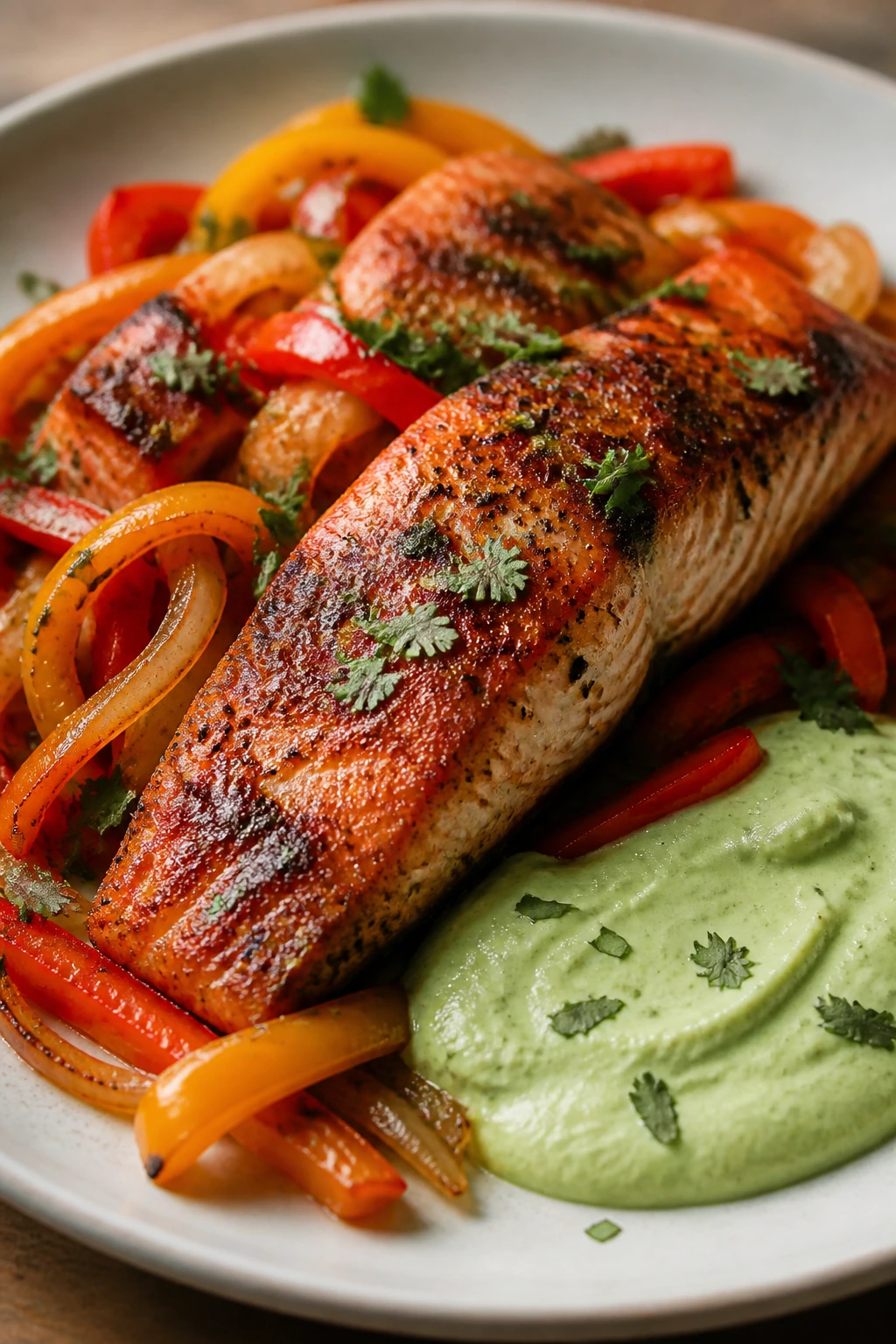
Salmon fajitas are a little unexpected, and that’s part of the fun. The fish stays rich and flaky, the peppers bring color, and the avocado crema gives the whole plate a cool, soft finish. If your family gets tired of chicken, this is a smart left turn.
Why It Works:
Salmon has enough fat to stand up to fajita seasoning without drying out, which is why it works better here than a lot of other fish. The trick is not to over-handle it. A hot pan gives the fillets a crisp edge, while the peppers and onions cook in the same skillet and soak up the seasoning left behind. Avocado crema — just avocado, yogurt or sour cream, lime, and a bit of salt — cools the dish and keeps it from feeling too sharp.
Key Ingredients:
- 1½ pounds salmon fillets, skin on or off
- 2 bell peppers, sliced
- 1 onion, sliced
- 1 tablespoon olive oil
- 1 teaspoon chili powder
- 1 teaspoon cumin
- 1 ripe avocado
- ½ cup plain Greek yogurt or sour cream
- 1 tablespoon lime juice
- Salt and pepper, to taste
- Tortillas, for serving
Quick Steps:
- Mash the avocado with yogurt, lime juice, and a pinch of salt until smooth enough to drizzle.
- Season the salmon with chili powder, cumin, salt, and pepper.
- Heat olive oil in a skillet over medium-high heat and cook the salmon skin-side down first, if using skin, for 3 to 4 minutes.
- Flip and cook 2 to 3 minutes more, until the salmon flakes but still looks moist in the center.
- Remove the salmon and cook the peppers and onion in the same pan until softened and lightly charred.
- Flake the salmon into large pieces, tuck it into tortillas with the vegetables, and spoon the crema over top.
Tips and Variations:
- Freshness matters: Salmon is best cooked and eaten the same day.
- Flavor twist: Add a few thin slices of jalapeño to the crema if your crowd likes heat.
- Good side: A crisp cabbage slaw makes this feel bright and complete.
15. Breakfast Fajita Skillet with Eggs and Potatoes
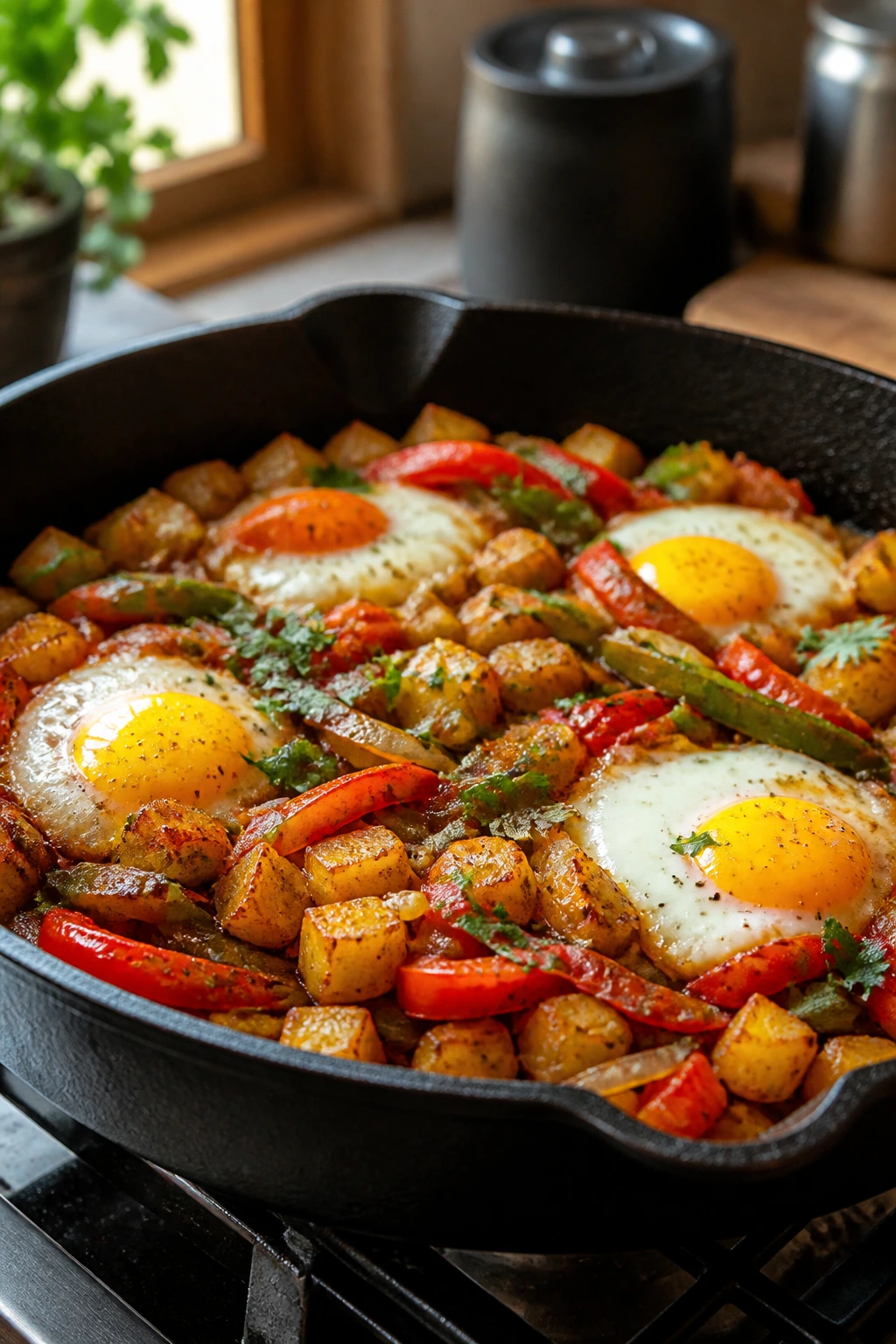
Breakfast-for-dinner people know this move already. Crispy potatoes, peppers, onions, and eggs in one skillet give you fajita flavor with brunch energy, which is a pleasant way to rescue a weekday that feels a little tired. The eggs turn it into dinner. The potatoes keep it from being a snack.
Why It Works:
Potatoes give fajitas a sturdier base and make the skillet more filling without requiring a second starch. Once they crisp in the pan, they soak up the seasoning from the peppers and onions and become much more interesting than they sound on paper. Eggs finish the skillet in a way that’s both cheap and satisfying. You can leave the yolks runny or cook them through, depending on how your house feels about breakfast rules at dinner.
Key Ingredients:
- 2 medium russet potatoes, diced small
- 1 tablespoon olive oil
- 1 bell pepper, sliced
- 1 onion, sliced
- 6 large eggs
- 1 teaspoon chili powder
- 1 teaspoon cumin
- ½ cup shredded cheese
- Salt and pepper, to taste
- Salsa, for serving
Quick Steps:
- Par-cook the diced potatoes in salted water for 5 minutes, then drain them well.
- Heat oil in a large skillet and cook the potatoes until browned and crisp on the outside, about 8 to 10 minutes.
- Add the pepper and onion with chili powder, cumin, salt, and pepper, and cook until softened.
- Make 6 small wells in the skillet and crack an egg into each one.
- Cover the skillet and cook for 4 to 6 minutes until the whites are set and the yolks are done to your liking.
- Sprinkle with cheese, let it melt for 30 seconds, and serve with salsa.
Tips and Variations:
- Potato tip: Small dice means faster crisping and better texture.
- Cheese choice: Cheddar adds sharpness; Monterey Jack melts more softly.
- Serving move: Warm tortillas on the side and let people turn the skillet into tacos if they want.
16. Flatbread Fajita Pizza with Pico and Cheese
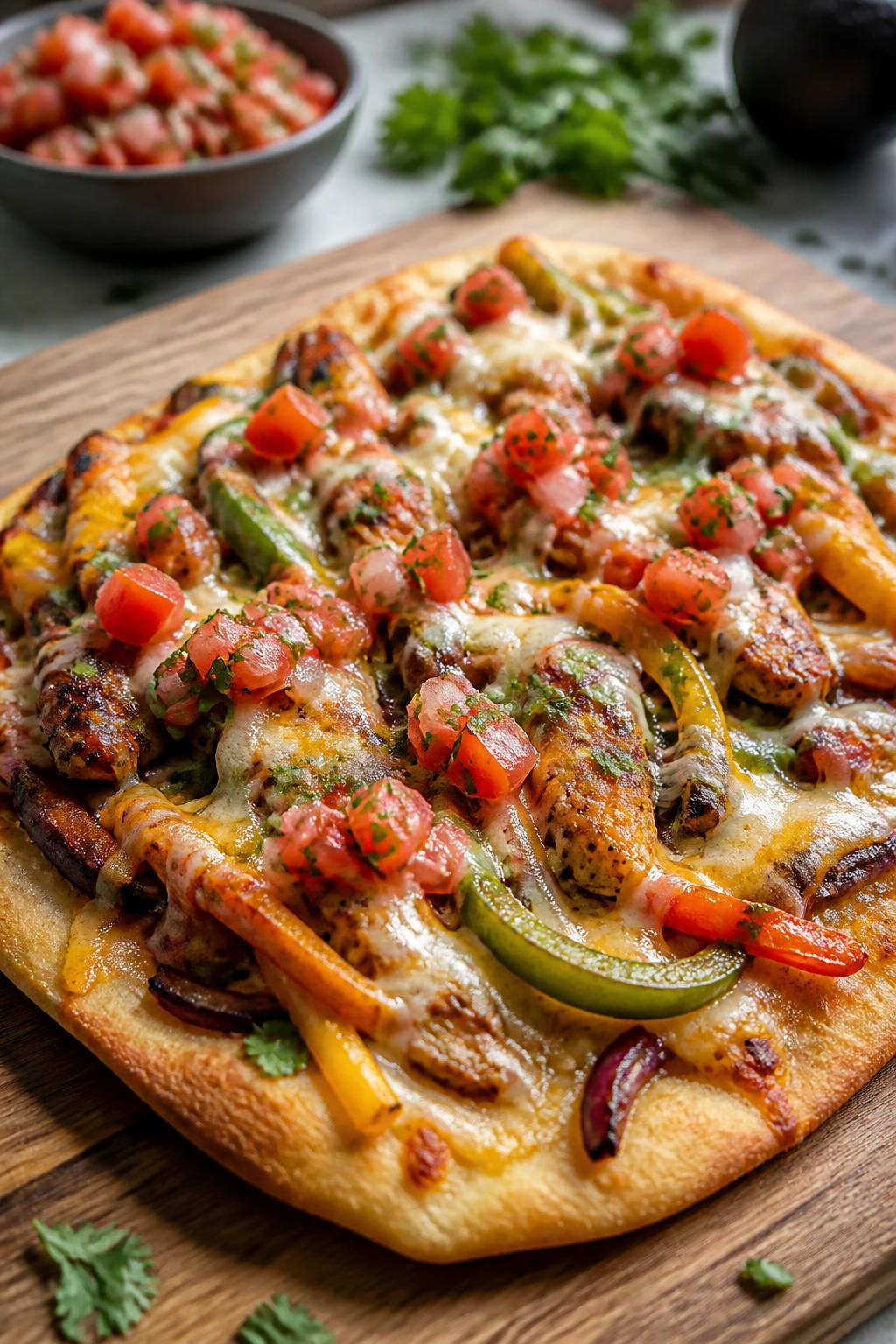
Flatbread fajita pizza sounds a little reckless, and that’s part of why it works. The base gets crisp, the peppers and onions bring the fajita flavor, and the melted cheese ties everything together in a way kids usually accept without much debate. It’s a dinner that lands somewhere between pizza night and taco night, which is not a bad place to be.
Why It Works:
Flatbread gives you a fast crust without making you deal with dough. That means the fajita toppings can stay the focus. A thin layer of beans or salsa on the base keeps the bread from drying out, while cooked peppers, onions, and chicken or beans give you the familiar fajita bite. Because the flatbread is thin, it crisps quickly, so the whole thing feels lively rather than heavy.
Key Ingredients:
- 4 large naan breads or flatbreads
- 1 cup cooked chicken fajita filling or 1 can black beans, drained
- 2 bell peppers, sliced and sautéed
- 1 onion, sliced and sautéed
- 1½ cups shredded cheese, such as Monterey Jack or mozzarella
- ½ cup salsa or refried beans
- 2 tablespoons chopped cilantro
- Sour cream or avocado, for serving
Quick Steps:
- Preheat the oven to 425°F and place the flatbreads on a baking sheet.
- Spread each one with a thin layer of salsa or refried beans.
- Top with chicken or black beans, then add the cooked peppers and onion.
- Scatter cheese over the top and bake for 8 to 12 minutes until the edges are crisp and the cheese bubbles.
- Finish with cilantro and serve with sour cream or avocado on the side.
- Slice into wedges and serve hot.
Tips and Variations:
- Crisp base: Bake on a preheated sheet pan if you want a firmer crust.
- Shortcut: Leftover fajita filling works perfectly here.
- Kid-friendly move: Keep the salsa mild and let each person add hot sauce later.
Why the Skillet and the Sheet Pan Win on Family Night
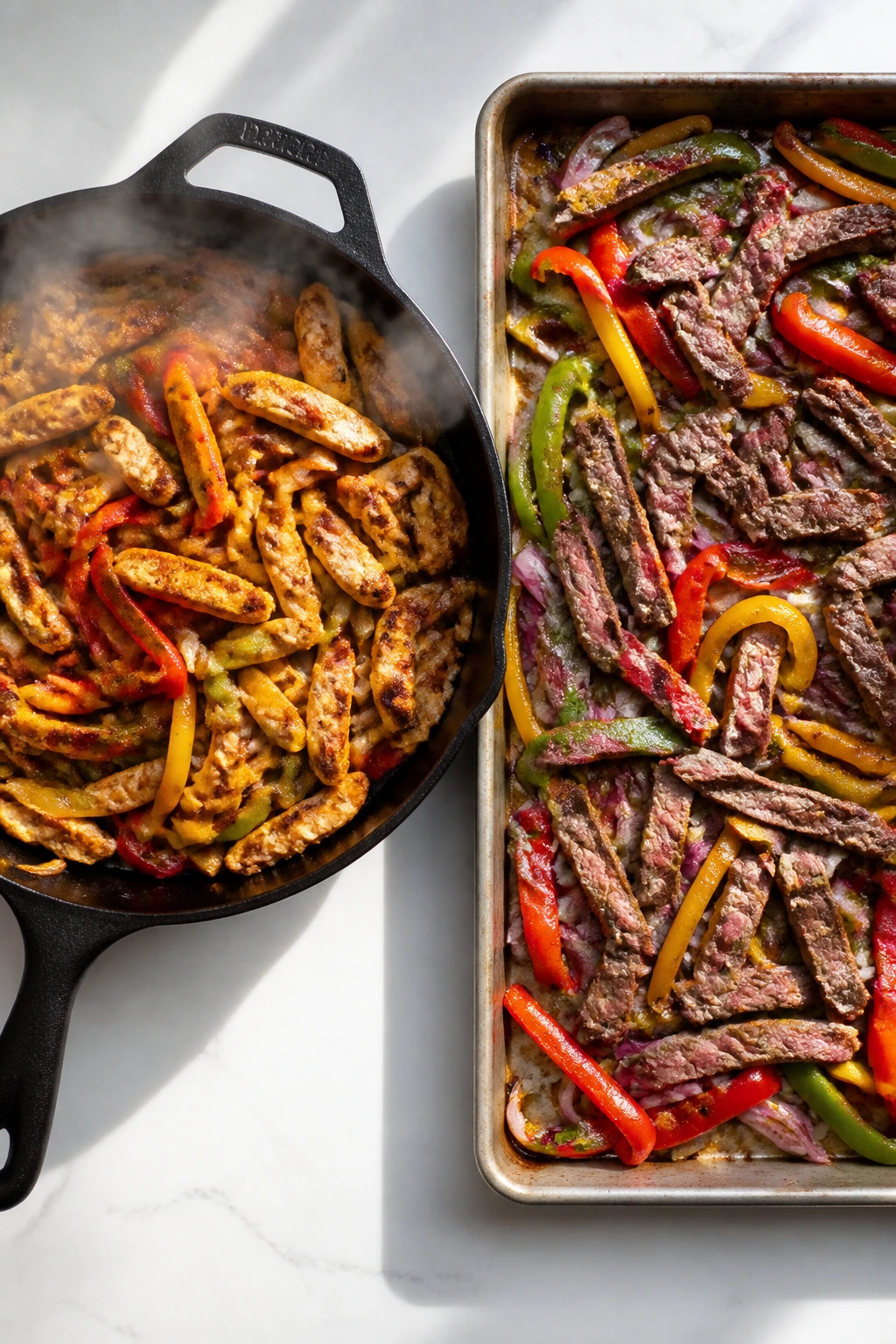
Fajita dinners work because they don’t fight the clock. A hot skillet, a quick roast, or a slow cooker that does the waiting for you — those are the tools that keep this dinner category useful. You get color, smell, and texture without standing over the stove for an hour. That’s a rare bargain.
The other reason they keep coming back in my kitchen is control. A pan of peppers can be stuffed into tortillas, spooned over rice, folded into quesadillas, or tucked into a burrito bake. Same base. Different mood. That’s what makes fajitas so good for family night: they’re structured enough to feel like dinner, loose enough to keep peace at the table.
Essential Equipment for These Recipes
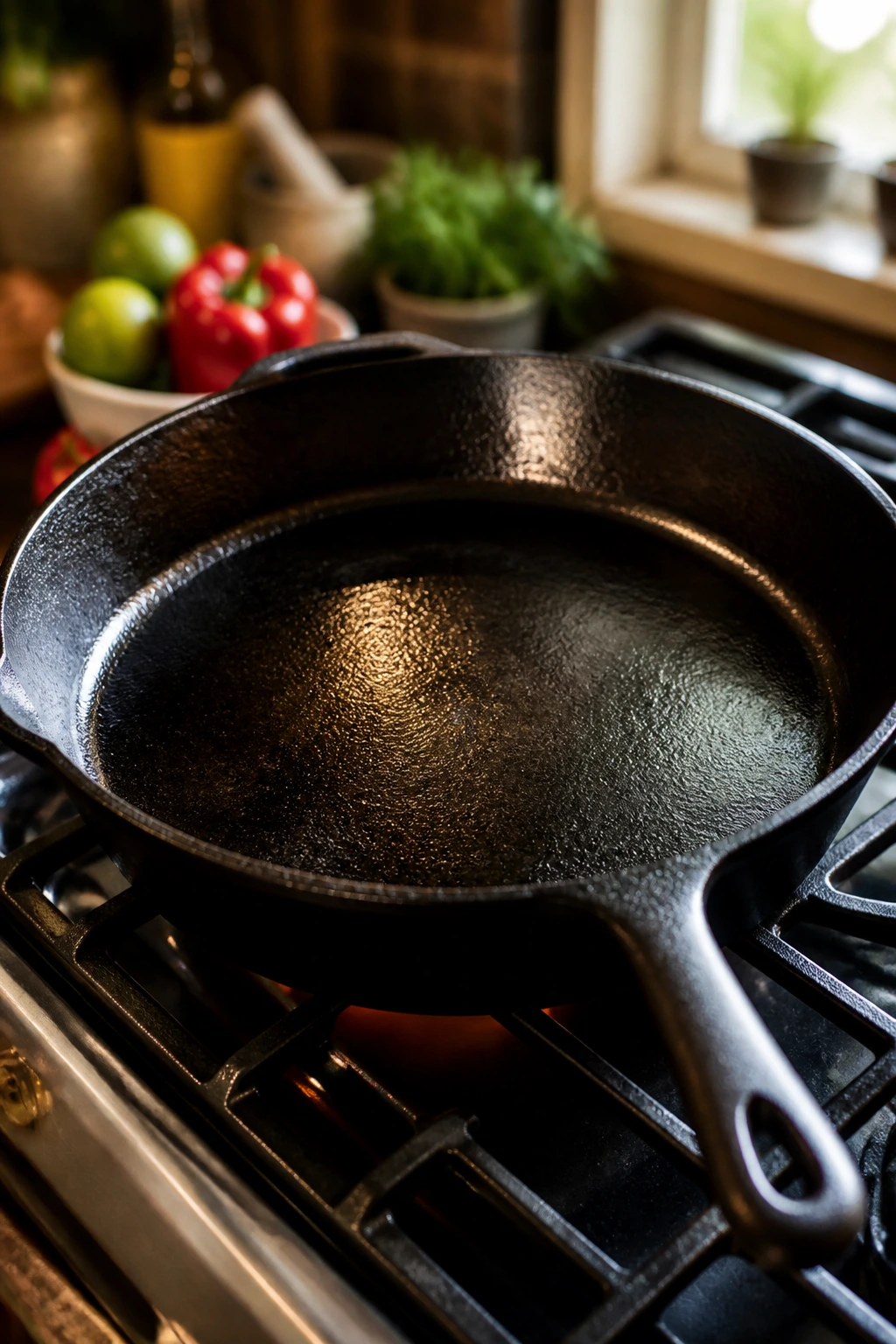
- Large cast-iron skillet: Best for chicken, steak, shrimp, and vegetable fajitas because it holds heat and gives you those browned edges.
- Heavy stainless skillet: A solid backup if cast iron isn’t your thing; just preheat it well before adding food.
- Rimmed sheet pan: Needed for sheet-pan fajitas and helpful for roasted fillings that need space.
- 9×13-inch baking dish: Useful for nacho bakes, burrito bakes, and stuffed peppers.
- Sharp chef’s knife: Thin, even slices of chicken, steak, peppers, and onions cook more evenly.
- Cutting board with a non-slip base: Chopping peppers and slicing rested meat goes faster when the board stays put.
- Tongs: Easier and safer than a spoon for flipping and stirring hot ingredients.
- Mixing bowls: You’ll want at least two — one for seasoning proteins, one for tossing vegetables.
- Measuring spoons and cups: Helpful for keeping the fajita seasoning balanced instead of wildly salty.
- Instant-read thermometer: The cleanest way to check chicken, salmon, and even leftovers when you reheat them.
- Spatula: Handy for quesadillas, flatbread pizza, and anything cheesy that needs lifting.
- Slow cooker: Optional, but a good fit for the hands-off chicken fajita version.
Smart Shopping and Ingredient Tips
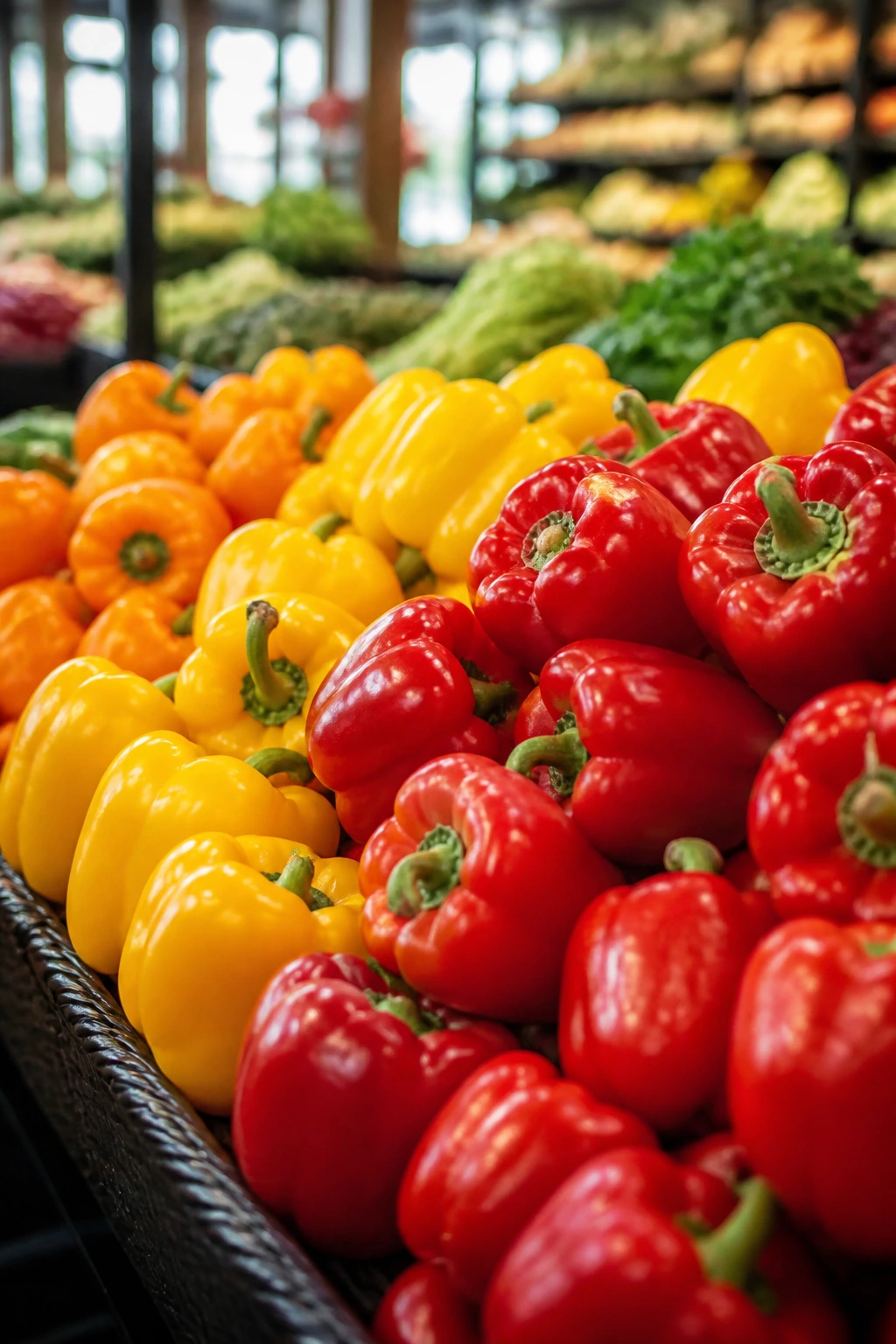
Good fajita dinners start at the produce aisle. Look for bell peppers with firm skin and a slight shine, not wrinkled sides or soft spots near the stem. A mix of colors tastes better and looks better, and yes, the red and yellow peppers are sweeter than green ones. Onions should feel heavy for their size. If they’re sprouting or damp at the root, keep walking.
For chicken, thighs are my first pick because they stay juicy through a hard sear and a little carryover cooking. Breasts work fine if you slice them thin and don’t forget to rest them before serving. Flank steak and skirt steak are the cuts that reward a hot pan and a quick slice against the grain. If you’re buying shrimp, choose large peeled and deveined shrimp so dinner doesn’t turn into a shell-peeling project at 6:30 p.m.
Tortillas matter more than people admit. Flour tortillas are the easiest choice for kids and for big, messy fajita fillings. Corn tortillas bring better flavor and a little more chew, but they crack if you don’t warm them properly. If you’re shopping for cheese, Monterey Jack melts cleanly, cheddar brings more flavor, and a little cotija on top adds salt without turning the whole dish heavy.
A final note that saves trouble: frozen peppers and onions are fine in bowls, bakes, and slow-cooker fillings, but they’re not great for a hard sear because they release water and steam. Fresh vegetables give you the char and sweetness that make fajitas taste like fajitas. That little choice changes the whole pan.
How to Serve These Recipes
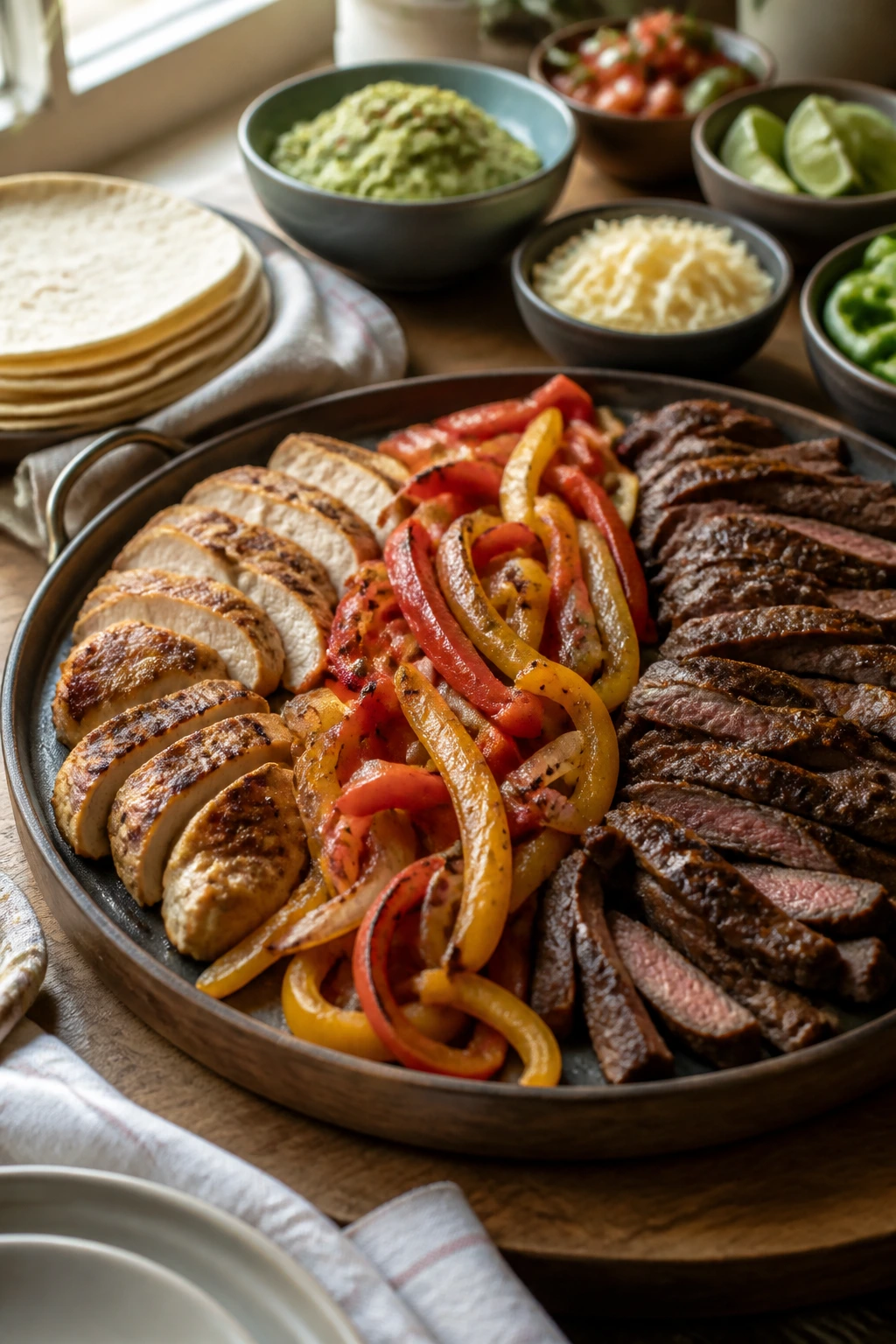
Presentation: Pile the filling in a warm skillet, a wide serving bowl, or a tray lined with tortillas so everyone can see what they’re choosing. Lime wedges, cilantro, avocado, and a few bowls of toppings make even the simplest fajita dinner look intentional.
Accompaniments: Spanish rice, cilantro-lime rice, black beans, roasted corn, chopped salad, guacamole, and tortilla chips all fit naturally beside these dishes. If you want to keep the table calm, choose two sides and stop there.
Portions: Most of these recipes feed 4 to 6 people, with the rice bowls, burrito bake, and nacho bake leaning toward the higher end. Plan on 2 tortillas per adult if fajitas are the main meal, or 1 tortilla plus rice or beans if you’re serving several sides.
Beverage Pairing: Sparkling water with lime keeps the meal fresh, and an unsweetened iced tea or hibiscus agua fresca works especially well with smoky seasoning. For a more grown-up table, a cold lager or light Mexican-style beer fits the peppers and lime without fighting them.
Additional Tips and Flavor Boosters
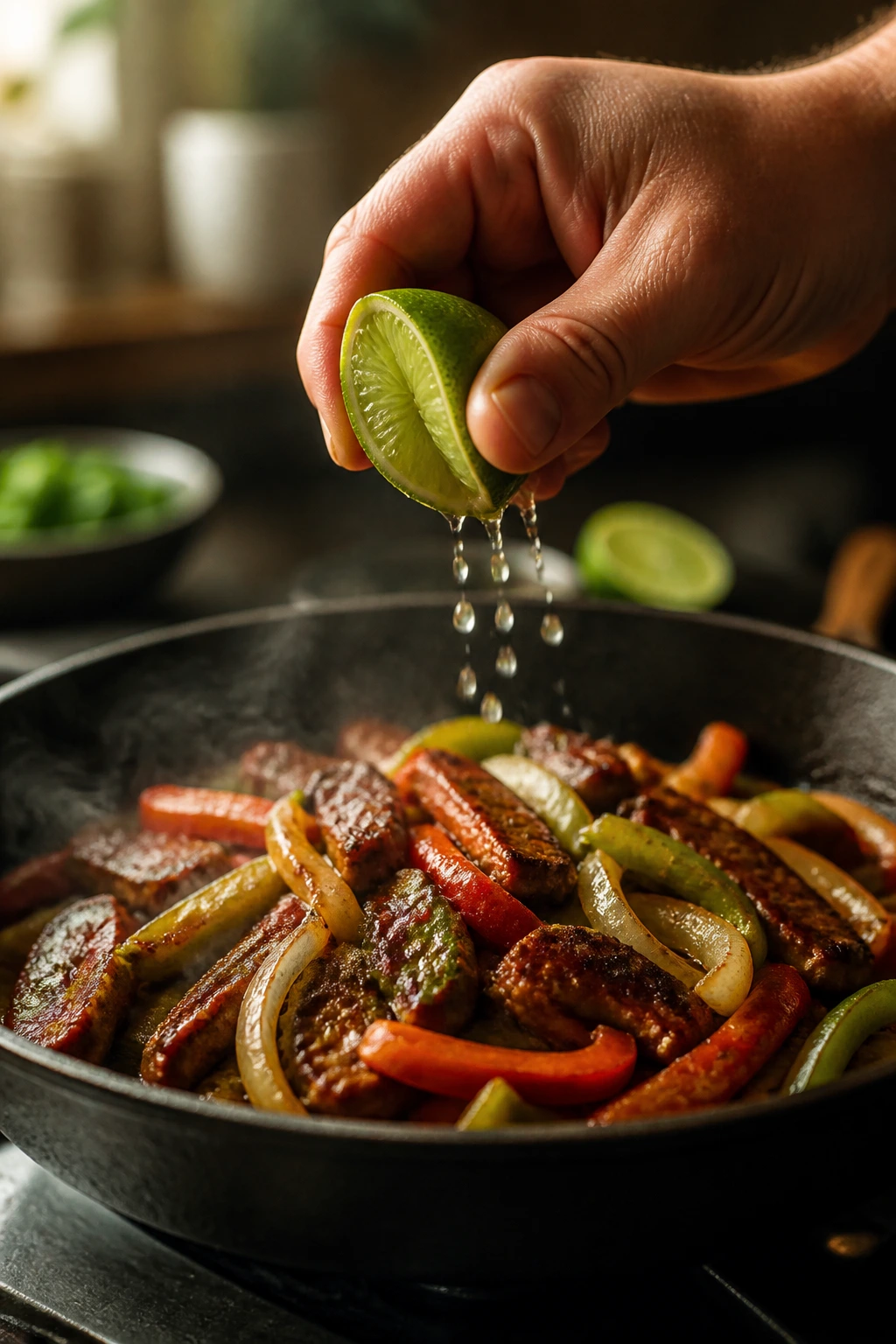
Flavor Enhancement: A squeeze of lime at the end changes everything. It wakes up the cumin, sharpens the onions, and keeps the whole skillet from tasting flat. If you want more depth, add a small spoonful of chipotle in adobo to chicken or steak marinades.
Customization: Fajita filling takes kindly to beans, corn, rice, roasted zucchini, or extra onions, so stretch it when you need to feed more people. If one person wants more heat, keep sliced jalapeños or hot sauce on the side instead of forcing spice on everyone else.
Serving Suggestions: Small bowls beat big messy piles. Put out salsa, sour cream, shredded cheese, lettuce, avocado, and pickled onions, then let people build their own. For the visually picky eater in your house — there is always one — a neat toppings bar is half the battle.
Make-It-Yours: Go dairy-free with avocado crema, cashew crema, or simply a better salsa. Go gluten-free with corn tortillas or rice bowls. Go lighter by leaning on vegetables and beans. The fajita flavor still lands.
Make-Ahead, Storage, and Reheating Guidance
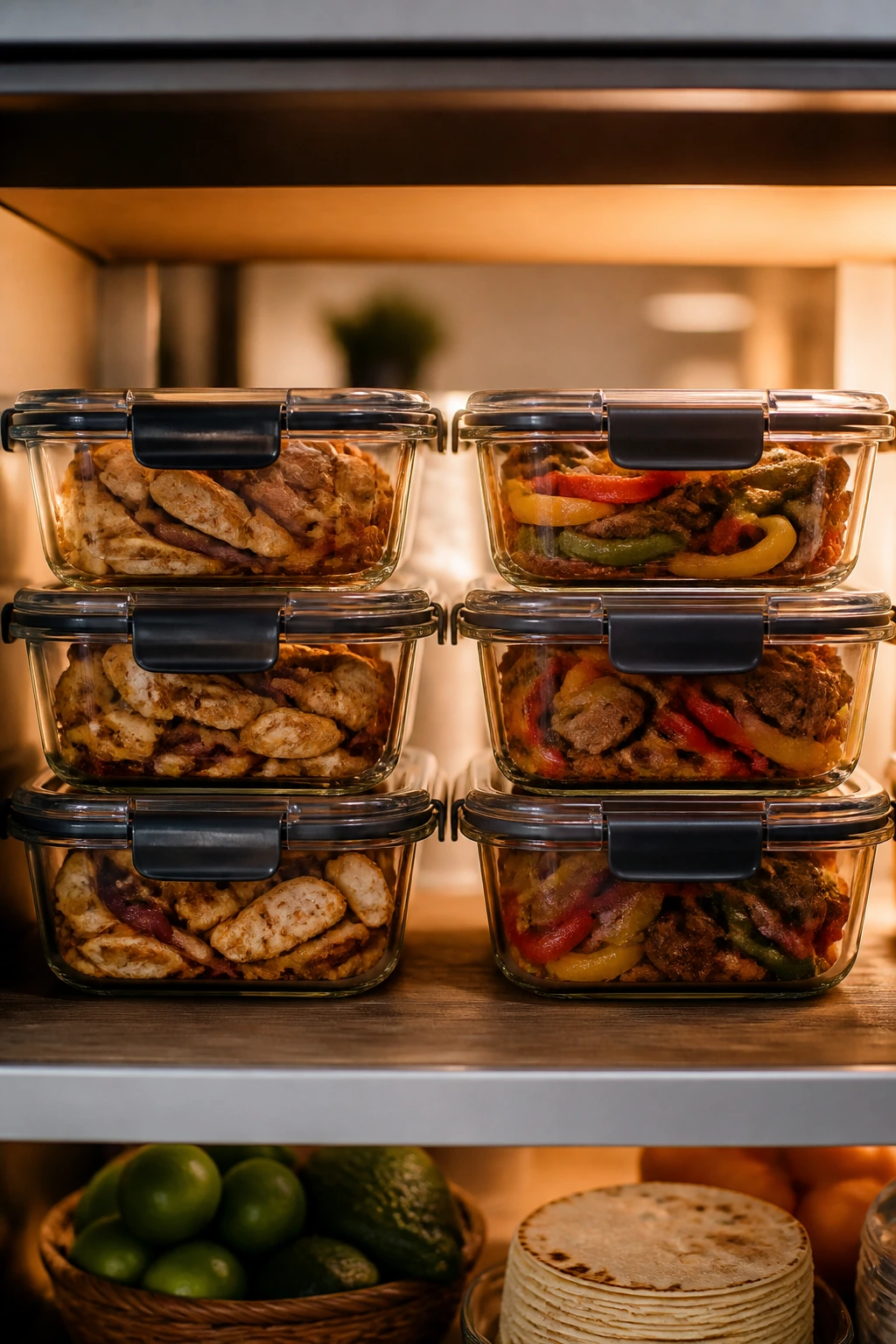
Most cooked fajita fillings keep well in the refrigerator for 3 to 4 days in airtight containers. Chicken, steak, beans, rice, and sautéed vegetables all hold up nicely if you store them separately or at least keep sauces from soaking into everything. Quesadillas and flatbread pizzas are best the day you make them, but leftovers can still be reheated in a dry skillet so the bread firms back up.
The freezer is useful for chicken, steak, and bean-heavy fajita fillings. Pack them in freezer-safe containers or bags for up to 2 months, then thaw overnight in the refrigerator before reheating. Shrimp and salmon are a little fussier; they freeze, but the texture can go dull after thawing, so I prefer to cook those fresh and keep the storage window short. For slow-cooker chicken or burrito bakes, freezing works better because the filling has more moisture and structure.
Reheat skillet fillings in a pan over medium heat with a spoonful of water or broth, stirring until the food is hot all the way through. That usually takes 5 to 8 minutes. For casseroles like burrito bake, stuffed peppers, and nacho bake, cover with foil and warm in a 350°F oven until heated through, usually 15 to 20 minutes depending on portion size. Microwave reheating works in a pinch, but use medium power and cover loosely so the vegetables don’t turn rubbery.
Tortillas should be warmed fresh if you can manage it. A dry skillet for 20 to 30 seconds per side or a wrapped stack in a low oven does the job. Assemble right before eating when possible. That keeps the peppers hot, the tortillas supple, and the whole meal from turning soggy halfway through the table conversation.
Variations and Adaptations to Try
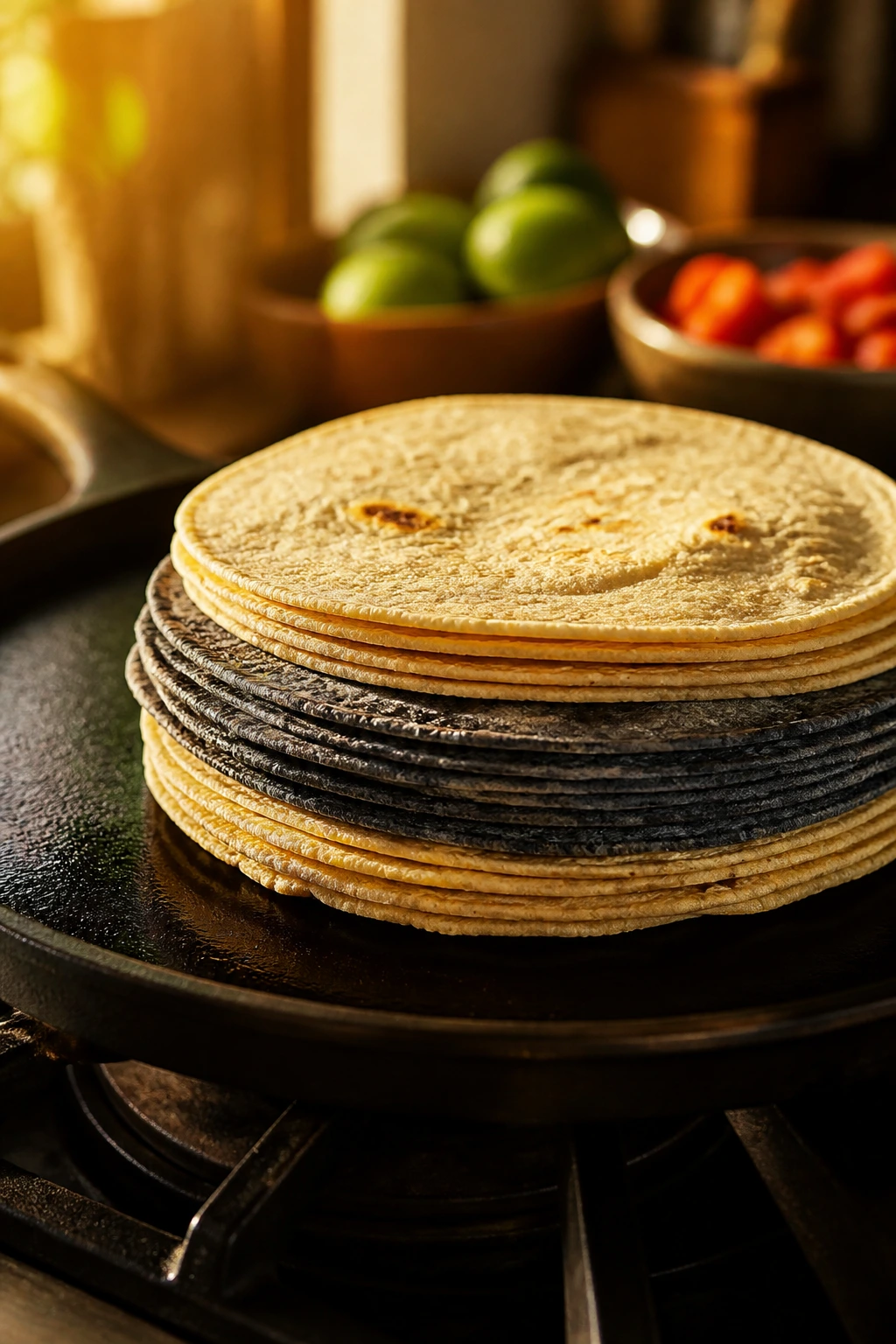
Corn Tortilla Night: Swap flour tortillas for corn tortillas and warm them in a dry skillet so they don’t crack. This works especially well with steak, shrimp, and vegetable fajitas. The flavor is a little earthier, and the meals feel less heavy.
No-Dairy, Still Creamy: Use avocado crema, dairy-free yogurt, or plain mashed avocado with lime and salt instead of sour cream and cheese-heavy finishes. This is an easy fix for bowls, tacos, and sheet-pan fajitas. The food still feels rich, just cleaner on the palate.
Lower-Sodium Skillet: Make your own seasoning with cumin, chili powder, smoked paprika, garlic powder, and black pepper, then salt lightly at the end. That gives you more control, especially with salsa, broth, and store-bought seasoning mixes that can run salty fast. The lime at the end matters even more here.
Mild Kids’ Version: Keep the spice low in the main filling and put heat on the side. Use more paprika than chili powder, skip hot salsa, and let each person add jalapeños or hot sauce to their own plate. It sounds basic, but it saves dinner arguments.
Heat-Seeker’s Tray: Add chipotle, serrano peppers, or a stronger salsa to the skillet if your table likes a little bite. This version is best on steak or chicken fajitas, where the richer meat can hold up to more heat. A squeeze of lime keeps it from getting harsh.
Vegetarian Pantry Swap: Use black beans, portobellos, zucchini, and extra peppers instead of meat, then finish with cotija or avocado. This variation is cheap, filling, and easy to scale up when more people show up than expected. The seasoning stays the same, which is part of the appeal.
Common Mistakes to Avoid
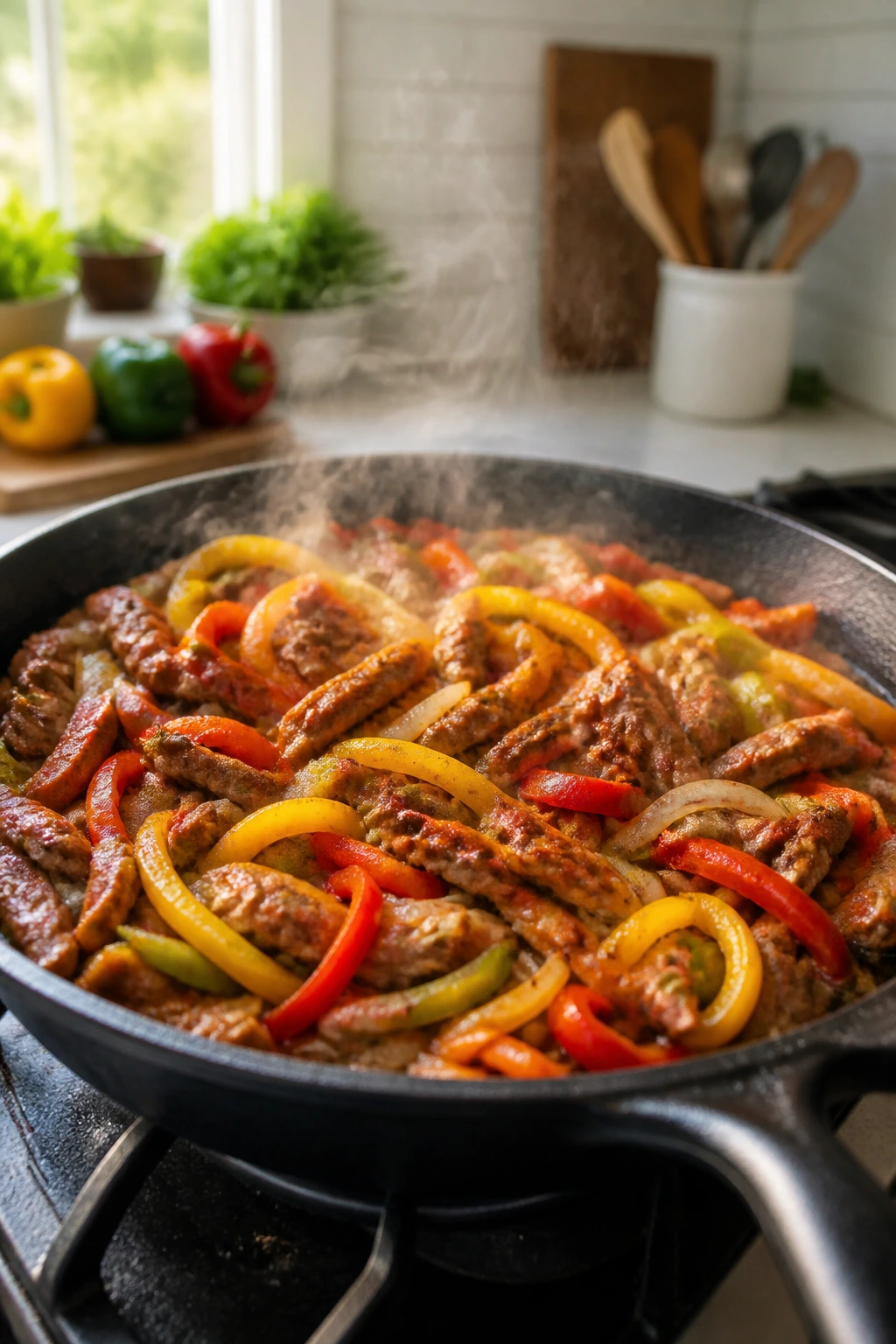
Crowding the pan: This is the big one. If the skillet is overloaded, the vegetables steam instead of browning, and fajitas lose the char that makes them worth making. Cook in batches or use a bigger pan. Space matters.
Slicing meat the wrong way: Steak sliced with the grain stays chewy. Slice against the grain, as thin as you can, and let it rest first. Chicken benefits from thin, even strips too, because they cook faster and stay more tender.
Adding too much liquid too soon: Salsa, broth, or lots of marinade can make vegetables soft and dull. Use just enough to season, then finish with lime, cilantro, or a little sauce after cooking. Fajitas should feel saucy, not wet.
Overcooking shrimp and salmon: These proteins do not forgive. Shrimp should turn opaque and pink, then leave the pan. Salmon should flake but still look moist in the center. If you cook either one until it looks dry in the skillet, it will taste worse on the plate.
Forgetting to warm the tortillas: Cold tortillas make even great fajita filling feel clumsy. Warm them in a skillet, on a dry griddle, or wrapped in foil so they’re soft and bendable. A lot of family-night friction disappears right there.
Underseasoning the vegetables: Peppers and onions need their own seasoning, not just whatever rubbed off the meat. Salt them in the pan, give them a minute over the heat, and finish with lime. That’s how they taste like part of the dinner instead of filler.
Frequently Asked Questions

Can I make fajita dinners ahead of time?
Yes, and some versions work better than others. Chicken, steak, bean, rice, and casserole-style fajitas can be cooked ahead and reheated well; shrimp and salmon are best cooked fresh. For the cleanest result, store tortillas, toppings, and filling separately.
What cut of chicken is best for fajitas?
Chicken thighs are the easiest and most forgiving cut because they stay juicy and don’t dry out as quickly. Breasts still work if you slice them thin and watch the cook time closely. If you want the safest choice for a busy night, thighs win.
How do I keep peppers from turning mushy?
Use high heat, don’t crowd the pan, and stop cooking while the peppers still have a little bite. If you’re using the oven or slow cooker, expect softer peppers and plan around that texture. For crunch, a quick sauté beats long cooking every time.
Can I use frozen peppers and onions?
Yes, but use them where browning matters less — bowls, casseroles, burrito bakes, and slow cooker fillings. Frozen vegetables release more water, which makes them less reliable for skillet fajitas. Fresh peppers are better when char is the goal.
What’s the easiest fajita dinner for a crowd?
The burrito bake and the nacho bake are the easiest to scale because they feed a lot of people from one dish. Sheet-pan chicken fajitas are the best if you want to keep the food more traditional and still feed everyone without juggling pans. Both are crowd-pleasers in different ways.
How do I make fajitas gluten-free?
Use corn tortillas, rice bowls, or stuffed peppers instead of flour tortillas. Also check your seasoning blends and salsa labels, since some packaged mixes include wheat-based fillers or hidden gluten. The flavor doesn’t suffer at all when you swap the base.
What should I do if my fajita filling tastes flat?
Usually it needs salt, lime, or both. Add a pinch of salt, taste again, then finish with fresh lime juice and maybe a little chopped cilantro. If it still feels dull, a small spoon of salsa or chipotle sauce can give it the depth it was missing.
Can I turn any of these into low-carb meals?
Absolutely. Use lettuce wraps, bowls over cauliflower rice, stuffed peppers, or a skillet served straight from the pan with toppings on the side. The fajita filling does most of the work, so the base can change without breaking the meal.
Keep the Skillet Going
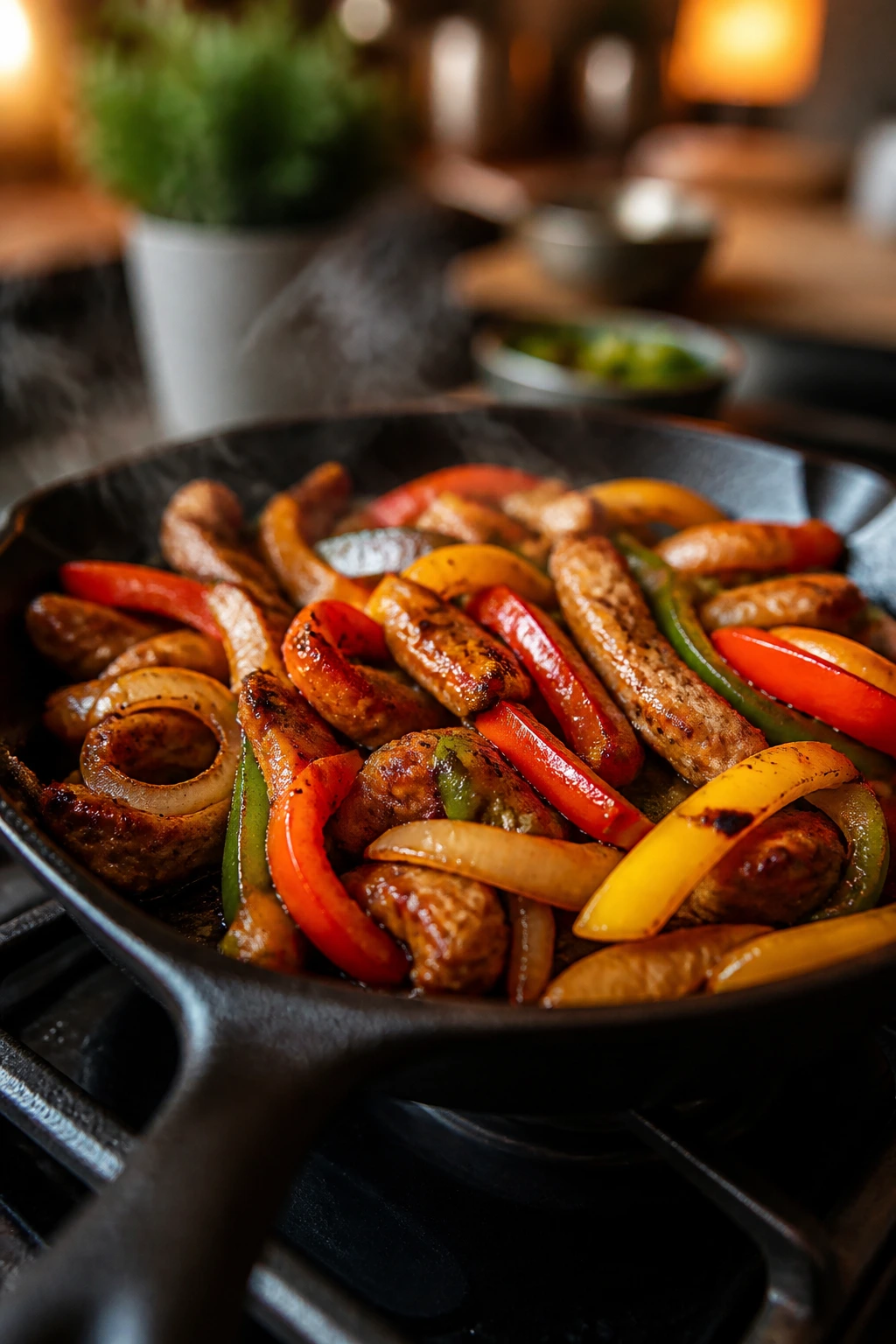
Fajita night works because it gives you a lot of room without making dinner feel loose or random. You get a clear flavor theme, fast cooking, and enough built-in flexibility to keep different eaters happy. That combination is rare, and honestly, I trust it more than a lot of fancier dinner ideas that look better on paper than they do on a Tuesday.
The smartest part is how easily these meals turn into other meals. Leftover chicken becomes quesadillas, extra peppers go into bowls, a burrito bake stretches across two nights, and a fast skillet can become breakfast the next day if you’ve got eggs and potatoes hanging around. Once you keep a few of these fajita dinners in rotation, family night stops feeling like a negotiation and starts feeling like something you already know how to win.