



Marinated chicken dinners for the grill are what happen when you stop treating chicken like a blank canvas and start giving it a real job. A good marinade does more than perfume the surface; it seasons the meat, helps it brown, and gives the grill something worth chasing with those dark, caramelized edges people always fight over.
Plain grilled chicken can be fine. But fine is not the same as memorable.
What I like about this group of marinated chicken dinners for the grill is how far they travel without getting fussy. One goes bright and lemony with Greek herbs. Another leans sticky and savory with soy and ginger. A third brings smoky heat, while another stays creamy and spiced with yogurt. Same grill. Same core protein. Completely different dinners.
Why These Marinades Earn a Spot in Rotation
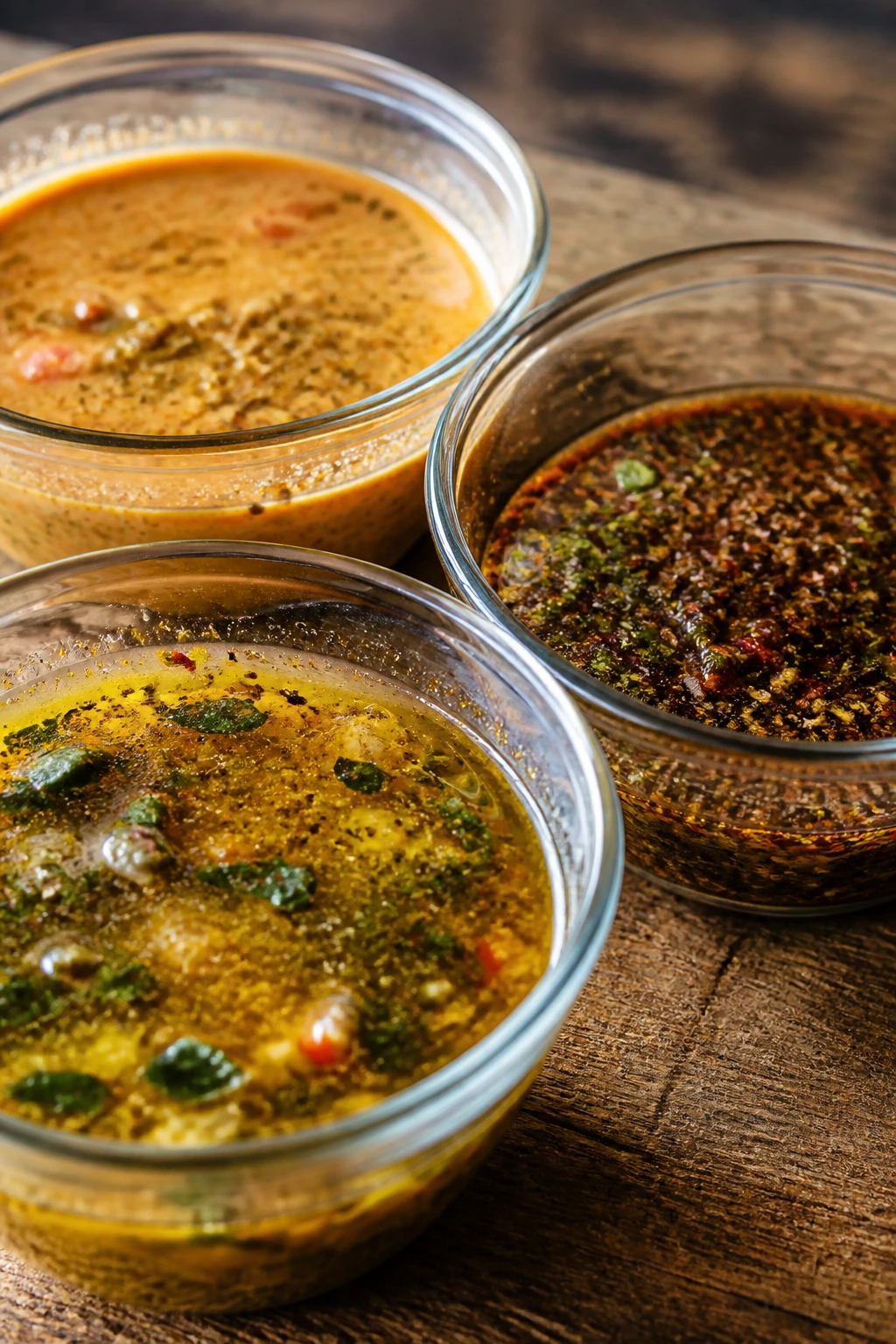
Built for real weeknights: Most of these marinades come together in 10 to 15 minutes with pantry ingredients and a whisk, not a blender circus.
Flexible with the cut you have: Thighs, breasts, tenders, or skewers all work in this mix, which means you can cook what’s in the fridge instead of making a second grocery run.
Built to taste like dinner, not just seasoned chicken: Salt, acid, fat, and a little sugar show up in different ways across the recipes, so the grill gets caramelization without turning the chicken into cardboard.
Good for make-ahead planning: Several of these marinades taste even better after a few hours, which makes them useful when dinner needs to happen later and you’d rather not think about it again.
Big range, no boredom: Citrus, mustard, yogurt, soy, spice paste, herb oil, and nutty sauces all live here. If one flavor profile is wearing thin, another is waiting with open arms.
Easy to build a full plate around: Each chicken idea plays well with rice, potatoes, flatbreads, salads, grilled vegetables, or a pile of corn cut off the cob. That matters. Nobody wants a lonely piece of chicken on a plate.
1. Lemon-Garlic Greek Grilled Chicken
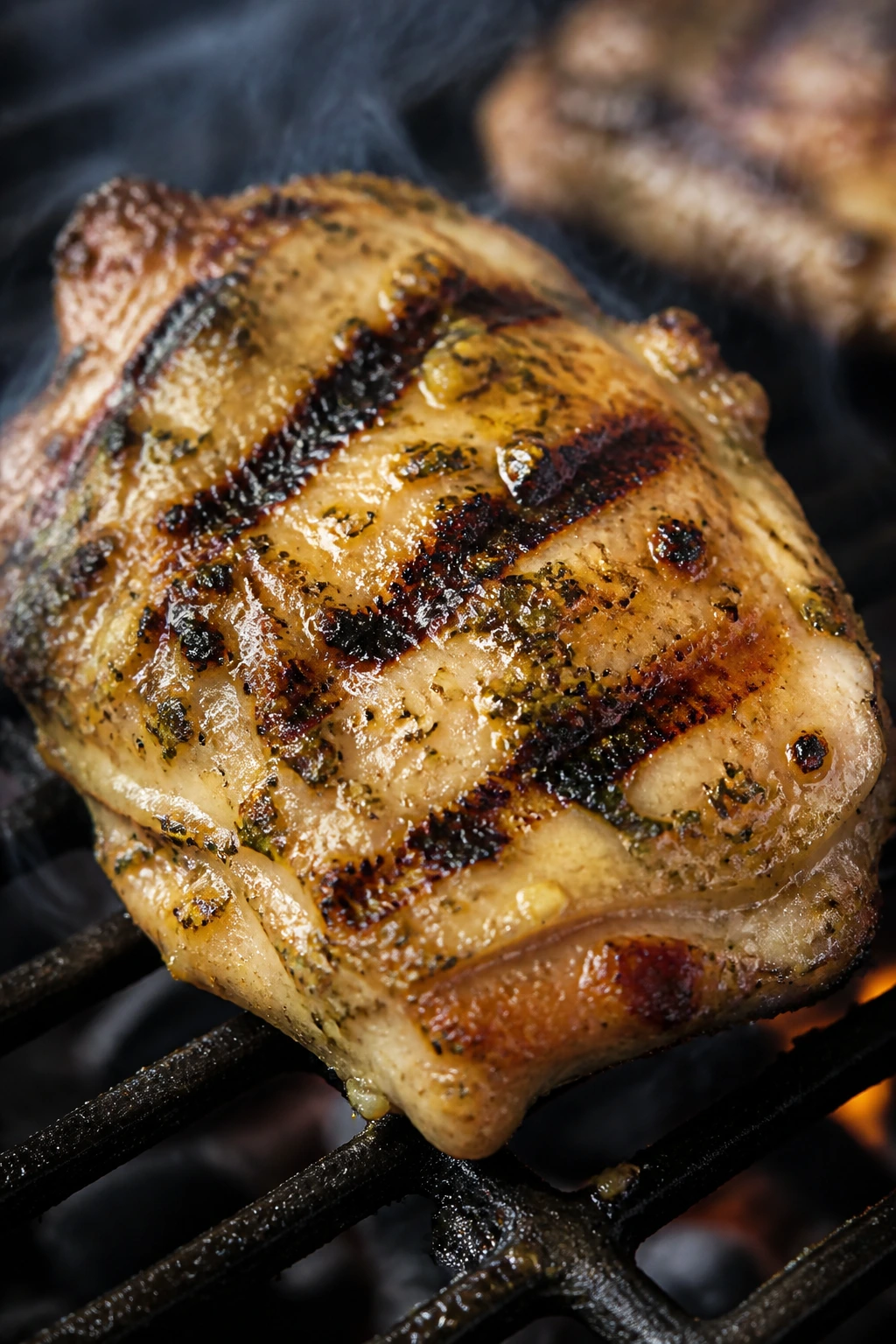
Lemon and garlic do a lot of heavy lifting here, and I mean that in the best way. The chicken comes off the grill smelling sharp, herbal, and a little smoky, with the sort of golden edges that make people lean over the platter before you’ve even called them to the table.
This is the version I reach for when I want grilled chicken to taste clean and bright instead of heavy. It’s especially good with thighs, because they stay juicy even when the grill is running a touch hotter than planned. Serve it with tomato salad, pita, or tzatziki, and the whole plate starts to feel like you had a plan.
Why It Works:
The marinade balances acid, oil, salt, and oregano in a way that keeps the chicken flavored all the way through without making the surface soft. Lemon juice lifts the flavor, olive oil carries the herbs, and garlic turns mellow and sweet once it hits the heat. That short marinate time is enough for flavor without crossing into mushy territory, which can happen if citrus sits on chicken too long.
Key Ingredients:
- 2 pounds boneless, skinless chicken thighs — the most forgiving cut here, though breasts work if you watch the grill closely.
- 1/4 cup extra-virgin olive oil — helps the herbs cling and keeps the surface from drying out.
- 3 tablespoons fresh lemon juice — use real lemon, not bottled, for the cleanest flavor.
- 1 teaspoon finely grated lemon zest — adds brightness the juice alone can’t give.
- 4 garlic cloves, minced — enough to smell it immediately when the chicken hits the grates.
- 1 tablespoon dried oregano — the backbone of the Greek flavor.
- 1 teaspoon kosher salt — seasons the meat instead of just the exterior.
- 1/2 teaspoon black pepper — a quiet little edge that keeps the marinade from tasting flat.
- 1 teaspoon Dijon mustard — optional, but it helps the marinade cling better.
Quick Steps:
- Whisk the olive oil, lemon juice, lemon zest, garlic, oregano, salt, pepper, and Dijon in a large bowl until the mixture looks loose and glossy.
- Add the chicken thighs and turn them until every piece is coated; cover and refrigerate for at least 2 hours or up to 8 hours.
- Preheat the grill to medium-high, about 400°F to 450°F, and clean and oil the grates so the chicken releases cleanly.
- Grill the chicken for 5 to 6 minutes on the first side without moving it, until the underside has deep grill marks and the chicken releases easily.
- Flip and cook for another 4 to 6 minutes, or until the thickest part reaches 165°F on an instant-read thermometer.
- Rest the chicken for 5 minutes before slicing so the juices stay where they belong.
Tips and Variations:
- Flavor boost: Add 1 tablespoon chopped fresh dill at the end for a cool, almost creamy herbal note.
- Serving idea: Slice the chicken over a cucumber-tomato salad with feta and warm pita.
- Cut swap: If you use chicken breasts, pound them to an even 3/4-inch thickness so they cook at the same pace.
2. Honey Soy Ginger Chicken
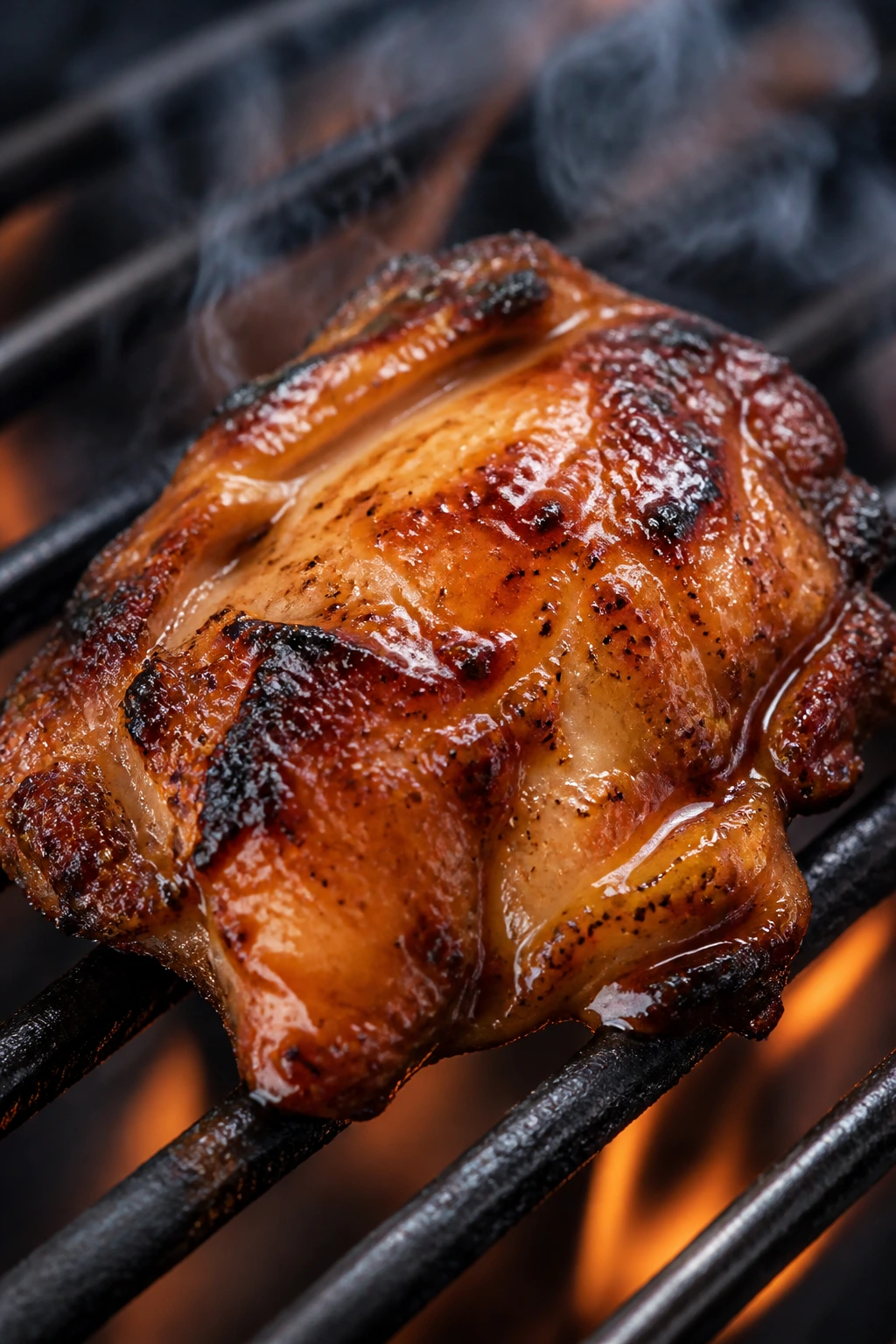
This one is sticky in the best possible way. The honey and soy turn into a shiny glaze on the grill, while ginger keeps the flavor from getting heavy or one-note.
If you like dinner that walks the line between savory and sweet, this is an easy keeper. It feels familiar, but not bland. And the smell when it comes off the fire — soy, garlic, ginger, a little caramel — is the kind that pulls people out to the patio before you’ve finished plating.
Why It Works:
Soy sauce brings salt and deep umami, honey adds the browning sugar, and fresh ginger keeps everything sharp enough to stay lively. Rice vinegar gives the marinade a little lift so the sweetness doesn’t flatten out. Because honey can burn, the grill should stay at medium-high rather than screaming hot, which gives the chicken time to cook through before the sugars darken too far.
Key Ingredients:
- 2 pounds boneless, skinless chicken thighs — ideal for a marinade with sugar in it.
- 1/3 cup low-sodium soy sauce — keeps the salt level in check while still seasoning the meat.
- 3 tablespoons honey — gives the chicken its glossy, caramelized finish.
- 2 tablespoons rice vinegar — adds clean acidity.
- 1 tablespoon toasted sesame oil — a little goes a long way here.
- 2 tablespoons freshly grated ginger — the flavor should smell bright and peppery.
- 3 garlic cloves, minced — softens into the marinade and deepens the savory side.
- 2 scallions, thinly sliced — both for the marinade and for finishing.
- 1/2 teaspoon red pepper flakes — optional, but worth it if you like a little heat.
Quick Steps:
- Whisk the soy sauce, honey, rice vinegar, sesame oil, ginger, garlic, scallions, and pepper flakes in a bowl until the honey dissolves.
- Add the chicken thighs, toss well, and marinate for at least 30 minutes or up to 8 hours in the refrigerator.
- Preheat the grill to medium-high, around 400°F, and oil the grates.
- Grill the chicken for 5 to 6 minutes on the first side, then flip once the bottom has good color and releases easily.
- Cook for another 4 to 6 minutes, watching closely near the end because the honey will deepen in color fast.
- Remove at 165°F, rest for 5 minutes, then scatter the sliced scallions over the top.
Tips and Variations:
- Baste smart: If you want extra shine, reserve 1/4 cup of the marinade before adding the chicken and simmer it for 2 minutes; brush it on during the last minute of grilling.
- Serving idea: Great with jasmine rice and sliced cucumbers dressed in rice vinegar.
- Flavor change: Swap half the honey for pineapple juice if you want a fruitier finish.
3. Chipotle Lime Chicken
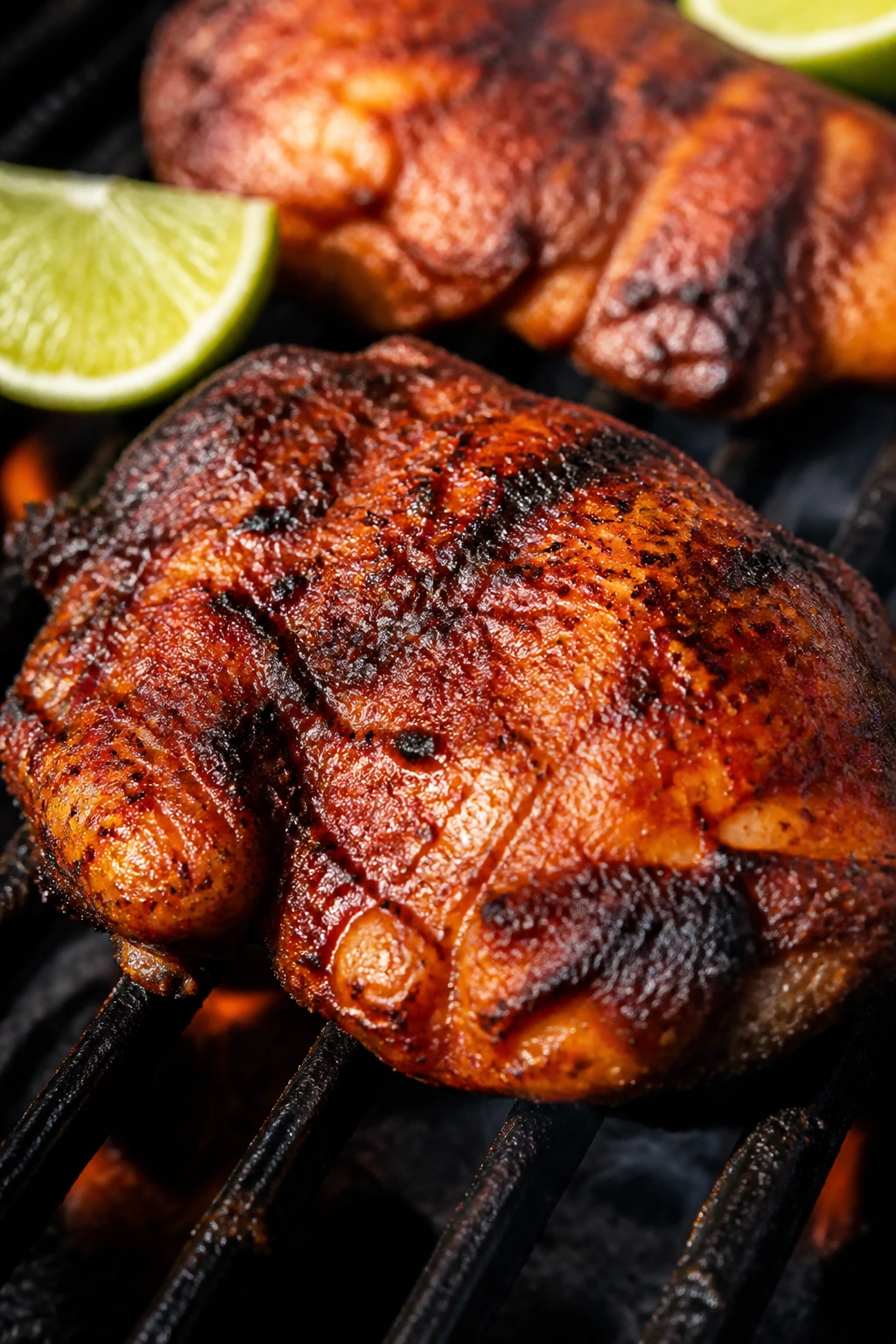
This is the one that tastes like smoke got invited to dinner. Chipotle brings a deep, peppery heat, lime cuts through it, and a touch of orange keeps the marinade from going too sharp.
I like this recipe when the grill is already hot and everyone is hungry. It gives you bold flavor fast, which is useful because not every dinner needs to feel polite. Some dinners should arrive with a little swagger.
Why It Works:
Chipotle peppers in adobo carry both heat and smoke, so they do the job of a spice rub and a sauce at the same time. Lime juice brightens the surface, orange juice adds a faint sweetness, and cumin gives the marinade a warm, earthy base. A short marinate keeps the citrus from taking over while still giving the chicken enough time to pick up all that smoky color.
Key Ingredients:
- 2 pounds boneless chicken thighs — best for holding up to the bold marinade.
- 2 chipotle peppers in adobo, minced — use one pepper for a gentler version.
- 1/4 cup fresh lime juice — the acid does the brightening here.
- 2 tablespoons orange juice — softens the lime and helps browning.
- 2 tablespoons olive oil — helps the spices coat the chicken.
- 2 garlic cloves, minced — adds depth under the smoke.
- 1 teaspoon ground cumin — gives the marinade a warm, savory base.
- 1 teaspoon smoked paprika — doubles down on the grilled flavor.
- 1 teaspoon brown sugar — helps with char and rounds out the heat.
- 1 teaspoon kosher salt — seasons the meat, not just the surface.
Quick Steps:
- Stir together the chipotle, lime juice, orange juice, olive oil, garlic, cumin, paprika, brown sugar, and salt.
- Coat the chicken thighs evenly and marinate for 2 to 6 hours in the refrigerator.
- Preheat the grill to medium-high, about 425°F, and lightly oil the grates.
- Grill the chicken for 5 to 7 minutes on the first side, until the edges are browned and the surface looks a little blistered.
- Flip and cook another 4 to 6 minutes, or until the center reaches 165°F.
- Rest the chicken for 5 minutes, then squeeze extra lime over the top before serving.
Tips and Variations:
- Heat control: Remove the seeds from one chipotle if you want smoke without a steady burn.
- Serving idea: Slice it for tacos with avocado, onion, and chopped cilantro.
- Shortcut: If you’re short on time, 30 minutes of marinating still helps.
4. Tandoori Yogurt Chicken
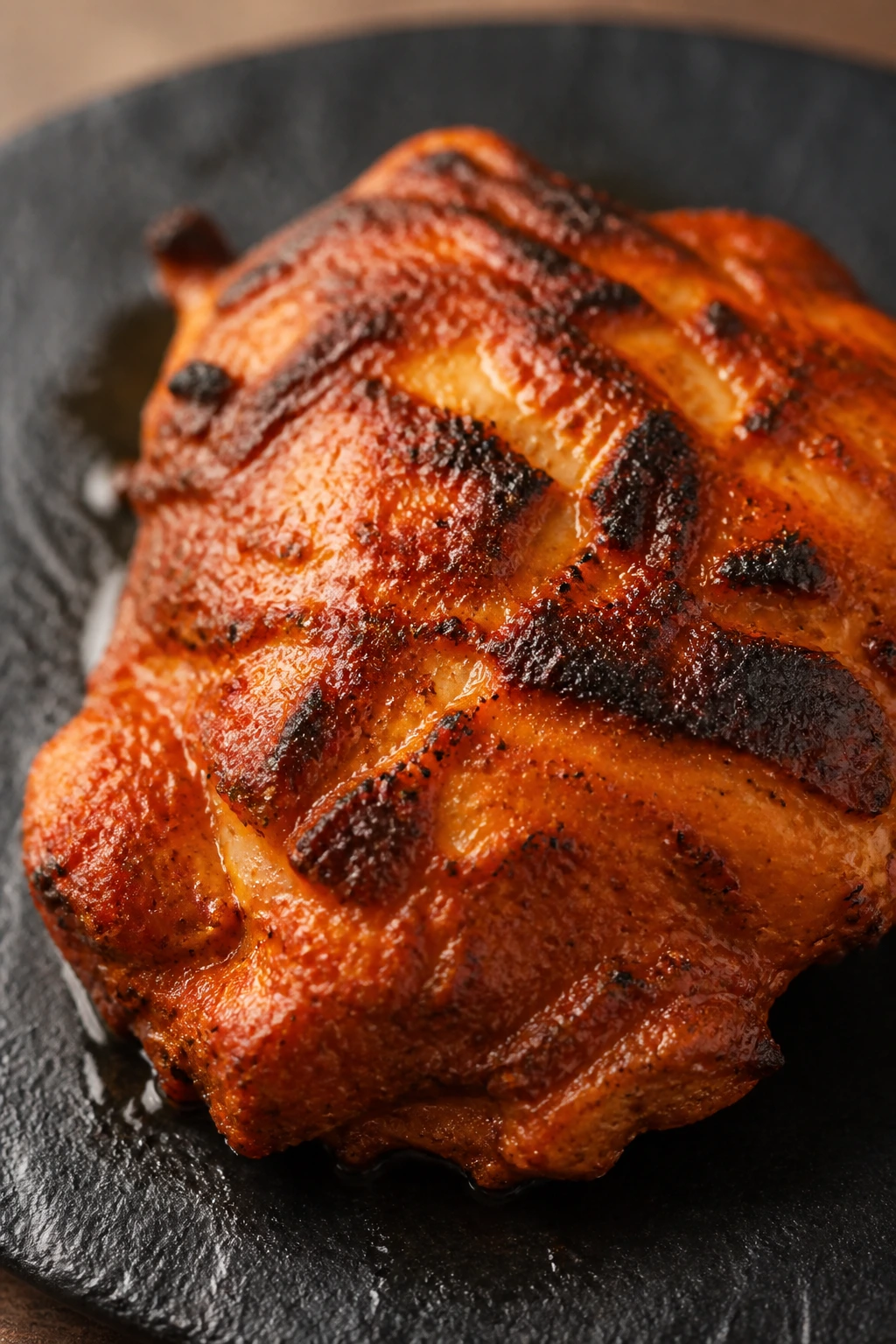
Yogurt marinades are a different animal. They cling, they brown well, and they carry spice deeper than a dry rub usually can. This version has that brick-red, spiced look that makes the chicken feel like a special occasion even when it’s just dinner on a Tuesday.
The texture is what wins me over. Yogurt softens the edges of the chicken without making it bland, and the grill turns the outside into something smoky and a little charred while the inside stays juicy. It’s one of the few marinades that feels both bold and gentle at once.
Why It Works:
Plain yogurt has natural lactic acid, which helps tenderize the chicken without the aggressive bite of straight vinegar or lemon juice. Garam masala, cumin, paprika, turmeric, and ginger build layers of flavor so the chicken tastes seasoned through and through. Because the marinade is thicker, it clings to the meat and forms a savory coating that browns well over medium heat.
Key Ingredients:
- 2 pounds boneless, skinless chicken thighs — the best cut for a rich yogurt marinade.
- 1 cup plain Greek yogurt — thick enough to coat the chicken well.
- 2 tablespoons lemon juice — adds brightness.
- 4 garlic cloves, minced — essential for the savory backbone.
- 1 tablespoon freshly grated ginger — gives the marinade a fresh bite.
- 2 teaspoons garam masala — the spice blend that makes this taste unmistakably tandoori.
- 1 teaspoon ground cumin — for earthiness.
- 1 teaspoon sweet paprika — helps with color and mild heat.
- 1/2 teaspoon turmeric — adds warmth and that classic golden tone.
- 1 teaspoon kosher salt — don’t hold back here.
Quick Steps:
- Whisk the yogurt, lemon juice, garlic, ginger, garam masala, cumin, paprika, turmeric, and salt in a bowl until smooth.
- Score the chicken thighs lightly with a knife so the marinade can reach more surface area.
- Coat the chicken well, cover, and refrigerate for at least 4 hours or up to 24 hours.
- Preheat the grill to medium, around 375°F to 400°F, and oil the grates.
- Grill the chicken for 6 to 7 minutes per side, moving it to a cooler spot if the yogurt browns too fast.
- Cook until the thickest piece reaches 165°F, then rest for 5 minutes before serving.
Tips and Variations:
- Serving idea: Pair with naan, cucumber salad, and a spoonful of mint chutney.
- Flavor boost: Add 1/2 teaspoon ground coriander for a softer citrusy note.
- Cut note: Breasts work, but pound them even and pull them off the grill the moment they hit 165°F.
5. Balsamic Rosemary Chicken
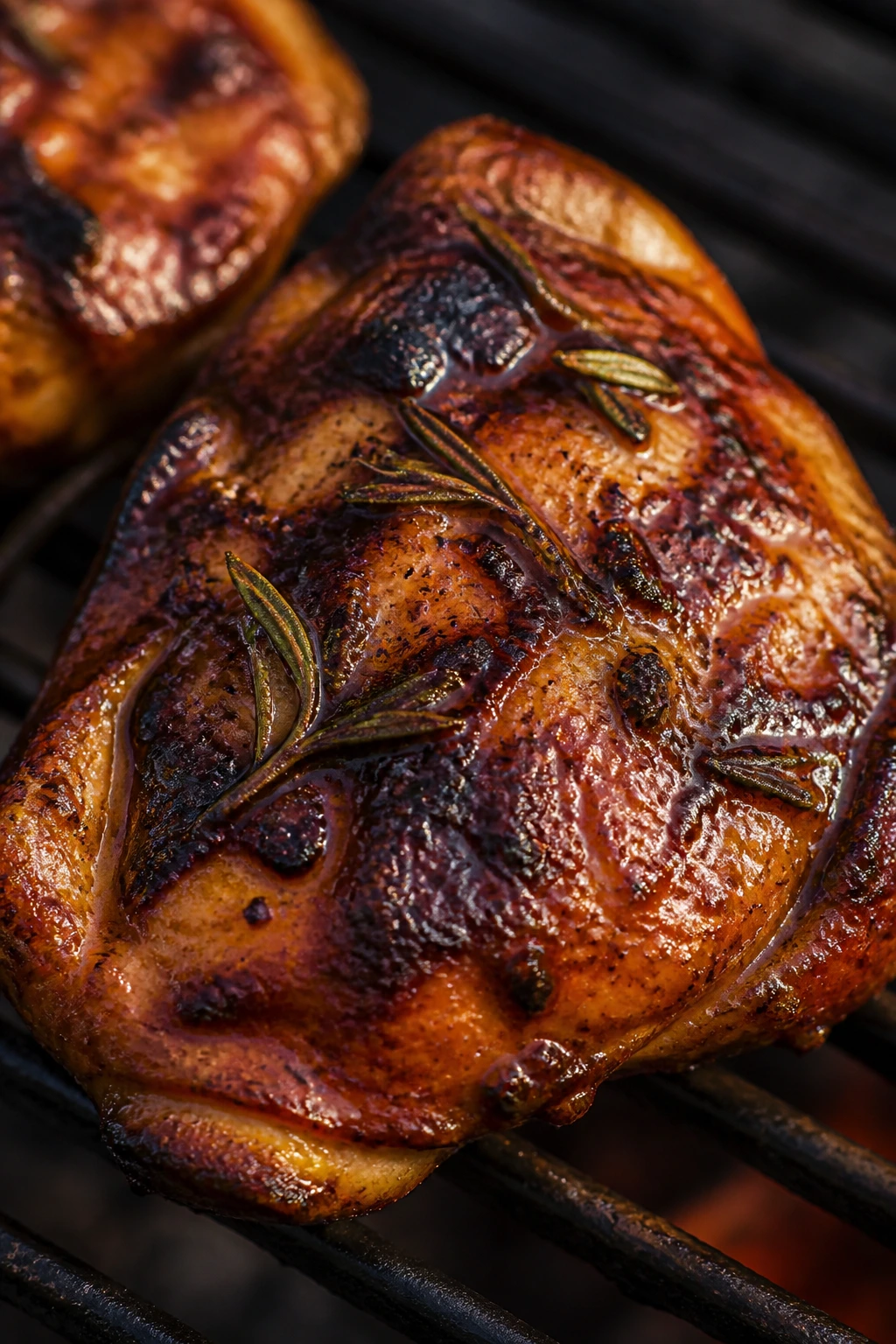
Balsamic vinegar and rosemary make grilled chicken taste like it spent more time and money on itself than it actually did. The surface gets dark and glossy, the rosemary smells woodsy and clean, and the whole thing leans a little elegant without getting precious.
I love this with mushrooms or grilled onions because the marinade has that same savory-sweet pull. If you want dinner that feels grown-up but still easy, this is a strong place to land.
Why It Works:
Balsamic vinegar adds tang and a natural sweetness that turns into a lacquer on the grill. Rosemary brings resinous, piney flavor, while Dijon mustard helps emulsify the marinade so the oil and vinegar stay blended. A touch of honey rounds the sharp edges and helps the chicken develop those sticky browned spots people always seem to chase.
Key Ingredients:
- 2 pounds boneless chicken thighs or breasts — thighs stay juicier; breasts cook faster.
- 1/4 cup balsamic vinegar — the main flavor driver.
- 1/4 cup olive oil — keeps the chicken from drying out.
- 2 tablespoons Dijon mustard — helps the marinade cling and adds bite.
- 2 tablespoons chopped fresh rosemary — use fresh if you can; dried rosemary is harsher.
- 3 garlic cloves, minced — gives the marinade depth.
- 1 tablespoon honey — softens the vinegar’s edge.
- 1 teaspoon kosher salt — seasons the meat deeply.
- 1/2 teaspoon black pepper — a simple finishing note.
Quick Steps:
- Whisk the balsamic vinegar, olive oil, Dijon, rosemary, garlic, honey, salt, and pepper until the marinade looks smooth and dark.
- Add the chicken and coat it well, then marinate for 1 to 6 hours in the refrigerator.
- Preheat the grill to medium-high, about 400°F, and oil the grates.
- Grill the chicken for 5 to 6 minutes per side for thighs, or 4 to 5 minutes per side for breasts.
- Watch for deep brown edges, but move the chicken if sugar from the balsamic starts to char too fast.
- Rest for 5 minutes, then slice and serve with any juices left on the board.
Tips and Variations:
- Serving idea: Good with roasted potatoes and green beans.
- Herb swap: Try thyme instead of rosemary if you want something softer.
- Acid note: Don’t push the marinating time too far with breasts; a long soak can tighten the texture.
6. Jerk Chicken with Lime
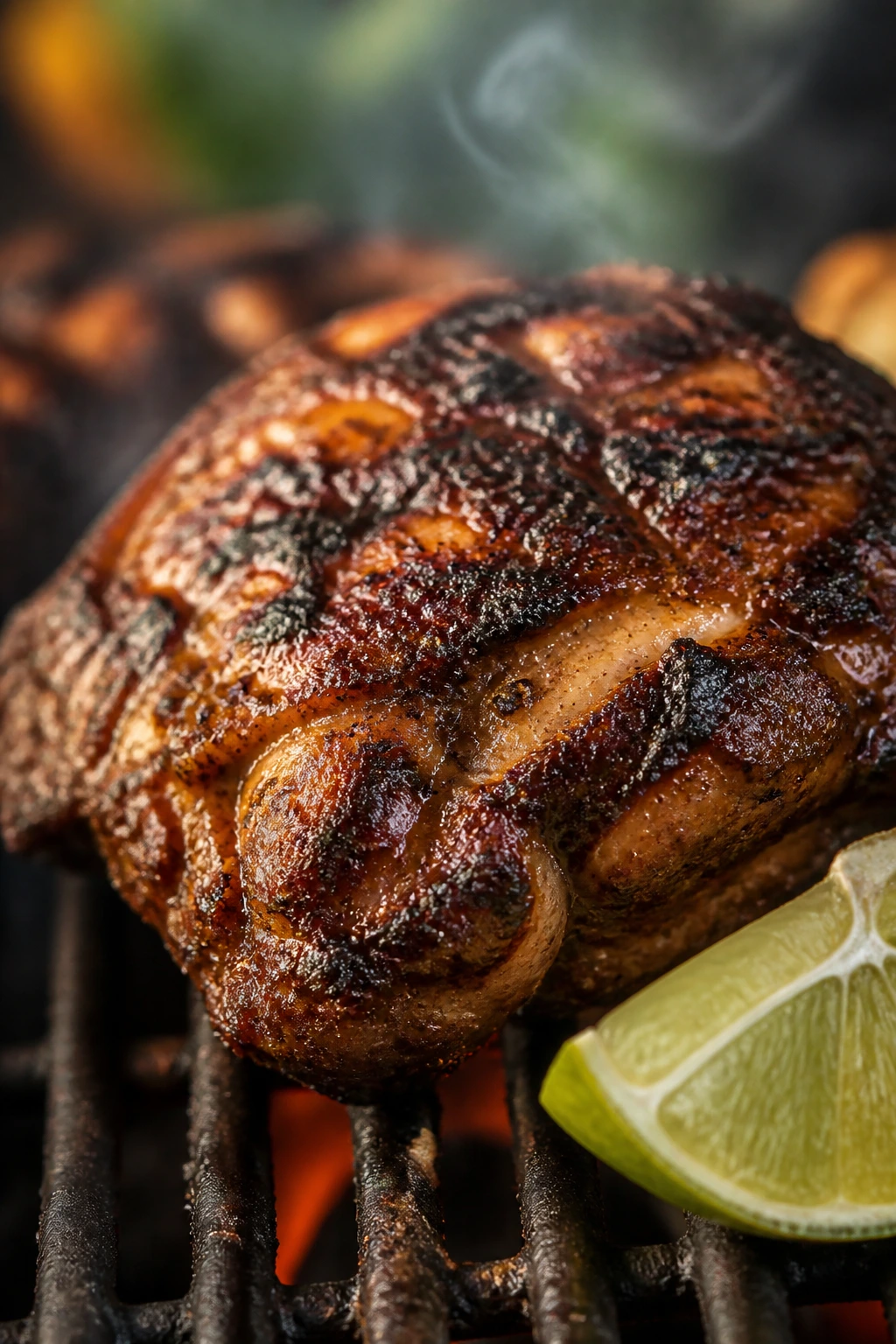
Jerk seasoning should feel alive. Warm allspice, thyme, garlic, ginger, and chilies do that job beautifully, and the grill only makes the whole thing louder in the best sense.
This is not a shy marinade. It’s smoky, peppery, fragrant, and just sweet enough to keep the heat from becoming one-dimensional. A squeeze of lime at the end wakes everything up and makes the chicken taste like it was meant to be eaten outside.
Why It Works:
Jerk marinade depends on contrast. Allspice, thyme, and cinnamon create a deep, aromatic base, while fresh chilies bring heat and lime brings the brightness that keeps the spices from feeling heavy. A little brown sugar helps the surface caramelize without turning the chicken into candy, and a touch of soy sauce adds savory depth that works especially well on the grill.
Key Ingredients:
- 2 pounds boneless chicken thighs — sturdy enough for bold spice.
- 3 scallions, chopped — classic jerk flavor and a bit of freshness.
- 3 garlic cloves, minced — builds the savory base.
- 1 tablespoon grated fresh ginger — adds bite.
- 1 to 2 Scotch bonnet or habanero peppers, seeded and chopped — use one for medium heat.
- 2 teaspoons ground allspice — the signature jerk note.
- 2 teaspoons fresh thyme leaves — dried works in a pinch, but fresh is better.
- 1 teaspoon ground cinnamon — just enough to warm the spice mix.
- 2 tablespoons lime juice — brightens the marinade.
- 1 tablespoon brown sugar — helps with grill color.
- 1 tablespoon soy sauce — deepens the savory side.
- 1 1/2 teaspoons kosher salt — don’t skimp.
Quick Steps:
- Blend or finely chop the scallions, garlic, ginger, chili, allspice, thyme, cinnamon, lime juice, brown sugar, soy sauce, salt, and oil into a thick marinade.
- Coat the chicken well and marinate for 4 to 12 hours in the refrigerator.
- Preheat the grill to medium, around 375°F to 400°F, because jerk seasoning can char if the heat is too aggressive.
- Grill the chicken for 6 to 7 minutes per side, or until the edges are browned and the center is cooked through.
- Move any pieces that darken too quickly to a cooler part of the grill.
- Finish with a squeeze of lime and rest for 5 minutes before serving.
Tips and Variations:
- Heat control: Remove the seeds and white ribs from the peppers if you want warmth instead of full fire.
- Serving idea: Serve with coconut rice and grilled pineapple.
- Bold swap: Drumsticks or bone-in thighs work too; just add more time over indirect heat.
7. Teriyaki Pineapple Chicken
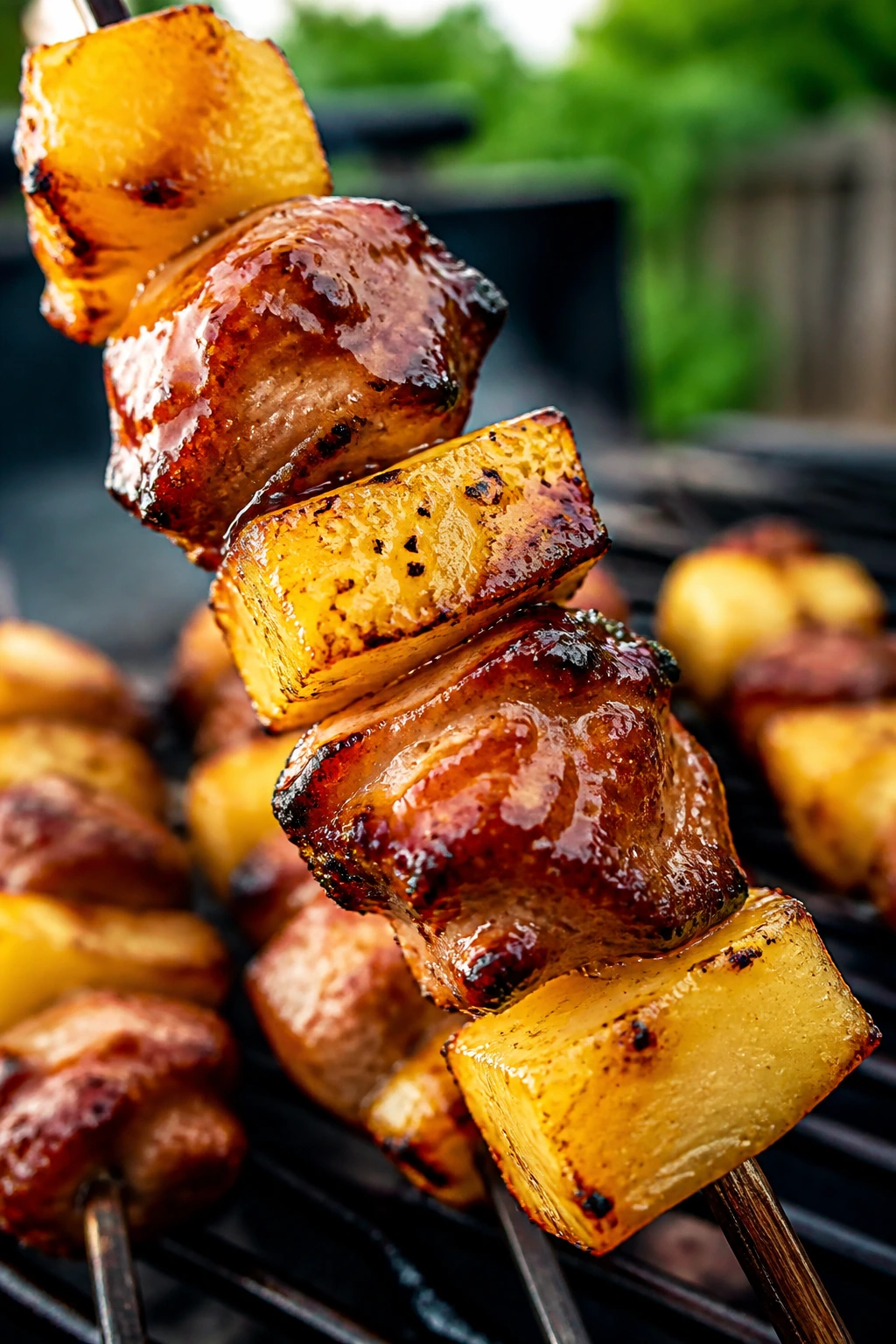
Sweet pineapple and savory soy make this one feel glossy and cheerful right off the grill. It’s the kind of chicken that looks at home on skewers, with the edges browned and the fruit caramelized in little sticky patches.
I like this for a crowd because the flavor is familiar without being dull. The pineapple juice helps tenderize the meat, the ginger keeps it lively, and the sesame oil gives it a finish that lingers just long enough.
Why It Works:
Teriyaki-style marinades lean on salt, sweetness, and gentle acidity, which is a good match for the grill because they brown quickly without needing a complicated sauce. Pineapple juice carries natural sweetness and a little enzymatic tenderizing power, while soy sauce and ginger keep the flavor from drifting into dessert territory. If you use pineapple chunks on the skewers, they char at the edges and add smoky bursts that make every bite different.
Key Ingredients:
- 2 pounds boneless chicken thighs, cut into 1 1/2-inch pieces — ideal for skewers.
- 1/2 cup pineapple juice — the sweet, fruity base.
- 1/4 cup low-sodium soy sauce — adds salt and umami.
- 2 tablespoons brown sugar — helps the glaze brown.
- 1 tablespoon rice vinegar — keeps the flavor sharp enough.
- 2 teaspoons toasted sesame oil — a small amount adds a lot of aroma.
- 3 garlic cloves, minced — savory depth.
- 1 tablespoon freshly grated ginger — bright and peppery.
- 1 cup pineapple chunks — for skewers and extra char.
- 2 tablespoons sliced green onions — for finishing.
Quick Steps:
- Mix the pineapple juice, soy sauce, brown sugar, rice vinegar, sesame oil, garlic, and ginger in a bowl.
- Toss the chicken pieces in the marinade and refrigerate for 1 to 8 hours.
- Thread the chicken and pineapple onto soaked skewers, leaving a little space between each piece so the heat can move around them.
- Preheat the grill to medium-high, about 400°F, and oil the grates.
- Grill the skewers for 10 to 12 minutes total, turning every 3 to 4 minutes, until the chicken reaches 165°F and the pineapple shows caramelized edges.
- Rest for 3 to 5 minutes and finish with green onions.
Tips and Variations:
- Serving idea: Great over steamed rice with sesame seeds.
- Glaze trick: If you want extra shine, reduce a little reserved marinade in a small saucepan before brushing it on.
- Shortcut: If you don’t want to skewer, grill the chicken pieces in a grill basket.
8. Dijon Herb Chicken
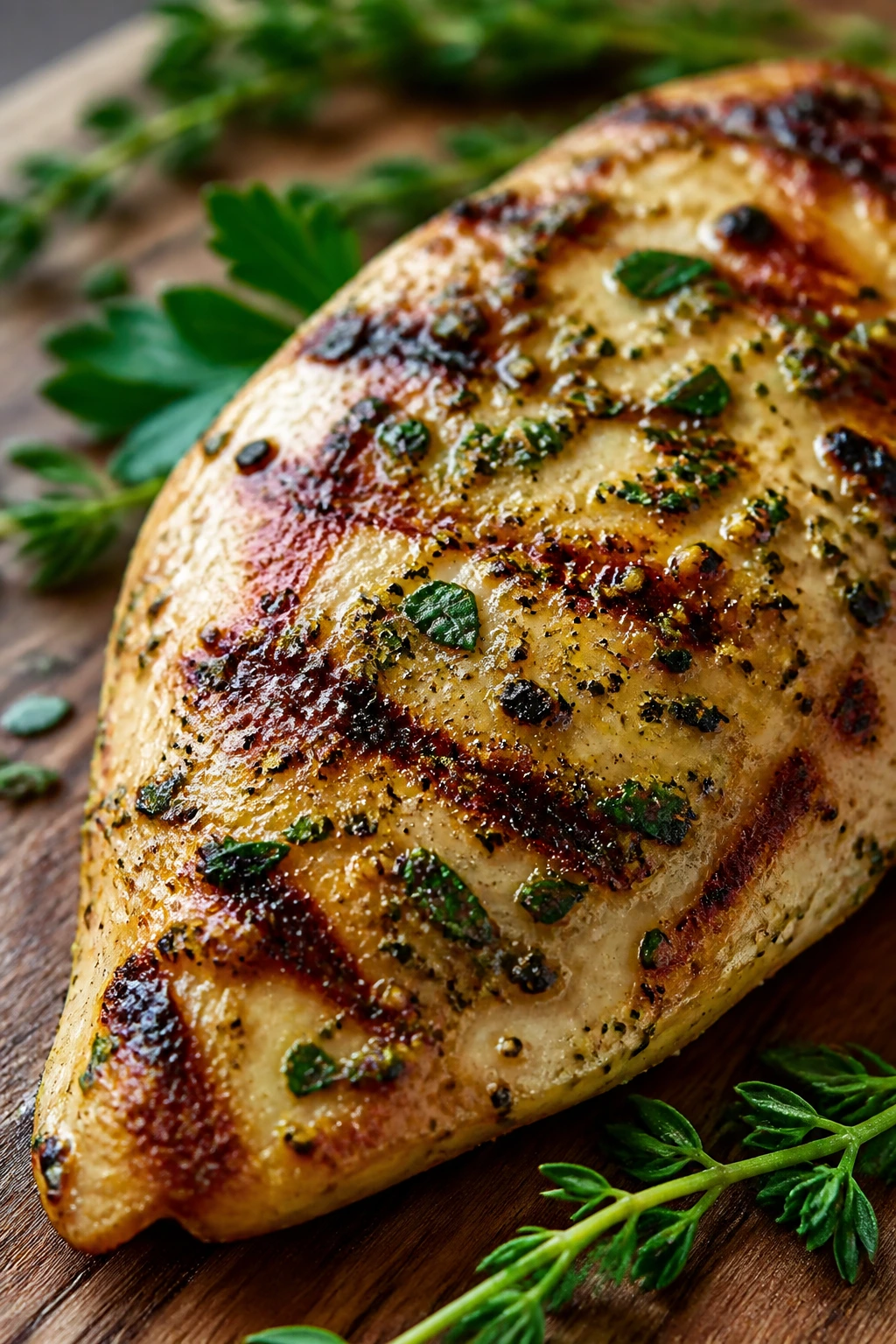
Dijon gives chicken a sharper, more grown-up personality than most marinades. Add parsley, thyme, garlic, and olive oil, and the whole thing turns clean, herby, and pleasantly tangy.
This is the chicken I make when I want the grill to do the cooking without stealing the show. The mustard adds bite, the herbs keep it green and fresh, and the chicken comes off with a light crust that works with almost anything beside it.
Why It Works:
Mustard does two jobs here. It brings flavor, and it helps emulsify the marinade so the oil and acid stay blended while the chicken soaks. Fresh herbs keep the flavor bright, and a touch of lemon juice keeps the mustard from tasting flat. It’s not a heavy marinade, which is part of the charm; it lets the grilled chicken taste clean but still interesting.
Key Ingredients:
- 2 pounds boneless chicken breasts or thighs — both work well.
- 1/4 cup Dijon mustard — the main flavor.
- 2 tablespoons whole-grain mustard — adds texture and deeper mustard flavor.
- 1/4 cup olive oil — helps carry the herbs.
- 2 tablespoons lemon juice — keeps the flavor lively.
- 2 teaspoons chopped fresh thyme — classic with mustard.
- 2 teaspoons chopped parsley — freshens the finish.
- 2 garlic cloves, minced — gives the marinade some backbone.
- 1 teaspoon kosher salt — needed even with mustard in the mix.
- 1/2 teaspoon black pepper — a simple finish.
Quick Steps:
- Whisk the Dijon, whole-grain mustard, olive oil, lemon juice, thyme, parsley, garlic, salt, and pepper in a bowl.
- Coat the chicken thoroughly and marinate for 30 minutes to 4 hours in the refrigerator.
- Preheat the grill to medium-high, around 400°F, and oil the grates well.
- Grill for 4 to 6 minutes per side, depending on thickness.
- Pull the chicken when the thickest part hits 165°F; the surface should look lightly browned, not blackened.
- Rest for 5 minutes before slicing.
Tips and Variations:
- Serving idea: Pairs nicely with potatoes, asparagus, or a simple green salad.
- Flavor boost: Add 1 teaspoon chopped tarragon if you want a softer, slightly anise-like note.
- Breast tip: Pound chicken breasts to an even thickness so they don’t dry out at the edges before the center is done.
9. Shawarma-Spiced Chicken
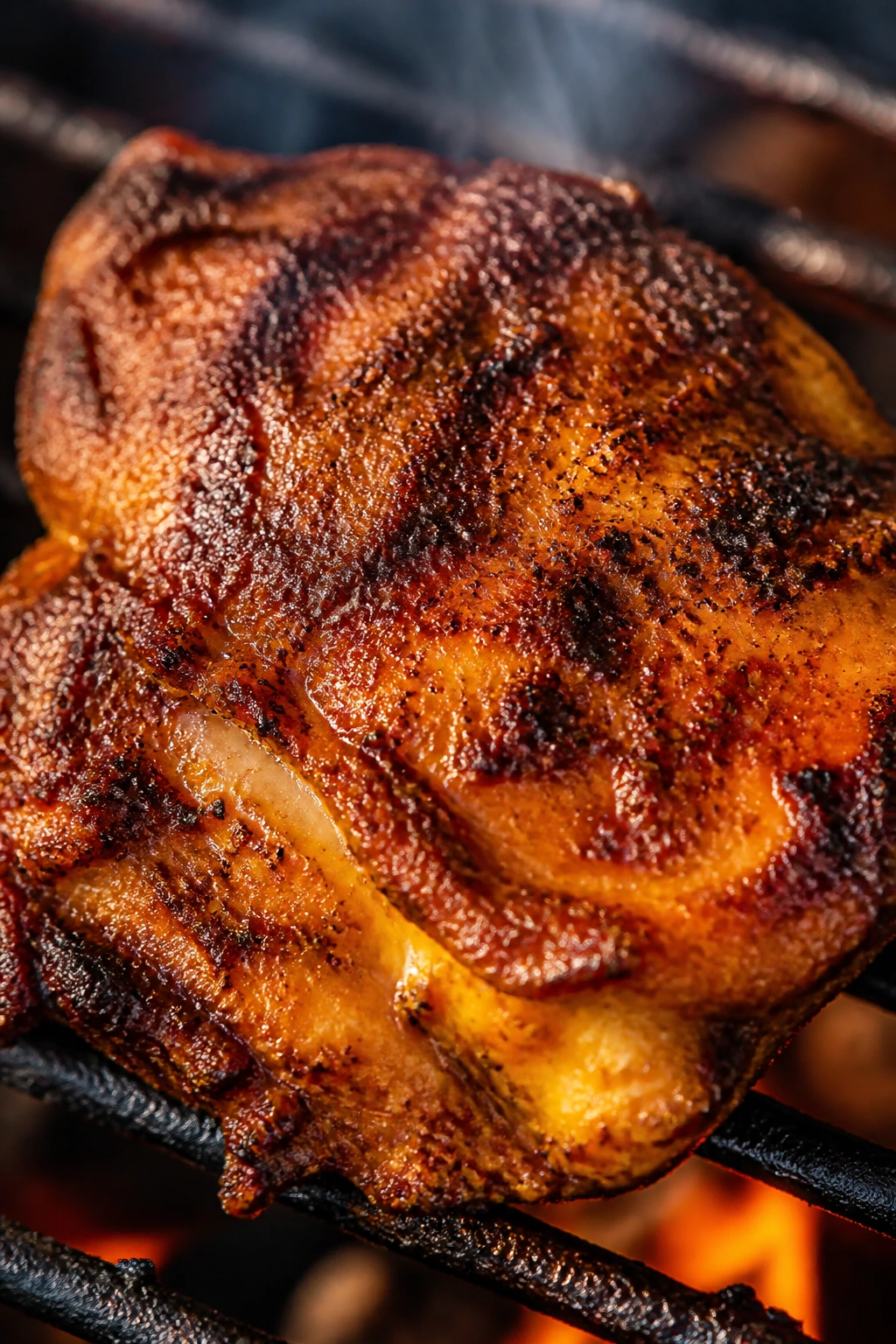
Shawarma spice blends smell warm and a little mysterious in the bowl, then turn downright irresistible once they hit the grill. Cumin, coriander, paprika, turmeric, and cinnamon make the chicken taste layered instead of loud.
I love this one because it gives you that spiced street-food feeling without a vertical rotisserie. The yogurt marinade keeps the chicken moist, while the spices toast on the grill and leave those dark, fragrant edges that make the whole plate feel more exciting than the effort should allow.
Why It Works:
Yogurt is the secret engine here again, but the spice mix does the real character work. Cumin and coriander bring earthiness, paprika brings color, turmeric adds warmth, and just a little cinnamon keeps the blend from tasting flat. The lemon and garlic sharpen the edges, which matters because grilled chicken can taste dull if all the seasoning sits on one level.
Key Ingredients:
- 2 pounds boneless chicken thighs — the best choice for shawarma-style cooking.
- 1 cup plain yogurt — gives the marinade body.
- 2 tablespoons lemon juice — brightens the spices.
- 2 tablespoons olive oil — helps the spices spread evenly.
- 2 teaspoons ground cumin — earthy and warm.
- 2 teaspoons ground coriander — slightly citrusy.
- 1 teaspoon sweet paprika — adds color.
- 1/2 teaspoon ground cinnamon — tiny amount, big effect.
- 1/2 teaspoon turmeric — for warmth and color.
- 3 garlic cloves, minced — essential.
- 1 1/2 teaspoons kosher salt — seasons the chicken properly.
Quick Steps:
- Stir together the yogurt, lemon juice, olive oil, cumin, coriander, paprika, cinnamon, turmeric, garlic, and salt until the mixture turns pale gold.
- Add the chicken and coat every piece well; marinate for 4 to 24 hours.
- Preheat the grill to medium, about 375°F to 400°F, and oil the grates.
- Grill the chicken for 5 to 6 minutes per side, keeping an eye on the thicker pieces.
- If the yogurt starts to darken too quickly, move the chicken to indirect heat for the last few minutes.
- Rest the chicken for 5 minutes, then serve with lemon wedges or tahini sauce.
Tips and Variations:
- Serving idea: Excellent in pita with sliced cucumber, tomato, and pickled onions.
- Spice swap: Add a pinch of cayenne if you want more heat.
- Make it richer: A spoonful of tahini on the side fits the spice profile beautifully.
10. Buffalo Ranch Grilled Chicken
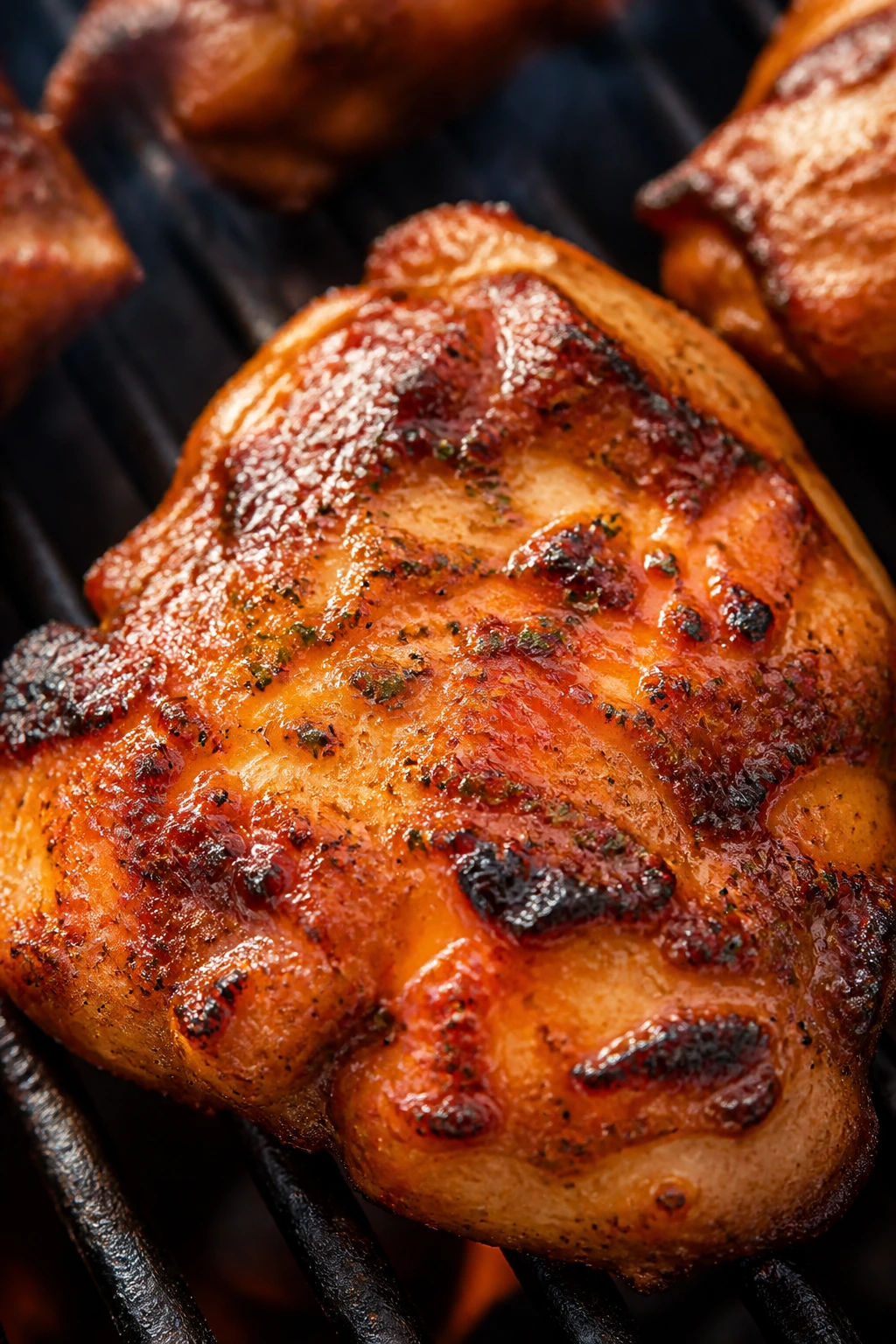
Buffalo flavor on the grill can go wrong fast if you’re careless, which is part of why I like it when it works. The heat, the tang, the salty ranch seasoning — it’s all familiar, but grilled chicken gives it a cleaner finish than the usual saucy mess.
This is a strong pick for game-day-style dinners or any night when you want something punchy with almost no argument about it. If you like wings, but you want a proper plate of chicken instead of a basket of bones, this scratches the itch.
Why It Works:
Hot sauce brings vinegar and heat, ranch seasoning adds herbs and salt, and a little oil helps the marinade coat the chicken evenly. Brown sugar is optional, but a teaspoon helps round the edges so the chicken tastes more like a full marinade and less like a dare. The trick is medium heat, because too much flame will scorch the seasoning before the meat cooks.
Key Ingredients:
- 2 pounds boneless chicken thighs — best for juicy results.
- 1/3 cup hot sauce — classic Buffalo flavor.
- 1/4 cup neutral oil — helps the marinade spread and protects the meat.
- 2 tablespoons apple cider vinegar — gives the marinade extra bite.
- 2 tablespoons ranch seasoning mix — salty herbs and garlic in one shot.
- 1 teaspoon garlic powder — reinforces the savory side.
- 1 teaspoon smoked paprika — adds color and a little depth.
- 1/2 teaspoon black pepper — a sharp edge.
- 1 teaspoon brown sugar — optional, but useful for balance.
Quick Steps:
- Whisk the hot sauce, oil, vinegar, ranch seasoning, garlic powder, paprika, pepper, and brown sugar in a bowl.
- Coat the chicken thighs evenly and marinate for 30 minutes to 4 hours in the refrigerator.
- Preheat the grill to medium, around 375°F to 400°F, and oil the grates.
- Grill for 5 to 6 minutes per side, watching closely because the seasoning can darken quickly.
- Once the chicken reaches 165°F, move it to a platter and let it rest for 5 minutes.
- Serve with extra hot sauce or ranch dressing on the side if you like a saucier finish.
Tips and Variations:
- Serving idea: Pile it into buns with slaw, or slice it over a wedge salad.
- Heat control: Use a mild hot sauce and skip the sugar if you want a cleaner, sharper bite.
- Finish idea: A little crumbled blue cheese on top works if you like Buffalo chicken in full mode.
11. Sesame Peanut Chicken
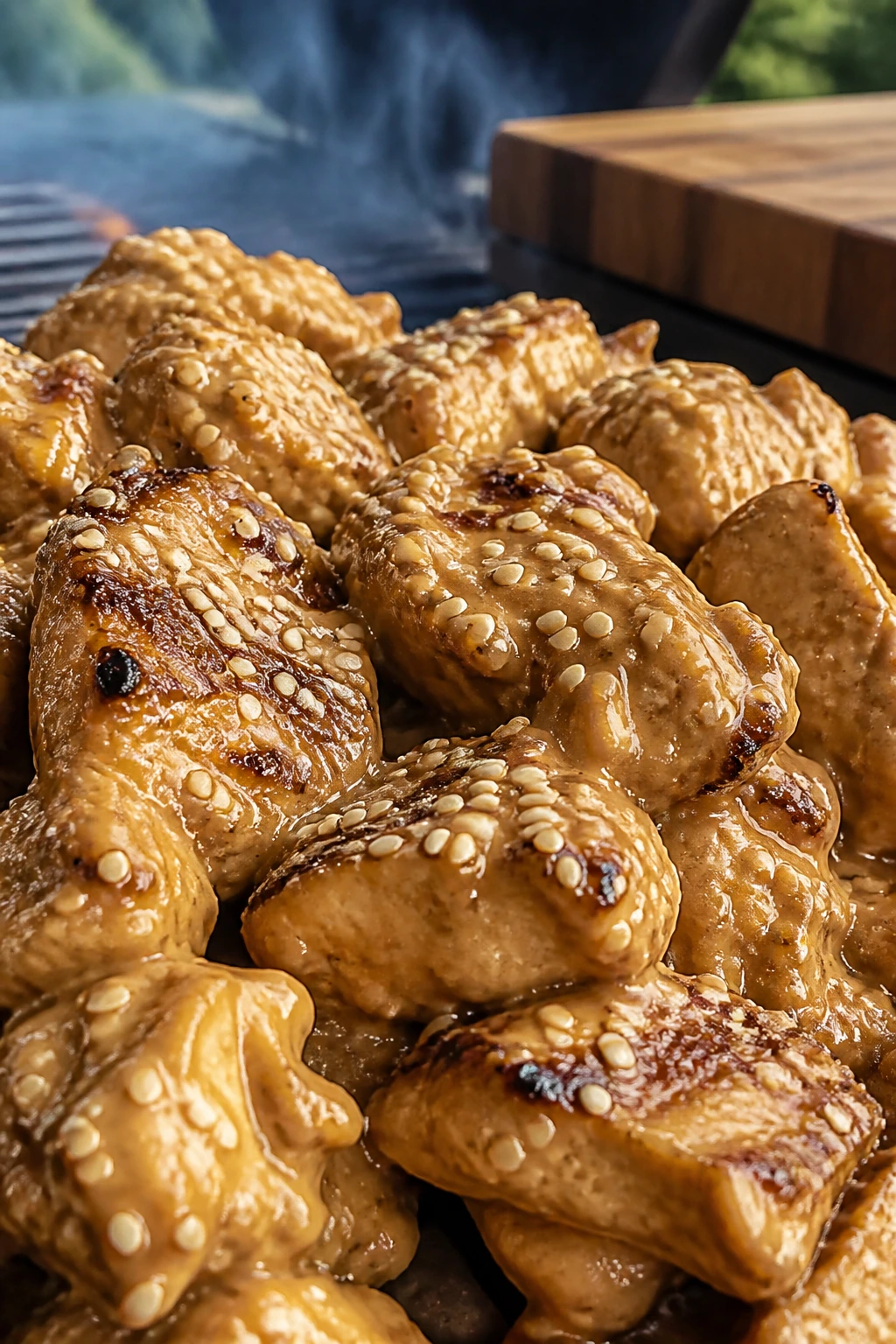
This one tastes like grilled chicken that took a detour through satay country. Peanut butter, soy, lime, ginger, and sesame oil make the marinade thick, nutty, and a little addictive.
I like this recipe for skewer nights because the sauce clings. You get sweet, salty, and tangy all at once, with enough body that the chicken picks up visible color on the grill instead of just tasting “seasoned.” That matters more than people think.
Why It Works:
Peanut butter creates a rich, coating marinade that stays on the chicken instead of sliding off. Soy sauce and lime balance the richness, while ginger and garlic keep the flavor from feeling heavy. A little warm water loosens the mixture just enough to spread, which is the difference between a good marinade and a bowl of paste.
Key Ingredients:
- 2 pounds boneless chicken thighs — cut into chunks if you’re skewering.
- 1/4 cup creamy peanut butter — the base of the marinade.
- 1/4 cup low-sodium soy sauce — adds salt and umami.
- 2 tablespoons lime juice — sharpens the flavor.
- 1 tablespoon rice vinegar — keeps the peanut richness from getting too thick.
- 1 tablespoon honey — gives the chicken a little grill-friendly sweetness.
- 1 tablespoon toasted sesame oil — powerful, so don’t overdo it.
- 2 garlic cloves, minced — savory depth.
- 1 tablespoon grated ginger — keeps the flavor bright.
- 2 to 4 tablespoons warm water — thins the marinade to a brushable consistency.
Quick Steps:
- Whisk the peanut butter, soy sauce, lime juice, rice vinegar, honey, sesame oil, garlic, ginger, and warm water until the marinade is smooth and pourable.
- Add the chicken and coat well; marinate for 2 to 8 hours.
- If using skewers, thread the chicken pieces with a little space between them for even cooking.
- Preheat the grill to medium-high, around 400°F, and oil the grates.
- Grill the chicken for 10 to 12 minutes total on skewers, turning every few minutes, or 5 to 6 minutes per side for larger pieces.
- Pull it at 165°F and rest briefly before serving with lime wedges.
Tips and Variations:
- Serving idea: Excellent with rice noodles or a crunchy cabbage slaw.
- Allergy swap: Sunflower seed butter works if peanuts are off the table.
- Sauce move: Thin extra peanut butter with a splash of hot water and lime for drizzling.
12. Pesto Lemon Chicken
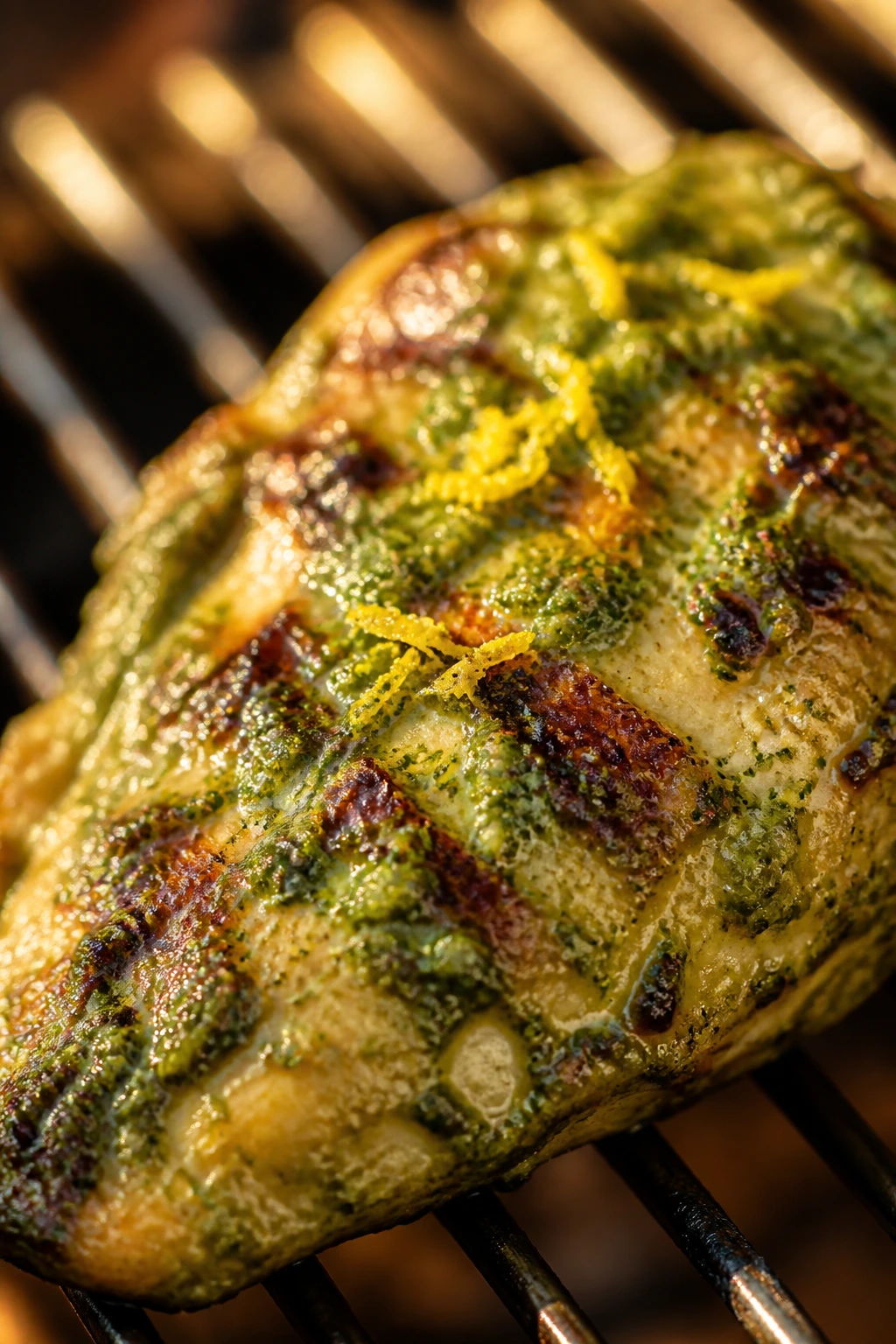
Basil pesto gives grilled chicken an instant herb hit, and lemon keeps it from feeling too rich. The result is green, garlicky, and clean-tasting, with just enough char to make the edges interesting.
This is a very easy marinade to like because it asks for little and gives back plenty. If you already have pesto in the fridge, you’re most of the way there. That’s the sort of logic I trust on busy nights.
Why It Works:
Pesto already carries basil, garlic, oil, and cheese, so it acts like a built-in flavor base. Lemon juice and zest brighten the heavy, oily notes and help the chicken taste fresher once it hits the grill. Because pesto can brown fast, moderate heat keeps the herbs from burning before the meat cooks through.
Key Ingredients:
- 2 pounds boneless chicken breasts or thighs — both work.
- 1/2 cup basil pesto — store-bought or homemade.
- 2 tablespoons olive oil — loosens the pesto.
- 2 tablespoons lemon juice — brightens the flavor.
- 1 teaspoon lemon zest — a small amount makes a big difference.
- 2 garlic cloves, minced — if your pesto is mild.
- 1/2 teaspoon kosher salt — taste first if the pesto is salty.
- 1/2 teaspoon black pepper — a little bite.
- 2 tablespoons grated Parmesan — optional, but nice for finishing.
Quick Steps:
- Mix the pesto, olive oil, lemon juice, lemon zest, garlic, salt, and pepper in a bowl.
- Coat the chicken and refrigerate for 30 minutes to 4 hours.
- Preheat the grill to medium-high, about 400°F, and oil the grates.
- Grill for 4 to 6 minutes per side for breasts, or 5 to 7 minutes per side for thighs.
- Cook until the center reaches 165°F and the surface has scattered browned spots.
- Rest for 5 minutes, then finish with Parmesan if you like.
Tips and Variations:
- Serving idea: Good with grilled zucchini, pasta salad, or crusty bread.
- Color note: Add a handful of chopped parsley after grilling if you want the plate to look greener and fresher.
- Texture tip: Don’t marinate breasts too long in pesto; 4 hours is plenty.
13. Cajun Buttermilk Chicken
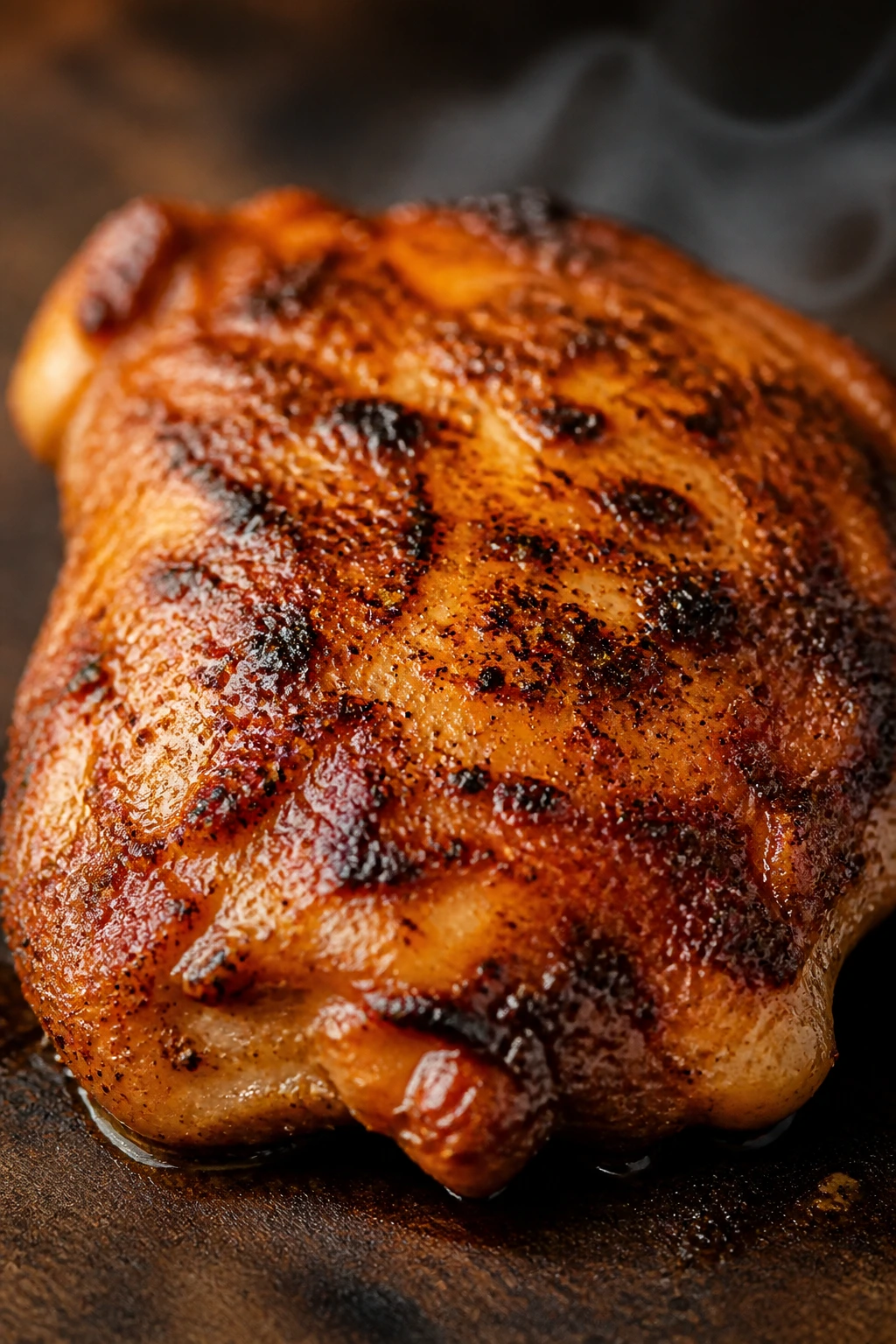
Buttermilk marinades make grilled chicken tender in a way that plain oil never quite can. Add Cajun seasoning and a little hot sauce, and the whole thing turns savory, peppery, and just a bit tangy.
This is the recipe I use when I want something with crunch at the edges and softness underneath. The buttermilk does a nice job of clinging to the chicken, which means the spice sticks too. That’s a small detail, but it matters.
Why It Works:
Buttermilk’s mild acidity helps loosen up the surface of the chicken so the meat stays tender after grilling. Cajun seasoning brings paprika, garlic, onion, pepper, and cayenne together in one shot, which means the chicken gets a big flavor profile without a long ingredient list. Hot sauce adds another layer of acid and heat, but not so much that the chicken tastes sharp or thin.
Key Ingredients:
- 2 pounds boneless chicken thighs — the best match for this marinade.
- 1 cup buttermilk — tenderizes and coats the meat.
- 2 tablespoons Cajun seasoning — check the salt level if your blend is heavy.
- 1 tablespoon hot sauce — adds heat and acidity.
- 2 garlic cloves, minced — gives the marinade more depth.
- 1 teaspoon paprika — reinforces the color.
- 1 teaspoon kosher salt — only if your seasoning blend needs it.
- 1/2 teaspoon black pepper — optional, depending on the Cajun mix.
- 1 tablespoon neutral oil — helps the chicken grill cleanly.
Quick Steps:
- Whisk the buttermilk, Cajun seasoning, hot sauce, garlic, paprika, salt, pepper, and oil in a large bowl.
- Add the chicken and turn to coat; marinate for 4 to 12 hours in the refrigerator.
- Before grilling, let excess marinade drip off so the dairy doesn’t burn in thick clumps.
- Preheat the grill to medium-high, around 400°F, and oil the grates.
- Grill the chicken for 5 to 7 minutes per side, keeping an eye on flare-ups because of the dairy coating.
- Rest for 5 minutes, then serve hot.
Tips and Variations:
- Serving idea: Excellent with cornbread, coleslaw, or grilled okra.
- Heat adjustment: Use a mild Cajun blend if you want flavor more than fire.
- Texture tip: Pat the chicken lightly before it hits the grill; you want coated, not dripping.
14. Orange-Garlic Chicken
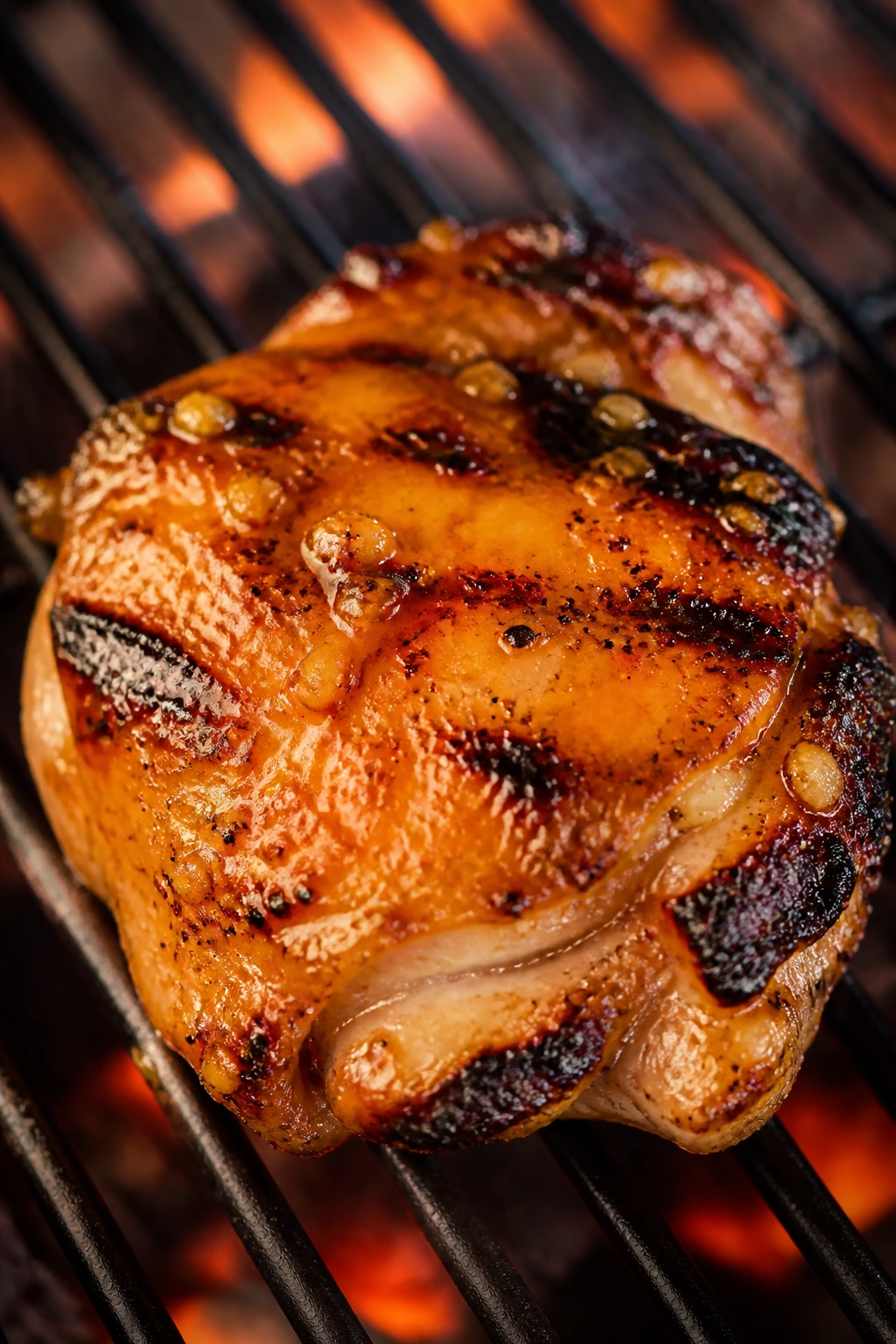
Orange gives grilled chicken a rounder, softer sweetness than lemon or lime. It smells warm, a little floral, and very summer-friendly, especially once garlic and soy sauce go into the mix.
I like this one because it lands somewhere between bright and savory without getting stuck in either lane. The orange juice gives you familiar sweetness, but the garlic and soy keep the marinade honest. It tastes like dinner, not dessert wearing a chicken costume.
Why It Works:
Orange juice brings acidity and sugar, which help the chicken caramelize on the grill. Soy sauce and ginger deepen the flavor so it doesn’t taste like fruit salad, and garlic keeps the whole marinade grounded. A little orange zest sharpens the aroma, which is useful because juice alone can taste softer than you expect after cooking.
Key Ingredients:
- 2 pounds boneless chicken thighs or breasts — thighs stay juicier.
- 1/3 cup fresh orange juice — the main sweet-acid element.
- 1 tablespoon orange zest — gives the chicken a stronger orange scent.
- 1/4 cup olive oil — helps the chicken brown without drying.
- 3 garlic cloves, minced — the savory anchor.
- 2 tablespoons low-sodium soy sauce — adds salt and depth.
- 1 tablespoon honey — rounds out the citrus.
- 1 teaspoon grated ginger — keeps the flavor lively.
- 1/2 teaspoon crushed red pepper flakes — optional.
- 1 teaspoon kosher salt — needed even with soy in the mix.
Quick Steps:
- Whisk the orange juice, zest, olive oil, garlic, soy sauce, honey, ginger, red pepper flakes, and salt together.
- Add the chicken and marinate for 2 to 8 hours in the refrigerator.
- Preheat the grill to medium-high, around 400°F, and oil the grates.
- Grill for 5 to 6 minutes per side for thighs, or 4 to 5 minutes per side for breasts.
- Pull the chicken at 165°F, then rest for 5 minutes.
- Serve with orange slices if you want the flavor to show up on the plate too.
Tips and Variations:
- Serving idea: Good with rice pilaf and charred broccoli.
- Swap: Add a spoonful of fresh thyme if you want a more herb-forward finish.
- Heat note: Keep the grill at medium-high, not blazing hot, or the citrus sugars can scorch before the chicken is done.
15. Maple Dijon Chicken
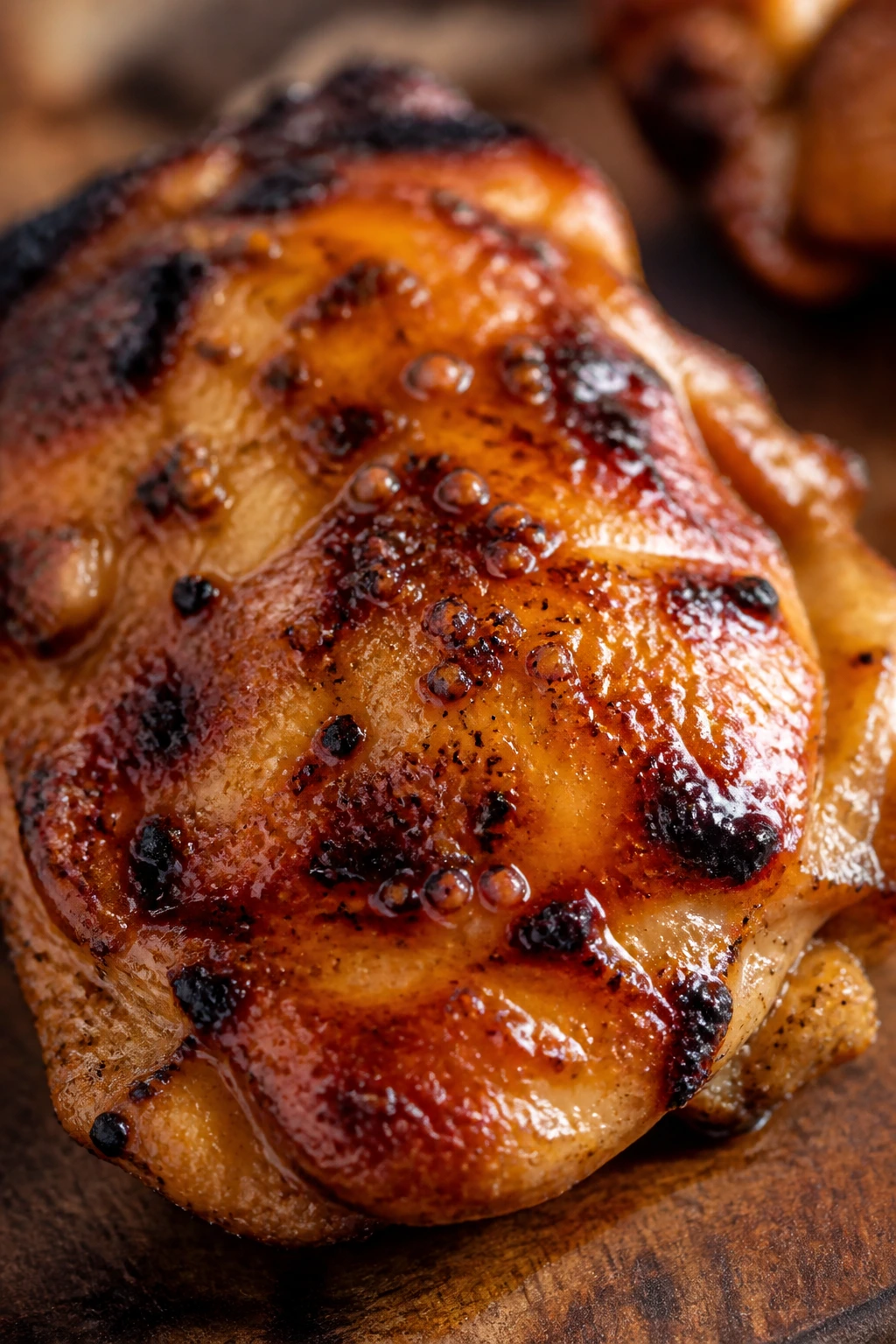
Maple and Dijon make a sharper, cleaner sweet-savory pair than people expect. On the grill, they turn into a shiny glaze with browned edges and a little tang that keeps the chicken from feeling sticky in the wrong way.
This recipe is one of my favorites for cool evenings and hungry guests because it feels complete without asking for a complicated sauce. The maple gives you warmth, the mustard keeps it from drifting sugary, and the smoked paprika quietly bridges the gap between marinade and grill.
Why It Works:
Pure maple syrup browns well and brings a mellow sweetness, while Dijon cuts that sweetness with bite and sharpness. Apple cider vinegar adds a little tang so the chicken doesn’t taste heavy, and smoked paprika makes the grill flavor feel deeper than it really is. This is one of the few sweet marinades that still tastes clean if you keep the heat moderate.
Key Ingredients:
- 2 pounds boneless chicken thighs — best for a glaze-style marinade.
- 1/4 cup pure maple syrup — use the real stuff if you can.
- 1/4 cup Dijon mustard — keeps the flavor from getting cloying.
- 2 tablespoons apple cider vinegar — adds balance.
- 2 tablespoons olive oil — helps the marinade coat the chicken.
- 2 garlic cloves, minced — savory base.
- 1 teaspoon smoked paprika — adds color and depth.
- 1 teaspoon kosher salt — seasons the meat.
- 1/2 teaspoon black pepper — a sharp finish.
Quick Steps:
- Whisk the maple syrup, Dijon, vinegar, olive oil, garlic, smoked paprika, salt, and pepper together.
- Coat the chicken and marinate for 30 minutes to 4 hours in the refrigerator.
- Preheat the grill to medium, around 375°F to 400°F, because the maple can darken quickly.
- Grill for 5 to 6 minutes per side, turning once the first side has defined grill marks.
- Check for 165°F in the thickest part and move the chicken away from direct flame if it’s browning too fast.
- Rest for 5 minutes before serving.
Tips and Variations:
- Serving idea: Nice with sweet potatoes and a crisp green salad.
- Flavor boost: Add 1 teaspoon chopped fresh thyme for a more woodsy note.
- Grill note: Keep a spray bottle nearby if the maple starts to flare.
16. Harissa Honey Chicken
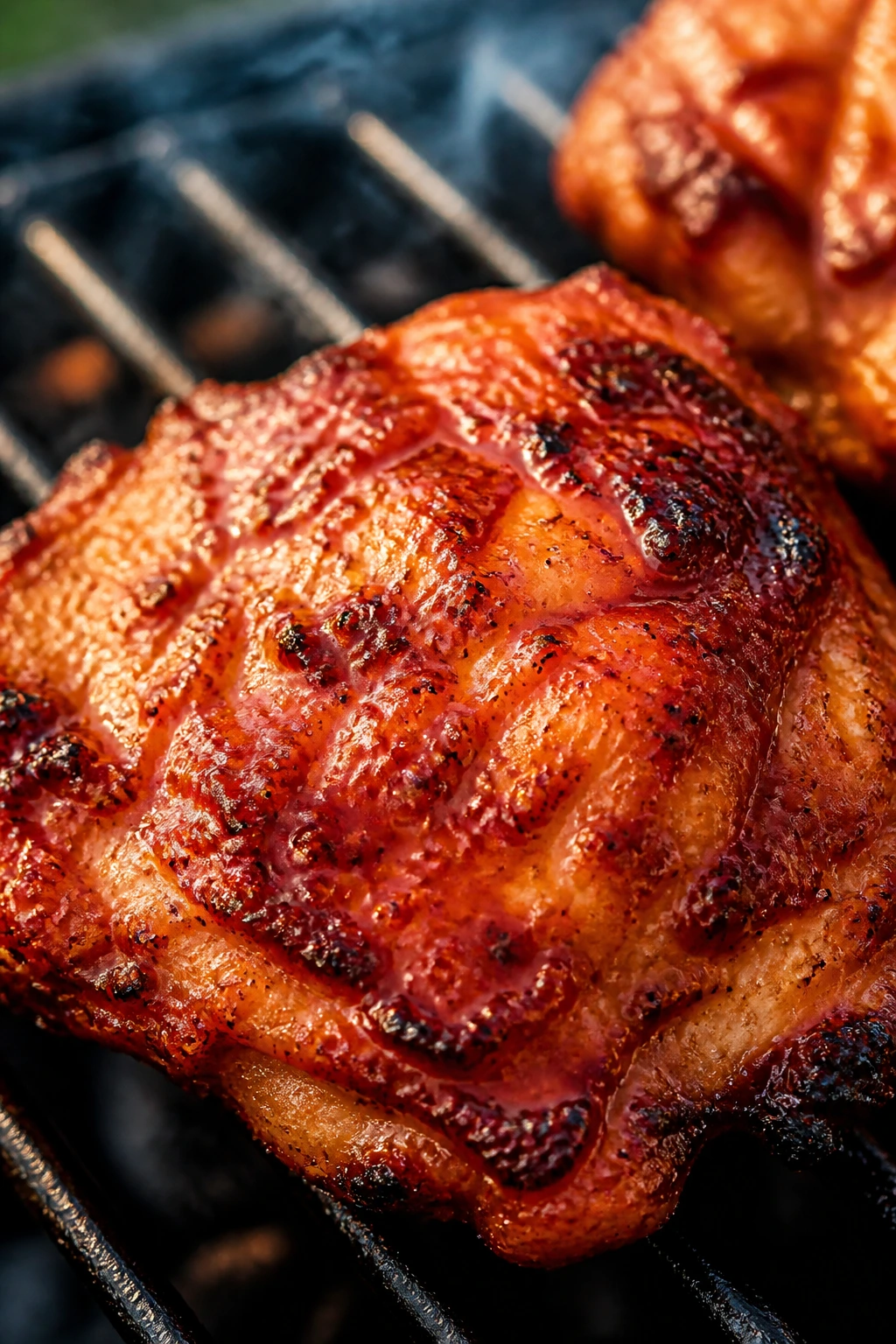
Harissa brings heat, depth, and a little smokiness that tastes especially good on the grill. Honey softens the edges, lemon wakes it up, and the chicken comes off with a dark, spiced finish that feels bold without turning messy.
This is the one I make when I want dinner to taste awake. Harissa varies by brand and style, so the exact heat level can change, but the structure holds: spice, smoke, sweet, acid. That’s a very sturdy dinner framework.
Why It Works:
Harissa paste usually brings chili, garlic, cumin, and coriander, which gives the chicken a layered spice base without needing a long list of seasonings. Honey helps the surface brown, lemon juice keeps the flavor bright, and olive oil lets the paste spread evenly. Because harissa can be salty, it’s smart to taste the marinade before adding extra salt, then adjust gently.
Key Ingredients:
- 2 pounds boneless chicken thighs — juicy, sturdy, and perfect for spice.
- 2 tablespoons harissa paste — mild or hot, depending on what you like.
- 2 tablespoons honey — balances the heat.
- 1/4 cup olive oil — smooths the paste and helps browning.
- 2 tablespoons lemon juice — adds lift.
- 3 garlic cloves, minced — deepens the savory side.
- 1 teaspoon ground cumin — reinforces the spice profile.
- 1 teaspoon kosher salt — add after tasting the paste.
- 1/2 teaspoon black pepper — optional, but useful.
- 1 tablespoon chopped parsley or cilantro — for serving.
Quick Steps:
- Whisk the harissa, honey, olive oil, lemon juice, garlic, cumin, salt, and pepper in a bowl.
- Coat the chicken evenly and marinate for 2 to 8 hours in the refrigerator.
- Preheat the grill to medium-high, about 400°F, and oil the grates.
- Grill the chicken for 5 to 6 minutes per side, keeping an eye on any caramelized spots that darken quickly.
- Pull at 165°F and rest for 5 minutes.
- Finish with chopped herbs and extra lemon if you want a brighter bite.
Tips and Variations:
- Serving idea: Serve with couscous, grilled peppers, or flatbread.
- Heat control: Use a mild harissa and add extra lemon if you want more flavor than fire.
- Garnish: A spoonful of yogurt cools the heat nicely and makes the plate look finished.
Why Marinades Make Grilled Chicken Better
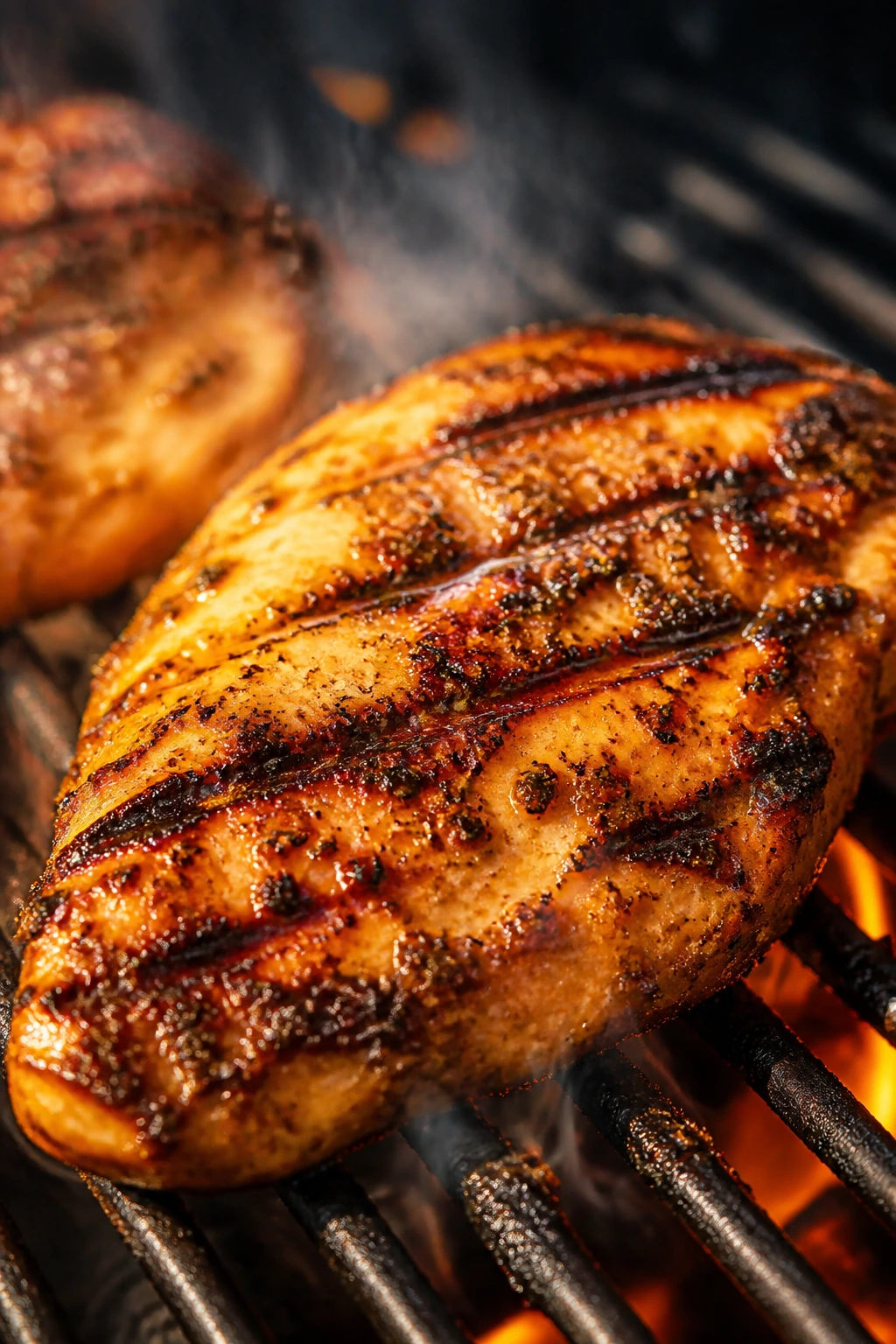
A marinade is not magic, and that’s part of why it’s useful. It won’t fix bad chicken, and it won’t rescue a grill that never got hot enough. What it will do is season the meat more evenly and give the surface a head start on browning.
The sweet spot is balance. Acid brightens. Oil carries flavor and helps with browning. Salt gets the seasoning into the meat instead of leaving it on the crust like face powder. Sugar, used carefully, helps build color and that slightly sticky edge people love on grilled chicken. Too much sugar and you get scorch marks before the inside cooks. Too much acid and the surface can go soft. Too little salt and everything tastes oddly polite.
There’s also a timing piece people skip. Chicken breasts do not need to bathe for half a day in lemon juice. Thighs can take a little more abuse. Yogurt-based marinades are kinder over longer stretches than straight citrus ones. That’s why the recipes above keep their timing different instead of pretending one rule fits every flavor.
One more practical thing: the grill is doing part of the seasoning work too. Those browned spots aren’t decoration. They’re flavor. The trick is giving the grill something worth browning without creating a sticky, burnt mess. A good marinade lets you do both.
Essential Equipment for These Recipes
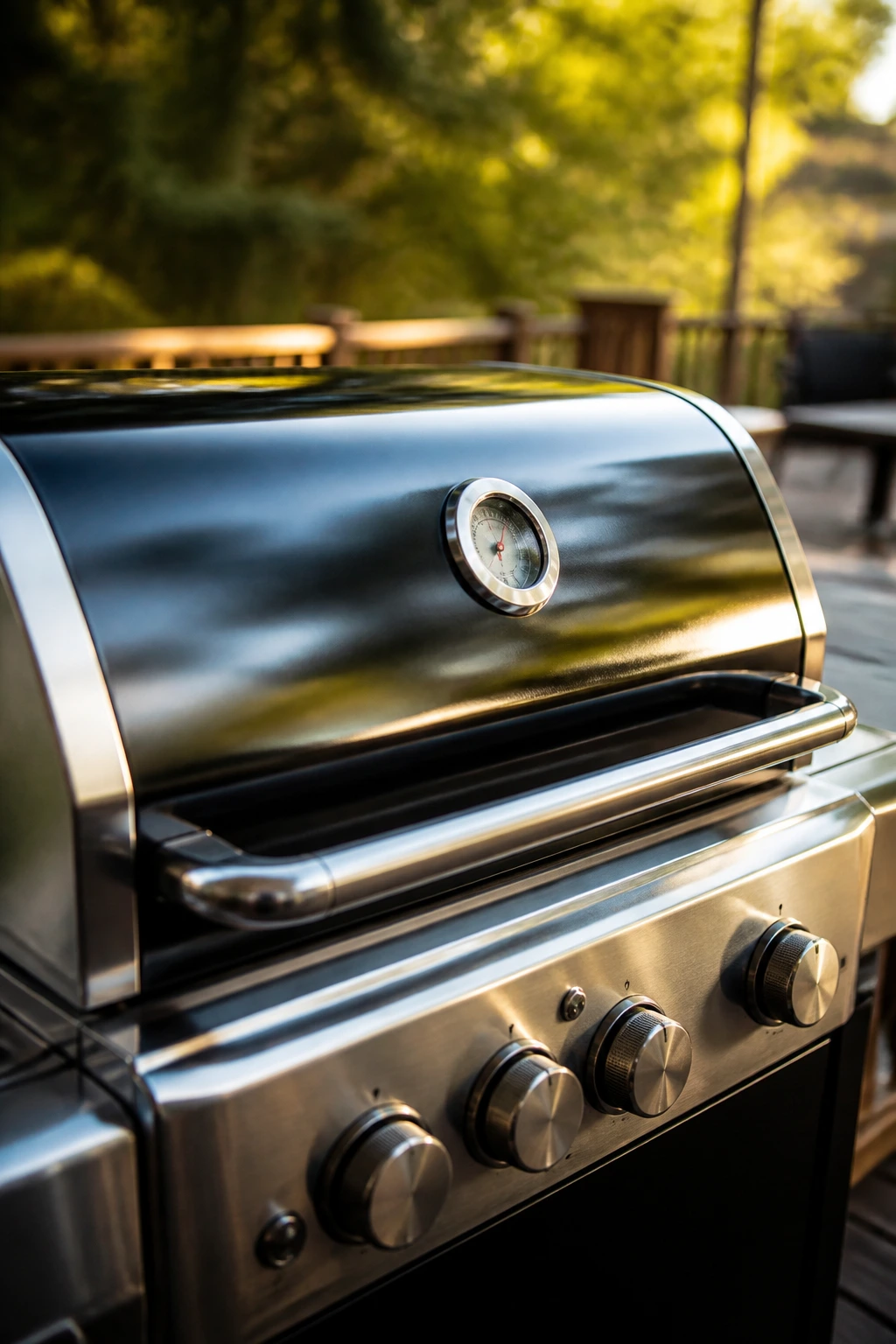
- Gas or charcoal grill: Either works; charcoal gives a deeper smoky note, while gas gives steadier heat.
- Instant-read thermometer: The one tool that removes guesswork. Chicken should hit 165°F in the thickest part.
- Long-handled tongs: Better than a fork, which pokes holes and leaks juice.
- Mixing bowls: At least one medium bowl for the marinade and one larger bowl or dish for tossing the chicken.
- Whisk: Helps emulsify oil, acid, and spices so the marinade coats evenly.
- Resealable bags or shallow baking dishes: Bags make full coverage easy; dishes are better if you want to turn the chicken halfway through.
- Basting brush: Optional, but useful for thicker marinades or reserved glaze.
- Grill brush or scraper: Clean grates release chicken more cleanly and help keep the flavor from tasting stale.
- Oil for the grates: Use a paper towel dipped in neutral oil and held with tongs, or a grill-safe oiling tool.
- Wire rack or platter: Lets the chicken rest without steaming itself on a hot plate.
Smart Shopping and Ingredient Tips
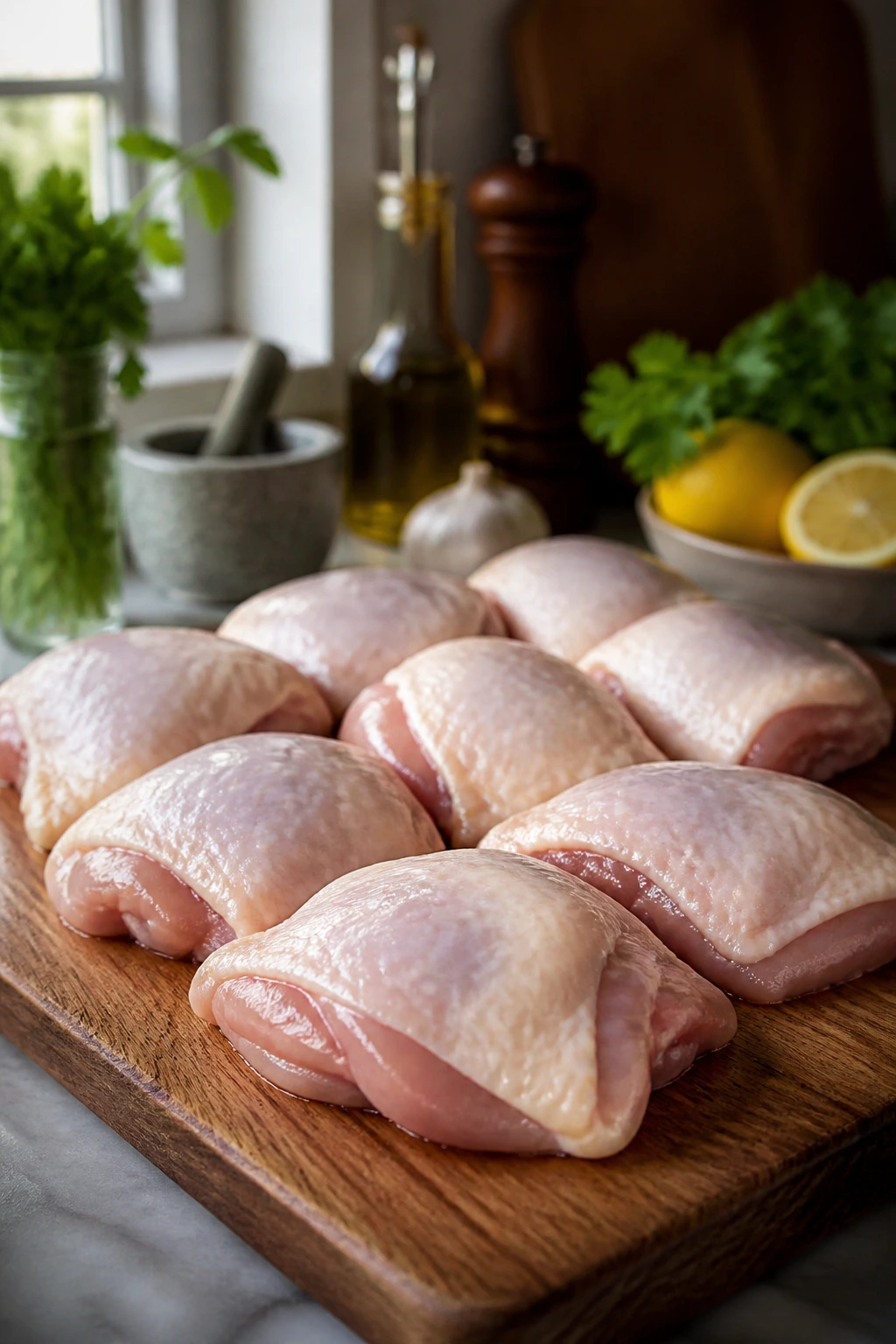
Chicken thighs are the safest bet for most grilled marinades. They stay juicy, forgive a hot grill, and take bold flavors well. Breasts work too, but they need more attention, especially if they’re uneven in thickness. If the package looks wildly inconsistent, pound the thicker end or butterfly the breasts so the whole piece cooks at the same pace.
For citrus, buy fruit that feels heavy for its size. That usually means more juice. For herbs, fresh is worth the cost when the recipe leans on a small handful of them; dried herbs are fine for oregano, thyme, and rosemary when they’re built into the marinade and given time to hydrate. Garlic should feel firm and unwrinkled. Ginger should snap cleanly when cut, not look leathery at the ends.
Soy sauce deserves a quick label check. Low-sodium versions give you more control, especially in marinades that already use honey, maple, or pineapple juice. With mustard, choose Dijon if you want a clean bite and whole-grain if you want texture. For yogurt and buttermilk marinades, plain is the word you want. Skip the sweetened versions. They’re built for desserts, not chicken.
And one practical shopping habit saves a lot of trouble: buy a little extra lemon, lime, and onion than you think you need. They’re cheap, they finish grilled chicken beautifully, and they turn a plate from “cooked” into “served.”
How to Serve These Recipes
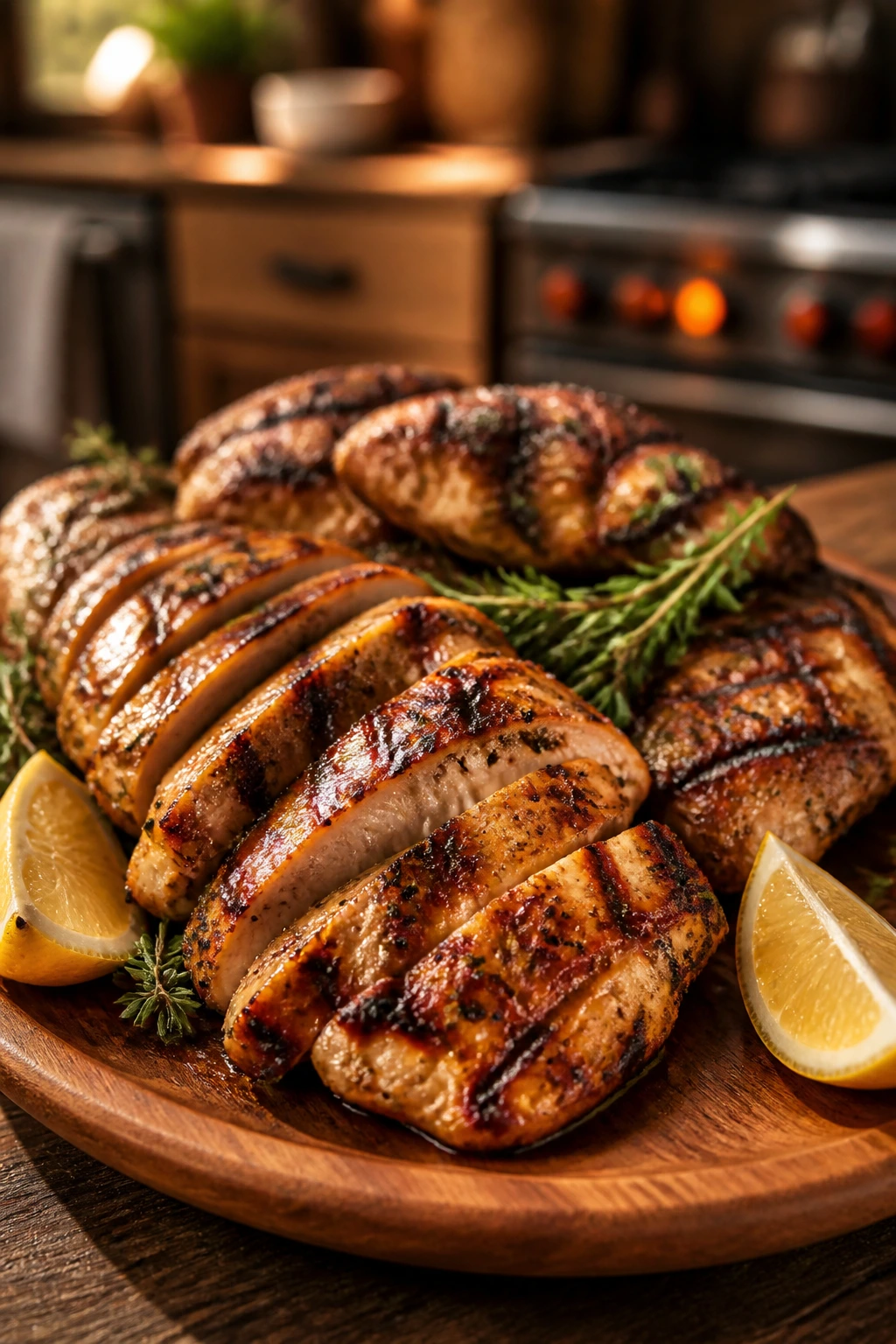
Presentation: Slice thicker pieces on a slight diagonal so the juices don’t flood the board, then pile the chicken on a warm platter instead of a cold one. A handful of herbs, lemon wedges, lime wedges, or sliced scallions makes the plate look finished without much work.
Accompaniments: Keep the sides simple and let the marinade do the talking. Rice pilaf, grilled corn, cucumber salad, roasted potatoes, pita, slaw, charred zucchini, and a big green salad all work. For the sweeter marinades, lean toward crisp, acidic sides. For the spice-forward ones, bring in yogurt, rice, or flatbread to cool things down.
Portions: Plan on about 6 to 8 ounces of raw chicken per adult for a main dinner portion, which cooks down to a satisfying serving with sides. If you’re feeding bigger appetites, add a starch and another vegetable before you add more meat. For skewers or sliced chicken over bowls, 1 to 1 1/4 pounds of raw chicken usually covers 3 to 4 good portions.
Beverage Pairing: Citrus-heavy chicken works with sparkling water and lemon, iced tea, or a dry white wine if that’s your thing. Sweeter marinades like honey soy or maple Dijon play well with cold lager, ginger beer, or a tart lemonade. Spicy recipes are happier next to something cold and simple, because the drink should cool the fire, not fight it.
Additional Tips and Flavor Boosters
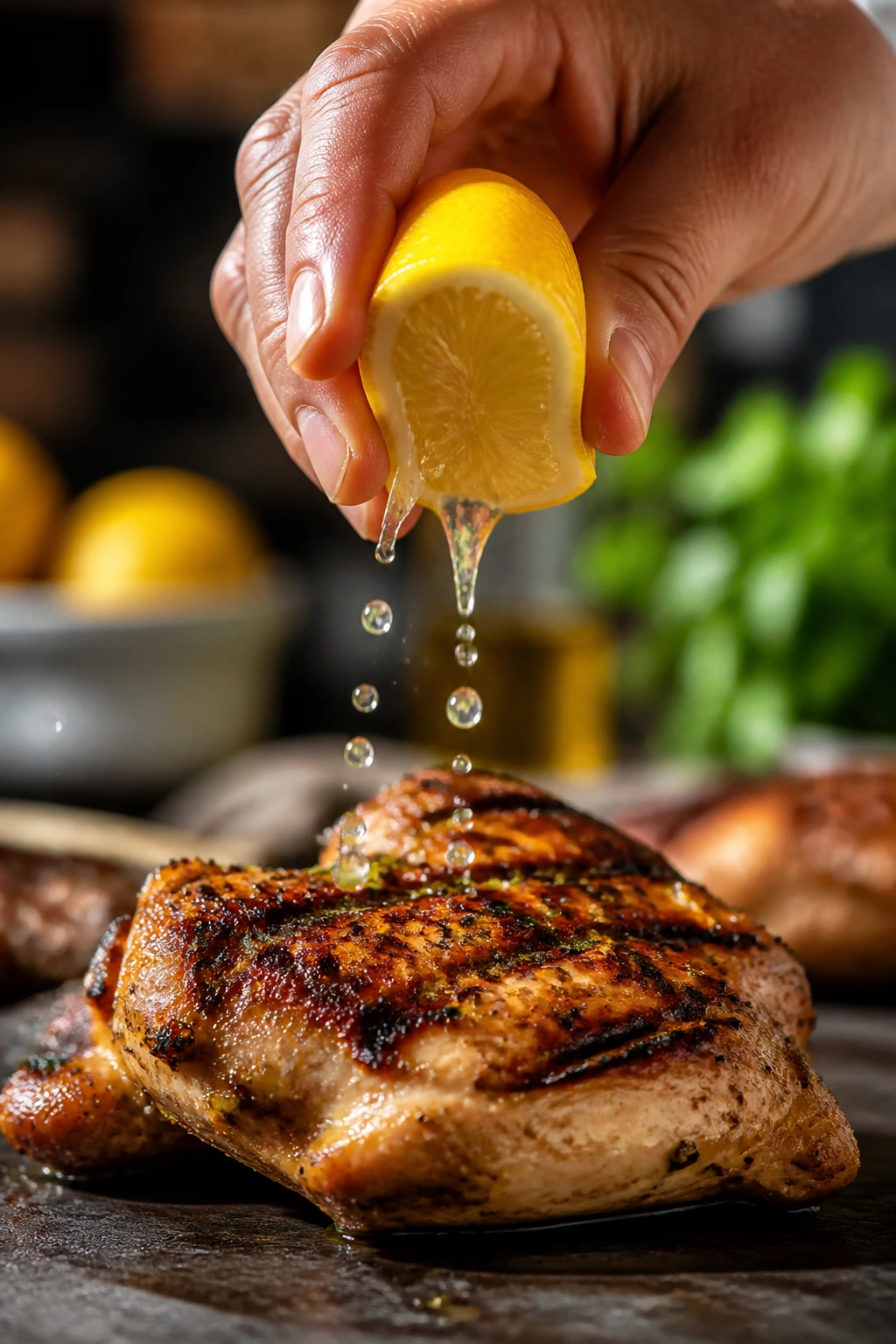
Flavor Enhancement: Finish several of these recipes with a small hit of acid right off the grill. A squeeze of lemon, lime, or orange over the hot chicken wakes up the spices and makes the marinade taste more complete. A tiny finishing drizzle goes farther than another heavy spoonful of sauce.
Customization: If you want more smoke, add 1/2 teaspoon smoked paprika to almost any of the savory marinades. If you want more herb flavor, chop fresh parsley, dill, cilantro, or mint and scatter it on at the end instead of stirring it into the marinade, where it can get dull. If you want more heat, add it in a side sauce, not always in the marinade itself. That way the rest of the table can make the same dinner work.
Serving Suggestions: A spoonful of yogurt or tzatziki cools the spiced recipes. Toasted sesame seeds fit the soy, teriyaki, and peanut versions. Chopped scallions work almost everywhere. So do quick-pickled onions, which are one of those tiny extras that make grilled chicken look planned rather than improvised.
Make-It-Yours: For dairy-free eating, swap yogurt or buttermilk for olive oil plus a little extra lemon or vinegar in the tandoori and Cajun-style recipes. For lower sugar, trim the honey, maple, or brown sugar by half and let the grill do the browning work. For a gluten-free plate, use tamari in place of soy sauce and check bottled marinades or spice blends for hidden wheat.
Make-Ahead, Storage, and Reheating Guidance
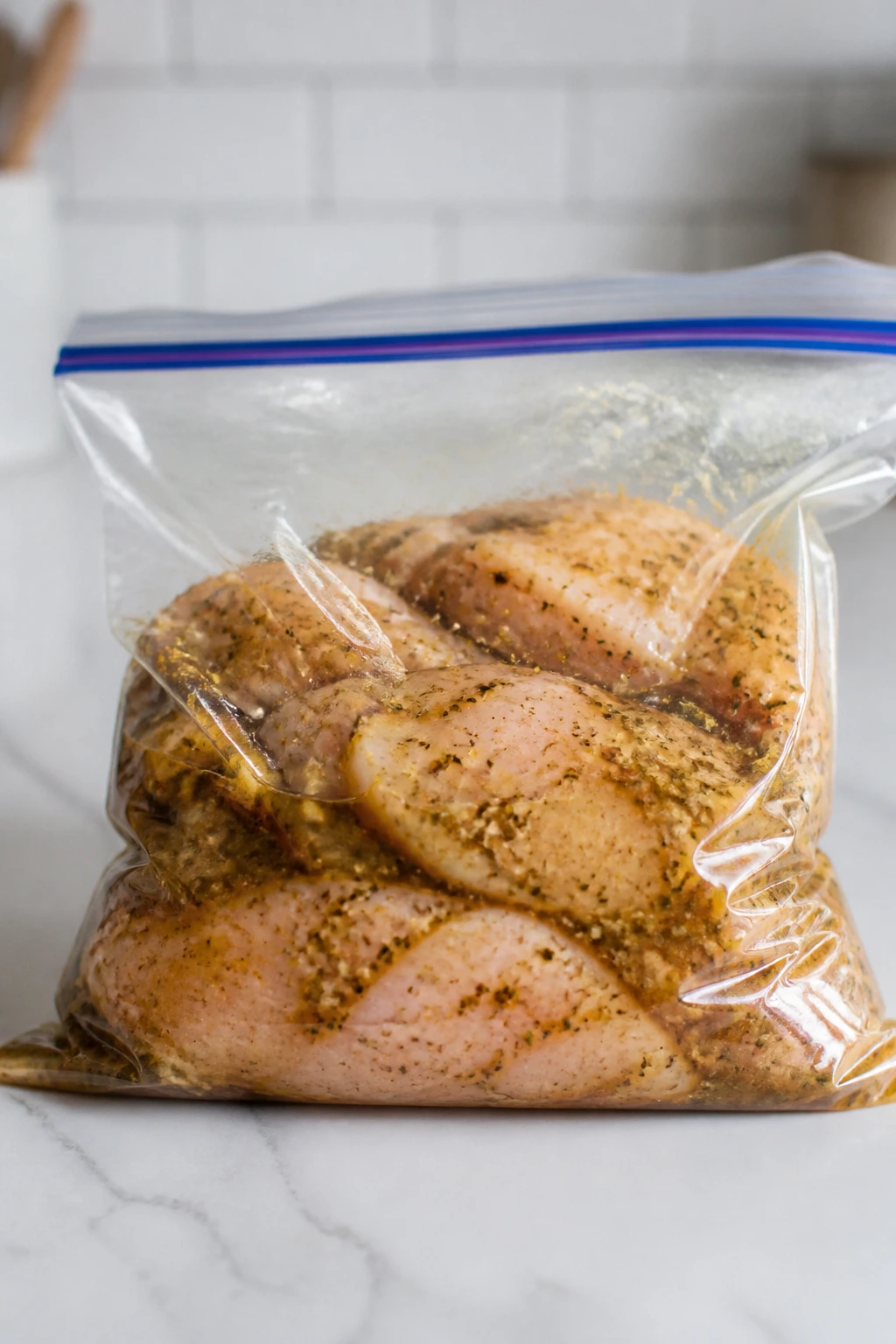
Most of these marinades can be mixed ahead and kept in the refrigerator for up to 5 days if they don’t contain dairy. Yogurt- and buttermilk-based marinades are better within 3 days once mixed, simply because dairy doesn’t keep as long once it’s combined with aromatics and raw chicken plans. If you want to prep even farther ahead, freeze the chicken in the marinade in a sealed freezer bag for up to 2 months. Thaw it in the refrigerator, not on the counter.
Raw chicken in a marinade should stay refrigerated and cooked within 24 hours for citrus-heavy versions and within 48 hours for yogurt-based versions. That window keeps texture and food safety on your side. If you’ve made a reserved glaze, keep it separate from the raw chicken from the start; never brush raw marinade on finished chicken unless you boil it first.
Cooked chicken keeps in the refrigerator for 3 to 4 days in an airtight container. Slice it once it’s cool if you plan to use it in salads, wraps, or grain bowls later in the week. For freezing, wrap the cooked chicken tightly or seal it in freezer bags with the air pressed out. It holds for about 2 months before texture starts to slide.
Reheating works best at low heat. A covered skillet with a splash of water over medium-low keeps the chicken from drying out. A 300°F oven also works well for larger pieces. If you’re using the microwave, cut the chicken into slices first and cover it with a damp paper towel. That’s not glamorous, but it works.
Variations and Adaptations to Try
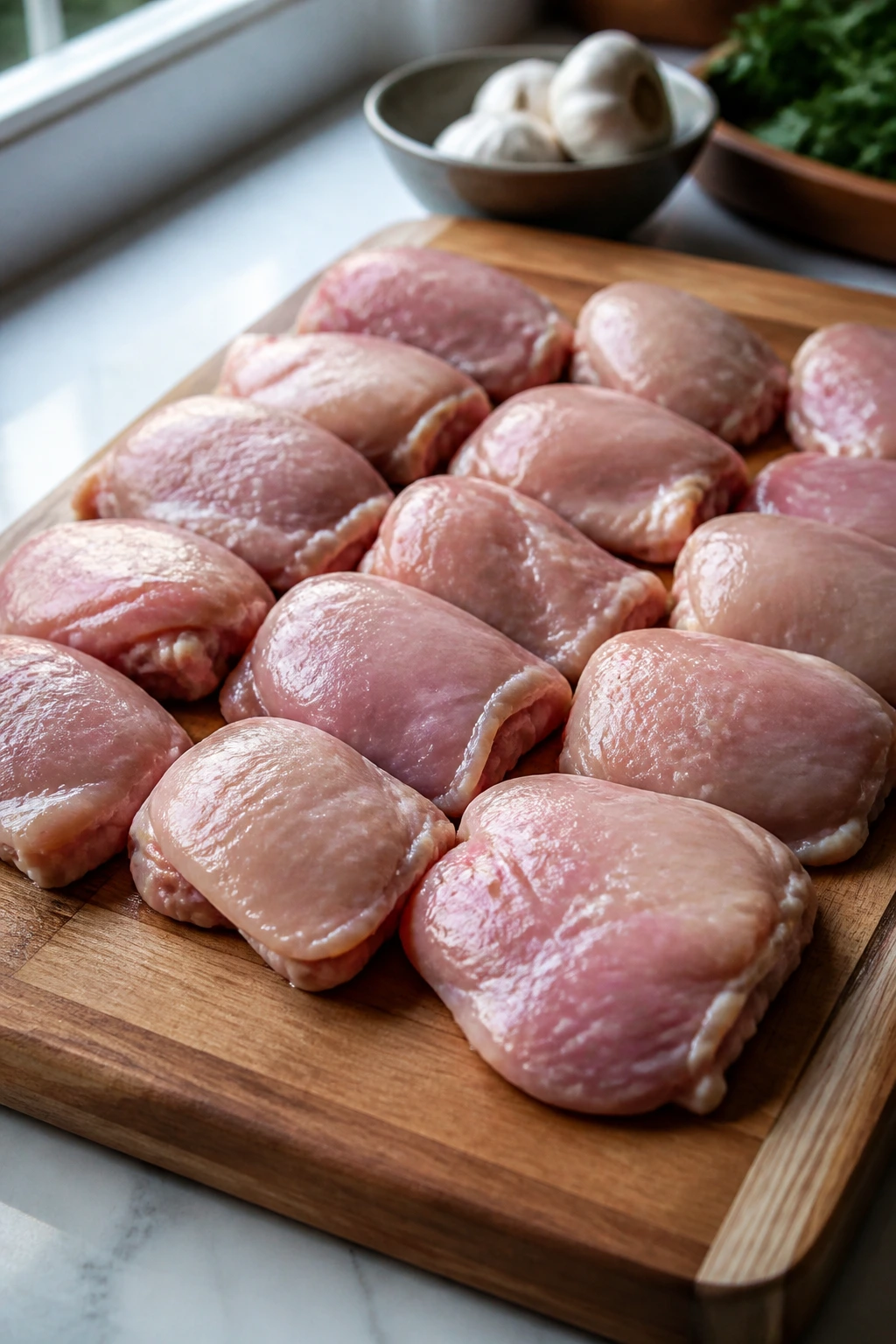
All-Thighs, All the Time: If you want the easiest path, use boneless thighs for every marinade in this collection. They handle acid, heat, and sugar better than breasts, and they forgive an extra minute on the grill. That alone removes a lot of dinner stress.
Breast-Friendly Grill: For chicken breasts, pound them to an even thickness of about 3/4 inch and shorten the marinating time if the marinade is very acidic. Breasts cook fast and punish inattention, so keep the grill at medium-high and pull them the second they hit 165°F.
Dairy-Free Lane: Swap yogurt and buttermilk for olive oil plus lemon juice or vinegar in the creamier recipes. The texture changes a little, but the flavor still lands well if you keep the spices strong and don’t let the chicken sit too long in harsh acid.
Lower-Sodium Version: Use low-sodium soy sauce, cut added salt by a third, and add more fresh herbs, citrus zest, garlic, or ginger to compensate. Salt is still needed, but you can shift some of the flavor load to aromatics instead of leaning on the shaker.
Kid-Calm Heat: Leave out hot sauce, chili flakes, chipotle, harissa, and habanero from the spicier recipes, then serve the hot sauce or chili oil on the side. Kids usually do better when the heat is optional and the rest of the plate still tastes like dinner.
Charcoal-Smoke Twist: If you want a deeper grill flavor, cook over charcoal and add a small handful of wood chips if your setup allows it. The smoky versions of the marinade — chipotle, jerk, harissa, Cajun — take especially well to that extra layer. The chicken doesn’t need much else after that.
Common Mistakes to Avoid
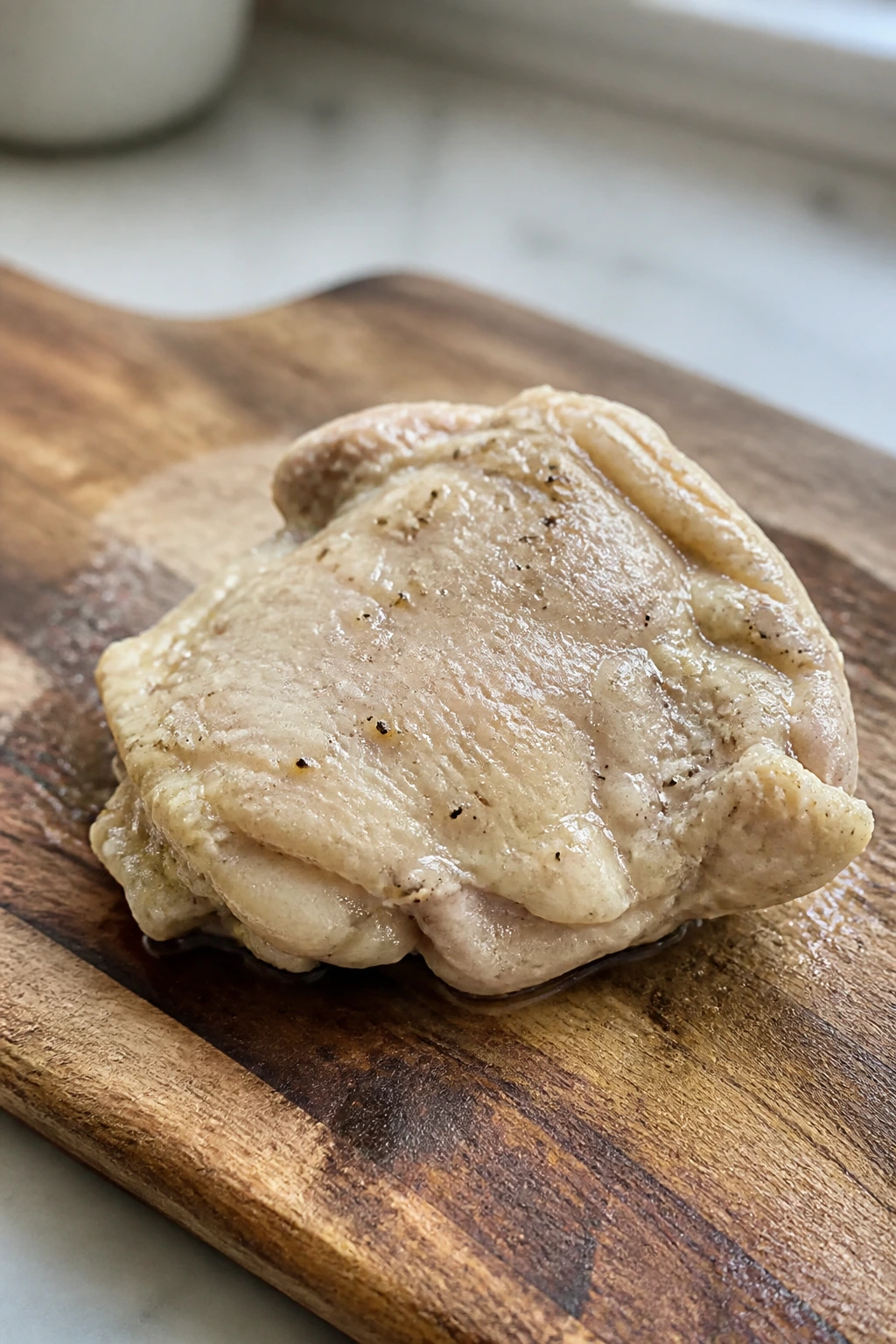
Marinating too long in acid: Citrus, vinegar, and even some yogurt blends can turn the outside of the chicken soft if they sit too long. The symptom is a pale, slightly mushy surface that never really browns well. The fix is simple: keep citrus-heavy marinades on the shorter side and respect the timing in the recipe.
Running the grill too hot for sweet marinades: Honey, maple, pineapple, and balsamic all darken fast. If the grill is blazing, the outside burns before the inside cooks. Medium or medium-high heat is enough. If a piece starts to blacken, move it to a cooler spot instead of pretending it will recover.
Starting with wet chicken and dirty grates: Wet marinades can slide, and dirty grates cause sticking. The symptom is chicken that tears when you try to flip it. Clean the grates, oil them, and let the first side cook undisturbed until the meat naturally releases.
Skipping the thermometer: Guessing is how people end up with dry chicken or nervous, undercooked chicken. The center should hit 165°F. If you cook by color alone, you’ll eventually lose a dinner.
Cutting too soon after grilling: Juices need a minute to settle back through the meat. Slice immediately and they end up on the cutting board instead. Give the chicken 5 minutes of rest. It’s short. It matters.
Reusing raw marinade without boiling it: Raw chicken leaves behind raw chicken problems. If you want extra sauce, reserve some marinade before the chicken goes in, or boil the used marinade hard for a few minutes before serving it as a glaze.
Questions About Marinated Chicken on the Grill

How long should chicken marinate before grilling?
For most of these recipes, 2 to 8 hours is the sweet spot. Citrus-heavy marinades can be shorter, while yogurt-based marinades can go longer. If you’re using chicken breasts, shorter is usually better than overnight.
Can I use chicken breasts instead of thighs?
Yes, and several of these recipes already allow for that. Breasts just need more attention because they dry out faster, so pound them to an even thickness and pull them as soon as they reach 165°F.
Can I freeze chicken in the marinade?
You can. That’s one of the nicest make-ahead tricks here. Seal the raw chicken with the marinade in a freezer bag, freeze it for up to 2 months, then thaw it in the refrigerator before grilling.
What if I don’t have a grill?
A grill pan or broiler works for many of these recipes. You won’t get the same smoke, but you can still get good browning if the pan is hot and the chicken isn’t overcrowded. Just watch sweet marinades closely under the broiler.
How do I keep the chicken from sticking to the grates?
Start with a clean grill, oil the grates, and let the chicken cook long enough to release on its own. If it sticks, it usually needs another minute. Forcing it will tear the surface.
Should I keep marinade on the chicken while it cooks?
Yes, if it’s part of the coating and not soaking wet in a puddle. What you should not do is keep brushing raw marinade onto finished chicken. If you want extra sauce, make a separate batch or boil the leftover one first.
Can I make these recipes on a weeknight?
Absolutely. A lot of the flavor lives in the marinade, not a long cook time. If you prep the chicken in the morning or the night before, dinner itself can be on the table in under 30 minutes.
What’s the best way to tell the chicken is done without cutting it open?
Use an instant-read thermometer in the thickest part of the chicken. Once it reaches 165°F, you’re done. The meat should feel firm but still springy, not stiff.
A Good Grill Habit to Keep
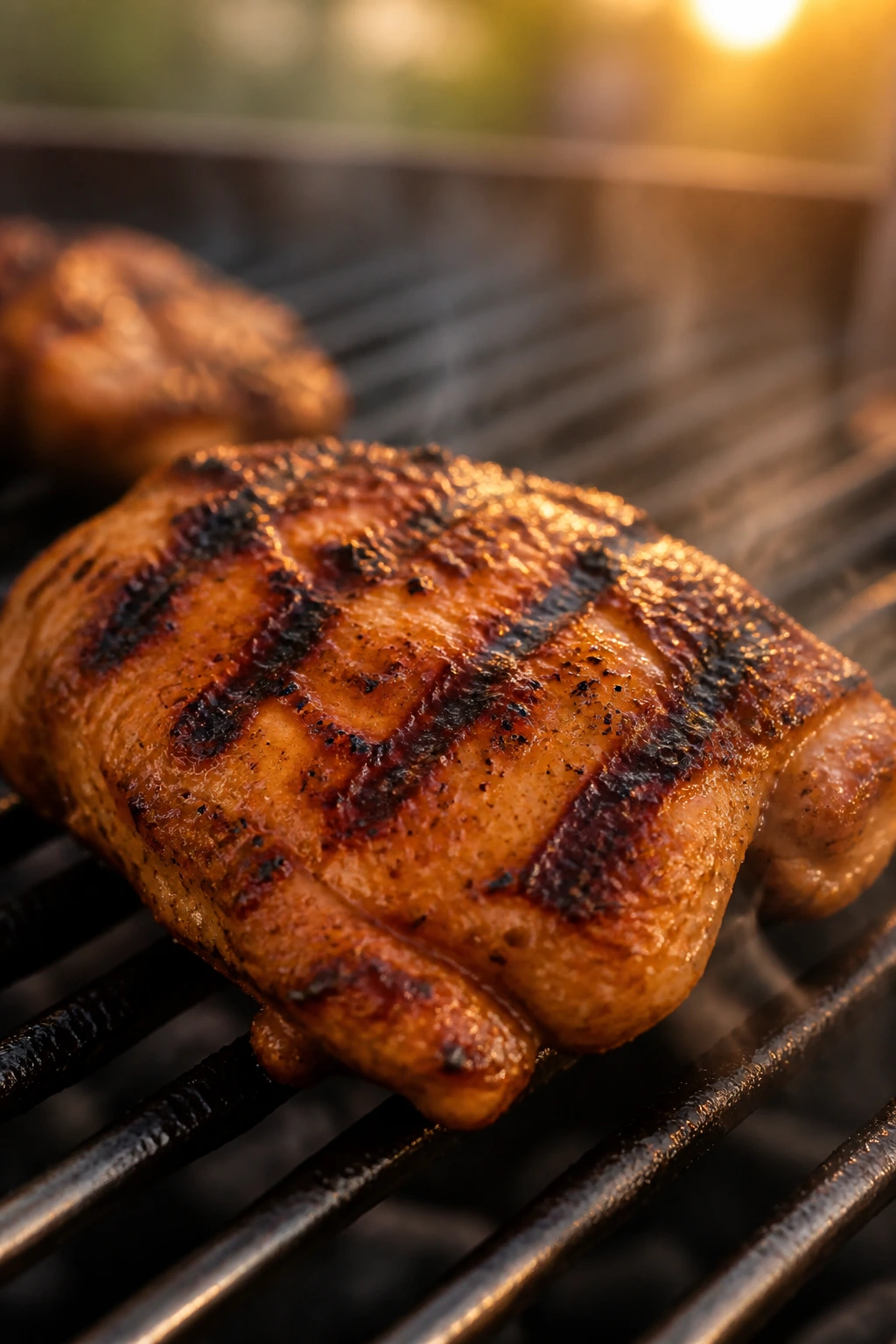
The nicest thing about marinated chicken dinners for the grill is that they make dinner feel intentional without making it feel hard. You can keep the pantry short, the prep simple, and the flavor big enough to carry a whole plate. That’s a useful bargain.
Pick a few styles and keep them in rotation. One citrusy, one sweet-savory, one spicy, one creamy. That’s enough to keep grilled chicken from drifting into routine, and routine is where good dinners go to get boring.