



A good anti-inflammatory dinner doesn’t taste like a compromise. It tastes like hot lemon hitting a sheet pan of salmon, garlic softening in olive oil, chickpeas turning creamy at the edges, and a bowl that leaves you satisfied instead of prowling the kitchen an hour later.
That last part matters more than people admit. When dinner is built around lean protein, fiber, herbs, spices, and vegetables with some actual texture, weight-loss eating stops feeling like a punishment and starts feeling like a pattern you can live with. No starvation tricks. No sad forkfuls. Just meals that keep the plate colorful, the flavors sharp, and the calorie count from creeping up because everything was fried, drenched, or buried under a blanket of cheese.
There’s a reason these ingredients keep showing up together: salmon, olive oil, lentils, tomatoes, garlic, ginger, leafy greens, beans, turmeric, cumin, citrus. They’re not magic. They’re practical. They bring a lot of flavor for very little calorie load, and they tend to play nicely with the kind of dinners that make portion control easier without making you count every bite like a suspicious accountant.
Why These Dinners Earn Their Keep
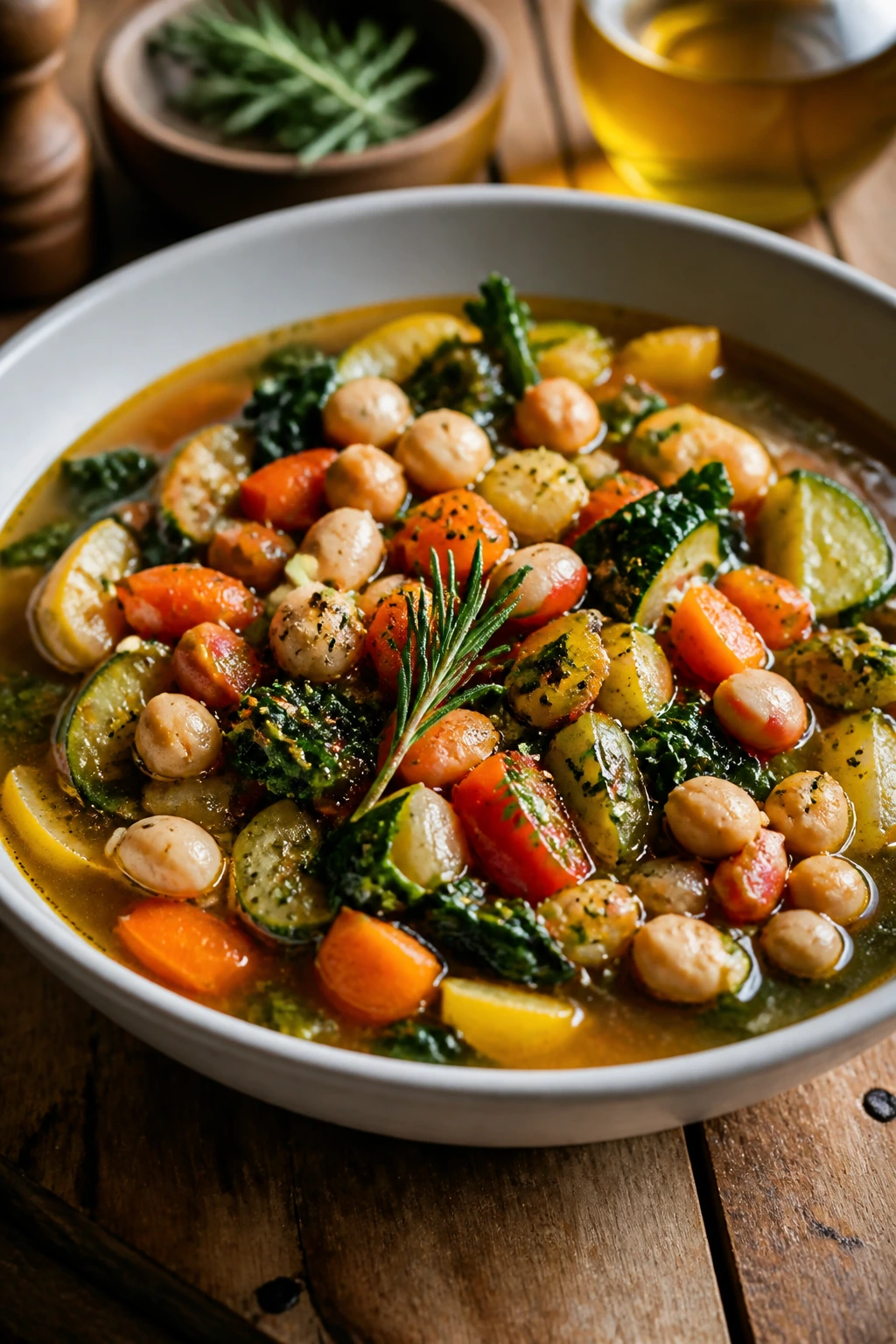
-
Fuller Plates, Fewer Regrets: Each dinner leans on vegetables, beans, or broth-based sauces, so the food volume stays generous even when the calorie load stays sane.
-
Protein Does the Heavy Lifting: Chicken, salmon, turkey, tofu, shrimp, and beans all show up here because dinner feels more complete when protein is part of the first bite, not an afterthought.
-
Spice Keeps Things Interesting: Turmeric, ginger, cumin, paprika, curry powder, and oregano add warmth and depth without asking for extra oil, sugar, or creamy sauce.
-
Weeknight-Friendly Structure: Most of these recipes lean on one skillet, one sheet pan, or one pot, which means fewer dishes and fewer excuses.
-
Flexible Enough for Real Life: You can swap grains for cauliflower rice, use frozen vegetables when fresh ones are looking tired, and still end up with something worth making again.
1. Lemon-Turmeric Salmon with Garlicky Broccoli and Brown Rice
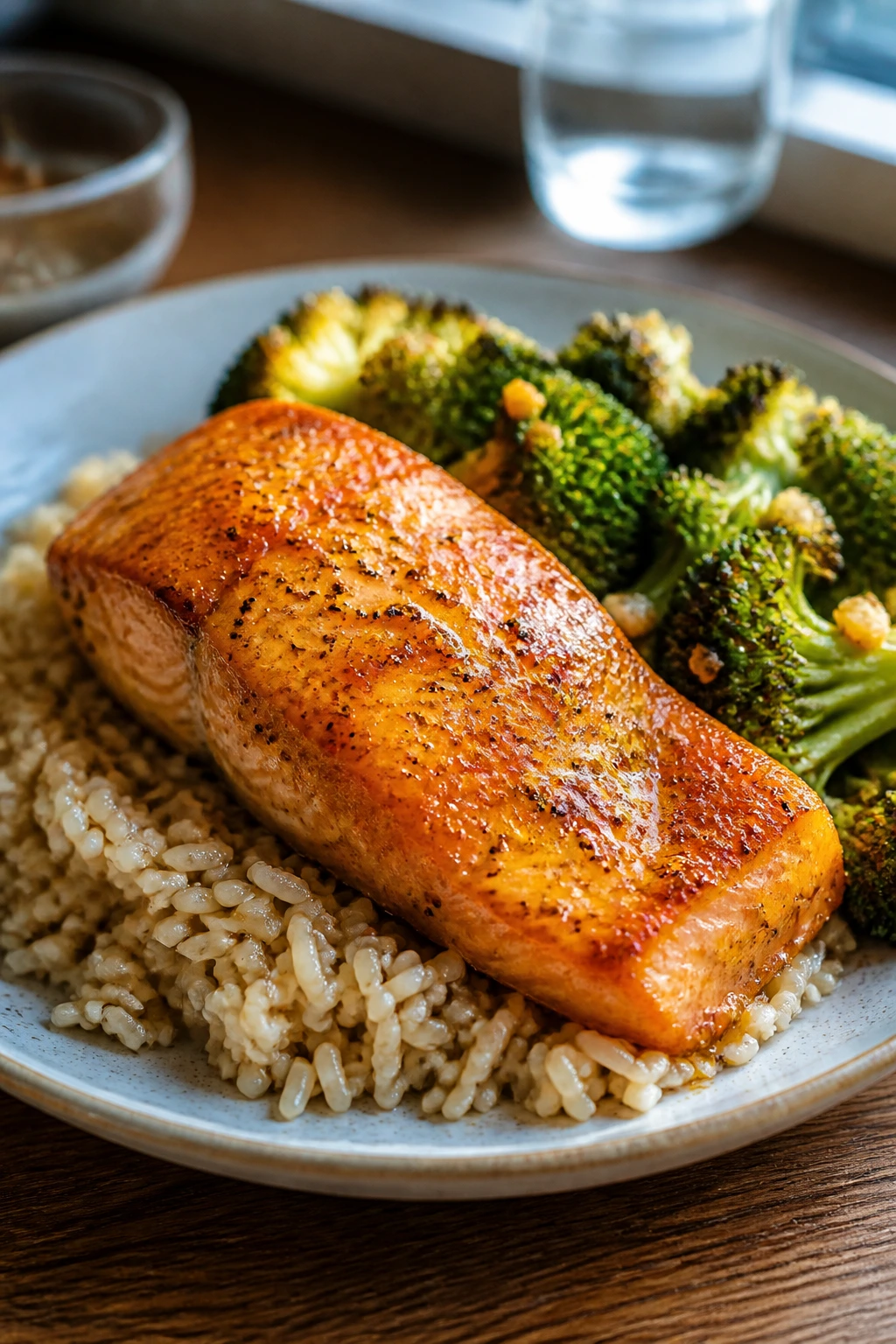
The first thing you notice is the smell: lemon, turmeric, garlic, and salmon warming together in the oven until the kitchen has that bright, savory edge that makes people wander in asking when dinner is happening. The fish stays tender, the broccoli gets browned in the spots where it touches the pan, and the rice underneath catches every drop of juice.
This is the kind of dinner that feels polished without asking for much from you. It’s also one of the easiest ways to make an anti-inflammatory dinner feel substantial, because salmon brings richness, broccoli brings volume, and brown rice gives the plate enough chew to keep it satisfying.
Why It Works
Salmon gives you protein and omega-3 fats, which is a useful combination when you want dinner to feel complete without piling on extra ingredients. Turmeric and black pepper show up here for flavor first, but they also give the fish a warm color that makes the whole dish feel more intentional. Broccoli brings fiber and stays sturdy at high heat, so it roasts instead of turning limp. And because the salmon and broccoli cook on the same pan at 400°F, you get clean flavor without a greasy cleanup.
Key Ingredients
For the Salmon and Vegetables:
- 4 salmon fillets, 5 to 6 oz each — center-cut pieces cook evenly and stay moist.
- 4 cups broccoli florets — cut into similar sizes so the stems and tops finish together.
- 3 tbsp olive oil — enough to coat the vegetables and keep the fish from sticking.
- 1 tsp ground turmeric — adds color and a warm, earthy flavor.
- 1 tsp smoked paprika — gives the salmon a deeper savory note.
- 4 cloves garlic, minced — stir this in late so it doesn’t scorch.
- 1 tsp kosher salt — a little goes a long way with fish.
- 1/2 tsp black pepper — helps the turmeric and lemon feel brighter.
- 1 lemon, zested and juiced — use both; the zest carries a lot of the aroma.
- 2 tbsp chopped parsley — optional, but it wakes up the finished plate.
For the Brown Rice:
- 1 1/2 cups uncooked brown rice — a modest base that still makes dinner feel complete.
- 3 cups water or low-sodium broth — broth gives the rice more flavor with almost no extra work.
Quick Steps
-
Cook the rice first. Rinse 1 1/2 cups brown rice, then simmer it in 3 cups water or broth according to package timing, until the grains are tender and the liquid is absorbed.
-
Heat the oven to 400°F. Line a rimmed sheet pan with parchment so the broccoli caramelizes instead of welding itself to the metal.
-
Season the broccoli. Toss the florets with half the olive oil, half the garlic, half the salt, and a pinch of black pepper. Spread them in a single layer.
-
Add the salmon. Brush the fillets with the remaining olive oil and season with turmeric, paprika, remaining salt, pepper, lemon zest, and the rest of the garlic. Nestle them on the pan.
-
Roast for 12 to 15 minutes. The salmon should flake at the edges but still look just a little glossy in the center; the broccoli should have browned tips and a little crispness.
-
Finish with lemon juice and parsley. Spoon the rice into bowls, set the salmon and broccoli on top, and drizzle with lemon juice right before serving.
Tips and Variations
- Make-ahead trick: Cook the rice earlier in the day and rewarm it with a splash of water so it turns fluffy again.
- Fish swap: Trout or cod works if you want a milder flavor; reduce the roast time by a few minutes.
- Bright finish: A spoonful of plain yogurt mixed with lemon juice makes a fast sauce if you want extra creaminess.
2. Chicken Shawarma Cauliflower Rice Bowls
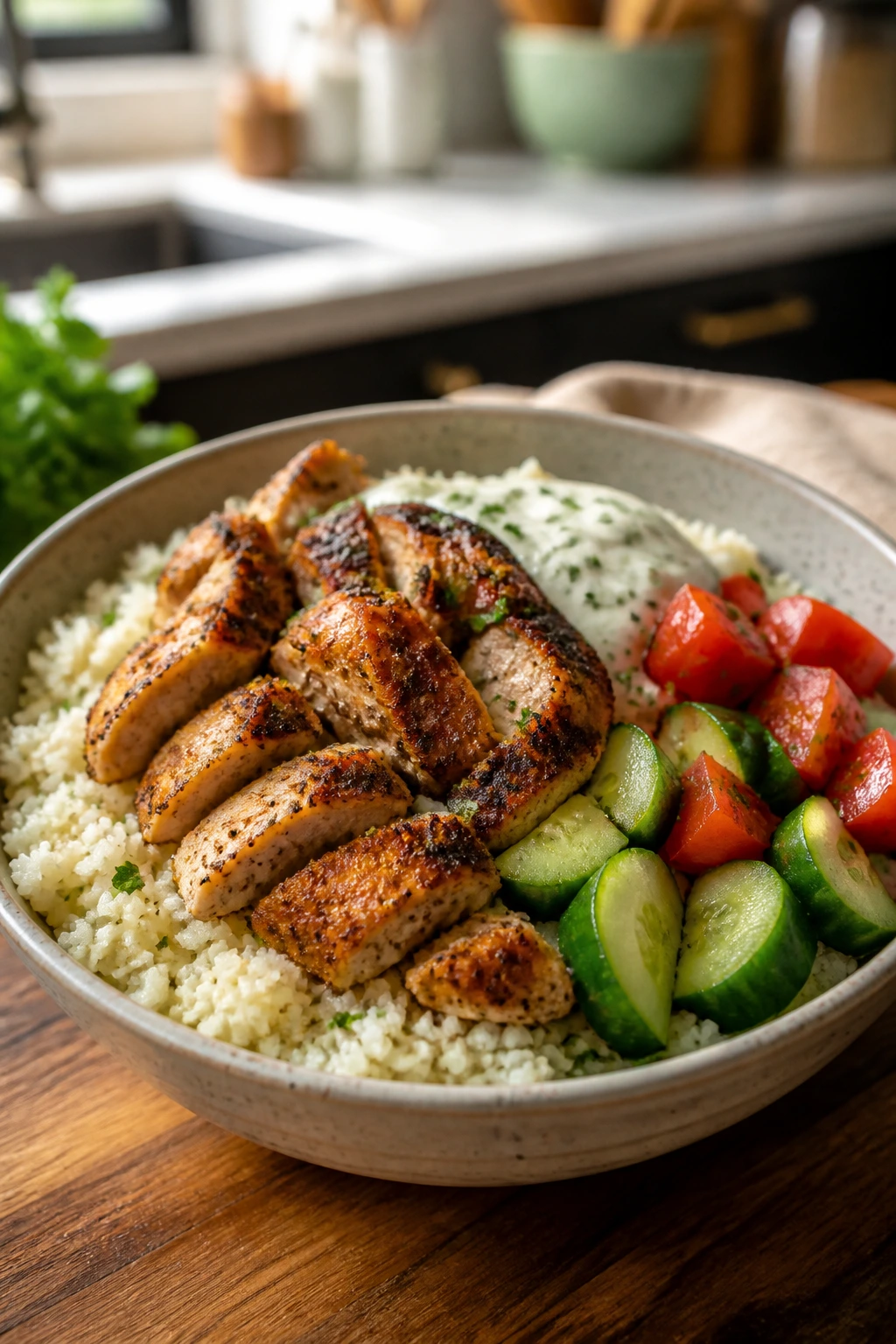
Shawarma spices can make even a plain chicken breast taste like it had a better afternoon than you did. The cumin, coriander, paprika, and turmeric hit first, then the cool crunch from cucumber and tomato shows up to keep the bowl from feeling heavy.
Cauliflower rice is doing a lot of quiet work here. It gives you the familiar bowl format without a big starchy base, which makes it easier to keep portions in check while still serving something that looks full and finished.
Why It Works
This bowl leans on spice, not sauce, and that’s a smart trade. Chicken thighs stay juicy in a hot skillet, while cauliflower rice gives the plate volume without much calorie load. A little Greek yogurt brings creaminess and tang, but not enough to drag the dish into rich territory. The mix of warm chicken and cold vegetables also keeps the bowl interesting from the first bite to the last.
Key Ingredients
For the Chicken:
- 1 1/2 lb boneless, skinless chicken thighs or breasts — thighs are juicier; breasts are leaner.
- 2 tbsp olive oil — helps the spices cling and keeps the pan from drying out.
- 2 tsp ground cumin — the backbone of the shawarma flavor.
- 2 tsp ground coriander — adds a soft citrus note.
- 1 tsp smoked paprika — gives the chicken a deeper color.
- 1/2 tsp turmeric — just enough for warmth and hue.
- 1/4 tsp ground cinnamon — tiny amount, big difference.
- 1 tsp kosher salt — season the meat, not just the topping.
- 3 cloves garlic, minced — fold into the seasoning paste.
- 1 tbsp lemon juice — helps the spices bloom.
For the Bowls:
- 4 cups cauliflower rice — fresh or frozen both work.
- 1 cucumber, diced — the cold crunch matters.
- 1 cup cherry tomatoes, halved — juicy and bright.
- 1/2 small red onion, thinly sliced — soak in water for 5 minutes if you want it milder.
- 1/2 cup plain Greek yogurt — makes a quick sauce.
- 1 tbsp lemon juice — for the yogurt sauce.
- 2 tbsp chopped parsley or mint — either herb keeps the bowl fresh.
Quick Steps
-
Mix the chicken seasoning. Combine olive oil, cumin, coriander, paprika, turmeric, cinnamon, salt, garlic, and lemon juice in a bowl.
-
Coat the chicken. Toss the chicken in the spice mixture and let it sit for 10 minutes while you prep the vegetables.
-
Cook the chicken. Sear in a large skillet over medium-high heat for 5 to 7 minutes per side, until the outside is deeply browned and the internal temperature reaches 165°F.
-
Warm the cauliflower rice. Use the same skillet, lower the heat to medium, and cook the cauliflower rice for 4 to 5 minutes until it’s hot and no longer watery.
-
Build the bowls. Divide the cauliflower rice among bowls, top with sliced chicken, cucumber, tomatoes, and onion.
-
Finish with yogurt. Stir the yogurt with lemon juice and drizzle it over the top, then scatter parsley or mint across the bowls.
Tips and Variations
- Flavor boost: Toast the spices in the oil for 30 seconds before adding the chicken if you want the seasoning louder.
- Shortcut: Use store-bought cauliflower rice to cut the prep time nearly in half.
- Serving note: A few olives are welcome here if you like a more Mediterranean edge.
3. Ginger-Sesame Turkey Lettuce Wrap Skillet
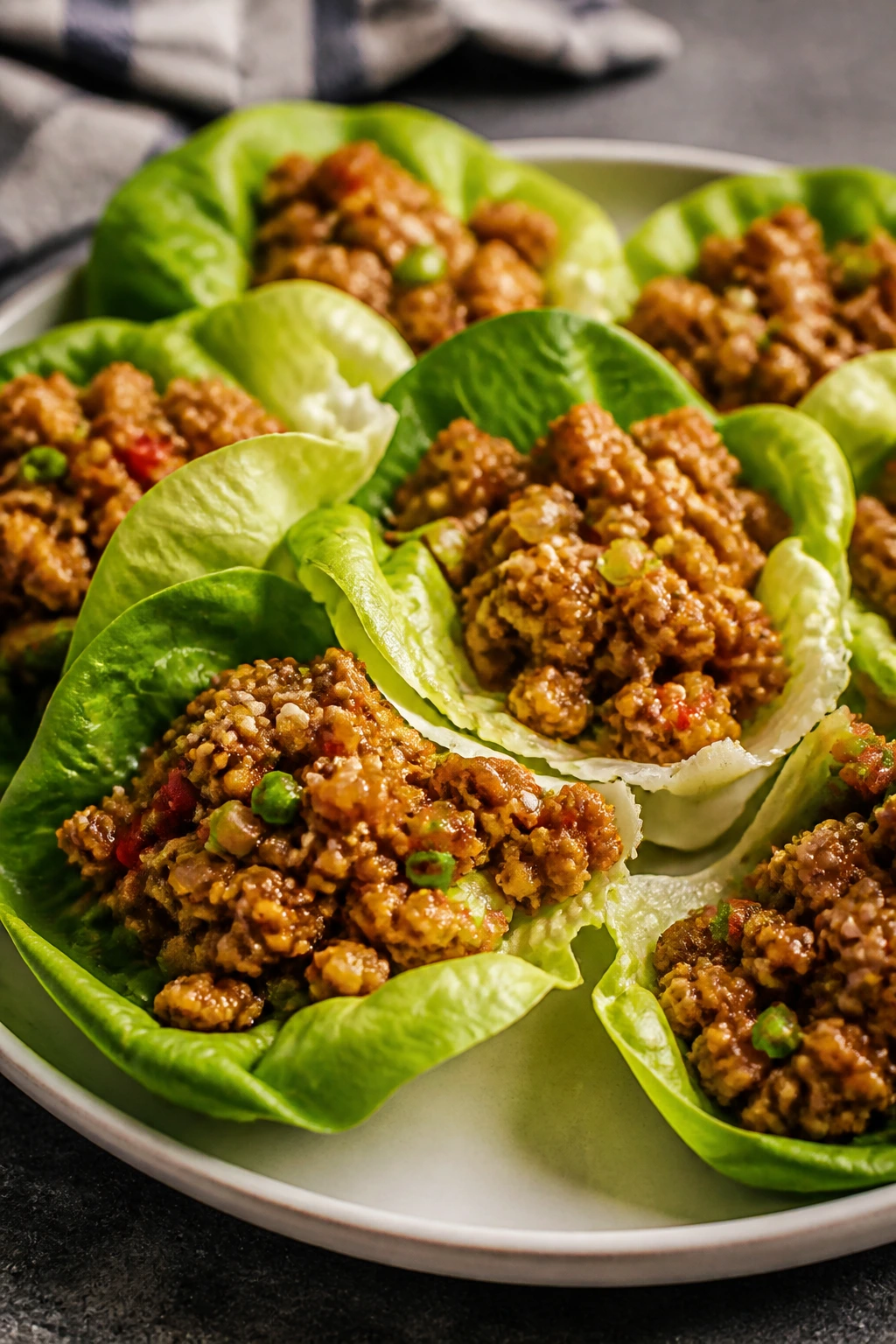
This one tastes like takeout that learned how to behave. The ground turkey stays savory and juicy, the ginger gives it bite, and the sesame oil sneaks in just enough fragrance to make the whole pan smell expensive even though it absolutely isn’t.
Lettuce wraps are the move when you want dinner that feels playful but still lands in the “light enough to keep moving” category. The crunch matters. So does the speed.
Why It Works
Ground turkey is lean enough to fit neatly into a weight-loss dinner rotation, but it can taste flat if you cook it without a plan. Ginger, garlic, tamari, and sesame oil fix that problem fast. Mushrooms and bell pepper add bulk and moisture, which helps the meat stay tender instead of dry and crumbly. Putting everything into lettuce cups keeps the starch count low while still making dinner feel like more than a skillet of leftovers.
Key Ingredients
For the Filling:
- 1 1/2 lb ground turkey — lean but still flavorful.
- 1 tbsp avocado oil or olive oil — enough for the pan, not enough to make it greasy.
- 1 small onion, diced — builds the base.
- 3 cloves garlic, minced — use fresh here if you can.
- 1 tbsp fresh ginger, grated — don’t skip this; it’s the sharp note that pulls the dish together.
- 2 cups mushrooms, finely chopped — they cook down and add a meaty texture.
- 1 red bell pepper, diced — gives color and sweetness.
- 3 tbsp low-sodium tamari — brings salt and depth.
- 1 tbsp rice vinegar — keeps the flavor bright.
- 1 tsp toasted sesame oil — use at the end; it’s potent.
- 2 scallions, thinly sliced — for freshness.
- 1 tbsp sesame seeds — optional, but nice for texture.
For Serving:
- 1 head butter lettuce or 2 romaine hearts — use the sturdiest leaves you can find.
Quick Steps
-
Cook the onion. Heat the oil in a large skillet over medium heat, then cook the onion for 3 minutes until it softens.
-
Add the turkey. Crumble in the ground turkey and cook for 5 to 6 minutes, breaking it up with a spoon until it loses the raw pink color.
-
Stir in the vegetables. Add garlic, ginger, mushrooms, and bell pepper. Cook for 4 to 5 minutes, until the mushrooms release their moisture and the pan smells savory instead of grassy.
-
Season the skillet. Pour in tamari, rice vinegar, and sesame oil. Cook 1 minute more, just until everything glistens and the liquid clings to the turkey.
-
Assemble the wraps. Spoon the filling into lettuce leaves, then top with scallions and sesame seeds.
Tips and Variations
- Texture fix: If the filling looks wet, cook it another minute before adding the tamari. Lettuce wraps need a drier skillet.
- Heat option: A little sriracha in the skillet works if you want more bite.
- Meal-prep move: Keep the filling and lettuce separate; the lettuce will wilt if it sits with the turkey.
4. Lentil, Tomato, and Spinach Soup
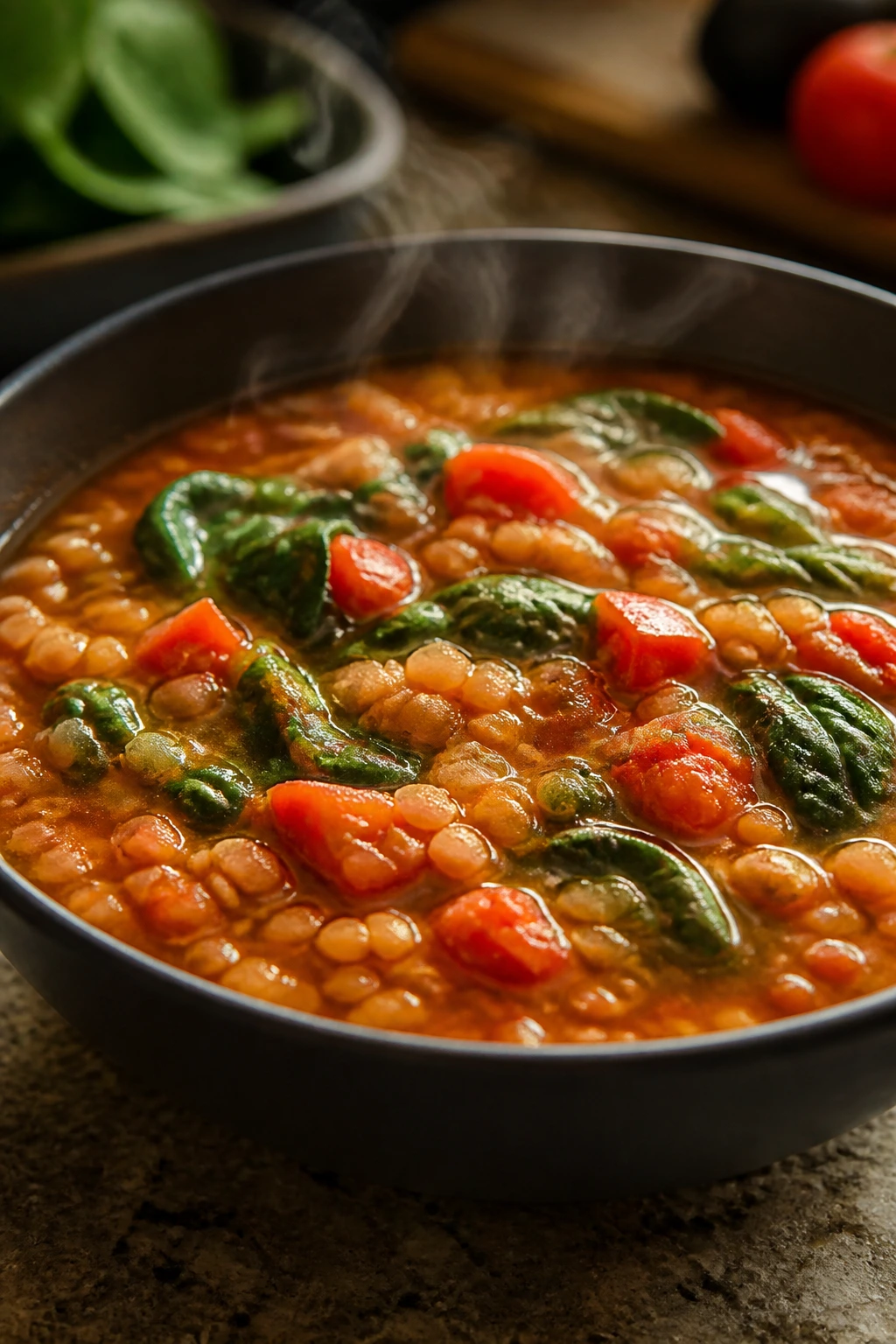
This soup looks humble until you taste it. Then the lentils show up with their earthy softness, the tomatoes bring acid, and the spinach melts in at the end like it was always meant to be there.
Soup is one of the easiest dinner formats to make lighter without making it feel small. Broth does the heavy lifting, lentils bring protein and fiber, and the pot gets a kind of slow, layered flavor that feels much richer than the ingredient list suggests.
Why It Works
Lentils are one of the best tools in a weight-loss dinner because they bring body, protein, and fiber without needing meat to carry the meal. Tomatoes and spinach add volume and color, and the broth keeps the whole thing spoonable instead of dense. The soup simmers long enough for the aromatics to melt together, but not so long that the vegetables disappear. A squeeze of lemon at the end matters more than people think; it makes the pot taste finished instead of flat.
Key Ingredients
For the Soup Base:
- 1 tbsp olive oil — enough to soften the vegetables without frying them.
- 1 onion, diced — the base note.
- 2 carrots, diced — they sweeten the broth a little.
- 2 celery stalks, diced — classic soup flavor.
- 4 cloves garlic, minced — add after the vegetables soften.
- 1 1/2 cups brown or green lentils, rinsed — hold their shape better than red lentils.
- 1 can (28 oz) crushed tomatoes — gives body and tang.
- 6 cups low-sodium vegetable broth — keeps the seasoning under control.
- 1 tsp dried oregano — a familiar, savory herb.
- 1/2 tsp ground cumin — adds warmth.
- 1 bay leaf — remove it before serving.
- 1/4 tsp red pepper flakes — optional, but nice.
- 4 cups baby spinach — stir in at the end.
- 2 tbsp lemon juice — brightens the broth.
Quick Steps
-
Soften the vegetables. Warm the olive oil in a soup pot over medium heat, then cook onion, carrots, and celery for 6 to 8 minutes until glossy and beginning to soften.
-
Add garlic and spices. Stir in garlic, oregano, cumin, red pepper flakes, and bay leaf. Cook for 30 seconds, just until fragrant.
-
Build the broth. Add lentils, crushed tomatoes, and broth. Bring to a boil, then lower the heat to a steady simmer.
-
Cook until tender. Simmer for 30 to 35 minutes, stirring now and then, until the lentils are soft but not mushy.
-
Finish the pot. Stir in spinach until wilted, then add lemon juice and taste for salt before serving.
Tips and Variations
- Thicker soup: Simmer uncovered for the last 10 minutes if you want a denser texture.
- Protein boost: Stir in shredded chicken at the end if you want a meatier version.
- Freezer note: This soup freezes well, but add fresh spinach after reheating if you want better color.
5. Sheet-Pan Chicken with Sweet Potatoes and Brussels Sprouts
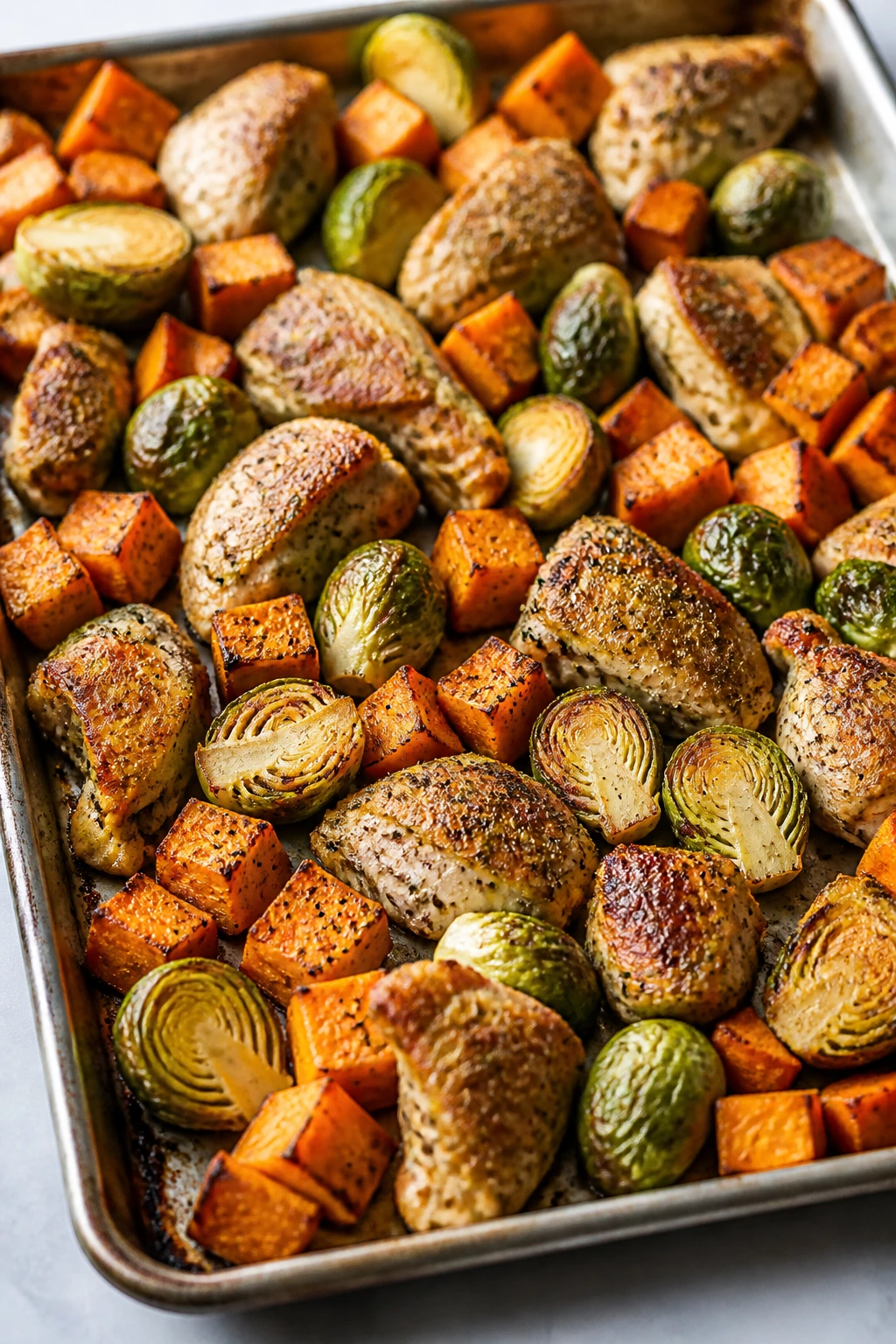
There’s a reason sheet-pan dinners keep hanging around. They make the vegetables taste roasted instead of merely cooked, which is a better deal when you’re trying to eat lighter and still want dinner to feel like dinner.
Sweet potatoes bring sweetness and body. Brussels sprouts crisp at the edges. Chicken gives the plate protein. And the mustard-lemon finish keeps the whole thing from drifting into bland, beige territory.
Why It Works
This is a strong weight-loss dinner because everything shares the same hot pan, which means you get browned edges without standing over the stove adding more fat. Sweet potatoes offer fiber and a natural sweetness that makes the plate feel satisfying, while Brussels sprouts roast into something nutty instead of bitter. Chicken thighs stay moist, though breasts work if you prefer a leaner cut. The mustard and lemon at the end sharpen the flavor, which matters more than extra oil ever will.
Key Ingredients
For the Sheet Pan:
- 1 1/2 lb boneless chicken thighs or breasts — trim visible fat if needed.
- 2 medium sweet potatoes, cut into 1-inch cubes — keep the cubes small so they roast in time.
- 1 lb Brussels sprouts, halved — trim the stems so the halves sit flat.
- 3 tbsp olive oil — enough to coat everything evenly.
- 1 tsp garlic powder — easy seasoning, no chopping.
- 1 tsp smoked paprika — gives the pan warmth and color.
- 1 tsp dried thyme — plays well with the sprouts.
- 1 tsp kosher salt — spread across the full tray.
- 1/2 tsp black pepper — simple and enough.
- 1 tbsp Dijon mustard — for the finish.
- 1 tbsp lemon juice — brightens the whole pan.
Quick Steps
-
Heat the oven to 425°F. Line a large sheet pan with parchment for easier cleanup.
-
Toss the vegetables. Mix sweet potatoes and Brussels sprouts with olive oil, garlic powder, paprika, thyme, salt, and pepper. Spread them on the pan and roast for 15 minutes.
-
Season the chicken. Rub the chicken with Dijon mustard and a pinch of salt and pepper.
-
Add the chicken to the pan. Nestle it among the vegetables and roast for 18 to 20 minutes more, until the chicken reaches 165°F and the sweet potatoes are tender.
-
Finish with lemon. Squeeze lemon juice over the pan right before serving so the vegetables taste sharper and less heavy.
Tips and Variations
- Best texture: Don’t crowd the pan. If the vegetables are piled on top of each other, they steam instead of roast.
- Herb swap: Rosemary works if you want a stronger piney note.
- Meal-prep note: This reheats well in a hot skillet; the oven tends to dry the chicken more.
6. Shrimp and White Bean Skillet with Zucchini
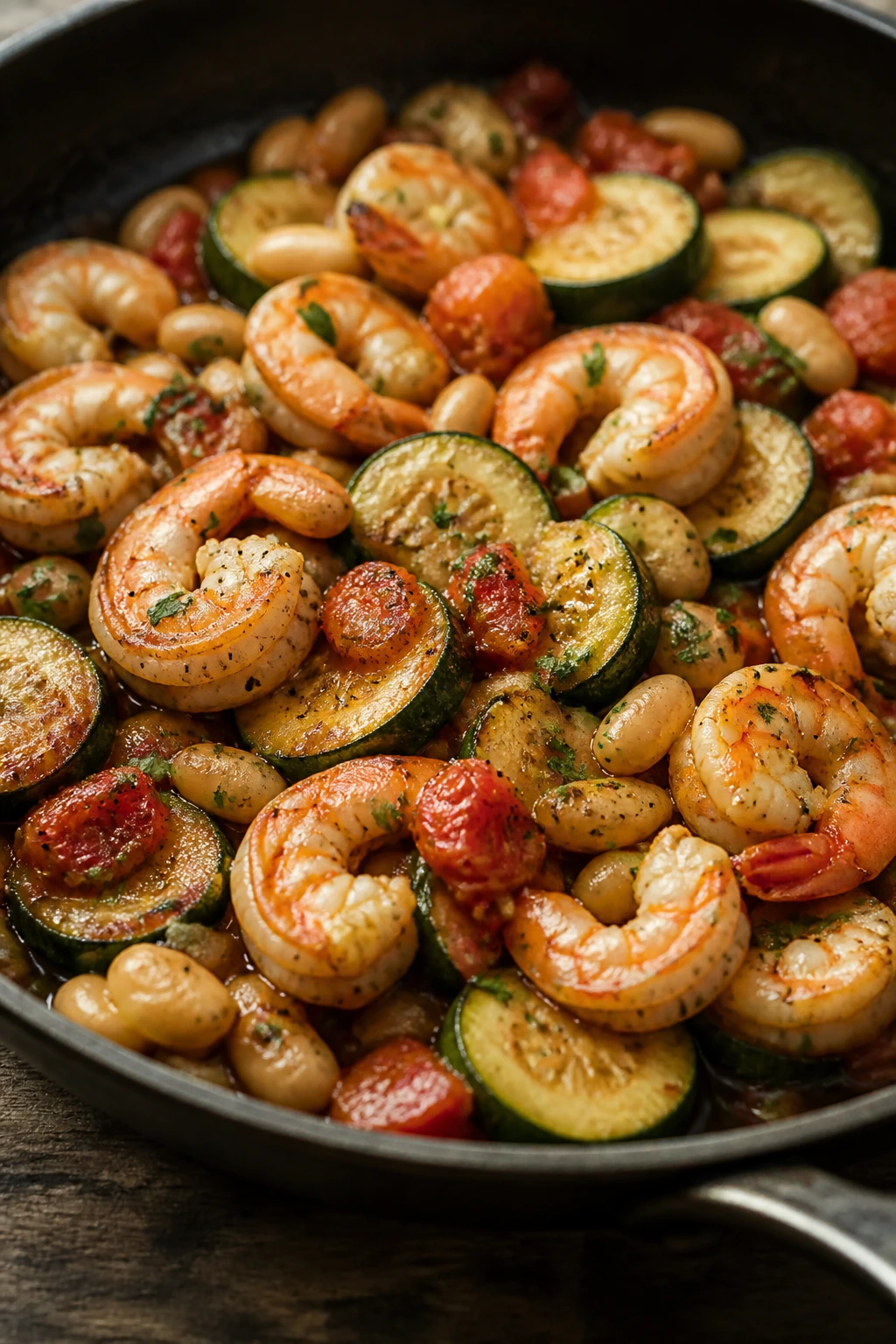
Shrimp are the express lane. They cook fast, they carry seasoning well, and they turn a skillet dinner into something that feels light but not skimpy. White beans and zucchini fill in the rest without making the pan feel overloaded.
This is one of those recipes that looks casual and lands somewhere better than casual. The tomatoes burst, the beans go creamy, and the shrimp need only a few minutes to stay tender.
Why It Works
Shrimp cook in minutes, which means you can keep dinner moving without waiting around for the stove to catch up. White beans add fiber and a soft, creamy texture that makes the skillet feel more substantial than a pile of vegetables alone. Zucchini and tomatoes bring volume and moisture, while garlic, lemon, and basil keep the flavor bright. It’s the kind of meal where you don’t miss a starch because the bean-and-vegetable mix already gives the bowl enough body.
Key Ingredients
For the Skillet:
- 1 1/2 lb shrimp, peeled and deveined — look for medium or large shrimp.
- 2 tbsp olive oil — enough for sautéing without weighing the dish down.
- 3 cloves garlic, minced — add it after the zucchini softens.
- 2 medium zucchini, sliced into half-moons — keep the pieces thick enough to hold shape.
- 1 can (15 oz) white beans, drained and rinsed — cannellini or Great Northern both work.
- 1 cup cherry tomatoes — they burst into sauce.
- 1 tsp Italian seasoning — easy herb blend.
- 1/2 tsp red pepper flakes — optional heat.
- 1/2 tsp kosher salt — season lightly, then adjust.
- 2 tbsp lemon juice — wake up the whole pan.
- 1/4 cup chopped basil — finish with freshness.
Quick Steps
-
Cook the zucchini. Heat olive oil in a large skillet over medium-high heat and cook the zucchini for 4 minutes until it starts to brown.
-
Add garlic and tomatoes. Stir in garlic and cherry tomatoes, cooking for 2 minutes until the garlic smells sweet and the tomatoes start to blister.
-
Add the beans. Stir in the white beans, Italian seasoning, red pepper flakes, and salt. Cook for 2 minutes until the beans are hot.
-
Cook the shrimp. Add the shrimp in a single layer and cook for 2 to 3 minutes per side, until pink and curled. Do not overcook them.
-
Finish with lemon and basil. Turn off the heat, stir in lemon juice, and scatter basil on top before serving.
Tips and Variations
- Saucy version: Mash a few beans against the side of the pan if you want a thicker skillet.
- Herb swap: Parsley works if basil is not in the fridge.
- Serving idea: Spoon this over cauliflower rice if you want a bigger plate without adding much heaviness.
7. Mediterranean Baked Cod with Tomatoes and Olives
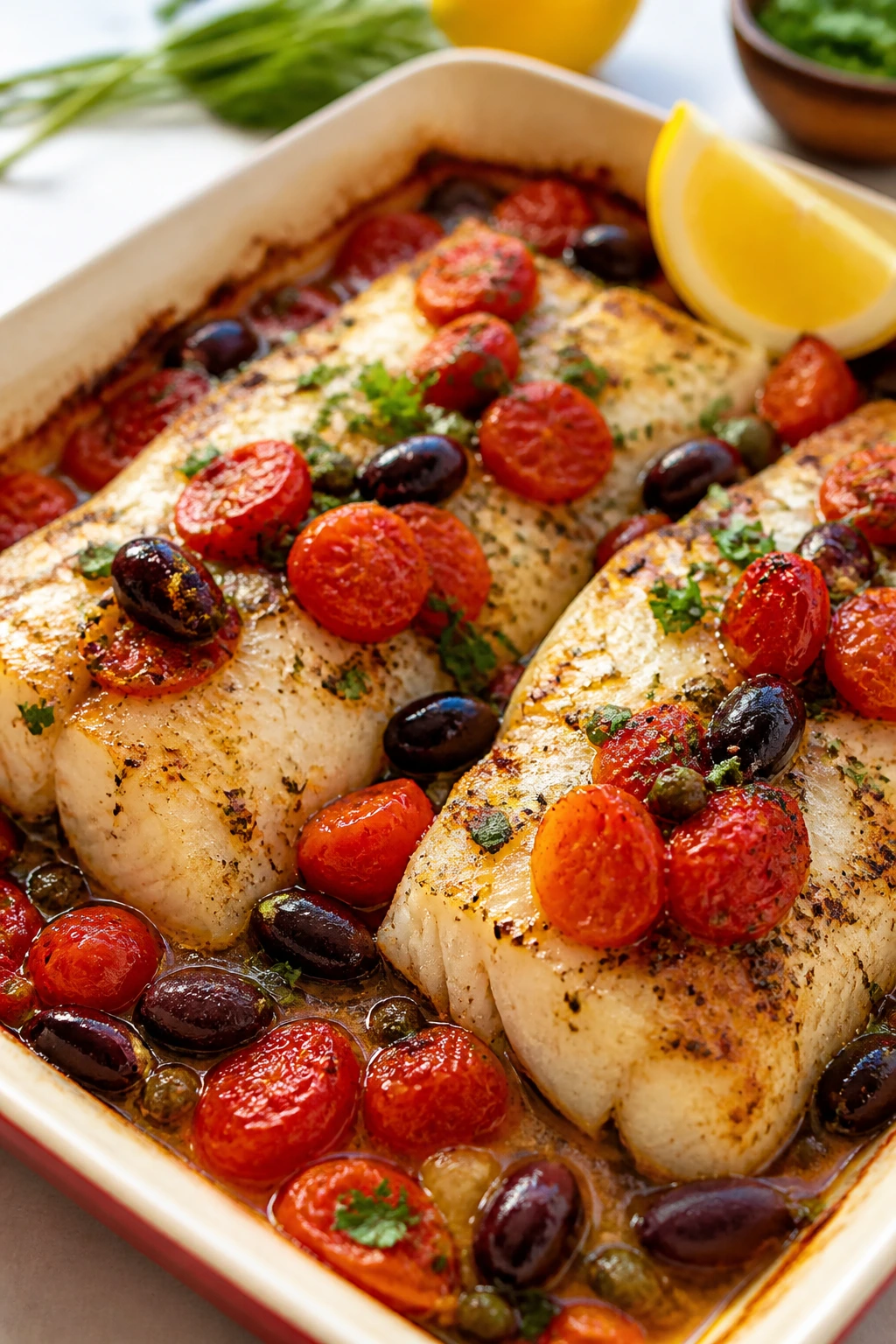
Cod is a quiet fish. It doesn’t demand much, which is why it works so well under tomatoes, olives, garlic, and herbs. The baking dish turns into its own sauce, and the fish comes out flaky instead of fussy.
This is a lighter dinner that still feels like you plated something on purpose. The olives bring salt, the tomatoes soften into jammy pockets, and the lemon keeps everything from feeling heavy or muddy.
Why It Works
Cod is lean, mild, and fast-cooking, which makes it useful when you want a dinner that stays light without feeling tiny. Baking the fish in tomatoes and olives adds moisture and flavor without requiring a pan sauce on the stove. Olive oil gives the dish enough richness to feel finished, but the tomatoes and lemon keep it sharp. This is one of those dinners where the vegetables are doing almost as much work as the fish, and that’s exactly the point.
Key Ingredients
For the Baking Dish:
- 4 cod fillets, 5 to 6 oz each — similar size pieces cook at the same rate.
- 2 cups cherry tomatoes — they soften into the sauce.
- 1/2 cup pitted Kalamata olives — bring briny depth.
- 1 small red onion, thinly sliced — roast until sweet.
- 3 tbsp olive oil — enough for the tomatoes and fish.
- 2 cloves garlic, minced — stir into the tomato mixture.
- 1 tsp dried oregano — classic and reliable.
- 1/2 tsp kosher salt — go easy because the olives are salty.
- 1/2 tsp black pepper — keep it simple.
- 1 lemon, sliced and juiced — use both the fruit and the juice.
- 1/4 cup chopped parsley — for a fresh finish.
Quick Steps
-
Heat the oven to 400°F. Spread the tomatoes, olives, and onion in a baking dish with olive oil, garlic, oregano, salt, and pepper.
-
Roast the vegetables. Bake for 10 minutes until the tomatoes start to burst and the onion softens.
-
Add the cod. Nestle the fillets into the hot tomato mixture and lay lemon slices over the top.
-
Bake until flaky. Return the dish to the oven for 10 to 12 minutes, until the fish flakes easily with a fork and looks opaque at the edges.
-
Finish with lemon juice and parsley. Spoon the sauce over the cod before serving.
Tips and Variations
- Doneness cue: If the fish is opaque but still moist in the center, pull it. Cod dries out fast.
- More body: Serve it over sautéed spinach or a small scoop of quinoa.
- Flavor swap: Capers can stand in for some of the olives if you want more sharpness and less salt.
8. Turkey and Kale Stuffed Bell Peppers
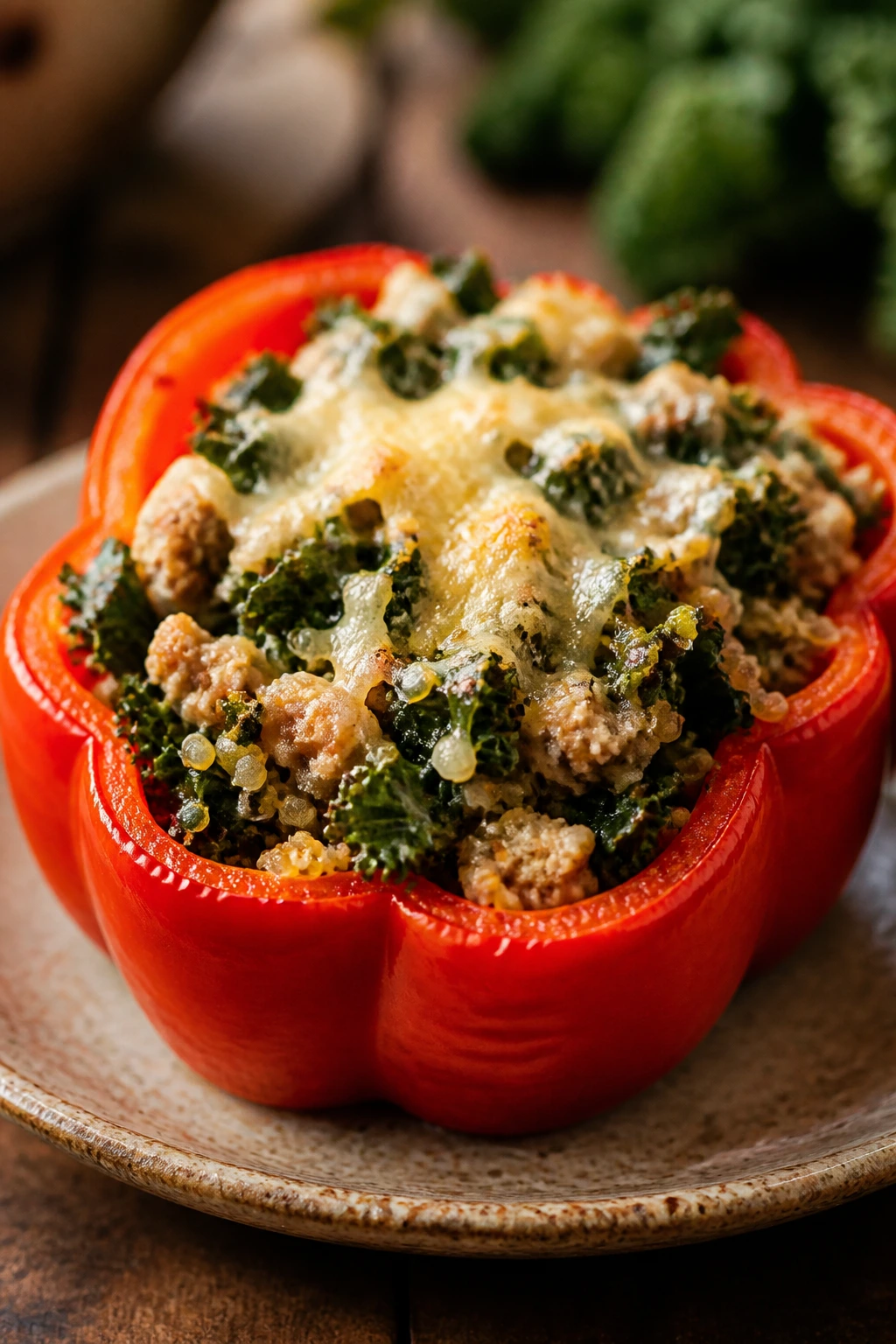
Stuffed peppers are old-school in the best way. They look tidy, they portion themselves, and they make a good case for using lean turkey, greens, and a measured amount of grain all in one dinner.
The pepper shell softens and sweetens in the oven. The filling gets savory and dense. A little cheese on top is fine, but you don’t need much; the peppers already do half the presentation work.
Why It Works
This recipe is a strong fit for weight-loss dinners because each pepper is its own serving, which makes portion control almost automatic. Ground turkey keeps the protein lean, quinoa adds a little chew, and kale gives the filling color and fiber. Roasting the peppers first helps them soften enough to slice with a fork, and the tomatoes in the filling keep everything moist. A small amount of cheese can be used for flavor without turning the whole dish heavy.
Key Ingredients
For the Peppers:
- 6 medium bell peppers, halved and seeded — choose peppers that sit flat in the pan.
- 1 1/2 lb ground turkey — lean but not dry if cooked carefully.
- 1 tbsp olive oil — for sautéing.
- 1 onion, diced — the base.
- 3 cloves garlic, minced — add once the onion is soft.
- 1 can (14.5 oz) diced tomatoes — helps the filling stay juicy.
- 1 cup cooked quinoa — adds structure and a little protein.
- 3 cups chopped kale, ribs removed — tear it small so it softens well.
- 1 tsp dried oregano — savory and familiar.
- 1 tsp ground cumin — gives the filling warmth.
- 1 tsp kosher salt — season the whole pan.
- 1 cup shredded mozzarella or part-skim cheese — optional, but nice in a light layer.
Quick Steps
-
Preheat the oven to 375°F. Place the pepper halves cut-side up in a baking dish.
-
Partially soften the peppers. Bake them for 10 minutes so they start to yield before the filling goes in.
-
Cook the filling. Warm olive oil in a skillet, then cook onion and turkey until the turkey is no longer pink and the onion softens.
-
Add the rest of the filling. Stir in garlic, tomatoes, quinoa, kale, oregano, cumin, and salt. Cook for 3 to 4 minutes until the kale turns dark green and soft.
-
Stuff and bake. Fill the peppers, top with cheese if using, and bake for 20 minutes until the peppers are tender and the tops are lightly browned.
Tips and Variations
- Texture tip: Chop the kale finely so it disappears into the filling instead of sitting there like a rough leaf pile.
- Swap: Brown rice can replace quinoa if that’s what you have.
- Batch cooking: These hold well for lunches the next day, and the flavor settles in nicely overnight.
9. Coconut Chickpea Curry with Spinach
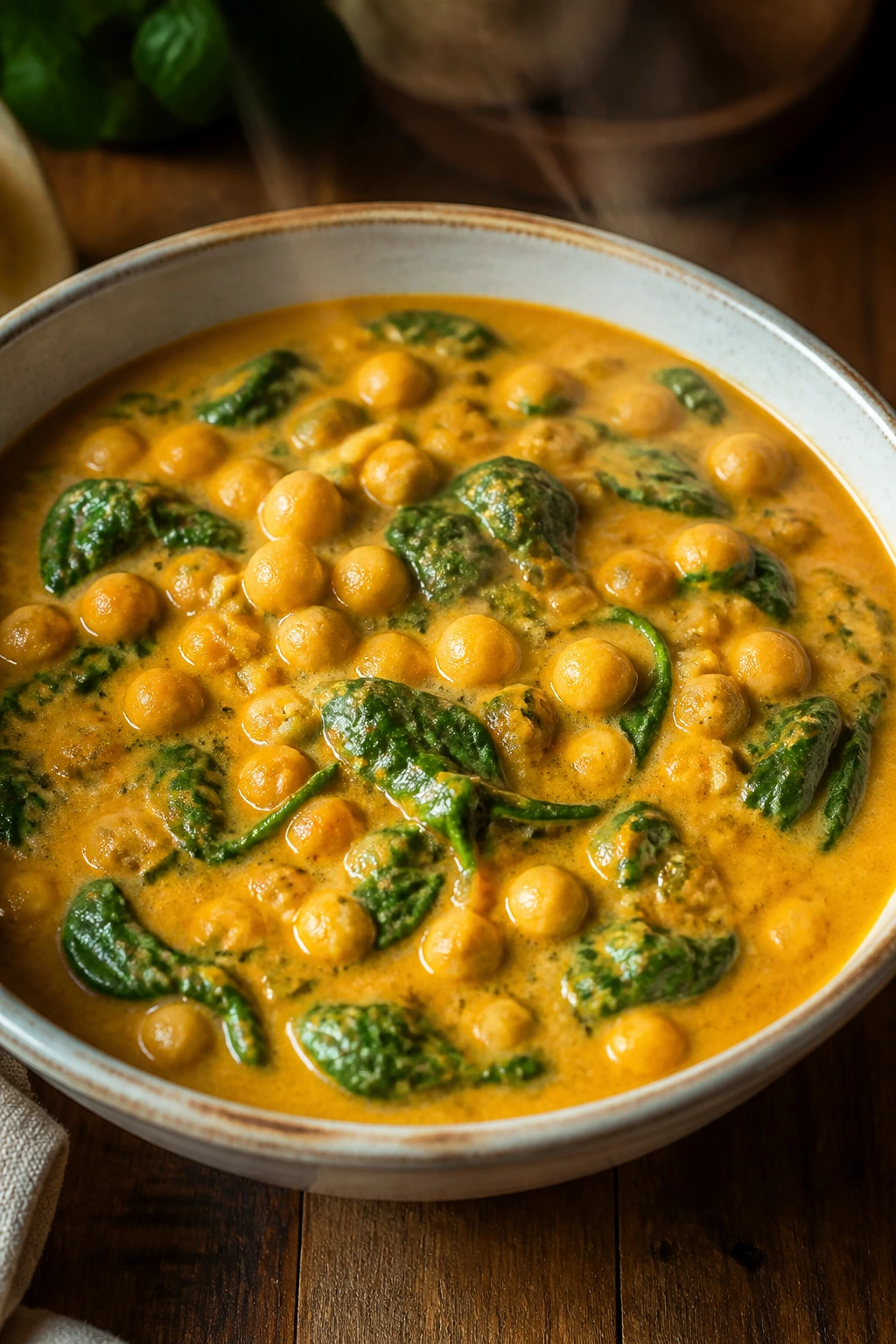
Curry can get rich fast, but this one stays in the lane where you still feel good after dinner. The coconut milk gives the sauce body, the chickpeas make it filling, and the spinach slides in at the end like it has been part of the plan all along.
This is also one of the easiest meatless dinners to make feel complete. You get creaminess, spice, and enough protein and fiber to keep the meal from feeling like a side dish wearing a disguise.
Why It Works
Chickpeas bring protein and fiber, which is exactly what you want if you’re trying to stay full without loading the plate with meat or cheese. Using light coconut milk instead of full-fat keeps the sauce creamy without getting heavy. Curry powder, ginger, and turmeric build a deep flavor base, and spinach adds bulk at the end with almost no cooking time. Serve it over cauliflower rice for a lighter plate or a small portion of brown rice if you want more chew.
Key Ingredients
For the Curry:
- 1 tbsp coconut oil or olive oil — either one works.
- 1 onion, diced — soften until translucent.
- 3 cloves garlic, minced — add after the onion.
- 1 tbsp fresh ginger, grated — gives the curry a sharp lift.
- 2 tbsp curry powder — the main seasoning.
- 1 tsp turmeric — extra warmth and color.
- 2 cans (15 oz each) chickpeas, drained and rinsed — the backbone of the meal.
- 1 can (13.5 oz) light coconut milk — enough creaminess without excess richness.
- 1 can (14.5 oz) diced tomatoes — keeps the sauce bright.
- 4 cups baby spinach — stir in at the end.
- 1 tbsp lime juice — finishes the curry.
- Salt to taste — add after simmering.
For Serving:
- 4 cups cauliflower rice or 2 cups cooked brown rice — choose your base.
Quick Steps
-
Cook the onion. Heat the oil in a skillet or saucepan over medium heat and soften the onion for 5 minutes.
-
Bloom the spices. Add garlic, ginger, curry powder, and turmeric. Stir for 30 seconds until the spice smell turns warm and toasty.
-
Simmer the curry. Add chickpeas, coconut milk, and tomatoes. Bring to a gentle simmer and cook for 15 minutes, stirring now and then.
-
Wilt the spinach. Stir in spinach and cook for 1 to 2 minutes until it collapses into the sauce.
-
Finish and serve. Add lime juice, taste for salt, and spoon over cauliflower rice or brown rice.
Tips and Variations
- Thicker sauce: Mash a small portion of the chickpeas against the pan to make the curry creamier.
- Veggie add-in: Cauliflower florets or zucchini cubes fit well here.
- Heat level: A pinch of cayenne works if you want more bite.
10. Lean Beef and Broccoli Stir-Fry with Mushrooms
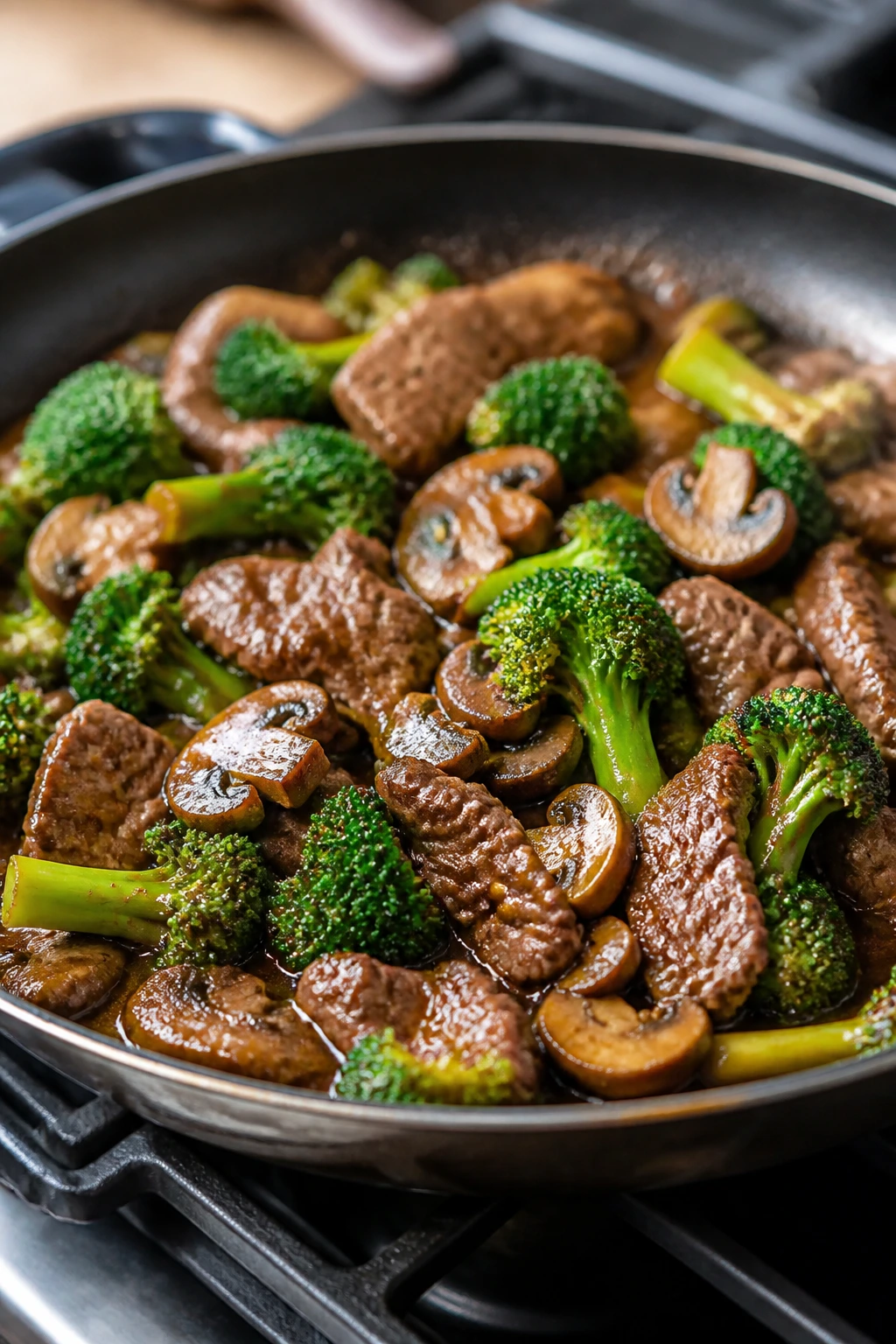
This is the one red-meat dinner in the group, and it earns its place by being fast, lean, and heavy on vegetables. The trick is simple: thin beef, hot pan, small amount of oil, and enough broccoli and mushrooms to make the bowl feel generous.
It tastes like takeout, but with better control over salt, sugar, and portion size. That control matters.
Why It Works
Lean beef brings a lot of flavor in a small amount, which is useful when you want dinner to feel hearty without becoming oversized. Broccoli and mushrooms stretch the pan in a good way, and the ginger-garlic sauce keeps the dish bright instead of thick and sugary. Slicing the beef thinly against the grain matters because it cooks faster and feels more tender. The whole stir-fry comes together in one pan, which helps keep the vegetable ratio high and the cleanup low.
Key Ingredients
For the Stir-Fry:
- 1 lb flank steak or sirloin, thinly sliced against the grain — thin slices cook fast and stay tender.
- 2 tbsp low-sodium tamari — builds the sauce.
- 2 tbsp avocado oil — high heat friendly.
- 8 oz mushrooms, sliced — they soak up flavor and add bulk.
- 4 cups broccoli florets — the main vegetable.
- 3 cloves garlic, minced — add after the beef comes out.
- 1 tbsp fresh ginger, grated — keeps the sauce sharp.
- 1/4 cup low-sodium beef or vegetable broth — loosens the sauce.
- 1 tbsp rice vinegar — cuts the richness.
- 1 tsp toasted sesame oil — use at the end.
- 1 tsp honey — optional, just enough to round the sauce.
- 2 scallions, sliced — for garnish.
Quick Steps
-
Marinate the beef. Toss the sliced beef with tamari and let it sit for 10 minutes.
-
Sear the beef. Heat 1 tbsp oil in a large skillet or wok over high heat and cook the beef in batches for 1 to 2 minutes per side. Remove it when browned.
-
Cook the mushrooms and broccoli. Add the remaining oil, then cook the mushrooms and broccoli for 4 to 5 minutes until the mushrooms darken and the broccoli turns bright green.
-
Build the sauce. Stir in garlic, ginger, broth, vinegar, sesame oil, and honey if using. Cook for 1 minute.
-
Return the beef. Add the beef back to the skillet and toss until everything is coated and hot.
Tips and Variations
- Tenderness tip: Don’t crowd the skillet. Browning beats steaming here.
- Lower-carb serving: Spoon it over cauliflower rice.
- Budget swap: Thinly sliced chicken thighs can take the same treatment.
11. Miso-Ginger Tofu Bowls with Edamame and Cucumber
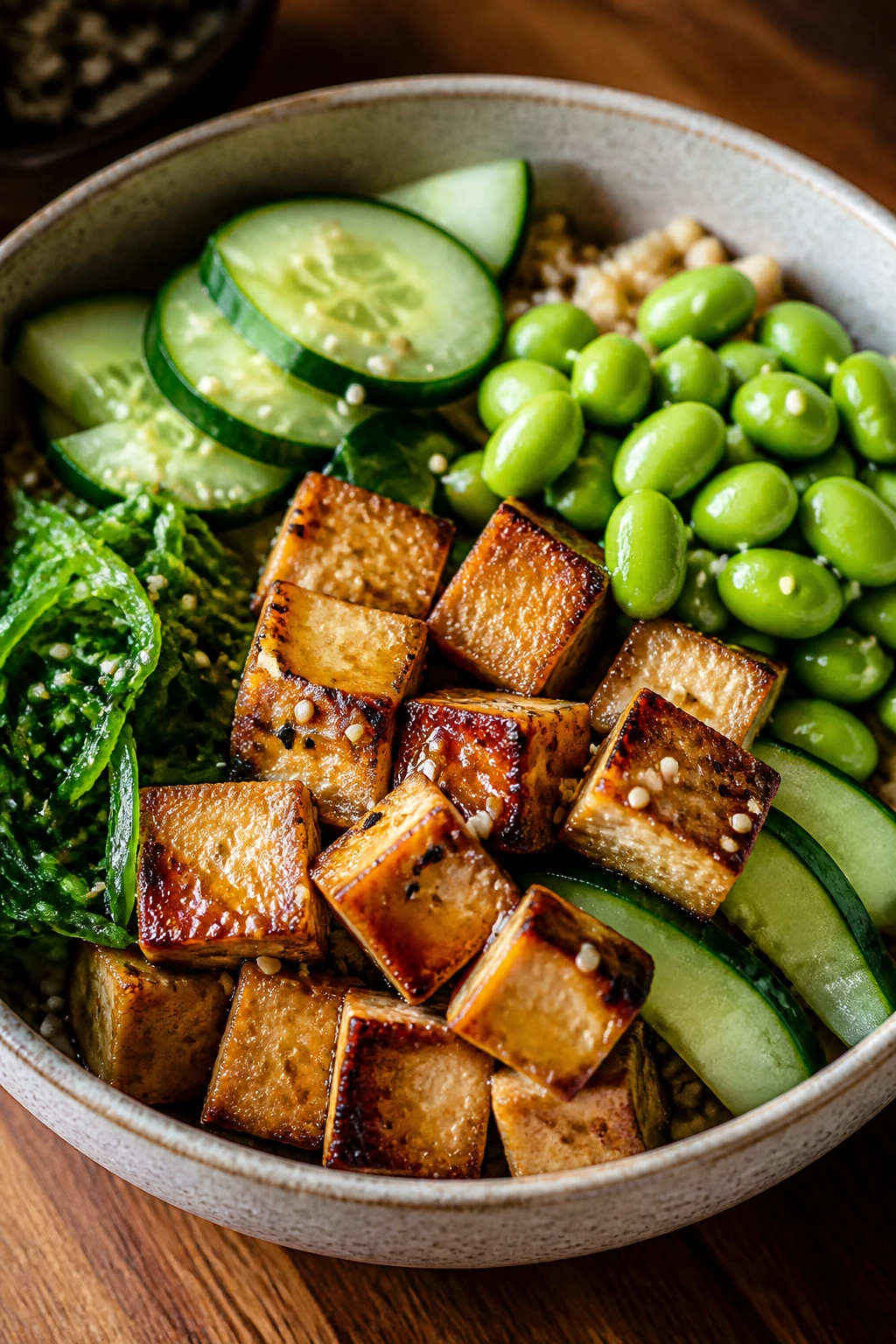
Tofu gets a bad reputation from people who’ve only eaten it when it was underseasoned and poorly handled. Crisp it in a hot skillet and that complaint disappears fast. Miso, ginger, sesame, and cucumber are a much better argument.
This bowl is clean, savory, and full of texture. The tofu sears on the outside, the quinoa gives chew, and the vegetables stay cool and crisp against the warm base.
Why It Works
Tofu is a smart protein for lighter dinners because it takes on flavor instead of demanding it. The miso-ginger dressing gives the bowl a salty, savory edge without needing a heavy sauce, and edamame adds another layer of protein and fiber. Cucumber and carrot keep the texture bright, which matters because bowls can feel monotonous if everything is soft. Quinoa makes the plate feel complete, but you can keep the portion modest and still walk away satisfied.
Key Ingredients
For the Bowls:
- 14 oz extra-firm tofu, pressed and cubed — pressing removes moisture so it browns.
- 2 tbsp white miso — the flavor base.
- 1 tbsp grated ginger — sharp and fresh.
- 2 tbsp tamari — salty and savory.
- 1 tbsp rice vinegar — brightens the dressing.
- 1 tbsp sesame oil — rich, so use a small amount.
- 2 cups shelled edamame — extra protein and color.
- 2 cups cooked quinoa — the grain base.
- 1 cucumber, sliced — cool crunch.
- 1 carrot, shredded — sweetness and texture.
- 1 avocado, sliced — optional, use half if you want to keep the bowl lighter.
- 1 tbsp sesame seeds — garnish.
Quick Steps
-
Press the tofu. Wrap it in a towel and set a plate on top for 15 minutes, then cut it into cubes.
-
Mix the dressing. Whisk miso, ginger, tamari, rice vinegar, and sesame oil until smooth.
-
Crisp the tofu. Heat a skillet over medium-high heat with a little oil and cook the tofu for 8 to 10 minutes, turning until the sides are golden.
-
Warm the edamame. Heat it briefly in water or the microwave until hot.
-
Assemble the bowls. Divide quinoa between bowls, add tofu, edamame, cucumber, carrot, and avocado, then drizzle with dressing.
Tips and Variations
- Extra crunch: Toasted nori strips are good here if you want a sushi-bowl feel.
- Protein swap: Shrimp or chicken works if tofu isn’t your thing.
- Sauce note: Keep the dressing separate if you’re packing this for lunch.
12. Baked Chicken Meatballs with Zucchini Noodles
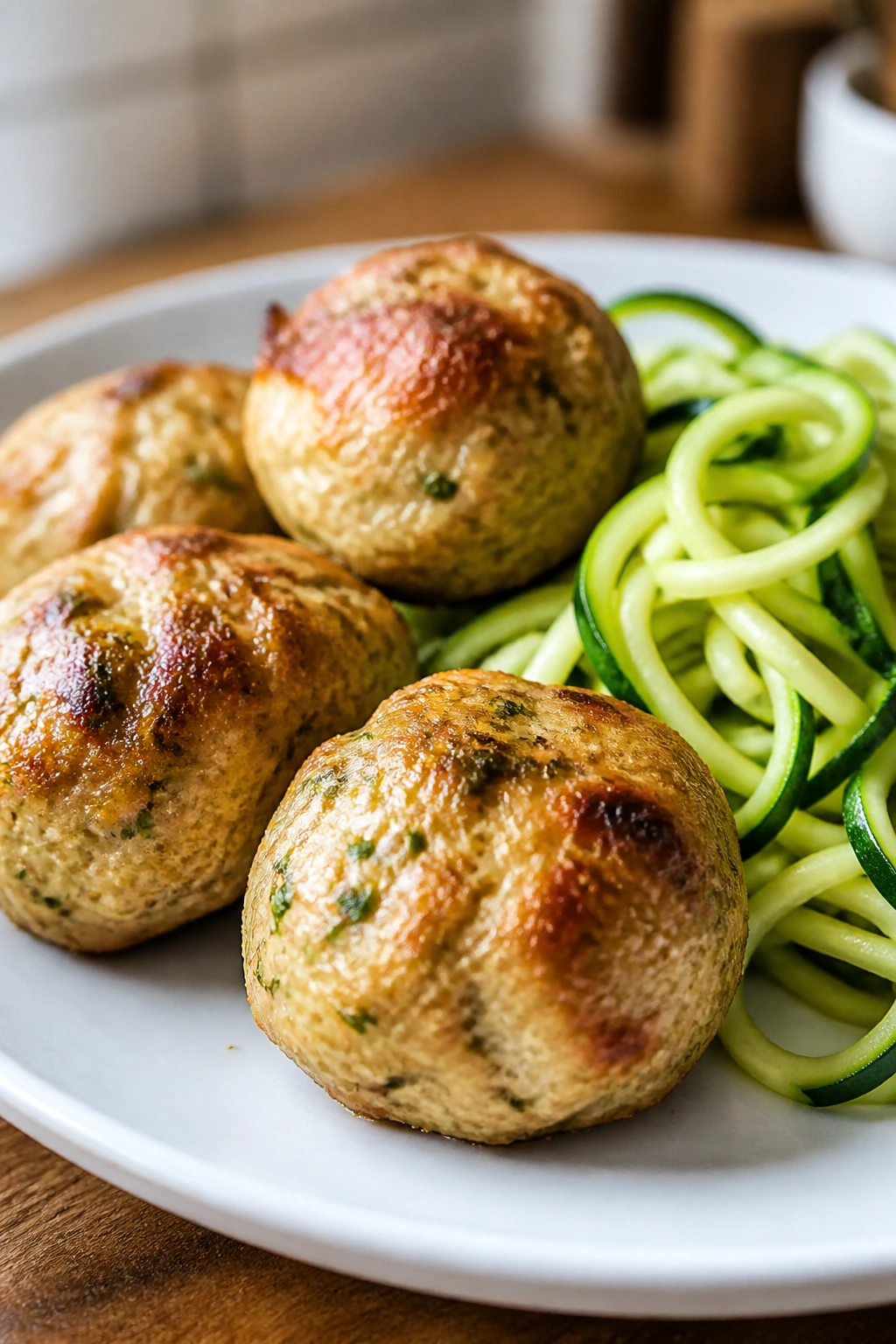
Chicken meatballs feel like comfort food that cleaned up its act. Baking them instead of frying keeps the cooking straightforward, and zucchini noodles turn the plate into something light enough for a weeknight without making it look like diet food.
The marinara, garlic, and parmesan make the meatballs taste familiar. The zucchini keeps the whole thing from getting too dense. That balance is the reason this recipe works.
Why It Works
Ground chicken is lean, but it can dry out if you treat it like beef. An egg, a little almond flour or breadcrumbs, and parmesan help the meatballs hold moisture and shape. Baking at 425°F gives them browned edges without a pan full of oil. Zucchini noodles cook in a flash and let the marinara do the talking, which is exactly what you want when you’re aiming for a lighter dinner that still feels like a real meal.
Key Ingredients
For the Meatballs:
- 1 1/2 lb ground chicken — lean and mild.
- 1 egg — binds the mixture.
- 1/2 cup almond flour or breadcrumbs — holds the meatballs together.
- 2 cloves garlic, minced — fold it into the mix.
- 1/4 cup grated parmesan — gives flavor and salt.
- 1 tsp Italian seasoning — classic herb mix.
- 1/2 tsp kosher salt — enough for the full batch.
- 1/4 tsp black pepper — simple seasoning.
- 2 tbsp olive oil — for brushing or drizzling.
For the Zoodles and Sauce:
- 4 medium zucchini, spiralized — pat them dry so they don’t water down the sauce.
- 2 cups marinara sauce — choose one with a short ingredient list.
- 2 cups baby spinach — optional, but good stirred into the sauce.
- 2 tbsp chopped basil — for finishing.
Quick Steps
-
Heat the oven to 425°F. Line a baking sheet with parchment.
-
Mix the meatball base. Combine ground chicken, egg, almond flour or breadcrumbs, garlic, parmesan, Italian seasoning, salt, and pepper until just mixed.
-
Shape the meatballs. Roll into 1 1/2-inch balls and place them on the baking sheet. Brush lightly with olive oil.
-
Bake for 15 to 18 minutes. The meatballs should be browned and reach 165°F in the center.
-
Warm the sauce and zoodles. Heat marinara in a skillet, stir in spinach if using, then toss the zucchini noodles for 1 to 2 minutes until just tender.
-
Serve. Spoon sauce and meatballs over the zucchini noodles and finish with basil.
Tips and Variations
- No-soggy-zoodle rule: Salt the zucchini lightly and blot with paper towels before cooking.
- Make-ahead move: Shape and chill the meatballs up to a day ahead.
- Cheesy finish: A little extra parmesan at the table goes a long way.
13. Sardine and Tomato Whole-Wheat Pasta
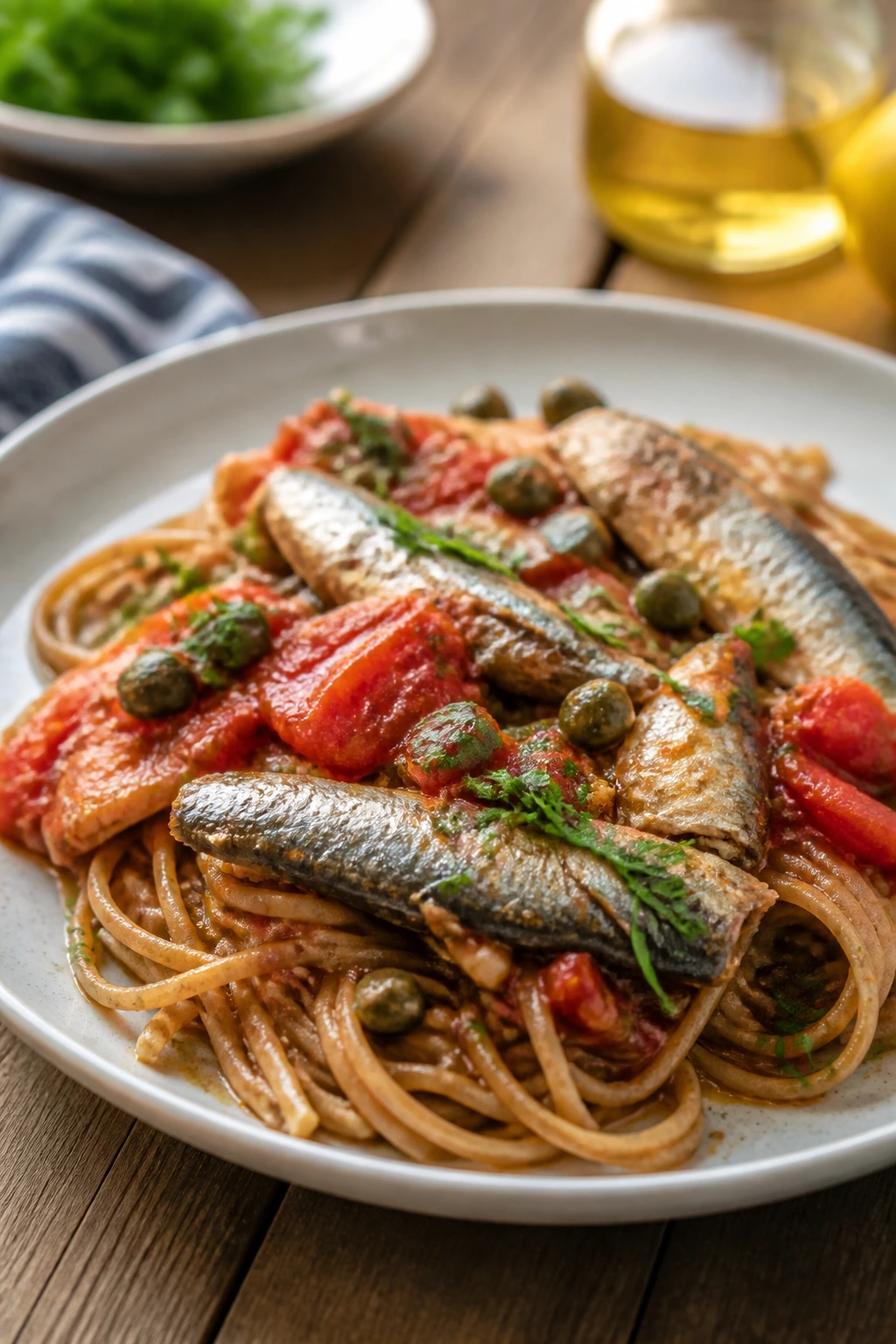
Sardines have a way of scaring off people who only know them from old pantry jokes. Their flavor is rich and briny, though, and when you put them into a tomato, garlic, and caper sauce, they stop being the headline and start being the good part.
Whole-wheat pasta keeps the bowl grounded. Tomatoes and arugula give it lift. The sauce clings instead of pooling, which matters if you want pasta to feel like a dinner and not a calorie event.
Why It Works
Sardines are a smart anti-inflammatory ingredient because they bring omega-3 fats and a deep savory flavor in a small package. Pairing them with tomato, capers, garlic, and lemon softens the fishiness and turns the dish into something bright and salty rather than heavy. Whole-wheat pasta adds fiber and a little more chew than white pasta, which can help the meal feel more filling without needing a giant portion. This is the sort of recipe where a modest plate goes farther than you expect.
Key Ingredients
For the Pasta:
- 8 oz whole-wheat spaghetti or linguine — keep the portion measured.
- 2 cans sardines in olive oil — lightly drained, not bone-dry.
- 2 tbsp olive oil — if the sardines are already oily, use a little less.
- 4 cloves garlic, thinly sliced — slice, don’t mince, so it doesn’t burn.
- 1 pint cherry tomatoes — they break down into sauce.
- 2 tbsp capers — salty little pops.
- 1 tsp red pepper flakes — optional heat.
- 2 cups arugula — wilts into the pasta.
- 1 lemon, zested and juiced — sharpens the whole dish.
- 2 tbsp chopped parsley — for freshness.
Quick Steps
-
Cook the pasta. Boil the spaghetti in salted water until al dente, then reserve 1/2 cup pasta water.
-
Start the sauce. Warm the olive oil in a skillet and cook the garlic for 30 seconds until fragrant, not brown.
-
Cook the tomatoes. Add cherry tomatoes, capers, and red pepper flakes. Cook for 4 to 5 minutes until the tomatoes burst.
-
Add the sardines. Break them into large pieces and warm them gently in the sauce for 1 to 2 minutes.
-
Toss everything together. Add the pasta, arugula, lemon zest, lemon juice, and a splash of pasta water. Toss until glossy.
-
Finish with parsley. Serve right away while the arugula is just wilted.
Tips and Variations
- If sardines worry you: Use canned salmon in the same amount.
- Texture tip: Leave the sardines in chunks so the bowl feels rustic, not mashed.
- Serving idea: A few sliced olives fit here if you want even more briny flavor.
14. Chicken, Avocado, and Black Bean Dinner Salad
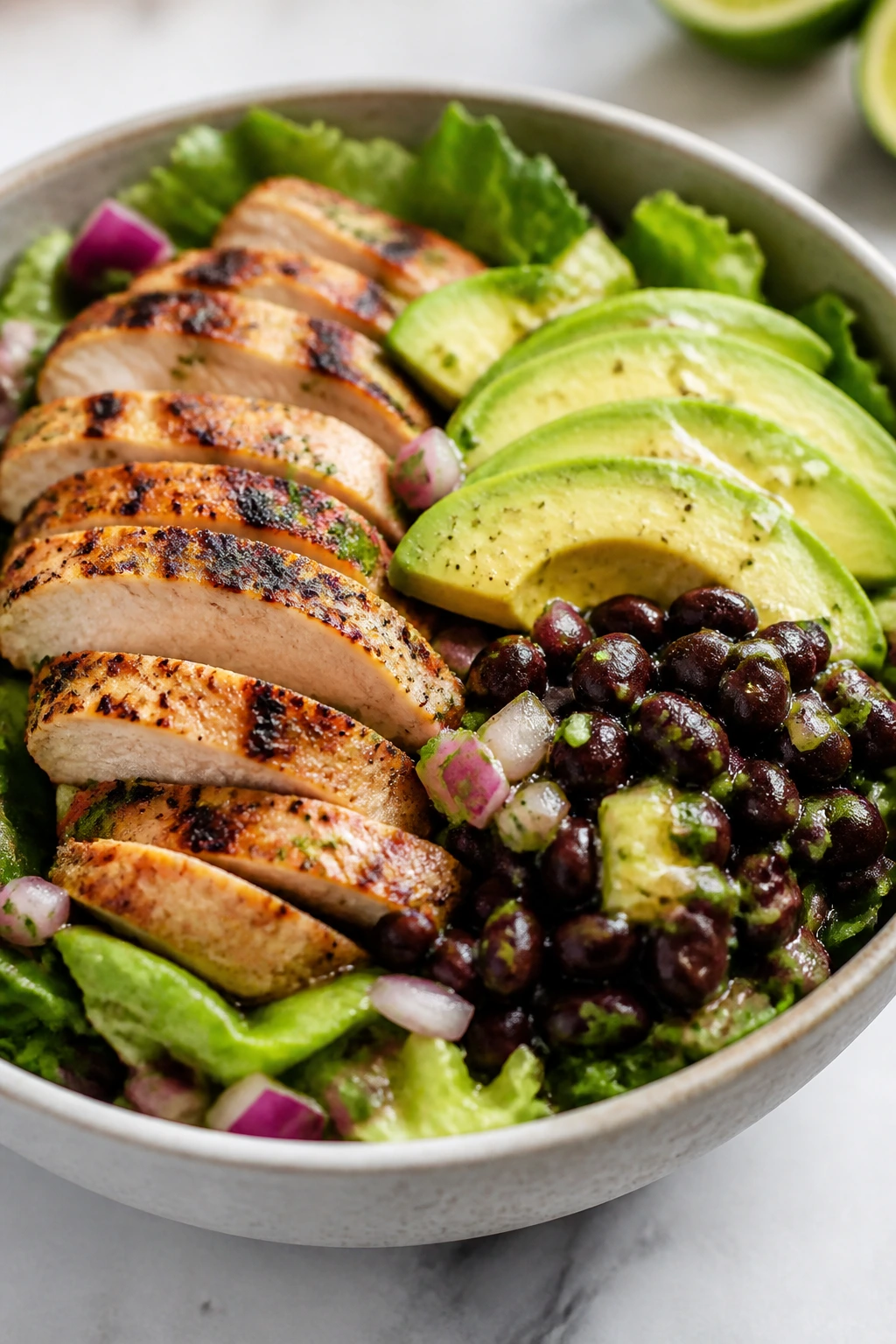
A salad earns dinner status only when it stops acting like side dish cosplay. This one does the job because it has seasoned chicken, black beans, avocado, crunchy greens, and enough lime in the dressing to keep everything awake.
It’s fresh, but not flimsy. That’s the difference. The beans and chicken bring the staying power, and the avocado gives the plate a little richness without sending it into heavy territory.
Why It Works
This salad works because every bite has protein, fiber, and fat in a sensible ratio. Grilled or seared chicken keeps the protein high, black beans add more fiber and texture, and avocado brings creamy fat that makes the bowl feel satisfying. Lime in the dressing keeps the whole thing bright, which is useful because salads can get dull fast when the only flavor is “healthy.” If you want a lighter dinner that still feels substantial, this is one of the easiest places to land.
Key Ingredients
For the Chicken:
- 1 1/2 lb chicken breasts — slice them horizontally if they’re thick.
- 1 tbsp olive oil — for the pan.
- 1 tsp ground cumin — warm and earthy.
- 1 tsp chili powder — mild heat.
- 1/2 tsp kosher salt — enough for the chicken.
For the Salad:
- 6 cups chopped romaine or mixed greens — choose crisp leaves.
- 1 can black beans, drained and rinsed — pat them dry so they don’t water the bowl.
- 1 avocado, sliced — use it right before serving.
- 1 cup cherry tomatoes, halved — juicy and bright.
- 1 cup corn, thawed if frozen — optional, but nice.
- 1/4 cup red onion, thinly sliced — soak in cold water if you want less bite.
For the Dressing:
- 2 tbsp olive oil — the base.
- 2 tbsp lime juice — the acid.
- 1 tsp honey — just enough to round it out.
- Pinch of salt — balance.
Quick Steps
-
Season the chicken. Rub the chicken with olive oil, cumin, chili powder, and salt.
-
Cook the chicken. Sear in a skillet over medium-high heat for 5 to 6 minutes per side, until the center reaches 165°F. Rest for 5 minutes, then slice.
-
Make the dressing. Whisk olive oil, lime juice, honey, and salt until the dressing looks lightly cloudy.
-
Assemble the salad. Layer greens, beans, tomatoes, corn, and onion in a bowl.
-
Add chicken and avocado. Top with the sliced chicken and avocado, then drizzle with dressing.
Tips and Variations
- Meal-prep note: Keep the dressing and avocado separate until you’re ready to eat.
- Crunch option: Pumpkin seeds add a nice finish if you want more texture.
- Lower-carb version: Skip the corn and add extra cucumber or peppers instead.
15. Veggie-Packed Turkey Chili
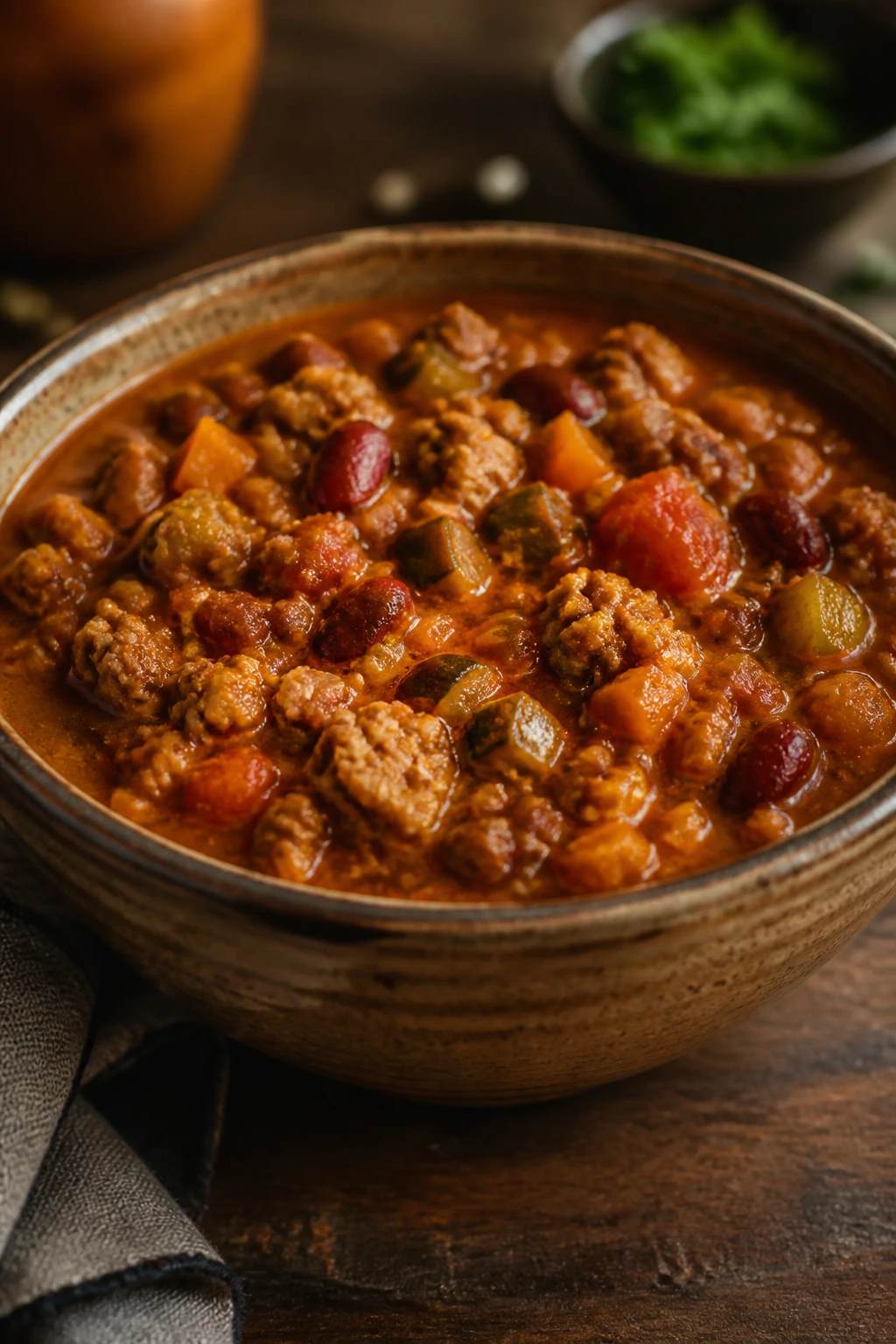
Chili is one of the rare comfort foods that naturally wants to be healthy. You can load it with beans and vegetables, keep the meat lean, and still end up with something that tastes slow-cooked and deeply satisfying.
This version is thick, smoky, and sturdy enough to eat for a couple of days without getting tired of it. That alone makes it worth keeping around.
Why It Works
Turkey chili is a weight-loss-friendly dinner because the pot can absorb a lot of vegetables without losing its identity. Beans bring fiber and body, tomatoes provide acidity, and ground turkey keeps the protein high without making the bowl heavy. Letting the pot simmer for 30 minutes gives the chili a darker, more blended flavor, which means you don’t need extra cheese or sour cream to make it taste finished. A squeeze of lime at the end is not optional in my book; it cuts through the richness and sharpens the whole pot.
Key Ingredients
For the Chili:
- 1 tbsp olive oil — just enough to start the pot.
- 1 onion, diced — the base.
- 1 green bell pepper, diced — adds sweetness and crunch.
- 2 carrots, finely diced or grated — they melt into the chili.
- 1 1/2 lb ground turkey — lean and filling.
- 2 tbsp chili powder — the main flavor.
- 1 tsp ground cumin — smoky warmth.
- 1 can (28 oz) crushed tomatoes — builds the body of the pot.
- 1 can kidney beans, drained and rinsed — hearty and classic.
- 1 can black beans, drained and rinsed — extra fiber.
- 2 cups low-sodium broth — keeps the chili spoonable.
- 1 cup frozen corn — optional, but it rounds out the texture.
- 2 tbsp lime juice — bright finish.
Quick Steps
-
Start with the vegetables. Heat the oil in a Dutch oven and cook onion, bell pepper, and carrots for 6 minutes until softened.
-
Brown the turkey. Add the ground turkey and cook until no pink remains, breaking it up as you go.
-
Add the spices. Stir in chili powder and cumin for 30 seconds until fragrant.
-
Simmer the chili. Add tomatoes, beans, broth, and corn. Bring to a simmer and cook uncovered for 25 to 30 minutes.
-
Finish and serve. Stir in lime juice, taste for salt, and ladle into bowls.
Tips and Variations
- Thicker chili: Simmer it a few extra minutes uncovered.
- Heat boost: Add diced jalapeño with the onion if you want more fire.
- Topping idea: Plain Greek yogurt works better than a heavy sour cream dollop.
16. Citrus Trout with Fennel and Asparagus
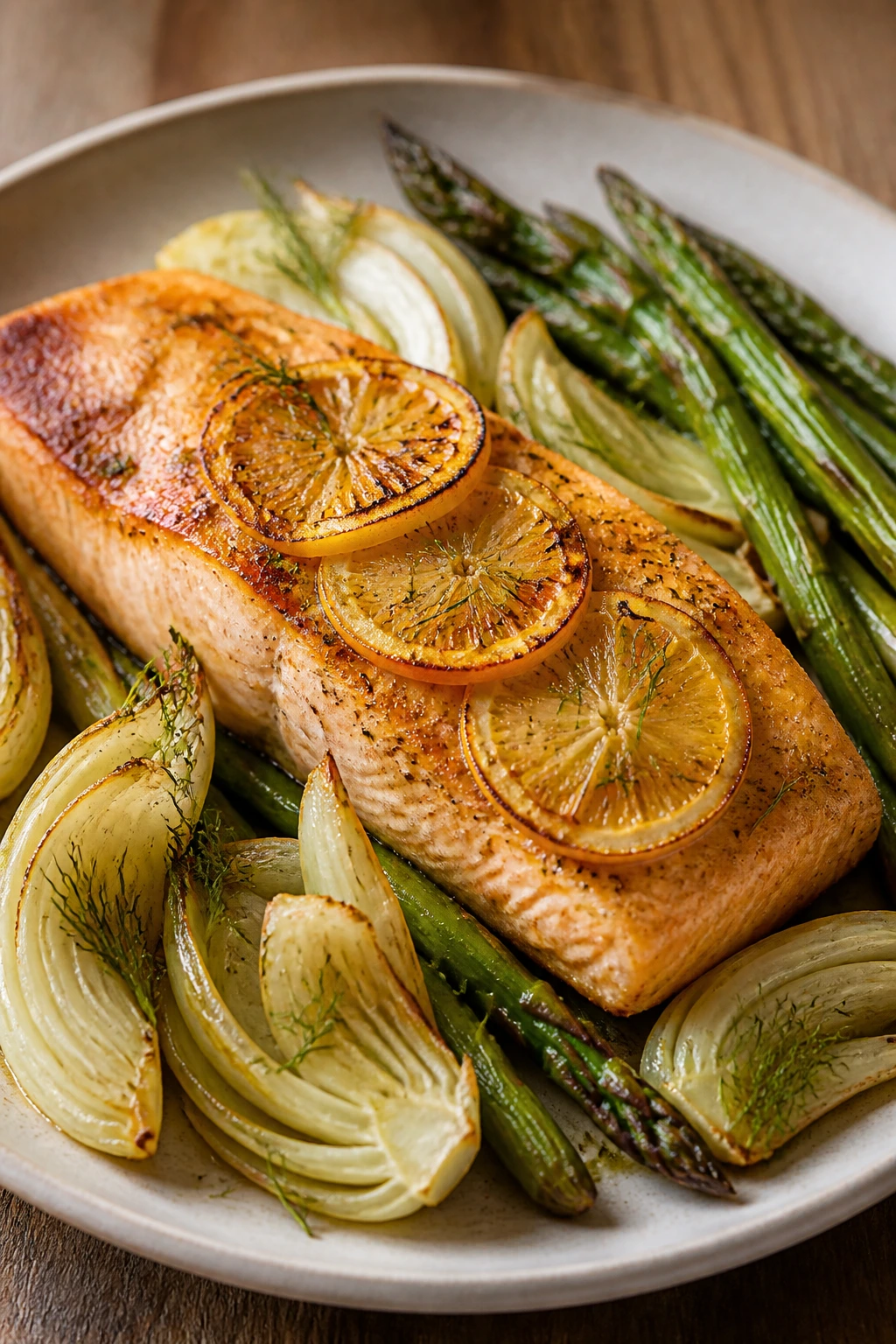
Trout is one of those fish that deserves more dinner-table space. It cooks quickly, tastes clean and buttery, and sits nicely with fennel and asparagus, which both roast into something sweeter than they look raw.
The citrus helps the whole dish feel bright. The fennel softens. The asparagus keeps a little snap. It’s a composed plate without much effort, which is a good combination on a busy night.
Why It Works
Trout cooks fast enough to make a lighter dinner feel easy instead of fragile. Fennel gives you a mild anise note that softens in the oven, and asparagus roasts in the same time window, so the whole pan is synchronized. Citrus matters here because trout is rich enough to benefit from a sharp edge. You get a dinner that tastes elegant without calling for a sauceboat or a second pan.
Key Ingredients
For the Roast:
- 4 trout fillets, 5 to 6 oz each — similar size helps the timing.
- 1 fennel bulb, thinly sliced — save the fronds if you have them.
- 1 bunch asparagus, trimmed — snap off the woody ends.
- 1 orange, zested and juiced — or use orange and lemon together.
- 1 lemon, sliced — lays across the fish beautifully.
- 3 tbsp olive oil — enough to coat the vegetables and fish.
- 2 cloves garlic, minced — add to the vegetables.
- 1 tsp kosher salt — divided.
- 1/2 tsp black pepper — simple seasoning.
- 1 tbsp chopped dill or parsley — fresh finish.
Quick Steps
-
Heat the oven to 400°F. Arrange the fennel and asparagus on a sheet pan.
-
Season the vegetables. Toss them with olive oil, garlic, half the salt, and black pepper.
-
Roast the vegetables first. Bake for 10 minutes so the fennel starts to soften.
-
Add the trout. Nestle the fish on the pan, season with the remaining salt, and top with citrus slices.
-
Roast until done. Bake for 10 to 12 minutes more, until the fish flakes and the asparagus is tender with a little bite.
-
Finish with citrus juice and herbs. Spoon the pan juices over the fish before serving.
Tips and Variations
- Doneness cue: Trout should flake easily but still look moist.
- Herb swap: Tarragon works if you want a more French-style finish.
- Side option: A small spoonful of quinoa fits without weighing the meal down.
17. Cauliflower Rice Paella with Chicken and Peas
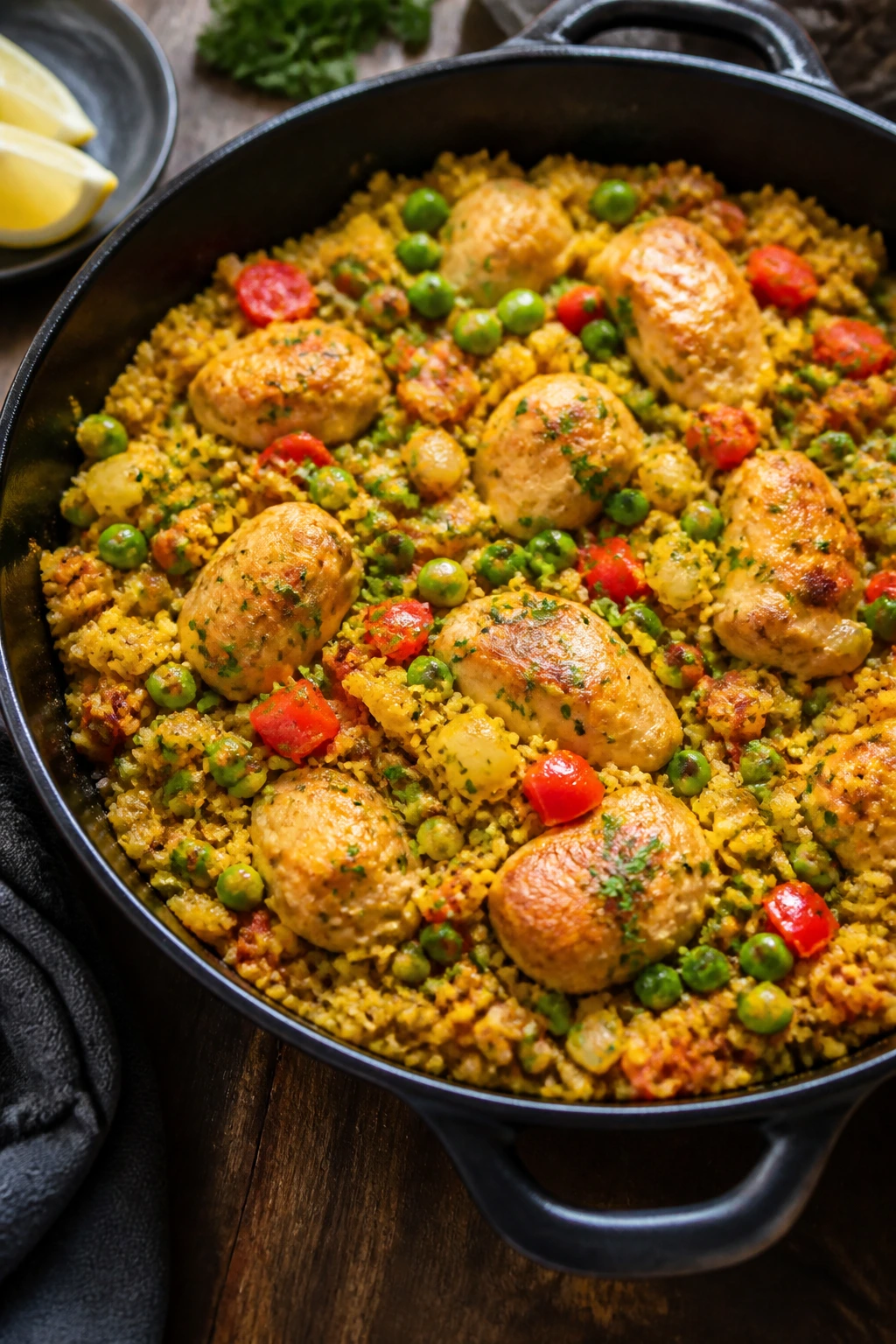
Paella flavor without the rice-heavy pan is a smart dinner move. Smoked paprika, saffron or turmeric, chicken, peas, and tomatoes build the familiar flavor profile, while cauliflower rice keeps the dish lighter and faster.
This is one of the few recipes here that feels festive without feeling fussy. The pan looks busy in the right way, with gold, green, and red all working together.
Why It Works
Traditional paella can be gorgeous, but it’s also heavier than many weeknight dinners need to be. Swapping in cauliflower rice cuts the starch while keeping the structure of the dish intact. Chicken gives the pan a solid protein base, peas add sweetness, and smoked paprika brings that warm, almost smoky color that makes the whole thing taste more developed than it is. If you use saffron, great; if not, a pinch of turmeric still gives you color and a little earthiness.
Key Ingredients
For the Paella-Style Skillet:
- 1 1/2 lb chicken breast or thighs, diced — small pieces cook fast.
- 2 tbsp olive oil — enough for browning.
- 1 onion, diced — the base.
- 1 red bell pepper, diced — for sweetness and color.
- 3 cloves garlic, minced — add after the onion softens.
- 2 tsp smoked paprika — central to the flavor.
- 1/2 tsp saffron threads or a pinch of turmeric — optional, but useful for color.
- 4 cups cauliflower rice — fresh or frozen.
- 1 1/2 cups low-sodium broth — helps the cauliflower rice steam gently.
- 1 can (14.5 oz) diced tomatoes — adds moisture.
- 1 cup peas — frozen is fine.
- 1 lemon, cut into wedges — bright finish.
- 2 tbsp chopped parsley — garnish.
Quick Steps
-
Brown the chicken. Heat oil in a wide skillet and cook the chicken for 5 to 6 minutes until lightly browned. Remove it.
-
Cook the vegetables. In the same skillet, soften onion and bell pepper for 4 minutes, then add garlic, smoked paprika, and saffron or turmeric.
-
Build the base. Stir in cauliflower rice, broth, and diced tomatoes. Cook for 5 minutes until the cauliflower starts to soften.
-
Add the chicken and peas. Return the chicken to the skillet and stir in peas. Cook for 4 to 5 minutes more until everything is hot and the liquid is mostly absorbed.
-
Finish with lemon. Add parsley and serve with lemon wedges.
Tips and Variations
- Pan size matters: Use a wide skillet so the cauliflower rice cooks instead of steaming into mush.
- Seafood twist: Shrimp can replace some of the chicken if you want a lighter pan.
- Flavor tip: Don’t skip the lemon; it keeps the dish from tasting flat.
18. Black Bean Taco Skillet with Cabbage Slaw
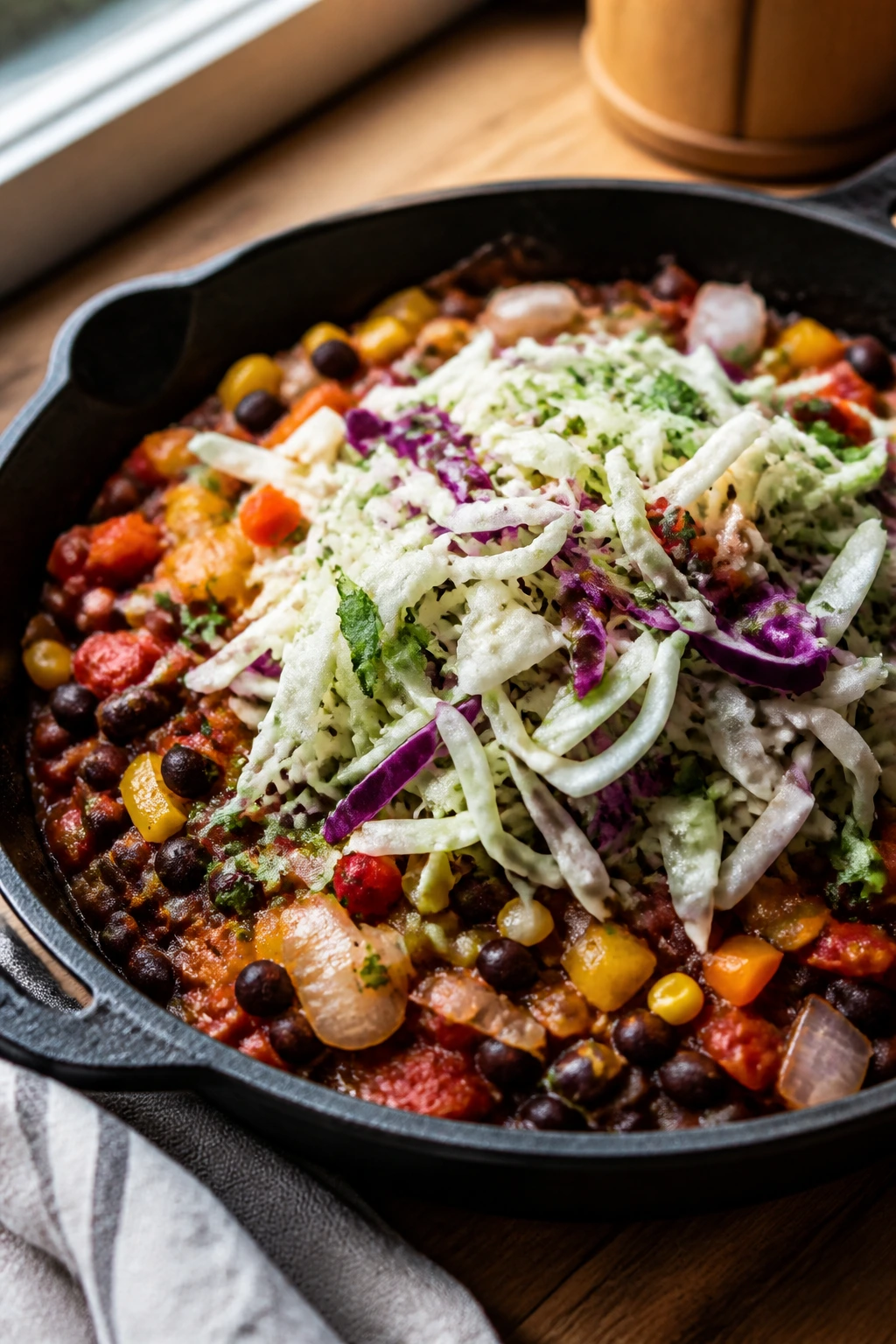
This is the dinner you make when the pantry is looking ordinary and you still want something with crunch, color, and enough flavor to feel like a reward. Black beans, tomatoes, corn, onion, and taco spices do the heavy lifting, and the cabbage slaw gives the skillet a cool, sharp finish.
It’s cheap, fast, and flexible. That matters more than people like to admit.
Why It Works
Black beans are a gift in weight-loss cooking because they’re filling, inexpensive, and easy to season well. The skillet builds flavor with onion, garlic, cumin, chili powder, and oregano, while tomatoes and corn add sweetness and moisture. Cabbage slaw on top keeps the dish from feeling soft all the way through, which is a common problem with bean-based dinners. Add avocado or a spoonful of yogurt if you want richness, but the skillet itself already has enough going on to stand up on its own.
Key Ingredients
For the Taco Skillet:
- 1 tbsp olive oil — for the pan.
- 1 onion, diced — the first layer of flavor.
- 1 bell pepper, diced — for sweetness and color.
- 2 cloves garlic, minced — add once the vegetables soften.
- 2 cans black beans, drained and rinsed — the main protein and fiber.
- 1 cup frozen corn — thawed or straight from the bag.
- 1 can diced tomatoes with green chilies, 14.5 oz — adds heat and moisture.
- 2 tsp chili powder — the taco note.
- 1 tsp ground cumin — warm and earthy.
- 1/2 tsp dried oregano — small amount, nice payoff.
- 1/2 tsp kosher salt — adjust after simmering.
For the Slaw:
- 4 cups shredded cabbage — green, purple, or both.
- 1 lime, juiced — sharp and fresh.
- 1 avocado, sliced — optional, but nice.
- 2 tbsp chopped cilantro — if you like it.
Quick Steps
-
Cook the vegetables. Heat olive oil in a skillet and soften onion and bell pepper for 5 minutes.
-
Add the garlic and spices. Stir in garlic, chili powder, cumin, oregano, and salt for 30 seconds.
-
Add the beans and tomatoes. Stir in black beans, corn, and diced tomatoes with green chilies. Simmer for 8 to 10 minutes until thick.
-
Make the slaw. Toss cabbage with lime juice and cilantro so it softens slightly.
-
Serve. Spoon the skillet into bowls, top with slaw and avocado, and eat it as is or with a few corn tortillas.
Tips and Variations
- Creamy finish: A little plain yogurt on top works if you want to cool the spices.
- Extra protein: Add shredded chicken if you want a meatier skillet.
- Leftover use: This makes a good taco filling the next day, which is more useful than it sounds.
Why Anti-Inflammatory Cooking Helps Weight Loss
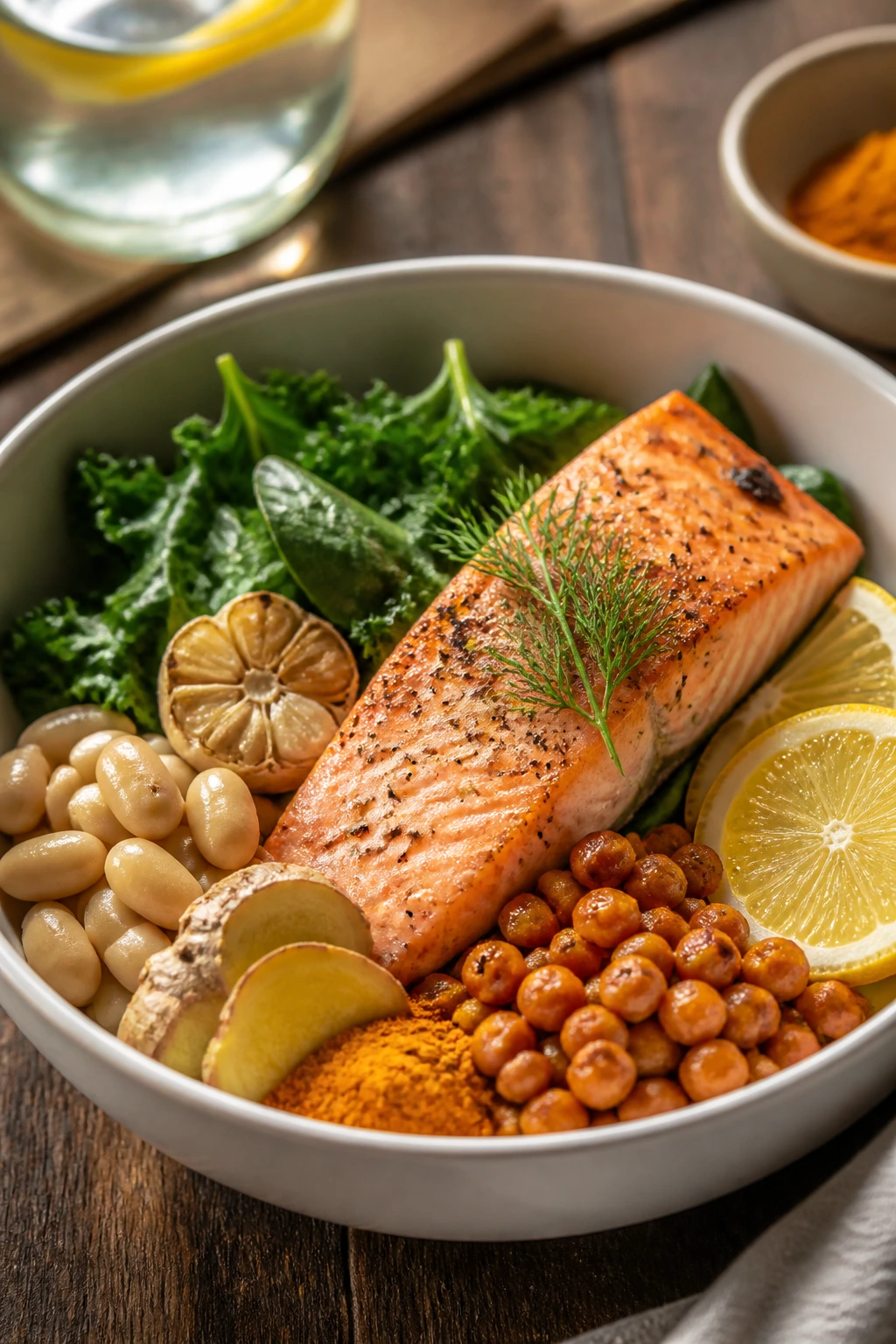
The cleanest way to think about anti-inflammatory cooking is this: it pushes you toward ingredients that bring more flavor per calorie. That matters when you’re trying to eat in a way that supports weight loss, because the biggest failure mode is not hunger alone. It’s meals that are so bland or so skimpy that you start looking for crackers, chips, dessert, or whatever else is within reach.
Vegetables, beans, herbs, spices, fish, yogurt, olive oil, and citrus tend to create meals with a lot of volume and a lot of character. Volume helps with fullness. Character helps you stick with the plan. A boring dinner can be technically “healthy” and still fail because you don’t want to eat it again tomorrow.
There’s also a practical kitchen reason these dinners work. Garlic, ginger, turmeric, cumin, paprika, oregano, capers, mustard, lime, and lemon all make simple proteins taste better without much extra fat or sugar. That means you can keep the plate balanced instead of dressing everything in heavy sauces just to get through the meal. I like that approach because it’s honest. Food should taste good first.
Essential Equipment for These Recipes
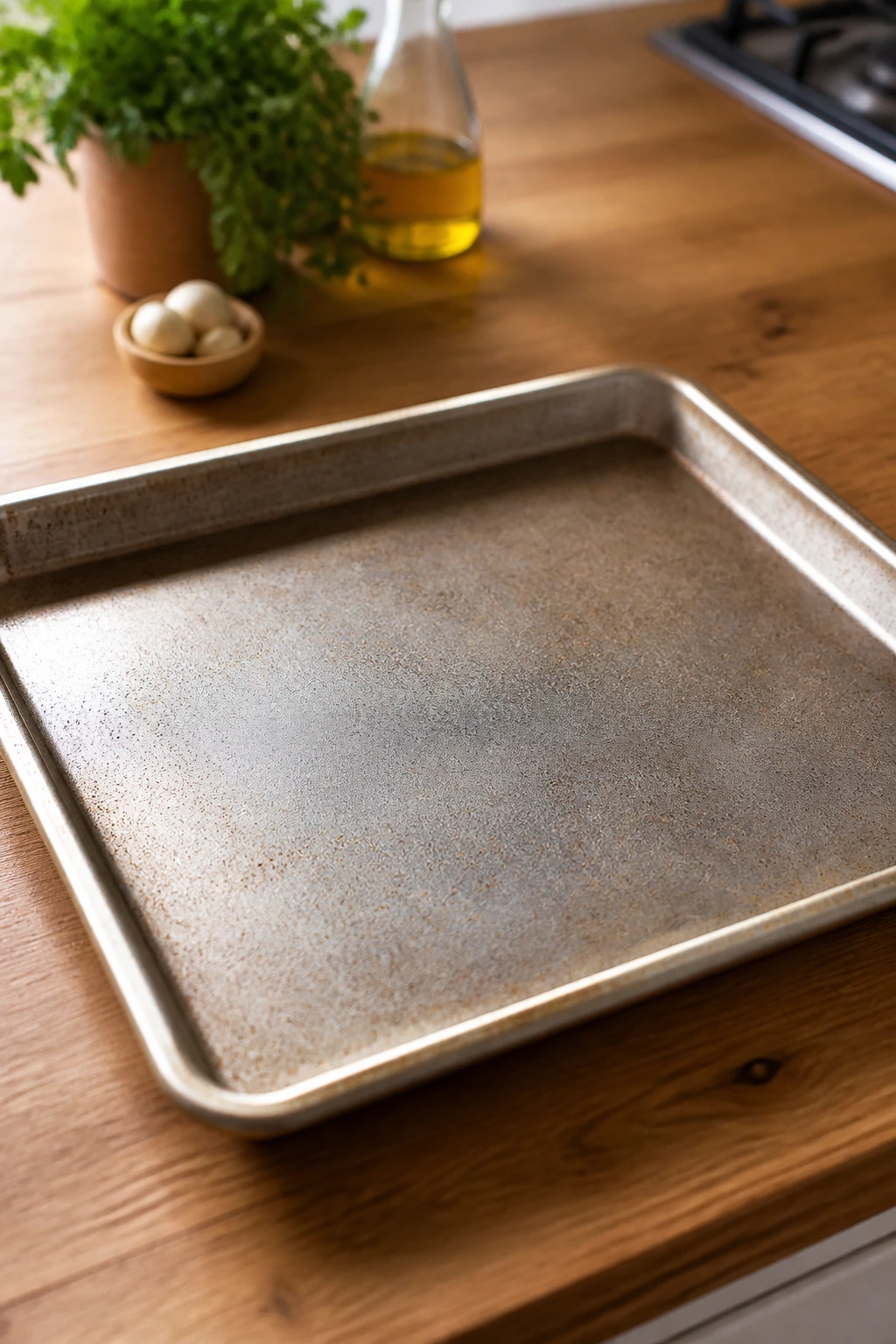
- Large sheet pan — crucial for salmon, chicken, trout, and the roasted vegetable dinners.
- Deep skillet or sauté pan — the workhorse for stir-fries, turkey skillets, shrimp, and taco fillings.
- Dutch oven or soup pot — best for lentil soup, chili, and any simmering recipe that needs room.
- Instant-read thermometer — the easiest way to avoid dry chicken and overcooked fish.
- Sharp chef’s knife — important for chopping vegetables quickly and slicing meat thinly.
- Cutting board with a stable surface — sounds basic, but it makes prep faster and safer.
- Fine grater or microplane — useful for ginger, garlic, lemon zest, and sometimes hard cheese.
- Mixing bowls — one for seasoning, one for sauces, one for keeping chopped vegetables together.
- Colander or fine strainer — for beans, lentils, pasta, and rinsing produce.
- Tongs and a sturdy spatula — tongs help with fish and chicken; spatulas make the skillet work easier.
- Spiralizer or julienne peeler — optional, only for zucchini noodles if you want them neat.
- Airtight storage containers — vital for meal prep and leftovers.
Smart Shopping for Anti-Inflammatory Pantry Staples
Good shopping makes this kind of cooking easier than it looks on paper. Start with the proteins. Choose salmon, trout, cod, shrimp, chicken, turkey, tofu, and beans that look fresh or are packaged with a short ingredient list. If you buy fish frozen, that’s fine — often better than gambling on a sad piece sitting under fluorescent lights.
Then look at produce with two questions in mind: will it roast well, and will it hold shape after a little cooking? Broccoli, Brussels sprouts, zucchini, cabbage, kale, fennel, asparagus, peppers, onions, and tomatoes all show up repeatedly for a reason. They’re sturdy, colorful, and easy to season. Frozen vegetables are not a compromise when freshness is off; frozen broccoli, cauliflower rice, peas, and edamame can save dinner.
For pantry items, low-sodium broth, canned tomatoes, beans, whole-wheat pasta, brown rice, quinoa, olive oil, and spices do the real work. Spice freshness matters more than people think. If turmeric, cumin, or chili powder smells dusty instead of warm, replace it. A stale spice jar can make a whole dinner feel flat.
How to Serve These Dinners Without Making Them Feel Heavy
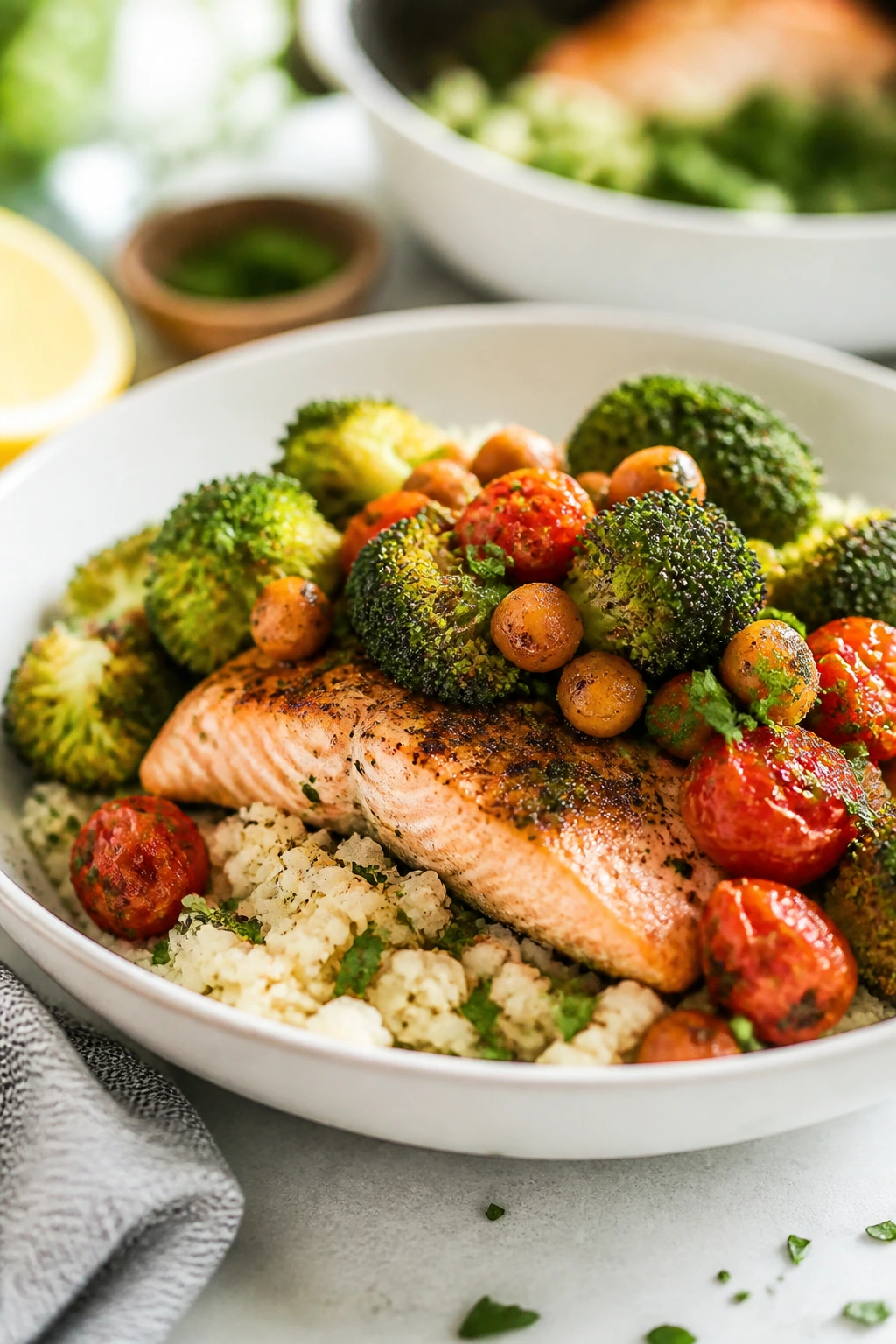
Presentation: Keep the plate or bowl layered. Put grains or cauliflower rice down first, then the protein, then the vegetables, then the sauce or finishing herb on top. That gives you a better mix of textures and makes even a simple dinner look thought through.
Accompaniments: Use light sides that echo the main dish instead of fighting it. A chopped cucumber salad works with salmon or shawarma bowls. Roasted green beans or a quick slaw fit with chili, tacos, and turkey dishes. If you want bread, keep it to a small piece of whole-grain toast or a warm pita, not a basketful.
Portions: Most of these dinners comfortably serve 4. If you want to scale down, trim the grain or bean portion slightly before cutting back on vegetables and protein. That keeps the meal satisfying. If you need to feed more people, extra greens, cabbage, cauliflower rice, or another can of beans stretches the plate better than piling on cheese.
Beverage Pairing: Sparkling water with citrus works across almost everything here. Unsweetened iced tea fits the bolder skillets and chili. If you want something with a little more presence, a dry white wine works with the fish and chicken dishes, while a tart kombucha suits the bowls and salads.
Additional Tips and Flavor Boosters
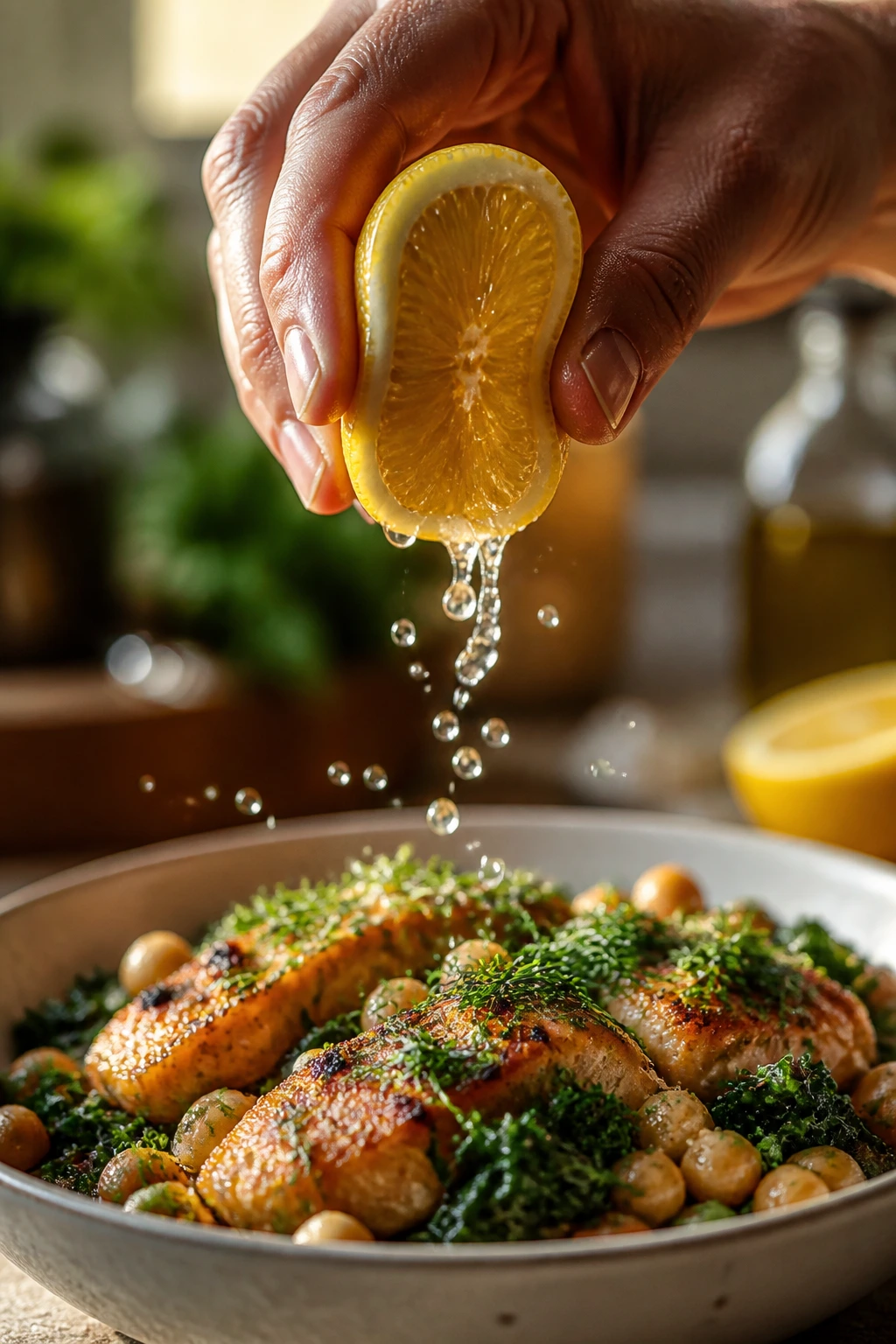
Flavor Enhancement: Finish more of these dinners with acid than with fat. A squeeze of lemon, lime, or a splash of vinegar right before serving wakes up salmon, beans, curry, and chicken in a way that extra oil never will.
Customization: If you like more heat, build it into the skillet early with red pepper flakes, jalapeño, or a little cayenne. If you prefer mild food, keep the spice in the seasoning mix and leave the table hot sauce on the side. That way one recipe can serve two kinds of eaters without drama.
Serving Suggestions: Use fresh herbs like parsley, cilantro, basil, dill, or mint at the end. They don’t just decorate the dish; they make the dinner smell fresher and taste cleaner. A spoonful of plain Greek yogurt, a few sliced olives, toasted sesame seeds, or a small crumble of feta can also give you enough contrast to keep things interesting.
Make-It-Yours: For dairy-free meals, skip cheese and use tahini, avocado, or extra herbs for finish. For gluten-free cooking, lean on rice, quinoa, cauliflower rice, or gluten-free tamari. For higher protein, add an extra handful of shrimp, beans, chicken, or edamame rather than making the portion of starch bigger.
Make-Ahead, Storage, and Reheating That Actually Works
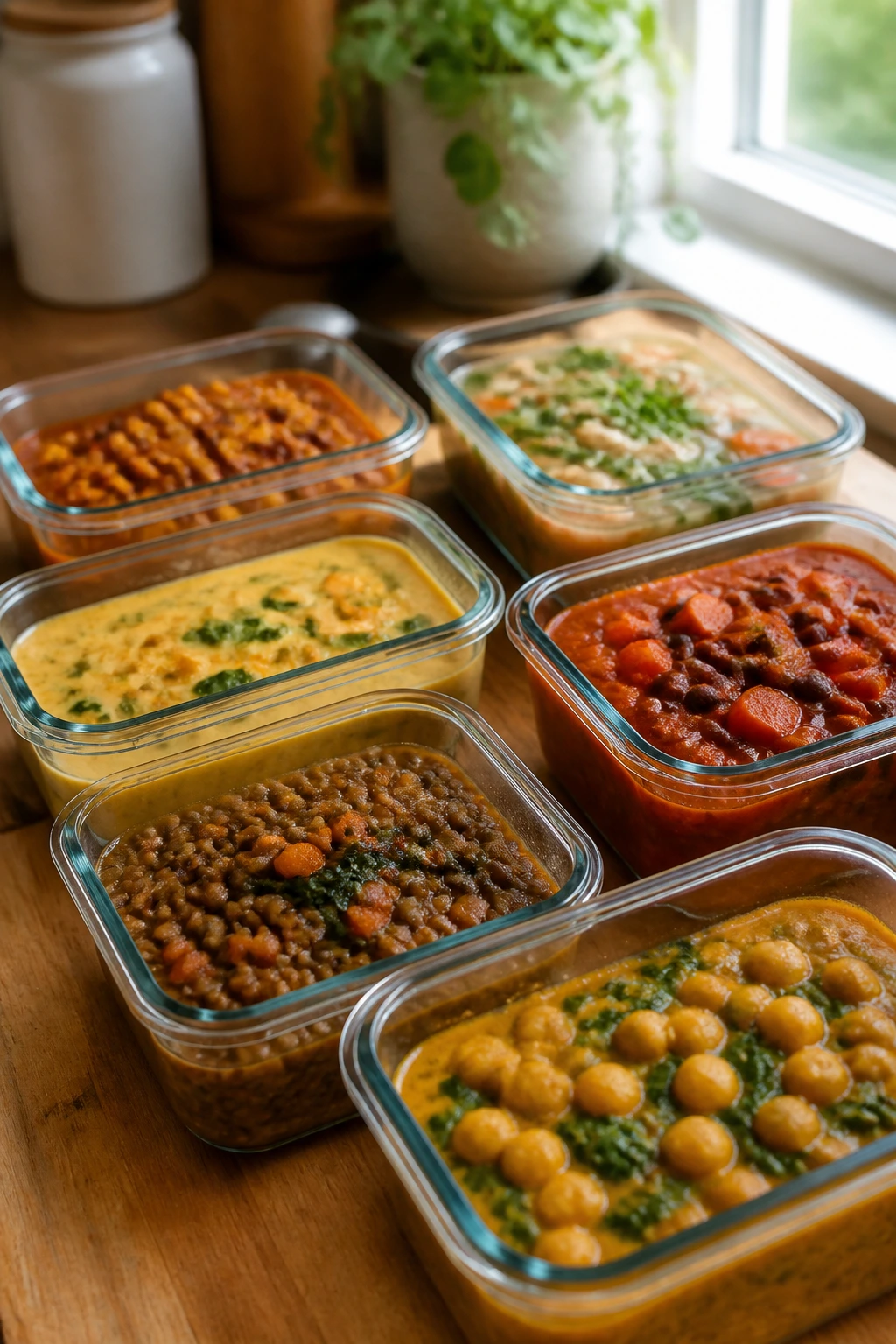
These dinners split into a few camps, and storage works best when you treat them that way. Soups, chili, curries, taco fillings, and lentil-based dishes usually keep 3 to 4 days in the fridge and freeze for up to 3 months in airtight containers. They often taste even better the next day because the spices settle in.
Chicken, turkey, tofu, and bean bowls hold up for 3 to 4 days refrigerated, though the vegetables should be stored separately if possible. Keep greens, slaws, cucumbers, and avocado out of the main container until serving so they don’t turn limp. For reheating, use a skillet over medium heat with a splash of water or broth, or microwave in short bursts and stir halfway through.
Fish is the trickiest category. Salmon, cod, and trout are best within 2 days in the fridge, and reheating should be gentle — low oven heat or a covered skillet for just a few minutes. High heat dries fish out quickly. If you know you’ll be eating leftovers, keep the sauce or citrus aside and add it after reheating.
Zucchini noodles, salads, and slaws are best assembled fresh. You can prep the components a day ahead, but combine them at the last minute so the texture stays crisp. Grain bowls also reheat well, though you may need a teaspoon or two of water to loosen the rice or quinoa.
Variations and Adaptations to Try
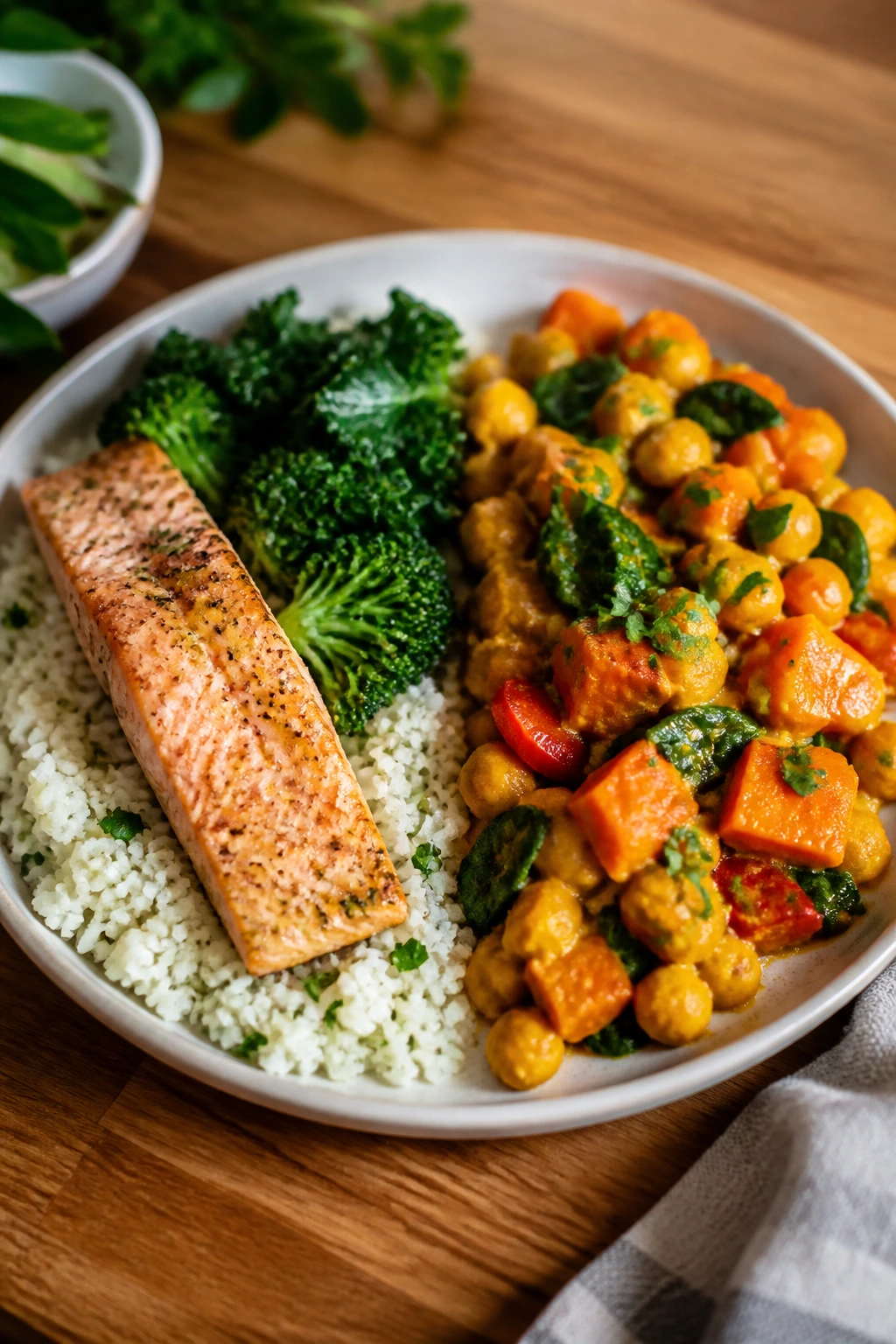
Low-Carb Plate Swap: Replace brown rice, pasta, or quinoa with cauliflower rice, shredded cabbage, or extra roasted vegetables. This works best for salmon bowls, curry, paella, and stir-fries because the sauces already carry the flavor.
Bean-Forward Budget Night: Use more chickpeas, black beans, lentils, and white beans when you want to keep costs down. Beans add fiber and body, and they make soups, chili, taco skillets, and curries feel just as complete as meat-based dinners.
Fish-Free Route: Swap salmon, cod, trout, or sardines for chicken, tofu, shrimp, or turkey depending on what you prefer. Keep the seasoning the same and you still get the same flavor profile, which is the part that matters most here.
Kid-Friendly Mild Lane: Reduce the chili powder, ginger, red pepper flakes, and curry powder by about one-third, then serve hot sauce or extra spice on the side for adults. Kids often like these meals once the sharp heat is softened a bit.
Higher-Protein Finish: Add a spoonful of Greek yogurt, an extra egg, more chicken, or a handful of edamame to bowls and soups. That keeps dinner filling without leaning on starch or cheese to do the job.
Common Mistakes to Avoid When Building These Dinners
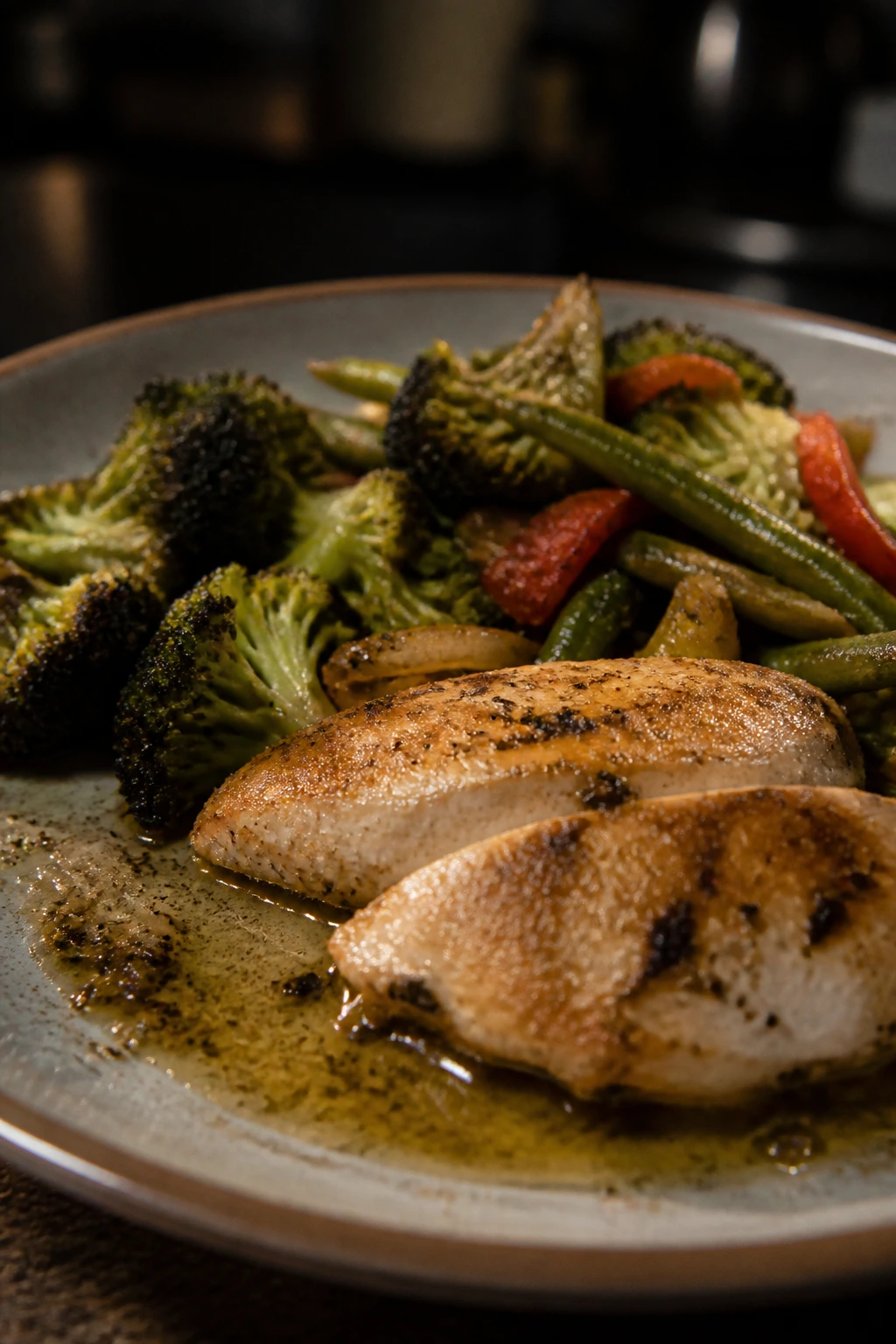
Overdoing the oil: A lot of people try to make vegetables taste better by pouring on more fat. The result is usually limp broccoli, greasy salmon, or a stir-fry that feels heavy. Use enough oil to coat, not drown.
Treating spices like dust: Old cumin or turmeric with no smell will make a dinner taste flat. If the jar doesn’t smell warm when you open it, replace it. Fresh spices make a bigger difference here than fancy ingredients.
Overcooking lean proteins: Cod, shrimp, chicken breast, turkey meatballs, and tofu all dry out if you leave them too long on the heat. Use an instant-read thermometer for chicken and fish whenever you can. It saves dinner.
Skipping acid at the end: A lot of healthy dinners taste dull because they never get a bright finishing note. Lemon, lime, vinegar, and fresh herbs fix that problem fast. The dish shouldn’t taste flat just because it’s light.
Letting vegetables steam into mush: If the pan is crowded, the broccoli, Brussels sprouts, zucchini, or peppers start sweating instead of browning. Spread them out. Use two pans if you need to. Better texture beats saving one sheet pan.
Not seasoning the base: Salting only the top of the meal is a common miss. Season the chicken, the beans, the broth, or the vegetables as they cook so the flavor runs through the dish instead of sitting on top of it.
Common Questions About Anti-Inflammatory Dinners for Weight Loss
Do these dinners actually help with weight loss?
They can, mostly because they lean on protein, fiber, and vegetables that help meals feel complete without getting calorie-heavy. The recipes still need sensible portions, but the structure makes that easier than a plate built around creamy sauce or fried starch.
Can I meal prep these recipes for the whole week?
Yes, and some are better for it than others. Soup, chili, curry, turkey filling, and grain bowls hold up especially well. Salads, slaws, and zucchini noodles are better when you prep the parts separately and assemble them later.
What if I don’t eat fish?
Use chicken, turkey, tofu, beans, or shrimp in those recipes. The flavors still work because the seasoning, vegetables, and citrus are doing most of the lifting. You won’t lose the shape of the meal.
Are frozen vegetables okay here?
Absolutely. Frozen broccoli, cauliflower rice, peas, and edamame are often a smart buy because they’re picked and frozen quickly. They’re especially useful in stir-fries, bowls, curries, and sheet-pan dinners where texture matters less than freshness in the absolute sense.
How do I keep these dinners filling without adding lots of calories?
Use more vegetables, more broth-based sauces, and enough protein to anchor the meal. A bowl that combines lean protein, beans, and a measured grain portion usually satisfies better than one oversized serving of pasta or rice.
Can I make these recipes dairy-free?
Most of them already are, or they can be with small swaps. Use tahini, avocado, or a dairy-free yogurt alternative instead of Greek yogurt or cheese. The flavor stays strong if you keep the herbs and acid.
What if my family wants more carbs than I do?
Serve the carb on the side. Keep cauliflower rice, roasted vegetables, or salad as the base for one plate, then add rice, pasta, pita, or tortillas to another without changing the main recipe. That keeps one dinner flexible for more than one appetite.
Are these recipes too spicy for kids?
Not if you pull back on chili powder, pepper flakes, ginger, and curry powder a little. Keep the spice in the pan mild and let adults add heat at the table. Kids usually respond better when the flavor is savory first and hot second.
How do I know when the proteins are done?
Chicken should reach 165°F, fish should flake easily and look opaque, shrimp should turn pink and curl, and tofu should be browned on the outside. If you cook by those cues, you’ll avoid the dry, overdone problem that ruins a lot of lighter dinners.
A Lighter Dinner Table That Still Feels Generous
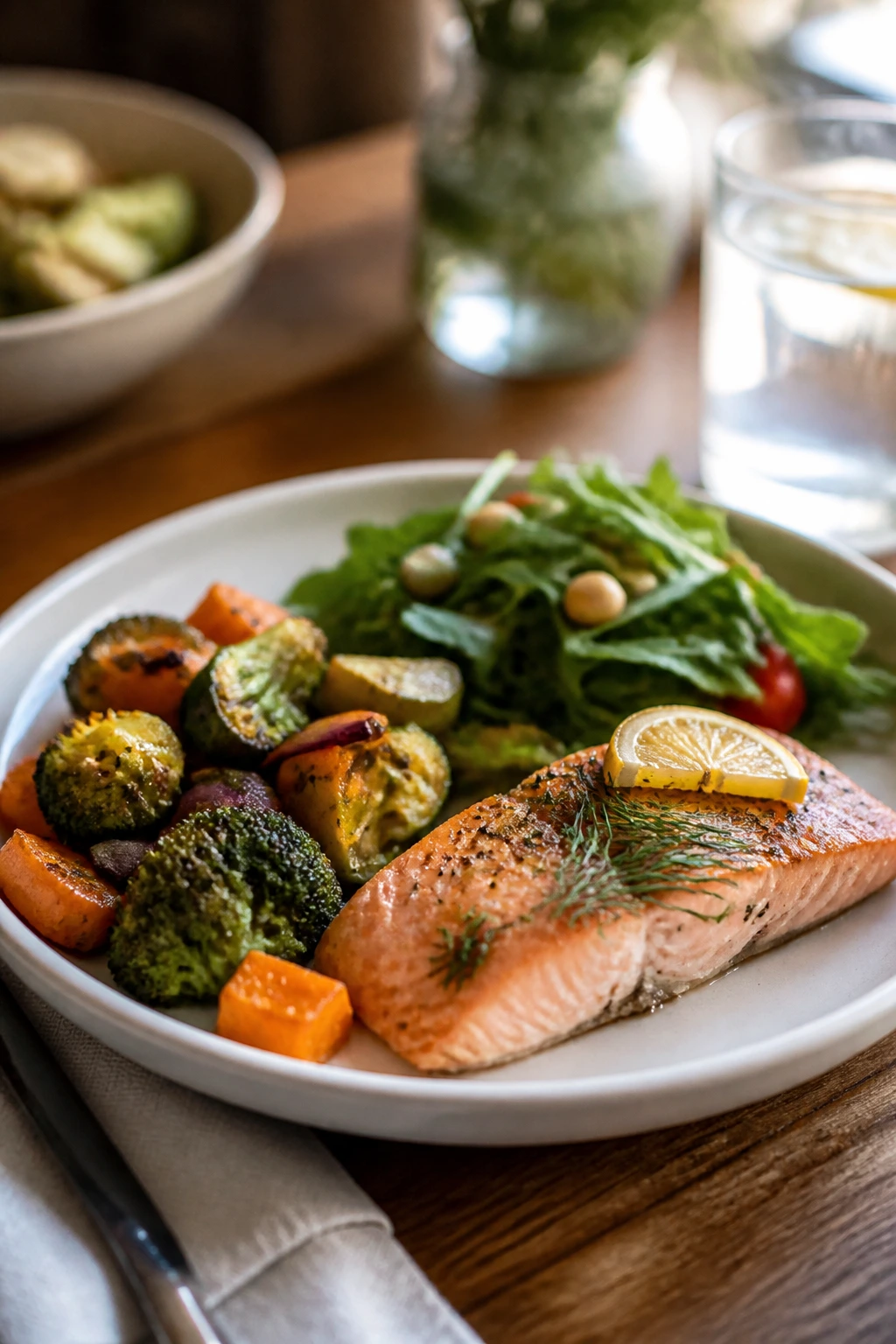
The best part of cooking this way is that the dinner table stops feeling like a battlefield between “healthy” and “satisfying.” You don’t have to choose. A skillet of turkey and vegetables can be deeply savory. A bowl of lentil soup can be as comforting as anything with bread on the side. A piece of salmon can feel rich without being heavy.
What keeps these dinners useful is not some dramatic trick. It’s the pattern: good protein, bold seasoning, plenty of vegetables, and enough texture to make each plate feel finished. That’s the sweet spot. Not tiny. Not fussy. Just food you can actually keep making.