



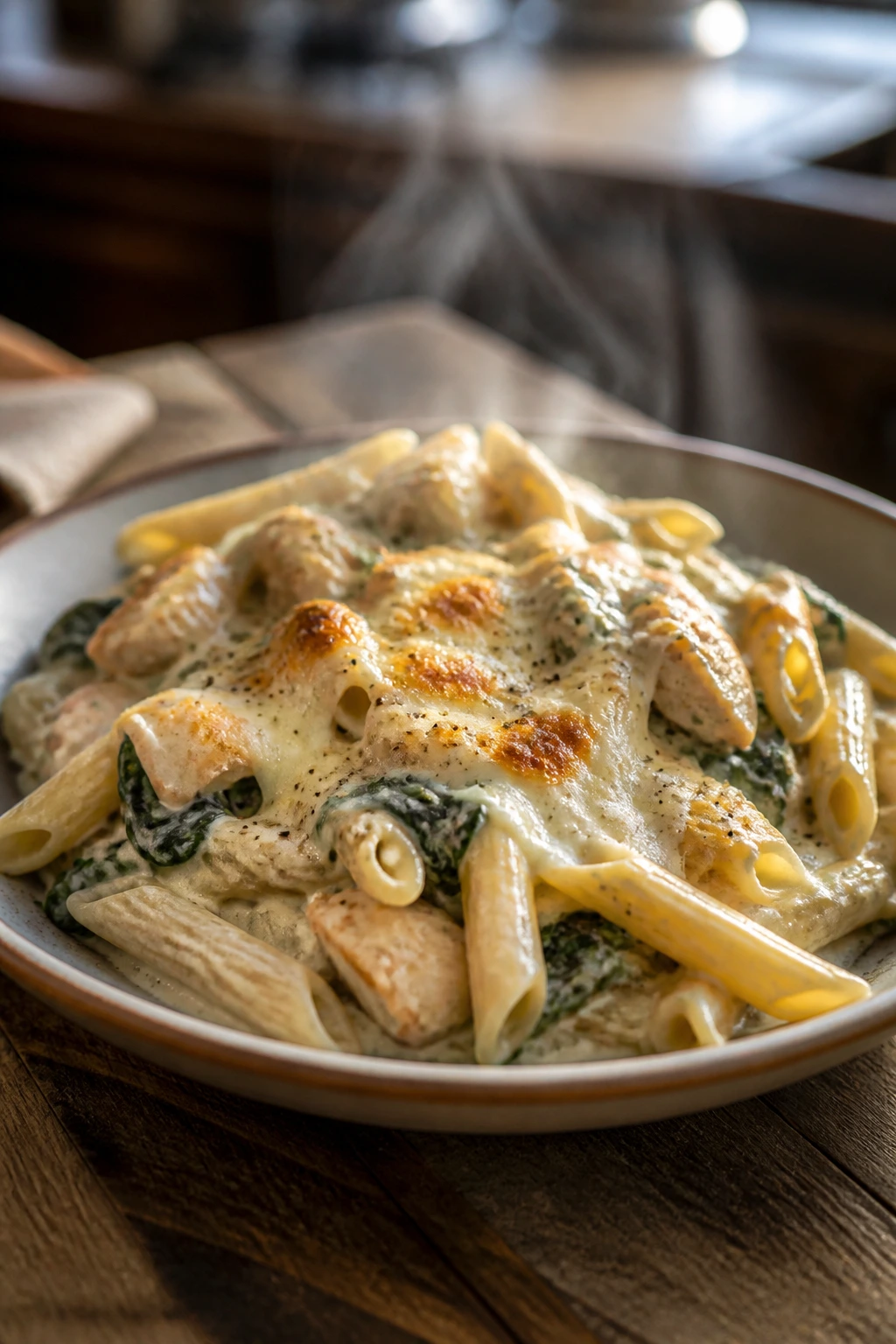
Cottage cheese dinners have a way of correcting people’s opinions fast. The tub that sits next to fruit, toast, or a late-night spoon can turn into a creamy pasta bake, a stuffed pepper filling, or a skillet lasagna that tastes far more indulgent than the ingredient list suggests. Once you start using cottage cheese for dinner, it stops feeling like a specialty item and starts acting like a dependable protein base.
That matters because a lot of weeknight food runs into the same problem: it’s fast, but it doesn’t hold you through the evening. Cottage cheese solves part of that by bringing moisture and protein at the same time. A half-cup often gives you around 12 to 14 grams of protein, and when it gets blended smooth or folded into a filling, the curds disappear into the background instead of making dinner feel quirky or fussy.
The 10 recipes below use that trick in different ways. Some are bubbling casseroles, some are stovetop meals, and some are the sort of thing you can assemble while the oven heats up and the kitchen still feels calm. They’re built for nights when you want dinner to feel sturdy, not heavy, and for the next-day lunch you’ll actually look forward to.
Why These Dinners Deserve a Spot in Your Rotation
-
Big Protein, Familiar Food: Cottage cheese boosts the protein in dishes you already know how to make, so dinner feels comforting instead of experimental.
-
Creamy Without Going Flat: Blended cottage cheese gives you that rich, silky texture without needing a lot of cream or a mountain of extra cheese.
-
Weeknight-Friendly: These recipes lean on pantry staples, rotisserie chicken, ground turkey, pasta, and easy vegetables you can keep on hand.
-
Leftovers Hold Up: Baked pasta, stuffed peppers, chili, and meatballs keep their shape and flavor better than a lot of delicate sauces.
-
Easy to Bend: You can blend cottage cheese smooth, leave it a little rustic, swap meats, or change the vegetables without wrecking the dish.
-
Budget-Smart Protein: One tub can quietly do a lot of work, especially when it replaces part of the cheese sauce, ricotta, or sour cream you would normally use.
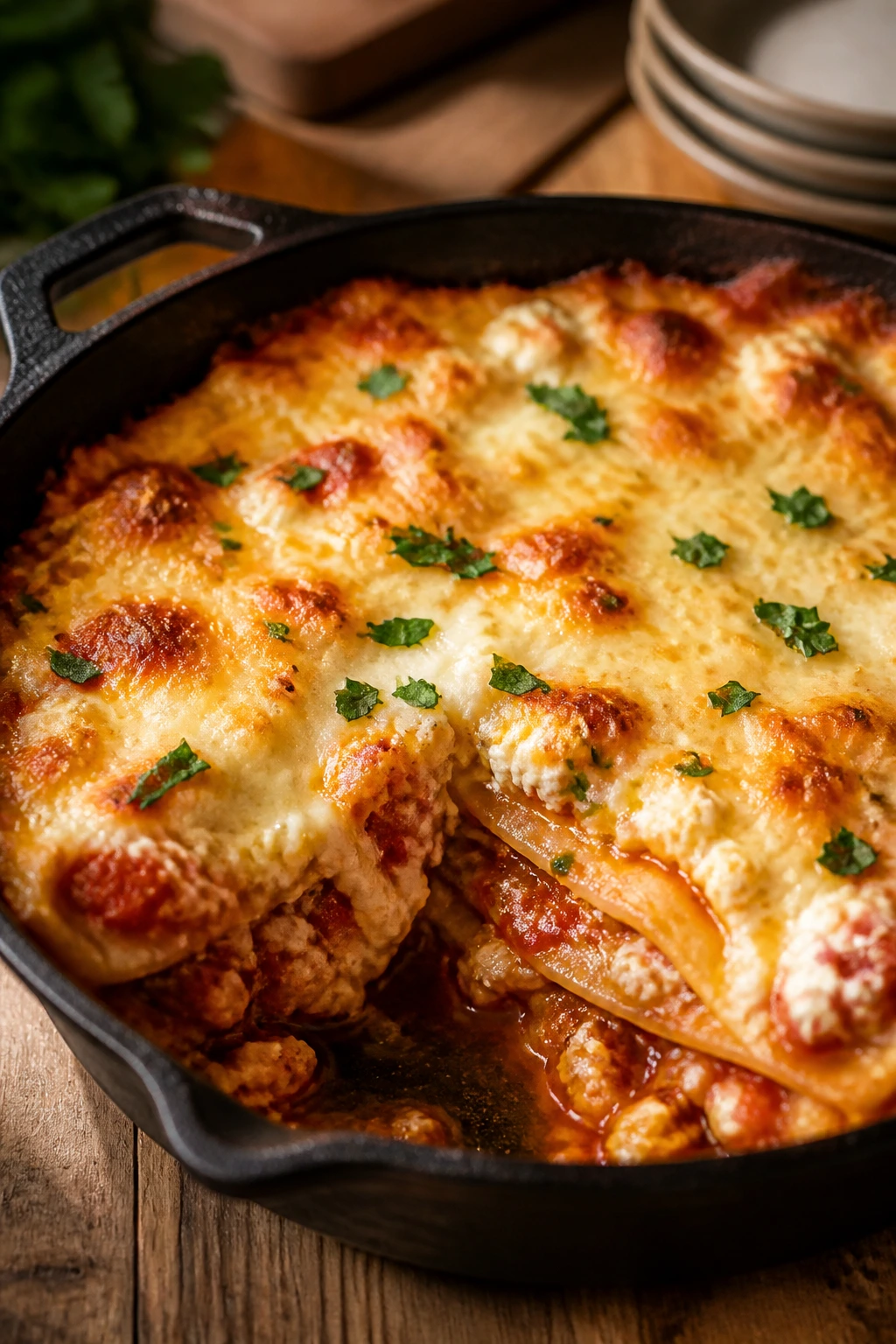
1. Cottage Cheese Lasagna Skillet
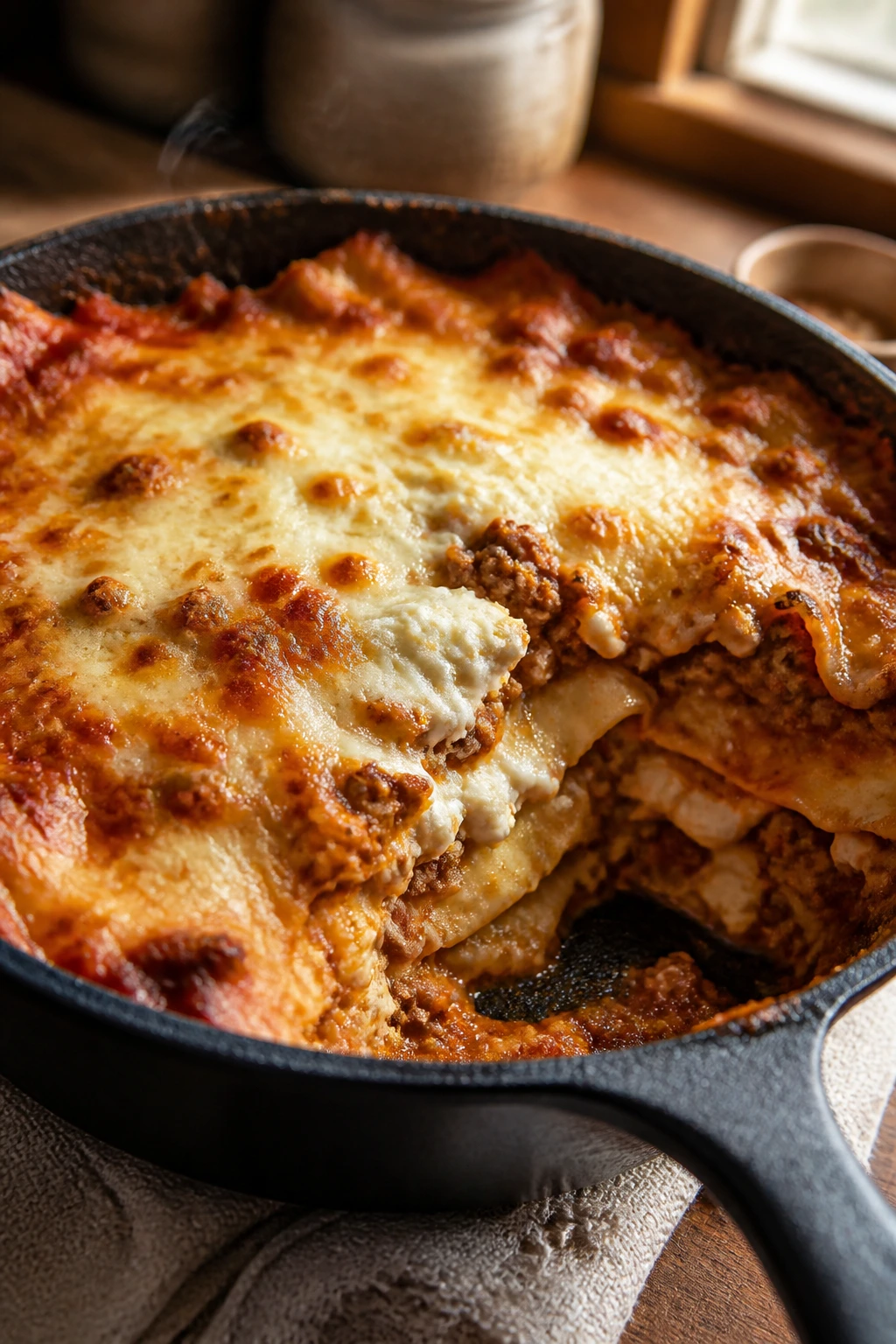
Lasagna does not need a cathedral-sized casserole dish to taste like lasagna. This skillet version gives you saucy noodles, savory turkey, spinach, and creamy cottage cheese in one pan, with the edges turning a little sticky and caramelized where the cheese bubbles over. It’s the kind of dinner that smells like Sunday comfort but lands on the table with weekday speed.
Why It Works
The smart part here is that cottage cheese plays the role ricotta usually holds, only with a sharper protein edge and less heaviness. Because the noodles cook right in the sauce, they absorb flavor instead of tasting like boiled pasta that got a blanket thrown over it later. A hot oven finish at 400°F pulls everything together, and the broiler gives you those browned mozzarella patches people always pick off first.
Key Ingredients
For the Skillet Base:
- 1 tablespoon olive oil
- 1 pound lean ground turkey
- 1 small yellow onion, diced
- 3 garlic cloves, minced
- 1 teaspoon kosher salt
- 1/2 teaspoon black pepper
- 1 teaspoon dried oregano
- 1/2 teaspoon crushed red pepper flakes
For the Pasta and Cheese Layer:
- 24 ounces marinara sauce
- 2 cups low-sodium chicken broth or water
- 8 dry oven-ready lasagna noodles, broken into large pieces
- 1 1/2 cups cottage cheese
- 1 large egg
- 1/2 cup grated Parmesan
- 2 cups shredded mozzarella, divided
- 2 cups baby spinach, chopped
- 1/4 cup chopped fresh basil
Quick Steps
-
Preheat and brown the turkey: Heat the oven to 400°F (205°C). In a large oven-safe skillet, warm the olive oil over medium-high heat, then cook the ground turkey and onion for 6 to 7 minutes, stirring until the turkey loses its pink color and the onion turns soft and translucent.
-
Build the sauce: Stir in the garlic, salt, pepper, oregano, and red pepper flakes for 30 seconds, just until the garlic smells sweet. Add the marinara and broth, then bring the mixture to a steady simmer.
-
Add the noodles: Drop in the broken lasagna noodles and press them down so they’re mostly submerged. Cook for 8 minutes, stirring once or twice, until the noodles start to soften but still have a firm center.
-
Mix the cheese layer: In a bowl, whisk together the cottage cheese, egg, Parmesan, half the mozzarella, spinach, and basil. The mixture should look thick and spoonable, not runny.
-
Finish in the skillet: Dollop the cottage cheese mixture over the noodles, then gently spread it around without stirring everything into mud. Scatter the remaining mozzarella on top.
-
Bake until bubbly: Transfer the skillet to the oven and bake for 12 to 15 minutes, until the sauce is bubbling at the edges and the cheese has melted. Broil for 1 to 2 minutes if you want darker spots on top.
-
Rest before serving: Let the skillet sit for 10 minutes. The sauce thickens as it rests, and the whole thing slices or scoops much more cleanly after that pause.
Tips and Variations
- Smooth Finish: Blend the cottage cheese before mixing if you want a texture closer to ricotta.
- Make-Ahead Move: Cook the turkey sauce a day ahead and keep it chilled; add the noodles and cheese layer when you’re ready to bake.
- Extra Vegetables: Mushrooms, zucchini, or chopped kale slide in easily without changing the structure.
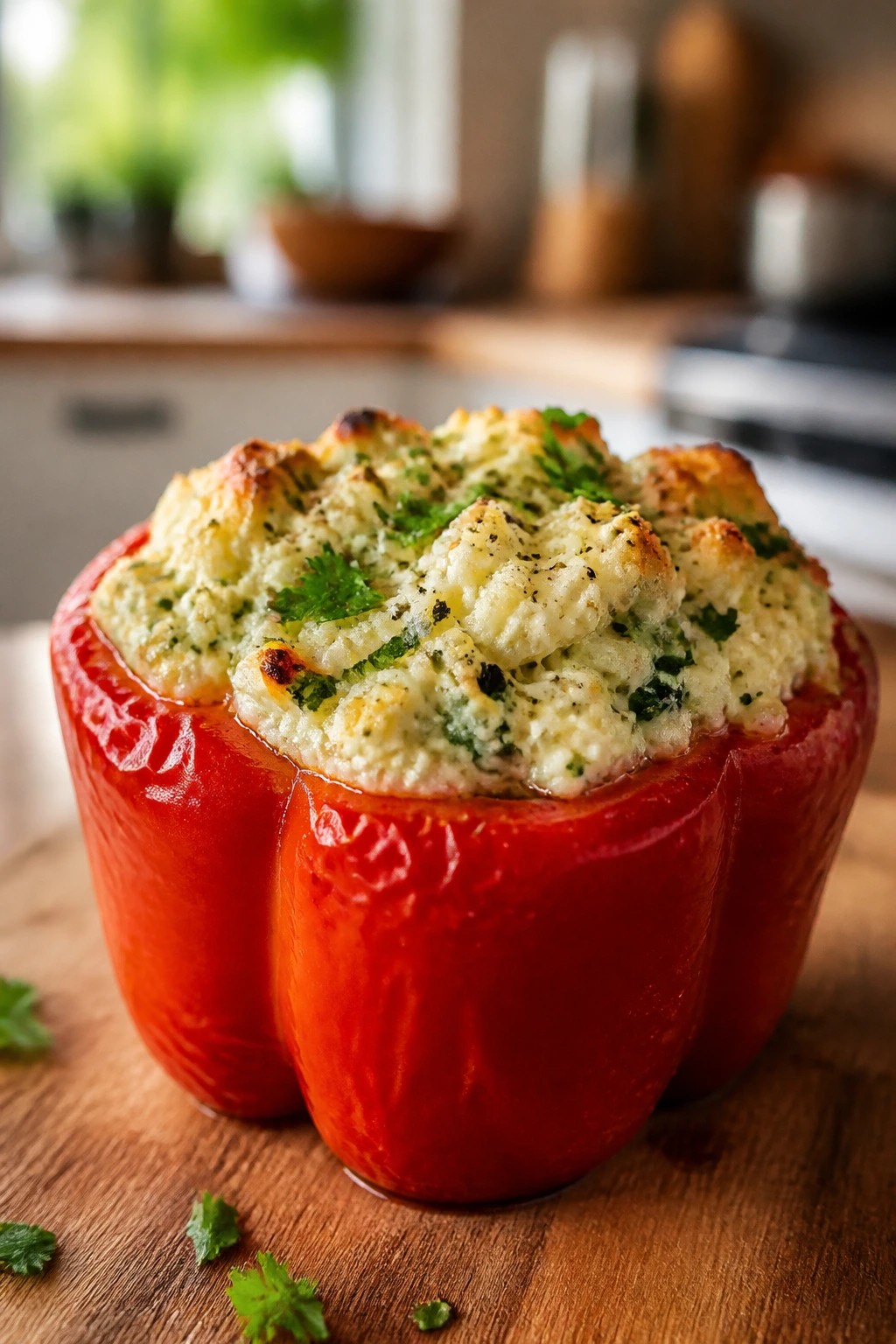
2. Chicken Spinach Stuffed Peppers with Cottage Cheese
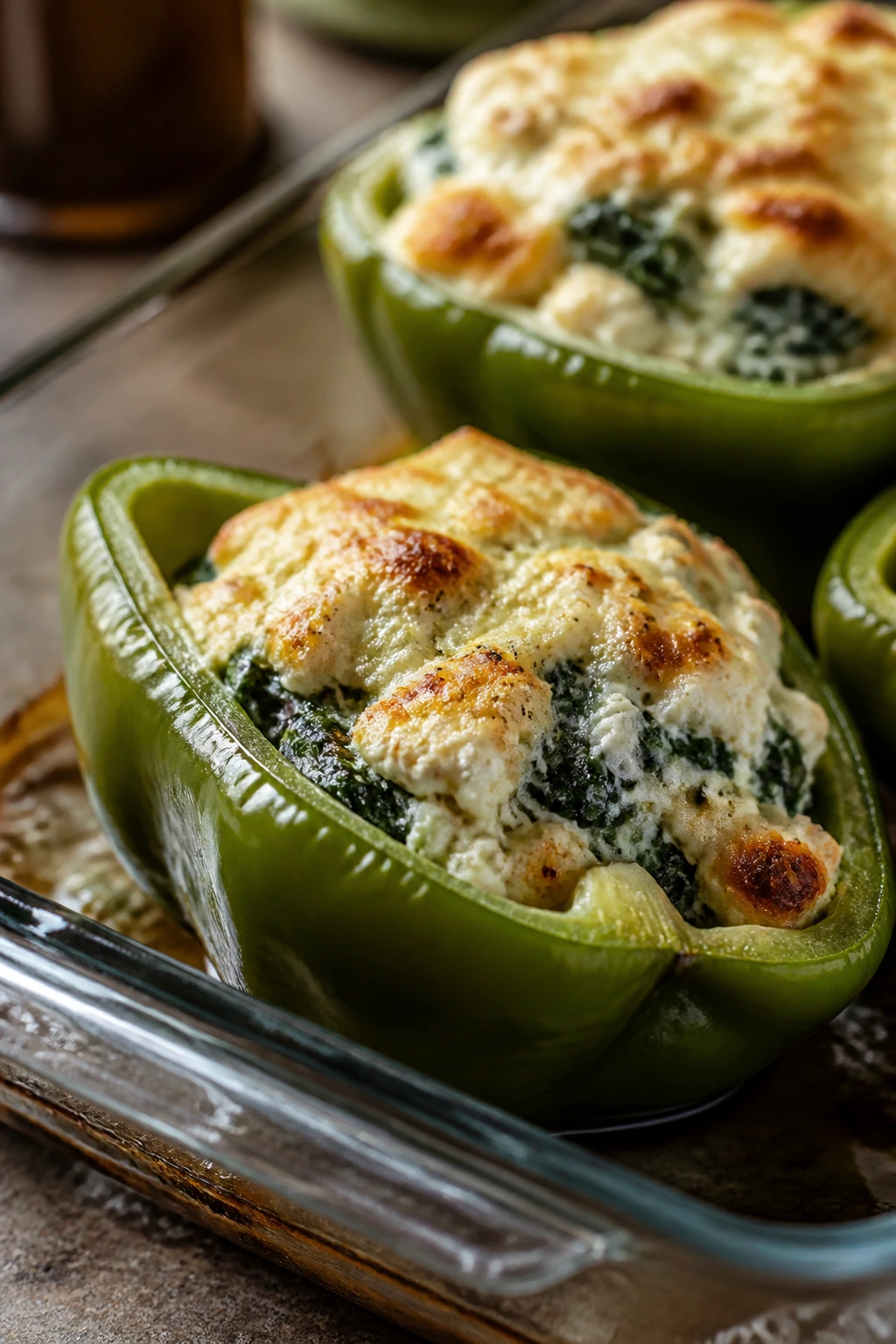
Stuffed peppers can be bland if you treat them like a polite side dish. These are not that. The chicken, cottage cheese, spinach, and rice filling feels rich and substantial, while the peppers soften into sweet, glossy shells that hold everything together. You get a proper dinner in a compact little package.
Why It Works
Cottage cheese keeps the filling moist, which matters because shredded chicken and rice can dry out fast in the oven. The peppers are roasted briefly before stuffing, so they soften enough to eat easily but still keep their shape. A final blast at 400°F melts the mozzarella on top and gives the filling a proper baked edge.
Key Ingredients
For the Peppers:
- 6 large bell peppers, halved lengthwise and seeded
- 1 tablespoon olive oil
- 1 small onion, diced
For the Filling:
- 2 cups cooked shredded chicken
- 1 1/2 cups cottage cheese
- 1 cup cooked brown rice or quinoa
- 1 cup baby spinach, chopped
- 1 cup marinara sauce
- 1 teaspoon Italian seasoning
- 1/2 teaspoon garlic powder
- 1/2 teaspoon kosher salt
- 1/4 teaspoon black pepper
For the Topping:
- 1 1/2 cups shredded mozzarella
- 1/4 cup grated Parmesan
Quick Steps
-
Soften the peppers first: Heat the oven to 400°F (205°C). Place the pepper halves cut side up in a baking dish, brush lightly with olive oil, and roast for 12 to 15 minutes until they start to soften.
-
Cook the onion: While the peppers roast, cook the diced onion in a skillet over medium heat for about 4 minutes until it turns translucent and smells sweet.
-
Mix the filling: In a large bowl, combine the chicken, cottage cheese, rice, spinach, marinara, Italian seasoning, garlic powder, salt, pepper, and cooked onion. Stir until the spinach wilts a little and everything looks evenly coated.
-
Stuff the peppers: Spoon the filling into each pepper half, packing it in firmly enough that the filling mounds slightly above the edges.
-
Add the cheese: Sprinkle mozzarella and Parmesan over the tops. The cheese should sit in a thick layer, not just a dusting.
-
Bake until tender: Return the dish to the oven for 18 to 20 minutes, until the peppers are tender enough to pierce with a fork and the filling is hot all the way through.
-
Broil for color: If you want the cheese browned in spots, broil for 1 to 2 minutes. Watch it closely. It can go from golden to scorched in a blink.
Tips and Variations
- Rice Swap: Quinoa works well if you want a slightly nuttier bite.
- Rotisserie Shortcut: Use store-bought rotisserie chicken and skip the extra cooking step.
- Sauce Lover’s Trick: Add another 1/4 cup marinara if you like the filling looser and more saucy.
3. Turkey Bolognese Baked Ziti with Cottage Cheese
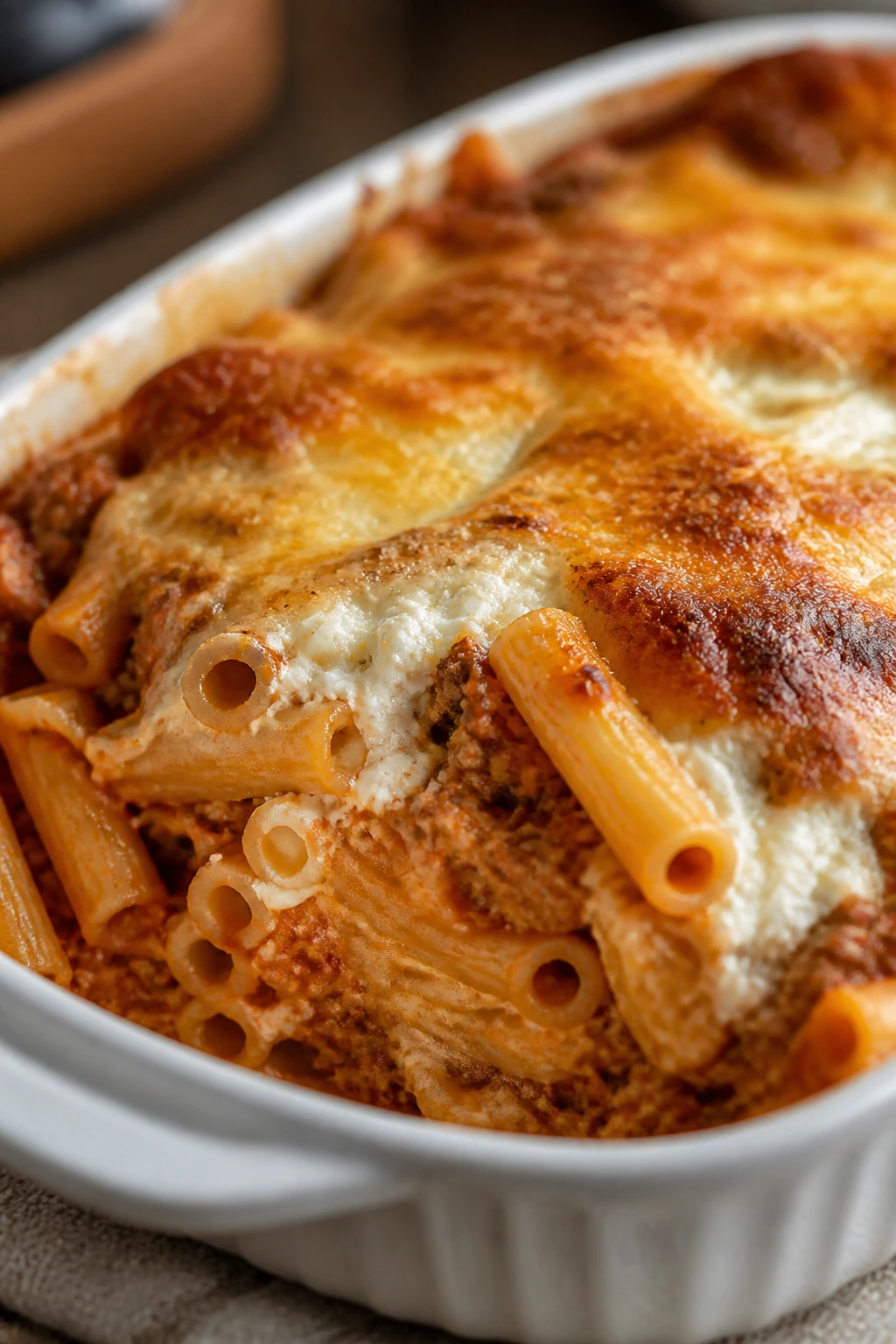
Baked ziti lives or dies on the sauce, and this one gets a little more backbone from cottage cheese. The turkey bolognese is savory and a touch earthy from mushrooms, the pasta holds its shape, and the cheese layer turns creamy without becoming heavy. It’s the sort of dinner that feels like it should take much longer than it does.
Why It Works
Cottage cheese steps in where ricotta usually would, but it brings a firmer, more protein-heavy texture to the baked layers. Mixing it with egg and Parmesan helps it settle into the pasta instead of leaking out into the sauce. Because the ziti gets baked after being tossed with a thick turkey sauce, every bite lands with actual substance.
Key Ingredients
For the Pasta and Sauce:
- 1 pound ziti
- 1 tablespoon olive oil
- 1 pound lean ground turkey
- 1 small yellow onion, diced
- 8 ounces cremini mushrooms, finely chopped
- 3 garlic cloves, minced
- 1 teaspoon kosher salt
- 1/2 teaspoon black pepper
- 1 teaspoon dried basil
- 1/2 teaspoon crushed fennel seed
- 24 ounces marinara sauce
- 1/2 cup water
For the Cheese Layer:
- 2 cups cottage cheese
- 1 large egg
- 1/2 cup grated Parmesan
- 2 tablespoons chopped parsley
- 2 cups shredded mozzarella
Quick Steps
-
Boil the pasta to very al dente: Heat the oven to 375°F (190°C). Cook the ziti in salted water for 2 minutes less than the package says, then drain it. The noodles should still feel quite firm.
-
Make the turkey bolognese: In a large skillet, warm the olive oil over medium-high heat and cook the turkey, onion, and mushrooms for 7 to 8 minutes until the turkey browns and the mushrooms lose their moisture.
-
Season and simmer: Add the garlic, salt, pepper, basil, and fennel seed, then stir for 30 seconds. Pour in the marinara and water, and simmer for 5 minutes until the sauce thickens slightly.
-
Mix the cottage cheese layer: Stir together the cottage cheese, egg, Parmesan, and parsley in a bowl. It should look creamy and thick enough to spoon.
-
Assemble the bake: Toss half the pasta with half the sauce and spread it in a 9×13-inch baking dish. Dollop half the cottage cheese mixture over it, then repeat with the remaining pasta, sauce, and cottage cheese. Finish with mozzarella on top.
-
Bake until bubbling: Cover loosely with foil and bake for 20 minutes, then uncover and bake for 5 to 10 minutes more until the cheese melts and the edges bubble.
-
Rest before cutting: Let it sit for 10 minutes so the layers hold together. If you cut it too early, it slumps into a cheesy landslide.
Tips and Variations
- Blend for Smoothness: A quick spin in the blender makes the cottage cheese layer closer to ricotta.
- Meat Swap: Ground beef, chicken, or turkey sausage can replace the turkey.
- Extra Green: Stir in a few handfuls of baby spinach with the sauce if you want more vegetables.
4. Green Chile Chicken Enchiladas with Cottage Cheese
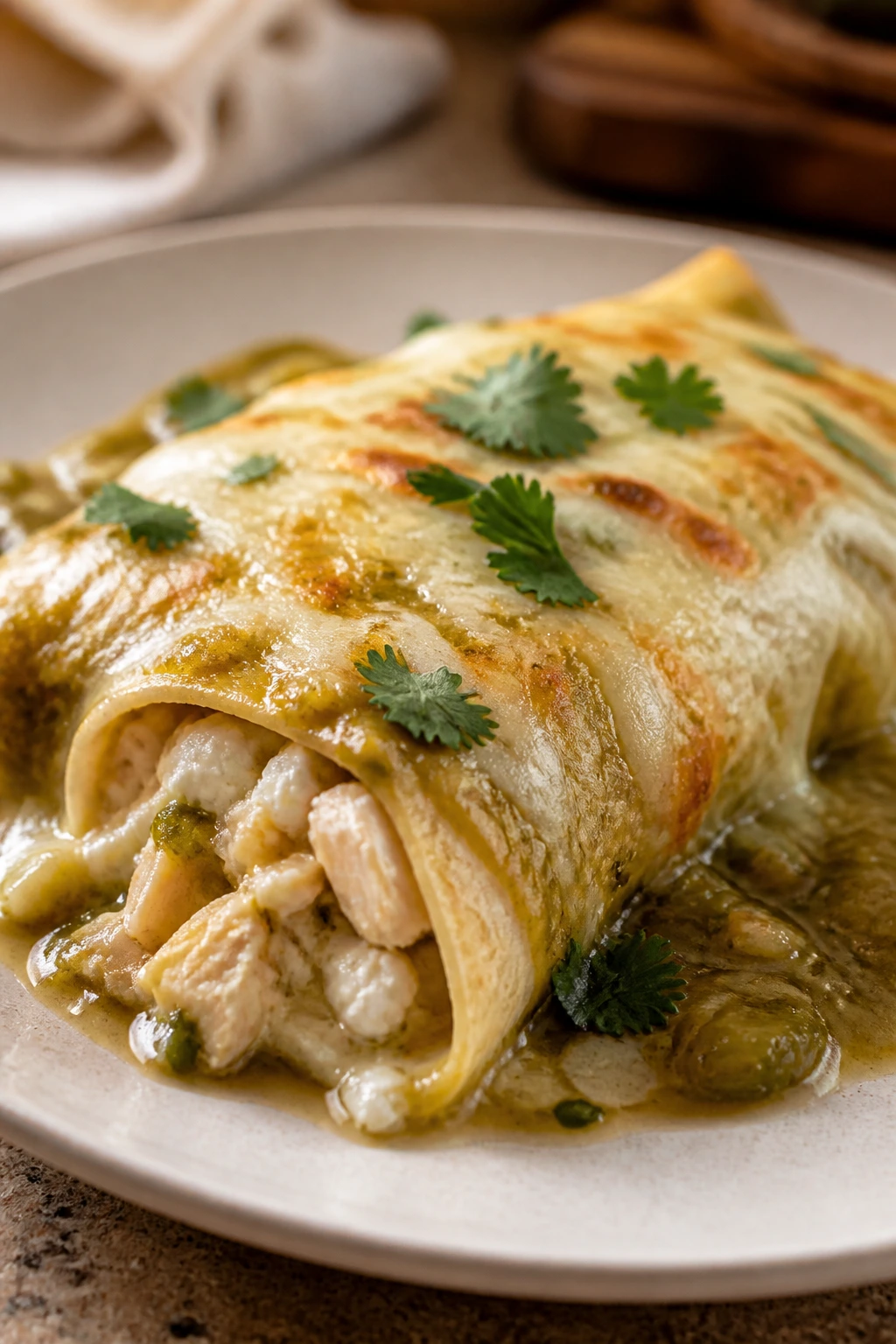
These enchiladas are better when the filling looks a little loose before it bakes. That may sound backward, but it means the chicken stays juicy, the cottage cheese melts into the mixture, and the green chile sauce soaks into the tortillas instead of sitting on top like a lid. The end result is saucy, sharp, and deeply satisfying.
Why It Works
The cottage cheese keeps the filling from going stringy or dry, which can happen fast with chicken enchiladas. A mixture of salsa verde and green chiles gives you tang and heat without muddying the flavor. Bake them at 375°F until the sauce bubbles around the edges, and the tortillas soften into a layered casserole that holds together on the plate.
Key Ingredients
For the Filling:
- 3 cups shredded cooked chicken
- 1 1/2 cups cottage cheese
- 1 cup canned black beans, rinsed and drained
- 1 can (4 ounces) diced green chiles
- 1 teaspoon ground cumin
- 1/2 teaspoon garlic powder
- 1/2 teaspoon kosher salt
- 1/4 teaspoon black pepper
For the Enchiladas:
- 10 small flour tortillas
- 1 cup salsa verde
- 1/2 cup chicken broth
- 2 cups shredded Monterey Jack or Mexican blend cheese
Quick Steps
-
Warm the oven and soften the tortillas: Heat the oven to 375°F (190°C). Wrap the tortillas in a damp paper towel and microwave for 20 to 30 seconds so they roll without cracking.
-
Mix the filling: In a large bowl, combine the chicken, cottage cheese, black beans, green chiles, cumin, garlic powder, salt, and pepper. Stir until the cottage cheese coats the chicken and the beans are distributed through the mixture.
-
Fill and roll: Spoon the filling down the center of each tortilla, roll tightly, and place seam side down in a greased baking dish.
-
Make the sauce: Stir the salsa verde with the chicken broth and pour it over the rolled enchiladas. The sauce should pool around them and seep into the gaps.
-
Add the cheese: Scatter the Monterey Jack evenly over the top so every roll gets its share.
-
Bake until hot: Cover with foil and bake for 20 minutes. Uncover and bake for another 5 minutes, until the cheese melts and the sauce is bubbling at the corners.
-
Let them settle: Rest for 5 to 10 minutes before serving. The filling firms up a little and the rolls cut more cleanly.
Tips and Variations
- Corn Tortilla Version: Use corn tortillas, but warm them longer so they don’t crack.
- Heat Level: Add sliced jalapeños or a spoon of chipotle in adobo if you like more fire.
- Bright Finish: Lime juice and chopped cilantro at the end sharpen the whole dish.
5. High-Protein Cottage Cheese Mac and Cheese with Broccoli
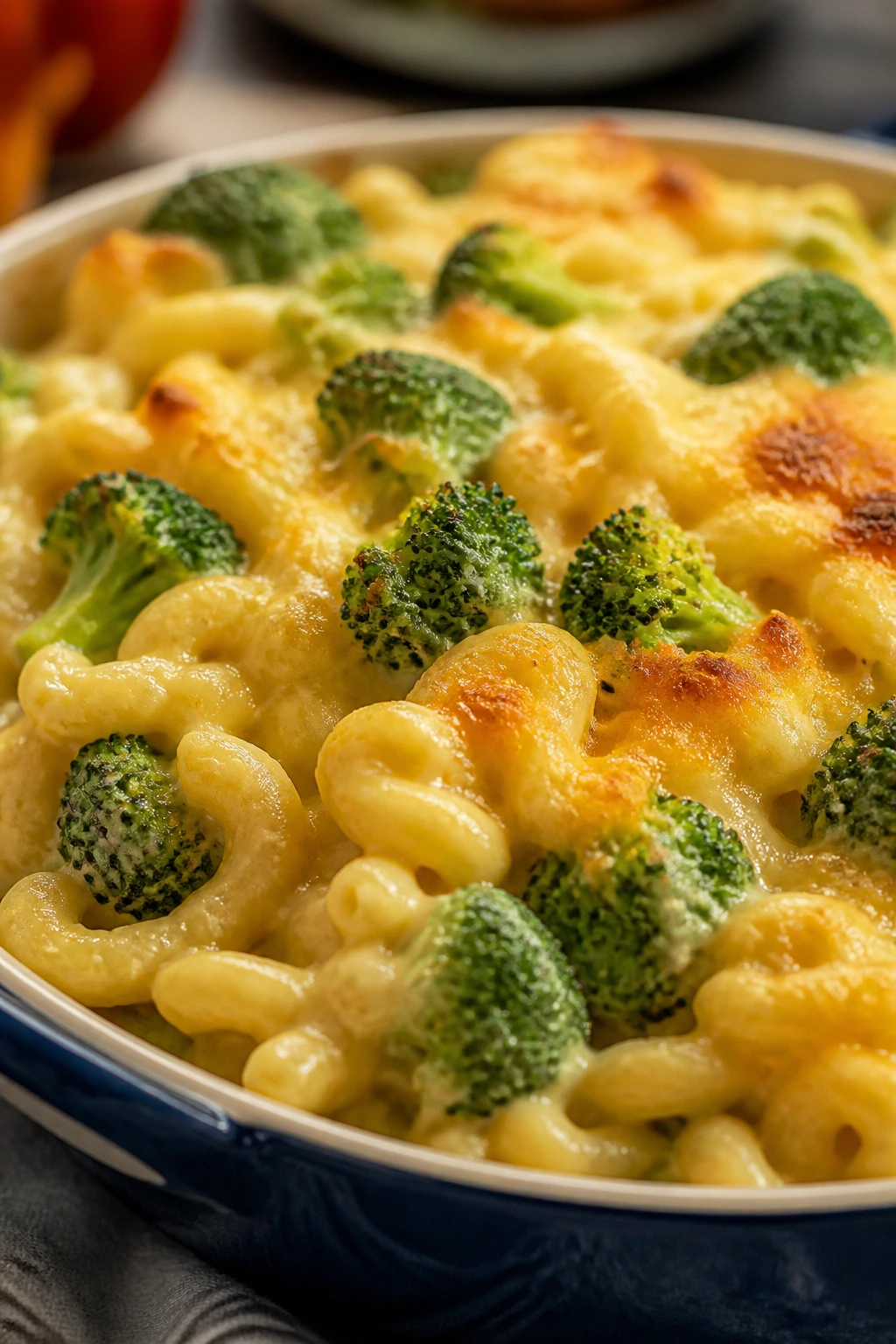
I like mac and cheese more when the sauce clings instead of pooling. Cottage cheese helps with that, because once it’s blended and heated with milk and cheddar, it turns into a sauce that coats each elbow and broccoli floret in a thick, smooth layer. This is the kind of mac and cheese that eats like dinner, not a side dish pretending to be one.
Why It Works
The cottage cheese adds protein and body without asking for a flour-heavy cheese sauce. Blending it first matters; otherwise you get visible curds, which may be fine in other recipes but feel out of place here. A quick bake with panko on top gives you a crisp lid, and the broccoli keeps the whole thing from drifting into pure comfort-food haze.
Key Ingredients
For the Pasta Base:
- 12 ounces elbow macaroni
- 3 cups broccoli florets
- 2 tablespoons butter
- 2 tablespoons all-purpose flour
- 1 1/2 cups milk
- 1 1/2 cups cottage cheese
- 2 cups shredded sharp cheddar
For the Seasoning and Topping:
- 1 teaspoon Dijon mustard
- 1/2 teaspoon garlic powder
- 1/2 teaspoon kosher salt
- 1/4 teaspoon black pepper
- 1/4 teaspoon paprika
- 1/2 cup panko breadcrumbs
- 1 tablespoon olive oil
Quick Steps
-
Cook the pasta and broccoli: Bring a large pot of salted water to a boil and cook the macaroni for 2 minutes less than the package says. Add the broccoli for the last 2 minutes, then drain both together.
-
Start the sauce base: Heat the oven to 375°F (190°C). In the same pot, melt the butter over medium heat and whisk in the flour for 1 minute until it smells faintly nutty.
-
Add the dairy: Slowly whisk in the milk, then stir in the blended cottage cheese. Cook for 2 to 3 minutes, just until the sauce thickens and looks smooth.
-
Melt in the cheese: Add the cheddar, Dijon, garlic powder, salt, pepper, and paprika. Stir until the sauce is glossy and fully melted.
-
Combine and top: Fold in the macaroni and broccoli, then spread everything into a baking dish. Mix the panko with olive oil and sprinkle it evenly over the top.
-
Bake and brown: Bake for 18 to 20 minutes until the edges bubble and the panko turns golden. Let it sit for 5 minutes before serving.
Tips and Variations
- Extra Protein: Stir in 1 cup chopped cooked chicken if you want the dish even heartier.
- Smoother Sauce: Blend the cottage cheese with the milk before adding it to the pot.
- Cheese Choice: Sharp cheddar gives better flavor than mild cheddar, which can taste flat here.
6. Turkey Meatballs with Cottage Cheese and Marinara
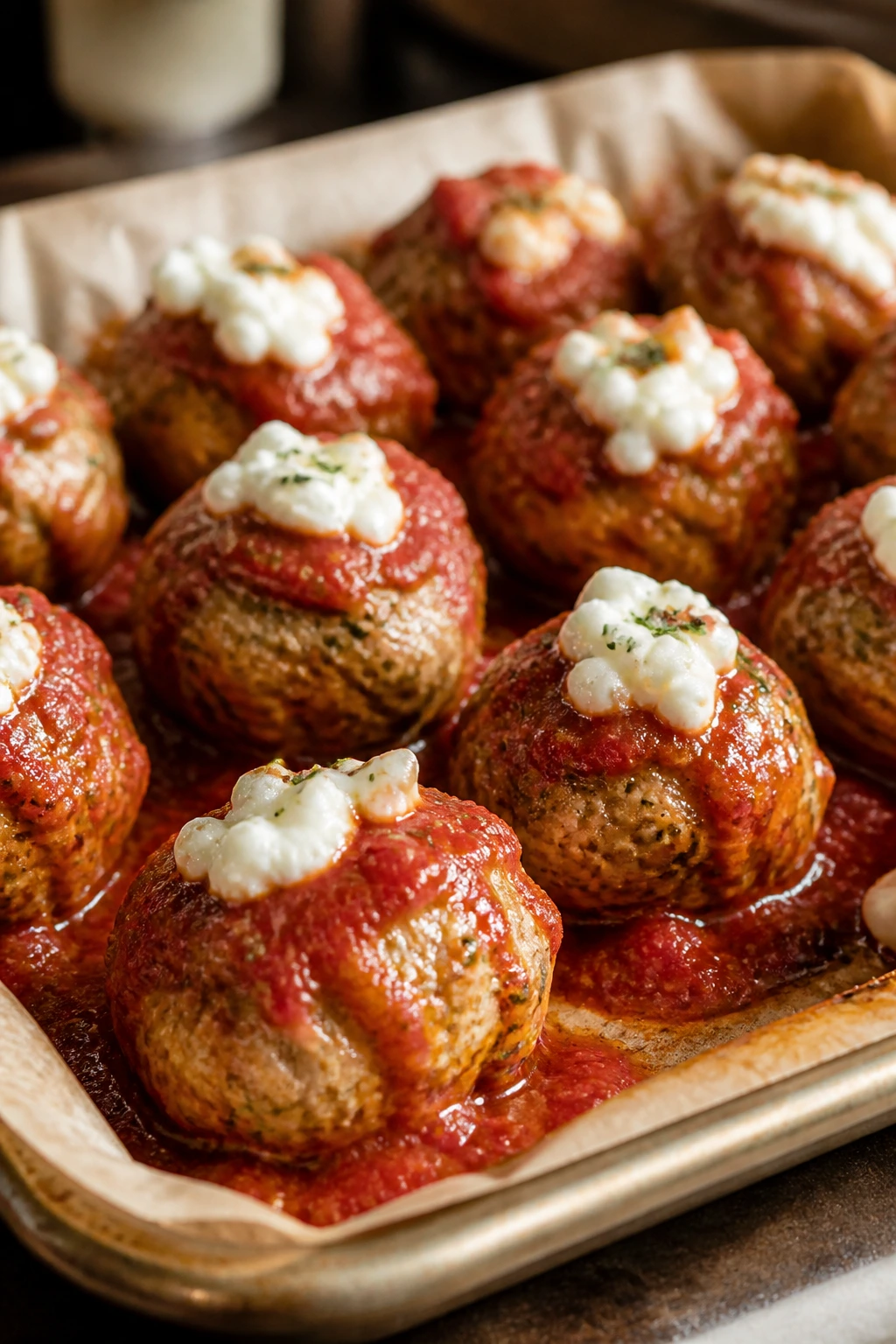
A tray of turkey meatballs gets a different kind of richness when cottage cheese goes into the mix. The meatballs stay tender, the center doesn’t dry out, and the marinara clings to the outside instead of sliding off. Served over pasta, polenta, or even a pile of sautéed greens, this is dinner with actual staying power.
Why It Works
The cottage cheese acts like a soft binder, which helps lean turkey stay juicy after baking. It also adds enough moisture that you do not need to drown the meatballs in oil or cheese to keep them from turning chalky. Baking them at 425°F gives you good color fast, and a short simmer in sauce finishes the texture without overcooking the centers.
Key Ingredients
For the Meatballs:
- 1 pound ground turkey
- 1/2 cup cottage cheese
- 1/2 cup panko breadcrumbs
- 1 large egg
- 1/4 cup grated Parmesan
- 2 garlic cloves, minced
- 2 tablespoons chopped parsley
- 1 teaspoon kosher salt
- 1/2 teaspoon black pepper
- 1 teaspoon Italian seasoning
For the Sauce and Serving:
- 1 tablespoon olive oil
- 24 ounces marinara sauce
- 12 ounces spaghetti or cooked polenta, for serving
Quick Steps
-
Heat the oven: Set the oven to 425°F (220°C) and line a baking sheet with parchment paper.
-
Mix the meatballs: In a large bowl, combine the turkey, cottage cheese, panko, egg, Parmesan, garlic, parsley, salt, pepper, and Italian seasoning. Mix until just combined. Overmixing makes the meatballs tight.
-
Shape and bake: Roll the mixture into 16 meatballs and place them on the baking sheet. Bake for 12 to 14 minutes, until they’re browned and the center reaches 165°F (74°C).
-
Warm the sauce: While the meatballs bake, heat the olive oil and marinara in a large skillet over medium heat until it starts to bubble at the edges.
-
Simmer together: Transfer the baked meatballs into the sauce and simmer for 5 minutes. This adds flavor and keeps them glossy.
-
Serve hot: Spoon over spaghetti or polenta and finish with more Parmesan if you want a sharper edge.
Tips and Variations
- No Panko? Use regular breadcrumbs or crushed crackers.
- Pan Sauce Finish: Add a splash of pasta water or broth if the marinara gets too thick.
- Freezer Friendly: Freeze the baked meatballs before adding sauce for a fast future dinner.
7. Creamy Turkey Chili with Cottage Cheese
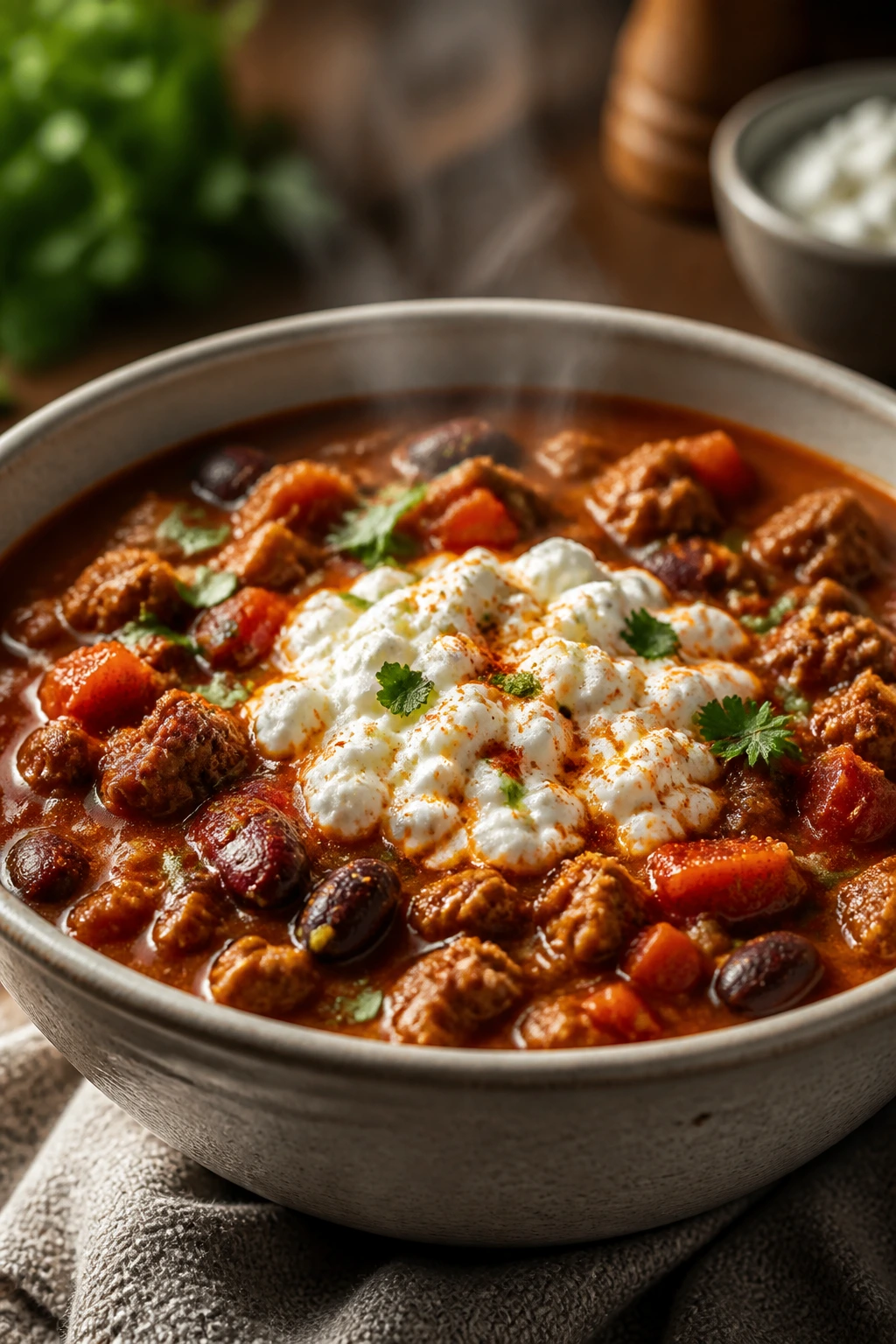
Chili is one of the few places where a cool, creamy finish feels completely natural. Stirred in at the end, cottage cheese gives this turkey chili a thicker body without the heaviness of cream, and the tang plays nicely with tomato, cumin, and smoked paprika. It’s the kind of bowl that feels even better the next day.
Why It Works
A lot of lean turkey chili can taste sharp or thin if you don’t give it enough fat or body. Cottage cheese fixes both problems when you blend part of it into the broth or stir it in off the heat. The beans and tomatoes bring enough structure that the dairy never feels out of place, and the lime at the end keeps the bowl from tasting flat.
Key Ingredients
For the Chili Base:
- 1 tablespoon olive oil
- 1 1/2 pounds lean ground turkey
- 1 large onion, diced
- 1 red bell pepper, diced
- 4 garlic cloves, minced
- 2 tablespoons chili powder
- 2 teaspoons ground cumin
- 1 teaspoon smoked paprika
- 1 teaspoon kosher salt
- 1/2 teaspoon black pepper
- 1 can (28 ounces) crushed tomatoes
- 2 cups low-sodium chicken broth
For the Body and Finish:
- 1 can kidney beans, rinsed and drained
- 1 can black beans, rinsed and drained
- 1 cup corn
- 1 cup cottage cheese
- 1 tablespoon lime juice
Quick Steps
-
Brown the turkey: Warm the olive oil in a Dutch oven over medium-high heat. Add the turkey, onion, and bell pepper and cook for 7 to 8 minutes until the turkey loses its pink color and the vegetables start to soften.
-
Bloom the spices: Stir in the garlic, chili powder, cumin, smoked paprika, salt, and pepper. Cook for 30 seconds until the spices smell toasted.
-
Add the liquid ingredients: Pour in the crushed tomatoes and broth, then scrape the bottom of the pot to loosen any browned bits.
-
Simmer the chili: Add the beans and corn, reduce the heat, and simmer uncovered for 25 to 30 minutes. The chili should thicken slightly and look glossy, not watery.
-
Stir in the cottage cheese: Take the pot off the heat and fold in the cottage cheese and lime juice. If you want a smoother finish, blend a cup of the chili with the cottage cheese and return it to the pot.
-
Serve with toppings: Ladle the chili into bowls and add extra cottage cheese, chopped cilantro, scallions, or avocado if you like.
Tips and Variations
- Spice Control: Use mild chili powder if you want less heat, then add hot sauce at the table.
- Bean Swap: Pinto beans or cannellini beans both fit here.
- Thicker Bowl: Simmer 5 to 10 minutes longer if you want a tighter, stew-like texture.
8. Taco Stuffed Sweet Potatoes with Cottage Cheese Crema
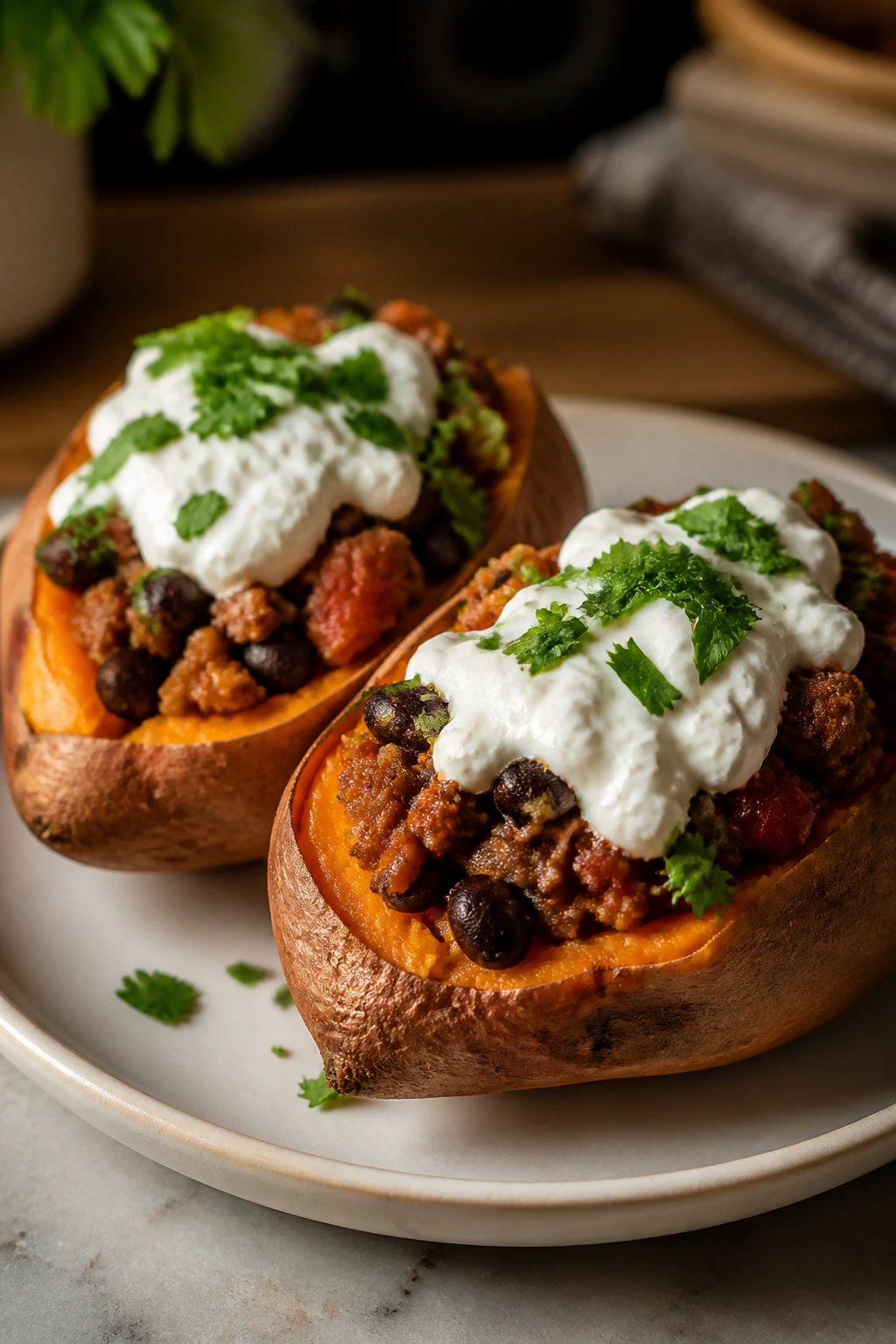
If you like sweet potatoes but want dinner to feel more substantial, tuck taco filling inside them. The sweet, soft potato, the savory meat, and the cool cottage cheese crema hit different notes in one bite, which keeps the plate from tasting one-dimensional. It’s a very practical kind of comfort food.
Why It Works
Roasting the sweet potatoes until the centers are soft gives you a natural bowl with almost no extra effort. Cottage cheese turns into a quick crema when blended with lime, and that cool, tangy finish cuts through the sweetness in a way shredded cheese alone does not. The taco filling brings the protein, but the potatoes keep the meal grounded and filling.
Key Ingredients
For the Sweet Potatoes:
- 4 large sweet potatoes
- 1 tablespoon olive oil
- 1/2 teaspoon kosher salt
For the Taco Filling:
- 1 pound lean ground beef or turkey
- 1 tablespoon olive oil
- 2 tablespoons taco seasoning
- 1/2 cup water
- 1 can black beans, rinsed and drained
- 1 cup corn
- 1 cup salsa
For the Cottage Cheese Crema:
- 1 cup cottage cheese
- 1 tablespoon lime juice
- 1/2 teaspoon salt
For Topping:
- 1 cup shredded cheddar
- 1 avocado, sliced
- Chopped cilantro
Quick Steps
-
Roast the potatoes: Heat the oven to 400°F (205°C). Pierce the sweet potatoes several times with a fork, rub with olive oil and salt, and roast for 40 to 50 minutes until they collapse a little when squeezed with an oven mitt.
-
Cook the filling: While the potatoes roast, brown the beef or turkey in a skillet over medium-high heat. Drain excess fat if needed.
-
Season it well: Stir in the taco seasoning and water, then simmer for 2 minutes. Add the black beans, corn, and salsa, and cook until the mixture looks thick and spoonable.
-
Blend the crema: Combine the cottage cheese, lime juice, and salt in a blender or food processor and blend until smooth.
-
Assemble the potatoes: Split the potatoes open, fluff the insides with a fork, and spoon the taco filling over each one.
-
Finish with toppings: Drizzle with cottage cheese crema, then add cheddar, avocado, and cilantro. The contrast between hot filling and cool crema is the whole point.
Tips and Variations
- Milder Version: Use mild salsa and skip the avocado if you want a simpler plate.
- Bean-Heavy Option: Add another half can of beans if you want a meat-light version.
- Leftover Rescue: The taco filling keeps well and works in tacos, rice bowls, or quesadillas the next day.
9. Spinach and Cottage Cheese Stuffed Shells
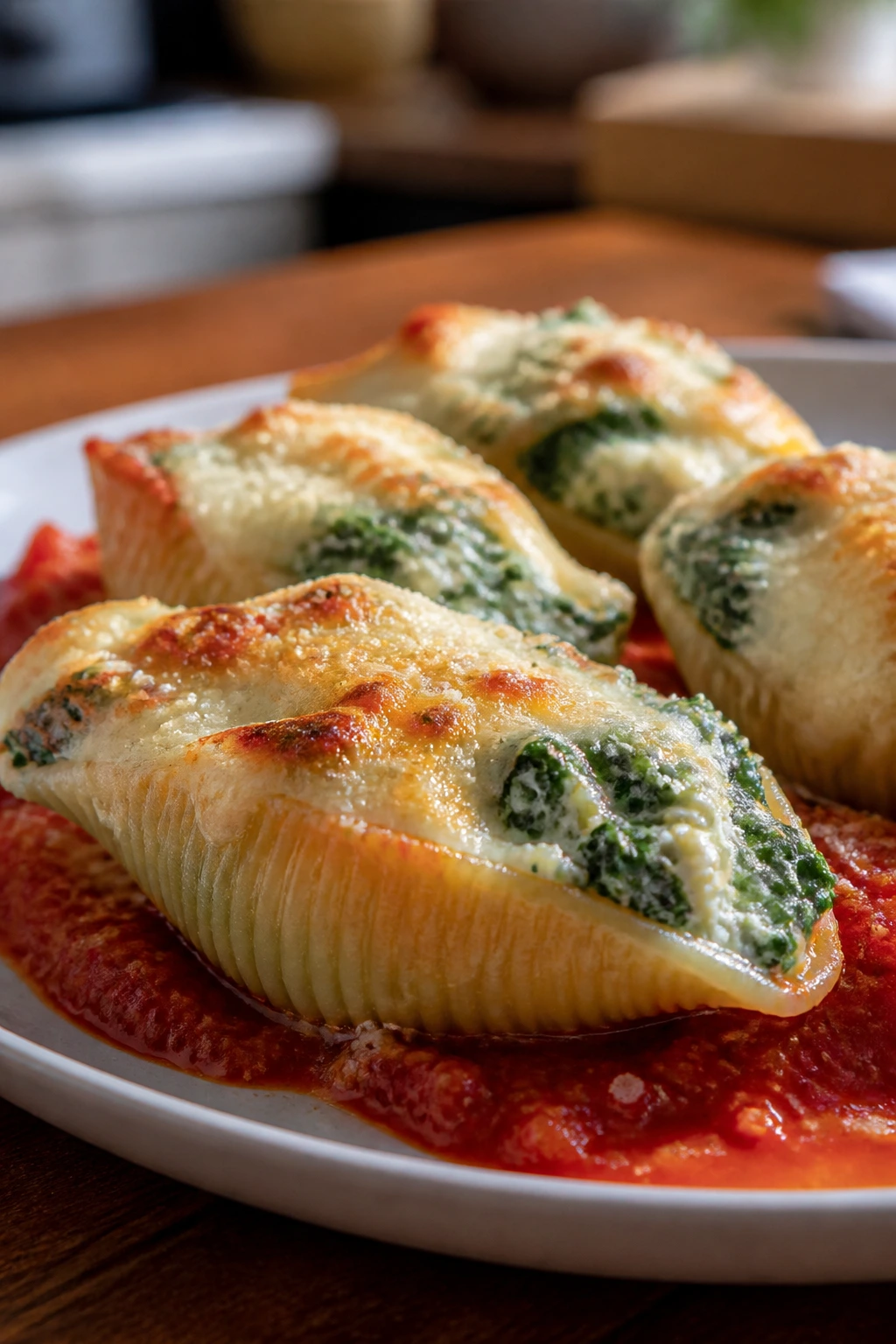
Stuffed shells can feel fussy, but this version stays friendly and forgiving. The filling is creamy, the spinach keeps it from tasting too rich, and the marinara bakes around the pasta so every shell lands soft and saucy. It’s classic baked pasta with just enough protein to make dinner feel like it did something useful.
Why It Works
Cottage cheese gives the filling body without the dense, heavy feel that can happen with too much ricotta. An egg helps the filling set, and squeezing the spinach dry keeps the shells from watering out in the oven. If you bake them covered first and uncovered at the end, you get soft pasta and browned edges instead of dry tops.
Key Ingredients
For the Shells:
- 20 jumbo pasta shells
- 24 ounces marinara sauce
- 1 tablespoon olive oil
For the Filling:
- 2 cups cottage cheese
- 1 large egg
- 1/2 cup grated Parmesan
- 2 cups shredded mozzarella, divided
- 10 ounces frozen spinach, thawed and squeezed very dry
- 2 garlic cloves, minced
- 1/2 teaspoon kosher salt
- 1/2 teaspoon black pepper
- 1/4 teaspoon ground nutmeg, optional
For Finishing:
- Chopped basil, for serving
Quick Steps
-
Cook the shells carefully: Heat the oven to 375°F (190°C). Boil the shells in salted water until just shy of al dente, then drain and lay them on a sheet pan so they don’t stick together.
-
Make the filling: In a bowl, mix the cottage cheese, egg, Parmesan, 1 cup of the mozzarella, spinach, garlic, salt, pepper, and nutmeg. The filling should be thick and easy to scoop.
-
Spread the sauce: Pour the marinara into a greased 9×13-inch baking dish and drizzle with olive oil.
-
Fill the shells: Spoon the cottage cheese mixture into each shell and nestle them seam side up in the sauce. You want them snug, not jammed in like puzzle pieces.
-
Top with cheese: Sprinkle the remaining mozzarella over the shells.
-
Bake until hot: Cover with foil and bake for 25 minutes, then uncover and bake for 5 to 10 minutes more until the cheese is melted and the sauce bubbles at the edges.
-
Finish and serve: Rest for 5 minutes, then scatter basil over the top before serving.
Tips and Variations
- Spinach Matters: Squeeze the spinach dry or the filling gets loose.
- Herb Boost: Add chopped parsley or a little lemon zest to brighten the filling.
- Freeze Carefully: Assemble and freeze before baking if you want a make-ahead pan for another night.
10. Chicken Sausage White Pizza with Cottage Cheese Sauce
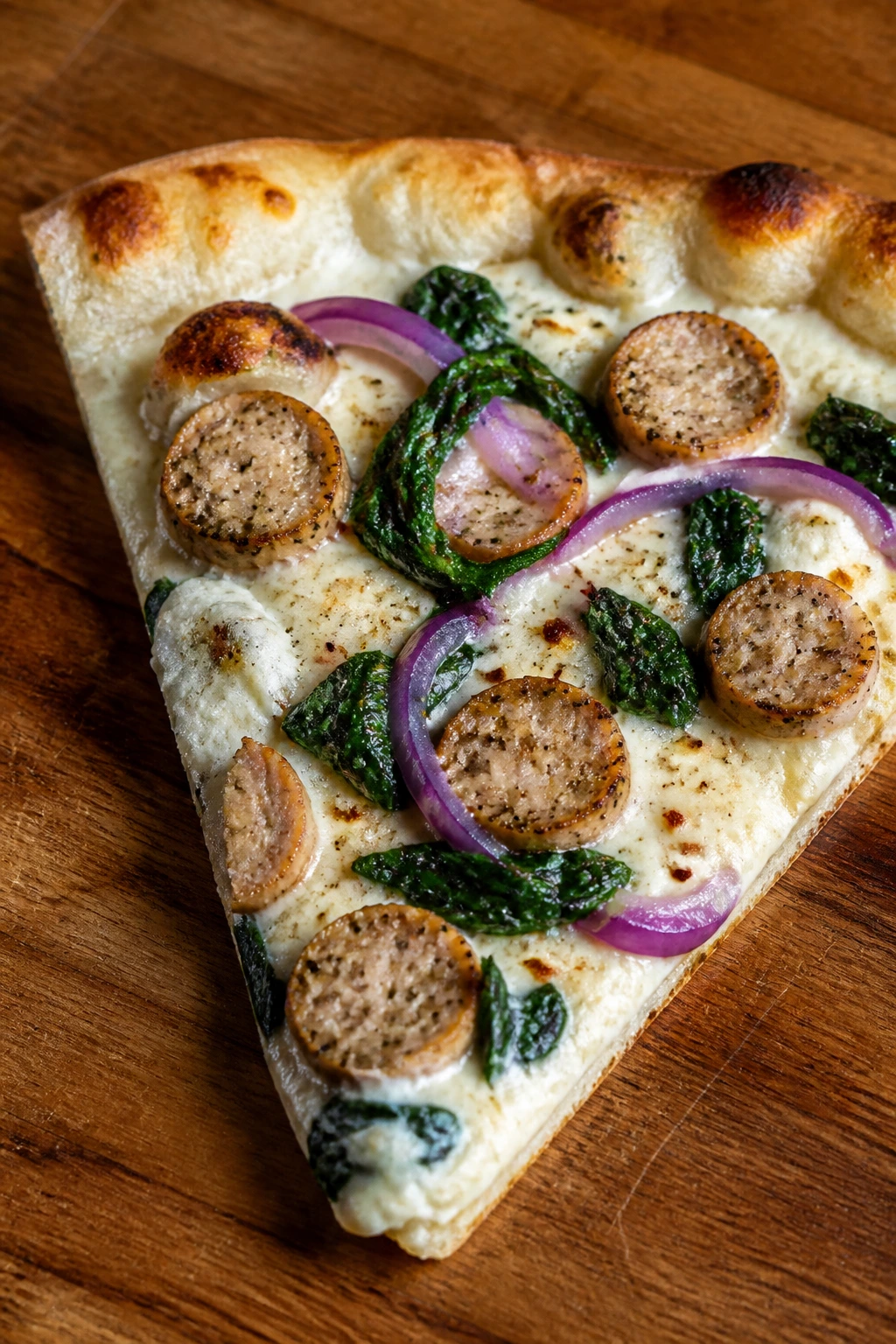
A white pizza needs a sauce that is creamy but not runny. Blended cottage cheese does that job well, especially when you add garlic and Parmesan, because it gives you a sharp, savory base that doesn’t soak the crust before it has a chance to crisp. With chicken sausage, spinach, and red onion on top, this is the kind of dinner pizza that actually eats like a meal.
Why It Works
This sauce acts like a lighter white pie base without the fuss of making a full béchamel. Blending the cottage cheese with a little olive oil and Parmesan makes it spreadable, and par-baking the dough protects the crust from turning soggy under the toppings. The chicken sausage brings enough protein and salt to keep each slice from tasting one-note.
Key Ingredients
For the Base:
- 1 pound pizza dough
- 1 cup cottage cheese
- 1 tablespoon olive oil
- 2 garlic cloves
- 1/2 teaspoon kosher salt
- 1/4 teaspoon black pepper
- 1/2 cup grated Parmesan
For the Toppings:
- 1 cup shredded mozzarella
- 8 ounces chicken sausage, sliced
- 2 cups baby spinach
- 1/2 red onion, thinly sliced
- 1 teaspoon dried oregano
- Red pepper flakes, optional
Quick Steps
-
Heat the oven hot: Set the oven to 475°F (245°C) with a pizza stone or sheet pan inside if you have one. Let it heat for at least 20 minutes.
-
Blend the sauce: In a blender or food processor, combine the cottage cheese, olive oil, garlic, salt, pepper, and Parmesan. Blend until smooth enough to spread.
-
Par-bake the crust: Stretch the dough on a floured surface, transfer it to parchment, and bake for 5 minutes. The surface should look set but still pale.
-
Add the toppings: Spread the cottage cheese sauce over the crust, leaving a small border. Top with mozzarella, chicken sausage, spinach, red onion, and oregano.
-
Bake until browned: Return the pizza to the oven for 10 to 12 minutes, until the crust is golden and the cheese is bubbling.
-
Rest before slicing: Let it sit for 3 to 4 minutes so the sauce settles and the toppings don’t slide off the first cut.
Tips and Variations
- Crust Protection: Par-baking is the difference between crisp and floppy.
- More Bite: Add mushrooms or roasted red peppers if you want more vegetables.
- Sharper Flavor: A squeeze of lemon over the finished pizza cuts the richness in a good way.
Why Cottage Cheese Earns Its Place at Dinner
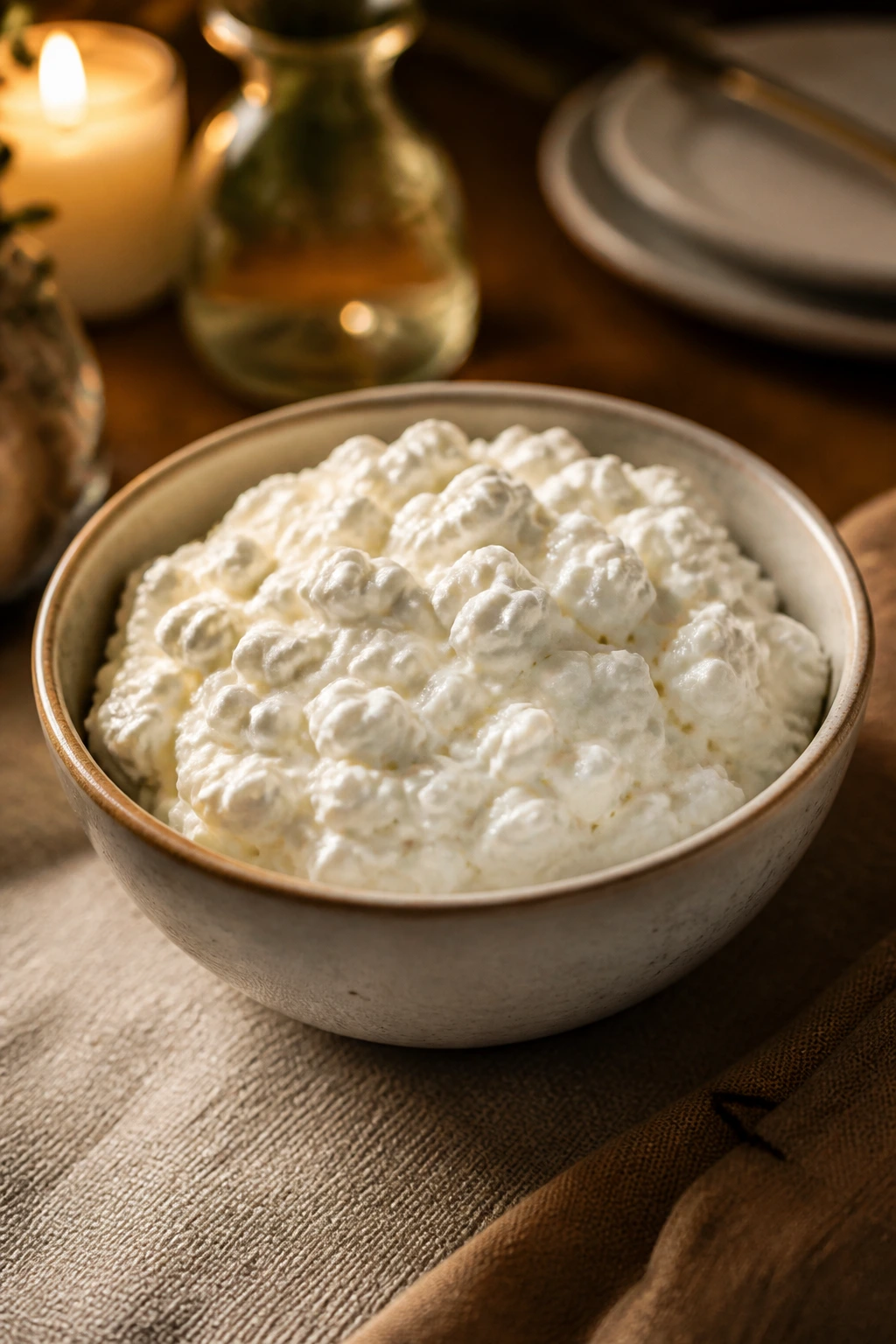
Cottage cheese has a mild taste, but it does not behave like a shy ingredient. It thickens sauces, holds fillings together, and adds protein without making a dish feel dense or heavy. That’s why it works in lasagna, pasta bakes, stuffed vegetables, chili, and even pizza sauce; the ingredient is flexible enough to disappear into the dish while still changing the outcome in a real way.
The best thing about it is texture control. Blend it smooth when you want a sauce, leave it a little rustic when you want body, or fold it into a filling when you need something that will stay put in the oven. There are not many dairy ingredients that can do all three without a fuss.
Smart Ways to Get More Out of These Dinners
Flavor Enhancement: A spoonful of pesto, a little lemon zest, or a dusting of smoked paprika can wake up cottage cheese dishes fast, especially the pasta bakes and stuffed shells.
Customization: If you want more vegetables, add mushrooms, spinach, zucchini, or roasted peppers to the skillet and casserole recipes. They fit naturally and help the meals stretch further.
Serving Suggestions: Finish with chopped basil, parsley, scallions, or a handful of toasted breadcrumbs. That last bit of crunch matters more than people think.
Make-It-Yours: If you prefer a milder plate, keep the spice low and lean on Parmesan and mozzarella. If you like heat, add red pepper flakes, hot sauce, or chopped jalapeños at the table instead of burning the whole pan.
Mistakes That Make Cottage Cheese Dinners Fall Flat
Using watery cottage cheese straight from the tub: The symptom is a sauce that turns thin or a filling that leaks. Drain off excess liquid or blend it first, especially for pasta bakes and pizza sauce.
Overcooking the pasta before baking: Soft noodles become mushy once they go back in the oven. Pull pasta a minute or two early so it can finish cooking in the sauce.
Skipping seasoning in the filling: Cottage cheese is mild, which is polite but dangerous. Salt, garlic, herbs, and Parmesan matter more here than in a dish that already tastes bold.
Choosing extra-lean meat and expecting it to stay juicy: Very lean turkey can dry out fast. Use lean, not extra lean, and give it enough sauce or dairy so it has something to work with.
Overbaking creamy dishes: Cottage cheese can tighten if you leave it in the oven too long. Bake just until bubbling and hot, then rest the dish so it settles before serving.
Reheating too hard: High heat can make dairy-based fillings grainy. Reheat covered at a lower temperature, or use the stovetop with a splash of broth or milk.
Variations and Adaptations to Try
Gluten-Free Pantry Fix
Use gluten-free pasta, corn tortillas, or gluten-free breadcrumbs in the baked recipes. The chili, stuffed peppers, and taco sweet potatoes already fit this style with almost no change. Just watch the pasta a little more closely, because gluten-free noodles can go soft faster in the oven.
Low-Carb Plate Swap
Skip the pasta and move the cottage cheese fillings into peppers, zucchini boats, or cauliflower rice bowls. The lasagna skillet can become a zucchini skillet, and the taco filling works well over roasted cauliflower instead of sweet potatoes. You still get the same protein-and-creamy-dairy backbone.
Mild Family Version
Cut the red pepper flakes, use mild salsa verde, and keep the seasonings simple with garlic, oregano, and Parmesan. This works especially well for the enchiladas, lasagna skillet, and white pizza. The dishes stay savory without setting off the spice-sensitive eaters at the table.
Extra-Heat Finish
Add chipotle in adobo to the chili, sliced jalapeños to the enchiladas, or hot honey over the pizza if you like a sweet-heat edge. The trick is to add heat at the end too, not only in the pot. That keeps the flavor sharper.
Vegetable-Heavy Weeknight
Fold spinach, mushrooms, zucchini, or roasted peppers into the baked pasta recipes and stuffed shells. Cottage cheese holds up well to vegetables that release some moisture, as long as you do not flood the pan with them. Sauté watery vegetables first if needed.
Sausage or Beef Upgrade
Swap chicken sausage into the pizza, turkey sausage into the ziti, or lean beef into the taco potatoes. The cottage cheese keeps the dishes from feeling too heavy, even when the meat is richer.
Common Mistakes to Avoid
Don’t treat cottage cheese like it melts the same way mozzarella does. It softens and blends, but it does not stretch into long cheese pulls. If you want a smooth sauce or filling, blend it first.
Don’t forget the moisture balance. Cottage cheese adds creaminess, but too much liquid from sauce, spinach, or tomatoes can make a casserole loose. Drain spinach well, simmer sauces until they thicken, and keep an eye on watery vegetables.
Don’t bake until the dish looks bone-dry. By the time a cottage cheese casserole looks dry on top, the inside has usually gone too far. Pull it when the edges bubble and the center is hot.
Don’t under-season the dairy layer. Cottage cheese can flatten bold flavors if you leave it plain. Parmesan, herbs, garlic, black pepper, and a little salt keep it from tasting bland.
Don’t use delicate noodles or tortillas without preparation. Lasagna sheets, shells, and tortillas need the right amount of moisture and pre-cooking so they can hold the filling. That small step keeps everything from splitting apart in the oven.
Don’t rush the rest time. A skillet or casserole straight from the oven can look done and still be too loose to serve neatly. Five to ten minutes on the counter makes a big difference.
Questions People Ask Before Making These Dinners
Can I blend cottage cheese for every recipe here?
Yes, and for some recipes it’s the better move. Blending makes it smoother for sauces, pizza base, and mac and cheese, while leaving it unblended can be fine for stuffed peppers or ziti if you like a little texture.
Will low-fat cottage cheese work, or do I need whole milk?
Low-fat works, but whole milk or 2% usually tastes richer and feels less sharp after baking. If the dish depends on creaminess, like mac and cheese or white pizza, the fuller version gives you a better result.
Can I use ricotta instead?
You can, especially in lasagna, stuffed shells, or baked ziti. Ricotta gives a softer, lighter filling, while cottage cheese usually brings more protein and a firmer texture.
What if my cottage cheese sauce looks grainy?
Blend it longer, and keep the heat gentler next time. Graininess usually shows up when the dairy gets too hot or starts before it’s smooth enough.
Can these dishes be frozen?
Most baked pasta dishes, meatballs, and chili freeze well for up to 2 to 3 months. The texture of cottage cheese gets a little softer after thawing, but in casseroles and sauces that usually isn’t a problem.
How do I stop the filling from tasting too tangy?
Use enough salt, Parmesan, herbs, and a little garlic so the dairy sits inside a bigger flavor picture. Tomato sauces, roasted vegetables, and browned meat all help balance the tang.
Can I make these with chicken instead of turkey?
Absolutely. Ground chicken, shredded chicken, chicken sausage, and rotisserie chicken all fit these recipes well, though chicken breast may need a little extra sauce so it does not dry out.
What if I want even more protein?
Add beans to the chili and enchiladas, use extra lean meat in the pasta bakes, or pair the dinner with a simple side salad topped with seeds or roasted chickpeas. Cottage cheese does a lot already, but it plays well with more protein too.
A Better Kind of Weeknight Dinner
Cottage cheese is one of those ingredients that gets underestimated because it doesn’t look glamorous. Fine. Dinner does not need glamour every night. What it does need is food that comes together without drama, holds up in the fridge, and tastes like someone paid attention.
That is the real win here. You can turn one simple dairy staple into lasagna, stuffed peppers, chili, pizza, and a handful of other dinners that feel complete without leaning on heavy sauces or long ingredient lists. The next tub you bring home has a bigger job to do.
| Recipe | Prep Time | Cook Time | Total Time | Servings | Standout Detail |
|---|---|---|---|---|---|
| Cottage Cheese Lasagna Skillet | 20 min | 35 min | 55 min | 6 | one-pan lasagna flavor without the stacking |
| Chicken Spinach Stuffed Peppers with Cottage Cheese | 25 min | 35 min | 1 hr | 6 | juicy filling tucked into sweet roasted peppers |
| Turkey Bolognese Baked Ziti with Cottage Cheese | 20 min | 40 min | 1 hr | 6 | extra-protein pasta bake with a rich meat sauce |
| Green Chile Chicken Enchiladas with Cottage Cheese | 25 min | 25 min | 50 min | 6 | creamy filling with bright salsa verde |
| High-Protein Cottage Cheese Mac and Cheese with Broccoli | 15 min | 25 min | 40 min | 4 | silky sauce with a crisp panko top |
| Turkey Meatballs with Cottage Cheese and Marinara | 20 min | 25 min | 45 min | 5 | moist meatballs that stay tender |
| Creamy Turkey Chili with Cottage Cheese | 20 min | 35 min | 55 min | 6 | rich chili finished with a creamy swirl |
| Taco Stuffed Sweet Potatoes with Cottage Cheese Crema | 15 min | 45 min | 1 hr | 4 | sweet, smoky, and easy to scale |
| Spinach and Cottage Cheese Stuffed Shells | 30 min | 35 min | 1 hr 5 min | 6 | classic baked pasta with a lighter filling |
| Chicken Sausage White Pizza with Cottage Cheese Sauce | 20 min | 20 min | 40 min | 4 | crisp crust with a creamy white base |