



A good fall dinner should smell like onions softening in butter before the first bite even happens. It should give off steam, cling to a spoon, and make the kitchen feel a little smaller in the best possible way. That’s the kind of meal people remember when the day was long and the weather had teeth.
The nice thing about fall dinners is that they don’t have to be fussy to feel generous. A Dutch oven, a sheet pan, a skillet, and a few sturdy ingredients can do most of the work if you choose them well. Squash, apples, mushrooms, beans, thyme, sharp cheese, rich broth — these are not delicate foods, and that’s the point.
I’m partial to dinners that know when to be rich and when to cut through the richness with mustard, lemon, cider vinegar, or a little tomato. Without that small flash of brightness, comfort food can go dull fast. With it, the whole plate wakes up.
Why These Fall Dinners Stand Apart
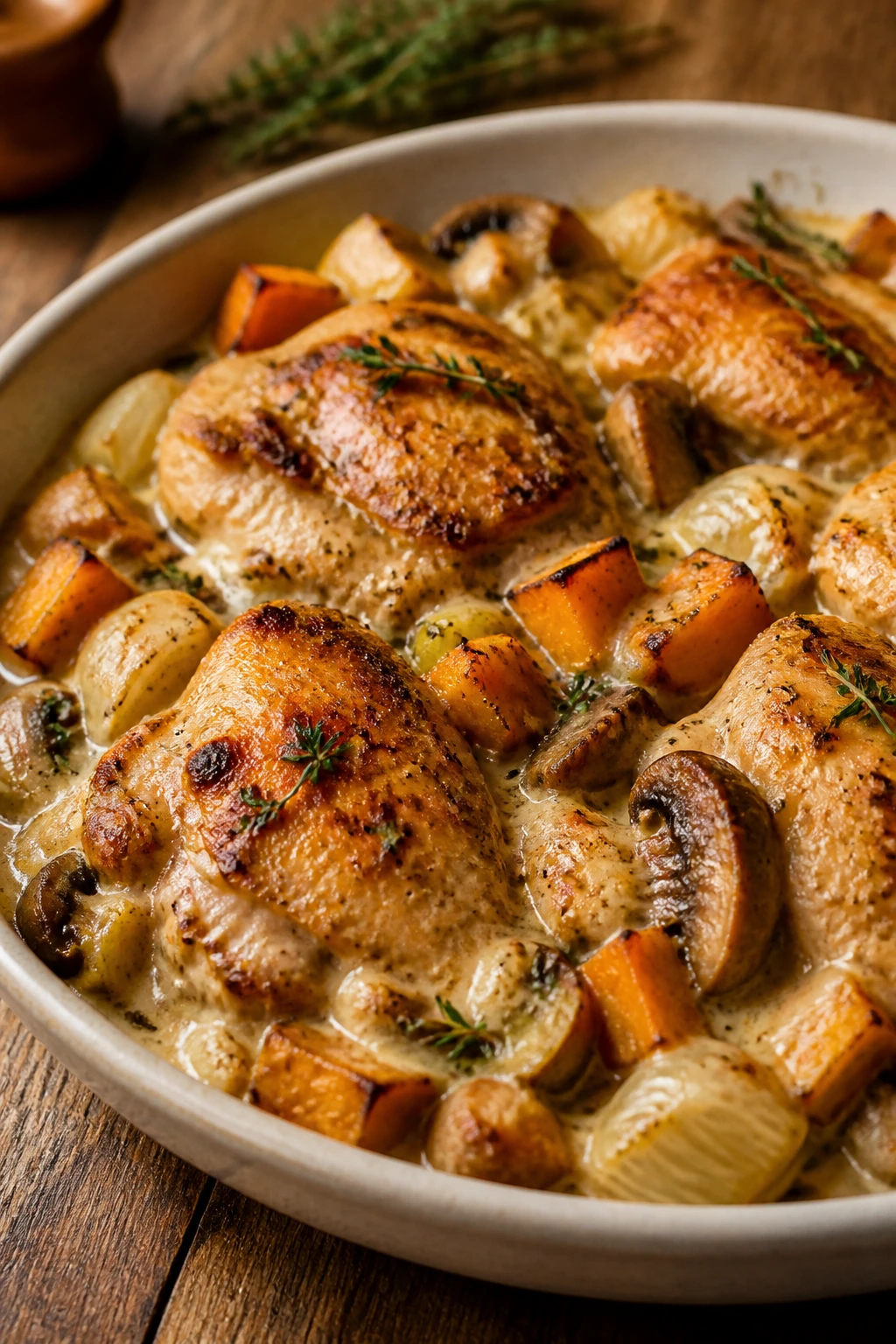
-
They lean hard on real texture. Creamy soups, crisped edges, tender braises, and browned tops keep these meals from feeling one-note.
-
Cleanup stays sane. Most of these recipes rely on one pot, one pan, or one baking dish, which matters when the sink is already full.
-
The flavors feel like the season without turning sweet. You’ll see squash, apples, herbs, and roots, but they show up in savory ways that work for dinner.
-
Leftovers hold up. Chili, braises, soups, and baked pasta are the dishes I trust the next day, when lunch needs to be easy.
-
There’s range here. Some nights call for a 35-minute sheet-pan dinner. Other nights need a braise that can sit on the stove and quietly become excellent.
-
Pantry staples do a lot of the heavy lifting. Broth, canned beans, pasta, rice, tomatoes, and dried herbs stretch fresh ingredients without making the food feel cheap.
1. Creamy Chicken and Wild Rice Soup
This is the soup I make when I want dinner to feel calm from the first ladle. The wild rice keeps a little chew, the chicken goes tender, and the broth gets that soft, creamy finish that makes you slow down without trying.
Why It Works:
Wild rice blend brings nutty flavor and a firmer bite than plain white rice, so the bowl never turns mushy after a second helping. Chicken thighs stay juicy through a long simmer, which matters here because the soup needs time for the rice to open and the broth to pick up flavor. A small splash of lemon at the end keeps the cream from tasting heavy. I like this soup best when the broth barely bubbles; a hard boil roughs up both the chicken and the rice.
Key Ingredients:
- 1 1/2 lbs boneless, skinless chicken thighs
- 1 cup wild rice blend, rinsed
- 2 tbsp olive oil
- 1 medium yellow onion, diced
- 3 carrots, sliced into half-moons
- 3 celery stalks, sliced
- 3 garlic cloves, minced
- 6 cups low-sodium chicken broth
- 1 cup heavy cream
- 1 tbsp lemon juice
Quick Steps:
- Heat the olive oil in a large Dutch oven over medium-high heat. Season the chicken thighs with salt and pepper, then brown them for 3 to 4 minutes per side until the outside turns golden.
- Remove the chicken and add the onion, carrots, and celery. Cook for 6 to 8 minutes, stirring now and then, until the onion looks glossy and the carrots start to soften at the edges.
- Stir in the garlic and rinsed wild rice blend. Cook for 1 minute, just until the garlic smells sweet.
- Pour in the broth and add the chicken back with any juices. Bring the pot to a boil, then drop it to low, cover, and simmer for 40 to 45 minutes until the rice is split open and the chicken reaches 165°F.
- Shred the chicken right in the pot with two forks. Stir in the cream and lemon juice.
- Taste and adjust with more salt, pepper, or lemon. Let it sit for 5 minutes; it thickens a little as it rests.
Tips and Variations:
- A rotisserie chicken works if you’re short on time; add it after the rice is cooked so it doesn’t dry out.
- If you want a thicker soup, whisk 1 tbsp cornstarch with 2 tbsp cool water and stir it in before the cream.
- Add a handful of chopped parsley or dill right before serving for a fresher finish.
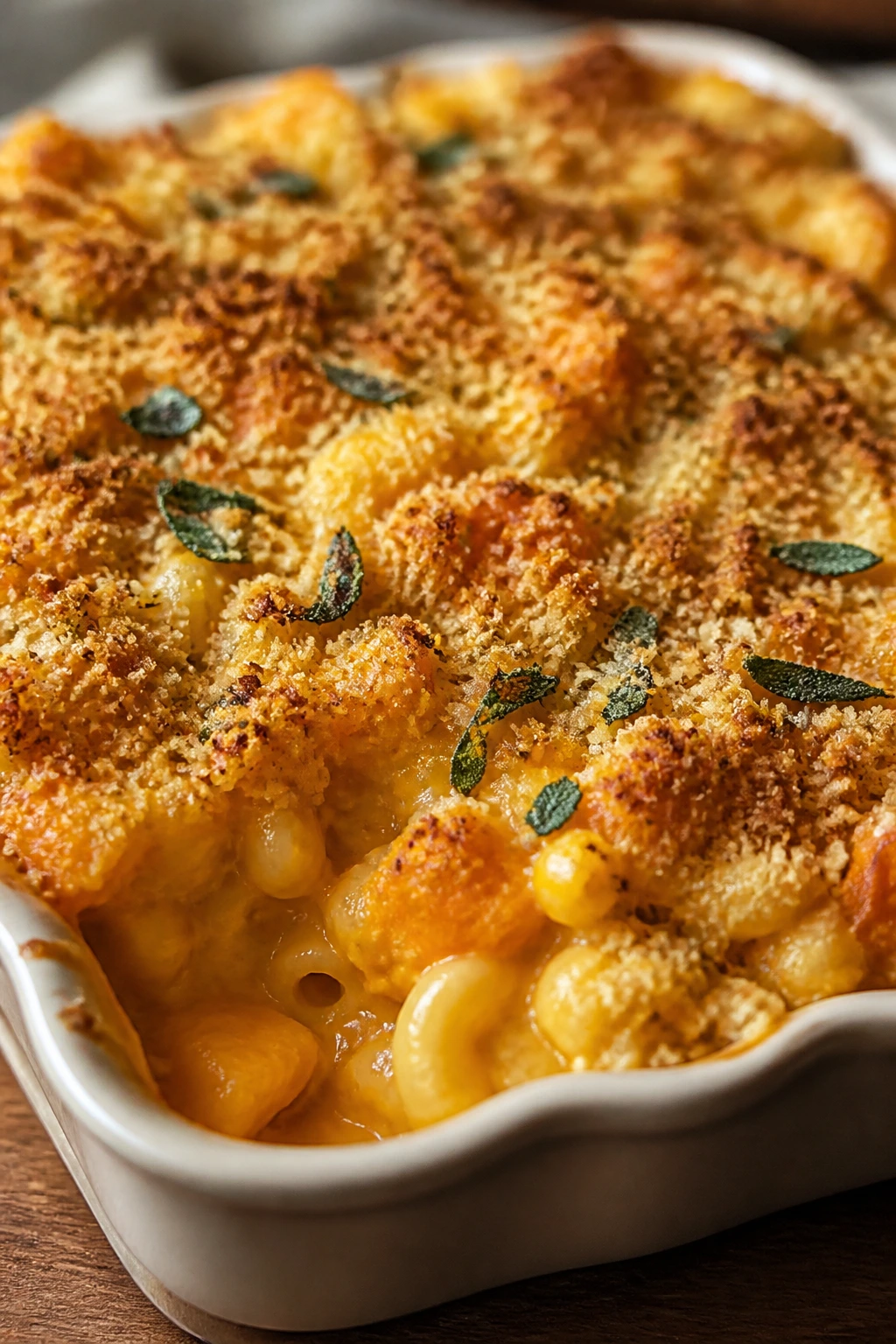
2. Butternut Squash Mac and Cheese with Sage Breadcrumbs
This is the kind of baked pasta that makes the table go quiet for a second. The squash melts into the cheese sauce and gives it a gold color that looks almost too warm to be real, while the sage breadcrumbs bring the crunch you want against all that creaminess.
Why It Works:
Butternut squash does double duty here: it adds body and a faint sweetness, and it thickens the sauce without needing a mountain of cheese. Sharp cheddar gives the sauce its edge, while parmesan adds salt and depth. The breadcrumb topping matters more than people think. Without it, the dish can feel heavy; with it, every bite has contrast.
Key Ingredients:
- 12 oz elbow macaroni or cavatappi
- 1 small butternut squash, about 2 lbs, peeled and cubed
- 2 tbsp olive oil
- 3 tbsp butter
- 3 tbsp all-purpose flour
- 2 1/2 cups whole milk
- 1 cup vegetable broth
- 3 cups shredded sharp cheddar
- 1 cup grated parmesan, divided
- 1 cup panko breadcrumbs
- 1 tsp chopped fresh sage or 1 tsp dried sage
Quick Steps:
- Heat the oven to 425°F. Toss the squash with olive oil, salt, and pepper, then roast it on a sheet pan for 20 to 25 minutes until the edges are caramelized and the cubes collapse when pressed.
- While the squash roasts, boil the pasta in salted water until it is just shy of al dente. Drain it and keep 1/2 cup of the pasta water.
- Melt the butter in a saucepan over medium heat. Whisk in the flour and cook for 1 minute, then slowly pour in the milk and broth, whisking until smooth.
- Add the roasted squash to the sauce and mash it with a spoon or blend briefly if you want a silkier result. Stir in the cheddar and half the parmesan until melted.
- Fold in the pasta. If the sauce looks too tight, loosen it with a splash of the reserved pasta water.
- Spoon the pasta into a baking dish. Mix the panko with sage, the remaining parmesan, and a little melted butter, then scatter it over the top. Bake at 400°F for 15 to 18 minutes until bubbling and bronzed.
Tips and Variations:
- A pinch of nutmeg makes the squash taste deeper, not sweeter.
- Use Gruyère instead of half the cheddar if you want a nuttier sauce.
- If you need this gluten-free, use GF pasta and thicken the sauce with a cornstarch slurry instead of flour.
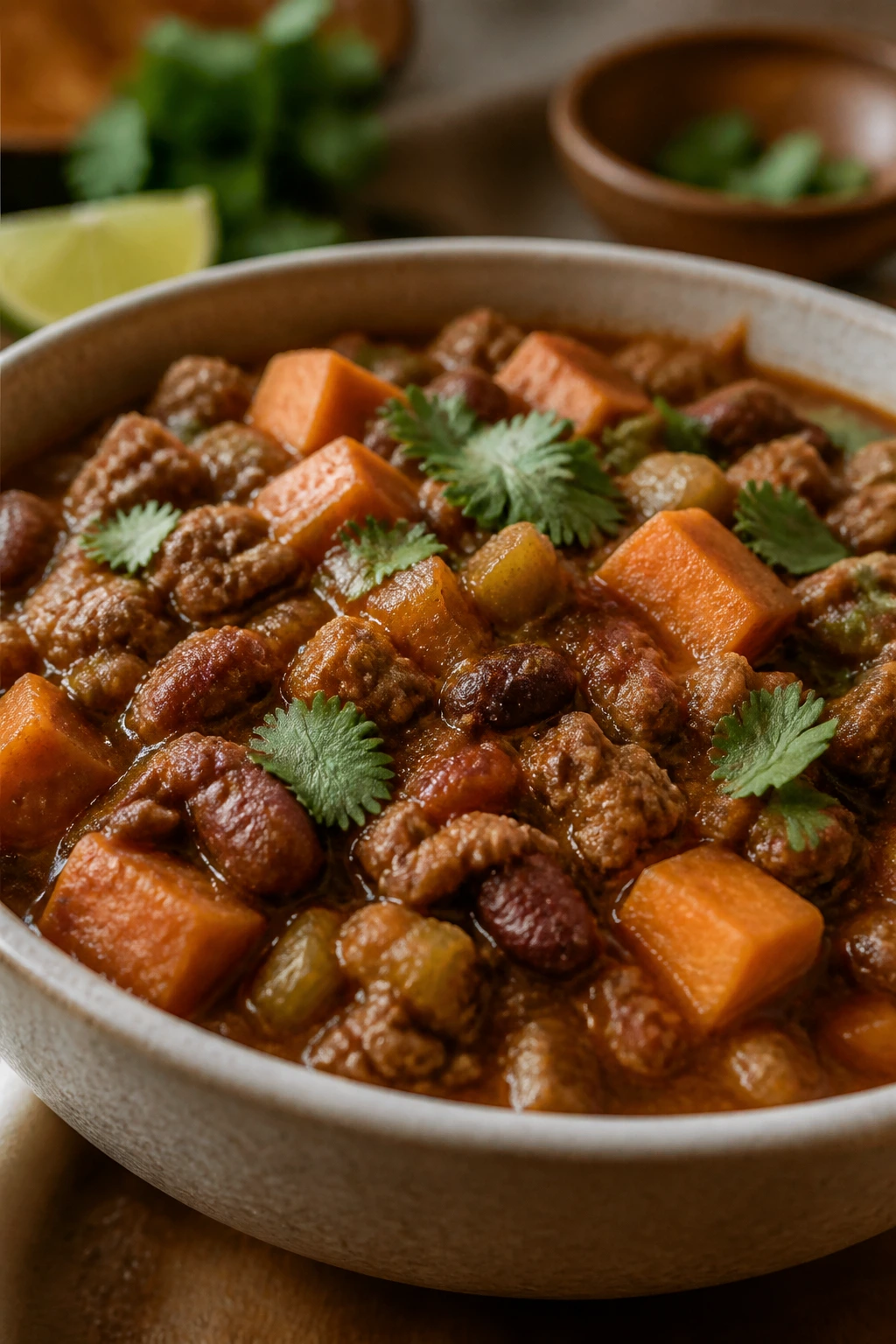
3. Turkey and Sweet Potato Chili
If you want a chili that feels hearty without sitting like a brick, this is the one. Sweet potatoes turn soft and almost buttery in the pot, and ground turkey takes on the spices fast, which keeps the whole thing moving from weeknight to leftover lunch without any drama.
Why It Works:
Turkey can go bland if you treat it like beef, so this chili leans on cumin, chili powder, tomato paste, and a little smoked paprika to build flavor in layers. Sweet potatoes bring body and a gentle sweetness that balances the beans and tomatoes. I like a long simmer here, but not forever; 30 minutes is enough for the sweet potatoes to go tender while still holding shape. Finish with lime and you’ll taste the difference immediately.
Key Ingredients:
- 1 1/2 lbs ground turkey
- 2 medium sweet potatoes, peeled and diced
- 1 large yellow onion, diced
- 3 garlic cloves, minced
- 1 can (6 oz) tomato paste
- 1 can (28 oz) diced tomatoes
- 1 can (15 oz) kidney beans, drained and rinsed
- 1 can (15 oz) black beans, drained and rinsed
- 2 cups low-sodium chicken broth
- 2 tbsp chili powder
- 1 tsp cumin
- 1 tsp smoked paprika
- 1 lime, cut into wedges
Quick Steps:
- Warm a large pot over medium-high heat and brown the turkey, breaking it up with a spoon until there are no pink spots left.
- Add the onion and sweet potatoes. Cook for 5 minutes, stirring often, until the onion starts to soften.
- Stir in the garlic, tomato paste, chili powder, cumin, and smoked paprika. Cook for 1 minute so the spices bloom in the heat.
- Pour in the diced tomatoes and broth. Bring the pot to a gentle boil, then turn it down to a steady simmer.
- Cover and cook for 20 to 25 minutes, stirring once or twice, until the sweet potatoes are fork-tender.
- Add the beans and simmer uncovered for 5 more minutes. Taste, salt well, and finish with lime juice.
Tips and Variations:
- A spoonful of cocoa powder gives the chili a deeper, darker edge.
- If you like heat, add a chopped chipotle pepper or a pinch of cayenne with the spices.
- This freezes well for up to 3 months, which is one of the reasons I keep a container in the back of the freezer.
4. Skillet Pork Chops with Apple Pan Sauce
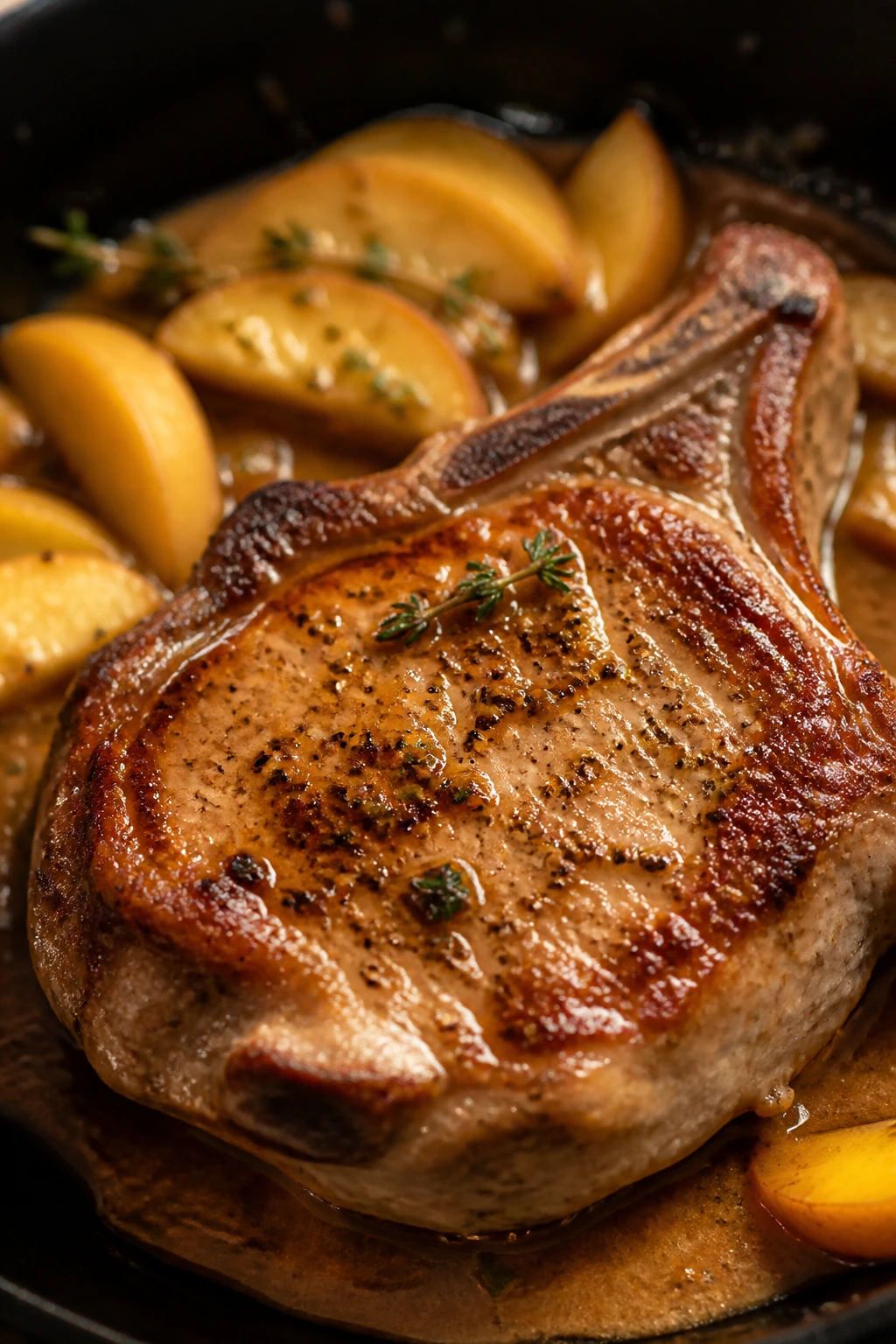
This one feels like a dinner you’d make when you want something polished without spending the whole evening in the kitchen. The pork chops get a good sear, the apples soften just enough to cling to the pan sauce, and the whole skillet smells like butter, thyme, and cider.
Why It Works:
Bone-in pork chops stay juicier than thin boneless chops, and they handle a hard sear without drying out as quickly. Apples belong here because their acid and sweetness play against the savory pork drippings in the pan. The trick is to pull the chops at 145°F and let them rest while the sauce comes together. Overcook them and the whole recipe turns from cozy to chewy fast.
Key Ingredients:
- 4 bone-in pork chops, about 1 inch thick
- 2 tbsp olive oil
- 2 tbsp unsalted butter
- 2 crisp apples, cored and sliced
- 1 small yellow onion, thinly sliced
- 1 cup apple cider
- 1 tbsp Dijon mustard
- 1 tsp fresh thyme leaves
- 1 tbsp apple cider vinegar
- Salt and black pepper
Quick Steps:
- Pat the pork chops dry and season both sides with salt and pepper.
- Heat the oil in a large skillet over medium-high heat. Sear the chops for 3 to 4 minutes per side until a deep brown crust forms, then transfer them to a plate.
- Lower the heat to medium and add the butter, apples, and onion. Cook for 6 to 7 minutes until the onions soften and the apples start to slump.
- Pour in the cider and scrape the browned bits off the pan. Stir in the Dijon, thyme, and vinegar.
- Simmer for 3 to 5 minutes until the sauce reduces slightly and looks glossy.
- Return the pork chops to the skillet and cook for another 2 to 3 minutes, just until they reach 145°F. Spoon sauce over the top before serving.
Tips and Variations:
- Honeycrisp holds its shape well; Granny Smith brings more bite and a sharper flavor.
- Serve this with mashed potatoes or buttered egg noodles so you can catch the sauce.
- If your pan sauce tastes flat, a small pinch of salt usually fixes it faster than more cider.
5. Beef and Mushroom Stroganoff
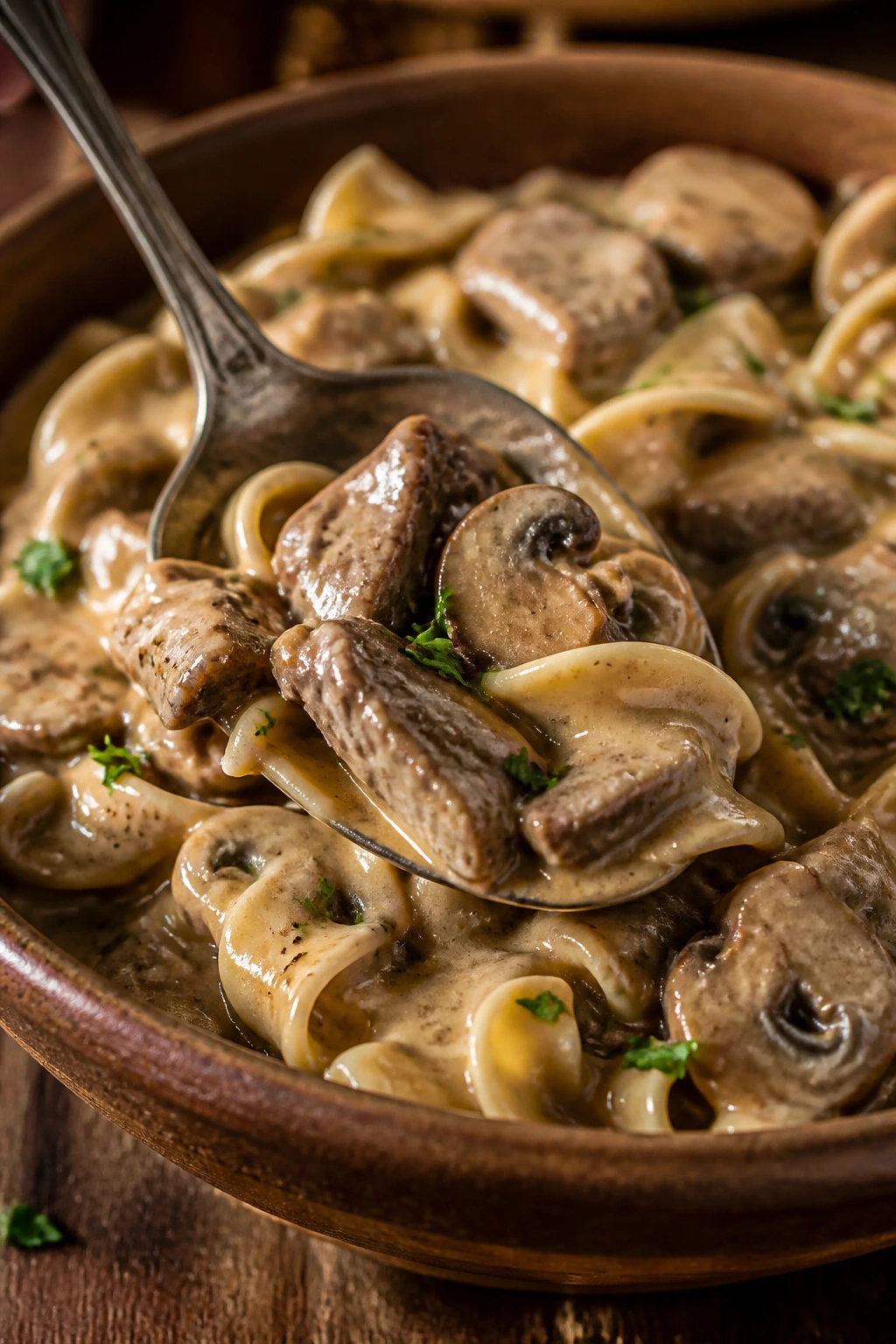
A good stroganoff should feel rich, but not gluey. The mushrooms need room to brown, the beef needs salt early, and the sour cream has to go in at the end when the heat is low enough to keep everything smooth.
Why It Works:
Ground beef keeps this version weeknight-friendly, and cremini mushrooms give the sauce a deeper, woodsy flavor than plain white mushrooms. A little Dijon sharpens the sauce without making it taste like mustard. Sour cream is the final soft edge — it turns a brown pan sauce into something that coats noodles instead of puddling under them. The dish works because each part has a job, and none of them have to do too much.
Key Ingredients:
- 1 lb wide egg noodles
- 1 1/2 lbs ground beef
- 12 oz cremini mushrooms, sliced
- 1 medium onion, diced
- 3 garlic cloves, minced
- 2 tbsp butter
- 2 tbsp all-purpose flour
- 2 cups beef broth
- 1 tbsp Dijon mustard
- 1 cup sour cream
- 1 tsp paprika
- 2 tbsp chopped parsley
Quick Steps:
- Cook the noodles in salted water until al dente. Drain and set aside.
- Brown the beef in a large skillet over medium-high heat, then transfer it to a bowl if there’s a lot of fat in the pan.
- Add the butter, onion, and mushrooms. Cook for 8 to 10 minutes, stirring occasionally, until the mushrooms release their liquid and then start browning.
- Stir in the garlic, flour, and paprika. Cook for 1 minute.
- Pour in the broth and whisk until smooth. Add the Dijon and simmer for 3 to 5 minutes until the sauce thickens enough to coat a spoon.
- Lower the heat and stir in the sour cream, then return the beef and noodles. Heat through gently, sprinkle with parsley, and serve.
Tips and Variations:
- Don’t boil the sauce after the sour cream goes in, or it can turn grainy.
- For a lighter version, use ground turkey and add an extra tablespoon of butter for flavor.
- A splash of Worcestershire sauce deepens the beefy taste if the sauce feels thin.
6. Maple-Dijon Salmon with Roasted Brussels Sprouts
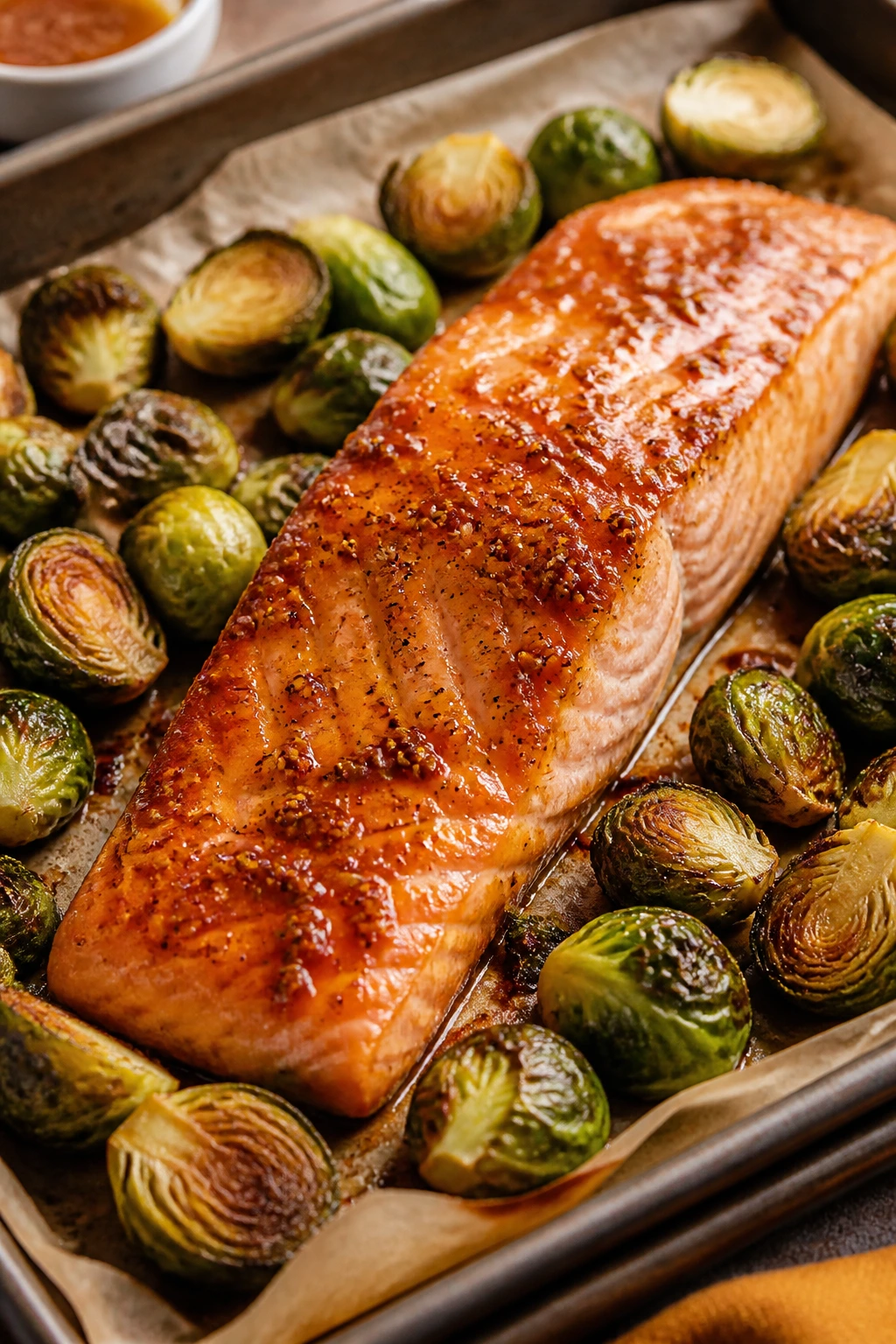
This is the fall dinner I reach for when I want something that feels clean but still cozy. The maple-Dijon glaze gets sticky at the edges, the Brussels sprouts roast until their leaves go crisp, and the salmon stays tender if you pull it at the right moment.
Why It Works:
Salmon likes heat, but not too much of it. A hot oven gives the sprouts their char and lets the glaze thicken without burning, while the fish itself cooks in just enough time to stay moist. Maple syrup brings caramel notes, Dijon adds bite, and lemon keeps everything from leaning sweet. That push and pull is what makes the sheet pan feel balanced instead of sugary.
Key Ingredients:
- 4 salmon fillets, about 6 oz each
- 1 lb Brussels sprouts, trimmed and halved
- 2 tbsp olive oil
- 2 tbsp maple syrup
- 1 tbsp Dijon mustard
- 1 tsp whole grain mustard
- 2 garlic cloves, minced
- 1 lemon, cut into wedges
- Salt and black pepper
Quick Steps:
- Heat the oven to 425°F. Toss the Brussels sprouts with olive oil, salt, and pepper on a rimmed sheet pan.
- Roast the sprouts for 15 minutes, until the cut sides are browned.
- Whisk the maple syrup, Dijon, whole grain mustard, garlic, and a pinch of salt in a small bowl.
- Push the sprouts to the edges of the pan and place the salmon in the center. Brush the glaze over the fish.
- Roast for 10 to 12 minutes, depending on thickness, until the salmon flakes and reaches 145°F.
- Squeeze lemon over everything before serving.
Tips and Variations:
- If you want more crunch, add chopped walnuts in the last 5 minutes of roasting.
- A side of rice or farro makes this feel more substantial without much extra work.
- Don’t leave the salmon under the broiler too long; the maple can go from glossy to bitter fast.
7. Chicken Pot Pie Skillet
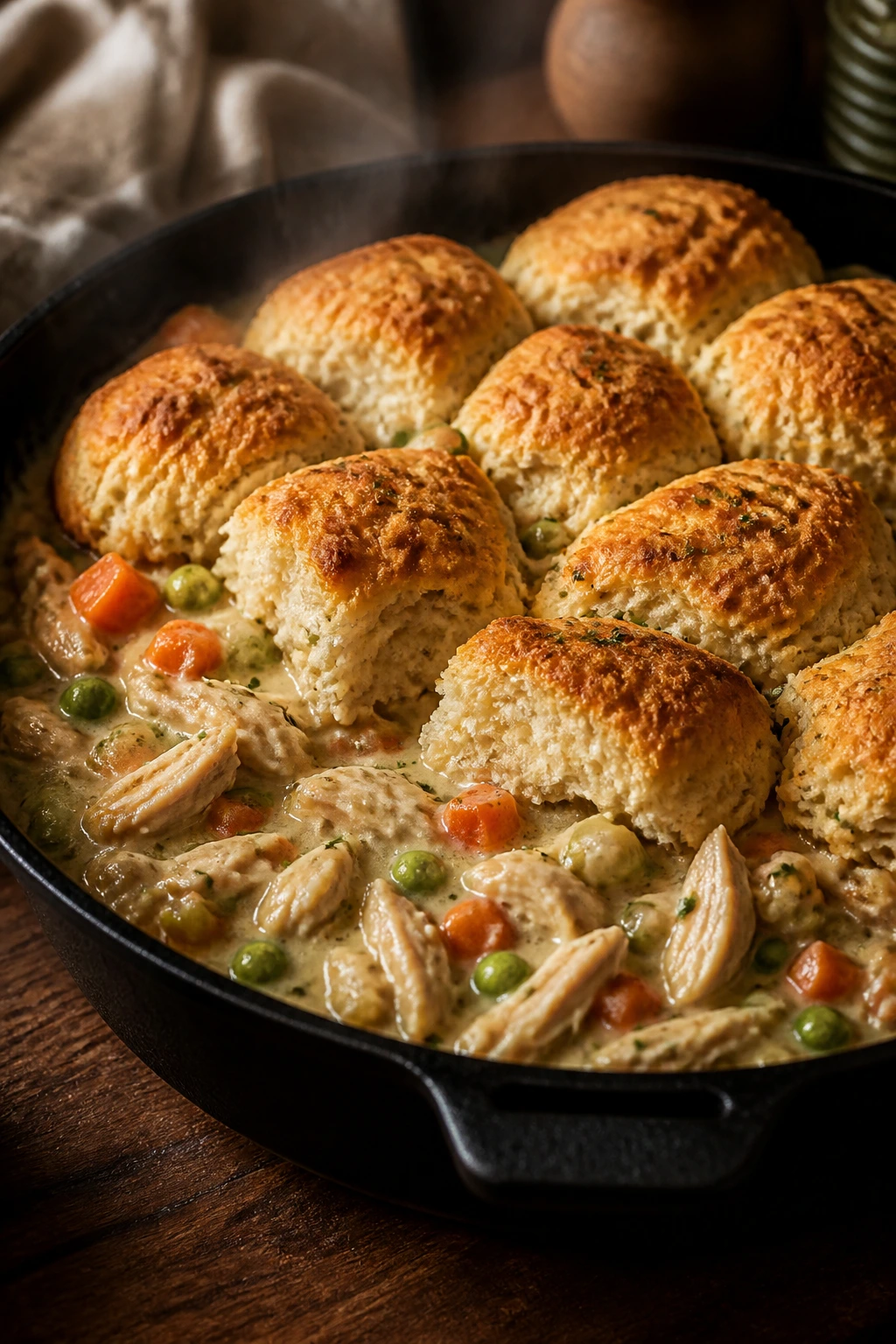
This is the version of chicken pot pie I make when I want the flavor and none of the rolling pin. The filling gets creamy, the vegetables stay in tidy little pieces, and the biscuit top bakes into something that feels like a shortcut, not a compromise.
Why It Works:
A skillet filling gives you the old-school pot pie flavor in half the time, and the biscuit topping bakes right on top without needing a separate crust. Chicken thighs or rotisserie chicken both work, but the rest of the filling needs to be seasoned well or it can taste like beige on beige. A little thyme and a good chicken broth make a bigger difference here than another handful of peas. The goal is a thick filling that barely moves when you tilt the pan.
Key Ingredients:
- 2 cups cooked shredded chicken
- 2 tbsp butter
- 1 small onion, diced
- 2 carrots, diced
- 2 celery stalks, diced
- 1 cup diced potatoes
- 3 tbsp all-purpose flour
- 2 cups chicken broth
- 1 cup whole milk
- 1 tsp dried thyme
- 1 cup frozen peas
- 1 can refrigerated biscuit dough, 8 biscuits
Quick Steps:
- Heat the oven to 400°F. Melt the butter in a large oven-safe skillet over medium heat.
- Add the onion, carrots, celery, and potatoes. Cook for 6 to 8 minutes until the onion softens and the vegetables start to pick up color.
- Stir in the flour and thyme. Cook for 1 minute, then slowly pour in the broth and milk, whisking until the sauce thickens.
- Fold in the chicken and peas. Simmer for 2 to 3 minutes until the filling is thick and creamy. Taste and season well.
- Arrange the biscuits over the top of the skillet, leaving a little space between them for steam.
- Bake for 18 to 22 minutes until the biscuits are golden and the filling is bubbling at the edges.
Tips and Variations:
- Cut the biscuits in half if you want more topping coverage.
- If the filling looks loose, let it simmer a few extra minutes before the biscuits go on.
- A little chopped parsley on top keeps the dish from looking too heavy.
8. Sausage, White Bean, and Kale Soup
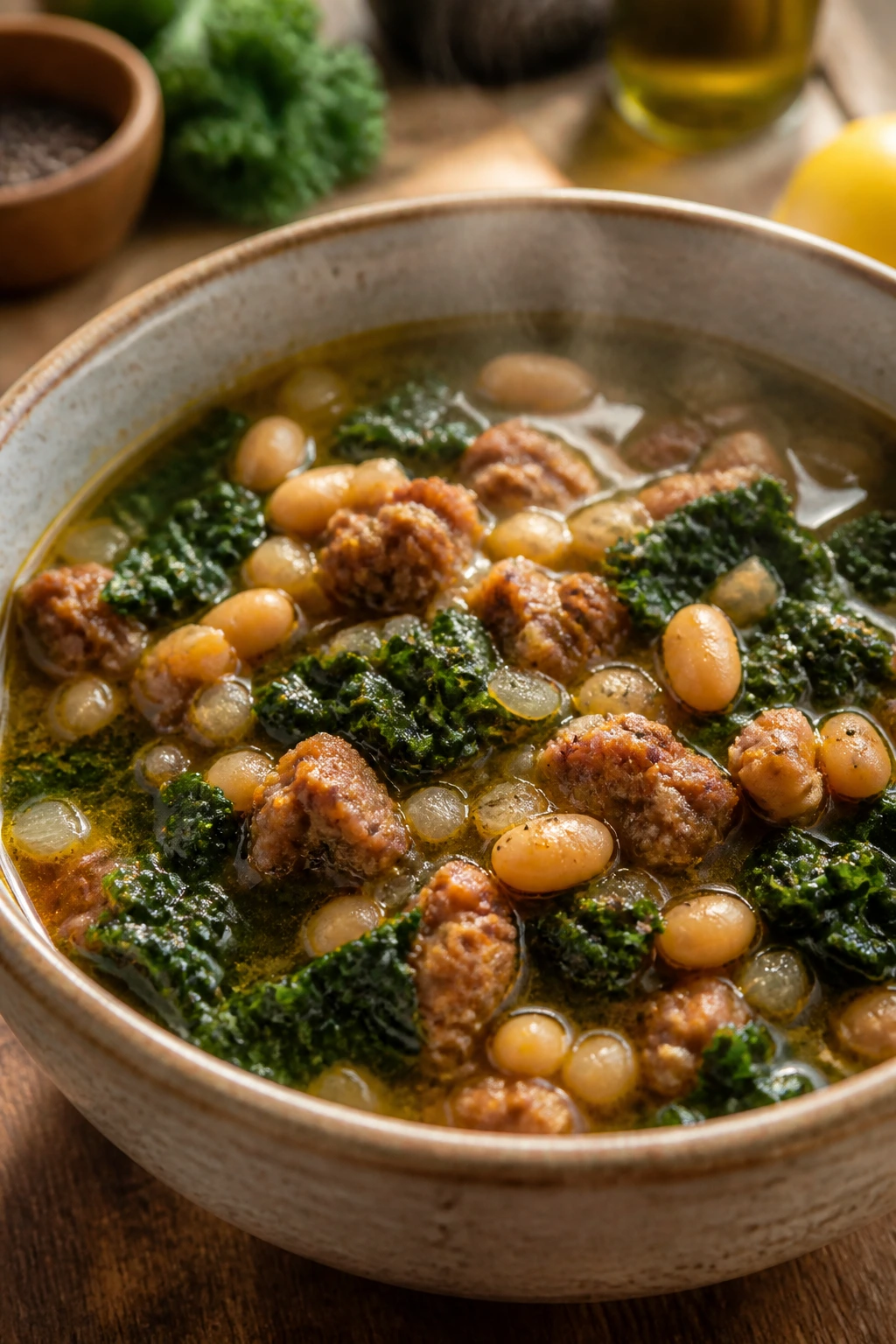
This soup tastes like somebody knew exactly what they were doing with a pot and a little sausage. The broth is savory and full, the beans soften into the edges of the soup, and the kale gives you just enough bitterness to keep each bowl lively.
Why It Works:
Italian sausage brings fat, spice, and seasoning in one move, which makes it a smart starting point for a soup like this. White beans thicken the broth without flour or cream, and kale holds up better than more delicate greens. A squeeze of lemon at the end pulls the soup out of the heavy zone. I like serving this with toasted bread that can absorb the broth without falling apart.
Key Ingredients:
- 1 lb Italian sausage, casings removed if needed
- 1 large onion, diced
- 2 carrots, diced
- 2 celery stalks, diced
- 3 garlic cloves, minced
- 2 cans cannellini beans, drained and rinsed
- 6 cups low-sodium chicken broth
- 1 bunch kale, stems removed and leaves chopped
- 1 tsp dried thyme
- 1 lemon, juiced
- Grated parmesan for serving
Quick Steps:
- Brown the sausage in a soup pot over medium-high heat, breaking it into crumbles.
- Add the onion, carrots, and celery. Cook for 6 minutes until the vegetables start to soften.
- Stir in the garlic and thyme. Cook for 1 minute.
- Pour in the broth and beans. Simmer for 15 minutes so the beans start to break down and thicken the soup.
- Add the kale and cook for 5 more minutes until it turns dark green and tender.
- Finish with lemon juice and parmesan.
Tips and Variations:
- Hot Italian sausage makes the soup punchier; sweet sausage is softer and rounder.
- If you want a thicker broth, mash a cup of the beans against the side of the pot before adding the kale.
- This one reheats well, and I think it tastes even better the next day.
9. Stuffed Acorn Squash with Sausage and Cranberries
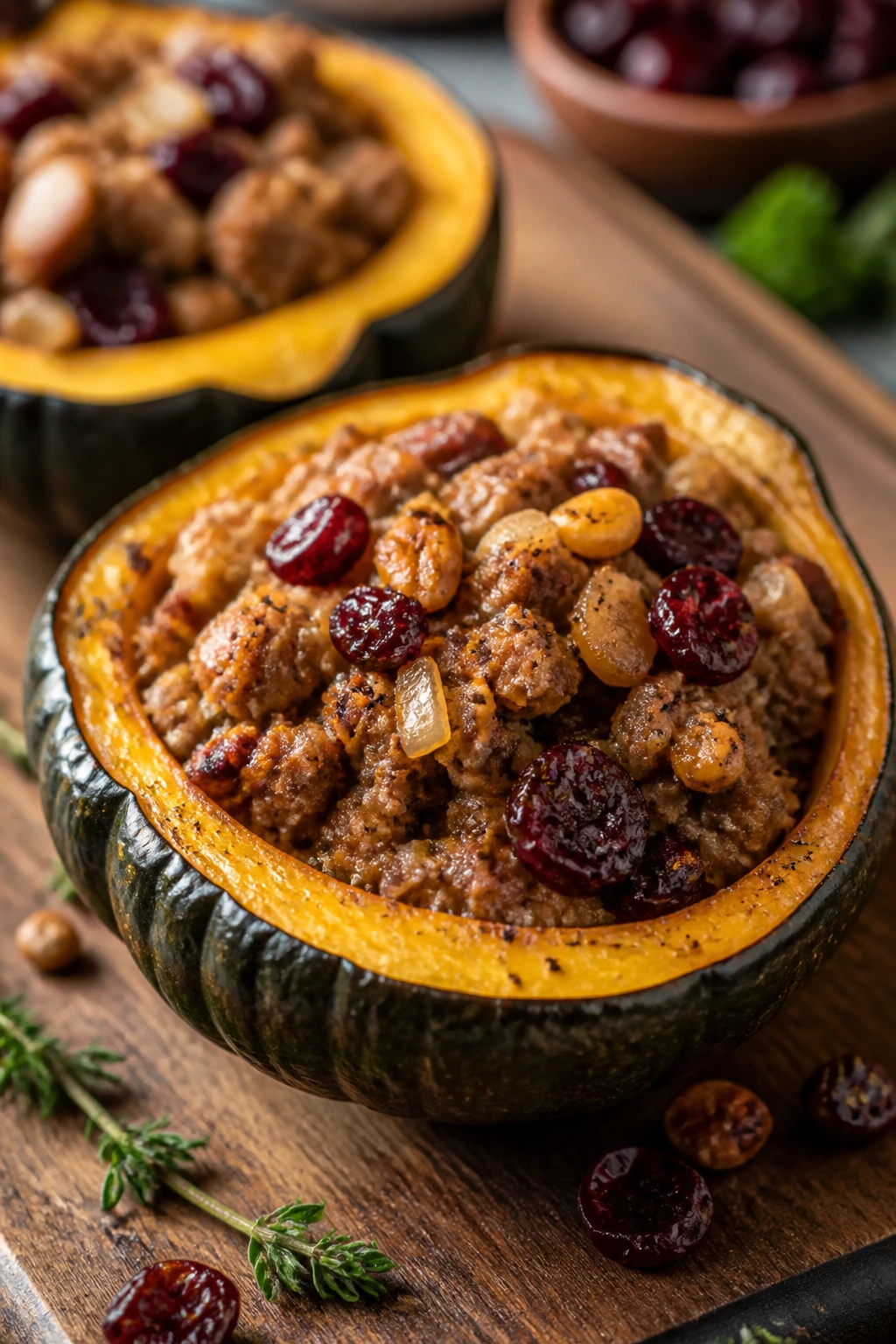
If a roasted squash can look like a dinner centerpiece, this is the recipe that proves it. The squash turns sweet and tender, the sausage filling stays savory, and the dried cranberries give you those little bright bursts that keep the whole thing from feeling too heavy.
Why It Works:
Acorn squash is sturdy enough to hold a filling, which makes it ideal for a meal that wants to feel complete on the plate. Sausage brings salt and spice, apple brings freshness, and cranberries give the dish a sharp little chew. A handful of toasted pecans adds texture at the end. The contrast matters here more than the exact ingredient list; without it, stuffed squash can turn soft and one-note.
Key Ingredients:
- 2 acorn squash, halved and seeded
- 1 lb Italian sausage
- 1 small onion, diced
- 1 apple, diced
- 1 cup cooked rice or quinoa
- 1/3 cup dried cranberries
- 1/4 cup chopped pecans, toasted
- 1 tsp dried sage
- 2 tbsp olive oil
- Salt and black pepper
Quick Steps:
- Heat the oven to 400°F. Brush the squash halves with olive oil, season with salt and pepper, and place them cut-side down on a sheet pan.
- Roast for 25 to 30 minutes until the flesh is tender when pierced with a fork.
- While the squash roasts, brown the sausage in a skillet over medium heat. Add the onion and apple and cook for 5 minutes until softened.
- Stir in the cooked rice, cranberries, sage, and pecans. Taste and season.
- Flip the squash halves cut-side up and divide the filling between them.
- Return to the oven for 10 minutes so everything heats through and the top gets a little color.
Tips and Variations:
- Use ground turkey if you want a lighter filling, but add an extra tablespoon of olive oil so it doesn’t dry out.
- A little feta crumbled on top gives the dish a salty edge that works well with the cranberries.
- If the squash is wobbly on the pan, trim a thin slice off the bottom so it sits flat.
10. Braised Short Ribs with Mashed Potatoes
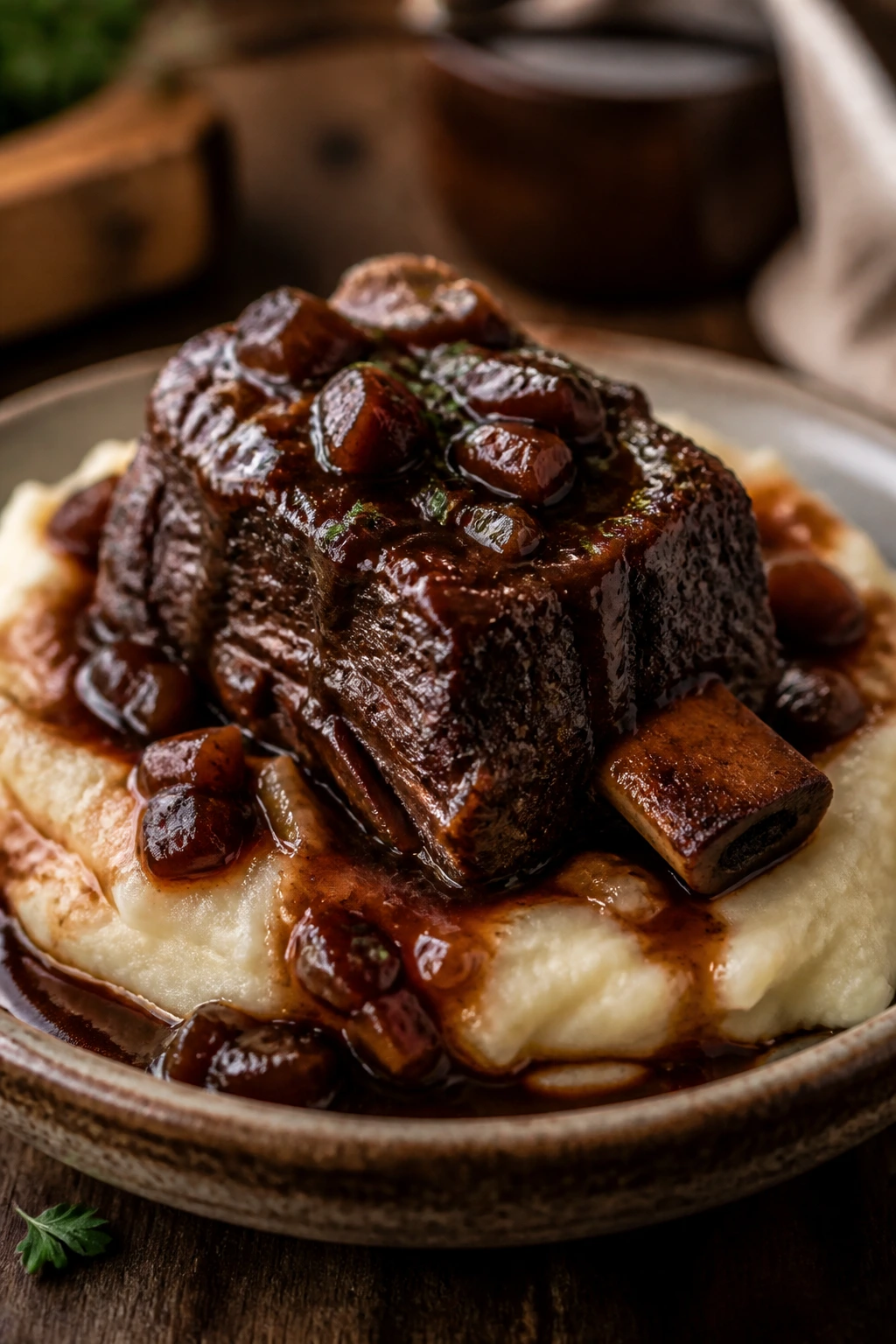
This is the slow, rich dinner that makes the whole house feel different. The short ribs go from stubborn to spoon-tender in a deep red wine braise, and the mashed potatoes underneath catch the sauce like they were designed for the job.
Why It Works:
Short ribs need time, and they reward patience better than almost any cut of beef. Browning them first gives you the crust that turns into flavor during the braise, while wine, broth, tomato paste, and aromatics build a sauce with depth. The potatoes matter because they soften the intensity of the braise without dulling it. This is not a hurry-up meal, and it should not be. The slow part is the point.
Key Ingredients:
- 3 lbs bone-in beef short ribs
- 2 tbsp vegetable oil
- 1 large onion, chopped
- 2 carrots, chopped
- 2 celery stalks, chopped
- 3 garlic cloves, minced
- 2 tbsp tomato paste
- 2 cups dry red wine
- 3 cups beef broth
- 2 sprigs rosemary
- 2 bay leaves
- 2 1/2 lbs Yukon Gold potatoes
- 4 tbsp butter
- 1/2 cup warm cream or milk
Quick Steps:
- Heat the oven to 325°F. Pat the short ribs dry and season them well with salt and pepper.
- Brown them in a Dutch oven over medium-high heat, working in batches if needed. You want a dark crust on several sides.
- Remove the ribs and cook the onion, carrots, and celery for 6 to 8 minutes until softened. Stir in the garlic and tomato paste and cook for 1 minute.
- Pour in the wine and scrape up the browned bits. Simmer for 3 minutes, then add the broth, rosemary, bay leaves, and short ribs.
- Cover and braise in the oven for 2 1/2 to 3 hours until the meat is falling off the bone.
- Boil the potatoes until tender, mash with butter and warm cream, then serve the ribs over the potatoes with plenty of braising liquid spooned on top.
Tips and Variations:
- Chill the braise overnight and skim the fat from the top before reheating if you want a cleaner sauce.
- If you don’t want to use wine, replace it with more broth plus 1 tbsp balsamic vinegar.
- This is the dinner to make when you want leftovers that feel expensive the next day.
11. Sheet-Pan Sausage, Apples, and Onions
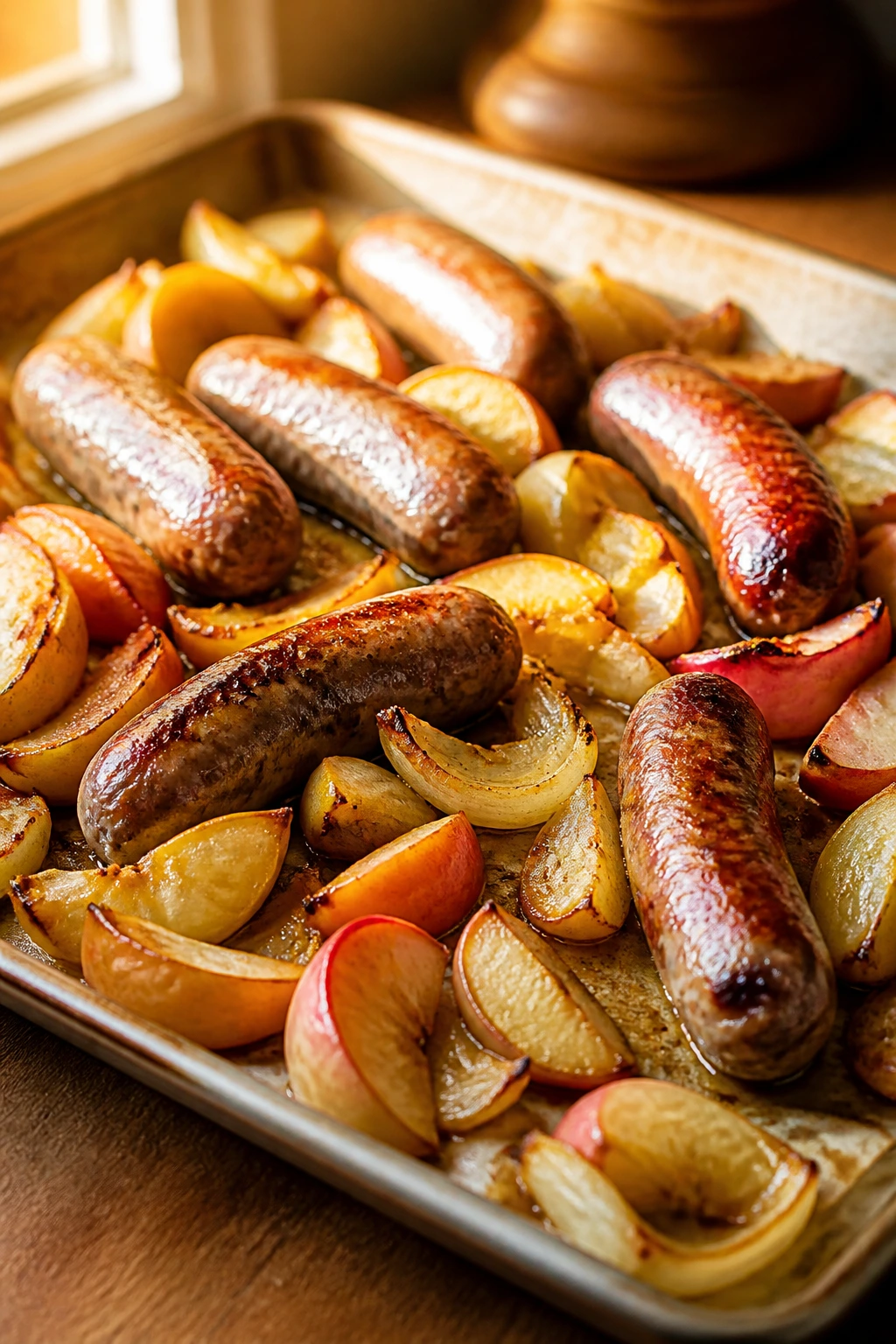
This is the fastest kind of fall dinner, the sort that gets dinner on the table before anyone has time to start wandering into the kitchen asking what smells so good. The sausage browns, the apples caramelize at the edges, and the onions go soft and sweet without a lot of ceremony.
Why It Works:
Sheet-pan dinners live or die on spacing. When the ingredients have room to roast, the sausage picks up color and the apples keep some structure instead of collapsing into jam. A little mustard and maple in the seasoning gives the pan a sweet-savory glaze without turning it into dessert. The trick is to use ingredients that all want roughly the same oven temperature, which sounds obvious until you’ve tried to force too many things into one pan.
Key Ingredients:
- 1 1/2 lbs sausage links, chicken or pork
- 2 apples, cored and cut into wedges
- 1 large red onion, cut into wedges
- 1 lb Brussels sprouts, halved
- 1 lb baby potatoes, halved if large
- 2 tbsp olive oil
- 1 tbsp maple syrup
- 1 tbsp Dijon mustard
- 1 tsp dried thyme
- Salt and black pepper
Quick Steps:
- Heat the oven to 425°F. Line a rimmed sheet pan with parchment if you want easy cleanup.
- Toss the Brussels sprouts, potatoes, and onion with olive oil, thyme, salt, and pepper.
- Spread the vegetables on the pan and roast for 15 minutes.
- Add the sausage and apple wedges to the pan. Whisk the maple syrup and Dijon together, then drizzle it over everything.
- Roast for 15 to 18 minutes more, turning the sausage once, until the potatoes are tender and the apples are browned at the edges.
- Serve hot, with the pan juices spooned over the top.
Tips and Variations:
- Chicken sausage works well if you want something lighter.
- Cut the potatoes smaller than the apples so they finish at the same time.
- A sprinkle of flaky salt after roasting makes the whole pan taste sharper.
12. Lentil Shepherd’s Pie
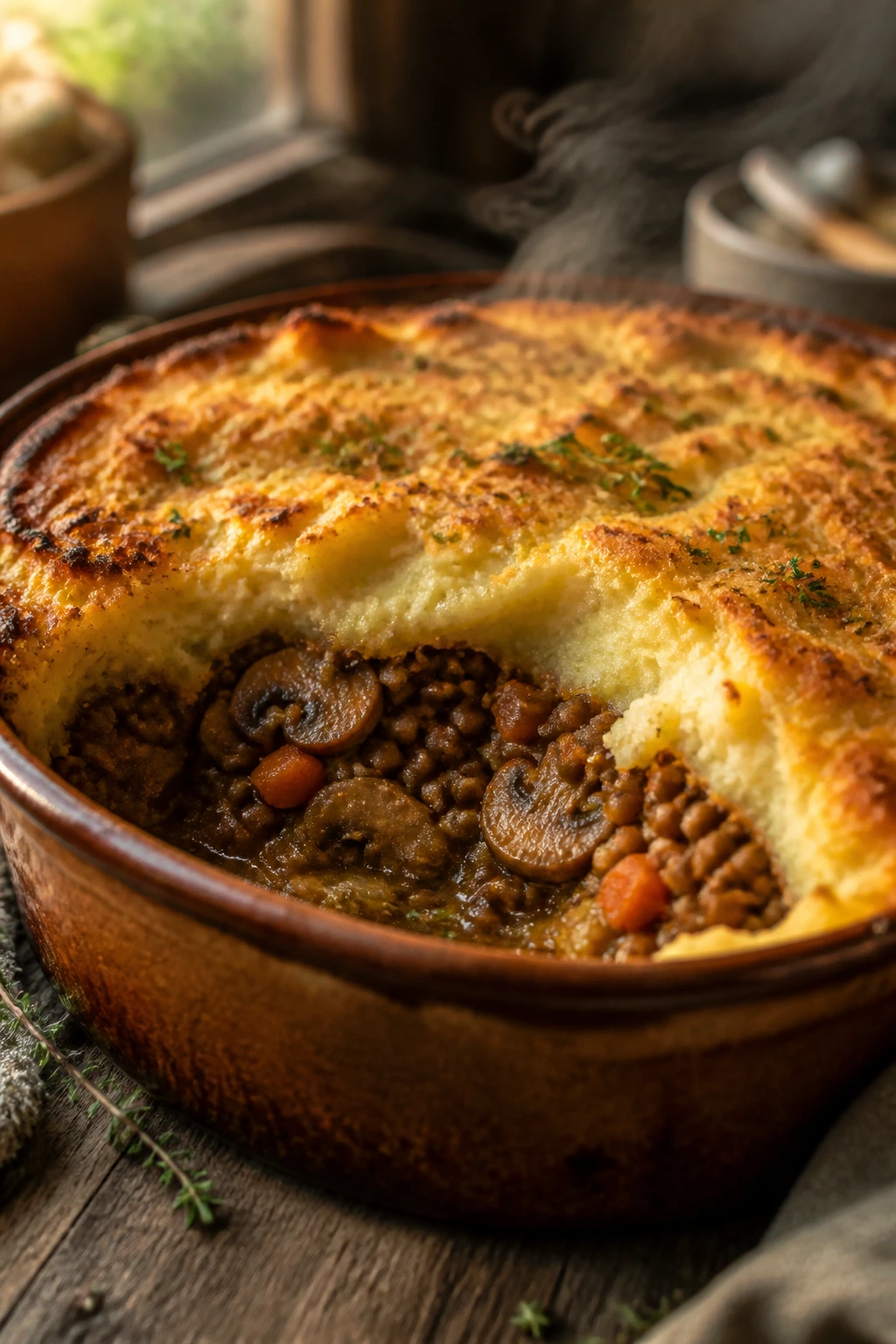
This one has the soul of shepherd’s pie without the meat, and it does not feel like a compromise. The lentils stay hearty, the vegetables give the filling real body, and the mashed potato topping browns just enough to make the corners worth fighting over.
Why It Works:
Brown or green lentils keep their shape better than red lentils, so the filling feels meaty instead of soft and soupy. Mushrooms and tomato paste add depth, while a splash of soy sauce gives the filling a quiet savory punch. I like to top this with Yukon Gold mash because the potatoes whip up smooth without becoming sticky. It’s the kind of vegetarian dinner that still satisfies a person who wants something substantial.
Key Ingredients:
- 2 tbsp olive oil
- 1 large onion, diced
- 2 carrots, diced
- 8 oz mushrooms, finely chopped
- 3 garlic cloves, minced
- 1 1/2 cups brown lentils, rinsed
- 2 tbsp tomato paste
- 4 cups vegetable broth
- 1 tbsp soy sauce or tamari
- 1 tsp dried thyme
- 2 cups frozen peas
- 2 1/2 lbs Yukon Gold potatoes
- 4 tbsp butter
- 1/2 cup milk or cream
Quick Steps:
- Heat the oven to 400°F. Boil the potatoes in salted water until tender, then mash with butter and milk.
- Warm the oil in a skillet and cook the onion, carrots, and mushrooms for 8 to 10 minutes until the mushrooms give up their moisture and start browning.
- Stir in the garlic, tomato paste, thyme, lentils, broth, and soy sauce. Bring to a boil, then simmer for 25 minutes until the lentils are tender and the mixture is thick.
- Stir in the peas and cook for 2 minutes.
- Spread the lentil filling in a baking dish and spoon the mashed potatoes over the top. Rough it up with a fork so you get more browned peaks.
- Bake for 20 minutes, then broil for 2 to 3 minutes if you want the top more deeply colored.
Tips and Variations:
- Add chopped rosemary if you want the filling to taste more wintry.
- Sweet potato mash works well on top, but it will be softer than the Yukon Gold version.
- Let the pie sit for 10 minutes before serving so the filling settles.
13. Baked Ziti with Spinach and Butternut Squash
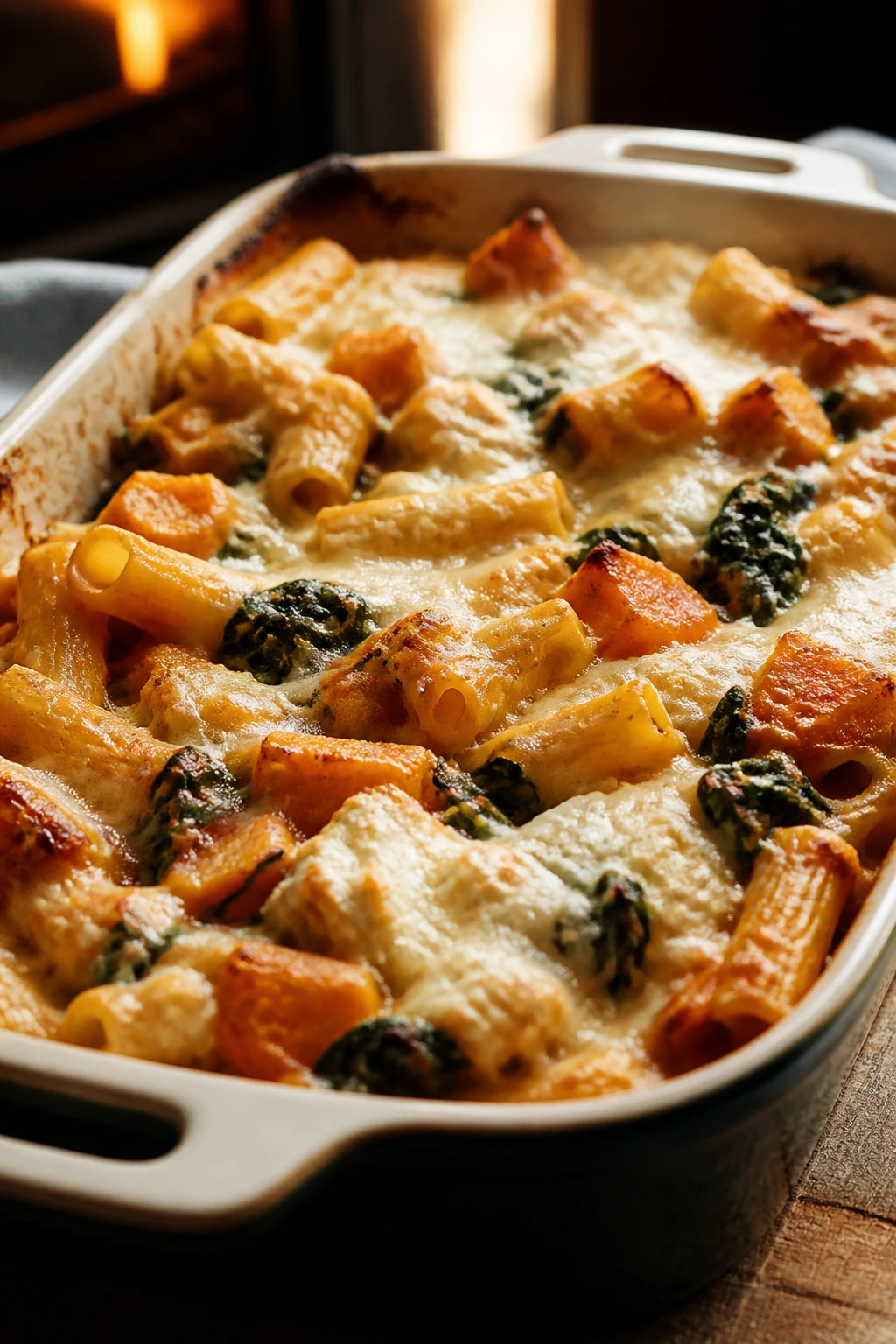
This is the bake I make when I want pasta to feel a little more seasonal without losing the comfort of tomato and cheese. The squash turns tender in the sauce, the spinach disappears into the mix, and the ricotta pockets make every scoop a little different.
Why It Works:
Baked ziti is forgiving, which is one of the reasons it gets made over and over. The squash adds sweetness and body to the marinara, and the ricotta keeps the pasta from drying out in the oven. Spinach is there for color and balance, not for virtue points. The real trick is not overbaking it; once the cheese is melted and the edges are bubbling, the dish is ready.
Key Ingredients:
- 1 lb ziti or penne
- 3 cups butternut squash, peeled and cubed
- 1 tbsp olive oil
- 1 medium onion, diced
- 3 garlic cloves, minced
- 5 cups marinara sauce
- 5 oz baby spinach
- 1 cup ricotta
- 2 cups shredded mozzarella
- 1/2 cup grated parmesan
- Salt and black pepper
Quick Steps:
- Heat the oven to 400°F. Roast the squash with olive oil, salt, and pepper for 20 minutes until tender.
- Boil the pasta in salted water until just under al dente. Drain.
- In a skillet, cook the onion for 5 minutes, add the garlic, then stir in the marinara and roasted squash.
- Fold in the spinach until it wilts.
- Combine the pasta with the sauce, then spoon half into a baking dish. Dot with ricotta, add the rest of the pasta, and top with mozzarella and parmesan.
- Bake for 20 to 25 minutes until bubbling and browned in spots.
Tips and Variations:
- If you want a meat version, fold in cooked Italian sausage with the marinara.
- Fresh basil at the end helps the squash and tomato taste brighter.
- This reheats well, but a splash of water before warming keeps the pasta from tightening up.
14. Creamy Mushroom and Spinach Polenta
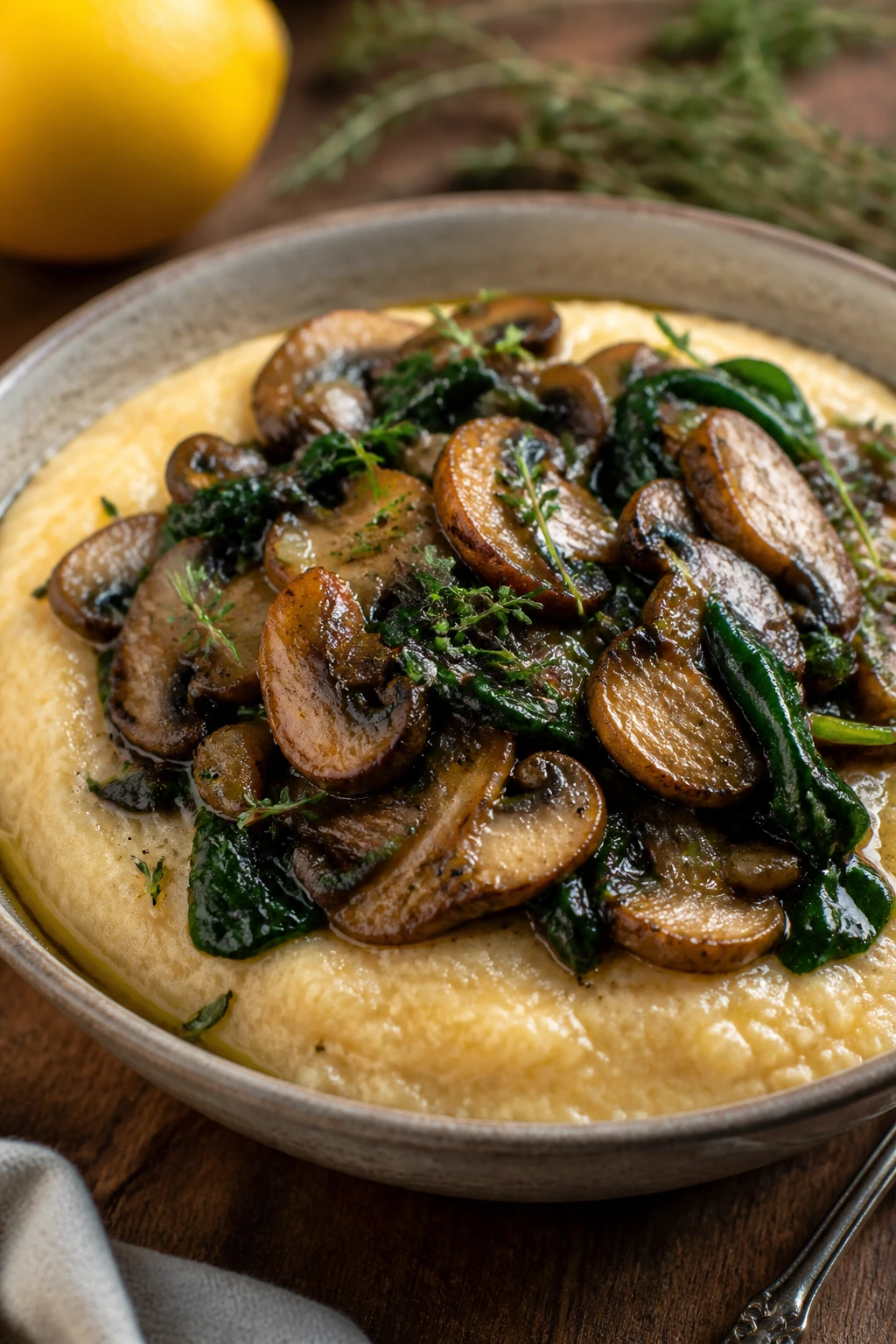
Polenta is one of those dinners that looks humble right up until the first spoonful. Then it turns into velvet. The mushrooms bring all the browned, savory flavor, the spinach cuts through the cream, and the whole bowl feels like it knows how to sit still.
Why It Works:
Polenta gives you a soft base that acts like a sauce and a starch at the same time, which is why it suits cold-weather dinners so well. Creamy polenta needs attention while it cooks, but not much else — enough stirring to keep it smooth, enough broth to keep the texture loose. Mushrooms browned in butter and thyme make the topping taste like something simmered longer than it did. A little lemon at the end keeps the bowl from tasting flat.
Key Ingredients:
- 1 cup polenta or coarse cornmeal
- 4 cups vegetable broth
- 1 cup water
- 3 tbsp butter
- 1 cup grated parmesan
- 1 lb mushrooms, sliced
- 1 shallot, minced
- 3 garlic cloves, minced
- 5 oz baby spinach
- 1/2 cup heavy cream
- 1 tsp fresh thyme leaves
- 1 tsp lemon juice
Quick Steps:
- Bring the broth and water to a simmer in a saucepan. Slowly whisk in the polenta.
- Lower the heat and cook for 20 to 25 minutes, stirring often, until the polenta is thick, smooth, and pulls away from the sides a little when stirred.
- Stir in the butter and parmesan. Keep the pot on low while you make the mushrooms.
- In a skillet, cook the shallot and mushrooms in a little oil or butter over medium-high heat for 8 to 10 minutes until the mushrooms are browned and their liquid is gone.
- Add the garlic, thyme, spinach, and cream. Cook for 2 minutes until the spinach wilts and the sauce looks glossy.
- Finish with lemon juice, then spoon the mushroom mixture over the polenta.
Tips and Variations:
- Swap the spinach for kale if you want a sturdier green.
- Add a fried egg on top if you want this to feel more like brunch-for-dinner.
- If the polenta thickens too much, stir in a splash of hot broth before serving.
What Makes These Dinners Feel So Cozy in the First Place
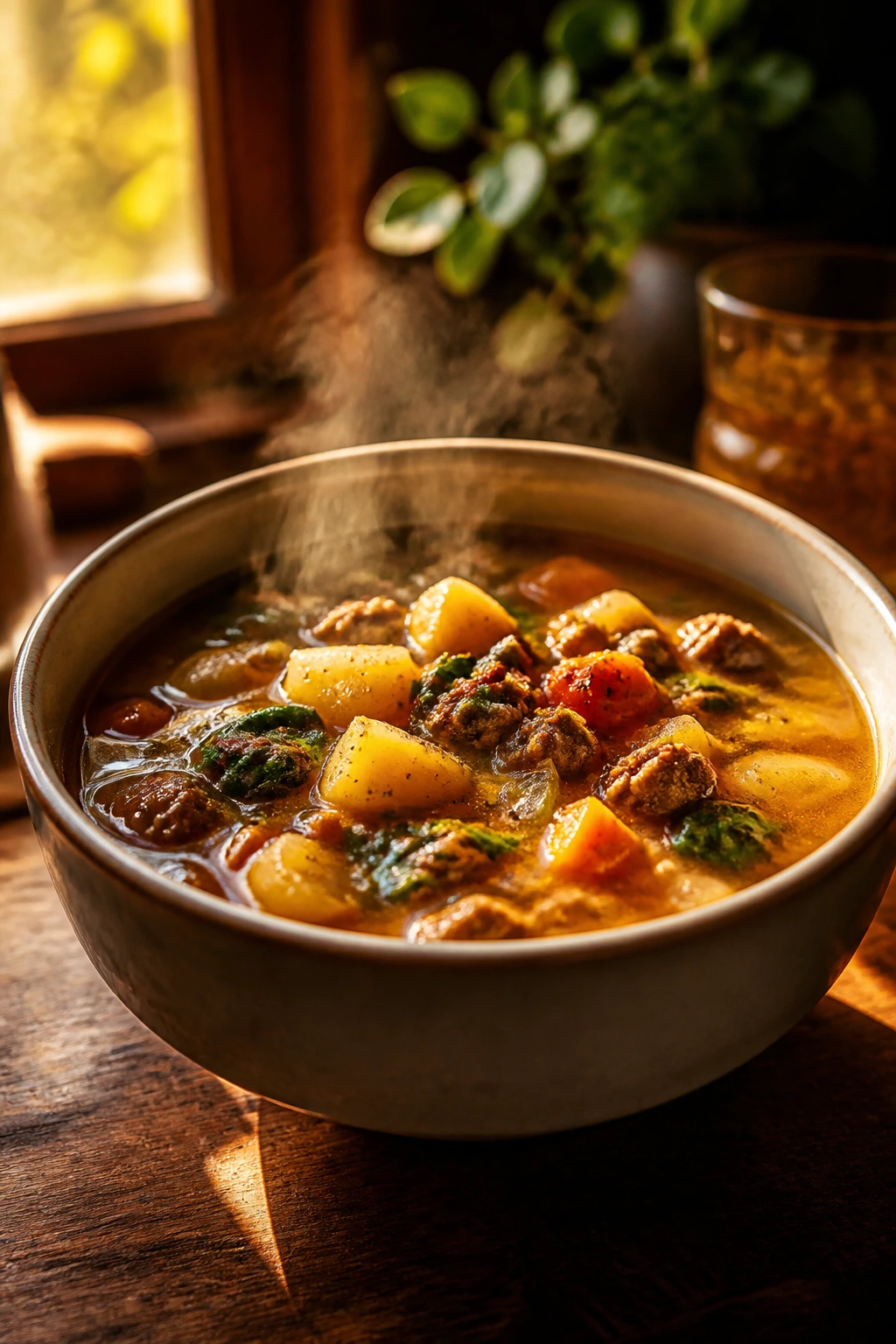
Cozy dinners usually come from the same handful of moves, even when the ingredients change. You brown something. You simmer something. You roast something until the edges go dark gold. Then you add a little fat, a little acid, and enough salt to keep the whole thing from going sleepy. That pattern shows up again and again in fall cooking, and there’s a reason it works so well.
The other secret is texture. A dinner feels satisfying when it has at least two things happening at once — creamy broth with chewy rice, soft squash with crisp crumbs, tender beef with mashed potatoes, roasted apples with browned sausage. If every bite feels the same, the meal gets heavy fast. If the dish keeps shifting, you keep wanting the next forkful.
I also think fall dinners need a little brightness. Not a lot. Just enough to keep the richness honest. Lemon in a soup, mustard in a pan sauce, cider vinegar in a braise, parmesan on top of a bean soup — these small moves keep the food from flattening out.
Essential Equipment for These Recipes
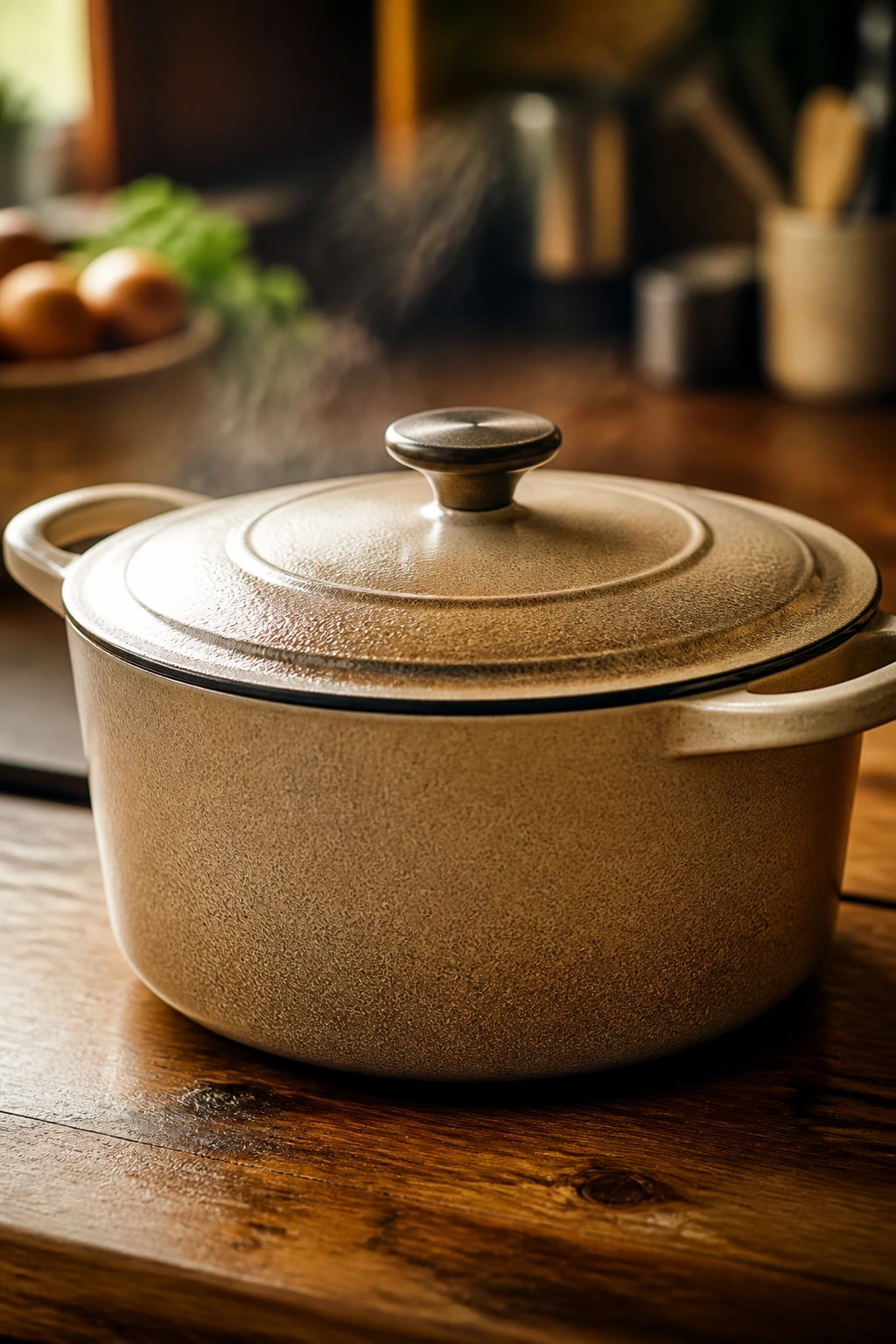
- Large Dutch oven: Best for soups, chili, braises, and any dish that wants steady heat and room to simmer.
- Large oven-safe skillet: Useful for skillet pot pie, pork chops, and any recipe that starts on the stove and finishes in the oven.
- Rimmed sheet pan: You’ll use this for salmon, sausage dinners, and roasted squash without chasing juices across the oven.
- 9×13-inch baking dish: The right size for baked ziti, shepherd’s pie, and pot pie-style casseroles.
- Chef’s knife and cutting board: Fall dinners lean hard on onions, carrots, squash, and apples, so a sharp knife saves time and frustration.
- Wooden spoon or heatproof spatula: Good for stirring without scraping your pan to death.
- Instant-read thermometer: Worth having for chicken, salmon, pork, and short ribs; guessing is where dinner gets dry.
- Fine grater: Handy for parmesan, garlic, and a little lemon zest when a recipe needs a lift.
- Potato masher: Needed for mashed potatoes and handy for breaking up beans in soups and chili.
- Measuring cups and spoons: A dull item on the list, maybe, but these recipes depend on actual amounts, not guesswork.
- Tongs: Great for turning sausage, pork chops, and chicken without tearing the surface.
- Airtight storage containers: Make leftovers easier to chill, freeze, and reheat without losing texture.
Smart Shopping and Ingredient Tips
Pick the cut of meat with the cooking method in mind. Chicken thighs are better than breasts in soups and braises because they stay juicy after a long simmer. Bone-in pork chops and short ribs need a little time, but they repay you with flavor that boneless quick-cook cuts can’t quite match. If you want a faster dinner, use ground turkey, sausage, or rotisserie chicken and save the long braise for another night.
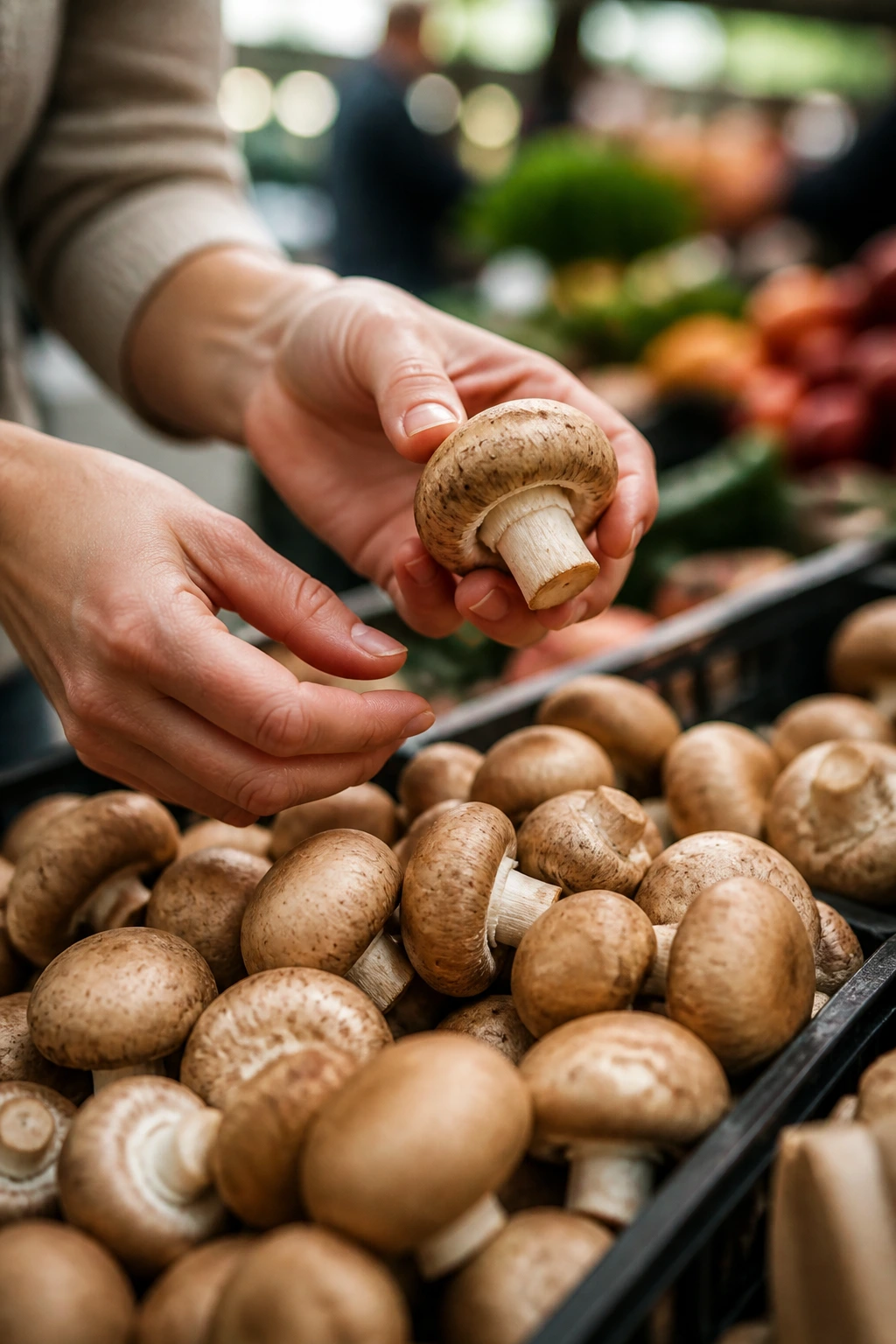
With produce, buy for structure. For savory apple dishes, choose firm apples like Honeycrisp, Braeburn, or Granny Smith, because soft ones collapse before the pan sauce comes together. For squash, look for a heavy piece with matte skin and no soft spots. Mushrooms should feel dry, not slick. Brussels sprouts should be tight and bright green, not open like little cabbages that have given up.
Broth matters more than people think. A low-sodium chicken or vegetable broth gives you room to season properly instead of fighting saltiness the whole way through. The same goes for canned beans and tomatoes: rinse the beans, taste the tomatoes, and adjust from there. If you’re buying cheese for a sauce, shred it yourself. Pre-shredded cheese often carries anti-caking starches that can make the sauce grainy.
For dairy, heavy cream is more forgiving than half-and-half in simmered dishes, especially if the pot stays warm for a while. Sour cream belongs at the end of stroganoff or similar sauces, when the heat is low. And if you’re making a baked pasta, buy a little extra parmesan. You will use it. People always do.
How to Serve These Recipes
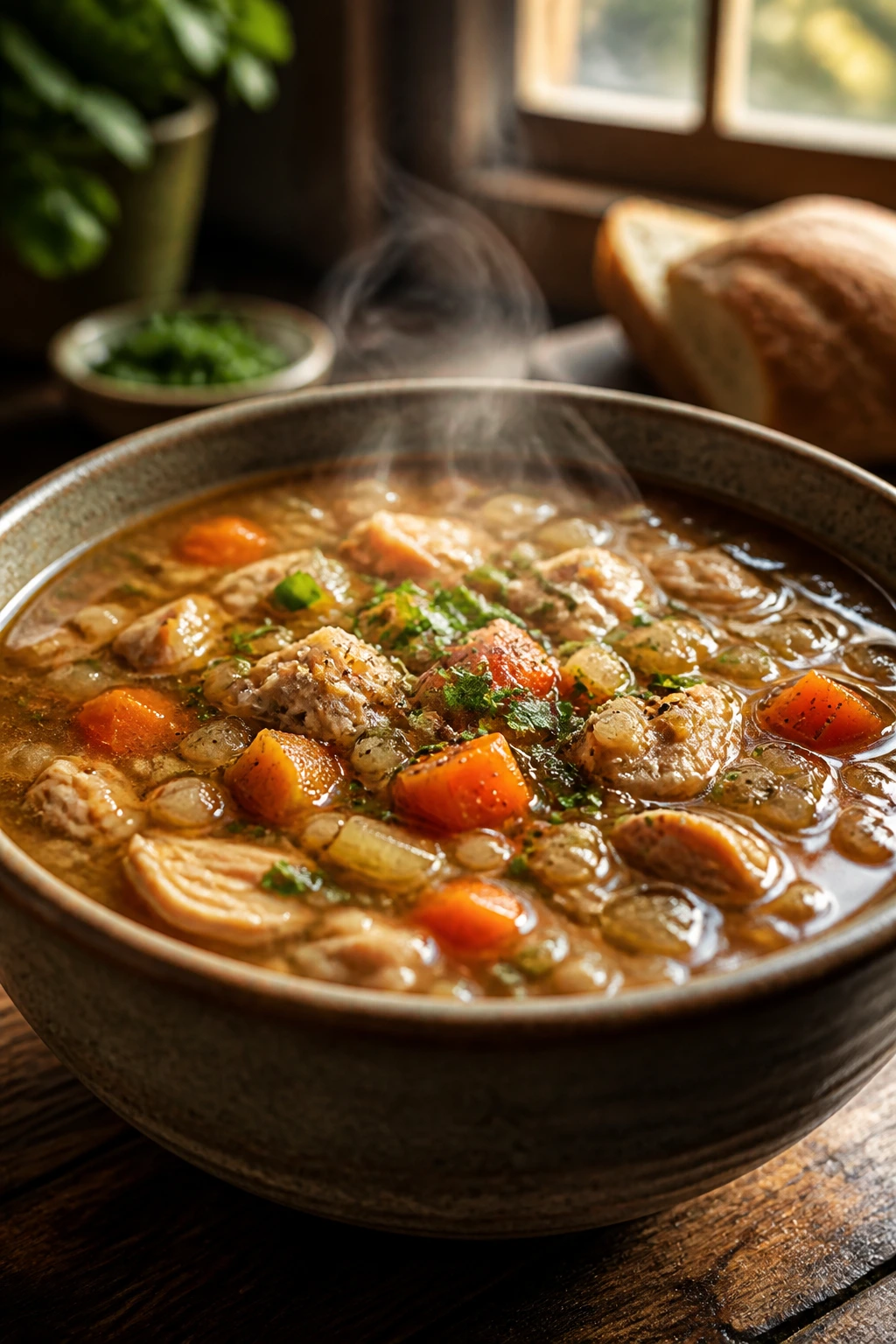
Presentation: Serve soups and chili in wide bowls so the steam rises cleanly and the surface can hold a handful of herbs, cheese, or toasted seeds. Braises look best on shallow plates with mashed potatoes or polenta underneath, while roasted sheet-pan dinners look more finished when you pile them onto a warm platter instead of leaving everything on the tray.
Accompaniments: A crusty loaf of bread, garlic toast, a sharp green salad, or simple roasted broccoli works across nearly the whole collection. For richer dishes like short ribs or stroganoff, I like something acidic and crisp on the side — dressed greens, pickles, or quickly sautéed green beans. For the lighter salmon or sheet-pan sausage dinners, rice, farro, or buttered noodles make the plate feel complete.
Portions: Most of these recipes feed 4 to 6 people comfortably, with braises and soups stretching farther if you add bread. For a bigger crowd, double the soups, chili, and casseroles rather than trying to force a single batch to do too much. For a smaller household, portion leftovers into lunch-size containers right after dinner so the next meal is already solved.
Beverage Pairing: Apple cider is the easy fit for almost all of these. For wine, I’d reach for a dry white with salmon or chicken, and a medium red with short ribs, stroganoff, or pot pie. Brown ale, if you like beer with dinner, sits right in the middle of all this cozy food without fighting it.
Additional Tips and Flavor Boosters
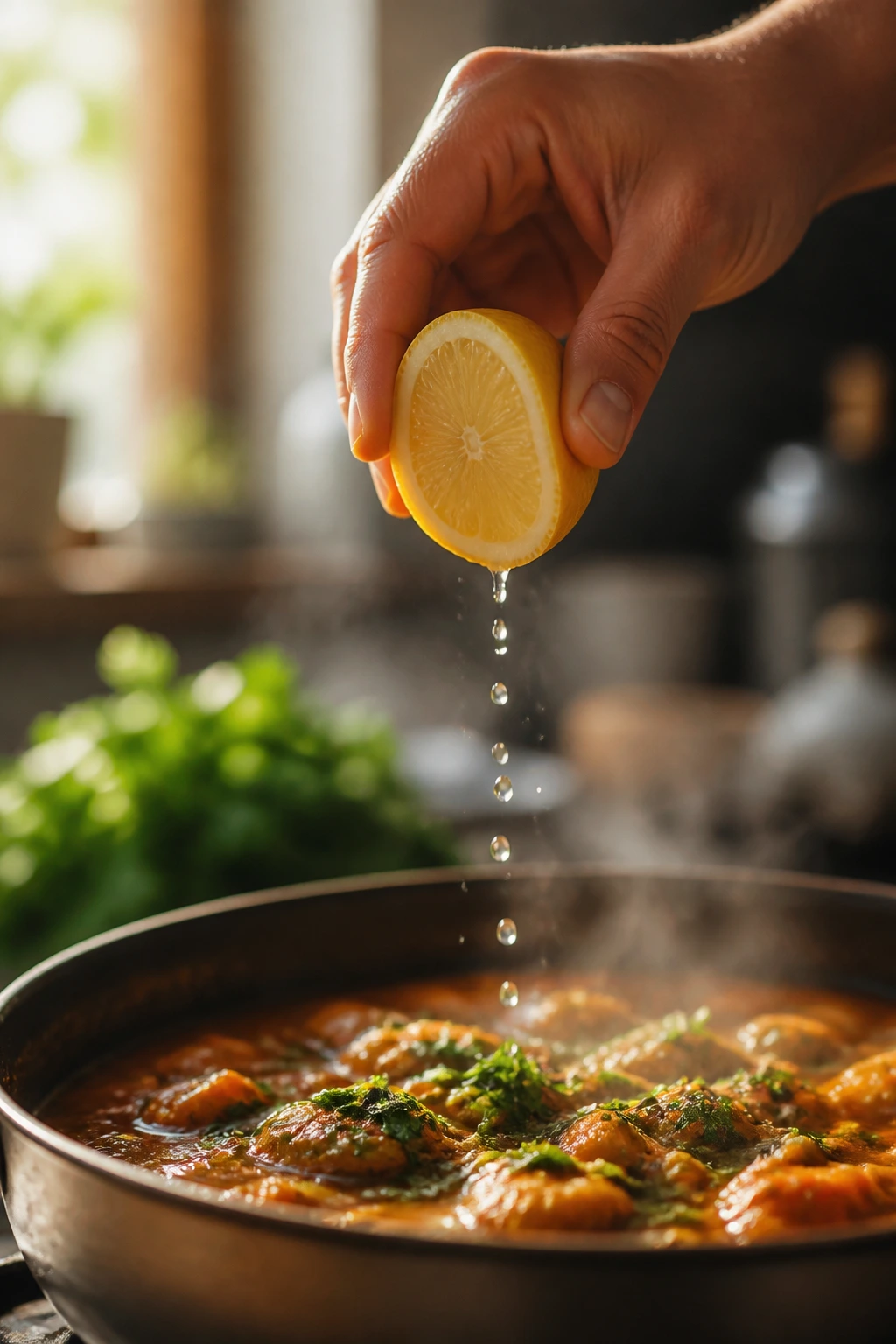
Flavor Enhancement: A finishing splash of lemon juice, cider vinegar, or white wine can wake up a rich dish fast. I use it more than people expect, especially in soups, braises, and cheesy bakes where the flavors have a habit of settling into one heavy note.
Customization: Add greens where they make sense. Kale in soup, spinach in baked pasta, peas in pot pie, and Brussels sprouts on a sheet pan all help balance the richer parts of the meal without making it feel stripped down. If you want more heft, stir in white beans, lentils, or cooked rice.
Serving Suggestions: Toasted pepitas over chili, fried sage over butternut squash pasta, chopped parsley over stroganoff, and lemon zest over salmon all make the food taste more awake. These are small touches, not decoration.
Make-It-Yours: For dairy-free cooking, use unsweetened oat milk, coconut milk, or a dairy-free cream substitute in soups and sauces, then finish with olive oil instead of butter if needed. For gluten-free meals, use cornstarch to thicken sauces, swap in GF pasta, and choose a gluten-free biscuit or breadcrumb topping where the recipe calls for one.
Make-Ahead, Storage, and Reheating Guidance
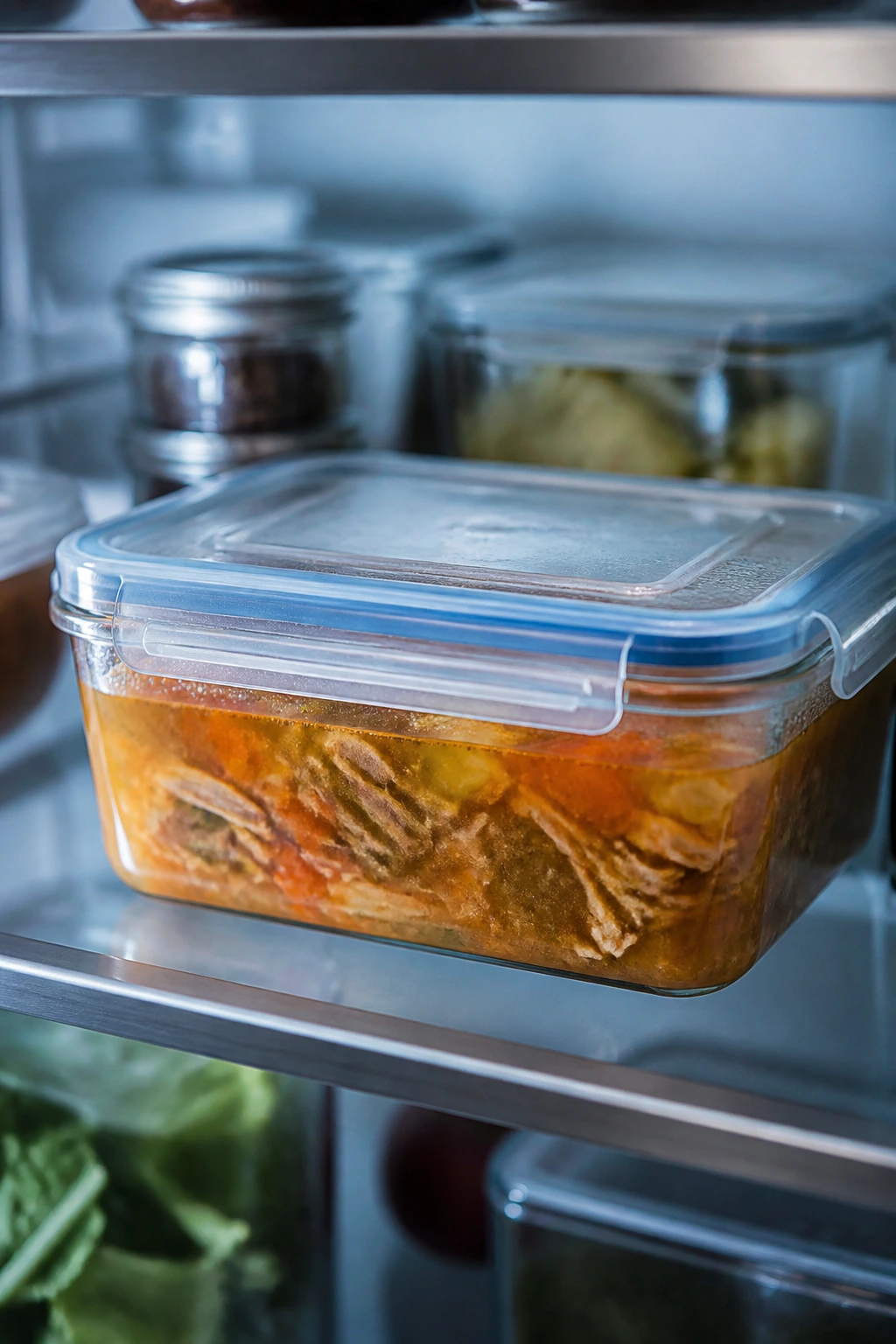
Most of these recipes keep well in the fridge for 3 to 4 days in airtight containers. Soups, chili, and braises usually hold up best because they have enough liquid to stay supple. Baked pasta and pot pie-style dishes also keep nicely, though the topping softens a little after chilling. If you’re planning ahead, make the base early and add the topping right before baking whenever that makes sense.
For the freezer, think in terms of up to 2 months for creamy soups, chili, braises, lentil shepherd’s pie filling, and baked pasta. Short ribs freeze especially well if you keep the sauce with them. Salmon is the one I would not freeze after cooking unless you have no choice; the texture gets dry and flaky in a sad way. Freeze roasted squash fillings, bean soups, and meat sauces in flat freezer bags if you want them to thaw quickly.
Reheat soups and chili on the stove over medium-low heat with a splash of broth or water. Stir often so the bottom does not catch. For casseroles and baked pasta, cover with foil and warm at 350°F until the center is hot; uncover for the last few minutes if you want the top to crisp again. Sheet-pan sausage dinners come back best on a hot pan or in a 400°F oven for a short burst, not in the microwave. Microwaves are fine for lunch. They are not kind to crisp edges.
Let hot food cool for a bit before refrigerating, but don’t leave it sitting out forever. Two hours is the practical ceiling for most cooked dishes. Short ribs and braises often taste even better the next day because the sauce settles and the seasoning evens out. On the other hand, salmon and roasted vegetable trays are happiest on day one.
Variations and Adaptations to Try
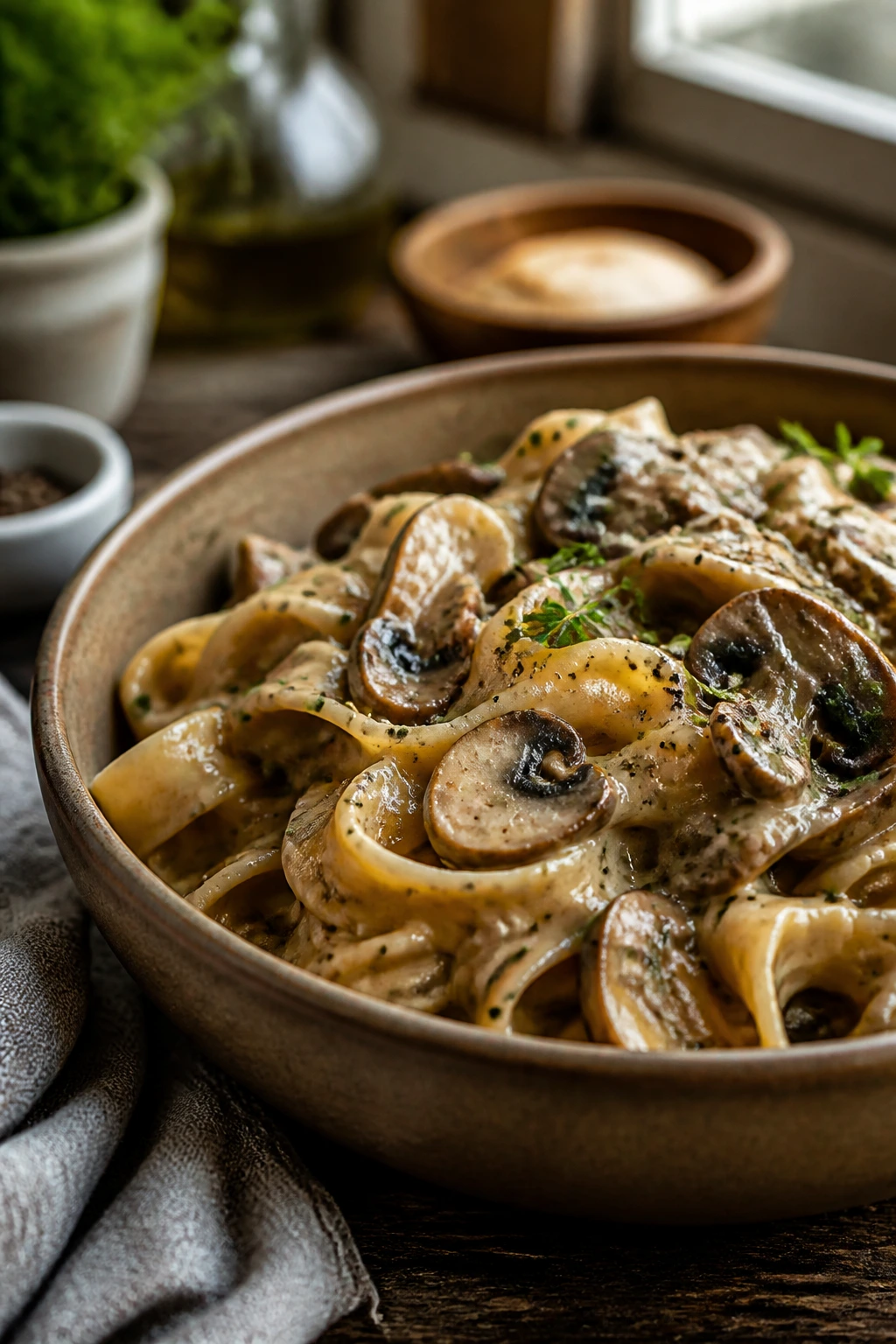
Dairy-Light Comfort: Use evaporated milk, whole milk, or unsweetened oat milk in creamy soups and sauces, then thicken with a roux or cornstarch instead of piling on cream. The food will be a little less plush, but the flavor still lands. Finish with butter or olive oil for a rounder mouthfeel.
Gluten-Free Dinner Swap: Choose gluten-free pasta, use cornstarch for gravy and soup thickening, and swap in GF breadcrumbs or crushed gluten-free crackers for toppings. Most of these recipes adapt cleanly because the flavor lives in the broth, the browning, and the seasoning, not in the flour itself.
Vegetarian Cozy Night: Replace sausage or beef with mushrooms, lentils, beans, or a mix of all three. Add soy sauce, tomato paste, smoked paprika, and parmesan where appropriate to keep the flavor deep. The goal is not to make the dish taste like meat; it’s to make it taste full.
Lower-Sodium Pantry Fix: Use unsalted or low-sodium broth, rinse canned beans, and season in layers so you don’t end up with a salty pot you can’t rescue. Lemon juice, vinegar, mustard, and herbs are your friends here. They make the food taste more alive without leaning on salt alone.
Weeknight Shortcut Mode: Rotisserie chicken, pre-cut squash, store-bought biscuit dough, and bagged greens save a shocking amount of time without turning dinner into takeout at home. I like shortcuts that change the labor, not the flavor. This is one of those times.
Common Mistakes to Avoid
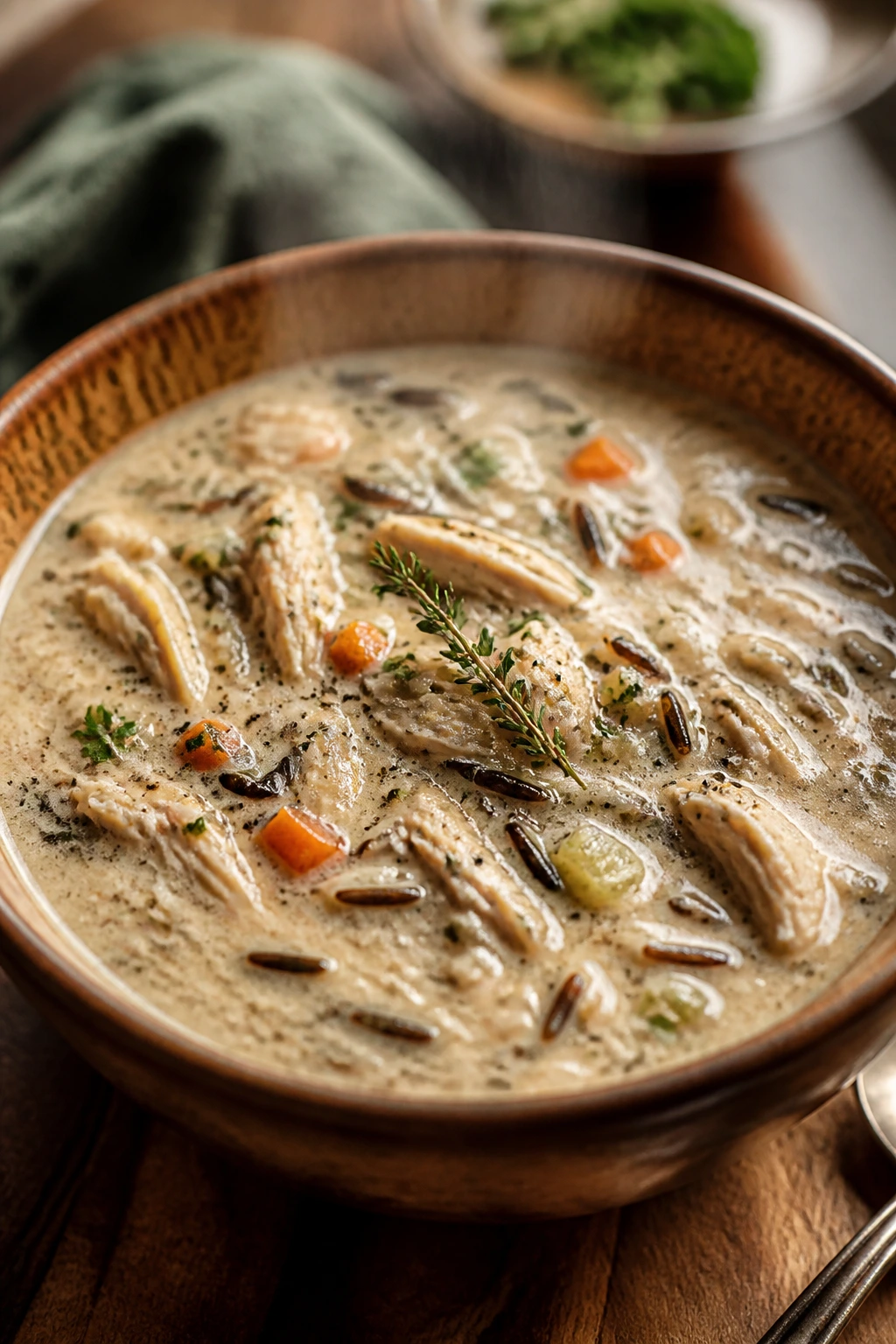
Underseasoning at every stage: A lot of home cooks salt once at the end and wonder why dinner tastes flat. Season the meat, season the vegetables, season the sauce, then taste again after everything comes together. That layered salt makes a bigger difference than any single big shake from the box.
Crowding the pan: If the mushrooms, squash, or sausage are packed in too tightly, they steam instead of browning. The result is soft, pale food that tastes weaker than it should. Give ingredients space, or cook in batches.
Boiling creamy sauces hard: Sour cream, milk, and cream can split or look grainy if the heat is too high. Keep the burner low once dairy goes in, and if you’re nervous, temper it by stirring in a spoonful of hot liquid first. Slow and steady wins this one.
Using the wrong cut for the job: Chicken breasts dry out in long simmered dishes. Thin pork chops overcook in minutes. Short ribs need time, and so does braising liquid. Match the cut to the method, or the recipe has to work around you.
Forgetting the bright finish: Rich food needs a clean edge. Without lemon, vinegar, mustard, herbs, or a sharp cheese, the dish can taste heavy even when the cooking is right. A teaspoon or two of acid at the end can save a whole pot.
Overcooking the starch: Pasta keeps cooking in the oven, and potatoes keep soaking up liquid while they sit. Pull both a little early if they’re headed into a bake, and let them finish in the sauce or under the crust instead of before it. That small shift keeps the texture where it should be.
Frequently Asked Questions
Which of these dinners is easiest for a weeknight?
The sheet-pan sausage dinner, the salmon with Brussels sprouts, and the turkey chili are the quickest to get moving. They all use simple prep, short cook times, and ingredients that don’t need much babysitting.
What should I make if I want leftovers that taste even better the next day?
Chili, short ribs, lentil shepherd’s pie, and the soup recipes are the strongest bets. Sauces and broths settle overnight, and the flavors round out instead of fading.
Can I swap chicken breasts for thighs in the soup or pot pie recipes?
Yes, but keep an eye on the time. Breasts cook faster and dry out more easily, so add them later in the process and remove them as soon as they hit 165°F.
How do I keep a creamy sauce from breaking when I reheat it?
Use low heat, stir often, and add a splash of broth or milk if the sauce tightens up. If a sauce already split a little, whisk in a small spoonful of warm liquid off the heat and it usually comes back together.
Do I need a Dutch oven for these recipes?
A Dutch oven makes soups and braises easier, but it isn’t mandatory for everything. A heavy soup pot and a deep skillet can cover most of the collection if they hold heat evenly.
Which recipes freeze best?
Turkey chili, sausage and bean soup, lentil shepherd’s pie, and short ribs freeze very well. Creamy pasta and salmon are less cooperative after freezing, so I’d eat those fresh or within a few days.
How can I make these recipes vegetarian without losing the cozy feel?
Use mushrooms, lentils, white beans, squash, and plenty of browned onions. Then add umami with tomato paste, soy sauce, parmesan, or a little miso where it fits. The coziness comes from depth, not meat alone.
What sides work with almost all of these dinners?
A crisp salad, crusty bread, roasted green vegetables, or simple mashed potatoes cover most of the bases. If the main dish is rich, keep the side bright and plain. If the main dish is light, let the side carry more of the weight.
Can I use the oven or slow cooker for some of these instead of the stove?
Yes. The braised short ribs, chili, and some soups adapt well to a slow cooker; the same goes for certain stews and filling-heavy recipes. Keep the browning step if you can, though — that crust does more than looks. It builds flavor you can taste in the first spoonful.
Warm Plates, Quiet Evenings
The best part about these fall dinners is that they do not ask for perfection. They ask for a hot pan, a little patience, and ingredients that know how to taste good together when the weather turns sharp. That’s a manageable bargain, and a generous one.
Keep a few onions, broth, squash, cheese, and something savory in the house, and half the battle is already won. The rest is browning, simmering, and letting the food do what it does when it has enough time.
| Recipe | Prep Time | Cook Time | Total Time | Servings | Standout Detail |
|---|---|---|---|---|---|
| Creamy Chicken and Wild Rice Soup | 15 min | 55 min | 1 hr 10 min | 6 | toasty wild rice and silky broth |
| Butternut Squash Mac and Cheese with Sage Breadcrumbs | 20 min | 35 min | 55 min | 6 | sage crumb topping with deep squash flavor |
| Turkey and Sweet Potato Chili | 15 min | 35 min | 50 min | 6 to 8 | sweet-savory chili with beans and lime |
| Skillet Pork Chops with Apple Pan Sauce | 15 min | 25 min | 40 min | 4 | apple-cider pan sauce over seared chops |
| Beef and Mushroom Stroganoff | 15 min | 25 min | 40 min | 6 | creamy mushroom gravy over egg noodles |
| Maple-Dijon Salmon with Roasted Brussels Sprouts | 15 min | 20 min | 35 min | 4 | sticky maple glaze and crisp-edged sprouts |
| Chicken Pot Pie Skillet | 20 min | 25 min | 45 min | 6 | biscuit topping without the fuss of crust |
| Sausage, White Bean, and Kale Soup | 15 min | 30 min | 45 min | 6 | lemony finish with hearty beans |
| Stuffed Acorn Squash with Sausage and Cranberries | 20 min | 45 min | 1 hr 5 min | 4 | sweet-savory squash with chewy cranberries |
| Braised Short Ribs with Mashed Potatoes | 25 min | 3 hr | 3 hr 25 min | 6 | deep red-wine braise and buttery mash |
| Sheet-Pan Sausage, Apples, and Onions | 15 min | 30 min | 45 min | 4 to 6 | fast roast with caramelized edges |
| Lentil Shepherd’s Pie | 25 min | 35 min | 1 hr 5 min | 6 | meaty lentil filling under fluffy potatoes |
| Baked Ziti with Spinach and Butternut Squash | 25 min | 35 min | 1 hr | 8 | creamy ricotta pockets and roasted squash |
| Creamy Mushroom and Spinach Polenta | 10 min | 30 min | 40 min | 4 | velvet polenta base with browned mushrooms |