



A slow cooker does something oddly satisfying to pork belly. It takes a cut that can feel a little too rich, a little too precious, and turns it into something you can actually feed to a room full of hungry people without hovering over the stove all afternoon. The fat softens, the meat turns glossy, and the sauce picks up all those browned, savory edges you’d normally have to chase around a skillet for an hour.
That’s why pork belly crockpot recipes make so much sense for big meals. Pork belly isn’t shy; it wants time, salt, acid, and a sauce with enough backbone to stand up to all that rendered richness. Give it those things and it pays you back with meat that pulls apart cleanly, spoonfuls of sauce that cling instead of puddle, and leftovers that somehow taste even better after a night in the fridge.
I’ve always liked pork belly for the same reason I like good braises in general: it behaves like a meat that knows what it is. It’s not trying to be lean. It’s not pretending to be delicate. In a slow cooker, that honesty works in your favor. You can cut it into chunks for bowls, leave it in bigger slabs for shredding, or tuck it into tacos, buns, noodles, and rice. The recipe changes; the payoff stays generous.
If you’re cooking for a crowd, the trick is not making pork belly taste fancy. It’s making it easy to serve, easy to stretch, and hard to dry out. The recipes below do exactly that.
Why You’ll Love This Collection
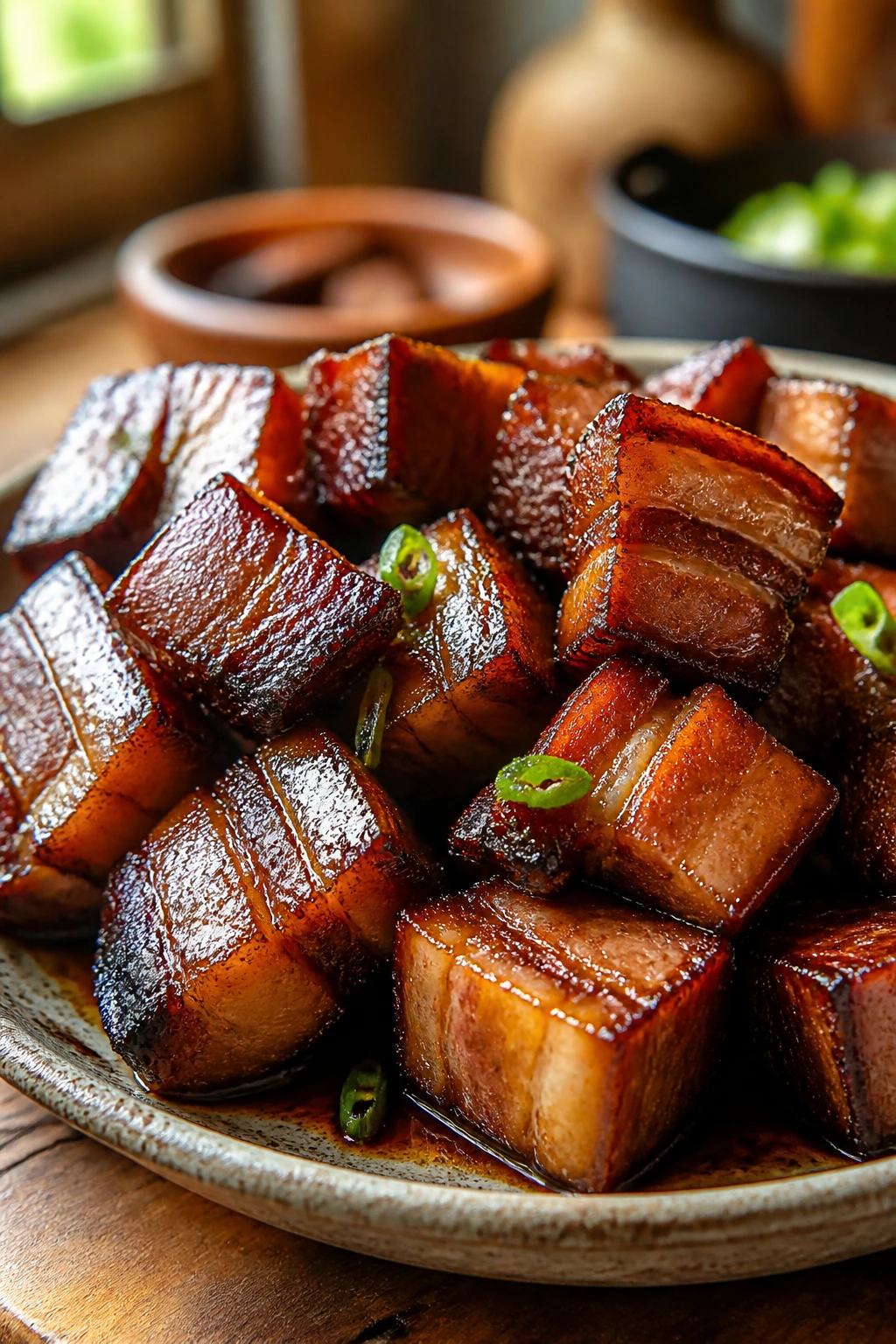
-
Built for big appetites: Most of these pork belly crockpot recipes start with 3 to 4 pounds of meat, which is enough for a family dinner plus a few people who show up hungry.
-
Rich meat, balanced sauce: Pork belly needs acid, heat, or something sweet and sharp to keep the fat from feeling heavy, and every recipe here gives it that balance.
-
Flexible serving styles: You can pile it into rice bowls, spoon it over mashed potatoes, tuck it into tortillas, or stuff it into rolls without rebuilding the whole meal.
-
Friendly to make-ahead cooking: The meat holds well in its sauce, and several of these recipes taste better after the flavors settle overnight.
-
One slow cooker, many directions: The same basic method can go sweet, spicy, citrusy, smoky, or deeply savory without changing your whole kitchen routine.
-
Crowd-feeding without fuss: A 6- or 8-quart slow cooker, a skillet, and a good spoon are enough for most of these batches. No parade of equipment required.
1. Brown Sugar Garlic Pork Belly
The first thing you notice is the smell. Garlic softens into something sweet, brown sugar melts into the soy sauce, and the pork belly turns into those sticky-edged chunks that people keep sneaking from the serving dish. This is the kind of recipe that makes a rice bowl feel like a full dinner, not a side project.
Why It Works:
Brown sugar gives the sauce enough body to cling to the pork belly after hours in the slow cooker, while soy sauce and garlic keep the whole thing from tasting flat. A quick broil at the end gives you those bronzed edges that make the dish feel finished, not merely cooked. The fat in the belly renders slowly, so the sauce ends up glossy instead of greasy if you skim once before serving.
Key Ingredients:
- 3½ pounds skinless pork belly, cut into 2-inch chunks
- 2 teaspoons kosher salt
- 1 teaspoon black pepper
- ½ cup low-sodium soy sauce
- ½ cup packed dark brown sugar
- 6 garlic cloves, minced
- 1 tablespoon apple cider vinegar
- 1 cup chicken stock
- 2 scallions, thinly sliced
Quick Steps:
- Pat the pork belly dry, season it with salt and pepper, and sear it in a hot skillet over medium-high heat for 3 to 4 minutes per side.
- Whisk the soy sauce, brown sugar, garlic, vinegar, and stock together until the sugar starts dissolving.
- Put the pork belly in the slow cooker, pour the sauce over it, and cook on LOW for 7 to 8 hours or HIGH for 4 to 5 hours, until the meat is fork-tender.
- Move the pork to a tray, skim any heavy fat from the sauce, and simmer the sauce in a saucepan for 8 to 10 minutes until it coats a spoon.
- Toss the pork belly back in the sauce and broil it for 2 to 4 minutes if you want sticky, caramelized edges.
Equipment for This Recipe:
- 6- or 8-quart slow cooker
- Large skillet for searing
- Tongs for turning the pork belly
- Small saucepan for reducing the sauce
How to Serve This Dish:
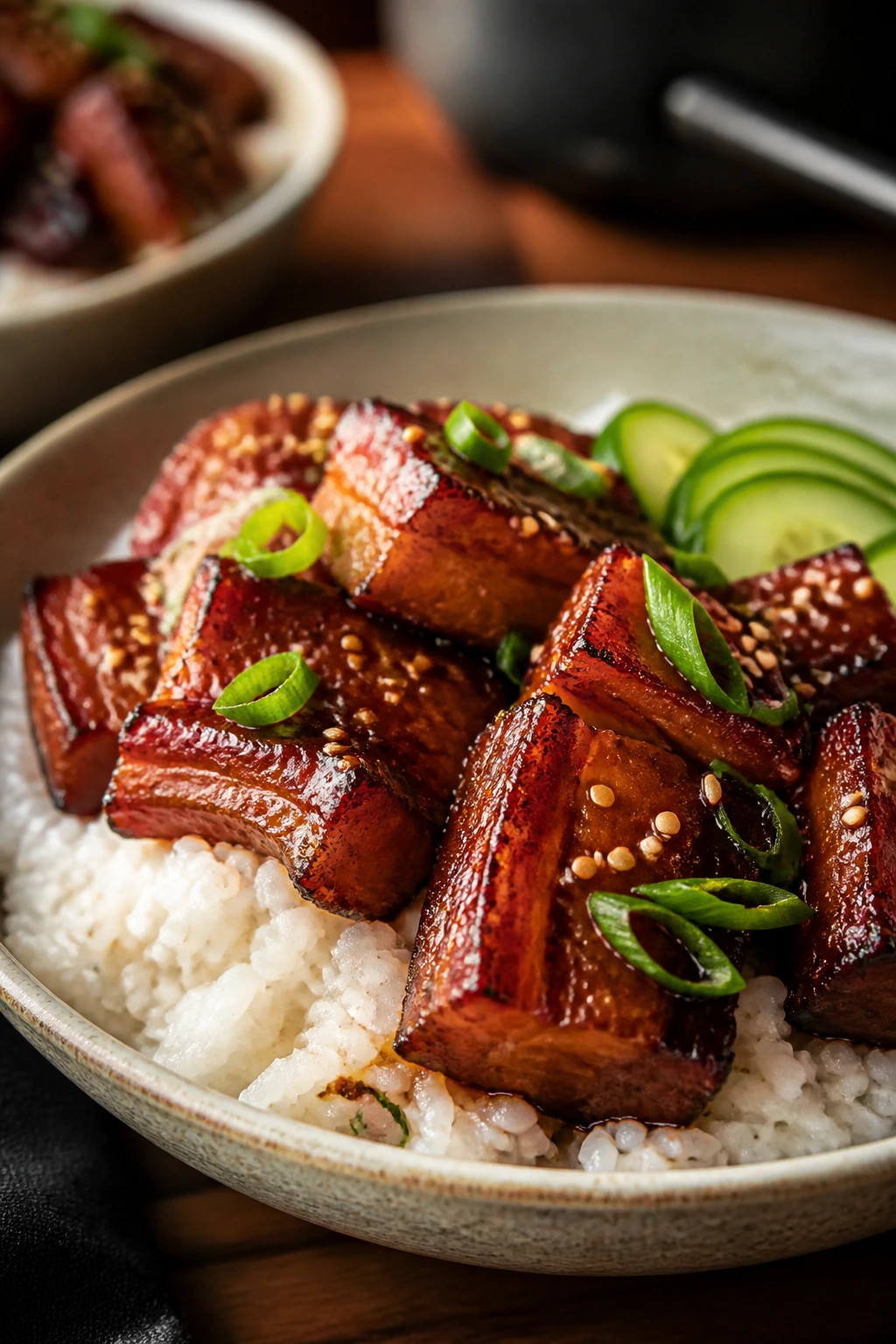
Serve it over jasmine rice with sliced cucumbers and a handful of scallions. A little crunch on the plate matters here; otherwise the richness can feel heavy after a few bites. It feeds 8 with rice and a vegetable on the side, or 6 if people go back for seconds.
Pro Tips for This Recipe:
- Brown the pork in batches if your skillet is crowded; steamed pork belly gives you a pale, flat sauce.
- Taste the sauce before it goes in. If it feels too salty, add ¼ cup more stock.
- Broil only after you’ve reduced the sauce; sugar burns fast once it gets dry.
Variations on This Dish:
- Orange Garlic Version: Swap ½ cup of the stock for orange juice and add 1 teaspoon of orange zest.
- Chili Crisp Finish: Stir 1 to 2 tablespoons of chili crisp into the reduced sauce for a sharper, hotter glaze.
Common Mistakes to Avoid with This Dish:
- Skipping the reduction: If you serve the sauce straight from the cooker, it can taste thin and greasy. Reduce it for a few minutes.
- Overcrowding the pan while searing: You want browning, not a sweat bath. Work in batches.
- Adding too much extra sugar at the end: The sauce should be sticky, not candy-sweet. Fix flatness with vinegar, not more brown sugar.
2. Sticky Gochujang Pork Belly Bowls
This one hits with heat first, then sweetness, then that deep, fermented kick that gochujang brings when it’s cooked down slowly. The pork belly ends up lacquered and red-brown, and the sauce has enough punch to stand up to rice without needing a dozen garnishes to save it.
Why It Works:
Gochujang brings chili heat, umami, and a little sweetness in one spoonful, which is handy when a slow cooker can dull sharper flavors. Pear or apple in the sauce gives it body and helps the glaze cling to the pork belly instead of sliding off. The rice bowl format matters because it catches the sauce and lets the pork stay the main event.
Key Ingredients:
- 3½ pounds pork belly, cut into 2-inch pieces
- 2 tablespoons neutral oil
- ¼ cup gochujang
- ¼ cup low-sodium soy sauce
- 2 tablespoons honey
- 1 ripe pear, grated
- 4 garlic cloves, minced
- 1 tablespoon grated ginger
- ½ cup water
- 3 cups cooked short-grain rice
- 1 cucumber, thinly sliced
Quick Steps:
- Sear the pork belly pieces in oil over medium-high heat until the edges are golden, about 3 minutes per side.
- Stir together the gochujang, soy sauce, honey, grated pear, garlic, ginger, and water.
- Put the pork in the slow cooker, pour the sauce over it, and cook on LOW for 7 hours or HIGH for 4 hours.
- Remove the pork, spoon off excess fat, and reduce the sauce in a saucepan until thick and shiny.
- Serve over rice with cucumber slices and spoon the glaze over the top.
Equipment for This Recipe:
- Slow cooker
- Skillet
- Box grater for the pear
- Saucepan for reducing the glaze
How to Serve This Dish:
Use shallow bowls so the sauce settles around the rice instead of disappearing into the bottom. Cucumber keeps the plate awake; a few sesame seeds finish it nicely. This stretches to 8 or 9 servings with rice and a side salad.
Pro Tips for This Recipe:
- Grate the pear fine so it melts into the sauce instead of leaving chunks.
- If your gochujang is very thick, loosen it with 1 to 2 tablespoons of water before whisking.
- Add the cucumber at the last minute so it stays crisp.
Variations on This Dish:
- Miso Gochujang Bowl: Replace 1 tablespoon of soy sauce with white miso for a deeper, saltier sauce.
- Extra-Heat Version: Stir in 1 teaspoon of Korean chili flakes if you want the bowl to push harder.
Common Mistakes to Avoid with This Dish:
- Using too much honey: It can mute the gochujang and make the glaze sticky in a bad way.
- Serving without something cool: The sauce needs cucumber, radish, or slaw to keep the bowl from feeling one-note.
- Cooking the rice too soft: Slightly firm rice holds up better under the sauce.
3. Five-Spice Pork Belly with Scallions
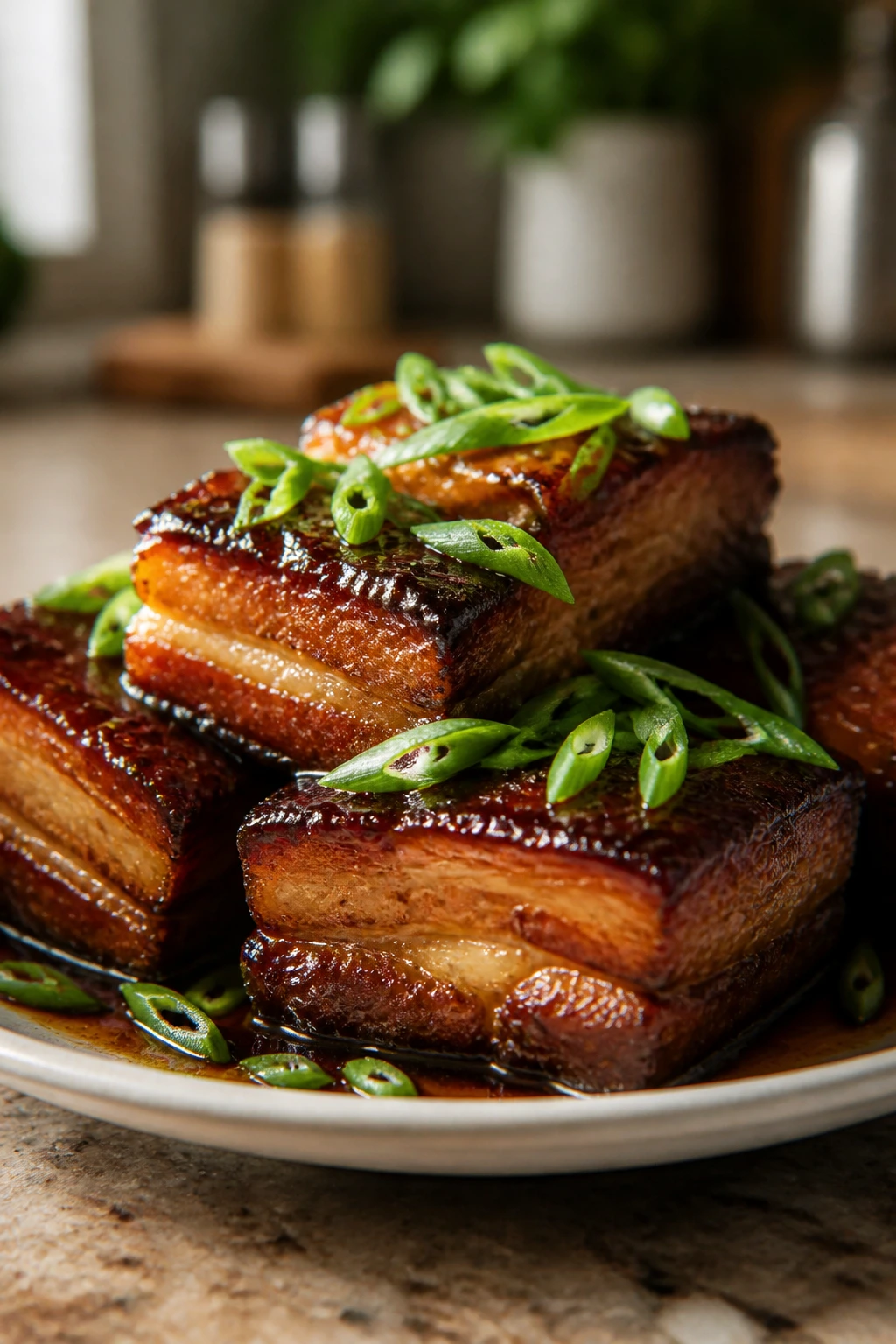
Five-spice can go dusty if you use too much, but in a slow cooker it turns warm and fragrant, almost like the savory part of a bakery smell. The pork belly comes out dark and aromatic, with scallions and ginger giving it a sharp finish that cuts through the richness.
Why It Works:
Chinese five-spice already brings clove, fennel, cinnamon, star anise, and Sichuan pepper warmth, so you do not need a long ingredient list to make the pork taste layered. Shaoxing wine, or dry sherry if that’s what’s in your cabinet, adds a dry edge that keeps the sauce from leaning sweet. The slow cooker gives the spices time to move into the fat, which is where pork belly needs seasoning most.
Key Ingredients:
- 3½ pounds pork belly, cut into thick strips
- 2 teaspoons five-spice powder
- 1½ teaspoons kosher salt
- 1 tablespoon neutral oil
- ½ cup low-sodium soy sauce
- ¼ cup Shaoxing wine or dry sherry
- 1 tablespoon brown sugar
- 4 garlic cloves, smashed
- 1-inch piece ginger, sliced
- 4 scallions, sliced
Quick Steps:
- Rub the pork belly with five-spice, salt, and oil.
- Sear it over medium-high heat until the surfaces darken, about 3 minutes per side.
- Mix the soy sauce, wine, brown sugar, garlic, and ginger, then pour it over the pork.
- Cook on LOW for 7 to 8 hours until the pork is very tender.
- Slice or shred, then finish with scallions and a spoonful of the reduced cooking liquid.
Equipment for This Recipe:
- Slow cooker
- Large skillet
- Sharp knife for slicing
- Strainer or spoon for skimming fat
How to Serve This Dish:
Serve with steamed rice, pickled cucumbers, or soft buns. A small pile of scallions on top gives each bite a clean bite after the fat. It feeds 8 comfortably, especially if you add a vegetable like bok choy or broccoli.
Pro Tips for This Recipe:
- Five-spice goes a long way; if you dump in extra, the cinnamon note can take over.
- Skim the sauce before serving so the anise flavor stays bright, not muddy.
- Let the pork sit for 10 minutes before slicing if you want cleaner pieces.
Variations on This Dish:
- Honey Five-Spice Version: Add 2 tablespoons of honey for a shinier finish.
- Bok Choy Braise: Nestle halved baby bok choy into the cooker for the last 30 minutes.
Common Mistakes to Avoid with This Dish:
- Heavy-handed spice: Too much five-spice turns the dish perfumy. Measure it.
- Skipping the scallions: They’re not garnish here; they reset the whole bite.
- Trying to crisp it too long under the broiler: The sugar in the sauce burns fast, so watch it closely.
4. Pineapple Jerk Pork Belly
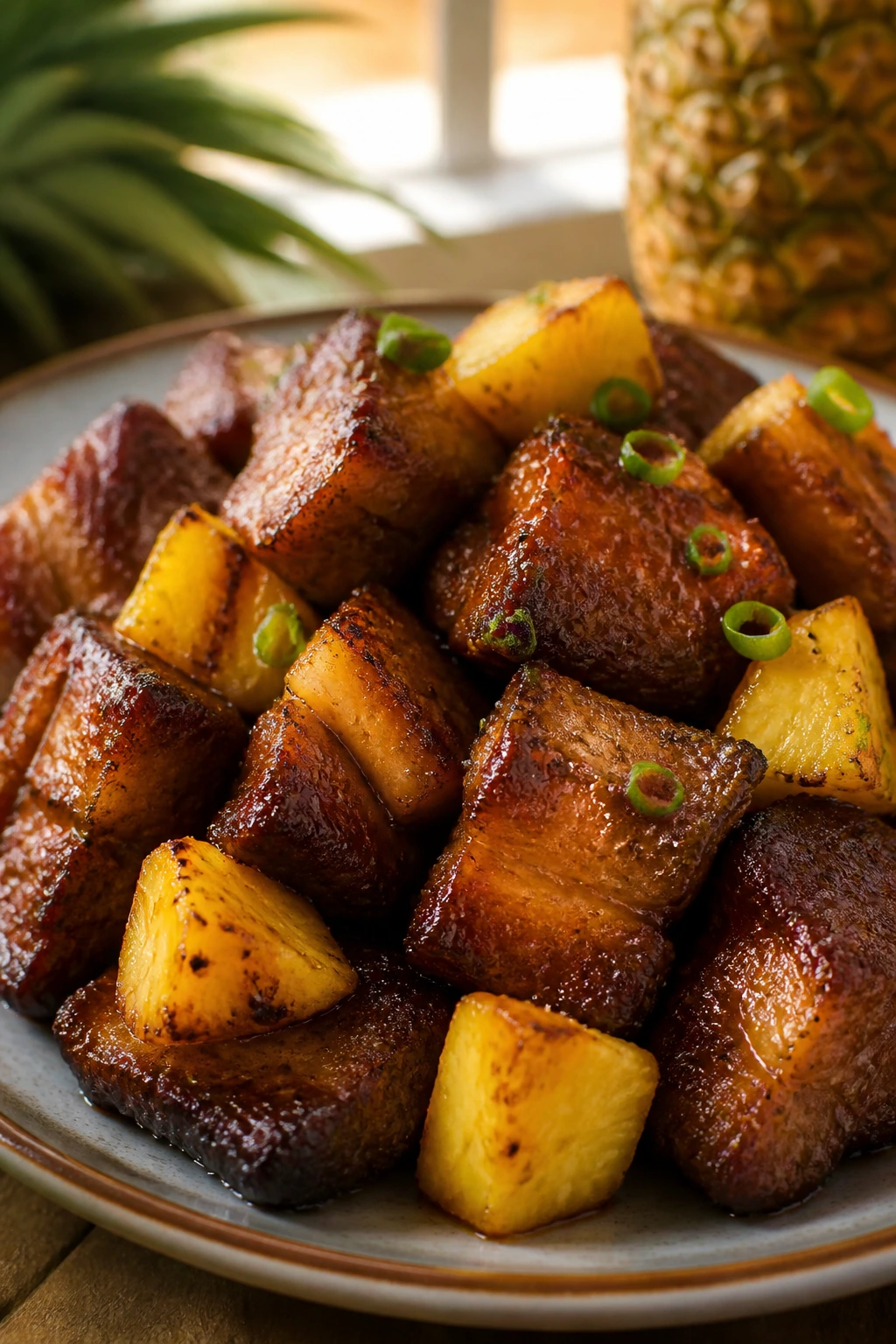
If you like your sweet and spicy with a little edge, this is the one. Pineapple juice softens the heat from jerk seasoning, and the pork belly soaks up all that allspice, thyme, and garlic until the sauce tastes like it’s been simmering all day on purpose.
Why It Works:
Jerk seasoning needs fat to carry its spice, and pork belly has plenty of that. Pineapple juice adds acid and natural sugar, which helps tenderize the pork and keep the sauce from tasting blunt. A quick finish with fresh pineapple chunks gives the plate some brightness that survives the slow cook.
Key Ingredients:
- 4 pounds pork belly, cut into 2-inch pieces
- 2 tablespoons jerk seasoning
- 1½ teaspoons kosher salt
- 1 tablespoon neutral oil
- 1 cup pineapple juice
- ½ cup chicken stock
- 1 small yellow onion, sliced
- 4 garlic cloves, minced
- 1 tablespoon soy sauce
- 1 cup fresh pineapple chunks
- 2 tablespoons chopped cilantro
Quick Steps:
- Toss the pork belly with jerk seasoning and salt, then sear it in oil until browned on the edges.
- Add the onion and garlic to the slow cooker, then lay the pork on top.
- Stir pineapple juice, stock, and soy sauce together and pour over everything.
- Cook on LOW for 7 hours or HIGH for 4 to 5 hours, until the pork shreds easily.
- Stir in the pineapple chunks for the last 20 minutes, then finish with cilantro.
Equipment for This Recipe:
- Slow cooker
- Skillet
- Wooden spoon
- Cutting board for pineapple and onion
How to Serve This Dish:
This wants rice and peas, plain rice, or a cabbage slaw with lime. Spoon some sauce over the grain, then pile the pork on top so the pineapple pieces stay visible. It feeds 8 to 10, depending on whether you serve it as a bowl or tuck it into buns.
Pro Tips for This Recipe:
- Use a jerk seasoning that lists thyme and allspice first, not one that’s mostly salt.
- Add the pineapple near the end so it holds its shape.
- A squeeze of lime right before serving makes the spices feel sharper.
Variations on This Dish:
- Smokier Jerk Version: Add 1 teaspoon of smoked paprika.
- Mild Family Version: Use half the jerk seasoning and add more pineapple juice.
Common Mistakes to Avoid with This Dish:
- Adding pineapple too early: It turns mushy and disappears.
- Using a sugary bottled sauce instead of actual seasoning: The result gets sticky before it gets flavorful.
- Forgetting the salt: Pineapple juice softens everything, including seasoning.
5. Bourbon BBQ Pork Belly Sliders
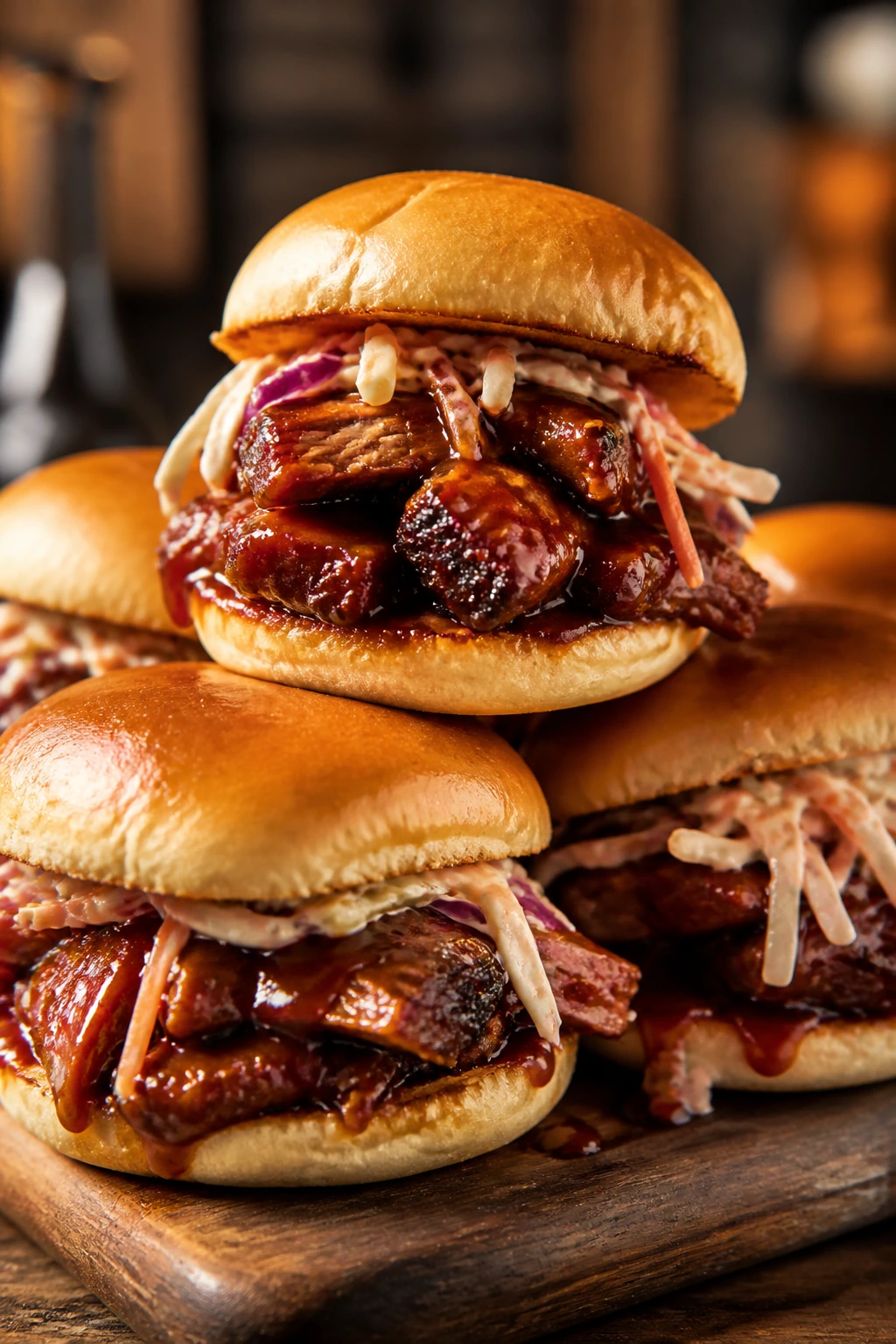
This is the recipe for people who show up at a table looking for something sticky on a bun. The pork belly drinks in the bourbon barbecue sauce, then you pull it apart and it turns into that smoky, saucy filling that holds together long enough to make a proper slider without leaking all over your wrist.
Why It Works:
Bourbon adds depth without making the sauce taste boozy once it cooks down. Ketchup, molasses, and cider vinegar give you the classic barbecue triangle of sweet, tangy, and dark. Pork belly gives the sliders a softer, richer bite than pulled shoulder, so you do not need as much sauce to keep them from drying out.
Key Ingredients:
- 3½ pounds pork belly, cut into large chunks
- 1 teaspoon salt
- 1 teaspoon black pepper
- 1 tablespoon smoked paprika
- 1 tablespoon neutral oil
- 1 cup ketchup
- ¼ cup bourbon
- ¼ cup apple cider vinegar
- 3 tablespoons molasses
- 2 tablespoons brown sugar
- 1 tablespoon Worcestershire sauce
- 12 slider buns
- 1 cup quick slaw
Quick Steps:
- Season and sear the pork belly until browned on both sides.
- Whisk ketchup, bourbon, vinegar, molasses, brown sugar, Worcestershire, and paprika into a smooth sauce.
- Pour the sauce over the pork and cook on LOW for 7 to 8 hours.
- Shred or chop the pork, then return it to the sauce and simmer uncovered on LOW for 20 minutes if the sauce looks thin.
- Pile onto slider buns and top with slaw.
Equipment for This Recipe:
- Slow cooker
- Skillet
- Whisk
- Sheet pan if you want to toast the buns
How to Serve This Dish:
Serve the sliders warm with a sharp slaw so the richness doesn’t take over the bite. Two sliders per adult is a fair estimate, though the hungry ones will grab three. A tray of pickle chips beside the buns helps more than people admit.
Pro Tips for This Recipe:
- Toast the slider buns lightly; soft buns collapse under sauce.
- If the sauce tastes too sweet after cooking, add 1 teaspoon vinegar at a time.
- Chop the pork rather than shredding it if you want less mess on the bun.
Variations on This Dish:
- Carolina-Style Twist: Swap half the ketchup for yellow mustard and add more cider vinegar.
- Spicy Smokehouse Version: Stir in chopped chipotle peppers in adobo with the sauce.
Common Mistakes to Avoid with This Dish:
- Using regular sandwich buns: They’re too big and too flimsy for this filling.
- Skipping the slaw: The sliders need crunch or they feel heavy fast.
- Boiling the sauce too hard at the end: Molasses can scorch in a hurry.
6. Carnitas-Style Pork Belly Tacos
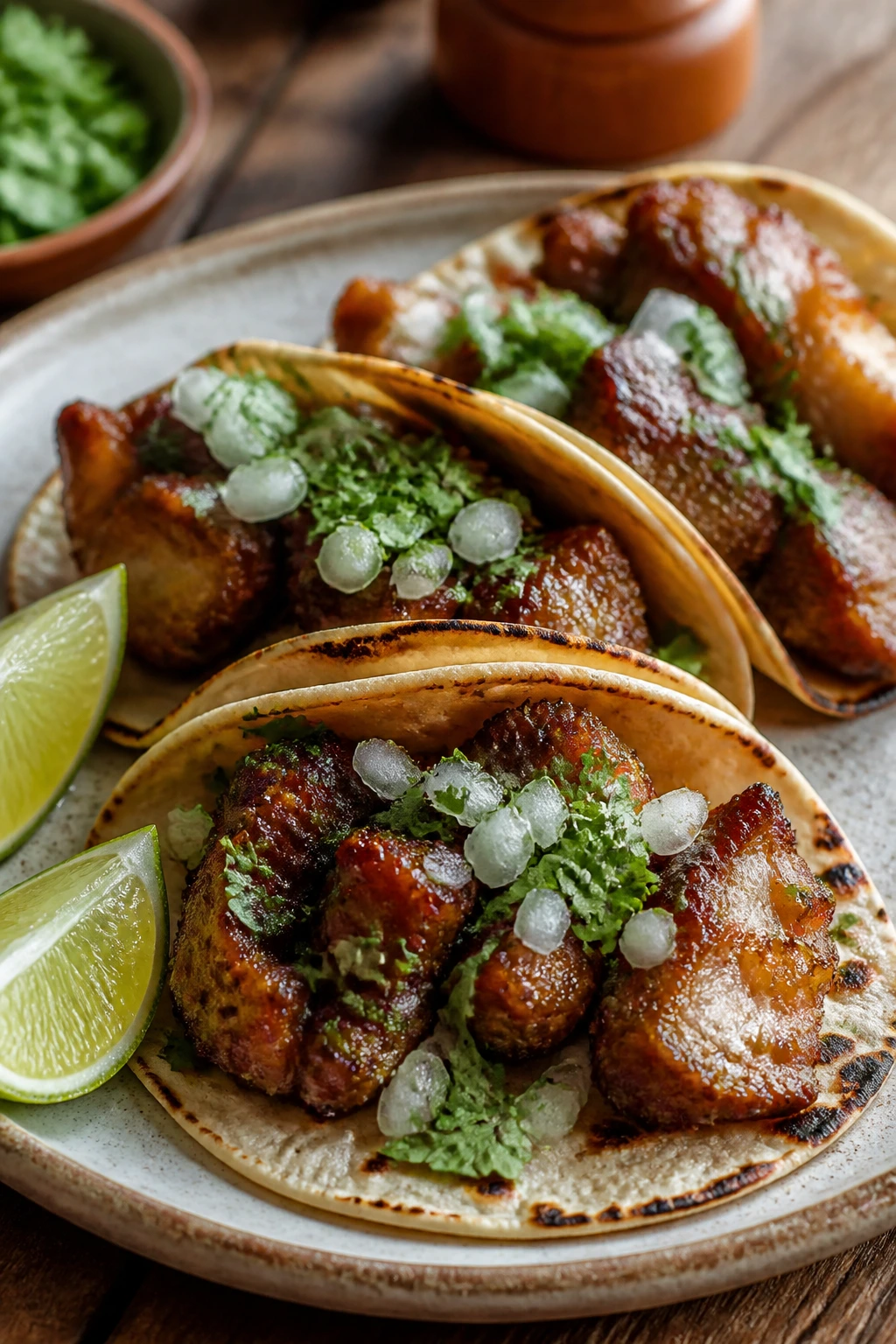
Pork belly makes a very convincing taco filling because the fat renders into the seasoning instead of leaving you with dry strands. The edges get crisped after cooking, the middle stays soft, and the whole pile tastes like it was designed to be wrapped in warm tortillas with onion and lime.
Why It Works:
Carnitas usually rely on a long braise and a final crisping step, and pork belly does both jobs well. Orange juice and lime give the meat a bright citrus base, while cumin and oregano keep the flavor in taco territory. The broiler finish matters because taco fillings need texture, not just tenderness.
Key Ingredients:
- 4 pounds pork belly, cut into 2-inch chunks
- 2 teaspoons kosher salt
- 1 teaspoon black pepper
- 1 tablespoon ground cumin
- 2 teaspoons dried oregano
- 1 tablespoon neutral oil
- 1 white onion, sliced
- 4 garlic cloves, minced
- Juice of 2 oranges
- Juice of 2 limes
- 1 cup chicken stock
- 18 corn tortillas
- 1 cup chopped cilantro
- 1 diced white onion for serving
Quick Steps:
- Season the pork belly with salt, pepper, cumin, and oregano, then brown it in a skillet.
- Add onion, garlic, orange juice, lime juice, and stock to the slow cooker, then nestle the pork inside.
- Cook on LOW for 7 to 8 hours, until the pork is tender enough to shred with a spoon.
- Pull the pork out, shred it lightly, and spread it on a lined sheet pan.
- Broil for 3 to 5 minutes until the edges brown, then pile into warm tortillas with cilantro and onion.
Equipment for This Recipe:
- Slow cooker
- Large skillet
- Rimmed baking sheet
- Tongs or a wide spatula
How to Serve This Dish:
Set the pork out with warm tortillas, lime wedges, salsa, and a bowl of chopped onions. The meat should be the salty, crisp center of the taco, not the only thing happening in it. Plan on 3 tacos per person if you’re serving rice and beans alongside.
Pro Tips for This Recipe:
- Broil in a thin layer so the pork crisps instead of steaming.
- Warm the tortillas in a dry skillet for 20 to 30 seconds per side.
- Save a few spoonfuls of the cooking liquid for drizzling over the shredded meat.
Variations on This Dish:
- Green Salsa Carnitas: Use salsa verde instead of orange juice for a sharper, herby version.
- Pineapple Carnitas: Replace one orange with 1 cup pineapple juice for a sweeter edge.
Common Mistakes to Avoid with This Dish:
- Skipping the broiler finish: Without it, the meat can taste soft all the way through.
- Using flour tortillas that are too thick: Corn tortillas hold up better to the fat and lime.
- Over-shredding the pork: Leave some chunks; they’re better for texture.
7. Vietnamese Caramel Pork Belly
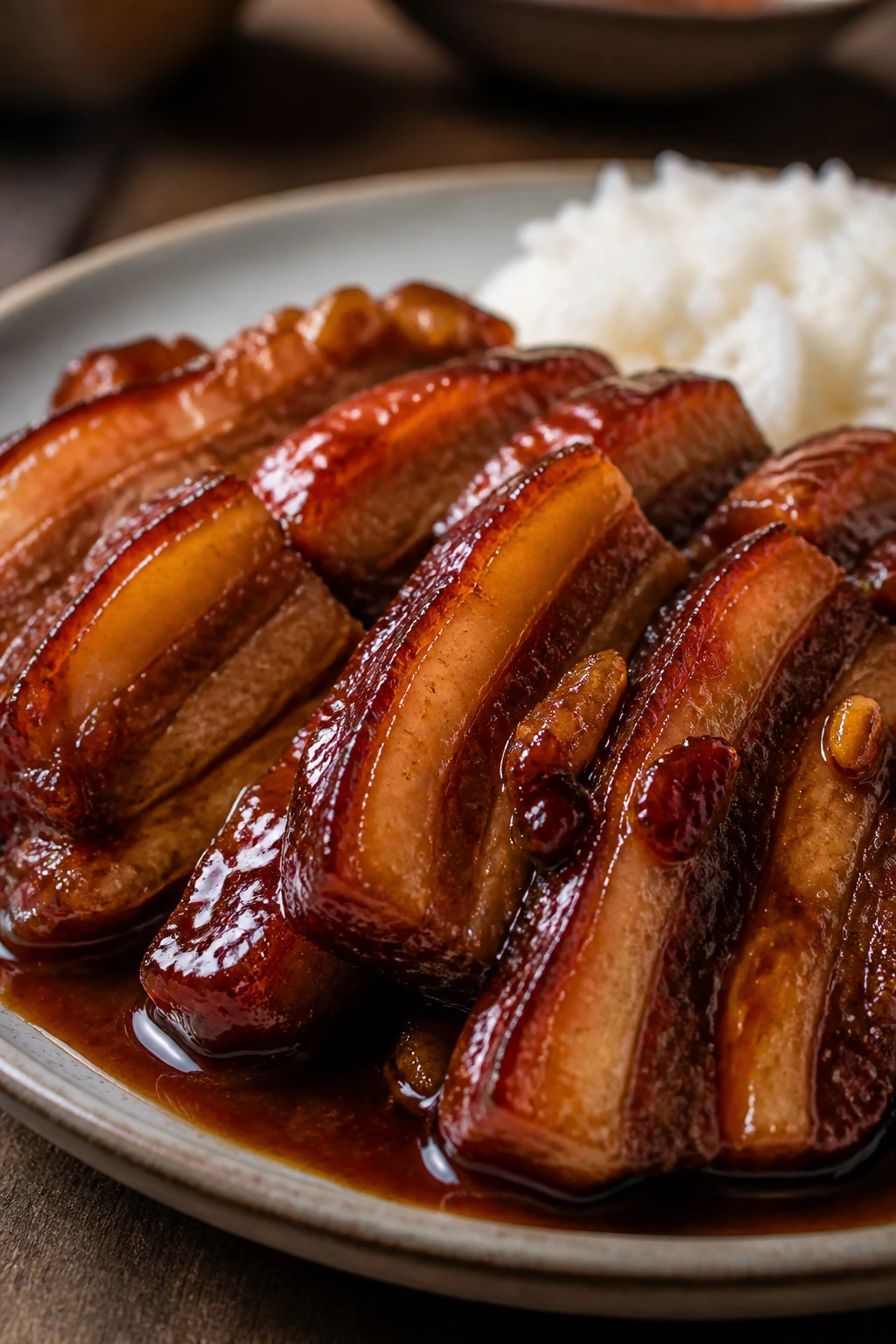
The sauce here goes dark, glossy, and a little sticky at the edges, which is exactly where you want it. Fish sauce, sugar, and black pepper do the heavy lifting, and the slow cooker gives the pork belly enough time to drink all of it in without turning the dish salty.
Why It Works:
Vietnamese caramel pork depends on contrast: deep sweetness, fish sauce salt, pepper heat, and enough liquid to keep the meat from tightening up. Slow cooking helps the caramel sauce settle into the fat and meat layers instead of clinging only to the outside. A final skim keeps the sauce clean and gives you that lacquered look people notice from across the table.
Key Ingredients:
- 3½ pounds pork belly, cut into large strips
- 1 tablespoon neutral oil
- ½ cup granulated sugar
- ¼ cup water
- ¼ cup fish sauce
- 2 tablespoons soy sauce
- 4 garlic cloves, minced
- 2 shallots, thinly sliced
- 1 teaspoon black pepper
- ½ cup water
- 2 cups cooked jasmine rice
- Fresh cilantro and sliced cucumber for serving
Quick Steps:
- Brown the pork belly in a skillet.
- In a small pan, melt the sugar with the first ¼ cup of water until it turns deep amber, then whisk in the fish sauce, soy sauce, garlic, shallots, pepper, and remaining water.
- Put the pork in the slow cooker and pour the caramel sauce over it.
- Cook on LOW for 6½ to 7½ hours, until the pork is tender and the sauce is glossy.
- Spoon off excess fat, then serve over rice with cucumber and cilantro.
Equipment for This Recipe:
- Slow cooker
- Skillet
- Small saucepan for the caramel
- Heatproof whisk
How to Serve This Dish:
Plain rice is the right base here, because the sauce is doing enough already. A cucumber side keeps the meal from feeling too rich, and a few herbs on top wake up the pepper. This feeds 8 with rice, maybe 6 if people want the meat piled high.
Pro Tips for This Recipe:
- Watch the caramel closely; sugar goes from amber to burnt in seconds.
- If the sauce tastes harsh, a teaspoon of water can smooth it out.
- Let the dish sit for 10 minutes before serving so the sauce settles onto the pork.
Variations on This Dish:
- Chili Caramel Version: Add sliced bird’s eye chile or red pepper flakes.
- Tamarind Finish: Stir in 1 tablespoon tamarind paste for more tang.
Common Mistakes to Avoid with This Dish:
- Burning the sugar: Dark caramel is good; bitter black caramel is not.
- Using too much fish sauce: It should deepen the sauce, not take it over.
- Serving it without rice: The sauce wants a starch to catch it.
8. Mojo Citrus Pork Belly
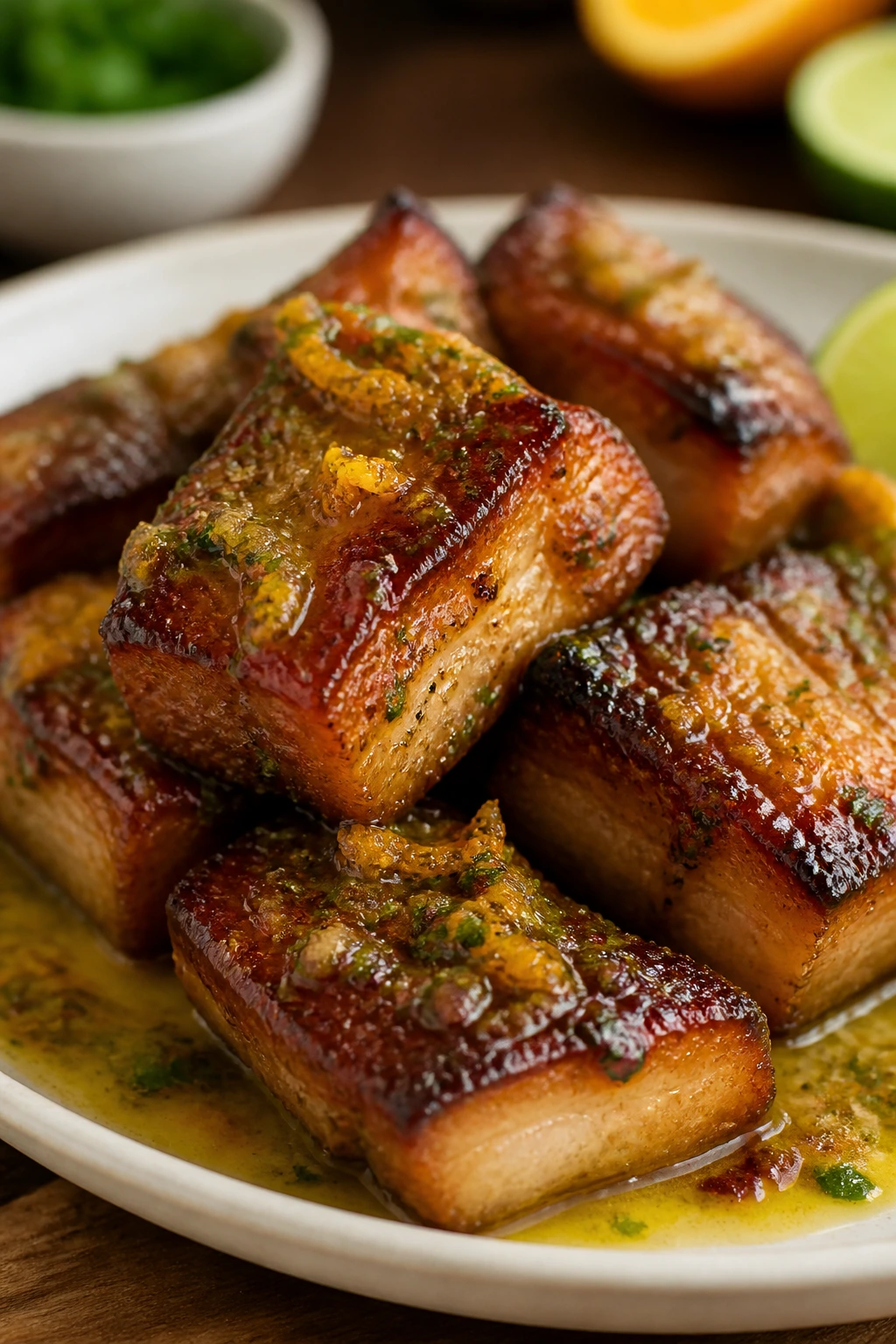
This one smells like garlic, citrus peel, and oregano before the lid is even off. Mojo sauce brings a bright, sharp bite that cuts through pork belly’s richness, and that’s exactly why it works so well for a crowd; the second serving tastes as lively as the first.
Why It Works:
Mojo is built on acid and herbs, which is a smart move when you’re cooking a fatty cut for hours. Orange juice gives sweetness, lime tightens the flavor, and oregano keeps the sauce from drifting into dessert territory. The pork belly absorbs the garlic and citrus while the fat renders into the cooking liquid, giving you a sauce that’s rich but not heavy.
Key Ingredients:
- 4 pounds pork belly, cut into 2-inch chunks
- 2 teaspoons kosher salt
- 1 teaspoon black pepper
- 1 tablespoon olive oil
- 1 cup orange juice
- ¼ cup lime juice
- 6 garlic cloves, minced
- 2 teaspoons dried oregano
- 1 teaspoon ground cumin
- 1 onion, sliced
- 1 cup chicken stock
- 3 cups cooked rice or black beans for serving
Quick Steps:
- Season and sear the pork belly until the outside is browned.
- Whisk orange juice, lime juice, garlic, oregano, cumin, and stock together.
- Layer onion in the slow cooker, add the pork, and pour the mojo over it.
- Cook on LOW for 7 to 8 hours until the meat is tender.
- Spoon the pork over rice or beans and finish with a little of the strained sauce.
Equipment for This Recipe:
- Slow cooker
- Skillet
- Fine-mesh strainer
- Citrus juicer if you have one
How to Serve This Dish:
Black beans, rice, and maybe fried plantains if you want the plate to feel complete. The sauce should be spooned on lightly; mojo is bright, and too much can drown the pork. It feeds 8 to 10 with a solid starch base.
Pro Tips for This Recipe:
- Use fresh citrus juice rather than bottled; the flavor difference is obvious here.
- Add a few strips of orange peel if you want a stronger aroma.
- Strain the sauce before serving if you don’t want chunks of garlic in every bite.
Variations on This Dish:
- Cuban Roast Style: Add bay leaves and serve with pickled onions.
- Herb-Heavy Version: Stir in chopped parsley at the end for a greener finish.
Common Mistakes to Avoid with This Dish:
- Too much stock: The citrus should lead, not get diluted.
- Skipping the onions: They mellow in the cooker and help round out the sauce.
- Serving it cold: Mojo pork is best hot, when the citrus smells lifted instead of muted.
9. Sweet Chili Lime Pork Belly Lettuce Cups
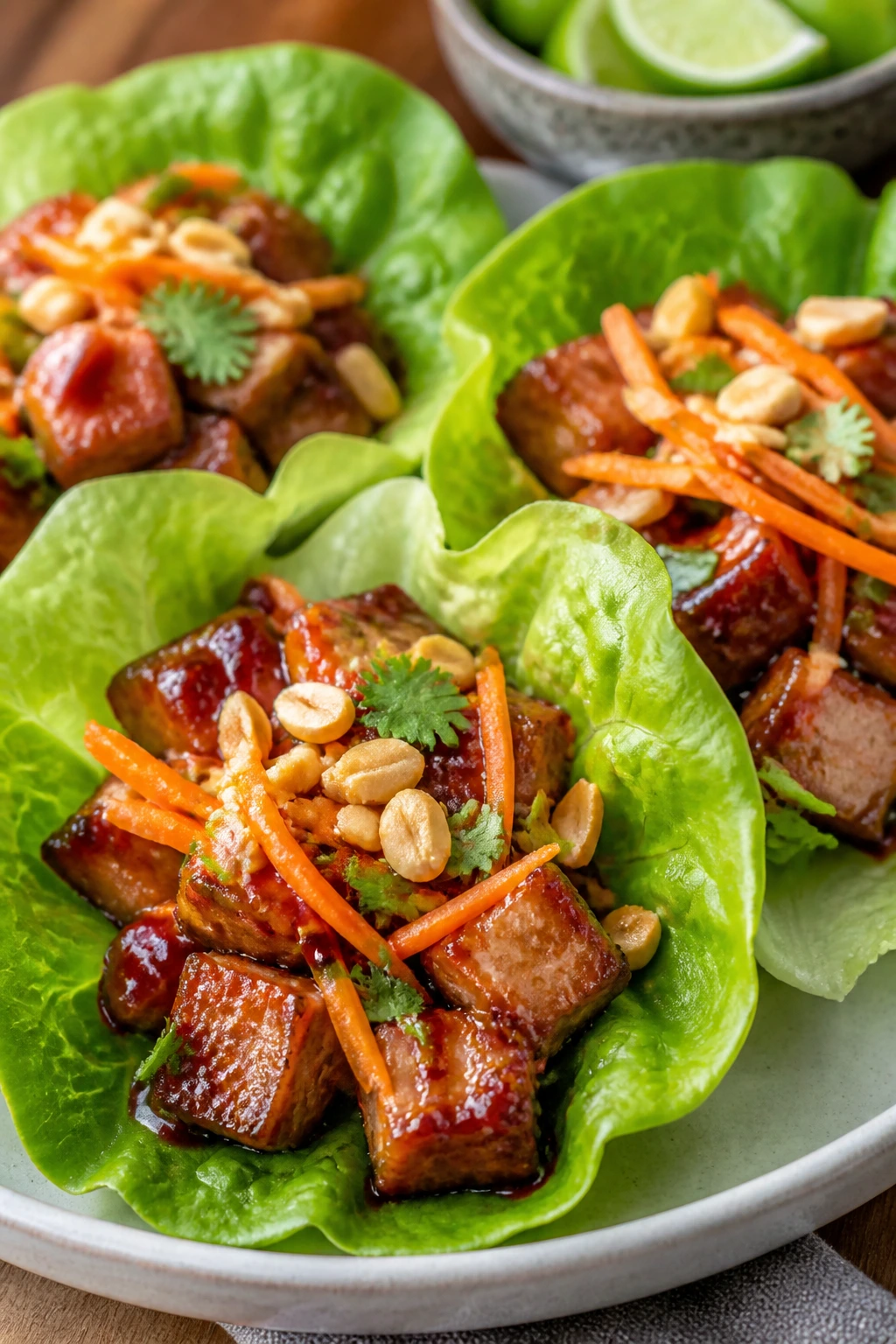
These are the closest thing here to a hands-on crowd meal, and that’s part of the appeal. The pork belly gets sticky with sweet chili sauce, then you pile it into cool lettuce leaves with lime and crunchy toppings so every bite has heat, sweetness, and snap.
Why It Works:
Sweet chili sauce gives you a ready-made balance of heat and sugar, which is useful when you want something that doesn’t need a long simmer to taste complete. Lime brightens the pork belly after it cooks, and the lettuce cup format keeps each serving light enough that people can eat three without regret. The cold crunch matters here more than in most pork dishes.
Key Ingredients:
- 3½ pounds pork belly, cut into chunks
- 1 tablespoon neutral oil
- ½ cup sweet chili sauce
- 2 tablespoons soy sauce
- 2 tablespoons lime juice
- 1 tablespoon rice vinegar
- 3 garlic cloves, minced
- 1 teaspoon grated ginger
- 1 cup shredded carrot
- 1 cup chopped peanuts
- 2 heads butter lettuce, leaves separated
- Lime wedges for serving
Quick Steps:
- Brown the pork belly in oil over medium-high heat.
- Stir the sweet chili sauce, soy sauce, lime juice, vinegar, garlic, and ginger together.
- Transfer the pork and sauce to the slow cooker and cook on LOW for 7 hours.
- Pull the pork apart slightly, then cook uncovered for 15 minutes if the sauce needs to thicken.
- Spoon into lettuce leaves and top with carrot, peanuts, and extra lime.
Equipment for This Recipe:
- Slow cooker
- Skillet
- Tongs
- Serving platter for the lettuce leaves
How to Serve This Dish:
Set everything out assembly-line style so people can build their own cups. The pork should be warm, the lettuce cold, and the lime right at the table. It feeds 8 with a few sides, or 6 if the cups are the whole meal.
Pro Tips for This Recipe:
- Dry the lettuce leaves well or the sauce slips right off.
- Chop the peanuts finely so they stick to the pork instead of rolling away.
- Add a pinch of salt to the carrot if you want it to taste less raw.
Variations on This Dish:
- Mango Chili Cups: Add diced mango at serving time for extra sweetness.
- Spicy Sesame Version: Stir 1 tablespoon sesame oil into the sauce and top with sesame seeds.
Common Mistakes to Avoid with This Dish:
- Using limp lettuce: Iceberg or butter lettuce should be crisp enough to hold the filling.
- Overfilling each cup: They fall apart fast if you mound them too high.
- Skipping acid at the end: Lime makes the pork taste finished.
10. Tomato Red Wine Pork Belly Ragu
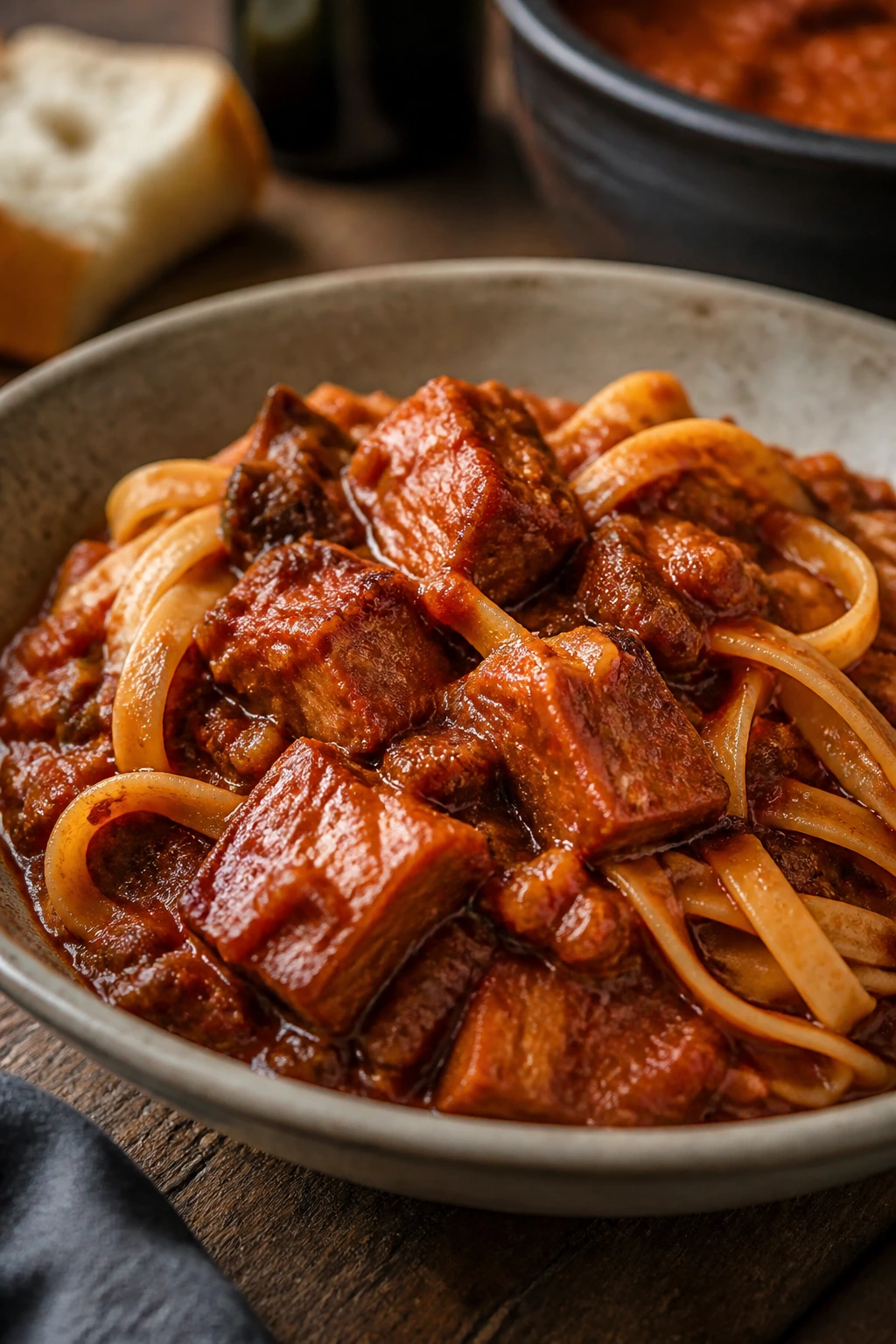
If pork belly had a formal dinner version, this would be it. The tomatoes cook down around the meat, the wine darkens the sauce, and the whole pot turns into a ragù that wants pappardelle, polenta, or thick slices of crusty bread under it.
Why It Works:
Tomato and red wine are sturdy enough to handle pork belly’s richness without fading into the background. The slow cooker gives the sauce time to reduce in flavor even if it doesn’t visibly shrink much, and the pork belly slowly breaks down into soft chunks that behave like a richer version of pork shoulder. A little fennel helps the sauce taste savory instead of heavy.
Key Ingredients:
- 4 pounds pork belly, cut into 2-inch cubes
- 1 tablespoon kosher salt
- 1 teaspoon black pepper
- 2 tablespoons olive oil
- 1 onion, diced
- 2 carrots, diced
- 2 celery stalks, diced
- 4 garlic cloves, minced
- 2 tablespoons tomato paste
- 1 cup red wine
- 1 can (28 ounces) crushed tomatoes
- 1 teaspoon dried oregano
- 1 teaspoon fennel seeds
- 1 pound pappardelle or 4 cups polenta for serving
- Grated Parmesan for serving
Quick Steps:
- Brown the pork belly in batches.
- Soften the onion, carrots, celery, and garlic in the same skillet, then stir in tomato paste for 1 minute.
- Deglaze with red wine, scraping the pan, then pour everything into the slow cooker with tomatoes, oregano, and fennel.
- Cook on LOW for 8 hours until the pork is tender and the sauce is thick.
- Serve over pasta or polenta with Parmesan.
Equipment for This Recipe:
- Slow cooker
- Dutch oven or large skillet
- Wooden spoon
- Pasta pot or saucepan for polenta
How to Serve This Dish:
This is a deep bowl meal. Use pasta with ridges or creamy polenta so the sauce has somewhere to go. It feeds 8 to 10, and the leftovers are the kind that reheat well in a small pan the next day.
Pro Tips for This Recipe:
- Don’t skip the tomato paste step; it gives the sauce a darker, fuller flavor.
- If the sauce tastes sharp, let it sit 10 minutes after cooking before adjusting.
- A little pasta water loosened into the ragù makes it cling better to noodles.
Variations on This Dish:
- Mushroom Ragù: Add 8 ounces sliced mushrooms with the vegetables.
- Olive and Herb Version: Stir in chopped olives and parsley at the end.
Common Mistakes to Avoid with This Dish:
- Using too much wine: The sauce should taste rounded, not boozy.
- Serving it too thin: Let it cook uncovered at the end if needed.
- Choosing delicate pasta shapes: Thin noodles get swallowed by the sauce.
11. Apple Cider Sage Pork Belly
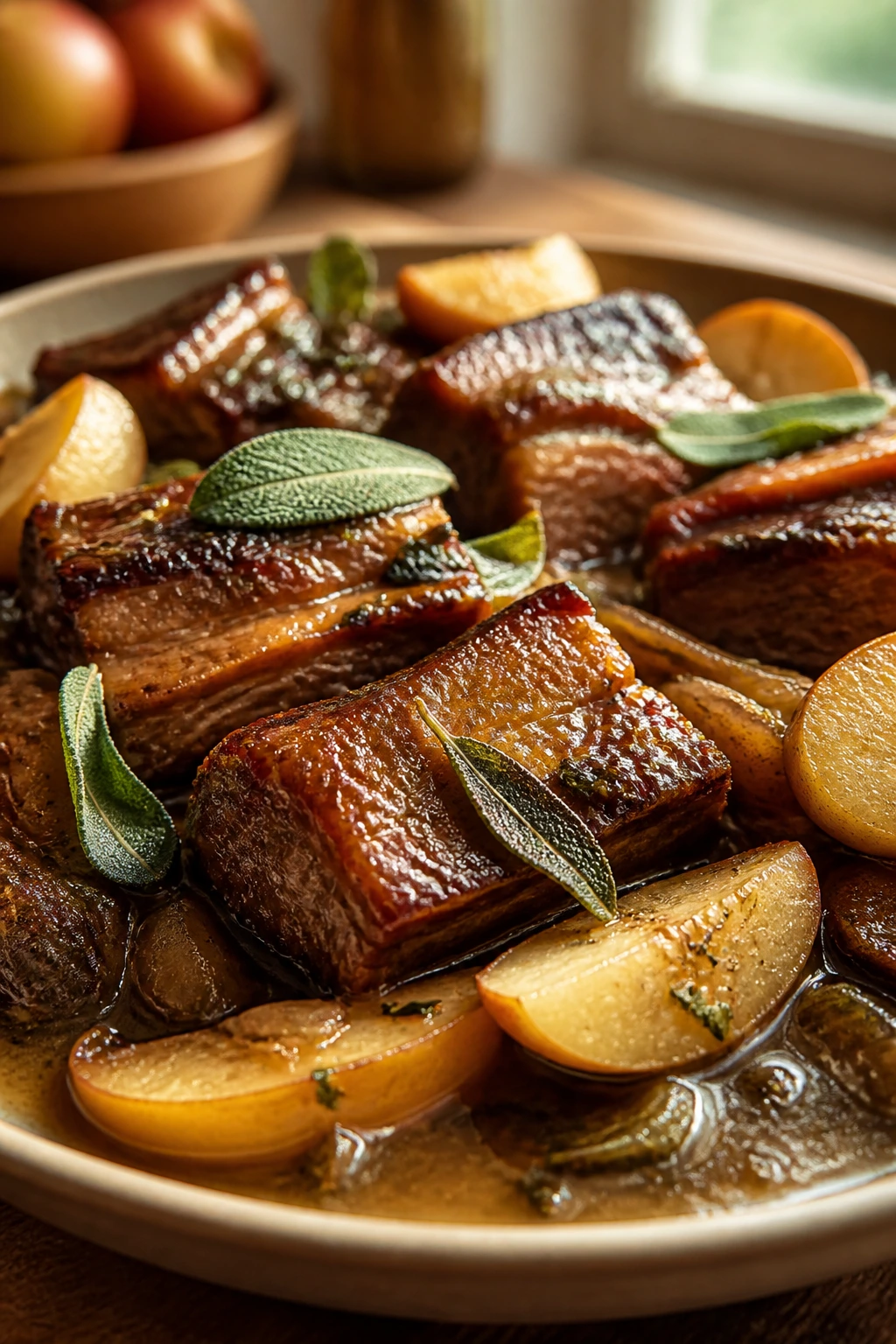
This one leans cozy without drifting into sweet mush. Apple cider and sage bring a sharp, woodsy note that works beautifully with pork belly, especially when you add onion and a few apples near the end so the dish stays structured instead of turning into pie filling.
Why It Works:
Apple cider has enough sugar to help browning without making the sauce sticky in a candy way. Sage adds a dry, savory edge that pork belly can handle, and onions become soft enough to melt into the broth. If you want a crowd dinner that feels familiar but not dull, this is a smart place to land.
Key Ingredients:
- 4 pounds pork belly, cut into chunks
- 2 teaspoons kosher salt
- 1 teaspoon black pepper
- 1 tablespoon olive oil
- 1 large onion, sliced
- 2 apples, cored and cut into wedges
- 2 cups apple cider
- 1 cup chicken stock
- 6 fresh sage leaves or 1 teaspoon dried sage
- 1 tablespoon Dijon mustard
- 2 pounds mashed potatoes for serving
Quick Steps:
- Sear the pork belly in oil until the edges are browned.
- Put onion, apples, cider, stock, sage, and Dijon into the slow cooker.
- Nestle the pork inside and cook on LOW for 7 to 8 hours.
- Remove the pork and apples, then reduce the liquid on the stove for 10 minutes if you want a tighter sauce.
- Serve over mashed potatoes with the apples and onions spooned on top.
Equipment for This Recipe:
- Slow cooker
- Skillet
- Potato masher if you’re making potatoes
- Slotted spoon
How to Serve This Dish:
Mashed potatoes are the obvious move, but buttered noodles or roasted cabbage work too. Keep one apple wedge visible on each plate so the dish reads as bright instead of heavy. It feeds 8, and the sauce goes a long way.
Pro Tips for This Recipe:
- Use a cider that tastes tart enough to drink; flat sweet cider makes the sauce sleepy.
- Add the apples in the last 2 hours if you want them firmer.
- A tiny spoon of mustard at the end sharpens the whole pot.
Variations on This Dish:
- Maple Sage Version: Replace ½ cup cider with maple syrup for a sweeter glaze.
- Cabbage Braise: Add thick cabbage wedges in the final 90 minutes.
Common Mistakes to Avoid with This Dish:
- Letting the apples disintegrate: Add them late if you want shape.
- Using dried sage too aggressively: Too much tastes dusty.
- Forgetting salt: Cider softens the flavor, so seasoning matters.
12. Miso Sesame Pork Belly Rice Bowls
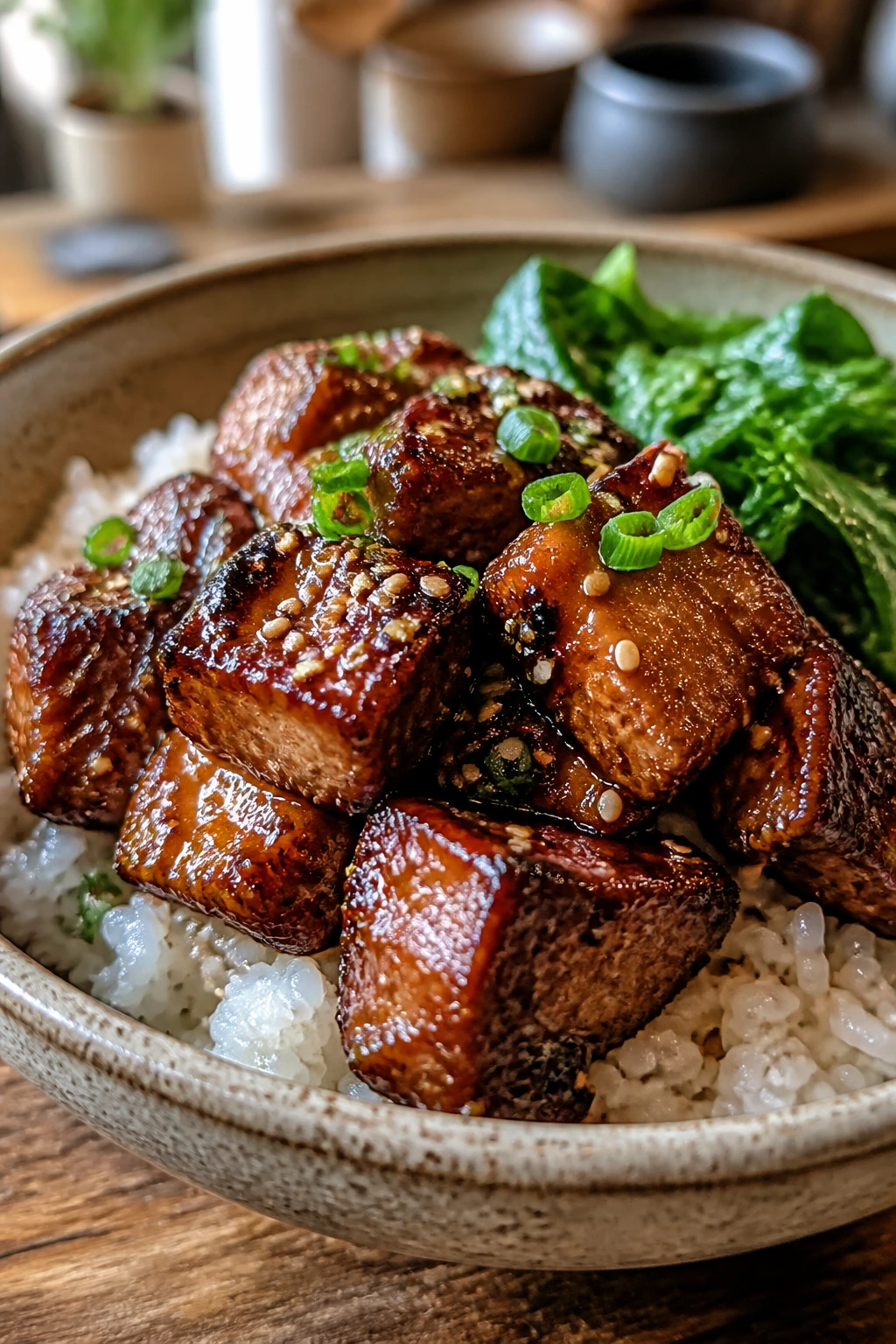
Miso does something lovely with pork belly: it rounds out the fat and makes the sauce taste deeper without needing a long list of extras. Sesame oil and ginger give it that warm, nutty finish, and the whole bowl lands somewhere between comfort food and a takeout dinner you actually cooked.
Why It Works:
Miso paste brings salt, funk, and body all at once, which makes it a useful base for a slow cooker sauce. A little mirin or rice vinegar keeps the glaze from going heavy, and mushrooms can cook in the same pot without falling apart. Serve it with rice and greens and the rich pork suddenly feels balanced.
Key Ingredients:
- 3½ pounds pork belly, cut into 2-inch chunks
- 2 tablespoons white miso paste
- ¼ cup soy sauce
- 2 tablespoons mirin
- 1 tablespoon sesame oil
- 1 tablespoon brown sugar
- 4 garlic cloves, minced
- 1 tablespoon grated ginger
- 1 cup sliced mushrooms
- 3 cups cooked rice
- 2 cups steamed broccoli or bok choy
- 2 scallions, sliced
Quick Steps:
- Brown the pork belly in a skillet.
- Whisk miso, soy sauce, mirin, sesame oil, brown sugar, garlic, and ginger with ½ cup warm water.
- Put the pork and mushrooms in the slow cooker and pour the sauce over them.
- Cook on LOW for 7 hours.
- Serve over rice with broccoli and scallions, adding a spoonful of sauce over the top.
Equipment for This Recipe:
- Slow cooker
- Skillet
- Whisk
- Rice cooker or pot for rice
How to Serve This Dish:
Build bowls with rice on the bottom, pork in the middle, and broccoli tucked against one side. The scallions and sesame finish matter; they keep the bowl from feeling beige. It feeds 8 with vegetables and rice.
Pro Tips for This Recipe:
- Dissolve the miso in warm water first so it doesn’t clump.
- Add mushrooms on top of the pork rather than burying them.
- Toast the sesame seeds if you want more nutty flavor without extra salt.
Variations on This Dish:
- Spicy Miso Bowl: Add 1 to 2 teaspoons of chili paste.
- Noodle Version: Serve over soba noodles instead of rice.
Common Mistakes to Avoid with This Dish:
- Using too much miso: It can take over fast.
- Skipping the vegetables: The bowl needs something green and crisp.
- Cooking the broccoli in the slow cooker all day: It turns dull and soft. Add it at the end or serve separately.
13. Chipotle Honey Pork Belly
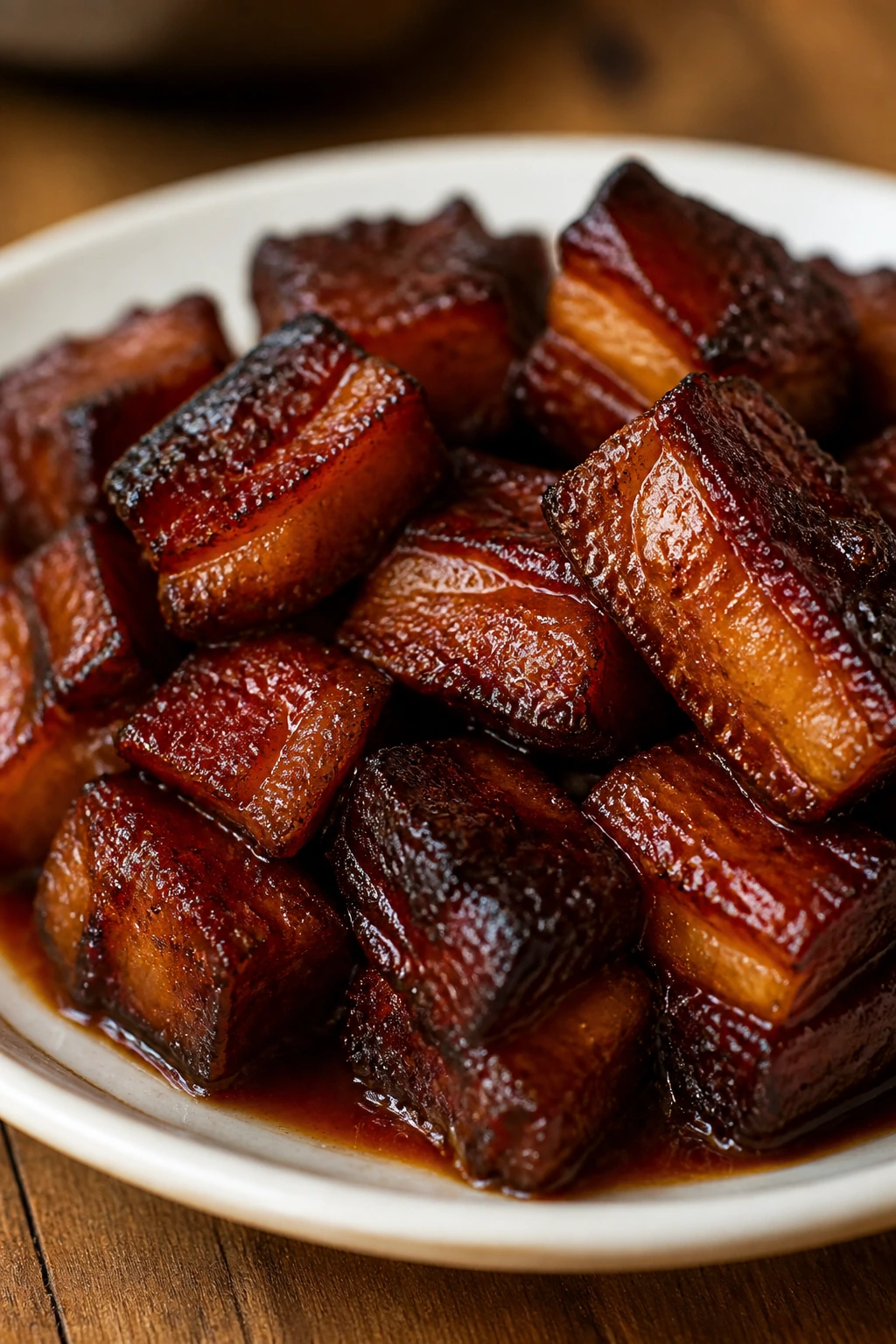
This is smoke, heat, and sweetness in one sticky scoop. Chipotle peppers bring a deep, almost barbecue-like flavor, honey smooths the edges, and the pork belly turns into something that belongs on tortillas, rice bowls, or even on top of roasted sweet potatoes.
Why It Works:
Chipotle in adobo is one of the easiest ways to give a slow cooker sauce depth without relying on a smoker. Honey helps the sauce cling to the pork and gives it that lacquered finish after reduction. Because pork belly is rich, the lime at the end is not optional; it keeps the flavor from flattening out.
Key Ingredients:
- 3½ pounds pork belly, cut into chunks
- 1 teaspoon salt
- 1 teaspoon black pepper
- 1 tablespoon oil
- 2 chipotle peppers in adobo, minced
- 1 tablespoon adobo sauce
- ¼ cup honey
- ¼ cup lime juice
- 4 garlic cloves, minced
- 1 teaspoon ground cumin
- 1 cup chicken stock
- Tortillas, avocado, and cilantro for serving
Quick Steps:
- Season and sear the pork belly.
- Stir chipotle, adobo sauce, honey, lime juice, garlic, cumin, and stock together.
- Transfer the pork and sauce to the slow cooker.
- Cook on LOW for 7 to 8 hours until tender.
- Reduce the sauce slightly and serve with avocado and cilantro.
Equipment for This Recipe:
- Slow cooker
- Skillet
- Citrus juicer
- Saucepan for reducing sauce
How to Serve This Dish:
This is great with warm tortillas, but it also makes a sharp rice bowl with avocado and pickled onion. The lime and cilantro should go on at the end so they stay bright. Plan on 8 servings if you’re pairing it with a starch.
Pro Tips for This Recipe:
- Start with 2 chipotles, not 5. Their heat creeps up as the sauce reduces.
- Mash the pork a little before serving if you want a more pulled texture.
- Add a splash of water if the honey thickens too much during reduction.
Variations on This Dish:
- Pineapple Chipotle: Add 1 cup pineapple chunks in the last hour.
- Coffee Chipotle: Stir in 1 teaspoon instant espresso for a darker sauce.
Common Mistakes to Avoid with This Dish:
- Overdoing the chipotle peppers: Smoke should support the pork, not bury it.
- Serving without acid: Lime is what makes the sauce feel alive.
- Skipping the reduction: Honey sauces need a little tightening.
14. Soy Ginger Mushroom Pork Belly
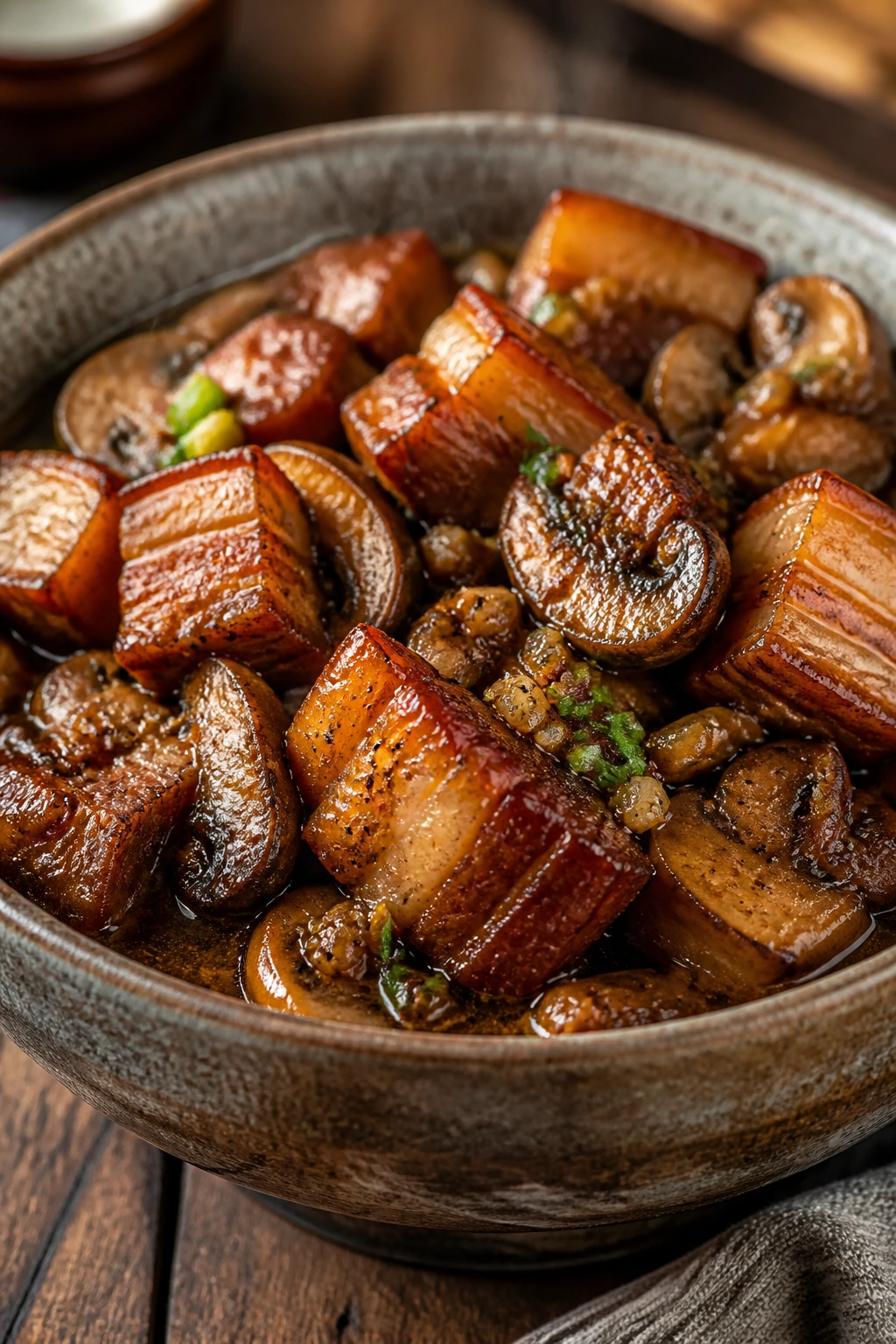
This recipe smells like a good takeout kitchen in the best way. Ginger and soy bring the savory base, mushrooms soak up the sauce, and the pork belly gives the whole pot a richness that makes plain rice suddenly feel like enough.
Why It Works:
Ginger cuts the fat, soy sauce builds salt and color, and mushrooms add their own meaty texture so the dish feels fuller than the ingredient list suggests. The slow cooker is useful here because the mushrooms have time to release their moisture and then reabsorb the sauce. A little rice vinegar at the end keeps the glaze from getting sleepy.
Key Ingredients:
- 3½ pounds pork belly, cut into pieces
- 1 tablespoon oil
- ½ cup low-sodium soy sauce
- ¼ cup rice vinegar
- 2 tablespoons brown sugar
- 1 tablespoon sesame oil
- 1 tablespoon grated ginger
- 4 garlic cloves, minced
- 12 ounces cremini or shiitake mushrooms
- 1 cup water
- 3 cups cooked rice
- Sliced scallions for serving
Quick Steps:
- Brown the pork belly in oil.
- Whisk soy sauce, vinegar, brown sugar, sesame oil, ginger, garlic, and water together.
- Layer mushrooms in the slow cooker, add the pork, and pour the sauce over it.
- Cook on LOW for 7 hours.
- Serve over rice with scallions and a little of the reduced sauce.
Equipment for This Recipe:
- Slow cooker
- Skillet
- Whisk
- Rice pot
How to Serve This Dish:
It works best in wide bowls with the mushrooms distributed across the top so nobody gets only sauce. Add a side of steamed greens if you want the table to feel balanced. This recipe feeds 8 and reheats cleanly.
Pro Tips for This Recipe:
- Use a mix of mushrooms if you want a deeper flavor.
- Grate the ginger finely so it disappears into the sauce.
- If the sauce feels thin, simmer it uncovered for 8 to 10 minutes.
Variations on This Dish:
- Sesame Chili Version: Add chili flakes and extra sesame oil at the end.
- Udon Bowl Version: Serve over thick udon noodles instead of rice.
Common Mistakes to Avoid with This Dish:
- Using too many mushrooms for the amount of sauce: They can water things down.
- Adding the scallions too early: They lose their bite.
- Not tasting for balance: A splash more vinegar often fixes a flat glaze.
15. Bánh Mì Pork Belly Sandwich Filling
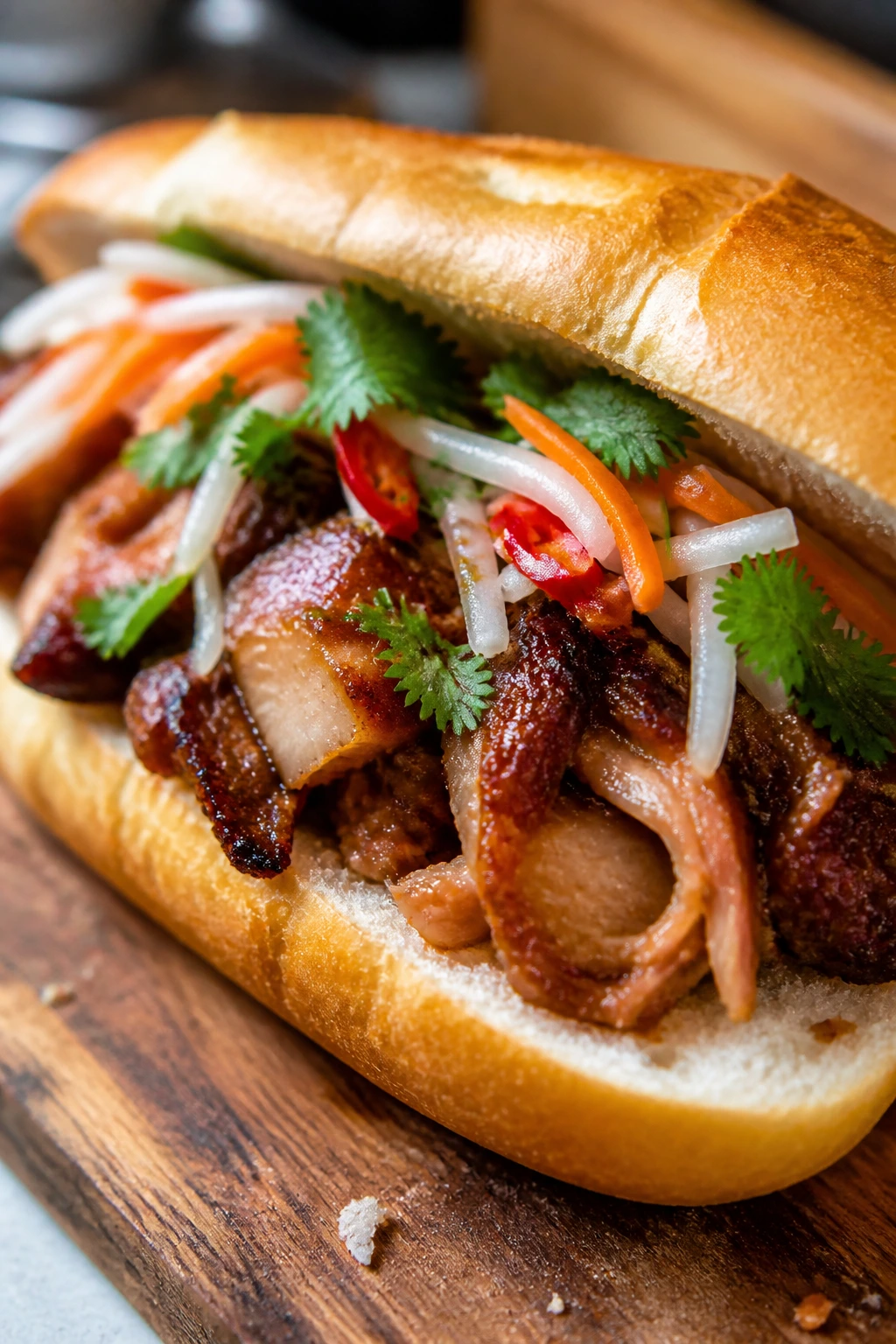
This one is messy in the right way. The pork belly gets soft enough to shred, the sauce goes salty-sweet, and then you load it into a baguette with pickled vegetables, cucumber, cilantro, and a swipe of mayo so the sandwich cracks and crunches the way it should.
Why It Works:
Bánh mì filling needs bold seasoning because the bread, pickles, and herbs all compete for space. Fish sauce, soy, garlic, and a little sugar give the pork enough savoriness to hold up inside the roll. The pickled vegetables are not a side note here; they are the thing that keeps the sandwich from tasting like pure fat.
Key Ingredients:
- 3½ pounds pork belly, cut into chunks
- 1 tablespoon oil
- ¼ cup soy sauce
- 2 tablespoons fish sauce
- 2 tablespoons sugar
- 1 tablespoon rice vinegar
- 4 garlic cloves, minced
- 1 teaspoon black pepper
- ½ cup water
- 4 baguettes, split
- 1 cup pickled carrots and daikon
- 1 cucumber, sliced
- Cilantro and mayonnaise for serving
Quick Steps:
- Brown the pork belly in oil.
- Whisk soy sauce, fish sauce, sugar, vinegar, garlic, pepper, and water together.
- Add the pork and sauce to the slow cooker and cook on LOW for 7 to 8 hours.
- Shred the pork lightly and spoon some sauce back over it.
- Load into baguettes with pickled vegetables, cucumber, cilantro, and mayo.
Equipment for This Recipe:
- Slow cooker
- Skillet
- Sharp bread knife
- Tongs or forks for shredding
How to Serve This Dish:
Wrap the sandwiches in parchment if you’re serving them to a crowd. That keeps the fillings from sliding everywhere, which they will if the bread is soft. It feeds 8 if you split each baguette into halves.
Pro Tips for This Recipe:
- Toast the baguette lightly so it doesn’t go soggy under the pork.
- Keep the pickles crisp and cold.
- Use enough mayo to coat the bread, not enough to drown the herbs.
Variations on This Dish:
- Spicy Bánh Mì: Add sliced jalapeños or chili mayo.
- Rice Bowl Version: Skip the bread and serve over rice with the same pickled vegetables.
Common Mistakes to Avoid with This Dish:
- Overstuffing the baguette: It makes the sandwich fall apart before the first bite.
- Skipping the pickles: Without them, the sandwich turns too rich.
- Using stale bread with no toast: It goes chewy fast.
16. Maple Mustard Pork Belly and Potatoes
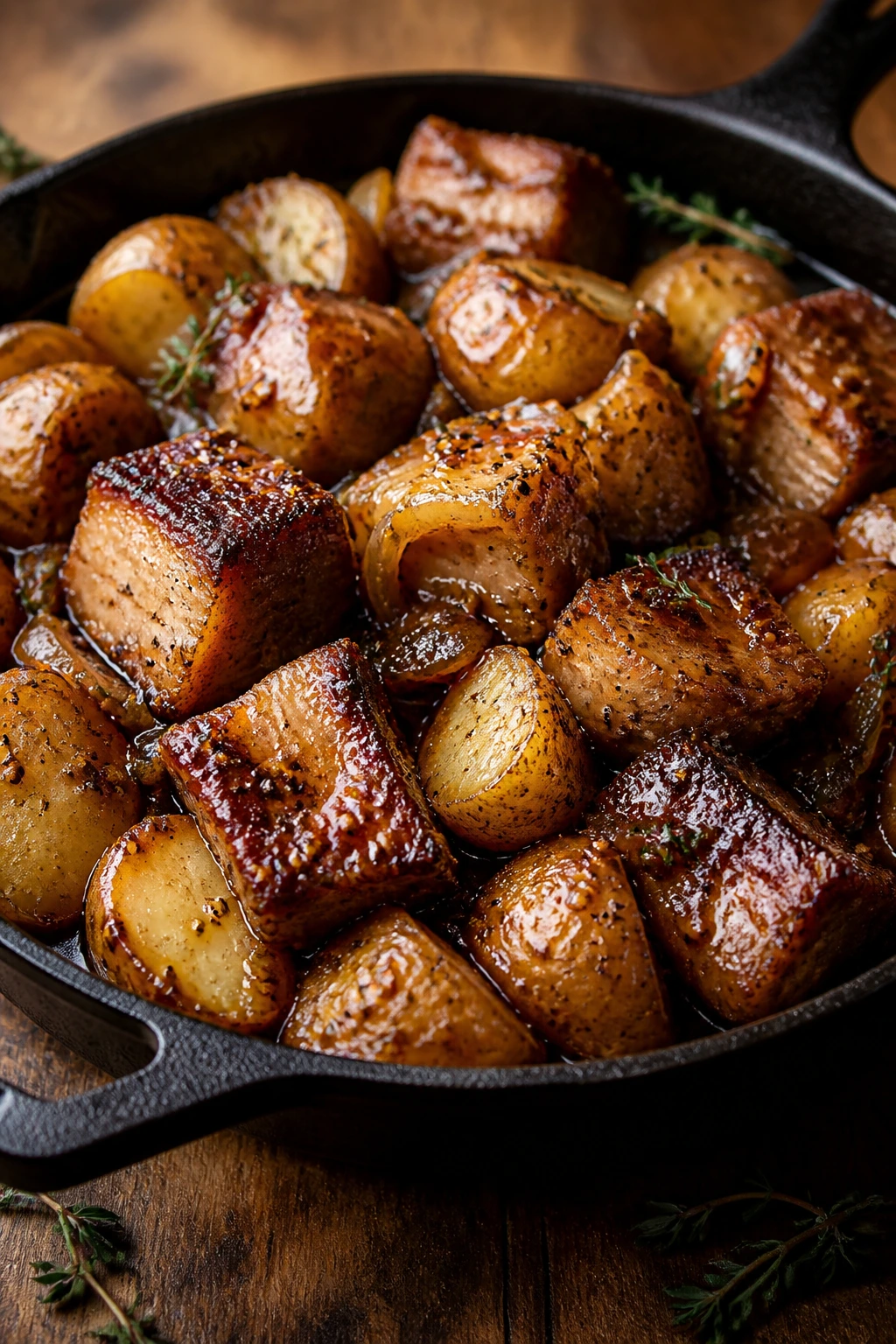
If you want one slow cooker to carry both the meat and the side dish, this is the move. The potatoes soak up the maple-mustard sauce, the pork belly turns silky, and the whole thing lands somewhere between roast dinner and braise without needing oven space.
Why It Works:
Maple syrup gives the sauce sweetness with a cleaner finish than brown sugar, while mustard keeps it from reading syrupy. Potatoes are useful here because they absorb the sauce and help stretch the meal for more people. A bit of thyme and onion makes the dish feel rounded, not like two ingredients tossed together in a hurry.
Key Ingredients:
- 4 pounds pork belly, cut into chunks
- 2 teaspoons kosher salt
- 1 teaspoon black pepper
- 1 tablespoon oil
- 1½ pounds baby potatoes, halved
- 1 large onion, sliced
- ¼ cup maple syrup
- 3 tablespoons Dijon mustard
- 1 tablespoon grainy mustard
- 1 cup chicken stock
- 1 teaspoon dried thyme
- Chopped parsley for serving
Quick Steps:
- Brown the pork belly in a skillet.
- Put potatoes and onion in the slow cooker, then add the pork on top.
- Whisk maple syrup, Dijon, grainy mustard, stock, and thyme together, then pour over everything.
- Cook on LOW for 7 to 8 hours until the potatoes are tender and the pork is soft.
- Garnish with parsley and serve directly from the pot.
Equipment for This Recipe:
- Slow cooker
- Skillet
- Whisk
- Slotted spoon
How to Serve This Dish:
This is a true one-pot dinner, though a green salad helps. Serve it in shallow bowls so the potatoes get some of the sauce instead of hiding underneath. It feeds 8 and is one of the better choices if you do not want to cook a separate starch.
Pro Tips for This Recipe:
- Halve the potatoes evenly so they cook at the same pace.
- Add a splash more stock if your cooker runs hot and the sauce tightens too much.
- Parsley at the end keeps the maple from feeling heavy.
Variations on This Dish:
- Roasted Garlic Version: Stir in 1 tablespoon roasted garlic paste.
- Root Vegetable Version: Swap half the potatoes for carrots or parsnips.
Common Mistakes to Avoid with This Dish:
- Using giant potatoes whole: They will lag behind the pork.
- Too much mustard without maple: The sauce turns sharp instead of balanced.
- Forgetting to cut the pork into manageable pieces: Bigger chunks take longer and can cook unevenly.
17. Thai Coconut Curry Pork Belly
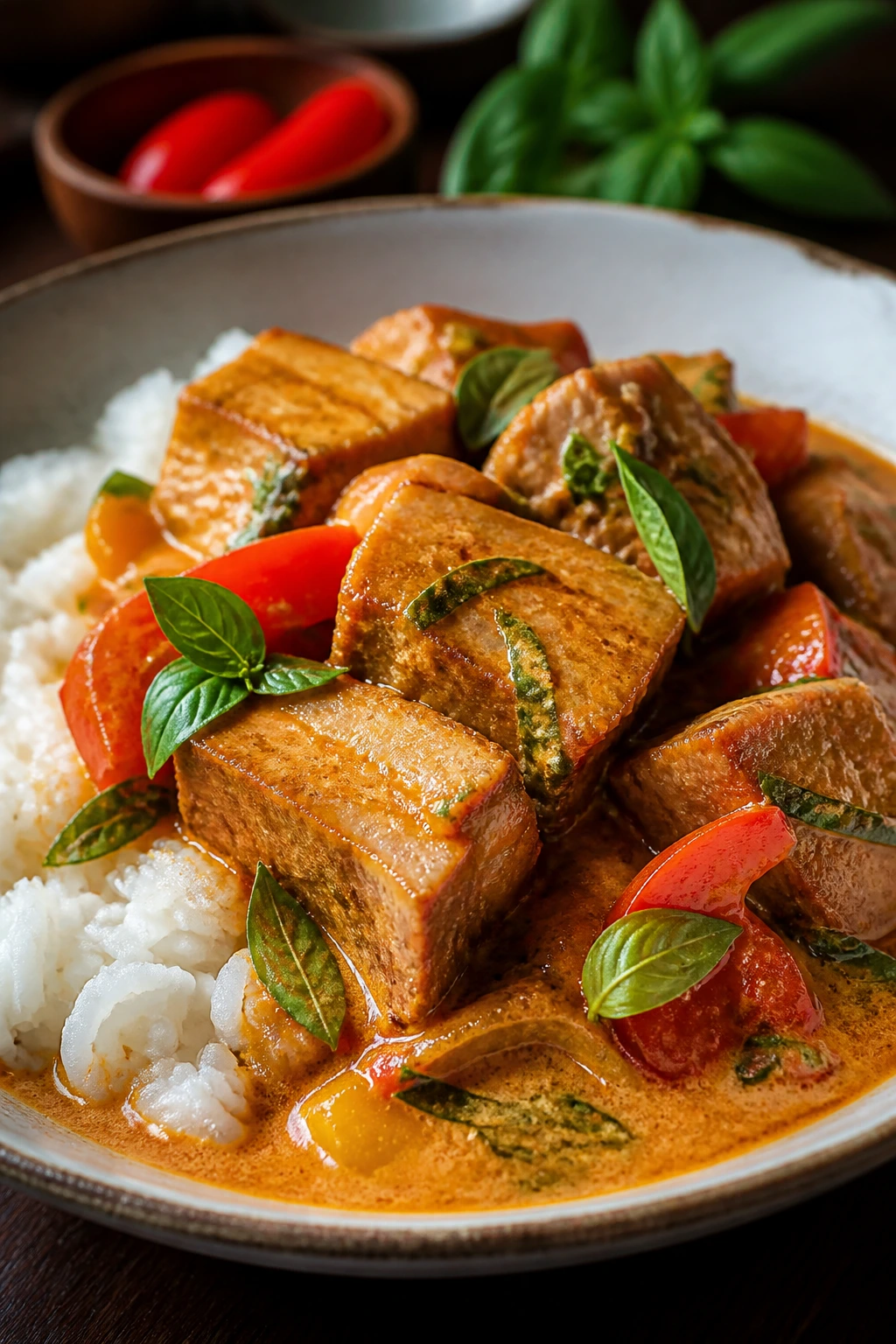
This is the richest recipe in the stack, and that’s not a criticism. Coconut milk, curry paste, lime, and basil make the pork belly taste like something you’d want in a big bowl with rice, and the sauce is the kind people keep spooning over everything else on the plate.
Why It Works:
Red curry paste brings heat, lemongrass notes, and garlic in one ingredient, which helps when you’re feeding a crowd with minimal prep. Coconut milk softens the heat and gives the sauce a silky base that works well with pork belly’s rendered fat. Adding vegetables near the end keeps them from melting into the sauce.
Key Ingredients:
- 3½ pounds pork belly, cut into chunks
- 2 tablespoons red curry paste
- 1 can (13.5 ounces) coconut milk
- 1 cup chicken stock
- 2 tablespoons fish sauce
- 1 tablespoon brown sugar
- 4 garlic cloves, minced
- 1 tablespoon grated ginger
- 1 red bell pepper, sliced
- 1 cup snap peas
- 2 tablespoons lime juice
- Fresh basil for serving
- Jasmine rice for serving
Quick Steps:
- Brown the pork belly.
- Whisk curry paste, coconut milk, stock, fish sauce, brown sugar, garlic, and ginger together.
- Put the pork into the slow cooker and pour the sauce over it.
- Cook on LOW for 7 hours, then stir in bell pepper and snap peas for the final 20 to 30 minutes.
- Finish with lime juice and basil, then serve over rice.
Equipment for This Recipe:
- Slow cooker
- Skillet
- Whisk
- Rice cooker or saucepan
How to Serve This Dish:
Serve it in bowls with rice and a few basil leaves on top. The lime juice at the end matters more than it seems; it wakes up the coconut. Eight servings is a fair estimate, and the sauce stretches well.
Pro Tips for This Recipe:
- Stir the curry paste into the coconut milk before adding it to the cooker.
- Add the vegetables late so they stay bright.
- A spoonful of extra coconut milk at serving gives the sauce a softer finish.
Variations on This Dish:
- Yellow Curry Version: Swap red curry paste for yellow curry paste and add potatoes.
- Green Curry Version: Use green curry paste and add Thai basil if you have it.
Common Mistakes to Avoid with This Dish:
- Adding the vegetables at the start: They turn dull and overcooked.
- Skipping the lime: The dish needs a bright edge.
- Using too little curry paste: Coconut milk softens heat; it doesn’t create it.
18. Smoked Paprika Beer-Braised Pork Belly
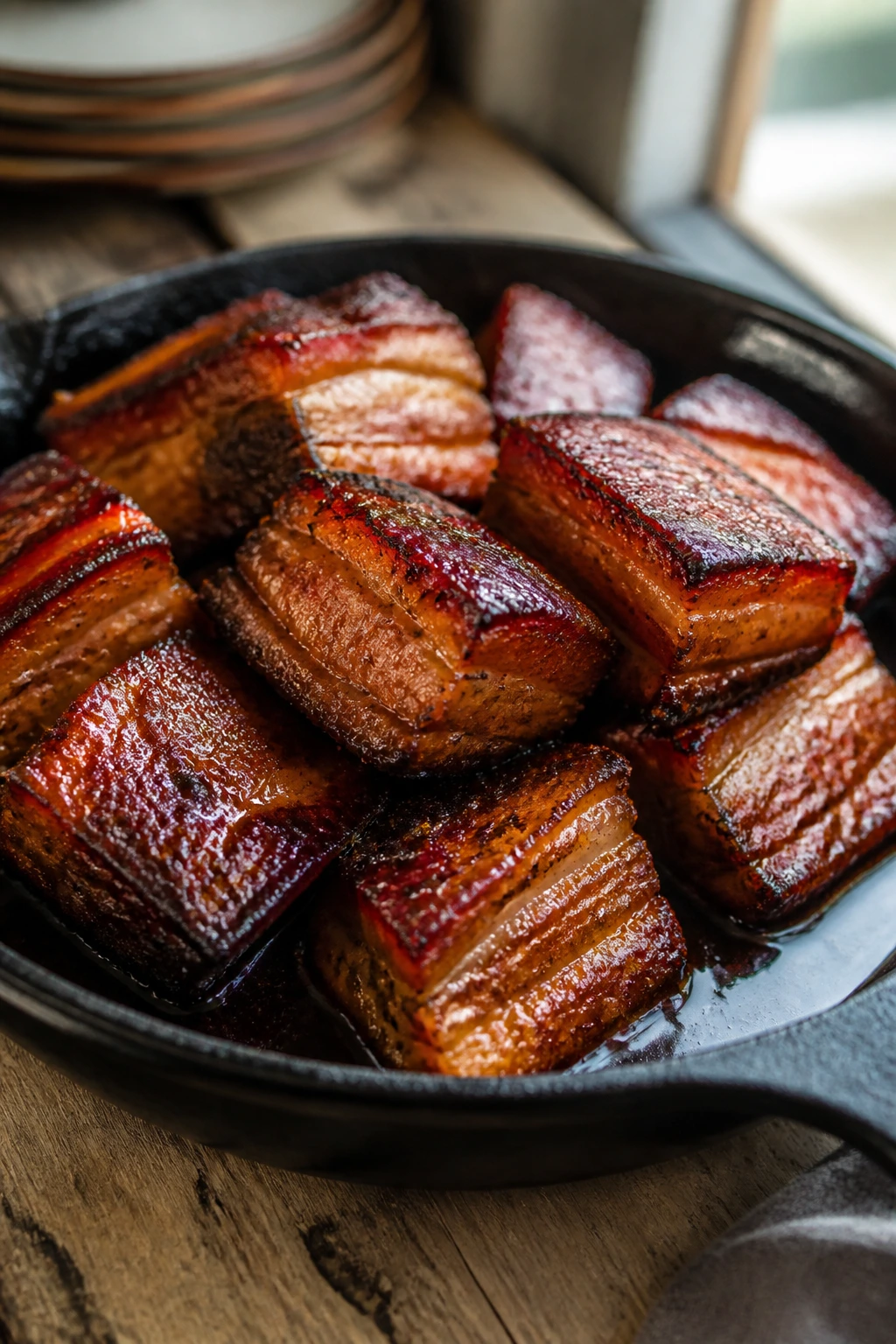
This one feels like it belongs near a wood table and a stack of plates. Beer, smoked paprika, garlic, and mustard give the pork belly a deep, savory flavor that lands somewhere between braise and barbecue, but it stays smoother and more flexible for serving a crowd.
Why It Works:
Beer brings bitterness and malt, which are useful with pork belly because they cut the richness in a way sugar alone cannot. Smoked paprika builds a kind of hearth flavor without needing a smoker, and mustard gives the sauce a little snap. The pork gets tender enough to shred, but not so soft that it disappears.
Key Ingredients:
- 4 pounds pork belly, cut into large chunks
- 2 teaspoons kosher salt
- 1 teaspoon black pepper
- 1 tablespoon smoked paprika
- 1 tablespoon oil
- 1 onion, sliced
- 4 garlic cloves, minced
- 1 cup amber beer
- 1 cup chicken stock
- 1 tablespoon Dijon mustard
- 1 tablespoon tomato paste
- Chopped parsley for serving
- Crusty bread or mashed potatoes for serving
Quick Steps:
- Season and brown the pork belly in oil.
- Soften the onion and garlic in the skillet, then stir in paprika and tomato paste for 30 seconds.
- Deglaze with beer, scraping up the browned bits, then add stock and mustard.
- Pour everything over the pork in the slow cooker and cook on LOW for 7 to 8 hours.
- Reduce the sauce if needed and serve with bread or potatoes.
Equipment for This Recipe:
- Slow cooker
- Skillet
- Wooden spoon
- Ladle
How to Serve This Dish:
This is the recipe to bring out when you want the table to feel full and sturdy. Crusty bread soaks up the sauce, mashed potatoes make it softer, and parsley keeps the plate from feeling too dark. It feeds 8 to 10 with a proper side.
Pro Tips for This Recipe:
- Use a beer you’d actually drink; bitter or overly sweet beers can dominate the pot.
- Let the pork rest in the sauce for 10 minutes before serving.
- Add a teaspoon of vinegar at the end if the beer flavor feels too round.
Variations on This Dish:
- Onion-Braised Version: Add two more sliced onions for a sweeter braise.
- Smoky Tomato Version: Increase the tomato paste to 2 tablespoons for a deeper sauce.
Common Mistakes to Avoid with This Dish:
- Using a beer that’s too hoppy: It can turn sharp after hours of cooking.
- Forgetting to scrape the pan: Those browned bits are flavor.
- Serving without a starch: The sauce deserves something to land on.
Why Slow Cookers Work So Well for Pork Belly Crockpot Recipes
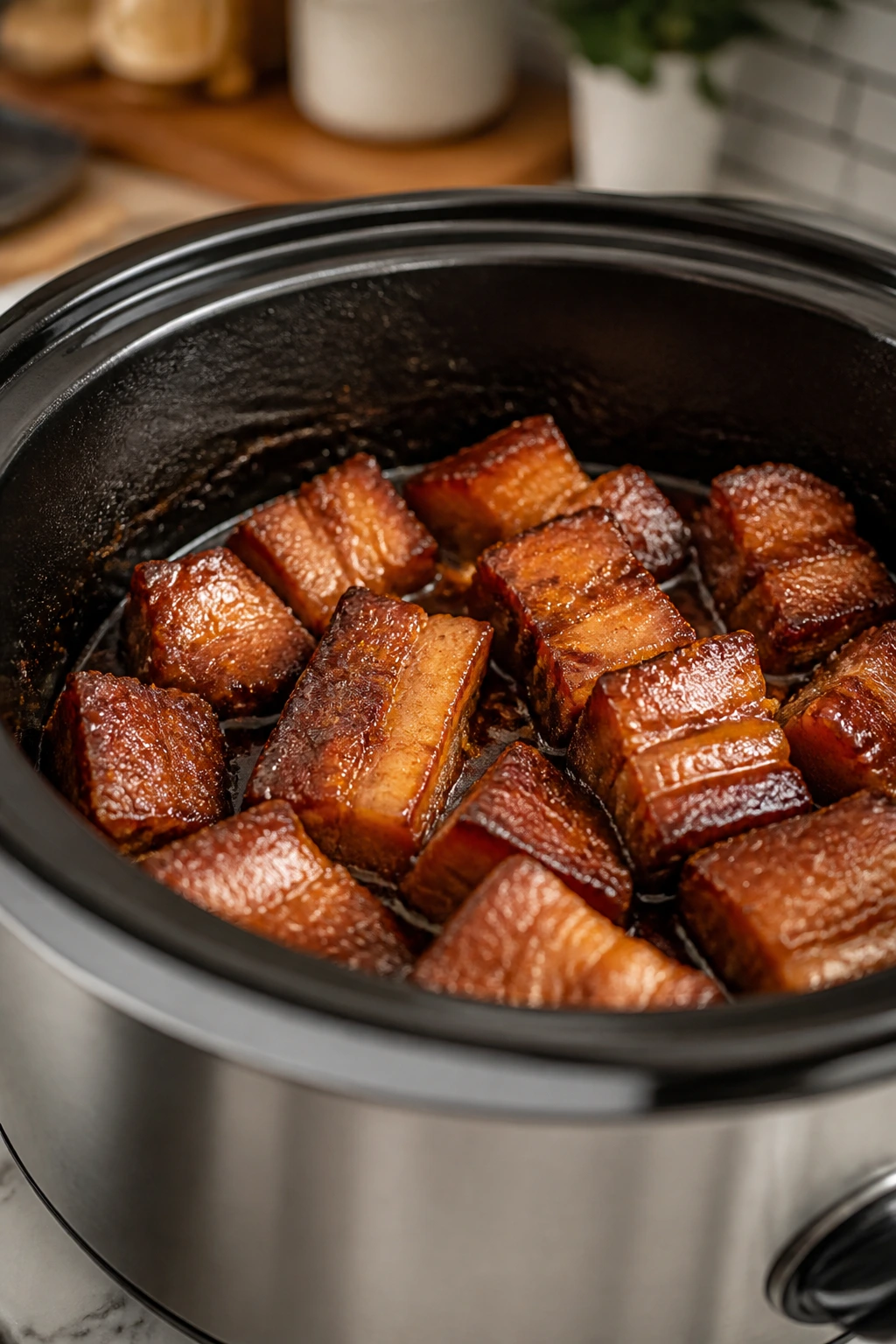
Pork belly is a cut that likes patience. The fat layer needs time to soften, the meat needs enough heat to relax without drying out, and the sauce needs a chance to thicken around all of it. A slow cooker handles those jobs with less drama than an oven braise, and it does it while you’re doing something else entirely.
That’s the real reason this cut works so well in pork belly crockpot recipes. The cooker keeps the temperature steady, which lets the fat render slowly instead of seizing up or frying the edges too early. It also gives you a built-in sauce chamber. The pork gives off fat and gelatin; the sauce picks up both, and the result is richer than a quick stovetop simmer but easier to manage than a Dutch oven on a burner.
There’s one catch, and it matters. Slow cookers don’t brown. If you want the pork belly to taste deep and roasted rather than just braised, a short sear before it goes in is worth the extra pan. You do not need to sear every cube until it looks perfect. You need enough color to give the sauce some backbone.
And if you like a little crispness, the slow cooker is only half the story. A quick trip under the broiler, or a few minutes in a hot skillet after cooking, changes the texture in a way that makes the whole dish feel finished. Soft is good. Bland and soft is not.
Essential Equipment for These Pork Belly Crockpot Recipes
-
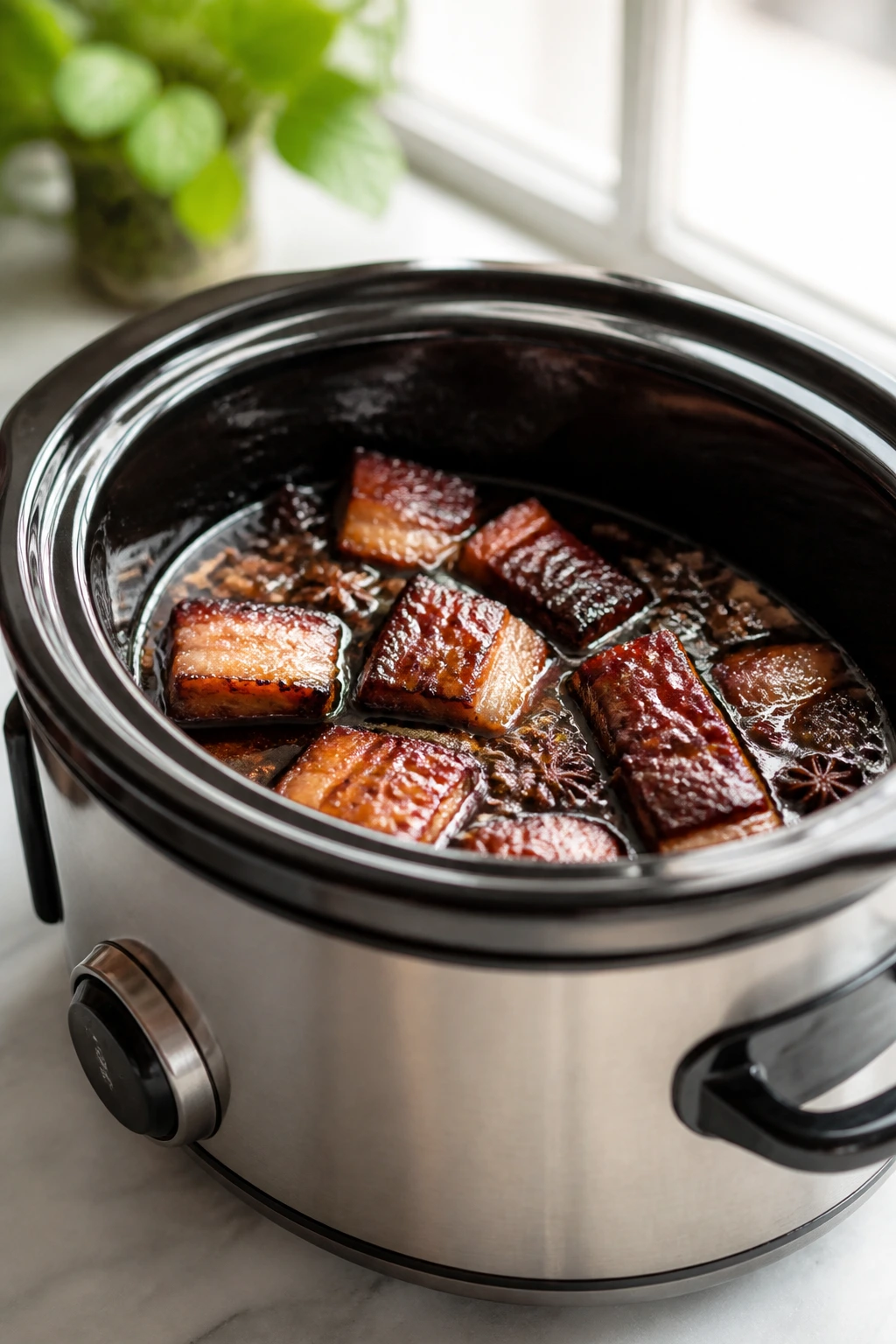
6- to 8-quart slow cooker: A 6-quart model handles most of these recipes, but 8 quarts gives you breathing room when the pork, sauce, and vegetables all go in together.
-
Large skillet or Dutch oven: Use this for browning the pork belly and reducing sauce at the end. The browning step adds more flavor than any extra spice usually will.
-
Tongs: Pork belly pieces are slippery when raw and even more slippery once they start rendering.
-
Rimmed baking sheet: Handy for broiling the meat at the end, especially for carnitas, sliders, or anything that needs crisp edges.
-
Fine-mesh strainer or spoon: Useful for skimming fat from the sauce before serving. A little fat is fine; a greasy bowl is not.
-
Sharp chef’s knife: Pork belly needs clean cuts. A dull knife will tear the layers and make the sear harder.
-
Instant-read thermometer: Braised pork belly is usually cooked for tenderness, not just safety. A thermometer helps you know when the meat has gone from firm to spoon-tender.
-
Measuring cups and spoons: Sauce balance matters here. Eyeballing soy, vinegar, sugar, and citrus is how people end up with a pot that tastes lopsided.
Smart Shopping and Ingredient Tips for Pork Belly Crockpot Recipes
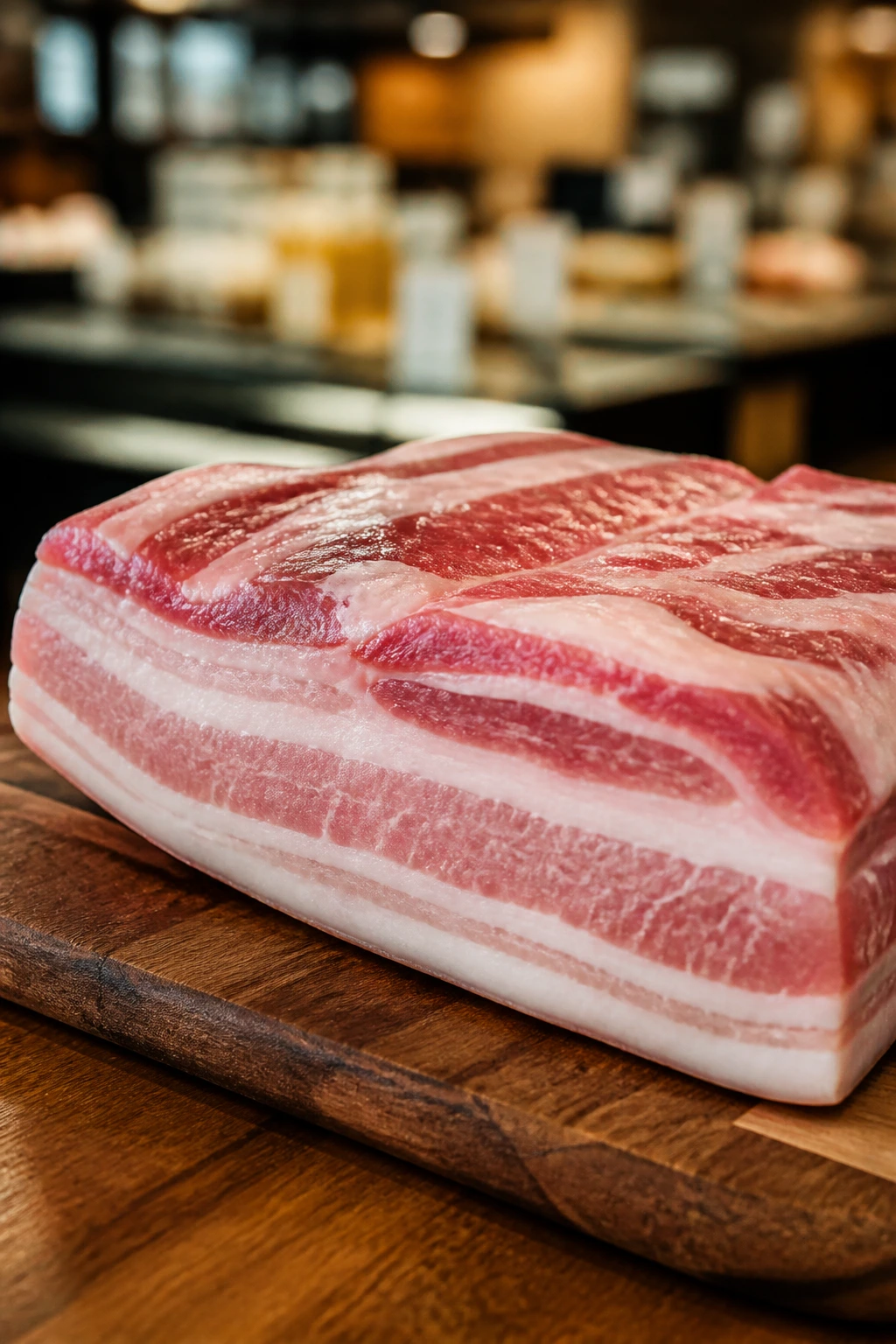
Look for pork belly with even layers of meat and fat, not one giant band of fat sitting on top. A slab that’s too fatty can leave you with more grease than meat once it cooks down, while a slab that’s too lean behaves more like roast pork and loses the whole point. Skinless pork belly is the easiest choice for a slow cooker; if the only option is skin-on, ask the butcher to remove the skin or plan to cook it another way, because slow cooker skin stays rubbery.
Size matters more than people think. For a crowd, 3½ to 4 pounds is a sweet spot for most recipes, and cutting the belly into 2-inch chunks helps it cook evenly and lets the sauce get between the pieces. Very thick slabs can work, but they take longer and can make the center feel strangely soft while the outside is done.
The sauce ingredients deserve some care. Low-sodium soy sauce is usually the better buy because the liquid concentrates as it cooks. Cider vinegar, lime juice, and orange juice are not interchangeable in every recipe; each one pushes the pork in a different direction. Citrus adds brightness, vinegar sharpens, and a little sugar rounds out the edges. If a recipe uses sweeteners like honey, brown sugar, maple, or molasses, use them sparingly at first and adjust after reduction.
Fresh garlic and ginger beat jarred versions in these recipes because the slow cooker can flatten weaker flavors. If you’re adding vegetables, choose sturdier ones: onions, carrots, mushrooms, cabbage, potatoes, bok choy, and bell peppers all hold up. Delicate greens belong at the end or on the side.
How to Serve These Recipes
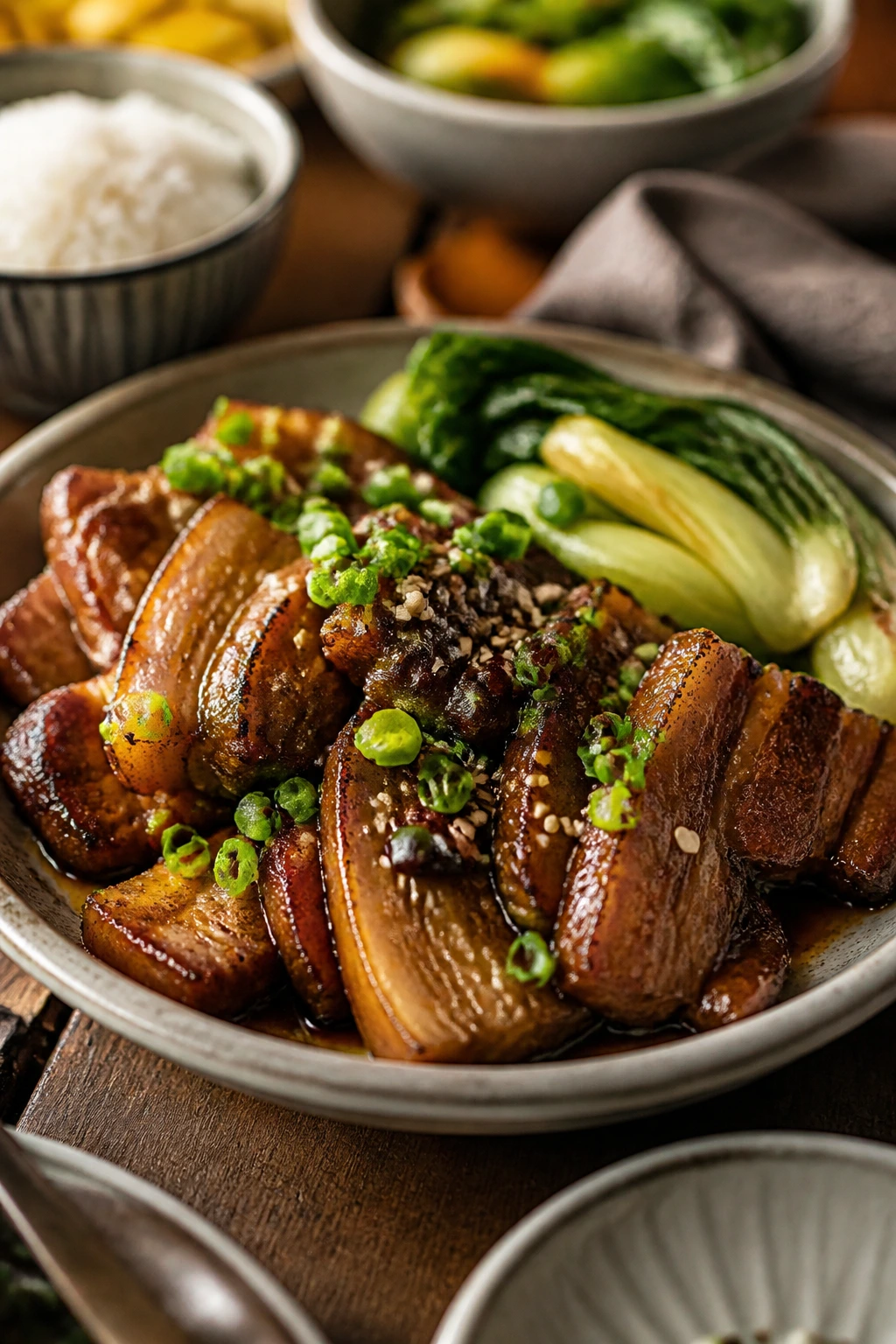
Presentation:
Serve pork belly in shallow bowls or on broad platters, not deep pasta bowls that hide the meat under sauce. If you’ve broiled the pork at the end, keep some of the browned edges visible. A final sprinkle of scallions, herbs, sesame seeds, or sliced chilies gives the dish a fresh look and keeps the color from going all brown-on-brown.
Accompaniments:
Rice is the obvious workhorse, but it’s not the only one. Tortillas, slider buns, mashed potatoes, polenta, noodles, lettuce cups, and crusty bread all do good work here. Add one cold or crunchy side whenever you can: cucumber salad, pickled onions, slaw, or a plain green salad keeps the meal from feeling heavy.
Portions:
A 3½- to 4-pound pork belly usually feeds 8 to 10 people when you pair it with a starch and one vegetable or salad. If the pork is the main thing and the sides are light, count on 6 to 8 generous servings. For larger gatherings, stretch it by serving it in tacos, bowls, or sandwiches, where a 3-ounce cooked portion feels full.
Beverage Pairing:
A crisp lager, dry cider, or sparkling water with lime works across most of these dishes. For the sweeter glazes, an off-dry Riesling is smart because it handles heat and sugar without dragging the meal down.
Additional Tips and Flavor Boosters
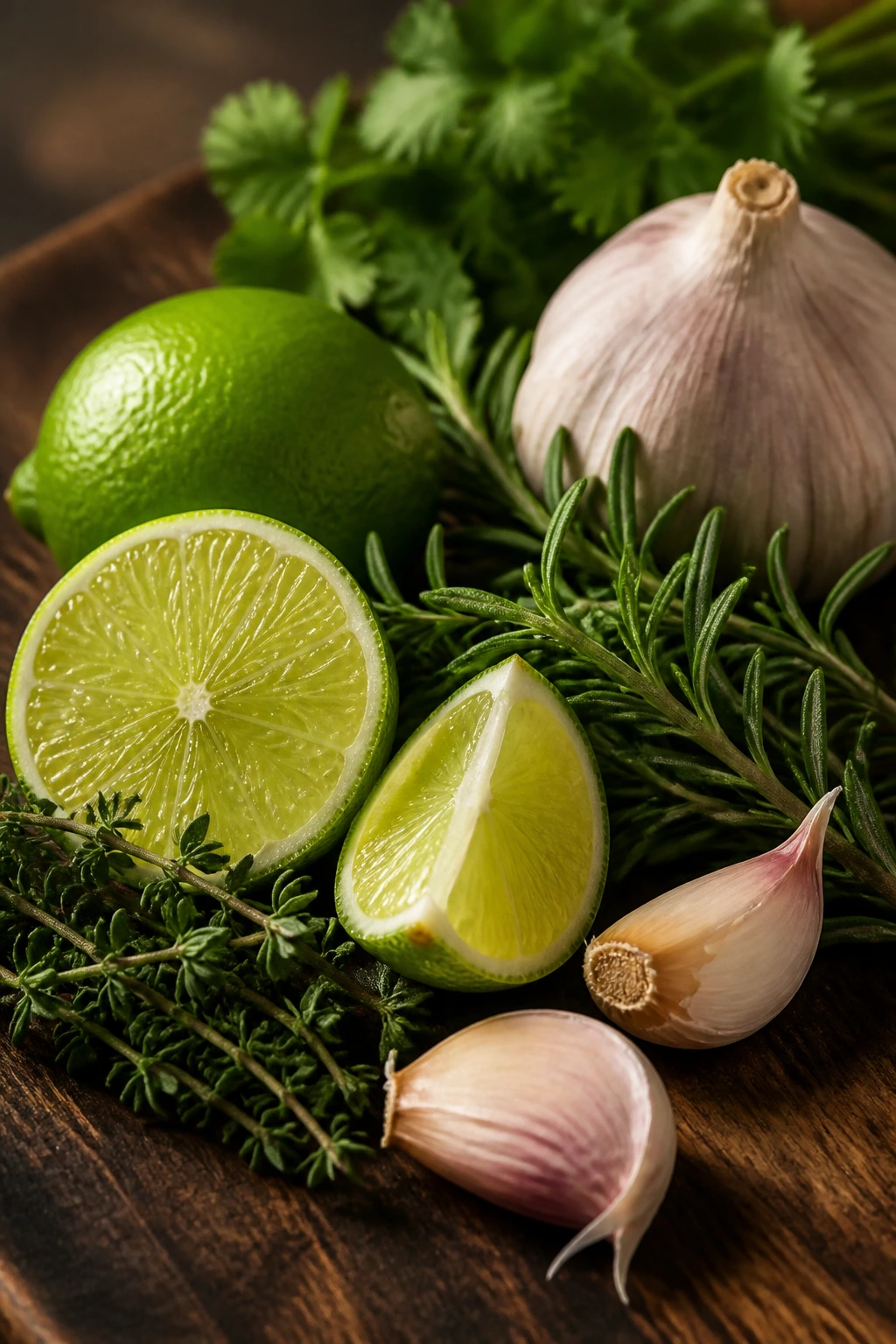
Flavor Enhancement:
A splash of acid at the end changes the whole pot. Lime juice for the Thai and taco recipes, cider vinegar for barbecue or maple-mustard versions, and rice vinegar for soy-based sauces all sharpen the fat and make the pork taste less heavy.
Customization:
If you want more bulk without buying more meat, add potatoes, onions, cabbage wedges, mushrooms, or carrots to the cooker. They catch the sauce and turn a pound of pork belly into a meal that feeds more people without feeling sparse.
Serving Suggestions:
Keep a bowl of toppings on the table. Scallions, cilantro, sesame seeds, chopped herbs, pickled onions, chopped peanuts, sliced chilies, and lime wedges are small things, but they rescue leftovers and make a crowded platter feel intentional.
Make-It-Yours:
For gluten-free versions, use tamari instead of soy sauce and check your barbecue sauce, curry paste, or mustard for hidden wheat. For lower-sodium cooking, lean on citrus, ginger, garlic, and fresh herbs first, then season at the end. For dairy-free meals, most of these recipes already fit without any changes, which is one reason pork belly makes such a useful crowd dinner.
Make-Ahead, Storage, and Reheating Guidance
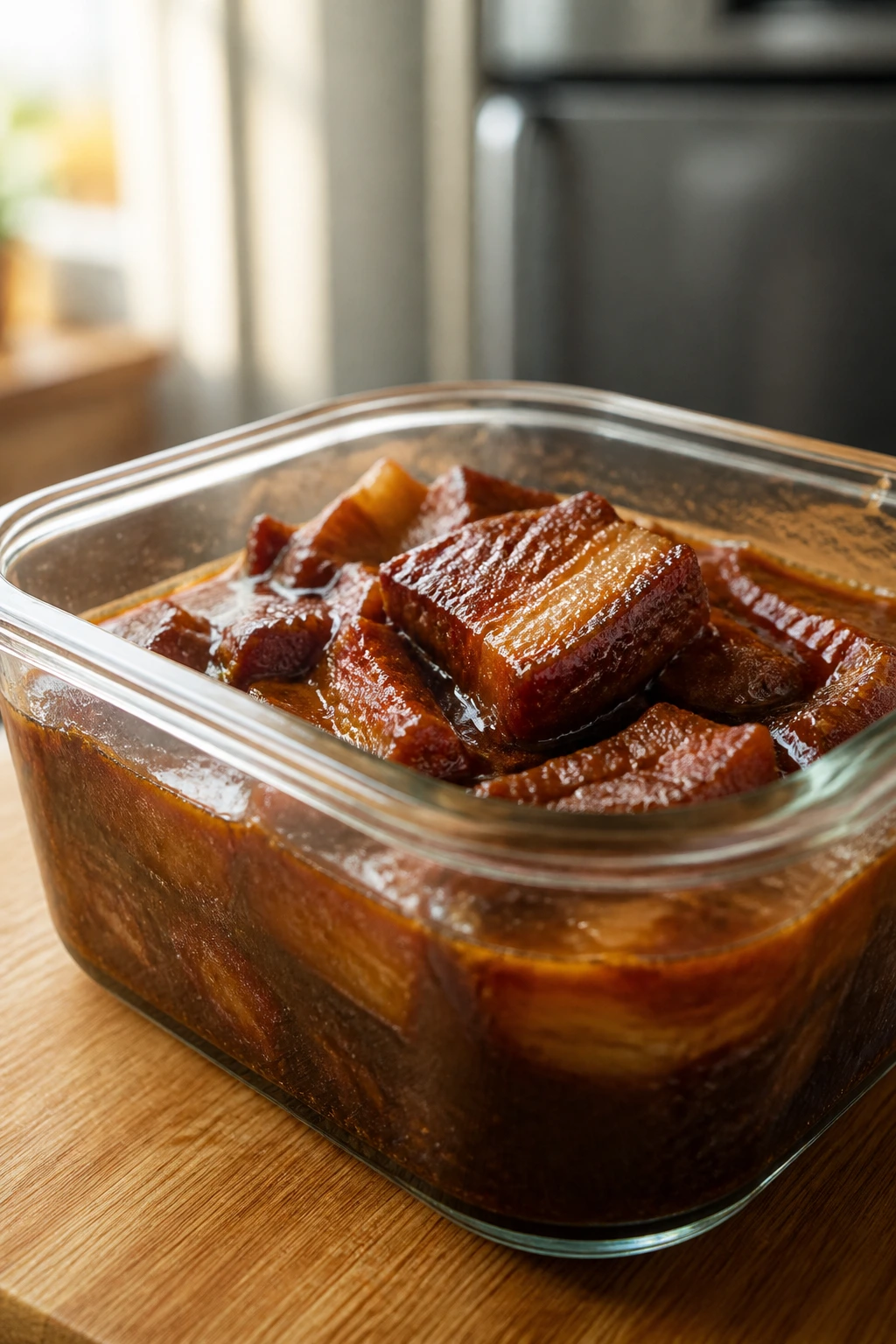
Pork belly holds up well, and in a few of these recipes it tastes better the next day. Once it cools, the fat firms up on the surface, which makes it easy to lift off excess grease before reheating. That matters. A cold spoonful of rendered fat is simple to remove; trying to fix a greasy bowl after it’s hot is much less pleasant.
For refrigeration, aim for 3 to 4 days in a sealed container. Keep the pork in its sauce whenever possible, because the sauce protects it from drying out. If you’ve made a recipe that includes fresh herbs, lettuce, cucumber, or pickles, store those separately so they stay crisp. Rice, potatoes, or noodles should also be packed apart if you can manage it; otherwise they soak up too much sauce and turn soft.
Freezing works well for almost all of these recipes. Portion the pork and sauce into airtight containers or freezer bags and freeze for up to 2 months. Label the container with the recipe name and the serving size. That sounds fussy until you’re trying to remember which bag is the chipotle version and which one is the miso one.
Reheat gently. On the stovetop, warm the pork and sauce over low heat with a splash of water or stock, stirring now and then so the sauce doesn’t catch. In the microwave, use medium power and stop to stir every minute or so. If you want crisp edges back, spread the pork on a sheet pan and broil for 2 to 3 minutes after reheating, but only after most of the sauce has been spooned off. That keeps the meat from steaming into mush.
Variations and Adaptations to Try
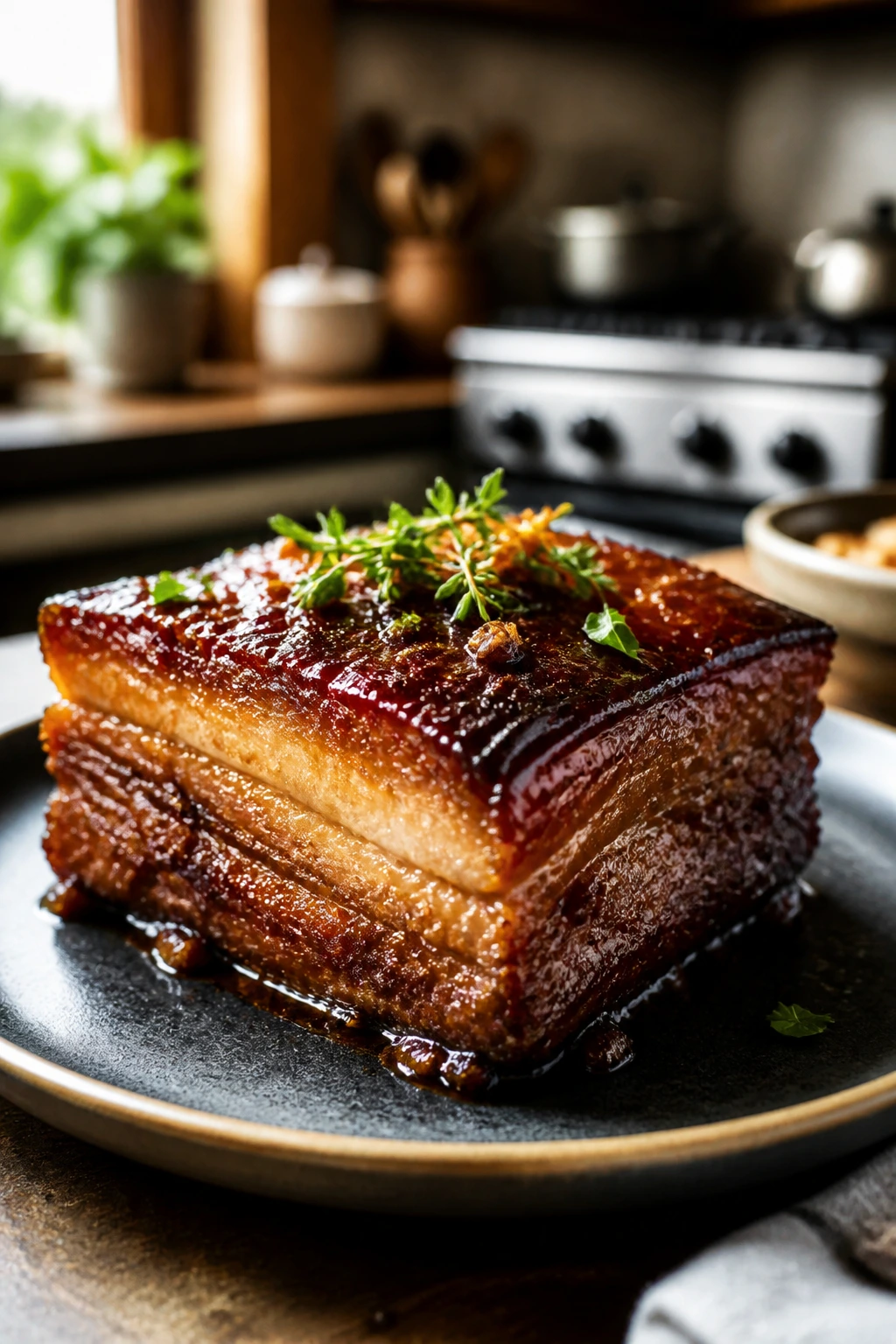
Low-Sodium Pantry Version:
Use low-sodium soy sauce, unsalted stock, and more acid—vinegar, lime, or citrus—to keep the flavor lively. This works best with garlic, ginger, and herbs because those ingredients carry more weight when salt is trimmed back. Finish with a pinch of flaky salt at the table if needed.
Gluten-Free Bowl Route:
Swap soy sauce for tamari and check your curry paste, barbecue sauce, and mustard labels. Serve the pork over rice, potatoes, or rice noodles instead of noodles or bread. It’s one of the easier adaptations here because the meat itself does not care what starch lands underneath it.
Heat-Forward Chili Finish:
If you want more punch, add chili crisp, sliced fresh chiles, chipotle peppers, or a spoonful of sambal at the end instead of loading the cooker with heat from the start. That keeps the flavor cleaner and prevents the sauce from becoming bitter during the long cook. It’s a better approach for guests because people can add more heat at the table.
Vegetable-Stretch Dinner:
Add cabbage wedges, carrots, potatoes, onions, or mushrooms to the cooker so the batch feeds more people without needing extra meat. Choose vegetables that hold their shape for 6 to 8 hours; delicate greens should be added late. This adaptation works especially well for apple cider, maple mustard, beer braise, and mojo-style recipes.
Sandwich-and-Bowl Switch:
Treat any of these recipes as a filling first and a plated dish second. If the sauce is thick, go buns or tortillas; if it’s looser, go rice or noodles. The meat can move between formats with almost no extra work, which is why these recipes are so useful for mixed crowds.
Family-Friendly Sweet Spot:
For households that want less heat, reduce chipotle, jerk seasoning, or curry paste and lean on brown sugar, pineapple, maple, or cider. Keep the acid in place, though. Removing the heat is easy; keeping the dish from tasting flat is the part people forget.
Common Mistakes to Avoid
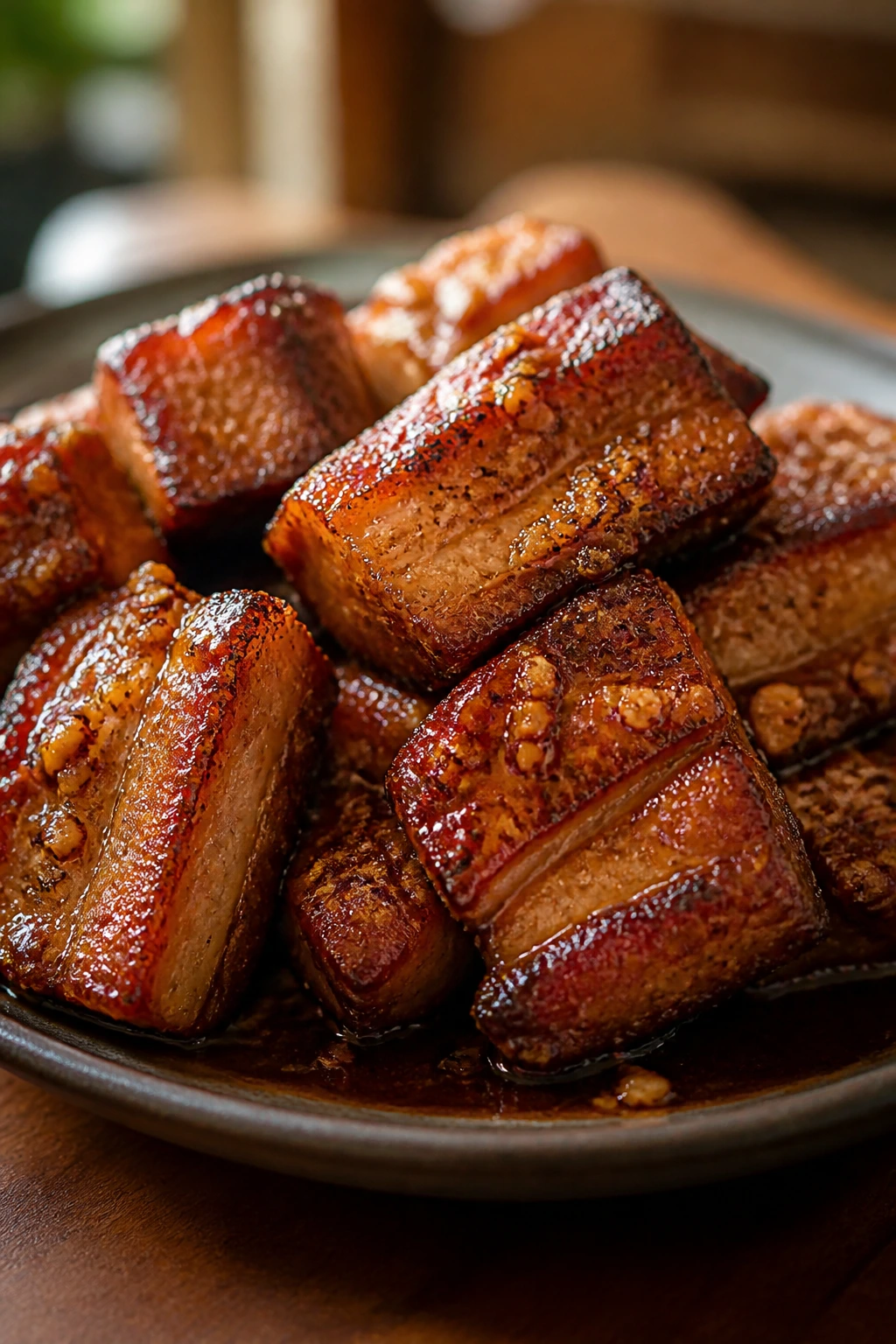
The biggest mistake is treating pork belly like lean pork shoulder. It isn’t. Pork belly brings more fat, which means the sauce needs more acid and a better finish. If the finished dish tastes greasy, it usually needed either a skim, a reduction, or both.
Another common problem is overcrowding the slow cooker. When the pot is stuffed too full, the pork steams instead of braising properly and the sauce takes longer to concentrate. Keep the cooker around two-thirds full if you can. If the batch is larger than that, split it between two pots or cut the recipe down.
Skipping the sear is a lazy move that shows up in the final flavor. Browned pork belly tastes deeper and gives the sauce those little toasted notes that a slow cooker can’t create on its own. If you’re short on time, sear at least the biggest pieces. Even partial browning is better than none.
People also forget to reduce the sauce. The slow cooker makes liquid, but not all of that liquid belongs on the plate. A 10-minute reduction on the stove tightens the sauce and concentrates the seasoning. Without it, the pork can taste cooked but not finished.
The last mistake is serving everything without something fresh, sharp, or crunchy. Pork belly is rich. It wants cucumbers, slaw, herbs, pickles, lime, or scallions to keep each bite from sinking under its own weight. If you’ve ever taken two bites and felt done, this is usually why.
Frequently Asked Questions
Can I use skin-on pork belly in these recipes?
You can, but it is not the best choice for a slow cooker. The skin stays soft instead of crisping, so the texture can feel odd. Skinless pork belly is the cleaner, easier option for these dishes.
Do I really need to brown the pork first?
No, but I’d still do it whenever possible. Browning gives the finished sauce a deeper color and keeps the pork from tasting boiled. If you’re in a hurry, sear the pieces with the most surface area and move on.
How much pork belly should I buy for a crowd?
For most of these recipes, 3½ to 4 pounds feeds 8 to 10 people when you add rice, buns, tacos, potatoes, or another side. If pork belly is the main attraction and the sides are light, plan for closer to 6 to 8 servings.
Can I cook pork belly from frozen in the slow cooker?
I wouldn’t. Frozen meat takes too long to come up to temperature and can cook unevenly. Thaw it fully in the fridge before cooking so the fat renders at the same pace as the meat.
What if the sauce looks too greasy at the end?
Chill it for a few minutes or scoop the pork out and skim the fat from the top. If you have time, refrigerate the whole dish and remove the solid fat cap once it firms up. That’s the easiest fix by far.
How do I get pork belly crispy after slow cooking?
Spread it on a rimmed baking sheet in a single layer and broil it for 2 to 5 minutes, watching closely. You can also pan-sear the pieces in a hot skillet. Either way, dry the pork a bit first so it browns instead of steaming.
Can I double one of these recipes?
Yes, if your slow cooker is large enough and you don’t fill it more than about two-thirds full. Sauces can be doubled more easily than the pork itself, but the cooking time may stretch a little because the pot starts fuller and colder.
What should I do if the pork tastes too sweet?
Add acid before adding more salt or sugar. A splash of vinegar, lime juice, or unsweetened citrus usually fixes the balance in one or two teaspoons. Sweet sauces often just need sharper edges.
A Table Worth Gathering Around
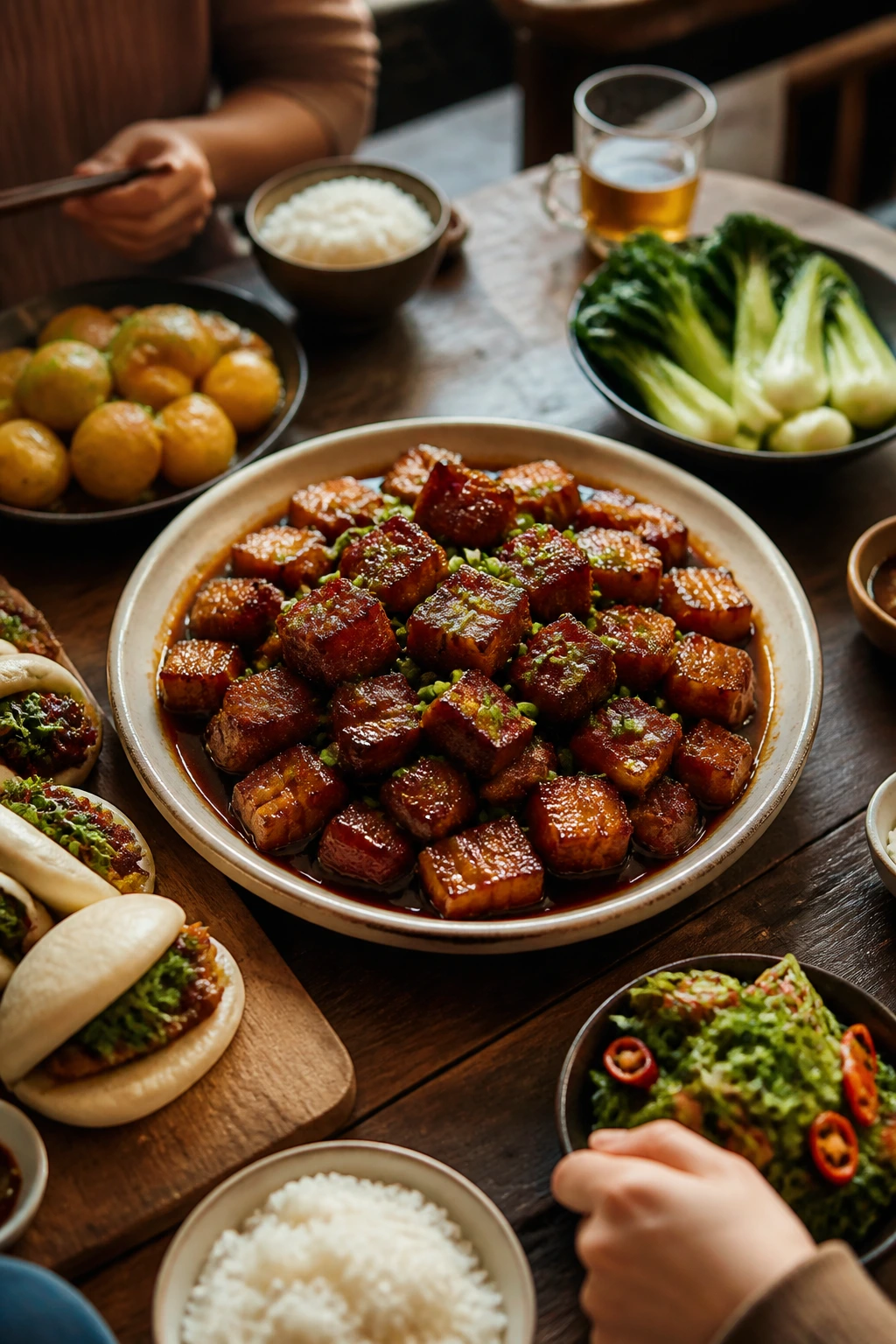
The best thing about a slow cooker batch of pork belly is that it feels generous without demanding much from you once it gets going. The meat turns soft and rich, the sauce settles into something spoonable, and the rest of the meal can be simple: rice, tortillas, buns, potatoes, vegetables, a bowl of pickles if you’re paying attention.
That’s the real value of these recipes. They don’t ask you to choose between ease and abundance. Pick the flavor lane that matches your pantry, keep the acid and the garnish in play, and let the cooker do what it does best. The table will look full, and more important, it will stay full long after the first serving.