



Some dinners ask for celebration. These do not.
Comfort dinners for sick days at home live in a quieter, smarter category: warm bowls, soft textures, gentle seasoning, and just enough effort to make the kitchen feel useful without draining you dry. When your energy is low, the best dinner is usually the one that smells good in the pot, eats easily with a spoon, and doesn’t leave you staring at a sink full of pans afterward.
I keep coming back to the same truth here: when appetite is shaky, heavy or fussy food usually backfires. Brothy soups, rice porridge, mashed potatoes, noodles, polenta, and baked pasta are the things people actually finish. They’re soft, familiar, and forgiving. A good sick-day dinner does not need to be flashy. It needs to be kind.
That’s the standard for every recipe below. Mild enough to go down easily, flexible enough to use what’s in the pantry, and soothing enough that even a rough day feels a little less rough by the time the bowl hits the table.
Why These Dinners Are Worth Keeping on Hand
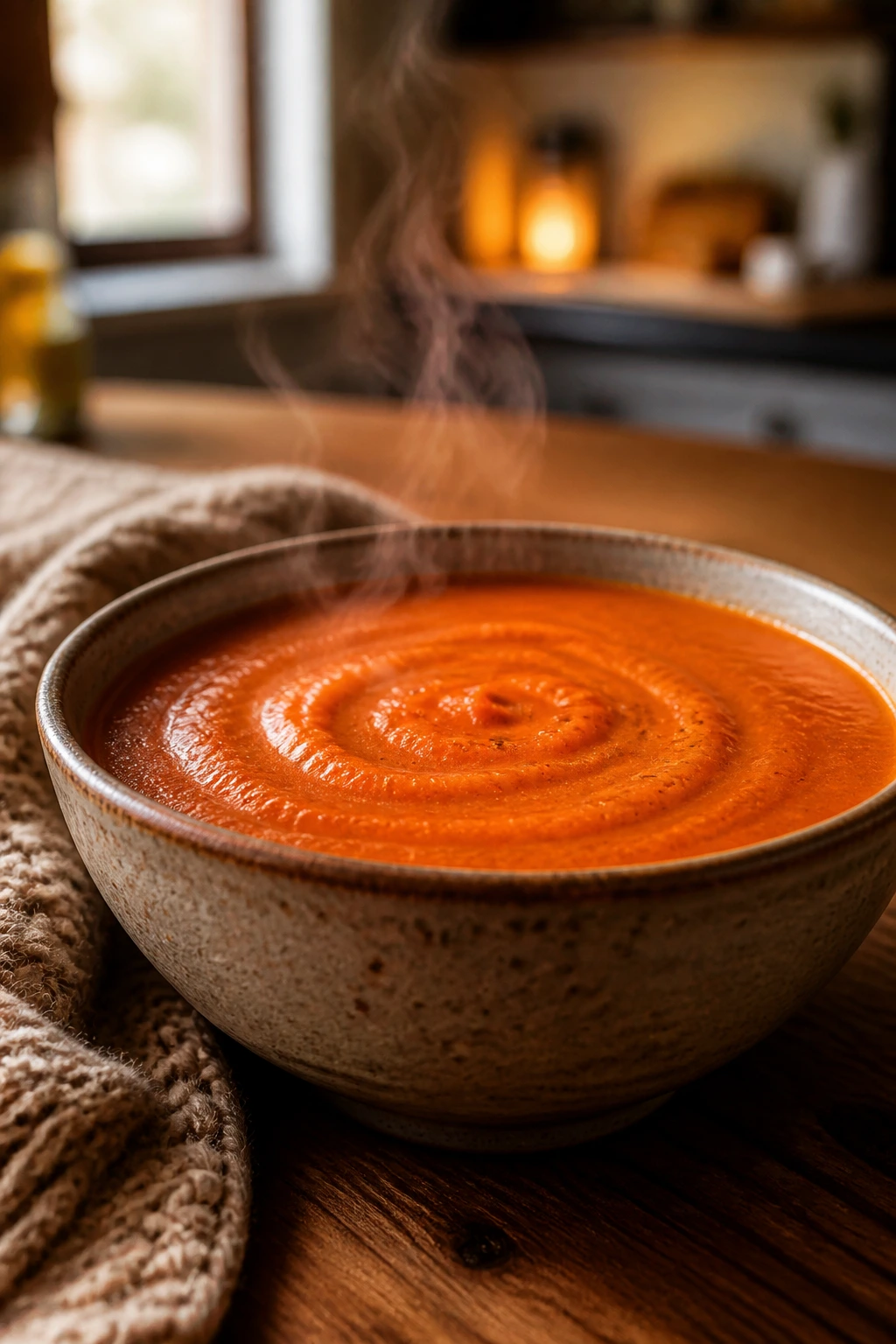
-
Soft textures help when appetite is low: These recipes lean on broth, rice, noodles, potatoes, and creamy finishes, so dinner feels easy instead of like a chore.
-
Most of them use pantry staples: Broth, pasta, rice, canned tomatoes, frozen peas, onions, and eggs show up over and over because they’re reliable and unfussy.
-
They work with tired hands and tired brains: A lot of these meals come together in one pot, one pan, or a single baking dish, which matters more than people admit.
-
You can keep the seasoning gentle: If pepper, spice, or heavy garlic feels like too much, these dinners still work with lemon, herbs, butter, and a little salt.
-
Leftovers are useful, not annoying: Several of these recipes reheat well, and a few taste even better the next day once the broth, starch, and seasoning settle in.
-
They’re flexible in a real kitchen: Rotisserie chicken, frozen vegetables, pre-shredded cheese, and boxed broth all have a place here when you’re not up for extra work.
1. Classic Chicken Noodle Soup
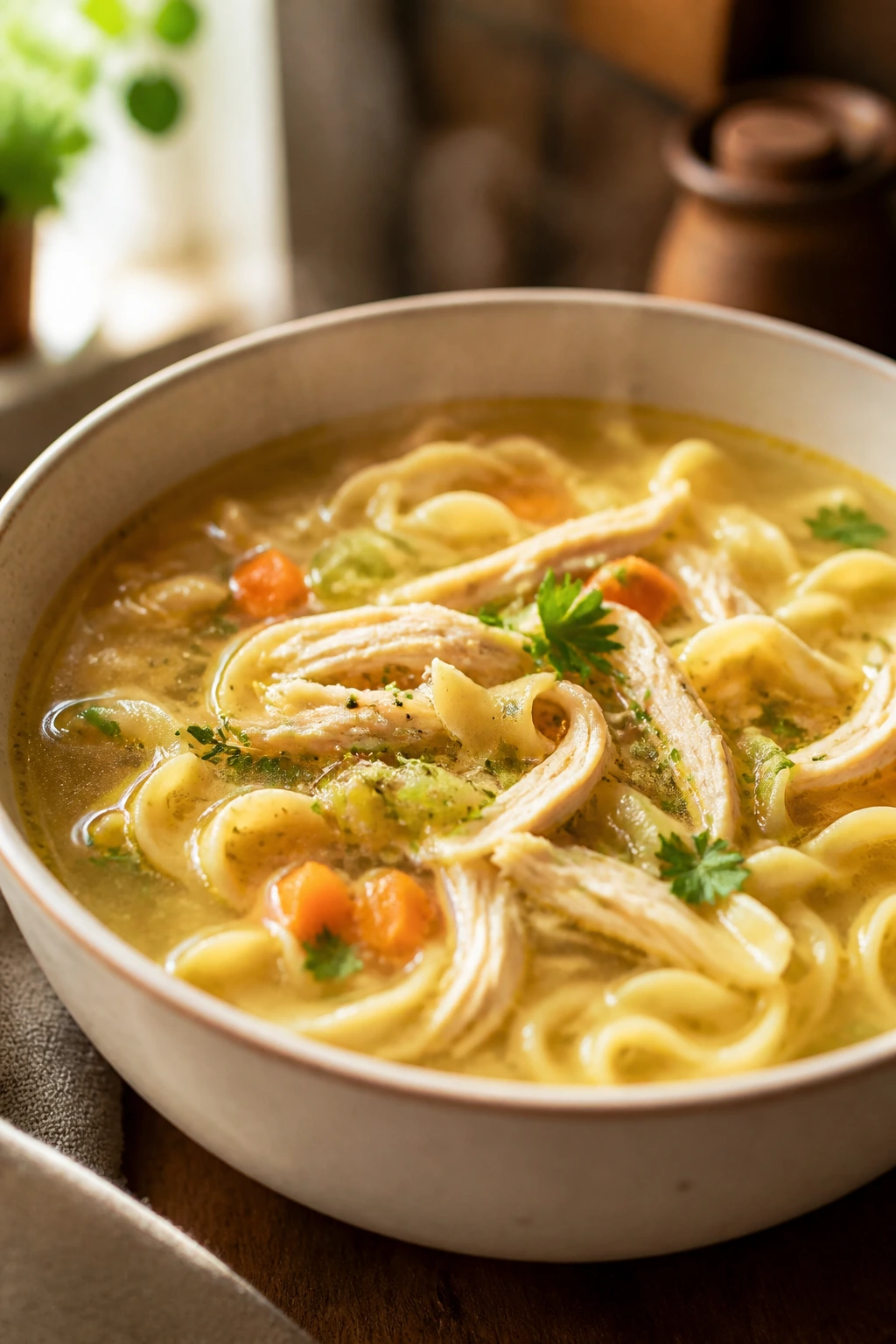
Chicken noodle soup earns its reputation the old-fashioned way: it’s warm, familiar, and easy to eat when you don’t have much appetite. The broth should taste clean and savory, the chicken should shred into soft bites, and the noodles should stay tender enough to slip off a spoon without turning to mush.
This version is the one I reach for when the goal is comfort without heaviness. A little thyme, a little parsley, and a squeeze of lemon at the end keep it bright. Nothing fancy. That’s the point.
Why This One Keeps Showing Up
The combination of broth, shredded chicken, and egg noodles gives you salt, protein, and starch in a form that doesn’t fight your energy. Cooking the chicken in the broth instead of separately pulls flavor into the whole pot, and it also keeps the meat from drying out. If you’ve only got one hour and a low battery, this is the kind of dinner that still feels like a win.
Ingredients That Matter
- 1 tablespoon olive oil
- 1 medium yellow onion, diced
- 2 medium carrots, sliced into thin rounds
- 2 celery stalks, sliced
- 3 garlic cloves, minced
- 8 cups low-sodium chicken broth
- 1 pound boneless, skinless chicken thighs
- 1 teaspoon dried thyme
- 1 teaspoon kosher salt, plus more to taste
- 1/2 teaspoon black pepper
- 2 cups egg noodles
- 2 tablespoons chopped fresh parsley
- 1 lemon, cut into wedges
Quick Steps
-
Sauté the vegetables: Heat the olive oil in a large pot over medium heat. Add the onion, carrots, and celery, and cook for 5 to 6 minutes, stirring now and then, until the onion turns translucent and the vegetables smell sweet.
-
Build the broth: Stir in the garlic, then pour in the chicken broth. Add the chicken thighs, thyme, salt, and pepper. Bring the pot to a gentle boil, then reduce to a steady simmer.
-
Cook until tender: Simmer for 18 to 22 minutes, until the chicken reaches 165°F and feels soft when pierced with a fork. Do not let the broth boil hard or the chicken can get stringy.
-
Shred the chicken: Lift the chicken out onto a plate and shred it with two forks. Return the meat to the pot.
-
Add the noodles: Stir in the egg noodles and cook for 7 to 8 minutes, until they’re tender but still springy. Taste the broth and adjust salt if needed.
-
Finish and serve: Stir in the parsley and squeeze in a little lemon. Serve hot with extra lemon on the side.
Small Tweaks That Help
- Make-ahead note: If you expect leftovers, cook the noodles separately and add them to each bowl so they stay firm.
- Gentle flavor boost: A tiny pinch of turmeric gives the broth a warmer color and a soft earthiness.
- Texture fix: If the soup thickens after sitting, add 1/2 cup hot water or broth before reheating.
2. Gentle Ginger Chicken Congee
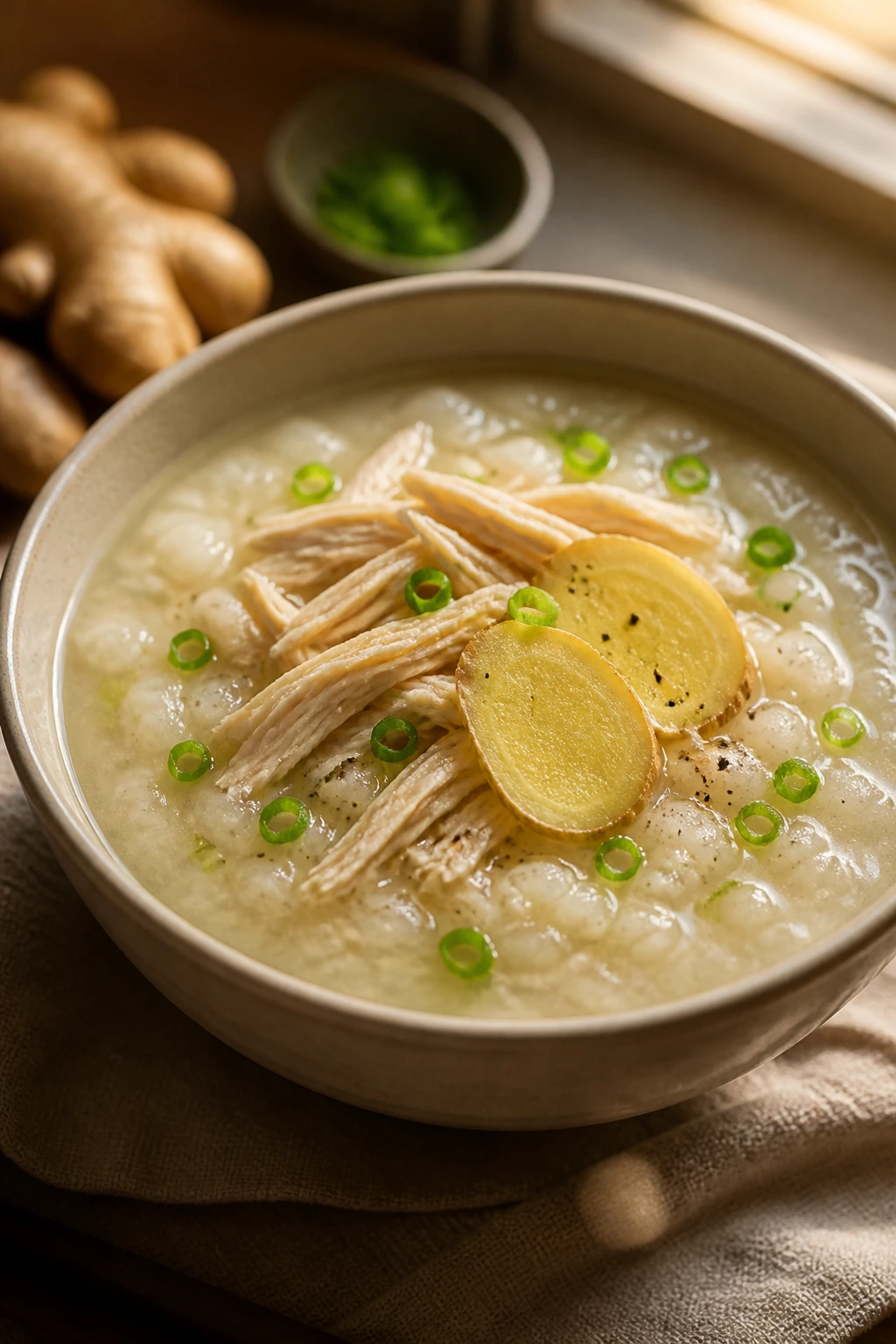
Congee is what I want when the stomach feels off and the body wants warmth more than volume. It’s rice cooked down until it turns silky and spoonable, with ginger and chicken giving it quiet backbone. A little soy sauce and sesame oil at the end is enough. More would be too much.
This is not a dramatic dinner. It’s a restorative one. The pot should look creamy and loose, not stiff, and the chicken should disappear into the rice in soft shreds.
Why This Bowl Is Easy to Tolerate
Rice breaks down into a gentle porridge when it simmers long enough in plenty of liquid, which makes congee especially good for low-energy days. Ginger adds a clean, sharp aroma that cuts through the plainness without making the dish hot or aggressive. If you want a dinner that asks very little from you and gives back a lot, this is it.
What Goes In
- 1 cup jasmine rice, rinsed well
- 8 cups low-sodium chicken broth
- 1 pound boneless, skinless chicken thighs
- 2-inch piece fresh ginger, peeled and sliced
- 3 garlic cloves, lightly crushed
- 1 teaspoon kosher salt
- 1 tablespoon soy sauce
- 1 tablespoon sesame oil
- 2 scallions, thinly sliced
- 2 soft-boiled eggs, halved, optional
How to Make It
-
Combine the base: Add the rice, broth, chicken thighs, ginger, garlic, and salt to a large pot. Bring it to a boil over medium-high heat.
-
Lower the heat: Reduce to the lowest simmer and cook uncovered for 45 to 50 minutes, stirring every 5 to 7 minutes so the rice doesn’t settle and stick. The mixture should look creamy, with the grains broken down and the chicken turning very tender.
-
Shred the chicken: Remove the chicken to a bowl and shred it with forks. Return it to the pot.
-
Season carefully: Stir in the soy sauce and sesame oil. Taste. If it needs more salt, add a small pinch at a time.
-
Adjust the texture: Add up to 1 cup hot water if you want the congee looser. It should flow slowly off a spoon, not sit in a mound.
-
Finish with toppings: Spoon into bowls and top with scallions and soft-boiled eggs, if using.
Easy Tweaks
- Best shortcut: Use leftover cooked chicken and simmer the rice in broth for 35 to 40 minutes, then stir the chicken in at the end.
- Freshness cue: A little grated ginger on top right before serving makes the whole bowl smell brighter.
- If soy feels too salty: Swap in a spoonful of white miso dissolved in a bit of hot broth.
3. Creamy Tomato Soup with Cheesy Toast Dippers
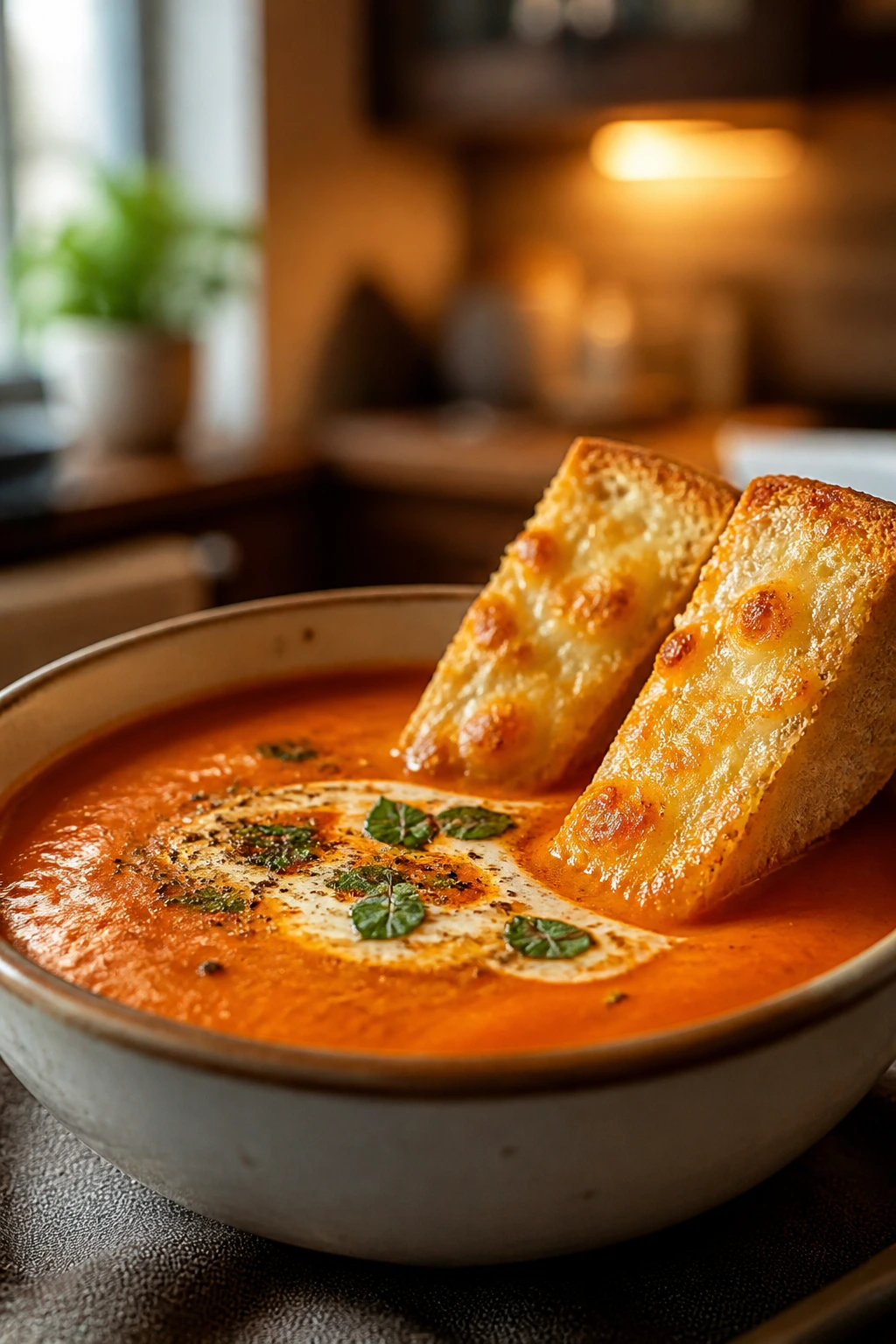
Tomato soup can be thin and disappointing, or it can be lush and spoon-coating with enough body to stand up to crusty bread. This version stays in the second camp. The flavor should be sweet from the tomatoes, rich from the butter and cream, and just sharp enough from the garlic and onion to keep it from tasting flat.
The cheesy toast dippers are part of the charm. They give you something crunchy to drag through the bowl, and they turn a soup into a proper dinner without demanding much effort. I’d argue the toast matters as much as the soup.
Why This Soup Feels So Settling
Tomatoes and dairy do a nice job together when the proportions stay balanced. The acidity keeps the soup lively, while cream rounds off the edges so it doesn’t feel harsh. Broiling the bread with cheese gives you salt, crunch, and a little heft, which matters when you want comfort that still counts as dinner.
What to Buy
For the Soup:
- 2 tablespoons unsalted butter
- 1 medium yellow onion, chopped
- 3 garlic cloves, minced
- 2 tablespoons tomato paste
- 2 cans (28 ounces each) crushed tomatoes
- 2 cups low-sodium vegetable or chicken broth
- 1 teaspoon sugar
- 1 teaspoon kosher salt
- 1/2 teaspoon black pepper
- 1/2 cup heavy cream
- 1 tablespoon chopped basil, plus more for serving
For the Cheesy Toast:
- 4 thick slices sourdough or country bread
- 1 tablespoon melted butter
- 2 cups shredded cheddar or 8 slices of mild cheese
How to Make It
-
Cook the onion: Melt the butter in a pot over medium heat. Add the onion and cook for 6 to 8 minutes, until soft and lightly golden at the edges.
-
Wake up the tomato paste: Stir in the garlic and tomato paste and cook for 1 minute, until the paste darkens slightly and smells sweet rather than raw.
-
Simmer the soup: Add the crushed tomatoes, broth, sugar, salt, and pepper. Bring to a simmer and cook for 20 minutes, stirring once or twice.
-
Blend if you want it smooth: Use an immersion blender right in the pot, or blend carefully in batches. Leave it rustic if that’s your style.
-
Finish with cream: Stir in the heavy cream and basil. Warm gently for 1 to 2 minutes. Do not boil after adding cream or the texture can break.
-
Make the toast: Brush bread with melted butter, pile on the cheese, and broil for 2 to 3 minutes until melted and browned in spots.
-
Serve together: Cut the toast into fingers and serve with the soup.
Small Tweaks That Help
- Dairy-free option: Use olive oil instead of butter and coconut milk instead of cream.
- Depth booster: A pinch of dried oregano gives the soup a more rounded flavor without making it taste like pizza sauce.
- If the soup tastes sharp: Add 1/2 teaspoon more sugar, or let it simmer another 5 minutes.
4. Baked Mac and Cheese

Mac and cheese is the edible version of a blanket. Good baked mac should be creamy underneath, bronzed on top, and soft enough to feel soothing without turning to paste. The cheese sauce needs enough salt to taste alive, but not so much that it feels heavy after a few bites.
This is the dinner I make when I want comfort that still feels like an event. Not a big one. Just enough to justify a baking dish and a spoon. The breadcrumb topping adds a little crunch, which keeps the final bite from getting monotonous.
Why This Bake Helps on Low-Energy Nights
Pasta gives you fast comfort, and cheese sauce gives you richness without requiring a second thought. Baking it for a short stretch lets the top set and pick up some texture, while the inside stays soft and spoonable. It’s also easy to portion, which is handy when nobody wants to stand at the stove any longer than necessary.
What Goes In
- 12 ounces elbow macaroni
- 4 tablespoons unsalted butter
- 1/4 cup all-purpose flour
- 3 cups whole milk, warmed
- 1 teaspoon kosher salt
- 1/2 teaspoon black pepper
- 1/2 teaspoon mustard powder
- 2 cups shredded sharp cheddar
- 1 cup shredded Monterey Jack
- 1 cup panko breadcrumbs
- 2 tablespoons melted butter
How to Make It
-
Cook the pasta: Boil the macaroni in salted water for 1 minute less than the package says. Drain and set aside.
-
Make the roux: Melt the butter in a saucepan over medium heat. Whisk in the flour and cook for 1 to 2 minutes, until it smells nutty and looks pale beige.
-
Build the sauce: Slowly whisk in the warm milk. Cook for 4 to 6 minutes, whisking often, until the sauce thickens enough to coat the back of a spoon.
-
Add the cheese: Stir in the salt, pepper, mustard powder, cheddar, and Monterey Jack. Remove from the heat once the cheese melts and the sauce turns glossy.
-
Combine and top: Mix the pasta with the sauce and spread it into a greased baking dish. Toss the panko with the melted butter and sprinkle it over the top.
-
Bake: Bake at 375°F for 20 to 25 minutes, until bubbling at the edges and golden on top.
Small Tweaks That Help
- For extra softness: Skip the breadcrumbs and keep the top all-cheese if swallowing feels tiring.
- Make-ahead move: Assemble the mac and cheese up to 1 day ahead, then bake just before dinner.
- Flavor note: A little smoked paprika is nice, but keep it light; this dish works best when it stays mellow.
5. Lemon Orzo Chicken Soup
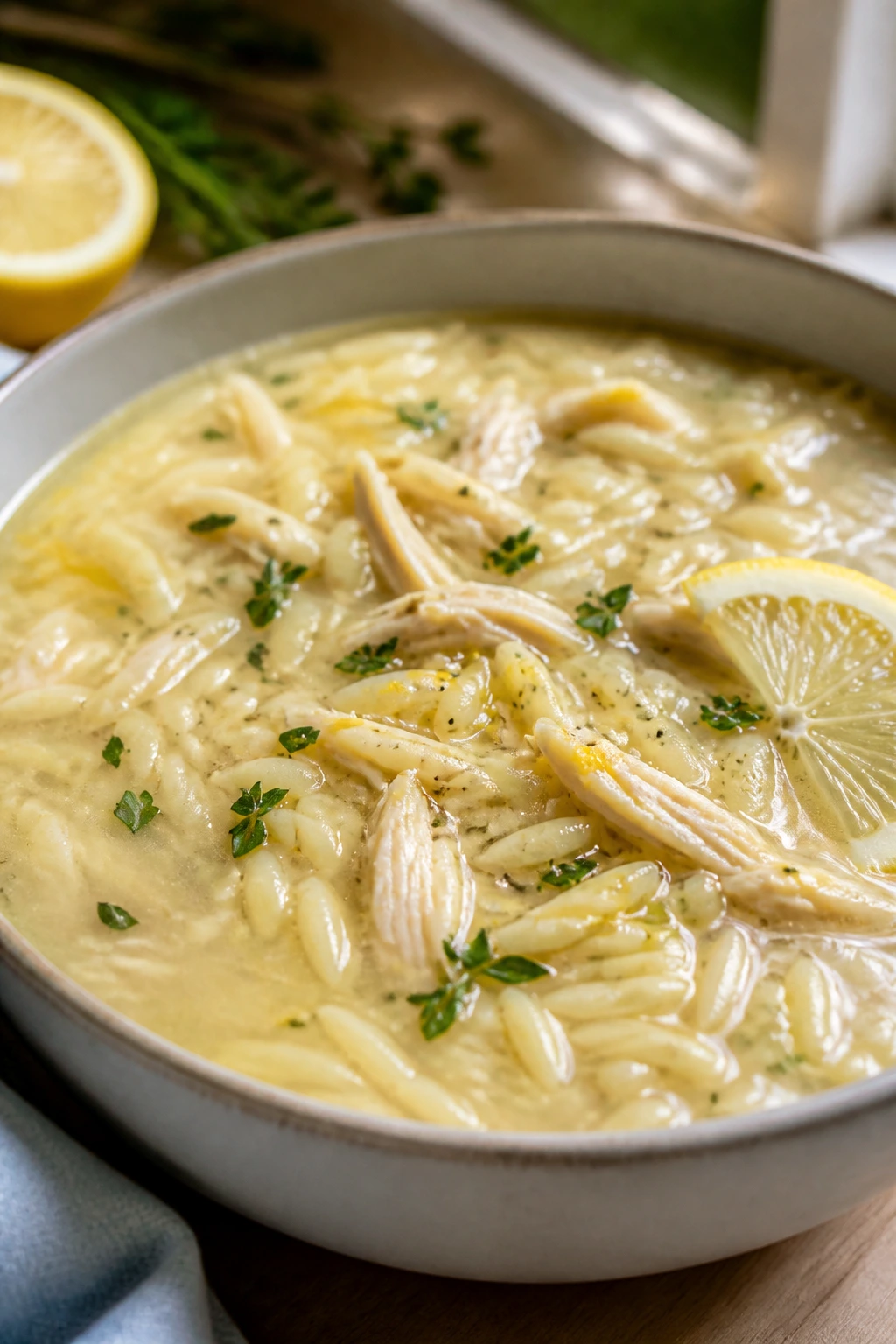
This is the brighter cousin of chicken noodle soup. Orzo gives the broth a little more body, and lemon makes the whole bowl taste alive without becoming sharp. The texture lands somewhere between soup and a very loose risotto, which is exactly why it feels good when you’re under the weather.
It’s a practical recipe, too. Orzo cooks quickly, the chicken gets tender in the broth, and the whole thing finishes with fresh dill or parsley. The smell coming off the pot is half the comfort.
Why It Feels Lighter Than It Looks
Orzo is tiny enough to spoon easily, but it still gives the soup substance. Lemon lifts the broth so it doesn’t taste flat after a long simmer, and the herbs keep it from drifting into bland territory. If you want a bowl that feels warming but not heavy, this one sits in a very nice middle ground.
Ingredients You Need
- 1 tablespoon olive oil
- 1 medium onion, diced
- 2 carrots, diced small
- 2 celery stalks, diced small
- 3 garlic cloves, minced
- 8 cups low-sodium chicken broth
- 1 pound boneless, skinless chicken breast or thighs
- 1 cup orzo
- 1 lemon, zested and juiced
- 1 teaspoon dried dill or 1 tablespoon chopped fresh dill
- 1 teaspoon kosher salt
- 1/2 teaspoon black pepper
- 2 tablespoons chopped parsley
Quick Steps
-
Cook the vegetables: Heat the oil in a large pot over medium heat. Add the onion, carrots, and celery and cook for 5 minutes, until softened.
-
Add the garlic and broth: Stir in the garlic for 30 seconds, then pour in the broth. Add the chicken, dill, salt, and pepper.
-
Simmer gently: Cook for 15 to 18 minutes, until the chicken is cooked through and tender.
-
Shred the chicken: Remove it from the pot, shred it, and return it.
-
Cook the orzo: Stir in the orzo and simmer for 8 to 10 minutes, stirring often so it doesn’t stick.
-
Finish with lemon: Add the lemon zest, lemon juice, and parsley. Taste and adjust salt.
Small Tweaks That Help
- If you want more broth: Add an extra cup of hot water or stock before serving; orzo keeps absorbing liquid.
- Better leftovers tip: Cook the orzo separately if you plan to store the soup more than a day.
- Gentle add-in: A few baby spinach leaves stirred in at the end wilt fast and add color without much work.
6. Buttered Egg Noodles with Parmesan and Peas
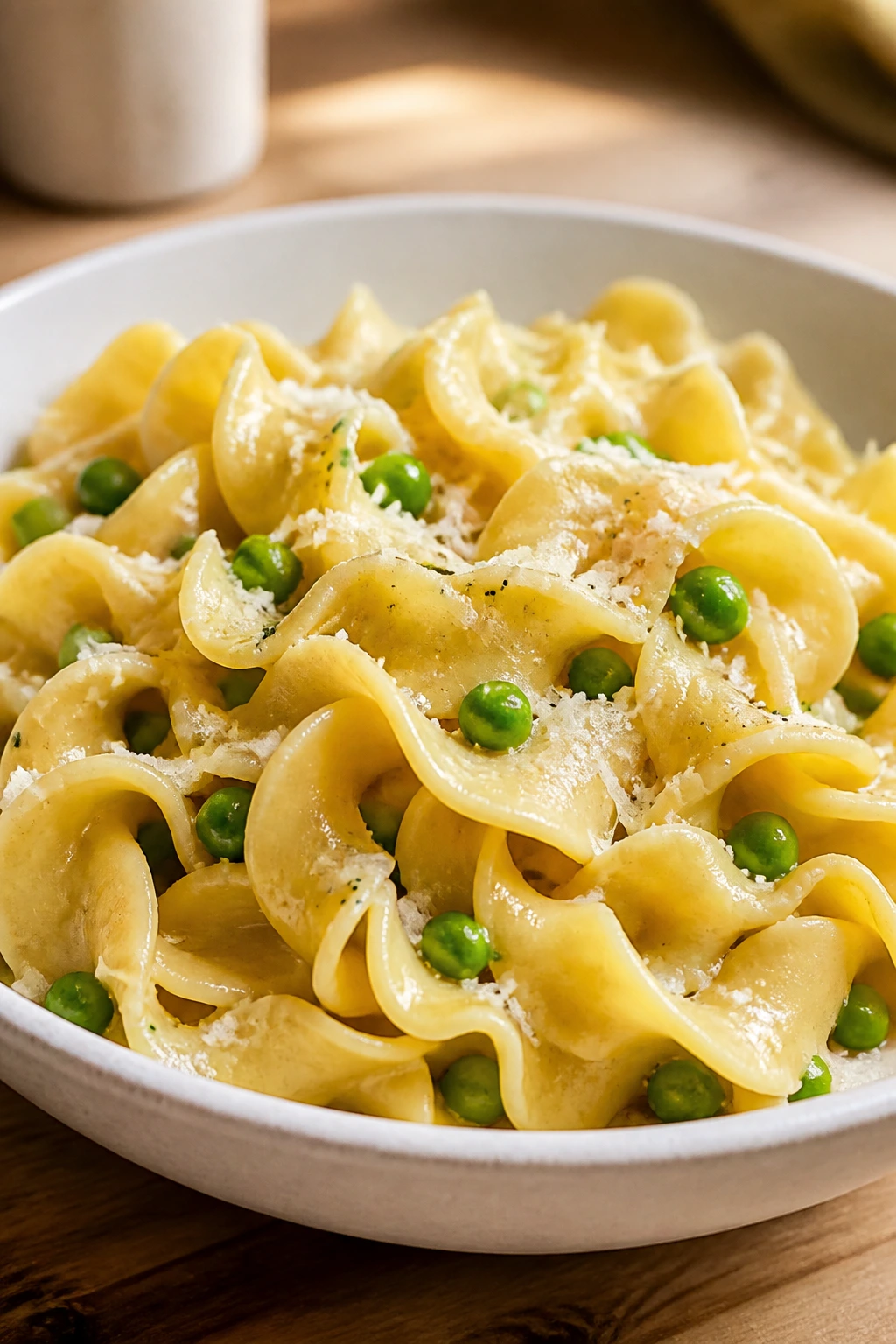
There’s a quiet little magic to a bowl of buttered noodles. It’s not dramatic, and it doesn’t try to be. The noodles should be glossy, the peas sweet and soft, and the Parmesan salty enough to pull everything together without making the dish feel fussy.
I like this on the nights when even soup feels like too much. It’s warm, fast, and plain in the best sense. Add a soft egg on top if you want something a little more filling, or keep it stripped down and soothing.
Why This Is a Smart Low-Energy Dinner
Egg noodles cook fast and stay tender with very little help. Butter carries the flavor, Parmesan adds richness, and peas bring just enough freshness to keep the dish from feeling one-note. You can have this on the table before your brain starts negotiating with you.
Ingredients to Gather
- 12 ounces wide egg noodles
- 3 tablespoons unsalted butter
- 1 1/2 cups frozen peas
- 1/2 cup reserved pasta water
- 3/4 cup finely grated Parmesan
- 1 teaspoon kosher salt
- 1/2 teaspoon black pepper
- 2 tablespoons chopped parsley
- 2 soft-poached or fried eggs, optional
- 1 cup shredded rotisserie chicken, optional
Quick Steps
-
Boil the noodles: Cook the egg noodles in salted water until just tender, usually 7 to 8 minutes. Reserve 1/2 cup of the pasta water before draining.
-
Warm the peas: During the last minute of cooking, add the frozen peas to the pot. They’ll thaw and turn bright green fast.
-
Butter everything: Return the drained noodles and peas to the pot. Add the butter and a splash of pasta water and toss until the butter melts.
-
Add the cheese: Stir in the Parmesan, salt, and pepper. Add more pasta water a tablespoon at a time if the noodles seem dry.
-
Top if you want: Divide into bowls and finish with parsley, soft eggs, or shredded chicken.
Small Tweaks That Help
- Best texture trick: Use more pasta water than you think you need; the sauce should look silky, not clumpy.
- For extra comfort: A tiny grind of nutmeg gives the noodles a warm, old-school flavor.
- Protein shortcut: Rotisserie chicken folds in nicely and makes this feel like a fuller dinner.
7. Potato Leek Soup
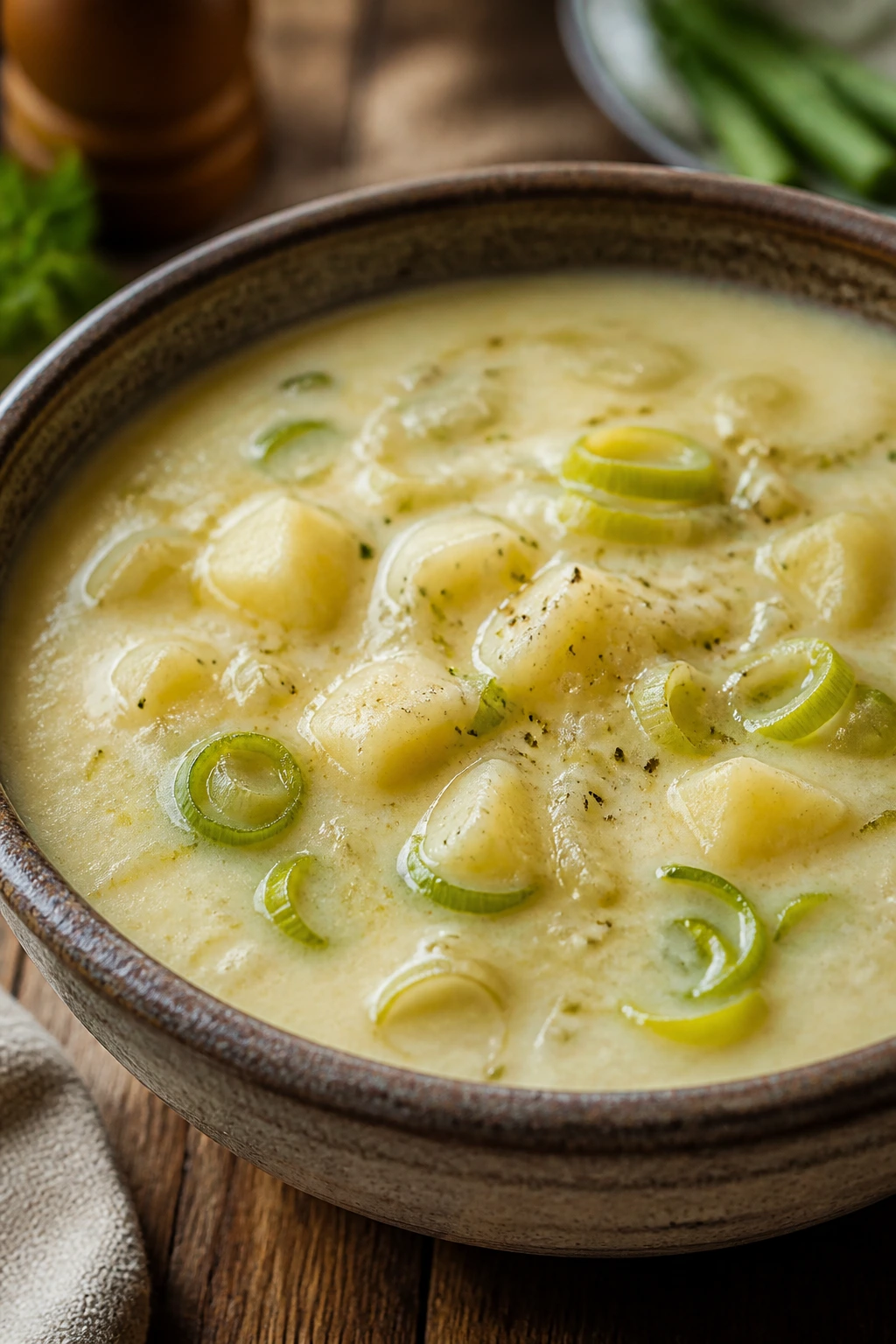
Potato leek soup is what happens when a few humble ingredients decide to be graceful together. The leeks should taste mild and sweet, the potatoes should make the broth creamy, and the finish should feel silky rather than heavy. It’s one of those soups that looks plain until the first spoonful, then suddenly makes complete sense.
I prefer it with some texture left in the bowl, not fully puréed into submission. A little chive on top, maybe a crack of pepper, and a side of toast if the appetite cooperates. That’s enough.
Why This Pot Works When You’re Running Low
Leeks bring a soft onion flavor that’s gentler than a raw yellow onion, and potatoes give body without needing cream in large amounts. Blend only part of the soup if you want it rustic, or all of it if swallowing feels easier. Either way, you get a dinner that’s warm, soft, and forgiving.
What You’ll Need
- 2 tablespoons unsalted butter
- 3 large leeks, white and light green parts only, cleaned and sliced
- 2 pounds Yukon Gold potatoes, peeled and diced
- 1 garlic clove, minced
- 6 cups low-sodium chicken or vegetable broth
- 1 bay leaf
- 1 teaspoon kosher salt
- 1/2 teaspoon black pepper
- 1 cup milk or half-and-half
- 2 tablespoons chopped chives
How to Make It
-
Sweat the leeks: Melt the butter in a soup pot over medium-low heat. Add the leeks and cook for 8 to 10 minutes, stirring often, until they soften without browning.
-
Add the potatoes: Stir in the garlic and potatoes for 1 minute, then pour in the broth. Add the bay leaf, salt, and pepper.
-
Simmer until tender: Cook for 20 to 25 minutes, until the potatoes break apart easily with a fork.
-
Blend to your liking: Remove the bay leaf. Blend half the soup with an immersion blender, or blend it all if you want a smooth finish.
-
Stir in the dairy: Add the milk or half-and-half and warm gently for 2 minutes. Do not let it boil once the milk goes in.
-
Serve: Top with chives and extra pepper.
Small Tweaks That Help
- If leeks are gritty: Slice them first, then rinse them in a bowl of cold water and lift them out by hand.
- Thicker finish: Mash a few potatoes directly in the pot instead of blending.
- Extra-soft version: Add 1/2 cup more broth and blend until fully smooth.
8. Miso Udon with Soft Egg
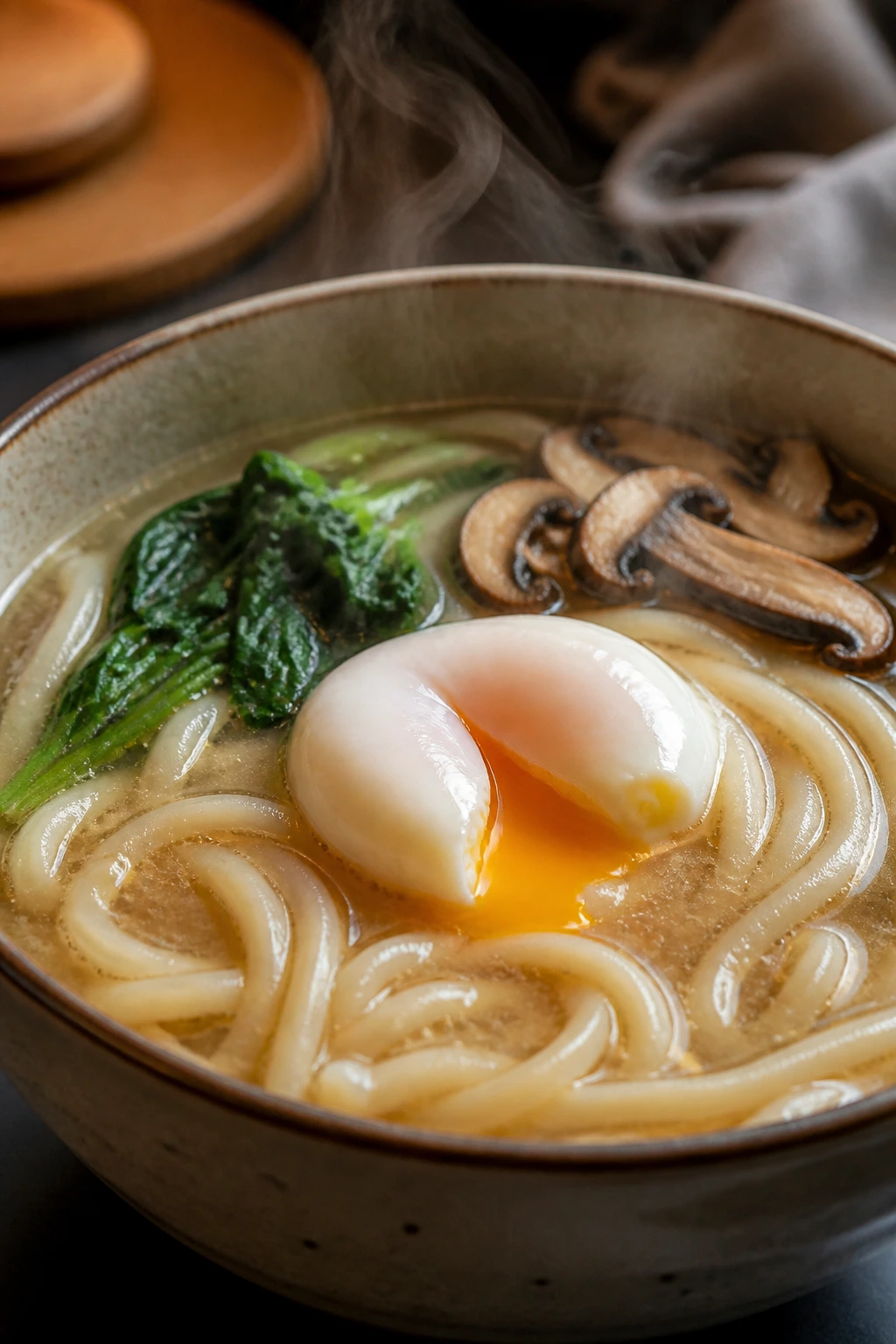
Miso broth has a way of tasting deeper than the ingredient list suggests. Udon noodles bring that chewy, slurpy comfort, while mushrooms and spinach add just enough substance to feel like a meal. The soft egg on top, if you use it, gives the bowl a rich center without making it heavy.
This is the sort of dinner that feels gentle but not boring. A little sesame oil goes a long way, and white miso keeps the flavor rounded and savory instead of loud. Good broth, good noodles, done.
Why This Bowl Feels Soothing
White miso is mellow and slightly sweet, which makes it a good fit for days when aggressive seasoning sounds wrong. Udon noodles are thick and soft, so they’re easy to eat even when your appetite is small. The broth should taste lightly salty, earthy, and warm enough to settle in the chest.
Ingredients to Have Ready
- 8 ounces fresh or frozen udon noodles
- 6 cups water or low-sodium broth
- 3 tablespoons white miso
- 1 tablespoon soy sauce
- 1 teaspoon grated fresh ginger
- 8 ounces mushrooms, sliced
- 2 cups baby spinach
- 1 tablespoon sesame oil
- 2 scallions, sliced
- 4 eggs, soft-boiled, optional
- Sesame seeds, optional
Quick Steps
-
Start the broth: Bring the water or broth to a simmer in a medium pot. Add the ginger and mushrooms and cook for 5 minutes.
-
Cook the noodles: Add the udon and cook according to package directions, usually 2 to 4 minutes for fresh noodles or 8 to 10 for frozen.
-
Add the spinach: Stir in the spinach and cook for 30 seconds, just until wilted.
-
Melt in the miso: Ladle a little hot broth into a bowl, whisk the miso smooth in it, then stir it back into the pot. Do not boil after the miso goes in or the flavor can flatten.
-
Finish the bowl: Stir in the soy sauce and sesame oil. Top with scallions, soft-boiled eggs, and sesame seeds.
Small Tweaks That Help
- No egg needed: The noodles and mushrooms are enough if you want to keep the bowl lighter.
- If you want more richness: Add a teaspoon of butter right before serving. It sounds odd; it works.
- Best shortcut: Frozen udon is excellent here and cooks straight from frozen.
9. One-Pan Chicken and Rice Casserole
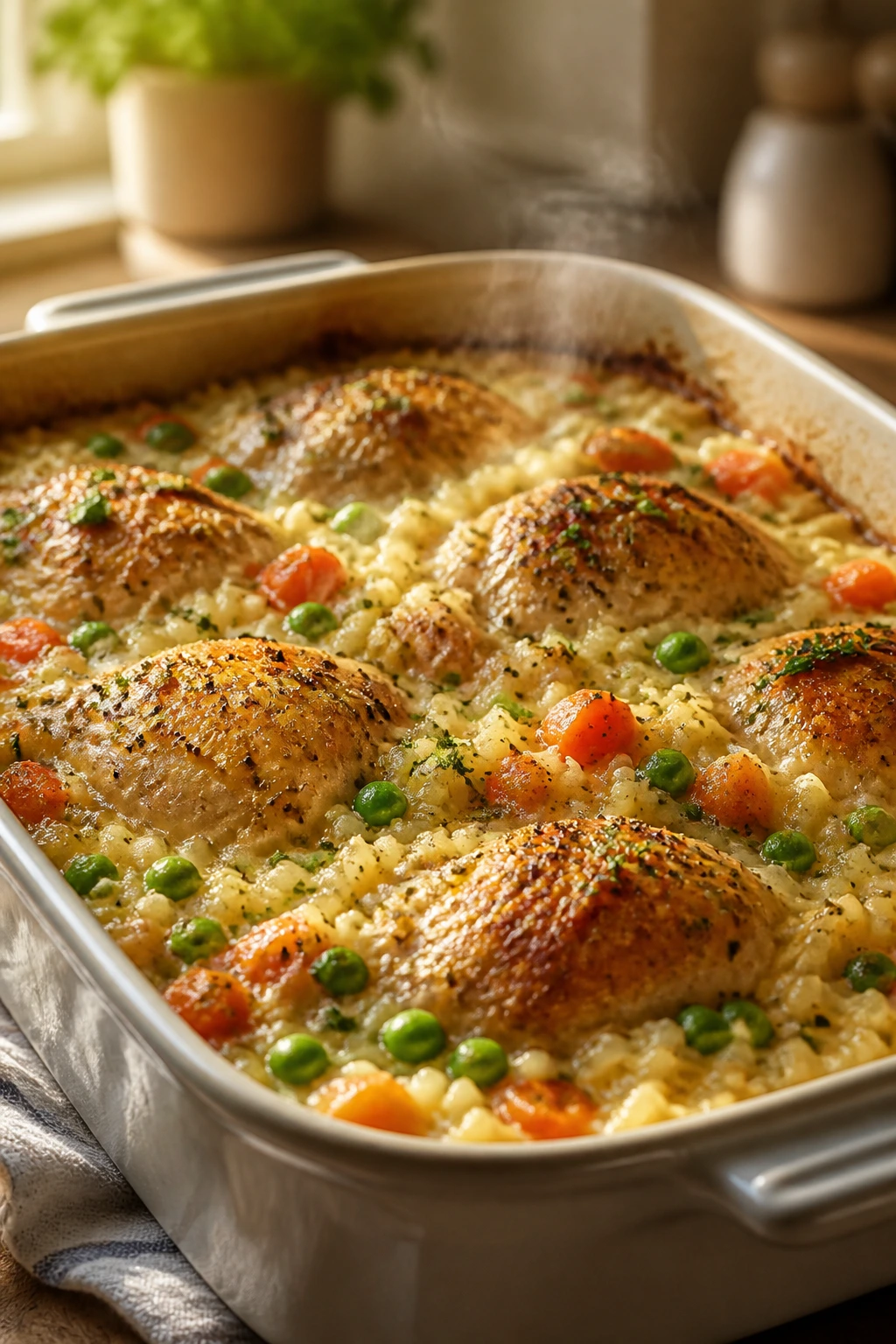
This is the kind of dinner you want when you need food to do most of the work by itself. The rice soaks up broth, the chicken stays tender, and the carrots and peas make the dish feel complete without any extra side quest. It’s a soft, savory pan of dinner with very little drama.
The best part is that everything bakes together. No separate pots. No complicated timing. Just one casserole dish and a lid or foil.
Why One Pan Matters Here
A casserole like this gives you dinner with almost no active attention, which is useful when your head is foggy. Long-grain rice absorbs liquid more cleanly than short-grain rice, and chicken thighs stay juicier than breasts in the oven. The result should be tender grains, not a dry or gluey mess.
What Goes In
- 1 1/2 cups long-grain white rice, rinsed
- 1 pound boneless, skinless chicken thighs
- 1 medium onion, diced
- 2 carrots, diced
- 2 celery stalks, diced
- 4 cups low-sodium chicken broth
- 2 tablespoons unsalted butter, cut into bits
- 1 teaspoon dried thyme
- 1 teaspoon kosher salt
- 1/2 teaspoon black pepper
- 1/2 cup frozen peas
How to Make It
-
Heat the oven: Set it to 375°F. Grease a 9×13-inch baking dish.
-
Assemble the base: Spread the rinsed rice, onion, carrots, and celery in the dish. Season with thyme, salt, and pepper.
-
Add the liquid: Pour the broth over the rice mixture and dot with butter. Stir once to distribute the vegetables.
-
Nestle in the chicken: Place the chicken thighs on top and cover the dish tightly with foil.
-
Bake: Bake for 45 minutes, then uncover and stir in the peas. Bake 5 to 10 minutes more, until the rice is tender and the chicken reaches 165°F.
-
Rest before serving: Let it sit for 10 minutes so the liquid settles.
Small Tweaks That Help
- Better texture: Rinsing the rice keeps it from getting gummy in the oven.
- Flavor boost: A bay leaf tucked into the liquid adds a quiet, savory note.
- If the rice seems dry: Add 1/4 cup hot broth, re-cover, and rest for 5 minutes.
10. Mashed Potato Bowls with Chicken and Gravy
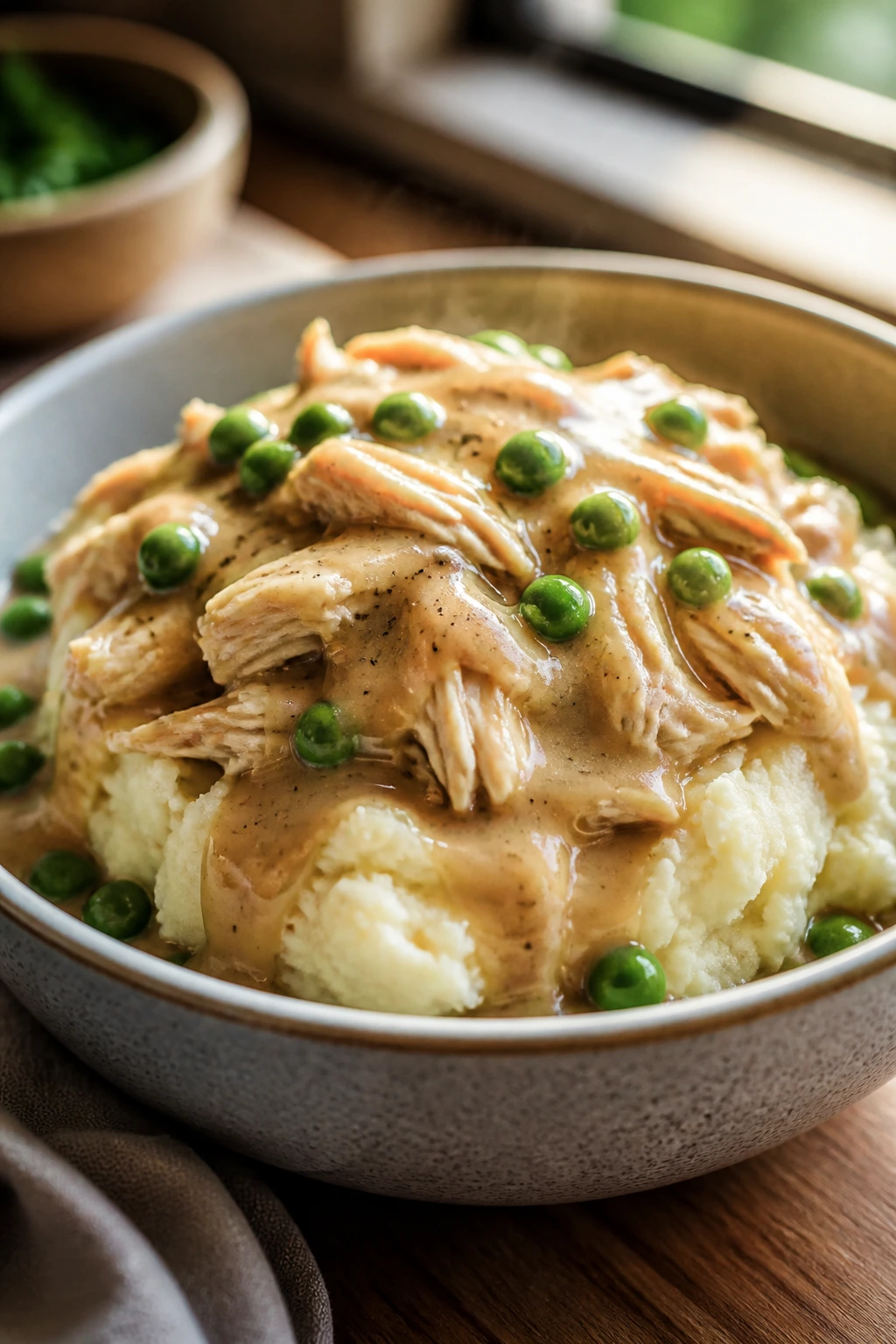
Sometimes what you really want is dinner that feels like a sigh. Mashed potatoes give you that. The chicken and gravy bring a soft, savory center, and the peas keep the bowl from feeling too heavy or too beige, which is a real issue with comfort food if you let it run wild.
This is one of the easiest ways to make a full meal feel gentle. Everything on the fork is soft. Everything on the plate makes sense together. No one is asking much of anybody.
Why This Bowl Does the Job
Mashed potatoes are one of the easiest starches to eat when appetite is low, especially when they’re whipped with butter and milk until fluffy. Warm gravy ties the whole bowl together and keeps the chicken moist. If you’re feeding someone who needs food that feels familiar, this is the move.
Ingredients to Buy
- 2 pounds Yukon Gold potatoes, peeled and chopped
- 4 tablespoons unsalted butter
- 1/2 cup warm milk
- 1 teaspoon kosher salt
- 1/2 teaspoon black pepper
- 2 cups cooked shredded chicken
- 2 cups prepared chicken gravy, warmed
- 1 1/2 cups frozen peas
- 2 tablespoons chopped chives, optional
How to Make It
-
Boil the potatoes: Cover the potatoes with cold salted water and bring to a boil. Cook for 15 to 18 minutes, until very tender.
-
Mash them well: Drain and mash with butter, milk, salt, and pepper. The texture should be creamy, not sticky.
-
Warm the chicken and peas: Heat the chicken and peas in a skillet with a splash of water or broth until hot.
-
Heat the gravy: Warm the gravy gently in a small saucepan.
-
Build the bowls: Spoon mashed potatoes into bowls, top with chicken and peas, then ladle gravy over the top.
-
Finish: Add chives if you want a fresh note.
Small Tweaks That Help
- If you’re too tired to make gravy: Good jarred gravy is fine here. Nobody gets points for making everything from scratch on a rough day.
- Texture note: Use a potato masher, not a blender, or the potatoes can turn gluey.
- Extra comfort: A little butter melted over the finished bowl is not subtle, but it works.
11. Creamy Butternut Squash Soup

Butternut squash soup has a soft sweetness that can feel almost like a reset. The color is warm, the texture should be smooth and velvet-like, and the finish can lean savory with sage or stay a little sweeter with apple. I prefer it balanced, which means not too sugary and not too thin.
This soup is especially useful when you want something that feels rich without requiring actual heaviness. It’s soft enough to go down easily and interesting enough not to feel like compromise.
Why This Soup Tastes Rich Without Feeling Heavy
Roasting or simmering the squash brings out a natural sweetness, but the broth and onion keep it grounded. A little cream or coconut milk adds body without burying the flavor. If a sick-day dinner needs to feel nurturing but not dense, this soup hits that mark.
What to Use
- 2 tablespoons olive oil
- 1 medium onion, chopped
- 1 carrot, chopped
- 1 clove garlic, minced
- 2 pounds butternut squash, peeled and cubed
- 1 small apple, peeled and chopped
- 4 cups low-sodium vegetable or chicken broth
- 1 teaspoon kosher salt
- 1/2 teaspoon black pepper
- 1/2 teaspoon dried sage
- 1/2 cup heavy cream or coconut milk
How to Make It
-
Cook the onion and carrot: Heat the oil in a soup pot over medium heat. Add the onion and carrot and cook for 6 minutes, until softened.
-
Add the squash and apple: Stir in the garlic, squash, and apple. Cook for 2 minutes.
-
Simmer: Add the broth, salt, pepper, and sage. Bring to a simmer and cook for 20 to 25 minutes, until the squash is completely soft.
-
Blend: Purée the soup until smooth using an immersion blender or a countertop blender.
-
Finish with cream: Stir in the cream or coconut milk and warm for 2 minutes.
-
Serve: Taste and adjust salt before serving.
Small Tweaks That Help
- If you want it more savory: Add a little extra sage and black pepper.
- If you want a thinner soup: Stir in 1/2 to 1 cup more broth.
- Garnish idea: Toasted pumpkin seeds are good if crunch sounds appealing.
12. Mild Turkey Chili
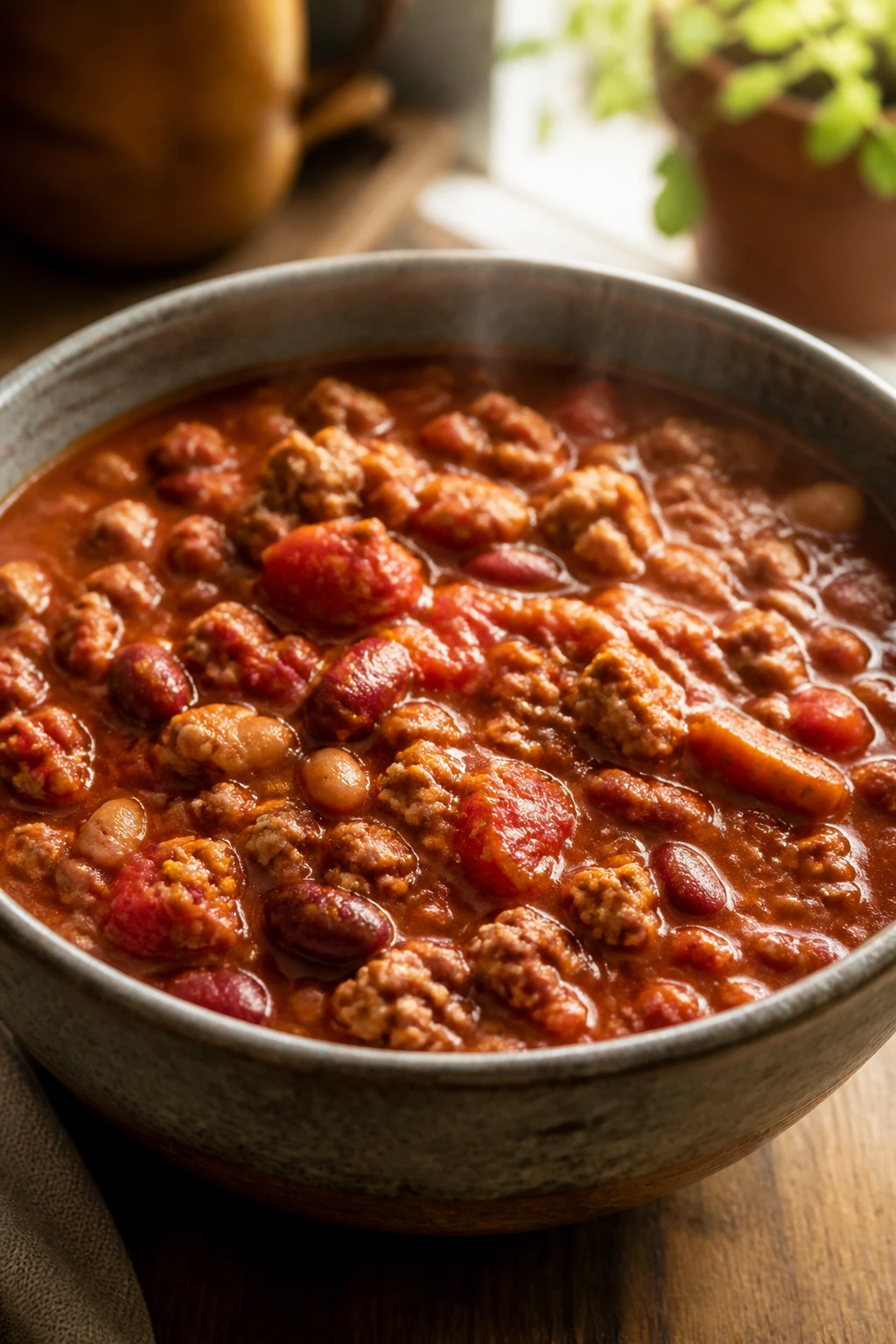
Chili can be too much for a rough stomach if it’s heavy on heat and spice, but a mild version has a place at the table. This one is thick, meaty, and still gentle enough to feel like dinner rather than a dare. The beans make it filling, and the tomatoes give it a little brightness.
I like it with cornbread, but rice works too. Keep the chili powder mild, lean on cumin for warmth, and don’t overdo the jalapeños. There’s no prize for making sick-day food punishing.
Why Mild Chili Still Belongs
Turkey keeps the chili lighter than beef, while beans add fiber and substance without forcing the issue. A small amount of chili powder gives flavor without heat if you choose a mild blend. The finished pot should taste savory, tomato-rich, and soft enough that each bite feels easy.
What You Need
- 1 tablespoon olive oil
- 1 pound ground turkey
- 1 medium onion, diced
- 1 bell pepper, diced
- 3 garlic cloves, minced
- 2 tablespoons tomato paste
- 1 can (14.5 ounces) diced tomatoes
- 1 can (15 ounces) kidney beans, drained and rinsed
- 1 can (15 ounces) black beans, drained and rinsed
- 2 cups low-sodium chicken broth
- 1 tablespoon mild chili powder
- 1 teaspoon ground cumin
- 1 teaspoon kosher salt
- 1/2 teaspoon black pepper
How to Make It
-
Brown the turkey: Heat the oil in a pot over medium heat. Add the turkey and cook for 5 minutes, breaking it up, until no pink remains.
-
Cook the vegetables: Add the onion and bell pepper and cook for 5 to 6 minutes, until softened. Stir in the garlic and tomato paste for 1 minute.
-
Build the chili: Add the tomatoes, beans, broth, chili powder, cumin, salt, and pepper.
-
Simmer: Cook uncovered for 20 to 25 minutes, stirring now and then, until the chili thickens and smells rounded.
-
Taste and adjust: Add a splash of broth if it gets too thick, or a pinch more salt if it tastes flat.
-
Serve: Spoon into bowls with cornbread, rice, or plain crackers.
Small Tweaks That Help
- Heat control: Skip the cayenne. Mild chili is the point here.
- If beans feel too heavy: Use one can instead of two and add extra broth.
- Leftover tip: Chili thickens overnight and reheats well with a splash of water.
13. Savory Oatmeal with Egg and Greens
Oatmeal for dinner sounds odd until you actually make it savory. Then it makes perfect sense. The oats turn creamy, the egg adds richness, and the greens wilt into the bowl without fighting for attention. It’s a low-effort dinner that eats like something between porridge and a soft grain bowl.
This is especially good when you need dinner but don’t need a big dinner. The bowl should feel warm, salty, and a little luxurious thanks to butter and Parmesan. Nothing here is loud. That’s part of its charm.
Why This Works at Dinner
Rolled oats cook fast and absorb broth well, which gives them a soft, spoonable texture. Egg adds protein and a silky yolk if you like it runny. Greens bring color and a bit of freshness, but they’re not essential if your appetite is too small for extras.
What to Grab
- 1 cup old-fashioned rolled oats
- 2 cups low-sodium broth or water
- 1 tablespoon unsalted butter
- 2 cups baby spinach
- 2 eggs
- 1/2 cup finely grated Parmesan
- 2 scallions, sliced
- 1/2 teaspoon kosher salt
- 1/4 teaspoon black pepper
How to Make It
-
Cook the oats: Bring the broth or water to a simmer in a small saucepan. Stir in the oats and salt.
-
Simmer until creamy: Cook for 5 to 7 minutes, stirring often, until the oats are soft and thick.
-
Wilt the spinach: Stir in the spinach and butter for 1 minute, until the greens collapse.
-
Cook the eggs: Fry or poach the eggs to your liking.
-
Finish the bowl: Spoon the oats into bowls, top with Parmesan, black pepper, scallions, and the eggs.
Small Tweaks That Help
- Make it gentler: Skip the black pepper if spice feels wrong.
- Texture boost: A splash of broth at the end loosens the oats if they sit too long.
- Extra flavor: Stir in a teaspoon of miso for deeper savoriness.
14. Cheese Tortellini in Broth with Spinach
This is the fastest dinner in the pile that still feels like a real meal. Cheese tortellini gives you soft pasta and a creamy center, while broth turns the whole bowl into something cozy enough to sip. Spinach disappears into the pot almost instantly, which is handy when you want dinner to feel complete without a lot of work.
The broth should stay clear and savory, not thick or overly creamy. That makes it easy to eat and easy to love. A handful of Parmesan at the end doesn’t hurt.
Why It Feels Like a Shortcut
Filled pasta is already doing part of the work for you. You’re not building a sauce from scratch or chasing a long simmer. The tortellini cooks in minutes, the spinach adds color, and the broth does the comforting heavy lifting.
Ingredients List
- 4 cups low-sodium chicken or vegetable broth
- 1 tablespoon unsalted butter
- 2 garlic cloves, minced
- 1 teaspoon Italian seasoning
- 1 package (20 ounces) cheese tortellini, fresh or refrigerated
- 5 ounces baby spinach
- 1/2 cup grated Parmesan
- 1/4 teaspoon black pepper
How to Make It
-
Warm the broth: Bring the broth, butter, garlic, and Italian seasoning to a simmer in a large saucepan.
-
Cook the tortellini: Add the tortellini and cook according to package directions, usually 3 to 5 minutes.
-
Add the spinach: Stir in the spinach and cook for 30 seconds, until wilted.
-
Finish the bowl: Add the Parmesan and pepper. Taste the broth before adding more salt; tortellini can be salty on its own.
-
Serve immediately: This is best hot, while the pasta is still soft and the broth is clean.
Small Tweaks That Help
- If the broth tastes too thin: A small splash of cream makes it richer without turning it into a heavy soup.
- Best add-in: A few cooked white beans make the bowl more filling.
- Important note: Tortellini keeps absorbing broth, so serve as soon as it’s ready.
15. Shepherd’s Pie with Velvety Mash
Shepherd’s pie is the sort of comfort food that asks for a fork and a little patience, then rewards you with one of the most satisfying bites around. The filling should be savory and soft, the vegetables tucked into gravy, and the mashed potatoes on top should bake into a pale gold lid.
This version is gentle enough for a rough day if you keep the seasoning moderate. It’s warm, filling, and familiar in a way that calms the table down. That matters more than fancy technique.
What Makes This Pie a Safe Bet
Mashed potato topping gives you a soft, easy texture on top of a rich, spoonable filling. Beef or lamb brings depth, carrots and peas add sweetness, and a quick gravy keeps everything from drying out in the oven. It’s a full dinner in one dish, which is exactly why people keep making it.
What You Need
- 2 pounds Yukon Gold potatoes, peeled and cut into chunks
- 4 tablespoons unsalted butter
- 1/2 cup warm milk
- 1 1/2 pounds ground beef or lamb
- 1 medium onion, diced
- 2 carrots, diced
- 1 cup frozen peas
- 2 tablespoons tomato paste
- 2 tablespoons all-purpose flour
- 2 cups low-sodium beef broth
- 1 tablespoon Worcestershire sauce
- 1 teaspoon dried thyme
- 1 teaspoon kosher salt
- 1/2 teaspoon black pepper
How to Make It
-
Make the potatoes: Boil the potatoes in salted water until fork-tender, about 15 minutes. Drain and mash with butter and milk.
-
Cook the filling: Brown the meat in a skillet over medium heat. Add the onion and carrots and cook for 5 minutes.
-
Thicken it: Stir in the tomato paste and flour for 1 minute. Add the broth, Worcestershire, thyme, salt, and pepper. Simmer for 5 to 7 minutes until thick.
-
Add the peas: Stir them in and cook for 1 minute.
-
Assemble: Spread the filling in a baking dish and top with mashed potatoes.
-
Bake: Bake at 400°F for 20 to 25 minutes, until the top is lightly browned and the edges bubble.
Small Tweaks That Help
- For a softer top: Use the back of a spoon to make little ridges in the potatoes before baking.
- Make-ahead option: Assemble the pie, chill it, and bake it the next day.
- Flavor note: A tiny bit of rosemary is nice, but keep it restrained.
16. Rice Porridge with Mushrooms and Scallions
Rice porridge is a close cousin to congee, but I like this version when I want something vegetarian and earthy. The mushrooms give the bowl a savory base, the rice turns soft and starchy, and scallions bring the whole thing back to life at the end. It feels humble in the best way.
This is a dinner for quiet appetites. Not tiny appetites — quiet ones. There’s a difference. The bowl should taste warm, clean, and a little silky from the starch in the rice.
Why This Bowl Stays Gentle
Rice cooked long in broth gives you a naturally soft texture without requiring cream. Mushrooms add depth that keeps the dish from tasting flat, and sesame oil adds a finishing note that makes the whole bowl smell inviting. If meat doesn’t sound good, this is a strong backup.
Ingredients
- 1 cup long-grain white rice, rinsed
- 7 cups low-sodium vegetable broth or water
- 8 ounces mushrooms, thinly sliced
- 1 tablespoon grated fresh ginger
- 2 tablespoons soy sauce or tamari
- 1 tablespoon sesame oil
- 2 scallions, sliced
- 1 tablespoon toasted sesame seeds
- 1 teaspoon kosher salt
How to Make It
-
Start the pot: Combine the rice, broth, mushrooms, ginger, and salt in a large saucepan.
-
Simmer slowly: Bring to a boil, then reduce to low and cook uncovered for 40 to 45 minutes, stirring every few minutes so the rice doesn’t stick.
-
Check the texture: The porridge should look thick but loose, with the grains broken down.
-
Season it: Stir in the soy sauce and sesame oil.
-
Serve: Top with scallions and sesame seeds.
Small Tweaks That Help
- If it gets too thick: Add 1/2 to 1 cup hot water before serving.
- For more richness: Stir in a beaten egg at the end and let it set in delicate ribbons.
- If you want a stronger mushroom flavor: Use a mix of fresh mushrooms and a few dried shiitakes soaked in hot water.
17. Brothy Meatball Soup
Meatball soup feels like a colder-weather classic, but I’d argue it belongs on a rough day any time the body wants something warm and familiar. The meatballs stay tender, the broth carries the flavor, and the little pasta or rice grains make it feel like a whole dinner in a bowl.
The trick is keeping the meatballs small. Too big, and the texture gets awkward. Small ones cook fast and feel friendly on a spoon.
Why This Soup Hits the Comfort Mark
Tiny meatballs give you protein without the chew of a steak or chop, and broth turns the whole thing into something easy to sip between bites. Carrots and celery soften as they simmer, while ditalini or other small pasta adds a little substance. It’s a bowl that knows its job.
What You’ll Need
For the Meatballs:
- 1 pound ground turkey, chicken, or beef
- 1/2 cup breadcrumbs
- 1 large egg
- 1/4 cup grated Parmesan
- 2 tablespoons chopped parsley
- 1 teaspoon kosher salt
- 1/2 teaspoon black pepper
For the Soup:
- 1 tablespoon olive oil
- 1 medium onion, diced
- 2 carrots, diced
- 2 celery stalks, diced
- 8 cups low-sodium chicken broth
- 1 cup small pasta such as ditalini
- 2 cups baby spinach
- 1 teaspoon dried oregano
How to Make It
-
Mix the meatballs: Combine the meatball ingredients in a bowl and mix just until combined. Roll into 1-inch balls.
-
Brown lightly: Heat the oil in a soup pot and brown the meatballs for 2 to 3 minutes, just enough to give them color. Remove them if needed; they’ll finish in the broth.
-
Cook the vegetables: Add the onion, carrots, and celery to the pot and cook for 5 minutes.
-
Simmer the soup: Add the broth, oregano, and meatballs. Simmer for 12 to 15 minutes, until the meatballs are cooked through.
-
Cook the pasta: Stir in the pasta and cook until tender. Add spinach in the final minute.
-
Serve hot: Taste and adjust seasoning before ladling into bowls.
Small Tweaks That Help
- If you want softer meatballs: Skip browning and simmer them straight in the broth.
- Pasta warning: Cook the pasta separately if you plan to keep leftovers.
- Extra comfort: A little grated Parmesan on top makes the broth taste fuller.
18. Sweet Potato and Black Bean Skillet Bowls
Sweet potatoes and black beans make a filling bowl that still feels easy to eat. The sweet potatoes should go soft and caramelized at the edges, the beans should stay creamy, and the rice underneath gives the whole thing a calm, steady base. It’s meatless comfort with enough substance to count as dinner.
This one is helpful when you want something warm but not soup, and not heavy enough to sit like a brick. Lime and cheese at the end keep it from tasting flat. Avocado, if you have it, adds a nice cool contrast.
Why These Bowls Are Easy to Eat
Roasting or skillet-cooking sweet potatoes gives them a soft, almost creamy interior. Black beans bring protein and fiber, rice keeps the bowl mild, and the seasonings can stay as simple as cumin and paprika. If your appetite wants flavor without heat, this bowl makes sense.
Ingredients
- 2 large sweet potatoes, peeled and diced
- 1 tablespoon olive oil
- 1 small onion, diced
- 1 can (15 ounces) black beans, drained and rinsed
- 1 cup cooked white or brown rice
- 1 teaspoon ground cumin
- 1 teaspoon mild smoked paprika
- 1/2 teaspoon kosher salt
- 1/4 teaspoon black pepper
- 1/2 cup shredded cheddar
- 1 avocado, sliced
- 1 lime, cut into wedges
How to Make It
-
Cook the sweet potatoes: Heat the oil in a large skillet over medium heat. Add the sweet potatoes and cook for 12 to 15 minutes, stirring occasionally, until soft and browned at the edges.
-
Add the onion: Stir in the onion and cook for 3 minutes.
-
Season and warm through: Add the beans, cumin, paprika, salt, and pepper. Cook for 2 to 3 minutes, until hot.
-
Build the bowls: Spoon rice into bowls and top with the sweet potato mixture.
-
Finish: Add cheddar, avocado, and a squeeze of lime.
Small Tweaks That Help
- Make it gentler: Skip the paprika if spice feels like too much.
- If you want it softer: Cover the skillet for a few minutes after adding the sweet potatoes so they steam a little faster.
- Protein bump: A fried egg on top turns this into a sturdier dinner.
19. Tuna Noodle Casserole
Tuna noodle casserole is retro in the best way. It’s creamy, salty, and baked until the top catches a little color. The noodles stay tender, the tuna gets folded through evenly, and the peas keep the whole thing from feeling too dense.
I know this one divides people, and that’s fair. But on a low-effort night, it’s hard to argue with a casserole that comes together from pantry food and still tastes like somebody cared.
Why This Casserole Earns Its Place
Tuna brings protein without requiring extra cooking, egg noodles bake up soft, and a creamy sauce ties everything together. The breadcrumbs on top give you a little crunch, which keeps the texture from going flat. It’s one of those dinners that gets more useful the longer you keep the ingredients around.
What to Gather
- 12 ounces egg noodles
- 2 tablespoons unsalted butter
- 1 small onion, finely chopped
- 8 ounces sliced mushrooms, optional
- 3 tablespoons all-purpose flour
- 2 1/2 cups milk
- 1 teaspoon kosher salt
- 1/2 teaspoon black pepper
- 2 cans (5 ounces each) tuna, drained
- 1 cup frozen peas
- 1 cup shredded cheddar
- 1 cup breadcrumbs
- 2 tablespoons melted butter
How to Make It
-
Cook the noodles: Boil the noodles in salted water until just tender. Drain.
-
Make the sauce: Melt the butter in a skillet over medium heat. Cook the onion and mushrooms for 4 to 5 minutes, then stir in the flour for 1 minute.
-
Add the milk: Whisk in the milk and cook until thick, about 4 to 5 minutes. Season with salt and pepper.
-
Combine: Stir in the tuna, peas, noodles, and cheddar.
-
Top and bake: Put the mixture in a baking dish. Toss the breadcrumbs with melted butter and sprinkle on top. Bake at 375°F for 20 to 25 minutes, until bubbling.
Small Tweaks That Help
- If you want more creaminess: Add 1/4 cup sour cream to the sauce.
- If tuna smell bothers you: A little lemon zest cuts it down.
- Best made with: Chunk light tuna tends to blend in better than very firm tuna steaks.
20. Creamy Polenta with Mushrooms and Parmesan
Polenta is one of those foods that feels fancier than the effort suggests. Cook it slowly, stir often, and it turns into something soft and spoonable with a texture that sits somewhere between mashed potatoes and very smooth grits. Mushrooms give it depth, and Parmesan makes the whole bowl taste rounded and complete.
This is a lovely dinner for the end of a hard day. It’s warm, soft, and generous without being heavy in a bad way. If soup is too thin and pasta feels like too much, polenta lands in a very useful middle lane.
Why Creamy Polenta Feels Like a Reset
Cornmeal swells into a rich base when it’s cooked in broth and milk, and that softness is part of the appeal. Mushrooms bring an earthy note that keeps the dish from tasting plain, and Parmesan adds salt and body. The finished bowl should be loose enough to spoon but thick enough to hold the mushrooms on top.
What Goes In
- 4 cups low-sodium broth or water
- 1 cup whole milk
- 1 cup medium or coarse polenta
- 2 tablespoons unsalted butter
- 1/2 teaspoon kosher salt
- 1/2 teaspoon black pepper
- 2 tablespoons olive oil
- 8 ounces mushrooms, sliced
- 1 garlic clove, minced
- 1 teaspoon fresh thyme leaves
- 1/2 cup grated Parmesan
How to Make It
-
Cook the mushrooms: Heat the olive oil in a skillet over medium-high heat. Add the mushrooms and cook for 6 to 8 minutes, until browned. Stir in the garlic and thyme for 30 seconds.
-
Start the polenta: Bring the broth and milk to a gentle simmer in a separate pot. Slowly whisk in the polenta.
-
Stir patiently: Cook over low heat for 20 to 25 minutes, stirring often, until the polenta is thick, creamy, and pulls away slightly from the sides of the pot.
-
Finish the base: Stir in the butter, salt, pepper, and Parmesan.
-
Serve: Spoon the polenta into bowls and top with the mushrooms.
Small Tweaks That Help
- If it gets too thick: Add a splash of warm milk or broth and stir until smooth.
- For more richness: A fried egg on top is excellent here.
- If you want a looser bowl: Stop cooking a little earlier and keep it spoonable rather than stiff.
Why Brothy, Soft, and Mild Dinners Win on Rough Nights
There’s a reason people drift toward soup, noodles, potatoes, and rice when they’re feeling wiped out. These foods ask for less chewing, less effort, and less decision-making. They also carry flavor in a way that feels steady instead of sharp, which is a bigger deal than it sounds when your head is fuzzy or your appetite is off.
Brothy dinners especially do a useful thing: they hydrate, warm, and feed at the same time. That doesn’t make them magic. It just makes them practical. A well-seasoned broth with noodles or rice can feel more comforting than a plate of richer food because it doesn’t sit so heavy after you’re done.
Soft textures matter too. Mashed potatoes, congee, polenta, baked pasta, and creamy soups are not only easy to eat; they also tend to feel emotionally familiar. That’s a powerful thing on a day when everything else is off.
Essential Equipment for These Recipes
- Large soup pot or Dutch oven: Best for soups, congee, and anything that needs room to simmer without spilling.
- Medium saucepan: Handy for cheese sauce, polenta, gravy, and small-batch soups.
- Deep skillet: Useful for skillet bowls, chili, mushrooms, and quick casseroles.
- 9×13-inch baking dish: The workhorse for baked mac and cheese, chicken and rice casserole, shepherd’s pie, and tuna noodle casserole.
- Wooden spoon or silicone spatula: Better than a whisk for stirring thick soups, polenta, and casseroles.
- Chef’s knife and cutting board: Onion, carrot, celery, potatoes, and mushrooms all go faster when the knife is sharp.
- Box grater: Freshly grated cheese melts better than pre-shredded cheese, which often has anti-caking powder on it.
- Immersion blender: Optional, but excellent for smooth soups like potato leek or butternut squash.
- Measuring cups and spoons: Worth keeping close for broth, rice, pasta, and seasoning.
- Fine-mesh strainer: Helpful for rinsing rice, draining noodles, and cleaning leeks.
- Tongs or a spider skimmer: Makes it easier to remove chicken or meatballs from broth.
- Airtight storage containers: Necessary if you want leftovers to stay useful instead of drying out.
Smart Shopping and Ingredient Tips
Start with broth, because broth carries more of these dinners than almost anything else. Low-sodium chicken or vegetable broth gives you room to season the pot yourself, which matters when you want control over salt and flavor. If you only buy one “extra” item for sick-day cooking, make it broth.
Rice, pasta, and potatoes are the texture anchors here. Long-grain rice stays fluffier than short-grain rice in casseroles and soups. Egg noodles and orzo are quick and soft, while Yukon Gold potatoes mash smoothly and hold a creamy finish better than russets. Polenta should be labeled medium or coarse if you want a gentle, hearty texture; instant polenta works in a pinch, but it tastes thinner.
For proteins, choose what cooks tenderly or comes ready to go. Boneless chicken thighs stay juicy in soup, and rotisserie chicken is a smart backup when you can’t deal with raw meat. Ground turkey is a lighter option for chili and meatballs, while tuna, eggs, and beans cover the nights when meat sounds like too much.
Dairy deserves a little attention too. Whole milk, half-and-half, and cream each do a different job. Whole milk keeps things lighter, half-and-half gives soups body, and cream is best saved for small amounts at the finish. If dairy sits badly, unsweetened oat milk and coconut milk can stand in for some recipes, though coconut milk will change the flavor more than oat milk.
Fresh herbs do not need to be elaborate. Parsley, dill, chives, scallions, and basil are the ones that actually help. Ginger and lemon are especially useful because they brighten broth without making it loud.
How to Serve These Recipes
Presentation: Serve soups and broths in wide, shallow bowls so steam rises quickly and the food cools to an eatable temperature faster. For casseroles and baked dishes, let the surface rest a few minutes before scooping so the first serving keeps its shape.
Accompaniments: Keep sides soft and plain: toast, saltines, buttered bread, rice, simple green salad, or steamed peas. When appetite is low, a side should support dinner, not compete with it.
Portions: Most of these recipes serve 4 to 6, but sick-day appetite tends to be uneven. Use smaller bowls and plan on second helpings rather than giant portions; leftovers are often easier than trying to finish everything at once.
Beverage Pairing: Hot tea with honey is a good default, especially ginger, chamomile, or peppermint. If tea doesn’t appeal, plain water with lemon slices or warm broth on the side keeps things gentle and easy.
Additional Tips and Flavor Boosters
Flavor Enhancement: A squeeze of lemon at the end wakes up chicken soup, tomato soup, and broth-based noodle bowls without making them taste acidic. It’s the smallest move here with the biggest return.
Customization: Keep a small “comfort shelf” in your pantry with panko, Parmesan, miso, canned beans, rice, egg noodles, and low-sodium broth. That makes it easier to pivot between soups, bowls, and casseroles without starting from scratch.
Serving Suggestions: Fresh herbs should go on at the very end, not in the simmer. Parsley, chives, scallions, and dill keep their color and smell; they also make a soft bowl look like you paid attention, which can matter on a dull day.
Make-It-Yours: If you want more protein, add shredded chicken, eggs, beans, or meatballs. If you want less richness, reduce butter and cream and lean on broth plus a bit of cheese at the finish instead.
Make-Ahead, Storage, and Reheating Guidance
Most of these dishes keep well in the fridge for 3 to 4 days in airtight containers. Soups, chili, and casseroles tend to improve after a night because the seasoning settles and the starches absorb flavor. The main exception is noodles, which can get soft if left in broth too long, so keep that in mind if you want better leftovers.
Freezer life depends on the dish. Brothy soups, chili, congee, and meatball soup freeze well for up to 2 months if cooled quickly and packed with a little extra liquid. Baked mac and cheese, shepherd’s pie, and tuna noodle casserole can also be frozen, though their texture is best when thawed slowly in the fridge and reheated covered so they don’t dry out.
For reheating soup, use a saucepan over medium-low heat and stir occasionally until steaming. Add 1/4 to 1/2 cup broth or water if it has thickened. For casseroles, cover with foil and warm in a 350°F oven until heated through, then uncover for the last few minutes if you want the top to crisp again.
Polenta, mashed potatoes, and oatmeal-style dishes usually need extra liquid on reheating. Stir in a splash of milk, broth, or water and warm slowly over low heat. If you rush them, they tighten up and turn pasty. That’s the whole game with these foods: gentle heat, a little moisture, and no impatience.
Easy Swaps and Adaptations to Try
Broth-Only Comfort: Keep the flavor light by skipping cream-heavy finishes and leaning on broth, herbs, lemon, and noodles or rice. This is the best lane when food feels safest in liquid form.
Dairy-Free Comfort: Use olive oil instead of butter, oat milk or coconut milk instead of cream, and skip the extra cheese where needed. Coconut milk works best in squash soup and some brothy noodle bowls; oat milk is milder in tomato or potato soup.
Vegetarian Recovery Bowls: Swap chicken for beans, tofu, eggs, or mushrooms, depending on the recipe. Rice porridge, miso udon, potato leek soup, savory oatmeal, and polenta all adapt neatly.
Extra-Protein Version: Add shredded rotisserie chicken, soft-boiled eggs, meatballs, tuna, or extra beans. On a low-energy day, you do not need a huge protein target; you just need enough to make the meal feel complete.
Soft-Food Mode: Blend soups fully, cook rice and oats a little longer than usual, and keep noodle dishes extra brothy. This is the best adjustment when chewing feels like too much work.
Mild Kid-Friendly Swap: Reduce black pepper, skip chili heat, and use cheddar, butter, broth, and noodles more freely. Kids and sick adults often want the same thing here: familiar, soft, and not too bright.
Common Mistakes to Avoid
Over-salting the pot: Broth, cheese, gravy, and packaged noodles all bring their own salt. Taste near the end instead of seasoning hard at the start, especially if you’re using store-bought broth or canned beans.
Letting noodles sit too long in broth: Pasta keeps drinking liquid after it’s cooked. If you’re making soup for leftovers, undercook the noodles slightly or cook them separately and add them to each bowl.
Making everything too rich: Heavy cream, extra cheese, and piles of butter can turn a comfort dinner into something that sits too long. A little richness helps; too much makes the meal harder to finish.
Ignoring texture: Sick-day food works because it’s easy to eat. If a dish feels too thick, too chewy, or too dry, fix it with broth, milk, or a little extra sauce before serving.
Spicing for your healthy self, not your tired self: A chili that tastes fine on a normal day might feel harsh when you’re already worn down. Keep heat low, build flavor with herbs and aromatics, and let lemon or ginger do the lifting.
Forgetting to rest baked dishes: Casseroles, shepherd’s pie, and mac and cheese need a few minutes after the oven. Cutting too soon gives you a runny mess and makes the texture less comforting than it should be.
Questions People Ask About Sick-Day Dinners
What should I make first if I barely have any energy?
Start with the fastest bowl: buttered egg noodles, cheesy tortellini in broth, or savory oatmeal with an egg. They use a short ingredient list and stay gentle without asking you to babysit the stove for long.
Can I use rotisserie chicken instead of cooking raw chicken?
Yes, and it’s one of the best shortcuts here. Stir shredded rotisserie chicken into soups, casseroles, or mashed potato bowls near the end so it stays moist and doesn’t overcook.
Which recipes are best if dairy feels too heavy?
Chicken noodle soup, congee, miso udon, rice porridge, and the broth-based soups all work well without dairy. You can also swap cream for coconut milk or leave it out entirely in many of the vegetable soups.
How do I keep soup from tasting flat?
Usually it needs salt, acid, or both. Try a little lemon juice, a pinch more salt, or a spoonful of Parmesan stirred in at the end; those small adjustments often make the difference between dull and satisfying.
What if I only want soft food?
Lean into congee, mashed potatoes, polenta, pureed squash soup, potato leek soup, and buttered noodles. Those recipes are built for tenderness, and you can loosen them with broth if needed.
Can these dinners be made vegetarian?
Several can. Potato leek soup, butternut squash soup, rice porridge, savory oatmeal, polenta with mushrooms, and sweet potato bowls all adapt easily if you use vegetable broth and skip the meat.
Which recipes freeze best?
Soups, chili, congee, meatball soup, shepherd’s pie, and casseroles all freeze well with the right storage. Avoid freezing noodle soups with the noodles already in the broth if you care about a firmer texture later.
How do I stop rice from turning mushy in casseroles or soups?
Use long-grain rice, rinse it before cooking, and measure the liquid carefully. If the recipe will sit a while before serving, cook the rice a little less than you think you should.
A Quiet Kind of Comfort
The best comfort dinners for sick days at home are not complicated, and they do not need to be. They need to be warm, soft, and forgiving enough to meet you where you are. That can mean broth and noodles, mashed potatoes and gravy, or a bowl of polenta with mushrooms and cheese. Different moods. Same job.
Keep a few of these on rotation, and dinner gets easier the next time your energy disappears. That is the real luxury here: not fancy food, but food that doesn’t fight back.
| Recipe | Prep Time | Cook Time | Total Time | Servings | Standout Detail |
|---|---|---|---|---|---|
| Classic Chicken Noodle Soup | 15 min | 35 min | 50 min | 4–6 | bright broth with tender noodles |
| Gentle Ginger Chicken Congee | 10 min | 50 min | 1 hr | 4 | silky rice porridge with ginger |
| Creamy Tomato Soup with Cheesy Toast Dippers | 15 min | 30 min | 45 min | 4 | richest tomato flavor in the group |
| Baked Mac and Cheese | 20 min | 25 min | 45 min | 6 | creamy center with crisp top |
| Lemon Orzo Chicken Soup | 15 min | 25 min | 40 min | 4–6 | light, lemony finish |
| Buttered Egg Noodles with Parmesan and Peas | 10 min | 20 min | 30 min | 4 | fastest dinner on the list |
| Potato Leek Soup | 15 min | 35 min | 50 min | 4–6 | silkiest blended texture |
| Miso Udon with Soft Egg | 10 min | 15 min | 25 min | 4 | savory broth with chewy noodles |
| One-Pan Chicken and Rice Casserole | 15 min | 50 min | 1 hr 5 min | 6 | hands-off oven comfort |
| Mashed Potato Bowls with Chicken and Gravy | 20 min | 20 min | 40 min | 4–6 | the softest bowl in the set |
| Creamy Butternut Squash Soup | 15 min | 40 min | 55 min | 4–6 | smooth, mellow sweetness |
| Mild Turkey Chili | 15 min | 30 min | 45 min | 6 | hearty without much heat |
| Savory Oatmeal with Egg and Greens | 5 min | 10 min | 15 min | 2–4 | low-effort, spoonable dinner |
| Cheese Tortellini in Broth with Spinach | 10 min | 15 min | 25 min | 4 | pantry-speed comfort |
| Shepherd’s Pie with Velvety Mash | 25 min | 35 min | 1 hr | 6 | filling with a buttery potato lid |
| Rice Porridge with Mushrooms and Scallions | 10 min | 45 min | 55 min | 4 | soft, earthy, vegetarian comfort |
| Brothy Meatball Soup | 20 min | 25 min | 45 min | 6 | tiny meatballs make it feel homey |
| Sweet Potato and Black Bean Skillet Bowls | 15 min | 25 min | 40 min | 4 | sweet, savory, and easy to eat |
| Tuna Noodle Casserole | 20 min | 35 min | 55 min | 6 | old-school pantry comfort |
| Creamy Polenta with Mushrooms and Parmesan | 10 min | 25 min | 35 min | 4 | spoonable and deeply soothing |