



Two plates. One pan. That’s the whole mood.
Lazy Sunday dinner ideas for two should feel like a small kindness, not a compromise. You want something warm, comforting, and a little bit generous — a meal that tastes like you tried, even if the energy in the room says otherwise. The sweet spot is a dinner with a short ingredient list, a clear path from counter to table, and just enough texture or brightness to keep it from feeling flat.
That’s where most “easy” dinners go wrong. They’re either too bare-bones to feel satisfying or too fussy to count as lazy. The best Sunday dinners for two sit right in the middle: a skillet with browned edges, a pasta that comes together while the water boils, a sheet pan that does the heavy lifting, or a soup that quietly takes care of itself while you clean up one cutting board. Small-batch cooking has a nice rhythm to it. You can season more precisely. You can serve sooner. And you don’t end up with a giant container of leftovers staring at you from the fridge for three days.
Some of these dinners lean cozy and creamy. Some are bright and savory. A few are the kind of meal that looks like you put in more effort than you did. That’s the point. A lazy Sunday dinner should feel generous without asking much from you in return.
Why These Lazy Sunday Dinner Ideas for Two Work So Well
- Small portions keep the work honest: Each recipe is built for two, so you’re not chopping extra vegetables or cooking three times more pasta than you want.
- A lot of them use one pan or one pot: Fewer dishes matter when you’d rather sit down than scrub a sink full of cookware.
- Store-bought shortcuts actually help here: Tortellini, gnocchi, flatbreads, pitas, and canned tomatoes cut the work without making dinner feel cheap.
- These meals still feel like a real dinner: You get a hot main, a sauce or finishing touch, and enough texture to make the plate feel complete.
- They’re flexible without becoming vague: Most of these recipes can absorb a swap or two — a different green, a different protein, a different starch — and still hold together.
- The cleanup stays reasonable: That matters more than people admit. Sunday evening is not the time to build a project.
A good lazy dinner has a certain honesty to it. It doesn’t try to impress you with a ten-step process or a sink full of special equipment. It just gives you a satisfying plate with enough flavor to feel intentional. That’s a lovely thing on a quiet night.
1. Creamy Tomato Basil Pasta with Garlic Breadcrumbs
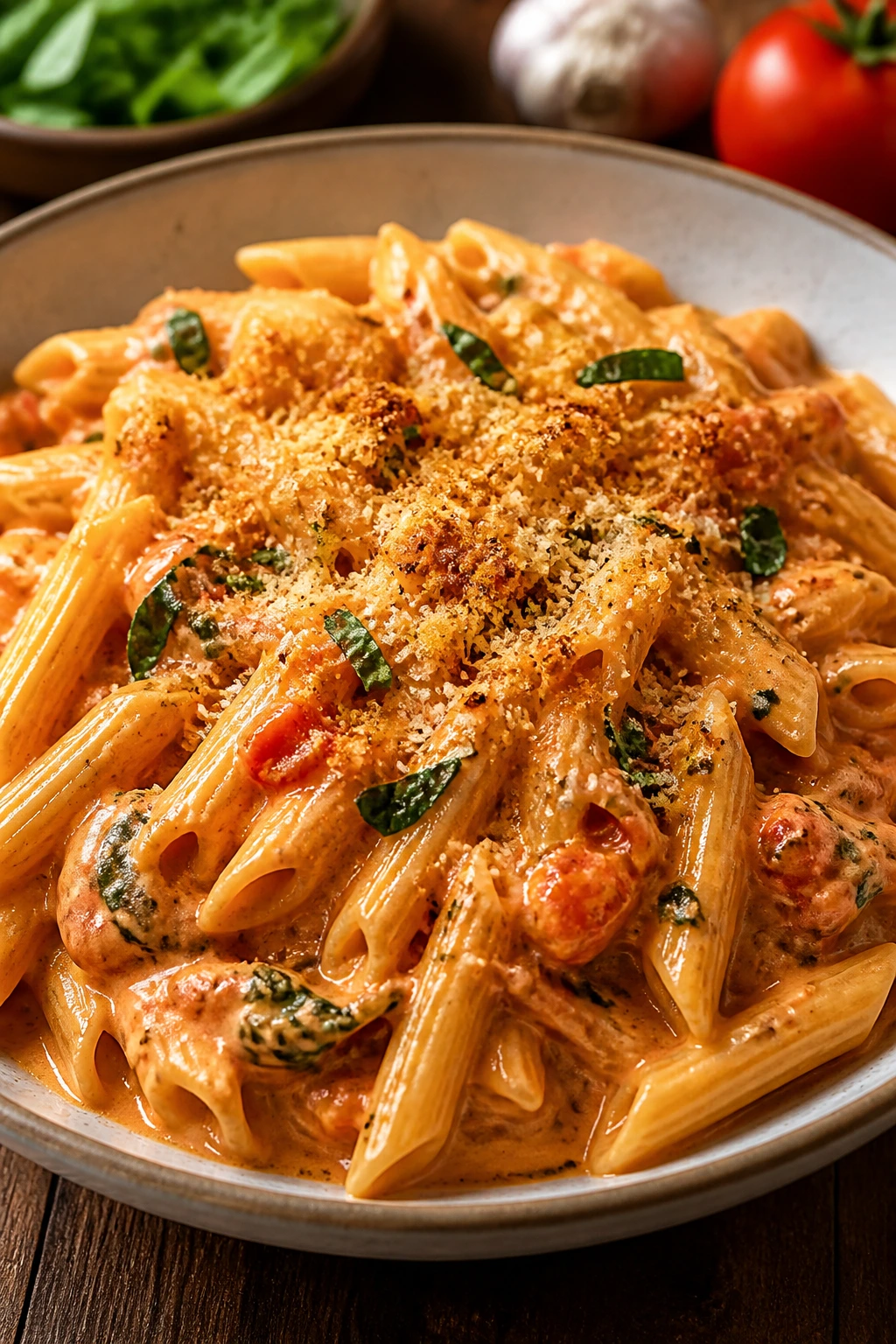
A bowl of this is the kind of dinner that makes the kitchen smell like you’ve been cooking for hours, even though you’ve barely been at it long enough to finish a podcast episode. The sauce is silky, the tomatoes are bright, and the breadcrumbs bring that crunchy, toasted edge that keeps every bite interesting. It’s cozy without being heavy, and it lands exactly where a two-person Sunday dinner should land.
Why It Works
Pasta is one of the easiest ways to make a low-effort dinner feel complete, and this version does a nice job of balancing pantry staples with a few fresh touches. Crushed tomatoes cook down fast, cream smooths out the sharpness, and parmesan gives the sauce enough salt and body to cling to the noodles instead of sliding off. The garlic breadcrumbs are the small extra that changes everything — cheap, quick, and very good at pretending you planned ahead.
Key Ingredients
- 8 oz spaghetti or linguine — long pasta grabs the sauce well and feels a little more dressed up than short shapes.
- 2 tbsp olive oil — used for the breadcrumbs and the sauce base.
- 2 slices day-old bread, torn into small pieces — stale bread toasts better and gives you better crunch.
- 3 cloves garlic, minced — one part for the crumbs, one for the sauce.
- 1 can (14.5 oz) crushed tomatoes — the backbone of the sauce; don’t use tomato sauce here if you can avoid it.
- 1/3 cup heavy cream — softens the tomatoes and makes the sauce lush.
- 1/4 cup grated parmesan — adds salt and a little body.
- 1/4 cup chopped fresh basil — stir in at the end so it stays bright.
- 1 tbsp butter — helps round out the sauce.
- 1/4 tsp red pepper flakes — optional, but a little heat keeps the sauce from tasting sweet.
- Kosher salt and black pepper — season the pasta water and the sauce separately.
Quick Steps
-
Toast the breadcrumbs: Heat 1 tbsp olive oil in a skillet over medium heat. Add the torn bread and cook for 4 to 5 minutes, stirring often, until golden and crisp. Add half the garlic for the last 30 seconds and set the crumbs aside.
-
Boil the pasta: Bring a medium pot of salted water to a boil and cook the pasta until just al dente, usually 8 to 10 minutes. Reserve 1/2 cup of the pasta water before draining.
-
Start the sauce: In the same skillet, warm the remaining olive oil and butter over medium heat. Add the rest of the garlic and red pepper flakes, then cook for 30 seconds until fragrant.
-
Build the tomato base: Stir in the crushed tomatoes, a pinch of salt, and black pepper. Simmer for 6 to 8 minutes until the sauce darkens a bit and thickens slightly.
-
Finish with cream and cheese: Lower the heat and stir in the cream and parmesan. The sauce should look glossy and coat a spoon. If it gets too thick, loosen it with a splash of pasta water.
-
Toss and serve: Add the drained pasta and basil to the skillet, tossing until everything is coated. Top with the breadcrumbs and a little extra parmesan.
Tips and Variations
- Use pasta water on purpose: A few tablespoons can save the sauce if it tightens too much in the pan.
- Make it meatier: Fold in leftover shredded chicken or a handful of browned Italian sausage.
- Switch the shape: Rigatoni or fusilli works if that’s what’s in the cupboard; just keep an eye on the sauce clinging to the ridges.
2. Sheet-Pan Lemon Garlic Chicken Thighs and Baby Potatoes
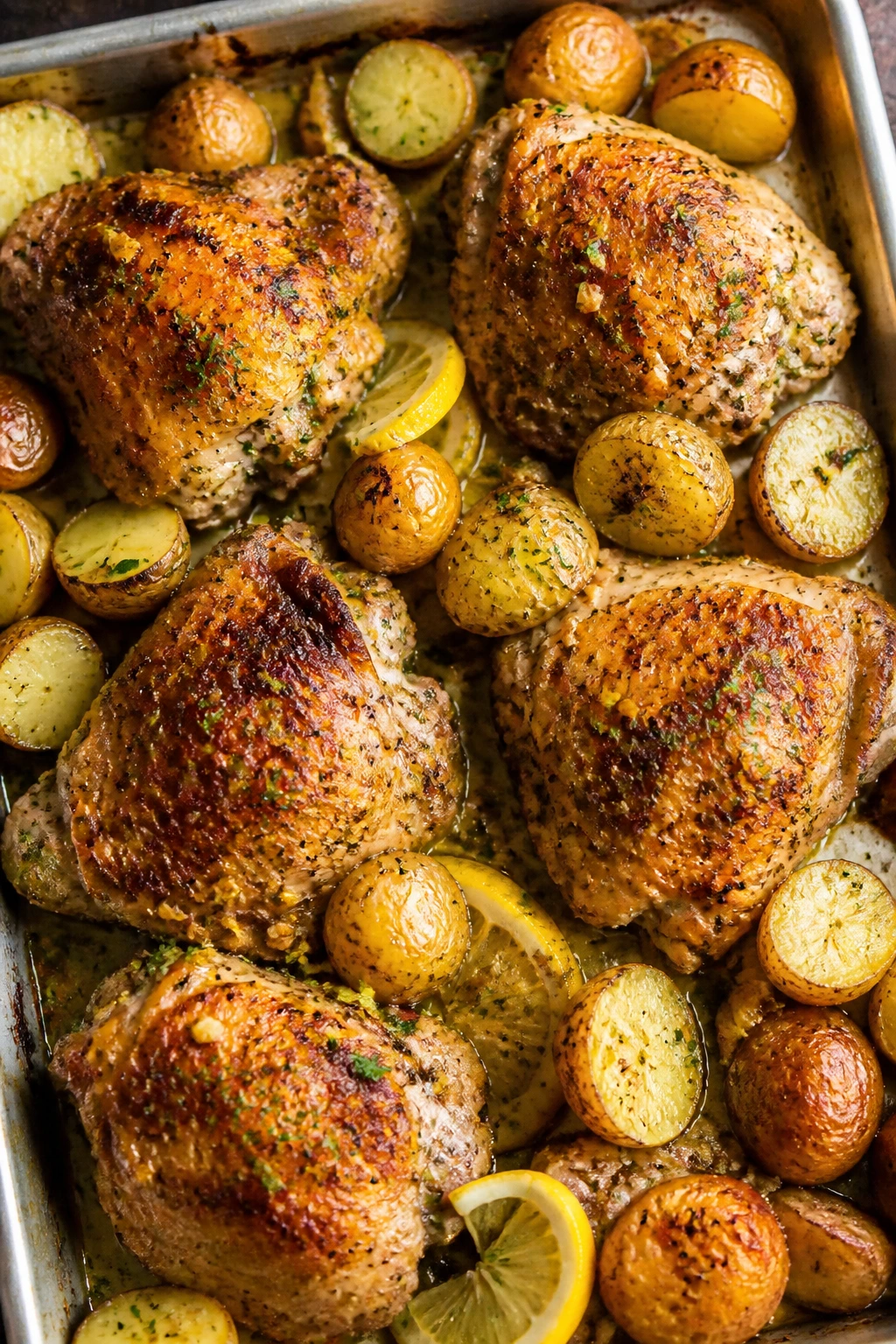
This is the kind of dinner that makes the oven do the work while you stand around doing almost nothing useful. Chicken thighs roast up juicy, the potatoes soak in the drippings, and the lemon cuts through the richness so the whole pan tastes alive instead of sleepy. It’s a Sunday plate with low drama and good payoff.
Why It Works
Boneless chicken thighs are forgiving in a way breasts never quite are. They stay juicy even if you give them a few extra minutes, and that matters when you’re relaxed, distracted, or half-watching the oven through the kitchen doorway. Baby potatoes are the right partner because they cook in the same window and give you a built-in starch without a second pot. The lemon, garlic, and oregano bring enough lift that you don’t need a separate sauce.
Key Ingredients
- 4 boneless, skinless chicken thighs, about 1 to 1 1/4 lb — trim excess fat, but don’t chase every bit.
- 1 lb baby potatoes, halved — small potatoes roast evenly and get crisp edges.
- 2 tbsp olive oil — enough to coat the pan ingredients lightly.
- 3 cloves garlic, minced — mixed into the seasoning so it perfumes the pan.
- 1 lemon, zested and juiced — zest for the roast, juice for the finish.
- 1 tsp dried oregano — earthy and classic with chicken.
- 1 tsp kosher salt — adjust if your seasoning blend is salty.
- 1/2 tsp black pepper — enough to give the chicken a little bite.
- 1 tsp paprika — gives color and a faint sweetness.
- 2 tbsp chopped parsley — for freshness at the end.
Quick Steps
-
Heat the oven: Preheat to 425°F (220°C) and line a sheet pan with parchment for easier cleanup.
-
Season the potatoes: Toss the halved potatoes with half the olive oil, half the garlic, half the lemon zest, salt, pepper, oregano, and paprika. Spread them cut-side down on the pan.
-
Add the chicken: Pat the thighs dry, then rub them with the remaining oil, garlic, zest, salt, pepper, and a squeeze of lemon. Nestle them among the potatoes.
-
Roast: Bake for 25 to 30 minutes, turning the potatoes once halfway through, until the chicken reaches 165°F and the potatoes are browned at the edges.
-
Finish with lemon: Squeeze the lemon juice over the hot pan right before serving. The steam should smell sharp and bright.
-
Serve: Scatter with parsley and spoon the pan juices over the chicken and potatoes.
Tips and Variations
- Don’t overcrowd the pan: If the potatoes are piled up, they steam instead of browning.
- Use bone-in thighs if that’s what you have: Add 8 to 10 minutes and check that the chicken is cooked through near the bone.
- Turn it into a full meal: Add broccoli florets during the last 12 minutes if you want a vegetable built right in.
3. Miso-Glazed Salmon Rice Bowls with Cucumber
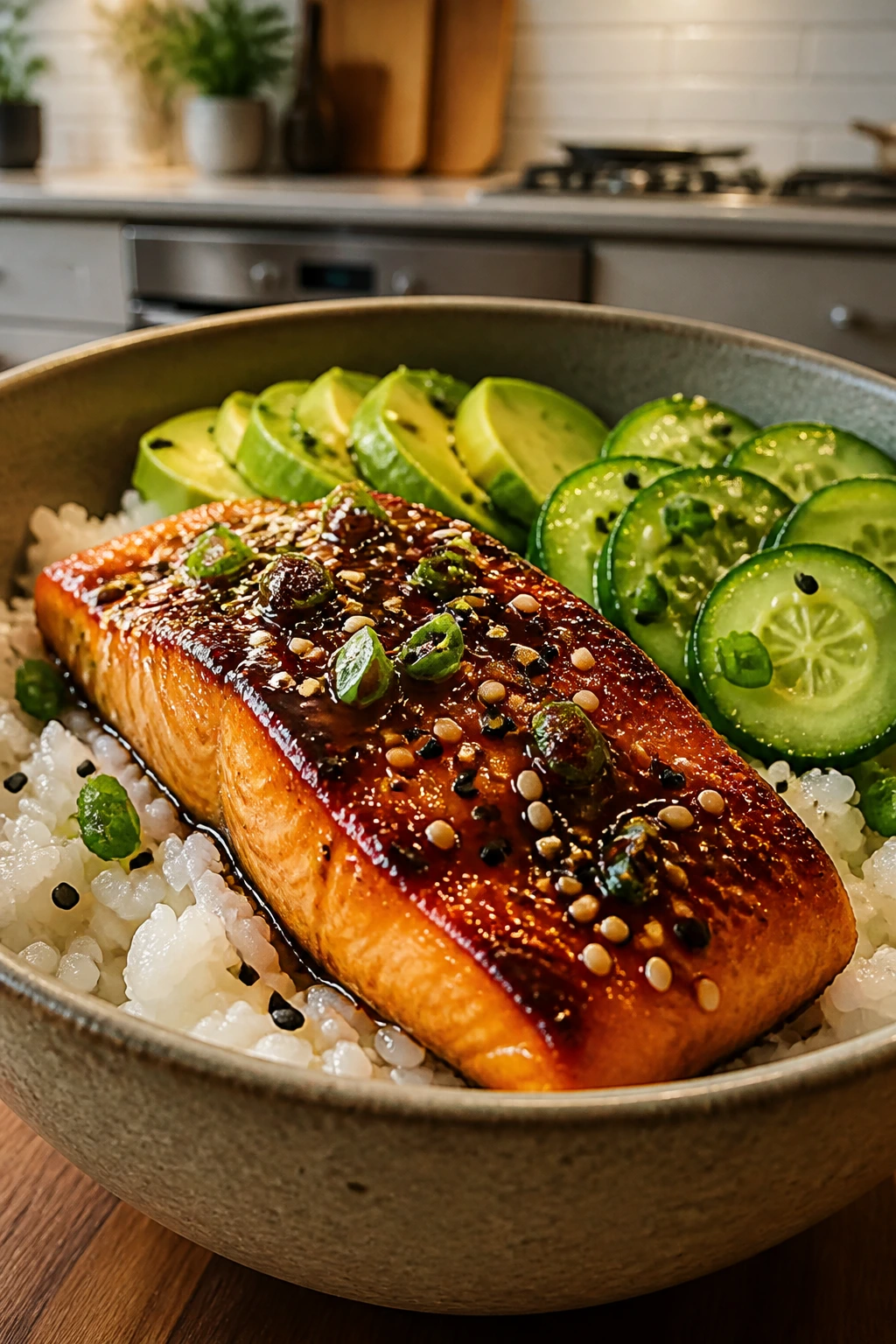
This one feels clean and calm on the plate. The salmon is sticky on top, tender in the middle, and deeply savory from the miso glaze. Rice catches all the extra sauce, cucumber keeps the bowl cool, and avocado adds just enough softness to make the whole thing feel generous.
Why It Works
A rice bowl is one of the smartest lazy dinners because it gives you structure without fuss. You cook the rice, glaze the fish, and pile on fresh toppings. Miso is doing a lot of quiet work here — it adds salt, depth, and a little fermented funk that makes salmon taste richer than it is. The cucumber and rice vinegar keep the bowl from becoming one-note, which is the main trap with rich fish dinners.
Key Ingredients
- 2 salmon fillets, 6 oz each — skin-on or skinless both work.
- 2/3 cup jasmine or sushi rice — enough for two generous bowls.
- 1 cucumber, thinly sliced — cool crunch is the point.
- 1 avocado, sliced — optional, but it makes the bowl feel fuller.
- 1 tbsp white miso paste — the salty-sweet base for the glaze.
- 1 tbsp soy sauce — deepens the glaze and adds balance.
- 1 tbsp honey — helps the glaze lacquer the salmon.
- 1 tsp rice vinegar — sharpens the glaze.
- 1 tsp grated fresh ginger — a little heat and brightness.
- 1 tbsp sesame seeds — for a nutty finish.
- 1 tbsp sliced scallions — not mandatory, but they’re nice here.
- 1 tsp sesame oil — optional, for the rice or the bowl finish.
Quick Steps
-
Cook the rice: Rinse the rice until the water runs mostly clear, then simmer according to package directions. Fluff and keep warm.
-
Mix the glaze: Stir together the miso, soy sauce, honey, rice vinegar, and ginger until smooth.
-
Prep the salmon: Pat the fillets dry and place them on a lined baking sheet or in a lightly oiled skillet.
-
Glaze and cook: Brush the salmon with the miso mixture and bake at 400°F (205°C) for 10 to 12 minutes, or until the fish flakes and the glaze looks glossy.
-
Build the bowls: Divide the rice between two bowls. Add cucumber, avocado, and salmon on top.
-
Finish: Scatter sesame seeds and scallions over everything. A tiny drizzle of sesame oil goes a long way.
Tips and Variations
- Watch the salmon closely: It goes from tender to dry fast; pull it when the center is just opaque.
- Swap the rice: Quinoa or soba noodles work if you want a different base.
- Make it spicy: A little chili crisp or sriracha on top gives the bowl more edge.
4. Sausage, Peppers, and Polenta Skillet
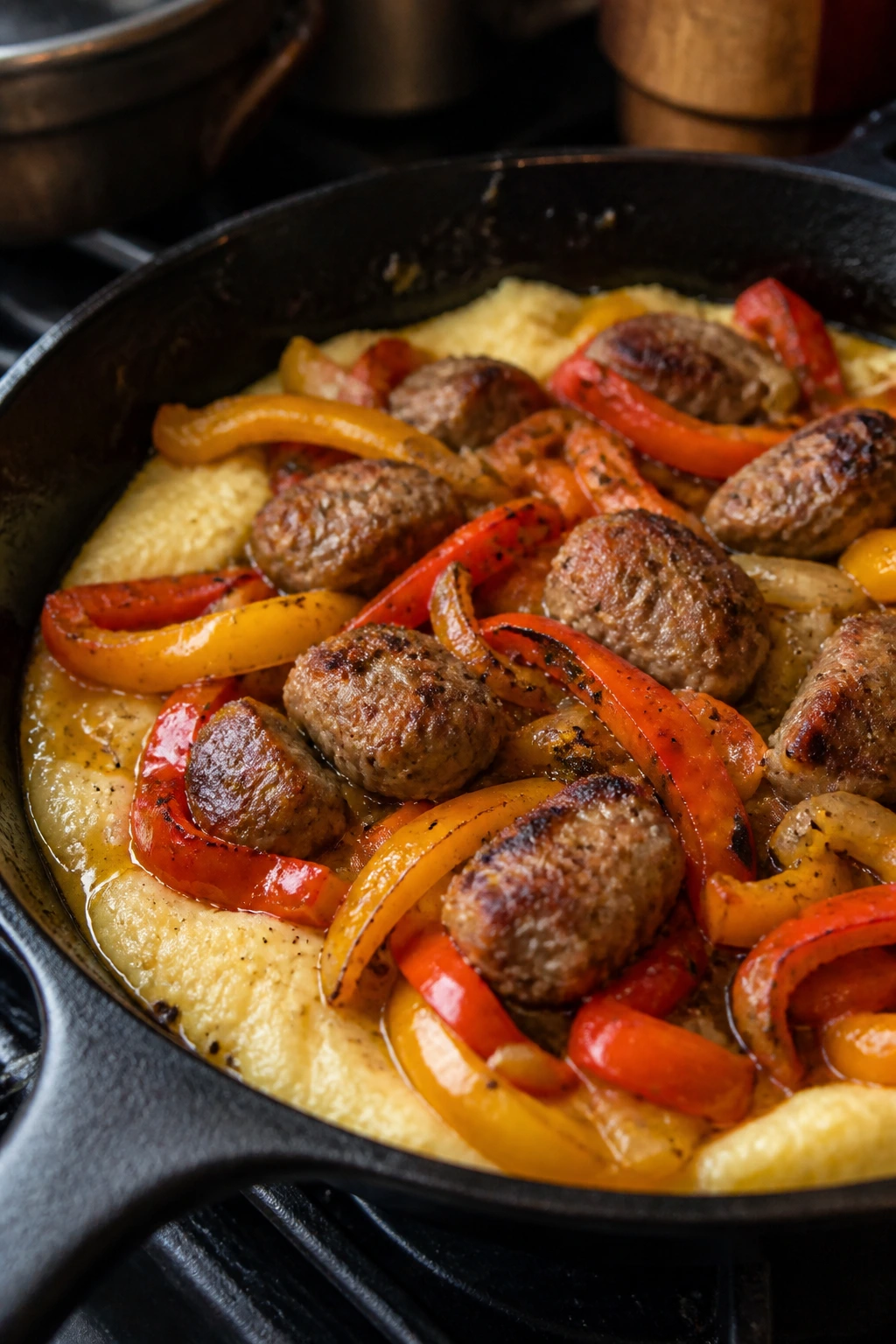
This is the sort of dinner that tastes like it came from a much bigger effort than it did. The sausage gets browned and punchy, the peppers soften into something sweet, and the polenta underneath acts like a creamy landing pad. It’s rustic in the best way — no ceremony, just a hot skillet and a bowl that disappears fast.
Why It Works
Sausage and peppers have always been a good pair because one brings fat and seasoning while the other brings sweetness and texture. Toss in a quick tomato base and creamy polenta, and you get a dinner that feels complete without needing side dishes to rescue it. The polenta is key. It catches the sauce, mutes the richness, and makes the whole thing feel more like comfort food than a sausage scramble.
Key Ingredients
- 3 Italian sausage links, about 12 oz — sweet or hot, depending on your mood.
- 2 bell peppers, sliced — use different colors if you want a little contrast.
- 1 small onion, sliced — cooks down into the sauce.
- 2 cloves garlic, minced — the usual good workhorse.
- 1 can (14.5 oz) diced tomatoes — adds moisture and a little acidity.
- 1 tsp Italian seasoning — enough herbiness without fuss.
- 1/2 cup quick-cooking polenta — the fast route, which is the whole point.
- 2 cups water or low-sodium chicken broth — broth gives the polenta more flavor.
- 1/4 cup grated parmesan — stirred into the polenta at the end.
- 1 tbsp olive oil — for the skillet.
- Salt and black pepper — season carefully; sausage can be salty on its own.
Quick Steps
-
Brown the sausage: Heat the olive oil in a large skillet over medium heat. Add the sausage and cook for 6 to 8 minutes, turning until browned on all sides. Remove and slice into bite-size pieces.
-
Cook the vegetables: Add the onions and peppers to the same skillet. Cook for 6 to 7 minutes until softened and a little browned at the edges.
-
Add garlic and tomatoes: Stir in the garlic and Italian seasoning for 30 seconds, then add the diced tomatoes. Simmer for 5 minutes.
-
Cook the polenta: In a separate saucepan, bring the broth or water to a boil. Whisk in the polenta slowly and cook according to the package, usually 3 to 5 minutes, until creamy.
-
Finish both parts: Stir parmesan into the polenta and season with salt and pepper. Return the sausage to the skillet and warm everything through.
-
Serve: Spoon the polenta into two bowls and top with the sausage and pepper mixture.
Tips and Variations
- Use broth in the polenta: It gives the base more flavor than plain water.
- Go extra herby: Basil or parsley at the end brightens the whole skillet.
- Make it dairy-free: Skip the parmesan and stir a spoonful of olive oil into the polenta for body.
5. Cozy Chicken Tortellini Soup
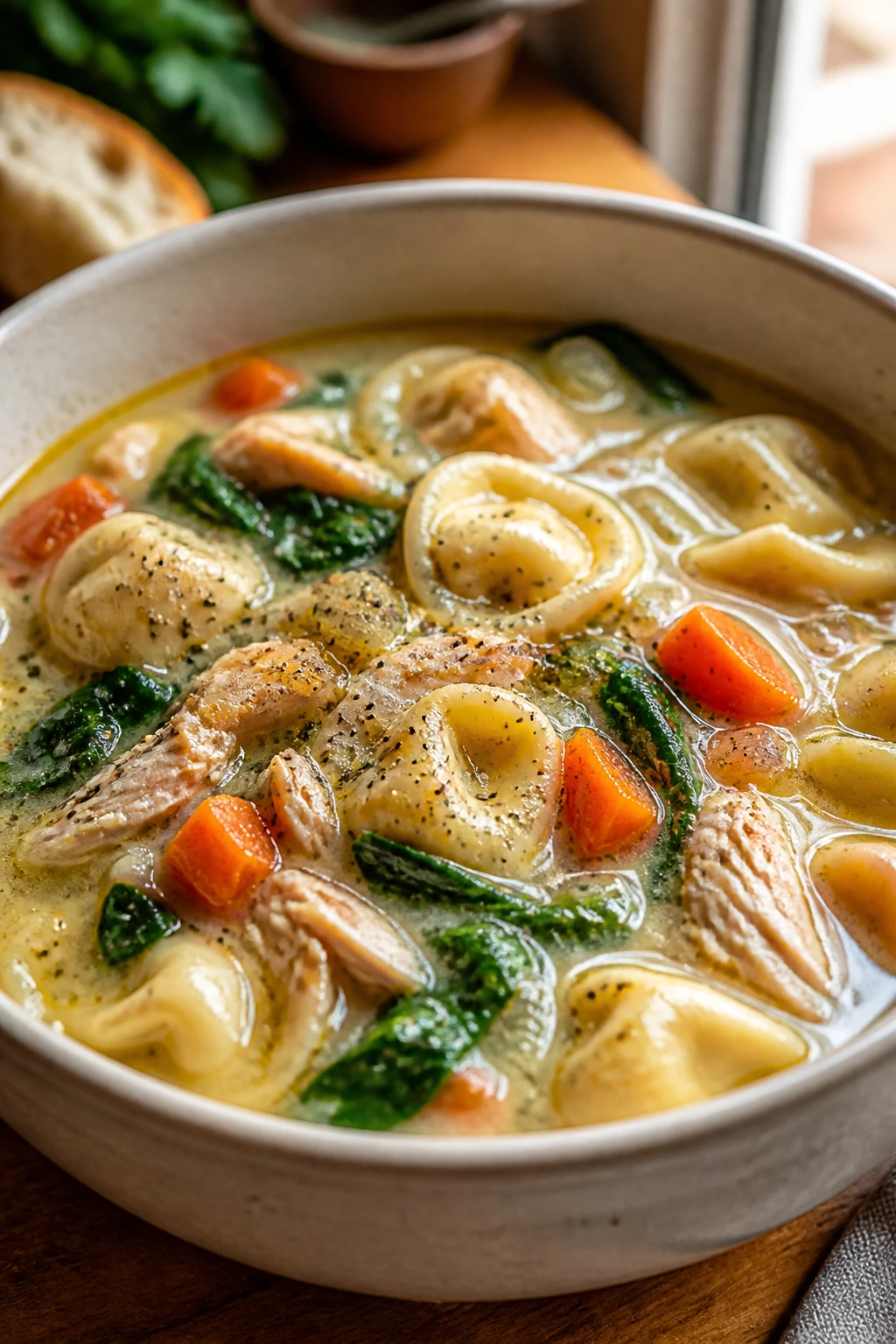
Some Sunday dinners want a chair and a blanket more than a side salad. This is one of those. The broth is savory, the tortellini gives you little pockets of cheese, and the chicken makes the soup feel like dinner instead of a starter. It’s gentle food, but not boring.
Why It Works
Soup earns its place on a lazy dinner list because it’s forgiving and adaptable. Once the vegetables soften, the rest of the pot mostly takes care of itself. Tortellini is the cheat code here: it turns broth into an actual meal without requiring you to make noodles from scratch or simmer grains for an hour. The spinach folds in at the end and gives you a little color and freshness without a separate salad.
Key Ingredients
- 1 tbsp olive oil — for the vegetables.
- 1 small onion, diced — the flavor base.
- 2 carrots, sliced — sweet and classic.
- 2 celery stalks, sliced — keeps the broth tasting like soup.
- 2 cloves garlic, minced — added near the end so it doesn’t burn.
- 4 cups chicken broth — use a good-tasting broth; this soup depends on it.
- 1 1/2 cups cooked shredded chicken — rotisserie chicken is perfectly fine.
- 9 oz refrigerated cheese tortellini — the quick shortcut.
- 1 cup baby spinach — added right before serving.
- 1/4 cup grated parmesan — for serving or stirring in.
- 1 tsp Italian seasoning — thyme, basil, and oregano in one move.
- Salt and black pepper — adjust after the broth and parmesan.
Quick Steps
-
Start the base: Heat the olive oil in a medium pot over medium heat. Add onion, carrots, and celery with a pinch of salt. Cook for 6 to 7 minutes until the vegetables soften.
-
Add garlic and seasoning: Stir in the garlic and Italian seasoning for 30 seconds.
-
Pour in the broth: Add the chicken broth and bring the pot to a gentle simmer.
-
Add chicken and tortellini: Stir in the shredded chicken and tortellini. Simmer for 5 to 7 minutes, or until the tortellini is tender and floating.
-
Finish with spinach: Add the spinach and cook for 1 minute until just wilted.
-
Serve: Ladle into bowls and top with parmesan and black pepper.
Tips and Variations
- Don’t boil the tortellini hard: A lively simmer is enough and keeps the pasta from splitting.
- Add cream if you want it richer: A splash of half-and-half at the end makes it more indulgent.
- Use frozen tortellini if that’s what’s in the freezer: Just add a few extra minutes to the simmer.
6. Mushroom and Spinach Gnocchi with Brown Butter
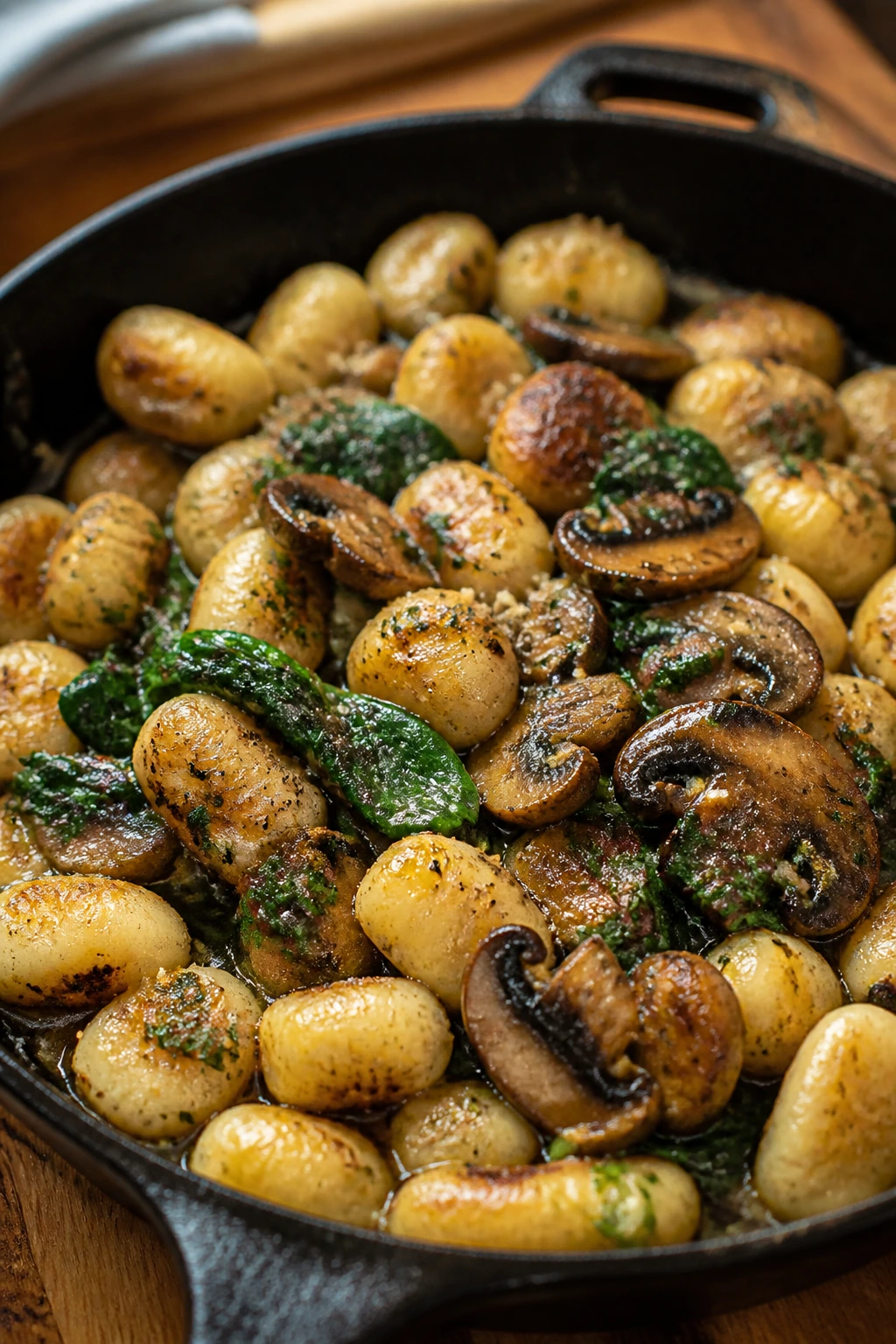
Gnocchi has a nice lazy-night energy all by itself. It cooks fast, it feels plush, and it picks up browned butter like it was made for the job. Add mushrooms and spinach, and you’ve got a vegetarian dinner that still feels earthy and substantial.
Why It Works
This dish leans on texture more than complexity. The gnocchi gets lightly crisp on the outside, the mushrooms turn savory and deep, and the spinach wilts into the sauce without getting mushy. Brown butter gives the whole pan a nutty smell and a toasty finish that plain olive oil can’t match. It’s one of those dinners where the skillet starts to smell good before you’ve even finished cooking.
Key Ingredients
- 1 lb shelf-stable or refrigerated gnocchi — both work; just follow the package.
- 8 oz cremini mushrooms, sliced — meaty and reliable.
- 3 tbsp butter — for browning and sauce.
- 2 cloves garlic, minced — adds sharpness after the butter browns.
- 3 cups baby spinach — a quick wilt at the end.
- 1 tbsp olive oil — keeps the butter from burning too fast.
- 1 tsp fresh thyme leaves or 1/2 tsp dried thyme — classic with mushrooms.
- 2 tbsp grated parmesan — optional but welcome.
- 1 tsp lemon juice — a small splash wakes up the butter.
- Salt and black pepper — season in layers.
Quick Steps
-
Crisp the gnocchi: Heat 1 tbsp olive oil in a large skillet over medium heat. Add the gnocchi in a single layer and cook for 5 to 6 minutes, turning occasionally, until golden in spots. Remove to a plate.
-
Cook the mushrooms: Add the mushrooms to the same skillet and cook for 6 to 8 minutes until they shrink and brown.
-
Brown the butter: Add the butter and thyme. Cook for 2 to 3 minutes until the butter smells nutty and the milk solids turn amber. Watch it closely — brown butter goes from perfect to burned in a blink.
-
Add garlic and greens: Stir in the garlic for 30 seconds, then add the spinach and let it wilt.
-
Toss everything together: Return the gnocchi to the skillet, add parmesan and lemon juice, and toss until coated.
-
Serve hot: Eat it right away while the gnocchi still has some edge.
Tips and Variations
- Use a wide skillet: Crowding makes the gnocchi steam instead of crisp.
- Add a fried egg on top: The yolk mixes into the butter and makes the dish richer.
- Swap spinach for kale: Slice the kale thin and give it a minute or two longer in the pan.
7. Easy Beef and Bean Chili for Two
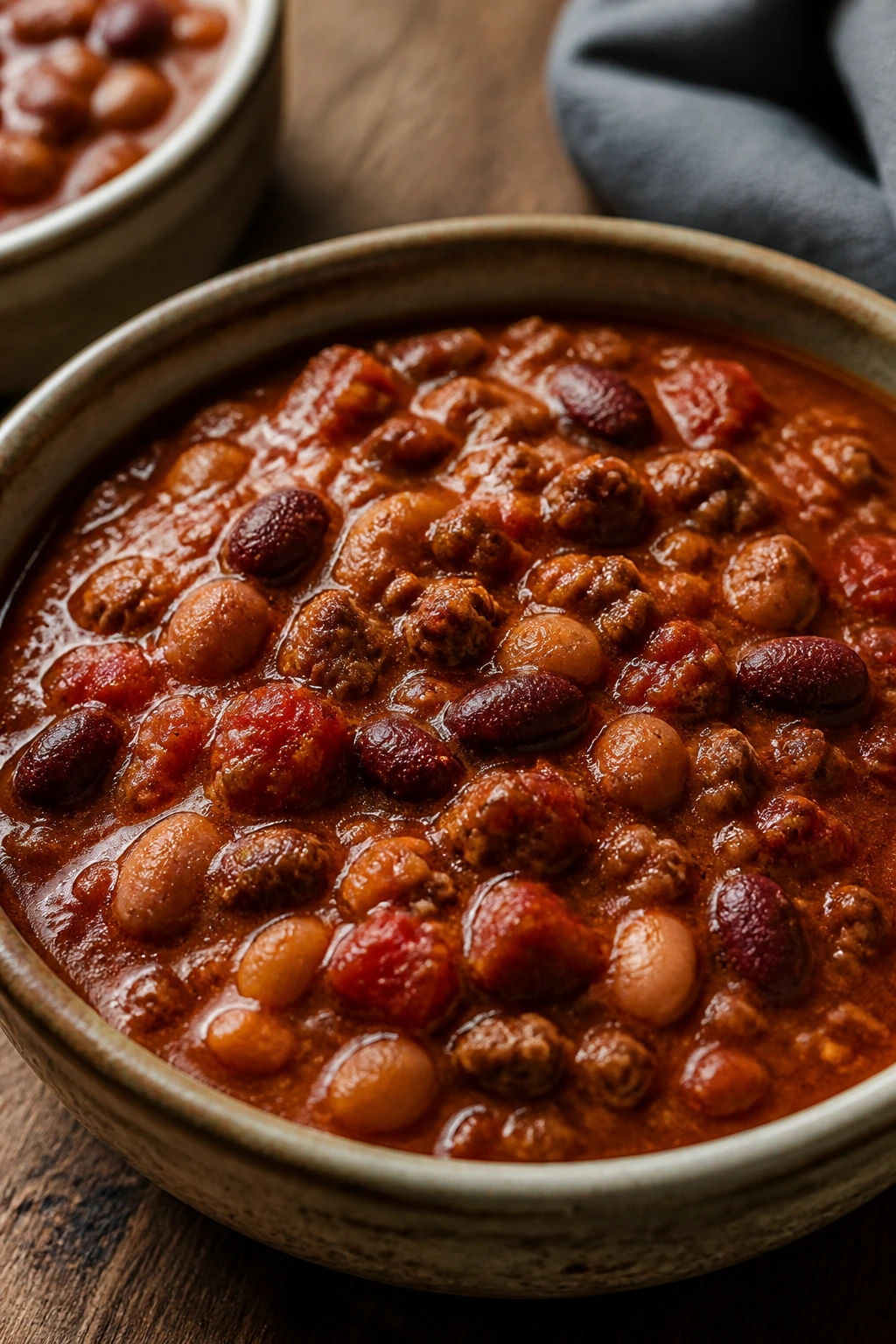
A small pot of chili is one of the best Sunday evening moves there is. It fills the house with a warm, smoky smell, and it only gets better after a short simmer. This version is scaled for two, so you get enough for dinner without ending up buried in leftovers for the next half week.
Why It Works
Chili is built on low effort and high reward. Ground beef browns quickly, spices bloom in the fat, and canned beans keep the whole thing moving. Tomato paste gives the pot depth without needing long simmer times, and a splash of broth keeps the texture spoonable instead of thick and pasty. It’s sturdy food, the kind that makes a quiet night feel fed.
Key Ingredients
- 1/2 lb ground beef — enough for two hearty bowls.
- 1 tbsp olive oil — only if the beef is very lean.
- 1 small onion, diced — the flavor base.
- 2 cloves garlic, minced — added after the onion softens.
- 1 tbsp chili powder — the main seasoning.
- 1 tsp ground cumin — earthy and warm.
- 1/2 tsp smoked paprika — gives the pot a subtle campfire note.
- 1 tbsp tomato paste — deepens the sauce.
- 1 can (14.5 oz) diced tomatoes — for body and acidity.
- 1 can (15 oz) kidney beans or black beans, drained and rinsed — the bulk and texture.
- 1 cup beef broth — loosens the chili to the right consistency.
- Salt and black pepper — season at the end.
- Toppings: shredded cheddar, sour cream, chopped cilantro — all optional, but very good.
Quick Steps
-
Brown the beef: Heat a medium pot over medium-high heat. Add the beef and cook for 4 to 5 minutes, breaking it up, until no pink remains. Drain off extra fat if needed.
-
Cook the onion: Add the olive oil if the pot looks dry, then stir in the onion. Cook for 4 to 5 minutes until soft.
-
Bloom the spices: Add garlic, chili powder, cumin, smoked paprika, and tomato paste. Stir for 1 minute until fragrant and slightly darker.
-
Simmer the chili: Add the tomatoes, beans, and broth. Bring to a gentle simmer and cook for 20 to 25 minutes, stirring occasionally.
-
Adjust texture: If it gets too thick, add a splash of water. If it seems thin, simmer uncovered for a few extra minutes.
-
Serve: Taste for salt, then spoon into bowls and top as you like.
Tips and Variations
- Let the spices hit the fat first: That 1 minute of blooming changes the flavor more than people think.
- Use turkey if you want it lighter: Ground turkey works, but add a little extra olive oil.
- Freeze the extra portion: Chili is one of the few dishes here that gets almost better after a day in the fridge.
8. Baked Feta Chickpea Pitas with Herb Yogurt
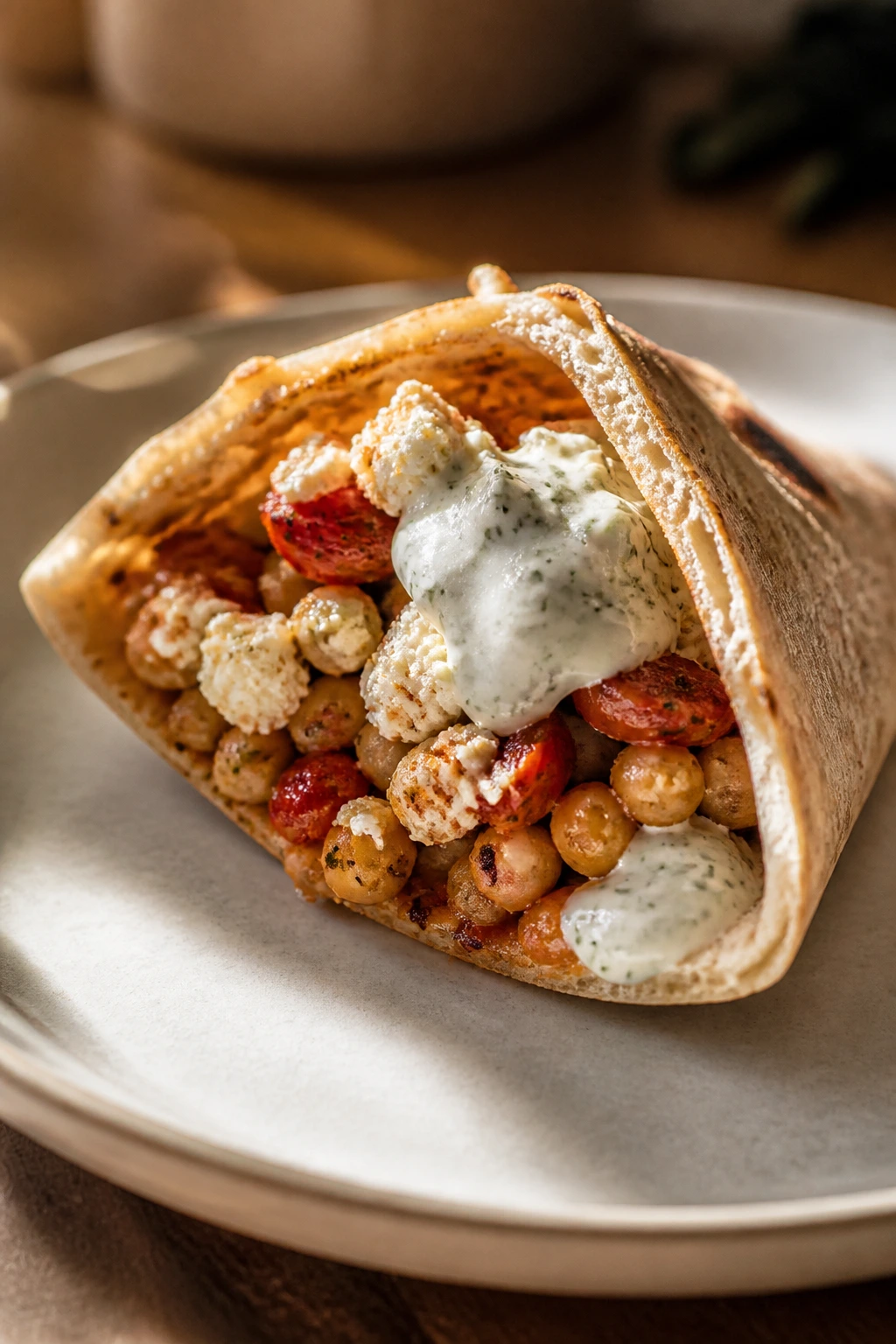
There’s a cheerful messiness to this dinner that I like a lot. The tomatoes burst in the oven, the feta softens and goes salty-creamy, and the chickpeas pick up all the good stuff in the pan. Stuff it into warm pita with herb yogurt and you’ve got a meal that feels fresh without requiring any real effort.
Why It Works
Baking the feta right with the vegetables is what makes this work. The cheese softens into the tomatoes and oil, turning the pan into a quick sauce with almost no stirring. Chickpeas bring protein and heft, which means you won’t be hungry again an hour later. The yogurt sauce gives you a cool, tangy contrast that keeps each bite from feeling too soft or too rich.
Key Ingredients
- 1 can (15 oz) chickpeas, drained and rinsed — dry them a little for better roasting.
- 1 cup cherry tomatoes — they burst and make the pan saucy.
- 1 small red onion, sliced — sweetens as it roasts.
- 1 block feta, 6 oz — keep it in one piece.
- 2 tbsp olive oil — for roasting.
- 1 tsp dried oregano — classic with feta and tomatoes.
- 1/2 tsp kosher salt — go light because feta is salty.
- 2 pita breads — warmed before serving.
- 1/2 cup Greek yogurt — the base of the herb sauce.
- 1 tbsp chopped dill — fresh and bright.
- 1 tbsp lemon juice — wakes up the yogurt.
- 1 small garlic clove, finely grated — just enough to matter.
Quick Steps
-
Heat the oven: Set it to 425°F (220°C).
-
Build the baking dish: Toss the chickpeas, tomatoes, onion, olive oil, oregano, and salt in a small baking dish. Nestle the feta in the center.
-
Roast: Bake for 20 to 25 minutes until the tomatoes burst and the feta softens.
-
Make the yogurt sauce: Stir together the yogurt, dill, lemon juice, and garlic.
-
Warm the pita: Heat the pita in a dry skillet or wrap it in foil in the oven for the last 2 minutes.
-
Assemble: Spoon the roasted mixture into the pita and drizzle with herb yogurt.
Tips and Variations
- Dry the chickpeas a bit first: A paper towel helps them roast instead of steam.
- Add cucumber or arugula: Fresh crunch makes the pitas feel more balanced.
- Use naan if that’s easier: It’s a little softer, but it works fine.
9. Steak and Mushroom Skillet with Herby Butter
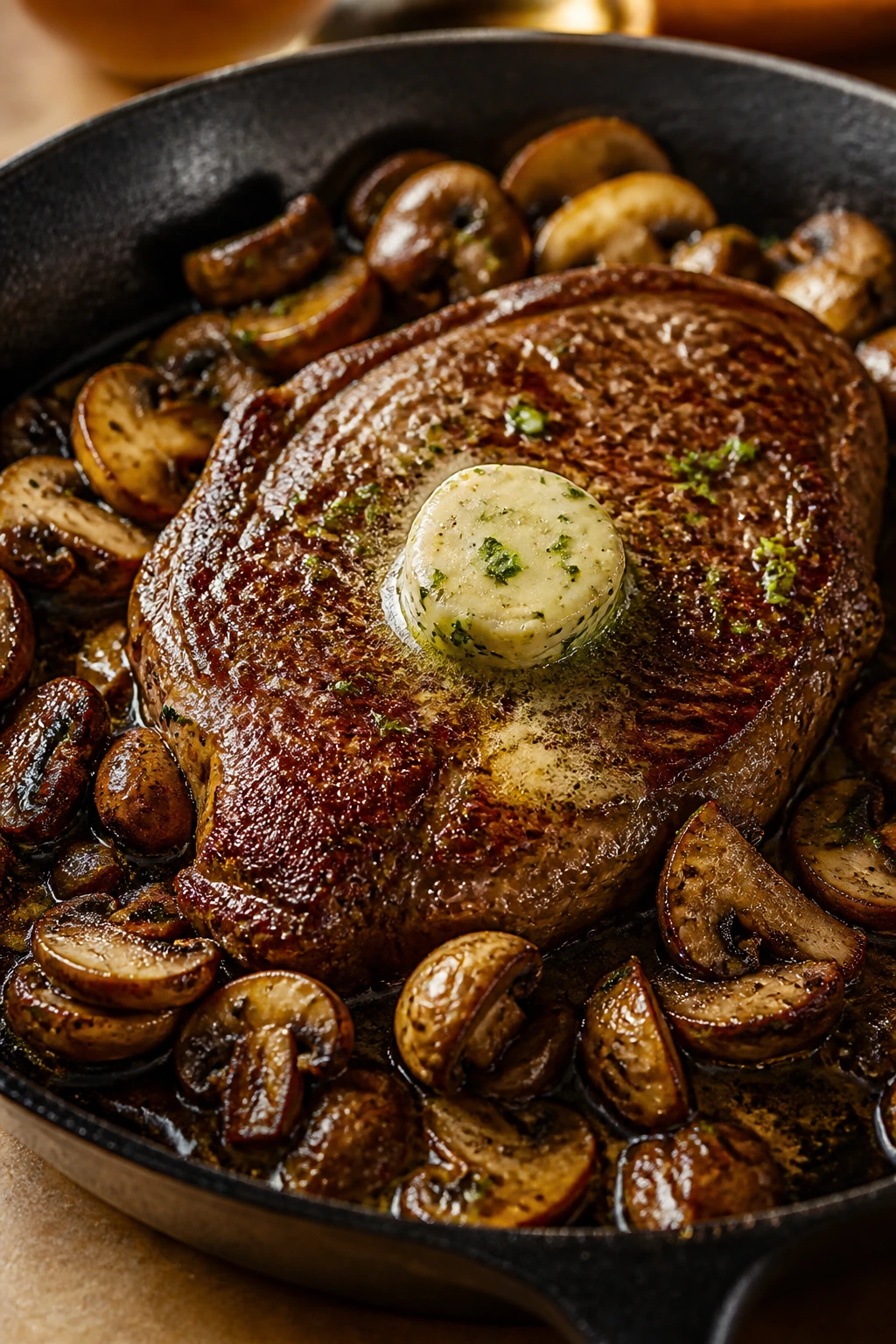
This is the meal you make when you want Sunday dinner to feel a little more dressed up without actually becoming hard. The steak sears fast, the mushrooms drink up the pan drippings, and a quick herb butter gives you that glossy, restaurant-style finish with almost no ceremony. It’s lean on prep, generous on flavor.
Why It Works
A small skillet steak dinner is one of the best arguments for cooking for two. You can get the pan hot enough for a proper sear, rest the meat without juggling three side dishes, and turn the drippings into a simple sauce. Mushrooms are the natural companion because they soak up the savory bits in the pan and stretch the dish without making it feel like you’re hiding the main event. The butter at the end is not fancy. It’s just smart.
Key Ingredients
- 2 strip steaks or sirloin steaks, 6 oz each and about 1 inch thick — similar thickness helps them cook evenly.
- 8 oz mushrooms, sliced — cremini or baby bella are good picks.
- 1 tbsp olive oil — for the sear.
- 2 tbsp butter — divided between the mushrooms and finish.
- 1 shallot, minced — softens into the sauce.
- 2 cloves garlic, minced — added after the mushrooms brown.
- 1 tsp fresh thyme leaves — or 1/2 tsp dried.
- 1 tsp Dijon mustard — for the pan sauce.
- 1 tbsp chopped parsley — for the finish.
- Salt and black pepper — season the steak well.
Quick Steps
-
Prep the steak: Pat the steaks dry and season them generously with salt and pepper on both sides.
-
Sear: Heat the olive oil in a skillet over medium-high heat until it shimmers. Cook the steaks for 3 to 4 minutes per side for medium-rare, depending on thickness. Transfer to a plate and rest.
-
Cook the mushrooms: Lower the heat to medium. Add the mushrooms and cook for 5 to 6 minutes until browned and their liquid cooks off.
-
Build the sauce: Add the shallot, garlic, thyme, and 1 tbsp butter. Stir for 1 minute. Add the Dijon and a splash of water or broth to loosen the pan juices.
-
Finish the butter: Stir in the remaining butter and parsley until glossy.
-
Serve: Slice the steak against the grain and spoon the mushroom mixture over the top.
Tips and Variations
- Rest the steak: Five minutes is enough for a small steak, and it keeps the juices where they belong.
- Use a meat thermometer if you have one: About 125°F for rare, 130°F for medium-rare, 140°F for medium.
- Add crusty bread or mashed potatoes: You do not need a complicated side here.
10. Shakshuka with Warm Pita and Feta
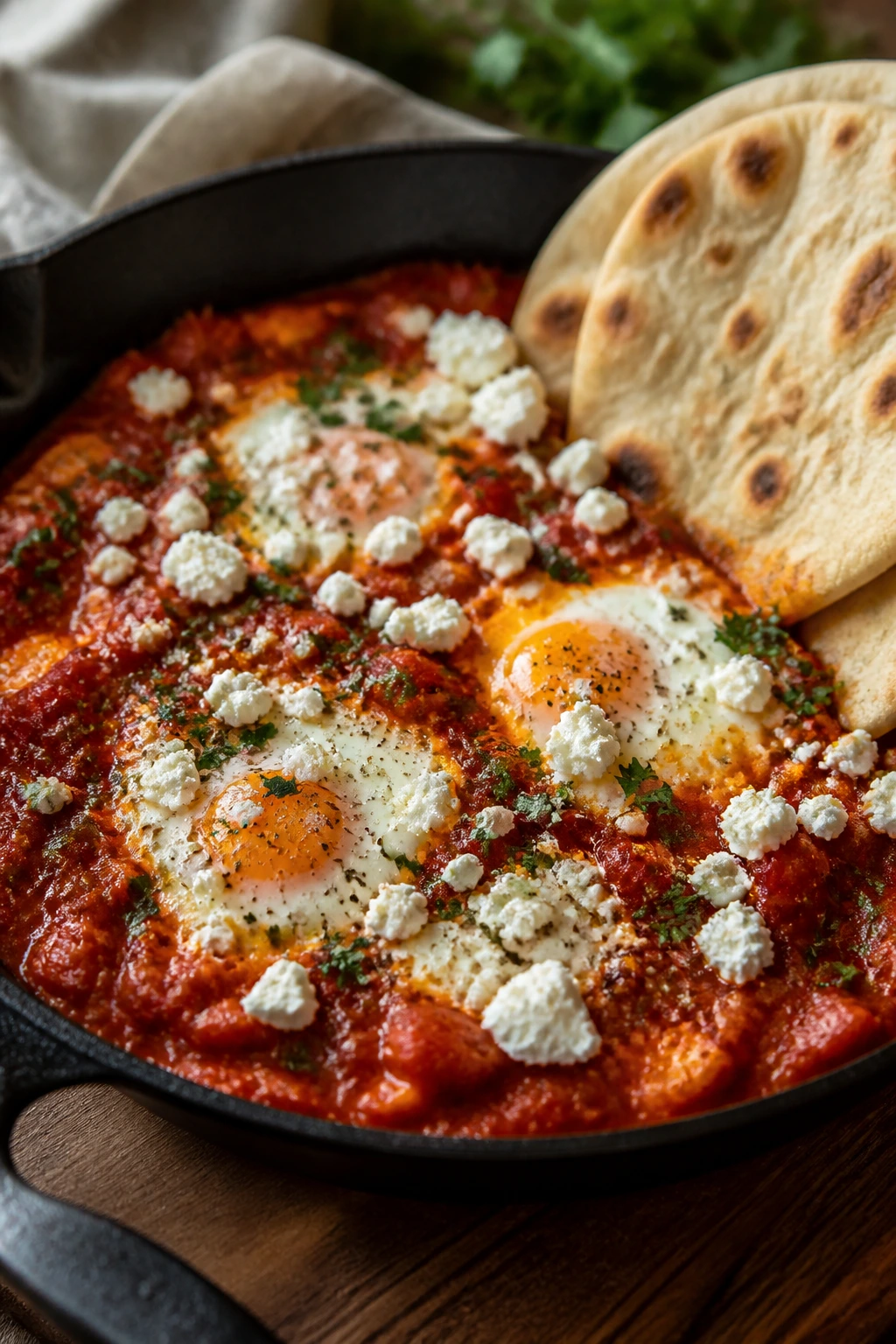
Shakshuka is what happens when a skillet and a few eggs decide to do the work of a full dinner. The tomato sauce is spiced but not loud, the eggs poach right in the pan, and the feta gives you salty little bursts in between the yolks. It feels relaxed, but it never feels skimpy.
Why It Works
Eggs in sauce are a very old trick for a reason. The tomato base comes together quickly, the spices bloom in oil, and the eggs cook gently under a lid until the whites set and the yolks stay soft. That runny center matters. It turns pita into a tool and makes every bite feel richer without adding cream or cheese sauce. It’s a smart dinner when you want something comforting but not heavy.
Key Ingredients
- 1 tbsp olive oil — for the base.
- 1 small onion, diced — softens into the sauce.
- 1 red bell pepper, diced — adds sweetness and a little body.
- 2 cloves garlic, minced — added after the vegetables soften.
- 1 can (14.5 oz) crushed tomatoes — the main sauce.
- 1 tsp ground cumin — warm and earthy.
- 1/2 tsp smoked paprika — gives the sauce depth.
- Pinch of red pepper flakes — optional heat.
- 4 large eggs — the whole point of the pan.
- 1/4 cup crumbled feta — for salt and tang.
- 2 pita breads — for scooping.
- 2 tbsp chopped cilantro or parsley — for freshness.
Quick Steps
-
Cook the vegetables: Heat the oil in a skillet over medium heat. Add the onion and bell pepper with a pinch of salt. Cook for 6 to 7 minutes until soft.
-
Add garlic and spices: Stir in the garlic, cumin, paprika, and red pepper flakes for 30 seconds.
-
Simmer the sauce: Add the crushed tomatoes and cook for 8 to 10 minutes until thickened and a little darker.
-
Make the wells: Use the back of a spoon to create 4 little pockets in the sauce.
-
Cook the eggs: Crack an egg into each pocket, cover the pan, and cook on low for 5 to 7 minutes until the whites are set but the yolks still jiggle.
-
Finish: Scatter feta and herbs over the top. Serve with warm pita immediately.
Tips and Variations
- Keep the heat gentle once the eggs go in: A hard boil gives you rubbery whites.
- Add spinach or kale: Stir it into the sauce before the eggs go in.
- Want more richness? A spoonful of yogurt on the side is a good idea.
11. BBQ Chicken Flatbreads with Red Onion and Mozzarella
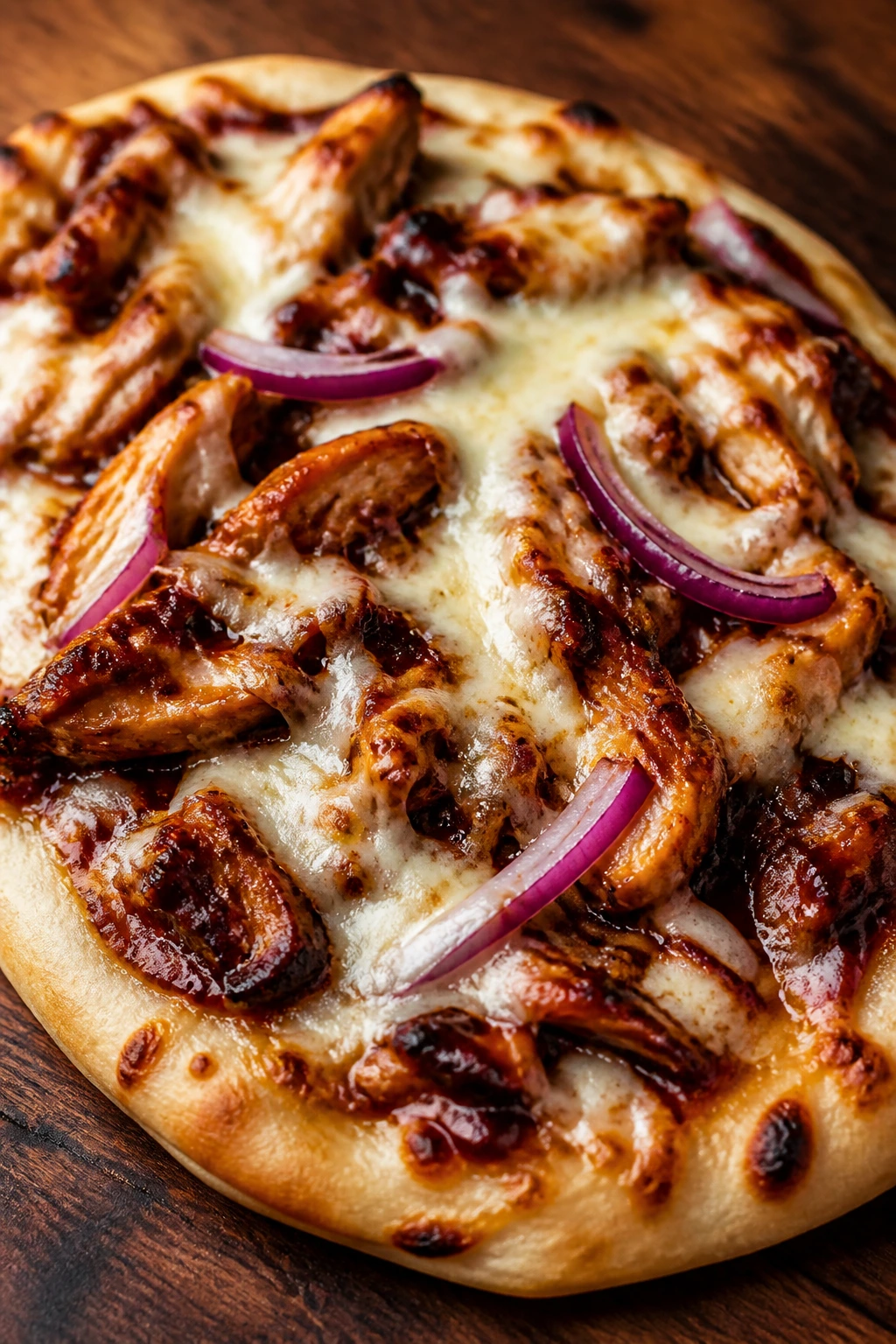
This is the sort of dinner that feels like cheating, but in a good way. The flatbreads crisp at the edges, the barbecue sauce caramelizes a little, and the red onion gives enough bite to keep things lively. It’s fast, satisfying, and suspiciously good for how little work it asks for.
Why It Works
Flatbreads are one of the best shortcuts for two-person dinners because they behave like a cross between pizza and toast. You don’t need to proof dough or wait around for a long bake. The barbecue sauce brings sweetness and smoke, mozzarella handles the melt, and pre-cooked chicken keeps the whole thing on a short leash. If you have leftover rotisserie chicken, this dinner is almost rude in how easy it is.
Key Ingredients
- 2 naan or other flatbreads — sturdy enough to hold the toppings.
- 1 cup cooked shredded chicken — rotisserie chicken is perfect.
- 1/3 cup barbecue sauce — choose one you actually like eating.
- 1 cup shredded mozzarella — melts smoothly.
- 1/4 red onion, thinly sliced — adds sharpness.
- 2 tbsp chopped cilantro — fresh finish, or use parsley if you prefer.
- 1 tbsp olive oil — brushed on the flatbreads for better browning.
- Optional sliced jalapeños — if you want heat.
- Black pepper — a small shake before baking helps.
Quick Steps
-
Heat the oven: Preheat to 425°F (220°C).
-
Prep the flatbreads: Place them on a baking sheet and brush lightly with olive oil.
-
Add the toppings: Spread barbecue sauce over each flatbread, leaving a small border. Top with chicken, mozzarella, and red onion.
-
Bake: Cook for 8 to 10 minutes until the cheese melts and the edges crisp.
-
Finish: Add cilantro and jalapeños after baking. Slice and serve hot.
Tips and Variations
- Don’t over-sauce the base: Too much barbecue sauce makes the flatbread soggy fast.
- Use leftover pulled pork instead of chicken: It’s a natural swap.
- Add a handful of arugula after baking: The peppery bite works well with the sweet sauce.
12. Pork Tenderloin with Apples and Dijon Pan Sauce
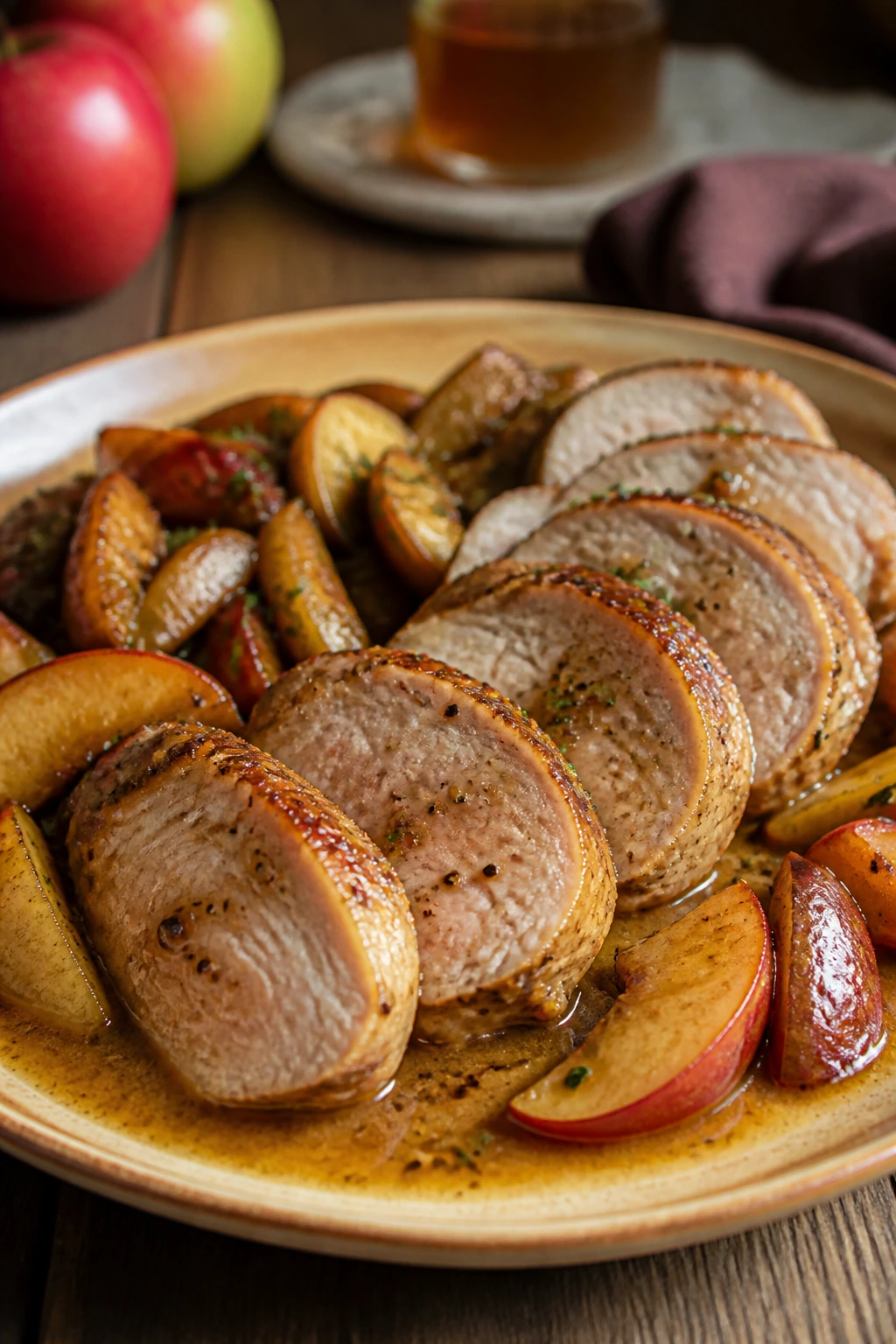
Pork tenderloin is one of the easiest ways to make a meal feel composed without making it complicated. It cooks fast, slices neatly, and loves a pan sauce. The apples soften into the drippings, the Dijon sharpens the sauce, and the whole thing tastes like a quiet nod to cooler-weather cooking without asking for much time.
Why It Works
Pork tenderloin is lean, quick, and very good at pretending you worked harder than you did. The trick is a hot sear first, then a short roast, then a pan sauce built from the browned bits left behind. Apples bring sweetness that naturally suits pork, and Dijon gives the sauce enough edge to keep it from tasting like dessert. It’s one of those dinners that feels slightly elegant without being fussy.
Key Ingredients
- 1 pork tenderloin, about 1 to 1 1/4 lb, trimmed — look for one that’s even in thickness.
- 2 tsp kosher salt — season the whole surface.
- 1/2 tsp black pepper — a basic but necessary layer.
- 1 tbsp olive oil — for searing.
- 1 apple, thinly sliced — Honeycrisp or Gala both work well.
- 1 small shallot or onion, sliced — sweetens in the pan sauce.
- 1/2 cup apple cider or chicken broth — cider gives more fruitiness; broth keeps it savory.
- 1 tbsp Dijon mustard — sharpens and thickens the sauce.
- 1 tbsp butter — makes the sauce glossy.
- 1 tsp fresh thyme leaves — or 1/2 tsp dried.
- Optional chopped parsley — for the finish.
Quick Steps
-
Heat the oven: Preheat to 400°F (205°C).
-
Season and sear the pork: Pat the tenderloin dry and season it with salt and pepper. Heat the olive oil in an oven-safe skillet over medium-high heat and sear the pork for 2 to 3 minutes per side until browned.
-
Add apples and shallot: Scatter the sliced apple and shallot around the pork in the skillet.
-
Roast: Transfer the skillet to the oven and roast for 12 to 15 minutes, or until the pork reaches 145°F in the center.
-
Rest the pork: Move it to a cutting board and let it rest for 5 minutes.
-
Make the sauce: Set the skillet over medium heat, add the cider or broth, Dijon, thyme, and butter. Scrape up the browned bits and simmer for 2 to 3 minutes until slightly reduced.
-
Slice and serve: Cut the pork into medallions and spoon the apples and sauce over the top.
Tips and Variations
- Do not overcook tenderloin: It dries out faster than people expect, so a thermometer helps a lot.
- Use pears instead of apples: Slightly softer, a little sweeter, still good.
- Serve with rice or mashed potatoes: Both catch the pan sauce beautifully.
Why a Slow Sunday Dinner Can Stay Simple
Lazy doesn’t have to mean bland, and it definitely doesn’t have to mean “we had cereal and called it dinner.” The best Sunday dinners for two usually borrow from a few familiar methods: a hot skillet, a sheet pan, a pot of soup, or a quick bake in the oven. That gives you enough structure to make dinner feel real, but not so much structure that you spend the evening dragging pots around the kitchen.
The other thing these meals have in common is smart support. A little acid at the end. A crunchy topping. A cheese that melts cleanly. A herb that gets added late so it still smells alive on the plate. None of that is fancy. It’s just the difference between dinner that fills a gap and dinner that makes the evening feel settled. I’m a fan of that kind of practical comfort.
You can also see a pattern in the cooking times. Nothing here wants you trapped at the stove for an hour unless you choose a soup or chili on purpose. Even the more “special” dishes — steak, pork, salmon — stay compact enough for a quiet night. That’s the real promise of a lazy Sunday dinner. Not zero work. Just the right amount.
Essential Equipment for These Recipes
- Large skillet — useful for pasta sauce, shakshuka, steak, mushrooms, and sausage.
- Sheet pan — the workhorse for chicken, salmon, and flatbreads.
- Medium saucepan — for polenta, rice, and pasta.
- Medium pot or Dutch oven — best for soup and chili.
- Sharp chef’s knife — makes the chopping fast and less annoying.
- Cutting board — one for vegetables, or two if you prefer to keep things tidy.
- Wooden spoon or silicone spatula — good for stirring sauces without scratching pans.
- Tongs — handy for turning chicken, sausage, and steak.
- Measuring cups and spoons — especially useful for the sauces and spice blends.
- Microplane or small grater — great for garlic, lemon zest, and parmesan.
- Instant-read thermometer — not mandatory, but very helpful for chicken, pork, and salmon.
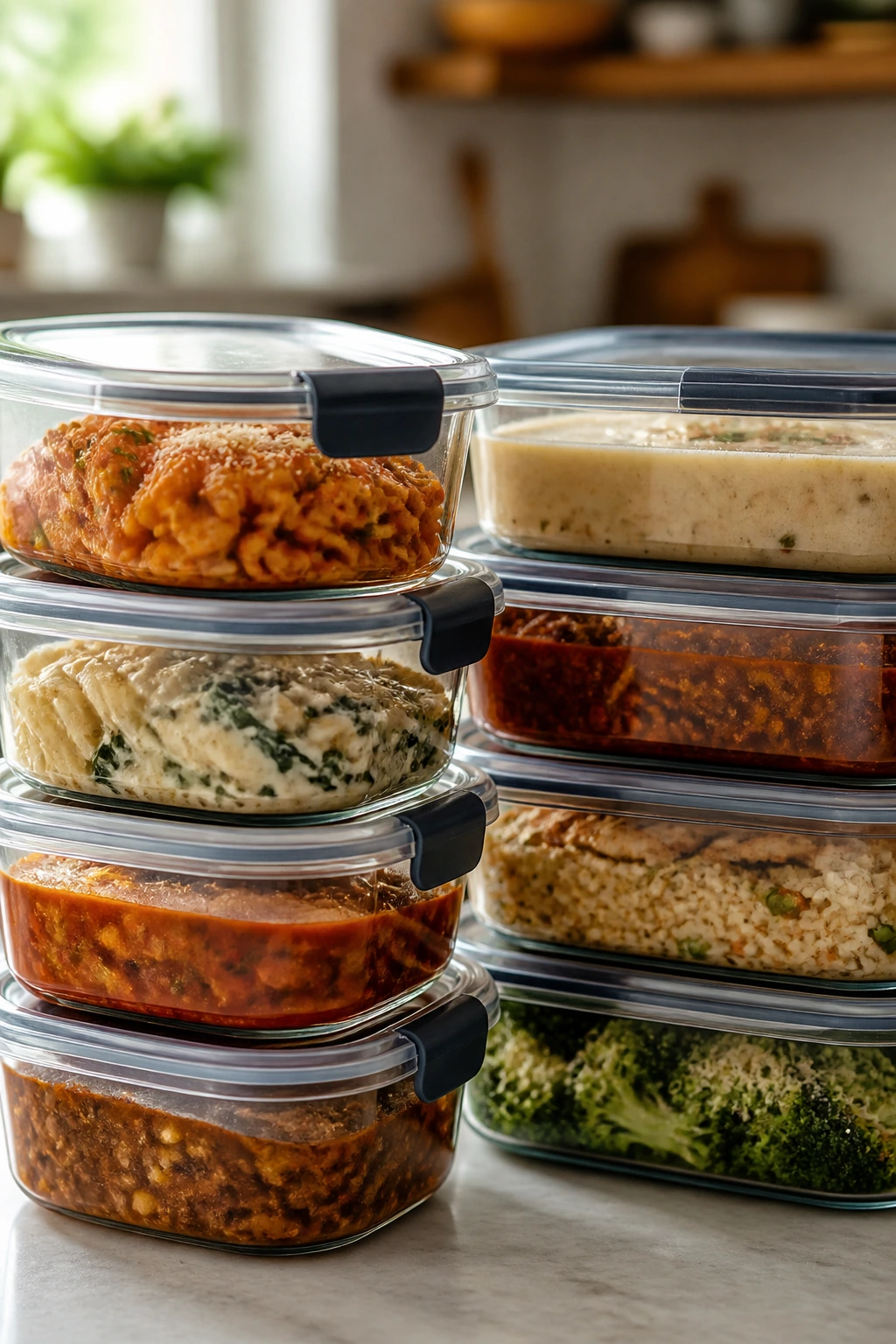
- Airtight containers — useful for leftovers, especially soup, chili, and rice bowls.
Smart Shopping and Ingredient Tips
A lazy dinner works best when the ingredients are carrying their weight. That starts with choosing the right shortcuts. Boneless chicken thighs are usually easier than breasts for sheet-pan dinners because they stay juicy longer. Ground beef with some fat in it makes a better chili than the very lean stuff, which can taste dry and thin once it simmers. For salmon, buy fillets that look even in thickness so they finish together and don’t leave one piece overdone while the other is still pale in the middle.
Pantry items matter more than they get credit for. Crushed tomatoes usually make a smoother, faster sauce than diced tomatoes, while diced tomatoes are better when you want texture, like in chili or sausage skillets. Shelf-stable gnocchi and refrigerated tortellini are worth keeping around because they turn a plain night into dinner without much planning. Same with pitas, naan, and flatbreads. They’re not filler. They’re dinner infrastructure.
Fresh herbs are lovely, but you don’t need a huge bunch of them. One small package of basil, parsley, cilantro, or dill can cover a whole meal if you add it at the end, not halfway through. Lemon, Dijon, and vinegar are the quiet stars of this collection too. They don’t make a dish taste acidic. They make it taste awake.
And one small shopping habit pays off every time: buy one vegetable or side you actually want to eat raw or barely cooked. Cucumber for the salmon bowls. Arugula for the flatbreads. Parsley for the steak. That little fresh thing changes the plate from heavy to balanced, and it’s a cheap way to make dinner feel finished.
How to Serve These Recipes
Presentation:
Serve the pasta in shallow bowls so the sauce gathers around the noodles, not at the bottom of a deep pile. Sheet-pan dinners look better if you transfer them to a platter and scatter herbs over the top. Bowls work beautifully for rice, soup, chili, and shakshuka because they keep the sauces where they belong.
Accompaniments:
A simple green salad, garlic bread, or a crisp cucumber side fits almost everything here. Polenta, rice, pita, naan, and crusty bread can all do the job of catching sauce, which is half the pleasure. For the richer meals — steak, pork, sausage — a sharp salad or a quick pickle is a smart counterweight.
Portions:
Most of these recipes are sized for two generous servings. If you’re very hungry, the soup, chili, and pasta are the easiest to stretch with extra bread or a side salad. If you want a lighter plate, reduce the starch and let the protein and vegetables carry more of the meal.
Beverage Pairing:
A bright white wine suits the salmon and pork. A light red works with steak, sausage, or chili. If you’d rather skip wine, sparkling water with lemon or a cold nonalcoholic ginger drink keeps the meal feeling sharp and refreshing.
Additional Tips and Flavor Boosters
Flavor Enhancement:
A finishing hit of acid changes a lazy dinner faster than almost anything else. Lemon on the chicken and salmon, a little vinegar in the shakshuka, Dijon in the pork sauce, or even a quick squeeze over the pasta can keep rich dishes from tasting heavy. I’d also keep chili crisp, hot sauce, and good parmesan near the stove. Those three cover a lot of ground.
Customization:
If you want more vegetables, add them late enough to keep some texture. Spinach wilts into soup, chickpeas tuck into the feta bake, and mushrooms can bulk up the gnocchi or steak skillet without making the meals feel padded. For a bigger appetite, add bread, rice, or roasted potatoes before you start doubling the protein.
Serving Suggestions:
Crunch is underrated. Breadcrumbs on pasta, sesame seeds on salmon, parsley on pork, cilantro on flatbreads — these little toppings keep Sunday dinner from feeling soft all the way through. A drizzle of olive oil or a small spoonful of yogurt can do the same thing if the dish needs a bit of gloss.
Make-It-Yours:
For a dairy-free plate, lean on olive oil, broth, and herbs instead of cream and cheese. For gluten-free cooking, rice, polenta, potatoes, and corn tortillas can step in without much trouble. If you like heat, add chili flakes early for a slower burn or at the end for a sharper kick. Same dish. Different mood.
Make-Ahead, Storage, and Reheating Guidance
A few of these dinners hold up well for leftovers; a few don’t. That’s worth separating out, because not every lazy Sunday recipe should be treated the same once it leaves the stove.
Pasta, gnocchi, soup, and chili: these keep well in the refrigerator for 3 to 4 days in airtight containers. Chili often freezes best of the bunch — up to 3 months is realistic — and soup usually handles the freezer for 2 to 3 months if you leave a little room at the top of the container. Reheat both gently on the stove over medium-low heat, adding a splash of broth or water if they thicken.
Chicken, pork, and steak dishes: cooked poultry and pork are best eaten within 3 to 4 days in the fridge. Salmon is best within 1 to 2 days, and honestly it’s at its nicest the same night. For chicken thighs and pork tenderloin, reheat in a covered skillet or low oven at 300°F until just warmed through. Steak is the pickiest of the bunch; warm it briefly in a skillet or eat it cold sliced over salad if you’d rather not risk drying it out.
Flatbreads and pita meals: these are best assembled fresh. You can prep the toppings a day ahead, but once the bread is baked or stuffed, the texture gets soft fast. If you need to reheat, use a 375°F oven for a few minutes rather than the microwave, which makes the bread limp.
Rice bowls and roasted meals: rice can be made ahead and chilled for up to 3 days, then reheated with a tablespoon or two of water in the microwave or a covered pan. Roasted chicken and potatoes also reheat nicely in the oven or air fryer. Keep sauces and fresh toppings separate until the last minute so the meal still has contrast.
Room temperature is the one place to be strict. Don’t leave cooked food out longer than about 2 hours. That rule is boring, but it saves trouble. And it keeps Sunday dinner from becoming Monday regret.
Variations and Adaptations to Try
Pantry-First Sunday:
Build the meal around what you already have: canned tomatoes, beans, frozen spinach, shelf-stable gnocchi, rice, pasta, and tortillas can cover most of this collection. The trick is to add one bright finishing element — lemon, herbs, vinegar, or yogurt — so the meal doesn’t taste like it came from the back of a cabinet.
Dairy-Free Comfort Night:
Skip cream, butter, and cheese where you need to, then replace them with olive oil, tahini, or a spoonful of coconut milk in the sauce-heavy dishes. The pasta, chili, salmon bowl, and shakshuka all adapt well. Use nutritional yeast if you want a cheesy note without dairy.
Gluten-Free Plate Swap:
Rice, polenta, potatoes, and corn tortillas make easy stand-ins for bread and pasta. The salmon bowl, chicken and potatoes, chili, shakshuka, and pork tenderloin already fit the framework with very little fuss. For the flatbreads and pasta, choose gluten-free versions that you already trust rather than gambling on a bad brand.
Extra-Green Sunday:
If you want more vegetables without turning dinner into a salad bar, add spinach, kale, broccoli florets, zucchini, or arugula at the last minute. Leafy greens work especially well in soup, gnocchi, shakshuka, and pasta. Roast vegetables need a little oil and salt up front, then a squeeze of lemon at the end.
Turn Up the Heat:
Chili flakes, hot sauce, jalapeños, harissa, or chili crisp can reshape almost every dinner here. Add heat early for depth, or at the table for a cleaner hit. The salmon bowls, flatbreads, and shakshuka handle spice particularly well.
Lean and Light:
If you want a less rich plate, use chicken breast instead of thighs, skip the cream in the pasta, choose broth over cider in the pork sauce, and lean on herbs and acid. You’ll still get a real dinner, just with a lighter finish.
Common Mistakes to Avoid
Making too much food for two people.
This shows up fast: too many leftovers, a pan crowded with vegetables, or a bowl of pasta that loses its texture before you finish. The fix is simple. Stick close to the quantities here and resist the urge to “make it worth it” by doubling the starch.
Underseasoning at each stage.
A lot of home cooks salt once at the end and wonder why the dish tastes flat. Season the chicken, the vegetables, the sauce, and the pasta water separately. Small layers of seasoning build a better-tasting dinner than one heavy-handed finish.
Overcooking quick proteins.
Chicken breast, salmon, steak, and pork tenderloin don’t forgive endless stove time. Use visual cues and a thermometer when you can. Salmon should flake, not dry out; chicken should hit 165°F; pork tenderloin should rest around 145°F; steak is best pulled a little earlier than you think.
Letting sauces go too thick or too thin.
Cream sauces, tomato sauces, and pan sauces all need a little adjustment. If a sauce tightens up, loosen it with pasta water, broth, or a splash of plain water. If it looks thin, simmer it a few minutes longer before you toss in the noodles or pour it over the meat.
Trying to make a lazy dinner into a project.
This is the sneakiest mistake. You start with a simple skillet meal and then add three sides, a garnish that needs chopping, and a homemade sauce for the sauce. Pick one path. One pot, one pan, one clean finish. That’s the real promise of the whole collection.
Frequently Asked Questions
Can I make these recipes with what’s already in the fridge?
Usually, yes. The pasta, soup, chili, shakshuka, and flatbreads are especially forgiving if you swap in different vegetables or use a different cheese. The only thing I’d avoid changing too much is the protein-to-sauce ratio, since these dinners depend on a balanced plate.
Which of these recipes work best for leftovers?
Chili, soup, pasta sauce, chicken thighs, and pork tenderloin all reheat well with a little care. Salmon, steak, and flatbreads are better the same day, though steak can be sliced cold over salad and still taste good. If leftovers matter to you, start with the chili or soup.
Can I use frozen vegetables instead of fresh?
Absolutely, in several of these dishes. Frozen spinach, frozen peppers, and frozen broccoli can work well in soup, pasta, and skillet meals. Just cook off extra moisture before you add them to the main dish so the sauce doesn’t get watery.
What if I only have one skillet or one pot?
You’re fine. The pasta can be made with one skillet after the noodles cook, the gnocchi needs only one pan, and the chili or soup only needs one pot. For the recipes that use both a pan and a pot, the second vessel is usually just there for starch, not because the meal will fail without it.
How do I make these dinners feel more filling without much extra work?
Add bread, rice, potatoes, or a simple salad with olive oil and vinegar. A fried egg on top of gnocchi or shakshuka also stretches a dinner nicely. Often the cheapest fix is a starch, not a bigger portion of meat.
Can I swap chicken thighs for chicken breasts?
Yes, though breasts dry out faster. If you use them, keep an eye on the thermometer and pull them as soon as they reach 165°F. I still prefer thighs for sheet-pan dinners because they’re easier to keep juicy when you’re moving at a lazy pace.
What should I do if my sauce tastes flat?
Add salt first, then a small hit of acid — lemon juice, vinegar, or Dijon can wake up the whole pot. If it still feels dull, a pinch of chili flakes or a little parmesan can bring the flavors forward. Flat food usually needs one more bright note, not ten more ingredients.
Can I cook these recipes earlier in the day and reheat them for dinner?
Yes, and a few get better after a short rest. Chili and soup are the best candidates. For pasta, keep the sauce and noodles separate if you can, then combine them just before serving so the texture stays right.
A Quiet Ending to a Good Meal
Lazy Sunday dinner doesn’t need to be dramatic. It just needs to land well. A hot pan, a little seasoning, one good sauce, and something fresh at the end can turn an ordinary evening into a small reset, which is probably more useful than a “perfect” dinner anyway.
If you keep a few of these in your back pocket, Sunday nights stop feeling like a choice between too much work and too little food. They become easy to read. Easy to pull off. And, luckily, easy to eat.
| Recipe | Prep Time | Cook Time | Total Time | Servings | Standout Detail |
|---|---|---|---|---|---|
| Creamy Tomato Basil Pasta with Garlic Breadcrumbs | 10 min | 20 min | 30 min | 2 | crunchy garlic crumbs over silky tomato sauce |
| Sheet-Pan Lemon Garlic Chicken Thighs and Baby Potatoes | 15 min | 30 min | 45 min | 2 | one pan, juicy chicken, lemony pan juices |
| Miso-Glazed Salmon Rice Bowls with Cucumber | 15 min | 12 min | 27 min | 2 | savory-sweet glaze with cool cucumber crunch |
| Sausage, Peppers, and Polenta Skillet | 15 min | 25 min | 40 min | 2 | creamy polenta under a smoky sausage skillet |
| Cozy Chicken Tortellini Soup | 15 min | 25 min | 40 min | 2 | weeknight soup energy with real dinner payoff |
| Mushroom and Spinach Gnocchi with Brown Butter | 10 min | 20 min | 30 min | 2 | nutty butter and crisp-edged gnocchi |
| Easy Beef and Bean Chili for Two | 15 min | 35 min | 50 min | 2 | small-batch chili that still feels hearty |
| Baked Feta Chickpea Pitas with Herb Yogurt | 15 min | 20 min | 35 min | 2 | roasted feta melts into the tomatoes |
| Steak and Mushroom Skillet with Herby Butter | 10 min | 20 min | 30 min | 2 | fast sear, glossy pan sauce, and tender steak |
| Shakshuka with Warm Pita and Feta | 10 min | 25 min | 35 min | 2 | eggs poached right in spiced tomato sauce |
| BBQ Chicken Flatbreads with Red Onion and Mozzarella | 10 min | 15 min | 25 min | 2 | the fastest “pizza-ish” dinner in the bunch |
| Pork Tenderloin with Apples and Dijon Pan Sauce | 15 min | 25 min | 40 min | 2 | sweet apples and sharp Dijon in a quick pan sauce |