



A cold night changes what people want from dinner. Salads lose the argument fast. Crisp vegetables still have a place, but not tonight. Tonight asks for steam, salt, butter, and a sauce that clings to the pasta instead of slipping off in a puddle at the bottom of the bowl.
That’s why creamy pasta dinners for cold nights keep showing up in real kitchens, not just in glossy photos. They’re forgiving. They can be built from a handful of pantry staples, stretched with a little pasta water, and finished with one bright note so they taste rich instead of heavy. The right bowl of pasta does more than fill you up; it changes the room. The smell alone is half the point.
I’ve always liked creamy pasta best when the weather feels sharp at the windows. Not because it’s fancy. Because it’s practical comfort with enough range to stay interesting: chicken and broccoli one night, mushrooms and Marsala the next, a lemony shrimp version when you want the whole thing to taste lighter than it looks.
Why These Creamy Pasta Dinners Keep Cold Nights Easy
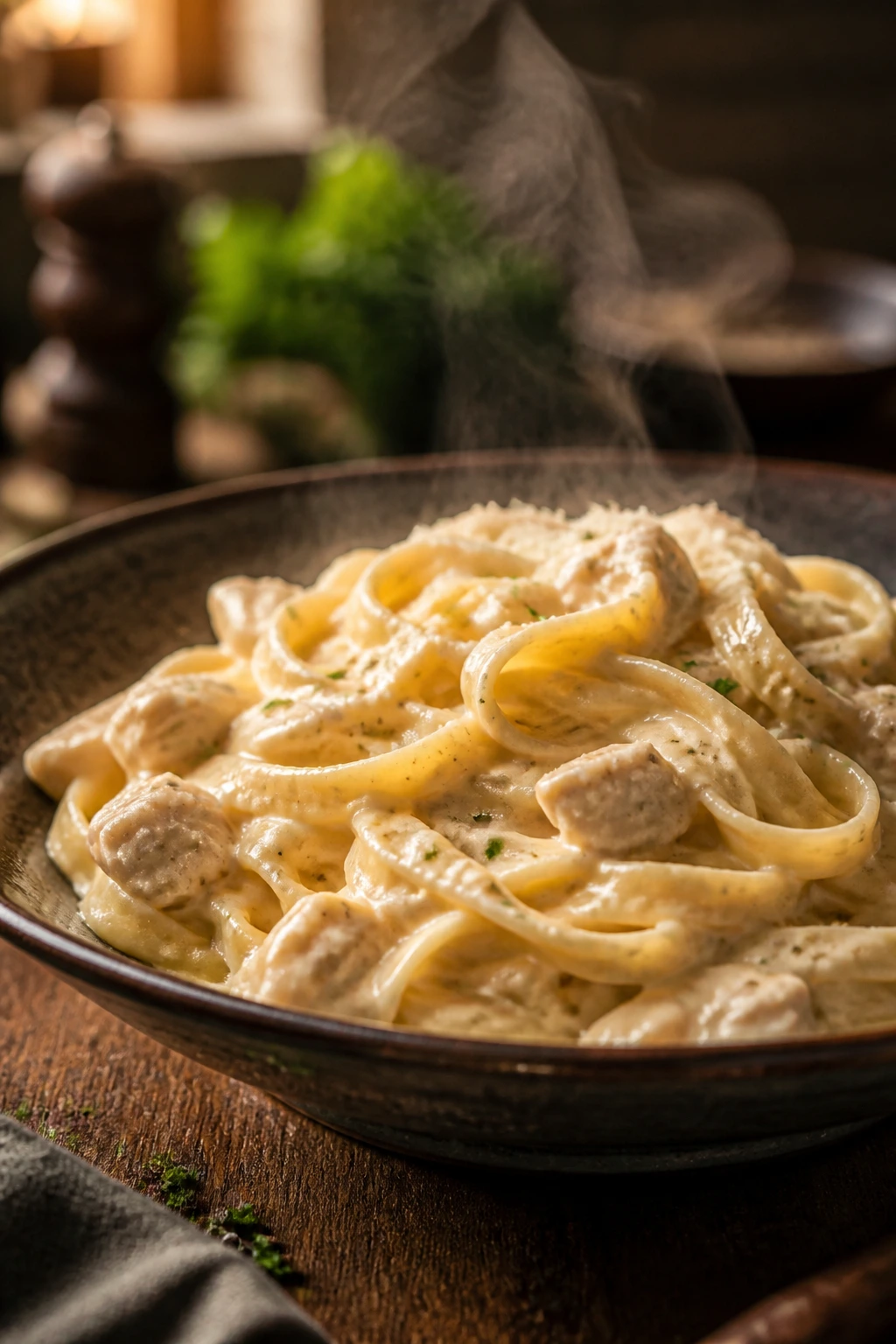
- Fast Comfort: Most of these dishes land in the 20- to 40-minute window, which means dinner gets on the table before the evening starts dragging.
- Sauce That Sticks: Creamy sauces coat pasta shapes like rigatoni, fettuccine, shells, and tortellini far better than plain buttered noodles ever could.
- Built-In Flexibility: Chicken, sausage, shrimp, mushrooms, peas, spinach, and squash can all move in and out of the lineup without wrecking the dish.
- One-Pan Options: A good chunk of this collection leans on a single skillet or Dutch oven, which matters when you don’t feel like washing a stack of pots.
- Cold-Night Friendly: These dinners use fat, starch, and a little acidity in a way that feels warming without becoming dull after the third bite.
- Leftover Smart: Several of these sauces loosen back up with a splash of milk, cream, or pasta water, so tomorrow’s lunch doesn’t feel like punishment.
1. Chicken Alfredo with Broccoli
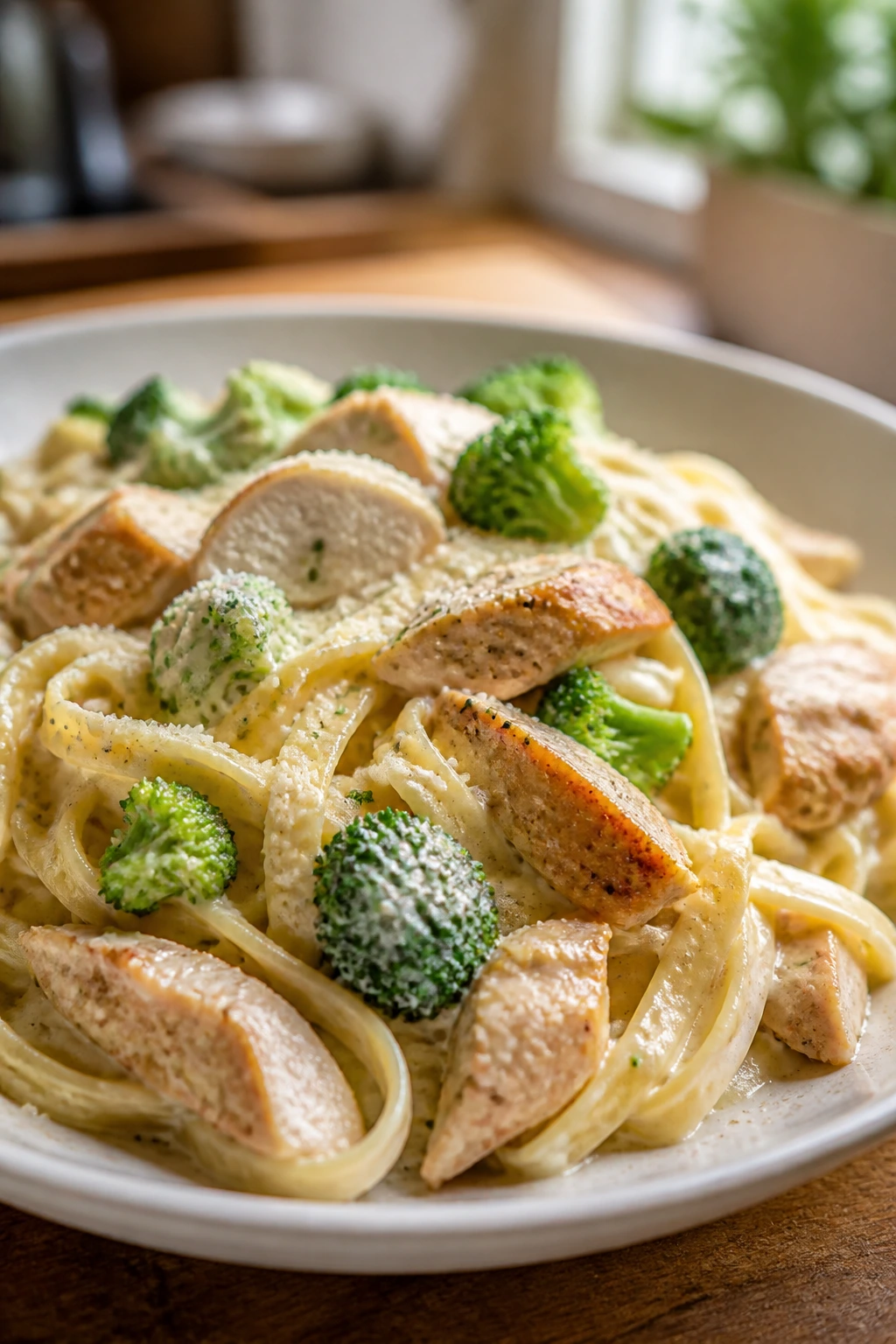
Chicken Alfredo is the first dinner I reach for when the night feels mean and the pantry looks ordinary. The sauce is glossy and rich, the broccoli breaks up the richness just enough, and the chicken gives the whole bowl some real weight. Done well, it tastes like a restaurant plate that somehow arrived without drama.
Why It Works
Fettuccine is the right shape here because it gives the sauce something broad to cling to. Broccoli adds a little bitterness and a soft crunch, which keeps the dish from tasting like cream on cream on cream. Chicken thighs bring more forgiveness than breasts, especially if you’re cooking fast and do not want to babysit the pan.
Key Ingredients
- 12 oz fettuccine
- 1½ lb boneless, skinless chicken thighs, trimmed
- 4 cups broccoli florets, cut into bite-size pieces
- 4 tbsp unsalted butter
- 4 garlic cloves, minced
- 1½ cups heavy cream
- 1½ cups finely grated Parmesan
- 1 tsp kosher salt, plus more for pasta water
- ½ tsp black pepper
- 1 tsp lemon zest, optional but useful
Quick Steps
- Boil the Pasta Water: Bring a large pot of salted water to a rolling boil and cook the fettuccine until just shy of al dente, about 1 minute less than the package says.
- Sear the Chicken: Pat the chicken dry, season it with salt and pepper, and cook it in a large skillet over medium-high heat for 5 to 6 minutes per side until deeply golden and cooked through.
- Cook the Broccoli: Drop the broccoli into the pasta water for the last 2 minutes of cooking, then scoop it out with a spider or slotted spoon.
- Build the Alfredo Sauce: Lower the skillet to medium, melt the butter, stir in the garlic for 30 seconds, then pour in the cream and simmer gently for 2 to 3 minutes before whisking in the Parmesan until smooth.
- Toss and Finish: Add the drained pasta and broccoli to the skillet, toss with a splash of pasta water if needed, slice the chicken, and lay it over the top. Finish with lemon zest and black pepper.
Tips and Variations
- Flavor Boost: Add a pinch of nutmeg to the sauce; it gives the cream a deeper, warmer edge.
- Shortcut: Use pre-cut broccoli florets if the week has been rude.
- Swap: Spinach can stand in for broccoli, but add it at the very end so it stays bright.
2. Mushroom Marsala Fettuccine
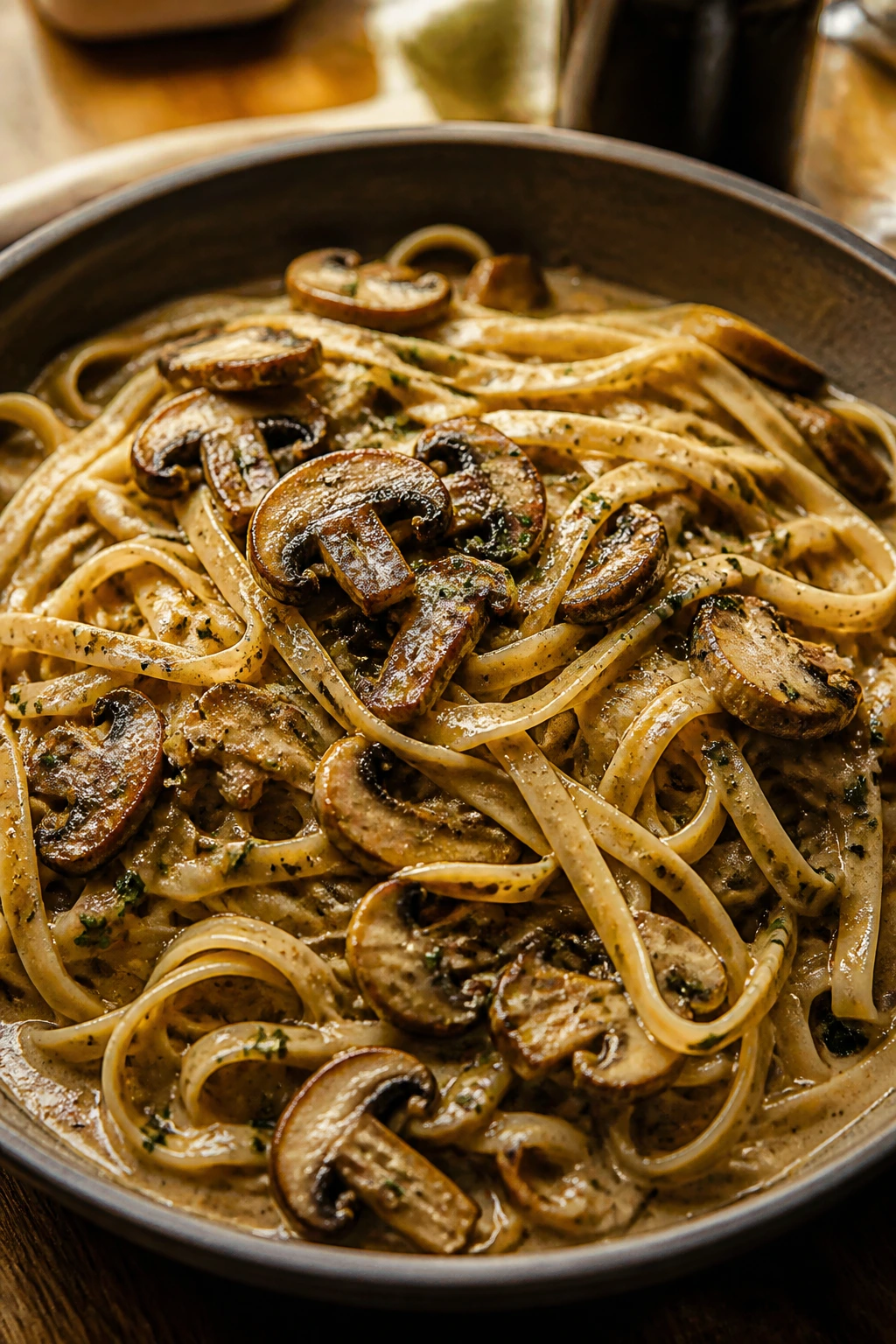
Mushroom Marsala pasta smells like browned butter and a quiet, woodsy dinner. It’s one of those dishes that feels richer than the ingredient list suggests, because mushrooms and wine do the heavy lifting before the cream ever shows up. I love it with fettuccine or tagliatelle, but honestly, any broad noodle will do the job.
Why It Works
Marsala brings a sweet, nutty note that plain cream can’t supply on its own. Mushrooms need space in the pan, though; if you crowd them, they steam instead of browning, and the whole sauce loses its depth. A little broth keeps the sauce from becoming sticky, while the cream softens the edges just enough.
Key Ingredients
- 12 oz fettuccine
- 1 lb cremini mushrooms, sliced
- 1 medium shallot, finely chopped
- 3 garlic cloves, minced
- ¾ cup dry Marsala wine
- 1 cup low-sodium vegetable or chicken broth
- 1 cup heavy cream
- ½ cup grated Parmesan
- 2 tbsp unsalted butter
- 1 tsp fresh thyme leaves or ½ tsp dried thyme
Quick Steps
- Brown the Mushrooms: Heat the butter in a large skillet over medium-high heat and cook the mushrooms in a single layer until they release their liquid and turn deep brown, about 8 to 10 minutes.
- Add the Aromatics: Stir in the shallot and garlic, cooking for 1 minute until fragrant and softened at the edges.
- Deglaze with Marsala: Pour in the wine and scrape up the browned bits from the bottom of the pan. Let it reduce by about half.
- Simmer the Sauce: Add the broth and cream, then simmer for 3 to 4 minutes until lightly thickened. Stir in thyme and Parmesan.
- Finish with Pasta: Toss in the cooked fettuccine, adding a few spoonfuls of pasta water if needed, until the sauce looks silky and coats every strand.
Tips and Variations
- Best Move: Use dry Marsala, not sweet, or the sauce can turn cloying.
- Texture Tip: Keep the mushrooms in the pan until they go chestnut brown, not pale gold.
- Extra Hearty: Add shredded rotisserie chicken if you want more protein without another pan.
3. One-Pot Tuscan Chicken Penne
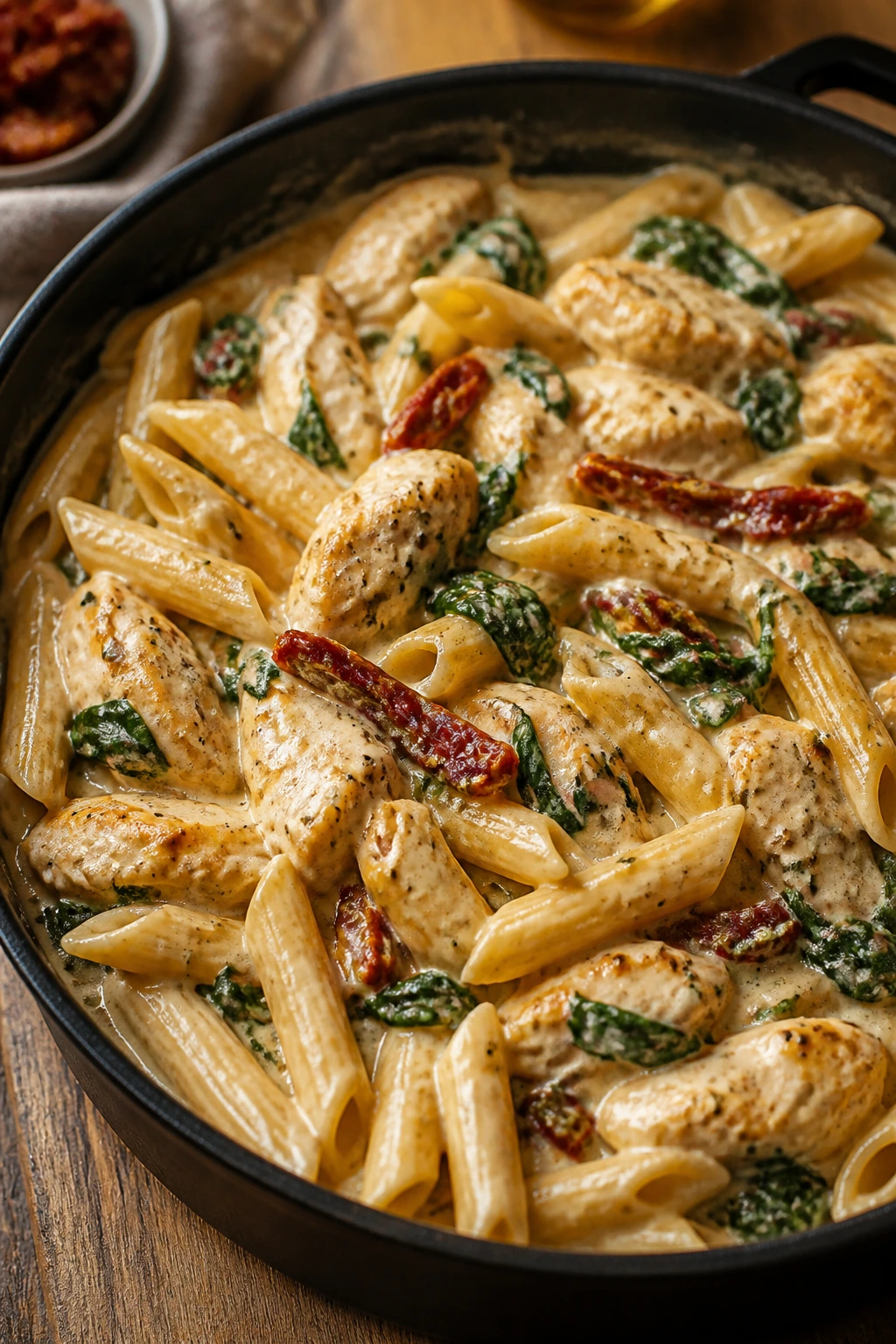
Need dinner that behaves like a full meal without making a mess of the stove? This is the one. Sun-dried tomatoes, spinach, cream, and chicken give the sauce a deep, savory flavor that feels much bigger than the work involved. The penne absorbs just enough of the broth as it cooks to taste like it was made on purpose, which, to be fair, it was.
Why It Works
One-pot pasta can go wrong when the liquid ratio is off, but this version is sturdy because penne has enough shape to keep its texture. The chicken seasons the pot early, then the sun-dried tomatoes bring a concentrated sweet-tart hit that wakes the cream up. Spinach goes in at the end, which keeps the leaves from collapsing into green mush.
Key Ingredients
- 12 oz penne
- 1¼ lb boneless, skinless chicken thighs, cut into bite-size pieces
- 1 medium yellow onion, diced
- 4 garlic cloves, minced
- ½ cup sun-dried tomatoes in oil, drained and chopped
- 3 cups low-sodium chicken broth
- 1 cup heavy cream
- 1 cup grated Parmesan
- 4 cups baby spinach
- 1 tsp Italian seasoning
- ½ tsp red pepper flakes, optional
Quick Steps
- Sear the Chicken: Heat oil in a wide pot over medium-high heat and cook the chicken until golden on the outside, about 4 to 5 minutes.
- Build the Base: Add the onion and cook until softened, then stir in the garlic, sun-dried tomatoes, Italian seasoning, and red pepper flakes for 30 seconds.
- Cook the Pasta in the Pot: Pour in the broth and add the penne. Bring it to a simmer and cook, stirring often, until the pasta is tender and most of the liquid is absorbed, about 11 to 13 minutes.
- Make It Creamy: Stir in the cream and Parmesan, keeping the heat low so the sauce thickens without separating.
- Finish with Greens: Fold in the spinach until it just wilts, then taste and adjust the salt before serving.
Tips and Variations
- Texture Guardrail: Stir often during the simmer so the pasta does not settle and stick.
- Swap: Kale works too, but give it 2 to 3 extra minutes.
- Bright Finish: A squeeze of lemon at the table sharpens the whole pot.
4. Creamy Tomato Basil Rigatoni
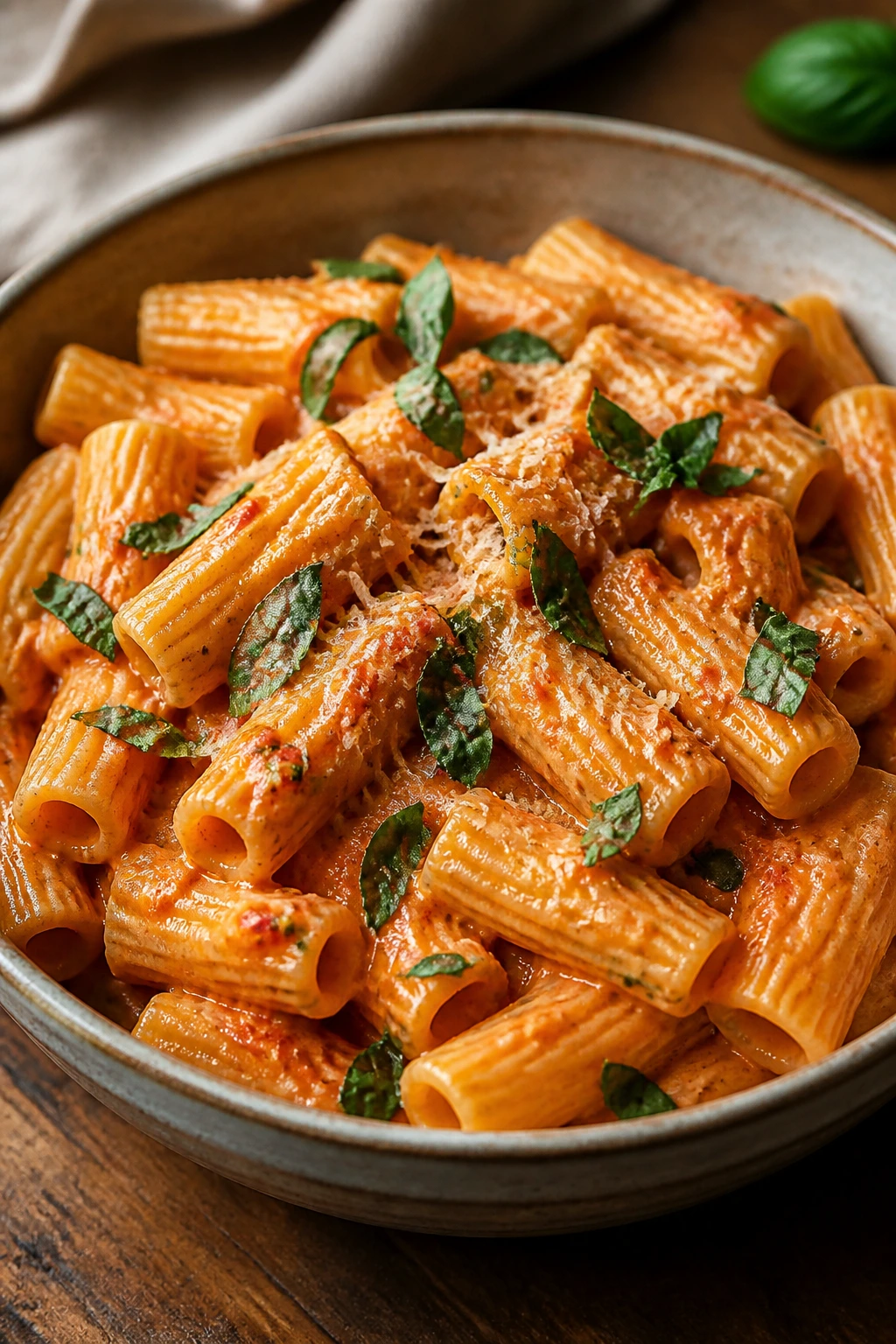
Tomato sauce does not have to be thin to be lively. In this rigatoni dinner, the tomatoes turn velvety with cream, basil, and Parmesan, and the whole thing lands somewhere between cozy and bright. Rigatoni is the right shape because all those ridges hold onto the sauce instead of letting it slide away.
Why It Works
Tomato paste is the quiet hero here. A tablespoon or two cooked in oil first gives the sauce a deeper, sweeter backbone, which means the cream can do its job without tasting flat. The basil comes in at the end so it stays fresh, and the rigatoni gives every bite a little grip.
Key Ingredients
- 12 oz rigatoni
- 1 medium onion, finely diced
- 4 garlic cloves, minced
- 2 tbsp tomato paste
- 1 can (28 oz) crushed tomatoes
- 1 cup heavy cream
- ½ cup grated Parmesan
- 1 small bunch fresh basil, leaves torn
- 2 tbsp olive oil
- ¼ tsp red pepper flakes, optional
- 1 tsp sugar, only if the tomatoes taste sharp
Quick Steps
- Soften the Onion: Heat olive oil in a skillet over medium heat and cook the onion until translucent and lightly golden, about 6 minutes.
- Toast the Tomato Paste: Stir in the garlic and tomato paste, cooking for 1 minute until the paste darkens and smells sweet.
- Simmer the Sauce: Add the crushed tomatoes and red pepper flakes, then simmer for 12 to 15 minutes until the sauce thickens and loses its raw edge.
- Make It Creamy: Lower the heat and stir in the cream and Parmesan. The sauce should turn coral-pink and smooth.
- Toss with Rigatoni: Add the drained pasta and fresh basil, then toss until every tube is coated. If needed, loosen with a splash of pasta water.
Tips and Variations
- Good Habit: Add basil off the heat so it keeps its smell.
- Cheese Tip: Grate the Parmesan yourself; it melts cleaner.
- Optional Protein: Italian sausage works well if you want the bowl bigger.
5. Garlic Shrimp Linguine with Lemon Cream
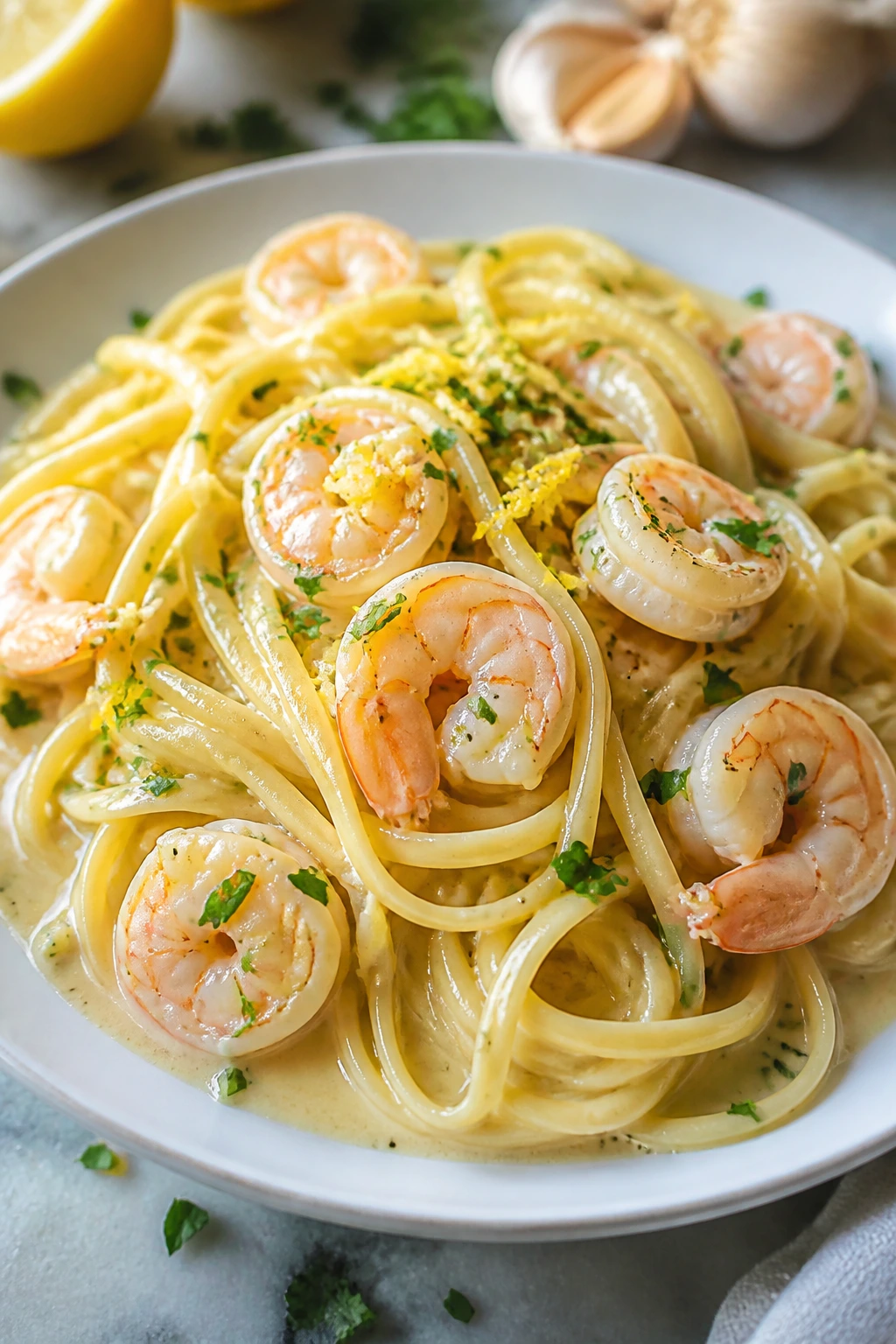
Shrimp and lemon are one of those pairings that never feels tired. The shrimp cook fast, the sauce stays light on its feet, and the whole dish tastes like you planned harder than you did. Linguine is the right pasta here because it can carry a cream sauce without turning the bowl heavy.
Why It Works
Shrimp can get rubbery in a hurry, so the speed of this dinner matters. A quick sear gives them color without pushing them past tender, and lemon keeps the cream from settling into something flat. Garlic butter is the base note, but the real lift comes when the lemon zest hits the warm sauce at the end.
Key Ingredients
- 12 oz linguine
- 1½ lb large shrimp, peeled and deveined
- 4 tbsp unsalted butter
- 5 garlic cloves, minced
- ¾ cup heavy cream
- 1 lemon, zested and juiced
- ½ cup grated Parmesan
- 2 tbsp chopped parsley
- ½ tsp red pepper flakes
- 1 tsp kosher salt, plus pasta water salt
Quick Steps
- Cook the Linguine: Boil the pasta in well-salted water until al dente, then reserve 1 cup of the water before draining.
- Sear the Shrimp: Pat the shrimp dry and cook them in butter over medium-high heat for about 2 minutes per side, just until pink and curled.
- Start the Sauce: Lower the heat and add the garlic, cooking for 30 seconds until fragrant, not browned.
- Add Cream and Lemon: Pour in the cream, lemon juice, and Parmesan, stirring gently until the sauce thickens enough to coat a spoon.
- Toss and Serve: Add the linguine, shrimp, lemon zest, parsley, and a splash of pasta water if the sauce needs loosening.
Tips and Variations
- Don’t Overcook: Shrimp keep cooking after they leave the pan, so pull them the moment they turn opaque.
- Extra Bright: Add a little extra zest if you like the sauce sharper.
- Swap: Scallops can work, but they need a drier, hotter pan.
6. Spinach Artichoke Tortellini
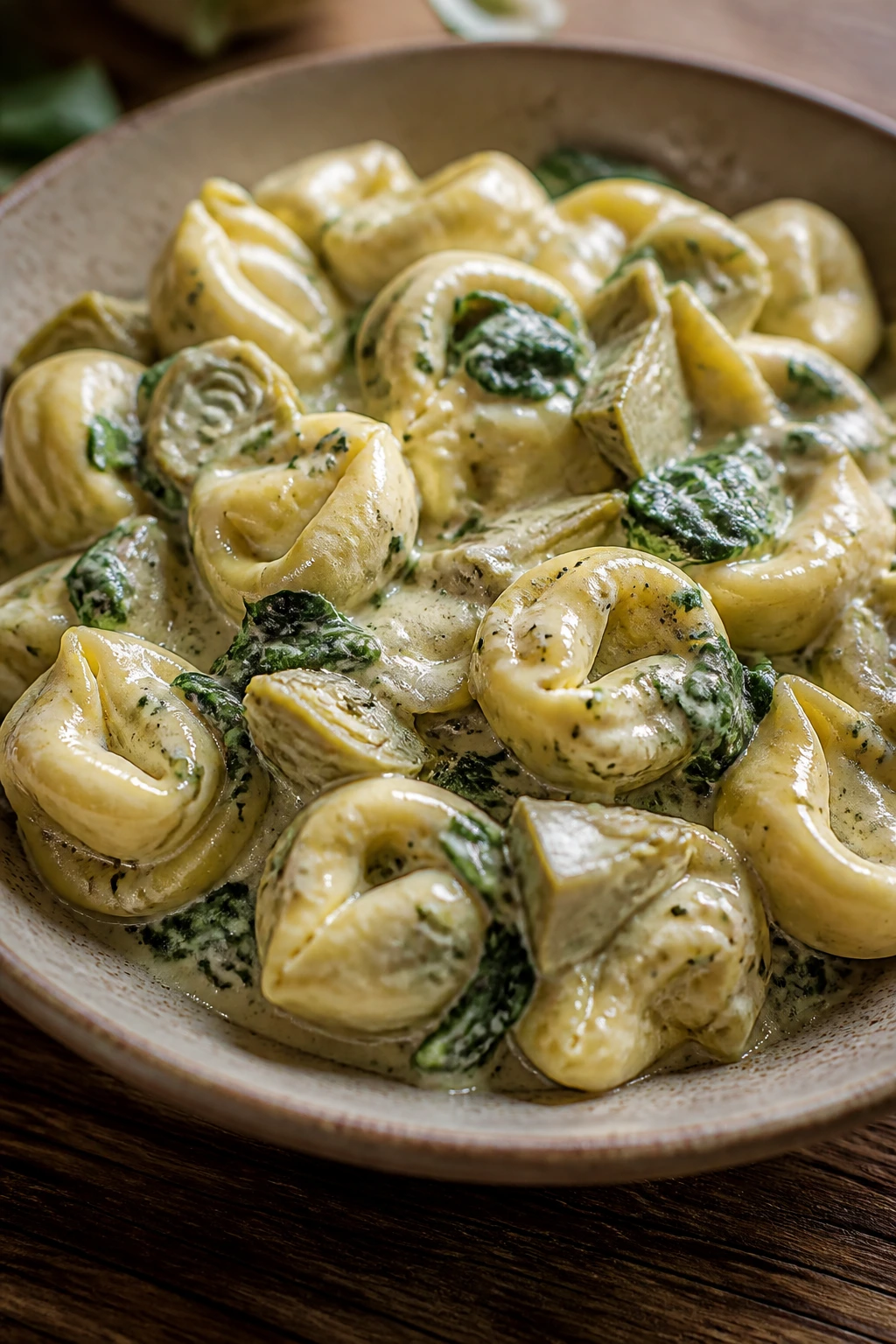
This one tastes like the best parts of spinach artichoke dip turned into dinner. Tortellini brings its own cheese and softness, which means the sauce doesn’t have to do all the work. I like this on nights when I want comfort fast but still want the bowl to feel a little playful.
Why It Works
Cream cheese gives the sauce body before the Parmesan even enters the picture. Artichokes bring tang, spinach brings color, and cheese tortellini makes every bite richer without needing extra protein. It’s one of those rare dinners that can be made from mostly shelf and freezer ingredients and still taste deliberate.
Key Ingredients
- 20 oz refrigerated cheese tortellini
- 8 oz cream cheese, softened
- 1 cup whole milk
- 1 can (14 oz) artichoke hearts, drained and chopped
- 5 oz baby spinach
- 3 garlic cloves, minced
- 1 cup grated Parmesan
- 1 cup shredded mozzarella
- 1 tbsp butter
- ¼ tsp black pepper
Quick Steps
- Cook the Tortellini: Boil the tortellini according to package directions, then drain and set aside.
- Build the Sauce Base: Melt the butter in a skillet over medium heat, add the garlic, then whisk in the cream cheese and milk until smooth.
- Add the Veg: Stir in the artichokes and spinach and cook until the spinach collapses and the artichokes are hot through.
- Finish the Cheese: Add Parmesan and mozzarella, stirring until the sauce turns thick and stretchy.
- Toss Everything Together: Fold in the tortellini and black pepper, then serve while the cheese is still glossy.
Tips and Variations
- Texture Tip: Drain the artichokes well or the sauce can turn loose.
- If You Want Heat: A pinch of chili flakes gives the dip-like richness more edge.
- Make It Dinner: Stir in shredded chicken or white beans.
7. Cajun Sausage Penne
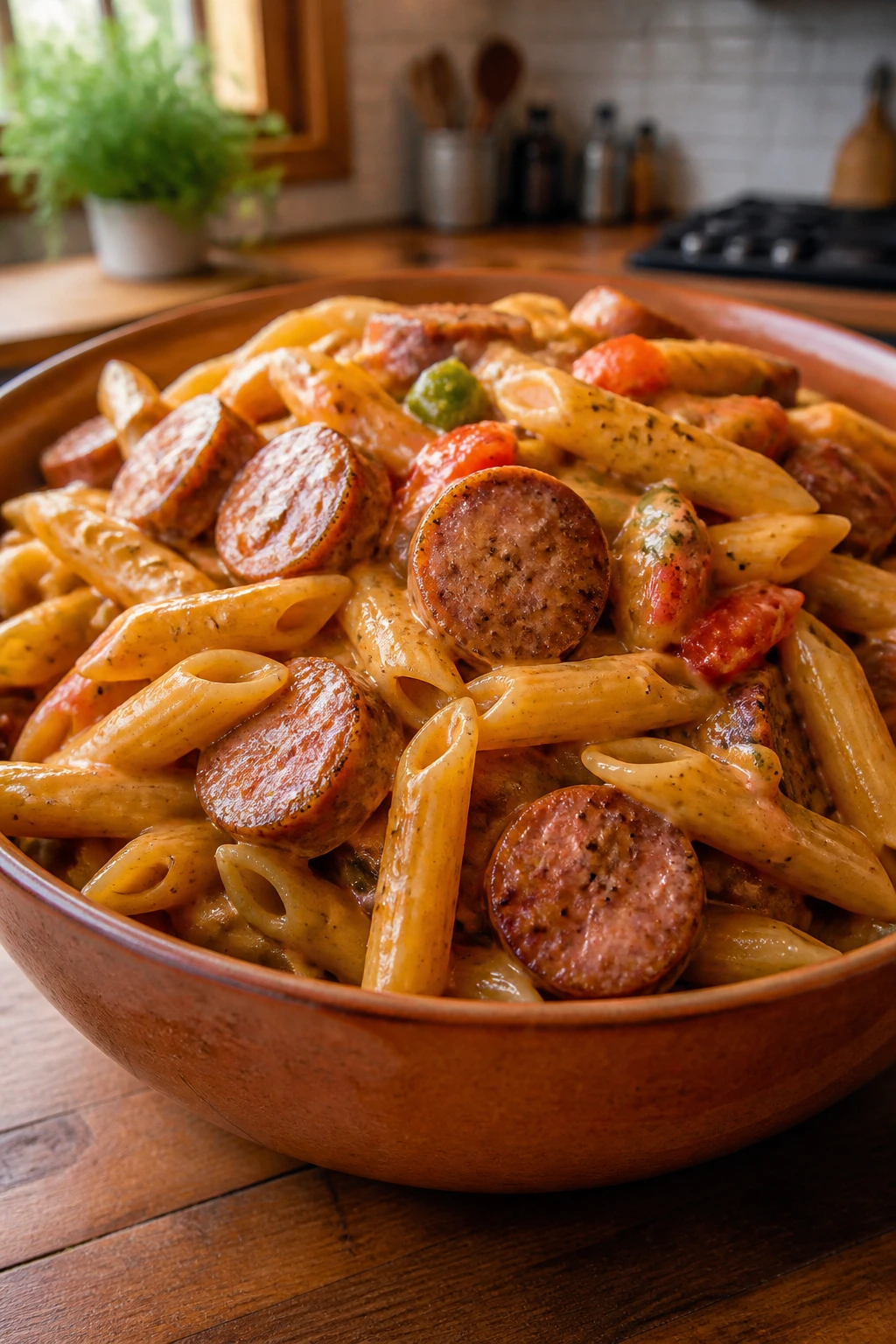
This is the loudest bowl in the group, and I mean that kindly. Smoked sausage, bell pepper, Cajun seasoning, and cream give you smoke, heat, sweetness, and a soft landing all in one bite. Penne holds the sauce without getting slick, which matters when the pan has this much personality.
Why It Works
Sausage brings seasoning from the start, so you don’t have to build the whole flavor tree from scratch. Cajun spice blooms in the sausage fat, then cream rounds off the sharper edges. Bell peppers add sweetness and a little snap, which keeps the dish from tasting one-note.
Key Ingredients
- 12 oz penne
- 1 lb smoked sausage, sliced into coins
- 1 medium onion, sliced
- 1 red bell pepper, sliced
- 3 garlic cloves, minced
- 1 tbsp Cajun seasoning
- 1 cup low-sodium chicken broth
- 1 cup heavy cream
- 1 cup grated Parmesan
- 1 tbsp olive oil
Quick Steps
- Brown the Sausage: Heat olive oil in a skillet and sear the sausage until the edges darken, about 4 to 5 minutes.
- Cook the Vegetables: Add onion and bell pepper, cooking until softened and lightly caramelized.
- Bloom the Seasoning: Stir in garlic and Cajun seasoning for 30 seconds.
- Build the Sauce: Add the broth and cream, then simmer until the sauce starts to thicken.
- Toss with Penne: Add the cooked pasta and Parmesan, stirring until the sauce clings to the ridges.
Tips and Variations
- Spice Control: Use less Cajun seasoning if your sausage is already heavily seasoned.
- Creamier Finish: A spoonful of cream cheese makes the sauce thicker.
- Vegetable Add-In: Mushrooms work well if you want a softer, earthier bowl.
8. Butternut Squash Sage Shells
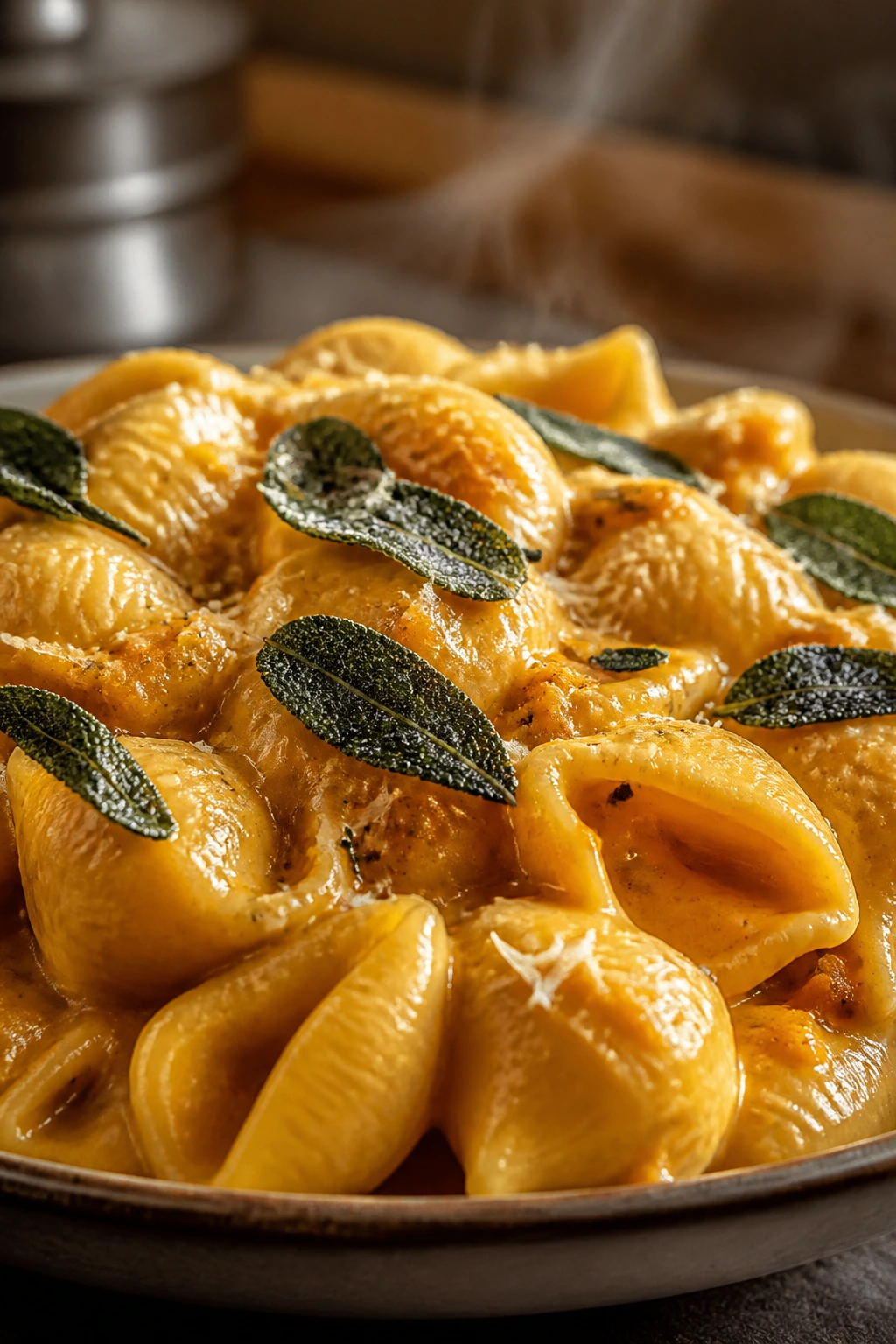
Butternut squash makes one of the prettiest sauces in the collection, though I care more about the texture than the color. It turns silky, sweet, and almost velvety once blended with broth and cream. Shell pasta is smart here because every spoonful catches some sauce in its little curve.
Why It Works
Roasting the squash adds a caramel note that boiling can’t match. Sage keeps the sauce from drifting into dessert territory, and Parmesan gives the final bowl enough salt to sharpen the sweetness. This is the kind of pasta that feels gentle, but not boring. There’s a difference.
Key Ingredients
- 12 oz medium pasta shells
- 3 cups butternut squash, peeled and cubed
- 1 medium onion, chopped
- 3 garlic cloves, minced
- 2 cups low-sodium vegetable broth
- ½ cup heavy cream
- ½ cup grated Parmesan
- 6 fresh sage leaves
- 2 tbsp unsalted butter
- Pinch of nutmeg
Quick Steps
- Cook the Squash: Roast the squash at 400°F for 20 to 25 minutes until tender and lightly browned, or simmer it in broth until soft.
- Blend the Sauce: Blend the squash with broth, cream, and nutmeg until smooth.
- Crisp the Sage: Melt the butter in a skillet, add the sage leaves, and cook for 30 to 60 seconds until crisp and fragrant.
- Warm the Sauce: Pour the squash puree into the skillet, add garlic and onion if using, and simmer gently for 3 minutes.
- Toss with Shells: Fold in the cooked shells and Parmesan, thinning with pasta water if the sauce gets too thick.
Tips and Variations
- Deeper Flavor: Roast the squash instead of boiling it.
- Finish: Toasted walnuts add crunch if you want contrast.
- Substitute: Acorn squash works, though the sauce will taste a little earthier.
9. Salmon, Dill, and Pea Pasta
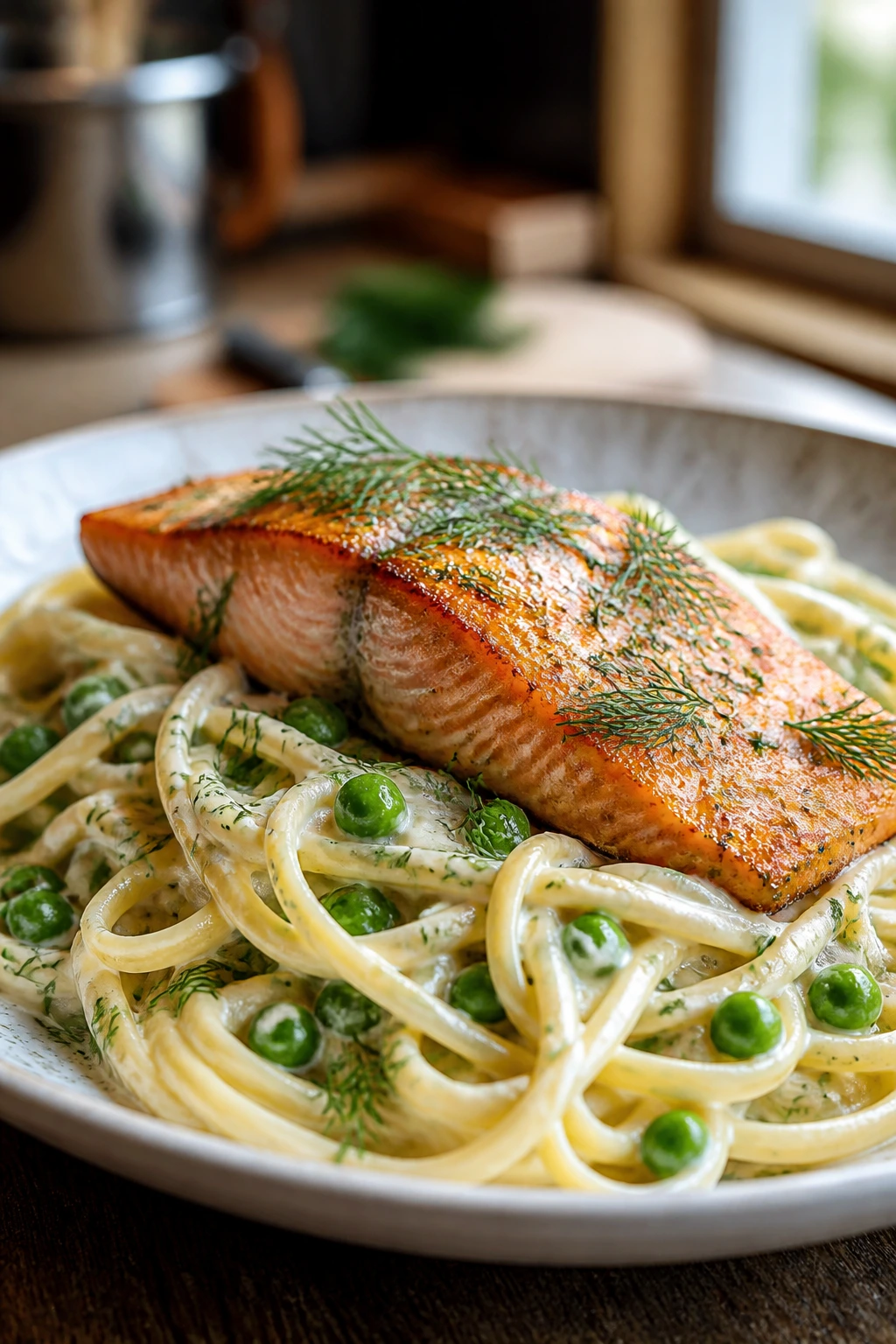
This is the dinner I make when I want something elegant but not fussy. Salmon, dill, and peas are a classic trio for a reason: the flavors stay clean, the sauce stays creamy, and the bowl tastes fresh even on a heavy night. It feels a little more polished than a weeknight skillet usually does.
Why It Works
Salmon brings richness on its own, so the sauce doesn’t have to be thick or clingy to feel satisfying. Dill and lemon cut through that richness, while peas add sweet little bursts that keep the palate awake. I prefer a long noodle or a curved shape here because both help the sauce coat the fish and vegetables evenly.
Key Ingredients
- 12 oz tagliatelle or farfalle
- 1¼ lb salmon fillet, skin removed
- 1 cup frozen peas
- 1 shallot, minced
- ¾ cup heavy cream
- ½ cup low-sodium chicken or fish broth
- 1 lemon, zested and juiced
- 2 tbsp chopped fresh dill
- 2 tbsp unsalted butter
- ½ tsp kosher salt
Quick Steps
- Cook the Salmon: Season the salmon and sear it in butter over medium heat for 3 to 4 minutes per side, or roast it at 400°F for about 12 minutes until just flaky.
- Start the Sauce: In the same pan, cook the shallot for 1 minute, then add the broth and cream.
- Add the Bright Notes: Stir in lemon juice, zest, dill, and peas, simmering just until the peas are hot.
- Flake the Salmon: Break the salmon into large pieces so it stays visible in the bowl.
- Toss with Pasta: Fold the cooked pasta into the sauce, then gently add the salmon on top.
Tips and Variations
- Gentle Heat: Keep the sauce at a bare simmer so the fish stays tender.
- Swap: Asparagus can replace peas if you have spears hanging around.
- Extra Finish: A few capers are sharp in the best way.
10. Bacon Pea Carbonara
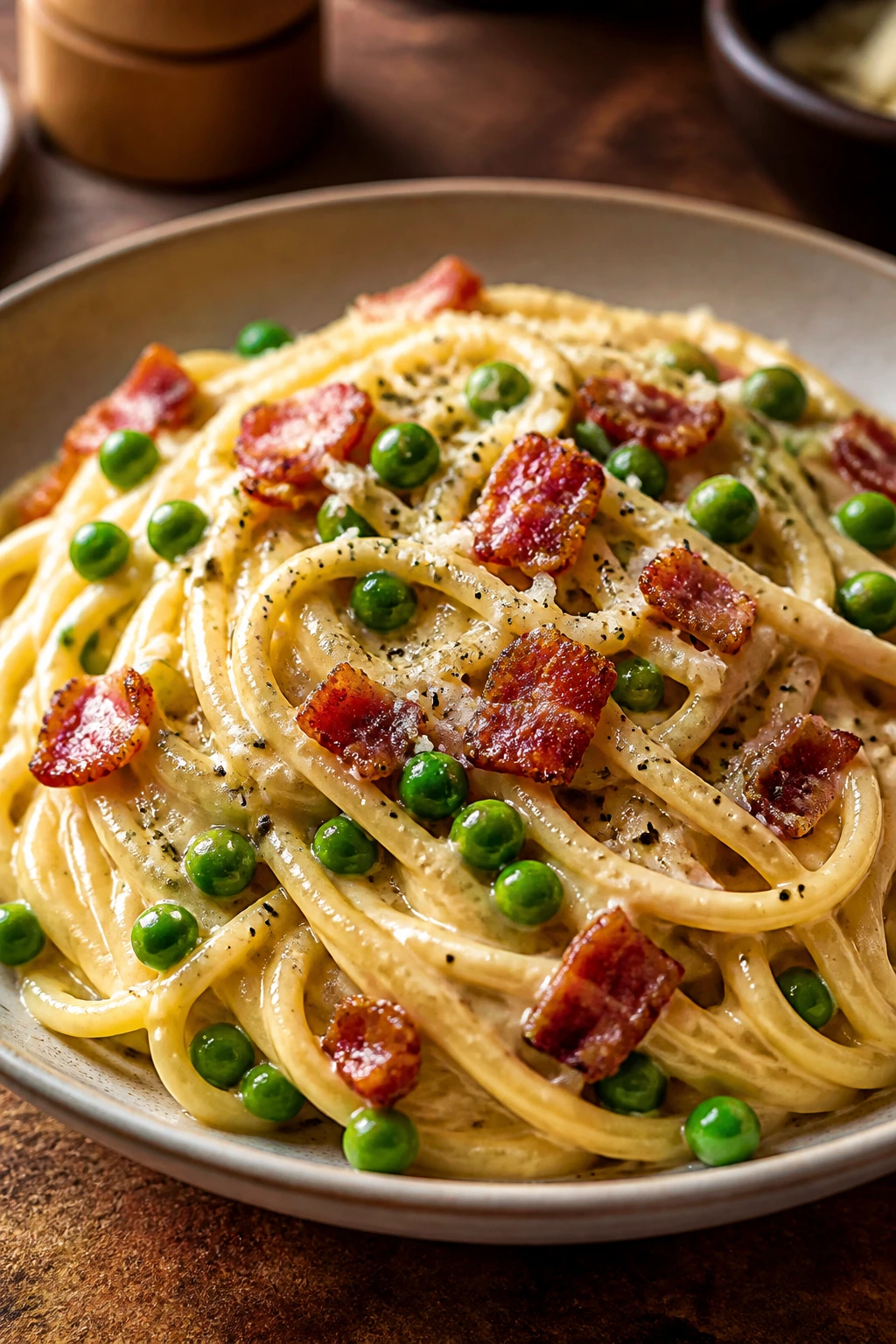
Carbonara is the kind of dish people overcomplicate because they’re scared of eggs. Don’t be. When the pasta is hot and the pan is off the flame, the eggs and cheese turn into a creamy sauce that tastes deep, salty, and a little luxurious. Bacon and peas make it more forgiving and a bit friendlier for a weeknight.
Why It Works
The trick is heat control. If the pan is too hot, the eggs scramble; if it’s too cool, the sauce stays thin and grainy. Bacon fat seasons the pasta in a way cream never could, and peas keep the whole bowl from tasting too heavy.
Key Ingredients
- 12 oz spaghetti
- 8 slices bacon, chopped
- 3 large eggs
- 1 cup finely grated Pecorino Romano or Parmesan
- 1 cup frozen peas
- 1 tsp black pepper, plus more to finish
- Salt for pasta water
Quick Steps
- Crisp the Bacon: Cook the bacon in a skillet over medium heat until crisp, then leave the fat in the pan.
- Whisk the Sauce: In a bowl, whisk the eggs, cheese, and black pepper together.
- Cook the Pasta: Boil the spaghetti until al dente, then reserve 1 cup of the water before draining.
- Build the Creaminess: Add the hot pasta to the bacon pan off the heat, toss with the peas, then pour in the egg mixture while tossing constantly.
- Loosen and Serve: Add a splash of reserved pasta water at a time until the sauce turns glossy and coats the strands.
Tips and Variations
- Heat Warning: Off the burner is not a suggestion here.
- Add-Ins: A little sautéed garlic is fine, but keep it subtle.
- If It Seizes: More pasta water fixes a thick, clumpy sauce faster than anything else.
11. Sun-Dried Tomato Chicken Farfalle
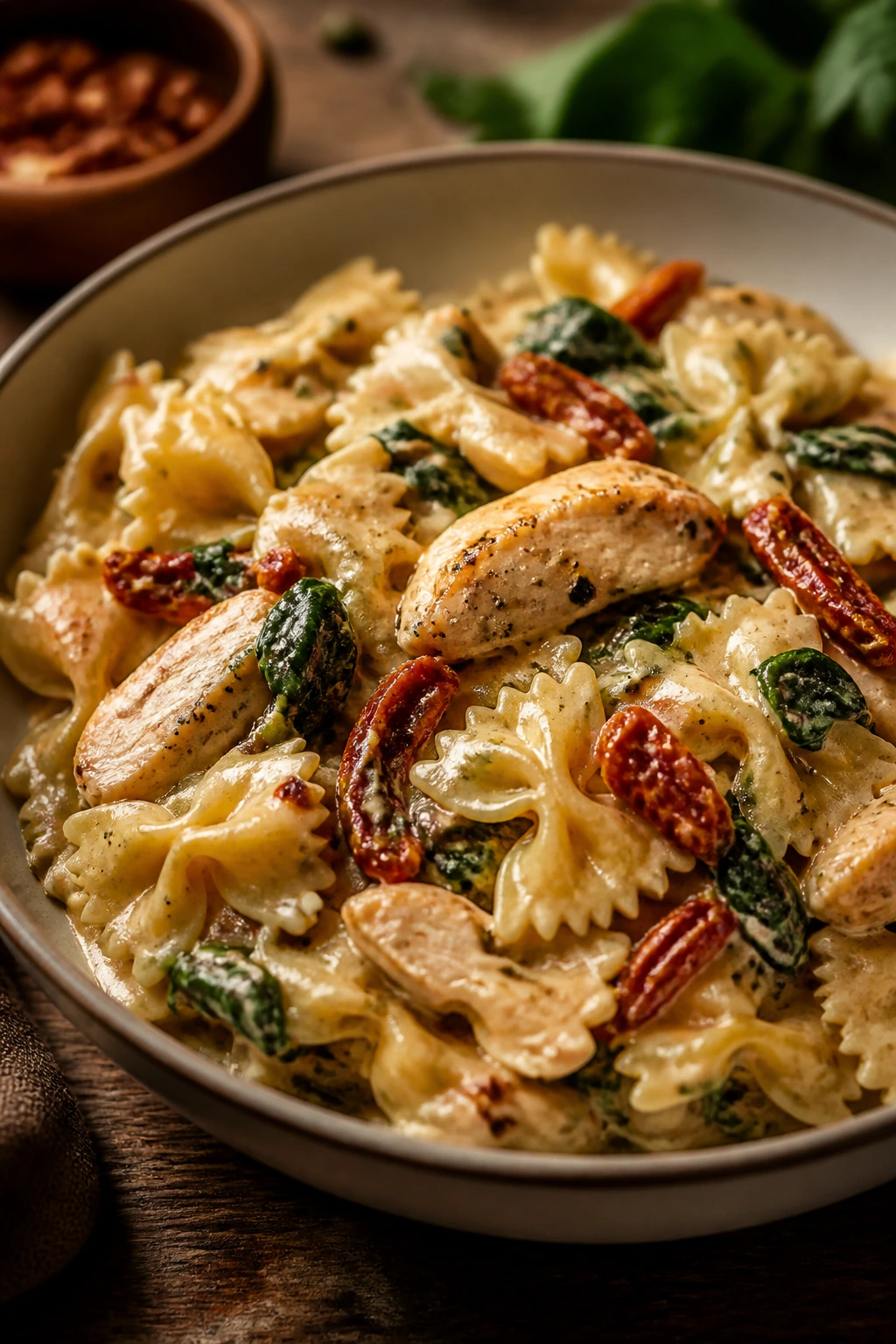
Bow tie pasta has a cheerful shape, which is part of why I like it with rich sauce. The folds catch bits of chicken, spinach, and sun-dried tomato in a way that makes every bite feel packed. This is one of those dinners that tastes like a lot of effort, though the stove does most of the work.
Why It Works
Sun-dried tomatoes give you concentrated flavor without the extra simmering a fresh tomato sauce would need. Chicken breast keeps the bowl clean and substantial, while cream and Parmesan smooth out the salty edges. Farfalle holds the sauce well, but it also keeps the dish from feeling too dense.
Key Ingredients
- 12 oz farfalle
- 1¼ lb boneless, skinless chicken breast, cut into strips
- ½ cup sun-dried tomatoes in oil, drained and sliced
- 4 cups baby spinach
- 1 cup heavy cream
- ½ cup low-sodium chicken broth
- 1 cup grated Parmesan
- 3 garlic cloves, minced
- 2 tbsp olive oil
- 1 tbsp chopped fresh basil
Quick Steps
- Sear the Chicken: Cook the chicken in olive oil over medium-high heat until golden and cooked through, about 6 to 8 minutes.
- Wake Up the Pan: Add the garlic and sun-dried tomatoes, stirring for 30 seconds.
- Build the Sauce: Pour in the broth and cream, then simmer for 2 to 3 minutes.
- Add the Greens: Stir in the spinach until just wilted, then add the Parmesan.
- Toss and Finish: Fold in the farfalle and basil, adding pasta water if the sauce needs thinning.
Tips and Variations
- Flavor Note: A little of the sun-dried tomato oil adds depth if the pan looks dry.
- Swap: Turkey breast works if that’s what you have.
- Serving Move: Extra basil on top makes the dish smell brighter immediately.
12. Beef Stroganoff Egg Noodles
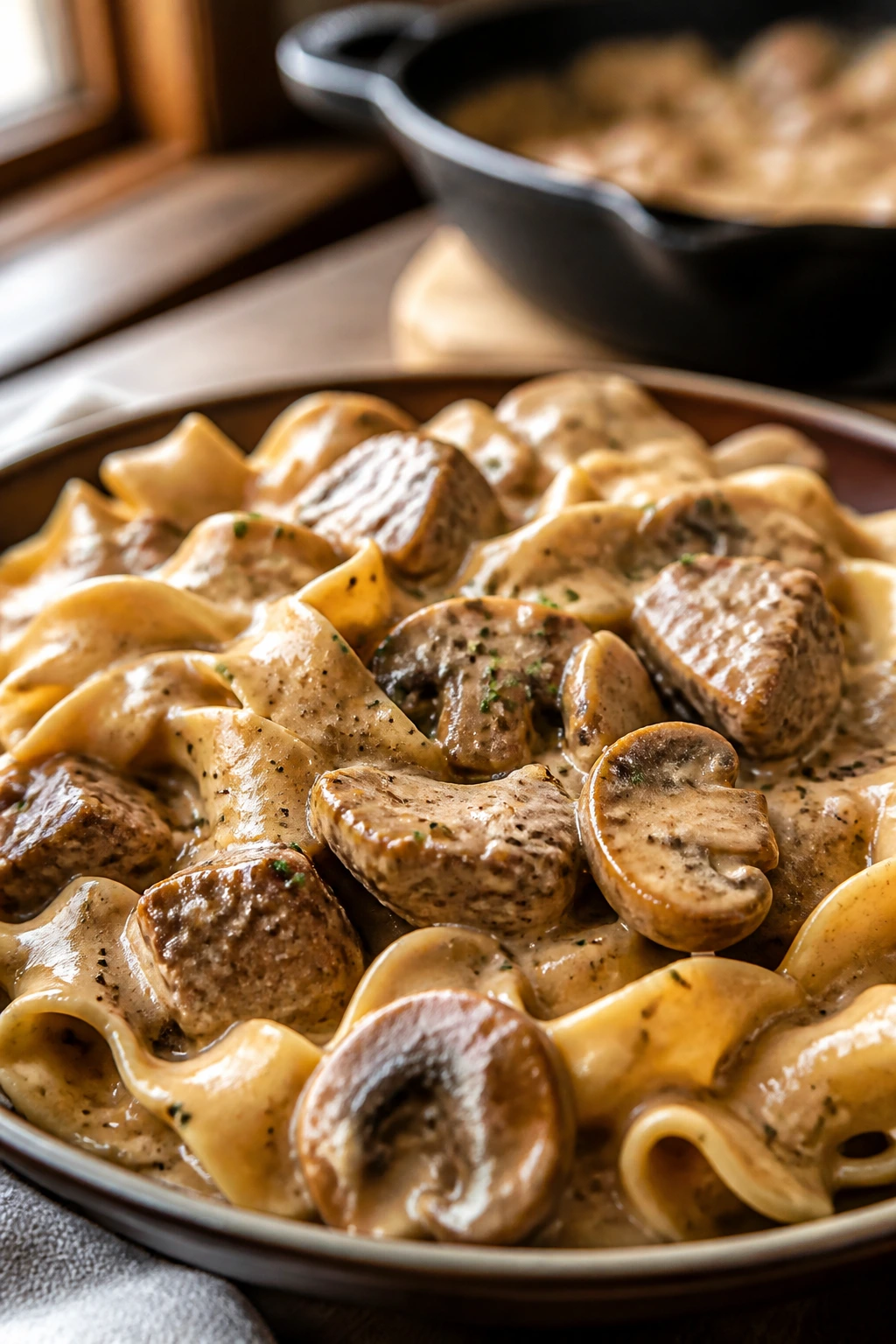
This is the cold-night classic that never really gets old. Stroganoff has a deep mushroom-and-beef flavor, a sour cream finish that cuts through the richness, and enough gravy-like sauce to coat egg noodles in the best possible way. It’s one of the few creamy pastas that feels old-fashioned without feeling dusty.
Why It Works
The beef needs a good hard sear so the sauce has some browned bits to work with. Mushrooms deepen the meatiness, while Dijon and Worcestershire add sharpness and salt in places cream can’t reach. Sour cream goes in at the end because boiling it would make the sauce grainy and sad.
Key Ingredients
- 12 oz wide egg noodles
- 1 lb sirloin steak, sliced thin, or 1 lb ground beef
- 12 oz cremini mushrooms, sliced
- 1 medium onion, sliced
- 1½ cups low-sodium beef broth
- 1 cup sour cream
- 1 tbsp Dijon mustard
- 1 tbsp Worcestershire sauce
- 2 tbsp butter
- 2 tbsp chopped parsley
Quick Steps
- Brown the Beef: Sear the beef in butter over medium-high heat until well browned, then remove it from the pan.
- Cook the Mushrooms: Add the onion and mushrooms and cook until the mushrooms release their liquid and begin to brown.
- Build the Gravy: Stir in the broth, Dijon, and Worcestershire, then simmer for 5 to 7 minutes.
- Finish Off Heat: Lower the heat, return the beef to the pan, and stir in the sour cream until the sauce turns smooth.
- Serve Over Noodles: Spoon the stroganoff over egg noodles and finish with parsley.
Tips and Variations
- Best Beef Move: Slice sirloin thin against the grain if you want a more classic texture.
- Shortcut: Ground beef makes this faster and still satisfying.
- Fix for Thin Sauce: Simmer a minute or two longer before adding the sour cream.
13. Garlic Parmesan Tortellini Bake
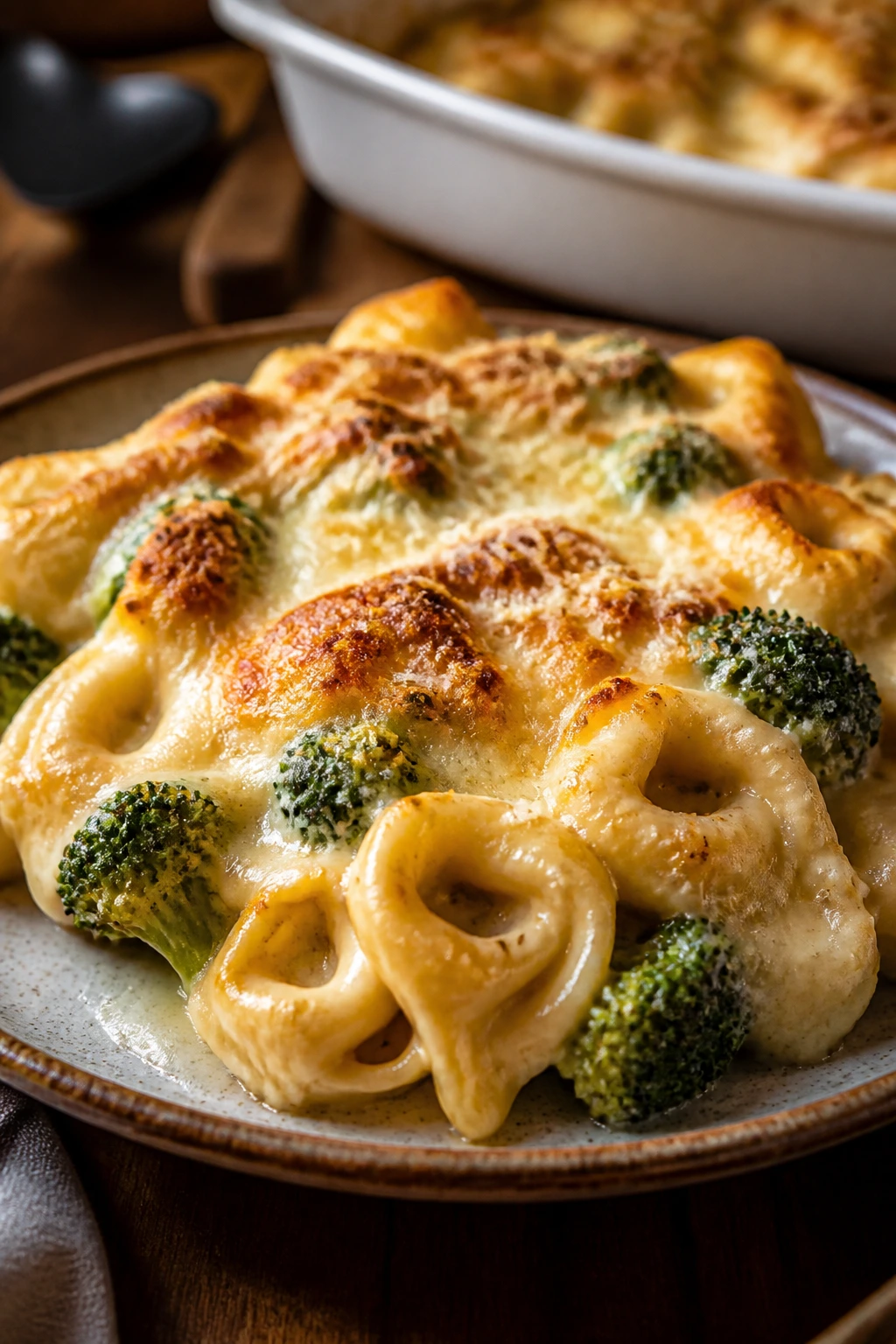
Baked tortellini is comfort food with a browned top, which is often all I need to get interested. This version leans creamy and garlicky, with a little broccoli tucked in so it doesn’t feel like pure indulgence. The cheese on top turns golden in the oven, and that bit at the edge of the pan is the part people fight over.
Why It Works
Tortellini already carries filling inside, so the bake can stay simple without feeling skimpy. A quick garlic cream sauce gives you enough moisture to keep the pasta tender in the oven, and broccoli adds a little structure. The panko topping is optional, but I like it because it gives the finished dish a crunch you can hear.
Key Ingredients
- 20 oz cheese tortellini, refrigerated
- 2 cups broccoli florets
- 2 tbsp unsalted butter
- 2 tbsp all-purpose flour
- 3 garlic cloves, minced
- 1 cup whole milk
- 1 cup heavy cream
- 1 cup grated Parmesan
- 1½ cups shredded mozzarella
- ½ cup panko breadcrumbs, optional
Quick Steps
- Par-Cook the Pasta: Boil the tortellini for 2 to 3 minutes, just until it starts to float, then drain.
- Make the Sauce: Melt butter in a skillet, whisk in flour for 1 minute, then add garlic, milk, and cream and stir until thickened.
- Add the Cheese: Stir in Parmesan until the sauce is smooth.
- Assemble the Bake: Toss tortellini and broccoli with the sauce in a baking dish, then top with mozzarella and panko.
- Bake Until Bubbling: Bake at 375°F for 18 to 20 minutes until the top is golden and the edges bubble.
Tips and Variations
- Broil Carefully: A minute under the broiler is enough to brown the top.
- Swap: Frozen broccoli works if you thaw and drain it first.
- More Richness: Add diced ham or pancetta if you want it meatier.
14. Pesto Cream Ravioli with Peas
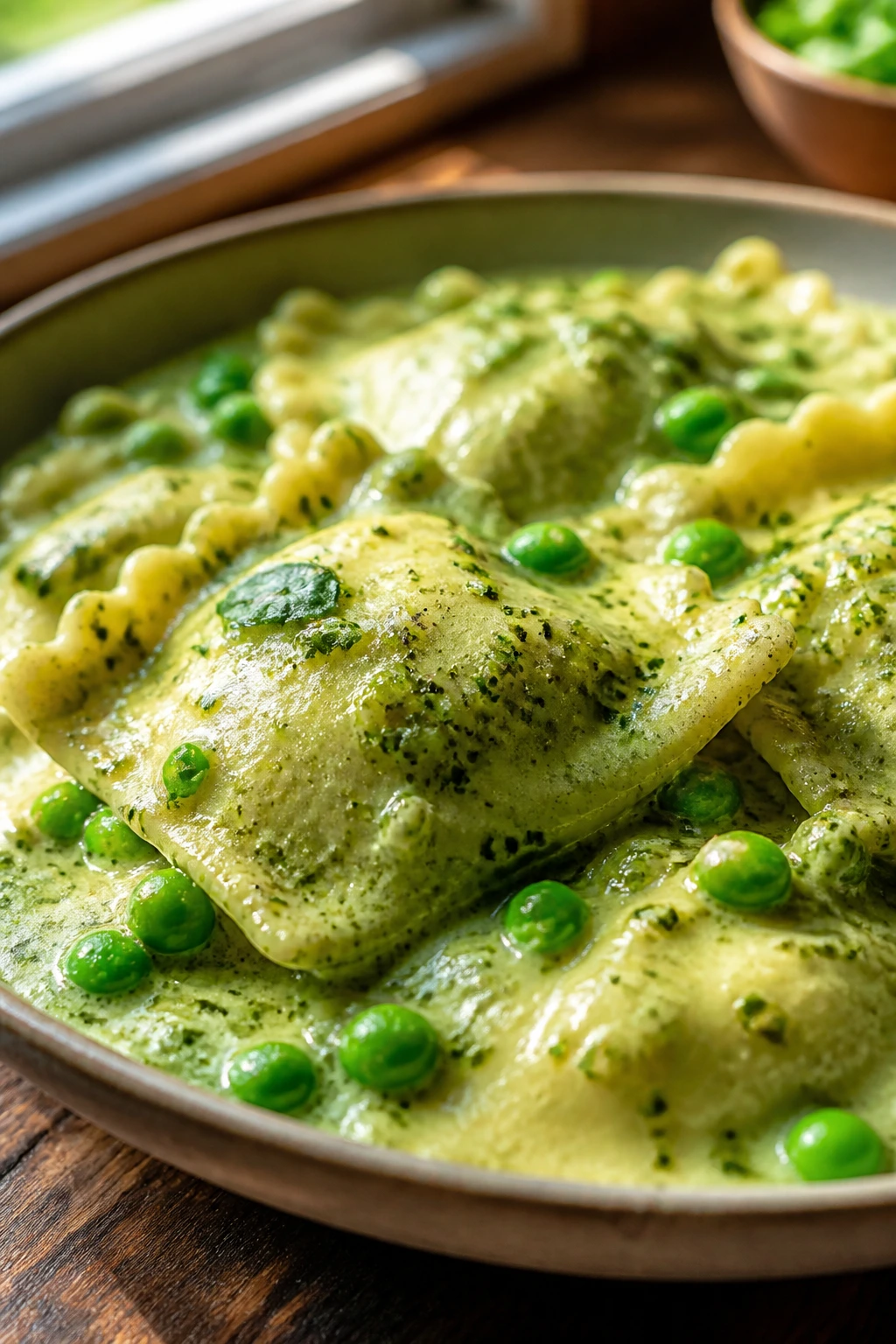
Pesto cream is one of my favorite shortcuts because it tastes like you worked harder than you did. The basil keeps the sauce lively, the cream softens the sharp herb edge, and the ravioli makes the whole thing feel full before you’ve had to add much else. Peas are the little green dot that make the bowl look and taste complete.
Why It Works
Ravioli is already doing half the meal’s work, so the sauce can stay simple and focused. Pesto brings nuts, basil, garlic, and Parmesan in one spoonful; cream rounds it out; lemon zest keeps it from getting sleepy. Frozen peas are fine here and, honestly, they’re often better than limp fresh ones in winter.
Key Ingredients
- 20 oz cheese ravioli
- ½ cup basil pesto
- ¾ cup heavy cream
- 1 cup frozen peas
- 2 tbsp unsalted butter
- 1 lemon, zested
- ½ cup grated Parmesan
- 2 tbsp toasted pine nuts, optional
Quick Steps
- Cook the Ravioli: Boil the ravioli until tender and floating, then drain and reserve ½ cup of the water.
- Warm the Pesto Sauce: Melt butter in a skillet, stir in pesto and cream, and let it come up to a gentle simmer.
- Add the Peas: Stir in peas and cook for 2 minutes until warmed through.
- Toss with Ravioli: Add the ravioli and toss gently so the pasta does not tear.
- Finish the Bowl: Add Parmesan, lemon zest, and pine nuts if using, then loosen with pasta water if needed.
Tips and Variations
- Gentle Handling: Ravioli tears if you stir too hard, so use a spoon, not force.
- Swap: Spinach can replace peas if you want a softer green note.
- Extra Lift: A little lemon juice helps the pesto taste sharper.
15. Smoked Salmon Fettuccine
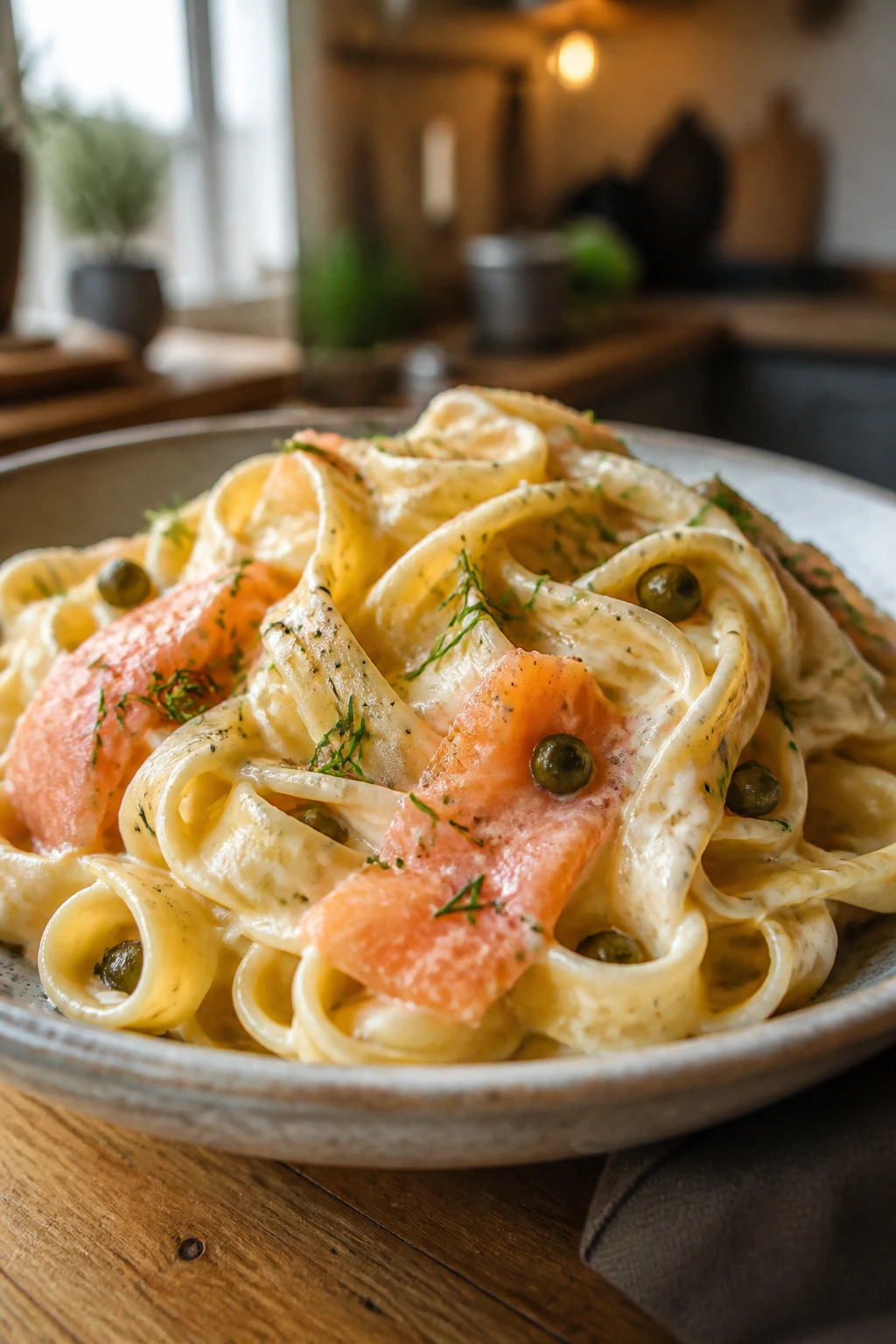
Smoked salmon pasta sounds fancy until you make it once and realize how little work it asks for. The fish adds salt and smoke, the sauce stays silky, and capers give the whole bowl little bursts of sharpness. It’s a nice change of pace from heavier cream pastas, though it still earns its place on a cold night.
Why It Works
Cold-smoked salmon should never be cooked hard; it belongs in the finished dish, not the sauté pan. Cream cheese or crème fraîche gives the sauce a slight tang that works well with the fish, and dill ties the whole thing together. Fettuccine is broad enough to catch the sauce but not so heavy that it buries the salmon.
Key Ingredients
- 12 oz fettuccine
- 6 oz smoked salmon, torn into pieces
- 4 oz cream cheese
- 1 cup heavy cream
- 1 shallot, minced
- 2 tbsp capers, drained
- 2 tbsp chopped fresh dill
- 1 lemon, zested and juiced
- 1 tbsp unsalted butter
- Black pepper, to taste
Quick Steps
- Cook the Pasta: Boil the fettuccine until al dente and reserve 1 cup of pasta water.
- Soften the Shallot: Cook the shallot in butter over medium heat until translucent.
- Make the Sauce: Stir in cream cheese and cream until smooth, then add lemon juice and capers.
- Toss with Pasta: Add the fettuccine and enough pasta water to make the sauce glossy.
- Add Salmon Last: Fold in the smoked salmon and dill off the heat so the fish stays tender.
Tips and Variations
- Salt Check: Taste before salting; the capers and salmon bring plenty.
- Herb Swap: Chives can stand in for dill if that’s what you’ve got.
- Serve Fast: This one is best eaten right away, while the sauce is still silky.
16. Broccoli Cheddar Cavatappi
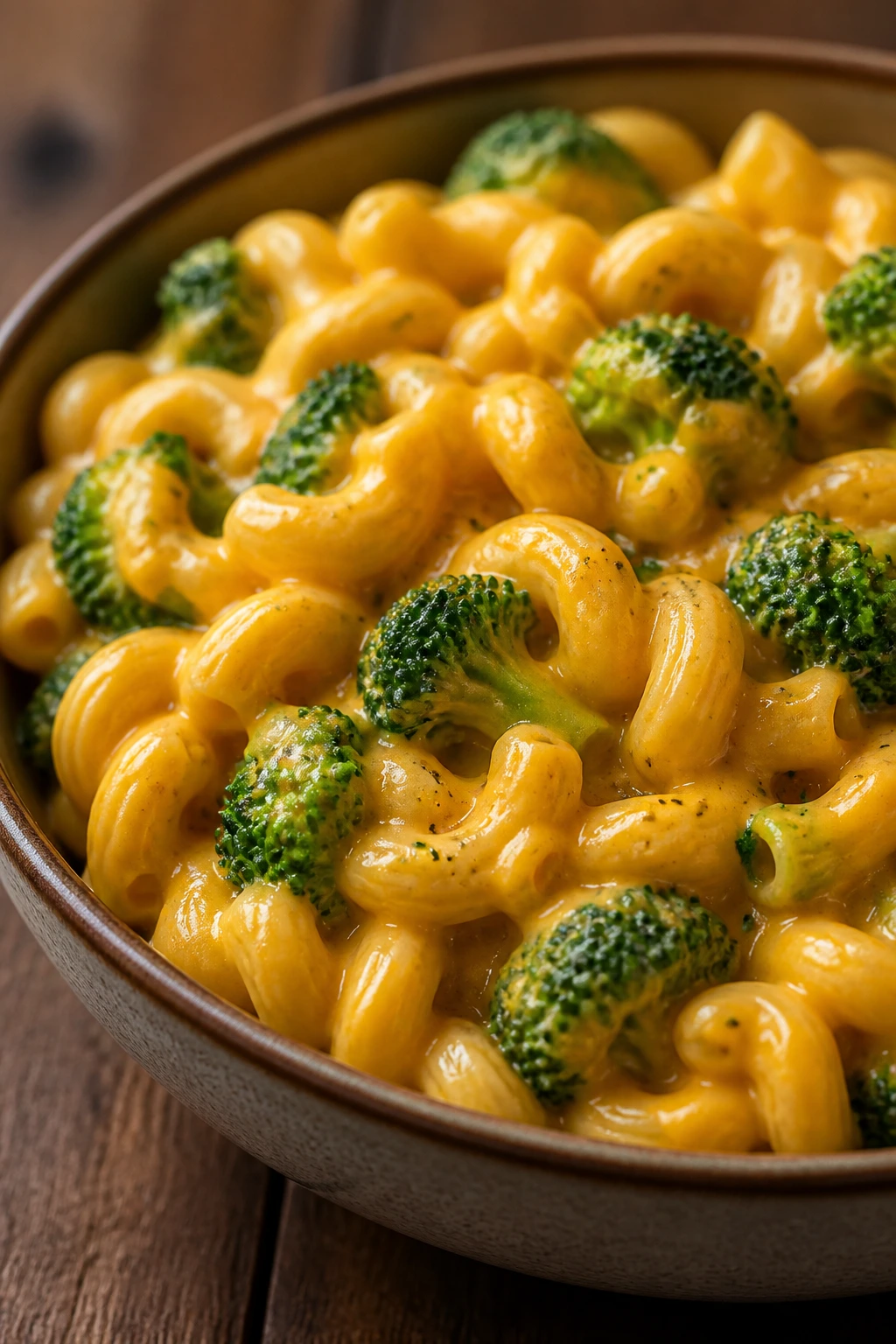
This is the pasta version of a bowl of broccoli cheddar soup, only more satisfying because there’s actual chew to it. Cavatappi twists and curls through the cheese sauce, which means each bite picks up both broccoli and sharp cheddar. It’s familiar, filling, and a little nostalgic in the best way.
Why It Works
A flour-thickened sauce gives cheddar the right body, and Dijon keeps the cheese from tasting flat. Broccoli brings enough vegetable heft to make the bowl feel complete, but not so much that it fights the sauce. Cavatappi is a smart shape here because its ridges catch every thick bit instead of letting it pool.
Key Ingredients
- 12 oz cavatappi
- 1 large head broccoli, cut into small florets
- 2 tbsp unsalted butter
- 2 tbsp all-purpose flour
- 1 small onion, finely chopped
- 2 garlic cloves, minced
- 1 cup whole milk
- 1 cup heavy cream
- 2 cups sharp cheddar, shredded from a block
- 1 tsp Dijon mustard
Quick Steps
- Steam the Broccoli: Steam or blanch the broccoli until bright green and just tender, about 2 minutes.
- Start the Roux: Melt the butter in a skillet, whisk in the flour, and cook for 1 minute.
- Add the Dairy: Stir in onion, garlic, milk, and cream, then simmer until lightly thickened.
- Melt the Cheese: Add cheddar and Dijon off low heat, stirring until smooth.
- Toss with Cavatappi: Fold in the pasta and broccoli, adding pasta water if the sauce gets too dense.
Tips and Variations
- Cheese Quality Matters: Shred your own cheddar for the smoothest melt.
- If It Thickens Too Fast: A splash of milk brings it back.
- Optional Crunch: Toasted breadcrumbs on top are not necessary, but they’re good.
17. Creamy Corn and Pancetta Orzo
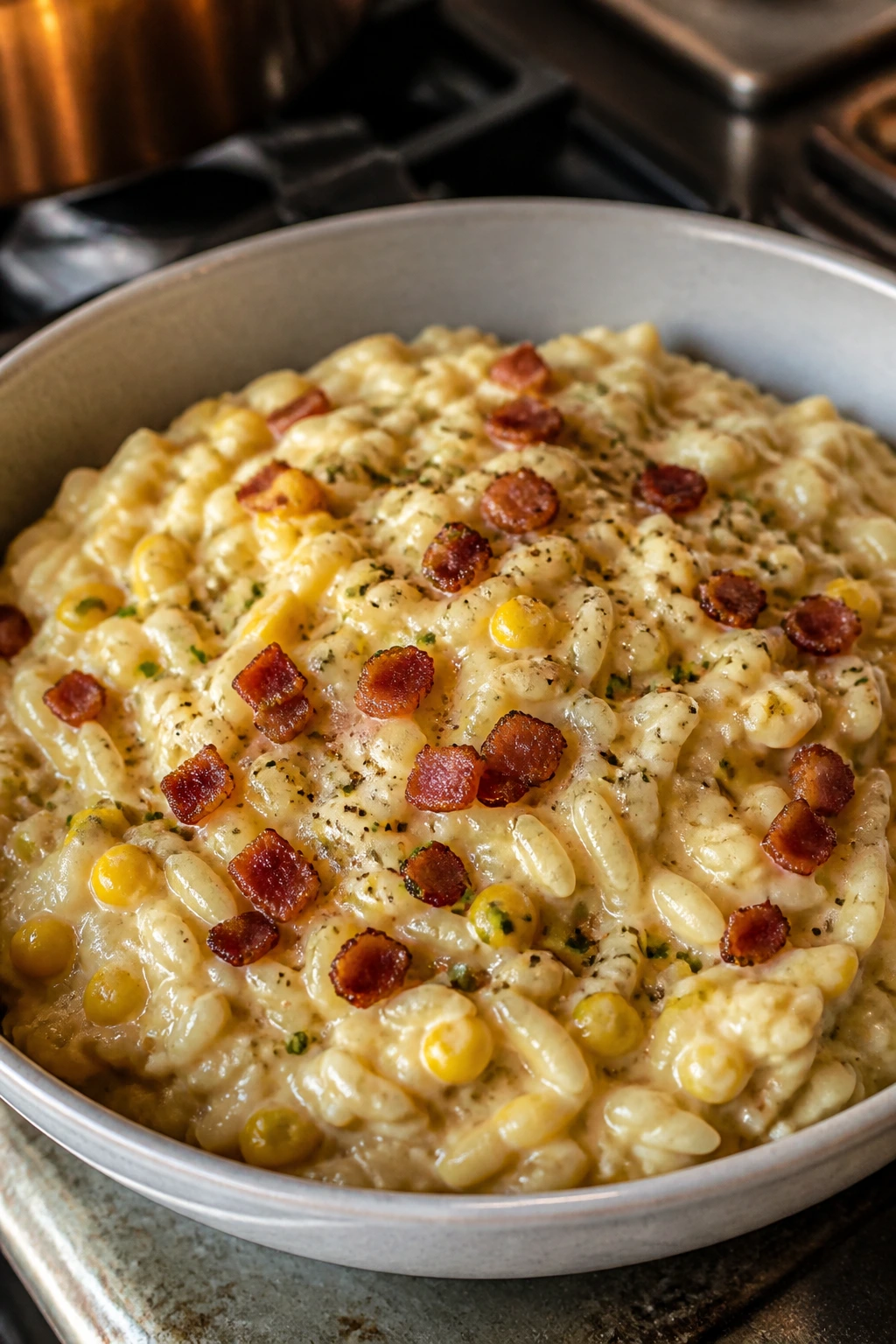
Orzo makes this dish feel halfway between pasta and risotto, which is exactly the sort of cozy sleight of hand I like on a cold night. Pancetta gives you salt and fat from the start, corn adds sweet pops, and the sauce turns creamy without needing a mountain of cheese. It’s small pasta with a big payoff.
Why It Works
The grain-like shape of orzo means it drinks up broth fast and turns the pot thick in a hurry. Pancetta seasons the whole pan, so you get richness without having to keep adding cheese to force flavor. Corn gives the dish some lift, which matters because orzo can turn heavy if you let it go too far.
Key Ingredients
- 12 oz orzo
- 6 oz pancetta, diced
- 2 cups corn kernels, fresh or frozen
- 1 shallot, minced
- 2 cups low-sodium chicken broth
- ¾ cup heavy cream
- ½ cup grated Parmesan
- 1 tsp thyme leaves
- 2 scallions, sliced
- Black pepper to taste
Quick Steps
- Crisp the Pancetta: Cook the pancetta over medium heat until the fat renders and the edges crisp.
- Toast the Orzo: Stir in the shallot and orzo, cooking for 1 minute so the pasta picks up a little nutty flavor.
- Add Liquid: Pour in the broth and corn, then simmer, stirring often, until the orzo is tender.
- Make It Creamy: Stir in cream, Parmesan, and thyme, letting the sauce thicken for 1 to 2 minutes.
- Finish with Scallions: Top with scallions and black pepper before serving.
Tips and Variations
- Frozen Corn Works: No need to thaw it fully; it cooks in the pot.
- Watch the Bottom: Orzo can catch if you forget to stir.
- Swap: Bacon works in place of pancetta if that’s what’s in the fridge.
18. Creamy Peanut Chicken Penne
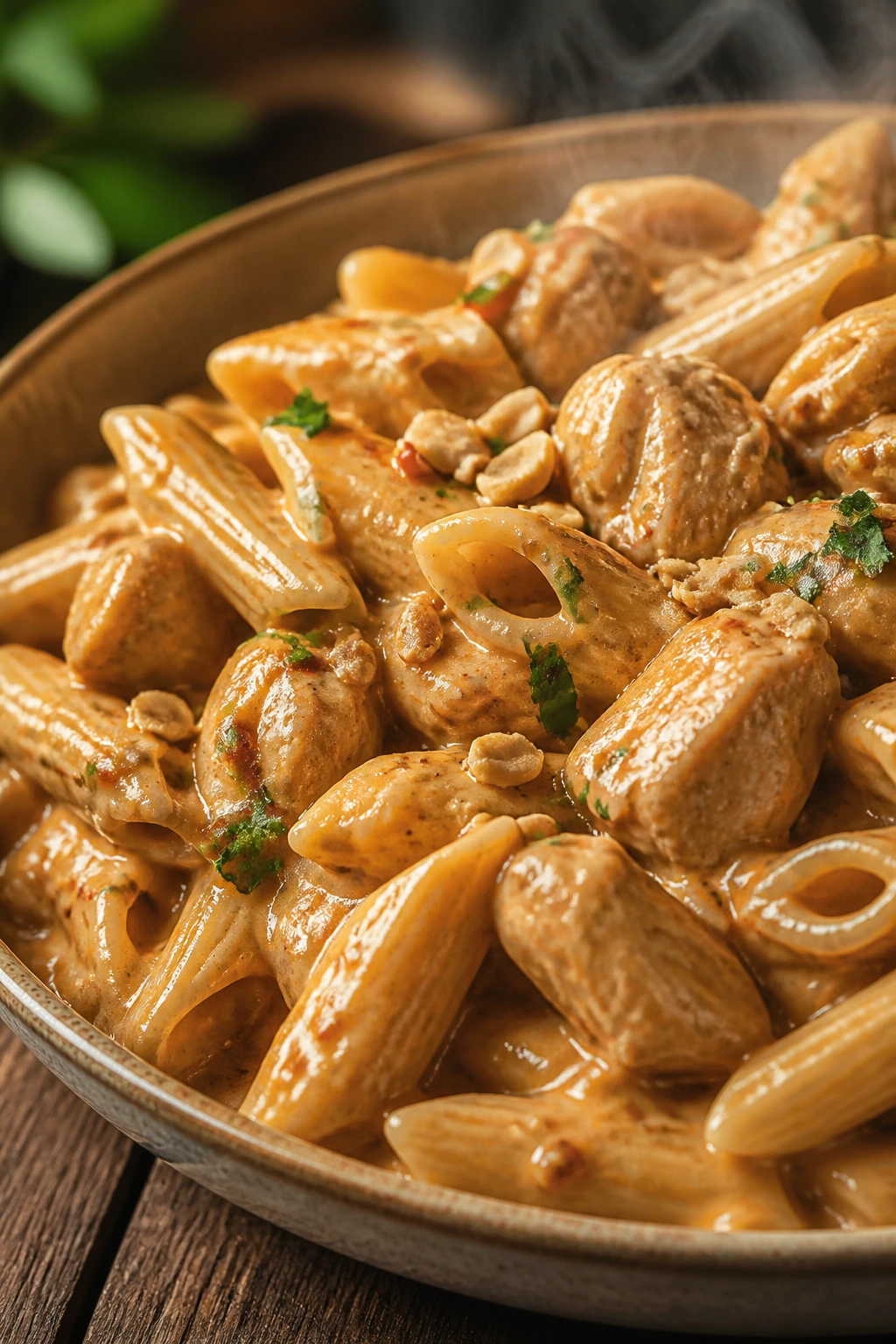
This is the most unexpected dinner in the bunch, and I mean that as a compliment. Peanut butter, coconut milk, lime, and chicken give the sauce a silky texture with sweet, salty, and tangy notes all stacked together. It’s not Italian, no, but it belongs on a cold-night table because it eats like pure comfort.
Why It Works
Peanut butter makes a sauce that feels dense and satisfying without relying only on dairy. Coconut milk keeps everything smooth, soy sauce adds salt, and lime stops the bowl from tasting like a one-note richness bomb. Penne holds the sauce well, and chicken makes the plate feel complete with very little extra effort.
Key Ingredients
- 12 oz penne
- 1¼ lb boneless, skinless chicken breast, sliced
- ½ cup creamy peanut butter
- 1 can (13.5 oz) coconut milk
- 2 tbsp soy sauce
- 1 lime, juiced
- 2 garlic cloves, minced
- 1 tsp fresh ginger, grated
- 2 scallions, sliced
- Chili crisp or red pepper flakes, optional
Quick Steps
- Cook the Pasta: Boil the penne until al dente and reserve 1 cup of pasta water.
- Sear the Chicken: Cook the sliced chicken in a skillet until lightly browned and cooked through.
- Mix the Sauce: Whisk peanut butter, coconut milk, soy sauce, lime juice, garlic, and ginger together until smooth.
- Warm and Thicken: Pour the sauce into the skillet and simmer gently for 2 to 3 minutes.
- Toss and Garnish: Add the penne and scallions, then loosen with pasta water if needed. Finish with chili crisp if you want heat.
Tips and Variations
- Peanut Butter Choice: Creamy natural peanut butter works, but stir it well before measuring.
- Lighter Edge: Add extra lime if you want the sauce brighter.
- Vegetarian Swap: Crispy tofu or mushrooms take the chicken’s place easily.
19. Miso Mushroom Spaghetti
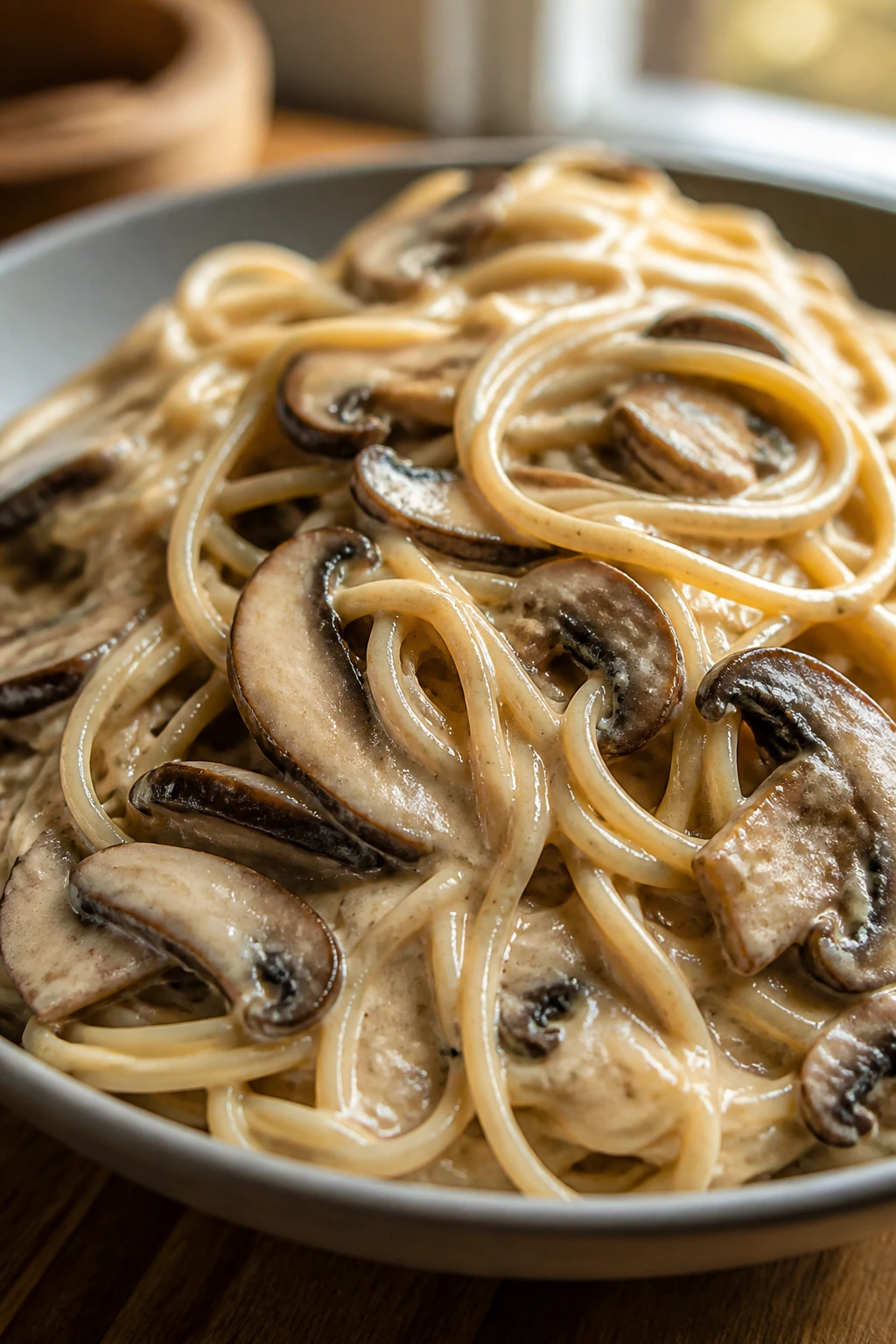
Miso belongs in more savory pasta than people think. It gives the sauce a deep, fermented saltiness that feels rounded rather than sharp, and mushrooms build on that earthy note without asking for much. This is the dinner I’d make when I wanted something fast but not plain.
Why It Works
White miso dissolves into warm cream or pasta water and turns into a sauce that tastes deeper than its parts. Mushrooms add the browned, meaty texture that makes a bowl feel satisfying even without meat. Spaghetti works because the strands pull the sauce into a glossy coat instead of leaving it pooled below.
Key Ingredients
- 12 oz spaghetti
- 1 lb cremini or shiitake mushrooms, sliced
- 2 tbsp white miso paste
- 3 tbsp unsalted butter
- 3 garlic cloves, minced
- ½ cup heavy cream
- 1 cup baby spinach
- ½ cup reserved pasta water
- 1 tbsp sesame seeds
- 2 scallions, sliced
Quick Steps
- Brown the Mushrooms: Cook the mushrooms in butter over medium-high heat until they release their moisture and turn golden.
- Add Garlic: Stir in garlic for 30 seconds.
- Make the Sauce: Whisk miso with cream and pasta water, then pour it into the skillet.
- Toss with Spaghetti: Add the cooked spaghetti and spinach, stirring until the spinach wilts and the sauce turns glossy.
- Finish Cleanly: Top with sesame seeds and scallions.
Tips and Variations
- Heat Control: Keep the miso mixture at a low simmer so the flavor stays smooth.
- Swap: Shiitakes taste a little smokier than cremini.
- Extra Kick: A drizzle of chili oil on top works nicely.
20. Four-Cheese Baked Manicotti
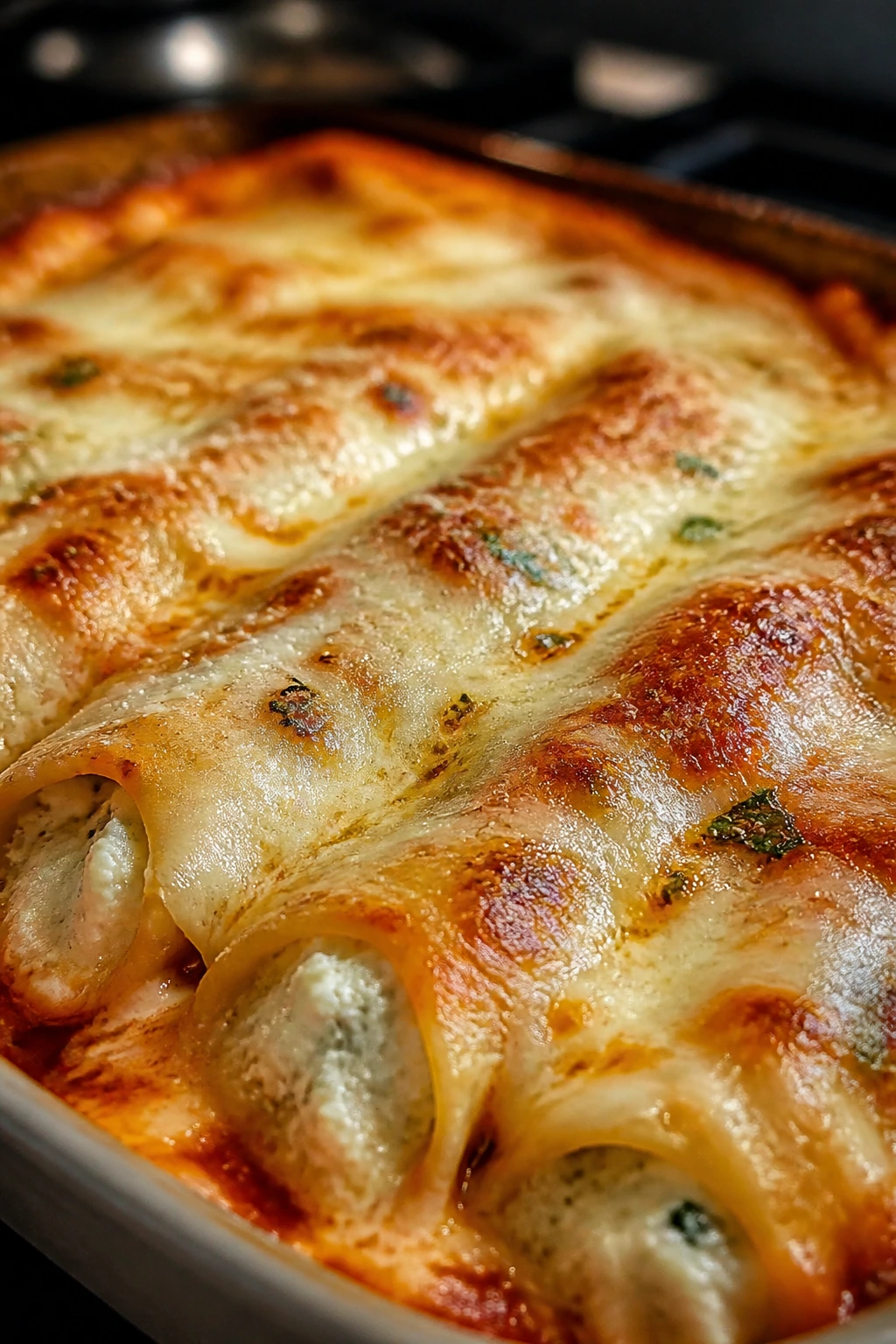
Manicotti is old-school comfort in the best sense. Stuffed pasta tubes, creamy cheese filling, a little sauce underneath, and a browned top on the oven finish side of things — it’s not subtle, and that’s the charm. This is the kind of dinner that makes the kitchen smell like someone cares.
Why It Works
Ricotta keeps the filling soft, mozzarella brings melt, Parmesan brings salt, and provolone adds a little extra depth. Baking the manicotti in sauce keeps the shells from drying out, which is the only real job this dish asks of you. A little spinach helps the filling feel less heavy and gives the cheese a bit of structure.
Key Ingredients
- 12 manicotti shells
- 15 oz ricotta cheese
- 1½ cups shredded mozzarella, divided
- 1 cup grated Parmesan, divided
- 1 cup shredded provolone
- 1 large egg
- 10 oz spinach, cooked and squeezed dry
- 2 cups creamy Alfredo sauce
- ¼ tsp nutmeg
- 2 tbsp chopped basil
Quick Steps
- Cook the Shells: Boil the manicotti just until flexible, then drain carefully so they do not tear.
- Mix the Filling: Combine ricotta, 1 cup mozzarella, ½ cup Parmesan, provolone, egg, spinach, nutmeg, and basil.
- Stuff the Pasta: Fill each shell with the cheese mixture and arrange it in a baking dish with a thin layer of Alfredo sauce on the bottom.
- Top and Bake: Spoon the remaining sauce over the shells, sprinkle with the remaining mozzarella and Parmesan, and bake at 375°F for 25 to 30 minutes.
- Rest Before Serving: Let the pan sit for 10 minutes so the filling sets and the sauce settles.
Tips and Variations
- Stuffing Tip: A piping bag makes the filling easier to control.
- Prevent Tears: Slightly undercook the shells; they finish in the oven.
- Extra Richness: Add sautéed mushrooms to the filling if you want more depth.
Why Creamy Pasta Wins When the Weather Turns Cold
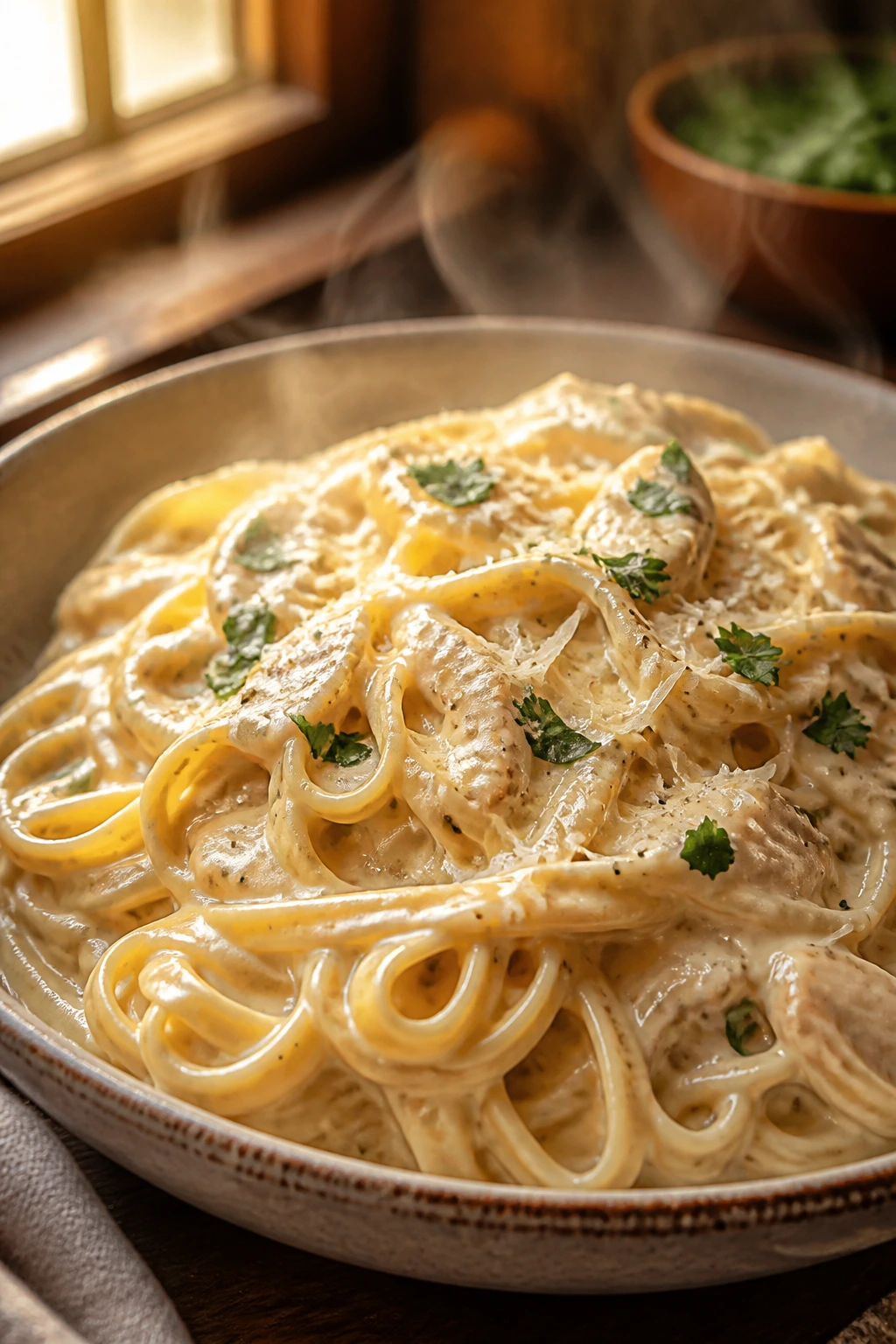
Creamy pasta works in cold weather because it hits several comfort switches at once. The starch from the pasta thickens the sauce, the fat keeps the heat on the tongue a little longer, and the steam rising from the bowl makes the whole thing feel more generous than a lighter meal ever could. That’s the magic, if there is one. Not drama. Just good texture and a good temperature.
The best creamy pasta dinners also leave room for contrast. A sharp cheese, a squeeze of lemon, a handful of herbs, a few peas, a browned mushroom edge — all of those small details keep the dish from flattening out. Heavy is fine. Heavy and dull is not.
I also like that these meals adapt to whatever shape of night you’re having. One-pot, baked, skillet, seafood, meat, vegetarian, pantry-based. Same cozy lane, different route.
Essential Equipment for These Recipes
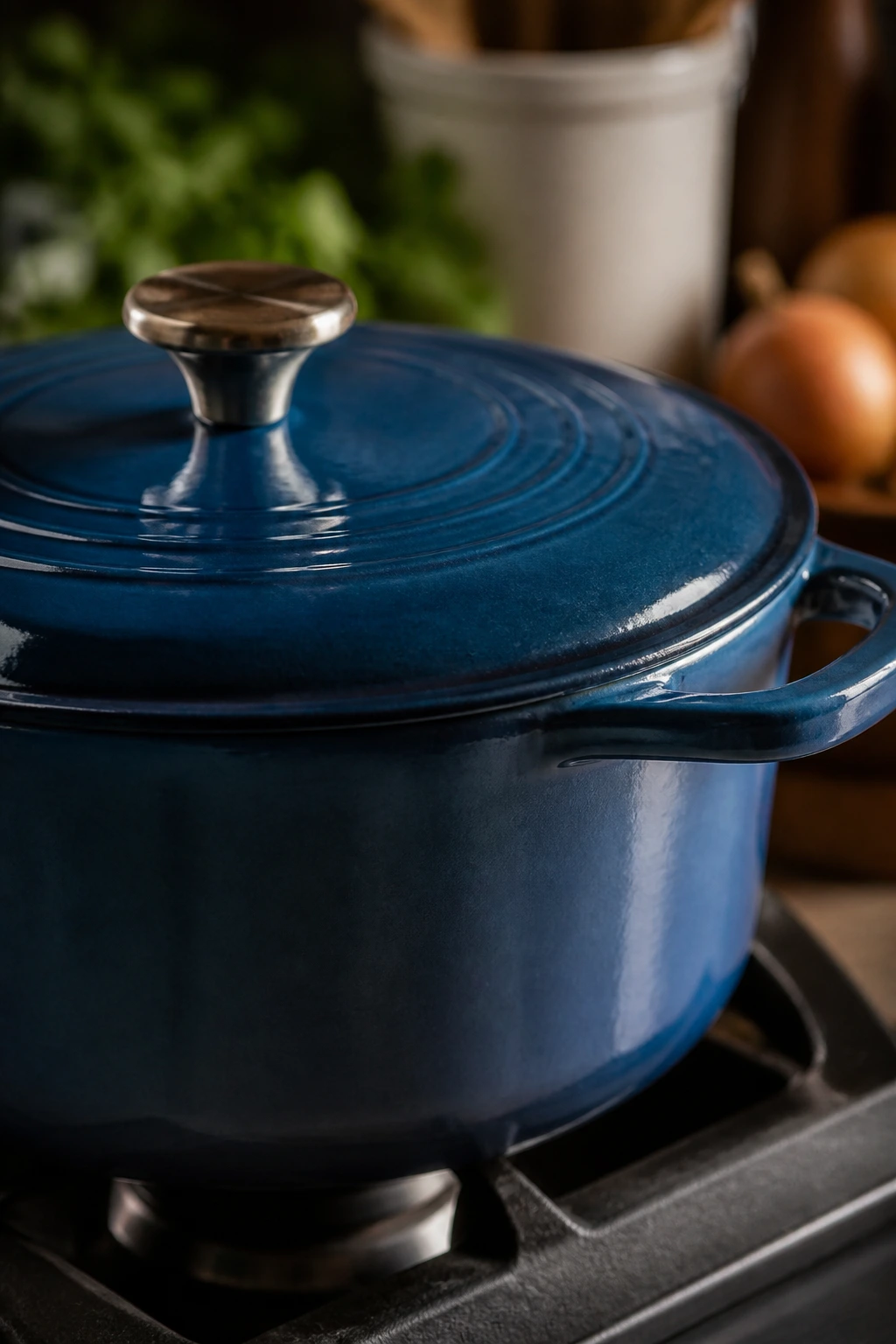
- Large pasta pot: A big pot keeps water moving properly and prevents pasta from sticking together.
- Deep skillet or sauté pan: Most of the cream sauces come together fastest in a wide pan with enough surface area.
- Dutch oven: Best for one-pot pastas, especially the Tuscan chicken and similar skillet-heavy dinners.
- Colander or spider strainer: Handy for pulling pasta straight into the sauce without dumping all the cooking water.
- Wooden spoon or silicone spatula: Gentle enough for cream sauces and baked pasta fillings.
- Box grater: Freshly grated Parmesan and cheddar melt better than bagged shreds.
- Microplane or fine zester: Useful for lemon zest, nutmeg, and garlic in a hurry.
- Baking dish, 9×13-inch: Needed for tortellini bake and manicotti.
- Tongs: Ideal for tossing fettuccine, linguine, and spaghetti into sauce.
- Blender or immersion blender: Helpful for squash sauce if you want it extra smooth.
Smart Shopping and Ingredient Tips
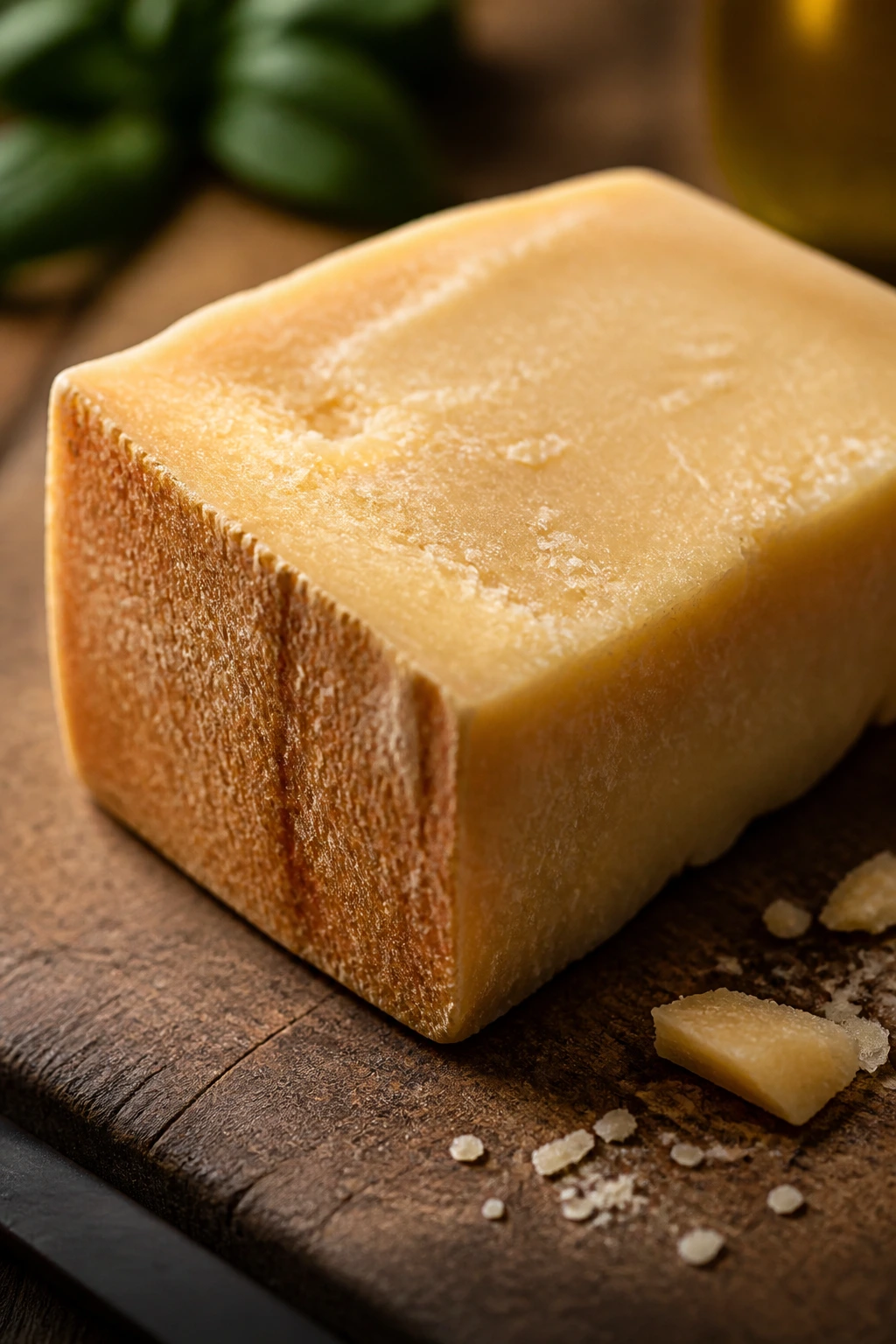
Creamy pasta lives or dies on a few simple choices. Buy block cheese and grate it yourself whenever the sauce depends on a clean melt; pre-shredded cheese often carries anti-caking starch that leaves sauces grainy. Heavy cream gives the most stable result, but whole milk plus a little butter can stand in for some recipes if you keep the heat low and accept a thinner sauce.
Pasta shape matters more than people think. Long noodles like fettuccine and linguine are good for silky sauces, while rigatoni, penne, shells, and cavatappi grab thicker sauces and bits of meat or vegetables. Tortellini and ravioli carry their own filling, so the sauce can stay simpler and still feel complete.
For vegetables, frozen peas and frozen spinach are not cheats. They’re practical. Frozen peas keep their sweetness, and frozen spinach works well in baked dishes or any sauce where you need the greens to disappear a little. Fresh spinach is better when you want visible leaves at the end.
On the protein side, choose the cut that suits the sauce. Chicken thighs forgive overcooking better than breasts. Smoked sausage already brings seasoning, so go easier on salt. Shrimp and salmon need a gentler hand than beef or pancetta, which means they belong in the pan late, not early. And if a recipe uses sun-dried tomatoes, check whether they’re packed in oil; that oil can add a big flavor boost if you use a spoonful in the pan.
How to Serve These Recipes
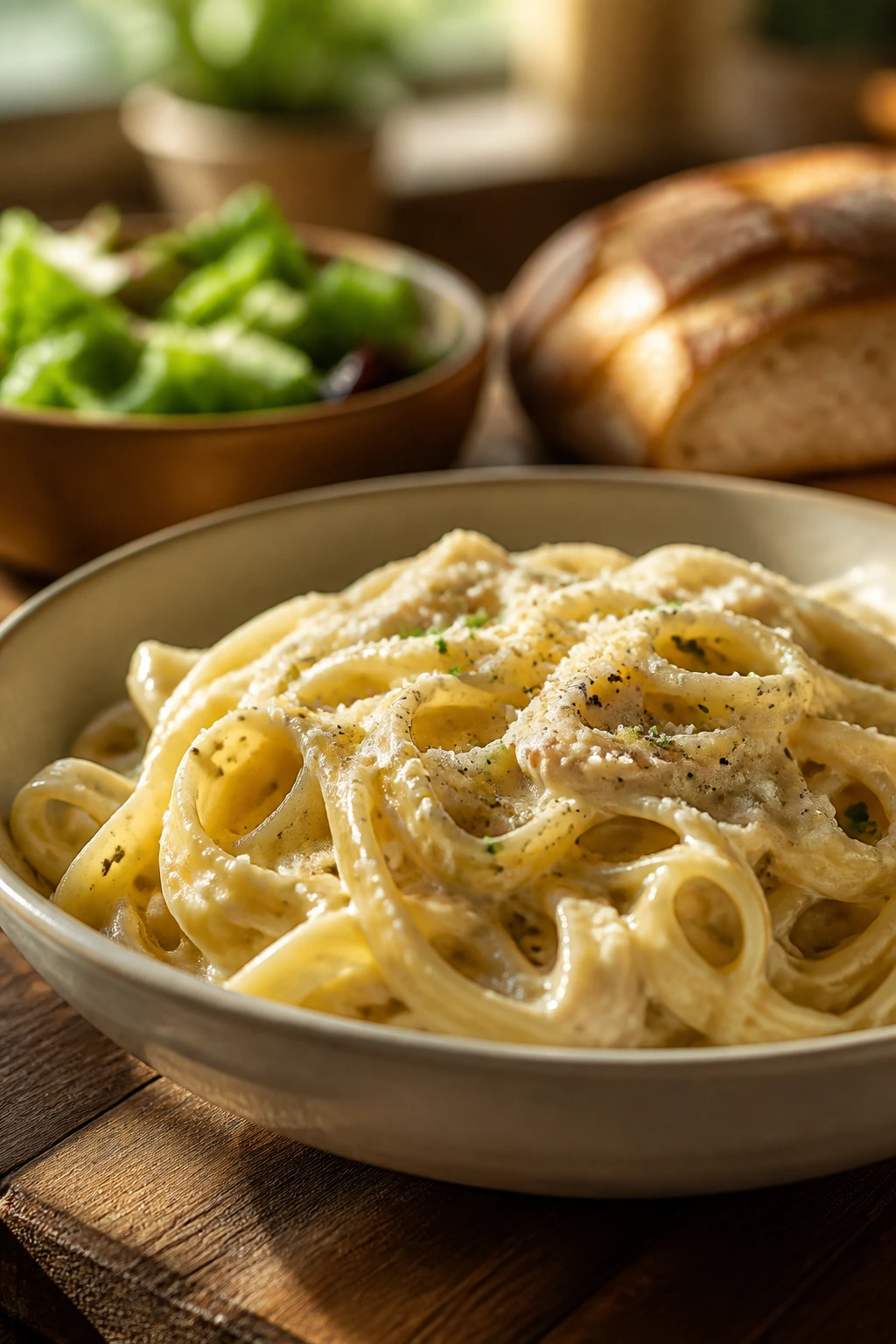
Presentation: Serve creamy pasta in warm bowls if you have them. The sauce stays loose and glossy longer, and the whole plate feels more inviting when it doesn’t chill the second it lands.
Accompaniments: A crisp green salad with a sharp vinaigrette, roasted broccoli, garlicky green beans, or a simple loaf of crusty bread all work well. For the richer dishes, I like something tart on the side so the meal doesn’t feel weighed down.
Portions: Most of these recipes serve 4 adults with a salad or bread, though the more loaded ones — tortellini bake, manicotti, stroganoff — can stretch to 6. If you’re feeding bigger appetites, add more vegetables instead of just more pasta; it keeps the meal balanced.
Beverage Pairing: A dry white wine like Pinot Grigio or Sauvignon Blanc works with seafood, chicken, and pesto versions. For the darker, earthier pastas, try sparkling water with lemon, a light red, or even a mug of broth on a rough night. That last one sounds odd until you try it.
Additional Tips and Flavor Boosters
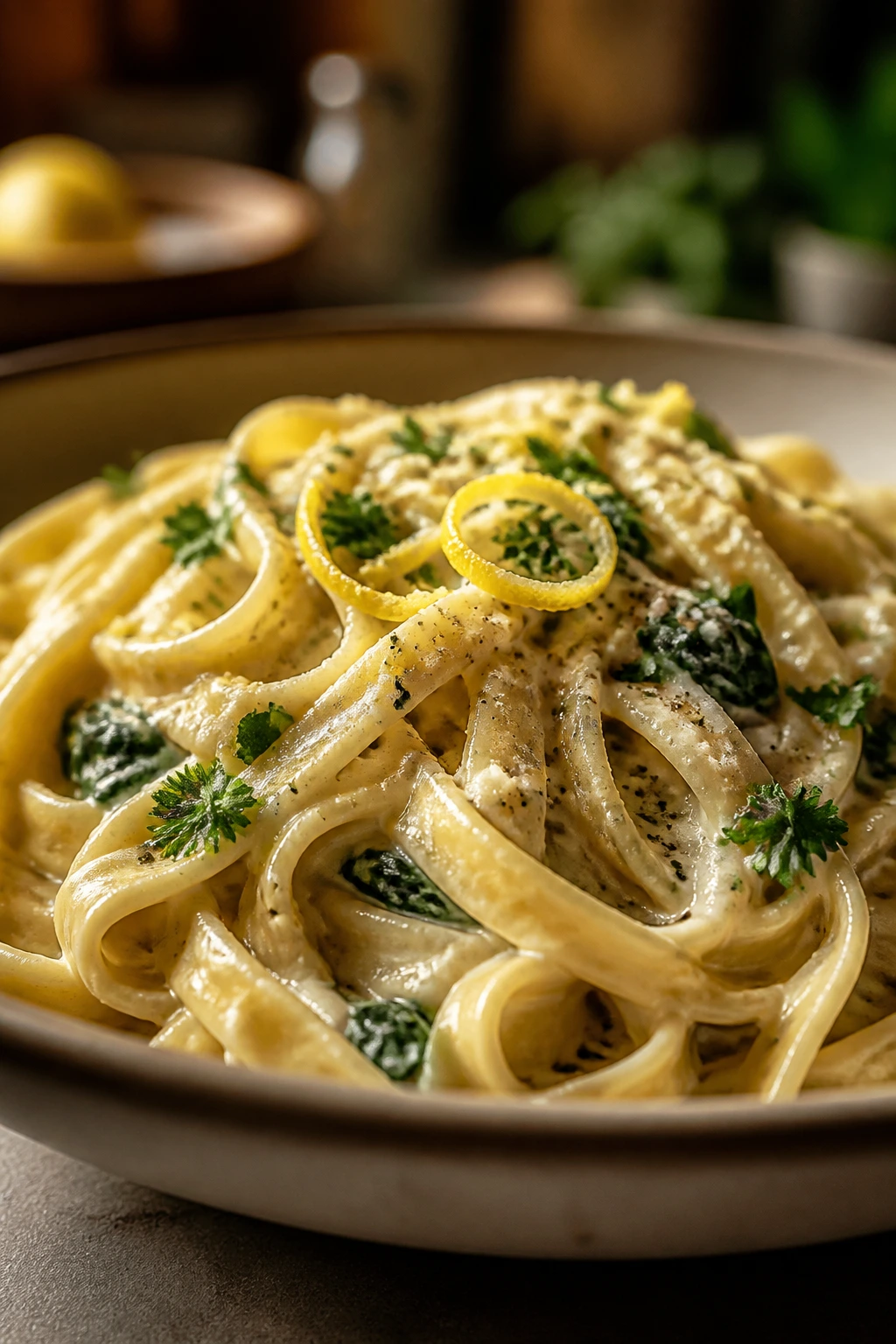
Flavor Enhancement: A small hit of acid — lemon juice, white wine, or even a spoonful of brine from capers — wakes creamy pasta up fast. Rich sauces need a little edge or they settle into one note.
Customization: Fold in roasted mushrooms, peas, spinach, kale, or broccoli depending on what you have. Cream sauces are friendly to leftovers, which is why they’re such useful weeknight food.
Serving Suggestions: Fresh herbs matter more than they should on paper. Basil, parsley, dill, chives, and thyme all make creamy pasta smell fresher and taste less one-dimensional. A final shower of Parmesan is nice; a little lemon zest or black pepper is often better.
Make-It-Yours: For a lighter version, use half-and-half plus extra pasta water and lean harder on vegetables. For a richer version, add cream cheese or mascarpone in small amounts; one or two tablespoons can change the whole texture. For heat lovers, red pepper flakes or chili crisp are easy wins.
Make-Ahead, Storage, and Reheating Guidance
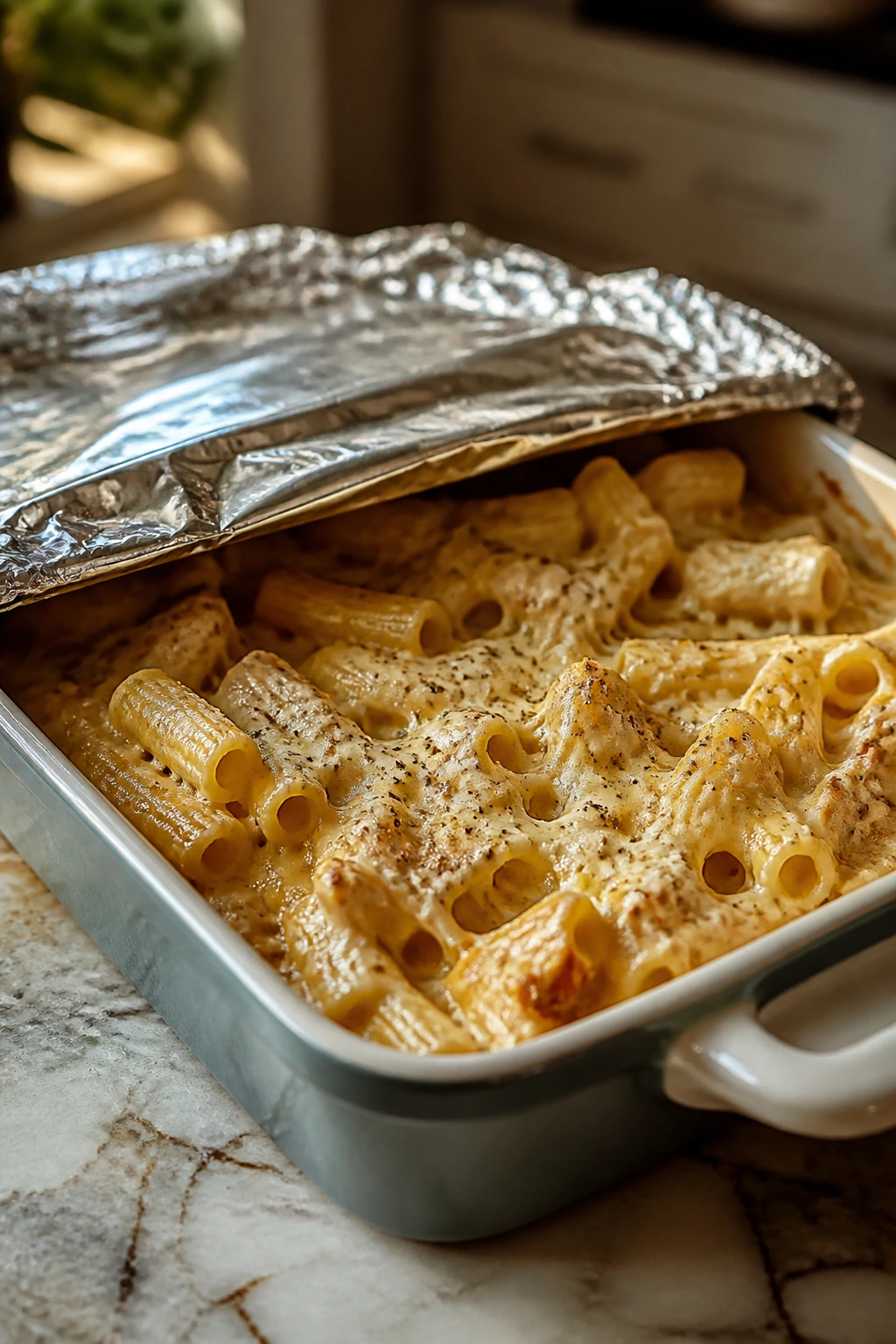
Creamy pasta keeps better than people give it credit for, but the texture changes after it sits. Most of these dishes hold 3 to 4 days in the refrigerator in a covered container. Baked pastas, stroganoff, and sausage dishes usually reheat best; seafood versions are more delicate and deserve gentler treatment.
Freezing is possible for a few of the sturdier dishes, especially baked tortellini, manicotti, and some chicken pastas. Portion them into airtight containers and freeze for up to 2 months. Cream sauces can separate after thawing, so reheat slowly and stir well. If a sauce looks tight or a little broken after thawing, a splash of milk, cream, broth, or even pasta water can bring it back.
For stovetop reheating, use low heat and a skillet with a lid. Add a tablespoon or two of liquid, cover for a minute, then stir and keep going until hot. For baked dishes, cover with foil and warm at 325°F until the center is hot, then uncover for the last few minutes if you want the top to crisp again. Microwave reheating works in a pinch, but use short bursts and stir between them or the sauce can split at the edges.
Make-ahead components help a lot. You can cook chicken, roast squash, chop vegetables, grate cheese, and even mix some fillings a day ahead. Pasta itself should usually be cooked fresh, or very slightly underdone if you know it will finish in the sauce later. That tiny bit of planning keeps the texture from sliding into mush.
Variations and Adaptations to Try
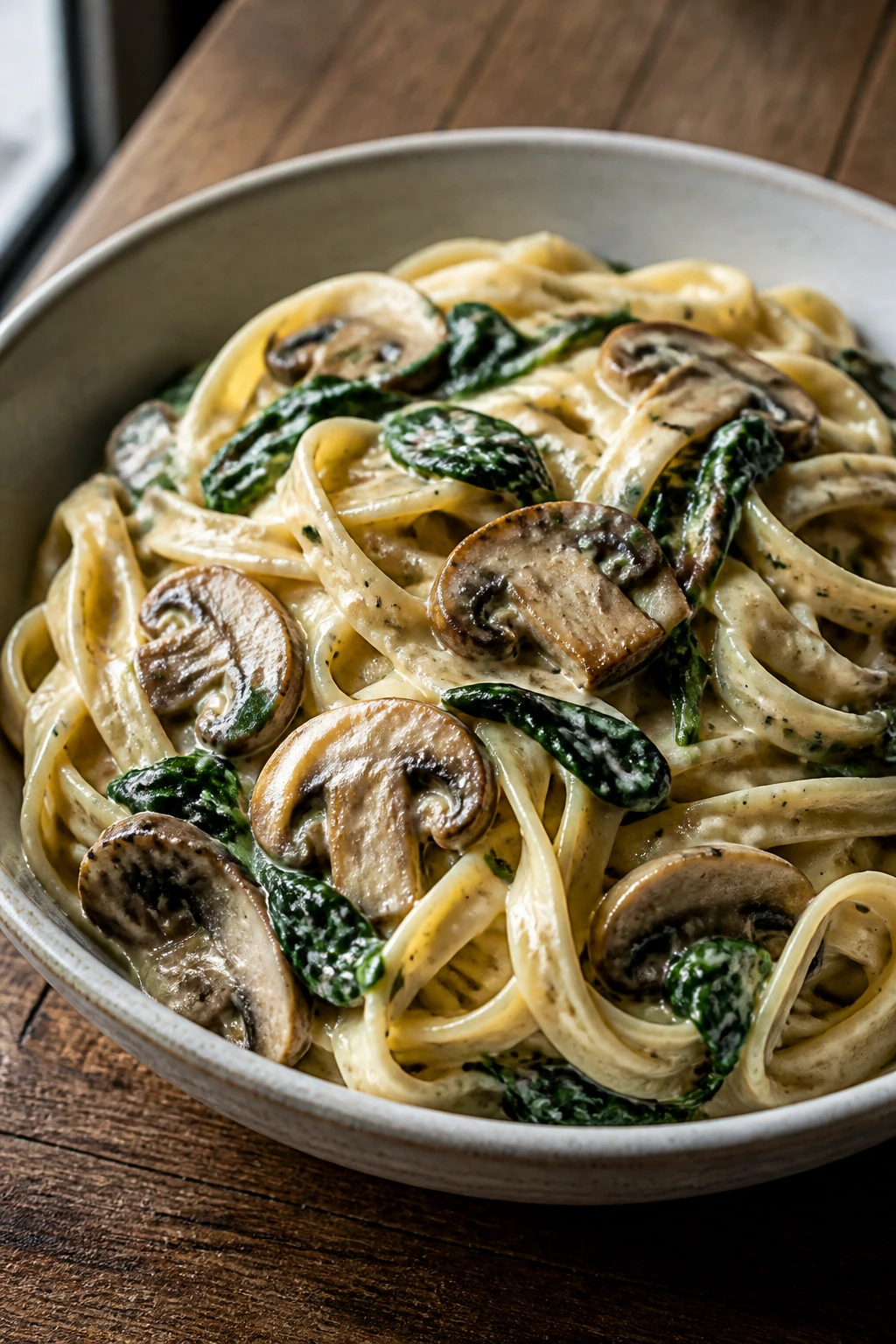
Lighter Dairy Blend: Swap part of the heavy cream for whole milk or evaporated milk, then use extra pasta water and Parmesan to keep the sauce smooth. This works best in chicken, vegetable, and tomato-based pastas, where you still get a creamy feel without the full weight.
Vegetarian Cozy Bowl: Skip the meat and double down on mushrooms, spinach, artichokes, peas, squash, or broccoli. A good vegetarian creamy pasta needs enough browned vegetables to replace the savory depth that sausage or chicken would normally bring.
Gluten-Free Night: Use a sturdy gluten-free pasta and pull it from the water a little early so it doesn’t go soft in the sauce. If a sauce needs thickening, cornstarch slurry or extra cheese usually works better than flour in this case.
Spice-Forward Version: Add Cajun seasoning, chili flakes, or a spoonful of chili crisp to any of the richer bowls. Cream can handle heat better than people think, and the spice gives the sauce a better shape.
Baked Finish: Turn skillet pastas into casseroles by transferring them to a dish, topping with mozzarella or panko, and baking just long enough to brown the top. This is especially good for tortellini, manicotti, and penne bakes.
Common Mistakes to Avoid
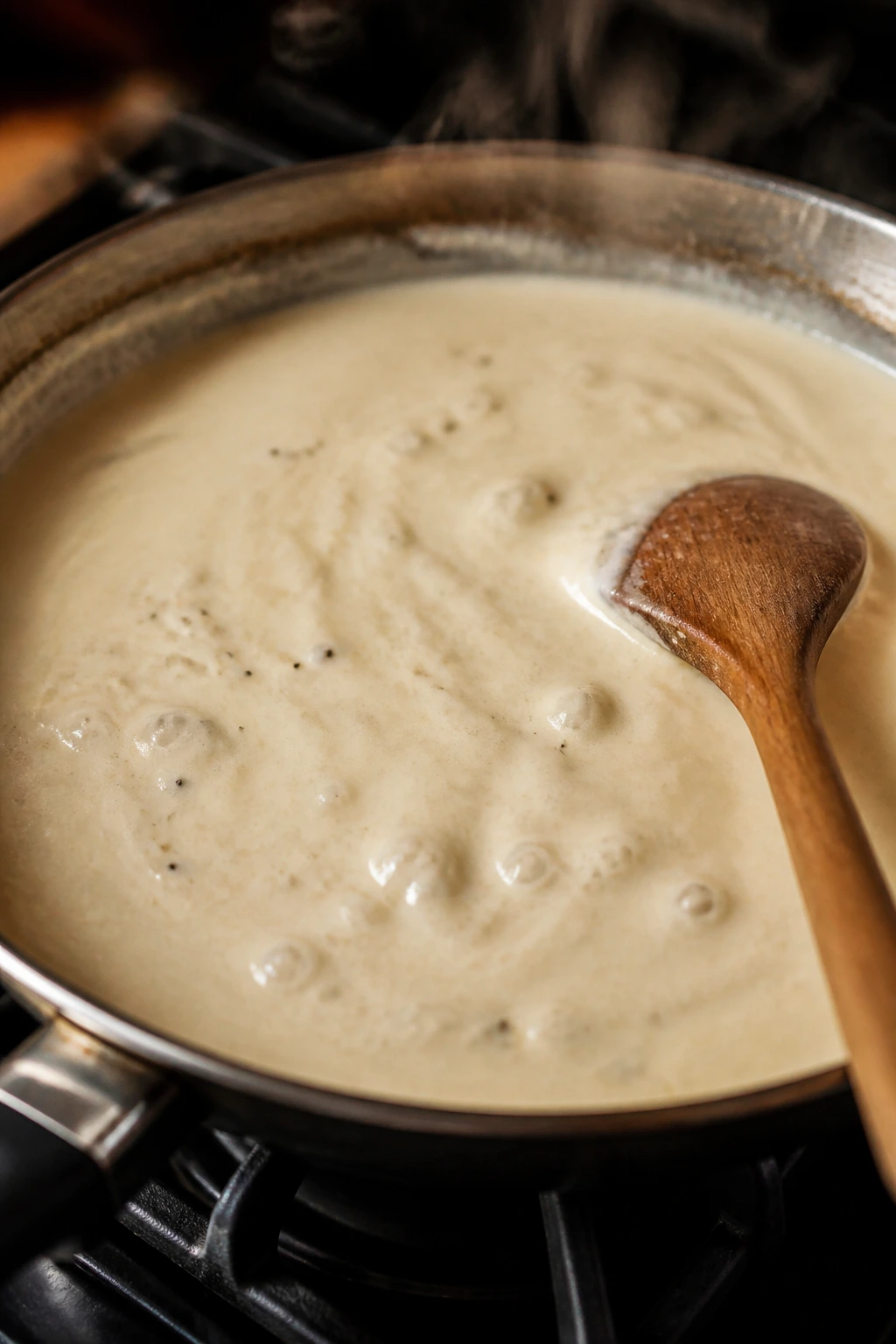
The first mistake is cooking the sauce over hard heat. Cream sauces do not like to be bullied. If the sauce boils aggressively, the dairy can split and the cheese can turn grainy. Keep the heat low once the cream or cheese goes in, and use patience instead of speed.
Another one is under-salting the pasta water. Plain noodles taste flat no matter how rich the sauce is. The water should taste pleasantly salty — not seawater, but close enough that the pasta gets seasoned from the inside out.
Using pre-shredded cheese is a common trap too. It melts poorly and can leave a sandy texture in Alfredo, cheddar sauces, and baked dishes. Grating cheese from a block takes less time than you think, and the difference is obvious in the bowl.
People also overcook pasta before it meets the sauce. Remember that the noodles keep softening once they hit the hot pan or the oven. Pull them a minute early if they’re going into a bake or a one-pot sauce.
Finally, too many cooks skip the acid. Cream, butter, cheese, and sausage need something bright to stop the flavor from flattening. Lemon, white wine, capers, Dijon, or tomatoes all do this job. Pick one and use it on purpose.
Frequently Asked Questions

Can I use half-and-half instead of heavy cream?
Yes, in many of these recipes, but keep the heat lower and expect a thinner sauce. If you want more body, add extra Parmesan, a little cream cheese, or a splash of pasta water reduced more slowly.
Which pasta shapes hold creamy sauce best?
Rigatoni, penne, shells, cavatappi, fettuccine, and linguine all do a good job, just in different ways. Tubes and curls catch thicker sauces and bits of meat, while long noodles shine when the sauce is smooth and silky.
How do I keep cream sauce from breaking?
Keep the heat at a gentle simmer, not a boil, and add cheese gradually. If a sauce starts looking oily or clumpy, pull it off the heat and whisk in a spoonful of hot pasta water or cream.
Can these dinners be made ahead?
Yes, especially the baked ones, stroganoff, and skillet pasta with chicken or sausage. For the best texture, undercook the pasta slightly and reheat with a bit of extra liquid so the sauce loosens back up.
Which recipes freeze well?
Baked manicotti, tortellini bake, and some chicken pastas freeze better than seafood or delicate cream sauces. Shrimp, salmon, and lemon-heavy dishes are best made fresh because their texture changes fast in the freezer.
Can I make these vegetarian?
Several of them can be switched easily by dropping the meat and adding mushrooms, spinach, peas, broccoli, squash, or artichokes. The trick is replacing savory depth with browned vegetables, a stronger cheese, or a little miso or Dijon.
What if my sauce gets too thick?
Add reserved pasta water a spoonful at a time, then stir over low heat until the sauce loosens. Milk, cream, or broth also work, but pasta water is often the fastest fix because it contains starch.
How much pasta should I cook per person?
A good starting point is 3 to 4 ounces of dry pasta per adult for a dinner with sides, or 4 to 5 ounces if the pasta is the whole meal. For stuffed pastas and richer bakes, you can often serve a little less because the filling and sauce carry more weight.
The Dinners Worth Repeating
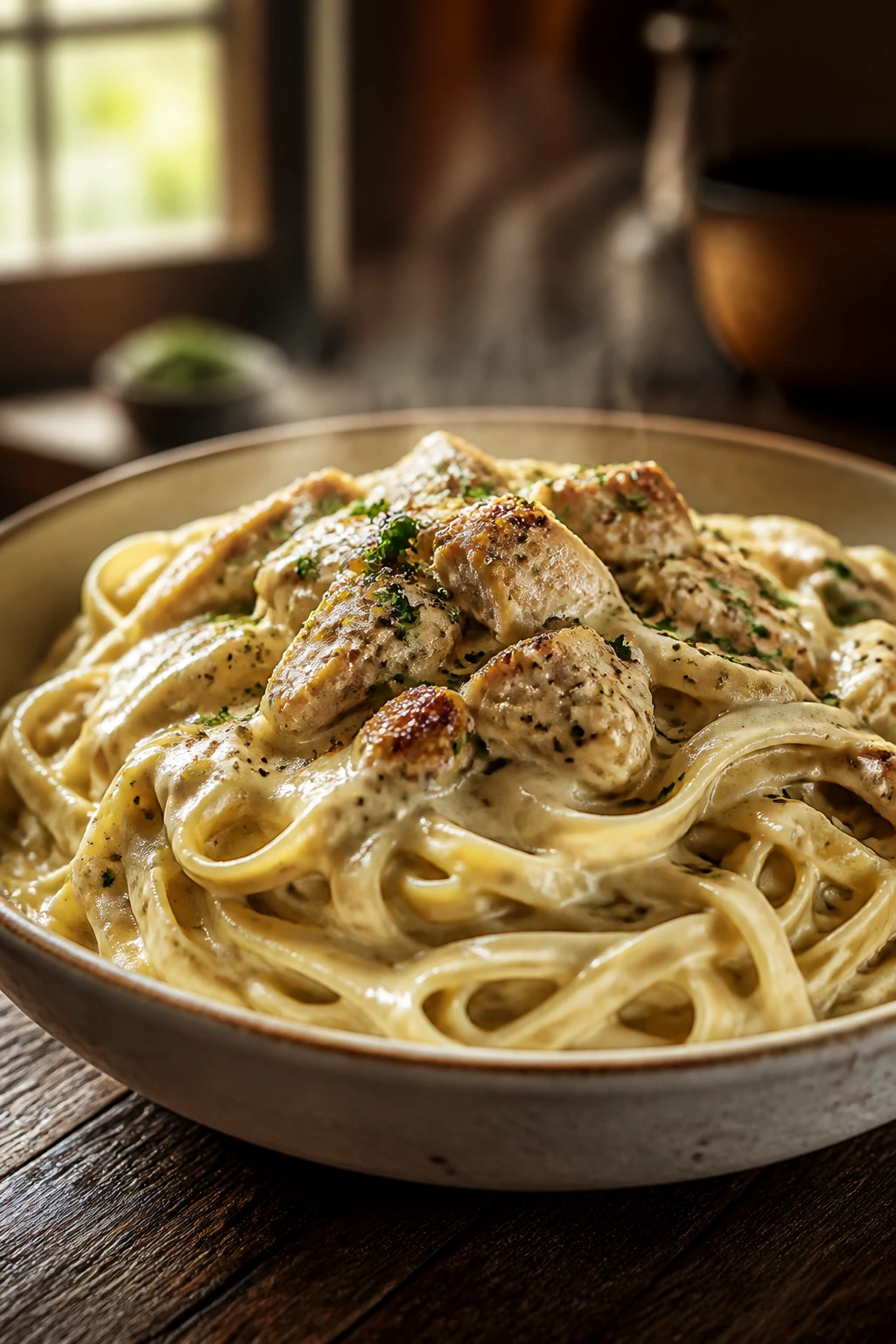
Cold nights make people reach for the same kinds of meals again and again, and I get why. Creamy pasta has the right mix of speed, comfort, and flexibility, so it can act like a rescue dinner on a long day or the one dish everyone asks for twice. That is a useful thing to have in your pocket.
Start with the bowl that matches what you already keep on hand. Chicken and broccoli if the fridge is full, mushroom Marsala if you want something earthy, baked tortellini if the oven is already on. The best part is how little you need to force it; a good sauce, the right pasta shape, and a little attention at the stove are enough.