



A pot of rice on the stove, a skillet hissing with garlic, and a kitchen window fogged by steam can do a surprising amount of emotional work on a cold night. Smoky Korean-inspired dinners have that effect because they layer heat instead of shouting it: fermented chile paste, soy, sesame, browned meat, a little char, and something crisp at the end. The food tastes bigger than the effort. That’s the trick.
I’ve always liked this style of cooking for weeknights when the air feels thin and the grocery haul looks tired. A spoon of gochujang can make a braise taste like it took all afternoon. Kimchi can wake up pork, tofu, noodles, or rice without asking for much from you besides a hot pan and a sensible hand with salt. And if you get the pan properly hot — not warm, hot — you get that dark, savory edge that makes the whole dinner feel grounded.
These smoky Korean-inspired dinners are not precious. They’re sturdy, bowl-friendly, and built for repetition. Some lean brothy and soothing. Some come out blistered and sticky at the edges. A few are the kind of meals I’d make when I want the house to smell like dinner the second I walk in the door.
Why These Smoky Korean-Inspired Dinners Earn a Spot in the Cold-Night Rotation
-
Big flavor from a short ingredient list: Gochujang, soy sauce, garlic, sesame oil, and kimchi do a lot of heavy lifting, so you’re not chasing twenty condiments to get dinner on the table.
-
The heat is layered, not blunt: These dishes get warmth from chile paste, black pepper, char, and fermented tang, which means the spice feels round instead of sharp.
-
They hold up well to real life: Beef can braise while you answer emails, chicken can go under the broiler, and noodles can be tossed together in the same skillet you used to brown the mushrooms.
-
Cold-weather texture matters here: Soft rice, sticky glaze, tender braise, crisp cabbage, and broth with a little body all give your spoon something to work through. That matters more than people admit.
-
Leftovers don’t collapse: Kimchi pork, short-rib soup, bulgogi meatballs, and the braised beef all taste even deeper the next day, once the sauce has had time to settle in.
-
The smoke stays flexible: A broiler, a blistering-hot skillet, a little smoked paprika, or bacon can push the flavor darker without drowning out the Korean pantry notes.
1. Gochujang Braised Beef with Daikon and Rice
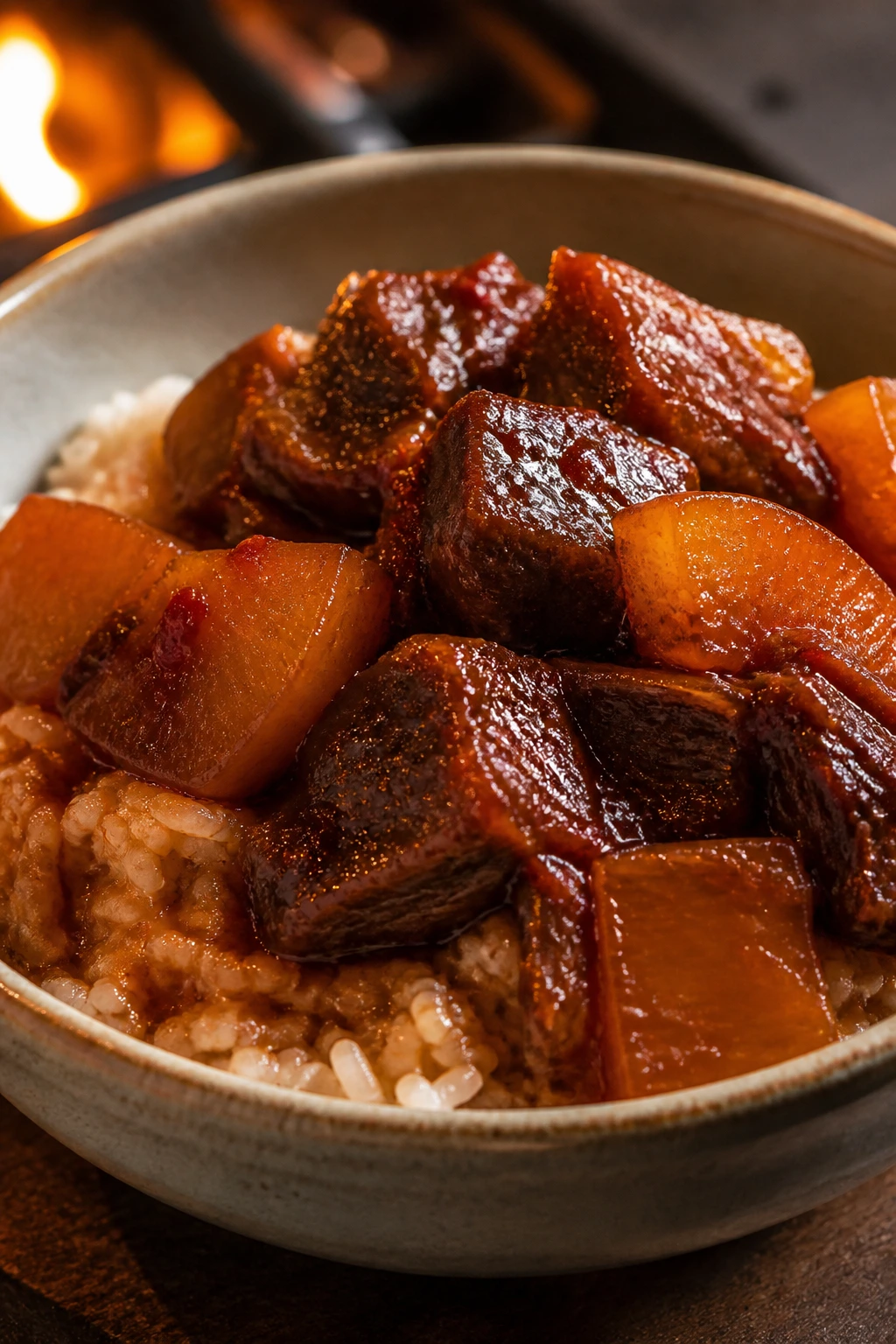
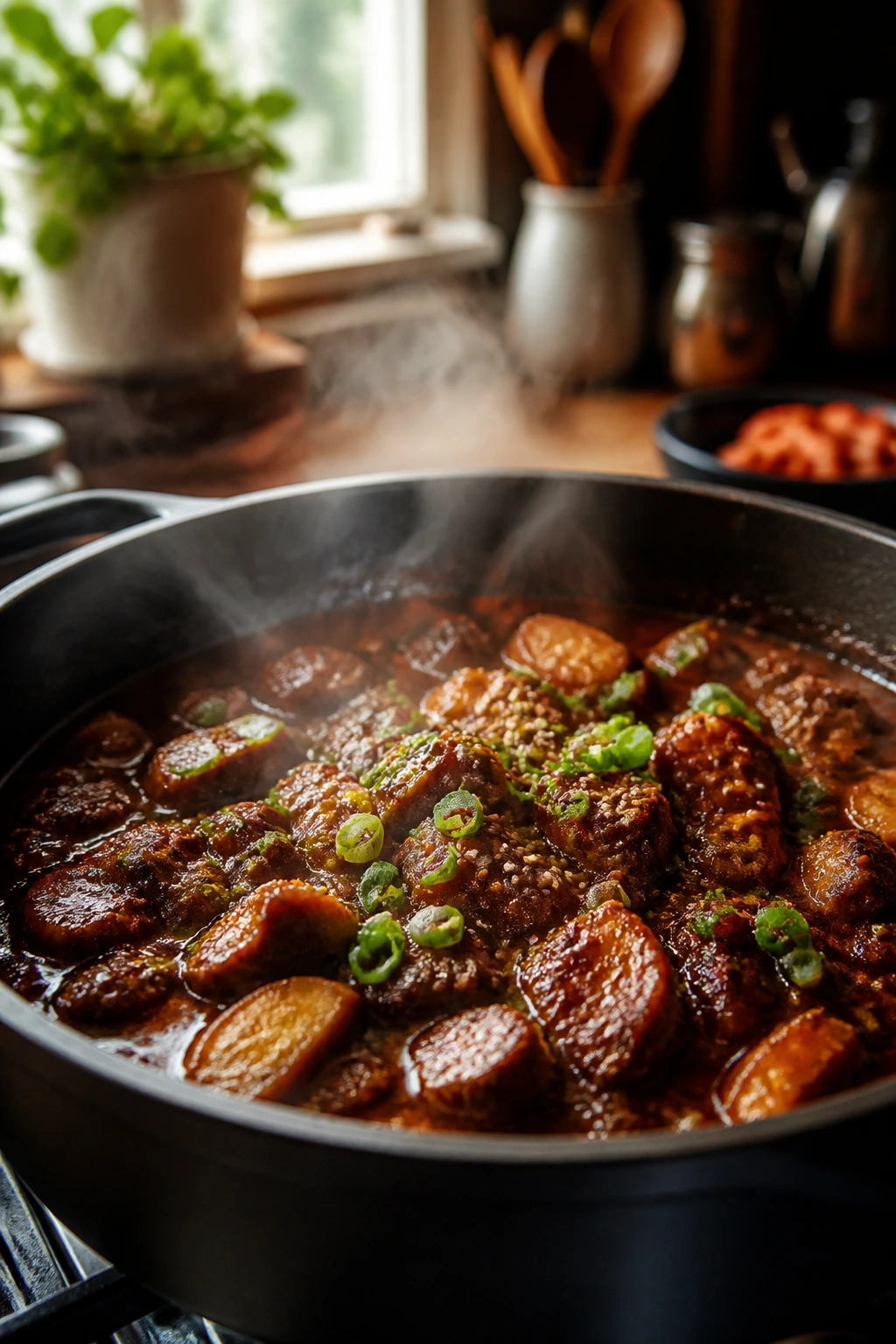
A braise like this is what I make when the wind sounds rude. The beef comes out spoon-tender, the daikon turns translucent at the edges, and the sauce clings to rice in that glossy, slightly sticky way that makes you keep going back for one more bite. It tastes like garlic, soy, and chile paste with a quiet smoky edge from the browned beef and a small hit of smoked paprika.
Why It Works:
Chuck roast has enough connective tissue to soften into something plush after a long, slow cook. Gochujang brings heat, sweetness, and body in one spoonful, which is handy because it thickens the braising liquid as it cooks. Daikon is a smart choice here; it keeps its shape better than potatoes and soaks up the broth without turning muddy. A little smoked paprika does not make this taste like barbecue. It just nudges the whole pot toward a darker, more winter-ready flavor.
Key Ingredients:
- 2 lb beef chuck, cut into 2-inch cubes
- 1½ teaspoons kosher salt
- 2 tablespoons neutral oil
- 1 large yellow onion, sliced
- 5 cloves garlic, minced
- 1 tablespoon grated ginger
- 3 tablespoons gochujang
- 1 tablespoon doenjang
- 2 tablespoons soy sauce
- 1 tablespoon brown sugar
- 1 teaspoon smoked paprika
- 4 cups low-sodium beef stock
- 1 medium daikon radish, peeled and cut into 1-inch chunks
- 8 ounces cremini mushrooms, halved
- 2 scallions, sliced
- 1 teaspoon toasted sesame oil
- 3 cups cooked short-grain rice, for serving
Quick Steps:
- Preheat and season: Heat the oven to 325°F (165°C). Pat the beef dry and season it with the salt on all sides.
- Sear the beef: Warm the oil in a Dutch oven over medium-high heat. Brown the beef in batches for 3 to 4 minutes per side until deeply browned; do not crowd the pot or the meat will steam.
- Build the base: Add the onion and cook for 4 to 5 minutes until softened and lightly golden. Stir in the garlic and ginger for 30 seconds, then add the gochujang, doenjang, smoked paprika, soy sauce, and brown sugar. Cook for 1 minute until the paste smells sweet and dark.
- Add the liquid: Pour in the stock and scrape up every browned bit from the bottom of the pot. Bring the liquid to a simmer.
- Braise: Return the beef to the pot, cover, and transfer to the oven for 1 hour and 45 minutes.
- Finish the vegetables: Add the daikon and mushrooms, stir gently, cover again, and cook for 35 to 45 minutes more until the beef yields easily to a fork and the daikon turns tender at the edges.
- Reduce and serve: Uncover and simmer on the stove for 10 minutes if you want the sauce thicker. Finish with sesame oil and scallions, then ladle over rice.
Equipment for This Recipe:
- 5- to 6-quart Dutch oven
- Wooden spoon
- Sharp knife and cutting board
- Tongs
- Ladle
How to Serve This Dish:
Spoon the beef and vegetables over a mound of short-grain rice so the sauce can run into the grains. A side of sliced cucumbers or a little kimchi keeps the bowl from feeling too heavy, and that contrast matters. If you want it to look tidy, place the daikon and mushrooms on top before spooning the sauce around the edges.
Pro Tips for This Recipe:
- Brown the beef in two or three batches. If the pieces are packed in tightly, the sear disappears and the braise tastes flatter.
- Add the daikon later in the cook. It should soften without going chalky.
- Taste the sauce at the end and adjust with a pinch of salt only if needed; gochujang, doenjang, and soy already bring plenty.
- Let the finished pot sit for 10 minutes off the heat before serving. The sauce thickens a little as it rests.
Variations on This Dish:
- Short-Rib Upgrade: Use 2½ lb bone-in short ribs instead of chuck and braise them a little longer, about 2½ to 3 hours total.
- Pear-Softened Version: Replace the brown sugar with ½ cup grated Asian pear for a softer sweetness and a slightly silkier sauce.
- Vegetable-Heavy Pot: Add 2 carrots and 1 small potato in the last 45 minutes if you want a fuller stew-like bowl.
Common Mistakes to Avoid with This Dish:
- Skipping the sear: Pale beef gives you a pale braise. The browned crust is where the deep flavor starts.
- Adding all the vegetables too early: Daikon and mushrooms will go soft and bland if they simmer for the full cook time.
- Letting it boil hard: A rough boil tightens the meat. Keep the braise at a gentle, lazy bubble once it’s in the oven.
2. Broiled Chicken Thighs with Charred Cabbage and Sesame
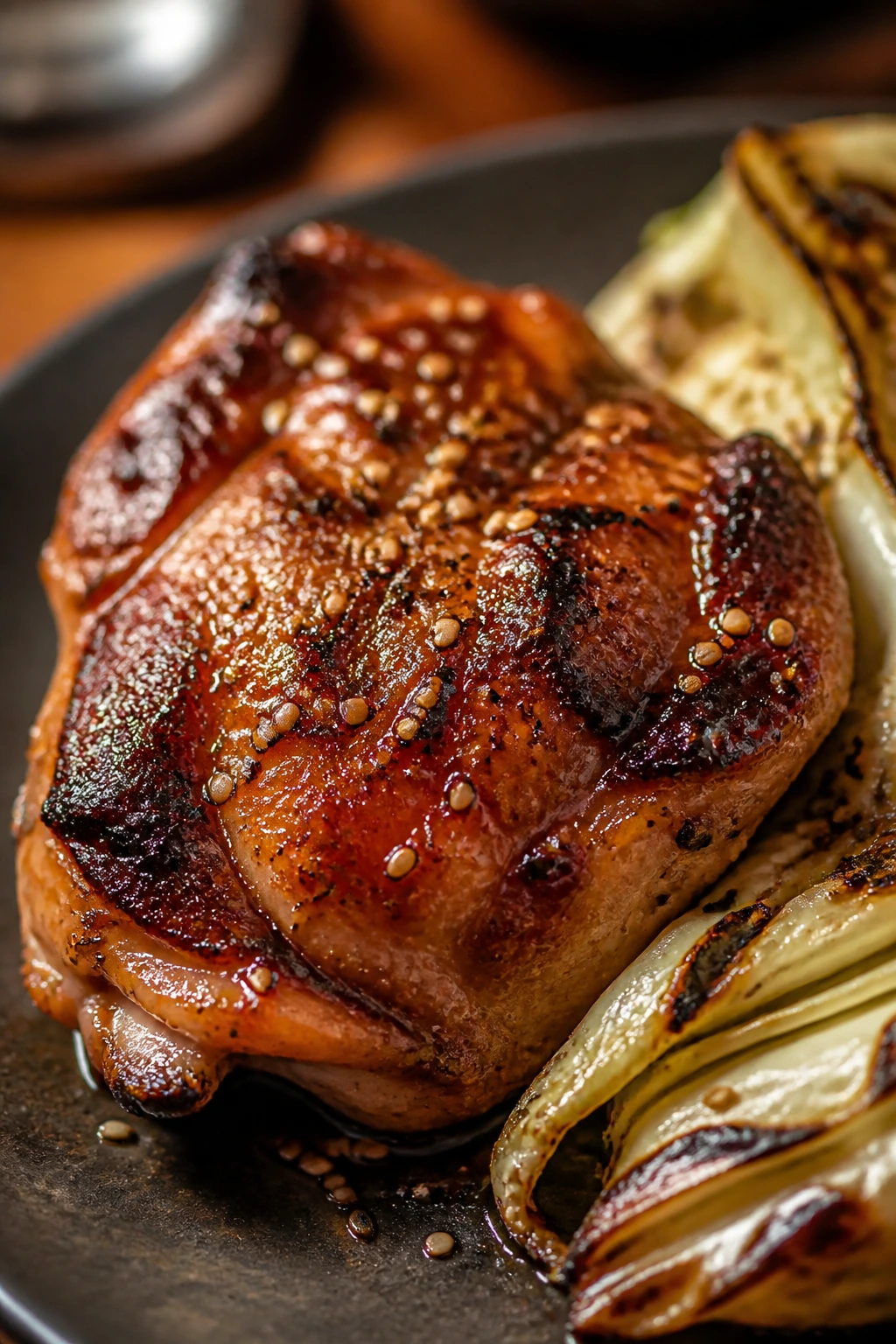
This is the sheet-pan dinner I reach for when I want dinner to taste like I stood by the stove longer than I did. The chicken skin goes bronzed and sticky, the cabbage edges catch under the broiler, and the glaze cooks down into a savory lacquer with a little sweetness at the edges. It smells like garlic, sesame, and hot sugar in the best possible way.
Why It Works:
Bone-in, skin-on thighs stay juicy even under a hot broiler, which is useful when you want char without dry chicken. The cabbage acts like a built-in roasting bed and gives you something with crunch and sweetness under the sticky chicken. Gochujang, honey, and soy sauce create a glaze that clings after 20 minutes in the oven, and rice vinegar keeps the whole thing from drifting too sweet. This one tastes especially good when the chicken gets a few dark spots.
Key Ingredients:
- 8 bone-in, skin-on chicken thighs, about 3 lb
- 3 tablespoons gochujang
- 2 tablespoons soy sauce
- 2 tablespoons honey
- 1 tablespoon rice vinegar
- 4 cloves garlic, grated
- 1 tablespoon toasted sesame oil
- 1 tablespoon neutral oil
- 1 small green cabbage, cut into 6 wedges
- 1 teaspoon kosher salt
- 2 scallions, thinly sliced
- 1 tablespoon toasted sesame seeds
Quick Steps:
- Heat the oven: Set the broiler to high and position a rack about 6 inches from the heat source.
- Mix the glaze: Stir together the gochujang, soy sauce, honey, rice vinegar, garlic, and sesame oil in a bowl.
- Prep the pan: Toss the cabbage wedges with the neutral oil and salt, then arrange them on a rimmed sheet pan.
- Coat the chicken: Pat the thighs dry and brush them all over with the glaze. Set them skin-side up on and between the cabbage wedges.
- Roast and broil: Roast for 18 minutes, then broil for 2 to 4 minutes until the skin is blistered and the glaze has darkened in spots. The chicken should register 175°F (79°C) at the thickest part.
- Finish: Rest for 5 minutes, then scatter over scallions and sesame seeds.
Equipment for This Recipe:
- Rimmed sheet pan
- Small mixing bowl
- Silicone brush or spoon
- Instant-read thermometer
- Foil, if you want easier cleanup
How to Serve This Dish:
Pile the cabbage on the bottom of shallow bowls and set the chicken on top so the glaze can drip into the leaves. Steamed rice works best here, though soba noodles or plain noodles with a little sesame oil are a fine backup. The plate looks best when the cabbage has a little char and the chicken skin still has shine.
Pro Tips for This Recipe:
- Dry the chicken skin with paper towels before glazing. Moisture is the enemy of crisp skin.
- Do not use parchment under the broiler. It can scorch before the chicken finishes.
- If your cabbage is thick, flip the wedges halfway through roasting so both sides get some color.
- Brush a little extra glaze on the chicken during the last 5 minutes, not before. That keeps the sugars from burning too early.
Variations on This Dish:
- Mild Sesame Chicken: Cut the gochujang to 1 tablespoon and add 1 extra tablespoon of honey for a gentler finish.
- Tofu Pan Version: Use 2 blocks of extra-firm tofu, pressed and sliced, and roast them beside the cabbage until the edges are crisp.
- Garlic-Lover’s Tray: Double the garlic and toss 6 peeled cloves around the cabbage wedges so they soften and brown in the pan juices.
Common Mistakes to Avoid with This Dish:
- Putting wet chicken on the tray: Moisture keeps the skin pale and rubbery.
- Overdoing the honey: Too much sweetness can turn the glaze bitter under the broiler.
- Skipping the thermometer: Thighs can look done before they are fully cooked near the bone.
3. Kimchi Pork and Sweet Potato Rice Bowls
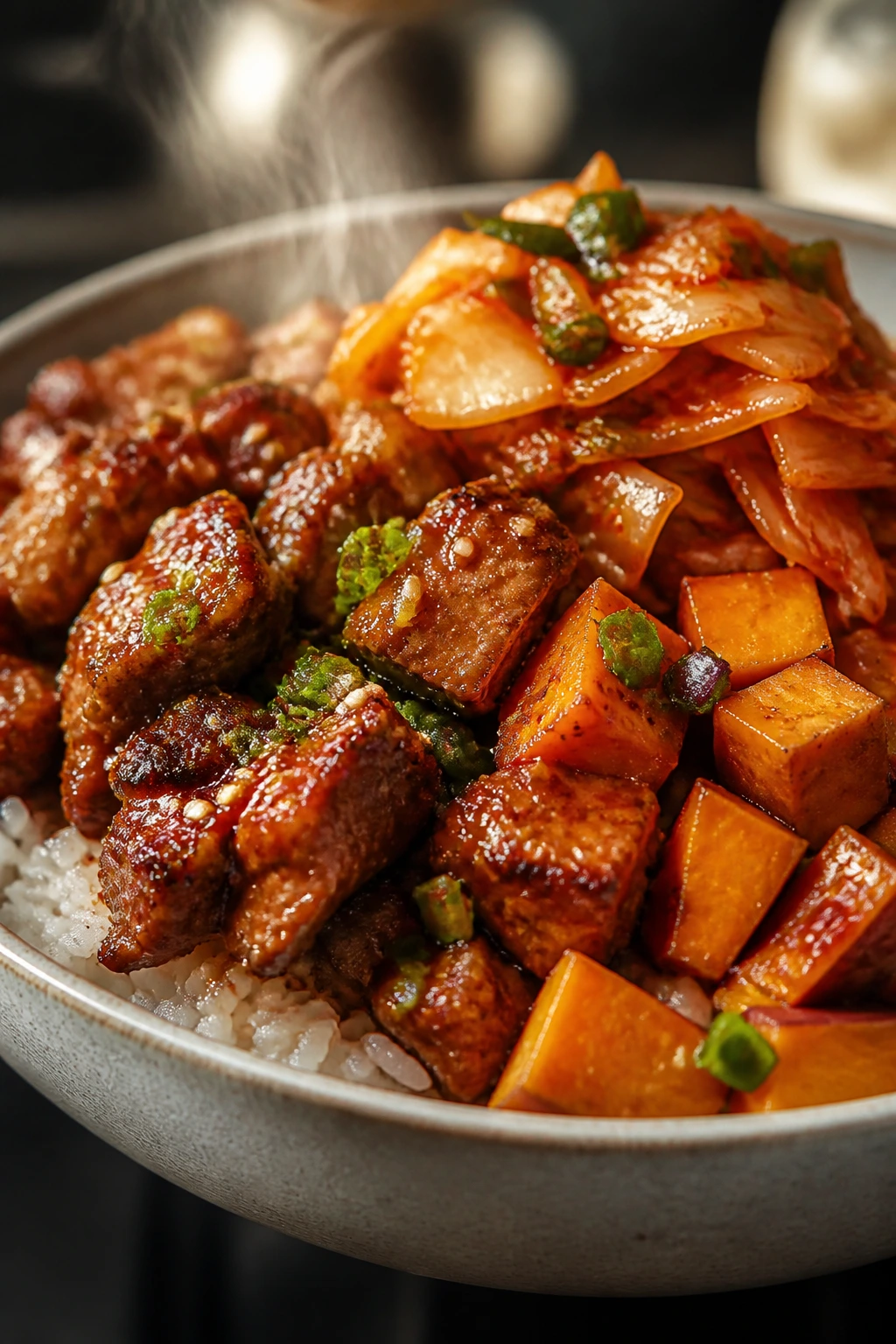
This bowl has the kind of smoky-salty-sweet balance that makes people stop talking for a second. The pork browns up fast, the kimchi cooks down just enough to lose its raw edge, and the sweet potato gives the bowl a soft, earthy base that plays nicely against the heat. I like a fried egg on top because the yolk turns everything into a sauce.
Why It Works:
Ground pork takes on seasoning quickly, which makes it perfect for a weeknight skillet. Kimchi brings acid and funk, while sweet potato gives the bowl a natural sweetness that keeps the gochujang from feeling one-note. A hot pan gives the pork those crisp, browned bits that taste deeper than the actual ingredient list suggests. If you want a smoky finish without adding bacon, this is one of the easiest places to get it from the browning alone.
Key Ingredients:
- 1 lb ground pork, preferably 85/15
- 1 large sweet potato, peeled and diced into ½-inch cubes
- 1 tablespoon neutral oil
- 1½ cups chopped kimchi, with 2 tablespoons brine
- 2 tablespoons gochujang
- 2 tablespoons soy sauce
- 1 tablespoon brown sugar
- 3 cloves garlic, minced
- 2 cups cooked short-grain rice
- 2 eggs
- 2 scallions, sliced
- 1 tablespoon toasted sesame seeds
Quick Steps:
- Roast the sweet potato: Heat the oven to 425°F (220°C). Toss the sweet potato with a little oil and roast on a sheet pan for 18 to 22 minutes until browned at the edges and tender.
- Brown the pork: Warm the remaining oil in a skillet over medium-high heat. Add the pork and cook for 5 to 6 minutes, breaking it apart until it is well browned.
- Add the flavor base: Stir in the garlic and cook for 30 seconds, then add the kimchi, kimchi brine, gochujang, soy sauce, and brown sugar. Cook for 2 to 3 minutes until glossy and sticky.
- Fry the eggs: In a separate skillet, fry the eggs until the whites are set and the yolks still look soft.
- Build the bowls: Divide the rice between bowls, top with sweet potato and pork, then add the egg.
- Finish: Scatter on scallions and sesame seeds. Serve hot.
Equipment for This Recipe:
- Sheet pan
- Large skillet
- Spatula
- Small nonstick pan for eggs
- Sharp knife
How to Serve This Dish:
Serve it in shallow bowls so the rice stays visible under the pork and sweet potato. A small pile of extra kimchi on the side is worth it, and a few cucumber slices give the bowl a cooler edge. If you’re feeding hungry people, stretch the rice with a second egg and a handful of spinach wilted into the pan at the end.
Pro Tips for This Recipe:
- Use kimchi that has been in the fridge long enough to taste tangy, not bland. Fresh kimchi won’t give you the same depth.
- Drain off excess liquid if your kimchi is especially wet, or the skillet sauce can get thin.
- Let the pork sit untouched for a minute or two before stirring. Those browned bits matter.
- The sweet potato should be browned on the edges, not soft and pale. That little char is part of the dish.
Variations on This Dish:
- Turkey Bowl: Swap ground turkey for pork and add an extra teaspoon of sesame oil at the end to replace some of the richness.
- Crispy Tofu Bowl: Use crumbled extra-firm tofu, pressed dry and seared until crisp before adding the kimchi mixture.
- Spicy Broccoli Version: Add 2 cups small broccoli florets to the roasting pan with the sweet potato for more texture.
Common Mistakes to Avoid with This Dish:
- Adding the kimchi before the pork browns: If the pan is crowded with wet ingredients too soon, the meat steams.
- Using undercooked sweet potato: Hard cubes make the bowl feel unfinished.
- Forgetting the acid: If the kimchi is mild, a spoonful of its brine helps wake everything up.
4. Doenjang Mushroom Udon with Soft Egg
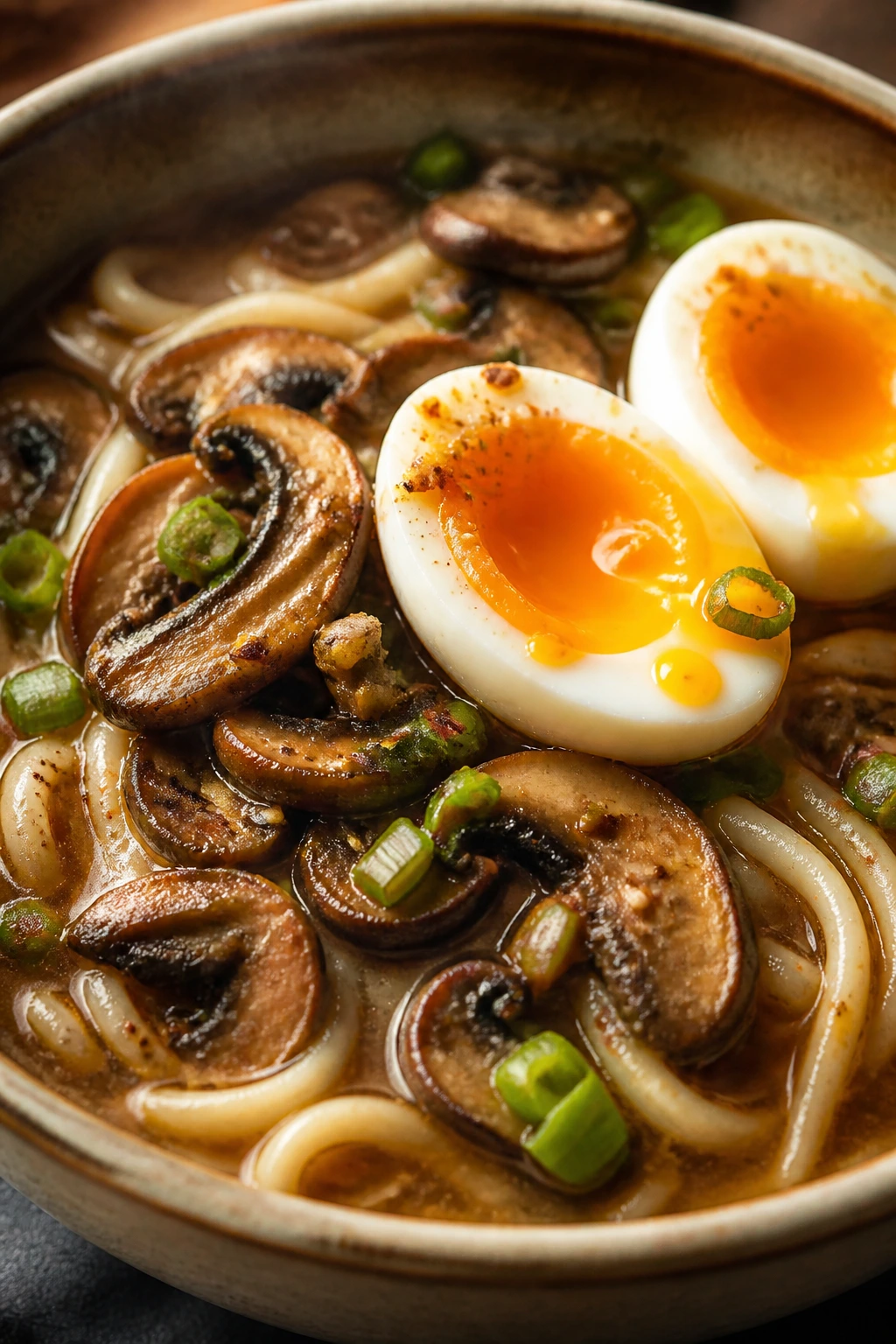
When the weather turns mean, I want noodles that feel like they’ve been through something. This bowl has slippery udon, browned mushrooms, a broth that tastes deep without being heavy, and a soft egg that coats the noodles in a pale ribbon of yolk. The smokiness comes from the seared mushrooms and the hot wok-like edge you get when the pot is hot enough to matter.
Why It Works:
Doenjang gives the broth a fermented backbone that’s earthier than miso and saltier than it first appears. Mushrooms do the browning work here; if you leave them alone in the pan, they’ll pick up some caramelized edges before the liquid goes in. Fresh udon noodles cook fast, which keeps the bowl weeknight-friendly. The egg isn’t optional in my kitchen. It rounds out the broth and makes the whole thing feel complete.
Key Ingredients:
- 10 ounces fresh udon noodles
- 10 ounces mixed mushrooms, sliced
- 1 tablespoon neutral oil
- 1 small yellow onion, thinly sliced
- 2 cloves garlic, minced
- 1 tablespoon doenjang
- 1 tablespoon gochujang
- 3 cups low-sodium chicken or vegetable stock
- 1 tablespoon soy sauce
- 1 teaspoon sesame oil
- 2 soft-boiled eggs, halved
- 2 scallions, sliced
- 1 teaspoon gochugaru
Quick Steps:
- Boil the eggs: Simmer the eggs for 6½ minutes, then move them to cold water and peel when cool enough to handle.
- Sear the mushrooms: Heat the oil in a deep skillet over medium-high heat. Add the mushrooms and cook for 5 to 6 minutes until browned and the moisture in the pan has mostly cooked off.
- Build the broth: Stir in the onion and garlic, cook for 2 minutes, then add the doenjang and gochujang. Let them sizzle for 30 seconds before pouring in the stock and soy sauce.
- Cook the noodles: Add the udon and simmer for 2 to 3 minutes, just until the noodles loosen and the broth thickens a little.
- Finish the bowl: Turn off the heat, stir in the sesame oil and gochugaru, then portion into bowls.
- Top and serve: Add the egg halves and scallions.
Equipment for This Recipe:
- Deep skillet or saucepan
- Small pot for eggs
- Tongs
- Ladle
- Slotted spoon
How to Serve This Dish:
Serve the noodles immediately, while the broth still clings to the udon in a silky layer. A side of kimchi is a good idea, and a few toasted sesame seeds on top help the bowl look finished. If you want a little more bulk, add baby spinach in the last minute so it wilts without disappearing.
Pro Tips for This Recipe:
- Brown the mushrooms properly before you add the stock. If you rush this part, the broth tastes flat.
- Fresh udon beats dried here. The chew is part of the appeal.
- Add the sesame oil at the end. Heat dulls it fast.
- Taste before salting. Doenjang and soy can already push the broth to the edge.
Variations on This Dish:
- Rice Noodle Swap: Use thick rice noodles and reduce the simmering time to the package directions.
- Tofu Noodle Bowl: Add cubes of pan-fried tofu for more heft and a little extra crunch.
- Greens-Heavy Version: Stir in spinach, napa cabbage, or baby bok choy during the last minute of cooking.
Common Mistakes to Avoid with This Dish:
- Boiling the mushrooms in broth from the start: You lose the browned flavor that makes the bowl taste deeper.
- Overcooking udon: Mushy noodles are the fastest way to flatten this dish.
- Using too much doenjang: It can take over if you dump it in carelessly. Start with the measured spoonful.
5. Gochujang Salmon with Bok Choy and Crispy Garlic
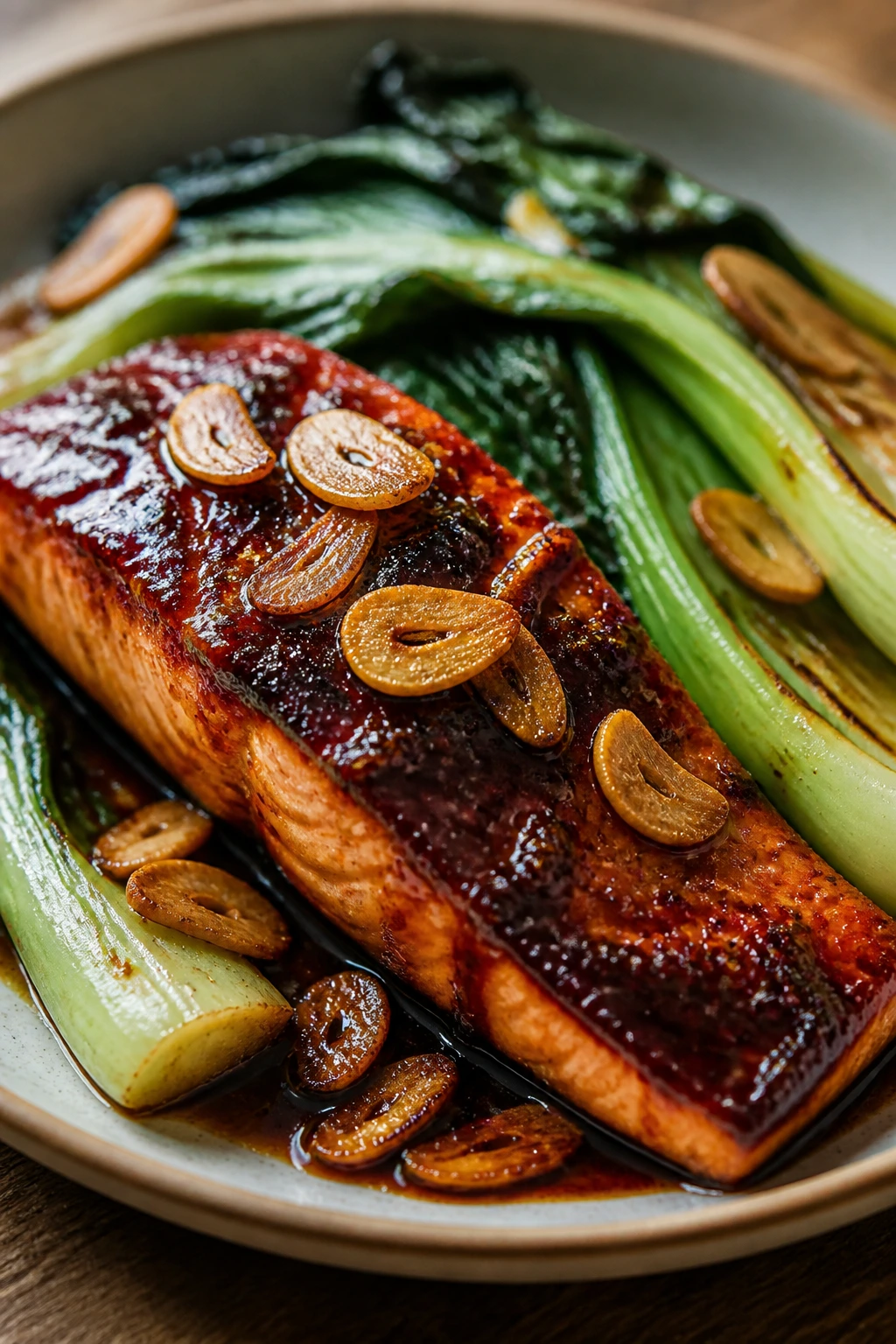
This is the kind of dinner that looks fussy and behaves like a normal person. The salmon gets a sticky glaze, the bok choy softens at the stems and chars at the leaves, and the garlic turns crisp in the oil you use to finish the greens. It’s fast, but not flimsy.
Why It Works:
Salmon’s richness likes gochujang because the chile paste brings enough sweetness and heat to cut through the fat. Bok choy cooks in minutes, so it stays snappy under the glaze rather than collapsing into a wet pile. The crispy garlic gives the dish its smoky edge, especially if you let a few slices deepen in color before pulling them from the pan. Broiling at the end adds the dark spots that make this dinner feel finished.
Key Ingredients:
- 4 salmon fillets, about 6 ounces each
- 2 tablespoons gochujang
- 1 tablespoon soy sauce
- 1 tablespoon honey
- 1 tablespoon rice vinegar
- 1 tablespoon sesame oil
- 1 tablespoon neutral oil
- 1 pound baby bok choy, halved lengthwise
- 4 cloves garlic, thinly sliced
- 2 cups cooked rice
- 1 teaspoon sesame seeds
- 2 scallions, sliced
Quick Steps:
- Heat the oven: Set it to 425°F (220°C) and line a sheet pan with foil.
- Mix the glaze: Stir together the gochujang, soy sauce, honey, rice vinegar, and sesame oil.
- Prep the salmon: Pat the fillets dry and place them on the sheet pan. Brush the tops with the glaze.
- Roast: Bake for 8 minutes, then switch to broil for 1 to 2 minutes until the glaze bubbles and darkens at the edges. The salmon should flake but still look moist in the center.
- Cook the bok choy: While the salmon roasts, warm the neutral oil in a skillet over medium heat. Add the garlic and cook for 1 to 2 minutes until pale gold, then add the bok choy and cook cut-side down for 3 minutes until the stems are tender and the leaves are wilted.
- Serve: Plate the rice, bok choy, and salmon, then finish with crispy garlic, sesame seeds, and scallions.
Equipment for This Recipe:
- Rimmed sheet pan
- Small skillet
- Pastry brush or spoon
- Foil
- Spatula
How to Serve This Dish:
Serve the salmon over rice so the glaze has somewhere to go. The bok choy should sit alongside it, not underneath, so it keeps a little texture. If you want a cleaner plate, drizzle the pan sauce over the fish and leave the garlic scattered on top.
Pro Tips for This Recipe:
- Keep an eye on the broiler. Salmon goes from glossy to dry faster than people expect.
- Use fillets of similar thickness so they finish at the same time.
- Don’t let the garlic get dark brown before the bok choy goes in. Bitter garlic ruins the contrast.
- If your salmon is very thick, give it an extra 1 to 2 minutes in the oven before broiling.
Variations on This Dish:
- Cod Version: Use thick cod fillets and roast them a minute or two longer than salmon.
- Tofu Version: Press and sear extra-firm tofu, then brush it with the glaze and broil until sticky.
- Noodle Bowl Swap: Put the salmon and bok choy over soba noodles tossed with a little sesame oil.
Common Mistakes to Avoid with This Dish:
- Overbrushing the glaze before broiling: Too much sugar can scorch fast.
- Using soggy bok choy: Wash it early, dry it well, and don’t crowd the pan.
- Cooking the salmon until it looks firm all the way through: It will dry out before you know it.
6. Kimchi Jjigae-Style Tofu Soup with Bacon and Shiitakes
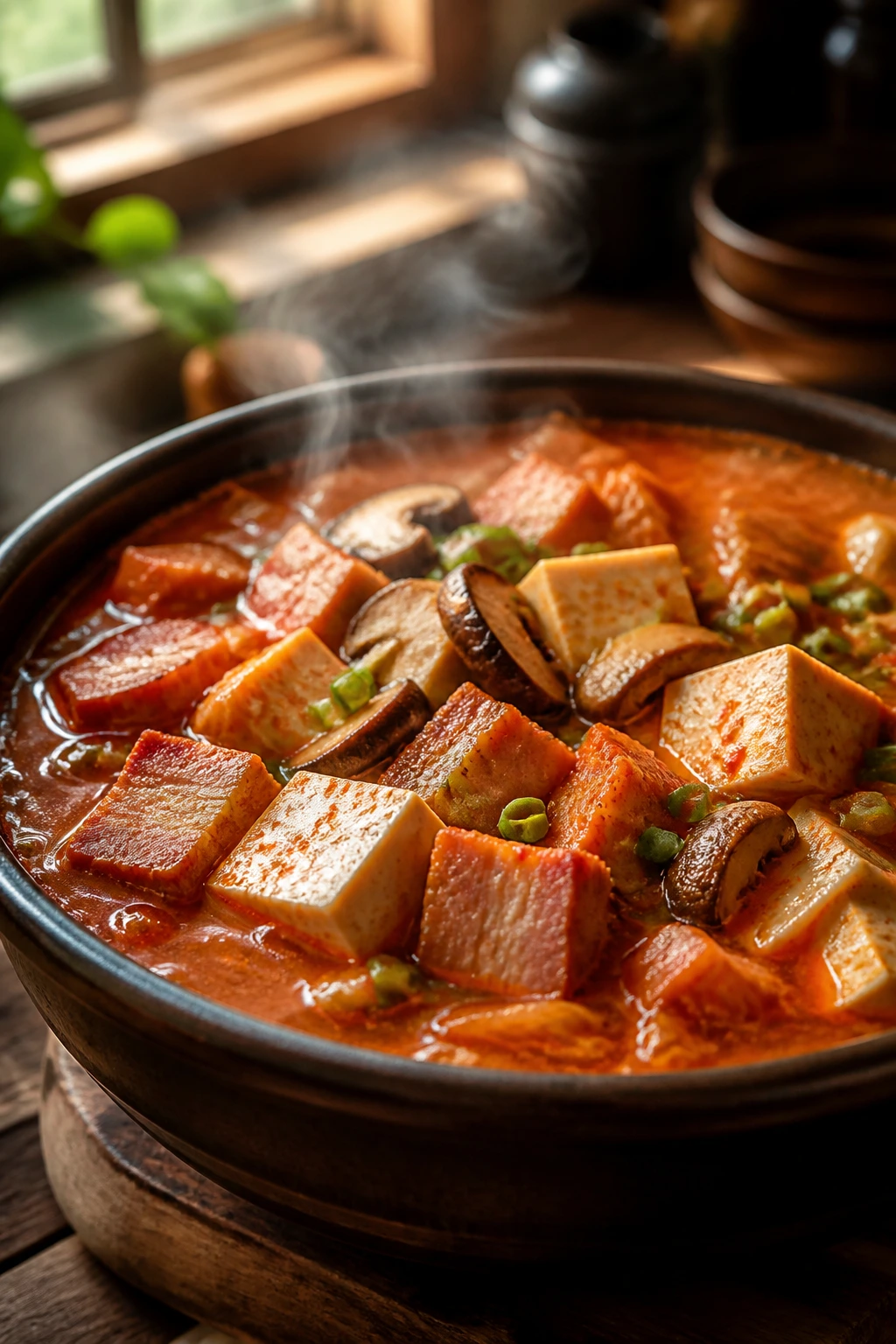
A good kimchi stew has a blunt, comforting smell the second it starts cooking. This one leans smoky from the bacon, sharp from the kimchi, and soft around the edges thanks to the tofu. The broth is red, salty, and a little messy in the best way. It is not a polite soup.
Why It Works:
Bacon gives the stew a smoky foundation before the kimchi even hits the pot. Once the kimchi cooks down with the onion, the edges go jammy and the whole base turns deeper and more rounded. Tofu absorbs the broth without breaking apart if you handle it gently, and shiitakes add a meatier texture than button mushrooms ever will. This is the kind of bowl that improves if you leave it alone for five minutes before eating.
Key Ingredients:
- 4 slices thick-cut bacon, diced
- 2 cups chopped kimchi
- ½ cup kimchi brine
- 1 yellow onion, sliced
- 4 ounces shiitake mushrooms, stems removed and sliced
- 2 cloves garlic, minced
- 1 tablespoon gochugaru
- 1 tablespoon gochujang
- 1 tablespoon soy sauce
- 4 cups water or low-sodium stock
- 14 ounces firm tofu, cut into cubes
- 2 scallions, sliced
- 1 teaspoon sesame oil
Quick Steps:
- Render the bacon: Cook the bacon in a medium pot over medium heat for 5 to 6 minutes until the fat is released and the pieces are crisp at the edges.
- Cook the kimchi base: Add the onion, kimchi, and shiitakes. Cook for 4 to 5 minutes until the kimchi smells sweet and the onions start to soften.
- Add seasonings: Stir in the garlic, gochugaru, gochujang, and soy sauce. Cook for 30 seconds.
- Simmer: Pour in the water or stock and kimchi brine. Bring to a simmer and cook for 15 minutes.
- Add tofu: Gently slide in the tofu cubes and simmer for 5 more minutes until heated through.
- Finish: Turn off the heat, add sesame oil and scallions, and serve hot with rice.
Equipment for This Recipe:
- Medium soup pot or Dutch oven
- Wooden spoon
- Ladle
- Sharp knife
- Cutting board
How to Serve This Dish:
Serve the stew bubbling hot in deep bowls with a spoonful of rice on the side or dropped right into the broth. The tofu should stay in large cubes so it still feels substantial. A little extra scallion on top and a bowl of plain rice keep the salt and heat in balance.
Pro Tips for This Recipe:
- Use older kimchi if you have it. The sharper, more fermented flavor is exactly what this stew wants.
- Don’t stir the tofu too hard once it’s in the pot. It will break into scraps.
- Taste the broth before adding more salt. Bacon, kimchi, and soy can already push it far enough.
- If the stew tastes thin, let it simmer uncovered for 5 minutes and it will tighten up a little.
Variations on This Dish:
- Pork Belly Version: Swap the bacon for chopped pork belly and render it slowly before adding the kimchi.
- Vegan Smoky Bowl: Use mushrooms instead of bacon, add 1 teaspoon smoked paprika, and finish with extra sesame oil.
- Ramen Bowl Twist: Add cooked ramen noodles at the end and top with a jammy egg.
Common Mistakes to Avoid with This Dish:
- Using fresh, mild kimchi: The stew will taste flat instead of deep.
- Boiling the tofu hard: Rough bubbles break it apart.
- Overdoing the gochujang: It can muddy the broth if you use too much. The kimchi already brings plenty.
7. Bulgogi Meatballs with Pickled Cucumber and Rice
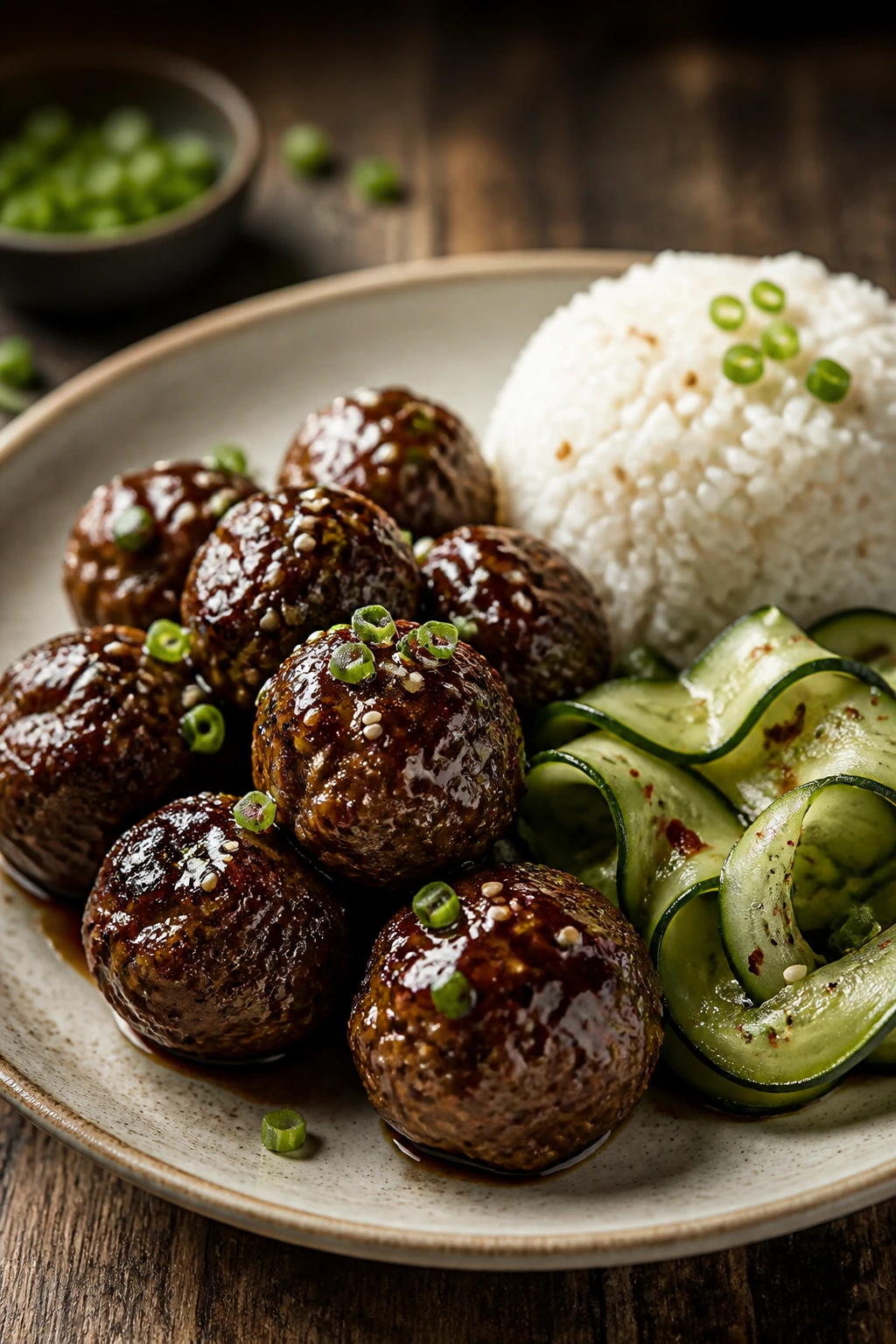
Meatballs are easy to underestimate. These are not the sad kind. They’re tender, sesame-scented, and glazed with a bulgogi-style sauce that tightens on the outside while the middle stays juicy. The quick pickled cucumber is there for a reason: it cuts the richness and gives the whole plate a cold snap.
Why It Works:
Ground meat mixed with panko, egg, soy, and sesame oil bakes into something softer than a burger and easier to portion than a stir-fry. The bulgogi-style glaze gives you sweetness, salt, and a little smoke if you broil the meatballs at the end for a minute or two. The cucumber pickle is not decorative. It keeps the dish from leaning too soft and too sweet. That acid matters.
Key Ingredients:
- 1 lb ground beef
- ½ lb ground pork
- 1 egg
- ½ cup panko
- 3 cloves garlic, minced
- 1 tablespoon grated ginger
- 2 tablespoons soy sauce
- 1 tablespoon toasted sesame oil
- 2 tablespoons finely sliced scallions
- 2 tablespoons gochujang
- 2 tablespoons brown sugar
- 1 tablespoon rice vinegar
- 1 cucumber, thinly sliced
- 2 cups cooked rice
- 1 tablespoon sesame seeds
Quick Steps:
- Heat the oven: Set it to 425°F (220°C). Line a sheet pan with foil.
- Mix the meatballs: In a bowl, combine the beef, pork, egg, panko, garlic, ginger, 1 tablespoon soy sauce, sesame oil, and scallions. Mix just until combined.
- Shape: Form the mixture into 18 golf-ball-size meatballs and set them on the pan.
- Bake: Cook for 12 to 14 minutes until browned and cooked through.
- Glaze: Stir together the gochujang, brown sugar, rice vinegar, and remaining soy sauce. Brush the meatballs and broil for 1 to 2 minutes until glossy and slightly blistered.
- Quick-pickle the cucumber: Toss the cucumber with a pinch of salt and let it sit for 10 minutes, then drain.
- Serve: Spoon the meatballs and cucumber over rice and finish with sesame seeds.
Equipment for This Recipe:
- Rimmed sheet pan
- Mixing bowl
- Small brush
- Knife and cutting board
- Small bowl for pickles
How to Serve This Dish:
The meatballs belong over rice, but they also work in lettuce cups if you want something lighter. Keep the cucumber on the side or tucked under the meatballs so it stays crisp. A few extra scallions over the top make the bowl look fresh instead of heavy.
Pro Tips for This Recipe:
- Mix the meatball mixture lightly. If you knead it, the texture turns dense.
- Make the meatballs the same size so they finish together.
- Brush the glaze after baking, not before. Sugar on raw meatballs can burn in the oven.
- A minute under the broiler gives you the sticky edge that makes these taste more finished.
Variations on This Dish:
- Turkey Meatballs: Swap in ground turkey and add 1 tablespoon mayonnaise to keep the mixture moist.
- Mushroom Stretch Version: Add ½ cup very finely chopped mushrooms to the mix for a softer texture and a lower meat count.
- Lettuce Cup Version: Serve the glazed meatballs in butter lettuce leaves with extra cucumber and a little rice on the side.
Common Mistakes to Avoid with This Dish:
- Overmixing the meat: It turns chewy fast.
- Skipping the glaze step: Plain baked meatballs are fine, but they do not taste like bulgogi.
- Piling wet cucumber on top without draining it: The rice underneath goes soggy.
8. Smoky Tofu and Napa Cabbage Stir-Fry
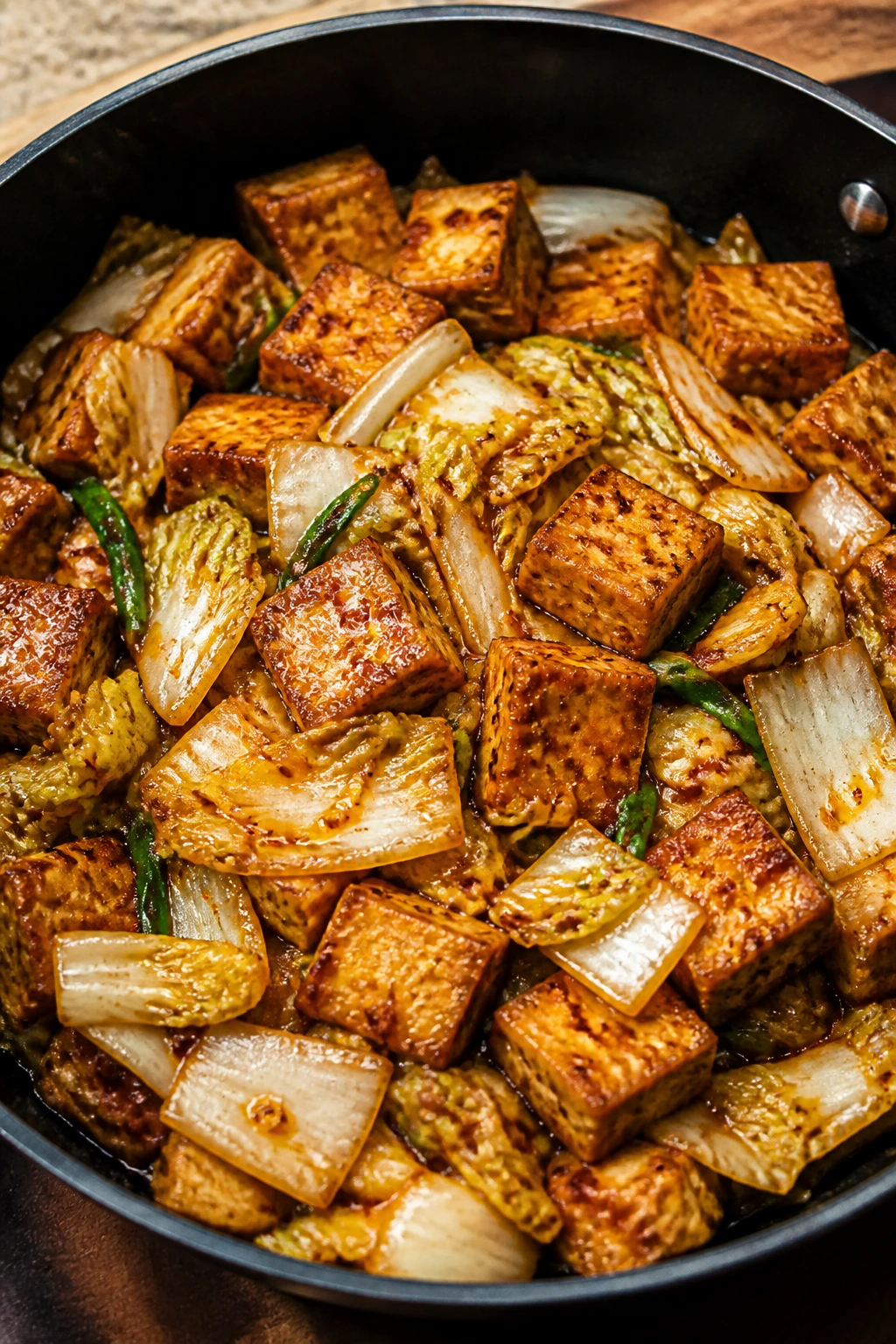
This stir-fry is what happens when you treat tofu properly and don’t apologize for it. The tofu gets crisp, the napa cabbage softens just enough to become sweet, and the sauce turns sticky around the edges of the pan. There’s enough smoke here from the hot skillet and a little smoked paprika to make the dish taste deeper than its grocery list.
Why It Works:
Extra-firm tofu rewards patience. If you dry it well and let it sit in the pan, it forms a crust that holds up when the sauce goes in. Napa cabbage cooks quickly and gives you a softer, silkier texture than standard green cabbage, which suits a weeknight stir-fry that needs to feel warm but not bulky. The sauce is simple: gochujang, soy, vinegar, and sesame oil. That’s enough.
Key Ingredients:
- 2 blocks extra-firm tofu, 14 ounces each, pressed and cubed
- 1 small napa cabbage, chopped
- 1 red bell pepper, sliced
- 2 tablespoons neutral oil
- 3 cloves garlic, minced
- 2 tablespoons gochujang
- 1 tablespoon soy sauce
- 1 tablespoon rice vinegar
- 1 teaspoon smoked paprika
- 1 teaspoon sesame oil
- 2 scallions, sliced
- 1 tablespoon sesame seeds
- 2 cups cooked rice
Quick Steps:
- Dry the tofu: Press the tofu for at least 15 minutes, then pat it dry and cube it.
- Crisp the tofu: Heat 1 tablespoon oil in a large skillet over medium-high heat. Add the tofu and cook for 8 to 10 minutes, turning until golden on several sides. Remove to a plate.
- Cook the vegetables: Add the remaining oil, then the cabbage and bell pepper. Cook for 4 to 5 minutes until the cabbage starts to wilt and the edges pick up color.
- Add garlic and sauce: Stir in the garlic for 30 seconds, then add the gochujang, soy sauce, rice vinegar, smoked paprika, and 2 tablespoons water.
- Finish the stir-fry: Return the tofu and toss for 1 to 2 minutes until coated and glossy. Turn off the heat and add sesame oil.
- Serve: Spoon over rice and finish with scallions and sesame seeds.
Equipment for This Recipe:
- Large skillet or wok
- Tofu press or clean towels and a plate
- Spatula
- Cutting board
- Measuring spoons
How to Serve This Dish:
A bowl of hot rice is the natural partner here, though noodles work if you want a heartier plate. Keep the tofu pieces on top where they can stay crisp, and scatter the scallions after the heat is off. A little extra sesame seed crunch makes the dish feel complete.
Pro Tips for This Recipe:
- Dry tofu matters more than people think. Wet tofu steams instead of browning.
- Give the cabbage a little color before the sauce goes in.
- Add only a splash of water with the sauce. Too much and the stir-fry turns soupy.
- If you like a sharper edge, finish with a few drops of rice vinegar right before serving.
Variations on This Dish:
- Mushroom Swap: Replace half the tofu with king oyster or cremini mushrooms for a meatier bite.
- Noodle Bowl Version: Toss the finished stir-fry with cooked soba or udon.
- Extra-Green Version: Add baby spinach at the very end and let it wilt for 30 seconds.
Common Mistakes to Avoid with This Dish:
- Moving the tofu too often: It won’t brown if you keep flipping it every minute.
- Adding too much sauce: The vegetables should stay coated, not drowned.
- Using cabbage that’s chopped too fine: It disappears before the tofu finishes.
9. Spicy Short Rib Noodle Soup with Scallions
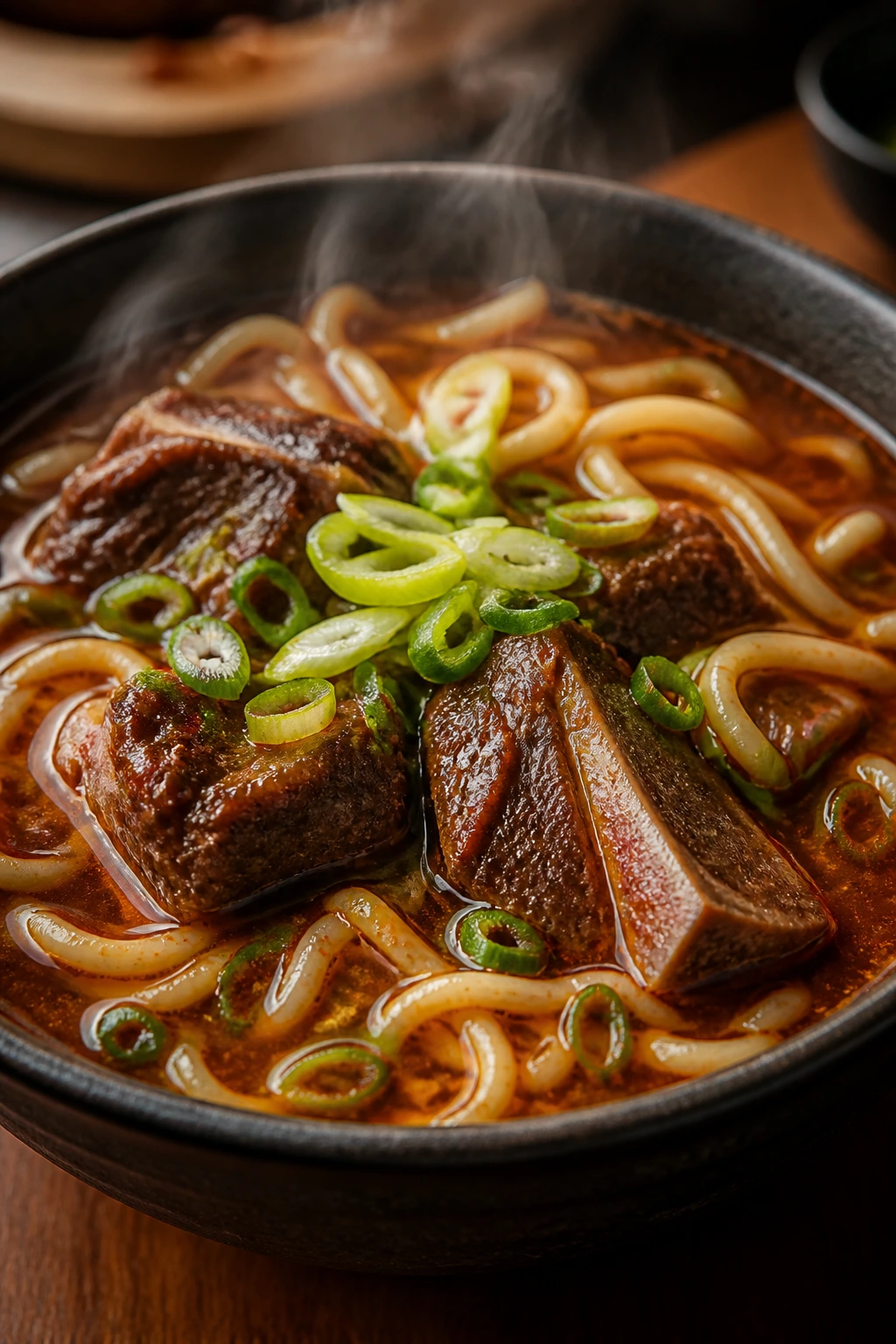
This is the deep bowl in the lineup. The broth comes out rich, a little red, and full of short-rib flavor that tastes like it was coaxed out slowly, because it was. The noodles make it dinner, not just soup, and the scallions on top keep it from feeling too heavy. It’s the sort of thing that silences a room.
Why It Works:
Short ribs bring marrow, collagen, and enough fat to make the broth feel substantial without needing cream or flour. Gochujang and gochugaru give the soup heat and color, while a long simmer pulls everything together into a broth that tastes layered instead of one-note. The noodles should go in near the end so they stay springy. If you cook them directly in the broth for too long, they drink it dry and leave you with something far too thick.
Key Ingredients:
- 2 lb beef short ribs
- 1 teaspoon kosher salt
- 1 tablespoon neutral oil
- 1 yellow onion, halved
- 4 cloves garlic, smashed
- 1-inch piece ginger, sliced
- 2 tablespoons gochujang
- 1 tablespoon gochugaru
- 1 tablespoon soy sauce
- 8 cups water or beef stock
- 8 ounces dried wheat noodles or 12 ounces fresh noodles
- 2 scallions, sliced
- 1 teaspoon toasted sesame oil
Quick Steps:
- Season and sear: Pat the short ribs dry and season with salt. Heat the oil in a Dutch oven over medium-high heat and brown the ribs for 3 to 4 minutes per side.
- Build the broth: Add the onion, garlic, ginger, gochujang, gochugaru, and soy sauce. Stir for 30 seconds.
- Simmer: Pour in the water or stock, bring to a simmer, then lower the heat and cook covered for 2 to 2½ hours until the meat is tender and the broth tastes rich.
- Shred the meat: Remove the short ribs, discard the bones, and pull the meat into bite-size pieces.
- Cook the noodles: Bring the broth back to a simmer and cook the noodles separately or directly in the pot if they’re the type that won’t over-thicken the broth.
- Finish: Return the beef to the soup, stir in sesame oil, and top with scallions.
Equipment for This Recipe:
- Dutch oven or soup pot
- Tongs
- Fine strainer or ladle, if you want to skim fat
- Noodle pot or second saucepan
- Cutting board and knife
How to Serve This Dish:
Serve the noodles in deep bowls with the broth ladled over the top so the steam rises right to your face. A little extra scallion is worth it, and if you have kimchi on the table, this is the soup that wants it. If the broth looks too rich, a squeeze of rice vinegar can sharpen the finish.
Pro Tips for This Recipe:
- Skim excess fat if the broth looks greasy. A spoonful is good; a slick that covers the surface is too much.
- Cook noodles separately if you expect leftovers. They hold up better that way.
- Short ribs need time. If the meat feels tight, keep simmering.
- Add sesame oil at the end, not the start.
Variations on This Dish:
- Rice Cake Version: Add sliced tteok in the last 5 minutes for a chewier bowl.
- Mushroom Broth Boost: Add shiitakes during the simmer for a darker, earthier broth.
- Oxtail Swap: Oxtail works in the same style, though it needs a longer simmer.
Common Mistakes to Avoid with This Dish:
- Boiling the soup hard: It clouds the broth and tightens the meat.
- Cooking the noodles too early: They’ll soak up too much liquid and get heavy.
- Not tasting the broth at the end: Salt levels shift once the meat is shredded back in.
10. Bibimbap Skillet with Mushrooms, Spinach, and Fried Eggs
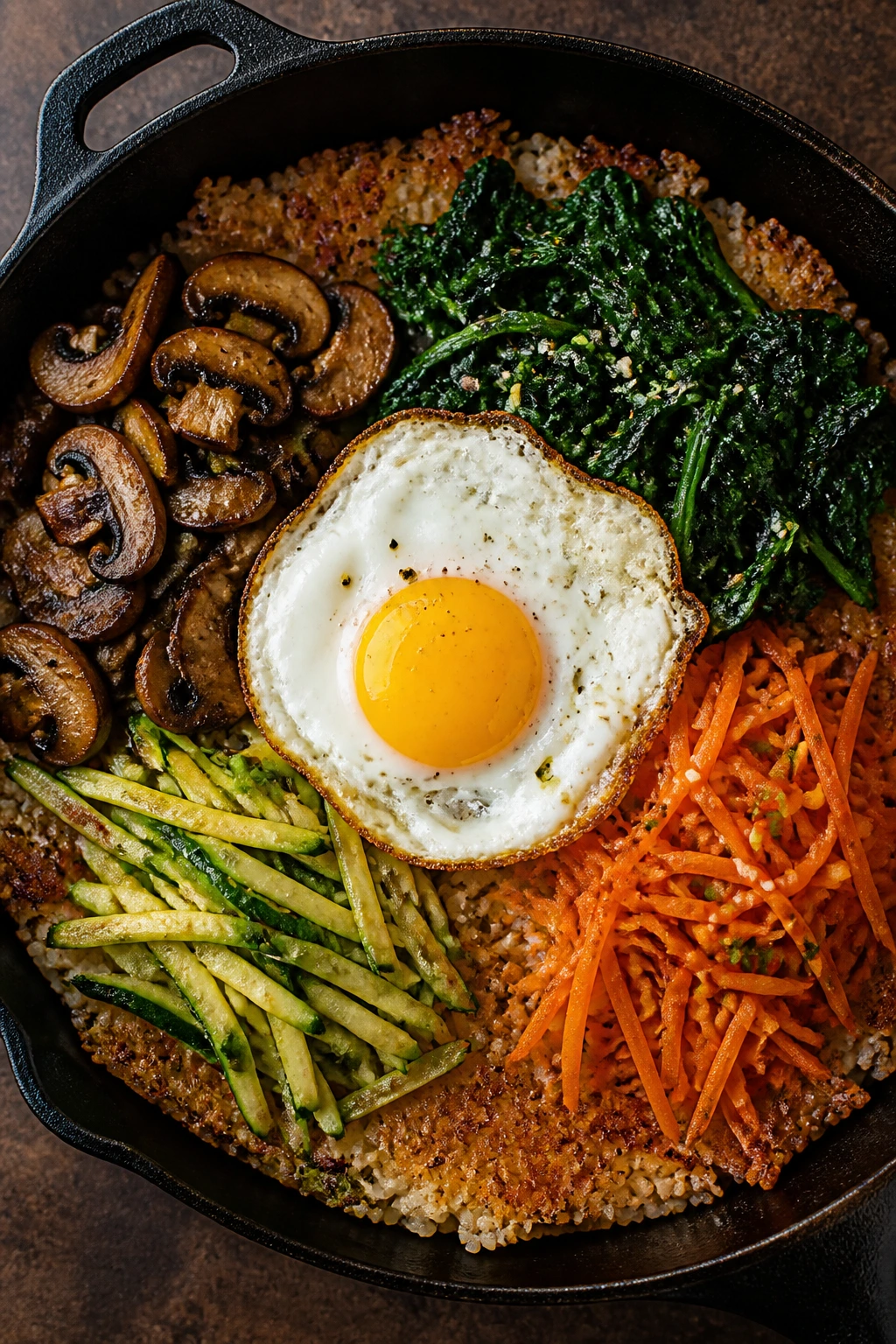
This skillet is half dinner, half cleanup strategy. The rice gets crisp on the bottom, the mushrooms go dark and savory, and the spinach melts into the hot grains just enough to soften the edges. A fried egg on top turns the whole thing into something richer than the ingredient list predicts. And yes, the best bites are the ones where the rice from the bottom of the pan gets scraped up with gochujang.
Why It Works:
Bibimbap is built on contrast: hot and cool, crisp and soft, rice and vegetables, sauce and egg. A cast-iron skillet gives you the most important part, which is that toasted rice layer on the bottom that some people call nurungji. That crunchy edge tastes smoky even when you haven’t added anything smoked at all. The sauce doesn’t need much more than gochujang, soy, and sesame oil because the vegetables and rice are already doing a lot.
Key Ingredients:
- 2 cups cooked short-grain rice, chilled if possible
- 8 ounces cremini or shiitake mushrooms, sliced
- 2 cups spinach
- 1 medium carrot, julienned
- 1 small zucchini, julienned
- 4 eggs
- 2 tablespoons neutral oil
- 2 cloves garlic, minced
- 2 tablespoons gochujang
- 1 tablespoon soy sauce
- 1 teaspoon sesame oil
- 1 tablespoon sesame seeds
Quick Steps:
- Cook the vegetables: In a large skillet, heat 1 tablespoon oil over medium-high heat. Cook the mushrooms for 4 to 5 minutes until browned, then add the carrot and zucchini and cook for 2 minutes. Stir in the garlic for 30 seconds, then add the spinach just until wilted. Remove to a plate.
- Crisp the rice: Add the remaining oil to the skillet. Press the rice into an even layer and cook over medium heat for 5 to 7 minutes without stirring until the bottom turns golden and crunchy.
- Fry the eggs: In a separate pan, fry the eggs sunny-side up or over-easy.
- Mix the sauce: Stir together the gochujang, soy sauce, and sesame oil with 1 to 2 teaspoons water to loosen it.
- Assemble: Spoon the vegetables over the rice, place the eggs on top, and drizzle with sauce.
- Finish: Sprinkle with sesame seeds and serve immediately.
Equipment for This Recipe:
- Cast-iron skillet or heavy nonstick skillet
- Small frying pan
- Spatula
- Knife and cutting board
- Small bowl for sauce
How to Serve This Dish:
Bring the skillet to the table if it’s safe to do so; that toasted rice bottom is part of the appeal. If you’d rather plate it, slide the rice and vegetables into warm bowls and top with the eggs. A little kimchi on the side makes the whole meal feel fuller and sharper.
Pro Tips for This Recipe:
- Use chilled rice if you can. It crisps better than fresh, steamy rice.
- Do not stir the rice once it’s pressed into the pan. Let the crust build.
- Keep the vegetables fairly dry so they don’t soften the rice as you assemble.
- A runny yolk helps bind the bowl, so don’t overcook the eggs.
Variations on This Dish:
- Beef Bibimbap: Add ½ lb ground beef seasoned with soy, garlic, and sesame oil.
- Brown Rice Version: Use brown rice, but press it a little longer to get a crust.
- Crispy Mushroom-Only Bowl: Double the mushrooms and skip the zucchini for a deeper, earthier bowl.
Common Mistakes to Avoid with This Dish:
- Using wet rice: It won’t crisp properly and can turn gummy.
- Skipping the crust: That crunchy bottom is the part people remember.
- Overloading the skillet: Too many toppings can steam the rice before it browns.
Why These Smoky Korean-Inspired Dinners Feel So Good in Real Life
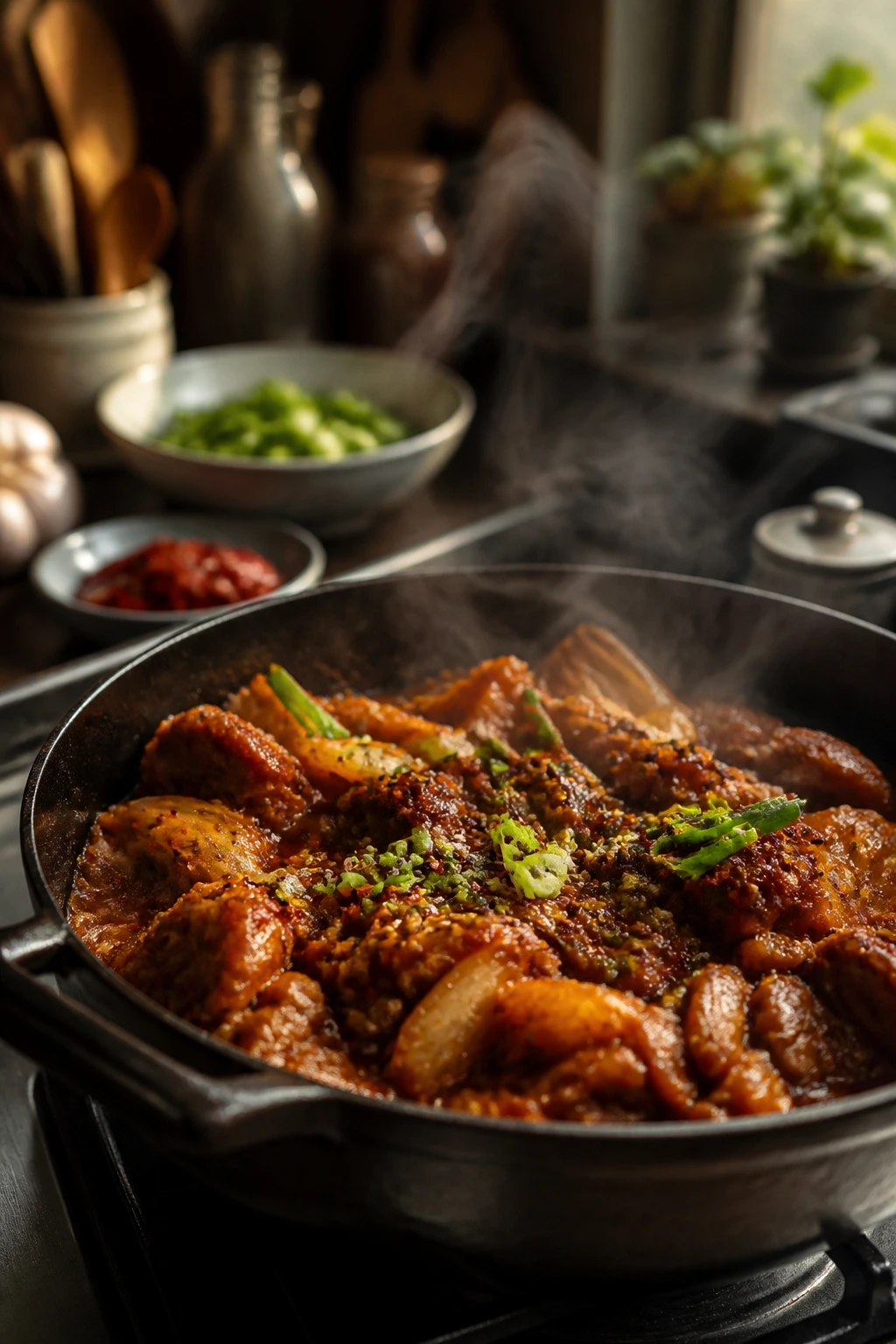
A Korean pantry gives you a strange amount of range for a few jars and a bag of rice. Gochujang brings heat and body. Doenjang brings depth. Kimchi brings acid and a little bite. Sesame oil and scallions turn the finish from rough to polished without making the food precious. That combination is why these dinners work when the weather is cold and your patience is not.
The smoky part can come from a few places. Sometimes it’s the browning on beef or pork. Sometimes it’s the broiler, which is a blunt instrument but a useful one. Sometimes it’s nothing more than a hot skillet and the willingness to let a vegetable sit long enough to pick up color instead of stirring it every ten seconds. I’d take that over fake smoke flavor almost every time.
Essential Equipment for These Recipes
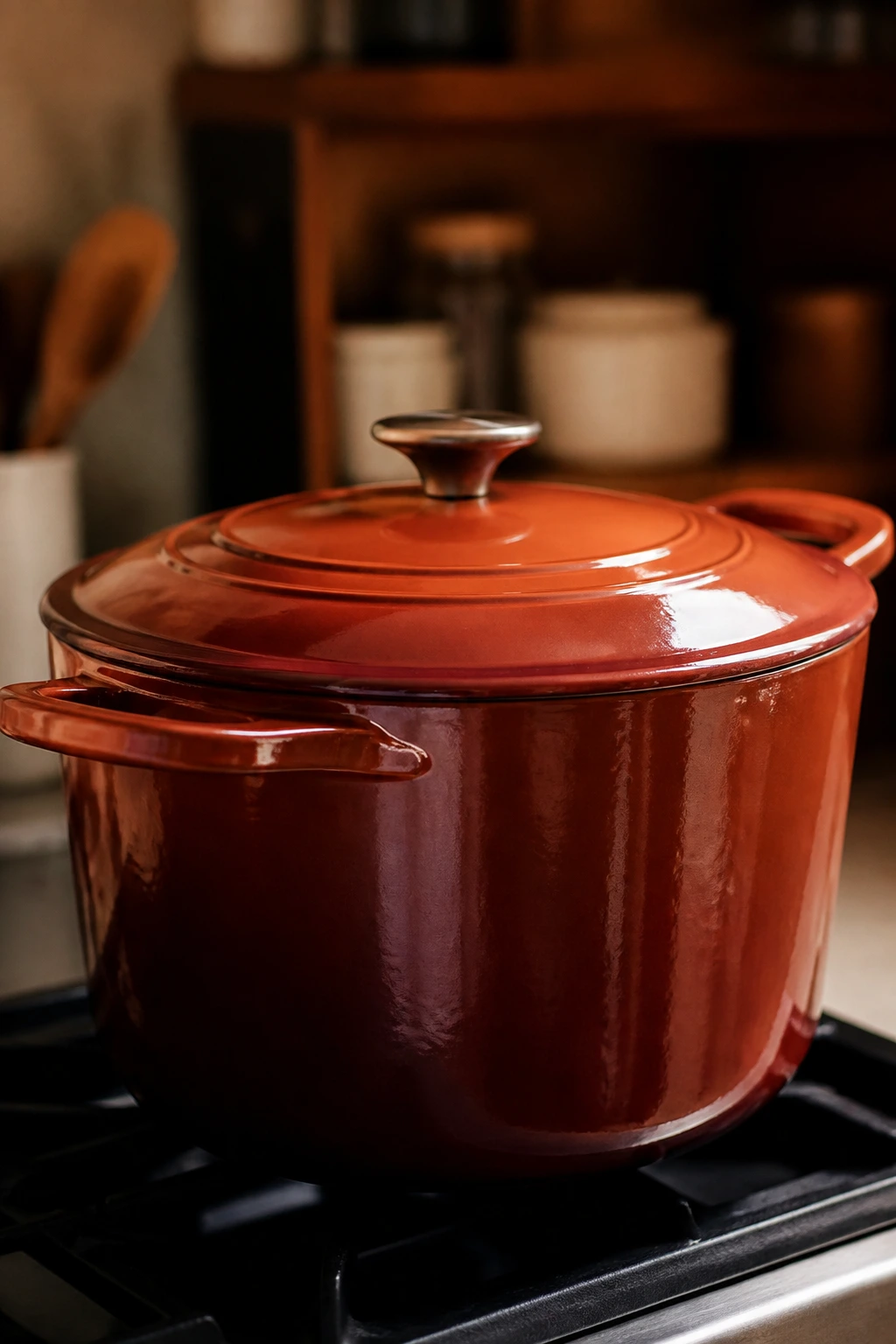
- 5- to 6-quart Dutch oven: Best for braises, stews, and short-rib soup where heat needs to stay even.
- Large sheet pan with rim: Useful for chicken thighs, salmon, and anything that needs broiler heat or roasting space.
- Cast-iron skillet: The best tool for crisp rice, browned mushrooms, and the slightly charred edges that make these dinners taste deeper.
- Large nonstick or stainless skillet: Good for pork bowls, tofu stir-fries, and quick noodle sauces.
- Sharp chef’s knife: Kimchi, cabbage, daikon, mushrooms, and scallions all go faster with a clean blade.
- Instant-read thermometer: The easiest way to keep chicken and salmon from crossing the line into dry.
- Tongs and a sturdy spatula: You’ll use both more than you expect.
- Measuring spoons and cups: Gochujang, soy, and sesame oil behave better when you measure them instead of guessing.
- Rice cooker or heavy saucepan with lid: Not glamorous. Useful every time.
Smart Shopping for Gochujang, Kimchi, and the Rest
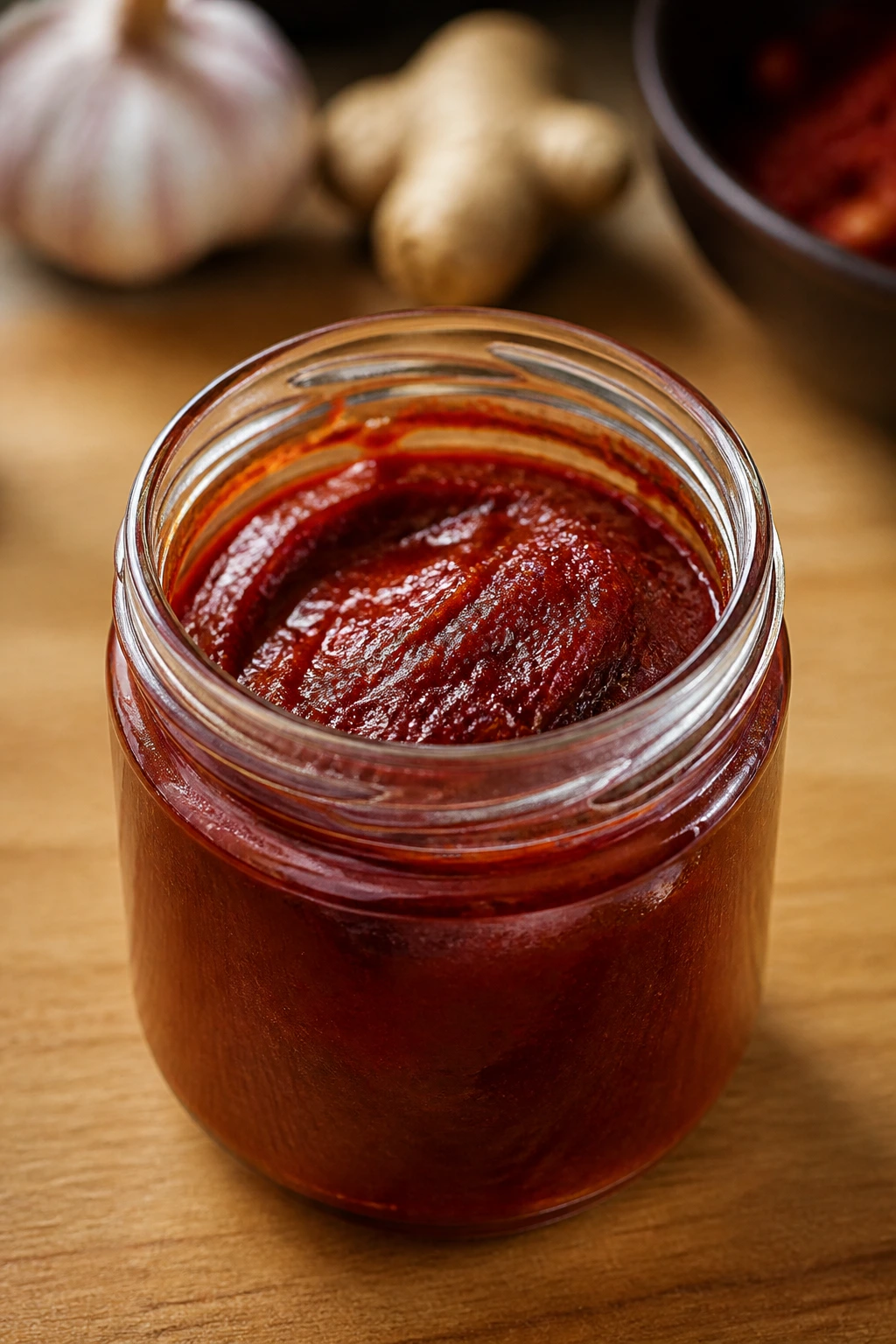
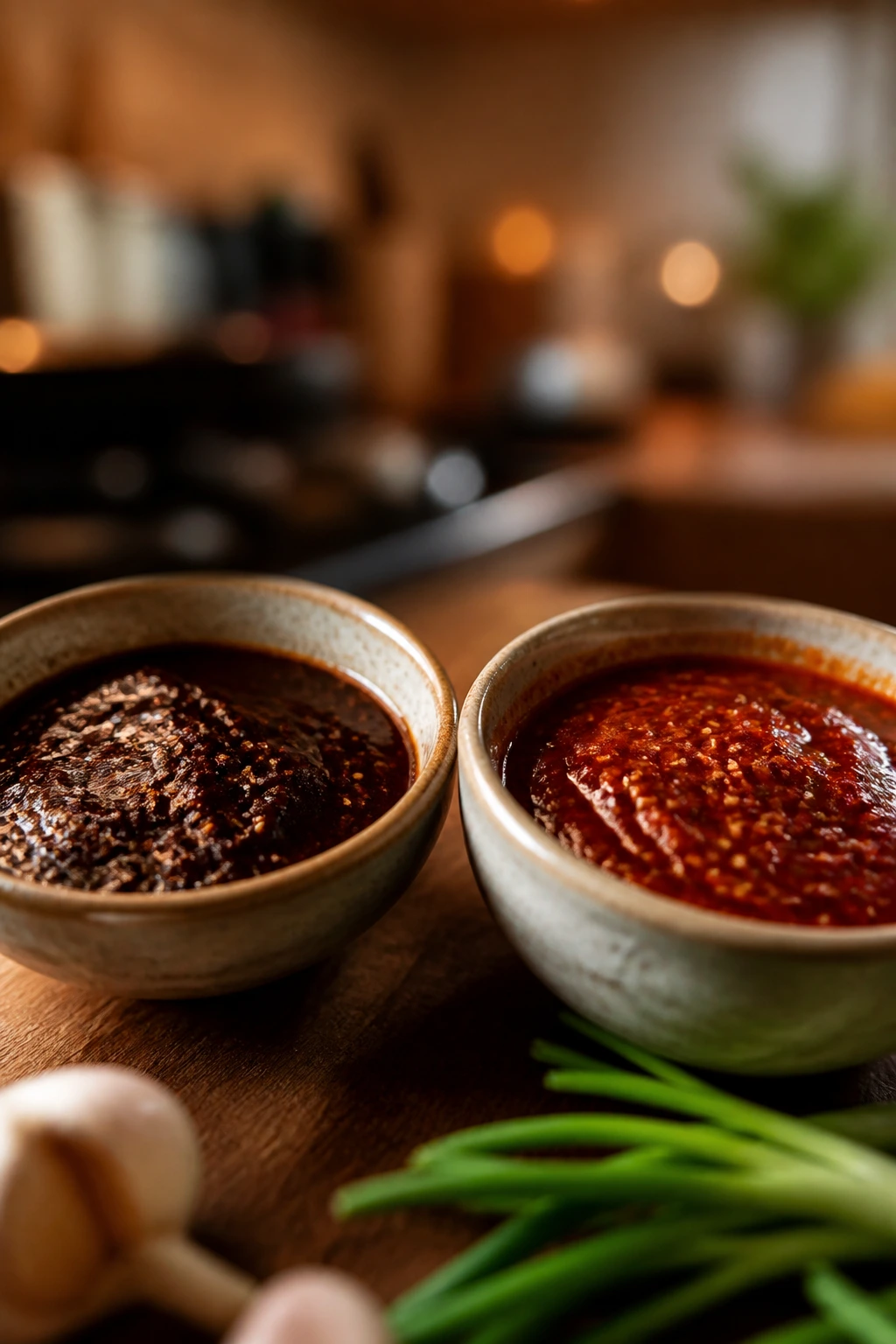
Buy gochujang that looks thick and brick-red, not watery or oddly pale. The good stuff clings to a spoon, and the label should list fermented soybean paste or rice among the first ingredients. Heat levels vary, so if you’re unsure, taste a dab first; some jars lean sweet, while others hit sharper and hotter.
Kimchi deserves the same attention. Older kimchi is usually better for stews and braises because the flavor has had time to deepen. If you want it for bowls or toppings, choose a crisp jar with good brine and actual cabbage structure, not a soft ferment that has turned mushy in the container. Keep the brine. It’s liquid gold in soup, stir-fry, and pork bowls.
For meat, go a little fattier than you think you need. Chuck roast, short ribs, and 85/15 ground pork all give you better flavor and texture than very lean cuts. Chicken thighs beat breasts here because they handle glaze and high heat without turning dry. Salmon should look moist and smell clean at the counter, and bok choy should feel heavy for its size with crisp stems and unblemished leaves.
Daikon, napa cabbage, and mushrooms are the quiet workhorses in this collection. Pick firm daikon with smooth skin, cabbage with a tight head and no limp outer leaves, and mushrooms that are dry, not slimy. If you can get short-grain rice, do it; the sticky texture helps these sauces cling instead of sliding away.
How to Serve These Recipes
Presentation:
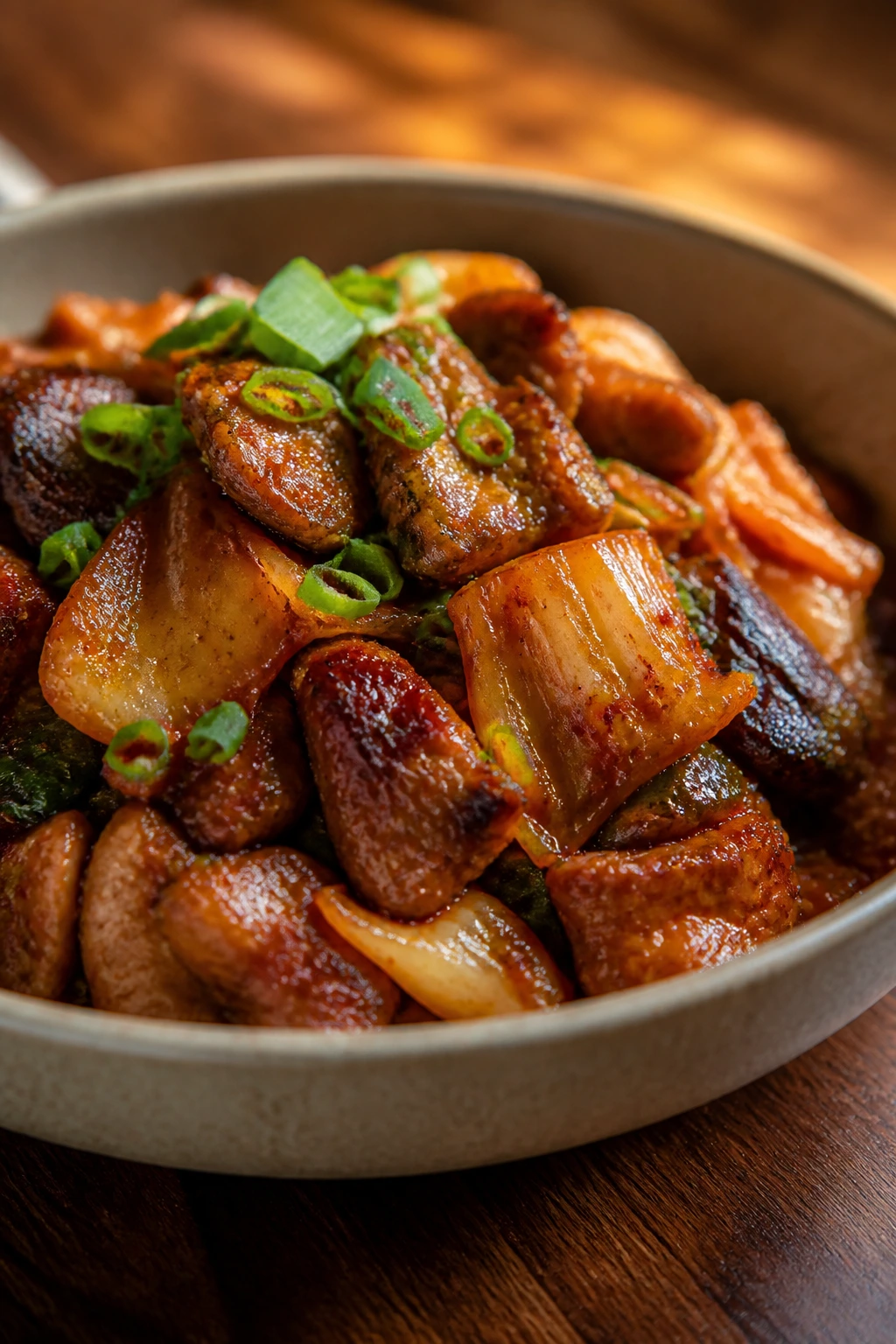
These dishes look best in shallow bowls, on wide plates, or in one hot skillet brought to the table. Keep the garnish simple: scallions, sesame seeds, a few blistered edges, and maybe an egg. If the surface looks glossy and a little messy, you’re on the right track.
Accompaniments:
Steamed short-grain rice is the common thread, though soba, udon, or rice noodles fit a few of the recipes. Quick cucumber salad, extra kimchi, roasted seaweed, and a small plate of pickled radish all work across the group. For a larger spread, add plain greens with sesame dressing or a bowl of miso-style soup.
Portions:
Most of these recipes serve 4 without much trouble, though the short-rib soup and braised beef can stretch farther if you’re serving bowls with rice. For hungrier eaters, count on 1½ cups of food per person for stew-style dishes and one full fillet or two meatballs per person for the quicker dinners. If you want leftovers, make the rice separately and keep the toppings a little saucier.
Beverage Pairing:
A cold lager or a light Korean-style beer works with the sweeter glazed dishes. For non-alcoholic options, roasted barley tea or hot green tea handles the salt and heat without getting in the way. A dry sparkling water with lime does the job too, though I’d choose tea before that most nights.
Additional Tips and Flavor Boosters
Flavor Enhancement:
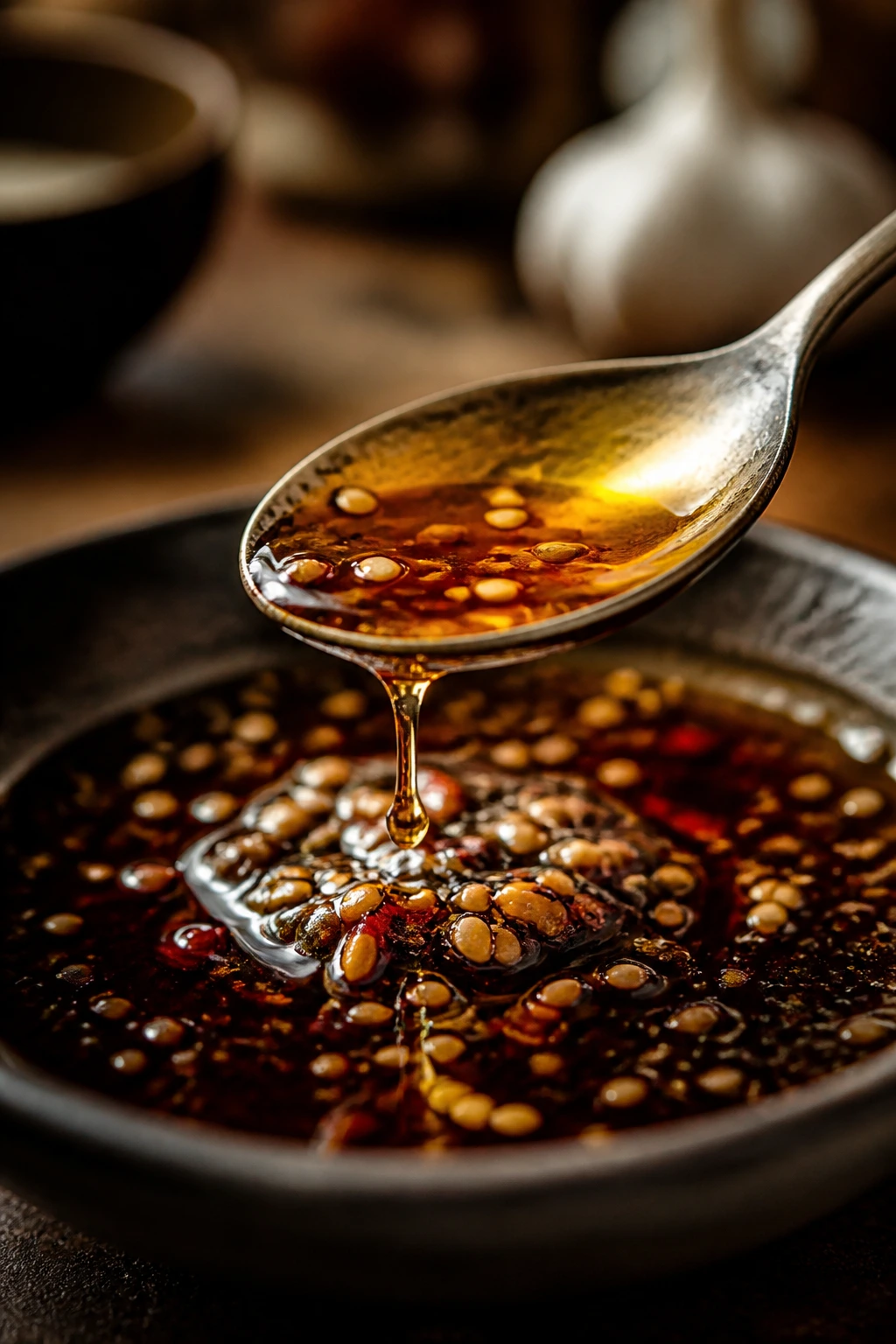
A tiny spoon of toasted sesame oil at the end can make the whole kitchen smell like you know what you’re doing. I also like a few drops of rice vinegar on the finished bowl, especially with richer dishes like braised beef, short ribs, or pork. It wakes up the sauce without turning the dinner sour.
Customization:
If you want more vegetables, add spinach, bok choy, or napa cabbage to almost any of these recipes. If you want more smoke, use the broiler for a final minute or two, or let a skillet sit undisturbed long enough to get real color on the meat or mushrooms. If you want less heat, cut the gochujang in half and lean harder on soy, garlic, and sesame.
Serving Suggestions:
Scallions are the easiest finish, but toasted sesame seeds, crispy garlic, and a little nori cut into strips also play well. For braises and soups, a spoonful of kimchi on the side adds sharpness. For bowls and stir-fries, a fried egg gives you that soft, rich center that makes everything else taste more complete.
Make-It-Yours:
For gluten-free cooking, swap tamari for soy sauce and check your gochujang label. For dairy-free meals, nothing needs changing in most of these recipes. For a milder family version, keep the gochujang in the glaze or sauce but serve extra on the side so each person can decide how much heat they want.
Make-Ahead, Storage, and Reheating Guidance
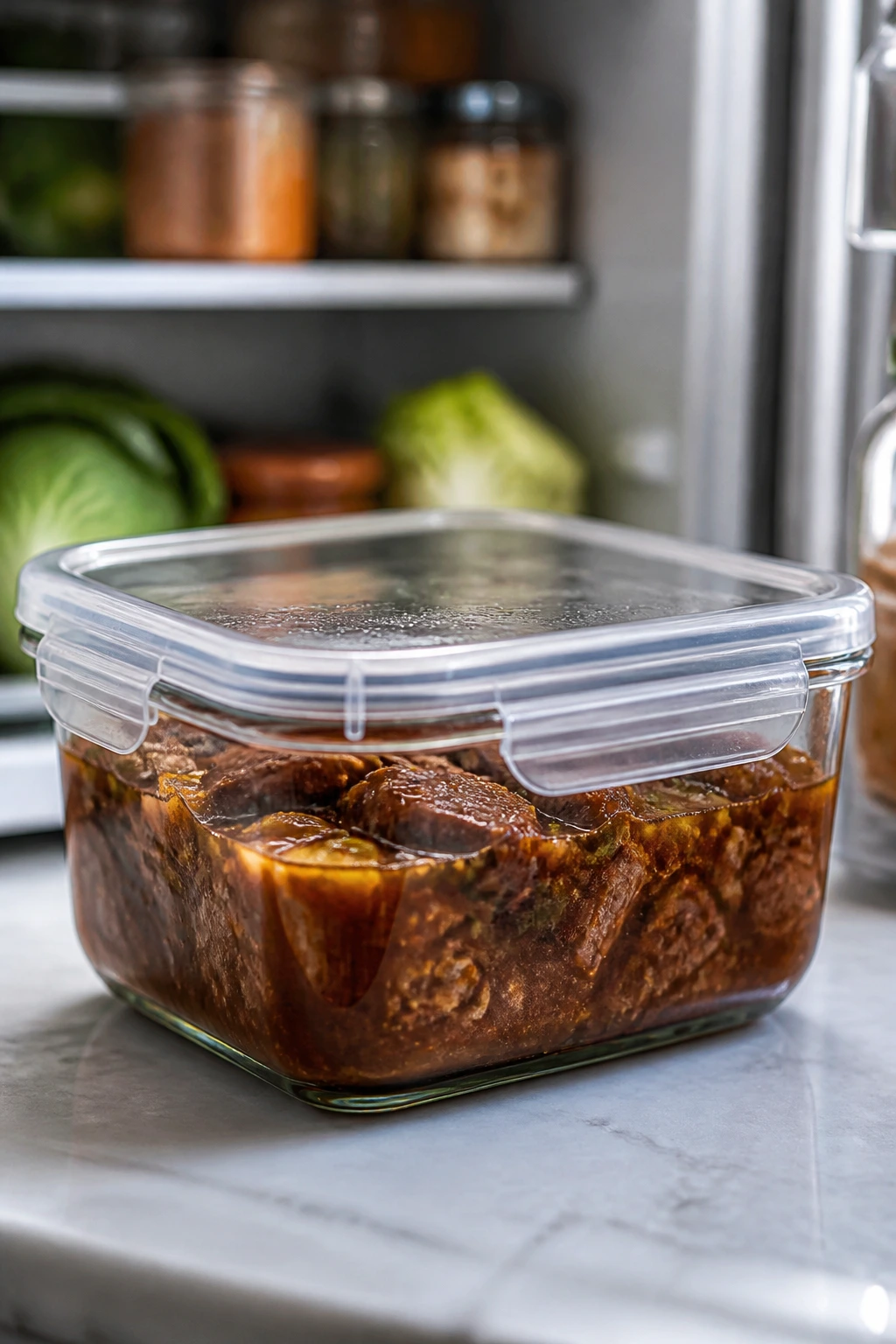
Braised beef, short-rib soup, kimchi stew, meatballs, and pork bowls all hold up well in the fridge for 3 to 4 days. In fact, the braises and soups often taste better the next day because the sauce settles and the salt has time to spread through the meat. Store them in shallow airtight containers so they cool fast and reheat evenly.
Chicken thighs, salmon, and tofu stir-fries are a little more specific. The chicken keeps for about 3 days refrigerated, though the skin will soften. Salmon is best within 2 days, and it reheats best gently in a 275°F (135°C) oven for 8 to 10 minutes, just until warmed through. Tofu and cabbage stir-fry keeps for 3 days, but the texture is freshest on day one.
Rice is the thing to watch closely. Cool it quickly, refrigerate it within an hour, and use it within 3 days. Reheat it with a damp paper towel over the bowl in the microwave, or sprinkle in a tablespoon of water and cover it loosely so it steams instead of drying out. That little step changes the whole texture.
For freezer storage, braises, meatballs, and soups do best. They freeze for up to 2 months without falling apart. Pack them with some of the sauce or broth so the meat doesn’t dry out when thawed. I would not freeze salmon, and I would not bother freezing crisp tofu or sheet-pan chicken if the skin matters to you. Those are better made fresh.
Variations and Adaptations to Try
Mild-Heat Pantry Swap:
Use less gochujang and more soy, garlic, and sesame oil if you want the flavor profile without the burn. This works especially well in the chicken, salmon, and pork bowl recipes, where the glaze can stay savory even with less heat.
Gluten-Free Bowl Night:
Swap tamari for soy sauce, make sure your gochujang is gluten-free, and serve over rice instead of wheat noodles. Most of these recipes adapt cleanly, and the change is nearly invisible once the bowl is assembled.
Vegetarian Smoke Route:
Lean on mushrooms, tofu, napa cabbage, and smoked paprika for depth. The mushroom udon, tofu stir-fry, bibimbap skillet, and even the braised beef format can all be reworked without losing the cold-night feeling.
Extra-Rich Winter Version:
Add bacon to the kimchi stew, short ribs to the braise, or a second egg to the bibimbap bowl. That extra fat carries the fermented flavors farther and makes the dinners taste fuller after a long day.
Family-Friendly Sweet Spot:
Trade some of the gochujang for honey or brown sugar and keep a separate small dish of chili paste at the table. That gives you one pot and two heat levels, which is useful when not everyone in the room wants the same amount of fire.
Rice-to-Noodle Switch:
Almost every bowl here can move to noodles if you want a different base. Udon works for the mushroom broth and stir-fry, soba works for salmon or tofu, and wheat noodles fit the short-rib soup without feeling out of place.
Common Mistakes to Avoid
The biggest mistake is treating gochujang like a jar of hot sauce. It isn’t. It carries sweetness, salt, body, and heat all at once, which means too much of it can make a dish feel heavy and weirdly flat. Start with the measured amount, then add more only if the finished sauce needs it.
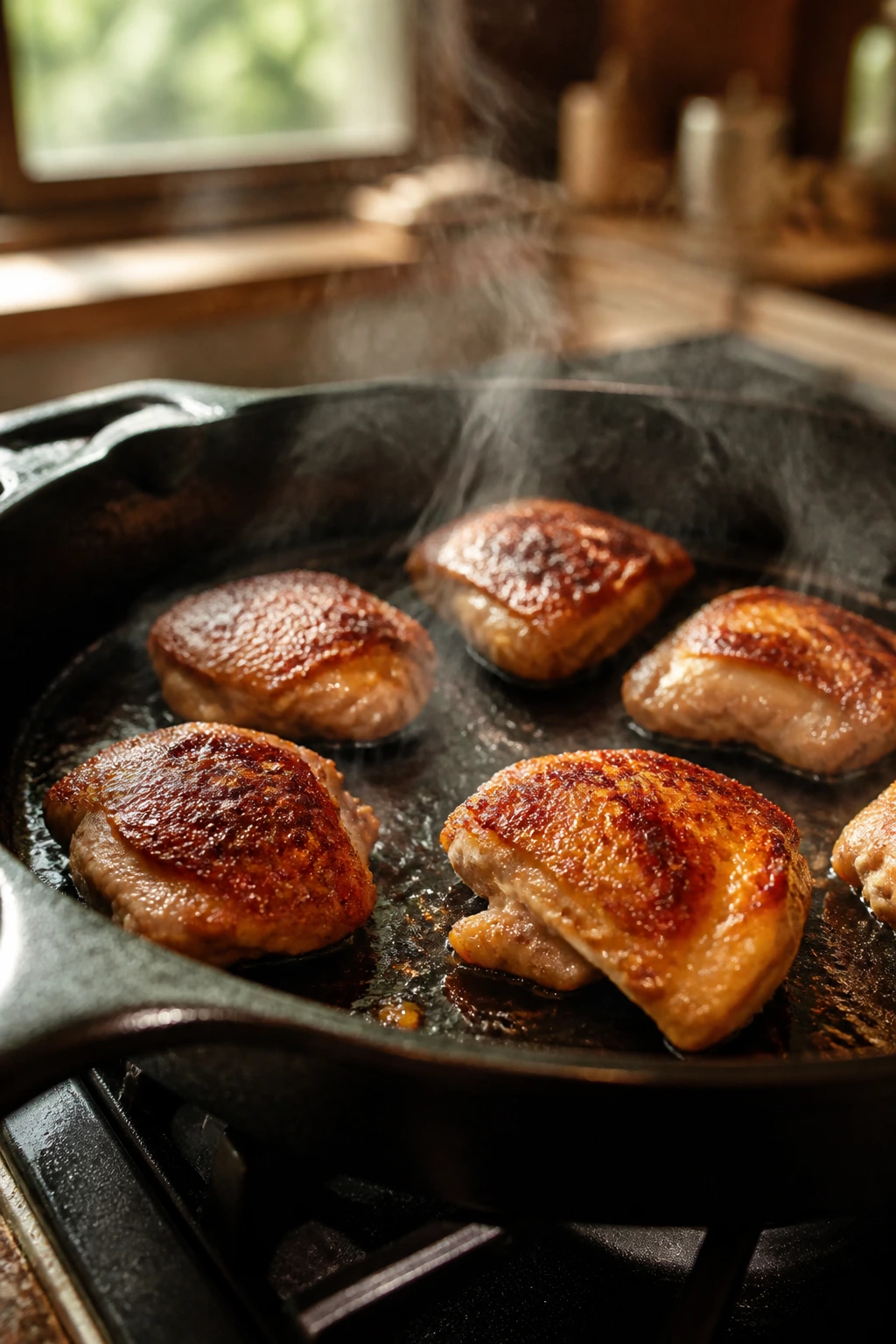
Another common slip is crowding the pan. Chicken thighs need space to blister, mushrooms need room to brown, tofu needs time against the metal, and pork needs hot air around it if you want color. When the pan gets packed, everything steams. The dinner still gets made, but it loses the smoky edge that gave it a reason to exist.
Salt is another place people get lazy. Kimchi, soy sauce, gochujang, and doenjang all bring different levels of salinity, so a recipe can taste underseasoned at the start and then suddenly too salty if you keep guessing. Taste at the end, not the beginning, and adjust with a pinch rather than a dump.
A final one: overcooking the delicate parts while waiting on the tougher ones. Salmon dries out while short ribs are still happy to simmer. Udon turns gummy if it sits too long. Tofu loses its crisp surface if you drown it in sauce too early. Separate the pieces that cook fast from the ones that need time, and the whole plate improves.
Frequently Asked Questions
Can I use store-bought kimchi, or does it need to be homemade?
Store-bought kimchi is fine, and in most kitchens it’s the better option because the flavor is consistent. For stew and braise, older kimchi usually tastes deeper; for toppings, choose a jar with a crisp texture and enough brine to season the pan.
What if I can’t find doenjang?
You can substitute a small spoon of miso in a pinch, though the flavor will be milder and a little sweeter. If you skip it entirely, add a touch more soy sauce and a little extra mushroom browning to make up for the lost depth.
Which recipe is best for meal prep?
The braised beef, kimchi stew, short-rib soup, and meatballs hold up best over several days. Keep the rice separate, and the meals stay much better in the fridge because the sauces don’t soak everything into mush.
Can I make these dishes less spicy without losing the flavor?
Yes. Cut the gochujang by a third or a half, keep the soy, sesame oil, garlic, and ginger the same, and lean on browning and kimchi for depth. You’ll still get the Korean-inspired shape of the flavor without the sharper heat.
What cut of beef works best if I don’t want to buy short ribs?
Chuck roast is the easiest substitute because it braises well and doesn’t dry out. Beef shank also works if you want a soupier texture, though it takes a little longer to soften.
Can I reheat salmon or chicken in the microwave?
You can, but it’s not my first choice. Salmon and glazed chicken do better in a low oven or a covered skillet with a splash of water so the edges don’t go rubbery.
Do these recipes work with brown rice?
They do, though the texture changes. Brown rice adds nuttiness and holds up well in bowls, but it doesn’t grab sauce as tightly as short-grain white rice. If you use it, cook it a little less dry so it stays tender under the topping.
How do I keep tofu from tasting bland in these recipes?
Press it well, brown it until the edges go golden, and season the pan instead of the tofu alone. Tofu needs a crisp surface and a sauce with real salt, acid, and heat if you want it to hold its own.
A Warm Bowl at the End of a Cold Day
Cold-night dinners work when they give you warmth, texture, and a little bit of drama from a hot pan or a dark, glossy sauce. That’s exactly where these smoky Korean-inspired dinners live. They are practical enough for a Tuesday and interesting enough that you won’t forget them by Friday.
I keep coming back to this flavor set because it does more than fill a plate. It smells good while it cooks. It keeps leftovers interesting. And it turns basic groceries into something that feels deliberate, which is a nice thing to have waiting when the weather pushes everyone indoors.