



Cast iron dinners have a way of making supper feel settled before anyone sits down. The skillet hits the table still warm, the garlic smells toasted, and the browned edges on meat, potatoes, or pasta tell you dinner got a little help from real heat, not shortcuts. That matters on nights when you want comfort without turning the kitchen into a project.
A well-seasoned cast iron skillet does a lot of quiet work. It sears, it simmers, it bakes, and it holds onto heat long enough to keep a meal lively while everyone gets to the table. Chicken skin turns crisp. Pork chops pick up a deep caramelized edge. Tomatoes darken slightly and taste sweeter. Even a simple pan of beans and greens can feel like a proper supper when the fond is left behind and turned into sauce.
The best cozy suppers are not always the heaviest ones. Some are creamy, some are brothy, some lean on herbs and lemon, and some wear a proper blanket of cheese. What they share is a skillet that rewards patience at the beginning and makes the end feel easy. That is the charm here: one sturdy pan, a few smart ingredients, and enough browning to make the whole place smell like dinner is worth lingering over.
Why These Cast Iron Supper Ideas Earn a Spot on the Table
-
One Pan, Less Cleanup: Most of these dinners stay in a single skillet or use one skillet plus a small pot, which keeps the sink from turning into its own night job.
-
Deep Browning, Better Flavor: Cast iron holds heat hard and steady, so chicken skin crisps, steak sears, and onions pick up the brown bits that make a pan sauce taste rich.
-
Comfort Without Feeling Heavy: Several of these dishes lean on lemon, cider, tomatoes, herbs, or mustard, which keeps cozy food from tasting flat or one-note.
-
Works for Weeknights and Slow Evenings: Some recipes land in 30 minutes, while others are better for a quiet Sunday supper. You can pick the mood, not just the menu.
-
Easy to Scale Up: A skillet dinner is simple to stretch for company. Use a larger pan, make a side salad, and dinner suddenly looks intentional.
-
Leftovers Usually Hold Up Well: Saucy dishes, bean skillets, and shepherd’s pie reheat nicely, which is a small mercy I always appreciate.
1. Garlic Butter Chicken Thighs with Potatoes and Green Beans
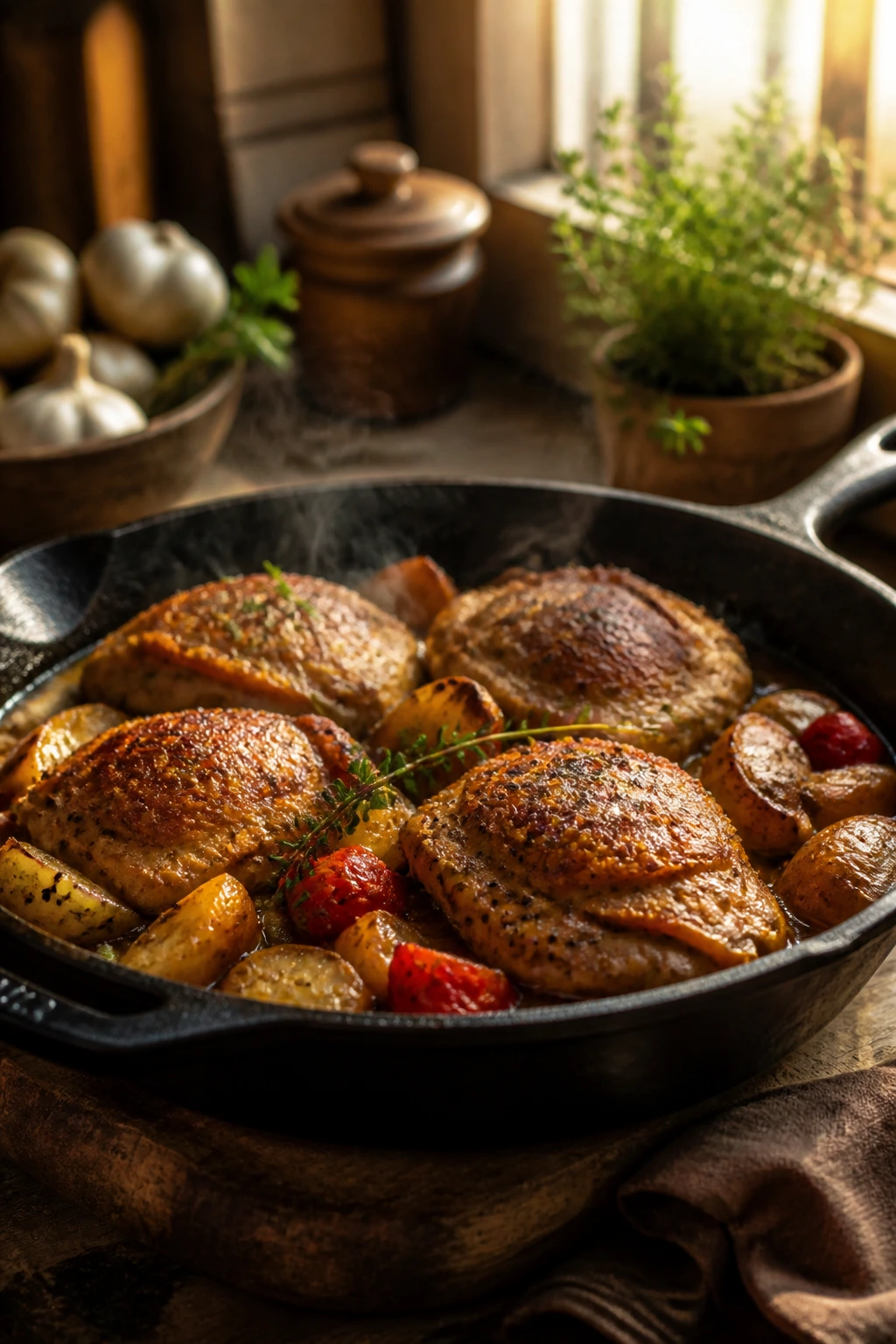
This is the kind of skillet dinner that looks as if it took more effort than it did. The chicken comes out with crackly skin, the potatoes soak up the drippings, and the green beans stay bright enough to keep the whole pan from feeling heavy. It smells like garlic and thyme first, then butter, then that deeply savory note you only get when chicken fat and a hot pan meet in the right order.
The dish feels cozy without becoming sleepy. That is the sweet spot.
Why It Works: Bone-in, skin-on chicken thighs are built for cast iron because they can take high heat without drying out, and the potatoes get a head start in the same pan so they pick up every bit of flavor. Green beans go in near the end, which keeps them from turning army-green and soft. The chicken finishes at 175°F, a little higher than breast meat, and that extra bit of heat gives thighs their best texture.
Key Ingredients
- 6 bone-in, skin-on chicken thighs, about 2 1/2 pounds, patted dry
- 1 1/2 pounds baby Yukon Gold potatoes, halved
- 12 ounces green beans, trimmed
- 3 tablespoons olive oil
- 2 tablespoons unsalted butter
- 4 garlic cloves, minced
- 1 teaspoon kosher salt
- 1/2 teaspoon black pepper
- 1 teaspoon dried thyme
- 1/2 teaspoon paprika
- 1/2 cup chicken stock
- 1 tablespoon lemon juice
- 2 tablespoons chopped parsley, for finishing
Quick Steps
-
Preheat and season: Heat the oven to 425°F and set a 12-inch cast iron skillet over medium-high heat. Season the chicken thighs with salt, pepper, thyme, and paprika.
-
Sear the chicken skin-side down: Add 1 tablespoon olive oil to the skillet and place the thighs skin-side down. Cook for 6 to 8 minutes, until the skin is deeply golden and releases easily from the pan. Flip and cook 2 minutes more, then transfer to a plate.
-
Brown the potatoes: Add the remaining oil and the potatoes, cut-side down, in a single layer. Cook for 6 to 8 minutes, turning once, until the edges are browned and the centers are starting to soften.
-
Build the pan flavor: Lower the heat to medium. Add the garlic, butter, and chicken stock, scraping up the browned bits with a wooden spoon. Return the chicken to the skillet, skin-side up, and tuck the green beans around the potatoes.
-
Roast and finish: Move the skillet to the oven and roast for 18 to 22 minutes, until the chicken reaches 175°F and the potatoes are tender. Finish with lemon juice and parsley before serving.
Tips and Variations
- Make-Ahead: Season the chicken and cut the potatoes up to 8 hours ahead; keep them covered in the fridge.
- Swap It: Haricots verts work if you want a thinner, faster-cooking green bean.
- Watch For: If the garlic starts browning too fast, pull the pan off the heat for a moment before adding the stock.
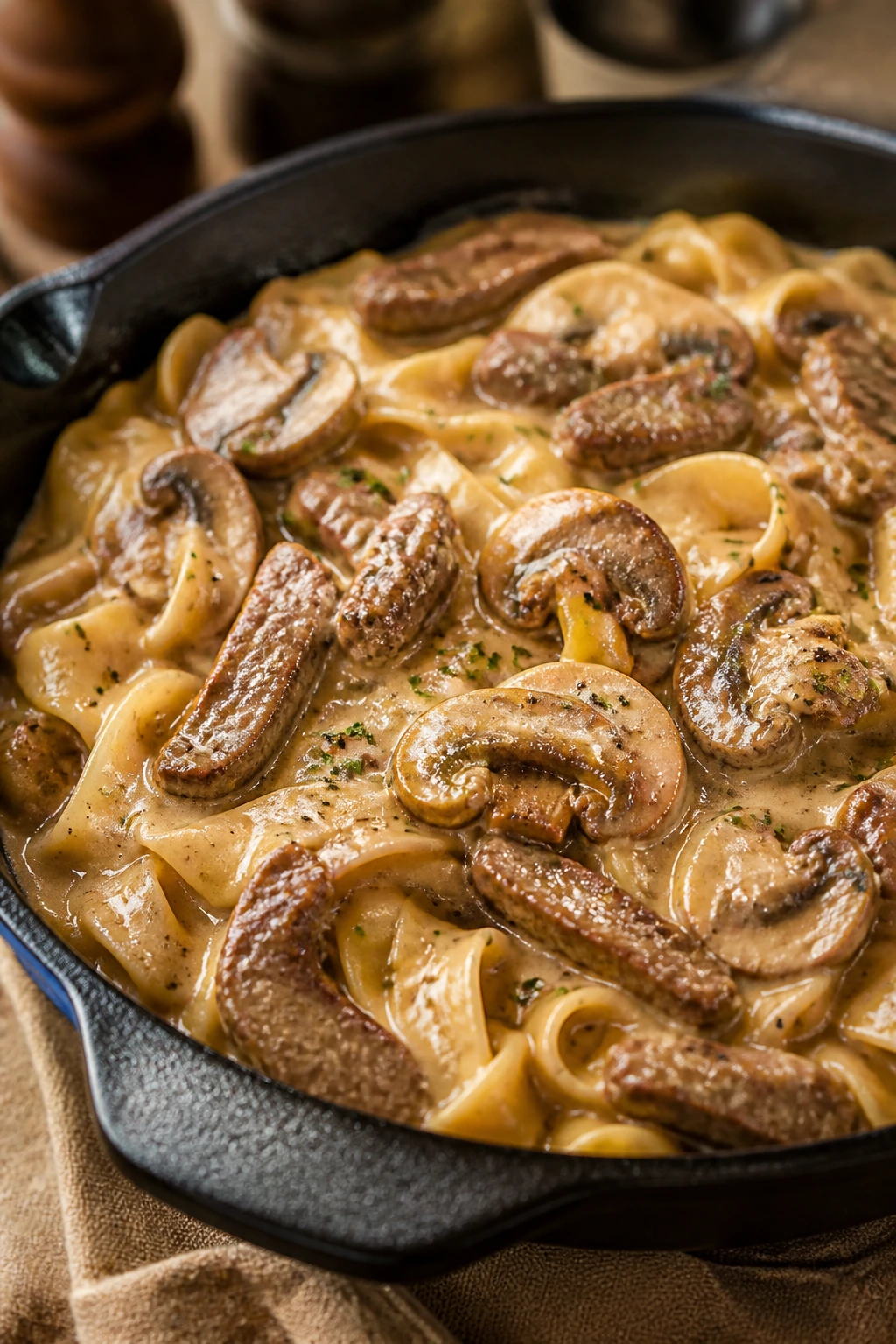
2. Creamy Beef and Mushroom Stroganoff Skillet
Stroganoff belongs on a cold table, in my opinion. The sauce clings to noodles, the mushrooms go glossy and deep, and the sour cream gives the whole pan a soft tang that keeps the beef from feeling heavy. A good stroganoff should smell like butter, browned mushrooms, and beef broth with a little Worcestershire bite.
This one has that old-school comfort without the cloying finish some versions carry around.
Why It Works: Cast iron gives the beef a proper sear before the sauce goes in, which matters because stroganoff is only as good as the browning underneath it. Cremini mushrooms are a better fit than plain white mushrooms here; they hold their shape and bring a more earthy flavor. Sour cream goes in off the heat, which keeps the sauce smooth instead of grainy.
Key Ingredients
- 8 ounces wide egg noodles
- 1 1/2 pounds sirloin steak, cut into thin strips
- 1 teaspoon kosher salt
- 1/2 teaspoon black pepper
- 2 tablespoons all-purpose flour
- 2 tablespoons unsalted butter
- 1 tablespoon olive oil
- 1 medium yellow onion, thinly sliced
- 8 ounces cremini mushrooms, sliced
- 2 garlic cloves, minced
- 1 tablespoon Worcestershire sauce
- 1 teaspoon Dijon mustard
- 2 cups low-sodium beef broth
- 1 cup sour cream
- 2 tablespoons chopped parsley
- 1/2 teaspoon paprika
Quick Steps
-
Cook the noodles: Boil the egg noodles in salted water until al dente, about 7 to 8 minutes. Drain and toss with a small drizzle of oil so they do not stick together.
-
Sear the beef: Season the steak with salt and pepper, then toss lightly with the flour. Heat the butter and oil in a cast iron skillet over medium-high heat and sear the beef in one layer for 1 to 2 minutes per side. Remove it to a plate.
-
Brown the mushrooms: Add the onion and mushrooms to the skillet and cook for 6 to 8 minutes, stirring only when needed, until the mushrooms release their moisture and the pan looks almost dry again.
-
Make the sauce: Add the garlic, Worcestershire, mustard, paprika, and beef broth. Scrape the pan well, then simmer for 4 to 5 minutes until the liquid reduces slightly and coats a spoon.
-
Finish gently: Lower the heat and stir in the sour cream. Return the beef and noodles to the skillet and warm through for 1 to 2 minutes. Do not boil once the sour cream goes in or the sauce can break.
Tips and Variations
- Shortcut: Use ground beef if you want a more rustic, faster skillet version.
- Bright Finish: A teaspoon of lemon juice at the end wakes the sauce up more than people expect.
- Serve It With: Buttered peas or a simple green salad keep the plate from feeling too dense.
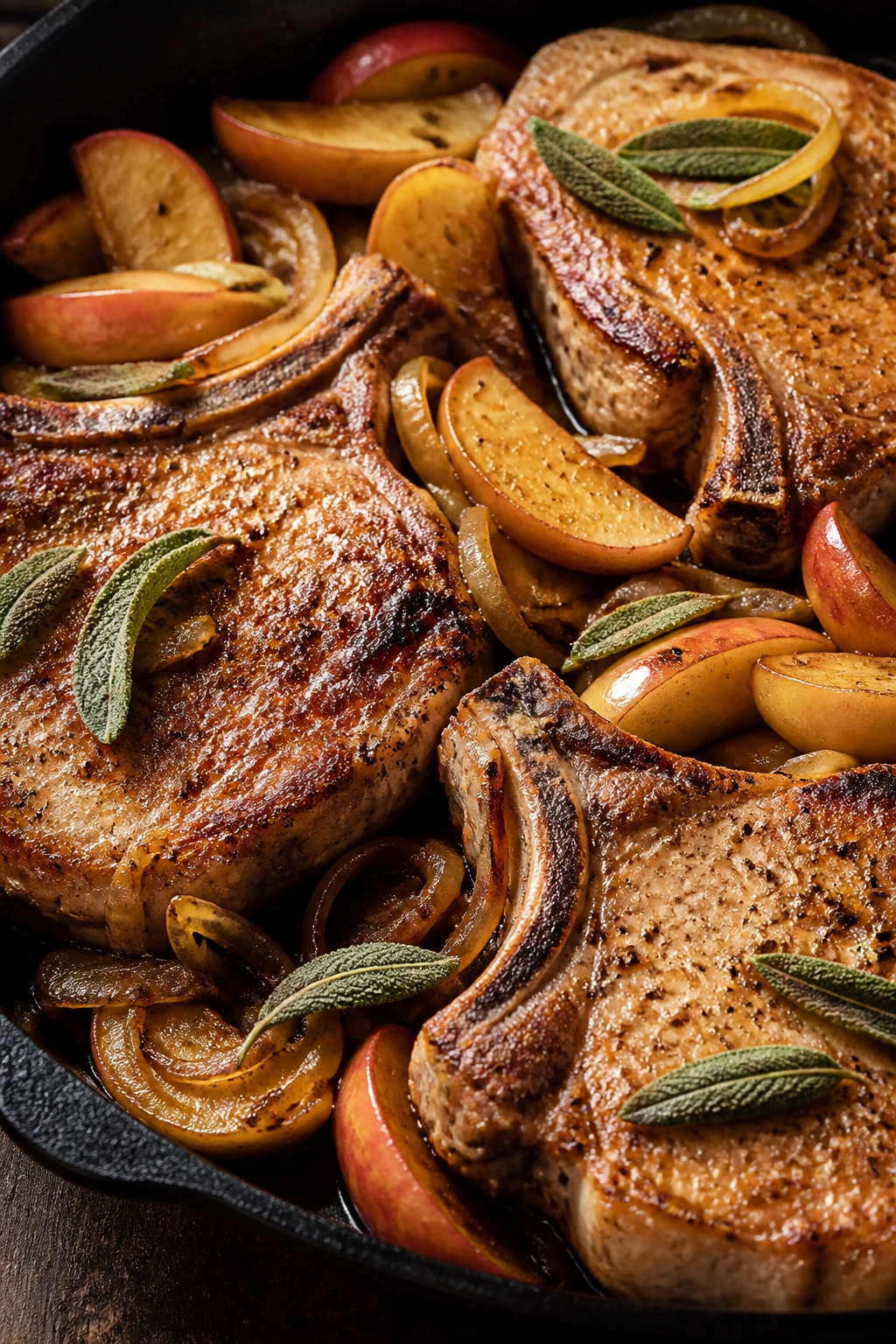
3. Pork Chops with Apples, Onions, and Sage
Pork and apples are one of those pairings that never really get old, mostly because they solve each other’s problems. The pork gives the apples structure. The apples give the pork sweetness. Add onions, sage, and a little Dijon, and the skillet starts tasting like the best parts of a harvest dinner without leaning into dessert.
What I like here is the restraint. It is cozy, not syrupy.
Why It Works: Bone-in pork chops tolerate a quick sear and a short finish in the pan, which keeps them juicy. Apples soften just enough to become jammy at the edges, but they still hold shape if you choose a firm variety like Honeycrisp or Fuji. The cider and Dijon cut through the richness and keep the sauce from turning flat.
Key Ingredients
- 4 bone-in pork chops, about 1-inch thick
- 1 1/2 teaspoons kosher salt
- 1/2 teaspoon black pepper
- 1 tablespoon olive oil
- 2 tablespoons unsalted butter
- 1 large yellow onion, thinly sliced
- 2 firm apples, cored and sliced into wedges
- 1 teaspoon chopped fresh sage or 1/2 teaspoon dried sage
- 1 cup apple cider
- 1/2 cup chicken broth
- 1 tablespoon Dijon mustard
- 1 teaspoon apple cider vinegar
Quick Steps
-
Season and sear: Pat the pork chops dry and season both sides with salt and pepper. Heat the oil in a cast iron skillet over medium-high heat and sear the chops for 3 to 4 minutes per side until browned. Transfer to a plate.
-
Cook the onions and apples: Lower the heat to medium and add the butter. Stir in the onions and cook for 4 minutes, then add the apples and sage. Cook another 4 to 5 minutes until the onions soften and the apple edges start to caramelize.
-
Make the pan sauce: Pour in the cider and broth, scraping up the browned bits. Stir in the Dijon and vinegar and simmer for 3 minutes.
-
Return the chops: Nestle the pork chops back into the skillet. Spoon the sauce over the top and cook for 5 to 7 minutes, or until the chops reach 145°F and the juices run clear.
-
Rest before serving: Let the chops sit for 5 minutes in the skillet off the heat. That short rest keeps the meat juicy and the sauce glossy.
Tips and Variations
- Best Apple Pick: Use a firm apple, not a mealy one, or the slices disappear into the sauce.
- Extra Cozy: A few thyme leaves work if you want the sauce to lean more savory than sweet.
- Dinner Move: Mashed potatoes or buttered egg noodles make excellent partners for the pan sauce.
4. Chicken and Dumplings in a Skillet
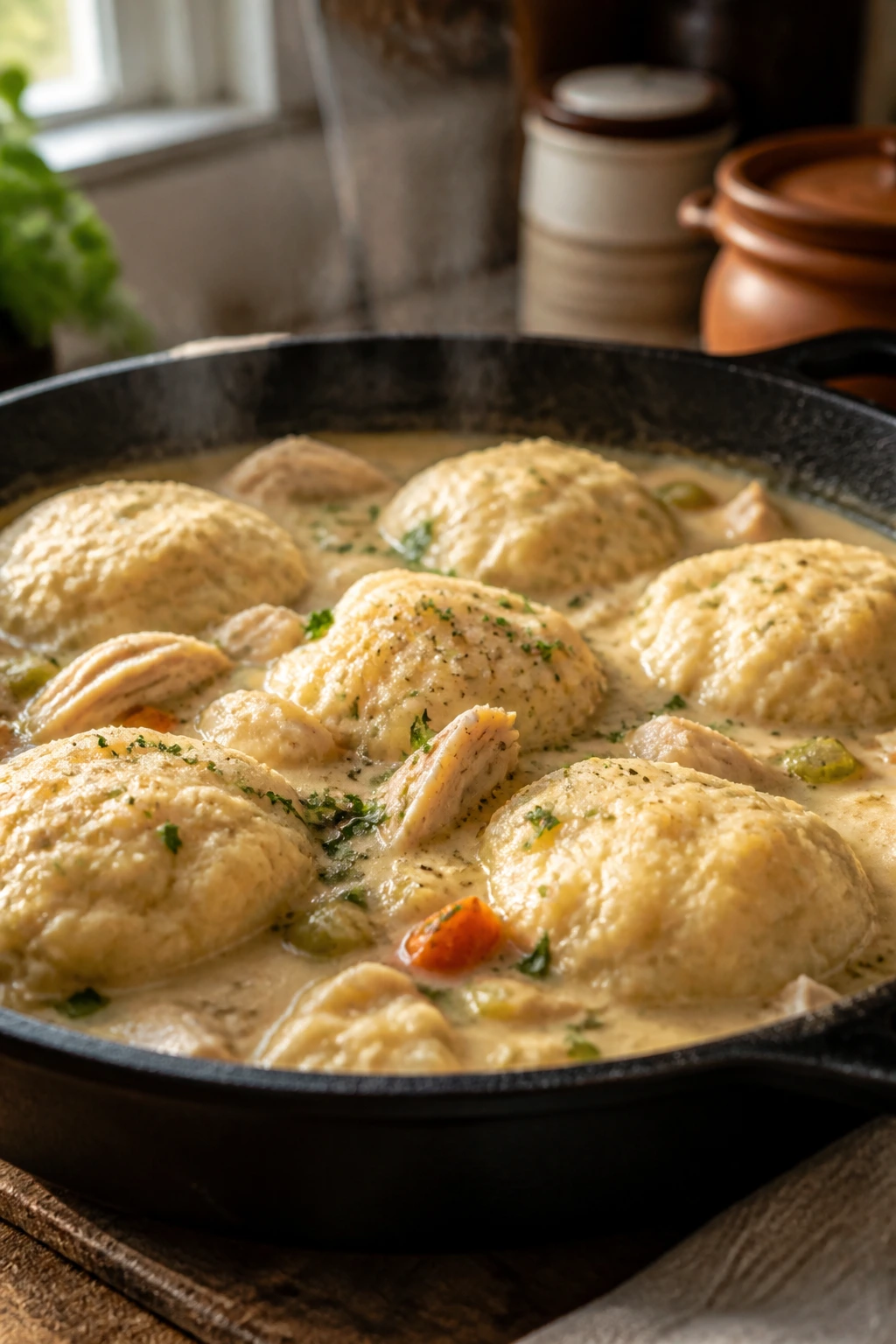
Chicken and dumplings is what happens when dinner decides to put on a sweater. The broth turns creamy, the vegetables soften just enough, and the dumplings puff on top like little clouds that want to be left alone. I think this dish matters because it tastes calm. Not fussy. Just warm, soft, and direct.
And that is a rare thing.
Why It Works: Cast iron keeps the stew base steady enough to cook the dumplings evenly without scorching the bottom. Using chicken thighs gives the filling enough body, while a light dumpling dough made with baking powder stays tender rather than dense. The dumplings cook on top of the simmering stew, so they steam and bake at the same time.
Key Ingredients
-
For the Stew:
- 1 1/2 pounds boneless, skinless chicken thighs, cut into 1-inch pieces
- 1 tablespoon olive oil
- 2 tablespoons unsalted butter
- 1 medium onion, diced
- 2 carrots, diced
- 2 celery stalks, diced
- 3 garlic cloves, minced
- 3 tablespoons all-purpose flour
- 4 cups chicken stock
- 1 cup whole milk
- 1 teaspoon dried thyme
- 1 bay leaf
- 1 cup frozen peas
- 1 teaspoon kosher salt, plus more to taste
- 1/2 teaspoon black pepper
-
For the Dumplings:
- 1 1/2 cups all-purpose flour
- 2 teaspoons baking powder
- 1/2 teaspoon salt
- 3 tablespoons unsalted butter, cold and cubed
- 3/4 cup whole milk
- 2 tablespoons chopped parsley
Quick Steps
-
Brown the chicken: Heat the oil and butter in a cast iron skillet over medium-high heat. Add the chicken pieces and cook for 4 to 5 minutes until lightly browned on the outside. Transfer to a plate.
-
Build the base: Add the onion, carrots, and celery to the skillet. Cook for 6 minutes, stirring now and then, until the onions turn translucent and the vegetables start to soften. Stir in the garlic and flour and cook for 1 minute.
-
Simmer the stew: Slowly pour in the chicken stock and milk, whisking as you go. Add the thyme, bay leaf, salt, and pepper, then return the chicken to the skillet. Simmer for 8 to 10 minutes, until the broth thickens slightly.
-
Mix and add the dumplings: Stir the dumpling flour, baking powder, and salt in a bowl. Cut in the butter until the mixture looks sandy, then add the milk and parsley. Drop spoonfuls of dough over the simmering stew.
-
Cover and cook through: Cover the skillet tightly and reduce the heat to low. Cook for 12 to 15 minutes until the dumplings are puffed and a toothpick inserted in the center comes out clean. Stir in the peas at the very end. Do not uncover the skillet early or the dumplings can collapse.
Tips and Variations
- Texture Tip: Keep the dumpling dough a little shaggy; smooth dough tends to turn tough.
- Extra Rich: A splash of cream at the end makes the broth thicker and rounder.
- Watch For: If the bottom seems to scorch, lower the heat and add 2 to 3 tablespoons of stock around the edge of the skillet.
5. Skillet Meatballs in Tomato Cream Sauce
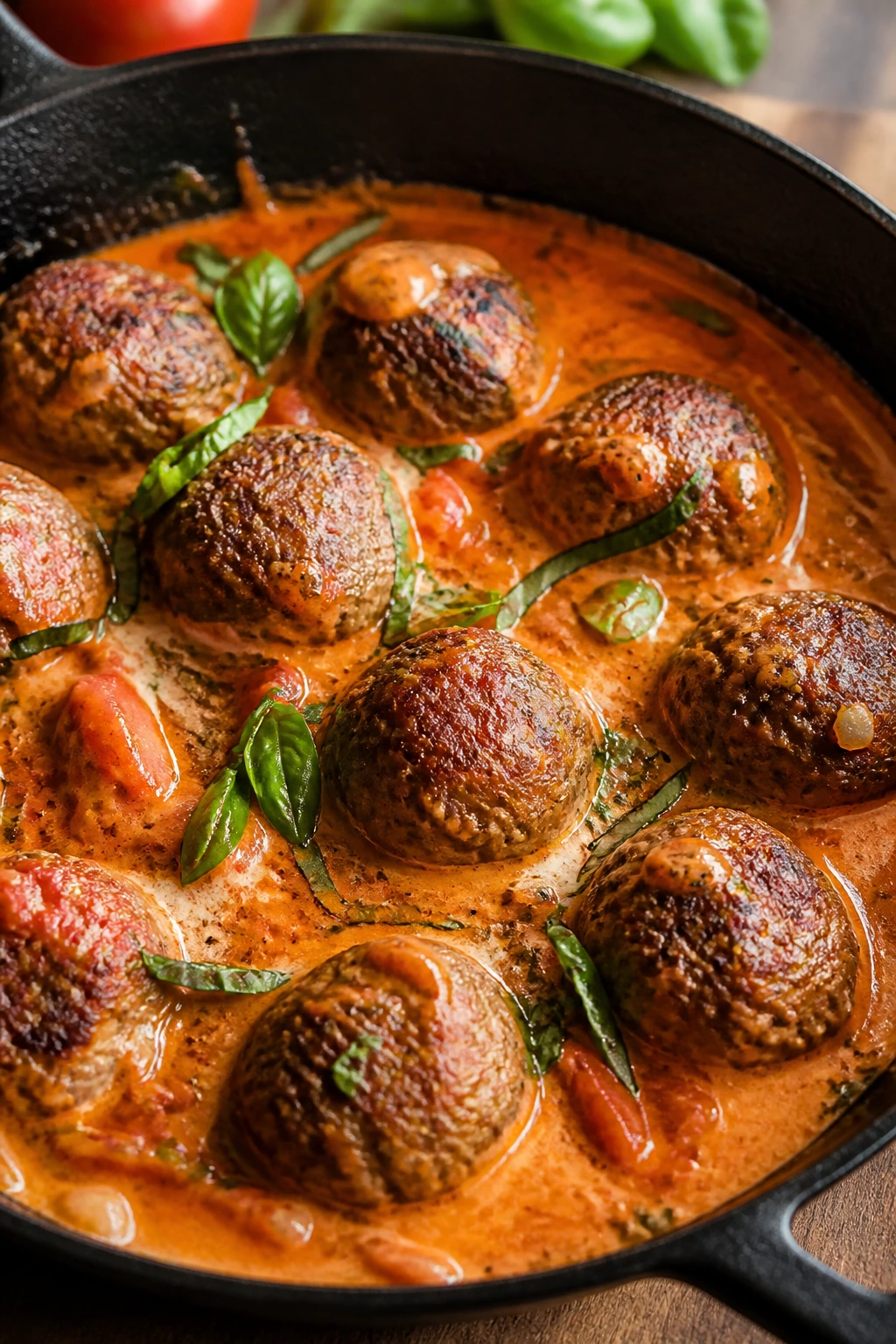
Meatballs deserve more credit than they get. Done well, they give you a browned crust, a tender middle, and enough flavor to carry a whole pan of sauce. This version is rich, tomato-forward, and a little silky from the cream, which means it lands somewhere between Sunday supper and the kind of weeknight dinner that makes bread feel mandatory.
You want the sauce to cling. Not flood.
Why It Works: Browning the meatballs in cast iron adds flavor before the sauce even starts, and the pan keeps enough heat to simmer them gently without drying them out. Tomato paste cooks briefly in the skillet and turns sweeter, which builds depth fast. Cream is stirred in at the end so the sauce stays smooth and glossy.
Key Ingredients
- 1 pound ground beef
- 1/2 pound ground pork
- 1/2 cup breadcrumbs
- 1/4 cup milk
- 1 large egg
- 1/4 cup grated Parmesan
- 2 garlic cloves, minced
- 2 tablespoons chopped parsley
- 1 teaspoon kosher salt
- 1/2 teaspoon black pepper
- 2 tablespoons olive oil
- 1 small onion, finely diced
- 2 tablespoons tomato paste
- 1 can (28 ounces) crushed tomatoes
- 1 teaspoon dried oregano
- 1/2 teaspoon red pepper flakes
- 1/2 cup heavy cream
- 1/4 cup chopped basil
Quick Steps
-
Mix the meatballs: In a bowl, combine the beef, pork, breadcrumbs, milk, egg, Parmesan, garlic, parsley, salt, and pepper. Mix just until blended. Roll into 1 1/2-inch meatballs.
-
Brown them well: Heat the oil in a cast iron skillet over medium heat. Brown the meatballs in batches, turning gently until they have color on 3 or 4 sides, about 6 to 8 minutes total. Remove them to a plate.
-
Start the sauce: Add the onion to the skillet and cook for 4 minutes until soft. Stir in the tomato paste, oregano, and red pepper flakes and cook for 1 minute to take the raw edge off the paste.
-
Simmer: Pour in the crushed tomatoes, bring to a gentle bubble, and return the meatballs to the skillet. Cover loosely and simmer for 12 to 15 minutes until the meatballs reach 160°F.
-
Finish with cream: Lower the heat and stir in the heavy cream and basil. Simmer for 2 more minutes, just until the sauce turns a little lighter and thicker. Serve right away.
Tips and Variations
- Serve It Over: Polenta, spaghetti, or a thick slice of toast all work.
- Make It Leaner: Use all beef if you do not want pork in the mix.
- Better Leftovers: The sauce thickens overnight, so add a splash of water when reheating.
6. Sausage, White Bean, and Kale Skillet
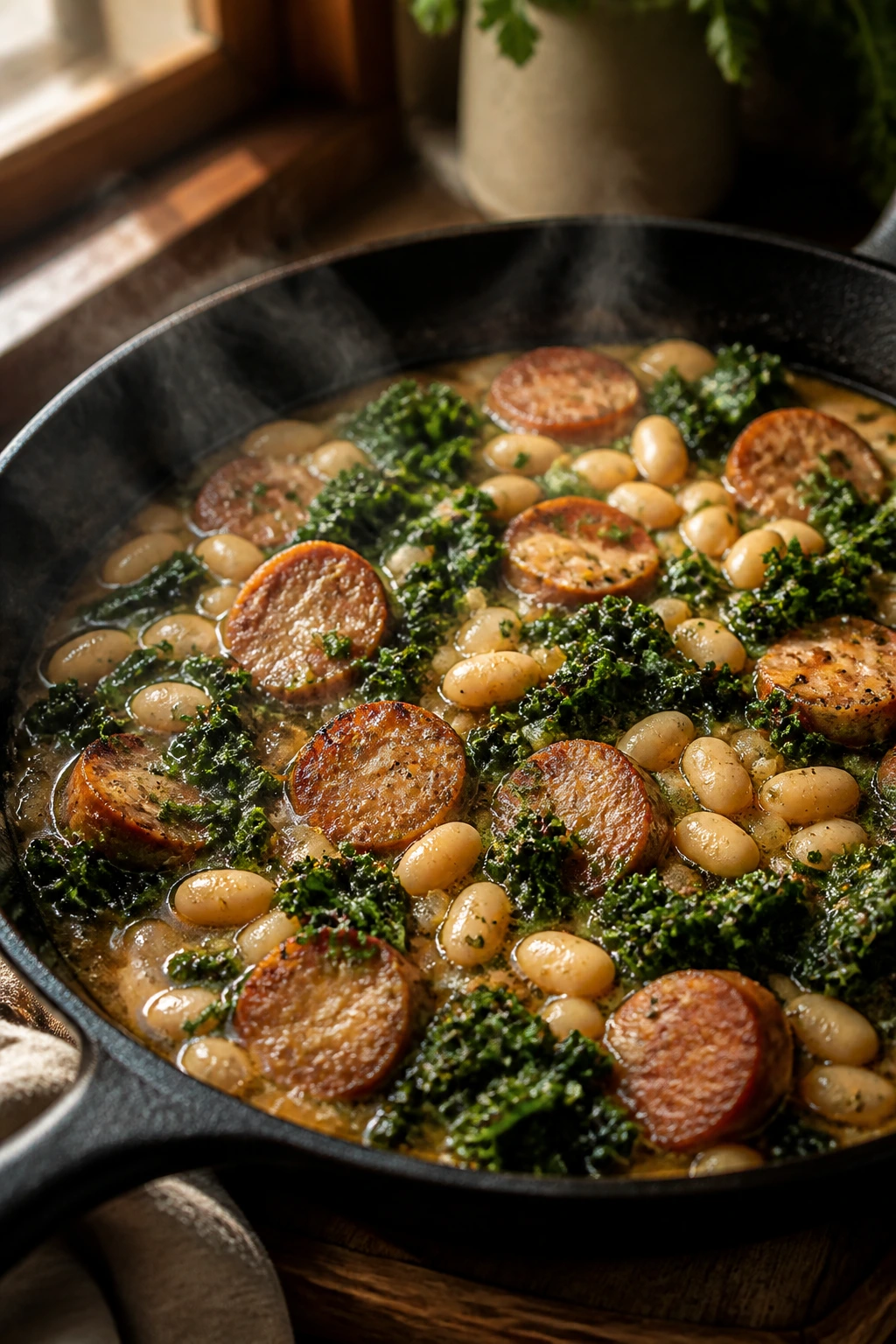
A skillet of sausage, beans, and greens does a lot with very little. It is salty, brothy, filling, and surprisingly elegant once the kale wilts and the beans start to break down at the edges. This is one of those dinners that tastes like you cooked longer than you did, which is a useful trick on a long day.
It also makes bread disappear in a hurry.
Why It Works: Sausage leaves seasoned fat in the pan, and that fat becomes the base for the onions, garlic, and tomato paste. White beans give the skillet body without turning it into a starch bomb, while kale stays sturdy enough to keep texture after a short simmer. Lemon at the end is not optional in my book; it lifts everything.
Key Ingredients
- 1 pound Italian sausage, casings removed if needed
- 1 tablespoon olive oil, if the sausage is very lean
- 1 medium onion, chopped
- 3 garlic cloves, minced
- 2 tablespoons tomato paste
- 1 teaspoon fennel seeds, lightly crushed
- 1/2 teaspoon red pepper flakes
- 2 cans (15 ounces each) cannellini beans, drained and rinsed
- 1 cup low-sodium chicken stock
- 1 bunch kale, stems removed and leaves torn
- 1 teaspoon kosher salt, plus more to taste
- 1/2 teaspoon black pepper
- 1 tablespoon lemon juice
- 2 tablespoons grated Parmesan, for serving
Quick Steps
-
Brown the sausage: Heat a cast iron skillet over medium-high heat and cook the sausage, breaking it into pieces, until browned and cooked through, about 6 to 8 minutes. If the pan looks dry, add the olive oil.
-
Cook the aromatics: Add the onion to the skillet and cook for 4 minutes until soft. Stir in the garlic, tomato paste, fennel seeds, and red pepper flakes and cook for 1 minute.
-
Add beans and stock: Stir in the beans and chicken stock. Bring to a simmer and cook for 5 minutes, stirring once or twice, until the broth thickens slightly and the beans start to look creamy around the edges.
-
Wilt the kale: Add the kale in handfuls, stirring until it softens and turns a darker green, about 3 to 4 minutes. Season with salt and pepper.
-
Brighten and serve: Turn off the heat and stir in the lemon juice. Finish with Parmesan and serve warm.
Tips and Variations
- Add Bread: A thick slice of sourdough turns this into a sturdier meal.
- Swap Greens: Swiss chard or collards work if you want something softer or more earthy.
- Watch For: If the kale looks leathery, cover the skillet for 1 minute to trap steam, then uncover and finish.
7. Honey-Mustard Salmon with Brussels Sprouts
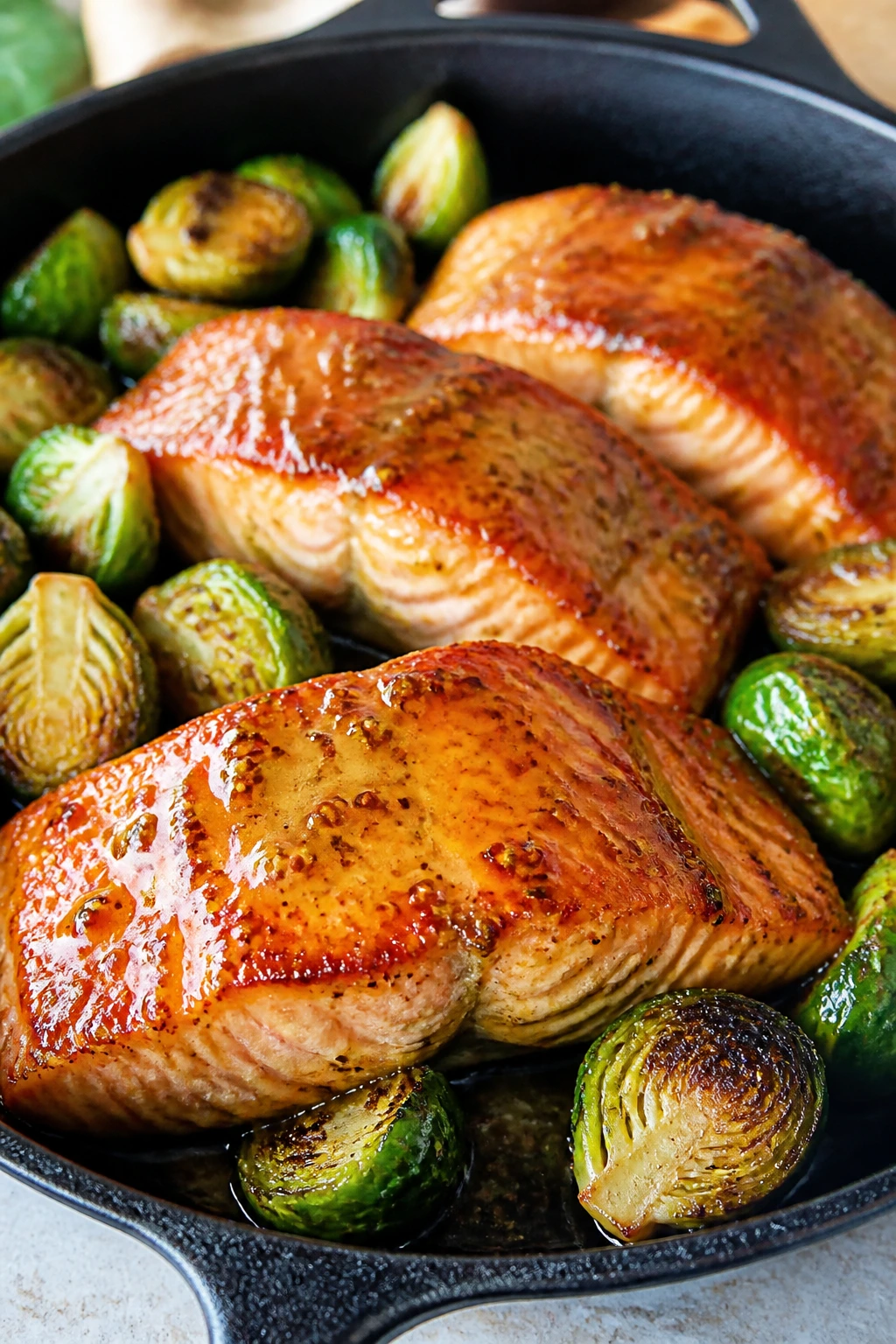
Salmon in cast iron asks for a little confidence and not much else. The sprouts get crisp on one side, the salmon picks up a quick glaze, and the whole pan finishes with enough lemon to keep the honey from getting too cozy. This is a dinner I reach for when I want something clean, warm, and not weighed down by cream or cheese.
The skillet does the heavy lifting. You just keep the heat honest.
Why It Works: Brussels sprouts and salmon both like strong heat, but for different reasons. The sprouts need enough time to brown at the cut surface, while salmon only wants a short sear and a brief oven finish so the flesh stays juicy. A honey-mustard glaze adds shine and a little stickiness without burying the fish.
Key Ingredients
- 4 salmon fillets, about 6 ounces each, skin on if possible
- 1 pound Brussels sprouts, trimmed and halved
- 2 tablespoons olive oil
- 1 teaspoon kosher salt
- 1/2 teaspoon black pepper
- 2 tablespoons Dijon mustard
- 1 tablespoon honey
- 1 tablespoon butter
- 2 garlic cloves, minced
- 1 lemon, cut into wedges
- 1 tablespoon chopped parsley
Quick Steps
-
Heat the oven: Preheat the oven to 425°F. Pat the salmon dry and season it with salt and pepper.
-
Crisp the sprouts: Warm the olive oil in a cast iron skillet over medium-high heat. Add the Brussels sprouts cut-side down and cook for 6 to 8 minutes without moving them much, until the cut edges are dark gold. Stir once and cook 2 minutes more.
-
Mix the glaze: Stir together the Dijon, honey, and garlic in a small bowl.
-
Sear and roast: Push the sprouts to the sides of the skillet and place the salmon skin-side down in the center. Brush the glaze over the top of each fillet and dot the sprouts with butter. Transfer the skillet to the oven and bake for 6 to 8 minutes, until the salmon flakes easily or reaches 125°F to 130°F for medium.
-
Finish: Squeeze lemon over the skillet and scatter parsley on top before serving.
Tips and Variations
- Crisp Tip: Dry the salmon well or the skin will steam instead of sear.
- Swap It: Broccolini works if Brussels sprouts are not your thing.
- Serve It With: A spoonful of herbed yogurt on the side gives the plate a cool, tangy contrast.
8. Tuscan Chicken with Spinach and Sun-Dried Tomatoes
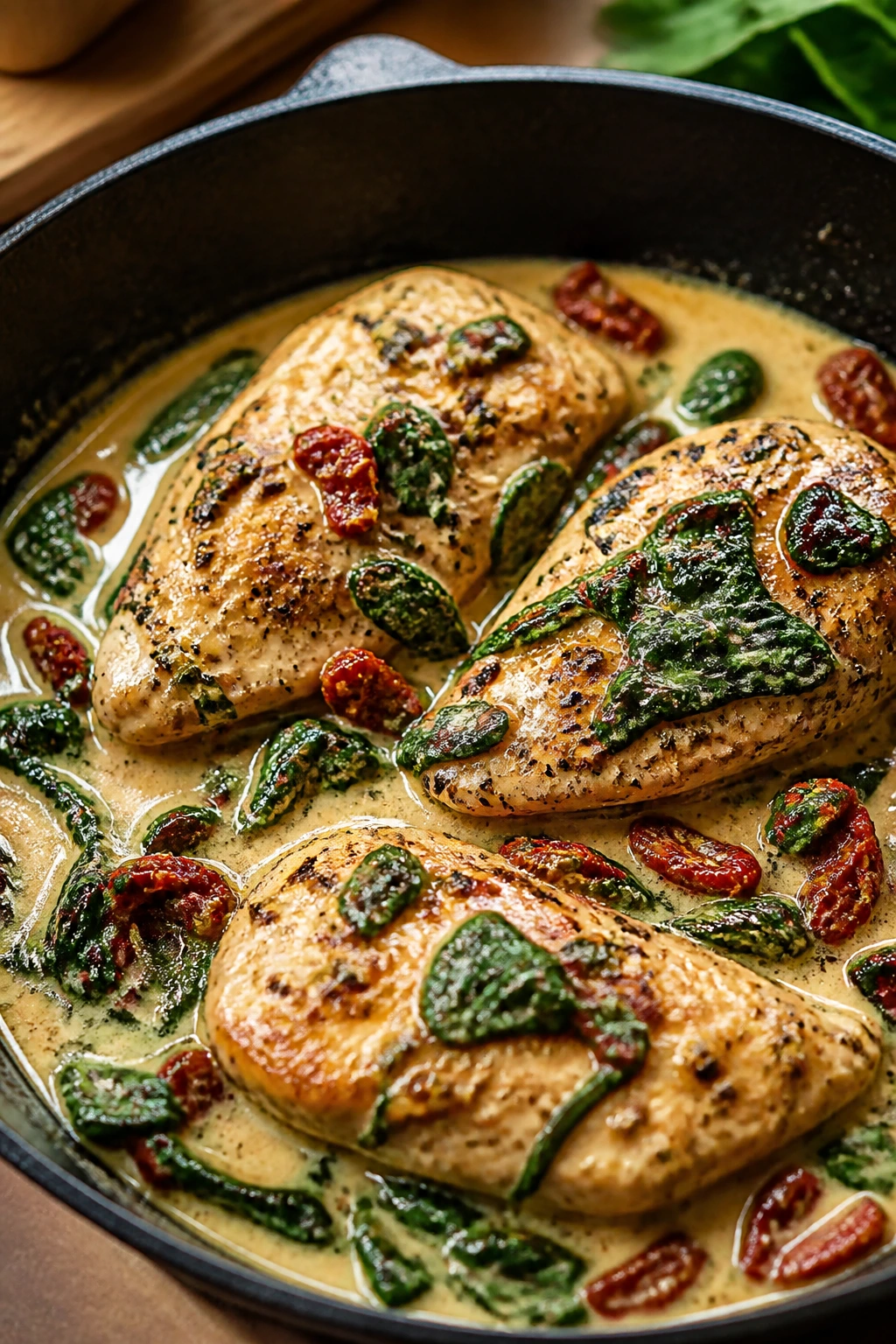
Tuscan chicken gets called creamy a lot, and usually it deserves the word. The sauce is garlicky and rich, but the sun-dried tomatoes keep it from tasting heavy, and the spinach softens into the cream without turning swampy. If you want a skillet dinner that feels full and still has some lift, this is a strong place to land.
It is also one of the easiest ways to make chicken breasts feel worth the effort.
Why It Works: A quick sear gives the chicken color before it goes back into the sauce, and the pan captures the browned bits that make the cream taste deeper. Sun-dried tomatoes bring concentrated sweetness, while chicken broth loosens the sauce so it does not become paste-thick. Spinach goes in last because it only needs a minute or two to wilt.
Key Ingredients
- 4 boneless, skinless chicken breasts or thighs, about 1 1/2 pounds total
- 1 teaspoon kosher salt
- 1/2 teaspoon black pepper
- 1 teaspoon Italian seasoning
- 1 tablespoon olive oil
- 1 tablespoon butter
- 1 small shallot, minced
- 4 garlic cloves, minced
- 1/2 cup sun-dried tomatoes, sliced
- 3/4 cup low-sodium chicken broth
- 3/4 cup heavy cream
- 1/2 cup grated Parmesan
- 4 cups baby spinach
- 1 tablespoon chopped basil or parsley
Quick Steps
-
Season and sear: Season the chicken with salt, pepper, and Italian seasoning. Heat the oil and butter in a cast iron skillet over medium-high heat and sear the chicken for 4 to 5 minutes per side until golden. Transfer to a plate.
-
Build the sauce base: Lower the heat to medium and add the shallot. Cook for 2 minutes, then add the garlic and sun-dried tomatoes and cook for 1 minute more.
-
Add broth and cream: Pour in the chicken broth and scrape the skillet well. Stir in the heavy cream and Parmesan, then simmer for 3 to 4 minutes until the sauce thickens enough to coat a spoon.
-
Return the chicken: Nestle the chicken back into the sauce and simmer gently for 6 to 8 minutes, until the chicken reaches 165°F.
-
Wilt the spinach: Add the spinach in handfuls and stir until just wilted. Finish with basil or parsley and serve.
Tips and Variations
- Cream Control: Keep the sauce at a gentle simmer, not a rolling boil, or it can get grainy.
- Extra Green: Add sliced mushrooms with the shallot if you want more earthy flavor.
- Make It Lighter: Swap half the cream for milk and reduce the Parmesan a little; the sauce will be looser but still good.
9. Skillet Shepherd’s Pie with Cheddar Mash
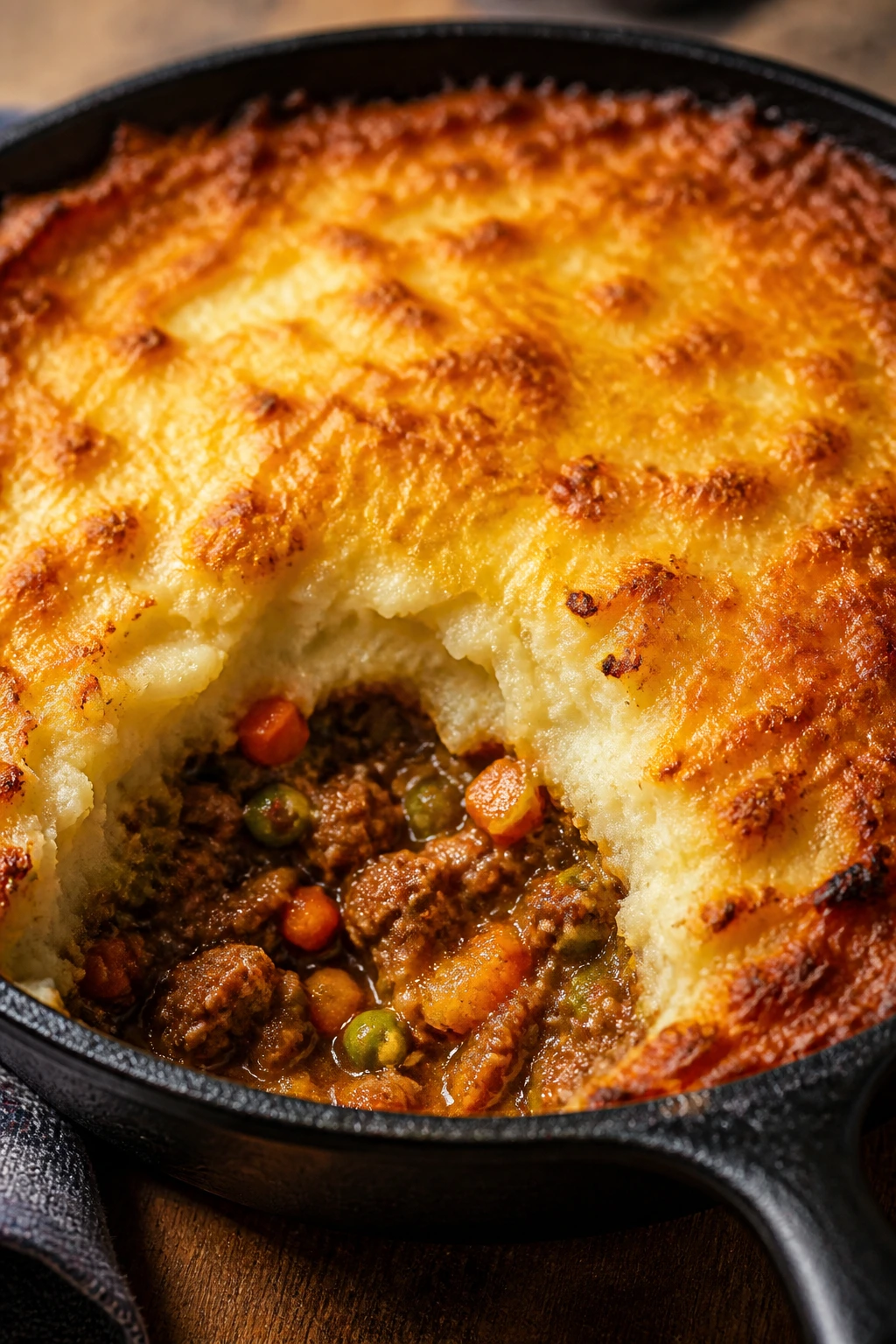
Shepherd’s pie is less about nostalgia than texture. You get savory filling at the bottom, soft potatoes on top, and a browned cheddar crust that makes the whole pan feel finished. In cast iron, the edges get a little crisp, which is exactly what a good shepherd’s pie should do.
A casserole dish cannot quite manage that same crust.
Why It Works: The filling gets cooked in the same skillet it bakes in, so the meat and vegetables pick up flavor before the mash goes on top. A little tomato paste and Worcestershire deepen the gravy without making it taste like tomato sauce. The cheese on the potatoes browns fast under the broiler, and that contrast between soft filling and crisp top is the whole point.
Key Ingredients
-
For the Filling:
- 1 1/2 pounds ground beef or lamb
- 1 tablespoon olive oil
- 1 medium onion, diced
- 2 carrots, diced
- 2 celery stalks, diced
- 3 garlic cloves, minced
- 2 tablespoons tomato paste
- 1 tablespoon Worcestershire sauce
- 1 cup low-sodium beef broth
- 1 cup frozen peas
- 1 teaspoon kosher salt
- 1/2 teaspoon black pepper
-
For the Cheddar Mash:
- 2 pounds Yukon Gold potatoes, peeled and chunked
- 4 tablespoons unsalted butter
- 1/2 cup warm milk
- 1 cup shredded sharp cheddar
- 1/2 teaspoon salt, plus more for the water
Quick Steps
-
Boil the potatoes: Put the potatoes in salted water and boil for 15 to 18 minutes, until very tender. Drain and mash with the butter, warm milk, cheddar, and salt.
-
Cook the filling: Heat the oil in a cast iron skillet over medium-high heat. Add the beef or lamb and cook until browned, breaking it up as it cooks, about 6 minutes. Stir in the onion, carrots, and celery and cook for 5 minutes more.
-
Season deeply: Add the garlic, tomato paste, Worcestershire, broth, salt, and pepper. Simmer for 5 minutes until the liquid reduces and the filling looks thick, not soupy. Stir in the peas.
-
Top the skillet: Spoon the mashed potatoes over the filling and spread them to the edges. Drag a fork across the top to make ridges; those ridges brown better.
-
Bake and broil: Bake at 400°F for 15 minutes, then broil for 2 to 3 minutes until the top is browned in spots. Let it sit for 10 minutes before scooping.
Tips and Variations
- Freezer Note: Shepherd’s pie freezes better than most creamy skillet dinners.
- Flavor Boost: A teaspoon of Dijon in the filling adds quiet depth.
- Shortcut: Leftover mashed potatoes work fine if they are not too loose.
10. Steak with Crispy Potatoes and Herb Butter
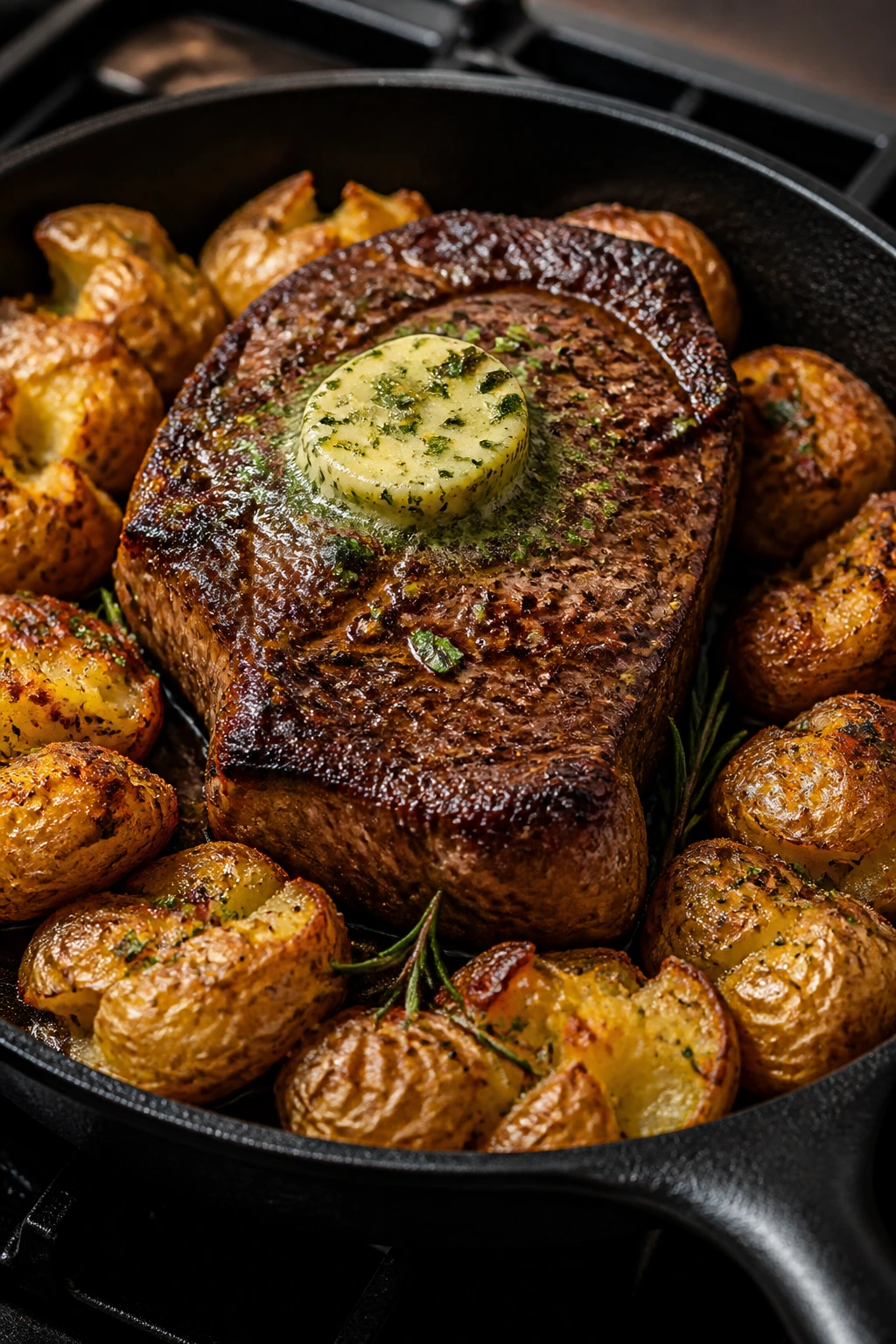
Steak dinner does not have to mean the grill. In cast iron, you get a hard sear, a buttery baste, and potatoes that crisp in the same pan if you manage the timing well. The trick is keeping the skillet hot enough for the steak while giving the potatoes enough space to brown first.
That balance is the whole game.
Why It Works: Cast iron stores heat so well that a steak can sear without losing the pan’s temperature, which helps form a real crust. Parboiled potatoes crisp quickly once they hit the skillet, especially if you smash them a little to expose more surface. Herb butter melts over the steak at the end and picks up the browned bits left in the pan.
Key Ingredients
- 1 1/2 pounds baby potatoes
- 2 strip steaks or sirloin steaks, about 10 to 12 ounces each and 1 to 1 1/2 inches thick
- 2 teaspoons kosher salt
- 1/2 teaspoon black pepper
- 1 tablespoon olive oil
- 2 tablespoons unsalted butter
- 3 garlic cloves, smashed
- 1 tablespoon chopped rosemary
- 1 tablespoon chopped thyme
- 1 tablespoon chopped parsley
- 1 teaspoon flaky salt, for finishing
Quick Steps
-
Parboil the potatoes: Simmer the potatoes in salted water for 10 minutes, until just tender at the edge but not falling apart. Drain well and let the steam escape for a minute.
-
Crisp them first: Heat the olive oil and 1 tablespoon butter in a cast iron skillet over medium-high heat. Add the potatoes and press them lightly with the back of a spatula. Cook for 6 to 8 minutes until golden and crisp on the bottom.
-
Season and sear the steak: Pat the steaks dry and season both sides with salt and pepper. Move the potatoes to one side or transfer them briefly to a plate, then sear the steaks for 3 to 4 minutes per side for medium-rare, depending on thickness.
-
Baste with herb butter: Add the remaining butter, garlic, rosemary, and thyme to the skillet. Tilt the pan and spoon the melted butter over the steak for 30 to 45 seconds. Aim for 130°F to 135°F in the center for medium-rare.
-
Rest and serve: Transfer the steak to a plate and rest it for 5 to 8 minutes. Return the potatoes to the pan, toss with parsley and flaky salt, and serve.
Tips and Variations
- Steak Tip: A very cold steak hits the pan badly; let it sit out 20 minutes first.
- Pan Control: If the butter starts smoking hard, lower the heat before basting.
- Serve It With: A sharp green salad or roasted carrots keeps the meal balanced.
11. Smoky Chickpea and Tomato Skillet with Feta
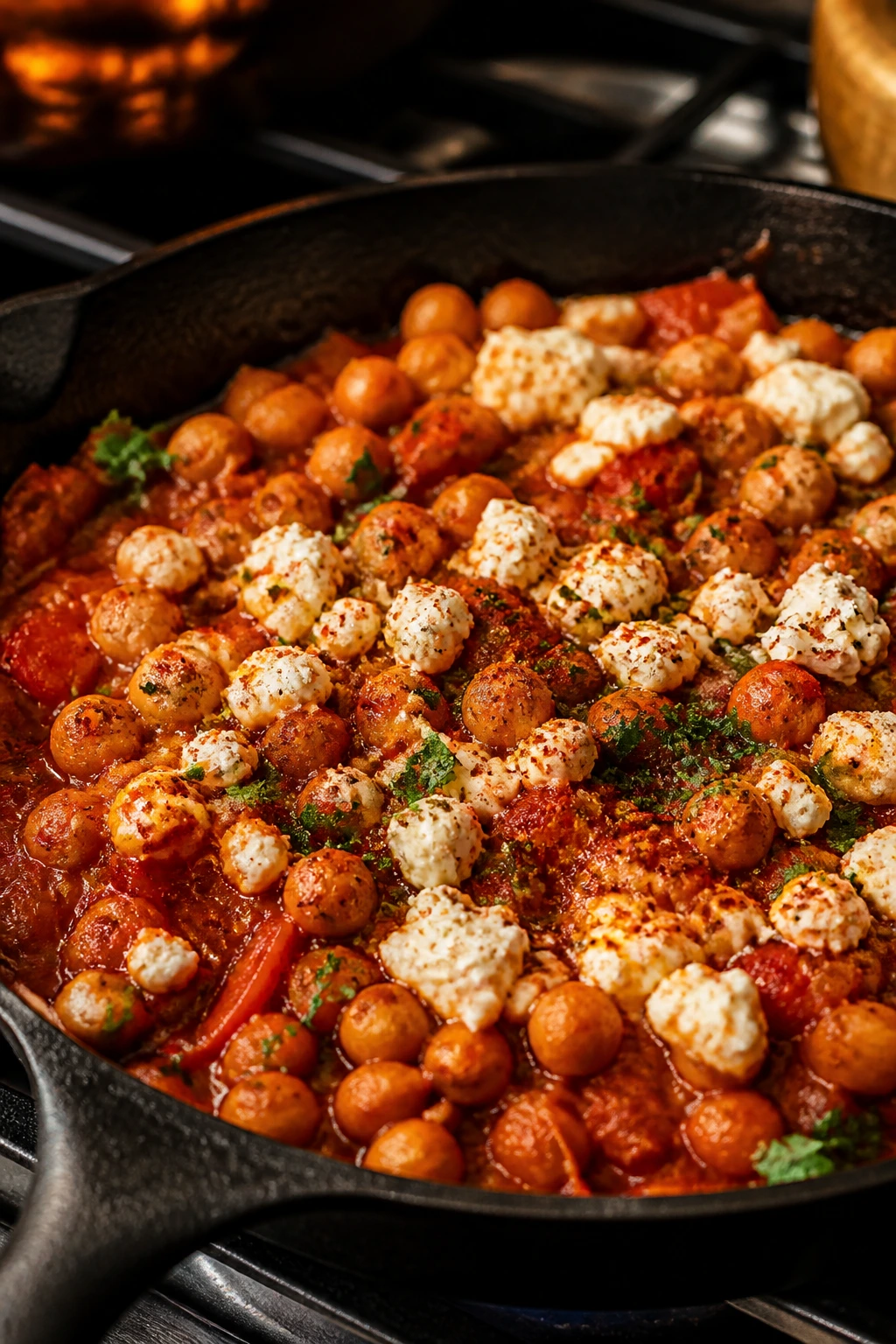
A chickpea skillet is what happens when pantry food stops acting like backup. Tomatoes get thick, the chickpeas soften around the edges, and smoked paprika gives the whole pan a campfire note without any actual fire involved. I like this dinner because it eats like something more deliberate than it is.
It is cheap, sturdy, and not remotely boring.
Why It Works: Chickpeas bring body and protein, while canned tomatoes create a sauce that can simmer quickly in cast iron without drying out. Smoked paprika and cumin give the skillet warmth, and feta adds salt plus a creamy finish after the heat comes off. Spinach, if you use it, folds in at the end and keeps the pan from feeling one-color and one-texture.
Key Ingredients
- 2 tablespoons olive oil
- 1 medium onion, diced
- 3 garlic cloves, minced
- 2 tablespoons tomato paste
- 2 teaspoons smoked paprika
- 1 teaspoon ground cumin
- 1/2 teaspoon red pepper flakes
- 2 cans (15 ounces each) chickpeas, drained and rinsed
- 1 can (28 ounces) crushed tomatoes
- 1/2 cup vegetable broth or water
- 3 cups baby spinach
- 1 teaspoon kosher salt
- 1/2 teaspoon black pepper
- 1/2 cup crumbled feta
- 1 tablespoon lemon juice
- Crusty bread or rice, for serving
Quick Steps
-
Cook the onion: Heat the olive oil in a cast iron skillet over medium heat. Add the onion and cook for 5 minutes until soft and lightly golden.
-
Toast the spices: Stir in the garlic, tomato paste, smoked paprika, cumin, and red pepper flakes. Cook for 1 minute until the spices smell warm and the tomato paste darkens a shade.
-
Simmer the sauce: Add the chickpeas, crushed tomatoes, broth, salt, and pepper. Bring to a gentle simmer and cook for 10 to 12 minutes, stirring now and then, until the sauce thickens.
-
Wilt the spinach: Stir in the spinach and cook for 1 to 2 minutes until just wilted. Turn off the heat and add the lemon juice.
-
Finish with feta: Scatter the feta over the top and let it soften for a minute before serving with bread or rice.
Tips and Variations
- Protein Add-On: A fried egg on top makes this more dinner-like with almost no extra work.
- Heat Level: Harissa or a pinch of cayenne gives the skillet more edge.
- Serve It With: Warm pita is excellent for scooping the sauce.
12. Baked Ziti Skillet with Ricotta and Mozzarella
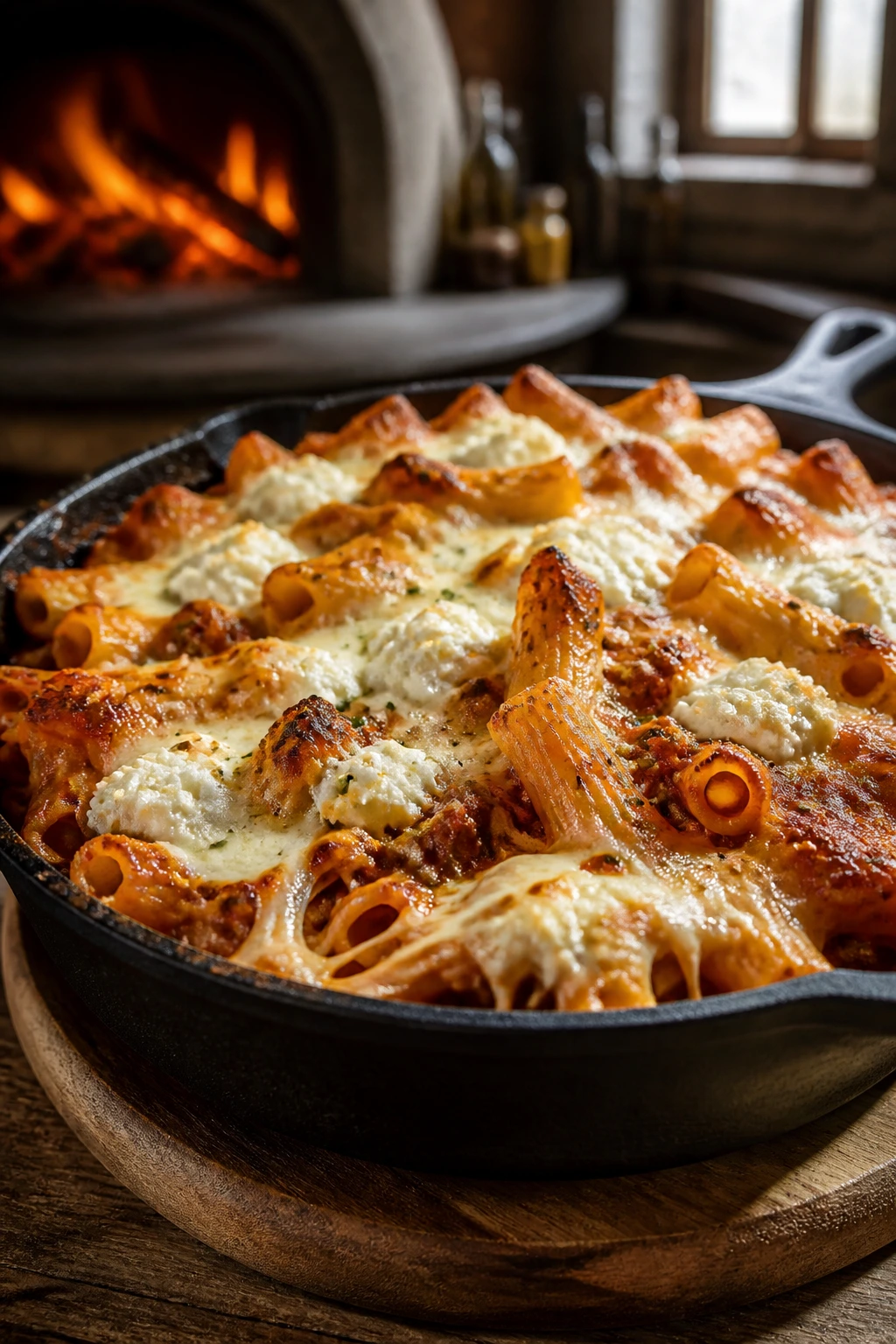
Baked ziti in cast iron gives you the bubbling cheese and browned edges a baking dish usually promises, but the skillet adds a little more crust around the rim. The sauce clings to the pasta, the ricotta softens into little creamy pockets, and the mozzarella turns stretchy in all the right places. This is the pan dinner I pull out when I want something generous.
It is the kind of dish people lean toward without being asked.
Why It Works: Pre-cooked pasta finishes in the sauce, which keeps the ziti from going mushy while still letting it absorb flavor. The sausage, if you use it, seasons the whole pan from the start. Cast iron handles the stovetop-to-oven move without complaint, so the cheese can melt and brown in the same vessel.
Key Ingredients
- 12 ounces ziti or rigatoni
- 1 pound Italian sausage, casings removed
- 1 tablespoon olive oil, if needed
- 1 medium onion, diced
- 3 garlic cloves, minced
- 1 jar (24 ounces) marinara sauce
- 1 cup water or low-sodium chicken broth
- 1 teaspoon dried Italian seasoning
- 1/2 teaspoon red pepper flakes
- 1 cup ricotta
- 2 cups shredded mozzarella
- 1/2 cup grated Parmesan
- 2 tablespoons chopped basil
- 1 teaspoon kosher salt, plus more for the pasta water
Quick Steps
-
Cook the pasta: Boil the ziti in salted water until 2 minutes shy of al dente. Drain and set aside.
-
Brown the sausage: Heat the sausage in a cast iron skillet over medium-high heat, breaking it up as it cooks. If the sausage is lean, add the oil. Cook until browned, about 6 to 8 minutes.
-
Build the sauce: Add the onion and cook for 4 minutes, then stir in the garlic, marinara, water or broth, Italian seasoning, red pepper flakes, and salt. Simmer for 5 minutes.
-
Combine and top: Stir the pasta into the sauce. Dollop the ricotta over the top, then scatter the mozzarella and Parmesan evenly across the skillet.
-
Bake until bubbling: Bake at 400°F for 12 to 15 minutes, until the cheese is melted and the edges are bubbling. Broil for 1 to 2 minutes if you want deeper browning. Finish with basil.
Tips and Variations
- Vegetarian Swap: Skip the sausage and sauté sliced mushrooms with the onion instead.
- Sauce Note: Add a splash more water if the pasta drinks up the sauce before baking.
- Best Finish: Let the skillet stand for 5 minutes so the cheese settles and serves neatly.
Why Cast Iron Wins on Cozy Supper Nights
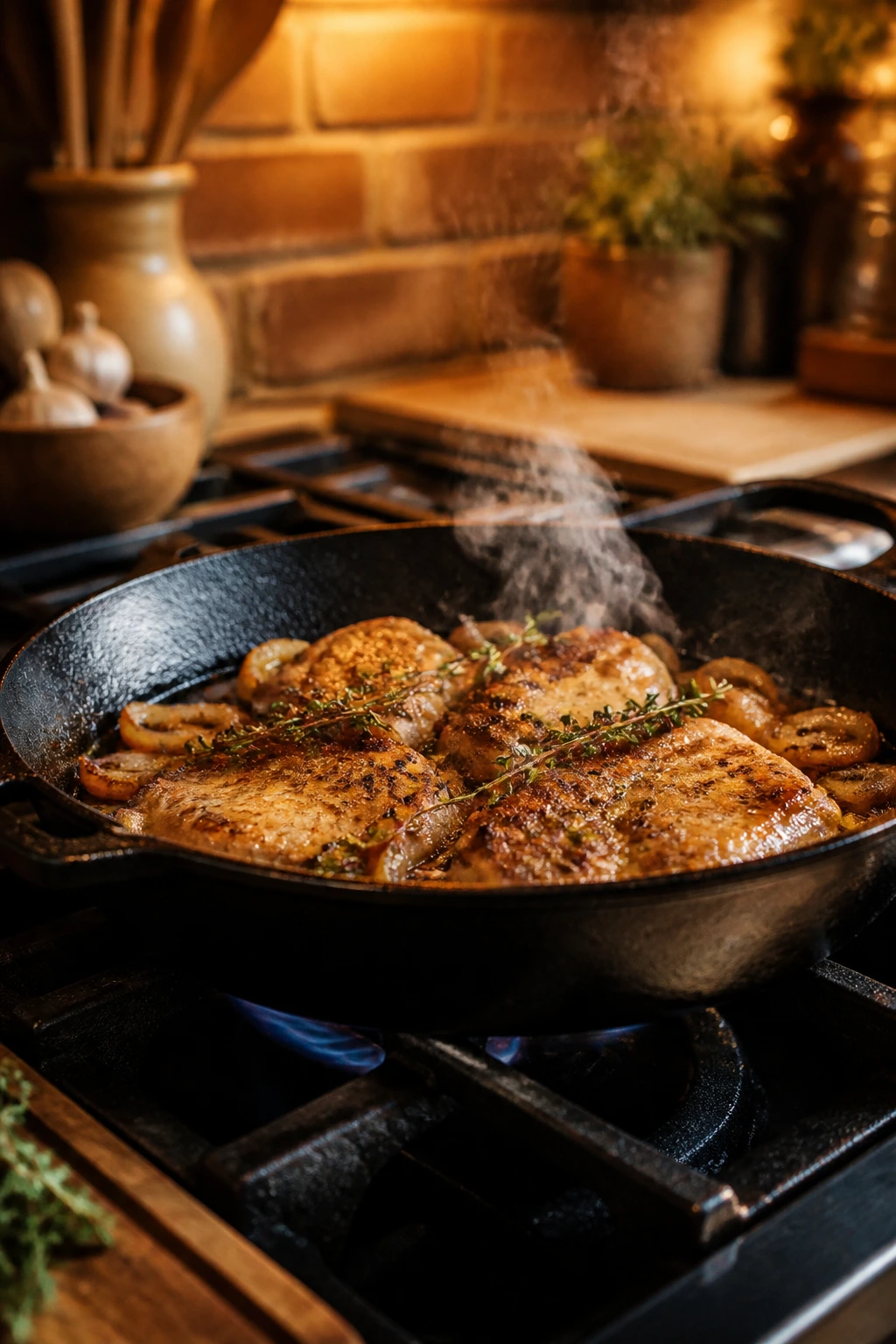
Cast iron earns its place because it stays steady when dinner gets a little messy. A thin skillet cools too quickly when cold chicken or vegetables hit the surface. Cast iron shrugs and keeps going. That means better browning on thighs, mushrooms, sausage, salmon skin, and potatoes, which is half the flavor in this whole category.
The other advantage is flexibility. A skillet dinner can start on the stove, move to the oven, and come back to the table without a transfer. That makes pan sauces easier too. The browned bits stay in the pan, and those browned bits are not scraps. They are dinner flavor waiting to be stirred into stock, cider, tomatoes, or cream.
One small warning: cast iron likes quick decisions. It is happy with short acidic sauces, but it does not want food left sitting in the pan for hours. Serve the dinner, wipe the skillet out, dry it well, and put a thin film of oil on the surface. That is the trade. Treat it right, and it will make a lot of cozy suppers for a long time.
Essential Equipment for These Recipes
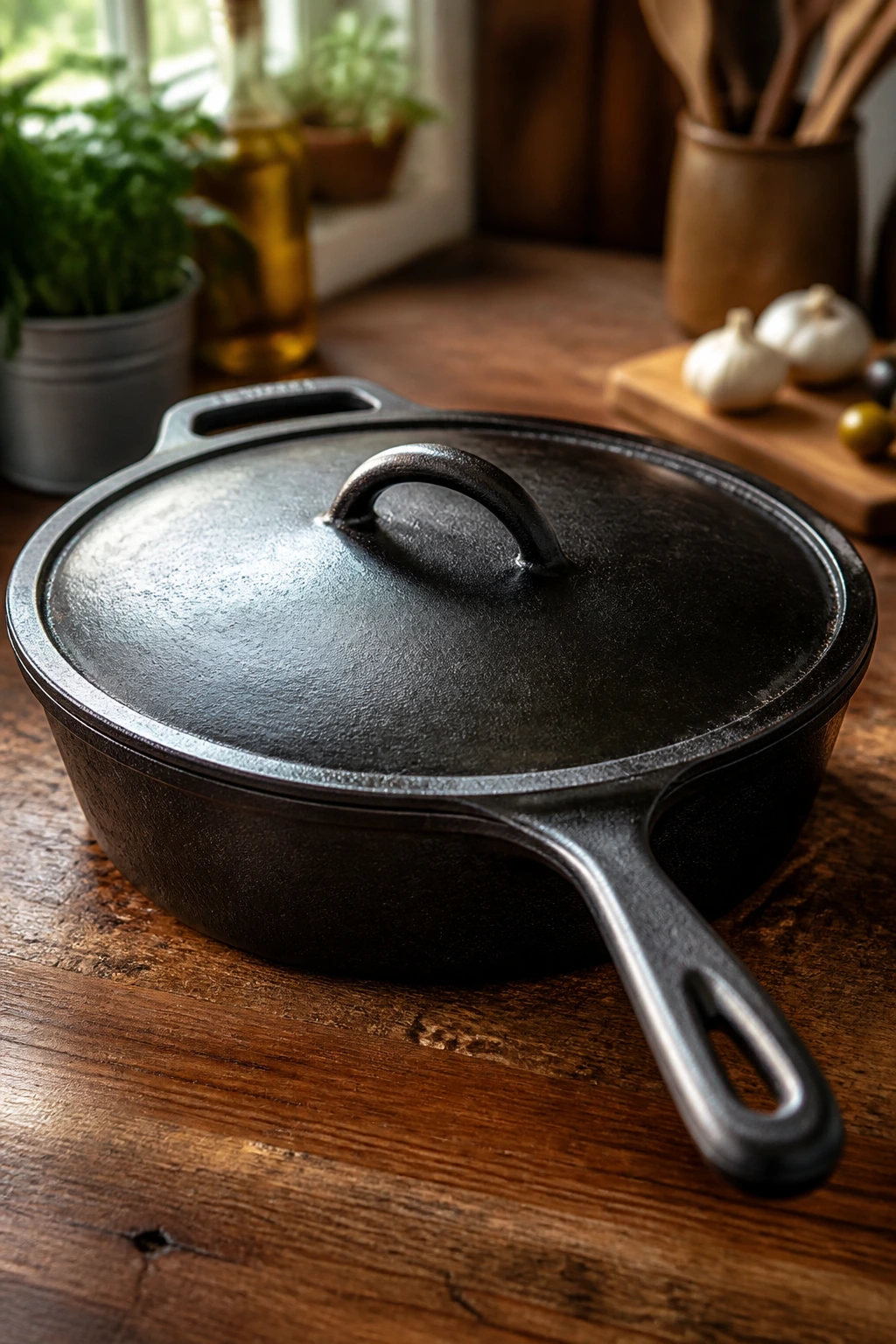
- 10- or 12-inch cast iron skillet: The workhorse for nearly every dinner here; 12-inch gives you more room for chicken, steak, and ziti.
- Lid or sheet pan: Useful for chicken and dumplings, simmered dishes, and any recipe that needs trapped steam.
- Instant-read thermometer: The easiest way to keep chicken, pork, salmon, and steak from going too far.
- Wooden spoon or heat-safe spatula: Best for scraping up browned bits without gouging the skillet.
- Tongs: Helpful for flipping chicken thighs, pork chops, and steak cleanly.
- Sharp chef’s knife: Makes quick work of onions, apples, mushrooms, kale, and potatoes.
- Cutting board: A sturdy board matters more than people admit when you are working with hot pans and fast timing.
- Measuring cups and spoons: Especially useful for sauces, dumplings, and pasta bakes where ratios matter.
- Mixing bowls: One small bowl for glazes or sauces, one medium bowl for dumplings or meatballs.
- Potato masher: Handy for shepherd’s pie and helpful for rough-smashing crisp potatoes if you want more surface area.
- Oven mitts: Cast iron handles keep heat like nobody’s business.
- Can opener: Not glamorous. Absolutely necessary for several of these dinners.
- Optional chainmail scrubber or stiff brush: Makes cleanup easier without stripping the skillet’s seasoning.
Smart Shopping and Ingredient Tips for Cast Iron Dinners

The ingredient list matters more than people think, because cast iron exposes weak ingredients fast. Chicken thighs should look plump and evenly sized so they cook at the same pace. Pork chops are better when they are thick — about 1 inch — because thin chops dry out before the pan finishes doing its work. For steak, choose pieces with decent marbling rather than the leanest cut in the case; cast iron does not hide dryness.
Mushrooms and onions deserve a little respect too. Cremini mushrooms brown better than plain white mushrooms and give stroganoff or creamy chicken a deeper flavor. Yellow onions are the safest all-purpose choice, while shallots give Tuscan-style sauces a softer edge. For potatoes, baby Yukon Golds behave nicely in a skillet because they crisp outside and go creamy inside without falling apart.
A few pantry choices make a big difference. Buy low-sodium chicken broth and beef broth if you can, because cast iron sauces reduce quickly and salty broth can get aggressive. Use crushed tomatoes rather than diced if you want a smoother sauce for meatballs, chickpeas, or ziti. Dijon mustard, Worcestershire sauce, tomato paste, and lemon all work like quiet amplifiers; they do not announce themselves, but they make the food taste rounded.
Dairy is worth a second glance. Heavy cream holds up better than half-and-half in skillet sauces. Sour cream should go in off the heat. Parmesan should be grated fresh if possible, because the pre-shredded kind often melts with a grainier texture. And if you are buying sausage, look at the ingredient list. Fewer fillers usually mean better browning and a cleaner flavor in the pan.
How to Serve These Recipes
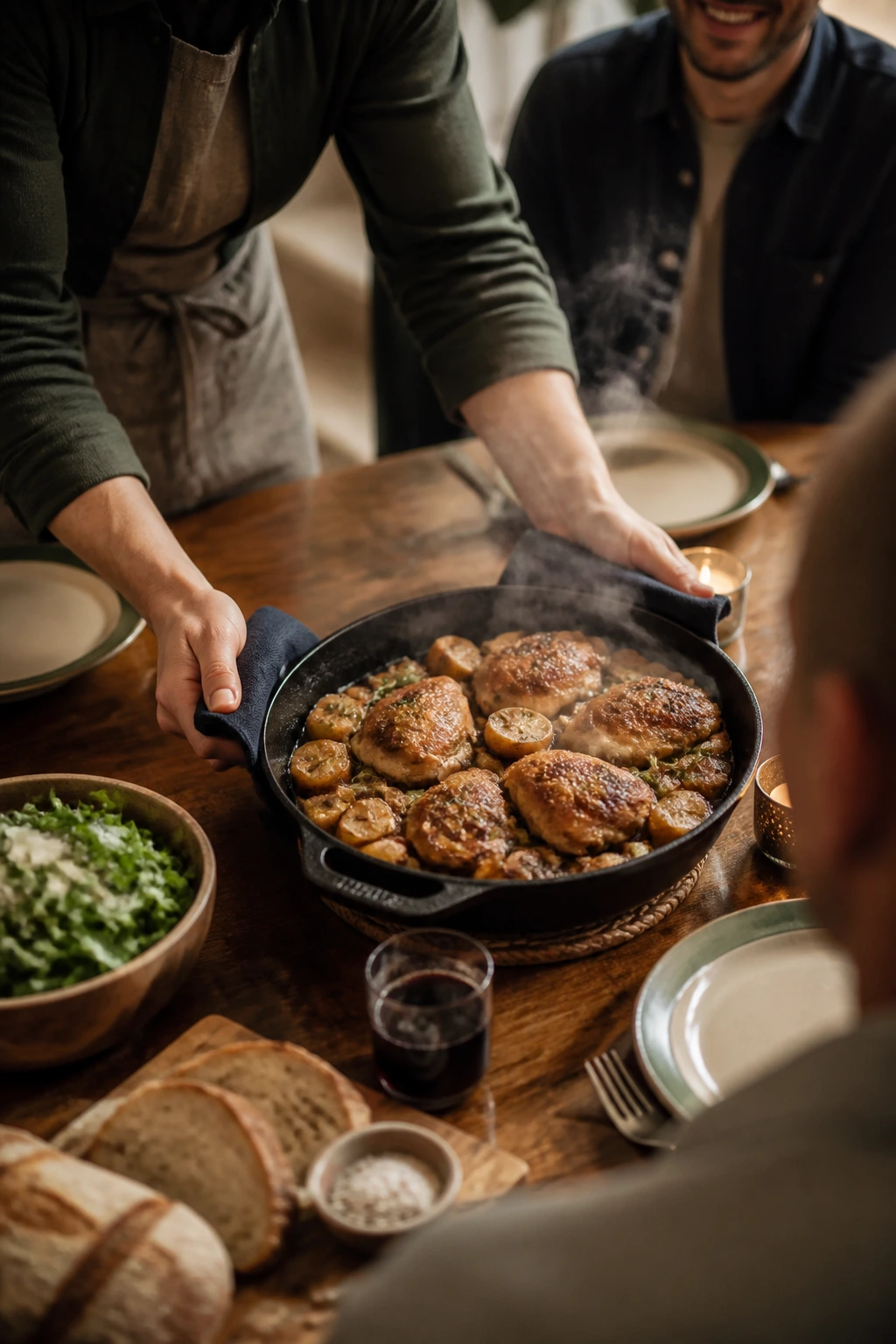
Presentation: Cast iron food looks best when it is served hot and left a little rustic. Spoon saucy dishes right from the skillet, scatter herbs over the top, and let the browned edges stay visible rather than covering everything with cheese or garnish. For chicken, pork, and steak, carve or portion after a brief rest so the juices stay where they belong.
Accompaniments: Bread matters here. Sourdough, crusty baguette, garlic toast, or soft dinner rolls all help with the leftover sauce in the skillet. For lighter balance, add a bitter green salad, roasted carrots, or simple green beans. Creamy dishes like stroganoff and Tuscan chicken sit nicely beside mashed potatoes or buttered noodles, while the bean and chickpea skillets benefit from rice, couscous, or warm pita.
Portions: Most of these recipes serve 4, though shepherd’s pie and baked ziti are happier at 6. If you are cooking for two, make the full recipe anyway and enjoy leftovers the next day. To scale up for a crowd, use two skillets instead of one crowded pan; cast iron loses its edge when the food is packed in too tightly.
Beverage Pairing: Dry cider is a natural match for pork and apple dishes. A medium-bodied red wine works well with beef, meatballs, and ziti. For chicken and salmon, try a crisp white wine or sparkling water with lemon if you want something simple. A cold lager is also a nice answer to skillet sausage or shepherd’s pie.
Additional Tips and Flavor Boosters
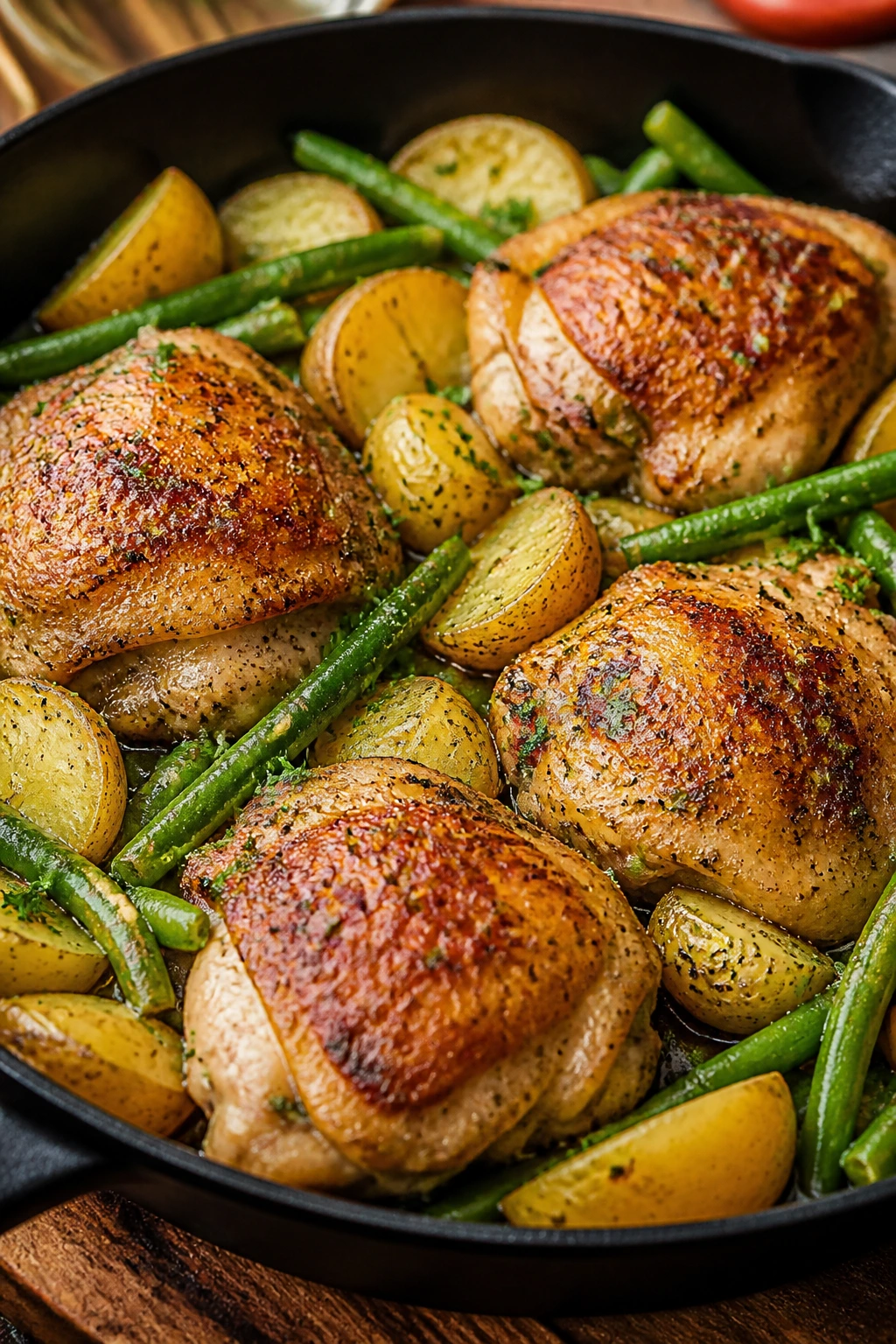
Flavor Enhancement: Finish most of these recipes with something bright. A squeeze of lemon, a splash of cider vinegar, a spoonful of Dijon, or a small knob of butter added at the end can change a pan from heavy to alive. That little finish matters more than people expect, especially in creamy or cheesy dishes.
Customization: Treat the vegetable side of the skillet like a flexible slot. Mushrooms can slip into stroganoff, Tuscan chicken, or ziti. Spinach works in almost everything. Kale can be swapped for chard or collards. If you want more body, add white beans to sausage skillets or crispy potatoes to chicken and pork pans.
Serving Suggestions: Fresh herbs are not decoration here; they cut through richness. Parsley, basil, thyme leaves, or chives give a hot skillet dinner a cleaner finish. Grated Parmesan, flaky salt, and cracked black pepper should be used at the table, not hidden in the pan.
Make-It-Yours: Gluten-free cooks can use cornstarch to thicken pan sauces and gluten-free pasta or breadcrumbs where needed. Dairy-free versions do better with olive oil, broth, and a little oat or cashew cream in place of heavy cream, though the sauce will be looser. For lower-sodium cooking, season in layers and rely more on lemon, herbs, and proper browning than on extra salt.
Make-Ahead, Storage, and Reheating Guidance
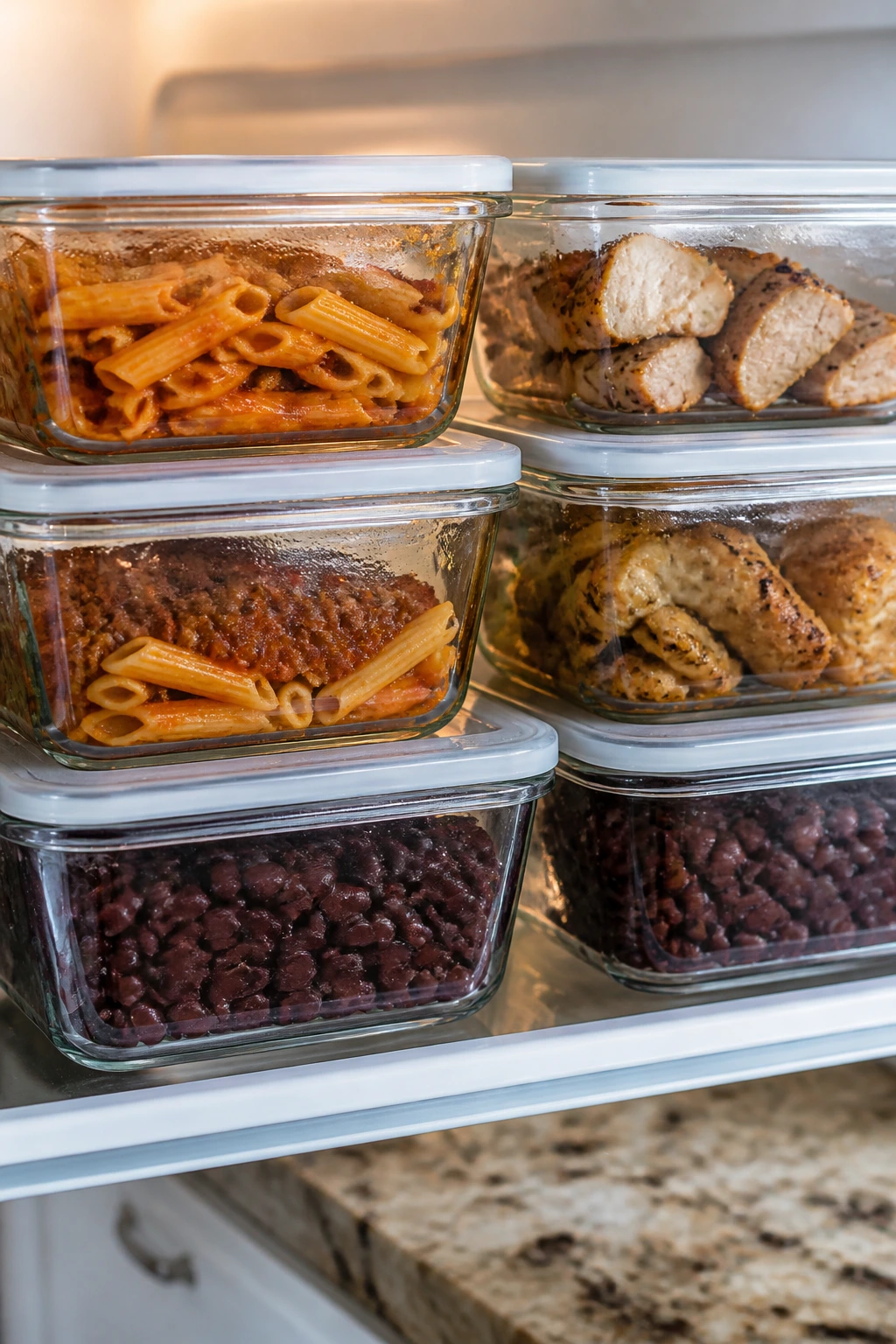
Most of these cast iron dinners keep well in the fridge for 3 to 4 days, though a few recipes deserve special treatment. Chicken, pork, sausage, meatballs, chickpeas, stroganoff, and ziti all hold up nicely when cooled, covered, and refrigerated in shallow containers. Salmon is the exception; it tastes best within 2 days and should be reheated gently, if at all. Shepherd’s pie can sit a little longer in the fridge and still be pleasant, especially if you reheat it under foil.
Freezing works best for the sturdier recipes: meatballs in sauce, shepherd’s pie, sausage and bean skillets, and baked ziti all freeze well for up to 2 months. Cream-based sauces can separate a little after thawing, but a low reheat with a splash of broth or water usually brings them back together. Dumplings are the least freezer-friendly item here; they tend to lose their soft center and turn a little gummy.
For reheating, low and slow is the safest route. Warm saucy dishes in a covered skillet over low heat with a tablespoon or two of broth or water. Reheat baked dishes like ziti or shepherd’s pie at 325°F, covered with foil, until hot through. Chicken thighs and pork chops can be reheated in a 325°F oven for about 15 minutes, just long enough to warm them without drying them out. For crisp-skinned chicken or salmon, use a hotter oven for a shorter time and keep the pan uncovered.
Make-ahead helps more than many people realize. You can chop onions, slice mushrooms, trim Brussels sprouts, or mix meatballs earlier in the day. You can even parboil potatoes for steak night and keep them in the fridge until dinner. A little prep strips away the evening scramble and leaves the skillet to do what it does best.
Variations and Adaptations to Try
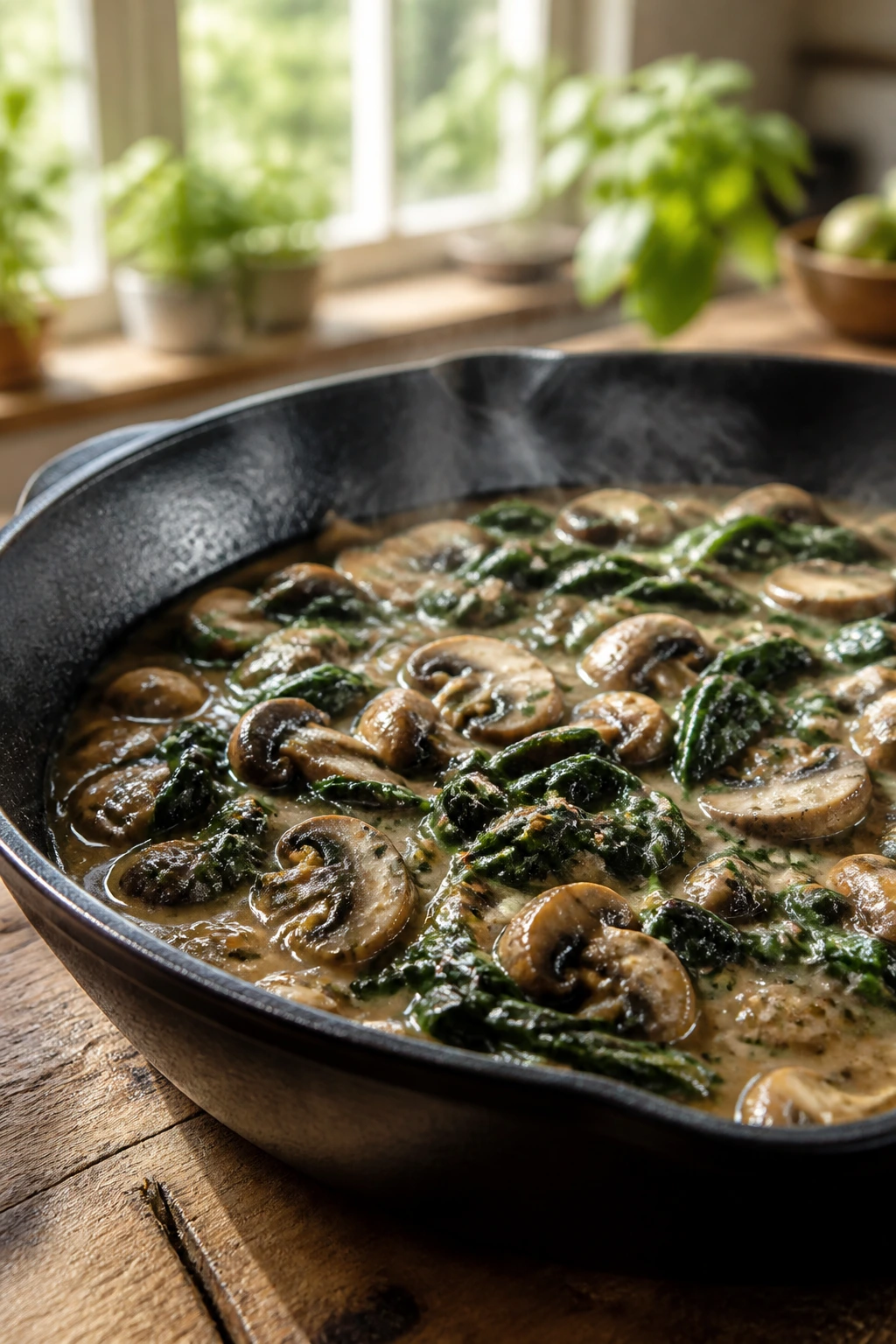
Gluten-Free Skillet Nights: Use a gluten-free flour blend to coat chicken or thicken stroganoff, swap in gluten-free breadcrumbs for meatballs, and choose gluten-free pasta for the baked ziti. Shepherd’s pie, chickpea skillet, pork chops, and salmon already fit easily with little change. The main thing is to keep an eye on sauce thickness, since some gluten-free starches thicken faster than wheat flour.
Dairy-Light Comfort Pans: Skip heavy cream where you can and lean on broth, tomato, mustard, and olive oil instead. Chicken and beans are the easiest places to make this work. If you still want a creamy edge, add a small spoonful of dairy near the end rather than building the whole sauce around it.
Vegetable-First Suppers: Push mushrooms, spinach, kale, Brussels sprouts, carrots, and onions to the front and trim back the meat. The chickpea skillet already lives here, and the ziti can become mushroom-heavy with no trouble. This style works especially well when you want a filling dinner that does not feel like a meat parade.
Lighter-Handed Spice Route: Add smoked paprika, red pepper flakes, harissa, or a pinch of cayenne to the sausage, chickpea, and meatball pans. Even a small amount changes the mood of the dish. The trick is to add heat early enough that it cooks into the sauce, then finish with something fresh to keep it from flattening out.
Two-Person Cast Iron Suppers: Cut the recipes in half and use a 10-inch skillet so the food still has room to brown. This works beautifully for chicken thighs, pork chops, salmon, and steak. You get the same cozy feel with fewer leftovers and less crowding, which matters because a cramped pan never sears well.
Common Cast Iron Mistakes to Avoid
-
Crowding the skillet: The symptom is pale chicken, soggy potatoes, or mushrooms that look steamed instead of browned. Fix it by cooking in batches or using a larger skillet. Food needs room if you want browning.
-
Starting with a wet pan: If the skillet is damp after washing, the oil spatters and food sticks. Dry it fully, then heat it for a minute or two before adding fat.
-
Using too much heat for garlic and butter: Garlic can turn bitter in a hurry, and butter will burn if the pan is screaming hot. Lower the heat before those ingredients go in, especially for pan sauces.
-
Skipping the rest for meat: Pork chops, steak, and chicken lose more juice if they are cut the second they leave the pan. Rest them for 5 to 10 minutes so the center settles and the slices stay juicy.
-
Letting cream boil hard: Dairy sauces can break or turn grainy when they are boiled aggressively. Keep the heat gentle once cream or sour cream goes in, and pull the pan off the burner if the sauce starts to look shaky.
-
Forgetting to season in layers: A bland onion base will stay bland no matter how much cheese you pour on top. Salt the protein, taste the sauce, and check again before serving.
Frequently Asked Questions
Can I use enameled cast iron instead of bare cast iron?
Yes. Enameled cast iron works well for saucy dishes, especially stroganoff, chicken and dumplings, chickpeas, and ziti. Bare cast iron is a little better for hard searing and crisping, but enameled pans are easier to use with tomato sauces and cream.
What size cast iron skillet works best for these dinners?
A 12-inch skillet gives you the most breathing room for chicken thighs, shepherd’s pie, ziti, and steak. A 10-inch skillet is fine for smaller dinners or two-person portions, but overcrowding is the fastest way to lose browning.
How do I keep food from sticking to cast iron?
Start with a dry skillet, preheat it, and add enough fat to coat the surface. Let meat or potatoes sit long enough to form a crust before you try to move them; if they are sticking badly, they probably are not ready to turn yet.
Can I swap chicken breasts for thighs in most of these recipes?
Usually, yes, but chicken breasts need gentler heat and a shorter finish time. They are more likely to dry out in skillet dinners with a long simmer or roast, so keep a thermometer handy and pull them at 165°F.
Which recipes make the best leftovers?
Shepherd’s pie, meatballs in tomato cream sauce, sausage and white beans, and baked ziti are the strongest leftover dinners here. Chicken and pork reheat well too, but fish is best eaten fresh or within a day or two.
Do I need to season cast iron after every dinner?
Not every time, but you should dry the pan well after washing and rub on a thin coat of oil if the surface looks dull. If you cooked something acidic, clean the skillet soon after dinner and do not let the food sit in it overnight.
What if my pan sauce looks greasy or broken?
Take the skillet off the heat and whisk in a spoonful of cold broth or water. If the sauce contains cream, a small knob of butter can help bring it back together. Gentle heat is the fix more often than more heat.
Can I make these dinners ahead for company?
Yes, but choose the right recipes. Meatballs, shepherd’s pie, ziti, sausage and beans, and chicken and dumplings all tolerate make-ahead prep well. For steak, salmon, and crisp-skinned chicken, do the prep early and cook them right before serving so the texture stays sharp.
Warm Pans, Quiet Evenings
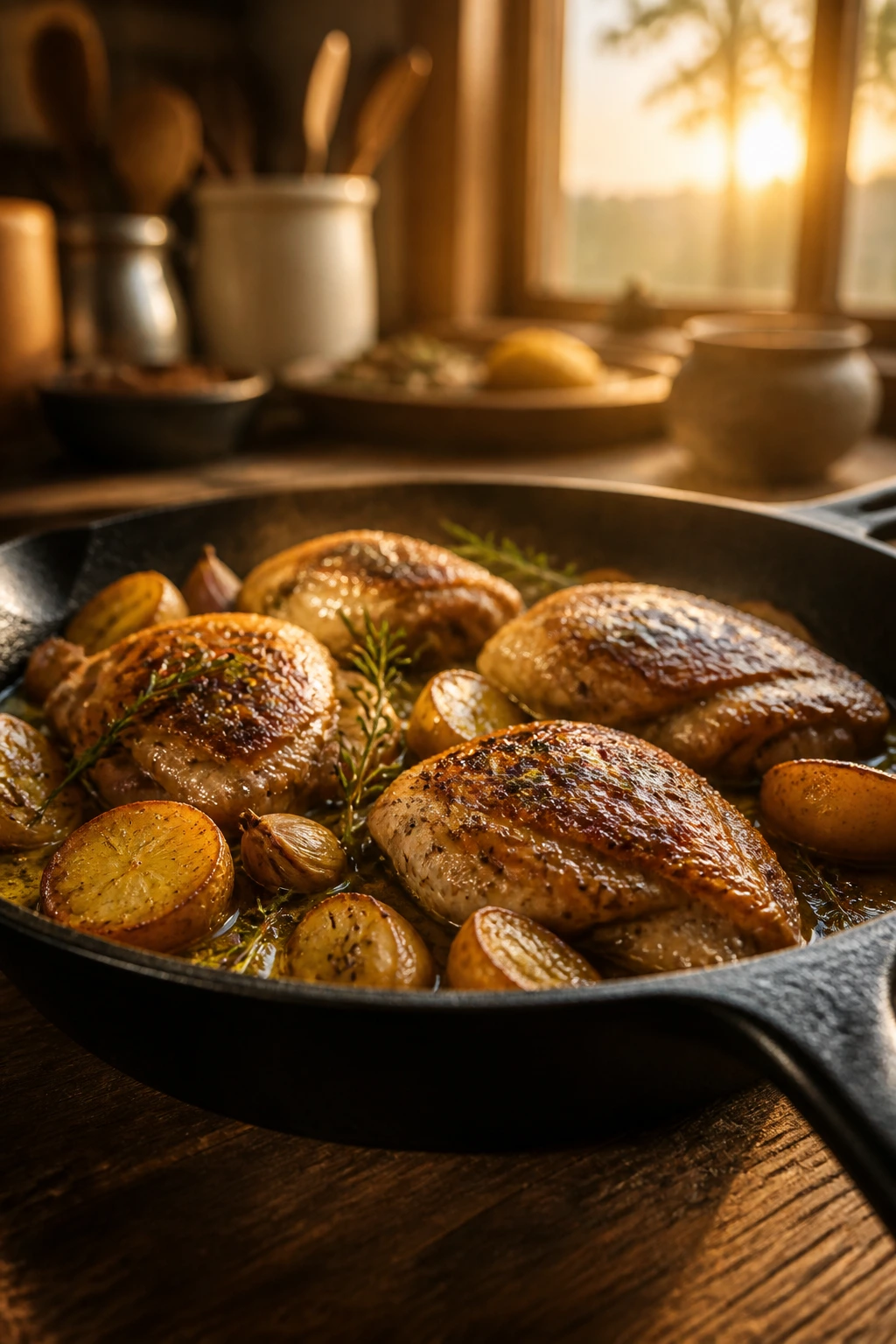
A good cast iron dinner does not need a lot of explanation once it reaches the table. You can see the browned edges, hear the little sizzle that hangs on for a second, and smell the butter or herbs before the first bite lands. That is enough for most people.
What makes these recipes so useful is not that they are fancy. It is that they are sturdy. They give you options for chicken, beef, pork, fish, beans, pasta, and potatoes without making you juggle three pans and a prayer. Pick the one that fits your night, and let the skillet keep the pace.
Maybe that is the real appeal of cast iron cooking: it lets dinner feel calm even when the day was not. Start with the pan, then build from there.
| Recipe | Prep Time | Cook Time | Total Time | Servings | Standout Detail |
|---|---|---|---|---|---|
| Garlic Butter Chicken Thighs with Potatoes and Green Beans | 15 min | 35 min | 50 min | 4 | crackly skin and buttery potatoes |
| Creamy Beef and Mushroom Stroganoff Skillet | 20 min | 25 min | 45 min | 4–5 | silky sour cream sauce |
| Pork Chops with Apples, Onions, and Sage | 15 min | 25 min | 40 min | 4 | sweet-savory pan sauce |
| Chicken and Dumplings in a Skillet | 20 min | 35 min | 55 min | 4–6 | fluffy dumplings over creamy stew |
| Skillet Meatballs in Tomato Cream Sauce | 25 min | 30 min | 55 min | 4–6 | rich sauce that clings to bread |
| Sausage, White Bean, and Kale Skillet | 15 min | 25 min | 40 min | 4 | brothy, savory, and fast |
| Honey-Mustard Salmon with Brussels Sprouts | 15 min | 20 min | 35 min | 4 | glazed salmon with crisp sprouts |
| Tuscan Chicken with Spinach and Sun-Dried Tomatoes | 15 min | 25 min | 40 min | 4 | creamy garlic sauce and sun-dried tomatoes |
| Skillet Shepherd’s Pie with Cheddar Mash | 30 min | 35 min | 1 hr 5 min | 6 | browned cheddar potato top |
| Steak with Crispy Potatoes and Herb Butter | 15 min | 30 min | 45 min | 4 | pan-seared steak with rosemary butter |
| Smoky Chickpea and Tomato Skillet with Feta | 10 min | 20 min | 30 min | 4 | smoky vegetarian skillet dinner |
| Baked Ziti Skillet with Ricotta and Mozzarella | 20 min | 30 min | 50 min | 6 | bubbling cheese from edge to edge |