



The first thing that goes wrong with a lot of crockpot Chinese recipes is obvious the moment you lift the lid: the sauce tastes flat, the meat tastes boiled, and the vegetables have surrendered into mush. When slow cooker Chinese food works, though, it does something satisfying that stovetop takeout rarely has time for. The sauce clings. The chicken gets mahogany-dark around the edges. The beef goes spoon-tender without losing its shape. And the whole kitchen smells like soy sauce, ginger, garlic, and a little toasted sesame oil drifting out of a shop door on a busy street.
That’s why the best crockpot Chinese recipes are not about dumping random ingredients into a pot and hoping for magic. They’re about knowing what should cook low and slow, what should go in late, and what needs a quick finish so the final dish still has bite. Broccoli, snap peas, scallions, noodles, and cornstarch-thickened sauces all behave differently in a slow cooker. If you respect that, the results get a lot better. If you don’t, the meal can taste tired before it reaches the table.
I’ve always thought the slow cooker is unfairly overlooked for Chinese-American comfort food. It handles braises, sticky sauces, and shredded meats beautifully, as long as you stop treating it like a soupy one-pot shortcut for everything. The recipes below lean into that strength. Some are saucy enough to spoon over rice, some are sharp and glossy, and a few are built to be finished with a fast broil or a handful of fresh vegetables right at the end. That little bit of restraint makes all the difference.
Why This Collection Earns Its Keep
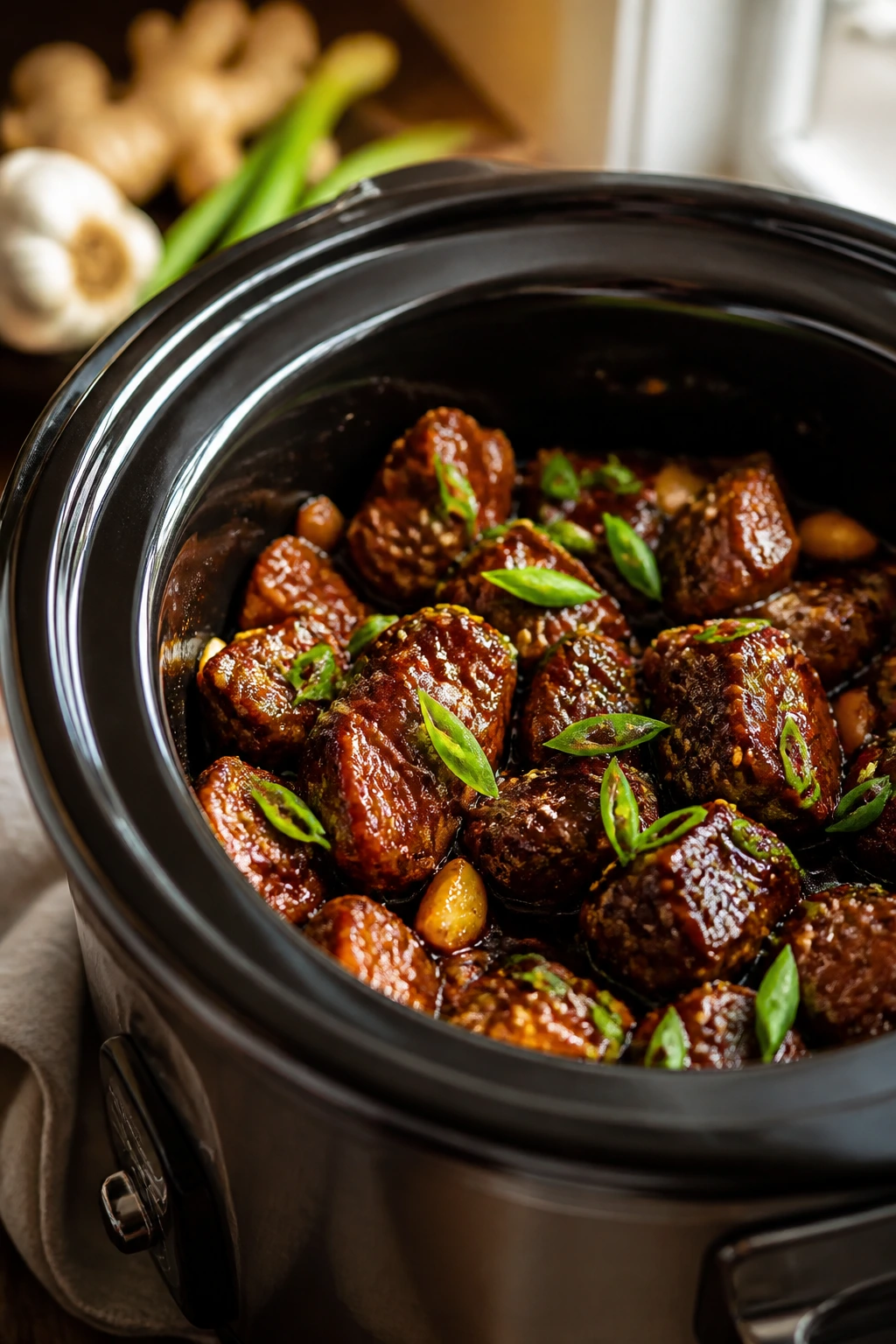
- Takeout flavor without the skillet shuffle: Each recipe builds a real sauce base with soy, garlic, ginger, vinegar, hoisin, or chili paste, then lets the slow cooker do the tenderizing while you stay out of the kitchen.
- Better use of sturdy cuts: Thighs, chuck roast, pork shoulder, and short ribs all improve when they get time to break down gently, which is exactly where the crockpot earns its place.
- Late-stage vegetables stay crisp: The recipes below call out when broccoli, snow peas, bell peppers, or scallions should go in near the end so they still taste like vegetables, not pale green memory.
- Sauces that actually cling: Cornstarch slurries, reduced cooking liquid, and quick finishing steps keep the glaze glossy instead of watery.
- Flexible serving style: Most of these dishes work over jasmine rice, brown rice, noodles, or even in lettuce cups, which makes leftovers easier to repurpose.
- Weeknight-friendly prep: Most of the hands-on work is 10 to 20 minutes, and a lot of it is chopping, whisking, and turning on the cooker. That’s the whole point.
1. General Tso Chicken with Sticky Garlic Sauce
A good slow cooker General Tso chicken should hit three notes at once: sweet, salty, and a little sharp on the back end. The chicken turns dark and lacquered in the sauce, and the garlic loosens into something deeper than raw bite. I like this one with thighs, not breasts, because thighs stay juicy during the long cook and don’t turn stringy when you toss them at the end.
Why It Works:
The crockpot gives the chicken time to absorb the sauce without drying out, and the final cornstarch step turns the liquid into the glossy coating this dish needs. A quick broil or skillet finish keeps the edges from tasting flat. The red pepper flakes bring enough heat to keep the sweetness in check.
Key Ingredients:
- 2 lbs boneless, skinless chicken thighs, trimmed and cut into 1½-inch pieces
- ½ cup low-sodium soy sauce
- ⅓ cup hoisin sauce
- ⅓ cup rice vinegar
- ¼ cup honey
- 4 cloves garlic, minced
- 1 tablespoon fresh ginger, grated
- 1 to 2 teaspoons crushed red pepper flakes
- 2 tablespoons cornstarch mixed with 3 tablespoons cold water
- 2 tablespoons neutral oil
- 2 scallions, sliced, for finishing
Quick Steps:
- Whisk the soy sauce, hoisin, vinegar, honey, garlic, ginger, pepper flakes, and oil in the slow cooker.
- Add the chicken and stir to coat.
- Cook on LOW for 3 to 4 hours or HIGH for 1½ to 2½ hours, until the chicken is cooked through and tender.
- Stir in the cornstarch slurry and cook uncovered on HIGH for 15 to 20 minutes, until the sauce looks glossy and coats the back of a spoon.
- For deeper color, spread the chicken on a foil-lined sheet pan and broil 2 to 4 minutes.
- Finish with scallions and serve over rice.
Equipment for This Recipe:
- 4- to 6-quart slow cooker
- Small whisk
- Measuring cups and spoons
- Foil-lined sheet pan, optional for broiling
- Slotted spoon or tongs
How to Serve This Dish:
Spoon it over steamed jasmine rice so the sauce can soak into the grains. Add plain cucumber slices or quick-pickled carrots on the side if you want a cold crunch next to the sticky chicken.
Pro Tips for This Recipe:
- Use thighs, not breasts, if you want the chicken to stay tender after the final toss.
- If the sauce tastes too sweet before serving, add 1 more tablespoon of rice vinegar.
- Broil only long enough to blister the edges; a minute too long can turn the sugar in the sauce bitter.
Variations on This Dish:
- Orange Tso Twist: Swap 2 tablespoons of the honey for orange marmalade and add 1 teaspoon orange zest.
- Spicy Takeout Heat: Stir in 1 tablespoon chili crisp at the end for a sharper, crunchier heat.
- Gluten-Free Version: Use tamari and a gluten-free hoisin sauce, then check the labels on the vinegar and chili paste.
Common Mistakes to Avoid with This Dish:
- Skipping the thickener: The sauce stays thin and drippy. Add the cornstarch slurry near the end, not at the start.
- Using chicken breasts too long: They can dry out and shred into rough pieces. If you use breasts, shorten the cook time and check early.
- Adding scallions too soon: They lose their fresh bite and turn dull. Save them for the end.
2. Crockpot Beef and Broccoli with Garlic Soy Gravy
This is the slow cooker version of beef and broccoli that actually tastes like the thing people order with white rice and extra sauce. The beef gets soft enough to shred slightly with a spoon, but still keeps enough body to feel like dinner. Broccoli goes in near the end so it stays green and a little snappy instead of collapsing into the sauce.
Why It Works:
Chuck roast has the connective tissue that slow cooking likes. It breaks down into a soft, beefy texture after several hours, and the soy-ginger sauce gets richer as the meat cooks. Broccoli added in the last 20 minutes keeps the dish from turning swampy.
Key Ingredients:
- 2½ lbs beef chuck roast, trimmed and cut into 2-inch chunks
- ¾ cup low-sodium beef broth
- ½ cup low-sodium soy sauce
- ¼ cup brown sugar
- 3 tablespoons oyster sauce
- 4 cloves garlic, minced
- 1 tablespoon grated ginger
- 2 tablespoons cornstarch mixed with 3 tablespoons water
- 6 cups broccoli florets
- 1 tablespoon sesame oil
- 1 tablespoon sesame seeds, optional
Quick Steps:
- Add the beef, broth, soy sauce, brown sugar, oyster sauce, garlic, and ginger to the slow cooker.
- Cook on LOW for 7 to 8 hours or HIGH for 4 to 5 hours, until the beef is fork-tender.
- Stir in the cornstarch slurry and let the sauce thicken on HIGH for 15 minutes.
- Add the broccoli florets and sesame oil, cover, and cook 15 to 20 minutes more, until the broccoli turns bright green and just tender.
- Taste and adjust with a splash of soy sauce if needed.
- Serve over rice with sesame seeds on top.
Equipment for This Recipe:
- 5- to 6-quart slow cooker
- Sharp chef’s knife
- Cutting board
- Small bowl for slurry
- Wooden spoon
How to Serve This Dish:
Pile it over hot rice or wide rice noodles. I like a small bowl with extra sauce spooned around the edges and a few broccoli crowns on top so it looks generous, not buried.
Pro Tips for This Recipe:
- Cut the beef into even chunks so the pieces finish at the same pace.
- Don’t add broccoli at the start; it’ll go olive-colored and soft.
- If your sauce looks thin after thickening, leave the lid off for 10 minutes and let steam escape.
Variations on This Dish:
- Black Pepper Beef: Add 1 tablespoon coarse black pepper and 1 sliced onion for a sharper, restaurant-style edge.
- Spicy Garlic Broccoli Beef: Stir in 1 to 2 teaspoons chili paste with the sauce base.
- Rice Bowl Shortcuts: Use frozen broccoli florets and add them straight from frozen in the last 20 minutes.
Common Mistakes to Avoid with This Dish:
- Overcooking the broccoli: It should still have a little snap. Mushy broccoli pulls the whole dish down.
- Using a super-lean cut: Sirloin can work, but it won’t get as silky as chuck roast.
- Adding the slurry too early: Cornstarch breaks down if it cooks too long and the sauce can thin back out.
3. Honey Garlic Chicken Thighs with Scallions
This one is sticky in the best possible way. The sauce is glossy, a little sweet, and heavy on garlic, which gives the honey some needed bite. Chicken thighs are the right call again; they soak up the sauce and stay juicy even if the cooker runs a little long.
Why It Works:
Honey alone can taste flat, so the rice vinegar and soy sauce do the balancing work here. Garlic mellows as it cooks and turns sweet. That’s the whole trick. The sauce is simple, but the finish tastes like more effort than it took.
Key Ingredients:
- 2 lbs boneless, skinless chicken thighs
- ½ cup honey
- ⅓ cup low-sodium soy sauce
- ¼ cup rice vinegar
- 8 cloves garlic, minced
- 1 tablespoon sesame oil
- 1 tablespoon cornstarch mixed with 2 tablespoons water
- 3 scallions, sliced
- 1 teaspoon sesame seeds, optional
- 1 teaspoon red pepper flakes, optional
Quick Steps:
- Whisk honey, soy sauce, vinegar, garlic, sesame oil, and red pepper flakes in the slow cooker.
- Add the chicken thighs and turn them to coat.
- Cook on LOW for 3½ to 4½ hours or HIGH for 2 to 3 hours, until the chicken is tender.
- Remove the chicken, stir in the cornstarch slurry, and cook the sauce uncovered for 10 to 15 minutes.
- Return the chicken to the pot and spoon sauce over it.
- Top with scallions and sesame seeds.
Equipment for This Recipe:
- Slow cooker
- Small whisk
- Tongs
- Measuring spoons
- Serving spoon
How to Serve This Dish:
Serve with rice and a simple vegetable like bok choy or green beans. The sauce is rich enough that you do not need anything fussy beside it.
Pro Tips for This Recipe:
- Mince the garlic finely so it melts into the sauce instead of sitting in sharp little bits.
- If your honey is very thick, warm it for 10 seconds so it mixes cleanly.
- Taste the sauce before serving; if it leans too sweet, add 1 more tablespoon vinegar.
Variations on This Dish:
- Ginger-Honey Chicken: Add 1 tablespoon fresh ginger for a warmer, brighter flavor.
- Garlic Sesame Wings Style: Use bone-in drumsticks and cook 1 hour longer on LOW.
- Low-Sugar Version: Cut honey to ⅓ cup and add 2 tablespoons orange juice for a softer sweetness.
Common Mistakes to Avoid with This Dish:
- Putting in too much garlic powder instead of fresh garlic: The flavor gets dusty and one-note. Fresh garlic is worth it here.
- Cooking uncovered from the start: The sauce can reduce too much and turn sticky before the chicken is done.
- Skipping the slurry: Honey alone won’t give you that clingy takeout-style glaze.
4. Slow Cooker Mongolian Beef with Onion Strips
Mongolian beef should taste dark, salty-sweet, and a little smoky, with onion slices that melt into the sauce but still keep some shape. The slow cooker takes the edges off the beef and lets the sauce sink into every crevice. Finish it right, and you get something glossy enough to spoon over rice without running everywhere.
Why It Works:
Flank steak can be a little stubborn, but the long cook and the soy-brown sugar base soften it nicely. Onion does double duty here: it perfumes the sauce and gives it body. A quick final thickening step keeps the sauce from feeling thin.
Key Ingredients:
- 2 lbs flank steak, sliced thin against the grain
- 1 large yellow onion, thinly sliced
- ½ cup low-sodium soy sauce
- ⅓ cup brown sugar
- ½ cup beef broth
- 4 cloves garlic, minced
- 1 tablespoon grated ginger
- 2 tablespoons cornstarch mixed with 3 tablespoons water
- 2 tablespoons vegetable oil
- 3 scallions, sliced
Quick Steps:
- Toss the flank steak with cornstarch in a bowl so the strips get lightly coated.
- Put the beef, onion, soy sauce, brown sugar, broth, garlic, ginger, and oil in the slow cooker.
- Cook on LOW for 4 to 5 hours or HIGH for 2½ to 3½ hours, until the beef is tender.
- Stir in the slurry and cook uncovered for 15 minutes, until the sauce thickens and turns glossy.
- Taste and add a splash of soy sauce if it needs more salt.
- Finish with scallions and serve hot.
Equipment for This Recipe:
- Slow cooker
- Sharp knife
- Mixing bowl
- Whisk
- Tongs
How to Serve This Dish:
This is built for steamed rice, though it also works over noodles if you want the sauce to grab more surface area. A few raw scallion slices on top keep it from looking too dark.
Pro Tips for This Recipe:
- Slice the beef thinly against the grain or it will stay chewy.
- The cornstarch coat helps the sauce cling; don’t skip it.
- If the onion seems too soft, save a few raw slices to scatter on top after serving.
Variations on This Dish:
- Spicy Mongolian Beef: Add sliced dried chilies or 1 teaspoon chili flakes.
- Mushroom Mongolian Beef: Add 8 ounces sliced mushrooms for extra body.
- Gluten-Free Version: Swap in tamari and a gluten-free beef broth.
Common Mistakes to Avoid with This Dish:
- Slicing with the grain: The beef stays stringy. Cut across the lines in the meat.
- Too much sugar: The sauce can taste candy-sweet. Keep the brown sugar measured.
- Forgetting to thicken at the end: Mongolian beef should coat the beef, not pool under it.
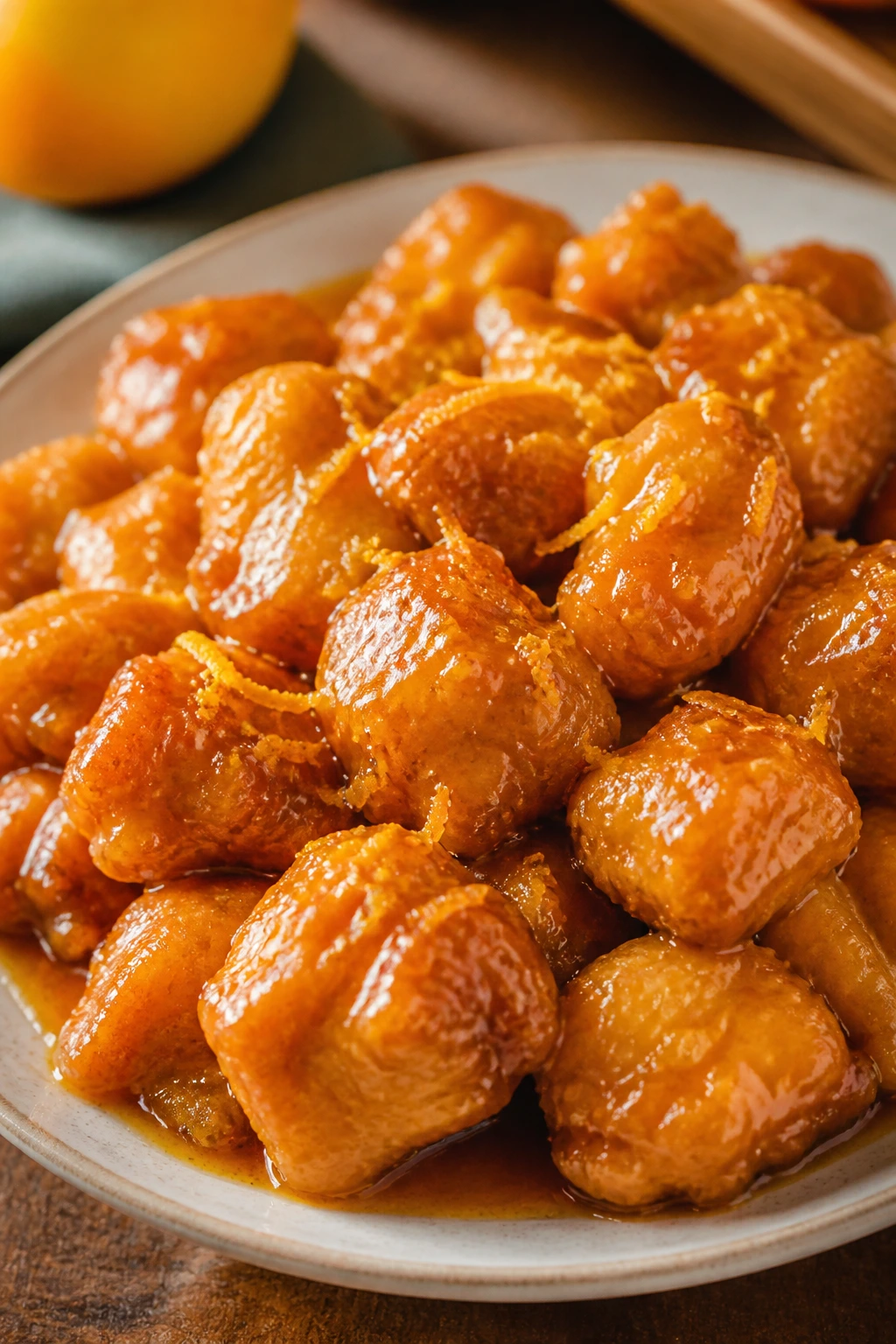
5. Crockpot Orange Chicken with Citrus Glaze
Orange chicken from a slow cooker needs a little help to stay lively, because the sauce can drift flat if you’re careless. The trick is orange zest, rice vinegar, and a little soy sauce so the glaze tastes bright rather than syrupy. The finished dish should look burnished and smell like orange peel and garlic.
Why It Works:
The cooker turns the chicken tender, and the sauce concentrates slowly around it. Orange zest carries the aroma better than juice alone, which is why this version tastes more like actual citrus and less like orange soda. A last-minute thickening pass pulls everything together.
Key Ingredients:
- 2 lbs boneless, skinless chicken thighs, cut into chunks
- ¾ cup orange juice
- 2 teaspoons orange zest
- ⅓ cup low-sodium soy sauce
- ¼ cup honey
- 3 tablespoons rice vinegar
- 4 cloves garlic, minced
- 1 tablespoon grated ginger
- 2 tablespoons cornstarch mixed with 3 tablespoons water
- 1 tablespoon sesame oil
Quick Steps:
- Whisk orange juice, zest, soy sauce, honey, vinegar, garlic, ginger, and sesame oil in the slow cooker.
- Add the chicken and stir to coat.
- Cook on LOW for 3 to 4 hours or HIGH for 2 to 2½ hours, until the chicken is tender.
- Stir in the cornstarch slurry and cook uncovered for 15 minutes, until the sauce turns glossy.
- For a takeout-style edge, spread the chicken on a sheet pan and broil 2 minutes.
- Serve with rice and extra zest on top.
Equipment for This Recipe:
- Slow cooker
- Microplane or zester
- Small whisk
- Sheet pan, optional for broiling
- Measuring cups
How to Serve This Dish:
Serve with steamed rice and sautéed broccoli. Orange chicken can be a little sweet, so a salty vegetable side balances the plate nicely.
Pro Tips for This Recipe:
- Zest the orange before juicing it. Trying to do it the other way around is annoying.
- Use chicken thighs for a softer, juicier result.
- If the sauce tastes too sweet, add 1 extra tablespoon vinegar and a pinch of salt.
Variations on This Dish:
- Blood Orange Twist: Swap part of the juice for blood orange juice if you want a deeper citrus note.
- Orange Chili Chicken: Add 1 to 2 teaspoons chili garlic sauce.
- Crispier Finish: Broil the sauced chicken for 2 to 3 minutes after thickening.
Common Mistakes to Avoid with This Dish:
- Using only juice and no zest: The flavor turns thin. Zest is where the orange smell lives.
- Skipping the final broil when you want texture: The sauce will be tasty, but softer than most people expect.
- Too much cornstarch: The glaze can go gummy. Start with the measured slurry and add only if needed.
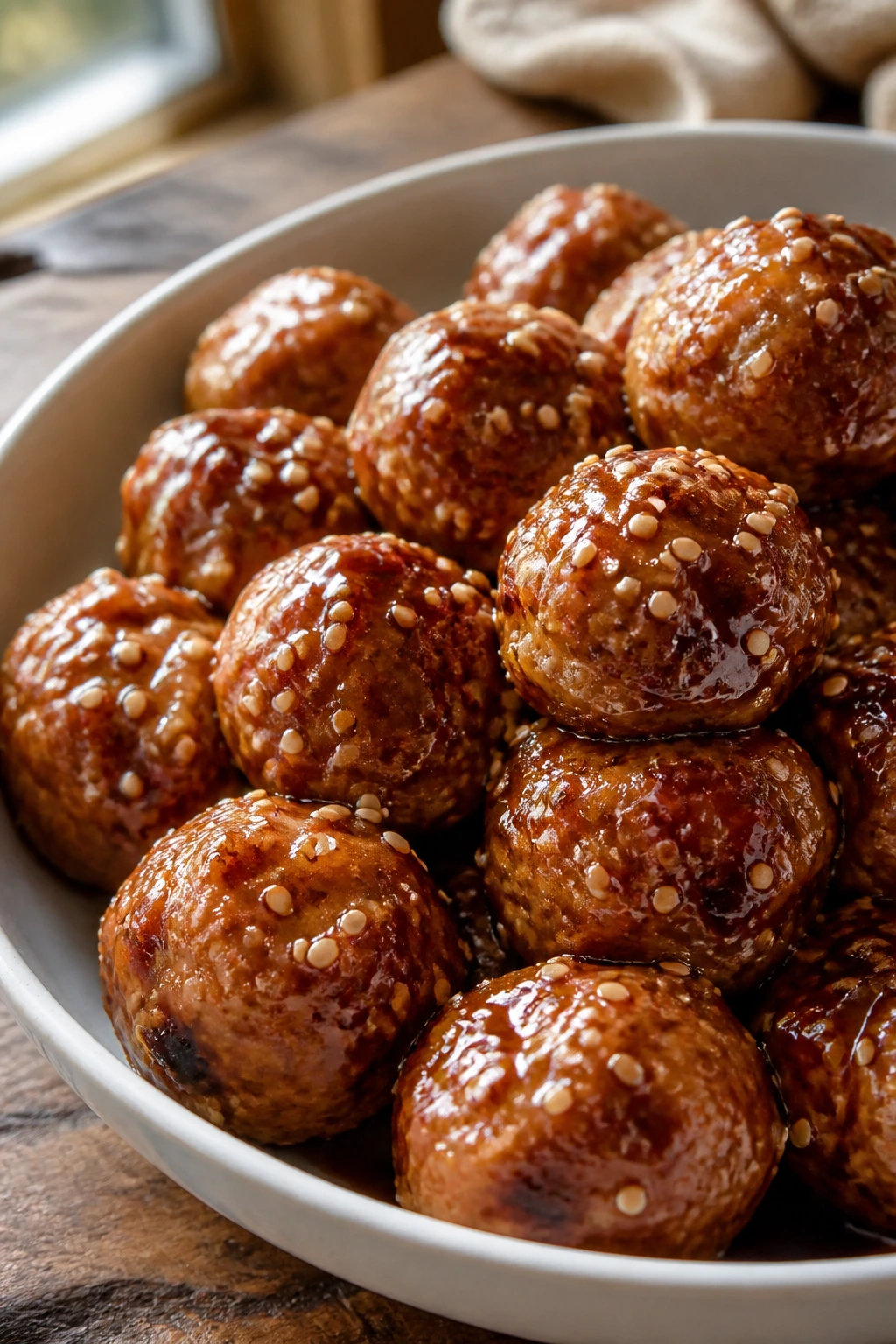
6. Sesame Chicken Meatballs in Sweet Soy Sauce
Meatballs are one of the best things the slow cooker can do for Chinese-American flavors because they keep their shape and soak up sauce without falling apart. These are savory, a little sweet, and finished with sesame oil so they smell nutty as soon as the lid comes off. I like using ground chicken or turkey because it keeps the texture light.
Why It Works:
The meatballs are browned first so they hold together in the sauce, and the slow cooker finishes them without drying them out. The sauce is simple: soy, honey, garlic, ginger, and sesame. That’s enough when you’re dealing with meatballs that want to absorb whatever you put around them.
Key Ingredients:
- 2 lbs ground chicken or turkey
- 1 egg
- ½ cup panko breadcrumbs
- 2 cloves garlic, minced
- 1 tablespoon grated ginger
- ½ cup low-sodium soy sauce
- ¼ cup honey
- 2 tablespoons rice vinegar
- 1 tablespoon sesame oil
- 1 tablespoon cornstarch mixed with 2 tablespoons water
- 2 tablespoons sesame seeds
- 3 scallions, sliced
Quick Steps:
- Mix ground meat, egg, panko, garlic, and half the ginger, then shape into 1½-inch meatballs.
- Brown the meatballs in a skillet over medium heat for 4 to 5 minutes, just to set the outside.
- Whisk soy sauce, honey, vinegar, sesame oil, and remaining ginger in the slow cooker.
- Add the meatballs and cook on LOW for 2½ to 3 hours.
- Stir in the slurry and cook uncovered for 10 minutes until the sauce thickens.
- Finish with sesame seeds and scallions.
Equipment for This Recipe:
- Slow cooker
- Large skillet
- Mixing bowl
- Sheet tray or plate for raw meatballs
- Tongs
How to Serve This Dish:
Serve the meatballs over rice with steamed bok choy or cabbage. They also work as party food on toothpicks, though I’d keep extra sauce nearby.
Pro Tips for This Recipe:
- Browning is worth the extra pan. It helps the meatballs stay intact.
- Wet your hands lightly when shaping the meatballs; the mixture will be easier to handle.
- Don’t overcook ground chicken. Once the meatballs are set and the sauce is hot, stop there.
Variations on This Dish:
- Pork Sesame Meatballs: Use ground pork for a richer flavor.
- Spicy Sesame Meatballs: Add 1 teaspoon chili paste to the sauce.
- Gluten-Free Version: Use gluten-free panko and tamari.
Common Mistakes to Avoid with This Dish:
- Dropping raw meatballs straight into the sauce: They can fall apart. A quick brown gives them a better structure.
- Making the meatballs too large: Bigger meatballs take longer and can dry at the edge before the center is done.
- Thickening too early: The sauce needs time to absorb the meat flavor before the slurry goes in.
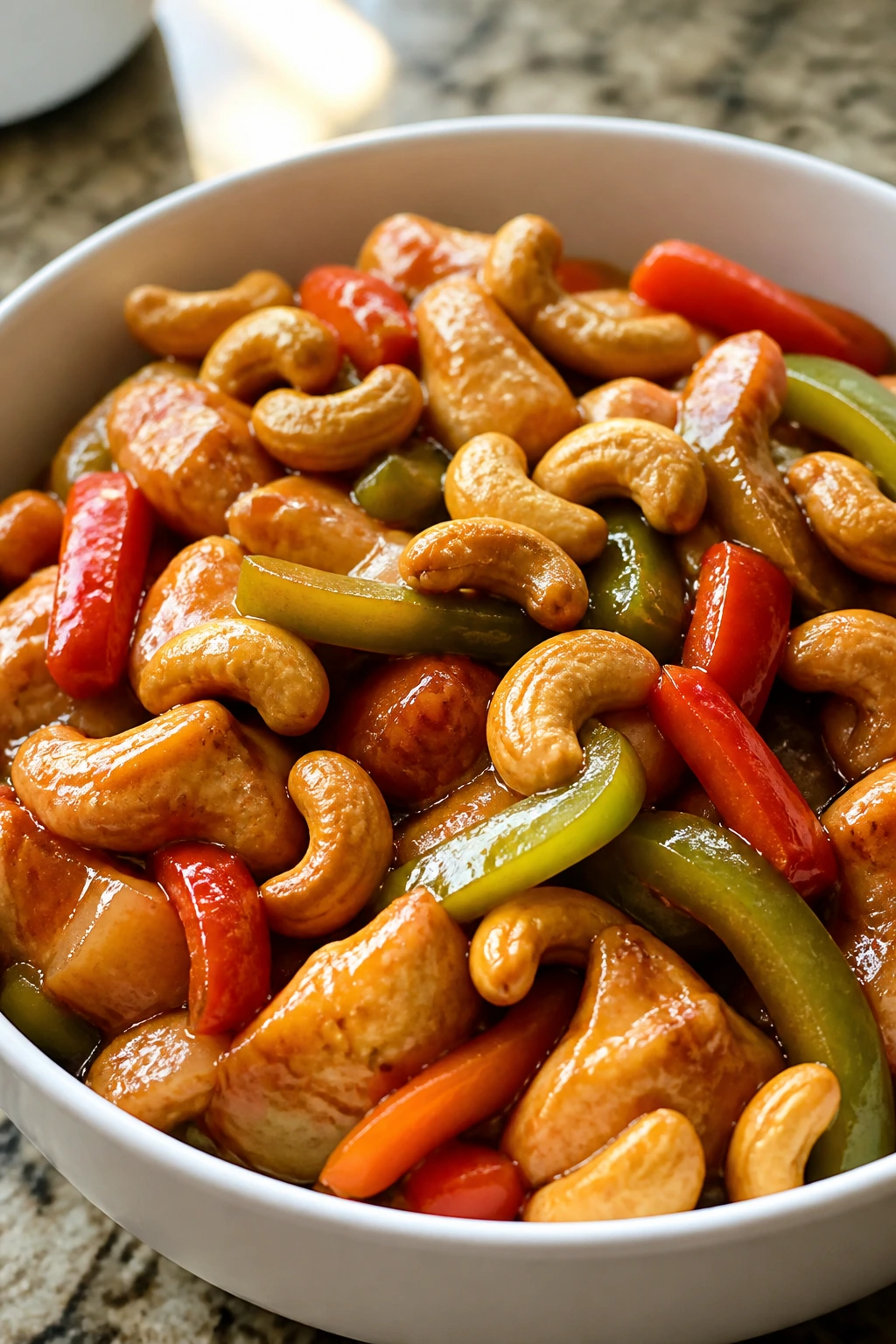
7. Slow Cooker Cashew Chicken with Bell Peppers
Cashew chicken should taste savory, lightly sweet, and a little toasty from the nuts. The bell peppers add color and a bit of bite, while the cashews bring crunch at the end, not halfway through when they’d get soggy and tired. This is one of those dishes that looks simple until you taste how balanced it is.
Why It Works:
Chicken thighs stay tender, peppers hold up if you add them late, and cashews only need a few minutes in the sauce to pick up flavor. The slow cooker gives you a base that tastes like it simmered all afternoon, even though most of the work is in the last 20 minutes.
Key Ingredients:
- 2 lbs boneless chicken thighs, cut into pieces
- 1 red bell pepper, sliced
- 1 green bell pepper, sliced
- ½ cup low-sodium soy sauce
- ¼ cup chicken broth
- 3 tablespoons hoisin sauce
- 2 tablespoons brown sugar
- 4 cloves garlic, minced
- 1 tablespoon grated ginger
- 1 cup roasted cashews
- 2 tablespoons cornstarch mixed with 3 tablespoons water
Quick Steps:
- Whisk soy sauce, broth, hoisin, brown sugar, garlic, and ginger in the slow cooker.
- Add the chicken and cook on LOW for 3 to 4 hours.
- Stir in the bell peppers for the last 30 minutes so they soften slightly but still hold shape.
- Add the cornstarch slurry and cook uncovered for 10 to 15 minutes.
- Stir in the cashews right before serving.
- Spoon over rice.
Equipment for This Recipe:
- Slow cooker
- Cutting board
- Sharp knife
- Small bowl for slurry
- Wooden spoon
How to Serve This Dish:
Serve it with jasmine rice or brown rice, and add extra sliced scallions if you want a sharper finish. The cashews should stay on top where they can keep their crunch.
Pro Tips for This Recipe:
- Use roasted cashews, not raw ones. They taste better and hold their shape.
- Add peppers late or they’ll go floppy and pale.
- If the sauce seems thin, let it sit uncovered for a few minutes after thickening.
Variations on This Dish:
- Cashew Chicken with Pineapple: Add 1 cup pineapple chunks in the last 20 minutes.
- Mild Family Version: Skip the pepper flakes and keep the sauce sweet-savory.
- Vegetarian Cashew Stir-Style: Swap chicken for extra-firm tofu cubes added near the end.
Common Mistakes to Avoid with This Dish:
- Putting cashews in too early: They lose the crunch that gives the dish its name.
- Using thin bell pepper strips at the start: They break down too quickly.
- Overloading the slow cooker: Crowding traps moisture and makes the sauce watery.
8. Sweet and Sour Pork with Pineapple and Peppers
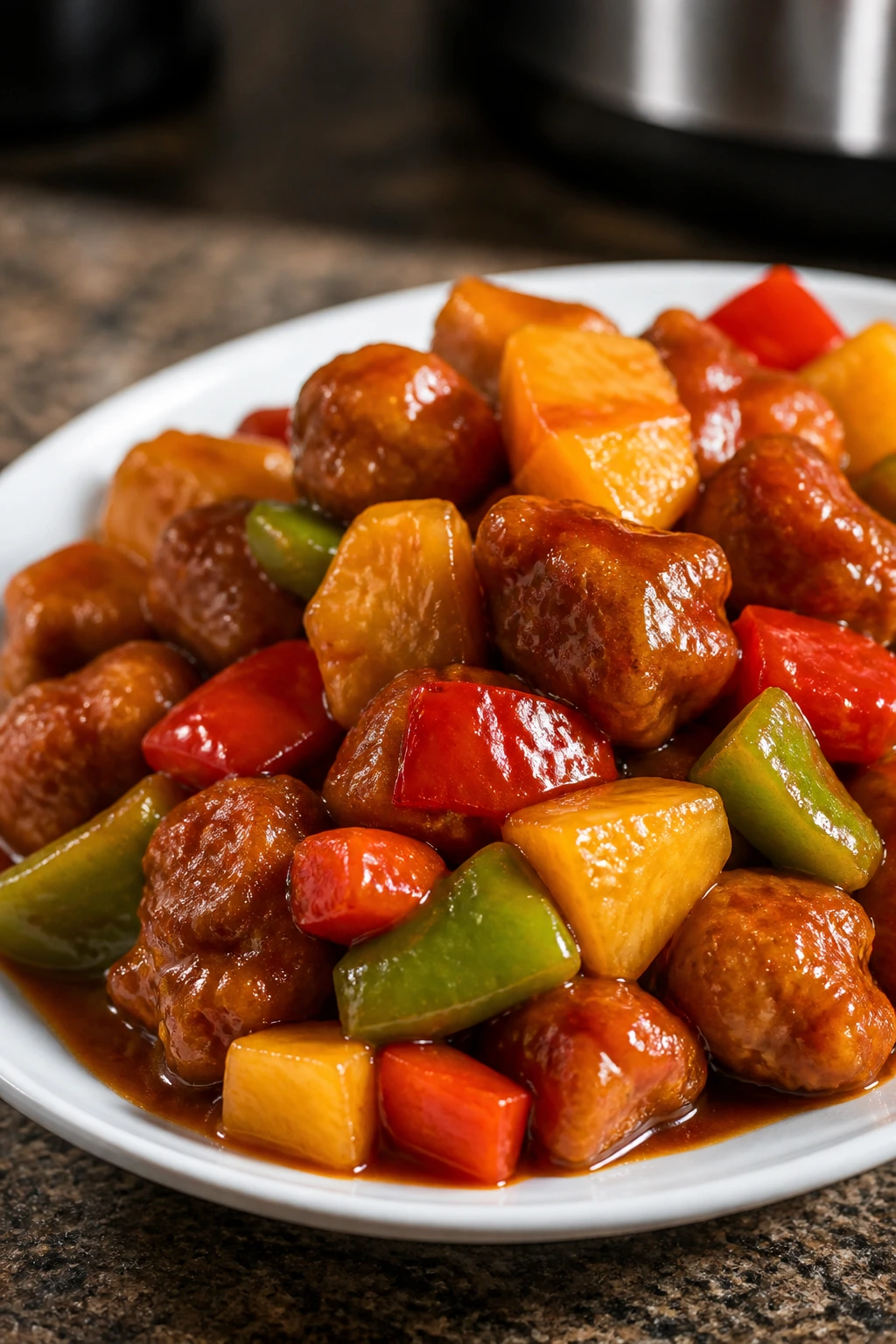
Sweet and sour pork should not be a pink, overly sugary mess. It needs real tang from vinegar, some sweetness from pineapple, and pork that stays tender without falling apart into threads. This version keeps the sauce lively and the peppers just crisp enough to feel intentional.
Why It Works:
Pork tenderloin cooks gently in the sauce and takes on the sweet-tart flavor fast. Pineapple adds both sweetness and acid, while bell peppers go in late so they still taste fresh. The sauce should coat, not drown.
Key Ingredients:
- 2 lbs pork tenderloin, cut into 1½-inch chunks
- 1 can pineapple chunks, 20 oz, drained with juice reserved
- 1 red bell pepper, chopped
- 1 green bell pepper, chopped
- ½ cup rice vinegar
- ⅓ cup brown sugar
- ⅓ cup ketchup
- 3 tablespoons low-sodium soy sauce
- 3 cloves garlic, minced
- 2 tablespoons cornstarch mixed with 3 tablespoons water
Quick Steps:
- Whisk pineapple juice, vinegar, brown sugar, ketchup, soy sauce, and garlic in the slow cooker.
- Add pork and cook on LOW for 3 to 4 hours or HIGH for 2 to 2½ hours.
- Stir in the bell peppers and pineapple chunks for the last 30 minutes.
- Add the slurry and cook uncovered until the sauce thickens, about 15 minutes.
- Taste and add a splash of vinegar if it needs more tang.
- Serve over rice.
Equipment for This Recipe:
- Slow cooker
- Measuring cups
- Knife and board
- Slotted spoon
- Small bowl for slurry
How to Serve This Dish:
Serve in a wide bowl over rice so the sauce can pool around the grains. A few extra pineapple pieces on top make the dish look like you meant every color on the plate.
Pro Tips for This Recipe:
- Use pork tenderloin if you want lean meat that stays tender with a shorter cook.
- Drain the pineapple well; too much juice can dilute the sauce.
- Add peppers late so they don’t go limp.
Variations on This Dish:
- Hawaiian-Style Pork: Add a little more pineapple and a pinch of ginger.
- Spicy Sweet and Sour: Stir in chili garlic sauce at the end.
- Pork Shoulder Version: Use pork shoulder if you want a richer, more shredded texture.
Common Mistakes to Avoid with This Dish:
- Too much ketchup: The sauce turns more barbecue than Chinese-inspired.
- Cooking the peppers the whole time: They lose their color and bite.
- Not balancing the acid: If it tastes flat, the answer is usually a little more vinegar, not more sugar.
9. Kung Pao Chicken with Peanuts and Dried Chilies
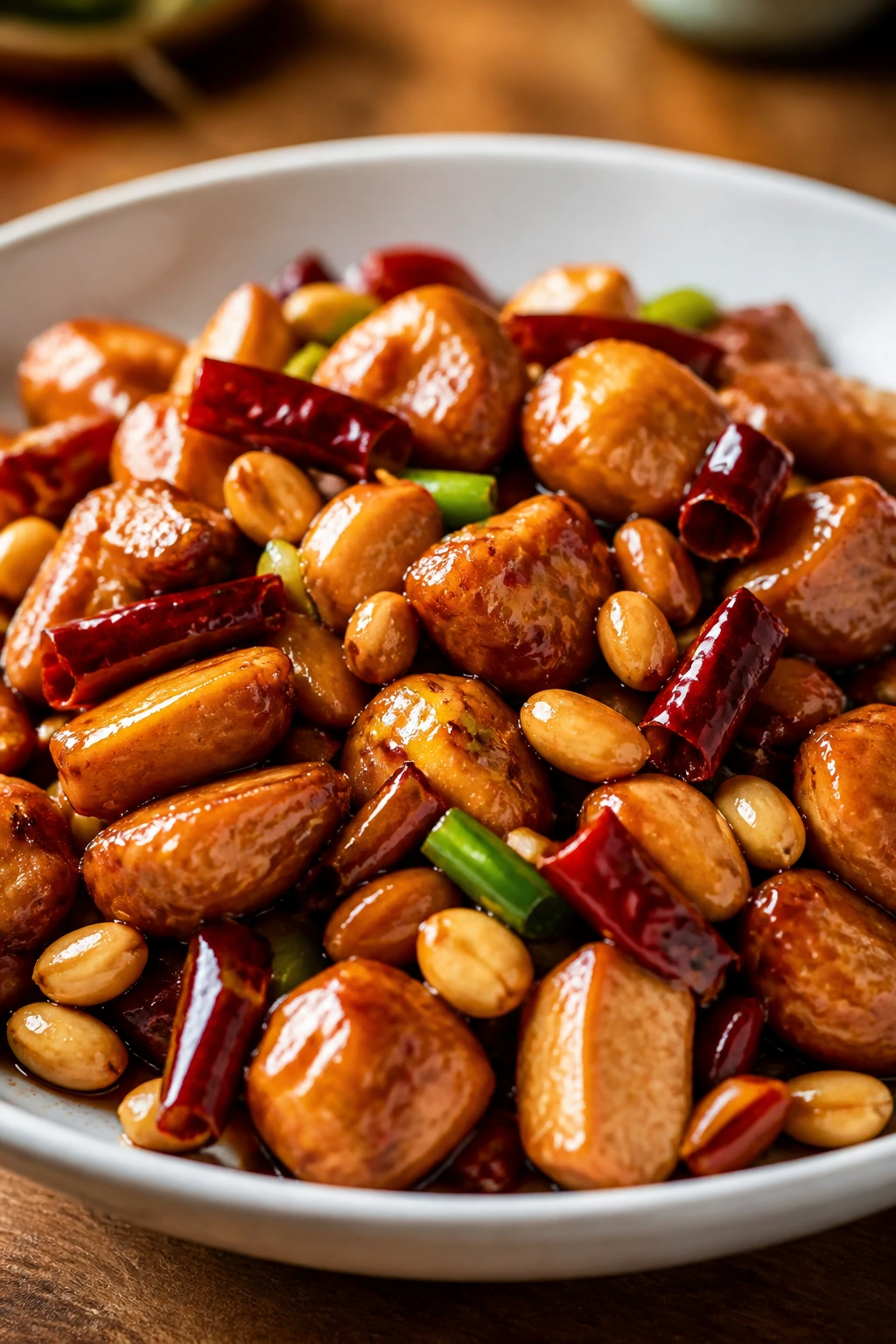
Kung pao chicken should feel sharp, savory, and a little chaotic in the best way. You want heat from dried chilies, a nutty finish from peanuts, and a sauce that lands between glossy and punchy. A slow cooker version can work well if you treat the peanuts and scallions like finishing ingredients, not stew partners.
Why It Works:
The sauce base of soy, vinegar, hoisin, and chili paste gives you the classic sweet-sour-spicy profile. Chicken thighs absorb it well, and the peanuts stay crisp if they’re added at the end. That crunch matters here.
Key Ingredients:
- 2 lbs boneless chicken thighs, cut into pieces
- ½ cup low-sodium soy sauce
- ¼ cup rice vinegar
- 3 tablespoons hoisin sauce
- 2 tablespoons chili garlic sauce
- 4 cloves garlic, minced
- 1 tablespoon grated ginger
- ½ cup unsalted roasted peanuts
- 6 to 8 dried red chilies
- 2 tablespoons cornstarch mixed with 3 tablespoons water
- 3 scallions, sliced
Quick Steps:
- Whisk soy sauce, vinegar, hoisin, chili garlic sauce, garlic, and ginger in the slow cooker.
- Add chicken and dried chilies. Cook on LOW for 3 to 4 hours.
- Stir in the cornstarch slurry and cook uncovered for 10 to 15 minutes.
- Add peanuts and scallions in the last 5 minutes so they warm through but keep some crunch.
- Taste and add more vinegar if the sauce leans too sweet.
- Serve over rice.
Equipment for This Recipe:
- Slow cooker
- Small whisk
- Measuring spoons
- Slotted spoon
- Cutting board
How to Serve This Dish:
Serve with plain rice and a simple cucumber salad. Kung pao has enough personality that you don’t need a crowded plate.
Pro Tips for This Recipe:
- Add the peanuts at the end. Otherwise they soften and lose their snap.
- Dried chilies should perfume the dish, not burn it. If you want less heat, keep them whole and don’t break them open.
- A splash of black vinegar at the end sharpens the sauce nicely.
Variations on This Dish:
- Cashew Kung Pao: Swap peanuts for cashews if that’s what you have.
- Extra Chili Version: Add chili oil at the table rather than cooking more heat into the pot.
- Vegetable-Heavy Version: Add bell peppers in the last 30 minutes for a fuller dinner.
Common Mistakes to Avoid with This Dish:
- Using salted peanuts: The sauce can turn too salty fast.
- Adding chilies too late: They need time to perfume the sauce.
- Overdoing the sugar: Kung pao should have edge. Sweet is part of it, not the whole story.
10. Char Siu Pulled Pork
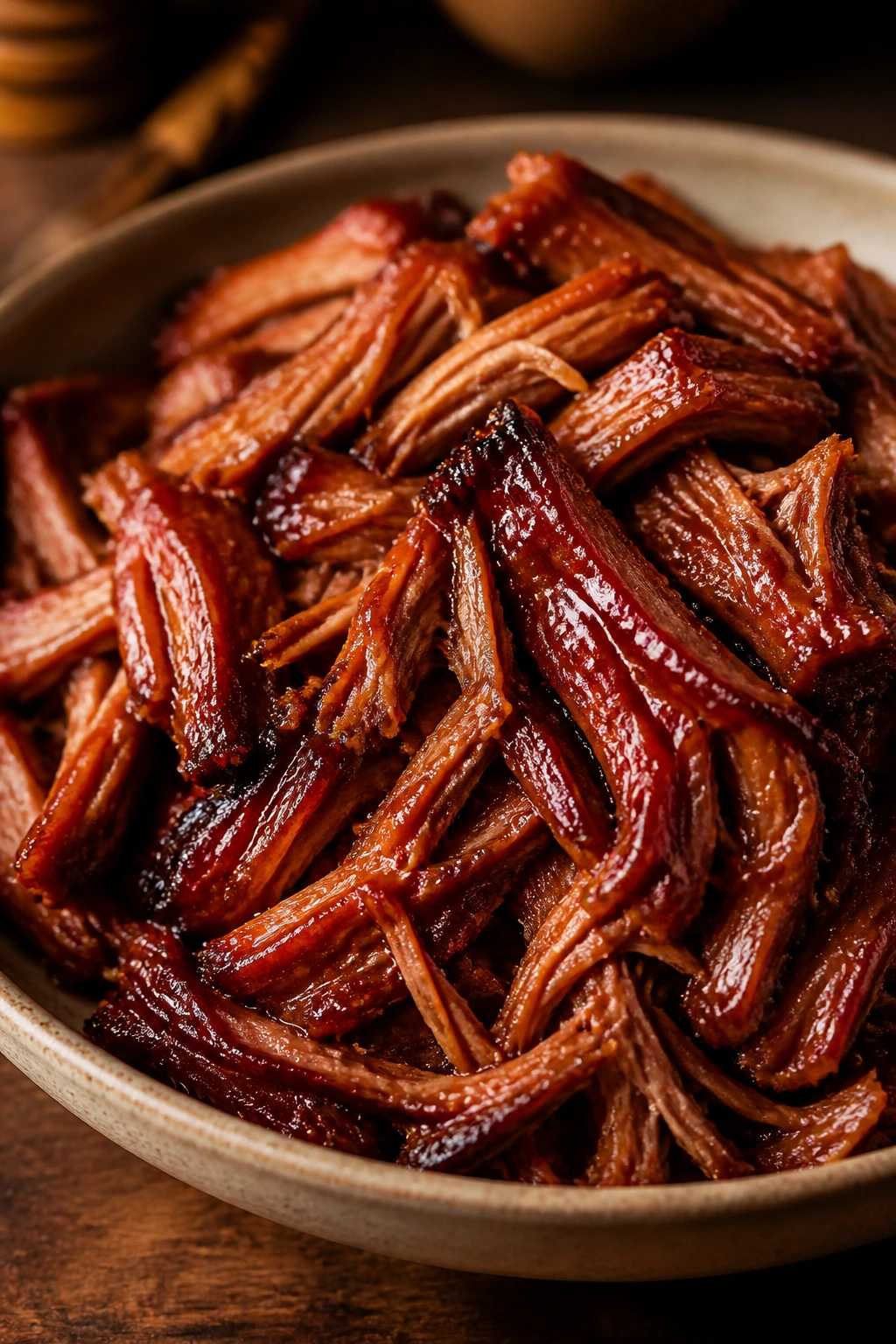
Char siu flavor in a slow cooker is a bit of a cheat, and I mean that kindly. You’re not getting the lacquered, roasted crust of a barbecue oven. What you do get is pork shoulder that pulls apart into sticky red-tinged strands with sweet soy, hoisin, five-spice, and a little honey. For a weeknight, that’s a trade I’ll take.
Why It Works:
Pork shoulder has the fat and connective tissue this style needs. Chinese five-spice brings clove, star anise, and cinnamon into the background, which is where it belongs. A quick broil at the end gives you a browned edge that mimics the roast-shop version.
Key Ingredients:
- 3 lbs pork shoulder, cut into large chunks
- ½ cup hoisin sauce
- ¼ cup honey
- ¼ cup soy sauce
- 2 tablespoons Shaoxing wine or dry sherry
- 1 tablespoon Chinese five-spice powder
- 4 cloves garlic, minced
- 1 tablespoon grated ginger
- 2 tablespoons cornstarch mixed with 3 tablespoons water
- 2 teaspoons red food coloring, optional and traditional-looking, not required
Quick Steps:
- Whisk hoisin, honey, soy sauce, wine, five-spice, garlic, and ginger in the slow cooker.
- Add the pork and turn to coat.
- Cook on LOW for 8 to 9 hours or HIGH for 5 to 6 hours, until the pork shreds easily.
- Shred the pork and stir it back into the sauce.
- Add the slurry and cook uncovered for 15 minutes.
- Broil the pork on a sheet pan for 3 to 5 minutes if you want browned edges.
Equipment for This Recipe:
- Slow cooker
- Two forks for shredding
- Sheet pan, optional
- Whisk
- Tongs
How to Serve This Dish:
Serve in rice bowls with cucumbers and quick pickles, or stuff it into steamed buns. It also makes a mean leftover sandwich if you’re not married to tradition.
Pro Tips for This Recipe:
- Pork shoulder needs time. Do not rush it.
- A broiler finish gives you the closest thing to char siu texture without turning on a grill.
- If you can’t find Shaoxing wine, dry sherry is the cleanest swap.
Variations on This Dish:
- Sticky Bun Filling: Shred it finer and spoon into bao buns with cucumber ribbons.
- Five-Spice Pork Belly Style: Use pork belly chunks if you want a richer result.
- No Red Coloring Version: Skip the coloring entirely; the flavor does not depend on it.
Common Mistakes to Avoid with This Dish:
- Using pork loin: It dries out before it gets tender enough to shred.
- Stopping before the pork pulls easily: It needs the full cook time, maybe a little more.
- Skipping the final broil: The flavor’s there, but the char siu look won’t be.
11. Slow Cooker Chicken Chow Mein Bowl Filling
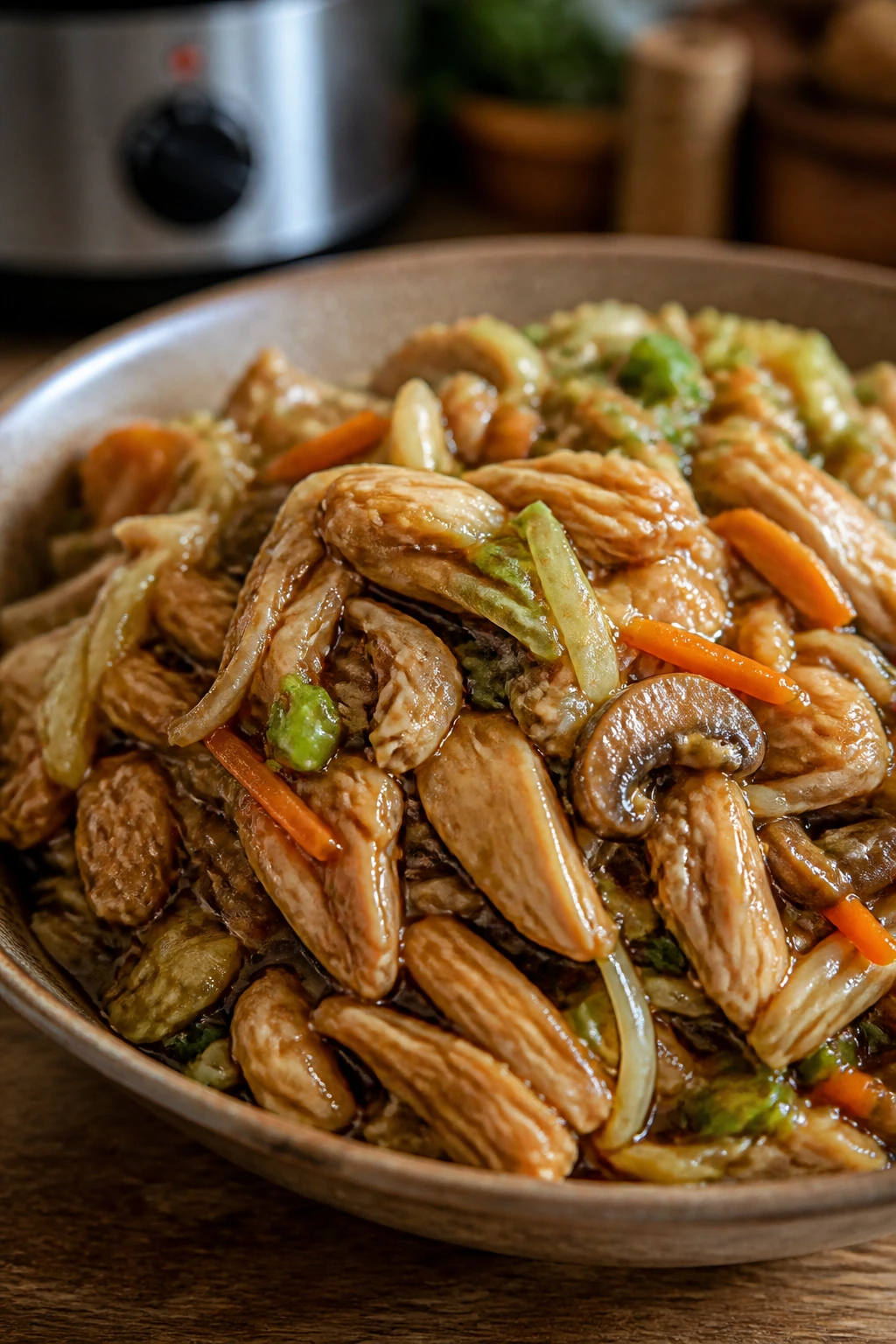
Real chow mein is a noodle dish with texture and timing, and the slow cooker can’t handle noodles from the beginning without turning them into paste. So I treat this as a bowl filling: saucy chicken, cabbage, carrots, mushrooms, and a little soy-ginger heat spooned over separately cooked noodles. That gives you the flavor of chow mein without the sad texture.
Why It Works:
The slow cooker handles the chicken and vegetables that can take heat. Cabbage and mushrooms soften into the sauce in a way that actually helps the dish. Noodles go in last, cooked on the stove for only a few minutes so they stay springy.
Key Ingredients:
- 2 lbs boneless chicken thighs, sliced
- 3 cups shredded cabbage
- 2 carrots, julienned
- 8 ounces mushrooms, sliced
- ½ cup low-sodium soy sauce
- ¼ cup chicken broth
- 2 tablespoons oyster sauce
- 3 cloves garlic, minced
- 1 tablespoon grated ginger
- 8 ounces chow mein noodles or thin egg noodles, cooked separately
Quick Steps:
- Whisk soy sauce, broth, oyster sauce, garlic, and ginger in the slow cooker.
- Add chicken, cabbage, carrots, and mushrooms.
- Cook on LOW for 3 to 4 hours or HIGH for 2 to 2½ hours.
- If needed, thicken with 1 tablespoon cornstarch mixed with 2 tablespoons water.
- Cook noodles separately according to package directions.
- Spoon the chicken mixture over noodles and toss lightly.
Equipment for This Recipe:
- Slow cooker
- Large pot for noodles
- Colander
- Cutting board
- Knife
How to Serve This Dish:
Serve in wide bowls so the noodles can catch the sauce. A few scallions and sesame seeds on top make the bowl feel finished without much work.
Pro Tips for This Recipe:
- Do not put the noodles in the slow cooker. They’ll turn mushy fast.
- If you like more sauce, add an extra ½ cup broth before cooking.
- Thinly sliced cabbage melts into the sauce and helps thicken it naturally.
Variations on This Dish:
- Shrimp Chow Mein Bowl: Stir in peeled shrimp during the last 20 minutes.
- Vegetable Chow Mein Bowl: Replace chicken with extra mushrooms and snap peas.
- Spicy Chili Oil Bowl: Drizzle with chili oil right before serving.
Common Mistakes to Avoid with This Dish:
- Cooking noodles with the chicken: They lose their shape.
- Slicing carrots too thick: They’ll stay too firm while everything else softens.
- Not seasoning enough: Chow mein needs salt from soy and oyster sauce or it tastes like warm cabbage.
12. Black Pepper Beef with Onion and Celery
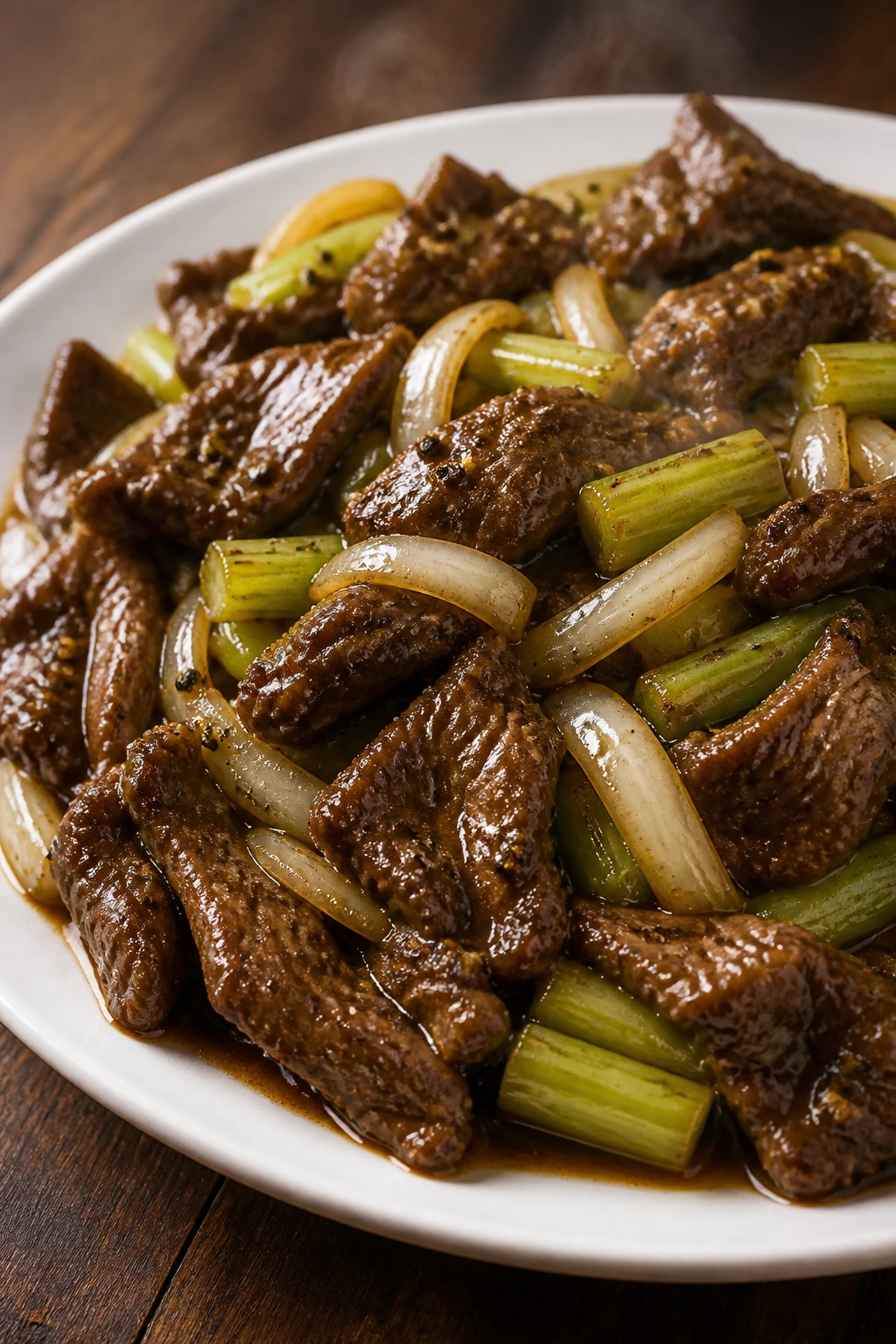
Black pepper beef should be sharp, savory, and almost smoky from the pepper itself. Celery isn’t there for decoration; it brings a clean crunch that cuts through the sauce. The result tastes bold and a little old-school, like a takeout tray that knew what it was doing.
Why It Works:
The beef cooks low and slow until it softens, while the black pepper gives the sauce heat that isn’t fiery, just direct. Onion and celery add structure. If you like sauces that cling to rice without being sugary, this is a solid pick.
Key Ingredients:
- 2½ lbs beef chuck, sliced into strips
- 1 large onion, sliced
- 3 celery stalks, sliced on a bias
- ½ cup low-sodium soy sauce
- ½ cup beef broth
- 2 tablespoons oyster sauce
- 1 tablespoon brown sugar
- 2 tablespoons coarse black pepper
- 4 cloves garlic, minced
- 2 tablespoons cornstarch mixed with 3 tablespoons water
Quick Steps:
- Stir soy sauce, broth, oyster sauce, brown sugar, pepper, and garlic in the slow cooker.
- Add beef and onion. Cook on LOW for 7 to 8 hours or HIGH for 4 to 5 hours.
- Add celery in the last 30 minutes so it keeps some crunch.
- Stir in the slurry and cook uncovered for 10 to 15 minutes.
- Taste and add more black pepper if you want a louder finish.
- Serve over rice.
Equipment for This Recipe:
- Slow cooker
- Sharp knife
- Measuring spoons
- Small bowl for slurry
- Wooden spoon
How to Serve This Dish:
This sits well on rice, but mashed potatoes style it? No. Stay with rice or noodles. The sauce has the right salt and pepper for plain grains.
Pro Tips for This Recipe:
- Use coarse black pepper, not dust. You want little bites of heat.
- Add celery late so it still has a little crisp snap.
- If the sauce is too dark and too thick, loosen with a splash of broth.
Variations on This Dish:
- Pepper Steak Style: Add sliced bell peppers with the celery.
- Extra Bold Pepper Beef: Add ½ teaspoon white pepper for a deeper pepper note.
- Lower-Sodium Version: Reduce soy sauce slightly and use extra broth.
Common Mistakes to Avoid with This Dish:
- Using pre-ground pepper that’s been sitting forever: It tastes flat.
- Overcooking the celery: It disappears.
- Cutting beef too thick: The slices need surface area to soak up the sauce.
13. Szechuan-Style Chicken with Chili and Garlic
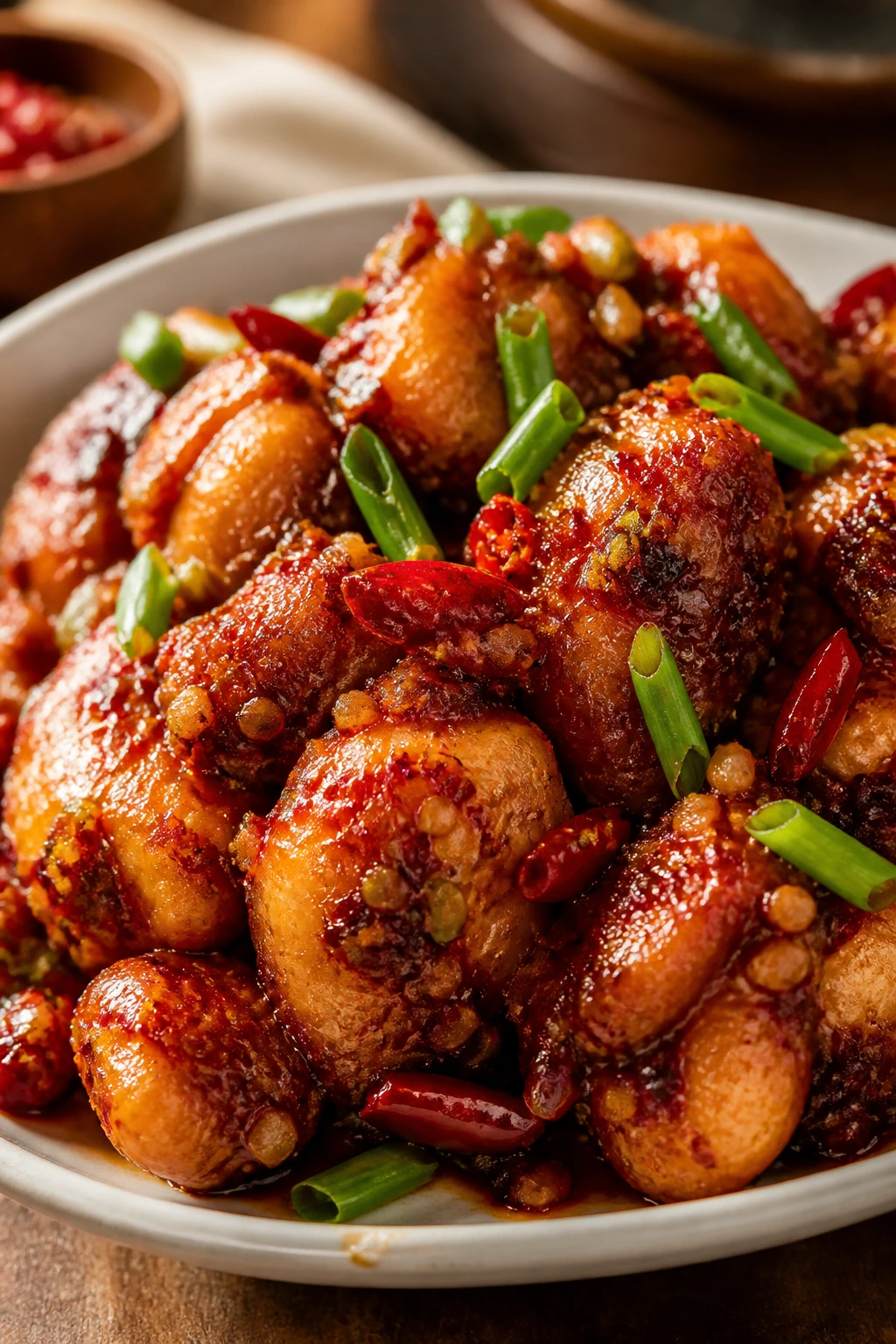
Szechuan-style food should wake up your mouth a little. This one leans into chili heat, garlic, vinegar, and the numbing note you get from Szechuan peppercorns if you want them. The sauce is punchy, not heavy, and that matters because the slow cooker can flatten a dish if you let it.
Why It Works:
Chicken thighs take on the heat and acid without drying out. Szechuan peppercorns, when lightly crushed, give a floral, tingling finish that regular pepper cannot fake. A little sugar smooths the edges, but the point is still heat.
Key Ingredients:
- 2 lbs chicken thighs, cut into chunks
- ¼ cup soy sauce
- ¼ cup rice vinegar
- 3 tablespoons chili garlic sauce
- 2 tablespoons brown sugar
- 4 cloves garlic, minced
- 1 tablespoon grated ginger
- 1 teaspoon crushed Szechuan peppercorns, optional
- 1 red bell pepper, sliced
- 2 tablespoons cornstarch mixed with 3 tablespoons water
- 2 scallions, sliced
Quick Steps:
- Whisk soy sauce, vinegar, chili garlic sauce, brown sugar, garlic, ginger, and peppercorns in the slow cooker.
- Add chicken and cook on LOW for 3 to 4 hours.
- Stir in bell pepper for the last 20 to 30 minutes.
- Add the slurry and cook uncovered until the sauce thickens.
- Finish with scallions.
- Serve with rice and extra chili sauce if wanted.
Equipment for This Recipe:
- Slow cooker
- Measuring spoons
- Fine grinder or mortar for peppercorns
- Slotted spoon
- Serving bowl
How to Serve This Dish:
Keep the sides simple: white rice, cucumber slices, maybe blanched greens. The dish does not need a second loud voice on the plate.
Pro Tips for This Recipe:
- Crush the peppercorns lightly; you want aroma, not grit.
- Add bell pepper late so it keeps a little structure.
- Taste before serving. Szechuan flavors need enough vinegar to stay sharp.
Variations on This Dish:
- More Heat, Less Tingle: Skip the peppercorns and add more chili paste.
- Vegetable Szechuan Bowl: Use mushrooms and broccoli instead of chicken.
- Noodle Version: Spoon over rice noodles just before eating.
Common Mistakes to Avoid with This Dish:
- Too much sugar: The dish turns sticky-sweet and loses its edge.
- Overusing peppercorns: A little goes a long way.
- Adding vegetables at the start: They’ll disappear into the sauce.
14. Slow Cooker Garlic Ginger Pork with Snow Peas
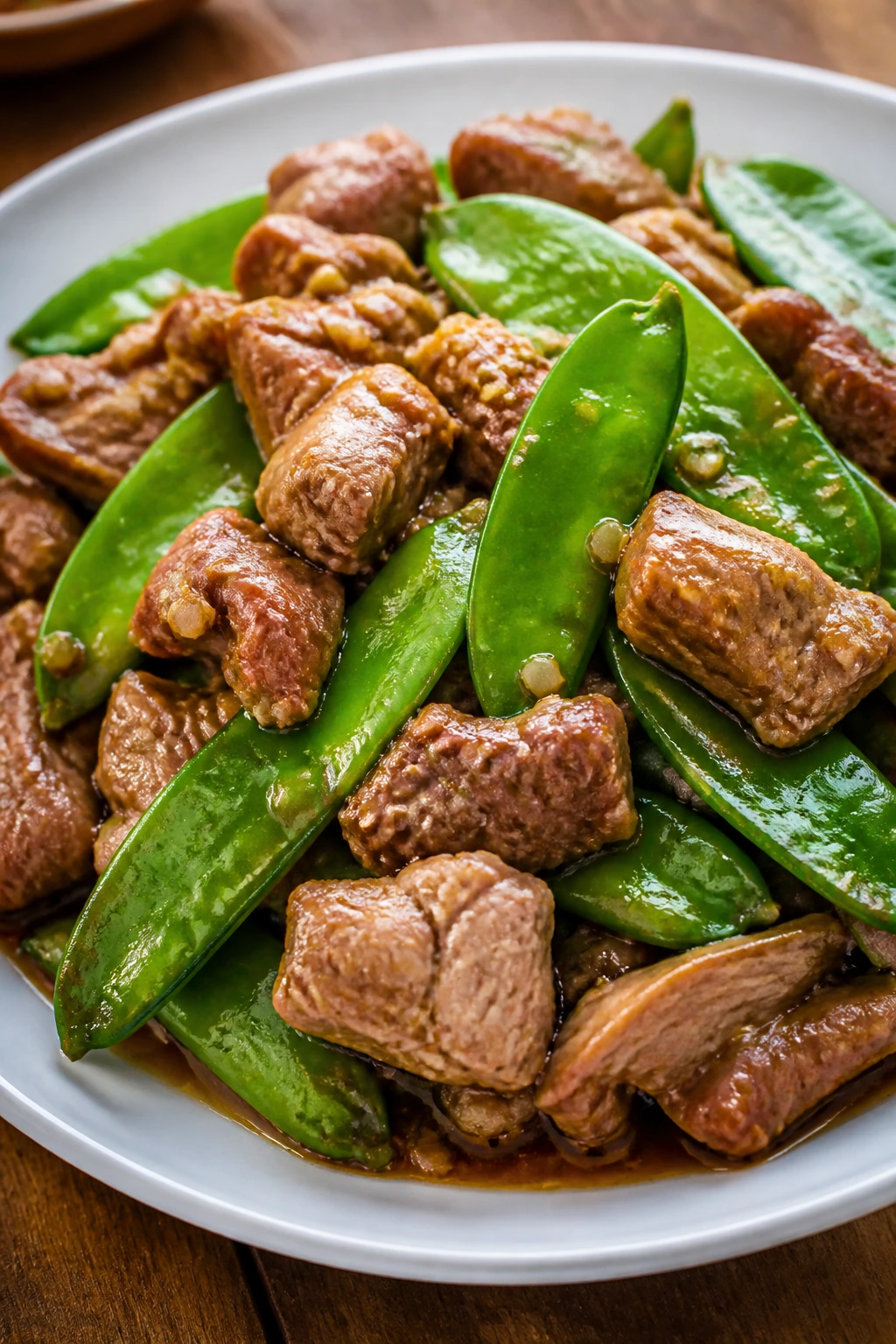
This dish is all about clean flavors. Garlic, ginger, soy sauce, and pork shoulder make a savory base, then snow peas go in at the end so they still have that crisp, green snap. It tastes lighter than most slow cooker meals, which is a nice change when the rest of the table wants rice and sauce but not a heavy braise.
Why It Works:
Pork shoulder gets tender in long heat and soaks up ginger well. Snow peas are a last-minute ingredient because their job is texture, not survival. The contrast between soft pork and crunchy peas is the thing to chase.
Key Ingredients:
- 3 lbs pork shoulder, cut into chunks
- ½ cup low-sodium soy sauce
- ¼ cup chicken broth
- 2 tablespoons rice vinegar
- 2 tablespoons brown sugar
- 6 cloves garlic, minced
- 1 tablespoon fresh ginger, grated
- 4 cups snow peas
- 2 tablespoons cornstarch mixed with 3 tablespoons water
- 1 tablespoon sesame oil
Quick Steps:
- Whisk soy sauce, broth, vinegar, brown sugar, garlic, and ginger in the slow cooker.
- Add pork shoulder and cook on LOW for 8 hours or HIGH for 5 to 6 hours.
- Stir in the cornstarch slurry and cook uncovered for 15 minutes.
- Add snow peas and sesame oil in the last 10 to 15 minutes, just until bright green.
- Serve immediately over rice.
Equipment for This Recipe:
- Slow cooker
- Cutting board
- Sharp knife
- Measuring cups
- Tongs
How to Serve This Dish:
Serve with rice and a plain side of steamed bok choy. The sauce is gentle enough that a little sesame oil on top is all it needs.
Pro Tips for This Recipe:
- Snow peas need only a short finish. Keep them green.
- Pork shoulder can be fatty; trim big hard chunks, but leave some marbling.
- A tiny drizzle of sesame oil at the end gives the dish more fragrance than more cooking ever will.
Variations on This Dish:
- Mushroom Ginger Pork: Add sliced shiitakes for a deeper savory note.
- Spicy Ginger Pork: Stir in chili crisp at the table.
- Pork and Cabbage Version: Replace half the snow peas with shredded cabbage.
Common Mistakes to Avoid with This Dish:
- Cooking snow peas too long: They go dull and soft.
- Using dried ginger instead of fresh: The flavor turns dusty.
- Adding sesame oil early: Its aroma fades if it cooks for hours.
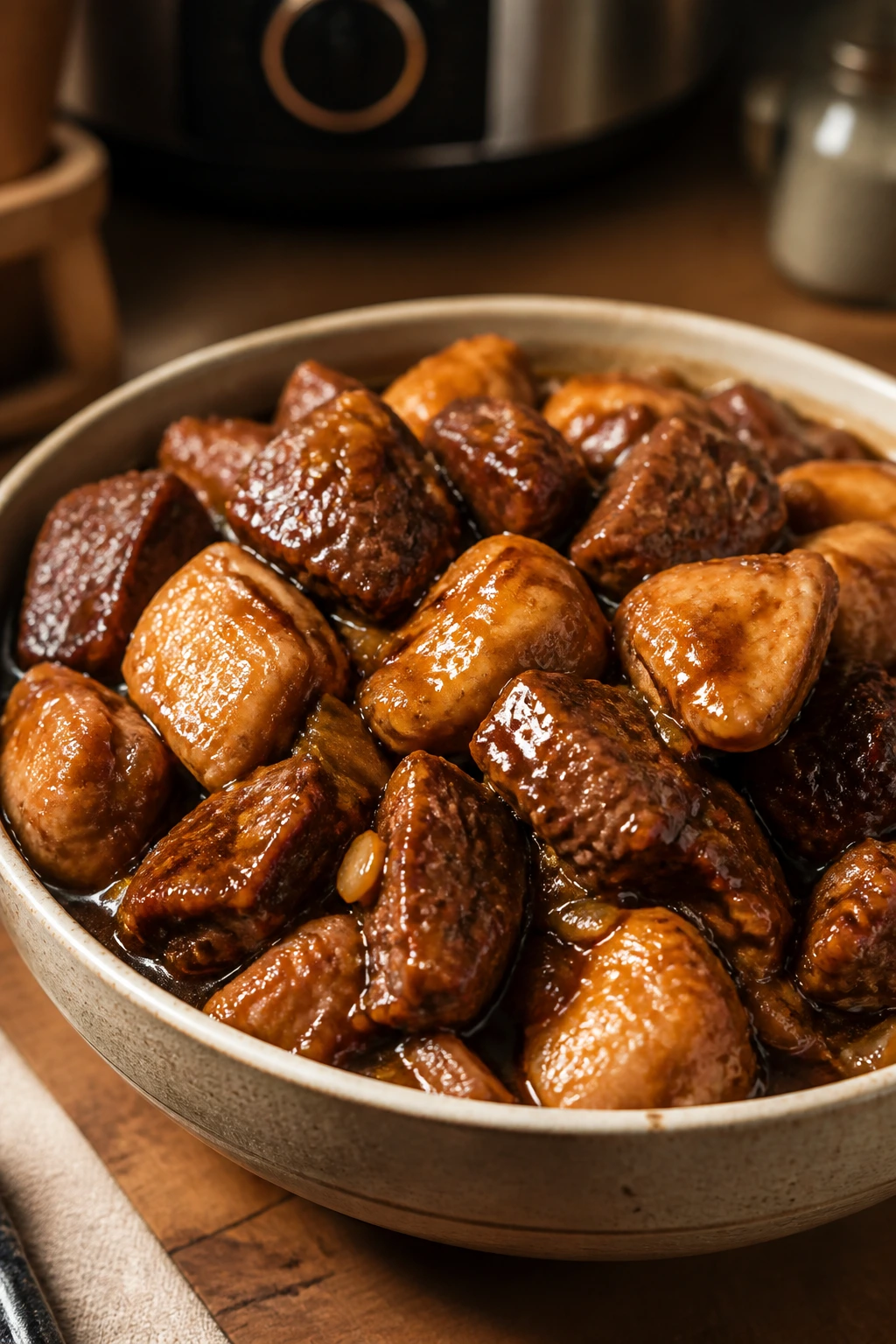
15. Slow Cooker Chinese-Style Short Ribs
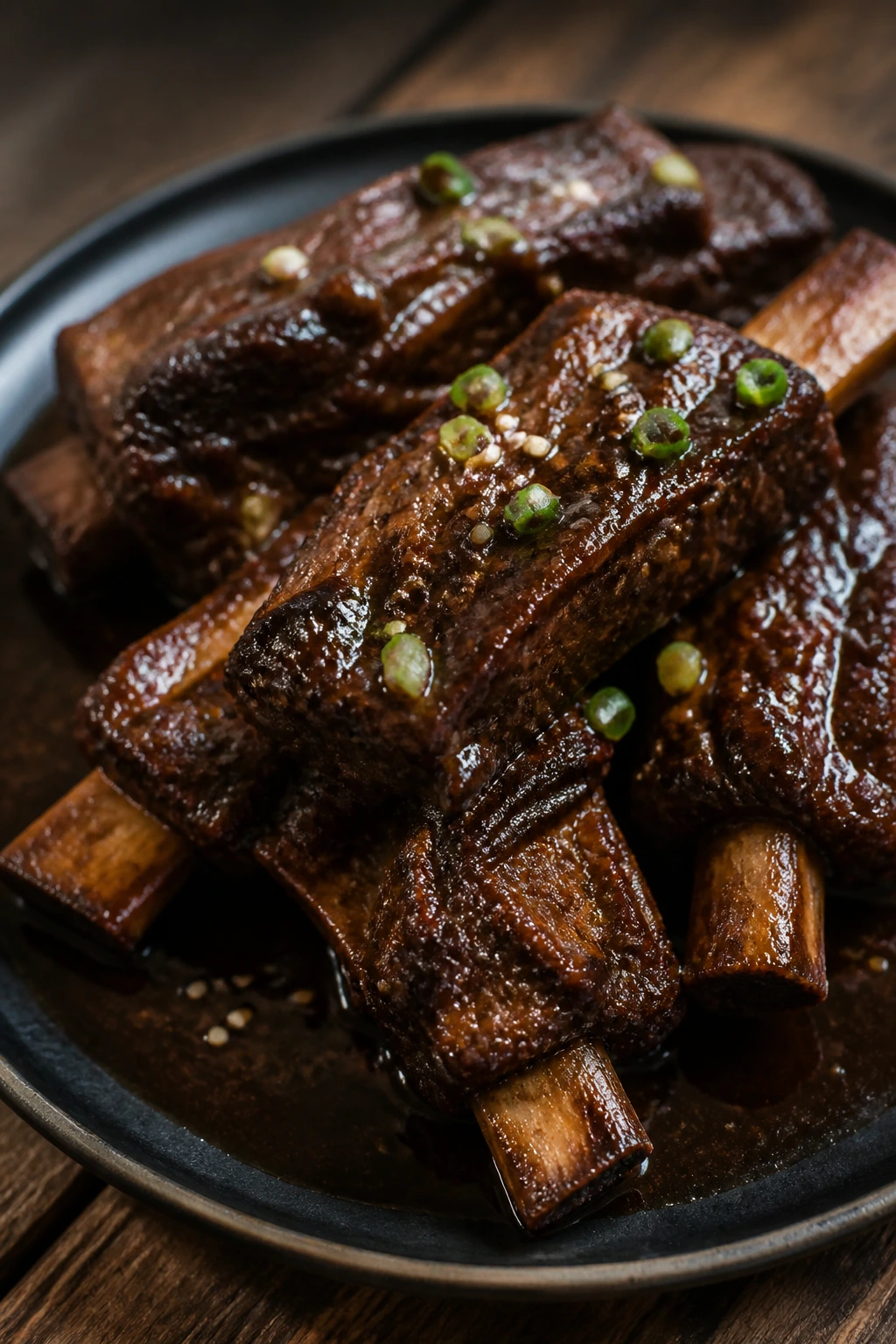
Short ribs are the sort of cut that makes the slow cooker look smart. They go in tough and come out rich, silky, and spoon-tender, with a sauce that has enough soy, star anise, and ginger to taste like it took deliberate work. This is one of the more luxurious dishes in the collection, and it earns that feeling without much effort.
Why It Works:
Beef short ribs have plenty of connective tissue and fat, which means long, low heat does exactly what you want. Star anise adds a licorice-like depth, and the soy-honey base turns glossy as it reduces. The bones help the sauce taste fuller.
Key Ingredients:
- 4 lbs beef short ribs
- ½ cup low-sodium soy sauce
- ½ cup beef broth
- ¼ cup hoisin sauce
- ¼ cup honey
- 4 cloves garlic, smashed
- 2-inch piece ginger, sliced
- 2 star anise pods
- 2 tablespoons rice vinegar
- 2 tablespoons cornstarch mixed with 3 tablespoons water
Quick Steps:
- Stir soy sauce, broth, hoisin, honey, garlic, ginger, star anise, and vinegar in the slow cooker.
- Nestle in the short ribs.
- Cook on LOW for 8 to 9 hours or HIGH for 5 to 6 hours, until the meat is tender and pulls from the bone easily.
- Remove the ribs, strain excess fat if needed, and stir in the slurry.
- Cook uncovered for 10 to 15 minutes until the sauce thickens.
- Serve the ribs with sauce spooned over them.
Equipment for This Recipe:
- Slow cooker
- Tongs
- Fat separator or spoon, optional
- Small saucepan or bowl for slurry
- Strainer, optional
How to Serve This Dish:
These are best with rice and something sharp on the side, like quick cucumber pickles. The rich beef needs a little acidity or the plate can feel heavy fast.
Pro Tips for This Recipe:
- Brown the ribs first if you have time; it deepens the sauce.
- Remove star anise before serving if you don’t want someone biting into it.
- Skim excess fat from the surface before thickening the sauce.
Variations on This Dish:
- Five-Spice Short Ribs: Add ½ teaspoon five-spice powder for a warmer finish.
- Orange-Soy Short Ribs: Add strips of orange peel to the cooker.
- Spicy Braised Ribs: Stir in chili paste for heat.
Common Mistakes to Avoid with This Dish:
- Rushing the cook time: Short ribs need the long haul.
- Not trimming excess fat: The sauce can turn greasy.
- Skipping the final reduction: The meat should be glazed, not swimming.
16. Honey Soy Chicken Drumsticks
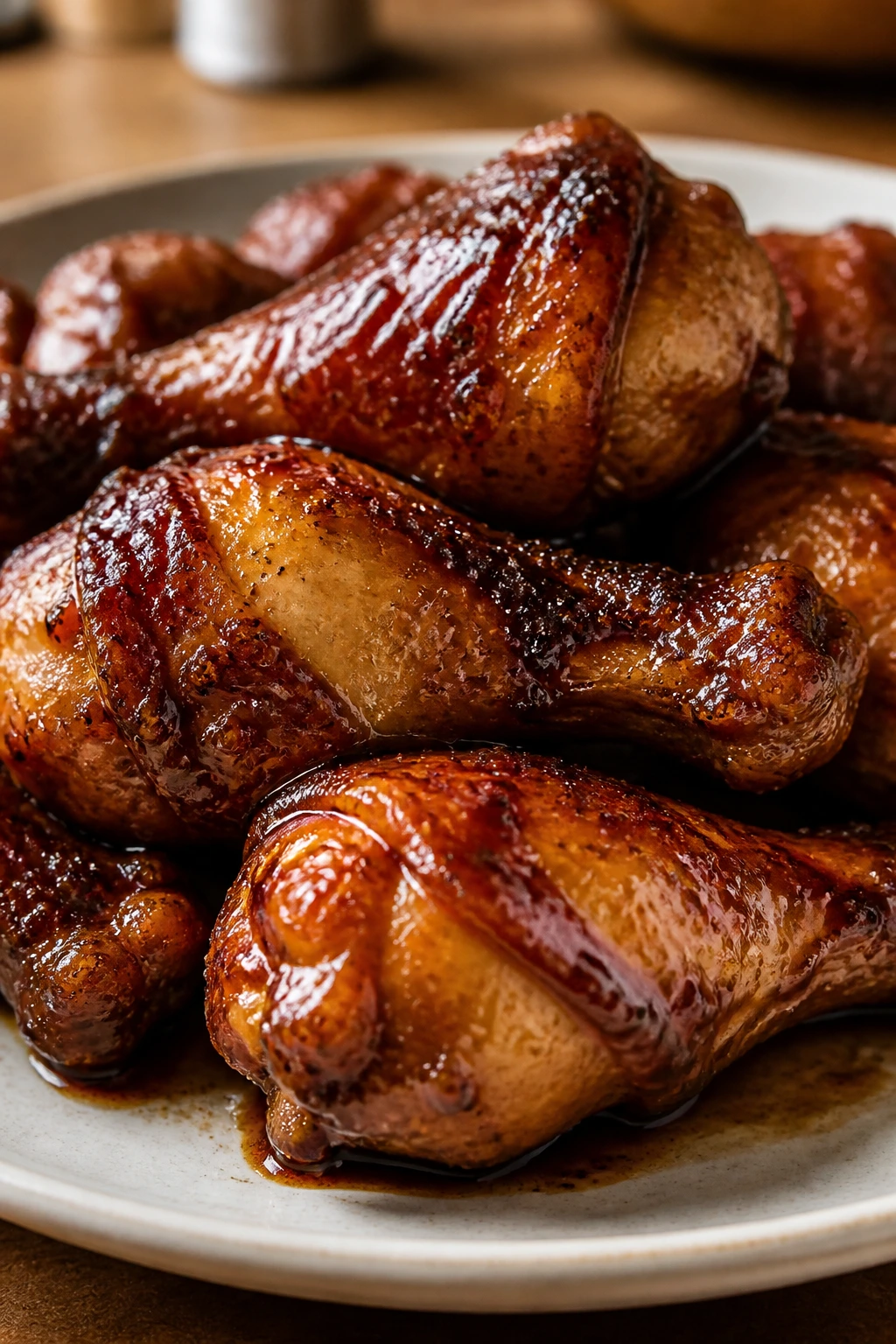
Drumsticks are underrated in the slow cooker. They’re cheap, they hold up well, and they take on sweet-savory sauces without turning dry. The skin won’t stay crisp in the cooker, so if you care about that, a quick broiler finish is the move. The flavor underneath, though, is exactly what you want.
Why It Works:
Chicken drumsticks have enough fat and connective tissue to survive hours of gentle heat. Honey, soy, and garlic make a sticky coating, while vinegar keeps the flavor from collapsing into sweetness. It’s a simple formula, but not a boring one.
Key Ingredients:
- 3 lbs chicken drumsticks, skin on or off
- ½ cup low-sodium soy sauce
- ⅓ cup honey
- 3 tablespoons rice vinegar
- 4 cloves garlic, minced
- 1 tablespoon grated ginger
- 1 tablespoon sesame oil
- 2 tablespoons cornstarch mixed with 3 tablespoons water
- 2 scallions, sliced
- Sesame seeds, optional
Quick Steps:
- Whisk soy sauce, honey, vinegar, garlic, ginger, and sesame oil in the slow cooker.
- Add drumsticks and turn to coat.
- Cook on LOW for 4 to 5 hours or HIGH for 2½ to 3½ hours, until the chicken reaches 165°F and the meat pulls cleanly from the bone.
- Remove the drumsticks, stir in the slurry, and cook uncovered 10 to 15 minutes.
- Return the chicken to the pot or broil it for 3 to 4 minutes for color.
- Finish with scallions and sesame seeds.
Equipment for This Recipe:
- Slow cooker
- Instant-read thermometer
- Baking sheet, optional for broiling
- Whisk
- Tongs
How to Serve This Dish:
Serve with rice, shredded cabbage, or roasted green beans. Drumsticks are also easy for hands-on eating, which makes them nice for a casual dinner table.
Pro Tips for This Recipe:
- Use an instant-read thermometer; drumsticks vary in size.
- Broil only if you want color. The flavor is already there.
- If the sauce is too salty, loosen it with 2 to 3 tablespoons water before thickening.
Variations on This Dish:
- Sticky Sesame Drumsticks: Add extra sesame oil and seeds at the end.
- Spicy Honey Drumsticks: Stir chili sauce into the glaze.
- Five-Spice Version: Add ¼ teaspoon five-spice powder for a deeper aroma.
Common Mistakes to Avoid with This Dish:
- Assuming all drumsticks finish at the same time: Bigger ones need a few extra minutes.
- Cooking until the sauce burns at the edges: Honey can scorch if the cooker runs hot.
- Skipping the garnish: Scallions help the dish taste fresher.
17. Hot and Sour Soup with Mushrooms and Tofu
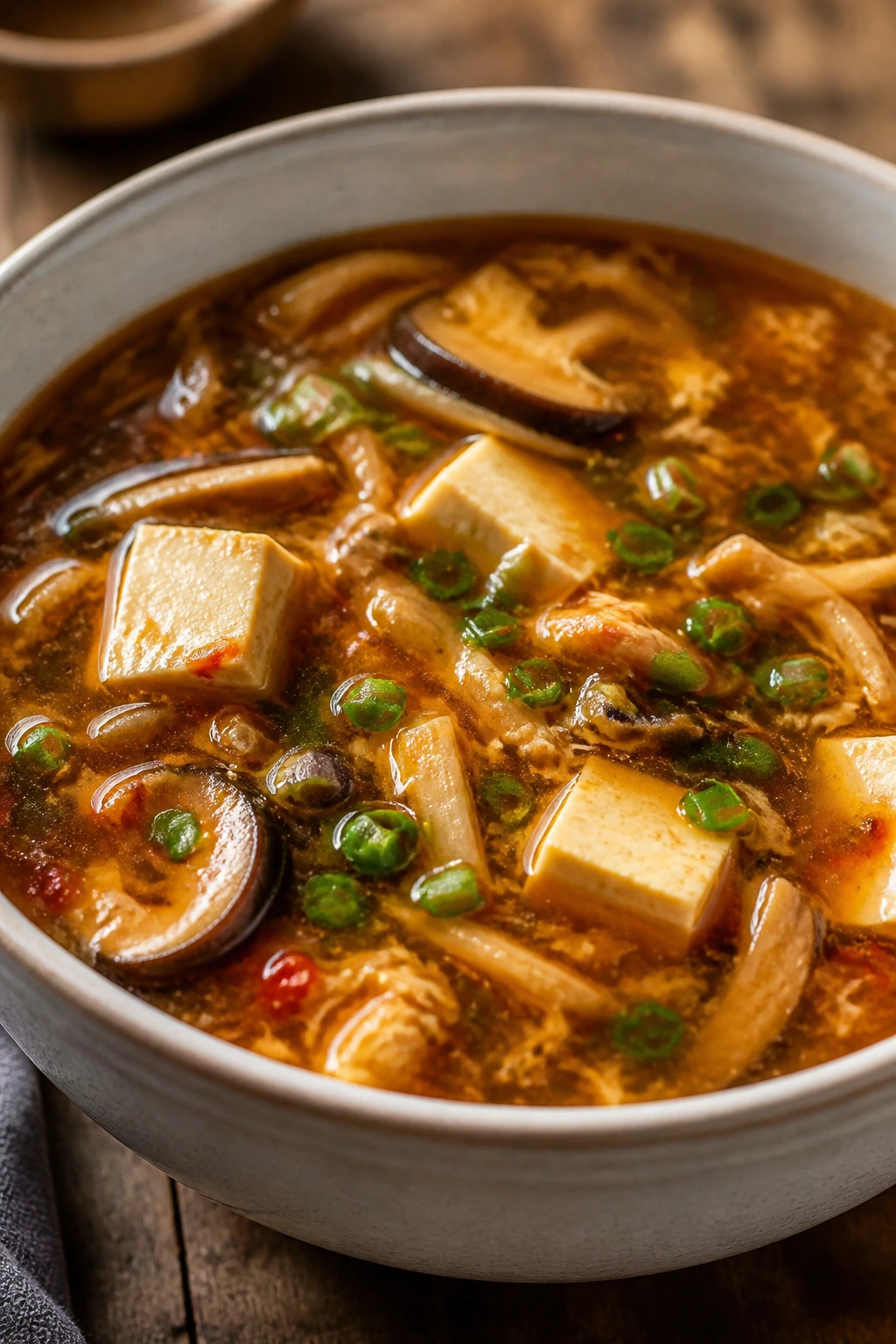
Hot and sour soup is one of the best slow cooker candidates because the broth wants time to develop. Mushrooms, tofu, vinegar, white pepper, and a little soy create a bowl that tastes layered instead of hurried. The texture should be silky, not cloudy and broken.
Why It Works:
The slow cooker extracts flavor from mushrooms and aromatics without making you stand over a pot. Tofu added near the end stays intact, and the egg ribbons go in at the very last minute so they stay soft and visible. Vinegar and white pepper bring the “hot and sour” part to life.
Key Ingredients:
- 8 cups chicken or vegetable broth
- 8 ounces shiitake mushrooms, sliced
- 8 ounces cremini mushrooms, sliced
- 1 cup bamboo shoots, sliced
- 2 tablespoons low-sodium soy sauce
- 3 tablespoons rice vinegar, plus more to taste
- 1 teaspoon white pepper
- 1 tablespoon sesame oil
- 1 block firm tofu, 14 oz, cubed
- 2 eggs, lightly beaten
- 2 tablespoons cornstarch mixed with 3 tablespoons water
- 3 scallions, sliced
Quick Steps:
- Combine broth, mushrooms, bamboo shoots, soy sauce, vinegar, white pepper, and sesame oil in the slow cooker.
- Cook on LOW for 4 to 5 hours or HIGH for 2 to 3 hours.
- Stir in the cornstarch slurry and cook uncovered 10 minutes.
- Add tofu and cook 10 minutes more.
- Slowly drizzle in the beaten eggs while stirring gently to form ribbons.
- Taste and add more vinegar if needed, then top with scallions.
Equipment for This Recipe:
- Slow cooker
- Whisk
- Slotted spoon
- Small bowl for eggs
- Ladle
How to Serve This Dish:
Serve in deep bowls while hot. A little extra white pepper on top can sharpen the broth nicely, but don’t overdo it.
Pro Tips for This Recipe:
- Add vinegar in stages. It’s easier to add more than take it out.
- Stir the eggs slowly so they form ribbons instead of clumps.
- If you want a thicker soup, use a little more slurry, but stop before it turns gravy-like.
Variations on This Dish:
- Pork Hot and Sour Soup: Add shredded cooked pork near the end.
- Extra Mushroom Version: Double the shiitakes for a darker broth.
- Milder Family Bowl: Reduce the white pepper and vinegar slightly.
Common Mistakes to Avoid with This Dish:
- Adding tofu too early: It can break apart and look ragged.
- Pouring eggs in too fast: You’ll get egg drops instead of ribbons.
- Underseasoning the broth: Hot and sour soup needs a clear hit of vinegar and pepper to read correctly.
18. Chinese Chicken Congee with Ginger
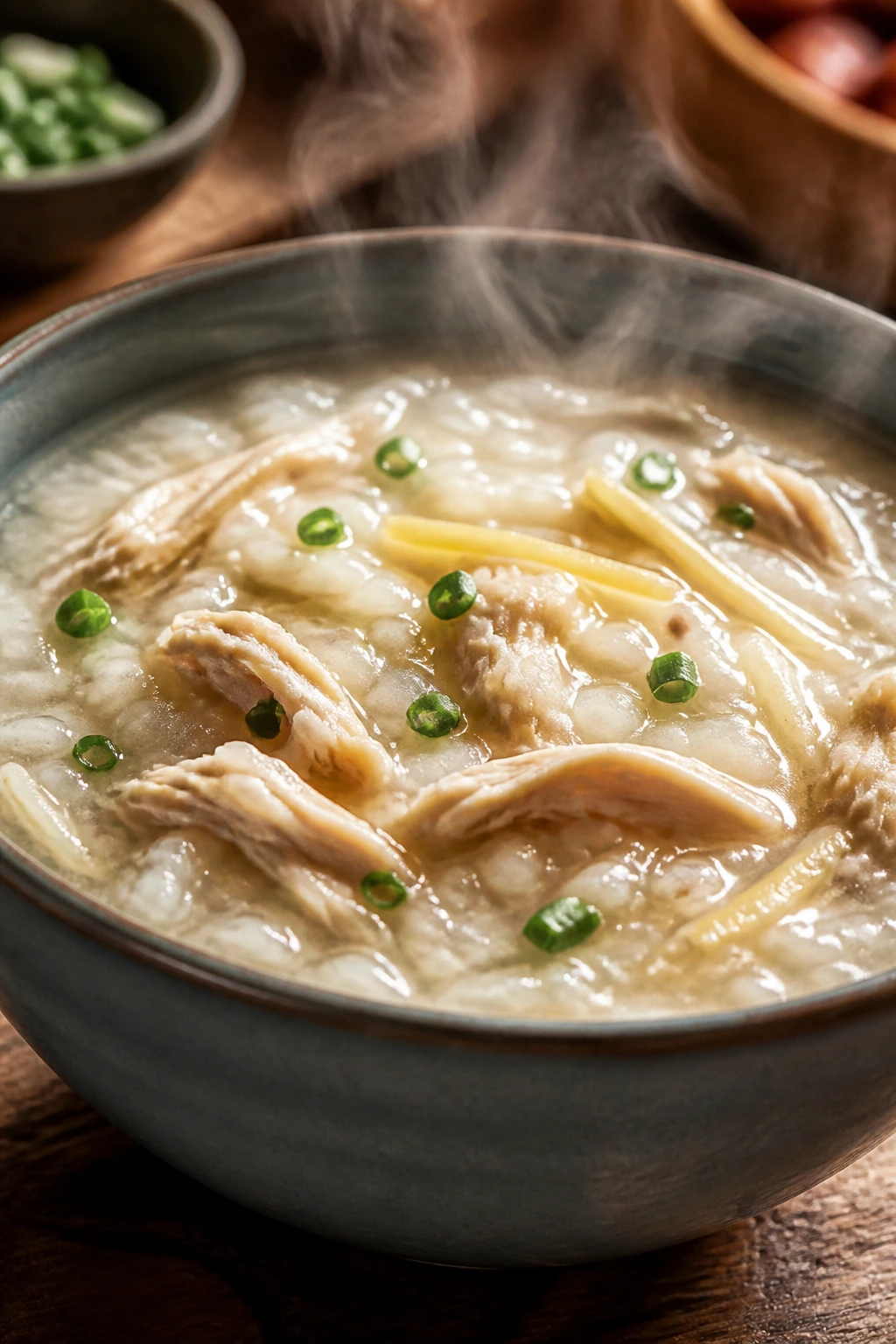
Congee is what I make when I want comfort that doesn’t shout. The rice cooks down into a creamy porridge, the chicken becomes tender, and ginger keeps the bowl from feeling heavy. It’s a quiet dish, but it can be one of the most satisfying things in this whole collection.
Why It Works:
Rice needs time and liquid to break down, which is exactly what the slow cooker gives it. The texture turns silky without constant stirring. Chicken thighs or a small chicken breast can poach gently in the congee and shred easily at the end.
Key Ingredients:
- 1 cup jasmine rice, rinsed
- 10 cups chicken broth
- 1 lb boneless chicken thighs
- 2-inch piece ginger, sliced
- 2 cloves garlic, smashed
- 1 tablespoon soy sauce
- Salt to taste
- 2 scallions, sliced
- 1 teaspoon sesame oil
- Fried shallots, optional
Quick Steps:
- Add rice, broth, chicken, ginger, garlic, and soy sauce to the slow cooker.
- Cook on LOW for 6 to 8 hours or HIGH for 4 to 5 hours, until the rice is very soft and the mixture is creamy.
- Remove the chicken, shred it, and stir it back in.
- Thin with extra hot broth if the congee is thicker than you like.
- Season with salt, drizzle with sesame oil, and top with scallions and fried shallots.
Equipment for This Recipe:
- Slow cooker
- Ladle
- Forks for shredding chicken
- Measuring cups
- Serving bowls
How to Serve This Dish:
Serve it hot with extra scallions and maybe a soft-boiled egg. Congee loves toppings, but it does not need them to do its job.
Pro Tips for This Recipe:
- Rinse the rice first so the texture turns clean and silky.
- Stir once or twice during cooking if your cooker runs hot, but don’t obsess over it.
- Add sesame oil at the end so the aroma stays bright.
Variations on This Dish:
- Mushroom Congee: Add sliced mushrooms at the start for a deeper broth.
- Seafood Congee: Stir in cooked shrimp or crab at the end.
- Plain Breakfast Congee: Leave out the chicken and top with scallions and soy.
Common Mistakes to Avoid with This Dish:
- Using too little liquid: Congee needs a lot of broth.
- Leaving the rice un-rinsed: It can turn gluey instead of creamy.
- Over-salting early: The broth reduces and can get too intense later.
19. Mapo Tofu with Ground Pork
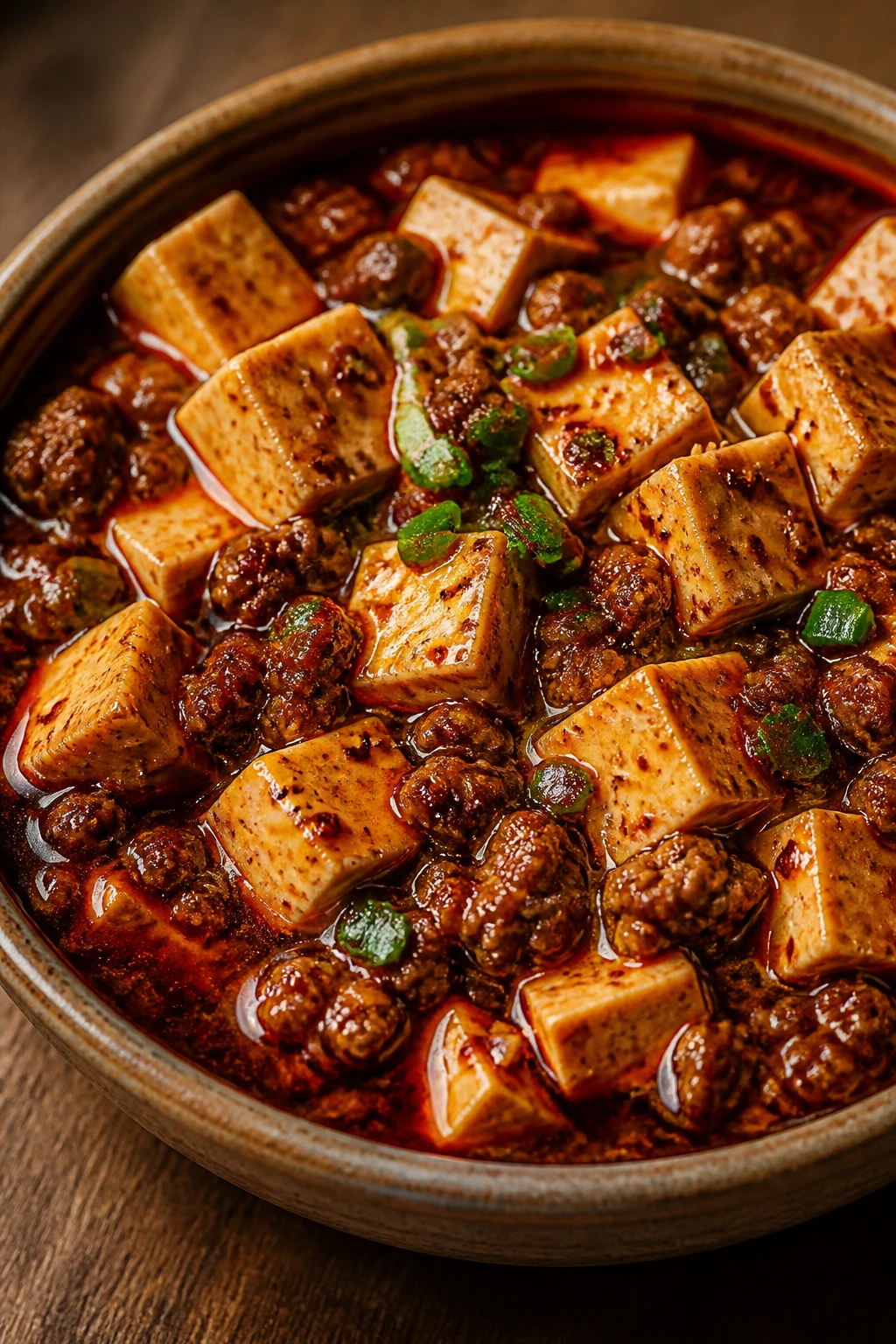
Mapo tofu in a slow cooker is not the fastest route, but it does let the sauce take on a deeper, rounder flavor. The tofu goes in late so it stays in pieces, the pork cooks into the sauce, and the final bowl has the heat, numbing spice, and savory depth the dish is known for. It’s a strong one. Not mild. Not timid.
Why It Works:
Ground pork builds a rich base fast, and doubanjiang—fermented chile bean paste—gives the sauce its signature salty heat. Tofu is delicate, so it belongs near the end. If you stir it too much or too early, you lose the whole point.
Key Ingredients:
- 1 lb ground pork
- 2 blocks firm tofu, 14 oz each, cut into cubes
- 2 tablespoons doubanjiang
- 2 tablespoons soy sauce
- 2 cups chicken broth
- 3 cloves garlic, minced
- 1 tablespoon grated ginger
- 1 teaspoon Szechuan peppercorns, lightly crushed
- 2 tablespoons cornstarch mixed with 3 tablespoons water
- 2 scallions, sliced
- 1 tablespoon chili oil, optional
Quick Steps:
- Brown the pork in a skillet for 4 to 5 minutes, then transfer it to the slow cooker.
- Add doubanjiang, soy sauce, broth, garlic, ginger, and peppercorns.
- Cook on LOW for 3 to 4 hours.
- Stir in tofu gently and cook 20 to 30 minutes more.
- Add the slurry and cook uncovered until the sauce thickens.
- Finish with scallions and a drizzle of chili oil.
Equipment for This Recipe:
- Slow cooker
- Skillet for browning pork
- Spatula
- Slotted spoon
- Knife and board
How to Serve This Dish:
Serve it over rice in a shallow bowl so the sauce spreads around the tofu. A small spoon is the right tool here, which sounds silly until you try eating it with a fork.
Pro Tips for This Recipe:
- Brown the pork first. It gives the sauce a much better base.
- Fold the tofu in gently or you’ll smash it.
- If you can find doubanjiang, use it; that paste carries the whole dish.
Variations on This Dish:
- Vegetarian Mapo Tofu: Swap the pork for finely chopped mushrooms.
- Lighter Heat Version: Use less doubanjiang and skip the chili oil.
- Extra Numbing Version: Add a pinch more crushed Szechuan peppercorn.
Common Mistakes to Avoid with This Dish:
- Stirring tofu too hard: It breaks into little bits.
- Using silken tofu: It’s too soft for this method.
- Skipping the fermented chile paste: You can’t fake mapo tofu without it.
20. Cantonese Soy Chicken with Ginger and Scallions
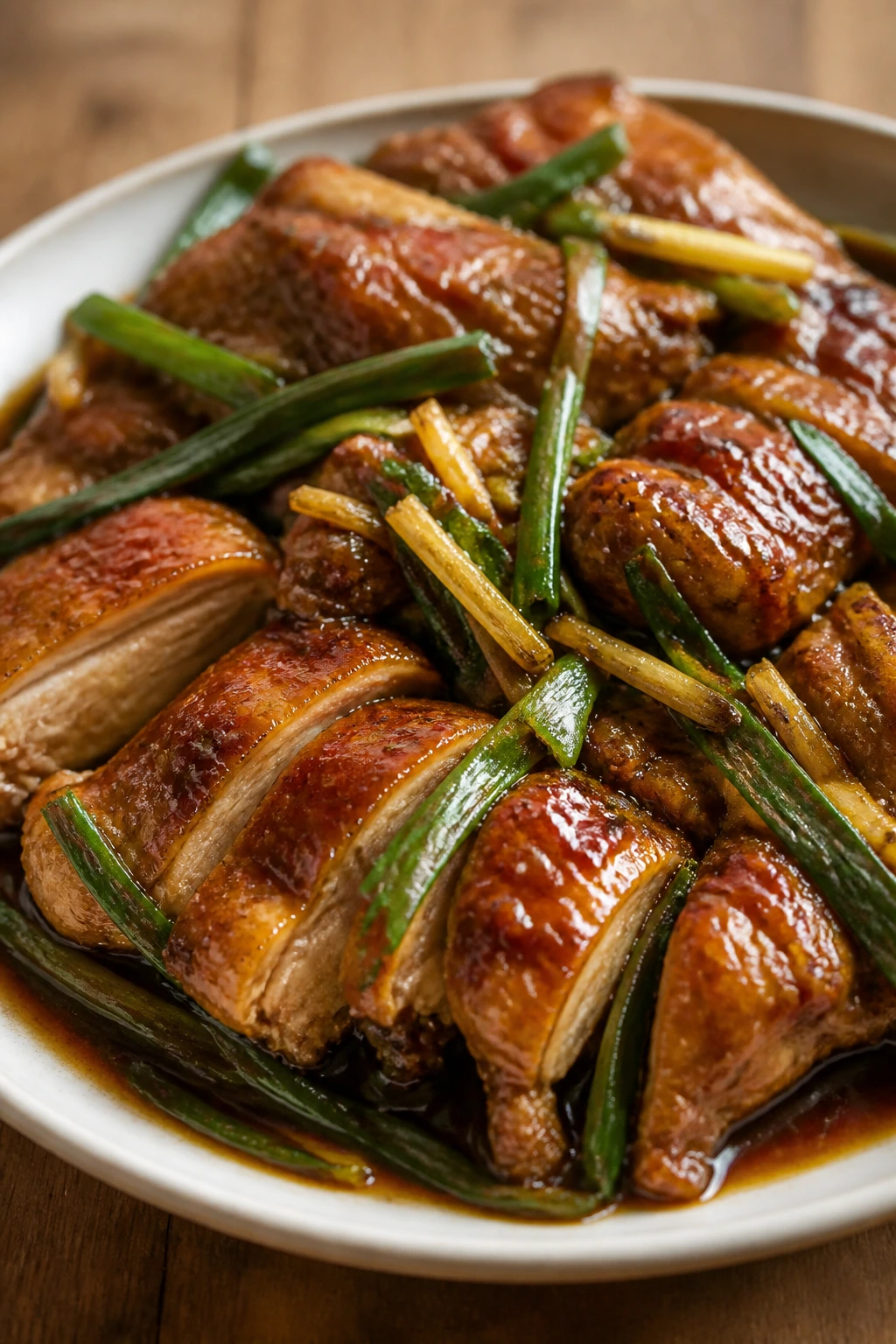
Cantonese soy chicken is gentle, clean, and deeply savory in a way that sneaks up on you. The broth becomes the sauce, the ginger gives the whole pot a warm edge, and the chicken comes out tender enough to slice or shred. This is the quietest recipe here, and maybe the one I’d make most often.
Why It Works:
The slow cooker mimics a long braise, which is perfect for soy, ginger, and scallion flavors. Chicken thighs stay moist, and the sauce doesn’t need a lot of sugar or spice to feel complete. A little sesame oil at the end gives it that polished, home-cooked finish.
Key Ingredients:
- 2½ lbs bone-in, skin-on chicken thighs
- ½ cup low-sodium soy sauce
- ½ cup chicken broth
- 2 tablespoons Shaoxing wine or dry sherry
- 4 slices fresh ginger
- 4 scallions, cut into 2-inch lengths
- 3 cloves garlic, smashed
- 1 tablespoon brown sugar
- 1 tablespoon sesame oil
- 2 tablespoons cornstarch mixed with 3 tablespoons water, optional
Quick Steps:
- Put soy sauce, broth, wine, ginger, scallions, garlic, and brown sugar in the slow cooker.
- Nestle in the chicken thighs, skin-side up if possible.
- Cook on LOW for 4 to 5 hours or HIGH for 2½ to 3½ hours, until the chicken is tender and reaches 165°F.
- Remove the chicken and strain or skim the liquid if you want a cleaner sauce.
- Thicken with the slurry if desired, then drizzle with sesame oil.
- Serve with rice and spoon the sauce over the top.
Equipment for This Recipe:
- Slow cooker
- Tongs
- Instant-read thermometer
- Small strainer, optional
- Serving platter
How to Serve This Dish:
Lay the chicken over rice and spoon the ginger-scallion sauce around it. A plate of blanched greens beside it makes the whole meal feel balanced and calm.
Pro Tips for This Recipe:
- Bone-in thighs give the best broth and the best texture.
- If you want a cleaner-looking sauce, strain the cooking liquid before serving.
- Don’t add sesame oil at the start; its fragrance is better saved for the end.
Variations on This Dish:
- Soy-Scallion Whole Chicken Pieces: Use drumsticks and thighs together.
- Mushroom Soy Chicken: Add sliced mushrooms for a deeper broth.
- Lower-Sodium Version: Use extra broth and slightly less soy, then taste at the end.
Common Mistakes to Avoid with This Dish:
- Trying to make it sweet: Cantonese soy chicken is savory first.
- Cooking on high too long: The chicken can dry at the edges.
- Forgetting to taste the sauce before serving: Sometimes it needs a tiny splash more soy or wine to wake up.
Why the Slow Cooker Works So Well for Chinese-Style Sauces
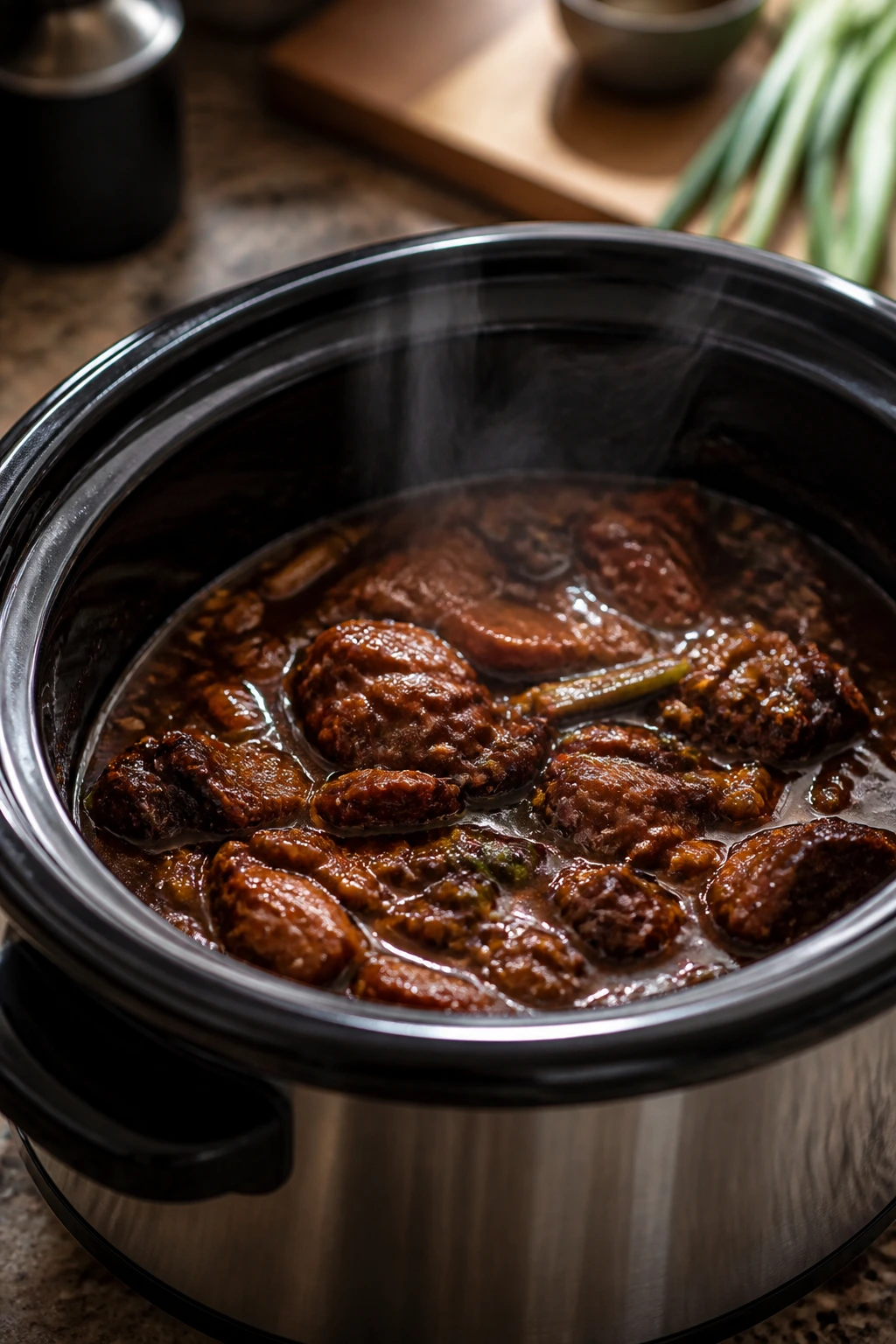
The slow cooker does best with dishes that need time to soften, mingle, and thicken. That’s why braised pork shoulder, chuck roast, chicken thighs, and short ribs all show up so often in this collection. They have fat and connective tissue to spend. Lean cuts do not. If you give the cooker a dry chicken breast and expect magic, you’ll usually get disappointment with extra liquid in the bowl.
The other thing the crockpot does well is give sauces time to settle into each other. Soy sauce stops tasting salty and starts tasting round. Ginger becomes warmer. Garlic loses its sharp edge. Hoisin and honey turn sticky instead of merely sweet. That slow shift is the whole reason these recipes work. The flavor isn’t just mixed; it’s coaxed.
What the slow cooker does not do well is texture management on its own. Broccoli, snow peas, scallions, cashews, peanuts, noodles, and bright herbs should usually go in late or at the table. That’s not a flaw. It’s a rule. Once you accept it, the cooker becomes a much better tool for Chinese-American cooking than most people give it credit for.
Essential Equipment for These Recipes
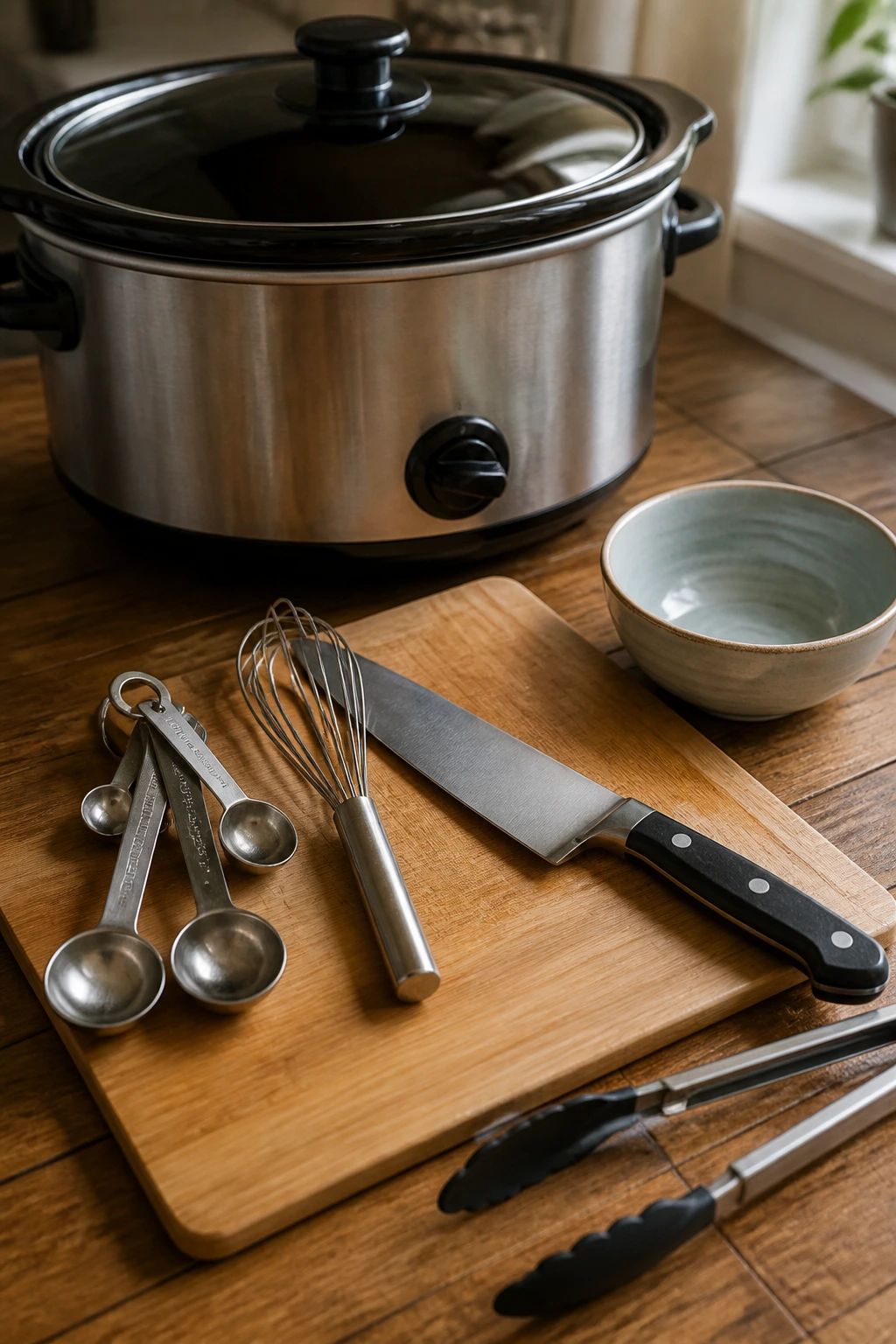
- 4- to 6-quart slow cooker: Big enough for most family-size braises without crowding the meat.
- Sharp chef’s knife: Thin slicing matters for beef and pork; dull knives make that miserable.
- Cutting board with a damp towel under it: Keeps the board from sliding while you chop.
- Measuring cups and spoons: Sauces here live and die by the balance of soy, vinegar, and sweetener.
- Small whisk: Best for dissolving honey, hoisin, chili paste, and cornstarch evenly.
- Instant-read thermometer: Especially useful for chicken thighs, drumsticks, and pork.
- Tongs or a slotted spoon: Handy for lifting meat out before thickening the sauce.
- Small bowls for slurries: Cornstarch clumps if you dump it straight in dry.
- Sheet pan: Optional, but useful for broiling sticky chicken or pork at the end.
- Rice cooker or saucepan: Not part of the slow cooker itself, but you’ll want a reliable way to cook rice or noodles alongside these dishes.
Smart Shopping and Ingredient Tips
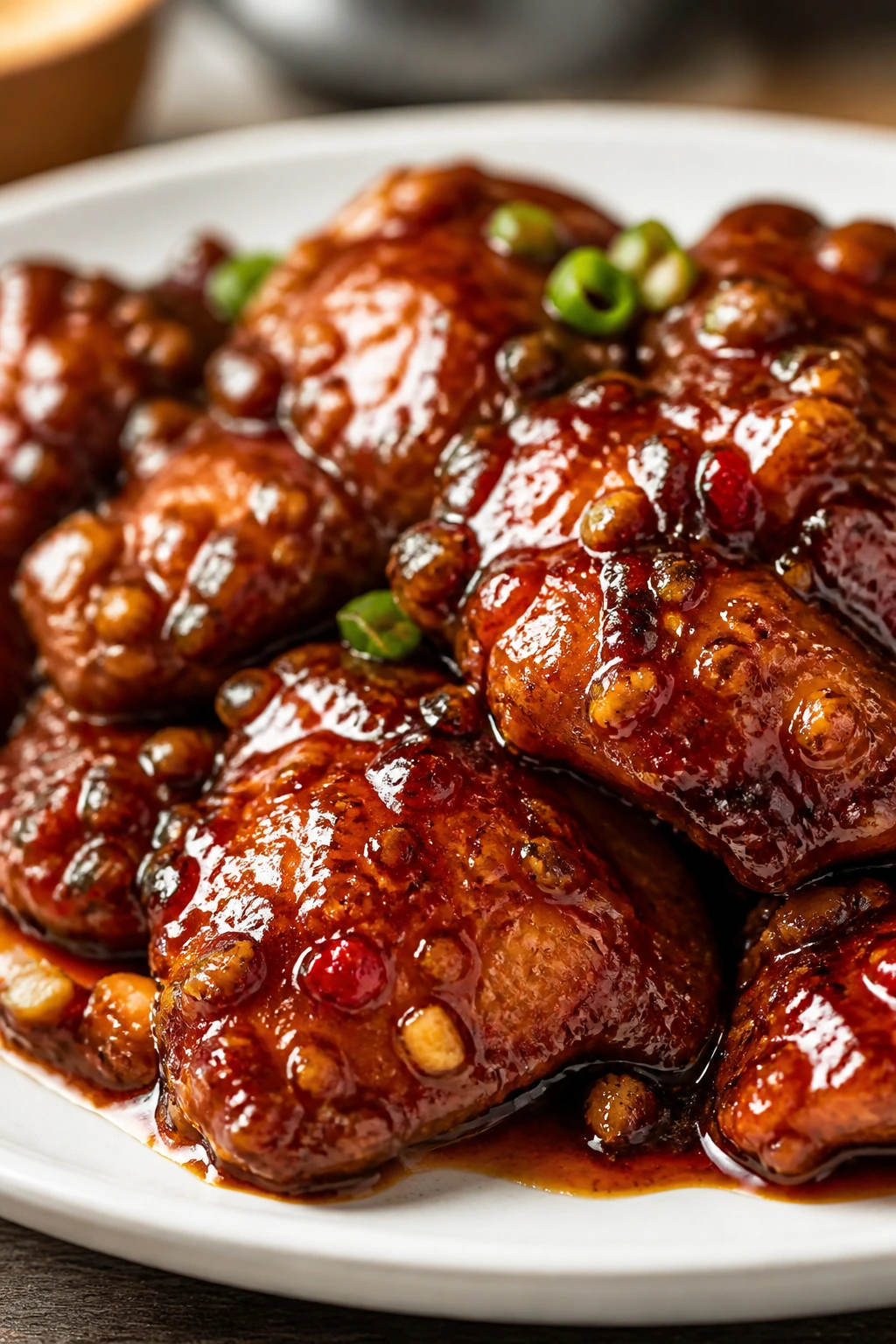
Soy sauce is the backbone of almost everything here, so buy one that tastes clean, not harsh. Low-sodium soy sauce gives you room to adjust salt at the end, which I prefer. Hoisin should be thick and dark, not watery. Rice vinegar should taste mild and slightly sweet. If all your pantry brands are sharp or thin, the final sauce will be harder to balance.
For meat, the cut matters more than the bargain tag. Chicken thighs beat breasts in almost every slow cooker recipe here because they stay juicy. Pork shoulder beats loin for the same reason. Chuck roast and short ribs bring the kind of collagen that turns into body after hours of gentle heat. Lean meat can work in some recipes, but you’ll need shorter cook times and more attention.
Fresh ginger is worth keeping around. The powdered stuff has its place, but it doesn’t give the same bright snap. Garlic should be firm and heavy for its size; if the cloves are sprouting, the flavor can go muddy. For vegetables, buy broccoli and snow peas only if you know they’ll go in late. If you need them to sit in the pot all day, choose heartier things like cabbage, mushrooms, onions, or carrots instead.
A few specialty ingredients make a real difference. Chinese five-spice, Szechuan peppercorns, Shaoxing wine, doubanjiang, oyster sauce, and chili garlic sauce all pull weight fast. You do not need every one of them, but the ones you use should be good enough to taste on purpose. Cheap versions can be harsh or oddly sweet, and that shows up in the pot.
How to Serve These Recipes
Presentation:
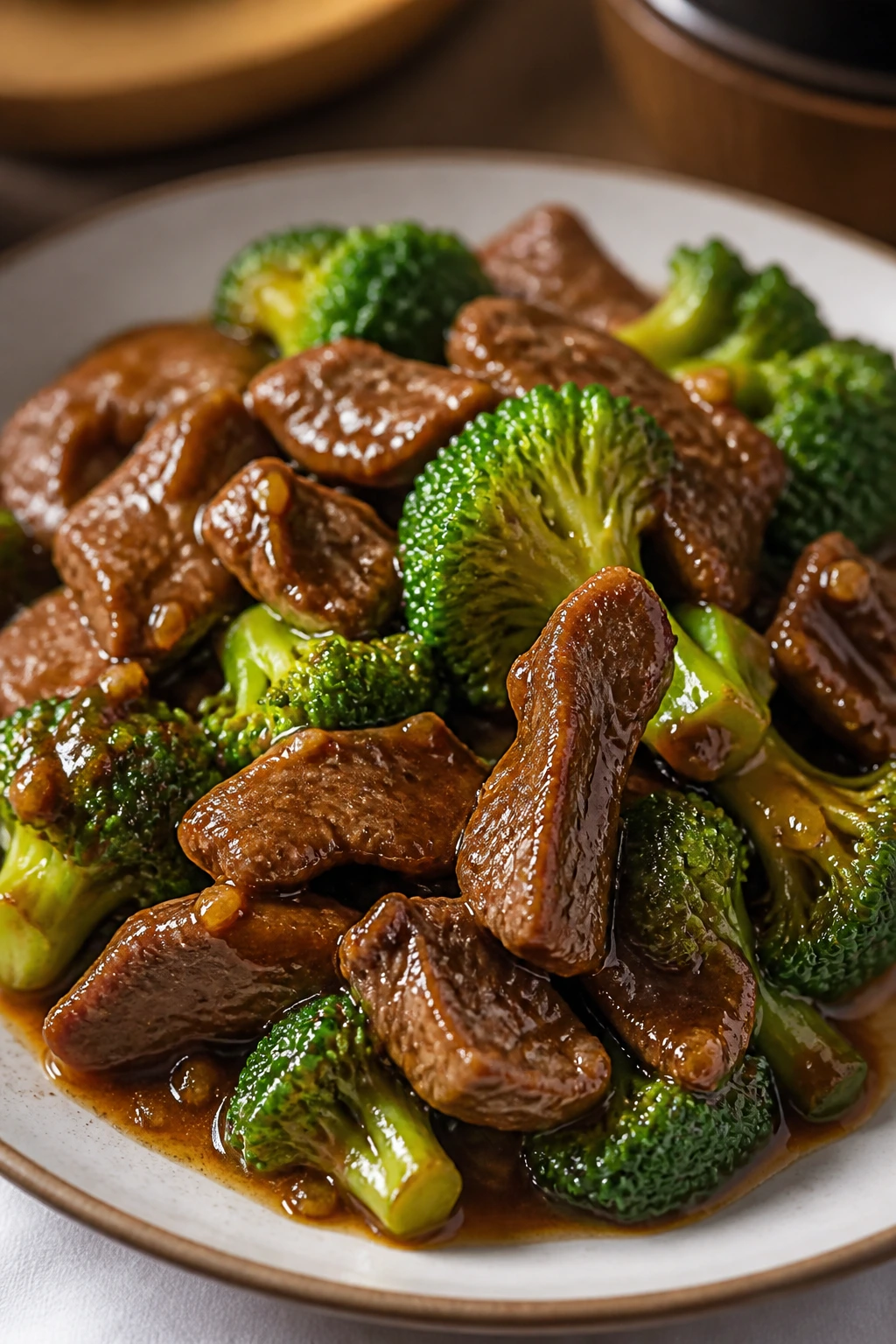
Serve sticky chicken and glazed beef in shallow bowls so the sauce can pool around the rice without vanishing. A scatter of scallions, sesame seeds, or thin chili slices gives the plate a finished look with almost no extra work. For soups and congee, use deep bowls and keep the toppings clustered in the center so they don’t disappear into the broth.
Accompaniments:
Jasmine rice is the safest companion for nearly all of these recipes. Brown rice works if you want a nuttier base, and simple noodles are fine with the bowl-style dishes. For contrast, add cucumber salad, steamed bok choy, garlicky green beans, or quick pickled carrots. Keep the side dishes plain enough that they don’t fight the sauce.
Portions:
Most of these recipes feed 4 to 6 people if served with rice and a vegetable. Heavier cuts like short ribs may serve 4 more comfortably, while congee or soup can stretch farther. For smaller appetites, plan on about ¾ cup rice and 1 generous cup of the main dish per person.
Beverage Pairing:
Hot tea works across the board: jasmine tea for lighter dishes, oolong for soy-heavy braises. If you want something cold, a lightly sparkling water with lime keeps the meal from feeling heavy. I’d avoid very sweet drinks; these recipes already bring enough sugar on their own.
Additional Tips and Flavor Boosters
Flavor Enhancement:
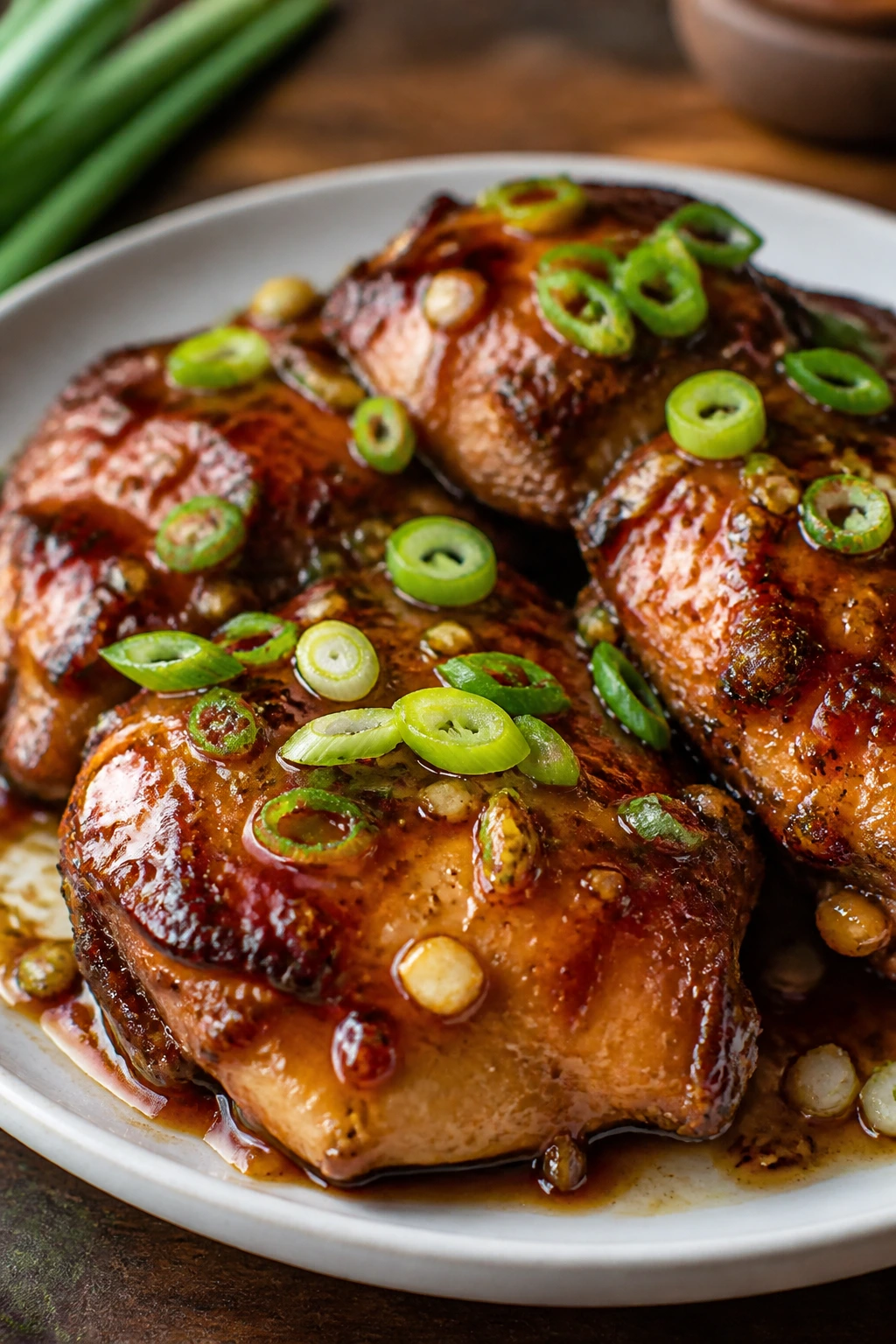
A teaspoon of toasted sesame oil at the very end does more than people expect. It gives the whole dish a nutty smell that disappears if you cook it for hours, so save it for the final minute. A splash of black vinegar or rice vinegar right before serving can also wake up a sauce that feels sleepy.
Customization:
Add broccoli, snap peas, bell peppers, or mushrooms in the last 20 to 30 minutes if you want a built-in vegetable side. For more heat, reach for chili crisp or chili garlic sauce instead of trying to make the base sauce blisteringly hot. The pot should still taste balanced before you add the extra fire.
Serving Suggestions:
Garnish with scallions, sesame seeds, crushed peanuts, or a few strips of fresh chili, but do not use all of them at once unless the dish asks for it. Pick one or two and let them stay distinct. Too many toppings can make a sticky bowl look messy in a way that has nothing to do with rustic charm.
Make-It-Yours:
For gluten-free meals, tamari and gluten-free hoisin or oyster-style sauce work in most of these recipes. For dairy-free or egg-free cooking, you’re already in a good place because these dishes rarely need either. For lower sugar, cut the honey or brown sugar by a third and replace the missing sweetness with extra vinegar and a little more time for the sauce to concentrate.
Make-Ahead, Storage, and Reheating Guidance
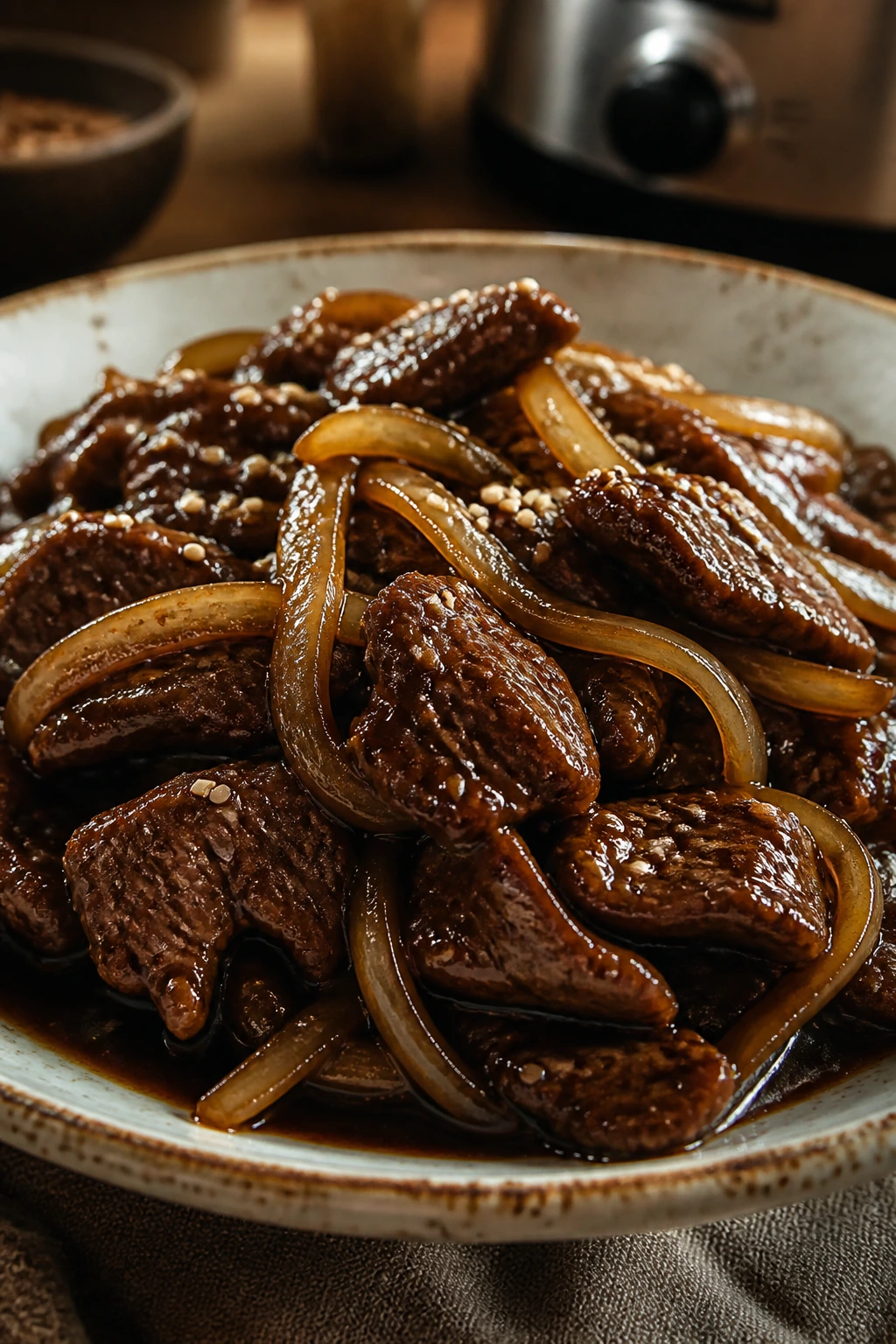
Most of these dishes keep well in the fridge for 3 to 4 days in airtight containers. The saucier the recipe, the better it usually holds. Beef and pork braises often taste even better the next day because the sauce settles into the meat. Crisp toppings like scallions, peanuts, and sesame seeds should be stored separately and added after reheating.
For the freezer, aim for up to 2 months on saucy dishes like General Tso chicken, Mongolian beef, char siu pork, or honey garlic chicken. Let the food cool fully before packing it away. Use flat freezer bags if you want faster thawing and less freezer bulk. Soups and congee freeze too, but the texture can thicken a lot, so plan to add broth when reheating.
Reheat chicken, beef, and pork in a covered skillet over medium-low heat with a splash of water or broth. That keeps the sauce from scorching and helps it loosen back up. If you use the microwave, cover the bowl loosely and stir halfway through. For soup and congee, reheat slowly on the stovetop and add liquid little by little until the texture looks right again. Noodles are the one thing I would not freeze inside the dish unless you enjoy soft disappointment; keep them separate and cook fresh when possible.
A few of these recipes are friendly to make-ahead prep. Sauces can often be whisked together the night before, and vegetables can be sliced in advance and stored cold. Meat can also be cut the day before, though I’d keep it sealed and chilled until the slow cooker is ready. For the best texture, add anything fragile at the end, not the beginning.
Variations and Adaptations to Try
Gluten-Free Pantry Swap:
Use tamari instead of soy sauce and choose gluten-free hoisin or oyster-style sauce where needed. Cornstarch is already gluten-free, so most of the thickening steps stay the same. This is the easiest adaptation in the whole collection.
Lower-Sugar Sauce Line:
Trim honey or brown sugar by about one-third, then add a touch more rice vinegar and a pinch of salt to keep the sauce from tasting flat. The result will be less glossy and less sweet, but still balanced.
Vegetable-Forward Version:
Fold in cabbage, mushrooms, bell peppers, or snow peas late in the cook so they add body without disappearing. This works especially well with cashew chicken, garlic ginger pork, and beef and broccoli.
Heat-Seeking Version:
Stir in chili crisp, chili garlic sauce, or dried chilies at the start, then finish with a second small hit at the table. That layered heat tastes better than dumping in a huge amount all at once.
Family-Mild Version:
Reduce chili paste, skip the dried chilies, and lean on ginger, garlic, and sesame oil for flavor. Kids usually do better with the sticky-sweet recipes first: orange chicken, honey garlic chicken, and sesame chicken meatballs.
Rice Bowl Shortcut:
Serve any of the saucy recipes over rice with one crisp topping and one cold thing—scallions, cucumbers, or pickled carrots. That simple formula turns leftovers into lunch without making the food feel recycled.
Common Mistakes to Avoid
Putting delicate vegetables in too early:
Broccoli, snow peas, and bell peppers turn limp and dull if they spend all day in the cooker. Add them late, usually in the last 10 to 30 minutes, depending on the vegetable.
Ignoring the sauce balance:
If a dish tastes flat, it usually needs either vinegar, salt, or a little heat—not more sugar. Slow cooking softens sharp edges, so the final taste should be a touch bolder than it seems in the pot.
Skipping the thickening step:
A lot of people stop after the meat is cooked and serve a thin sauce. That’s a mistake. A cornstarch slurry, a brief uncovered simmer, or both make the difference between soup and glaze.
Using the wrong cut of meat:
Lean cuts can dry out before they soften. Thighs, shoulder, chuck, and short ribs are the safer bets for the slow cooker because they improve with time instead of getting punished by it.
Adding nuts, scallions, or sesame oil too soon:
Cashews, peanuts, scallions, and sesame oil are finishers. Heat wrecks their texture or fragrance. Save them for the last minute and the dish will taste fresher.
Crowding the cooker:
When the pot is packed too full, vegetables steam unevenly and sauces thin out. Leave a little room if you can, especially when you need a glossy finish at the end.
Questions Readers Usually Ask
Can I use chicken breasts instead of thighs?
Yes, but shorten the cook time and check early. Breasts can go dry and stringy in the slow cooker, especially in dishes with a long cook and a sticky sauce. If you use them, add them only when you know the timing will stay tight.
Do I need to brown the meat first?
Not always, but it helps with flavor and texture. Browning gives you a better base for beef, pork, and meatballs. For chicken thighs, it’s optional unless you want a deeper color or are finishing under the broiler.
Why does my sauce come out watery?
Usually because the lid stayed on the whole time and the recipe needed a slurry at the end. Some vegetables also release more water than others. Fix it by removing the lid for 10 to 15 minutes and thickening with cornstarch near the end.
Can I cook noodles or rice in the slow cooker with the main dish?
Rice and noodles behave very differently, and both can turn mushy if left too long. I’d cook them separately. That gives you better texture and fewer regrets.
What’s the best way to keep broccoli from turning soft?
Add it during the last 15 to 20 minutes, depending on the size of the florets. If the cooker runs hot, check sooner. Bright green broccoli that still has shape beats olive-green broccoli every time.
How do I make the dishes less sweet?
Cut back on honey, brown sugar, or hoisin, then add a little more vinegar and salt. That keeps the sauce from falling flat. Sweetness in these recipes should support the savory base, not swallow it.
Can I freeze these leftovers with rice?
You can, but the rice often dries out and turns mealy after thawing. I’d freeze the main dish alone and make fresh rice later. It takes almost no extra time and the meal tastes better for it.
What if my slow cooker runs hot?
Check the food earlier than the recipe says, especially with chicken thighs and pork tenderloin. Some cookers bring the sauce to a hotter simmer than others, and that can shave an hour off the real cook time. If you know your model runs aggressive, stay near the lower end of the time range.
Can I double these recipes?
Sometimes, but do not crowd the cooker past the halfway to two-thirds mark unless your pot is large enough. Overfilling slows cooking and weakens the sauce. If you need a big batch, use a bigger slow cooker or make two smaller runs.
A Steadier Kind of Takeout Night
These crockpot Chinese recipes work because they respect the slow cooker instead of trying to force it into a stir-fry’s job. Let the pot do the braising. Add the crisp stuff late. Balance sweet with vinegar, and sauce with heat, and the whole meal starts to make sense in a way that cheap takeout often doesn’t.
That’s the real payoff here: sticky chicken that stays juicy, beef that turns spoon-tender, soups that taste rounded instead of rushed, and leftovers that don’t feel like punishment. Pick one recipe, keep the toppings simple, and let the cooker handle the long part.