



A slow cooker and Chinese pantry flavors get along better than most people think. Set a pot of ginger, garlic, soy, and broth on a lazy Sunday morning, and by lunch the kitchen smells like something far better than a takeout receipt. These healthy Chinese crockpot recipes lean on the good stuff — low-sodium soy sauce, rice vinegar, scallions, napa cabbage, shiitakes, bok choy, sesame oil, and a small cornstarch finish that turns thin liquid into a proper glossy sauce.
What makes this style of cooking worth keeping around is that it does not try to fake stir-fry. It does something else. It gives tougher cuts of chicken, beef, and pork time to soften, then lets bright vegetables come in late so they stay crisp at the edges instead of melting into soup. That timing matters. If you’ve ever had a slow cooker dinner taste flat or muddy, the problem was usually too much liquid, too much salt early on, or vegetables added at the wrong moment.
The recipes below are built for the kind of day when you want dinner to take care of itself, but you still want dinner to taste like you paid attention. Some lean into braises, some into soups, some into bowls that are easy to spoon over brown rice or tuck into lettuce cups. A few are spicy. A few are soft and soothing. All of them keep the same promise: big Chinese-inspired flavor, less grease, and a slow cooker that does the boring part while you do anything else.
Why These Crockpot Dinners Earn a Spot on the Sunday Rotation
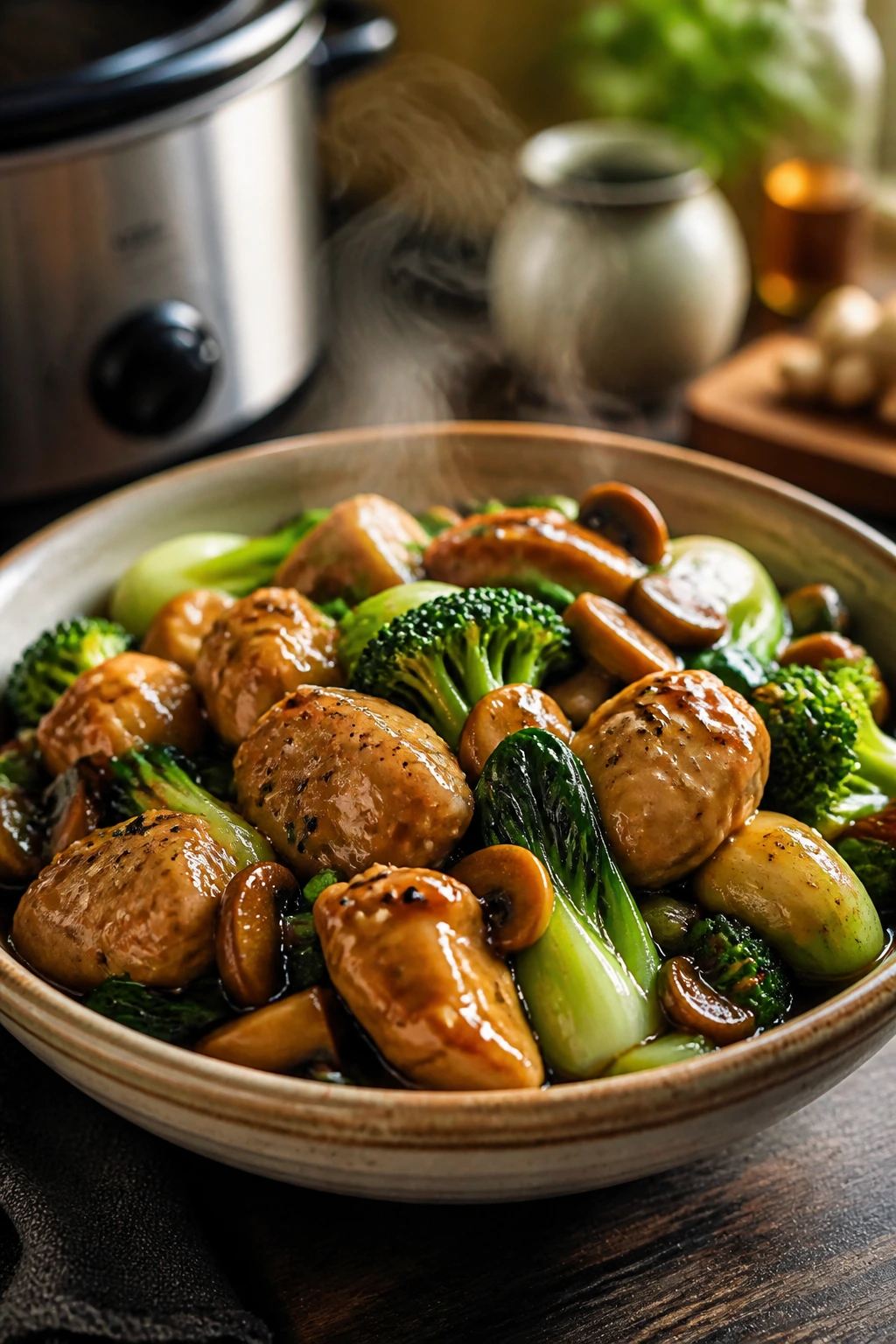
- Big flavor, light-handed sauce: Ginger, garlic, vinegar, hoisin, and sesame oil do more work here than heavy sugar ever could.
- Vegetables stay part of the meal: Bok choy, broccoli, snow peas, napa cabbage, mushrooms, and green beans show up in ways that still look and taste like vegetables.
- The slow cooker fits the food: Braises, soups, and saucy chicken dishes are exactly the kind of recipes that forgive a long afternoon on low heat.
- Leftovers hold up well: Most of these dishes taste even better after the flavors settle overnight, especially the soups, braises, and meatball recipes.
- Easy to serve in different ways: Brown rice, jasmine rice, cauliflower rice, lettuce cups, and noodle bowls all work without needing a second recipe.
- Pantry ingredients do the heavy lifting: Low-sodium soy sauce, rice vinegar, ginger, garlic, and cornstarch show up again and again for a reason — they build depth without making the pot feel heavy.
1. Ginger-Scallion Chicken with Baby Bok Choy
That first spoonful is all soft ginger, savory chicken, and the faint sweetness bok choy picks up after a long bath in broth. I like this one because it tastes clean rather than complicated, and that’s exactly the point when you want dinner to feel calm instead of fussy.
Why It Works:
Chicken thighs stay juicy after 5 to 6 hours on low, which is the kind of slow cooker insurance breast meat never quite gives you. The bok choy goes in near the end so the stems stay crisp-tender and the leaves wilt without turning swampy. A small cornstarch slurry gives the broth enough body to cling to rice, and the sesame oil at the end keeps the whole pot smelling fresh rather than murky.
Key Ingredients:
- 2 pounds boneless, skinless chicken thighs
- 1 cup low-sodium chicken broth
- 1/4 cup low-sodium soy sauce
- 2 tablespoons rice vinegar
- 1 tablespoon grated fresh ginger
- 6 garlic cloves, minced
- 4 scallions, sliced, divided
- 4 baby bok choy, halved lengthwise
- 1 tablespoon cornstarch mixed with 1 tablespoon water
- 1 teaspoon toasted sesame oil
Quick Steps:
- Whisk the broth, soy sauce, rice vinegar, ginger, garlic, and half the scallions in the slow cooker.
- Add the chicken thighs in a single layer and spoon a little sauce over the top.
- Cook on low for 5 to 6 hours or on high for 3 to 4 hours, until the chicken is fully tender and shreds with a fork.
- Nestle the bok choy into the pot, cover, and cook for 15 to 20 minutes until the stems turn bright and just tender.
- Stir in the cornstarch slurry and cook for 10 minutes until the broth looks glossy and lightly thickened.
- Finish with sesame oil and the remaining scallions.
Equipment for This Recipe:
- 6-quart slow cooker
- Small whisk
- Sharp knife and cutting board
- Tongs or a wide spoon
How to Serve This Dish:
Spoon it over hot jasmine rice or brown rice so the sauce can soak in. A small pile of cucumber slices on the side keeps the bowl from feeling heavy, and the green bok choy makes the whole plate look bright rather than muddy.
Pro Tips for This Recipe:
- Use thighs, not breasts; long heat is kinder to dark meat.
- Add the bok choy near the end or it will collapse into ribbons.
- If the sauce tastes thin, let it simmer uncovered for 10 extra minutes after thickening.
- Keep the sesame oil for the very end; cooking it hard flattens the aroma.
Variations on This Dish:
- Chili Crisp Finish: Drizzle 1 to 2 teaspoons of chili crisp over each bowl for heat and crunch.
- Mushroom-Heavy Pot: Add 8 ounces sliced shiitakes with the chicken for a deeper broth.
- Tofu Swap: Replace half the chicken with 2 blocks cubed extra-firm tofu added in the last 30 minutes.
Common Mistakes to Avoid with This Dish:
- Adding bok choy too early: It turns limp and gray; wait until the end.
- Using too much cornstarch: The broth goes gluey fast, so keep the slurry modest.
- Cooking on high too long: Chicken thighs can still dry out once the liquid starts to reduce.
2. Beef and Broccoli with Brown Rice
The broccoli stays green, the beef turns soft, and the sauce clings in the way people actually want from this dish. If you’ve had takeout beef and broccoli that tasted mostly like salt and sugar, this version fixes that by leaning harder on ginger, garlic, and a decent cut of flank steak.
Why It Works:
Flank steak sliced against the grain takes to the slow cooker better than most people expect, especially when it sits in a soy-and-broth base for a few hours. Broccoli only needs the final stretch to get tender, so it keeps a little bite instead of surrendering to mush. The honey is there for balance, not sweetness, and the oyster sauce adds body without making the dish taste sticky.
Key Ingredients:
- 2 pounds flank steak, thinly sliced against the grain
- 1/2 cup low-sodium soy sauce
- 1/2 cup beef broth
- 2 tablespoons honey
- 2 tablespoons oyster sauce
- 1 tablespoon grated ginger
- 4 garlic cloves, minced
- 6 cups broccoli florets
- 1 tablespoon cornstarch mixed with 1 tablespoon water
- 1 teaspoon toasted sesame oil
Quick Steps:
- Whisk the soy sauce, broth, honey, oyster sauce, ginger, and garlic in the slow cooker.
- Add the sliced flank steak and stir so every piece gets coated.
- Cook on low for 4 to 5 hours, until the beef is tender but not stringy.
- Add the broccoli florets, cover, and cook for 20 to 25 minutes until bright green and just tender.
- Stir in the cornstarch slurry and cook for 10 minutes until the sauce thickens enough to coat a spoon.
- Finish with sesame oil and serve.
Equipment for This Recipe:
- 6-quart slow cooker
- Very sharp knife
- Cutting board with a damp towel underneath
- Measuring spoons and cups
How to Serve This Dish:
It belongs over brown rice if you want the bowl to feel sturdy, or jasmine rice if you want the sauce to soak in faster. A few sesame seeds and sliced scallions make the plate look finished in about five seconds.
Pro Tips for This Recipe:
- Slice the steak while it is still slightly cold; clean cuts are easier.
- Don’t add the broccoli early unless you like soft stems.
- If your sauce looks thin, remove the lid for the last 15 minutes after thickening.
- A splash of rice vinegar at the end wakes up the whole dish.
Variations on This Dish:
- Spicy Black Pepper Beef: Add 1 teaspoon cracked black pepper and 1 tablespoon chili garlic sauce.
- Chicken and Broccoli Version: Swap in 2 pounds chicken thighs and reduce the cook time by about an hour.
- Cauliflower Broccoli Mix: Use half broccoli florets and half cauliflower florets for a milder finish.
Common Mistakes to Avoid with This Dish:
- Cutting the beef with the grain: It stays chewy no matter how long it cooks.
- Crowding broccoli into the pot at the start: It loses color and turns soft in a bad way.
- Overloading the sauce with extra sugar: The whole dish starts tasting flat instead of savory.
3. Five-Spice Pork and Napa Cabbage Lettuce Cups
This one has the cozy, braised feel of pork cooking all afternoon, but the finish is light enough to wrap in lettuce and eat with your hands. The five-spice gives it that warm, slightly sweet perfume that shows up when you open the lid.
Why It Works:
Pork loin roast gives you enough structure for long cooking without the extra fat of shoulder. Napa cabbage soaks up the sauce in the last few minutes, then gets tucked into lettuce cups so the whole dish lands somewhere between a braise and a fresh wrap. Hoisin brings depth, rice vinegar keeps the sauce from getting syrupy, and carrots add a little snap.
Key Ingredients:
- 2 pounds boneless pork loin roast, trimmed and cut into 2-inch chunks
- 1/3 cup low-sodium soy sauce
- 2 tablespoons hoisin sauce
- 1 tablespoon rice vinegar
- 1 tablespoon Chinese five-spice powder
- 1 tablespoon grated fresh ginger
- 5 garlic cloves, minced
- 2 carrots, julienned
- 6 cups shredded napa cabbage
- Butter lettuce leaves, for serving
- 2 teaspoons toasted sesame oil
Quick Steps:
- Combine the soy sauce, hoisin, vinegar, five-spice, ginger, and garlic in the slow cooker.
- Add the pork chunks and stir to coat them well.
- Cook on low for 5 to 6 hours, until the pork is tender and easy to pull apart.
- Stir in the carrots and napa cabbage, then cook for 20 minutes until the cabbage softens but still has some shape.
- Pull the pork into rough pieces with two forks, then drizzle with sesame oil.
- Spoon into lettuce leaves and serve warm.
Equipment for This Recipe:
- 6-quart slow cooker
- Two forks
- Vegetable peeler or julienne peeler
- Large serving platter for the lettuce leaves
How to Serve This Dish:
Pile the filling into cold butter lettuce leaves and add extra scallions or thin cucumber slices if you like more crunch. If you want a fuller dinner, set out brown rice on the side and let people build bowls instead of wraps.
Pro Tips for This Recipe:
- Trim visible fat from the pork or the sauce can feel heavy.
- Add the cabbage late so it keeps some bite.
- Don’t over-shred the pork; rough pieces hold the sauce better.
- A few drops of black vinegar at the table are excellent here.
Variations on This Dish:
- Chili-Garlic Pork Cups: Add 1 tablespoon chili garlic sauce to the cooking liquid.
- Mushroom and Pork Bowl: Stir in 8 ounces sliced shiitakes for a deeper, earthier base.
- Gluten-Free Lettuce Wraps: Use tamari and a gluten-free hoisin sauce.
Common Mistakes to Avoid with This Dish:
- Choosing a very fatty cut: The filling gets greasy instead of glossy.
- Adding the cabbage from the start: It disappears into soft strings.
- Serving it without something cool: Butter lettuce or cucumber matters here; it keeps the pork from feeling dense.
4. Hot and Sour Chicken Soup with Mushrooms
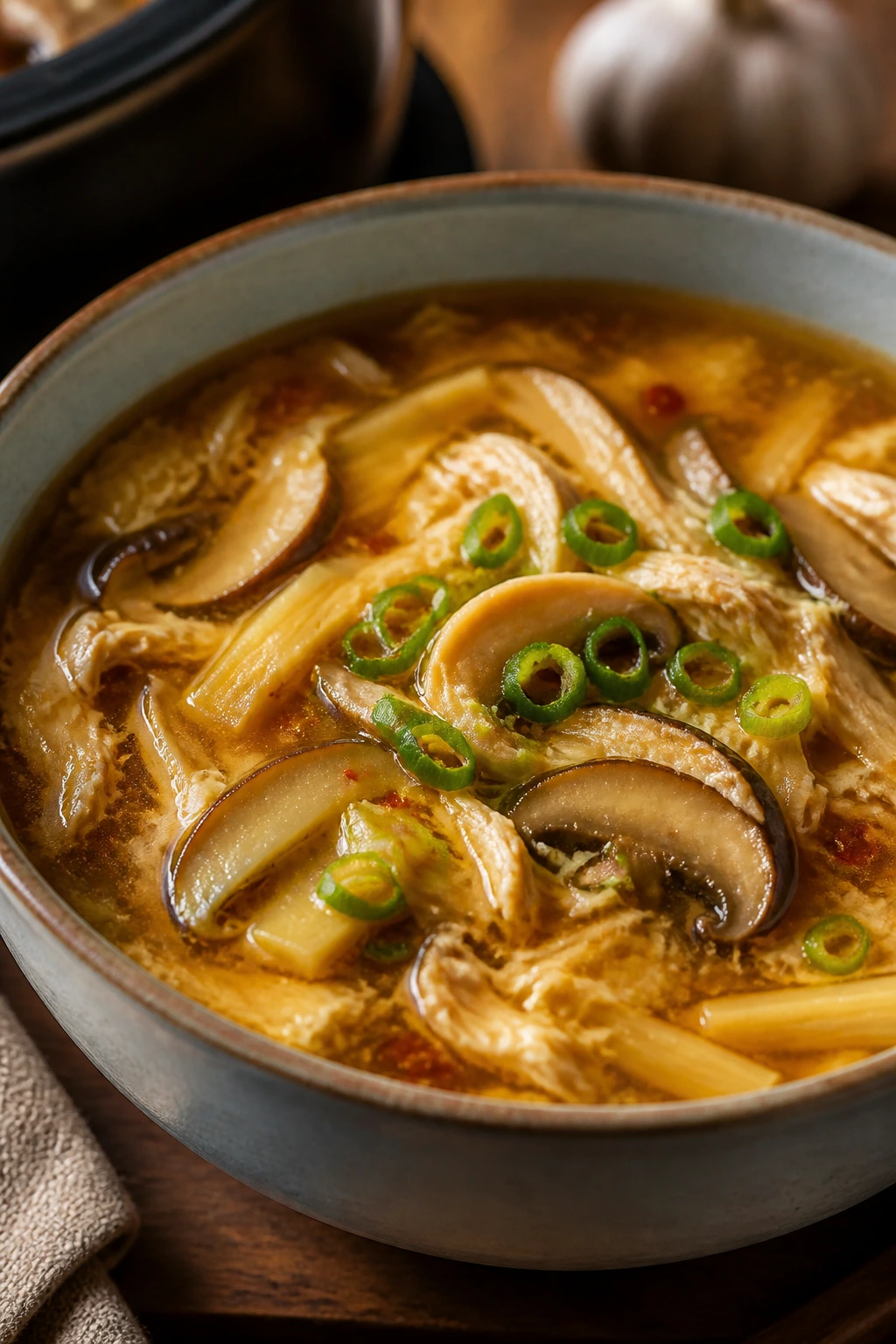
Hot and sour soup should hit two notes at once: a little sharp, a little comforting. This version does that without the heavy starch-bomb feel you sometimes get from restaurant versions, and the mushrooms give the broth a deep, almost woodsy edge.
Why It Works:
Chicken thighs stay tender over a long simmer, and mushrooms bring body so the broth tastes fuller without extra fat. Rice vinegar and white pepper should go in near the end so the soup tastes bright rather than cooked-flat. The egg ribbons are optional, but I think they make the pot feel complete and give the broth a silkier texture.
Key Ingredients:
- 1 1/2 pounds boneless chicken thighs
- 8 cups low-sodium chicken broth
- 6 ounces shiitake mushrooms, sliced
- 1 cup cremini mushrooms, sliced
- 1/2 cup bamboo shoots, sliced
- 1 block firm tofu, cut into 1/2-inch cubes
- 1 tablespoon grated ginger
- 4 garlic cloves, minced
- 3 tablespoons rice vinegar
- 2 tablespoons low-sodium soy sauce
- 1 teaspoon white pepper
- 1 tablespoon cornstarch mixed with 1 tablespoon water
- 2 eggs, lightly beaten
- 3 scallions, sliced
Quick Steps:
- Add the broth, mushrooms, bamboo shoots, ginger, garlic, soy sauce, and chicken to the slow cooker.
- Cook on low for 4 to 5 hours, until the chicken is fully cooked and the mushrooms are soft.
- Shred the chicken with two forks, then stir it back into the soup with the tofu.
- Add the rice vinegar and white pepper, then taste and adjust before thickening.
- Stir in the cornstarch slurry and cook for 10 minutes until the broth turns lightly glossy.
- Slowly drizzle in the beaten eggs while stirring, then finish with scallions.
Equipment for This Recipe:
- 6-quart slow cooker
- Two forks
- Small bowl for the egg
- Whisk or chopsticks for drizzling the egg
How to Serve This Dish:
Serve it in deep bowls with a few extra scallions on top and, if you want more substance, a scoop of steamed rice tucked into the bottom. A small side plate of cucumber sticks works surprisingly well because they cool the heat between spoonfuls.
Pro Tips for This Recipe:
- Add vinegar late; early acid dulls the brighter edge.
- Keep the soup just below a hard boil after the egg goes in.
- Thin tofu cubes hold up better than huge blocks.
- If you want more heat, use white pepper first and chili oil second.
Variations on This Dish:
- Extra-Sour Version: Add 1 additional tablespoon rice vinegar and a teaspoon of black vinegar.
- Vegetarian Mushroom Soup: Skip the chicken and add another 4 ounces of mushrooms plus 1 extra block tofu.
- Noodle Bowl Soup: Stir in cooked rice noodles when serving instead of inside the slow cooker.
Common Mistakes to Avoid with This Dish:
- Pouring in vinegar too early: The flavor goes dull and muddy.
- Over-stirring after the eggs go in: You lose the ribbon effect and end up with little bits.
- Using too much tofu too soon: It can break apart before serving.
5. Turkey Mapo Tofu with Shiitakes
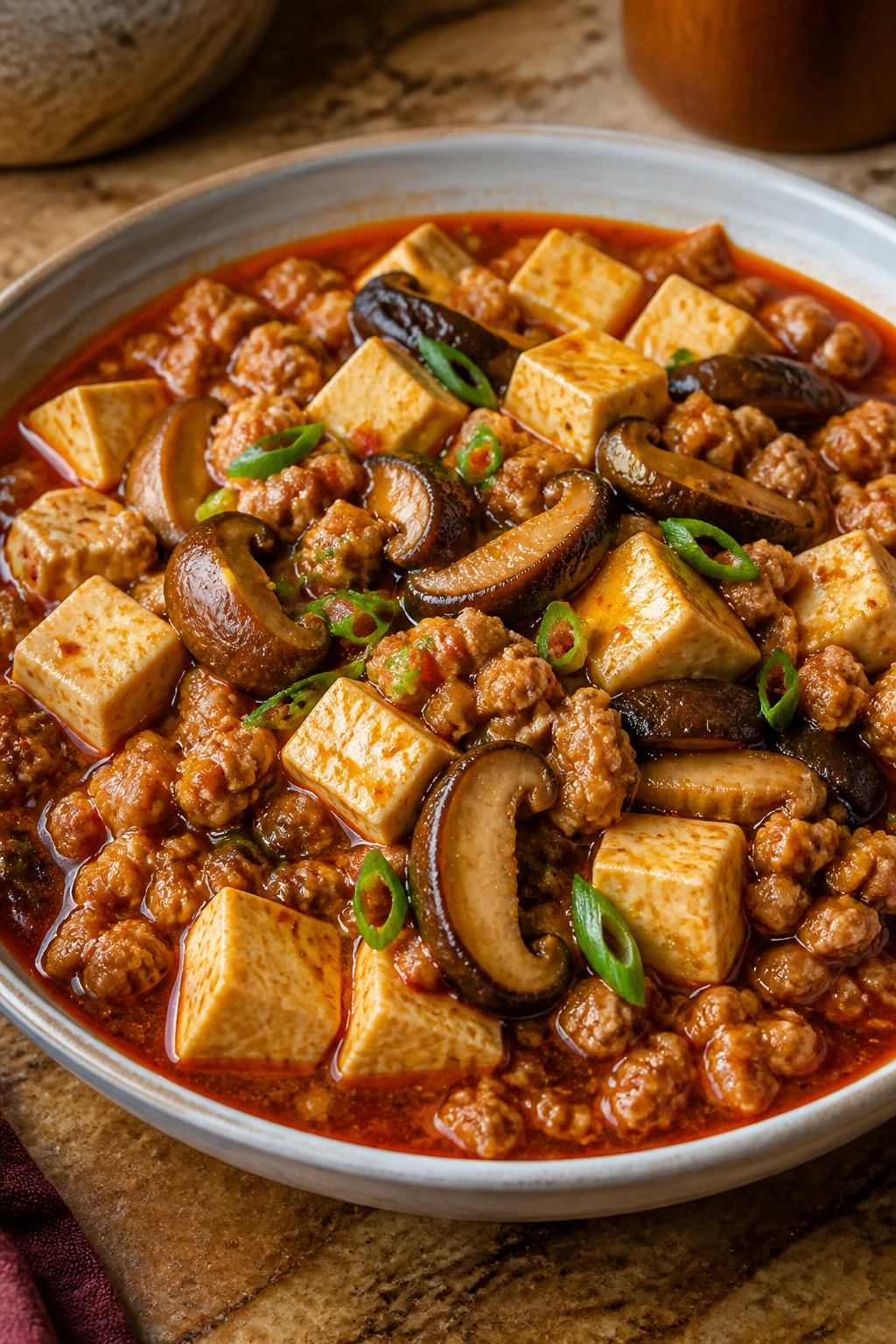
Mapo tofu usually comes with a little heat and a lot of personality. This lighter slow cooker version keeps the sharp chili-bean flavor and swaps in lean turkey, which makes the sauce feel less greasy while still tasting rich enough to cling to rice.
Why It Works:
Ground turkey gives the dish structure, but the sauce is doing the heavy lifting here. Doubanjiang or chili bean paste brings salt, chile, and fermented depth in one spoonful, while shiitakes add a meaty note that makes the tofu feel more substantial. Extra-firm tofu added near the end keeps its shape instead of dissolving into the sauce.
Key Ingredients:
- 1 1/2 pounds lean ground turkey
- 2 blocks extra-firm tofu, cut into 1-inch cubes
- 2 cups shiitake mushrooms, sliced
- 1/4 cup doubanjiang or chili bean paste
- 1 cup low-sodium chicken broth
- 2 tablespoons low-sodium soy sauce
- 1 tablespoon rice wine or dry sherry
- 1 tablespoon grated fresh ginger
- 4 garlic cloves, minced
- 1 teaspoon ground Sichuan peppercorn
- 2 tablespoons cornstarch mixed with 2 tablespoons water
- 3 scallions, sliced
Quick Steps:
- Brown the ground turkey in a skillet over medium heat for 4 to 5 minutes, breaking it up into small crumbles.
- Transfer the turkey to the slow cooker and stir in the mushrooms, doubanjiang, broth, soy sauce, rice wine, ginger, garlic, and Sichuan peppercorn.
- Cook on low for 4 hours, until the mushrooms are soft and the sauce smells savory and deep.
- Gently fold in the tofu cubes and cook for 20 to 30 minutes until they are heated through but still intact.
- Stir in the cornstarch slurry and cook until the sauce coats the back of a spoon.
- Top with scallions and serve hot.
Equipment for This Recipe:
- 6-quart slow cooker
- Medium skillet for browning
- Wooden spoon
- Slotted spoon
How to Serve This Dish:
Serve it over jasmine rice if you want the sauce to spread out, or over brown rice if you want a little more chew. I like a bowl with plenty of sauce and a small pile of quick-pickled cucumbers on the side.
Pro Tips for This Recipe:
- Brown the turkey first; the flavor is worth the extra pan.
- Fold tofu in gently so the cubes stay clean.
- Taste before salting again because doubanjiang can be salty on its own.
- A few drops of sesame oil at the table finish the dish better than cooking it in.
Variations on This Dish:
- Veggie Mapo: Skip the turkey and add 8 ounces diced mushrooms plus 1 cup finely chopped cabbage.
- Heat-Forward Version: Add 1 teaspoon chili flakes or 1 tablespoon chili oil.
- Milder Family Pot: Cut the doubanjiang to 2 tablespoons and add an extra 1/2 cup broth.
Common Mistakes to Avoid with This Dish:
- Adding tofu too early: It breaks down and clouds the sauce.
- Skipping the brown step on the turkey: The pot tastes flatter than it should.
- Overdoing the cornstarch: You want a saucy braise, not pudding.
6. Orange Chicken with Bell Peppers and Snap Peas
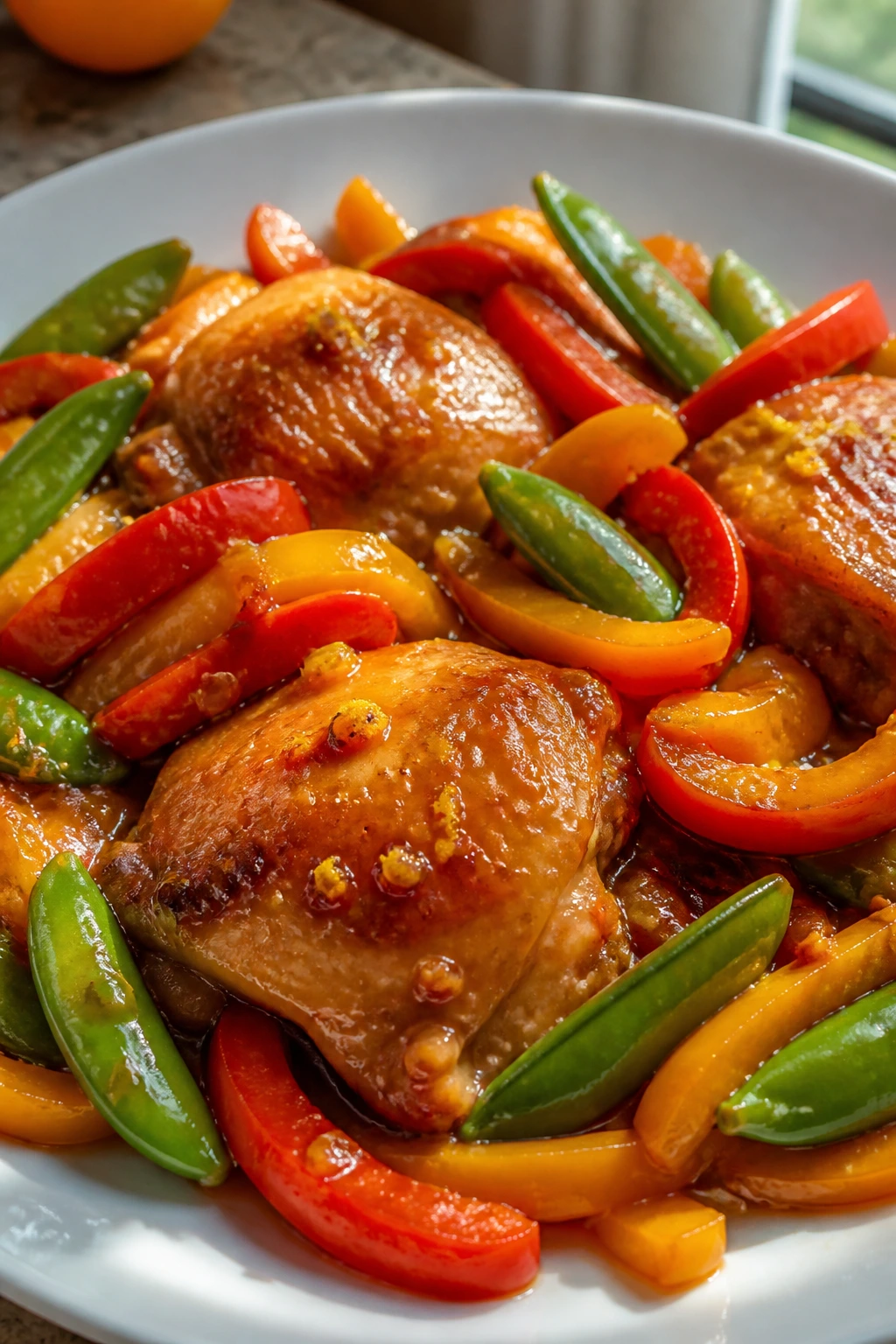
This version keeps the bright orange note people love, but it behaves more like a sticky braise than fried takeout. The peppers and snap peas give the dish a crisp edge, and the sauce stays light enough to coat chicken instead of drowning it.
Why It Works:
Orange juice and zest bring freshness, but the real trick is balance: soy for salt, rice vinegar for bite, and honey for just enough gloss. Chicken thighs stand up to the long cook, and the vegetables go in late so they keep their snap. The final cornstarch slurry gives the sauce the cling it needs without making it syrupy.
Key Ingredients:
- 2 pounds boneless, skinless chicken thighs
- 1/2 cup fresh orange juice
- Zest of 1 orange
- 1/4 cup low-sodium soy sauce
- 2 tablespoons rice vinegar
- 2 tablespoons honey
- 1 tablespoon grated fresh ginger
- 4 garlic cloves, minced
- 2 bell peppers, sliced
- 2 cups snap peas
- 1 tablespoon cornstarch mixed with 1 tablespoon water
- 1 teaspoon toasted sesame oil
Quick Steps:
- Whisk the orange juice, zest, soy sauce, vinegar, honey, ginger, and garlic in the slow cooker.
- Add the chicken thighs and spoon sauce over the top.
- Cook on low for 5 to 6 hours or on high for 3 to 4 hours, until the chicken is tender.
- Add the bell peppers and snap peas, then cook for 20 minutes until the vegetables are crisp-tender.
- Stir in the cornstarch slurry and cook for 10 minutes until glossy.
- Finish with sesame oil and serve.
Equipment for This Recipe:
- 6-quart slow cooker
- Citrus zester or microplane
- Sharp knife
- Small whisk
How to Serve This Dish:
A bowl of orange chicken over brown rice looks especially nice with the colorful peppers on top. If you want a fresher plate, spoon it into lettuce cups and add sliced scallions for crunch.
Pro Tips for This Recipe:
- Use fresh orange juice, not boxed juice from concentrate.
- Add the zest at the start so the oil has time to bloom in the sauce.
- Snap peas need only a short stay in the pot.
- If the sauce tastes too sharp, a teaspoon more honey usually fixes it.
Variations on This Dish:
- Tangerine Chicken: Swap in tangerine juice and leave the zest in for a softer citrus note.
- Spicy Orange Chicken: Add 1 tablespoon chili garlic sauce to the sauce base.
- Cauliflower Bowl Version: Serve over roasted cauliflower florets instead of rice.
Common Mistakes to Avoid with This Dish:
- Using too much juice: The sauce can end up thin and sour.
- Adding the vegetables too soon: They lose their shape and color.
- Skipping the final sesame oil: The dish tastes flatter without that last aromatic hit.
7. Cashew Chicken with Water Chestnuts
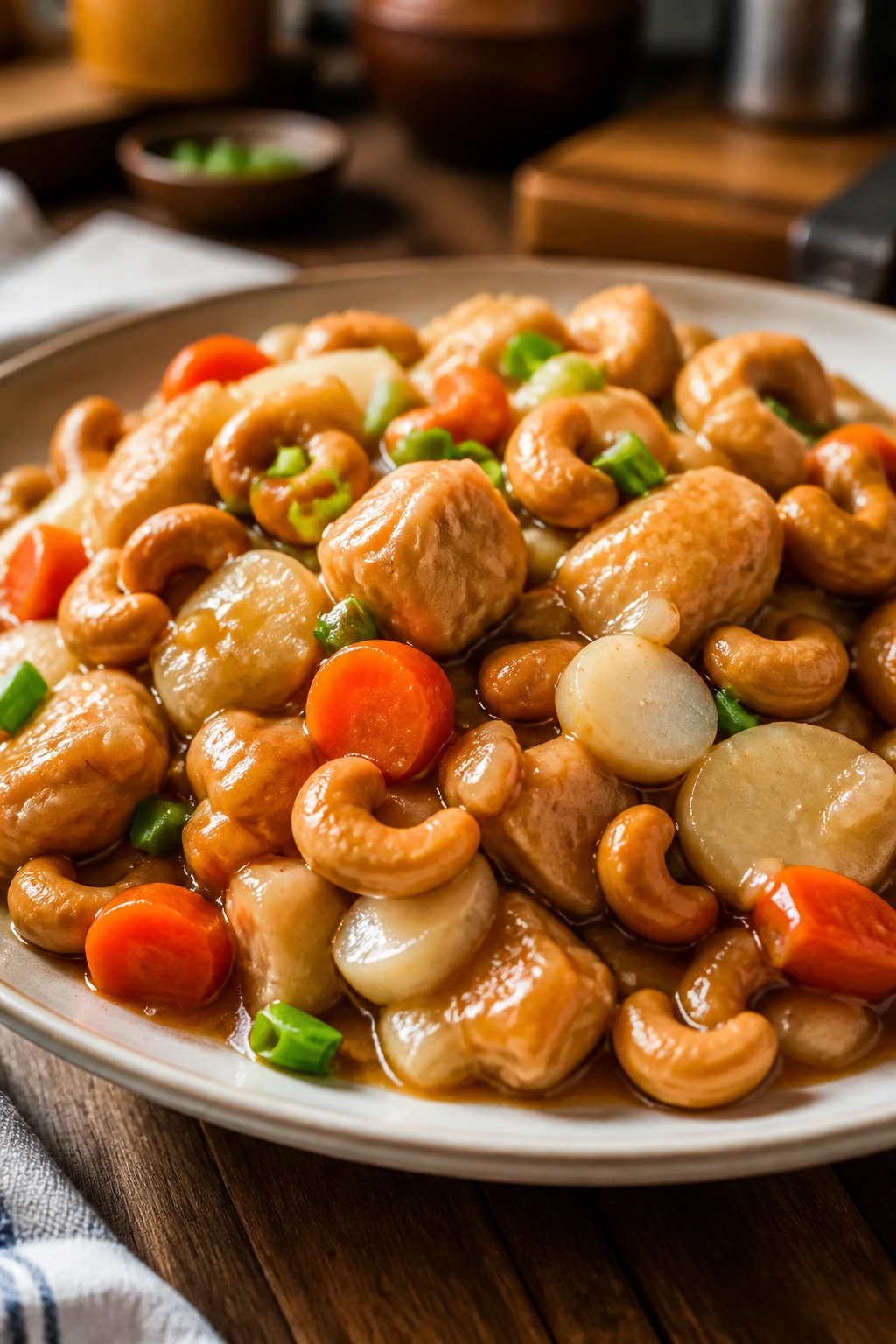
Cashew chicken should have crunch somewhere in the bowl, and this version keeps that promise. The sauce is savory and a little sweet, the water chestnuts stay crisp, and the cashews go in at the end so they still taste like cashews instead of soft nuts.
Why It Works:
Chicken thighs or breasts both work here, but thighs are my pick if you know your slow cooker runs hot. Water chestnuts bring a clean snap that holds up even after hours in sauce, and carrots add color without making the dish feel overloaded. The cashews stay whole at the end, which is the part people remember.
Key Ingredients:
- 2 pounds boneless chicken thighs or chicken breasts, cut into 1 1/2-inch pieces
- 1 cup low-sodium chicken broth
- 1/3 cup low-sodium soy sauce
- 2 tablespoons oyster sauce
- 1 tablespoon honey
- 1 tablespoon grated fresh ginger
- 4 garlic cloves, minced
- 1 cup carrots, cut into matchsticks
- 1 cup water chestnuts, sliced
- 2 cups green beans or sliced bell pepper
- 3/4 cup roasted unsalted cashews
- 1 tablespoon cornstarch mixed with 1 tablespoon water
Quick Steps:
- Combine the broth, soy sauce, oyster sauce, honey, ginger, and garlic in the slow cooker.
- Add the chicken, carrots, green beans, and water chestnuts.
- Cook on low for 4 to 5 hours, until the chicken is cooked through and tender.
- Stir in the cornstarch slurry and cook for 10 minutes until the sauce thickens.
- Fold in the cashews right before serving so they stay crisp.
- Taste and add a little more soy or vinegar only if needed.
Equipment for This Recipe:
- 6-quart slow cooker
- Cutting board and sharp knife
- Measuring cups and spoons
- Rubber spatula
How to Serve This Dish:
This one works best over brown rice because the sauce is savory enough to soak in without disappearing. A few sliced scallions on top and a side of steamed broccoli make the plate feel complete.
Pro Tips for This Recipe:
- Add cashews at the end, never at the start.
- Cut the chicken into even pieces so it cooks at the same speed.
- If using chicken breasts, check for doneness a little early.
- A splash of rice vinegar at the finish cuts the sweetness nicely.
Variations on This Dish:
- Mushroom Cashew Chicken: Replace the green beans with 8 ounces sliced mushrooms.
- Extra-Veggie Bowl: Add 1 diced red bell pepper and 1 cup snow peas in the last 30 minutes.
- Gluten-Free Cashew Chicken: Use tamari and a gluten-free oyster-style sauce.
Common Mistakes to Avoid with This Dish:
- Cooking cashews all day: They go soft and lose their whole point.
- Using too much oyster sauce: The pot turns heavy and salty.
- Leaving chicken pieces huge: They cook unevenly and the texture suffers.
8. Chicken and Shiitake Congee
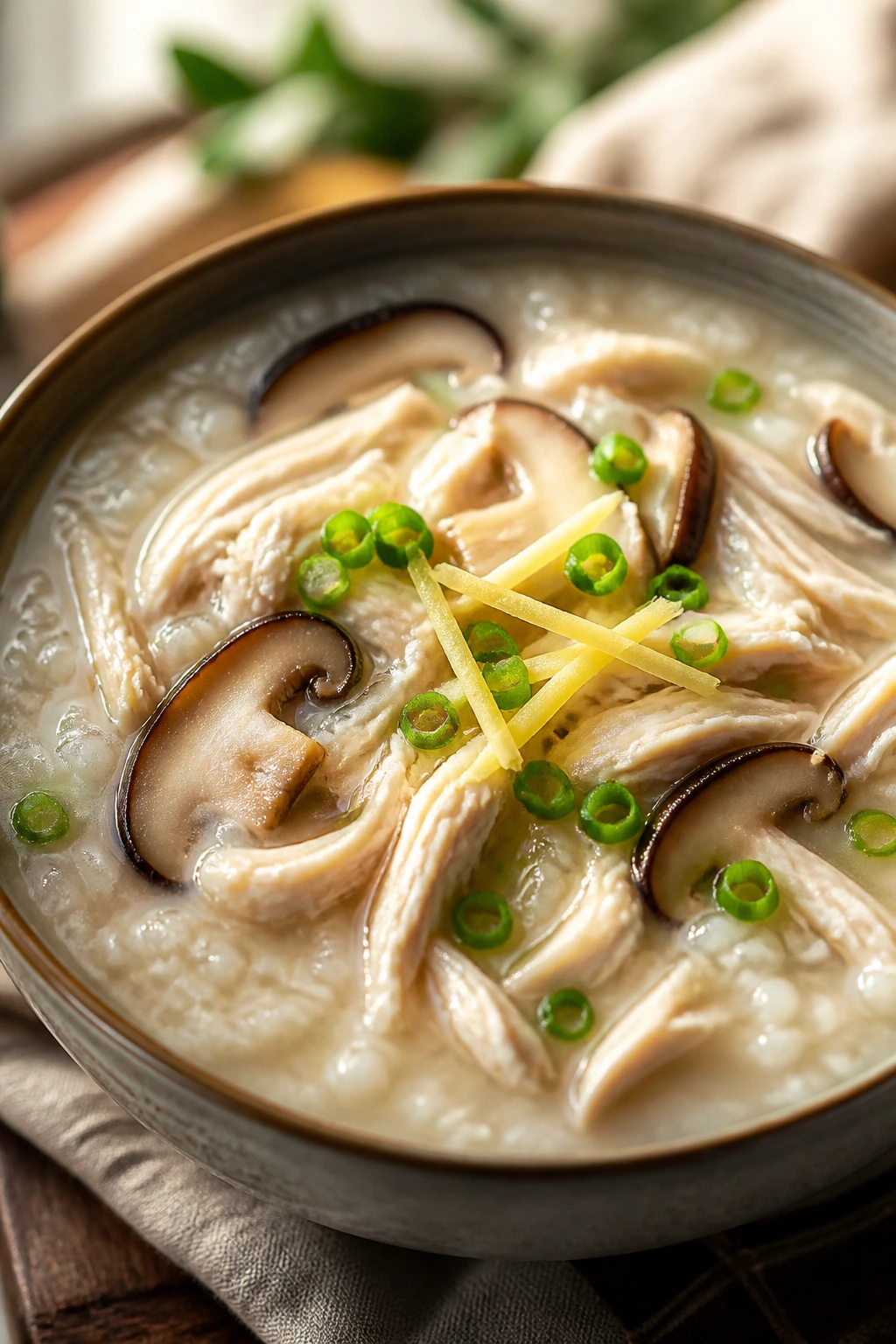
Congee is what happens when rice gets patient. The slow cooker turns a simple handful of ingredients into a silky, savory bowl that feels right on a quiet Sunday, especially if the weather has any excuse to be dull.
Why It Works:
Rinsed rice breaks down over time and thickens the broth into a gentle porridge without any dairy or heavy thickeners. Shiitakes bring an almost smoky depth, and ginger keeps the pot from tasting sleepy. Shredded chicken gives the bowl protein without making it clumsy.
Key Ingredients:
- 1 cup jasmine or short-grain rice, rinsed until the water runs mostly clear
- 1 1/2 pounds boneless chicken thighs
- 8 cups low-sodium chicken broth
- 1 tablespoon grated fresh ginger
- 6 ounces shiitake mushrooms, sliced
- 2 garlic cloves, minced
- 1 teaspoon salt, plus more to taste
- 1/2 teaspoon white pepper
- 2 cups baby spinach
- 2 scallions, sliced
- 1 teaspoon toasted sesame oil
Quick Steps:
- Add the rice, chicken, broth, ginger, mushrooms, garlic, salt, and white pepper to the slow cooker.
- Cook on low for 6 to 7 hours, stirring once or twice if your cooker runs hot and the rice settles.
- Remove the chicken, shred it, and return it to the pot.
- Stir the congee well so the rice breaks down and the texture turns creamy.
- Add the spinach and cook for 5 to 10 minutes until wilted.
- Finish with scallions and sesame oil.
Equipment for This Recipe:
- 6-quart slow cooker
- Fine-mesh strainer for rinsing rice
- Two forks for shredding
- Ladle
How to Serve This Dish:
Ladle it into wide bowls and top with extra scallions, a few drops of sesame oil, and maybe a soft-boiled egg if you want more heft. Pickled mustard greens or a small dish of soy sauce with sliced chilies are excellent alongside it.
Pro Tips for This Recipe:
- Rinse the rice or the texture gets pasty in a bad way.
- Stir once if you can, especially near the end.
- Add spinach only after the rice has broken down.
- Thin with hot broth if the congee gets thicker than you want.
Variations on This Dish:
- Ginger-Only Congee: Skip the mushrooms and double the ginger for a cleaner, sharper bowl.
- Mushroom-Veg Congee: Use vegetable broth and add extra shiitakes plus carrots.
- Egg Ribbon Version: Stir in 2 beaten eggs at the end for a richer finish.
Common Mistakes to Avoid with This Dish:
- Using too little liquid: Congee turns into sticky rice instead of porridge.
- Skipping the rinse: The starch gets muddy and heavy.
- Adding spinach too soon: It dissolves into dark strands.
9. Char Siu-Style Chicken Thighs with Broccoli
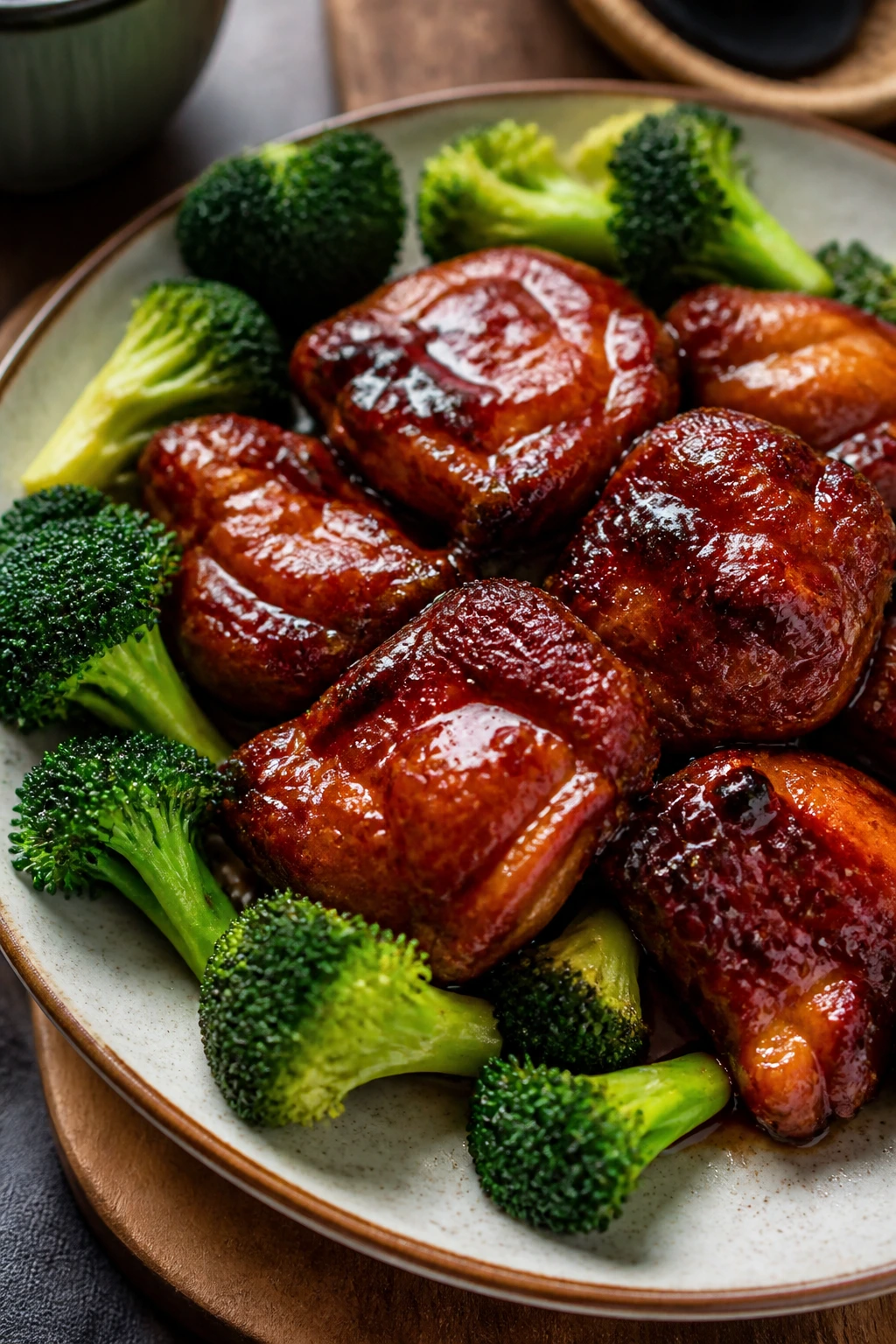
Char siu flavor usually means sweet, savory, and a little smoky. Here, it lands on chicken thighs instead of pork, which keeps the dish lighter and easier to work into a normal weeknight bowl.
Why It Works:
Hoisin, soy, honey, ginger, and five-spice create the sweet-salty profile people expect, and chicken thighs hold that sauce without drying out. Broccoli added late keeps the bowl green and gives the sticky chicken a fresh edge. A short cornstarch finish thickens the marinade into a proper glaze.
Key Ingredients:
- 2 pounds boneless, skinless chicken thighs
- 1/4 cup hoisin sauce
- 2 tablespoons low-sodium soy sauce
- 2 tablespoons honey
- 1 tablespoon rice vinegar
- 1 tablespoon Chinese five-spice powder
- 1 tablespoon grated fresh ginger
- 4 garlic cloves, minced
- 1 pound broccoli florets
- 1 tablespoon cornstarch mixed with 1 tablespoon water
- 1 teaspoon toasted sesame oil
Quick Steps:
- Whisk the hoisin, soy sauce, honey, vinegar, five-spice, ginger, and garlic in the slow cooker.
- Add the chicken thighs and turn them to coat.
- Cook on low for 5 hours or on high for 3 hours, until the chicken is tender.
- Add the broccoli florets and cook for 20 minutes until bright green.
- Stir in the cornstarch slurry and cook until the sauce turns glossy.
- Finish with sesame oil and serve.
Equipment for This Recipe:
- 6-quart slow cooker
- Whisk
- Tongs
- Sharp knife
How to Serve This Dish:
This is strong over rice, but it also works with shredded cabbage if you want a lower-carb bowl. A spoonful of extra sauce over the top and a few sesame seeds make it look finished without effort.
Pro Tips for This Recipe:
- Don’t drown the chicken in extra honey; hoisin already brings sweetness.
- Add broccoli late or it will lose its shape.
- If the sauce tastes too dark and heavy, a splash of vinegar brightens it fast.
- Thighs hold up better than breast meat under this glaze.
Variations on This Dish:
- Pineapple Char Siu Chicken: Add 1 cup pineapple chunks in the last 30 minutes.
- Spicy Char Siu: Stir 1 tablespoon chili garlic sauce into the sauce base.
- Tofu and Broccoli Bowl: Swap half the chicken for extra-firm tofu cubes.
Common Mistakes to Avoid with This Dish:
- Using too much five-spice: It can take over the whole pot.
- Adding broccoli from the start: The florets go soft and the stems turn dull.
- Letting the glaze reduce too far: It can slide from sticky to burnt-tasting.
10. Mongolian Beef with Snow Peas
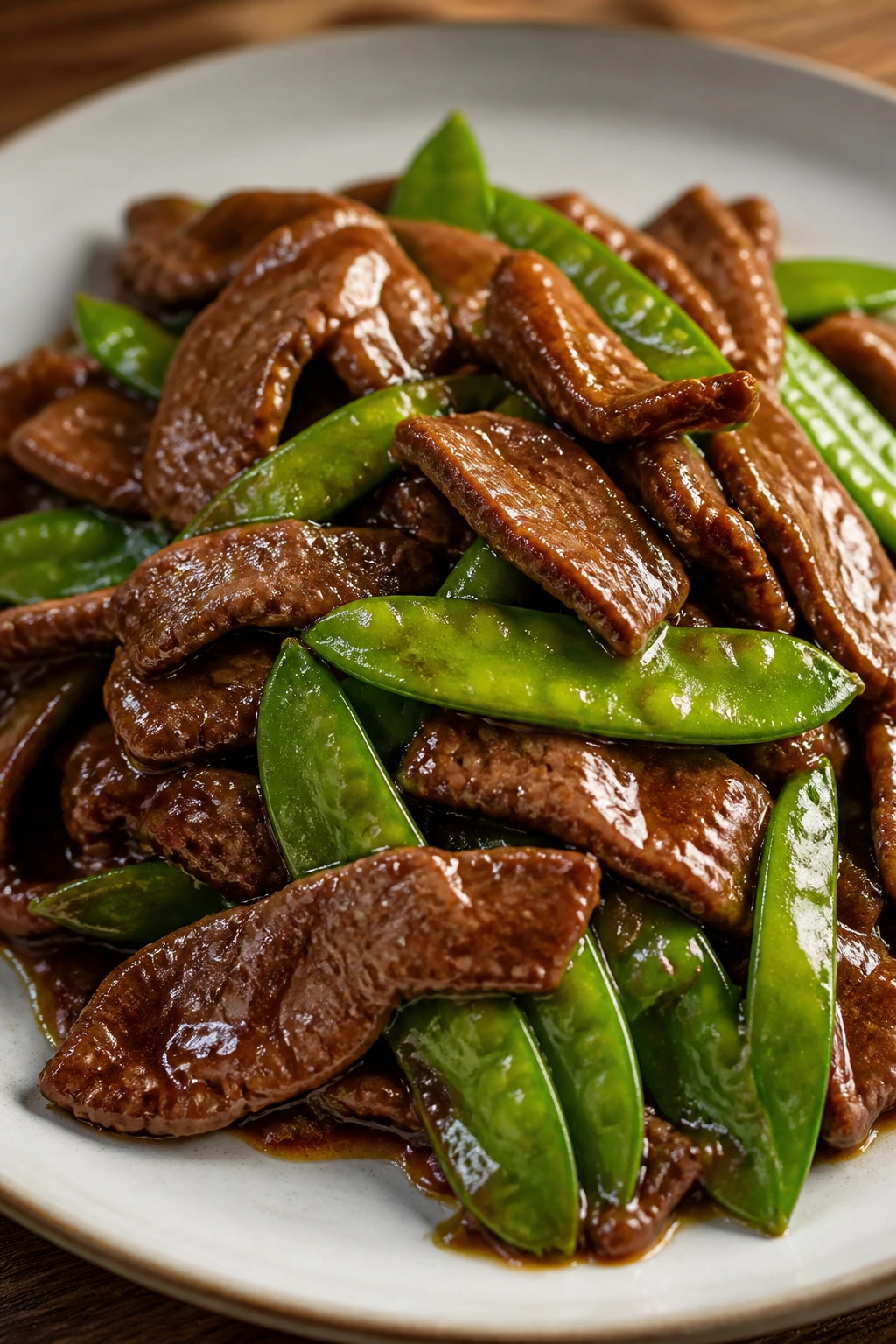
Mongolian beef usually arrives as a glossy, dark sauce draped over slices of beef that still have some bite. In the slow cooker, the trick is choosing beef that can relax over time without falling apart into strings, then adding the snow peas late enough to stay sharp.
Why It Works:
Flank steak can work if you slice it thin, but it does best when it cooks gently and gets a little help from a cornstarch finish. Brown sugar or coconut sugar gives the sauce the right edge of caramel, while rice vinegar keeps it from becoming one-note sweet. Snow peas go in near the end because their crunch is the point.
Key Ingredients:
- 2 pounds flank steak, thinly sliced against the grain
- 1/3 cup low-sodium soy sauce
- 1/2 cup beef broth
- 3 tablespoons brown sugar or coconut sugar
- 1 tablespoon grated fresh ginger
- 4 garlic cloves, minced
- 2 tablespoons rice vinegar
- 1 tablespoon cornstarch mixed with 1 tablespoon water
- 4 cups snow peas
- 4 scallions, sliced
- 1 teaspoon toasted sesame oil
Quick Steps:
- Mix the soy sauce, broth, sugar, ginger, garlic, and vinegar in the slow cooker.
- Add the flank steak and stir so it is coated.
- Cook on low for 4 to 5 hours, until the beef is tender and easy to bite through.
- Add the snow peas and cook for 15 to 20 minutes until bright green.
- Stir in the cornstarch slurry and cook until the sauce turns sticky and glossy.
- Top with scallions and sesame oil.
Equipment for This Recipe:
- 6-quart slow cooker
- Sharp knife
- Cutting board
- Slotted spoon
How to Serve This Dish:
Serve it over jasmine rice if you want the sauce to spread; brown rice if you want a nuttier base. A few quick-pickled cucumbers on the side keep the whole plate from leaning too sweet.
Pro Tips for This Recipe:
- Slice flank steak as thinly as you can.
- Don’t leave the snow peas in long enough to wrinkle.
- Taste before adding extra sugar; brown sugar can be sneaky.
- A little black vinegar at the end makes the sauce taste deeper.
Variations on This Dish:
- Peppery Mongolian Beef: Add 1 teaspoon black pepper and a pinch of chili flakes.
- Chicken Mongolian Bowl: Use 2 pounds chicken thighs and reduce the cooking time by about an hour.
- Mushroom Mongolian: Replace half the beef with sliced shiitakes for more bulk and less meat.
Common Mistakes to Avoid with This Dish:
- Using thick beef slices: They stay chewy no matter what.
- Adding snow peas too early: They turn stringy and dull.
- Skipping the cornstarch finish: The sauce stays thin and slides off the rice.
11. Black Bean Garlic Tofu and Eggplant
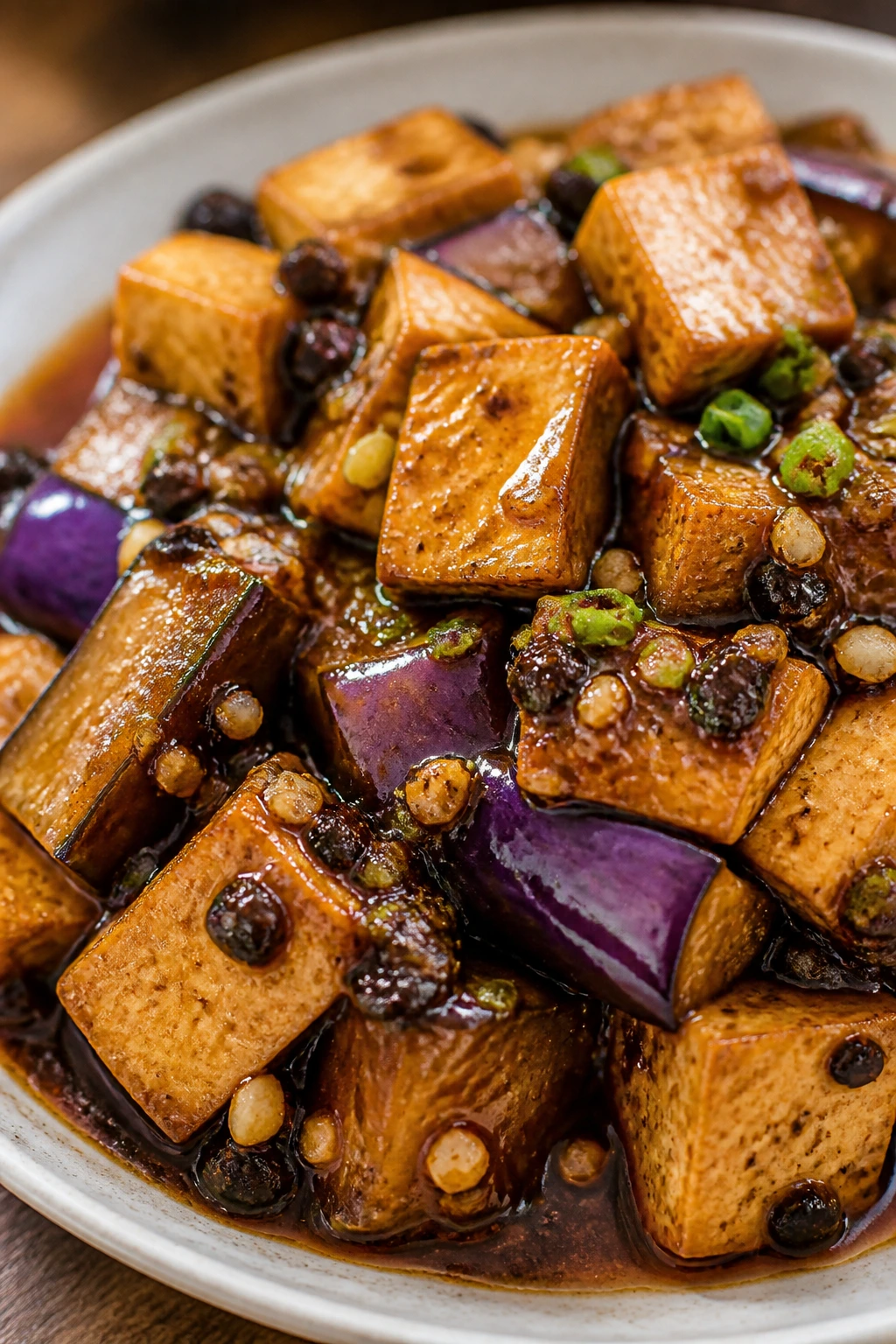
Eggplant and black bean sauce are a good match because both like time. The eggplant softens into the sauce, the tofu soaks up the savory part, and the mushrooms give the pot a meaty note without any meat at all.
Why It Works:
Black bean garlic sauce carries salt, fermented depth, and garlic in one spoonful, so you do not need to pile on a dozen seasonings. Chinese eggplant works best because it softens faster and tastes less watery than a large globe eggplant. Tofu added later keeps its shape and gives the dish something to bite into.
Key Ingredients:
- 2 blocks extra-firm tofu, pressed and cut into 1-inch cubes
- 2 medium Chinese eggplants or 2 globe eggplants, cut into chunks
- 2 cups cremini mushrooms, sliced
- 1 red bell pepper, sliced
- 3 tablespoons black bean garlic sauce
- 1/4 cup low-sodium soy sauce
- 1 cup vegetable broth
- 1 tablespoon rice vinegar
- 1 tablespoon grated fresh ginger
- 4 garlic cloves, minced
- 1 tablespoon cornstarch mixed with 1 tablespoon water
- 2 teaspoons toasted sesame oil
Quick Steps:
- Combine the black bean sauce, soy sauce, broth, vinegar, ginger, and garlic in the slow cooker.
- Add the eggplant and mushrooms, then cook on low for 2 1/2 to 3 hours until the eggplant softens.
- Stir in the tofu cubes and bell pepper and cook for 25 to 30 minutes.
- Add the cornstarch slurry and cook until the sauce thickens and clings to the vegetables.
- Finish with sesame oil and serve.
Equipment for This Recipe:
- 6-quart slow cooker
- Paper towels or clean kitchen towel for pressing tofu
- Sharp knife
- Wide spoon
How to Serve This Dish:
This is excellent over brown rice, though cauliflower rice works if you want the sauce to carry the meal without much starch. A small pile of sliced scallions and sesame seeds on top makes the bowl look finished fast.
Pro Tips for This Recipe:
- Press the tofu for at least 15 minutes so it does not water down the pot.
- Use Chinese eggplant if you can find it; it softens more cleanly.
- Add the bell pepper later so it still has shape.
- If the sauce is too salty, a splash of broth fixes it better than more sugar.
Variations on This Dish:
- Mushroom-Only Vegetarian Braise: Skip the tofu and double the mushrooms.
- Spicy Black Bean Eggplant: Add 1 tablespoon chili garlic sauce.
- Broccoli Eggplant Mix: Replace the bell pepper with broccoli florets added in the last 20 minutes.
Common Mistakes to Avoid with This Dish:
- Skipping tofu pressing: The extra water thins the sauce.
- Adding bell pepper too soon: It turns limp and loses its color.
- Using too much black bean sauce: The dish gets salty before it gets flavorful.
12. Chinese Vegetable Soup with Glass Noodles
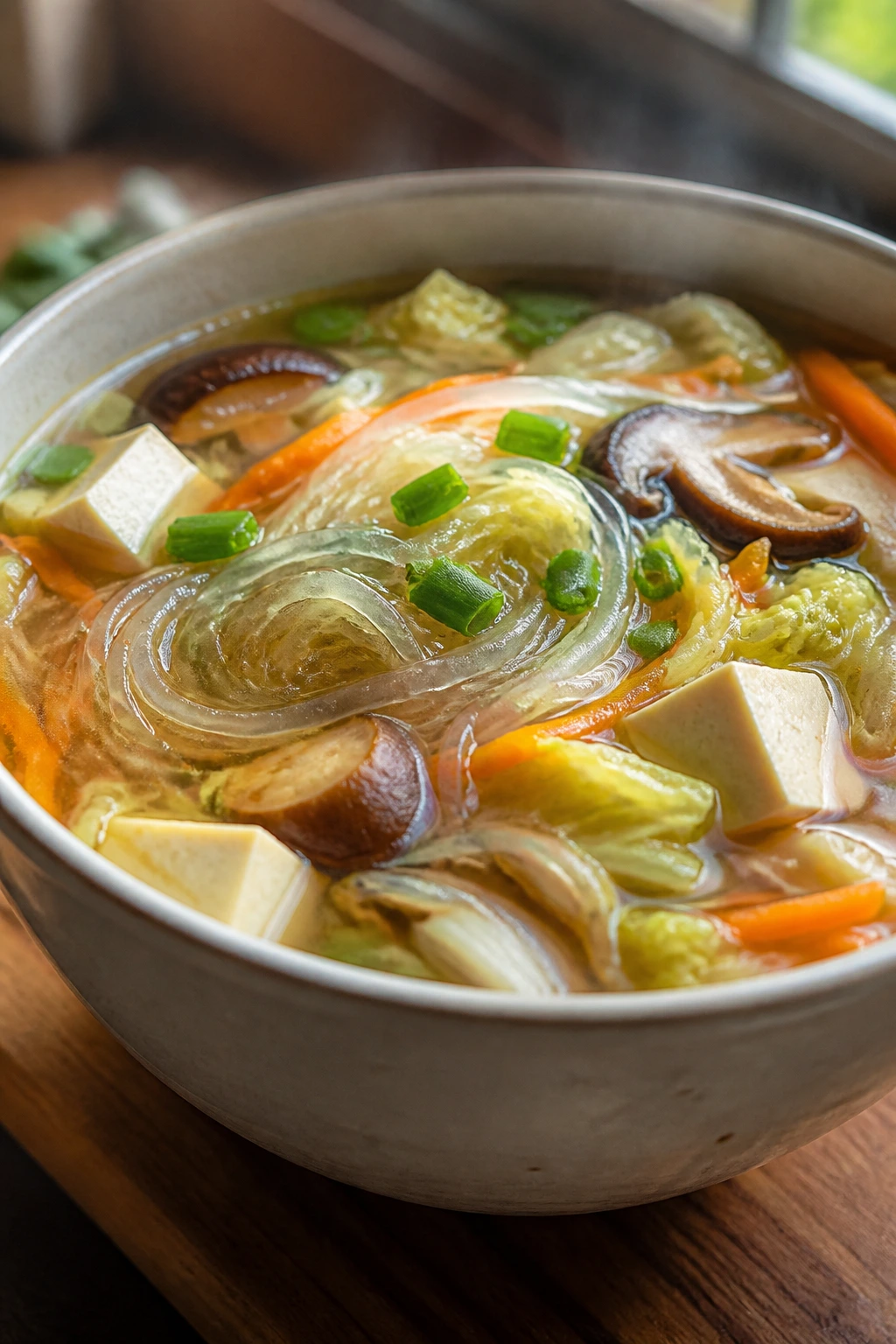
This is the soup I make when the fridge looks like odds and ends but I still want something that feels deliberate. It tastes clean, warm, and a little sweet from the cabbage and carrots, with enough ginger to keep every spoonful awake.
Why It Works:
Vegetable soup is only as good as the broth, and ginger, garlic, mushrooms, and soy build that base without much effort. Glass noodles are delicate, so they belong at the end, where they turn silky instead of bloated. Tofu gives the bowl some substance without weighing it down.
Key Ingredients:
- 8 cups low-sodium vegetable or chicken broth
- 2 carrots, thinly sliced
- 2 cups shredded napa cabbage
- 2 cups bok choy, chopped
- 8 ounces mushrooms, sliced
- 1 block extra-firm tofu, cubed
- 1 tablespoon grated fresh ginger
- 4 garlic cloves, minced
- 2 tablespoons low-sodium soy sauce
- 1 tablespoon rice vinegar
- 4 ounces glass noodles
- 2 scallions, sliced
- 1 teaspoon toasted sesame oil
Quick Steps:
- Add the broth, carrots, cabbage, bok choy, mushrooms, ginger, garlic, soy sauce, and vinegar to the slow cooker.
- Cook on low for 3 to 4 hours until the vegetables are tender.
- Stir in the tofu and glass noodles and cook for 10 to 15 minutes until the noodles are translucent and soft.
- Taste and adjust the broth if needed.
- Finish with scallions and sesame oil before serving.
Equipment for This Recipe:
- 6-quart slow cooker
- Ladle
- Cutting board and knife
- Tongs or chopsticks for lifting noodles
How to Serve This Dish:
Use deep bowls and let the noodles curl under the vegetables. If you want more heft, add a scoop of cooked brown rice at the bottom and pour the soup over it.
Pro Tips for This Recipe:
- Add glass noodles only near the end or they become gluey.
- Taste the broth before adding extra salt; soy sauce does more than you think.
- Cut the carrots thin so they soften on schedule.
- A drizzle of chili oil is welcome if you want the broth to bite back.
Variations on This Dish:
- Spinach and Noodle Version: Swap bok choy for baby spinach stirred in at the last minute.
- Mushroom-Forward Bowl: Add 4 more ounces of mushrooms and skip the tofu.
- Rice Noodle Swap: Use cooked rice noodles instead of glass noodles if that is what you have.
Common Mistakes to Avoid with This Dish:
- Adding noodles too early: They swell and lose texture.
- Over-salting the broth: It is easy to push too far once soy goes in.
- Cooking all the greens for hours: They stop looking like vegetables.
13. Sesame Chicken Meatballs with Napa Cabbage
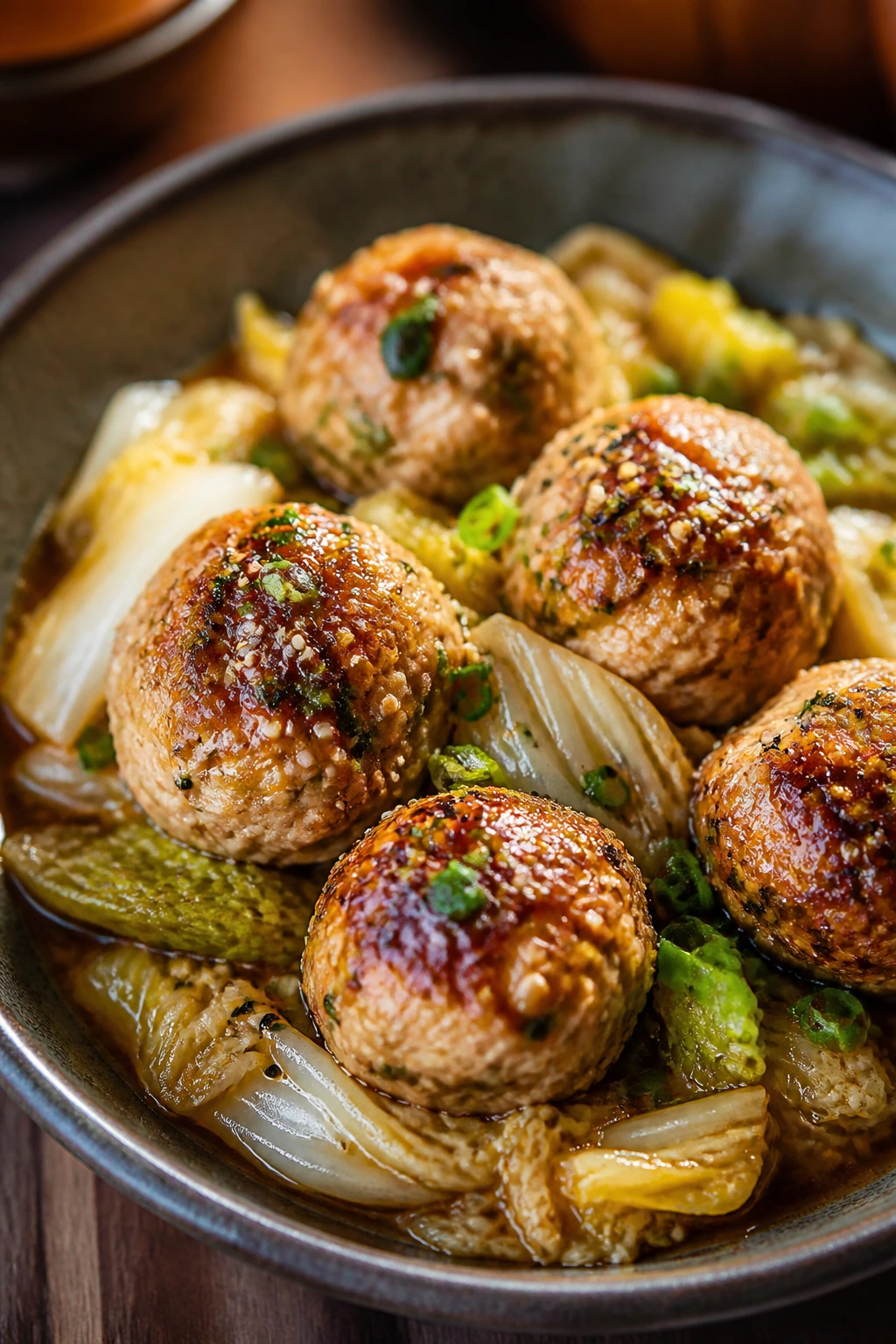
This dish feels like comfort food with the edges sharpened a little. The meatballs stay tender, the cabbage turns sweet in the sauce, and the sesame finish gives the whole pot that clean roasted-nut smell you want as soon as the lid lifts.
Why It Works:
Ground chicken or turkey makes a lighter meatball that still absorbs sauce well. Napa cabbage cooks down into silky ribbons, which gives the bowl volume without a lot of calories or heaviness. Honey and soy create the familiar sesame chicken profile without needing a fryer or a sugary glaze.
Key Ingredients:
- 1 1/2 pounds ground chicken or turkey
- 1 egg
- 1/3 cup panko or oat flour
- 2 scallions, finely chopped
- 1 tablespoon grated fresh ginger
- 3 garlic cloves, minced
- 1/4 cup low-sodium soy sauce
- 2 tablespoons honey
- 1 tablespoon rice vinegar
- 1 tablespoon toasted sesame oil
- 4 cups shredded napa cabbage
- 1 tablespoon sesame seeds
Quick Steps:
- Mix the ground meat, egg, panko, scallions, ginger, and garlic in a bowl until just combined.
- Shape into 1 1/2-inch meatballs and place them in the slow cooker.
- Whisk the soy sauce, honey, vinegar, and sesame oil, then pour over the meatballs.
- Cook on low for 4 hours until the meatballs are cooked through.
- Add the napa cabbage and cook for 20 minutes until softened.
- Sprinkle with sesame seeds before serving.
Equipment for This Recipe:
- 6-quart slow cooker
- Mixing bowl
- Sheet pan or tray for shaping meatballs
- Small spoon or cookie scoop
How to Serve This Dish:
Serve the meatballs over brown rice or tucked into lettuce cups if you want a lighter meal. The sauce is glossy enough that a few extra sesame seeds and scallions are all it really needs.
Pro Tips for This Recipe:
- Don’t overmix the meatball mixture or they turn dense.
- A cookie scoop makes the balls more even.
- Add cabbage late so it still has some body.
- If you like more tang, a little extra rice vinegar at the table works well.
Variations on This Dish:
- Ginger-Heavy Version: Add another teaspoon of grated ginger for a sharper finish.
- Turkey and Mushroom Meatballs: Fold in 1 cup finely chopped mushrooms for extra moisture.
- Gluten-Free Meatballs: Use gluten-free oats instead of panko.
Common Mistakes to Avoid with This Dish:
- Packing the meatballs too tightly: They become tough instead of tender.
- Cooking cabbage from the start: It turns silky in a bad way and disappears.
- Skipping the sesame seed finish: The dish loses some of its character.
14. Garlic Bok Choy Chicken
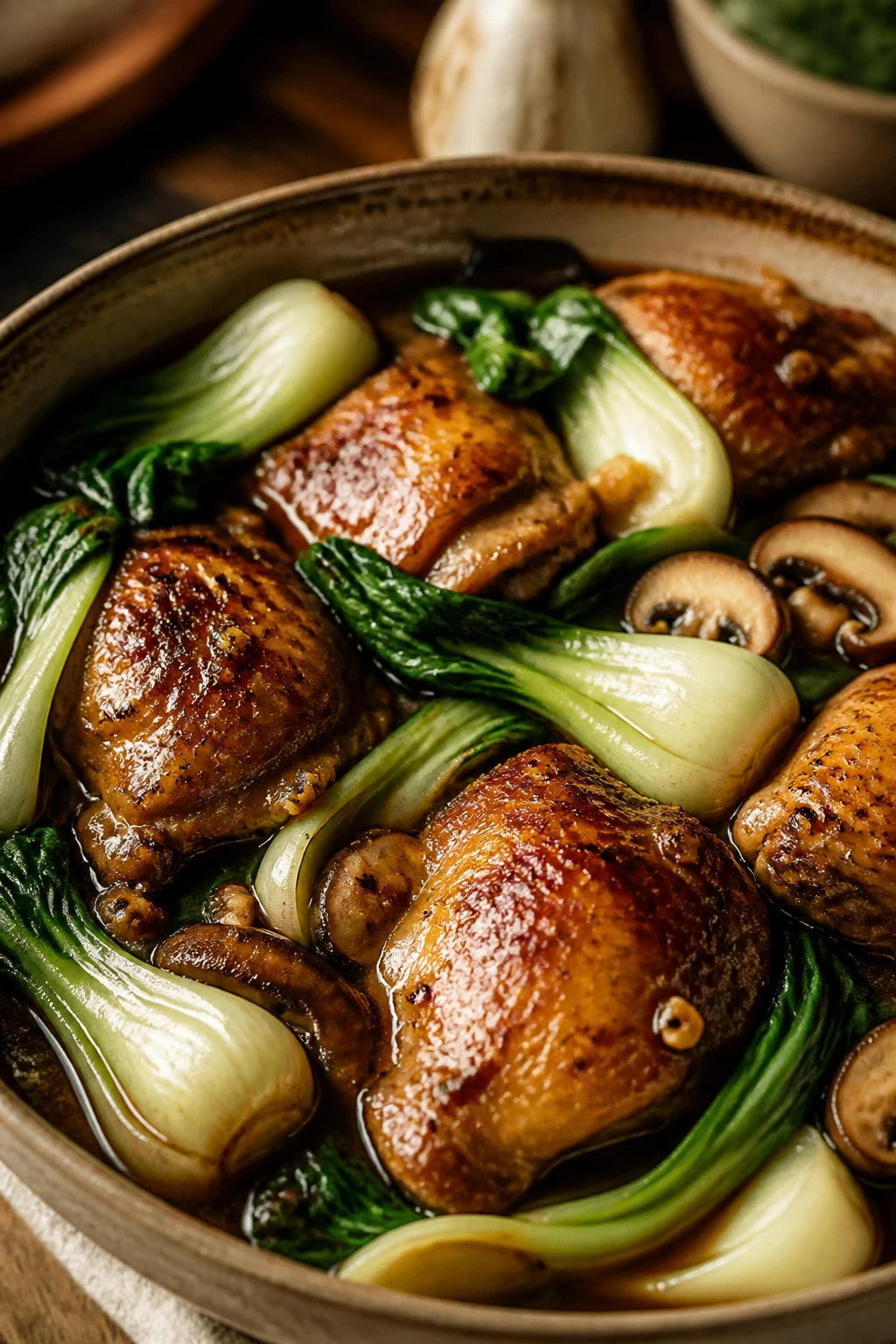
This is the sort of bowl that makes a regular Tuesday feel less annoying, which is probably why it belongs on a Sunday list too. Garlic, bok choy, mushrooms, and chicken thighs make a very practical kind of dinner: one that looks calm, tastes savory, and doesn’t require a separate side dish to feel complete.
Why It Works:
Bok choy has enough structure to stand up to a long cook if you add it late. Mushrooms deepen the broth and help the sauce feel fuller, while a small cornstarch finish gives the pot a sheen that makes rice more appealing. Chicken thighs keep their texture better than breasts in this kind of setup.
Key Ingredients:
- 2 pounds boneless, skinless chicken thighs
- 6 baby bok choy, halved
- 8 ounces mushrooms, sliced
- 1 cup low-sodium chicken broth
- 1/4 cup low-sodium soy sauce
- 1 tablespoon oyster sauce
- 1 tablespoon grated fresh ginger
- 6 garlic cloves, minced
- 1 tablespoon rice vinegar
- 1 tablespoon cornstarch mixed with 1 tablespoon water
- 1 teaspoon toasted sesame oil
Quick Steps:
- Mix the broth, soy sauce, oyster sauce, ginger, garlic, and vinegar in the slow cooker.
- Add the chicken thighs and mushrooms.
- Cook on low for 5 to 6 hours until the chicken is tender.
- Add the bok choy and cook for 15 to 20 minutes until the stems are crisp-tender.
- Stir in the cornstarch slurry and cook until the sauce turns glossy.
- Finish with sesame oil and serve.
Equipment for This Recipe:
- 6-quart slow cooker
- Tongs
- Knife and cutting board
- Small whisk
How to Serve This Dish:
It is excellent over rice, but it also works with quinoa if you want a slightly nuttier base. A side of quick cucumber slices with rice vinegar and sesame seeds gives the plate a cool, crunchy contrast.
Pro Tips for This Recipe:
- Slice large bok choy in half so the stems cook evenly.
- If your mushrooms release a lot of liquid, cook uncovered for the last 10 minutes.
- A little black pepper at the table is surprisingly good here.
- Don’t overdo the oyster sauce; it should support, not dominate.
Variations on This Dish:
- Chili-Garlic Bok Choy Chicken: Stir in 1 tablespoon chili garlic sauce.
- Tofu Bok Choy Bowl: Replace half the chicken with tofu cubes added late.
- Mushroom-Only Vegetable Bowl: Skip the chicken and add 2 extra cups mushrooms plus a second block tofu.
Common Mistakes to Avoid with This Dish:
- Adding bok choy too early: The leaves turn stringy and the stems lose snap.
- Using too much broth: The sauce ends up thin instead of saucy.
- Forgetting to taste the broth before serving: A little vinegar or soy at the end often fixes everything.
15. Mu Shu Pork Bowls
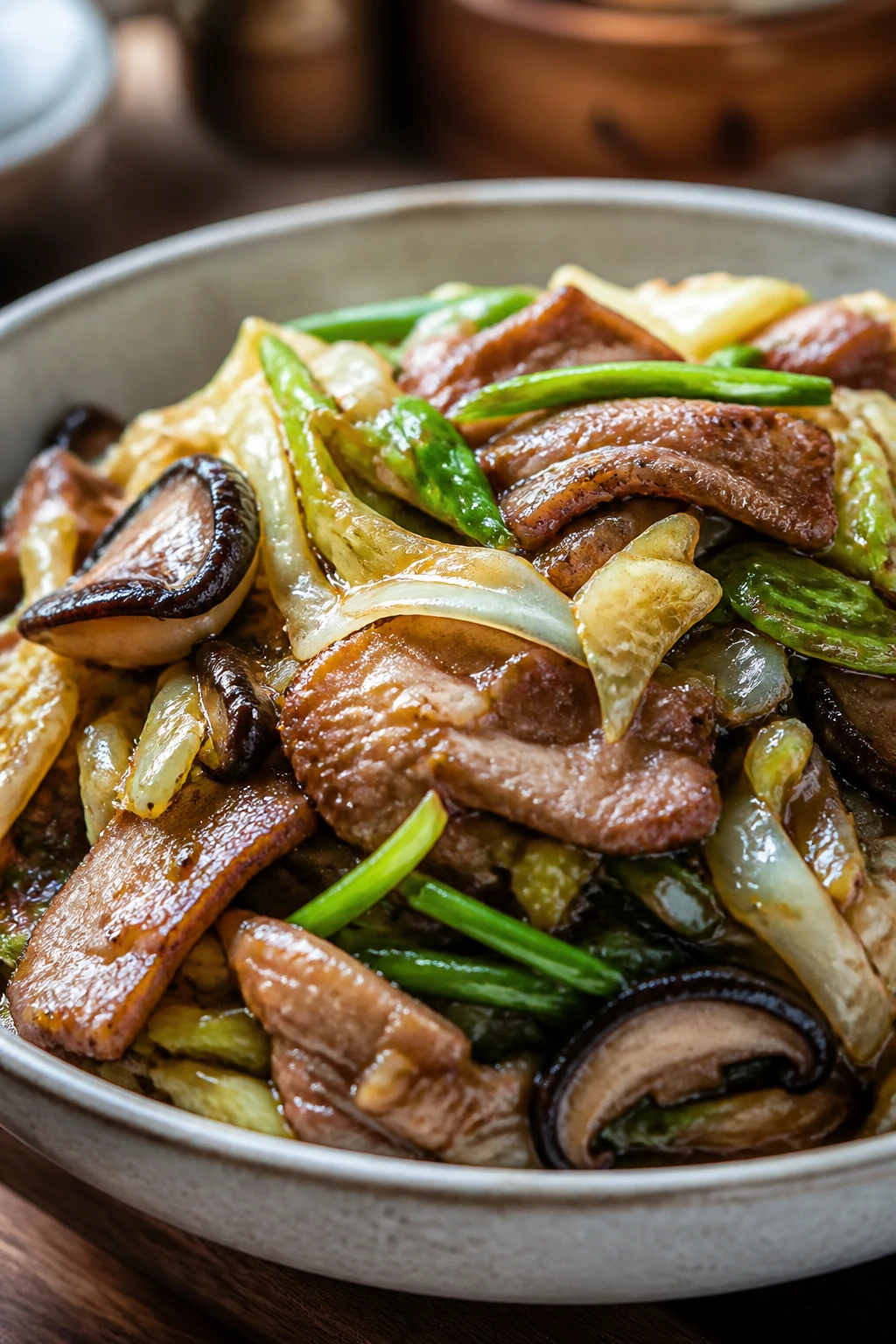
Mu shu is one of those dishes that feels a little old-school in the best way, especially when it turns into a bowl instead of a takeout box. The pork comes out savory and soft, the cabbage gives it bulk, and the hoisin sauce adds the familiar sweet edge without making the meal heavy.
Why It Works:
Pork tenderloin cooks faster than shoulder and stays lighter on the plate, which suits the “healthy” part of this collection. Cabbage and mushrooms absorb the pork juices while keeping the dish from turning into one long piece of meat. A little rice vinegar sharpens the hoisin so it tastes more balanced than sugary.
Key Ingredients:
- 2 pounds pork tenderloin, cut into 2-inch pieces
- 4 cups shredded green cabbage
- 2 cups shredded napa cabbage
- 2 carrots, shredded
- 8 ounces shiitake mushrooms, sliced
- 1/4 cup hoisin sauce
- 1/4 cup low-sodium soy sauce
- 2 tablespoons rice vinegar
- 1 tablespoon grated fresh ginger
- 4 garlic cloves, minced
- 1 teaspoon Chinese five-spice powder
- 1 tablespoon toasted sesame oil
Quick Steps:
- Stir the hoisin, soy sauce, vinegar, ginger, garlic, and five-spice in the slow cooker.
- Add the pork pieces and mushrooms, then cook on low for 4 to 5 hours until tender.
- Stir in the shredded cabbage and carrots and cook for 20 minutes until softened but not collapsed.
- Pull the pork apart lightly with forks if needed.
- Finish with sesame oil and serve in bowls.
Equipment for This Recipe:
- 6-quart slow cooker
- Two forks
- Box grater or shredding attachment
- Sharp knife
How to Serve This Dish:
Bowl it over rice if you want the classic comfort version, or spoon it into lettuce cups for a lighter take. A few strips of cucumber or a little chili crisp are excellent alongside.
Pro Tips for This Recipe:
- Cut the pork into even chunks so it cooks evenly.
- Add cabbage late so it still has a little structure.
- Don’t let the hoisin take over; the vinegar should still be obvious.
- Leftover mu shu is even better the next day in a wrap or bowl.
Variations on This Dish:
- Chicken Mu Shu Bowls: Use chicken thighs and cut the cook time by about an hour.
- Spicy Mu Shu: Add 1 tablespoon chili garlic sauce to the sauce mix.
- Rice-Free Lettuce Cups: Serve only in butter lettuce and skip the starch.
Common Mistakes to Avoid with This Dish:
- Using too much cabbage at the start: It steams down to almost nothing.
- Choosing pork that is too lean and too thin: It can dry out fast.
- Serving it without a bright finishing note: The bowl needs vinegar, scallions, or chili to wake up.
16. Wonton Soup with Turkey Meatballs and Spinach
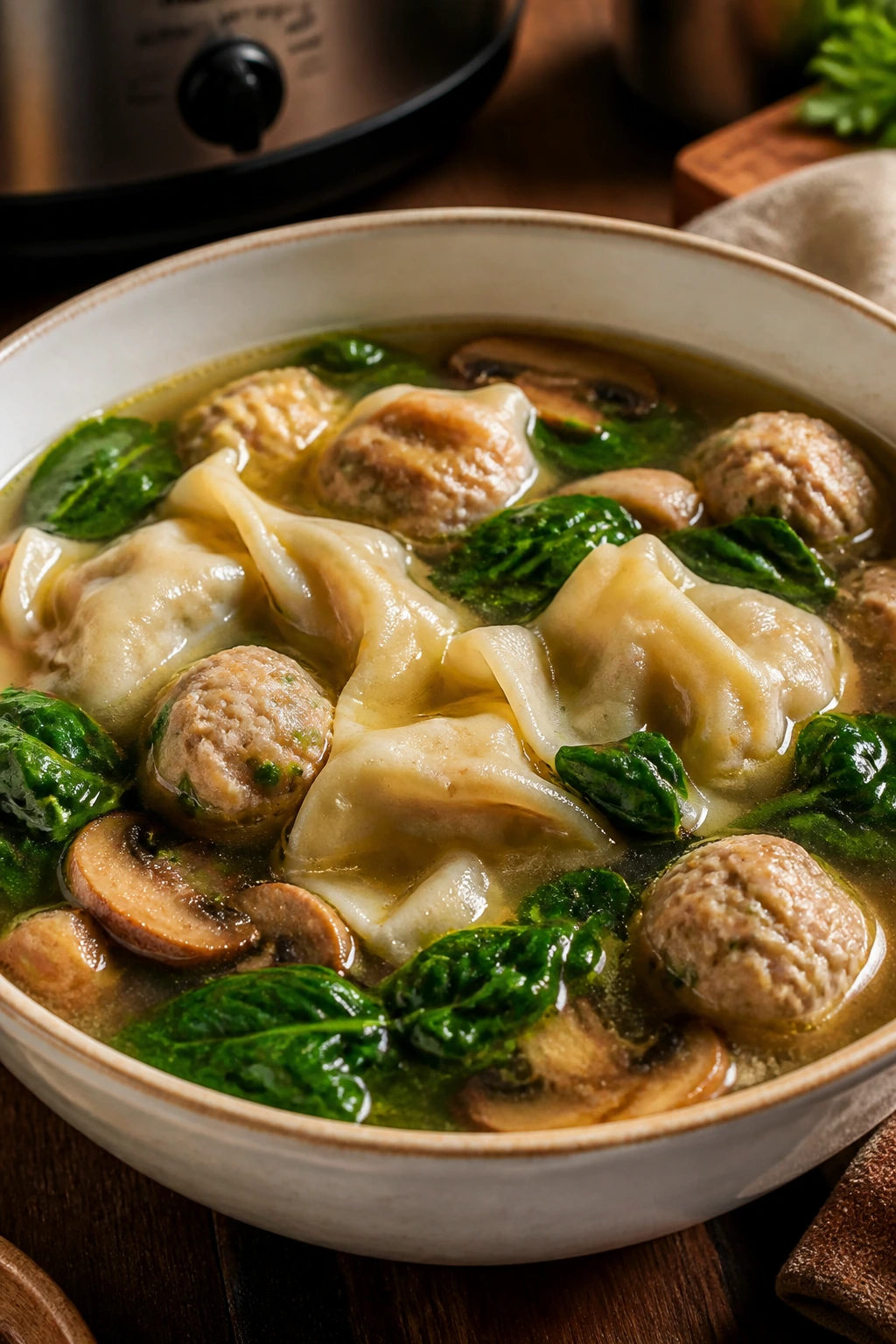
This is the shortcut version of a very comforting idea, and I mean that kindly. You get the wonton-soup feeling — warm broth, ginger, greens, something soft in every spoonful — without having to fold dozens of dumplings on a Sunday afternoon.
Why It Works:
Frozen turkey wontons are the cleanest shortcut here, because they hold their shape if you add them late. The broth gets depth from ginger, garlic, and mushrooms, and spinach folds in at the end so the soup looks alive instead of tired. This is one of the few recipes in the list that can be made very fast once the base is ready.
Key Ingredients:
- 24 frozen mini turkey wontons
- 8 cups low-sodium chicken broth
- 1 tablespoon grated fresh ginger
- 4 garlic cloves, minced
- 1 cup shiitake mushrooms, sliced
- 2 cups baby spinach
- 2 scallions, sliced
- 2 tablespoons low-sodium soy sauce
- 1 tablespoon rice vinegar
- 1 teaspoon toasted sesame oil
Quick Steps:
- Add the broth, ginger, garlic, mushrooms, soy sauce, and vinegar to the slow cooker.
- Cook on low for 4 hours so the broth takes on the mushroom flavor.
- Add the frozen wontons and cook for 15 to 20 minutes until hot and tender.
- Stir in the spinach until just wilted.
- Finish with sesame oil and scallions, then serve immediately.
Equipment for This Recipe:
- 6-quart slow cooker
- Ladle
- Long spoon for stirring gently
- Cutting board for scallions
How to Serve This Dish:
Use deep soup bowls and don’t skimp on broth; the whole point is that each spoonful feels light but complete. A little chili oil on top is optional, but very good if you like heat.
Pro Tips for This Recipe:
- Add wontons near the end or they split.
- Stir gently so the wrappers don’t tear.
- Taste the broth before salting again; frozen wontons can bring some salt.
- Spinach only needs a minute or two.
Variations on This Dish:
- Chicken Wonton Soup: Use chicken-filled frozen wontons instead of turkey.
- Extra-Veg Bowl: Add bok choy and thin carrot slices with the mushrooms.
- Clearer Broth Version: Skip the sesame oil and keep the broth extra light.
Common Mistakes to Avoid with This Dish:
- Putting the wontons in too early: They break apart and muddy the soup.
- Boiling hard after the wontons go in: The wrappers get ragged.
- Overloading the pot with spinach: It can take over the broth.
17. Kung Pao Chicken with Peppers and Peanuts
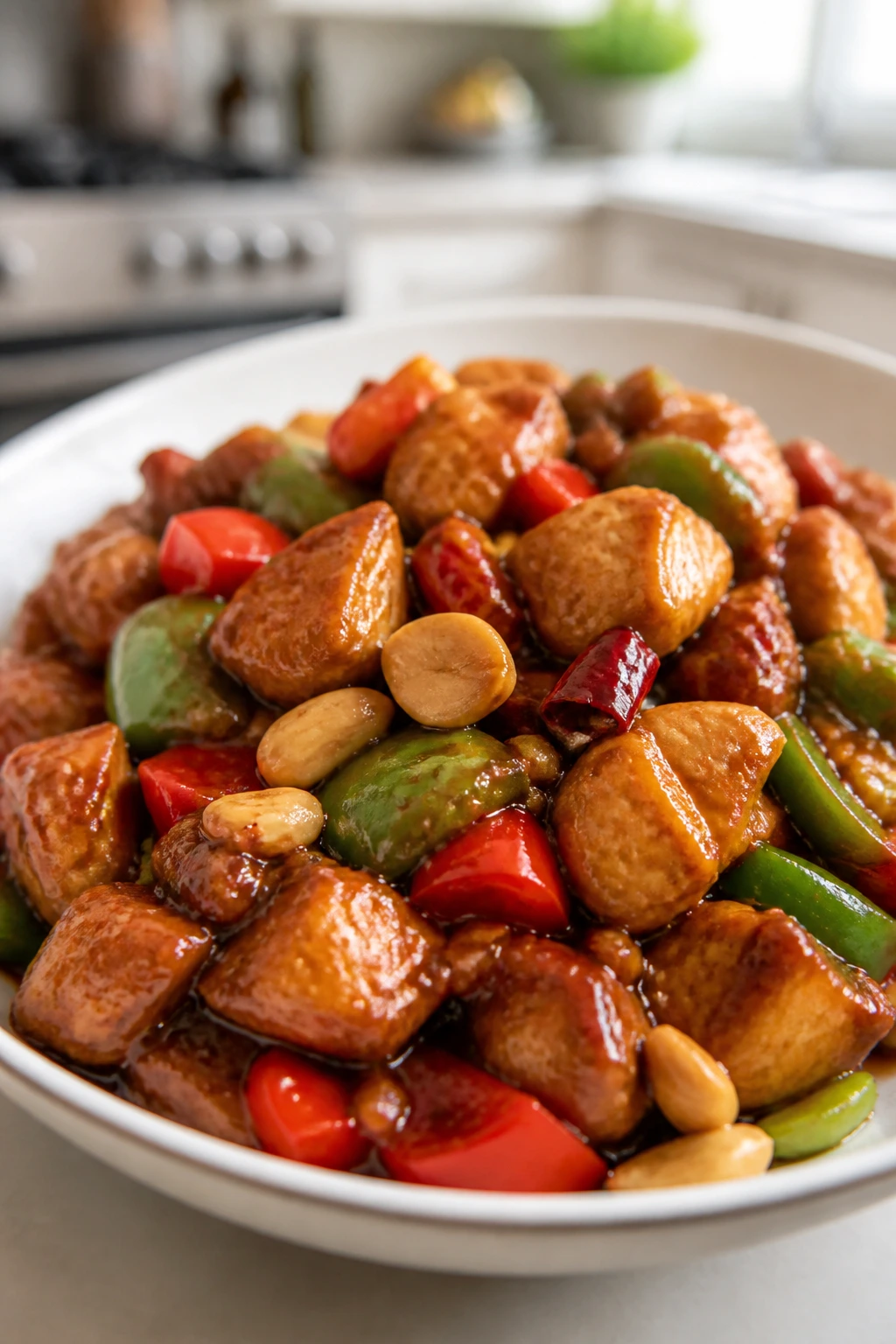
Kung Pao should taste lively. A little heat, a little sweetness, a little vinegar, and peanuts that still have crunch. The slow cooker version loses the wok char, so the sauce has to carry more personality, and this one does.
Why It Works:
Chicken thighs stay tender and soak up the ginger-garlic base. Dried chilies bring that familiar Sichuan edge without needing a complicated pantry, and the peanuts go in at the end so they keep their bite. Bell peppers give the dish color and a small burst of sweetness that helps the sauce feel complete.
Key Ingredients:
- 2 pounds boneless, skinless chicken thighs, cut into bite-size pieces
- 1/4 cup low-sodium soy sauce
- 2 tablespoons rice vinegar
- 2 tablespoons hoisin sauce
- 1 tablespoon honey
- 1 tablespoon grated fresh ginger
- 4 garlic cloves, minced
- 1 red bell pepper, sliced
- 1 green bell pepper, sliced
- 6 dried red chilies
- 1 cup roasted unsalted peanuts
- 1 tablespoon cornstarch mixed with 1 tablespoon water
Quick Steps:
- Stir the soy sauce, vinegar, hoisin, honey, ginger, and garlic in the slow cooker.
- Add the chicken, bell peppers, and dried chilies.
- Cook on low for 4 to 5 hours until the chicken is tender.
- Stir in the cornstarch slurry and cook until the sauce thickens.
- Fold in the peanuts right before serving.
- Taste and adjust with a touch more vinegar if you want more lift.
Equipment for This Recipe:
- 6-quart slow cooker
- Sharp knife
- Small bowl for the sauce
- Wooden spoon
How to Serve This Dish:
Serve it over rice and keep the portions moderate, because the peanuts and sauce make the bowl feel rich fast. A side of steamed broccoli or a cucumber salad cools the heat nicely.
Pro Tips for This Recipe:
- Add peanuts at the end so they stay crunchy.
- If you want more heat, break the dried chilies before adding them.
- A splash of vinegar at the table sharpens the whole bowl.
- Cut the chicken evenly or the texture gets patchy.
Variations on This Dish:
- Cashew Kung Pao: Swap peanuts for roasted unsalted cashews.
- Zucchini Version: Add sliced zucchini in the last 30 minutes for extra vegetables.
- Milder Family Pot: Cut the dried chilies in half and remove them before serving.
Common Mistakes to Avoid with This Dish:
- Adding peanuts too early: They lose crunch.
- Using too much honey: The sauce turns sticky-sweet instead of balanced.
- Leaving the chilies in too long on the table: Some bites become a little too hot, too fast.
18. Hoisin Beef and Carrots
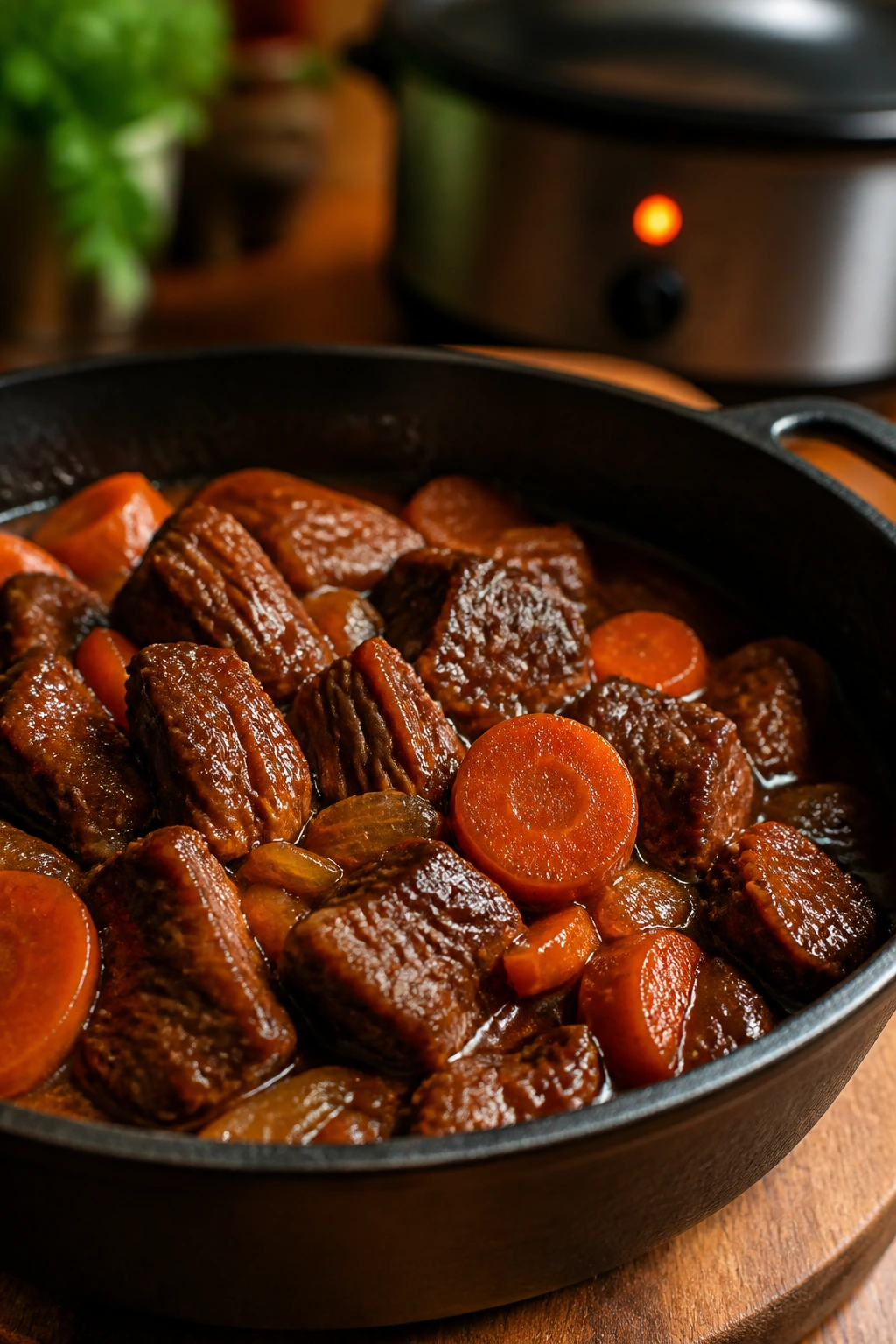
This is the braise I’d make if I wanted the kitchen to smell like dinner all afternoon. Hoisin gives the sauce its dark, savory sweetness, carrots soften into the broth, and the beef turns fork-tender without needing much fuss.
Why It Works:
A well-trimmed chuck roast braises beautifully, though flank steak can work if you want a leaner finish and a shorter cook. Carrots are sturdy enough to last the full time, and onion gives the sauce a sweet base. Rice vinegar keeps the hoisin from taking over.
Key Ingredients:
- 2 pounds lean chuck roast, trimmed and cut into 2-inch chunks
- 6 carrots, cut into thick coins
- 1 onion, sliced
- 1/3 cup hoisin sauce
- 1/4 cup low-sodium soy sauce
- 1 cup beef broth
- 1 tablespoon rice vinegar
- 1 tablespoon grated fresh ginger
- 4 garlic cloves, minced
- 1 tablespoon cornstarch mixed with 1 tablespoon water
- 2 scallions, sliced
Quick Steps:
- Whisk the hoisin, soy sauce, broth, vinegar, ginger, and garlic in the slow cooker.
- Add the beef, carrots, and onion.
- Cook on low for 7 to 8 hours until the beef is very tender.
- Stir in the cornstarch slurry and cook for 10 minutes until the sauce thickens.
- Top with scallions and serve.
Equipment for This Recipe:
- 6-quart slow cooker
- Sharp knife
- Cutting board
- Forks for pulling the beef apart if needed
How to Serve This Dish:
This is at home over brown rice or mashed cauliflower if you want a lighter bowl. A side of steamed greens makes the plate feel less heavy and helps balance the sweet-savory sauce.
Pro Tips for This Recipe:
- Trim the chuck well so the sauce doesn’t get greasy.
- Carrots should be cut thick enough not to disappear.
- If the sauce feels too sweet, a little more vinegar helps.
- Let the beef rest in the pot for 10 minutes after cooking; it settles and slices better.
Variations on This Dish:
- Flank Steak Version: Use 2 pounds flank steak and reduce the cook time by a couple of hours.
- Daikon Braise: Add 2 cups daikon chunks for a sharper vegetable note.
- Spicy Hoisin Beef: Stir in 1 tablespoon chili garlic sauce.
Common Mistakes to Avoid with This Dish:
- Choosing a fatty roast with little trimming: The sauce gets slick.
- Adding tender vegetables too soon: Only sturdy carrots can survive this cook time.
- Skipping the final thickening: The broth stays thin and doesn’t feel finished.
19. Sticky Five-Spice Meatballs with Cabbage
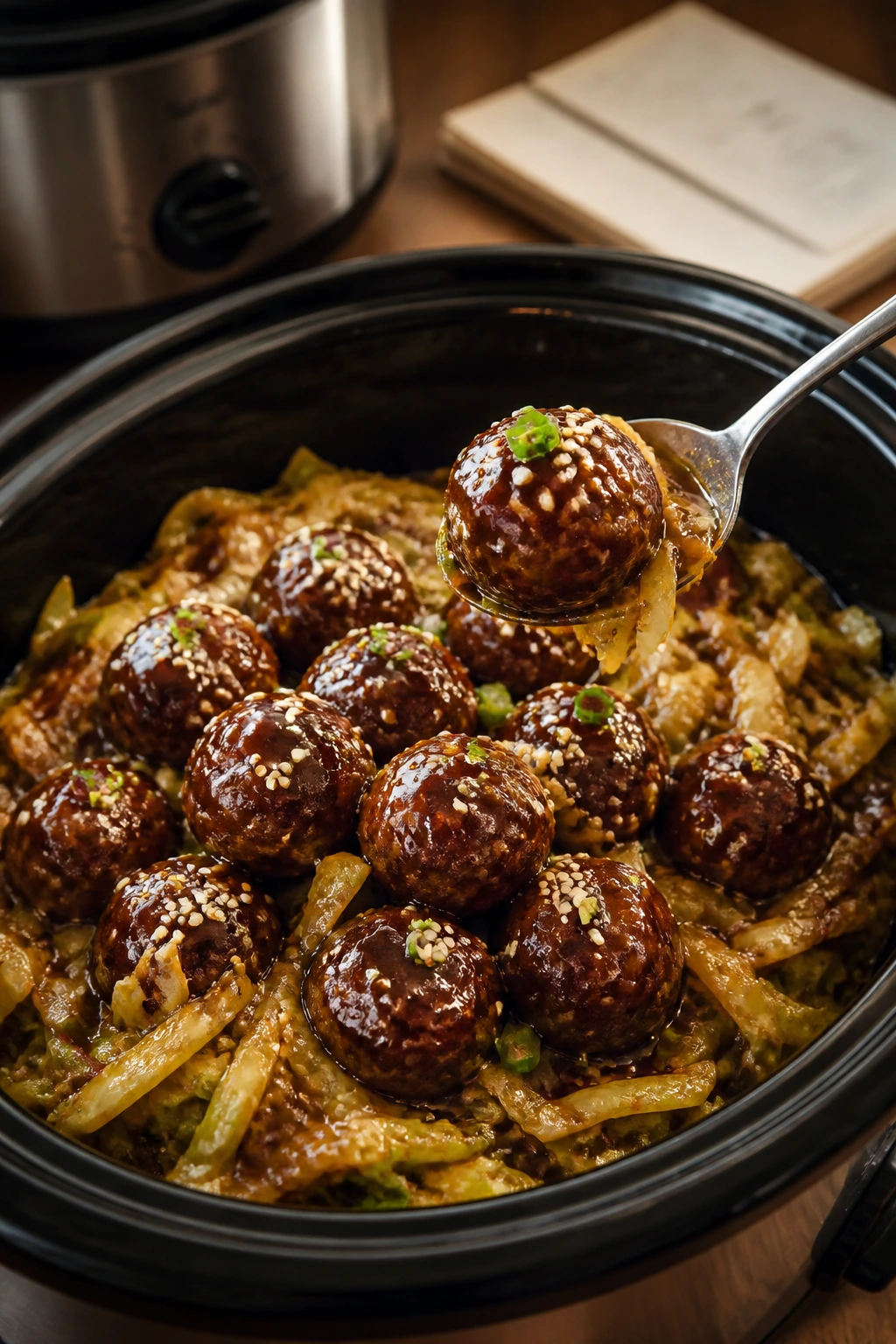
These meatballs have a proper Sunday feel: warm, a little sweet, and deeply savory without being heavy. The cabbage underneath acts like a built-in side dish, which is one of those small kitchen tricks I’ll keep praising because it saves dishes and makes the pot look full.
Why It Works:
Ground turkey keeps the meatballs light, while five-spice gives them the perfume that makes them taste like more than plain meat. The sauce is sticky enough to coat the meatballs, but the cabbage keeps the bowl from feeling dense. A little vinegar at the end keeps the sweetness in line.
Key Ingredients:
- 1 1/2 pounds ground turkey
- 1 egg
- 1/3 cup oat flour or panko
- 1 tablespoon Chinese five-spice powder
- 1 tablespoon grated fresh ginger
- 3 garlic cloves, minced
- 1/4 cup low-sodium soy sauce
- 2 tablespoons honey
- 1 tablespoon rice vinegar
- 1 head green cabbage, shredded
- 2 carrots, shredded
- 1 tablespoon sesame seeds
Quick Steps:
- Mix the turkey, egg, oat flour, five-spice, ginger, and garlic until just combined.
- Shape into meatballs and arrange them in the slow cooker.
- Whisk the soy sauce, honey, and vinegar, then pour over the meatballs.
- Cook on low for 4 hours until the meatballs are cooked through.
- Add the cabbage and carrots and cook for 20 minutes until softened.
- Sprinkle with sesame seeds before serving.
Equipment for This Recipe:
- 6-quart slow cooker
- Mixing bowl
- Small scoop or spoon
- Sheet pan or plate for forming meatballs
How to Serve This Dish:
Serve the meatballs over rice or just spoon them into a bowl with the cabbage underneath. A few sliced scallions or a little chili crisp make the bowl look and taste more awake.
Pro Tips for This Recipe:
- Don’t overwork the meatball mixture.
- Add cabbage near the end or it turns too soft.
- If the sauce needs a lift, use more vinegar, not more sugar.
- Keep the meatballs small so they finish evenly.
Variations on This Dish:
- Ginger-Lime Meatballs: Swap half the vinegar for lime juice at the end.
- Chicken Meatball Version: Ground chicken works the same way and stays very tender.
- Red Cabbage Bowl: Use a mix of green and red cabbage for a brighter pot.
Common Mistakes to Avoid with This Dish:
- Packing the meatballs too firmly: They turn dense.
- Letting cabbage cook the full time: It loses texture and color.
- Using too much honey: Sticky becomes cloying fast.
20. Tofu, Mushroom, and Broccoli Braise
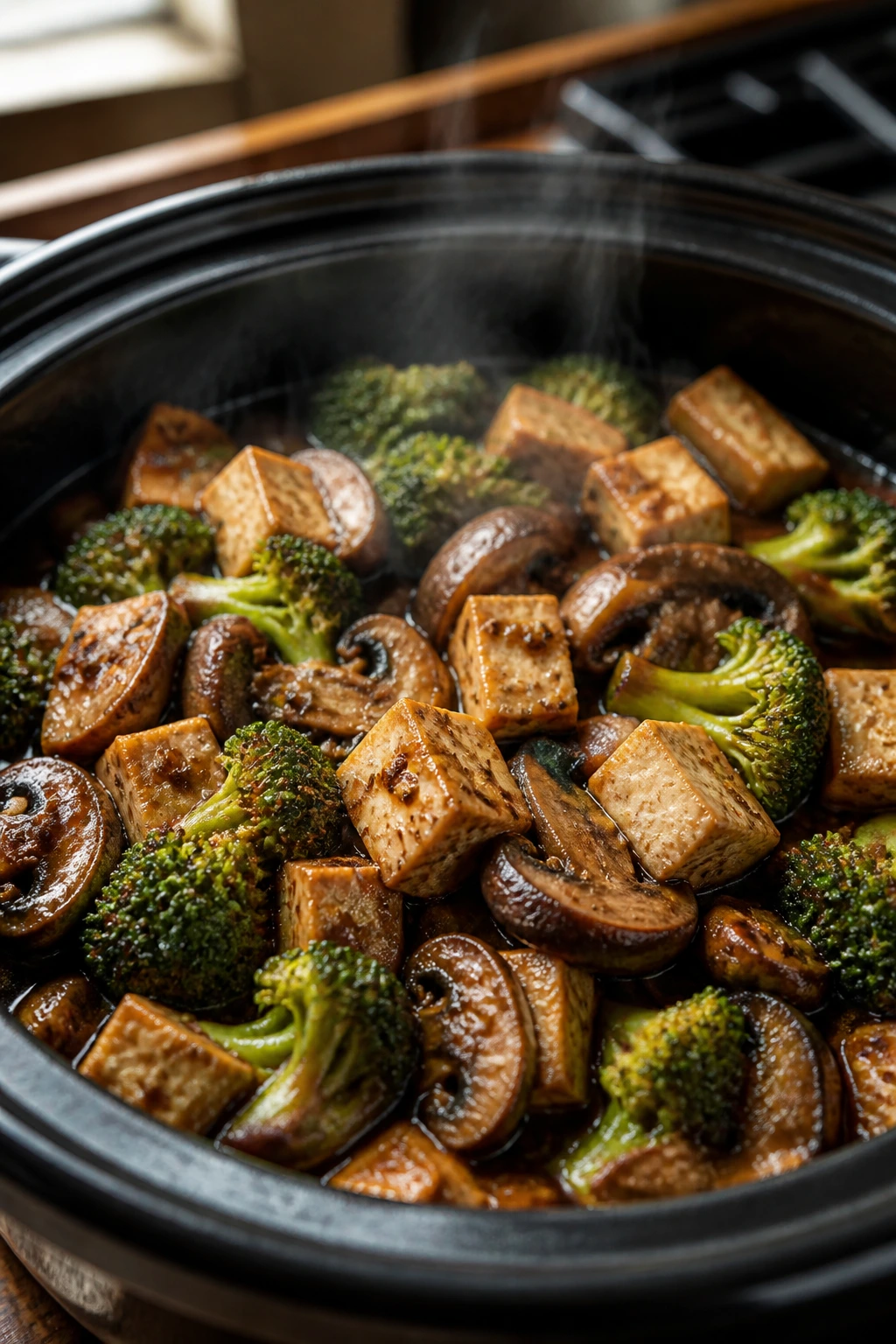
This is one of those vegetarian pots that eats like a full meal because it has enough texture in every bite. Tofu, mushrooms, and broccoli each do a different job, and the black bean garlic sauce ties them together without making the dish feel crowded.
Why It Works:
Extra-firm tofu holds up if you press it first and add it with enough liquid to coat, not drown. Mushrooms deepen the sauce, broccoli brings freshness, and black bean garlic sauce gives the whole pot a savory backbone that tastes like more effort than it is. A little cornstarch at the end is enough to turn the broth into a braise.
Key Ingredients:
- 2 blocks extra-firm tofu, pressed and cubed
- 12 ounces cremini mushrooms, sliced
- 4 cups broccoli florets
- 1 cup vegetable broth
- 1/4 cup low-sodium soy sauce
- 2 tablespoons black bean garlic sauce
- 1 tablespoon grated fresh ginger
- 4 garlic cloves, minced
- 1 tablespoon rice vinegar
- 1 tablespoon cornstarch mixed with 1 tablespoon water
- 1 teaspoon toasted sesame oil
Quick Steps:
- Whisk the broth, soy sauce, black bean sauce, ginger, garlic, and vinegar in the slow cooker.
- Add the mushrooms and tofu.
- Cook on low for 3 to 4 hours until the mushrooms are soft and the tofu is seasoned through.
- Add the broccoli and cook for 20 minutes until bright green and crisp-tender.
- Stir in the cornstarch slurry and cook until the sauce thickens.
- Finish with sesame oil and serve.
Equipment for This Recipe:
- 6-quart slow cooker
- Tofu press or clean towel
- Sharp knife
- Wide spoon
How to Serve This Dish:
Brown rice is the natural choice, but it is also good over cauliflower rice if you want a lighter bowl. A sprinkle of sesame seeds and scallions makes the vegetarian colors pop.
Pro Tips for This Recipe:
- Press the tofu well or the sauce gets diluted.
- Add broccoli late so it keeps its color.
- Taste before adding more soy; black bean sauce already brings salt.
- A tiny bit of chili oil on top is very welcome.
Variations on This Dish:
- Mushroom-Heavy Vegan Braise: Double the mushrooms and skip any animal broth.
- Spicy Broccoli Tofu: Add 1 tablespoon chili garlic sauce.
- Eggplant Swap: Replace broccoli with Chinese eggplant if you want a softer finish.
Common Mistakes to Avoid with This Dish:
- Not pressing tofu: It weeps into the sauce and dulls the flavor.
- Adding broccoli too early: It turns too soft and loses color.
- Using too much black bean sauce: The dish can become overly salty fast.
21. Sweet and Sour Chicken with Pineapple and Cauliflower
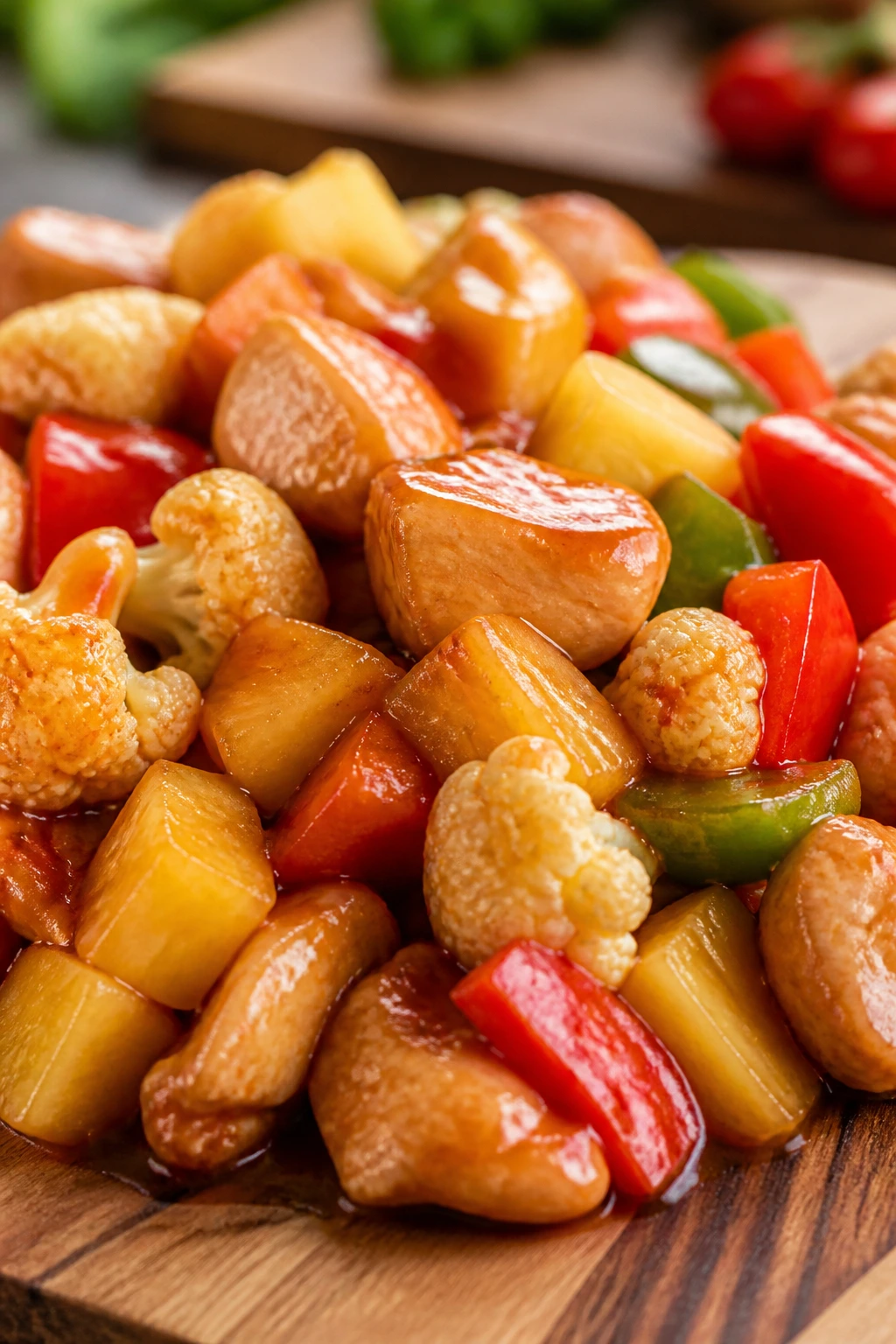
Sweet and sour chicken can go sugary fast if you are not careful. This version keeps the pineapple brightness but anchors it with cauliflower and bell pepper so the bowl tastes fresh instead of like candy.
Why It Works:
Chicken thighs stay tender through the long cook, and pineapple juice supplies enough sweetness that you do not need a lot of extra sugar. Cauliflower florets soak up the sauce without turning to mush if they go in near the end. Rice vinegar and soy keep the flavor sharp enough to stay interesting.
Key Ingredients:
- 2 pounds boneless, skinless chicken thighs
- 1 can pineapple chunks in juice, 20 ounces, drained and juice reserved
- 1 red bell pepper, sliced
- 1 onion, cut into wedges
- 4 cups cauliflower florets
- 3 tablespoons rice vinegar
- 2 tablespoons ketchup
- 2 tablespoons honey
- 1/4 cup low-sodium soy sauce
- 1 tablespoon grated fresh ginger
- 1 tablespoon cornstarch mixed with 1 tablespoon water
Quick Steps:
- Whisk the pineapple juice, vinegar, ketchup, honey, soy sauce, and ginger in the slow cooker.
- Add the chicken, onion, and half the pineapple chunks.
- Cook on low for 5 hours until the chicken is tender.
- Add the bell pepper, cauliflower, and remaining pineapple chunks and cook for 20 minutes.
- Stir in the cornstarch slurry and cook until the sauce thickens.
- Serve warm.
Equipment for This Recipe:
- 6-quart slow cooker
- Knife and cutting board
- Small whisk
- Slotted spoon
How to Serve This Dish:
It’s best over rice because the sweet-tart sauce needs something neutral beneath it. If you want a lighter plate, serve it over shredded cabbage and let the sauce dress the whole bowl.
Pro Tips for This Recipe:
- Reserve some pineapple for the end so the fruit still tastes bright.
- Don’t drown the pot in extra ketchup; a little goes a long way.
- Cauliflower should be added late or it goes soft and sulfurous.
- A splash of extra vinegar at the end keeps the sweetness in check.
Variations on This Dish:
- Pineapple-Free Version: Use orange juice and a little extra vinegar instead.
- Spicy Sweet and Sour: Add 1 tablespoon chili garlic sauce.
- Chicken and Vegetable Bowl: Add snap peas with the bell pepper for more crunch.
Common Mistakes to Avoid with This Dish:
- Too much sugar: The sauce loses its sweet-sour balance.
- Adding cauliflower from the start: It turns tired and soft.
- Using the whole can of pineapple juice without tasting: The pot can end up more dessert than dinner.
22. Chinese Chicken Noodle Soup with Ginger and Pak Choi
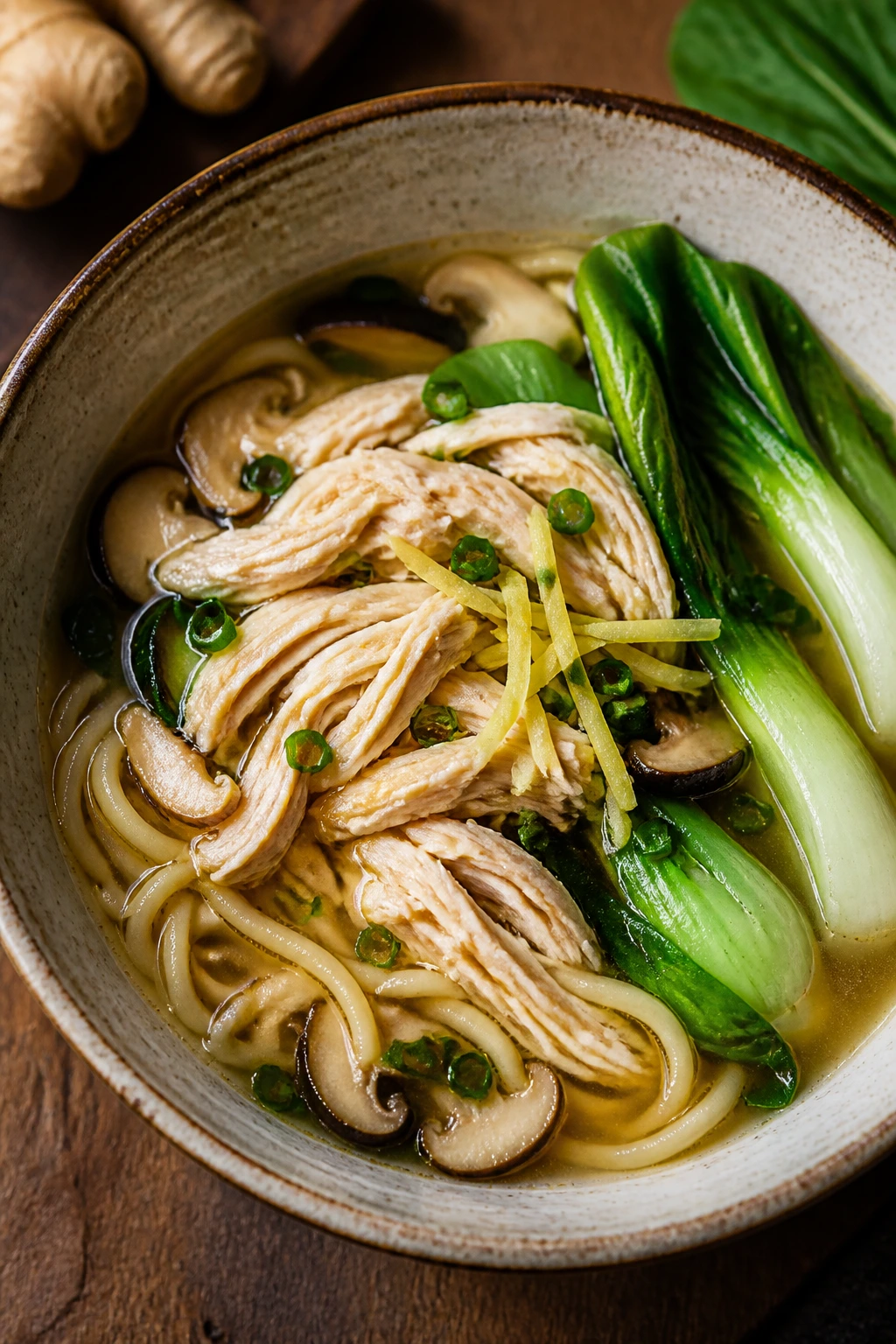
This is the bowl I want when I’m hungry but not in the mood for anything loud. It has the warmth of chicken soup, but ginger, pak choi, and mushrooms keep it sharper and more fragrant than the standard version.
Why It Works:
Chicken thighs make a broth that tastes fuller than breast meat alone, and ginger gives the soup a clean, hot edge. Pak choi belongs at the end because its stems need a minute to soften while the leaves just wilt. Noodles are better cooked separately unless you want them to drink half the broth.
Key Ingredients:
- 2 pounds boneless chicken thighs
- 8 cups low-sodium chicken broth
- 1 tablespoon grated fresh ginger
- 4 garlic cloves, minced
- 2 carrots, thinly sliced
- 8 ounces mushrooms, sliced
- 2 heads pak choi, chopped
- 8 ounces rice noodles or whole wheat noodles, cooked separately if possible
- 2 tablespoons low-sodium soy sauce
- 1 teaspoon toasted sesame oil
- 2 scallions, sliced
Quick Steps:
- Add the broth, ginger, garlic, carrots, mushrooms, soy sauce, and chicken to the slow cooker.
- Cook on low for 5 hours until the chicken is tender.
- Shred the chicken and return it to the pot.
- Add the pak choi and cook for 10 to 15 minutes until the stems are crisp-tender.
- Stir in the noodles just before serving, or ladle the soup over noodles in each bowl.
- Finish with sesame oil and scallions.
Equipment for This Recipe:
- 6-quart slow cooker
- Two forks
- Large pot for the noodles if cooking separately
- Ladle
How to Serve This Dish:
Use deep bowls and keep the broth generous. A few drops of chili oil or a wedge of lime on the side can change the mood of the whole soup without making it heavier.
Pro Tips for This Recipe:
- Cook noodles separately if you want leftovers.
- Add pak choi near the end so it keeps its shape.
- If the broth tastes flat, a pinch more soy and a little vinegar can help.
- Shred the chicken into medium pieces, not fine strands.
Variations on This Dish:
- Soba Noodle Version: Swap in soba noodles for a nuttier bowl.
- Spinach and Mushroom Soup: Use baby spinach instead of pak choi.
- Extra-Ginger Pot: Double the ginger if you want a sharper, hotter broth.
Common Mistakes to Avoid with This Dish:
- Cooking noodles in the broth for hours: They swell and go soft.
- Adding pak choi too early: It loses its fresh shape.
- Serving without enough broth: Soup should still feel like soup.
23. Szechuan Green Beans with Ground Turkey
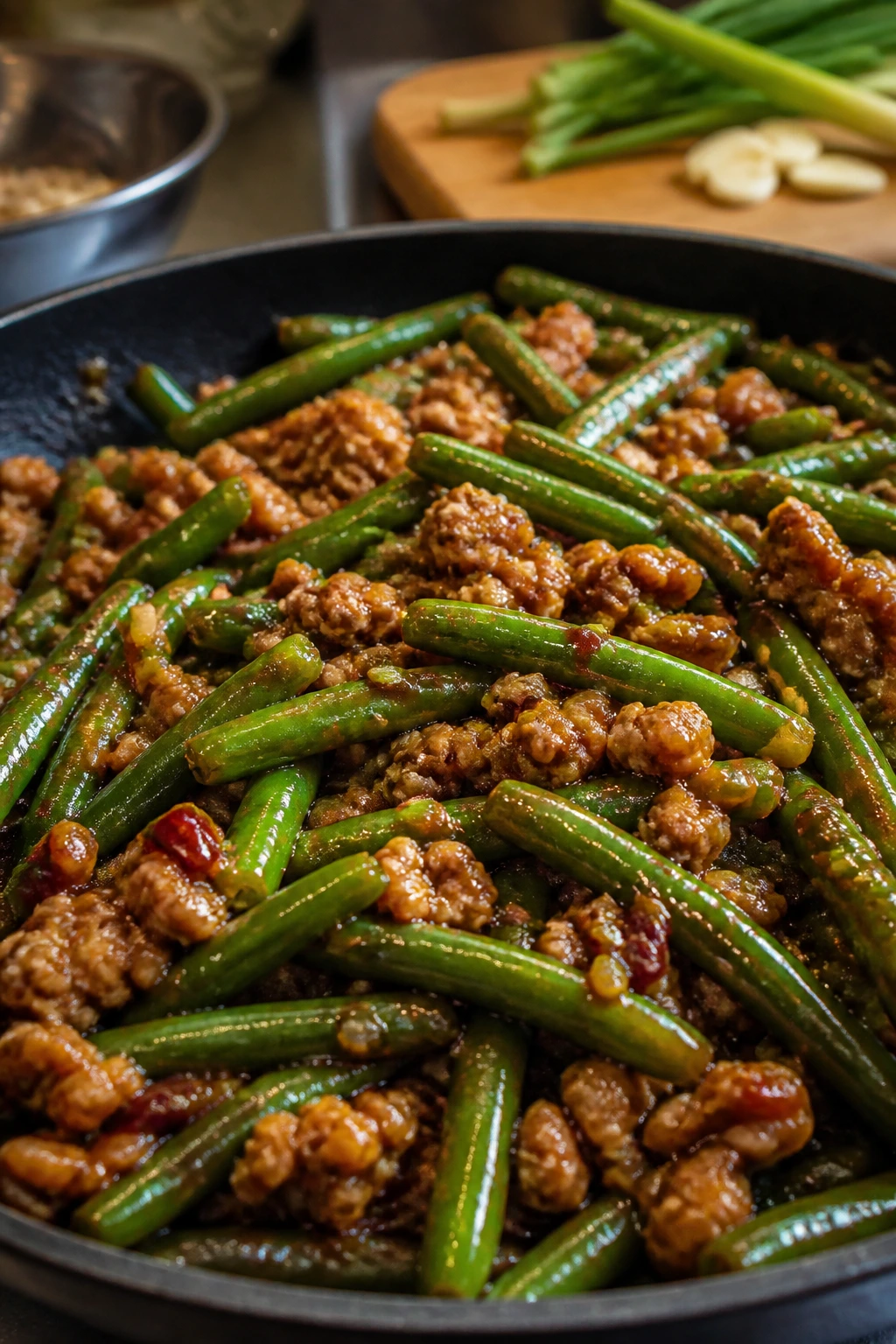
Green beans and ground turkey sound plain until the sauce starts doing its job. This one brings heat, garlic, and a little vinegar bite, which is enough to make the whole dish feel more alive than it looks in the ingredients list.
Why It Works:
Ground turkey keeps the bowl light, while green beans hold their shape better than many other vegetables in the slow cooker. Chili garlic sauce and ginger give the sauce a sharp edge, and a bit of hoisin rounds everything out so it does not taste one-dimensional. The beans should still have a little snap when they hit the plate.
Key Ingredients:
- 1 1/2 pounds ground turkey
- 1 1/2 pounds green beans, trimmed
- 1 red bell pepper, sliced
- 1/4 cup low-sodium soy sauce
- 2 tablespoons chili garlic sauce
- 1 tablespoon rice vinegar
- 1 tablespoon hoisin sauce
- 1 tablespoon grated fresh ginger
- 4 garlic cloves, minced
- 1 tablespoon cornstarch mixed with 1 tablespoon water
- 2 scallions, sliced
- 1 teaspoon toasted sesame oil
Quick Steps:
- Brown the ground turkey in a skillet over medium heat until no pink remains.
- Transfer it to the slow cooker and add the green beans, bell pepper, soy sauce, chili garlic sauce, vinegar, hoisin, ginger, and garlic.
- Cook on low for 3 to 4 hours until the beans are tender but still green.
- Stir in the cornstarch slurry and cook until the sauce tightens.
- Finish with sesame oil and scallions.
- Serve hot.
Equipment for This Recipe:
- 6-quart slow cooker
- Skillet for browning
- Slotted spoon
- Sharp knife
How to Serve This Dish:
This is a strong rice bowl, especially over brown rice where the sauce has something to soak into. If you want to keep it lighter, spoon it over shredded cabbage or cauliflower rice.
Pro Tips for This Recipe:
- Brown the turkey first for better flavor.
- Trim the beans evenly so they cook at the same pace.
- Add extra vinegar at the end if the heat feels heavy.
- The bell pepper should still have some firmness.
Variations on This Dish:
- Chicken Green Bean Bowl: Use ground chicken instead of turkey.
- Milder Garlic Bean Version: Cut the chili garlic sauce in half.
- Extra-Veg Pot: Add sliced mushrooms or water chestnuts for more texture.
Common Mistakes to Avoid with This Dish:
- Putting in the beans too late: They stay undercooked and squeaky.
- Skipping the browning step: The turkey tastes flat.
- Using too much hoisin: The sauce turns sticky-sweet instead of balanced.
24. Braised Cabbage Chicken Meatballs
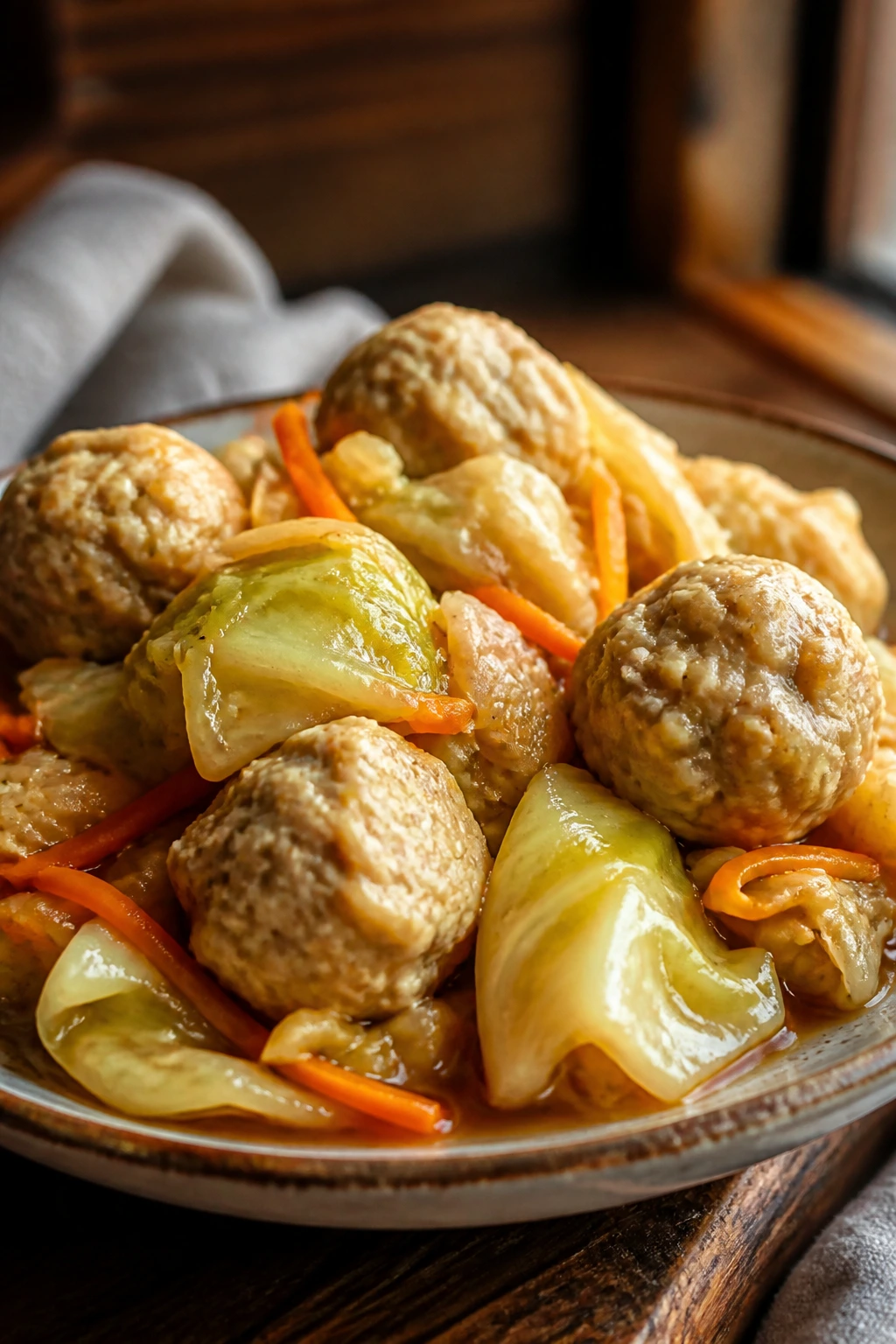
This is the kind of recipe that tastes like a whole kitchen’s worth of effort while being mostly meatballs and cabbage in a pot. The cabbage turns sweet, the chicken stays light, and the sauce gets into every crease.
Why It Works:
Ground chicken makes a softer meatball that fits the slow cooker well as long as you do not overmix it. Cabbage and carrots braise underneath, catching the sauce and keeping the meal from feeling too dense. Rice vinegar and ginger keep the flavor from drifting into heavy territory.
Key Ingredients:
- 1 1/2 pounds ground chicken
- 1 egg
- 1/3 cup panko or oat flour
- 1 tablespoon grated fresh ginger
- 3 garlic cloves, minced
- 1/4 cup low-sodium soy sauce
- 1 cup low-sodium chicken broth
- 6 cups green cabbage, cut into wedges or shredded
- 2 carrots, sliced
- 1 tablespoon rice vinegar
- 1 teaspoon toasted sesame oil
- 2 scallions, sliced
Quick Steps:
- Mix the ground chicken, egg, panko, ginger, and garlic until just combined.
- Form into small meatballs and place them in the slow cooker.
- Add the soy sauce, broth, cabbage, carrots, and vinegar.
- Cook on low for 4 hours until the meatballs are cooked through and the cabbage is soft.
- Drizzle with sesame oil and top with scallions.
- Serve warm.
Equipment for This Recipe:
- 6-quart slow cooker
- Mixing bowl
- Sheet pan or plate for shaping meatballs
- Wide spoon or spatula
How to Serve This Dish:
Serve it over rice if you want a more filling plate, or by itself if you want the cabbage to act as its own side. A little chili oil at the table gives the bowl a sharper edge.
Pro Tips for This Recipe:
- Keep the meatballs small so they finish evenly.
- Use cabbage wedges if you want a little more structure.
- Don’t flood the pot with broth; cabbage releases plenty of liquid.
- A splash of black vinegar at the end is excellent here.
Variations on This Dish:
- Turkey Meatball Version: Ground turkey works the same way.
- Mushroom Cabbage Braise: Add sliced shiitakes for a deeper base.
- Spicy Cabbage Pot: Stir in chili paste or chili crisp before serving.
Common Mistakes to Avoid with This Dish:
- Overmixing the meatball mixture: The texture turns tight.
- Cooking the cabbage all day: It gets too soft and dark.
- Using too much broth: The whole pot can turn soupy rather than braised.
25. Three-Cup Chicken with Basil
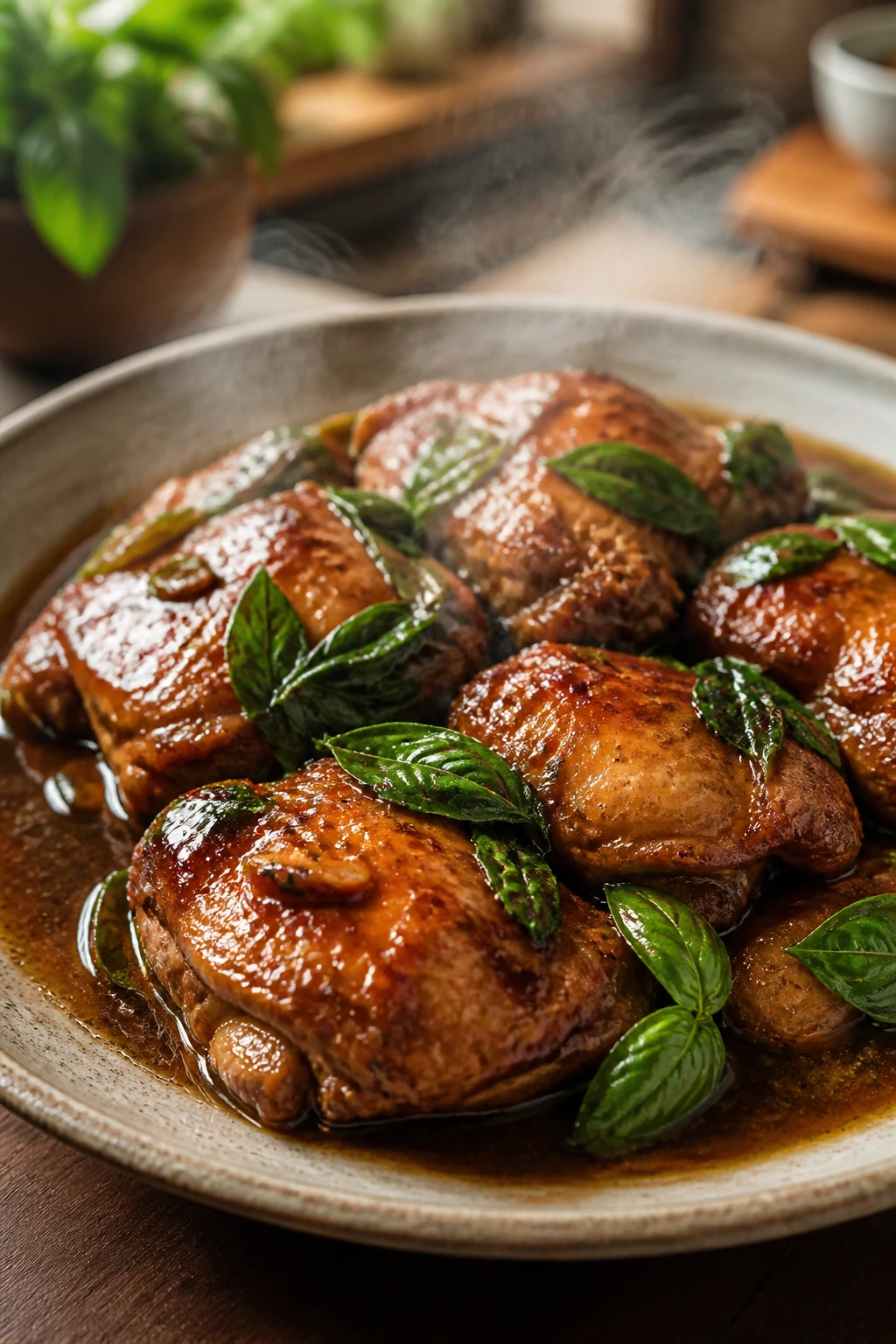
Three-cup chicken is famous for a reason: soy, rice wine, sesame oil, garlic, and basil can make chicken smell almost unfairly good. The slow cooker version trims the oil a bit, which keeps the pot lighter while preserving the lush, savory finish.
Why It Works:
Chicken thighs hold up beautifully in the sauce and stay juicy even after a long cook. The trio of soy sauce, rice wine, and sesame oil creates the signature flavor base, while basil goes in at the end so it tastes bright and aromatic rather than dark and cooked. Garlic and ginger round the pot out without making it feel heavy.
Key Ingredients:
- 2 pounds boneless, skinless chicken thighs
- 1/4 cup low-sodium soy sauce
- 1/4 cup rice wine or dry sherry
- 2 tablespoons toasted sesame oil
- 2 tablespoons honey
- 1 tablespoon grated fresh ginger
- 6 garlic cloves, smashed or minced
- 2 dried red chilies
- 1 cup Thai basil or Chinese basil leaves
- 2 scallions, sliced
- 1 tablespoon rice vinegar
Quick Steps:
- Stir the soy sauce, rice wine, sesame oil, honey, ginger, garlic, chilies, and vinegar in the slow cooker.
- Add the chicken thighs and coat them well.
- Cook on low for 5 hours until the chicken is tender and the sauce smells rich.
- Stir in the basil and scallions during the last 10 minutes so they stay fragrant.
- Taste and add a small splash more vinegar if needed.
- Serve hot.
Equipment for This Recipe:
- 6-quart slow cooker
- Small bowl for mixing the sauce
- Tongs
- Sharp knife
How to Serve This Dish:
It is best over plain jasmine rice, which soaks up the sauce without competing with it. A side of lightly steamed bok choy or green beans keeps the meal balanced and lets the basil stay the star.
Pro Tips for This Recipe:
- Add basil at the end; that smell is half the recipe.
- If you want more heat, break the dried chilies open.
- The sauce should taste savory first and sweet second.
- Keep the sesame oil in the sauce, but don’t add much more or it can take over.
Variations on This Dish:
- Mushroom Three-Cup Chicken: Add 8 ounces shiitake mushrooms at the start.
- Ginger-Forward Version: Double the ginger for a sharper, fresher bowl.
- Tofu Three-Cup Bowl: Swap half the chicken for tofu added near the end.
Common Mistakes to Avoid with This Dish:
- Cooking the basil for hours: It turns dark and loses its fragrance.
- Using too much honey: The sauce starts leaning sweet instead of savory.
- Choosing dry chicken breast: Thighs behave much better in this style.
Why the Slow Cooker Handles Chinese Flavors So Well
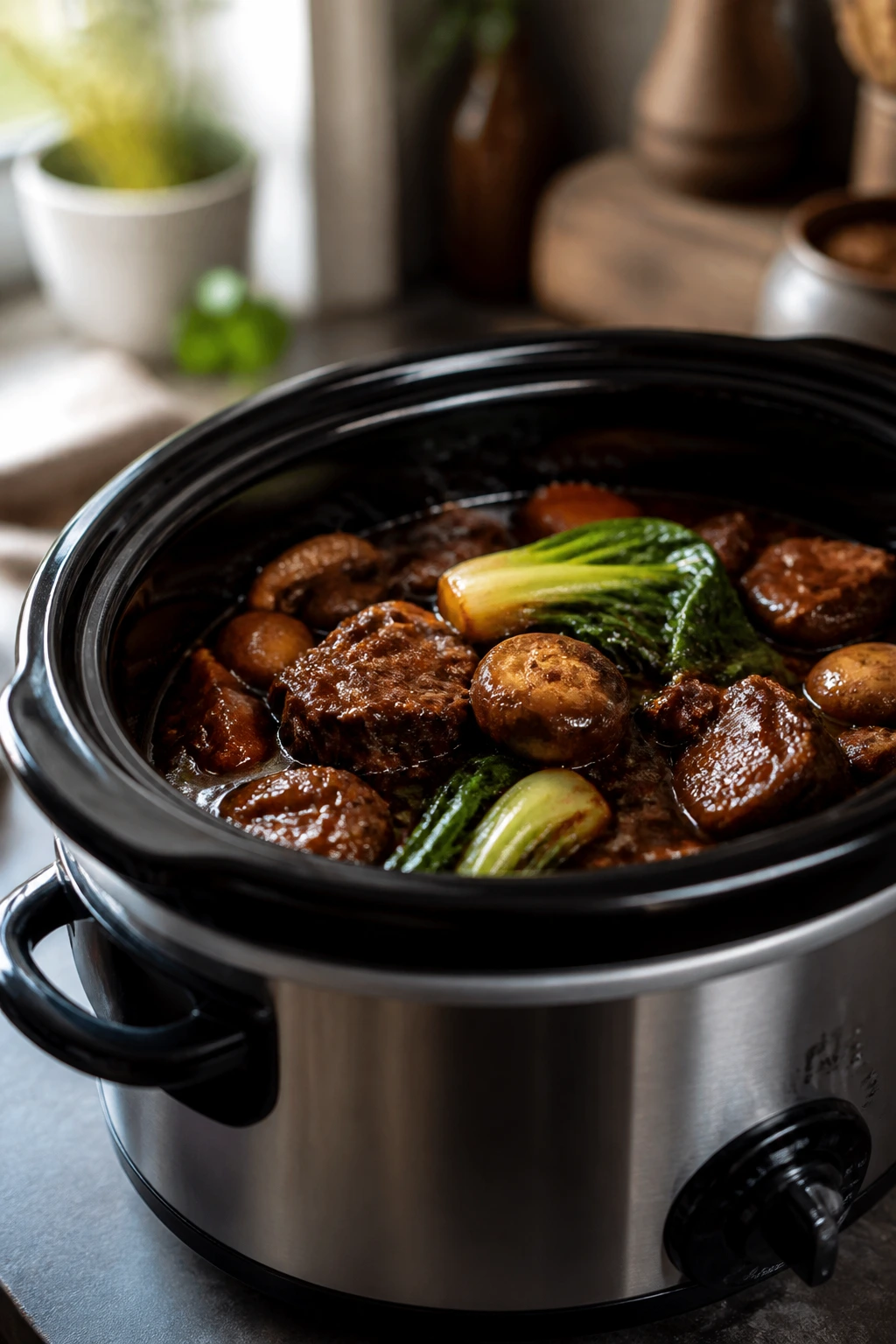
A slow cooker is better at braises and soups than people give it credit for, and Chinese cooking has a long history of both. The pot is doing something steady and gentle: pulling collagen out of meat, softening mushrooms, turning broth into something deeper, and letting soy sauce, vinegar, and aromatics settle into each other instead of shouting over one another. That is why these healthy Chinese crockpot recipes work. They are not trying to imitate a wok. They are leaning into the kind of texture a covered, low, wet cook naturally creates.
The big rule is timing. Garlic and ginger can go in early because they benefit from a long soak. Broccoli, bok choy, snow peas, napa cabbage, spinach, noodles, and herbs usually do not. They need a short visit near the end so they keep color and shape. That one habit solves most of the slow cooker disappointment people run into with Chinese-style food.
There is also the sauce problem, and it is not really a problem once you treat the slow cooker like a broth maker first and a glaze maker second. Start with less liquid than you think. Finish with a cornstarch slurry if the recipe wants cling. Add a few drops of sesame oil, black vinegar, or scallions at the end so the pot smells fresh again. That last step matters more than it sounds.
Essential Equipment for These Recipes
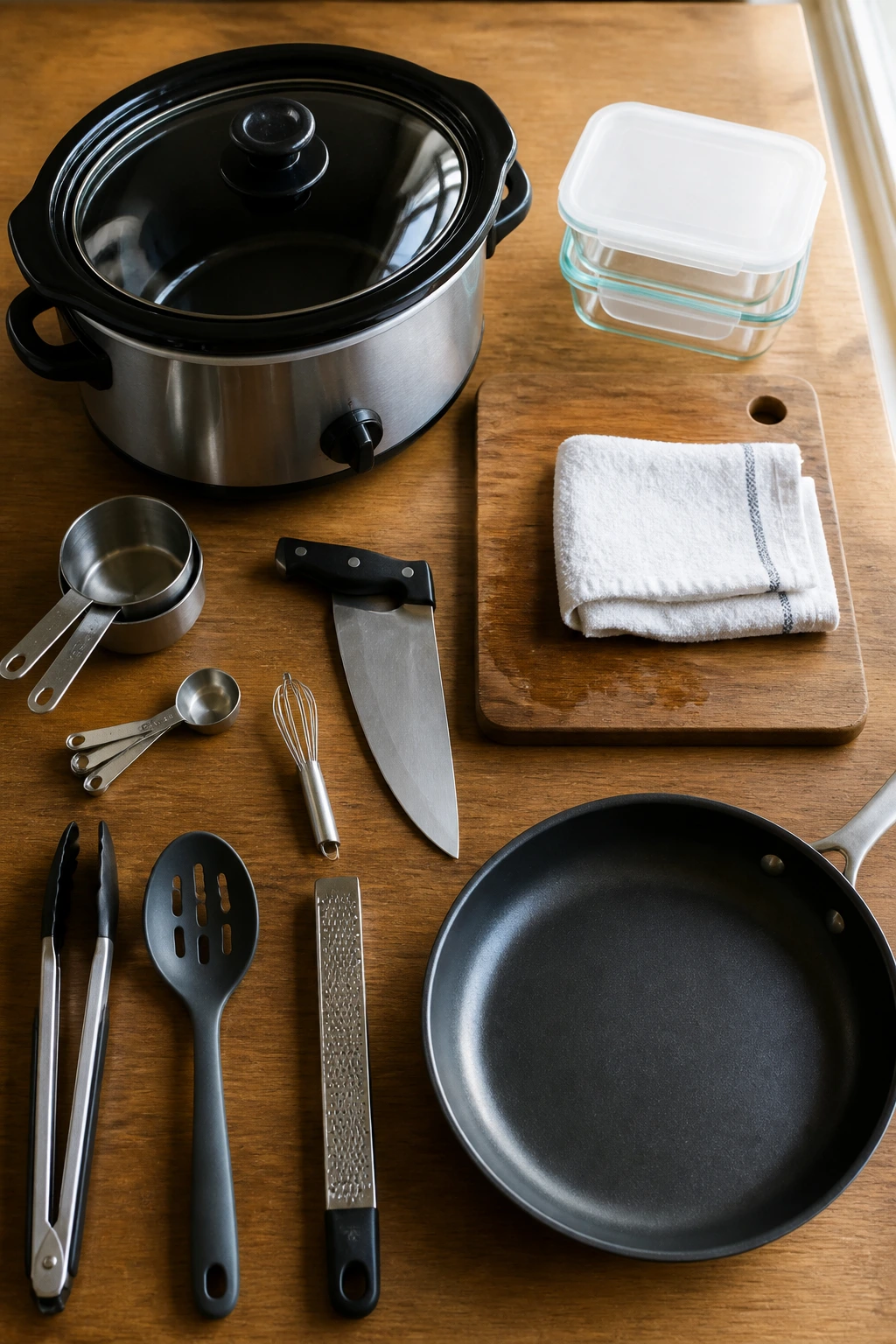
- 6-quart slow cooker: Big enough for family portions without crowding the ingredients.
- Sharp chef’s knife: Thin slicing matters for beef, pork, cabbage, and scallions.
- Cutting board with a damp towel underneath: Keeps it from sliding when you’re cutting slippery vegetables.
- Small whisk: Best for smooth soy-based sauces and cornstarch slurries.
- Measuring cups and spoons: Chinese-style sauces depend on balance, so eyeballing can get messy.
- Tongs: Useful for turning chicken thighs, lifting meatballs, and handling hot pieces.
- Slotted spoon: Handy when you want the solids without all the broth.
- Fine grater or microplane: Ginger and garlic behave better when they’re finely grated.
- Medium skillet: Optional, but worth it for browning ground turkey, beef, or meatballs before they go into the pot.
- Airtight storage containers: You’ll want these for leftovers, because several of these dishes keep improving overnight.
Smart Shopping and Ingredient Tips
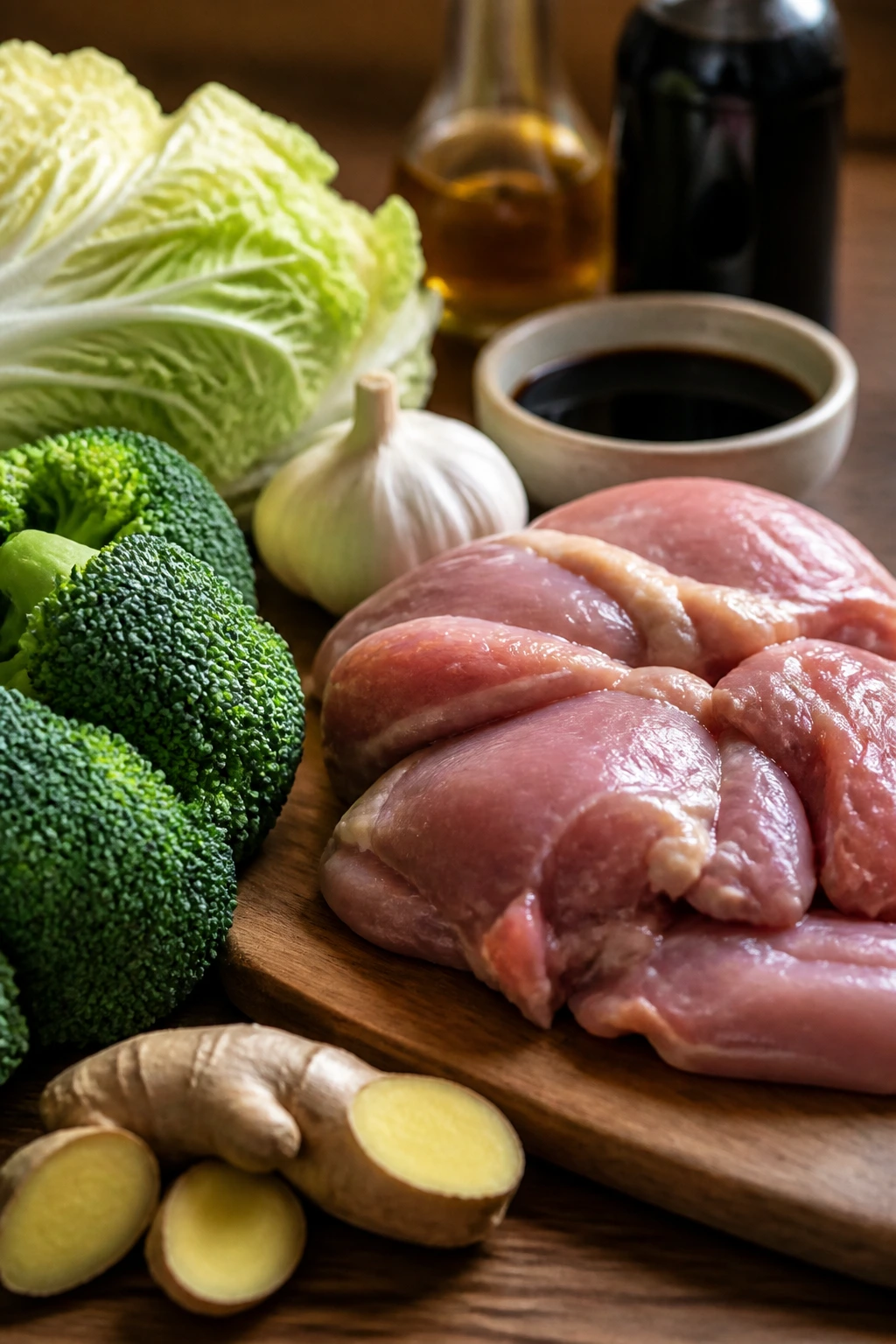
For chicken, I reach for boneless thighs more often than breasts. Thighs stay juicy after hours in the slow cooker, while breasts can go stringy if the cooker runs hot or the timing drifts. If you do use breasts, keep an eye on the clock and add greens late so the meat does not have to sit around any longer than needed.
For beef, flank steak gives you cleaner slices and a less greasy bowl, while chuck roast gives you a richer braise. Choose flank when the recipe is saucy and thin-sliced; choose chuck when you want fork-tender pieces that can stand up to a long low cook. Trim visible fat either way. A little fat is fine. A greasy surface is not.
Soy sauce and oyster sauce are where a lot of these dishes get their salt, so buy low-sodium versions if you can. It gives you room to adjust at the end instead of locking the whole pot into one direction early on. Toasted sesame oil should be treated like a finishing oil, not a cooking oil for long heat. It disappears if you cook it hard.
For vegetables, look for napa cabbage with crisp white ribs, bok choy with unbruised stems, broccoli with tight florets, and green beans that snap cleanly. Mushrooms should feel dry, not slimy. Tofu should be extra-firm and packed in water, then pressed before cooking so it does not water down the pot. Frozen vegetables can work in a pinch, but thaw and drain them first so you do not flood the sauce.
Rice vinegar, black vinegar, and chili garlic sauce are the little bottles that save these recipes from tasting flat. If your pantry only has one bottle to start with, buy rice vinegar first. It plays nicely with almost everything here.
How to Serve These Recipes
Presentation:
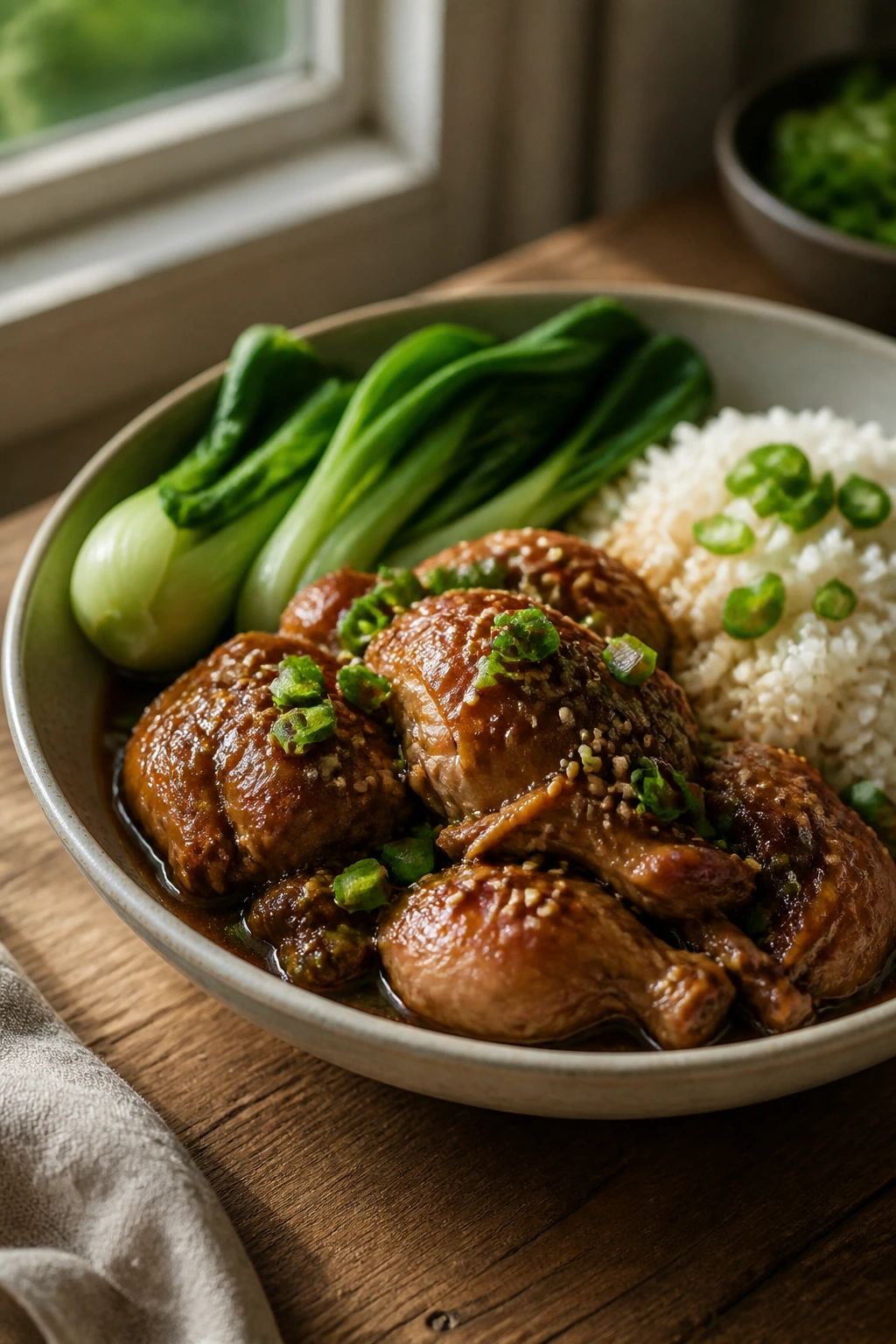
Use wide, shallow bowls for braises and noodle soups so the sauce and solids sit in view instead of sinking into the bottom. A few sliced scallions, sesame seeds, or a small spoonful of chili crisp give the top a finished look in seconds. For lettuce cup recipes, set the leaves on a platter and pile the filling in the center so people can build their own.
Accompaniments:
Jasmine rice is the easiest match, but brown rice works better when you want something a little nuttier and firmer. Cauliflower rice keeps the bowl lighter, and a side of cucumber salad with rice vinegar cuts through richer sauces. For soups, a few steamed greens or a simple plate of blanched bok choy is enough.
Portions:
For most braises and stir-fry-style slow cooker dishes, 1 1/2 to 2 cups per person is a solid serving, especially if rice is on the side. Soups usually land at about 2 cups per adult. If you are scaling up, increase the protein and sauce in equal measure; do not double the soy without tasting, because that is where the salt creeps in.
Beverage Pairing:
Unsweetened jasmine tea or oolong tea fits almost every recipe here and keeps the meal from feeling heavy. If you want something colder, a dry sparkling water with lime or a crisp lager works well with the chili, ginger, and vinegar in these dishes.
Additional Tips and Flavor Boosters
Flavor Enhancement:
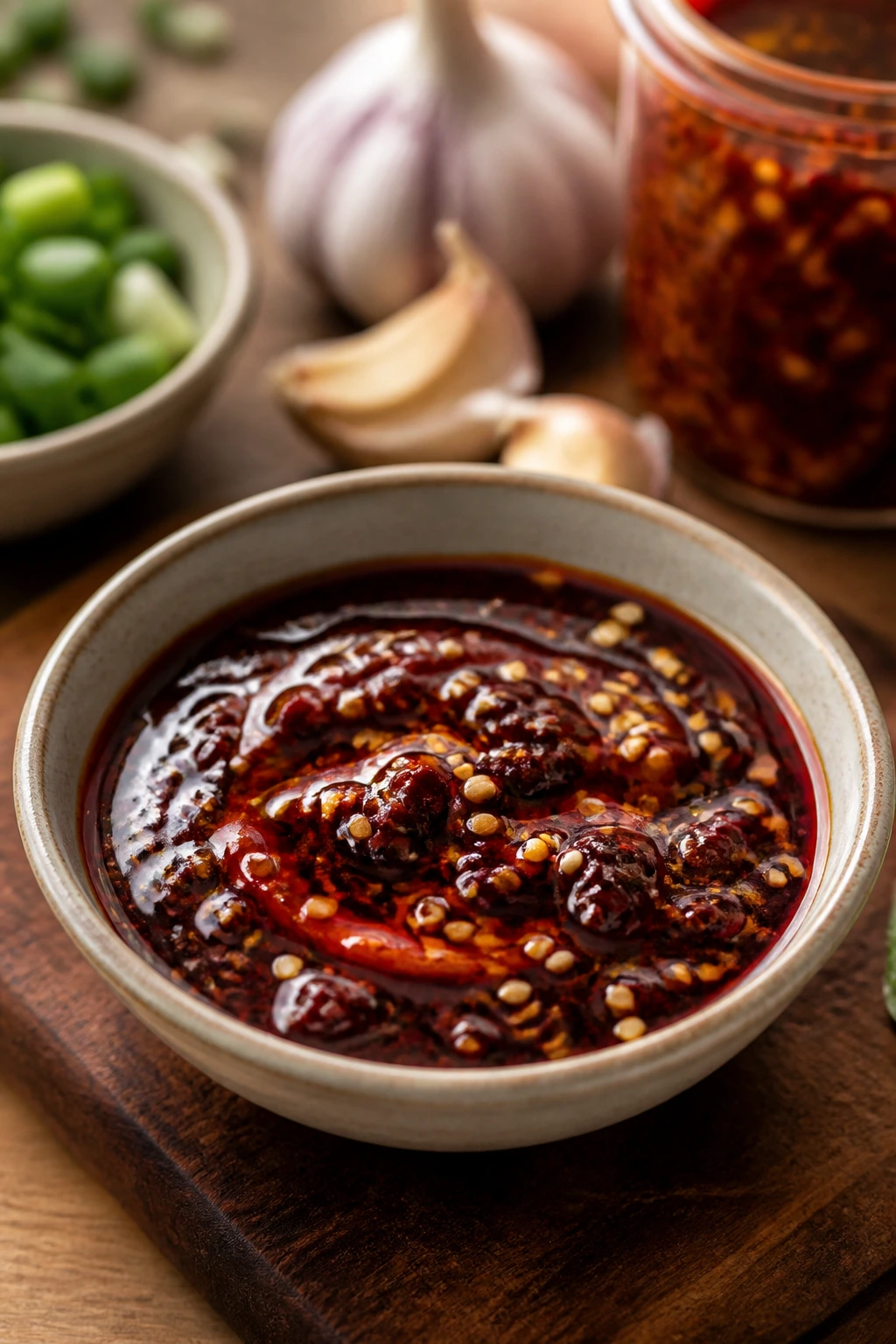
A teaspoon of black vinegar at the end of a braise can make the whole pot taste deeper without making it sour. Chili crisp is another smart finish; it brings crunch, heat, and a little garlic punch that the slow cooker cannot give you on its own.
Customization:
If you want more vegetables, add mushrooms, cabbage, or bok choy rather than piling in more starchy sides. If you want more protein, tofu and chicken are easy to combine in the same pot, especially in saucy recipes like mapo tofu, black bean braises, and ginger chicken.
Serving Suggestions:
Scallions, sesame seeds, and a few drops of sesame oil go a long way. A bowl with glossy sauce and a little green on top looks and tastes more intentional than one that has been left bare. I also like a quick pickle — cucumber, radish, or even shredded carrot with rice vinegar — beside richer dishes.
Make-It-Yours:
For gluten-free cooking, tamari can replace soy sauce, and gluten-free hoisin is worth finding. For lower-carb meals, use shredded cabbage, cauliflower rice, or lettuce cups instead of noodles or white rice. For milder eaters, keep the chili paste or dried chilies out of the pot and pass them at the table.
Make-Ahead, Storage, and Reheating Guidance
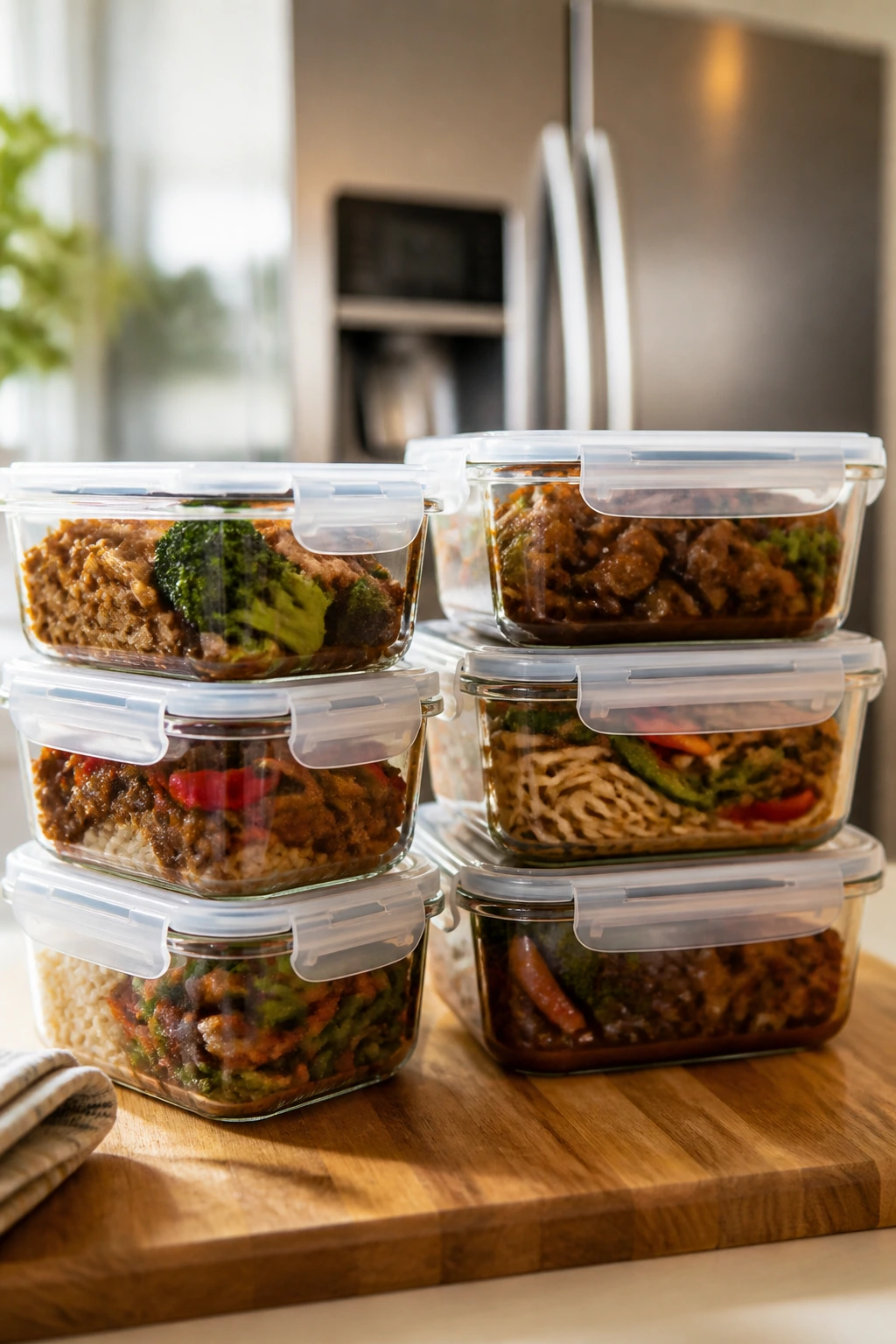
Most of these dishes keep 3 to 4 days in the refrigerator in airtight containers, assuming you cool them within about 2 hours of cooking. Soups usually hold up a little better than noodle bowls, and braises hold up better than anything with delicate greens. If a recipe includes noodles, store the noodles separately whenever you can; otherwise they keep soaking up broth until they turn bloated.
For the freezer, saucy chicken, beef, pork, tofu, and meatball dishes are usually good for up to 2 months. Soups can stretch to about 3 months if they do not contain noodles, spinach, or pak choi already mixed in. Congee freezes, too, though the texture needs a splash of broth when it comes back. I would not freeze bok choy or snap peas unless you are fine with them turning very soft later; freeze the base and add fresh greens when reheating.
Reheat gently on the stovetop over medium-low heat with a splash of broth or water so the sauce loosens instead of tightening into paste. Microwave leftovers in 60-second bursts, stirring between rounds, until the food is steaming hot. If you are reheating chicken or pork, aim for 165°F in the center. For soups, bring the whole pot back to a steady simmer. For braises, a lid on the pan helps the sauce come back without drying out the meat.
A lot of these recipes taste better the next day because the ginger, soy, garlic, and vinegar settle into each other overnight. The exception is anything with crunchy add-ins — peanuts, snow peas, or fresh herbs — which should be added fresh at the table if you want them to stay lively.
Variations and Adaptations to Try
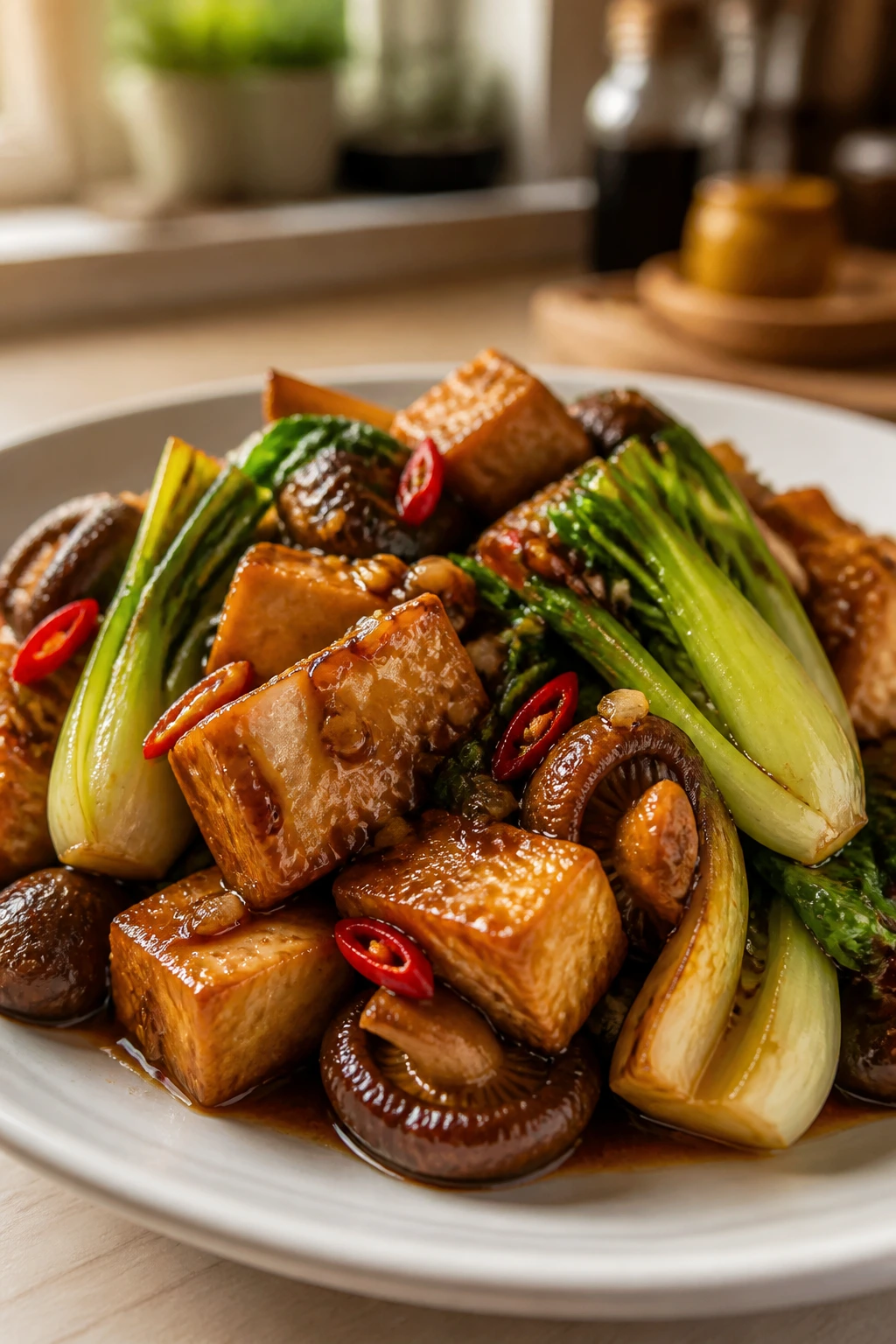
Gluten-Free Tamari Pantry:
Swap soy sauce for tamari in every recipe that needs it, and check the hoisin and oyster sauce labels before you start. The flavor stays very close, which is why this is the simplest adaptation to make. Rice noodles, rice, and cauliflower rice all fit that same lane without fuss.
Lower-Sodium Sunday Pot:
Use low-sodium broth and cut the soy sauce by about a third, then finish with vinegar and scallions to rebuild brightness. This works especially well in soups and braises, where broth can get salty fast if you are not paying attention. A squeeze of lime or a small splash of black vinegar can replace some of the missing salt sensation.
Extra-Veggie Version:
Add mushrooms, cabbage, bok choy, broccoli, or green beans in the recipes that can handle them, but keep them in the final stretch. This lets you stretch a pot without turning it into mush. I like this approach in orange chicken, ginger chicken, and the tofu braises because the vegetables soak up flavor instead of fighting with it.
Firecracker Sichuan Finish:
Keep the base of the recipe the same, then add chili crisp, chili garlic sauce, or extra dried chilies at the end. The slow cooker is not great at preserving fresh chile aroma, so a finishing spoonful does more than cooking the heat for hours ever will. This is especially good on mapo tofu, kung pao chicken, and beef dishes.
Rice-Free Bowl Build:
Serve the saucy recipes over shredded cabbage, cauliflower rice, or lettuce cups instead of rice. That choice works best for beef and broccoli, pork wraps, and sesame chicken meatballs. The dish still feels complete because the sauce and protein are already carrying the bowl.
Family-Mild Version:
Skip the dried chilies, chili garlic sauce, and extra black pepper, then let people add heat at the table. This is the version I’d use if half the house wants comfort and the other half wants a little bite. It keeps the cooking simple and avoids making one pot too hot for the whole table.
Common Mistakes to Avoid
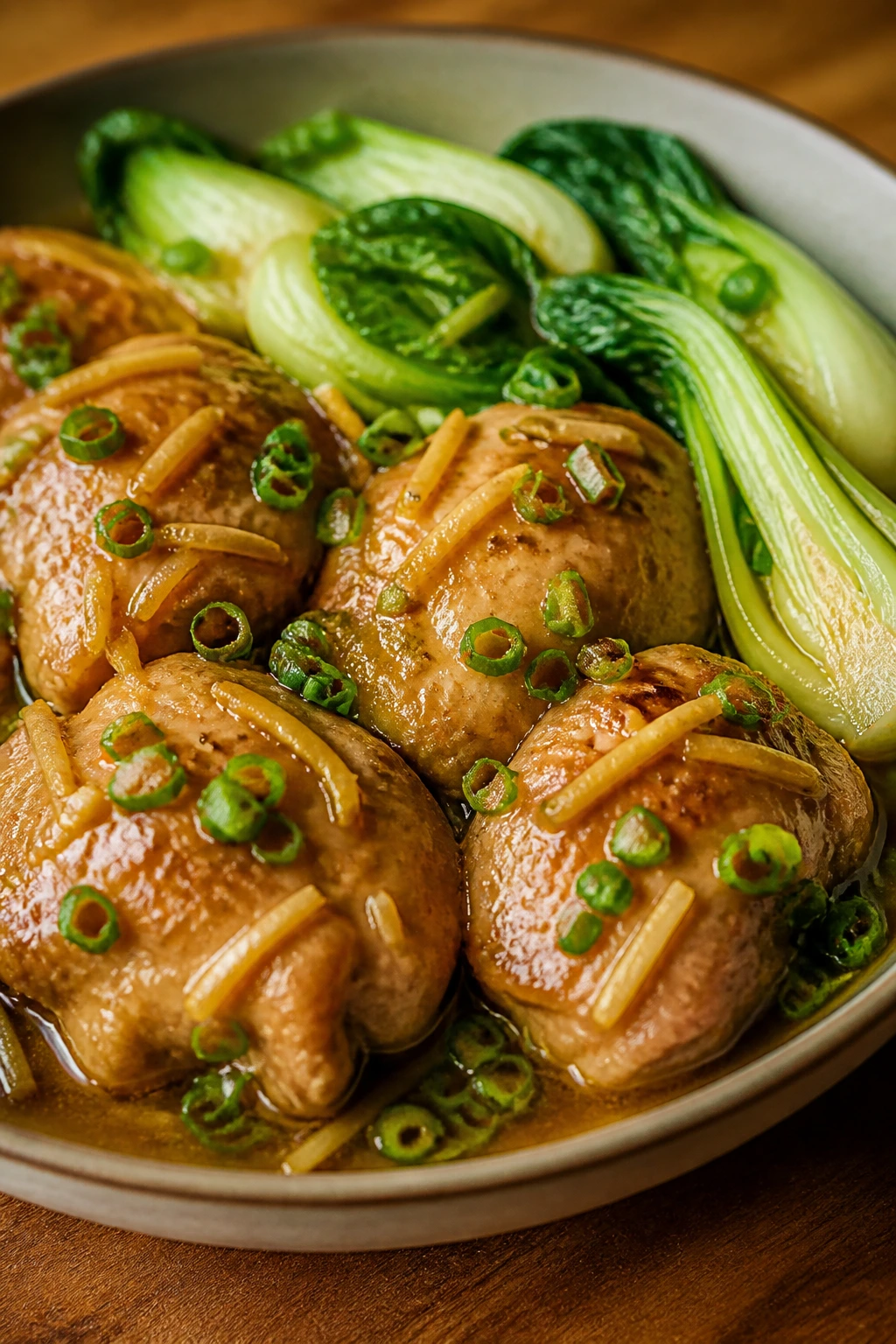
-
Adding every vegetable at the start:
Bok choy, broccoli, snow peas, spinach, and cabbage all behave differently, but most of them do not want six hours of heat. The symptom is obvious: dull color, soft stems, and a pot that tastes tired. Add sturdy vegetables early only when they can take it, and keep delicate greens for the last 15 to 30 minutes. -
Over-salting the sauce before it cooks down:
Soy sauce, hoisin, oyster sauce, and broth all carry salt, and the slow cooker does not let much liquid escape. If the pot tastes perfect before cooking, it may end up too salty later. Start modest, then finish with tasting, vinegar, or a little extra broth. -
Using too much liquid:
Slow cookers trap condensation, so what looks underfilled at the start often ends up plenty soupy. The symptom is a thin sauce that will not cling to rice or noodles. Use less broth than you would in a stovetop braise, then thicken at the end if needed. -
Cooking noodles directly in the pot for hours:
Noodles are the easiest way to wreck a good broth. They swell, split, and drink up the sauce until the leftovers are mush. Cook them separately unless the recipe specifically says to add them at the end. -
Skipping the finishing step:
A little sesame oil, scallions, black vinegar, or chili crisp can change a pot from flat to vivid. The slow cooker can build depth, but it cannot give you that last fresh smell on its own. Finish strong or the bowl tastes like it went a little numb. -
Using the wrong cut for the cook time:
Lean breast meat can dry out over a long stretch, while a fatty cut can make the sauce heavy if it is not trimmed. Match the cut to the recipe’s timing and texture. Thighs for long chicken cooks, flank for thinner beef dishes, and pressed tofu for saucy vegetarian pots.
Frequently Asked Questions
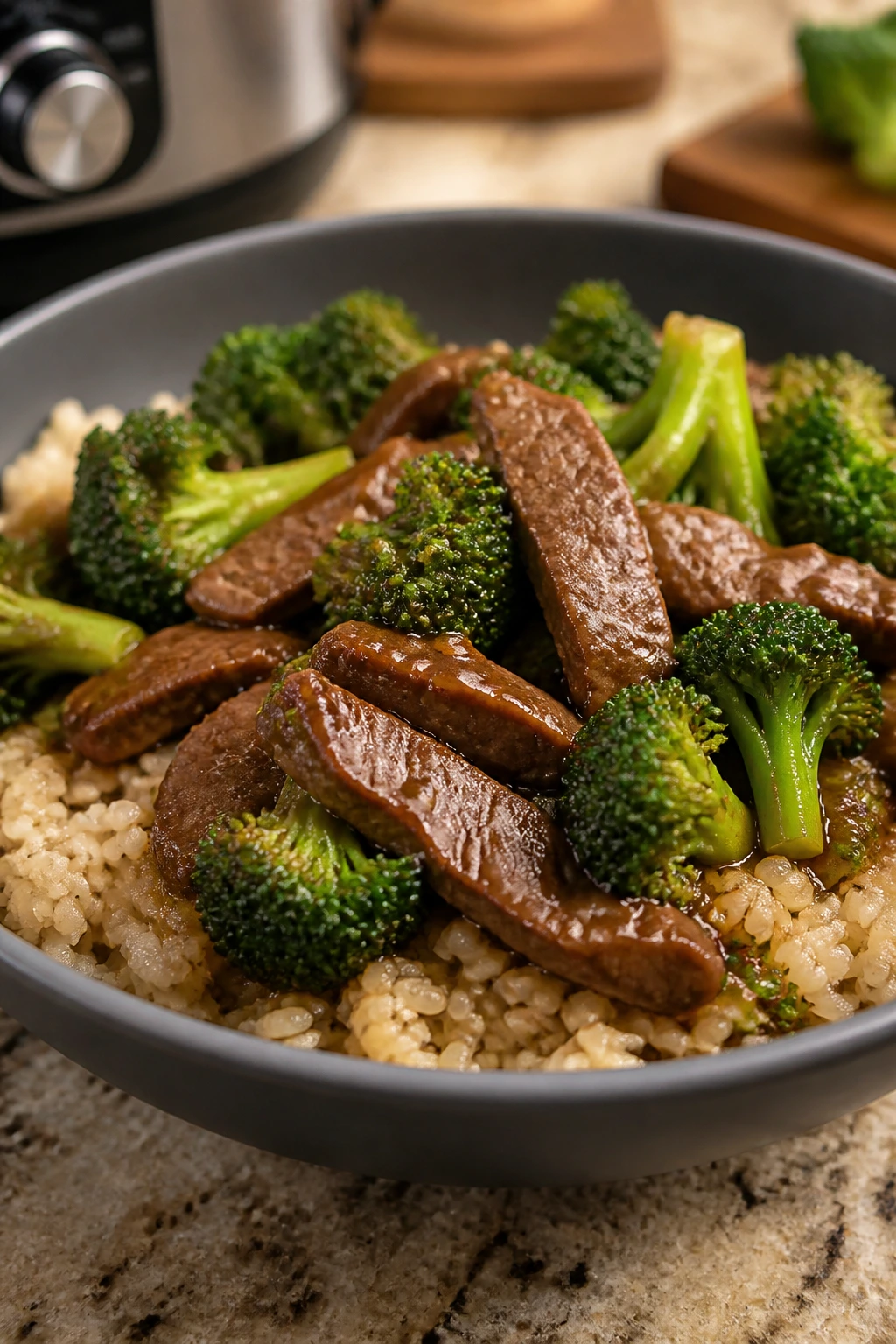
Can I use frozen chicken or beef in the slow cooker?
I wouldn’t. Frozen meat can spend too long in the temperature range where it warms slowly, and that is not where you want to gamble. Thaw it first in the refrigerator so it cooks evenly and reaches the right temperature at a normal pace.
Do I need to brown the meat first?
Not every recipe needs it, but browning ground turkey, beef, or meatballs gives the pot a deeper flavor and a better color. For chicken thighs, it is optional; for ground meat, I think it is worth the extra pan. If you skip it, make up for some of that missing depth with ginger, garlic, or a little extra mushroom.
How do I make these gluten-free?
Use tamari instead of soy sauce and choose gluten-free hoisin or oyster-style sauces when the recipe needs them. Rice noodles, rice, cauliflower rice, and lettuce cups are all easy gluten-free partners. Double-check bottled sauces, because that is usually where gluten sneaks in.
What’s the best rice to serve with these dishes?
Jasmine rice is the softest match for saucy bowls because it absorbs sauce without fighting back. Brown rice works when you want more chew and a nuttier flavor. If you want the lightest bowl, cauliflower rice or shredded cabbage can take the place of rice cleanly.
Can I cook noodles in the slow cooker?
You can, but I would only do it when the recipe specifically calls for it and even then near the end. Noodles are one of the fastest ways to turn a clean broth into a soft mess. Cooking them separately gives you better leftovers and keeps the texture where it should be.
What if my sauce is too thin?
Pull the lid off for the last 15 to 20 minutes and let some steam escape, then add a cornstarch slurry if needed. Keep in mind that sauces thicken a little more as they cool. If you over-thicken, a splash of broth or water brings them back.
How do I keep broccoli, bok choy, and snow peas from turning mushy?
Add them late, usually in the last 15 to 30 minutes, depending on how big the pieces are. Bigger bok choy stems need a little more time, while snow peas need very little. If you want them extra crisp, you can even stir them in after the slow cooker is turned off and let the residual heat finish the job.
Can I double these recipes for a crowd?
Usually yes, but don’t double the salt, soy sauce, or cornstarch automatically. Slow cookers handle volume well until they don’t, so keep an eye on the liquid line and stir once or twice if the pot is very full. If the cooker is packed to the top, move to a second pot instead of forcing everything into one.
Sunday Dinner, Sorted
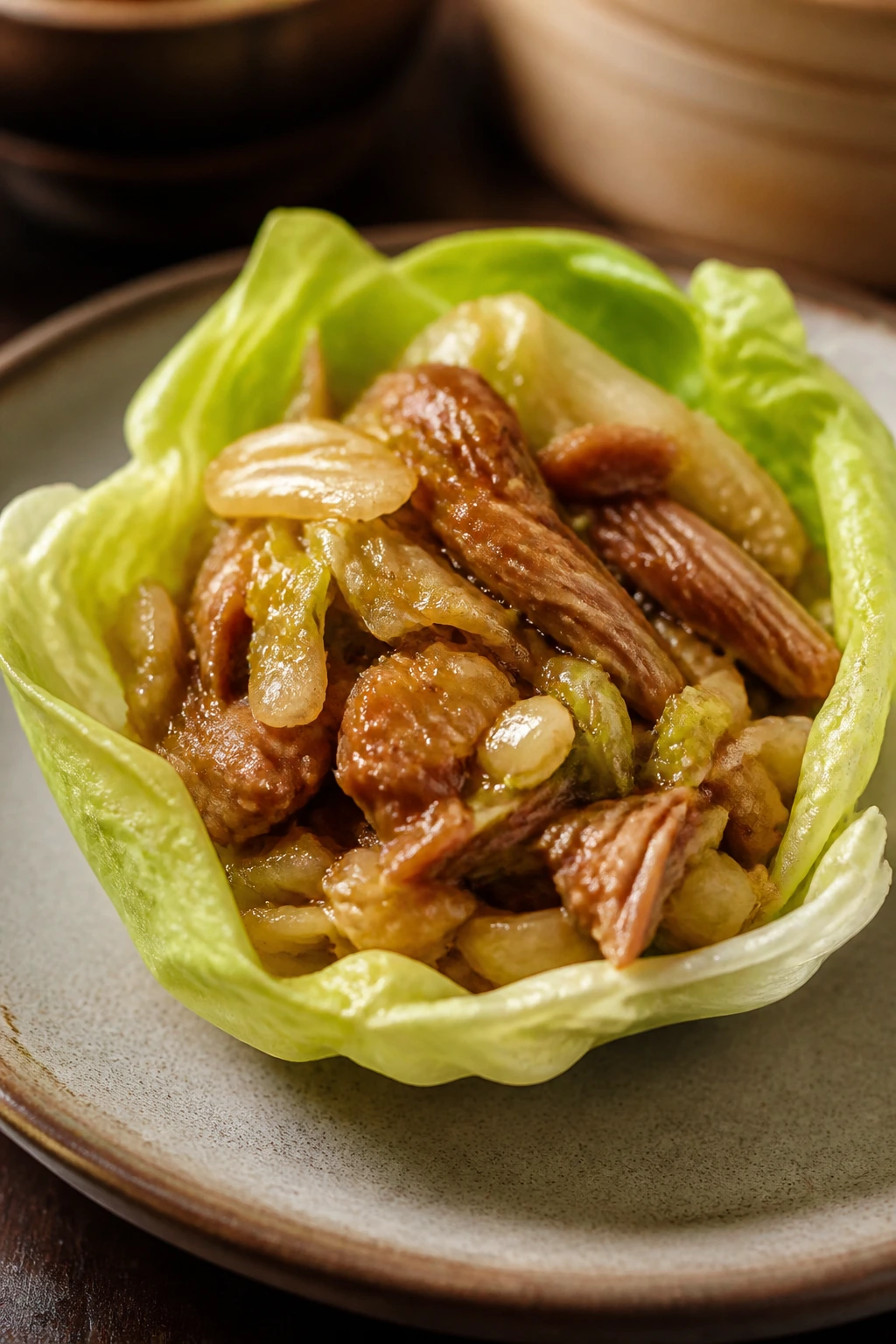
There’s a nice rhythm to a pot that cooks itself while the day slows down around it. You chop a little ginger, maybe slice a few scallions, and then the slow cooker does what it does best: it turns steady heat into soft chicken, tender beef, silky tofu, and vegetables that still taste like themselves.
That is the real appeal of these healthy Chinese crockpot recipes. They are not trying to imitate restaurant takeout bite for bite. They give you deeper broth, cleaner sauce, and leftovers that are worth looking forward to. Leave the lid on, let the garlic do its work, and the next quiet Sunday will take care of dinner for you.