



Asian crockpot recipes have a habit of doing the one thing a busy kitchen never quite manages on command: they feed a full table without demanding your full attention. A slow cooker takes the cuts that look stubborn on the butcher’s case — chuck roast, pork shoulder, short ribs, chicken thighs — and turns them soft, glossy, and spoon-tender while you do literally anything else. That’s the trick, and it’s a good one.
What makes these meals worth keeping around isn’t just convenience. It’s the way soy sauce darkens into something deeper after six hours, the way coconut milk softens curry paste into a sauce that clings instead of puddles, the way ginger and garlic get rounder and less sharp the longer they sit with the meat. A stir-fry can be fast and bright. A crockpot dinner is slower, thicker, and better suited to a crowd that shows up hungry.
And no, “Asian” doesn’t mean one flavor profile. It means a wide spread of pantry habits and techniques — Korean heat, Thai coconut richness, Japanese curry comfort, Filipino vinegar tang, Chinese braising depth, Vietnamese herb finish — all of them adapted here for the slow cooker. The recipes below lean into that range instead of flattening it.
Why These Crockpot Dinners Earn Their Keep
-
They feed real numbers: Most of these recipes use 3 to 4 pounds of meat or a full batch of beans, which is the difference between a family dinner and a second pot you never wanted to wash.
-
The sauce does the heavy lifting: Soy, fish sauce, hoisin, curry paste, miso, and coconut milk give you depth without a long stovetop reduction.
-
Tough cuts actually make sense here: Chuck roast, pork shoulder, and short ribs break down into tender shreds after hours of low heat, so you get better texture than you’d get from a quick pan cook.
-
Leftovers improve overnight: Braises, curries, and noodle broths usually taste fuller the next day, especially once the salt, acid, and spice settle into each other.
-
Most of them play nicely with rice, noodles, buns, or lettuce: That makes one pot stretch farther, and stretching is the whole point when the crowd gets bigger than expected.
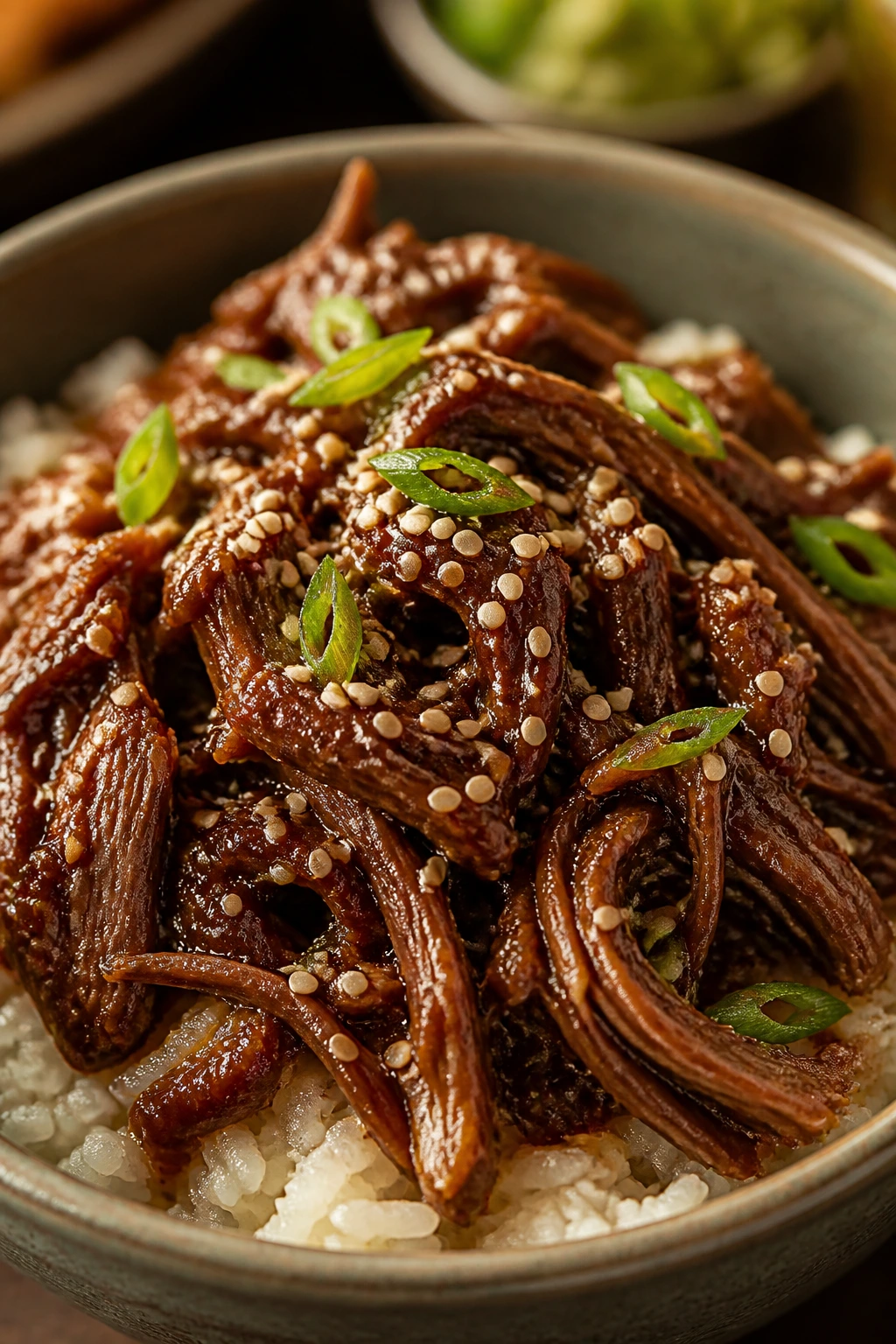
1. Slow Cooker Korean Beef Bowls
A glossy beef bowl like this smells like soy, garlic, and sesame the moment the lid comes off. The sauce turns dark and sticky around the edges, and the beef shreds into strands that soak up every bit of it.
Why It Works: Chuck roast is built for long heat, and the fat in it melts into the sauce instead of drying out. Gochujang gives a little heat and funk, while brown sugar rounds out the soy so the pot tastes finished, not flat. The last cornstarch hit gives you that spoon-coating texture that clings to rice. This is the kind of dinner that disappears fast at a buffet table.
Key Ingredients:
- 3 lbs beef chuck roast, cut into 2-inch chunks — marbled meat stays juicy after 7 to 8 hours on low.
- 1/2 cup low-sodium soy sauce — keeps the bowl savory without making it salty.
- 1/3 cup packed brown sugar — gives the sauce body and a deep caramel note.
- 1/4 cup rice vinegar — cuts through the richness.
- 2 tbsp gochujang — adds heat and the slight fermented edge Korean beef needs.
- 1 tbsp sesame oil — finish flavor, not cooking fat.
- 6 garlic cloves, minced — don’t skimp; this pot can take it.
- 1 tbsp grated fresh ginger — keeps the sauce from tasting heavy.
- 4 scallions, sliced — half in the pot, half on top.
- 2 tbsp cornstarch mixed with 2 tbsp water — thickens the sauce at the end.
Quick Steps:
- Whisk the soy sauce, brown sugar, rice vinegar, gochujang, sesame oil, garlic, and ginger in the slow cooker.
- Add the beef and turn it until every piece is coated, then tuck the sliced onion around it.
- Cook on low for 7 to 8 hours, or on high for 4 to 5 hours, until the beef pulls apart with a fork.
- Shred the beef in the pot, stir in the cornstarch slurry, and cook uncovered on high for 15 to 20 minutes until the sauce looks glossy.
- Finish with scallions and sesame seeds, then serve over hot rice.
Equipment for This Recipe:
- 6-quart slow cooker — big enough for a full 3-pound roast.
- Small whisk — helps the sauce come together before it goes in.
- Tongs or two forks — for shredding the beef.
- Measuring cups and spoons — the sauce needs the right balance.
How to Serve This Dish: Spoon it over jasmine rice with cucumbers on the side if you want some crunch. A little kimchi on the plate is not traditional pairing police material — it works.
Pro Tips for This Recipe:
- Brown the beef if you have 10 extra minutes; the crust gives the final sauce a deeper taste.
- Don’t add too much cornstarch at once or the sauce turns pasty instead of silky.
- Taste after shredding. A tiny splash of vinegar can wake the whole pot up.
Variations on This Dish: Spicy Gochugaru Beef adds 1 to 2 tablespoons of Korean chili flakes for a cleaner heat. Teriyaki-Style Beef swaps the gochujang for 1/4 cup mirin and an extra spoon of brown sugar if you want softer, sweeter edges.
Common Mistakes to Avoid with This Dish:
- Using lean beef: It turns stringy and dry; chuck roast or brisket is the safer bet.
- Skipping the final thickening step: You’ll end up with broth instead of bowl sauce.
- Overdoing the salt: Regular soy plus salty toppings can push the pot over the edge fast.
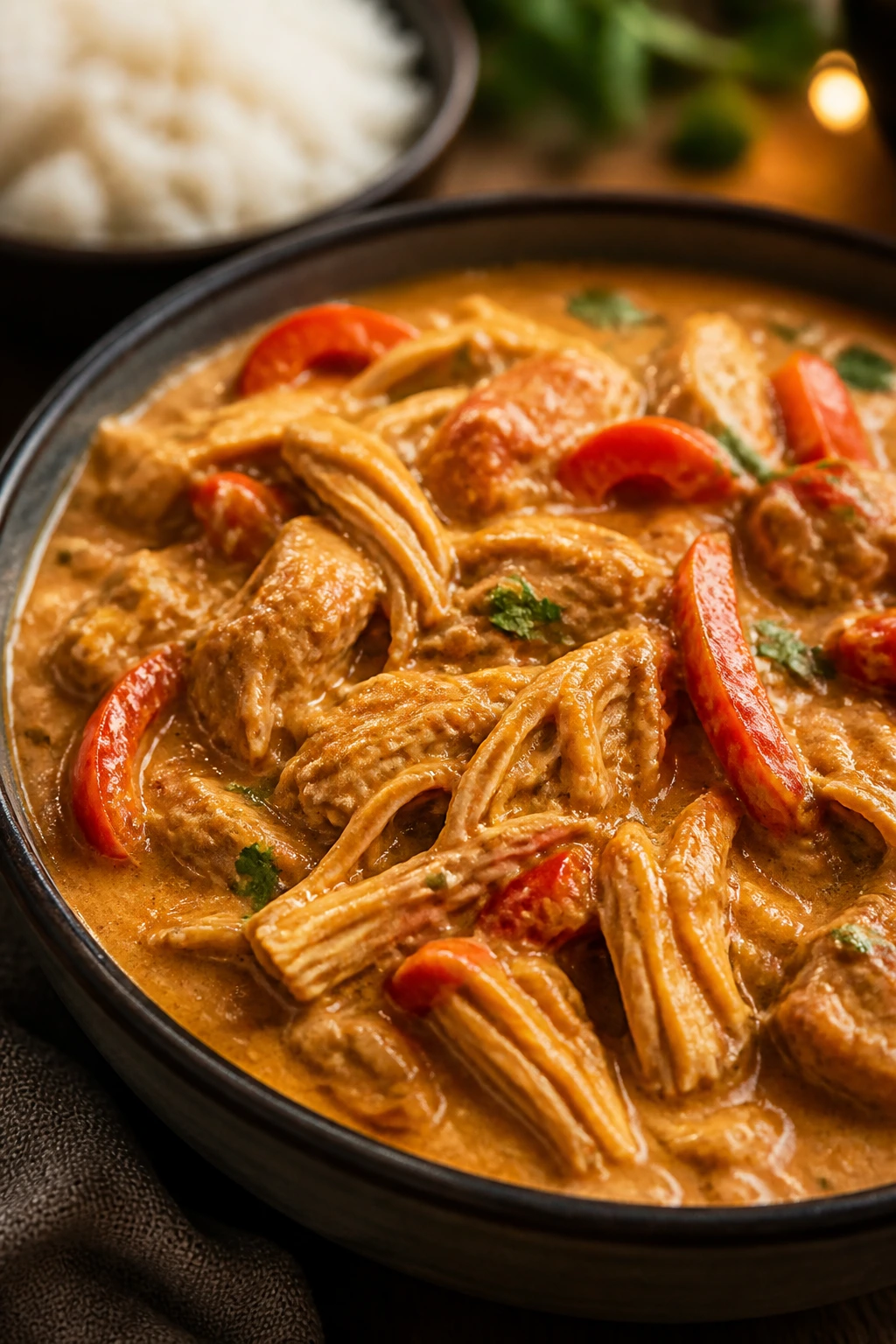
2. Crockpot Thai Peanut Chicken
This one smells like peanut butter and red curry in the best possible way. The sauce gets creamy and deep, and the chicken shreds into ribbons that hold on to every bit of it.
Why It Works: Peanut butter and coconut milk make a sauce that stays rich through long cooking without splitting. Red curry paste brings chile, lemongrass, and garlic in one shot, which is why this dish tastes layered even though the ingredient list stays short. Chicken thighs hold up better than breasts and won’t dry out if the pot runs a little long. The lime at the end keeps it from becoming heavy.
Key Ingredients:
- 3 lbs boneless, skinless chicken thighs — they stay moist and shred cleanly.
- 1 cup canned coconut milk — use full-fat for a smoother sauce.
- 3/4 cup smooth peanut butter — the base of the sauce.
- 1/4 cup low-sodium soy sauce — brings the salty backbone.
- 3 tbsp red curry paste — adjust up if you like heat.
- 2 tbsp brown sugar — rounds the edges.
- 1 tbsp lime juice — added at the end for brightness.
- 4 garlic cloves, minced — gives the sauce a savory lift.
- 1 tbsp grated ginger — keeps the flavor lively.
- 1 red bell pepper, sliced — for color and a little crunch if added late.
Quick Steps:
- Whisk the coconut milk, peanut butter, soy sauce, curry paste, brown sugar, garlic, ginger, and half the lime juice in the slow cooker.
- Nestle in the chicken thighs and spoon sauce over the top.
- Cook on low for 6 to 7 hours, until the chicken is tender enough to shred with almost no effort.
- Shred the chicken, stir in the bell pepper, and cook uncovered on high for 15 to 20 minutes so the sauce tightens.
- Finish with the remaining lime juice, cilantro, and chopped peanuts.
Equipment for This Recipe:
- 6-quart slow cooker — peanut sauce needs space to stir.
- Whisk — helps the peanut butter disappear into the coconut milk.
- Two forks — for shredding the chicken.
- Sharp knife and cutting board — for the bell pepper and garnishes.
How to Serve This Dish: Put it over rice noodles or jasmine rice and pile cilantro and chopped peanuts on top. A cucumber salad with a sharp rice vinegar dressing balances the richness nicely.
Pro Tips for This Recipe:
- Warm the peanut butter slightly before whisking if it’s stiff.
- Add the bell pepper late if you want it to keep some snap.
- If the sauce tastes flat, a few drops more lime usually fix it faster than more salt.
Variations on This Dish: Thai Basil Peanut Chicken adds a handful of torn basil at the end. Veggie Peanut Curry swaps the chicken for two cans of chickpeas and a bag of cauliflower florets.
Common Mistakes to Avoid with This Dish:
- Using natural peanut butter with a lot of oil separation: The sauce can get greasy; stir it well before measuring.
- Adding too much lime early: The acidity can flatten the coconut milk over a long cook.
- Cooking breast meat the same way: It can dry out before the sauce finishes.
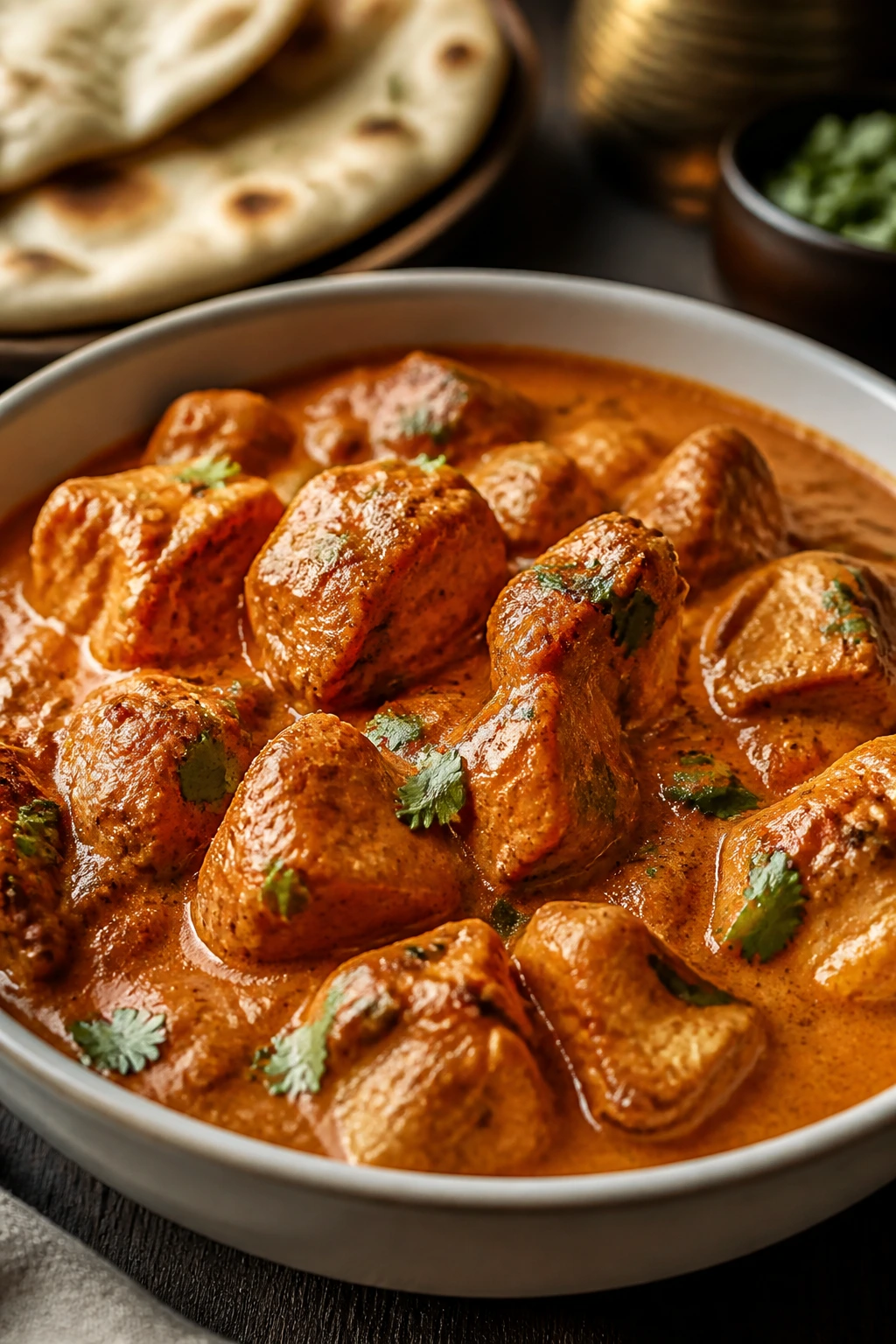
3. Slow Cooker Chicken Tikka Masala
The sauce should look brick-orange and smell like toasted spice and tomato before you even think about the rice. A good crockpot tikka masala is creamy, a little tangy, and deep enough to make naan feel mandatory.
Why It Works: Chicken thighs hold their texture in a long simmer better than breasts, and the slow cooker gives the tomatoes time to lose their raw edge. Garam masala, cumin, paprika, and ginger need time to blend, or they taste separate and dusty. Coconut milk or cream at the end gives the sauce that restaurant-style sheen. This is one of those pots that tastes richer than the work it asks for.
Key Ingredients:
- 3 lbs boneless, skinless chicken thighs — sturdy enough for long cooking.
- 1 large onion, sliced — melts into the sauce.
- 1 can (15 oz) tomato sauce — smoother than diced tomatoes here.
- 2 tbsp garam masala — the flavor backbone.
- 2 tsp ground cumin — adds earthy warmth.
- 1 tsp turmeric — gives color and a faint bitter note.
- 1 tsp smoked paprika — adds depth.
- 4 garlic cloves, minced — necessary, not optional.
- 1 tbsp grated ginger — sharpens the sauce.
- 1 cup coconut milk or heavy cream — stirred in at the end.
- 2 tbsp butter — gives the finished sauce a round edge.
- 1 tbsp lemon juice — brightens the whole pot.
Quick Steps:
- Layer the onion in the slow cooker, then add the chicken, tomato sauce, garam masala, cumin, turmeric, paprika, garlic, and ginger.
- Stir gently so the spices coat the chicken, then cook on low for 6 hours.
- Shred or cut the chicken into chunks, depending on how you want the texture.
- Stir in the coconut milk and butter, then cook uncovered on high for 15 minutes until the sauce looks smooth and coats a spoon.
- Finish with lemon juice and cilantro.
Equipment for This Recipe:
- 6-quart slow cooker — plenty of room for the sauce.
- Wooden spoon — gentle stirring keeps the chicken from breaking apart too early.
- Measuring spoons — the spice blend matters here.
- Ladle — useful for serving over rice.
How to Serve This Dish: Serve it over basmati rice with warm naan on the side. A simple onion-cucumber salad gives the plate some crunch and keeps the sauce from feeling too heavy.
Pro Tips for This Recipe:
- If you like a smoother sauce, blend the onion-tomato base before adding the chicken.
- Use full-fat coconut milk if you want the sauce to stay stable after reheating.
- A pinch of sugar can help if your tomato sauce tastes sharp.
Variations on This Dish: Extra-Smoke Tikka adds 1/2 teaspoon more paprika and a spoon of tomato paste. Dairy-Forward Tikka uses 1/2 cup heavy cream at the end instead of coconut milk for a softer finish.
Common Mistakes to Avoid with This Dish:
- Stirring in the dairy too early: It can separate during the long cook.
- Using too little salt: The sauce tastes flat if the seasoning never gets adjusted at the end.
- Cutting the chicken too small before cooking: Tiny pieces turn mushy.
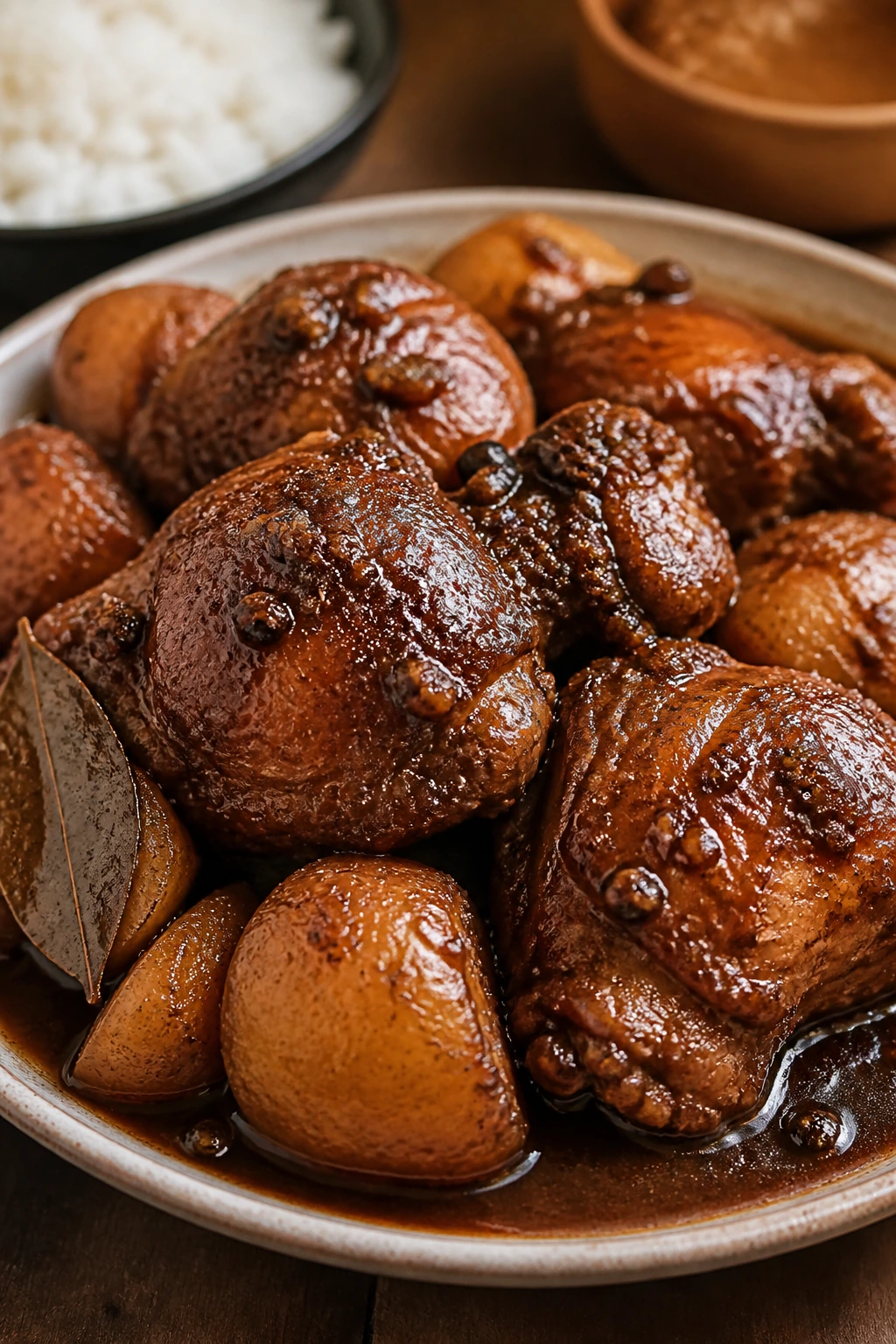
4. Filipino Chicken Adobo
Adobo should hit you with vinegar first, then garlic, then soy. That sharp, salty smell is the whole point, and the slow cooker gives it time to settle into something deeper and darker.
Why It Works: Vinegar and soy create the classic adobo sauce, and the slow cooker tames the acidity while letting the garlic and bay leaves spread through the meat. Dark meat chicken handles the long simmer without turning stringy. A little brown sugar is optional, but it smooths the edges if you’re feeding a mixed crowd. The sauce reduces into something excellent over plain rice.
Key Ingredients:
- 4 lbs bone-in, skinless chicken thighs or drumsticks — more flavor than breasts.
- 1 cup soy sauce — the salty base.
- 3/4 cup cane vinegar or white vinegar — gives adobo its bite.
- 1 cup water — keeps the pot from getting too aggressive.
- 10 garlic cloves, smashed — big garlic energy is correct here.
- 4 bay leaves — essential to the flavor.
- 1 tsp whole black peppercorns — better than ground here.
- 2 tbsp brown sugar — optional, but helpful.
- 2 medium potatoes, quartered — soak up the sauce.
- 1 tbsp neutral oil — only if you want to brown the chicken first.
Quick Steps:
- Combine the soy sauce, vinegar, water, garlic, bay leaves, peppercorns, and brown sugar in the slow cooker.
- Add the chicken and potatoes, turning the pieces so they’re partly submerged.
- Cook on low for 6 to 7 hours, until the chicken is falling off the bone and the potatoes are tender.
- Spoon off a little fat from the top if needed, then cook uncovered on high for 20 minutes to tighten the sauce.
- Serve with hot rice and a little of the braising liquid spooned over the top.
Equipment for This Recipe:
- 6-quart slow cooker — enough room for bone-in pieces.
- Slotted spoon — useful for serving chicken without drowning the plate.
- Tongs — for moving hot pieces around.
- Small bowl — for mixing the sauce first.
How to Serve This Dish: Keep it plain and let the adobo do the talking. White rice is the right move, and a few sliced cucumbers help with the salt and vinegar punch.
Pro Tips for This Recipe:
- A quick sear adds color, but it is not required.
- Don’t panic if the sauce tastes sharp before cooking; vinegar softens during the long simmer.
- If you want a thicker glaze, remove the chicken and reduce the liquid on the stove for 5 minutes.
Variations on This Dish: Pineapple Adobo adds 1 cup of pineapple chunks for a sweeter edge. Spicy Adobo uses sliced serranos or a spoon of chili flakes.
Common Mistakes to Avoid with This Dish:
- Using too much water: The sauce gets thin and loses its punch.
- Leaving out the bay leaves: The flavor becomes blunt.
- Expecting it to taste mild: Adobo should be assertive; that tang is the point.
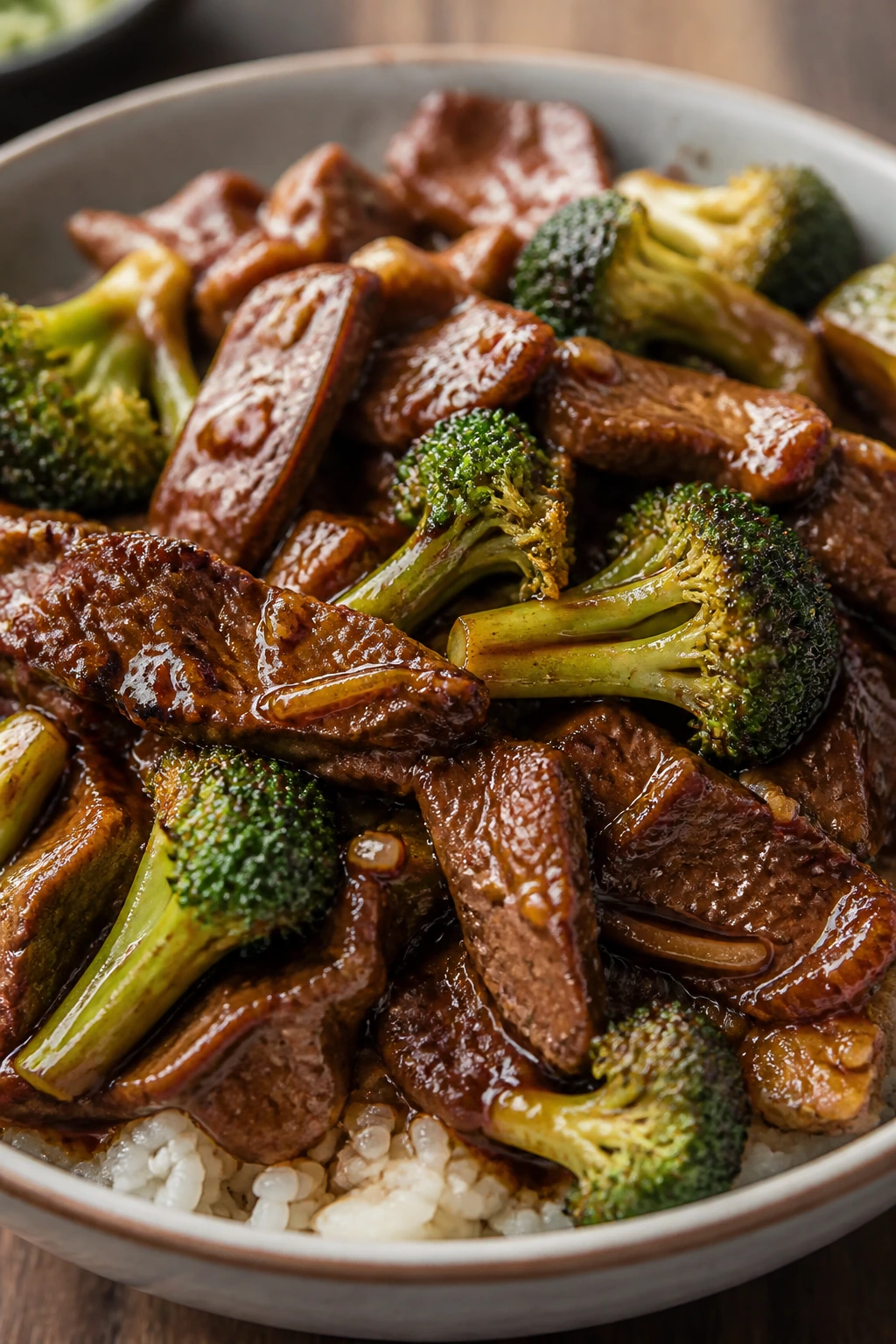
5. Mongolian Beef and Broccoli
This pot smells sweet, savory, and a little garlicky, with that takeout-style brown sauce you can recognize from across the room. Broccoli gives it a green snap at the end, which matters because the beef is so rich.
Why It Works: Beef chuck gives you enough connective tissue for a long cook, and the sauce leans on soy, hoisin, and brown sugar for that sticky, glossy finish. Broccoli goes in late so it stays green instead of turning dull and soft. A little cornstarch at the end gives the sauce the texture people expect from Mongolian beef without needing a wok. It feeds a crowd because it tastes strongest when served over a mountain of rice.
Key Ingredients:
- 3 lbs beef chuck roast, sliced into thin strips — better than lean steak for long cooking.
- 1 cup low-sodium soy sauce — keeps the sauce balanced.
- 1 cup beef broth — adds depth and keeps the pot saucy.
- 1/2 cup packed brown sugar — for the signature sweetness.
- 1/4 cup hoisin sauce — gives body and a deeper color.
- 4 garlic cloves, minced — sharpens the sauce.
- 1 tbsp grated ginger — keeps it from tasting one-note.
- 1 head broccoli, cut into florets — added late for texture.
- 2 tbsp cornstarch mixed with 2 tbsp water — thickens the sauce.
- 4 scallions, sliced — for the finish.
Quick Steps:
- Whisk the soy sauce, broth, brown sugar, hoisin, garlic, and ginger in the slow cooker.
- Add the beef and stir to coat.
- Cook on low for 6 to 7 hours until the beef is tender enough to split with a fork.
- Stir in the cornstarch slurry and broccoli, then cook uncovered on high for 20 minutes until the broccoli turns bright green and the sauce thickens.
- Top with scallions and serve immediately.
Equipment for This Recipe:
- 6-quart slow cooker — for the beef and broccoli to sit in one layer if possible.
- Sharp knife — thin slices cook and shred better.
- Tongs — for tossing the finished beef in the sauce.
- Small bowl and whisk — for the slurry.
How to Serve This Dish: Serve it over jasmine rice or lo mein noodles. If the table wants a side, a sharp cucumber salad keeps things from feeling too brown and too heavy.
Pro Tips for This Recipe:
- Freeze the beef for 20 minutes before slicing; it’s much easier to cut thin.
- Add the broccoli only near the end or it will collapse.
- A splash of rice vinegar at the finish can make the sauce taste brighter.
Variations on This Dish: Chili Garlic Mongolian Beef adds 1 to 2 teaspoons of chili paste. Mushroom Mongolian Beef swaps half the broccoli for sliced mushrooms if you want a meatier, earthier pot.
Common Mistakes to Avoid with This Dish:
- Putting broccoli in at the start: It turns olive and limp.
- Using a very lean cut: The beef dries before the sauce deepens.
- Skipping the slurry: The sauce stays thin and runs off the rice.
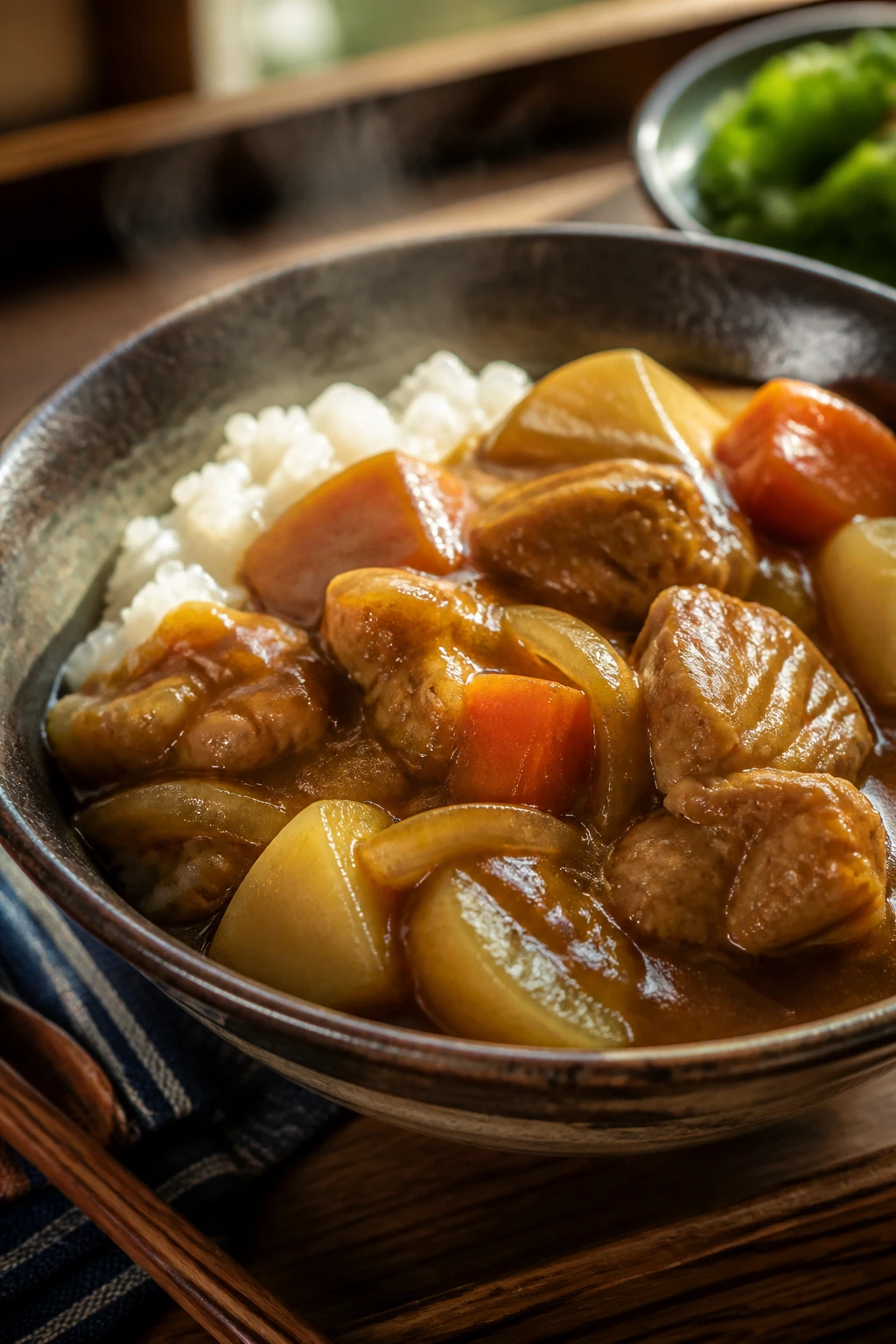
6. Japanese Chicken Curry
Japanese curry should smell warm, mild, and a little sweet, like onions cooked until they nearly disappear. It is not a sharp curry. It’s the soft, brown, comforting one that coats rice and settles into the plate.
Why It Works: Japanese curry roux cubes bring starch, fat, and spice in one move, which makes them ideal for the slow cooker. Chicken thighs stay tender while carrots and potatoes absorb the sauce around them. The grated apple adds a faint sweetness that smooths out the curry powder. This is one of the most crowd-friendly curries because nobody has to brace for heat.
Key Ingredients:
- 3 lbs boneless chicken thighs — the right texture for a long simmer.
- 2 onions, sliced — they melt down and sweeten the pot.
- 3 carrots, cut into thick coins — so they hold shape.
- 2 russet potatoes, peeled and chunked — hearty enough for a full meal.
- 4 cups chicken broth — the base of the curry.
- 1 apple, grated — adds sweetness and body.
- 1 tbsp soy sauce — deepens the sauce.
- 6 to 8 Japanese curry roux cubes — use the box that matches your heat level.
- 2 tbsp curry powder — for extra aroma.
- 2 scallions, sliced — for serving.
Quick Steps:
- Put the onions, carrots, potatoes, chicken, broth, apple, soy sauce, and curry powder into the slow cooker.
- Cook on low for 6 hours, until the vegetables are tender and the chicken breaks apart easily.
- Remove a cup of hot broth, whisk in the curry roux cubes until smooth, then stir that mixture back into the pot.
- Cook uncovered on high for 20 to 30 minutes until the curry thickens to a spoonable gravy.
- Serve over short-grain rice and top with scallions.
Equipment for This Recipe:
- 6-quart slow cooker — enough room for the vegetables.
- Whisk — for dissolving the roux cubes.
- Ladle — helpful for serving over rice.
- Cutting board and chef’s knife — for the vegetables.
How to Serve This Dish: Spoon it over steamed rice and let it spread a little. A quick cabbage salad with sesame dressing keeps the plate from leaning too soft.
Pro Tips for This Recipe:
- Cut the potatoes big enough that they don’t disappear into the sauce.
- If the sauce gets too thick, loosen it with a splash of broth.
- Use the mild roux if kids are eating; this curry does not need heat to work.
Variations on This Dish: Beef Curry swaps in chuck roast and an extra hour or two on low. Vegetable Curry uses cauliflower, carrots, potatoes, and canned chickpeas instead of chicken.
Common Mistakes to Avoid with This Dish:
- Adding the roux cubes at the start: They can scorch or clump.
- Cutting the vegetables too small: They turn mushy before the sauce finishes.
- Expecting it to be spicy like Thai curry: It should be mellow and thick.
7. Sweet and Sour Meatballs
This is the kind of crockpot dish that shows up empty at potlucks. The sauce lands between tangy and glossy, with pineapple and bell pepper giving it the bright, sticky edge people recognize immediately.
Why It Works: Frozen meatballs are one of the few shortcuts that hold up here, because the sauce is doing the real work. Pineapple juice and rice vinegar give the tang, while ketchup and brown sugar make the sauce cling. Bell peppers added in the last stretch keep some crunch, which saves the dish from becoming all softness. It works as a main or as an appetizer with toothpicks.
Key Ingredients:
- 2 lbs frozen meatballs — beef, turkey, or a mix all work.
- 1 can pineapple chunks with juice, 20 oz — the juice helps the sauce.
- 1 red bell pepper, cut into squares — for color and snap.
- 1 green bell pepper, cut into squares — for a classic sweet-and-sour look.
- 1 small onion, sliced — gives the sauce some depth.
- 1/2 cup ketchup — the tomato base.
- 1/3 cup rice vinegar — for the sour side.
- 1/3 cup brown sugar — for balance.
- 2 tbsp soy sauce — adds salt and depth.
- 1 tbsp cornstarch mixed with 1 tbsp water — for thickening.
Quick Steps:
- Whisk the ketchup, pineapple juice, rice vinegar, brown sugar, soy sauce, and cornstarch slurry in the slow cooker.
- Add the meatballs, pineapple chunks, onion, and bell peppers, and stir gently.
- Cook on high for 2 to 3 hours, or on low for 4 hours, until the meatballs are hot through and the peppers are just tender.
- Stir once near the end so the sauce coats everything evenly.
- Serve hot with rice or toothpicks for an appetizer tray.
Equipment for This Recipe:
- 5- or 6-quart slow cooker — meatballs need enough room to move.
- Measuring cup — the sauce depends on the right balance.
- Spoon — for a gentle stir.
- Serving platter or rice bowls — depending on whether it’s dinner or snack food.
How to Serve This Dish: Over rice, it becomes a full meal. On a platter with little skewers, it becomes party food, and the same pot does both jobs.
Pro Tips for This Recipe:
- Use meatballs with enough fat that they don’t dry out under the sweet sauce.
- Add the peppers late if you want them to keep shape.
- A tiny pinch of salt at the end often sharpens the pineapple.
Variations on This Dish: Spicy Sweet and Sour adds chili garlic sauce. Pork Meatball Version swaps in pork meatballs for a richer, softer bite.
Common Mistakes to Avoid with This Dish:
- Overcooking the peppers: They turn floppy and lose their color.
- Using too much sugar: The sauce gets syrupy instead of balanced.
- Serving it cold: The sauce tightens too much and the meatballs feel heavy.
8. Teriyaki Pulled Pork
This smells like soy, ginger, and caramelized sugar once it’s been on for a few hours. The pork comes apart in big, juicy shreds, and the sauce soaks deep into every piece.
Why It Works: Pork shoulder is the right cut because the slow cooker can take its time rendering the fat and connective tissue. Soy sauce, mirin, and pineapple juice give teriyaki its sweet-salty profile without making the sauce one-dimensional. Ginger and garlic keep the sweetness honest. Once shredded, the pork holds up on buns, rice, or lettuce cups without turning dry.
Key Ingredients:
- 4 lbs pork shoulder or Boston butt — the best cut for shredding.
- 1/2 cup soy sauce — the savory base.
- 1/2 cup pineapple juice — adds sweetness and a little acidity.
- 1/3 cup brown sugar — for caramel notes.
- 1/4 cup mirin or rice vinegar — keeps the sauce bright.
- 4 garlic cloves, minced — essential.
- 1 tbsp grated ginger — sharpens the sauce.
- 1 tbsp sesame oil — for finish flavor.
- 1 onion, sliced — helps the pork stay moist.
- 4 scallions, sliced — for serving.
Quick Steps:
- Whisk the soy sauce, pineapple juice, brown sugar, mirin, garlic, ginger, and sesame oil in the slow cooker.
- Add the pork shoulder and onion, turning the meat so it’s coated.
- Cook on low for 8 hours, until it falls apart with almost no pressure.
- Shred the pork and remove excess fat if needed, then cook uncovered on high for 15 to 20 minutes so the sauce thickens slightly.
- Top with scallions and sesame seeds.
Equipment for This Recipe:
- 6- or 7-quart slow cooker — pork shoulder needs space.
- Two forks — for shredding.
- Whisk — to blend the teriyaki base.
- Fat separator or spoon — optional, but useful if the pork renders a lot.
How to Serve This Dish: Pile it into buns with a quick cabbage slaw, or serve it over rice with steamed greens. The sauce also makes very good leftovers tucked into tortillas, though that part is me talking as a dinner person, not a purist.
Pro Tips for This Recipe:
- Trim only the thickest hard fat; a little marbling keeps the meat juicy.
- If the sauce tastes too sweet, add a splash more soy or rice vinegar.
- Toast sesame seeds before sprinkling them on top if you want a nuttier finish.
Variations on This Dish: Ginger-Heavy Teriyaki Pork doubles the ginger for a sharper edge. Pineapple Chili Pork adds red pepper flakes or chili paste for heat.
Common Mistakes to Avoid with This Dish:
- Using pork loin: It turns dry long before the sauce is ready.
- Skipping the final reduction: The pork can taste good but watery.
- Over-shredding into tiny bits: Keep some texture; it eats better.
9. Thai Coconut Curry Soup with Chicken
The broth should come out orange-gold and fragrant with chile, coconut, and lime. This is soup that eats like dinner, not a starter.
Why It Works: Coconut milk softens red curry paste into a broth that feels rich but not heavy. Chicken thighs hold their shape long enough to shred later, and mushrooms or peppers added toward the end keep the soup from going soft all over. Fish sauce and lime are the finish line here; without them, the broth tastes vague. Serve it with rice noodles and the bowl suddenly feels bigger than the sum of its parts.
Key Ingredients:
- 3 lbs boneless chicken thighs — the soup needs meat that won’t dry out.
- 2 cans full-fat coconut milk — for body and richness.
- 6 cups chicken broth — the liquid base.
- 3 tbsp red curry paste — adjust to taste.
- 1 tbsp fish sauce — adds savory depth.
- 1 onion, sliced — melts into the broth.
- 8 oz mushrooms, sliced — for a meaty bite.
- 1 red bell pepper, sliced — for color and sweetness.
- 1 cup bamboo shoots or baby corn — optional, but very at home here.
- 2 limes, juiced — finish the soup.
- Cilantro and basil — for garnish.
Quick Steps:
- Whisk the coconut milk, broth, curry paste, fish sauce, and onion in the slow cooker.
- Add the chicken and cook on low for 6 hours until tender.
- Shred the chicken, then add the mushrooms, bell pepper, and bamboo shoots.
- Cook on high for 20 to 30 minutes until the vegetables are tender but still lively.
- Finish with lime juice and herbs, then ladle over rice noodles if you want a fuller bowl.
Equipment for This Recipe:
- 6-quart slow cooker — the soup volume is generous.
- Ladle — for serving hot broth.
- Two forks — for shredding chicken.
- Fine grater or citrus juicer — for the limes.
How to Serve This Dish: Put cooked rice noodles in bowls first, then ladle the soup over them. A little extra lime wedge on the side lets each person sharpen their bowl the way they like it.
Pro Tips for This Recipe:
- Don’t boil the soup hard after adding the coconut milk; keep it gentle.
- Add herbs at the very end so they stay green and fresh.
- If the broth tastes thin, simmer uncovered for 15 minutes before serving.
Variations on This Dish: Shrimp Curry Soup swaps in peeled shrimp during the last 20 minutes. Vegetable Coconut Curry Soup uses tofu and extra mushrooms in place of chicken.
Common Mistakes to Avoid with This Dish:
- Adding lime too early: The flavor dulls during the long cook.
- Letting vegetables sit for hours in the pot: They lose shape and bite.
- Using light coconut milk: The broth can feel watery.
10. Orange Sesame Chicken
This one smells like orange peel and garlic as soon as the lid lifts. The sauce lands somewhere between takeout orange chicken and a sticky braise, which is exactly where it should be for a crowd.
Why It Works: Orange juice and zest give this sauce a fresh citrus lift that keeps it from tasting like melted candy. Soy sauce and ginger add the savory side, and cornstarch turns the liquid into a glaze at the end. Chicken thighs are the better choice because they don’t dry out during the long simmer. The sesame finish makes the whole thing taste finished rather than merely sauced.
Key Ingredients:
- 3 lbs boneless, skinless chicken thighs — ideal for shredding or serving whole.
- 1 cup orange juice — use juice without added sugar if possible.
- Zest of 2 oranges — adds a stronger orange aroma.
- 1/2 cup low-sodium soy sauce — balances the sweetness.
- 1/3 cup honey — helps the glaze cling.
- 1/4 cup rice vinegar — keeps the orange from turning too sweet.
- 4 garlic cloves, minced — sharpen the sauce.
- 1 tbsp grated ginger — brings heat and freshness.
- 2 tbsp cornstarch mixed with 2 tbsp water — thickens the glaze.
- 1 tbsp sesame oil and 2 tbsp sesame seeds — for finish flavor.
Quick Steps:
- Whisk the orange juice, zest, soy sauce, honey, rice vinegar, garlic, and ginger in the slow cooker.
- Add the chicken thighs and turn them in the sauce.
- Cook on low for 5 to 6 hours, until the chicken is tender.
- Shred the chicken or leave it in large pieces, then stir in the cornstarch slurry and cook uncovered on high for 15 minutes.
- Finish with sesame oil, sesame seeds, and sliced scallions.
Equipment for This Recipe:
- 6-quart slow cooker — enough space for the glaze.
- Whisk — for the citrus sauce.
- Two forks — if you want shredded chicken.
- Microplane or fine grater — for orange zest and ginger.
How to Serve This Dish: Over white rice with steamed broccoli is the easy answer. If you want a cleaner plate, spoon it into lettuce cups with a few cucumber sticks.
Pro Tips for This Recipe:
- Fresh zest matters more than extra juice.
- Add a pinch of chili flakes if you want the orange to taste less sweet.
- Let the sauce reduce uncovered or it will stay too loose.
Variations on This Dish: Pineapple Orange Chicken replaces half the orange juice with pineapple juice. Spicy Orange Chicken adds chili garlic sauce at the start.
Common Mistakes to Avoid with This Dish:
- Using too much juice without zest: The sauce tastes flat.
- Skipping the thickening step: You’ll end with orange broth.
- Overcooking breast meat: If you use breasts, check them early.
11. Vietnamese Lemongrass Beef
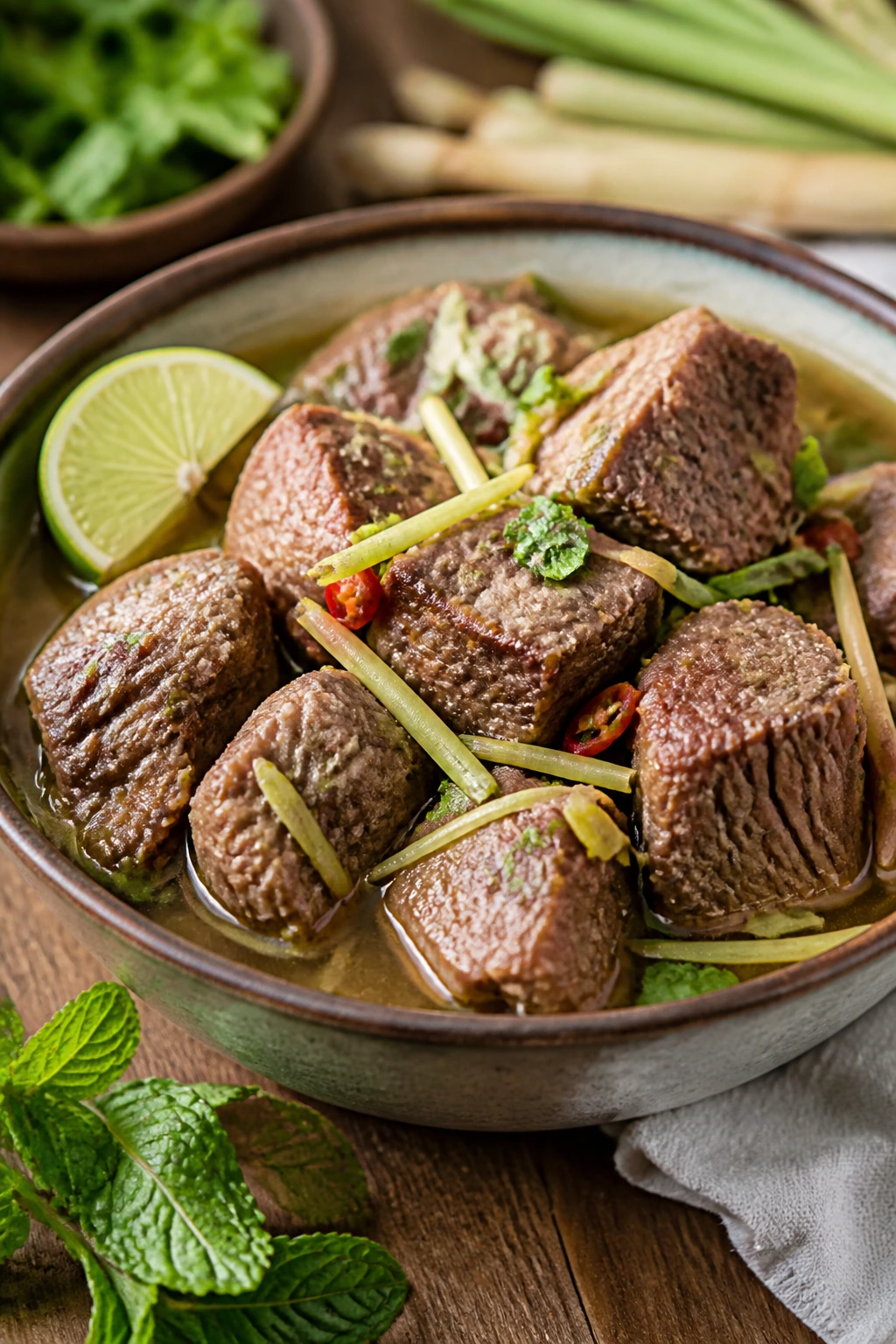
Lemongrass brings a clean, citrusy smell that hits before the beef even gets tender. This is a brighter slow cooker pot, the kind that makes a bowl of rice noodles feel fresh instead of heavy.
Why It Works: Lemongrass, fish sauce, and lime give you the sweet-salty-sour balance that makes Vietnamese flavors so satisfying. Chuck roast cooks down into soft strands that hold the aromatic sauce beautifully. The onion and garlic disappear into the liquid, leaving the broth tasting fuller than it looks. Fresh herbs at the end are not decoration here; they are the difference between flat and alive.
Key Ingredients:
- 3 lbs beef chuck roast, cut into large chunks — better for braising than lean beef.
- 3 tbsp lemongrass paste — easier than fresh stalks in a slow cooker.
- 1/4 cup fish sauce — salty, savory backbone.
- 1/4 cup low-sodium soy sauce — keeps the sauce balanced.
- 2 tbsp brown sugar — softens the edges.
- 4 garlic cloves, minced — adds depth.
- 1 onion, sliced — melts into the sauce.
- 1 jalapeño, sliced — optional heat.
- 2 limes, juiced — for finishing.
- Fresh Thai basil and cilantro — for serving.
Quick Steps:
- Mix the lemongrass paste, fish sauce, soy sauce, brown sugar, garlic, onion, and jalapeño in the slow cooker.
- Add the beef and coat it well.
- Cook on low for 7 to 8 hours, until the beef shreds easily.
- Shred the beef in the pot and let it sit on warm for 10 minutes so the sauce soaks back in.
- Finish with lime juice and herbs, then serve over rice noodles or rice.
Equipment for This Recipe:
- 6-quart slow cooker — the beef needs enough liquid around it.
- Tongs — for lifting the beef.
- Two forks — for shredding.
- Citrus juicer — for the limes.
How to Serve This Dish: Rice noodles make the cleanest bowl, but jasmine rice works if you want something easier. Add cucumber slices and herbs on top for a cool, crisp finish.
Pro Tips for This Recipe:
- Lemongrass paste is easier and more consistent than dry stalks in this format.
- Add lime only at the end or the flavor gets muddied.
- If the sauce tastes thin, reduce it uncovered for 15 minutes after shredding.
Variations on This Dish: Chicken Lemongrass Bowls use thighs and shave an hour or two off the cook. Spicy Lemongrass Beef adds chili oil at the finish.
Common Mistakes to Avoid with This Dish:
- Cooking without fresh herbs at the end: The bowl loses its brightness.
- Using very sweet marinades: They can crowd out the lemongrass.
- Serving it without a starch: The sauce needs something to soak into.
12. Char Siu Pork Shoulder
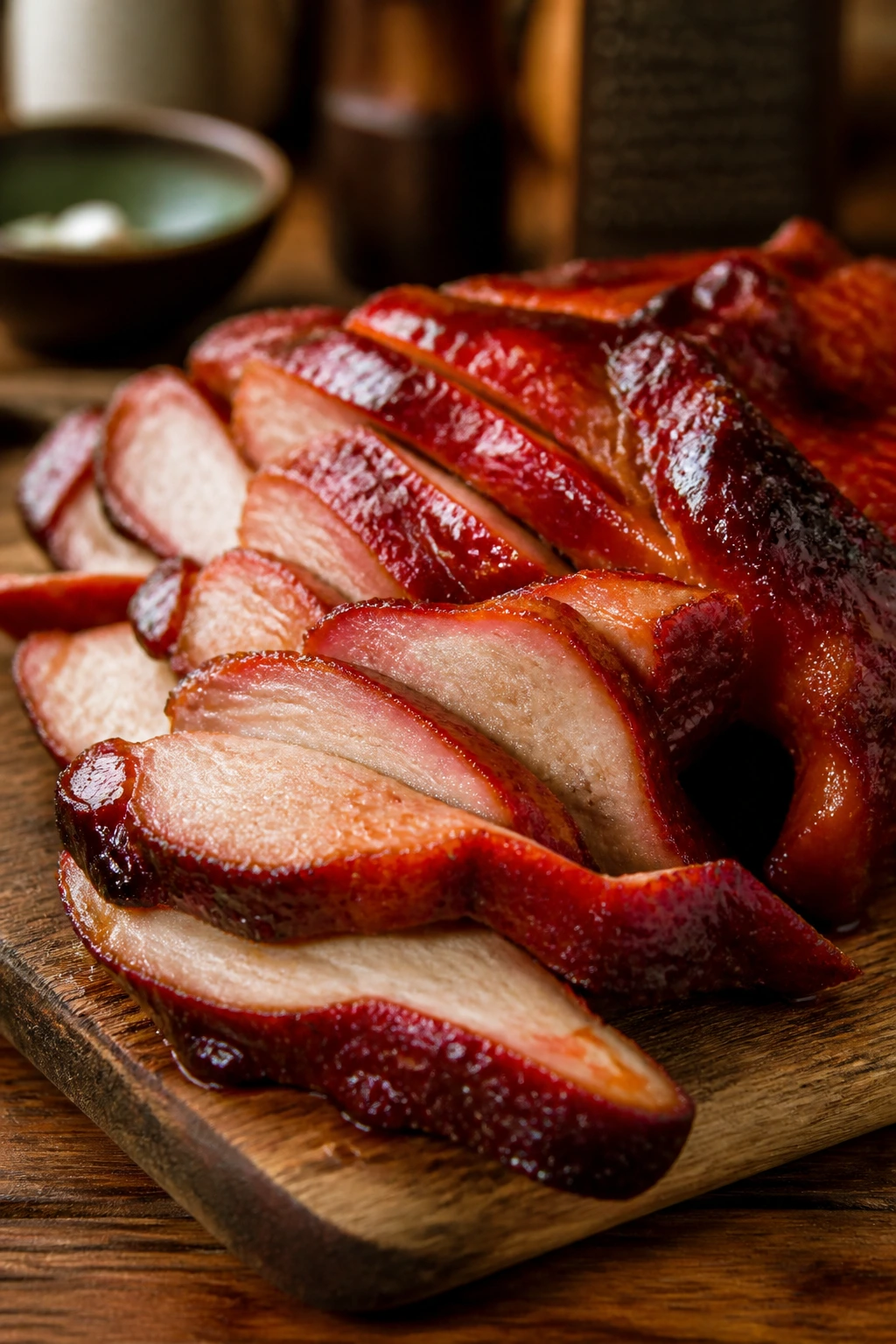
Char siu should taste glossy, sweet, salty, and faintly spiced, with a sauce that stains the pork a deep brick red. This version stays loyal to that sticky barbecue feeling while making the slow cooker do the work.
Why It Works: Pork shoulder is rich enough to take hoisin, honey, and five-spice without drying out. The long cook softens the meat, and a quick broil at the end gives the surface some lacquer. Hoisin and soy bring the savory side, while rice vinegar keeps the sweetness from taking over. It’s one of the best crowd meats because you can slice it, shred it, or pile it into buns.
Key Ingredients:
- 4 lbs pork shoulder — the cut that keeps the meat juicy.
- 1/2 cup hoisin sauce — gives the classic char siu stickiness.
- 1/4 cup soy sauce — salty backbone.
- 1/4 cup honey — helps the glaze cling.
- 2 tbsp brown sugar — adds another layer of sweetness.
- 1 tbsp Chinese five-spice powder — the signature spice note.
- 4 garlic cloves, minced — sharpens the sauce.
- 2 tbsp rice vinegar — balances the glaze.
- 1 tsp sesame oil — finish flavor.
- 1 tbsp ketchup — optional, for color and body.
Quick Steps:
- Stir the hoisin, soy sauce, honey, brown sugar, five-spice, garlic, vinegar, sesame oil, and ketchup in the slow cooker.
- Add the pork shoulder and turn it until coated.
- Cook on low for 8 hours, until the pork is tender enough to slice or shred.
- Remove the pork, brush it with some sauce, and broil for 3 to 5 minutes until the edges darken and the glaze bubbles.
- Slice and serve with extra sauce spooned over the top.
Equipment for This Recipe:
- 6- or 7-quart slow cooker — pork shoulder takes space.
- Baking sheet — for the broil finish.
- Basting brush — helps build the lacquer.
- Sharp carving knife — for neat slices.
How to Serve This Dish: Serve it over rice, in steamed buns, or tucked into bao with cucumber and scallions. A little extra hoisin on the side is never a bad call.
Pro Tips for This Recipe:
- Broiling is worth the extra minute; it changes the whole finish.
- Leave some fat on the pork for juiciness.
- If the sauce gets too thick, loosen it with a splash of hot water.
Variations on This Dish: Honey-Orange Char Siu adds orange zest for a brighter glaze. Spicy Char Siu adds a spoon of chili crisp at the end.
Common Mistakes to Avoid with This Dish:
- Skipping the broil: The surface tastes cooked, not lacquered.
- Using too much five-spice: It can take over fast.
- Serving it without the pan sauce: The sauce is half the point.
13. Szechuan Beef and Broccoli
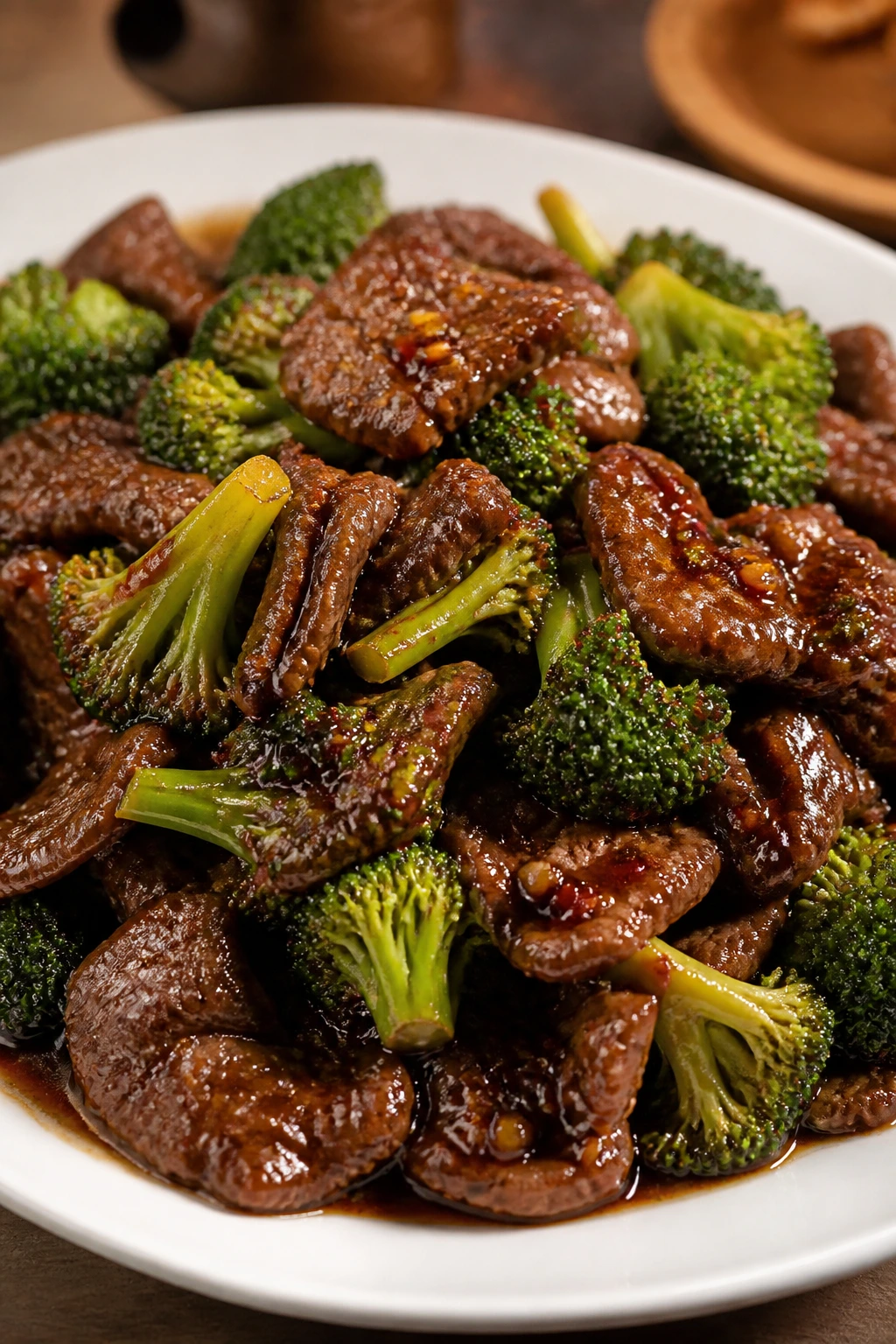
This one has a deeper heat than the takeout version. The sauce is dark, savory, a little sharp, and just punchy enough to make broccoli taste like part of the plan instead of a side note.
Why It Works: Szechuan-style flavor wants garlic, chile, and black vinegar, and the slow cooker gives all three time to settle into the beef. The broccoli goes in late so it stays bright and tender-crisp. Brown sugar softens the chili, and cornstarch turns the liquid into a sauce that sticks to the rice. Use a beef cut that can take a long simmer or the dish feels stringy.
Key Ingredients:
- 3 lbs beef chuck roast, sliced thin — more forgiving than lean steak.
- 1/2 cup low-sodium soy sauce — the salt base.
- 1/4 cup black vinegar or rice vinegar — gives the sharp edge.
- 1/4 cup chili garlic sauce — for heat and body.
- 1/3 cup brown sugar — balances the spice.
- 4 garlic cloves, minced — a must.
- 1 tbsp grated ginger — adds warmth.
- 1 head broccoli, cut into florets — added late.
- 2 tbsp cornstarch mixed with 2 tbsp water — thickens the sauce.
- 1 tsp crushed red pepper — optional if you want more bite.
Quick Steps:
- Whisk the soy sauce, vinegar, chili garlic sauce, brown sugar, garlic, ginger, and red pepper in the slow cooker.
- Add the beef and coat well.
- Cook on low for 6 to 7 hours until tender.
- Add the broccoli and cornstarch slurry, then cook uncovered on high for 20 minutes until the sauce thickens and the broccoli brightens.
- Serve over rice and top with scallions.
Equipment for This Recipe:
- 6-quart slow cooker — the sauce needs room.
- Small whisk — for the chili sauce.
- Tongs — for serving.
- Knife and cutting board — for the broccoli.
How to Serve This Dish: Jasmine rice is the cleanest partner, though noodles work too. A cool cucumber salad helps when the chili creeps higher than expected.
Pro Tips for This Recipe:
- Taste the sauce before adding broccoli; vinegar and heat should feel balanced.
- Add chili garlic sauce in stages if your jar runs hot.
- Thin-sliced beef cooks more evenly than thick chunks here.
Variations on This Dish: Numbing Szechuan Beef adds a tiny pinch of ground Sichuan peppercorn. Milder Beef and Broccoli cuts the chili garlic sauce back to 2 tablespoons.
Common Mistakes to Avoid with This Dish:
- Adding broccoli too early: It loses color and turns mushy.
- Using too much sugar: The heat disappears.
- Skipping the acid: The sauce tastes heavy instead of sharp.
14. Coconut Chickpea Curry
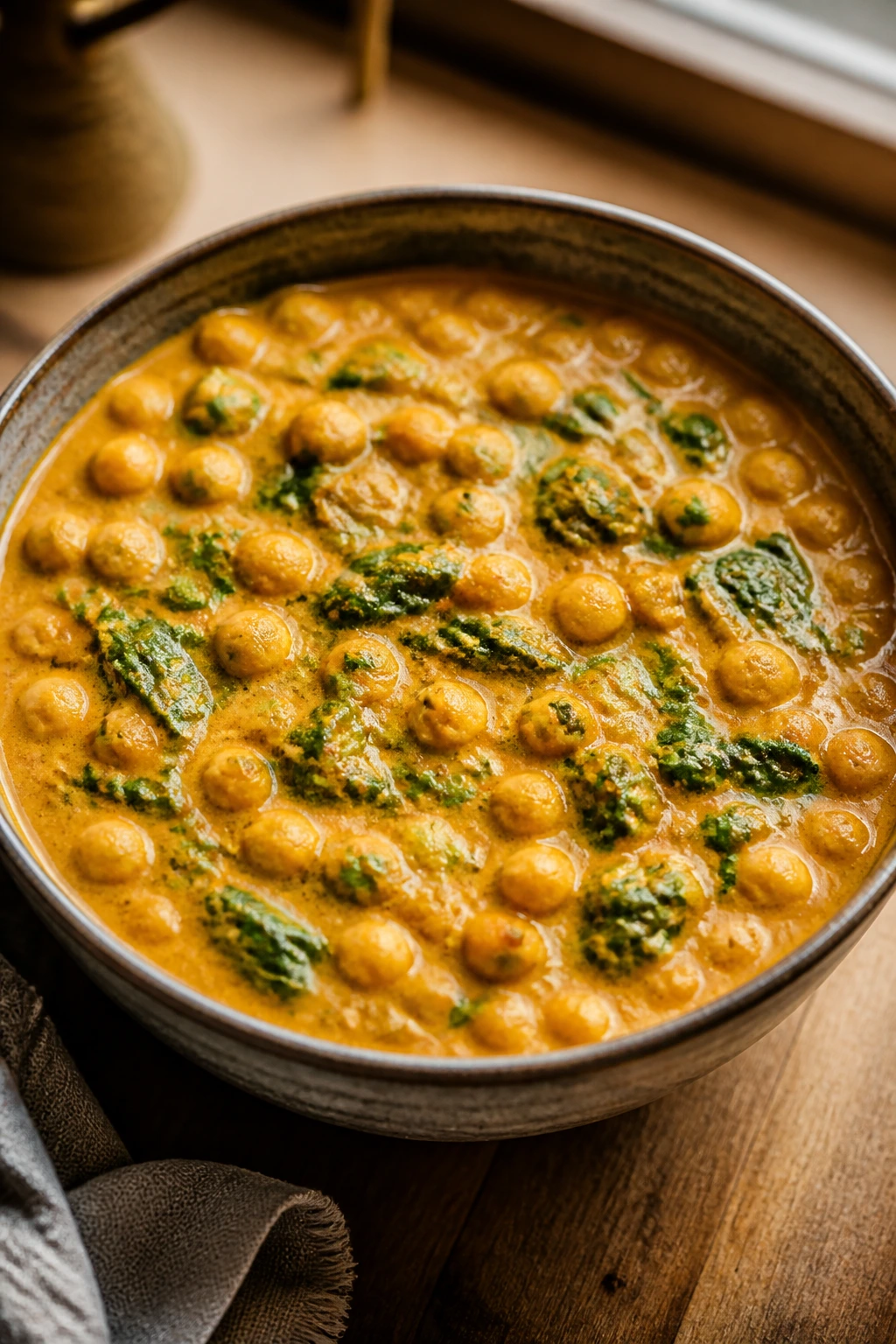
The best thing about this pot is how creamy it gets without any dairy. Coconut milk and chickpeas make it thick enough to coat rice, while the spices stay warm instead of loud.
Why It Works: Chickpeas hold their shape well during long cooking and absorb the curry base from the inside out. Coconut milk gives body, tomatoes add acidity, and garam masala or curry powder makes the whole pot feel rounded. Spinach stirred in at the end wilts in seconds, which keeps the dish from feeling like a one-color bowl. This one is strong enough to feed vegetarians and meat eaters without apology.
Key Ingredients:
- 4 cans chickpeas, drained and rinsed — the main bulk of the dish.
- 2 cans full-fat coconut milk — for creaminess.
- 1 large onion, diced — melts into the sauce.
- 4 garlic cloves, minced — necessary base flavor.
- 1 tbsp grated ginger — brightens the curry.
- 2 tbsp curry powder — easy and familiar.
- 1 tsp garam masala — for warmth.
- 1 can diced tomatoes, 14 to 15 oz — adds acidity.
- 5 oz baby spinach — stirred in at the end.
- 1 lime, juiced — finish.
- Cilantro — for serving.
Quick Steps:
- Combine the onion, garlic, ginger, curry powder, garam masala, tomatoes, coconut milk, and chickpeas in the slow cooker.
- Cook on low for 4 to 5 hours until the flavors have blended and the onions have softened.
- Stir in the spinach and cook for 5 to 10 minutes until wilted.
- Finish with lime juice and salt to taste.
- Serve over rice or with naan.
Equipment for This Recipe:
- 6-quart slow cooker — for a big bean-heavy batch.
- Wooden spoon — to stir without crushing the chickpeas.
- Measuring spoons — spice balance matters.
- Citrus juicer — for the lime.
How to Serve This Dish: Rice makes it a full dinner, but warm naan turns it into something you can scoop. A spoon of yogurt on top works if dairy is on the table.
Pro Tips for This Recipe:
- Drain and rinse the chickpeas well or the sauce can taste tinny.
- Coconut milk with the thick cream on top gives the best texture.
- Add lime at the end, not before the long cook.
Variations on This Dish: Sweet Potato Chickpea Curry adds 2 cups cubed sweet potato at the start. Spinach-Heavy Curry doubles the greens if you want a looser, more vegetal pot.
Common Mistakes to Avoid with This Dish:
- Using light coconut milk: The curry feels thin.
- Adding spinach too early: It fades and disappears.
- Forgetting to salt at the end: Beans need a final seasoning check.
15. Pho-Style Beef Broth
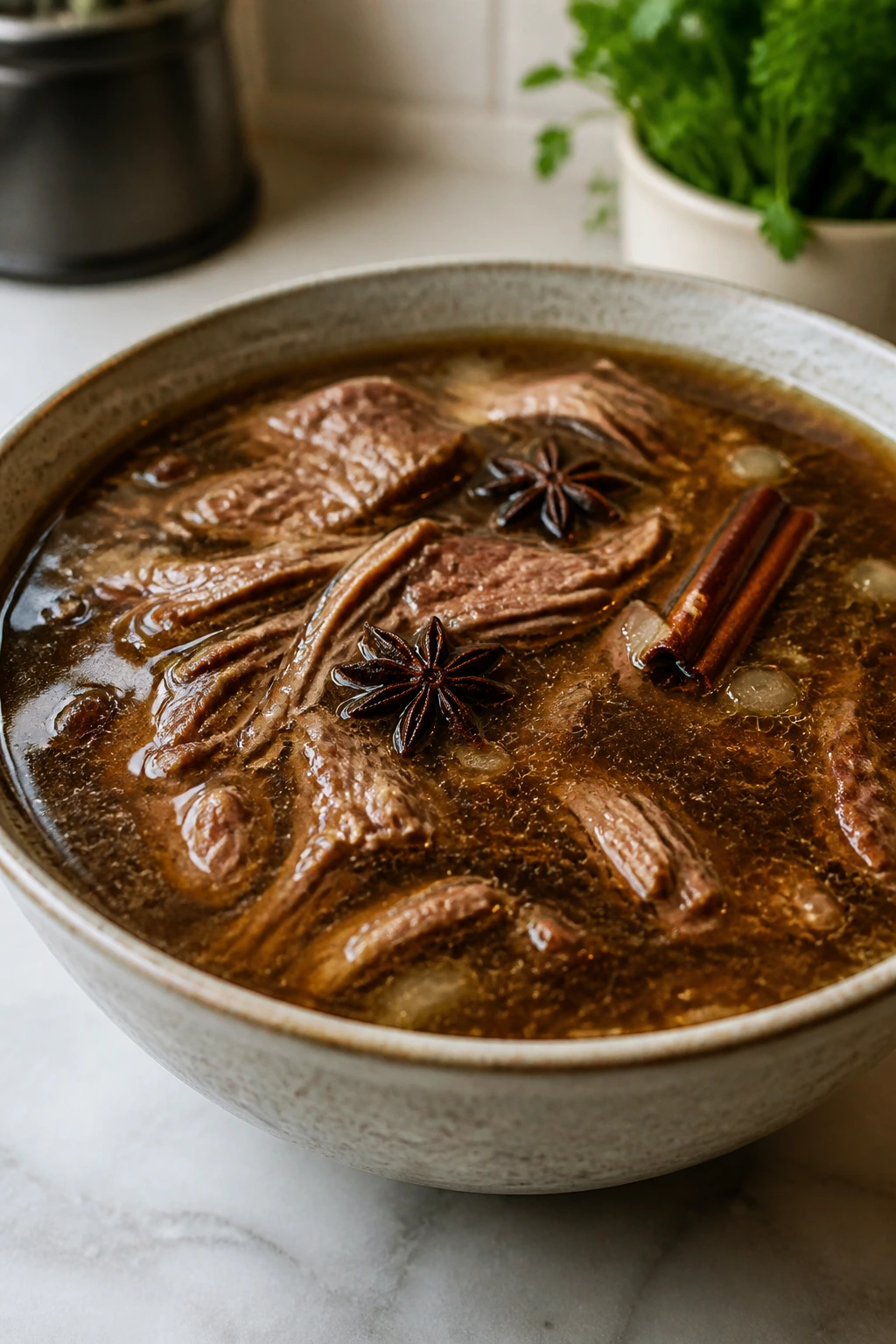
This is the pot that makes the house smell like star anise, ginger, and toasted spice all day. It’s not rushed, and that is the entire point.
Why It Works: Short ribs or oxtail bring the gelatin and depth that give pho broth its body. Charred onion and ginger add smoke and sweetness, while cinnamon, star anise, and coriander build the familiar broth profile. The slow cooker is ideal here because the broth wants time more than heat. Once strained, it becomes the base for noodles, herbs, and thin-sliced beef at the table.
Key Ingredients:
- 3 lbs beef short ribs or oxtail — for richness.
- 1 large onion, halved — charred for depth.
- 3-inch piece fresh ginger, sliced — charred too.
- 2 cinnamon sticks — classic pho spice.
- 4 star anise pods — do not skip these.
- 1 tbsp coriander seeds — lightly crushed.
- 2 tbsp fish sauce — savory backbone.
- 10 cups beef broth — the liquid base.
- 1 daikon, cut into chunks — optional but useful.
- 1 lb rice noodles — cooked separately.
- Bean sprouts, basil, mint, lime, jalapeño — for serving.
Quick Steps:
- Char the onion and ginger in a skillet or under the broiler until the cut sides are blistered.
- Add the short ribs, charred onion and ginger, cinnamon, star anise, coriander, fish sauce, broth, and daikon to the slow cooker.
- Cook on low for 8 hours, skimming off excess fat if you like a cleaner broth.
- Strain the broth and season with salt and a little more fish sauce if needed.
- Cook rice noodles separately and serve the broth with herbs and toppings at the table.
Equipment for This Recipe:
- 6- or 7-quart slow cooker — broth volume matters.
- Fine-mesh strainer — for a clean broth.
- Tongs — for removing bones and aromatics.
- Skillet or broiler pan — for charring onion and ginger.
How to Serve This Dish: Set out noodles, herbs, bean sprouts, and lime wedges so each bowl can be built fresh. Thin-sliced cooked beef or raw beef shaved so thin it cooks in the hot broth are both common moves.
Pro Tips for This Recipe:
- Charring the onion and ginger gives the broth its color and a little smoke.
- Strain twice if you want a clearer result.
- Salt the broth at the end, after it has reduced a little in flavor.
Variations on This Dish: Chicken Pho Broth uses chicken backs and thighs for a lighter pot. Spicy Pho Broth adds a spoon of chili oil to each bowl.
Common Mistakes to Avoid with This Dish:
- Skipping the char step: The broth tastes flatter.
- Cooking the noodles in the broth: They soak up liquid and cloud the soup.
- Over-salting early: The broth concentrates over time.
16. General Tso’s Chicken
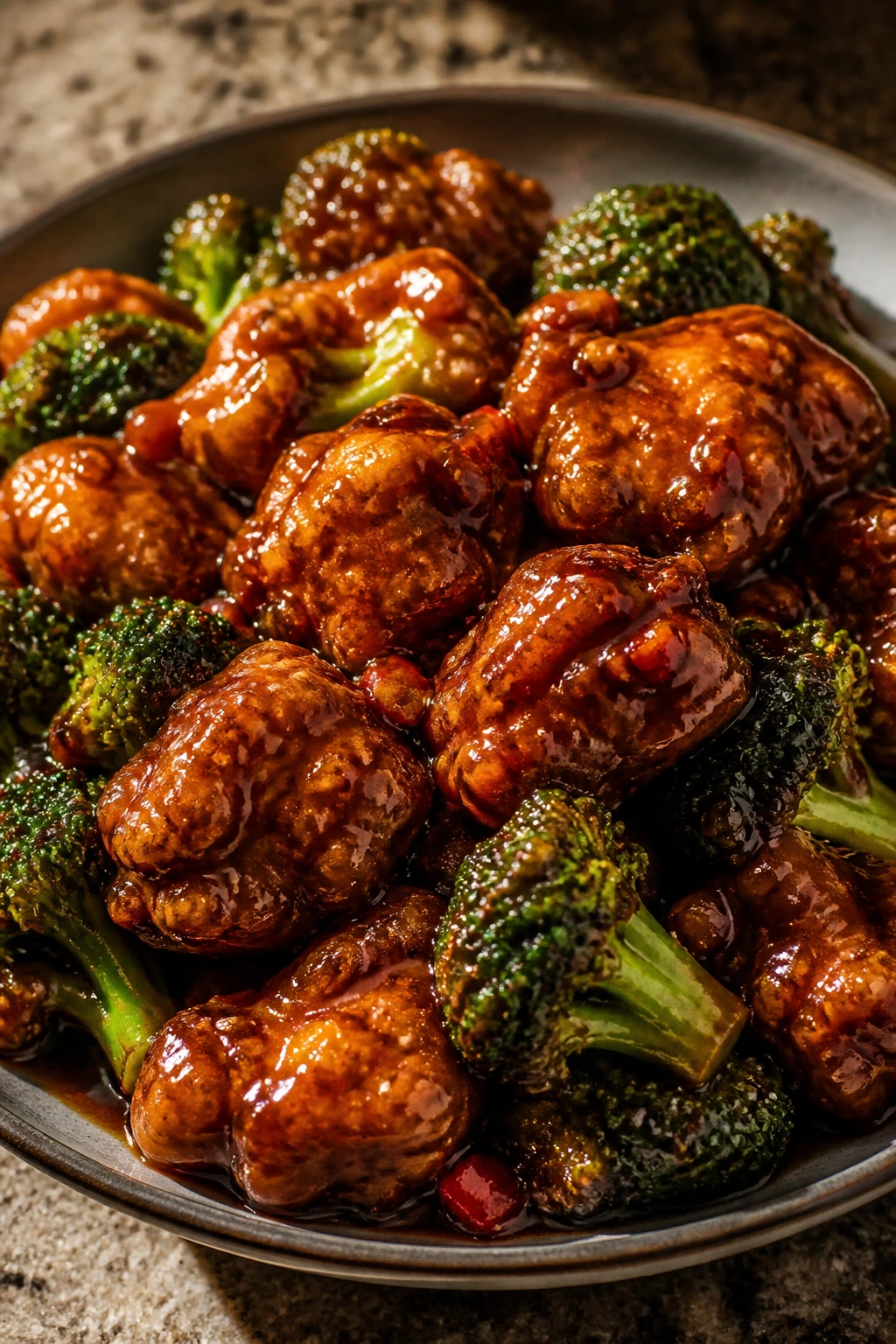
This is the sweet-hot crowd pleaser that vanishes before the rice does. The sauce should be sticky and dark, with enough chile to keep the sweetness from getting lazy.
Why It Works: Soy sauce, hoisin, vinegar, and honey build the familiar General Tso’s profile without a fryer. Chicken thighs stay tender during a long simmer, and broccoli added late keeps the bowl from being all sauce and no shape. The cornstarch thickens the glaze so it coats instead of pooling. It’s not restaurant-crisp, and that’s fine; it’s a slow cooker version, not a clone.
Key Ingredients:
- 3 lbs boneless, skinless chicken thighs — best for tenderness.
- 1/2 cup low-sodium soy sauce — salt and depth.
- 1/3 cup honey — for the sticky finish.
- 1/4 cup rice vinegar — keeps the sauce bright.
- 1/4 cup hoisin sauce — adds body and a darker color.
- 4 garlic cloves, minced — essential.
- 1 tbsp grated ginger — sharpens the sauce.
- 1 tbsp chili flakes or 2 tbsp chili garlic sauce — adjust the heat.
- 1 head broccoli, cut into florets — added near the end.
- 2 tbsp cornstarch mixed with 2 tbsp water — to thicken.
Quick Steps:
- Whisk the soy sauce, honey, vinegar, hoisin, garlic, ginger, and chili in the slow cooker.
- Add the chicken thighs and turn to coat.
- Cook on low for 5 to 6 hours until tender.
- Add the broccoli and cornstarch slurry, then cook uncovered on high for 20 minutes until the sauce turns glossy.
- Serve over rice with sesame seeds and scallions.
Equipment for This Recipe:
- 6-quart slow cooker — enough for chicken and broccoli.
- Whisk — for the sauce.
- Forks — for shredding if you want that texture.
- Serving spoon — sticky sauce needs a deep spoon.
How to Serve This Dish: White rice is the natural base, but it also works in lettuce cups if you want something lighter. Keep extra scallions nearby; they do a lot of work here.
Pro Tips for This Recipe:
- Add chili gradually so you can control the heat.
- The sauce should taste a little too sharp before it cooks; it mellows.
- If you want a thicker glaze, let it sit uncovered for 10 minutes after cooking.
Variations on This Dish: Orange General Tso’s adds orange zest for a citrus edge. Sesame General Tso’s finishes with extra sesame oil and seeds.
Common Mistakes to Avoid with This Dish:
- Adding broccoli too early: It loses color and turns soggy.
- Using breast meat without checking it early: It can dry out fast.
- Serving before thickening: The sauce won’t cling properly.
17. Gochujang Chicken Thighs
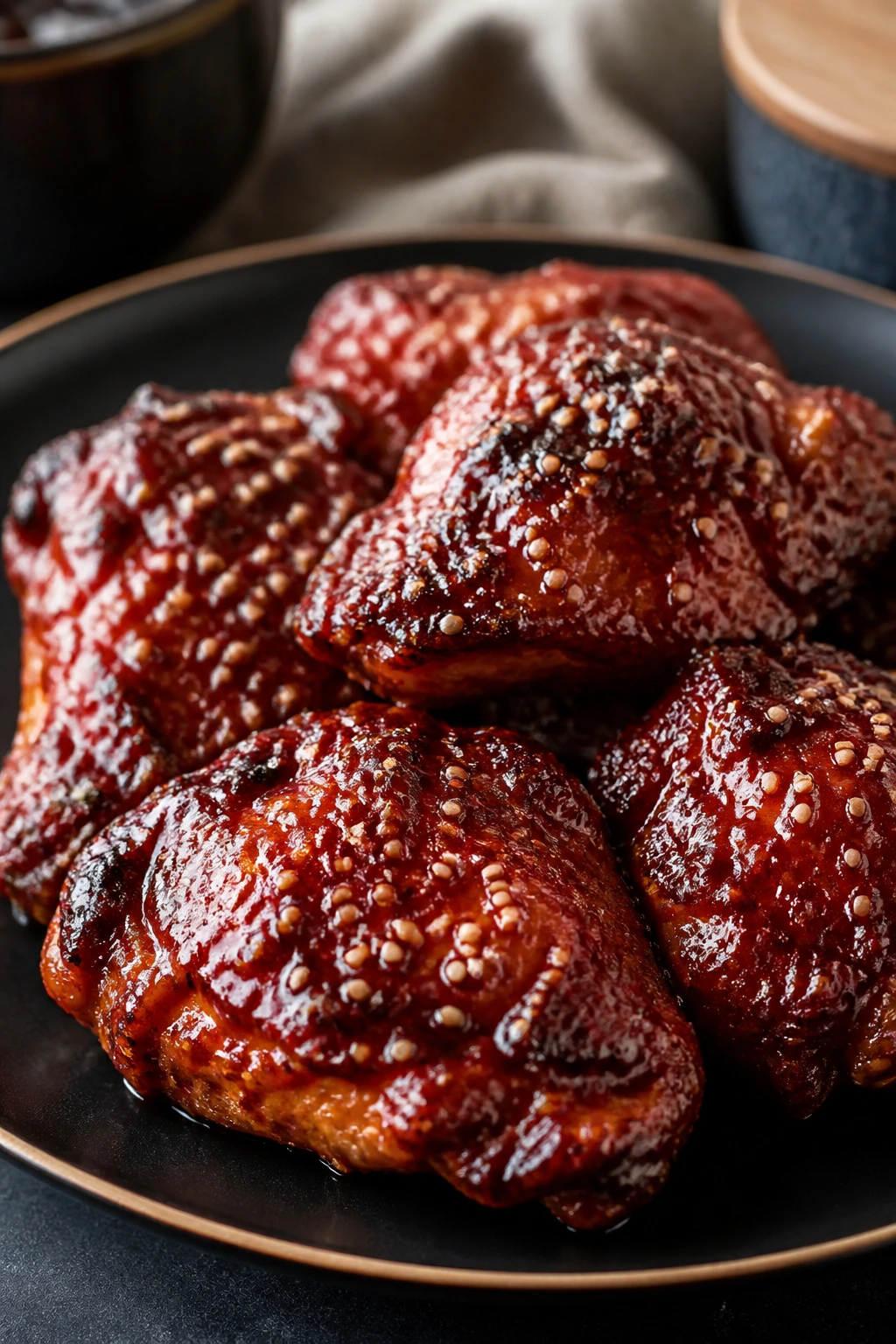
This one brings a deeper, red-chile heat than plain barbecue sauce ever could. The slow cooker turns gochujang into a lacquered glaze that tastes sweet, spicy, and a little fermented in the best way.
Why It Works: Gochujang already carries sweet, salty, and chile notes, so it does a lot of work in one spoonful. Chicken thighs stay juicy under the paste, soy, and honey, and the slow heat gives the flavors time to knit together. A little rice vinegar at the end keeps the sauce from feeling heavy. This is one of the easiest ways to get crowd-size Korean flavor into a bowl.
Key Ingredients:
- 3 lbs boneless, skinless chicken thighs — forgiving and flavorful.
- 1/4 cup gochujang — the main flavor.
- 1/4 cup soy sauce — salt and depth.
- 1/4 cup honey — for balance.
- 2 tbsp rice vinegar — bright finish.
- 1 tbsp grated ginger — gives the sauce lift.
- 4 garlic cloves, minced — necessary.
- 1 tbsp sesame oil — finish flavor.
- 1 onion, sliced — helps build the sauce.
- 2 carrots, cut into sticks — hold shape during cooking.
- Sesame seeds and scallions — for serving.
Quick Steps:
- Whisk the gochujang, soy sauce, honey, vinegar, ginger, garlic, and sesame oil in the slow cooker.
- Add the onion, carrots, and chicken thighs, then stir to coat.
- Cook on low for 6 hours until the chicken is tender.
- Shred or leave whole, depending on how you want to serve it.
- Finish with scallions and sesame seeds, then serve with rice.
Equipment for This Recipe:
- 6-quart slow cooker — the sauce is enough for a crowd.
- Whisk — gochujang needs a thorough mix.
- Two forks — for shredding.
- Measuring spoons — the balance matters.
How to Serve This Dish: It’s good over rice, but also excellent in lettuce wraps with sliced cucumber. The sauce is bold enough that you do not need many extras.
Pro Tips for This Recipe:
- Stir the gochujang into the liquid before adding the chicken so it doesn’t clump.
- Add the carrots in thicker sticks if you want them to survive the cook.
- A few drops of lime can work if you want the heat to feel brighter.
Variations on This Dish: Gochujang Pork works with pork shoulder and needs 7 to 8 hours on low. Gochujang Cabbage Bowl adds wedges of napa cabbage for the last hour.
Common Mistakes to Avoid with This Dish:
- Using too much honey: The sauce turns candy-sweet.
- Leaving the vinegar out: The flavor can feel flat and sticky.
- Letting carrots get too small: They disappear into the sauce.
18. Malaysian Curry Beef
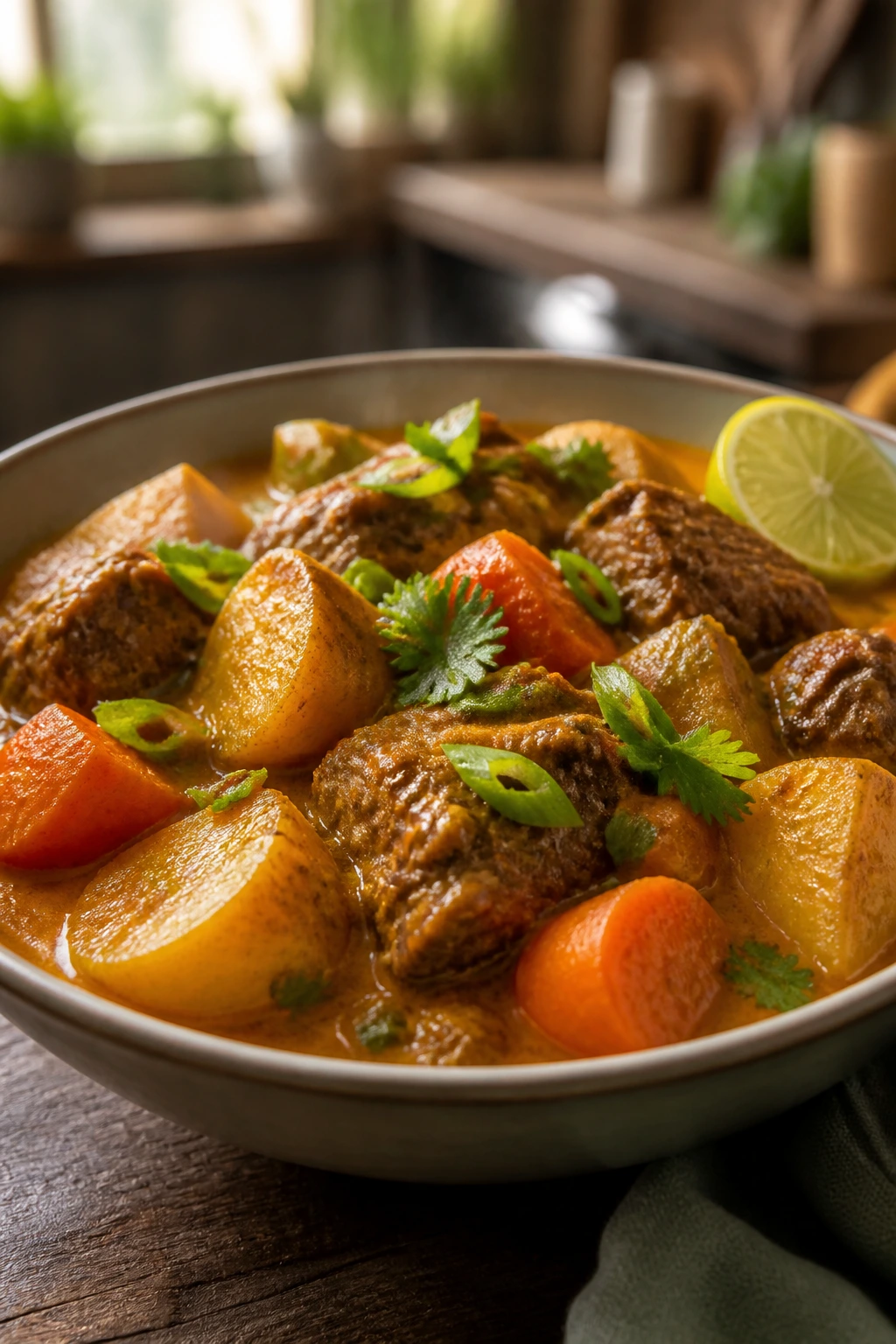
This curry tastes warm, earthy, and a little smoky, with coconut milk softening the spice so the bowl feels full instead of sharp. It’s the kind of pot that makes the whole kitchen smell like dinner has already happened.
Why It Works: Beef chuck brings the heft Malaysian curry needs, and coconut milk gives the sauce its round finish. Curry powder, turmeric, cumin, garlic, and ginger create a deep, savory base, while potatoes and carrots help the pot feed more people without extra effort. A little lime at the end wakes it up. This is one of the strongest “make once, eat twice” recipes in the bunch.
Key Ingredients:
- 4 lbs beef chuck roast, cut into chunks — ideal for long braising.
- 1 can full-fat coconut milk — for richness.
- 2 cups beef broth — keeps the sauce moving.
- 2 tbsp curry powder — the main spice.
- 1 tsp turmeric — for color and earthiness.
- 1 tsp ground cumin — adds depth.
- 1 large onion, sliced — dissolves into the sauce.
- 4 garlic cloves, minced — necessary.
- 1 tbsp grated ginger — sharpens the curry.
- 3 potatoes, chunked — for bulk.
- 2 carrots, chunked — for sweetness and structure.
- 1 lime — for finishing.
Quick Steps:
- Mix the onion, garlic, ginger, curry powder, turmeric, cumin, broth, and coconut milk in the slow cooker.
- Add the beef, potatoes, and carrots, and stir to coat.
- Cook on low for 8 hours until the beef is tender.
- Stir well, taste for salt, and squeeze in lime juice.
- Serve over rice.
Equipment for This Recipe:
- 6- or 7-quart slow cooker — this one is thick and crowded.
- Tongs — for testing the beef.
- Ladle — for serving sauce and beef together.
- Measuring spoons — curry powders vary, so keep the balance tight.
How to Serve This Dish: Jasmine rice makes the curry feel complete, though flatbread works too. A chopped herb salad with cucumber gives the bowl a cool edge.
Pro Tips for This Recipe:
- If your curry powder is old, use a little more; stale spice has less punch.
- Don’t cut the potatoes too small or they’ll vanish.
- Add lime only after the curry has finished cooking.
Variations on This Dish: Chicken Malaysian Curry uses thighs and cooks in about 6 hours. Vegetable Curry swaps the beef for cauliflower, chickpeas, and extra carrots.
Common Mistakes to Avoid with This Dish:
- Using thin coconut milk: The curry gets watery.
- Skipping the lime finish: The sauce tastes heavy.
- Overcrowding the pot with tiny vegetables: They turn soft and bland.
19. Hainanese Chicken and Rice
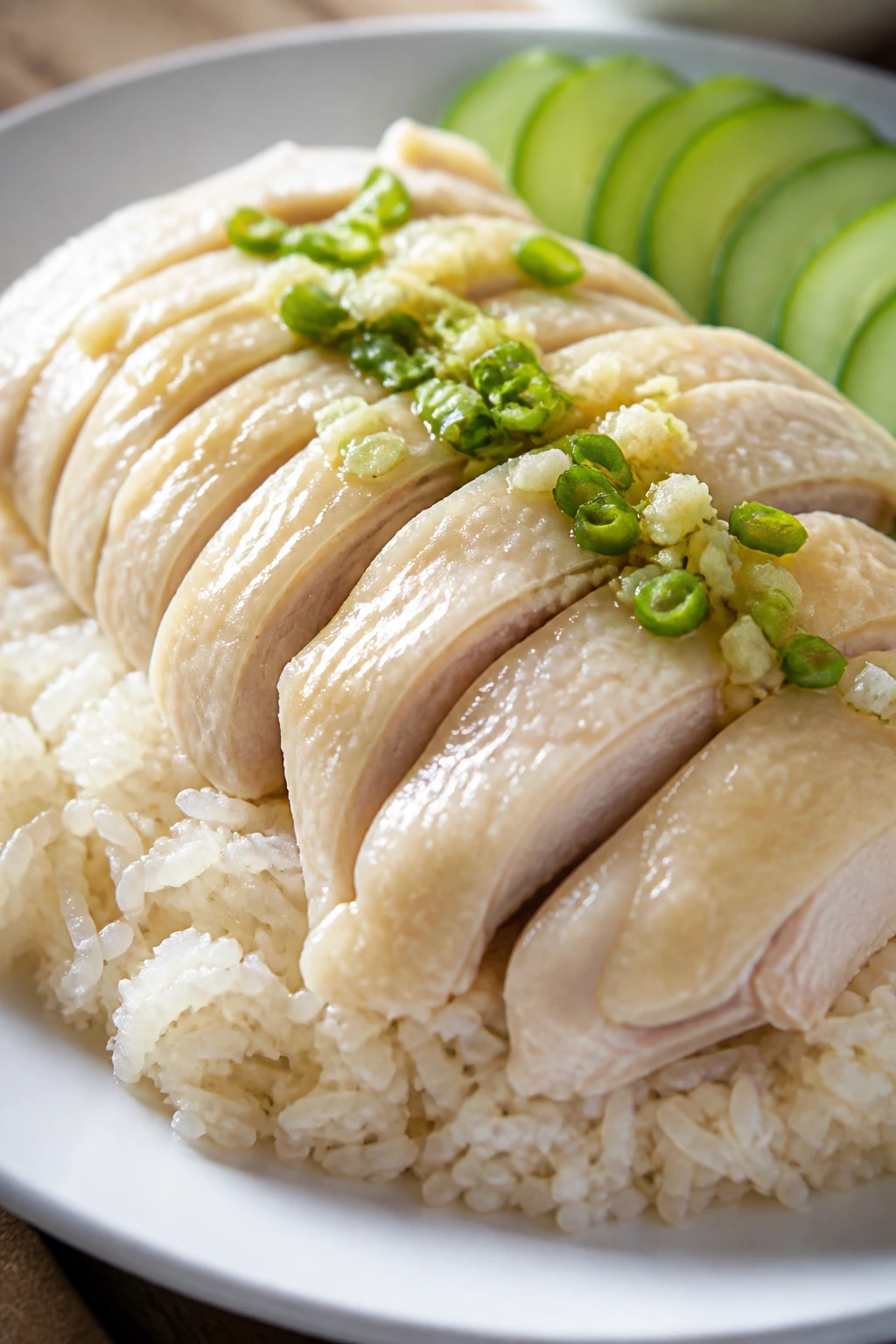
This one is quieter than the curries and braises, but it has a clean, gentle flavor that makes sense for a table with a lot of people. The broth should smell like ginger and scallion, not like a heavy stew.
Why It Works: Hainanese chicken is all about clean poaching flavor, and the slow cooker keeps the chicken moist without violence. The broth becomes the base for the rice, which is where the dish really turns into a meal. Ginger, garlic, and scallions build aroma without muddying the broth. The sauces at the table — soy, sesame, chili — let each plate go in a different direction.
Key Ingredients:
- 3 lbs bone-in, skin-on chicken thighs — enough fat for flavor.
- 2-inch piece ginger, sliced — the main aromatic.
- 6 scallions, cut into lengths — broth and garnish.
- 6 garlic cloves, smashed — for the broth.
- 4 cups chicken broth — to cook the chicken.
- 2 tbsp sesame oil — used in the rice or finishing sauce.
- 2 cups jasmine rice — cooked separately in broth.
- 3 cups reserved cooking broth — for the rice.
- Cucumber slices — for serving.
- Soy sauce and chili sauce — for dipping.
Quick Steps:
- Put the chicken, ginger, scallions, garlic, and broth into the slow cooker.
- Cook on low for 5 to 6 hours until the chicken is cooked through and tender.
- Remove the chicken and strain the broth.
- Cook the jasmine rice in 3 cups of the strained broth until fluffy.
- Slice the chicken and serve with rice, cucumber, and dipping sauces.
Equipment for This Recipe:
- 6-quart slow cooker — for the chicken and broth.
- Fine strainer — to clean the broth.
- Rice cooker or saucepan — for the rice.
- Sharp knife — for neat chicken slices.
How to Serve This Dish: Serve the sliced chicken over the ginger rice with cucumbers and a small bowl of soy-chili sauce. The plate should look spare and clean, not piled high.
Pro Tips for This Recipe:
- Season the broth well or the rice will taste bland.
- Chill the chicken briefly if you want cleaner slices.
- Toast sesame oil lightly into the dipping sauce for a better finish.
Variations on This Dish: Garlic Hainanese Chicken adds a few extra smashed cloves to the broth. Brown Rice Version uses more broth and a longer rice cook.
Common Mistakes to Avoid with This Dish:
- Treating the rice as an afterthought: It carries the dish.
- Using too much broth for the rice: The grains go soft.
- Skipping the dipping sauce: The flavors need that extra lift.
20. Sesame Garlic Meatballs
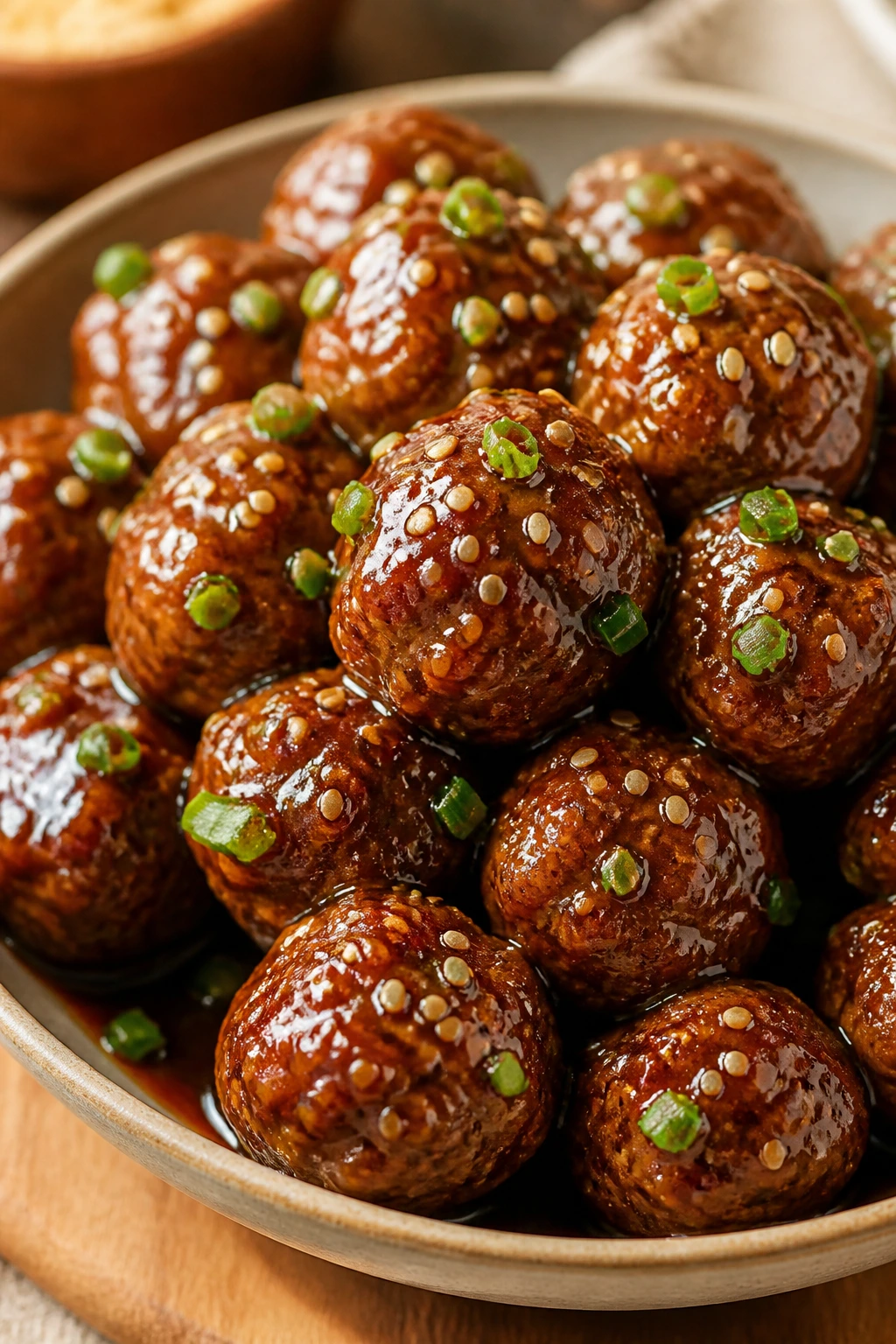
These are the sort of meatballs that show up at a party and vanish before someone asks who made them. The sauce is sweet, garlicky, and glossy enough to coat each piece without drowning it.
Why It Works: Frozen or homemade meatballs both work because the sauce is the star. Soy sauce, honey, garlic, ginger, and sesame oil create a sticky coating that clings in the crockpot without a lot of fuss. Hoisin adds body, and a little rice vinegar keeps the sweetness from becoming syrup. This is one of the easiest crowd dishes in the whole set.
Key Ingredients:
- 3 lbs frozen meatballs — beef, pork, turkey, or plant-based.
- 1/2 cup low-sodium soy sauce — the savory base.
- 1/3 cup honey — for stickiness.
- 1/4 cup rice vinegar — sharpens the sauce.
- 4 garlic cloves, minced — key flavor.
- 1 tbsp grated ginger — lifts the glaze.
- 1 tbsp sesame oil — finish note.
- 2 tbsp hoisin sauce — adds body.
- 2 tbsp cornstarch mixed with 2 tbsp water — thickens if needed.
- Scallions and sesame seeds — for serving.
Quick Steps:
- Whisk the soy sauce, honey, vinegar, garlic, ginger, sesame oil, and hoisin in the slow cooker.
- Add the meatballs and stir gently so they’re coated.
- Cook on low for 3 to 4 hours, or on high for 2 hours, until hot and glossy.
- Stir in the cornstarch slurry if the sauce needs thickening.
- Top with scallions and sesame seeds before serving.
Equipment for This Recipe:
- 5- or 6-quart slow cooker — meatballs need room to move.
- Spoon or spatula — for gentle stirring.
- Whisk — for the sauce.
- Serving platter — if these are going out as appetizers.
How to Serve This Dish: Serve them on toothpicks as a party snack or over rice as a full dinner. A pile of steamed broccoli on the side turns the plate into an easier meal.
Pro Tips for This Recipe:
- Use meatballs with enough seasoning that they don’t taste plain under the sauce.
- Stir once or twice during the cook so the glaze coats evenly.
- A tiny splash more vinegar at the end can keep the sauce lively.
Variations on This Dish: Sweet Chili Meatballs add 2 tablespoons of chili sauce. Pineapple Sesame Meatballs add drained pineapple chunks for a sweeter finish.
Common Mistakes to Avoid with This Dish:
- Overcooking until the meatballs split: Follow the shorter time if they’re already fully cooked.
- Using too much slurry: The sauce turns gummy.
- Serving without a garnish: Scallions and sesame seeds matter here.
21. Beef and Daikon Stew
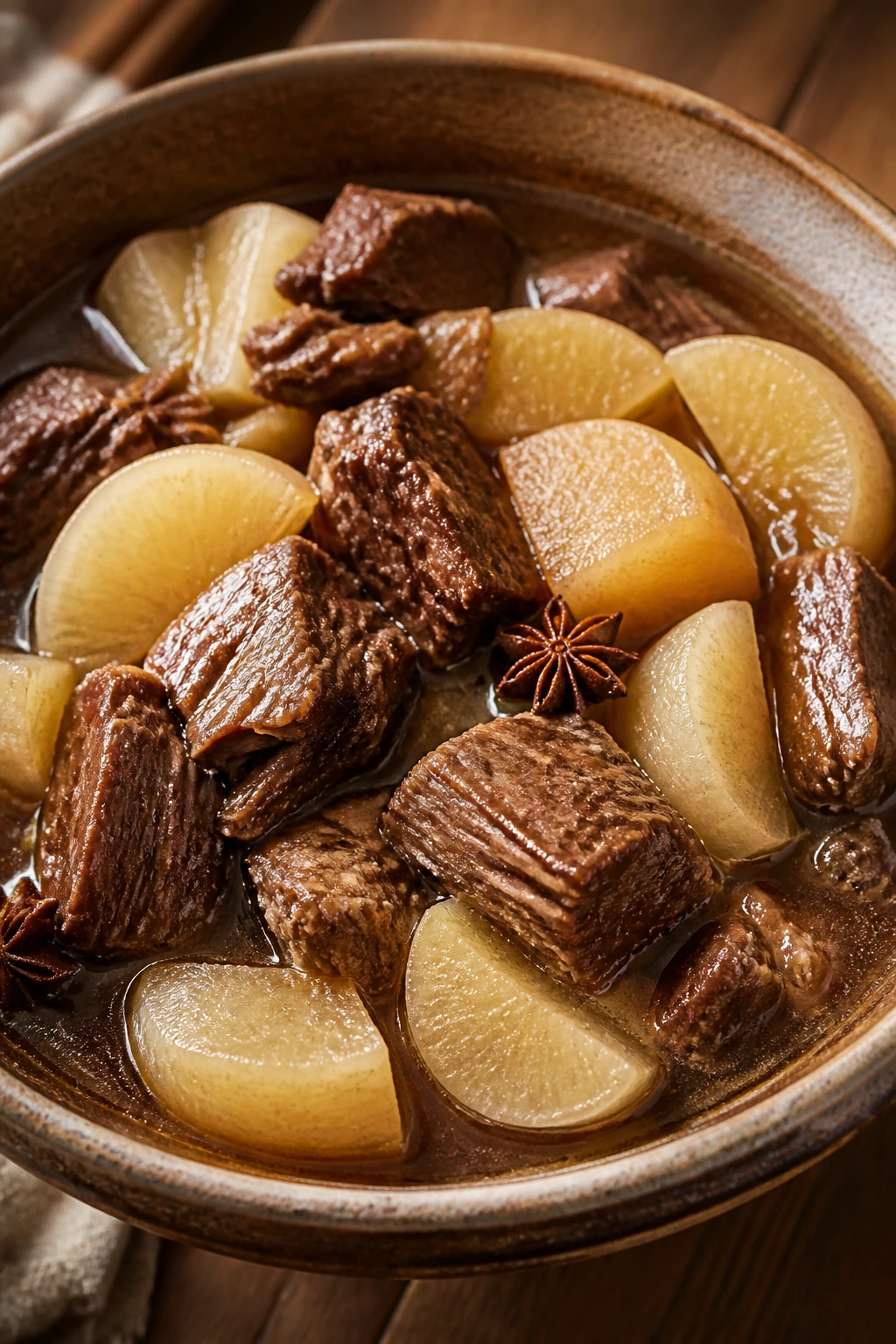
This stew has the comfort of beef stew but a cleaner, lighter finish thanks to daikon. The broth tastes savory and slightly sweet, with star anise giving it a quiet background note.
Why It Works: Beef chuck gives this pot enough richness to handle long slow cooking, and daikon turns soft without getting mealy. Soy sauce, oyster sauce, and a bit of rice wine build a broth that tastes layered rather than heavy. Star anise adds an aromatic edge that makes the stew feel closer to a braise than a soup. It’s one of the most useful cold-weather-style pots, even if you serve it with rice instead of bread.
Key Ingredients:
- 4 lbs beef chuck roast, cut into chunks — the stew meat.
- 1 large daikon, peeled and chunked — the signature vegetable.
- 3 carrots, cut into thick pieces — for sweetness.
- 1 onion, sliced — adds base flavor.
- 6 garlic cloves, smashed — essential.
- 2 tbsp soy sauce — salt and depth.
- 2 tbsp oyster sauce — savory body.
- 8 cups beef broth — the liquid.
- 2 star anise pods — a little goes far.
- 1 tbsp rice wine — for brightness.
- 1 tbsp brown sugar — balances the broth.
Quick Steps:
- Combine the broth, soy sauce, oyster sauce, rice wine, brown sugar, garlic, onion, and star anise in the slow cooker.
- Add the beef, daikon, and carrots.
- Cook on low for 8 hours until the beef is tender and the daikon is soft but still intact.
- Taste and add salt if needed, then remove the star anise.
- Serve with rice and spoon broth over the top.
Equipment for This Recipe:
- 6- or 7-quart slow cooker — for a full stew volume.
- Slotted spoon — useful for serving solids and broth separately.
- Tongs — for checking the beef.
- Fine spoon — for removing star anise.
How to Serve This Dish: Serve it in deep bowls with jasmine rice or alongside plain noodles. A few chopped scallions on top give the stew a fresher edge.
Pro Tips for This Recipe:
- Daikon should be cut large enough to survive the cook.
- Remove the star anise when the stew is done; it can get harsh if left to sit too long.
- The broth tastes better after resting a few minutes off heat.
Variations on This Dish: Radish and Brisket Stew swaps in brisket for a richer finish. Chicken Daikon Stew uses thighs and shortens the cook by several hours.
Common Mistakes to Avoid with This Dish:
- Chopping the daikon too small: It disappears.
- Using too much star anise: The broth turns medicinal.
- Skipping salt at the end: Broth always needs a last check.
22. Pineapple Pork Curry
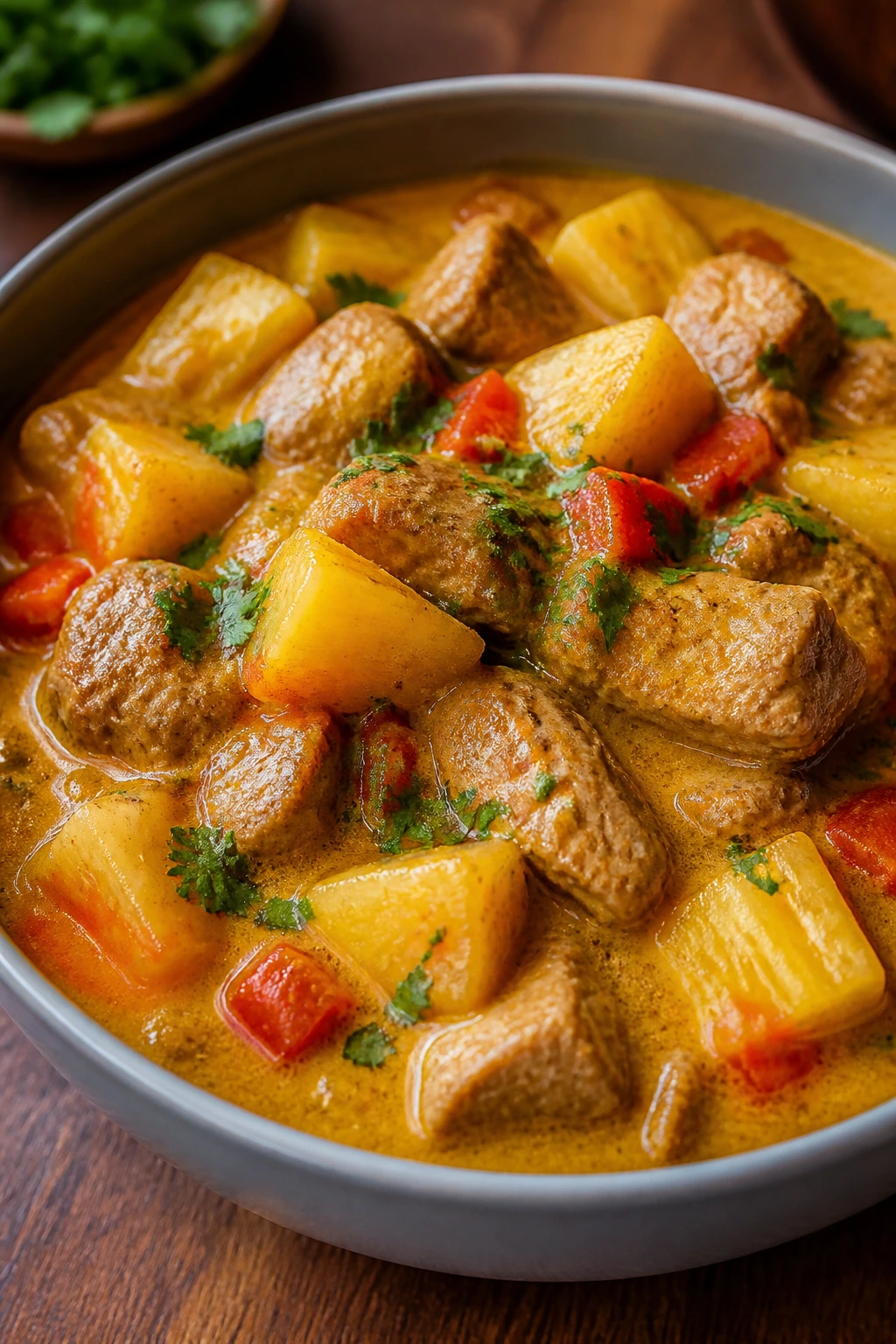
This curry brings sweet fruit, coconut milk, and red curry paste into the same pot without turning chaotic. Pineapple keeps the pork from feeling heavy, and that little bright edge is what makes the bowl work.
Why It Works: Pork shoulder is rich enough to stand up to coconut milk and curry paste, and the pineapple brings acid plus sweetness in the same bite. Red curry paste gives the dish chile and aromatics without requiring a dozen separate spices. The pineapple goes in late so it keeps some shape and doesn’t melt away. This is a good example of a crockpot recipe that tastes like more than one thing at once.
Key Ingredients:
- 4 lbs pork shoulder, cut into large chunks — the right cut for a long cook.
- 2 cans full-fat coconut milk — for richness.
- 2 cups pineapple chunks — added later.
- 3 tbsp red curry paste — the main seasoning.
- 1 onion, sliced — base flavor.
- 4 garlic cloves, minced — necessary.
- 1 tbsp grated ginger — adds freshness.
- 1 tbsp fish sauce — deepens the curry.
- 1 lime — for finishing.
- Fresh basil — for the top.
Quick Steps:
- Whisk the coconut milk, curry paste, onion, garlic, ginger, and fish sauce in the slow cooker.
- Add the pork shoulder and stir to coat.
- Cook on low for 7 to 8 hours until the pork is tender.
- Stir in the pineapple chunks during the last 30 minutes so they keep shape.
- Finish with lime juice and basil, then serve over rice.
Equipment for This Recipe:
- 6- or 7-quart slow cooker — pork shoulder is a big cut.
- Tongs — for shredding or chunking the pork.
- Citrus juicer — for the lime.
- Wooden spoon — for gentle stirring.
How to Serve This Dish: Spoon it over jasmine rice and let the curry spill into the bowl. A cucumber salad on the side helps because the curry is rich.
Pro Tips for This Recipe:
- Use pineapple chunks in juice, not syrup, or the curry gets too sweet.
- Add the basil right before serving so it stays fragrant.
- If the sauce seems thin, uncover the pot for 15 minutes at the end.
Variations on This Dish: Chicken Pineapple Curry uses thighs and cooks faster. Pineapple Chili Pork adds sliced jalapeño for more heat.
Common Mistakes to Avoid with This Dish:
- Adding pineapple too early: It disappears into the sauce.
- Using low-fat coconut milk: The curry loses its body.
- Serving without rice: You need a starch to catch the sauce.
23. Udon Noodle Soup with Mushrooms and Chicken
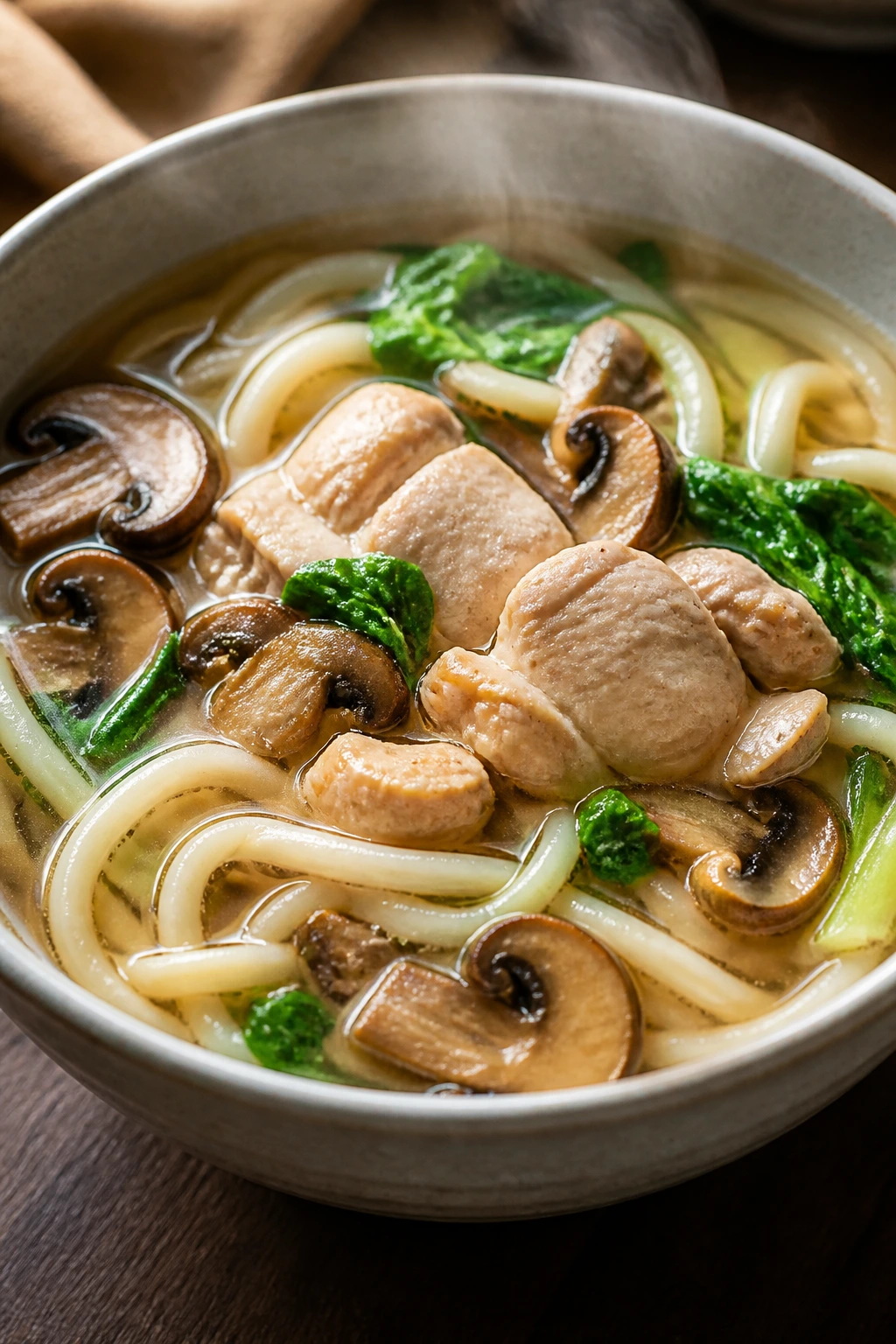
This bowl feels like comfort but still has enough freshness to stay interesting. The broth is savory and gentle, and the udon noodles make the whole thing feel soft in the best possible way.
Why It Works: Chicken thighs give the broth depth without falling apart too early, and mushrooms add a meaty texture that stretches the soup farther. Miso paste is best added near the end so its flavor stays clean and sweet rather than boiled into nothing. Udon noodles go in last because nobody wants them bloomed into mush. This is a crowd soup that still feels a little bit elegant in the bowl.
Key Ingredients:
- 3 lbs boneless chicken thighs — for a rich broth.
- 8 cups chicken broth — the soup base.
- 2 tbsp white miso paste — added near the end.
- 2 tbsp soy sauce — savory balance.
- 8 oz mushrooms, sliced — for body.
- 3 carrots, thinly sliced — for sweetness and color.
- 1 bunch bok choy, chopped — added late.
- 2 packages pre-cooked udon noodles — stirred in at the end.
- 1 tbsp sesame oil — finish flavor.
- Scallions and sesame seeds — for topping.
Quick Steps:
- Add the chicken, broth, soy sauce, mushrooms, and carrots to the slow cooker.
- Cook on low for 6 hours until the chicken is tender.
- Remove the chicken, shred it, and return it to the pot.
- Stir in the miso paste until dissolved, then add the bok choy and udon noodles for the last 10 to 15 minutes.
- Finish with sesame oil, scallions, and sesame seeds.
Equipment for This Recipe:
- 6-quart slow cooker — soup volume adds up fast.
- Tongs — for the chicken.
- Small bowl — for dissolving miso before it goes in.
- Long spoon — for turning the noodles gently.
How to Serve This Dish: Serve it in wide bowls so the noodles have room. A soft boiled egg on top is optional, but I like it there.
Pro Tips for This Recipe:
- Dissolve miso in a little hot broth first so it blends smoothly.
- Add noodles at the end or they’ll get bloated and tired.
- Bok choy stalks can go in before the leaves if you want a little more bite.
Variations on This Dish: Beef Udon Soup swaps in thin-sliced beef and a shorter cook. Vegetable Udon Soup uses tofu and extra mushrooms instead of chicken.
Common Mistakes to Avoid with This Dish:
- Boiling miso hard: It loses its clean flavor.
- Leaving noodles in too long: They soak up too much broth.
- Adding bok choy too early: The greens wilt into nothing.
24. Spicy Korean Short Ribs
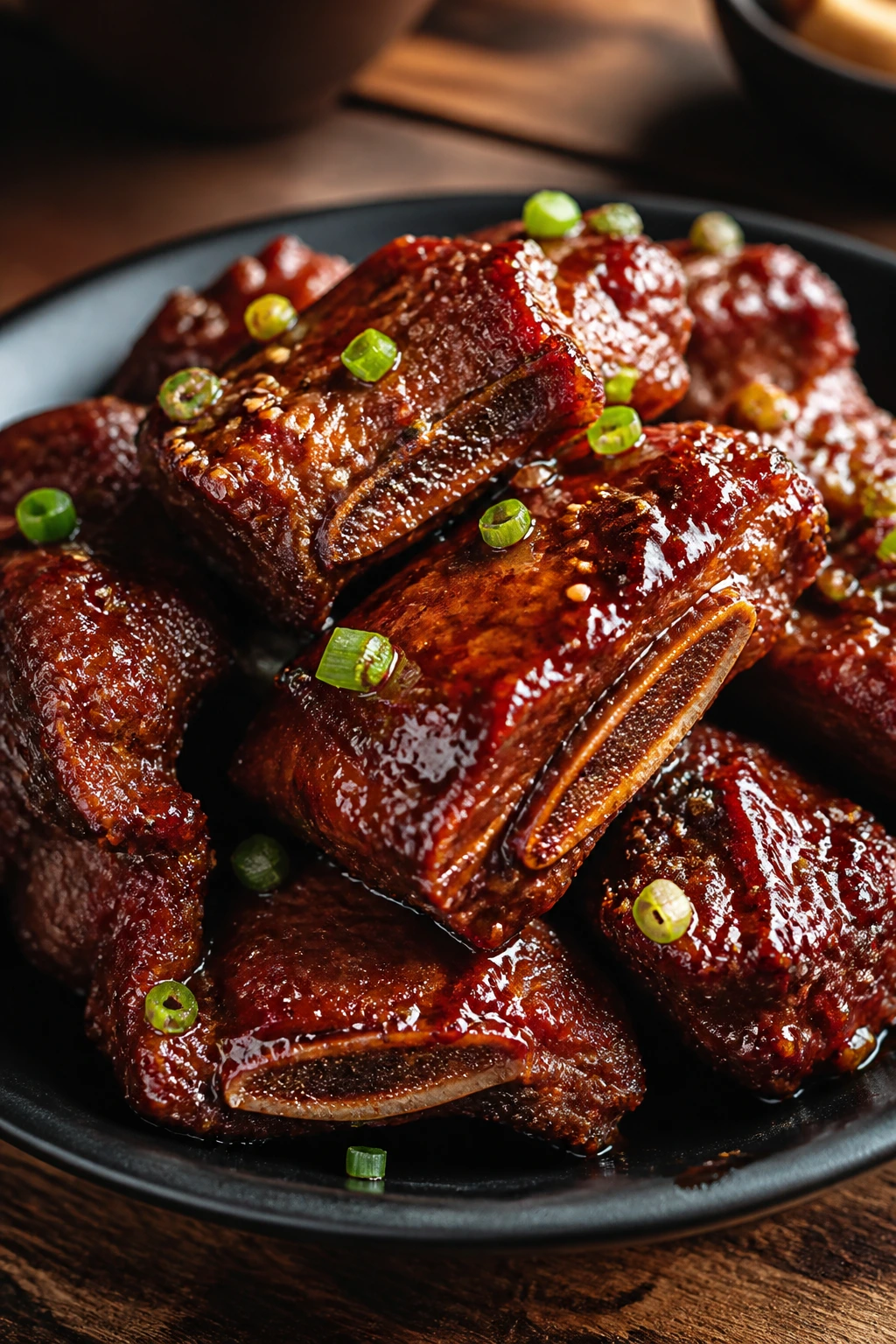
These ribs are rich enough that the sauce seems almost sticky before it even finishes cooking. They taste sweet, salty, garlicky, and just hot enough to keep people going back for another bone.
Why It Works: Short ribs are the king cut for long, low cooking because the fat and collagen turn into tenderness instead of dryness. Gochujang, soy, pear, and garlic make a classic Korean braise profile that tastes both sharp and deep. The pear matters more than it looks like it should; it softens the meat and gives the sauce a subtle sweetness that feels natural. A quick broil at the end gives the ribs the lacquered surface they deserve.
Key Ingredients:
- 4 lbs beef short ribs — the right cut for tenderness.
- 1/2 cup soy sauce — salty base.
- 1/4 cup brown sugar — for balance and shine.
- 1/4 cup gochujang — heat and depth.
- 1 Asian pear, grated — tenderizes and sweetens.
- 4 garlic cloves, minced — necessary.
- 1 tbsp grated ginger — brightens the braise.
- 2 tbsp rice vinegar — keeps the sauce sharp.
- 1 tbsp sesame oil — finish flavor.
- Scallions and sesame seeds — for garnish.
Quick Steps:
- Whisk the soy sauce, brown sugar, gochujang, pear, garlic, ginger, vinegar, and sesame oil in the slow cooker.
- Add the short ribs and turn them to coat.
- Cook on low for 8 hours until the meat is tender and loosening from the bone.
- Transfer the ribs to a tray and broil for 3 to 4 minutes until the glaze bubbles and darkens.
- Spoon sauce over the ribs and finish with scallions.
Equipment for This Recipe:
- 6- or 7-quart slow cooker — ribs take space.
- Sheet pan — for the broil finish.
- Tongs — for handling the ribs.
- Grater — for the pear and ginger.
How to Serve This Dish: Serve the ribs over rice with a little sauce spooned around the plate. A bowl of quick pickled cucumber on the side is the right kind of sharp.
Pro Tips for This Recipe:
- Broil only long enough to glaze; too long and the sugars burn.
- Grating the pear is faster than blending and works well here.
- Use a spoon to skim excess fat if the pot looks too rich.
Variations on This Dish: Galbi-Style Ribs add a spoon of mirin for a sweeter profile. Extra-Spicy Ribs use more gochujang and a few chili flakes.
Common Mistakes to Avoid with This Dish:
- Skipping the broil: The finish tastes softer than it should.
- Using too much sugar: The glaze can burn or turn cloying.
- Cooking on high to save time: Short ribs need the longer low cook for best texture.
25. Miso Ginger Chicken and Cabbage
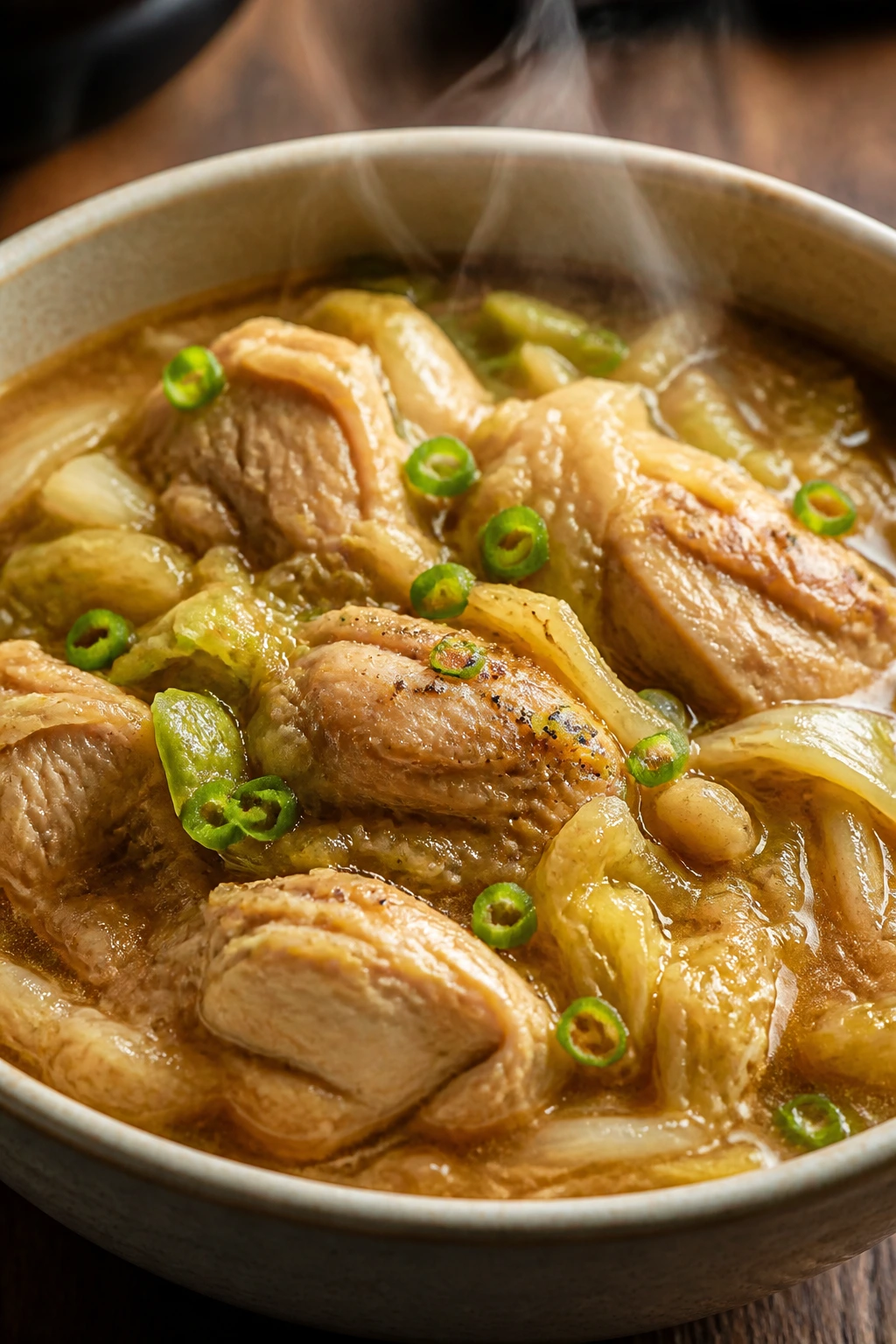
This is the pot that tastes clean, savory, and just a little sweet, with the cabbage turning silky around the edges. The miso gives it depth without making the sauce heavy.
Why It Works: White miso brings salt, fermentation, and a soft sweetness that plays well with ginger and garlic. Chicken thighs keep the dish moist, while napa cabbage and mushrooms soak up the broth and turn dinner into a full bowl. A bit of rice vinegar at the end stops the miso from feeling sleepy. It’s the last recipe here, and it’s a useful one.
Key Ingredients:
- 3 lbs boneless chicken thighs — the best meat for this braise.
- 1/3 cup white miso paste — the main savory note.
- 1/4 cup low-sodium soy sauce — keeps the broth balanced.
- 2 tbsp rice vinegar — bright finish.
- 2 tbsp honey — softens the miso.
- 1 tbsp grated ginger — gives the broth lift.
- 4 garlic cloves, minced — essential.
- 1 small napa cabbage, chopped — turns silky in the pot.
- 8 oz shiitake or cremini mushrooms, sliced — for a meaty texture.
- 2 carrots, thinly sliced — adds color.
- Scallions and sesame seeds — for garnish.
Quick Steps:
- Whisk the miso, soy sauce, rice vinegar, honey, ginger, and garlic with 1 cup warm water until smooth.
- Put the chicken, cabbage, mushrooms, and carrots into the slow cooker, then pour the miso mixture over the top.
- Cook on low for 5 to 6 hours until the chicken is tender and the cabbage is silky.
- Shred the chicken lightly or leave it in chunks.
- Finish with scallions and sesame seeds, then serve over rice.
Equipment for This Recipe:
- 6-quart slow cooker — the cabbage takes volume as it softens.
- Whisk — to dissolve the miso.
- Tongs or forks — for the chicken.
- Sharp knife — for cabbage and mushrooms.
How to Serve This Dish: This is best over rice, though noodles work too. A spoon of chili crisp on top changes the personality of the bowl in a good way.
Pro Tips for This Recipe:
- Dissolve the miso in warm water first so it blends evenly.
- Napa cabbage shrinks a lot, so cut it a little larger than feels necessary.
- Taste before salting more; miso carries salt on its own.
Variations on This Dish: Tofu Miso Cabbage uses extra-firm tofu instead of chicken. Pork and Miso Cabbage swaps in sliced pork shoulder and cooks a little longer.
Common Mistakes to Avoid with This Dish:
- Adding miso straight from the spoon without dissolving it: It can clump.
- Salting too early: Miso changes the salt level more than people expect.
- Using delicate lettuce instead of cabbage: It collapses into nothing.
Why the Slow Cooker Loves Big, Saucy Asian Dishes
The slow cooker is at its best when the food wants time more than speed. That’s why these Asian crockpot recipes work so well: they lean on sauces, braises, curries, and broths that need a long, gentle heat to become themselves. A stir-fry is all about snap and immediacy. A crockpot dinner is about coaxing flavor out of soy, ginger, garlic, coconut milk, vinegar, and spice until they stop tasting separate.
There’s also a cut-of-meat reality here that home cooks sometimes ignore. Chuck roast, pork shoulder, chicken thighs, and short ribs are not the glamorous choices, but they are the right ones for a crowd because they tolerate hours of heat and come out tender instead of tired. Lean cuts can work in a few of these recipes, but they are the exception, not the rule. The slow cooker is a patient tool. Use patient ingredients.
And then there’s scale. Rice, noodles, buns, lettuce cups, and soup bowls all let one main pot serve different appetites without making the recipe feel stretched. That matters more than it gets credit for. Feeding eight people is not the same as feeding eight identical appetites, and these dishes leave room for that.
Essential Equipment for These Recipes
- 6-quart slow cooker: The sweet spot for most of these recipes; a 7-quart model helps with rib or broth batches.
- Sharp chef’s knife: Thin slicing matters for beef and pork, and a good knife makes it less annoying.
- Cutting board with a damp towel underneath: Keeps the board from skidding while you chop aromatics and herbs.
- Measuring cups and spoons: The sauces depend on balance, and guessing is how crockpot dinners get muddy.
- Fine-mesh strainer: Best for pho broth, miso broth, and any sauce you want cleaner.
- Tongs and two forks: For turning chicken, lifting ribs, and shredding whatever needs shredding.
- Small whisk: Essential for curry paste, gochujang, miso, peanut sauce, and cornstarch slurry.
- Microplane or box grater: Great for ginger, garlic, citrus zest, and Asian pear.
- Sheet pan: Handy for broiling char siu, short ribs, or anything that benefits from a lacquered finish.
- Airtight containers: You’ll want these for leftovers, because several of these dishes taste even better the next day.
Smart Shopping and Ingredient Tips
Shop the sauce first. That sounds obvious, but it saves money and headaches. Soy sauce, rice vinegar, fish sauce, hoisin, miso, coconut milk, curry paste, gochujang, and sesame oil are the pantry pieces that make these dishes taste like they came from a deliberate plan rather than a random cabinet sweep. Low-sodium soy is useful because you can always add salt later, but you cannot pull it back once the pot tastes like a salt lick.
For meat, favor cuts with connective tissue. Chicken thighs beat breasts in most slow cooker recipes because they stay moist and shred cleanly. Beef chuck, brisket, short ribs, and pork shoulder are the workhorses here. If a cut looks lean and expensive, it’s probably better for a fast sear or grill than a long simmer. The slow cooker likes marbling. It is not shy about that.
Rice, noodles, and toppings matter more than people think. Jasmine rice is the safest all-purpose choice, but short-grain rice, rice noodles, udon, and even steamed buns can change the entire feel of the pot without changing the main recipe. Fresh herbs are worth buying because cilantro, basil, scallions, and mint all make these braises taste brighter. If you can find Asian pear for Korean-style sauces or pho aromatics, grab it. It brings a gentle sweetness and a little tenderizing power that regular apples don’t quite match.
One more thing. Full-fat coconut milk behaves better than light coconut milk in long cooks. Light versions can turn thin or split when the pot gets hot for hours. If the recipe asks for coconut milk, I would not cheap out there.
How to Serve These Recipes
Presentation: Put the saucy dishes in wide bowls, not shallow plates, so the rice, noodles, or meat have somewhere to settle. Bright garnishes — scallions, cilantro, basil, sesame seeds, lime wedges, cucumber slices — do more than decorate; they break up the heaviness and give each bowl a fresher top note.
Accompaniments: Jasmine rice is the safest partner for almost every recipe here, but don’t stop there. Rice noodles fit pho-style broth and coconut soups, udon suits miso and mushroom bowls, steamed buns make char siu and teriyaki pork feel like takeout night, and a quick cucumber salad with rice vinegar suits the richer beef pots.
Portions: Most of these recipes serve 6 to 8 if you build them with rice or noodles, and 8 to 10 if you put out sides. For a bigger crowd, keep the main pot modestly rich and let the starch and toppings carry the scale. That’s how you feed more people without doubling the cooking time.
Beverage Pairing: Cold jasmine tea, sparkling water with lime, or a dry lager all sit nicely next to the salty-sweet-sour edge in these dishes. For the curries and peanut sauces, a simple iced tea with no sugar keeps the meal from turning syrupy.
Additional Tips and Flavor Boosters
Flavor Enhancement: Finish more of these dishes with acid than you think you need. A squeeze of lime, a splash of rice vinegar, or a teaspoon of black vinegar at the end wakes up sauces that spent hours going soft in the pot.
Customization: If you want more vegetables, add sturdy ones late: broccoli, snap peas, bok choy, mushrooms, cabbage, and bell peppers. If you want more heat, use chili garlic sauce, gochujang, red curry paste, or chili crisp rather than just loading up on dried flakes.
Serving Suggestions: Crisp toppings change the texture in a good way. Toasted sesame seeds, crushed peanuts, fried shallots, chopped scallions, and cilantro all work as a finishing layer that keeps the dish from feeling flat.
Make-It-Yours: For gluten-free versions, use tamari instead of soy sauce and check the label on curry paste or hoisin. For dairy-free cooking, coconut milk or extra broth usually does the job without a fight. For vegetarian batches, chickpeas, tofu, mushrooms, and cauliflower are the easiest stand-ins because they hold up in the slow cooker instead of dissolving into the sauce.
Make-Ahead, Storage, and Reheating Guidance
Most of these dishes hold well in the refrigerator for 3 to 4 days, and several of them taste better on day two once the sauce settles. Cool leftovers quickly, get them into shallow containers, and refrigerate within 2 hours. That matters more for broth-heavy dishes and chicken pots, which can sour or dry out if they sit around too long.
Freezing works best for braises, curries, shredded meats, and meatballs. Beef, pork, and chicken in sauce can be frozen for up to 2 to 3 months in airtight containers or freezer bags with the air pressed out. Creamy coconut curries freeze better than dairy-heavy sauces, and brothy soups freeze better if you leave out the noodles until reheating. Udon and rice noodles turn floppy if they sit in the freezer with the broth, so keep those separate when you can.
Reheat gently. On the stovetop, use medium-low heat and stir often so the sauce does not scorch on the bottom. In the microwave, cover loosely and heat in 60- to 90-second bursts, stirring between rounds. If the sauce thickens too much after chilling, add a splash of water, broth, or coconut milk depending on the recipe. A curry that looked perfect on day one can turn paste-thick in the fridge, and a little liquid brings it back fast.
Make-ahead strategies differ by dish. Pho broth can be made a day ahead and strained before chilling. Braised meats can be cooked, cooled, shredded, and reheated in their own sauce. Soups with noodles are better assembled fresh, while rice bowls do fine if you cook the rice separately and store it apart from the main pot.
Variations and Adaptations to Try
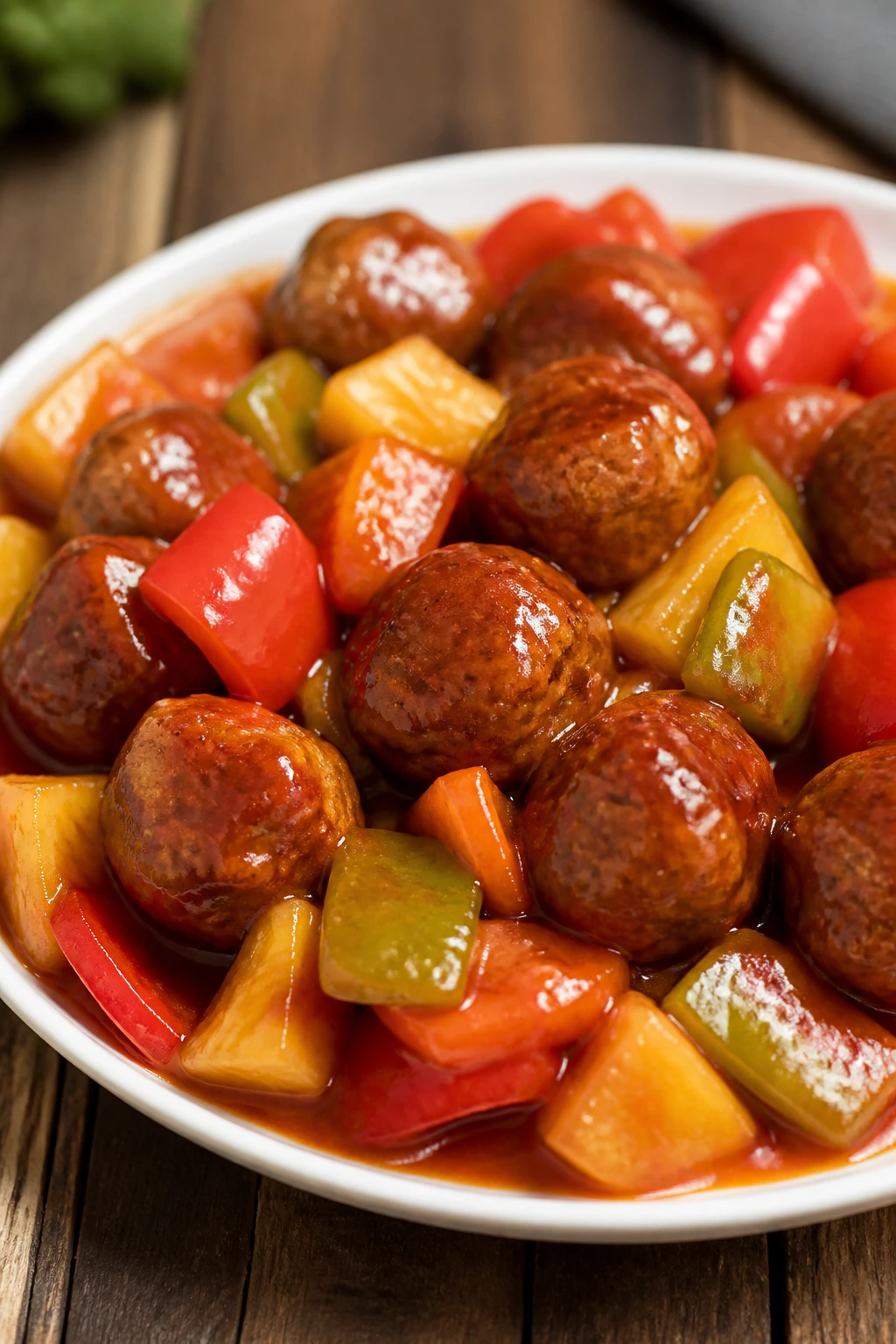
Gluten-Free Pantry Swap: Use tamari in place of soy sauce and choose a gluten-free curry paste, hoisin, or gochujang when needed. Most of the recipes here convert cleanly if you check the labels on the condiments, not just the meat.
Lower-Sodium Comfort Batch: Cut soy sauce by one-third, replace part of it with water or broth, and finish with vinegar, lime, or herbs so the dish still tastes alive. This works especially well in teriyaki, adobo, and miso-based pots.
Vegetarian Crowd Pot: Chickpeas, tofu, mushrooms, cabbage, and cauliflower carry coconut curries and miso broths well. The trick is to add the delicate ingredients later so they keep some texture and do not dissolve into the sauce.
Heat-Lovers’ Bowl: Add chili crisp, chili garlic sauce, gochujang, or dried chilies in layers rather than dumping in one giant spoonful. That way the heat feels built, not blunt.
Kid-Friendly Version: Pull back on vinegar and chili, lean on honey or brown sugar, and serve the sauce on the side if you suspect picky eaters will reject anything glossy by default. Japanese curry, orange sesame chicken, and teriyaki pork usually go over well here.
Rice-Free Serving Style: Turn the beef, chicken, or pork recipes into lettuce cups or serve them over shredded cabbage for a lighter plate. The saucy recipes hold up well because the filling is the part with the most flavor.
Common Mistakes to Avoid
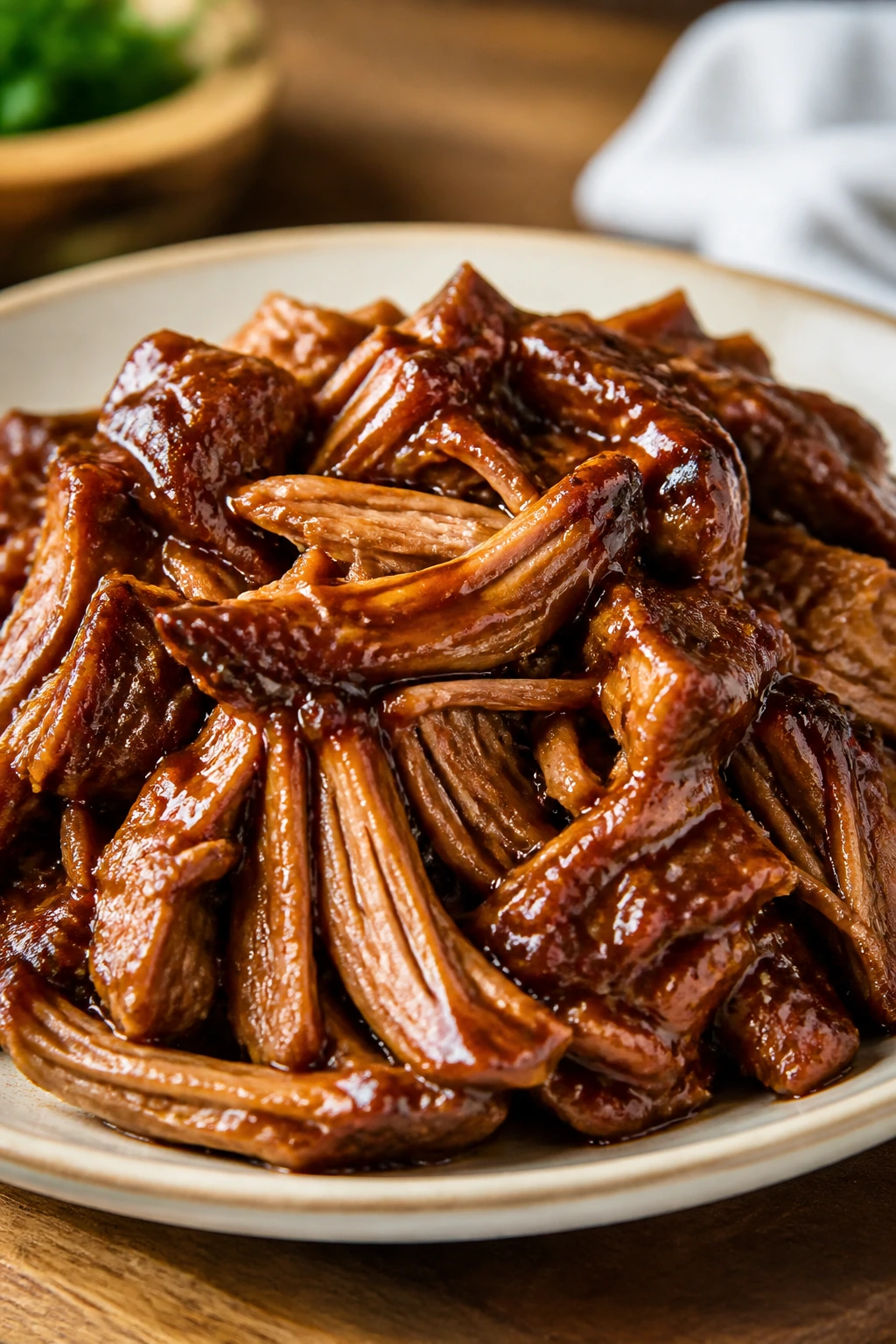
Using the wrong cut of meat: Lean chicken breast, sirloin, or pork loin can dry out or string apart after a long cook. For the recipes in this collection, the safer choices are thighs, chuck, short ribs, and pork shoulder. They forgive a late schedule and a little extra heat.
Adding delicate vegetables too early: Broccoli, bok choy, bell peppers, snap peas, and herbs all lose their shape if they sit in the pot for hours. Add them late, often in the final 15 to 30 minutes, or scatter them over the bowls right before serving.
Forgetting the finish: Slow-cooked food often needs one bright move at the end. Vinegar, lime, sesame oil, fresh herbs, or sliced scallions can change a good pot into one that tastes finished. Skip that step and the sauce can feel sleepy.
Overloading the sauce with sugar: A lot of these dishes already have sweetness from hoisin, coconut milk, pineapple, mirin, brown sugar, or honey. Too much more and you get sticky without balance, which is not the same thing at all.
Expecting noodles to survive hours in the crockpot: They won’t. Cook noodles separately and add them just before serving, or the whole bowl becomes a soft, clumped mess.
Not tasting after reheating: Salt, acid, and spice dull in the fridge. A cold leftover sauce is not a finished sauce. Taste it hot, then add a small splash of vinegar, soy, lime, or broth if it needs it.
Frequently Asked Questions
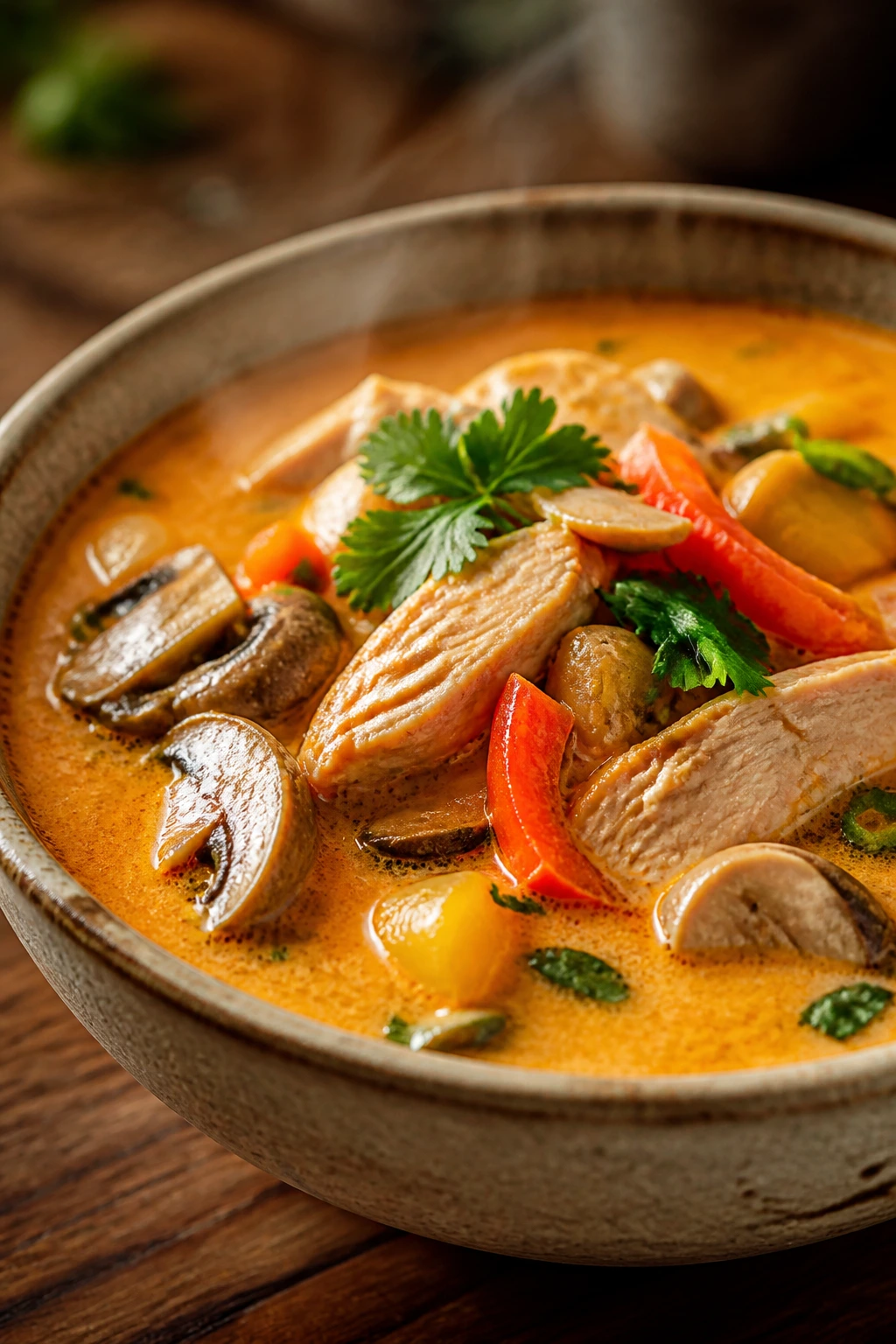
Can I use chicken breasts instead of thighs in these Asian crockpot recipes?
You can in a few of them, but I would not make that the default. Breasts work better in shorter cooks or recipes with a lot of sauce, while thighs stay tender if the pot runs long.
Do I have to brown the meat first?
No, but it helps in beef and pork recipes where a little crust brings more depth. If you have time, brown the meat in batches; if you don’t, the crockpot still gets the job done.
Can I cook rice or noodles right in the slow cooker?
Rice and noodles are better cooked separately. Rice can turn mushy and noodles can go soft fast, especially in broths and saucy dishes.
What if my sauce tastes too salty?
Add a splash of water, broth, coconut milk, or a little unsalted tomato puree, depending on the recipe. A bit of acid — lime juice or rice vinegar — can also make the salt feel less aggressive without diluting the pot too much.
Which recipes freeze the best?
Braised beef, pork shoulder, meatballs, curries, and broth-based soups freeze well. Keep noodles, fresh herbs, and crunchy toppings out of the freezer and add them later.
How do I keep vegetables from turning mushy?
Use sturdy vegetables first, and hold back tender ones until the final 15 to 30 minutes. Broccoli, bell peppers, bok choy, and spinach all need far less time than the meat does.
What size slow cooker do I need?
A 6-quart slow cooker handles most of these recipes well. For short ribs, big pork shoulders, or broth-heavy batches, a 7-quart model gives you more breathing room.
Can I make these dishes milder for kids?
Yes. Cut back on chili paste, gochujang, and pepper flakes, then finish with a little honey or extra coconut milk if the sauce needs smoothing. Japanese curry, teriyaki pork, and orange sesame chicken are usually the easiest places to start.
Why do some recipes taste better the next day?
The salt, sugar, acid, and aromatics keep blending after the pot cools. That settling time deepens braises and curries, which is why leftovers often taste more complete than the first bowl.
A Crowd-Sized Pot, A Cleaner Kitchen
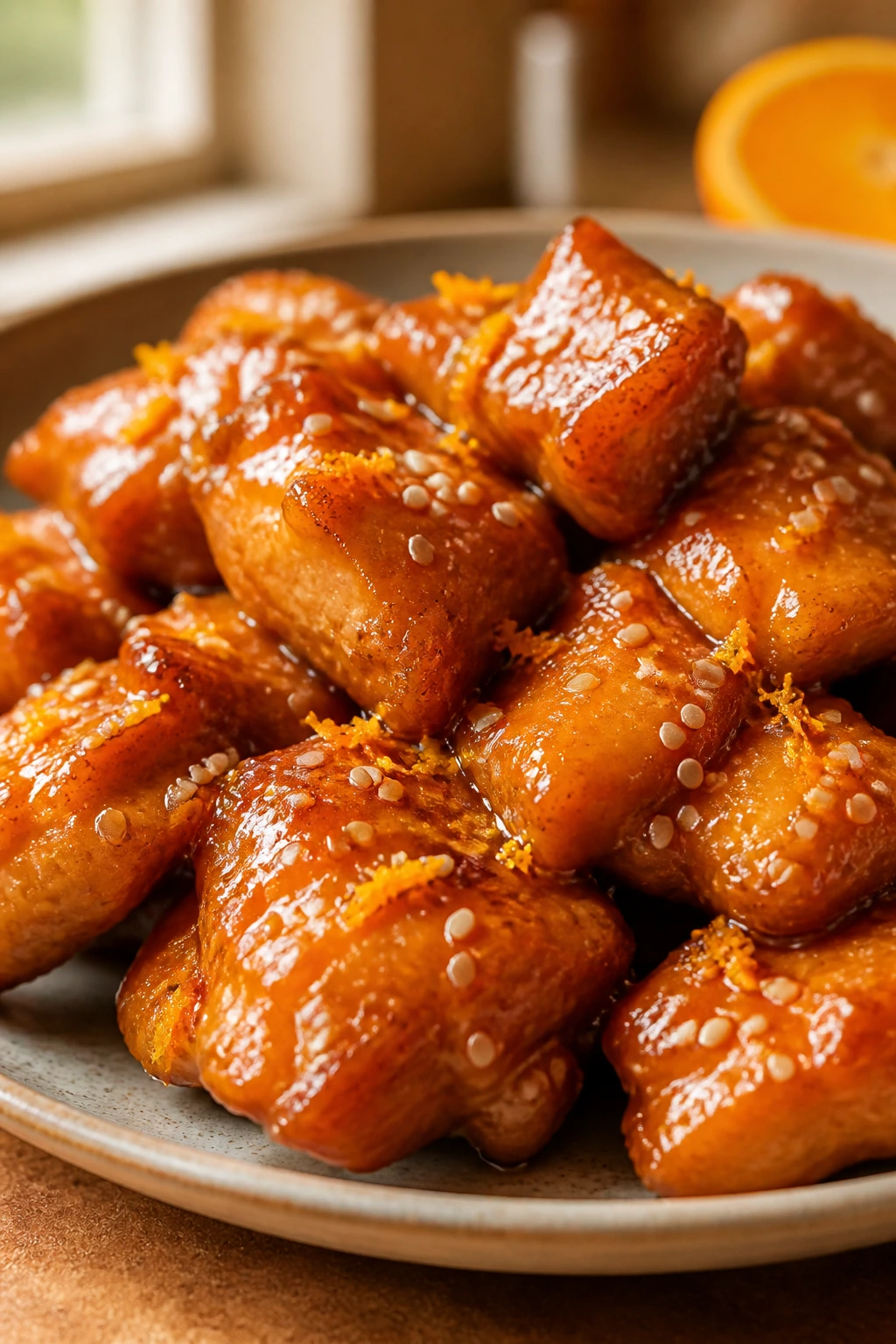
A slow cooker cannot turn every dish into a masterpiece, but it does something better for real life: it gives you a full dinner with less noise. These Asian crockpot recipes lean on that strength. They use time as an ingredient, and when you treat the sauce, the cut of meat, and the garnish with a little care, the pot can feed a lot of people without tasting tired.
That’s the part I keep coming back to. Not speed. Not shortcuts for their own sake. A good crockpot dinner is the one that still tastes like someone paid attention, even though the stove sat mostly untouched. Pick one beef braise, one curry, and one noodle soup, and you’ll have a very useful rotation on your hands.