



A good weeknight dinner does not need a fresh market haul; it needs pantry staples that can do a lot with very little. A can of tomatoes, a box of pasta, a bag of rice, chickpeas, tuna, beans, a jar of olives—those are the ingredients that save the evening when the fridge looks sparse and the clock is loud.
The trick is not pretending a few shelf-stable items are glamorous. They are not. But give canned beans a hot skillet, let garlic sizzle in olive oil for 30 seconds, and finish the whole thing with chili flakes, lemon, or Parmesan, and the meal suddenly tastes planned instead of patched together. That’s the part too many quick-dinner lists miss: pantry food works because it responds well to heat, salt, acid, and a little texture.
These 20 fast weeknight dinners are built for that exact moment: hungry people, limited time, and one of those kitchens where the vegetable drawer is lying to you. Some lean on pasta, some on rice, some on tortillas or eggs, and a few are really just clever ways to turn a few cans into something you’d happily make again. I’m partial to the recipes that finish with crunch or brightness—breadcrumbs, lemon, herbs, hot sauce—because that last little punch is what keeps pantry dinners from tasting tired.
Why These Pantry Dinners Earn a Repeat Spot
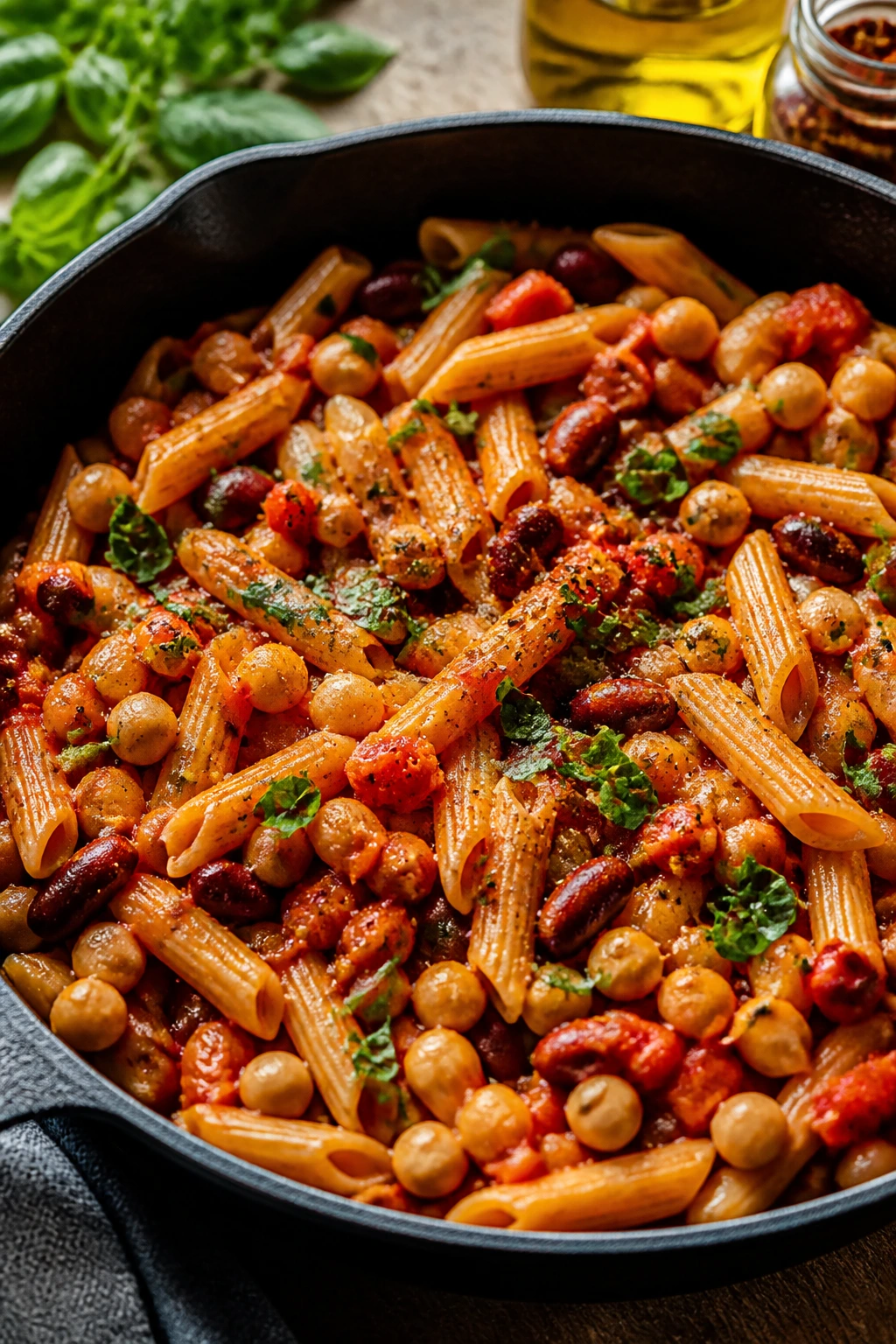
- Fast enough for a real Tuesday: Most of these recipes hit the table in 20 to 35 minutes, and several are done before the water for pasta has even cooled down.
- Built around shelf-stable staples: Pasta, rice, canned beans, tuna, tomatoes, tortillas, lentils, and broth do most of the heavy lifting here.
- Flexible when the pantry is imperfect: If you have black beans instead of chickpeas or spaghetti instead of orzo, the recipe still holds together.
- Cheap without tasting spare: Garlic, chili flakes, mustard, capers, olives, and cheese make humble ingredients taste deliberate.
- Easy to scale: Most of these dishes double cleanly, which means tomorrow’s lunch is already taken care of.
- Useful when the fridge is bare: These are the meals I trust when there’s one onion left, maybe an egg or two, and not much else worth bragging about.
1. Spaghetti Aglio e Olio with Toasted Breadcrumbs
Garlic in hot olive oil has a smell that can rescue an evening. Add spaghetti, a little pasta water, and a handful of toasted breadcrumbs, and you get the kind of dinner that feels sharper and more put together than its ingredient list deserves.
Why It Works:
Aglio e olio lives or dies by technique, not by a long shopping list. The garlic softens in oil, the pasta water turns everything glossy, and the breadcrumbs bring the crunch that the sauce itself does not have. It’s fast, but it does not taste rushed if you keep the garlic pale and the heat gentle.
Key Ingredients:
- 12 ounces spaghetti — Long strands catch the oil and garlic better than short pasta.
- 1/3 cup extra-virgin olive oil — This is the sauce, so don’t use a tiny drizzle.
- 6 garlic cloves, thinly sliced — Thin slices brown evenly and stay sweet.
- 1 teaspoon red pepper flakes — Enough heat to wake the dish up.
- 1/2 cup panko breadcrumbs — Toasted crumbs give the meal a crisp finish.
- 1/3 cup finely grated Parmesan — Helps the sauce cling.
- 2 tablespoons chopped parsley — Freshness at the end matters here.
- 1 lemon, zested if you have it — A little citrus cuts the oil cleanly.
Quick Steps:
- Toast the breadcrumbs: Warm 1 tablespoon olive oil in a skillet over medium heat, add the panko, and stir for 2 to 3 minutes until golden and nutty. Scrape into a bowl.
- Cook the pasta: Boil the spaghetti in well-salted water for 9 to 11 minutes, until just shy of al dente. Reserve 1 cup of pasta water before draining.
- Build the garlic oil: In the same skillet, warm the remaining olive oil over medium-low heat. Add the garlic and red pepper flakes, and cook for 1 to 2 minutes until the garlic is pale gold at the edges.
- Toss with pasta water: Add 1/2 cup pasta water, then the drained spaghetti. Toss hard for 1 minute until the strands turn glossy.
- Finish and serve: Stir in Parmesan and parsley, add more pasta water if needed, and top with the toasted breadcrumbs.
Equipment for This Recipe:
- Large pot — For boiling the pasta.
- 12-inch skillet — Wide enough to toss the noodles.
- Colander — For draining the spaghetti.
- Tongs — Best for lifting and tossing the strands.
- Microplane or fine grater — Useful for Parmesan or lemon zest.
How to Serve This Dish:
Pile it into shallow bowls so the breadcrumbs stay on top instead of sinking. A simple green salad or a plate of sliced tomatoes beside it works well, and a fried egg on top turns it into a more filling dinner. The finished bowl should look slick, speckled with parsley, and just a little shaggy from the crumbs.
Pro Tips for This Recipe:
- Keep the garlic pale. If it turns brown, the whole dish picks up a bitter edge.
- Save more pasta water than you think you need. Starchy water is what makes the oil cling instead of pooling.
- Toast the breadcrumbs separately. If you try to do everything at once, they’ll absorb oil and lose their crunch.
- Add lemon zest at the very end if you want the dish to taste brighter without becoming saucy.
Variations on This Dish:
- Anchovy Kick: Mash 2 anchovy fillets into the oil with the garlic for a deeper, savory finish.
- Whole-Wheat Pantry Bowl: Swap in whole-wheat spaghetti and add a splash more pasta water for a looser sauce.
- No-Dairy Finish: Skip the Parmesan and add a spoonful of nutritional yeast for a salty finish.
Common Mistakes to Avoid with This Dish:
- Burning the garlic: Brown garlic tastes sharp and bitter. Keep the heat medium-low and pull the pan the moment the edges color.
- Draining all the pasta water: That starchy water is the glue. Without it, the oil slips off the noodles.
- Adding breadcrumbs too early: They’ll soften in the steam. Sprinkle them on only at the end.
2. Chickpea Tomato Couscous Skillet
This is the kind of dinner that starts with a can opener and ends with a pan that smells like cumin, garlic, and warm tomatoes. Couscous cooks in minutes, chickpeas bring body, and the whole skillet gets a little brighter if you scatter feta over it at the table.
Why It Works:
Couscous is a cheat code for fast dinners. It soaks up the tomato juices in about five minutes, which means the skillet tastes richer than the ingredient list suggests. Chickpeas hold their shape, so you get actual bite instead of mush, and the cumin helps the tomatoes taste less flat.
Key Ingredients:
- 1 tablespoon olive oil — For softening the onion and blooming spices.
- 1 small yellow onion, diced — The savory base.
- 3 garlic cloves, minced — Don’t skip it.
- 1 teaspoon ground cumin — Gives the skillet warmth.
- 1 teaspoon smoked paprika — Adds a little depth.
- 1 can (15 ounces) chickpeas, drained and rinsed — The protein and bulk.
- 1 can (14.5 ounces) diced tomatoes — Use the whole can, juice and all.
- 1 cup couscous — Cooks directly in the skillet.
- 1 1/4 cups hot water or broth — Enough to plump the couscous.
- 2 cups baby spinach — Wilts into the tomato base.
- 1/4 cup crumbled feta — Optional, but it finishes the bowl well.
Quick Steps:
- Soften the onion: Heat the oil in a large skillet over medium heat. Cook the onion for 4 to 5 minutes until translucent and lightly golden.
- Bloom the spices: Stir in the garlic, cumin, and smoked paprika for 30 seconds until fragrant.
- Add the chickpeas and tomatoes: Pour in the chickpeas and diced tomatoes, then simmer for 3 minutes so the flavors start to come together.
- Cook the couscous: Stir in the couscous and hot water, cover the skillet, and remove from the heat for 5 minutes.
- Finish the greens: Fluff with a fork, fold in the spinach until wilted, and top with feta if you’re using it.
Equipment for This Recipe:
- Large skillet with a lid — A 10- or 12-inch pan works well.
- Wooden spoon — Good for scraping up the bottom.
- Measuring cup — For the couscous and liquid.
- Fork — For fluffing the grains at the end.
How to Serve This Dish:
Spoon it into bowls while it’s still steamy, then add a squeeze of lemon if you have one. It works as a standalone dinner, but warm pita or a cucumber salad turns it into something more complete. The final bowl should look loose and spoonable, not dry or clumpy.
Pro Tips for This Recipe:
- Use hot broth if you have it. Cold liquid makes couscous sit there instead of blooming.
- Don’t over-stir once the couscous is covered. Let the grains soak quietly.
- Add the spinach last so it stays green instead of turning swampy.
- A pinch of sugar can help if your canned tomatoes taste sharp.
Variations on This Dish:
- Harissa Heat: Stir 1 tablespoon harissa into the onion before adding the tomatoes.
- Mediterranean Olive Bowl: Add 1/4 cup chopped olives and a few chopped jarred artichokes.
- Lemony White Bean Swap: Use cannellini beans instead of chickpeas for a softer, creamier texture.
Common Mistakes to Avoid with This Dish:
- Using too much liquid: Couscous only needs a modest amount. If the skillet floods, it turns soft and sticky.
- Skipping the spice bloom: Dry spices need heat for 30 seconds or they taste dusty.
- Adding feta while the pan is boiling: It softens and disappears. Save it for the end.
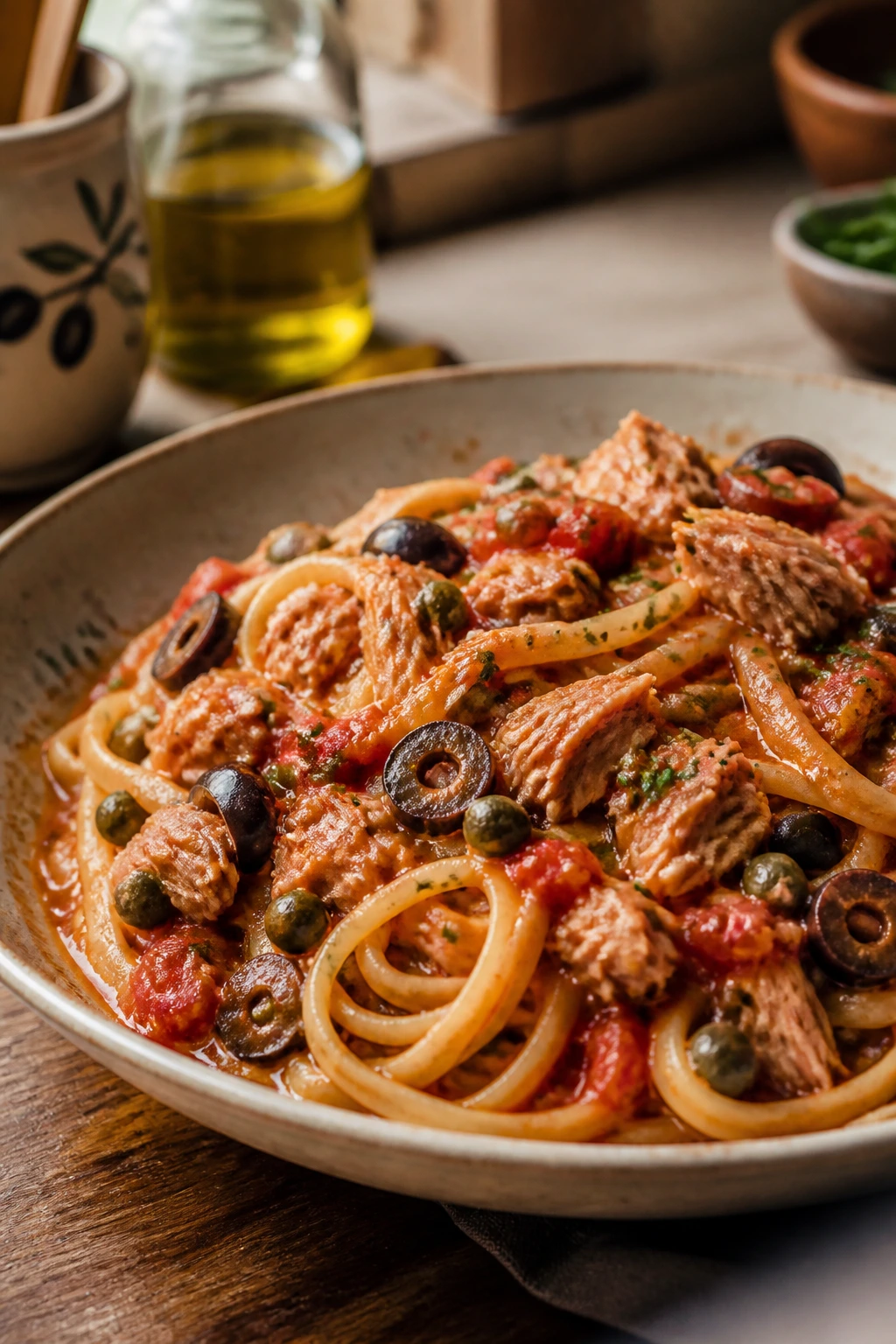
3. Tuna Puttanesca Pasta
Puttanesca has a loud, salty personality, and tuna fits right into that attitude. Between the olives, capers, garlic, and canned tomatoes, this pasta tastes like it came from a much busier kitchen than the one you actually used.
Why It Works:
Canned tuna is at its best in a sauce that has enough acid and salt to support it. Tomatoes give body, capers add little sharp pops, and olives bring a briny depth that keeps the tuna from tasting plain. The whole thing comes together in about 25 minutes, which is half the battle on a weeknight.
Key Ingredients:
- 12 ounces spaghetti or linguine — Something long enough to catch the sauce.
- 2 tablespoons olive oil — For the garlic and onions.
- 4 garlic cloves, minced — The dish needs a strong garlic base.
- 1 teaspoon red pepper flakes — Adjust to taste.
- 1 can (14.5 ounces) crushed tomatoes — The sauce backbone.
- 1 can (5 ounces) tuna in olive oil or water, drained — Flake it lightly.
- 1/3 cup sliced olives — Kalamata or black olives both work.
- 2 tablespoons capers, drained — Their briny hit is the point.
- 2 tablespoons chopped parsley — A fresh finish helps.
- Salt and black pepper — Season after the capers go in.
Quick Steps:
- Start the pasta water: Boil the spaghetti in salted water until al dente, about 9 to 11 minutes.
- Cook the garlic: Warm the olive oil in a skillet over medium heat. Add the garlic and red pepper flakes and cook for 45 seconds.
- Build the sauce: Stir in the crushed tomatoes, olives, and capers. Simmer for 8 minutes until the sauce thickens slightly.
- Add the tuna: Fold the tuna into the sauce and break it into big flakes. Cook for 2 minutes so it heats through.
- Toss and finish: Add the drained pasta, plus a splash of pasta water if needed, then finish with parsley and black pepper.
Equipment for This Recipe:
- Large pot — For boiling the pasta.
- Deep skillet — Lets the sauce and pasta combine cleanly.
- Colander — To drain the pasta.
- Wooden spoon — Gentle enough to fold the tuna.
How to Serve This Dish:
Serve it in a warm bowl with extra pepper on top and, if you have it, a shower of Parmesan. A crisp salad or a few roasted green beans on the side keeps the saltiness in check. The sauce should cling to the noodles in a red, glossy layer rather than puddling underneath.
Pro Tips for This Recipe:
- Use tuna packed in olive oil if you want a richer finish.
- Don’t cook the tuna hard. It’s already cooked; you’re just warming it through.
- Reserve at least 1/2 cup pasta water. The sauce needs a little looseness.
- If the olives are very salty, rinse them briefly before slicing.
Variations on This Dish:
- Anchovy-Deep Version: Melt 2 chopped anchovy fillets into the oil before the garlic.
- Gluten-Free Plate: Use gluten-free spaghetti and toss carefully so it doesn’t break.
- Tomato-Free Pantry Twist: Swap the crushed tomatoes for 1/2 cup tomato paste plus 1 1/2 cups pasta water.
Common Mistakes to Avoid with This Dish:
- Overcooking the tuna: It turns dry and chalky. Add it near the end.
- Under-salting the pasta water: The sauce is briny, yes, but the noodles still need seasoning.
- Using too little sauce: Tuna pasta should be slick, not stiff.
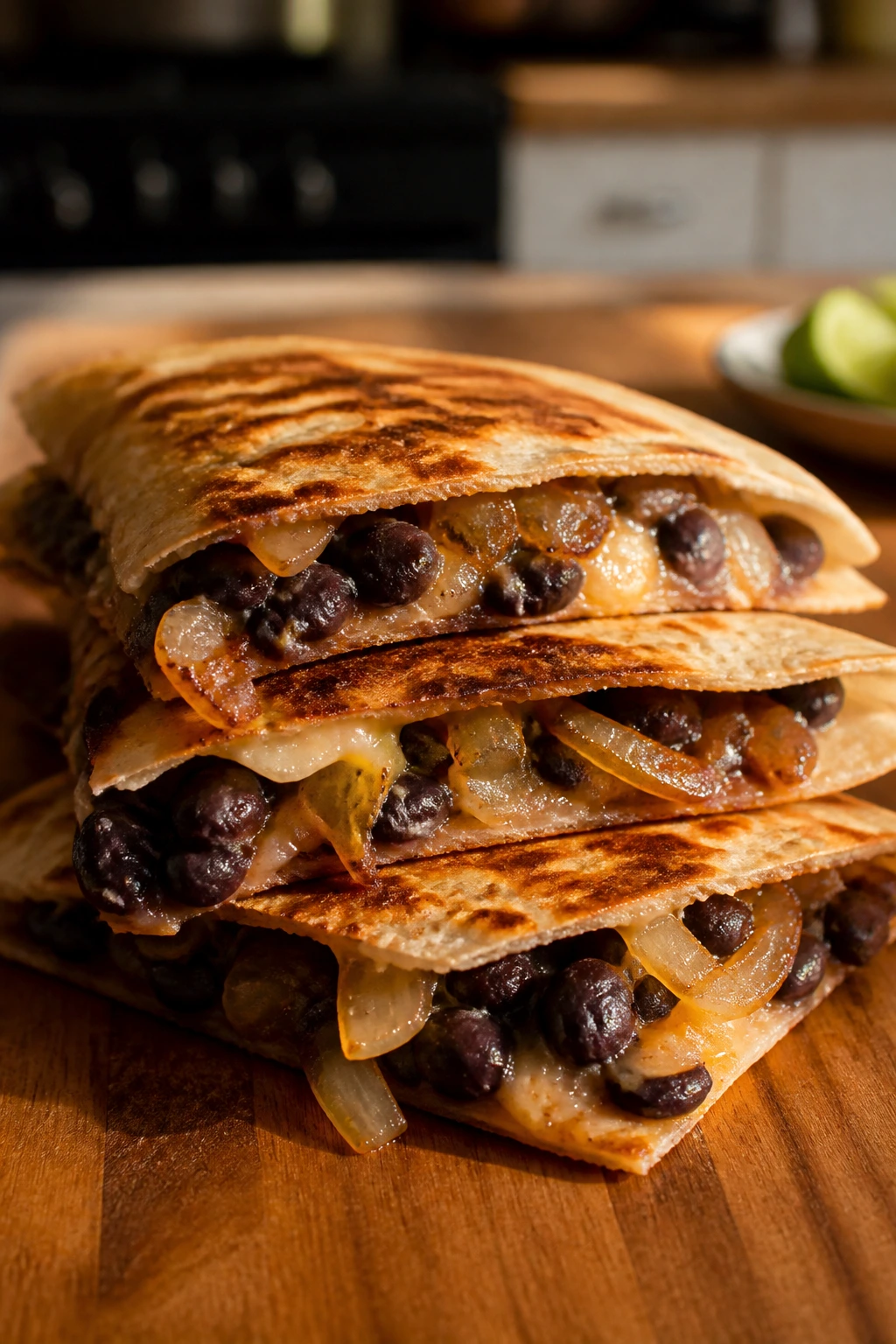
4. Black Bean Quesadillas with Cumin Onions
A good quesadilla sounds like it should be simple, and it is—but only if the filling is dry enough to crisp instead of spill. Black beans, cumin-scented onions, and a generous amount of cheese give you a skillet dinner that eats like more than the sum of its parts.
Why It Works:
Beans become much better when they’re smashed a little, because the filling holds together and stays inside the tortilla. The onion cooks down to sweetness, the cumin makes the beans taste warmer, and the cheese acts like glue. You can make this dinner in one skillet and still have time to clean the counter before you sit down.
Key Ingredients:
- 1 tablespoon olive oil — For the onion.
- 1 small onion, thinly sliced — Cook it until soft and golden.
- 1 teaspoon ground cumin — Essential here.
- 1/2 teaspoon chili powder — Adds mild heat.
- 1 can (15 ounces) black beans, drained and rinsed — The filling base.
- 1/4 cup salsa — Helps bind the beans.
- 4 medium flour tortillas — Use the size that fits your skillet.
- 2 cups shredded Monterey Jack or cheddar — You want good melt.
- 1/4 cup chopped cilantro — Optional, but nice.
- Sour cream or hot sauce for serving — Pick one or both.
Quick Steps:
- Cook the onion: Heat the oil in a skillet over medium heat. Cook the onion for 6 to 8 minutes until soft and lightly browned.
- Season the beans: Stir in the cumin, chili powder, black beans, and salsa. Mash about half the beans with the spoon and cook for 2 minutes.
- Assemble the quesadillas: Lay tortillas on a board, sprinkle cheese over half of each one, spoon on the bean mixture, then add a little more cheese.
- Crisp the tortillas: Fold each tortilla and cook in a dry skillet over medium heat for 2 to 3 minutes per side until the outside is golden and the cheese is melted.
- Slice and serve: Rest for 1 minute, then cut into wedges.
Equipment for This Recipe:
- Large skillet — One for the filling, one for crisping if needed.
- Spatula — Helps flip without tearing.
- Cutting board and sharp knife — For slicing wedges neatly.
- Wooden spoon — For mashing the beans a bit.
How to Serve This Dish:
Serve the wedges hot with salsa and sour cream on the side. A simple pile of shredded lettuce or a few sliced tomatoes is enough if you want something fresh without making another recipe. They should come out crisp at the edges, with cheese stretching when you lift a wedge.
Pro Tips for This Recipe:
- Don’t overfill the tortillas. That’s how you get leaky, floppy quesadillas.
- Let the bean filling cool for 2 minutes before assembling. Hot filling melts cheese too early and makes the tortillas soggy.
- Use medium heat, not high. High heat browns the tortilla before the cheese melts.
- A little salsa in the filling keeps it from tasting dry.
Variations on This Dish:
- Green Chile Quesadilla: Stir in 1/4 cup canned green chiles with the beans.
- Breakfast Version: Add scrambled eggs and skip the salsa for a morning-style filling.
- Corn and Bean Stack: Add 1/2 cup thawed frozen corn for more texture.
Common Mistakes to Avoid with This Dish:
- Using too much heat: The tortilla burns before the cheese melts. Medium heat is the right call.
- Skipping the bean mash: Whole beans slide out. Mash some of them so the filling stays put.
- Cutting too soon: Give the quesadilla one minute to settle or the cheese floods out.
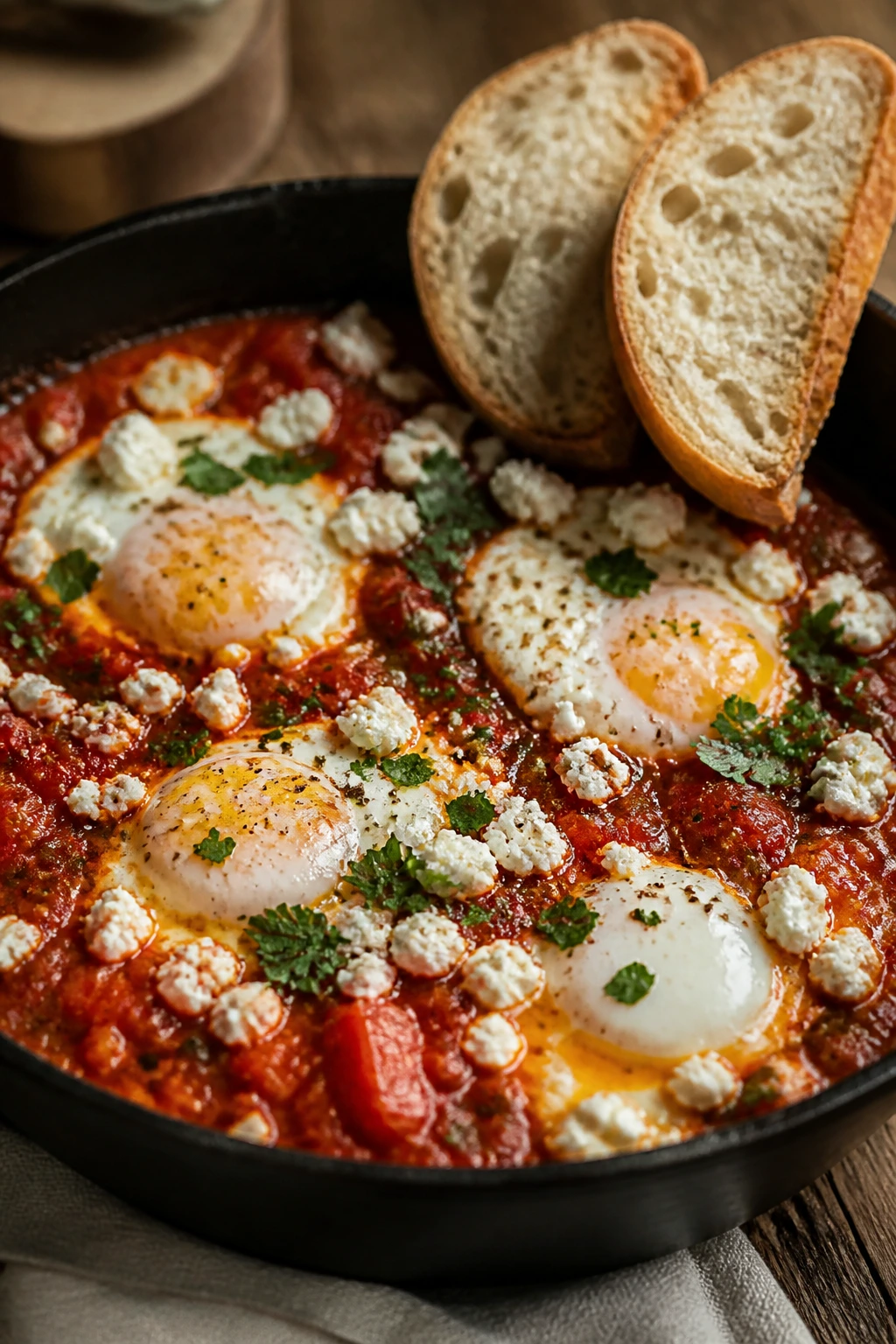
5. Shakshuka with Feta and Crusty Bread
Shakshuka is what happens when canned tomatoes, onions, and eggs stop acting shy. The sauce bubbles around the yolks, the feta melts in little salty pockets, and the whole pan begs for bread to mop up the last bit.
Why It Works:
Eggs cooked in tomato sauce sound rustic because they are, but the real magic is the contrast: soft whites, runny yolks, and a sauce that gets more concentrated as it simmers. Cumin and paprika give the tomatoes a warm, almost smoky edge. If you keep the simmer gentle, the eggs set cleanly and stay tender.
Key Ingredients:
- 2 tablespoons olive oil — The base for the onion and spices.
- 1 small onion, diced — For sweetness.
- 1 red bell pepper, diced — Optional, but it adds body.
- 3 garlic cloves, minced — Don’t hold back.
- 1 teaspoon ground cumin — A key flavor note.
- 1 teaspoon smoked paprika — Gives the sauce depth.
- 1 can (28 ounces) crushed tomatoes — Plenty of sauce for the eggs.
- 6 large eggs — Space them out in the sauce.
- 1/3 cup crumbled feta — Salty finish.
- 2 tablespoons chopped parsley — For brightness.
- Crusty bread — For serving.
Quick Steps:
- Cook the vegetables: Heat the oil in a large skillet over medium heat. Cook the onion and bell pepper for 6 to 7 minutes until soft.
- Add garlic and spices: Stir in the garlic, cumin, and smoked paprika for 30 seconds.
- Simmer the tomato sauce: Add the crushed tomatoes, salt, and pepper. Simmer uncovered for 10 minutes until slightly thickened.
- Add the eggs: Make 6 little wells in the sauce and crack an egg into each one. Cover and cook on low for 6 to 8 minutes until the whites are set and the yolks are still soft.
- Finish: Scatter feta and parsley over the top and serve right away.
Equipment for This Recipe:
- Large skillet with a lid — Wide enough to hold the eggs apart.
- Wooden spoon — For the sauce.
- Measuring spoons — The spices matter here.
- Spoon or small ladle — For making the wells.
How to Serve This Dish:
Bring the skillet straight to the table and set bread beside it. The best plate is really a pan and a torn hunk of toast, because the sauce should be scooped, not left behind. If you want a side, a chopped cucumber salad gives the meal a cool edge.
Pro Tips for This Recipe:
- Simmer the sauce before adding eggs. Thin sauce makes the eggs slip and spread.
- Crack each egg into a small bowl first if you’re worried about broken yolks.
- Cover the pan just long enough to set the whites. If you overdo it, the yolks firm up.
- Feta goes on at the end so it stays crumbly instead of disappearing.
Variations on This Dish:
- Spicy Harissa Shakshuka: Stir 1 tablespoon harissa into the tomato sauce.
- White Bean Shakshuka: Add 1 cup canned white beans to the sauce before the eggs.
- No-Feta Version: Finish with chopped olives instead of cheese.
Common Mistakes to Avoid with This Dish:
- Cooking the eggs over high heat: The bottoms set too hard. Low heat and a lid are safer.
- Running sauce: If the tomatoes are watery, simmer them longer before adding eggs.
- Crowding the eggs: Leave space so each yolk stays distinct.
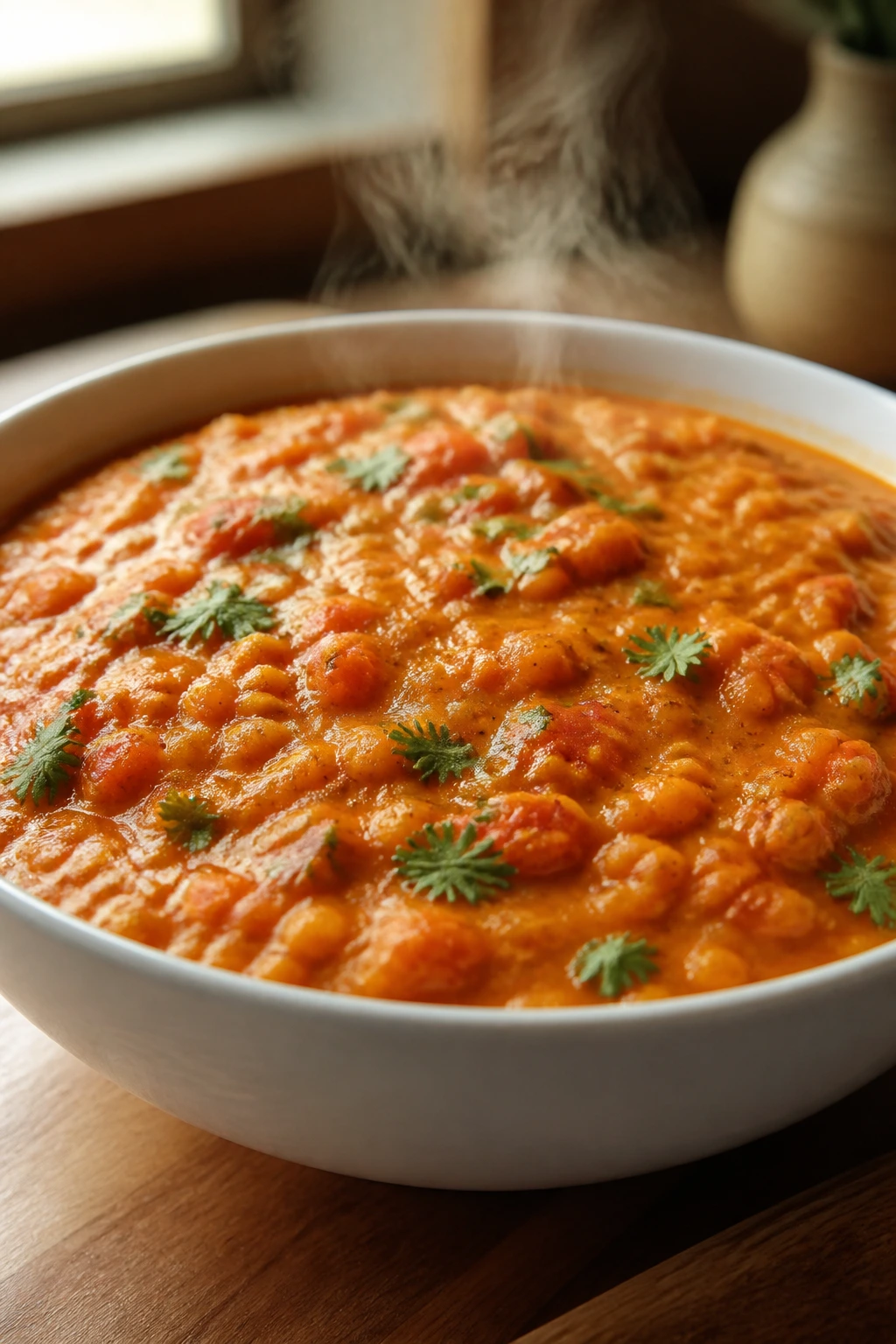
6. Red Lentil Coconut Curry
Red lentils are one of the fastest things you can keep in a pantry. They melt into the coconut milk and spices, which makes this curry thick, comforting, and still fast enough for a normal evening.
Why It Works:
Red lentils break down in about 15 minutes, so they thicken the sauce without any flour or cream. Coconut milk smooths out the spices, while canned tomatoes give the curry a little tang so it doesn’t taste flat. This is one of those dinners that gets richer the longer it sits, which is useful if someone is late.
Key Ingredients:
- 1 tablespoon coconut oil or olive oil — For the onion.
- 1 small onion, diced — The flavor base.
- 3 garlic cloves, minced — Needed.
- 1 tablespoon grated fresh ginger or 1 teaspoon ground ginger — Either works.
- 2 teaspoons curry powder — The main seasoning.
- 1 cup red lentils, rinsed — They cook fast and thicken the curry.
- 1 can (14 ounces) coconut milk — Gives the sauce body.
- 1 can (14.5 ounces) diced tomatoes — Adds acidity.
- 2 cups water or broth — For simmering the lentils.
- 2 cups spinach — Stirred in at the end.
- Salt and lime wedges — For finishing.
Quick Steps:
- Cook the onion: Warm the oil in a saucepan over medium heat. Cook the onion for 5 minutes until soft.
- Add aromatics and spices: Stir in the garlic, ginger, and curry powder for 30 seconds.
- Simmer the lentils: Add the lentils, coconut milk, tomatoes, and water. Bring to a simmer, then cook for 15 to 18 minutes, stirring now and then.
- Finish the greens: Stir in the spinach and cook for 1 minute until wilted.
- Season and serve: Add salt and a squeeze of lime.
Equipment for This Recipe:
- Medium saucepan — A 3-quart pot works well.
- Wooden spoon — For stirring the bottom.
- Measuring cup — For the lentils and liquid.
- Can opener — Obvious, but still necessary.
How to Serve This Dish:
Serve it over rice or with warm naan if you want something to soak up the sauce. It also works on its own in a deep bowl with a little yogurt on top. The final curry should be thick enough to sit on a spoon, not run like soup.
Pro Tips for This Recipe:
- Rinse the lentils until the water runs mostly clear.
- Stir often near the end so the bottom doesn’t catch.
- A squeeze of lime at the end sharpens the coconut milk.
- If the curry thickens too much, add a splash of water before serving.
Variations on This Dish:
- Tomato-Forward Curry: Use an extra 1/2 cup diced tomatoes for a brighter sauce.
- Peanut Finish: Stir in 2 tablespoons peanut butter at the end for a richer, nuttier taste.
- Carrot Add-In: Dice 1 carrot and cook it with the onion if you want more bulk.
Common Mistakes to Avoid with This Dish:
- Leaving the lentils unstirred: They can stick fast near the end.
- Using too much curry powder without salt: The flavor gets dusty instead of round.
- Serving it too soon: Give it 2 minutes off the heat so it settles.
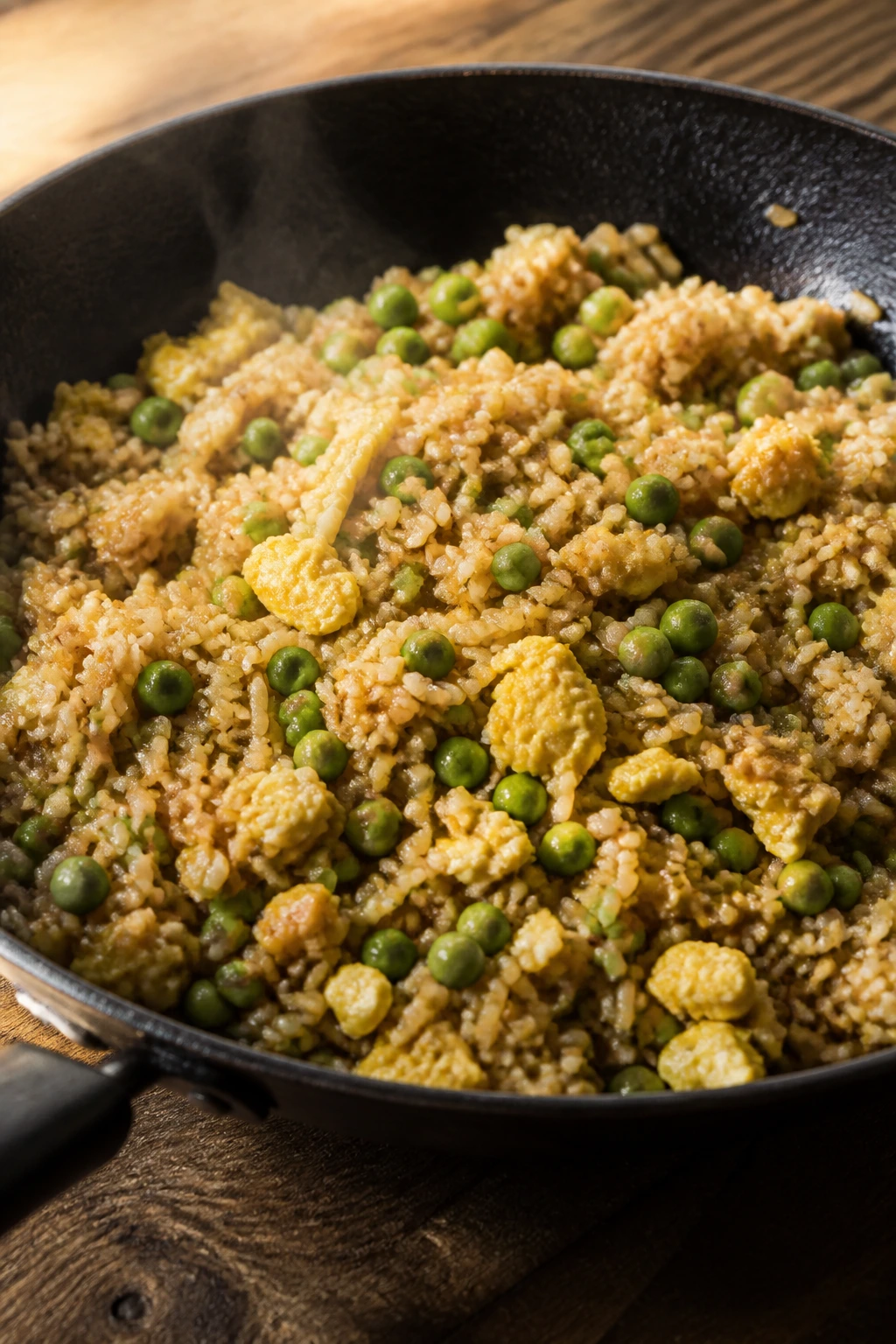
7. Egg Fried Rice with Peas and Soy
This is the dinner version of a cleared-out fridge rescue. Day-old rice, a couple of eggs, frozen peas, and soy sauce can turn into something salty, hot, and satisfying if you keep the pan hot and the rice dry.
Why It Works:
Fried rice relies on texture more than anything else. Cold rice separates in the skillet instead of collapsing into a paste, frozen peas warm up fast, and eggs fill in the gaps with soft richness. The soy sauce brings salt and color, and a little sesame oil at the end makes the whole pan smell like you meant to cook it.
Key Ingredients:
- 3 cups cooked, cold rice — Day-old rice fries best.
- 2 tablespoons neutral oil — For the eggs and rice.
- 3 large eggs, beaten — Scramble them first.
- 1 cup frozen peas — No need to thaw.
- 3 tablespoons soy sauce — Start with this amount.
- 1 teaspoon sesame oil — Finish with it.
- 2 green onions, sliced — Optional but useful.
- 1 garlic clove, minced — Nice if you have it.
- Black pepper — Adds a little bite.
Quick Steps:
- Scramble the eggs: Heat 1 tablespoon oil in a large skillet over medium-high heat. Add the eggs and cook for 30 to 45 seconds, stirring, until softly set. Remove to a plate.
- Fry the garlic and peas: Add the remaining oil, then the garlic and peas. Cook for 1 minute.
- Add the rice: Break up the rice with your hands first, then add it to the skillet. Stir-fry for 3 to 4 minutes until hot and a little crisp.
- Season: Pour in the soy sauce and sesame oil, tossing until the grains are evenly colored.
- Finish: Return the eggs and add the green onions and black pepper. Cook for 30 seconds more.
Equipment for This Recipe:
- Large skillet or wok — Wide space helps the rice fry instead of steam.
- Spatula — Good for breaking up clumps.
- Bowl — For the beaten eggs.
- Fork — Useful for loosening cold rice before it goes in.
How to Serve This Dish:
Serve it in a bowl with extra soy sauce on the table and, if you like heat, a spoonful of chili crisp. A fried egg on top makes it feel more dinner-like. The rice should look dry at the edges and glossy in the center.
Pro Tips for This Recipe:
- Use cold rice. Warm rice steams and sticks.
- Don’t crowd the pan. If you’re doubling it, cook in batches.
- Add soy sauce around the edge of the pan so it sizzles before it hits the rice.
- Keep some rice in contact with the hot skillet for brief crisp patches.
Variations on This Dish:
- Spam Fried Rice: Dice and crisp 1/2 cup Spam before the rice goes in.
- Sesame Mushroom Rice: Add sliced mushrooms and cook until they release and reabsorb their liquid.
- Kimchi Fried Rice: Stir in 1/2 cup chopped kimchi with the peas for a sharper finish.
Common Mistakes to Avoid with This Dish:
- Using fresh, wet rice: It clumps and goes soft.
- Adding too much soy sauce at once: The rice turns dark and salty fast.
- Skipping high heat: Fried rice needs enough heat to toast, not steam.
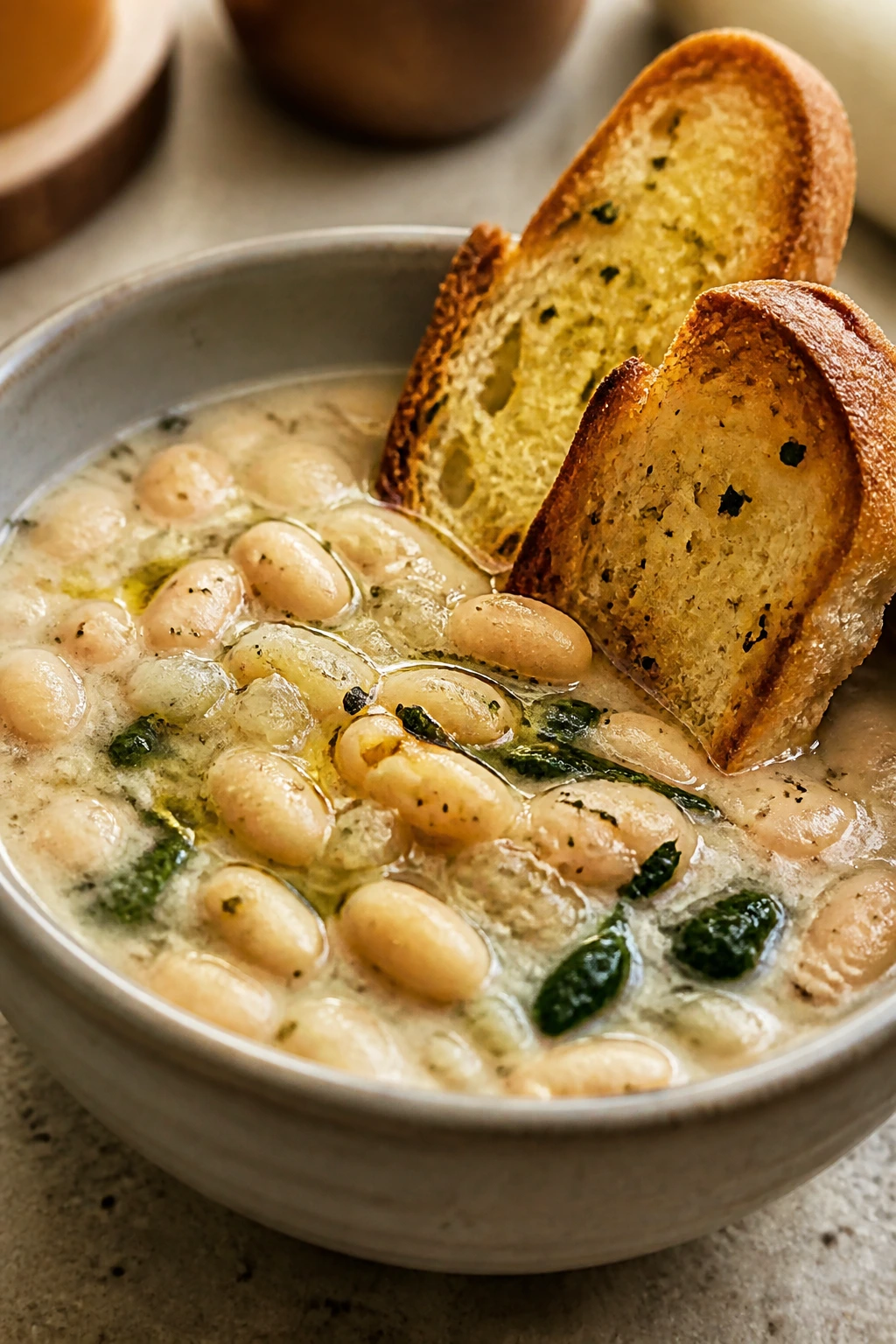
8. White Bean Soup with Garlic Toast
White beans are quiet, mild, and a little underrated. That’s exactly why they’re useful. Once they simmer with garlic, onion, broth, and rosemary, they become a soup that tastes like much more than a can.
Why It Works:
Canned white beans already have a soft, buttery texture, so they do not need a long cook. A bit of onion and garlic gives them a savory base, broth loosens the pot, and one mashed ladleful thickens everything without cream. Garlic toast on top brings the crunch the soup itself does not have.
Key Ingredients:
- 2 tablespoons olive oil — For the aromatics.
- 1 small onion, diced — The base.
- 4 garlic cloves, minced — Use all of them.
- 1 teaspoon dried rosemary or thyme — Either herb works.
- 2 cans (15 ounces each) cannellini beans, drained and rinsed — The main body.
- 4 cups broth — Chicken or vegetable.
- 1/2 teaspoon red pepper flakes — Optional heat.
- 1 tablespoon lemon juice — Brightens the soup.
- 4 slices bread — For toasting.
- 2 tablespoons grated Parmesan — For the toast or the soup.
Quick Steps:
- Cook the onion: Heat the oil in a pot over medium heat. Cook the onion for 5 minutes until soft.
- Add garlic and herbs: Stir in the garlic and rosemary for 30 seconds.
- Simmer the beans: Add the beans, broth, and red pepper flakes. Simmer for 10 minutes.
- Thicken slightly: Mash one cup of the beans against the side of the pot, then simmer for 2 more minutes.
- Toast and finish: Toast the bread, top with Parmesan, and stir lemon juice into the soup before serving.
Equipment for This Recipe:
- Soup pot or Dutch oven — Holds the full batch easily.
- Potato masher or spoon — For thickening.
- Toaster or sheet pan — For the bread.
- Ladle — Makes serving cleaner.
How to Serve This Dish:
Serve the soup with the Parmesan toast leaning right on the rim of the bowl. A drizzle of olive oil over the top is a small touch that makes a big difference. You want the soup creamy-looking but still loose enough to spoon.
Pro Tips for This Recipe:
- Mash only part of the beans. Too much mashing makes the soup heavy.
- Lemon at the end matters more than at the beginning.
- Use good broth if you have it; this soup is simple enough to show off the difference.
- Toast the bread well so it can stand up to the soup.
Variations on This Dish:
- Tomato Bean Soup: Stir in 1/2 cup canned tomatoes for a rosier broth.
- Sausage Version: Brown sliced sausage before the onion for a meatier bowl.
- Green Herb Finish: Add chopped parsley or dill at the end if you have any in the fridge.
Common Mistakes to Avoid with This Dish:
- Boiling the beans hard: Gentle simmering keeps them intact.
- Forgetting acidity: Without lemon, the soup can taste flat.
- Serving limp toast: If the bread isn’t crisp, it disappears into the soup fast.
9. Chili Mac with Kidney Beans
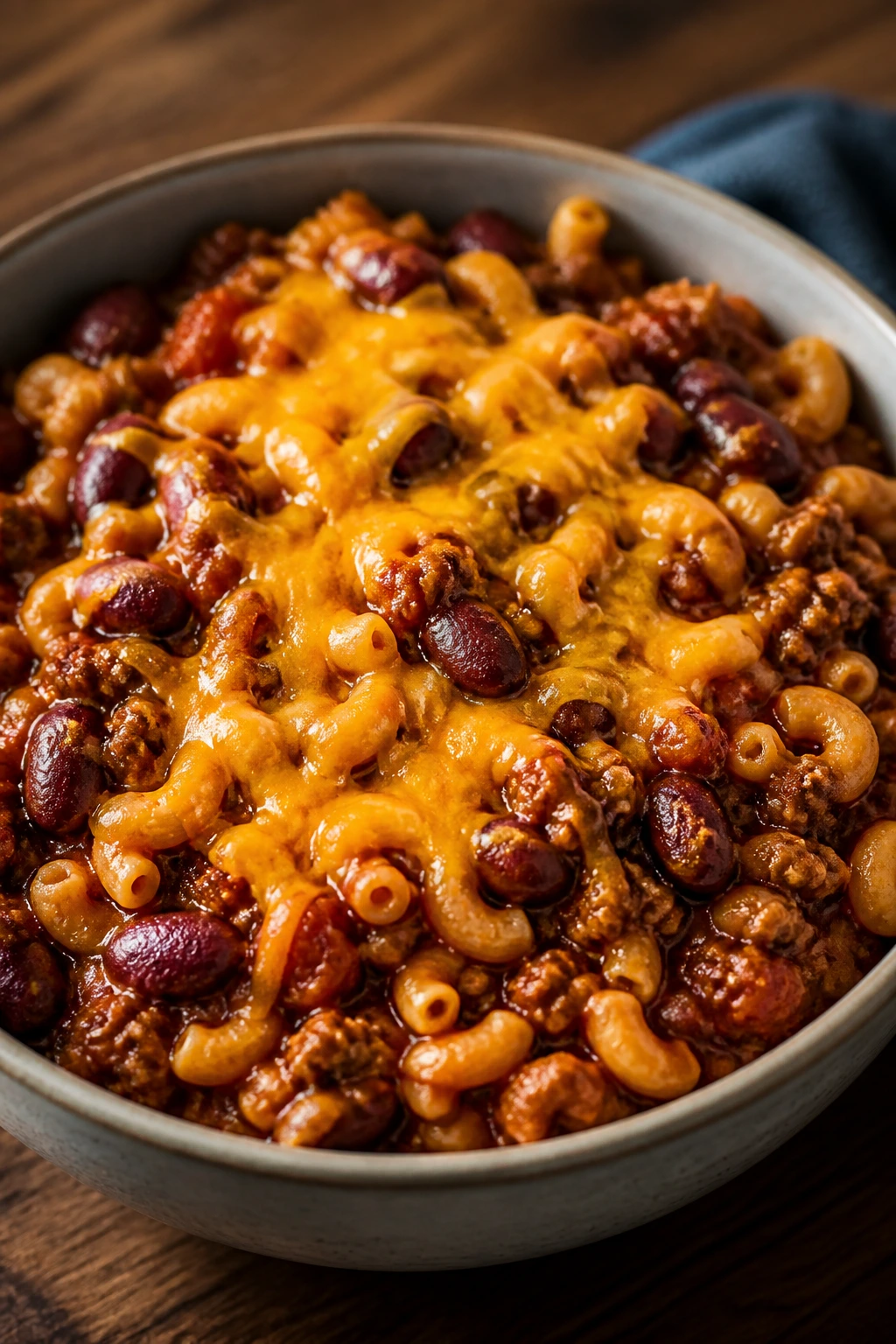
Chili mac is what happens when two comfort foods decide to stop arguing and get on with dinner. Pasta, beans, tomatoes, and cheddar make a pot that’s fast, filling, and deeply practical.
Why It Works:
Pasta gives you the familiar shape, kidney beans bring protein and a little bite, and chili spices make the whole thing taste like it simmered longer than it did. Since the macaroni cooks right in the sauce, you get starch back from the pasta itself, which thickens the pot without flour.
Key Ingredients:
- 1 tablespoon oil — For the onion.
- 1 small onion, diced — Basic but necessary.
- 2 garlic cloves, minced — Adds backbone.
- 1 tablespoon chili powder — Main seasoning.
- 1 teaspoon ground cumin — Rounds out the chili flavor.
- 1 can (15 ounces) kidney beans, drained and rinsed — Protein and texture.
- 1 can (14.5 ounces) diced tomatoes — Sauce base.
- 2 cups broth or water — For cooking the pasta.
- 2 cups elbow macaroni — Cooks in the pot.
- 1 1/2 cups shredded cheddar — Stir some in, save some for the top.
Quick Steps:
- Cook the onion: Heat the oil in a deep skillet or pot over medium heat. Cook the onion for 4 to 5 minutes.
- Add garlic and spices: Stir in the garlic, chili powder, and cumin for 30 seconds.
- Build the pot: Add the beans, tomatoes, broth, and macaroni. Bring to a simmer.
- Cook the pasta: Simmer uncovered for 10 to 12 minutes, stirring often, until the macaroni is tender and the liquid has thickened.
- Finish with cheese: Stir in half the cheddar, then top with the rest and let it melt.
Equipment for This Recipe:
- Deep skillet or Dutch oven — Needed for one-pot cooking.
- Wooden spoon — For stirring often.
- Measuring cup — For the broth and pasta.
- Colander — Only needed if you prefer to cook the pasta separately, which I do not recommend here.
How to Serve This Dish:
Serve it while the cheese is still molten and the sauce still glossy. A spoonful of pickled jalapeños on top sharpens the whole pot, and a simple green salad beside it keeps the bowl from feeling too heavy. The texture should be creamy but not soupy.
Pro Tips for This Recipe:
- Stir often so the macaroni doesn’t glue itself to the bottom.
- Keep a little extra broth nearby in case the pot tightens too much.
- Add cheese off the heat for a smoother melt.
- Taste before salting heavily; canned tomatoes and cheddar both carry salt.
Variations on This Dish:
- Smoky Chipotle Mac: Add 1 minced chipotle in adobo for smoke and heat.
- Vegetable Boost: Stir in 1 cup frozen corn during the last 3 minutes.
- Baked Top: Transfer to a baking dish, add more cheese, and broil for 2 minutes if you want a crust.
Common Mistakes to Avoid with This Dish:
- Adding too little liquid: The pasta needs enough broth to cook and create sauce.
- Walking away from the pot: Macaroni sticks fast when the liquid gets low.
- Dumping cheese into a raging boil: It can turn grainy. Pull the pan off the heat first.
10. Sardine Pasta with Lemon and Chili
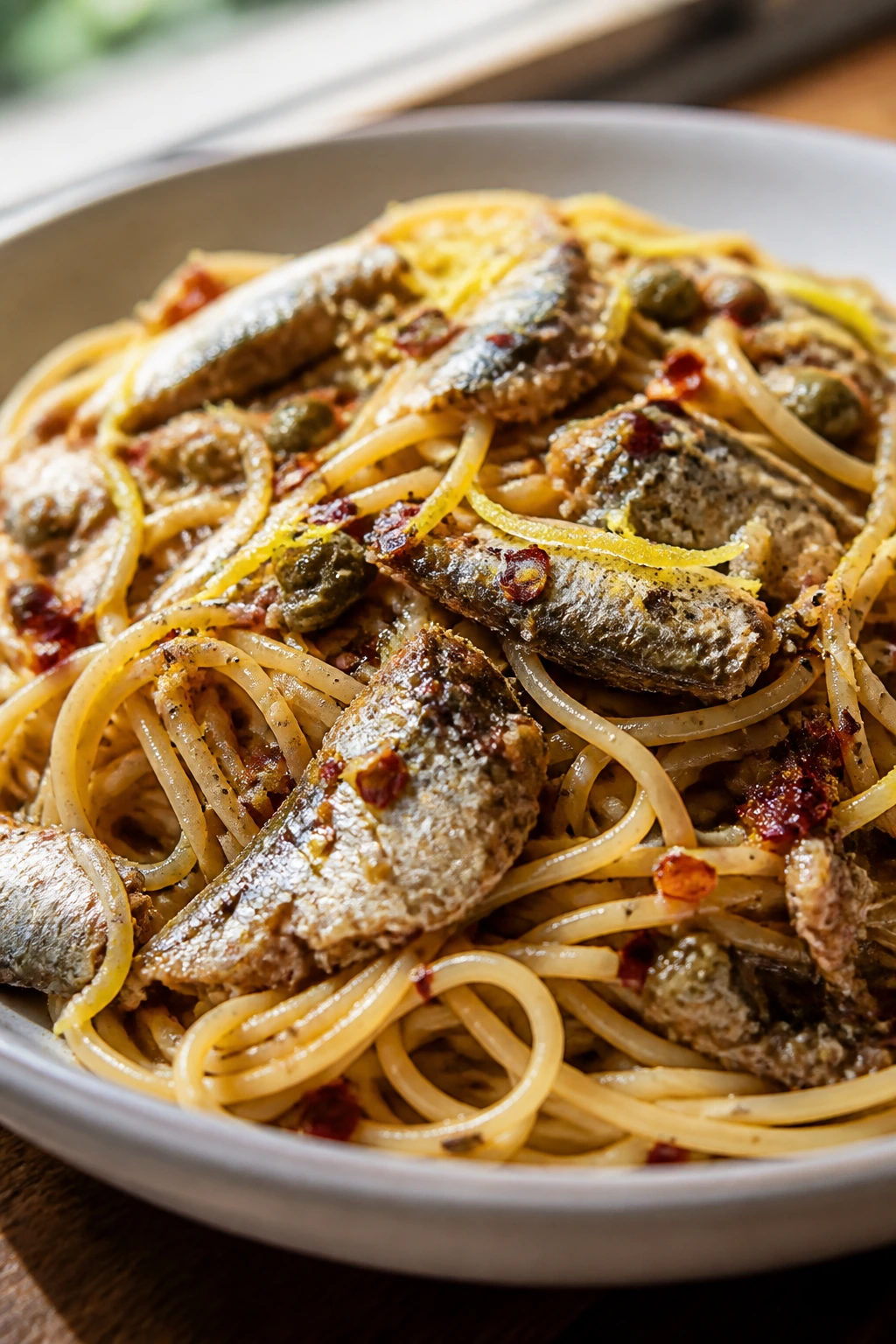
Sardines have a stronger personality than tuna, and I mean that as a compliment. In hot oil with garlic, lemon, and chili, they turn into a briny, rich sauce that tastes far more expensive than it is.
Why It Works:
Sardines are already packed with flavor, so they need a simple stage: olive oil, garlic, acid, and a pasta shape that can hold the sauce. Lemon cuts through the richness, chili keeps things from tasting heavy, and a few toasted crumbs or herbs at the end tidy up the plate. This is fast food for people who actually like to cook.
Key Ingredients:
- 12 ounces linguine or spaghetti — Long pasta helps here.
- 2 tablespoons olive oil — For the garlic.
- 4 garlic cloves, sliced — Slice, don’t mince.
- 1 teaspoon chili flakes — Adjust to taste.
- 2 cans sardines in olive oil, drained lightly — Break them into chunks.
- 1 lemon, zested and juiced — Important for balance.
- 2 tablespoons capers — Optional, but excellent.
- 2 tablespoons chopped parsley — Fresh finish.
- Salt and black pepper — Taste before adding much salt.
Quick Steps:
- Boil the pasta: Cook the linguine in salted water until al dente, about 9 minutes. Reserve 1 cup pasta water.
- Cook the garlic: Warm the olive oil in a skillet over medium-low heat. Add the garlic and chili flakes and cook for 1 minute.
- Add sardines: Gently break in the sardines and warm for 1 minute.
- Toss with pasta: Add the drained pasta, lemon zest, lemon juice, and 1/2 cup pasta water. Toss until glossy.
- Finish: Add capers and parsley, then more pasta water if needed.
Equipment for This Recipe:
- Large pot — For the pasta.
- Skillet — Wide enough to toss the fish gently.
- Tongs — Best for mixing the noodles.
- Microplane — For lemon zest.
How to Serve This Dish:
Serve it immediately, with extra black pepper and maybe a few more capers on top. A pile of arugula dressed with lemon helps cut the richness. The pasta should shine with oil, not sit in a greasy pool.
Pro Tips for This Recipe:
- Use sardines packed in olive oil if possible.
- Keep the garlic gentle; sardines do not need bitterness added to them.
- Lemon zest first, lemon juice second. That order makes the citrus more vivid.
- If you like crunch, toast a little breadcrumbs in the skillet before the garlic and save them for topping.
Variations on This Dish:
- Tomato Sardine Pasta: Stir in 1/2 cup crushed tomatoes for a red sauce twist.
- Garlic Herb Version: Add chopped parsley and a pinch of dried oregano.
- Rice Swap: Skip the pasta and spoon the sardines over hot rice with the same lemon-chili finish.
Common Mistakes to Avoid with This Dish:
- Overbreaking the sardines: Leave some chunks. They’re better with texture.
- Using too much lemon juice too early: The acid can overpower the fish if it cooks too long.
- Forgetting pasta water: Sardine pasta needs a little looseness to feel cohesive.
11. Salsa Rice and Beans Skillet
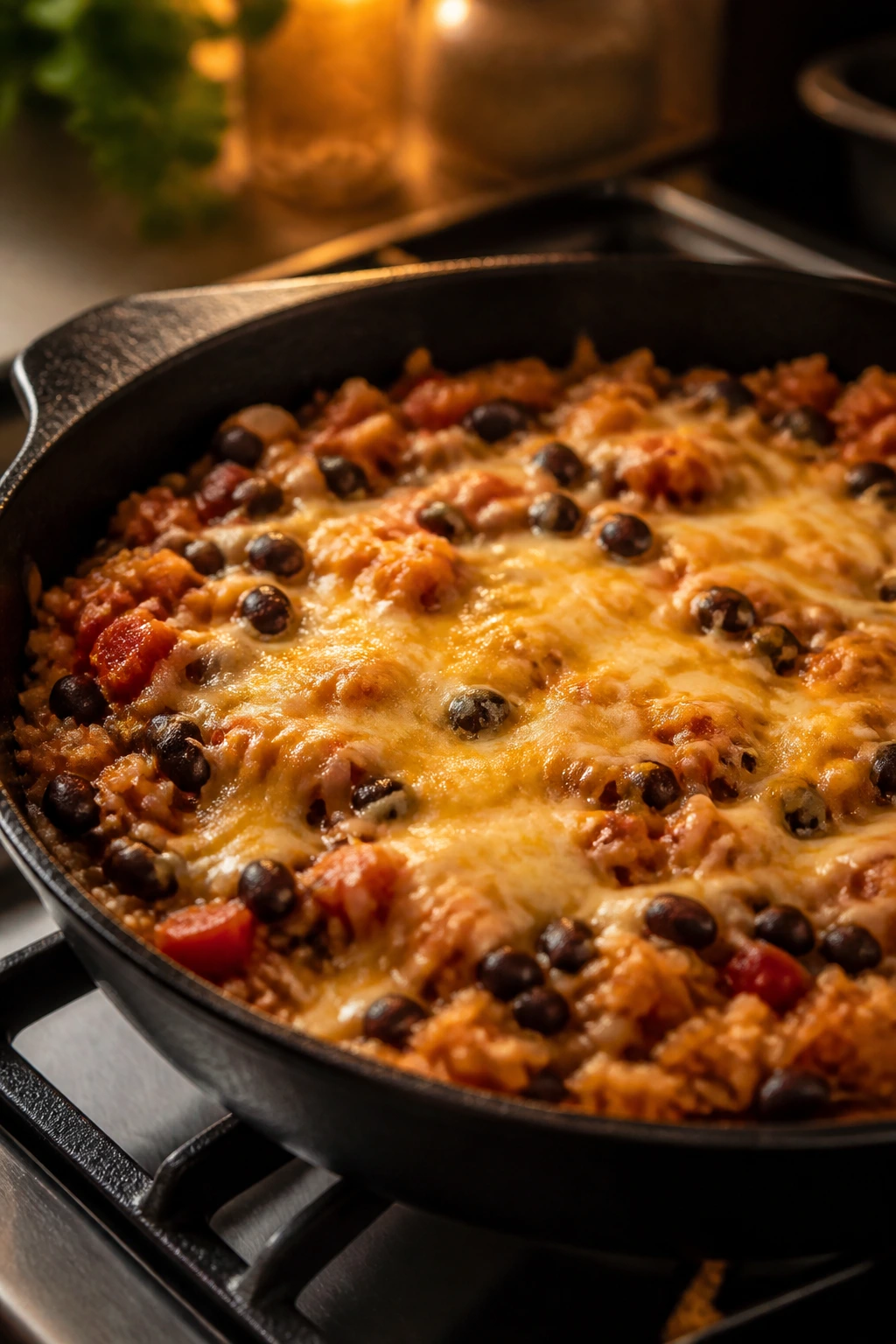
If you keep a jar of salsa, a bag of rice, and a can of beans around, dinner stops being a crisis. This skillet meal is warm, a little smoky, and flexible enough to absorb whatever extra cheese or corn you happen to have.
Why It Works:
Salsa does the work of tomatoes, onion, herbs, and spice in one move. Rice soaks up the flavor, black beans add heft, and a bit of cheese at the end makes everything settle into place. It’s the kind of dinner that tastes more cohesive than you expect from a jar and a couple of cans.
Key Ingredients:
- 1 tablespoon oil — For the rice and any aromatics.
- 1 small onion, diced — Optional, but helpful.
- 1 cup uncooked long-grain rice — Rinsed first.
- 1 can (15 ounces) black beans, drained and rinsed — Main protein.
- 1 1/2 cups salsa — Use one you like eating straight from the jar.
- 1 3/4 cups water or broth — For the rice.
- 1 cup frozen corn — Optional, adds sweetness.
- 1 teaspoon ground cumin — Extra depth.
- 1 cup shredded cheese — For the top.
Quick Steps:
- Cook the onion: Warm the oil in a deep skillet over medium heat. Cook the onion for 3 to 4 minutes.
- Toast the rice: Add the rinsed rice and cumin, stirring for 1 minute until the grains look a little translucent.
- Add liquid and salsa: Pour in the water or broth and salsa. Bring to a simmer.
- Cook covered: Cover and cook on low for 15 minutes. Stir in the beans and corn, then cook 5 minutes more.
- Finish with cheese: Sprinkle cheese over the top, cover for 2 minutes, then serve.
Equipment for This Recipe:
- Deep skillet with lid — A must for the rice.
- Measuring cup — For the rice and liquid.
- Wooden spoon — For stirring the bottom.
- Fork — To fluff the rice at the end.
How to Serve This Dish:
Serve it with avocado if you’ve got one, or just a spoonful of sour cream and a handful of crushed tortilla chips. It should look like a skillet meal, not a soup, with the rice defined and the cheese melted in patches. Lime on top helps a lot.
Pro Tips for This Recipe:
- Don’t skip rinsing the rice. It keeps the grains from turning gummy.
- Use salsa you actually like. Bland salsa makes a bland skillet.
- Keep the lid on during the rice cook.
- Add the beans near the end so they stay intact.
Variations on This Dish:
- Red Salsa Version: Use a smoky red salsa for a deeper, roasted taste.
- Green Chile Bowl: Swap in salsa verde and add a squeeze of lime.
- Protein Boost: Top with a fried egg if you want a bigger dinner.
Common Mistakes to Avoid with This Dish:
- Too much liquid: Rice turns soft and soupy. Measure carefully.
- Stirring too much while it simmers: That breaks the grains and makes the pot sticky.
- Using watery salsa: Thick salsa clings better and flavors the rice more clearly.
12. Tortilla Pan Pizza with Mozzarella and Olives
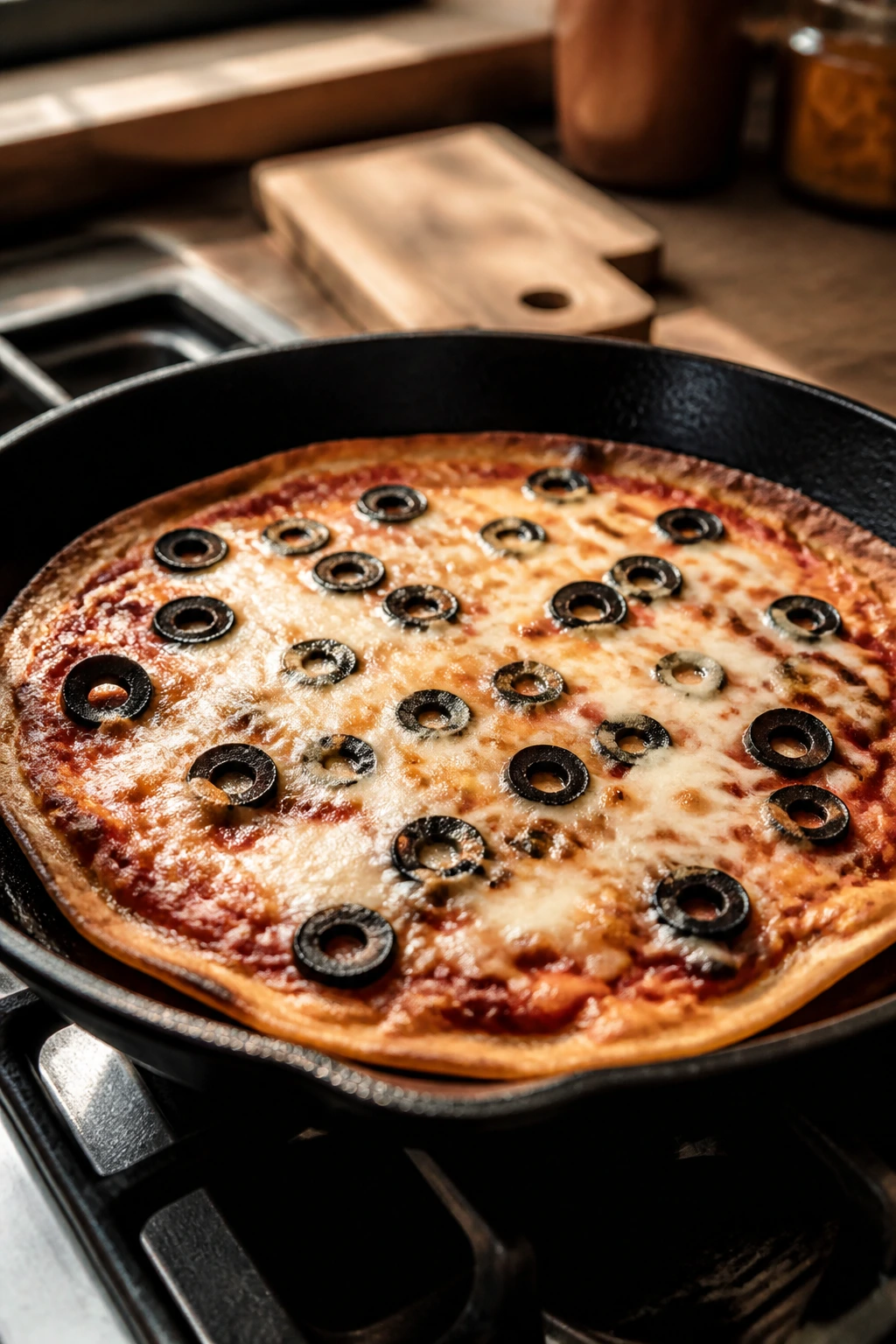
Tortillas make a very respectable thin-crust pizza when you treat them like a canvas, not a loaf of bread. The edges turn crisp, the center stays snappy, and the toppings stay light enough for a fast dinner.
Why It Works:
A tortilla is thin enough to crisp in minutes under the broiler or in a hot skillet. Tomato paste, oil, and oregano make a quick sauce that tastes much more like pizza than you’d expect, and mozzarella melts fast because the base is so thin. It’s one of the easiest ways to get pizza-like dinner without dough.
Key Ingredients:
- 4 medium flour tortillas — The thinner, the crispier.
- 3 tablespoons olive oil — For the sauce and pan.
- 2 tablespoons tomato paste — Concentrated flavor.
- 1 teaspoon dried oregano — Pizza’s backbone.
- 1 cup shredded mozzarella — Use a melty, low-moisture version.
- 1/4 cup sliced olives — Salty and useful.
- 1/4 small red onion, thinly sliced — Optional.
- Pinch red pepper flakes — Optional heat.
- Salt — Just a little.
Quick Steps:
- Preheat the oven broiler or a hot skillet: If broiling, position the rack close to the heat. If using a skillet, heat it over medium.
- Mix the sauce: Stir the tomato paste with 1 tablespoon olive oil, oregano, and a teaspoon of water until spreadable.
- Assemble: Brush each tortilla lightly with olive oil, spread on the sauce, and top with mozzarella, olives, and onion.
- Cook: Broil for 2 to 4 minutes or cook in a skillet covered for 3 to 5 minutes until the cheese melts and the edges crisp.
- Slice: Rest for 1 minute, then cut into wedges.
Equipment for This Recipe:
- Rimmed baking sheet or skillet — Depends on your cooking method.
- Spoon — For spreading sauce.
- Sharp knife or pizza cutter — For slicing.
- Oven mitts — The pan gets hot fast.
How to Serve This Dish:
Cut it into wedges and serve it with a handful of arugula or sliced cucumbers so the meal doesn’t become all bread and cheese. It’s best eaten hot, with the tortilla still crisp at the edge. A sprinkle of Parmesan after baking gives it a little extra salt.
Pro Tips for This Recipe:
- Go light on sauce. Too much tomato paste makes the tortilla soggy.
- Watch the broiler closely. Tortillas go from pale to burnt in no time.
- Low-moisture mozzarella melts better than fresh mozzarella here.
- Let it rest for a minute before slicing so the toppings settle.
Variations on This Dish:
- Pepperoni Pantry Version: Add sliced pepperoni if you keep it around.
- Mushroom and Onion Pan Pizza: Use jarred mushrooms or sautéed fresh ones.
- White Pizza: Skip the tomato paste and brush the tortilla with olive oil, garlic, and mozzarella.
Common Mistakes to Avoid with This Dish:
- Overloading the tortilla: It will fold and steam instead of crisping.
- Using a cold pan: The base needs heat from the start.
- Walking away from the broiler: Those last 30 seconds matter.
13. Butter Beans in Tomato Sauce over Rice
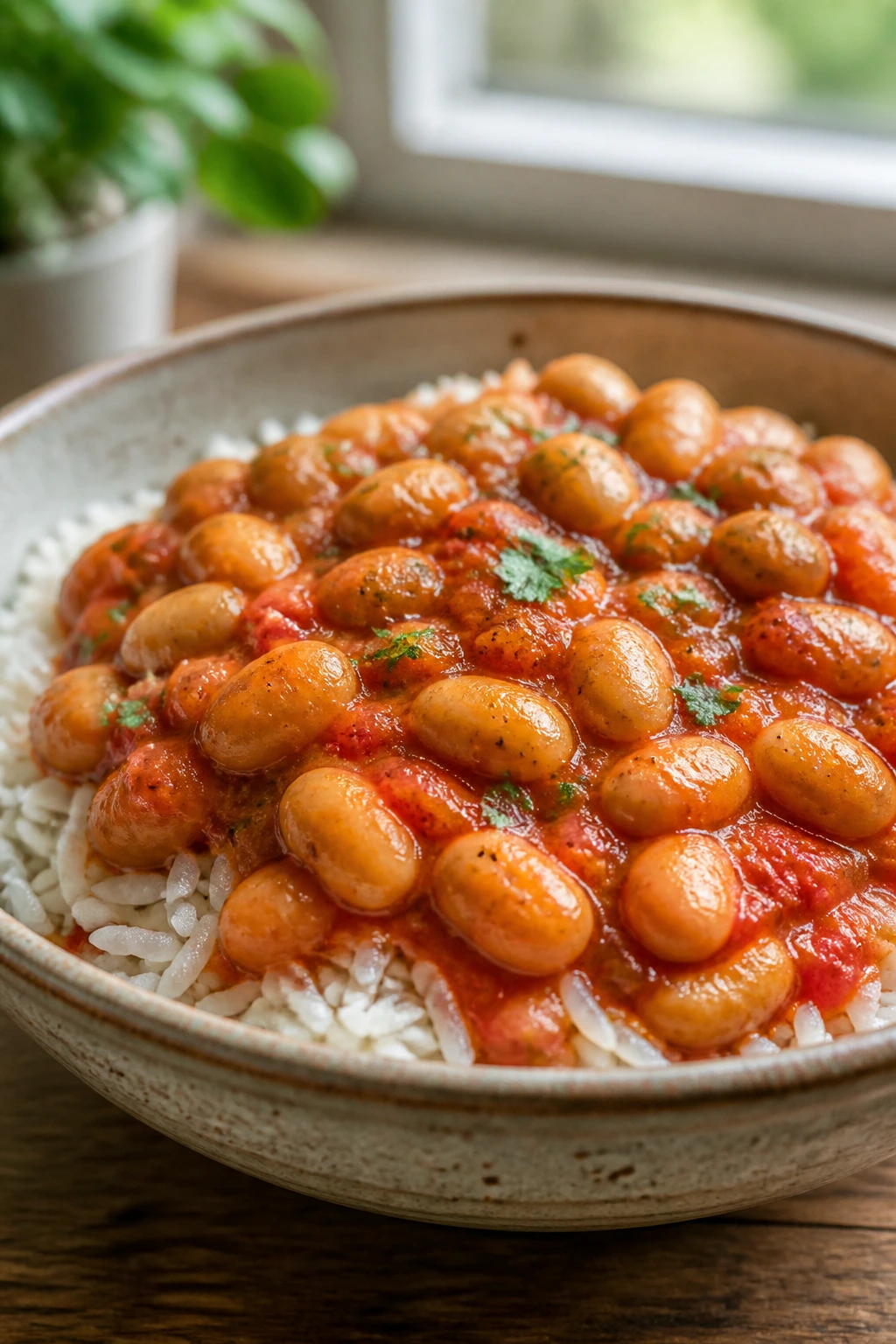
Butter beans have a creamy texture that can make a very plain pantry dinner feel calm and full. Simmer them in tomato sauce with garlic and onion, then spoon the whole thing over rice and you’ve got a dinner that feels steady and substantial.
Why It Works:
Butter beans soften into tomato sauce in a way that feels almost luxurious, but the ingredients are cheap and common. The tomato paste gives the sauce a deeper red color and more body, while garlic and oregano pull the whole pot toward something Mediterranean and familiar. Rice underneath catches every bit of sauce.
Key Ingredients:
- 1 tablespoon olive oil — For the onion.
- 1 small onion, diced — Foundation flavor.
- 3 garlic cloves, minced — Needed.
- 2 tablespoons tomato paste — Thickens and deepens the sauce.
- 1 teaspoon dried oregano — Simple and right.
- 2 cans (15 ounces each) butter beans, drained and rinsed — Creamy main ingredient.
- 1 can (14.5 ounces) crushed tomatoes — Sauce base.
- 1/2 cup water or broth — To loosen the sauce.
- 2 cups cooked rice — For serving.
- Parmesan or parsley — Optional finish.
Quick Steps:
- Cook the onion: Heat the oil in a skillet over medium heat. Cook the onion for 5 minutes until soft.
- Build the base: Stir in the garlic and tomato paste for 1 minute until the paste darkens slightly.
- Simmer the sauce: Add oregano, crushed tomatoes, water, and butter beans. Simmer for 10 to 12 minutes.
- Adjust texture: Stir gently so some beans break and thicken the sauce.
- Serve over rice: Spoon the beans over hot rice and finish with Parmesan or parsley if you want it.
Equipment for This Recipe:
- Large skillet or saucepan — Enough room to simmer the beans.
- Wooden spoon — Gentle stirring helps.
- Measuring cup — For the sauce and rice.
- Pot for rice — If it isn’t already cooked.
How to Serve This Dish:
Serve it in a bowl with the rice underneath and the beans spooned over the top. A lemon wedge on the side cuts the richness, and a simple green salad is enough if you want a second plate. The sauce should be thick but not paste-like.
Pro Tips for This Recipe:
- Let the tomato paste cook for a full minute. Raw paste tastes sharp.
- Stir lightly so some beans break and some stay whole.
- A splash of pasta water can substitute for broth if you’re in a pinch.
- Add parsley at the end, not in the simmer, or it disappears.
Variations on This Dish:
- Smoky Paprika Beans: Add 1 teaspoon smoked paprika with the oregano.
- Garlic Toast Version: Skip the rice and serve on toast for a faster plate.
- Green Bean Boost: Stir in drained canned green beans if you want more volume.
Common Mistakes to Avoid with This Dish:
- Not reducing the sauce enough: Watery beans slide off the rice.
- Adding too much liquid early: The sauce should thicken as it simmers.
- Over-stirring the beans: You want a mix of creamy and intact beans.
14. Peanut Noodles with Cabbage
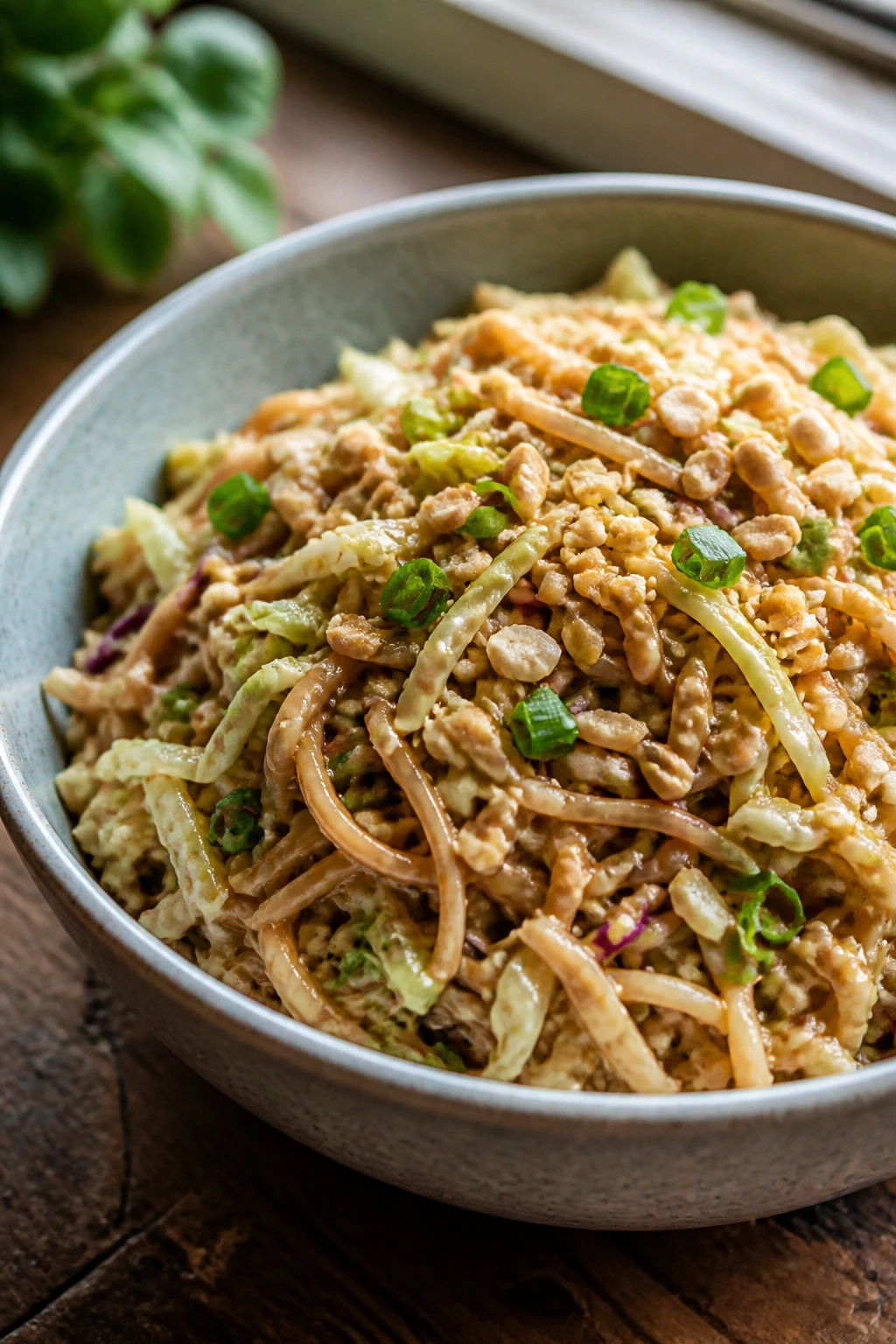
This is one of those dinners that tastes like takeout but uses pantry food and one sturdy vegetable. Peanut butter, soy sauce, vinegar, and garlic make a sauce that coats noodles fast, while cabbage gives the whole bowl some crunch and staying power.
Why It Works:
Peanut butter becomes sauce when you loosen it with hot water and sharpen it with vinegar or lime. Soy sauce handles the salt, garlic adds depth, and cabbage stays crisp enough to break up the richness. It’s a cold-weather pantry meal that still eats light enough for a weeknight.
Key Ingredients:
- 12 ounces spaghetti or linguine — Works well if you don’t have noodles.
- 1/3 cup peanut butter — Creamy or crunchy.
- 3 tablespoons soy sauce — Salty backbone.
- 2 tablespoons rice vinegar or lime juice — For brightness.
- 1 tablespoon honey or brown sugar — Balances the sauce.
- 2 garlic cloves, grated or minced — Stronger is better here.
- 1/2 teaspoon chili flakes or hot sauce — Optional heat.
- 3 cups shredded cabbage — The crunch.
- 2 to 4 tablespoons hot water — For thinning the sauce.
- 2 green onions, sliced — Optional topping.
Quick Steps:
- Cook the noodles: Boil the pasta in salted water until al dente. Reserve 1 cup pasta water.
- Mix the sauce: Whisk peanut butter, soy sauce, vinegar, honey, garlic, and chili flakes with a few tablespoons hot water until smooth.
- Toss the cabbage: Put the cabbage in a big bowl so it softens slightly from the heat later.
- Combine: Add the drained noodles and sauce to the bowl, tossing with splashes of pasta water until coated.
- Finish: Top with green onions and serve right away.
Equipment for This Recipe:
- Large pot — For the noodles.
- Big mixing bowl — Easier for tossing than a skillet.
- Whisk or fork — To smooth the sauce.
- Colander — For draining.
How to Serve This Dish:
Pile it into bowls with extra chili flakes on top and maybe sesame seeds if they’re in the cupboard. A fried egg or some leftover chicken can sit on top, but it doesn’t need it. The sauce should cling in a satiny layer, not pool at the bottom.
Pro Tips for This Recipe:
- Use hot pasta water to loosen the sauce, not cold tap water.
- Shred the cabbage finely so it softens just enough.
- Taste the sauce before tossing. Peanut butter brands vary a lot in salt and sweetness.
- If the noodles grab too much sauce, add more water a tablespoon at a time.
Variations on This Dish:
- Sesame Version: Add 1 teaspoon sesame oil at the end.
- Spicy Chili Crisp Bowl: Spoon chili crisp over the top instead of plain chili flakes.
- Crunchy Peanut Slaw: Serve the sauce over raw cabbage and noodles for a colder, slaw-like bowl.
Common Mistakes to Avoid with This Dish:
- Using a sauce that’s too thick: Peanut butter needs water and acid to behave.
- Adding cabbage after the noodles cool: It stays too raw. Toss while everything is hot.
- Skipping the sugar or honey: The sauce tastes flat without a little balance.
15. Corn and Black Bean Fritters
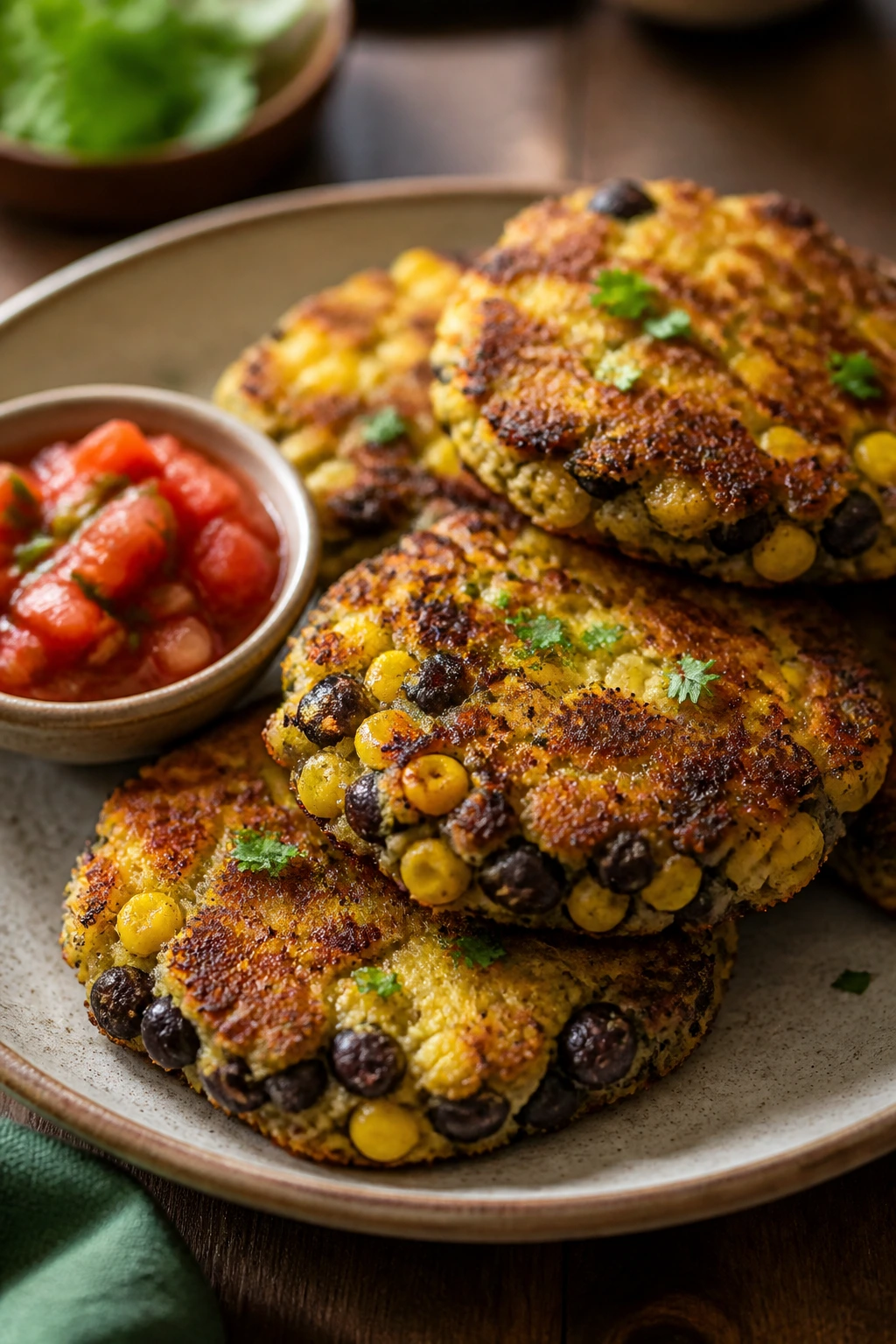
Fritters are the fast dinner version of saying, “I have corn, beans, eggs, and a skillet, so let’s make this work.” Crisp edges, soft centers, and salsa on top make them more dinner than snack, which is the whole point.
Why It Works:
Canned corn and black beans give you texture right away, and a little flour plus egg holds the patties together. Because the mixture is fairly dry, the fritters brown instead of steaming. They’re especially good when you want something that feels cooked, not merely assembled.
Key Ingredients:
- 1 can (15 ounces) black beans, drained and rinsed — Half mashed, half whole.
- 1 cup corn kernels — Canned or thawed frozen.
- 2 large eggs — Binder.
- 1/3 cup all-purpose flour — Holds the batter together.
- 1 teaspoon cumin — Adds warmth.
- 1/2 teaspoon garlic powder — Useful shortcut.
- 1/4 teaspoon salt — Enough, since salsa comes later.
- 2 tablespoons chopped green onion — Optional.
- 2 tablespoons oil — For frying.
- Salsa or yogurt — For serving.
Quick Steps:
- Mix the batter: In a bowl, mash about half the beans, then stir in the corn, eggs, flour, cumin, garlic powder, salt, and green onion.
- Heat the skillet: Warm the oil in a skillet over medium heat.
- Form the fritters: Drop 1/4-cup portions into the skillet and flatten slightly with a spatula.
- Cook: Fry for 3 to 4 minutes per side until deep golden and set.
- Drain and serve: Move to a paper towel-lined plate and serve with salsa or yogurt.
Equipment for This Recipe:
- Mixing bowl — Big enough for the batter.
- Skillet — Nonstick or well-seasoned cast iron.
- Spatula — For flipping.
- Measuring scoop — Keeps the fritters even.
How to Serve This Dish:
Serve 2 or 3 fritters per person with salsa, yogurt, or sour cream and a little shredded lettuce. A rice side turns them into a fuller dinner if needed. The fritters should be crisp at the edges and tender, not wet, in the middle.
Pro Tips for This Recipe:
- Drain the beans and corn well or the batter gets sloppy.
- Don’t make the fritters too thick; they’ll brown outside before setting inside.
- A hot skillet is the difference between crisp and greasy.
- Let them sit for 1 minute before serving so they firm up.
Variations on This Dish:
- Cheesy Fritters: Add 1/2 cup shredded cheddar to the batter.
- Southwest Version: Stir in diced canned green chiles.
- Gluten-Free Swap: Use 1/3 cup chickpea flour instead of all-purpose flour.
Common Mistakes to Avoid with This Dish:
- Wet batter: The fritters spread and fail to hold shape. Drain the ingredients well.
- Flipping too early: Wait until the edges look set and browned.
- Crowding the pan: Leave space so the fritters brown instead of steaming.
16. Cannellini Bean Smash Toasts with Eggs
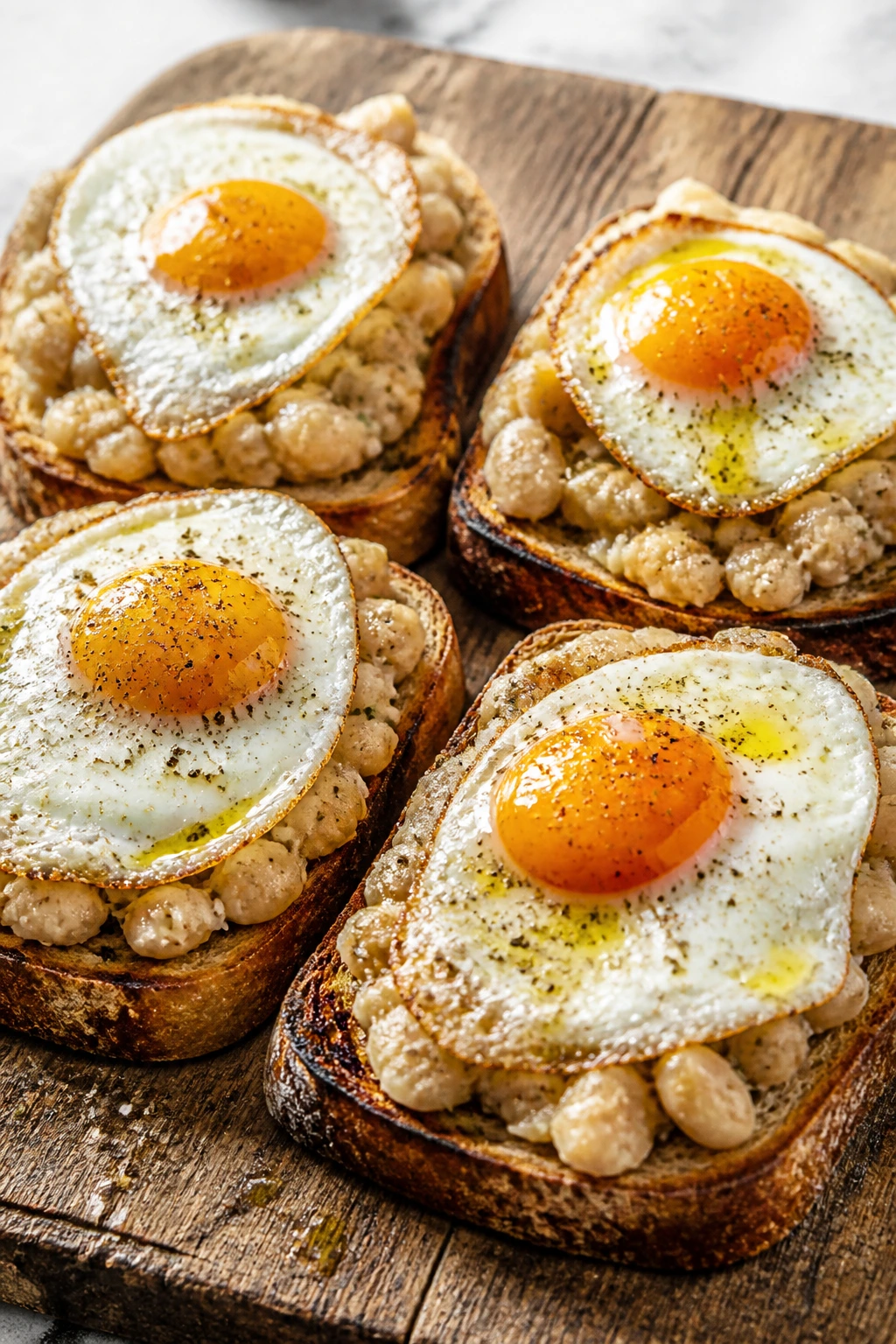
This is toast with ambition. Cannellini beans mashed with garlic, lemon, and olive oil turn creamy and savory, and once you add a fried egg on top, the whole thing becomes dinner instead of a snack.
Why It Works:
Beans spread well when you mash them with fat and acid, which is why olive oil and lemon matter here. The toast gives you crunch, the egg gives you richness, and the red pepper flakes keep the whole plate from feeling too soft. It’s fast, but it still feels composed.
Key Ingredients:
- 1 can (15 ounces) cannellini beans, drained and rinsed — The spread base.
- 2 tablespoons olive oil — For mashing and toasting.
- 1 garlic clove, finely grated — Sharp and direct.
- 1 tablespoon lemon juice — Keeps the beans bright.
- 4 slices sturdy bread — Country loaf or sourdough.
- 4 large eggs — One per toast.
- 1/2 teaspoon red pepper flakes — Optional heat.
- Salt and black pepper — Season both layers.
- Chopped parsley — Optional.
Quick Steps:
- Make the bean smash: Mash the beans with 1 tablespoon olive oil, the garlic, lemon juice, salt, and pepper until mostly smooth but still a little chunky.
- Toast the bread: Toast or skillet-sear the slices until crisp and browned.
- Fry the eggs: Cook the eggs in a little oil until the whites are set and the yolks are still soft.
- Assemble: Spread the bean mixture thickly over the toast.
- Finish: Top each slice with an egg, red pepper flakes, and parsley.
Equipment for This Recipe:
- Bowl — For mashing the beans.
- Fork or potato masher — Either works.
- Toaster or skillet — For the bread.
- Nonstick skillet — For the eggs.
How to Serve This Dish:
Serve two toasts per person with a simple side salad or sliced cucumbers. If you want more dinner and less open-faced lunch, add a second egg or a few olives on the side. The bread should stay crisp enough to hold the bean spread without buckling.
Pro Tips for This Recipe:
- Use sturdy bread. Thin sandwich bread goes soft too fast.
- Don’t mash the beans into a puree. A little texture makes the toast better.
- Salt the bean mixture before assembly and taste it.
- Fry the eggs last so the yolks stay warm and loose.
Variations on This Dish:
- Herby Bean Toast: Mix chopped parsley or dill into the bean mash.
- Tomato Version: Add sliced cherry tomatoes or a spoonful of salsa on top.
- Avocado Swap: Replace the bean smash with mashed avocado if you want a different spread.
Common Mistakes to Avoid with This Dish:
- Soggy bread: Toast it until deep golden so it can hold the beans.
- Overseasoning only the eggs: The bean spread needs its own salt and acid.
- Serving too slowly: Eggs cool fast, and this dish is best hot.
17. Salmon Cakes with Mustard Mayo
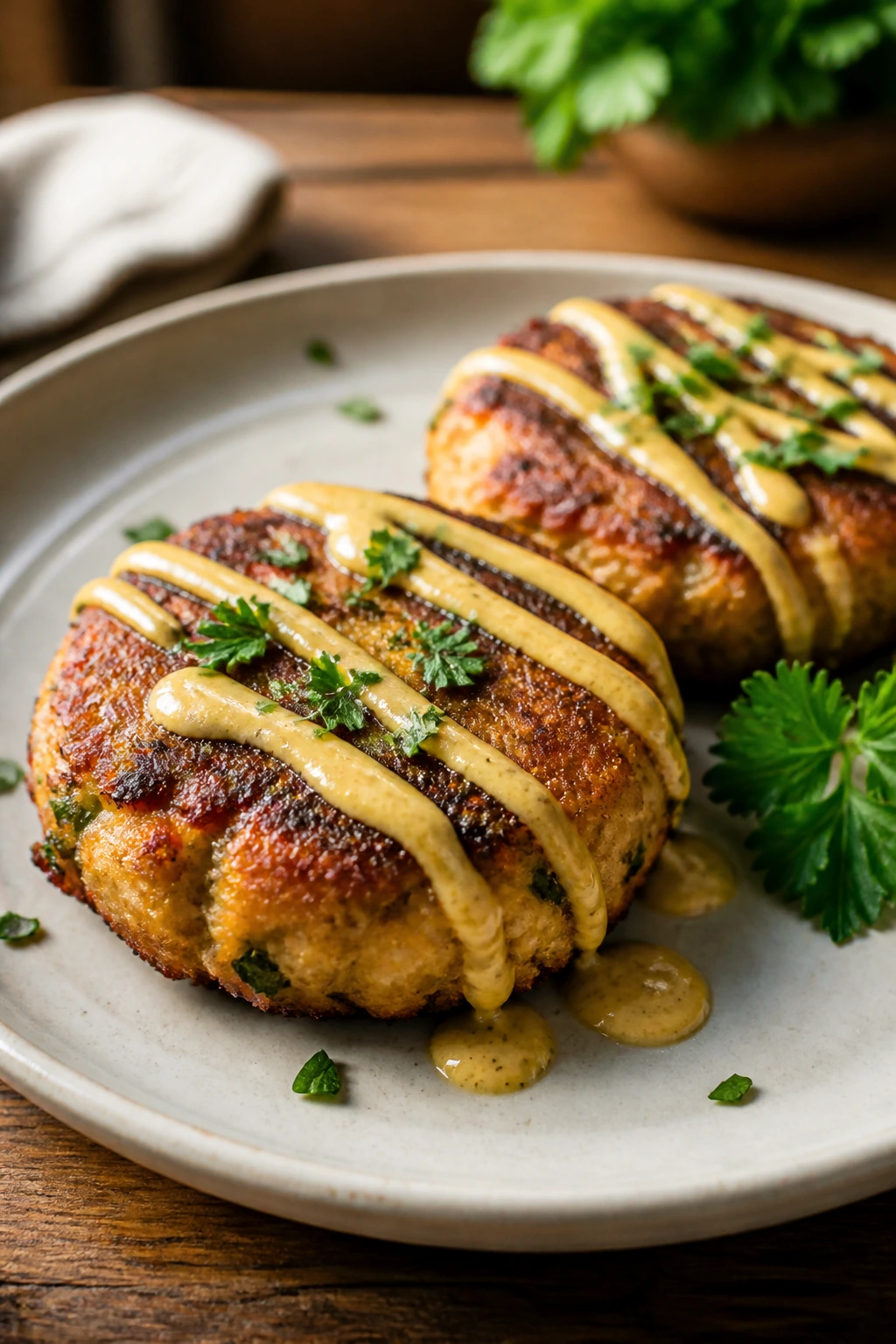
Canned salmon is one of those pantry items people buy and then forget, which is a shame because it makes excellent quick cakes. Crisp on the outside, tender inside, and finished with mustard mayo, these feel like real dinner with very little fuss.
Why It Works:
The canned salmon already has a cooked, flaky texture, so you only need enough binder to hold it together. Breadcrumbs, egg, and mustard do that job while lemon cuts through the richness. Pan-frying gives you the crisp edges that make the cakes feel deliberate, not canned.
Key Ingredients:
- 2 cans (5 ounces each) salmon, drained — Pick out any large bones if you want.
- 1 large egg — Binder.
- 1/3 cup breadcrumbs — Holds the cakes together.
- 2 tablespoons mayonnaise — Moisture and richness.
- 1 tablespoon Dijon mustard — Sharpens the mix.
- 1 tablespoon lemon juice — Brightness matters.
- 2 tablespoons chopped parsley or dill — Optional.
- 2 tablespoons oil — For frying.
- Salt and pepper — Taste before you season heavily.
- 2 tablespoons mayo plus 1 teaspoon mustard — For the quick sauce.
Quick Steps:
- Mix the cakes: Combine salmon, egg, breadcrumbs, mayo, Dijon, lemon juice, herbs, salt, and pepper in a bowl.
- Form patties: Shape into 4 small cakes and chill for 5 minutes if the mixture feels soft.
- Heat the skillet: Warm the oil over medium heat.
- Fry: Cook the cakes for 3 to 4 minutes per side until deep golden.
- Mix the sauce and serve: Stir the extra mayo and mustard together and serve with lemon.
Equipment for This Recipe:
- Mixing bowl — For the salmon mixture.
- Skillet — Nonstick makes flipping easier.
- Spatula — To turn the cakes gently.
- Fork — Useful for flaking salmon if needed.
How to Serve This Dish:
Serve the cakes with mustard mayo, lemon wedges, and whatever green vegetable is easiest to make: peas, salad, or green beans. They also work tucked into a bun if you want a sandwich feel. The outside should crackle a little when cut.
Pro Tips for This Recipe:
- Chill the patties briefly if the mixture feels loose.
- Don’t use too many breadcrumbs or the cakes turn dry.
- A light hand when flipping keeps them intact.
- Taste the mixture before frying; canned salmon varies in salt.
Variations on This Dish:
- Caper Salmon Cakes: Add 1 tablespoon chopped capers for a briny edge.
- Potato Salmon Cakes: Fold in 1/2 cup leftover mashed potatoes for a softer cake.
- Spicy Sauce Version: Stir hot sauce into the mustard mayo.
Common Mistakes to Avoid with This Dish:
- Wet mixture: Drain the salmon well or the cakes fall apart.
- Flipping too soon: Wait for a browned crust.
- Overcrowding the pan: Give the cakes room so they fry, not steam.
18. Tomato Orzo with Olives and Spinach
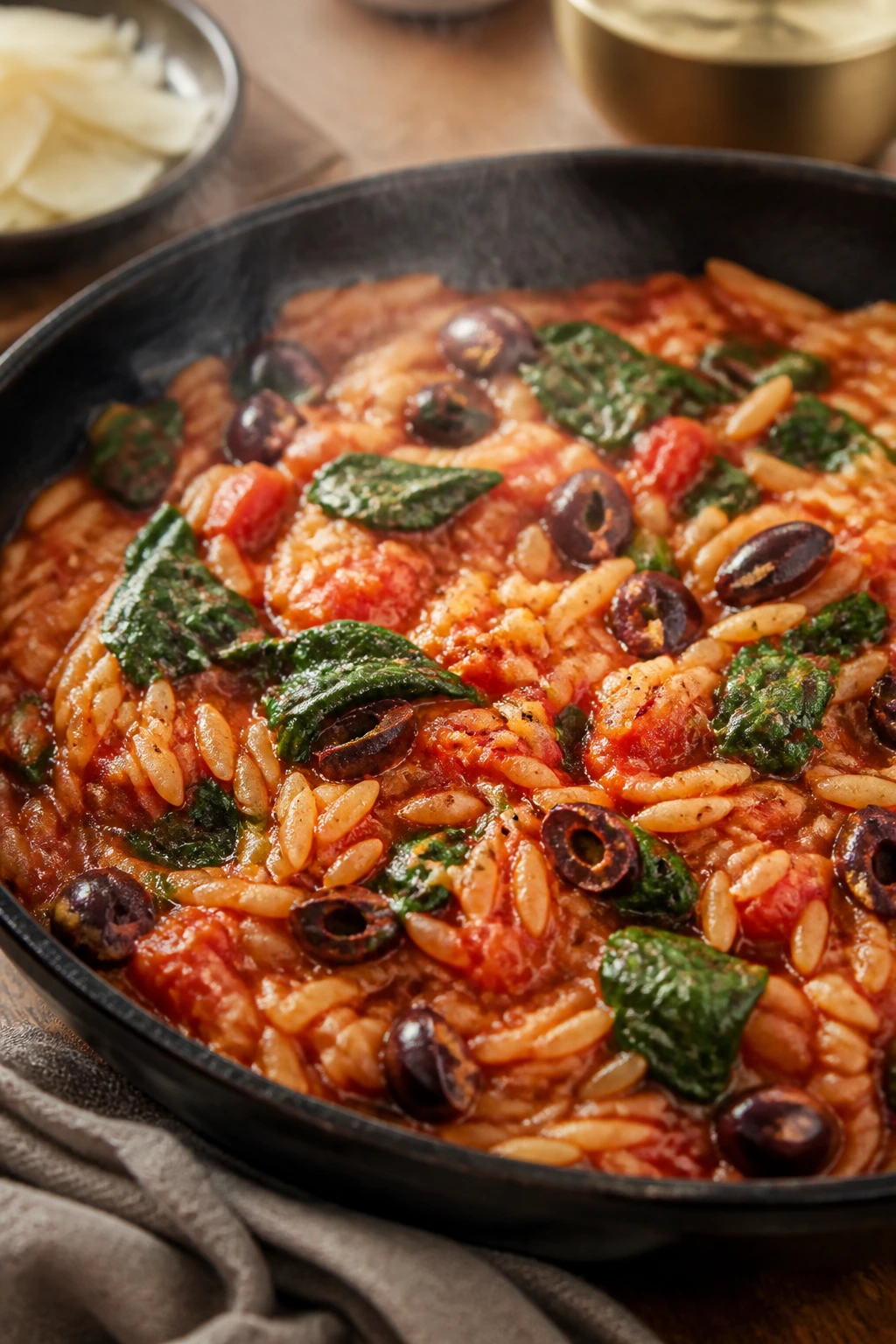
Orzo acts like tiny rice-shaped pasta, which means it can cook right in the sauce and turn weeknight tomatoes into something much silkier. The olives keep the pot salty, the spinach softens at the end, and the whole thing lands somewhere between soup and pasta.
Why It Works:
Orzo absorbs liquid fast, so the broth and tomatoes thicken into a creamy, spoonable pan without needing cream. Olives add punch, spinach gives a little freshness, and Parmesan at the end smooths out the acidity. It’s fast enough for a weeknight and polished enough to serve in bowls instead of plates.
Key Ingredients:
- 1 tablespoon olive oil — For the onion.
- 1 small onion, diced — Flavor start.
- 2 garlic cloves, minced — Don’t skip them.
- 1 cup orzo — The pasta base.
- 1 can (14.5 ounces) diced tomatoes — Sauce and liquid.
- 2 cups broth — For simmering the orzo.
- 1/3 cup sliced olives — Salty finish.
- 2 cups spinach — Stirred in at the end.
- 1/4 cup grated Parmesan — For serving.
- Black pepper — Helps the tomato flavor.
Quick Steps:
- Cook the onion: Warm the oil in a skillet or saucepan over medium heat. Cook the onion for 4 minutes.
- Add garlic and orzo: Stir in the garlic and orzo and cook for 1 minute so the pasta toasts lightly.
- Simmer: Add tomatoes and broth, then simmer for 10 to 12 minutes, stirring often, until the orzo is tender.
- Add olives and spinach: Stir them in and cook for 1 minute until the spinach wilts.
- Finish: Top with Parmesan and black pepper.
Equipment for This Recipe:
- Deep skillet or saucepan — Enough room for the orzo to swell.
- Wooden spoon — Stir often.
- Measuring cup — For the broth.
- Cheese grater — For Parmesan.
How to Serve This Dish:
Serve it hot in shallow bowls with more Parmesan on the table. A piece of toasted bread helps scoop the saucy bits, and a lemon wedge can brighten the whole bowl if the tomatoes run sweet. The texture should be loose and creamy, not stiff.
Pro Tips for This Recipe:
- Stir frequently so the orzo doesn’t stick.
- Add a splash more broth if the pan tightens before the pasta is tender.
- Taste the olives before salting; they often bring enough salt on their own.
- Stir in spinach at the end so it stays green.
Variations on This Dish:
- Feta Orzo: Swap Parmesan for feta crumbles.
- Garlic Herb Version: Add dried oregano or basil with the onion.
- Bean Add-In: Stir in drained white beans for more heft.
Common Mistakes to Avoid with This Dish:
- Letting the orzo dry out: It cooks fast and can go sticky.
- Adding spinach too early: It disappears into the sauce.
- Over-salting before the olives go in: Taste first, then season.
19. Black Bean Tortilla Soup
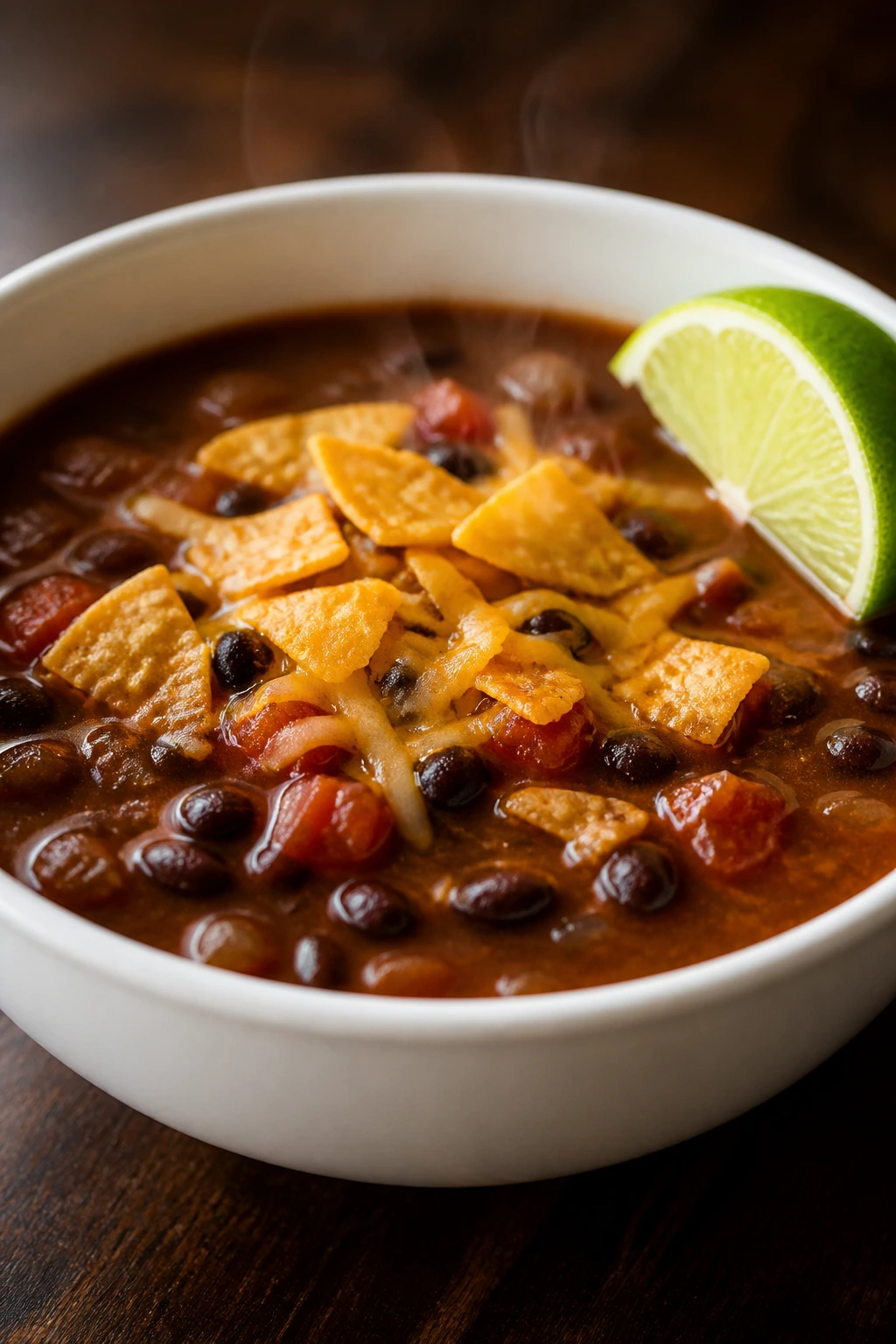
Tortilla soup can be as bare-bones or as loaded as you want, but the black bean version is the one I reach for when dinner needs to be fast and filling. The broth gets smoky from chili powder, the beans make it hearty, and crushed tortilla chips on top give you the crunch.
Why It Works:
Black beans thicken broth without effort, and canned tomatoes add a little body and acid. Tortilla chips stirred in at the end soften just enough around the edges while still keeping some crunch on top. It’s the kind of soup that tastes better the more toppings you throw at it, which is convenient.
Key Ingredients:
- 1 tablespoon oil — For the onion.
- 1 small onion, diced — The base.
- 2 garlic cloves, minced — Standard but important.
- 1 tablespoon chili powder — Main seasoning.
- 1 teaspoon cumin — Adds warmth.
- 2 cans (15 ounces each) black beans, drained and rinsed — Main body of the soup.
- 1 can (14.5 ounces) diced tomatoes — Adds acidity and color.
- 4 cups broth — Vegetable or chicken.
- 1 cup crushed tortilla chips — For thickening and topping.
- Lime wedges and cheese — For serving.
Quick Steps:
- Cook the onion: Heat the oil in a pot over medium heat. Cook the onion for 4 to 5 minutes.
- Add garlic and spices: Stir in the garlic, chili powder, and cumin for 30 seconds.
- Simmer the soup: Add beans, tomatoes, and broth. Simmer for 15 minutes.
- Thicken slightly: Stir in half the tortilla chips and simmer for 2 minutes.
- Serve: Ladle into bowls and top with the remaining chips, lime, and cheese.
Equipment for This Recipe:
- Soup pot — Room for the broth and beans.
- Wooden spoon — For stirring.
- Ladle — Helpful for serving.
- Can opener — Again, the quiet hero.
How to Serve This Dish:
Serve it with extra lime and a spoonful of sour cream or yogurt if you want creaminess. A scoop of rice turns it into a bigger dinner, while extra chips make it more fun to eat. The broth should be smoky and a little thick, not watery.
Pro Tips for This Recipe:
- Use the chips in two stages: some inside for body, some on top for crunch.
- If the soup tastes flat, add more lime before you reach for more salt.
- Mash a few beans against the pot if you want thicker broth.
- Keep the simmer gentle so the beans stay intact.
Variations on This Dish:
- Corn Tortilla Version: Add frozen or canned corn for sweetness.
- Cheesy Top: Stir in a handful of cheese right before serving.
- Spicy Bean Soup: Add hot sauce or chipotle in adobo for more heat.
Common Mistakes to Avoid with This Dish:
- Dumping all the chips in at once: They turn soggy fast.
- Skipping the lime: The soup needs that sharp edge.
- Boiling too hard: It can make the beans break apart too much.
20. Bean and Cheese Burrito Bake
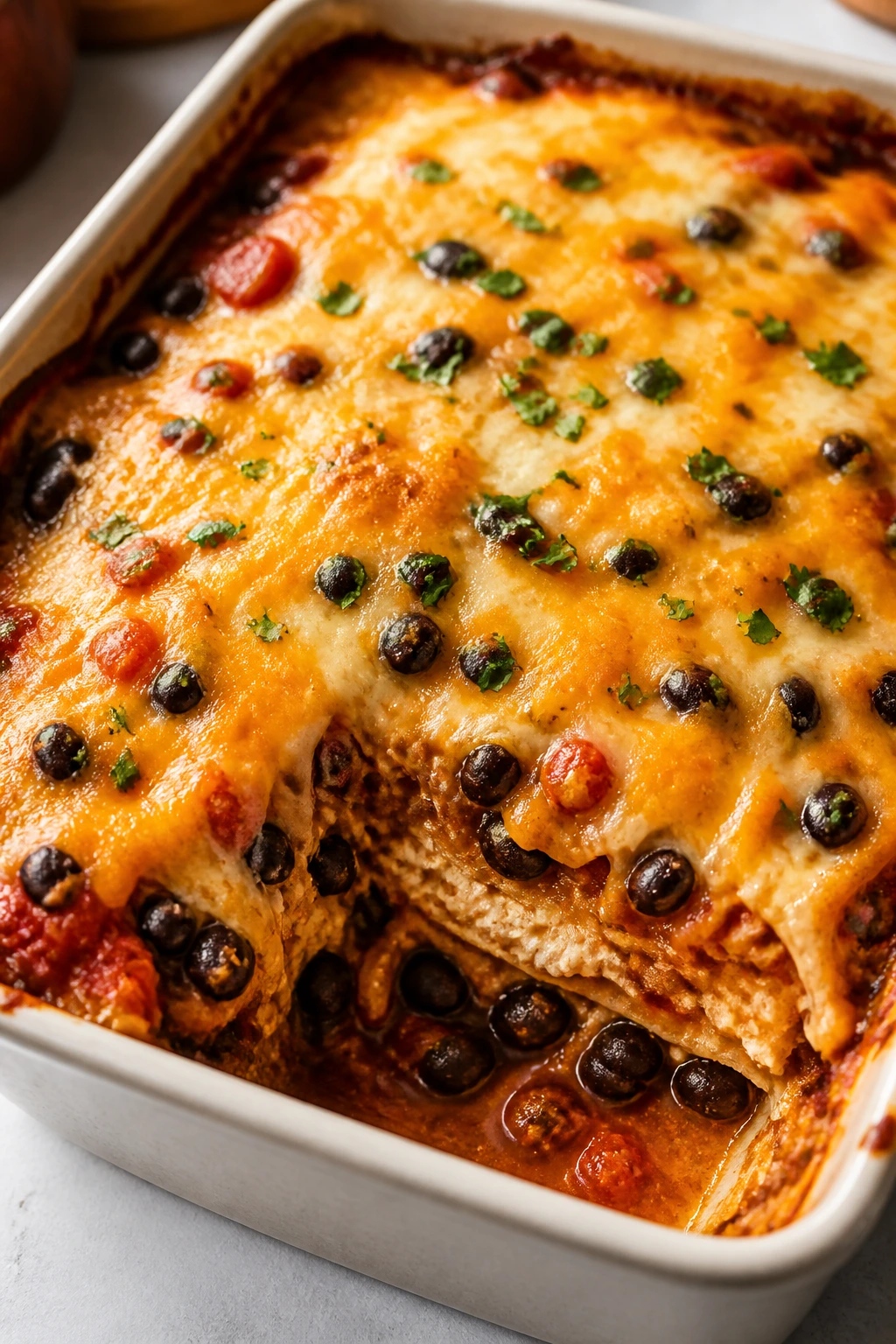
If burritos are a little fussy for a tired evening, a burrito bake fixes the problem. Tortillas, beans, salsa, and cheese layered in a dish turn into a bubbling pan that slices cleanly and feeds people without any wrapping required.
Why It Works:
The bake turns familiar burrito ingredients into a casserole, which means you get all the flavor without having to roll anything neatly. Salsa keeps the layers moist, beans add substance, and cheese browns at the top while the tortillas soften underneath. It is the closest thing to dinner autopilot that still tastes like someone cooked.
Key Ingredients:
- 6 medium flour tortillas — Cut or fold to fit the dish.
- 2 cans refried beans or black beans, drained and lightly mashed — The base layer.
- 1 1/2 cups salsa — Moisture and flavor.
- 2 cups shredded cheddar or Monterey Jack — For melting.
- 1 small onion, finely diced — Optional, but nice.
- 1 teaspoon cumin — Gives the filling a burrito smell.
- 1 cup frozen corn — Optional.
- 2 tablespoons chopped cilantro — Optional finish.
- Sour cream for serving — If you like it.
Quick Steps:
- Preheat the oven: Heat to 400°F (200°C) and grease an 8×8-inch or 9×9-inch baking dish.
- Mix the filling: Stir the beans with half the salsa, the cumin, onion, and corn if using.
- Layer the bake: Spread a thin layer of salsa in the dish, add tortillas, then beans, then cheese. Repeat until everything is used, ending with cheese on top.
- Bake: Cover with foil and bake for 15 minutes. Uncover and bake 10 minutes more until bubbly and browned at the edges.
- Rest and slice: Let it sit for 5 minutes, then cut into squares.
Equipment for This Recipe:
- Baking dish — 8×8 or 9×9 is easiest.
- Foil — Helps the layers heat through first.
- Mixing bowl — For the bean filling.
- Knife — For slicing after the rest.
How to Serve This Dish:
Serve the squares with sour cream, extra salsa, and maybe shredded lettuce if you want crunch on the side. A baked burrito slice should hold together like a lasagna square but smell like a taco shop. It’s a good one for feeding several people without putting a skillet on the table.
Pro Tips for This Recipe:
- Don’t overfill the layers or the bake turns sloppy.
- Let it rest before slicing so the layers settle.
- If the tortillas seem dry, brush them lightly with salsa or oil.
- Use a dish with snug layers; too much empty space makes the bake uneven.
Variations on This Dish:
- Green Chile Bake: Swap the salsa for salsa verde.
- Breakfast Burrito Bake: Add scrambled eggs to the filling.
- Rice Layer Version: Add a thin layer of cooked rice between the beans and cheese.
Common Mistakes to Avoid with This Dish:
- Skipping the rest: It’ll slide apart when you cut it.
- Too much salsa: The bake turns soupy.
- Using too little cheese on top: The finish needs browning and a little seal.
Why Pantry Staples Work So Hard on Weeknights
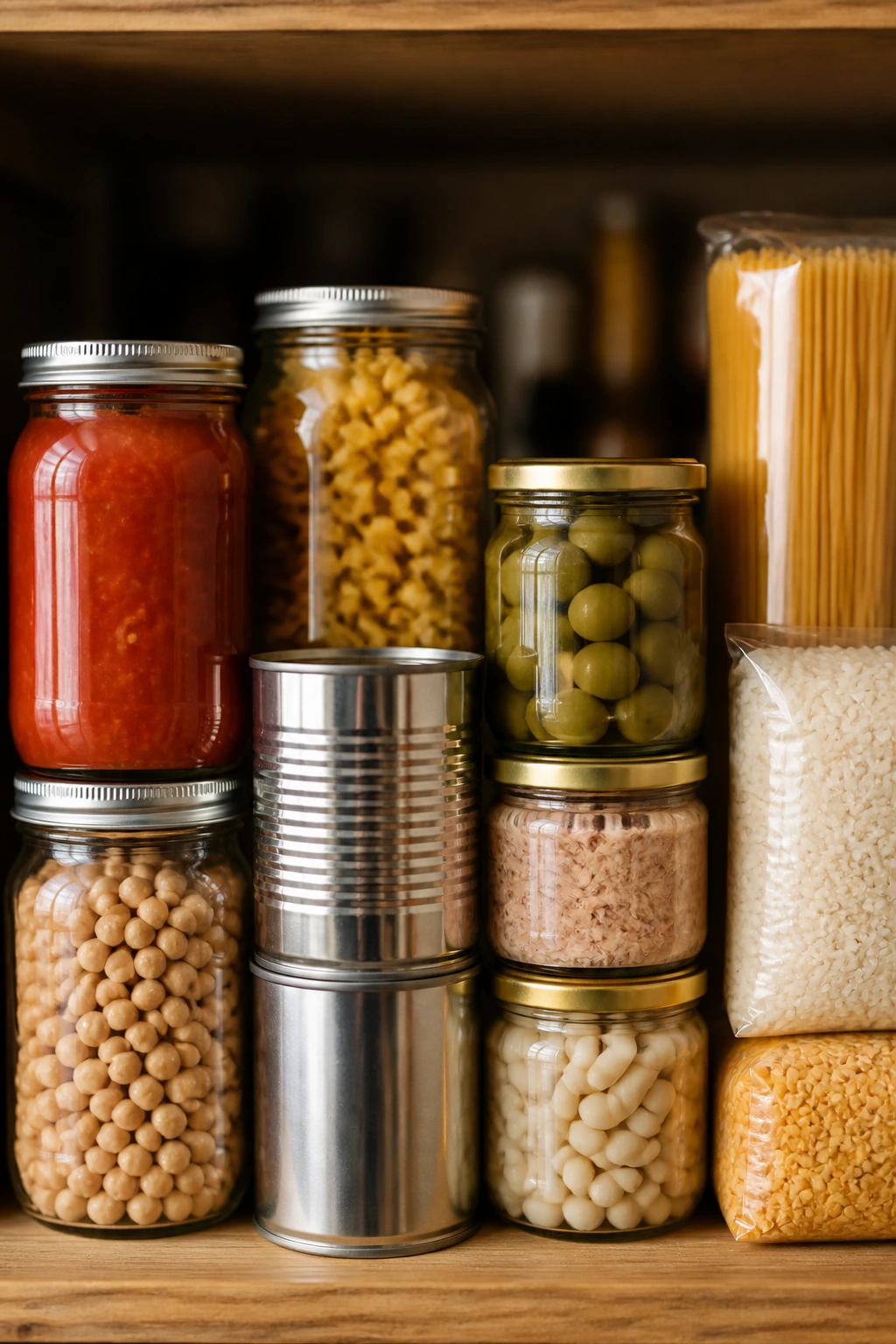
Pantry food earns its keep because it forgives a bad day. Rice can wait. Pasta can wait. Beans can sit in a can for months and still turn into dinner once they hit a hot pan with garlic and oil. That’s a useful kind of resilience, and it’s why these meals show up so often on real home tables.
The other reason pantry staples work is texture. Dry pasta gives chew, canned beans give creaminess, tortillas crisp, lentils thicken, and rice stretches into a full bowl. A lot of fast dinners fail because they’re all soft or all dry. Pantry cooking gets better when you deliberately add one crunchy thing, one creamy thing, and one sharp thing. Breadcrumbs. Feta. Lemon. Salsa. Hot sauce. Something.
I also like that pantry dinners don’t force you into a single shape. Some nights need a skillet; some need a soup pot; some just need a box grater and a frying pan. That matters more than people think. If your kitchen feels easier to use, you cook more. Simple as that.
And there’s a practical bonus: pantry meals keep you from overbuying fresh food that goes limp before you get to it. A stocked shelf buys you time. That is the whole game.
Essential Equipment for These Recipes
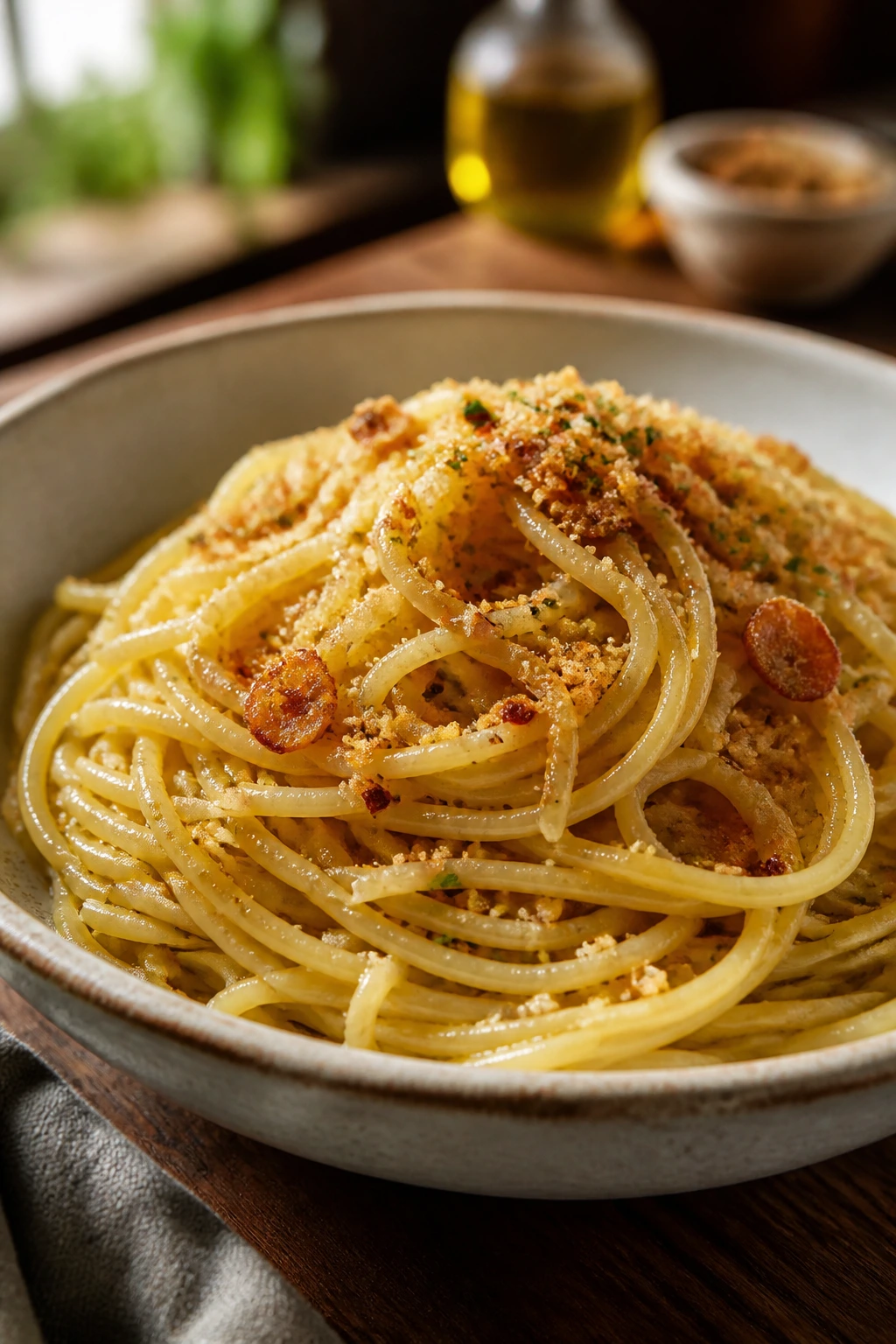
- Large pot: Needed for pasta, soup, and any dish that wants plenty of water or broth.
- Deep skillet or sauté pan: The best all-purpose piece for skillet dinners, rice dishes, and saucy bean recipes.
- Lid that fits a skillet or saucepan: Useful for rice, shakshuka, and any recipe that needs steam to finish.
- Colander: Handy for draining pasta, rinsing beans, and keeping things moving.
- Wooden spoon or heat-safe spatula: Better than a whisk for scraping the bottom of a pan.
- Tongs: Worth having for pasta tosses and tortilla work.
- Sharp chef’s knife: Onion, garlic, cabbage, and herbs all go faster with a decent blade.
- Cutting board: A large one gives you room to keep canned goods and chopped ingredients apart.
- Measuring cups and spoons: Fast dinners still need a little accuracy, especially for rice and pasta liquid ratios.
- Box grater or microplane: Useful for cheese, lemon zest, and garlic in a pinch.
- Sheet pan: Handy for broiling tortilla pizza or toasting bread and breadcrumbs.
- Airtight containers: Important for leftovers, because pantry dinners often make the next day’s lunch.
Smart Shopping and Ingredient Tips
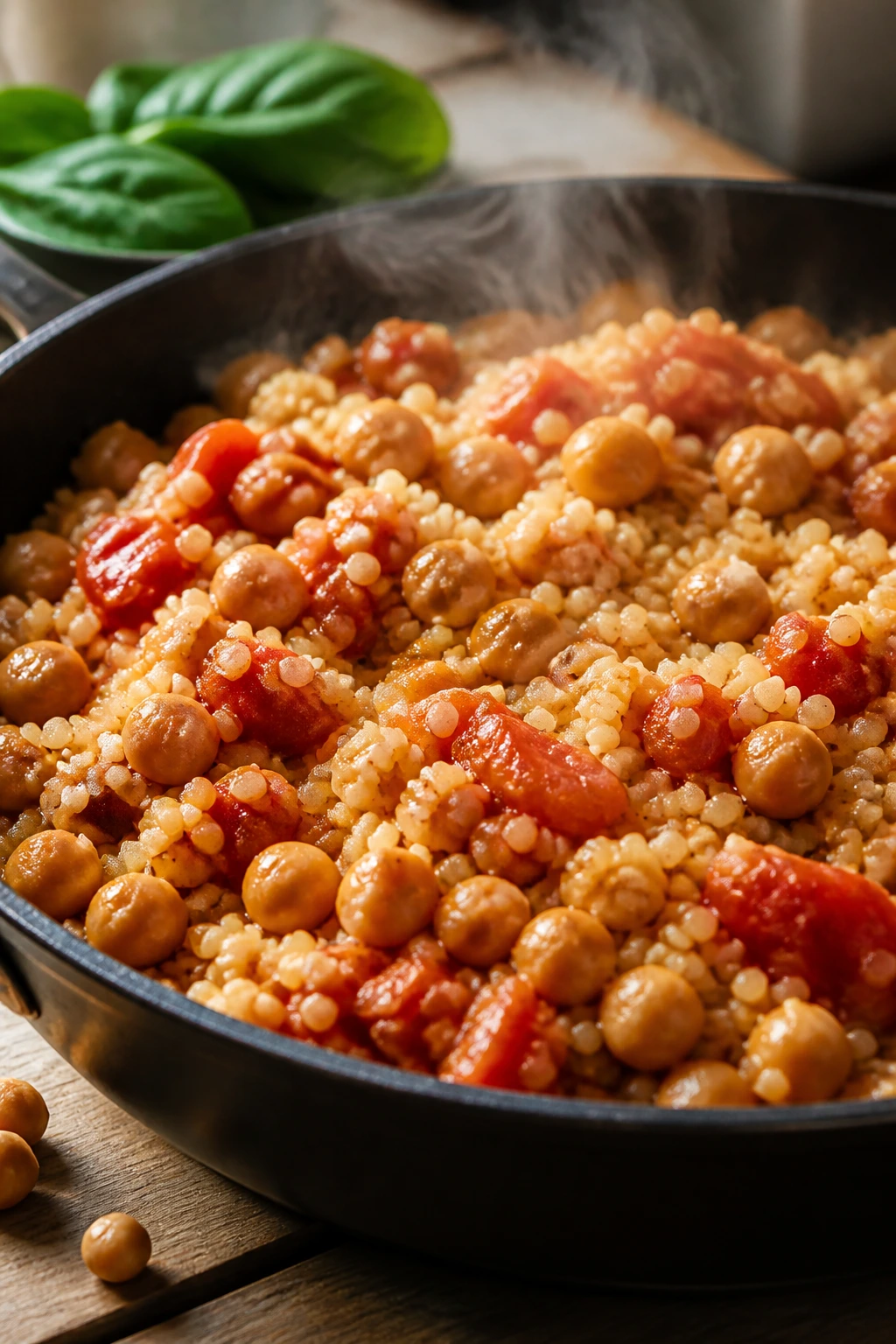
Start with the cans you’ll actually eat. Tomatoes are the workhorse, but there’s a difference between a bright can of crushed tomatoes and a watery one that tastes tinny. Beans should be intact, not split and mealy. Tuna and sardines should be packed well and smell clean, not muddy when you open them. If you’ve ever avoided a pantry dinner because one bad can let you down, I get it. Buy the good can, even if it costs a little more.
Pasta and rice deserve the same attention. Long pasta is useful because it tosses well with oil-based sauces. Short pasta is better for chili mac or soups that need body. For rice, long-grain white rice is the least fussy; jasmine and basmati both handle skillet meals well. If you like brown rice, cook it ahead, because it will not become instant weeknight magic on its own.
A few shelf-stable extras make everything easier: olives, capers, canned corn, coconut milk, tomato paste, mustard, peanut butter, breadcrumbs, salsa, broth, and dried herbs. You do not need all of them, but keeping 8 to 10 of those items around means most of the recipes in this collection are one can or one jar away from happening.
Fresh ingredients still matter, but they should earn their spot. Onions, garlic, lemons, cabbage, spinach, parsley, and scallions do a lot of heavy lifting because they keep well and brighten an entire dish. I’d rather have one good onion and a lemon than three sad vegetables I have to talk myself into using.
How to Serve These Recipes
Presentation:
These dinners look best in shallow bowls, wide plates, or straight from the skillet when the sauce or cheese still has some movement. Finish with one bright thing—a lemon wedge, chopped herbs, a spoon of yogurt, or a few chili flakes—so the plate does not read as beige and brown.
Accompaniments:
A crisp green salad, garlic toast, pita, rice, or a pile of tortilla chips can stretch most of these meals without much extra work. For the soups and bean dishes, bread is usually the right move. For pasta or rice bowls, a simple salad with vinegar and oil keeps the meal from feeling heavy.
Portions:
Most of these recipes serve 2 to 4 people as written, though the bean and pasta dishes usually stretch farther if you add a salad or bread. For hungrier eaters, add an egg on top, more rice under the sauce, or a second tortilla in the case of the quesadillas and burrito bake. These are flexible recipes; they can be dinner for two or a full family table if you’re not shy with sides.
Beverage Pairing:
Sparkling water with lemon works across the whole collection because so many of these dinners lean salty, tomatoey, or rich. For something warmer, iced tea with a squeeze of citrus is an easy match. If you want a more specific pairing, a light lager goes well with the tortilla, bean, and pasta dishes, while unsweetened iced tea suits the curry and soups.
Additional Tips and Flavor Boosters
Flavor Enhancement:
A little acid goes a long way. Lemon juice, vinegar, salsa, capers, or a splash of pickle brine can wake up a bean dish that tastes dull after simmering. I also like a finishing drizzle of olive oil on tomato-based dishes; it gives the top layer a softer sheen and rounds out sharp canned tomatoes.
Customization:
If you want more protein, add eggs, shredded rotisserie chicken, or extra beans. If you want more vegetables, frozen spinach, corn, peas, cabbage, or jarred peppers slide into these recipes without much drama. The important part is not making the dish busier for its own sake. Add what will change the texture or stretch the meal.
Serving Suggestions:
Use crunch on top whenever you can. Toasted breadcrumbs, crushed tortilla chips, fried onions, seeds, or even a few crackers do more than decoration; they stop a soft dinner from becoming monotonous. A little chopped herb is useful too, but only if it tastes like something and not just green confetti.
Make-It-Yours:
For a dairy-free version, lean on olive oil, nuts, chili crisp, or nutritional yeast instead of cheese. For gluten-free cooking, use rice, corn tortillas, polenta, or gluten-free pasta, and check that your broth and salsa are safe too. For lower-sodium meals, rinse canned beans well and let acid and herbs do more of the work before you reach for the salt.
Make-Ahead, Storage, and Reheating Guidance
Most of these dishes keep well for 3 to 4 days in the refrigerator, which is one reason pantry cooking is so useful. Pasta dishes tend to absorb sauce overnight, so they’re best reheated with a splash of water, broth, or milk depending on the sauce. Bean soups, chili mac, and lentil curry hold up especially well and often taste better the next day because the spices settle in.
For freezer storage, soups, curries, chili mac, and bean stews are the safest bets. They keep for up to 2 months in airtight containers. I would not freeze quesadillas, tortilla pizza, or fried rice if you care about texture, because crisp things get soft and sad after thawing. Burrito bake can freeze, but wrap portions tightly and expect the tortillas to soften a bit.
Reheat pasta and rice dishes in a skillet over medium-low heat with a tablespoon or two of water to loosen them. Stir gently until hot. For soups and stews, use a saucepan over medium heat and bring them just to a simmer. The microwave works in a pinch, but do it in 45-second bursts and stir between each one so the edges do not dry out while the center stays cold.
Make-ahead moves help a lot here. You can dice onions, mince garlic, rinse beans, and measure spices earlier in the day. Cooked rice for fried rice should actually be made ahead, because cold rice fries better than warm rice. Toasted breadcrumbs can be made a day or two ahead and stored in a jar. Small chores. Big payoff.
Variations and Adaptations to Try
The Gluten-Free Shelf Swap:
Use gluten-free pasta in the noodle dishes, corn tortillas for the wraps, and rice in place of couscous or orzo. Rice, beans, eggs, and soups are already strong in this collection, so you’re not rebuilding the whole dinner. Just check the labels on broth, soy sauce, and salsa, because that’s where gluten tends to hide.
The Vegan Pantry Rewrite:
Skip the cheese, eggs, and fish, then lean harder on beans, lentils, peanut butter, olive oil, and coconut milk. The chickpea couscous, lentil curry, black bean skillet, tomato orzo, and bean soups already sit close to vegan territory. A finishing spoonful of tahini or chili oil can replace some of the richness you’d otherwise get from dairy.
The Lower-Sodium Cabinet:
Rinse canned beans and sardines, choose low-sodium broth, and use unsalted or lightly salted canned tomatoes if you can find them. Then lean on garlic, onions, lemon, vinegar, and herbs. If the dish tastes a little quiet at first, that usually means it needs acid more than more salt.
The Bigger-Protein Night:
A fried egg on top, a can of fish, leftover chicken, or extra beans can turn a light pantry dinner into something that sticks longer. This is the best move for the pasta and rice dishes in particular, because they already have the structure for it. I like an egg because it costs very little and changes the whole bowl.
The Heat-Lover’s Version:
Keep chili flakes, hot sauce, harissa, chipotle in adobo, and chili crisp within reach. Most of these recipes can take some heat without losing balance, especially tomato dishes, bean stews, and peanut noodles. Add the spice at the end if you want brightness, or early in the pan if you want it to mellow into the base.
The Fridge-Cleanout Edition:
Fold in whatever sturdy vegetables are hanging around: cabbage, carrots, spinach, frozen peas, corn, peppers, or tomatoes. The key is using them in places where they match the recipe’s texture. Thin things wilt; firm things should be diced; frozen things should go in near the end so they do not water down the pan.
Common Mistakes to Avoid
The biggest mistake with pantry dinners is underseasoning at the start and trying to patch it at the table. Canned beans, pasta, rice, and lentils all need salt somewhere in the cooking process, not just on the final bite. Season the onion, season the sauce, taste before serving. That extra minute matters.
Another common slip is cooking everything from the can straight into a weak pan. Canned ingredients are convenient, not magical. They need heat, fat, and a little browning to taste like dinner instead of filler. If you dump beans into a cool pot and stop there, the result will be flat. Give the onion time. Let the garlic bloom. Brown the tomato paste. That’s where the flavor lives.
People also tend to forget texture. A soft dish needs something crisp: breadcrumbs on pasta, chips on soup, toast under beans, or a fried egg on rice. Without that contrast, pantry food can feel monotonous even when the flavor is good. I’m opinionated about this because I’ve eaten enough bowls of perfectly acceptable mush to know better.
Using the wrong liquid ratio causes plenty of grief too. Rice gets gummy if there’s too much water. Orzo can dry out if you walk away. Pasta cooked in sauce needs enough liquid to finish without sticking. Measure the first time, then adjust once you know your own stove.
Finally, don’t treat all canned goods the same. A can of tomatoes, a can of tuna, and a can of beans each need different handling. Tomatoes want simmering. Tuna wants a gentle warm-up. Beans can take a mash, a simmer, or a quick toss. The difference sounds obvious when you read it, then gets forgotten when dinner is moving fast.
Frequently Asked Questions
What pantry staples should I keep on hand for fast dinners?
Start with pasta, rice, canned beans, canned tomatoes, tuna or sardines, broth, tortillas, peanut butter, tomato paste, salsa, olives, capers, and dried herbs. Add onions, garlic, lemons, and a couple of cheeses if your fridge allows it. That mix covers soups, pasta, rice bowls, skillet meals, and quick bakes.
Can I make these dinners without fresh onions or garlic?
Yes, though the flavor will be flatter. Garlic powder, onion powder, dried herbs, and tomato paste can carry a lot of the load if you bloom them in oil for a minute. I still think one onion and a few cloves of garlic are worth keeping around, because they last longer than most produce and make everything taste more cooked.
Which of these recipes works best for leftovers?
The soups, chili mac, lentil curry, white bean soup, and bean-and-rice skillet all hold up well overnight. Fried rice also reheats nicely if you add a splash of water and keep the heat medium. Crisp things like tortilla pizza and quesadillas are better eaten the same day, though you can re-crisp them in a skillet.
How do I make pantry dinners feel less repetitive?
Change the finish. Lemon on one night, chili crisp the next, herbs on another, and a spoon of yogurt or feta after that. Texture matters too; a crunchy topping or toasted bread can make two dishes with nearly the same base feel completely different.
Can I use dried beans instead of canned beans?
Absolutely, if you’ve cooked them ahead. Dried beans are cheaper and often taste better, but they are not a weeknight shortcut unless they’re already cooked and waiting in the fridge or freezer. Keep a few containers of cooked beans around if you like this style of cooking.
What if my canned tomatoes taste too sharp?
Simmer them a little longer and add a pinch of sugar, a knob of butter, or a splash of olive oil. Acid often softens on the stove, but not always fast enough for a tired evening. If the dish still tastes sharp, a bit of cheese at the end can also round it out.
How do I keep rice dishes from turning mushy?
Measure the liquid carefully, use long-grain rice when you can, and keep the lid on while it cooks. If you’re making fried rice, use cold rice that’s had time to dry out a bit. Mushy rice usually comes from too much water or too much stirring.
Can these dinners be made gluten-free?
Many of them can. Swap in gluten-free pasta, use rice instead of couscous or orzo, and choose corn tortillas for the tortilla-based recipes. Check labels on broth, soy sauce, salsa, and mustard because those can hide gluten in small amounts.
What’s the best way to add more protein without buying much extra?
Eggs are the easiest answer. A fried egg on fried rice, beans, pasta, or toast changes the meal fast. Canned fish, extra beans, and a little cheese are next in line. I reach for eggs first because they’re quick, cheap, and not fussy.
A Pantry That Can Handle Tuesday
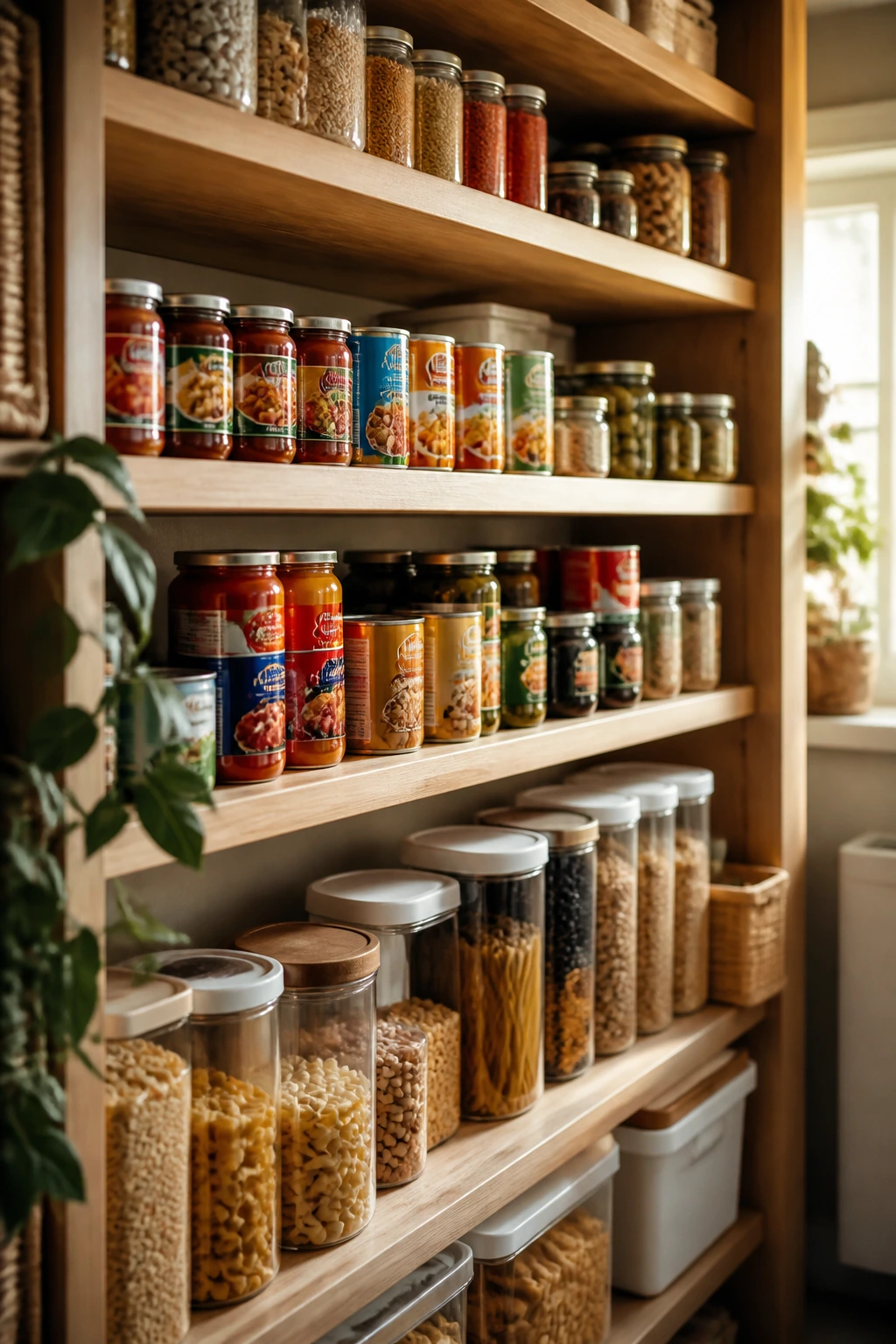
A good pantry is not about stocking a shelf for show. It’s about making sure dinner can still happen when the day goes sideways and nobody has the patience for a complicated plan. That’s what these recipes do: they turn ordinary cans, boxes, and jars into meals with enough salt, crunch, acid, and heat to feel like real cooking.
The smartest move is to pick three or four recipes from this list that match the ingredients you already keep around, then build your pantry around those. Once you know which pasta shape, which bean, and which can of tomatoes you actually use, weeknight cooking gets a lot quieter. And that, honestly, is the point.