



A weeknight dinner on a budget under $10 is not a punishment meal; it’s a small exercise in good shopping. The minute you stop trying to make every ingredient behave like a star, dinner gets easier, cheaper, and somehow more satisfying. A skillet of onions, rice, beans, and a fried egg smells like real food because it is real food. It just happens to cost less than the takeout bag that arrives half an hour late.
The trick is not magical. It is structural. Cheap dinners work when you build around ingredients that do two jobs at once: starches that fill the plate, proteins that keep people full, vegetables that hold up in the crisper, and seasonings that turn all of it into something you actually want to eat. That is why the USDA’s lower-cost food-plan benchmarks keep circling the same dependable groceries — beans, eggs, rice, pasta, potatoes, and frozen vegetables. They are not glamorous, but they do not quit either.
And here’s the part people miss: the best budget dinner is usually the one with the shortest path from the stove to the table. The more you ask a $10 meal to look like a restaurant plate, the faster the money disappears. A smarter version uses one pan, one pot, or one tray, and it leaves you with a little leftover rice, half a cabbage, or a cup of beans that can turn into tomorrow’s dinner without another trip to the store.
Why a Weeknight Dinner on a Budget Under $10 Pays Off
It makes dinner repeatable: Once you know the shape of a cheap meal — one starch, one protein, one vegetable, one sauce — you can shop and cook without starting from zero every night.
It cuts waste fast: A cabbage, a bag of rice, or a can of tomatoes lasts long enough to be used up on purpose, not discovered wilted in the back of the fridge.
It keeps cleanup sane: Most under-$10 dinners rely on a skillet, saucepan, or sheet pan, which means fewer dishes and less stalling between cooking and eating.
It gives you room to improvise: If eggs are cheaper than chicken, the whole dinner pivots. If the cabbage looks better than the broccoli, the cabbage wins. That flexibility is the whole point.
It respects leftovers: A pot of lentils or a tray of roasted potatoes is not a one-night event. It is two or three different dinners if you think ahead for five seconds.
It keeps you away from expensive convenience traps: Pre-cut vegetables, tiny bottles of sauce, and specialty snacks can eat a budget alive before you reach the checkout lane.
What a Weeknight Dinner on a Budget Under $10 Actually Covers at the Store
A cheap dinner does not begin at the stove. It begins with the cart. If you shop like every meal needs a fresh protein, three colorful vegetables, and a separate side dish, the budget collapses before you get home. If you shop like a cook who knows how to build, the same ten dollars stretches much farther.
The cleanest way to think about it is this: one part of the dinner should be shelf-stable, one part should be long-lasting produce, and one part should be the ingredient that gives the meal a reason to exist. That might be eggs, dried beans, chicken thighs, tofu, or canned fish. It might be pasta, rice, or potatoes. It might be a head of cabbage or a bag of frozen spinach that you know will still be useful next week.
A lot of people get tripped up by grocery math because they focus on the sticker price of one item instead of the cost of the whole plate. A can of beans can look cheap until you buy three more ingredients to make it taste like dinner. A small package of chicken breast can look manageable until you realize it barely feeds two once it cooks down. The better question is not “what is the cheapest thing?” It is “what combination of ingredients turns into a complete meal without waste?”
The USDA’s lower-cost food plans make this logic plain. They lean on foods that store well, cook quickly, and do not need much hand-holding. That is why pantry dinners work. They are not a fallback. They are a system.
The Cheapest Proteins That Still Feel Like Dinner
Eggs are the blunt instrument of budget cooking. They can sit on rice, nest in soup, top beans, or become the whole meal when you’re short on time. Fried eggs take four minutes; hard-boiled eggs hold for days; scrambled eggs with onions and leftover greens turn a bare fridge into a plate that looks deliberate.
Eggs When You Need Dinner in Twelve Minutes
Eggs earn their reputation because they bring protein and fat with very little fuss. They also forgive a crowded kitchen, which matters on a Tuesday night when the cutting board is too small and somebody is asking where the ketchup went. I like them best when the yolk stays a little soft and runs into whatever starch is underneath.
A carton of eggs can solve dinner in more ways than people admit. Crack two over rice, tuck them into a tortilla with beans, or fold them into a skillet of potatoes and onion. That one move turns cheap ingredients into something that feels finished.
Beans and Lentils: Cheap, Sturdy, and Forgiving
Dried beans and lentils are the budget cook’s quiet power move. Lentils do not need soaking, which makes them the easiest entry point. Green or brown lentils hold their shape for soups and salads; red lentils break down into a soft, thick base that tastes bigger than it is.
Beans take more planning, but they repay it. A pound of dried beans turns into several servings, and the cooking liquid can become part of the meal if you season it well. Canned beans are faster and still useful, especially when you rinse them to cut some of the salt and tinny taste.
There is a reason so many low-cost meal plans keep circling back to beans. They can be soup, taco filling, rice topper, or a mash for toast. One ingredient. Four different dinners.
Chicken Thighs, Tofu, and Canned Fish When the Price Is Right
Chicken thighs usually beat breasts for budget cooking because they stay juicy, handle high heat, and taste like something even when you season them simply. Bone-in thighs are often the bargain cut, and they’re harder to ruin. That matters more than people like to admit.
Tofu deserves a seat at this table, too. A block of firm tofu, pressed for about 15 minutes and seared until the edges brown, can go into stir-fries, noodle bowls, or rice plates. It drinks up soy sauce, garlic, ginger, and vinegar in a way that makes it feel much more expensive than it is.
Canned tuna, sardines, and salmon are not glamorous, but they are fast and reliable. Drain them well, add acid — lemon or vinegar — and give them a crunchy partner like celery, cabbage, or onion. They are especially useful when the clock is the real problem.
Starches That Stretch the Plate Without Getting Dull
Rice is the classic budget starch for a reason. It is cheap, it stores well, and it gives sauces and toppings a place to land. But plain rice by itself is not dinner. It needs help from salt, fat, and something with texture — a fried egg, sautéed cabbage, black beans, or a spoonful of salsa.
Pasta plays a similar role, only faster. A pound of spaghetti, penne, or rigatoni can become dinner in less than twenty minutes if you keep a can of tomatoes, garlic, and olive oil nearby. Cheap pasta gets boring when people drown it in too much sauce or overcook it into a soft puddle. Cook it to a true al dente bite, then finish it in the pan with the sauce so the noodles pick up flavor instead of sitting underneath it.
Potatoes are the best long-keeping bargain in the produce aisle if you store them dark and dry. Roast them, mash them, cube them for a skillet, or boil and crush them into a crisp-edged side. They absorb flavor like a sponge, which is why they work with sausage, beans, eggs, or a plain pan sauce.
Tortillas and flatbreads deserve a mention because they turn leftovers into dinner with almost no effort. Warm them in a dry skillet, fill them with beans and eggs, or use them to scoop up a thick vegetable stew. They do not ask for a knife and fork, and that’s not a small thing on busy nights.
Vegetables and Pantry Staples That Carry the Weight
A head of cabbage is one of the most useful things you can buy when money is tight. Slice it thin, and it cooks down fast in a skillet. Shred it raw, and it becomes slaw. Simmer it with potatoes and onion, and suddenly the pot looks fuller than what you paid for. Cabbage is not fancy. It is dependable.
Onions and garlic are the basic language of cheap cooking. You can build almost any budget dinner around them because they turn oil into smell, and smell is half the battle. Cook onions slowly until they turn sweet and translucent. Add garlic near the end so it doesn’t burn and go bitter.
Frozen vegetables belong in the same conversation. Frozen peas, spinach, corn, broccoli, and mixed vegetables often make more sense than sad out-of-season fresh produce. They are picked at the right moment, frozen quickly, and ready to drop into soup, rice, pasta, or a stir-fry without any trimming. That convenience is not lazy. It is efficient.
Canned tomatoes and tomato paste are the pantry items that save cheap dinners from tasting flat. Tomato paste needs about a minute in hot oil to lose its raw edge and deepen into something darker and sweeter. A can of diced or crushed tomatoes can become soup, sauce, shakshuka, or a base for beans. It is hard to beat that kind of range.
Carrots deserve a better reputation than they get. Cut them thin and they soften fast. Grate them into rice, taco filling, or a skillet of cabbage and they add sweetness without demanding much money. If the budget is tight, carrots are one of the easiest ways to make a plate feel fuller.
The Flavor Trio That Makes Cheap Food Taste Intentional
Budget food gets blamed for blandness, but blandness is usually a cooking problem, not a cost problem. Salt, fat, and acid do more for a cheap dinner than expensive ingredients ever will. A little butter in beans, a spoonful of oil in pasta, or a splash of vinegar at the end can change the whole bowl.
The same goes for browning. A pan full of pale onions and steamed vegetables tastes thin. Let those onions sit long enough to pick up color, and the dinner starts smelling like you planned it. That is the difference between “we had to make do” and “this is what’s for dinner.”
Brown Before You Boil
If there’s one habit that improves cheap meals, it’s giving ingredients a little time in the pan before you add liquid. Tomato paste wants to sizzle in oil for a minute. Onions want a few extra minutes to soften and sweeten. Even cabbage tastes richer when a few edges get brown before the lid goes on.
Acid Is the Finish Line
Cheap dinners often need one sharp thing at the end. Lemon juice, vinegar, pickled onions, hot sauce, or even a spoon of yogurt can wake up beans, rice, potatoes, and noodles. The food should taste complete before you add the acid. Then the acid lifts it.
Crunch Makes the Plate Feel Bigger
A soft meal can feel small even when the portions are fine. Toasted breadcrumbs, chopped peanuts, sliced scallions, shredded cabbage, or a handful of crushed crackers give budget dinners a little texture and a more finished look. I would take crunchy onions over a second expensive ingredient most nights.
Fast Cooking Methods That Keep Dinner Cheap and On Time
A cheap dinner that takes an hour and a half is not always cheap in the practical sense. Time has a cost. That’s why the best weeknight budget meals use methods that do several jobs at once.
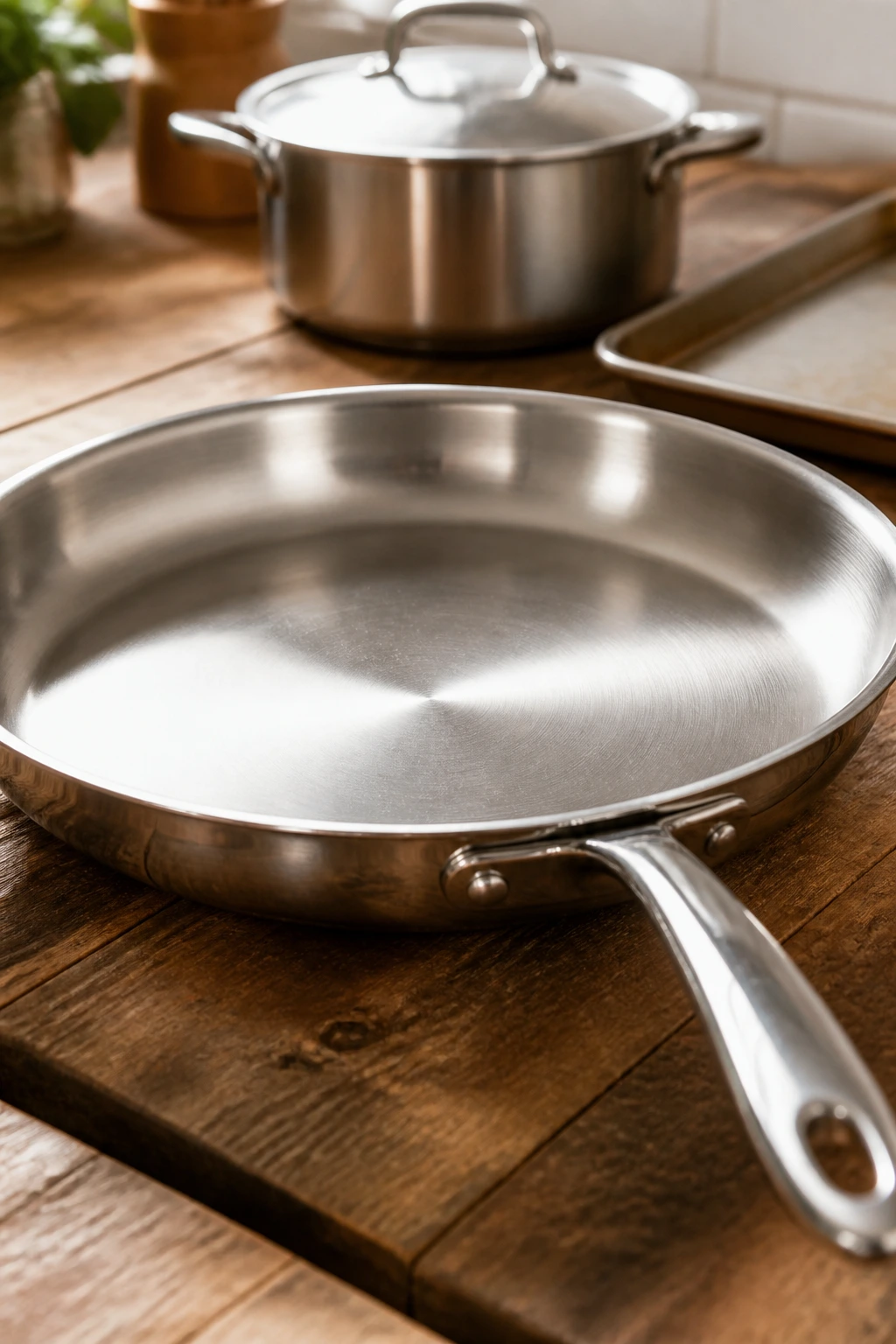
Skillet meals are the fastest path to dinner because they brown, simmer, and finish in one vessel. Start with aromatics, add the starch or protein, then tuck in vegetables and sauce. A wide skillet also evaporates liquid faster than a narrow pot, which means better browning and less mush.
One-pot soups and stews are the most forgiving option when you want volume. They handle dried lentils, canned beans, chopped carrots, potatoes, and cabbage without demanding precision. The lid traps heat, so the food cooks faster than you might expect, and the leftovers usually taste better the next day.
Sheet-pan meals work when the ingredients need dry heat instead of steam. Potatoes, sausage, onions, cauliflower, carrots, and chicken thighs roast well together because they all like a similar oven temperature. The key is not crowding the pan. If everything sits on top of everything else, you get steamed vegetables and sad browning.
Fried rice and noodle stir-fries are the rescue method for leftover rice, noodles, or chopped vegetables. Cold rice is a gift here; it fries instead of clumping. Frozen vegetables work fine, too, especially if you let the water cook off before adding sauce.
Dinner Formulas You Can Reuse All Month
Some dinner formulas are so useful that they stop feeling like recipes and start feeling like habits. That is the sweet spot. You buy the same basic ingredients, switch the sauce or protein, and nobody complains because the plate still tastes different enough.
Rice + Beans + Egg + Something Bright
This is the simplest under-$10 dinner shape I know. Start with rice, spoon over beans, add a fried or scrambled egg, and finish with salsa, hot sauce, lime, pickled onions, or chopped herbs if you already have them. The egg makes it feel like dinner instead of a side dish.
Pasta + Tomato + Greens + Garlic
Pasta becomes a real meal when you treat the sauce as the point, not the afterthought. Use tomato paste or canned tomatoes, cook garlic in oil, and throw in frozen spinach or chopped cabbage near the end. If you have Parmesan, use a little; if you don’t, don’t panic.
Potatoes + Cabbage + Sausage or Chickpeas
This is the skillet meal I trust when the fridge looks bare. Potatoes give it structure, cabbage fills the pan, and sausage or chickpeas give it body. The trick is to let the potatoes brown a little before the cabbage goes in, otherwise the whole thing turns soft too soon.
Lentils + Carrots + Onion + Toast
A pot of lentils gets boring only when nobody seasons it. Onion and carrot make the base, garlic keeps it moving, and a good hit of salt plus vinegar at the end turns it into something that wants bread beside it. Soup like this earns its keep because it still tastes good after reheating.
Tortillas + Refried Beans + Eggs + Crunch
Warm tortillas, spread beans, top with eggs, and add shredded cabbage or lettuce if you have it. That’s enough. A little cheese goes far here, but it isn’t required. The texture contrast matters more than the garnish.
Rice + Frozen Vegetables + Soy Sauce + Tofu
If you keep tofu around, this is one of the cheapest dinners you can make that still feels complete. Brown the tofu first so it has edges, add frozen vegetables, then fold in rice and soy sauce. A little sesame oil at the end makes it smell much more expensive than it is.
How to Shop for a Weeknight Dinner on a Budget Under $10 Without Wasting the Cart
The smartest budget shoppers do not wander. They decide the shape of dinner before they leave the house. That can be as simple as picking one starch, one protein, one vegetable, and one flavor base. If a cart contains seven unrelated bargains, it often contains no actual dinner.
Start with what you already own. A half-bag of rice or a can of beans changes the whole equation. Pantry inventory sounds dull until you realize it is the difference between one cheap meal and three cheap meals. I keep a mental list of the ingredients that can disappear into almost anything: onions, garlic, canned tomatoes, dried lentils, tortillas, pasta, frozen spinach, cabbage, eggs.
Next, shop for ingredients that stay useful if dinner gets delayed. That means skipping fragile produce unless you know exactly when you will use it. A head of cabbage will wait. A bag of tender greens often will not. Potatoes hold. Berries don’t. The grocery cart rewards patience in one aisle and punishes it in another.
Store brands deserve a serious look here. Plain pasta, beans, rice, canned tomatoes, broth, and frozen vegetables usually do not need a premium label to do their job. Save the money for the one ingredient that changes the meal, not the packaging around it. And if a “value pack” contains food you never cook, it is not a value pack. It is a trap with a sale sticker.
Practical Moves That Keep the Bill Down on Repeat
Cook once, remix twice: If you make extra rice, beans, or roasted potatoes, plan their second life before you serve the first plate. Leftover rice becomes fried rice. Leftover beans become soup or tacos. Leftover potatoes crisp up in a skillet with an egg on top.
Buy the ingredient that solves more than one problem: Cabbage is a good example. It can be slaw, stir-fry, soup, or a skillet vegetable, and it holds longer than most greens. That kind of ingredient pays rent in the fridge.
Use expensive toppings like punctuation, not paragraphs: Cheese, herbs, nuts, and fancy hot sauce should finish the dish, not carry it. A tablespoon or a small handful goes farther than people think.
Keep one acid source in the kitchen: Vinegar, lemon juice, pickle brine, or lime can rescue a flat dinner in seconds. Cheap food needs brightness more often than it needs more salt.
Treat freezer space like budget insurance: Freeze half of a batch of soup, rice, sauce, or cooked beans before boredom hits. A dinner that is already cooked and waiting saves both money and effort next week.
Stop buying produce for the fantasy version of yourself: If you never eat the bunch of herbs, don’t keep purchasing them because the recipe photo looked nice. Buy the onion, cabbage, carrot, or frozen vegetable you actually finish.
Mistakes That Turn a Cheap Meal Expensive
Buying three “almost right” ingredients instead of one good plan: The symptom is a cart full of odds and ends that never become dinner. The fix is simple: pick one formula before you leave and buy only what serves it.
Choosing lean protein without a stretch strategy: Chicken breast, steak, or a small bag of shrimp can swallow the budget fast and still leave the plate looking sparse. Pair any pricier protein with rice, potatoes, beans, or noodles so it actually feeds people.
Letting seasoning arrive too late: If a cheap dinner tastes flat, the problem usually began in the pan, not at the table. Salt in layers, brown your onions, and add acid at the end. Don’t wait for the food to “come alive” on its own.
Using too many separate pans: Cheap cooking gets expensive in time when every ingredient is cooked alone. One pan, one pot, or one tray is the right scale for weeknights. If the dinner needs six burners, it probably belongs in a different category.
Ignoring the shelf life of your produce: A great deal on vegetables is not great if half of them turn soft before you cook. Pick hardy produce, shop in smaller amounts, and use the fragile stuff first.
Confusing “cheap” with “bare”: A dinner with no fat, no acid, and no texture feels unfinished even if the ingredients were cheap. The fix is not more money. It is a spoon of oil, a splash of vinegar, and something crisp on top.
Flexible Variations for Different Kitchens and Eaters
The Pantry-Only Night: This version uses only shelf-stable staples plus whatever is in the freezer. Pasta with canned tomatoes and beans, rice with frozen vegetables and eggs, or lentils with toast all fit here. It is the safest answer when the fridge is thin and payday is far away.
The Meat-Lite Supper: Use a smaller amount of meat as a seasoning, not the whole event. A few sausage slices in cabbage and potatoes, or a little bacon in beans, gives the dish flavor without blowing the budget. The plate still needs starch and vegetables to feel full.
The No-Oven Suppers: If the oven stays off, lean on skillets, pots, and covered pans. Fried rice, soup, pasta, and hash all live here. This approach is useful in warm kitchens, tiny apartments, or nights when you do not want to heat the whole room just to eat.
The Meatless Default: Beans, lentils, tofu, eggs, and dairy can carry a week of dinners if you season them with enough care. The key is not to treat meatless cooking like punishment. Brown the onions, use acid, and don’t skip fat.
The Family-Size Batch: This works when you need dinner tonight and lunch tomorrow. Double the starch and vegetables, keep the protein moderate, and make the sauce a little looser so it reheats without drying out. Soup, chili, rice bowls, and casseroles all behave well in this format.
The Kitchen Gear That Makes Budget Cooking Easier
- 12-inch skillet: Wide enough to brown onions, cabbage, eggs, and rice without crowding.
- Lidded saucepan: Essential for rice, beans, soup, and anything that needs steam to finish.
- Rimmed sheet pan: Good for potatoes, chicken thighs, sausage, and roasted vegetables.
- Sharp chef’s knife: A dull knife slows down cheap cooking more than almost anything else.
- Cutting board: A stable board matters when you are slicing a lot of onions, carrots, or cabbage.
- Wooden spoon or heat-safe spatula: Better for scraping browned bits from the pan and stirring without tearing soft ingredients.
- Colander: Useful for rinsing beans, draining pasta, and cooling cooked rice quickly.
- Box grater: Turns carrots, cheese, and sometimes even onions into fast budget ingredients.
- Airtight storage containers: Cheap dinners stop being cheap if leftovers spoil because they sat in the open bowl.
- Kitchen scale, optional: Helpful if you want to portion rice, beans, or pasta without guessing.
Leftovers, Make-Ahead Moves, and Safe Storage
Cheap dinner gets a lot more useful when you stop thinking of leftovers as an afterthought. A pot of beans, a pan of roasted potatoes, or a batch of rice can become tomorrow’s lunch or a different dinner entirely. The savings compound when one cook session turns into two or three meals.
Cooked rice should be cooled quickly, spread in a shallow container if you can, and refrigerated within two hours. It keeps about 3 to 4 days in the fridge and freezes well for about 1 to 2 months. Reheat it with a sprinkle of water in a covered skillet or microwave dish so it steams back to life instead of drying into crumbs.
Cooked beans, lentils, and soups usually hold for 3 to 5 days refrigerated, depending on how wet they are and how clean your containers are. Soups freeze well for about 2 to 3 months, though potato-heavy soups can soften a little after thawing. Freeze in portions so you are not thawing a gallon just to eat one bowl.
Cooked chicken and sausage should be eaten within 3 to 4 days in the refrigerator. Reheat them gently so they stay juicy. Skillet dinners often do best in a pan over medium heat with a splash of water or broth. Sheet-pan vegetables regain some of their texture in a hot oven or air fryer, which is worth using if the texture matters to you.
Chopped onions, carrots, cabbage, and other hardy vegetables can be prepped a day or two ahead if you store them airtight and dry. That kind of small prep makes the actual weeknight dinner feel easier without becoming full meal prep theater.
Questions People Ask Before They Cook for Less
Can you really make a weeknight dinner on a budget under $10 if you have to buy everything from scratch?
Sometimes, yes, but the first dinner is the hardest. Pantry staples are what make the math work, so start by buying ingredients that keep: rice, pasta, beans, onions, cabbage, eggs, or frozen vegetables. Once those are in the kitchen, the next dinners get much cheaper.
What protein gives the best value for cheap dinners?
Beans and lentils are hard to beat for value, and eggs are close behind because they cook fast and stretch into several meals. Chicken thighs are the best meat bargain in many stores because they stay juicy and are harder to overcook than breasts. Tofu and canned fish belong in the same conversation if you already like them.
Are frozen vegetables worth buying for budget meals?
Yes, especially when fresh produce is expensive, fragile, or out of season. Frozen peas, spinach, broccoli, corn, and mixed vegetables save time and waste because they are already washed and chopped. They are one of the easiest ways to keep a dinner cheap without making it feel bare.
How do you keep cheap food from tasting flat?
Use salt in layers, brown the onions or garlic, and finish with acid. A spoon of vinegar, a squeeze of lemon, or a little hot sauce can wake up the whole plate. Texture matters too, so add a crunchy topping when the meal is soft.
What should I buy first if my pantry is almost empty?
Start with one starch, one protein, one vegetable that keeps well, and one flavor base. A bag of rice, a can or bag of beans, a head of cabbage, and an onion can already make dinner. If you have room in the budget, add eggs or frozen vegetables next.
Can I feed a family under $10 without making dinner feel thin?
Yes, if the meal leans on starch and vegetables instead of a large amount of meat. Pasta with beans, rice with eggs and vegetables, lentil soup with bread, or potato-and-cabbage skillet meals go a long way. The plate feels full when the ingredients are chosen to stretch, not just to fill space.
What if I hate beans?
Use eggs, tofu, canned fish, yogurt, or a smaller amount of chicken thighs instead. The same budget logic still works: build around a starch, add a long-lasting vegetable, and finish with a sauce or seasoning that does not cost much. Beans are useful, but they are not the only route.
How do I keep leftovers from getting soggy or bland?
Store sauces separately when you can, and reheat with a little water or broth instead of blasting everything dry. Rice and potatoes perk up in a skillet better than a microwave, while soups usually reheat well on the stove. A fresh squeeze of acid right before serving helps leftovers taste like dinner again.
A Plate Worth Repeating
A cheap dinner works best when it stops trying to apologize for itself. That’s the real shift. Once you stop chasing a fake “restaurant” version of weeknight food, you start seeing how much flavor lives in onions browning slowly, cabbage softening in a skillet, rice soaking up a good sauce, or eggs turning a plain bowl into something complete.
The best part is that the habit gets easier. Not more complicated. You start to recognize which ingredients carry a meal, which ones disappear into the background, and which ones quietly blow the budget. After that, a weeknight dinner on a budget under $10 stops feeling like a trick and starts feeling like a normal, useful way to cook.
The next time the fridge looks thin, start with one starch, one sturdy vegetable, and one protein that cooks fast. That’s usually enough to make dinner happen without spending more than you meant to.