



A picky eater staring at a bowl of “healthy” oats 35 minutes before training is usually not looking for a macro lecture. They’re looking at the clock, the texture, the smell, and that one suspicious ingredient that always ruins breakfast. Pre-workout meal planning for picky eaters works best when you stop treating the meal like a nutrition exam and start treating it like a routine you can actually repeat. Same goal. Less drama.
The mistake I see over and over is people building a perfect menu instead of a usable one. The food is “right” on paper — high fiber, high protein, a little fat, a green thing for moral balance — and then it sits untouched while the workout window closes. Not a great plan. A better one is boring in the best possible way: familiar carbs, a little protein when there’s time, low stomach friction, and a backup snack that’s already packed.
That sounds almost too simple, which is why it works. The closer you get to training, the more the meal should shrink and simplify. The farther away the meal is, the more room you have for chicken, yogurt, rice, fruit, and all the little add-ons that make a picky eater say yes without bargaining for the third time.
Why Pre-Workout Meal Planning for Picky Eaters Works
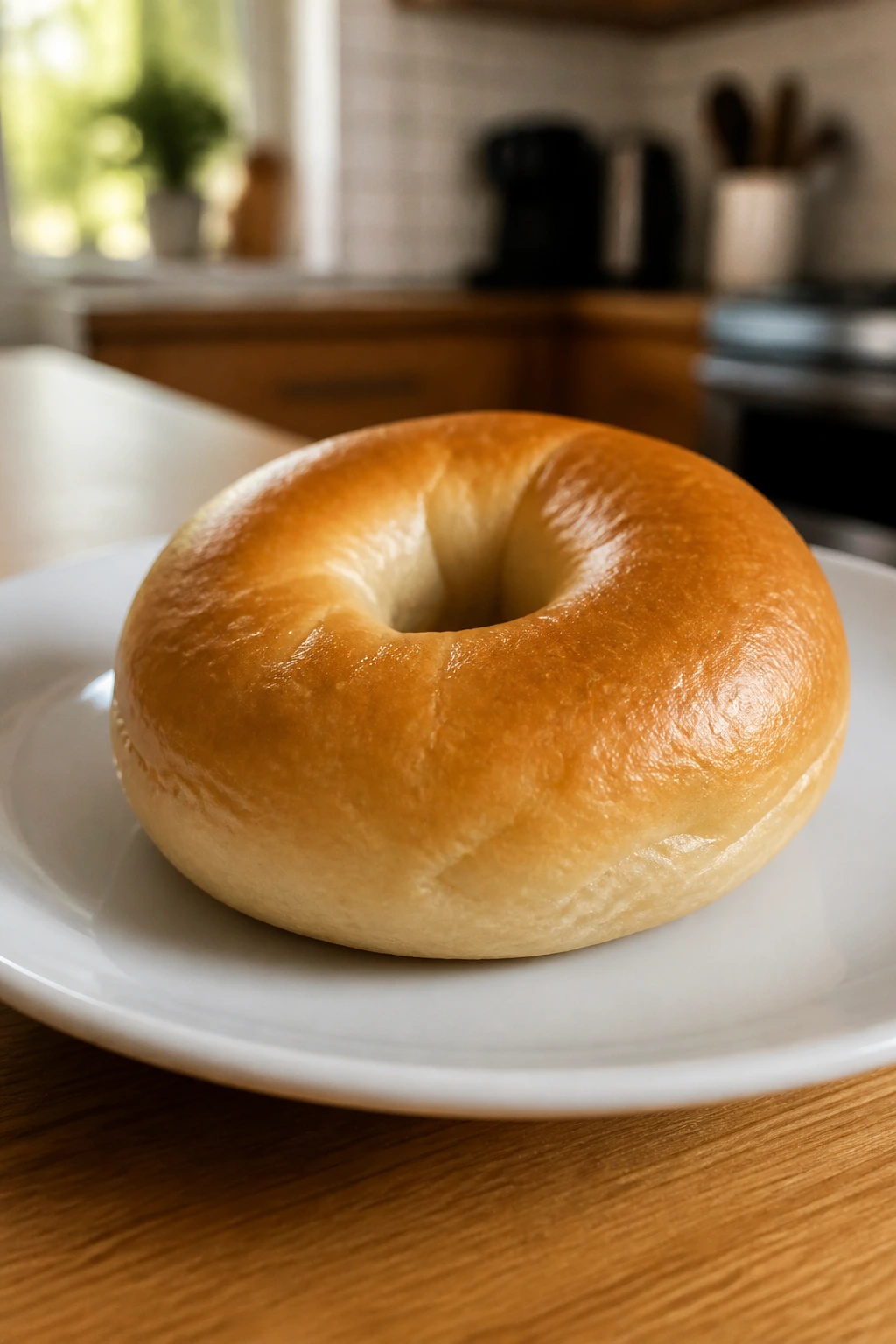
Familiarity beats ambition: A plain bagel, a banana, or a slice of toast eaten willingly is worth more than a gorgeous bowl that gets pushed around the plate.
Timing changes the job of the meal: A snack 30 minutes before training should feel light and quick; a meal 3 hours before can carry more protein, more volume, and a little more fat.
Texture decides a lot of the fight: If mush, seeds, or mixed textures are the deal-breakers, the menu has to respect that before anything else.
Carbs do the heavy lifting: Most pre-workout meals work because they top off glycogen, not because they look impressive on a fitness app.
Backup food prevents skipped sessions: When the main plan falls apart, a small gym-bag snack keeps the workout from starting on fumes.
Small wins beat food battles: A picky eater who eats the same safe pre-workout combo five times in a row is making progress, even if the combo would bore a food blogger to tears.
1. Start With the Carb They Already Trust
Plain toast. A bagel. Rice. Crackers. Pretzels. That’s the place to begin, not with a quinoa-mango situation that looks like it belongs in a photo shoot. Most picky eaters do better when the first job of the meal is simply to provide an easy, familiar carb they’ll actually finish.
If the workout is close, keep the carb simple and low-fiber. White bread is not a moral failure. Neither is plain cereal, applesauce, or a small bowl of rice with a little soy sauce. What matters is that the food goes down easily and doesn’t sit in the stomach like a brick.
What to look for
- Bread, bagels, tortillas, rice, potatoes, rice cakes, plain cereal, or pretzels all work when you need a clean carb source.
- Choose the form the eater already recognizes. A child who eats toast will usually accept toast before they accept “overnight oats with chia.”
- Keep the portion small if training is within 60 minutes. A slice of bread or a banana may be enough.
The useful trick here is not cleverness. It’s confidence. If you know they’ll eat peanut butter toast but not a six-ingredient power bowl, use the toast and stop trying to win extra points for novelty.
2. Keep Protein Small and Quiet
Protein matters, but pre-workout is not the moment to force a giant pile of it down someone’s throat. A little protein can help if the meal is two to four hours away from training, yet too much can feel heavy, especially for a picky eater who already has a low tolerance for “weird” textures or strong smells.
A few slices of turkey. Some Greek yogurt. A small glass of milk. Leftover shredded chicken tucked into a wrap if there’s enough time to digest. Those are the kinds of protein choices that belong here. They’re low-drama, not bulky, and they don’t take over the meal.
If the workout is soon, protein can move to the post-workout plate. That’s the part a lot of people skip mentally. They think every meal has to do everything. It doesn’t. A pre-workout snack can be mostly carbs and still be a smart choice.
My rule of thumb
- 2 to 4 hours before training: a modest protein portion is fine.
- Under 90 minutes: keep protein light or skip it entirely if it causes stomach complaints.
- Under 30 minutes: think quick carbs first, protein second.
If the eater loves chicken, great. Use it where it fits. If they hate chewing meat before exercise, don’t fight that battle. There’s another meal later.
3. Push Fat to the Far Side of Training
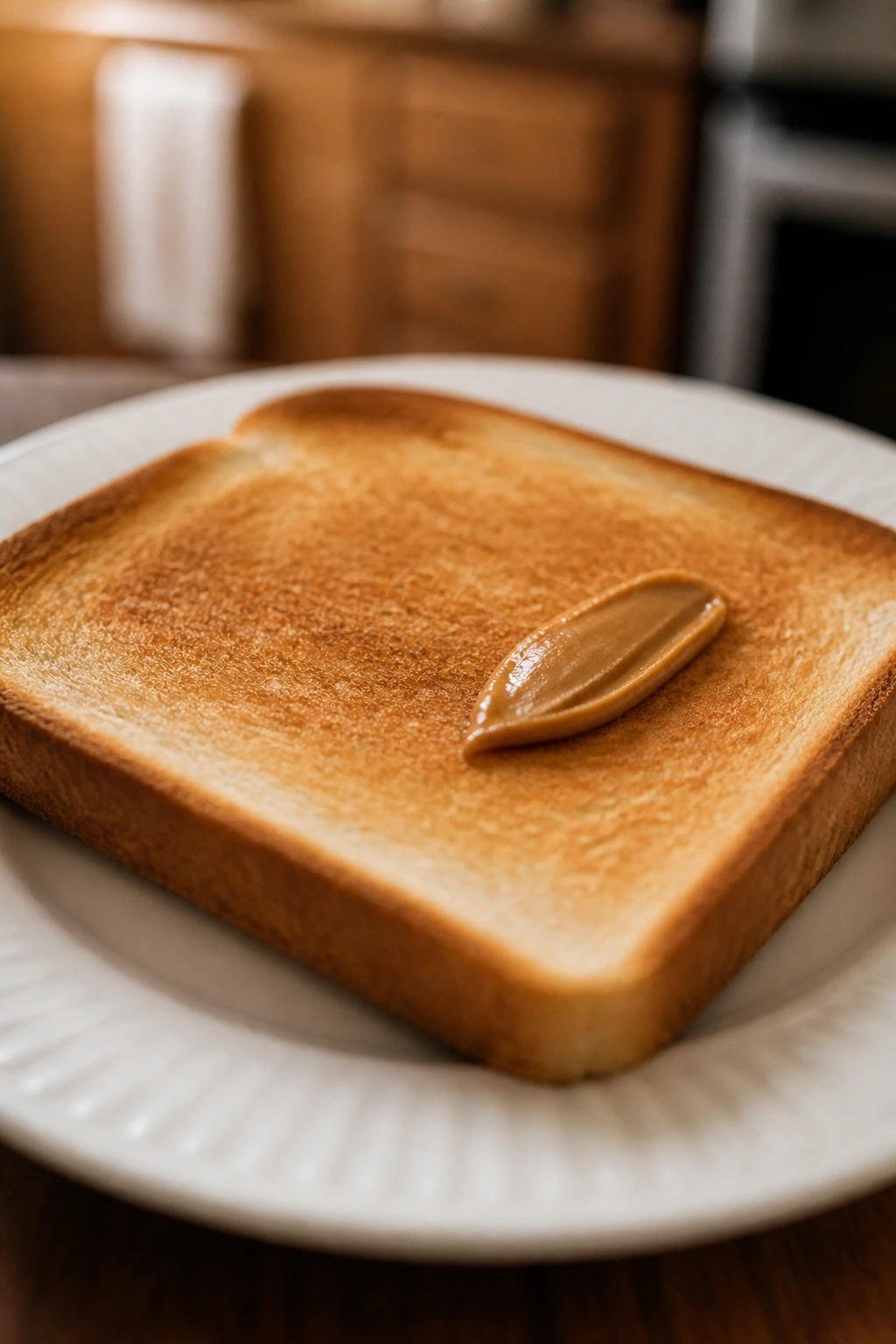
Fat slows digestion. That’s the whole story, and it’s why a thick peanut butter sandwich or greasy breakfast sandwich can feel fine at 8 a.m. and miserable at 8:30 before a run. The body can handle fat, sure. It just doesn’t always want a heavy load sitting around right before movement.
This is where picky eaters actually have an advantage. A lot of their safe foods are naturally lower in fat: toast, cereal, fruit, rice, crackers, applesauce, waffles. That’s not a problem to fix. It’s a useful starting point.
Save the richer stuff for after training or for meals that are farther away. Avocado toast can wait. Nut butter can wait. Fried eggs can wait if the eater hates the smell and the timing is tight. A tiny smear of peanut butter on toast may be fine three hours out. A thick layer 20 minutes before intervals? Bad trade.
The practical version is simple: keep the close-to-workout meal light enough that the stomach can do its job without complaining. That one choice prevents a ridiculous number of workout-day regrets.
4. Let Texture Lead the Menu
Some picky eaters aren’t picky about flavor first. They’re picky about mouthfeel. Mushy oatmeal. Seed-studded bread. Slimy fruit. Stringy chicken. The bite itself is the problem.
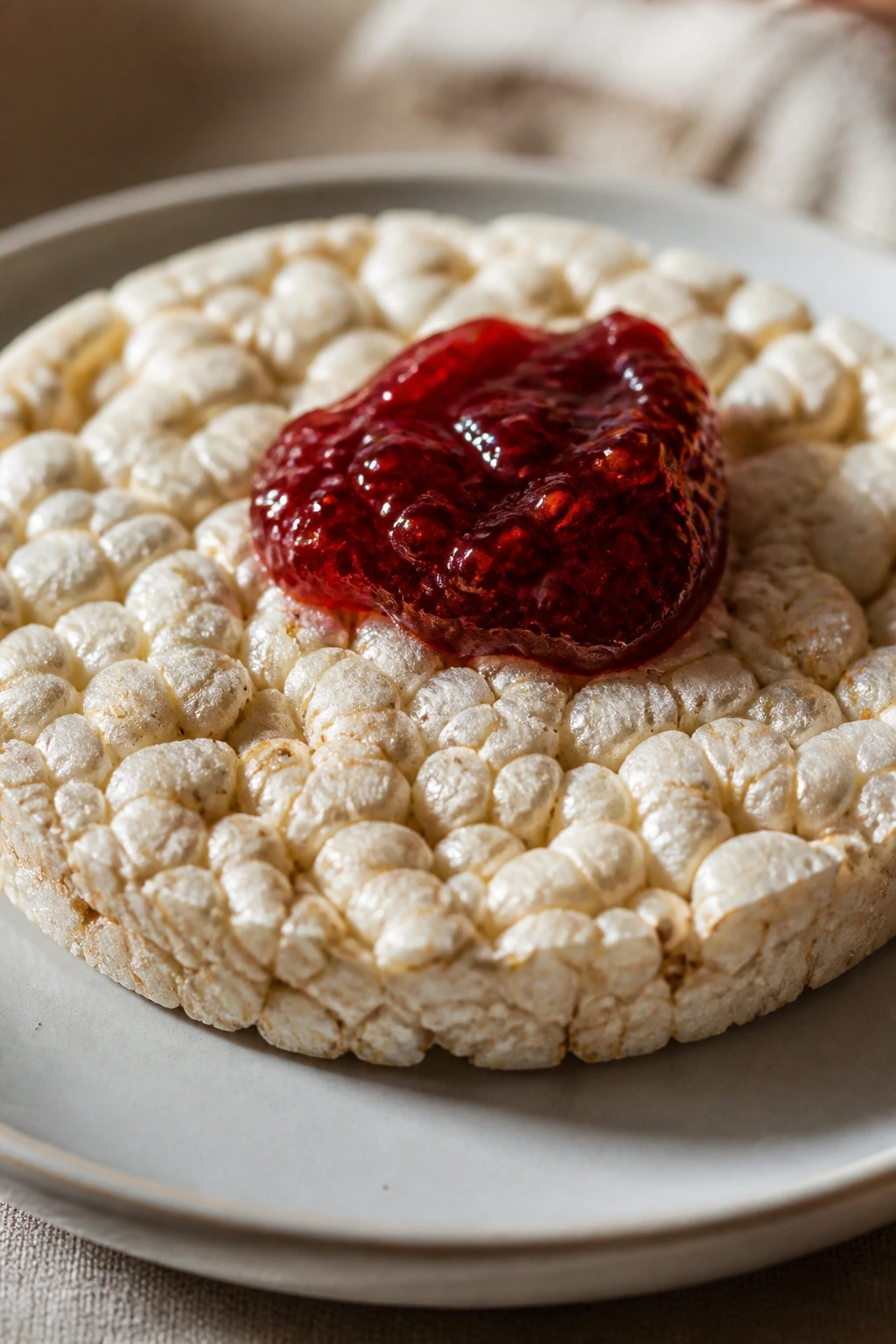
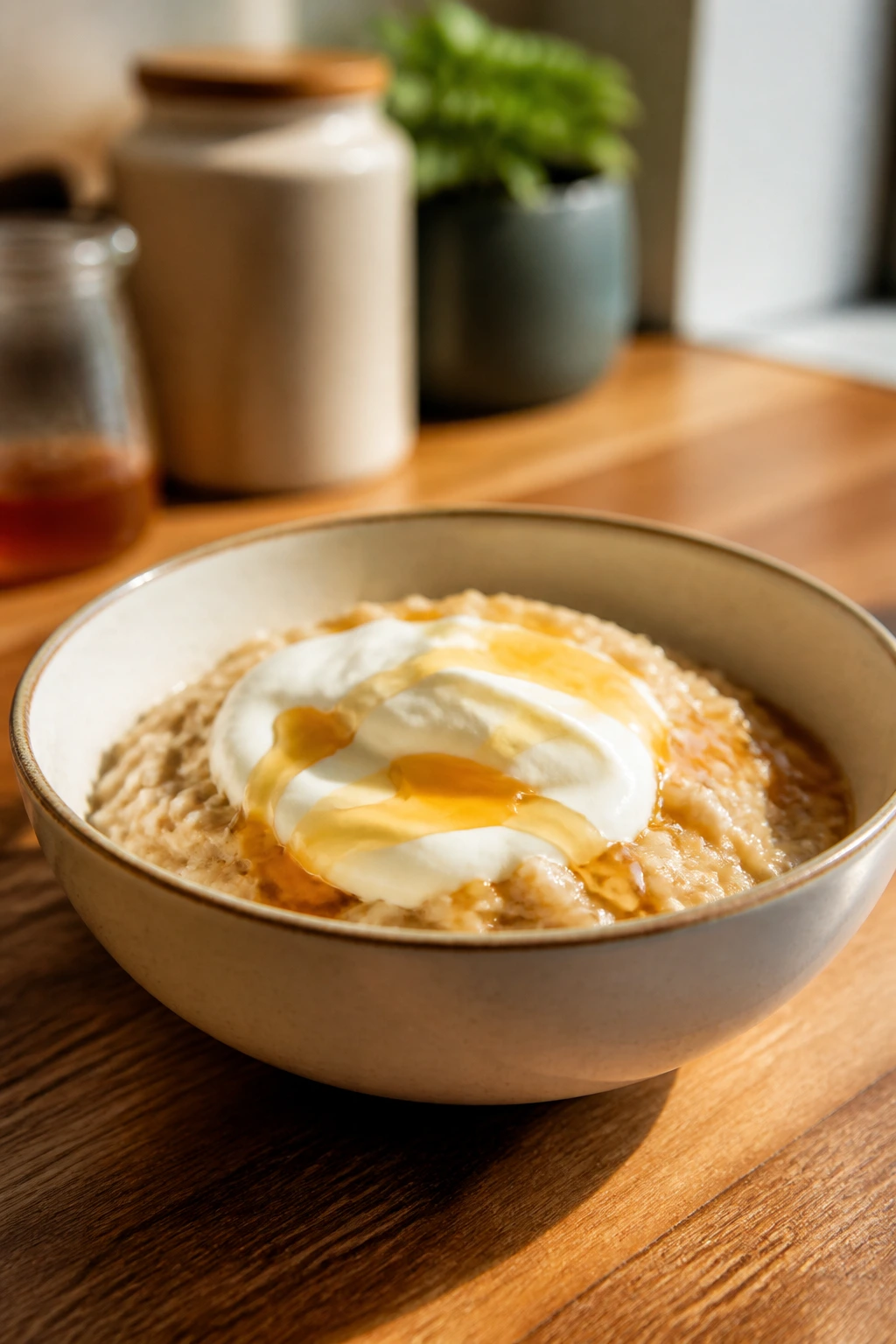
So start there. Ask what textures are safe. Crunchy? Smooth? Dry? Soft but not wet? That answer is more useful than a random list of “healthy foods.” A rice cake with jam may work because it’s crisp and sweet. A smoothie may work because it disappears in one sip. A bowl of oatmeal may fail because it clings, cools fast, and turns gluey halfway through.
If texture is the issue, use it on purpose:
- Crunchy: pretzels, rice cakes, dry cereal, toast
- Soft: pancakes, pancakes with syrup, ripe banana, cooked rice
- Sippable: smoothies, drinkable yogurt, milk, cocoa
- Dry and plain: crackers, bagels, waffles, plain tortillas
A small but useful opinion
If a picky eater hates mixed textures, don’t mix them. A plain bagel with jam on the side is easier to sell than a bagel buried under cream cheese, seeds, and sliced fruit. Separate is calm. Mixed is chaos.
5. Build a One-Carb, One-Protein, One-Yes-Food Plate
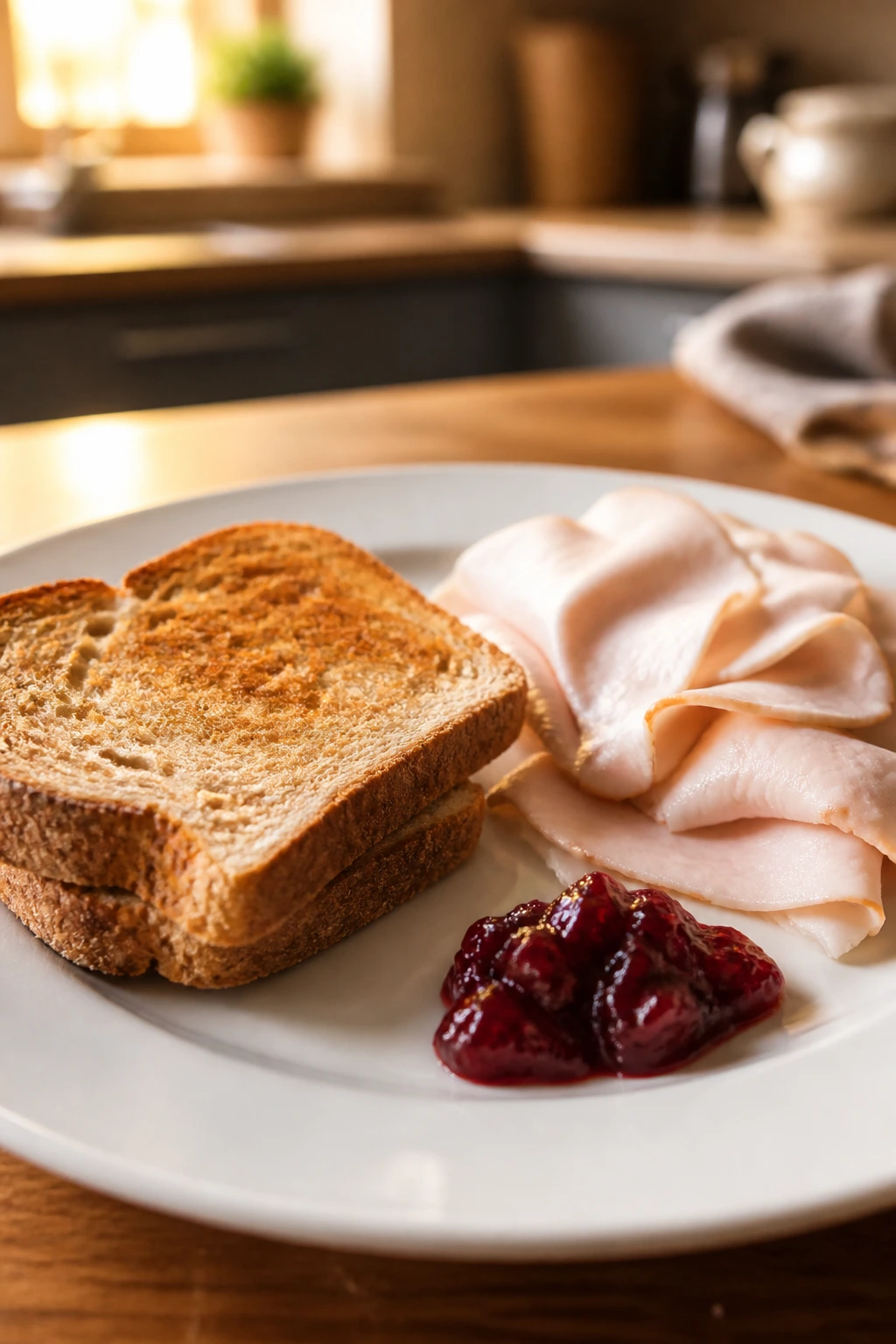
This is my favorite pre-workout meal planning rule for picky eaters because it lowers the decision load without making the meal feel stripped down. Pick one carb, one small protein, and one food the eater genuinely likes. That third piece matters more than most people realize.
Say the carb is toast. The protein is a few slices of turkey. The “yes” food is honey, or banana slices, or a little jam. Or the carb is rice, the protein is chicken, and the yes food is soy sauce. The meal has structure, but it doesn’t feel overbuilt.
Why this works
A picky eater needs a reason to keep eating once the first bite lands. The third item is often that reason. It changes the taste, gives a sense of control, and makes the plate feel chosen instead of imposed.
The trick is keeping the “yes” food small enough that it supports the meal instead of taking it over. A spoon of jam. A few banana slices. A light sprinkle of salt. Not a tidal wave of toppings.
6. Pick a Tiny Rotation of Repeatable Templates
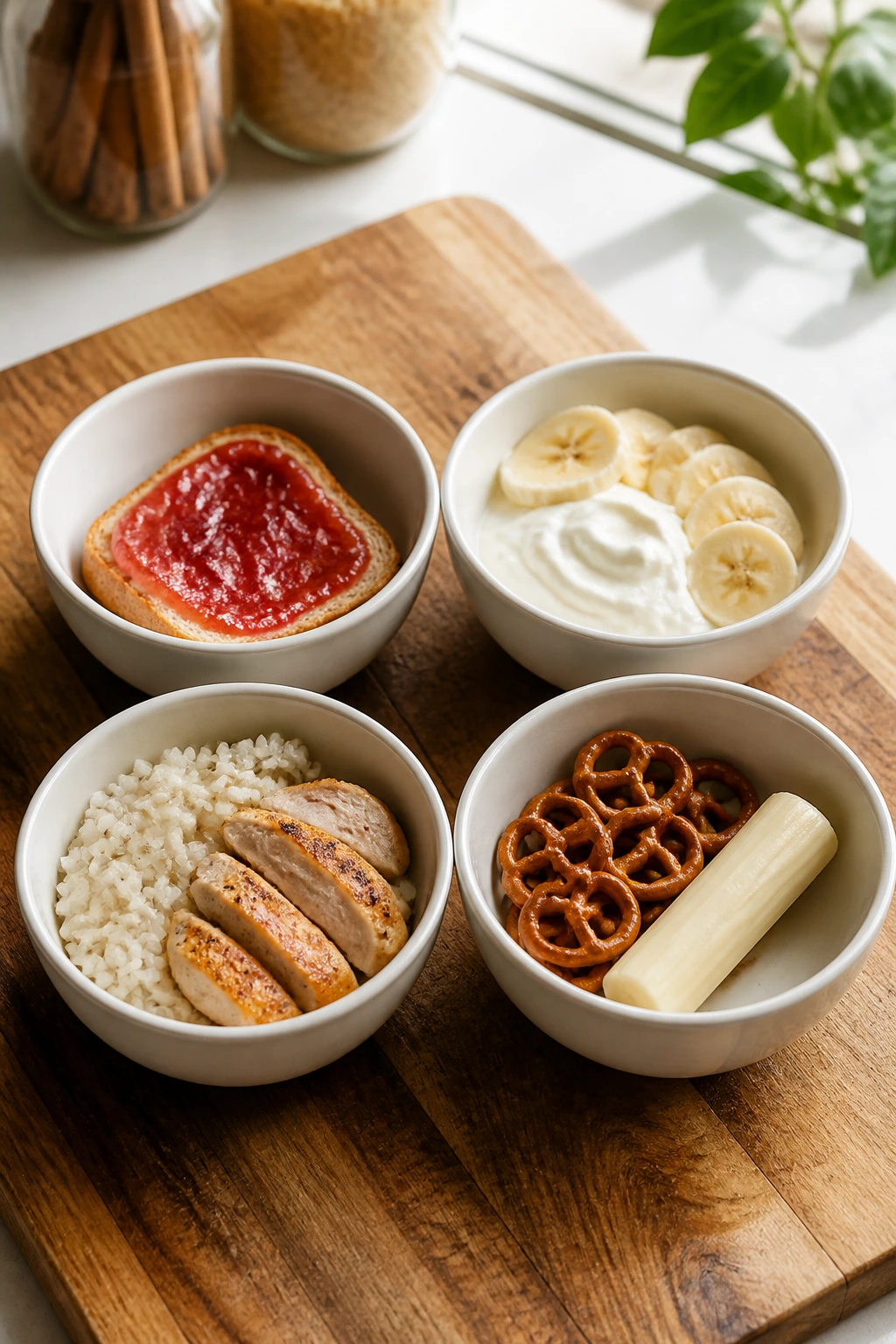
Variety sounds nice until it turns into a Sunday-night panic over what to buy for the week. Picky eaters usually do better with a tiny rotation: three or four pre-workout templates that keep coming back.
You might have a toast day, a yogurt day, and a smoothie day. Maybe a rice bowl for later workouts and a banana-plus-crackers option for early mornings. That’s enough. You do not need fifteen choices sitting in the fridge like a low-grade hostage situation.
A useful rotation might look like this
- Toast + jam
- Banana + Greek yogurt
- Rice + chicken
- Pretzels + string cheese
- Smoothie + toast
- Applesauce pouch + crackers
Once the eater knows what is coming, the resistance drops. Grocery shopping gets easier too. You buy fewer random items, waste less food, and stop chasing one miracle recipe that somehow solves every appetite problem.
This is one of those boring systems that pays off fast. Boring, yes. Effective, also yes.
7. Match the Portion to the Clock
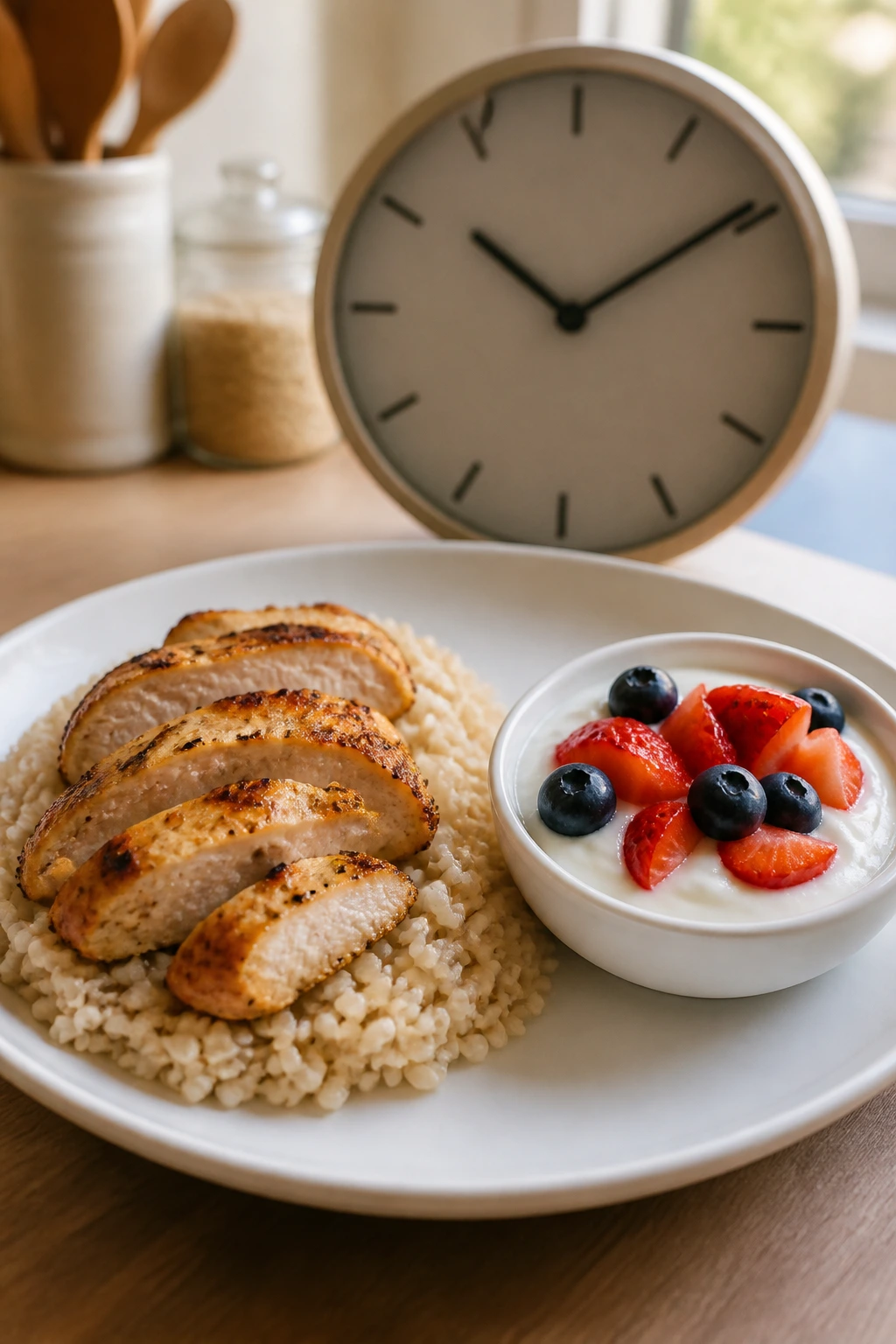
The closer the workout, the smaller the plate should be. That’s the cleanest way to think about it. A meal three hours out can be a real meal. A snack 30 to 45 minutes out should look like a snack, not a late brunch.
A decent rule of thumb:
- 3 to 4 hours before: a fuller meal with carbs, a little protein, and minimal grease
- 1.5 to 2 hours before: a moderate plate, lighter on fat and fiber
- 30 to 60 minutes before: a small snack, usually 15 to 30 grams of easy carbs
- Under 30 minutes: something tiny and fast, like a few sips of juice, applesauce, or half a banana
The timing matters because the stomach has a job to do before the muscles do. If you stuff the system too close to training, you get sloshing, burping, or that heavy, slightly angry feeling that makes warm-ups miserable. Nobody needs that.
And yes, some picky eaters feel better with less food than sports blogs suggest. Fine. Eat less. A smaller snack that stays down is a better pre-workout choice than a perfect one that gets rejected.
8. Use Smooth and Sippable Foods When Chewing Is the Problem
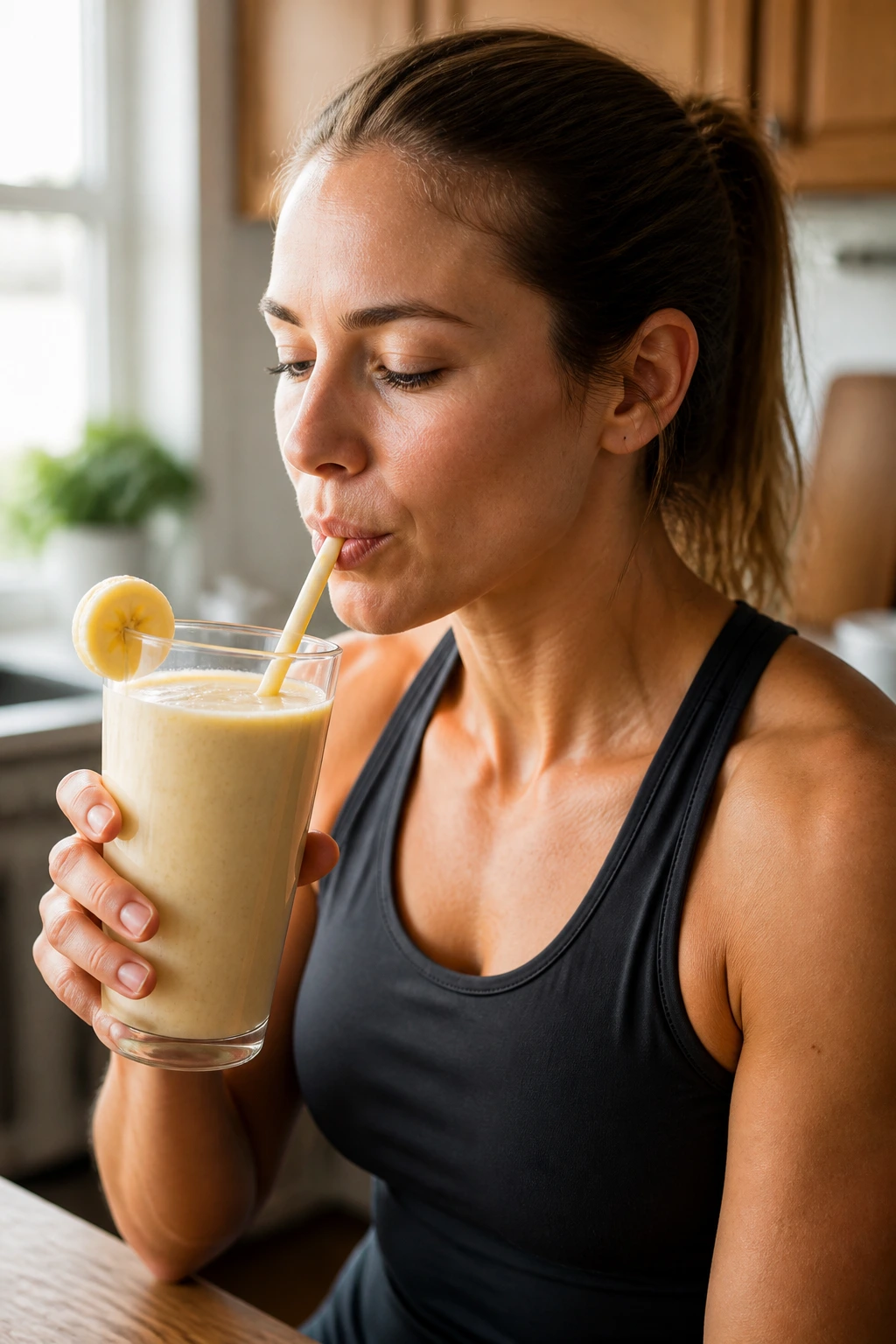
Some mornings, chewing is the issue. Not hunger. Not nutrition. Chewing. The eater wants calories, but not the whole business of eating. That’s when smoothies, drinkable yogurt, milk, and applesauce earn their keep.
A smoothie can be as simple as banana, milk, and yogurt. If that sounds too thick, thin it with water or ice. If fruit seeds bother the eater, strain it or use banana and peeled fruit only. If dairy is a problem, use soy milk or oat milk and keep the rest plain.
Useful options when solid food feels like a chore
- Applesauce pouch
- Drinkable yogurt
- Chocolate milk
- Banana smoothie
- Thin oat shake
- Fruit puree cup
This is not the moment to sneak in five vegetables and a tablespoon of flaxseed because you saw it on a fitness reel. Picky eaters can smell that from a mile away, and if they don’t, their stomach probably will.
Smooth and sippable foods are not a lesser choice. They’re a smarter one when time is short or chewing is a nonstarter.
9. Hide New Foods Inside Familiar Formats
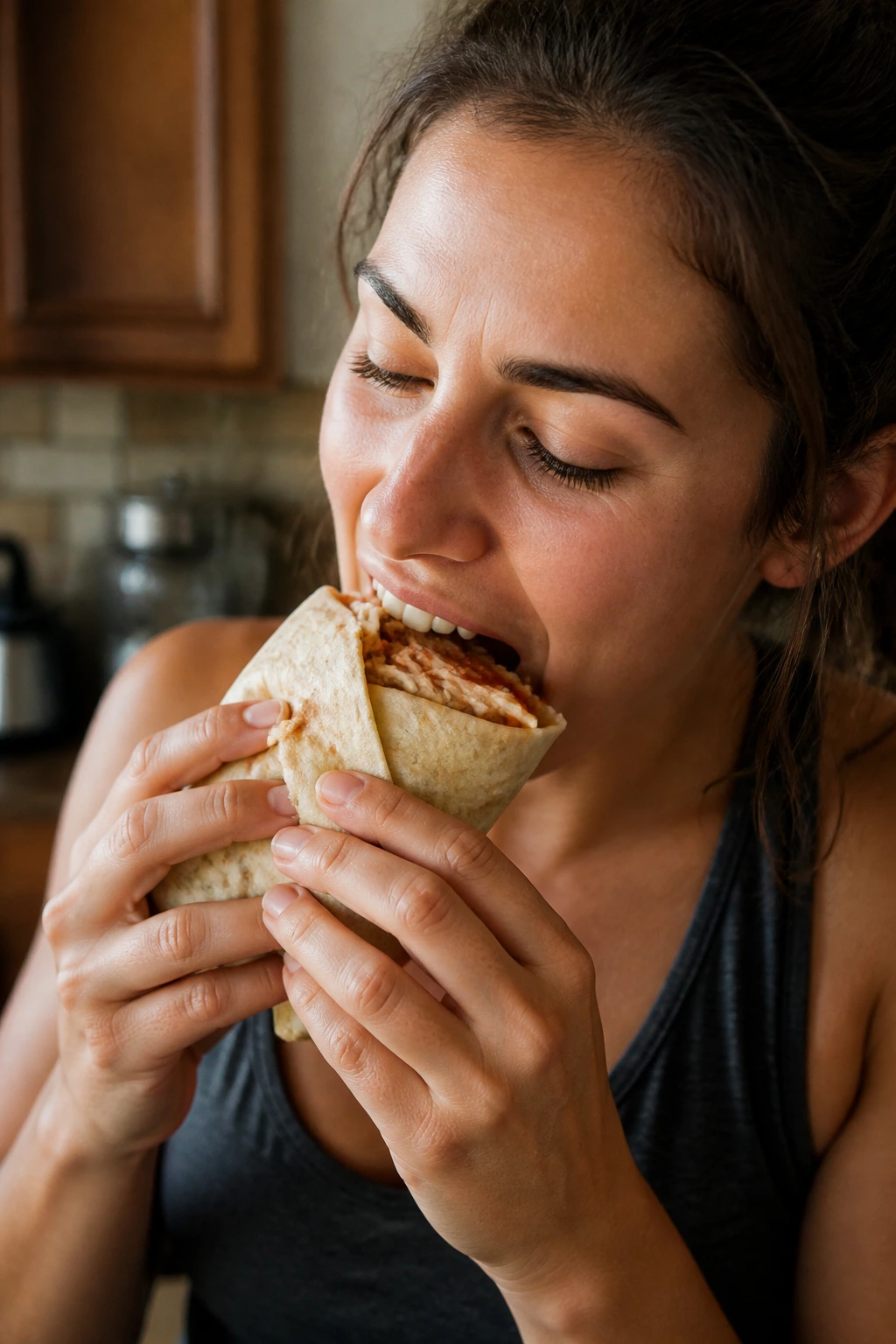
Trying a new food naked — by itself, on a plate, under fluorescent kitchen lights — can be a bad idea for a picky eater. Put the new thing inside a format they already trust, and your odds go way up.
A little mashed banana in pancakes. A spoonful of yogurt stirred into oatmeal. Shredded chicken tucked into a tortilla with a familiar sauce. A new cereal mixed 80/20 with an old favorite. The key is not to hide the food so well that you can’t tell what’s in it. The key is to reduce the shock.
That said, keep the change tiny at first. One new ingredient. One new texture. One new flavor. If the eater accepts it twice, you can decide whether to increase the amount.
The pre-workout window is not the time for culinary bravery. It’s the time for strategic camouflage.
10. Repeat the Same Meal on Training Days

People love to say variety is important. It can be. But for picky eaters, repetition often matters more, especially around workouts. If a meal works, repeat it. Don’t sabotage a functional habit because you’re bored with the idea of toast.
The training day body wants predictability. Same breakfast. Same snack. Same smoothie. That way the eater knows how it feels, how fast it digests, and whether it sits well in the stomach when movement starts. Boring is a feature here, not a flaw.
Once the meal is reliable, you can make tiny changes if you want: different jam, a slightly different bread, a different fruit. But keep the core the same. There’s no prize for making every Tuesday a brand-new experiment.
If you’ve ever had to back out of a workout because your “healthy” breakfast was too adventurous, you already know the value of repeatable food. The body remembers. So does the brain.
11. Keep a Backup Snack in the Bag
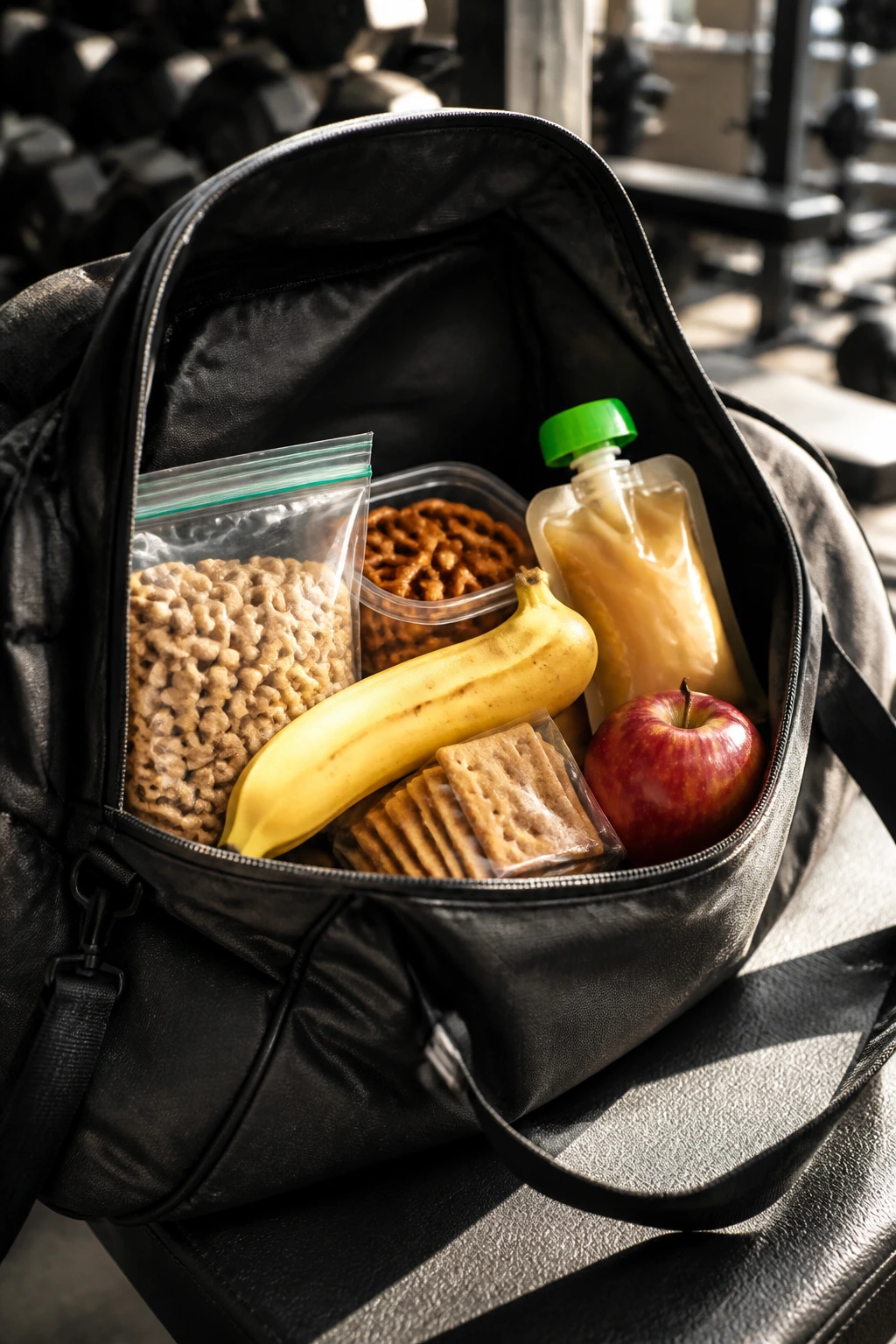
This one sounds obvious until the day the car gets stuck in traffic, practice runs long, or the mood flips and the planned meal suddenly seems impossible. That’s why every picky eater needs a backup snack that lives in the gym bag, desk drawer, or car.
Think of it as insurance, not extras. Applesauce pouches. Pretzels. Dry cereal in a zip bag. A banana. Crackers. A shelf-stable milk box if that’s tolerated. A small granola bar with ingredients the eater already knows. If dairy is safe and you have a cold pack, string cheese can work too.
The backup snack should be boring enough to be welcome. I know that sounds strange. But the goal is not excitement. The goal is rescue.
Good backup-snack rules
- No strong smell
- No messy wrappers or sticky fillings
- No giant portion
- No surprise seeds, nuts, or crunchy add-ins if texture is a problem
A backup snack saves the workout from being skipped because a meal went sideways. That alone makes it worth the tiny bit of planning.
12. Reach for Sweet Before Savory
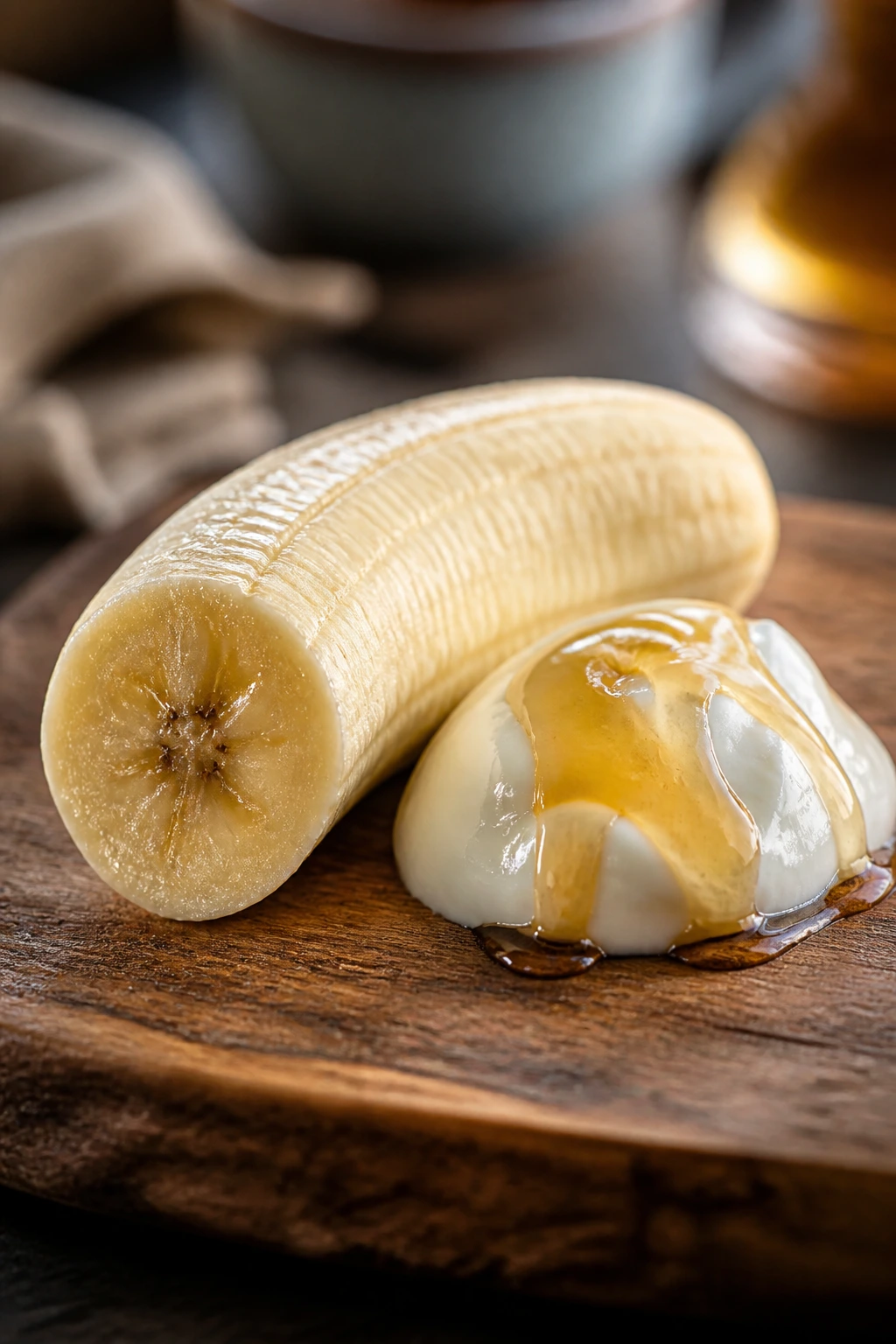
Picky eaters often accept sweet flavors more easily than savory ones, especially early in the day or close to training. Sweet feels simple. Familiar. Less argumentative. That matters.
Bananas. Jam. Honey. Applesauce. Vanilla yogurt. Plain waffles with syrup. Toast with a thin layer of maple syrup. None of this is glamorous, and that’s exactly why it works. Sweet foods also tend to be easier to portion into the smaller amounts that fit a pre-workout window.
Savory can work too. Some people do great with rice and chicken or a turkey sandwich. But if the eater is already hesitant, sweet usually gets less pushback. It’s often the shortest path to “I’ll eat that.”
There’s another practical angle. Sweet foods are easy to scale. Half a banana. One slice of toast. A few spoonfuls of yogurt. That makes them useful when the workout timing keeps changing.
13. Use Salt on Purpose
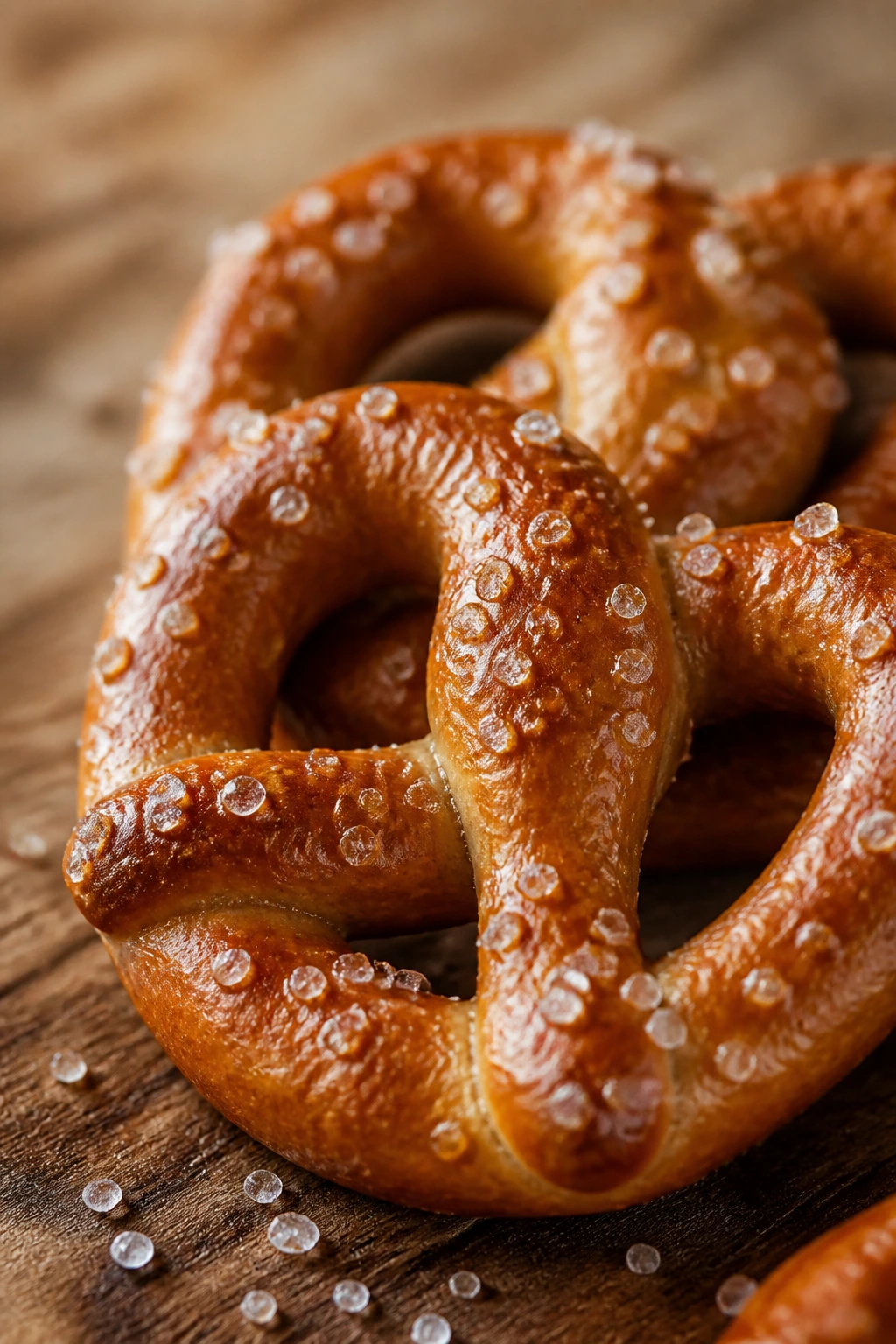
People act like salt is something to fear, then wonder why their pre-workout meal tastes flat and unappealing. Salt is useful. It makes food taste like food. It can also help replace sodium lost through sweat, especially if the session is long, hot, or intense.
Pretzels are popular for a reason. Salted rice cakes work. Toast with a little salted butter, if fat timing allows, can feel more satisfying than dry bread. Soy sauce on rice is simple and effective. Even a pinch of salt on banana slices or applesauce can make the food feel more awake.
This matters for picky eaters because bland food that was already suspicious becomes even harder to finish when it tastes like cardboard.
Use salt with intent
- Add a small pinch to rice or potatoes if the eater likes savory food.
- Choose lightly salted crackers or pretzels over unsalted versions when the meal is close to training.
- Pair salty foods with water, not a huge drink all at once.
It’s a tiny detail. It changes the meal more than people expect.
14. Treat Fiber Like a Distance Ingredient
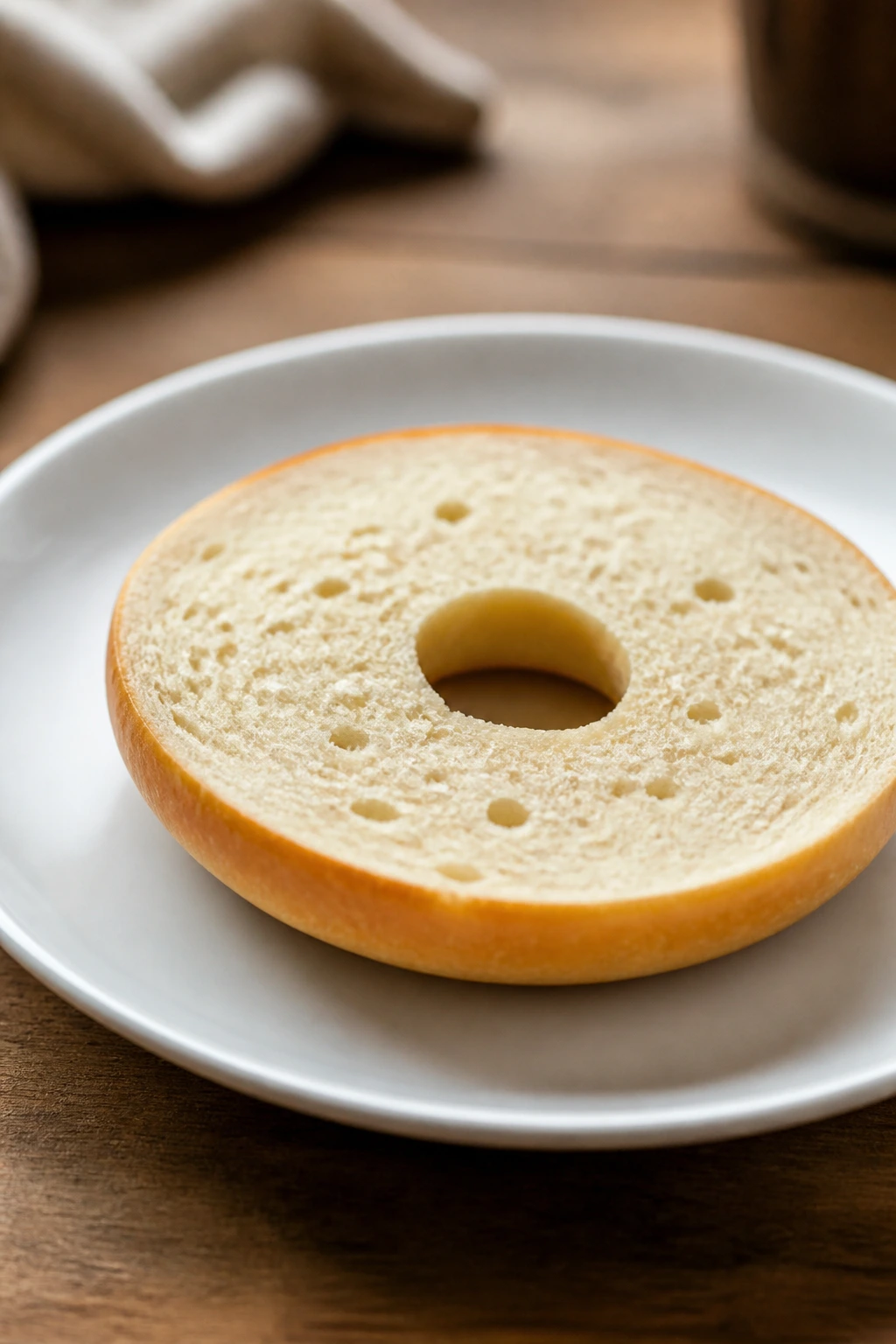
Fiber is not bad. It’s just not always welcome right before training. High-fiber foods take longer to move through the stomach, and that’s where picky eaters get burned if they’re trying to force bran cereal, bean toast, or a giant salad into a pre-workout slot.
Think of fiber as a distance ingredient. Great at lunch. Great after training. Less friendly 45 minutes before squats or a run. If you’re feeding a picky eater, save the bran muffins, bean-heavy meals, and big cruciferous vegetable portions for other times of day.
Closer to the workout, choose lower-fiber options like
- White toast
- Plain bagels
- Rice
- Applesauce
- Bananas
- Crackers
- Low-fiber cereal
If you need a number, many people do better keeping the pre-workout snack fairly low in fiber — often around 1 to 3 grams when the workout is close. The exact number is less important than the feeling in the stomach. Heavy, gassy, or sloshy means too much.
I’d rather see a picky eater eat a plain bagel than wrestle with a heroic oat-and-seed bowl they don’t want.
15. Buy the Boring Version First
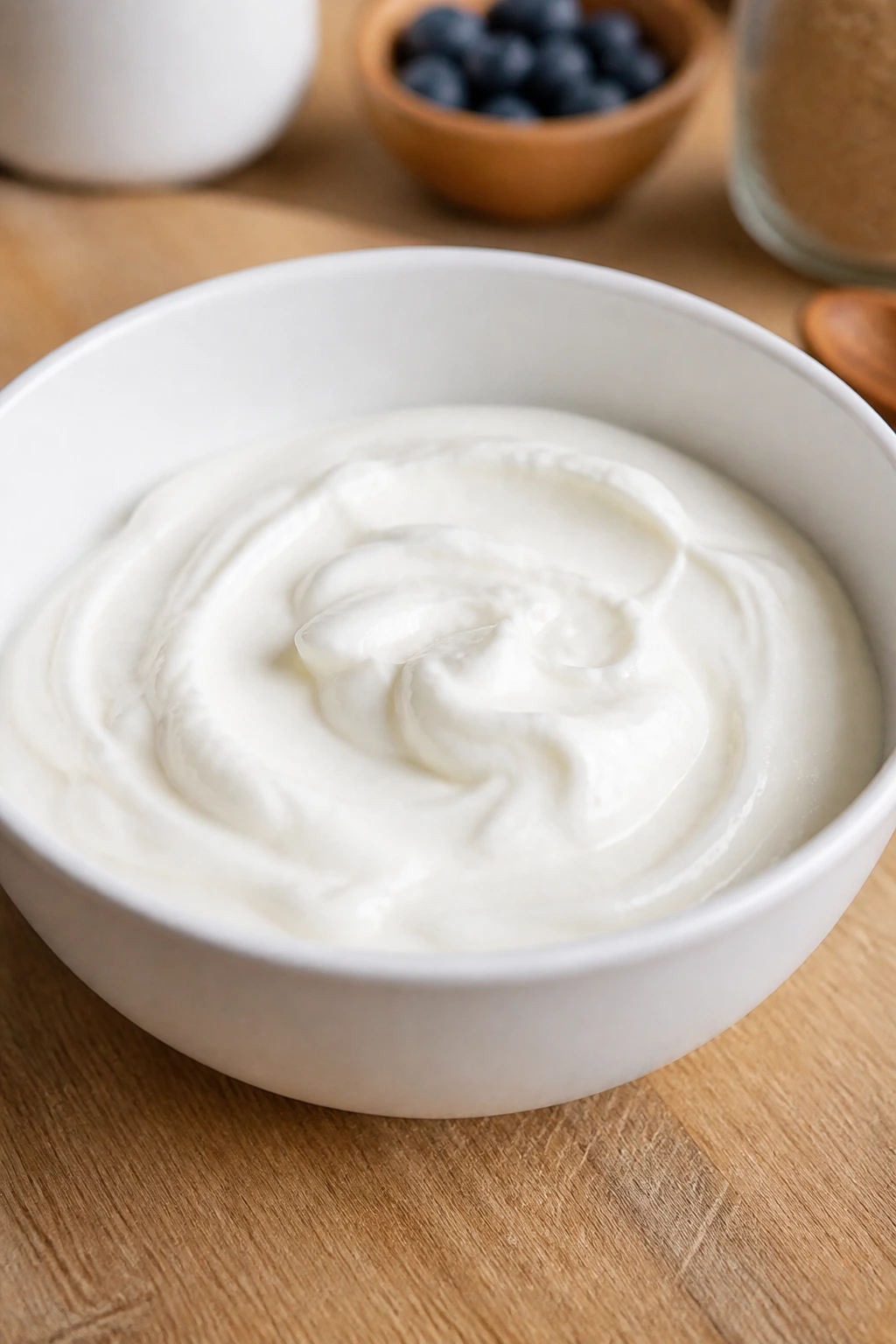
Fancy foods are where many picky-eater plans go to die. Seeded bread. Yogurt with mix-ins. Fancy granola. Protein bars with twelve textures. They sound better in theory than they act in the fridge.
Start with the boring version. Plain bagels. White rice. Basic tortillas. Plain Greek yogurt. Simple oatmeal. Unseasoned chicken or turkey slices if protein is on the table. Once the eater trusts the base food, then you can add one thing at a time.
This is especially true with pre-workout food because the clock is unforgiving. A weird texture or an unexpectedly sweet flavor is enough to ruin appetite when the workout is close.
The boring version also gives you a clean read on what the eater actually likes. If they hate the fancy granola but love plain yogurt, you’ve learned something useful. If they love toast but hate seed bread, same deal. No need to overthink it.
16. Freeze Small Portions for Low-Risk Testing
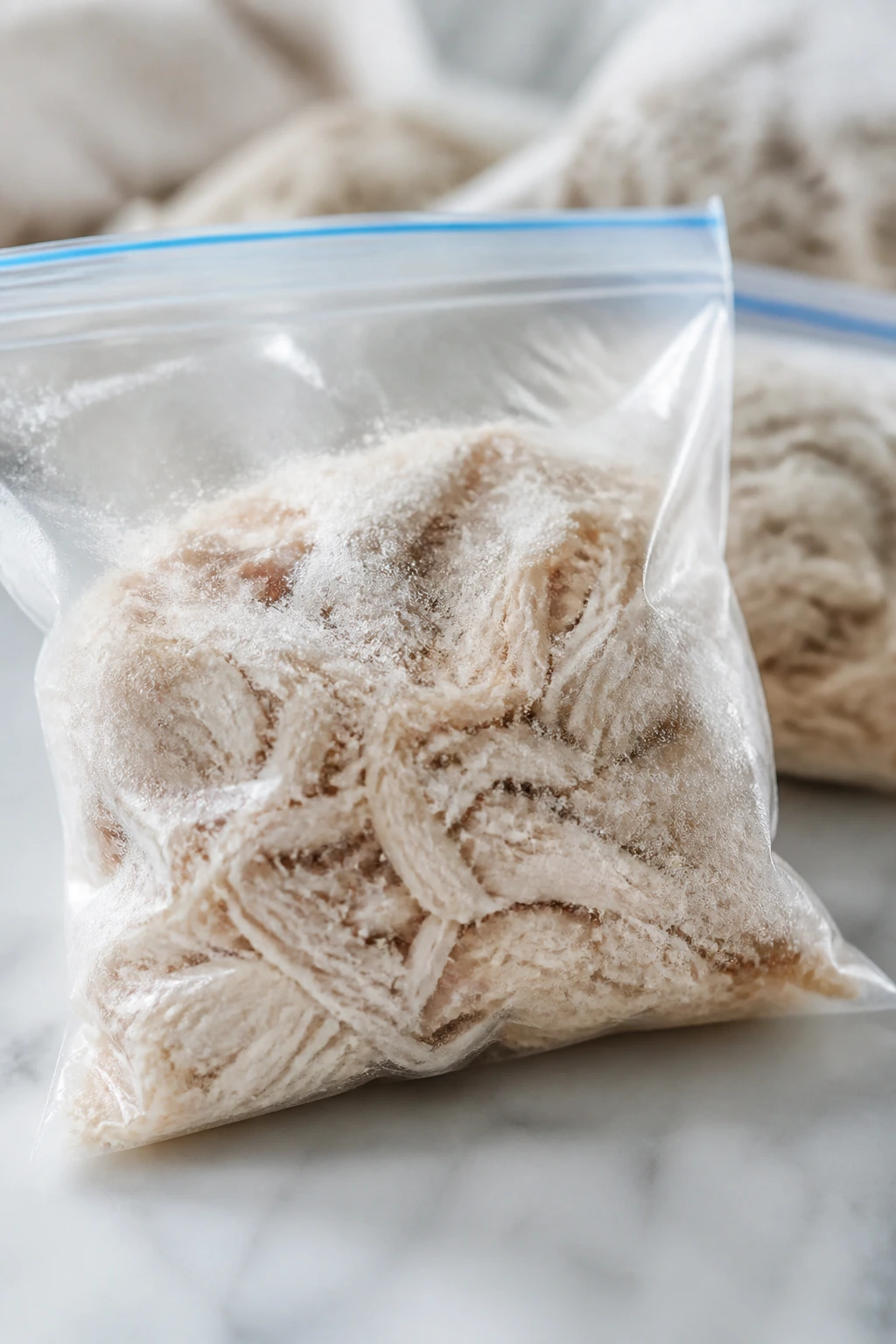
Freezers are underrated in meal planning for picky eaters. Not for giant casseroles and heroic batch cooking — for tiny, low-risk portions that let you test a food without waste.
Freeze half waffles. Freeze pancakes in pairs. Freeze cooked rice in flat portions. Freeze shredded chicken in small bags if the eater accepts it. Then you can pull out one serving and see whether it earns a place in the rotation.
The point is psychological as much as practical. Frozen food feels less like a commitment. If it doesn’t get eaten, you didn’t lose a whole tray. If it does get eaten, you’ve got a repeatable option.
Works especially well for
- Waffles and pancakes
- Cooked rice
- Shredded chicken or turkey
- Muffins
- Sliced bread
- Fruit portions for smoothies
Flash-freezing on a sheet pan first helps keep pieces separate, which is nice when you’re only pulling out one or two items. A zip bag with the air pressed out keeps freezer burn from creeping in too fast.
17. Keep Sauces and Toppings Separate
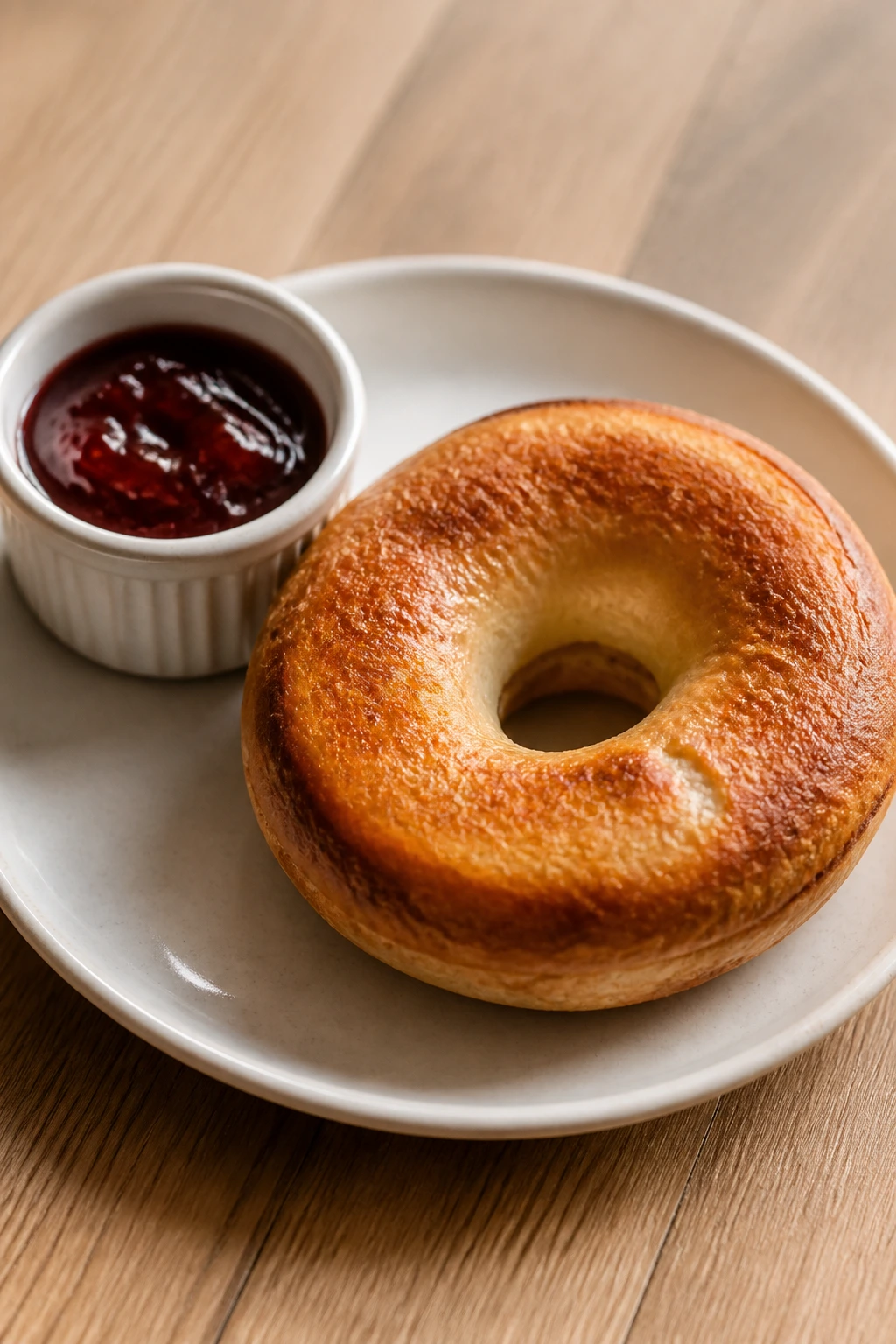
This is a sneaky one. A lot of picky eaters don’t mind the base food. They mind the mixing. Once the sauce touches everything, the meal becomes a new problem.
Keep syrup on the side. Keep nut butter separate. Put salsa in a little cup. Pack yogurt and granola apart until the moment of eating. If the eater likes choice and hates surprise, this one change can save a meal.
Separate toppings also help with texture. A toasted bagel stays toast until you add jam. Rice stays rice until the sauce goes on. Chicken stays less threatening when it isn’t swimming in something glossy and unfamiliar.
My bias here is strong
If a food gets mushy fast, I serve the topping on the side. Every time. It’s cleaner, easier to control, and kinder to picky eaters who need to see what they’re about to eat.
18. Pre-Portion the Snack, Not the Whole Container
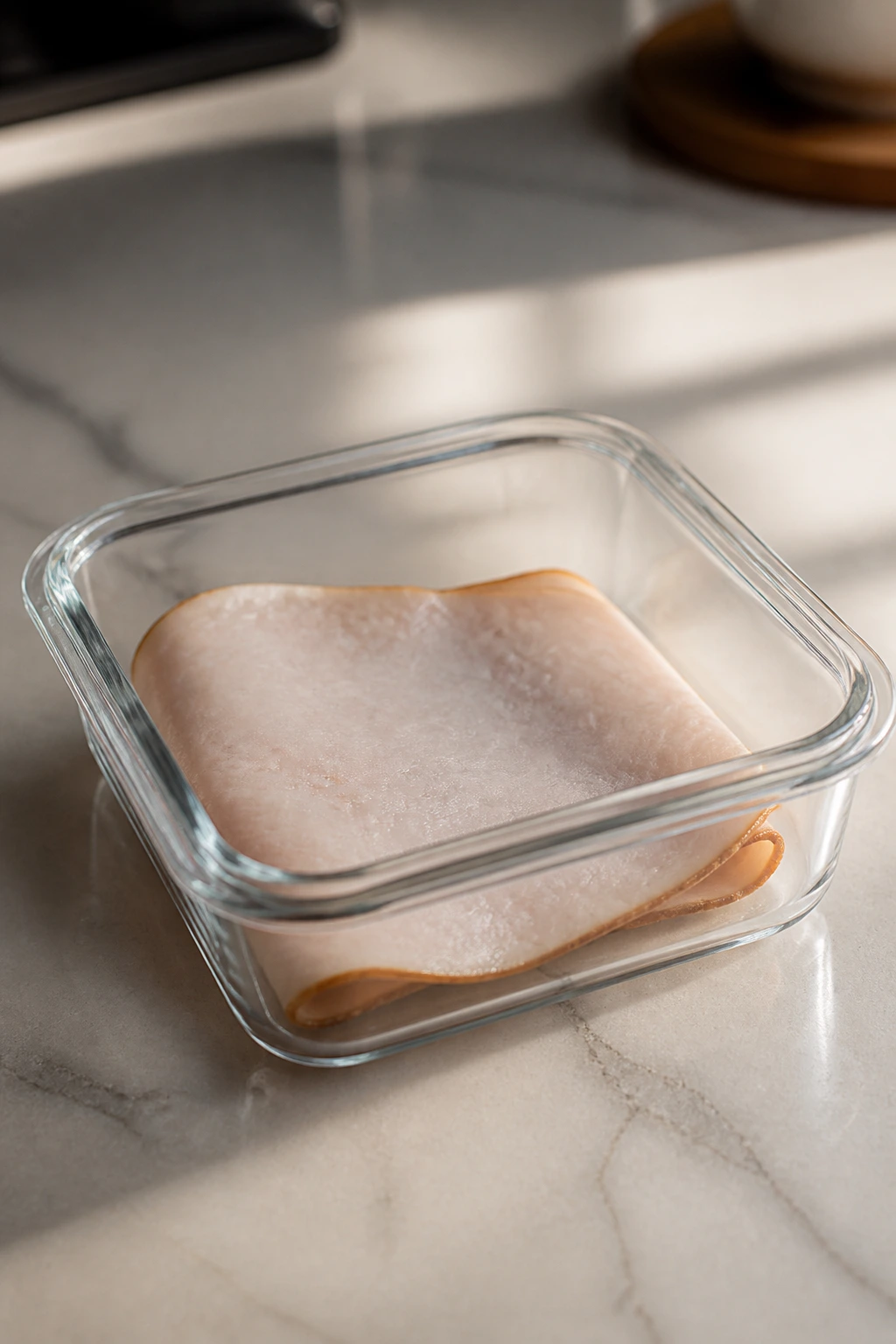
A giant box of cereal or a giant tub of yogurt can feel like too much decision-making before a workout. The eater opens it, stares, and suddenly wants nothing. That’s where pre-portioning helps.
Put the snack into a small container the night before. Two rice cakes in a bag. One cup of yogurt in a cup. A single banana on the counter. One slice of turkey and one piece of toast. The meal looks smaller, which makes it easier to accept.
The same trick works with kids, teens, and adults who are secretly tired of “food projects.” Smaller visible portions feel friendlier. Less waste too. If they’re only eating half, that half was the plan.
A full container is not always reassuring. Sometimes it’s intimidating.
19. Adjust Fuel for the Workout Type
A lifting session, a run, a spin class, and a team practice do not all ask for the same pre-workout meal. Picky eaters tend to notice this before anyone else, because the wrong food shows up as slosh, stitch, or plain refusal.
Before strength training, a modest meal with carbs and a little protein often works well. Before running or jumping, keep fiber and fat lower and lean more on easy carbs. Long practices may need more total fuel, while short intense workouts may do fine with a small snack.
If you know the workout includes a lot of bouncing, twisting, or sprinting, do not send a picky eater in with a heavy sandwich and a banana chaser. That’s just asking for trouble.
Simple way to think about it
- Heavy lifting: a bit more food can be fine
- Cardio or running: choose lighter, easier-to-digest foods
- Early morning workouts: prioritize fast, familiar bites
- Long sessions: use a larger meal earlier or a backup snack during the day
The body notices these differences. So should the meal plan.
20. Make Post-Workout Dinner So Easy That Pre-Workout Can Stay Simple
This is where a lot of people get tangled up. They make the pre-workout meal carry the whole day because they don’t have a clear plan for after training. That leads to overloaded food before exercise and frustration all around.
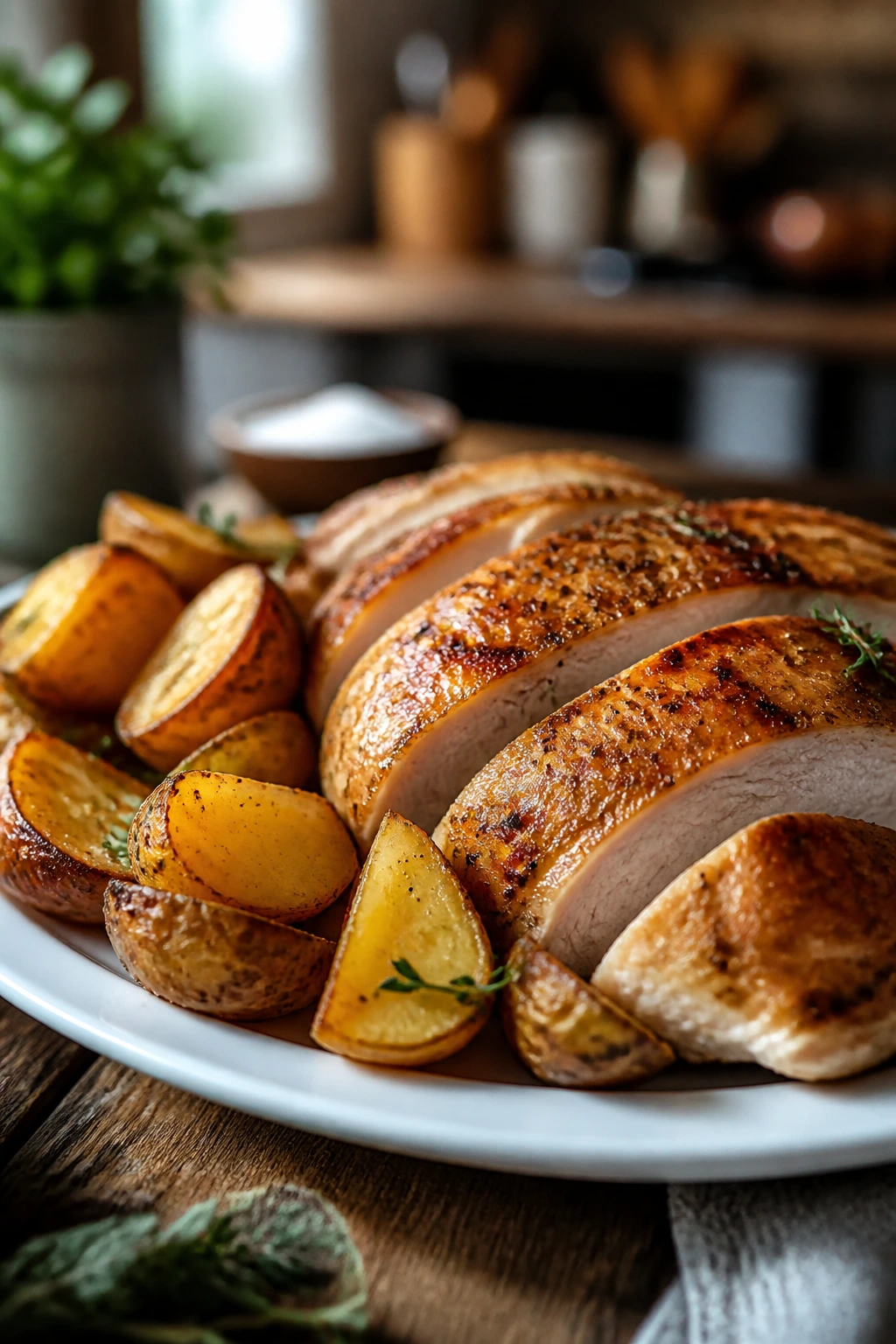
Better move: make post-workout dinner easy. Roast chicken and potatoes. Rice bowls with shredded chicken. Pasta with turkey meat sauce. Soup and bread. A turkey sandwich plus fruit. Something ready, something predictable, something the picky eater will actually eat after the workout is done.
Then the pre-workout meal can stay small. A banana and toast before training feels much more reasonable when you know chicken and rice are waiting later.
The same goes for meal prep. If you’ve got cooked chicken in the fridge, rice in the cooker, and applesauce in the drawer, you don’t need to force a huge meal right before exercise. The day stops feeling like one long negotiation.
21. Run a Two-Week Acceptance Test and Cut the Rest
People who feed picky eaters often keep too many options around because they hope one of them will eventually become a favorite. Sometimes that happens. Usually it just clutters the fridge.
Run a simple acceptance test. Keep a list of the foods the eater actually finishes without stress over a two-week stretch of training days. Anything eaten three times without complaint stays in the rotation. Anything that gets ignored, pushed away, or causes stomach issues gets cut.
That does two things. First, it makes the routine smaller and easier to manage. Second, it gives you proof instead of guesses. No more “maybe they’ll like it if I buy the expensive version.” You already know.
A picky eater does not need twenty pre-workout choices. They need four or five that work every time. Less drama. Better energy. Fewer sad leftovers in the back of the fridge.
Why the Smallest Plan Often Works Best
The cleaner the pre-workout menu, the easier it is to actually follow. Picky eaters do not need more rules layered on top of hunger. They need food that feels familiar the moment it’s plated, digested well enough to forget about, and predictable enough to repeat without a new argument every morning.
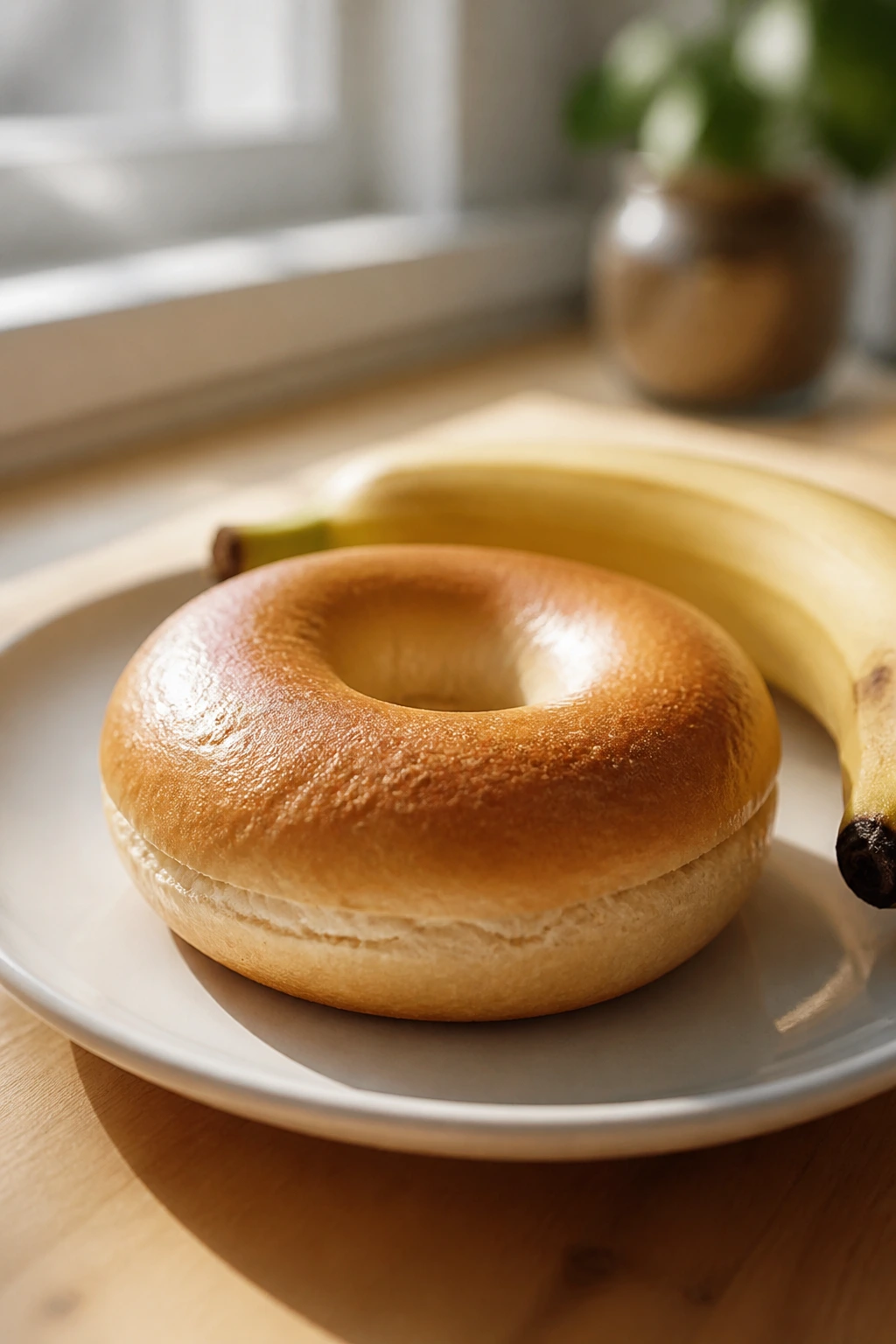
That’s why simple carbs, light protein, and smart timing show up again and again in sports nutrition. The meal’s job is not to impress. It’s to help someone train without their stomach stealing the show. A plain bagel, a banana, rice and chicken, toast with jam — those are not consolation prizes. They’re tools.
If you’ve been trying to make pre-workout food prettier, more complicated, or more virtuous than it needs to be, stop. Build the safe menu first. Then keep trimming the list until only the meals that get eaten are left.
Essential Tools for Building a Low-Drama Fuel Setup
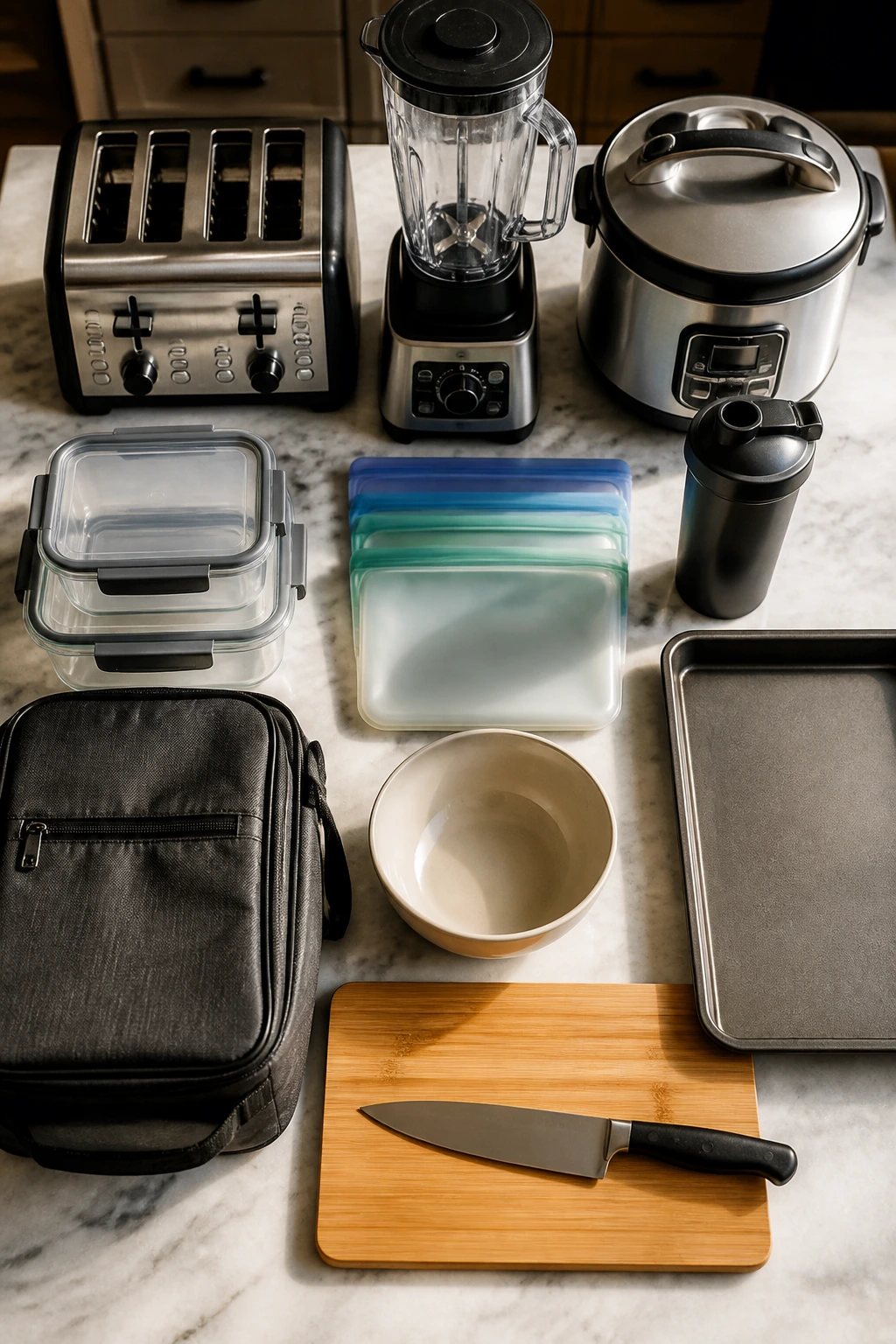
- Toaster or toaster oven: Keeps bread, bagels, waffles, and rice cakes crisp instead of soggy.
- Blender: Useful for smoothies, drinkable yogurt drinks, and quick carb-heavy shakes.
- Rice cooker or small saucepan with lid: Plain rice is one of the easiest pre-workout bases to keep on hand.
- Airtight containers in 1-cup and 2-cup sizes: Small portions look less intimidating and travel better.
- Reusable snack bags: Good for pretzels, crackers, cereal, and dry backup snacks.
- Shaker bottle: Handy for milk-based or powder-based drinks when chewing is the problem.
- Sheet pan: Makes freezing or reheating waffles, pancakes, and chicken pieces easier.
- Knife and cutting board: For bananas, toast toppings, chicken portions, and quick prep.
- Insulated lunch bag with an ice pack: Keeps yogurt, turkey, chicken, and cheese safe until training time.
- Microwave-safe bowl: Useful for rice, oatmeal, or reheating small leftovers without overcooking them.
Smart Shopping and Ingredient Picks for Pre-Workout Meal Planning

The shopping list should work with the eater, not against them. That means buying foods with predictable texture, short ingredient lists, and very little surprise. I’d rather see plain bagels and good jam in the cart than a dozen “healthy” snacks that end up untouched because they have seeds, chunks, or a protein aftertaste that lingers like bad news.
Look closely at the fiber line on packaged foods. If the workout is close, low-fiber options usually sit better. That’s one reason white bread, rice, rice cakes, applesauce, plain cereal, and simple crackers keep showing up in real meal plans. They’re not fancy. They’re practical.
Ripe bananas are one of the easiest wins in the produce aisle. You want yellow peel with a few freckles, not green stone fruit pretending to be ready. Applesauce pouches are another smart buy, especially if the eater likes fruit but not chewing. For protein, plain Greek yogurt, milk, turkey slices, shredded chicken, and rotisserie chicken with minimal seasoning all fit better than heavily sauced options.
The same logic applies to pantry staples. Basic rice, plain oats, pretzels, jam, honey, and tortillas give you a lot of meal combinations without making the fridge look like a science project. And if a food comes in both a plain and a “loaded” version, start with plain. The built-in mix-ins can wait until trust is earned.
How to Serve These Meals and Snacks
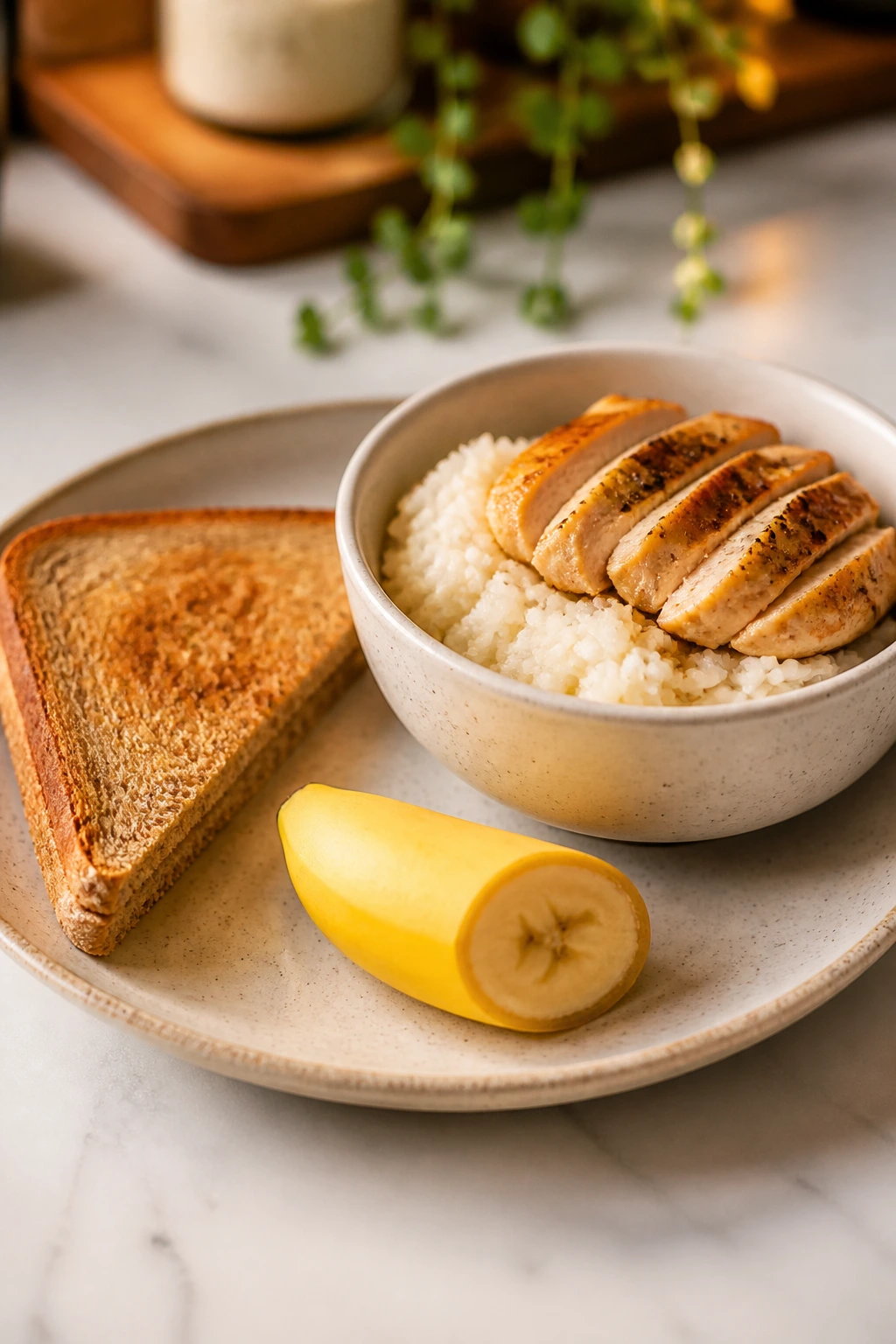
Presentation: Keep the plate small and uncluttered. A toast triangle beside a banana half, or a rice bowl with chicken kept to one side, feels calmer than a crowded plate with six different textures fighting for space.
Accompaniments: Water is the default, and I’d keep it that way unless the workout is long or sweaty. A small coffee, weak tea, or diluted juice can fit if the eater already uses caffeine. Applesauce, a few crackers, or a second piece of fruit can round out a lighter snack without making it feel like a feast.
Portions: For a closer workout, think small: one banana, one slice of toast, a handful of pretzels, or a single cup of yogurt. For a meal 2 to 4 hours away, a more complete plate with rice, chicken, or toast and yogurt makes sense. If the eater is still hungry after that, increase earlier in the day rather than piling more on right before training.
Beverage Pairing: Water first. Coffee or tea if they’re already part of the routine and don’t upset the stomach. Milk or chocolate milk can work for some people, especially after training, but I would not force it on a kid or adult who already hates the texture or smell.
Additional Tips and Flavor Boosters
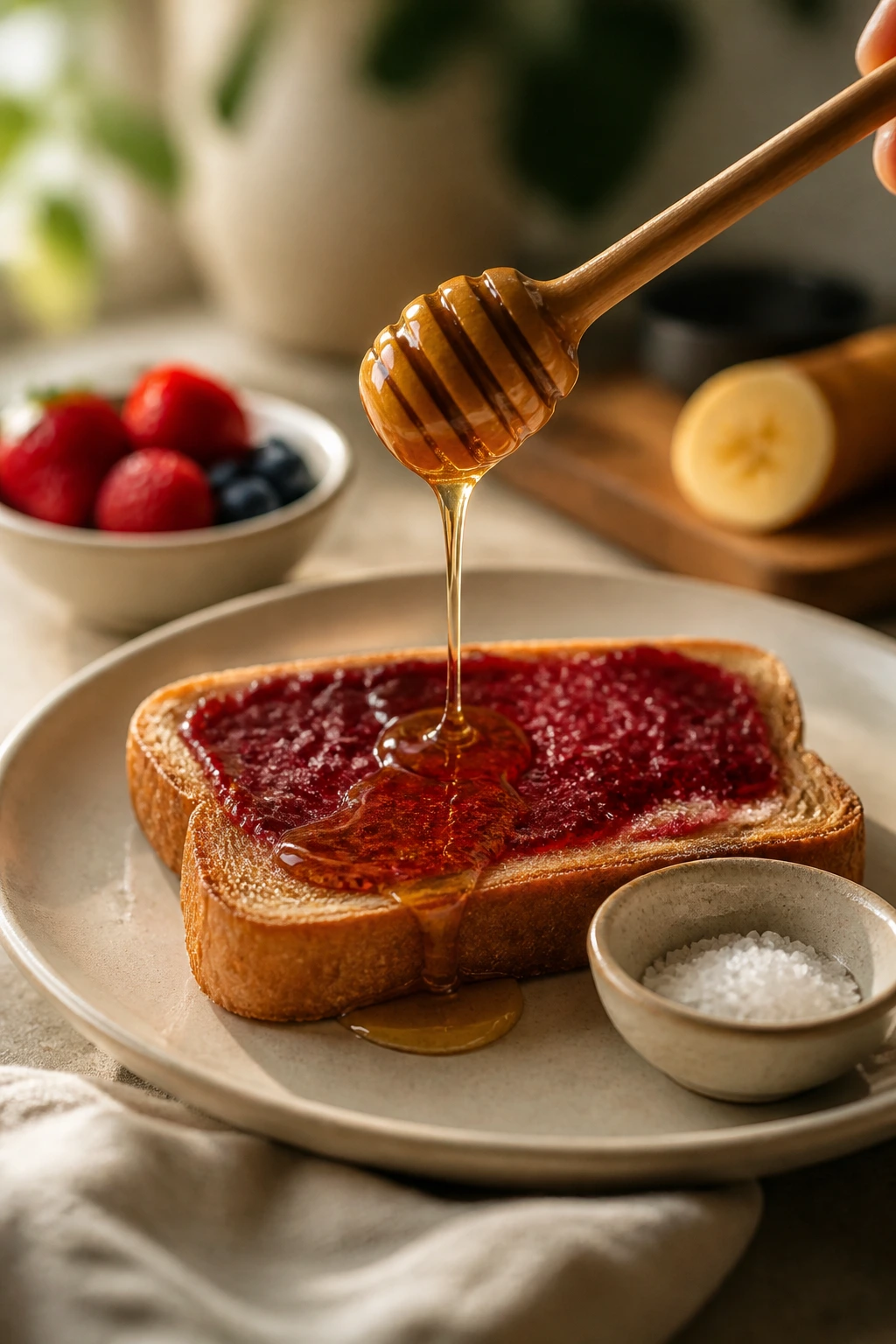
Flavor Enhancement: A tiny pinch of salt, a drizzle of honey, or a smear of jam can make a basic pre-workout meal feel intentional instead of punitive. A bland carb is fine; a bland carb with no finish is where people start refusing breakfast.
Customization: Keep one or two “safe upgrades” available. Cinnamon on toast. Maple syrup on waffles. Soy sauce on rice. A little shredded chicken tucked into a plain tortilla. These small changes help without pushing the meal out of the comfort zone.
Serving Suggestions: Serve the food warm when you can, but not hot enough to smell aggressively. Temperature matters. Warm toast or rice is usually easier to accept than something cold and stiff, and a cold smoothie can be easier than a lukewarm one that tastes like melted ambition.
Make-It-Yours: For dairy-free eaters, use soy yogurt or oat milk. For gluten-free needs, rice, potatoes, corn tortillas, and gluten-free cereal keep the structure intact. For vegetarian eaters, yogurt, eggs, tofu, or soy milk can stand in for chicken or turkey without changing the whole meal pattern.
Make-Ahead, Storage, and Reheating Guidance
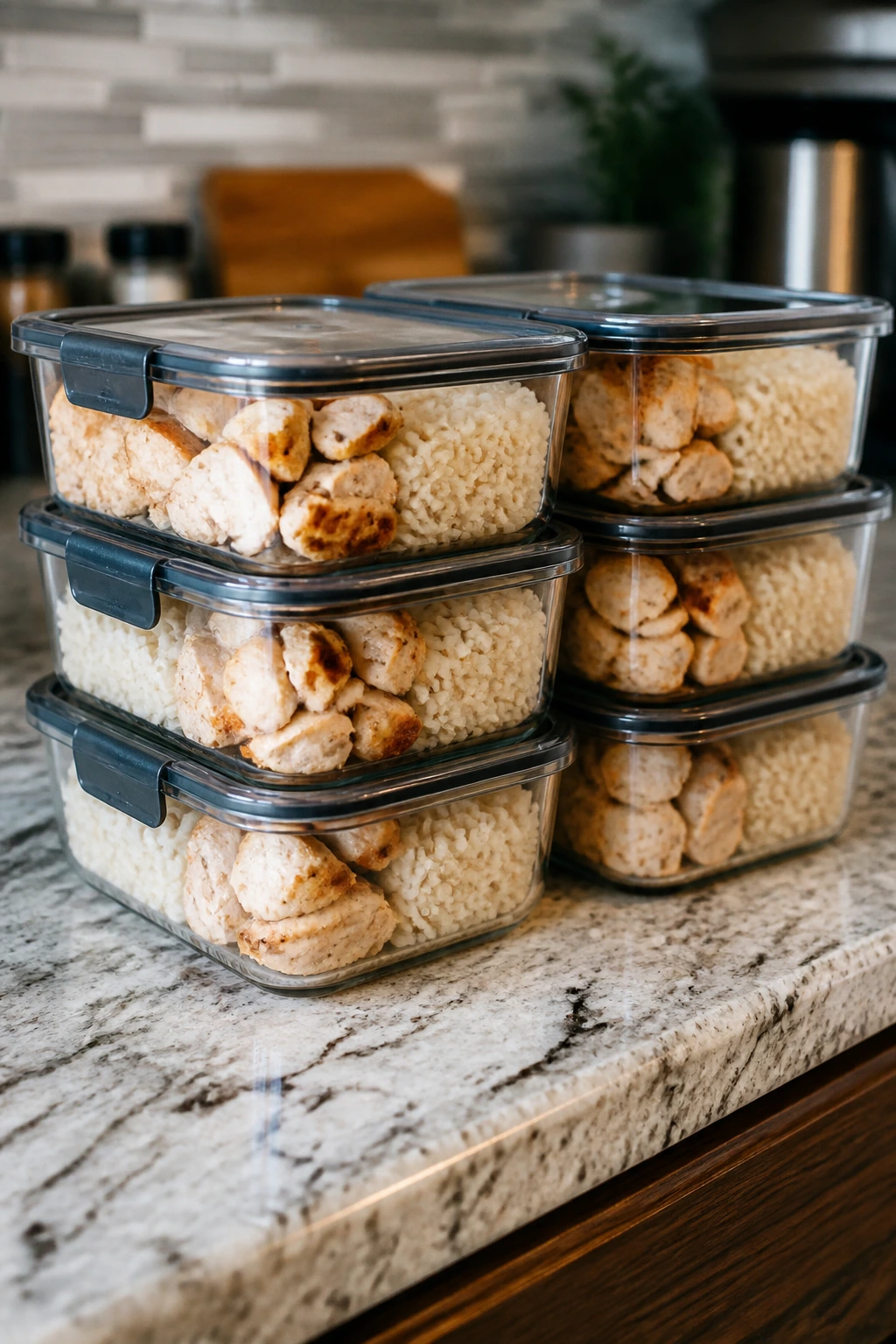
Pre-workout meals get easier when the building blocks are already made. Cooked rice keeps 3 to 4 days in the fridge if it’s cooled promptly and stored in a shallow container. Cooked chicken or turkey also holds for 3 to 4 days refrigerated and can be frozen for about 2 to 3 months if you portion it well. Waffles, pancakes, and sliced bread freeze nicely for up to 2 months, especially if you separate them with parchment so they don’t fuse into one stubborn block.
Yogurt cups, applesauce pouches, pretzels, crackers, and cereal are best kept as pantry or fridge grab-and-go items. Once you pre-assemble a snack, try to eat it within 24 hours if it includes cut fruit, dairy, or meat. A plain rice bowl or toast can wait a little longer, but the texture starts to slide after a day or two.
For reheating, use the method that keeps the texture closest to the original. Toast and waffles belong in a toaster or toaster oven. Rice reheats best with a spoonful of water and a loose cover in the microwave so it steams instead of drying out. Chicken is safest and least annoying when reheated gently in a microwave at medium power or in a skillet with a splash of water or broth. Smoothies are one of the few things I’d rather build fresh or keep frozen in ingredient packs than reheat at all.
The best make-ahead move is portioning. Put one serving in a container or bag, not the entire batch. That makes the food easier to grab, and it keeps picky eaters from staring at a huge container and deciding they’re not actually hungry after all.
Variations and Adaptations to Try
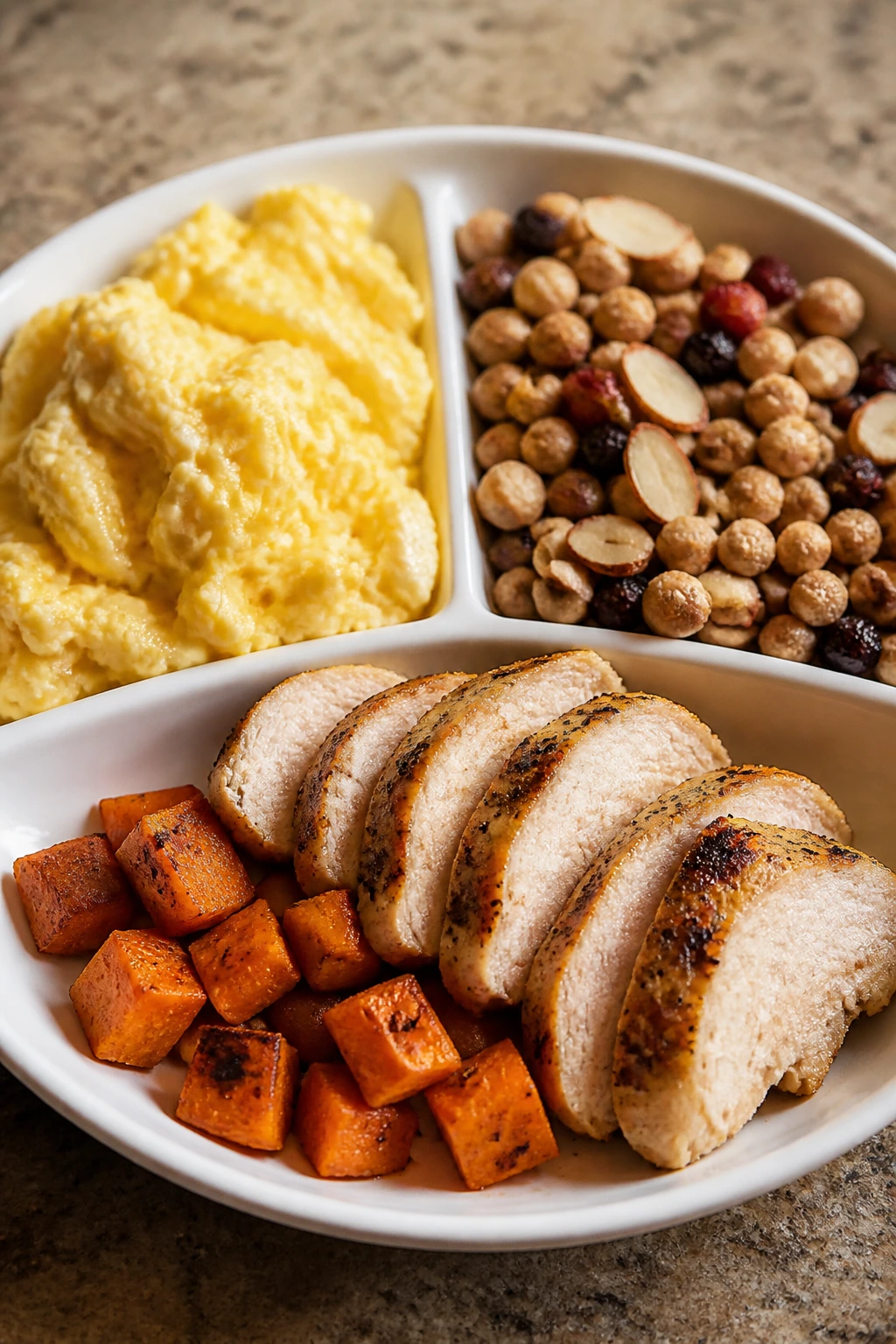
The Soft-Texture Morning: Build around smoothies, applesauce, drinkable yogurt, and soft toast. This version is for anyone who loses interest the second chewing becomes work.
The Crunch-Only Plate: Use pretzels, rice cakes, dry cereal, crackers, and a banana. It’s a good fit when mushy foods are the main problem and the eater wants separate, crisp bites.
The Savory Lane: Lean on rice with soy sauce, toast with turkey, plain chicken in a wrap, or a small potato with salt. This keeps sugar low and gives savory eaters a path that still digests reasonably well.
The Dairy-Free Rotation: Swap in oat milk, soy yogurt, and dairy-free smoothies while keeping the same carb structure. The goal is the same: simple fuel, low friction, no surprise texture.
The Gluten-Free Setup: Use rice, potatoes, corn tortillas, rice cakes, and gluten-free cereal as the base. Don’t overcomplicate it with specialty products that crumble apart or taste chalky; plain and sturdy beats fancy and sad.
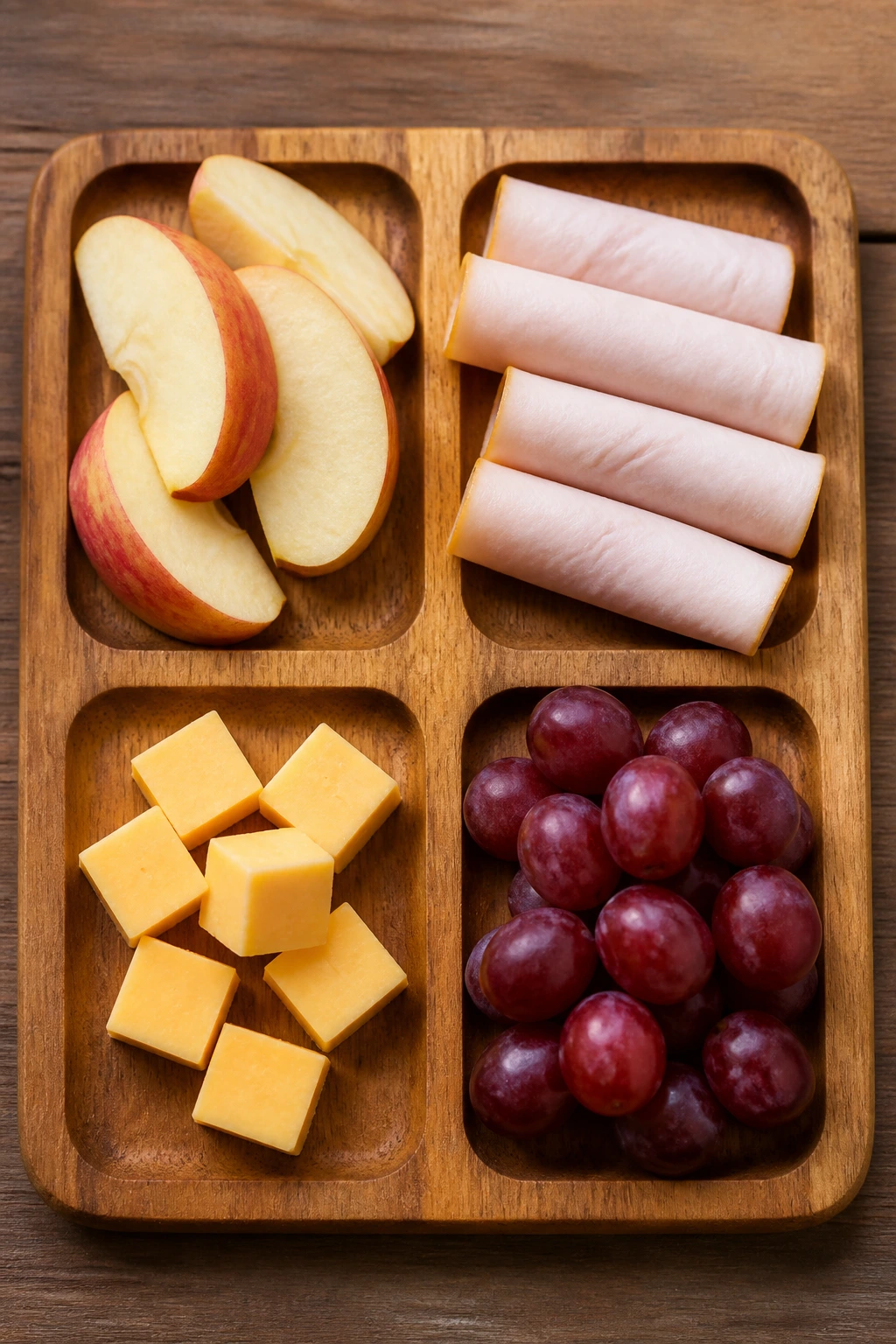
The After-School Athlete Version: Make the pre-workout snack portable and small — applesauce pouch, banana, pretzels, turkey roll-ups, or half a sandwich. It’s built for the gap between school, practice, and dinner, where appetite can be unpredictable.
Common Mistakes to Avoid
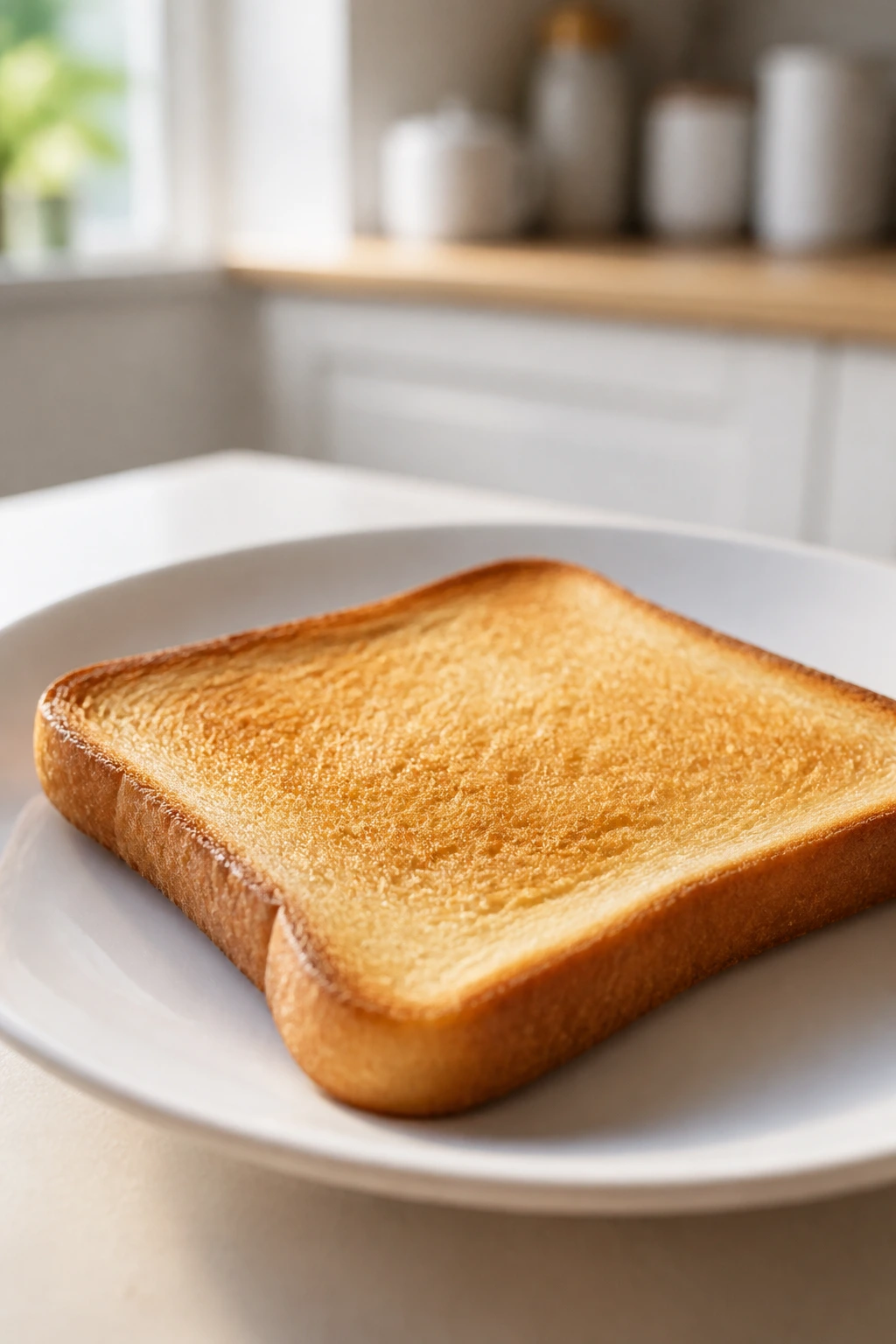
The biggest mistake is building a meal that’s too large too close to training. The symptoms are easy to spot: heavy stomach, burping, side stitches, or a person who suddenly says they’re not hungry after all. The fix is to shrink the portion and move the bigger meal earlier.
Another common error is treating protein like the star of every pre-workout plate. A giant chicken breast or a thick protein shake can sit like lead when the workout starts soon. Keep protein modest before training and shift more of it to the meal after.
Then there’s the fiber trap. Bran cereal, bean-heavy wraps, huge salads, and high-fiber bars sound healthy but can turn a picky eater’s stomach into a complaint department. If the workout is close, lower-fiber foods usually work better.
Trying new foods on workout day is a bad bet too. If the eater has never tested the yogurt, the cereal, or the chicken salad, don’t introduce it 40 minutes before training and hope for applause. Save experiments for low-stakes days.
Finally, a lot of people forget salt and water. Bland food plus mild dehydration is a lousy combo. A little sodium and a glass of water before training can make a small snack feel like enough.
Frequently Asked Questions
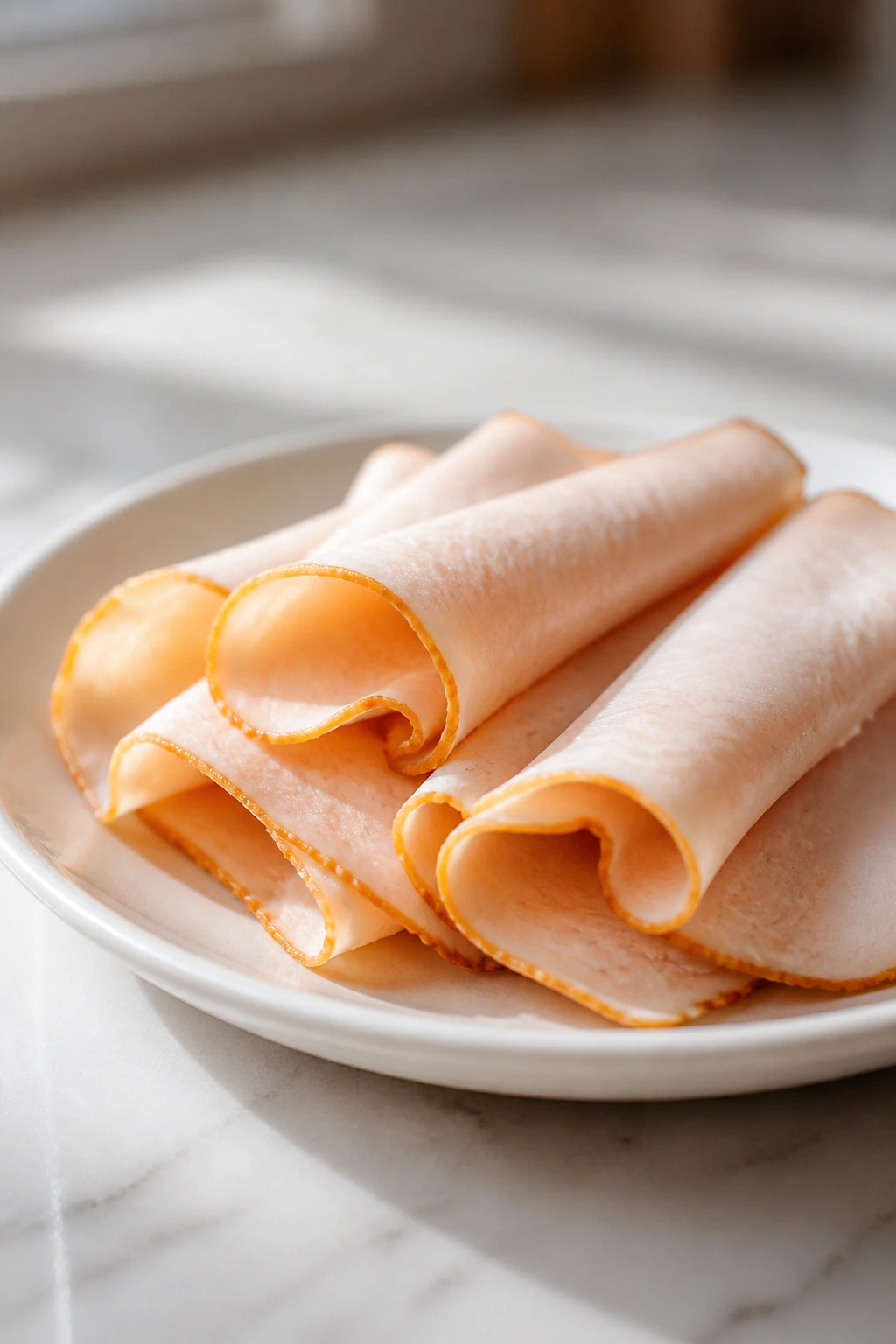
What should a picky eater eat 30 minutes before a workout?
Keep it tiny and simple: half a banana, applesauce, a few pretzels, a slice of toast with jam, or a small drinkable yogurt if that sits well. At that timing, fast carbs matter more than a full meal.
Is cereal a bad pre-workout food?
Not at all, as long as the cereal is familiar and not overloaded with fiber or giant chunks. Plain cereal with milk, or dry cereal as a snack, can work well because it’s easy to chew and digest.
Can chicken or turkey be part of a pre-workout meal?
Yes, if the meal is two to four hours before training and the portion is modest. Shredded chicken in rice, a turkey sandwich, or a small wrap can work well when the eater handles savory food better than sweet.
Are smoothies better than solid food before exercise?
Sometimes. If chewing is the problem or the workout is close, smoothies are often easier to tolerate than a full plate. Just keep them simple; a heavy smoothie with nut butter, oats, and lots of extras can become a stomach brick.
What if my stomach hates breakfast?
Then don’t force breakfast in the traditional sense. A small snack like crackers, a banana, applesauce, or half a bagel may work better than a bigger morning meal. Some people simply do better with food that arrives later and lighter.
How much protein should be in a pre-workout meal?
If the meal is close to training, not much. If there’s a few hours before exercise, a small serving — say yogurt, milk, turkey, or chicken — is enough for most people. The meal is there to fuel the workout, not to become the whole day’s protein target.
Can a child or teen use the same approach?
Yes, and they often do even better with it because kids tend to like routines. Use smaller portions, keep textures predictable, and don’t pile on too many “healthy upgrades” at once.
What if the planned food gets rejected at the last minute?
Use the backup snack. That’s what it’s there for. A banana, pretzels, applesauce, crackers, or a simple drink can keep the workout from starting on empty.
Should I avoid fat completely before training?
No, but keep it modest when the workout is close. A little fat in a meal eaten a few hours ahead is fine; a heavy fatty meal right before exercise is where problems start.
The Small Menu That Gets the Job Done
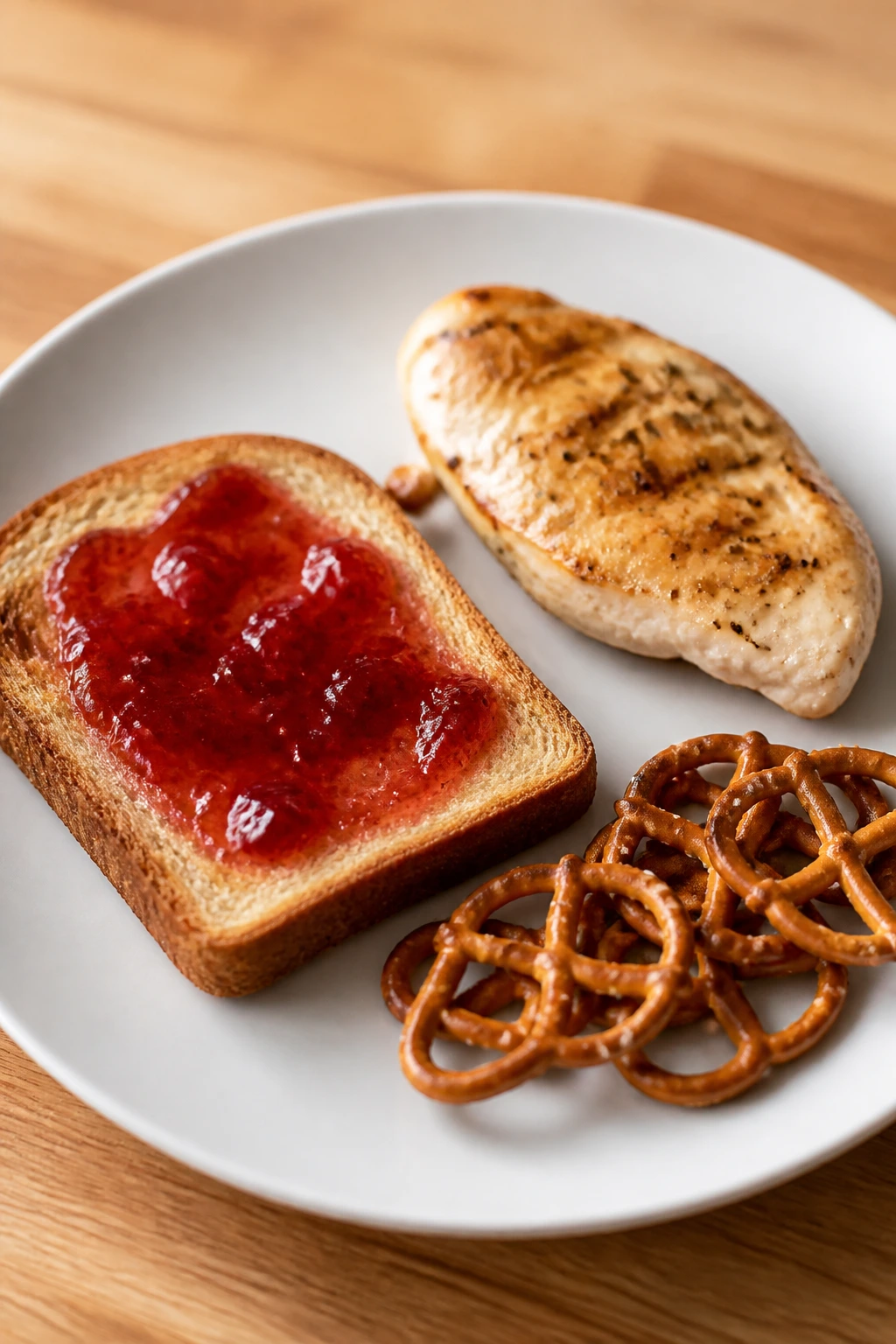
The best pre-workout plan for a picky eater is not a grand menu. It’s a short one. A few foods that show up reliably, sit well, and don’t start a battle at the kitchen counter. That’s the real win here: not eating “perfectly,” but eating enough of the right kind of food to train with a steady stomach and a steadier mood.
If you want the whole thing to work without constant negotiation, keep the structure simple, the textures familiar, and the backup snack within reach. The rest can stay boring. Boring is fine. Boring gets people to the gym, to practice, to the trail, to the weight room with enough fuel to do the work.
Start with one safe carb. Add a little protein when the timing allows. Keep the fridge stocked with the foods that don’t get argued with. That small setup is usually the one that lasts.