



Plain roasted chicken is where weeknight dinners go to get boring if nobody pays attention to flavor. The fix is not a fancier cut or a longer shopping list. It’s choosing roasted chicken flavors that can survive a hot oven — garlic that turns sweet instead of bitter, mustard that sticks to the skin, spices that bloom in fat, citrus that wakes up the drippings instead of disappearing into them.
That matters because chicken is one of those foods that tells the truth fast. Season it badly and you get a dry, pale tray with good intentions and no payoff. Season it well and the kitchen fills with the kind of smell that makes people wander in asking what’s for dinner before you’ve even opened the oven.
The best part is that these flavor directions do not need much drama. A little lemon zest, a spoonful of Dijon, a paste of yogurt and za’atar, or a smoky paprika rub can make the same bird taste completely different without adding stress to the night. And once you know which flavors like heat, which ones like oil, and which ones need to be added late, weeknight chicken stops feeling repetitive.
Why Roasted Chicken Flavors Work So Well on Busy Nights
- They cling to the food you already bought: Chicken skin, thighs, and drumsticks give spices and pastes something to hold onto, which means more flavor stays on the bird instead of sliding to the pan.
- They use pantry pieces smartly: Garlic, mustard, paprika, soy sauce, dried herbs, honey, and citrus are all basic items, but each one behaves differently in the oven, so the same bottle or jar can take dinner in a new direction.
- They make one pan do more work: Roast chicken juices, onions, and vegetables can become a sauce or a glaze without much effort, so the tray feels like a full meal instead of a main dish plus a scramble.
- They forgive small timing mistakes: Bone-in chicken thighs and drumsticks stay juicy even if they get a few extra minutes, which is exactly what you want when a phone call, homework, or traffic steals attention.
- They stretch into leftovers well: Roasted chicken with bold seasoning tastes even better sliced over rice, tucked into flatbread, or chopped into soup the next day because the flavor is already built in.
- They reward a hot oven: A 425°F to 450°F roast gives you browned skin, sticky edges, and pan drippings that taste like dinner instead of steam.
Why Roasted Chicken Flavors Depend on the Cut You Buy
Not every piece of chicken behaves the same under heat. Thighs and drumsticks are the easygoing ones. They’ve got enough fat and connective tissue to stay tender while the skin browns, so they can wear bolder flavors — smoked paprika, harissa, mustard, soy, even a little honey — without falling apart.
Breasts are a different story. They roast faster, dry out faster, and like cleaner flavors with less sugar. Lemon, garlic, rosemary, thyme, and Dijon all work well here, but you need to watch the clock and pull them a little earlier. Bone-in, skin-on breasts usually need around 25 to 30 minutes at 400°F to 425°F, while thighs often land closer to 35 to 45 minutes at 425°F. The thermometer matters more than the clock.
A whole spatchcocked chicken sits in the middle. It gives you crisp skin and a good amount of flavor across the bird, but it asks for a sharper eye because the breast and thigh cook at slightly different speeds. If you want the least babysitting on a Tuesday, buy thighs. If you want neat slices and a cleaner plate, breasts can work. If you want the most roasted chicken flavor for the least drama, thighs win almost every time.
The cuts I reach for first
- Bone-in, skin-on chicken thighs: Best all-around choice for stronger seasonings and forgiving timing.
- Drumsticks: Great for sticky glazes, spice rubs, and families who like handheld food.
- Bone-in breasts: Best when you want a leaner plate and are willing to watch internal temperature closely.
- Spatchcocked whole chicken: Excellent for a tray dinner when you want both crisp skin and a bit of show.
Lemon, Garlic, and Herbs for a Bright Roast
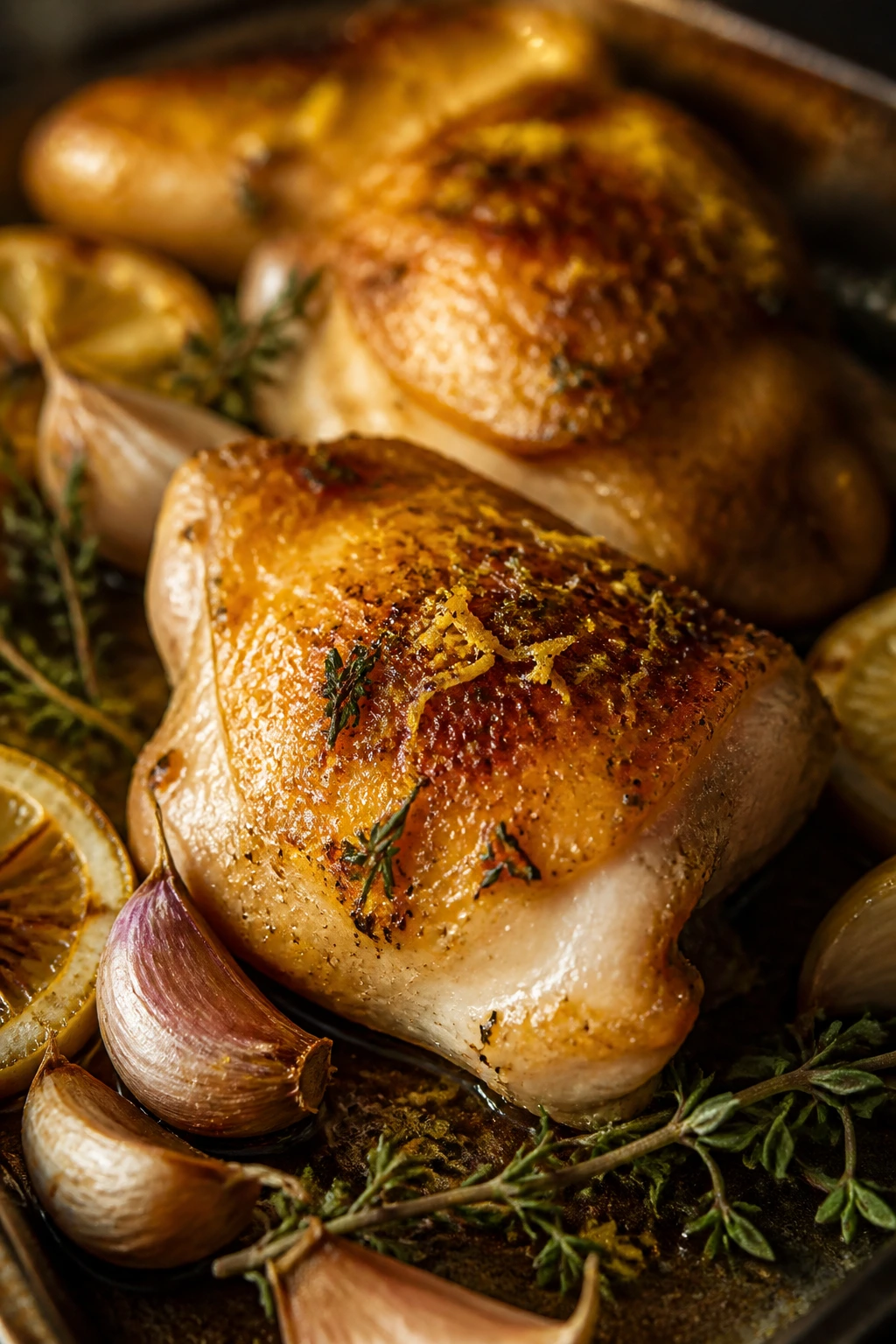
Why does lemon-garlic chicken taste so clean? Because each part does a different job. Lemon zest gives perfume without flooding the skin with moisture, garlic softens into something round and sweet, and dried herbs like thyme or oregano keep the flavor from feeling flat once the bird hits hot air.
I like this flavor with thighs or bone-in breasts, and I prefer zest over juice on the raw chicken. Juice can make the skin weep, which is the fastest route to pale skin and disappointing texture. Use the juice later if you want, ideally in a quick pan sauce or squeezed over the finished chicken right before serving. That way the aroma stays bright and the skin still has a chance to crisp.
A good basic ratio for about 2 pounds of chicken is the zest of 1 lemon, 2 to 3 minced garlic cloves, 1 teaspoon dried thyme, 1 teaspoon kosher salt, 1/2 teaspoon black pepper, and 1 tablespoon olive oil. If you want the flavor to feel fuller, tuck lemon wedges and a few onion slices around the chicken so the tray picks up a little sweetness as it roasts.
This is the flavor I reach for when I want the kitchen to smell fresh, not heavy. The chicken comes out with browned edges and a light, savory finish that plays well with potatoes, broccoli, green beans, or even a simple salad with mustard dressing.
Smoked Paprika, Black Pepper, and Brown Sugar for Deeper Browning
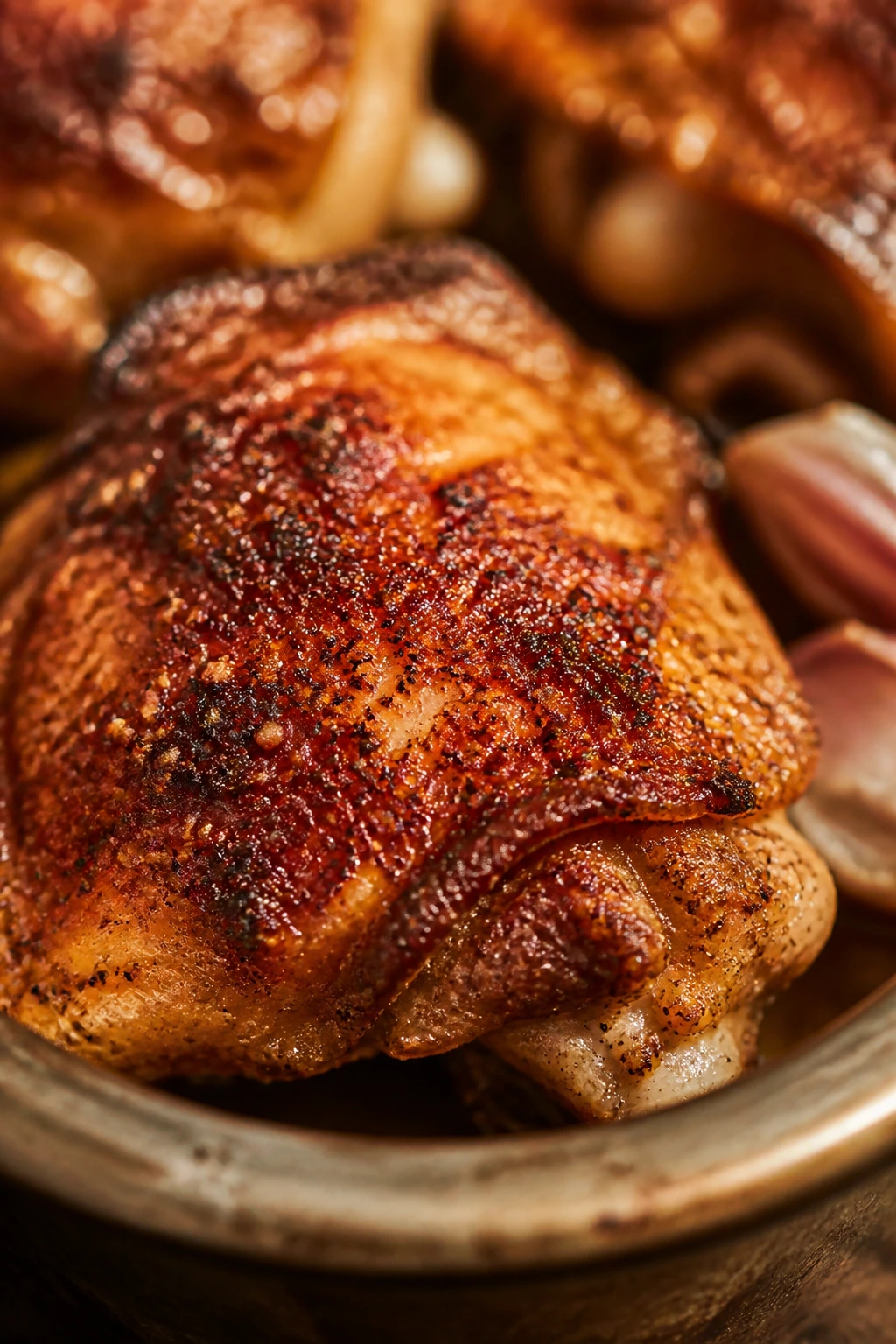
The spice mix smells like warm toast before it even touches the oven. Smoked paprika gives you that dark, campfire edge, black pepper sharpens it, and a tiny bit of brown sugar helps the skin bronze instead of looking dusty.
Use this on drumsticks or thighs, not on delicate breasts if the oven runs hot. The sugar is there for color and a faint sticky edge, not sweetness. Too much and you’ll get dark, bitter spots before the chicken is done. For 2 pounds of chicken, I keep the sugar to 1 teaspoon, maybe 2 if the tray also has carrots or onions that can soak up the excess. That’s enough.
A useful blend looks like this: 2 teaspoons smoked paprika, 1 teaspoon sweet paprika, 1 teaspoon garlic powder, 1 teaspoon brown sugar, 1/2 teaspoon black pepper, 1/2 teaspoon kosher salt, and 1 tablespoon olive oil. Smear it over the chicken and into the skin a little if it’s loose enough to lift. Then let the tray sit for 15 to 20 minutes before roasting so the spices stop looking powdery and start looking attached.
This flavor loves vegetables with a little sweetness — carrots, red onions, parsnips, sweet potatoes. The pan ends up with browned edges, a warm red color, and drippings that taste richer than the ingredient list suggests.
Dijon, Thyme, and Onion for Savory Pan Juices
Mustard is better on chicken than most people give it credit for. It stays put, it brings salt and sharpness, and it helps dried herbs cling to the skin instead of drifting off into the pan. Dijon is my first choice here because it has enough bite to matter without turning the chicken into a mustard sandwich.
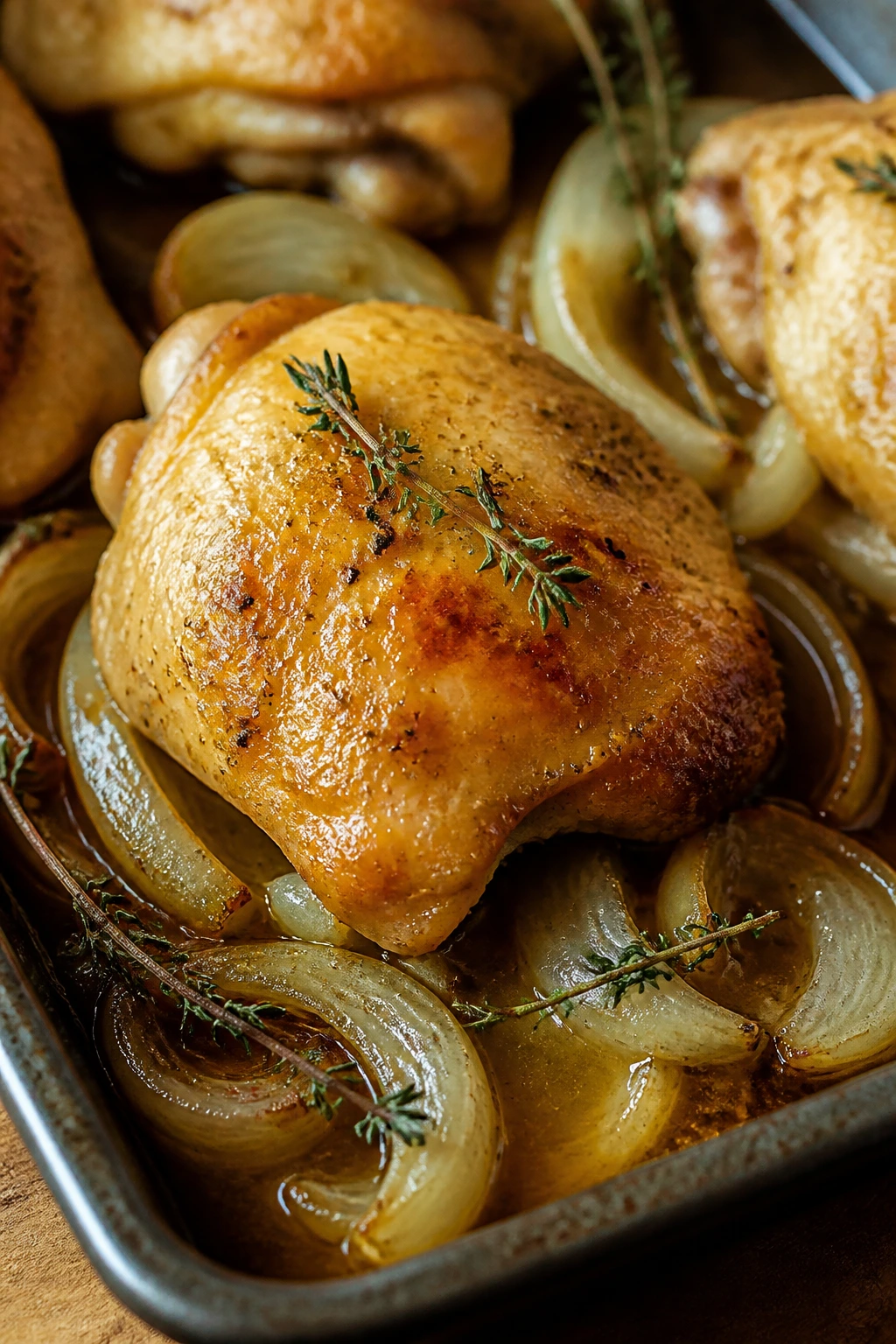
The best version of this flavor starts with a thin coat, not a thick paste. Use about 1 to 1½ tablespoons Dijon per 2 pounds of chicken, plus 1 tablespoon olive oil, 1 teaspoon dried thyme, 1/2 teaspoon black pepper, and a good handful of sliced onions underneath. The onions soften, sweeten, and soak up the drippings so they taste like they’ve been cooking much longer than they have.
If you want this to taste especially full, add a splash of white wine or chicken stock to the tray after the first 20 minutes. It loosens the browned bits and gives you a head start on a pan sauce. The smell is the giveaway here — peppery, savory, and a little sweet from the onions turning translucent and brown at the edges.
This is the roast I make when I want dinner to feel a little more structured, like I meant to cook rather than grabbed a package and hoped. It pairs cleanly with potatoes, mushrooms, wilted greens, or crusty bread that can mop up the pan.
Soy, Ginger, and Sesame for a Pantry-First Roast
When the fridge is nearly empty, this is the flavor path I trust. Soy sauce gives salt and depth, ginger brings heat and freshness, and sesame oil lends a nutty note that makes roasted chicken taste like it took more planning than it did.
Use low-sodium soy if you can, because chicken skin already holds onto salt well. For about 2 pounds of chicken, I like 2 tablespoons soy sauce, 1 tablespoon sesame oil, 1 teaspoon grated fresh ginger, 2 minced garlic cloves, and 1 teaspoon honey or brown sugar. That mix is strong enough to matter but not so wet that it ruins the skin. If you brush it on, pat the chicken dry first and let the surface sit for 10 minutes before it goes into the oven.
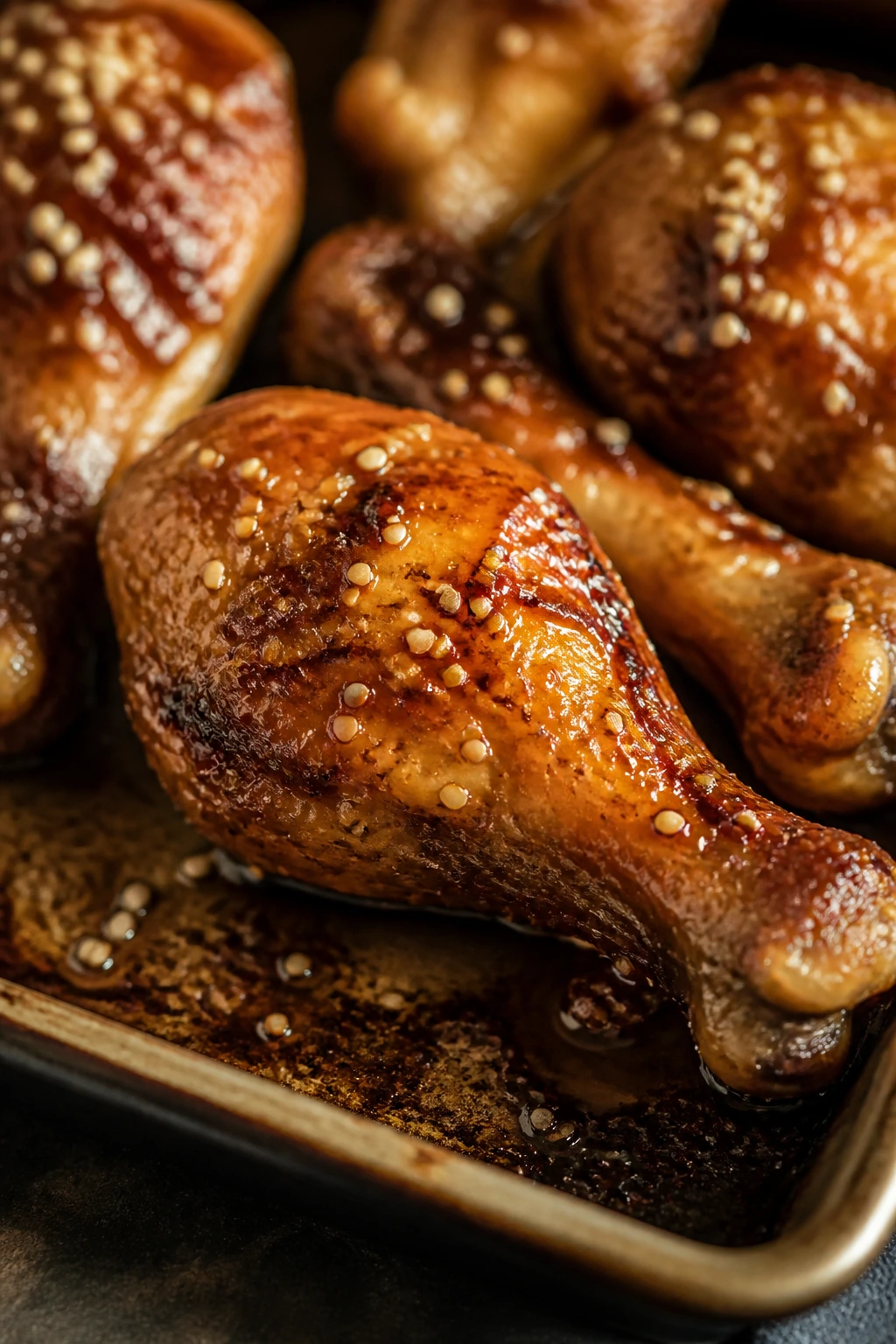
This flavor family works especially well with thighs, drumsticks, or wings. The skin gets bronzed in patches, the ginger smells fragrant rather than sharp, and the sesame oil gives the whole tray a toasted edge. Add scallions in the last 5 minutes if you want a little green bite at the end.
I like this roast with rice, cucumber salad, or quick roasted broccoli. It’s the kind of dinner that makes leftovers feel useful instead of sad.
Za’atar, Sumac, and Yogurt for Tangy, Toasted Skin
Dry chicken and yogurt have been old friends for a long time, and there’s a reason. Yogurt clings to the meat, softens the surface, and gives the spices a creamy place to live. Za’atar brings thyme, sesame, and a little toasted nuttiness, while sumac adds a lemony edge that tastes bright without needing actual juice on the skin.
A thin coating works better than a heavy one. For 2 pounds of chicken, use about 1/3 cup plain yogurt, 2 tablespoons za’atar, 1 teaspoon sumac, 1 tablespoon olive oil, 1 teaspoon kosher salt, and a clove or two of grated garlic if you want the flavor to lean sharper. Spread it on in a thin layer. If it looks like frosting, it’s too thick.
This flavor loves thighs and drumsticks because they can take the longer roast time needed to brown the yogurt coating. The top turns speckled and toasty, the spices smell earthy, and the finished chicken gets a tang that keeps the meal from feeling heavy. If crisp skin matters most to you, roast on a wire rack set over a sheet pan so the coating doesn’t sit in its own moisture.
Za’atar chicken does a nice job with rice pilaf, cucumbers, tomatoes, pita, or even simple potatoes tossed in olive oil and salt. It’s the kind of roast that makes the rest of the plate easy.
Harissa, Cumin, and Honey for Heat With a Little Shine
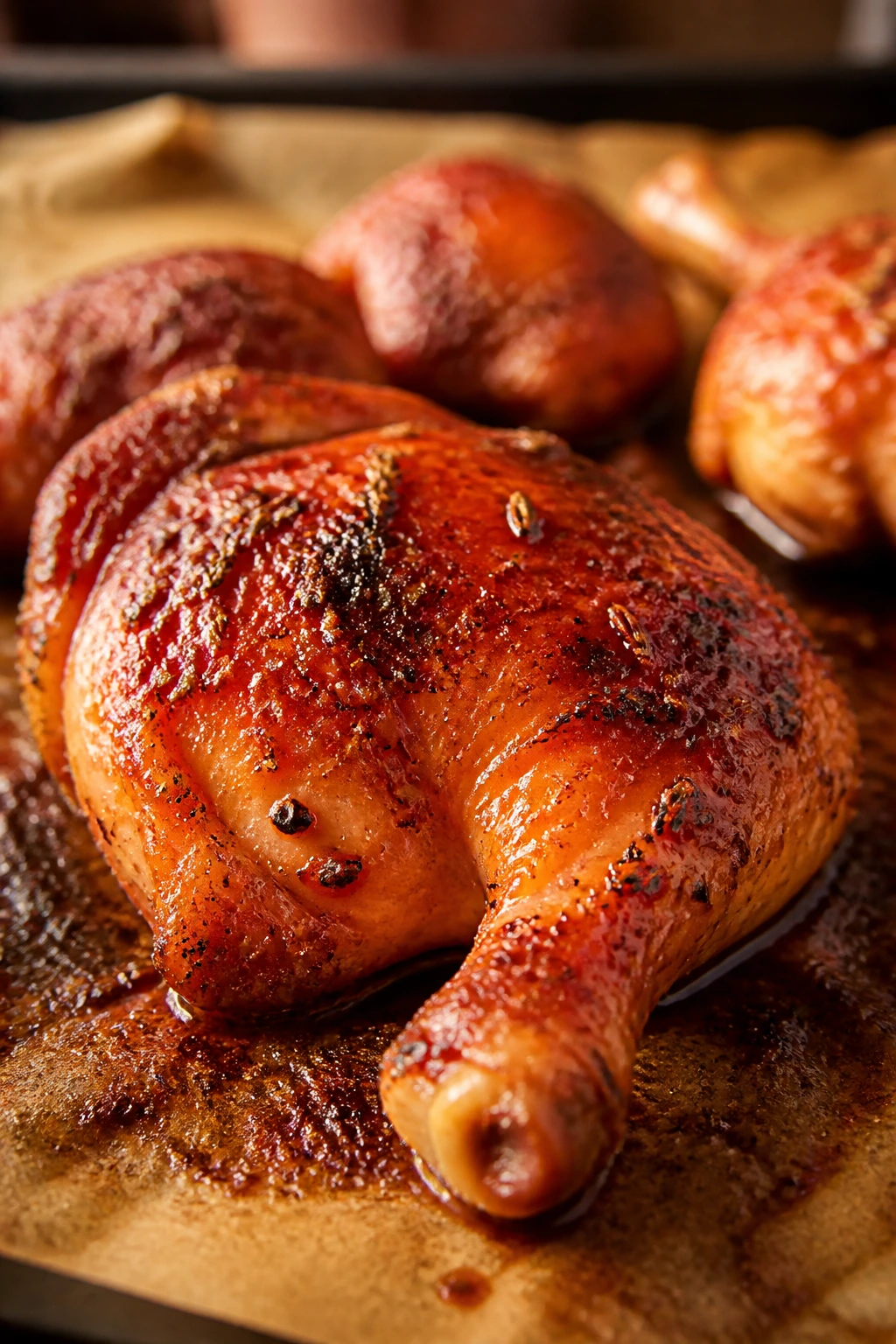
Harissa is the fastest way to make roasted chicken taste deliberate. It already carries chili, garlic, and smoke, so you’re not building flavor from scratch. Cumin gives it depth, and honey smooths out the heat just enough to help the skin pick up a glossy finish.
Use a light hand with the honey until the end. For 2 pounds of chicken, I’d start with 1½ tablespoons harissa paste, 1 teaspoon cumin, 1 tablespoon olive oil, 1 teaspoon honey, and 1 teaspoon kosher salt. If the harissa is very salty or very hot, cut the salt back and trust the paste more. Brush the honey on during the last 8 minutes of roasting, not at the start, or it can darken too quickly and turn bitter.
This flavor is best with thighs, drumsticks, or a spatchcocked chicken. The skin gets deeply colored, the spice smells warm and a little aggressive, and the sweet finish keeps the heat from flattening the whole tray. I like it with cauliflower, carrots, or chickpeas roasted nearby, because those ingredients catch the saucey bits without fighting the spice.
If you want a meal that feels louder than the effort it took to make it, harissa is a smart move.
Orange, Rosemary, and Fennel for a Brighter, Perfumed Tray
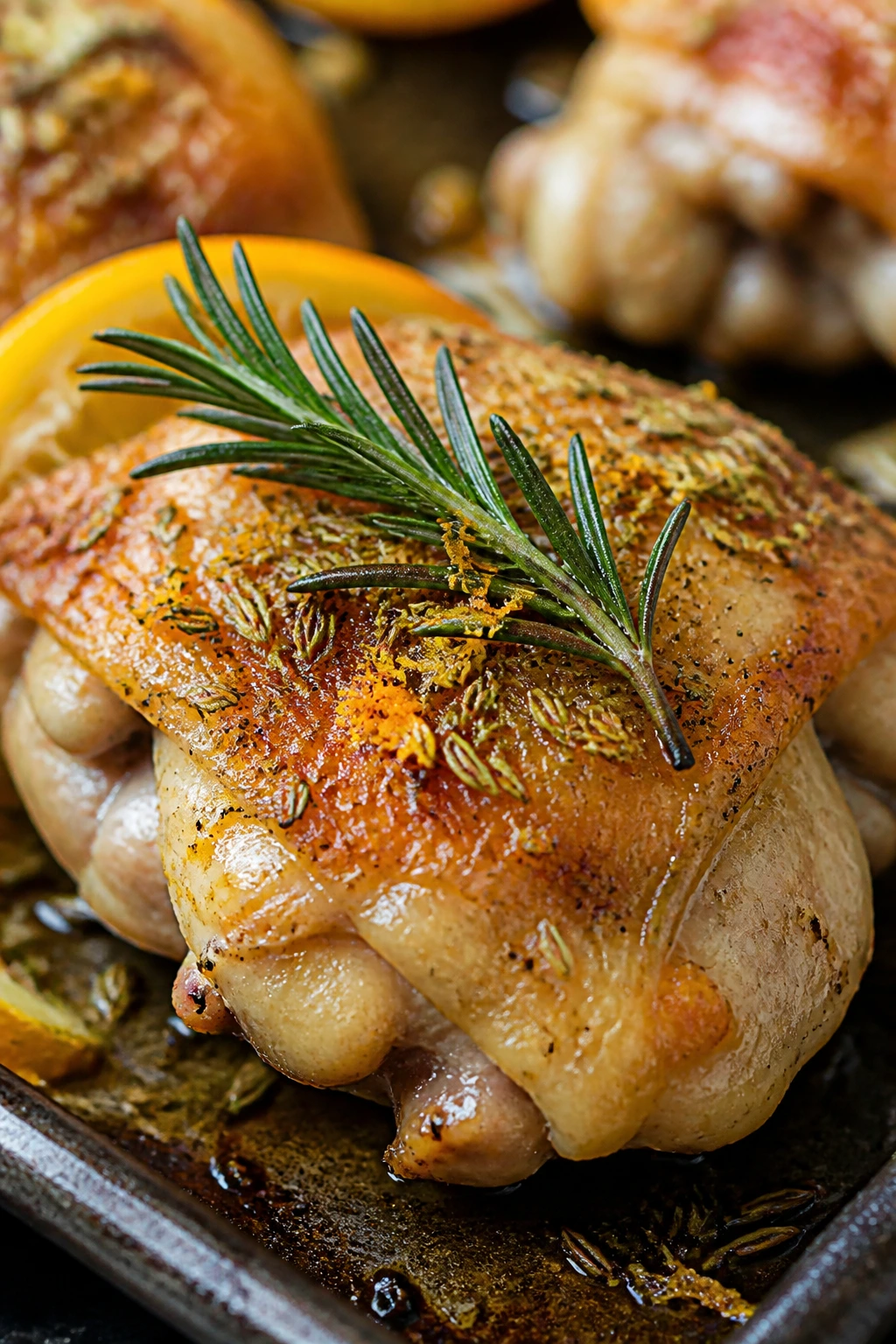
Want roast chicken that tastes lifted instead of heavy? Orange zest and fennel do that job better than almost anything else. Rosemary brings the piney note, fennel seed gives a soft licorice edge, and the orange zest keeps the whole pan from leaning too dark.
Use the zest of 1 orange, 1 teaspoon crushed fennel seeds, 1 tablespoon chopped rosemary, 2 tablespoons olive oil, 1 teaspoon kosher salt, and black pepper to taste for about 2 pounds of chicken. I like this on thighs or a whole spatchcocked bird. Orange juice can go in the pan, but I’d keep it under the chicken or in the drippings, not all over the skin from the start. Juice on top can interfere with browning.
This is a good flavor when you want the kitchen to smell herbal and a little citrusy without turning into dessert. The chicken ends up with crisped rosemary needles, tiny flecks of fennel, and a fragrant skin that works especially well with carrots, onions, or fennel wedges roasted beside it. If you’ve got a little white wine around, a splash in the tray during the last 15 minutes makes the drippings smell rounded and savory.
It’s a quieter flavor than harissa or smoked paprika, but I reach for it a lot because it feels balanced. And balanced matters on a Tuesday.
The Salt-and-Fat Formula That Makes Roasted Chicken Flavors Stick
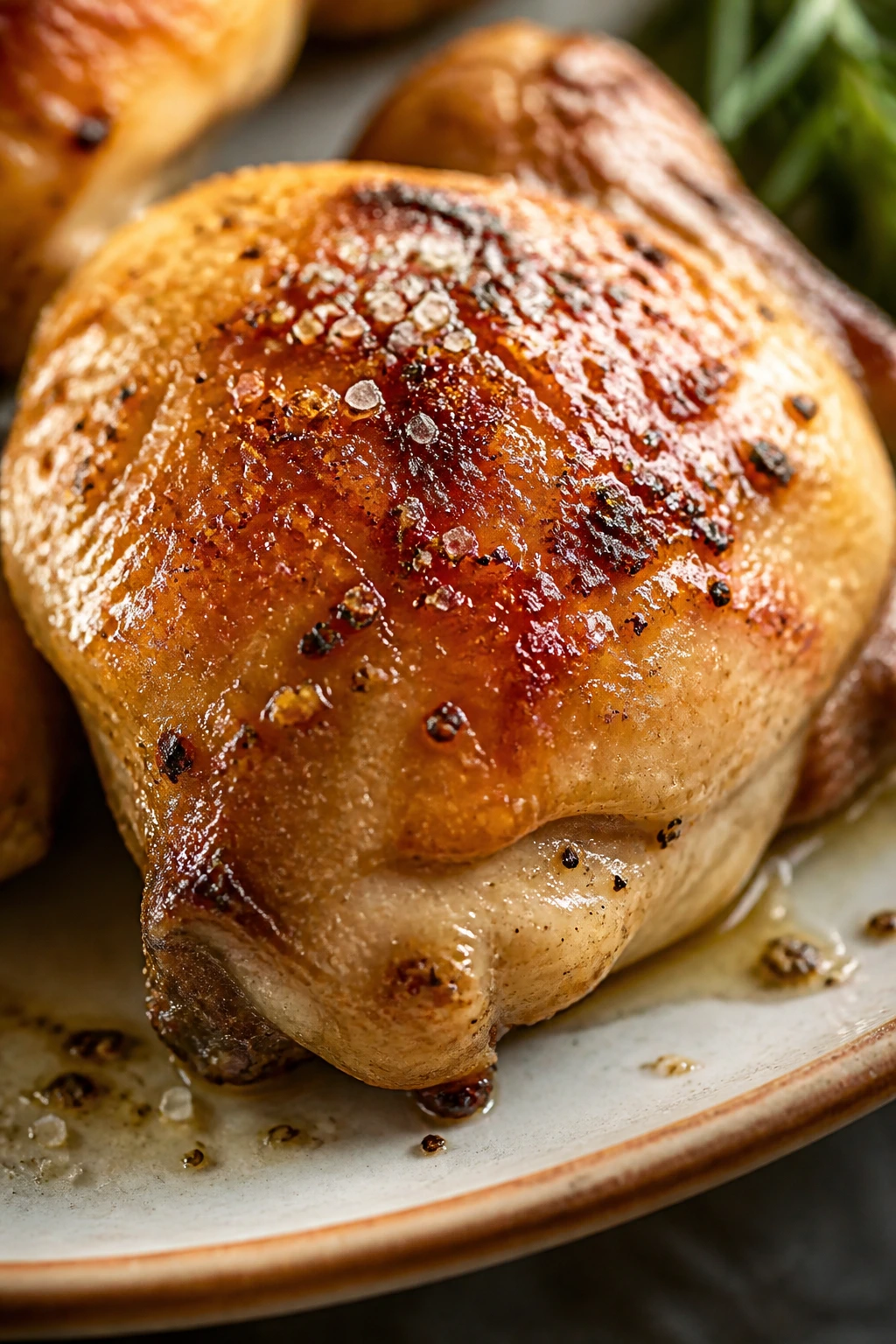
Salt first. Always.
Salt first
Chicken needs time for salt to move inward, not just sit on the surface. A dry brine of kosher salt — about 1 teaspoon per pound of chicken — makes the meat taste seasoned all the way through and helps the skin dry out so it browns better. If you’ve got 45 minutes, use them. If you’ve got overnight time, even better.
Fat second
Oil, butter, yogurt, or a mix of those gives spices something to cling to. That matters more than people think. Paprika tastes flat when it sits on a wet surface, but it blooms when it’s mixed with fat. So does garlic powder. So do fennel seeds and black pepper. For most tray roasts, 1 tablespoon of fat per pound is enough to hold the flavor without making the chicken greasy.
Acid at the end
Lemon juice, vinegar, sumac, or a squeeze of orange wakes everything up after the oven has done its work. Put acid on too early and it can make the surface look dull. Put it on at the end and the whole tray tastes cleaner. That one move fixes a lot of “good but sleepy” chicken.
Heat is the last seasoning
High heat does two useful things: it browns the skin and it changes the flavor of the spice layer. But black pepper, chili flakes, and sugar all behave differently at 425°F or 450°F. Sugar burns fastest. Fresh garlic can scorch if it’s left exposed. Dried herbs tolerate heat better, while fresh herbs usually do best sprinkled on after the roast is out of the oven.
Oven Temperature and Timing You Can Trust
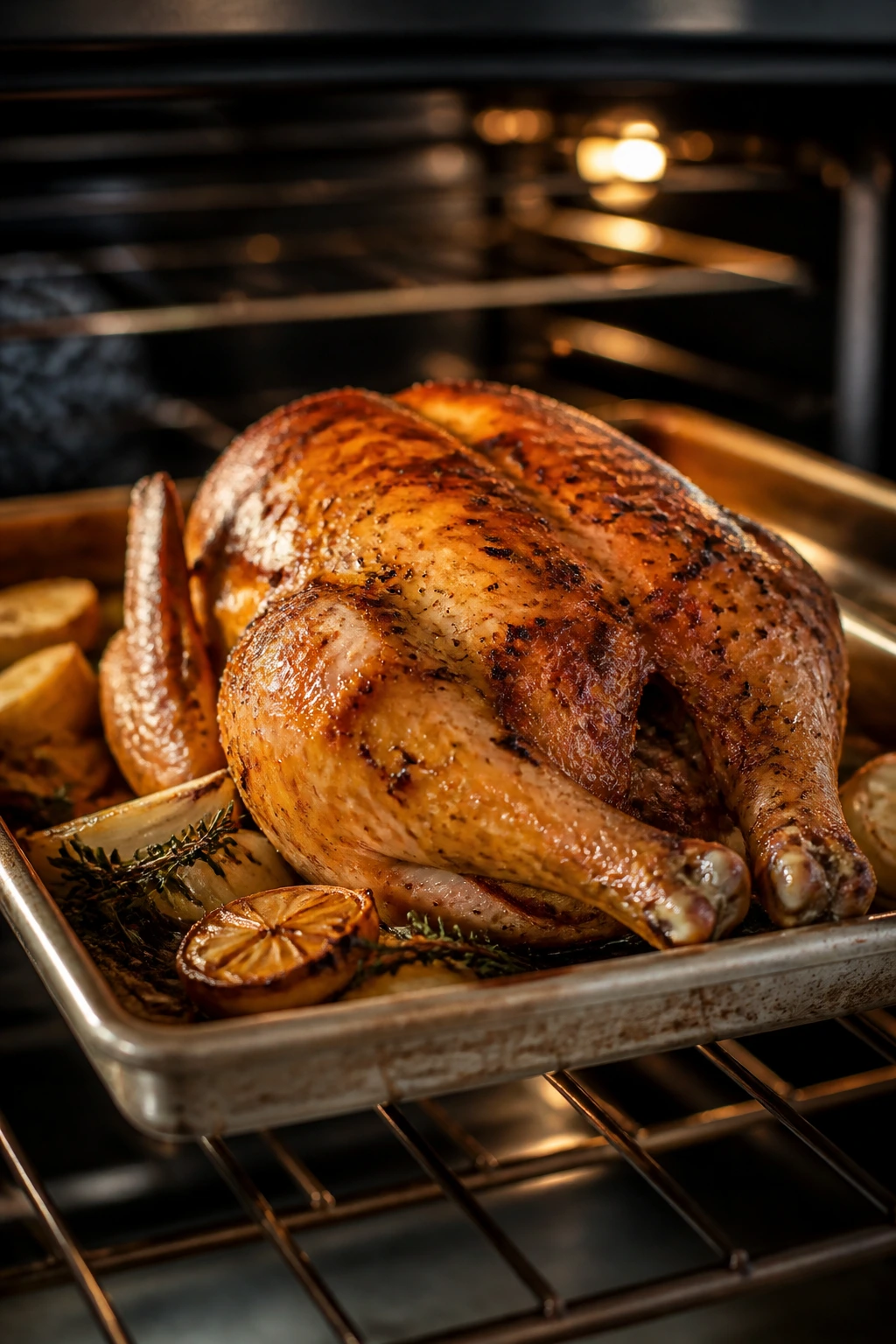
A hot oven is where roasted chicken flavors wake up. For most bone-in pieces, 425°F is the sweet spot because it gives you enough heat for browning without forcing you to babysit every five minutes. If you’re roasting a spatchcocked whole chicken, 450°F can make sense. If you’re using breasts or a sugar-heavy glaze, 400°F is safer.
The thermometer is the part that takes the guesswork out. Chicken breasts should hit 165°F in the thickest part, though I often pull them around 160°F and let carryover heat finish the job while they rest. Thighs are a different animal. They’re happier around 175°F to 185°F, where the connective tissue softens and the meat turns silkier. If you stop thighs at the exact same point as breasts, they can taste a little stubborn.
Middle rack, fully preheated oven, and enough space around the chicken. Those details matter more than people want to admit. If the tray is crowded, the chicken steams instead of roasts. If the oven is still climbing to temperature, the skin starts off damp and never quite catches up. And if your oven tends to run hot, check 5 to 8 minutes early — a dark sugar rub can go from browned to bitter quicker than you think.
Quick time guide
- Bone-in thighs at 425°F: about 35 to 45 minutes
- Drumsticks at 425°F: about 35 to 40 minutes
- Bone-in breasts at 400°F to 425°F: about 25 to 30 minutes
- Spatchcocked whole chicken at 450°F: about 40 to 45 minutes
What to Roast on the Same Tray
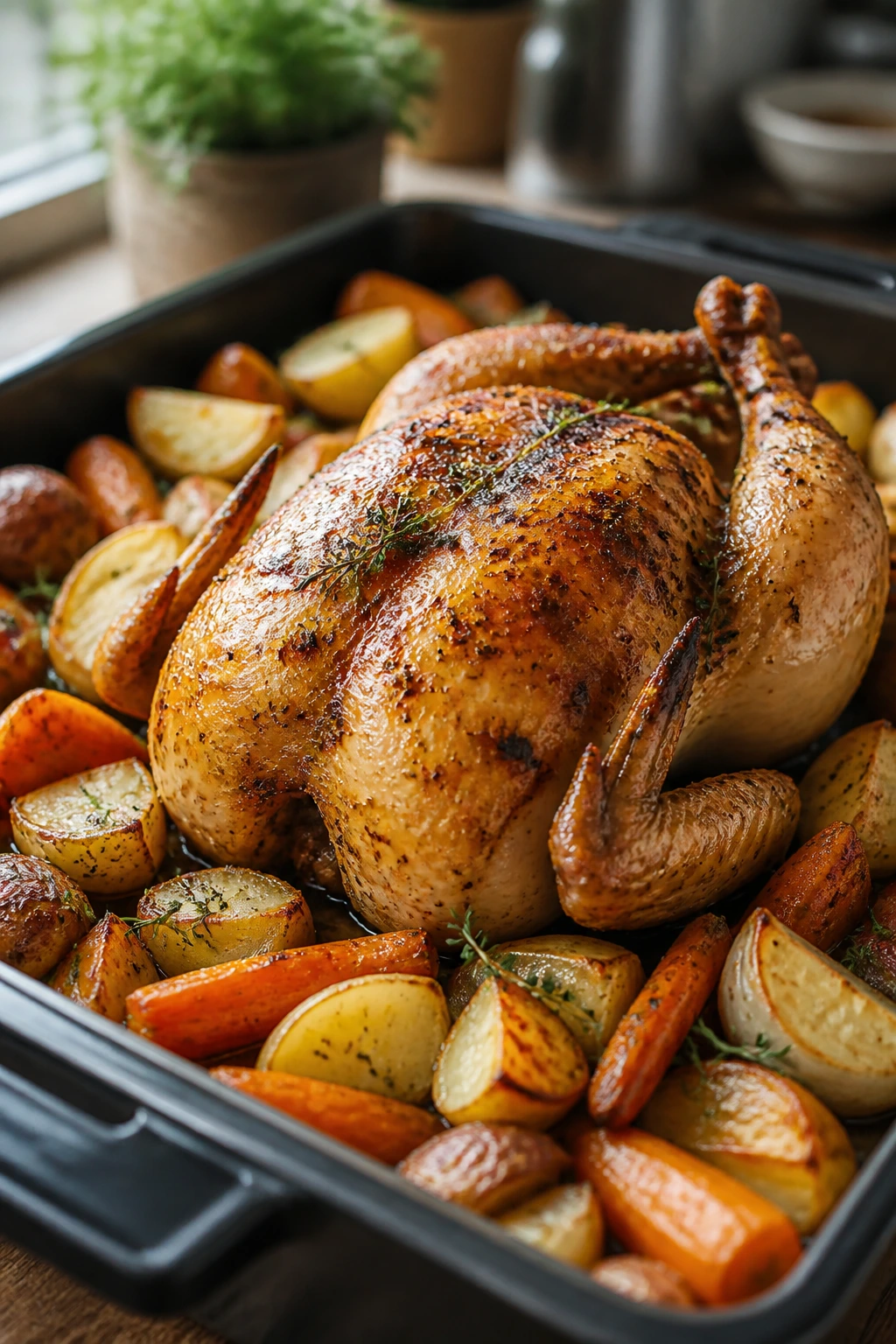
A tray of chicken by itself is dinner. A tray of chicken with vegetables around it feels finished. That’s the difference between a protein and a meal.
The trick is choosing vegetables that roast at roughly the same speed as the chicken or adding them in stages. Potatoes want a head start. Carrots and onions usually fit right in. Broccoli, cauliflower, green beans, and mushrooms need less time and should be added later, or they’ll dry out before the chicken finishes.
Flavor pairings matter here too. Lemon-garlic chicken likes potatoes, broccoli, or fennel. Smoked paprika is happy with carrots, onions, and sweet potatoes. Soy-ginger works with mushrooms, snap peas, or cabbage wedges. Harissa likes cauliflower, chickpeas, and red onion. Orange-rosemary pairs well with carrots and fennel, which pick up the citrus without competing with it.
Tray math that works
- Cut potatoes into 1-inch chunks and give them the first 15 minutes alone if you want them browned.
- Slice carrots on a bias into pieces about 1/2 inch thick so they don’t stay hard at the core.
- Keep onions in thick wedges so they caramelize instead of disappearing.
- Add broccoli or cauliflower florets during the last 15 to 20 minutes.
- Toss every vegetable with a little oil and salt before it hits the pan; dry vegetables don’t brown well.
One more thing. Don’t crowd the tray. If the pan looks jammed, use two pans. The chicken will thank you.
How to Turn Drippings Into a Fast Sauce
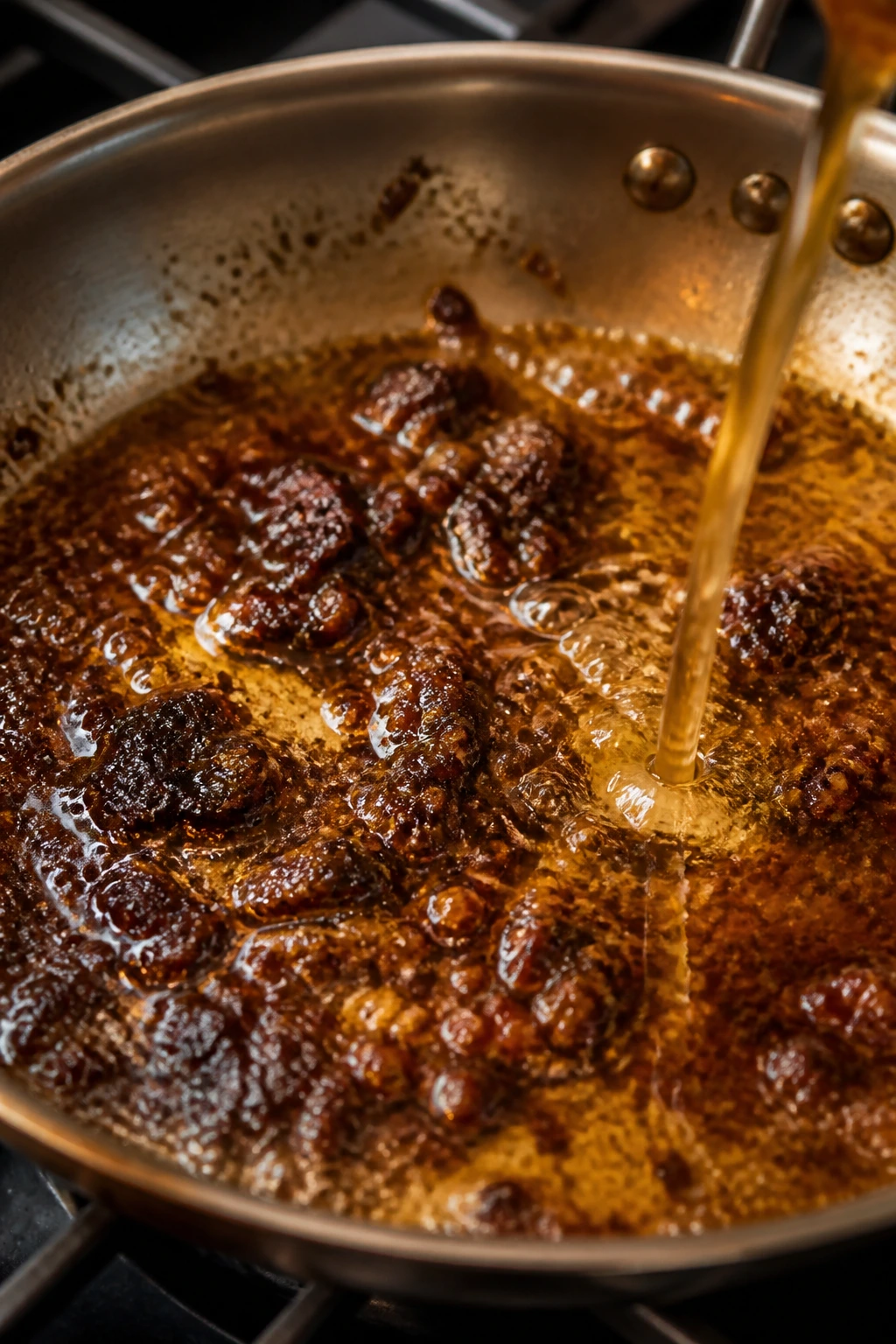
The brown bits on the pan are the part worth paying attention to. That’s where the seasoning, fat, and concentrated meat juices end up. If the tray isn’t scorched, you can turn those drippings into a quick sauce in less than five minutes.
Start by moving the chicken to a plate to rest. Pour off excess fat if there’s a lot, but leave the browned bits in place. Set the tray over low heat on the stove if it’s safe to do so, or scrape everything into a small skillet. Add 1/4 to 1/2 cup stock, wine, or water and scrape hard with a wooden spoon. The liquid should loosen the browned spots and smell savory almost immediately.
Then decide where you want the sauce to go.
- Dijon pan sauce: Add 1 teaspoon Dijon and 1 tablespoon butter, then simmer for 1 to 2 minutes until lightly thickened.
- Lemon herb sauce: Add 1 tablespoon lemon juice, 1/4 cup stock, and a little chopped parsley at the end.
- Soy glaze: Add 1 tablespoon soy sauce, 1 teaspoon vinegar, and 1 teaspoon honey, then reduce until glossy.
- Orange sauce: Add 2 tablespoons orange juice and a splash of stock, then finish with a knob of butter.
Keep the heat modest. A hard boil can make the sauce too salty or too sticky fast. You want it to coat a spoon, not glue itself to the skillet.
Additional Tips and Flavor Boosters
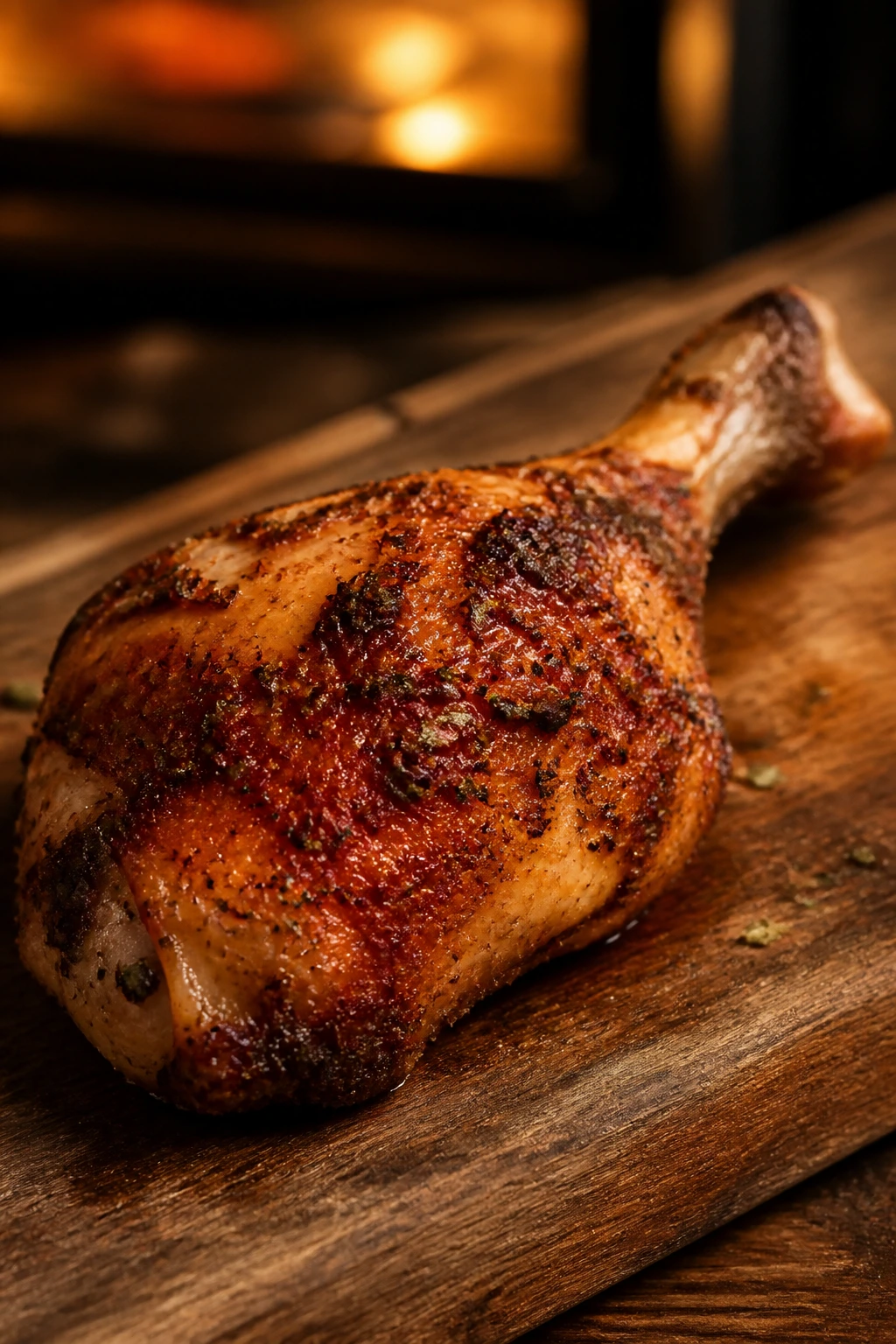
Flavor Enhancement: Finish the chicken with something fresh after roasting — lemon zest, chopped parsley, scallions, dill, or a tiny splash of vinegar. Heat smooths flavors out, so that last hit of brightness makes the whole plate taste more awake.
Time-Saver: Mix the seasoning right on the sheet pan. Oil first, then spices, then chicken. It saves a bowl and keeps the seasoning from getting lost in the bottom of a mixing dish.
Cost-Saver: Buy bone-in thighs or drumsticks in larger packs and freeze them in 2-pound portions. They’re cheaper than breasts more often than not, and they’re more forgiving when you’re cooking with a distracted brain.
Make-It-Yours: If you like heat, add chile flakes or cayenne to the rub instead of pouring on hot sauce at the table. If you want a milder plate, keep the seasoning to garlic, herbs, and citrus, then finish with a little butter or olive oil.
Tiny Upgrade, Big Payoff: Use a microplane for citrus zest and garlic when the flavor needs to feel integrated rather than chunky. Grated garlic disappears into the fat and gives you more even seasoning on the skin.
Common Mistakes That Flatten Roasted Chicken
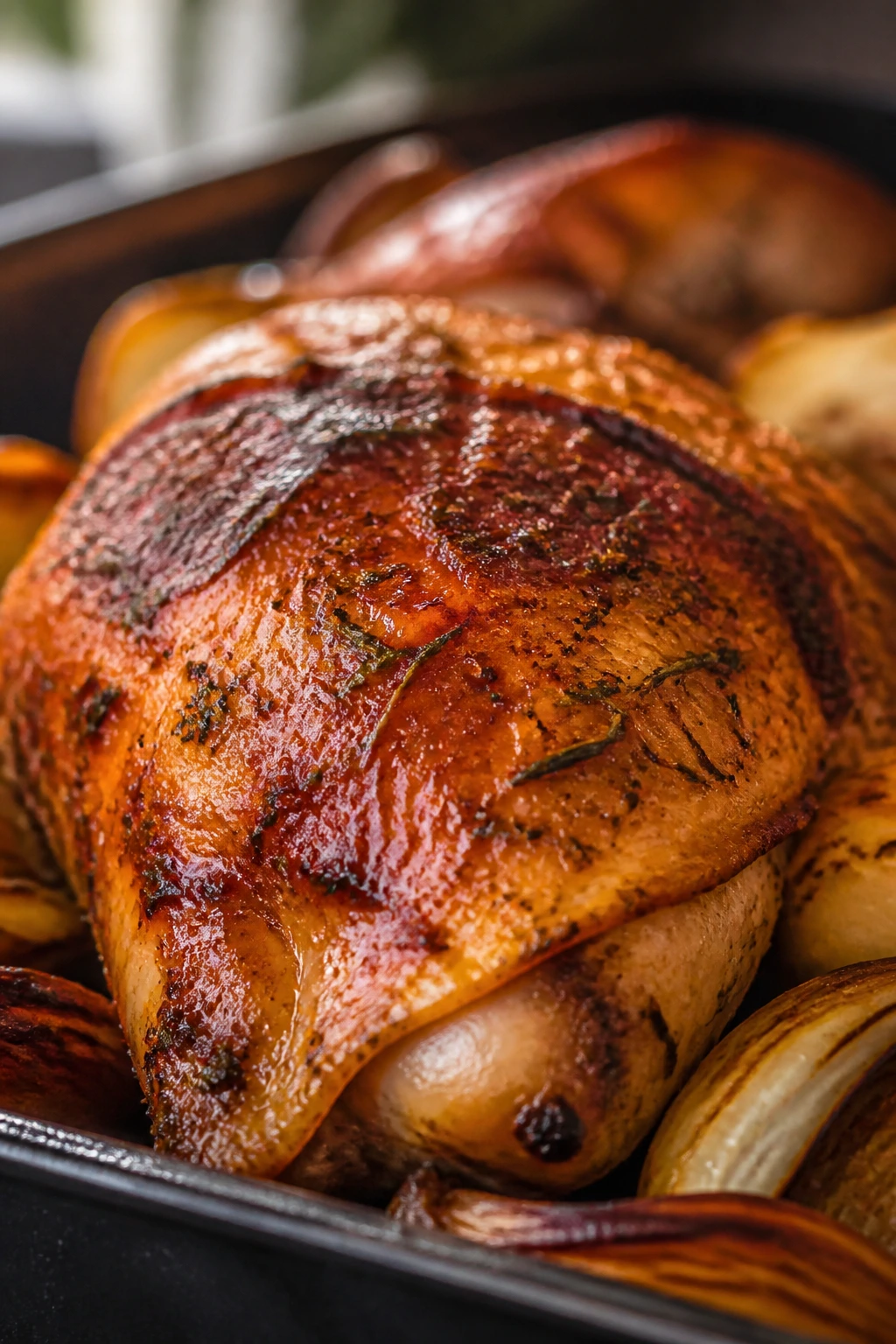
- Starting with wet skin: The symptom is pale, slippery chicken that never gets properly crisp. Pat the chicken dry with paper towels and, if you have time, leave it uncovered in the fridge for 30 minutes to dry the surface.
- Using too much sugar too early: The symptom is dark, bitter patches on the skin while the meat is still catching up. If your flavor mix includes honey, maple, or brown sugar, brush it on near the end of roasting.
- Crowding the pan: The symptom is steaming, soft vegetables, and chicken that looks cooked but lacks browned edges. Give the pieces space or split everything across two pans.
- Seasoning only the outside: The symptom is skin that tastes fine while the meat underneath tastes plain. Salt the chicken ahead of time, not just right before it goes into the oven.
- Treating breasts and thighs the same: The symptom is dry breast meat or underdone thighs. Pull breasts earlier, and let thighs keep roasting until they reach their better range.
- Skipping the rest: The symptom is juices running out the second you cut into the chicken. Rest pieces for 8 to 10 minutes so the meat settles and stays juicy on the plate.
Variations and Alternate Flavor Paths
The Pantry-Only Roast: This version leans on garlic powder, onion powder, paprika, dried oregano, olive oil, and lemon juice. It’s the one to use when the fridge is bare but dinner still needs to feel intentional. The trick is to use enough salt and oil that the spices look like a paste, not dust.
The Lower-Sodium Roast: Build flavor with citrus zest, black pepper, garlic, thyme, rosemary, and a little vinegar at the end. You don’t have to eat bland chicken to cut back on salt. You just have to lean harder on aroma and finish with acid after roasting.
The Mild Kid-Friendly Tray: Use softened butter, parsley, a little garlic powder, and mild paprika. Keep the heat low and skip the bitter edge that strong spices can leave if a child is picky. Butter helps the skin brown nicely and gives the tray a familiar smell.
The Heat-Lover’s Version: Start with harissa, cumin, smoked paprika, and a drizzle of honey at the end. If you want more burn, add cayenne to the rub or serve with a chile sauce on the side. I like this best with cauliflower or chickpeas on the tray because they soak up the spice without disappearing.
The Creamy Herb Version: Coat the chicken lightly with yogurt, oregano, dill, and lemon zest. It’s softer and tangier than a dry rub, and it works well on thighs or drumsticks when you want a roast that feels a little more rounded.
Tools and Equipment That Make Weeknight Roasting Easier
- Rimmed sheet pan: Keeps drippings from sliding off and gives vegetables a place to brown.
- Instant-read thermometer: The fastest way to know when chicken is done without cutting into it.
- Tongs: Makes turning or moving hot pieces much easier than using a fork, which can leak juices.
- Microplane or fine grater: Best for citrus zest, garlic, ginger, and hard cheese if you want a finishing sprinkle.
- Small mixing bowl: Handy for dry rubs, yogurt pastes, or quick pan sauce ingredients.
- Cutting board with a damp towel underneath: Keeps the board from sliding while you trim chicken or slice vegetables.
- Wire rack, optional: Helps skin crisp more evenly if you’re using a wetter marinade or yogurt coating.
- Paring knife or carving knife: Useful for trimming fat, slicing onions, and carving breasts cleanly.
- Measuring spoons: Small spice differences matter more than people expect in a hot oven.
- Airtight storage containers: Keep leftovers from drying out in the fridge.
Storage, Reheating, and Leftover Moves
Cooked roasted chicken keeps well in the refrigerator for 3 to 4 days if you get it into a shallow airtight container once it cools a bit. I like to separate the meat from the vegetables if the tray had a lot of steam, because soggy carrots and potatoes keep worse than plain chicken. If the chicken was heavily sauced, store a little sauce with it so the meat doesn’t dry out.
Freezing works too, especially for shredded or sliced chicken. Pack it tightly in freezer-safe containers or bags and press out as much air as you can. It keeps for up to 2 months with good texture, though the skin won’t stay crisp after thawing. If crisp skin matters, reheat the pieces on a rack in a hot oven instead of freezing them in sauce.
For reheating, I prefer a 300°F oven for 12 to 15 minutes for bone-in pieces, covered loosely with foil and with a tablespoon or two of stock or water in the pan. Thighs can also be warmed in a covered skillet over low heat with a splash of liquid. The microwave works in a pinch, but use short bursts and a damp paper towel so the meat doesn’t turn stringy.
Leftovers are useful in a way plain chicken breasts rarely are. Slice them into grain bowls, shred them into soup, tuck them into flatbread with yogurt sauce, or chop them into a warm potato salad. Stronger flavors — harissa, soy-ginger, Dijon — often taste even better the next day because the seasoning has had time to settle in.
Frequently Asked Questions
What is the best chicken cut for roasted weeknight dinners?
Bone-in, skin-on thighs are the easiest place to start. They handle stronger seasoning, stay juicy if they overcook a little, and brown well in a hot oven. Drumsticks are close behind, especially if your household likes handheld pieces.
Can I use boneless, skinless chicken breasts with these flavor ideas?
Yes, but you need to adjust the timing and the intensity. Boneless breasts roast faster, so pull them as soon as they hit 160°F in the center and let them rest to 165°F. Keep the seasoning lighter on sugar and a little heavier on herbs, citrus zest, or mustard.
Do I need to marinate chicken overnight for good flavor?
No. A dry brine with salt and a seasoned oil rub can do a lot in 45 minutes. Marinades help some flavor families, like soy-ginger or yogurt-based mixes, but they are not required for a good roast.
How much seasoning should I use for a couple of pounds of chicken?
For 2 pounds of chicken, 1 teaspoon kosher salt per pound is a solid starting point, plus 1 tablespoon of oil or yogurt per pound and a few teaspoons of the flavor ingredients. If you’re using mustard, harissa, or soy sauce, reduce the added salt a little because those ingredients already bring salt with them.
Why does my chicken skin turn soggy instead of crisp?
Usually the skin was wet, the pan was crowded, or the oven was not hot enough. Pat the chicken dry, give each piece space, and use a thermometer so you can roast long enough for browning without guessing. A wire rack helps too, especially with yogurt or wet spice pastes.
Can I roast vegetables with the chicken without ruining the flavor?
Absolutely. Just cut the vegetables to the right size and match them to the roast time. Potatoes and carrots can go in early; broccoli, green beans, and mushrooms should go in later so they don’t dry out.
What if my spice rub starts burning before the chicken is cooked?
Lower the oven by 25°F, move the tray to the center rack, and tent the chicken loosely with foil if the top is already dark. Sugar-heavy rubs and thin glazes are the usual culprits, so keep those for the last stretch of roasting next time.
Can I make roasted chicken taste fresh again the next day?
Yes. Reheat it gently, then finish with a fresh acidic note — lemon juice, a splash of vinegar, or chopped herbs. That last step wakes up leftovers more than a second round of salt ever will.
A Chicken Dinner Worth Repeating
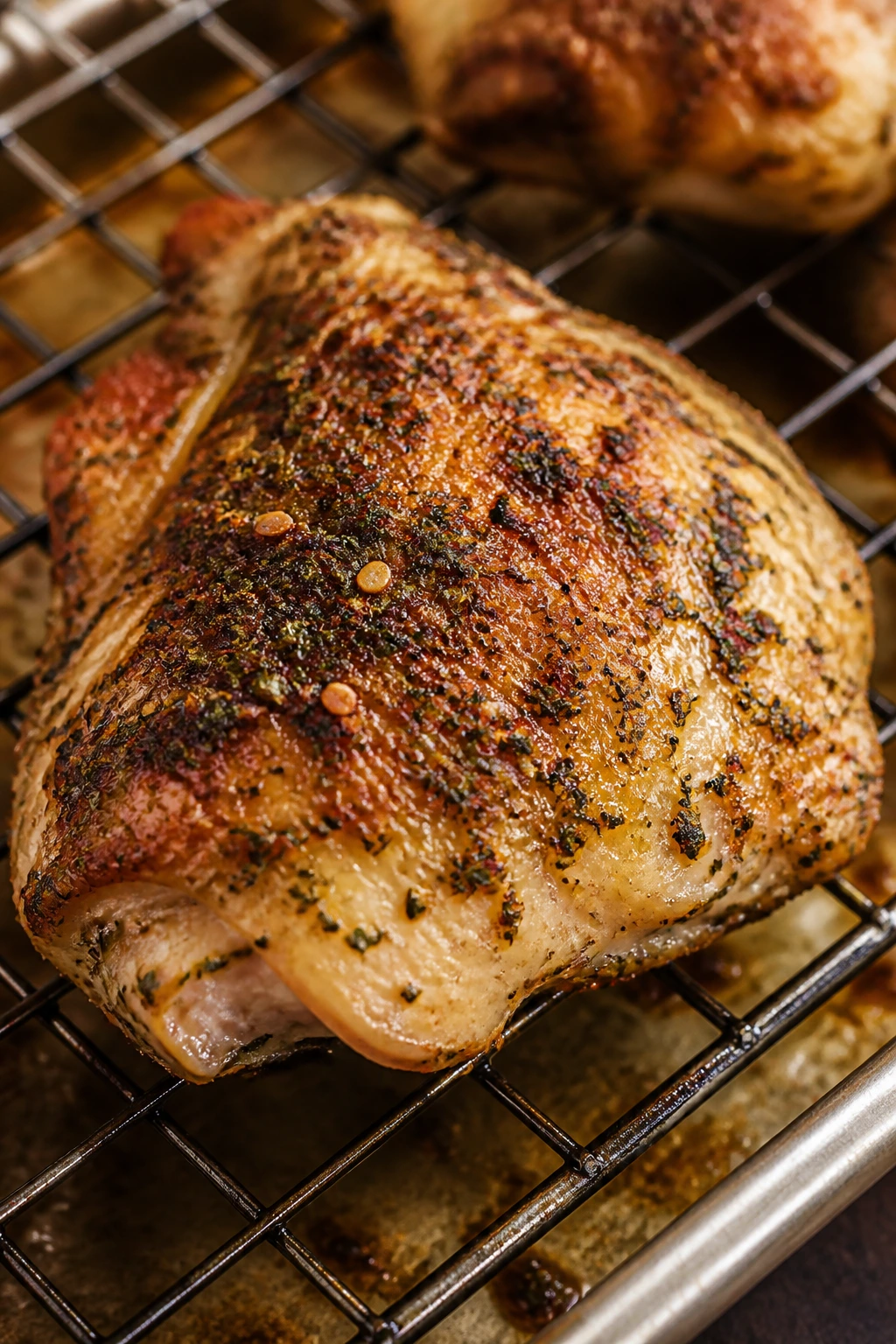
Roasted chicken flavors do not have to be complicated to be useful. A lemon-garlic tray, a paprika-rubbed pan, or a mustard-thyme roast can change the mood of dinner without changing the workload very much. That’s the real appeal here: one protein, a handful of seasoning directions, and enough room to keep things from tasting samey.
Pick the cut that fits your night, give the chicken enough salt and heat to brown properly, and let the flavor family do its job. The oven takes care of the rest — and when it’s done well, the tray smells like you had a plan all along.