



Thirty-minute dinner recipes earn their keep on the nights when the clock seems louder than the stove. You want something hot, filling, and honest — not a heroic project, not a six-pan cleanup, not a recipe that only behaves if you stand there like a guardrail for forty-five minutes. The smart ones build fast because they lean on ingredients that already know how to cook quickly: thin-cut chicken, ground meat, canned beans, frozen vegetables, pasta, tortillas, rice, and a good pan sauce.
Budget matters here, too. A cheap dinner usually falls apart when the grocery list gets fancy, not when the cooking starts. A bag of cabbage, a can of tomatoes, a pound of ground turkey, or a pack of tortillas can stretch farther than people think, especially when you season them well and finish with something bright. Lemon. Lime. Vinegar. A handful of herbs if you’ve got them.
I like dinners that taste as if they took longer than they did. Browning helps. So does a little salt at the right moment and one clean finish at the end. The recipes below live in that lane, which is why they keep showing up when a busy week threatens to turn dinner into a sad sandwich.
Why These 30-Minute Dinners Earn Their Keep
-
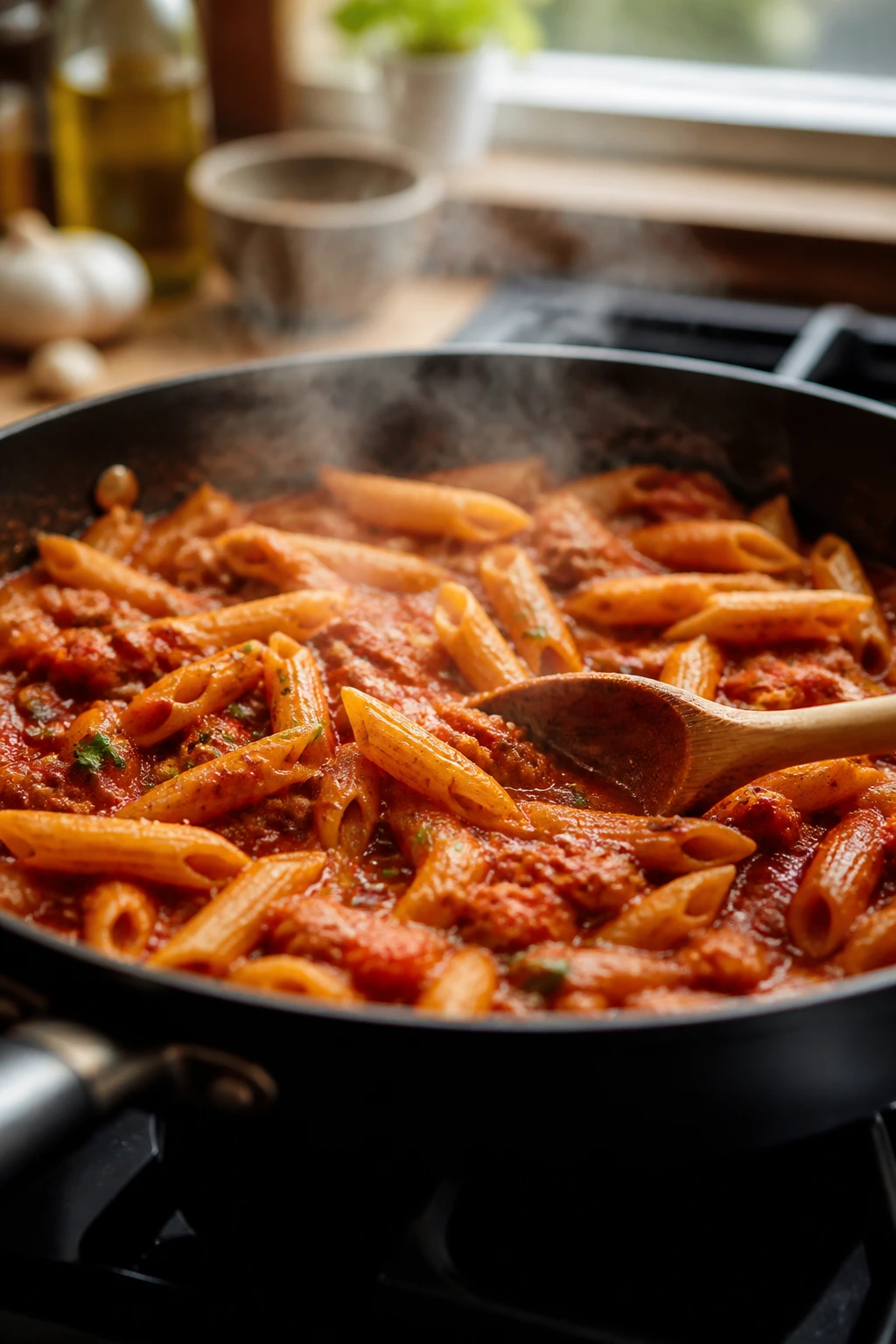
Pantry-first builds: Pasta, rice, tortillas, beans, tuna, and canned tomatoes show up again and again because they make a near-empty kitchen feel workable.
-
Low-cost proteins do the heavy lifting: Ground turkey, ground beef, eggs, chickpeas, lentils, shrimp, and rotisserie chicken cook fast and usually cost less than a big centerpiece cut.
-
Real 30-minute timing: These recipes work because the tasks overlap — water boils while you chop, sauce simmers while the pasta cooks, and the vegetables finish in the same pan.
-
Leftovers stay useful: Tomato sauces, taco fillings, curry, fried rice, and lentil bolognese reheat without much drama, which matters when lunch is tomorrow’s problem.
-
Cleanup stays reasonable: A skillet, a pot, or a sheet pan does most of the work. That is not a small thing after a long day.
Why 30-Minute Dinners Work on Busy Nights
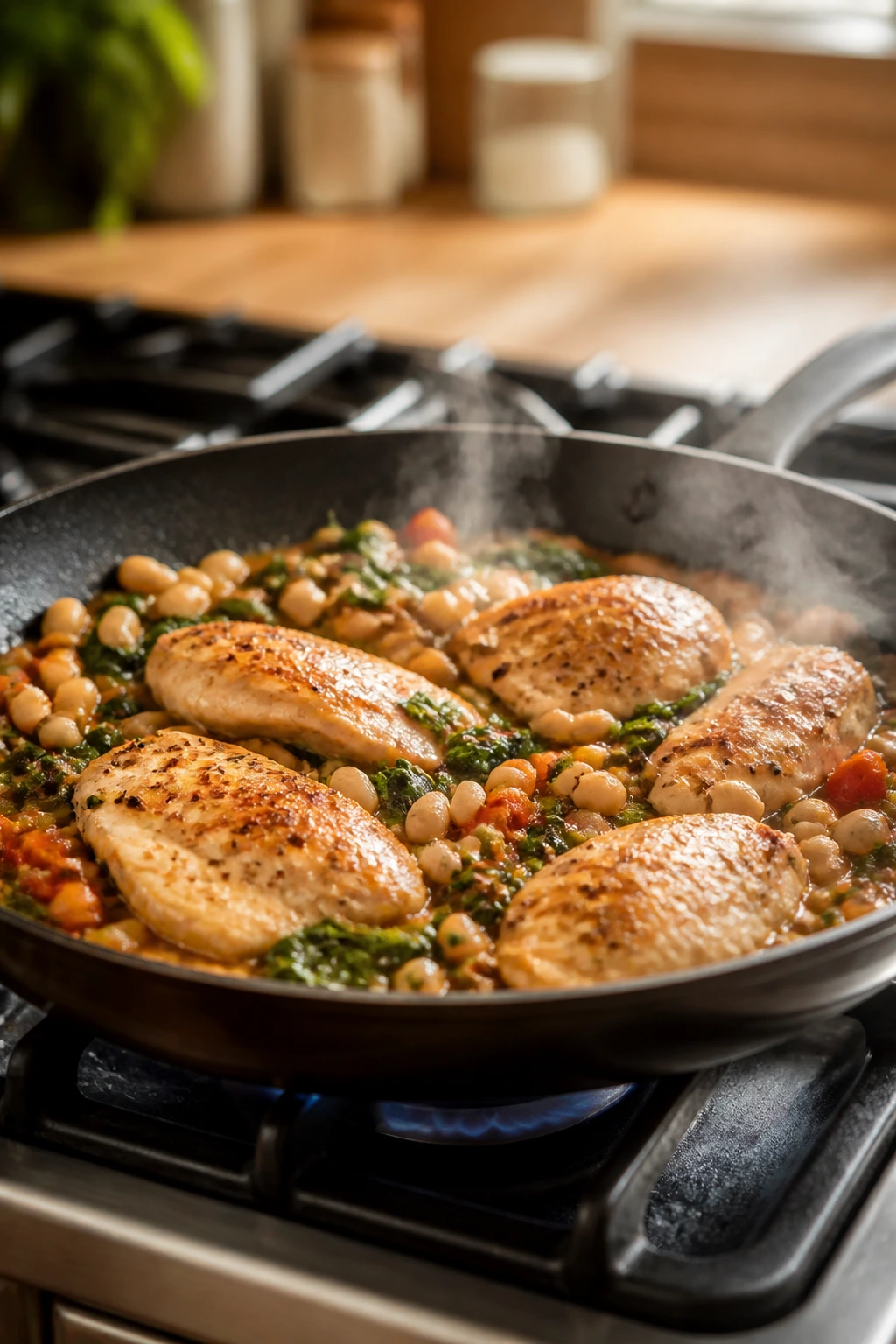
The trick is not speed by itself. It is stacking jobs so the stove never sits around waiting for you.
A good 30-minute dinner usually has one thing that cooks fast, one thing that holds the pan together, and one thing that wakes everything up at the end. Thin chicken cutlets, ground meat, shrimp, red lentils, refrigerated tortellini, cabbage, or quick pasta all belong in that first group. They move fast enough to fit the clock without tasting rushed.
The overlap is the whole point
While the pasta boils, the sauce can simmer. While the chicken browns, the beans or vegetables can finish in the same skillet. If you’ve ever wondered why some “fast” recipes feel slow, the answer is usually that they ask you to do one task at a time. That’s not fast. That’s merely short.
Cheap ingredients that cook like they mean it
Ground meat, canned beans, frozen peas, jarred salsa, and boxed broth are not compromises here. They’re timekeepers. They shorten the path from raw ingredients to a finished plate, and they do it without requiring a special trip to the store. A bag of broccoli or cabbage will usually outlast fussy greens, which makes it more useful for weeknight food than the prettier stuff in the crisper.
One pan can do more than one job
A hot skillet browns, steams, and finishes a sauce if you let it. That is where the flavor lives. Those browned bits on the bottom of the pan are not a problem to scrub away later; they are the reason the dinner tastes cooked instead of assembled.
Essential Equipment for Fast Weeknight Cooking
-
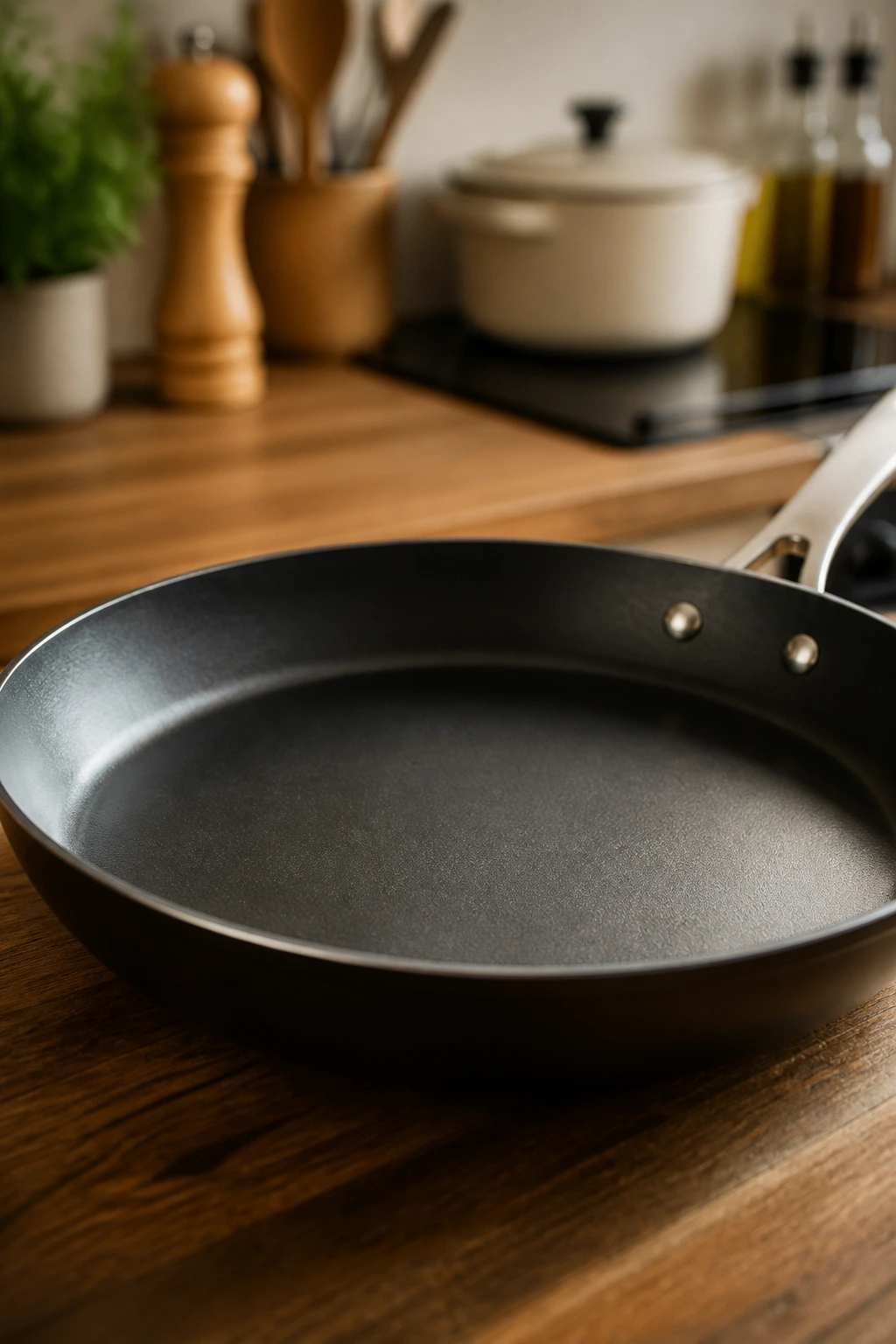
12-inch skillet or sauté pan: Big enough to brown meat without crowding and shallow enough to move quickly.
-
Large pot: Essential for pasta, soup, or anything that needs boiling water on a deadline.
-
Sheet pan: The best friend of thin-cut chicken, fish tacos, and anything that wants the oven to do the work.
-
Sharp chef’s knife: A dull knife turns a quick chop into a chore. That matters more than people admit.
-
Cutting board with room to spare: Fast dinners move better when the board is not jammed with ingredients.
-
Wooden spoon or silicone spatula: Good for scraping up browned bits and folding sauces through pasta or rice.
-
Tongs: Useful for chicken, shrimp, sausage, and anything you want to turn without shredding.
-
Colander: Pasta and noodles need a clean drain, not a shaky one.
-
Measuring cups and spoons: Fast recipes still need the right amount of salt, broth, and seasoning.
-
Instant-read thermometer: Especially helpful for chicken, pork, and fish. Chicken should reach 165°F, ground meats 160°F, and fish 145°F.
-
Microplane or fine grater: Lemon zest, garlic, and Parmesan move faster when you can grate them finely.
-
Airtight storage containers: Leftovers hold better when they get cooled and sealed properly.
Smart Shopping for Cheap, Fast Ingredients
Buy the ingredients that work twice. That is the easiest way to keep weeknight dinners cheap.
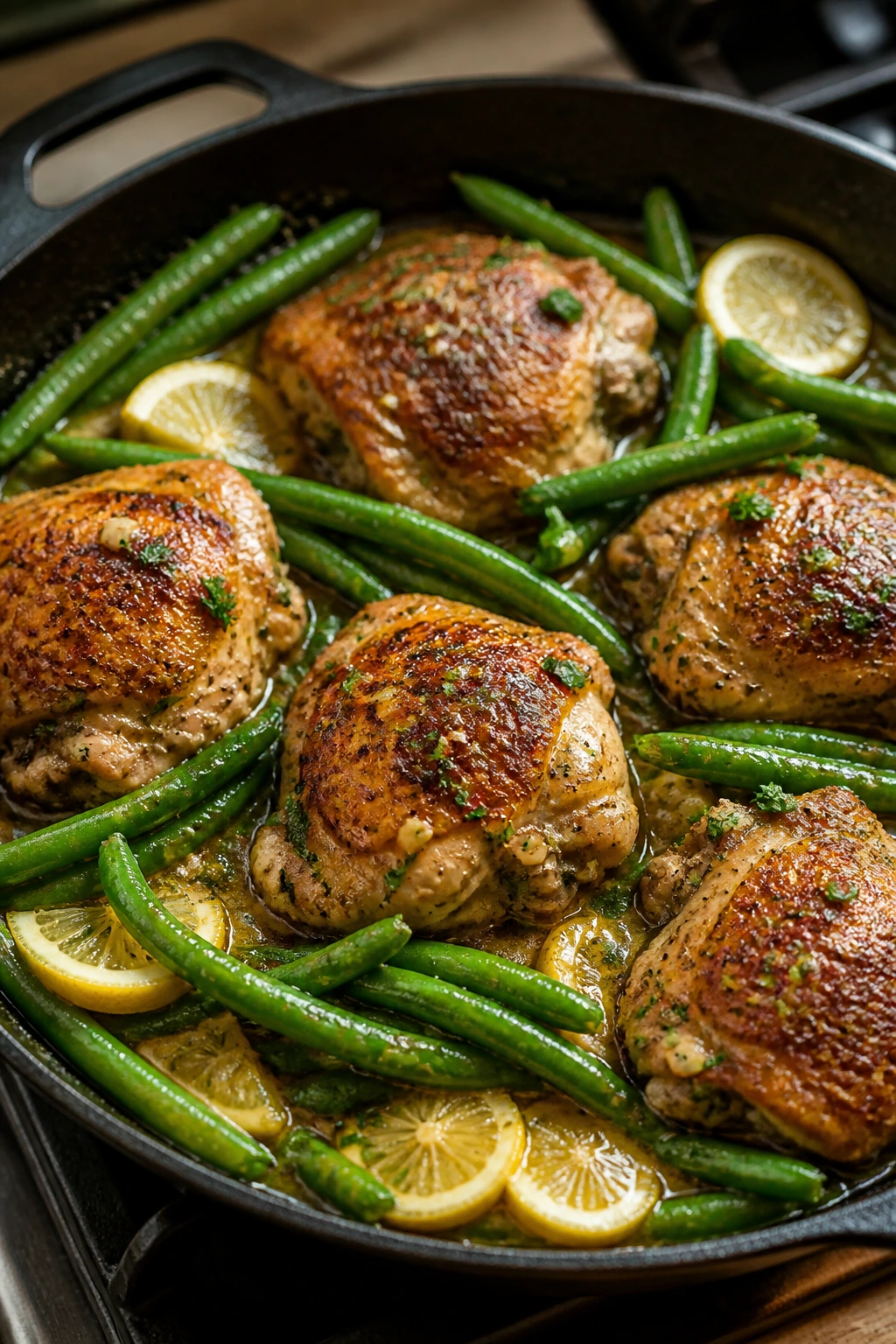
Ground turkey, ground beef, chicken thighs, and kielbasa are useful because they cook fast and can carry a whole skillet with very little help. If you see chicken thighs on sale, grab them. If you prefer chicken breasts, buy cutlets or pound them thin yourself so they finish in the time window instead of drying out while you wait for the center to catch up.
Frozen vegetables are not a backup plan here. They are part of the plan. Broccoli florets, peas, corn, and even chopped spinach can go straight into a hot pan or a pot of soup. They save chopping time, and the quality is usually better than sad, limp produce that has been sitting around for a week.
For canned goods, choose the versions with the least drama: canned tomatoes with no added sugar, beans that are easy to rinse, tuna packed in water or olive oil depending on your budget, and coconut milk that is full-fat if you want a curry to feel rich instead of watery. Low-sodium broth is worth buying because fast recipes do not have time to reduce and correct an over-salted pot.
Cheese is one place where convenience can be practical. A block of cheddar or mozzarella melts better, but pre-shredded cheese saves real time on a Tuesday. I use both, depending on how much patience is left in the room.
How to Plate These Dinners Well
Presentation: Saucy dishes belong in shallow bowls so the sauce stays pooled around the food instead of disappearing onto the plate. Crispy things — quesadillas, flatbreads, fish tacos — look better when they’re cut or folded and stacked loosely, not buried under a mound of toppings.
Accompaniments: Keep the sides simple and repeatable. A bagged green salad, garlic bread, warm tortillas, steamed rice, roasted frozen broccoli, or a fast cucumber salad can make one dinner stretch farther without adding real work. Pick one starch and one fresh thing. That’s enough.
Portions: Most of these recipes serve 4 adults if you’re not piling plates high. For stretchier dinners like taco skillet, curry, and pasta, plan on 1 to 1 1/2 cups per person. For richer dishes like shrimp fried rice or sausage pasta, a slightly smaller bowl often feels better, especially if you’re adding bread or a side salad.
Beverage Pairing: I like sparkling water with lime for the sharper dishes, unsweetened iced tea for taco nights, and a cold lager or light beer with sausage, quesadillas, or fish tacos. For something nonalcoholic and easy, lemonade or cucumber water keeps the whole plate feeling lighter.
Small Finishes That Make Them Taste Complete
Flavor Enhancement: Acid is the cheapest finishing move in the kitchen. Lemon on chicken, lime on tacos, vinegar in noodles, and a little splash of soy or Worcestershire in tomato sauce can wake up a dish that tastes flat. Butter helps, too, but acid is what keeps the food from feeling heavy.
Customization: Use the vegetables you actually have. Frozen peas can stand in for corn, spinach can fold into pasta or soup, cabbage can replace more expensive greens, and mushrooms are excellent when you need a cheap way to make a skillet feel fuller. Extra beans or lentils stretch most of these recipes without making them feel broken.
Serving Suggestions: Chopped herbs, scallions, toasted sesame seeds, crushed tortilla chips, grated cheese, and a spoonful of yogurt each add a different texture. I like one crunchy finish and one fresh finish. That’s usually enough.
Make-It-Yours: For gluten-free dinners, lean on rice, corn tortillas, potatoes, or gluten-free pasta and use tamari instead of soy sauce. For dairy-free plates, skip the cheese and use olive oil, coconut milk, or a spoonful of tahini where it makes sense. For heat, add chili crisp, red pepper flakes, or sliced jalapeños at the end so the spice stays bright instead of muddy.
1. Lemon Garlic Chicken Thighs with Green Beans
The skillet smells like garlic and lemon before the chicken even finishes browning, and that is half the appeal. Juicy thighs, crisp green beans, and a pan sauce made from browned bits and butter give you a dinner that feels far bigger than the ingredient list.
Why It Works: Boneless chicken thighs cook fast and stay tender even if the pan runs hot for a minute too long. Green beans can steam right in the same skillet, which means one pan does the browning and the saucing at the same time. The lemon keeps the butter from feeling heavy.
Key Ingredients:
- 1 1/2 pounds boneless, skinless chicken thighs
- 1 pound green beans, trimmed
- 2 tablespoons olive oil
- 4 garlic cloves, minced
- 1 lemon, zested and juiced
- 1/2 cup chicken broth
- 2 tablespoons butter
- 1 teaspoon paprika
- 1 teaspoon kosher salt
- 1/2 teaspoon black pepper
Quick Steps:
- Pat the chicken thighs dry and season both sides with salt, pepper, and paprika.
- Heat the olive oil in a 12-inch skillet over medium-high heat. Sear the chicken for 4 to 5 minutes per side until deeply browned.
- Add the green beans and chicken broth to the skillet, then cover and cook for 4 minutes until the beans turn bright green and the chicken cooks through.
- Uncover, add the garlic, butter, lemon zest, and lemon juice, and toss for 1 minute until glossy.
- Check that the chicken reaches 165°F and serve hot.
Equipment for This Recipe:
- 12-inch skillet
- Tongs
- Citrus zester or microplane
How to Serve This Dish: Spoon the chicken and beans over rice, mashed potatoes, or a thick slice of toasted bread. The lemony pan sauce also wants something starchy to soak into, which is a nice problem to have.
Pro Tips for This Recipe:
- Dry chicken browns better than damp chicken. Paper towels help more than people think.
- If the beans are thick, cut them in half so they steam fast.
- Add the lemon juice at the end so it stays sharp instead of turning flat.
Variations on This Dish:
- Dijon Lemon Thighs: Whisk 1 tablespoon Dijon into the broth before it goes into the pan.
- Smoky Paprika Version: Swap in smoked paprika and finish with a pinch of red pepper flakes.
Common Mistakes to Avoid with This Dish:
- Crowding the pan: If the thighs sit on top of each other, they steam instead of browning. Cook in two batches if your skillet is small.
- Adding lemon too early: The flavor turns dull. Finish with it after the heat drops.
2. Turkey Taco Skillet
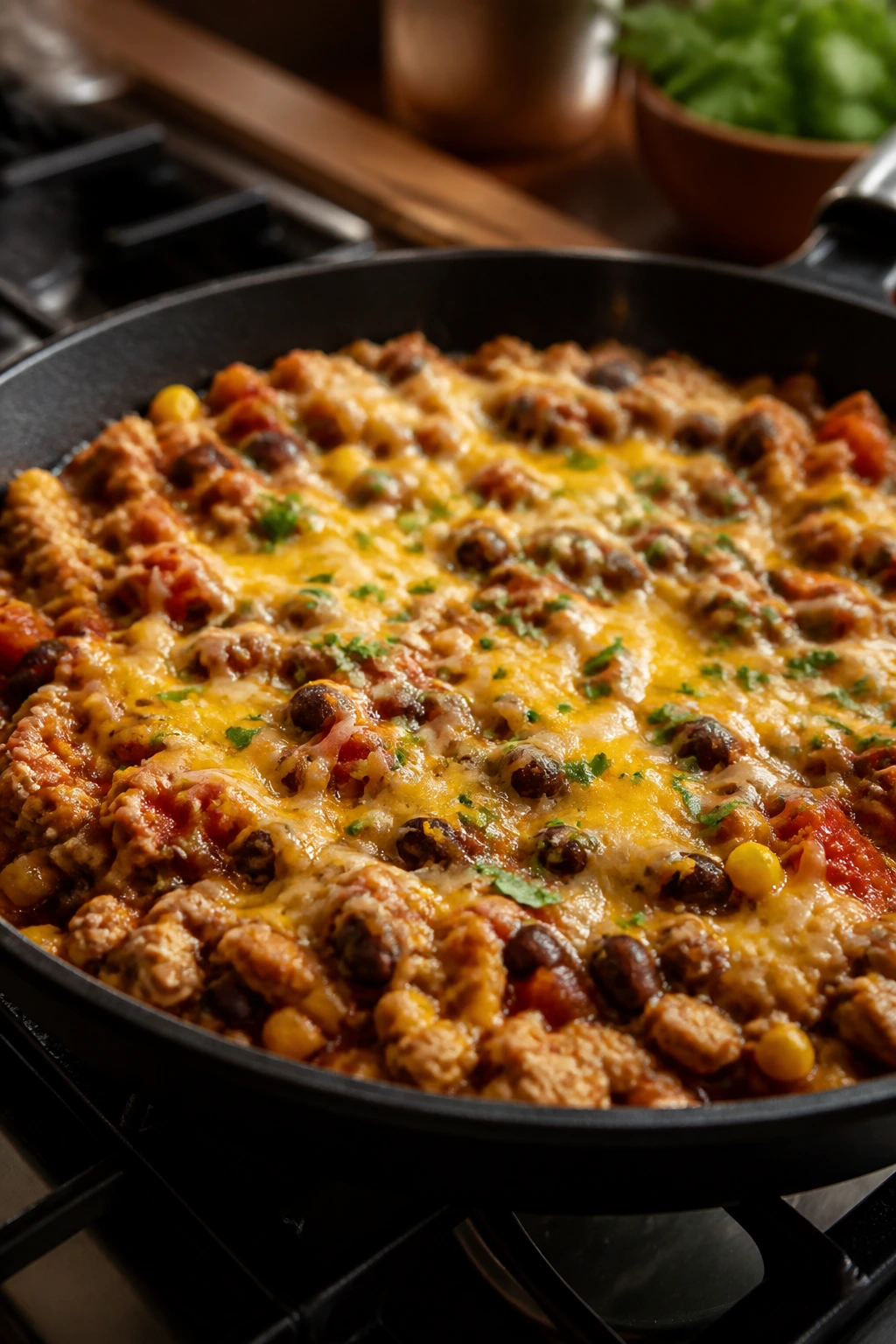
This is the kind of dinner that saves a tired evening without tasting like a compromise. Ground turkey, salsa, black beans, corn, and cheese turn into a skillet full of taco filling that you can spoon into tortillas, pile over rice, or eat with chips if the day has gone fully sideways.
Why It Works: Ground turkey cooks in minutes, and the canned beans plus salsa give you a built-in sauce without making a separate pot. The whole thing stays cheap because the pantry carries part of the weight. Cheese at the end pulls it together in the same way a good chorus does in a song.
Key Ingredients:
- 1 pound ground turkey
- 1 small yellow onion, diced
- 1 bell pepper, diced
- 2 garlic cloves, minced
- 2 tablespoons taco seasoning
- 1 can black beans, drained and rinsed
- 1 cup salsa
- 1 cup frozen corn
- 1 cup shredded cheddar or Monterey Jack
- 2 tablespoons olive oil
Quick Steps:
- Heat the olive oil in a large skillet over medium-high heat. Add the onion and bell pepper and cook for 3 minutes until the onion softens.
- Add the ground turkey and break it up with a spoon. Cook for 5 to 6 minutes until no pink remains.
- Stir in the garlic and taco seasoning for 30 seconds, then add the black beans, salsa, and corn.
- Simmer for 4 to 5 minutes until the mixture thickens and the salsa stops looking watery.
- Sprinkle the cheese over the top, cover for 1 minute, and serve once it melts.
Equipment for This Recipe:
- Large skillet
- Wooden spoon
- Sharp knife and cutting board
How to Serve This Dish: Spoon it into warm tortillas with shredded lettuce, or serve it over rice with a squeeze of lime. A few crushed tortilla chips on top add crunch without making the whole thing more expensive.
Pro Tips for This Recipe:
- Rinse the beans. It improves the texture and cuts down on salty pantry flavor.
- If your salsa is thin, simmer the skillet a minute longer before adding cheese.
- Use mild or hot seasoning depending on who’s eating. The skillet is forgiving.
Variations on This Dish:
- Smoky Chipotle Turkey Skillet: Stir in 1 minced chipotle in adobo for a deeper, smoky heat.
- Vegetarian Black Bean Version: Skip the turkey and add a second can of beans plus extra corn.
Common Mistakes to Avoid with This Dish:
- Forgetting to cook off the salsa liquid: If you stop too soon, the filling slides around like soup. Let it simmer until thick.
- Using too little salt: Beans and turkey need more seasoning than you think. Taste before serving and fix it.
3. Creamy Tomato Spinach Pasta with White Beans
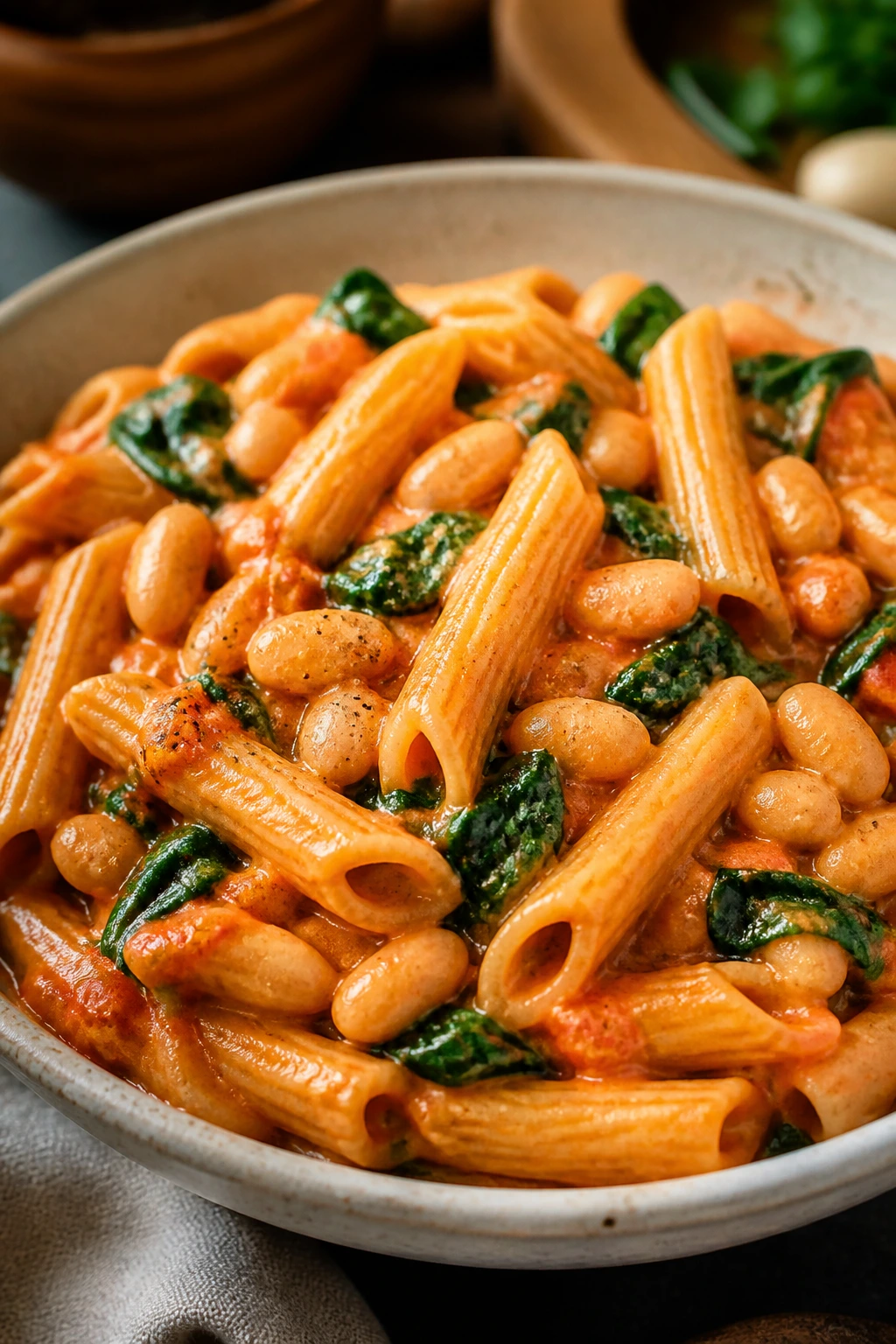
Need a pasta dinner that feels calm instead of frantic? This is the one. The tomatoes cook down with onion and garlic, the white beans add body, and the spinach melts into the sauce at the last minute so the bowl looks fuller than the clock suggests.
Why It Works: Pasta gives you the fast starch, beans give you heft, and a little cream or milk makes the sauce cling instead of sliding to the bottom of the bowl. The whole dish is inexpensive without tasting sparse. Parmesan at the end sharpens the tomato sauce just enough.
Key Ingredients:
- 12 ounces penne or rigatoni
- 1 tablespoon olive oil
- 1 small onion, finely diced
- 3 garlic cloves, minced
- 1 can crushed tomatoes, 14.5 ounces
- 1 cup low-sodium vegetable or chicken broth
- 1/2 cup heavy cream or whole milk
- 1 can cannellini beans, drained and rinsed
- 4 cups baby spinach
- 1/2 cup grated Parmesan
- 1 teaspoon kosher salt
- 1/2 teaspoon black pepper
Quick Steps:
- Bring a large pot of salted water to a boil and cook the pasta until just shy of al dente.
- While the pasta cooks, heat the olive oil in a skillet and soften the onion for 3 minutes.
- Add the garlic, then the crushed tomatoes and broth. Simmer for 5 minutes.
- Stir in the cream, beans, and spinach. Cook for 2 minutes until the spinach collapses.
- Toss in the drained pasta and Parmesan, adding a splash of pasta water if the sauce feels tight.
- Season with salt and pepper, then serve immediately.
Equipment for This Recipe:
- Large pot
- Skillet
- Colander
How to Serve This Dish: Serve it in wide bowls with extra Parmesan and black pepper. A piece of garlic bread or a plain green salad is enough beside it; the pasta already has enough going on.
Pro Tips for This Recipe:
- Reserve at least 1 cup of pasta water. It turns the sauce silky instead of pasty.
- Stir the spinach in at the end so it stays green and doesn’t disappear.
- If you want a deeper tomato flavor, let the sauce simmer an extra 2 minutes before adding cream.
Variations on This Dish:
- Basil Cream Version: Add torn basil leaves and a little extra cream at the end.
- Dairy-Free Bean Pasta: Skip the cream and finish with olive oil and more pasta water.
Common Mistakes to Avoid with This Dish:
- Overcooking the pasta: It keeps softening once it hits the sauce. Pull it early.
- Using too much cream: The tomato should still taste like tomato. Keep the sauce light enough to cling, not drown.
4. Sticky Teriyaki Meatballs with Broccoli
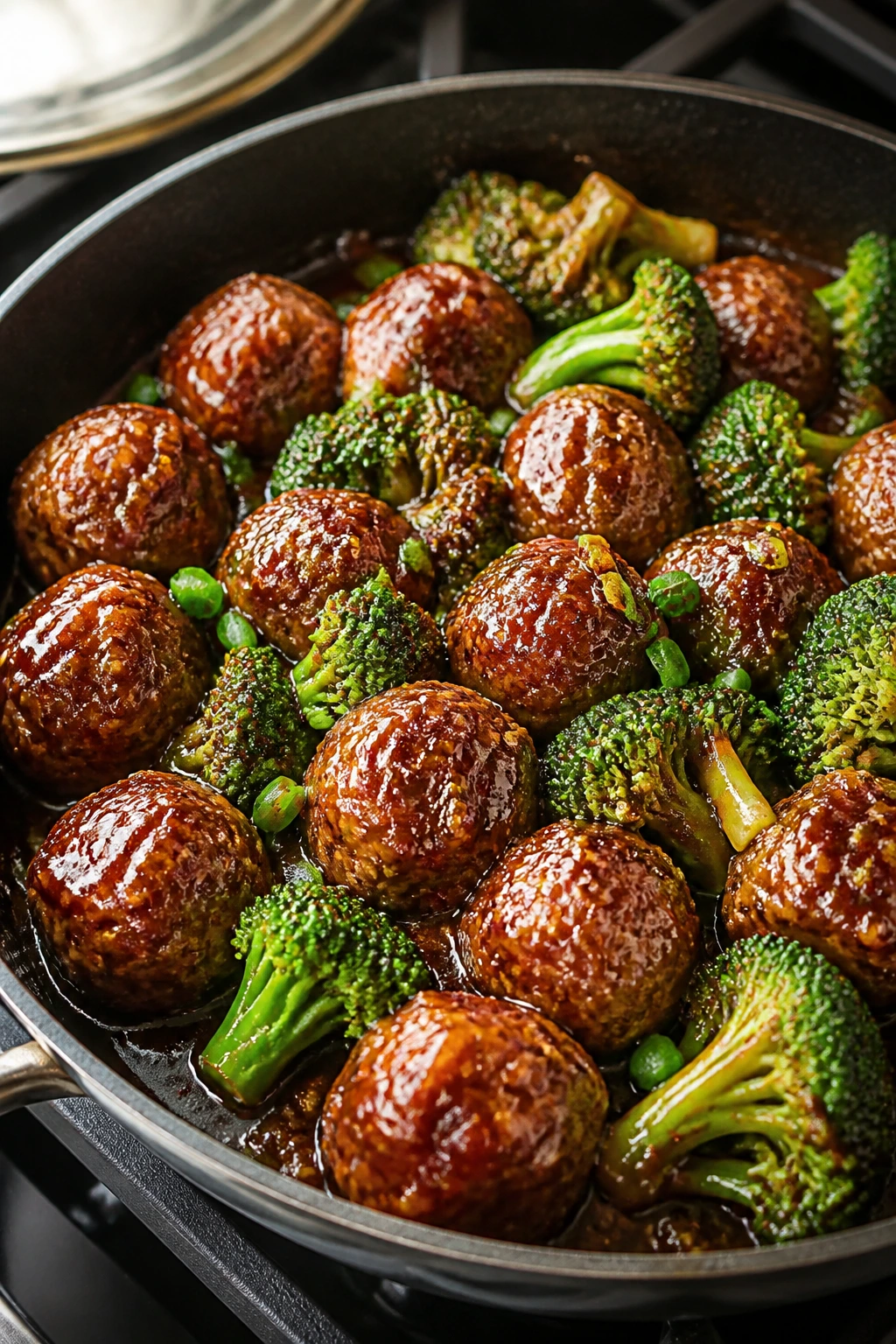
These meatballs glaze up fast, which makes them feel fancier than they are. The sauce turns glossy in the pan, the broccoli keeps a little bite, and the whole thing lands best over rice where every bit of extra sauce has somewhere to go.
Why It Works: Small meatballs cook in one skillet without needing the oven, and the teriyaki sauce uses a cornstarch slurry to thicken in minutes. Broccoli and meatballs share the same heat schedule, which keeps the recipe inside the 30-minute lane. It’s one of those dinners that looks like takeout from across the room.
Key Ingredients:
- 1 pound ground turkey or ground chicken
- 1/2 cup panko breadcrumbs
- 1 egg
- 2 garlic cloves, minced
- 1 teaspoon grated fresh ginger
- 1 pound broccoli florets
- 1 tablespoon oil
- 1/3 cup soy sauce
- 1/4 cup water
- 2 tablespoons honey or brown sugar
- 1 tablespoon rice vinegar
- 1 teaspoon cornstarch mixed with 1 tablespoon water
Quick Steps:
- Mix the turkey, panko, egg, garlic, ginger, and a pinch of salt in a bowl. Shape into 1-inch meatballs.
- Heat the oil in a large skillet over medium-high heat and brown the meatballs for 6 to 8 minutes, turning them so they color on several sides.
- Add the broccoli and 2 tablespoons water, then cover for 3 minutes until the broccoli turns bright green.
- Whisk the soy sauce, water, honey, vinegar, and cornstarch slurry together. Pour it into the skillet and simmer 2 minutes until glossy.
- Toss everything together and serve once the meatballs reach 165°F.
Equipment for This Recipe:
- Large skillet with a lid
- Mixing bowl
- Tongs
How to Serve This Dish: Spoon it over white rice, brown rice, or noodles. A handful of sesame seeds and sliced scallions make the whole bowl look deliberate instead of tossed together.
Pro Tips for This Recipe:
- Keep the meatballs small. They finish faster and soak up more sauce.
- If the pan looks dry while browning, add a teaspoon of oil rather than waiting for the meat to stick.
- Use fresh ginger if you have it; the flavor is brighter than the jarred kind.
Variations on This Dish:
- Sesame-Ginger Version: Add 1 teaspoon toasted sesame oil at the end.
- Shortcut Frozen Meatball Route: Use 1 1/2 pounds frozen meatballs and simmer them in the sauce until hot, then add broccoli.
Common Mistakes to Avoid with This Dish:
- Adding the sauce before the meatballs brown: You lose the color and flavor. Brown first, glaze second.
- Overcooking the broccoli: It should be crisp-tender, not soft enough to collapse when you touch it.
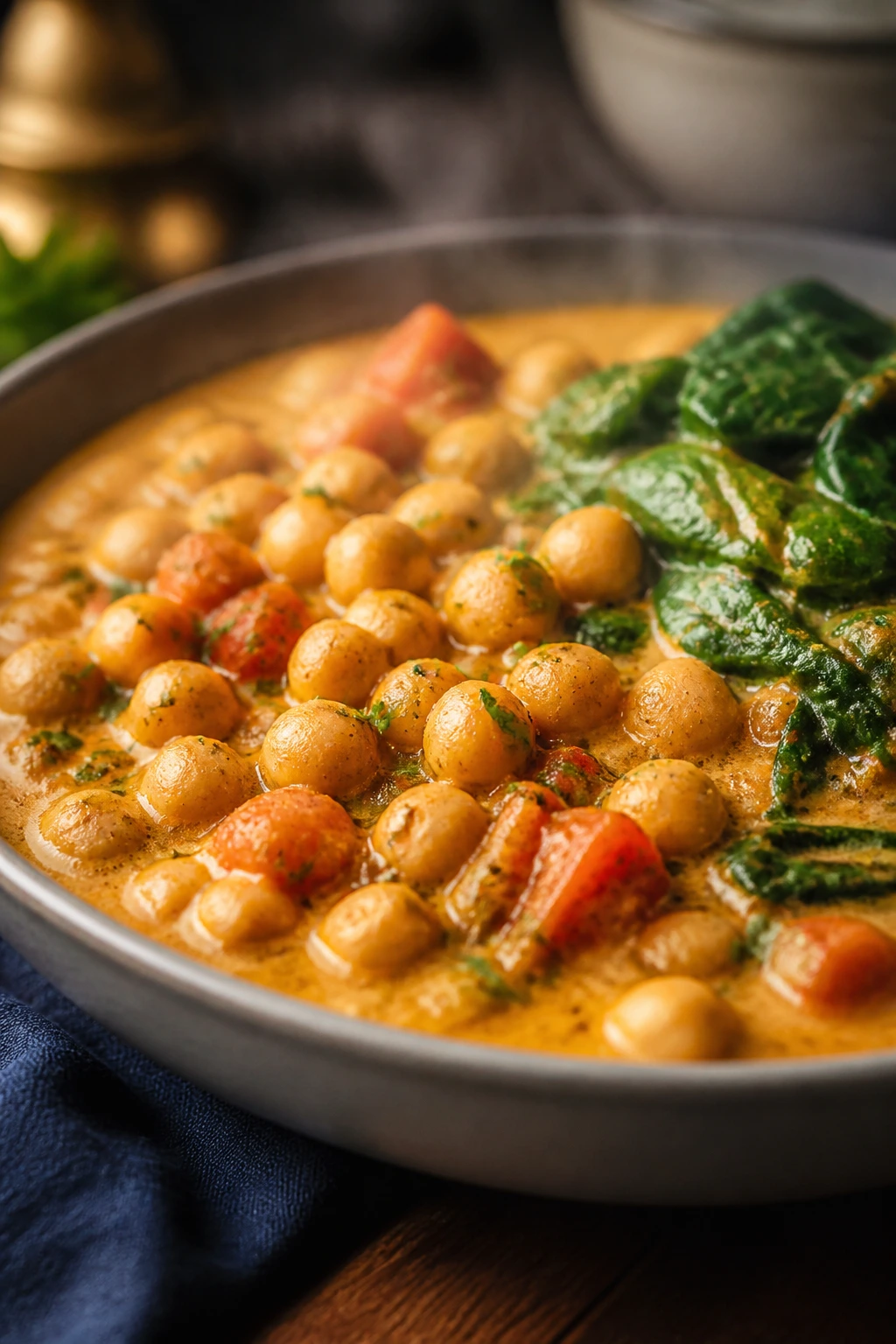
5. Chickpea Coconut Curry
A can of chickpeas can carry dinner farther than it looks. Once the onion, garlic, and curry powder hit the oil, the whole pot smells warm and a little sweet, and the coconut milk turns the broth into something you’d happily eat with a spoon.
Why It Works: Chickpeas need almost no cooking, which saves the clock for flavor-building. Curry powder blooms in hot oil in less than a minute, so the spices taste round instead of dusty. Coconut milk gives the sauce body fast, and spinach folds in at the end without fuss.
Key Ingredients:
- 1 tablespoon oil
- 1 yellow onion, diced
- 3 garlic cloves, minced
- 1 tablespoon grated ginger
- 2 tablespoons curry powder
- 1 can diced tomatoes, 14.5 ounces
- 2 cans chickpeas, drained and rinsed
- 1 can full-fat coconut milk, 13.5 ounces
- 2 cups baby spinach
- 1 lime, juiced
- 1 teaspoon salt
Quick Steps:
- Heat the oil in a large skillet or pot over medium heat and cook the onion for 4 minutes until soft.
- Add the garlic, ginger, and curry powder, stirring for 30 seconds until fragrant.
- Stir in the tomatoes, chickpeas, coconut milk, and salt. Simmer for 10 minutes.
- Add the spinach and lime juice, then cook for 1 minute until the spinach wilts.
- Taste and adjust with more salt or lime if it needs a sharper edge.
Equipment for This Recipe:
- Large skillet or saucepan
- Wooden spoon
- Citrus juicer, optional
How to Serve This Dish: Serve it over rice or with warm naan. A spoonful of yogurt on top cools the heat and gives the bowl a little contrast if your curry powder leans spicy.
Pro Tips for This Recipe:
- Bloom the curry powder in oil before adding liquid. It matters.
- Full-fat coconut milk makes a creamier curry and resists splitting better than the light version.
- A squeeze of lime at the end keeps the flavor from tasting muddy.
Variations on This Dish:
- Mild Coconut Curry: Use 1 tablespoon curry powder instead of 2 and skip any chili.
- Extra-Green Version: Stir in chopped kale with the spinach and simmer 2 minutes longer.
Common Mistakes to Avoid with This Dish:
- Boiling the curry hard: Coconut milk can separate if you beat it up. Keep the simmer gentle.
- Skipping the lime: Without acid, the curry tastes heavy. The squeeze at the end fixes that.
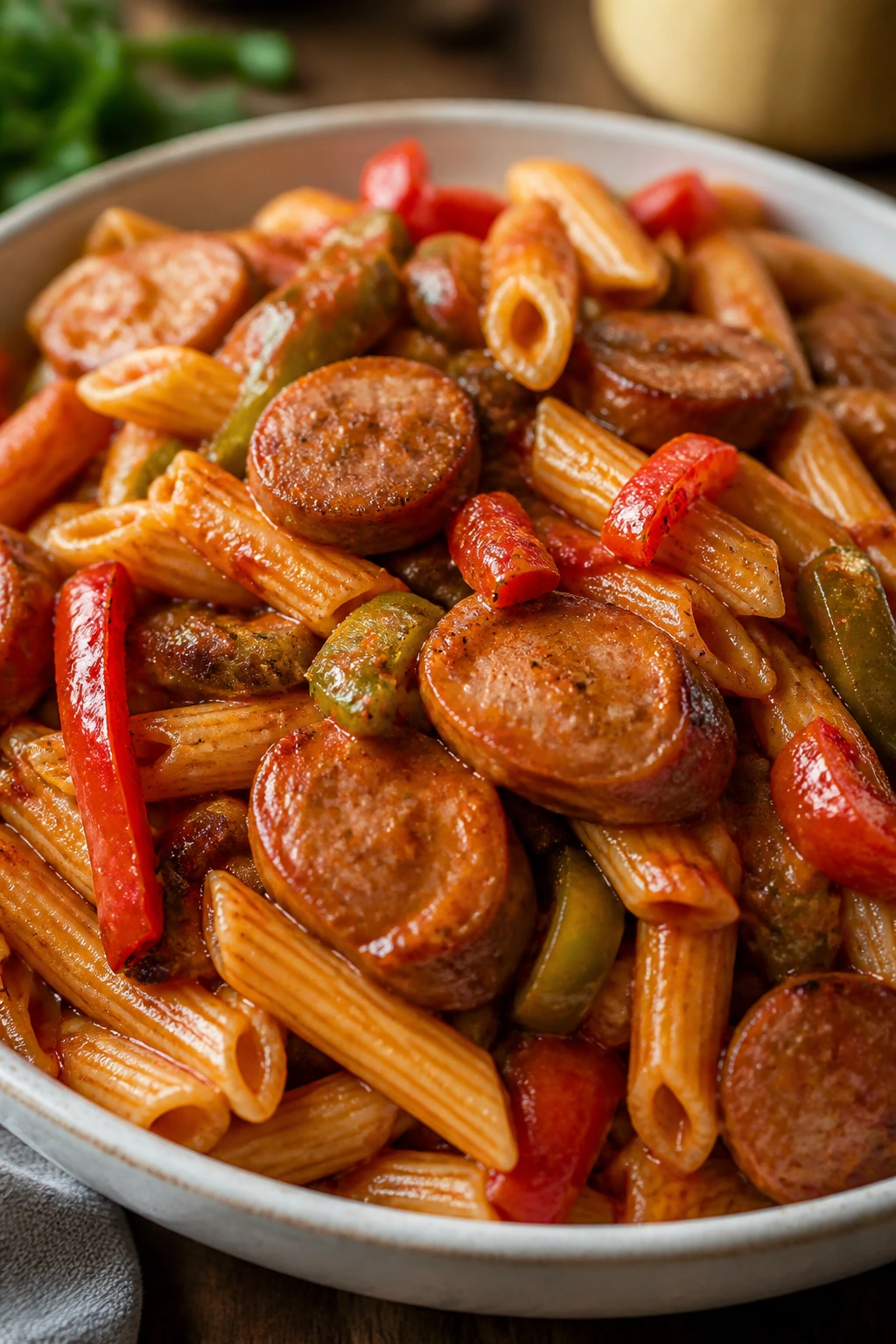
6. Sausage and Peppers Pasta
This is one of those dinners that smells like it took an hour, even though it didn’t. The sausage browns, the peppers soften, and the tomato sauce picks up just enough fat from the pan to taste richer than the ingredient list suggests.
Why It Works: Sausage brings its own seasoning, which saves you from building flavor from scratch. Bell peppers and onions cook quickly once they hit the pan, and short pasta traps the sauce in every ridge. It’s fast, filling, and usually cheaper than it looks if you buy sausage on sale.
Key Ingredients:
- 12 ounces rigatoni or penne
- 12 ounces Italian sausage, sliced or removed from casing
- 2 bell peppers, sliced
- 1 small onion, sliced
- 3 garlic cloves, minced
- 1 can crushed tomatoes, 14.5 ounces
- 1 teaspoon Italian seasoning
- 1/2 cup reserved pasta water
- 1/4 cup grated Parmesan
- 1 tablespoon olive oil
Quick Steps:
- Boil the pasta in salted water until al dente, then drain and save 1/2 cup pasta water.
- Heat the olive oil in a large skillet and brown the sausage for 4 minutes.
- Add the peppers and onion and cook for 5 minutes until softened at the edges.
- Stir in the garlic, crushed tomatoes, and Italian seasoning. Simmer for 5 minutes.
- Toss in the pasta and a splash of pasta water, then finish with Parmesan and serve hot.
Equipment for This Recipe:
- Large skillet
- Large pot
- Colander
How to Serve This Dish: A simple green salad or some crusty bread is enough beside it. The sauce should cling to the pasta and pool lightly in the bowl, not vanish into a dry heap.
Pro Tips for This Recipe:
- Slice the peppers evenly so they soften at the same pace.
- If the sausage renders a lot of fat, spoon off a little before adding tomatoes.
- Use ridged pasta if you have it. It catches more sauce.
Variations on This Dish:
- Creamy Sausage Pasta: Add 1/4 cup cream at the end for a softer sauce.
- Spicy Calabrian Twist: Stir in 1 teaspoon Calabrian chili paste with the garlic.
Common Mistakes to Avoid with This Dish:
- Cooking the pasta past al dente: It goes mushy once tossed with hot sauce. Pull it early.
- Not reducing the sauce: If it’s watery, the pasta gets slippery instead of coated.
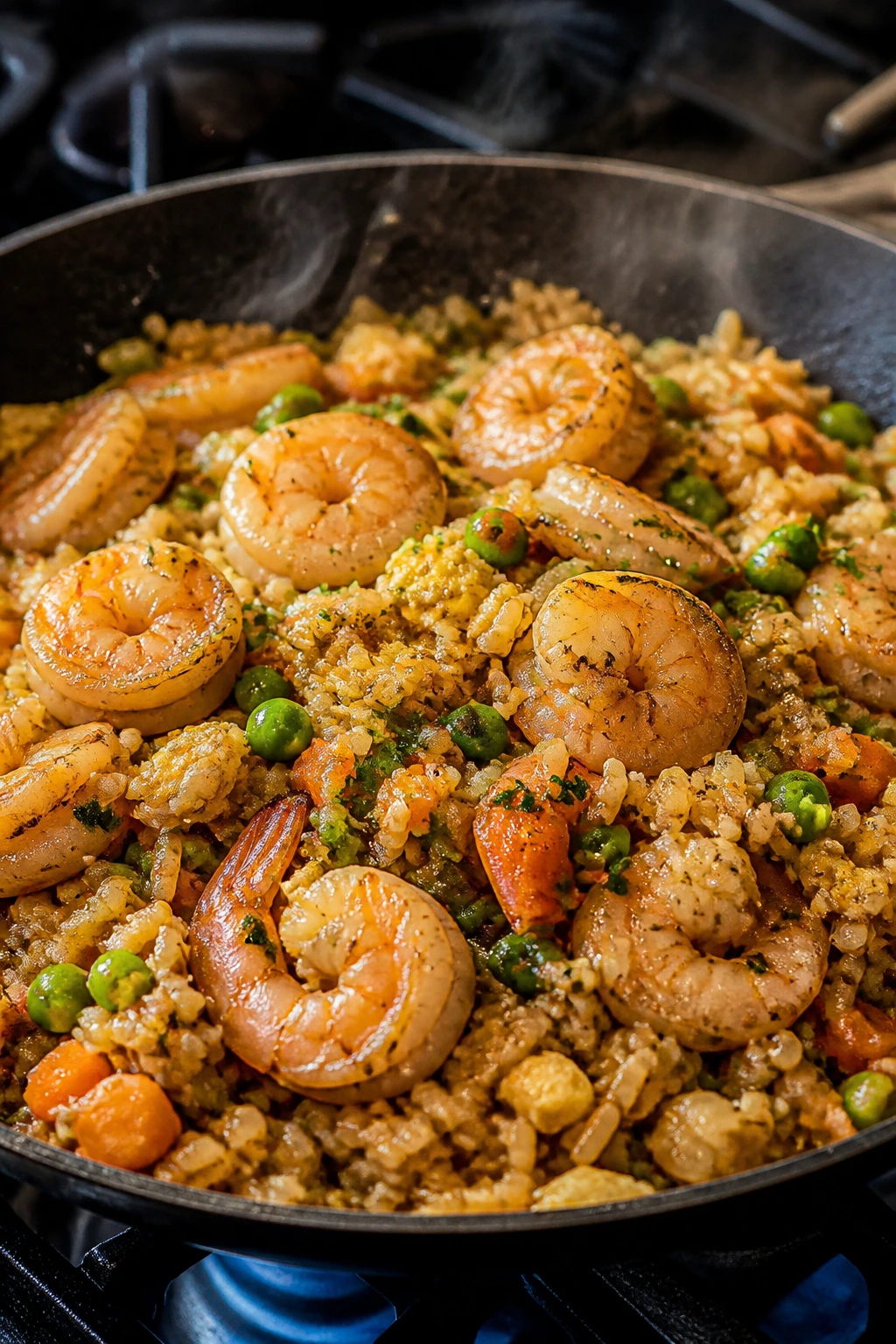
7. Garlic Butter Shrimp Fried Rice
Garlic, butter, and hot rice are a very good trio. Add shrimp and a handful of frozen vegetables, and you get a skillet meal that moves fast enough to feel almost unfair.
Why It Works: Shrimp cooks in minutes, which is exactly why it belongs in a 30-minute dinner lineup. Day-old rice or microwave rice keeps the grains separate, so the skillet can fry instead of steaming everything into one soft mass. Butter and soy sauce make the whole thing taste more finished than the ingredients deserve on paper.
Key Ingredients:
- 1 pound peeled and deveined shrimp, thawed if frozen
- 3 cups cooked rice, preferably cold
- 2 large eggs
- 2 cups frozen peas and carrots
- 3 tablespoons butter
- 3 garlic cloves, minced
- 3 tablespoons soy sauce
- 1 teaspoon sesame oil
- 2 green onions, sliced
Quick Steps:
- Scramble the eggs in a large skillet with 1 tablespoon butter, then remove them to a plate.
- Add 1 tablespoon butter and cook the shrimp for 2 minutes per side until pink, then remove.
- Add the remaining butter, garlic, peas and carrots, and rice. Stir-fry for 3 to 4 minutes until the rice is hot and the edges dry slightly.
- Return the eggs and shrimp, pour in the soy sauce and sesame oil, and toss for 1 minute.
- Finish with green onions and serve immediately.
Equipment for This Recipe:
- Large skillet or wok
- Spatula
- Bowl for holding cooked eggs and shrimp
How to Serve This Dish: Serve it straight from the skillet with extra soy sauce on the side. If you want a little acid, a squeeze of lime cuts through the butter nicely.
Pro Tips for This Recipe:
- Cold rice fries better than warm rice. If yours is fresh, spread it on a tray for 10 minutes.
- Don’t overcook the shrimp. Pull it when it turns opaque and curls into a loose C.
- Keep the heat high enough to move the rice around without steaming it.
Variations on This Dish:
- Chicken Fried Rice: Swap the shrimp for 2 cups diced cooked chicken.
- Spicy Chili Crisp Rice: Stir in 1 tablespoon chili crisp at the end.
Common Mistakes to Avoid with This Dish:
- Using wet rice: It turns clumpy. Dry, cold grains fry cleanly.
- Leaving the pan too crowded: The rice needs contact with the hot surface or it turns soft.
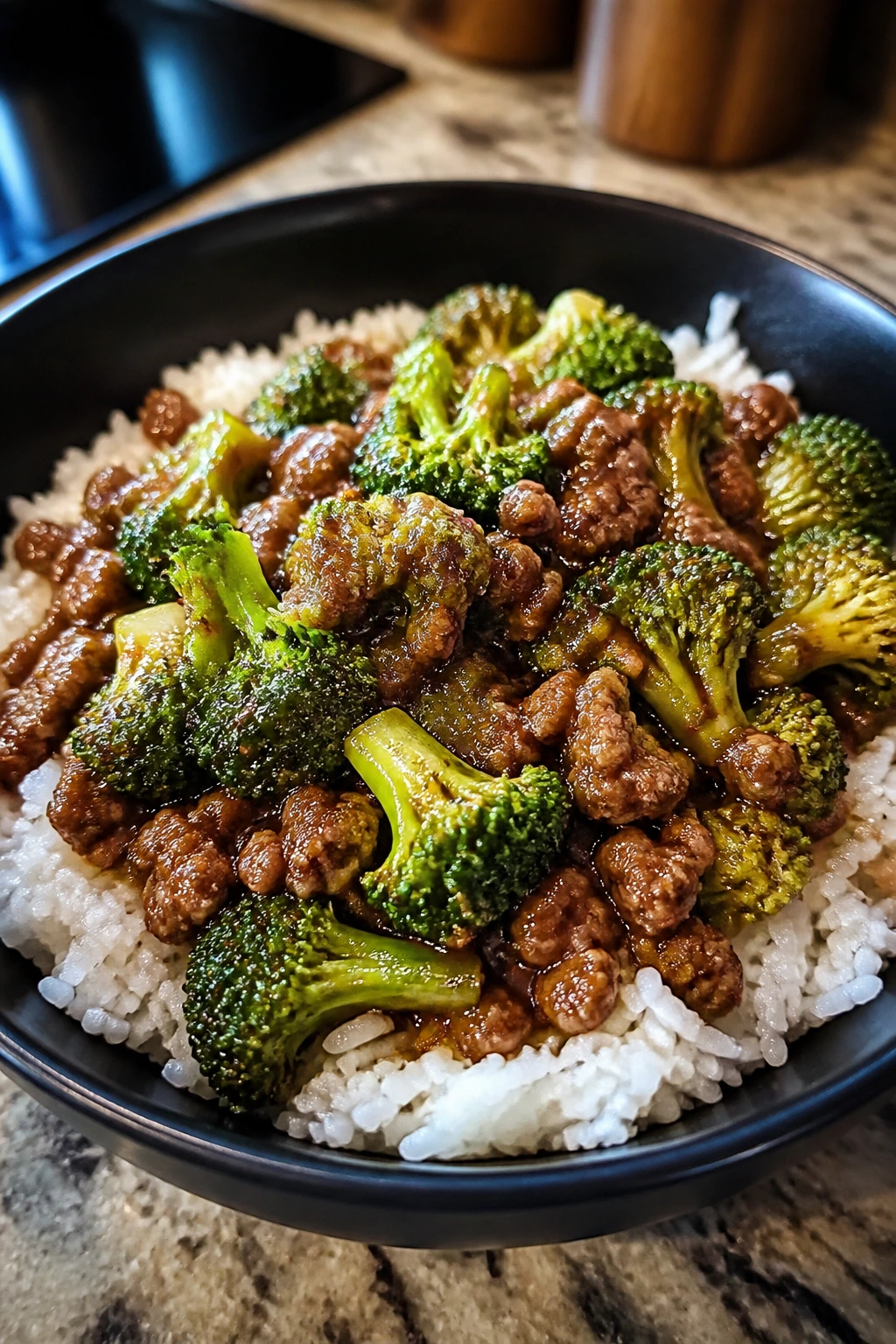
8. Ground Beef and Broccoli Rice Bowls
A pound of ground beef, a head of broccoli, and one good sauce can do more than a dozen takeout menus. The beef gets savory, the broccoli stays bright, and the sticky soy sauce brings the whole bowl together without making you babysit a roast.
Why It Works: Ground beef cooks faster than sliced steak and usually costs less per serving. Broccoli florets steam quickly with a splash of water, and the sauce thickens in the same pan with help from cornstarch. Rice turns the whole thing into a complete dinner without asking for extra work.
Key Ingredients:
- 1 pound ground beef
- 4 cups broccoli florets
- 2 cups cooked rice
- 3 tablespoons soy sauce
- 2 tablespoons brown sugar or honey
- 2 garlic cloves, minced
- 1 teaspoon grated ginger
- 1 teaspoon sesame oil
- 1 teaspoon cornstarch mixed with 2 tablespoons water
- 1 tablespoon oil
Quick Steps:
- Heat the oil in a large skillet and brown the beef for 5 to 6 minutes, breaking it into small pieces.
- Add the garlic and ginger, then cook for 30 seconds.
- Stir in the soy sauce, brown sugar, and cornstarch slurry. Simmer for 1 minute until it looks glossy.
- Add the broccoli and 2 tablespoons water, cover, and cook for 3 minutes until crisp-tender.
- Drizzle in the sesame oil and spoon everything over rice.
Equipment for This Recipe:
- Large skillet
- Wooden spoon
- Small bowl for the cornstarch slurry
How to Serve This Dish: Serve it in bowls with rice underneath so the sauce runs into the grains. A few sesame seeds or sliced scallions are enough if you want it to look finished.
Pro Tips for This Recipe:
- Break the beef into small pieces while it browns so the sauce coats it better.
- Cut the broccoli florets small; giant pieces slow the whole pan down.
- The sesame oil goes in at the end, not at the start, or the flavor fades.
Variations on This Dish:
- Spicy Beef Bowl: Add red pepper flakes or a spoonful of chili paste.
- Soy-Garlic Broccoli Bowl: Double the garlic and skip the brown sugar for a sharper finish.
Common Mistakes to Avoid with This Dish:
- Skipping the cornstarch slurry: The sauce stays thin and slides off the beef. The slurry makes it cling.
- Cooking broccoli too long: It should still have a bite. Mushy broccoli makes the bowl feel tired.
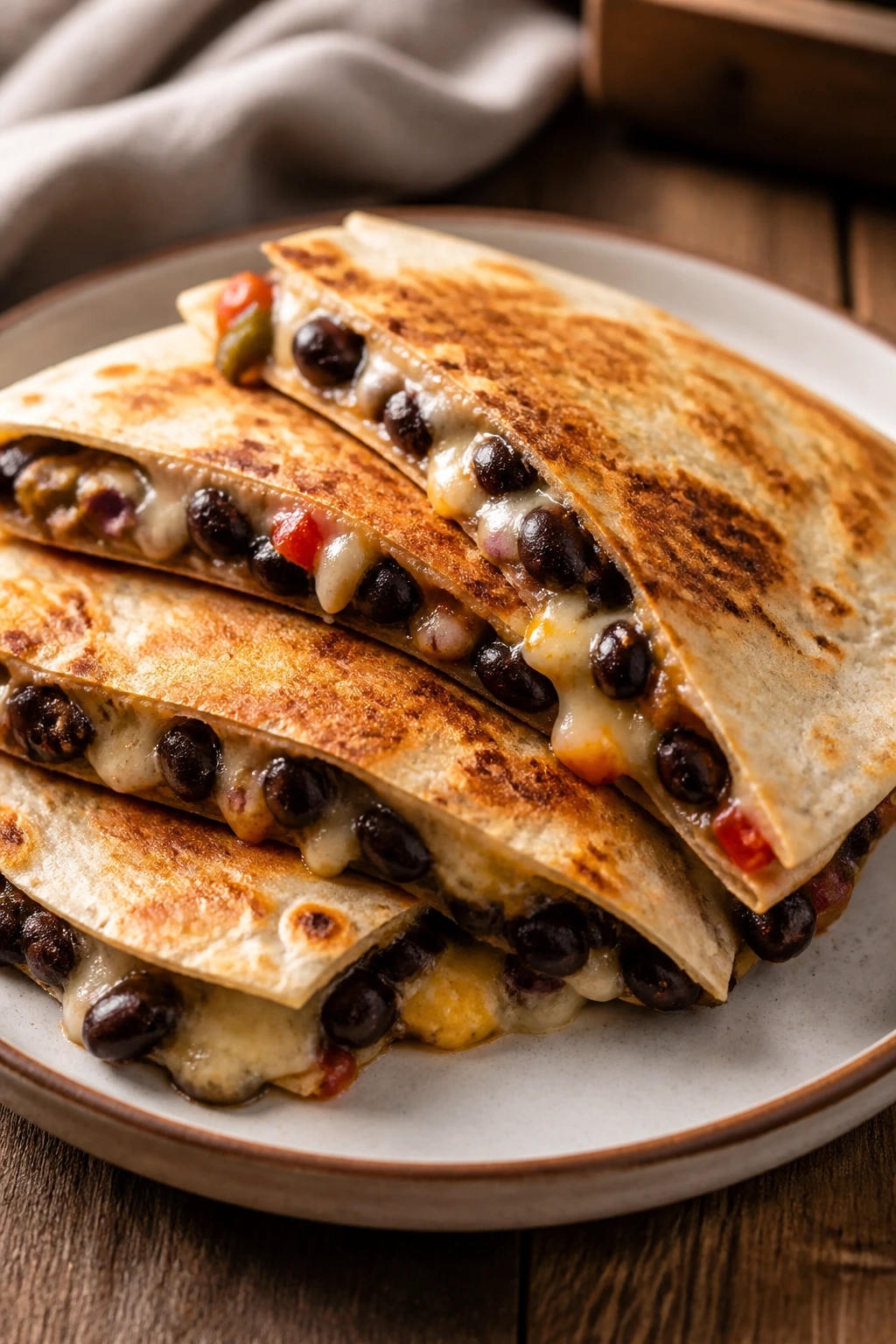
9. Loaded Black Bean Quesadillas
Quesadillas can absolutely count as dinner when you put enough beans inside them. Crisp tortillas, melty cheese, and a smoky bean filling make this one feel bigger than the effort required, which is the whole point on a weeknight.
Why It Works: Beans bring bulk and fiber, cheese brings the glue, and corn or salsa adds just enough moisture to keep the filling from tasting dry. The pan does the work in a few minutes per side. You get a hot dinner without heating the whole kitchen.
Key Ingredients:
- 4 large flour tortillas
- 1 can black beans, drained and rinsed
- 1 cup shredded cheddar
- 1/2 cup shredded Monterey Jack
- 1/2 cup frozen or canned corn
- 1/4 cup salsa
- 1/4 small onion, finely diced
- 1 teaspoon cumin
- 1 tablespoon oil
- 1 lime, cut into wedges
Quick Steps:
- Mash about half the beans in a bowl with the salsa, cumin, onion, and a pinch of salt.
- Stir in the remaining whole beans and the corn.
- Heat a skillet over medium heat and brush lightly with oil.
- Fill each tortilla on one half with the bean mixture and cheese, fold over, and cook for 2 to 3 minutes per side until crisp and browned.
- Slice and serve with lime wedges.
Equipment for This Recipe:
- Large skillet
- Mixing bowl
- Spatula
How to Serve This Dish: Cut the quesadillas into wedges and serve with sour cream, hot sauce, or a quick tomato salsa. A side salad or sliced avocado makes the plate feel more complete if you need it to.
Pro Tips for This Recipe:
- Mash some beans so the filling holds together instead of rolling out.
- Keep the heat at medium. Too high, and the tortilla burns before the cheese melts.
- Let the quesadilla sit 30 seconds before cutting so the filling settles.
Variations on This Dish:
- Pepper Jack Heat: Swap in pepper jack and add chopped jalapeños.
- Chicken Bean Quesadilla: Add 1 cup shredded cooked chicken for more protein.
Common Mistakes to Avoid with This Dish:
- Overfilling the tortillas: The filling escapes when you flip them. Use restraint.
- Using high heat: The outside gets dark before the cheese melts. Medium heat is safer.
10. Sheet-Pan Fajita Chicken and Peppers
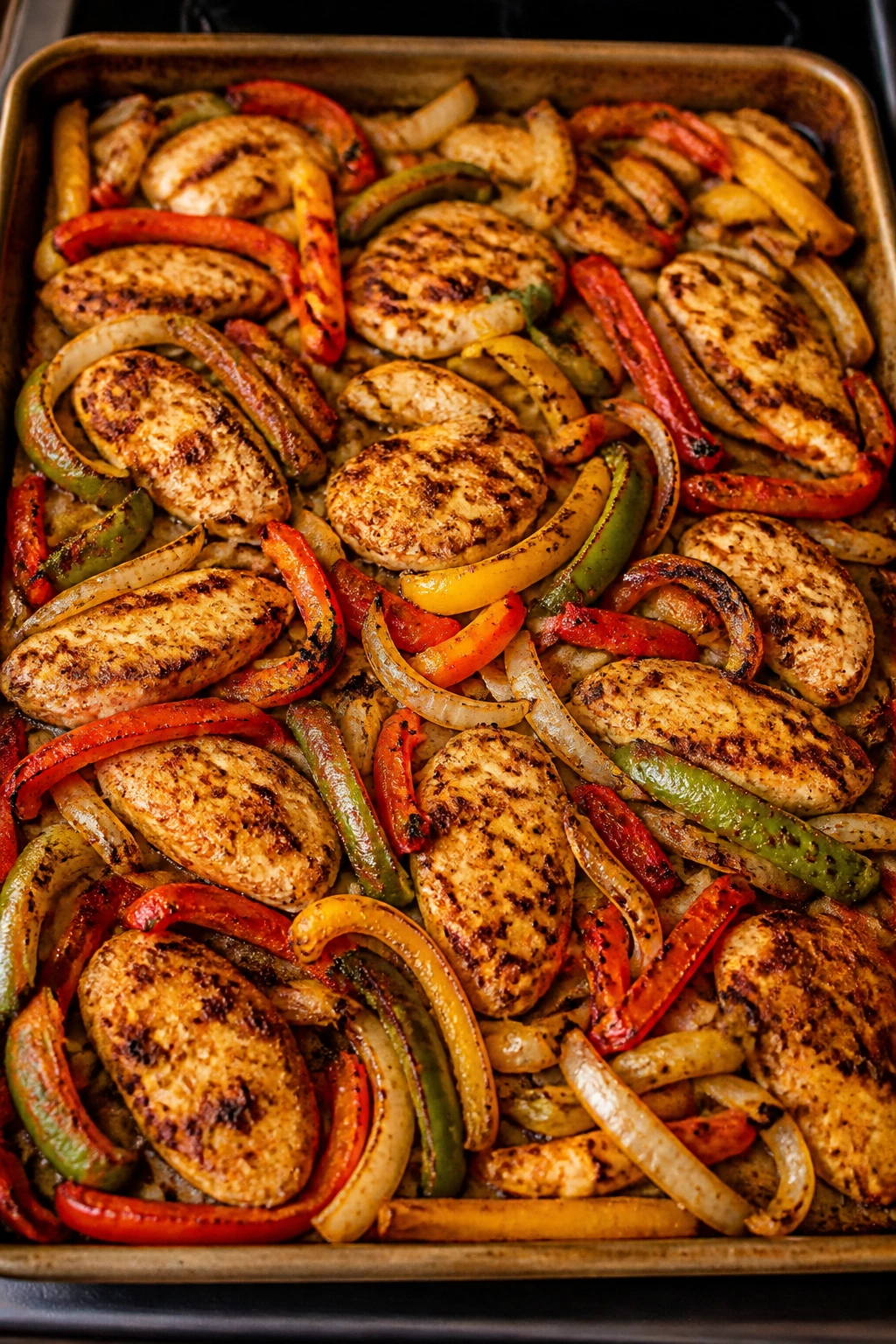
Thin chicken cutlets and hot oven heat make fajitas possible without a long wait. The peppers char at the edges, the onions soften into sweet ribbons, and the spices cling to everything in a way that feels like more effort than it is.
Why It Works: Cutting the chicken thin keeps the cook time down and lets it finish at the same speed as the peppers. A hot sheet pan spreads the ingredients out so they roast instead of steaming. That means real browning, which is where fajita flavor starts.
Key Ingredients:
- 1 pound chicken breast cutlets or thin-sliced chicken breasts
- 2 bell peppers, sliced
- 1 medium onion, sliced
- 2 tablespoons olive oil
- 2 teaspoons chili powder
- 1 teaspoon cumin
- 1 teaspoon garlic powder
- 1 teaspoon kosher salt
- 1/2 teaspoon black pepper
- 8 small tortillas
- 1 lime
Quick Steps:
- Heat the oven to 450°F and place a sheet pan inside while it preheats.
- Toss the chicken, peppers, onion, oil, and spices together in a bowl.
- Spread everything onto the hot pan in one layer.
- Roast for 15 to 18 minutes, tossing once halfway, until the chicken reaches 165°F and the peppers have charred edges.
- Serve in warm tortillas with lime juice.
Equipment for This Recipe:
- Rimmed sheet pan
- Mixing bowl
- Tongs
How to Serve This Dish: Pile the chicken and peppers into tortillas with salsa, yogurt, or sour cream. If you want bowls instead, serve them over rice or shredded lettuce with the pan juices spooned over the top.
Pro Tips for This Recipe:
- Preheating the pan helps start the browning right away.
- Slice the chicken and vegetables in similar sizes so they finish together.
- Don’t drown the pan in oil; too much makes the vegetables limp.
Variations on This Dish:
- Steak Fajita Swap: Use thin-sliced sirloin and shave 2 minutes off the roast if it cooks quickly.
- Veggie Fajita Tray: Replace the chicken with mushrooms and extra peppers for a meatless version.
Common Mistakes to Avoid with This Dish:
- Using thick chicken breasts: They won’t finish in time unless you pound or slice them thinner.
- Overcrowding the pan: Everything steams and loses those charred edges.
11. Kielbasa and Cabbage Skillet
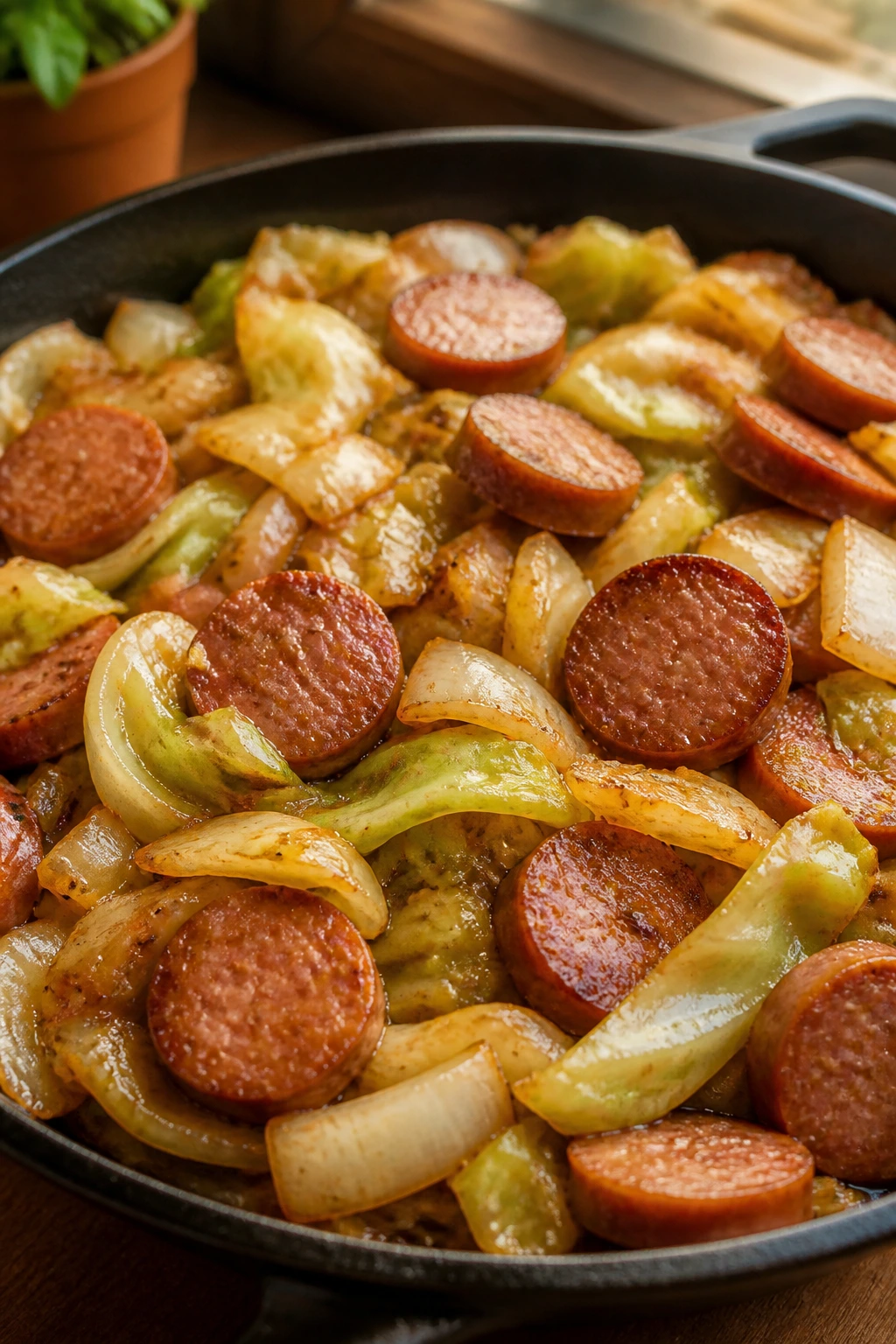
Kielbasa browns fast, and cabbage turns sweet when it hits a hot pan long enough to soften at the edges. That combination makes this skillet dinner feel old-school in the best way — cheap, filling, and very hard to mess up.
Why It Works: Smoked sausage already has seasoning, so it brings immediate flavor to a pan that would otherwise need more time. Cabbage cooks down quickly once it’s sliced thin, and a little broth gives the skillet enough steam to finish without drying out. It’s the kind of dinner that quietly feeds more people than the ingredients suggest.
Key Ingredients:
- 12 ounces kielbasa, sliced into half-moons
- 1 small green cabbage, thinly sliced
- 1 yellow onion, sliced
- 2 carrots, julienned or grated
- 2 tablespoons butter
- 1/4 cup chicken broth
- 1 tablespoon Dijon mustard
- 1 teaspoon paprika
- 1/2 teaspoon caraway seeds or black pepper
Quick Steps:
- Melt the butter in a large skillet and brown the kielbasa for 3 to 4 minutes.
- Add the onion and carrots and cook for 2 minutes until softened.
- Stir in the cabbage, paprika, caraway, broth, and a pinch of salt.
- Cover and cook for 6 to 8 minutes, stirring once, until the cabbage is tender but not mushy.
- Stir in the Dijon mustard and serve while hot.
Equipment for This Recipe:
- Large skillet with a lid
- Sharp knife
- Wooden spoon
How to Serve This Dish: Serve it straight from the skillet with rye bread, boiled potatoes, or mustard on the side. It also works as a bowl dinner if you want something more filling without adding much else.
Pro Tips for This Recipe:
- Slice the cabbage thinly so it softens fast.
- Dijon at the end gives the skillet a sharper finish than Dijon cooked from the start.
- If the cabbage seems dry, add another tablespoon of broth and cover for a minute.
Variations on This Dish:
- Mustard-Heavy Version: Add an extra teaspoon of Dijon and a splash of apple cider vinegar.
- Vegetable Cabbage Skillet: Skip the kielbasa and add mushrooms plus a handful of beans.
Common Mistakes to Avoid with This Dish:
- Cutting the cabbage too thick: It won’t soften in time. Thin ribbons cook much faster.
- Overcooking the sausage: Browning is enough. Let the cabbage carry the rest of the cook time.
12. Mushroom Spinach Orzo
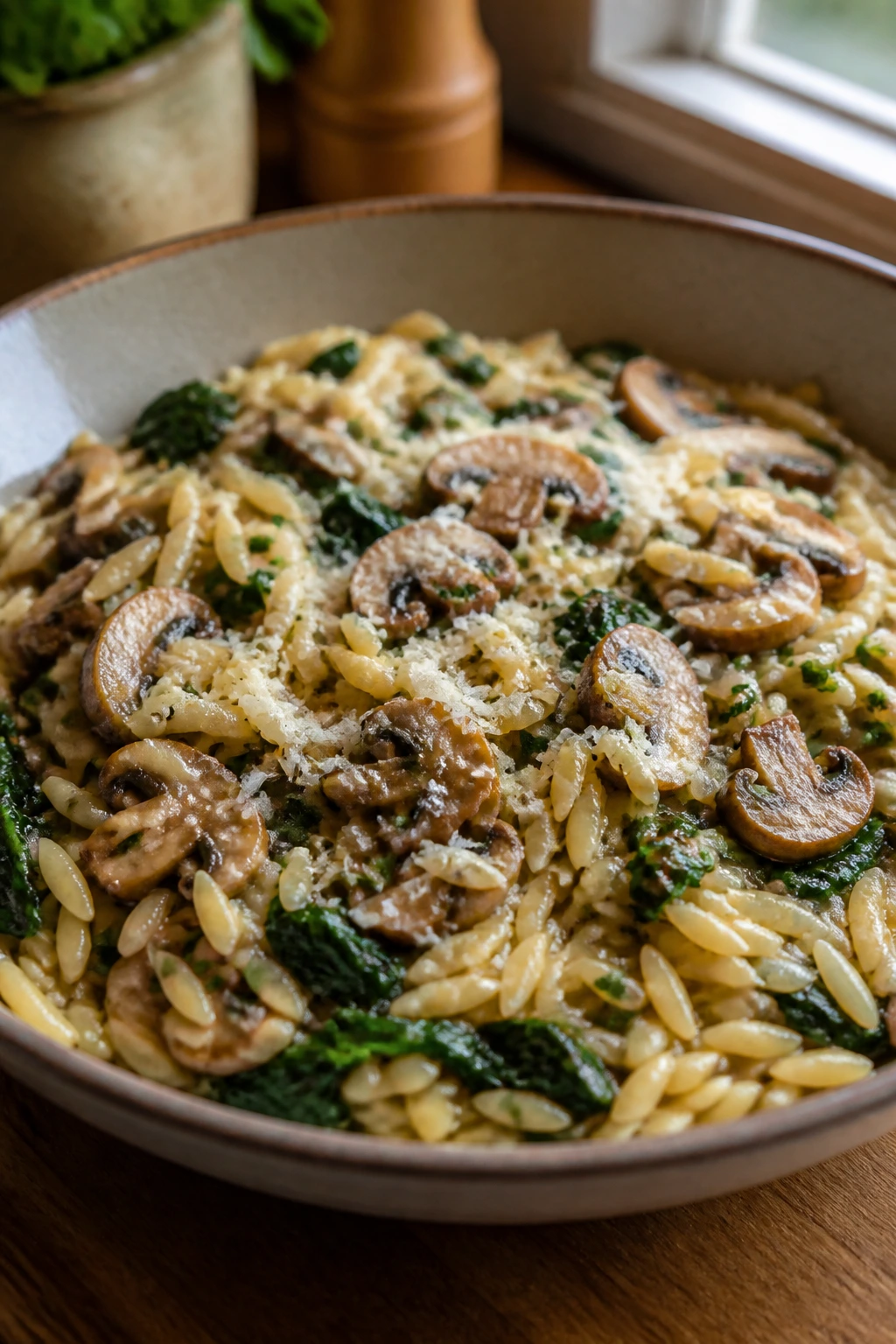
Can orzo stand in for a proper weeknight risotto? Yes, and without the babysitting. Mushrooms give the pan a savory base, the spinach softens at the end, and the Parmesan turns the whole pot creamy enough to feel like a much longer dinner.
Why It Works: Orzo cooks quickly and absorbs broth without turning heavy if you keep it moving. Mushrooms bring a deep, earthy flavor that makes a meatless bowl feel finished. A little butter and cheese at the end give the sauce body without demanding cream.
Key Ingredients:
- 1 tablespoon olive oil
- 1 tablespoon butter
- 8 ounces mushrooms, sliced
- 1 small onion, finely diced
- 3 garlic cloves, minced
- 1 cup orzo
- 3 cups low-sodium broth
- 2 cups baby spinach
- 1/2 cup grated Parmesan
- 1 teaspoon lemon zest
- 1/2 teaspoon salt
Quick Steps:
- Heat the oil and butter in a wide skillet over medium heat.
- Add the mushrooms and onion and cook for 5 minutes until the mushrooms brown and release their moisture.
- Stir in the garlic and orzo for 1 minute so the pasta gets lightly toasted.
- Pour in the broth and simmer, stirring often, for 8 to 10 minutes until the orzo is tender and the liquid is mostly absorbed.
- Fold in the spinach, Parmesan, and lemon zest, then serve right away.
Equipment for This Recipe:
- Wide skillet or sauté pan
- Wooden spoon
- Microplane or fine grater
How to Serve This Dish: Serve it in shallow bowls with extra black pepper and a little more Parmesan. A sliced tomato salad or roasted frozen broccoli works well beside it if you want the plate to feel larger.
Pro Tips for This Recipe:
- Stir often near the end so the orzo doesn’t stick to the pan.
- Use a wide pan, not a narrow one. More surface area means faster cooking.
- Lemon zest at the end keeps the dish bright.
Variations on This Dish:
- Lemon Parmesan Orzo: Add a squeeze of lemon juice with the zest.
- Creamier Spinach Orzo: Stir in 2 tablespoons cream or a spoonful of ricotta.
Common Mistakes to Avoid with This Dish:
- Walking away during the simmer: Orzo catches fast once the liquid drops. Stir it.
- Adding spinach too early: It disappears and turns dull. Add it at the finish.
13. Crispy Fish Tacos with Slaw
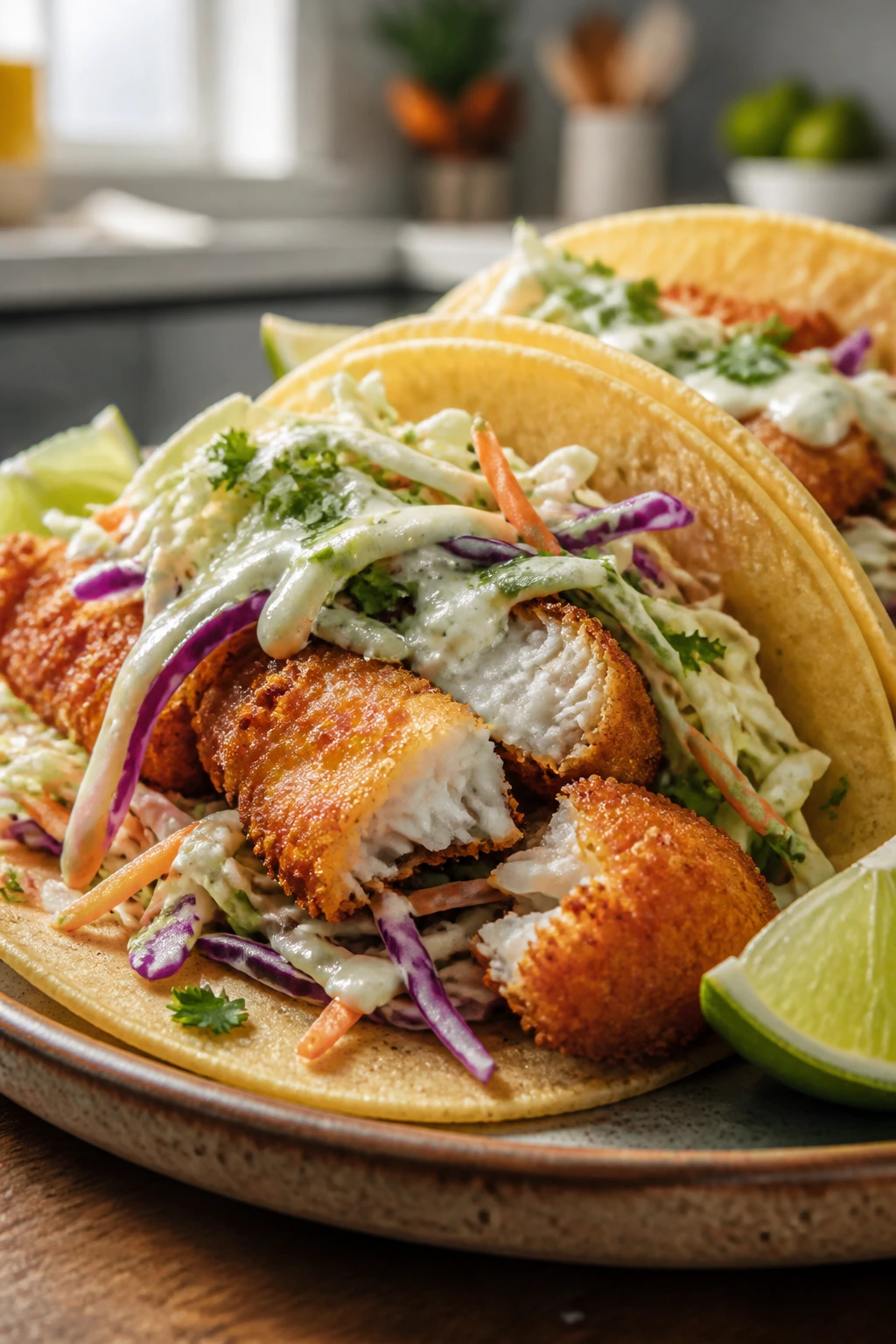
Frozen white fish can be a very good shortcut when you treat it right. The fish gets a quick skillet sear, the slaw brings crunch, and the tacos stay light enough to eat without feeling heavy at the end of a long day.
Why It Works: Mild fish cooks in minutes, which makes it one of the easiest proteins to fit into a 30-minute dinner. Cabbage slaw is cheap, crisp, and fast to stir together. A little lime and yogurt give the tacos the cool contrast they need.
Key Ingredients:
- 1 pound white fish fillets, such as cod, tilapia, or pollock, thawed and patted dry
- 1 teaspoon paprika
- 1 teaspoon cumin
- 1/2 teaspoon salt
- 1 tablespoon oil
- 3 cups shredded cabbage
- 1/2 cup plain yogurt or mayonnaise
- 1 tablespoon lime juice
- 8 corn tortillas
- 2 tablespoons chopped cilantro
Quick Steps:
- Mix the cabbage, yogurt, lime juice, cilantro, and a pinch of salt in a bowl.
- Season the fish with paprika, cumin, and salt.
- Heat the oil in a skillet over medium-high heat and cook the fish for 2 to 3 minutes per side until it flakes easily.
- Warm the tortillas in a dry skillet or directly over a flame.
- Assemble the tacos with fish and slaw, then serve right away.
Equipment for This Recipe:
- Skillet
- Mixing bowl
- Spatula
How to Serve This Dish: Serve the tacos with extra lime wedges and hot sauce. A side of black beans or rice makes them feel more like dinner if you need more food on the table.
Pro Tips for This Recipe:
- Dry the fish well before seasoning so it sears instead of steaming.
- Warm corn tortillas one at a time so they stay flexible.
- Keep the slaw crisp by mixing it right before serving.
Variations on This Dish:
- Creamy Taco Version: Add a spoonful of sour cream or chipotle mayo to the slaw.
- Baja-Style Swap: Use a cabbage-heavy slaw with extra lime and a pinch of oregano.
Common Mistakes to Avoid with This Dish:
- Cooking fish too long: It turns dry fast. Pull it when it flakes and the center looks opaque.
- Assembling too early: The tortillas soften. Build the tacos at the last minute.
14. One-Pan Taco Pasta
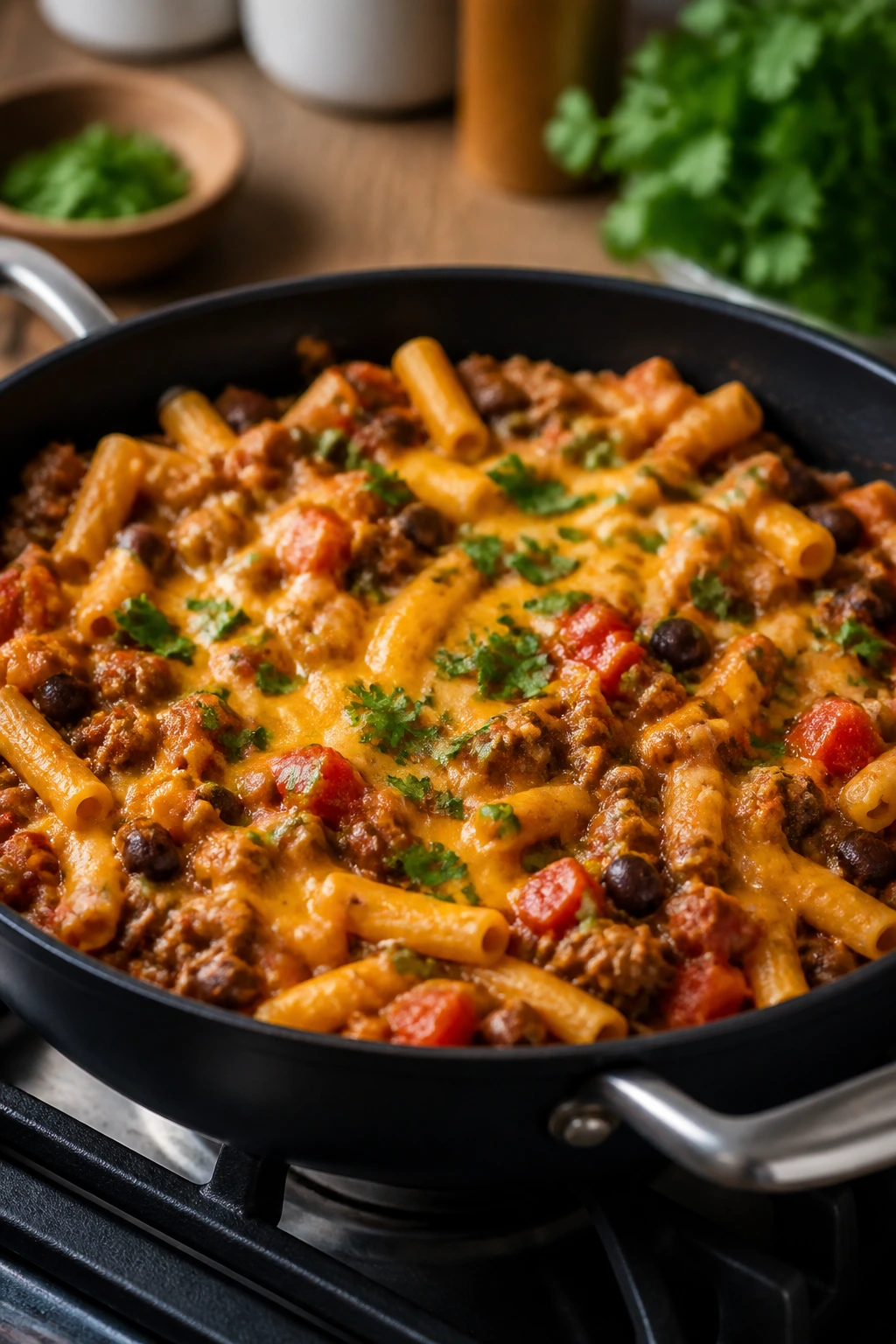
Taco pasta is what happens when dinner stops pretending it needs separate bowls for everything. The beef, tomatoes, pasta, beans, and cheese all cook together, which makes the sauce richer than you’d expect from such a short ingredient list.
Why It Works: Small pasta shapes absorb liquid fast, which means the whole dish finishes in one pan instead of boiling pasta separately. Taco seasoning gives the sauce instant personality. Beans and corn stretch the meal without stretching the budget.
Key Ingredients:
- 1 pound ground beef or ground turkey
- 1 small onion, diced
- 2 garlic cloves, minced
- 2 tablespoons taco seasoning
- 1 can diced tomatoes, 14.5 ounces
- 2 cups low-sodium broth
- 8 ounces small pasta such as shells or rotini
- 1 cup black beans, drained and rinsed
- 1 cup corn
- 1 cup shredded cheddar
- 1 tablespoon oil
Quick Steps:
- Heat the oil in a deep skillet and cook the onion for 2 minutes.
- Add the meat and brown it for 5 to 6 minutes, then stir in the garlic and taco seasoning.
- Add the tomatoes, broth, and pasta. Simmer for 10 minutes, stirring often, until the pasta is tender.
- Stir in the beans and corn, then cook for 2 minutes more.
- Remove from the heat and fold in the cheese.
Equipment for This Recipe:
- Deep skillet or sauté pan
- Wooden spoon
- Lid
How to Serve This Dish: Serve it in bowls with chopped cilantro, jalapeños, or a spoonful of sour cream. A chopped lettuce salad on the side gives the plate some crunch and coolness.
Pro Tips for This Recipe:
- Stir often so the pasta doesn’t stick to the bottom.
- Keep a splash of broth nearby in case the pan thickens too fast.
- Fold the cheese in off the heat so it melts smoothly instead of turning stringy.
Variations on This Dish:
- Cheesy Green Chile Version: Add a small can of diced green chiles with the tomatoes.
- Vegetarian Taco Pasta: Skip the meat and use a second can of beans plus extra corn.
Common Mistakes to Avoid with This Dish:
- Using a narrow pan: The pasta needs room to cook evenly.
- Adding too little liquid: Small pasta drinks fast. If it looks dry before tender, add more broth.
15. Tuna Puttanesca Spaghetti
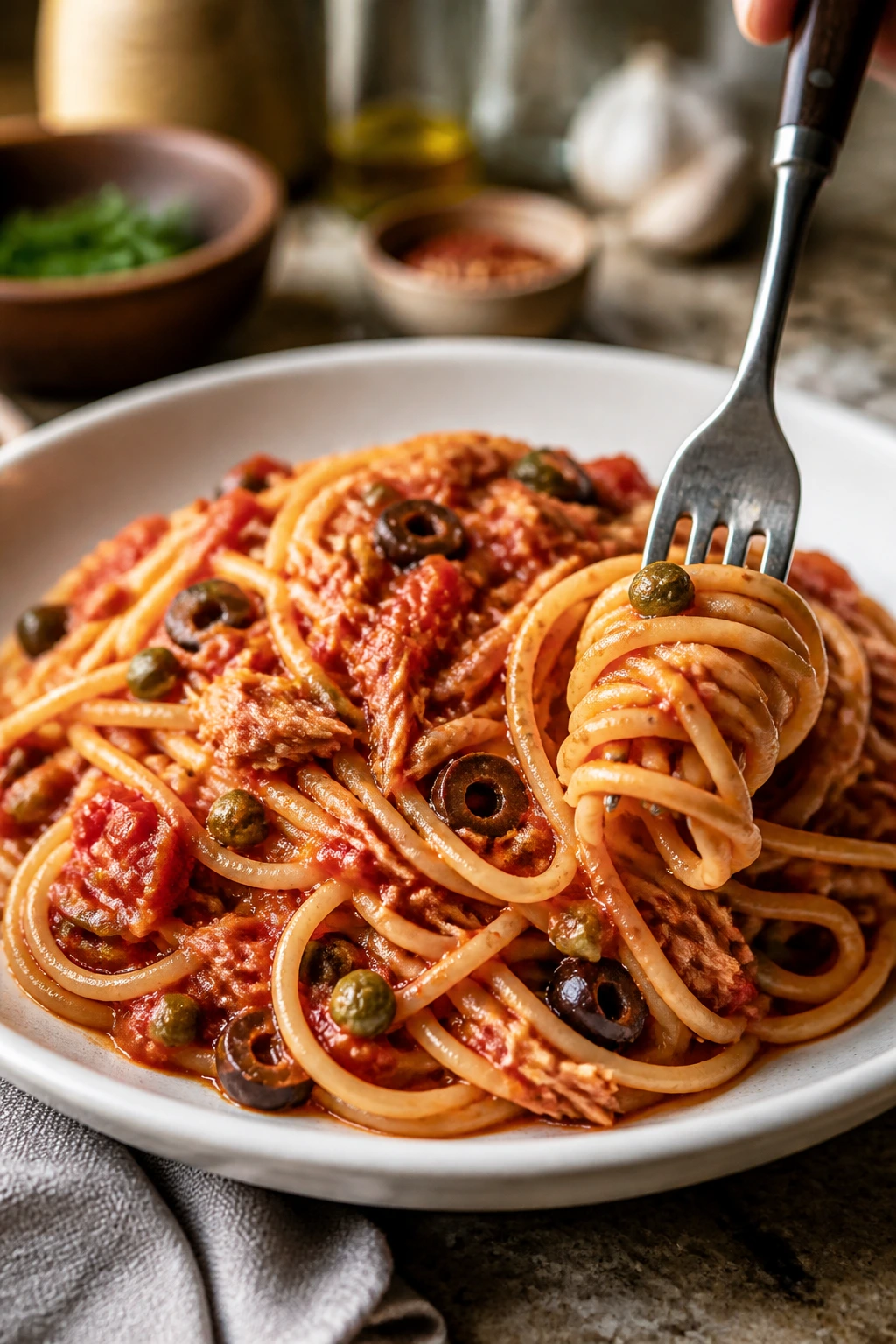
Tuna puttanesca is pantry cooking with a bit of attitude. Olives, capers, garlic, and tomatoes turn canned tuna into something briny and sharp, and the whole pan comes together before the pasta water even has time to cool.
Why It Works: Tuna gives the sauce protein without requiring a separate cook, and the salty ingredients do most of the seasoning work for you. Spaghetti holds onto the sauce well, but any long noodle will do. It’s a strong example of how a cheap pantry dinner can still taste deliberate.
Key Ingredients:
- 12 ounces spaghetti
- 2 tablespoons olive oil
- 4 garlic cloves, sliced
- 1 can crushed tomatoes, 14.5 ounces
- 1 can tuna, drained
- 1/4 cup sliced olives
- 2 tablespoons capers, rinsed
- 1/2 teaspoon red pepper flakes
- 2 tablespoons chopped parsley
Quick Steps:
- Cook the spaghetti in salted water until al dente, then save 1/2 cup pasta water.
- Heat the olive oil in a skillet and cook the garlic for 30 seconds until fragrant.
- Add the tomatoes, olives, capers, and red pepper flakes. Simmer for 5 minutes.
- Stir in the tuna and break it into chunks, then toss with the pasta and a splash of pasta water.
- Finish with parsley and serve hot.
Equipment for This Recipe:
- Large pot
- Skillet
- Colander
How to Serve This Dish: Serve with a green salad or toasted bread. A little extra olive oil or black pepper on top is enough; the capers and olives already bring plenty of personality.
Pro Tips for This Recipe:
- Rinse the capers so the sauce doesn’t go from briny to harsh.
- Add the tuna at the end so it stays in chunks, not flakes into dust.
- Use olive oil-packed tuna if you want a fuller flavor and have it on hand.
Variations on This Dish:
- Spicy Tomato Tuna Pasta: Double the red pepper flakes and add a spoonful of chili paste.
- Garlicky White Tuna Version: Use white tuna and add extra garlic for a softer, milder flavor.
Common Mistakes to Avoid with This Dish:
- Over-salting too soon: Olives, capers, and tuna already carry salt. Taste first.
- Overcooking the garlic: It should smell sweet, not bitter. Thirty seconds is usually enough.
16. Egg Roll in a Bowl
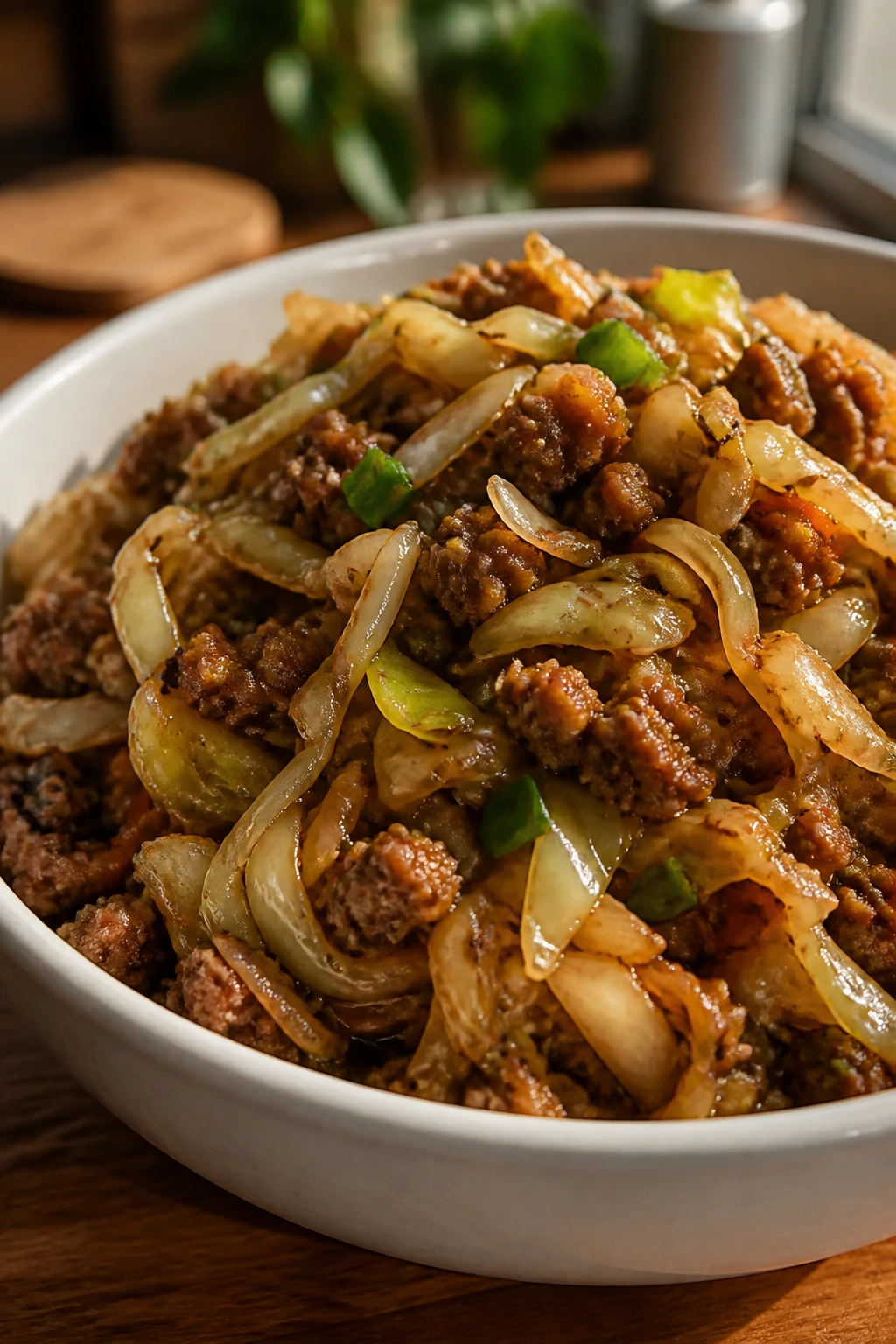
Egg roll in a bowl tastes better than it sounds, which is useful because the name can mislead people. The cabbage stays crisp-tender, the meat picks up soy and ginger, and the sesame oil at the end gives the skillet that takeout-style smell without the wrapper.
Why It Works: Coleslaw mix or shredded cabbage cooks in minutes, so it fits the clock without effort. Ground pork or turkey soaks up the sauce quickly, and the whole skillet needs only one pan and a few seasonings. It is cheap enough to repeat, which is why it keeps showing up on weeknights.
Key Ingredients:
- 1 pound ground pork or ground turkey
- 1 bag coleslaw mix, about 14 ounces
- 3 garlic cloves, minced
- 1 tablespoon grated ginger
- 3 tablespoons soy sauce
- 1 tablespoon rice vinegar
- 1 teaspoon sesame oil
- 2 green onions, sliced
- 1 tablespoon oil
- Sriracha, optional
Quick Steps:
- Heat the oil in a large skillet and brown the meat for 5 to 6 minutes.
- Add the garlic and ginger and cook for 30 seconds.
- Stir in the coleslaw mix, soy sauce, and rice vinegar. Cook for 3 to 4 minutes until the cabbage softens but still has bite.
- Drizzle with sesame oil and top with green onions and sriracha if you want heat.
Equipment for This Recipe:
- Large skillet
- Spatula
- Measuring spoons
How to Serve This Dish: Serve it as-is in bowls, or spoon it over rice if you want it to go farther. A few sesame seeds on top are enough to make it feel complete.
Pro Tips for This Recipe:
- Don’t overcook the cabbage. You want tender-crisp, not limp.
- Add the sesame oil after the heat is off so the flavor stays strong.
- If using frozen ground pork or turkey, thaw it fully before cooking so the pan browns instead of steams.
Variations on This Dish:
- Turkey Egg Roll Bowl: Use ground turkey and add a tiny splash of extra soy sauce for depth.
- Spicy Chili Crisp Version: Stir in 1 tablespoon chili crisp at the end.
Common Mistakes to Avoid with This Dish:
- Cooking the cabbage too long: It loses its crunch and gets sad fast.
- Forgetting the acid: Rice vinegar keeps the skillet from tasting flat.
17. BBQ Chicken Flatbread Pizzas
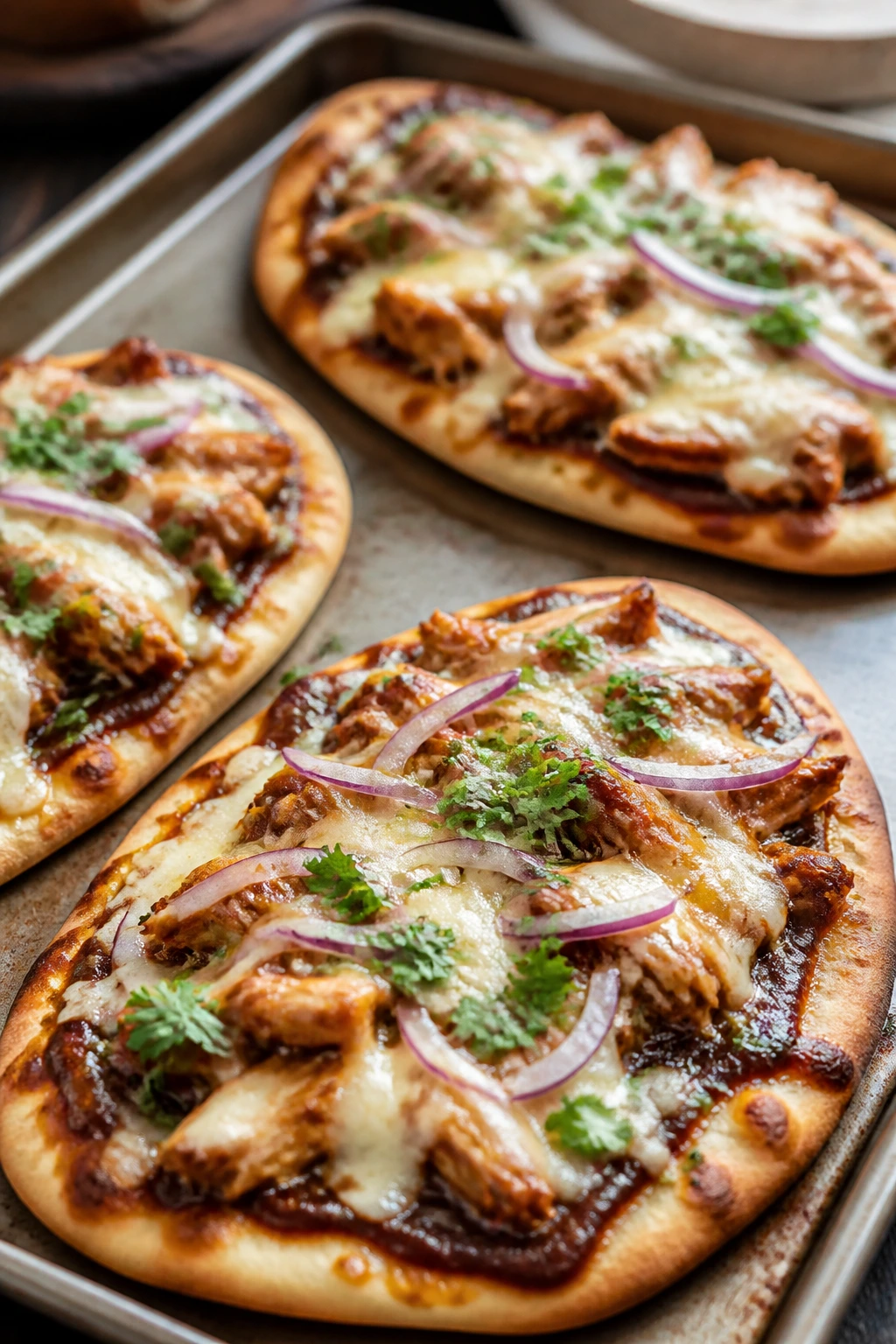
Flatbread pizzas are what happen when dinner gets smart instead of complicated. Store-bought naan, cooked chicken, BBQ sauce, and cheese bake into a dinner that feels built, not assembled, even though the oven does most of the work.
Why It Works: The ingredients are already cooked or nearly there, so the oven just has to melt, crisp, and warm. Rotisserie chicken or leftovers make the recipe move quickly. The red onion cuts through the sweetness of the BBQ sauce and keeps the whole thing from tasting one-note.
Key Ingredients:
- 2 naan breads or 4 small flatbreads
- 2 cups shredded cooked chicken
- 1/2 cup BBQ sauce
- 1 cup shredded mozzarella
- 1/2 red onion, thinly sliced
- 1/4 cup chopped cilantro
- 1 teaspoon olive oil
Quick Steps:
- Heat the oven to 450°F and place the flatbreads on a sheet pan.
- Mix the chicken with the BBQ sauce.
- Brush the flatbreads lightly with olive oil, then top with the sauced chicken, mozzarella, and red onion.
- Bake for 8 to 10 minutes until the cheese melts and the edges crisp.
- Finish with cilantro and slice.
Equipment for This Recipe:
- Sheet pan
- Knife
- Cutting board
How to Serve This Dish: Serve the flatbreads cut into wedges with a simple salad or a pile of sliced cucumbers. If you want more dinner on the plate, pair one flatbread with roasted frozen vegetables.
Pro Tips for This Recipe:
- Don’t overload the flatbread. Too much topping keeps the crust soft.
- Use cooked chicken that is already seasoned if you have it; the BBQ sauce will still carry the flavor.
- If the naan is thick, give it a minute longer than a thinner flatbread.
Variations on This Dish:
- Buffalo Chicken Flatbread: Swap the BBQ sauce for buffalo sauce and add blue cheese.
- Veggie BBQ Flatbread: Use sautéed mushrooms and onions instead of chicken.
Common Mistakes to Avoid with This Dish:
- Using too much sauce: The bread gets soggy. A thin layer is enough.
- Skipping the hot oven: The crust needs direct heat to crisp.
18. Lentil Bolognese over Spaghetti
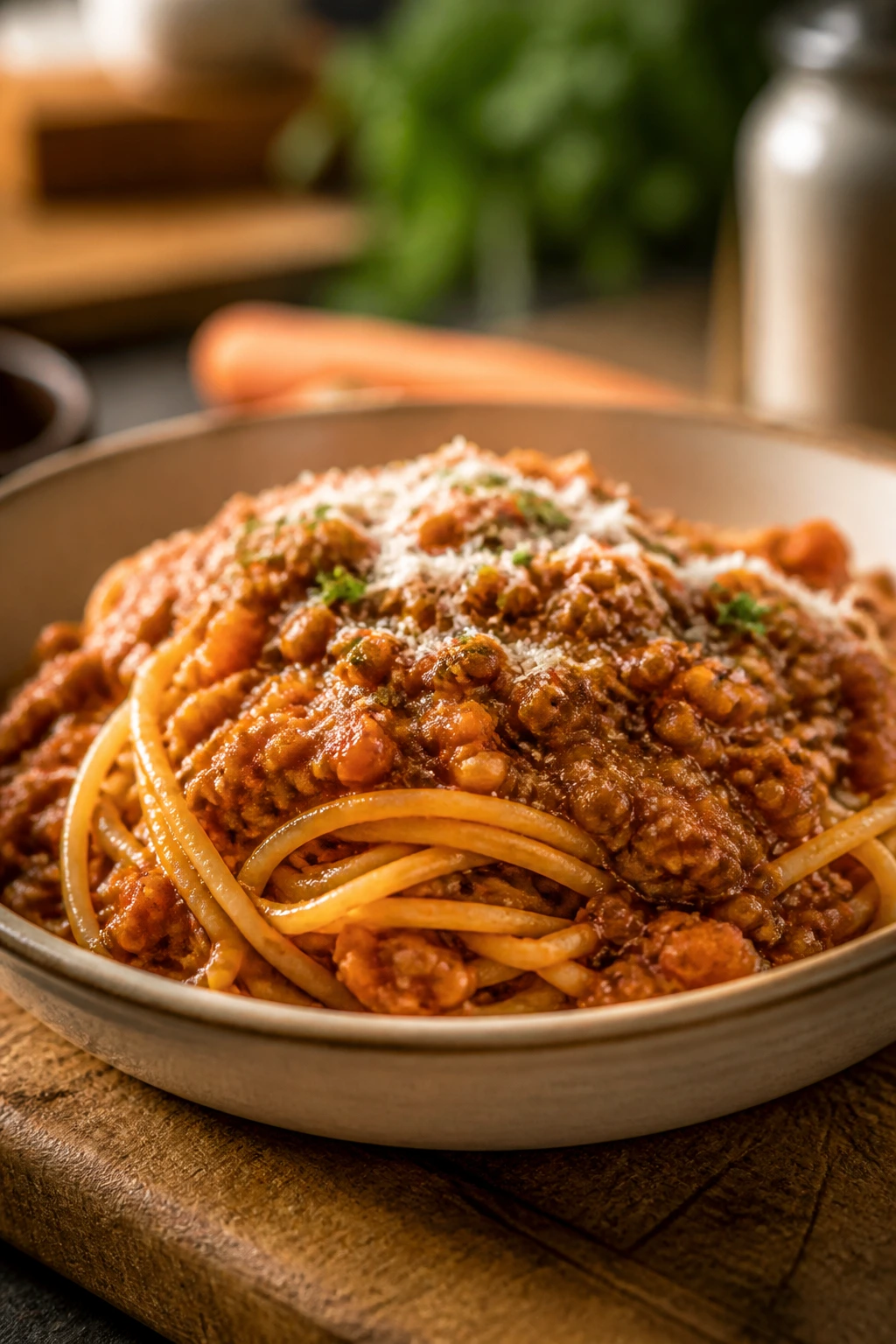
Red lentils cook like they have something to prove. They soften fast, thicken the sauce without any meat, and turn a tomato base into something rich enough to coat spaghetti properly.
Why It Works: Red lentils do not need soaking and usually cook in about 15 minutes. They break down just enough to thicken the sauce, which saves you from reducing forever. Onion, carrot, celery, and garlic give the sauce the familiar bolognese base without the long simmer.
Key Ingredients:
- 1 cup red lentils, rinsed
- 1 onion, diced
- 1 carrot, diced small
- 1 celery stalk, diced small
- 3 garlic cloves, minced
- 1 can crushed tomatoes, 14.5 ounces
- 2 cups low-sodium broth
- 12 ounces spaghetti
- 1 teaspoon Italian seasoning
- 1/4 cup grated Parmesan
- 1 tablespoon olive oil
Quick Steps:
- Boil the spaghetti in salted water until al dente.
- Heat the olive oil in a skillet and cook the onion, carrot, and celery for 5 minutes.
- Add the garlic, lentils, tomatoes, broth, and Italian seasoning. Simmer for 15 minutes, stirring often, until the lentils are soft and the sauce is thick.
- Toss the sauce with the pasta and finish with Parmesan.
Equipment for This Recipe:
- Large pot
- Skillet
- Wooden spoon
How to Serve This Dish: Serve with extra Parmesan and black pepper. A side of garlic toast or a simple salad keeps the plate from feeling too heavy.
Pro Tips for This Recipe:
- Rinse the lentils so they cook cleanly and don’t foam.
- If the sauce gets too thick before the lentils soften, add a splash of broth.
- Red lentils break down faster than brown ones, which is exactly what you want here.
Variations on This Dish:
- Mushroom Lentil Bolognese: Add 8 ounces chopped mushrooms with the vegetables.
- Spicy Tomato Lentils: Add red pepper flakes with the garlic.
Common Mistakes to Avoid with This Dish:
- Using brown lentils instead of red: They take longer and won’t give the same sauce texture.
- Under-seasoning at the end: Lentils soak up salt. Taste before serving.
19. Pesto Tortellini with Peas
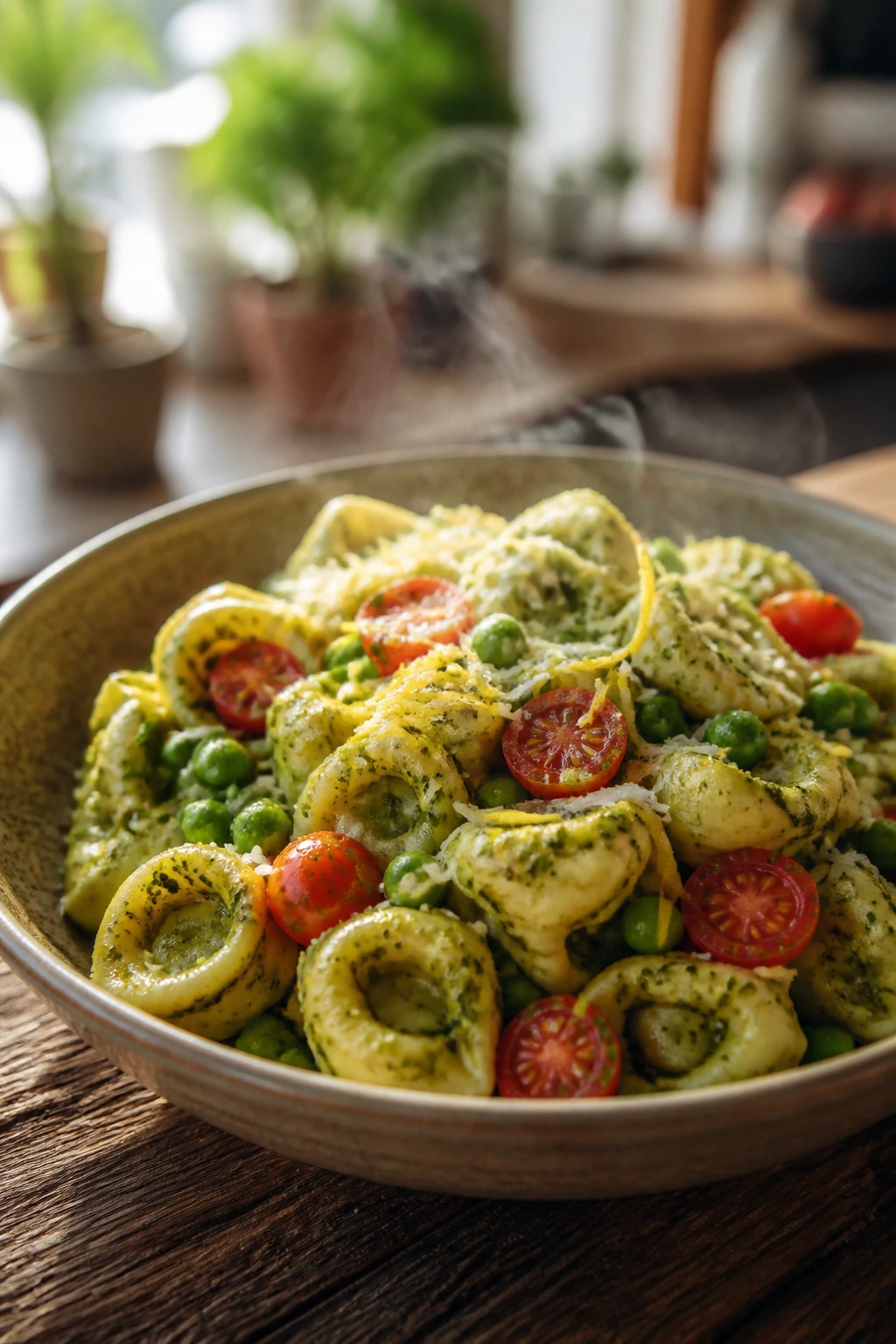
Refrigerated tortellini is a weeknight cheat that earns its place. Add peas, pesto, and a little lemon, and the bowl lands somewhere between comforting and fresh without demanding an extra sauce pan.
Why It Works: Tortellini cooks fast because the filling is already there; you’re really just heating it through. Frozen peas can go into the pasta water for the last minute, which keeps the whole dinner on a single clock. Pesto needs no cooking, which is part of why it belongs in quick meals.
Key Ingredients:
- 20 ounces refrigerated cheese tortellini
- 1 cup frozen peas
- 1/3 cup basil pesto
- 1/4 cup grated Parmesan
- 1 teaspoon lemon zest
- 1/2 cup halved cherry tomatoes
- Black pepper, to taste
Quick Steps:
- Bring a pot of salted water to a boil and cook the tortellini.
- Add the peas during the last minute of cooking.
- Drain the tortellini and peas, then return them to the pot.
- Toss with pesto, Parmesan, lemon zest, tomatoes, and black pepper.
- Serve immediately.
Equipment for This Recipe:
- Large pot
- Colander
- Mixing spoon
How to Serve This Dish: Serve it in bowls with extra Parmesan and a few basil leaves if you have them. A side of sliced cucumbers or a plain salad keeps the meal from feeling too soft.
Pro Tips for This Recipe:
- Keep the pesto off the heat. Warm pasta is enough to loosen it.
- Use frozen peas straight from the bag; no need to thaw.
- Lemon zest matters here. It stops the pesto from tasting too heavy.
Variations on This Dish:
- Creamy Pesto Tortellini: Stir in a spoonful of ricotta or cream cheese.
- Tomato-Basil Version: Double the cherry tomatoes and add a little extra black pepper.
Common Mistakes to Avoid with This Dish:
- Overcooking the tortellini: It gets soft quickly. Taste early.
- Using too much pesto at once: Start with less and add more if needed.
20. Broccoli Cheddar Potato Soup
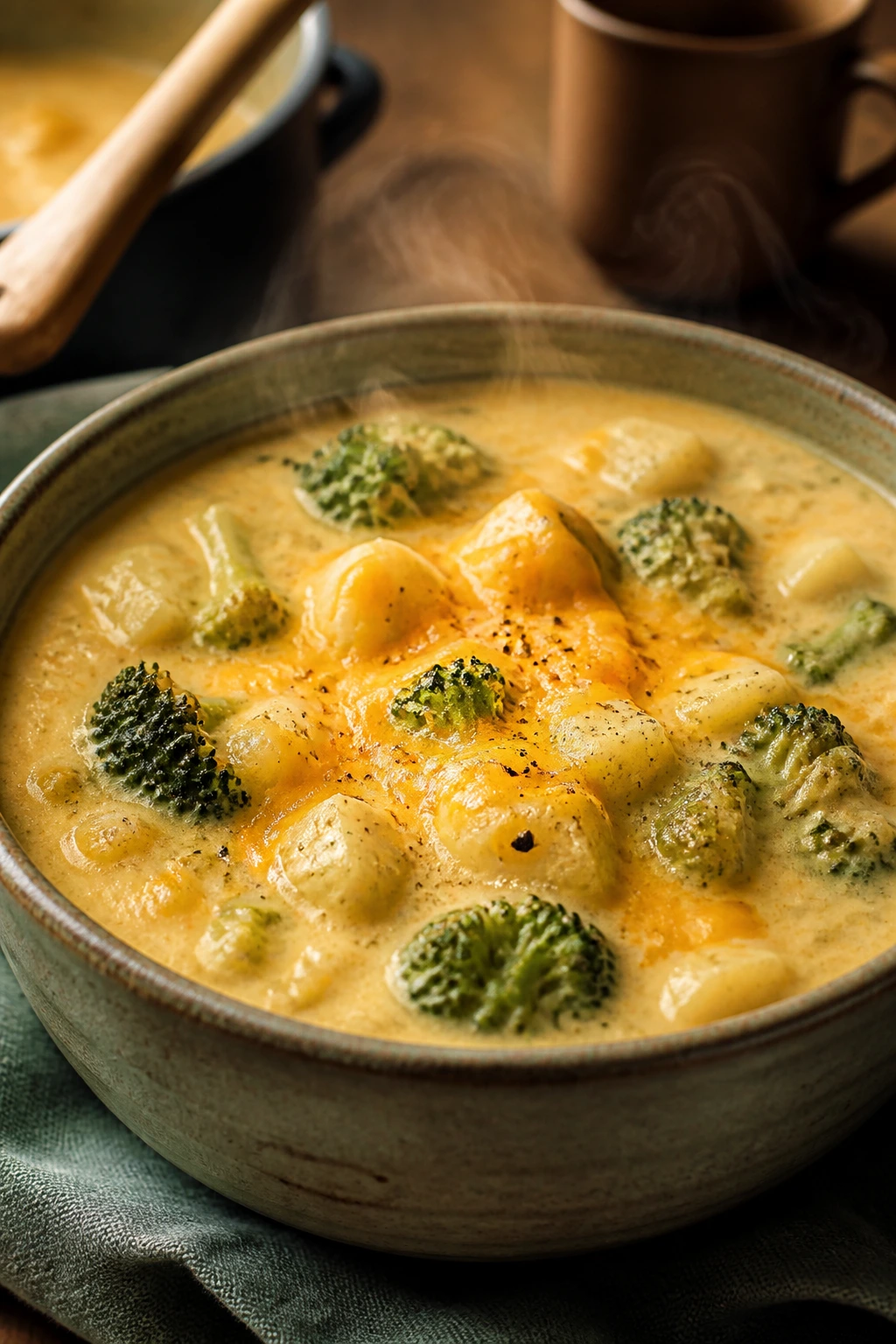
Broccoli cheddar soup can sound like a longer project than it is, especially if you dice the potatoes small. The pot turns creamy, the broccoli softens just enough, and the cheddar gives the soup the salty finish that keeps people going back for another spoonful.
Why It Works: Small potato cubes cook quickly and help thicken the broth as they break down a little. Broccoli goes in late so it stays green and doesn’t disappear. A simple flour-and-butter base gives the soup body without a long roux.
Key Ingredients:
- 1 pound russet potatoes, peeled and diced small
- 4 cups broccoli florets, chopped small
- 1 small onion, diced
- 3 cups low-sodium broth
- 1 cup milk
- 2 cups shredded cheddar
- 2 tablespoons butter
- 2 tablespoons flour
- 1 teaspoon salt
- 1/2 teaspoon black pepper
Quick Steps:
- Melt the butter in a pot and cook the onion for 3 minutes.
- Stir in the flour and cook for 1 minute.
- Whisk in the broth, then add the potatoes. Simmer for 10 to 12 minutes until the potatoes are nearly tender.
- Add the broccoli and simmer for 4 more minutes.
- Stir in the milk and cheddar off the heat until melted.
- Season with salt and pepper and serve hot.
Equipment for This Recipe:
- Large pot
- Whisk
- Wooden spoon
How to Serve This Dish: Serve with bread, crackers, or toast soldiers if that’s your thing. A little extra cheddar on top looks and tastes right, and a pinch of black pepper keeps the soup from feeling too soft.
Pro Tips for This Recipe:
- Dice the potatoes small so they finish on time.
- Add the cheese off the heat so it melts smoothly.
- If you want a thicker soup, mash a few potatoes against the side of the pot.
Variations on This Dish:
- Loaded Potato Broccoli Soup: Top with chopped scallions and a spoonful of sour cream.
- Dairy-Light Version: Use less cheese and finish with a splash of extra broth.
Common Mistakes to Avoid with This Dish:
- Cutting the potatoes too large: They won’t soften in 30 minutes.
- Boiling after adding cheese: The soup can grain up. Keep the heat low.
21. Greek Chicken Pita Pockets
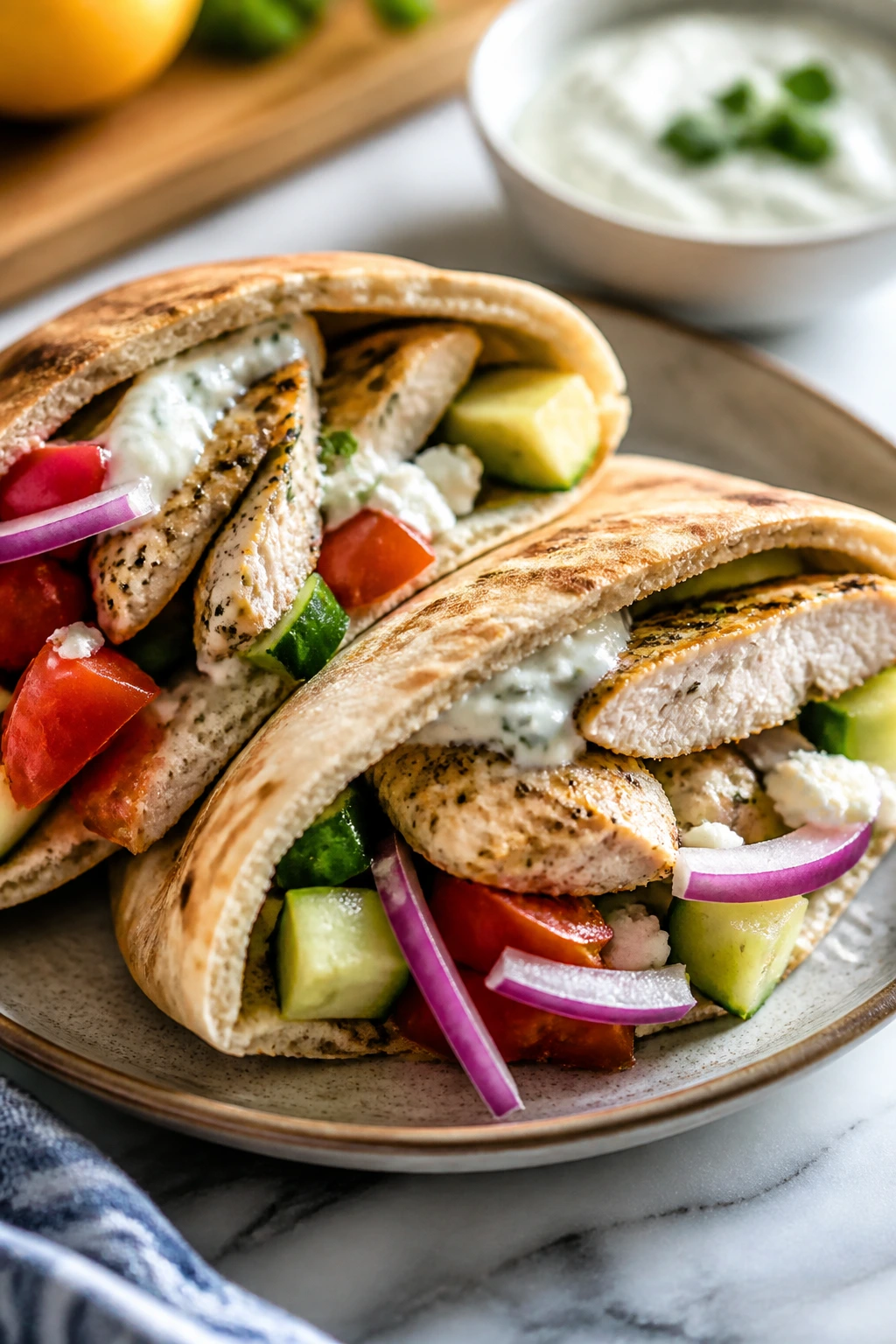
Chicken pitas are one of those dinners that look casual but still feel complete. The chicken gets oregano and garlic, the yogurt sauce cools everything down, and the cucumber-tomato mix gives each bite a crisp finish.
Why It Works: Thin chicken cutlets cook quickly and stay juicy if you don’t overdo them. Pitas warm in seconds, and the yogurt sauce doubles as both dressing and dip. The ingredients are simple enough to keep the grocery bill in check.
Key Ingredients:
- 1 pound chicken breast cutlets or thin-sliced chicken breasts
- 2 tablespoons olive oil
- 1 teaspoon dried oregano
- 1 teaspoon garlic powder
- 1 teaspoon salt
- 4 pita breads
- 1 cup diced cucumber
- 1 cup diced tomatoes
- 1/2 cup thinly sliced red onion
- 1 cup plain Greek yogurt
- 1 tablespoon lemon juice
Quick Steps:
- Season the chicken with olive oil, oregano, garlic powder, and salt.
- Heat a skillet over medium-high heat and cook the chicken for 3 to 4 minutes per side until it reaches 165°F.
- Stir the yogurt and lemon juice together.
- Warm the pita breads in the skillet for 30 seconds per side.
- Slice the chicken and stuff the pitas with chicken, cucumber, tomatoes, onion, and yogurt sauce.
Equipment for This Recipe:
- Skillet
- Knife
- Cutting board
- Small bowl
How to Serve This Dish: Serve the pitas with olives, a few fries, or a simple cucumber salad if you want the plate to lean Mediterranean. They also pack well if you need dinner to become tomorrow’s lunch.
Pro Tips for This Recipe:
- Pound the chicken lightly if the cutlets are uneven.
- Drain the cucumber a little if it’s very watery.
- Warm the pita so it bends instead of cracking.
Variations on This Dish:
- Chicken Bowl Version: Serve everything over rice instead of inside pita.
- Chickpea Pita Swap: Replace the chicken with warm chickpeas and extra yogurt sauce.
Common Mistakes to Avoid with This Dish:
- Overstuffing the pita: It tears before you finish the first bite. Keep the filling reasonable.
- Skipping the lemon in the yogurt: The sauce tastes flat without it.
22. Chili Garlic Noodles with Egg and Cabbage
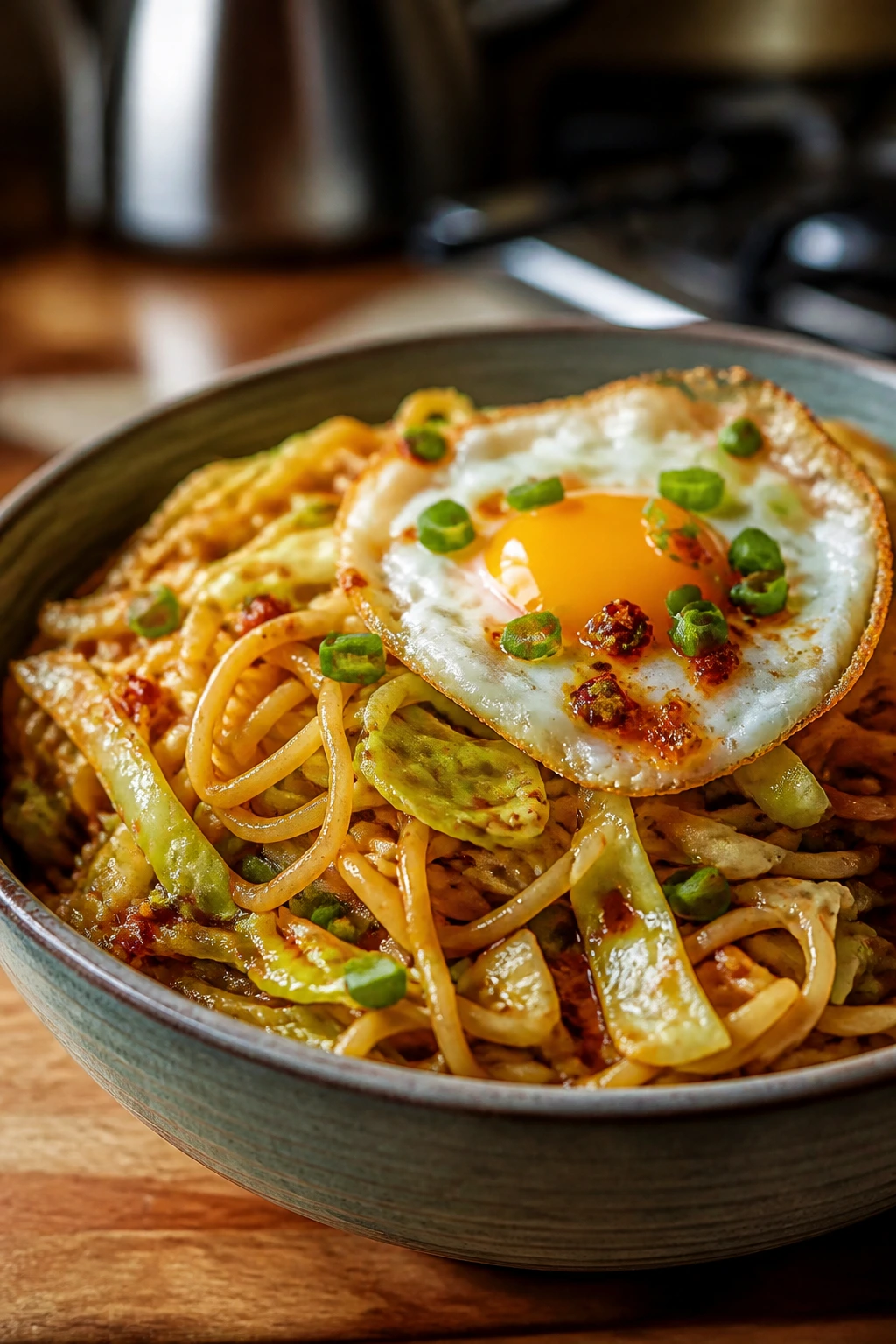
Chili garlic noodles are the sort of meal that makes the pantry feel smarter than it looked five minutes ago. The sauce clings to the noodles, the cabbage softens just enough, and the egg adds enough richness to turn a cheap bowl into dinner.
Why It Works: Noodles cook in minutes, eggs cook even faster, and cabbage is cheap enough to keep around without feeling wasteful. Chili garlic flavor comes together in one pan, which means you do not need a separate sauce project. The whole thing feels fast because it is.
Key Ingredients:
- 8 ounces lo mein noodles or spaghetti
- 2 large eggs
- 3 cups shredded cabbage
- 3 garlic cloves, minced
- 2 tablespoons soy sauce
- 1 tablespoon chili crisp or chili paste
- 1 tablespoon butter or neutral oil
- 2 green onions, sliced
- Sesame seeds, optional
Quick Steps:
- Cook the noodles according to package directions, then drain.
- Scramble the eggs in a large skillet with the butter or oil and remove them to a plate.
- Add the cabbage and garlic to the skillet and cook for 3 to 4 minutes until the cabbage softens.
- Stir in the soy sauce and chili crisp, then add the noodles and eggs. Toss for 1 minute until coated.
- Finish with green onions and sesame seeds.
Equipment for This Recipe:
- Large pot
- Large skillet or wok
- Tongs or spatula
How to Serve This Dish: Serve it in bowls with extra chili crisp for anyone who wants more heat. A few cucumber slices or a quick cucumber salad gives the bowl a cool edge that works nicely against the garlic.
Pro Tips for This Recipe:
- Keep the noodles a little firm so they do not break when tossed.
- Add the chili crisp after the cabbage softens so it stays fragrant.
- Use tongs to lift and turn the noodles; they coat better that way.
Variations on This Dish:
- Peanut Noodle Version: Stir in 1 tablespoon peanut butter with the soy sauce for a thicker, richer sauce.
- Extra-Egg Version: Add a third egg if you want more protein without spending more.
Common Mistakes to Avoid with This Dish:
- Overcooking the noodles: They get mushy once they hit the skillet. Pull them early.
- Using too much sauce too soon: Start modestly and add more if the noodles need it.
Smart Shopping for Cheap, Fast Ingredients
A good weeknight grocery list usually has a pattern. Once you spot it, the whole thing gets cheaper.
Buy proteins that move quickly and can be used in more than one dinner: ground turkey, ground beef, chicken thighs, thin-cut chicken breasts, shrimp, kielbasa, eggs, and canned tuna. If a chicken breast is thick, split it or pound it. If shrimp is frozen, thaw it in cold water and pat it dry so it sears instead of steaming.
Keep a few pantry pieces that do more than one job: canned tomatoes, black beans, chickpeas, coconut milk, broth, rice, pasta, tortillas, pesto, salsa, soy sauce, and chili crisp. These ingredients carry flavor and save time. They also help you stretch a grocery order when the fridge is not full.
Frozen vegetables are a smart buy, not a backup for failure. Broccoli, peas, corn, and spinach can all go straight into a hot pan or a simmering soup. The main trick is to keep them from flooding the skillet. If a bag seems icy, give the vegetables a quick shake in a colander first.
Cheese is worth thinking about. A block of cheddar, Parmesan, or mozzarella usually tastes better, but pre-shredded cheese can save enough time to matter on a packed night. Use the block when you want a smoother melt. Use the bag when you want dinner to happen before everyone gets cranky.
Also: buy cabbage, onions, carrots, and potatoes without hesitation. They are cheap, they hold well, and they show up in several of the recipes above without asking for special treatment.
How to Serve These Recipes Well
Presentation: Use shallow bowls for the saucy dinners — curry, taco pasta, lentil bolognese, fried rice — because they keep the food looking generous. Plate crispy dinners like quesadillas, fish tacos, and flatbreads with one simple side rather than a mountain of extra toppings. Clean edges help more than people think.
Accompaniments: Pick sides that are easy to repeat. Rice, bread, tortillas, simple salads, cucumber slices, roasted frozen broccoli, or a quick slaw are enough for most of these dinners. If the main dish is rich, choose something fresh. If the main dish is light, choose something starchy.
Portions: A normal adult serving for these dinners is usually 1 to 1 1/2 cups of the finished dish, or 2 tacos, or 1 stuffed pita, depending on the format. If you need to stretch the meal, add a side of rice, bread, or salad rather than watering down the main dish. That keeps the leftovers useful too.
Beverage Pairing: Sparkling water with lime goes with almost everything here. Unsweetened iced tea works well with tacos, quesadillas, and flatbread nights. A light beer or pale lager fits the sausage, kielbasa, and fish taco recipes nicely if you want something colder and a little less fussy.
Make-Ahead, Storage, and Reheating Guidance
The USDA’s basic food safety advice is simple and worth following: chill cooked food within 2 hours, and reheat leftovers until they reach 165°F. That matters most with chicken, turkey, rice, and anything saucy enough to sit around warm for a while.
Most of these dinners hold well in the fridge for 3 to 4 days. Shrimp and fish are the exceptions; they are better within 2 to 3 days because the texture changes faster. Pasta sauces, taco fillings, curry, lentil bolognese, and soup all freeze well for up to 2 months in airtight containers. Fried rice, egg roll in a bowl, and sausage pasta can freeze too, though the texture softens a little when they come back.
Reheat skillet meals in a skillet with a splash of water or broth so the sauce loosens before it dries out. Pasta and noodles do better over low heat than in a screaming microwave. Soup can go back on the stove over medium-low heat and should be stirred often, especially if it contains dairy or cheese. Quesadillas and flatbreads are best re-crisped in a dry skillet or a hot oven for a few minutes rather than microwaved into submission.
For make-ahead work, chop onions, peppers, cabbage, and carrots up to 2 days ahead. Mix spice blends in small jars. Cook rice the day before if fried rice is on the menu. Shred cheese early if that saves you 3 minutes later, because 3 minutes is not nothing when dinner is already late.
Variations and Adaptations to Try
-
Gluten-Free Night In: Swap in corn tortillas, rice, potatoes, gluten-free pasta, and tamari. Most of the recipes here adapt cleanly because the sauces do the heavy lifting.
-
Dairy-Free Comfort: Use coconut milk in curry, olive oil instead of butter where it makes sense, and skip the cheese on tacos or flatbreads. A squeeze of lemon or lime helps replace the richness you lose.
-
Vegetarian Pantry Swap: Lean on chickpeas, black beans, lentils, mushrooms, and eggs. The taco skillet, curry, soup, orzo, and noodle dishes all take to this kind of swap without getting fussy.
-
Kid-Calm Version: Keep chili flakes, hot sauce, and chili crisp off the table at first. Mild cheese, a little extra pasta, and sauces served on the side usually make the plate easier for smaller eaters.
-
Low-Sodium Reset: Use low-sodium broth, rinse canned beans and capers, and season in layers instead of dumping the salt in at the start. A little acid at the end does more than people expect.
-
Spice-Forward Upgrade: Add jalapeños, Calabrian chili paste, chili crisp, or extra black pepper to the dishes that can handle it. Heat belongs at the finish when you want it to stay vivid.
Common Mistakes That Slow Dinner Down
-
Starting without a plan: If the onions are chopped after the pan is hot and the pasta water isn’t on, the clock loses. Put the ingredients in rough order before you turn on the heat.
-
Using ingredients that cook at different speeds: Thick chicken breasts, giant broccoli florets, and hard potatoes do not fit the 30-minute promise unless you cut them smaller. Match the pieces to the time you actually have.
-
Crowding the pan: A packed skillet steams everything. Brown the meat, then give the vegetables room. If needed, cook in two batches. It takes less time than fixing bland food later.
-
Under-seasoning at the end: Fast dinners need finishing salt, acid, or both. If the food tastes flat, it usually needs lemon, lime, vinegar, soy sauce, or a bit more salt — not more time on the stove.
-
Overcooking the quick stuff: Shrimp, fish, spinach, tortellini, and noodles all go from done to tired faster than you’d like. Pull them early and let carryover heat do the rest.
-
Treating leftovers badly: Leave saucy food in a deep container while it cools and it stays warm too long. Spread it in a shallow container when possible, then refrigerate promptly.
Frequently Asked Questions
Can I make these recipes with frozen vegetables?
Yes, and in some cases they work better than fresh produce that has been sitting around for too long. Frozen peas, corn, broccoli, and spinach can go straight into a hot pan or simmering sauce without much trouble.
What’s the cheapest protein to keep around for these dinners?
Eggs, beans, lentils, ground turkey on sale, and canned tuna usually give the most mileage for the least money. Chicken thighs also stretch well if you buy them in family packs and freeze what you do not cook right away.
How do I keep pasta dishes from drying out when I reheat them?
Add a splash of water, broth, or milk before reheating, then warm them over low heat or in short microwave bursts. Pasta absorbs sauce as it sits, so a little liquid brings it back without turning it soupy.
Can I use microwave rice or leftover rice for fried rice and bowls?
Absolutely. In fact, cold leftover rice often fries better because the grains are drier and separate more cleanly in the pan. Microwave rice works too if you let the steam escape before adding it.
What if I only have one skillet and no extra pots?
Choose the skillet dinners: taco skillet, egg roll in a bowl, sausage and peppers, chicken thighs, cabbage skillet, or chili noodles. When a recipe needs pasta or rice, cook the main component first, move it to a bowl, then use the same pan for the sauce.
Are these recipes good for meal prep?
The saucy ones are. Curry, taco filling, lentil bolognese, soup, and egg roll in a bowl hold up well for a few days in the fridge. Crisp dishes like quesadillas, fish tacos, and flatbreads are better cooked fresh, though you can prep the fillings ahead.
How do I keep chicken from drying out in a 30-minute dinner?
Use thinner cuts, a hot pan, and a thermometer. Chicken should reach 165°F, and if the pieces are thick, pound or slice them before cooking so the outside does not overdo the job while the center catches up.
What is the easiest way to make these dinners feel less repetitive?
Change the finish, not the whole recipe. Lemon, lime, parsley, scallions, hot sauce, yogurt, cheese, sesame oil, or chopped herbs can make the same basic ingredients taste different enough to matter.
Dinner That Doesn’t Fight the Clock
The best part of a 30-minute dinner is not speed for its own sake. It is the relief of having a real meal on the table without turning the evening into a project that lasts longer than the daylight in the kitchen. Once you know the pattern — fast protein or beans, quick vegetable, simple sauce, bright finish — dinner starts behaving itself.
That pattern is the one worth keeping close. Chicken thighs, taco filling, pasta, curry, rice bowls, cabbage skillets, noodle bowls — they all prove the same thing in slightly different clothes. When the ingredients are chosen well and the heat is managed with a little care, weeknight cooking stops feeling like a scramble and starts feeling like a habit you can trust.