



Thirty minutes is not much. Especially when the fridge is half empty, the kids are asking what’s for dinner, and the clock is doing that smug little tick it always does around 6 p.m.
The best 30 minute dinners are the ones that don’t act like time-saving food. They should still smell like dinner, feel like dinner, and eat like something you planned, not something you threw together while staring into a pantry. That’s where cheap family dinners get interesting: once you lean on pasta, rice, tortillas, beans, eggs, cabbage, frozen vegetables, and a few smart proteins, the budget stretches without making the plate feel thin.
I’ve always preferred meals that are blunt about what they are. A skillet of garlic spaghetti, a bubbling pot of tomato soup, a tray of taco pasta, a bowl of fried rice with crisp edges and a soft egg on top — those are the kinds of dinners that make a weekday stop feeling like a rescue mission. And if you keep the flavors big and the ingredient list short, you can get there fast.
Why These Dinners Earn a Spot on the Table
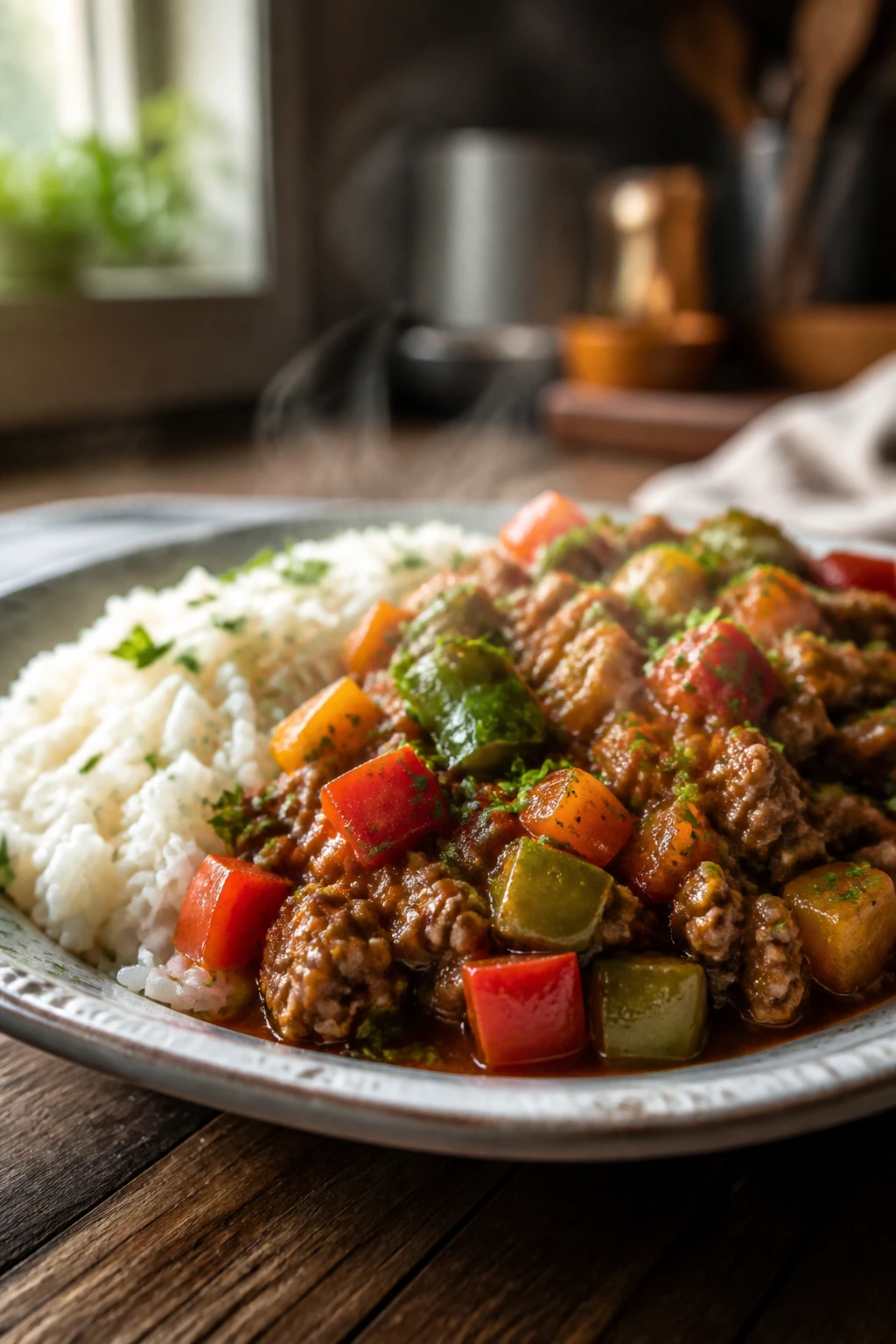
-
Pantry-first ingredients: Pasta, beans, tortillas, rice, canned tomatoes, and frozen vegetables do most of the work, which keeps the bill down without making dinner feel stripped bare.
-
Fast enough for real life: Every recipe here is built around short cooking times, quick sauces, and ingredients that don’t need an hour of babysitting.
-
Family-sized without fuss: These dinners make enough for a table of four to six, and most of them scale up with one extra can, one extra pack, or one extra cup of rice.
-
Flexible on leftovers: A few of these taste even better the next day, especially the saucy ones. That matters when lunch is already handled.
-
Low-stress cooking: Most of the heat stays on the stove, and most of the cleanup stays in one pot, one skillet, or one sheet pan.
-
Budget math that actually adds up: Store-brand cheese, frozen vegetables, canned beans, and cheaper cuts of meat can turn into a dinner that feels far more complete than the receipt suggests.
1. Garlic Butter Spaghetti with Peas
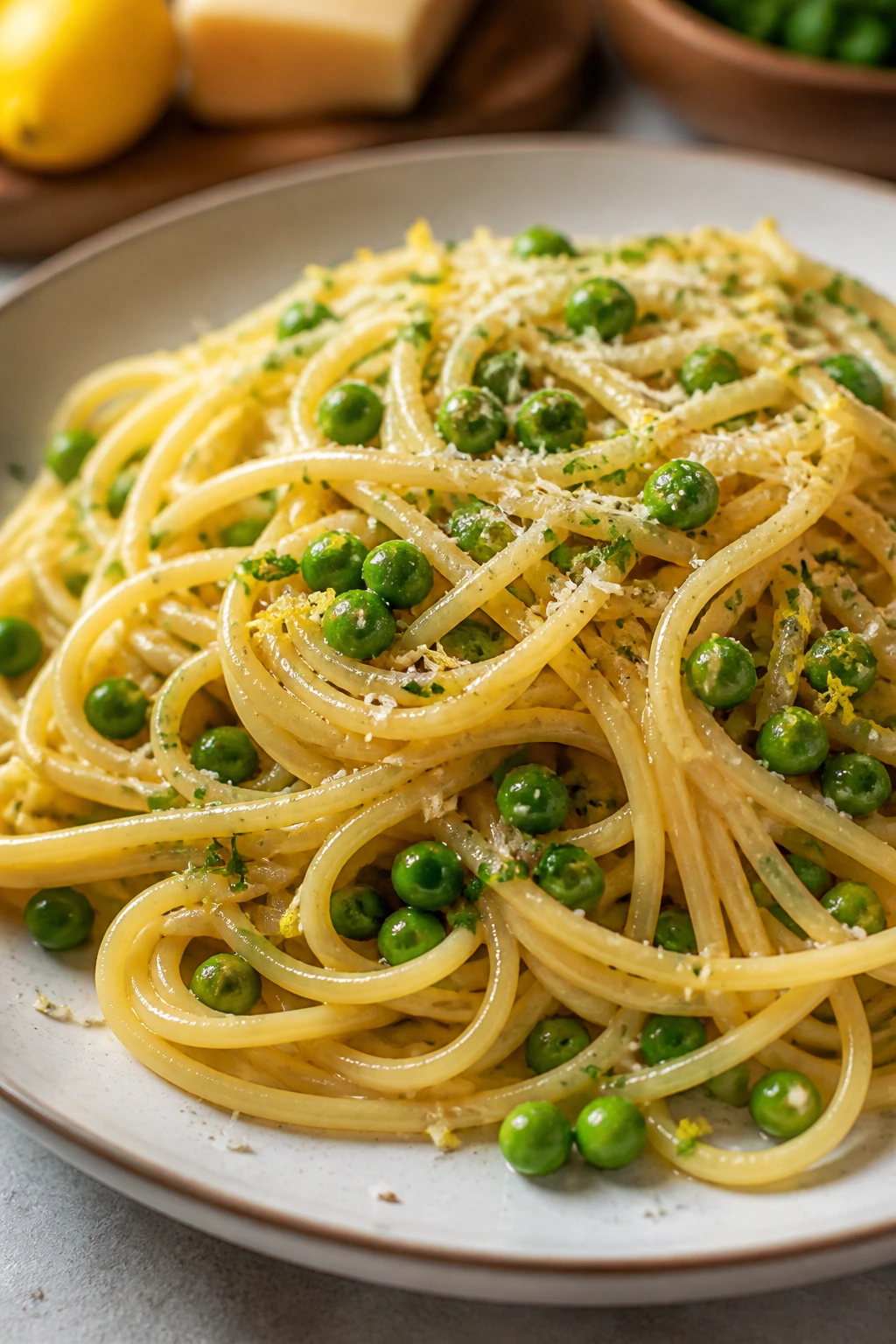
A bowl of buttered spaghetti sounds plain until the garlic hits the pan and the peas pop in at the end. This one comes out glossy, salty, and a little lemony, with the Parmesan clinging to every strand instead of sinking to the bottom.
Why It Works:
Butter carries the garlic flavor fast, and frozen peas need only a minute or two to turn sweet and bright. The reserved pasta water gives the sauce enough body to coat the noodles without turning the dish heavy.
Key Ingredients:
- 12 ounces spaghetti
- 3 tablespoons unsalted butter
- 3 cloves garlic, minced
- 1 1/2 cups frozen peas
- 1/2 cup grated Parmesan
- 1/2 lemon, zested and juiced
- 1/2 cup reserved pasta water
- 1/2 teaspoon kosher salt
- 1/4 teaspoon black pepper
- Pinch red pepper flakes, optional
Quick Steps:
- Bring a large pot of salted water to a boil and cook the spaghetti until just tender, about 8 to 10 minutes.
- Reserve 1/2 cup of the pasta water, then drain the pasta.
- Melt the butter in a large skillet over medium heat. Add the garlic and cook for 30 seconds, just until fragrant. Do not let it brown.
- Stir in the peas and 1/4 cup pasta water, then add the spaghetti and toss until glossy.
- Turn off the heat, add Parmesan, lemon juice, zest, salt, and pepper, and toss again. Add more pasta water if the noodles look dry.
Equipment for This Recipe:
- Large pot
- Colander
- Large skillet
- Tongs
How to Serve This Dish:
Pile it into shallow bowls so the Parmesan stays on top instead of disappearing. I like a little extra black pepper and a wedge of lemon on the side, plus a green salad if there’s one already washed in the fridge.
Pro Tips for This Recipe:
- Use a wide skillet so the pasta can toss instead of clump.
- Grate the Parmesan finely; it melts into the sauce faster.
- If the peas are icy, rinse them in warm water first so they don’t cool the pan too much.
Variations on This Dish:
- Lemony Herb Version: Add chopped parsley and a little extra zest for a fresher finish.
- Breadcrumb Crunch: Toast 1/2 cup breadcrumbs in the butter before the garlic for a crisp top.
Common Mistakes to Avoid with This Dish:
- Burning the garlic: It turns bitter in seconds. Keep the heat at medium and pull it early.
- Skipping pasta water: Plain butter coats, but pasta water helps the sauce cling instead of sliding off.
2. Tuna Melt Quesadillas
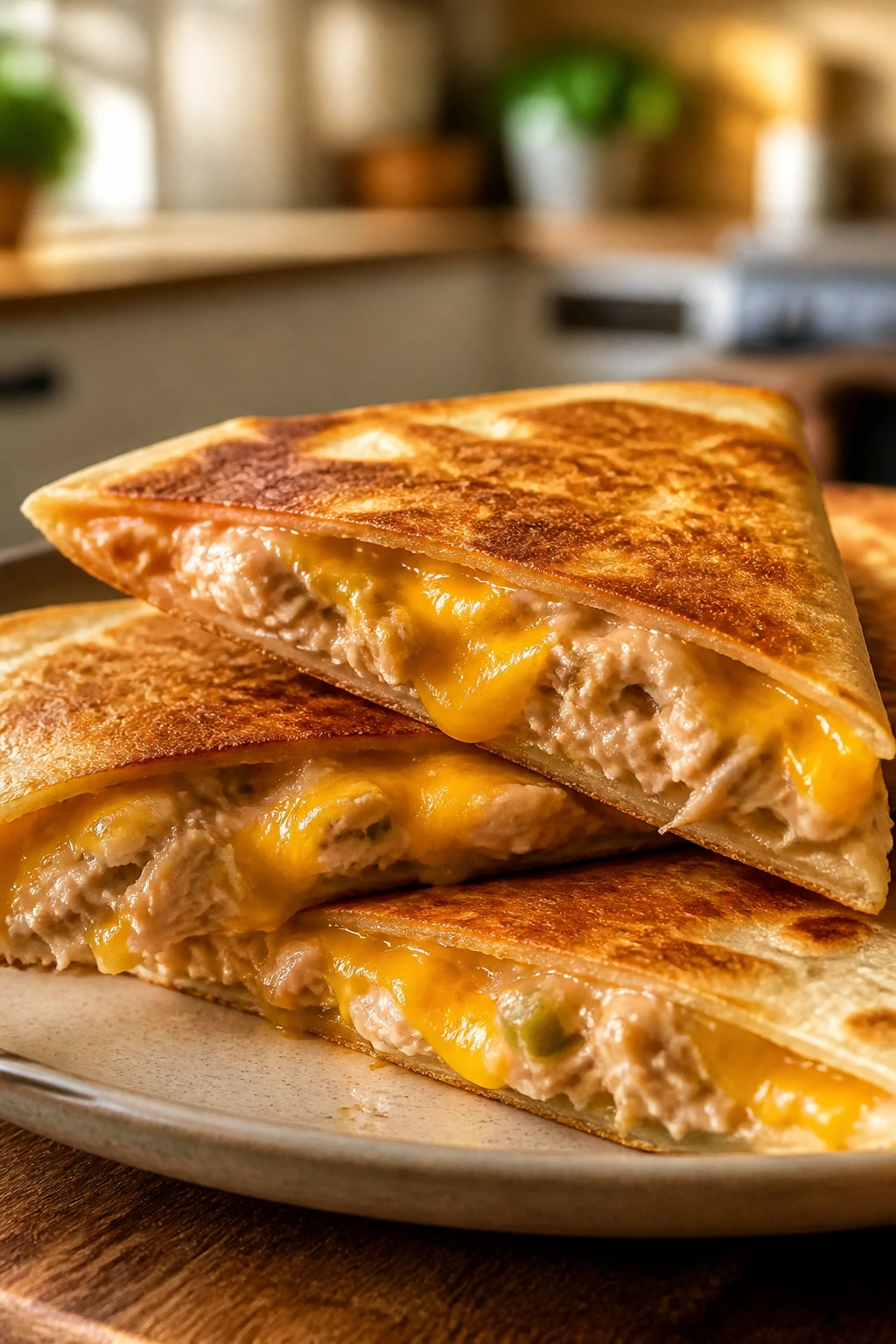
Tuna in a sandwich is fine. Tuna in a hot, crackly tortilla with melted cheddar and chopped pickles is better, and I’ll happily argue that point. The outside gets crisp, the inside stays creamy, and the whole thing feels far more composed than the ingredient list suggests.
Why It Works:
Canned tuna is cheap, stable, and already cooked, which makes it perfect for a fast skillet dinner. The cheese acts like glue, and the pickles or celery cut through the richness so the filling doesn’t feel thick and flat.
Key Ingredients:
- 2 cans tuna in water, drained
- 1/4 cup mayonnaise
- 1 tablespoon Dijon mustard
- 2 tablespoons chopped dill pickles
- 1 cup shredded cheddar
- 4 large flour tortillas
- 1 tablespoon butter or oil
- 1/4 cup diced celery, optional
- Black pepper, to taste
Quick Steps:
- In a bowl, mix the tuna, mayonnaise, mustard, pickles, celery if using, and black pepper.
- Lay out 2 tortillas and scatter half the cheese on each one.
- Divide the tuna mixture over the cheese, then add the remaining cheese and top with the other tortillas.
- Heat the butter in a skillet over medium heat. Cook each quesadilla for 2 to 3 minutes per side, until golden and the cheese melts.
- Rest for 1 minute, then cut into wedges.
Equipment for This Recipe:
- Mixing bowl
- Large skillet
- Spatula
- Knife or pizza cutter
How to Serve This Dish:
Cut them into triangles and serve with tomato soup, cucumber slices, or carrot sticks. If you want the plate to feel less snack-like, add a small pile of chips and salsa and call it dinner.
Pro Tips for This Recipe:
- Don’t overfill the tortillas; they tear when you flip them.
- Shred the cheese yourself if you can. It melts a little cleaner than the bagged stuff.
- Medium heat is enough. Higher heat browns the tortilla before the cheese softens.
Variations on This Dish:
- Spicy Pantry Version: Stir in hot sauce or chopped jalapeños.
- Melt-and-Green Swap: Add a handful of baby spinach to the tuna mixture for extra volume.
Common Mistakes to Avoid with This Dish:
- Too much filling: The quesadilla spills before the cheese seals it. Keep the layer thin.
- Heat too high: A dark tortilla with cold cheese is the usual result. Slow the pan down.
3. Chicken and Rice Skillet
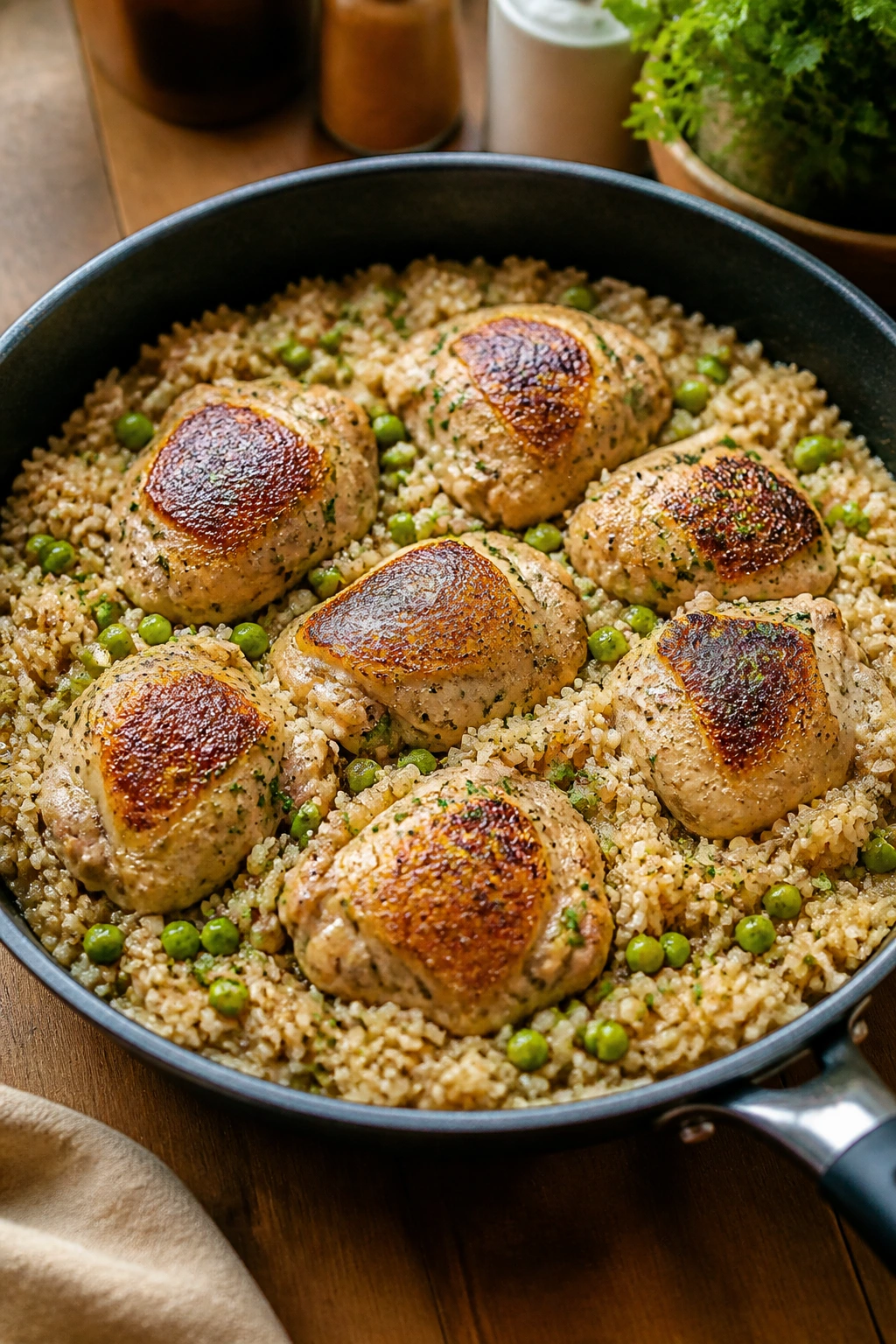
This is the kind of skillet dinner that feels sturdy from the first bite. The chicken gets browned, the rice soaks up the broth, and the frozen vegetables bring color without demanding a second pan or a long simmer.
Why It Works:
Diced chicken cooks fast, especially boneless thighs, and instant rice finishes in the same window. The broth gives the rice flavor from the inside instead of relying on a heavy sauce at the end.
Key Ingredients:
- 1 pound boneless, skinless chicken thighs, cut into 1-inch pieces
- 1 tablespoon oil
- 1 small onion, diced
- 2 cloves garlic, minced
- 1 cup instant white rice
- 2 cups chicken broth
- 1 cup frozen peas and carrots
- 1 teaspoon paprika
- 1/2 teaspoon salt
- 1/4 teaspoon black pepper
Quick Steps:
- Heat the oil in a large skillet over medium-high heat. Add the chicken and cook for 4 to 5 minutes, stirring once, until lightly browned.
- Add the onion and cook for 2 minutes, then stir in the garlic and paprika for 30 seconds.
- Pour in the broth and stir in the instant rice, salt, and pepper.
- Reduce the heat to low, cover, and cook for 5 minutes.
- Stir in the frozen vegetables, cover again for 2 minutes, then rest off the heat for 3 minutes before fluffing.
Equipment for This Recipe:
- Large deep skillet
- Wooden spoon
- Cutting board
- Sharp knife
How to Serve This Dish:
Serve it straight from the skillet with a spoon and maybe a spoonful of hot sauce on top. A few slices of buttered bread on the side go a long way if you want to stretch the meal.
Pro Tips for This Recipe:
- Cut the chicken small so it browns instead of steaming.
- Use a skillet with a lid; the rice needs trapped steam.
- Frozen vegetables go in at the end so they stay bright and don’t collapse.
Variations on This Dish:
- Lemon Pepper Version: Add lemon zest and a squeeze of juice at the end.
- Tex-Mex Version: Swap paprika for taco seasoning and stir in salsa.
Common Mistakes to Avoid with This Dish:
- Using raw long-grain rice: It won’t cook in the same short window unless you adjust the liquid and time.
- Skipping the rest time: The rice needs a few minutes to finish absorbing the broth.
4. Black Bean Taco Bowls
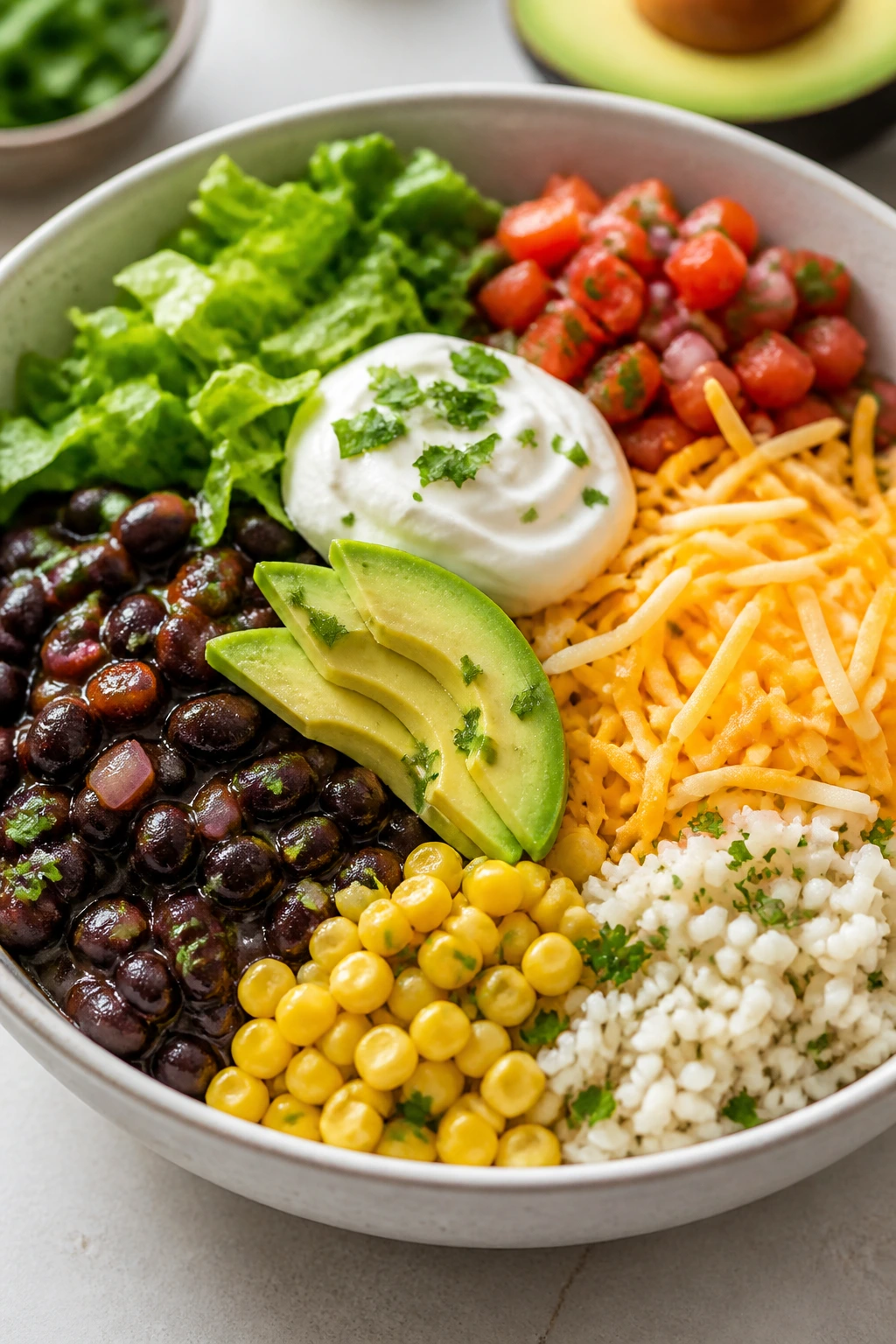
These bowls are built like a cafeteria line in the best possible way. Warm beans, hot rice, cool lettuce, shredded cheese, and a little salsa make a cheap dinner that can be assembled fast and eaten even faster.
Why It Works:
Black beans bring protein and body for very little money. Salsa does double duty as seasoning and sauce, which means you can skip making a separate dressing or simmered topping.
Key Ingredients:
- 2 cans black beans, drained and rinsed
- 1 cup salsa
- 1 teaspoon ground cumin
- 3 cups cooked rice or 1 microwave rice pouch
- 1 cup frozen corn
- 1 cup shredded cheddar or Monterey Jack
- 2 cups shredded lettuce
- 1/2 cup sour cream
- 1 lime, cut into wedges
Quick Steps:
- Warm the beans, salsa, and cumin in a saucepan over medium heat for 5 minutes.
- Heat the rice and corn according to package directions or in the microwave.
- Divide the rice between bowls.
- Spoon the bean mixture over the rice, then add corn, lettuce, cheese, and sour cream.
- Finish with a squeeze of lime.
Equipment for This Recipe:
- Medium saucepan
- Microwave-safe bowl or rice cooker
- Serving bowls
- Spoon
How to Serve This Dish:
Set everything out like a topping bar if the table likes to choose their own bowl. The bowls look nicest when the lettuce and cheese stay on top, with the hot beans peeking through underneath.
Pro Tips for This Recipe:
- Rinse the beans so the bowl tastes cleaner and less canned.
- Warm the rice before assembling; cold rice makes the beans feel flat.
- A pinch of salt in the bean pot matters more than you’d think.
Variations on This Dish:
- Nacho Bowl: Add crushed tortilla chips for crunch.
- Pico Upgrade: Spoon on chopped tomatoes, onion, and cilantro if they’re on hand.
Common Mistakes to Avoid with This Dish:
- Building the bowl too early: Hot beans wilt the lettuce fast. Add the cold toppings at the end.
- Underseasoned beans: Salsa helps, but a little cumin and salt pull the whole bowl together.
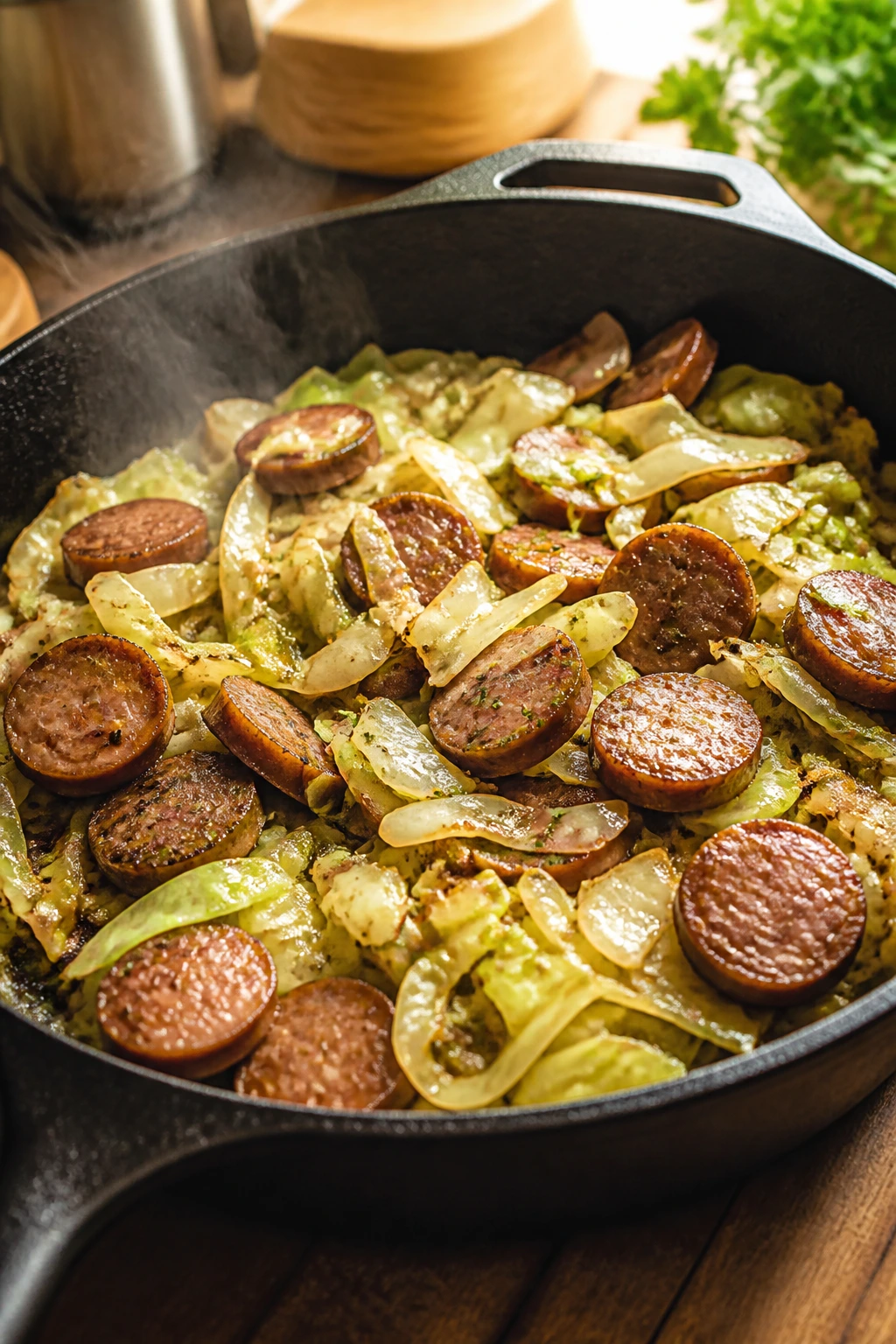
5. Sausage and Cabbage Skillet
Cabbage is one of the best budget vegetables because it keeps forever and cooks down into something sweet and silky. Paired with sliced sausage, it makes a skillet dinner that tastes old-fashioned in a good way — peppery, savory, and just a little smoky.
Why It Works:
Kielbasa or smoked sausage brings enough fat and seasoning to flavor the whole pan. Cabbage only needs a splash of water and a lid to soften, which keeps the dinner quick and prevents it from drying out.
Key Ingredients:
- 12 ounces kielbasa, sliced into half-moons
- 1 small onion, sliced
- 1/2 head green cabbage, shredded
- 1 tablespoon oil
- 2 tablespoons water
- 1 tablespoon Dijon mustard
- 1/2 teaspoon salt
- 1/4 teaspoon black pepper
- 1 apple, thinly sliced, optional
Quick Steps:
- Heat the oil in a large skillet over medium-high heat. Brown the sausage for 3 to 4 minutes.
- Add the onion and cook for 2 minutes.
- Stir in the cabbage, water, salt, and pepper.
- Cover and cook for 6 to 8 minutes, stirring once or twice, until the cabbage softens but still has some bite.
- Stir in the mustard and apple, if using, and cook for 1 minute more.
Equipment for This Recipe:
- Large skillet with lid
- Wooden spoon
- Knife
- Cutting board
How to Serve This Dish:
This is good with rye bread, dinner rolls, or plain boiled potatoes if you already have some going. A spoonful of mustard on the side sharpens the whole plate.
Pro Tips for This Recipe:
- Slice the cabbage fairly thin so it softens on time.
- Let the sausage brown before adding the vegetables; that browned edge matters.
- A small splash of vinegar works if the pan tastes too rich.
Variations on This Dish:
- Polish-Style Version: Add caraway seeds and a bit of sauerkraut.
- Sweet-Savory Version: Keep the apple and add a teaspoon of honey.
Common Mistakes to Avoid with This Dish:
- Overcrowding the pan: The cabbage steams forever instead of softening.
- Skipping the browning step: Pale sausage makes a pale skillet. Let it color.
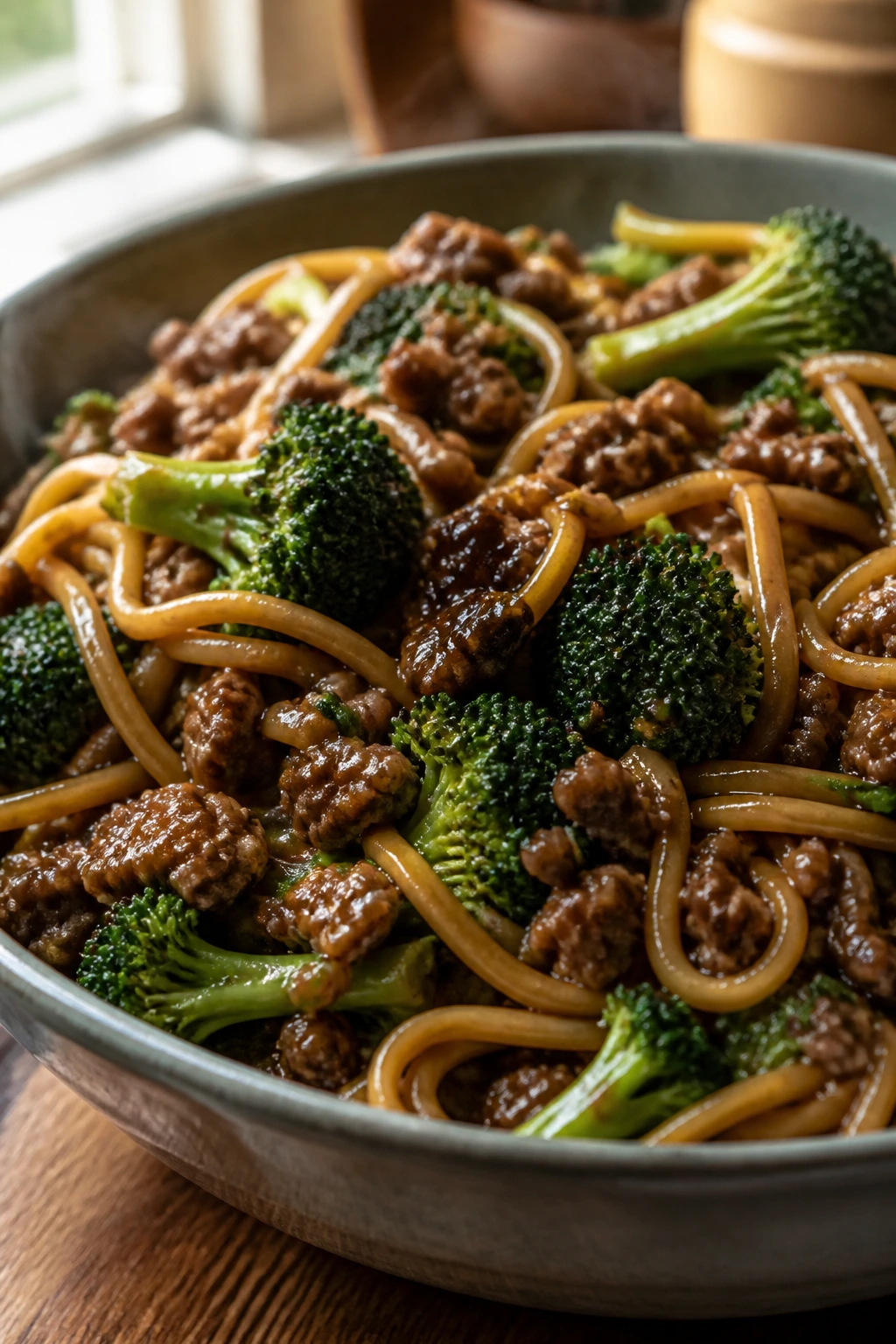
6. Beef and Broccoli Noodles
This is the kind of dinner that tastes like takeout without the delivery fee. Ground beef keeps the price down, broccoli gives the bowl some crunch and color, and the soy-garlic sauce pulls everything together in one glossy tangle.
Why It Works:
Ground beef cooks in a few minutes and grabs sauce well. Broccoli florets soften just enough in the pan, so you don’t need to blanch them first or dirty another pot.
Key Ingredients:
- 8 ounces spaghetti or lo mein-style noodles
- 1 pound ground beef
- 3 cups broccoli florets
- 3 cloves garlic, minced
- 1/4 cup soy sauce
- 1 tablespoon brown sugar
- 1 tablespoon cornstarch
- 1/2 cup water
- 1 teaspoon sesame oil, optional
Quick Steps:
- Cook the noodles until just tender. Drain and set aside.
- Brown the ground beef in a large skillet over medium-high heat, about 5 minutes. Drain excess fat if needed.
- Add the garlic and broccoli, then cook for 2 minutes.
- Stir in soy sauce, brown sugar, cornstarch, and water. Cook until the sauce thickens, about 2 minutes.
- Toss in the noodles and sesame oil, if using, until coated.
Equipment for This Recipe:
- Large skillet
- Pot for noodles
- Colander
- Tongs
How to Serve This Dish:
Serve it in wide bowls with a few sesame seeds or sliced scallions if you’ve got them. It holds well for seconds, so I’d rather keep the first round modest and go back for more.
Pro Tips for This Recipe:
- Don’t overcook the noodles; they’ll soften a bit more in the sauce.
- Slice broccoli small so it cooks in the same window as the beef.
- Mix the cornstarch with the liquid before it hits the pan or it clumps.
Variations on This Dish:
- Chicken Swap: Use ground chicken or thinly sliced chicken thighs.
- Spicy Version: Add chili paste or a pinch of red pepper flakes.
Common Mistakes to Avoid with This Dish:
- Watery sauce: That usually means the heat was too low when the cornstarch went in.
- Soft broccoli: Keep the florets bite-sized and stop cooking once they’re bright green.
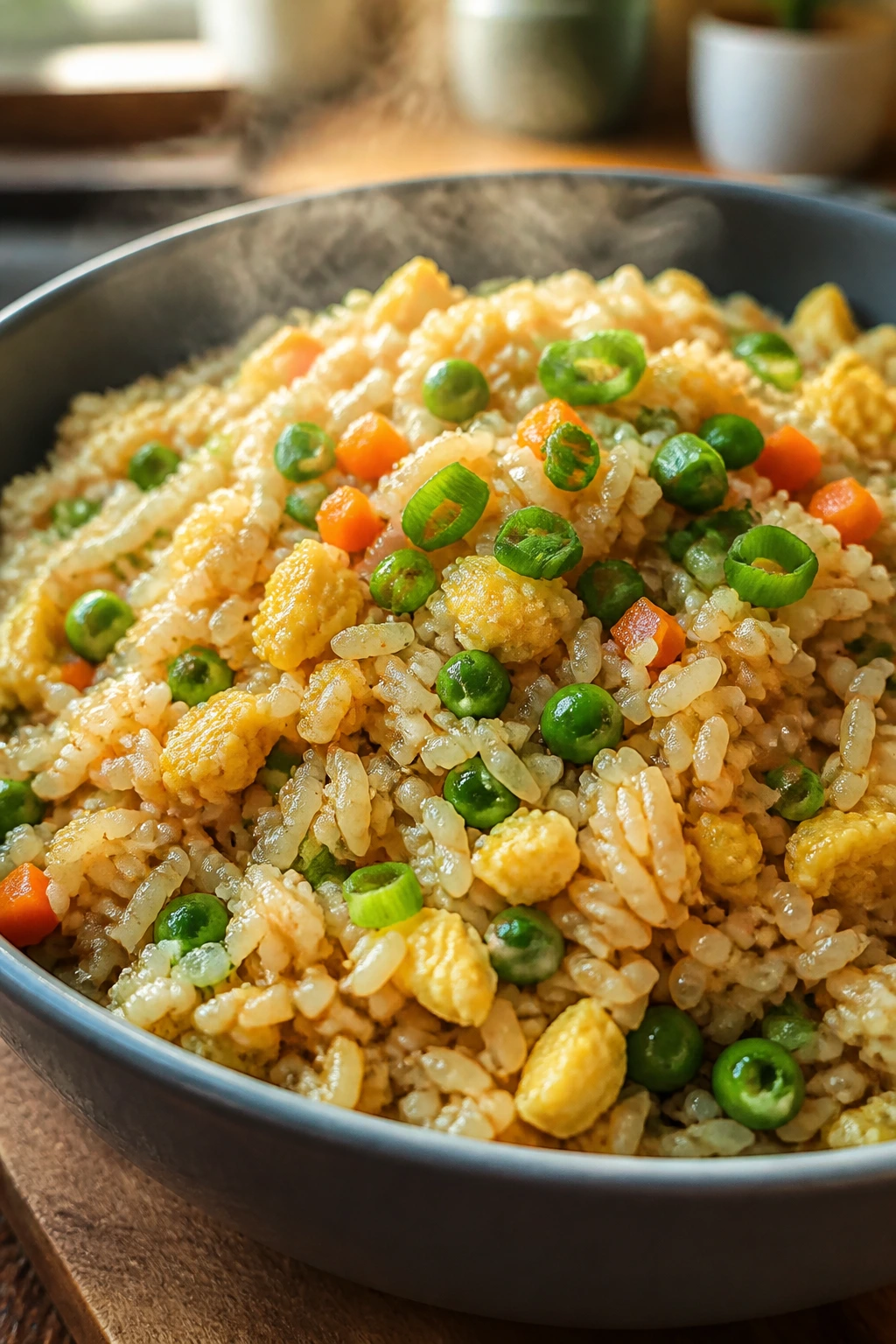
7. Egg Fried Rice
Cold rice is the secret here. Fresh rice turns sticky and heavy; day-old rice fries up with actual edges, and that’s what makes this dinner taste like something you meant to make rather than leftovers in disguise.
Why It Works:
Eggs cook in seconds and coat the rice with richness. Frozen vegetables save chopping time, and soy sauce seasons the whole pan without needing a separate sauce.
Key Ingredients:
- 3 cups cold cooked rice
- 4 large eggs
- 1 cup frozen mixed vegetables
- 2 tablespoons neutral oil
- 3 tablespoons soy sauce
- 2 scallions, sliced
- 1 clove garlic, minced
- 1 teaspoon sesame oil, optional
Quick Steps:
- Heat 1 tablespoon oil in a large skillet or wok over medium-high heat. Scramble the eggs and remove them when just set.
- Add the remaining oil, garlic, and frozen vegetables. Cook for 2 minutes.
- Stir in the rice and break up any clumps with a spatula.
- Add soy sauce and cook, stirring, until the rice is hot and starting to crisp in spots.
- Fold the eggs back in, finish with scallions and sesame oil, and serve.
Equipment for This Recipe:
- Large skillet or wok
- Spatula
- Bowl for eggs
- Measuring spoons
How to Serve This Dish:
Serve it hot and plain, or top each bowl with a fried egg if you want it to feel more substantial. A little chili crisp on the table makes this one disappear fast.
Pro Tips for This Recipe:
- Use rice that’s been chilled; warm rice smears in the pan.
- Keep the heat high enough to fry, not steam.
- Don’t pour the soy sauce on one spot. Drizzle it around the pan.
Variations on This Dish:
- Ham Fried Rice: Add diced ham for a saltier, more filling version.
- Veg-Heavy Version: Add shredded cabbage or chopped spinach near the end.
Common Mistakes to Avoid with This Dish:
- Using fresh rice: It sticks and mashes. Cold rice works better.
- Crowding the pan: Fry in batches if your skillet is small.
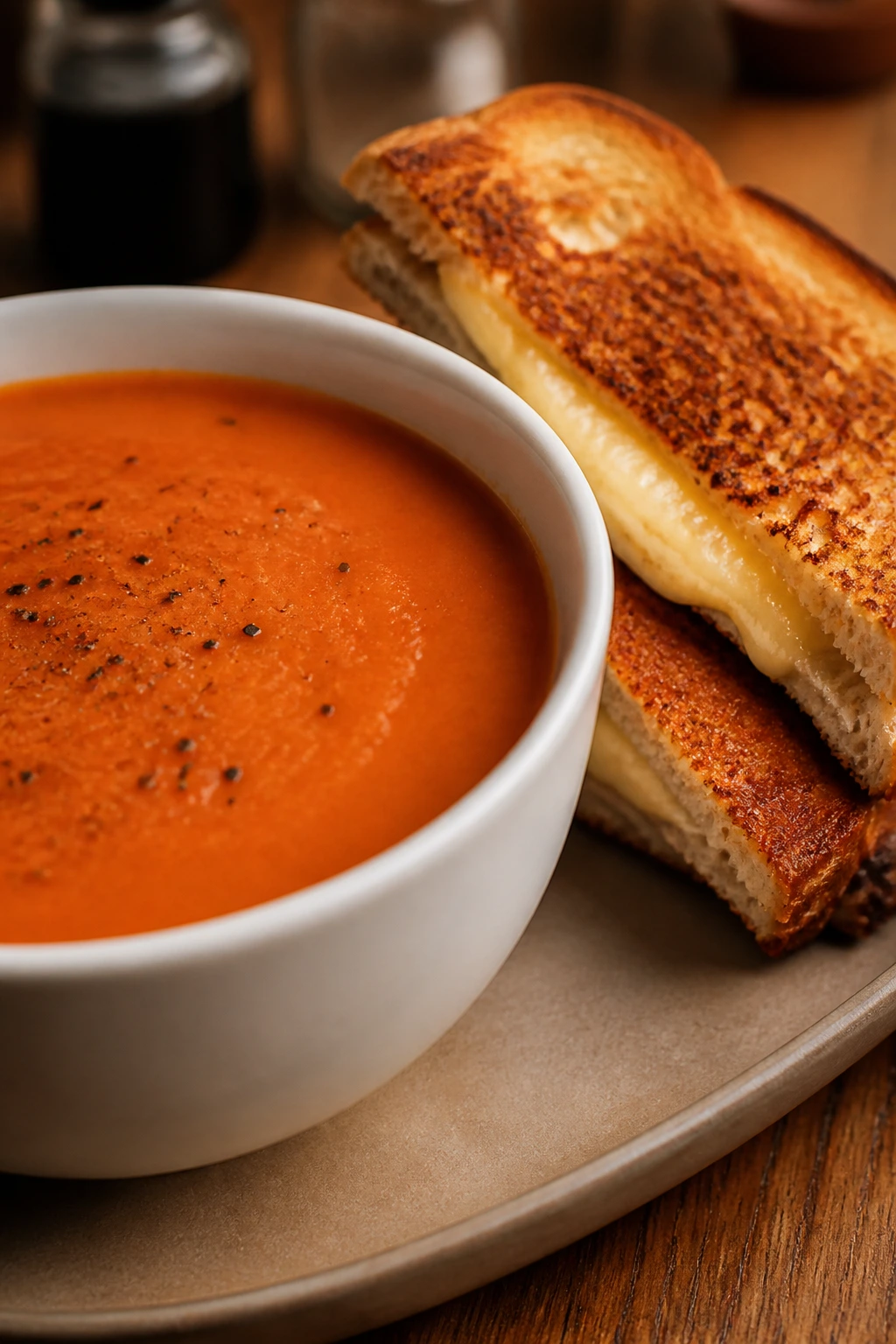
8. Tomato Soup and Grilled Cheese
There’s a reason this pairing keeps showing up. The soup is silky and bright, the sandwich is crisp and molten, and together they turn a cheap meal into something that feels complete down to the last dunk.
Why It Works:
Canned tomatoes cook down quickly, especially with onion and garlic in the pan first. Grilled cheese is fast, uses a short ingredient list, and gives you the crunchy-salty contrast that a smooth soup needs.
Key Ingredients:
- 1 tablespoon butter
- 1 small onion, diced
- 2 cloves garlic, minced
- 1 can crushed tomatoes, 28 ounces
- 2 cups vegetable or chicken broth
- 1/2 cup milk or cream
- 1 teaspoon sugar, optional
- 8 slices bread
- 8 slices cheese, such as American, cheddar, or provolone
- 2 tablespoons butter for the sandwiches
Quick Steps:
- Melt the soup butter in a saucepan. Cook the onion for 5 minutes, then add the garlic for 30 seconds.
- Stir in the tomatoes, broth, and sugar if needed. Simmer for 10 minutes.
- Blend the soup if you want it smooth, then stir in the milk.
- Build the grilled cheese sandwiches and cook them in a skillet over medium heat until golden on both sides.
- Ladle the soup into bowls and serve with the sandwiches.
Equipment for This Recipe:
- Saucepan
- Blender, optional
- Skillet
- Spatula
How to Serve This Dish:
Cut the sandwiches into fingers for dunking. I like a small sprinkle of black pepper over the soup and a few torn basil leaves if they’re already in the fridge.
Pro Tips for This Recipe:
- A little sugar helps if the tomatoes taste sharp.
- Use medium heat on the sandwich so the bread doesn’t burn before the cheese melts.
- Blend carefully if the soup is hot; vent the lid or blend in batches.
Variations on This Dish:
- Herbed Tomato Soup: Stir in dried basil or oregano.
- Crunchy Onion Version: Add a handful of caramelized onions if you have them.
Common Mistakes to Avoid with This Dish:
- Boiling the milk: It can scorch or split. Add it after the soup has cooled a little.
- Too-thick soup: Thin with a splash of broth if the spoon stands upright.
9. Chickpea Curry
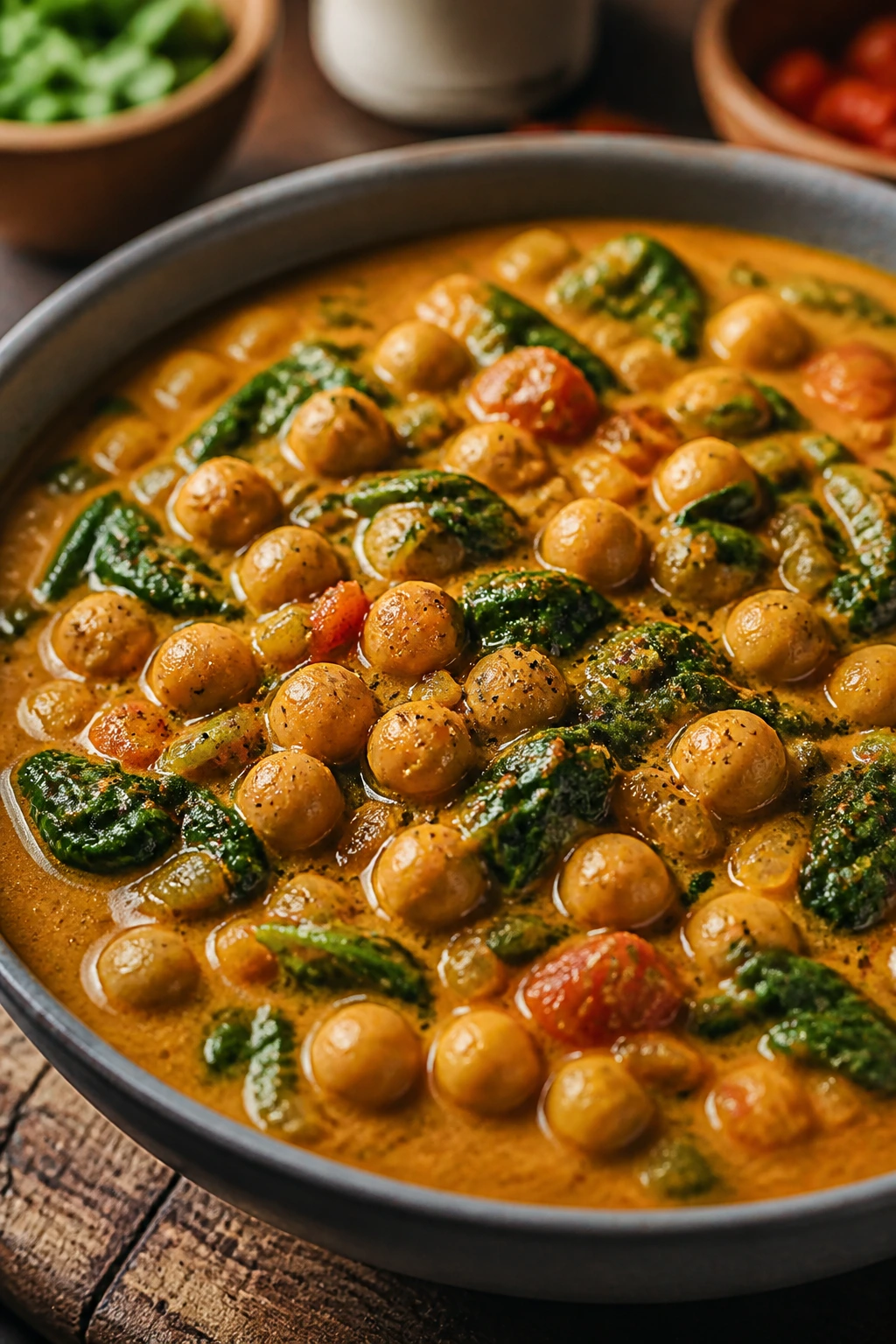
Chickpeas are the kind of pantry food that look plain until you simmer them with curry powder and coconut milk. Then they turn into a thick, fragrant sauce that clings to rice and makes the kitchen smell like someone planned dinner on purpose.
Why It Works:
Canned chickpeas are already soft, so they only need heat and seasoning. Coconut milk gives the curry body in minutes, and spinach melts in at the end without changing the clock much.
Key Ingredients:
- 1 tablespoon oil
- 1 small onion, diced
- 2 cloves garlic, minced
- 1 tablespoon curry powder
- 2 cans chickpeas, drained and rinsed
- 1 can coconut milk
- 1 cup broth or water
- 2 cups baby spinach
- 1/2 teaspoon salt
Quick Steps:
- Heat the oil in a skillet or saucepan over medium heat. Cook the onion for 4 minutes.
- Add the garlic and curry powder and stir for 30 seconds.
- Stir in the chickpeas, coconut milk, broth, and salt.
- Simmer for 10 minutes, stirring now and then, until the sauce thickens slightly.
- Stir in the spinach until wilted and serve over rice.
Equipment for This Recipe:
- Medium skillet or saucepan
- Wooden spoon
- Can opener
- Measuring cup
How to Serve This Dish:
Spoon it over rice or serve with warm naan if that’s what’s in the bread basket. A squeeze of lime makes the coconut feel lighter and keeps the curry from leaning too soft.
Pro Tips for This Recipe:
- Bloom the curry powder in oil so the flavor wakes up.
- If the sauce looks thin, simmer uncovered for a few more minutes.
- A spoonful of tomato paste can deepen the color without much cost.
Variations on This Dish:
- Potato Chickpea Curry: Add diced cooked potatoes for a more filling pot.
- Creamier Version: Blend a small portion of the chickpeas before adding spinach.
Common Mistakes to Avoid with This Dish:
- Adding spinach too soon: It turns dark and stringy. Put it in at the end.
- Under-salted curry: Coconut milk can mute the seasoning, so taste before serving.
10. Sloppy Joe Sliders
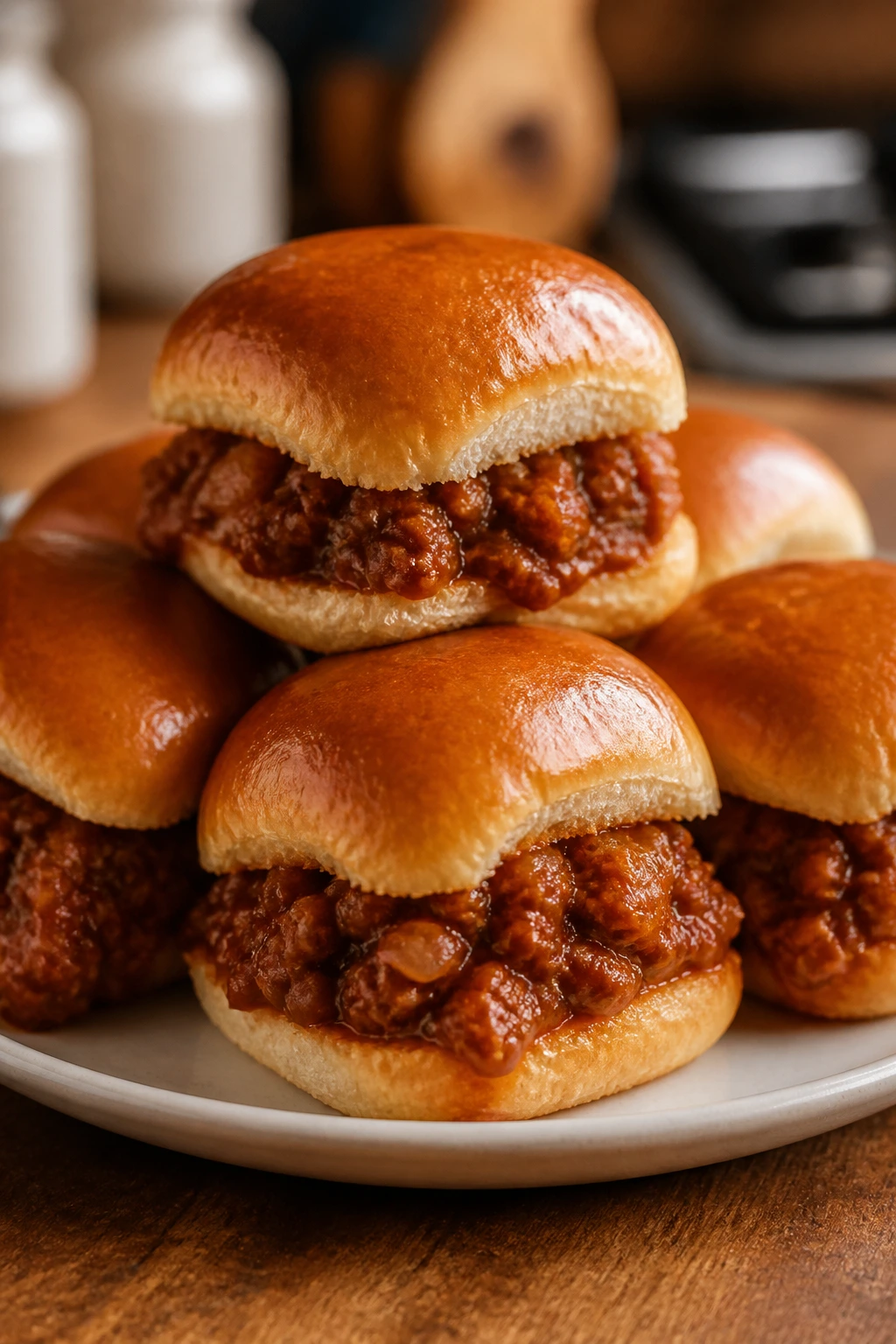
Sloppy Joes are messy on purpose, and that’s part of the charm. The sauce should be tangy and thick, the meat should hold together without turning dry, and the buns should be soft enough to soak up the extra without falling apart immediately.
Why It Works:
Ground beef browns quickly and takes on a sweet-savory sauce with very little effort. Using slider buns helps the dinner stretch further, which is useful when the audience is hungry and the budget is not eager to cooperate.
Key Ingredients:
- 1 pound ground beef
- 1/2 small onion, finely diced
- 3/4 cup ketchup
- 2 tablespoons tomato sauce or paste loosened with water
- 1 tablespoon yellow mustard
- 1 tablespoon Worcestershire sauce
- 8 slider buns
- 4 to 6 pickle chips, optional
- Salt and pepper, to taste
Quick Steps:
- Brown the beef and onion in a skillet over medium-high heat, about 6 minutes. Drain excess fat if needed.
- Stir in the ketchup, tomato sauce, mustard, Worcestershire, salt, and pepper.
- Simmer for 3 to 5 minutes until the sauce is thick and glossy.
- Split the buns and toast them lightly if you like a sturdier base.
- Spoon the meat onto the buns and add pickles.
Equipment for This Recipe:
- Large skillet
- Wooden spoon
- Knife
- Sheet pan, optional for toasting buns
How to Serve This Dish:
Serve the sliders with oven fries, carrot sticks, or a simple cabbage slaw. I like to keep napkins close. Very close.
Pro Tips for This Recipe:
- Drain the beef if there’s a lot of fat, or the sauce gets greasy.
- Let the filling simmer long enough to thicken. Runny Sloppy Joes leak straight through the bun.
- Toasting the buns helps them survive the sauce.
Variations on This Dish:
- Turkey Version: Use ground turkey and add a little extra oil while browning.
- BBQ Sloppy Joes: Swap half the ketchup for barbecue sauce.
Common Mistakes to Avoid with This Dish:
- Sauce too thin: Simmer it down before serving.
- Buns too soft: Toast them lightly or they collapse fast.
11. Lemon Garlic Tilapia Tacos
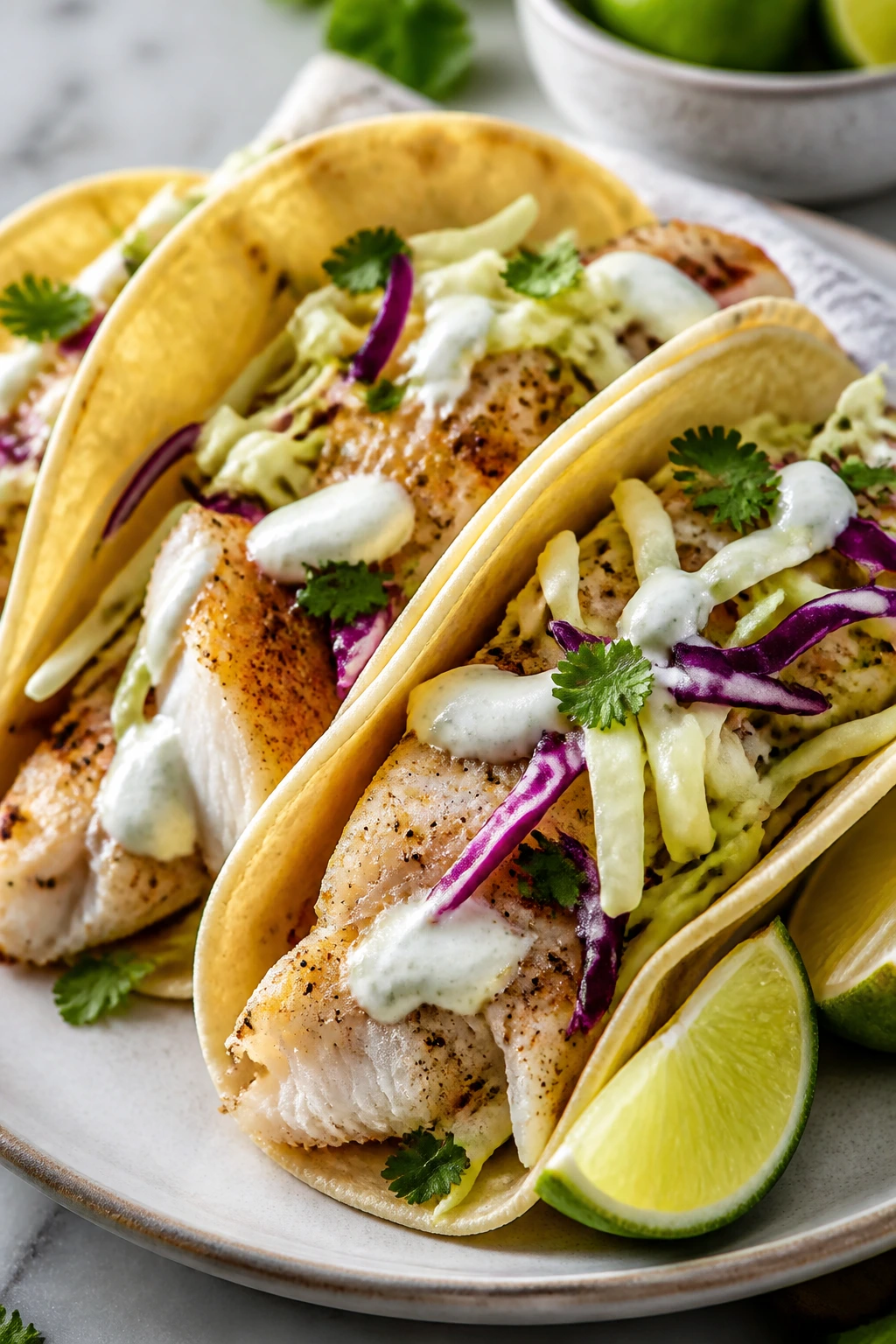
Fish tacos don’t have to be expensive or fussy. Tilapia cooks in minutes, cabbage stays crisp, and a quick yogurt-lime sauce keeps everything bright instead of heavy.
Why It Works:
Tilapia is thin, mild, and quick to sear. That means you can get a dinner on the table before the tortillas even start to cool, which is the whole point on a busy night.
Key Ingredients:
- 1 pound tilapia fillets
- 1 tablespoon oil
- 1 teaspoon chili powder
- 1/2 teaspoon salt
- 8 small corn or flour tortillas
- 2 cups shredded cabbage
- 1/2 cup plain yogurt or sour cream
- 1 lime
- 1 avocado, sliced, optional
Quick Steps:
- Pat the fish dry and season it with oil, chili powder, and salt.
- Cook the tilapia in a skillet over medium-high heat for about 3 minutes per side, until it flakes easily.
- Warm the tortillas in a dry skillet or microwave.
- Toss the cabbage with a squeeze of lime and a spoonful of yogurt if you want a fast slaw.
- Break the fish into chunks and fill the tacos with fish, cabbage, yogurt, and avocado.
Equipment for This Recipe:
- Skillet
- Spatula
- Mixing bowl
- Tongs
How to Serve This Dish:
Serve the tacos immediately while the fish is still hot and the tortillas are soft. A little extra lime on the side is worth it; fish and lime have a good thing going.
Pro Tips for This Recipe:
- Dry the fish before seasoning so it sears instead of steaming.
- Warm tortillas in a stack wrapped in a towel to keep them pliable.
- Don’t overcook tilapia. It goes from flaky to dry fast.
Variations on This Dish:
- Creamy Slaw Version: Mix the cabbage with yogurt, lime, and a pinch of salt.
- Chipotle Version: Add chipotle powder or a spoonful of adobo sauce to the seasoning.
Common Mistakes to Avoid with This Dish:
- Overcrowding the pan: The fish needs space to brown.
- Assembling too early: The tortillas go limp if they sit around with hot fish too long.
12. BBQ Chicken Flatbreads
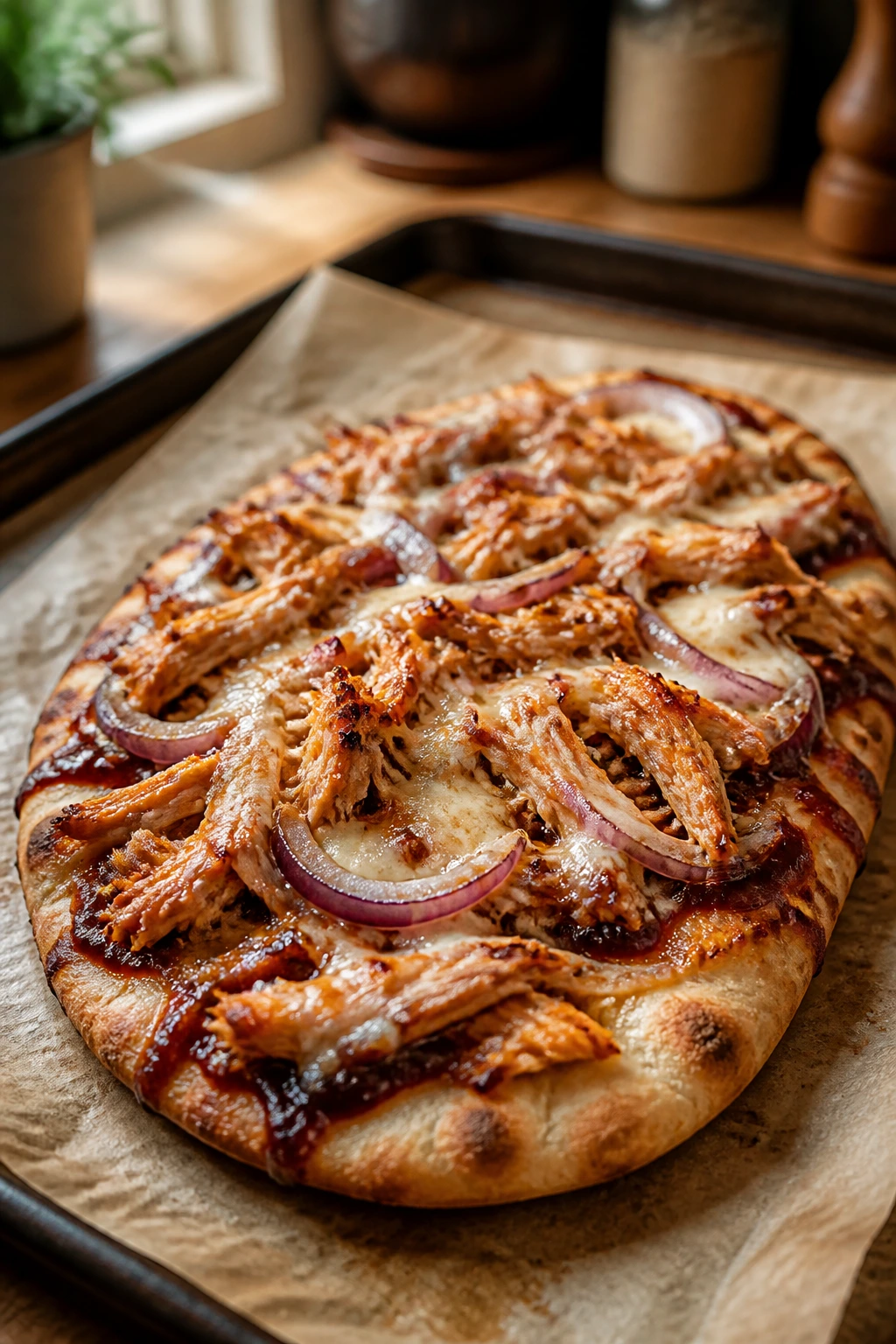
Flatbreads are one of my favorite shortcuts because they skip the whole dough project. Add barbecue sauce, chicken, cheese, and onion, and you get a dinner that smells like a backyard grill without requiring one.
Why It Works:
Cooked chicken is the time saver here, and naan or flatbread gives you a sturdy base that crisps in the oven fast. The barbecue sauce does the seasoning work, so the whole thing comes together with almost no chopping.
Key Ingredients:
- 2 naan breads or flatbreads
- 1 1/2 cups cooked chicken, shredded
- 1/2 cup barbecue sauce
- 1 cup shredded mozzarella or cheddar
- 1/4 red onion, thinly sliced
- 1 tablespoon chopped cilantro, optional
Quick Steps:
- Heat the oven broiler or set the oven to 450°F.
- Mix the chicken with the barbecue sauce.
- Place the flatbreads on a sheet pan, then top with chicken, cheese, and red onion.
- Broil for 4 to 6 minutes, until the cheese bubbles and the edges crisp.
- Finish with cilantro and slice.
Equipment for This Recipe:
- Sheet pan
- Oven or broiler
- Knife
- Cutting board
How to Serve This Dish:
Slice each flatbread into strips or squares and serve with a simple salad. If there’s leftover sauce in the bowl, drizzle a little on top right before serving.
Pro Tips for This Recipe:
- Keep the topping layer thin so the flatbread stays crisp.
- Use pre-cooked chicken from leftovers, rotisserie, or meal prep.
- Watch the broiler closely; a minute too long makes the edges too dark.
Variations on This Dish:
- Pineapple Version: Add a few small pineapple chunks if your table likes sweet barbecue.
- Buffalo Swap: Replace barbecue sauce with buffalo sauce and add a blue cheese crumble.
Common Mistakes to Avoid with This Dish:
- Too much sauce: The bread turns soft and soggy.
- Broiling unattended: It goes from golden to burnt fast.
13. Broccoli Cheddar Soup
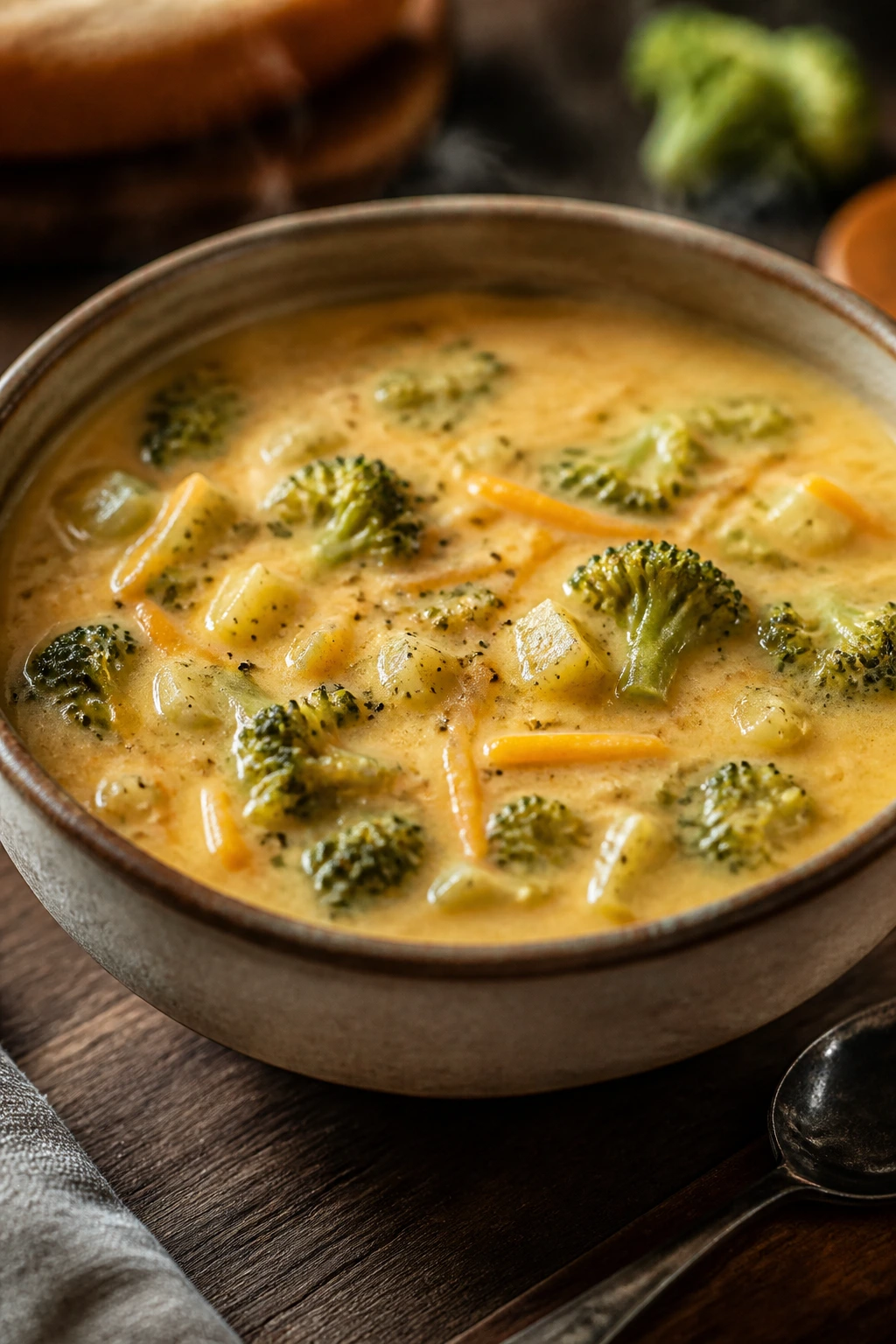
This soup is thick, cheesy, and a little old-school in the best sense. The potatoes give it body, the broccoli gives it bite, and the cheddar turns the whole pot into something you’d gladly eat with a spoon and a hunk of bread.
Why It Works:
A diced potato helps thicken the soup without needing heavy cream. Broccoli and carrots soften quickly in broth, and shredded cheddar melts into a soup that tastes richer than it costs.
Key Ingredients:
- 2 tablespoons butter
- 1 small onion, diced
- 2 carrots, diced
- 1 medium potato, peeled and diced small
- 3 cups broccoli florets, chopped small
- 3 cups broth
- 1 cup milk
- 2 cups shredded cheddar
- 2 tablespoons flour
- Salt and pepper, to taste
Quick Steps:
- Melt the butter in a pot over medium heat. Cook the onion and carrots for 4 minutes.
- Stir in the flour and cook for 30 seconds.
- Add the broth and potato, then simmer for 10 minutes.
- Stir in the broccoli and cook for 5 minutes more, until tender.
- Reduce the heat, add the milk and cheddar, and stir until smooth. Do not let it boil after the cheese goes in.
Equipment for This Recipe:
- Soup pot
- Wooden spoon
- Ladle
- Box grater, optional
How to Serve This Dish:
Serve it in mugs or bowls with toast on the side. I like a little extra black pepper on top and maybe a pinch of sharp cheddar for the look of it.
Pro Tips for This Recipe:
- Chop the broccoli small so it softens on time.
- Add cheese off the boil or it can grain up.
- If the soup is too thick, thin it with a splash of broth.
Variations on This Dish:
- Smoky Version: Add a little smoked paprika.
- Cauliflower Swap: Replace part of the broccoli with cauliflower florets.
Common Mistakes to Avoid with This Dish:
- Boiling after the cheese is added: That’s how you get a grainy pot.
- Potato pieces too large: They need more time than the broccoli and can stay firm.
14. Breakfast Hash with Eggs
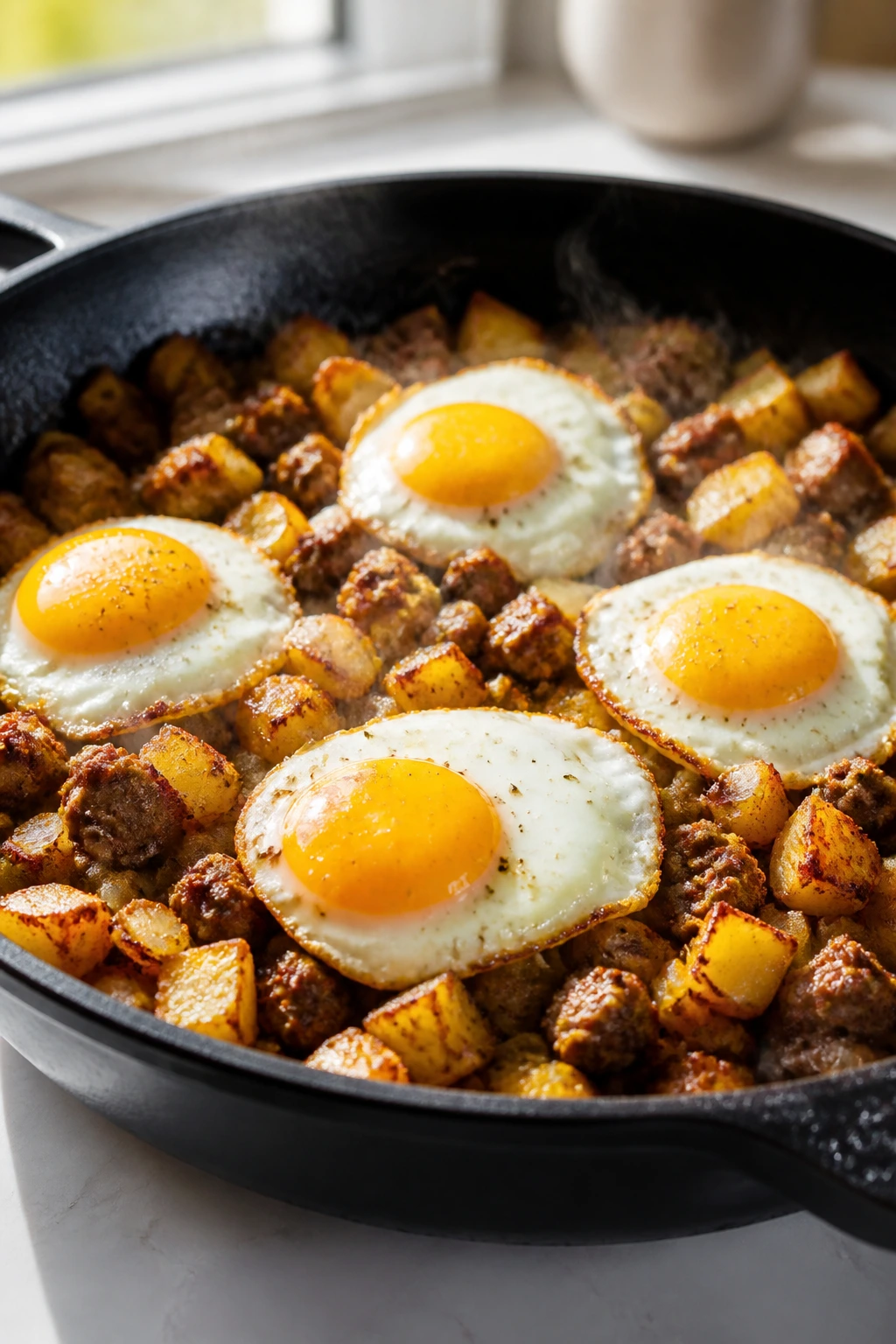
Breakfast for dinner works because it’s cheap, fast, and nobody complains about eggs and potatoes when they’re crispy and hot. This hash leans savory, with browned sausage, soft onions, and runny eggs finished right in the skillet.
Why It Works:
Frozen hash browns cut the prep time way down. The eggs cook on top of the hot potato mix, so you get a full meal without dirtying another pan.
Key Ingredients:
- 1 pound frozen diced hash browns
- 8 ounces breakfast sausage
- 1 small onion, diced
- 4 large eggs
- 1 cup shredded cheese
- 1 tablespoon oil, if needed
- Salt and pepper, to taste
- Hot sauce, optional
Quick Steps:
- Brown the sausage in a large skillet over medium heat. If there’s not much fat, add the oil.
- Stir in the onion and cook for 2 minutes.
- Add the hash browns and press them into the pan. Cook until crisp in spots, about 8 minutes, stirring once or twice.
- Make 4 small wells and crack in the eggs. Cover and cook until the whites set, about 4 to 5 minutes.
- Scatter cheese over the top and serve with hot sauce.
Equipment for This Recipe:
- Large skillet with lid
- Spatula
- Spoon
- Knife
How to Serve This Dish:
Serve it straight from the pan with toast or warm tortillas. A sliced tomato on the side adds a fresh note that keeps the whole plate from feeling too heavy.
Pro Tips for This Recipe:
- Leave the potatoes alone long enough to brown.
- Covering the pan helps the eggs set without overcooking the bottoms.
- Sausage seasoning varies, so taste before adding extra salt.
Variations on This Dish:
- Veggie Hash: Swap sausage for mushrooms and bell peppers.
- Southwest Hash: Add black beans and a little cumin.
Common Mistakes to Avoid with This Dish:
- Stirring too much: You lose the crisp edges.
- Eggs added too late: The potatoes overcook while the eggs stay runny.
15. Bean and Cheese Burritos
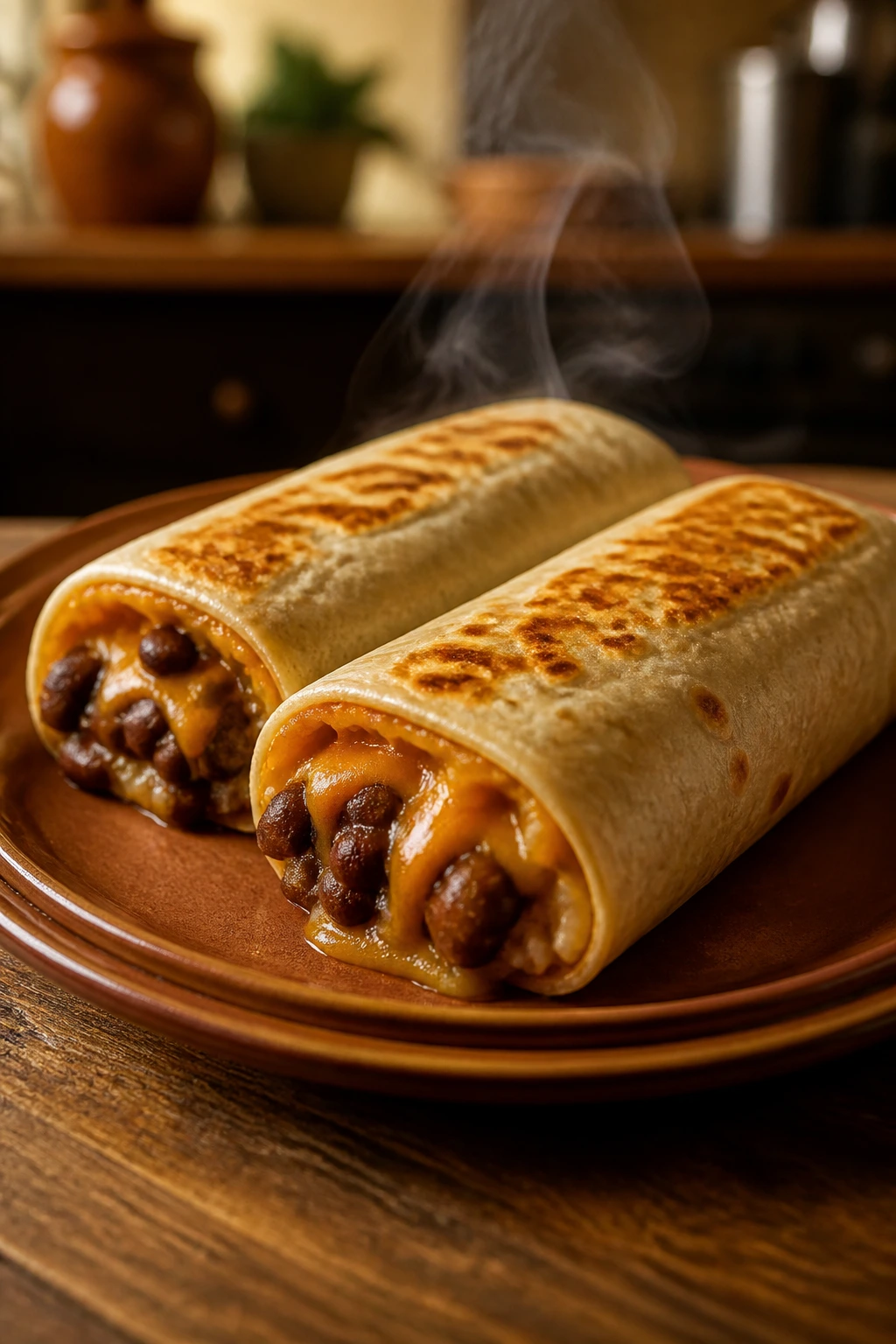
Some dinners are more about assembly than cooking, and that’s not an insult. Bean and cheese burritos are warm, filling, and exactly the kind of thing that saves a weeknight when the pantry is doing all the talking.
Why It Works:
Refried beans are already seasoned and spreadable, which makes them fast to heat. Cheese melts into the beans and helps the tortillas seal when you toast them in the skillet.
Key Ingredients:
- 2 cans refried beans
- 1 cup cooked rice
- 2 cups shredded cheddar or Monterey Jack
- 8 flour tortillas
- 1/2 cup salsa
- 1/2 cup corn, optional
- 1 tablespoon oil or butter
Quick Steps:
- Warm the beans in a saucepan or microwave until spreadable.
- Lay out the tortillas and spread beans down the center.
- Add rice, cheese, salsa, and corn if using.
- Roll the burritos tightly, folding in the sides.
- Toast them seam-side down in a skillet with oil until golden on both sides.
Equipment for This Recipe:
- Saucepan or microwave-safe bowl
- Large skillet
- Spoon
- Cutting board
How to Serve This Dish:
Serve with extra salsa and sour cream, or cut the burritos in half so the filling shows. If you have leftover rice, it slips into the filling without anybody noticing.
Pro Tips for This Recipe:
- Don’t overstuff the tortillas or they tear.
- Warm tortillas for a few seconds first so they roll cleanly.
- Toasting the burritos makes the edges hold together better.
Variations on This Dish:
- Breakfast Burrito Version: Add scrambled eggs and skip the salsa inside.
- Bean Boost: Stir canned green chiles into the beans for more flavor.
Common Mistakes to Avoid with This Dish:
- Beans too stiff: Thin them with a spoonful of water or broth.
- No skillet toast: The burritos taste flat if you serve them soft and pale.
16. Turkey Meatball Subs
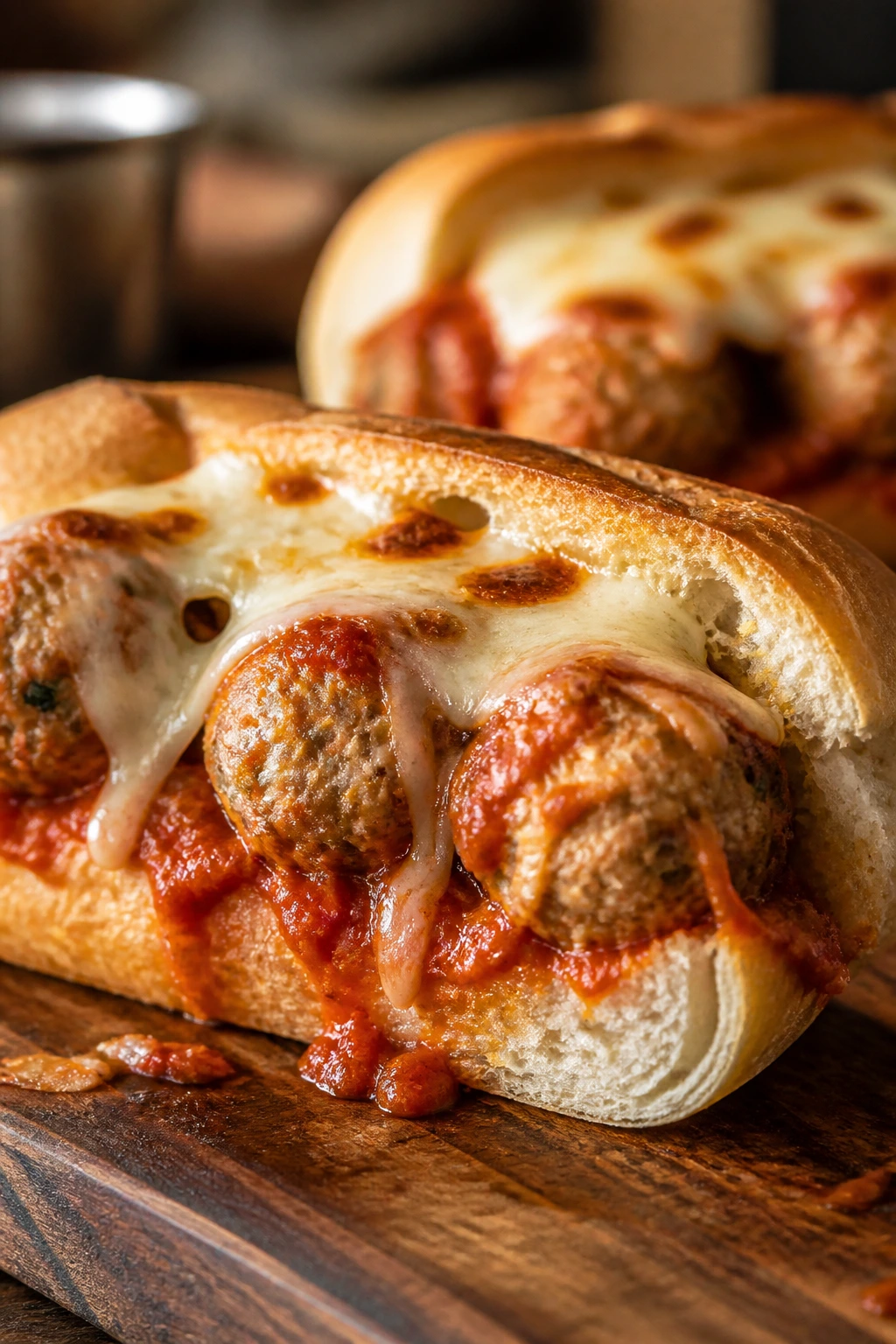
Meatball subs are usually thought of as heavy, but this version is quick, straightforward, and easy to keep on budget if you buy frozen turkey meatballs. The sauce does the heavy lifting, the rolls catch the drips, and the melted cheese ties everything together.
Why It Works:
Frozen meatballs cut the cook time almost in half. Simmering them in marinara keeps them juicy and builds a sauce that tastes richer than jarred sauce on its own.
Key Ingredients:
- 1 pound frozen turkey meatballs
- 2 cups marinara sauce
- 4 sub rolls
- 1 cup shredded mozzarella
- 1 tablespoon chopped basil or parsley, optional
- Red pepper flakes, optional
Quick Steps:
- Warm the marinara in a skillet or saucepan over medium heat.
- Add the meatballs and simmer until heated through, about 10 to 12 minutes.
- Split the rolls and spoon the meatballs and sauce into each one.
- Top with mozzarella and broil for 1 to 2 minutes until melted.
- Finish with basil or red pepper flakes.
Equipment for This Recipe:
- Saucepan or deep skillet
- Sheet pan
- Broiler-safe baking dish
- Spoon
How to Serve This Dish:
Serve the subs with a crunchy salad or some carrot sticks so the plate isn’t all bread and cheese. A little extra sauce on the side is nice for dunking the crusty ends.
Pro Tips for This Recipe:
- Broil only until the cheese melts; the rolls can scorch fast.
- Use sturdy rolls so they don’t collapse under the sauce.
- If the sauce tastes flat, a pinch of salt and a little grated Parmesan fix it.
Variations on This Dish:
- Meatless Version: Use plant-based meatballs and keep the same sauce.
- Garlic Bread Sub: Brush the rolls with garlic butter before filling.
Common Mistakes to Avoid with This Dish:
- Dry meatballs: Simmer them in sauce long enough to heat all the way through.
- Soggy rolls: Toast the inside lightly before filling if they’re soft.
17. Peanut Noodles with Cabbage
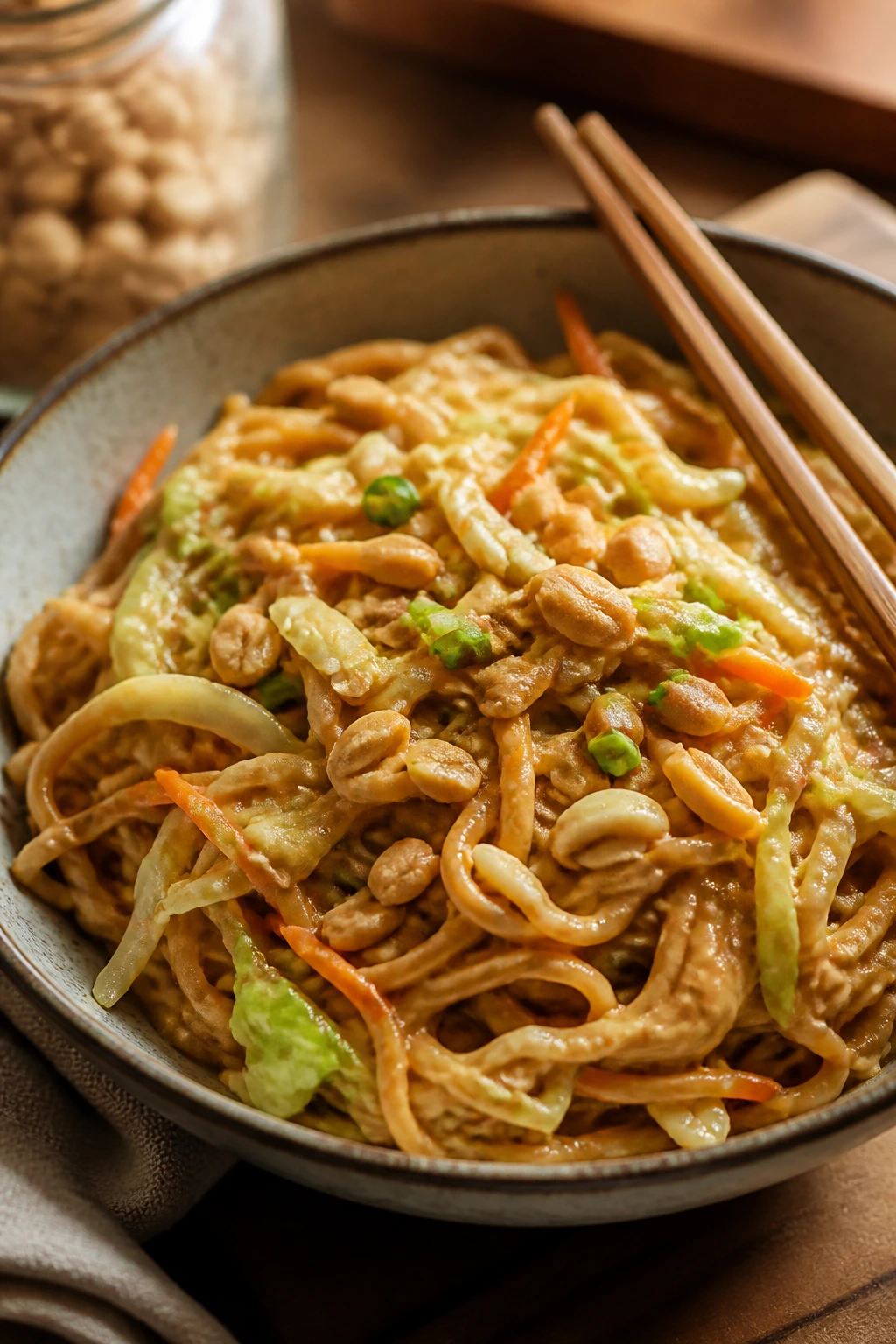
This is one of those dinners that looks minimal and eats like a full meal. The sauce is salty-sweet and a little nutty, the noodles stay slick, and the cabbage gives the whole bowl some crunch that doesn’t quit after two bites.
Why It Works:
Peanut butter turns into a sauce fast when loosened with hot water and soy sauce. Spaghetti or cheap noodles are an easy stand-in for lo mein, which keeps the cost down and the clock moving.
Key Ingredients:
- 12 ounces spaghetti
- 1/3 cup peanut butter
- 2 tablespoons soy sauce
- 1 tablespoon honey
- 1 tablespoon rice vinegar or lime juice
- 1 clove garlic, grated or minced
- 1/2 cup hot water, plus more if needed
- 2 cups shredded cabbage or coleslaw mix
- 1 carrot, shredded, optional
Quick Steps:
- Cook the spaghetti until just tender. Drain and set aside.
- Whisk the peanut butter, soy sauce, honey, vinegar, garlic, and hot water in a bowl until smooth.
- Toss the noodles with the cabbage and carrot.
- Pour over the sauce and mix well until coated.
- Add more hot water if the sauce looks thick or sticky.
Equipment for This Recipe:
- Pot for noodles
- Large bowl
- Whisk or fork
- Tongs
How to Serve This Dish:
Serve it warm or at room temperature with chopped peanuts or scallions if they’re around. It makes a solid leftover lunch, though the noodles will drink up some of the sauce overnight.
Pro Tips for This Recipe:
- Warm the sauce ingredients before mixing if the peanut butter is stiff.
- Salt the noodle water well; the sauce needs that backbone.
- If you want protein, stir in leftover chicken, tofu, or edamame.
Variations on This Dish:
- Spicy Peanut Version: Add chili crisp or sriracha.
- Sesame Swap: Use sesame oil instead of a little of the vinegar for a deeper flavor.
Common Mistakes to Avoid with This Dish:
- Sauce too thick: Add hot water a spoonful at a time.
- Overcooked noodles: They soften fast once the sauce hits them, so stop early.
18. Lentil Sloppy Joes
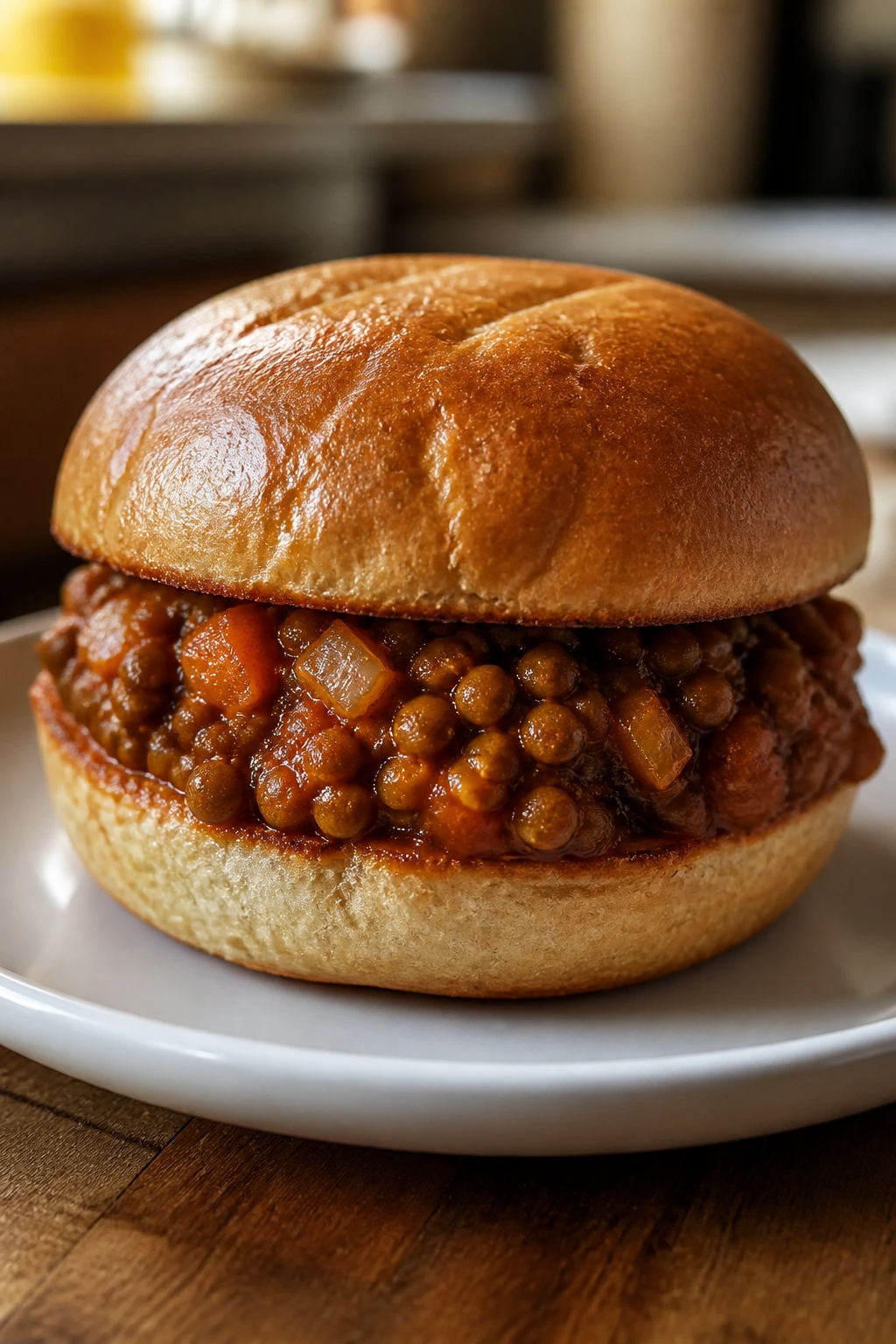
Lentils don’t get nearly enough credit for weeknight cooking. They’re cheap, sturdy, and able to soak up a tangy sauce so well that nobody at the table seems to miss the meat once the bun gets involved.
Why It Works:
Cooked lentils are already soft, so they only need a quick simmer with ketchup and mustard to turn dinner-ready. The mixture stays thick enough for buns, which is the real test for a Sloppy Joe filling.
Key Ingredients:
- 1 cup cooked or canned lentils, drained
- 1/2 small onion, diced
- 3/4 cup ketchup
- 1 tablespoon yellow mustard
- 1 tablespoon Worcestershire sauce
- 1 tablespoon oil
- 6 to 8 sandwich buns
- Salt and pepper, to taste
Quick Steps:
- Heat the oil in a skillet over medium heat. Cook the onion for 3 minutes.
- Stir in the lentils, ketchup, mustard, Worcestershire sauce, salt, and pepper.
- Simmer for 5 to 7 minutes, stirring often, until thick.
- Spoon onto buns and serve right away.
Equipment for This Recipe:
- Skillet
- Wooden spoon
- Knife
- Cutting board
How to Serve This Dish:
Serve with potato chips, a pickled cucumber, or a cheap cabbage slaw. These hold up well in lunch containers too, which is useful because the filling doesn’t mind reheating.
Pro Tips for This Recipe:
- Mash a few lentils in the pan for a better texture.
- If the mixture gets dry, add a splash of water.
- Taste before serving; lentils need more salt than you’d expect.
Variations on This Dish:
- BBQ Lentils: Swap half the ketchup for barbecue sauce.
- Tex-Mex Version: Add chili powder and spoon the filling into tortillas.
Common Mistakes to Avoid with This Dish:
- Runny filling: Simmer until it clings to the spoon.
- Whole lentils only: Mash a few so the mixture stays on the bun.
19. Cajun Chicken Pasta
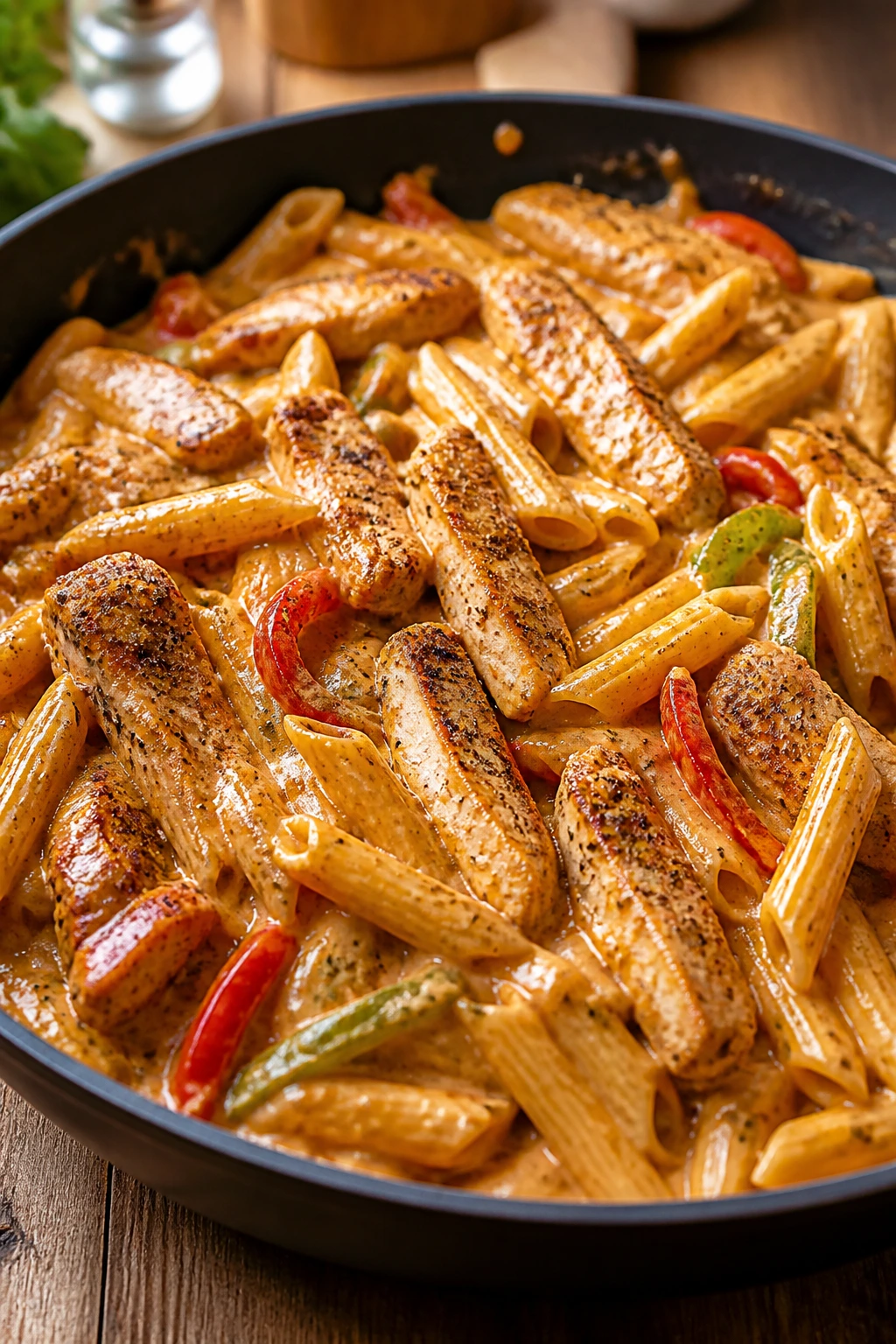
This is the creamy skillet pasta I make when I want dinner to feel bigger than the grocery bill. The Cajun seasoning gives the chicken some edge, the pasta grabs the sauce, and the bell pepper adds a sweet snap that keeps the bowl from getting too heavy.
Why It Works:
Thin chicken pieces cook fast, and cream cheese melts into the sauce with almost no drama. Using pasta water helps loosen everything just enough to coat the noodles instead of turning the pan pasty.
Key Ingredients:
- 1 pound boneless chicken breast or thighs, sliced thin
- 8 ounces penne or rotini
- 1 bell pepper, sliced
- 2 tablespoons Cajun seasoning
- 1 tablespoon oil
- 1 cup milk
- 4 ounces cream cheese
- 1/2 cup pasta water, reserved
- Salt, to taste
Quick Steps:
- Cook the pasta, reserving 1/2 cup of the water.
- Heat the oil in a large skillet and cook the chicken with Cajun seasoning for 5 to 6 minutes.
- Add the bell pepper and cook for 2 minutes.
- Stir in the milk and cream cheese until smooth.
- Toss in the pasta and a splash of pasta water until the sauce coats the noodles.
Equipment for This Recipe:
- Large skillet
- Pot for pasta
- Colander
- Tongs
How to Serve This Dish:
Serve it while the sauce is still silky. A handful of chopped parsley or sliced green onion on top makes the bowl look less beige, which is always a bonus.
Pro Tips for This Recipe:
- Slice the chicken thin so it cooks on time.
- Use softened cream cheese if you can; it melts faster.
- Stop the pasta a minute early so it finishes in the sauce.
Variations on This Dish:
- Sausage Version: Swap chicken for sliced smoked sausage.
- Veggie Version: Replace the chicken with mushrooms and extra peppers.
Common Mistakes to Avoid with This Dish:
- Too much Cajun seasoning: Some blends are salty. Taste before adding more.
- Dry sauce: Keep some pasta water back for loosening.
20. Kielbasa and Potatoes Skillet
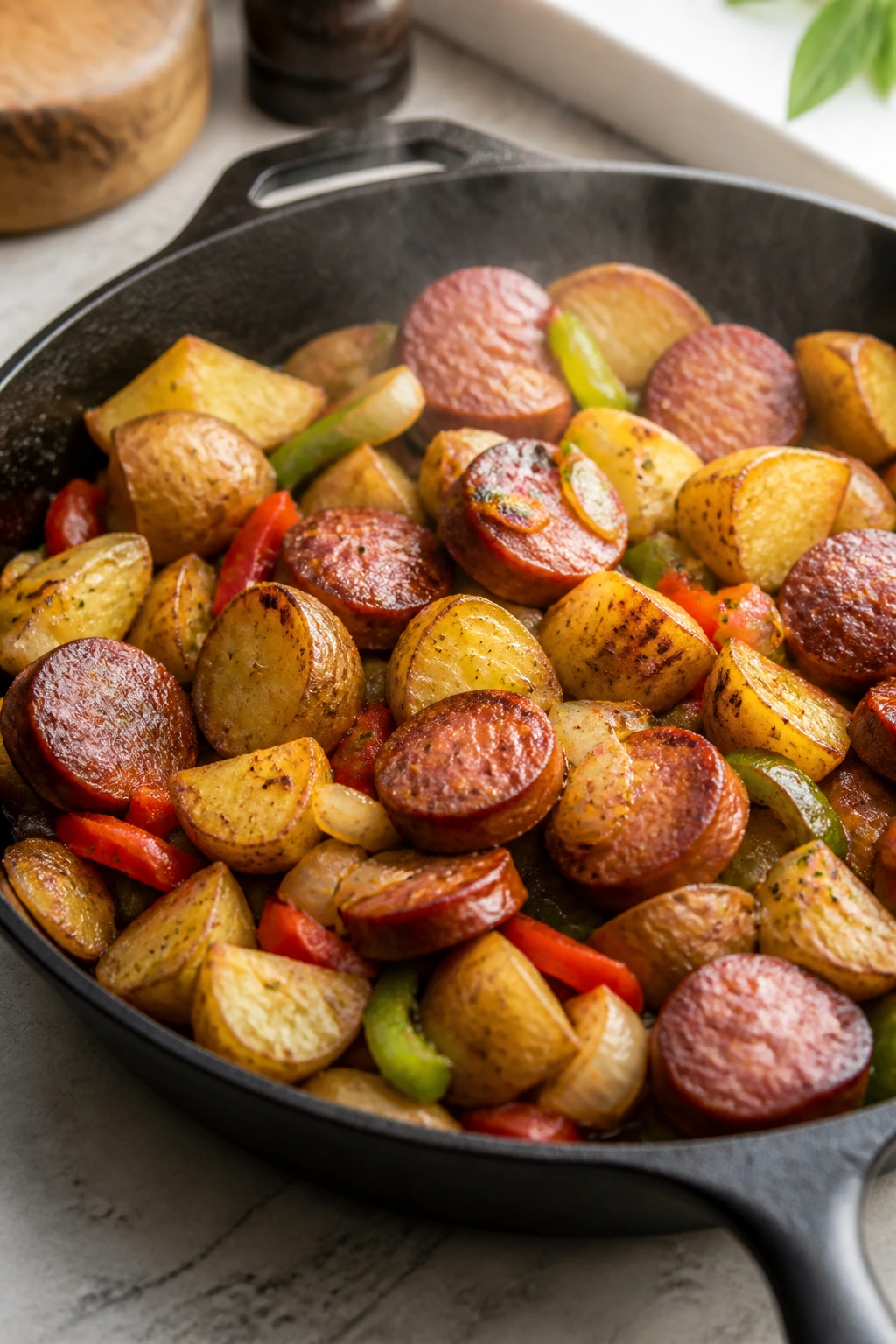
This dinner feels like someone’s grandmother knew what she was doing. Kielbasa brings smoke and salt, potatoes bring heft, and a hot skillet gives you the browned bits that make a simple meal taste finished.
Why It Works:
Small potato pieces cook quickly, especially if you give them a head start in the microwave. That means the sausage can brown in the same pan instead of waiting on a stubborn pile of raw potato cubes.
Key Ingredients:
- 12 ounces kielbasa, sliced
- 1 1/2 pounds baby potatoes, quartered
- 1 onion, sliced
- 1 bell pepper, sliced
- 1 tablespoon oil
- 1/2 teaspoon paprika
- 1/2 teaspoon salt
- 1/4 teaspoon black pepper
Quick Steps:
- Microwave the potatoes with a splash of water for 5 minutes, just until they start to soften.
- Heat the oil in a large skillet over medium-high heat. Brown the kielbasa for 3 minutes.
- Add the onion and bell pepper and cook for 2 minutes.
- Stir in the potatoes, paprika, salt, and pepper. Cook for 6 to 8 minutes, stirring occasionally, until the potatoes are browned and tender.
Equipment for This Recipe:
- Large skillet
- Microwave-safe bowl
- Spatula
- Knife
How to Serve This Dish:
Serve it with mustard or sauerkraut if you want a sharper edge. It’s sturdy enough to stand alone, though a slice of buttered bread never hurts.
Pro Tips for This Recipe:
- Keep the potato pieces small or they’ll lag behind the sausage.
- Let the skillet sit untouched for a minute now and then so browning happens.
- A little smoked paprika deepens the sausage flavor.
Variations on This Dish:
- Cabbage Version: Add shredded cabbage in the last 4 minutes.
- Garlic Herb Version: Finish with minced garlic and parsley.
Common Mistakes to Avoid with This Dish:
- Raw potato cubes: They need either a microwave head start or a long cook.
- No browning: Stirring constantly prevents the crisp bits that make this good.
21. Cheese Ravioli with Marinara and Spinach
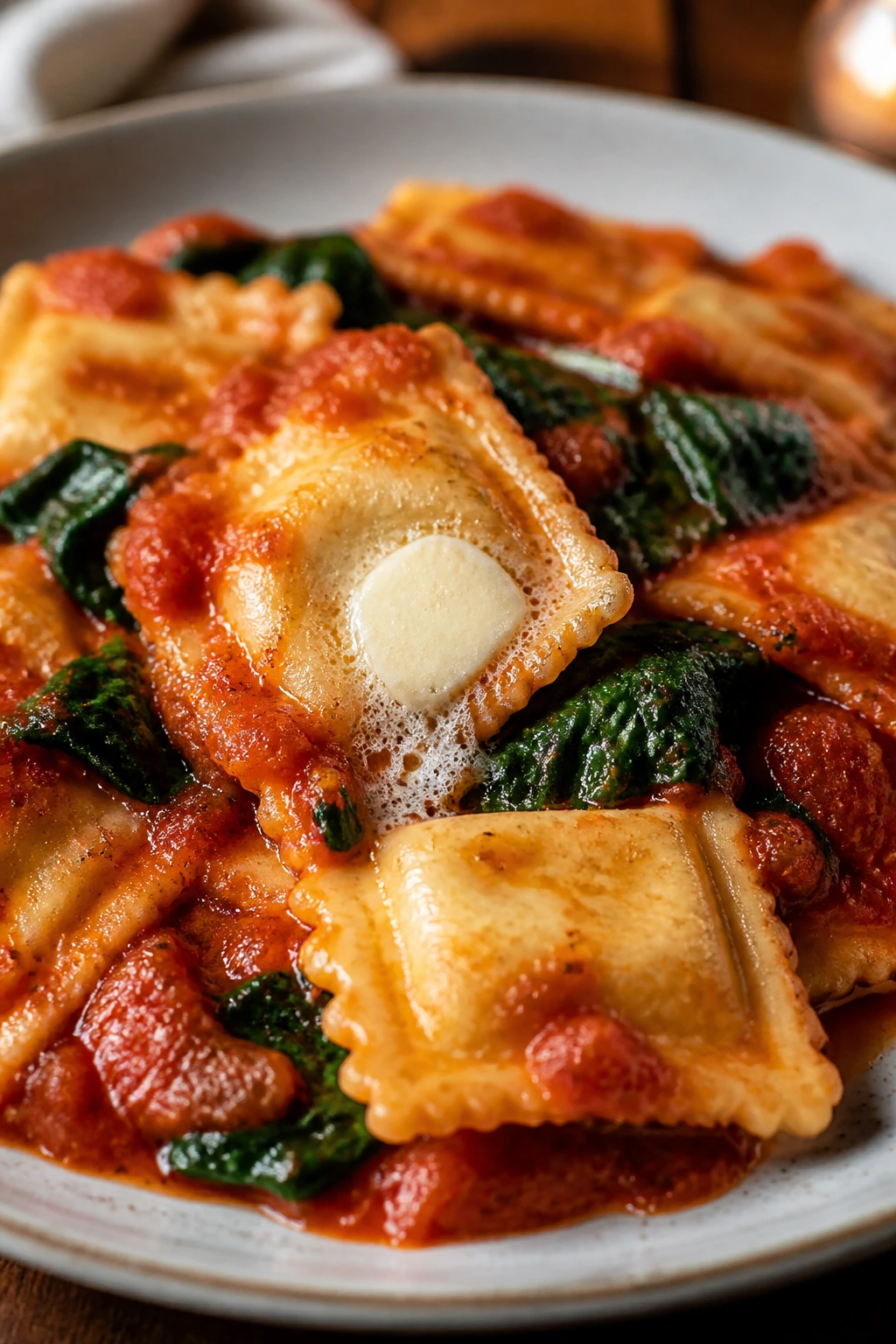
Refrigerated ravioli is one of the quickest ways to get dinner on the table without making the table feel like a compromise. The pasta cooks in minutes, the sauce warms fast, and the spinach slips into the pan at the last second like it was always meant to be there.
Why It Works:
Store-bought ravioli is already filled and portioned, which cuts the prep down to almost nothing. Marinara and spinach turn it into a full meal without asking for extra protein or complicated sauce work.
Key Ingredients:
- 20 ounces refrigerated cheese ravioli
- 2 cups marinara sauce
- 4 cups baby spinach
- 1 tablespoon butter
- 1 clove garlic, minced
- 1/2 cup grated Parmesan
Quick Steps:
- Cook the ravioli according to package directions.
- Warm the butter in a skillet over medium heat. Add the garlic for 30 seconds.
- Stir in the marinara and simmer for 2 minutes.
- Add the spinach and cook until just wilted.
- Toss in the ravioli and finish with Parmesan.
Equipment for This Recipe:
- Pot
- Skillet
- Colander
- Spoon
How to Serve This Dish:
Serve it in wide bowls so the ravioli doesn’t pile up on itself. A little extra Parmesan on the table is smart, because people always want more.
Pro Tips for This Recipe:
- Don’t overcook the ravioli; it turns fragile fast.
- Add the spinach after the sauce is hot so it barely wilts.
- A splash of pasta water helps the sauce coat more evenly.
Variations on This Dish:
- Sausage Marinara Version: Stir in browned sausage slices.
- Rose Sauce Version: Add a spoonful of cream for a softer sauce.
Common Mistakes to Avoid with This Dish:
- Ravioli bursting: Boil gently instead of hard.
- Sauce too thick: Loosen with a bit of pasta water or broth.
22. Chili Mac
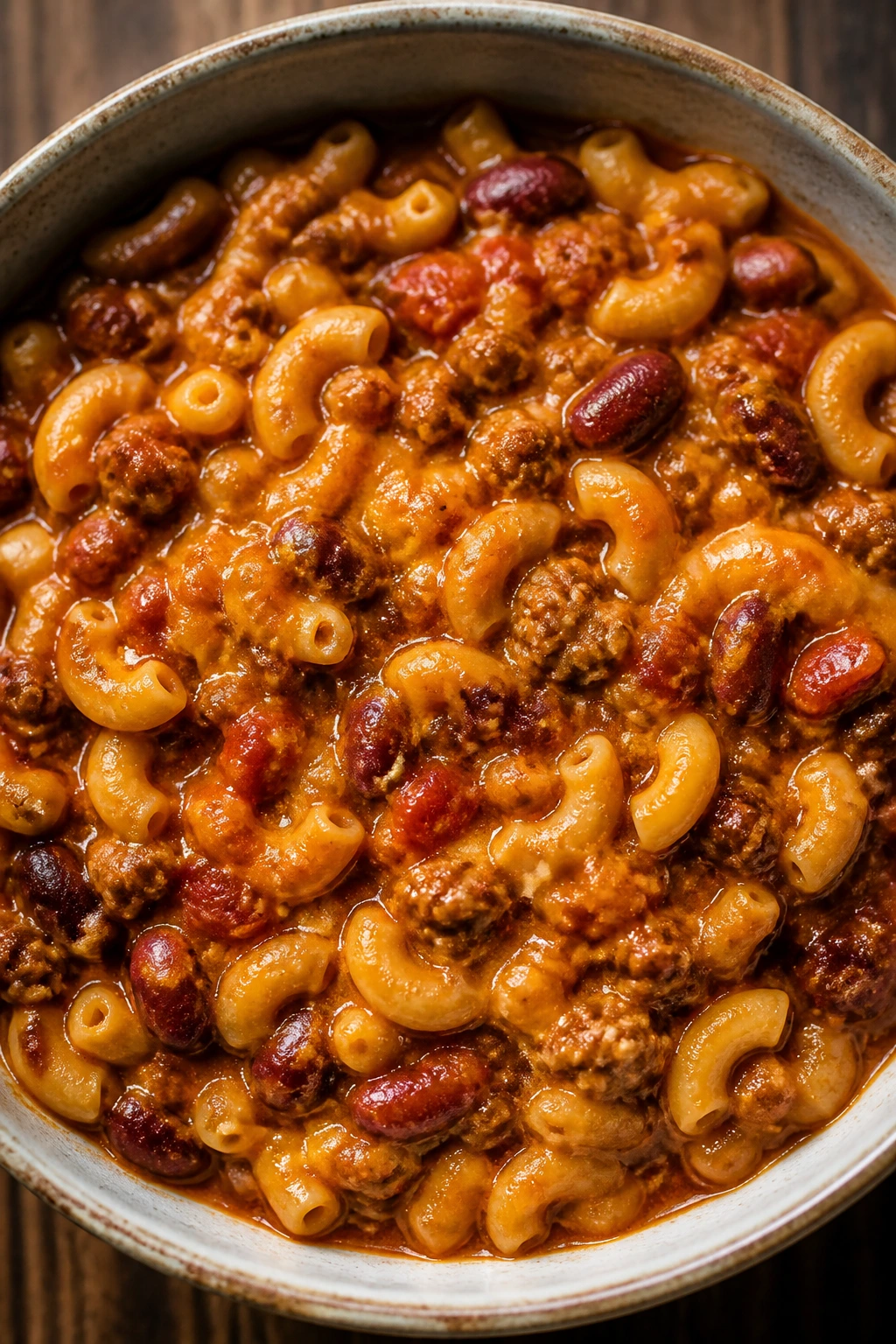
Chili mac is what happens when pasta stops trying to be polite. The meat, beans, tomatoes, and cheese all hit the same pot, and the result is saucy, spoonable, and undeniably practical when everyone wants something filling.
Why It Works:
The pasta cooks right in the chili liquid, which saves time and picks up flavor from the pot instead of plain water. Beans stretch the meat, and cheese gives the final bowl enough richness to feel like dinner, not just a carb pile.
Key Ingredients:
- 1 pound ground beef
- 1 small onion, diced
- 1 can kidney beans, drained and rinsed
- 1 can diced tomatoes, 14.5 ounces
- 2 cups broth or water
- 8 ounces elbow macaroni
- 2 tablespoons chili powder
- 1 cup shredded cheddar
- Salt, to taste
Quick Steps:
- Brown the beef and onion in a large pot over medium heat.
- Stir in the chili powder, beans, tomatoes, broth, and macaroni.
- Bring to a simmer and cook, stirring now and then, until the pasta is tender and the liquid thickens, about 10 minutes.
- Turn off the heat and stir in the cheese.
- Taste and add salt if needed.
Equipment for This Recipe:
- Large pot
- Wooden spoon
- Cheese grater, optional
- Ladle
How to Serve This Dish:
Serve it in bowls with a spoon, not a fork. A little chopped onion or sliced scallion on top gives it a sharper finish and keeps the bowl from feeling too soft.
Pro Tips for This Recipe:
- Stir often so the pasta doesn’t stick to the bottom.
- If the pot gets too thick before the pasta is done, add a splash of water.
- Cheese goes in off the heat so it melts smoothly.
Variations on This Dish:
- Turkey Chili Mac: Use ground turkey and add an extra teaspoon of oil.
- Bean-Heavy Version: Swap one more can of beans for part of the meat.
Common Mistakes to Avoid with This Dish:
- Dry pot: The pasta drinks a lot, so watch the liquid.
- Cheese seized in the pot: Add it after the heat comes off.
23. Chicken Caesar Wraps
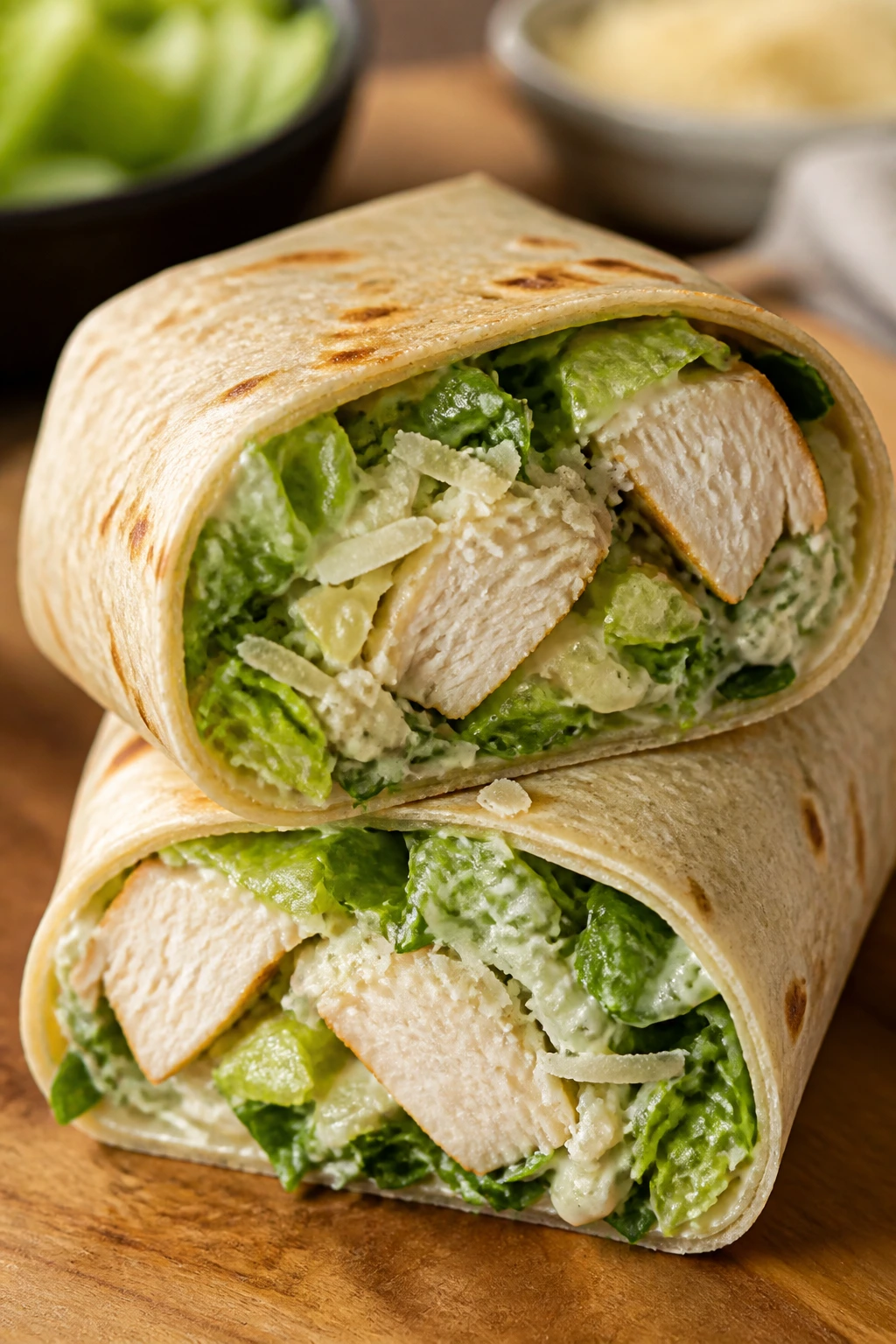
When the chicken is already cooked, Caesar wraps are one of the fastest dinners in the stack. Crisp romaine, salty Parmesan, and cold dressing wrapped in a tortilla make a meal that tastes fresher than the time it took to assemble.
Why It Works:
The chicken can come from leftovers, rotisserie, or a quick pan-sear, so the timing stays flexible. Romaine gives the wrap crunch, while the dressing keeps it from feeling dry or dusty.
Key Ingredients:
- 2 cups cooked chicken, chopped or shredded
- 1 large romaine heart, chopped
- 1/3 cup Caesar dressing
- 1/4 cup grated Parmesan
- 4 large tortillas
- 1/2 cup croutons, optional
- Black pepper, to taste
Quick Steps:
- Toss the chicken, romaine, dressing, Parmesan, and black pepper in a bowl.
- Divide the mixture among the tortillas.
- Add croutons if using.
- Roll the wraps tightly, tucking in the sides as you go.
- Slice in half and serve.
Equipment for This Recipe:
- Mixing bowl
- Knife
- Cutting board
- Spoon
How to Serve This Dish:
Serve them cut on a diagonal so the filling shows. If you want a fuller dinner, set out fruit or a handful of chips on the side.
Pro Tips for This Recipe:
- Don’t dress the lettuce too far ahead or it turns limp.
- Warm the tortillas for a few seconds if they crack when rolling.
- Use thick dressing so the wrap doesn’t go watery.
Variations on This Dish:
- Buffalo Caesar: Add buffalo sauce to the chicken.
- Bacon Version: Crisp bacon bits add salt and crunch.
Common Mistakes to Avoid with This Dish:
- Overdressing the filling: The wrap gets soggy fast.
- Packing too much inside: It won’t roll cleanly and tears open.
24. Baked Potato Bar
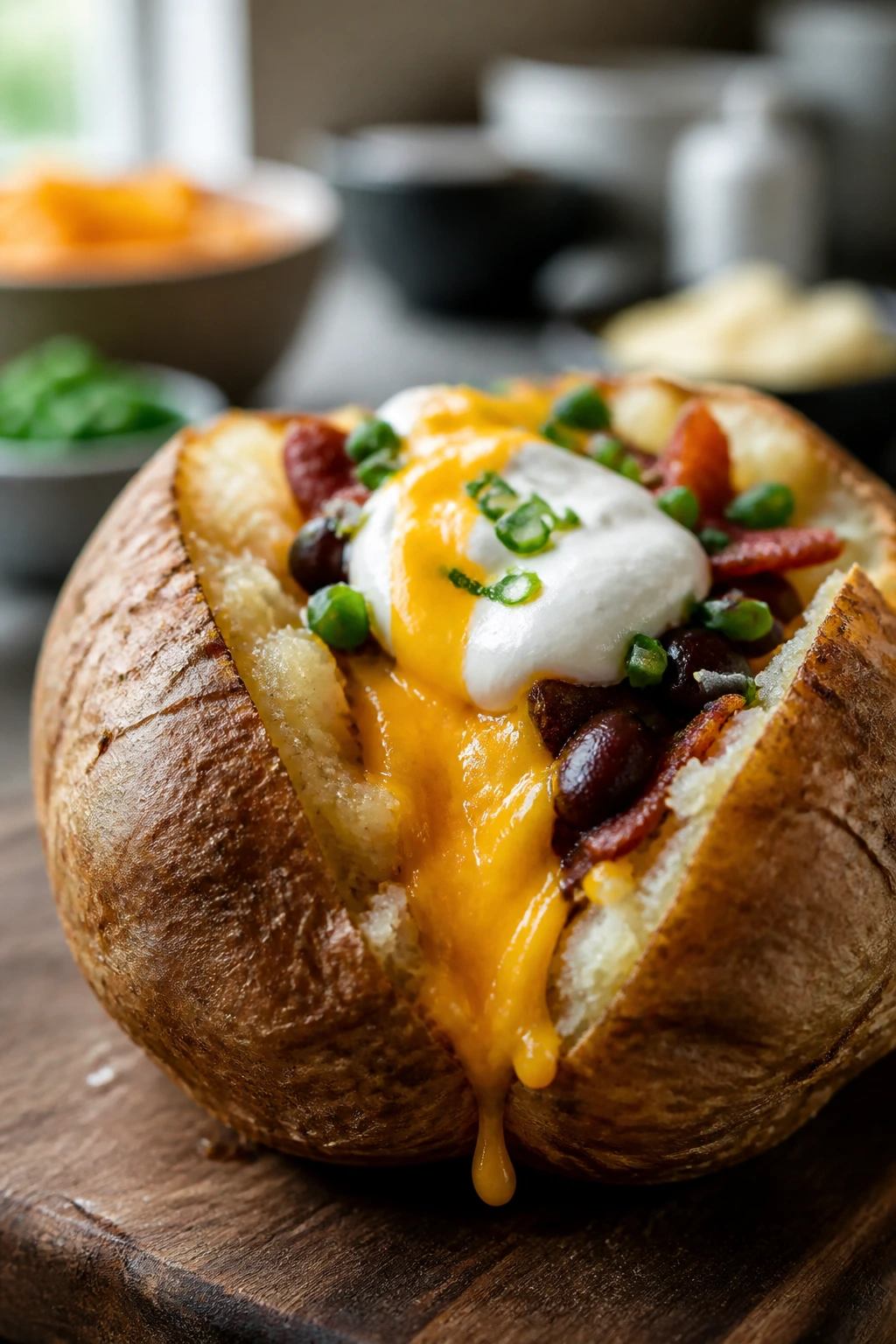
A baked potato bar sounds like a backup plan until you put it on the table and everybody starts building their own dinner. The potato is cheap, the toppings can be whatever’s left in the fridge, and the whole thing bends around what you already have.
Why It Works:
Microwaving the potatoes makes this a true 30-minute dinner instead of a long oven project. Once the potatoes are fluffy and split open, the toppings can be as simple or loaded as you want.
Key Ingredients:
- 4 medium russet potatoes
- 2 tablespoons oil
- 1 cup shredded cheddar
- 1 cup sour cream or plain yogurt
- 1 can black beans, warmed
- 4 slices cooked bacon, crumbled, optional
- Salt and pepper, to taste
- Chopped scallions, optional
Quick Steps:
- Scrub the potatoes, prick them with a fork, rub with oil, and microwave until tender, about 10 to 12 minutes, turning halfway through.
- Split the potatoes open and fluff the centers with a fork.
- Top with cheese, beans, sour cream, bacon, salt, pepper, and scallions.
- Serve immediately while the potatoes are hot.
Equipment for This Recipe:
- Microwave
- Fork
- Knife
- Serving plates
How to Serve This Dish:
Put the toppings in small bowls and let everyone build their own. It looks generous, and it keeps picky eaters from poking at ingredients they don’t want.
Pro Tips for This Recipe:
- Choose potatoes of similar size so they finish together.
- Fluff the centers hard with a fork so the toppings sink in.
- Warm the beans before serving so they don’t chill the potato.
Variations on This Dish:
- Chili Potato Bar: Use leftover chili instead of plain beans.
- Broccoli Cheese Version: Add steamed broccoli and extra cheddar.
Common Mistakes to Avoid with This Dish:
- Potatoes not pierced: They can burst in the microwave.
- Cold toppings: They pull the whole thing down fast, so warm what should be warm.
25. Taco Pasta Skillet
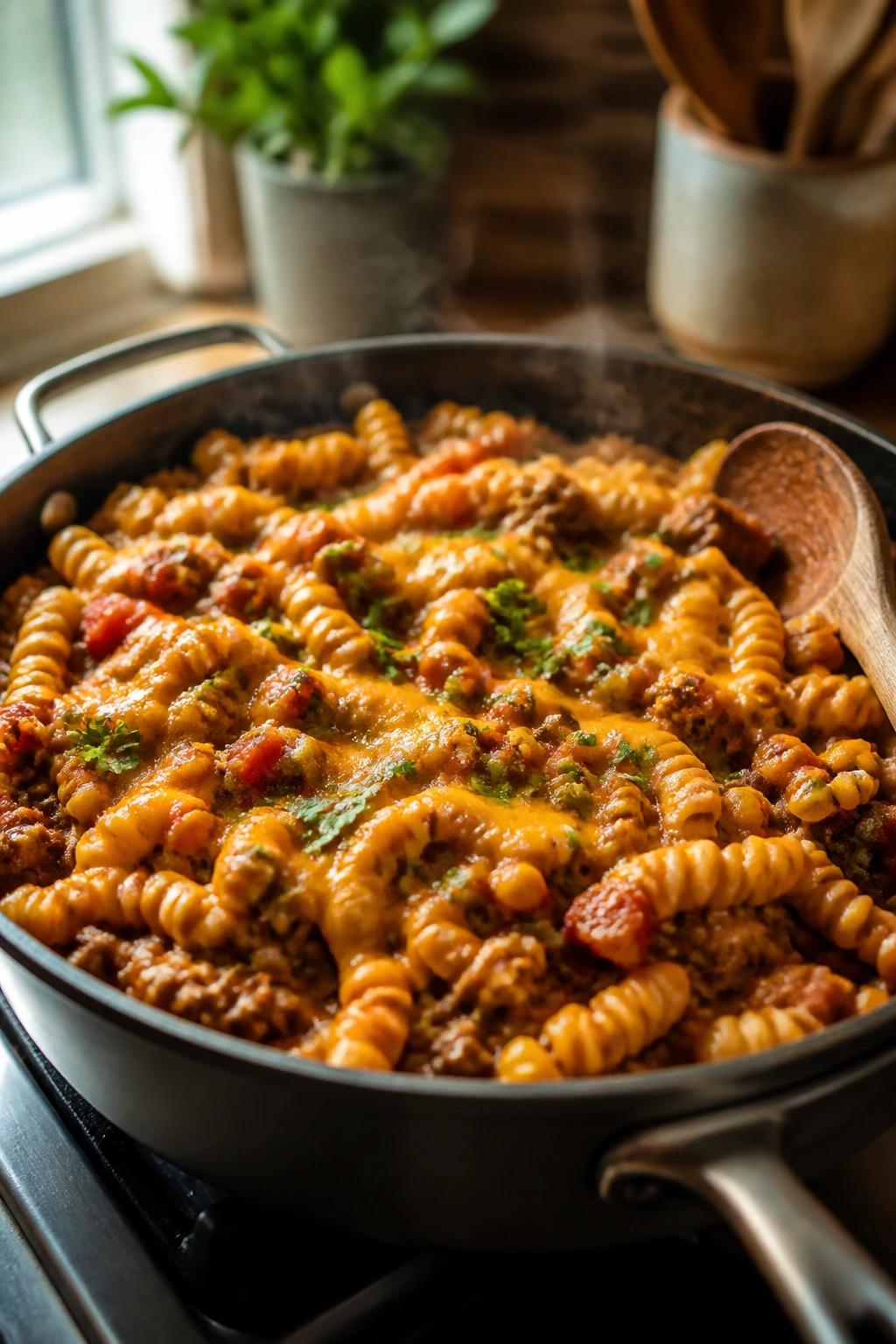
Taco pasta is exactly what it sounds like, and that’s a compliment. The beef, salsa, pasta, and cheese all melt into one skillet, and the result lands somewhere between taco night and mac and cheese with a sharper edge.
Why It Works:
The pasta cooks in the same pot as the sauce, which saves both time and dishes. Salsa stands in for tomatoes, spice, and moisture, so the meal stays bright without requiring a long ingredient list.
Key Ingredients:
- 1 pound ground beef or turkey
- 1 small onion, diced
- 1 tablespoon taco seasoning
- 2 cups salsa
- 2 cups broth or water
- 8 ounces rotini or penne
- 1 cup frozen corn
- 1 cup shredded cheddar
- Salt, to taste
Quick Steps:
- Brown the meat and onion in a large skillet or pot over medium heat.
- Stir in the taco seasoning, salsa, broth, and pasta.
- Bring to a simmer and cook, stirring often, until the pasta is tender, about 10 to 12 minutes.
- Stir in the corn and cheese until melted.
- Taste and add salt if needed before serving.
Equipment for This Recipe:
- Large deep skillet or pot
- Wooden spoon
- Measuring cups
- Cheese grater, optional
How to Serve This Dish:
Scoop it into bowls and top with a little sour cream, chopped lettuce, or crushed tortilla chips. It eats like a full dinner on its own, which is handy because the skillet is doing nearly all the work.
Pro Tips for This Recipe:
- Stir often so the pasta doesn’t cling to the bottom.
- Use salsa with enough liquid; chunky salsa sometimes needs an extra splash of water.
- Add the cheese after the heat drops so it melts smoothly.
Variations on This Dish:
- Bean Stretch Version: Stir in a can of black beans for more volume.
- Spicy Version: Use hot salsa and a pinch of cayenne.
Common Mistakes to Avoid with This Dish:
- Not enough liquid: The pasta will seize before it cooks.
- Cheese on high heat: That’s how you get a stringy, sticky mess.
Why 30-Minute Skillet Suppers Work on Busy Budgets
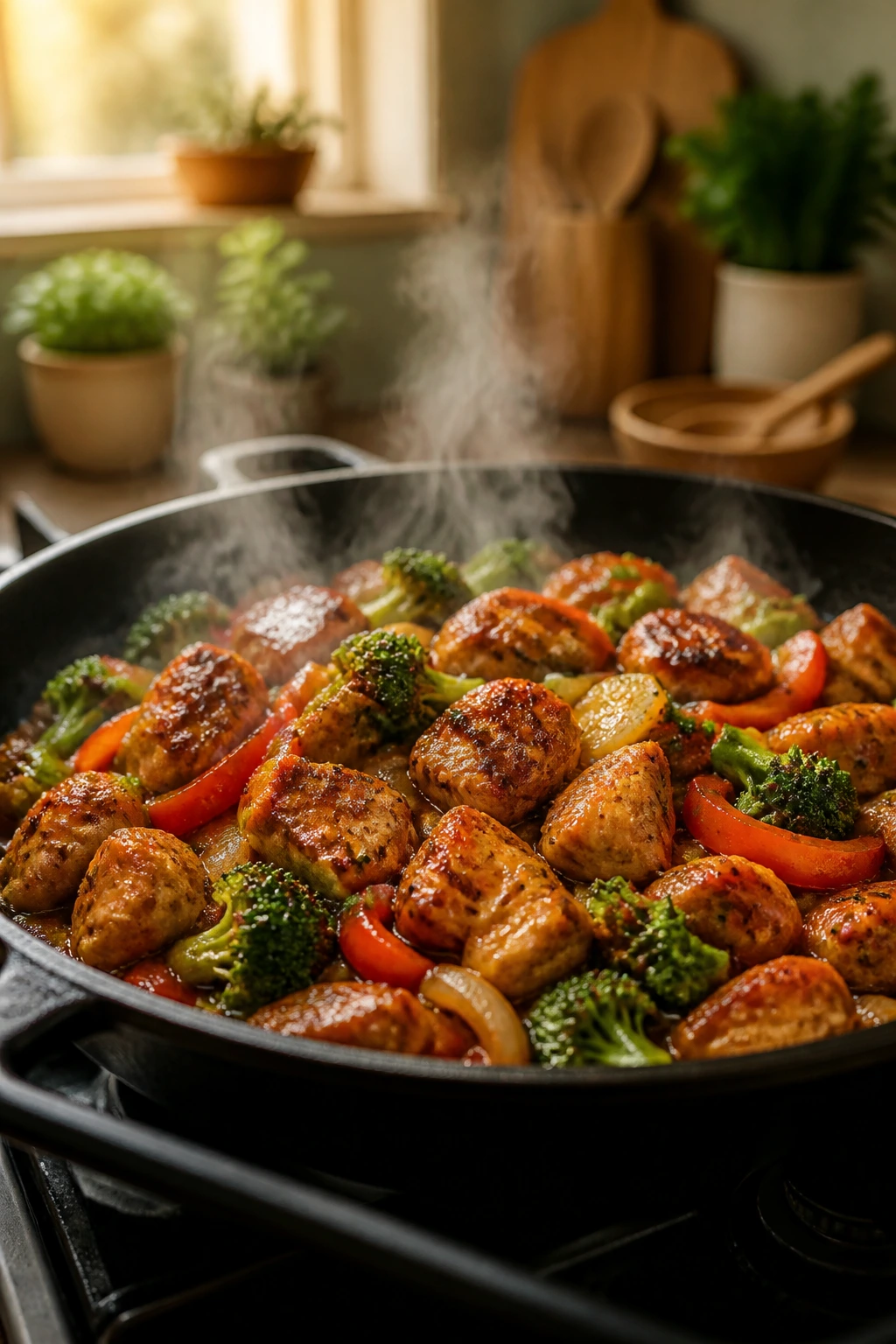
The fast dinners that survive real life tend to share the same bones: one starch, one protein, one vegetable, and one sauce or seasoning path that does more than one job. That’s why pasta, rice, tortillas, potatoes, cabbage, beans, and eggs show up so often here. They’re cheap in bulk, they take on flavor fast, and they don’t ask for long marinating or fancy knife work.
A short cook time also changes how a meal tastes. Broccoli stays greener. Chicken stays juicier. Onions soften without collapsing into sweetness. Cheese melts before it has time to separate. There’s a sweet spot in a 30-minute dinner where ingredients still feel distinct, and that’s the sweet spot I prefer. A lot of slow-cooked food is lovely, but on a weeknight, there’s something satisfying about dinner arriving in its own shape instead of turning into one soft thing.
The other reason these meals work is simple: they keep you out of the takeout trap. If you can get a hot skillet on the table with ingredients you already buy all the time, the budget gets a little less fragile. That matters more than perfect technique.
Essential Equipment for These Recipes
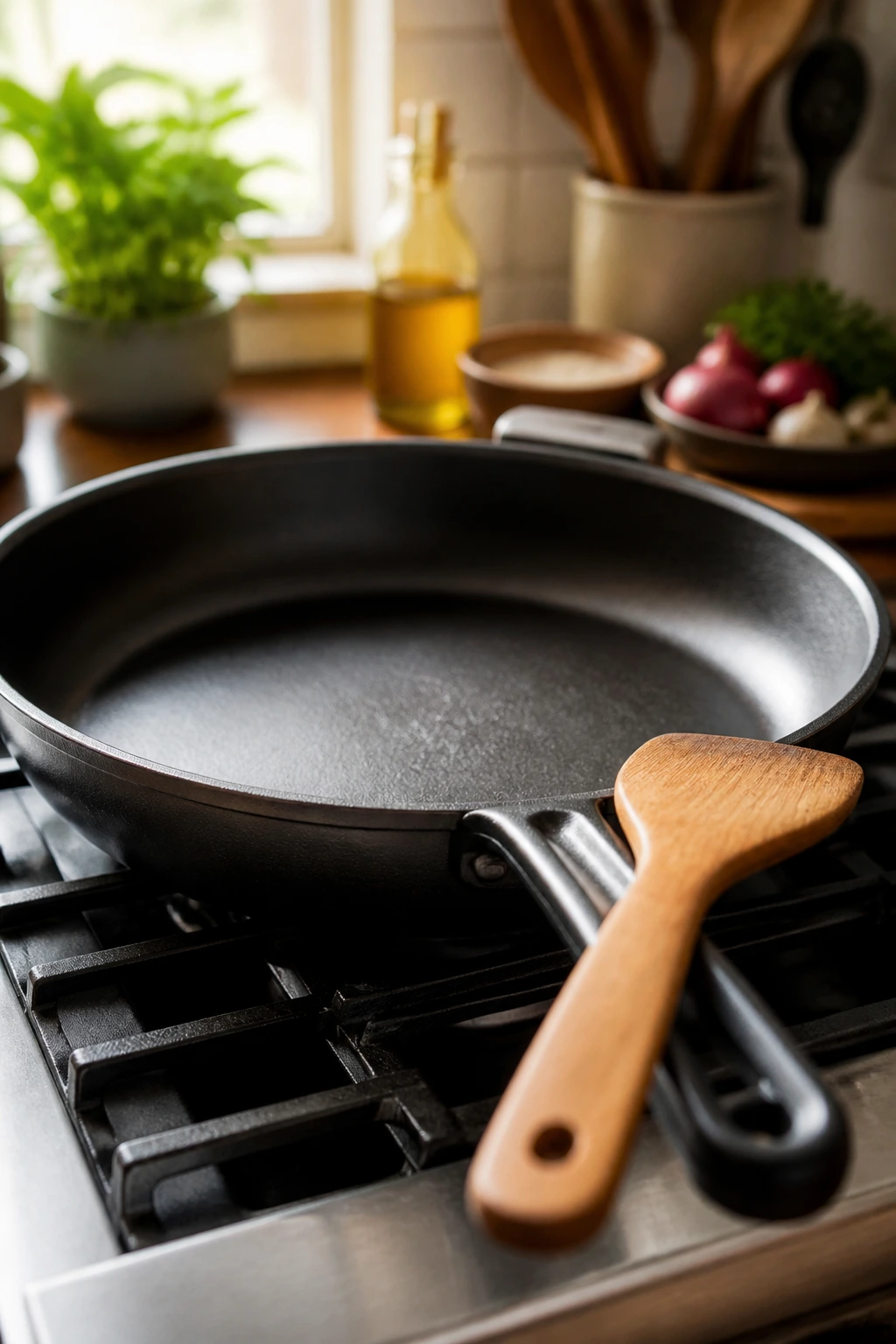
- Large skillet or sauté pan: The workhorse for pasta, chicken, taco fillings, fried rice, and anything saucy.
- Deep pot or Dutch oven: Best for soup, chili mac, and one-pot pasta dishes that need a little room.
- Medium saucepan: Handy for warming beans, sauces, or soup without dirtying the big pot.
- Sheet pan: Useful for broiling flatbreads, toasting buns, and making the oven do the finishing work.
- Colander: Necessary for pasta, ravioli, and noodles unless you enjoy fishing them out with a fork.
- Sharp knife and cutting board: Fast dinners get a lot slower when onions fight back.
- Spatula or wooden spoon: You need something sturdy enough to scrape browned bits and keep pasta moving.
- Measuring cups and spoons: A few of these dishes depend on the sauce ratio landing right.
- Mixing bowls: For taco fillings, sauce mixes, slaws, and anything you want to stir before it hits heat.
- Microwave-safe bowl: Very useful for rice pouches, potatoes, beans, or frozen vegetables that need a quick head start.
- Tongs: Great for turning chicken, tossing noodles, and handling flatbreads without stabbing them.
Smart Shopping and Ingredient Tips
Store brands earn their keep in this kind of cooking. Canned tomatoes, beans, broth, salsa, tortillas, pasta, and shredded cheese are all easy places to save a few dollars without wrecking the meal. I’d spend a little more on the protein if you’re buying meat that needs a clean sear, but even there, the cheaper cut often wins when it’s sliced small or tucked into a sauce.
Frozen vegetables are a quiet bargain. Peas, broccoli, corn, spinach, and mixed vegetables bring color and texture with almost no waste, which matters when a half-used fresh bag in the crisper turns into tomorrow’s compost. Frozen spinach is especially useful for soups and pasta. It looks unglamorous, sure. It also saves money and time.
Cheese is one of the places people overspend by accident. A block of cheddar or Monterey Jack usually melts better than a bagged blend, but the bagged stuff is fine when time is short. For soup and pasta, I like to keep one sharper cheese around and one mellow, melty cheese. That little mix gives you more flavor without needing more ingredients.
For chicken, thighs usually give you more forgiveness than breasts, especially in a skillet. They stay juicy and don’t punish you for a minute of extra heat. For fish, choose fillets that are thin and even so they cook in the same window. Tilapia, in particular, is useful because it’s quick and mild enough for picky eaters.
How to Serve These Recipes
Presentation:
Keep weeknight plates simple and clean. A shallow bowl works well for pasta, fried rice, chili mac, and soup; a rimmed plate or platter helps flatbreads and quesadillas look deliberate instead of tossed down. A little green on top — scallions, parsley, cilantro, or even shredded lettuce — makes a beige dinner feel more finished.
Accompaniments:
Bread stretches soup, curry, and saucy skillet meals. A plain salad, sliced cucumbers, carrot sticks, or a bowl of fruit gives you crunch and freshness without much work. For the heartier recipes, I like a very small side, not a second project. These dinners are already doing enough.
Portions:
Most of these recipes land comfortably at 4 servings, though the ones with tortillas, rice, or pasta often feed 5 if you’re not loading the plate. If you need to scale up, add liquid and seasonings in small steps so the pan doesn’t go flat. If you need to scale down, keep the salt and sauce ratio honest; tiny portions still need flavor.
Beverage Pairing:
I’d keep drinks simple. Iced tea, lemonade, sparkling water with lime, or a cold lager all fit the budget and don’t fight the food. For the tomato, curry, and taco dishes, something with a bit of acidity helps. For creamy dishes, a crisp drink is enough.
Additional Tips and Flavor Boosters
Flavor Enhancement:
A finishing squeeze of lemon or lime fixes more dinners than people admit. It wakes up cheese, beans, chicken, fish, and soup in one hit. If you keep pickled jalapeños, chili crisp, or hot sauce around, they’ll do the same job with more heat.
Customization:
Think in swaps instead of separate recipes. Beans can replace part of the meat in chili mac or taco pasta. Cabbage can replace lettuce in tacos and wraps. Frozen corn can land in rice, skillet dinners, or burritos without a complaint from anyone.
Serving Suggestions:
A spoonful of sour cream, a dusting of Parmesan, chopped scallions, or toasted breadcrumbs can pull a plain dinner into focus. I’m fond of anything with crunch on top. It gives the meal a finish, which is often what cheap dinners are missing.
Make-It-Yours:
For dairy-free plates, use olive oil, skip the cheese where it makes sense, and lean on broth, salsa, herbs, or citrus. For vegetarian nights, beans, lentils, eggs, and tofu can stand in for meat without turning the recipe into a compromise. For extra-protein meals, add an egg, a can of beans, or a handful of leftover chicken before you reach for a second package of meat.
Make-Ahead, Storage, and Reheating Guidance
Most of these dinners keep well for 3 to 4 days in the refrigerator in airtight containers. The saucy ones — chili mac, Sloppy Joes, curry, soup, and taco pasta — usually hold up best because the sauce protects the starch and protein from drying out. Pasta and rice dishes can tighten up a little in the fridge, so keep a splash of water, broth, or milk nearby when reheating.
For the freezer, up to 2 months is a sensible window for the meatier sauces, chili-based dishes, soup, curry, and some cooked bean fillings. Flatbreads, quesadillas, wraps, and crisp skillet dishes are better fresh or refrigerated rather than frozen; they lose texture after thawing. If you do freeze a pasta dish, undercook the pasta slightly so it doesn’t turn soft when reheated.
Reheat soup and curry gently on the stove over medium-low heat. Stir often and add liquid in small splashes. For skillet dinners, a covered pan with a tablespoon or two of water helps bring back steam without frying the food dry. Microwave leftovers in short bursts, stirring between each one, especially for rice and pasta. The goal is warm food with structure, not a scorched edge and a cold center.
A few of these meals improve overnight. Chili mac, Sloppy Joes, curry, lentil filling, and tomato soup usually settle into themselves after a night in the fridge. Fish tacos and grilled cheese do not. Those should be eaten fresh, or they lose the whole point.
Variations and Adaptations to Try
Vegetarian Pantry Night:
Use beans, lentils, eggs, mushrooms, or chickpeas in place of meat for several of the recipes above. The best vegetarian swaps are the ones that bring their own texture, not just a warm absence where the protein used to be. Lentil Sloppy Joes, Chickpea Curry, Black Bean Taco Bowls, and Egg Fried Rice already sit in this lane.
Dairy-Free Swap:
Replace milk or cream with broth, oat milk, or coconut milk where the recipe can handle it. Skip the cheese on tacos, flatbreads, and burritos if needed, then bring in more salsa, herbs, or citrus so the food still has a finish. Coconut milk works especially well in curry and soup.
Lower-Sodium Approach:
Choose low-sodium broth, rinse canned beans, and taste before salting. Sausage, canned soup ingredients, and cheese can already bring plenty of salt, so the trick is to season at the end instead of the beginning. A squeeze of lemon or lime helps food taste seasoned without adding more sodium.
Kid-Friendly Mild Version:
Keep chili powder, black pepper, and hot sauce separate from the pot. Set out toppings on the side and let the kids build their own bowls or burritos. Mild food still needs flavor, so don’t strip everything out — just make the heat adjustable.
Extra-Protein Boost:
A fried egg on rice, beans folded into pasta, or leftover chicken tucked into wraps can make a budget dinner feel more substantial. If the protein is already cooked, add it near the end so it doesn’t dry out. That timing matters more than the ingredient itself.
Comfort Food Shortcut:
Use what’s already in the freezer or pantry and stop trying to make every dinner feel new. A bag of frozen vegetables, a jar of salsa, and a can of beans can travel a long way if you let them do the work they’re good at. Simple ingredients are not the problem. Poor combinations are.
Common Mistakes to Avoid
Using too many separate pans:
Fast dinners unravel when every step needs its own equipment. If the meal starts with a skillet and a pot, fine. If it turns into six pans, the clock wins. Keep an eye out for recipes that ask one ingredient to do two jobs.
Underseasoning cheap ingredients:
Pasta, rice, beans, cabbage, and potatoes are good blank slates, but they’re still blank. Salt them properly, season the cooking liquid when it makes sense, and finish with something sharp — lemon, vinegar, hot sauce, or mustard. Cheap food should taste intentional.
Overcooking the fast protein:
Chicken breast, tilapia, shrimp, eggs, and even some store-bought meatballs don’t need extra time “just to be safe.” They need the right time. Pull them when they’re done and let carryover heat finish the job. Dry protein makes a cheap dinner feel stingy.
Forgetting liquid management:
Pasta sauces tighten fast, rice needs steam, soup thickens as it sits, and skillet dinners dry out if the heat is too high. Keep broth, water, or milk nearby, and don’t be shy about using a splash to bring the pan back. It’s one of the simplest fixes in home cooking.
Adding cheese at a full boil:
That’s how you get grainy soup and clumpy sauce. Drop the heat first. Then stir the cheese in slowly. Small detail, big difference.
Building the meal too early:
Hot beans wilt lettuce, taco fillings soften tortillas, and grilled cheese loses crunch if it sits around. Assemble the cold parts last and serve right away. Timing is the difference between “nice dinner” and “why is this soggy?”
Frequently Asked Questions
Can I make these 30 minute dinners even cheaper?
Yes. Focus on beans, pasta, rice, cabbage, eggs, and tortillas first, then use meat as a supporting ingredient instead of the main event. A pound of ground beef stretched with beans or pasta will feed more people than the same pound served plain.
Which recipes work best for leftovers?
Chili mac, curry, Sloppy Joes, lentil filling, soup, and taco pasta all reheat well. They have enough sauce to protect the texture. Fried rice, quesadillas, fish tacos, and grilled cheese are better fresh.
What if I only have one skillet?
A lot of these recipes can be adapted to one skillet with a little planning. Cook the protein first, remove it to a plate, then use the same pan for the sauce or vegetables. That browned residue on the bottom helps more than people think.
Can I use frozen chicken or frozen vegetables?
Frozen vegetables are easy to work into almost all of these dinners. Frozen chicken is trickier because it won’t brown or cook evenly in a short window unless you thaw it first. If you’re short on time, thaw it safely in the fridge or use pre-cooked chicken instead.
How do I keep pasta from turning mushy in one-pot meals?
Use the right shape, stir often, and stop cooking as soon as the pasta is tender. Short shapes like rotini, penne, and elbows hold up better than delicate noodles. If the pot looks dry before the pasta is done, add a splash of water or broth.
Are these good for picky eaters?
Several of them are, especially grilled cheese and tomato soup, bean and cheese burritos, breakfast hash, pasta with butter and peas, and chicken and rice skillet. The trick is to keep the topping bar separate and avoid mixing too many textures into one bowl.
Can I freeze burritos or quesadillas?
Burritos freeze better than quesadillas because the tortilla softens less once reheated. Wrap them tightly, freeze flat, and reheat in a skillet or oven so the outside has a chance to crisp again. Quesadillas are best cooked fresh and eaten the same day.
What if my budget only covers pantry food for the week?
That still works. Beans, pasta, rice, canned tomatoes, onions, garlic, tortillas, eggs, and frozen vegetables can cover a surprising number of dinners. Add one affordable protein or a little cheese when you can, but the pantry alone can carry the week if you keep the seasoning sharp.
The Weeknight Sweet Spot
The best cheap dinners aren’t trying to be fancy. They’re trying to land hot, taste like something, and get everyone fed without turning the kitchen into a mess. That’s why these meals lean on short ingredient lists, fast methods, and things you probably already buy.
If you keep a few pantry staples around — pasta, rice, beans, tortillas, broth, frozen vegetables, and a couple of sauces — you’re never far from a decent dinner. That’s the real trick. Not perfection. Just a skillet, a clock, and enough good flavor to make the table quiet for a few minutes.