



A box of spaghetti, a can of beans, and one onion can rescue dinner faster than any delivery app. That’s the real appeal of quick dinner ideas under $10: not thrift for thrift’s sake, but the small, practical miracle of turning cheap staples into something hot, filling, and not remotely depressing.
The best budget dinners don’t feel like punishment food. They don’t rely on one sad ingredient doing all the work, either. They lean on pantry structure: starch for bulk, beans or eggs for staying power, a sharp little hit of acid or spice, and enough fat at the end to make the whole thing taste intentional. That’s why a bowl of pasta with peas and garlic can beat a more expensive meal that never quite came together.
And yes, the under-$10 part matters. Once you start buying smarter — frozen vegetables instead of limp fresh ones, block cheese instead of pre-shredded bags, canned tomatoes instead of fancy jar sauce — dinner gets cheaper without getting smaller. You get more meals out of the same shopping trip, and the kitchen stops feeling like a place where money disappears in drips.
Why These Cheap Dinners Work Better Than Takeout
- Pantry First: These recipes are built from ingredients that live a long time on the shelf, so you can cook before the fridge starts looking empty and weird.
- Fast by Design: Most of them finish in 20 to 30 minutes because they use cooked rice, quick pasta, eggs, canned beans, or fast-cooking vegetables.
- One Purchase, Many Meals: A bag of onions, a block of cheddar, and a few pounds of potatoes can show up in three or four different dinners without feeling repetitive.
- Stretch Without Shame: Beans, lentils, cabbage, and eggs bulk up a plate for pennies, and they do it in a way that still tastes like real food.
- Flexible on the Fly: If you’re missing one herb, cheese, or vegetable, these dinners usually survive the swap. That matters when the pantry is doing most of the heavy lifting.
- Better Leftovers: A lot of these meals taste even calmer the next day, which is code for “less frantic and more unified.” Not every dinner has to win on minute one.
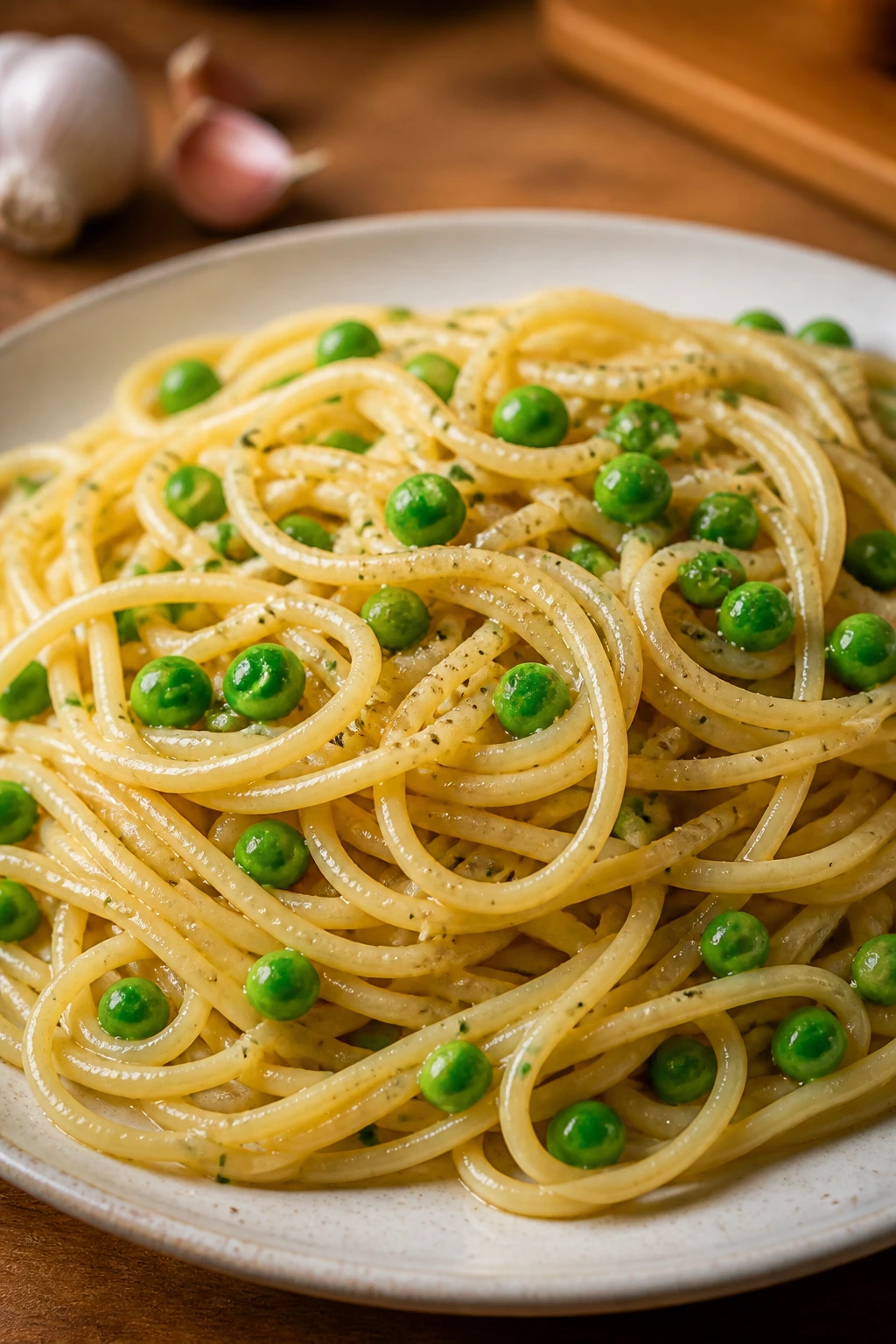
1. Garlic Butter Spaghetti with Peas
A bowl of spaghetti slicked with garlic butter is the kind of dinner that looks almost too plain until the first bite. The pasta comes out glossy, the peas stay sweet and bright, and the Parmesan turns the whole thing into something that tastes like more money than it cost.
Why It Works:
This recipe stays cheap because the pasta carries the meal and the peas bring color, sweetness, and just enough texture to keep each forkful from feeling flat. The butter and pasta water make a fast sauce that clings to the strands instead of pooling under them. If you finish with lemon, the whole bowl wakes up.
Key Ingredients:
- 12 ounces spaghetti
- 2 tablespoons unsalted butter
- 2 cloves garlic, minced
- 1 cup frozen peas
- 1/2 cup finely grated Parmesan
- 1 teaspoon lemon zest
- 1 tablespoon lemon juice
- 1/4 teaspoon red pepper flakes, optional
- Salt and black pepper
Quick Steps:
- Boil the spaghetti in salted water until al dente, about 9 to 10 minutes. Reserve 1 cup of pasta water before draining.
- Melt the butter in a large skillet over medium heat. Add the garlic and cook for 30 seconds, just until fragrant.
- Stir in the peas and 1/4 cup pasta water. Cook for 2 minutes until the peas are hot and bright green.
- Add the drained spaghetti, Parmesan, lemon zest, lemon juice, and another splash of pasta water. Toss until the sauce coats the pasta instead of sliding off.
- Season with black pepper and more salt if needed. Serve immediately.
Equipment for This Recipe:
- Large pot
- 12-inch skillet
- Colander
- Tongs
- Microplane or fine grater
How to Serve This Dish:
Pile it into shallow bowls and top with a little extra Parmesan so it melts into the heat. A simple green salad or a slice of toast is enough beside it.
Pro Tips for This Recipe:
- Use fine Parmesan, not thick shreds, or the sauce can clump.
- Pull the pasta a minute early; the final toss finishes the cooking.
- A spoonful of cream is not needed here. Pasta water does the job.
Variations on This Dish:
- Anchovy Butter Version: Melt 2 chopped anchovy fillets with the butter for a savory edge.
- Lemony Herb Finish: Add chopped parsley or dill at the end for a fresher bowl.
Common Mistakes to Avoid with This Dish:
- Don’t skip the pasta water. Without it, the butter just slides around.
- Don’t brown the garlic hard; it turns bitter fast.
- Don’t drown the dish in cheese before tossing. Add it in stages so the sauce stays smooth.
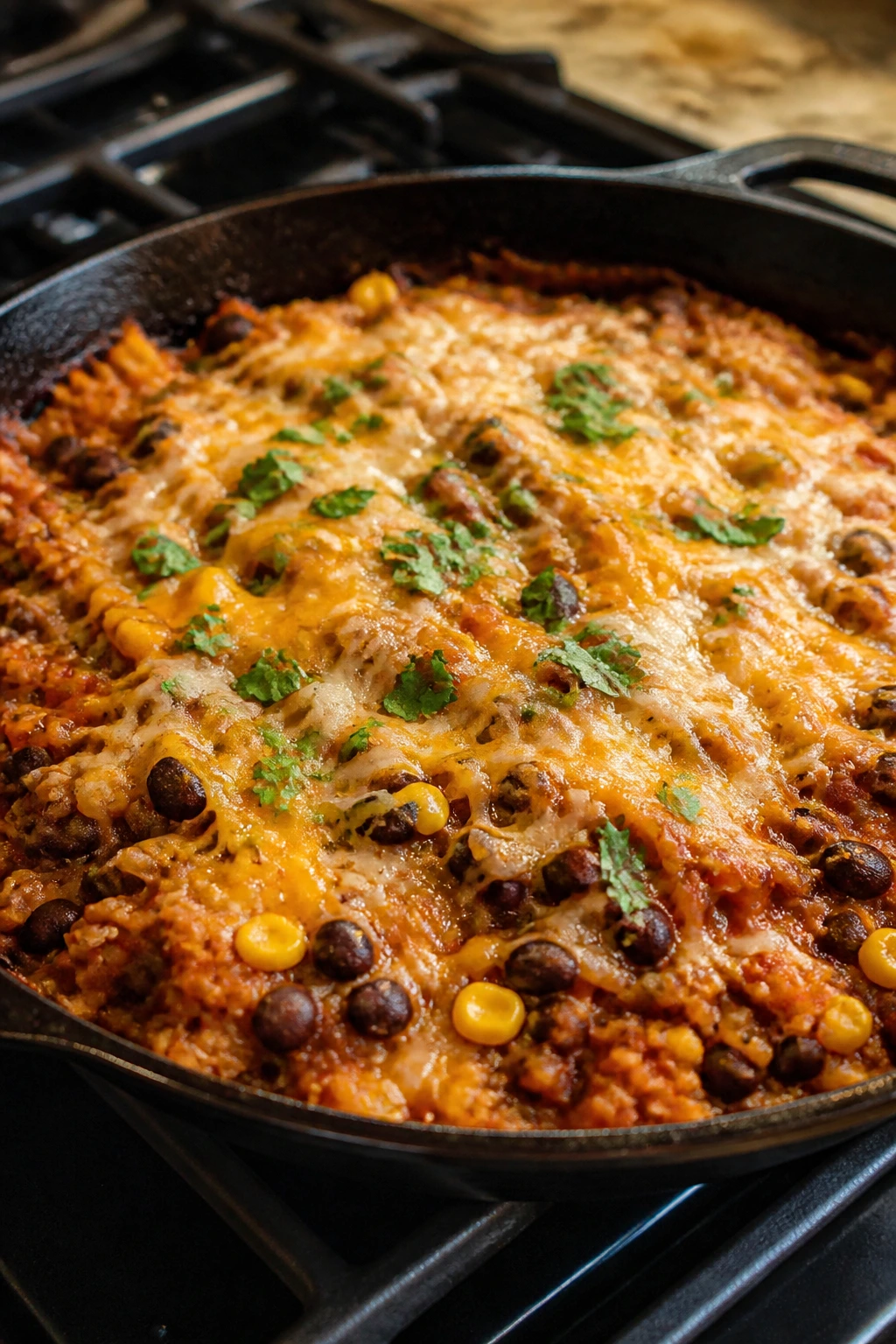
2. Black Bean Taco Rice Skillet
This is one of those dinners that smells like you worked harder than you did. Warm rice, salsa, cumin, and black beans give you a skillet that tastes like a taco night without the stack of tortillas and toppings.
Why It Works:
Rice and beans are cheap in the best possible way: they’re filling, they keep well, and they accept heat and seasoning without fuss. Salsa does the work of tomatoes, onions, peppers, and spice in one move. Cheese on top melts into the rice and ties the whole skillet together.
Key Ingredients:
- 3 cups cooked rice
- 1 can black beans, drained and rinsed
- 1 cup salsa
- 1 cup frozen corn
- 1 tablespoon taco seasoning
- 1 cup shredded cheddar or Monterey Jack
- 1 tablespoon oil
- 2 tablespoons water
- Sour cream, cilantro, or sliced scallions for serving
Quick Steps:
- Warm the oil in a large skillet over medium heat.
- Add the beans, corn, salsa, taco seasoning, and water. Cook for 3 to 4 minutes until bubbling.
- Stir in the cooked rice and break up any clumps with a spoon. Cook for 2 to 3 minutes until the rice is hot.
- Sprinkle the cheese over the top, cover the pan, and turn off the heat. Let it sit for 2 minutes until the cheese melts.
- Serve with a dollop of sour cream or a spoonful of extra salsa.
Equipment for This Recipe:
- Large skillet with lid
- Wooden spoon
- Measuring cups
- Can opener
How to Serve This Dish:
Scoop it straight from the skillet into bowls and finish with scallions or cilantro. It eats like a full meal on its own, but tortilla chips on the side never hurt.
Pro Tips for This Recipe:
- Use day-old rice if you have it; fresh rice can go mushy in a skillet.
- If your salsa is thick, add another splash of water so it coats the rice.
- A squeeze of lime at the end sharpens the beans and cheese.
Variations on This Dish:
- Green Chile Swap: Use verde salsa and pepper jack instead of cheddar.
- Egg-Topped Version: Fry a few eggs and set one on each bowl for extra staying power.
Common Mistakes to Avoid with This Dish:
- Don’t add too much liquid at once or the rice turns soft.
- Don’t forget to rinse canned beans unless you want the whole pan tasting muddy.
- Don’t leave the cheese off the heat too long; it should melt, not dry out.
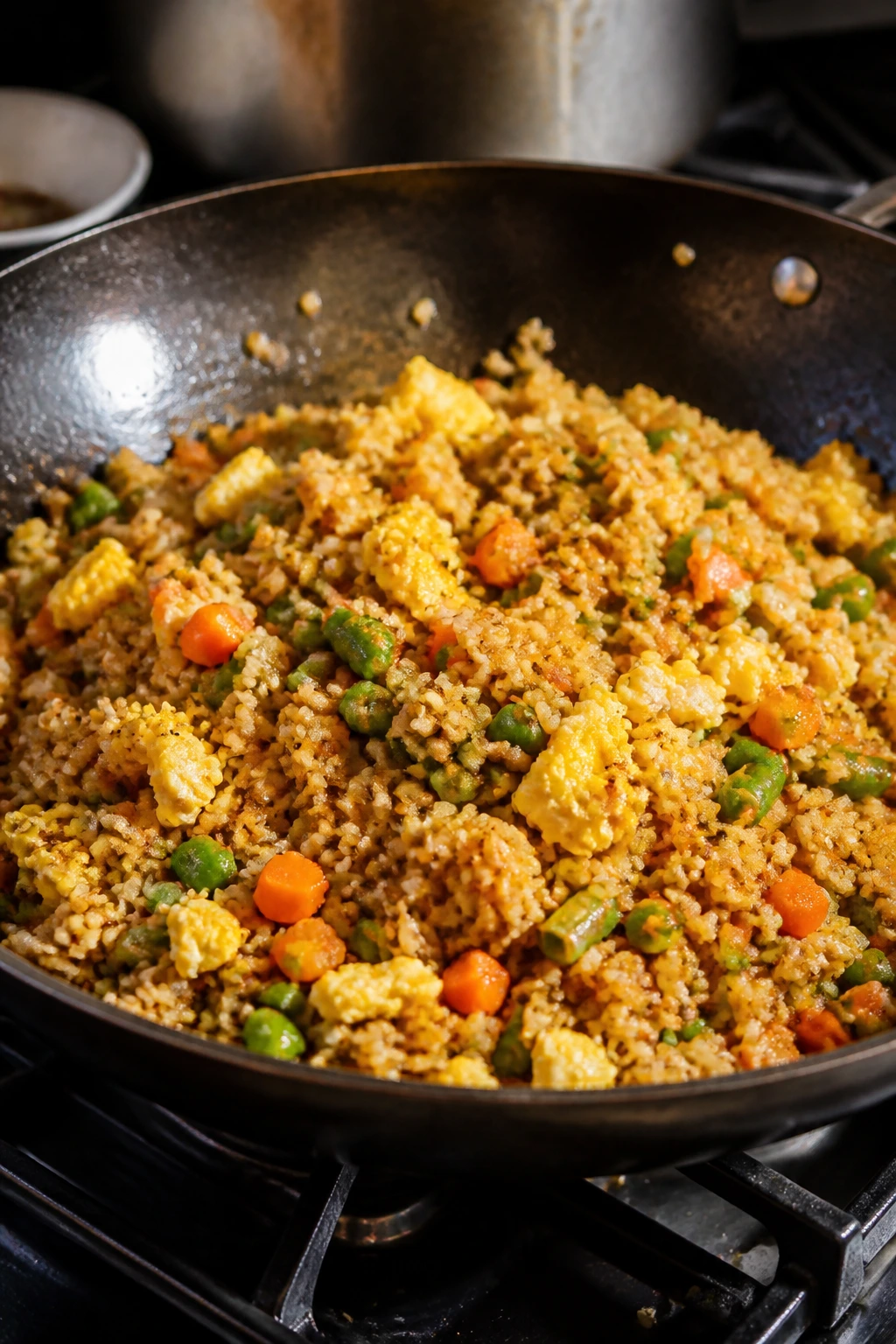
3. Crispy Egg Fried Rice with Frozen Vegetables
Fried rice is one of those rare cheap dinners that feels fast without tasting rushed. Cold rice crackles in the pan, the eggs form soft ribbons, and the frozen vegetables fill in the gaps without any sad, soggy energy.
Why It Works:
The trick is simple: cold rice dries out enough to fry instead of steaming. Frozen vegetables are already chopped, already cheap, and they give color without demanding knife work. Soy sauce and sesame oil finish the job with just enough salt and aroma.
Key Ingredients:
- 4 cups cold cooked rice
- 2 large eggs, beaten
- 2 cups frozen mixed vegetables
- 2 tablespoons soy sauce
- 1 tablespoon neutral oil
- 1 teaspoon sesame oil
- 2 scallions, sliced
- 1 clove garlic, minced
- Black pepper
Quick Steps:
- Heat the oil in a large skillet or wok over medium-high heat.
- Add the beaten eggs and scramble for 30 to 45 seconds until just set. Remove to a plate.
- Add the garlic and frozen vegetables to the pan. Stir-fry for 2 to 3 minutes until the vegetables are hot and the water has cooked off.
- Add the cold rice, breaking it up with a spatula. Cook for 4 to 5 minutes until the grains look separate and a little toasted.
- Stir in the soy sauce, sesame oil, eggs, scallions, and black pepper. Toss for 30 seconds and serve.
Equipment for This Recipe:
- Large skillet or wok
- Spatula
- Bowl for beaten eggs
- Cutting board
How to Serve This Dish:
Serve it in bowls with extra scallions on top and a few chili flakes if you like heat. A fried egg on the side is overkill in the best way.
Pro Tips for This Recipe:
- Spread the rice out in the fridge if it’s warm; damp rice steams instead of fries.
- Keep the pan hot enough that the rice sizzles when it hits.
- Don’t pour in extra soy sauce too early or the rice goes patchy.
Variations on This Dish:
- Peanut Fried Rice: Stir in 1 tablespoon peanut butter with the soy sauce for a nutty, richer finish.
- Curry Fried Rice: Add 1 teaspoon curry powder with the vegetables for a warmer flavor.
Common Mistakes to Avoid with This Dish:
- Don’t use steaming-hot rice from the pot unless you want a sticky mess.
- Don’t crowd the skillet; cook in two batches if needed.
- Don’t overcook the eggs at the start. They’ll go back in later and finish softly.
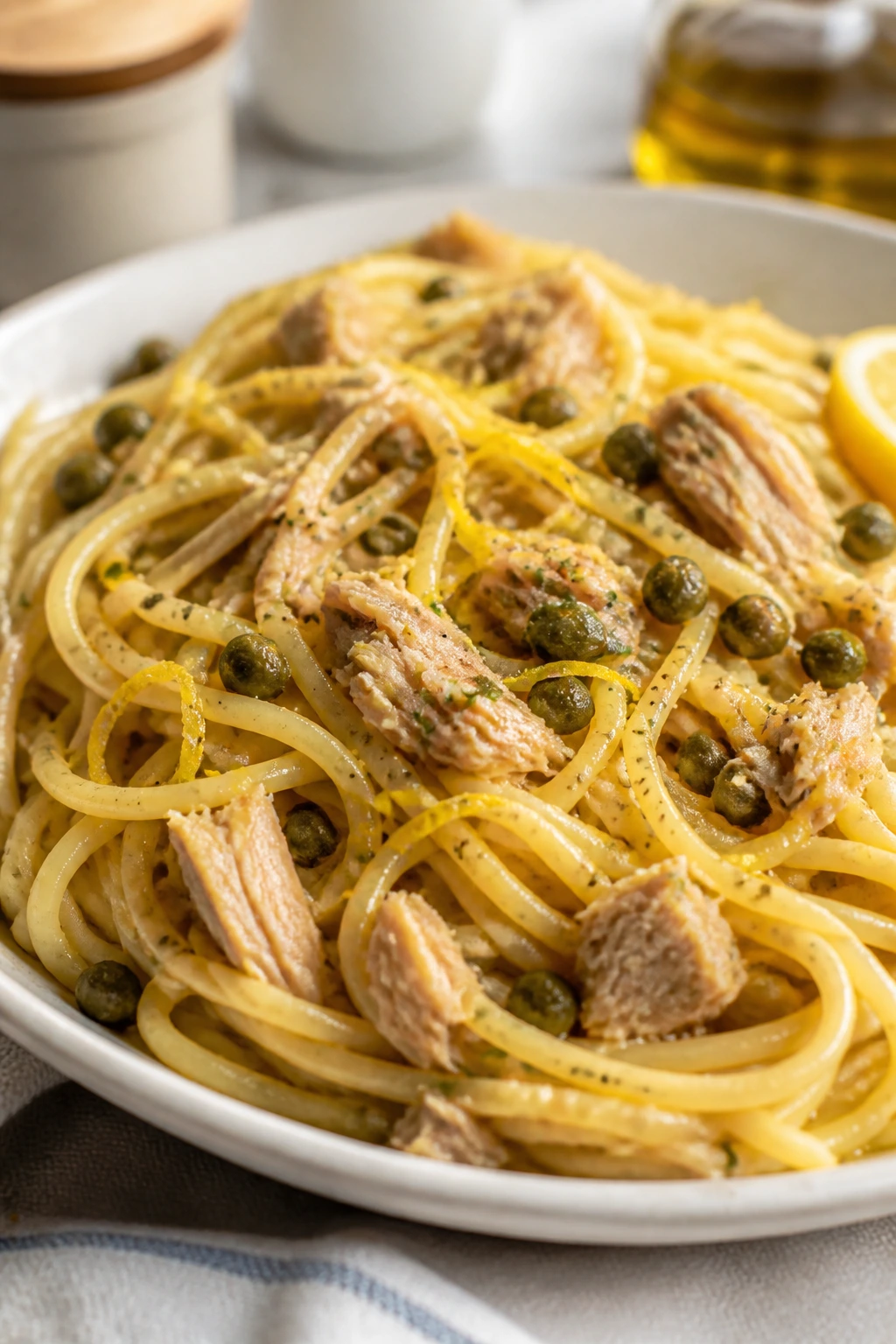
4. Lemon Tuna Pasta with Capers
Tuna pasta gets a bad reputation from dry cafeteria versions, which is unfair. Done right, it’s bright, savory, and a little briny, with capers snapping against the lemon and the tuna staying in soft flakes instead of disappearing.
Why It Works:
Canned tuna is one of the cheapest proteins that still tastes like dinner, especially when it gets an acid like lemon and a salty hit from capers. Olive oil and garlic give the sauce body without making it heavy. The whole thing comes together in the time it takes pasta to boil.
Key Ingredients:
- 12 ounces short pasta or spaghetti
- 2 cans tuna in water or oil, drained
- 2 tablespoons olive oil
- 2 cloves garlic, minced
- 2 tablespoons capers, drained
- 1 lemon, zested and juiced
- 2 tablespoons chopped parsley
- Salt and black pepper
- Red pepper flakes, optional
Quick Steps:
- Cook the pasta in salted water until al dente. Reserve 1 cup of pasta water.
- Warm the olive oil in a large skillet over medium heat. Add the garlic and capers and cook for 30 seconds.
- Add the tuna and break it into chunks with a spoon. Let it warm for 1 minute.
- Toss in the pasta, lemon zest, lemon juice, and 1/3 cup pasta water. Stir until the sauce turns silky and clings to the noodles.
- Finish with parsley, black pepper, and more water if the pan looks dry.
Equipment for This Recipe:
- Large pot
- Large skillet
- Colander
- Wooden spoon
How to Serve This Dish:
Serve it with a squeeze of lemon over the top and a few more capers if you like a sharper bite. A green salad or steamed broccoli keeps the plate balanced.
Pro Tips for This Recipe:
- Use tuna packed in oil if you want a fuller flavor.
- Don’t over-flake the tuna; a few larger pieces make the dish feel heartier.
- A spoonful of pasta water matters more than extra oil here.
Variations on This Dish:
- Tomato Tuna Pasta: Stir in 1/2 cup crushed tomatoes for a softer, saucier version.
- Herby Pantry Version: Use dill or basil instead of parsley when that’s what the fridge has.
Common Mistakes to Avoid with This Dish:
- Don’t skip the lemon; without it, tuna pasta tastes flat.
- Don’t rinse the capers unless they’re very salty. You want that briny edge.
- Don’t leave the pasta dry. It should be glossy, not shiny in a greasy way.
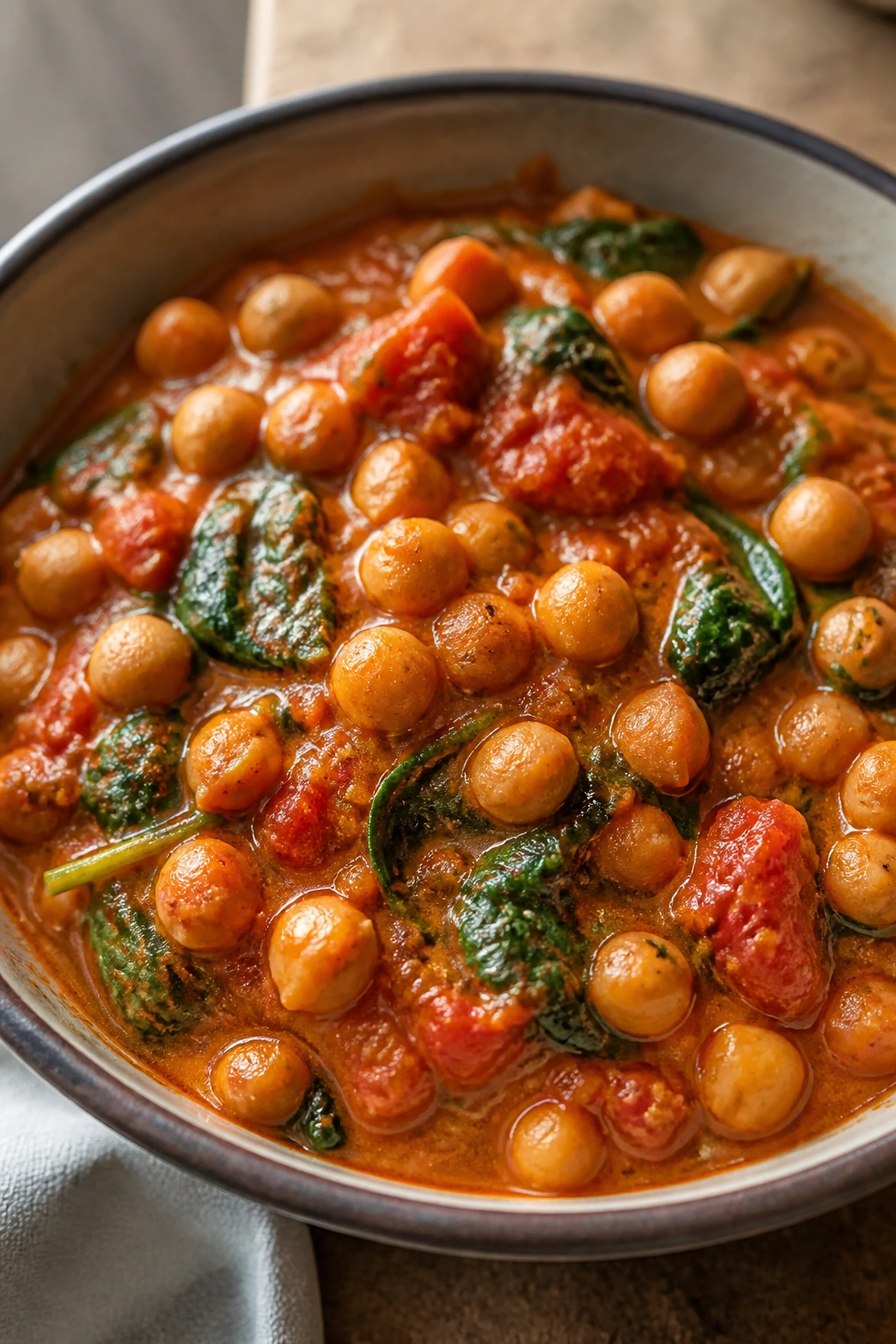
5. Chickpea Tomato Curry
This curry tastes like it came from a bigger, busier kitchen than it did. Chickpeas bring the bulk, tomatoes give the sauce its body, and curry powder does the heavy lifting without asking you to grind a single spice.
Why It Works:
Chickpeas are cheap, sturdy, and happy in sauce. Canned tomatoes and a little coconut milk make a fast simmering base that tastes deeper than the ingredient list suggests. If you serve it with rice, one pot stretches into a full dinner without much effort.
Key Ingredients:
- 1 tablespoon oil
- 1 onion, diced
- 2 cloves garlic, minced
- 1 tablespoon curry powder
- 1 tablespoon tomato paste
- 2 cans chickpeas, drained and rinsed
- 1 can crushed tomatoes, 14 ounces
- 1/2 cup coconut milk
- 2 cups baby spinach
- Salt, pepper, and rice for serving
Quick Steps:
- Heat the oil in a skillet or saucepan over medium heat. Cook the onion for 5 minutes until soft.
- Add the garlic, curry powder, and tomato paste. Stir for 30 seconds until fragrant.
- Pour in the chickpeas and crushed tomatoes. Simmer for 10 minutes, stirring now and then.
- Stir in the coconut milk and spinach. Cook for 2 minutes until the spinach wilts and the sauce looks thicker.
- Taste and season with salt and pepper. Serve hot over rice.
Equipment for This Recipe:
- Medium saucepan or deep skillet
- Wooden spoon
- Knife and cutting board
- Rice cooker or pot for rice
How to Serve This Dish:
Pile it over rice and let the sauce soak in a little before serving. A spoonful of yogurt or a wedge of naan works if you want something cool or chewy alongside it.
Pro Tips for This Recipe:
- Toast the curry powder briefly in the oil; it wakes up the spice.
- If the sauce tastes thin, simmer it uncovered for 3 extra minutes.
- Frozen spinach works too, but squeeze out the water first.
Variations on This Dish:
- Peanut Chickpea Curry: Stir in 1 tablespoon peanut butter for a rounder, richer sauce.
- Red Lentil Switch: Replace one can of chickpeas with 1 cup cooked red lentils for a softer texture.
Common Mistakes to Avoid with This Dish:
- Don’t rush the onion. Pale onion means thin flavor.
- Don’t add too much coconut milk or the curry loses its spice.
- Don’t forget to rinse the chickpeas; the can liquid can muddy the sauce.
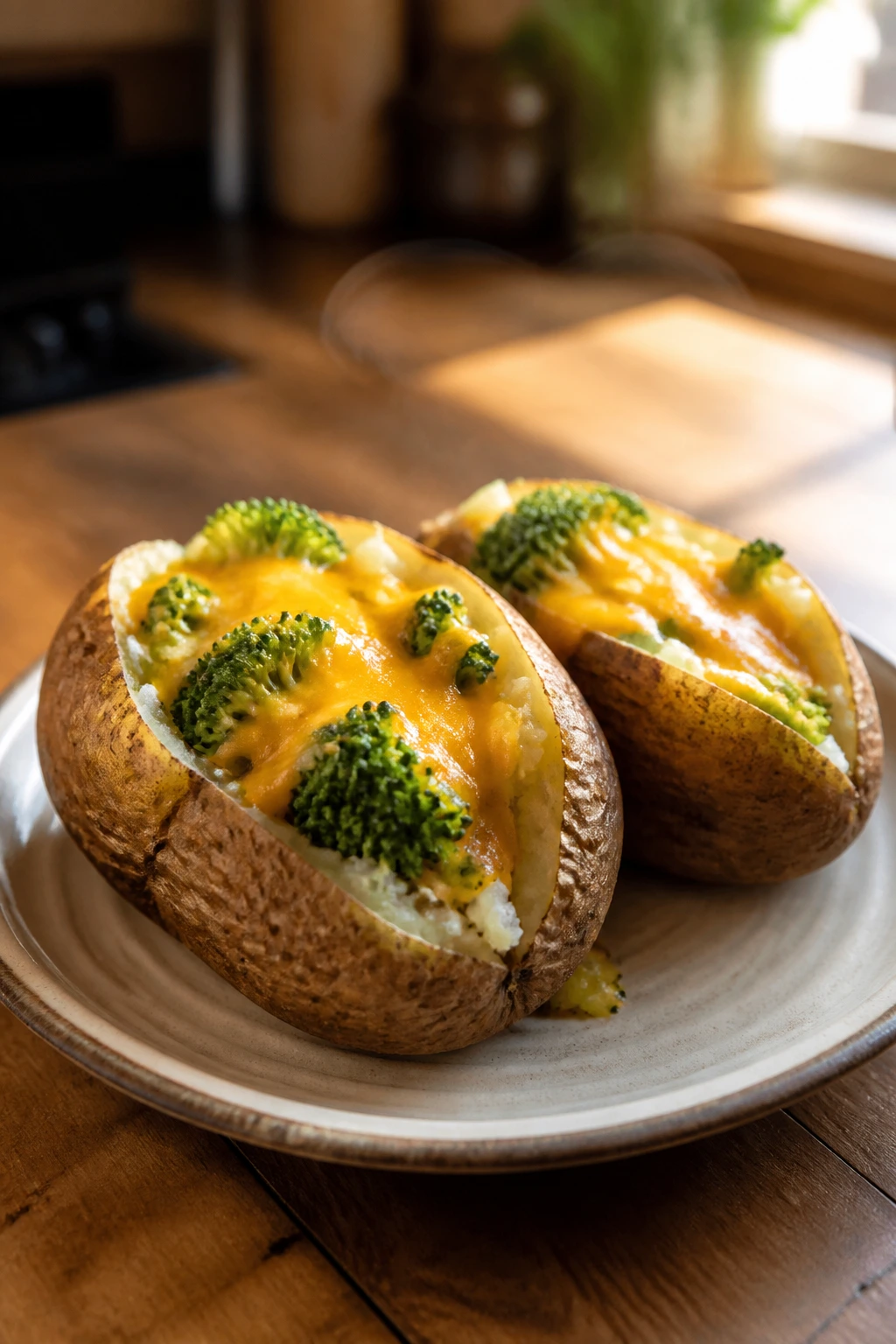
6. Broccoli Cheddar Microwaved Baked Potatoes
A baked potato turns into dinner the second you stop treating it like a side dish. Split one open, load it with broccoli and cheddar, and you get something that’s cheap, hot, and honest in the best way.
Why It Works:
Potatoes are one of the best budget anchors around, and microwave cooking makes them fast enough for a weeknight. Frozen broccoli cooks quickly and brings just enough bitterness to keep the cheese from becoming one-note. The skin stays a little wrinkled and the middle turns fluffy.
Key Ingredients:
- 4 medium russet potatoes
- 2 cups frozen broccoli florets
- 1 cup shredded cheddar
- 1/2 cup sour cream or plain yogurt
- 2 tablespoons butter
- Salt and black pepper
- Chopped scallions, optional
Quick Steps:
- Scrub the potatoes and pierce each one 4 to 5 times with a fork.
- Microwave the potatoes on high for 8 to 12 minutes, turning once halfway through, until a knife slides into the center easily.
- Steam the broccoli in the microwave or on the stove until hot and tender, about 3 to 4 minutes.
- Split the potatoes open, fluff the centers with a fork, and add butter, broccoli, cheddar, and a spoonful of sour cream.
- Return to the microwave for 30 to 45 seconds, just until the cheese melts.
Equipment for This Recipe:
- Microwave
- Fork
- Knife
- Small bowl for steaming broccoli
How to Serve This Dish:
Serve each potato on a plate with extra black pepper and scallions. If you want more on the side, a simple tomato salad keeps the meal from feeling too heavy.
Pro Tips for This Recipe:
- Dry the potatoes well before microwaving so the skins don’t get weirdly wet.
- Don’t wrap them in foil; that traps steam and softens the skin too much.
- Microwave times vary, so test with a knife before stopping.
Variations on This Dish:
- Tex-Mex Potato: Add salsa and a pinch of cumin under the cheese.
- Loaded Bean Potato: Spoon in black beans before the cheddar for a fuller plate.
Common Mistakes to Avoid with This Dish:
- Don’t undercook the potato center. A firm middle ruins the whole thing.
- Don’t pile on cold toppings too early or they cool the filling fast.
- Don’t skip salting the potato flesh; potatoes need more salt than people think.
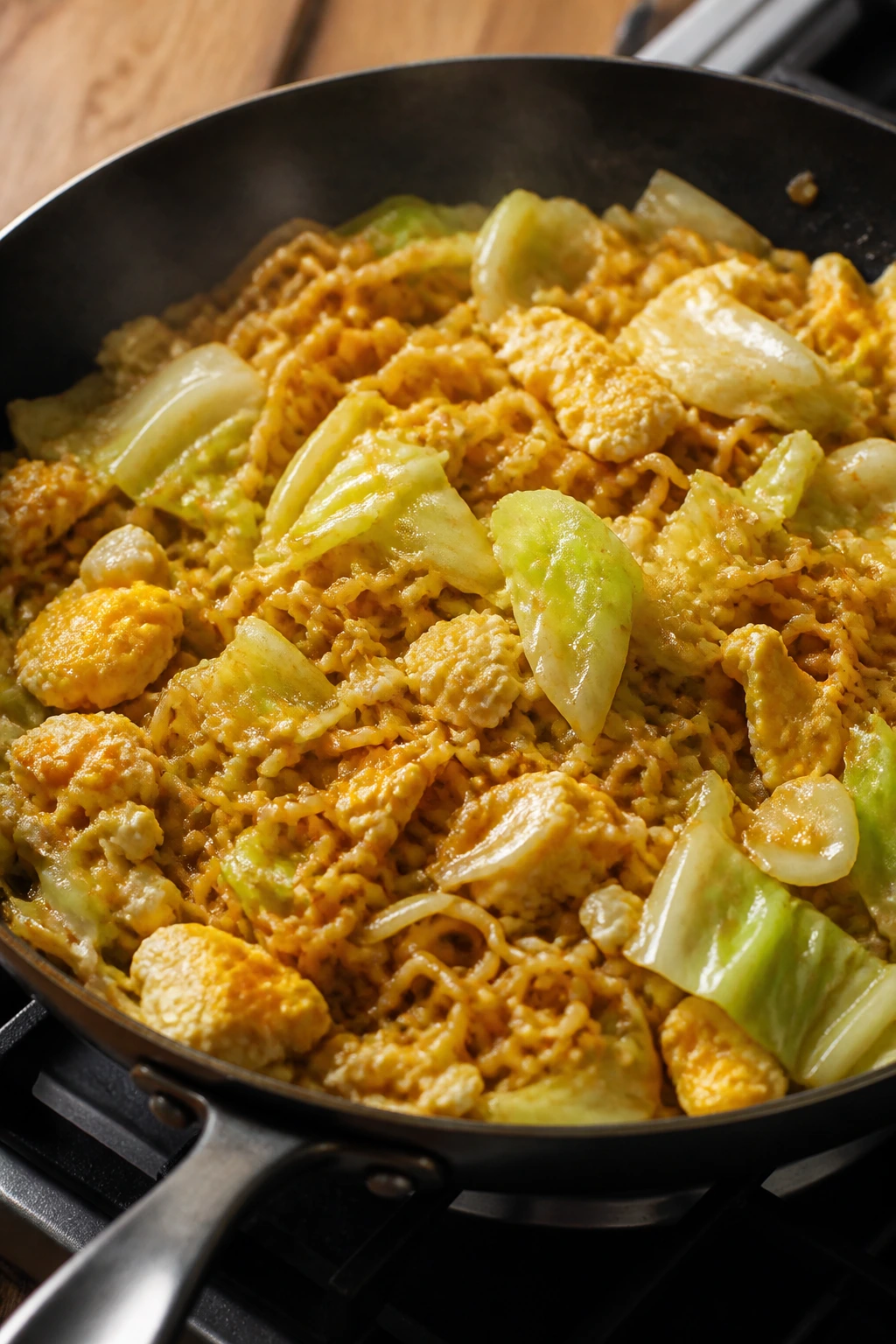
7. Ramen Stir-Fry with Egg and Cabbage
Ramen bricks are cheap for a reason, but they’re also useful little noodles when you treat them like a stir-fry base. Cabbage softens into ribbons, the eggs add richness, and the whole pan tastes much better than the packet would suggest.
Why It Works:
Instant noodles cook in minutes and soak up sauce fast, which makes them useful when money and time are both tight. Cabbage is one of the cheapest vegetables that still gives real crunch and bulk. Eggs turn the dish into dinner instead of a snack.
Key Ingredients:
- 4 ramen bricks, seasoning packets discarded or saved
- 2 large eggs
- 4 cups shredded cabbage
- 1 carrot, julienned or grated
- 2 tablespoons soy sauce
- 1 tablespoon neutral oil
- 1 teaspoon sesame oil
- 2 cloves garlic, minced
- Scallions or chili flakes, optional
Quick Steps:
- Cook the ramen noodles for 2 minutes, just until they loosen. Drain and rinse briefly.
- Heat the oil in a large skillet over medium-high heat. Scramble the eggs for 30 to 45 seconds, then remove them.
- Add the garlic, cabbage, and carrot. Stir-fry for 3 to 4 minutes until the cabbage softens at the edges but still has bite.
- Add the noodles, soy sauce, and sesame oil. Toss for 1 to 2 minutes until the sauce coats everything.
- Stir the eggs back in and serve hot.
Equipment for This Recipe:
- Large skillet or wok
- Pot for boiling noodles
- Strainer
- Spatula
How to Serve This Dish:
Serve it in a wide bowl so the noodles don’t clump while you eat. A drizzle of chili oil or a little hot sauce gives the pan more punch.
Pro Tips for This Recipe:
- Undercook the noodles slightly; they finish in the skillet.
- Shred the cabbage thinly so it softens fast.
- Save the seasoning packet if you want extra salt, but use it lightly.
Variations on This Dish:
- Peanut Ramen Stir-Fry: Toss in 1 tablespoon peanut butter for a thicker sauce.
- Miso Version: Stir a spoonful of miso into 2 tablespoons warm water and add it with the soy sauce.
Common Mistakes to Avoid with This Dish:
- Don’t overboil the noodles or they’ll collapse in the pan.
- Don’t crowd the vegetables; cabbage needs hot contact to soften properly.
- Don’t drown the stir-fry in sauce. Ramen absorbs fast.
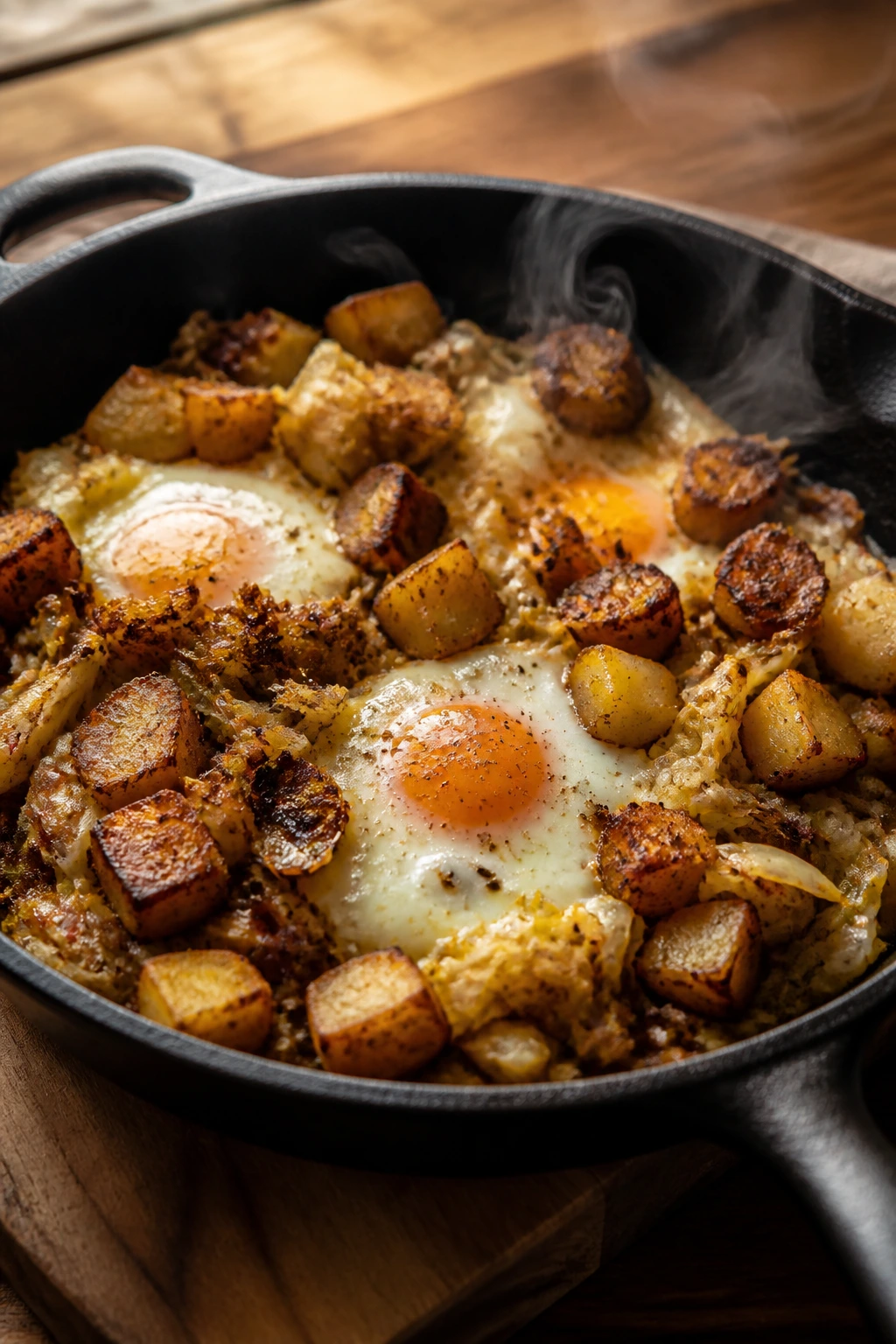
8. Smoky Potato, Cabbage, and Egg Skillet
This skillet is humble, sturdy, and far better than it sounds on paper. The potatoes crisp at the bottom, the cabbage goes sweet around the edges, and the eggs turn the whole thing into a real meal with almost no pantry drama.
Why It Works:
Potatoes and cabbage are two of the cheapest vegetables that can carry a pan. They also like a little smoke and mustard, which makes the dish taste more layered than the ingredient list suggests. Eggs give it richness and keep the budget low.
Key Ingredients:
- 1 pound potatoes, diced small
- 1/2 head green cabbage, shredded
- 1 onion, sliced
- 4 large eggs
- 1 teaspoon smoked paprika
- 1 tablespoon oil
- 1 teaspoon mustard
- Salt and black pepper
Quick Steps:
- Heat the oil in a large skillet over medium heat.
- Add the potatoes and onion with a pinch of salt. Cook for 10 minutes, stirring now and then, until the potatoes start to brown.
- Stir in the cabbage, smoked paprika, and mustard. Cook for 5 to 7 minutes until the cabbage softens and picks up color.
- Make 4 small wells in the skillet and crack in the eggs. Cover and cook for 4 to 5 minutes until the whites set and the yolks are still soft.
- Season with black pepper and serve right from the pan.
Equipment for This Recipe:
- Large skillet with lid
- Knife and cutting board
- Wooden spoon
- Spatula
How to Serve This Dish:
Spoon it into bowls with toast or a chunk of crusty bread on the side. A little hot sauce or extra mustard on top cuts through the starch nicely.
Pro Tips for This Recipe:
- Dice the potatoes small so they brown before the cabbage is done.
- Covering the pan is what sets the eggs without overcooking them.
- If the pan looks dry, add 1 tablespoon water and cover briefly.
Variations on This Dish:
- Cheddar Finish: Scatter shredded cheddar over the skillet before the eggs go in.
- Herbed Version: Add thyme or dill at the end for a fresher note.
Common Mistakes to Avoid with This Dish:
- Don’t cut the potatoes too large or they’ll stay hard.
- Don’t skip the lid when cooking the eggs.
- Don’t under-season the cabbage. It needs salt more than you think.
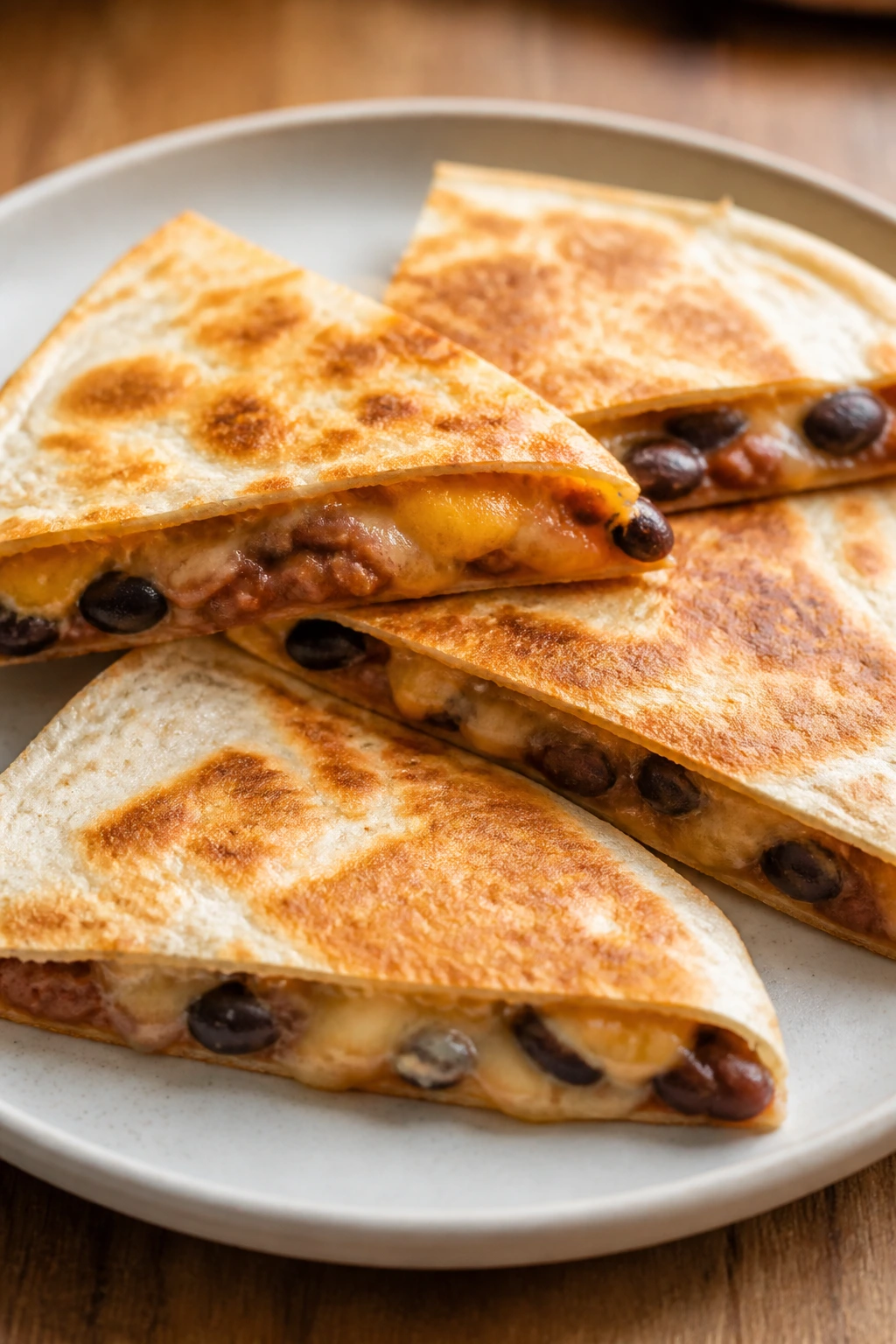
9. Bean and Cheese Quesadillas
Quesadillas are the kind of dinner that looks almost too basic until you remember how much work they do for the price. Crisp tortillas, creamy beans, and melted cheese create that satisfying pull that never gets old.
Why It Works:
Refried beans spread like a built-in sauce, and cheese gives you the stretch people secretly want from dinner. Tortillas cook in minutes, which keeps the whole thing moving fast. Add salsa, and suddenly the plate looks finished instead of improvised.
Key Ingredients:
- 4 flour tortillas
- 1 cup refried beans
- 1 1/2 cups shredded cheddar or Monterey Jack
- 1/2 cup diced onion, optional
- 1 tablespoon butter or oil
- Salsa, sour cream, or hot sauce for serving
Quick Steps:
- Warm a skillet over medium heat and brush lightly with butter or oil.
- Spread refried beans on 2 tortillas, then sprinkle cheese and onion over the beans.
- Top with the remaining tortillas and place one in the skillet.
- Cook for 2 to 3 minutes per side until the tortillas are golden and the cheese melts. Press gently with a spatula.
- Slice into wedges and serve hot.
Equipment for This Recipe:
- Large skillet
- Spatula
- Knife or pizza cutter
- Small bowl for fillings
How to Serve This Dish:
Serve wedges with salsa on the side and a spoonful of sour cream if you want a cooler bite. A chopped tomato salad gives the meal more freshness without much work.
Pro Tips for This Recipe:
- Don’t overfill the tortillas or the cheese spills everywhere.
- Use medium heat; high heat burns the tortilla before the cheese melts.
- Let each quesadilla rest for 1 minute before cutting.
Variations on This Dish:
- Green Chile Quesadilla: Add canned green chiles and use pepper jack.
- Breakfast Quesadilla: Add scrambled eggs to the bean layer for a morning-style dinner.
Common Mistakes to Avoid with This Dish:
- Don’t use cold, hard beans straight from the fridge; warm them slightly first.
- Don’t flip too early or the filling slides.
- Don’t forget a little fat in the pan. Dry tortillas taste flat.
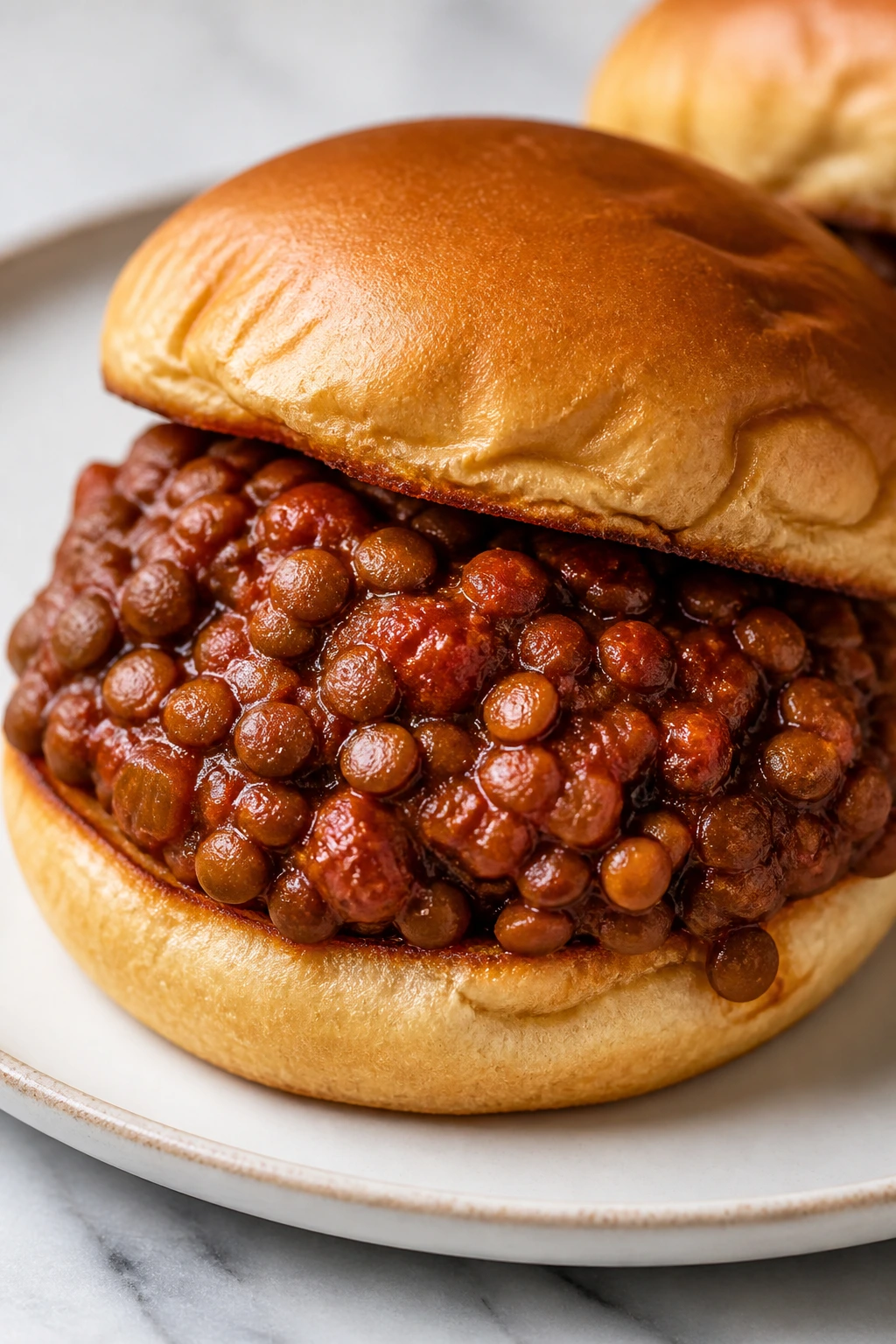
10. Lentil Sloppy Joes
Sloppy Joes should be messy, saucy, and a little sweet, and lentils handle that job better than people expect. They’re cheap, they simmer fast, and they absorb the ketchup-mustard-tomato mixture like they were built for it.
Why It Works:
Lentils are filling, inexpensive, and fast enough for a weeknight when you use canned or pre-cooked lentils. The sauce leans on pantry basics, so there’s no expensive meat bill to chase. On a bun, it eats like a proper sandwich instead of a compromise.
Key Ingredients:
- 2 cans lentils, drained and rinsed
- 1 tablespoon oil
- 1 onion, finely diced
- 2 tablespoons ketchup
- 1 tablespoon tomato paste
- 1 tablespoon Worcestershire sauce or soy sauce
- 1 teaspoon brown sugar
- 1 teaspoon mustard
- 4 hamburger buns
Quick Steps:
- Heat the oil in a skillet over medium heat. Cook the onion for 5 minutes until soft.
- Stir in the ketchup, tomato paste, Worcestershire, brown sugar, and mustard. Cook for 1 minute.
- Add the lentils and 1/4 cup water. Simmer for 6 to 8 minutes, stirring often, until the sauce clings to the lentils and looks glossy.
- Toast the buns if you want more structure.
- Spoon the filling onto the buns and serve hot.
Equipment for This Recipe:
- Large skillet
- Wooden spoon
- Knife and board
- Toaster or dry skillet for buns
How to Serve This Dish:
Serve with pickles or sliced cucumbers to cut the sweetness. A handful of potato chips on the side feels old-school in a good way.
Pro Tips for This Recipe:
- Cook the sauce until it looks thick, not watery.
- Finely dice the onion so it disappears into the filling.
- If using dry lentils, cook them fully before starting the sauce.
Variations on This Dish:
- Smoky Version: Add 1/2 teaspoon smoked paprika.
- BBQ Lentil Joes: Swap half the ketchup for barbecue sauce.
Common Mistakes to Avoid with This Dish:
- Don’t leave the filling runny or the buns fall apart.
- Don’t skip toasting the bread if your buns are soft.
- Don’t use too much sugar; the sauce should lean tangy, not dessert-sweet.
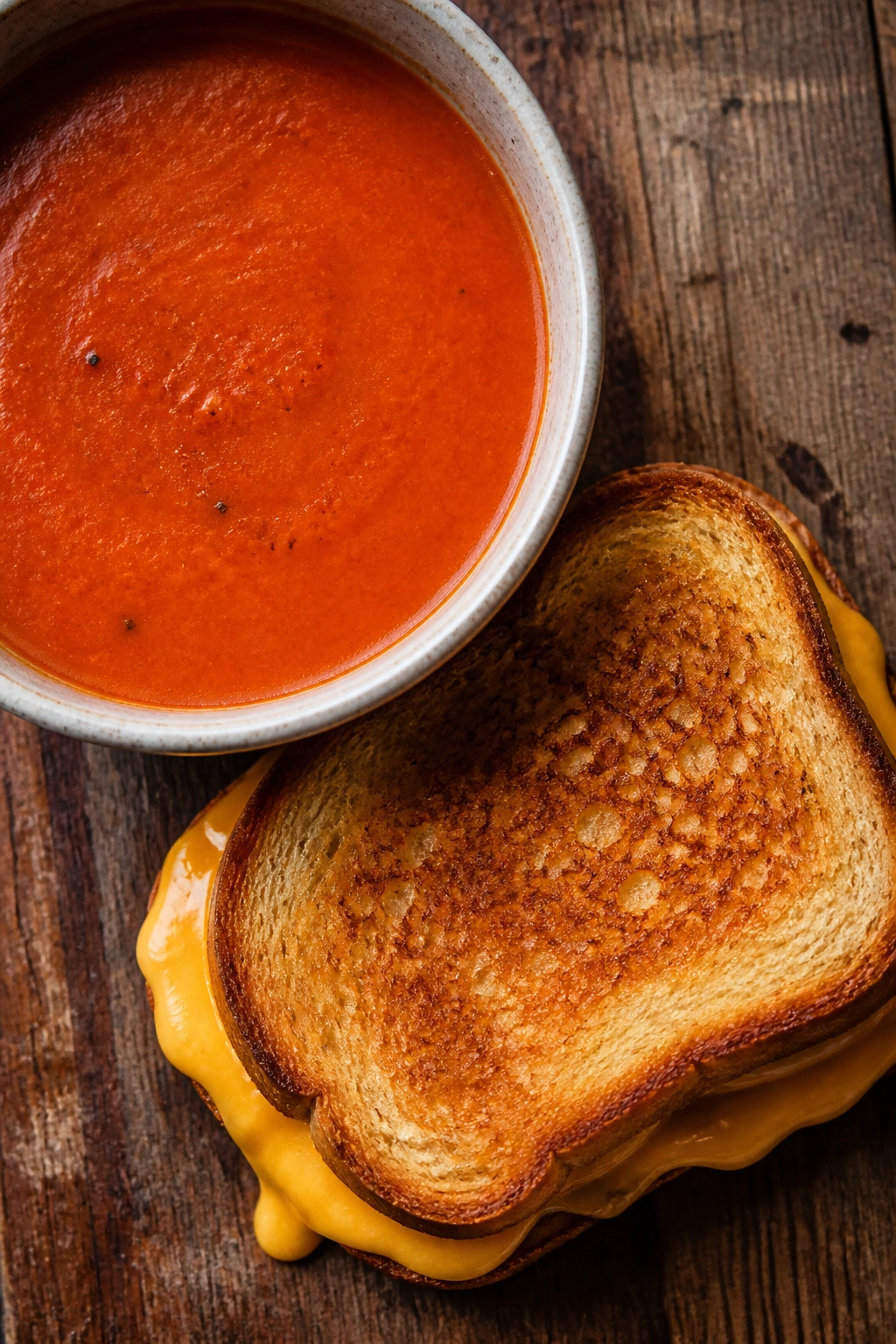
11. Tomato Soup and Grilled Cheese
Some dinners are cheap because they’re plain. This one is cheap because it’s efficient and knows exactly what it is. Tomato soup and grilled cheese land together like they’ve been waiting all day to meet.
Why It Works:
Canned tomatoes, broth, and a little milk make a soup that tastes far better than the price tag suggests. Grilled cheese gives the plate the crunchy, salty counterpart it needs. Together, they make a meal that feels complete without any side hustle.
Key Ingredients:
- 2 tablespoons butter
- 1 onion, diced
- 2 cloves garlic, minced
- 1 can crushed tomatoes, 28 ounces
- 2 cups broth
- 1/2 cup milk or cream
- 8 slices bread
- 8 slices cheese
- Salt, pepper, and sugar if needed
Quick Steps:
- Melt the butter in a pot over medium heat. Cook the onion for 5 minutes, then add the garlic for 30 seconds.
- Stir in the tomatoes and broth. Simmer for 12 minutes.
- Blend the soup if you want it smooth, then stir in the milk. Taste and adjust with salt and a pinch of sugar if the tomatoes seem sharp.
- Build the sandwiches with bread and cheese, then cook in a skillet over medium heat for 2 to 3 minutes per side.
- Serve the soup hot with the sandwiches cut in halves or strips.
Equipment for This Recipe:
- Soup pot
- Skillet
- Blender or immersion blender, optional
- Spatula
How to Serve This Dish:
Pour the soup into wide bowls and drag the grilled cheese through it. A few cracked pepper flecks on the soup and a crisp pickle on the side make the plate feel finished.
Pro Tips for This Recipe:
- Use a mild cheese that melts cleanly.
- Don’t skip the pinch of sugar if your tomatoes taste harsh.
- Blend carefully; hot soup splatters fast.
Variations on This Dish:
- Roasted Garlic Version: Add roasted garlic for a sweeter, deeper soup.
- Herbed Soup: Stir in basil or oregano at the end.
Common Mistakes to Avoid with This Dish:
- Don’t boil milk hard or it can separate.
- Don’t burn the bread while waiting for the cheese to melt.
- Don’t make the soup too thin; it should coat a spoon lightly.
12. Brown Butter Gnocchi with White Beans
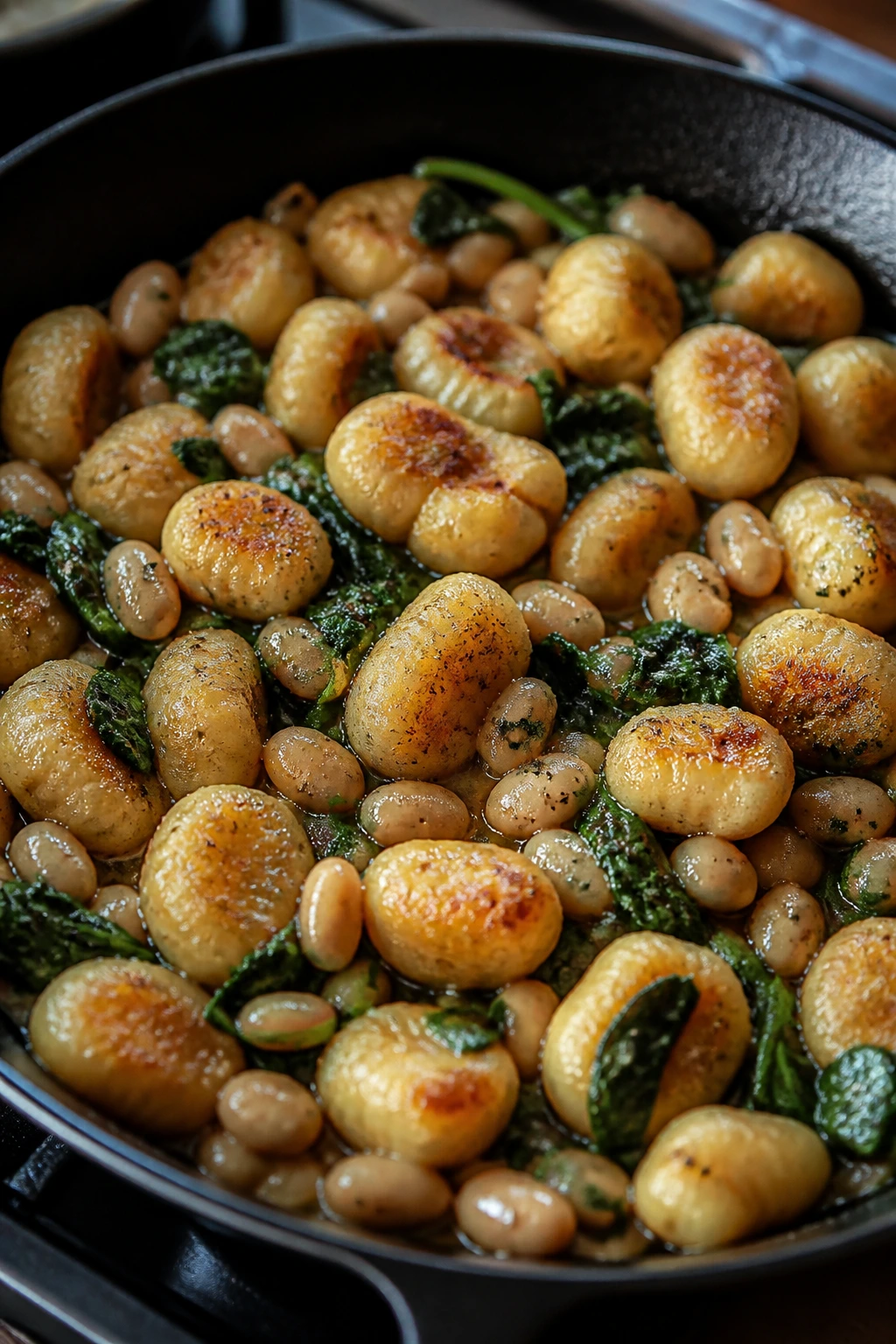
Shelf-stable gnocchi is one of those grocery items that feels a little too convenient until you cook it. It crisps in butter, softens inside, and picks up the nutty smell of browned butter like it was born for it.
Why It Works:
Gnocchi cooks in minutes, which makes it ideal when the fridge is empty but you still want something that looks thought-through. White beans add protein and bulk without stretching the budget. A little lemon keeps the butter from tasting heavy.
Key Ingredients:
- 1 pound shelf-stable gnocchi
- 3 tablespoons butter
- 1 can white beans, drained and rinsed
- 1 clove garlic, minced
- 2 cups baby spinach
- 1 tablespoon lemon juice
- 2 tablespoons grated Parmesan
- Salt and pepper
- Fresh sage, optional
Quick Steps:
- Melt the butter in a large skillet over medium heat. Cook until it smells nutty and turns golden brown, about 3 to 4 minutes.
- Add the garlic and sage, if using, for 20 seconds.
- Add the gnocchi straight from the package and cook for 5 to 6 minutes, stirring occasionally, until golden in spots.
- Stir in the white beans and spinach. Cook for 2 minutes until the spinach wilts.
- Finish with lemon juice, Parmesan, salt, and pepper.
Equipment for This Recipe:
- Large skillet
- Wooden spoon
- Can opener
- Measuring spoons
How to Serve This Dish:
Serve it in shallow bowls with extra Parmesan on top. A crisp salad or a few roasted carrots give the meal some contrast.
Pro Tips for This Recipe:
- Watch the butter closely once it starts foaming; browned butter goes from nutty to burnt fast.
- Don’t stir the gnocchi constantly or it won’t brown.
- Use a little lemon at the end, even if you think you don’t need it.
Variations on This Dish:
- Tomato Gnocchi: Stir in 1/2 cup crushed tomatoes after browning.
- Creamy Spinach Version: Add a splash of milk and extra Parmesan for a softer sauce.
Common Mistakes to Avoid with This Dish:
- Don’t overcook the gnocchi until it falls apart.
- Don’t use too much butter; the sauce should coat, not puddle.
- Don’t skip draining the beans well or the skillet gets watery.
13. Veggie Omelet Dinner with Toast
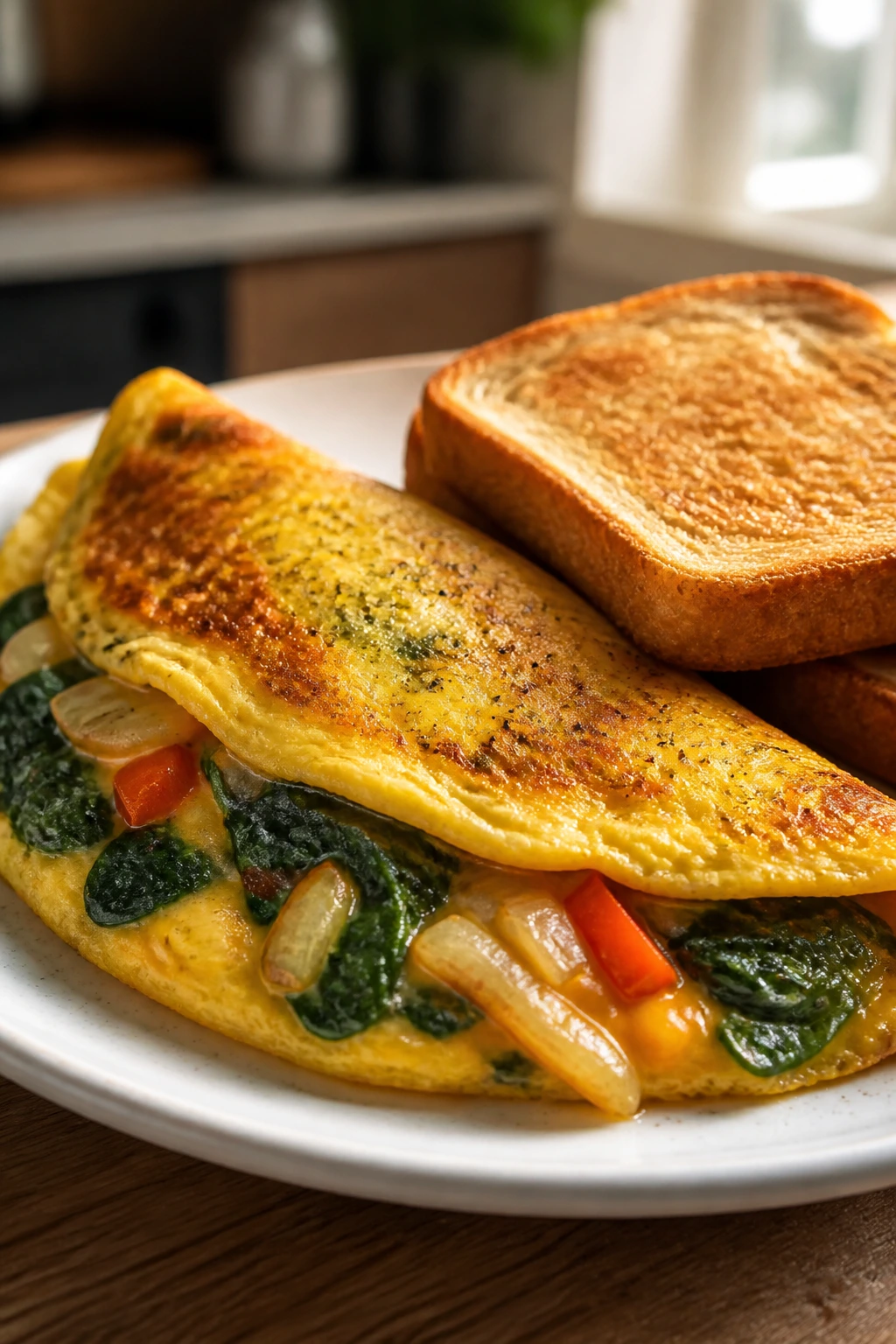
Eggs for dinner can feel a little retro, and I mean that as a compliment. A good omelet is fast, cheap, and surprisingly satisfying when it’s folded around onions, spinach, and cheese.
Why It Works:
Eggs are one of the cheapest proteins that still feel like a real plate. A few vegetables and a slice of toast turn them into a meal that doesn’t ask much from your wallet or your energy. The pan stays small, the cleanup stays small, and dinner shows up anyway.
Key Ingredients:
- 8 large eggs
- 2 tablespoons milk
- 1 tablespoon butter
- 1 small onion, diced
- 2 cups baby spinach
- 1/2 cup shredded cheese
- 4 slices bread, toasted
- Salt and pepper
Quick Steps:
- Beat the eggs with milk, salt, and pepper in a bowl.
- Melt the butter in a nonstick skillet over medium heat. Cook the onion for 3 minutes, then add the spinach and let it wilt.
- Pour in half the eggs and cook undisturbed for 1 to 2 minutes until the edges set.
- Add cheese to one side, fold the omelet, and cook 30 seconds more. Repeat with the remaining eggs.
- Serve with toast.
Equipment for This Recipe:
- Nonstick skillet
- Mixing bowl
- Whisk or fork
- Spatula
How to Serve This Dish:
Plate the omelet beside toast with a little hot sauce or salsa. If you want it to look less bare, add sliced tomatoes or fruit.
Pro Tips for This Recipe:
- Keep the heat medium, not high, or the eggs go rubbery.
- Don’t overfill the omelet; two or three fillings are enough.
- Use a nonstick pan unless you enjoy frustration.
Variations on This Dish:
- Mushroom Omelet: Swap spinach for sliced mushrooms.
- Pepper Jack Version: Use pepper jack instead of cheddar for more bite.
Common Mistakes to Avoid with This Dish:
- Don’t stir the eggs the whole time if you want a fold.
- Don’t salt them too early and leave them sitting; the texture loosens.
- Don’t crowd too many vegetables into one omelet.
14. Peanut Noodles with Cabbage
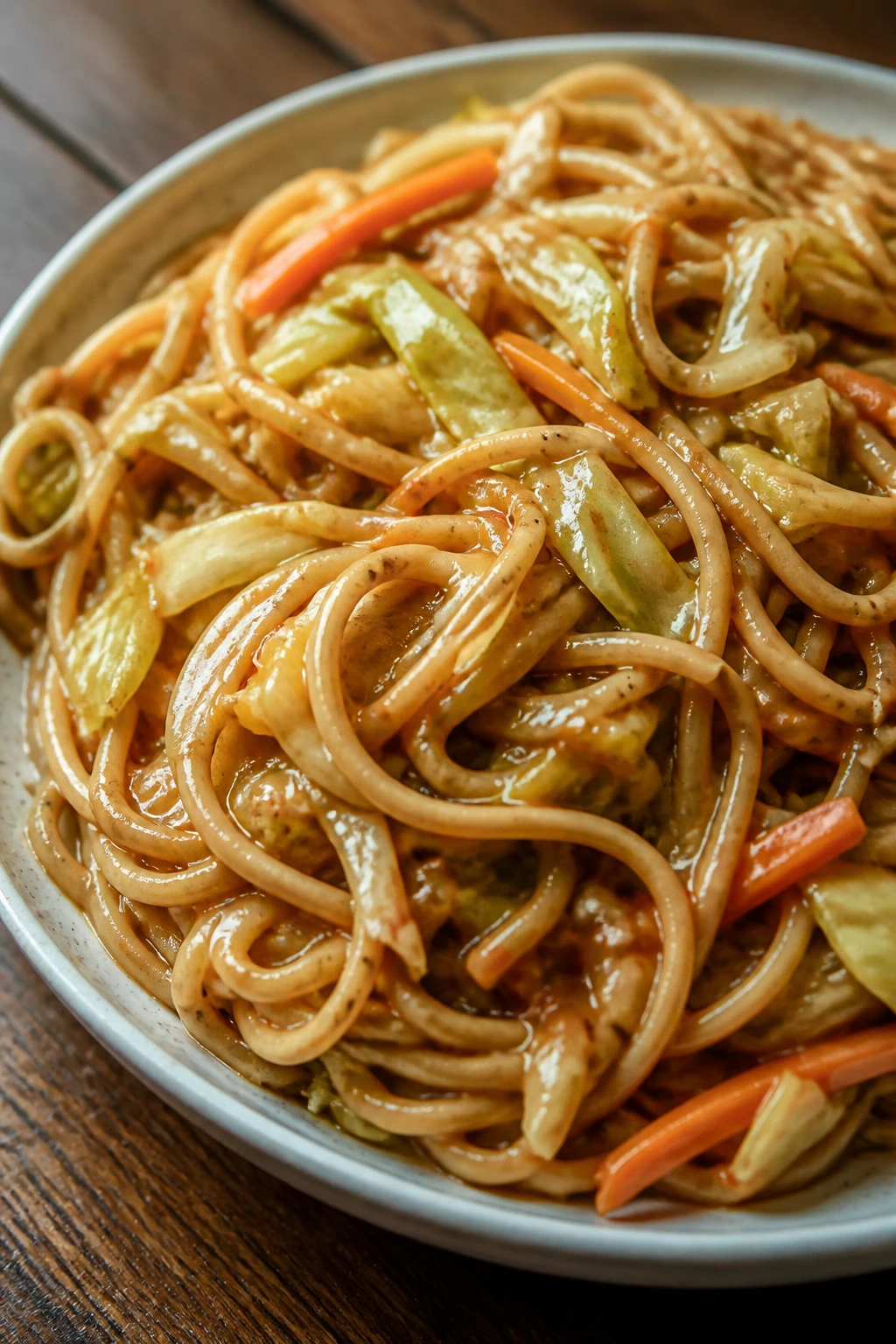
This is the sort of dinner that feels more expensive than it is because the sauce tastes layered. Peanut butter, soy sauce, and vinegar build a savory-salty-slightly-sweet glaze that sticks to noodles instead of sliding off them.
Why It Works:
Peanut butter is cheap, filling, and thick enough to become sauce with just a splash of hot water. Cabbage and carrots bring crunch, and the noodles carry the whole thing without needing a fancy protein. It’s one of the easiest ways to get a big bowl of food on the table fast.
Key Ingredients:
- 12 ounces spaghetti or noodles
- 1/3 cup peanut butter
- 2 tablespoons soy sauce
- 1 tablespoon rice vinegar or white vinegar
- 1 tablespoon honey or sugar
- 1 clove garlic, grated or minced
- 2 cups shredded cabbage
- 1 carrot, grated
- 1 teaspoon sesame oil
Quick Steps:
- Cook the noodles until al dente, then reserve 1/2 cup of the hot cooking water.
- Whisk the peanut butter, soy sauce, vinegar, honey, garlic, and 1/4 cup hot water in a bowl until smooth.
- Toss the drained noodles with the sauce in a large bowl or skillet.
- Fold in the cabbage, carrot, and sesame oil. Add more hot water a spoonful at a time until the sauce loosens and coats everything.
- Serve warm or at room temperature.
Equipment for This Recipe:
- Large pot
- Mixing bowl
- Whisk
- Tongs
How to Serve This Dish:
Serve it in deep bowls with scallions or sesame seeds if you have them. A few cucumber slices on the side make the bowl feel fresher.
Pro Tips for This Recipe:
- Use hot water when thinning the sauce; cold water makes peanut butter seize.
- Shred the cabbage finely so it softens in the noodles.
- Taste the sauce before tossing and adjust the vinegar if it needs brightness.
Variations on This Dish:
- Spicy Peanut Noodles: Add chili crisp or sriracha.
- Cold Noodle Bowl: Chill the noodles and serve with extra cucumber.
Common Mistakes to Avoid with This Dish:
- Don’t make the sauce too thick before it hits the noodles.
- Don’t overcook the pasta or it turns gluey with the peanut sauce.
- Don’t skip the acid. The vinegar keeps the bowl from tasting heavy.
15. One-Pot Tomato Mac and Cheese
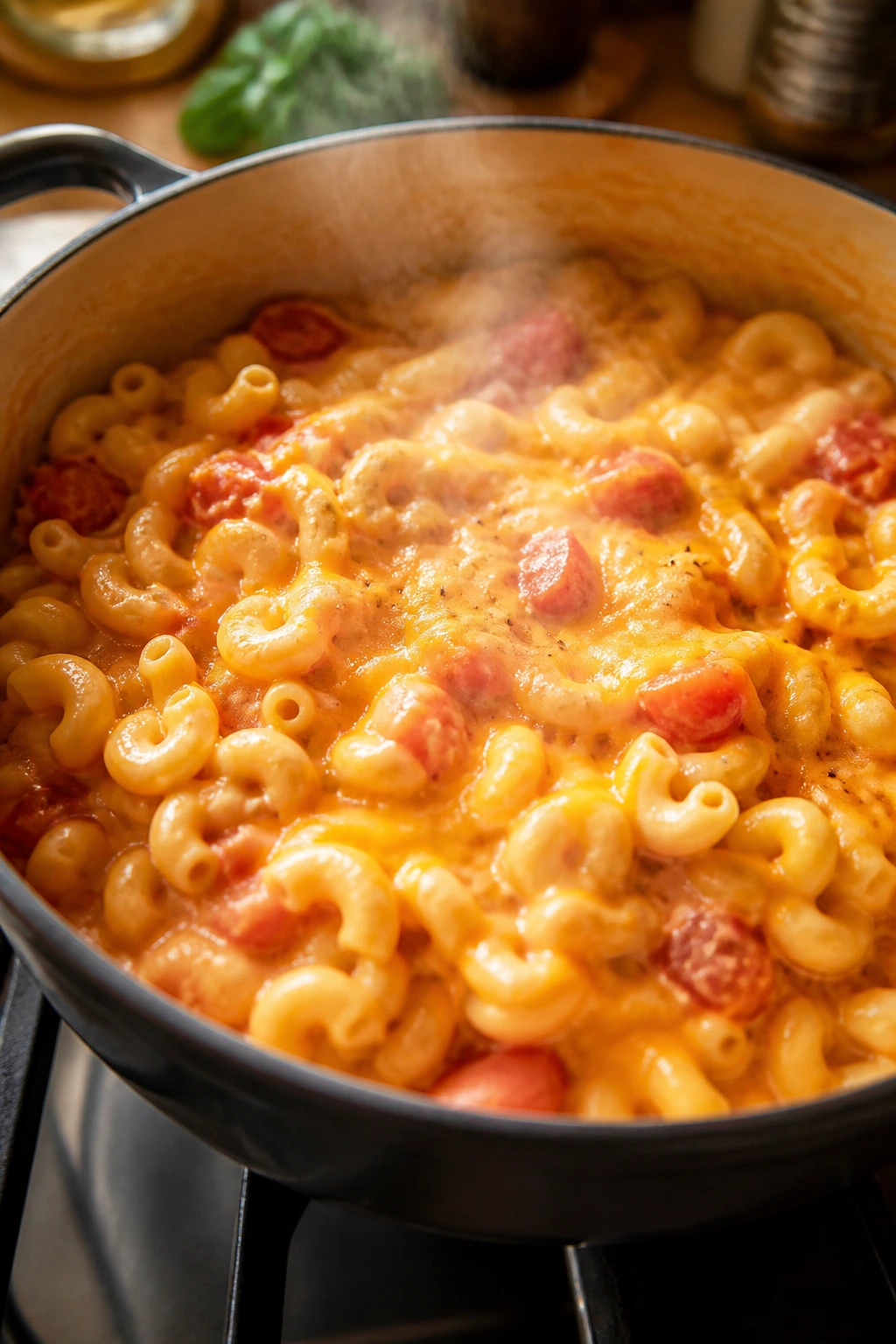
There’s a sweet spot where mac and cheese stops being bland and starts tasting like dinner. Canned tomatoes, sharp cheddar, and a little mustard give this one-pot version more bite than the boxed stuff ever manages.
Why It Works:
Cooking the pasta in the same pot as the sauce saves time and gives the starch somewhere useful to go. The tomatoes cut through the cheese, while the milk and cheddar keep it creamy. A little mustard makes the flavor taste older and deeper, even though the dinner is still fast.
Key Ingredients:
- 2 cups elbow macaroni
- 1 can diced tomatoes, 14 ounces
- 2 cups water or broth
- 1 cup milk
- 2 cups shredded cheddar
- 1 tablespoon butter
- 1 teaspoon mustard
- 1/2 teaspoon garlic powder
- Salt and pepper
Quick Steps:
- Add the macaroni, tomatoes, water, butter, mustard, garlic powder, salt, and pepper to a pot.
- Bring to a boil over medium-high heat, then simmer for 8 to 10 minutes, stirring often, until the pasta is tender and most of the liquid is absorbed.
- Lower the heat and stir in the milk.
- Add the cheddar in handfuls, stirring until melted and creamy.
- Serve right away while the sauce is still loose and glossy.
Equipment for This Recipe:
- Medium pot
- Wooden spoon
- Measuring cups
- Box grater, optional
How to Serve This Dish:
Serve it in bowls with black pepper on top and maybe a few chopped scallions. Steamed peas or a sliced apple on the side makes the plate feel more balanced.
Pro Tips for This Recipe:
- Stir often so the pasta doesn’t catch on the bottom.
- Use sharp cheddar; mild cheese disappears in the tomato.
- If it thickens too much, loosen it with a splash of milk.
Variations on This Dish:
- Green Chili Mac: Add a small can of green chiles.
- Broccoli Tomato Mac: Stir in chopped broccoli during the last 3 minutes.
Common Mistakes to Avoid with This Dish:
- Don’t boil it dry; the sauce should still move.
- Don’t dump all the cheese in at once or it can clump.
- Don’t use a giant pot of water first — this is a one-pot dinner on purpose.
16. Spinach Feta Pasta
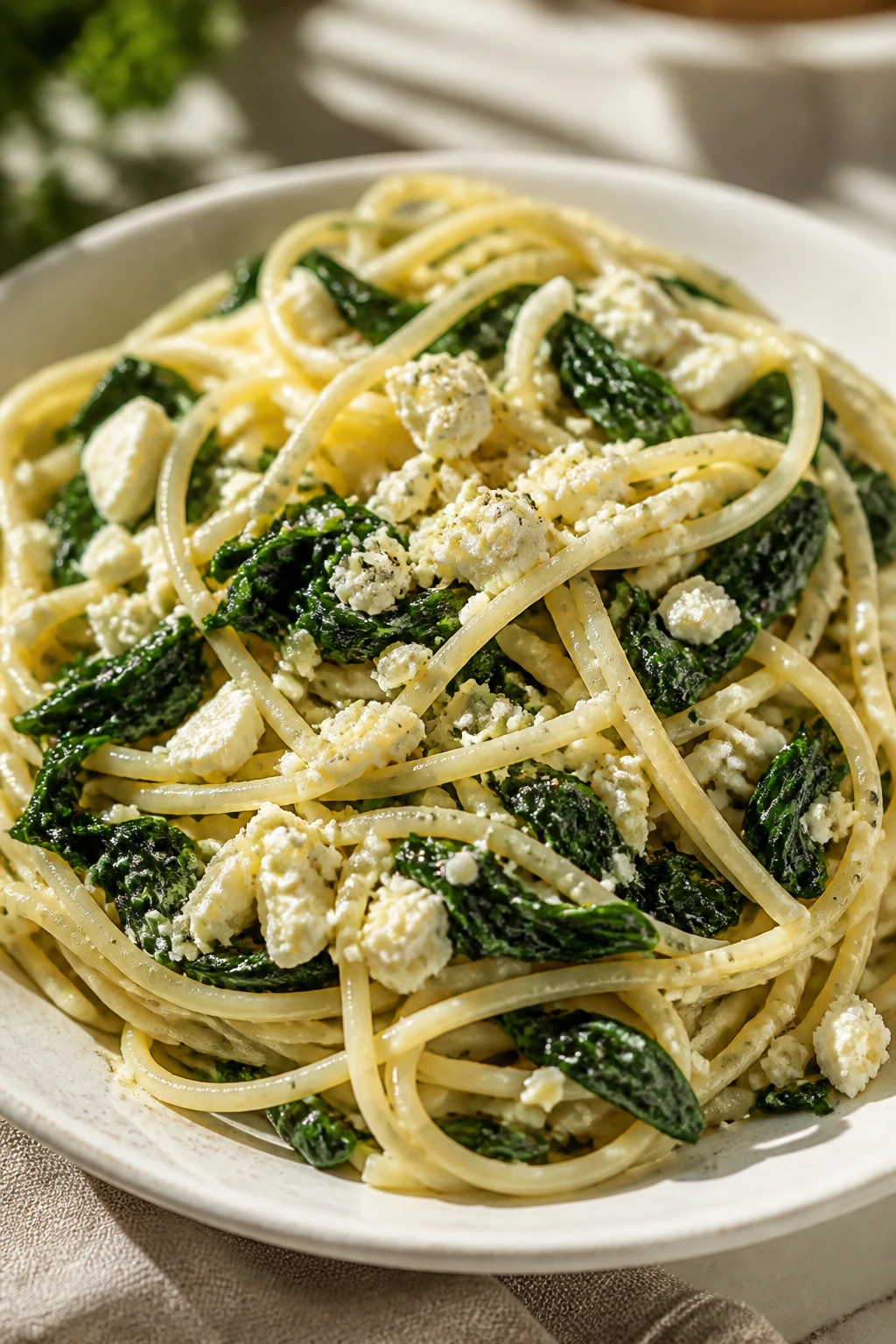
Spinach and feta make pasta taste brighter than its ingredients suggest. The feta goes salty and creamy, the spinach wilts into ribbons, and the garlic gives the whole dish enough backbone to hold up as dinner.
Why It Works:
This one is cheap because pasta does the heavy lifting and the sauce comes from the cheese, oil, and pasta water rather than cream. Spinach cooks in seconds, so you don’t waste time fussing. Lemon at the end keeps the feta from tasting too dense.
Key Ingredients:
- 12 ounces pasta
- 2 tablespoons olive oil
- 3 cloves garlic, minced
- 4 cups baby spinach
- 1 cup crumbled feta
- 1/2 teaspoon lemon zest
- 1 tablespoon lemon juice
- Salt and black pepper
- Red pepper flakes, optional
Quick Steps:
- Cook the pasta until al dente and reserve 1 cup of pasta water.
- Warm the olive oil in a skillet over medium heat. Add the garlic and cook for 30 seconds.
- Add the spinach and toss until just wilted, about 1 minute.
- Stir in the pasta, feta, lemon zest, and lemon juice with a splash of pasta water. Toss until the feta softens into a light sauce.
- Season with pepper and a little salt only if needed.
Equipment for This Recipe:
- Large pot
- Skillet
- Colander
- Tongs
How to Serve This Dish:
Serve it in wide bowls with extra feta crumbled on top. A cucumber salad or sliced tomatoes make a good cold side.
Pro Tips for This Recipe:
- Feta varies a lot in saltiness, so taste before salting.
- Don’t overcook spinach; it should stay green.
- A splash of pasta water helps the feta melt into the noodles.
Variations on This Dish:
- Olive Version: Add chopped olives for a brinier bowl.
- Tomato-Feta Pasta: Stir in halved cherry tomatoes if they need using up.
Common Mistakes to Avoid with This Dish:
- Don’t use too much lemon or the cheese gets overwhelmed.
- Don’t skip the pasta water; it’s part of the sauce.
- Don’t over-salt before tasting the feta.
17. Southwest Stuffed Sweet Potatoes
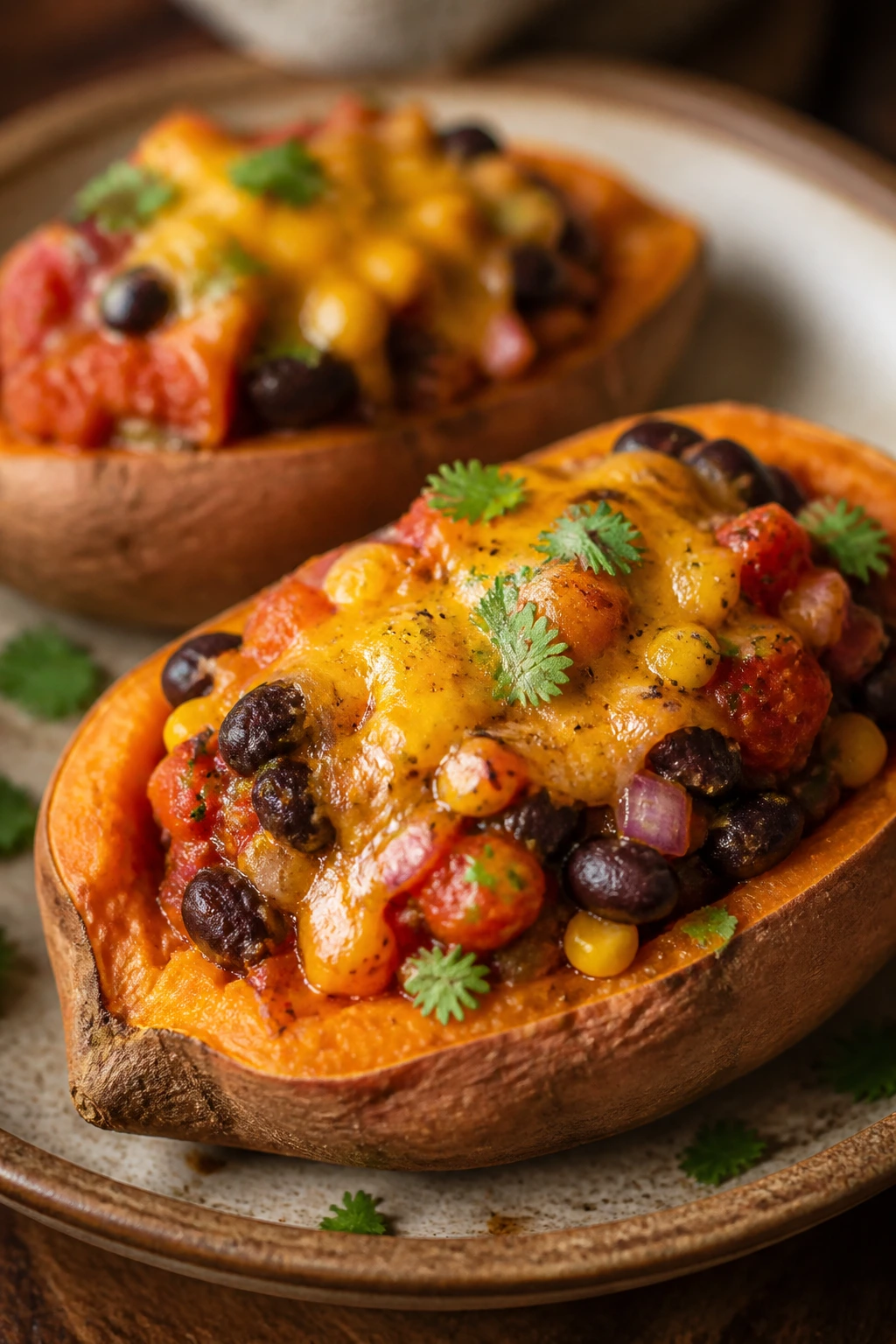
Sweet potatoes are cheap, dense, and easy to turn into dinner without much ceremony. Split them open, fill them with beans and salsa, and they suddenly feel like a real plate instead of a side dish.
Why It Works:
Microwaving sweet potatoes keeps the recipe quick, and black beans add enough protein to carry the meal. Salsa gives you seasoning, moisture, and a little heat in one spoonful. Cheese and yogurt finish the top so the dish feels built, not assembled in a hurry.
Key Ingredients:
- 4 medium sweet potatoes
- 1 can black beans, drained and rinsed
- 1 cup salsa
- 1 cup frozen corn
- 1 teaspoon cumin
- 1 cup shredded cheddar
- 1/2 cup plain yogurt or sour cream
- Salt and pepper
Quick Steps:
- Pierce the sweet potatoes with a fork and microwave for 8 to 10 minutes until soft.
- Warm the beans, corn, salsa, cumin, salt, and pepper in a skillet for 3 to 4 minutes.
- Split the potatoes and fluff the centers with a fork.
- Spoon the bean mixture over the potatoes and top with cheddar.
- Return to the microwave for 30 to 45 seconds, then add yogurt or sour cream.
Equipment for This Recipe:
- Microwave
- Small skillet
- Fork
- Spoon
How to Serve This Dish:
Serve each potato on a plate with a fork and a few extra spoonfuls of salsa on the side. Sliced avocado is nice if it fits the budget, but not necessary.
Pro Tips for This Recipe:
- Choose sweet potatoes that are similar in size so they cook evenly.
- Don’t overload the top or the skins split.
- A little lime juice sharpens the bean filling.
Variations on This Dish:
- Chickenless Taco Potato: Add extra corn and a little more cheese for a fuller filling.
- Chipotle Version: Stir chipotle powder into the bean mixture for smoke and heat.
Common Mistakes to Avoid with This Dish:
- Don’t undercook the potatoes; the filling won’t save a hard center.
- Don’t skip seasoning the beans.
- Don’t let them sit too long before serving or the skins wrinkle too much.
18. Shakshuka with Pita
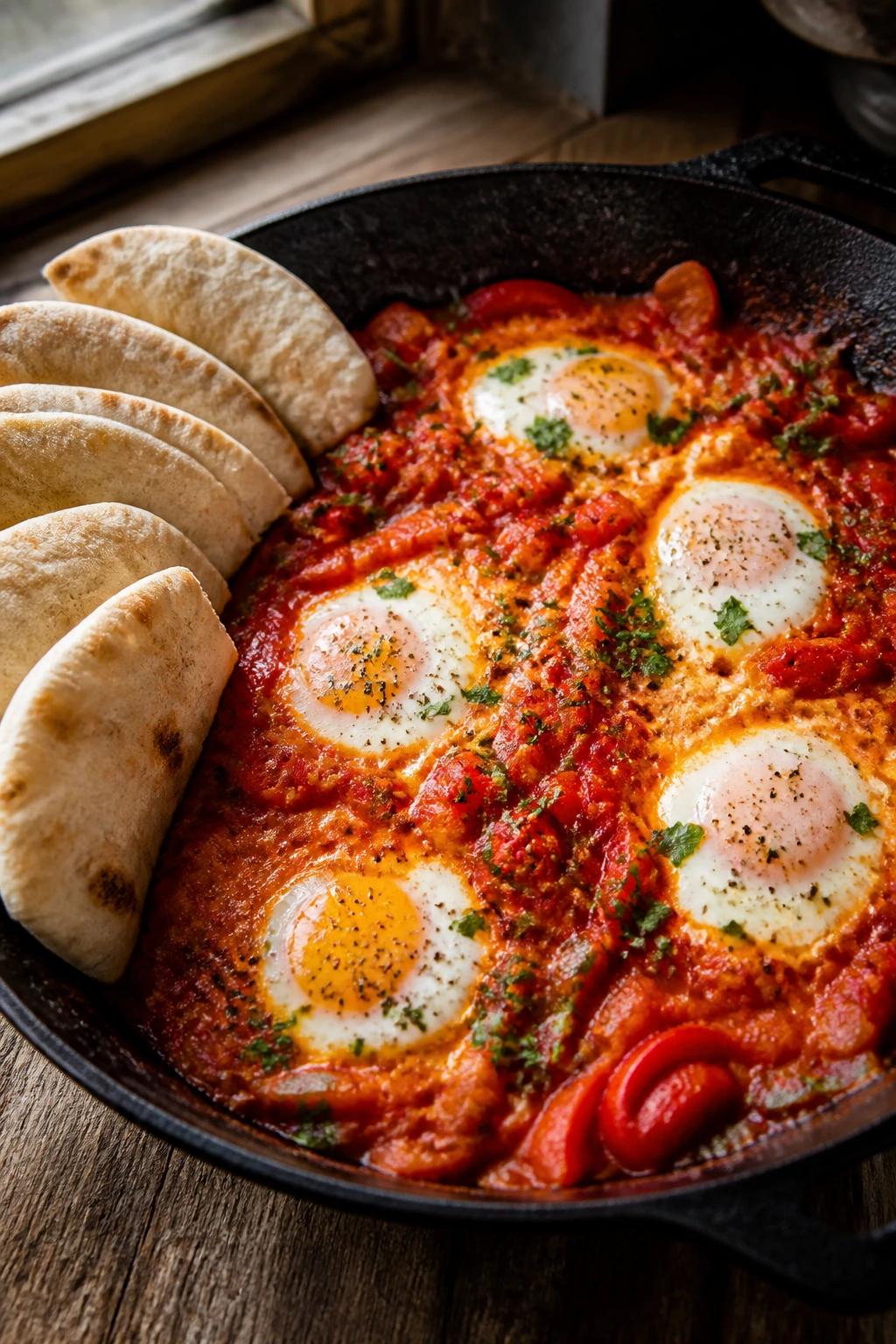
Shakshuka sounds fancy, but it’s basically eggs poached in a tomato pan with better manners. The sauce gets warm and spiced, the eggs set right into it, and the pita does the useful, important job of scooping.
Why It Works:
Canned tomatoes keep the base cheap and fast, while eggs make the sauce into dinner. Onion, garlic, paprika, and cumin give the pan enough depth that it doesn’t taste like eggs floating in marinara. It’s the kind of dinner that feels calm even when the day wasn’t.
Key Ingredients:
- 1 tablespoon olive oil
- 1 onion, sliced
- 2 cloves garlic, minced
- 1 teaspoon paprika
- 1/2 teaspoon cumin
- 1 can crushed tomatoes, 14 ounces
- 4 large eggs
- Salt and pepper
- 4 pita breads
- Parsley, optional
Quick Steps:
- Heat the oil in a skillet over medium heat and cook the onion for 5 minutes.
- Add the garlic, paprika, and cumin for 30 seconds.
- Pour in the tomatoes and simmer for 8 minutes until thick enough to hold a spoon mark.
- Make 4 small wells and crack in the eggs. Cover and cook for 4 to 6 minutes until the whites are set but the yolks still jiggle a little.
- Serve with warm pita and parsley.
Equipment for This Recipe:
- Skillet with lid
- Spoon
- Knife and board
- Toaster or dry pan for pita
How to Serve This Dish:
Serve the skillet at the table and let people tear the pita and scoop as they go. A little feta on top is excellent if you have it.
Pro Tips for This Recipe:
- Keep the sauce thick or the eggs slide around.
- Covering the pan is what cooks the tops of the eggs.
- Don’t overcook the yolks unless you want a firmer finish.
Variations on This Dish:
- Chickpea Shakshuka: Add half a can of chickpeas to the sauce.
- Spicy Version: Stir in chili flakes or a chopped fresh chile.
Common Mistakes to Avoid with This Dish:
- Don’t make the sauce too watery.
- Don’t crack the eggs too high above the pan or the yolks break.
- Don’t forget the bread; without it, the meal loses part of its point.
19. White Bean and Kale Soup
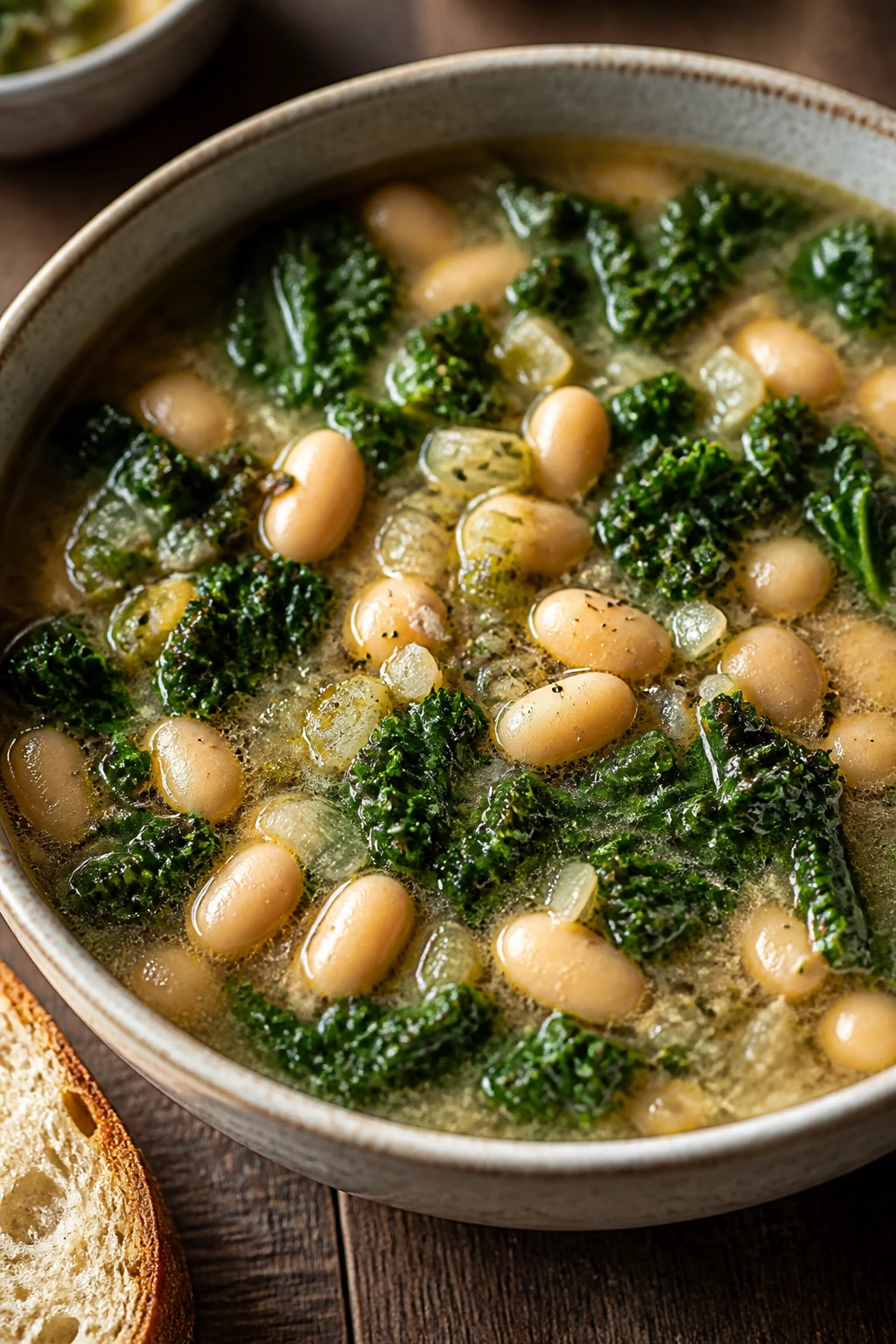
This soup is the kind of dinner that quietly saves the week. White beans make it filling, kale softens into the broth without turning mushy, and the whole thing tastes like something that took more than 25 minutes.
Why It Works:
Beans and broth are a cheap, useful base, and kale holds up better than delicate greens. A little tomato paste and onion deepen the pot without making it heavy. Serve it with bread, and you’ve got a meal that feels complete and measured.
Key Ingredients:
- 1 tablespoon olive oil
- 1 onion, diced
- 1 carrot, diced
- 2 cloves garlic, minced
- 1 tablespoon tomato paste
- 2 cans white beans, drained and rinsed
- 4 cups broth
- 4 cups chopped kale
- Salt, pepper, and red pepper flakes
- Bread for serving
Quick Steps:
- Heat the oil in a pot over medium heat. Cook the onion and carrot for 5 minutes.
- Add the garlic and tomato paste, stirring for 30 seconds.
- Pour in the beans and broth. Simmer for 10 minutes.
- Stir in the kale and cook for 3 to 4 minutes until tender.
- Season and serve hot with bread.
Equipment for This Recipe:
- Soup pot
- Wooden spoon
- Knife and board
- Ladle
How to Serve This Dish:
Ladle it into bowls and finish with black pepper and a drizzle of olive oil. Toasted bread or crackers are the obvious side, and they’re the right call.
Pro Tips for This Recipe:
- Tear the kale leaves from the stems for a softer soup.
- Mash a few beans against the side of the pot if you want a thicker broth.
- Broth salt levels vary, so taste before adding extra salt.
Variations on This Dish:
- Lemon Bean Soup: Add a squeeze of lemon at the end.
- Tomato-Cabbage Swap: Use chopped cabbage instead of kale if that’s what’s in the fridge.
Common Mistakes to Avoid with This Dish:
- Don’t overcook the kale until it loses its color.
- Don’t forget to rinse canned beans or the broth can taste dusty.
- Don’t make the soup so thin that the beans float around lonely.
20. Teriyaki Tofu Rice Bowls
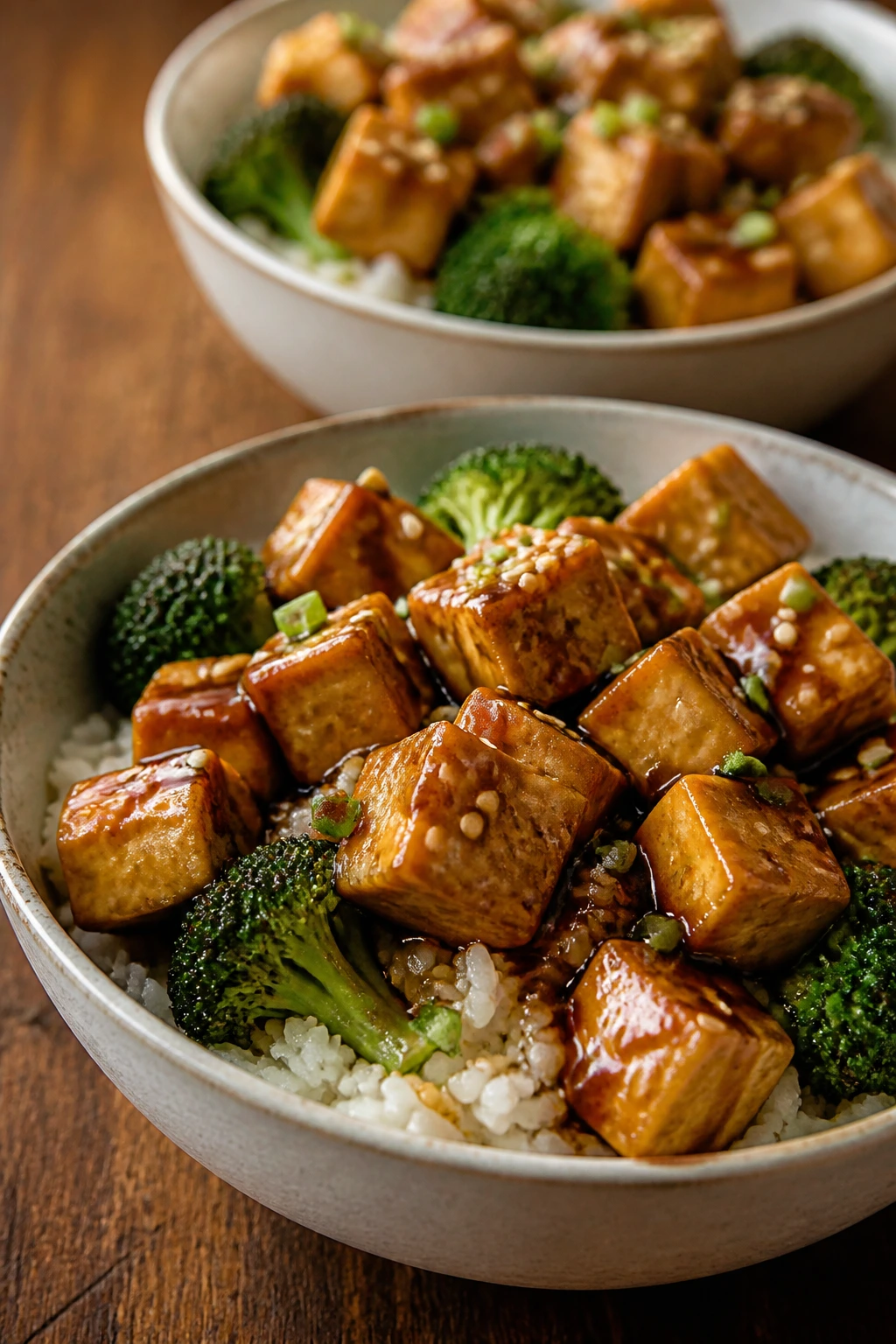
Tofu needs a sauce with a little confidence, and teriyaki gives it exactly that. Crisp edges, sticky glaze, warm rice, and a few vegetables on top make this one feel like a proper bowl, not a compromise.
Why It Works:
Tofu is inexpensive protein that soaks up flavor once it’s pressed and browned. A fast teriyaki-style sauce uses soy sauce, sugar, and garlic instead of a bottled glaze. Rice and frozen vegetables keep the bowl cheap and sturdy.
Key Ingredients:
- 1 block firm tofu, about 14 ounces
- 2 cups cooked rice
- 2 cups frozen broccoli or mixed vegetables
- 3 tablespoons soy sauce
- 1 tablespoon brown sugar
- 1 clove garlic, minced
- 1 teaspoon cornstarch mixed with 2 tablespoons water
- 1 teaspoon sesame oil
- 1 tablespoon neutral oil
Quick Steps:
- Press the tofu for 10 minutes, then cube it.
- Heat the neutral oil in a skillet over medium-high heat and brown the tofu on all sides, about 8 minutes total.
- Add the garlic, soy sauce, brown sugar, and 1/4 cup water. Simmer for 2 minutes.
- Stir in the cornstarch slurry and cook for 1 minute until the sauce turns glossy and thick.
- Warm the vegetables and serve the tofu over rice with sesame oil drizzled on top.
Equipment for This Recipe:
- Skillet
- Spatula
- Small bowl for slurry
- Towel or tofu press
How to Serve This Dish:
Build the bowls with rice on the bottom and tofu on one side so the sauce can run into the grains. A sprinkle of sesame seeds or scallions is nice if they’re already around.
Pro Tips for This Recipe:
- Pressing the tofu matters; damp tofu steams instead of browning.
- Don’t stir the cubes constantly or they’ll break.
- Add the cornstarch slurry only after the sauce simmers.
Variations on This Dish:
- Peanut Teriyaki Bowl: Stir in 1 tablespoon peanut butter.
- Spicy Bowl: Add chili garlic sauce to the glaze.
Common Mistakes to Avoid with This Dish:
- Don’t skip pressing the tofu.
- Don’t let the sauce boil hard after the slurry goes in.
- Don’t overload the skillet with vegetables or the tofu won’t brown.
21. Cornbread Tamale Pie
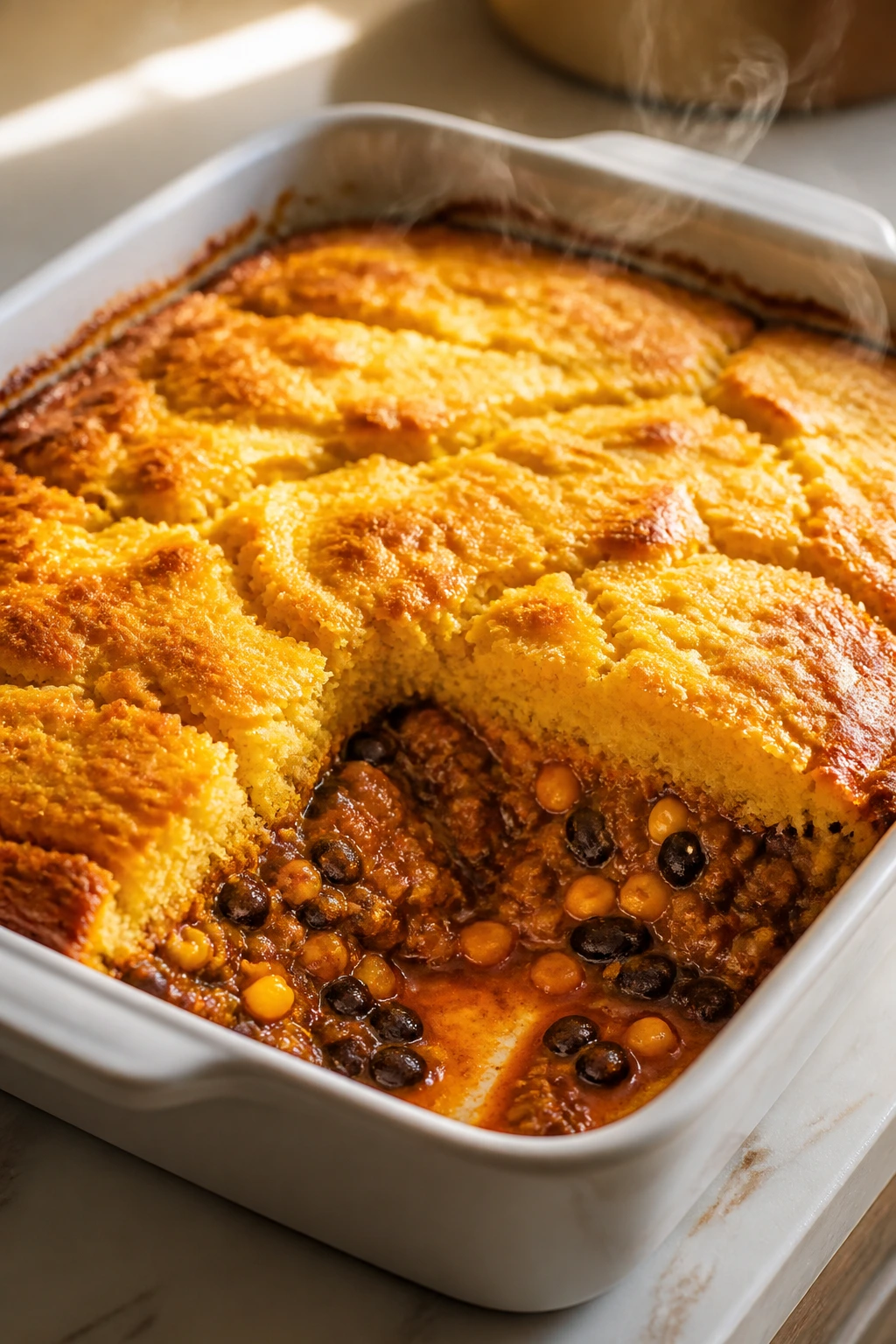
Tamale pie has a slightly old-school feel that I happen to like. The bottom layer is saucy and savory, the top turns golden and soft, and the whole pan slices into a cheap dinner that feels more deliberate than it has any right to.
Why It Works:
Cornbread mix keeps the topping fast, and canned beans or chili make the filling inexpensive. Corn adds sweetness, cheese adds salt, and the baked dish holds together like a casserole should. You can put it in the oven and walk away, which is a relief on busy nights.
Key Ingredients:
- 1 box cornbread mix
- 1 can black beans or chili beans, drained
- 1 cup salsa
- 1 cup frozen corn
- 1 cup shredded cheese
- 1 egg
- 1/3 cup milk
- 1 tablespoon oil
Quick Steps:
- Preheat the oven to 400°F (205°C) and grease an 8-inch baking dish.
- Mix the beans, salsa, corn, and 1/2 cup cheese in the dish. Spread evenly.
- Stir the cornbread mix with the egg, milk, and oil until just combined.
- Spoon the batter over the filling and bake for 20 to 25 minutes until the top is golden and a toothpick comes out clean.
- Let it rest for 5 minutes, then scoop and serve.
Equipment for This Recipe:
- Baking dish
- Mixing bowl
- Spoon
- Oven mitts
How to Serve This Dish:
Serve it in squares or scoops with a spoonful of sour cream on top. A simple lettuce salad or sliced avocado turns it into a fuller plate if you have it.
Pro Tips for This Recipe:
- Don’t overmix the cornbread batter or it turns tough.
- Let the casserole rest before cutting.
- If the top browns too quickly, tent loosely with foil.
Variations on This Dish:
- Turkey Chili Version: Use leftover chili as the base.
- Jalapeño Cornbread Pie: Stir chopped jalapeños into the batter.
Common Mistakes to Avoid with This Dish:
- Don’t use a filling that’s too wet or the topping sinks.
- Don’t cut it too soon; it needs a few minutes to set.
- Don’t skimp on the cheese unless you want a drier slice.
22. Crispy Tuna Patties with Lemon Slaw
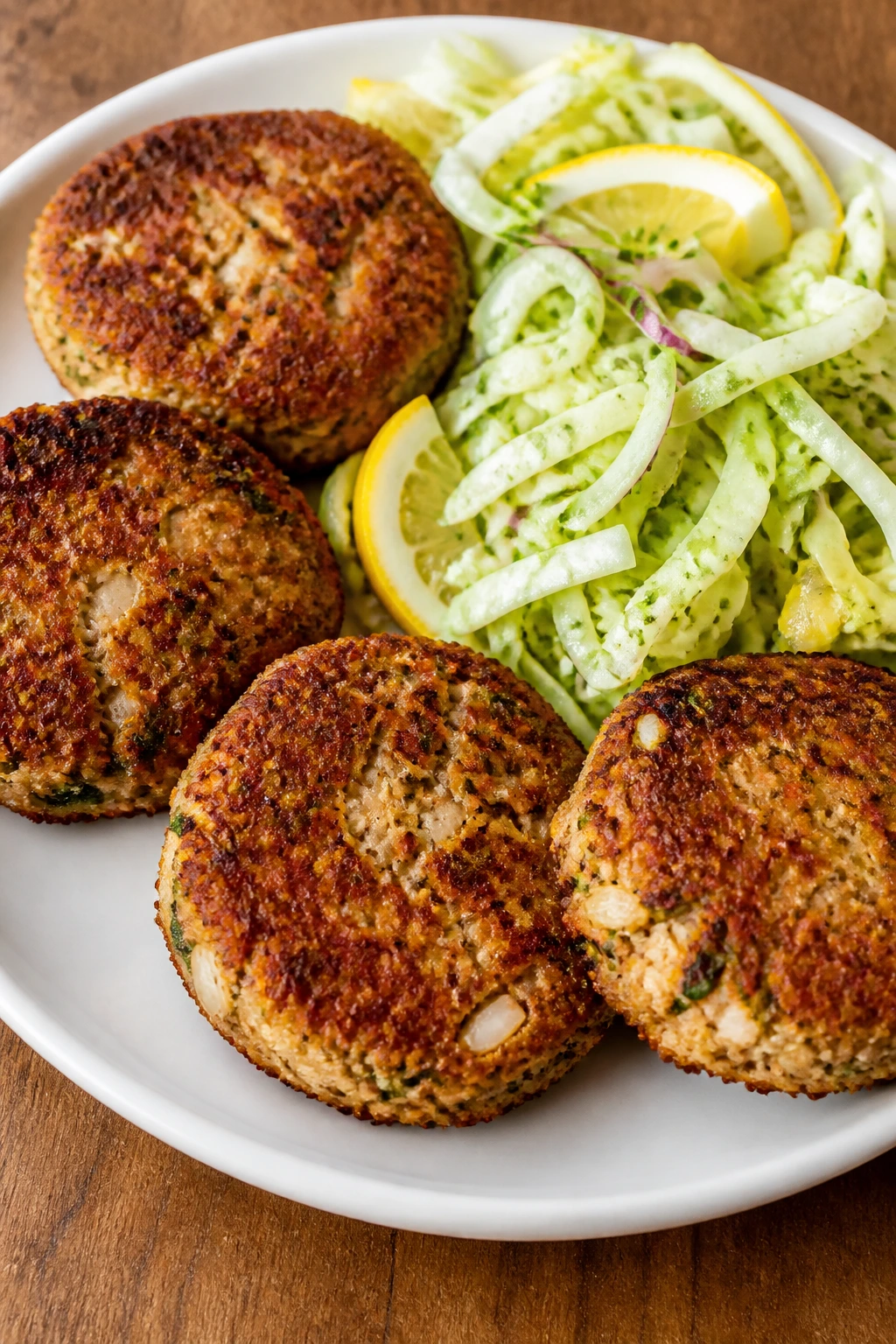
Tuna patties are one of those old-fashioned dinners that still earn their keep. They’re crisp on the outside, soft in the middle, and cheap enough to make when the fridge is looking bleak.
Why It Works:
Canned tuna stretches with egg and breadcrumbs into patties that hold together well in a skillet. Lemon slaw brings crunch and acid, which matter a lot here because the fish is mild. The whole plate feels more complete than the ingredient list suggests.
Key Ingredients:
- 2 cans tuna, drained
- 1 large egg
- 1/2 cup breadcrumbs
- 2 tablespoons minced onion
- 1 tablespoon mayonnaise
- 1 teaspoon lemon zest
- 2 tablespoons oil
- 3 cups shredded cabbage
- 1 tablespoon lemon juice
- Salt and pepper
Quick Steps:
- Mix the tuna, egg, breadcrumbs, onion, mayonnaise, lemon zest, salt, and pepper in a bowl.
- Form 4 small patties and chill for 5 minutes if you have the time.
- Heat the oil in a skillet over medium heat. Cook the patties for 3 to 4 minutes per side until browned and crisp.
- Toss the cabbage with lemon juice, a little salt, and a spoonful of oil or mayo.
- Serve the patties hot with the slaw on the side.
Equipment for This Recipe:
- Mixing bowl
- Skillet
- Spatula
- Plate for formed patties
How to Serve This Dish:
Put the patties on a plate beside the slaw so the crust stays crisp. If you want something starchier, a slice of buttered bread or a pile of potatoes works well.
Pro Tips for This Recipe:
- Drain the tuna well or the patties go soft.
- If the mix feels loose, add a spoonful more breadcrumbs.
- Chill the patties briefly before frying if you want cleaner edges.
Variations on This Dish:
- Dill Tuna Cakes: Add chopped dill or parsley.
- Spicy Cakes: Stir in a little hot sauce or paprika.
Common Mistakes to Avoid with This Dish:
- Don’t fry them over high heat or the outsides burn before the centers set.
- Don’t make the patties too large; smaller ones hold together better.
- Don’t skip the lemon slaw. It does more than decorate the plate.
Why Cheap Dinner Ideas Work Best When You Build Them Around Pantry Staples
The cheapest dinners almost never start with the “main event.” They start with the base you already have — rice, pasta, potatoes, tortillas, beans, lentils, ramen, eggs — and then they borrow a little flavor from one sharp ingredient that pulls its weight. That could be onion cooked until sweet, a spoon of tomato paste browned in the pan, or a hard cheese grated finely so it melts into the cracks.
This is where a lot of budget cooking goes wrong. People chase a cheap dinner by buying one bargain ingredient and then building a whole plate around it. That’s how you end up with a lonely chicken breast or a half-used jar of sauce that doesn’t stretch far enough. A better approach is to make the structure cheap first, then let seasoning do the rest.
I keep coming back to the same simple formula because it works: one starch, one protein, one vegetable, one sauce, one finishing note. Not every dinner needs all five in equal force, but the dinner gets easier when you can see the bones. Pasta with peas and lemon. Rice with beans and cheese. Potatoes with eggs and cabbage. Once you notice the pattern, the grocery store stops feeling like a guessing game.
Essential Equipment for These Recipes
- Large pot: Good for pasta, soup, and anything that needs a boil without spilling over.
- Large skillet or sauté pan: The workhorse for fried rice, quesadillas, skillet dinners, and quick sauces.
- Medium saucepan: Handy when you only need enough space for soup, curry, or a one-pot noodle sauce.
- Colander or strainer: You’ll use this constantly for pasta, beans, and rinsing canned ingredients.
- Spatula or wooden spoon: A flat spatula helps with browning; a wooden spoon is nicer for sauce and beans.
- Sharp knife and cutting board: Cheap dinners often rely on onions, cabbage, garlic, and carrots, and those ingredients go faster when the knife is sharp.
- Can opener: Not glamorous. Essential.
- Box grater: Block cheese melts better than bagged cheese, and this tool saves money.
- Microwave-safe bowl: Useful for potatoes, broccoli, and quick reheats.
- Lid for skillet or pot: A lid matters more than people think when you want eggs to set or cheese to melt.
Smart Shopping and Ingredient Tips
The first money-saving move is to buy ingredients that can show up twice in the same week. A bag of onions disappears into soup, skillet potatoes, tacos, and pasta sauce. Cabbage works in fried rice, slaw, noodle bowls, and soup. Potatoes can be baked, fried, mashed, or stuffed, and they still cost less than most shortcut sides.
Frozen vegetables earn their place here. They’re already washed and chopped, they don’t spoil in the crisper drawer, and they often taste better than fresh produce that traveled too far and sat too long. Frozen peas, corn, broccoli, spinach, and mixed vegetables are especially useful because they keep their shape and color during a fast cook.
For protein, canned beans, lentils, eggs, tuna, and tofu usually give the best price-to-meal ratio. Block cheese is the same story: buy a block, grate what you need, and the flavor goes farther than the pre-shredded stuff. If a recipe calls for broth, a bouillon cube or paste can stretch a dollar more than a carton. And yes, store-brand pasta, rice, and tortillas are usually perfectly good; this is not the place to pay extra for a box design.
How to Serve These Recipes
Presentation:
Keep the plate simple and clean. A bowl of pasta looks better with a little Parmesan and black pepper on top, and a skillet meal looks more appealing when you scoop it into shallow bowls instead of leaving it in a giant heap in the pan.
Accompaniments:
Use low-cost sides that repeat across the week: toast, rice, tortillas, pita, cucumber salad, a green salad, or a pile of fruit. Bread is useful with soup and curry; tortillas help with beans, eggs, and tamale pie; rice is the quiet hero for anything saucy.
Portions:
Most of these recipes feed 3 to 4 people as a main meal, or 2 hungry adults with leftovers. When you need to stretch farther, add bread, rice, or a quick salad before trying to double the filling itself.
Beverage Pairing:
I like plain sparkling water with lemon for most of these meals, or a cold iced tea when the dinner is salty and warm. Tomato-based dishes also work well with a simple beer or a tart lemonade if you want something a little brighter.
Additional Tips and Flavor Boosters
Flavor Enhancement: A final squeeze of lemon or splash of vinegar is one of the cheapest upgrades in cooking. It wakes up beans, cuts through cheese, and makes a skillet taste finished instead of merely hot.
Customization: Treat the recipes as templates. Add spinach to soup, corn to beans, hot sauce to eggs, or extra cabbage to noodles when you need more volume. The point is not purity; the point is dinner.
Serving Suggestions: Fresh herbs are nice, but if the budget is tight, scallions, parsley stems, or even a few sliced pickles can do useful work. Crunch matters too — toasted breadcrumbs, crushed chips, or crumbled tortilla chips can rescue soft dishes.
Make-It-Yours:
- Gluten-Free: Use rice, potatoes, corn tortillas, or gluten-free pasta in place of wheat staples.
- Dairy-Free: Lean on olive oil, tahini, beans, tofu, and nutritional yeast instead of cheese-heavy finishes.
- Extra Protein: Add eggs, beans, or tofu before reaching for pricier meat.
- Heat-Lovers: Keep chili flakes, hot sauce, or chili crisp on the table so one batch can serve different tastes.
Make-Ahead, Storage, and Reheating Guidance
A few of these dinners are best cooked and eaten right away, but many keep well if you store them with a little care. Pasta dishes usually hold for 3 to 4 days in the fridge and reheat best in a skillet with a splash of water, not in a dry microwave blast. Rice dishes and bean skillets also keep for 3 to 4 days refrigerated; add a spoonful of water before reheating so they don’t dry out at the edges.
Soups, curries, and lentil-based fillings are the best make-ahead bets in the bunch. They keep for 4 days in the refrigerator and freeze for up to 2 months in airtight containers. Thaw overnight in the fridge, then warm gently on the stove. If a soup thickens too much in storage, thin it with broth or water, not milk.
Quesadillas, tuna patties, and grilled cheese sandwiches are better fresh, but you can prep the fillings a day ahead. For quesadillas, store the bean filling separately and crisp the tortillas when you’re ready. For tuna patties, shape the mixture and chill it for up to a day, then fry just before serving. Potato dishes and stuffed sweet potatoes are usually best reheated in a 375°F oven for 10 to 15 minutes so the texture stays closer to the original.
Variations and Adaptations to Try
The Pantry Swap:
If a recipe calls for one bean and you only have another, use it. Black beans, cannellini beans, chickpeas, and lentils all play different roles, but they can stand in for one another when dinner needs to happen without another store run.
The Dairy-Light Move:
Skip cheese-heavy finishes and lean on olive oil, lemon, broth, and herbs. Pasta, soup, fried rice, and noodle bowls all hold up well without dairy if you keep the seasoning sharp.
The Kid-Friendly Plate:
Dial back the heat, keep sauces smoother, and serve components separately when needed. A bowl with rice on one side, beans on the other, and cheese on top usually beats a mixed skillet for picky eaters.
The Bigger-Protein Version:
Add eggs, tofu, tuna, or extra beans before thinking about meat. Cheap dinners stay cheap when you add volume with things that cost less per serving than a chicken breast or steak.
The Crisp-and-Creamy Combo:
A lot of these recipes work better when the plate has contrast. Put crunchy toast next to soup, crisp cabbage next to noodles, or a fried egg on top of rice. Texture is cheap, and it makes dinner feel richer than it is.
Common Mistakes to Avoid
The biggest budget mistake is shopping like each dinner is its own separate project. That leads to half-used herbs, specialty sauces, and produce that doesn’t overlap. A better move is to buy ingredients that can show up in two or three recipes, then let the flavor profile change with seasoning and sauce.
Another common problem is under-seasoning starches. Rice, pasta, potatoes, and beans need salt at some stage or they stay bland no matter what lands on top. Salt the water for pasta, season the bean mixture, and taste the sauce before you call it done.
People also tend to overcrowd cheap dinners with too many add-ins. I get the impulse. But if you put every vegetable in the crisper into one pan, the flavors blur and the texture suffers. Pick one or two main vegetables and let them actually taste like themselves.
Finally, don’t forget acid. Lemon, vinegar, salsa, pickles, tomatoes, and mustard are what keep inexpensive meals from tasting heavy. Without that sharp edge, cheese and starch start to feel sleepy fast.
Frequently Asked Questions
Can these really stay under $10 if I’m feeding four people?
Usually, yes, if you’re using store-brand staples and you already have basics like oil, salt, and pepper. The trick is to lean on pasta, rice, beans, potatoes, eggs, and frozen vegetables instead of pricier proteins or specialty sauces.
What pantry items should I keep around for fast cheap dinners?
Pasta, rice, canned beans, canned tomatoes, tuna, lentils, tortillas, broth, onions, garlic, and a couple of cheeses will carry a lot of ground. Add frozen peas, corn, broccoli, and spinach, and the week gets easier.
Can I use frozen vegetables instead of fresh in these recipes?
Absolutely, and in some of these dinners I’d pick frozen on purpose. They’re cheaper, they don’t spoil as fast, and they hold their shape better in stir-fries, soups, and skillet meals.
What if I only have 20 minutes?
Go for the fastest pans first: bean quesadillas, tuna pasta, egg fried rice, ramen stir-fry, or a veggie omelet. Those rely on quick-cooking ingredients and don’t need much more than a hot pan and a little attention.
How do I make a cheap dinner feel filling enough?
Use the starch-protein-vegetable pattern and don’t be shy about bread or rice. A bowl of soup feels bigger with toast, pasta feels more complete with beans or peas, and potatoes can carry a surprising amount of topping.
Can I make these ahead for lunch the next day?
Yes, especially the curry, soup, rice skillet, lentil filling, and pasta dishes. Keep wet sauces separate when you can, then reheat gently with a splash of water or broth so the texture doesn’t tighten up.
What if my rice turns mushy in a skillet dish?
Use cold rice and keep the heat high enough that it sizzles, not steams. If it’s already mushy, spread it on a tray and chill it for 15 to 20 minutes before cooking again.
How do I keep the total cost down when cheese is part of the recipe?
Buy block cheese, grate what you need, and use it as a finish instead of the bulk of the dish. A half cup of sharp cheddar goes farther than a whole cup of mild shredded cheese, and the flavor is better too.
Keeping Dinner Cheap Without Making It Sad
Cheap dinner doesn’t have to mean thin soup and a half-empty plate. Done right, it means using a few sturdy ingredients with enough sense to make them taste deliberate — garlic in butter, beans in salsa, eggs in tomato, cabbage in a hot skillet, pasta water when sauce needs help.
What matters most is having a small set of reliable moves. Toast the bread. Salt the water. Brown the onions. Save a little pasta water. Finish with lemon when the dish feels heavy. Those little habits cost almost nothing, and they make the same groceries taste like a different kitchen altogether.
Once you get comfortable with that rhythm, a tight grocery bill stops feeling like a limitation and starts looking more like a useful constraint. Dinner gets faster. Leftovers get better. And the nightly question becomes less “What can I afford?” and more “Which cheap thing am I in the mood for tonight?”