



Sunday meal prep can feel like a tiny rescue mission. One pot of rice, one tray of chicken, a cutting board full of onions and carrots, and suddenly the week stops looking so expensive and chaotic. That is the sweet spot for healthy family dinners on a budget: meals that hold up after a chill in the fridge, still taste good after reheating, and don’t demand a grocery bill that makes you wince at checkout.
The trick is not fancy food. It’s repeatable food. Chicken thighs instead of pricier cuts. Beans where beans make sense. Frozen vegetables when they cook better than the sad, tired produce on the shelf. Sauces that carry a lot of flavor with a little bit of pantry money. If you’ve ever packed six containers on a Sunday and still wound up ordering takeout by Tuesday, the problem was probably the recipe, not your willpower.
So here’s the better path: dinners that reheat cleanly, stretch across multiple servings, and let you build a week of food from overlapping ingredients without eating the same exact thing every night. Some are sheet-pan simple. Some are one-pot comfort. A few lean hard on beans, lentils, or cabbage because those ingredients are cheap, filling, and stubbornly useful. That’s the whole game.
Why This Sunday Batch Cook Pays Off
-
One shopping trip covers multiple dinners: Several recipes in this lineup share onions, garlic, rice, beans, tomatoes, and greens, so you’re not buying a whole new pantry for every meal.
-
Leftovers reheat with dignity: Soups, casseroles, bowls, and skillet meals tend to survive the microwave better than delicate salads or anything crisp-fried.
-
The protein choices are practical: Chicken thighs, ground turkey, eggs, tuna, beans, and lentils keep costs down without making dinner feel like a compromise.
-
Vegetables do real work here: Cabbage, carrots, spinach, broccoli, potatoes, peppers, and sweet potatoes add bulk and texture so the meals feel complete.
-
Picky eaters can be handled without cooking twice: Most of these can be served with toppings on the side, which keeps the spice level and sauciness flexible.
-
Sunday prep gets easier when ingredients repeat on purpose: You can chop once, cook twice, and build a whole week around the same cutting board session.
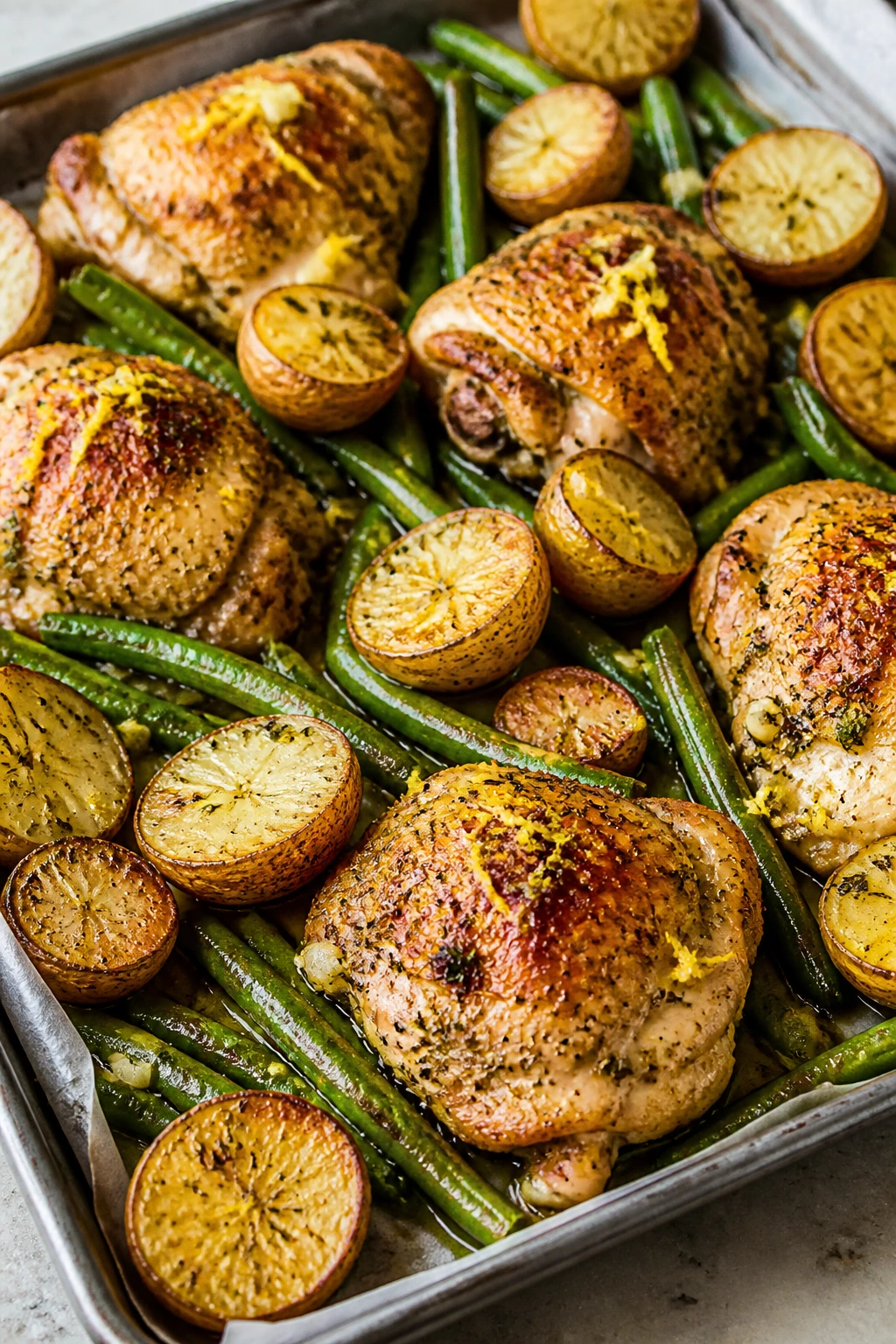
1. Sheet-Pan Lemon Garlic Chicken Thighs with Potatoes and Green Beans
The first tray out of the oven smells like garlic, lemon zest, and browned chicken skin, which is to say it smells like dinner is actually happening. The potatoes go crisp on the edges, the green beans soften without collapsing, and the chicken thighs stay juicy enough to reheat later without turning stringy.
Why It Works:
Chicken thighs are the right call here because they stay tender through roasting and reheating, even if your oven runs a little hot. The potatoes start first so they get a head start on browning, and the green beans go in late enough to keep some bite. Lemon keeps the whole tray from tasting heavy, which matters when you’re eating this for a second or third night.
Key Ingredients:
- 2 pounds boneless, skinless chicken thighs
- 1 1/2 pounds baby potatoes, halved
- 1 pound green beans, trimmed
- 3 tablespoons olive oil
- 4 cloves garlic, minced
- 1 lemon, zested and juiced
- 1 teaspoon paprika
- 1 teaspoon dried oregano
- 1 teaspoon kosher salt
- 1/2 teaspoon black pepper
Quick Steps:
- Preheat the oven to 425°F and line a large sheet pan with parchment.
- Toss the potatoes with 1 tablespoon oil, half the garlic, half the salt, and paprika.
- Roast the potatoes for 15 minutes until the cut sides start to brown.
- Toss the chicken with the remaining oil, garlic, lemon zest, oregano, salt, and pepper, then add it to the pan with the green beans.
- Roast 18 to 22 minutes more, until the chicken reaches 165°F and the potatoes are fork-tender.
- Finish with lemon juice right before serving so the tray tastes bright, not flat.
Equipment for This Recipe:
- Large rimmed sheet pan
- Parchment paper
- Mixing bowl
- Instant-read thermometer
How to Serve This Dish:
Serve it as-is in shallow containers with the potatoes tucked beside the chicken, so the beans do not steam into mush. A spoonful of plain yogurt or a quick lemony pan drizzle works well if you want more sauce.
Pro Tips for This Recipe:
- Cut the potatoes into even pieces or the small ones will turn to dust while the big ones stay hard.
- Use green beans that still snap; limp beans go soft fast.
- If you want extra browning, switch the oven to broil for 1 to 2 minutes at the end, but stay nearby.
Variations on This Dish:
- Smoky Paprika Tray Bake: Add smoked paprika and a pinch of cumin for a deeper flavor.
- Italian Herb Version: Swap oregano for basil and thyme, then finish with grated Parmesan.
- Dijon Lemon Chicken: Stir 1 tablespoon Dijon into the oil mixture for a sharper, slightly creamy coating.
Common Mistakes to Avoid with This Dish:
- Crowding the pan: If the chicken pieces are packed tight, they steam. Use two pans if needed.
- Adding the beans too early: They turn limp and dull. Late addition keeps them green and snappy.
- Skipping the thermometer: Thighs forgive a lot, but pulling them at the right temperature keeps them juicy instead of oily.
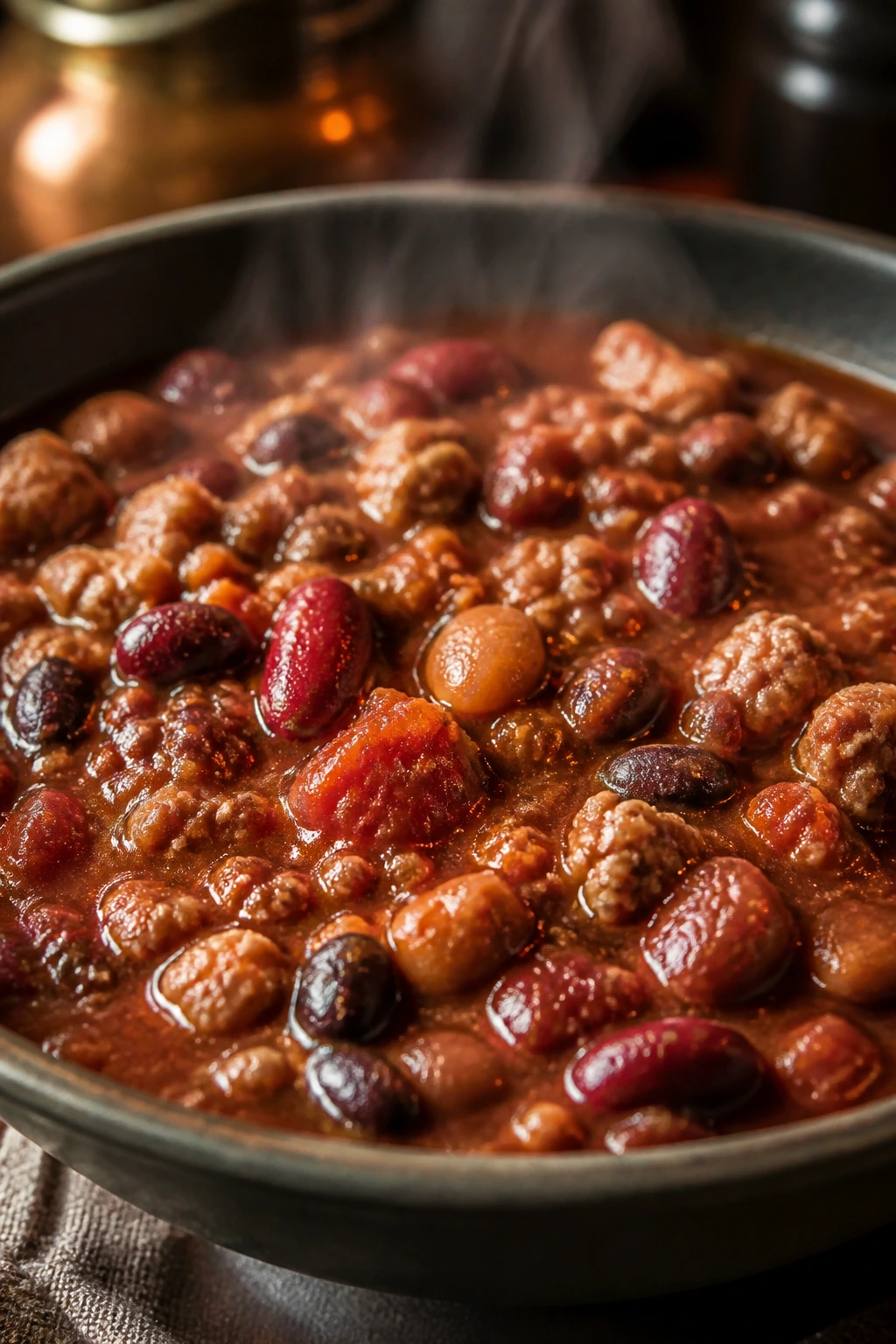
2. Smoky Turkey and Three-Bean Chili
This is the kind of chili that gets better after a night in the fridge and somehow tastes even fuller on day three. It’s thick, spoon-coating, and built on pantry ingredients that usually already live in the cabinet: beans, tomatoes, onion, and spice.
Why It Works:
Ground turkey keeps the cost down and gives you a lean base that still tastes like dinner once it picks up the chili powder and cumin. Three beans add bulk, fiber, and a mix of textures, which keeps the pot from tasting flat. A little cocoa powder or cinnamon is optional, but I like it because it gives the chili a dark, rounded note without making it sweet.
Key Ingredients:
- 1 1/2 pounds ground turkey
- 1 yellow onion, diced
- 1 green bell pepper, diced
- 3 cloves garlic, minced
- 1 can (15 ounces) kidney beans, drained and rinsed
- 1 can (15 ounces) black beans, drained and rinsed
- 1 can (15 ounces) pinto beans, drained and rinsed
- 1 can (28 ounces) crushed tomatoes
- 2 tablespoons chili powder
- 1 teaspoon cumin
- 2 cups low-sodium broth
- 1 teaspoon salt
Quick Steps:
- Brown the turkey in a large pot over medium-high heat for 6 to 8 minutes, breaking it into small crumbles.
- Add the onion and bell pepper and cook 5 minutes until softened.
- Stir in garlic, chili powder, and cumin for 30 seconds until fragrant.
- Add beans, tomatoes, broth, and salt, then bring to a simmer.
- Cook uncovered for 25 to 30 minutes, stirring now and then, until thick and rich.
- Taste and add more salt only at the end, after the beans and tomatoes have had time to settle.
Equipment for This Recipe:
- Large heavy pot or Dutch oven
- Wooden spoon
- Can opener
- Measuring spoons
How to Serve This Dish:
Spoon it into containers with a small scoop of rice or a wedge of cornbread on the side. A few chopped scallions or a spoon of yogurt makes it feel finished without adding much cost.
Pro Tips for This Recipe:
- Drain the beans well so the chili does not turn soupy.
- Let it simmer uncovered; the water needs somewhere to go.
- If the chili tastes sharp, another 10 minutes on low usually smooths it out.
Variations on This Dish:
- Mild Family Pot: Cut the chili powder in half and add extra cumin for a softer flavor.
- Sweet Potato Chili: Stir in 2 cups diced sweet potato with the broth for extra body.
- Smoky Chipotle Pot: Add 1 chopped chipotle in adobo if your family likes a little heat.
Common Mistakes to Avoid with This Dish:
- Using too much broth: Chili should be thick enough to mound on a spoon, not look like soup.
- Rushing the simmer: The flavor needs time to settle after the tomatoes go in.
- Salting too early and too much: Reduce first, then season; the concentration changes as it cooks.
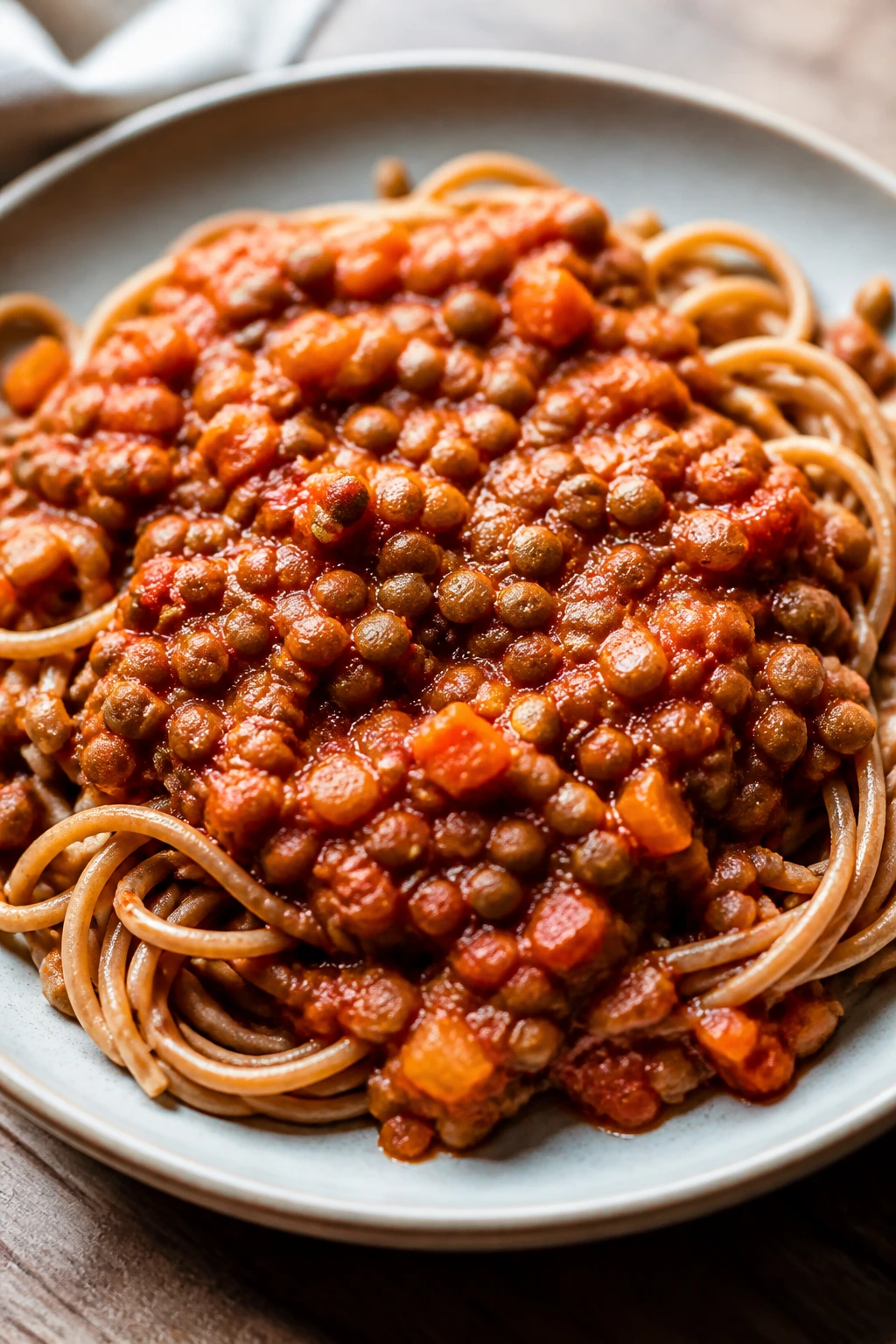
3. Lentil Bolognese Over Whole Wheat Pasta
This is the pasta sauce I reach for when I want something cheap, filling, and not the least bit flimsy. The lentils give it a meaty texture without the meat price tag, and the tomato sauce clings to whole wheat noodles in a way that feels sturdy enough for lunch containers.
Why It Works:
Brown or green lentils hold their shape, which matters here; red lentils break down too much and turn the sauce soft. Carrot, celery, and onion build the kind of base that makes tomato sauce taste deeper after a 20-minute simmer. Whole wheat pasta brings a little more chew and keeps the meal from feeling like straight starch.
Key Ingredients:
- 1 1/2 cups dry brown lentils, rinsed
- 12 ounces whole wheat spaghetti or penne
- 1 onion, finely diced
- 1 carrot, finely diced
- 2 celery stalks, finely diced
- 4 cloves garlic, minced
- 1 can (28 ounces) crushed tomatoes
- 2 tablespoons tomato paste
- 1 tablespoon olive oil
- 1 teaspoon Italian seasoning
- 4 cups water or broth
- 1 teaspoon salt
Quick Steps:
- Cook the pasta in salted water until just al dente, then drain.
- Warm the oil in a deep skillet or pot and sauté onion, carrot, and celery for 8 minutes until soft.
- Add garlic and tomato paste and cook 1 minute until the paste darkens slightly.
- Stir in lentils, tomatoes, seasoning, water or broth, and salt.
- Simmer 25 to 30 minutes until the lentils are tender and the sauce is thick.
- Toss with the pasta and a splash of pasta water so the sauce coats instead of sitting underneath.
Equipment for This Recipe:
- Large skillet or Dutch oven
- Large pot for pasta
- Colander
- Wooden spoon
How to Serve This Dish:
Pack it with a little grated Parmesan if you want the top to feel less bare. A simple side salad or steamed broccoli is enough; the sauce carries most of the meal.
Pro Tips for This Recipe:
- Keep the lentils barely covered while simmering so the sauce stays thick.
- Save a cup of pasta water; it helps the sauce cling.
- Chop the vegetables small enough that they melt into the sauce after reheating.
Variations on This Dish:
- Mushroom Lentil Bolognese: Add 8 ounces chopped mushrooms with the onion for a woodsy flavor.
- Creamy Red Version: Stir in 1/4 cup milk at the end for a softer, rounder sauce.
- Gluten-Free Bowl: Serve the sauce over rice or gluten-free pasta with no other changes.
Common Mistakes to Avoid with This Dish:
- Overcooking the pasta before reheating: Stop at al dente or it turns soft later.
- Using red lentils: They collapse and change the texture.
- Letting the sauce get too dry: Add small splashes of water as the lentils cook.
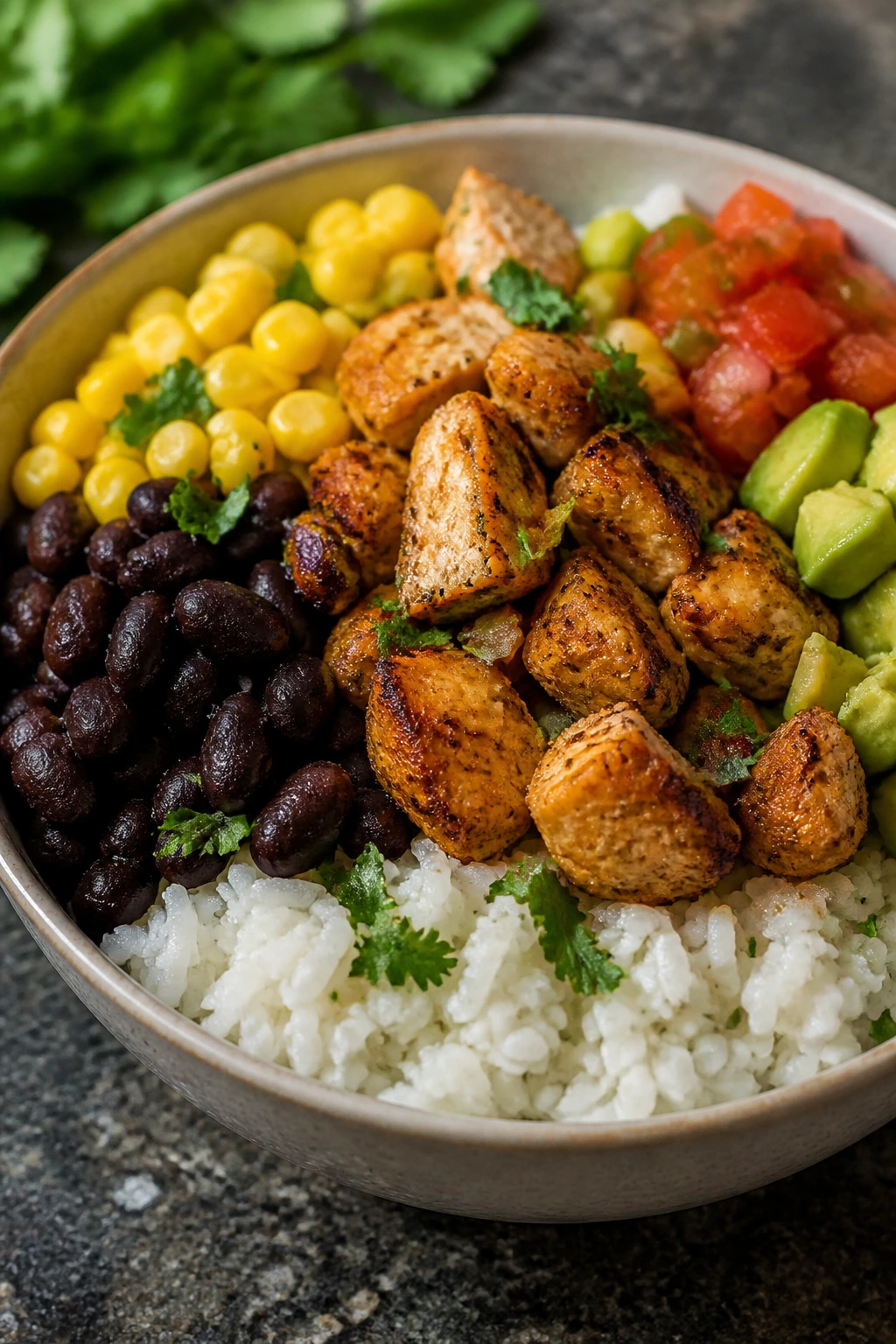
4. Chicken Burrito Bowls with Black Beans and Rice
This is the kind of dinner that feels flexible enough to rescue a tired Tuesday. Everything sits in clean little parts—rice, chicken, beans, corn, salsa—so the family can build bowls the way they like them, which is useful when one person wants avocado and another acts suspicious of anything green.
Why It Works:
Rice and beans do the cheap, filling work here, while seasoned chicken gives the bowl its main flavor. The salsa acts like a shortcut sauce, which means you do not need five separate condiments to make dinner taste complete. It also reheats well because none of the components depend on a crisp texture.
Key Ingredients:
- 1 1/2 pounds boneless chicken thighs or breasts, diced
- 1 1/2 cups dry rice
- 1 can (15 ounces) black beans, drained and rinsed
- 1 cup frozen corn
- 1 cup salsa
- 1 tablespoon olive oil
- 1 tablespoon chili powder
- 1 teaspoon cumin
- 1 teaspoon salt
- 1 lime, cut into wedges
Quick Steps:
- Cook the rice according to the package directions.
- Season the chicken with chili powder, cumin, and salt.
- Sear the chicken in oil over medium-high heat for 6 to 8 minutes until browned and cooked through.
- Warm the beans and corn in a small pan or in the microwave with a splash of water.
- Build bowls with rice, chicken, beans, corn, and salsa.
- Finish with lime juice right before eating so the bowl tastes fresh instead of heavy.
Equipment for This Recipe:
- Large skillet
- Saucepan with lid
- Mixing bowl
- Rice cooker, if you use one
How to Serve This Dish:
Serve with shredded lettuce, diced tomatoes, or a little cheese if you want more variety across the week. Keep the salsa separate in meal prep containers so the rice doesn’t get soggy.
Pro Tips for This Recipe:
- Dice the chicken into even pieces so it cooks fast and stays tender.
- Use leftover rice if you have it; cold rice fries better if you want a slight texture change.
- A spoon of plain Greek yogurt can replace sour cream without changing the bowl much.
Variations on This Dish:
- Taco Chicken Bowls: Add a pinch of smoked paprika and top with shredded cabbage.
- Breakfast Bowl Spin: Top with a fried egg if you’re using leftovers for lunch.
- Veg-Heavy Bowl: Double the corn and add sautéed peppers for more volume.
Common Mistakes to Avoid with This Dish:
- Mixing everything together before storing: The bowls get soft and muddy.
- Underseasoning the rice: Plain rice makes the whole bowl taste thin.
- Skipping acid: Lime or salsa keeps the beans and rice from tasting flat.
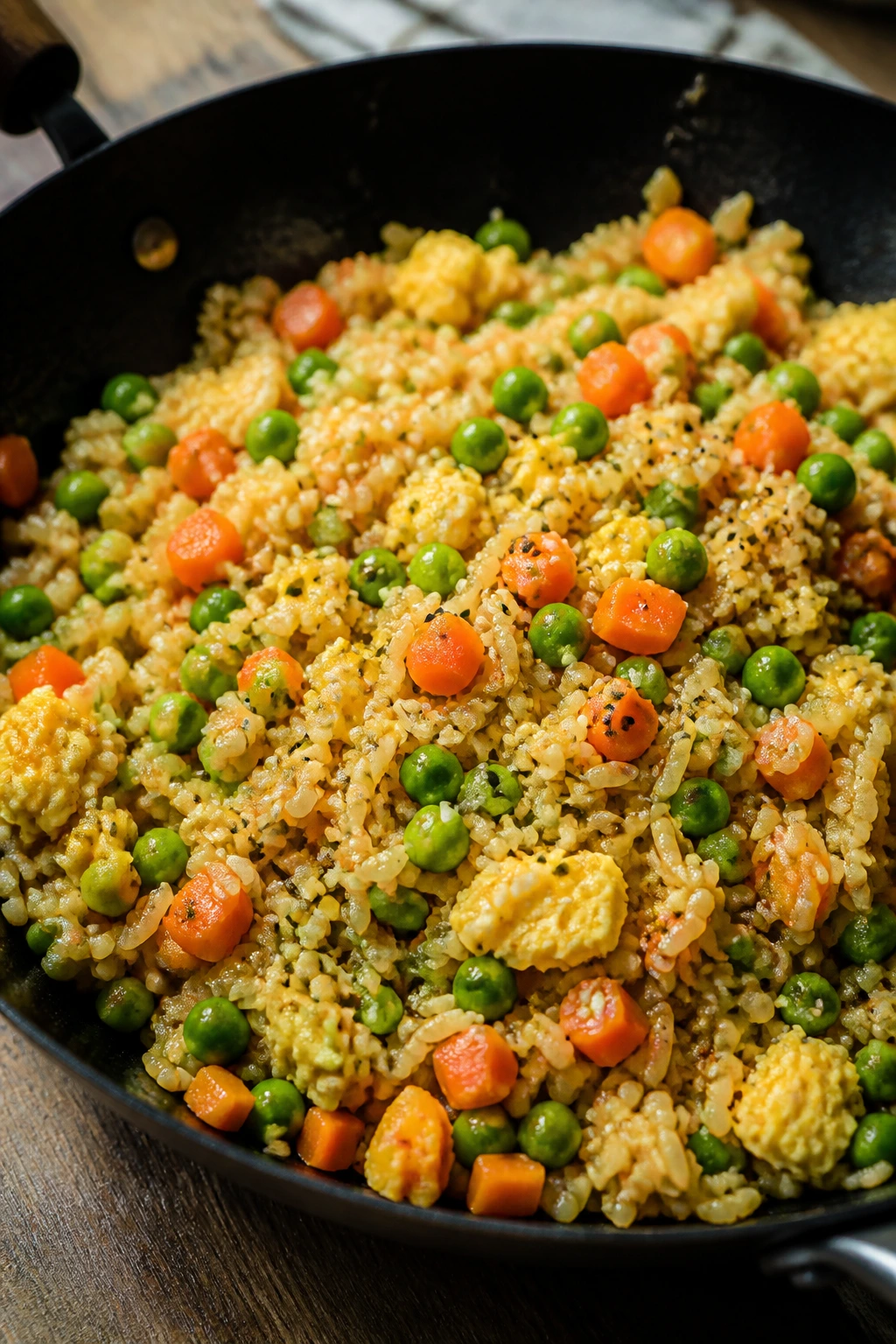
5. Veggie Egg Fried Rice with Peas, Carrots, and Sesame
Cold rice is the secret weapon here. Day-old grains dry out just enough to fry instead of clump, and once the eggs, peas, carrots, and soy sauce hit the pan, you get a fast dinner that feels bigger than the ingredient list.
Why It Works:
Egg fried rice is built for leftovers. The rice absorbs flavor, the vegetables add color and crunch, and the eggs stretch the dish without adding much cost. A little sesame oil at the end does most of the flavor lifting, so you do not need a long pantry list.
Key Ingredients:
- 4 cups cooked and chilled rice
- 3 large eggs, beaten
- 1 cup frozen peas and carrots
- 1 small onion, diced
- 2 cloves garlic, minced
- 3 tablespoons low-sodium soy sauce
- 1 tablespoon sesame oil
- 2 tablespoons neutral oil
- 2 green onions, sliced
- 1 teaspoon grated ginger
Quick Steps:
- Heat a large skillet or wok over medium-high heat and add the neutral oil.
- Scramble the eggs until just set, then remove them to a plate.
- Sauté the onion, garlic, and ginger for 1 minute, then add the peas and carrots.
- Add the rice and break up any clumps with a spatula.
- Stir in soy sauce and sesame oil, then cook 3 to 4 minutes until the rice is hot and lightly toasted.
- Fold the eggs back in and finish with green onions.
Equipment for This Recipe:
- Large skillet or wok
- Spatula
- Mixing bowl
- Measuring spoons
How to Serve This Dish:
Serve it in shallow bowls with cucumber sticks or sliced edamame on the side if you want more vegetables. It holds well in lunch containers and tastes fine at room temperature.
Pro Tips for This Recipe:
- Use rice that has chilled for at least a few hours so it fries instead of sticking.
- Keep the heat high enough to toast, not so high that the garlic burns.
- If the rice seems dry, a tablespoon of water can loosen it without making it wet.
Variations on This Dish:
- Chicken Fried Rice: Add 1 cup diced cooked chicken from another meal.
- Sesame Corn Version: Swap peas and carrots for frozen corn and diced bell pepper.
- Spicy Chili Crisp Bowl: Stir in a teaspoon of chili crisp for the adults after cooking.
Common Mistakes to Avoid with This Dish:
- Using hot, fresh rice: It steams and clumps.
- Adding too much soy sauce at once: Start small; you can always add more.
- Crowding the pan: The rice needs room to toast a bit.
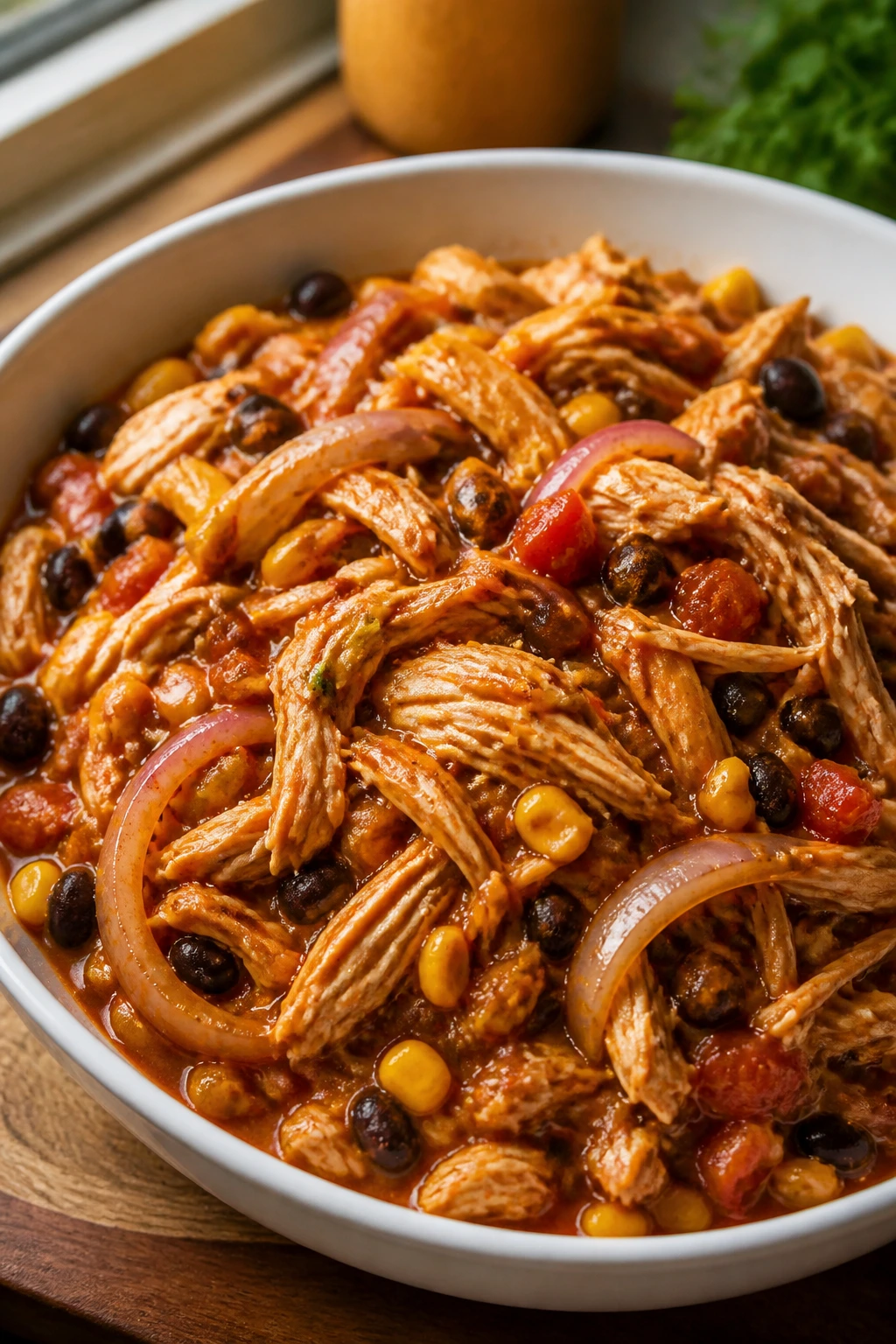
6. Slow Cooker Salsa Chicken for Tacos or Bowls
This one smells like dinner has been working in the background all day, which is the best kind of weekday trick. The chicken turns soft enough to shred with two forks, and the salsa, onions, and seasoning create a built-in sauce without any extra effort.
Why It Works:
Salsa does a lot of work here. It brings acid, salt, tomato, and spice in one jar, which means the chicken cooks in a flavorful liquid instead of plain water. Black beans and corn stretch the batch, so one slow cooker run can cover tacos, bowls, and nachos if that’s the direction the night goes.
Key Ingredients:
- 2 pounds boneless chicken thighs or breasts
- 1 1/2 cups salsa
- 1 onion, sliced
- 1 can (15 ounces) black beans, drained and rinsed
- 1 cup frozen corn
- 1 tablespoon taco seasoning
- 1/2 teaspoon salt
- Tortillas or rice for serving
- Shredded cabbage or lettuce for topping
- Lime wedges
Quick Steps:
- Add the onion to the slow cooker, then set the chicken on top.
- Pour salsa over the chicken and sprinkle with taco seasoning and salt.
- Cook on low for 5 to 6 hours or high for 3 to 4 hours until the chicken shreds easily.
- Shred the chicken directly in the pot, then stir in beans and corn.
- Cook 10 to 15 minutes more until the beans and corn are hot.
- Serve in tortillas, rice bowls, or lettuce cups.
Equipment for This Recipe:
- 5- to 6-quart slow cooker
- Two forks for shredding
- Measuring spoons
How to Serve This Dish:
Use it three ways across the week: tacos one night, bowls the next, and a quesadilla fill on the third. Keep the cabbage or lettuce crisp and add it at the end so it stays crunchy.
Pro Tips for This Recipe:
- Thighs shred with a little more ease and stay moister than breasts.
- If the salsa is very salty, skip added salt until the end.
- Stirring the beans in late keeps them from turning mushy.
Variations on This Dish:
- Green Salsa Chicken: Use salsa verde and add a pinch of cumin.
- Chipotle Chicken: Stir in 1 chopped chipotle pepper for a smoky kick.
- Bean-Heavy Version: Add a second can of beans if you want a meat-light batch.
Common Mistakes to Avoid with This Dish:
- Adding the beans at the start: They get soft and split.
- Overcooking on high: Chicken breasts can dry out if you leave them too long.
- Forgetting to shred in the sauce: The meat soaks up more flavor after shredding.
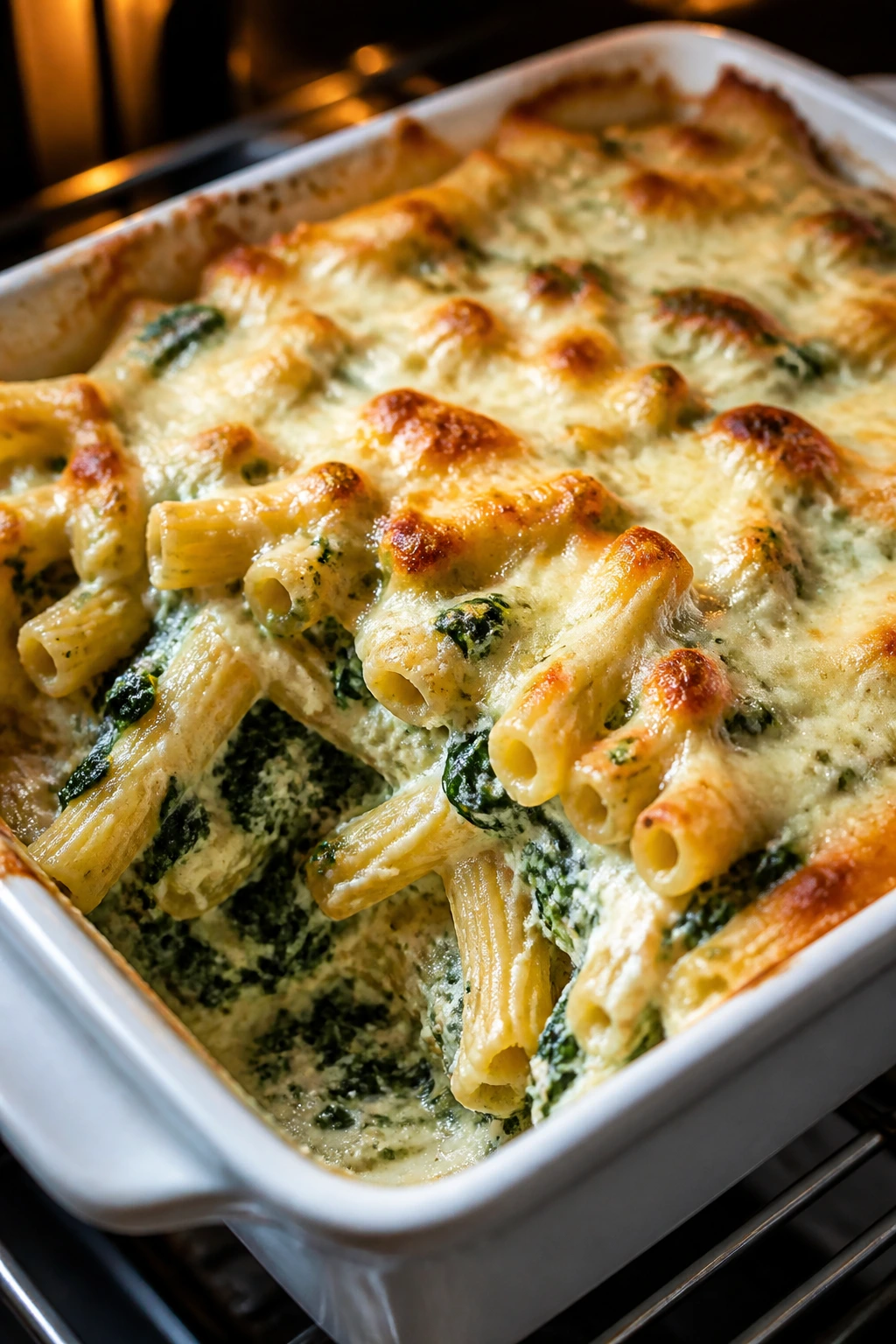
7. Spinach Cottage Cheese Baked Ziti
Baked ziti gets expensive when you load it with layers of meat and fancy cheese, so this version stays smarter. Cottage cheese stands in for part of the ricotta, spinach adds bulk, and the whole dish bakes into a pan that slices cleanly after a short rest.
Why It Works:
Pasta bakes are good meal prep food because they reheat without needing special handling. Cottage cheese gives you protein and a creamy texture without the price of an all-ricotta filling. Spinach melts into the sauce, which is a nice way to get more vegetables into a family dinner without turning it into a vegetable lecture.
Key Ingredients:
- 1 pound ziti
- 4 cups marinara sauce
- 2 cups cottage cheese
- 2 cups shredded mozzarella
- 2 cups chopped spinach, fresh or thawed frozen
- 1 egg
- 1 teaspoon Italian seasoning
- 2 cloves garlic, minced
- 1/2 teaspoon salt
- 1/4 teaspoon black pepper
Quick Steps:
- Cook the ziti until just shy of al dente and drain it well.
- Mix cottage cheese, egg, spinach, garlic, seasoning, salt, and pepper in a bowl.
- Toss the pasta with half the marinara and spread a thin layer in a baking dish.
- Spoon the cottage cheese mixture over the pasta, then add the remaining pasta and sauce.
- Top with mozzarella and bake at 375°F for 25 to 30 minutes until bubbling.
- Let it rest 10 minutes before cutting so it does not slide apart.
Equipment for This Recipe:
- 9×13-inch baking dish
- Large pot
- Mixing bowl
- Colander
How to Serve This Dish:
Pair it with a simple green salad or roasted broccoli, because the pan itself is rich enough. A square of baked ziti travels well in meal prep containers and tastes even better after the sauce settles overnight.
Pro Tips for This Recipe:
- Undercook the pasta by 1 to 2 minutes so it does not turn soft in the oven.
- Drain thawed spinach well or the casserole gets watery.
- Use a thick marinara; thin sauce makes a loose bake.
Variations on This Dish:
- Turkey Ziti: Add 1 pound browned ground turkey to the sauce.
- Four-Cheese Bake: Mix in a little Parmesan and provolone if you want more depth.
- Vegetable Ziti: Add sautéed zucchini or mushrooms for more bulk.
Common Mistakes to Avoid with This Dish:
- Skipping the rest time: Hot baked pasta falls apart if you cut it too soon.
- Using too much sauce between layers: The casserole turns soupy.
- Forgetting to season the cheese mixture: Plain cottage cheese tastes flat inside a baked dish.
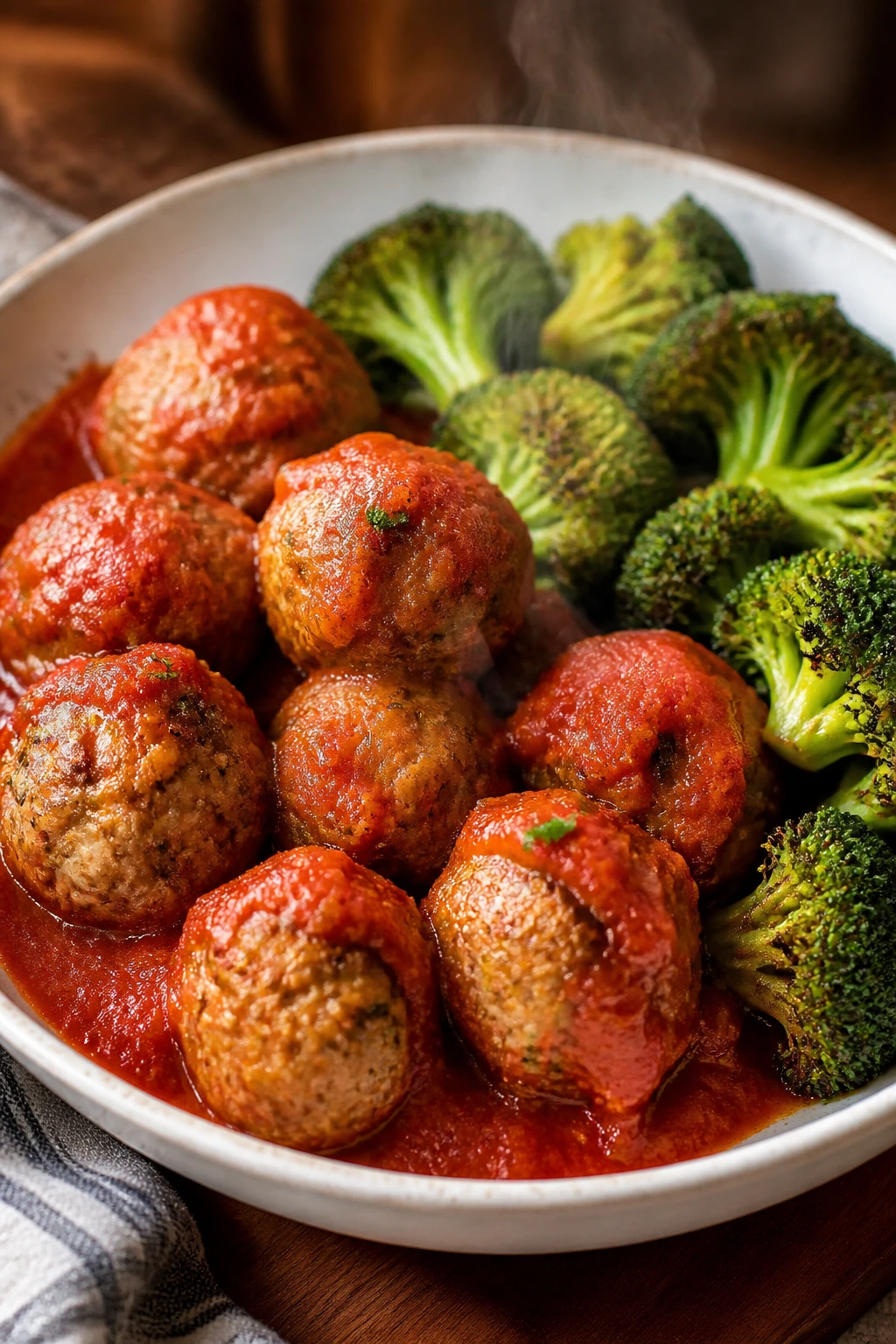
8. Turkey Meatballs with Marinara and Broccoli
These meatballs are lean, tender, and easy to portion, which makes them useful when the same dinner needs to become lunch later. The broccoli roasts on the same tray or pan, so you’re not making a side dish from scratch just to serve the main course.
Why It Works:
Ground turkey is cheaper than many cuts of meat and gives you a neutral base for garlic, Parmesan, and herbs. Breadcrumbs and egg keep the meatballs from drying out. Marinara does the saucing work, which means the meal reheats well and does not need extra cooking to taste complete.
Key Ingredients:
- 1 1/2 pounds ground turkey
- 1/2 cup breadcrumbs
- 1 egg
- 1/4 cup grated Parmesan
- 2 cloves garlic, minced
- 1 teaspoon Italian seasoning
- 1/2 teaspoon salt
- 1/4 teaspoon pepper
- 3 cups marinara sauce
- 4 cups broccoli florets
Quick Steps:
- Mix turkey, breadcrumbs, egg, Parmesan, garlic, seasoning, salt, and pepper just until combined.
- Shape into 16 to 20 meatballs and place on a lined baking sheet.
- Bake at 400°F for 15 to 18 minutes until the centers reach 165°F.
- Warm the marinara in a skillet while the meatballs bake.
- Toss broccoli with oil and roast it on a second pan until the edges brown.
- Serve meatballs over broccoli, pasta, or rice with sauce spooned on top.
Equipment for This Recipe:
- Mixing bowl
- Rimmed baking sheet
- Large skillet or saucepan
- Instant-read thermometer
How to Serve This Dish:
I like these over a scoop of pasta or rice so the sauce has somewhere to land. If you want a lighter dinner, serve the meatballs with the broccoli and a piece of crusty bread.
Pro Tips for This Recipe:
- Mix the meat only until it comes together; overmixing makes the meatballs dense.
- Wet your hands before shaping so the mixture does not stick.
- Roast the broccoli hard enough to get edges, not steam-soft florets.
Variations on This Dish:
- Turkey Meatball Subs: Tuck the meatballs into rolls with mozzarella.
- Herby Spinach Version: Add finely chopped spinach to the meat mixture.
- Spicy Arrabbiata Style: Use a spicy marinara if your family likes heat.
Common Mistakes to Avoid with This Dish:
- Packing the meatballs too tightly: That makes them tough.
- Baking without enough space: Crowded meatballs steam instead of brown.
- Adding cold sauce to cold leftovers: Warm the marinara first so the reheat stays even.
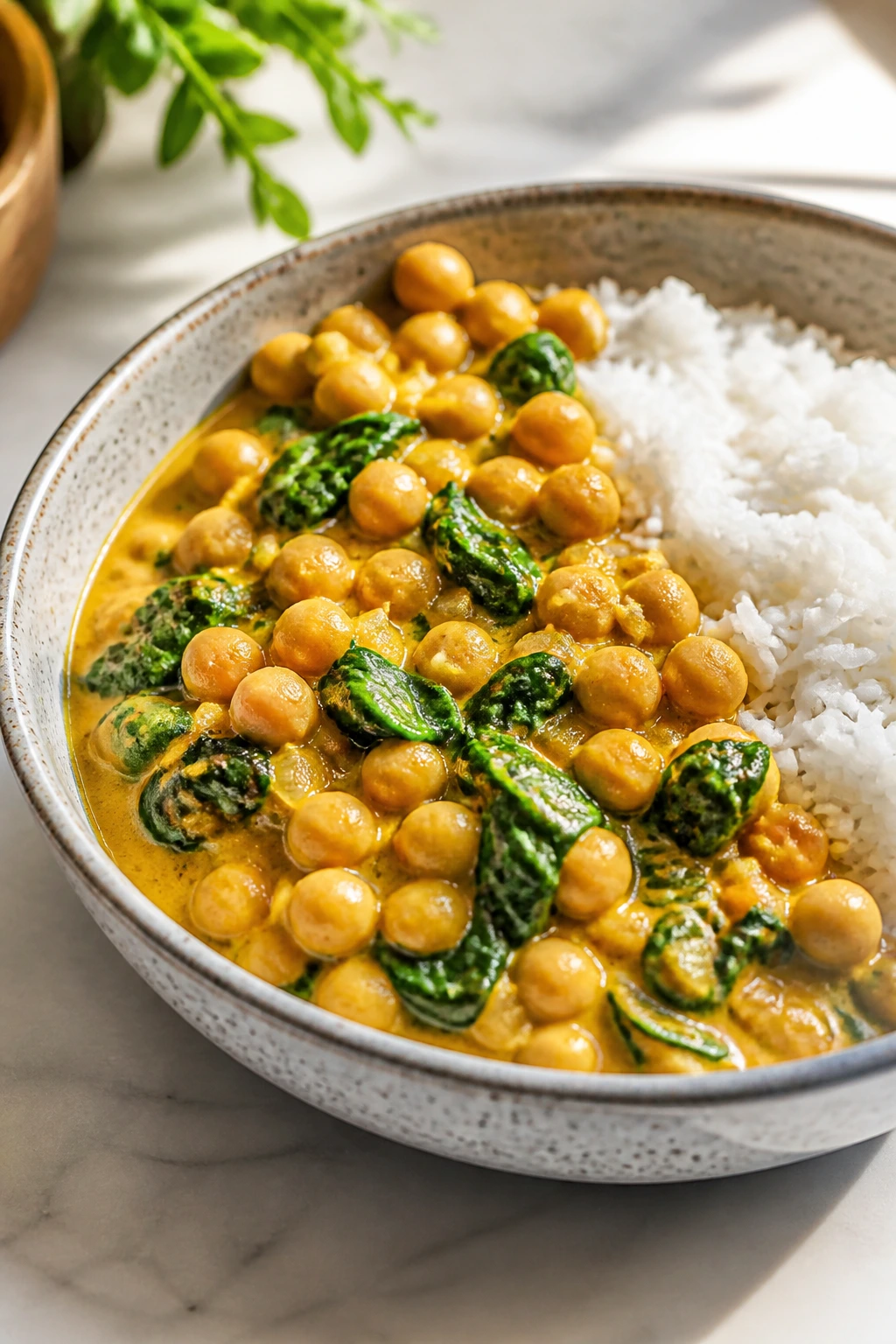
9. Chickpea Coconut Curry with Spinach and Rice
This curry tastes like something far more expensive than it is. Coconut milk makes the sauce silky, chickpeas give it heft, and spinach disappears into the pot in the best possible way—small, fast, and useful.
Why It Works:
Chickpeas are cheap, filling, and hold their shape in a sauce that simmers for 15 minutes. Coconut milk softens the curry powder and keeps the texture creamy without dairy. Rice makes the meal stretch further, which is exactly what a Sunday prep plan needs.
Key Ingredients:
- 2 cans (15 ounces each) chickpeas, drained and rinsed
- 1 can (13.5 ounces) coconut milk
- 1 onion, diced
- 3 cloves garlic, minced
- 1 tablespoon grated ginger
- 2 tablespoons curry powder
- 1 can (14 ounces) diced tomatoes
- 3 cups spinach
- 1 tablespoon oil
- 1 teaspoon salt
- 3 cups cooked rice
Quick Steps:
- Cook the onion in oil over medium heat for 5 minutes until soft.
- Add garlic, ginger, and curry powder and cook 30 seconds.
- Stir in tomatoes, chickpeas, coconut milk, and salt.
- Simmer 15 to 20 minutes until the sauce thickens slightly.
- Stir in spinach until just wilted.
- Serve over rice with a squeeze of lime if you have one.
Equipment for This Recipe:
- Large skillet or pot
- Wooden spoon
- Measuring spoons
- Rice pot or rice cooker
How to Serve This Dish:
Spoon it over rice and keep the curry sauce a little loose so it soaks in. A dollop of yogurt or a sprinkle of chopped cilantro works if you want more contrast.
Pro Tips for This Recipe:
- Toast the curry powder briefly in oil to wake it up.
- If the sauce looks thin, let it simmer uncovered for a few extra minutes.
- Add the spinach at the very end so it stays green.
Variations on This Dish:
- Sweet Potato Curry: Add diced sweet potato with the tomatoes.
- Peanut Coconut Curry: Stir in 1 tablespoon peanut butter for a richer sauce.
- Milder Family Version: Use half curry powder and add a pinch of turmeric.
Common Mistakes to Avoid with This Dish:
- Boiling the coconut milk too hard: Keep the simmer gentle or the texture can look grainy.
- Adding spinach too early: It turns muddy and disappears.
- Using too little salt: Chickpeas need enough seasoning to taste like dinner.
10. One-Pan Turkey, Sweet Potato, and Black Bean Skillet
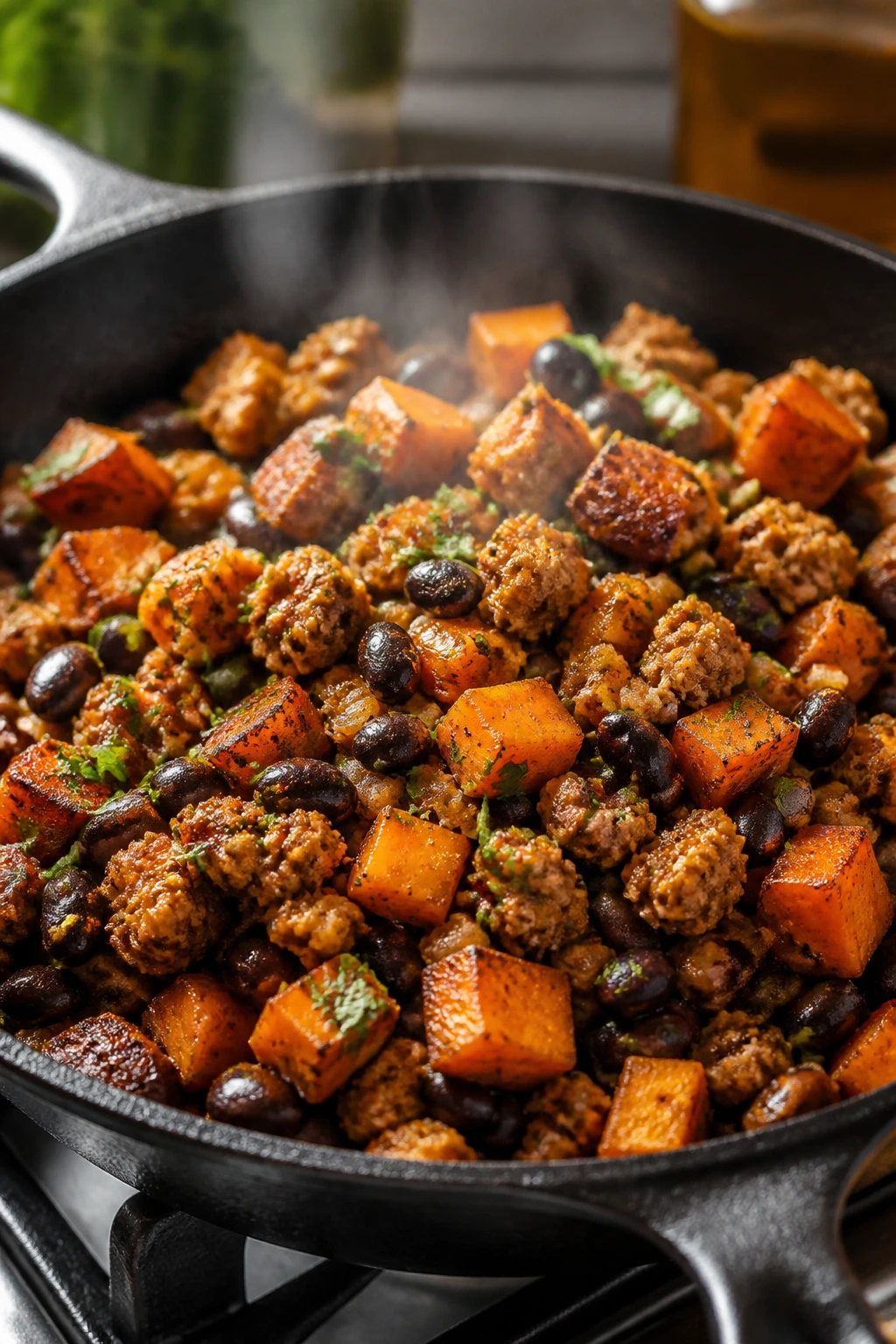
This skillet lands in that nice middle place between taco filling and hash. The sweet potatoes turn soft and a little caramelized, the turkey cooks fast, and the black beans make the whole pan more filling without asking for much money.
Why It Works:
Sweet potatoes are cheap, sturdy, and easy to portion out. Ground turkey gives the pan protein without much grease, and black beans stretch the skillet so it serves more people. A little cumin and paprika are enough to keep it from tasting like separate ingredients thrown together.
Key Ingredients:
- 1 1/2 pounds ground turkey
- 2 medium sweet potatoes, peeled and diced small
- 1 can (15 ounces) black beans, drained and rinsed
- 1 onion, diced
- 1 bell pepper, diced
- 2 cloves garlic, minced
- 1 teaspoon cumin
- 1 teaspoon paprika
- 1 teaspoon salt
- 2 tablespoons oil
Quick Steps:
- Cook the sweet potatoes in oil over medium heat with the onion for 10 minutes, stirring often.
- Add the bell pepper and garlic and cook 2 minutes more.
- Push the vegetables to the side and brown the turkey in the same pan.
- Stir in cumin, paprika, salt, black beans, and a splash of water.
- Cook 5 more minutes until the sweet potatoes are tender and the turkey is fully cooked.
- Finish with lime juice, salsa, or chopped cilantro if you have them.
Equipment for This Recipe:
- Large deep skillet
- Wooden spoon
- Cutting board and knife
- Measuring spoons
How to Serve This Dish:
Serve it in bowls on its own or over rice if you need to stretch it farther. It also works tucked into tortillas, which is handy when the family wants dinner to look different two nights in a row.
Pro Tips for This Recipe:
- Dice the sweet potatoes small so they cook before the turkey dries out.
- Use a lid for a few minutes if the potatoes are lagging.
- A spoon of salsa at the end wakes up the whole pan.
Variations on This Dish:
- Tex-Mex Skillet: Add corn and a pinch of chili powder.
- Breakfast Hash: Top with fried eggs on reheated portions.
- Cheesy Bake Version: Sprinkle cheese over the skillet and cover until melted.
Common Mistakes to Avoid with This Dish:
- Cutting the sweet potatoes too large: They take forever and the turkey overcooks.
- Seasoning only the meat: The vegetables need salt too.
- Leaving too much liquid in the pan: Cook it off or the skillet tastes watered down.
11. Black Bean Enchilada Casserole
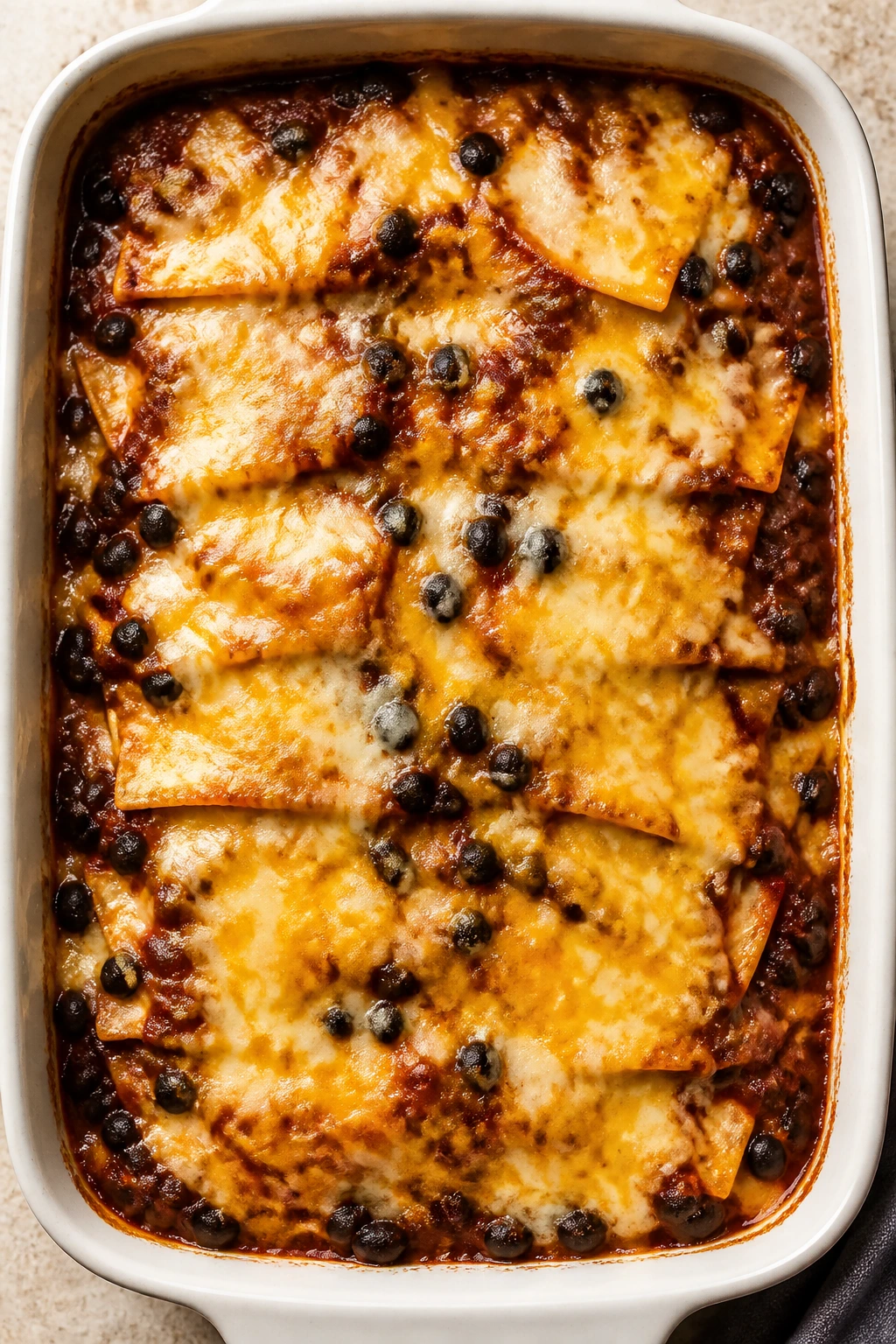
This casserole gives you the flavor of enchiladas without the fiddly rolling part. It’s layered, saucy, and easy to portion, which makes it one of the cleaner options for a Sunday prep session.
Why It Works:
Black beans bring protein and fiber, tortillas bring structure, and enchilada sauce ties the whole pan together. Using layers instead of individual rolled enchiladas cuts the work way down. It also reheats neatly because the sauce soaks into the tortillas without turning them into mush if you rest the pan first.
Key Ingredients:
- 8 corn tortillas, cut into strips
- 2 cans (15 ounces each) black beans, drained and rinsed
- 2 cups enchilada sauce
- 1 cup frozen corn
- 1 small onion, diced
- 2 cups shredded cheddar or Monterey Jack
- 1 teaspoon cumin
- 1 tablespoon oil
- 1/2 teaspoon salt
- 1/4 cup chopped cilantro, optional
Quick Steps:
- Cook the onion in oil for 4 to 5 minutes until softened.
- Stir in beans, corn, cumin, and salt, then warm through.
- Spread a thin layer of enchilada sauce in a baking dish.
- Layer tortilla strips, bean mixture, sauce, and cheese twice.
- Bake at 375°F for 20 to 25 minutes until bubbly and the cheese melts.
- Rest 10 minutes before serving so the layers set.
Equipment for This Recipe:
- 9×13-inch baking dish
- Skillet
- Mixing spoon
- Foil, if the top browns too fast
How to Serve This Dish:
A scoop of salsa, shredded lettuce, or plain yogurt on top gives the casserole some lift. I like to pair it with a simple cabbage slaw when serving it to a crowd.
Pro Tips for This Recipe:
- Use corn tortillas; flour ones can go gummy in the sauce.
- Warm the beans before layering so the casserole starts hot.
- Resting time matters here more than in most bakes.
Variations on This Dish:
- Chicken Enchilada Bake: Add cooked shredded chicken between the layers.
- Green Sauce Version: Swap enchilada sauce for salsa verde.
- Veggie-Heavy Casserole: Add sautéed zucchini or peppers with the beans.
Common Mistakes to Avoid with This Dish:
- Oversaucing the layers: Too much liquid makes the casserole slide.
- Skipping the rest: Cut too early and the slices collapse.
- Using cold filling: The center can stay lukewarm if you build from cold ingredients.
12. Tuna Pasta Bake with Peas and Cheddar
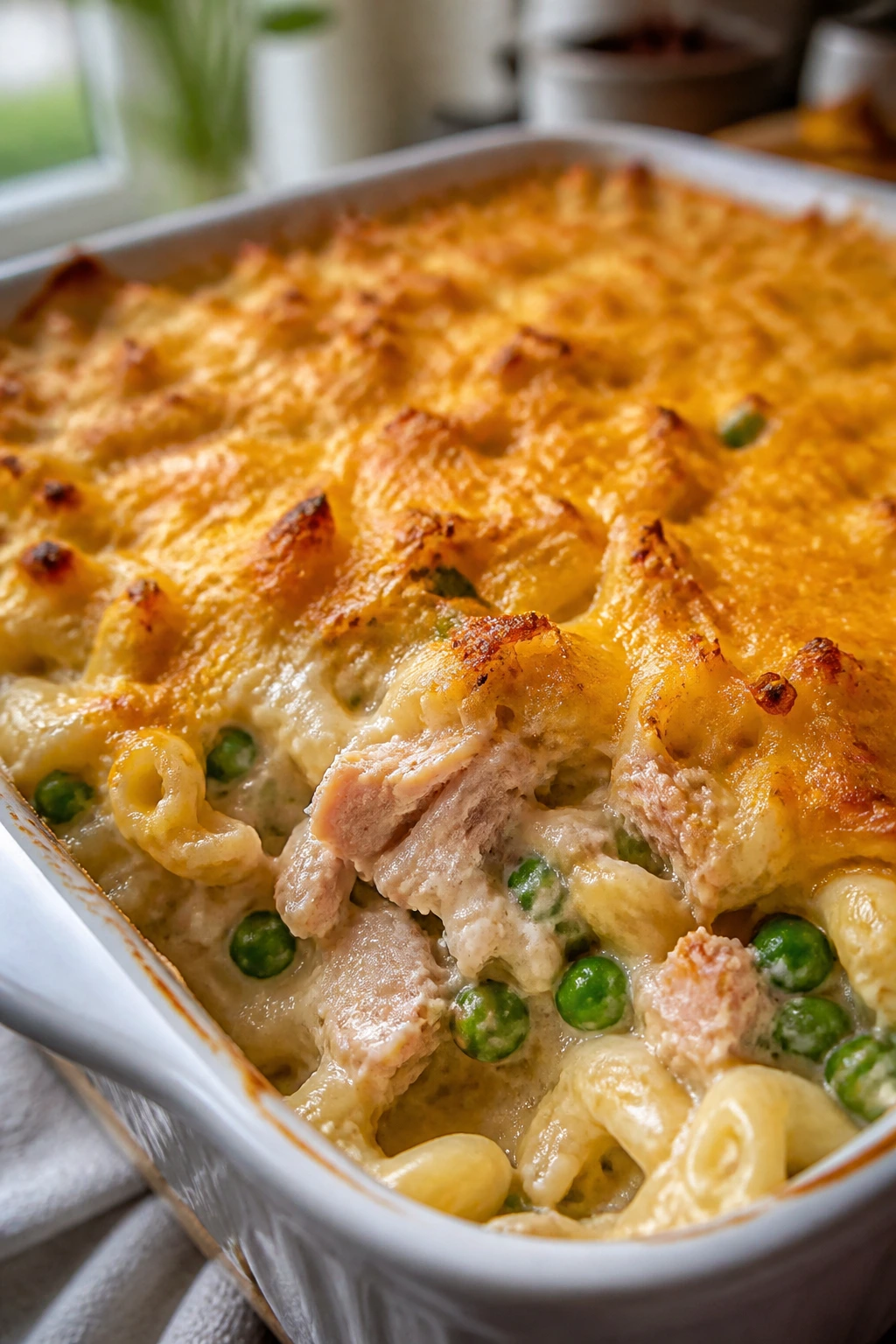
Tuna pasta bake is old-school in the best sense: cheap, reliable, and far more satisfying than it sounds when it’s done right. The peas bring color and a little sweetness, the cheese makes the top appealing, and the tuna gives you protein without buying fresh meat.
Why It Works:
Canned tuna is one of those pantry items that can quietly save a week. Pasta, peas, and a simple creamy sauce turn it into something family-sized without much fuss. The bake also holds together well for meal prep, especially once the cheese topping firms up after cooling.
Key Ingredients:
- 12 ounces short pasta
- 2 cans tuna in water, drained
- 1 1/2 cups frozen peas
- 2 tablespoons butter
- 2 tablespoons flour
- 2 cups milk
- 1 teaspoon Dijon mustard
- 1 1/2 cups shredded cheddar
- 1 small onion, finely diced
- 1/2 teaspoon salt
- 1/4 teaspoon black pepper
Quick Steps:
- Cook the pasta until just al dente and drain.
- Make a simple sauce by cooking onion in butter, whisking in flour, then slowly adding milk.
- Stir in mustard, salt, pepper, tuna, and peas.
- Mix the sauce with the pasta and spread into a baking dish.
- Top with cheddar and bake at 400°F for 15 to 20 minutes until bubbly.
- Rest 5 to 10 minutes before scooping.
Equipment for This Recipe:
- Baking dish
- Medium saucepan
- Whisk
- Colander
How to Serve This Dish:
Serve it with a crisp salad or steamed green beans to balance the creamy sauce. A little black pepper on top helps the tuna taste cleaner and less heavy.
Pro Tips for This Recipe:
- Use tuna packed in water if you want the sauce to stay lighter.
- Undercook the pasta slightly or it will soften in the bake.
- Whisk the milk in slowly so the sauce stays smooth.
Variations on This Dish:
- Mushroom Tuna Bake: Add sautéed mushrooms to the sauce.
- Pesto Version: Stir in 1 tablespoon pesto for a greener flavor.
- Corn and Tuna Bake: Swap peas for corn if that’s what’s in the freezer.
Common Mistakes to Avoid with This Dish:
- Using too much flour: The sauce turns pasty.
- Overbaking: The pasta keeps softening after it leaves the oven.
- Skipping seasoning: Tuna needs salt and pepper to wake it up.
13. Teriyaki Chicken and Broccoli Rice Bowls
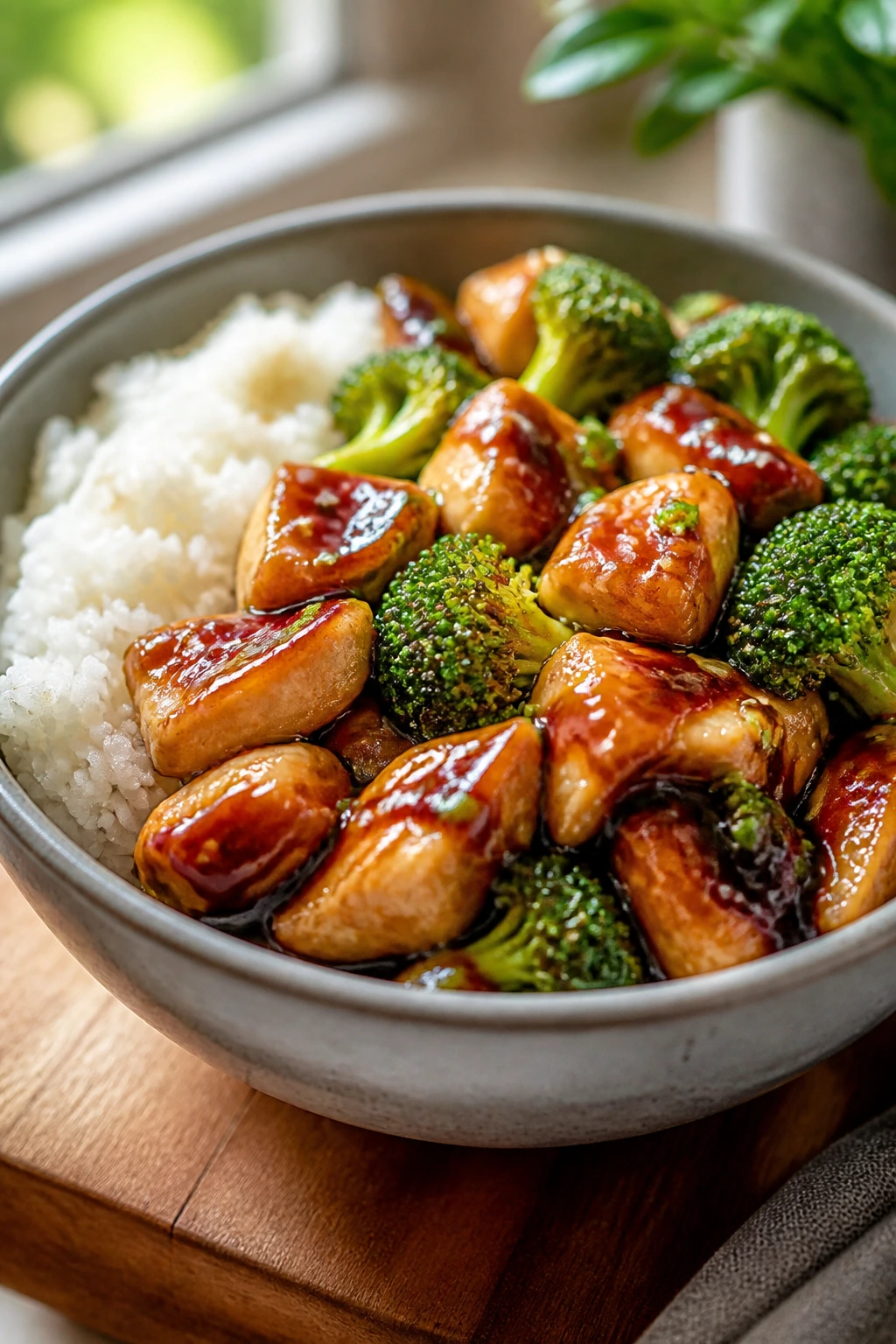
Sweet-salty teriyaki sauce makes plain chicken and broccoli feel like a proper dinner instead of leftovers with ambition. The sauce thickens just enough to coat the rice, and the broccoli keeps its bite if you cook it fast and hot.
Why It Works:
This is a smart use of one protein, one vegetable, and one grain. The sauce uses pantry staples, so you do not have to buy a bottled glaze that sits in the fridge forever. Rice gives you a base that holds up in lunch containers, and broccoli keeps its texture better than softer vegetables.
Key Ingredients:
- 1 1/2 pounds chicken thighs, sliced
- 3 cups broccoli florets
- 2 cups cooked rice
- 1/4 cup soy sauce
- 2 tablespoons honey
- 2 cloves garlic, minced
- 1 teaspoon grated ginger
- 1 tablespoon cornstarch
- 2 tablespoons water
- 1 tablespoon oil
Quick Steps:
- Mix soy sauce, honey, garlic, ginger, cornstarch, and water.
- Cook the chicken in oil over medium-high heat until browned and cooked through.
- Add broccoli with a splash of water and cover for 2 to 3 minutes.
- Pour in the sauce and stir until it thickens and coats the chicken.
- Serve over rice.
- Sprinkle with sesame seeds or scallions if you have them.
Equipment for This Recipe:
- Large skillet
- Small bowl for sauce
- Spatula
- Measuring spoons
How to Serve This Dish:
Pack the rice separately if you want the bowls to stay neat. A few sesame seeds and sliced green onions go a long way here, even if nothing else gets fancy.
Pro Tips for This Recipe:
- Slice the chicken thin so it cooks fast and stays tender.
- Keep the sauce moving once the cornstarch goes in; it thickens quickly.
- Use low-sodium soy sauce if you want more control over the salt.
Variations on This Dish:
- Turkey Teriyaki: Swap the chicken for ground turkey and simmer the sauce into the pan.
- Vegetable Bowl: Add carrots or snap peas with the broccoli.
- Spicy Teriyaki: Stir in a little sriracha at the end.
Common Mistakes to Avoid with This Dish:
- Adding too much cornstarch: The sauce turns gluey.
- Overcooking the broccoli: It should still have a little snap.
- Letting the chicken sit in sauce too long on heat: The sugar can scorch.
14. Chicken Sausage, Cabbage, and Potato Skillet
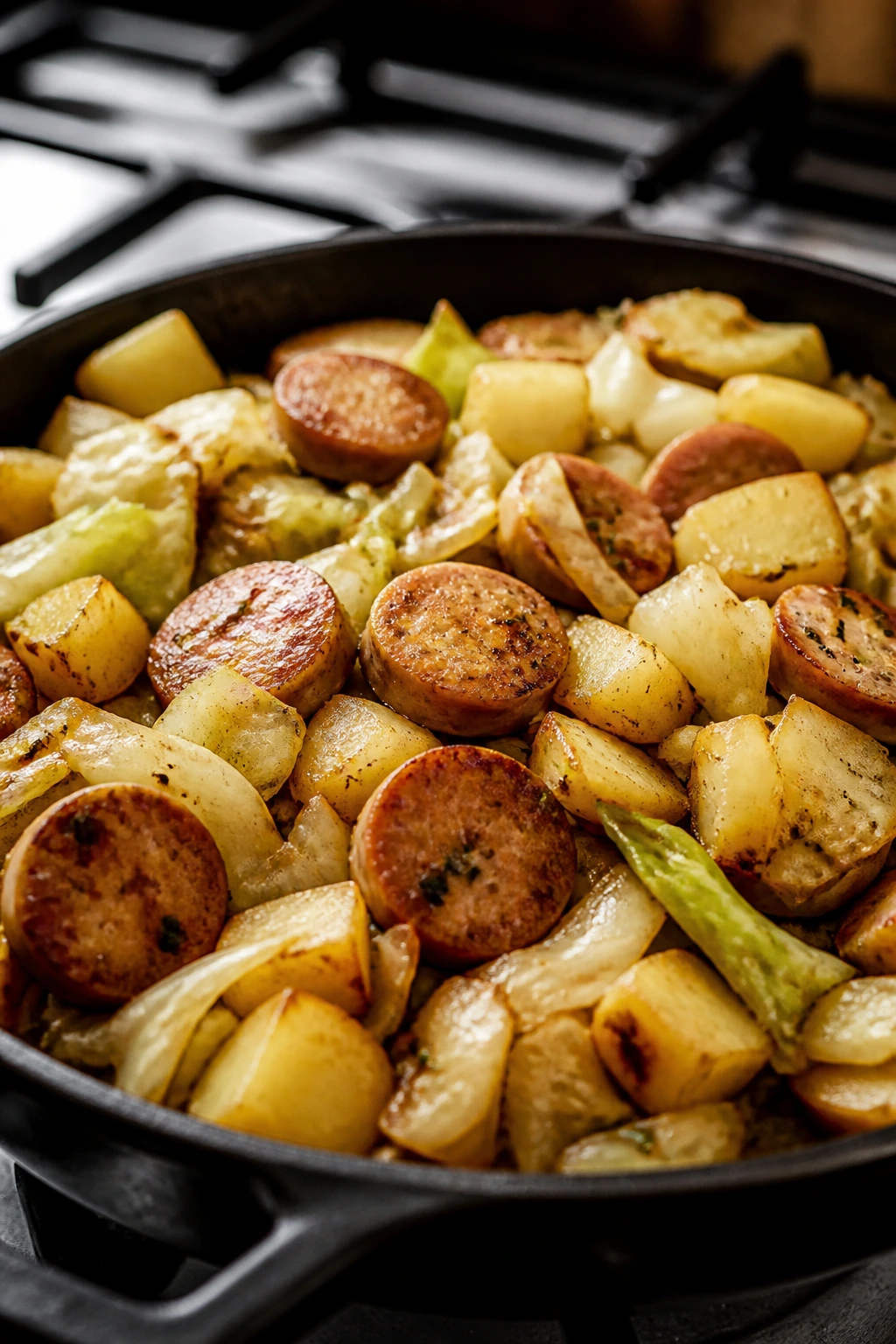
Cabbage is one of the most useful budget vegetables around, and this skillet proves it. It softens into sweet strands, the potatoes make the pan filling, and chicken sausage adds enough seasoning that you don’t need a cabinet full of extras.
Why It Works:
Cabbage stays cheap, especially compared with delicate greens, and it keeps its shape during reheating. Potatoes make the skillet a full meal. Chicken sausage adds flavor without needing long browning time, which is useful when dinner needs to come together quickly after a Sunday prep session.
Key Ingredients:
- 12 ounces chicken sausage, sliced
- 1 small green cabbage, sliced
- 1 1/2 pounds potatoes, diced small
- 1 onion, sliced
- 2 cloves garlic, minced
- 2 tablespoons oil
- 1 teaspoon salt
- 1/2 teaspoon pepper
- 1 teaspoon caraway seeds or dried thyme, optional
- 1/2 cup water
Quick Steps:
- Brown the sausage in oil in a large skillet and remove it to a plate.
- Cook the potatoes and onion in the same pan for 10 minutes, stirring often.
- Add cabbage, garlic, salt, pepper, and herbs.
- Pour in water, cover for 5 minutes, then uncover and cook until tender.
- Return the sausage to the pan and heat through.
- Taste and adjust seasoning before serving.
Equipment for This Recipe:
- Large deep skillet with lid
- Wooden spoon
- Knife and cutting board
How to Serve This Dish:
Serve it as a bowl dinner on its own or with mustard on the side if your family likes a little bite. It reheats especially well because the cabbage and potatoes keep some structure.
Pro Tips for This Recipe:
- Slice the cabbage into ribbons, not giant chunks, so it cooks evenly.
- Dice the potatoes small enough to finish at the same time as the cabbage.
- A little mustard stirred into the pan at the end gives the whole dish more shape.
Variations on This Dish:
- Smoky Skillet: Add smoked paprika and a splash of apple cider vinegar.
- Turkey Sausage Version: Swap in turkey sausage for a leaner pan.
- Vegetarian Cabbage Skillet: Use white beans instead of sausage.
Common Mistakes to Avoid with This Dish:
- Using giant potato chunks: They lag behind everything else.
- Not salting the cabbage: It can taste flat and a little grassy.
- Cooking the sausage too early and too long: Brown it, set it aside, and bring it back later.
15. Stuffed Bell Peppers with Turkey and Rice
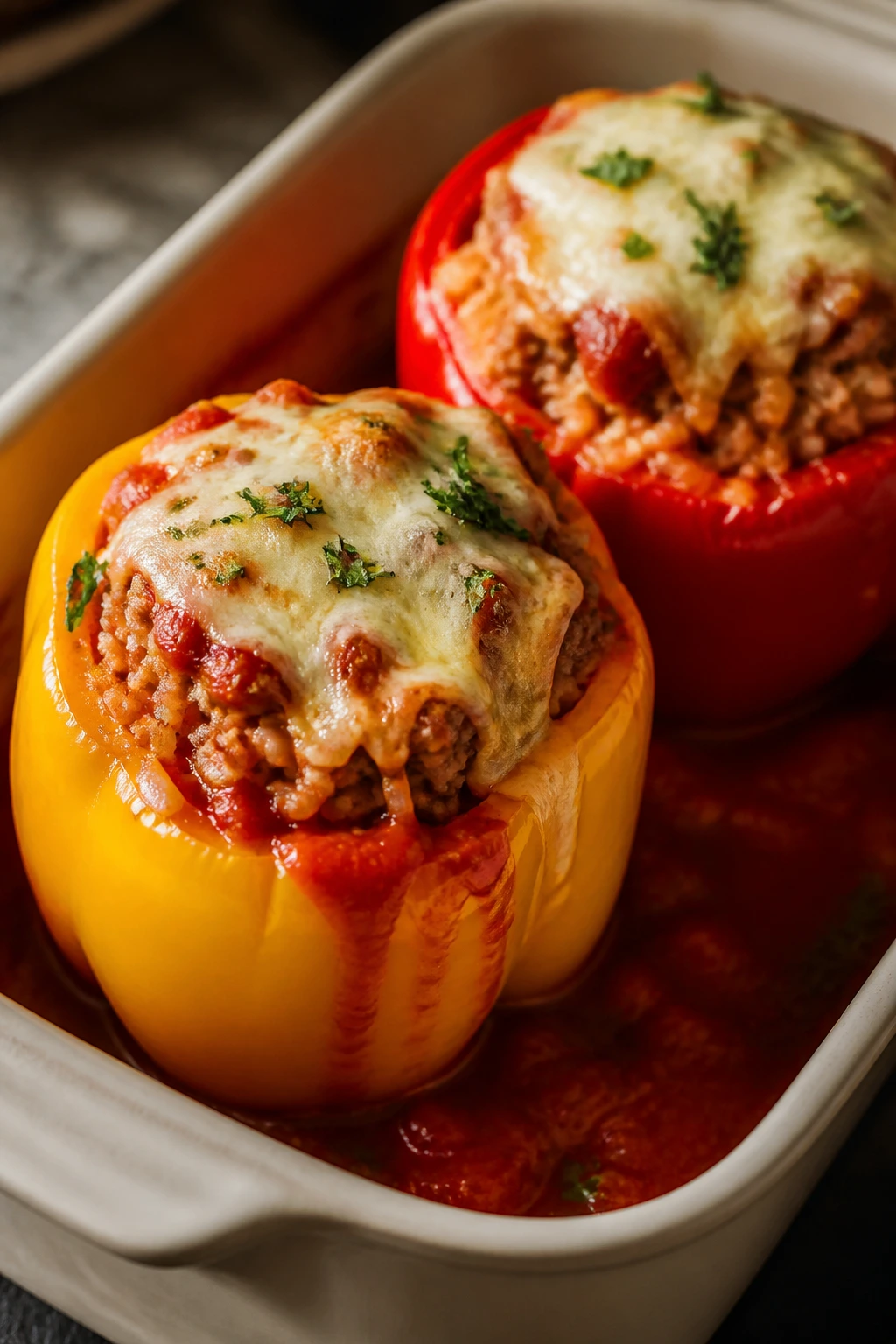
Stuffed peppers look a little fussy from the outside, but they’re one of the better meal prep moves because each pepper becomes its own container. Once baked, they hold their shape, travel well, and reheat without falling apart on the plate.
Why It Works:
Bell peppers make the serving vessels, which means less cleanup and tidy portions. Ground turkey and rice fill them out economically. The tomato sauce keeps the filling moist, which matters because stuffed peppers can turn dry if you skimp on liquid.
Key Ingredients:
- 6 bell peppers, tops cut off and seeds removed
- 1 1/2 pounds ground turkey
- 1 1/2 cups cooked rice
- 1 small onion, diced
- 2 cloves garlic, minced
- 2 cups tomato sauce
- 1 teaspoon Italian seasoning
- 1 teaspoon salt
- 1 cup shredded mozzarella
- 1 tablespoon oil
Quick Steps:
- Sauté onion and garlic in oil until soft.
- Add turkey and cook until no longer pink.
- Stir in rice, half the tomato sauce, seasoning, and salt.
- Fill the peppers with the mixture and place them upright in a baking dish.
- Spoon the remaining sauce over the peppers, cover, and bake at 375°F for 35 minutes.
- Uncover, top with mozzarella, and bake 10 minutes more until melted.
Equipment for This Recipe:
- Baking dish
- Skillet
- Spoon for stuffing
- Foil
How to Serve This Dish:
Two stuffed pepper halves make a solid dinner for most adults. Add a green salad or roasted zucchini if you want a little more on the plate.
Pro Tips for This Recipe:
- Choose peppers that can stand up on their own.
- Par-cook the peppers for 10 minutes if you like them softer.
- Keep some sauce inside the filling so the rice doesn’t dry out later.
Variations on This Dish:
- Mexican-Style Peppers: Add cumin and black beans to the filling.
- Cheesy Bake Version: Use a blend of mozzarella and cheddar.
- Vegetarian Stuffed Peppers: Swap turkey for lentils and mushrooms.
Common Mistakes to Avoid with This Dish:
- Overstuffing the peppers: The filling spills out and bakes unevenly.
- Skipping the cover during the first bake: The peppers can dry before the filling is hot.
- Using watery rice: Fresh rice that’s too wet makes the filling loose.
16. Minestrone Soup with Beans and Small Pasta
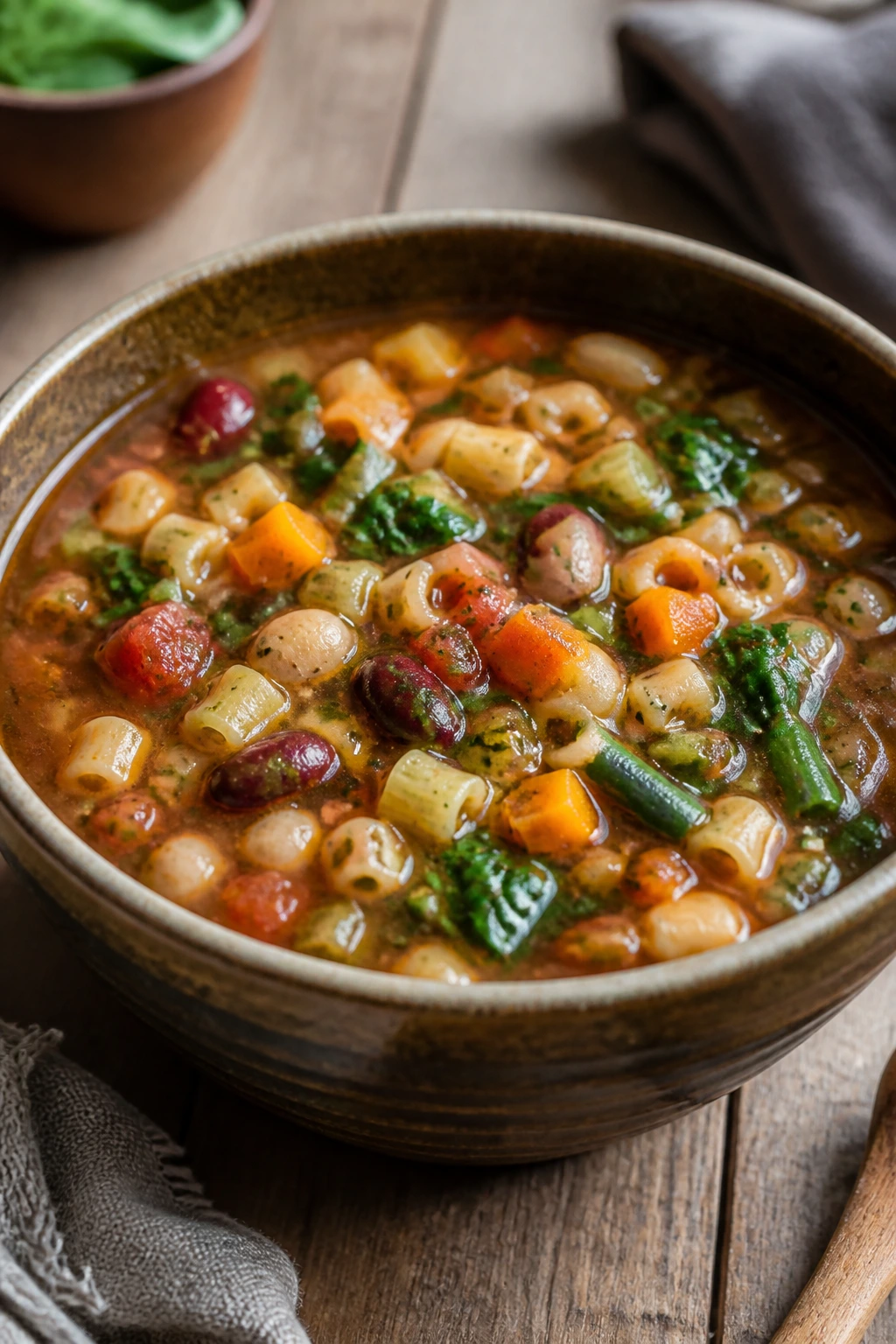
Minestrone is the soup I trust when the fridge holds a few lonely vegetables and not much else. Beans, pasta, tomatoes, and broth turn those scraps into a pot that tastes intentional, not improvised.
Why It Works:
This soup uses humble ingredients in a way that adds up to a full dinner. Beans bring protein, pasta brings body, and the vegetables break into the broth instead of just floating around. It also scales up easily, which is handy when you want lunch covered too.
Key Ingredients:
- 1 onion, diced
- 2 carrots, diced
- 2 celery stalks, diced
- 2 zucchini, diced
- 2 cloves garlic, minced
- 1 can (15 ounces) cannellini beans, drained and rinsed
- 1 can (15 ounces) kidney beans, drained and rinsed
- 1 can (28 ounces) diced tomatoes
- 6 cups broth
- 1 cup small pasta
- 2 cups spinach
- 1 teaspoon Italian seasoning
- 1 teaspoon salt
Quick Steps:
- Cook onion, carrots, and celery in a pot for 8 minutes.
- Add garlic and zucchini and cook 2 minutes more.
- Stir in tomatoes, broth, beans, seasoning, and salt.
- Simmer 15 minutes, then add pasta and cook until tender.
- Stir in spinach at the end until wilted.
- Taste and adjust seasoning before serving.
Equipment for This Recipe:
- Large soup pot
- Wooden spoon
- Knife and cutting board
- Ladle
How to Serve This Dish:
Serve with bread for dipping if you want the meal to feel more substantial. A little grated Parmesan on top helps, but the soup stands on its own.
Pro Tips for This Recipe:
- Add pasta at the end so it does not absorb the entire pot.
- Chop vegetables to a similar size so they cook evenly.
- If you know you will store leftovers, keep some pasta separate and stir it in later.
Variations on This Dish:
- Pesto Minestrone: Add 1 tablespoon pesto at the end.
- Sausage Minestrone: Brown sliced sausage before the vegetables.
- White Bean Herb Soup: Use only cannellini beans and add rosemary.
Common Mistakes to Avoid with This Dish:
- Cooking the pasta too long in the soup: It will swell and soften more in storage.
- Underseasoning the broth: Beans need more salt than people expect.
- Leaving the zucchini huge: It should fit on the spoon, not dominate it.
17. BBQ Chicken Sweet Potato Bowls
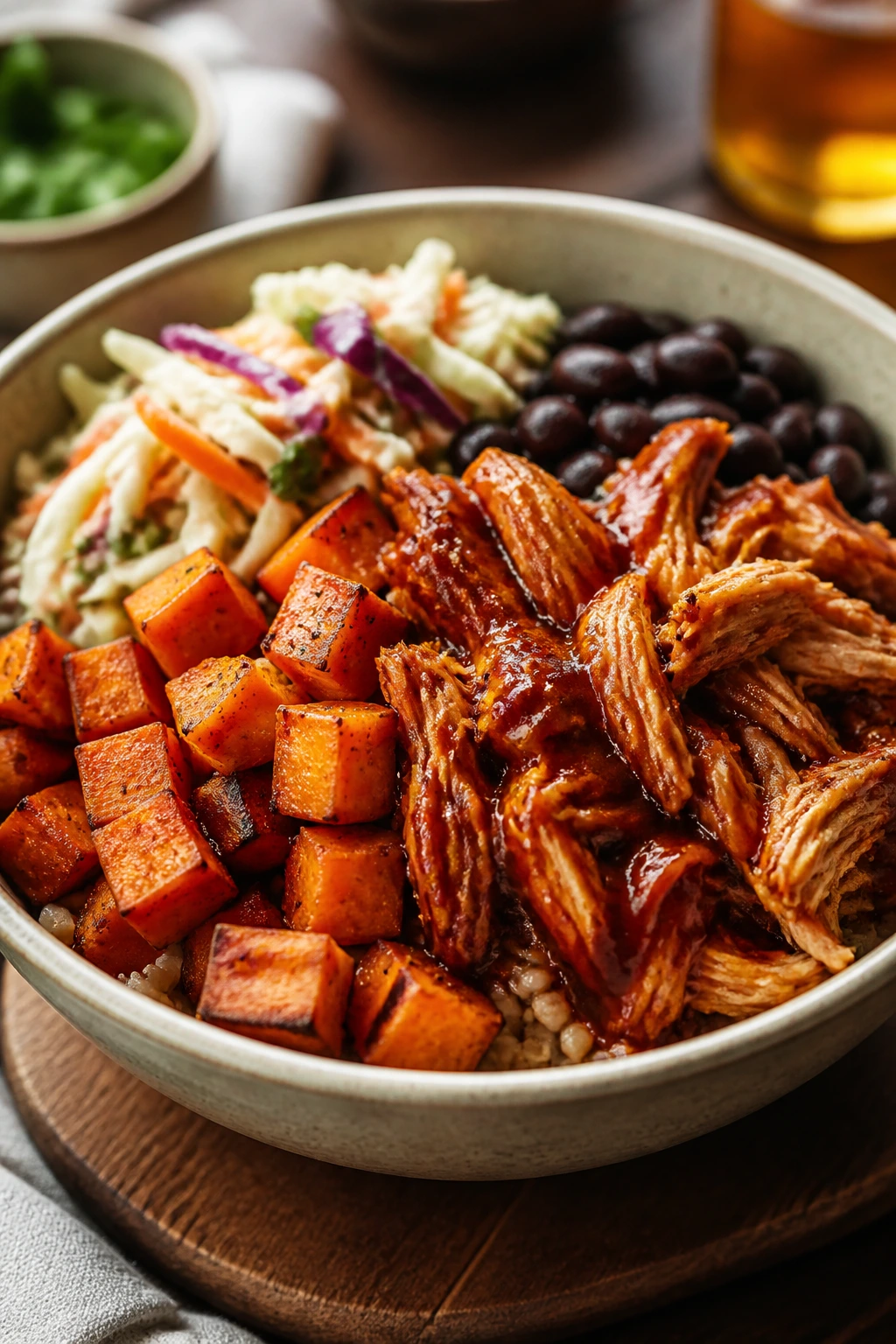
This bowl tastes like barbecue without needing a smoker or a pile of special sauce bottles. The sweet potatoes bring a caramel note, the chicken gets sticky and savory, and the whole thing is easy to pack up for later.
Why It Works:
Sweet potatoes make a cheap, filling base that reheats nicely. Shredded chicken soaks up BBQ sauce fast. Black beans or coleslaw on top add texture, which matters because a bowl with only soft parts gets dull after the first few bites.
Key Ingredients:
- 2 pounds boneless chicken thighs or breasts
- 2 large sweet potatoes, cubed
- 1 cup BBQ sauce
- 1 can (15 ounces) black beans, drained and rinsed
- 2 tablespoons oil
- 1 teaspoon paprika
- 1 teaspoon salt
- 2 cups coleslaw mix
- 1 tablespoon vinegar or lime juice
Quick Steps:
- Roast the sweet potatoes with oil, paprika, and salt at 425°F for 25 to 30 minutes.
- Cook the chicken in a skillet or bake it until done, then shred it.
- Toss the shredded chicken with BBQ sauce.
- Mix the coleslaw with vinegar or lime juice and a pinch of salt.
- Build bowls with sweet potatoes, chicken, black beans, and slaw.
- Serve warm or pack into containers for later.
Equipment for This Recipe:
- Sheet pan
- Skillet or baking dish
- Mixing bowls
- Forks for shredding
How to Serve This Dish:
Layer the sweet potatoes first, then the chicken, then the slaw on top so the crunchy part stays distinct. Cornbread works if you want extra comfort, but the bowl does not need it.
Pro Tips for This Recipe:
- Roast the sweet potatoes until the edges brown a little.
- Use a barbecue sauce that is thick enough to cling, not watery.
- Keep the slaw lightly dressed so it stays crisp.
Variations on This Dish:
- Pulled Turkey Bowl: Use shredded turkey instead of chicken.
- Spicy BBQ Bowl: Add hot sauce to the BBQ mix.
- Bean-Forward Bowl: Increase the black beans and cut the chicken slightly.
Common Mistakes to Avoid with This Dish:
- Saucing the chicken too early while reheating: The sugar can scorch.
- Undercooking the sweet potatoes: They should be soft enough to cut with a fork.
- Making the slaw soggy: Dress it at the end, not hours before.
18. Egg Roll in a Bowl with Ground Turkey
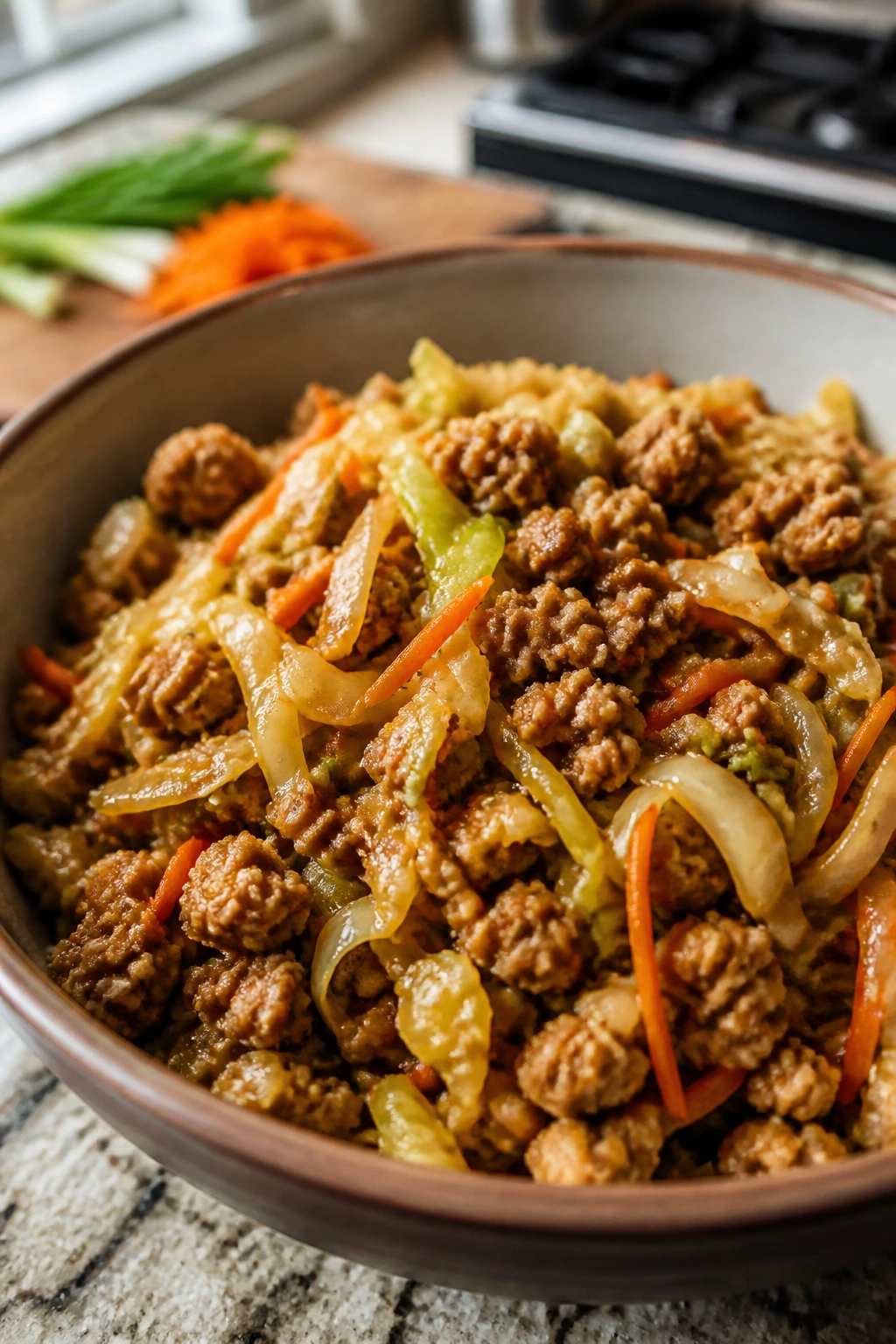
This one has the flavor profile of takeout, minus the wrapper and the price tag. It’s mostly cabbage, carrots, ginger, garlic, and seasoned turkey, which means it’s fast, light enough for a weeknight, and good enough to eat with a fork straight from the container.
Why It Works:
Cabbage is the hero here. It cooks down fast, stays cheap, and gives the bowl bulk without a pile of starch. Ground turkey keeps things lean and soaks up soy sauce, sesame oil, and ginger in a way that tastes much bigger than the ingredient list.
Key Ingredients:
- 1 1/2 pounds ground turkey
- 1 bag coleslaw mix, about 14 ounces
- 1 small onion, diced
- 3 cloves garlic, minced
- 1 tablespoon grated ginger
- 3 tablespoons soy sauce
- 1 tablespoon sesame oil
- 2 tablespoons oil
- 2 green onions, sliced
- 1 teaspoon rice vinegar
Quick Steps:
- Brown the turkey in oil over medium-high heat.
- Add onion, garlic, and ginger and cook 2 minutes.
- Stir in the coleslaw mix and cook 4 to 5 minutes until wilted but not soggy.
- Add soy sauce, sesame oil, and rice vinegar.
- Cook 1 to 2 minutes more until the pan is hot and glossy.
- Finish with green onions.
Equipment for This Recipe:
- Large skillet or wok
- Spatula
- Measuring spoons
- Cutting board
How to Serve This Dish:
Eat it on its own or spoon it over rice if someone at the table wants a bigger plate. A drizzle of chili sauce on the side works for the heat-seekers without making the whole pan spicy.
Pro Tips for This Recipe:
- Keep the cabbage a little crisp; total softness makes it taste flat.
- Drain excess fat if your turkey renders a lot.
- The sesame oil should go in near the end so the flavor stays noticeable.
Variations on This Dish:
- Pork Version: Ground pork gives the bowl a richer taste.
- Mushroom Boost: Add chopped mushrooms with the onion.
- Spicy Bowl: Add chili garlic sauce to the pan.
Common Mistakes to Avoid with This Dish:
- Overcooking the cabbage: It loses the texture that makes the dish work.
- Using too much soy sauce at once: Start small and taste.
- Skipping acid: That little splash of rice vinegar keeps the bowl from feeling heavy.
19. Peanut Noodle Bowls with Edamame and Crunchy Vegetables
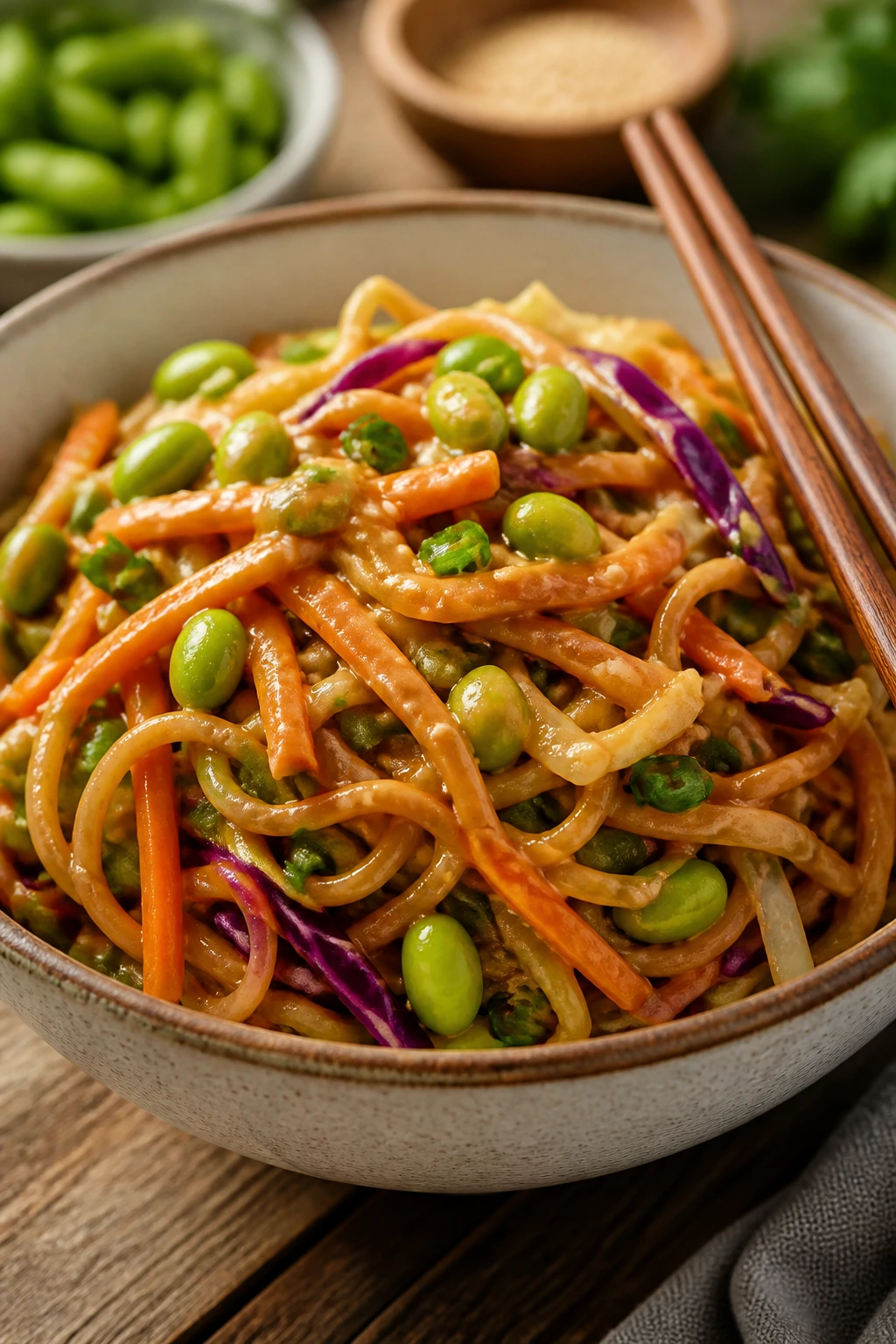
These noodles are cheap in a very useful way. Peanut butter turns into sauce, soy sauce and lime make it taste awake, and the vegetables give enough crunch that the bowl doesn’t eat like plain noodles in disguise.
Why It Works:
Peanut sauce is one of the best budget sauces around because a few tablespoons go a long way. Edamame adds protein, and shredded cabbage or carrots hold up far better than delicate greens. This is one of the few meal prep meals that tastes good cold or warm, which makes it especially handy for lunch.
Key Ingredients:
- 12 ounces noodles or spaghetti
- 1/3 cup peanut butter
- 3 tablespoons soy sauce
- 2 tablespoons lime juice
- 1 tablespoon honey or maple syrup
- 1 clove garlic, grated
- 1 cup shelled edamame
- 1 cup shredded cabbage
- 1 carrot, julienned or grated
- 2 tablespoons warm water
- 1 teaspoon sesame oil
Quick Steps:
- Cook the noodles and rinse briefly if you want them less sticky.
- Whisk peanut butter, soy sauce, lime juice, honey, garlic, water, and sesame oil until smooth.
- Toss the noodles with the sauce while still slightly warm.
- Add edamame, cabbage, and carrot.
- Toss again until everything is coated.
- Chill or serve right away, depending on how you like your noodles.
Equipment for This Recipe:
- Pot for noodles
- Mixing bowl
- Whisk or fork
- Vegetable peeler or grater
How to Serve This Dish:
Serve in bowls with extra lime on the side and maybe chopped peanuts if you want crunch. It works as a meatless dinner, but you can also pair it with leftover chicken.
Pro Tips for This Recipe:
- Warm water thins peanut butter better than cold.
- Add the vegetables after the sauce so they stay crisp.
- Taste the sauce before tossing; some peanut butters need more lime or honey.
Variations on This Dish:
- Chicken Peanut Noodles: Add shredded chicken.
- Sesame Veggie Bowl: Add cucumber and sliced bell pepper.
- Spicy Thai Style: Stir in chili paste or sriracha.
Common Mistakes to Avoid with This Dish:
- Making the sauce too thick: It should coat, not glue the noodles together.
- Using too much sweetener: Peanut sauce gets cloying fast.
- Skipping the acid: Lime keeps the whole bowl from tasting heavy.
20. Greek Chicken Orzo Bake
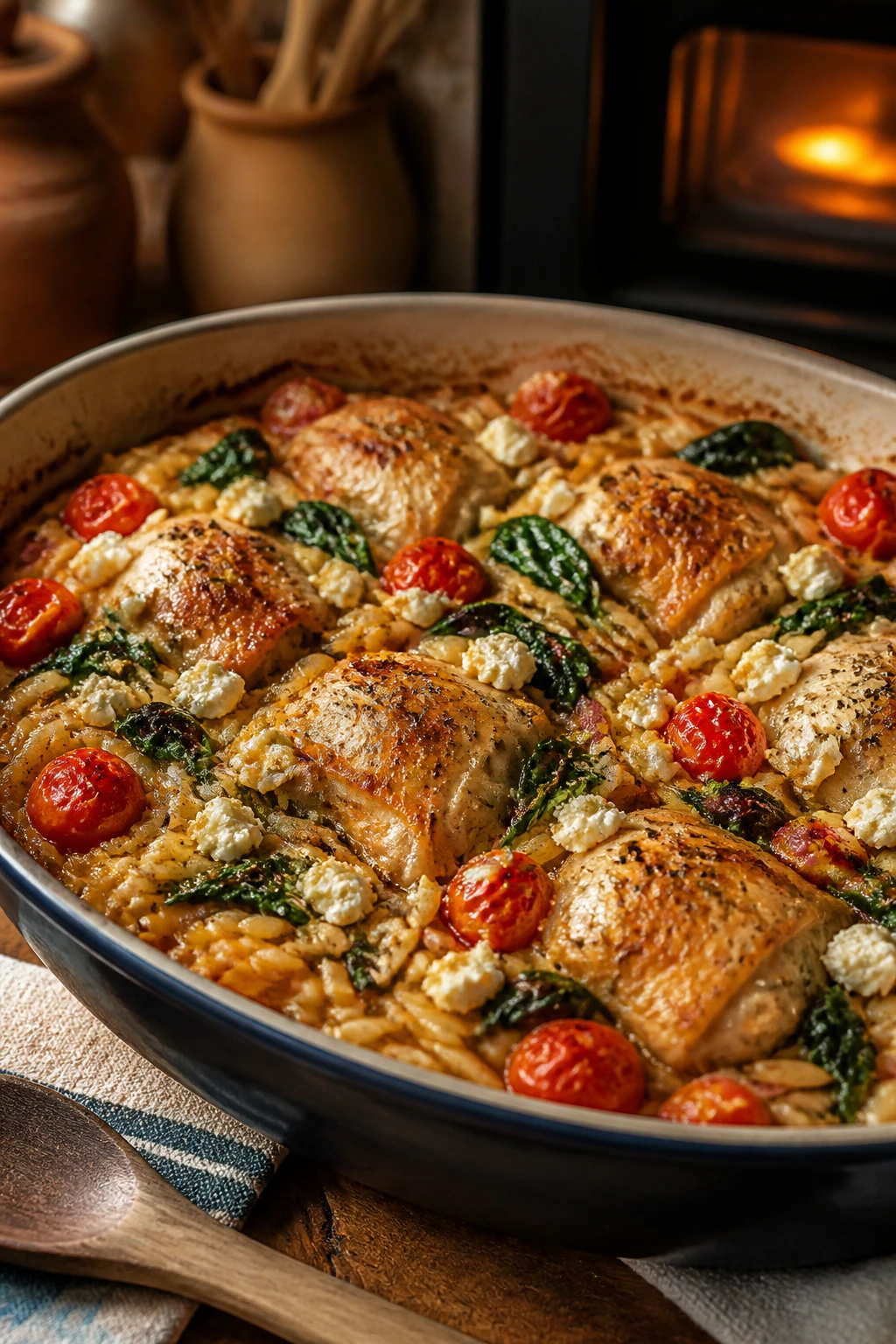
This bake gives you the salty, bright edge of a Greek-style dinner without a dozen separate dishes. Orzo cooks right in the pan, tomatoes soften into the broth, and feta gives the whole thing a punchy finish.
Why It Works:
Chicken thighs keep the bake juicy. Orzo soaks up flavor better than many pastas because it cooks almost like rice in a broth-based pan. Tomatoes and spinach cut through the richness, while feta gives a sharp finish that keeps leftovers from tasting one-note.
Key Ingredients:
- 1 1/2 pounds chicken thighs, cut into chunks
- 1 1/2 cups dry orzo
- 2 cups chicken broth
- 1 pint cherry tomatoes
- 3 cups spinach
- 1/2 cup crumbled feta
- 1 onion, diced
- 3 cloves garlic, minced
- 2 tablespoons olive oil
- 1 teaspoon oregano
- 1 teaspoon salt
Quick Steps:
- Brown the chicken in olive oil in a skillet or baking dish.
- Add onion and garlic and cook until softened.
- Stir in orzo, broth, tomatoes, oregano, and salt.
- Bake at 400°F for 20 to 25 minutes until the orzo is tender.
- Fold in spinach and feta after baking.
- Rest 5 minutes before serving so the liquid settles.
Equipment for This Recipe:
- Oven-safe skillet or baking dish
- Spoon
- Cutting board
- Foil, if needed
How to Serve This Dish:
Serve it warm with cucumber slices or a simple salad if you want freshness beside it. A little extra feta on top looks nice and gives each portion a sharper bite.
Pro Tips for This Recipe:
- Keep an eye on the liquid; orzo should be tender but not soupy.
- Add the spinach after baking so it stays bright.
- If your tomatoes are large, halve them so they break down into the sauce faster.
Variations on This Dish:
- Lemon Greek Bake: Add lemon zest and a squeeze of juice at the end.
- Olive Lover’s Version: Stir in chopped kalamata olives.
- Vegetable Bake: Swap some chicken for zucchini or artichoke hearts.
Common Mistakes to Avoid with This Dish:
- Adding too little broth: Orzo needs enough liquid to finish properly.
- Stirring too often in the oven: Leave it alone so the top sets.
- Crumbling feta too early: Add it at the end so it stays distinct.
21. Loaded Cauliflower-Potato Soup
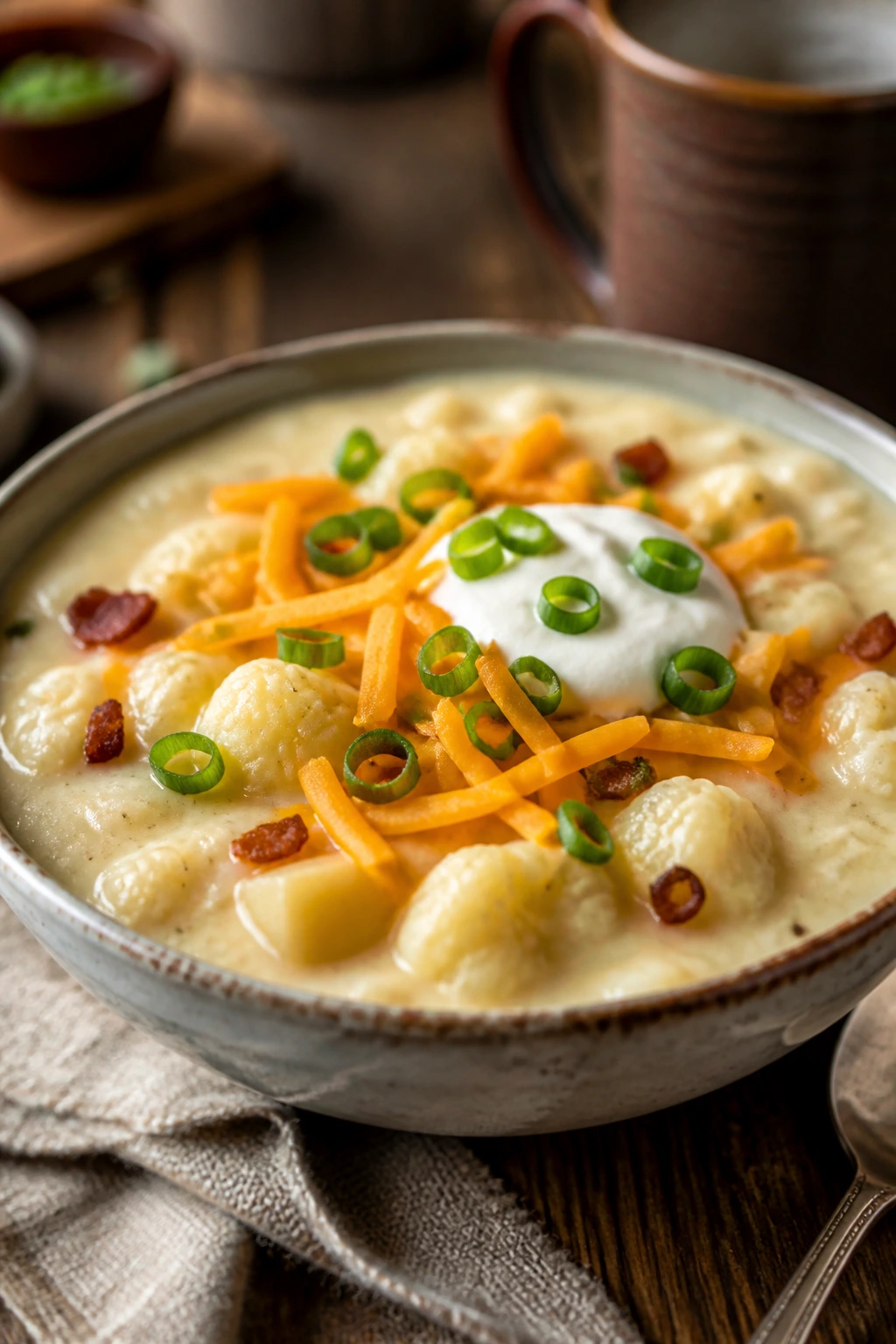
This soup is what happens when you want the comfort of baked potato soup without leaning on an entire bag of potatoes. Cauliflower makes the bowl lighter, potatoes keep it familiar, and a small amount of cheese and yogurt gives it that creamy finish.
Why It Works:
Cauliflower disappears into the broth once blended, which makes the soup thick without a flour-heavy base. Potatoes give the texture people expect from a loaded soup. Using yogurt or milk instead of a full cream load keeps the finished pot lighter, but it still tastes rich enough to matter.
Key Ingredients:
- 1 head cauliflower, chopped
- 2 medium potatoes, peeled and diced
- 1 onion, diced
- 3 cloves garlic, minced
- 4 cups broth
- 1 cup milk
- 1 cup shredded cheddar
- 1/2 cup plain Greek yogurt
- 1 teaspoon salt
- 1/2 teaspoon pepper
- Chopped scallions, for serving
Quick Steps:
- Cook onion and garlic in a pot for 3 to 4 minutes.
- Add cauliflower, potatoes, broth, salt, and pepper.
- Simmer 20 to 25 minutes until everything is soft.
- Blend part or all of the soup until smooth.
- Stir in milk, cheddar, and yogurt over low heat.
- Top with scallions before serving.
Equipment for This Recipe:
- Large soup pot
- Immersion blender or regular blender
- Ladle
- Measuring cups
How to Serve This Dish:
Serve with a slice of toast or a small salad if you want the meal to stretch farther. A little extra cheddar on top is fine, but I like scallions more because they keep the soup from feeling too heavy.
Pro Tips for This Recipe:
- Blend carefully if using a countertop blender; hot soup needs a vented lid.
- Add yogurt off the heat so it does not curdle.
- If the soup seems too thick after refrigeration, loosen it with a splash of milk or broth.
Variations on This Dish:
- Bacon-Topped Version: Add a little crumbled bacon on top if you want it more classic.
- Dairy-Light Soup: Use extra broth and a smaller amount of cheese.
- Garlic Herb Version: Add thyme and parsley for a fresher edge.
Common Mistakes to Avoid with This Dish:
- Boiling after the dairy goes in: That can make the soup split.
- Not salting enough before blending: The vegetables need seasoning to taste complete.
- Leaving potato chunks too large: They take too long and blend unevenly.
22. Turkey Shepherd’s Pie with Cauliflower Mash
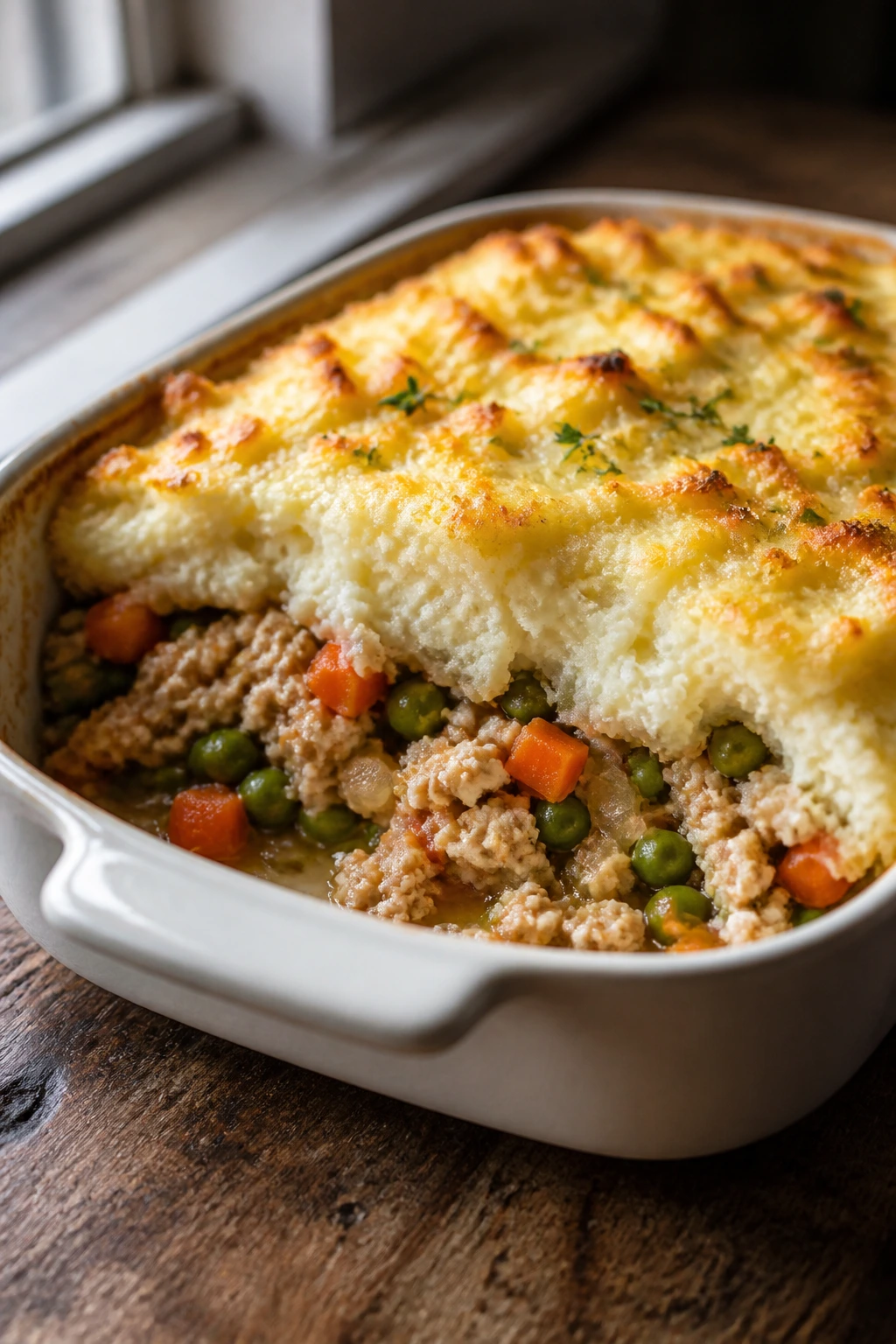
Shepherd’s pie is already a good leftover meal, but the cauliflower mash keeps it lighter and a little cheaper on the starch side. The turkey filling gets savory with peas, carrots, and a simple gravy, then the mash browns on top in a way that looks more careful than it really is.
Why It Works:
Ground turkey makes the filling budget-friendly without stripping away the comfort. Cauliflower blended with a few potatoes gives you a topping that feels creamy and still bakes into a nice crust. The whole pan reheats cleanly, which is why it belongs on a meal prep Sunday.
Key Ingredients:
- 1 1/2 pounds ground turkey
- 1 onion, diced
- 2 carrots, diced
- 1 cup frozen peas
- 2 tablespoons tomato paste
- 2 tablespoons flour
- 2 cups broth
- 2 cups cauliflower florets
- 2 medium potatoes, peeled and diced
- 2 tablespoons butter
- 1/4 cup milk
- 1 teaspoon salt
Quick Steps:
- Boil the cauliflower and potatoes until tender, then mash with butter, milk, and a little salt.
- Cook onion and carrots in a skillet until softened.
- Add turkey and brown it, breaking it into small pieces.
- Stir in tomato paste and flour, then add broth to make a light gravy.
- Mix in peas, spread the filling in a baking dish, and top with the mash.
- Bake at 400°F for 20 minutes until the edges bubble and the top browns.
Equipment for This Recipe:
- Skillet
- Potato masher
- Baking dish
- Colander
How to Serve This Dish:
Let it rest for 10 minutes before scooping so the layers stay intact. A simple side of green beans is enough if you want vegetables, but the pie already does most of the heavy lifting.
Pro Tips for This Recipe:
- Dry the cauliflower after boiling so the mash does not get watery.
- Use a fork to rough up the top; those ridges brown better than a perfectly smooth surface.
- Taste the filling before baking. It should be savory enough to stand on its own.
Variations on This Dish:
- All-Potato Topping: Use potatoes alone if your family prefers the classic version.
- Mushroom Gravy Pie: Add chopped mushrooms to the filling.
- Cheddar Mash Version: Stir a little cheese into the topping for a richer finish.
Common Mistakes to Avoid with This Dish:
- Leaving too much liquid in the filling: The pie turns loose and slides.
- Mashing wet cauliflower straight away: Drain and steam-dry it first.
- Baking without bubbling edges: The filling should be hot enough to set the top.
Why Meal Prep Sundays Work So Well for Budget Family Dinners
A good Sunday prep session is less about cooking a mountain of food and more about creating a few dependable building blocks. One pot of rice can become burrito bowls, teriyaki bowls, or a base for curry. A tray of roasted vegetables can slide into pasta, skillet dinners, or soup. That overlap is where the savings come from. You stop buying one-off ingredients for one-off meals.
The other advantage is mental. After a long day, most people do not need a dramatic recipe. They need a container they can trust. These dinners hold up because they were built to sit still for a while—sauces that stay saucy, grains that do not turn mushy, and proteins that keep their shape after reheating. That matters more than any glossy food photo.
I also like that these meals leave room for real life. If someone wants extra cheese, you can add it. If one kid hates sauce on top, keep it on the side. If the fridge is full of carrots and cabbage, those two ingredients show up again and again because they actually earn their keep. That is the difference between a meal plan that looks good on paper and one that survives Wednesday.
Essential Equipment for These Recipes
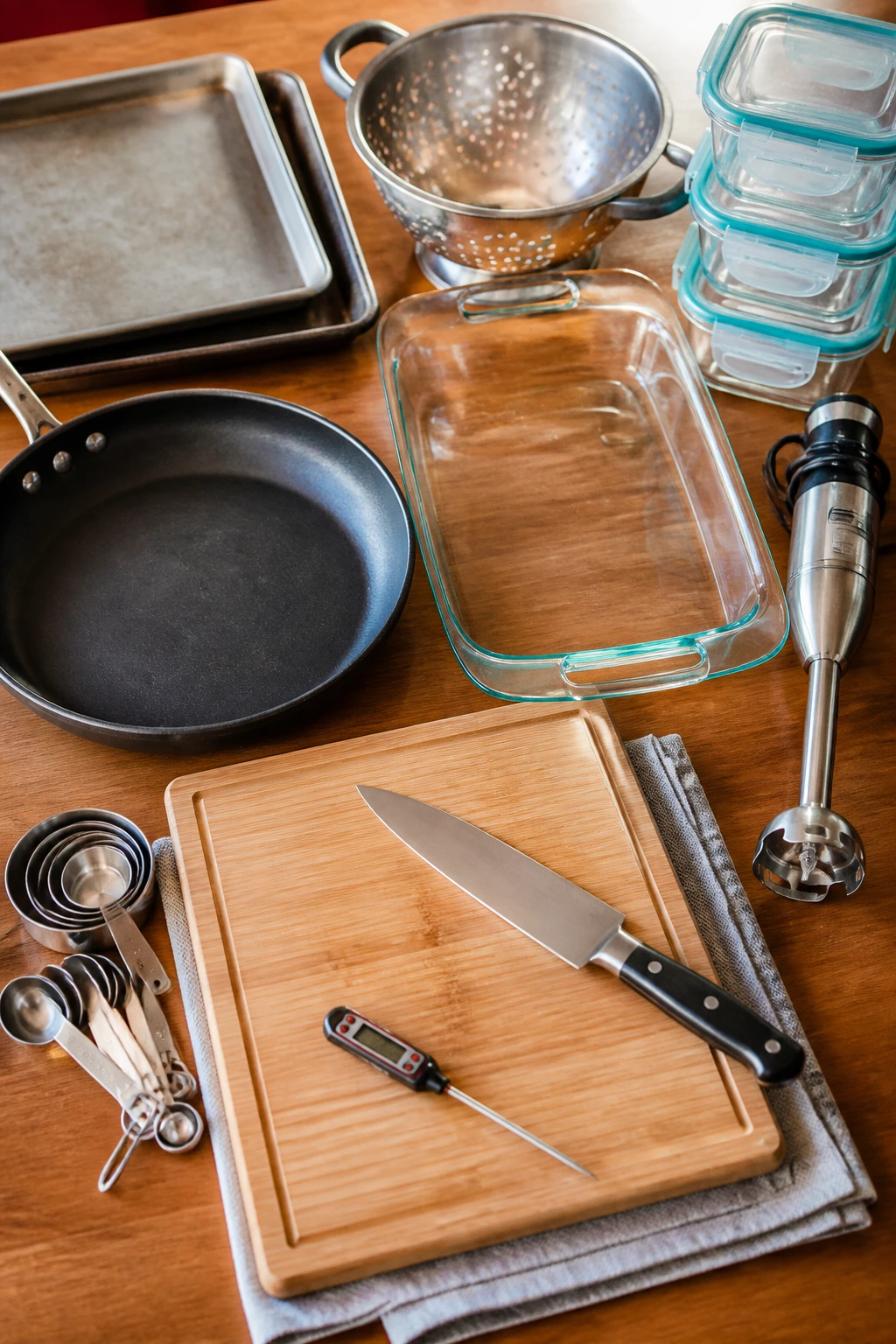
- Large rimmed sheet pans: Roasting chicken, potatoes, sweet potatoes, and broccoli on a sturdy pan keeps things from steaming.
- Large skillet or Dutch oven: Several of these dinners depend on one pot doing the job of searing, simmering, and finishing.
- 9×13-inch baking dish: Casseroles, baked pasta, stuffed peppers, and shepherd’s pie all fit here.
- Sharp chef’s knife: Cabbage, onion, carrots, peppers, and potatoes go faster when the knife is doing real work.
- Cutting board with a damp towel underneath: Keeps the board from sliding when you’re chopping a lot of vegetables.
- Measuring cups and spoons: Sauces and seasoning blends need a little precision or they go off the rails.
- Instant-read thermometer: Chicken and turkey are easier to manage when you can confirm doneness instead of guessing.
- Colander: Pasta, beans, and vegetables all need draining at some point.
- Storage containers with tight lids: Square or rectangular containers stack better in the fridge than round ones.
- Immersion blender: Helpful for the cauliflower soup and any smooth soup you want without extra mess.
Smart Shopping and Ingredient Tips
The cheapest dinner is the one that uses ingredients you can actually turn into multiple meals. Start with proteins that stretch: chicken thighs, ground turkey, eggs, tuna, chickpeas, black beans, lentils. They behave differently, which is useful, but they all do the same financial job. They turn a pile of vegetables and grains into something that can pass as a full meal.
Frozen vegetables deserve more respect than they get. Peas, corn, spinach, broccoli, edamame, and coleslaw mix often cost less than fresh versions and are easier to use up before they go bad. If a recipe needs broccoli in a bowl or peas in a bake, frozen is usually the better purchase because you’re not paying for food waste you’ll throw out on Thursday.
Choose tomatoes with purpose. Crushed tomatoes are good for chili, soups, and sauces that need to thicken. Diced tomatoes hold shape in skillet meals and enchilada casseroles. Salsa can pull duty as both tomato base and seasoning shortcut, which is why it shows up more than once in this collection.
Rice, pasta, potatoes, and tortillas are the stretchers. Buy the version your family will actually eat. Brown rice and whole wheat pasta bring a little more fiber and chew, but plain white rice and regular pasta are perfectly fine when the goal is affordable dinners that everyone finishes. The better choice is the one that disappears from the plate instead of lingering in the pantry.
How to Serve These Dinners
Presentation:
Serve bowls and skillet meals in shallow containers so the toppings stay visible and the food reheats evenly. Sheet-pan dinners look better when the roasted pieces are arranged in sections instead of dumped in one pile, and casseroles slice cleaner after a short rest.
Accompaniments:
A simple green salad, steamed broccoli, cucumber slices, or a piece of bread is enough for most of these meals. Rice, tortillas, or a baked potato can stretch a lighter dinner into a bigger one without much extra work. Keep crunchy toppings separate when you can.
Portions:
Most of these recipes land in the 4-to-6-serving range, with soups and chili leaning toward the higher end if you serve them with bread or rice. For hungrier households, scale grains and potatoes first; for lighter dinners, increase vegetables and keep the protein steady.
Beverage Pairing:
Lemon water, unsweetened iced tea, sparkling water with lime, or a simple red wine with chili and pasta bakes all fit the theme. Keep drinks plain enough that they do not fight the meal.
Additional Tips and Flavor Boosters
Flavor Enhancement: A spoonful of yogurt, a squeeze of lemon, a little grated Parmesan, or a splash of vinegar at the end can wake up a whole batch dinner that tastes dull after refrigeration.
Customization: Keep toppings on the side for kids or picky eaters. Salsa, cheese, scallions, cabbage, hot sauce, and herbs let everyone steer their own bowl without turning dinner into a negotiation.
Serving Suggestions: Use fresh herbs only where they make a difference—cilantro on burrito bowls, parsley on pasta bake, scallions on soups, dill or oregano on Greek-style meals. A garnish should add a smell or a bite, not just color.
Make-It-Yours: For dairy-free eaters, use yogurt swaps sparingly or leave them out entirely. For gluten-free meals, stick with rice, potatoes, corn tortillas, or gluten-free pasta. For lower-sodium cooking, lean on acid, garlic, onion, and spice instead of leaning harder on salt.
Make-Ahead, Storage, and Reheating Guidance
Most of these dinners keep well for 3 to 4 days in the fridge in airtight containers, and several freeze for up to 2 to 3 months if you portion them properly. Casseroles, chili, soups, meatballs, and shredded chicken are the safest bets for the freezer. Pasta bakes freeze fine too, though the texture softens a little after thawing. If you care a lot about pasta texture, undercook it a touch before baking.
Reheat soups, chili, skillet meals, and saucy chicken in the microwave at 70 percent power, stirring halfway through so the middle does not stay cold. Add a splash of broth or water if the sauce tightened up in the fridge. Rice bowls and fried rice come back best in a skillet with a teaspoon of water and a lid for a minute or two; the steam loosens the grains without making them wet.
Baked dishes do well in a 350°F oven, covered loosely with foil, until hot in the center. That keeps the top from burning before the middle is warm. If you’ve frozen a casserole, thaw it overnight in the fridge when possible, then bake until it’s bubbling at the edges.
Some components are better made ahead than others. Chop vegetables, mix sauces, and cook grains on Sunday. If you’re making fried rice or noodle bowls, keep the crunchy vegetables separate so they do not lose their bite before you eat them. A little planning here goes further than cooking everything all the way to the finish on day one.
Variations and Adaptations to Try
Gluten-Free Family Week:
Swap in rice, corn tortillas, potatoes, or gluten-free pasta where needed. The chili, curries, skillet meals, and sheet-pan dinners already lean in this direction, so the changes are small and predictable.
Dairy-Light Dinners:
Leave off the cheese in bowls and casseroles or use smaller amounts as a finishing touch instead of a full layer. The chili, curry, teriyaki bowls, and salsa chicken barely notice the absence of dairy.
Lower-Sodium Pantry Plan:
Buy low-sodium broth, rinse canned beans well, and use salsa or soy sauce with care. Acid from lemon, lime, or vinegar helps the food taste lively even when the salt stays lower.
Kid-Friendly Mild Mode:
Keep spice separate and let adults add chili crisp, hot sauce, or extra salsa at the table. Most kids do better when the base dinner is mild and the heat lives in a topping bowl.
Extra-Vegetable Batch:
Add carrots to chili, spinach to pasta, cabbage to skillet meals, broccoli to bowls, or zucchini to casseroles. These recipes tolerate more vegetables than you might expect, which is handy when the produce drawer needs a rescue.
Common Mistakes to Avoid
-
Cooking every component all the way before reheating: A lot of meal prep food gets ruined by overcooking on day one. Stop a little early, because the microwave or oven still has work to do later.
-
Making sauce too thin: Soupy chili, watery casseroles, and loose skillet meals reheat badly. Reduce a little longer than you think you need to, especially with tomatoes and broth.
-
Mixing crisp and soft ingredients too early: Cabbage, slaw, scallions, toasted nuts, and fresh herbs should usually wait until serving. If they sit in the fridge with the hot food, they go limp and forgettable.
-
Underseasoning the base: Rice, potatoes, beans, lentils, and pasta need enough salt and acid or the whole dish tastes like leftovers from a cafeteria tray. Season in layers, not just at the end.
-
Choosing the wrong cut for reheating: Chicken thighs, ground turkey, beans, and shredded chicken hold up better than lean breast meat in many cases. That is not a moral issue. It is a texture issue.
-
Packing meals while they are still steaming hot: Condensation ruins the top layer and can make grains mushy. Let food cool until the steam fades before sealing containers.
Frequently Asked Questions
Which of these dinners freeze the best?
Chili, soup, shredded salsa chicken, meatballs with sauce, shepherd’s pie, and most casseroles freeze well. Bowls with fresh toppings, fried rice, and noodle salads are better eaten from the fridge within a few days.
Can I swap chicken thighs for chicken breasts in most of these recipes?
Yes, but breasts need more careful timing. They work fine in sheet-pan dinners, teriyaki bowls, and salsa chicken, yet they dry out faster than thighs, so pull them as soon as they hit 165°F.
How do I keep meal prep food from tasting bland by day three?
Use acid and finishing touches. Lemon, lime, vinegar, yogurt, hot sauce, scallions, and herbs bring the food back to life after chilling. Plain salt alone does not do the whole job.
Do canned beans work as well as dried beans here?
For this kind of Sunday prep, canned beans are the sensible choice. They save time, and once they are rinsed, they behave well in chili, burrito bowls, enchilada bakes, curry, and soup.
What if my family does not like spicy food?
Keep the main dish mild and put heat at the table. Salsa, chili crisp, hot sauce, pepper flakes, and spicy pickles can stay in small bowls while the base dinner stays calm.
How far ahead can I cook the rice or pasta?
Rice holds well for about 4 days in the fridge if cooled and stored properly. Pasta is best cooked a little underdone and used within 3 to 4 days, especially for bakes and bowls. If it’s for fried rice, cold rice from the day before is ideal.
Can I make these meals with only one pan and one pot?
A lot of them, yes. The sheet-pan chicken, skillet meals, chili, soups, curry, and stir-fry style recipes are built for modest kitchens. Casseroles need a baking dish, but not much else.
What should I do if a casserole comes out watery?
Let it sit longer before cutting, then bake it uncovered for another 5 to 10 minutes if needed. Watery casseroles usually come from too much sauce, wet spinach, or pasta that was cooked too far before baking.
A Week of Dinners That Actually Holds Up
The point of budget meal prep is not to eat like a monk. It’s to buy food once, cook with a little sense, and have dinner waiting when your energy is gone. These 22 healthy family dinners do that without asking for expensive ingredients or a complicated game plan.
Some of them are bright and saucy. Some are thick and cozy. A few lean on beans and cabbage so hard you might wonder why you ever paid extra for dinner that didn’t fill the bowl. That’s the nice surprise here: the cheapest meals are often the ones that keep better, travel better, and leave more room in the fridge for the rest of real life.
If Sunday is your prep day, let it earn its name. A sheet pan, a pot, a skillet, and a few smart choices can carry a family through the week with less stress and a lot less waste.