



Meal prep Sunday gets easier when the food is built to sit in a container without turning sad by Wednesday. Healthy quick recipes for meal prep Sundays should taste like real lunches and dinners, not emergency fuel you choke down between meetings. That means crisp vegetables that stay crisp, proteins that reheat without drying out, and sauces that still taste bright after a night in the fridge.
I’ve always had little patience for meal prep that asks for three hours of chopping and then rewards you with five nearly identical boxes of gray chicken and soft rice. The better approach is much simpler: cook a few sturdy bases, keep the sauces punchy, and let texture do some of the heavy lifting. A good Sunday prep should feel efficient, yes, but also a little smug when you open the fridge on Tuesday and see food you actually want.
So this list leans hard on recipes that behave well under refrigeration, pack cleanly, and don’t collapse the moment they cool. You’ll see bowls, salads, wraps, egg bakes, cold noodles, stuffed vegetables, and a few warm meals that reheat without losing their shape. Some are one-pan jobs. Some need almost no cooking at all. All of them earn their keep.
Why This Collection Works on a Busy Sunday
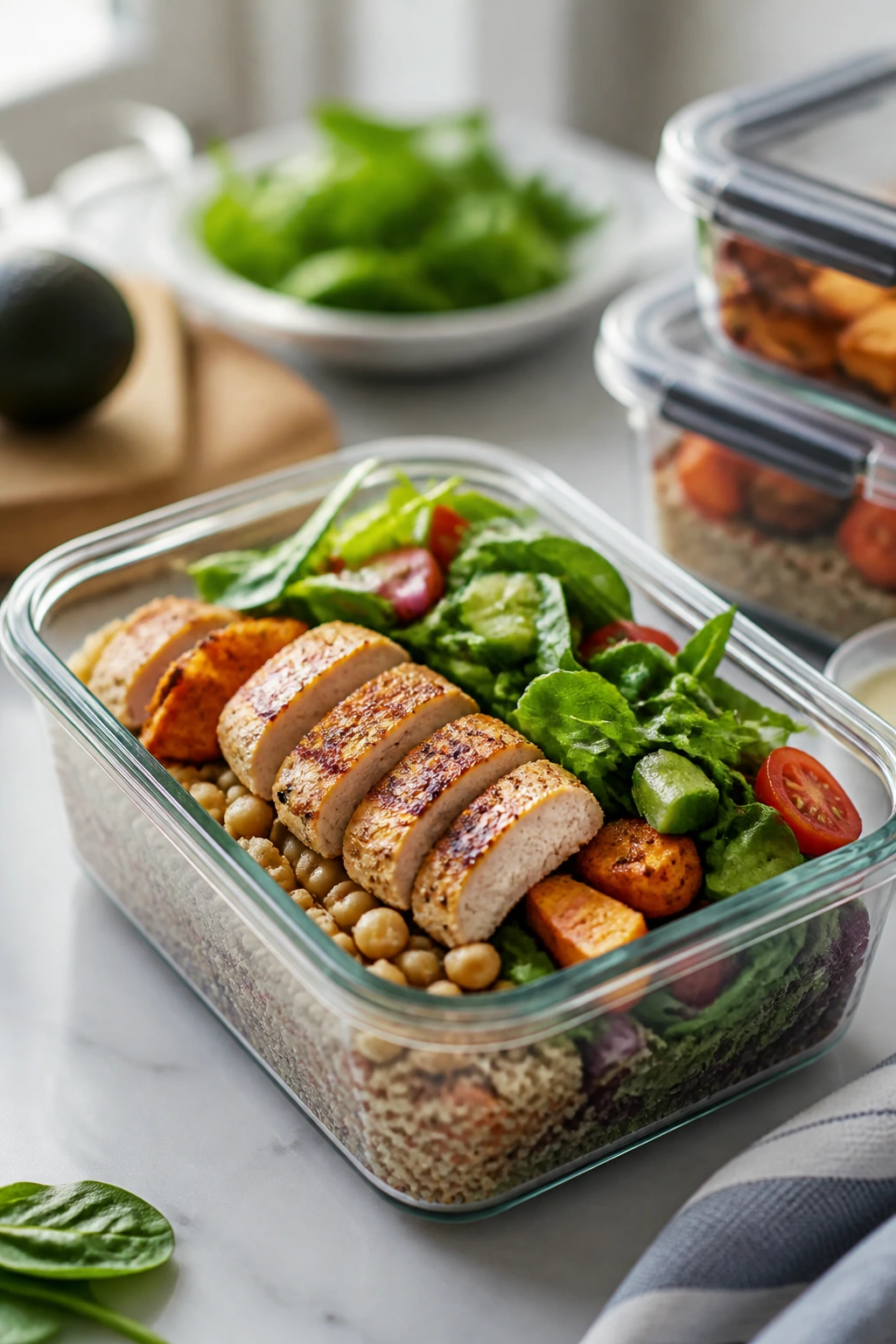
- Fast assembly: Most of these recipes come together in 20 to 40 minutes, which means you can cook more than one without turning your kitchen into a war zone.
- Container-friendly textures: The vegetables stay snappy, the grains stay separate, and the proteins are chosen because they hold up after chilling.
- Flexible protein choices: Chicken, turkey, tofu, tuna, salmon, eggs, beans, lentils, and yogurt all show up here, so you can mix and match based on what you have.
- Sauce does the heavy lifting: A sharp vinaigrette, a yogurt drizzle, or a sesame dressing keeps leftovers tasting fresh instead of flat.
- Built for real life: These recipes work as lunches, quick dinners, or breakfast prep without forcing you to eat the same thing in the same way every time.
- No fancy gear required: A skillet, a sheet pan, a saucepan, and a few sturdy containers cover most of the list.
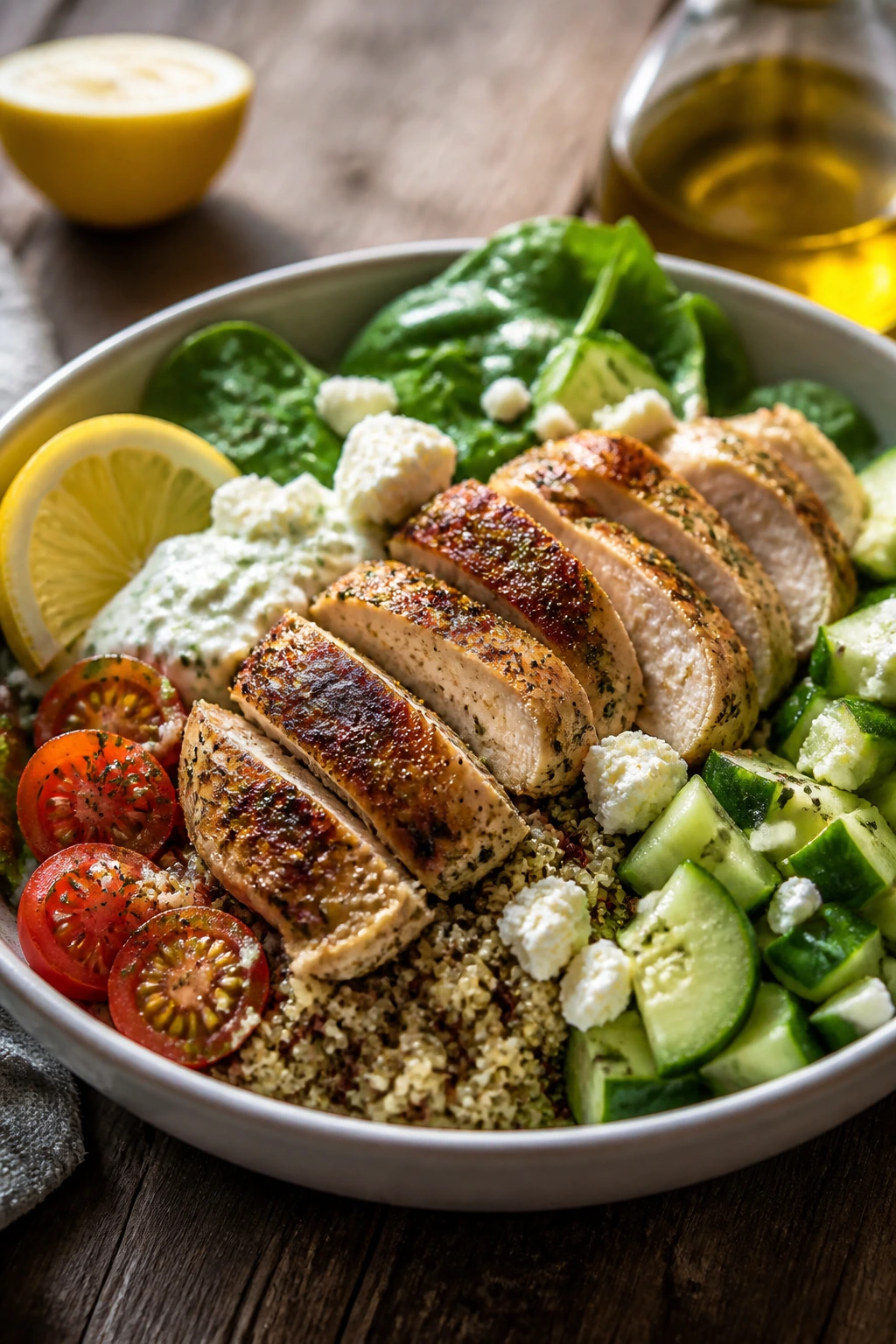
1. Lemon-Herb Chicken Quinoa Bowls
The first thing you notice here is the lemon. It cuts right through the warmth of the chicken and the nutty quinoa, and it keeps the whole bowl from feeling heavy by day two. Cherry tomatoes bring a little burst of juice, the cucumber stays cool and clean, and the feta gives you those salty little pockets that make each bite feel finished.
Why It Works:
Chicken thighs stay juicy after reheating, which is half the battle with meal prep. Quinoa is a smart base because it doesn’t turn gluey the way some grains do, especially if you fluff it and cool it before packing. A yogurt-lemon dressing gives you acid, creaminess, and enough flavor to carry the spinach without needing a long list of extras.
Key Ingredients:
- 1 cup dry quinoa, rinsed well — cooks into a fluffy base that won’t clump hard in the fridge.
- 1 1/2 lb boneless, skinless chicken thighs — they stay tender better than breasts.
- 2 tablespoons olive oil — for searing and keeping the chicken from sticking.
- 2 lemons, 1 zested and juiced, 1 cut into wedges — the zest brightens the chicken fast.
- 2 teaspoons dried oregano — gives the chicken a clean, herbal edge.
- 1 cucumber, diced — adds crunch that survives overnight.
- 2 cups cherry tomatoes, halved — use firm ones so they don’t leak everywhere.
- 4 cups baby spinach — wilts just enough under the warm chicken.
- 3/4 cup crumbled feta — salty, creamy, and strong enough to stand up to lemon.
- 1/2 cup plain Greek yogurt — forms the quick dressing.
Quick Steps:
- Cook the quinoa in 2 cups water according to package directions, then fluff and spread it on a plate to cool for 10 minutes.
- Pat the chicken dry, toss it with olive oil, lemon zest, oregano, salt, and pepper, then let it sit while the pan heats.
- Sear the chicken in a large skillet over medium-high heat for 5 to 6 minutes per side, until the outside is golden and the thickest piece reaches 165°F.
- Whisk the yogurt with lemon juice, a pinch of salt, and 1 tablespoon water until it drips off a spoon in a thin ribbon.
- Slice the chicken, then layer quinoa, spinach, cucumber, tomatoes, feta, and chicken into containers. Spoon the dressing over the top or pack it separately.
Equipment for This Recipe:
- Large skillet — a 12-inch one gives the chicken room to brown.
- Medium saucepan with lid — for the quinoa.
- Cutting board and sharp knife — cucumber and tomatoes need clean cuts.
- Small bowl and whisk — for the yogurt dressing.
- Meal prep containers — shallow ones help the bowl cool quickly.
How to Serve This Dish:
Pile it into wide bowls so the colors stay visible, then finish with a few lemon wedges and a pinch of black pepper. A handful of arugula on top gives it a peppery bite if you want the lunch to feel less like leftovers and more like something you assembled on purpose.
Pro Tips for This Recipe:
- Cool the quinoa before sealing the containers or the spinach will wilt into a damp mess.
- Slice the chicken against the grain so it stays tender after reheating.
- Pack the dressing separately if you want the cucumber to keep its snap.
- A small spoonful of chopped dill makes the lemon taste sharper.
Variations on This Dish:
- Mediterranean Chickpea Swap: Replace half the chicken with a can of chickpeas for a lower-cost version that still eats well cold.
- Garlic-Parmesan Finish: Add a tablespoon of grated parmesan to the dressing and skip the feta. The bowl gets richer without turning heavy.
- Rice Bowl Version: Use brown rice instead of quinoa if you want a softer texture and a little more chew.
Common Mistakes to Avoid with This Dish:
- Don’t overcook the chicken breasts if you swap them in. Dry slices turn stringy fast. Pull them at 160°F and let carryover heat do the rest.
- Don’t salt the cucumber too early. It will leak water into the container and soften the quinoa.
- Don’t drown the bowl in dressing. A few tablespoons are enough; too much turns the spinach soggy.
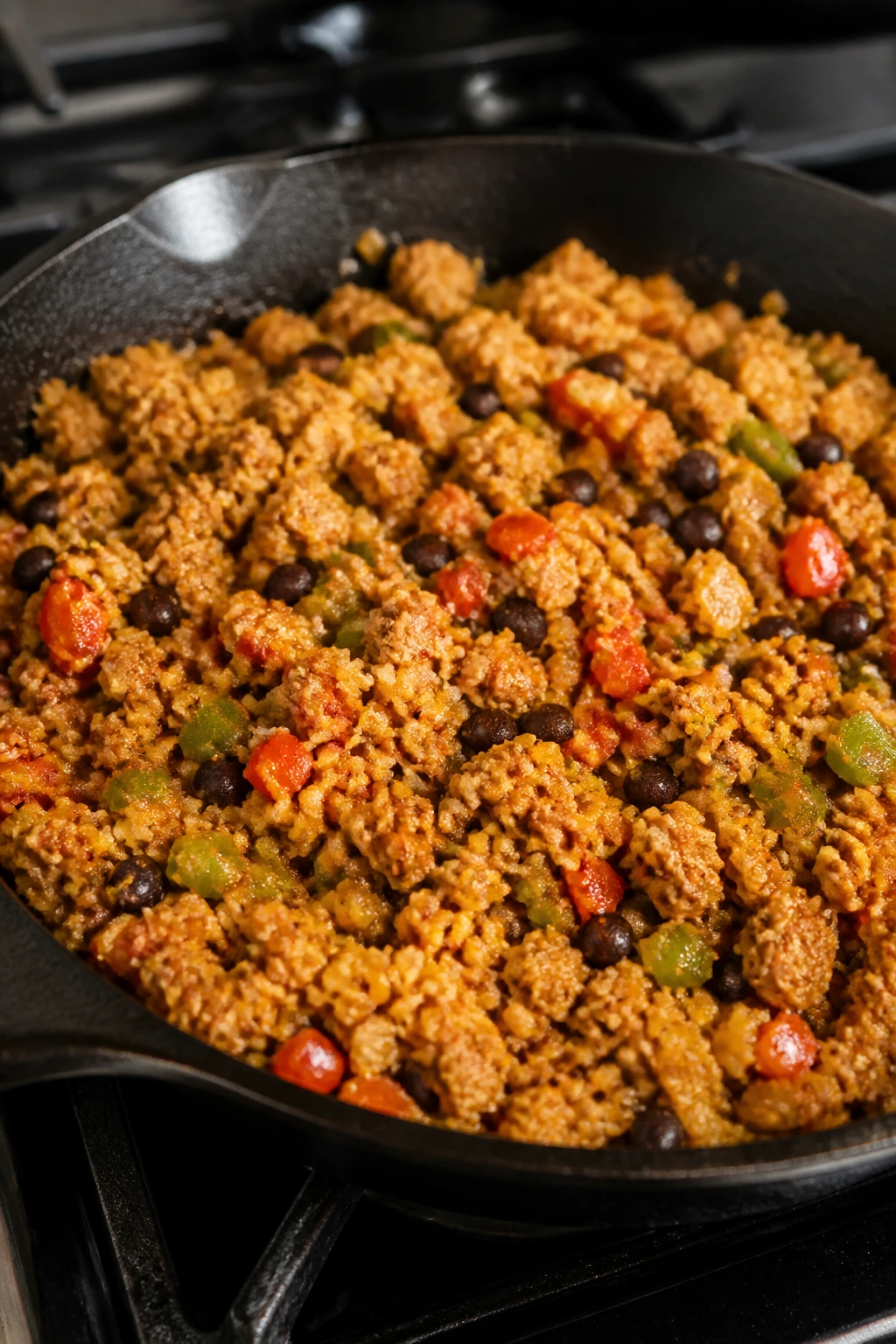
2. Turkey Taco Cauliflower Rice Skillet
This one smells like taco night without the pile of shells and crumbs. The turkey browns fast, the peppers soften just enough, and the cauliflower rice picks up all the spice from the pan. It’s the kind of lunch that still tastes lively after a reheat.
Why It Works:
Lean turkey cooks quickly and soaks up seasoning better than a lot of people expect. Cauliflower rice keeps the carb load lighter while still giving the skillet some body, and black beans bring fiber and a little creaminess. The salsa in the pan does two jobs at once: it adds moisture and saves you from making a separate sauce.
Key Ingredients:
- 1 lb lean ground turkey — 93% lean gives enough flavor without swimming in fat.
- 1 tablespoon olive oil — needed only if the pan runs dry.
- 1 small yellow onion, diced — builds the base flavor.
- 1 red bell pepper, diced — adds sweetness and color.
- 3 cups cauliflower rice — fresh or frozen both work.
- 1 cup black beans, rinsed and drained — for texture and staying power.
- 3/4 cup salsa — choose one with a texture you like.
- 2 teaspoons taco seasoning — or a mix of chili powder, cumin, garlic powder, and salt.
- 1 avocado, sliced — add after reheating.
- 2 tablespoons chopped cilantro — for the finish.
Quick Steps:
- Warm the olive oil in a large skillet over medium heat, then cook the onion and bell pepper for 4 to 5 minutes until the onion turns translucent.
- Add the turkey and break it up with a spatula. Cook for 5 to 7 minutes, until no pink remains and the meat starts to brown in little crumbles.
- Stir in the taco seasoning, cauliflower rice, black beans, and salsa. Cook for 4 to 6 minutes, until the cauliflower softens but still has a little bite.
- Taste and add salt if the salsa was mild.
- Divide into containers and top with cilantro. Pack the avocado separately with a squeeze of lime.
Equipment for This Recipe:
- Large skillet — the wider the better for browning.
- Spatula — helps break up the turkey cleanly.
- Knife and board — for the onion and pepper.
- Meal prep containers — shallow ones cool faster.
How to Serve This Dish:
Eat it as a bowl with avocado on top, or tuck it into lettuce cups when you want something fresher. A little salsa on the side helps revive the container after a day or two in the fridge.
Pro Tips for This Recipe:
- If your cauliflower rice is frozen, cook off the extra water before adding the beans.
- A squeeze of lime at the end wakes up the whole pan.
- Don’t skip browning the turkey; pale turkey tastes flat.
- Add chopped jalapeño if you want more heat without changing the base.
Variations on This Dish:
- Chipotle Smoky Version: Add 1 chopped chipotle in adobo for a deeper, smoky heat.
- Turkey-and-Corn Bowl: Stir in 1 cup frozen corn for a sweeter, fuller skillet.
- Vegetarian Bean Skillet: Swap the turkey for another can of black beans and 1 cup cooked lentils.
Common Mistakes to Avoid with This Dish:
- Don’t overcrowd the skillet. If the turkey steams, it never browns.
- Don’t add the avocado before storage. It will turn dull and mushy.
- Don’t underseason the cauliflower rice. It needs salt and salsa or it tastes like plain vegetable shreds.
3. Miso-Ginger Salmon with Broccoli and Brown Rice
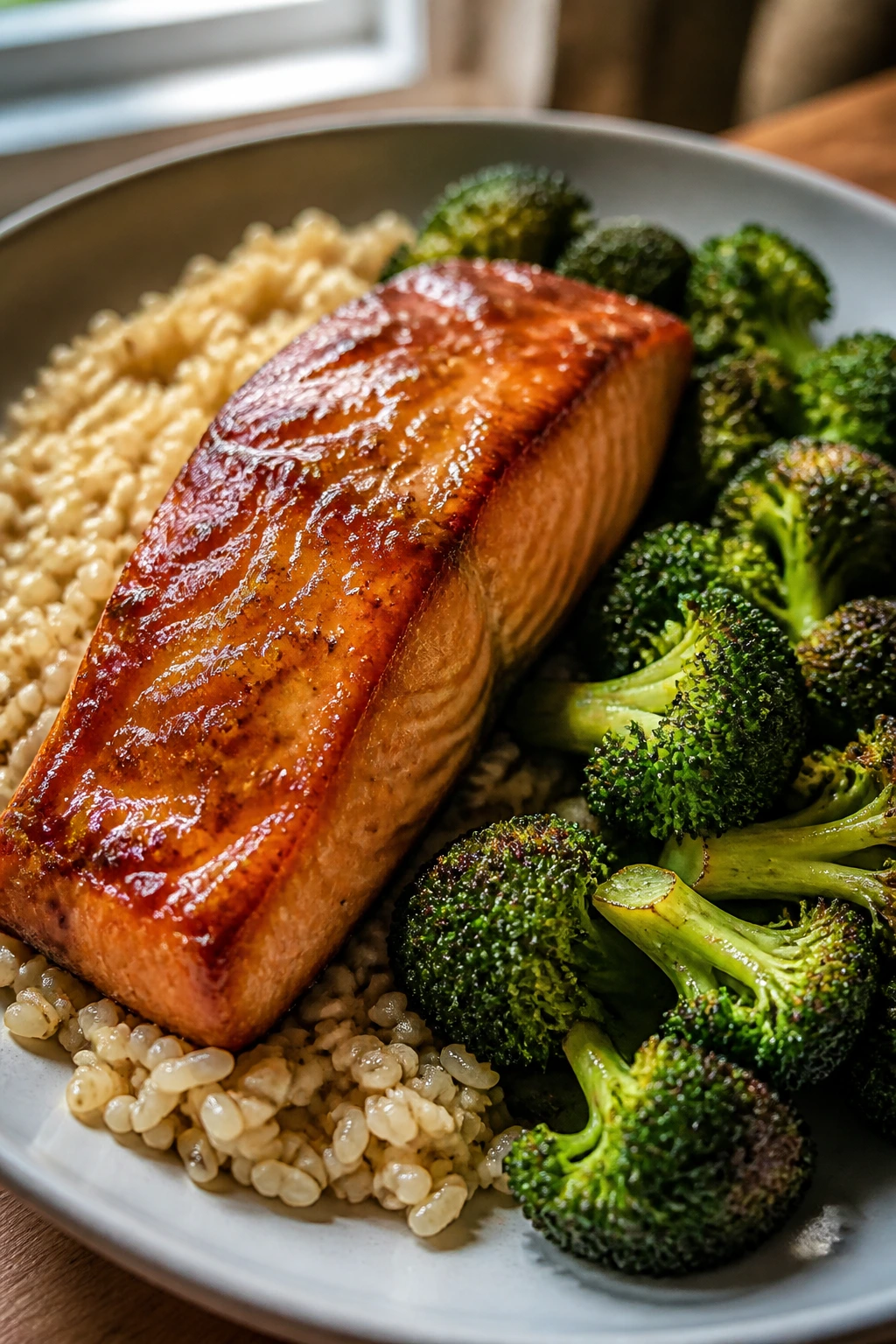
The salmon gets glossy and caramelized at the edges, and the miso ginger glaze leaves a salty-sweet trail that works better cold than you’d expect. Broccoli is the right partner here because it soaks up the sauce around the stems and stays sturdy in the fridge. Brown rice rounds the whole thing out without crowding the plate.
Why It Works:
Salmon reheats best when you don’t blast it to death, and a glaze keeps the fish from drying out. Broccoli handles oven heat and later microwave heat better than most vegetables, which makes it a smart meal prep move. Brown rice gives you chew and fiber, and it doesn’t go soggy if you cool it properly.
Key Ingredients:
- 4 salmon fillets, about 5 oz each — skin-on or skinless both work.
- 2 cups broccoli florets — cut small enough to roast evenly.
- 1 cup dry brown rice — cooks into enough for four bowls.
- 2 tablespoons white miso paste — for that savory, slightly sweet glaze.
- 1 tablespoon soy sauce — adds salt and depth.
- 1 tablespoon honey — balances the miso.
- 1 teaspoon grated fresh ginger — keeps the glaze bright.
- 1 teaspoon sesame oil — a little goes a long way.
- 1 tablespoon sesame seeds — for crunch.
- 2 scallions, sliced — for the finish.
Quick Steps:
- Cook the brown rice according to package directions and let it rest uncovered for 5 minutes so the steam can escape.
- Whisk the miso, soy sauce, honey, ginger, and sesame oil into a smooth glaze.
- Heat the oven to 425°F and line a sheet pan with parchment.
- Toss the broccoli with a spoonful of the glaze and roast it for 8 minutes, then add the salmon to the pan, brush on the remaining glaze, and roast 10 to 12 minutes more until the fish flakes at the thickest point.
- Pack rice, broccoli, and salmon into containers, then scatter sesame seeds and scallions on top.
Equipment for This Recipe:
- Rimmed sheet pan — keeps the glaze from running off.
- Small bowl and whisk — for the miso sauce.
- Saucepan or rice cooker — for the brown rice.
- Fish spatula — helpful when transferring the salmon.
How to Serve This Dish:
Serve it warm with extra scallions and a few cucumber slices on the side. If you like a sharper finish, keep a small packet of rice vinegar in the container and splash it over the rice right before eating.
Pro Tips for This Recipe:
- Pull the salmon when it reaches 145°F at the thickest part.
- Don’t leave the glaze on the fish for hours before cooking; miso can make the surface too salty.
- Roast the broccoli first so it gets edges that actually brown.
- A spoonful of plain yogurt on the side is odd in the best way; it softens the salt and works.
Variations on This Dish:
- Tahini Salmon Bowl: Replace the miso glaze with tahini, lemon, and garlic for a nutty version.
- Tofu Sheet-Pan Swap: Use extra-firm tofu cubes instead of salmon and roast them 25 minutes total.
- Spicy Gochujang Finish: Stir 1 teaspoon gochujang into the glaze for more heat and a deeper red color.
Common Mistakes to Avoid with This Dish:
- Don’t overbake the salmon. Dry salmon is the fastest way to ruin a good meal prep container.
- Don’t roast the broccoli in a pile. It needs space or it will steam.
- Don’t pack the rice while it’s still hot. It traps moisture and makes the grains gummy.
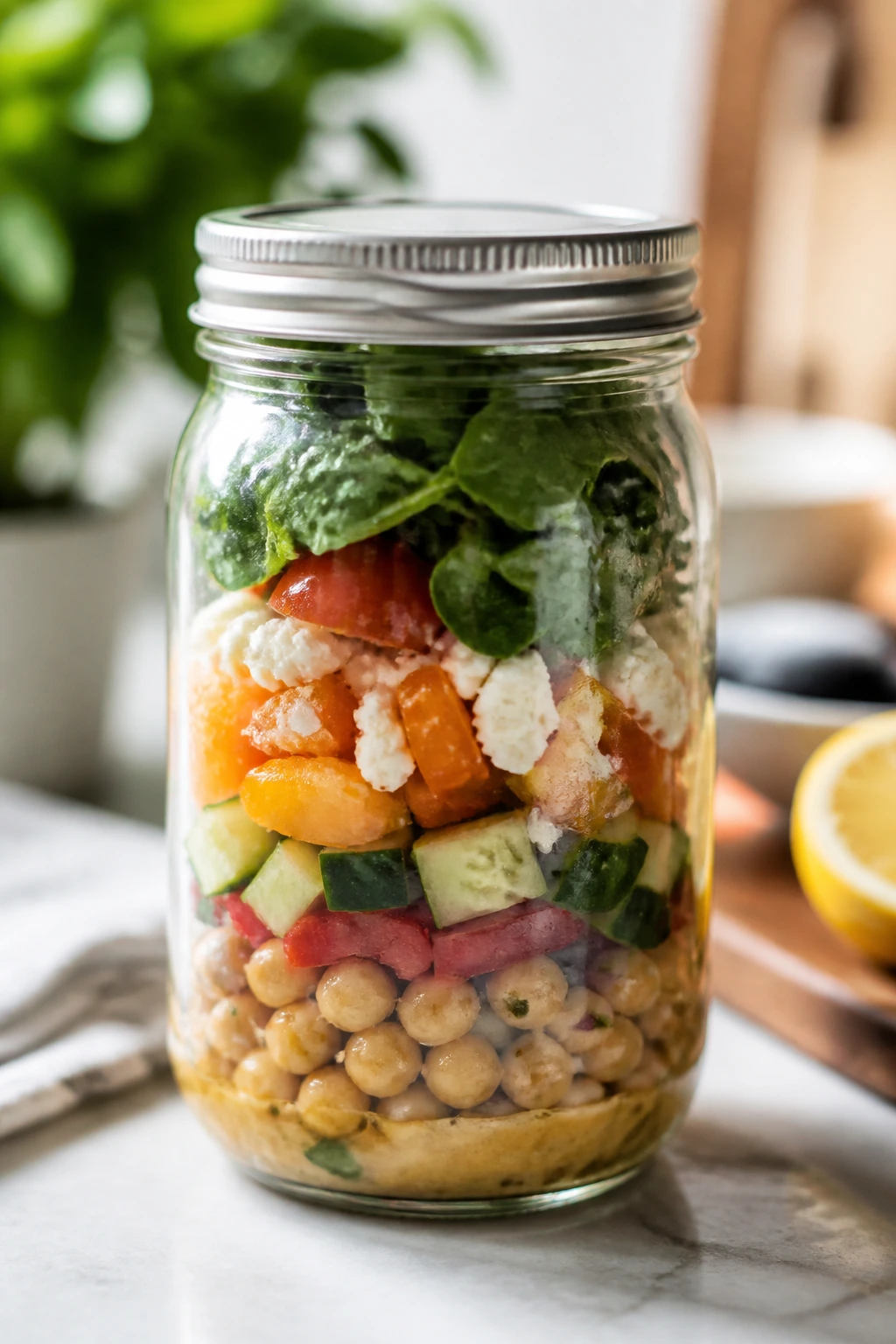
4. Chickpea Greek Salad Jars
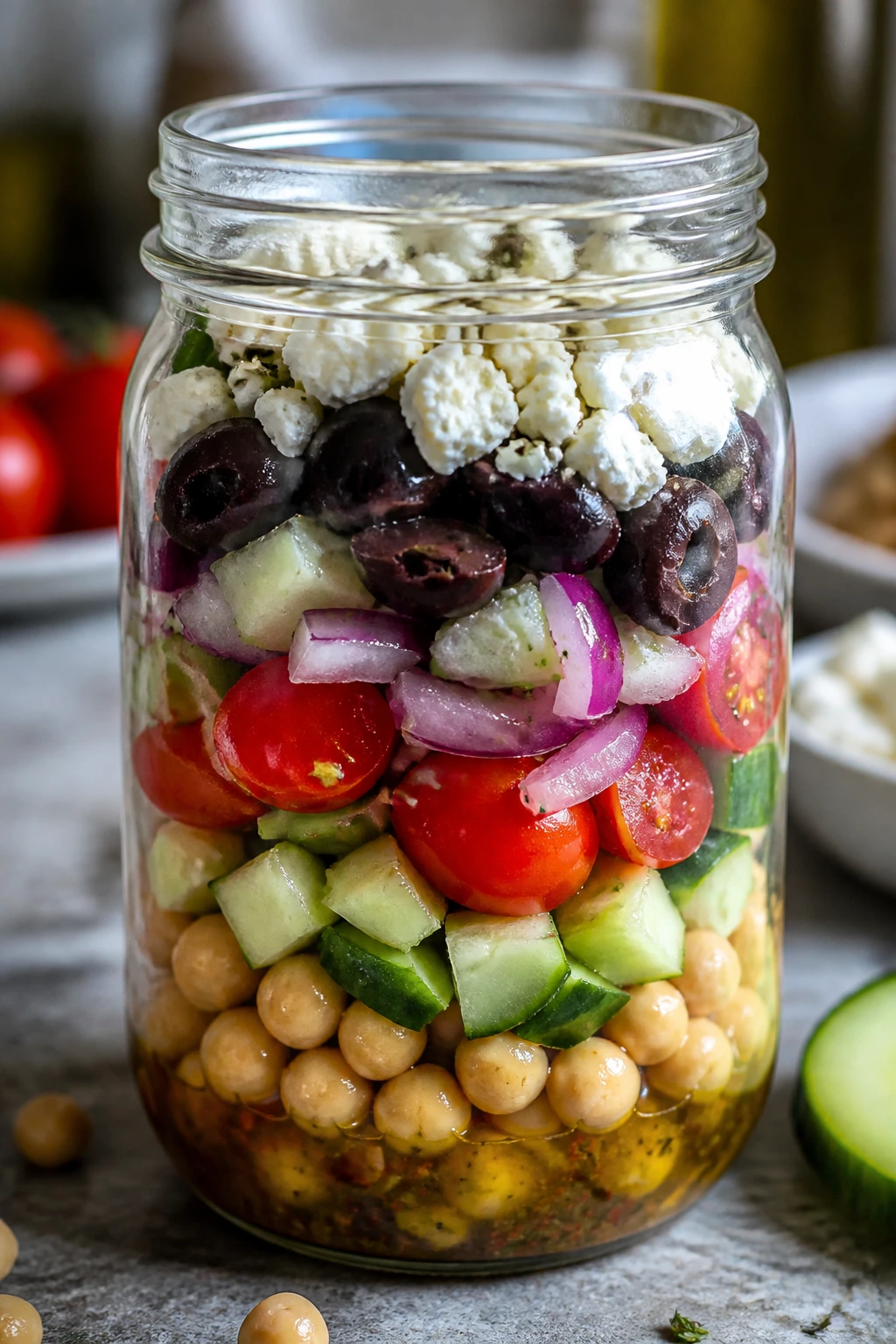
These jars are all about crunch. The cucumber stays cold and clean, the chickpeas stay firm, and the briny olives punch through the dressing so the whole thing doesn’t taste like chopped vegetables in a bottle. Feta brings a creamy bite that keeps the salad from feeling too lean.
Why It Works:
Layering matters here. Dressing on the bottom protects the rest of the ingredients, and the chickpeas act as a barrier between the wet stuff and the greens. This is one of the easiest meal prep lunches in the bunch, which is saying something when “easy” usually means boring.
Key Ingredients:
- 1 can chickpeas, 15 oz, rinsed and drained — the anchor of the salad.
- 1 cucumber, diced — keep the pieces medium, not tiny.
- 1 pint cherry tomatoes, halved — use the firmest ones you can find.
- 1/2 small red onion, thinly sliced — soak in cold water for 5 minutes if it bites hard.
- 1/2 cup Kalamata olives, pitted and halved — for salt and tang.
- 3/4 cup crumbled feta — choose a block and crumble it yourself if possible.
- 4 cups chopped romaine or little gem lettuce — sturdy enough for jars.
- 1/4 cup olive oil — for the dressing.
- 2 tablespoons red wine vinegar — gives the sharp edge.
- 1 teaspoon dried oregano — the Greek salad scent in one spoonful.
Quick Steps:
- Whisk the olive oil, red wine vinegar, oregano, salt, and pepper into a quick dressing.
- Spoon 2 to 3 tablespoons of dressing into the bottom of each jar or container.
- Add chickpeas, then layer cucumber, tomatoes, onion, olives, feta, and finally the lettuce.
- Seal and refrigerate.
- Shake into a bowl when you’re ready to eat, or eat straight from the jar if you like a little dressing pooled at the bottom.
Equipment for This Recipe:
- Mason jars or lidded containers — 16-ounce jars work well.
- Mixing bowl and whisk — for the dressing.
- Cutting board and knife — for the vegetables.
How to Serve This Dish:
Tip the jar into a bowl and add a warm pita wedge if you want lunch to feel more substantial. A spoonful of hummus on the side gives the salad more staying power without much extra work.
Pro Tips for This Recipe:
- Dry the chickpeas well after rinsing so they don’t dilute the dressing.
- Keep the lettuce on top, always.
- A little dill in the dressing makes the whole jar smell fresher.
- If you hate raw onion, use quick-pickled onion instead.
Variations on This Dish:
- Tuna Greek Jar: Add one drained tuna can for a higher-protein lunch.
- Quinoa Greek Bowl: Add 1 cup cooked quinoa under the chickpeas for extra heft.
- Dairy-Free Jar: Skip the feta and add avocado right before eating.
Common Mistakes to Avoid with This Dish:
- Don’t mix the dressing through the whole jar before storing. The lettuce will flatten out.
- Don’t cut the tomatoes too early if they’re very soft. They’ll leak and soften everything else.
- Don’t use a flimsy container with a loose lid. These need a tight seal or the dressing creeps everywhere.
5. Teriyaki Tofu Broccoli Rice Bowls
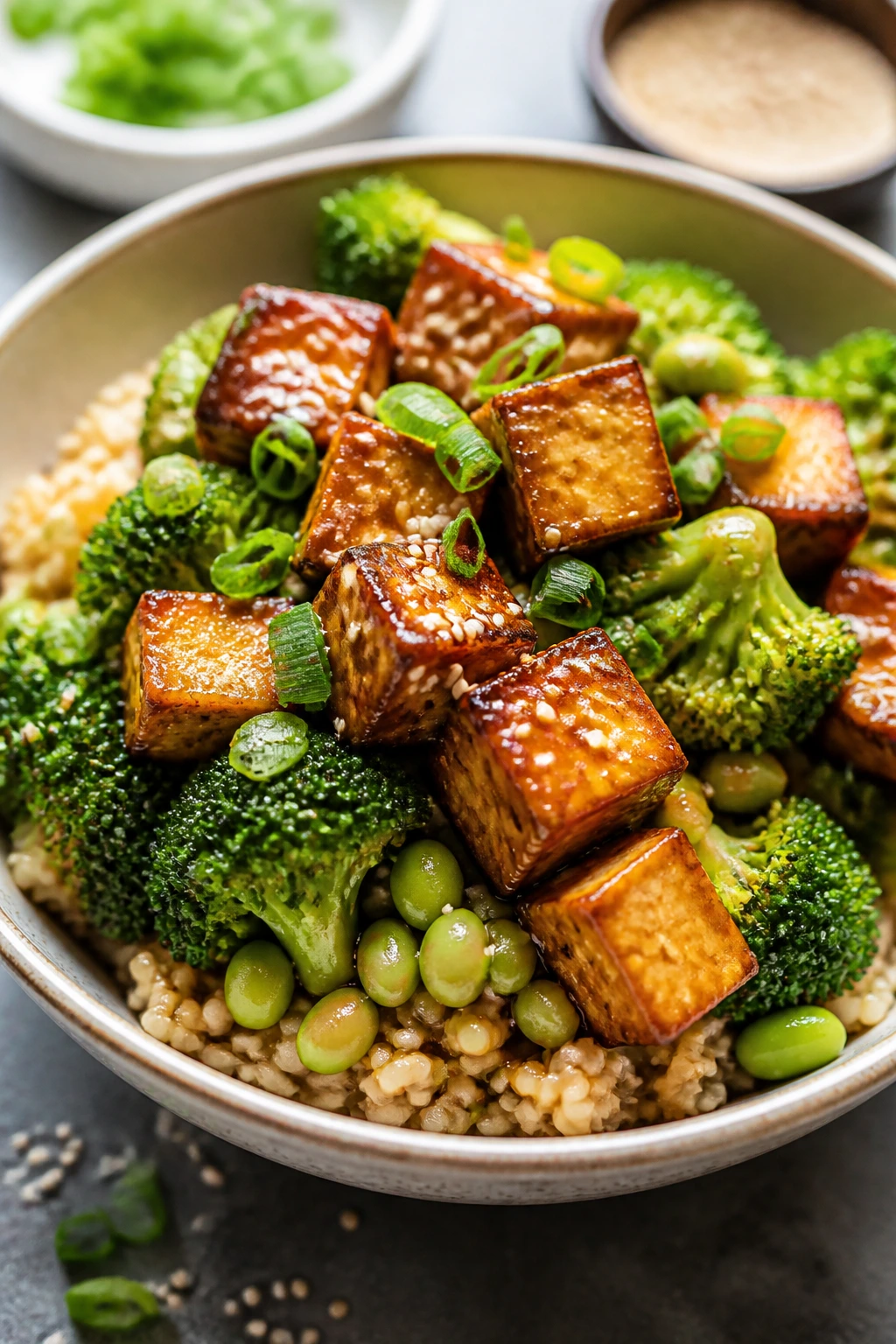
Crispy tofu changes the whole mood of a meal prep box. Instead of soft cubes that taste like they were boiled by accident, you get browned edges, a glossy teriyaki coat, and broccoli with a little chew. Sesame seeds and scallions finish the bowl so it feels clean and complete.
Why It Works:
Extra-firm tofu gets better after pressing, and that one step decides whether you end up with dense cubes or something worth eating. Broccoli and edamame bring enough green and protein to keep the bowl balanced, while teriyaki sauce supplies the sweetness that tofu needs. Rice gives you a neutral base that doesn’t fight the sauce.
Key Ingredients:
- 14 oz extra-firm tofu — press it for at least 15 minutes.
- 2 cups cooked brown rice — chilled rice reheats better than wet rice.
- 3 cups broccoli florets — small florets roast or sauté evenly.
- 1 cup shelled edamame — frozen is fine.
- 1/3 cup teriyaki sauce — thick enough to cling to the tofu.
- 1 tablespoon cornstarch — helps the tofu crisp.
- 1 tablespoon neutral oil — avocado or canola works.
- 1 tablespoon sesame seeds — for texture.
- 2 scallions, sliced — for brightness.
- 1 teaspoon rice vinegar — optional, but useful for a sharper finish.
Quick Steps:
- Press the tofu, then cut it into 1-inch cubes and toss it with cornstarch and a pinch of salt.
- Heat the oil in a skillet over medium-high heat and cook the tofu for 8 to 10 minutes, turning until the edges are golden.
- Add the broccoli and a splash of water, cover for 2 minutes, then uncover and cook until bright green and just tender.
- Stir in the edamame and teriyaki sauce and cook for 1 minute until everything is shiny and coated.
- Pack with rice and top with sesame seeds and scallions.
Equipment for This Recipe:
- Nonstick or cast-iron skillet — either one works if it’s hot enough.
- Tofu press or clean towel with a heavy pan — for pressing.
- Sharp knife — for clean tofu cubes.
- Meal prep containers — rice on the bottom, tofu on top.
How to Serve This Dish:
Serve it warm with a small side of pickled ginger if you like a sharper, sushi-bar kind of lunch. A few cucumber ribbons on top also cool the sweetness of the teriyaki.
Pro Tips for This Recipe:
- Don’t skip the cornstarch. It gives the tofu the crust that makes this bowl worth making.
- Use leftover rice if you have it; it firms up and reheats better.
- If the sauce is very thin, simmer it for a minute before adding it to the pan.
- Add a dash of chili flakes if you want the bowl to feel less sweet.
Variations on This Dish:
- Peanut-Teriyaki Version: Stir 1 tablespoon peanut butter into the sauce for a richer finish.
- Chicken Swap Bowl: Use bite-size chicken breast pieces instead of tofu and cook them through before the sauce goes in.
- Sesame Noodle Bowl: Replace the rice with soba noodles and double the scallions.
Common Mistakes to Avoid with This Dish:
- Don’t cook tofu that’s still wet. It will steam and split.
- Don’t dump sauce in too early or the tofu loses its crust.
- Don’t overcook the broccoli. You want it bright, not army-green and tired.
6. Spinach Feta Egg Muffins
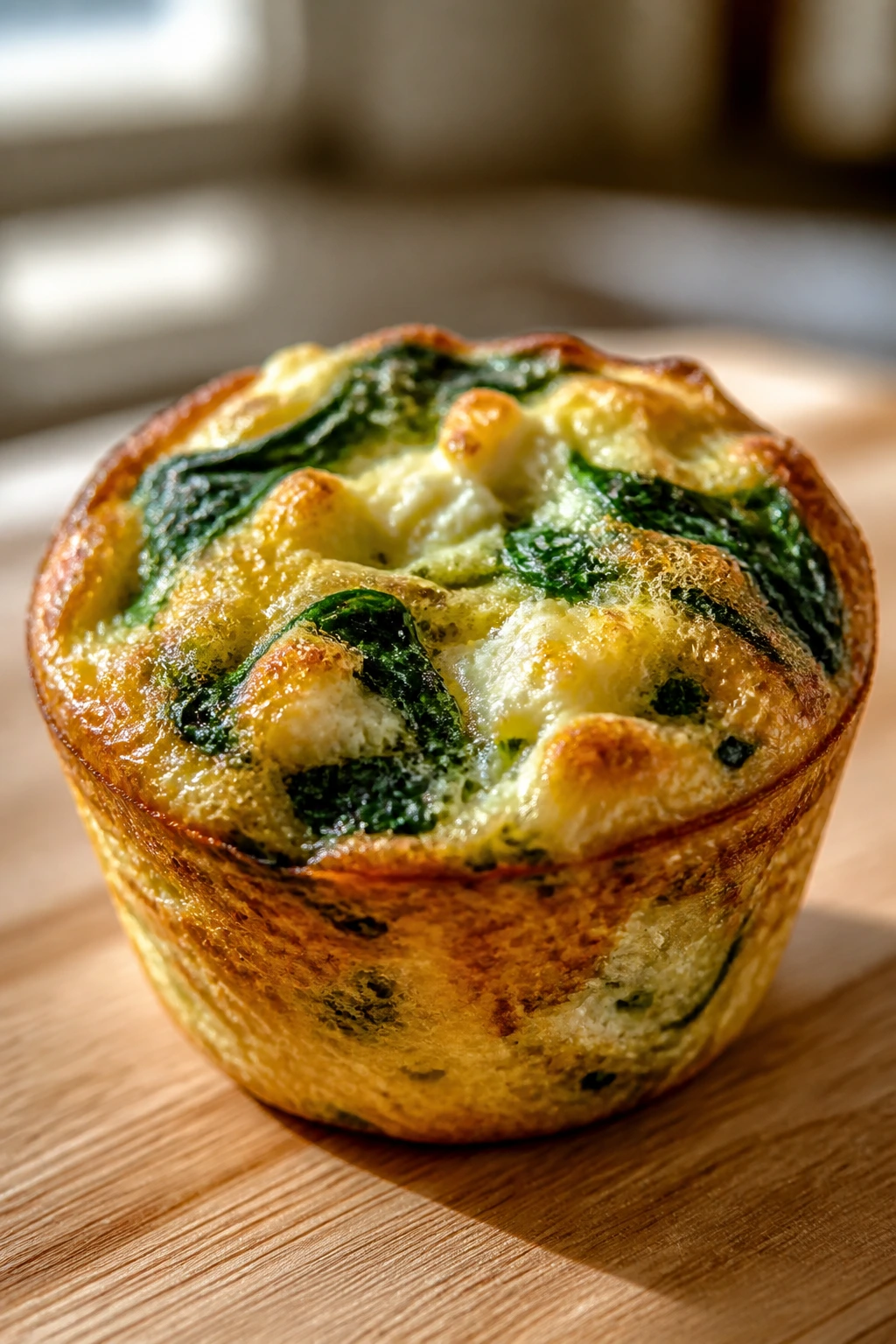
These are the breakfast boxes that actually get eaten. The eggs puff around the spinach, the feta stays salty, and the peppers add little bits of sweetness so each muffin tastes like a mini omelet without the skillet fuss. They’re neat, portable, and easy to reheat in seconds.
Why It Works:
Egg muffins solve the weekday breakfast problem because they portion themselves. Spinach cooks down fast and adds moisture without making the texture watery if you squeeze it first. Feta has enough punch that you don’t need much else to make the eggs taste finished.
Key Ingredients:
- 10 large eggs — the base.
- 1/2 cup milk or unsweetened almond milk — keeps the texture softer.
- 2 cups baby spinach, chopped — squeeze out excess moisture if wilted.
- 1/2 cup crumbled feta — salty enough to season the whole batch.
- 1/2 red bell pepper, finely diced — for color and a gentle sweetness.
- 2 scallions, sliced — adds a mild onion note.
- 1/2 teaspoon salt — go lighter if your feta is very salty.
- 1/4 teaspoon black pepper — enough to wake up the eggs.
Quick Steps:
- Heat the oven to 375°F and grease a 12-cup muffin tin well.
- Whisk the eggs, milk, salt, and pepper until frothy.
- Stir in spinach, feta, bell pepper, and scallions.
- Divide the mixture among the muffin cups, filling each about 3/4 full.
- Bake for 18 to 22 minutes, until the centers are set and the tops spring back when touched lightly. Cool for 10 minutes before removing.
Equipment for This Recipe:
- 12-cup muffin tin — metal works best for even baking.
- Mixing bowl and whisk — for the egg base.
- Measuring cup with a spout — helps with clean pouring.
- Silicone spatula — for scraping every bit into the cups.
How to Serve This Dish:
Eat them warm with fruit, toast, or a handful of cherry tomatoes if you want breakfast to lean savory. They also slide into a lunchbox with hummus and crackers when you need more than one use for the same batch.
Pro Tips for This Recipe:
- Grease the tin well or the bottoms will cling.
- Chop the spinach fine so it doesn’t create stringy pockets.
- Let the muffins cool before lifting them out, or they may split.
- Reheat one muffin at a time so it doesn’t turn rubbery.
Variations on This Dish:
- Turkey-Bacon Version: Add 1/2 cup cooked chopped turkey bacon for a smokier breakfast.
- Mushroom-Spinach Muffins: Sauté the mushrooms first so they don’t leak water.
- Cheddar Jalapeño Muffins: Swap feta for cheddar and add finely diced jalapeño for more bite.
Common Mistakes to Avoid with This Dish:
- Don’t overfill the cups. The eggs puff and spill.
- Don’t use raw mushrooms unless you’ve cooked off their moisture first.
- Don’t microwave the muffins too long or they get spongy.
7. Turkey Meatballs with Zucchini Noodles
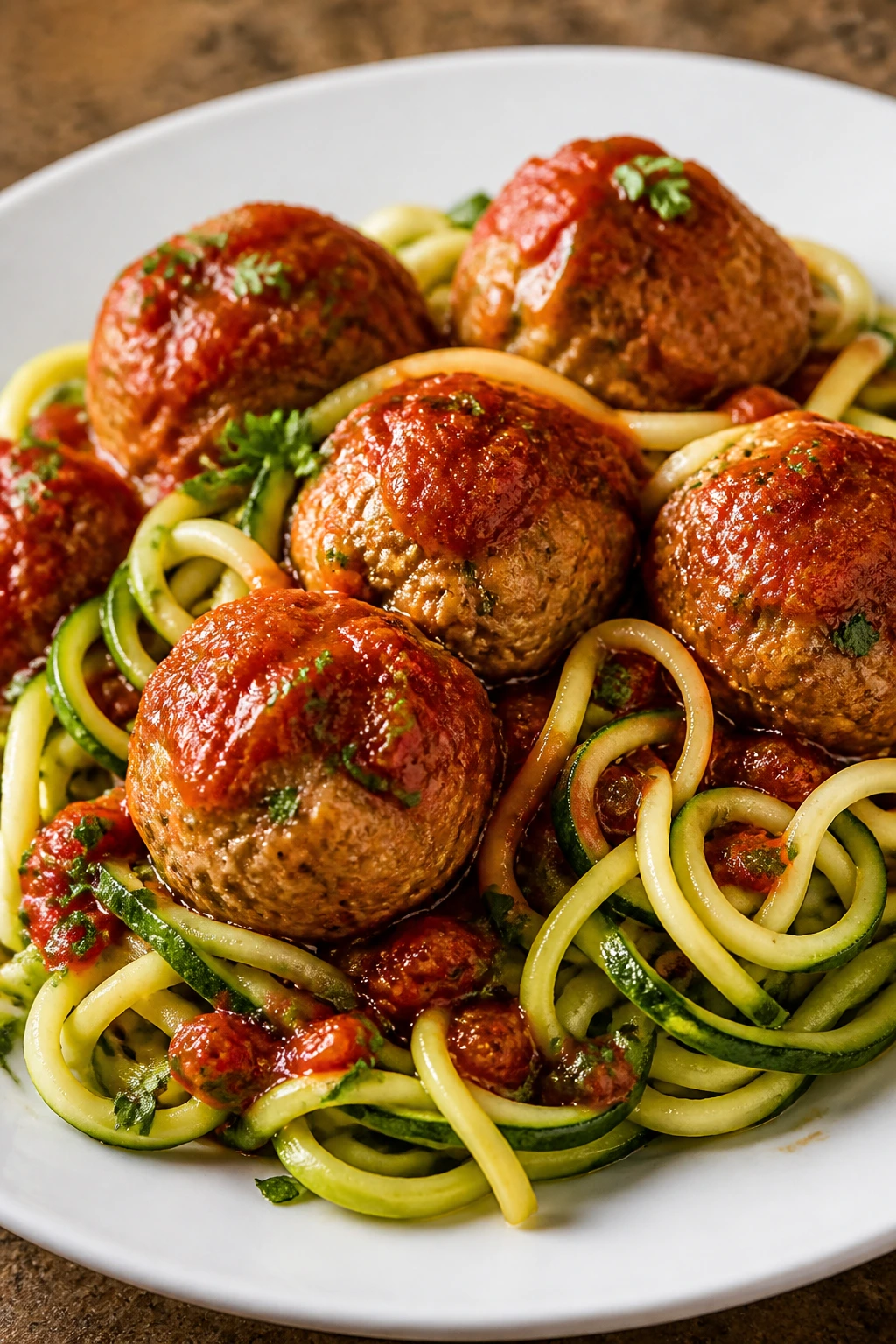
This is the kind of prep that feels lighter than pasta but still satisfies the urge for a bowl of something saucy. The meatballs stay tender if you don’t overmix them, the zucchini noodles take on just enough heat to soften, and the marinara ties everything together without much effort.
Why It Works:
Ground turkey can go dry fast, so breadcrumbs, egg, and parmesan keep the meatballs from turning chalky. Zucchini noodles cook in a minute or two, which makes them ideal for a quick reheat later. Marinara does the flavor work here, and that matters because turkey likes backup.
Key Ingredients:
- 1 lb ground turkey — 93% lean is a solid middle ground.
- 1 egg — binds the meatballs.
- 1/3 cup breadcrumbs — helps keep them soft.
- 1/4 cup grated parmesan — adds salt and structure.
- 2 cloves garlic, minced — for background flavor.
- 1 teaspoon Italian seasoning — oregano, basil, and thyme in one go.
- 3 medium zucchini, spiralized — or buy pre-spiralized to save time.
- 2 cups marinara sauce — use one you’d actually eat by itself.
- 1 tablespoon olive oil — for the pan or skillet.
Quick Steps:
- Heat the oven to 400°F and line a sheet pan.
- Mix turkey, egg, breadcrumbs, parmesan, garlic, Italian seasoning, salt, and pepper until just combined.
- Roll into 16 meatballs and bake for 15 to 18 minutes, until browned and cooked to 165°F inside.
- Warm the marinara in a skillet, add the zucchini noodles, and cook for 1 to 2 minutes until just limp, not watery.
- Serve the meatballs over the noodles and spoon sauce on top.
Equipment for This Recipe:
- Rimmed sheet pan — for baking the meatballs.
- Large skillet — for the sauce and zoodles.
- Mixing bowl — for the meat mixture.
- Spiralizer or julienne peeler — if you’re making the noodles from scratch.
How to Serve This Dish:
Pack the meatballs and sauce together, but keep the zucchini noodles separate if you want them to stay firmer. A little extra parmesan on top helps the lunch feel less like diet food and more like dinner in a hurry.
Pro Tips for This Recipe:
- Wet your hands before rolling the meatballs so they don’t stick.
- Don’t squeeze the zucchini too hard; you want some texture left.
- A spoonful of pesto stirred into the marinara changes the whole mood.
- If you need a sturdier base, mix the zoodles with a little cooked spaghetti squash.
Variations on This Dish:
- Spicy Arrabbiata Bowl: Use a hotter marinara and add red pepper flakes.
- Chicken Meatball Swap: Ground chicken works almost the same way, though it likes a little extra parmesan.
- Rice Bowl Version: Put the meatballs over brown rice instead of zoodles for a colder-weather lunch.
Common Mistakes to Avoid with This Dish:
- Don’t overmix the meatball mixture. It turns dense fast.
- Don’t overcook the zucchini noodles or they release water and slump.
- Don’t use a watery marinara. Thin sauce makes the whole bowl sloppy.
8. Lentil Sweet Potato Curry
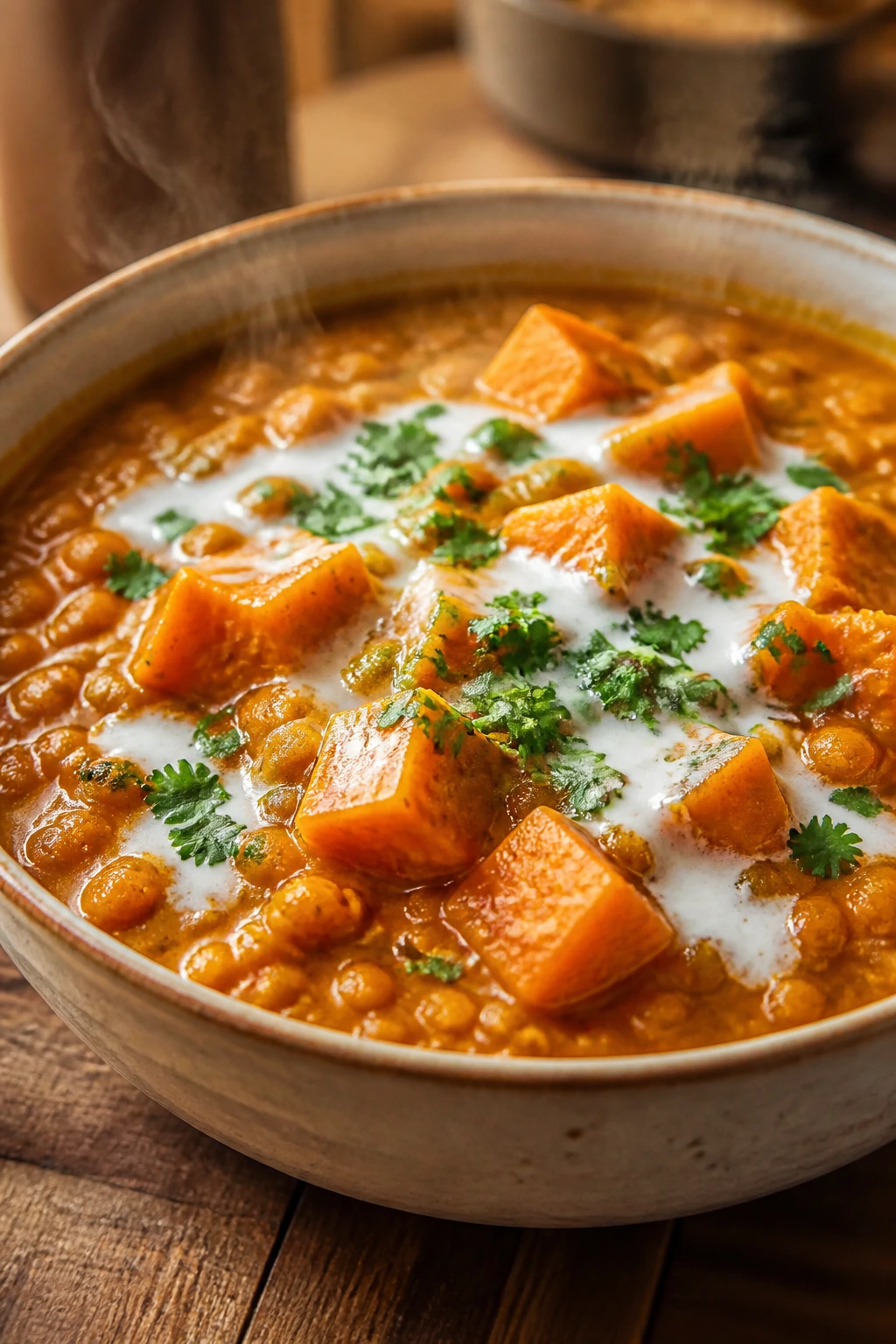
This one tastes better on day two, which is the kind of behavior meal prep should have. The sweet potato melts into the sauce, the lentils give the curry body, and the spinach folds in at the end so the color stays green instead of swampy.
Why It Works:
Red lentils break down fast and thicken the curry without needing flour or cream. Sweet potato adds a soft, earthy sweetness that balances the spice, and light coconut milk gives the sauce enough richness without making it heavy. It’s a one-pot meal that actually improves as the flavors settle.
Key Ingredients:
- 1 tablespoon olive oil — for the aromatics.
- 1 yellow onion, diced — the base.
- 3 cloves garlic, minced — don’t skimp.
- 1 tablespoon grated ginger — gives the curry lift.
- 1 large sweet potato, peeled and cubed — about 2 cups.
- 1 cup red lentils, rinsed — they cook quickly.
- 1 tablespoon curry powder — or 2 teaspoons curry paste.
- 1 can light coconut milk, 13.5 oz — for creaminess.
- 3 cups vegetable broth — enough to simmer the lentils.
- 3 cups baby spinach — stirred in at the end.
- 1 tablespoon lime juice — for the finish.
Quick Steps:
- Heat the oil in a pot over medium heat and cook onion for 4 to 5 minutes until soft.
- Add garlic and ginger and cook for 30 seconds until fragrant.
- Stir in sweet potato, lentils, curry powder, coconut milk, and broth. Bring to a simmer and cook 20 to 25 minutes, until the lentils are soft and the sweet potato can be pierced easily.
- Stir in spinach and lime juice until the leaves wilt.
- Spoon into containers and cool before sealing.
Equipment for This Recipe:
- Large pot or Dutch oven — wide enough to keep the curry from scorching.
- Wooden spoon — for stirring without breaking the potato cubes.
- Sharp knife and peeler — for the sweet potato.
- Airtight containers — this one freezes well.
How to Serve This Dish:
Serve it over brown rice, with naan, or on its own with a spoonful of yogurt. A chopped cilantro finish makes the bowl smell brighter the second you open the lid.
Pro Tips for This Recipe:
- Rinse the lentils until the water runs mostly clear.
- Cut the sweet potato into even pieces so it cooks at the same pace.
- If the curry gets too thick, loosen it with a splash of broth.
- Add chili flakes at the end if you want more heat without changing the base.
Variations on This Dish:
- Chickpea-Curry Version: Replace half the lentils with chickpeas for more texture.
- Green Curry Spin: Use green curry paste and add snap peas near the end.
- Tomato-Lentil Curry: Stir in 1 cup crushed tomatoes for a sharper, more stew-like finish.
Common Mistakes to Avoid with This Dish:
- Don’t boil it hard. A fast boil breaks down the sweet potato too soon.
- Don’t forget the lime at the end. The curry tastes flatter without acid.
- Don’t under-salt the pot. Lentils need more seasoning than people think.
9. Thai Peanut Chicken Cabbage Slaw Bowls
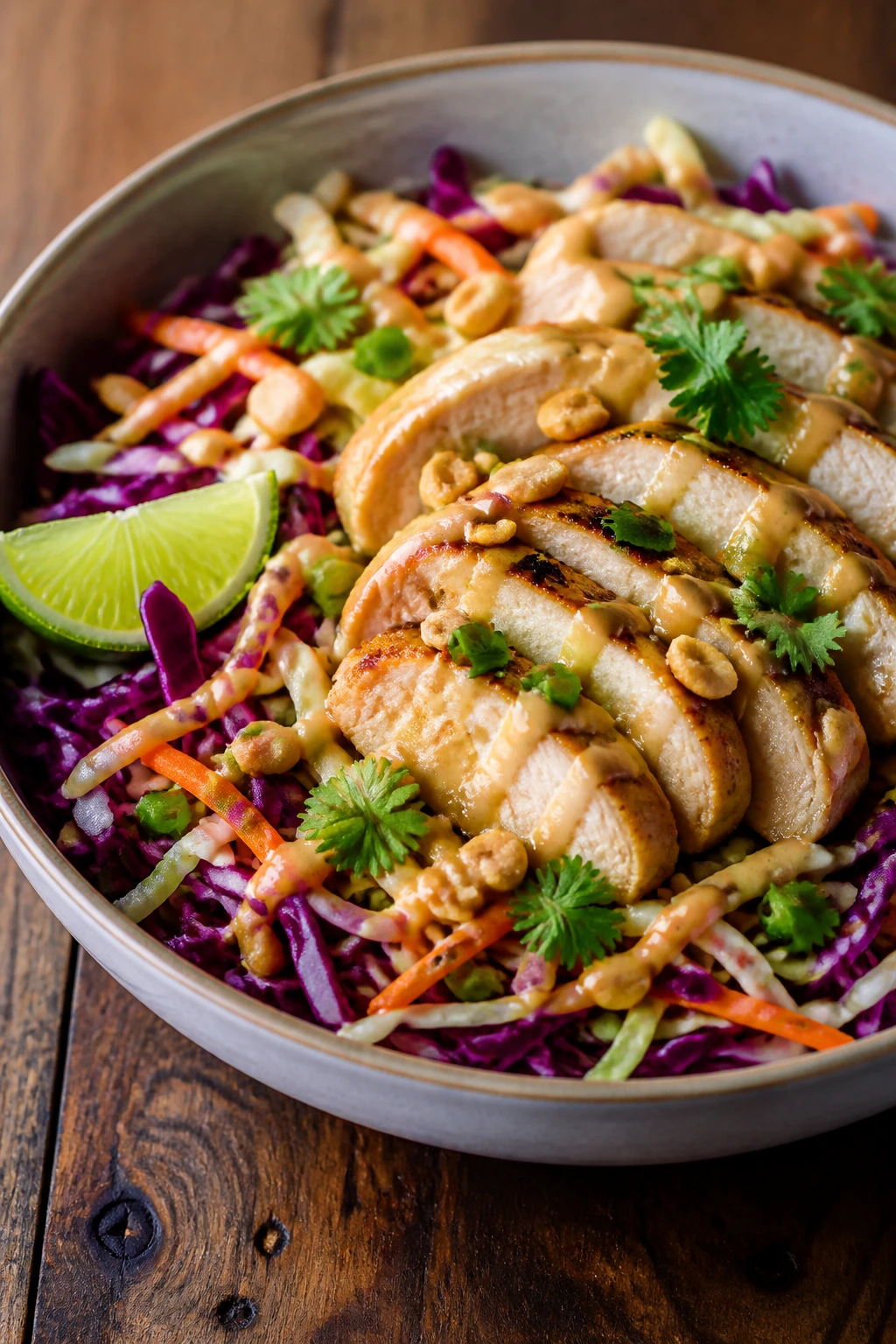
This is the lunch you make when you want crunch, but you also want something substantial enough to carry you through the afternoon. The cabbage stays crisp, the peanut sauce clings to the chicken, and the carrots bring a quiet sweetness that keeps the whole bowl from tasting one-note.
Why It Works:
Shredded cabbage is a meal prep workhorse because it doesn’t wilt the way lettuce does. A peanut-lime dressing tastes even better after it sits for a few hours, which makes it ideal for Sunday prep. Using cooked chicken keeps the assembly fast, and the slaw holds up long enough to matter.
Key Ingredients:
- 3 cups shredded green cabbage — the crunch base.
- 2 cups shredded purple cabbage — for color and a little bite.
- 1 large carrot, shredded — adds sweetness.
- 2 cups cooked chicken, shredded — rotisserie is fair game.
- 1/4 cup peanut butter — smooth works best.
- 2 tablespoons lime juice — keeps the sauce sharp.
- 1 tablespoon soy sauce — for salt.
- 1 tablespoon honey — balances the peanut butter.
- 1 teaspoon grated ginger — adds warmth.
- 2 tablespoons chopped cilantro and 2 tablespoons chopped peanuts — for the finish.
Quick Steps:
- Whisk peanut butter, lime juice, soy sauce, honey, ginger, and 2 to 3 tablespoons warm water until it becomes pourable.
- Toss the cabbage and carrot together in a large bowl.
- Add the chicken and drizzle with most of the sauce, tossing until everything is coated.
- Pack into containers and top with cilantro and peanuts.
- Keep extra sauce on the side for the next day.
Equipment for This Recipe:
- Large mixing bowl — enough room to toss without crushing the slaw.
- Whisk or fork — for the sauce.
- Box grater or food processor — for the carrot and cabbage if you’re short on time.
How to Serve This Dish:
Serve it cold, straight from the fridge, or pile it into lettuce cups if you want something lighter. A wedge of lime on the side makes the dressing taste freshly mixed even after a day.
Pro Tips for This Recipe:
- Add the sauce gradually so the slaw stays crunchy.
- If the peanut butter is stiff, warm it for 10 seconds before whisking.
- Use green and purple cabbage together; the mix is sturdier and looks sharper.
- A few sliced scallions give the bowl a fresher finish.
Variations on This Dish:
- Tofu Peanut Slaw: Swap the chicken for baked tofu cubes.
- Rice Noodle Version: Add cooked rice noodles if you want a bigger lunch.
- Spicy Chili-Lime Bowl: Stir chili garlic sauce into the peanut dressing.
Common Mistakes to Avoid with This Dish:
- Don’t overdress the slaw. It’s supposed to be coated, not swimming.
- Don’t use lettuce instead of cabbage if you want it to last more than a day.
- Don’t skip chopping the cabbage fine enough; giant chunks make the bowl awkward to eat.
10. Shrimp Fajita Rice Bowls
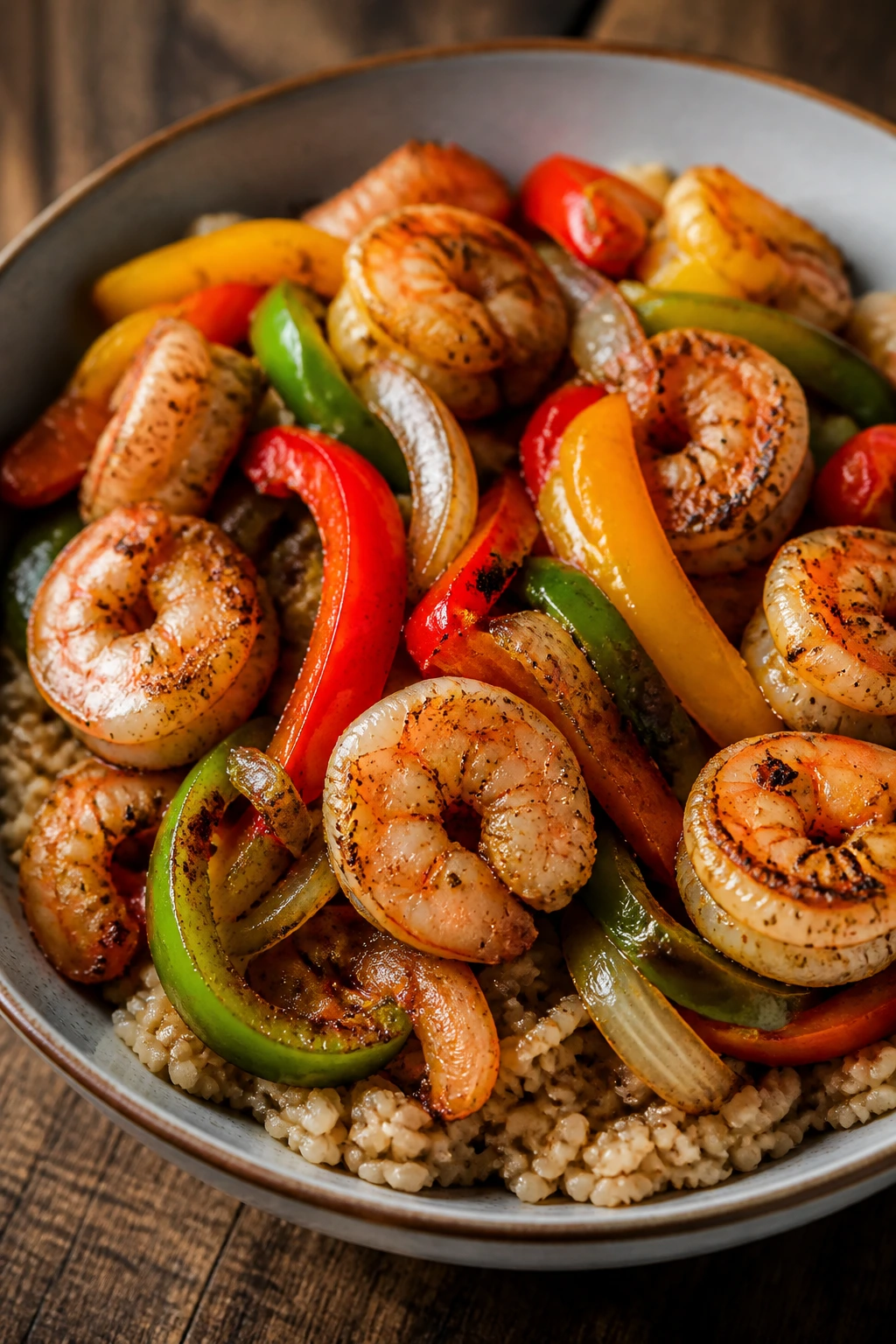
The shrimp cook in minutes, the peppers soften and char at the edges, and the rice catches all the juices from the pan. It’s a fast meal prep dinner that still feels like it came from a skillet, not a microwave.
Why It Works:
Shrimp is one of the quickest proteins you can cook, and it stays pleasant if you stop the second it turns opaque. Bell peppers and onions bring sweetness and texture, while rice soaks up the fajita juices. A squeeze of lime at the end keeps the bowl from tasting reheated.
Key Ingredients:
- 1 1/2 lb raw shrimp, peeled and deveined — medium or large.
- 2 tablespoons olive oil — split between the skillet and the rice if needed.
- 2 bell peppers, sliced — use different colors for visual contrast.
- 1 medium onion, sliced — the classic fajita base.
- 2 teaspoons fajita seasoning — or chili powder, cumin, paprika, garlic powder.
- 3 cups cooked brown rice — cooled rice reheats best.
- 1 avocado, sliced — add after reheating.
- 1 lime, cut into wedges — for finishing.
- 2 tablespoons chopped cilantro — optional but useful.
Quick Steps:
- Toss the shrimp with 1 tablespoon oil and fajita seasoning.
- Heat the remaining oil in a skillet over medium-high heat and cook peppers and onion for 5 to 6 minutes until softened and a little charred.
- Add the shrimp and cook for 2 to 3 minutes per side, just until pink and curled. Do not overcook them or they’ll turn rubbery.
- Divide rice into containers, top with peppers and shrimp, and cool before sealing.
- Add avocado, cilantro, and lime after reheating.
Equipment for This Recipe:
- Large skillet — stainless or cast iron both work.
- Mixing bowl — for seasoning the shrimp.
- Tongs — makes turning shrimp easier.
- Meal prep containers — wide enough for rice and toppings.
How to Serve This Dish:
Serve it with salsa or pico de gallo on the side if you want more brightness. If you like a creamy finish, a spoonful of Greek yogurt with lime and salt acts like a quick crema.
Pro Tips for This Recipe:
- Pat the shrimp dry before seasoning so they sear instead of steam.
- Cut the peppers wide enough that they keep some bite.
- Cook the shrimp in a single layer.
- Keep avocado separate until the last minute.
Variations on This Dish:
- Chicken Fajita Bowl: Swap in sliced chicken breast and cook it through before adding peppers.
- Cauliflower Rice Version: Use cauliflower rice for a lighter bowl that still tastes like fajitas.
- Black Bean Stretch Bowl: Add a cup of black beans if you want the prep to feed more people.
Common Mistakes to Avoid with This Dish:
- Don’t crowd the pan with shrimp. They steam and toughen.
- Don’t underseason the rice. It needs a little salt or the bowl falls flat.
- Don’t pack hot shrimp with avocado. The avocado browns and the shrimp sweats.
11. Cottage Cheese Berry Overnight Oats
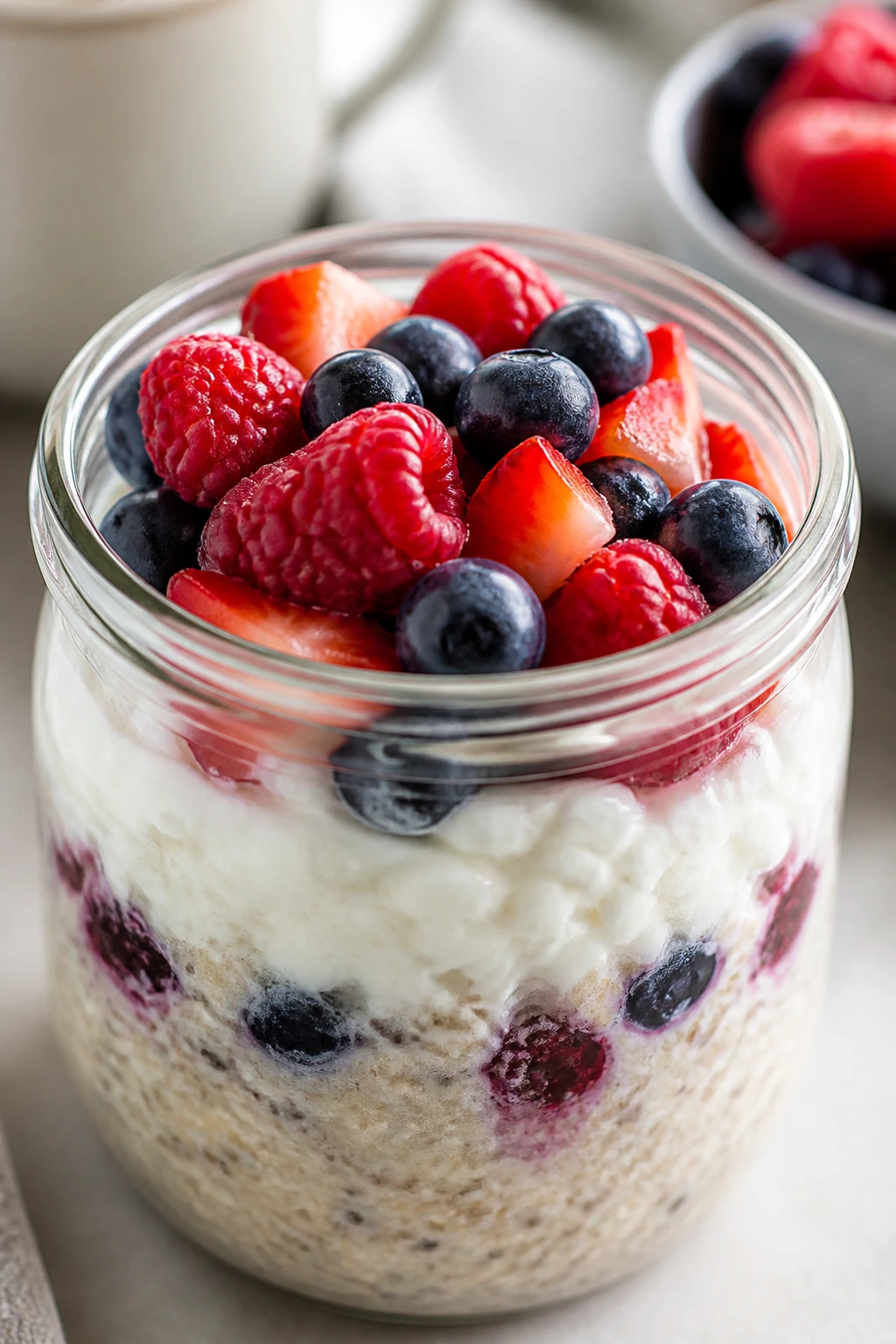
This is breakfast you can eat with one hand while answering messages with the other. The oats soften overnight, the cottage cheese makes the texture creamy without turning it into dessert, and the berries give you a cold, tart finish that keeps the jar interesting.
Why It Works:
Overnight oats are built for advance prep, and cottage cheese pushes the protein count up without needing powders or complicated tricks. Chia seeds thicken the mixture and keep it from feeling soupy. The berries add just enough acid to cut through the creaminess.
Key Ingredients:
- 1 1/2 cups rolled oats — not instant oats.
- 1 cup cottage cheese — small curd works well.
- 1 cup plain Greek yogurt — for extra body.
- 1 cup milk or unsweetened almond milk — adjust for your preferred thickness.
- 2 tablespoons chia seeds — they do the thickening.
- 1 cup mixed berries — fresh or thawed frozen both work.
- 1 teaspoon cinnamon — optional but useful.
- 1 to 2 tablespoons honey or maple syrup — to taste.
Quick Steps:
- Stir oats, cottage cheese, yogurt, milk, chia seeds, cinnamon, and sweetener together in a bowl.
- Fold in half the berries, reserving the rest for the top.
- Divide into jars or containers and refrigerate at least 4 hours, ideally overnight.
- Top with the remaining berries before serving.
- Add a splash more milk if you want a looser texture.
Equipment for This Recipe:
- Mixing bowl — wide enough to stir without spilling.
- Spoon or spatula — to fold in the berries gently.
- Jars or lidded containers — for grab-and-go breakfasts.
How to Serve This Dish:
Eat it cold, straight from the jar, or add sliced banana and a spoonful of nut butter for a longer-lasting breakfast. A sprinkle of hemp seeds gives the top a little crunch and makes the jar feel more complete.
Pro Tips for This Recipe:
- If the cottage cheese texture bothers you, blend the yogurt, milk, and cottage cheese first.
- Don’t add too much liquid on day one; oats keep softening.
- Frozen berries work, but they stain the oats a deep purple.
- Add granola only when you’re ready to eat or it will turn soggy.
Variations on This Dish:
- Peach-Almond Version: Swap the berries for diced peaches and sliced almonds.
- Chocolate-Cherry Jar: Add 1 tablespoon cocoa powder and use cherries instead of berries.
- Savory Overnight Oats: Skip the sweetener and berries, then stir in scallions and a little salt.
Common Mistakes to Avoid with This Dish:
- Don’t use quick oats unless you want paste.
- Don’t skip the chia if you like a thick jar.
- Don’t over-sweeten it on day one; the fruit can make it sweet enough on its own.
12. Black Bean Quinoa Stuffed Peppers
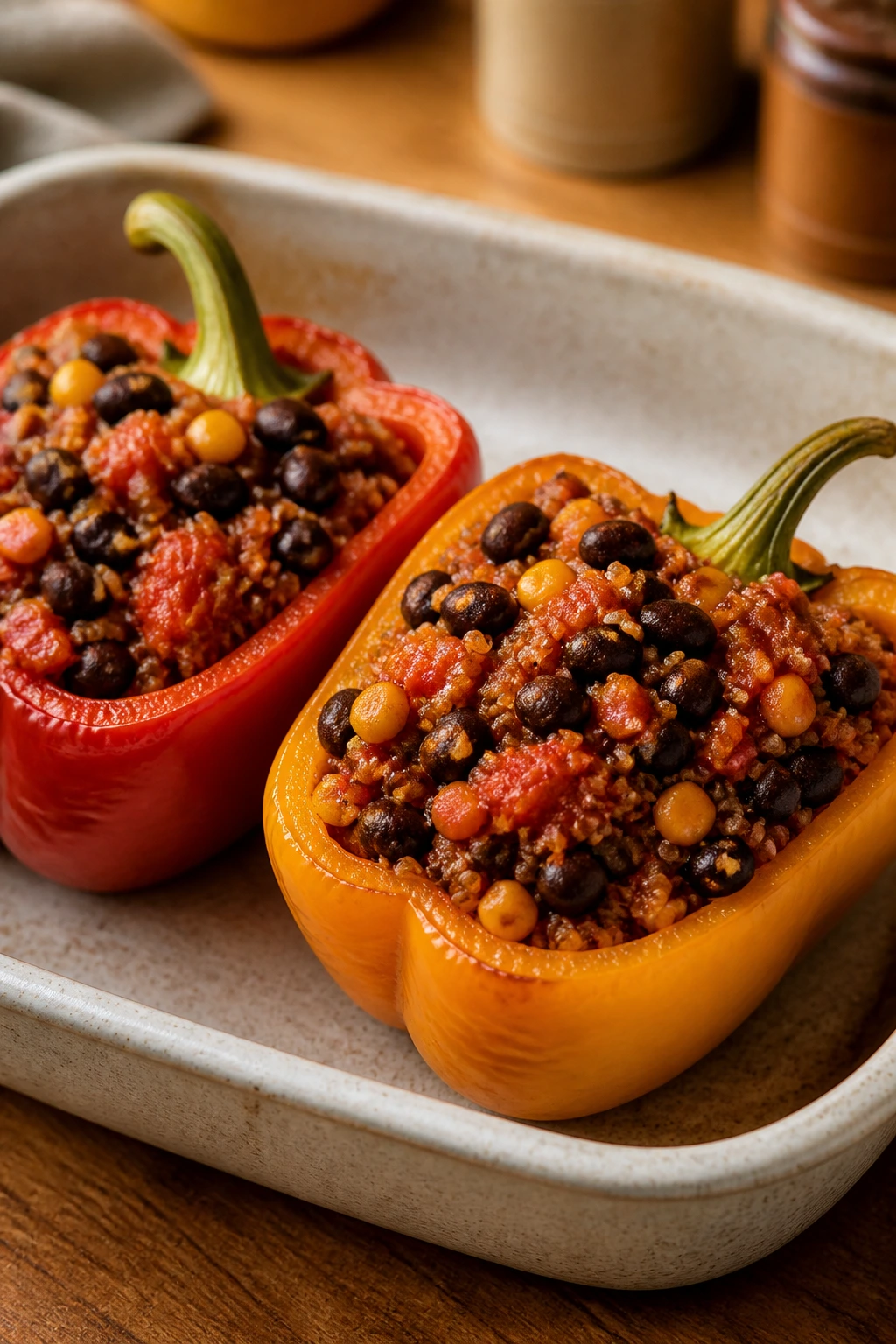
These peppers are neat, colorful, and sturdy enough to sit in the fridge without falling apart. The quinoa gives the filling a little bite, the black beans add heft, and the salsa keeps everything from tasting dry once you reheat it.
Why It Works:
Bell peppers are edible containers, which is frankly part of the appeal. They bake until tender but still hold their shape, and the filling can be made ahead without trouble. Quinoa and black beans make the inside feel substantial without turning into a brick.
Key Ingredients:
- 6 bell peppers, halved and seeded — choose ones that sit flat.
- 1 cup dry quinoa — cooked before stuffing.
- 1 can black beans, 15 oz, rinsed and drained — for fiber and texture.
- 1 cup corn — frozen is fine.
- 1 cup salsa — adds moisture and flavor.
- 1 teaspoon cumin — warms up the filling.
- 1/2 cup shredded cheese — optional, but good for the top.
- 2 tablespoons chopped cilantro — for serving.
- 1 avocado, diced — add after reheating.
Quick Steps:
- Heat the oven to 375°F and place the pepper halves in a baking dish.
- Mix the cooked quinoa, black beans, corn, salsa, cumin, salt, and half the cheese.
- Spoon the filling into the peppers, then cover the dish with foil and bake for 25 minutes.
- Uncover, add the remaining cheese, and bake 8 to 10 minutes more until the peppers are tender and the cheese melts.
- Cool, portion, and top with cilantro and avocado after reheating.
Equipment for This Recipe:
- 9×13 baking dish — keeps the peppers upright.
- Medium saucepan — for the quinoa.
- Mixing bowl — for the filling.
- Foil — helps the peppers soften evenly.
How to Serve This Dish:
Serve two pepper halves with a spoonful of salsa or a scoop of plain yogurt on the side. If you want a more filling dinner, add a simple side salad with lime vinaigrette.
Pro Tips for This Recipe:
- Pre-bake the pepper shells for 10 minutes if you want them softer.
- Make the quinoa a bit under salted; the salsa carries the seasoning.
- Drain the black beans well or the filling gets watery.
- Use wider peppers if you want the filling to sit neatly.
Variations on This Dish:
- Southwest Turkey Peppers: Add cooked ground turkey to the filling.
- Vegan Pepper Boats: Skip the cheese and finish with avocado and pumpkin seeds.
- Taco-Melt Version: Top with a little extra cheese and pickled jalapeño.
Common Mistakes to Avoid with This Dish:
- Don’t overfill the peppers or the filling spills into the dish.
- Don’t skip draining the salsa if yours is very thin.
- Don’t expect soft peppers without enough bake time; undercooked peppers taste grassy.
13. Chicken Caesar Chickpea Salad
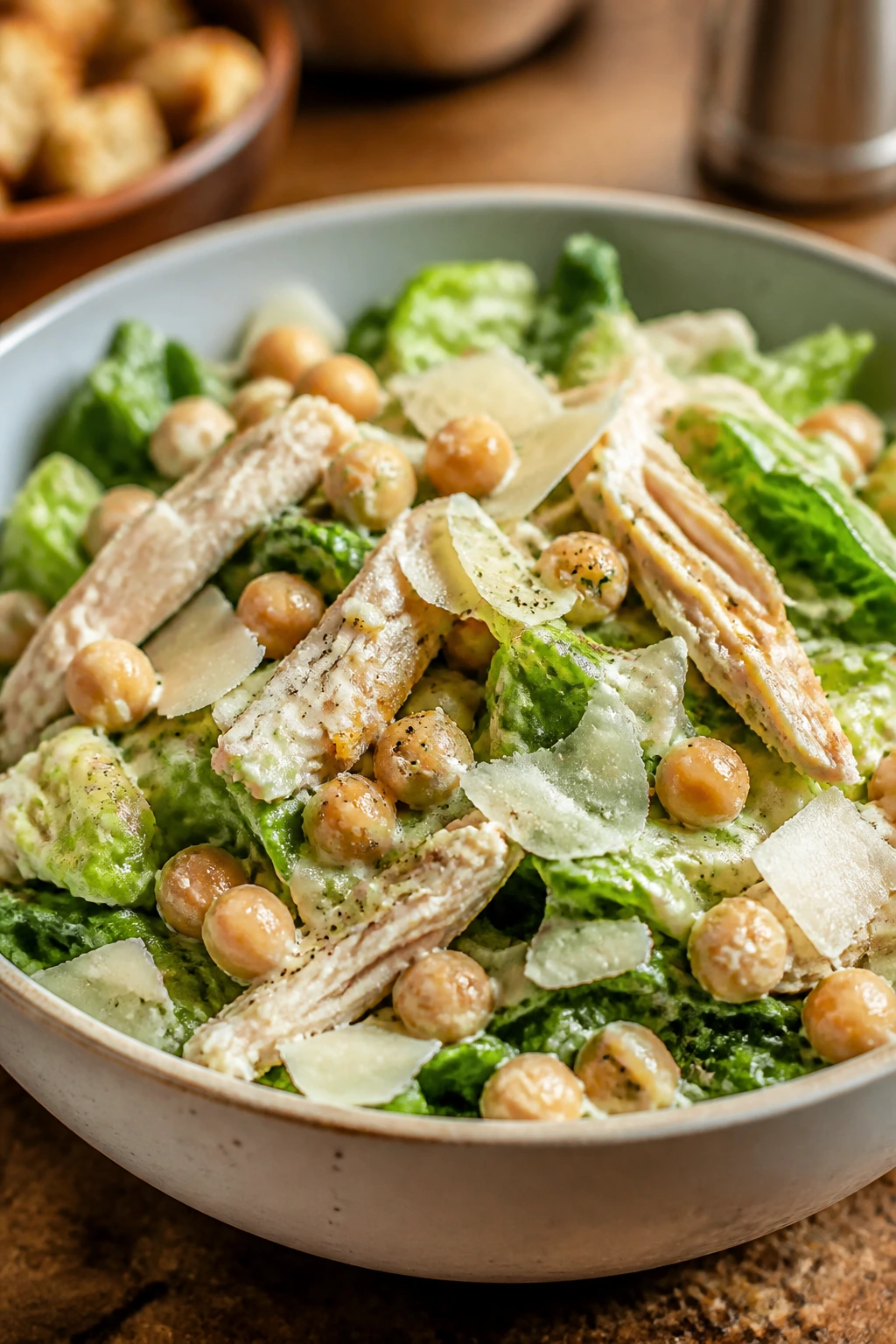
This is Caesar salad with enough protein and fiber to count as lunch instead of a side dish. The romaine stays crunchy, the chickpeas give you a little chew, and the chicken makes the bowl feel finished without needing bread.
Why It Works:
Classic Caesar dressing brings a salty, creamy punch, and chickpeas make the salad less fragile than a plain chicken-and-lettuce combo. Using pre-cooked chicken keeps this one fast, which matters when the whole point is getting ahead of the week. Parmesan gives you a hard, savory finish that stands up to the romaine.
Key Ingredients:
- 4 cups chopped romaine — cold and dry.
- 2 cups cooked chicken, chopped or shredded — rotisserie is fine.
- 1 can chickpeas, 15 oz, rinsed and drained — for extra substance.
- 1/3 cup Caesar dressing — use a thicker one if possible.
- 1/4 cup shaved parmesan — for the top.
- 1 cup croutons — optional, pack separately if you want crunch.
- 1 lemon, cut into wedges — useful at serving time.
Quick Steps:
- Rinse and dry the romaine until it’s crisp.
- Toss the chicken and chickpeas with a little dressing so they’re lightly coated.
- Add the romaine and the rest of the dressing, then toss gently.
- Portion into containers and top with parmesan.
- Pack croutons separately so they stay crunchy.
Equipment for This Recipe:
- Large salad bowl — enough room to toss without crushing the leaves.
- Salad spinner or clean towels — dryness matters here.
- Knife and board — for the chicken and romaine.
- Airtight containers — a shallow box works better than a tall one.
How to Serve This Dish:
Serve it cold with lemon squeezed over the top right before eating. If you want it more filling, add sliced cucumber or a hard-boiled egg without changing the flavor too much.
Pro Tips for This Recipe:
- Dry the romaine thoroughly or the dressing will slide off.
- Toss the chicken and chickpeas first so they taste seasoned on their own.
- Keep croutons separate until the last minute.
- Use a strong parmesan; the powdered stuff disappears fast.
Variations on This Dish:
- Salmon Caesar Bowl: Replace the chicken with flaked cooked salmon.
- Greek Caesar Hybrid: Add cucumbers and tomatoes for a fresher edge.
- Lighter Yogurt Caesar: Mix the dressing with plain Greek yogurt for a tangier, less rich bowl.
Common Mistakes to Avoid with This Dish:
- Don’t dress the salad too early or the lettuce collapses.
- Don’t use wet romaine.
- Don’t pack croutons with the salad unless you enjoy soft bread bits.
14. Beef and Broccoli Brown Rice Bowls
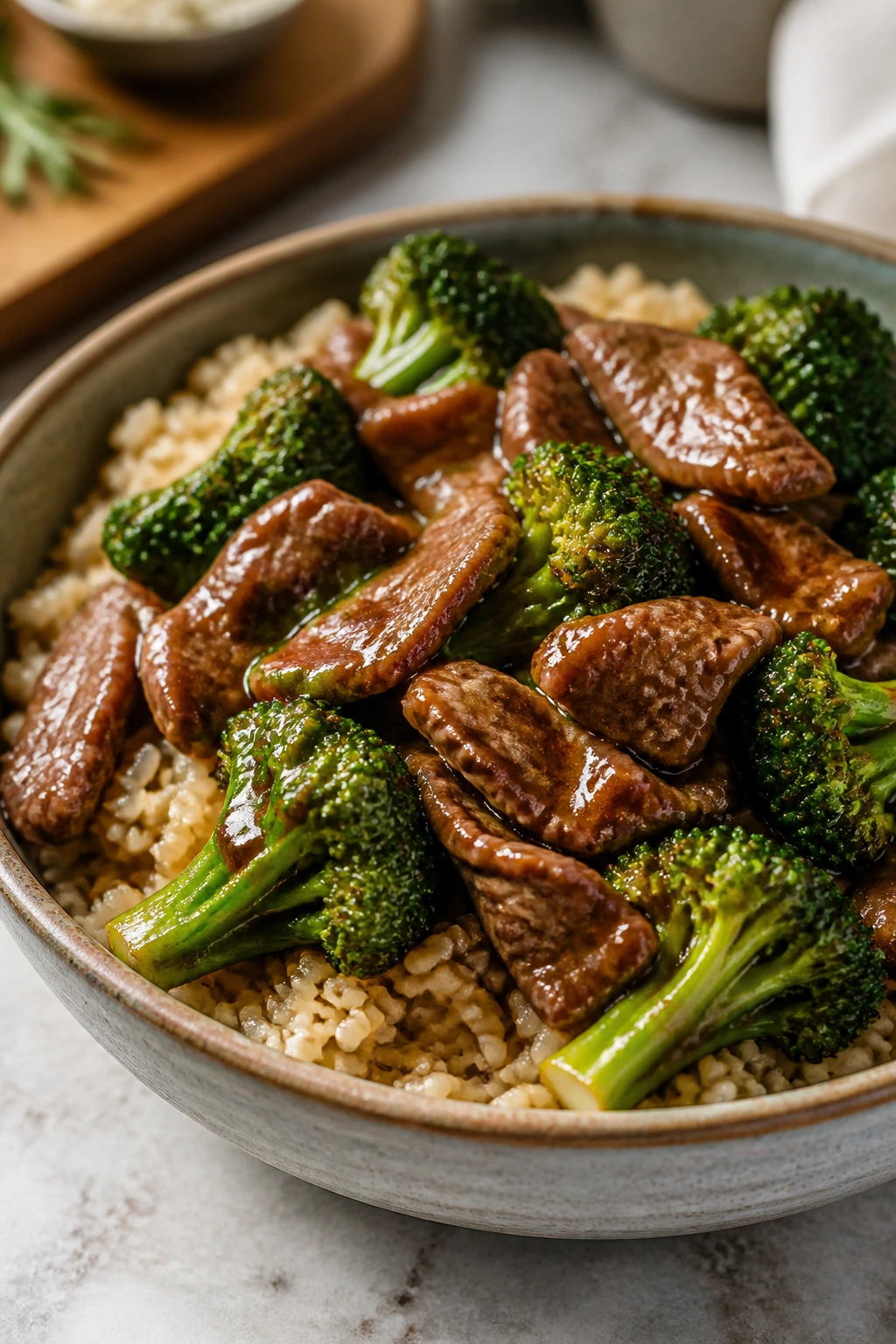
The beef gets a quick sear, the broccoli stays vivid, and the sauce coats everything with a glossy, savory sheen. Brown rice makes the bowl hearty enough for dinner, but the whole thing still feels lighter than takeout because you control the salt and the oil.
Why It Works:
Thin-sliced beef cooks fast and stays tender if you don’t overdo it. Broccoli is sturdy enough to reheat, and the sauce clings to both the beef and the rice so the bowl tastes coherent instead of chopped up. This is one of the strongest make-ahead dinners on the list because it doesn’t get weird in the fridge.
Key Ingredients:
- 1 lb flank steak or sirloin, thinly sliced — slice against the grain.
- 3 cups broccoli florets — cut small.
- 3 cups cooked brown rice — cooled first.
- 2 tablespoons soy sauce — part of the sauce.
- 1 tablespoon oyster sauce — optional, but it deepens the flavor.
- 2 cloves garlic, minced — sharp and necessary.
- 1 teaspoon grated ginger — for a fresh edge.
- 1 tablespoon cornstarch — helps the sauce cling.
- 1 tablespoon neutral oil — for the skillet.
- 2 scallions, sliced — to finish.
Quick Steps:
- Toss the beef with 1 tablespoon soy sauce and cornstarch.
- Heat the oil in a large skillet over high heat and sear the beef in a single layer for 1 to 2 minutes per side, then remove it.
- Add the broccoli and a splash of water, cover for 2 minutes, then uncover and cook until bright and crisp-tender.
- Stir in garlic, ginger, remaining soy sauce, oyster sauce, and 2 tablespoons water. Return the beef and cook 1 minute more until glossy.
- Serve over rice and top with scallions.
Equipment for This Recipe:
- Large skillet or wok — enough heat and surface area matter.
- Sharp knife — for thin beef slices.
- Cutting board — ideally with a damp towel underneath so it doesn’t slip.
- Meal prep containers — sturdy ones that can hold rice and sauce.
How to Serve This Dish:
Pack the rice on the bottom and the beef and broccoli on top so the sauce has somewhere to go. A side of quick-pickled cucumbers gives the bowl a cleaner finish if you want a little contrast.
Pro Tips for This Recipe:
- Freeze the beef for 15 minutes before slicing; it cuts cleanly.
- Don’t crowd the pan or the meat steams.
- Use leftovers from a fresh rice batch if you can.
- A tiny drizzle of sesame oil at the end goes a long way.
Variations on This Dish:
- Chicken Broccoli Bowl: Use chicken thigh strips instead of beef.
- Mushroom Beef Version: Add sliced mushrooms for more volume.
- Spicy Garlic Bowl: Add chili crisp at serving time.
Common Mistakes to Avoid with This Dish:
- Don’t slice the beef with the grain. It turns chewy.
- Don’t overcook the broccoli into softness.
- Don’t pour the sauce in too early or the cornstarch thickens before the meat is back in the pan.
15. Pesto Pasta with Peas and White Beans
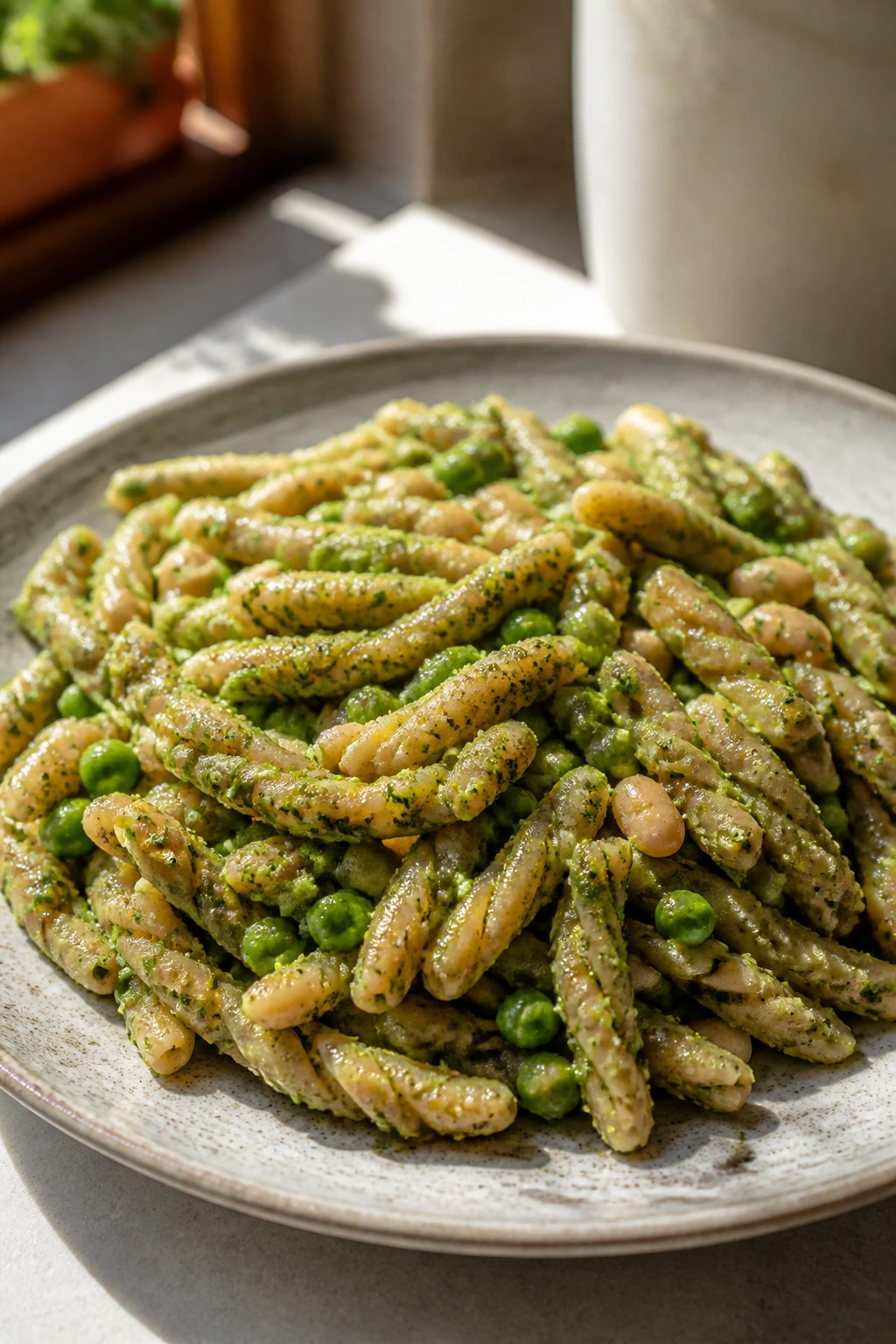
This pasta is green, creamy, and far sturdier than a plain pesto bowl. The peas pop, the beans add body, and the pesto coats the noodles in a way that still tastes good cold. It’s one of those recipes that feels like you made more effort than you did.
Why It Works:
Whole wheat pasta brings more chew and stands up well after chilling. White beans stretch the meal without requiring much effort, and peas bring a little sweetness that keeps pesto from tasting flat. A splash of pasta water helps the sauce cling instead of sitting in the bottom of the container.
Key Ingredients:
- 12 oz whole wheat pasta — rotini, fusilli, or penne all work.
- 1 1/2 cups frozen peas — quick and reliable.
- 1 can cannellini beans, 15 oz, rinsed and drained — smooth and mild.
- 1/2 cup basil pesto — homemade or store-bought.
- 1 cup baby spinach — optional, but useful.
- 1/4 cup grated parmesan — for the top.
- 1 tablespoon lemon juice — wakes up the pesto.
- Salt and black pepper — to taste.
Quick Steps:
- Cook the pasta in salted water until just al dente.
- Add the peas during the last minute, then drain and reserve 1/2 cup of the cooking water.
- Toss the hot pasta and peas with pesto, beans, lemon juice, and a splash of pasta water until glossy.
- Fold in spinach if using.
- Portion into containers and top with parmesan.
Equipment for This Recipe:
- Large pot — for the pasta.
- Colander — for draining.
- Large bowl — for tossing the pesto evenly.
- Airtight containers — this holds well for lunches.
How to Serve This Dish:
Serve it cold or at room temperature with extra lemon on the side. A simple tomato salad works well if you want the plate to feel fuller without a second hot dish.
Pro Tips for This Recipe:
- Salt the pasta water well; bland pasta makes bland leftovers.
- Stir in the pesto while the noodles are still warm.
- Rinse the beans gently so they don’t break apart.
- Save a little extra pesto for day three.
Variations on This Dish:
- Sun-Dried Tomato Pesto Pasta: Swap half the basil pesto for sun-dried tomato pesto.
- Chicken Pesto Bowl: Add diced cooked chicken for more protein.
- Dairy-Free Version: Use a dairy-free pesto and skip the parmesan.
Common Mistakes to Avoid with This Dish:
- Don’t overcook the pasta. Soft noodles turn gummy in the fridge.
- Don’t skip the pasta water. The sauce needs it.
- Don’t pack it piping hot or condensation dulls the pesto.
16. Tuna Niçoise Salad Boxes
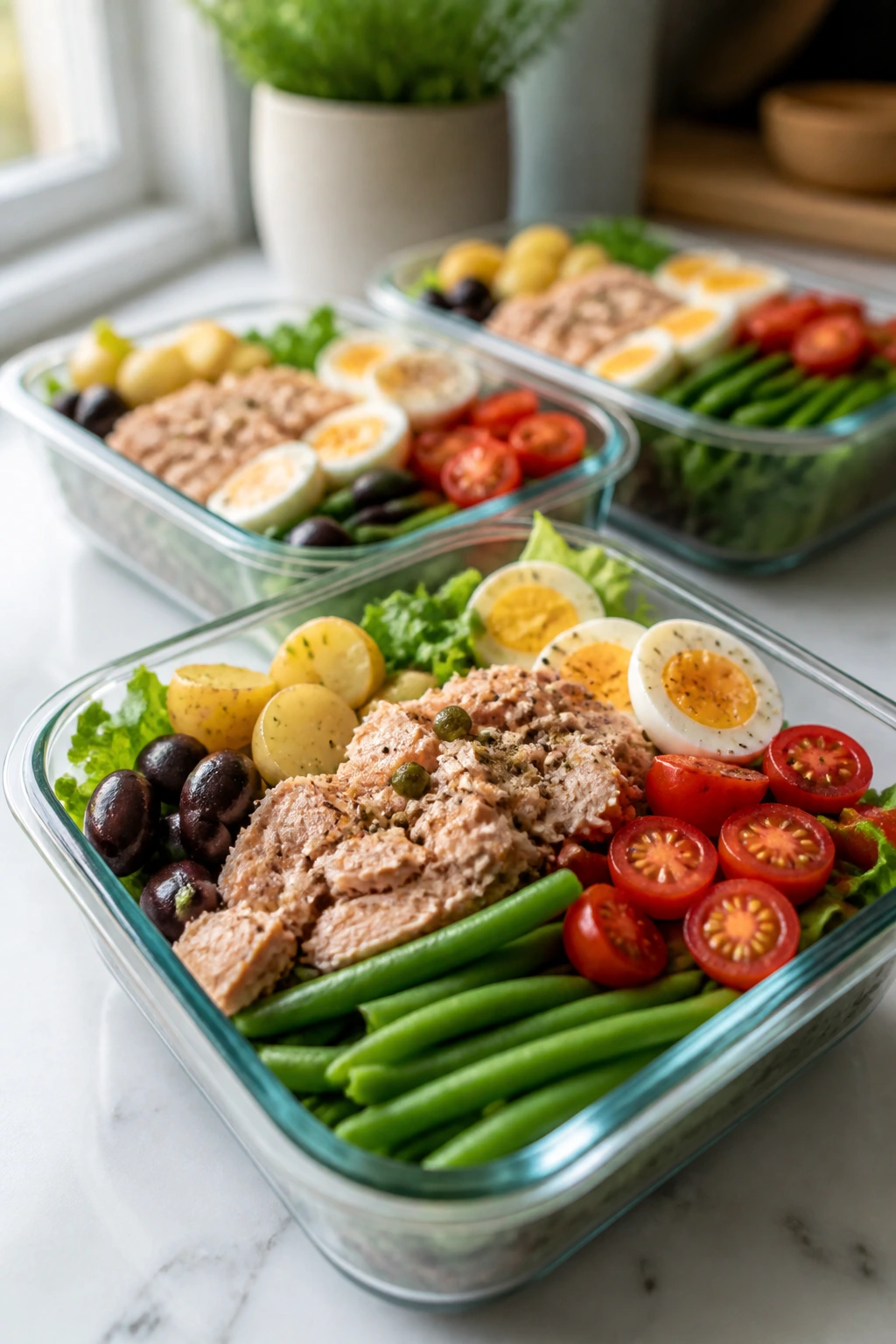
This is the lunch that looks fussy and eats like a smart decision. Tender potatoes, crisp green beans, jammy eggs, olives, tuna, and a sharp vinaigrette give you layers that all make sense together. It’s cold, savory, and a little old-school in the best way.
Why It Works:
Niçoise salad works for meal prep because the pieces can be cooked separately and kept distinct. Tuna adds protein without needing reheating, and the vegetables stay firm if you chill them properly. The dressing ties the box together without making it mushy.
Key Ingredients:
- 2 cans tuna in olive oil or water, drained — choose good tuna if you can.
- 1 lb baby potatoes — halved for quicker cooking.
- 8 oz green beans, trimmed — crisp-tender is the goal.
- 4 large eggs — boiled for 9 to 10 minutes.
- 1 cup cherry tomatoes — halved.
- 1/3 cup niçoise or Kalamata olives — for salt and bite.
- 4 cups mixed greens — the base.
- 3 tablespoons olive oil — for the dressing.
- 1 tablespoon red wine vinegar — bright and sharp.
- 1 teaspoon Dijon mustard — helps the dressing hold together.
Quick Steps:
- Boil the potatoes until tender, then cool and halve them.
- Blanch the green beans for 2 to 3 minutes until bright green, then shock them in cold water.
- Hard-boil the eggs, peel them, and cut them in half.
- Whisk the olive oil, vinegar, mustard, salt, and pepper into a simple dressing.
- Assemble the greens, potatoes, beans, eggs, tomatoes, olives, and tuna in containers. Pack dressing on the side.
Equipment for This Recipe:
- Medium saucepan — for potatoes and eggs.
- Slotted spoon — useful for the beans.
- Mixing bowl and whisk — for the dressing.
- Meal prep containers — wide and shallow work best.
How to Serve This Dish:
Serve the dressing separately and pour it over right before eating. A slice of crusty bread works if you want something to mop up the yolk and vinaigrette at the end.
Pro Tips for This Recipe:
- Salt the potato water well so the potatoes taste seasoned inside.
- Don’t overcook the beans; they should still snap.
- Use tuna packed in olive oil if you want a richer result.
- Keep the eggs in their own compartment if your container allows it.
Variations on This Dish:
- Salmon Niçoise Box: Use leftover cooked salmon instead of tuna.
- Bean-Forward Version: Add white beans and use less tuna.
- Potato-Less Bowl: Replace the potatoes with cucumber and avocado for a lighter lunch.
Common Mistakes to Avoid with This Dish:
- Don’t dress the greens too early. They flatten fast.
- Don’t peel the eggs while they’re still hot; they tear.
- Don’t skip the olives or capers if you want the salad to taste like itself.
17. Greek Yogurt Chicken Salad Lettuce Wrap Kits
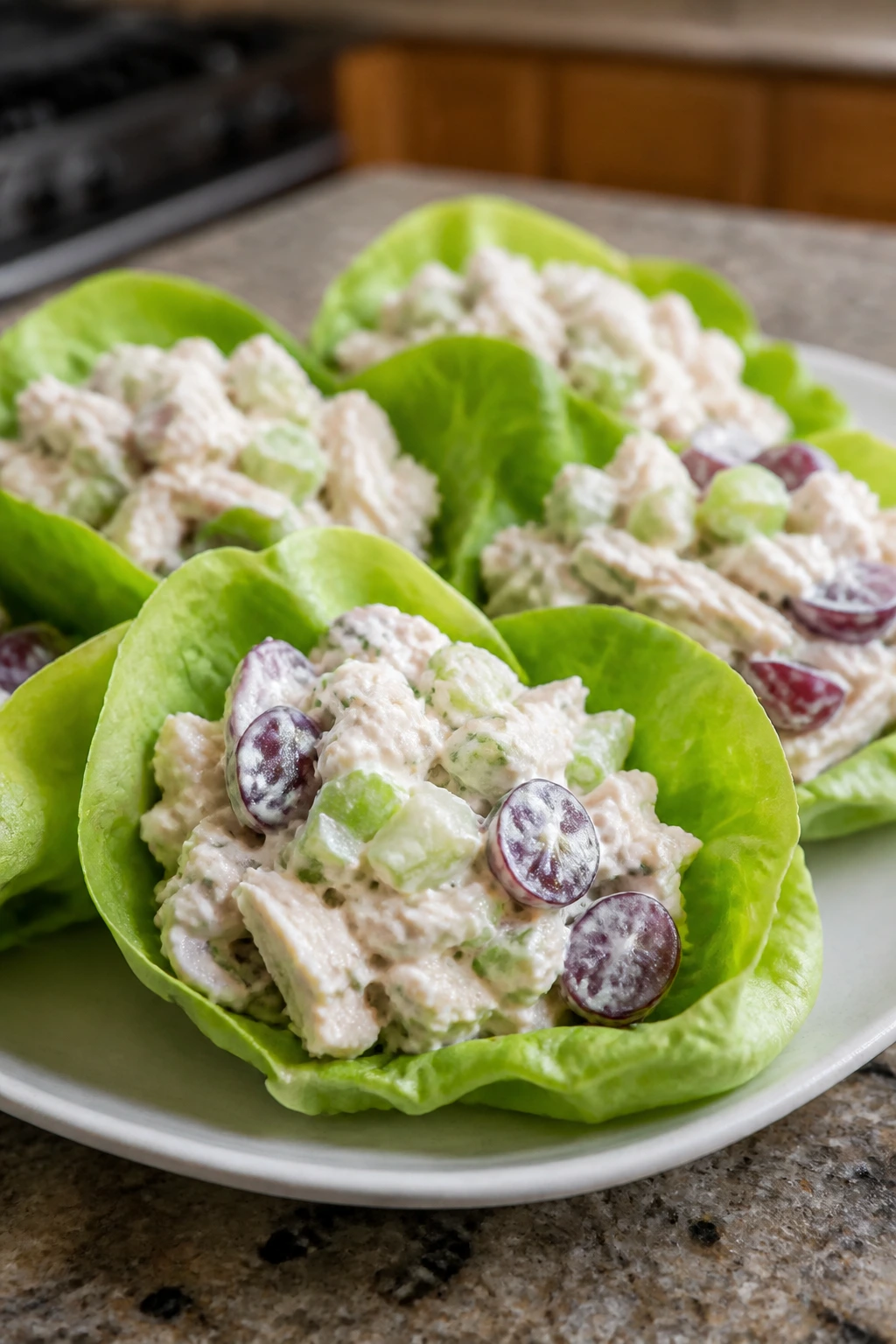
This is chicken salad with better manners. The Greek yogurt makes it creamy without drowning the filling, the celery gives it crunch, and the grapes or apples bring a sweet note that keeps the whole thing from tasting flat. Spoon it into lettuce leaves and it feels fresh instead of heavy.
Why It Works:
Greek yogurt cuts the mayo load while still giving you that cold, creamy texture people want from chicken salad. The filling keeps for days, and lettuce wraps let you control how much bread you do or do not want. A handful of chopped nuts makes the mix feel more substantial without much work.
Key Ingredients:
- 3 cups cooked chicken, chopped — rotisserie or poached both work.
- 1/2 cup plain Greek yogurt — the creamy base.
- 2 tablespoons mayonnaise — optional, but helpful for richness.
- 2 celery stalks, finely diced — for crunch.
- 1/2 cup red grapes, halved, or 1 small apple, diced — for sweet contrast.
- 2 tablespoons chopped almonds or walnuts — for texture.
- 1 tablespoon Dijon mustard — sharpens the flavor.
- 2 teaspoons lemon juice — keeps it bright.
- Salt and pepper — to taste.
- Romaine leaves, butter lettuce, or little gem cups — for serving.
Quick Steps:
- Stir the yogurt, mayo, mustard, and lemon juice into a smooth dressing.
- Fold in the chicken, celery, grapes or apple, nuts, salt, and pepper.
- Chill for 15 minutes so the flavors settle.
- Pack the chicken salad separately from the lettuce leaves.
- Spoon into lettuce cups when ready to eat.
Equipment for This Recipe:
- Mixing bowl — for the salad.
- Spoon or spatula — to fold without smashing the chicken.
- Knife and board — for the celery and fruit.
- Airtight container — for storage.
How to Serve This Dish:
Serve it as lettuce cups, on whole-grain crackers, or stuffed into a pita if you need a bigger lunch. A few sliced radishes on the side add more crunch than you’d think.
Pro Tips for This Recipe:
- Cut the chicken into small pieces so every bite gets dressing.
- Chill the salad before packing if you want the flavors to calm down.
- Use firm grapes or a crisp apple, not soft fruit.
- Salt carefully; chicken salad can turn salty fast if the chicken was already seasoned.
Variations on This Dish:
- Curry Chicken Salad: Add curry powder and chopped raisins for a sweeter profile.
- Dill Pickle Version: Replace the fruit with chopped pickles and dill.
- Avocado Chicken Salad: Swap some of the yogurt for mashed avocado and eat it quickly.
Common Mistakes to Avoid with This Dish:
- Don’t wet the lettuce before storing. Dry leaves are the whole point.
- Don’t make the filling too loose. It slides right out of the wrap.
- Don’t pack fruit that’s already bruised and soft.
18. Baked Falafel with Tzatziki and Couscous
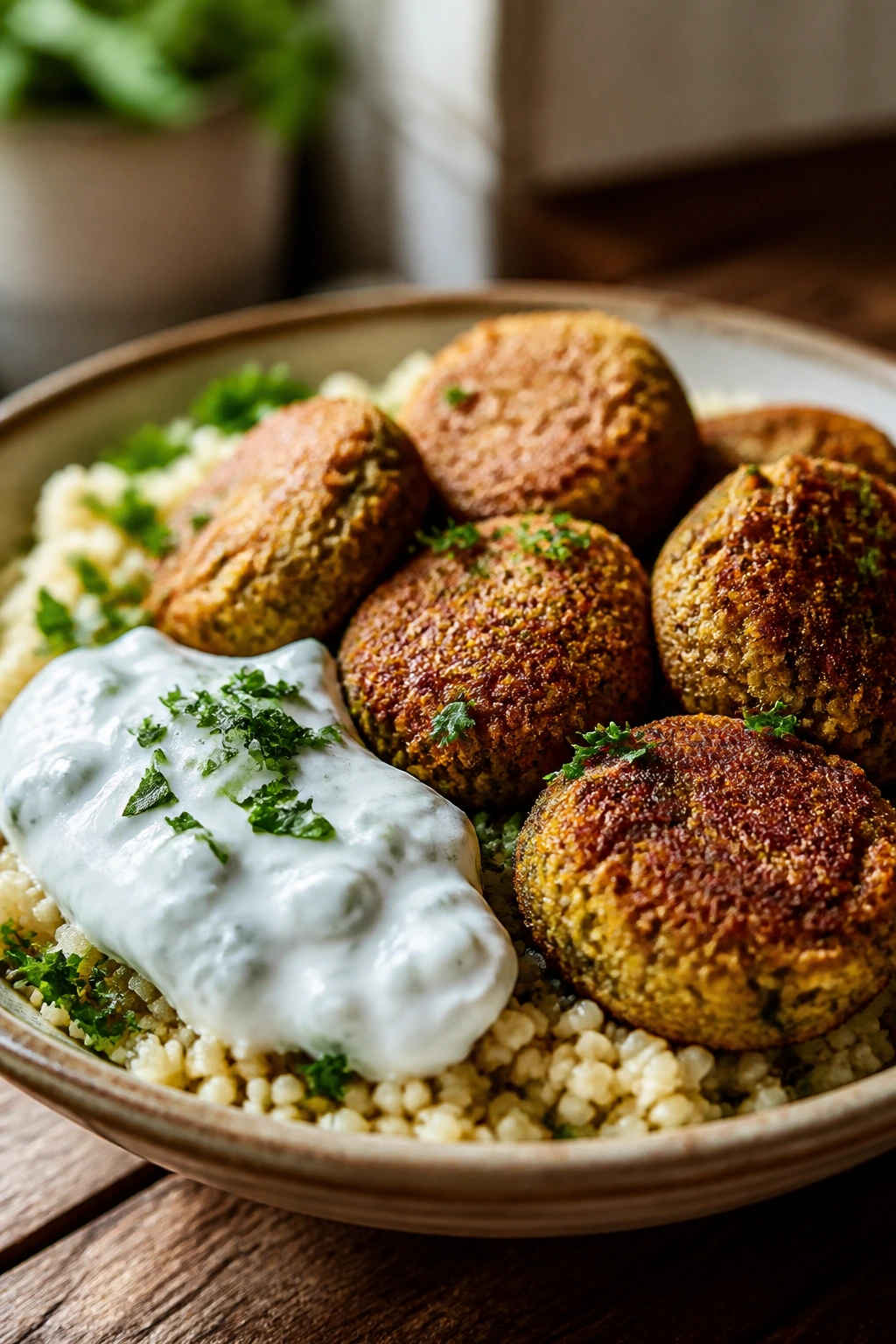
These falafel are crisp outside, soft inside, and far easier to meal prep than their fried cousins. The cumin and parsley keep them alive in the fridge, the couscous soaks up sauce well, and the tzatziki gives the whole box a cool, garlicky finish.
Why It Works:
Baking falafel keeps the kitchen cleaner and makes the recipe realistic for Sunday prep. Chickpeas give the patties structure, herbs keep them from tasting heavy, and couscous cooks fast enough that you won’t lose patience halfway through. Tzatziki acts like both sauce and dressing.
Key Ingredients:
- 2 cans chickpeas, 15 oz each, drained and patted dry — canned works here.
- 1/2 cup parsley — packed and chopped.
- 1/4 cup cilantro — optional, but welcome.
- 1 small onion, roughly chopped — the flavor base.
- 2 cloves garlic — for bite.
- 1 teaspoon cumin — classic falafel flavor.
- 1 teaspoon coriander — mild and warm.
- 1/3 cup oat flour or breadcrumbs — helps the mixture hold.
- 1 cup couscous — cooks fast and keeps its shape.
- 1 cup tzatziki — store-bought or homemade.
Quick Steps:
- Heat the oven to 400°F and line a sheet pan with parchment.
- Pulse chickpeas, herbs, onion, garlic, cumin, coriander, salt, and oat flour in a food processor until the mixture holds together but still has texture.
- Shape into small patties and brush lightly with oil.
- Bake for 20 to 25 minutes, flipping once, until browned on both sides.
- Make the couscous, cool it a bit, and pack with falafel and tzatziki.
Equipment for This Recipe:
- Food processor — makes the chickpea mixture easy.
- Sheet pan — for baking the falafel.
- Parchment paper — keeps the bottoms from sticking.
- Small saucepan — for the couscous.
How to Serve This Dish:
Serve it with cucumber, tomato, and a little extra tzatziki on top. A warm pita on the side helps if you want the meal to feel more like a wrap kit than a bowl.
Pro Tips for This Recipe:
- Dry the chickpeas well or the mix gets mushy.
- Don’t puree the mixture into paste; texture matters.
- Chill the shaped patties for 15 minutes before baking if they feel soft.
- A squeeze of lemon over the finished box sharpens the herbs.
Variations on This Dish:
- Spinach Falafel: Add a handful of spinach to the processor.
- Brown Rice Bowl: Use rice instead of couscous if that’s what you’ve got.
- Dairy-Free Sauce: Replace tzatziki with tahini-lemon sauce.
Common Mistakes to Avoid with This Dish:
- Don’t use wet chickpeas straight from the can without drying them.
- Don’t expect the mix to work if it’s too smooth.
- Don’t bake them too close together or they steam instead of browning.
19. Miso-Sesame Edamame Soba Salad
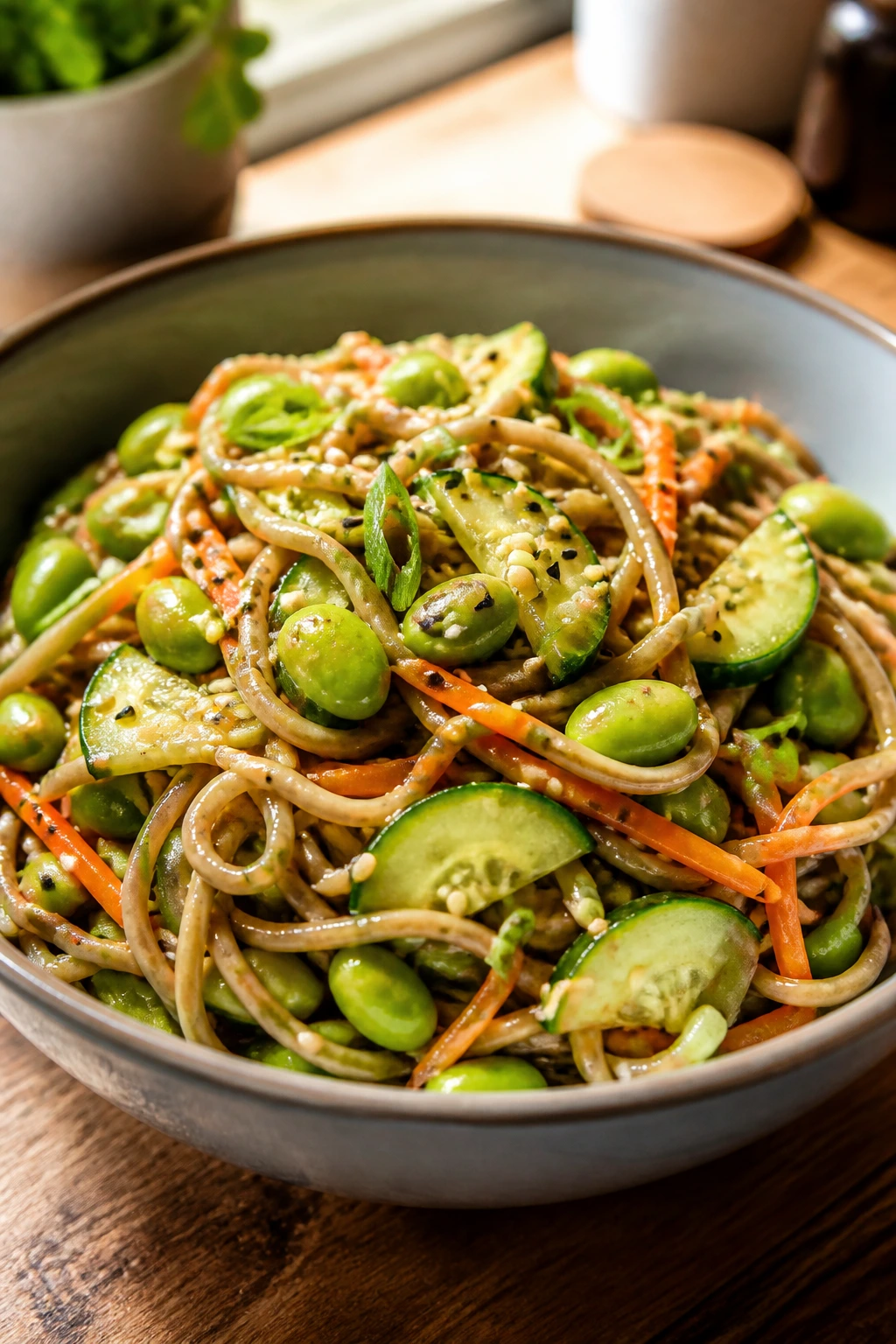
Cold soba has a very specific kind of charm. It’s slippery, nutty, and a little chewy, and the miso-sesame dressing wraps around the noodles without feeling heavy. Edamame and shredded carrots give it enough body that it eats like lunch, not a side dish.
Why It Works:
Soba noodles are sturdy enough to chill and still stay pleasant. Edamame adds protein and a clean green flavor, while the sesame dressing tastes even better after it sits for a few hours. This is the kind of meal prep that rewards you for not overcomplicating it.
Key Ingredients:
- 8 oz soba noodles — buckwheat-based noodles cook fast.
- 1 1/2 cups shelled edamame — thawed if frozen.
- 1 large carrot, julienned — for crunch and color.
- 1 cucumber, thinly sliced — keeps the salad cool.
- 2 scallions, sliced — for bite.
- 2 tablespoons miso paste — the base of the dressing.
- 1 tablespoon rice vinegar — for sharpness.
- 1 tablespoon sesame oil — gives the noodles their signature smell.
- 1 tablespoon soy sauce — for salt.
- 1 teaspoon honey — balances the miso.
Quick Steps:
- Cook the soba noodles according to package directions, then rinse under cold water until fully cooled.
- Whisk miso, rice vinegar, sesame oil, soy sauce, honey, and 1 to 2 tablespoons water into a smooth dressing.
- Toss the noodles with edamame, carrot, cucumber, scallions, and dressing.
- Portion into containers and chill.
- Add sesame seeds or chili crisp at serving time if you want extra crunch or heat.
Equipment for This Recipe:
- Medium saucepan — for the noodles.
- Colander — for rinsing.
- Large bowl — for tossing.
- Sharp knife or mandoline — for the cucumber and carrot.
How to Serve This Dish:
Eat it cold, straight from the container, or add a soft-boiled egg if you want the bowl to feel richer. A sprinkle of toasted sesame seeds makes it taste finished with almost no effort.
Pro Tips for This Recipe:
- Rinse soba well or it gets sticky.
- Toss the noodles with a little oil if they’ll sit more than a day.
- Cut the vegetables thin so they mix easily with the noodles.
- Keep the dressing slightly thick; it clings better after chilling.
Variations on This Dish:
- Peanut-Soba Version: Replace half the miso with peanut butter for a richer sauce.
- Chicken Soba Bowl: Add sliced cooked chicken for more protein.
- Spicy Cucumber Salad: Add chili oil and extra vinegar for more bite.
Common Mistakes to Avoid with This Dish:
- Don’t skip the rinse after cooking soba. Sticky noodles clump.
- Don’t use too much dressing. The salad should be coated, not soupy.
- Don’t cut the cucumber thick if you want the salad to fork neatly.
20. Chili-Lime Turkey Stuffed Sweet Potatoes
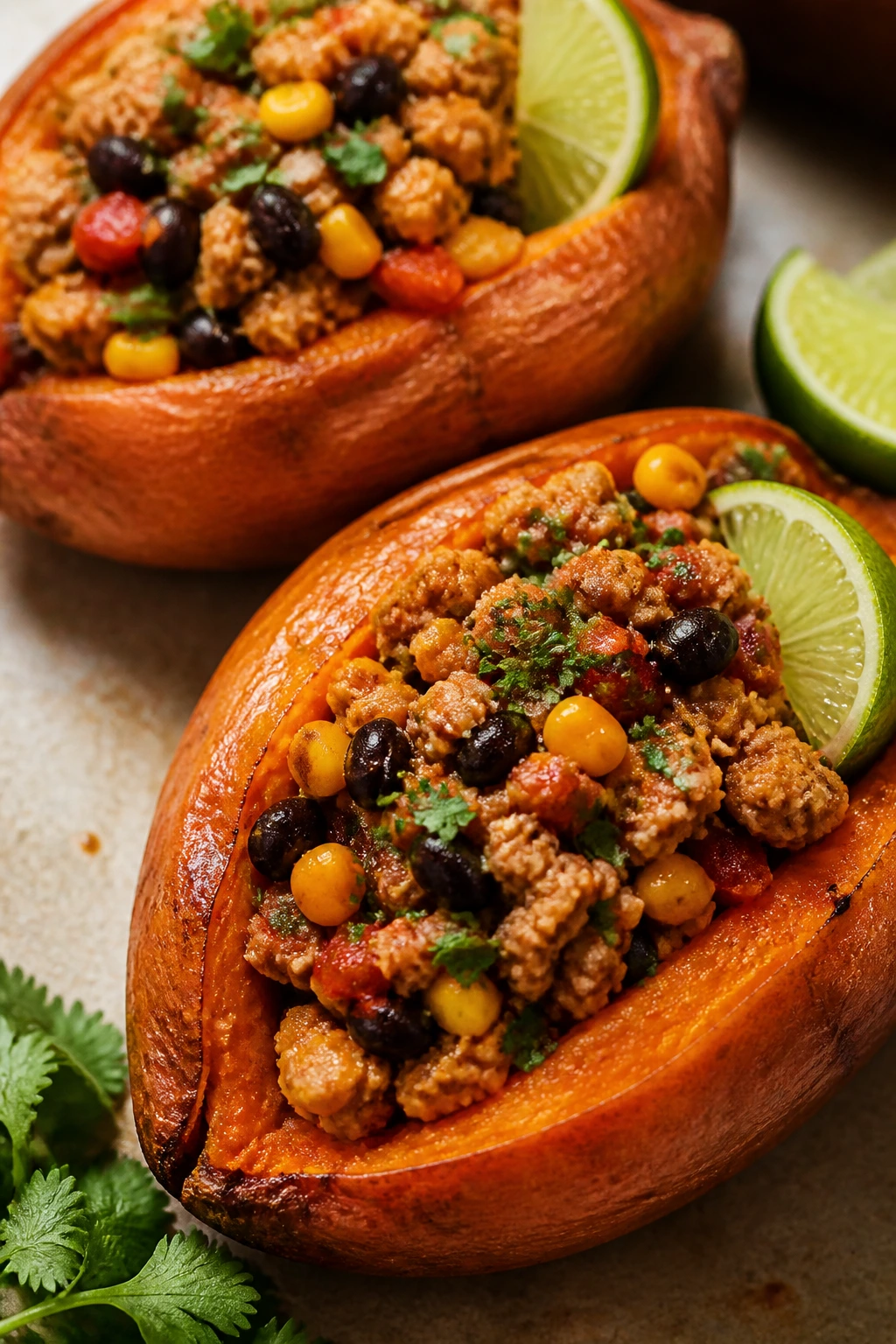
Sweet potatoes make a sturdy base, and that matters. The turkey filling is savory and a little smoky, the black beans bring extra fiber, and the lime keeps the whole thing from drifting into one heavy note. It reheats well, which is what you want from the last recipe in a Sunday prep run.
Why It Works:
Baked sweet potatoes store well and reheat without losing their shape, and their natural sweetness gives the turkey a built-in contrast. Ground turkey cooks fast with chili seasoning, black beans make the filling more substantial, and a spoonful of yogurt or salsa keeps each bite moist. This is one of the most satisfying containers on the list because the components all pull in different directions.
Key Ingredients:
- 4 medium sweet potatoes — scrubbed clean.
- 1 lb ground turkey — lean but not bone-dry.
- 1 tablespoon olive oil — for the pan.
- 1 small onion, diced — the flavor base.
- 1 teaspoon chili powder — or more to taste.
- 1/2 teaspoon cumin — for warmth.
- 1 can black beans, 15 oz, rinsed and drained — adds heft.
- 1/2 cup corn — frozen or canned, drained.
- 1 lime, juiced — for the finish.
- 1/4 cup plain Greek yogurt or salsa — optional topping.
Quick Steps:
- Heat the oven to 400°F and bake the sweet potatoes for 45 to 55 minutes, until a knife slides in easily.
- While they bake, cook the onion in olive oil over medium heat for 3 to 4 minutes.
- Add the turkey, chili powder, cumin, salt, and pepper, then cook 6 to 8 minutes until browned and fully cooked.
- Stir in black beans, corn, and lime juice, and cook 1 minute more.
- Split the sweet potatoes, fill with the turkey mixture, and top with yogurt or salsa.
Equipment for This Recipe:
- Sheet pan — for the potatoes.
- Large skillet — for the turkey filling.
- Fork — for splitting the potatoes.
- Storage containers — pack the topping separately if you like.
How to Serve This Dish:
Serve it with extra lime and a spoonful of yogurt to cool the chili seasoning. A crunchy cabbage slaw on the side makes the plate feel brighter and keeps the meal from leaning too soft.
Pro Tips for This Recipe:
- Bake the potatoes until truly tender; underdone ones are annoying to split.
- Don’t overcook the turkey while waiting for the beans and corn.
- If the filling looks dry, add a splash of water or salsa.
- A little chopped cilantro on top makes the whole thing taste fresher.
Variations on This Dish:
- Tex-Mex Beef Version: Swap turkey for lean ground beef and add a little smoked paprika.
- Vegetarian Bean Potato: Use extra black beans and crumbled tofu instead of turkey.
- Buffalo Turkey Potato: Stir buffalo sauce into the filling and top with yogurt.
Common Mistakes to Avoid with This Dish:
- Don’t wrap the potatoes in foil; the skins stay soft instead of baking cleanly.
- Don’t skip the lime. The filling needs acid.
- Don’t pack the yogurt on a hot potato or it breaks and looks messy.
Why Meal Prep Sundays Work When the Food Has Texture
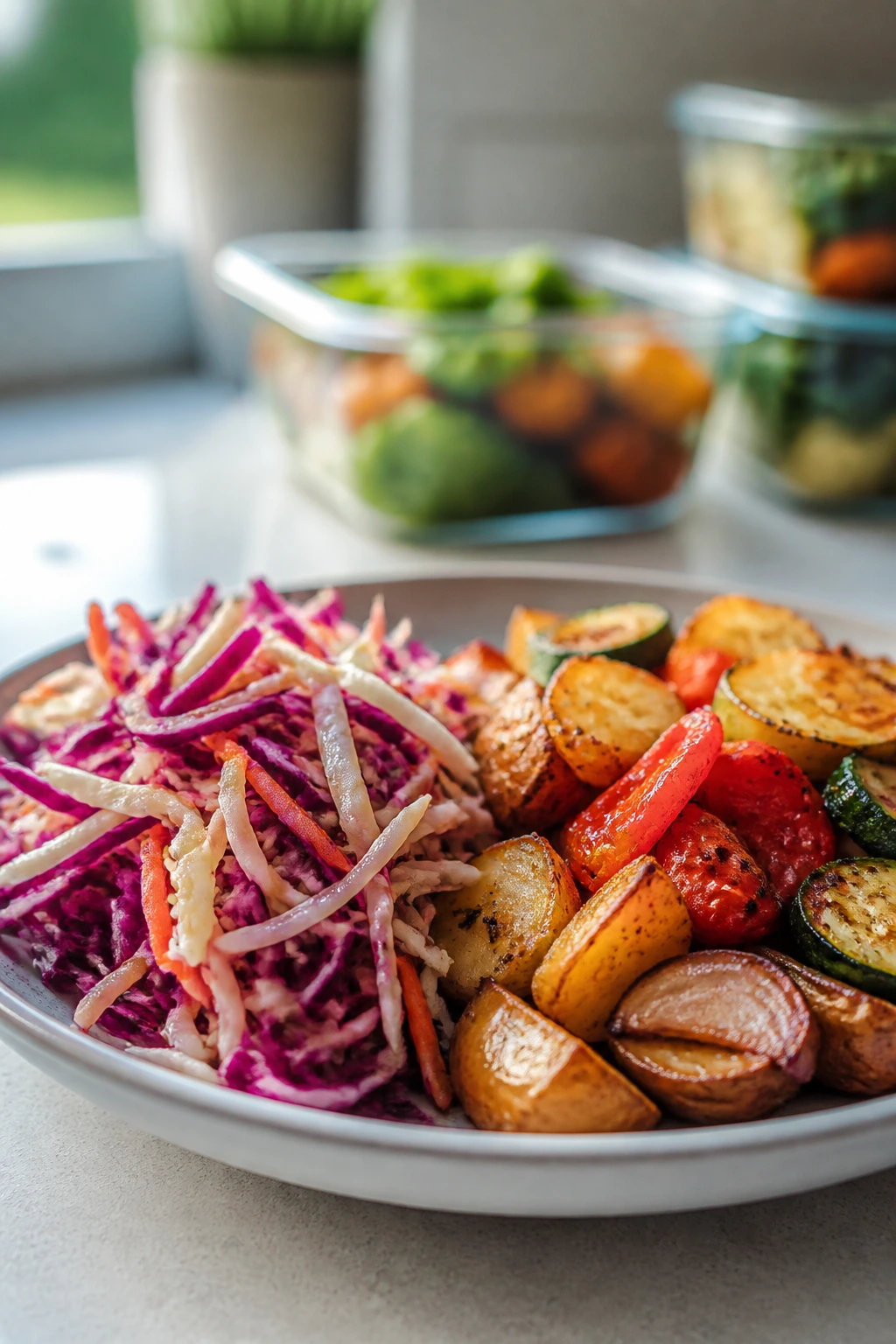
The difference between a decent prep routine and a fridge full of regret is texture. Foods that stay crisp, separate, or tender after chilling make the whole system feel sustainable. That is why cabbage slaws, grain bowls, baked egg muffins, cold noodles, and sturdy roasted vegetables show up so often in meal prep that people actually stick with.
Sauces matter just as much. A sharp vinaigrette, a citrusy yogurt drizzle, or a sesame dressing can rescue leftovers that would otherwise taste flat by day three. I’m a big fan of packing dressings separately when the ingredients are fragile, then mixing them in right before lunch. Messy? A little. Worth it? Absolutely.
Another thing worth saying out loud: the best meal prep recipes usually borrow from foods that already know how to age well. Curry tastes deeper the next day. Bean salads settle in nicely. Roasted chicken and rice are happier once the steam has escaped. That’s the secret, if there is one, and it’s not much of a secret at all.
Essential Equipment for These Recipes
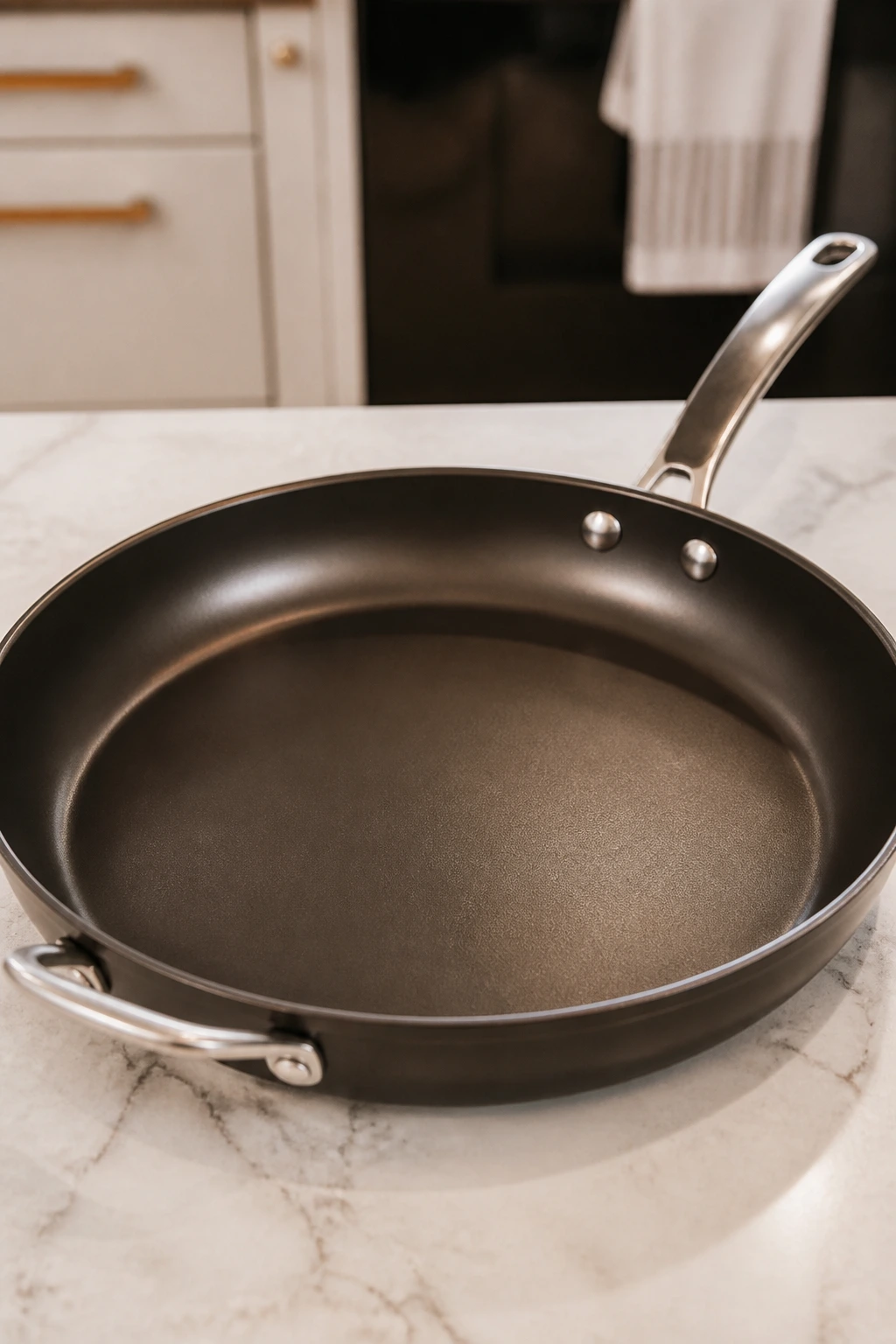
- Large skillet, 12-inch — Useful for turkey, beef, tofu, shrimp, and anything that needs a quick sear without crowding.
- Rimmed sheet pans — Ideal for salmon, meatballs, falafel, sweet potatoes, and egg muffins.
- Medium saucepan or rice cooker — For quinoa, brown rice, and pasta.
- Large mixing bowls — You’ll want at least two if you’re batch-cooking more than one recipe.
- Sharp chef’s knife — Clean cuts matter when you’re chopping cucumbers, peppers, onions, and herbs.
- Cutting board with a damp towel underneath — Keeps the board from sliding when you’re moving fast.
- Meal prep containers with tight lids — Shallow containers cool faster and stack better in the fridge.
- Mason jars or tall containers — Best for layered salads and overnight oats.
- Instant-read thermometer — The easiest way to avoid dry chicken, overcooked turkey, or underdone salmon.
- Silicone spatula and tongs — For scraping, stirring, and flipping without tearing food apart.
Smart Shopping and Ingredient Tips
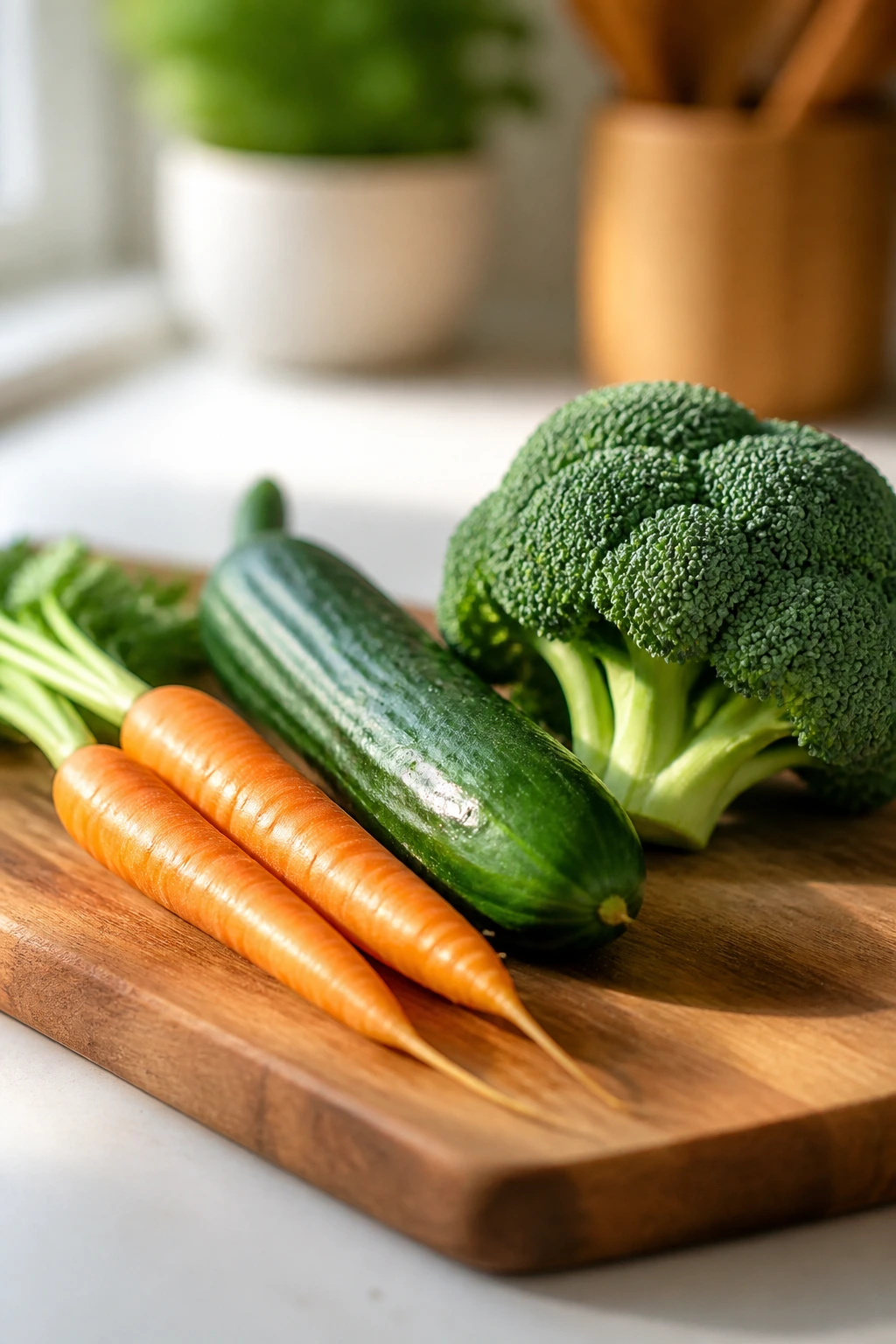
Buy the ingredients that will still behave after two or three days in the fridge. That means chicken thighs instead of breasts when you want tenderness, brown rice or quinoa instead of delicate grains, cabbage instead of baby lettuce for salads, and frozen vegetables when the fresh version has a short shelf life or a big price tag. Frozen peas, edamame, corn, and broccoli are not second-rate here. They’re practical.
Look for proteins that match the recipe’s storage style. Salmon is best for shorter fridge life, so make fewer portions or plan it for the first half of the week. Ground turkey, lentils, chickpeas, tofu, and chicken salad hold longer. Tuna, egg muffins, and overnight oats sit somewhere in the middle, depending on what else is packed with them.
Sauce ingredients deserve a little respect. Buy a decent salsa, a Greek yogurt you’d eat on its own, a peanut butter that isn’t packed with sugar, and a pesto with visible basil rather than only oil. Those shortcuts matter because the sauce is what keeps meal prep from tasting stale.
If you’re shopping on a budget, build around the same few overlap ingredients. Greek yogurt works in the chicken bowls, the chicken salad, and the stuffed sweet potatoes. Cucumbers, spinach, and cherry tomatoes show up in more than one recipe here. One tight shopping list is easier to shop, easier to prep, and less likely to leave you with half a bunch of herbs going limp in the crisper drawer.
How to Serve These Recipes
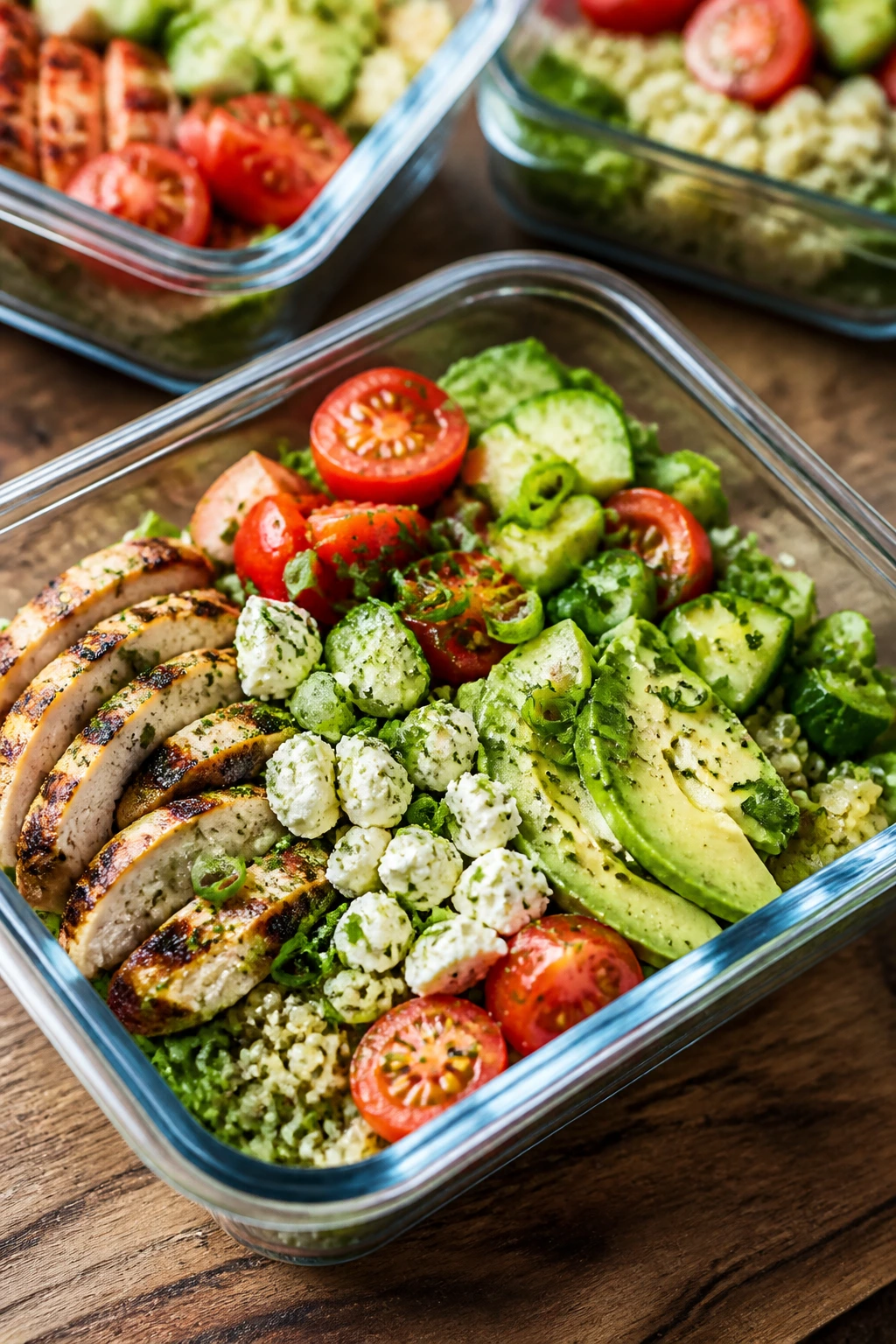
Presentation:
Keep bright components on top where they can be seen. Tomatoes, herbs, scallions, sesame seeds, feta, and avocado should sit last so the food looks fresh when you open the container. Bowls look better when the sauce is drizzled in a thin line rather than dumped in one spot.
Accompaniments:
Pair the richer bowls with something sharp and cold: cucumber spears, a few pickles, or a simple side salad with lemon. The wraps and salads can take whole-grain crackers, pita, or a piece of fruit. The warm dishes do well with a clean side like roasted green beans or steamed broccoli if you want to stretch them further.
Portions:
A good lunch portion is usually about 1 to 1 1/2 cups of base plus 4 to 6 ounces of protein, though breakfast containers like the oats and egg muffins naturally run smaller. For dinners, it helps to think in layers: one starch, one protein, two vegetables, and one sauce. If you’re feeding hungrier eaters, add a bigger grain base rather than doubling the sauce.
Beverage Pairing:
Sparkling water with lemon is the easy answer for most of these. Iced tea works well with the salads and bowls that lean savory, while coffee belongs with the oats and egg muffins. If you want one drink that does almost everything, cold water with citrus slices and a few mint leaves is hard to beat.
Additional Tips and Flavor Boosters
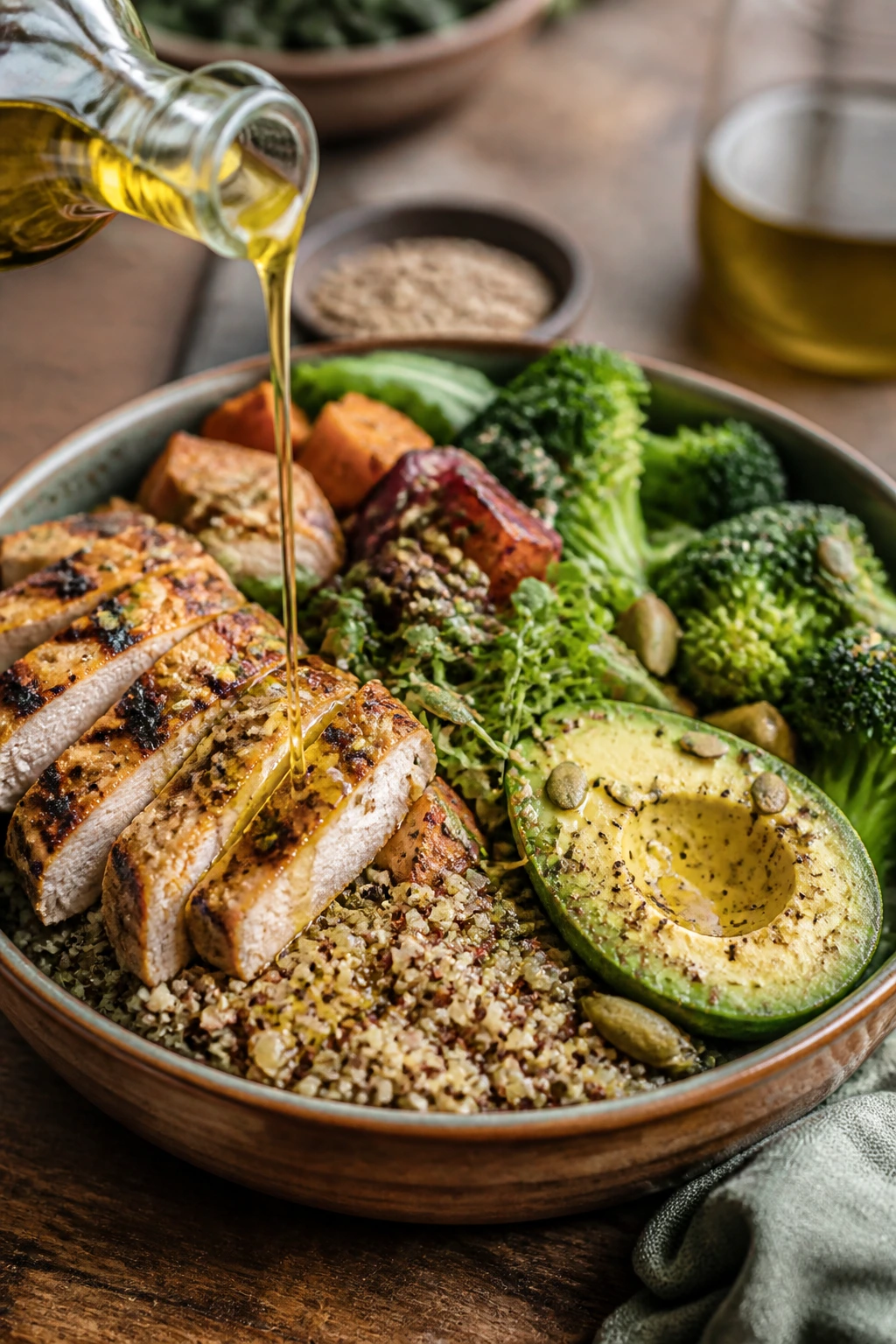
Flavor Enhancement:
Keep one finishing ingredient ready: lemon juice, lime juice, chili crisp, toasted sesame oil, or a good vinegar. That last little splash before eating can fix a container that tastes sleepy after three days in the fridge. It is a small move. It changes everything.
Customization:
Use the same base recipe and swap the protein or grain to fit what you already have. Quinoa can become brown rice, chicken can become tofu, and chickpeas can stand in for a meat portion without much fuss. Meal prep gets easier when you stop treating every recipe like a law.
Serving Suggestions:
Chopped herbs make a bigger difference than people admit. Dill on the lemon chicken bowls, cilantro on the taco skillet, scallions on the soba salad, parsley on the falafel — each one makes leftovers feel like they were freshly packed. Seeds and nuts help too. They add the crunch that cooked food usually loses.
Make-It-Yours:
For dairy-free meals, lean on tahini, avocado, vinaigrettes, and nut-based sauces instead of yogurt and cheese. For gluten-free meals, stick to rice, quinoa, potatoes, corn, and certified gluten-free oats. For lower-sodium cooking, use unsalted beans, rinse canned ingredients, and put the salt where you can taste it rather than blanketing the whole pan.
Make-Ahead, Storage, and Reheating Guidance
Most of these recipes hold well for 3 to 4 days in the refrigerator, though the more delicate salads and seafood boxes are better eaten within 2 days. The chickpea jars, chicken salad kits, overnight oats, egg muffins, lentil curry, curry bowls, and grain bowls all keep nicely if they’re sealed tightly and cooled before storage. Salmon and shrimp are the first things to move through the week, not the last.
Freezing works best for the sturdier cooked items: turkey meatballs, lentil curry, stuffed sweet potatoes without toppings, cooked turkey taco filling, and some grain bases. Pack them in airtight containers or freezer bags with the air pressed out, then label them with the contents and date. Most of these hold for up to 2 months frozen before the texture starts to drift.
For reheating, use low and steady heat when you can. Chicken bowls, rice bowls, turkey fillings, and curry do well in the microwave at 50 to 70 percent power with a damp paper towel over the top. Salmon and shrimp are more delicate; warm them gently at a lower setting or in a skillet just until heated through. Overheating is what makes leftovers smell like they gave up.
Cold items need a different kind of care. Overnight oats, salad jars, soba salad, and lettuce wraps should be packed with wet ingredients separated when possible. If something has avocado, add it the day you eat it. If something has croutons, nuts, or seeds, keep them out of the container until the end. That tiny bit of extra effort saves you from soggy lunch regret.
Variations and Adaptations to Try
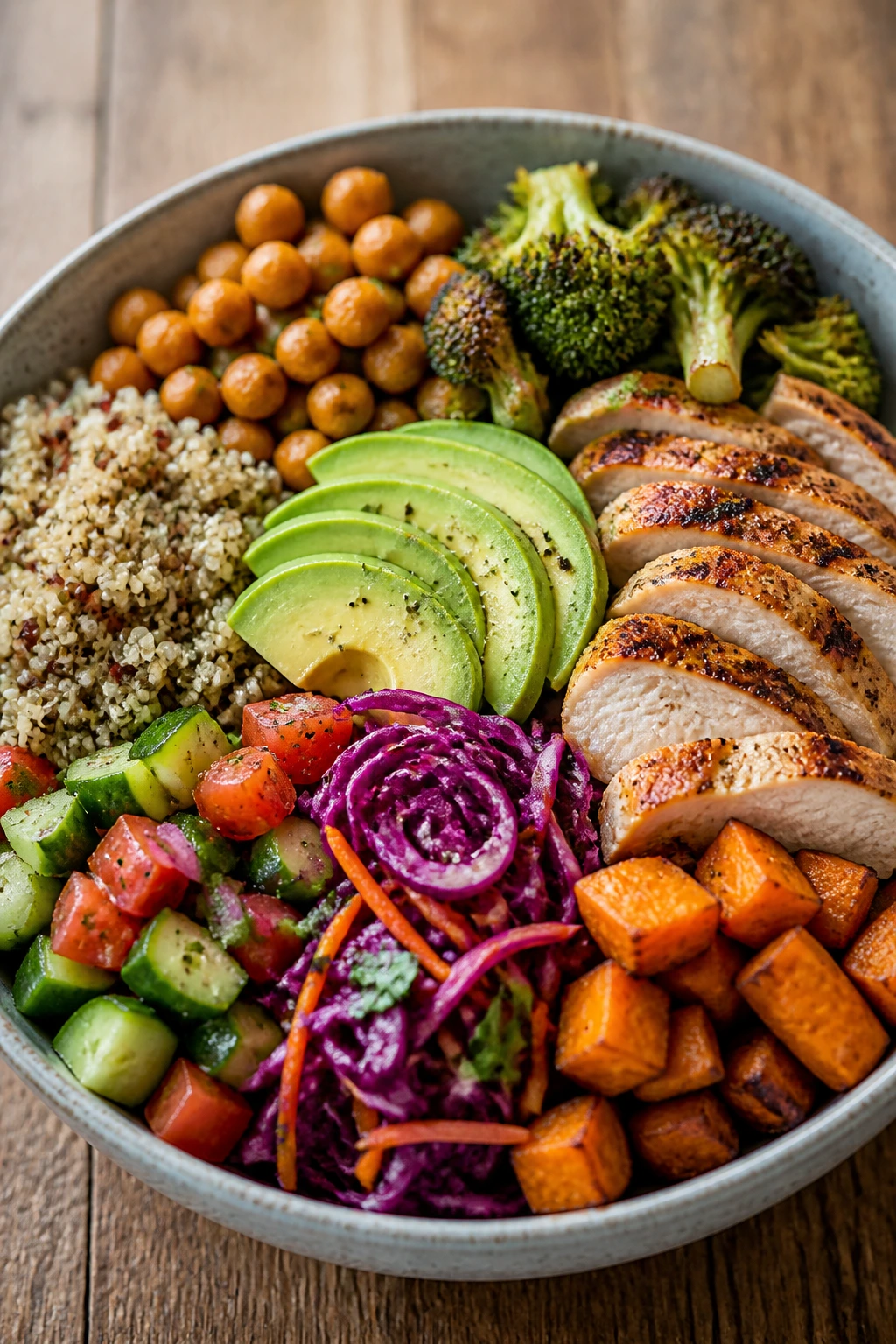
Gluten-Free Lane
Swap in rice, quinoa, potatoes, corn tortillas, tamari, and certified gluten-free oats. Most of these recipes already live close to that lane, so the shift is mostly about checking sauces and packaged dressings. The texture stays good because the recipes rely on vegetables and proteins, not flour-heavy fillers.
Dairy-Free Swap Box
Use tahini dressings, avocado, olive oil vinaigrettes, and dairy-free yogurt where needed. The falafel, taco bowls, soba salad, curry, and tuna niçoise boxes adapt easily if you skip feta, parmesan, or Greek yogurt. The food still tastes complete if you keep the acid and salt in place.
Vegetarian Turnover
Replace chicken, turkey, beef, and tuna with chickpeas, lentils, tofu, tempeh, or extra beans. The quinoa bowls, taco skillet, stuffed peppers, soba salad, curry, and pesto pasta all take the swap without complaint. If the replacement is less salty than the original protein, season a little more boldly.
Lower-Sodium Reset
Choose low-sodium beans, use plain grains, and lean on herbs, citrus, garlic, ginger, and vinegar for flavor. Rinsing canned ingredients helps more than people think. Most of the salt in meal prep sneaks in through sauces and cheese, so those are the first places to adjust.
Kid-Friendly Mild Mode
Keep the spice soft and set sauces on the side. The egg muffins, chicken bowls, pasta, stuffed sweet potatoes, and chicken salad all work well with gentle seasoning and familiar flavors. Add crunchy toppings separately so the texture stays interesting without making the meal loud.
High-Protein Breakfast and Lunch Pack
Pair egg muffins, overnight oats, chicken salad, and tuna boxes for the first half of the week. These keep hunger under control better than a plain pastry or a small salad. If you need even more staying power, add fruit, nuts, or a scoop of hummus instead of another starch.
Common Mistakes to Avoid
- Packing everything while it’s still hot: Steam condenses in the container and turns rice gummy, greens limp, and roasted vegetables soft. Let food cool until it’s warm, not steaming, before sealing the lid.
- Mixing crisp and wet ingredients too early: Cabbage, lettuce, croutons, cucumbers, nuts, and avocado all suffer when they sit in sauce all week. Keep them separate until the last minute if you care about texture.
- Underseasoning the base: Chicken, rice, quinoa, cauliflower rice, and tofu all need salt somewhere along the line or the meal tastes flat after refrigeration. Taste the cooked components before you pack them.
- Overcooking proteins “just to be safe”: That usually backfires. Chicken breasts get stringy, shrimp turn rubbery, salmon dries out, and turkey meatballs turn hard. Use a thermometer and stop at the right point.
- Choosing the wrong container shape: Tall, deep containers trap steam and make stirring awkward. Shallow boxes cool faster and keep the food easier to eat.
- Ignoring sauce: Dry meal prep is the fastest way to lose interest by Wednesday. Build in a dressing, glaze, or spoonable sauce from the start.
Frequently Asked Questions
Can I cook all 20 of these recipes in one Sunday?
You could, but your kitchen would hate you. A better move is to cook 2 to 4 recipes that share ingredients, then batch grains, sauces, and chopped vegetables around them. That gives you variety without a marathon.
Which recipes hold up best for four full days?
The lentil curry, egg muffins, chicken salad, chickpea jars, soba salad, stuffed sweet potatoes, taco skillet, and bean-based bowls are the steadiest. Seafood recipes are better earlier in the week, and lettuce-heavy recipes need careful packing.
What if I only have one hour to prep?
Focus on the no-cook and low-cook recipes: overnight oats, chickpea jars, chicken salad, and a quick grain bowl using leftover rice or quinoa. You can also batch one protein and one dressing, then use them in two different containers.
Can I freeze the grain bowls?
Some of them, yes. Turkey fillings, lentil curry, meatballs, and plain rice or quinoa freeze well. Salads, cucumber-heavy jars, avocado dishes, and anything with lettuce do not freeze cleanly.
How do I keep lettuce from going limp in meal prep boxes?
Start with very dry lettuce, store dressing separately, and keep wet ingredients away from the leaves. Romaine, little gem, and cabbage last much longer than delicate spring mix. Use the softer greens only when you know you’ll eat the container fast.
Is rotisserie chicken okay here?
Absolutely. It’s one of the easiest shortcuts in the whole list. Use it for the chicken bowls, Thai peanut slaw, Caesar salad, and chicken salad kits when you want to save a big chunk of time.
Can I swap brown rice for white rice everywhere?
Usually, yes. Brown rice has more chew and holds a little better in the fridge, while white rice is softer and faster to cook. Choose the one you’ll actually enjoy eating on day three.
What if my reheated food tastes flat?
Add acid first. A squeeze of lemon, lime, or a splash of vinegar can wake up a bowl faster than extra salt. A spoonful of sauce or a fresh herb garnish helps too, especially on rice and grain dishes.
A Fridge Full of Meals That Still Taste Like Food
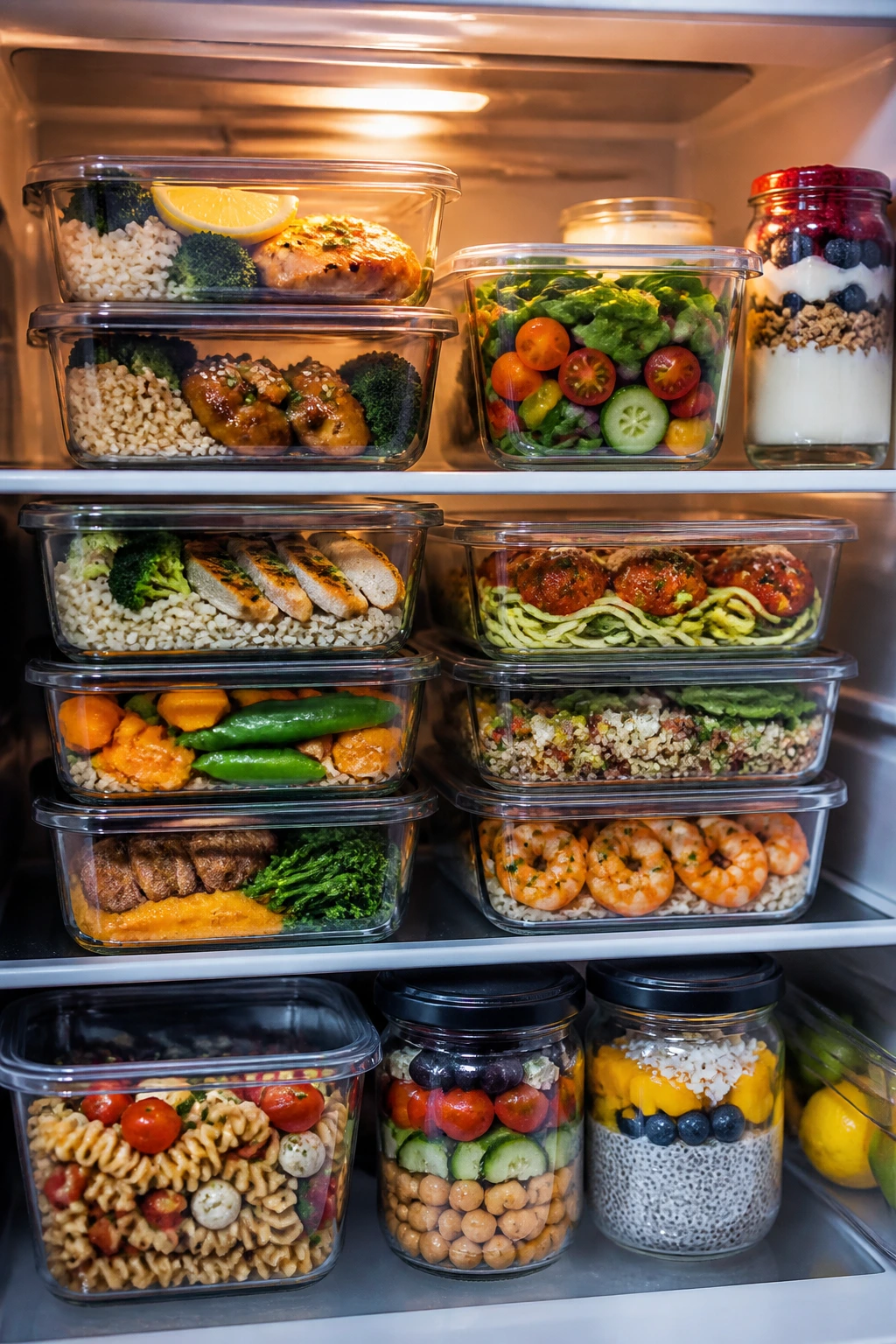
Meal prep works when the food still has a pulse after a few days in the fridge. That’s why these recipes lean on crisp vegetables, sturdy grains, bright sauces, and proteins that know how to survive a reheat without turning chalky or limp.
Pick three or four of them, batch the shared ingredients, and you’ve got a week that feels handled before Monday even starts. Then next Sunday, you can mix and match a few different combinations instead of eating the same container on repeat, which is the real win here.