



By the time the first real stretch of Sunday quiet settles over the house, the slow cooker has usually already done the hard part. The onions are soft. The broth has gone savory. A lid you barely lifted has turned a few ordinary ingredients into dinner, and the whole place smells like you put in a lot more work than you actually did. That is the whole appeal of slow cooker meals for lazy Sundays: one honest burst of prep, then hours of low, steady heat while you read, nap, fold laundry, or pretend the week has not arrived yet.
I’ve always liked this kind of cooking for the same reason I like a well-worn cast-iron skillet. It asks for attention up front, then leaves you alone. Tough cuts soften. Tomatoes lose their sharp edges. Beans and broth turn into something that tastes like it simmered with purpose. And the best part is that you can build a Sunday meal around what the cooker does best — long braises, shredded meats, thick soups, saucy chicken, and a few breakfast options that make the morning feel less rushed and more civilized.
These are not just “throw everything in and hope” recipes. Some need a quick sear. Some need a can of beans rinsed properly. Some need dairy added at the end, never at the beginning, unless you enjoy grainy sauce and regret. Each one rewards a slightly different trick, and that is where the real Sunday payoff lives.
Why This Collection Earns Its Place on a Slow Sunday Table
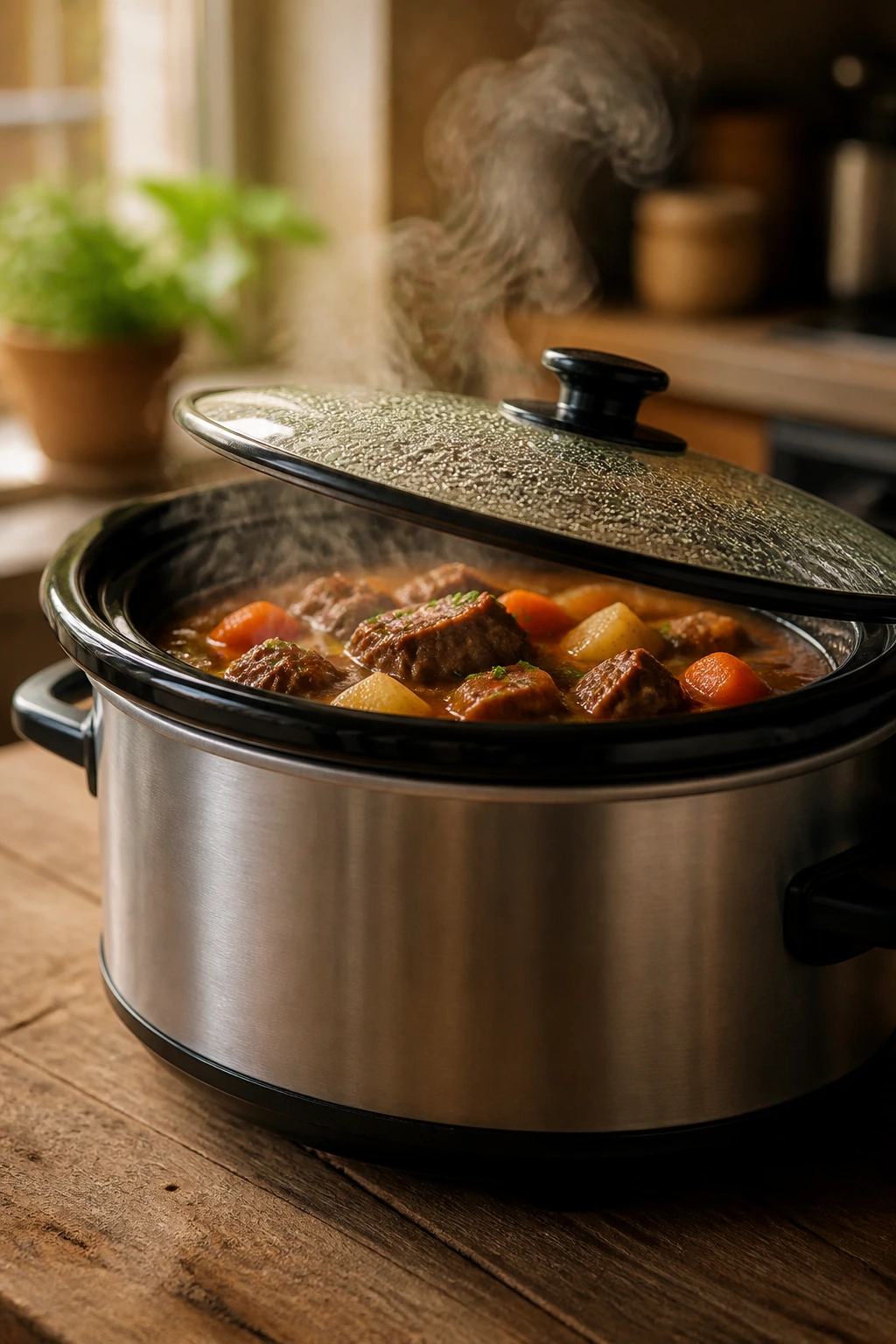
- Low-Effort, Real Dinner: Most of these recipes ask for 15 to 25 minutes of hands-on work, then the cooker carries the rest of the day.
- Built for Leftovers: Chili, pot roast, ragù, and soup all settle in overnight and taste even deeper the next day.
- Flexible Serving: Several of these can become bowls, tacos, sandwiches, pasta, or rice dinners without extra drama.
- Comfort Without Fuss: The flavor comes from onions, broth, garlic, spices, and time — not from a long list of fussy steps.
- Smart Sunday Timing: A morning start means you can eat at a sane hour without hovering over the stove.
- Good Use of Pantry Staples: Beans, tomatoes, broth, rice, oats, and a few well-chosen cuts of meat do most of the work.
1. Beef Chuck Pot Roast with Carrots, Potatoes, and Herb Gravy
A pot roast like this is the kind of dinner that makes the kitchen smell calm. The beef turns spoon-tender, the carrots soak up the broth, and the potatoes pick up all the savory drippings around the edges. I like this version because it keeps the seasoning plain and honest — thyme, garlic, onion, Worcestershire, a little tomato paste — so the meat tastes like itself, only better.
Why It Works: Chuck roast has enough fat and connective tissue to turn silky after 8 hours on low. The slow cooker keeps the temperature steady, which is exactly what a roast like this wants. A quick sear on the beef gives the gravy a deeper color and a browned edge you cannot fake later. The carrots and potatoes hold their shape if you cut them large enough. Small pieces turn mushy.
Key Ingredients:
- 3 to 4 lb beef chuck roast
- 2 teaspoons kosher salt
- 1 teaspoon black pepper
- 2 tablespoons vegetable oil
- 1 large yellow onion, sliced
- 4 garlic cloves, smashed
- 4 medium carrots, cut into 2-inch pieces
- 1 1/2 lb Yukon Gold potatoes, halved
- 2 cups low-sodium beef broth
- 2 tablespoons tomato paste
- 1 tablespoon Worcestershire sauce
- 2 sprigs fresh thyme or 1 teaspoon dried thyme
- 1 bay leaf
- 2 tablespoons cornstarch mixed with 2 tablespoons cold water
Quick Steps:
- Season and Sear the Beef: Pat the chuck roast dry, season it with salt and pepper, and sear it in 2 tablespoons oil over medium-high heat for 3 to 4 minutes per side until deep brown.
- Build the Base: Scatter the onion, garlic, carrots, and potatoes in the slow cooker insert.
- Add the Liquid: Whisk the broth, tomato paste, and Worcestershire together, then pour it over the vegetables. Nestle in the thyme, bay leaf, and beef.
- Cook Slowly: Cover and cook on low for 8 to 9 hours, or on high for 5 to 6 hours, until the beef pulls apart with a fork and the potatoes are tender through the center.
- Finish the Gravy: Lift out the roast and vegetables. Stir the cornstarch slurry into the hot liquid, cover for 10 to 15 minutes on high, and wait until the gravy turns glossy and lightly thickened.
- Slice or Shred: Pull the beef into large chunks or slice across the grain if it stays firm enough.
Equipment for This Recipe:
- 6-quart slow cooker
- Heavy skillet for searing
- Tongs
- Cutting board and sharp knife
- Ladle
How to Serve This Dish: Spoon the roast into shallow bowls so the gravy can pool around the potatoes. A slice of buttered bread or a small mound of mashed potatoes is enough if you want something extra under the meat. I like a few parsley leaves on top, mostly for freshness and partly because a roast this brown needs a little green.
Pro Tips for This Recipe:
- Cut the vegetables big: Tiny carrot chunks disappear after 8 hours.
- Do not skip the sear if you have time: The gravy tastes more rounded when the beef gets browned first.
- Keep the lid closed: Every lift adds 15 to 20 minutes of lost heat.
- Taste the gravy before serving: A pinch more salt or a splash of Worcestershire often wakes it up.
Variations on This Dish:
- Red Wine Sunday Roast: Replace 1 cup of the broth with dry red wine for a deeper, darker gravy.
- Mushroom Pot Roast: Add 8 ounces sliced cremini mushrooms with the onions for a woodsy edge.
- Garlic-Herb Roast: Stir in 1 teaspoon rosemary and 1 extra garlic clove for a stronger herb profile.
Common Mistakes to Avoid with This Dish:
- Using a lean roast: Eye of round dries out; chuck roast stays tender.
- Adding potatoes too late: They need the full cook time or they end up chalky in the center.
- Skipping the slurry: The liquid will taste fine, but it will not coat the meat like gravy should.
2. Creamy White Chicken Chili with Green Chiles and Corn
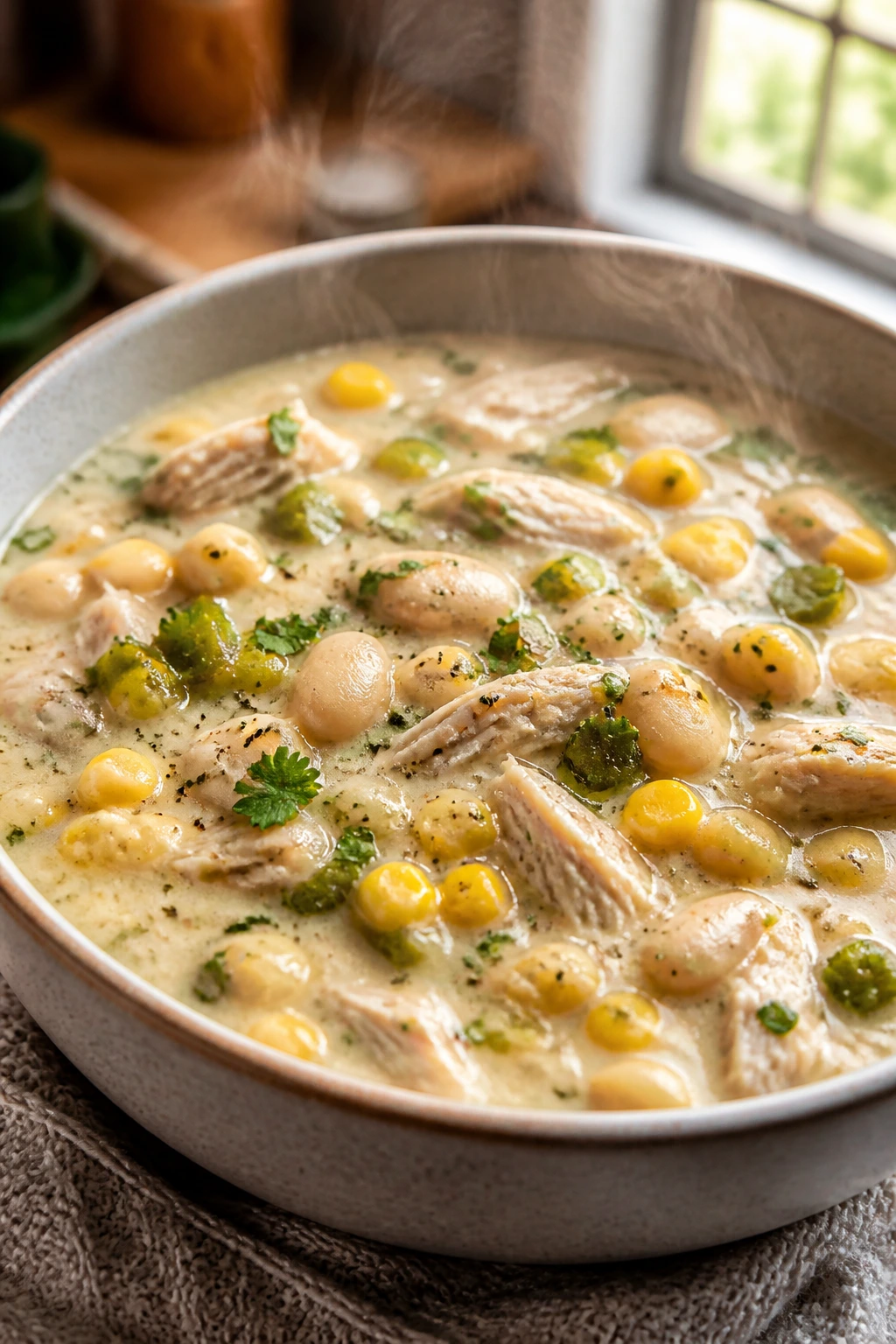
White chicken chili has a cleaner, brighter personality than red chili. The broth is pale and silky, the green chiles give it a gentle heat, and the beans thicken the pot without making it heavy. If you want a Sunday meal that feels like a bowl and a blanket without the tomato base, this is the one.
Why It Works: Chicken thighs stay juicy through a long slow cook, even if you forget about them for a while. Cannellini beans break down just enough to thicken the broth, while cream cheese added at the end makes the whole thing velvety. A little cumin and oregano keep it grounded. Lime at the table matters more than people think.
Key Ingredients:
- 2 1/2 lb boneless, skinless chicken thighs
- 1 large yellow onion, diced
- 4 garlic cloves, minced
- 2 cans (4 oz each) diced green chiles
- 2 cans (15 oz each) cannellini beans, rinsed and drained
- 1 can (15 oz) corn, drained
- 4 cups low-sodium chicken broth
- 2 teaspoons ground cumin
- 1 teaspoon dried oregano
- 1 teaspoon kosher salt, plus more to taste
- 8 oz cream cheese, cut into cubes
- 1 lime, cut into wedges
- 2 tablespoons chopped cilantro
Quick Steps:
- Load the Slow Cooker: Add the onion, garlic, green chiles, beans, corn, broth, cumin, oregano, and salt to the insert.
- Add the Chicken: Nestle the thighs into the liquid so they are mostly submerged.
- Cook Until Tender: Cover and cook on low for 6 to 7 hours, or on high for 3 to 4 hours, until the chicken reaches 165°F and shreds easily.
- Shred and Thicken: Pull out the chicken, shred it, then return it to the pot. Stir in the cream cheese cubes and cover for 10 to 15 minutes until they melt fully.
- Finish Brightly: Squeeze in lime juice and stir in cilantro right before serving.
Equipment for This Recipe:
- 6-quart slow cooker
- Two forks for shredding
- Ladle
- Measuring cups and spoons
- Small bowl for lime wedges
How to Serve This Dish: Serve it in wide bowls with crushed tortilla chips, avocado, or a spoonful of sour cream. A little sharp cheddar on top is not mandatory, but it does make the bowl look finished. This chili also works well next to a simple cabbage slaw if you want crunch.
Pro Tips for This Recipe:
- Use thighs, not breasts, if you can: They stay softer after hours of heat.
- Add cream cheese at the end: Early dairy can separate and go grainy.
- Mash a few beans against the side of the pot: That thickens the chili without flour.
- Taste after the lime goes in: Acid changes how salty the bowl reads.
Variations on This Dish:
- Spicy Hatch Version: Add 1 chopped jalapeño and 1/2 teaspoon chipotle powder.
- Extra-Creamy Version: Stir in 1/2 cup heavy cream with the cream cheese.
- Bean-Heavy Pantry Version: Use navy beans instead of cannellini if that is what you have.
Common Mistakes to Avoid with This Dish:
- Adding too much liquid: The beans and chicken release moisture, so do not flood the pot.
- Using cold cream cheese straight from the fridge: It melts more slowly; cube it first.
- Forgetting the lime: The soup will taste flatter without that sharp finish.
3. Tangy Pulled Pork with Vinegar Barbecue Sauce
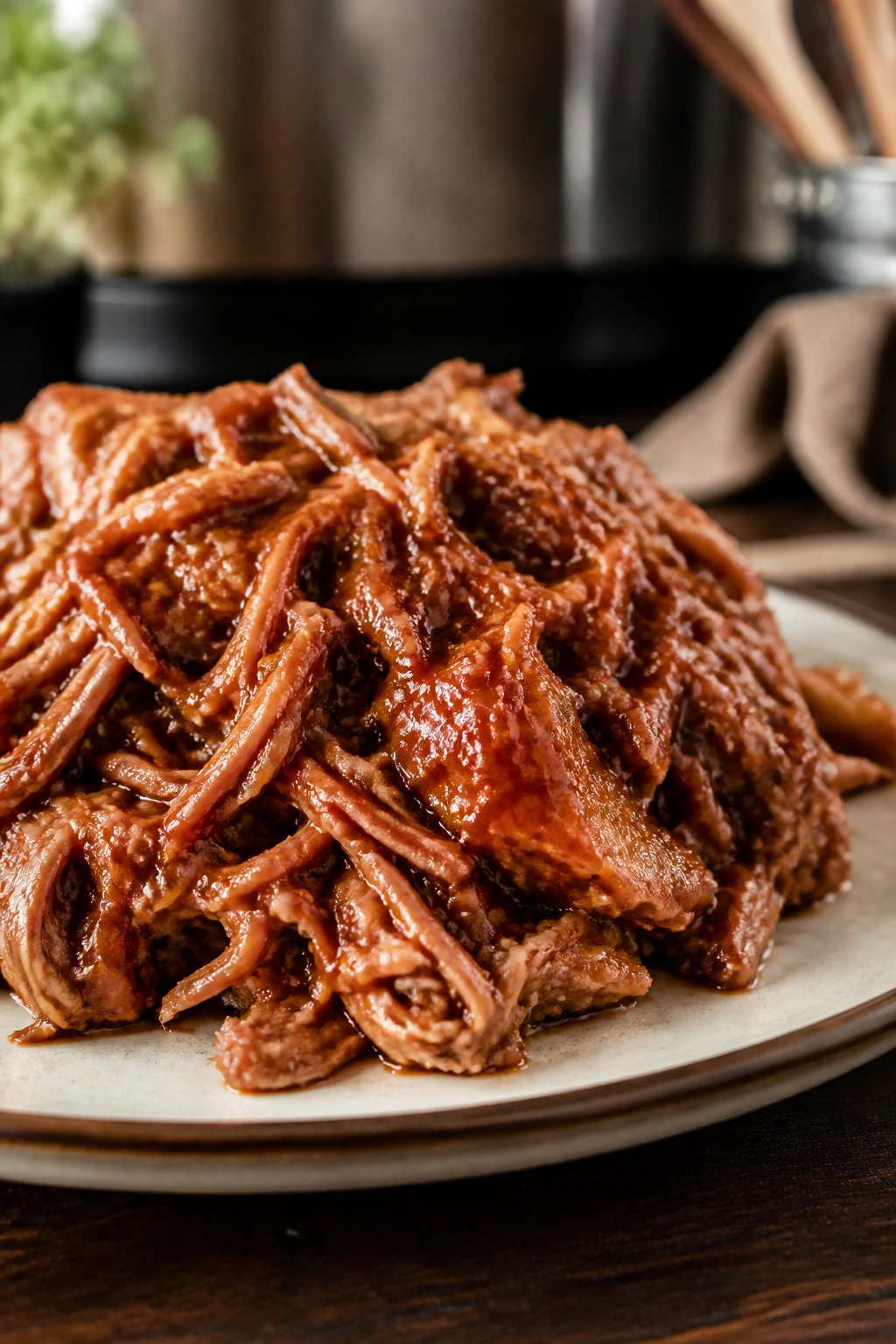
This is the sort of pork shoulder that behaves beautifully in a slow cooker. It starts tough, almost stubborn, then turns soft enough to shred with a pair of forks. The sauce leans sharp and smoky instead of sugary, which keeps the meat from tasting like dessert with a smoke ring.
Why It Works: Pork shoulder has the fat and connective tissue that long heat can actually improve. Apple cider vinegar cuts through that richness, and a little brown sugar keeps the sauce from going thin and sour. I like this better than a sticky sweet barbecue base because the pork tastes cleaner on buns, in bowls, or over rice.
Key Ingredients:
- 4 to 5 lb boneless pork shoulder
- 2 teaspoons kosher salt
- 1 teaspoon black pepper
- 1 tablespoon smoked paprika
- 1 large onion, sliced
- 4 garlic cloves, minced
- 1 cup apple cider vinegar
- 1/2 cup ketchup
- 2 tablespoons brown sugar
- 1 tablespoon Dijon mustard
- 1 tablespoon Worcestershire sauce
- 1 teaspoon red pepper flakes
- 1/2 cup chicken broth
Quick Steps:
- Season the Pork: Rub the pork shoulder with salt, pepper, and smoked paprika.
- Layer the Aromatics: Put the onion and garlic in the slow cooker, then place the pork on top.
- Mix the Sauce: Whisk the vinegar, ketchup, brown sugar, mustard, Worcestershire, red pepper flakes, and broth together.
- Cook Until It Falls Apart: Pour the sauce around the pork, cover, and cook on low for 8 to 10 hours, or on high for 5 to 6 hours, until a fork twists through the meat with almost no resistance.
- Shred and Sauce: Remove the pork, discard excess fat, shred it, and stir it back into the liquid for 10 minutes.
Equipment for This Recipe:
- 6-quart slow cooker
- Tongs
- Forks for shredding
- Small whisk
- Slotted spoon
How to Serve This Dish: Pile the pork onto soft sandwich rolls with pickles and a little slaw. If you want a lower-effort plate, spoon it over baked potatoes or rice. The pork should be juicy enough that you want a napkin in one hand.
Pro Tips for This Recipe:
- Trim only the thickest fat cap: A little fat helps; too much makes the sauce greasy.
- Let the shredded pork sit in the sauce: Ten minutes changes the texture in a good way.
- Toast the buns: Soft bread gets soggy fast under hot pork.
- Add more vinegar at the end if needed: A small splash wakes up a flat batch.
Variations on This Dish:
- Carolina-Style Pork: Add extra vinegar and 1 teaspoon yellow mustard for a sharper bite.
- Smoky Chipotle Pork: Stir in 1 chopped chipotle in adobo for deeper heat.
- Sandwich-Free Bowl: Serve over grits, rice, or roasted sweet potatoes instead of buns.
Common Mistakes to Avoid with This Dish:
- Using pork loin instead of shoulder: Loin dries out long before it turns tender.
- Cooking without enough salt: Pork shoulder needs seasoning or it tastes dull.
- Skipping the resting time after shredding: The meat catches more sauce if it sits a few minutes.
4. Lentil Vegetable Soup with Kale and Lemon
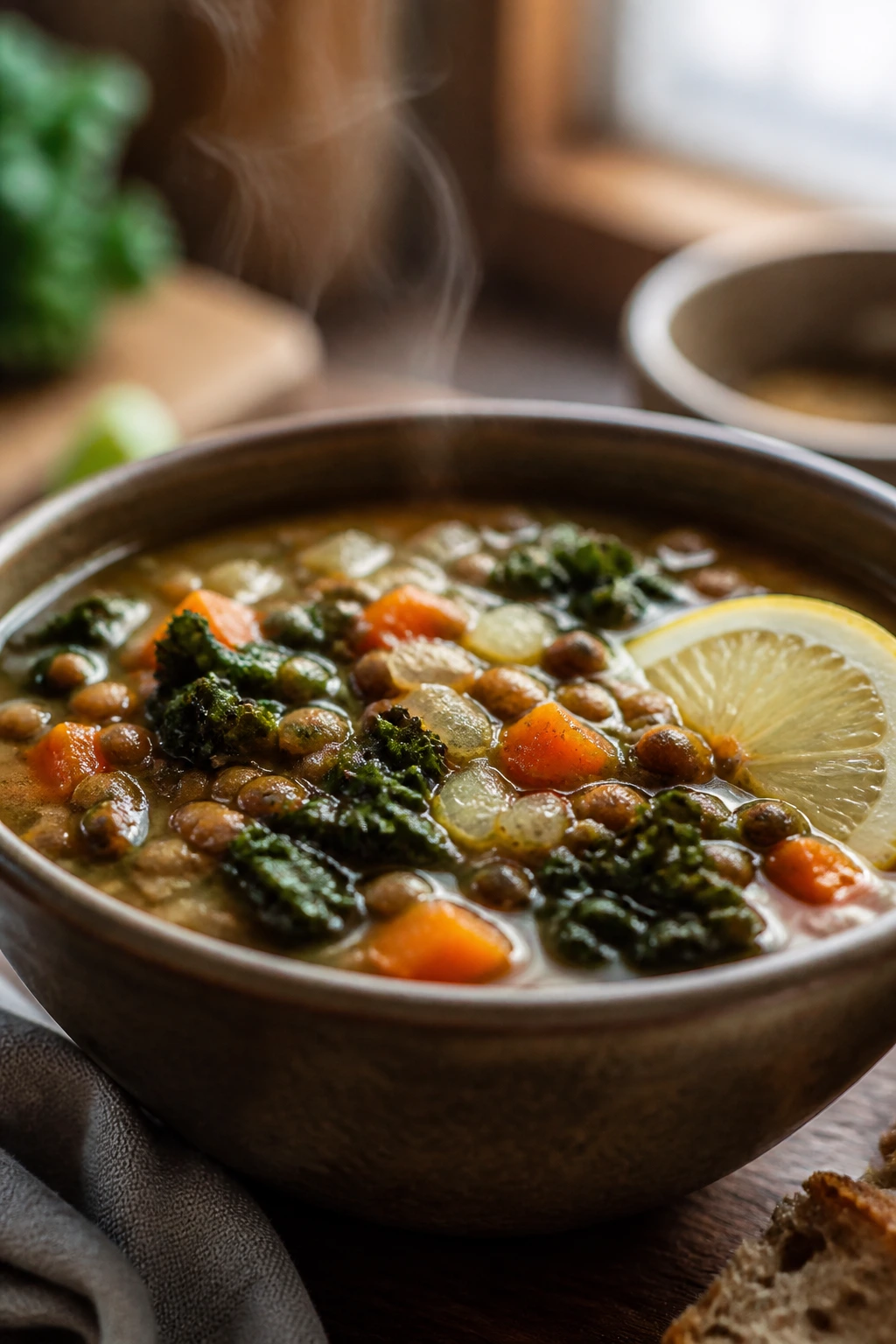
Lentil soup can be plain in a boring way or plain in a smart way. This version lands in the second camp. It is earthy from the lentils, sweet from carrots and onions, and bright at the end because lemon keeps the broth from tasting muddy or heavy. Kale gives it a little chew, which I appreciate more than I expected the first time I made it.
Why It Works: Brown or green lentils hold shape well in the slow cooker, which means they make a hearty broth instead of collapsing into mush. Tomato paste gives the base a bit of depth. A Parmesan rind, if you have one, quietly seasons the whole pot. The lemon goes in at the end because heat dulls fresh citrus fast.
Key Ingredients:
- 1 1/2 cups brown or green lentils, rinsed
- 2 carrots, diced
- 2 celery stalks, diced
- 1 large onion, diced
- 4 garlic cloves, minced
- 2 tablespoons tomato paste
- 1 can (14.5 oz) diced tomatoes
- 6 cups low-sodium vegetable broth
- 1 teaspoon dried thyme
- 1 bay leaf
- 1 teaspoon kosher salt
- 4 cups chopped kale, tough stems removed
- 1 lemon, juiced
- 1/4 cup grated Parmesan, optional
Quick Steps:
- Build the Soup Base: Add the lentils, carrots, celery, onion, garlic, tomato paste, tomatoes, broth, thyme, bay leaf, and salt to the slow cooker.
- Cook Until the Lentils Are Tender: Cover and cook on low for 6 to 7 hours, or on high for 3 to 4 hours, until the lentils are soft but still hold their shape.
- Add the Kale: Stir in the kale during the last 20 to 30 minutes of cooking so it softens without turning swampy.
- Finish with Acid: Remove the bay leaf, stir in lemon juice, and taste for salt before serving.
- Top if You Like: Add Parmesan at the table if you want a more savory finish.
Equipment for This Recipe:
- 6-quart slow cooker
- Cutting board and chef’s knife
- Wooden spoon
- Citrus juicer or fork
- Ladle
How to Serve This Dish: Serve the soup with crusty bread or a warm pita so you can swipe up the last spoonfuls. A drizzle of good olive oil makes the bowl look and taste fuller. I like this with a simple green salad because it keeps the meal light but not sparse.
Pro Tips for This Recipe:
- Rinse lentils well: Dust and tiny stones are rare, but annoying.
- Add kale late: Early kale loses color and turns bitter at the edges.
- Use broth with some body: Very thin broth makes the soup taste flat.
- Lemon is not optional: It sharpens every bean and vegetable in the pot.
Variations on This Dish:
- Smoky Lentil Soup: Add 1 teaspoon smoked paprika and a pinch of cumin.
- Tomato-Heavy Version: Stir in an extra 1/2 cup crushed tomatoes if you want more body.
- Greens Swap: Use spinach instead of kale, but add it in the last 5 minutes.
Common Mistakes to Avoid with This Dish:
- Overcooking lentils into paste: Brown and green lentils need watching near the end.
- Adding too much salt too early: Broth concentrates as it cooks.
- Forgetting an acid finish: Without lemon, the soup can taste heavy and dull.
5. Chicken Tikka Masala with Tomato, Ginger, and Cream
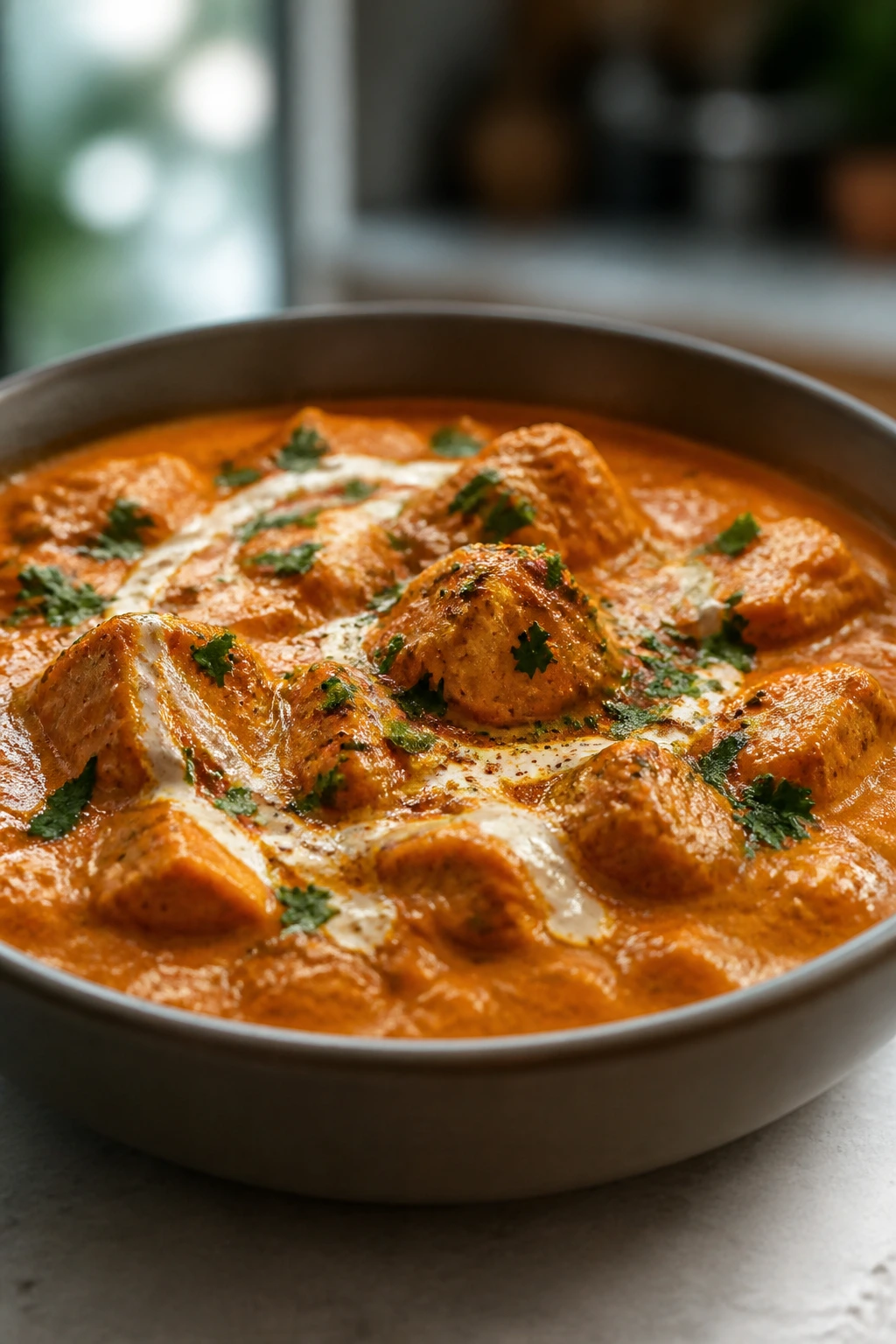
The best slow cooker tikka masala is not trying to fake a restaurant tandoor. It leans into what the cooker does well: soft chicken, a thick tomato sauce, and spices that bloom slowly instead of burning. The sauce should smell warm and a little sweet, with ginger and garam masala leading the way.
Why It Works: Chicken thighs survive a long cook better than breasts, and the tomato-onion base gives the sauce enough weight to carry cream or coconut milk at the end. A short sear on the chicken is optional, but I like it because the edges pick up color before they sink into the sauce. The slow cooker lets cumin, paprika, coriander, and ginger settle together instead of shouting over one another.
Key Ingredients:
- 2 1/2 lb boneless, skinless chicken thighs
- 1 cup plain whole-milk yogurt
- 1 tablespoon lemon juice
- 2 teaspoons garam masala
- 1 teaspoon ground cumin
- 1 teaspoon ground coriander
- 1 teaspoon paprika
- 1 large onion, finely diced
- 4 garlic cloves, minced
- 1 tablespoon fresh ginger, grated
- 1 can (15 oz) tomato sauce
- 1 can (14.5 oz) crushed tomatoes
- 1 teaspoon kosher salt
- 1/2 cup heavy cream or coconut milk
- 2 tablespoons chopped cilantro
Quick Steps:
- Marinate the Chicken: Toss the thighs with yogurt, lemon juice, half the garam masala, cumin, coriander, and paprika. Even 20 minutes helps, though longer is better.
- Start the Sauce: Put onion, garlic, ginger, tomato sauce, crushed tomatoes, salt, and the remaining garam masala into the slow cooker.
- Add the Chicken: Nestle the thighs into the sauce and coat them well.
- Cook Until Soft: Cover and cook on low for 5 to 6 hours, or on high for 3 to 4 hours, until the chicken reaches 165°F and pulls apart easily.
- Finish with Cream: Stir in the heavy cream or coconut milk and let it sit for 10 minutes before serving.
- Garnish: Add cilantro right before the bowl hits the table.
Equipment for This Recipe:
- 6-quart slow cooker
- Mixing bowl for the marinade
- Microplane or grater for ginger
- Tongs
- Small saucepan for rice, if serving
How to Serve This Dish: Spoon it over basmati rice with a little extra sauce on top. Naan on the side is handy for scooping, though plain rice gives the sauce more room to shine. A few red onion slices or cilantro leaves look right here.
Pro Tips for This Recipe:
- Do not add the cream early: It can dull the spices and split if cooked too long.
- Yogurt adds tenderness: Even a short marinade helps the chicken stay soft.
- Blend the sauce if you want it smoother: A few pulses with an immersion blender make it silkier.
- Taste after the cream goes in: Sometimes the sauce wants a pinch more salt.
Variations on This Dish:
- Lighter Coconut Version: Use coconut milk instead of cream.
- Extra-Spicy Version: Add 1 chopped green chile or 1/2 teaspoon cayenne.
- Paneer Swap: Replace chicken with 14 oz cubed paneer added in the last 20 minutes.
Common Mistakes to Avoid with This Dish:
- Using breasts and cooking them too long: They dry out faster than thighs.
- Adding too much yogurt to the sauce: It can make the texture loose.
- Skipping the final rest: The sauce thickens and settles after 10 minutes off heat.
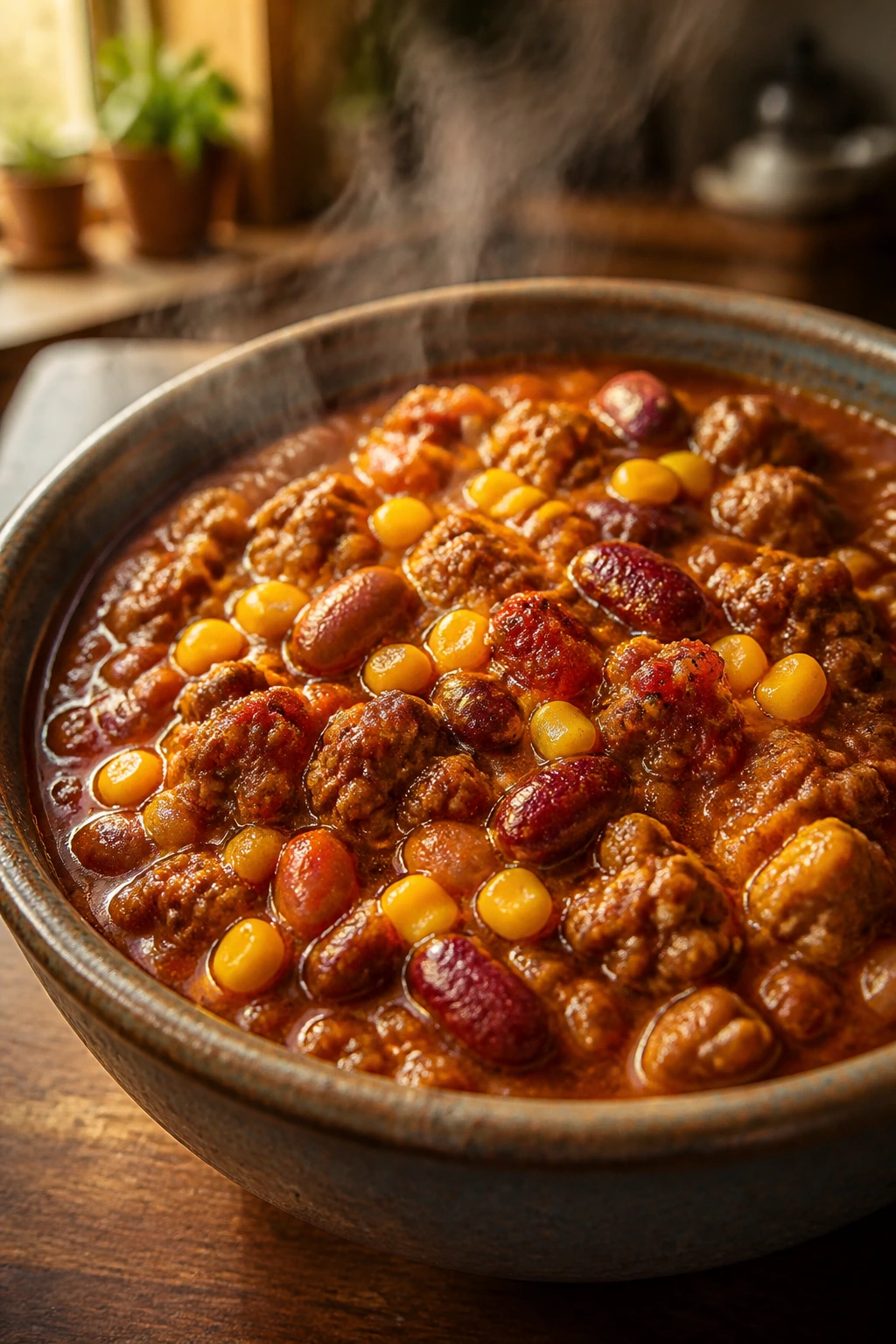
6. Turkey and Bean Chili with Sweet Corn
Turkey chili can taste thin if you treat it like beef chili’s quieter cousin. This version fixes that problem with browned turkey, plenty of beans, tomato paste, and enough chili powder to give the pot a proper backbone. Sweet corn brings a little pop that keeps each spoonful from going flat.
Why It Works: Ground turkey needs a little help, so browning it first matters. Tomato paste and spices toast in the pan, which gives the chili a darker, fuller taste before it even hits the cooker. Beans add body, and a small amount of cocoa powder makes the tomato base taste less sharp without turning it sweet.
Key Ingredients:
- 2 lb ground turkey
- 1 large onion, diced
- 1 red bell pepper, diced
- 4 garlic cloves, minced
- 2 tablespoons chili powder
- 2 teaspoons ground cumin
- 1 teaspoon smoked paprika
- 1 tablespoon tomato paste
- 2 cans (15 oz each) kidney beans, rinsed and drained
- 1 can (15 oz) black beans, rinsed and drained
- 1 can (15 oz) diced tomatoes
- 1 cup frozen or canned corn
- 2 cups low-sodium chicken broth
- 1 teaspoon kosher salt
- 1 teaspoon unsweetened cocoa powder
Quick Steps:
- Brown the Turkey: Cook the turkey and onion in a skillet over medium-high heat until the meat loses its pink color and the onion softens, about 6 to 8 minutes.
- Wake Up the Spices: Stir in the bell pepper, garlic, chili powder, cumin, paprika, tomato paste, and cocoa powder for 1 minute.
- Transfer and Build: Scrape everything into the slow cooker, then add the beans, tomatoes, corn, broth, and salt.
- Cook Low and Slow: Cover and cook on low for 6 to 7 hours, or on high for 3 to 4 hours, until the chili looks thick and the flavors have blended.
- Adjust the Texture: If it seems loose, crack the lid for the final 20 minutes so some liquid can evaporate.
Equipment for This Recipe:
- Large skillet
- 6-quart slow cooker
- Wooden spoon
- Can opener
- Ladle
How to Serve This Dish: Serve it with cheddar, sour cream, and crushed tortilla chips. Cornbread works well too, especially if you like something sweet on the side. A deep bowl helps, because this chili wants room for toppings.
Pro Tips for This Recipe:
- Brown the turkey well: Pale turkey tastes watery.
- Use low-sodium broth: Chili can get too salty after hours of cooking.
- Add toppings at the end, not the start: Chips and sour cream vanish into the pot if they sit too long.
- A little cocoa goes far: Too much makes the chili taste muddy.
Variations on This Dish:
- Bean-Light Version: Use one can of beans and add an extra 1/2 lb turkey.
- Smokier Bowl: Add 1 chipotle in adobo, minced finely.
- Southwest Version: Stir in diced green chiles and serve with avocado.
Common Mistakes to Avoid with This Dish:
- Skipping the browning step: Raw ground turkey straight into the cooker tastes flat.
- Adding too much corn too early: It gets soft and loses its pop.
- Not tasting before serving: Chili powder blends vary a lot, so the final salt check matters.
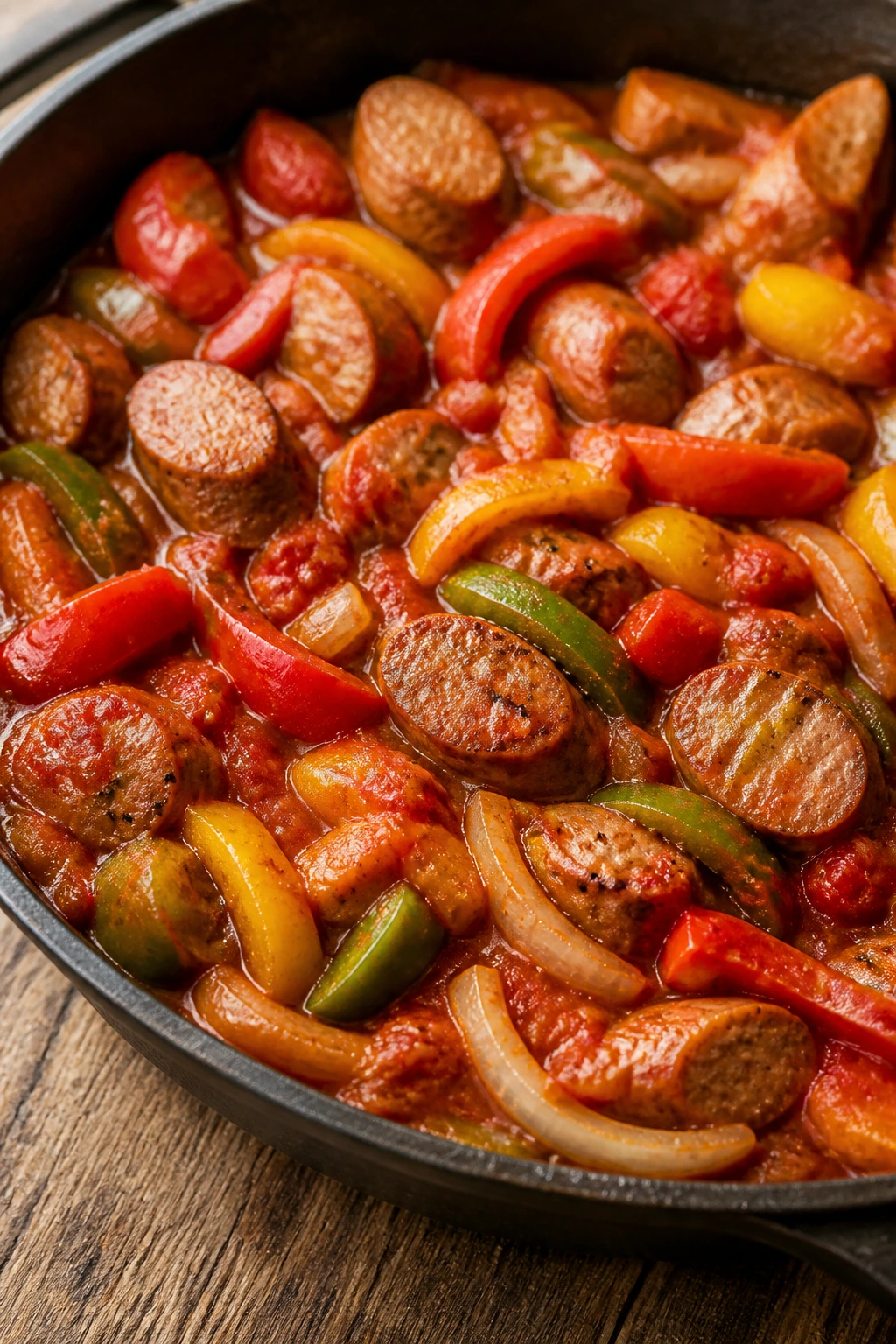
7. Sausage, Peppers, and Onions with Marinara
There’s a blunt, satisfying quality to sausage and peppers in a slow cooker. The peppers go soft and sweet, the onions melt down, and the sausage turns juicy in a tomato bath that tastes better the longer it sits. It is dinner with a very small list of ingredients and a big return.
Why It Works: Italian sausage brings its own fat and seasoning, which means the sauce does not need much help. Bell peppers soften without burning, and marinara ties the whole thing together. If you brown the sausage first, you get better texture and less grease floating on top, which I always think is worth the extra skillet.
Key Ingredients:
- 2 lb Italian sausage links, sweet or hot
- 2 large bell peppers, sliced
- 1 large onion, sliced
- 4 garlic cloves, minced
- 2 cups marinara sauce
- 1 can (14.5 oz) diced tomatoes
- 1 teaspoon dried oregano
- 1/2 teaspoon fennel seeds, optional
- 1/2 teaspoon red pepper flakes, optional
- 1 tablespoon olive oil
Quick Steps:
- Brown the Sausage: Sear the sausage links in olive oil over medium heat for 4 to 5 minutes, just until the outside takes on color.
- Layer the Vegetables: Place the peppers, onion, and garlic in the slow cooker.
- Add the Sauce: Pour in the marinara and diced tomatoes, then stir in oregano, fennel seeds, and red pepper flakes.
- Nestle the Sausage: Set the browned sausage on top and push it down into the sauce.
- Cook Until Juicy: Cover and cook on low for 4 to 5 hours, or on high for 2 1/2 to 3 hours.
- Slice or Serve Whole: Slice the sausage before serving if you want easier sandwiches.
Equipment for This Recipe:
- Large skillet
- 6-quart slow cooker
- Tongs
- Sharp knife
- Serving spoon
How to Serve This Dish: Put it into hoagie rolls for a classic sandwich or spoon it over polenta if you want something softer underneath. A handful of grated mozzarella on top melts into the sauce quickly. I like a green salad on the side because the plate needs a sharp edge.
Pro Tips for This Recipe:
- Brown the sausage lightly: You want color, not a cooked-through link.
- Use thick marinara: Thin sauce gets watery after the peppers release liquid.
- Slice peppers on the thick side: Thin strips go mushy.
- Let it sit 10 minutes before serving: The sauce clings better after a short rest.
Variations on This Dish:
- Chicken Sausage Version: Use chicken sausage links for a lighter finish.
- Spicy Hoagie Version: Swap in hot sausage and add more red pepper flakes.
- Polenta Bowl Version: Serve the saucy sausage over creamy polenta instead of bread.
Common Mistakes to Avoid with This Dish:
- Using raw sausage without checking doneness: Brown it first so you know it is safe and seasoned on the outside.
- Overcooking peppers until they collapse: Cut them thick and respect the time.
- Using too much watery tomato sauce: The dish loses its shape and starts to look like soup.
8. Slow Cooker French Onion Soup with Gruyère Toasts
French onion soup is a patience dish, and the slow cooker suits it surprisingly well. The onions soften into jammy sweetness, the broth gets dark and beefy, and the whole thing ends under a broiler with cheese bubbling over toasted bread. The first spoonful tastes like onion candy for adults.
Why It Works: Slow heat lets the onions give up their water and sweetness without constant stirring. Beef broth, sherry, and thyme create the familiar deep soup base, while a little butter keeps the onions from drying out. The broiled toast is not optional in my book. It is the point.
Key Ingredients:
- 4 large yellow onions, thinly sliced
- 3 tablespoons unsalted butter
- 1 tablespoon olive oil
- 1 teaspoon kosher salt
- 1 teaspoon sugar
- 1/2 teaspoon black pepper
- 6 cups beef broth
- 1/4 cup dry sherry
- 2 teaspoons fresh thyme leaves or 1 teaspoon dried thyme
- 1 bay leaf
- 1 baguette, sliced into 1-inch pieces
- 2 cups grated Gruyère cheese
Quick Steps:
- Soften the Onions: Put the onions, butter, oil, salt, sugar, and pepper in the slow cooker and stir to coat.
- Cook Them Down: Cover and cook on low for 8 to 10 hours, stirring once or twice if you happen to be nearby, until the onions are deep golden and collapsed.
- Add the Broth: Stir in the broth, sherry, thyme, and bay leaf, then cook on low for 1 to 2 more hours.
- Toast the Bread: Broil the baguette slices until dry and lightly browned.
- Assemble and Broil: Ladle soup into oven-safe bowls, top with toast and Gruyère, then broil until the cheese bubbles and browns in spots.
Equipment for This Recipe:
- Slow cooker
- Oven-safe soup bowls
- Sheet pan
- Broiler-safe rack
- Ladle
How to Serve This Dish: Serve one bowl at a time so the cheese stays dramatic and stringy. A green salad with sharp vinaigrette cuts through the richness nicely. If you want a fuller meal, add a second toast on the side, because one never feels like enough.
Pro Tips for This Recipe:
- Slice the onions evenly: Thick slices take longer and do not caramelize as evenly.
- Do not rush the onion stage: The flavor depends on patient cooking.
- Use oven-safe bowls only: Regular bowls can crack under the broiler.
- Keep an eye on the cheese: It goes from melted to scorched fast.
Variations on This Dish:
- White Wine Version: Replace the sherry with dry white wine for a brighter finish.
- Herby Version: Add a rosemary sprig with the thyme if you want more perfume.
- Vegetarian Version: Use a rich vegetable broth and a Parmesan rind if you keep one.
Common Mistakes to Avoid with This Dish:
- Trying to shortcut the onions: Pale onions make a weak soup.
- Using pre-shredded cheese: It melts less smoothly than a block of Gruyère.
- Skipping the broiler step: Without that browned cheese lid, the soup feels unfinished.
9. Salsa Verde Chicken for Tacos, Bowls, or Nachos
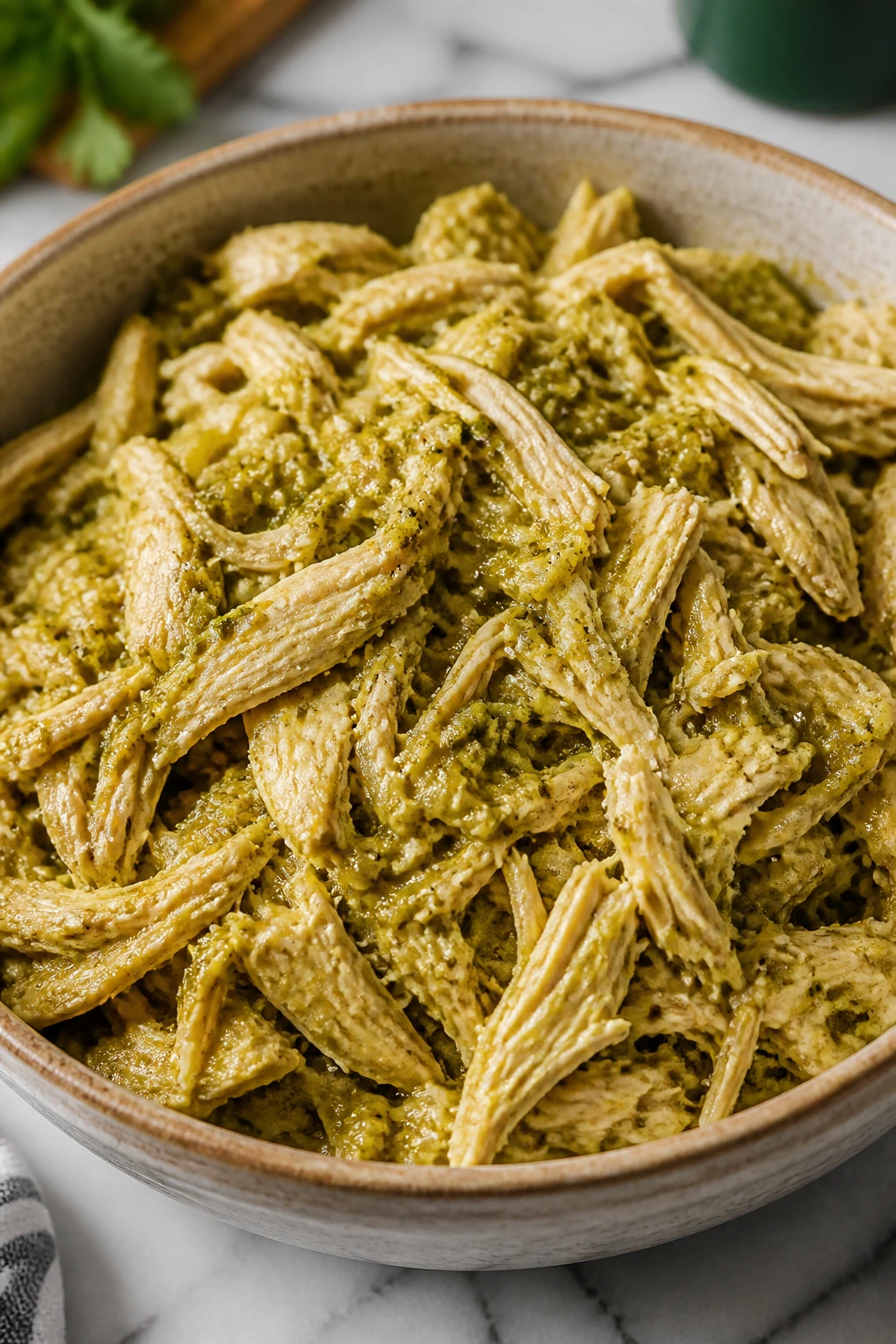
This is the kind of recipe that shows up looking simple and leaves acting like a workhorse. The chicken gets tangy from salsa verde, soft enough to shred cleanly, and good enough to slide into tortillas, over rice, or onto chips if that is the direction Sunday takes. The flavor is green, bright, and a little sharp.
Why It Works: Salsa verde already carries tomatillo acid, chile heat, and garlic, so the slow cooker only has to soften the chicken and marry the flavors. Thighs stay juicier than breasts, though breasts can work if you are careful with the time. A little cumin and oregano keep the sauce from tasting one-note.
Key Ingredients:
- 2 1/2 lb boneless, skinless chicken thighs
- 1 1/2 cups salsa verde
- 1 small onion, sliced
- 3 garlic cloves, minced
- 1 teaspoon ground cumin
- 1 teaspoon dried oregano
- 1/2 teaspoon kosher salt
- 1/2 cup chicken broth
- 1 lime, juiced
- 2 tablespoons chopped cilantro
Quick Steps:
- Build the Base: Put the onion, garlic, salsa verde, cumin, oregano, salt, and broth in the slow cooker.
- Add the Chicken: Set the thighs into the sauce and turn them once so they are coated.
- Cook Until Shreddable: Cover and cook on low for 4 to 5 hours, or on high for 2 1/2 to 3 hours, until the chicken reaches 165°F and pulls apart easily.
- Shred and Soak: Remove the chicken, shred it, and return it to the cooker for 10 minutes so it drinks in the sauce.
- Finish Brightly: Stir in lime juice and cilantro right before serving.
Equipment for This Recipe:
- 6-quart slow cooker
- Two forks
- Measuring cups
- Lime juicer or fork
- Tongs
How to Serve This Dish: Spoon it into warm corn tortillas with cabbage, avocado, and crumbled queso fresco. It also makes a strong rice bowl with black beans and corn. The leftovers are excellent on nachos because the sauce soaks into the chips in the best possible way.
Pro Tips for This Recipe:
- Use a salsa verde you like from the jar: There is no hiding a bad jar here.
- Lime goes in at the end: Earlier lime fades during the long cook.
- Do not overcook chicken breasts: If you use them, start checking early.
- Let the shredded chicken rest in the sauce: That last soak matters.
Variations on This Dish:
- Creamy Verde Chicken: Stir in 4 oz cream cheese at the end.
- Poblano Version: Add 1 chopped roasted poblano for a deeper pepper flavor.
- Bean Bowl Version: Mix in a can of drained white beans for a fuller meal.
Common Mistakes to Avoid with This Dish:
- Using too much extra broth: Salsa verde already brings liquid.
- Forgetting to shred the chicken before serving: Whole thighs do not feel as useful in tacos.
- Skipping the final cilantro: The dish loses its fresh edge without it.
10. Ham and Split Pea Soup with Carrots and Thyme
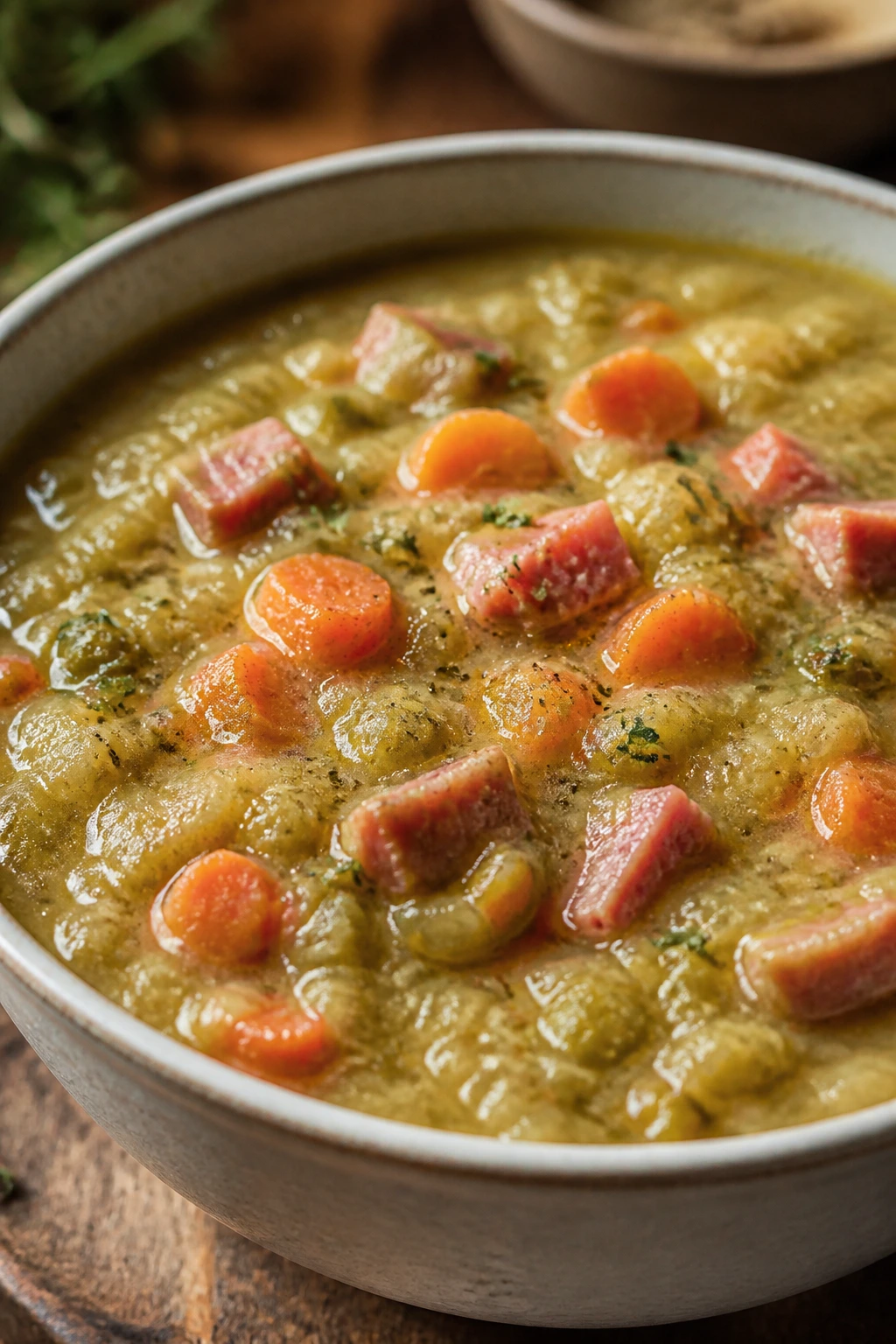
Split pea soup has a dense, old-school feel that I like on a slow Sunday. The peas turn creamy, the ham gives it a salty backbone, and the carrots bring just enough sweetness to keep each spoonful from going monotone. It is humble in the best sense.
Why It Works: Split peas break down naturally during a long cook, so they thicken the soup without flour or cream. Ham hock or diced ham seasons the whole pot from the start, and thyme keeps the flavor grounded. The slow cooker turns what could be a stiff, grainy soup into something lush and spoonable.
Key Ingredients:
- 1 lb dried split peas, rinsed
- 1 ham hock or 2 cups diced cooked ham
- 2 carrots, diced
- 2 celery stalks, diced
- 1 large onion, diced
- 3 garlic cloves, minced
- 6 cups low-sodium chicken broth
- 2 cups water
- 1 teaspoon dried thyme
- 1 bay leaf
- 1/2 teaspoon black pepper
- 1 tablespoon apple cider vinegar
Quick Steps:
- Load the Pot: Add the split peas, carrots, celery, onion, garlic, ham hock or ham, broth, water, thyme, bay leaf, and pepper.
- Cook Until Creamy: Cover and cook on low for 8 to 9 hours, or on high for 5 to 6 hours, until the peas have mostly collapsed and the soup looks thick.
- Stir and Check Texture: Remove the ham hock if you used one, shred any meat from it, and return the meat to the soup.
- Brighten at the End: Stir in apple cider vinegar and taste for salt.
- Serve Hot: The soup thickens as it sits, so add a splash of broth if needed.
Equipment for This Recipe:
- 6-quart slow cooker
- Ladle
- Sharp knife
- Cutting board
- Fork for shredding ham
How to Serve This Dish: Serve it with rye toast or a crusty roll that can stand up to a thick soup. A little black pepper on top looks right. If you want a fuller plate, add a sharp pickle or a simple cucumber salad on the side.
Pro Tips for This Recipe:
- Rinse the peas well: It keeps the broth cleaner.
- Do not add extra salt at the start: Ham can be salty enough on its own.
- Vinegar at the end matters: It keeps the soup from tasting heavy.
- Expect it to thicken overnight: Leftovers usually need more broth.
Variations on This Dish:
- Smoked Turkey Version: Use a smoked turkey leg instead of ham.
- Vegetable Split Pea Soup: Leave out the ham and add extra thyme plus a Parmesan rind.
- Chunkier Style: Keep some peas intact by stopping the cook a little earlier.
Common Mistakes to Avoid with This Dish:
- Using old split peas: Older peas can stay firm longer than they should.
- Overfilling with water: The soup needs some body, not a thin broth.
- Not checking the salt after the ham goes in: Ham swings the seasoning a lot.
11. Coconut Chickpea Curry with Sweet Potato and Spinach
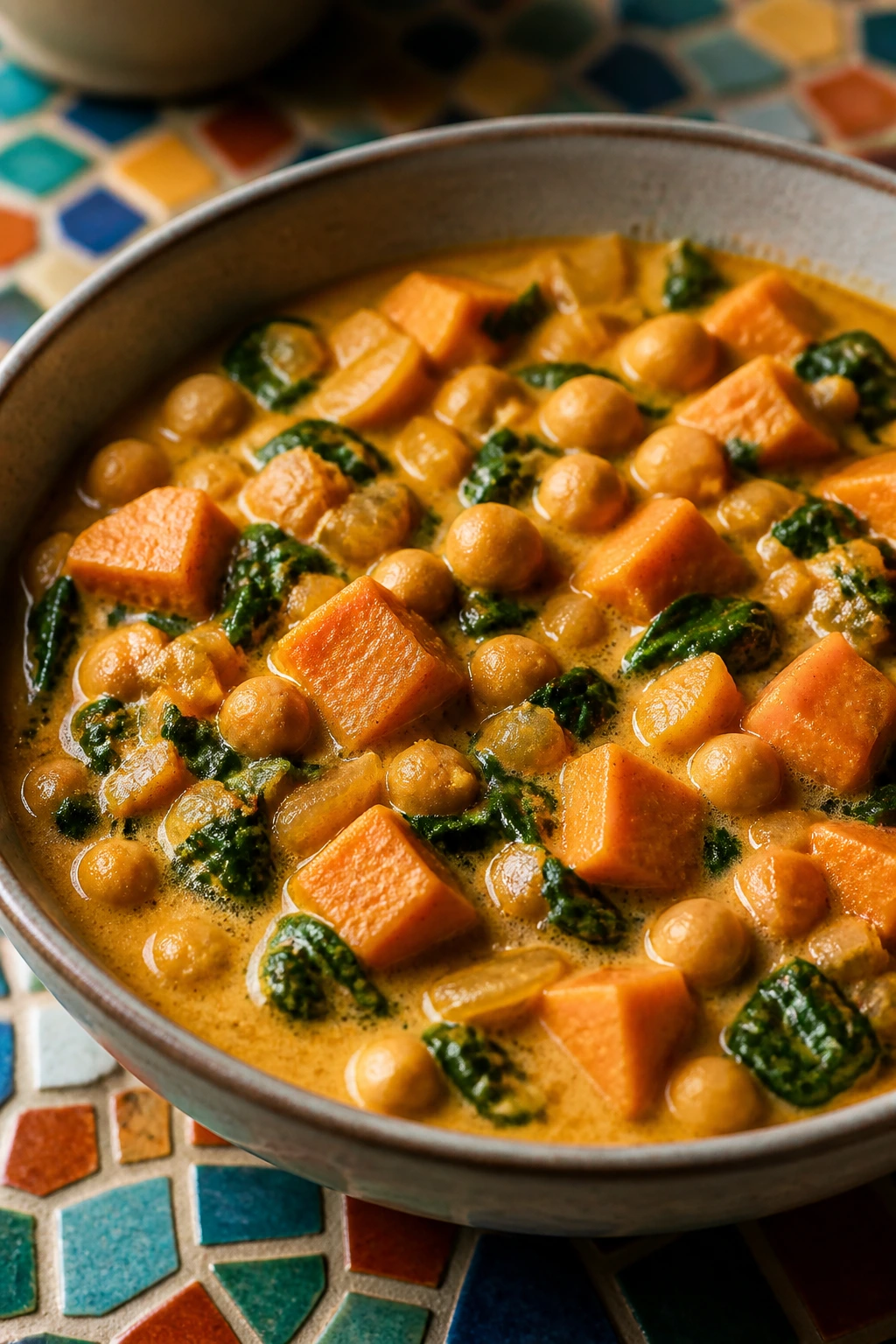
This curry smells like the good part of dinner before it is done. Coconut milk softens the spices, sweet potato brings body, and chickpeas make the whole pot feel like a full meal instead of a side dish pretending to be one. I like this when I want something meatless that still eats like dinner.
Why It Works: Chickpeas hold shape in the slow cooker, and sweet potato breaks down just enough to thicken the curry. Coconut milk adds richness without dairy. Curry powder, ginger, and garlic need time to settle in, and the slow cooker gives them exactly that.
Key Ingredients:
- 2 cans (15 oz each) chickpeas, rinsed and drained
- 1 large sweet potato, peeled and cut into 1-inch cubes
- 1 large onion, diced
- 4 garlic cloves, minced
- 1 tablespoon fresh ginger, grated
- 2 tablespoons curry powder
- 1 teaspoon ground cumin
- 1 can (13.5 oz) coconut milk
- 1 can (14.5 oz) diced tomatoes
- 1 cup vegetable broth
- 1 teaspoon kosher salt
- 4 cups baby spinach
- 1 lime, juiced
Quick Steps:
- Combine the Base: Add chickpeas, sweet potato, onion, garlic, ginger, curry powder, cumin, coconut milk, tomatoes, broth, and salt to the slow cooker.
- Cook Until the Sweet Potato Softens: Cover and cook on low for 4 to 5 hours, or on high for 2 1/2 to 3 hours.
- Check the Texture: The sweet potato should be tender enough to press with a spoon but not fully dissolved.
- Add Spinach: Stir in spinach for the last 10 minutes until it wilts.
- Finish with Lime: Add lime juice right before serving.
Equipment for This Recipe:
- 6-quart slow cooker
- Vegetable peeler
- Knife and cutting board
- Wooden spoon
- Lime juicer
How to Serve This Dish: Serve it over rice, with naan, or with quinoa if you want a little extra protein. A spoonful of yogurt or coconut yogurt on top cools the spice and looks neat. I like toasted cashews here too because they add crunch where the curry is soft.
Pro Tips for This Recipe:
- Cut the sweet potato evenly: Large uneven chunks cook at different speeds.
- Use full-fat coconut milk if you can: It gives the sauce better body.
- Add spinach at the end only: It keeps a cleaner color and texture.
- Taste for salt after the lime: Acid changes the seasoning balance.
Variations on This Dish:
- Red Curry Version: Use red curry paste instead of powder for a sharper flavor.
- Lentil-Boosted Version: Add 1 cup red lentils for a thicker stew-like pot.
- Nutty Finish: Stir in 2 tablespoons peanut butter for a richer, earthier sauce.
Common Mistakes to Avoid with This Dish:
- Using low-fat coconut milk: The sauce can turn thin.
- Overcooking the sweet potato: It will disappear into the curry.
- Adding spinach too early: It goes olive drab and limp.
12. Short Rib Ragù for Pasta or Polenta
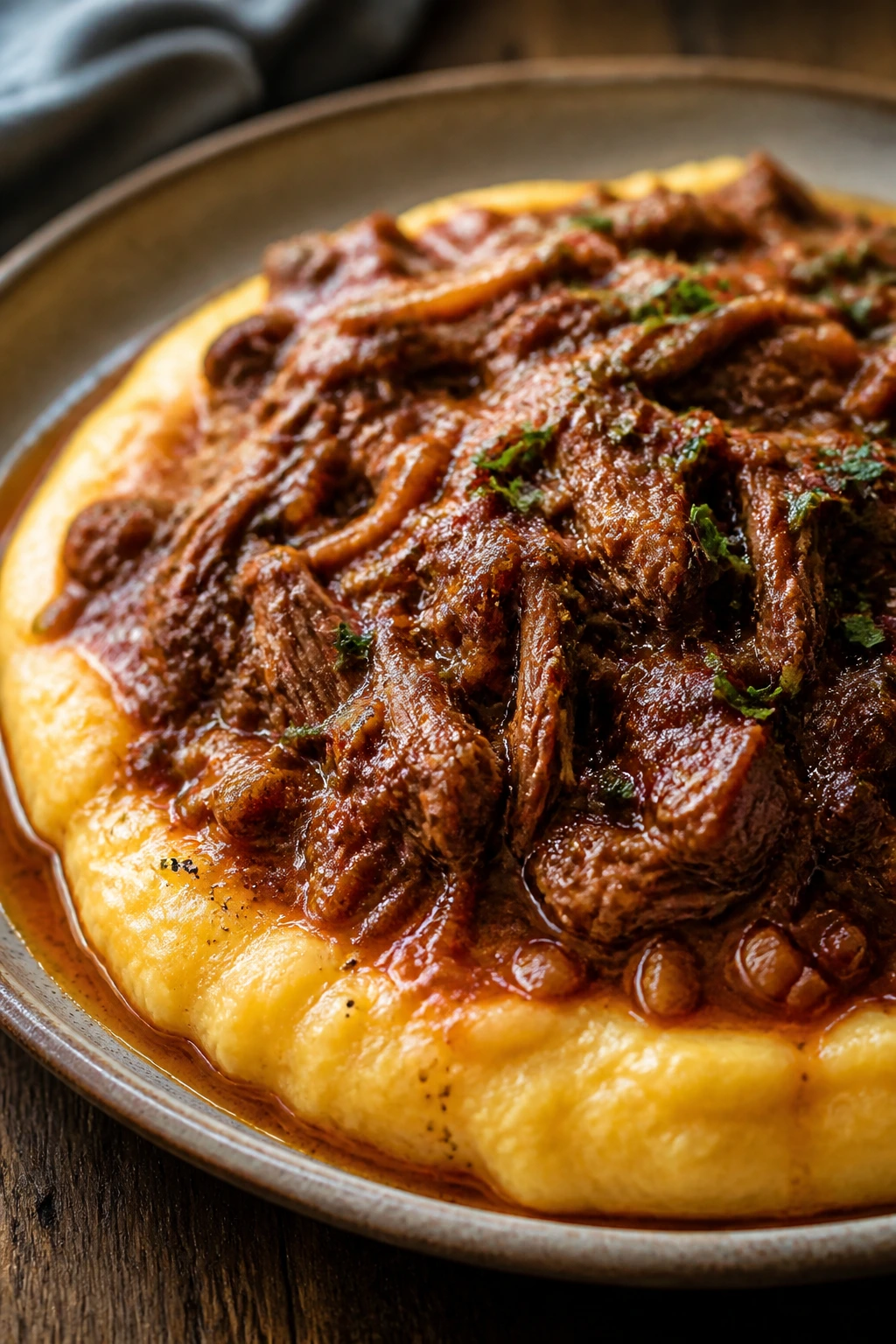
Short rib ragù feels richer than its ingredient list suggests. The meat goes silky, the tomato base turns dark and winey, and the sauce clings to pasta in a way that makes you slow down while eating. This is the Sunday meal that smells expensive even if you bought the short ribs on sale.
Why It Works: Beef short ribs are full of collagen, which melts down over long heat and makes the sauce feel luxurious. A little red wine and tomato paste deepen the base, and slow cooking gives the meat enough time to shred without drying out. The final reduction matters because ragù should coat pasta, not flood it.
Key Ingredients:
- 3 lb bone-in beef short ribs
- 2 teaspoons kosher salt
- 1 teaspoon black pepper
- 1 tablespoon olive oil
- 1 onion, diced
- 2 carrots, diced
- 2 celery stalks, diced
- 4 garlic cloves, minced
- 2 tablespoons tomato paste
- 1 cup dry red wine
- 1 can (28 oz) crushed tomatoes
- 1 cup beef broth
- 1 teaspoon dried rosemary
- 1 bay leaf
Quick Steps:
- Sear the Short Ribs: Brown the ribs in oil over medium-high heat for 3 to 4 minutes per side.
- Build the Vegetable Base: Add onion, carrots, celery, garlic, and tomato paste to the slow cooker.
- Pour in the Liquid: Add wine, crushed tomatoes, broth, rosemary, and bay leaf.
- Slow Cook Until Shreddable: Nestle in the short ribs, cover, and cook on low for 8 hours or high for 5 to 6 hours.
- Shred and Reduce: Remove bones and excess fat, shred the meat, then cook uncovered on high for 20 to 30 minutes if the sauce needs to thicken.
Equipment for This Recipe:
- Heavy skillet
- 6-quart slow cooker
- Tongs
- Wide spoon
- Pasta pot, if serving with noodles
How to Serve This Dish: Toss the ragù with pappardelle, rigatoni, or spoon it over creamy polenta. A little grated Parmesan and black pepper finish it properly. I like a bitter green salad alongside because the sauce is rich enough to want contrast.
Pro Tips for This Recipe:
- Remove as much fat as you can after cooking: Short ribs release a lot.
- Use dry wine, not sweet: Sweet wine makes the sauce muddy.
- Let the sauce reduce if it looks loose: Ragù wants cling.
- Shred the meat into large pieces: Tiny shreds disappear into the sauce.
Variations on This Dish:
- Porcini Ragù: Add a handful of soaked dried porcini for a deeper mushroom note.
- Creamy Finish: Stir in 1/4 cup milk at the very end for a softer sauce.
- Polenta Night Version: Skip pasta and serve the ragù over soft polenta with extra cheese.
Common Mistakes to Avoid with This Dish:
- Using too much broth: The sauce gets watery and bland.
- Not browning the ribs first: The color and flavor lose depth.
- Skipping the reduction step: Thin ragù clings badly to pasta.
13. Chicken and Dumplings with Peas and Celery
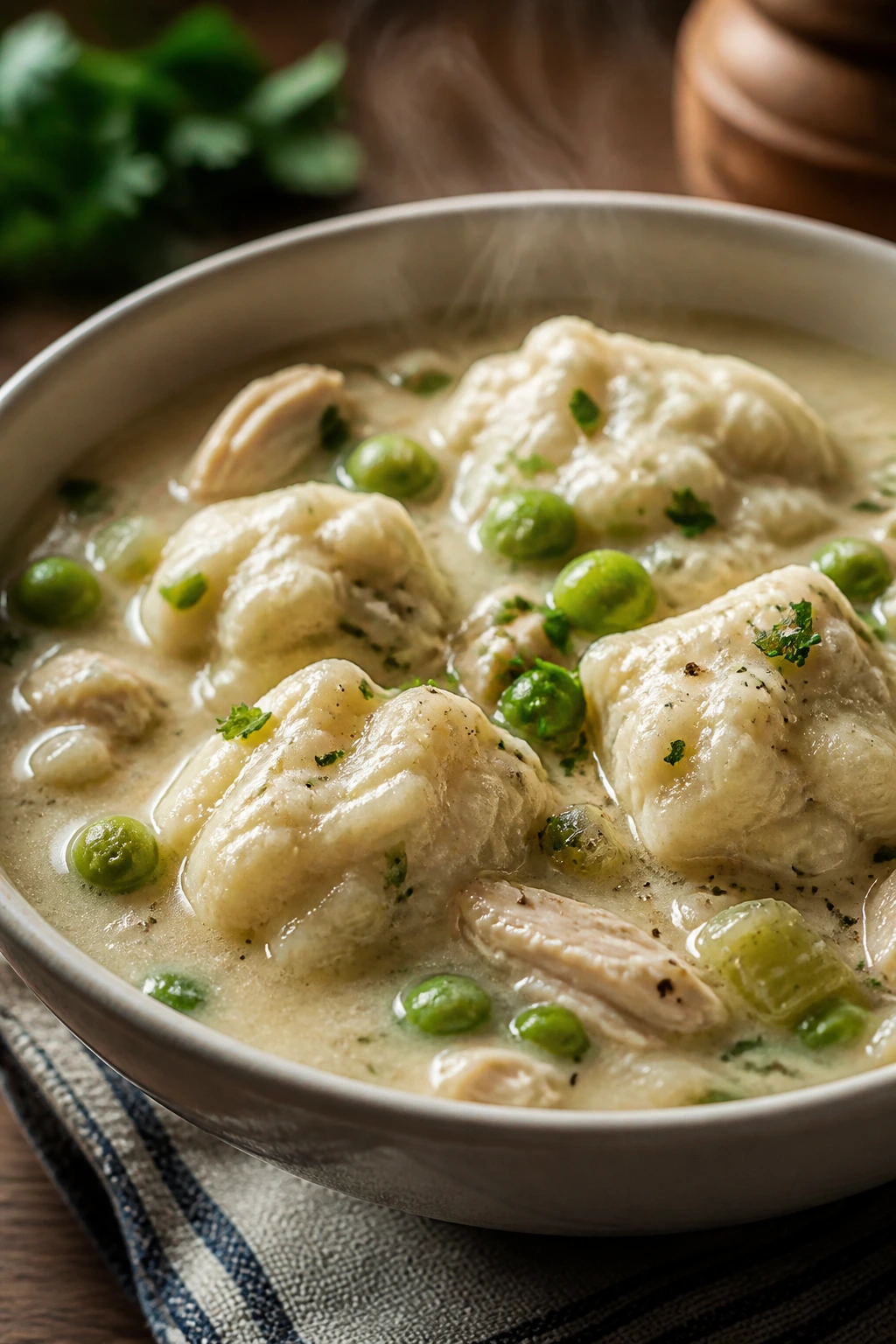
Chicken and dumplings are messy in the best possible way. The broth turns creamy, the chicken softens, and the dumplings steam on top until they are fluffy inside and a little slick on the outside. I like this version because it keeps the dumplings simple and lets the slow cooker handle the soup part.
Why It Works: Chicken thighs hold up better than breasts in a long cook. The vegetables and broth create a rich base before the dumplings go in, and adding the dough at the end keeps it from dissolving into paste. The trick is to give the dumplings enough time to set without letting them sink and break apart.
Key Ingredients:
- 2 lb boneless, skinless chicken thighs
- 2 carrots, diced
- 2 celery stalks, diced
- 1 onion, diced
- 3 garlic cloves, minced
- 4 cups low-sodium chicken broth
- 1 teaspoon dried thyme
- 1 teaspoon kosher salt
- 1/2 teaspoon black pepper
- 1 cup frozen peas
- 1/2 cup heavy cream
- 1 1/2 cups all-purpose flour
- 2 teaspoons baking powder
- 1/2 teaspoon salt
- 3/4 cup milk
- 3 tablespoons melted butter
- 1 tablespoon chopped parsley
Quick Steps:
- Start the Stew: Add chicken, carrots, celery, onion, garlic, broth, thyme, salt, and pepper to the slow cooker.
- Cook the Chicken: Cover and cook on low for 5 to 6 hours, or on high for 3 to 4 hours, until the chicken reaches 165°F and shreds easily.
- Shred and Enrich: Remove the chicken, shred it, return it to the pot, then stir in peas and cream.
- Mix the Dumplings: Whisk flour, baking powder, salt, milk, melted butter, and parsley until just combined.
- Cook the Dumplings: Drop spoonfuls of dough onto the simmering stew, cover, and cook on high for 30 to 40 minutes without lifting the lid.
- Check the Centers: The dumplings should be set and no longer doughy in the middle.
Equipment for This Recipe:
- 6-quart slow cooker
- Mixing bowl
- Spoon for dropping dumplings
- Two forks
- Whisk
How to Serve This Dish: Serve it in shallow bowls so the dumplings stay visible on top. A little extra black pepper and parsley make it look finished without much effort. This is a full meal on its own, though a crisp salad helps if you want something fresh next to all that comfort.
Pro Tips for This Recipe:
- Keep the lid closed when the dumplings cook: Steam is what sets them.
- Do not overmix the dumpling dough: Lumpy dough makes lighter dumplings.
- Use thighs for the chicken: They survive the long cook better.
- Stir gently after the dumplings go in: Too much movement breaks them apart.
Variations on This Dish:
- Bisquick Shortcut: Use a baking mix if you want faster dumplings.
- Herb Dumplings: Add dill or chives to the dough.
- Veggie-Heavy Version: Add mushrooms or corn with the peas.
Common Mistakes to Avoid with This Recipe:
- Dropping dumplings into boiling liquid too early: They can break up before setting.
- Lifting the lid while they cook: You lose steam and slow the setting.
- Using too much cream early: It can make the broth feel heavy before the dumplings go in.
14. Swedish Meatballs with Egg Noodles and Dill
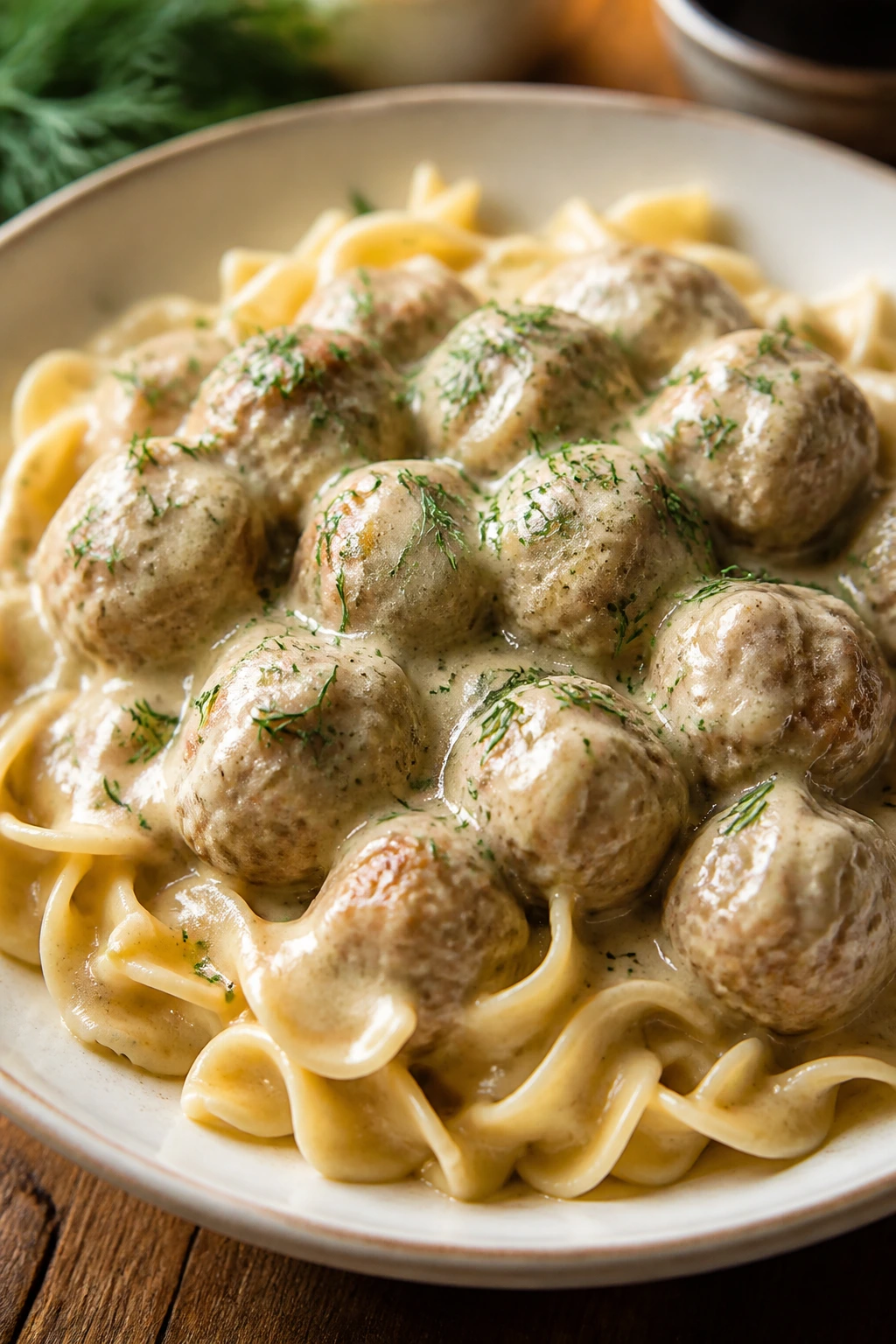
Swedish meatballs in the slow cooker are creamier and softer than the stove-top version, which is exactly why I like them for a lazy Sunday. The sauce is mild, peppery, and deeply savory, with sour cream at the end giving it that familiar tang. Over egg noodles, it feels like the dinner equivalent of a heavy sweater.
Why It Works: Meatballs hold up well in a slow cooker if they are browned first or if you start with good frozen ones. Beef broth, mushroom soup, Worcestershire, and Dijon build a savory sauce without much fuss. The sour cream should go in after the heat drops a bit, because high heat can make it split.
Key Ingredients:
- 2 lb frozen cooked meatballs or homemade meatballs
- 1 onion, finely diced
- 8 oz cremini mushrooms, sliced
- 3 cups beef broth
- 1 can (10.5 oz) condensed cream of mushroom soup
- 1 tablespoon Worcestershire sauce
- 1 teaspoon Dijon mustard
- 1/2 teaspoon black pepper
- 1/4 teaspoon ground nutmeg
- 1 cup sour cream
- 12 oz egg noodles, cooked separately
- 2 tablespoons chopped dill or parsley
Quick Steps:
- Start the Sauce: Add onion, mushrooms, broth, soup, Worcestershire, mustard, pepper, and nutmeg to the slow cooker.
- Add the Meatballs: Stir in the meatballs and coat them well.
- Cook Through: Cover and cook on low for 4 to 5 hours, or on high for 2 to 3 hours, until the sauce is hot and the meatballs are heated through.
- Add the Sour Cream: Turn off the heat for a few minutes, then stir in sour cream until the sauce looks smooth.
- Serve Over Noodles: Spoon the meatballs and sauce over cooked egg noodles and finish with dill.
Equipment for This Recipe:
- 6-quart slow cooker
- Large spoon
- Pot for noodles
- Colander
- Mixing bowl, if making meatballs from scratch
How to Serve This Dish: Egg noodles are the classic move, but mashed potatoes or rice work in a pinch. A little dill on top keeps the bowl from looking beige and tired. I like a spoon of lingonberry jam on the side if you can find it.
Pro Tips for This Recipe:
- Cook the noodles separately: They stay firmer that way.
- Let the sauce cool a little before sour cream goes in: Heat shock can curdle it.
- Frozen meatballs are fine here: This is one of the places I do not mind the shortcut.
- Taste before salting: The soup base and meatballs already carry salt.
Variations on This Dish:
- Turkey Meatball Version: Use turkey meatballs for a lighter bowl.
- Garlic-Herb Sauce: Add 2 minced garlic cloves and a little thyme.
- No-Mushroom Version: Swap in extra onion if mushrooms are not your thing.
Common Mistakes to Avoid with This Dish:
- Adding the noodles to the slow cooker: They turn soft and bloated.
- Stirring sour cream into boiling sauce: It can separate fast.
- Using underseasoned meatballs: The sauce can only do so much.
15. Minestrone with Parmesan Rind and Tiny Pasta
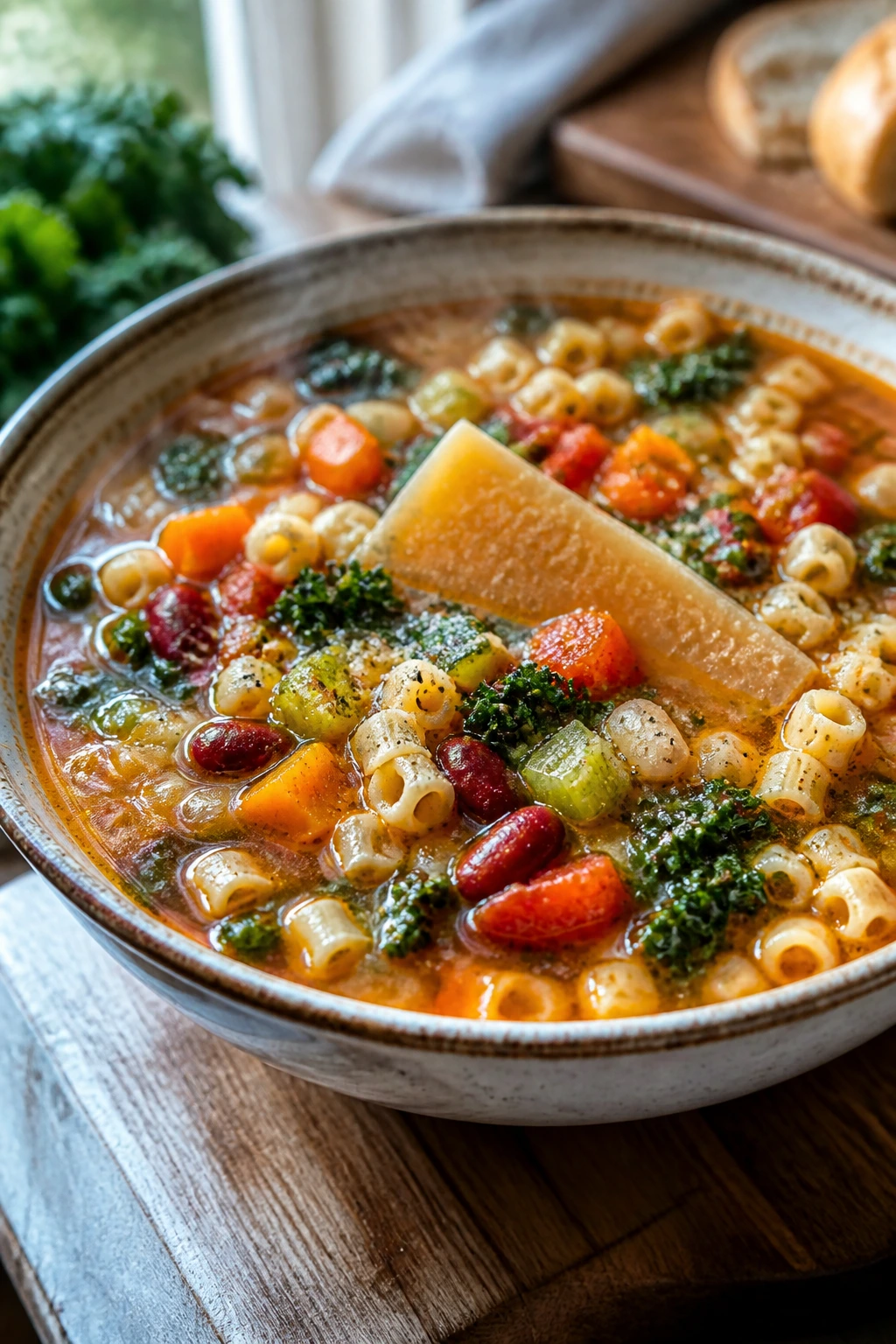
Minestrone is one of those soups that can feel like a pantry clean-out or a smart, deliberate meal. The difference is the seasoning and timing. A Parmesan rind in the broth gives the soup a quiet savory depth, while the vegetables keep their shape just enough to make each spoonful feel busy in a good way.
Why It Works: Beans, vegetables, and tomatoes build the base early, but small pasta should go in near the end or it will collapse into starch paste. The Parmesan rind melts flavor into the broth without making the soup heavy. Kale or spinach adds a final green note that keeps the bowl from feeling flat.
Key Ingredients:
- 1 onion, diced
- 2 carrots, diced
- 2 celery stalks, diced
- 2 zucchini, diced
- 4 garlic cloves, minced
- 1 can (15 oz) cannellini beans, rinsed and drained
- 1 can (15 oz) diced tomatoes
- 6 cups vegetable broth
- 1 Parmesan rind
- 1 teaspoon dried Italian seasoning
- 1 teaspoon kosher salt
- 3/4 cup small pasta, such as ditalini
- 2 cups chopped kale or spinach
- 2 tablespoons olive oil
Quick Steps:
- Set Up the Soup Base: Add onion, carrots, celery, zucchini, garlic, beans, tomatoes, broth, Parmesan rind, Italian seasoning, salt, and olive oil to the slow cooker.
- Cook the Vegetables: Cover and cook on low for 6 to 7 hours, or on high for 3 to 4 hours.
- Add the Pasta Late: Stir in the pasta during the last 20 to 25 minutes so it stays tender, not swollen.
- Finish with Greens: Add kale or spinach for the final 5 to 10 minutes.
- Remove the Rind: Pull out the Parmesan rind before serving.
Equipment for This Recipe:
- 6-quart slow cooker
- Ladle
- Sharp knife
- Cutting board
- Small bowl for pasta
How to Serve This Dish: Serve it with extra olive oil, black pepper, and grated Parmesan. A slice of garlic bread is enough if you want a side, though the soup already eats like a full bowl meal. The colors are best in a wide bowl — tomato red, green leaves, and pale beans.
Pro Tips for This Recipe:
- Add pasta near the end only: It keeps the soup from turning gluey.
- Use a Parmesan rind if you have one: It adds depth fast.
- Dice the vegetables evenly: This keeps the texture balanced.
- Taste after the broth cooks down: The salt level changes over time.
Variations on This Dish:
- Bean-Free Version: Add extra pasta and a handful of chopped mushrooms.
- Pesto Finish: Stir in 1 tablespoon pesto just before serving.
- Hearty Winter Version: Add potatoes or butternut squash for more bulk.
Common Mistakes to Avoid with This Dish:
- Cooking pasta all day: It gets mushy and dull.
- Forgetting to remove the rind: Nobody wants a chewy surprise.
- Not salting enough: Minestrone depends on seasoning to taste like more than vegetables in water.
16. Mississippi Pot Roast with Pepperoncini Gravy
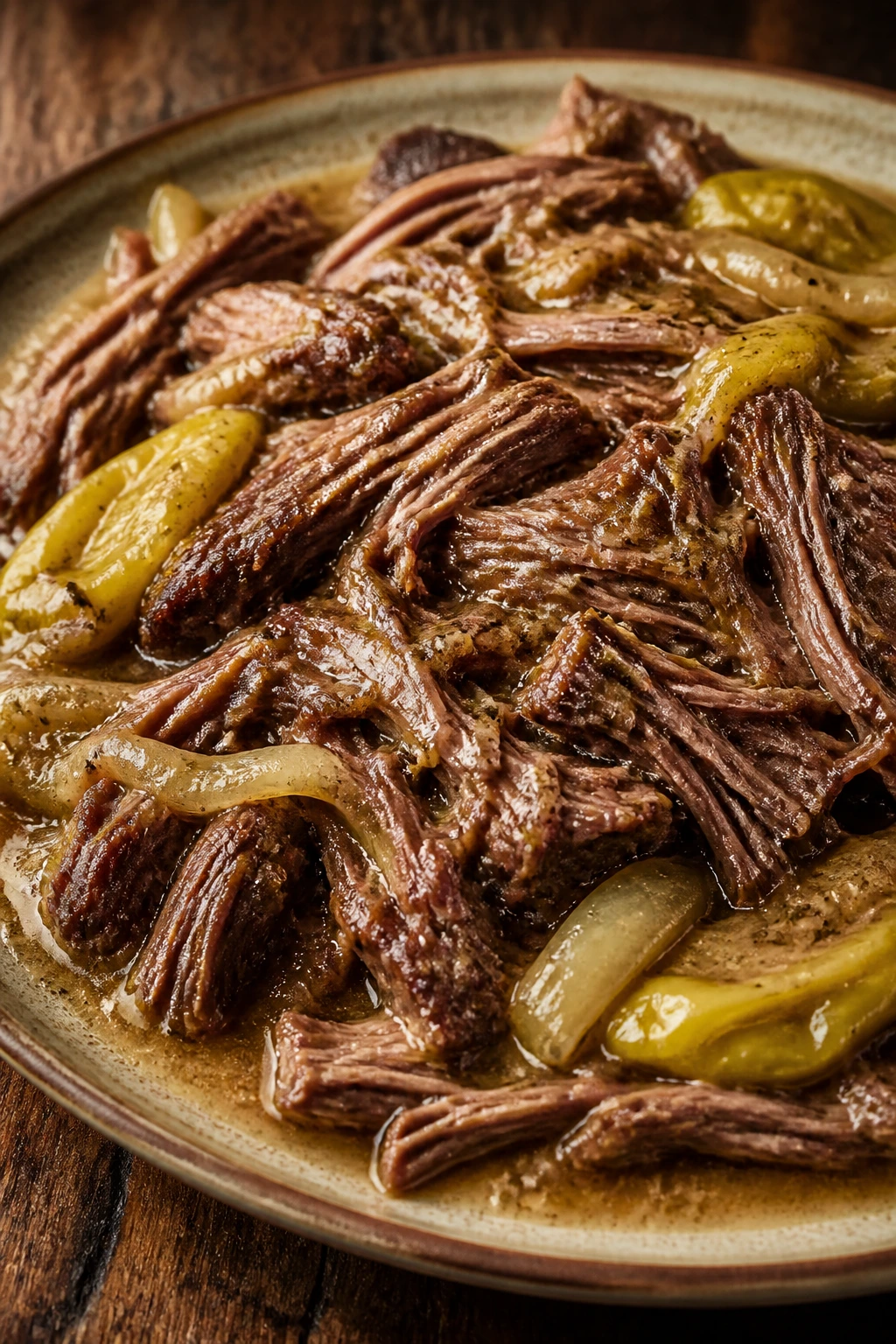
Mississippi pot roast is not delicate, and that is part of the charm. The beef turns shreddy and salty-sour from the pepperoncini, ranch, and au jus seasoning, and the butter melts into a gravy that lands somewhere between rich and sharp. It is the sort of thing people ask about after one bite, then go make themselves.
Why It Works: Chuck roast is again the right cut because it can take long heat and still come out tender. The pepperoncini brine brings acid and a mild bite, while the butter and seasoning packets create the familiar savory sauce. I think this recipe works best when you respect its bluntness. It is not subtle. It does not need to be.
Key Ingredients:
- 3 to 4 lb beef chuck roast
- 1 packet ranch seasoning mix
- 1 packet au jus gravy mix
- 1/2 cup pepperoncini juice
- 8 to 10 pepperoncini peppers
- 1/2 cup unsalted butter, cut into pieces
- 1 onion, sliced
- 1/2 teaspoon black pepper
- 1 lb baby potatoes, optional
Quick Steps:
- Set the Roast in the Cooker: Put the onion at the bottom, then place the chuck roast on top.
- Season the Meat: Sprinkle the ranch mix, au jus mix, and black pepper over the roast.
- Add the Peppers and Butter: Pour in the pepperoncini juice, scatter the peppers around the meat, and place butter pieces on top.
- Cook Until Fork-Tender: Cover and cook on low for 8 hours, or on high for 5 to 6 hours, until the roast shreds easily.
- Shred and Stir: Pull the roast apart, stir it back into the juices, and let it sit for 10 minutes.
Equipment for This Recipe:
- 6-quart slow cooker
- Tongs
- Forks for shredding
- Cutting board
- Ladle
How to Serve This Dish: Pile it onto rolls, mashed potatoes, or roasted potatoes. The pepperoncini gravy is strong enough to wake up plain sides, which is why this roast is such a useful dinner. A little chopped parsley on top does more than you would expect.
Pro Tips for This Recipe:
- Use chuck roast, not a lean cut: The whole recipe depends on that slow-softening fat.
- Do not drown it in extra liquid: The roast makes its own.
- Taste the sauce before adding more salt: The seasoning packets carry plenty.
- Let it rest after shredding: The meat drinks in the juices better.
Variations on This Dish:
- Potato Pot Roast: Add baby potatoes to make it a one-pot meal.
- Extra-Zippy Version: Add a splash more pepperoncini brine at the end.
- Sandwich Version: Serve on toasted rolls with provolone.
Common Mistakes to Avoid with This Dish:
- Using too much butter: It can make the sauce greasy instead of rich.
- Adding the peppers too late: They need time to flavor the gravy.
- Expecting subtlety: This roast is salty, tangy, and loud on purpose.
17. Moroccan Chickpea Stew with Apricots and Warm Spices
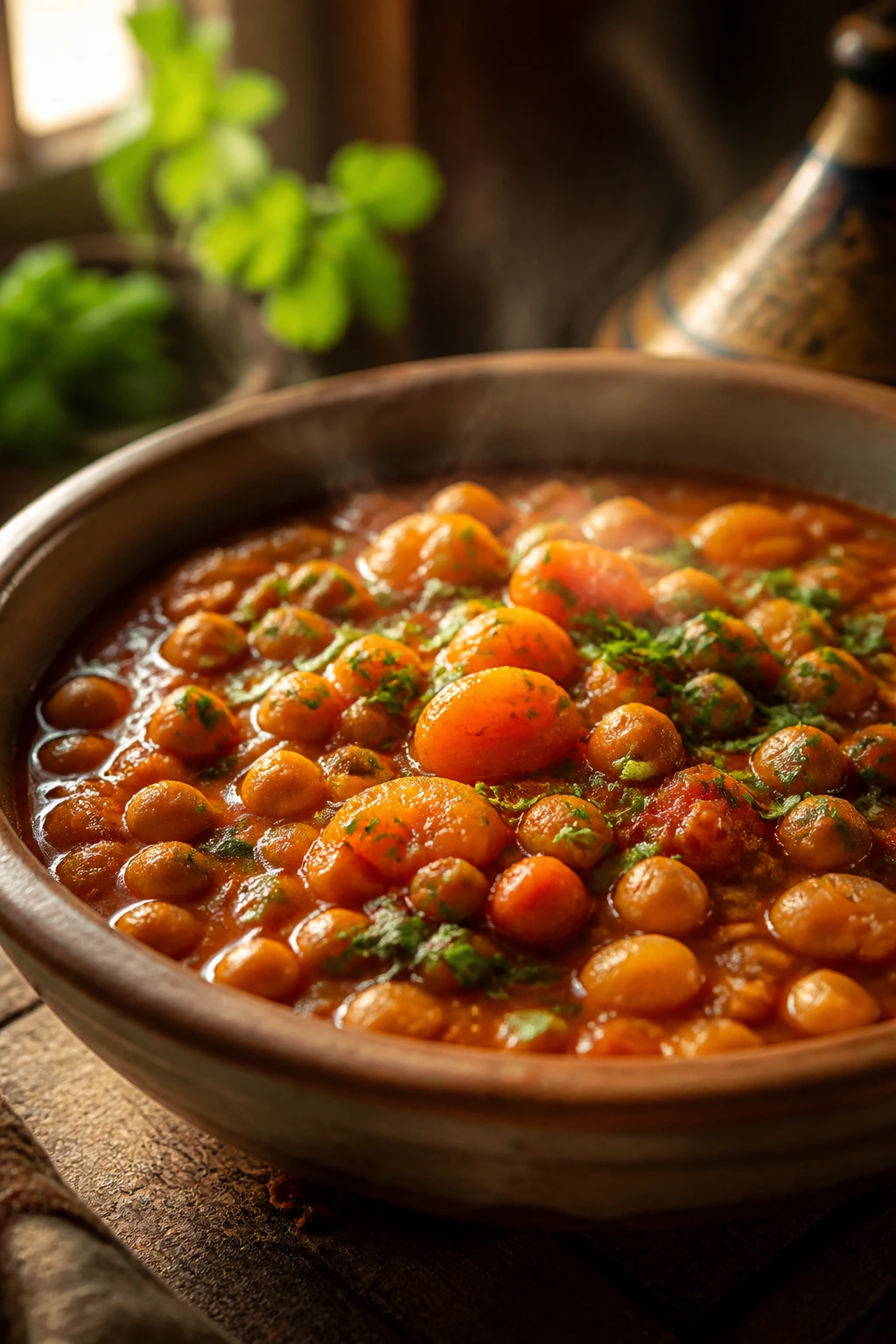
This stew has a way of tasting more layered than the work it asks for. Chickpeas bring body, apricots add a soft sweetness, and cinnamon and cumin give the broth a warm, almost woodsy edge. It is a good meal when you want Sunday dinner to smell different from every other Sunday dinner.
Why It Works: Chickpeas and squash or carrots hold up well over a long cook, while dried fruit lends sweetness without making the stew dessert-like. Tomato paste and broth create a base that feels richer than its short ingredient list suggests. The lemon at the end brightens everything, which matters because warm spices can go dusty if nobody wakes them up.
Key Ingredients:
- 2 cans (15 oz each) chickpeas, rinsed and drained
- 1 onion, diced
- 3 carrots, chopped
- 2 cups butternut squash cubes
- 4 garlic cloves, minced
- 1 tablespoon fresh ginger, grated
- 2 tablespoons tomato paste
- 1 can (14.5 oz) diced tomatoes
- 4 cups vegetable broth
- 1 teaspoon ground cumin
- 1/2 teaspoon cinnamon
- 1/2 teaspoon turmeric
- 1/4 cup chopped dried apricots
- 1 teaspoon kosher salt
- 2 cups spinach
- 1 lemon, juiced
- 2 tablespoons chopped cilantro
Quick Steps:
- Combine the Stew Base: Add chickpeas, onion, carrots, squash, garlic, ginger, tomato paste, tomatoes, broth, cumin, cinnamon, turmeric, apricots, and salt.
- Cook Until Tender: Cover and cook on low for 5 to 6 hours, or on high for 3 to 4 hours, until the squash softens and the flavors settle.
- Stir in Spinach: Add spinach during the last 10 minutes.
- Finish with Lemon: Stir in lemon juice and cilantro right before serving.
Equipment for This Recipe:
- 6-quart slow cooker
- Cutting board and knife
- Spoon or ladle
- Citrus juicer
- Vegetable peeler
How to Serve This Dish: Spoon it over couscous, rice, or soft polenta. A dollop of yogurt works if you want a creamy contrast. Toasted almonds or sesame seeds add a little crunch that keeps the bowl from feeling too soft.
Pro Tips for This Recipe:
- Cut squash evenly: Big chunks linger while small ones disappear.
- Use dried apricots sparingly: A little sweetness goes a long way.
- Add lemon at the end only: It keeps the stew bright.
- Taste the spice balance before serving: Cinnamon should whisper, not dominate.
Variations on This Dish:
- Lamb-Friendly Version: Add browned lamb chunks if you want more richness.
- Sweet Potato Swap: Use sweet potato instead of squash.
- Harissa Finish: Stir in a spoonful of harissa for heat.
Common Mistakes to Avoid with This Dish:
- Using too much dried fruit: The stew starts tasting sweet instead of savory.
- Cooking spinach the whole time: It disappears into nothing.
- Skipping the acid finish: The spices can taste dusty without it.
18. Beef Stroganoff with Mushrooms and Sour Cream
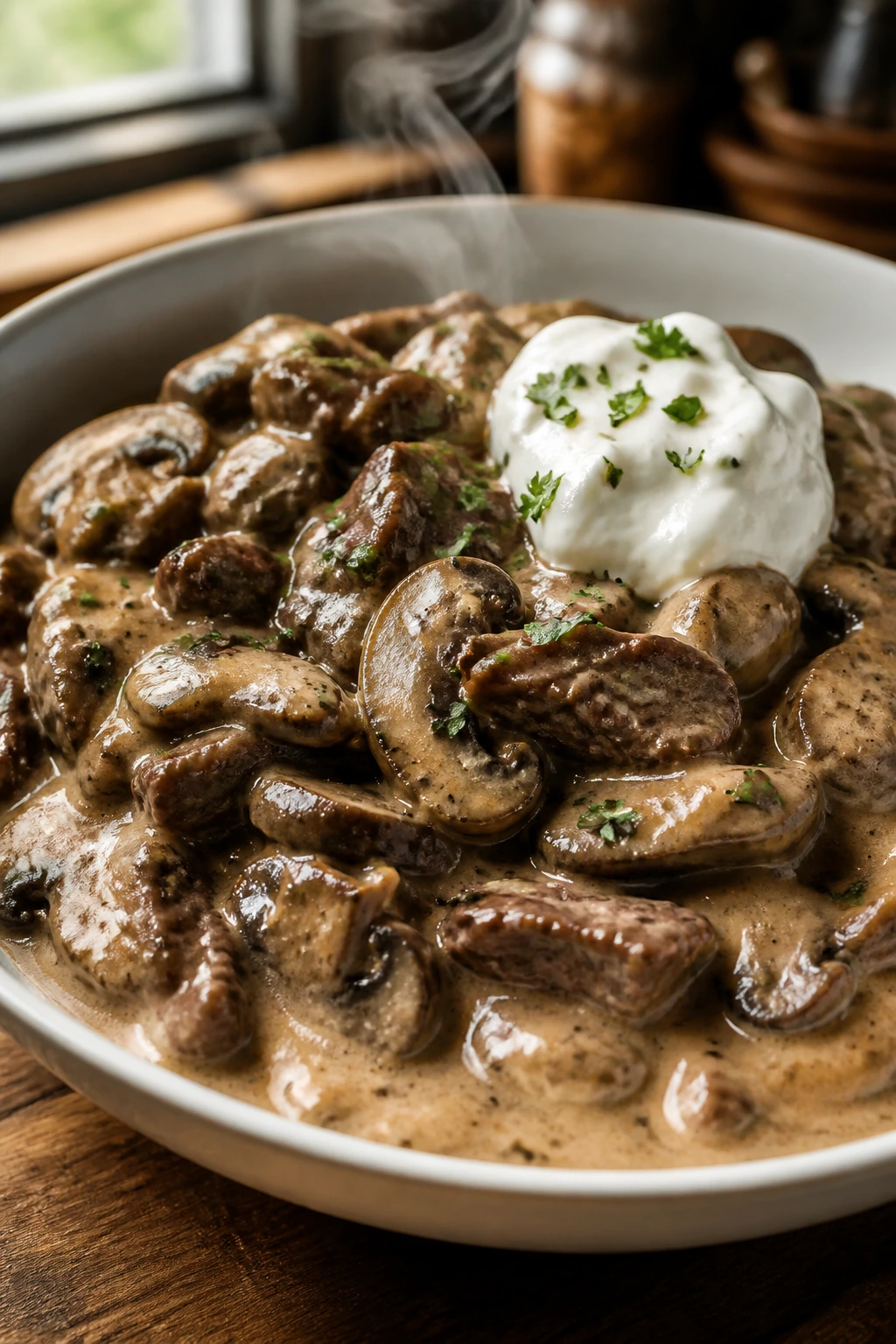
Beef stroganoff in a slow cooker can go wrong if the sauce gets muddy, which is why I prefer a version that keeps the mushrooms front and center and adds sour cream after the heat has eased. The beef turns soft, the mushrooms give it earthiness, and the sauce ends up silky enough to coat noodles instead of drowning them.
Why It Works: Stew meat or sirloin tips benefit from long, low heat, which softens the fibers without turning them stringy. Mushrooms release their liquid into the sauce, and Dijon plus Worcestershire keep the flavor sharp. Sour cream belongs at the end because high heat can split it in an ugly way.
Key Ingredients:
- 2 1/2 lb beef stew meat or sirloin tips
- 1 onion, sliced
- 8 oz cremini mushrooms, sliced
- 3 garlic cloves, minced
- 3 cups beef broth
- 1 tablespoon Worcestershire sauce
- 1 tablespoon Dijon mustard
- 1 teaspoon paprika
- 1 teaspoon kosher salt
- 1/2 teaspoon black pepper
- 1/2 cup sour cream
- 12 oz egg noodles, cooked separately
- 2 tablespoons chopped parsley
Quick Steps:
- Add the Base: Put the onion, mushrooms, garlic, broth, Worcestershire, mustard, paprika, salt, and pepper into the slow cooker.
- Add the Beef: Nestle in the beef and stir once so it is coated.
- Cook Until Tender: Cover and cook on low for 7 to 8 hours, or on high for 4 to 5 hours, until the beef is soft.
- Finish the Sauce: Turn off the heat for a few minutes, then stir in sour cream until smooth.
- Serve Over Noodles: Spoon the stroganoff over hot egg noodles and top with parsley.
Equipment for This Recipe:
- 6-quart slow cooker
- Pot for noodles
- Slotted spoon
- Mixing bowl
- Wooden spoon
How to Serve This Dish: Egg noodles are the obvious move, but mashed potatoes work if you want more comfort and less twirl. A squeeze of lemon over the parsley can sharpen the plate a little. I like a crisp cucumber salad alongside because the sauce is rich enough to ask for a break.
Pro Tips for This Recipe:
- Use sour cream at the end only: Heat can make it grainy.
- Cook noodles separately: The sauce is better when the starch stays under control.
- Choose mushrooms with some size: Thin slices vanish too quickly.
- Taste before serving: Stroganoff can need more salt than you expect.
Variations on This Dish:
- Ground Beef Version: Use browned ground beef if that is what you have.
- Extra-Mushroom Version: Add a second package of mushrooms for a deeper, woodier sauce.
- Dairy-Free Version: Use unsweetened cashew cream instead of sour cream.
Common Mistakes to Avoid with This Dish:
- Adding sour cream while the pot is boiling: It can break.
- Cooking pasta in the slow cooker: It turns soft fast.
- Underseasoning the broth: The sauce depends on salt and acid to taste finished.
19. Teriyaki Chicken Rice Bowls with Ginger and Sesame

Teriyaki chicken from the slow cooker is all about sauce management. The chicken gets tender, the glaze turns shiny and sticky after thickening, and the ginger-garlic base makes the whole bowl smell like takeout in the best possible way. It is one of the easiest ways to turn a plain Sunday into a rice-bowl dinner.
Why It Works: Chicken thighs stay juicy under long heat, and soy sauce, honey, ginger, and garlic build the classic teriyaki profile without needing a wok. The sauce does need a little cornstarch at the end if you want it to cling to rice instead of pooling under it. Sesame oil finishes the dish with a nutty note that reads immediately.
Key Ingredients:
- 2 1/2 lb boneless, skinless chicken thighs
- 1/2 cup low-sodium soy sauce
- 1/3 cup honey
- 1/4 cup rice vinegar
- 3 garlic cloves, minced
- 1 tablespoon fresh ginger, grated
- 1 tablespoon sesame oil
- 1/2 cup chicken broth
- 2 tablespoons cornstarch mixed with 2 tablespoons water
- 2 scallions, sliced
- 1 tablespoon sesame seeds
- Cooked rice, for serving
Quick Steps:
- Mix the Sauce: Whisk soy sauce, honey, rice vinegar, garlic, ginger, sesame oil, and broth.
- Add Chicken: Place the thighs in the slow cooker and pour the sauce over them.
- Cook Until Tender: Cover and cook on low for 4 to 5 hours, or on high for 2 1/2 to 3 hours, until the chicken reaches 165°F.
- Shred or Slice: Remove the chicken, shred or slice it, then return it to the pot.
- Thicken the Glaze: Stir in the cornstarch slurry and cook on high for 10 to 15 minutes until the sauce looks glossy and thick enough to coat a spoon.
- Finish: Sprinkle with scallions and sesame seeds.
Equipment for This Recipe:
- 6-quart slow cooker
- Small whisk
- Measuring cups and spoons
- Two forks
- Rice cooker or saucepan for rice
How to Serve This Dish: Build bowls with rice, teriyaki chicken, and something green like steamed broccoli or snap peas. A little extra sauce over the rice is the whole point. I like these bowls in wide shallow dishes because the toppings stay visible.
Pro Tips for This Recipe:
- Use low-sodium soy sauce: The glaze reduces and the salt concentrates.
- Thicken at the end, not the beginning: Cornstarch loses power if it cooks too long.
- Slice scallions right before serving: They stay crisp and sharp.
- Do not overdo the honey: Too much makes the sauce clingy in a sugary way.
Variations on This Dish:
- Pineapple Version: Add 1 cup pineapple chunks for a sweeter bowl.
- Spicy Teriyaki: Stir in chili paste or sriracha at the end.
- Veggie Bowl Version: Serve over rice with steamed edamame and carrots.
Common Mistakes to Avoid with This Dish:
- Skipping the thickener: Thin teriyaki slides off everything.
- Using high-sodium soy sauce without adjusting: The finished dish can get too salty.
- Cooking breasts too long: They dry faster than thighs.
20. Stuffed Pepper Soup with Rice on the Side
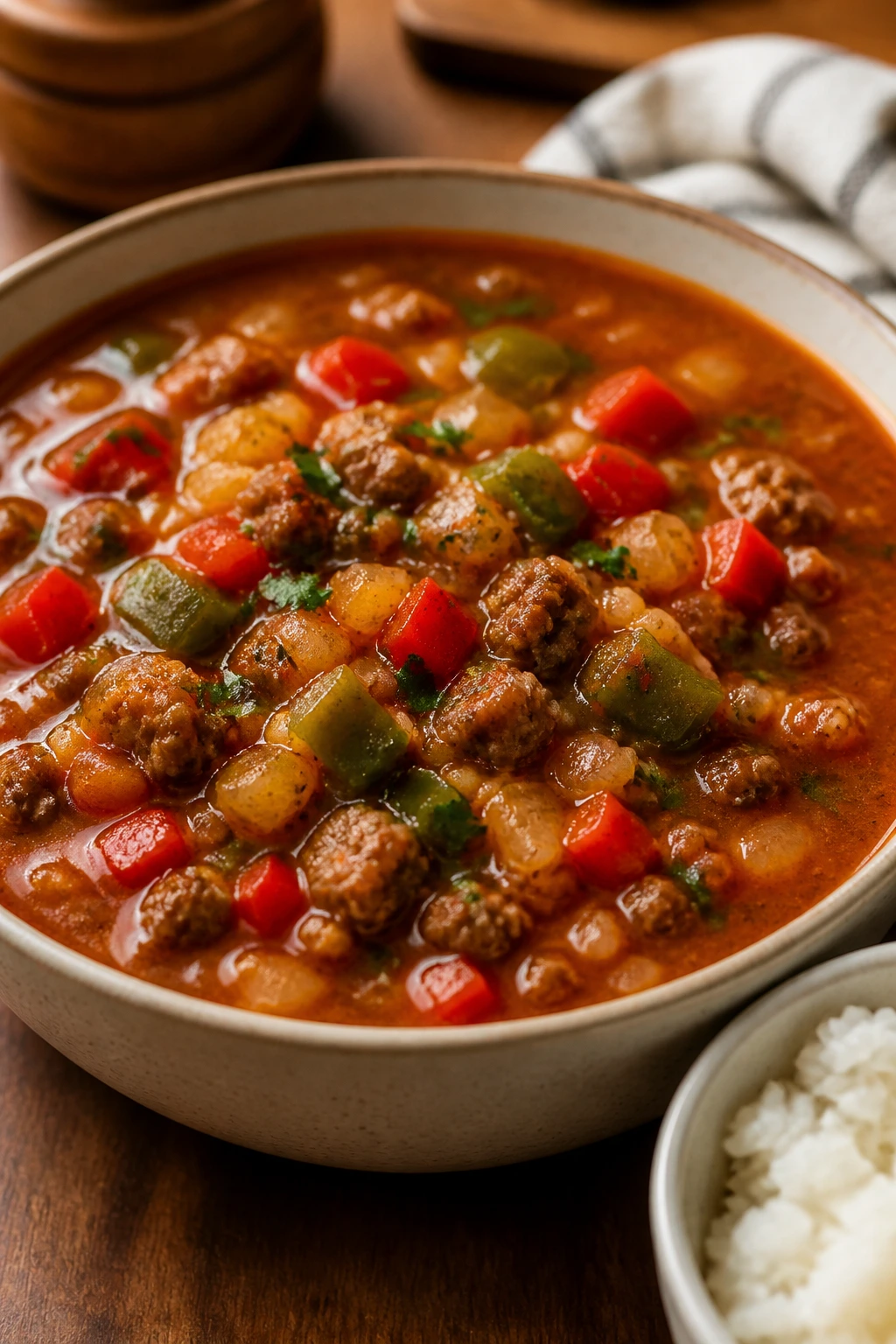
Stuffed pepper soup takes the flavor of stuffed peppers and removes the fussy part. You get the beef, peppers, tomatoes, and onion, but none of the careful hollowing or stuffing. The slow cooker turns it into a bowl that tastes familiar and still manages to feel easy.
Why It Works: Bell peppers soften into the broth, which gives the soup its signature flavor without needing them to stay crisp. Ground beef needs browning first so the soup does not taste gray. I prefer the rice cooked separately because it keeps the broth clean and the leftovers easier to handle.
Key Ingredients:
- 1 1/2 lb ground beef
- 1 large onion, diced
- 3 bell peppers, diced
- 3 garlic cloves, minced
- 1 can (28 oz) crushed tomatoes
- 1 can (15 oz) tomato sauce
- 4 cups beef broth
- 1 teaspoon dried oregano
- 1 teaspoon paprika
- 1 1/2 teaspoons kosher salt
- 1/2 teaspoon black pepper
- Cooked white or brown rice, for serving
- 2 tablespoons chopped parsley
Quick Steps:
- Brown the Beef: Cook the ground beef and onion in a skillet over medium heat until the meat is no longer pink, about 7 to 8 minutes.
- Add the Flavor Base: Stir in the peppers and garlic for 1 minute.
- Transfer to the Slow Cooker: Add the beef mixture, crushed tomatoes, tomato sauce, broth, oregano, paprika, salt, and pepper.
- Cook Until Blended: Cover and cook on low for 6 to 7 hours, or on high for 3 to 4 hours.
- Serve with Rice: Ladle over rice and top with parsley.
Equipment for This Recipe:
- Large skillet
- 6-quart slow cooker
- Wooden spoon
- Ladle
- Pot for rice
How to Serve This Dish: Put rice in the bowl first, then spoon the soup over it so the grains stay distinct. A little shredded cheese on top is optional but nice. I like a peppery green salad next to it because the soup is soft and sweet at the same time.
Pro Tips for This Recipe:
- Use three peppers of different colors if you can: It makes the soup taste a little sweeter and look more alive.
- Keep the rice separate: The leftovers stay much better.
- Salt after the soup cooks: Tomatoes and broth change the balance.
- Dice the peppers evenly: Giant pieces feel awkward in a soup spoon.
Variations on This Dish:
- Turkey Version: Swap in ground turkey for a lighter bowl.
- Cheesy Version: Stir in a small handful of cheddar right before serving.
- Rice-Free Version: Serve with bread instead of rice if you want a simpler plate.
Common Mistakes to Avoid with This Dish:
- Adding uncooked rice to the soup: It gets too soft and starchy.
- Skipping the browning step: The soup loses depth.
- Underseasoning the tomatoes: Tomato soup without enough salt tastes flat fast.
21. Slow Cooker Apple Cinnamon Oatmeal
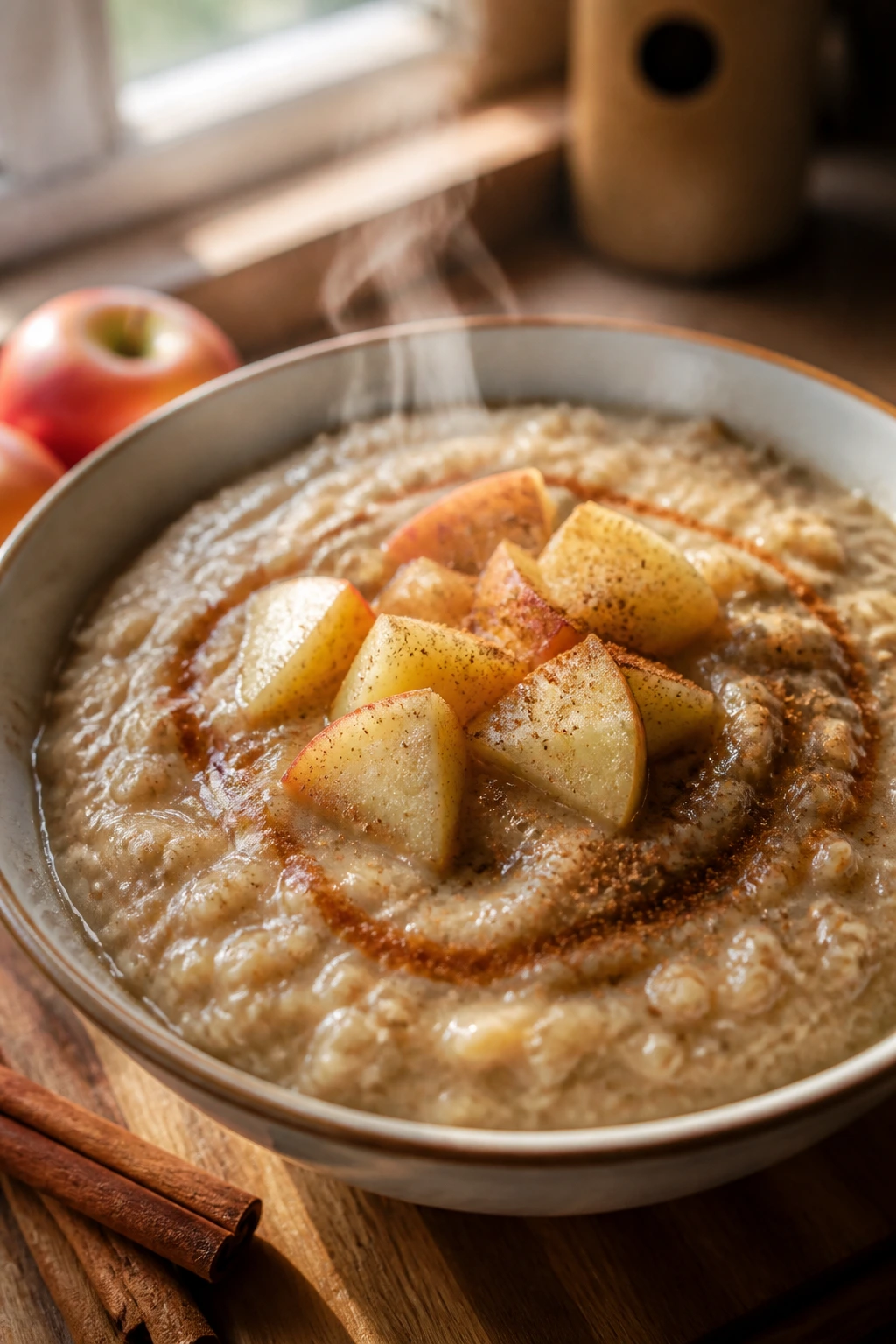
This is breakfast that quietly does the work while the rest of the house wakes up slowly. Steel-cut oats turn creamy but keep a little bite, the apples soften into the oats, and cinnamon gives the whole pot that familiar warm smell that makes a Sunday morning feel less rushed. It is one of the few breakfasts that improves if nobody hovers over it.
Why It Works: Steel-cut oats hold their shape in long heat, unlike rolled oats, which can go mushy. Apples contribute sweetness and moisture, and a little salt keeps the oats from tasting one-note. I like this best when it cooks overnight or during the early part of the morning so it is ready when people start wandering toward the kitchen.
Key Ingredients:
- 1 1/2 cups steel-cut oats
- 2 medium apples, peeled if you like, cored, and diced
- 4 cups water
- 2 cups milk
- 1/4 cup maple syrup
- 1 teaspoon ground cinnamon
- 1 teaspoon vanilla extract
- 1/2 teaspoon kosher salt
- 1/3 cup raisins, optional
- 1/4 cup chopped walnuts or pecans, optional
Quick Steps:
- Combine the Oats and Liquid: Add steel-cut oats, apples, water, milk, maple syrup, cinnamon, vanilla, and salt to the slow cooker.
- Set It to Cook: Cover and cook on low for 7 to 8 hours, or until the oats are tender and creamy but still have a slight chew.
- Stir Before Serving: Give it a good stir to mix in the apple pieces and smooth out the texture.
- Add Toppings: Fold in raisins or nuts if using, or save them for the bowl.
- Adjust Consistency: Add a splash of milk if the oatmeal thickens too much on standing.
Equipment for This Recipe:
- 4-quart or 6-quart slow cooker
- Measuring cups
- Wooden spoon
- Ladle
- Knife and cutting board
How to Serve This Dish: Spoon it into bowls and top with extra apple slices, nuts, or another drizzle of maple syrup. A little cold milk or yogurt on the side balances the warmth. This is one of those breakfasts that feels best in a deep bowl you can hold with both hands.
Pro Tips for This Recipe:
- Use steel-cut oats, not rolled oats: Rolled oats turn to porridge too fast.
- Grease the slow cooker lightly: It helps with cleanup and keeps the oats from sticking.
- Dice the apples small: They soften more evenly that way.
- Check the texture near the end: Some slow cookers run hotter than others.
Variations on This Dish:
- Pear Cinnamon Version: Use pears instead of apples.
- Apple Pie Version: Add a pinch of nutmeg and extra cinnamon.
- Creamy Version: Stir in a splash of cream or coconut milk at serving time.
Common Mistakes to Avoid with This Dish:
- Using quick oats: They break down too far in the slow cooker.
- Adding too much liquid at the start: The oats can turn thin and soupy.
- Overloading with sugar: The apples and maple syrup already bring plenty of sweetness.
22. Honey Garlic Chicken Thighs with Broccoli and Rice
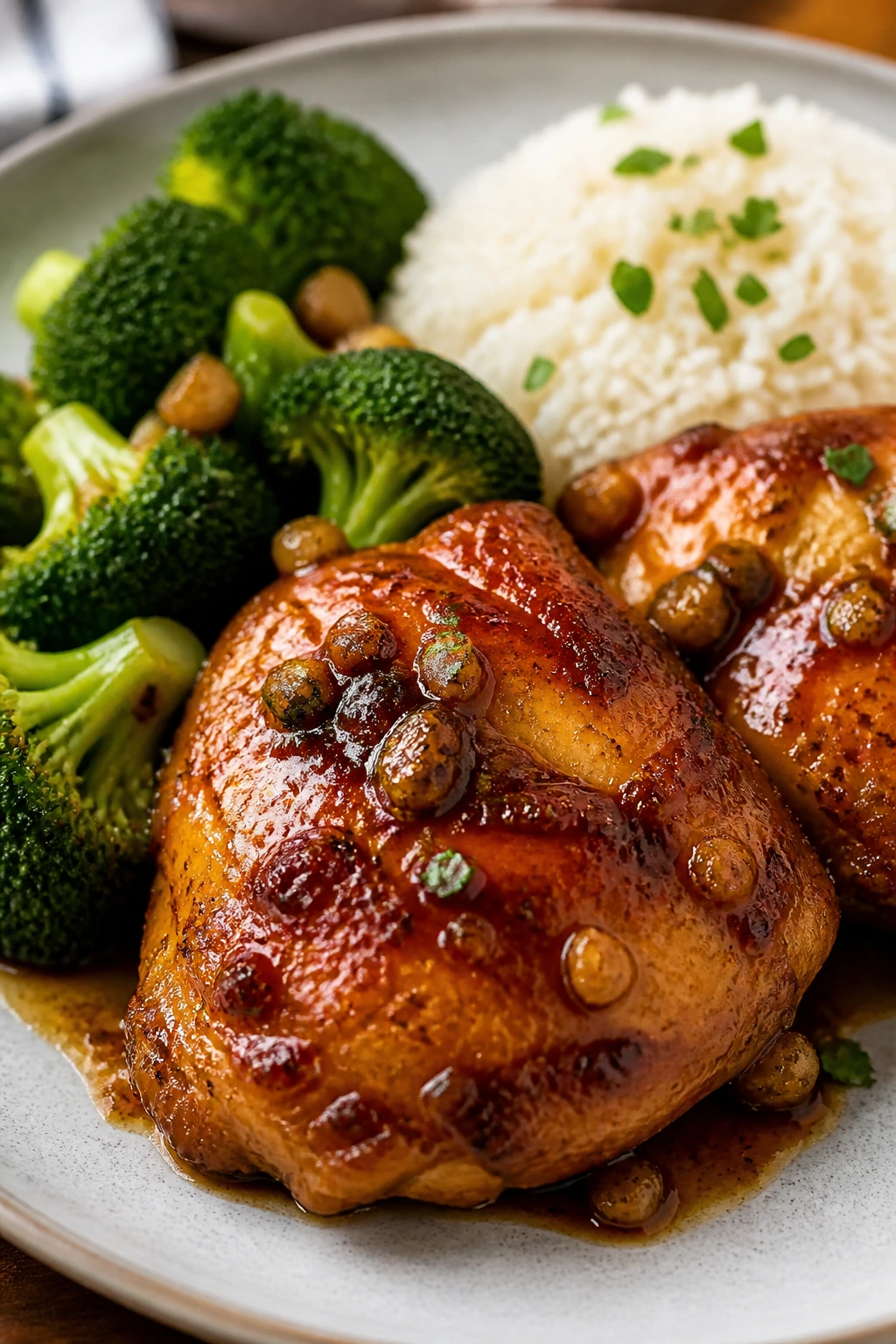
Honey garlic chicken is sweet, savory, and sticky in exactly the way that makes a bowl disappear faster than you expected. The sauce clings to the chicken, the garlic softens into something round and fragrant, and the whole thing becomes a reliable rice dinner that tastes like you planned it better than you did.
Why It Works: Chicken thighs stay juicy after a long slow cook, which matters because the sauce is full of sugar and can cling hard. Soy sauce, honey, garlic, ginger, and a little vinegar make the glaze balanced instead of cloying. Broccoli is better steamed separately or added at the end so it keeps some green snap.
Key Ingredients:
- 2 1/2 lb boneless, skinless chicken thighs
- 1/2 cup honey
- 1/2 cup low-sodium soy sauce
- 4 garlic cloves, minced
- 1 tablespoon fresh ginger, grated
- 2 tablespoons rice vinegar
- 1 tablespoon ketchup
- 1/2 teaspoon red pepper flakes, optional
- 2 tablespoons cornstarch mixed with 2 tablespoons water
- Cooked rice, for serving
- Steamed broccoli, for serving
- 2 scallions, sliced
- 1 tablespoon sesame seeds
Quick Steps:
- Whisk the Sauce: Mix honey, soy sauce, garlic, ginger, rice vinegar, ketchup, and red pepper flakes.
- Add the Chicken: Place the thighs in the slow cooker and pour the sauce over them.
- Cook Until Tender: Cover and cook on low for 4 to 5 hours, or on high for 2 1/2 to 3 hours, until the chicken reaches 165°F and shreds easily.
- Shred or Leave Whole: Pull the chicken into chunks or leave the thighs whole if you want a more plated look.
- Thicken the Sauce: Stir in the cornstarch slurry and cook on high for 10 to 15 minutes until the glaze turns shiny and coats a spoon.
- Finish the Bowl: Serve over rice with broccoli, scallions, and sesame seeds.
Equipment for This Recipe:
- 6-quart slow cooker
- Small whisk
- Two forks
- Measuring spoons and cups
- Pot or steamer for broccoli and rice
How to Serve This Dish: A bowl of white rice gives the sauce something to soak into, while broccoli keeps the plate from feeling one-note. If you want a cleaner presentation, pile the chicken on one side and tuck the vegetables alongside instead of mixing everything together. A few sesame seeds go a long way.
Pro Tips for This Recipe:
- Use low-sodium soy sauce: The sauce reduces a lot.
- Add broccoli separately: It stays brighter and less soggy.
- Thicken at the end only: Cornstarch needs the last few minutes, not hours.
- Taste for balance before serving: A tiny splash of vinegar can keep the sauce from feeling too sweet.
Variations on This Dish:
- Pineapple-Garlic Version: Add pineapple chunks for a sweeter glaze.
- Spicy Version: Increase the red pepper flakes or add chili paste.
- Bone-In Version: Use bone-in thighs, but add 30 to 45 minutes of cook time.
Common Mistakes to Avoid with This Dish:
- Letting the sauce reduce without thickening: It can still taste thin on rice.
- Using chicken breasts and forgetting them: They dry out faster than thighs.
- Adding broccoli too early: It goes limp and gray at the edges.
Why the Slow Cooker Wins on a Lazy Sunday
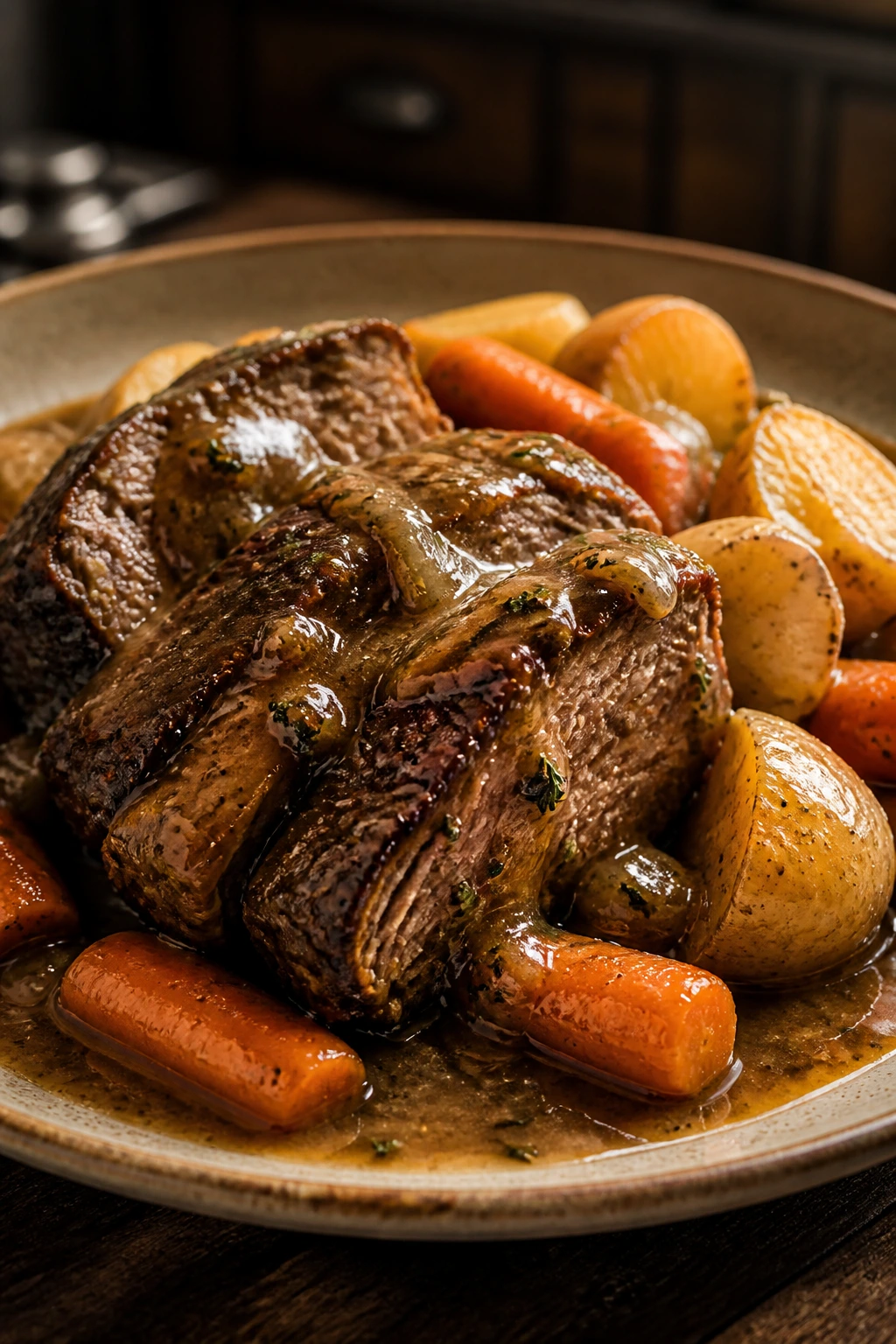
The slow cooker is not about speed. It is about giving time a job and trusting it. On a Sunday, that matters more than it sounds. A skillet asks for watching. An oven asks for timing. The slow cooker just sits there and quietly turns collagen into silk, onions into sweetness, and broth into dinner.
It also changes the rhythm of the day. You prep, then you are free. There is no panic at 5:30, no mad chopping while everyone is hungry and the kitchen already looks used. If you start with a roast, a soup, or a curry in the morning, the rest of the day can move around the meal instead of the other way around. That is the point. Not efficiency for its own sake. Calm.
Essential Equipment for These Recipes
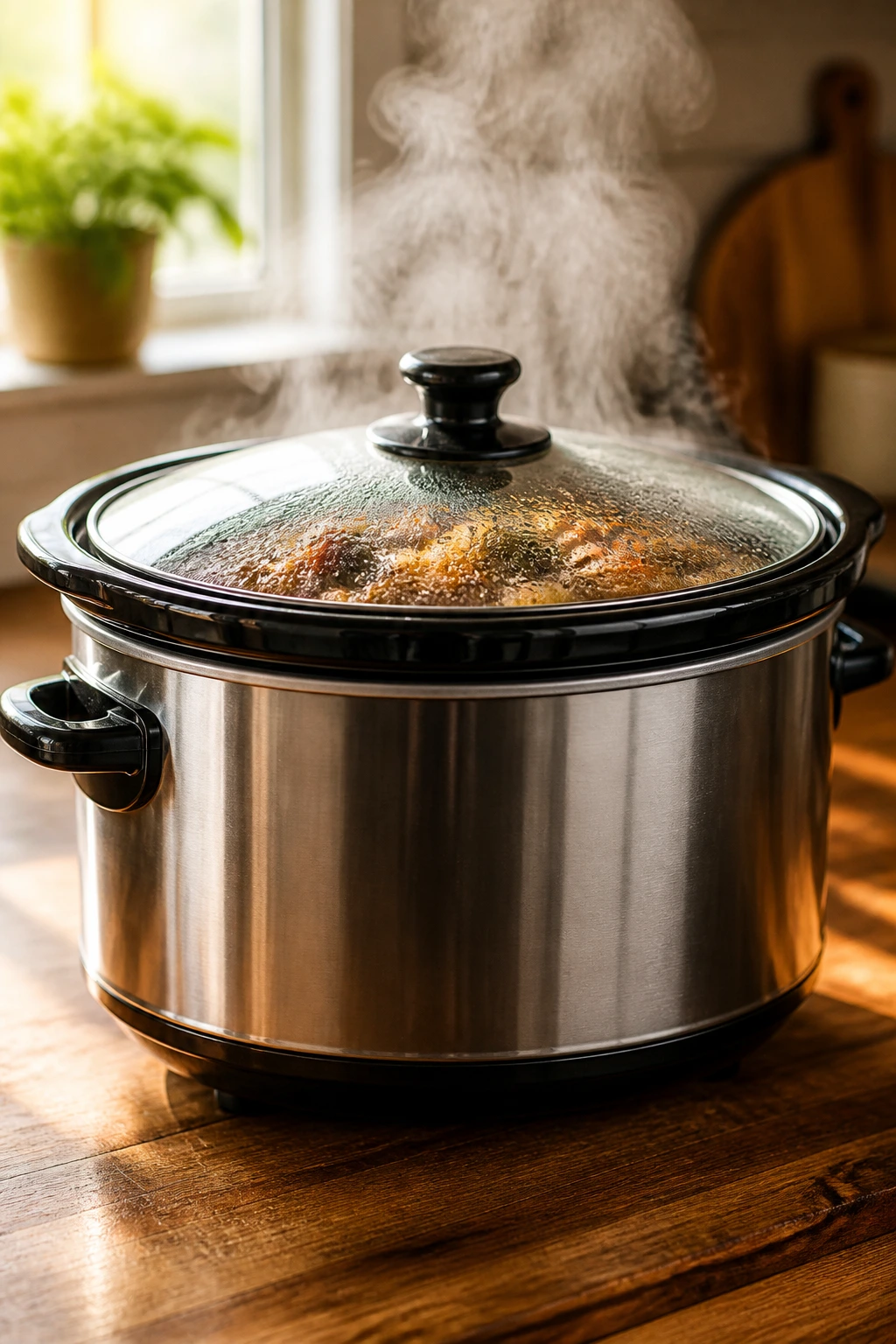
- 6-quart slow cooker: The workhorse size for most of these meals, from pot roast to chili.
- 4-quart slow cooker: Handy for oatmeal, smaller soups, or when you are cooking for fewer people.
- Heavy skillet: Useful for browning beef, turkey, sausage, or onions before they go into the cooker.
- Tongs: Better than a spoon for moving roasts, chicken thighs, and sausage links.
- Sharp chef’s knife: Clean cuts matter for carrots, onions, peppers, and squash.
- Cutting board with a damp towel underneath: Keeps the board from sliding when you are in a hurry.
- Measuring cups and spoons: Especially important for sauces, spices, and oatmeal.
- Ladle: Makes soup service easier and less messy.
- Two forks: The simplest way to shred chicken, pork, or pot roast.
- Digital thermometer: Useful for chicken dishes; 165°F is the number to trust.
- Small whisk: Helps emulsify sauces and cornstarch slurries without lumps.
- Airtight storage containers: Leftovers keep better when they cool in shallow containers.
Smart Shopping for Better Slow-Cooked Meals
The grocery cart does more of the heavy lifting than people like to admit. Pick the right cut, and the slow cooker forgives a lot. Pick the wrong one, and you end up with dry meat or a bland bowl that needed more backbone than the ingredients could give it.
For beef, chuck roast, short ribs, and stew meat made from chuck are the safe bets. Lean cuts such as round roast or sirloin tip can work, but they need more attention and shorter cooks. For pork, shoulder or butt is the cut that behaves. For chicken, thighs hold up better than breasts in long, wet heat. Breasts can work in salsa verde or teriyaki dishes, but they need careful timing and a thermometer.
Broth matters more than most people think. Low-sodium broth gives you room to season without going too far. Canned tomatoes should taste like tomatoes, not like metallic red water, so if the can smells flat, the finished dish will too. For beans and lentils, rinsing canned beans removes extra starch and the canned taste; dried lentils are fine straight from the bag. Steel-cut oats are the right choice for breakfast oatmeal because they stay intact through long cooking. Rolled oats do not.
Fresh herbs and acid are the finishing moves. Cilantro, parsley, dill, lemon juice, and lime juice are not decorations. They wake up the bowl. If you skip them, the meal can feel heavier than it needs to.
How to Serve These Meals at a Sunday Table
Presentation: Deep bowls do more for slow cooker food than fancy plates ever will. Soups, chili, and ragù look best when there is room for the broth or sauce to settle. For roasts and shredded meats, put the starch underneath first so the juices have somewhere to go.
Accompaniments: A loaf of crusty bread, simple rice, egg noodles, mashed potatoes, tortillas, cornbread, or polenta can carry almost every recipe in this collection. Keep the side plain if the main dish is saucy. Keep the side sharp if the main dish is rich.
Portions: Most of these recipes make 4 to 8 servings, depending on how they are plated. A roast or stew can stretch farther when you add bread, rice, or noodles. If you are feeding fewer people, freeze half before adding delicate items like pasta, sour cream, or dumplings.
Beverage Pairing: Sparkling water with lemon fits almost all of these meals. A dry cider works well with pork and chicken dishes. For beefy pots and ragù, a glass of dry red wine can make the whole meal feel more deliberate.
Little Tweaks That Change the Flavor
Flavor Enhancement: A spoonful of tomato paste, a Parmesan rind, a splash of vinegar, or a squeeze of citrus at the end often matters more than a second handful of herbs. Slow cooker food can go dull if nobody wakes it up before serving.
Customization: Add corn to chili, spinach to curry, mushrooms to stroganoff, or roasted peppers to chicken bowls when you want a little more bulk. These are not major rewrites. They are small adjustments that make the pot fit your pantry.
Serving Suggestions: Top soups with chopped herbs, chili with yogurt or cheese, shredded meats with pickles or slaw, and rice bowls with sesame seeds or scallions. A finishing garnish should bring either crunch, freshness, or acid. If it does none of those things, skip it.
Make-It-Yours: Use coconut milk instead of cream for dairy-free dishes, tamari instead of soy sauce for gluten-free bowls, and extra beans or lentils when you want a meat-light version that still feels full.
Make-Ahead, Storage, and Reheating Notes
Most of these meals keep 3 to 4 days in the refrigerator in airtight containers. Soups and chili freeze well for up to 3 months; shredded pork, roast beef, and braised chicken usually do too, though sauce texture can shift a little after thawing. If a dish contains cream, sour cream, dumplings, noodles, or rice, I prefer freezing the base alone and adding the delicate part fresh later.
Reheat soups and chili on the stove over medium-low heat, stirring every few minutes until steaming hot. Add a splash of broth if the pot got too thick in the fridge. For shredded meat, reheat covered in a skillet with a spoonful or two of sauce so it does not dry out. Chicken dishes do well in the microwave at medium power with a loose cover, though stove-top reheating gives you better control. If you make oatmeal ahead, add a little milk or water when reheating because steel-cut oats tighten up overnight.
One rule saves a lot of texture problems: cool leftovers fast. Shallow containers work better than one giant bowl, and they get the food into the fridge sooner. That matters more than people think.
Variations and Adaptations to Try
Gluten-Free Sunday Board: Serve braises, chili, and curry over rice, polenta, potatoes, or corn tortillas instead of bread or noodles. Use tamari in place of soy sauce and check seasoning packets for hidden flour.
Dairy-Free Comfort Swap: Replace cream with coconut milk in curry and some chicken dishes, use cashew cream in stroganoff-style sauces, and finish soups with olive oil instead of sour cream. The texture changes a little, but the bowls still feel complete.
Lower-Sodium Cooking: Choose low-sodium broth, cut back on packaged seasoning mixes, and season in layers so you can taste before adding more salt. Pepperoncini, soy sauce, and ham all carry a lot of salt, so those recipes need the most restraint.
Kid-Friendly Mild Version: Keep the spice level low, add cheese or rice, and put hot sauce on the table instead of in the pot. Salsa verde chicken, teriyaki chicken, oatmeal, and chicken and dumplings all land well with younger eaters when the heat stays gentle.
Vegetarian Sunday Pot: Lean on lentils, chickpeas, chickpea curry, minestrone, and Moroccan stew. These recipes already have enough body to stand in for meat, especially if you use good broth and do not underseason them.
Spice-It-Up Mode: Add chipotle, jalapeño, red pepper flakes, or harissa near the end instead of the beginning. Slow heat mutes chili heat a little, so seasoning at the end gives a clearer result.
Common Slow-Cooker Mistakes and How to Avoid Them
Too Much Liquid: Slow cookers trap moisture, so a pot that looks dry at the start can become soupy after six hours. Start with less broth than you think you need, especially for chicken, beans, and vegetables.
Adding Dairy Too Early: Cream, sour cream, and milk can split or turn grainy if they cook too long. Add them at the end, after the heat has dropped a little, and stir gently.
Skipping the Browning Step: You can get dinner without searing, but you will usually lose color and depth. Beef, turkey, sausage, and onions all benefit from a quick browned edge before they go in.
Cooking Pasta or Dumplings Too Long: These are late additions, not all-day ingredients. Pasta needs the last 20 minutes or so, and dumplings need steam without constant lid-lifting.
Using the Wrong Cut: Lean beef and pork loin dry out under long heat. Chuck, shoulder, thighs, short ribs, and stew meat are the reliable cuts here.
Taking the Lid Off Repeatedly: Every peek steals heat and adds time. If the recipe says 6 hours, trust the pot and leave it alone.
Questions People Ask Before They Start
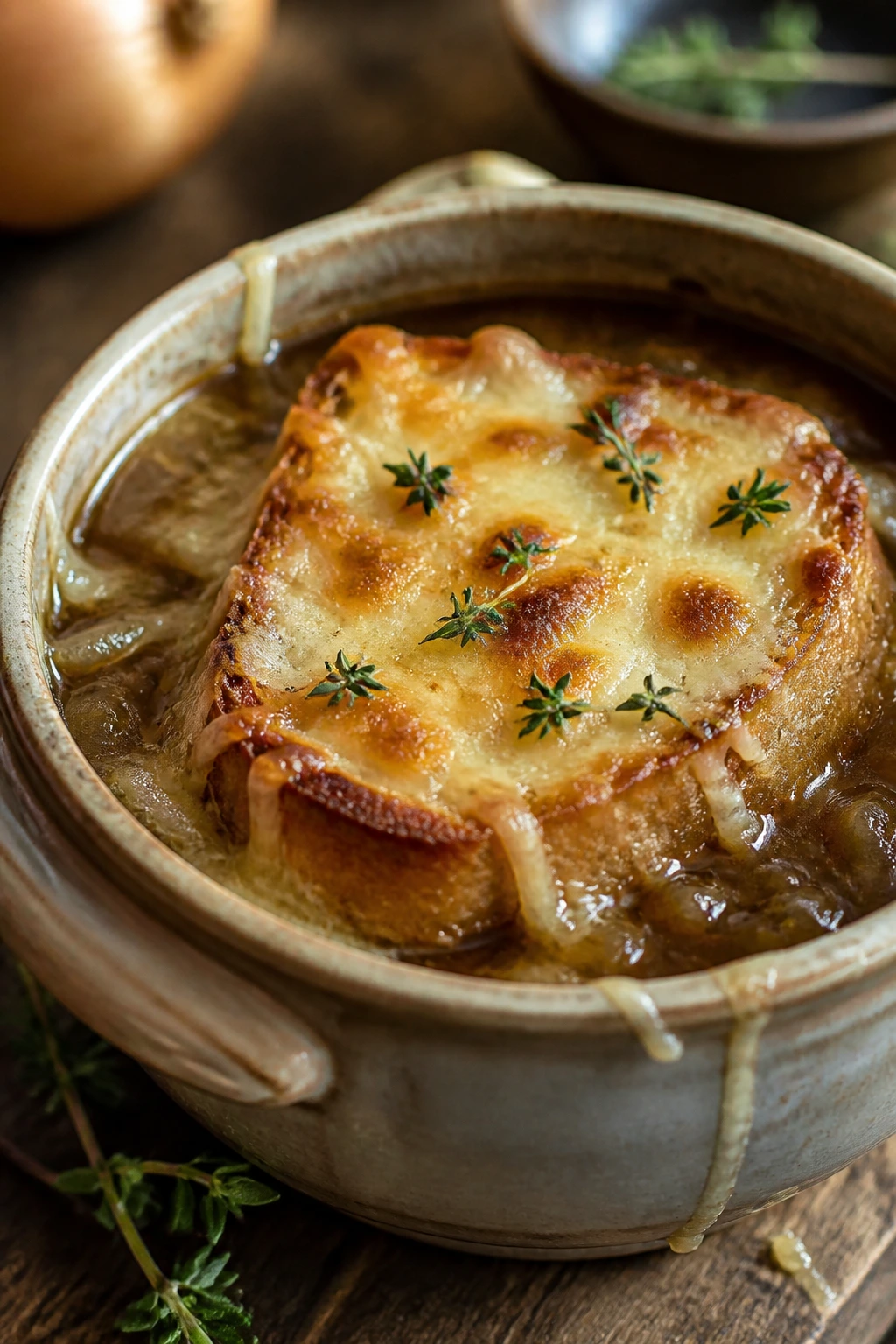
Can I use chicken breasts instead of thighs?
Yes, but watch the time closely and start checking earlier. Breasts dry out faster, especially in recipes with a lot of sauce, so pull them once they hit 165°F.
Do I really need to brown the meat first?
Not always, but it helps with color and flavor. Pot roast, turkey chili, sausage, stroganoff, and ragù all taste deeper with a quick sear.
Can I cook from frozen?
I would not do that for most slow cooker meals. Frozen meat can spend too long in the warm zone before it reaches a safe temperature, and the texture usually suffers too.
What if my sauce is too thin?
Take the lid off for the last 20 to 30 minutes, or stir in a cornstarch slurry. For soups and chili, a few mashed beans also work.
What if the dish tastes flat at the end?
Add salt in small pinches, then finish with acid — lemon, lime, vinegar, or a splash of pepperoncini brine. Flat slow cooker food usually needs wake-up, not more sugar.
Can I leave the cooker on warm for a while?
For a short stretch, yes, but long holds can dry out meat and thicken sauces too much. If dinner is delayed more than an hour or two, turn it off and refrigerate after cooling.
How do I scale these recipes for a crowd?
Most of them double well if your cooker is large enough and not packed to the lid. Do not overfill past about two-thirds full, or the heat will circulate poorly.
What size slow cooker do I need?
A 6-quart model covers most of this collection. A 4-quart cooker is fine for oatmeal and smaller soups, while 8 quarts helps with very large roasts or double batches.
A Slow Sunday Dinner That Earns Its Quiet
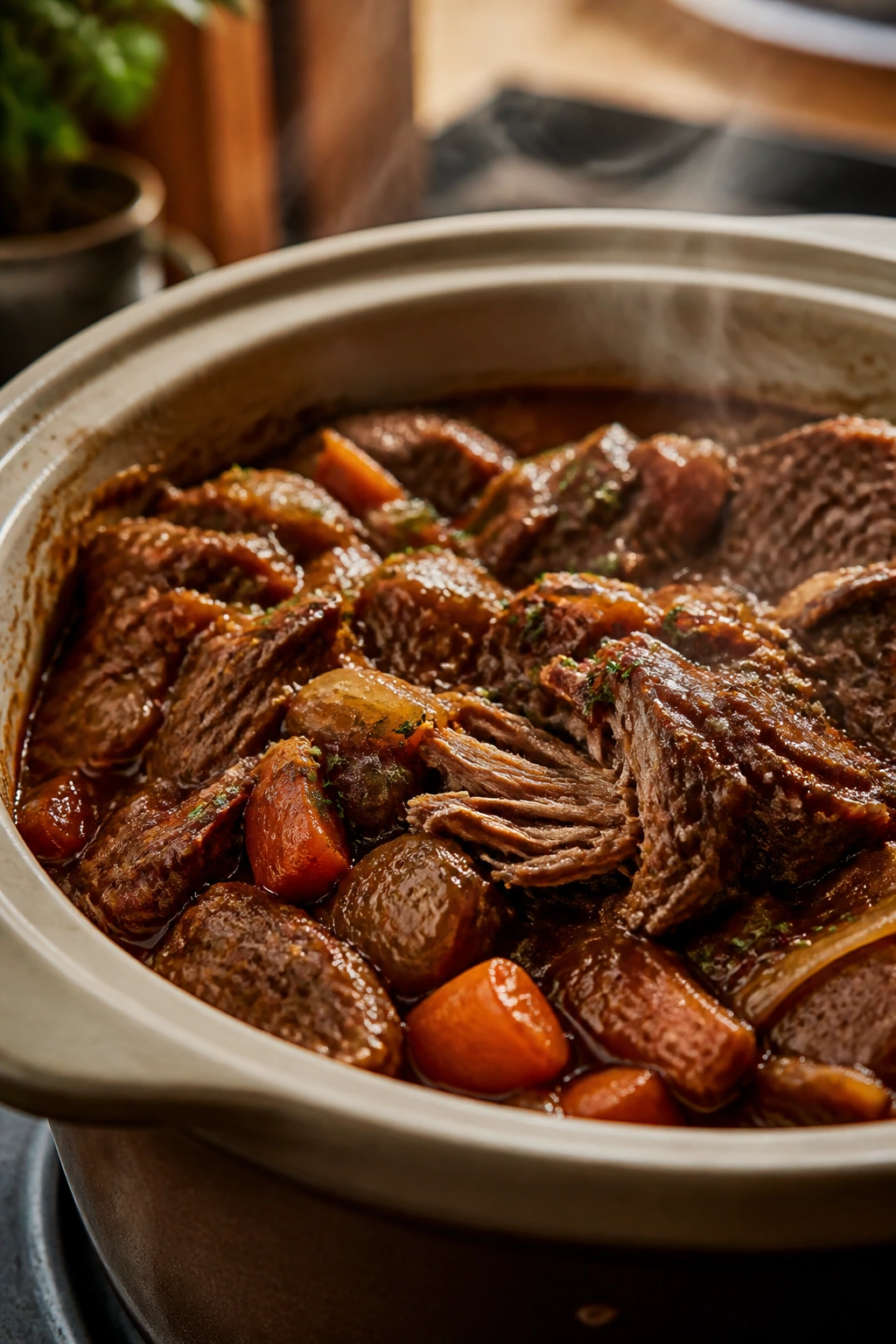
The best slow cooker meals for lazy Sundays do one simple thing well: they give you dinner without taking the whole day hostage. A good roast, a pot of chili, a curry, or a bowl of oatmeal can sit there quietly while you do the rest of life at half speed. That is not laziness. That is smart cooking.
I keep coming back to these meals because they make the house smell like someone knew what they were doing. Sometimes that someone is you, and sometimes it is a ceramic insert humming along on the counter while you read, nap, or disappear for an hour and come back to a kitchen that already feels taken care of. That is a fine way to spend a Sunday.