



A slow cooker won’t give you wok smoke or that split-second sear you get from a screaming-hot burner, and I’m not going to pretend it does. What it will give you is a kitchen that smells like ginger, soy, garlic, star anise, and sesame by the time the light fades outside. On a cold day, that matters more than it should. Dinner stops feeling like a chore and starts feeling like something you’ve had quietly waiting for you all afternoon.
These slow cooker Chinese food recipes work because they lean into what the appliance does best: long, gentle heat for braises, soups, and saucy dishes that want time to soften and thicken. Pork shoulder turns plush. Beef chuck relaxes into strands. Dried shiitake give up a deep, earthy broth. Even cabbage, which can go floppy and sad in a hurry, becomes silky in the right pot at the right time. The trick is knowing what belongs in the slow cooker from the start and what needs to be added near the end so it still tastes alive.
Some of these are Chinese-American takeout favorites, others are home-style braises and soups that feel like they’ve been around forever. All of them fit cold weather well. They’re warm, saucy, and practical, but they’re not bland or one-note. The soy stays savory, the vinegar stays bright, the spice stays awake, and the finished bowl usually needs nothing more than rice, noodles, or a handful of scallions.
Why This Collection Earns Its Place on Cold-Night Rotation
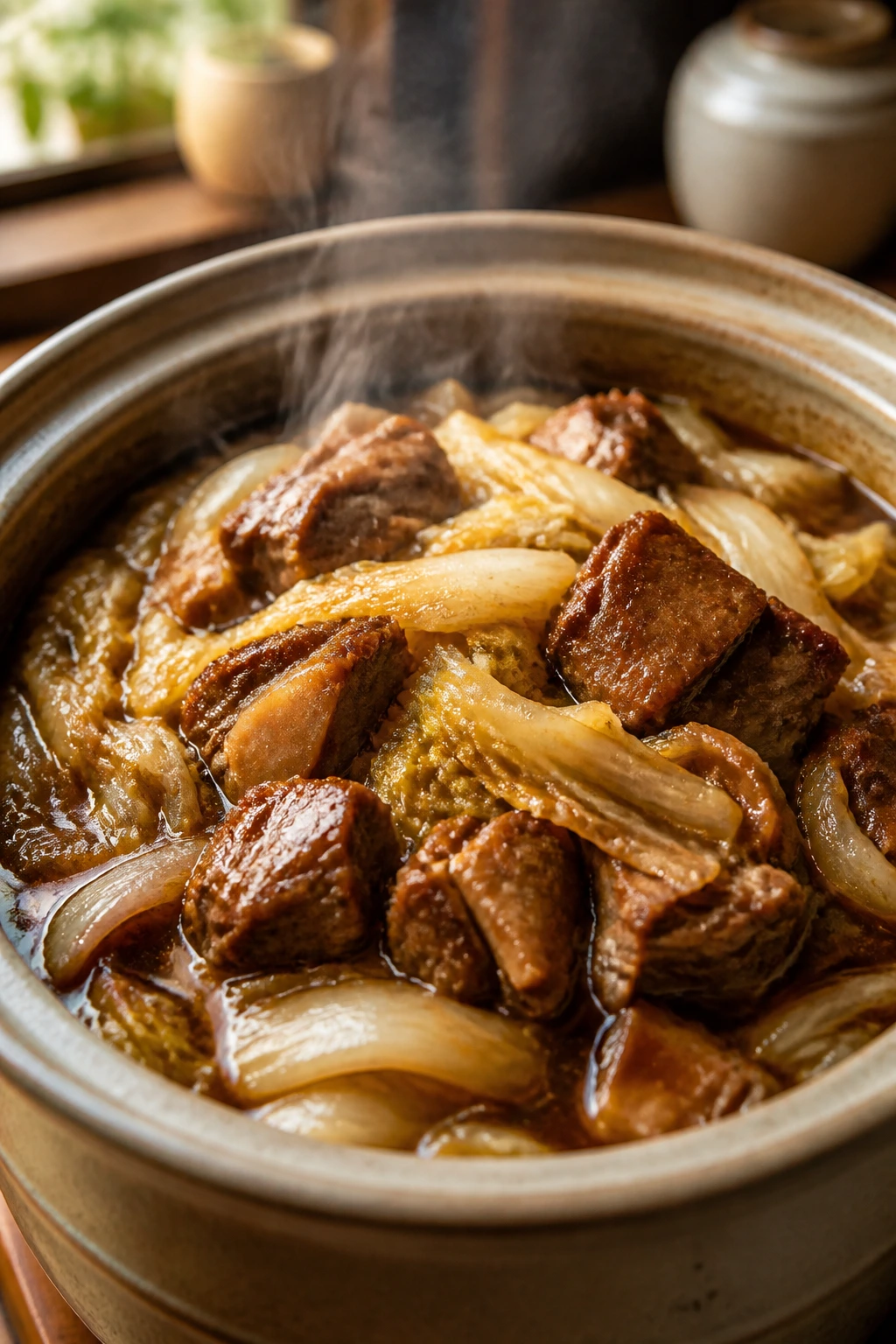
- Built for gentle heat: Tough cuts like chuck, pork shoulder, and short ribs get time to soften instead of tightening up, which is exactly what a slow cooker does well.
- Sauces stay glossy, not thin: Soy, hoisin, oyster sauce, rice vinegar, and cornstarch reduce into something that clings to rice instead of pooling at the bottom of the bowl.
- Most of the flavor comes from pantry staples: Once you buy soy sauce, sesame oil, rice vinegar, five-spice powder, and a good chili paste, the rest of the cooking gets a lot easier.
- Cold-weather food needs steam: These dishes reheat well, hold heat longer than a stir-fry, and make the house smell like dinner before you’ve even set the table.
- They flex with rice, noodles, or vegetables: A single braise can sit over jasmine rice one night, then show up over lo mein or tucked into lettuce cups later in the week.
- They’re forgiving about timing: A lot of slow cooker meals fall apart if you blink. These recipes are built so the last-minute garnish matters, but the pot itself does most of the heavy lifting.
1. Ginger-Soy Chicken With Napa Cabbage
The first time I made this, the cabbage looked like too much. It wasn’t. By the end, the wedges had softened into the broth and picked up that sweet-savory edge that makes napa cabbage so useful in winter cooking. The chicken stays juicy, the sauce tastes clean rather than heavy, and the ginger gives it the kind of warmth you feel in your chest.
This is one of those slow cooker Chinese food recipes that behaves like a proper one-pot dinner. The cabbage acts as both vegetable and built-in bed for the chicken, so the bottom of the pot never feels bare. It’s a low-drama meal, which is a compliment.
Why It Works:
The chicken thighs cook slowly enough to stay tender, while the napa cabbage collapses just enough to soak up the soy-ginger broth. A little rice vinegar keeps the whole thing from tasting flat, and a cornstarch finish gives the sauce a light sheen instead of turning it into soup. The result lands somewhere between braise and stew, which is where this dish wants to be.
Key Ingredients:
- 2 lbs boneless, skinless chicken thighs, trimmed of excess fat
- 1 medium napa cabbage, about 2 to 2½ lbs, cut into 2-inch strips
- 1 large yellow onion, sliced
- 5 garlic cloves, minced
- 2 tablespoons fresh ginger, grated
- ⅓ cup low-sodium soy sauce
- ¼ cup chicken broth
- 2 tablespoons rice vinegar
- 1 tablespoon honey
- 1 tablespoon sesame oil
- 2 tablespoons cornstarch mixed with 3 tablespoons cold water
- 3 scallions, sliced for finishing
Quick Steps:
- Layer the onion and half the cabbage in the slow cooker, then set the chicken thighs on top.
- Whisk soy sauce, broth, vinegar, honey, garlic, ginger, and sesame oil in a bowl until the honey dissolves.
- Pour the sauce over the chicken, cover, and cook on LOW for 5 to 6 hours or HIGH for 2½ to 3 hours, until the chicken reaches 165°F and shreds easily.
- Stir in the remaining cabbage during the last 30 to 40 minutes so it stays a little structured at the edges.
- Remove the chicken, whisk in the cornstarch slurry, and cook on HIGH for 10 to 15 minutes until the sauce turns lightly glossy and coats a spoon.
- Shred or slice the chicken, return it to the pot, and finish with scallions.
Equipment for This Recipe:
- 6-quart slow cooker
- Microplane or fine grater for ginger
- Large mixing bowl
- Tongs
- Sharp knife and cutting board
How to Serve This Dish:
Pile it into shallow bowls over jasmine rice so the sauce can sink into the grains. A little extra scallion on top helps the bowl look finished, and a spoonful of chili crisp on the side is excellent if you like heat. This is one of those dishes that wants a plain starch and nothing fussy beside it.
Pro Tips for This Recipe:
- Slice the cabbage thick enough to hold up; paper-thin cabbage turns to mush before the chicken is done.
- If your soy sauce is very salty, cut it with an extra 2 tablespoons of broth.
- Don’t add the cornstarch at the start. It needs the last few minutes of heat or it won’t thicken cleanly.
- A few drops of toasted sesame oil at the end make the whole pot smell more vivid.
Variations on This Dish:
- Mushroom-Folded Version: Add 8 ounces of sliced shiitake or cremini mushrooms with the onion for a deeper broth.
- Spicy Ginger Bowl: Stir in 1 to 2 teaspoons chili garlic sauce with the sauce mixture if you want more heat in the base.
- Rice-Noodle Night: Serve the chicken and cabbage over wide rice noodles instead of rice, using a little extra broth so the noodles stay slippery.
Common Mistakes to Avoid with This Dish:
- Adding all the cabbage at once: It will collapse too far. Split it so some turns silky while the rest keeps texture.
- Using chicken breasts and cooking them too long: They dry out fast in the slow cooker. Thighs hold up better here.
- Thickening too early: Cornstarch before the end gives you a dull, pasty sauce instead of a light gloss.
2. Beef and Broccoli, the Slow-Cooker Way
Beef and broccoli can be dreary if the sauce tastes like brown sugar and not much else. This version fixes that with ginger, garlic, oyster sauce, and a little rice vinegar, so the whole pot tastes more like a proper braise than a takeout clone. The broccoli goes in late, which is non-negotiable. Nobody wants olive-green broccoli that slumps into the sauce.
The beef ends up tender enough to pull apart with a spoon, but it still tastes like beef. That matters. If you use a good chuck roast and give it time, the sauce picks up enough body from the meat juices that it doesn’t need much help.
Why It Works:
Chuck roast has enough collagen to soften into a silky texture over several hours, and the slow cooker keeps that process gentle. Oyster sauce adds depth that soy sauce alone can’t supply, while cornstarch at the end gives you the thick, clingy finish people expect from beef and broccoli. The broccoli stays bright because it only cooks through at the end.
Key Ingredients:
- 2 lbs chuck roast, cut into 1-inch cubes
- 1 tablespoon neutral oil, for searing
- 1 yellow onion, sliced
- 4 garlic cloves, minced
- 2 tablespoons fresh ginger, minced
- ⅓ cup low-sodium soy sauce
- 3 tablespoons oyster sauce
- ½ cup beef broth
- 2 tablespoons brown sugar
- 1 tablespoon rice vinegar
- 1 tablespoon sesame oil
- 3 tablespoons cornstarch mixed with 3 tablespoons cold water
- 5 cups broccoli florets, cut into bite-size pieces
Quick Steps:
- Sear the beef in a hot skillet with the oil for 2 to 3 minutes per side until browned; skip the pale, gray look.
- Transfer the beef to the slow cooker with the onion, garlic, and ginger.
- Whisk soy sauce, oyster sauce, broth, brown sugar, vinegar, and sesame oil, then pour over the beef.
- Cook on LOW for 6 to 7 hours or HIGH for 3 to 4 hours, until the beef is fork-tender.
- Stir in the broccoli during the last 20 to 30 minutes so it turns tender-crisp instead of soft.
- Add the cornstarch slurry near the end and cook uncovered on HIGH for 10 to 15 minutes until the sauce thickens.
Equipment for This Recipe:
- 6-quart slow cooker
- Heavy skillet for searing
- Tongs
- Whisk
- Slotted spoon
How to Serve This Dish:
Serve it over steamed jasmine rice or plain white rice, with the sauce spooned over the top so it sinks in. If you want a little extra bite, add sliced scallions or toasted sesame seeds at the end. The bowl should look glossy and green, not drowned.
Pro Tips for This Recipe:
- Browning the beef adds a real payoff here. If you skip it, the sauce tastes flatter.
- Cut the broccoli in larger florets than you think you need. Small ones disappear.
- If the sauce tastes a little sharp after thickening, add ½ teaspoon more brown sugar.
- Frozen broccoli works in a pinch, but add it very late or it goes limp.
Variations on This Dish:
- Snow Pea Swap: Replace the broccoli with snow peas for a lighter, crisper finish.
- Garlic-Heavy Version: Add 2 extra garlic cloves and a pinch of white pepper for a sharper sauce.
- Lo Mein Upgrade: Toss the finished beef and broccoli with cooked lo mein noodles instead of serving it over rice.
Common Mistakes to Avoid with This Dish:
- Dumping broccoli in at the start: It turns soft and swampy.
- Skipping the sear on the beef: You lose the browned flavor that makes the sauce taste finished.
- Adding too much cornstarch: The sauce gets sticky in the wrong way. Start with the measured slurry and stop there unless it truly needs more.
3. Sticky Orange Chicken Thighs
Orange chicken in a slow cooker sounds suspicious until you taste the sauce. Then it makes sense. The citrus cuts through the sweetness, the ginger keeps it from feeling syrupy, and the chicken thighs stay juicy enough to take on all of that glaze without drying out. It’s still not a crisp-fried takeout version. It isn’t trying to be.
What you get instead is a warm, sticky braise with real orange flavor, the kind that tastes brighter when the weather is cold and the windows are shut. I like this one over rice with a little shredded cabbage underneath. The cabbage catches the sauce. You’ll want that.
Why It Works:
Chicken thighs handle long cooking better than breasts, so they stay supple while the orange-soy sauce reduces. Orange zest matters more than people think; it gives the dish actual citrus aroma instead of just sweetness. A cornstarch finish brings the sauce together so it coats the chicken instead of sliding off.
Key Ingredients:
- 2 lbs boneless, skinless chicken thighs
- ¾ cup orange juice
- 1 tablespoon orange zest
- ⅓ cup low-sodium soy sauce
- ¼ cup honey
- 2 tablespoons rice vinegar
- 2 tablespoons ketchup
- 4 garlic cloves, minced
- 1 tablespoon fresh ginger, grated
- ½ teaspoon crushed red pepper flakes
- 2 tablespoons cornstarch mixed with 2 tablespoons cold water
- 2 scallions, sliced
- 1 tablespoon toasted sesame seeds
Quick Steps:
- Whisk orange juice, zest, soy sauce, honey, vinegar, ketchup, garlic, ginger, and red pepper flakes in a bowl.
- Place the chicken thighs in the slow cooker and pour the sauce over them.
- Cook on LOW for 4½ to 5½ hours or HIGH for 2½ to 3 hours, until the chicken reaches 165°F and feels tender.
- Transfer the chicken to a plate, then stir the cornstarch slurry into the sauce and cook on HIGH for 10 to 15 minutes until sticky and glossy.
- Return the chicken to the pot and spoon sauce over the top until every piece is coated.
- Finish with scallions and sesame seeds.
Equipment for This Recipe:
- Slow cooker
- Citrus zester or microplane
- Small whisk
- Mixing bowl
- Two forks for shredding or slicing
How to Serve This Dish:
A bowl of orange chicken over rice needs something green beside it, even if that “something” is a pile of steamed broccoli or snap peas. Add sesame seeds at the end so the sauce doesn’t look one-note. It also makes a fine filling for lettuce cups if you want to skip the rice.
Pro Tips for This Recipe:
- Use fresh orange zest, not bottled juice alone. The zest makes the flavor read as orange, not candy.
- If your orange juice tastes very sweet, bump the vinegar up by 1 tablespoon.
- Don’t thicken the sauce until the chicken is out. The glaze gets cleaner that way.
- A small pinch of white pepper gives the sauce a more takeout-style edge.
Variations on This Dish:
- Pineapple Orange Chicken: Swap ¼ cup of the orange juice for pineapple juice for a sharper tropical note.
- Chili Orange Version: Add 1 tablespoon chili garlic sauce if you want heat that lingers.
- Rice-Bowl Shortcut: Shred the finished chicken and spoon it over rice with cucumber slices and scallions for a fast bowl.
Common Mistakes to Avoid with This Dish:
- Trying to make it crisp in the slow cooker: That’s the wrong goal. Finish under the broiler if you want browned edges.
- Using only juice and no zest: The citrus flavor turns flat.
- Cooking chicken breasts the same way you’d cook thighs: They dry out faster and get stringy.
4. General Tso’s Chicken Without the Fryer
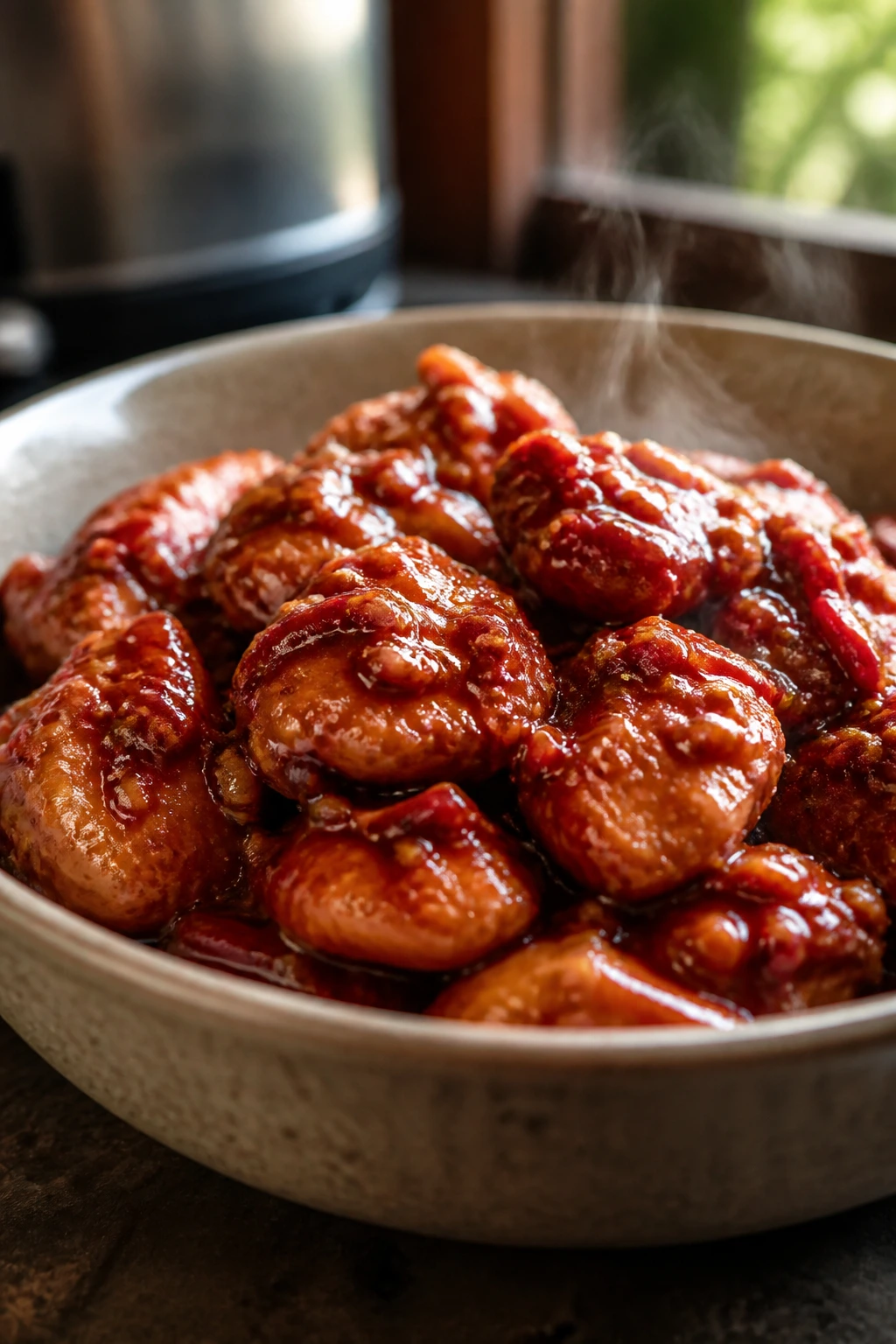
General Tso’s chicken is one of those dishes people expect to be crisp. In a slow cooker, it becomes something a little different and, frankly, easier to live with on a cold night: tender chicken in a sweet, sharp, chili-streaked sauce that still tastes like itself. The dried chilies bloom in the sauce, the hoisin adds body, and the vinegar keeps the sweetness in line.
If you’re after the crunchy restaurant version, this won’t scratch that exact itch. What it does give you is the flavor profile without the vat of oil, the splatter, or the feeling that the kitchen needs a full mop job after dinner.
Why It Works:
Thigh meat stays moist through a long cook, which is useful because General Tso’s sauce leans sweet and can turn cloying if the chicken dries out. The combination of soy, hoisin, vinegar, and chili garlic sauce mimics the sweet-sour heat people expect. A late cornstarch finish gives the sauce the sticky texture that makes it cling to rice.
Key Ingredients:
- 2 lbs boneless, skinless chicken thighs, cut into large chunks
- ⅓ cup low-sodium soy sauce
- ¼ cup hoisin sauce
- 3 tablespoons rice vinegar
- 2 tablespoons brown sugar
- 2 tablespoons chili garlic sauce
- 1 tablespoon Shaoxing wine or dry sherry
- 4 garlic cloves, minced
- 1 tablespoon ginger, minced
- 6 to 8 dried red chilies
- 3 tablespoons cornstarch mixed with 3 tablespoons cold water
- 3 scallions, sliced
- 1 tablespoon sesame oil
Quick Steps:
- Stir soy sauce, hoisin, vinegar, brown sugar, chili garlic sauce, Shaoxing, garlic, ginger, and sesame oil together.
- Put the chicken thighs and dried chilies into the slow cooker, then pour the sauce over them.
- Cook on LOW for 4 to 5 hours or HIGH for 2½ to 3 hours, until the chicken is cooked through and tender.
- Lift out the chicken, whisk in the cornstarch slurry, and cook on HIGH for 10 to 15 minutes until the sauce thickens.
- Return the chicken to the pot and stir gently so it stays in chunks instead of shredding apart.
- Finish with scallions and serve right away.
Equipment for This Recipe:
- Slow cooker
- Mixing bowl
- Whisk
- Tongs or a slotted spoon
- Sharp knife
How to Serve This Dish:
Rice is the obvious move, but I also like it with sautéed broccoli on the side so the meal isn’t all sauce and starch. Spoon a little extra sauce over the rice, then add scallions at the end for a fresh bite. If you want a crunch element, toasted cashews work better here than peanuts.
Pro Tips for This Recipe:
- Leave the chicken in larger chunks. Small pieces fall apart before the sauce thickens.
- Dried chilies bring fragrance as much as heat. Don’t skip them if you want the dish to smell right.
- If the sauce gets too sweet, add a splash more vinegar before serving.
- Broil the chicken for 2 to 3 minutes after thickening if you want a few browned edges.
Variations on This Dish:
- Cashew Tso’s: Stir in ½ cup roasted cashews at the end for crunch.
- Extra-Chili Version: Add 1 teaspoon crushed red pepper with the sauce if you want a hotter finish.
- Broccoli Bowl: Add broccoli florets in the last 20 minutes and serve it as a one-pot meal.
Common Mistakes to Avoid with This Dish:
- Overcooking until the chicken shreds: General Tso’s wants chunks, not pulled chicken.
- Adding the chilies too late: They won’t bloom properly and the sauce tastes flatter.
- Skipping the vinegar: Without it, the sauce turns sticky-sweet in a dull way.
5. Mongolian Beef With Scallions
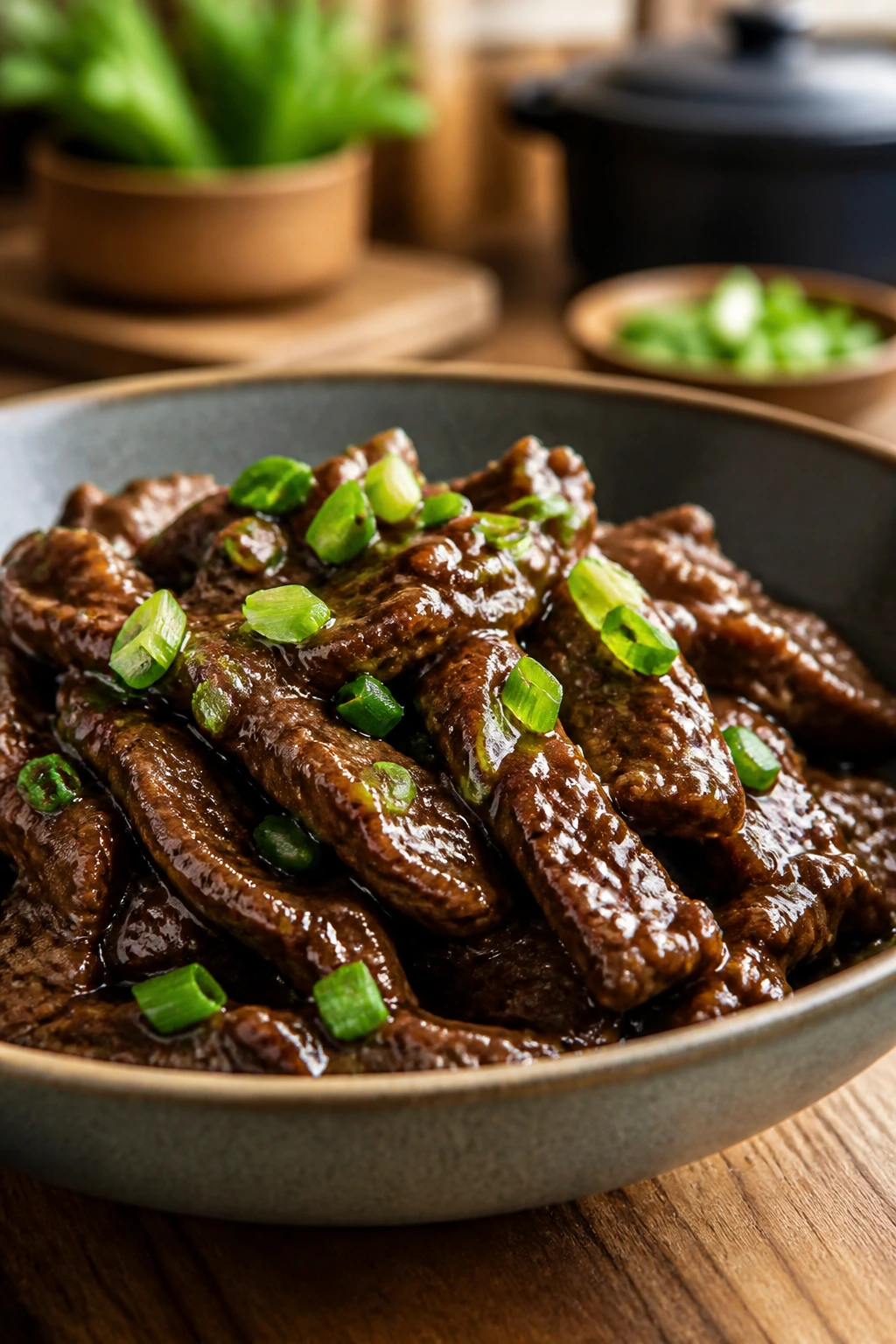
Mongolian beef has a reputation for being sweet and dark and a little too easy to eat fast. The slow cooker version keeps that sticky edge, but the sauce tastes less sugary when you build it with soy, garlic, ginger, and a decent splash of vinegar. The scallions go in near the end so they still have a green snap.
This is a good dish for chuck roast or flank cut into thick strips, because the long cook softens the meat just enough without turning it into mush. When you spoon it over rice, the sauce should cling to each grain instead of puddling around the bowl.
Why It Works:
A slower braise lets the beef absorb the sweet-salty sauce, and the cornstarch slurry gives the finished dish the glossy texture people expect. Brown sugar rounds out the soy sauce without making the dish taste like dessert. Scallions at the end keep it from feeling heavy.
Key Ingredients:
- 2 lbs chuck roast, cut into 1-inch strips
- 1 tablespoon neutral oil, for searing
- 5 garlic cloves, minced
- 2 tablespoons fresh ginger, minced
- ⅓ cup low-sodium soy sauce
- ¼ cup brown sugar
- ½ cup beef broth
- 2 tablespoons hoisin sauce
- 1 tablespoon rice vinegar
- ¼ teaspoon crushed red pepper flakes
- 3 tablespoons cornstarch mixed with 3 tablespoons cold water
- 1 bunch scallions, cut into 2-inch lengths
- 1 teaspoon sesame oil
Quick Steps:
- Brown the beef strips in a hot skillet with oil for 2 minutes per side.
- Move the beef to the slow cooker with the garlic and ginger.
- Whisk soy sauce, brown sugar, broth, hoisin, vinegar, red pepper flakes, and sesame oil, then pour it over the beef.
- Cook on LOW for 6 to 7 hours or HIGH for 3 to 4 hours, until the beef is tender.
- Stir in the cornstarch slurry and cook on HIGH for 10 to 15 minutes until the sauce turns thick and shiny.
- Add the scallions in the last 10 minutes so they stay bright and slightly crisp.
Equipment for This Recipe:
- Slow cooker
- Skillet
- Tongs
- Whisk
- Sharp knife
How to Serve This Dish:
This one wants hot rice and a green vegetable with a little bitterness, like bok choy or gai lan. If you want a more takeout-style plate, add a heap of rice and sprinkle sesame seeds across the top. The scallions matter here; don’t hide them.
Pro Tips for This Recipe:
- Cut the beef against the grain if you’re using flank. It matters more than people think.
- Don’t flood the pot with extra broth. Mongolian beef should be saucy, not soupy.
- Stir the scallions in at the end, not the beginning.
- A teaspoon of black vinegar can sharpen the sauce if it tastes too sweet.
Variations on This Dish:
- Garlic Scallion Bomb: Double the garlic and scallions for a sharper, greener finish.
- Snap Pea Version: Add snap peas during the last 15 minutes for crunch.
- Rice-Noodle Bowl: Toss the finished beef with cooked rice noodles and a splash of the sauce.
Common Mistakes to Avoid with This Dish:
- Using too much sugar: The dish loses its balance fast.
- Overcooking flank steak without slicing it right: It can turn stringy. Cut it properly and cook it with care.
- Adding scallions from the start: They lose color and taste muddy.
6. Char Siu Pork Shoulder
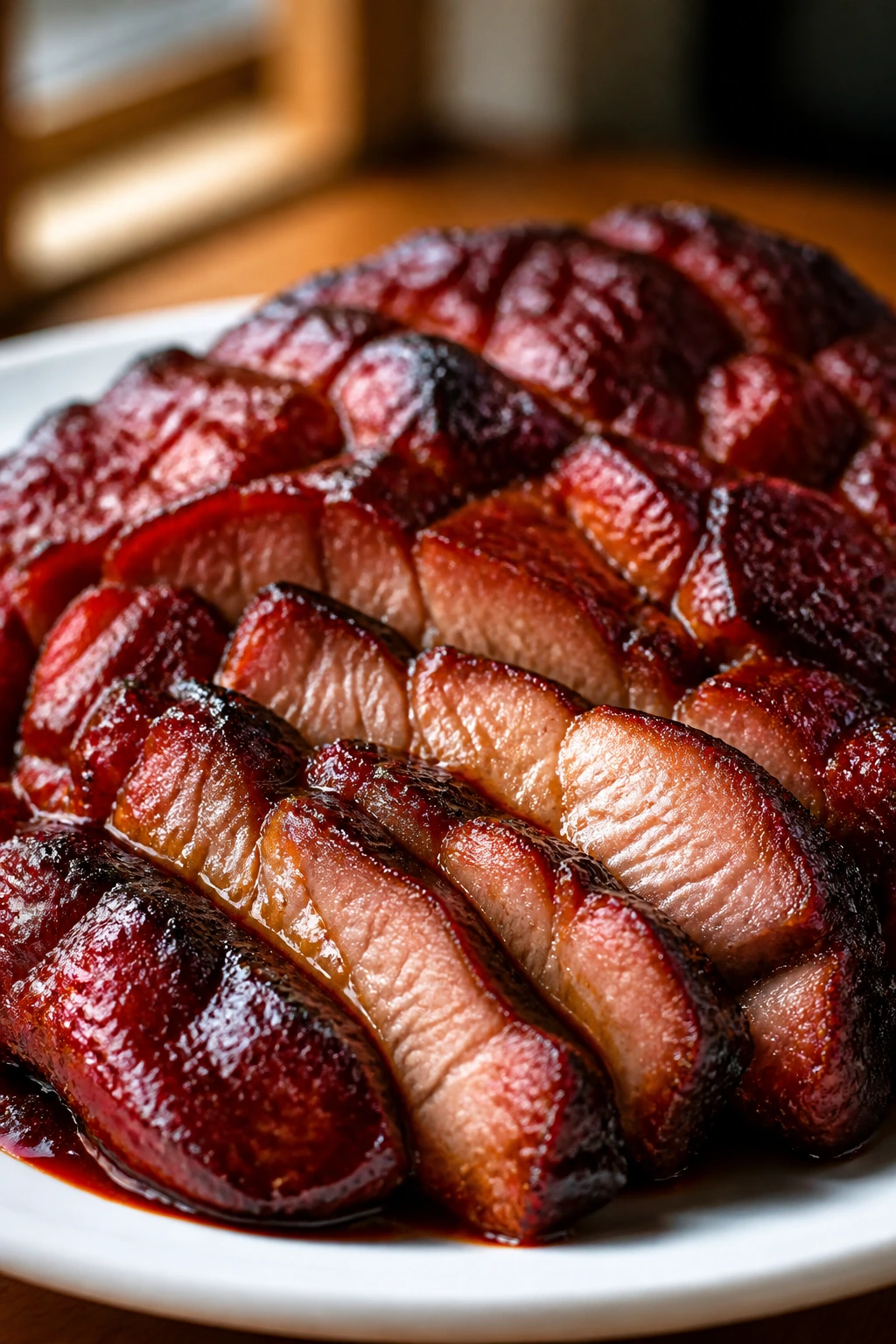
Char siu normally makes people think of red-glazed slices hanging in a window, but pork shoulder in the slow cooker gets you much closer to the flavor than you might expect. The meat becomes soft enough to pull apart, and the sauce turns sticky, sweet, and faintly smoky without needing a grill. I like to finish it under the broiler for a couple of minutes, because those caramelized edges are worth the tiny extra effort.
This is one of the best cold-day Chinese food recipes in the bunch because the house smells like five-spice, hoisin, and honey while it cooks. That smell alone buys you goodwill.
Why It Works:
Pork shoulder has enough fat to stay juicy over a long cook, and the sweet-savory char siu sauce penetrates better when the meat has time to sit in it. Five-spice powder brings clove, cinnamon, fennel, and star anise together without needing a long ingredient list. A quick broiler finish gives you the lacquered edge people want from char siu.
Key Ingredients:
- 3 lbs pork shoulder, cut into 3-inch chunks
- ½ cup hoisin sauce
- ¼ cup soy sauce
- ¼ cup honey
- 2 tablespoons brown sugar
- 2 tablespoons Shaoxing wine or dry sherry
- 1 tablespoon Chinese five-spice powder
- 4 garlic cloves, minced
- 1 tablespoon grated ginger
- 1 tablespoon ketchup
- 1 tablespoon rice vinegar
- 1 tablespoon sesame oil
Quick Steps:
- Whisk hoisin, soy sauce, honey, brown sugar, Shaoxing, five-spice, garlic, ginger, ketchup, vinegar, and sesame oil into a thick marinade.
- Coat the pork shoulder pieces well and place them in the slow cooker.
- Cook on LOW for 7 to 8 hours or HIGH for 4 to 5 hours, until the pork pulls apart easily.
- Remove the pork, spoon some sauce over it, and place it on a foil-lined sheet pan.
- Broil for 2 to 4 minutes, watching closely, until the edges blister and darken.
- Slice or shred the pork and serve with the remaining sauce.
Equipment for This Recipe:
- Slow cooker
- Sheet pan
- Foil
- Tongs
- Whisk
How to Serve This Dish:
Serve char siu over rice with cucumber slices or quick-pickled cabbage to cut the richness. It also works in steamed buns, tucked into noodle bowls, or piled beside blanched gai lan. I like it with extra sauce on the side so the rice can take on the glossy bits.
Pro Tips for This Recipe:
- Broiling matters. Without it, you lose the sticky exterior that makes char siu feel complete.
- Don’t trim the pork shoulder too aggressively; some fat helps the texture.
- A teaspoon of dark soy sauce deepens the color if you have it.
- Let the meat rest for 10 minutes before slicing so the juices settle.
Variations on This Dish:
- Bun Fillings Version: Shred the pork and stuff it into steamed buns with cucumber and scallions.
- Five-Spice-Heavy Cut: Increase the five-spice to 1½ tablespoons if you like the clove-and-cinnamon edge.
- Honey-Lime Twist: Stir 1 tablespoon lime juice into the sauce at the end for a brighter finish.
Common Mistakes to Avoid with This Dish:
- Skipping the broiler finish: The flavor is there, but the texture feels flat.
- Using pork loin: It’s leaner and doesn’t stay as juicy in the slow cooker.
- Cutting too soon: The meat falls apart more cleanly after a short rest.
7. Sweet and Sour Pork With Pineapple
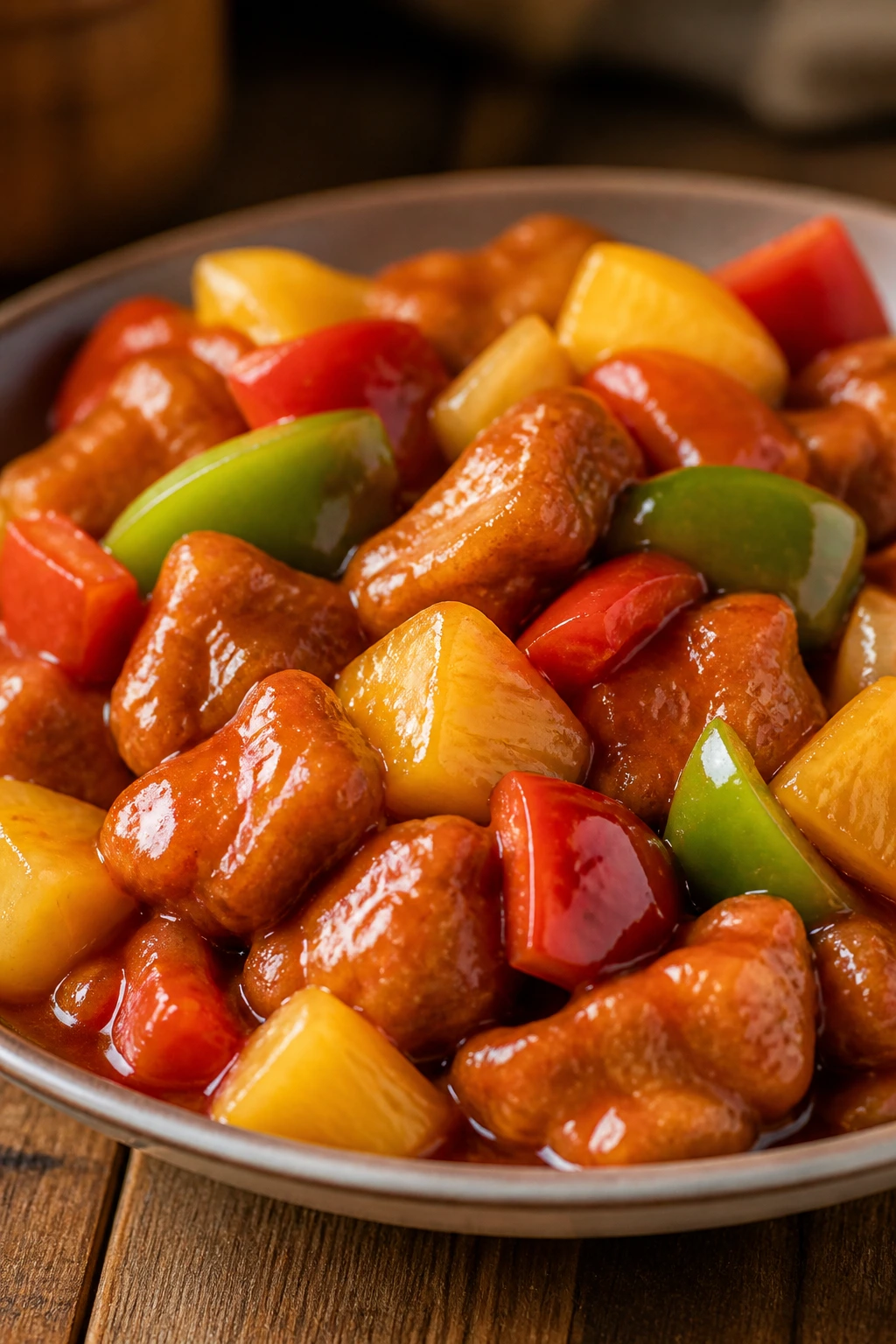
Sweet and sour pork can get clumsy in a hurry if the sauce tastes like ketchup and the vegetables turn soggy. The slow cooker version is better when you treat it like a braise with a bright finish. Pork shoulder gives you the right texture, pineapple brings the sweetness, and rice vinegar keeps the whole pot awake.
This is the kind of dish that tastes better than it looks in the slow cooker. The peppers and onions go in late, so they still taste like vegetables instead of soft decorations.
Why It Works:
The pork shoulder becomes tender enough to hold the sauce without disintegrating. Pineapple juice gives sweetness plus acidity, and rice vinegar keeps the profile sharper than canned sweet-and-sour sauce ever could. The vegetables go in near the end so they hold their shape and still look like themselves.
Key Ingredients:
- 2 lbs pork shoulder, cut into 1½-inch cubes
- 1 red bell pepper, cut into chunks
- 1 green bell pepper, cut into chunks
- 1 medium onion, cut into wedges
- 1 cup pineapple chunks, drained if canned
- ½ cup pineapple juice
- ¼ cup rice vinegar
- ¼ cup ketchup
- 2 tablespoons soy sauce
- 3 tablespoons brown sugar
- 3 garlic cloves, minced
- 1 tablespoon ginger, minced
- 2 tablespoons cornstarch mixed with 2 tablespoons cold water
Quick Steps:
- Put the pork, garlic, and ginger in the slow cooker.
- Whisk pineapple juice, vinegar, ketchup, soy sauce, and brown sugar, then pour it over the pork.
- Cook on LOW for 6 to 7 hours or HIGH for 3 to 4 hours, until the pork is tender.
- Add the bell peppers, onion, and pineapple chunks during the last 30 minutes.
- Stir in the cornstarch slurry and cook on HIGH for 10 to 15 minutes until the sauce thickens.
- Taste and add a splash more vinegar if the sauce needs more lift.
Equipment for This Recipe:
- Slow cooker
- Mixing bowl
- Whisk
- Cutting board
- Slotted spoon
How to Serve This Dish:
Steamed rice is the obvious base, but this also works over fried rice if you want a slightly richer plate. A few extra pineapple chunks on top make the bowl look brighter and help the dish read as sweet and sour instead of just brown. Keep the sides simple; the sauce is the point.
Pro Tips for This Recipe:
- Add the peppers late or they disappear into softness.
- If using canned pineapple, choose chunks packed in juice, not syrup.
- A little extra vinegar right before serving keeps the flavor from turning one-note.
- Pork shoulder beats lean pork here because it stays tender after hours in sauce.
Variations on This Dish:
- Crisp-Edge Finish: Broil the pork for 2 minutes after thickening if you want a few browned bits.
- Mild Family Version: Cut the ketchup by half and add more pineapple juice for a softer sweetness.
- Vegetable-Heavy Bowl: Add snap peas and carrots in the final 20 minutes for more crunch and color.
Common Mistakes to Avoid with This Dish:
- Adding peppers at the start: They collapse into mush.
- Using too much sugar and not enough acid: The dish turns sticky-sweet instead of balanced.
- Choosing lean pork: It dries out and loses the braised texture that makes this recipe worth making.
8. Five-Spice Braised Short Ribs
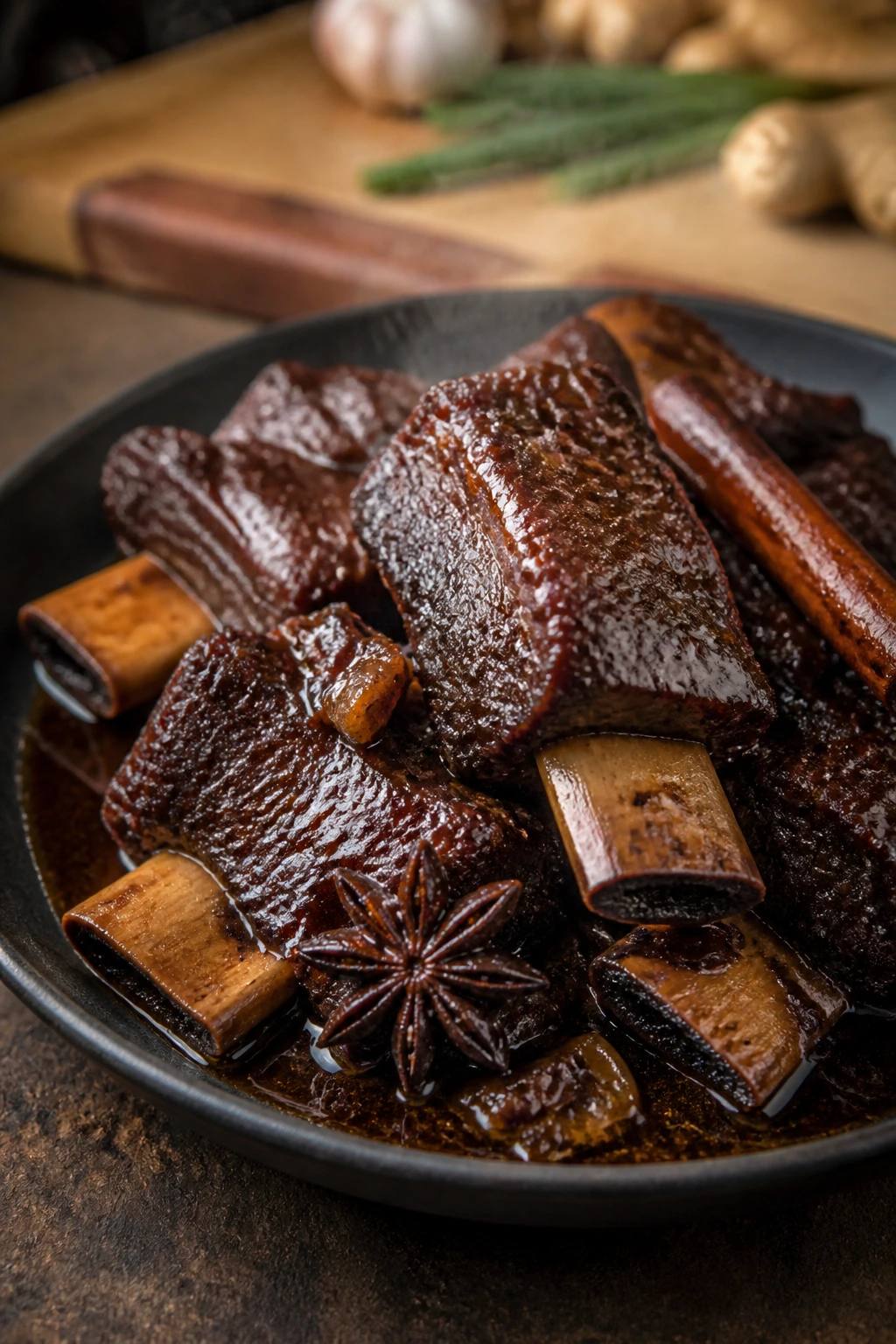
Short ribs and cold weather belong together. The meat relaxes into the broth, the bones give the liquid body, and the whole pot smells like star anise, soy, and cinnamon after a few hours. This is the most luxurious dish in the group, but it doesn’t ask for much attention once it’s in the slow cooker.
I like this one with plain rice and something green on the side, because the ribs are rich enough to carry the meal. A little scallion at the end keeps it from feeling too dark.
Why It Works:
Short ribs have enough connective tissue and fat to become fork-tender without going dry. Five-spice powder, star anise, and cinnamon build a braising liquid with depth, while soy sauce and Shaoxing wine keep it savory. The slow cooker gives you a steady, low simmer that pulls all of that together without boiling the meat apart.
Key Ingredients:
- 4 lbs beef short ribs, bone-in
- 1 tablespoon neutral oil, for searing
- 1 large onion, sliced
- 5 garlic cloves, smashed
- 2 tablespoons fresh ginger, sliced
- ¼ cup soy sauce
- ¼ cup Shaoxing wine or dry sherry
- 2 cups beef broth
- 2 tablespoons dark brown sugar
- 2 star anise
- 1 cinnamon stick
- 1 teaspoon Chinese five-spice powder
- 2 scallions, sliced
- 1 tablespoon rice vinegar
Quick Steps:
- Brown the short ribs in a skillet with oil for 2 to 3 minutes per side.
- Place the onion, garlic, and ginger in the slow cooker, then set the ribs on top.
- Pour in soy sauce, Shaoxing, broth, brown sugar, vinegar, and the spices.
- Cook on LOW for 8 hours or HIGH for 4½ to 5 hours, until the meat pulls cleanly from the bone.
- Skim off excess fat from the surface if needed, then remove the cinnamon stick and star anise.
- Finish with scallions and serve with some of the braising liquid spooned over the top.
Equipment for This Recipe:
- Slow cooker
- Heavy skillet
- Tongs
- Slotted spoon
- Fat separator, if you have one
How to Serve This Dish:
Serve the ribs over rice or mashed potatoes if you want a cross-cultural shortcut that still makes sense. The braising liquid is strong enough to spoon over plain steamed greens, too. I like a bowl where the ribs sit high and the sauce collects around the edges.
Pro Tips for This Recipe:
- Brown the ribs. That deepens the broth in a way the slow cooker cannot fake.
- Skim the fat before serving if the liquid looks greasy.
- A strip of orange peel added for the last hour gives the braise a subtle lift.
- Short ribs are best eaten hot, when the fat is still silky.
Variations on This Dish:
- Ginger-Forward Braise: Add an extra tablespoon of ginger if you want the spice to lean brighter.
- Daikon Version: Add chunks of daikon radish in the last 90 minutes; they soak up the broth beautifully.
- Star Anise Plus Black Vinegar: Swap in 1 tablespoon black vinegar at the end for a deeper, sharper finish.
Common Mistakes to Avoid with This Dish:
- Boiling the ribs in too much liquid: You want a braise, not a full submerge.
- Leaving the braise untouched for too long after cooking: The fat sets quickly on top. Serve it hot.
- Skipping the brown-on-the-outside step: The broth tastes flatter without it.
9. Hot and Sour Soup With Tofu and Mushrooms
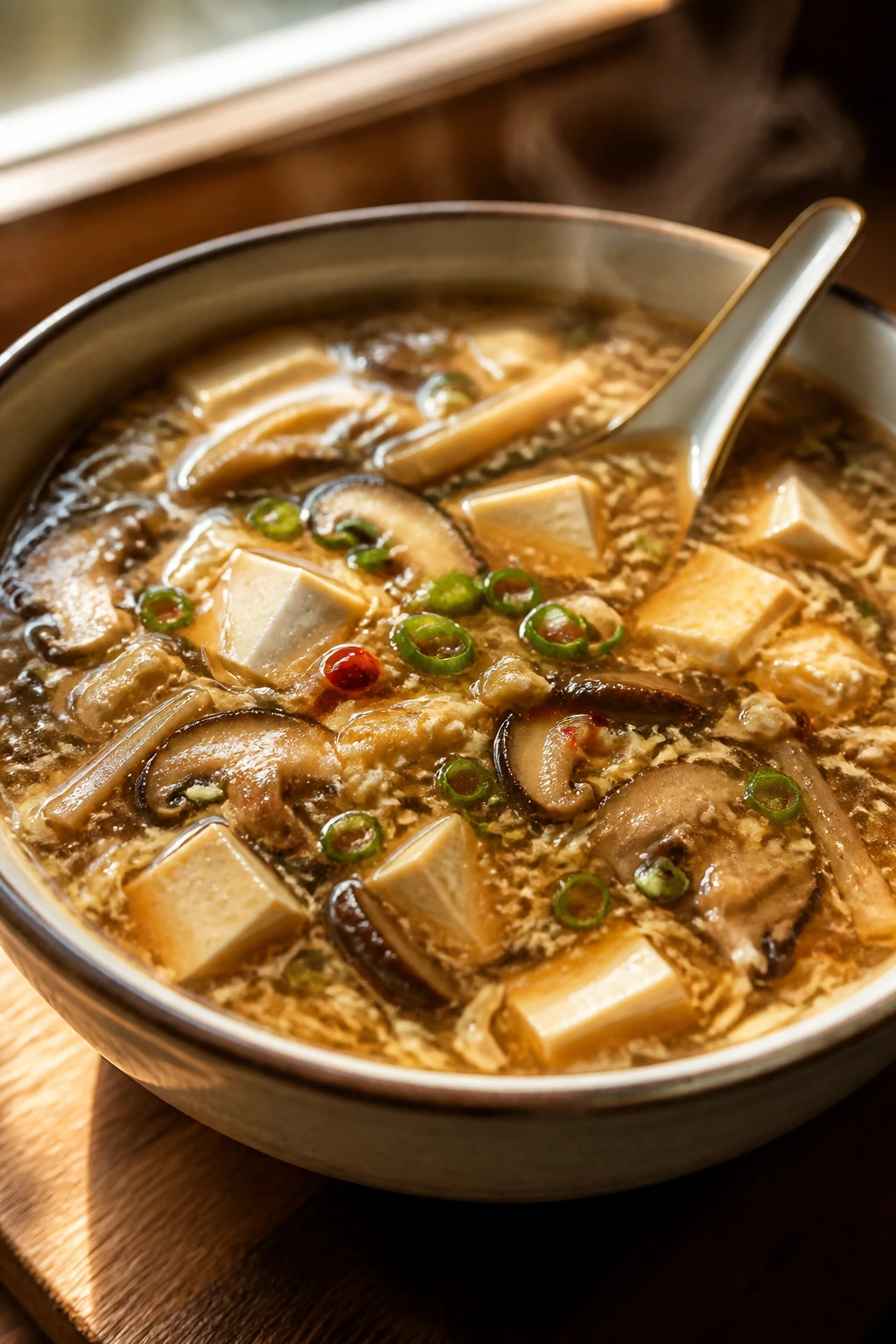
Hot and sour soup should wake you up a little. Not in a harsh way. More like the first sip clears the fog in your head. This slow cooker version gets there with vinegar, white pepper, mushrooms, tofu, and a little pork or chicken if you want it heartier. It’s one of the best cold-weather soups in the whole collection because it has bite, steam, and enough body to count as dinner.
I’m picky about the texture here. The tofu needs to stay in one piece. The mushrooms need to give up flavor without turning leathery. The eggs need to ribbon into the broth, not turn into scraps.
Why It Works:
The slow cooker gives the mushrooms time to flavor the broth and lets the pork or chicken become tender before the tofu goes in. Rice vinegar and white pepper supply the hot-and-sour profile, while cornstarch adds the slightly thick body that makes the soup feel right on the spoon. Beaten eggs at the end give you those soft ribbons people expect.
Key Ingredients:
- 1 lb boneless chicken thighs, thinly sliced or shredded
- 6 cups chicken broth
- 1 cup sliced mushrooms, shiitake or cremini
- ½ cup bamboo shoots, drained and sliced
- 8 oz firm tofu, cut into ½-inch cubes
- 2 tablespoons soy sauce
- 3 tablespoons rice vinegar
- 1 tablespoon chili garlic sauce
- 1 teaspoon white pepper
- 1 tablespoon grated ginger
- 2 tablespoons cornstarch mixed with 2 tablespoons cold water
- 2 large eggs, beaten
- 2 scallions, sliced
- 1 teaspoon sesame oil
Quick Steps:
- Add broth, chicken, mushrooms, bamboo shoots, soy sauce, vinegar, chili garlic sauce, white pepper, and ginger to the slow cooker.
- Cook on LOW for 4 to 5 hours or HIGH for 2½ to 3 hours, until the chicken is cooked and tender.
- Stir in the tofu and cornstarch slurry, then cook on HIGH for 10 to 15 minutes until the broth thickens a little.
- Slowly drizzle the beaten eggs into the soup while stirring in one direction so they form ribbons.
- Turn off the heat and finish with sesame oil and scallions.
- Taste for vinegar and pepper before serving; this soup should stay sharp.
Equipment for This Recipe:
- Slow cooker
- Whisk
- Ladle
- Measuring cups
- Heat-safe bowl for beating eggs
How to Serve This Dish:
Serve hot, in deep bowls, with extra scallions on top and maybe a few sesame seeds if you like them. It works as a light main course with a side of steamed rice or as a first course before a bigger meal. The soup should look dark, glossy, and a little clouded by the egg ribbons.
Pro Tips for This Recipe:
- Add tofu late so it stays intact.
- White pepper is the real flavor marker here. Black pepper tastes different.
- If the soup tastes flat, add more vinegar in 1-teaspoon increments.
- Stir the eggs slowly; fast stirring gives you broken curds instead of ribbons.
Variations on This Dish:
- Pork Version: Swap the chicken for 1 lb thinly sliced pork shoulder.
- Extra-Mushroom Broth: Add a handful of dried shiitake for a darker, deeper soup.
- Noodle Bowl Upgrade: Pour the soup over cooked rice noodles to turn it into a bigger meal.
Common Mistakes to Avoid with This Dish:
- Adding vinegar too early in huge amounts: It can get harsh. Taste at the end and adjust.
- Letting the tofu simmer the entire time: It breaks apart.
- Pouring eggs too quickly: You’ll get scrambled bits instead of ribbons.
10. Wonton-Style Soup With Pork Meatballs
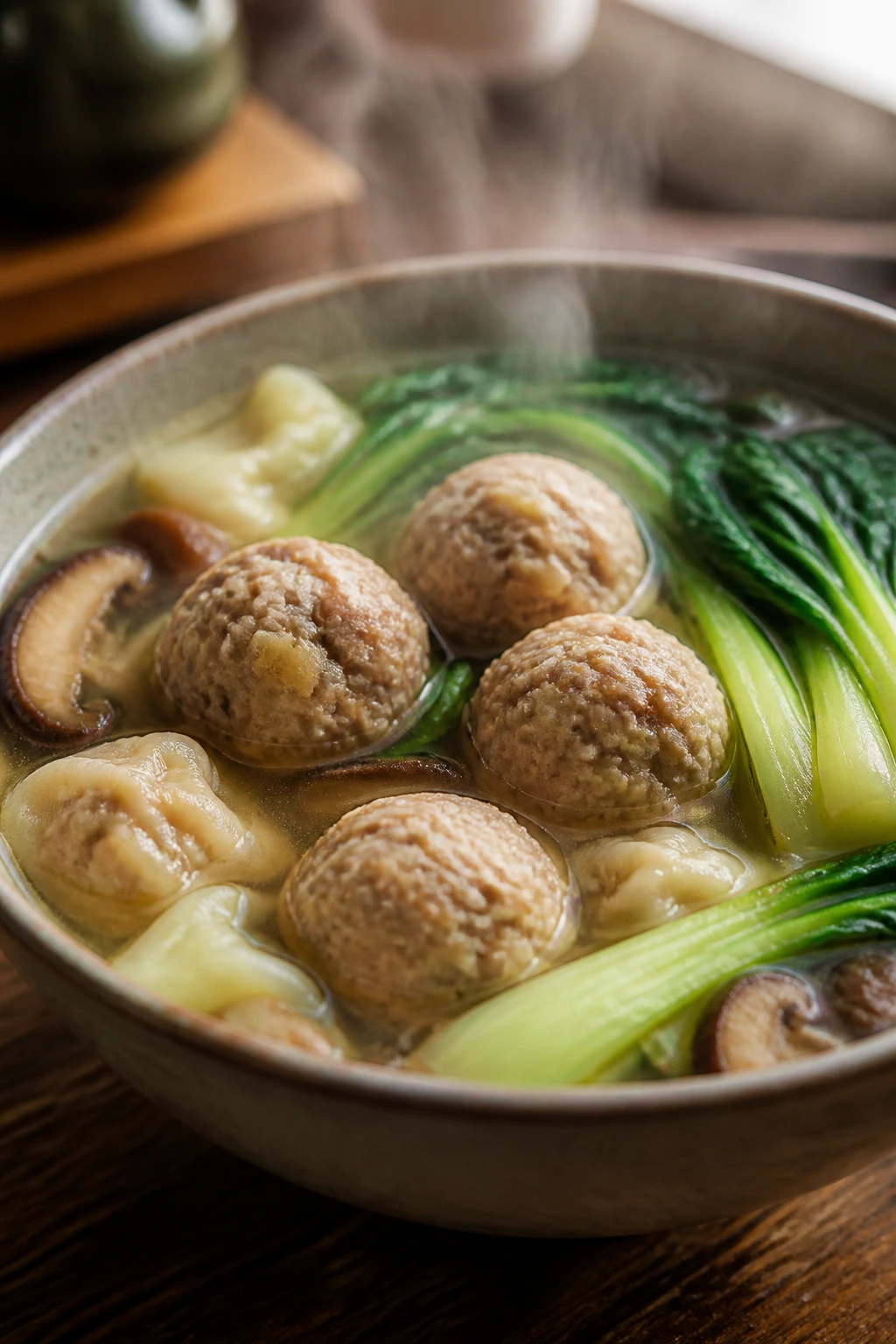
Real wontons are a separate project, and I’m not going to pretend a slow cooker wants to handle delicate wrappers for hours. Meatballs are the smarter move here. They give you the same savory, gingery pork profile in a form that survives the long simmer and still tastes like a bowl of dumpling soup after the steam clears.
This is a good cold-day dinner because the broth is light but not thin. Bok choy, mushrooms, and scallions bring enough texture that the bowl feels complete without getting heavy.
Why It Works:
Ground pork meatballs hold together in broth better than actual wontons would in a slow cooker. Ginger and scallion inside the meat keep them tasting fresh, while the broth picks up flavor from mushrooms and soy. Bok choy and noodles added near the end keep the final bowl balanced.
Key Ingredients:
- 1 lb ground pork
- 1 egg
- ¼ cup panko or fine breadcrumbs
- 2 scallions, minced
- 1 tablespoon grated ginger
- 2 garlic cloves, minced
- 1 tablespoon soy sauce
- 1 teaspoon sesame oil
- 6 cups chicken broth
- 1 cup sliced mushrooms
- 1 small head baby bok choy, chopped
- 1 tablespoon rice vinegar
- 2 cups cooked wonton noodles, rice noodles, or thin egg noodles
- White pepper to taste
Quick Steps:
- Mix ground pork, egg, panko, scallions, ginger, garlic, soy sauce, and sesame oil until just combined.
- Shape into 1-inch meatballs and place them on top of the broth in the slow cooker with the mushrooms.
- Cook on LOW for 4 to 5 hours or HIGH for 2½ to 3 hours, until the meatballs are cooked through.
- Stir in the bok choy during the last 15 minutes so it stays bright and a little crisp.
- Add rice vinegar and white pepper at the end, then taste the broth.
- Serve the broth over cooked noodles or keep the noodles in separate bowls so they don’t get soggy.
Equipment for This Recipe:
- Slow cooker
- Mixing bowl
- Small scoop or spoon for shaping meatballs
- Slotted spoon
- Knife and cutting board
How to Serve This Dish:
If you want a clean bowl, put the noodles in the serving bowls first and ladle the soup over them. If you want the broth to stay clear for longer, keep the noodles separate and add them just before eating. A few extra scallions on top make the bowl look more finished than it really is.
Pro Tips for This Recipe:
- Keep the meatballs small so they cook evenly.
- Don’t overmix the pork or the meatballs get dense.
- Bok choy goes in late or it loses its pale-green crunch.
- A tiny splash of sesame oil at the end makes the broth smell more complete.
Variations on This Dish:
- Shrimp-Pork Meatballs: Mix in ½ cup finely chopped shrimp for a more dumpling-like flavor.
- Ginger Broth Version: Add an extra tablespoon of ginger to the broth if you want a warmer finish.
- Cabbage Bowl: Swap bok choy for napa cabbage if that’s what you have on hand.
Common Mistakes to Avoid with This Dish:
- Making the meatballs too large: They take longer and can fall apart.
- Cooking the noodles in the slow cooker from the start: They soak up too much broth.
- Underseasoning the broth: Pork meatballs need a broth with enough salt and vinegar to wake them up.
11. Mapo Tofu With Pork and Sichuan Pepper
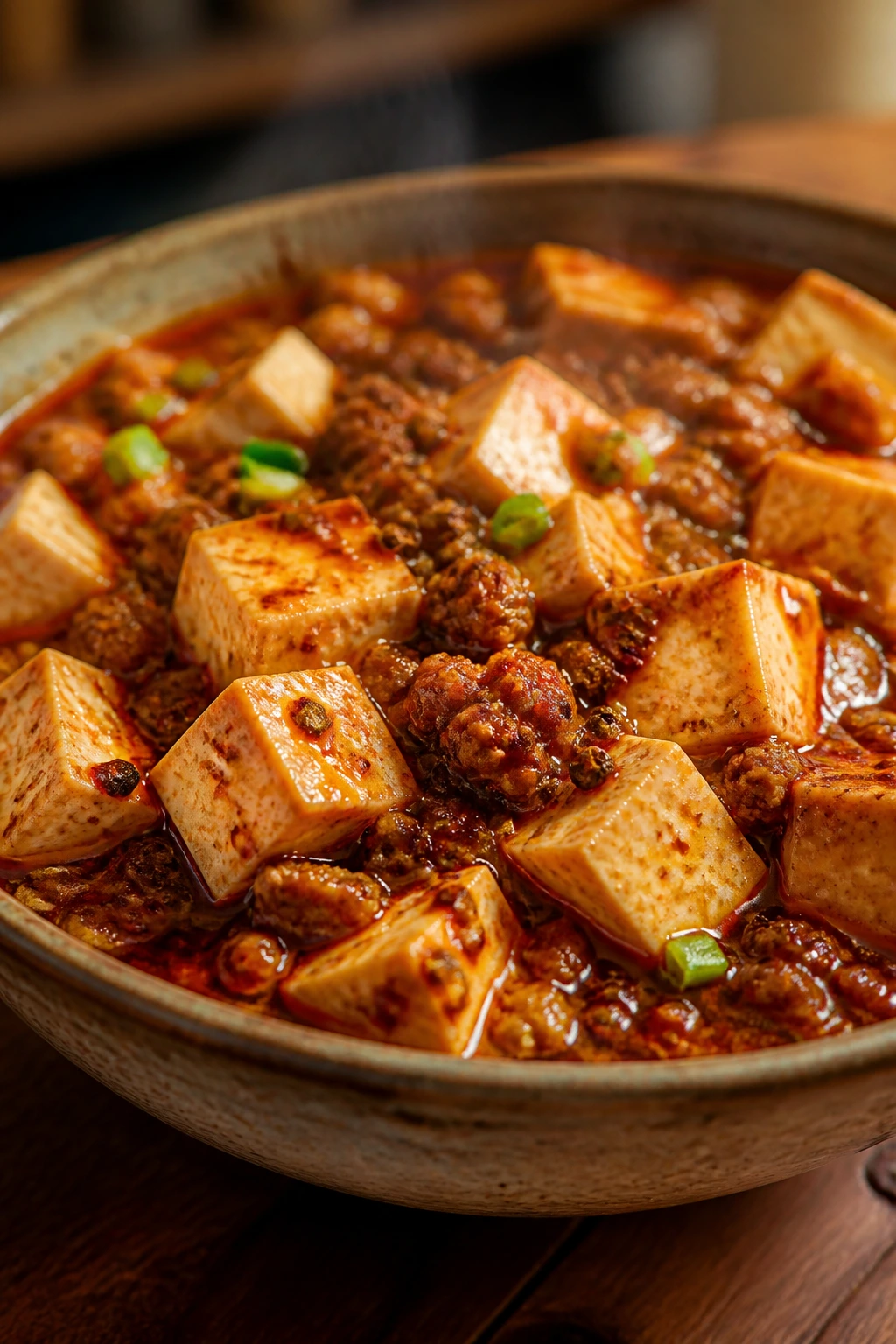
Mapo tofu is one of those dishes that can taste timid if you handle it too gently. It wants heat, salt, bean paste, and that electric tingle from Sichuan peppercorn. In a slow cooker, the trick is to treat the tofu with respect and add it late so it stays in soft cubes rather than turning into curds.
This version is rich enough for a cold evening but still sharp on the tongue. The ground pork brings savoriness, the doubanjiang gives deep red color and fermented heat, and the tofu sits in the sauce like it belongs there.
Why It Works:
Ground pork cooks well in a slow braise and gives the sauce fat and flavor. Doubanjiang, or chile bean paste, is doing the heavy lifting here; without it, mapo tofu loses its backbone. The tofu goes in near the end because it only needs to absorb the sauce, not simmer itself apart.
Key Ingredients:
- 1 lb ground pork
- 2 blocks firm tofu, 14 oz each, cut into 1-inch cubes
- 2 tablespoons doubanjiang
- 1 tablespoon fermented black beans, rinsed and chopped, optional but useful
- 1 tablespoon grated ginger
- 4 garlic cloves, minced
- 1½ cups chicken broth
- 2 tablespoons soy sauce
- 1 tablespoon Shaoxing wine or dry sherry
- 1 teaspoon sugar
- 1 teaspoon ground Sichuan peppercorns
- 2 tablespoons cornstarch mixed with 2 tablespoons cold water
- 3 scallions, sliced
- 1 tablespoon chili oil
Quick Steps:
- Brown the pork in a skillet for 3 to 4 minutes, breaking it up but leaving some texture.
- Add the pork, doubanjiang, black beans, ginger, garlic, broth, soy sauce, Shaoxing, sugar, and Sichuan pepper to the slow cooker.
- Cook on LOW for 4 hours or HIGH for 2 hours, until the sauce tastes deep and the pork is tender.
- Gently fold in the tofu during the last 20 minutes so the cubes stay mostly intact.
- Stir in the cornstarch slurry and cook on HIGH for 10 minutes until the sauce lightly thickens.
- Finish with chili oil and scallions, then serve over rice right away.
Equipment for This Recipe:
- Slow cooker
- Skillet
- Wooden spoon
- Slotted spoon
- Mixing bowl
How to Serve This Dish:
Serve it over hot rice in a bowl that’s wider than it is deep. Mapo tofu wants room for sauce. A handful of scallions and a little extra chili oil on top make the dish look and taste more finished. It’s good with plain steamed greens on the side.
Pro Tips for This Recipe:
- Rinse the tofu gently and drain it well before adding it.
- If your doubanjiang is very salty, cut the soy back by 1 tablespoon.
- Sichuan pepper loses punch if you add it too early, so taste before serving.
- Use a soft spatula when stirring; rough handling breaks the tofu.
Variations on This Dish:
- Vegetarian Mapo: Swap the pork for finely chopped mushrooms and 1 tablespoon of minced preserved mustard greens.
- Extra-Fiery Version: Add 1 to 2 teaspoons chili crisp at the end.
- Lighter Bowl: Use half tofu and half diced eggplant if you want a softer, less rich version.
Common Mistakes to Avoid with This Dish:
- Adding tofu too early: It falls apart and muddies the sauce.
- Skipping the bean paste: Then it stops tasting like mapo tofu.
- Stirring too hard: The tofu cubes don’t need that kind of treatment.
12. Sesame Chicken Meatballs
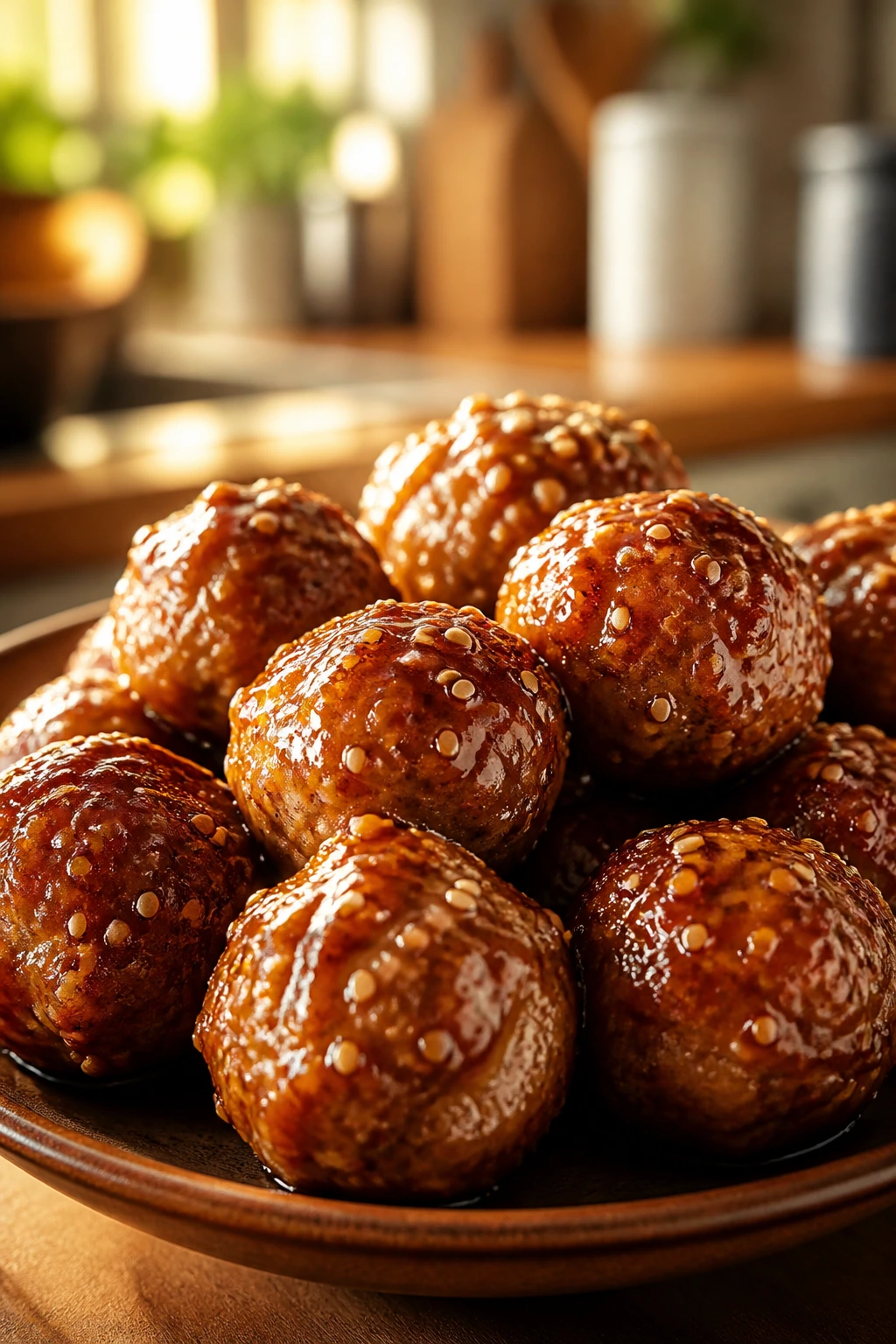
Sesame chicken meatballs are the kind of slow cooker dinner that looks polished without asking much from you. The meatballs stay tender, the sauce turns sweet and savory, and sesame seeds at the end give you the flavor cue that makes the whole thing read as Chinese-inspired from the first bite. It’s not a fryer dish. It’s a weeknight braise dressed up a little.
I like these with rice and a fast green vegetable, because the sauce likes something plain underneath it. The meatballs also hold up well in lunch containers, which is never a bad thing.
Why It Works:
Ground chicken stays light, and the egg plus panko keep the meatballs from turning firm and rubbery. The sauce has the right sesame-sweet profile because it balances soy, honey, rice vinegar, and hoisin. Cooking the meatballs in sauce instead of frying them means they stay tender all the way through.
Key Ingredients:
- 1½ lbs ground chicken
- 1 egg
- ½ cup panko
- 2 scallions, minced
- 2 garlic cloves, minced
- 1 tablespoon ginger, grated
- ⅓ cup low-sodium soy sauce
- ¼ cup honey
- 2 tablespoons rice vinegar
- 2 tablespoons hoisin sauce
- 1 tablespoon sesame oil
- 2 tablespoons cornstarch mixed with 2 tablespoons cold water
- 2 tablespoons sesame seeds
Quick Steps:
- Mix the chicken, egg, panko, scallions, garlic, and ginger just until combined.
- Shape into meatballs about 1½ inches wide and place them in the slow cooker.
- Whisk soy sauce, honey, vinegar, hoisin, and sesame oil, then pour over the meatballs.
- Cook on LOW for 3½ to 4½ hours or HIGH for 2 to 2½ hours, until the meatballs are cooked through.
- Stir in the cornstarch slurry and cook on HIGH for 10 to 15 minutes until the sauce thickens.
- Sprinkle sesame seeds over the top before serving.
Equipment for This Recipe:
- Slow cooker
- Mixing bowl
- Sheet pan or plate for forming meatballs
- Spoon or small scoop
- Whisk
How to Serve This Dish:
Serve the meatballs over rice with steamed broccoli or sugar snap peas. A few sesame seeds and scallions on top make the bowl feel intentional, not just functional. They also work tucked into lettuce cups if you want something lighter.
Pro Tips for This Recipe:
- Don’t pack the meatballs too tightly or they’ll be dense.
- If the sauce tastes too sweet, add another teaspoon of vinegar.
- Ground chicken is lean, so do not overcook it by much.
- A little grated orange zest in the sauce gives the sesame flavor a brighter lift.
Variations on This Dish:
- Turkey Meatball Version: Ground turkey works the same way and takes the sesame glaze well.
- Spicy Sesame Meatballs: Add chili garlic sauce to the glaze if you want heat.
- Vegetable Bowl: Serve the meatballs over shredded cabbage and rice instead of plain rice.
Common Mistakes to Avoid with This Dish:
- Overmixing the meatball mixture: It makes them tough.
- Using too much sauce from the start: The meatballs need room to cook without breaking apart.
- Adding sesame seeds too early: They sink and lose their toasty edge.
13. Garlic Black Bean Chicken
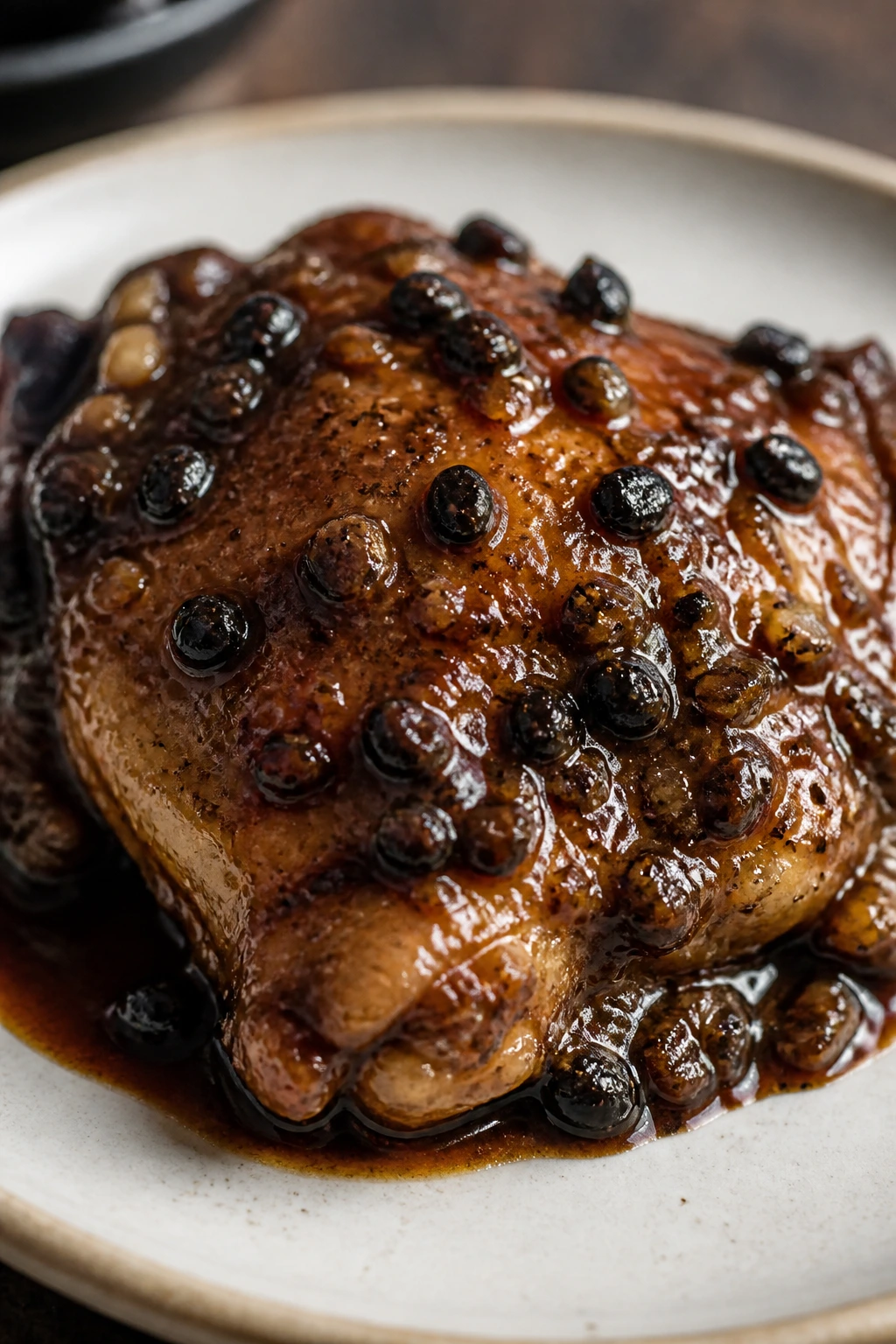
Black bean sauce has a deep, savory funk that pairs beautifully with chicken thighs and garlic. In the slow cooker, it becomes dark, glossy, and mellowed out just enough to feel cozy instead of aggressive. Bell peppers and onions break up the richness, and the whole dish tastes like it’s been simmering longer than it really has.
This is one of the more forgiving recipes in the collection. If you like bold, salty, garlicky food, it lands squarely in that zone.
Why It Works:
Fermented black bean sauce gives the dish its backbone, while soy and oyster sauce build the savory layer underneath. Chicken thighs stay tender through the long cook, and the bell peppers added near the end keep their shape and color. A small amount of cornstarch at the end brings the sauce together so it coats the chicken cleanly.
Key Ingredients:
- 2 lbs boneless, skinless chicken thighs, cut into large pieces
- 1 large onion, sliced
- 1 red bell pepper, sliced
- 1 green bell pepper, sliced
- 6 garlic cloves, minced
- 1 tablespoon ginger, minced
- 2 tablespoons black bean garlic sauce
- 2 tablespoons soy sauce
- 1 tablespoon oyster sauce
- ½ cup chicken broth
- 1 tablespoon Shaoxing wine
- 2 tablespoons cornstarch mixed with 2 tablespoons cold water
- 2 scallions, sliced
Quick Steps:
- Place the onion, garlic, ginger, and chicken in the slow cooker.
- Whisk black bean sauce, soy sauce, oyster sauce, broth, and Shaoxing, then pour it over everything.
- Cook on LOW for 4½ to 5½ hours or HIGH for 2½ to 3 hours.
- Add the bell peppers during the last 30 minutes so they stay a little crisp.
- Stir in the cornstarch slurry and cook on HIGH for 10 to 15 minutes until the sauce thickens.
- Finish with scallions and serve immediately.
Equipment for This Recipe:
- Slow cooker
- Whisk
- Knife and cutting board
- Slotted spoon
- Small bowl for slurry
How to Serve This Dish:
Serve it over rice with steamed pak choy or broccoli. The sauce is strong enough that you don’t need much else on the plate. A little extra scallion on top helps cut through the deep black bean flavor.
Pro Tips for This Recipe:
- Black bean sauce varies a lot by brand, so taste before adding more soy.
- Bell peppers go in late or they lose their snap.
- If the sauce tastes too salty, add a splash of water or broth before thickening.
- A few drops of sesame oil at the end deepen the aroma.
Variations on This Dish:
- Mushroom Black Bean Chicken: Add sliced shiitake or cremini with the onion.
- Chili Black Bean Version: Stir in 1 teaspoon chili paste if you want more heat.
- Tofu Swap: Use pressed tofu cubes in place of chicken for a vegetarian version.
Common Mistakes to Avoid with This Dish:
- Using too much black bean sauce: It can dominate the bowl fast.
- Adding vegetables at the start: They lose all structure.
- Forgetting the cornstarch finish: The sauce stays thin and doesn’t cling right.
14. Chinese-Style Chicken and Mushrooms
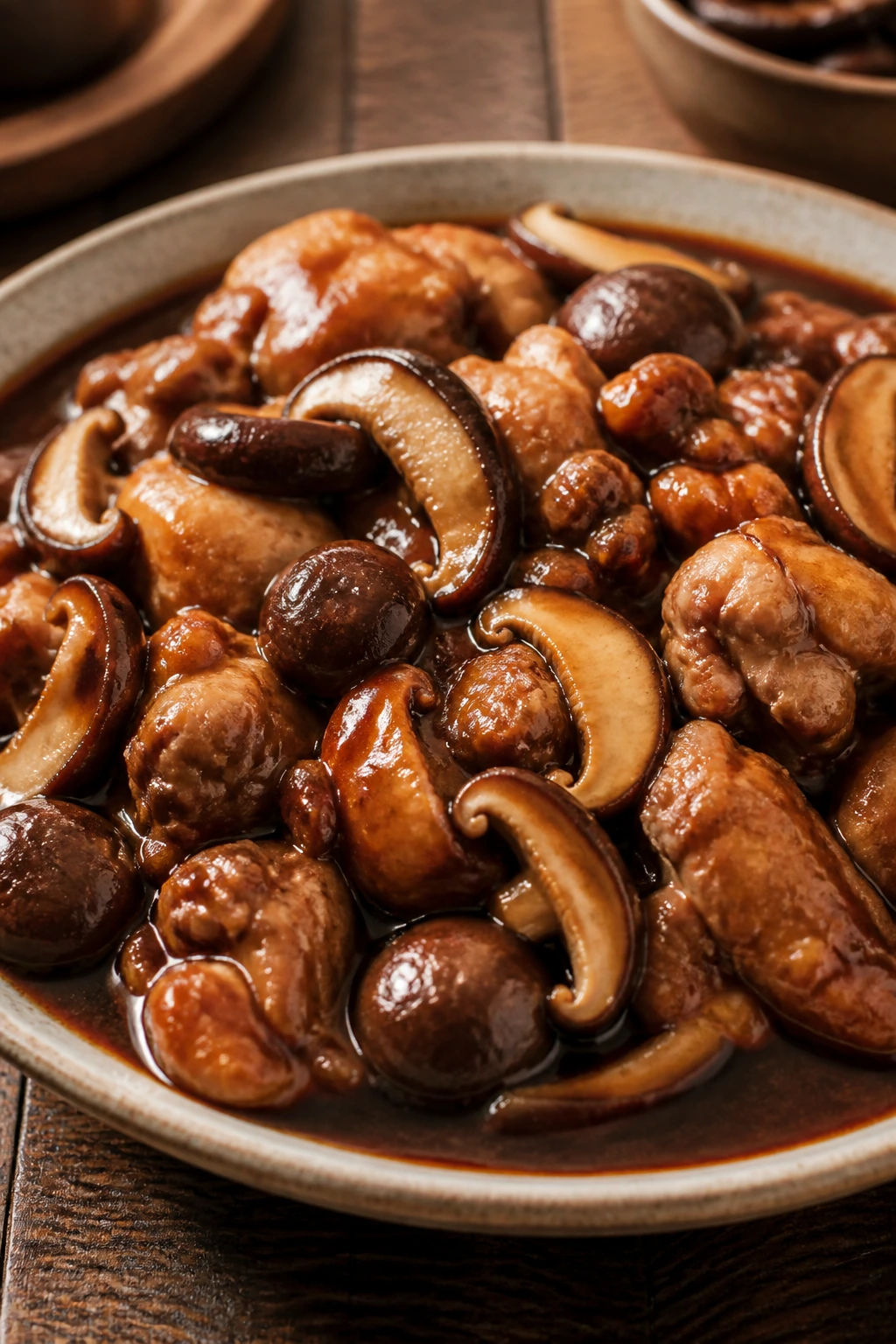
Chicken and mushrooms are an old, good pairing, and Chinese home-style cooking knows exactly what to do with them. In the slow cooker, the mushrooms turn meaty and the chicken takes on the flavor of ginger, soy, and broth without becoming heavy. Dried shiitake matter here. They’re the secret to a deeper, darker broth that tastes like someone paid attention.
This is the recipe I’d make when I want dinner to feel calm and substantial. It’s not flashy. It’s just dependable, which is often the better thing.
Why It Works:
Mushrooms absorb broth and release their own savory depth, which gives the whole dish more body than chicken alone could manage. Dried shiitake are especially useful because they bring concentrated flavor and a brothy earthiness. The slow cooker gives everything time to meld without boiling the chicken into shreds.
Key Ingredients:
- 2 lbs boneless, skinless chicken thighs
- 1 oz dried shiitake mushrooms, soaked and sliced, or 8 oz fresh shiitake
- 8 oz cremini mushrooms, sliced
- 1 large onion, sliced
- 4 garlic cloves, minced
- 2 tablespoons fresh ginger, sliced
- ⅓ cup low-sodium soy sauce
- 2 tablespoons oyster sauce
- 1 cup chicken broth
- 1 tablespoon Shaoxing wine
- 1 tablespoon sesame oil
- 2 carrots, sliced on the diagonal
- 2 tablespoons cornstarch mixed with 2 tablespoons cold water
- 2 scallions, sliced
Quick Steps:
- Put the onion, garlic, ginger, mushrooms, carrots, and chicken in the slow cooker.
- Whisk soy sauce, oyster sauce, broth, Shaoxing, and sesame oil together and pour over the top.
- Cook on LOW for 5 to 6 hours or HIGH for 3 hours, until the chicken is tender.
- Stir in the cornstarch slurry and cook on HIGH for 10 to 15 minutes until the broth thickens slightly.
- Taste and adjust with a little more soy if needed.
- Finish with scallions and serve while hot.
Equipment for This Recipe:
- Slow cooker
- Bowl for soaking dried mushrooms
- Slotted spoon
- Whisk
- Cutting board
How to Serve This Dish:
Rice is the cleanest match, but noodles work too if you want more broth in the bowl. A side of bok choy or garlicky greens gives the meal a sharper edge. The mushrooms should look glossy and full, not drowned.
Pro Tips for This Recipe:
- Soak dried shiitake in hot water before cooking; that soaking liquid can replace part of the broth.
- Cut the carrots thick enough so they don’t vanish.
- A little white pepper adds warmth without making the sauce loud.
- Use thighs, not breasts, if you want the meat to stay supple.
Variations on This Dish:
- Lotus Root Version: Add sliced lotus root in the last 90 minutes if you can find it.
- Snow Pea Finish: Stir in snow peas at the very end for crunch.
- Ginger Soupier Style: Add an extra cup of broth and serve it more like a braised soup.
Common Mistakes to Avoid with This Dish:
- Throwing in fresh mushrooms without enough seasoning: They need the soy and broth to taste like something.
- Overcooking chicken breasts: Thighs are the safer choice here.
- Skipping dried shiitake when available: They add a depth fresh mushrooms cannot match alone.
15. Dan Dan Meat Sauce With Noodles
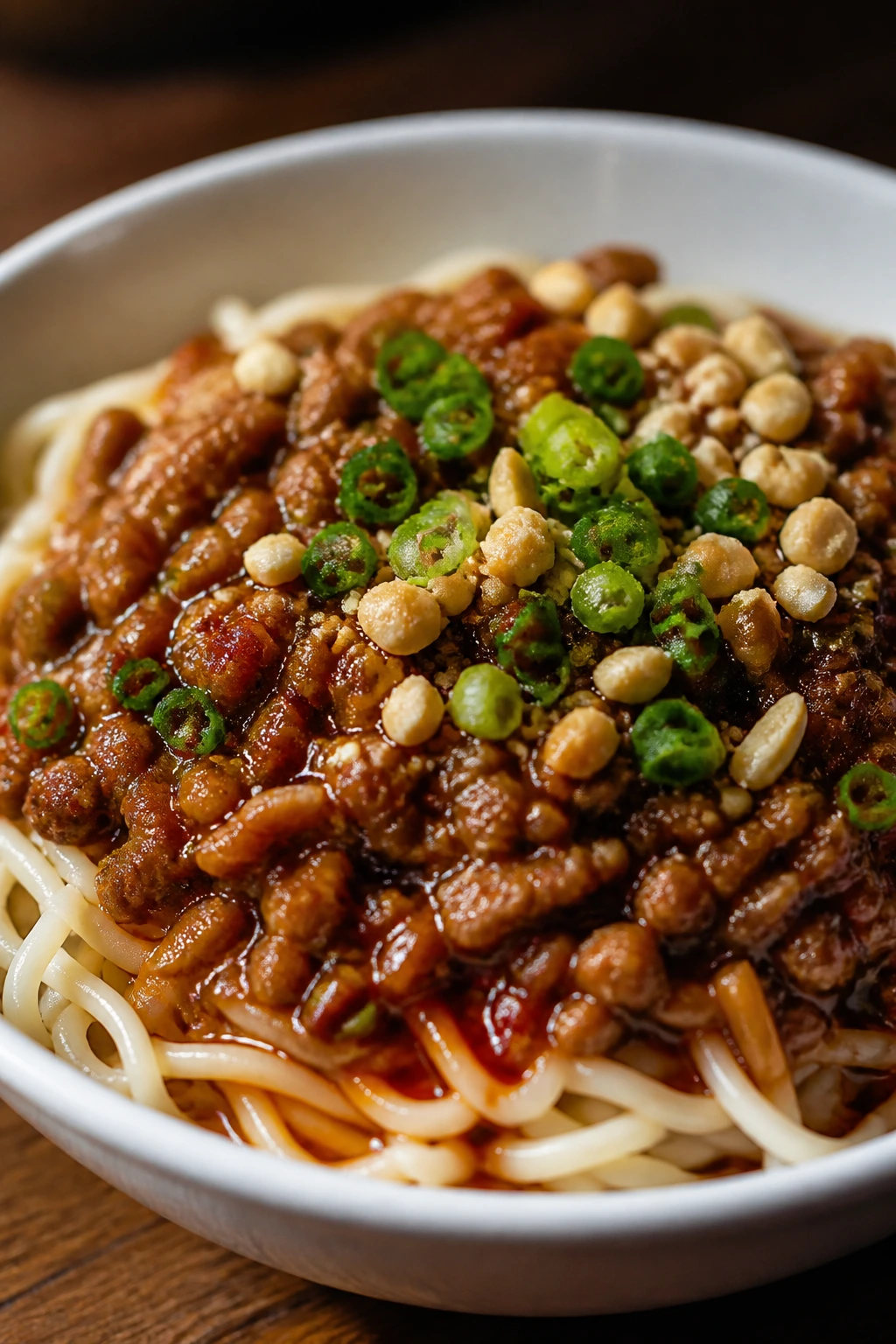
Dan dan noodles are usually built around a rich meat sauce with heat, sesame, and a sharp finish. In the slow cooker, I like to focus on the sauce and let the noodles cook separately. That keeps the texture right and makes the dish feel like dinner instead of a pot of starch that sat too long.
This one is cold-night food with a little bite. The sauce should be savory, a little spicy, and nutty enough that you want to keep eating even after you’re full.
Why It Works:
Ground pork cooks down into a deeply savory sauce when it has time with chile bean paste, sesame paste, and aromatics. Chinese black vinegar brings the sharp edge that makes dan dan taste like dan dan instead of a generic spicy noodle bowl. Keeping the noodles separate preserves the chew and keeps the sauce concentrated.
Key Ingredients:
- 1½ lbs ground pork
- 2 tablespoons Sichuan chile bean paste
- 3 garlic cloves, minced
- 1 tablespoon ginger, minced
- 2 tablespoons soy sauce
- 1 tablespoon Shaoxing wine
- 1 cup chicken broth
- 3 tablespoons Chinese sesame paste or tahini
- 2 tablespoons Chinese black vinegar or rice vinegar
- 1 teaspoon sugar
- 1 teaspoon ground Sichuan peppercorns
- 2 tablespoons chili oil
- 12 oz dried wheat noodles or lo mein noodles
- ¼ cup crushed roasted peanuts
- 2 scallions, sliced
Quick Steps:
- Brown the pork in a skillet for 4 to 5 minutes, breaking it up into small crumbles.
- Transfer it to the slow cooker with chile bean paste, garlic, ginger, soy sauce, Shaoxing, broth, sesame paste, vinegar, sugar, Sichuan pepper, and chili oil.
- Cook on LOW for 3 to 4 hours or HIGH for 2 hours.
- Taste the sauce and add a little more vinegar if it tastes round but not sharp enough.
- Cook the noodles separately until tender, then drain well.
- Spoon the sauce over the noodles and finish with peanuts and scallions.
Equipment for This Recipe:
- Slow cooker
- Skillet
- Pot for noodles
- Whisk
- Colander
How to Serve This Dish:
Serve the noodles in wide bowls so the sauce can spread out instead of clumping in the middle. A few cucumber ribbons on the side work nicely if you want something cold and crisp against the heat. The peanuts give the bowl the crunch that the slow cooker can’t.
Pro Tips for This Recipe:
- Use sesame paste if you can find it; tahini works, but sesame paste tastes deeper.
- Cook the noodles separately. Don’t ask the slow cooker to do that job.
- Add vinegar at the end if the sauce feels flat.
- A spoonful of chili crisp on top is not a bad idea.
Variations on This Dish:
- Vegetable Dan Dan: Replace half the pork with finely chopped mushrooms.
- Extra-Nutty Version: Stir in 1 tablespoon peanut butter with the sesame paste if that’s the flavor you like.
- Ramen Shortcut: Serve the sauce over plain ramen noodles instead of wheat noodles.
Common Mistakes to Avoid with This Dish:
- Cooking noodles in the sauce: They go bloated and soft.
- Skipping the black vinegar: The sauce loses its sharp backbone.
- Using too much broth: Dan dan sauce should be rich, not watery.
16. Pork Belly Braised in Soy and Star Anise
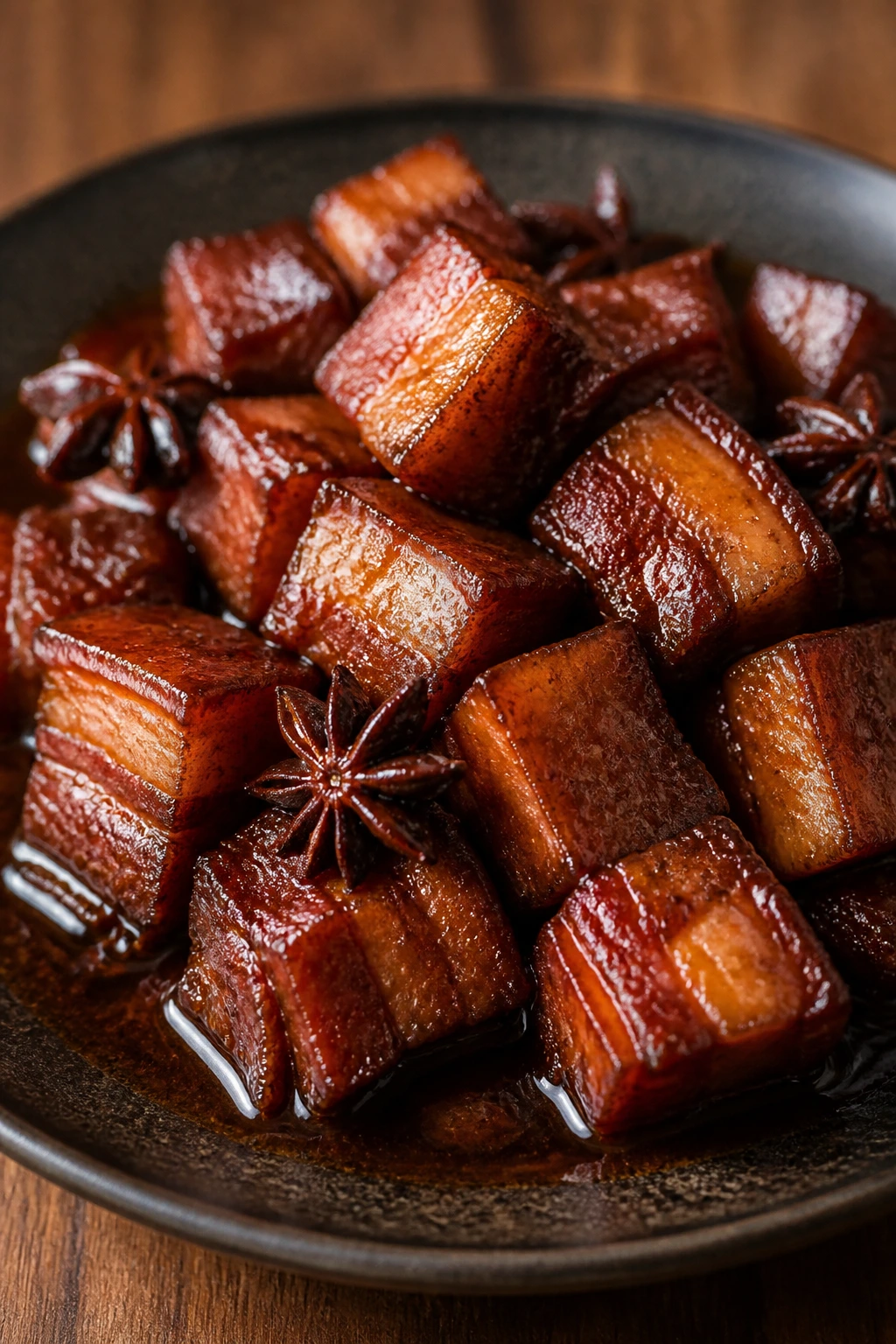
Pork belly is a rich cut, so it needs balance. Soy, star anise, ginger, and a little sugar give it the sweet-savory braise it wants, and the slow cooker turns the fat into something soft instead of greasy. This is not an everyday bowl, and that’s part of the point.
I like to serve this over rice with something bitter or sharp beside it, like mustard greens or quick-pickled cucumbers. You need that contrast. Pork belly without a counterpoint can feel like too much in a hurry.
Why It Works:
The long, slow cook gives the pork belly time to render while staying tender. Star anise and cinnamon bring warmth that reads as classic braise, and dark soy or regular soy adds depth and color. A little sugar rounds the edges without turning the sauce sticky-sweet.
Key Ingredients:
- 2½ lbs pork belly, cut into 2-inch cubes
- 1 tablespoon neutral oil, optional for browning
- 5 garlic cloves, smashed
- 2-inch piece ginger, sliced
- ¼ cup soy sauce
- 2 tablespoons dark soy sauce, optional but helpful
- 2 tablespoons Shaoxing wine
- 2 tablespoons brown sugar
- 2 star anise
- 1 cinnamon stick
- 1 cup chicken broth or water
- 2 scallions, sliced
- 1 tablespoon rice vinegar
Quick Steps:
- Brown the pork belly lightly in a skillet if you want a deeper flavor, about 2 minutes per side.
- Place the pork belly, garlic, ginger, star anise, cinnamon, soy sauces, Shaoxing, broth, and sugar in the slow cooker.
- Cook on LOW for 7 to 8 hours or HIGH for 4½ to 5 hours, until the pork belly is tender and the sauce has reduced.
- Remove the cinnamon stick and star anise.
- Stir in the rice vinegar and taste for salt.
- Finish with scallions and serve warm.
Equipment for This Recipe:
- Slow cooker
- Skillet, optional but useful
- Tongs
- Slotted spoon
- Sharp knife
How to Serve This Dish:
Serve small portions over steamed rice. Pork belly is rich enough that you don’t need a huge mound. Add greens on the side—bok choy, mustard greens, or even simple spinach—to keep the plate from feeling too heavy. A few scallions on top help a lot.
Pro Tips for This Recipe:
- Dark soy deepens the color and gives the sauce a richer look, but it’s optional.
- Skimming some fat before serving improves the balance.
- A little vinegar at the end makes the dish less heavy.
- Don’t overfill the slow cooker; pork belly needs some space to braise evenly.
Variations on This Dish:
- Egg Version: Add peeled hard-boiled eggs during the last hour for a braised-egg side.
- Daikon Add-In: Put chunks of daikon in for the last 2 hours to soak up the sauce.
- Spice-Warming Style: Add 1 extra star anise and a small strip of dried tangerine peel if you have it.
Common Mistakes to Avoid with This Dish:
- Serving too much at once: Pork belly is rich. Small portions go further.
- Leaving in all the rendered fat: Skim some off or the sauce feels greasy.
- Skipping the acid at the end: A little vinegar makes a huge difference.
17. Egg Drop Soup With Corn and Chicken
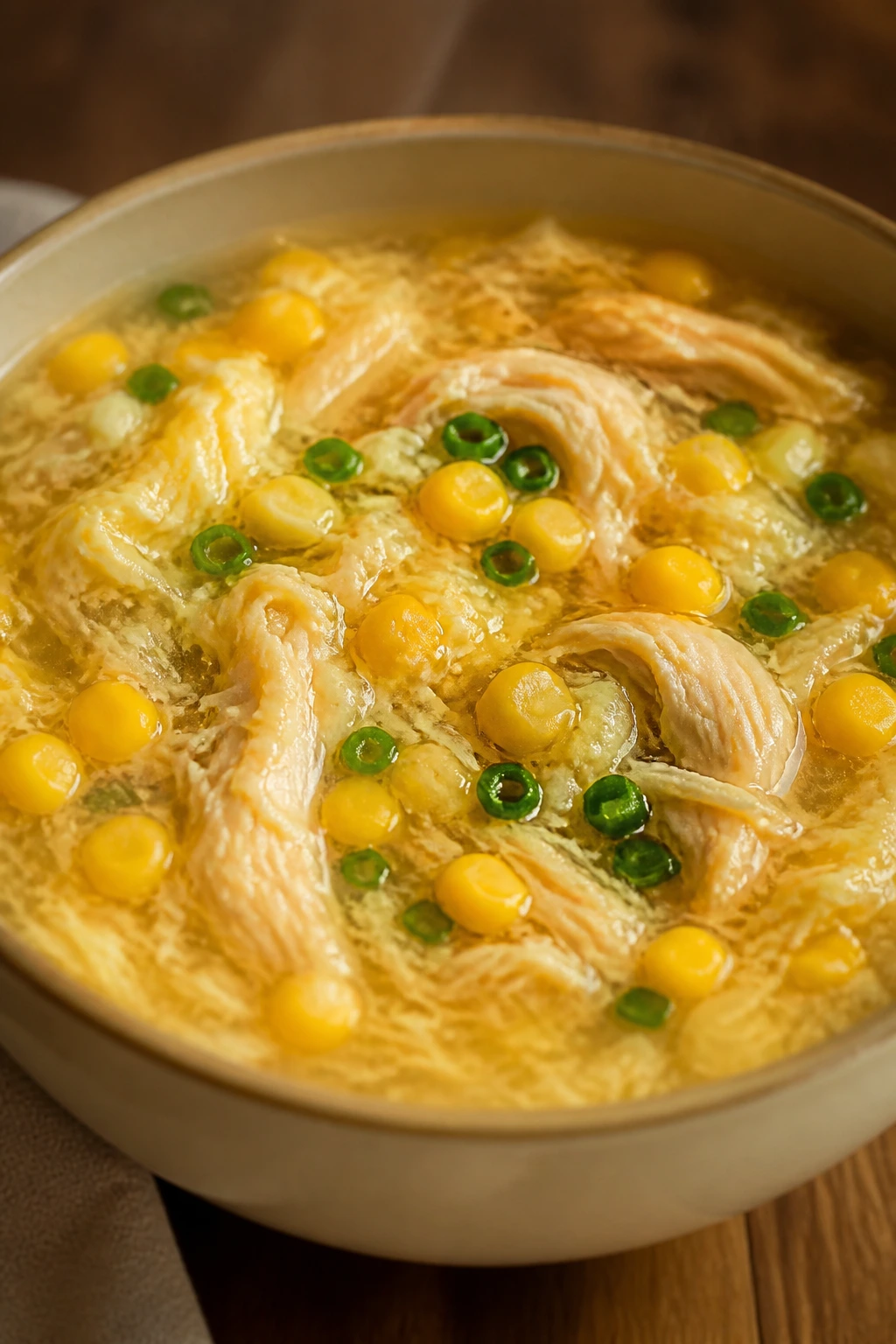
Egg drop soup is often treated like a starter, but with chicken and corn it becomes a real meal. The slow cooker gives you a broth that tastes like it’s been simmering all day, and the eggs turn into soft ribbons at the end. Corn makes the soup feel fuller and sweeter without making it heavy.
I like this one when I want something warm, easy to eat, and not fussy. It’s soft in a good way.
Why It Works:
Chicken thighs add body to the broth, while corn brings sweetness that suits the silky egg texture. A little cornstarch helps the soup feel like a proper bowl instead of a thin broth. The eggs go in last so they form ribbons rather than curds scattered through the liquid.
Key Ingredients:
- 1 lb boneless chicken thighs
- 6 cups chicken broth
- 1 cup frozen corn or 1 can whole kernel corn, drained
- 1 small onion, sliced
- 2 slices ginger
- 2 tablespoons soy sauce
- 1 teaspoon white pepper
- 2 tablespoons cornstarch mixed with 2 tablespoons cold water
- 3 large eggs, beaten
- 2 scallions, sliced
- 1 teaspoon sesame oil
Quick Steps:
- Add broth, chicken, corn, onion, ginger, soy sauce, and white pepper to the slow cooker.
- Cook on LOW for 4 to 5 hours or HIGH for 2½ to 3 hours, until the chicken is tender.
- Remove the chicken, shred it, and return it to the pot.
- Stir in the cornstarch slurry and cook on HIGH for 10 to 15 minutes until the broth has a light body.
- Slowly drizzle in the beaten eggs while stirring the soup in one direction.
- Finish with sesame oil and scallions.
Equipment for This Recipe:
- Slow cooker
- Whisk
- Forks for shredding chicken
- Ladle
- Small bowl for eggs
How to Serve This Dish:
Serve in warm bowls with a few extra scallions on top. If you want more of a meal, add a side of rice or a small plate of steamed dumplings. It should look pale gold with ribbons of egg floating through it, not dense or opaque.
Pro Tips for This Recipe:
- Beat the eggs well before pouring.
- Add the eggs only after the heat is steady and the cornstarch has gone in.
- White pepper gives the soup its familiar peppery kick; black pepper changes the profile.
- A splash more broth loosens the soup if it thickens too much while sitting.
Variations on This Dish:
- Ginger-Heavy Bowl: Add 1 extra tablespoon ginger for a warmer, sharper flavor.
- Crab Corn Style: Stir in crab meat at the end if you want a richer version.
- Vegetable Version: Use tofu instead of chicken and add sliced mushrooms.
Common Mistakes to Avoid with This Dish:
- Pouring in eggs too fast: You’ll get scrambled bits.
- Skipping the white pepper: The soup loses its familiar edge.
- Cooking corn too long if using frozen: It stays best when it doesn’t get battered for hours.
18. Chinese Beef Noodle Soup
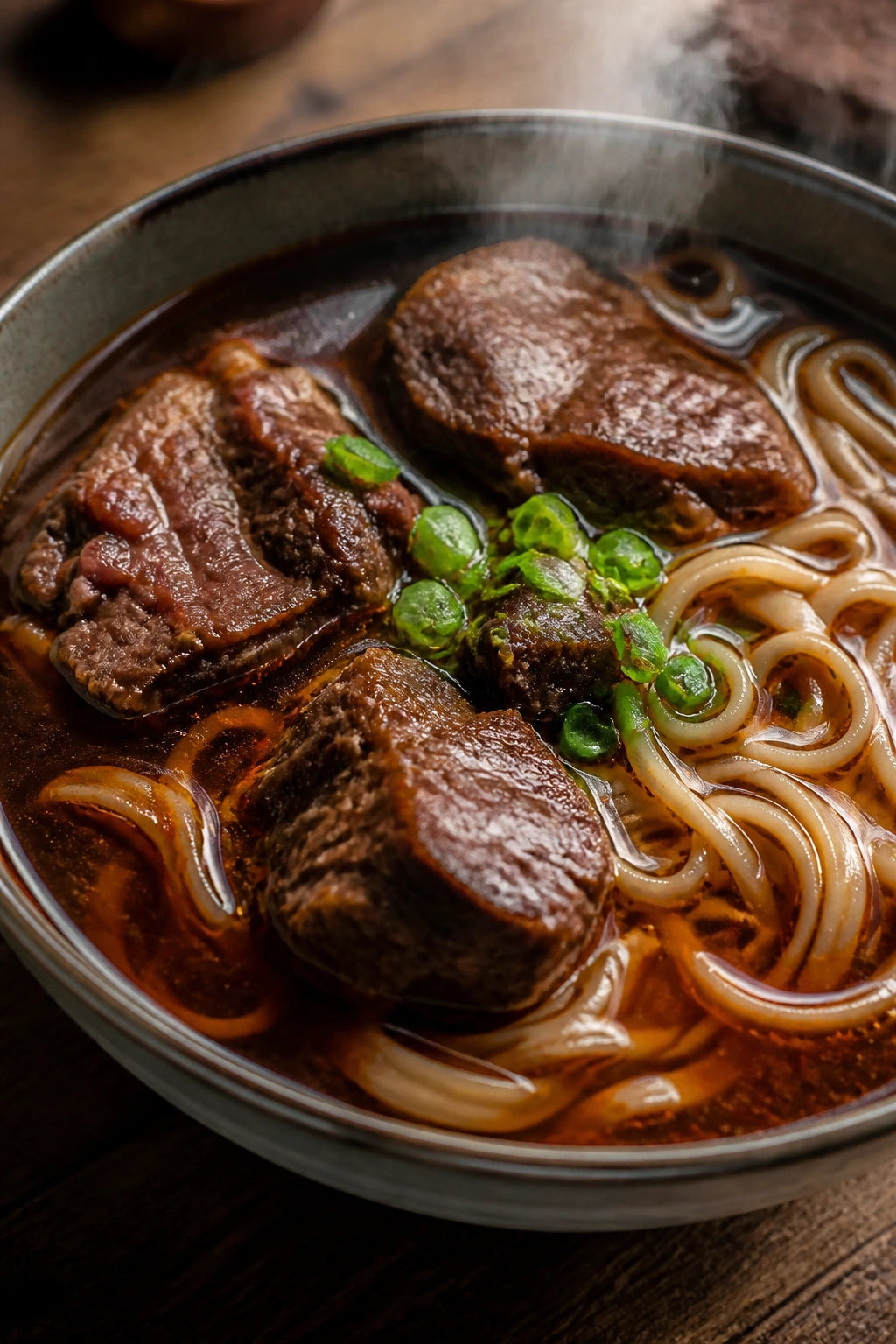
This is the bowl I want when the weather turns truly mean. Beef shank or chuck simmers with soy, ginger, garlic, star anise, and tomatoes until the broth turns dark and fragrant. Then you ladle it over noodles and suddenly dinner has weight. Real weight.
Beef noodle soup has a way of tasting like a project even when the slow cooker does most of the work. That’s a good thing. The broth rewards patience, and it gets better once it sits for a moment.
Why It Works:
Beef chuck or shank benefits from long cooking because the connective tissue breaks down into the broth. Star anise and cinnamon give the soup its unmistakable warmth, while tomato adds a gentle acidity that rounds out the beef. Noodles stay separate so they keep their bite and don’t collapse in the broth.
Key Ingredients:
- 2½ lbs beef chuck or beef shank
- 1 tablespoon neutral oil, for searing
- 1 onion, sliced
- 4 garlic cloves, smashed
- 2 tablespoons fresh ginger, sliced
- 2 tablespoons tomato paste
- ¼ cup soy sauce
- 2 tablespoons Shaoxing wine
- 6 cups beef broth
- 2 star anise
- 1 cinnamon stick
- 2 carrots, sliced
- 1 daikon radish, cut into chunks, optional but excellent
- 12 oz wheat noodles or hand-pulled-style noodles
- 2 scallions, sliced
- 1 tablespoon rice vinegar
Quick Steps:
- Brown the beef in a skillet for 2 to 3 minutes per side.
- Add onion, garlic, ginger, tomato paste, soy sauce, Shaoxing, broth, star anise, cinnamon, carrots, and daikon to the slow cooker.
- Cook on LOW for 7 to 8 hours or HIGH for 4 to 5 hours, until the beef is tender.
- Remove the beef, shred or slice it, and return it to the broth.
- Cook noodles separately until just tender.
- Serve the broth and beef over noodles, then finish with scallions and a splash of rice vinegar.
Equipment for This Recipe:
- Slow cooker
- Skillet
- Pot for noodles
- Tongs
- Slotted spoon
How to Serve This Dish:
Serve in deep bowls, plenty of broth, plenty of noodles. A few scallions on top and a side of pickled mustard greens make it feel complete. If you want to stretch it, add more broth and serve it with extra noodles on the side.
Pro Tips for This Recipe:
- Browning the beef gives the broth a darker, more rounded flavor.
- Daikon is worth adding if you can find it; it softens beautifully.
- Noodles should be cooked separately and added at the last moment.
- A tiny splash of black vinegar at the end sharpens the whole bowl.
Variations on This Dish:
- Spicy Red Broth: Add dried chilies or chili oil for more heat.
- Tomato-Forward Style: Increase the tomato paste to 3 tablespoons for a richer, redder broth.
- Braised Egg Add-On: Add hard-boiled eggs to the broth for the last 30 minutes.
Common Mistakes to Avoid with This Dish:
- Cooking noodles in the broth for hours: They get bloated and fall apart.
- Skipping the acid finish: The soup needs that lift at the end.
- Using too little broth: Beef noodle soup should feel brothy, not cramped.
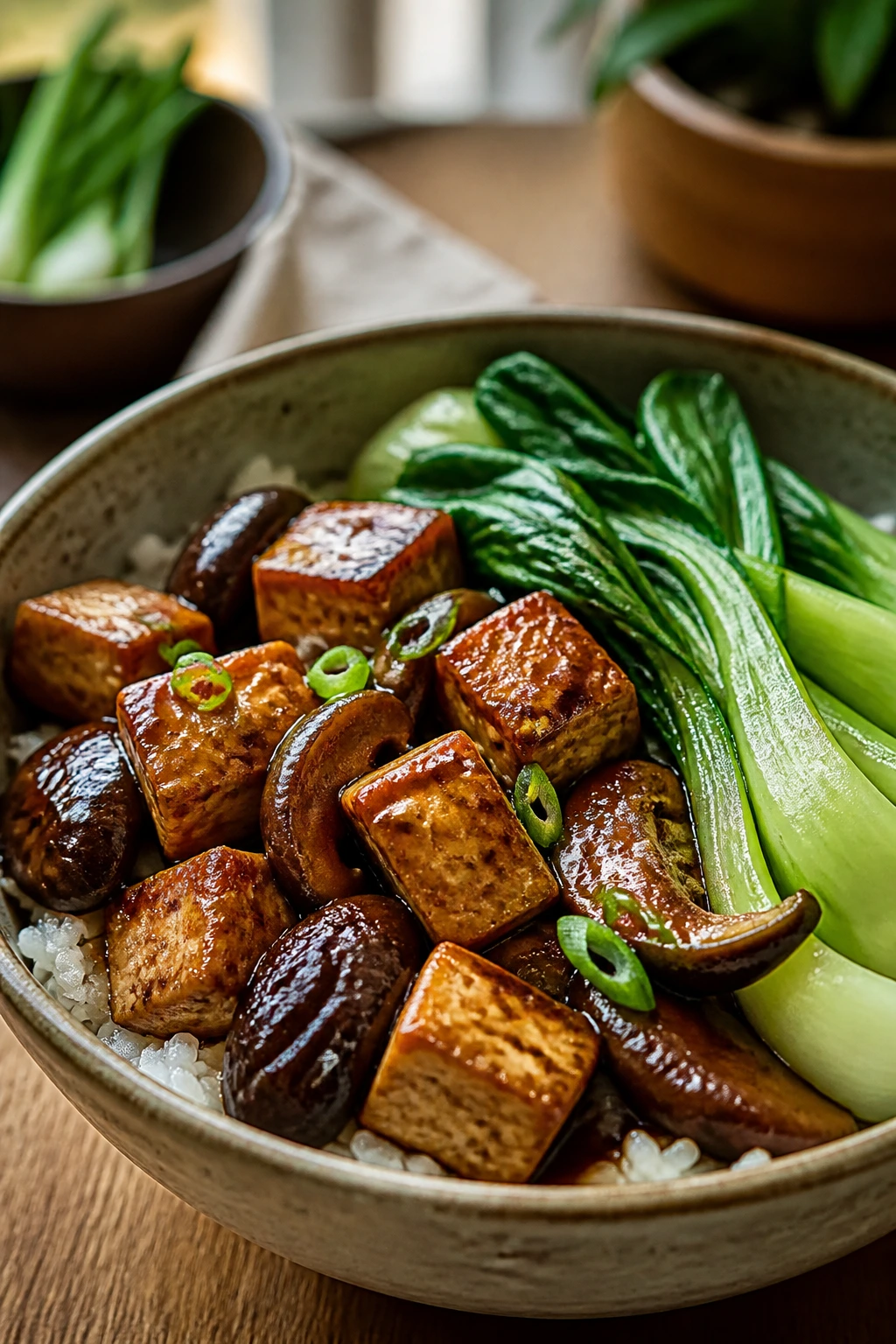
19. Braised Tofu With Shiitake and Bok Choy
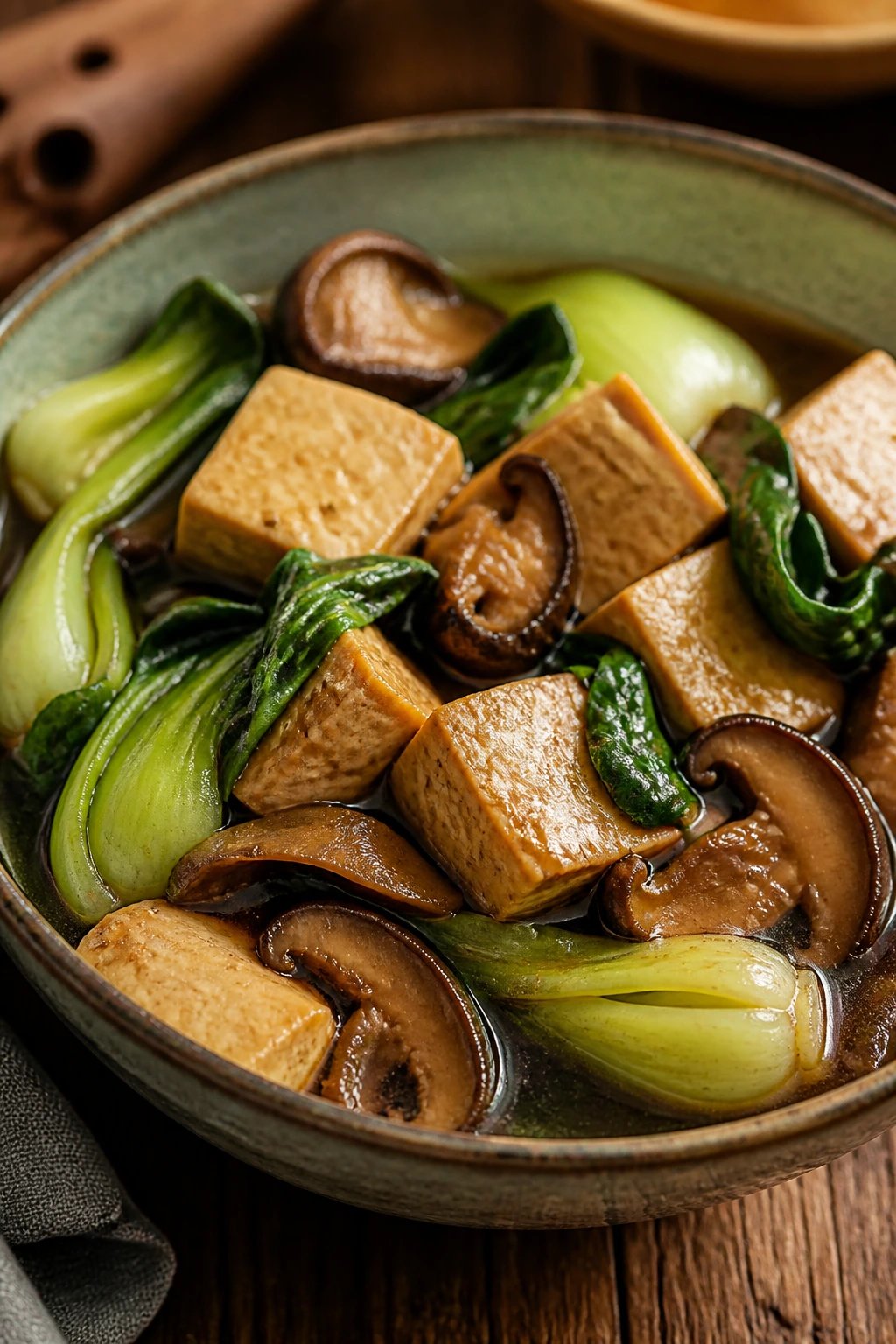
A good tofu dish doesn’t ask you to apologize for tofu. It knows what it is. This one braises firm tofu in a savory mushroom broth with shiitake, ginger, garlic, and bok choy, and the result is so calming and warm that you almost forget how fast it came together. Almost.
This is the vegetarian dish in the group that I’d happily make on repeat. It’s not trying to imitate meat. It’s building its own kind of richness from mushrooms, soy, and a little sesame oil.
Why It Works:
Firm tofu holds its shape in the slow cooker if you add it late and handle it gently. Shiitake mushrooms give the broth depth, and bok choy turns tender without losing its green color when it goes in near the end. A modest amount of oyster sauce or vegetarian mushroom sauce makes the whole bowl taste fuller.
Key Ingredients:
- 2 blocks extra-firm tofu, pressed and cut into 1-inch cubes
- 1 oz dried shiitake mushrooms, soaked and sliced, or 8 oz fresh shiitake
- 1 large onion, sliced
- 4 garlic cloves, minced
- 1 tablespoon ginger, minced
- 2 cups vegetable broth
- 3 tablespoons soy sauce
- 2 tablespoons mushroom oyster sauce or vegetarian stir-fry sauce
- 1 tablespoon sesame oil
- 1 tablespoon rice vinegar
- 2 heads baby bok choy, halved
- 2 tablespoons cornstarch mixed with 2 tablespoons cold water
- 2 scallions, sliced
Quick Steps:
- Add onion, garlic, ginger, mushrooms, broth, soy sauce, mushroom sauce, sesame oil, and vinegar to the slow cooker.
- Cook on LOW for 3 to 4 hours or HIGH for 2 hours.
- Gently add the tofu cubes during the last 30 minutes.
- Add the bok choy during the last 15 minutes so it stays bright and just tender.
- Stir in the cornstarch slurry and cook on HIGH for 10 minutes until the broth has a light body.
- Finish with scallions and serve over rice.
Equipment for This Recipe:
- Slow cooker
- Tofu press or clean towel and heavy pan
- Slotted spoon
- Knife and cutting board
- Small bowl for slurry
How to Serve This Dish:
Serve over rice or alongside noodles if you want a larger meal. It also works well with a handful of sesame seeds and a drizzle of chili oil. The bowl should look green, brown, and glossy all at once.
Pro Tips for This Recipe:
- Press the tofu so it doesn’t water down the broth.
- Add bok choy late or the leaves disappear.
- If using dried shiitake, save the soaking liquid and add a little for extra depth.
- Stir gently once the tofu is in; hard stirring breaks the cubes.
Variations on This Dish:
- Spicy Tofu Bowl: Add chili paste or chili crisp at the end.
- Brown Rice Serving: Spoon it over brown rice if you want a nuttier base.
- Broccoli Mix-In: Replace half the bok choy with broccoli florets for a sturdier vegetable mix.
Common Mistakes to Avoid with This Dish:
- Cooking tofu from the start: It breaks down too much.
- Not pressing the tofu: The sauce gets watery.
- Overcooking bok choy: It loses its clean green taste.
20. Kung Pao Chicken, Slow-Cooker Style
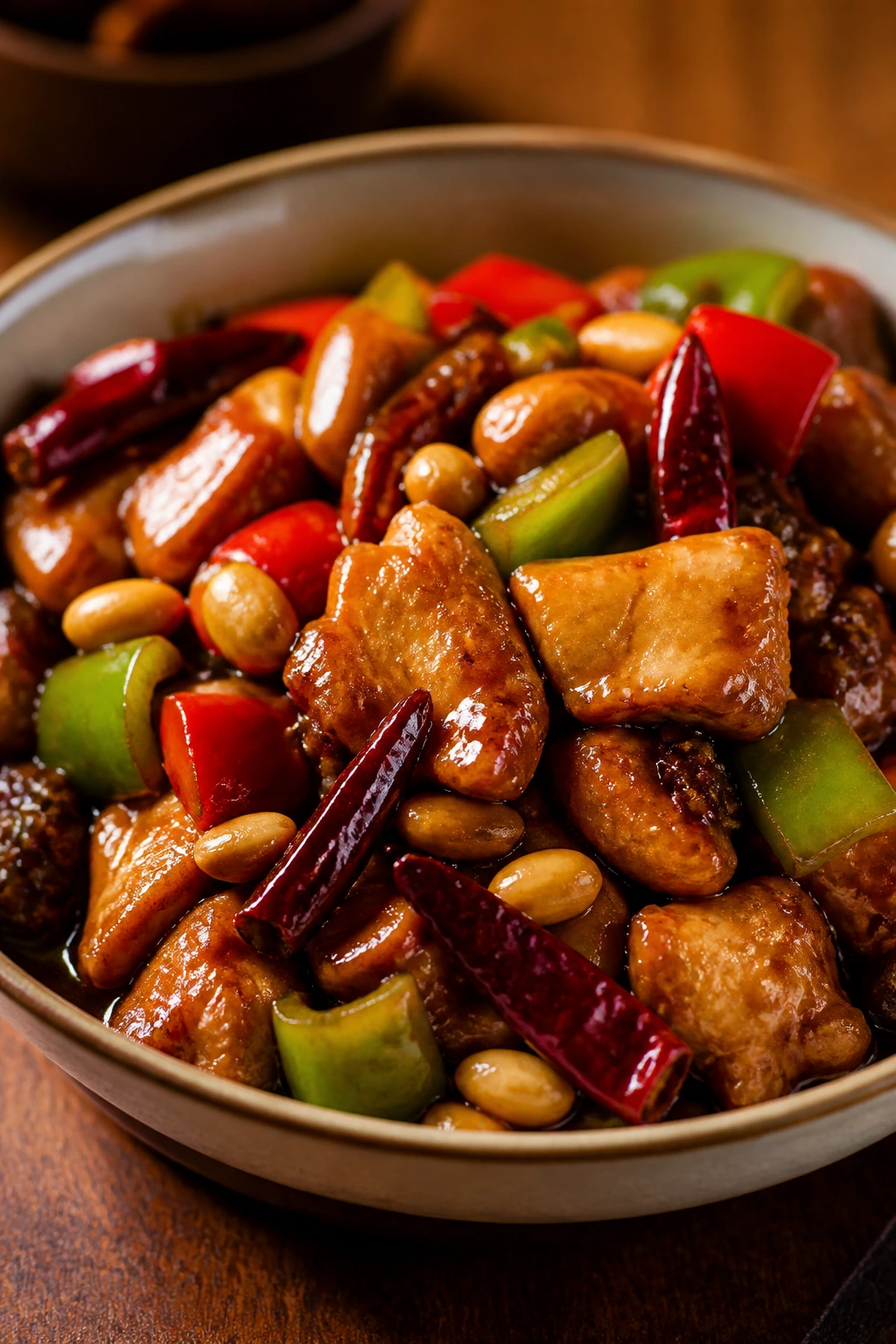
Kung Pao chicken without the wok sounds suspicious until you make it. Then it starts making sense as a braised dish with a spicy-sweet sauce, peanuts, peppers, and dried chilies that still carry their heat. It won’t have the same char you’d get from a wok, and that’s fine. The slow cooker gives you tenderness and depth instead.
This is a good finish to the collection because it brings together sweet, hot, salty, and crunchy in one bowl. Cold weather food needs contrast, and kung pao has plenty of it.
Why It Works:
Chicken thighs stay juicy while the sauce deepens, and the dried chilies perfume the whole pot without taking over. Peanuts are added at the end so they keep their crunch, and bell peppers go in late for the same reason. Rice vinegar and soy keep the sweetness in check.
Key Ingredients:
- 2 lbs boneless, skinless chicken thighs, cut into large chunks
- 1 red bell pepper, cut into pieces
- 1 green bell pepper, cut into pieces
- 8 to 10 dried red chilies
- 4 garlic cloves, minced
- 1 tablespoon ginger, minced
- ⅓ cup low-sodium soy sauce
- 3 tablespoons rice vinegar
- 2 tablespoons hoisin sauce
- 2 tablespoons brown sugar
- 1 tablespoon Shaoxing wine
- 3 tablespoons cornstarch mixed with 3 tablespoons cold water
- ¾ cup roasted peanuts
- 3 scallions, sliced
- 1 tablespoon sesame oil
Quick Steps:
- Whisk soy sauce, vinegar, hoisin, brown sugar, Shaoxing, garlic, ginger, and sesame oil in a bowl.
- Place the chicken and dried chilies in the slow cooker, then pour the sauce over the top.
- Cook on LOW for 4 to 5 hours or HIGH for 2½ to 3 hours.
- Add the bell peppers during the last 30 minutes so they stay crisp-tender.
- Stir in the cornstarch slurry and cook on HIGH for 10 to 15 minutes until the sauce turns glossy.
- Fold in the peanuts and scallions just before serving.
Equipment for This Recipe:
- Slow cooker
- Mixing bowl
- Whisk
- Knife and cutting board
- Slotted spoon
How to Serve This Dish:
Serve it over rice with a little extra sauce spooned around the edges. If you want even more contrast, add a side of cucumber salad or steamed broccoli. The peanuts should still crunch when you bite them, so don’t bury them in the pot too early.
Pro Tips for This Recipe:
- Add the peanuts at the end or they go soft.
- Dried chilies should be whole; they perfume the sauce without making it gritty.
- If you like a stronger hit of heat, break a few chilies open before cooking.
- A final splash of rice vinegar brightens the sauce if it leans too sweet.
Variations on This Dish:
- Cashew Kung Pao: Swap peanuts for cashews if that’s the crunch you prefer.
- Extra-Veggie Bowl: Add zucchini or snap peas in the final 20 minutes.
- Milder Family Version: Use 4 to 5 dried chilies instead of 10 and keep the seeds out.
Common Mistakes to Avoid with This Dish:
- Adding peanuts at the start: They lose all crunch.
- Using too much sugar: Kung pao should be sweet, but not syrupy.
- Skipping the vinegar finish: The dish needs that sharp edge to stay lively.
Why the Slow Cooker Fits These Braises and Soups
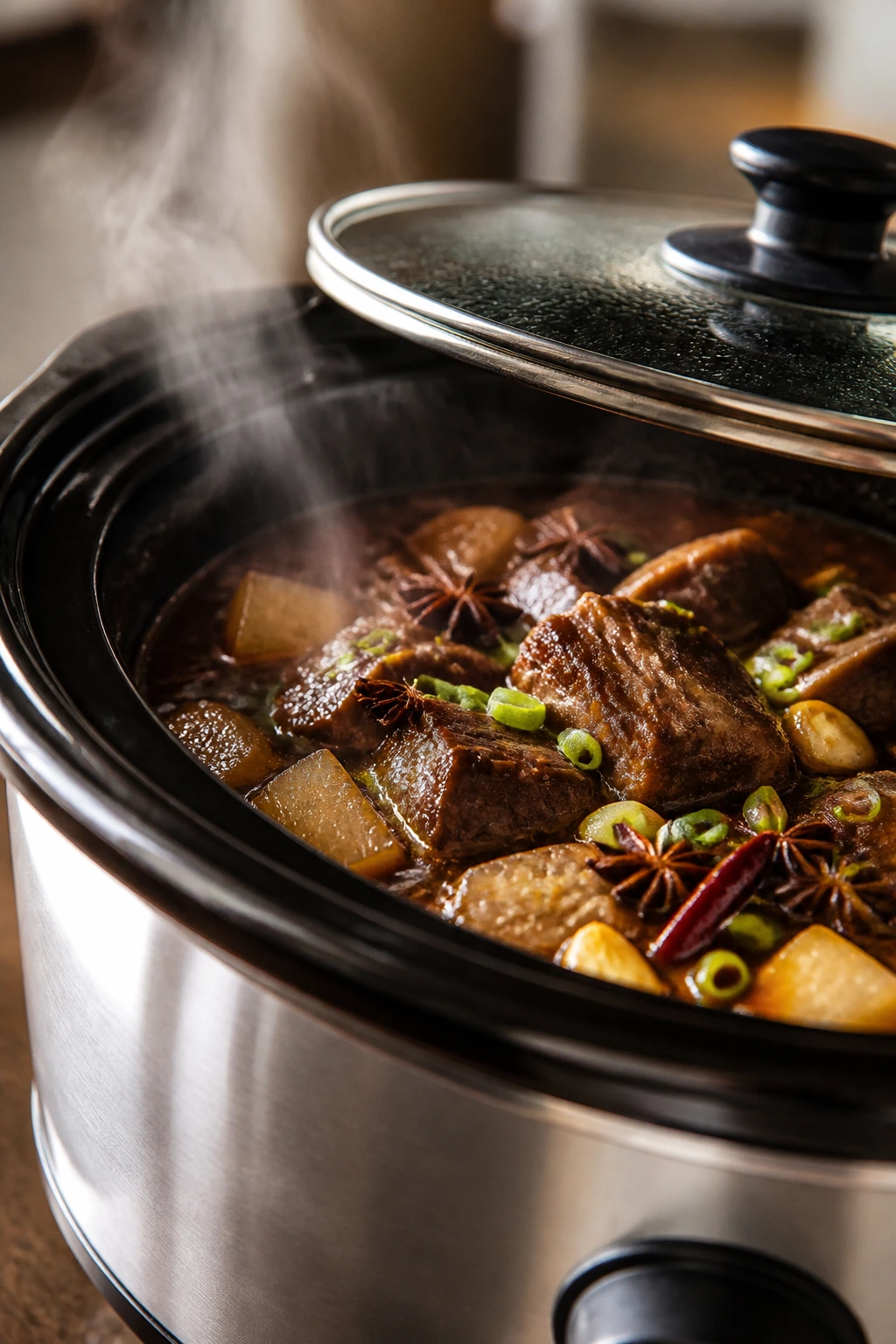
The slow cooker earns its keep with Chinese-inspired cold-weather food because so many of these dishes are built on a long, quiet simmer. Pork shoulder, beef chuck, short ribs, and even shredded chicken improve when the heat is low and steady. Collagen breaks down. Sauces mingle. Dried mushrooms, ginger, and star anise have time to do more than sit there and look decorative.
There’s also a practical angle that matters more than people admit. A wok dinner needs attention. A slow-cooked braise needs a good first pass, then restraint. That means you can layer the flavors early, walk away, and come back to something that tastes as if it has been watched closely the whole time. It hasn’t. That’s the point.
The one rule I never ignore: keep crisp vegetables, delicate greens, noodles, and garnishes out of the pot until the end. Broccoli, bok choy, scallions, peanuts, and sesame seeds all want a late entrance. If you give them that, the bowl tastes fresher and looks better too. If you bury everything for six hours, you get mush. You do not want mush.
Essential Equipment for These Slow Cooker Recipes
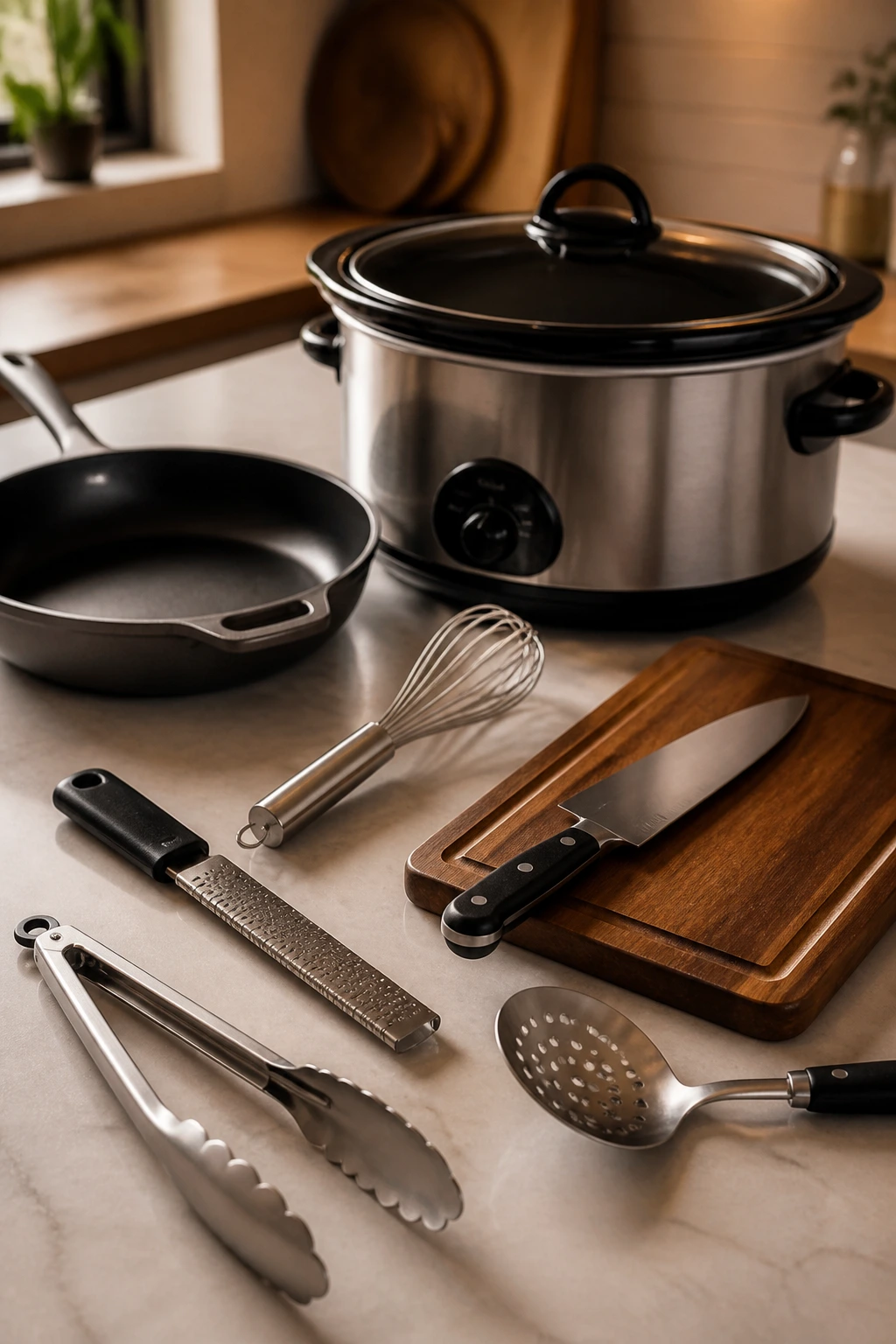
- 6-quart slow cooker: The sweet spot for most of these recipes; a 4-quart model can work for smaller batches, but some of the rib and beef recipes need more room.
- Large skillet: Useful for browning beef, pork, or chicken before they go into the pot. That extra step pays off in flavor.
- Whisk: Keeps soy sauce, vinegar, cornstarch, and sweeteners from clumping.
- Sharp knife and sturdy cutting board: Ginger, scallions, onions, cabbage, and peppers all go faster when your knife isn’t fighting you.
- Fine grater or microplane: Fresh ginger and orange zest taste better when they’re grated finely.
- Tongs and slotted spoon: Helpful for moving meat in and out without tearing it apart too soon.
- Small bowls for cornstarch slurries and sauces: Less mess, fewer forgotten ingredients.
- Ladle: A simple one, but useful for serving soups and braises with the right amount of broth.
- Airtight storage containers: These dishes reheat well, and good containers keep the sauce from drying out in the fridge.
Smart Shopping and Ingredient Tips
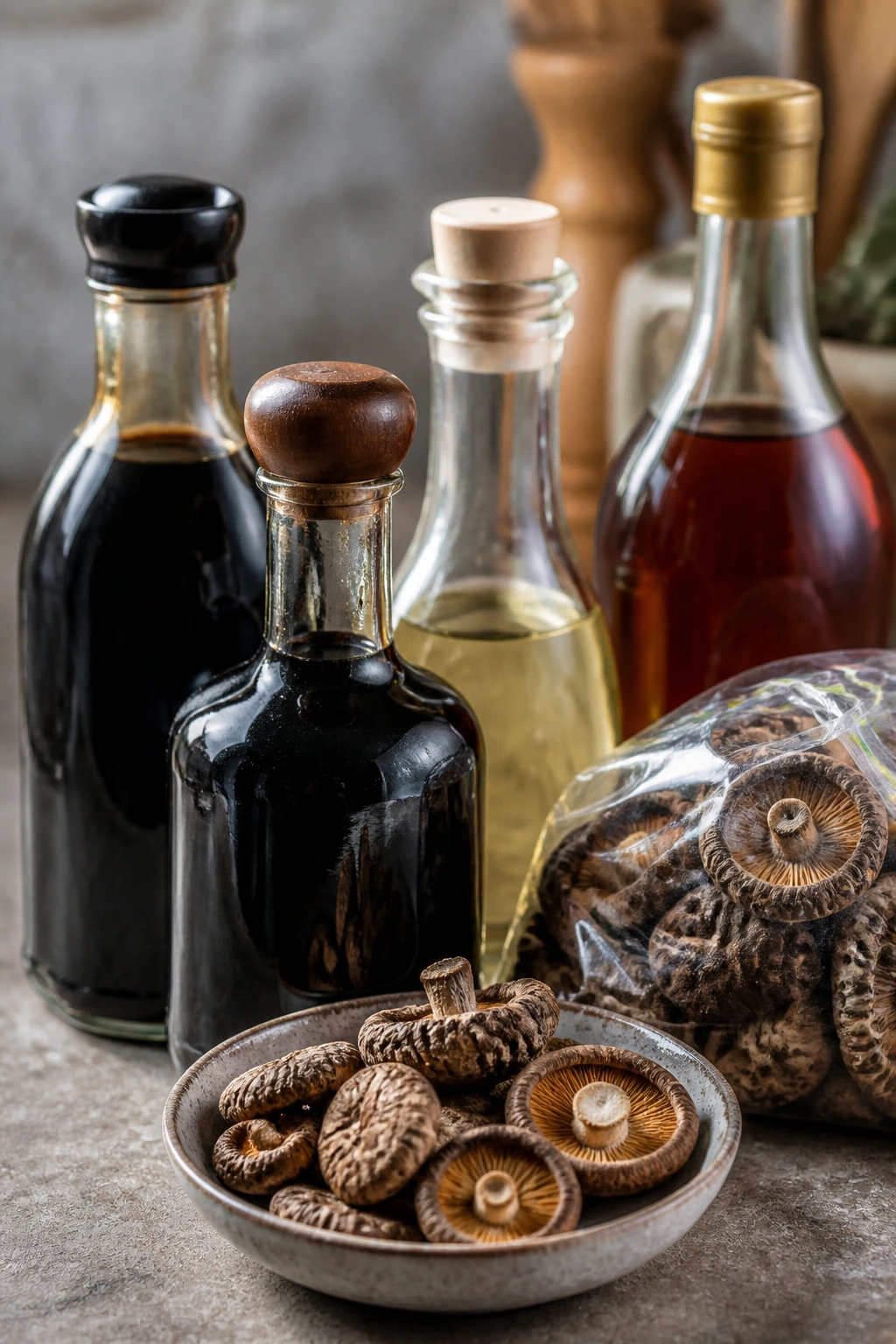
The pantry can do a lot of heavy lifting here, but it helps to buy with some care. Soy sauce is the backbone of most of these recipes, and low-sodium versions are easier to season around. If you use regular soy, taste before adding any extra salt. The same goes for oyster sauce and hoisin sauce; they vary by brand, and one bottle can taste sweeter or saltier than another.
For the meats, I’m blunt about this: chicken thighs, pork shoulder, beef chuck, and short ribs are the cuts that make the slow cooker happy. Lean cuts can work in a pinch, but they need more attention and usually less time. If you’re shopping for beef and it’s full of big seams of connective tissue, that’s a feature, not a flaw. Those are the parts that turn tender.
Dried shiitake mushrooms are worth buying if you like deeper broth. They add a kind of bass note that fresh mushrooms can’t quite match. You can use the soaking liquid in place of part of your broth. Just strain it so grit stays behind in the bowl where it belongs, which is nowhere near dinner.
For spices and condiments, Chinese five-spice powder, white pepper, rice vinegar, black vinegar, chili garlic sauce, doubanjiang, sesame oil, and Shaoxing wine do most of the work. Shaoxing can be swapped for dry sherry if needed. Sesame oil is not a cooking oil here; it’s a finishing flavor. If you pour too much into the pot too early, it can fade instead of blooming.
Vegetables need timing discipline. Broccoli, bok choy, scallions, bell peppers, snow peas, and peanuts are almost always better added late or at the end. The slow cooker is good at making things tender. It is not good at making things crisp.
How to Serve These Recipes
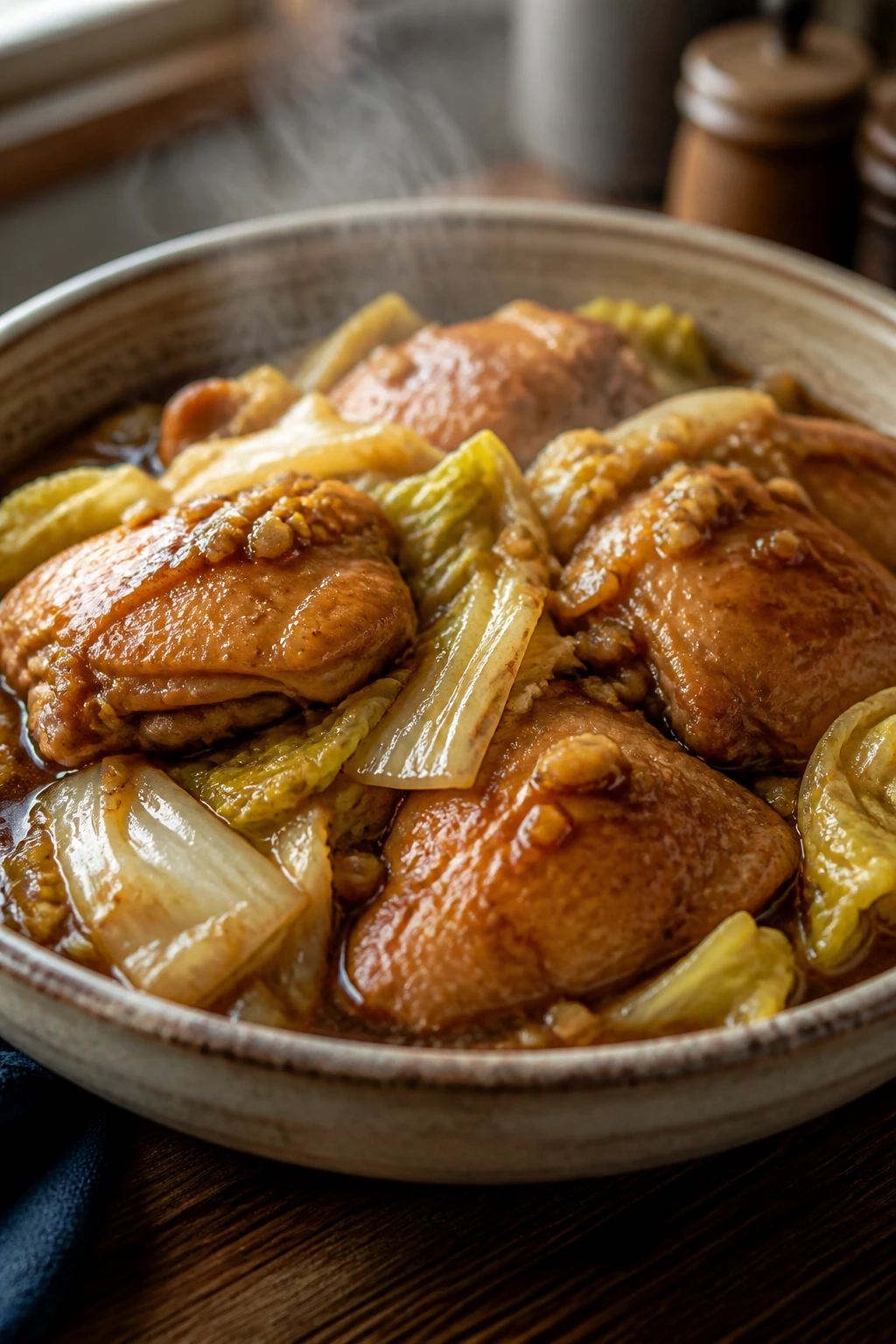
Presentation: Spoon the braises and saucy dishes into shallow bowls so the sauce spreads out instead of disappearing under the meat. Rice should be mounded, not flattened. A handful of scallions, sesame seeds, or chili crisp on top makes even a plain bowl look finished.
Accompaniments: Jasmine rice is the easiest match, but lo mein, rice noodles, plain ramen, and steamed buns all work with different recipes in this collection. For vegetables, I like quick-steamed bok choy, garlicky spinach, cucumber salad, or blistered green beans. Keep the sides simple; the sauce usually carries the meal.
Portions: Most of the meat-based recipes here feed 4 to 6 people, while the soups lean closer to 6 to 8 because broth stretches farther than protein. If you’re serving a crowd, add rice and one green vegetable before you add another protein. That’s the smart way to scale these without making the table feel heavy.
Beverage Pairing: Hot jasmine tea is the easiest all-around choice. Oolong tea works well with richer dishes like pork belly and short ribs, while a dry lager or a crisp sparkling water with lime suits the sweeter takeout-style plates. If you want one bottle to do a lot, a dry Riesling has enough acidity to handle the sticky sauces.
Additional Tips and Flavor Boosters
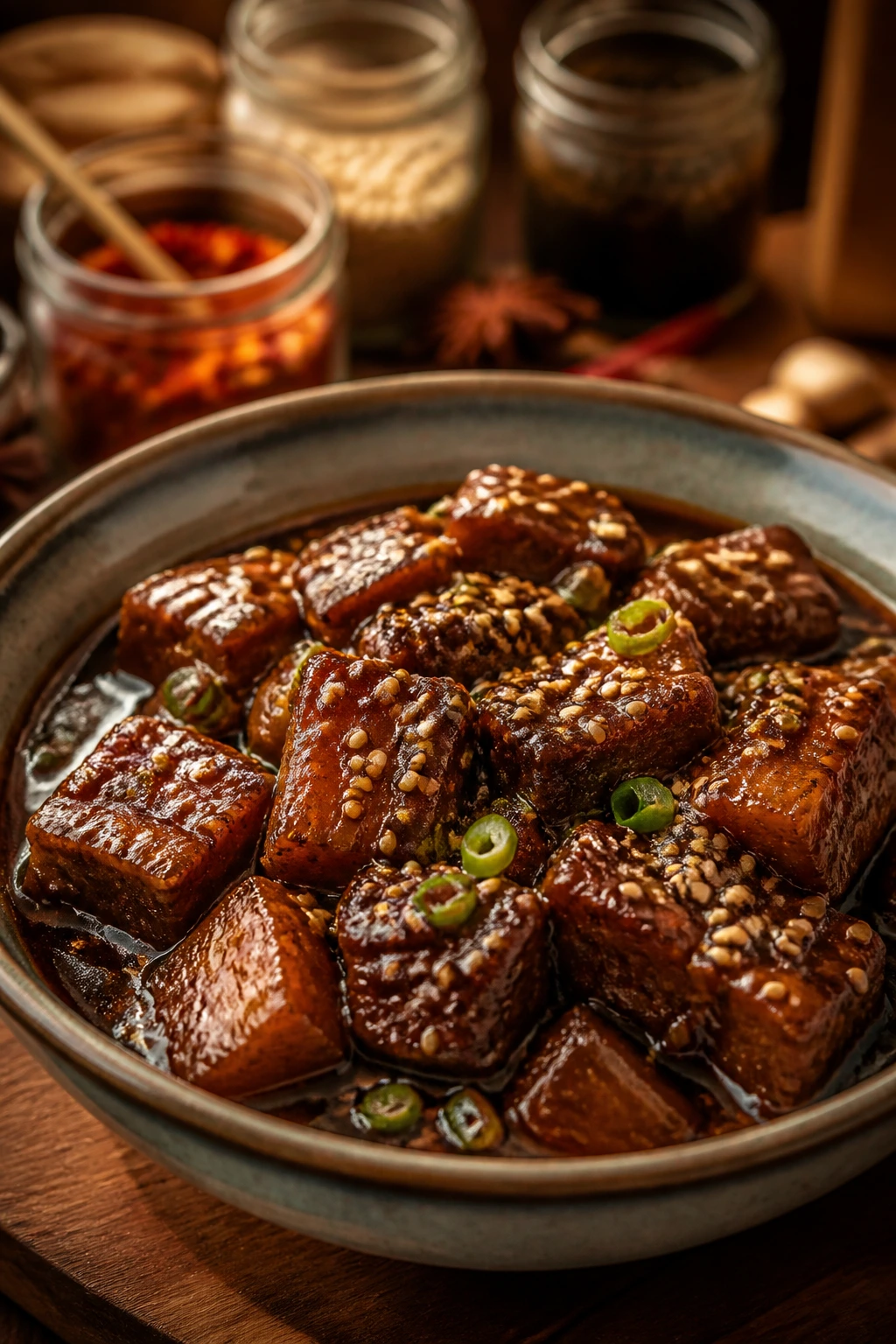
Flavor Enhancement: A final teaspoon of toasted sesame oil or a spoonful of chili crisp can fix a dish that tastes a little flat. I don’t use either early in the cook; I finish with them so the aroma stays sharp.
Customization: If a sauce feels too sweet, add vinegar in tiny increments. If it feels too sharp, add ½ teaspoon of sugar or honey at a time. Those little corrections matter more than people think.
Serving Suggestions: Scallions, toasted sesame seeds, crushed peanuts, and a handful of cilantro can change the look of the bowl fast. Use them as a final layer, not a decorative afterthought. That little bit of texture is often what keeps a slow-cooked dinner from feeling sleepy.
Make-It-Yours: For a gluten-free version, use tamari, gluten-free hoisin, and cornstarch instead of flour for thickening. For dairy-free cooking, there’s nothing to change here, which is one of the reasons these recipes are such easy pantry meals. If you want less heat, cut the dried chilies and chili paste in half, but keep the vinegar and ginger; those are doing important work too.
Make-Ahead, Storage, and Reheating Guidance
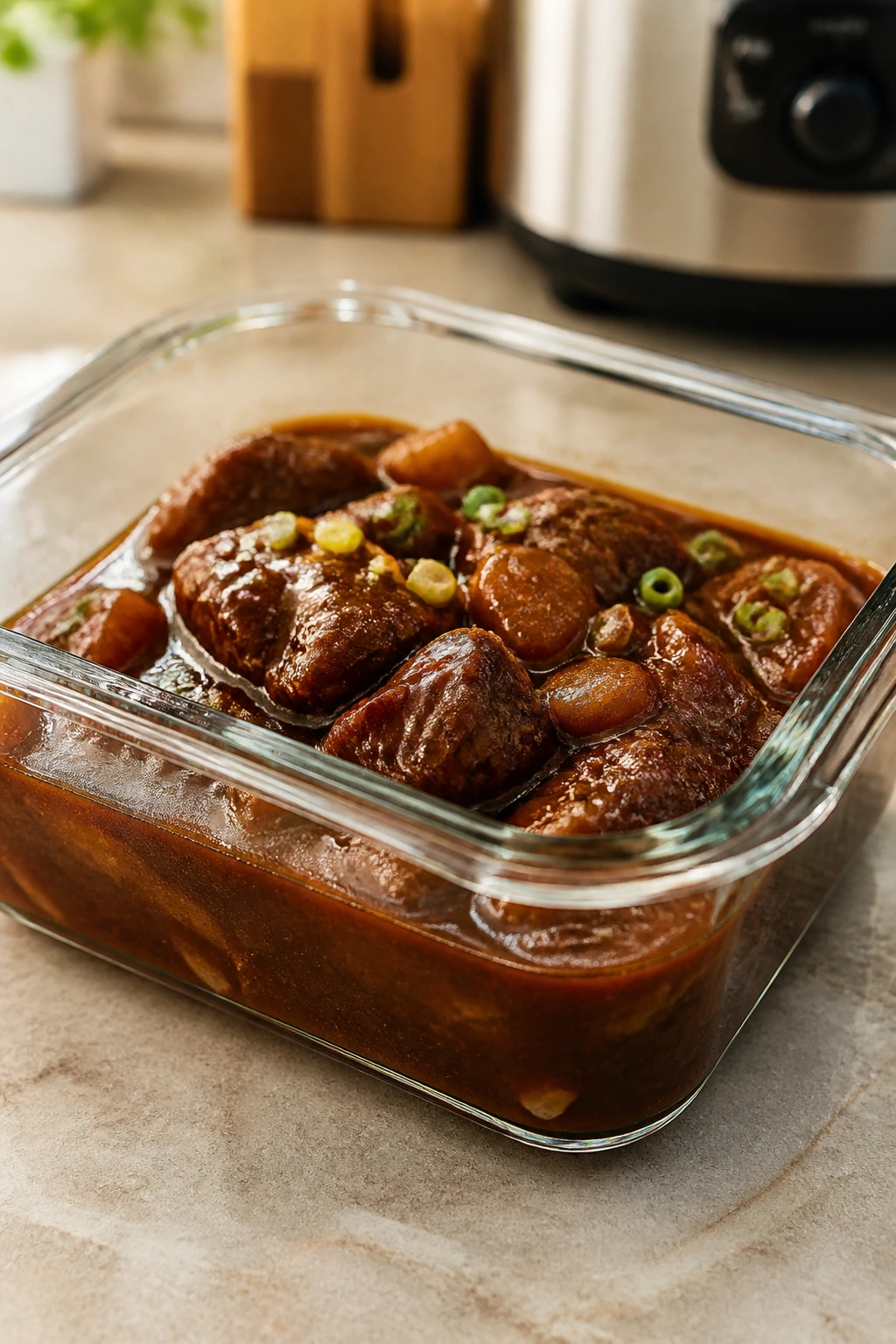
Most of these dishes keep 3 to 4 days in the refrigerator in airtight containers. Soups and braises are usually best within the first two days, when the vegetables still have a little structure and the sauce hasn’t tightened too much. Dishes with noodles should be stored with the noodles separate if you can manage it; otherwise, they absorb the broth and turn soft.
Freezing works well for many of the meat-based braises and sauces. Beef and pork dishes freeze for up to 2 months, sometimes a little longer if packed well, while soups freeze best for about 6 to 8 weeks. Tofu dishes can be frozen, but the texture changes and becomes spongier after thawing, which some people like and some people absolutely do not. I usually keep tofu recipes in the fridge rather than the freezer.
For reheating, the stovetop is the cleanest option. Put the food in a saucepan over medium-low heat and add a splash of broth or water if the sauce looks too tight. For rice bowls, microwave the sauce and rice separately if possible, because the rice heats more evenly that way. Soups should be reheated until steaming hot, with a gentle simmer for a minute or two so they’re fully warmed through.
Make-ahead timing is easy here. You can chop vegetables the night before, mix sauce components the morning of cooking, and even brown meat ahead if your schedule is messy. If a recipe includes broccoli, bok choy, scallions, peanuts, or noodles, keep those components separate until serving day. The finished dish usually tastes better the next day, but the crisp parts never do.
Variations and Adaptations to Try
Gluten-Free Pantry Swap: Use tamari instead of soy sauce, and check that your hoisin, oyster sauce, and chili sauces are labeled gluten-free. Cornstarch is already doing the thickening work, so the transition is usually easier than people expect. The flavor stays close as long as you keep the vinegar and sesame oil in place.
Lower-Sugar Braise: Reduce honey, brown sugar, or ketchup by about one-third and lean on rice vinegar or black vinegar for brightness. This works best in orange chicken, sweet and sour pork, and General Tso’s-style dishes where sweetness can creep up quickly. You’ll get a sharper sauce, which I prefer on cold days anyway.
Vegetarian Comfort Bowl: Use tofu, mushrooms, bok choy, and vegetable broth in place of meat for the braised dishes. Mushroom oyster sauce or vegetarian stir-fry sauce gives the broth more body. This route works especially well for the braised tofu, mushroom chicken-style dishes, and hot and sour soup.
Spice-First Version: Add dried chilies, chili garlic sauce, chili oil, or Sichuan peppercorn to the braises and soups that can handle it. Mapo tofu, kung pao chicken, hot and sour soup, and dan dan sauce all benefit from this direction. Don’t add heat just for show; give the dish enough vinegar and salt to stay balanced.
Noodle Night Adaptation: Turn almost any of the saucy dishes into a noodle bowl by cooking lo mein, wheat noodles, or rice noodles separately and tossing them with the finished sauce. This works especially well with beef and broccoli, Mongolian beef, dan dan meat sauce, and sesame chicken meatballs. Just don’t let the noodles sit in the slow cooker, or they’ll lose their shape.
Small-Cooker Version: If you’re using a 3- or 4-quart slow cooker, halve the cabbage, broccoli, and broth-heavy recipes, but keep the seasonings nearly the same. A smaller pot can make the flavors feel stronger because there’s less room to spread out. Watch the fill line. Crowding is the fastest way to get uneven cooking.
Common Mistakes to Avoid
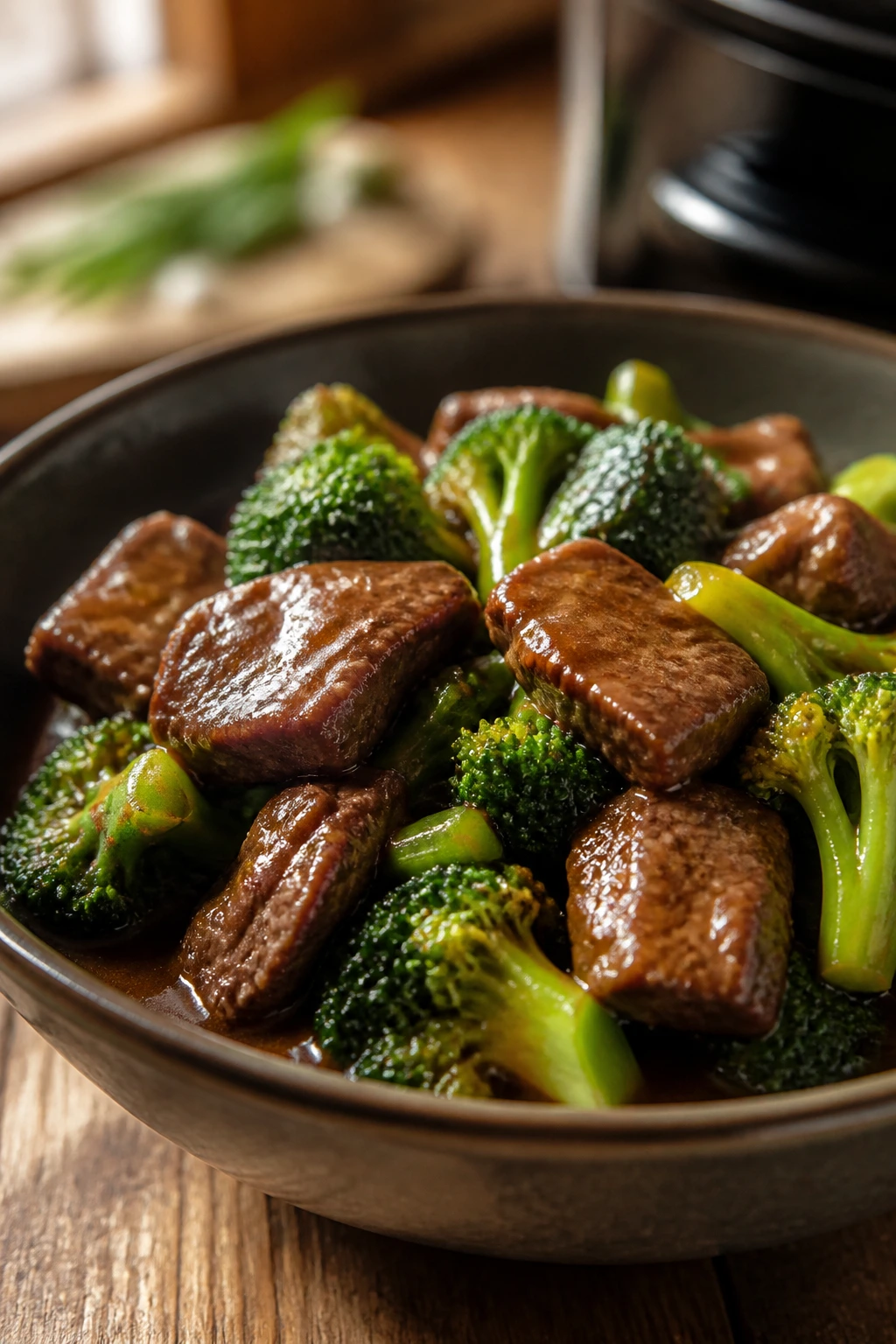
Adding delicate vegetables too early: Broccoli, bok choy, bell peppers, and scallions all go limp or muddy if they spend six hours in the pot. Add them late, usually in the last 15 to 30 minutes, so they still taste like vegetables and not a memory of vegetables.
Skipping the thickener until the end: Cornstarch has to be mixed with cold water and cooked briefly to thicken properly. If you add it too early, it loses its clean finish and can make the sauce odd and pasty. The slow cooker should do the long work; the slurry should only finish the job.
Using the wrong cut of meat: Lean chicken breasts, pork loin, and some very lean beef cuts can dry out or turn stringy if you cook them too long. Thighs, shoulders, chuck, and ribs are better choices because they welcome long heat instead of fighting it.
Underseasoning because the sauce looks dark: Dark sauce is not the same thing as strong flavor. Soy sauce brands vary, broth varies, and some black bean sauces are saltier than others. Taste near the end and adjust with vinegar, soy, sugar, or chili in tiny amounts.
Treating noodles like a slow-cooker ingredient: Noodles belong outside the pot unless you enjoy soft, swollen strands that fall apart on contact. Cook them separately, drain them well, and add them only when the sauce is ready.
Forgetting acid at the end: Rice vinegar, black vinegar, or a squeeze of citrus wakes up rich braises and sweet sauces. Without that finish, the bowl can feel heavy. With it, the whole thing lifts.
Frequently Asked Questions
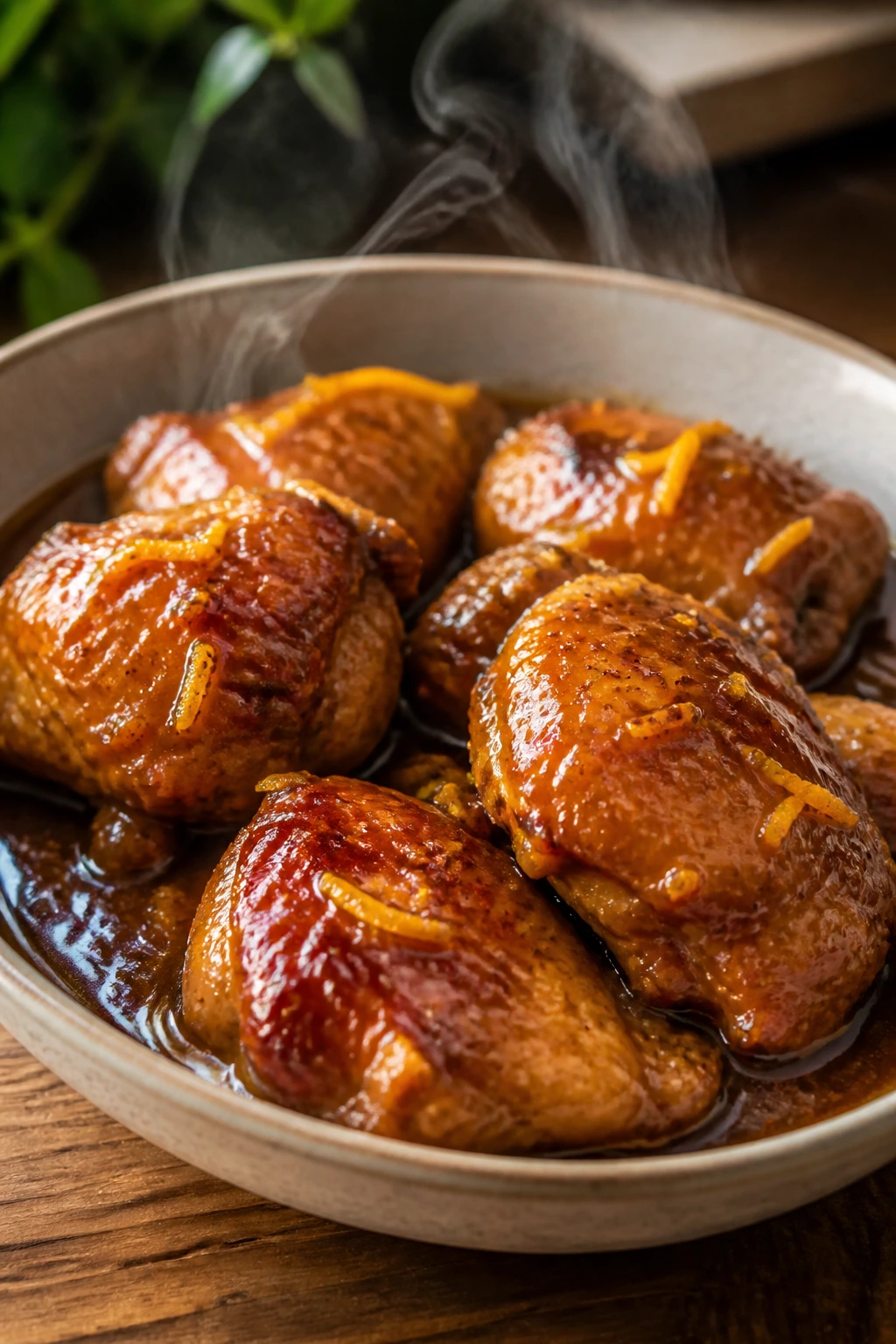
Can I use chicken breasts instead of thighs in these recipes?
You can, but they need shorter cooking times and more care. Thighs are usually the safer choice because they stay juicy in the slow cooker, while breasts can turn stringy if they sit too long.
Do I really need to brown the meat first?
Not always, but it helps a lot with beef, pork, and short ribs. Browning adds flavor that the slow cooker can’t create on its own, and it gives the finished sauce a deeper taste.
What if my sauce comes out too thin?
Mix 1 tablespoon cornstarch with 1 tablespoon cold water and stir it in during the last 10 to 15 minutes. If it still looks loose, let it cook uncovered for a few minutes so some steam escapes.
Can I make these recipes ahead of time?
Yes. Most of the braises and soups hold well for a few days in the fridge, and many taste even better the next day after the flavors settle. Keep noodles, peanuts, and crisp vegetables separate until serving.
What’s the best substitute for Shaoxing wine?
Dry sherry is the easiest stand-in. If you don’t want to use alcohol at all, add a little extra broth plus a teaspoon of rice vinegar for brightness.
Can I make these gluten-free?
Usually, yes. Tamari can replace soy sauce, and gluten-free versions of hoisin or oyster sauce are available. Cornstarch already works as the thickener, so the swap is usually straightforward.
Why do my vegetables go mushy in the slow cooker?
They’re probably in the pot too early. Add broccoli, bok choy, peppers, scallions, and snap peas near the end so they keep texture and color.
Can I freeze the leftovers?
Meat braises, sauces, and soups freeze well for about 2 months. Tofu dishes freeze less gracefully, but they’re still safe to store if you don’t mind a spongier texture after thawing.
How do I make these recipes less sweet?
Reduce honey, brown sugar, or ketchup by about one-third and increase vinegar slightly. That’s the easiest way to keep takeout-style sauces from tipping into dessert territory.
Cold-Night Dinners Worth Repeating
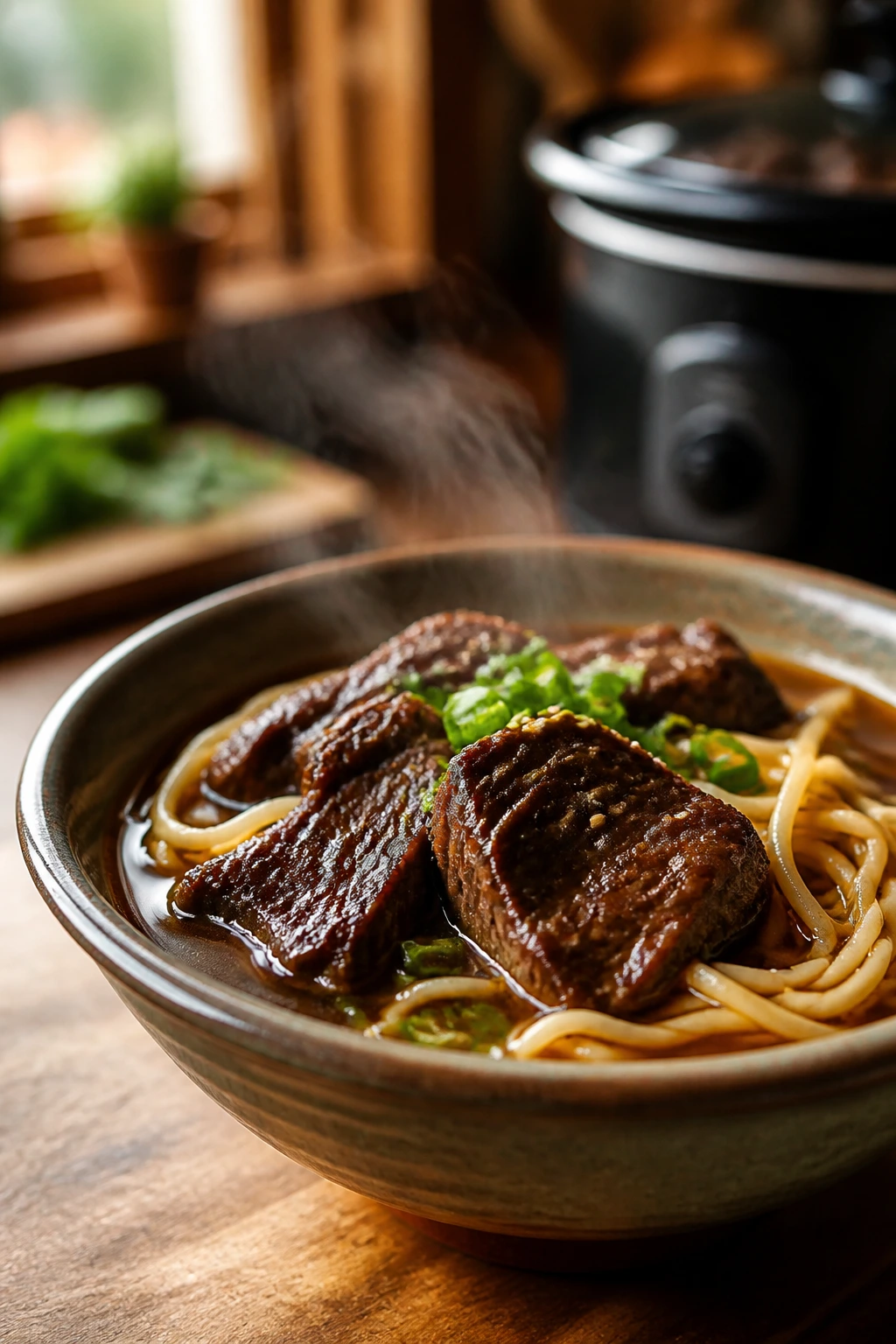
There’s a reason slow cooker Chinese food recipes work so well when the air turns sharp and the evenings get long. The pot gives you time instead of asking for more of it. Beef softens, pork turns glossy, chicken drinks in ginger and soy, and the broth beneath it all ends up tasting like patience.
The best part is how little ceremony these meals need once the prep is done. Rice on the stove. Noodles in a separate pot. A handful of scallions. Maybe some chili crisp if the mood calls for it. That’s enough. And on a cold night, enough is often exactly right.