



Some slow cooker dinners are a bargain, but not in the good way. You save a few minutes in the morning and pay for them at dinnertime with gray chicken, limp carrots, and a sauce that tastes like warm saltwater. A real set-and-forget slow cooker dinner does the opposite: 15 minutes of work, a long quiet stretch of heat, and then a pot that smells like onions, garlic, and something rich enough to make people ask what’s for dinner before they’ve even hung up their coats.
The difference is not luck. It’s ingredient choice, layer order, and knowing what should wait until the end. Slow cookers are forgiving, but they are not magical. Lean meat, delicate herbs, dairy, and quick-cooking vegetables all behave differently after six or eight hours under a lid, and the best dinners are built with that in mind. Throw cream in too early, and it splits. Bury potatoes under the meat, and they can go chalky. Use the right cut, though, and the pot does half the work while you get on with your day.
That’s the part people miss. A good crockpot dinner is not about dumping random things into a ceramic bowl and hoping for the best. It’s about making a meal that still tastes planned when you come back to it. The lid lifts, steam rolls out, and there’s actual dinner waiting — not a compromise.
Why a Set-and-Forget Slow Cooker Dinner Works So Well
The crockpot earns its keep when you stop treating it like a soup machine and start using it like a low, steady braiser. That’s the real trick. A slow cooker dinner works because it keeps moisture close, holds heat evenly, and softens tougher cuts without demanding constant attention. No stirring every ten minutes. No hovering over a skillet. No panic when a phone call runs long.
- Hands-off cooking: you can load the pot in the morning, walk away, and come back to food that’s ready to serve.
- Tender texture: cuts with connective tissue — chuck roast, chicken thighs, pork shoulder — soften instead of drying out.
- Built-in flavor blending: onions, garlic, spices, and broth mingle for hours, which gives the sauce a deeper, rounder taste than a quick simmer.
- Fewer dishes: the whole meal can live in one vessel, especially if you build in potatoes, carrots, or beans.
- Better timing flexibility: the food can sit on warm for a while without going from perfect to ruined in 6 minutes flat.
The part I like most is the way the pot changes a basic dinner into something that feels finished. A pot roast smells like Sunday. Chicken thighs with tomatoes and olives smell like someone paid attention. Even a simple bean-and-sausage dinner starts to taste like it had a plan.
And yes, the slow cooker has limitations. It won’t give you crisp skin, a browned crust, or quick evaporation. That’s fine. Use it for what it does best: steady heat, soft textures, and a long, low cook that buys you time.
The Ingredients That Carry the Weight in the Pot
A good slow cooker dinner starts with ingredients that can take a bath in steam without collapsing into mush. That sounds obvious. It isn’t, because people still toss in boneless chicken breast, zucchini, and a pile of baby spinach at hour one and then wonder why the bowl looks tired.
A better way to think about it: each ingredient needs a job. Some hold structure. Some build flavor. Some add freshness at the end. The strongest slow cooker dinners have a backbone, not a pile of random parts.
The proteins that hold up
Chuck roast, pork shoulder, boneless skinless chicken thighs, drumsticks, short ribs, and meaty beans are the usual heavy hitters. They have enough fat or connective tissue to stay tender through a long cook. Leaner cuts can work, but they need more care and often a shorter window.
Chicken breast is the delicate one. It can be used, but it asks for a lighter hand and a shorter cook. If you need a dinner that truly forgives timing changes, thighs beat breasts almost every time.
The vegetables that earn their place
Onions, carrots, celery, potatoes, sweet potatoes, parsnips, turnips, mushrooms, and winter squash do well because they can soften without dissolving. Cut them larger than you would for a stovetop braise. A 1-inch carrot chunk survives. A shaved carrot ribbon does not.
Green beans, peas, spinach, and zucchini belong near the end. So do tomatoes if you want them to taste bright instead of flat.
The liquids that do the real work
Stock is fine. Broth is fine. Canned tomatoes are fine. What matters more is concentration. Slow cookers don’t lose much liquid, so you usually need less than you’d use on the stove. A pot that looks a little dry at the start often finishes with exactly the right amount of sauce.
A small amount of tomato paste, Worcestershire sauce, soy sauce, miso, mustard, or vinegar can make a bigger difference than an extra cup of broth. That’s the part home cooks miss. Flavor in a crockpot is often about restraint.
The herbs and spices that survive long heat
Dried thyme, bay leaves, paprika, cumin, coriander, chili powder, and black pepper tolerate the long cook well. Fresh herbs are more fragile. Parsley, dill, basil, and cilantro are usually better added at the end, when they still smell like themselves and not like wet grass.
Garlic can go either way. If it’s minced very fine and cooked all day, it turns sweet. If it’s crushed and left in big pieces, it can stay a little sharp. I prefer somewhere in the middle.
How to Layer the Pot So Nothing Turns Mushy
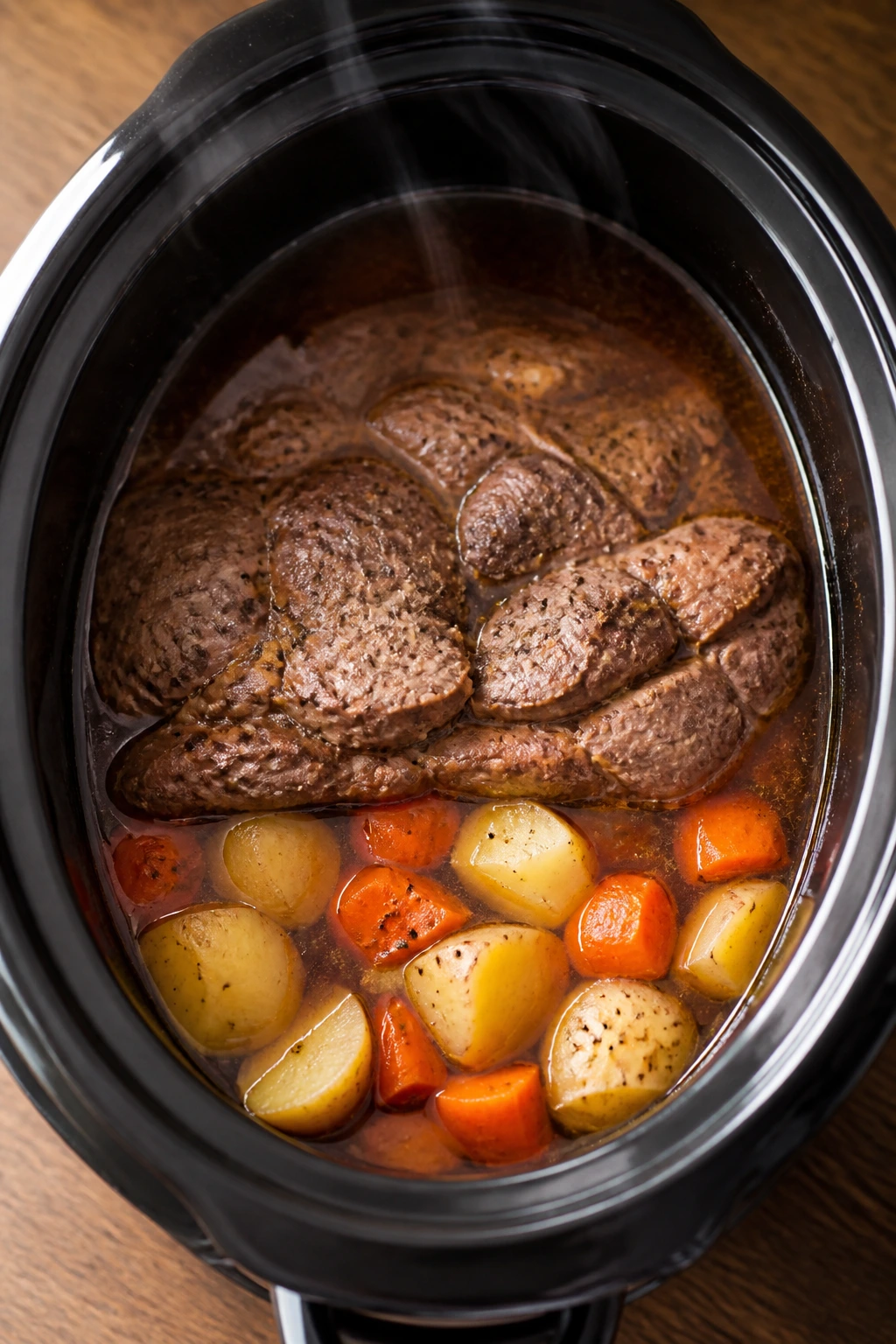
Why does a good slow cooker dinner stay neat while a bad one turns into stew? Layer order. That’s the boring answer, and it’s the correct one.
The bottom of the pot gets the most direct heat, so it should hold the ingredients that benefit from long, steady cooking. Onions, carrots, celery, and potatoes belong down there. They release moisture, build flavor, and create a little cushion for the meat above them. If you want the vegetables to keep a bit of shape, cut them larger than you think you need.
Meat can go on top of the vegetables, especially if you’re using a roast or chicken thighs. As it cooks, it drips flavor downward and helps season the vegetables underneath. If the meat is covered in a spice rub or salt, even better. That surface seasoning matters more than people realize because there isn’t much evaporation to intensify it later.
What goes in first
- Hard vegetables first: potatoes, carrots, parsnips, turnips, onions.
- Meat next: a roast, thighs, drumsticks, pork shoulder.
- Liquids and concentrated seasonings: broth, tomatoes, soy sauce, Worcestershire, mustard.
- Fragile ingredients at the end: spinach, peas, fresh herbs, cream, lemon juice, yogurt.
A lot of slow cooker failures come from putting fragile things where they don’t belong. A handful of spinach at hour one doesn’t “add greens.” It disappears into a dark, overcooked thread. Cream in the morning often splits by dinner. Fresh herbs lose their snap and go muddy. Save them.
The one-layer rule I trust
If you’re cooking a dinner with a sauce, make sure the meat is partly submerged but not drowning. A slow cooker doesn’t need a flood. It needs contact. Too much liquid and everything starts tasting boiled. That’s especially true with chicken thighs and pork. The sauce should coat, not swamp.
And if you’re adding noodles, rice, or delicate dumplings, keep them separate until the last stretch or cook them in a short second phase. Slow cooker starches can go from done to gluey fast.
Low Heat, High Heat, and the Real-Life Timing Difference
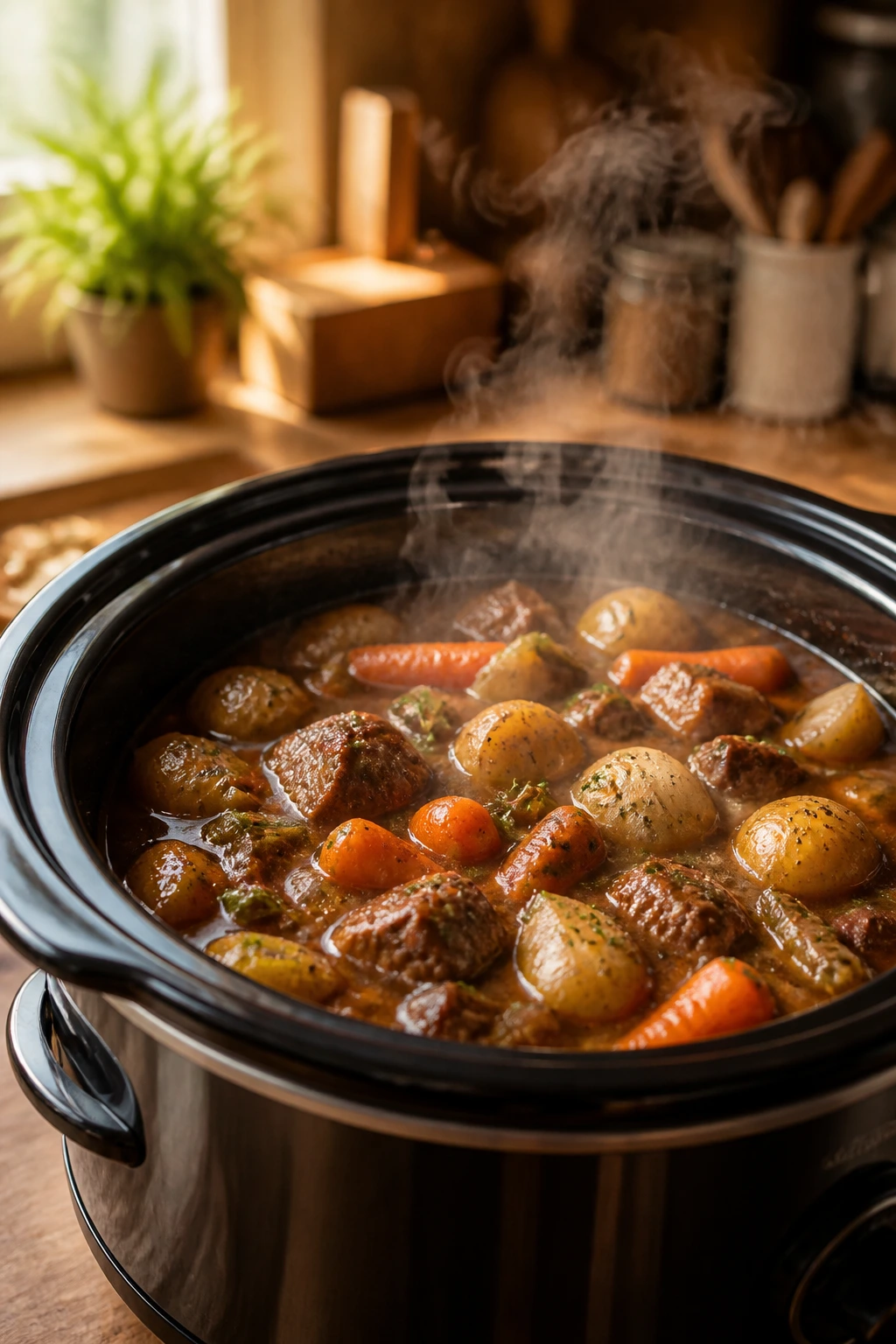
High heat is not a shortcut if the pot is full of cold ingredients. It can rush the outside of the food without giving tougher cuts enough time to relax and soften. Low heat is slower, yes, but it gives you a wider safety window and a better texture on most long-cook dinners.
A general rule works well here: low for 7 to 8 hours, high for 3 to 4 hours for most meat-and-vegetable dinners. That’s not a law carved into stone. A packed pot, a large roast, or a cold start from the fridge can stretch the schedule. A smaller batch, a pot full of hot sautéed aromatics, or an appliance that runs hot can shorten it.
What the clock doesn’t tell you
- Chicken thighs: usually tender after 4 to 6 hours on low, or 2½ to 3½ hours on high.
- Beef chuck roast: often needs 8 hours on low for fork-tender texture.
- Pork shoulder: similar to chuck roast, sometimes a bit longer depending on size.
- Beans: canned beans only need warming; dried beans need a separate safety-minded approach and enough liquid.
- Potatoes and carrots: hold their shape best in the first half of the cook, not the last.
If you’re cooking poultry, use temperature, not guesswork. The thickest part should reach 165°F. For beef and pork, the useful question is less about a single number and more about texture. A fork should slide in with little resistance. A roast that fights back is not done, even if the timer says it should be.
I also trust my nose. Seriously. A pot that smells flat and raw at the halfway mark probably needs salt or another spoon of concentrated flavor, not just more time. A pot that smells thick, savory, and slightly sweet from onion usually has the right bones.
And if your slow cooker runs hot, learn it by one meal. Some cookers simmer hard on “low” and turn chicken breast into stringy sawdust. Others are so gentle they need the full window. Once you know your machine, timing gets easier.
The Flavor Moves That Keep It from Tasting Flat
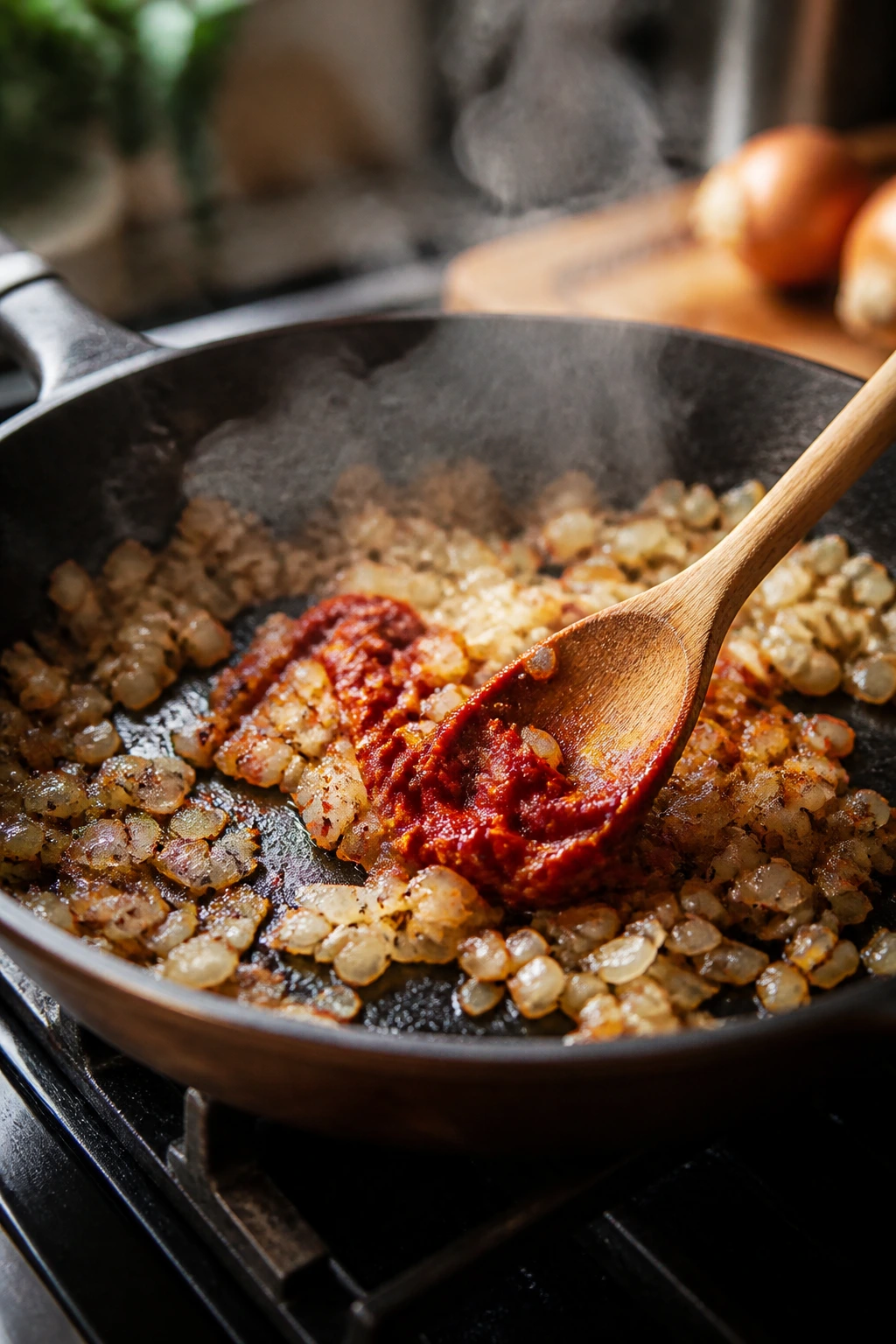
The best slow cooker sauce should smell sweet from onions and a little sharp from tomato paste, broth, or vinegar. If it only smells like hot meat and water, you’re still in the danger zone.
This is where a lot of set-and-forget dinners go wrong. People assume the long cook will create flavor on its own. It will create tenderness. Flavor needs a push.
The small moves that do a lot
Searing meat first gives you browned bits and a deeper savory note. You don’t need a perfect crust, and I wouldn’t do this if I were truly racing the clock, but 5 minutes in a hot skillet can change the final pot in a real way.
Cooking the onions for 4 to 5 minutes before they go in softens their bite. If you have time, do it. If not, slice them thin and let the slow cooker handle the rest.
A spoonful of tomato paste adds body. Let it cook in a skillet for 30 seconds before adding liquid if you want to tame the raw edge.
A splash of acid at the end wakes the whole dish up. Lemon juice, red wine vinegar, apple cider vinegar, or a little pickle brine can keep a heavy dinner from feeling sleepy. Start with 1 teaspoon to 1 tablespoon, taste, then add more if needed.
Seasoning that survives the long haul
Salt should go in early, but not recklessly. Slow cooking pulls flavor out of ingredients and into the liquid, so undersalted pots taste dull in a way that can fool people. At the same time, some sauces reduce less than you expect, so over-salting a pot can be hard to fix.
Dried spices are your friends here. Paprika, cumin, chili powder, dried oregano, thyme, and bay leaves hold up well. Fresh garlic can be cooked with the base. Fresh parsley, dill, basil, and cilantro belong at the end.
One more thing. Cream, yogurt, coconut milk, and cheese should usually be added near the end or after cooking. They can split under long heat. If you want a creamy finish, stir them in after the heat is off and let the residual warmth do the work.
A Reusable Blueprint for a Slow Cooker Dinner
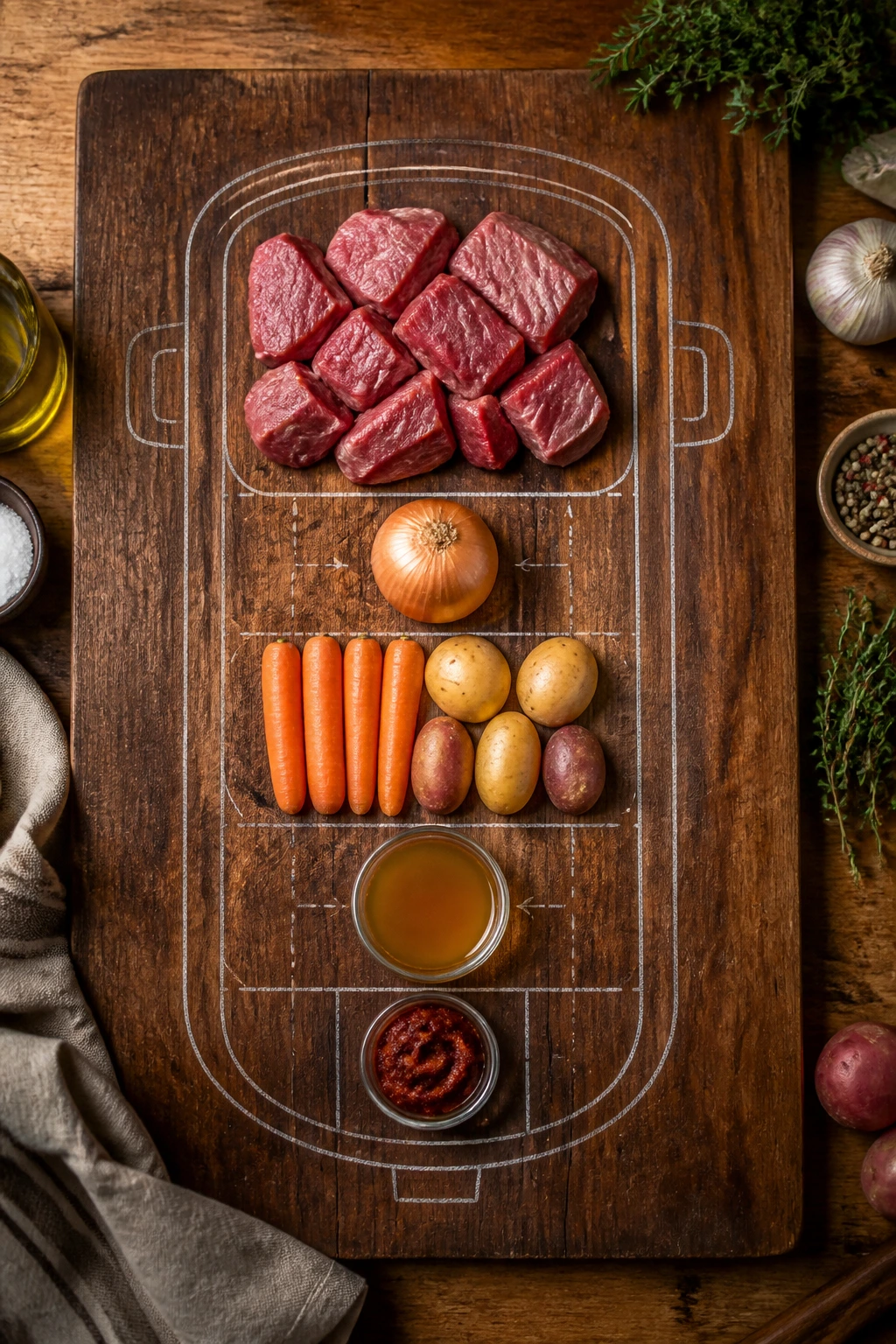
Two pounds of protein. One onion. A couple of sturdy vegetables. A modest amount of liquid. A concentrated flavor booster. That’s the backbone of a dinner you can trust.
Here’s the pattern I keep coming back to when I want a set-and-forget slow cooker dinner that doesn’t collapse into a bland stew.
Step 1: Choose the right backbone
Start with 2 to 3 pounds of a cut that likes slow heat — chicken thighs, chuck roast, pork shoulder, or a mix of beans and sausage if you want a meat-and-bean dinner. Trim only the thickest fat. Leave enough behind to keep the texture from drying out.
Step 2: Build a floor of vegetables
Add 1 large onion cut into thick slices, plus 2 to 4 cups of hardy vegetables like carrots, potatoes, celery, or squash. The bigger the chunks, the more likely they are to hold their shape. Tiny dice has its place, but not here.
Step 3: Add a small amount of liquid and a concentrated flavor
Pour in 1 to 1½ cups of broth, tomatoes, or a combination. Then add something concentrated: 1 to 2 tablespoons of tomato paste, 1 tablespoon Worcestershire, 1 tablespoon soy sauce, 1 teaspoon mustard, or a mix. That small hit of intensity matters more than flooding the pot.
Step 4: Season with a clear hand
Use 1 to 1½ teaspoons of salt per pound of meat, then add pepper and dried herbs. If your broth is salty or your soy sauce is heavy, pull back a little. Seasoning a slow cooker isn’t about dumping in a mountain of spice. It’s about enough salt to make the meat taste like itself.
Step 5: Finish when the texture tells you to
Cook on low or high until the meat is tender and the vegetables are cooked through. Then finish with something fresh: lemon, vinegar, chopped herbs, a pat of butter, a spoon of sour cream, or a little grated cheese. That final hit is what separates “slow-cooked” from “finished.”
If you want a dinner that can be repeated without much thought, keep this structure on a card in your kitchen drawer. It works because it respects what the slow cooker does well and avoids the stuff it ruins.
How to Turn the Pot Into a Finished Plate
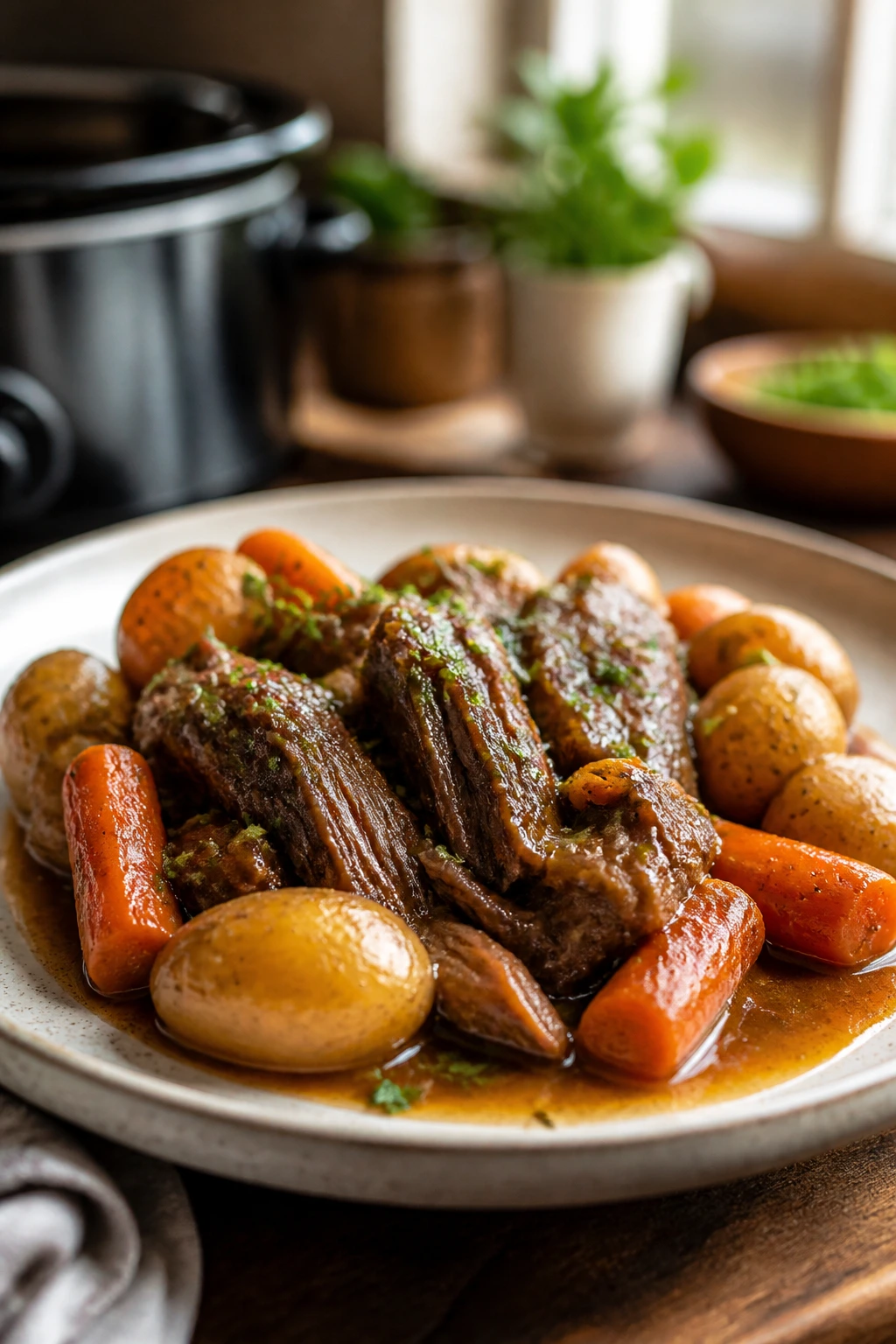
Plating matters more than people think, especially with crockpot food. Straight from the bowl, a slow cooker dinner can look a little beige and tired. One minute of finishing work changes that fast.
Presentation: Spoon the meat and vegetables onto a shallow bowl or plate rather than serving it in a deep soup bowl if the sauce is thick. A shallow surface shows off the texture better, and you can drag bread through the sauce without fishing around for it. A sprinkle of chopped parsley, dill, or scallions gives the top some lift, even if the dish itself is rustic.
Accompaniments: Pick one starch, one green thing, and one crunchy thing if you want the plate to feel complete. Mashed potatoes, buttered rice, crusty bread, roasted green beans, a sharp cabbage slaw, or a simple salad all work. A rich braised dinner likes something acidic or crisp on the side — pickles, lemony greens, or vinegar-dressed cabbage cut the heaviness in a useful way.
Portions: A good slow cooker dinner usually serves 4 to 6 from a 4- to 6-quart pot, depending on how much sauce and vegetable volume you built in. If you’re scaling up, avoid overfilling past about two-thirds to three-quarters full. That’s where texture starts to go sideways. If you’re scaling down, keep the same flavor ratios and shorten the cook time a little, because a smaller batch heats faster than you expect.
Beverage Pairing: With beef or pork, a dry cider or a glass of red wine with low tannin works well. With chicken, try sparkling water with lemon, unsweetened iced tea, or a crisp white wine. Nothing fancy needed. The point is to cut through the richness, not to stage a tasting menu.
And if the meal is extra saucy, serve it with something absorbent. That sauce deserves bread. Let it be used.
Tools That Make Slow Cooking Easier
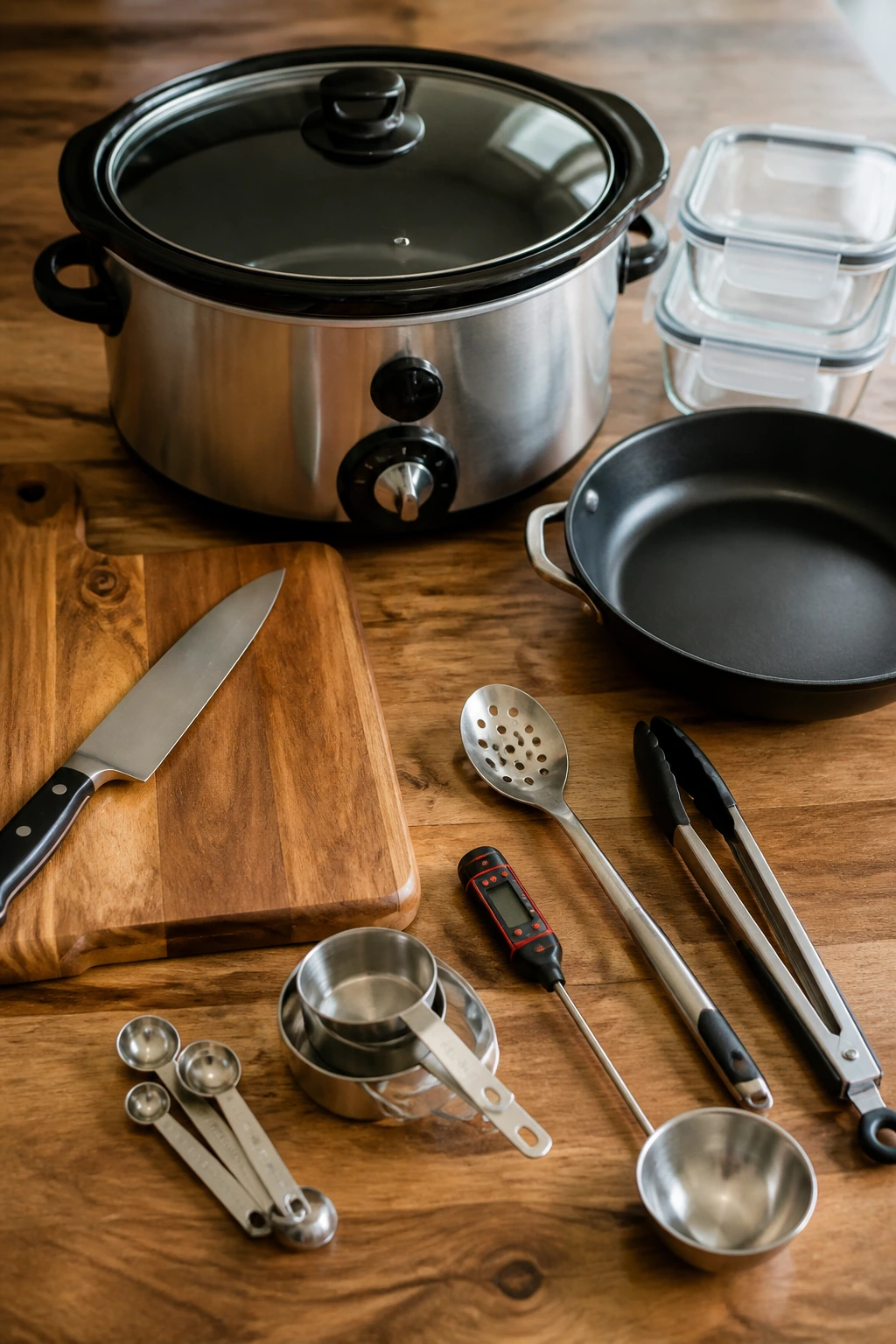
A slow cooker is the headline item, but a few small tools make the whole process smoother. None of these are glamorous. All of them earn their drawer space.
- A 6-quart slow cooker: the most useful size for family-style dinners, especially if you want room for meat and vegetables without crowding.
- A sharp chef’s knife: large chunks of onion, carrot, and potato are easier to prep when the knife isn’t fighting you.
- A sturdy cutting board: one that doesn’t skate around when you’re slicing slippery onions or raw meat.
- A 12-inch skillet: useful for searing meat, softening onions, or blooming tomato paste before it goes into the pot.
- Measuring spoons and cups: not because crockpot cooking is fussy, but because salt, broth, and tomato paste need enough precision to avoid blandness.
- A slotted spoon or tongs: good for lifting meat out without shredding it before you’re ready.
- An instant-read thermometer: especially useful for chicken and mixed-meat dinners. Don’t guess on food safety.
- A ladle: for sauce-heavy dinners, it keeps serving tidy.
- Airtight containers: leftovers store better when they cool quickly in shallow containers instead of staying buried in a deep pot.
If you make slow cooker dinners often, a silicone spatula and a small whisk are handy too. The spatula scrapes out thick sauce. The whisk helps smooth out a slurry or finish a gravy at the end.
One thing I’d skip? Tiny accessories that promise to “solve” crockpot problems. Most of the real improvement comes from knowing your ingredients and not overfilling the pot.
The Mistakes That Turn Dinner Watery, Bland, or Late
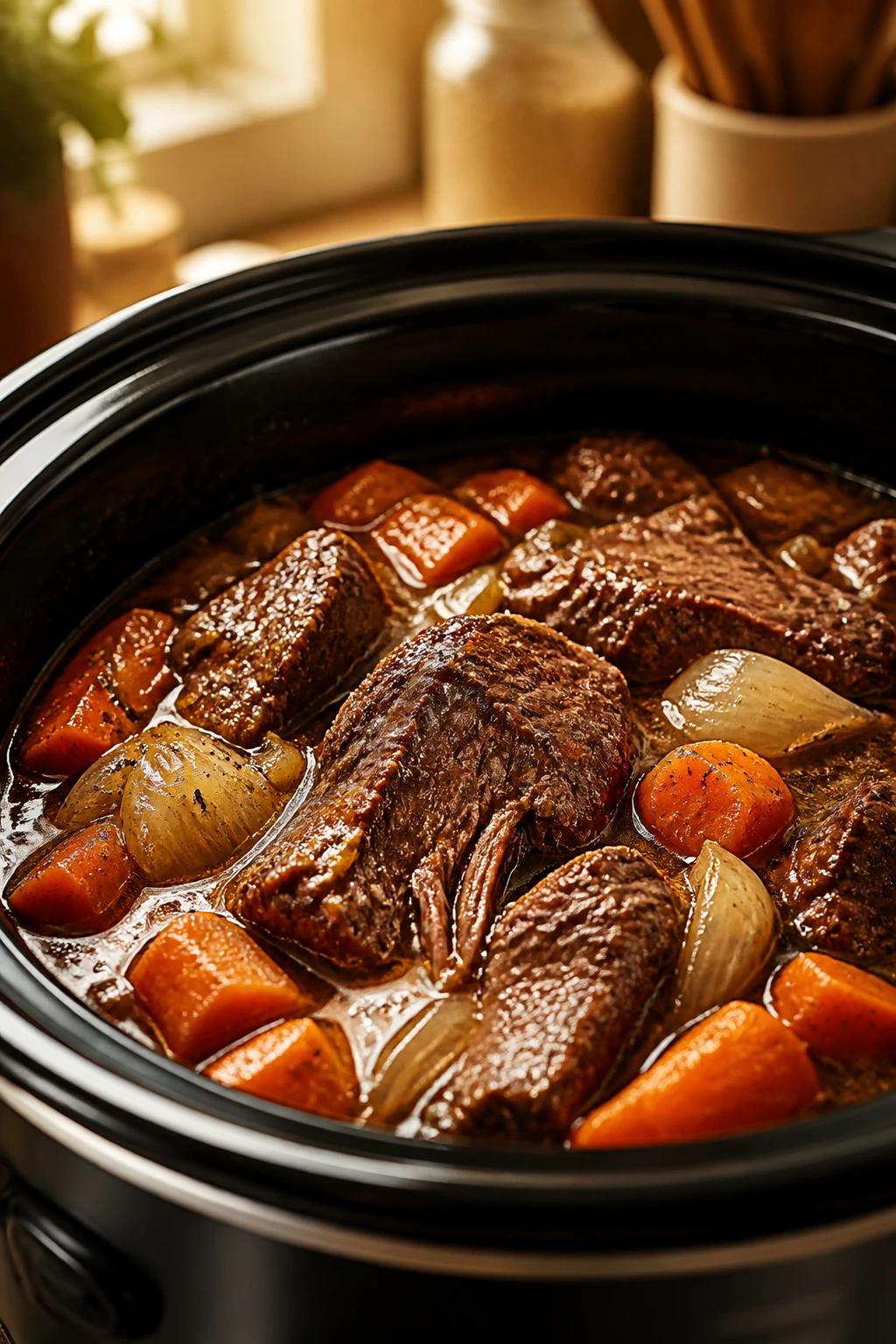
Most slow cooker problems start before the lid goes on. That sounds harsh, but it saves you from a lot of disappointment.
Mistake 1: Using the wrong cut of meat.
Lean chicken breast or a thin pork loin can dry out during a long cook, especially if the cooker runs hot. The fix is simple: use thighs, chuck roast, pork shoulder, or shorten the time and keep the meat in larger pieces.
Mistake 2: Adding too much liquid.
Slow cookers do not evaporate like stovetop pans. If you pour in 4 cups of broth because it “looks right,” you’ll often end up with a watered-down sauce. Start with less, then add more at the end if needed.
Mistake 3: Putting delicate ingredients in too early.
Spinach, peas, fresh herbs, dairy, zucchini, and noodles can turn limp or split if they sit in the pot all day. Hold them back. Add them near the end, when the heavy lifting is done.
Mistake 4: Underseasoning.
A pot full of meat and vegetables needs enough salt to taste like a meal, not a warm basket of ingredients. Taste the sauce near the end and adjust with salt, acid, or concentrated savory ingredients. If it tastes flat, it probably needs one of those three.
Mistake 5: Lifting the lid over and over.
Every peek drops heat and stretches the cook time. If the food is still several hours from done, leave it alone. You are not improving it by checking every 20 minutes. You are just making the pot work harder.
Mistake 6: Filling the cooker too full.
Overcrowding blocks heat circulation and can keep the center of the pot undercooked for too long. Aim for about two-thirds full when possible, and don’t force extra food into a pot that’s already packed.
The symptom list is usually the same: soggy vegetables, pale sauce, meat that shreds badly, or a dinner that tastes like it was cooked under a wet towel. The fix is rarely complicated. It’s usually a smaller amount of liquid, a better cut of meat, and more seasoning at the end.
Variations for Different Cravings and Dietary Needs
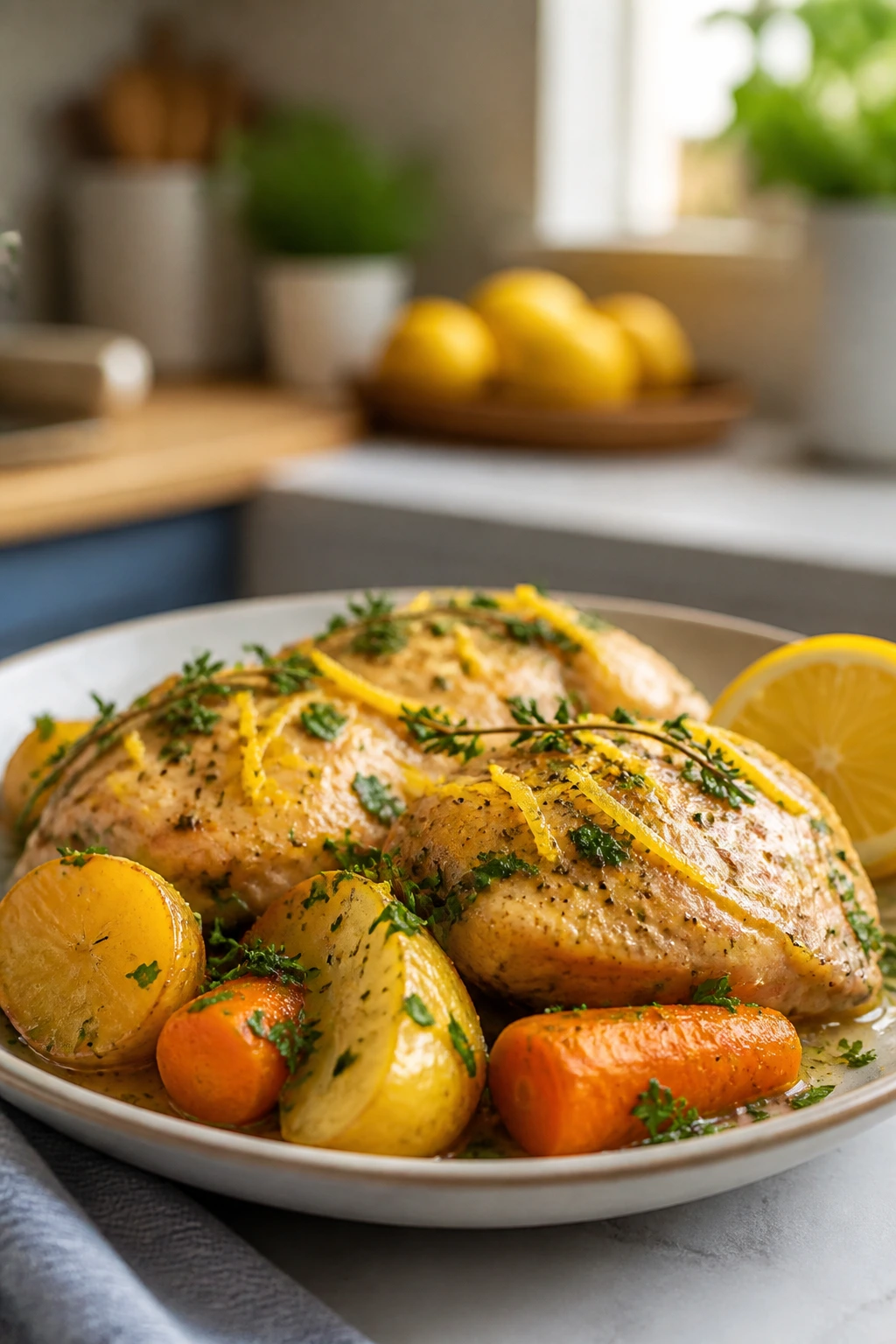
Need it meatless, spicier, creamier, or lighter? Good. Slow cooker dinners are easy to reshape once you know where the structure lives.
Smoky Chipotle Pot
Swap in chipotle peppers in adobo, smoked paprika, and a little tomato paste. This works especially well with beef, chicken thighs, or black beans. The smoke gives the sauce a dark, deeper note that feels built-in rather than added on top.
Lemon-Herb Chicken Dinner
Use chicken thighs, garlic, onions, carrots, broth, and a lot of lemon zest at the end. Parsley and dill work better than heavy spices here. It tastes fresher and less brothy, which is useful when you want something lighter without turning to salad.
White Bean and Sausage Bowl
This one leans hard into sausage, cannellini beans, onions, celery, and thyme. Add kale in the last 20 to 30 minutes so it stays green and tender rather than olive-drab. A little Parmesan at the end makes the whole thing feel finished.
Dairy-Free Creamy Finish
If you want a creamy sauce without cream, blend part of the cooked vegetables with a bit of broth, or stir in coconut milk near the end if the flavor fits. Cashew cream also works, but keep it subtle. You want body, not a nutty takeover.
Lower-Carb Braise
Skip the potatoes and use cauliflower florets, turnips, mushrooms, or extra celery instead. Add them later in the cook so they don’t lose all structure. The sauce matters more here because the vegetables are carrying the plate, not just filling space.
Southern-Style Pot
Use barbecue sauce, a little mustard, onions, and pork shoulder, then finish with a splash of vinegar. Serve it over slaw or mashed sweet potatoes. It tastes like the kind of dinner that needs bread nearby.
Make-Ahead, Storage, and Reheating Without Ruining It
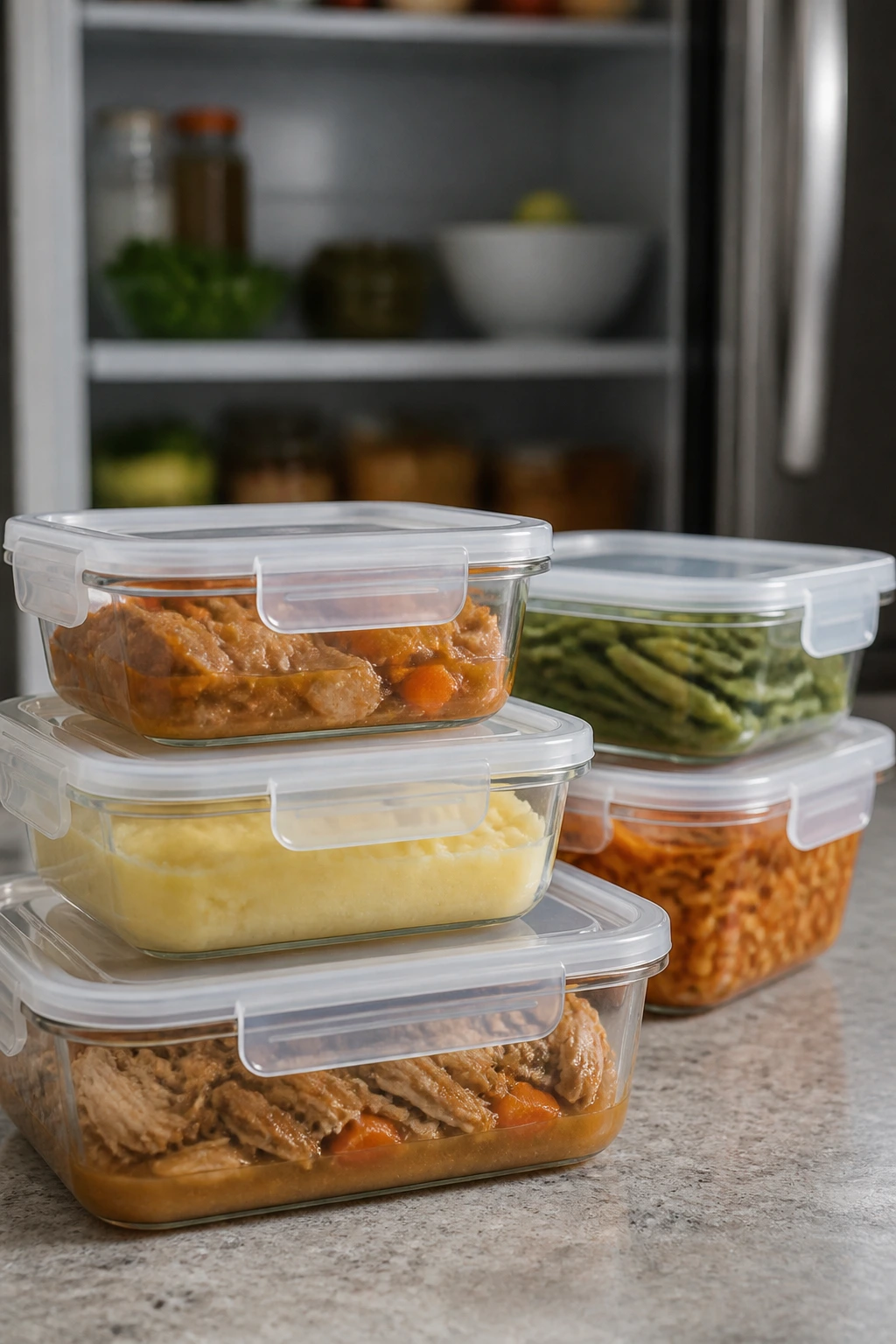
Leftovers can be excellent, but only if you cool them correctly and reheat them with a little care. Slow cooker food is forgiving, yet the texture still changes if it sits too long in a hot, crowded pot.
If the dinner has meat and sauce, cool it within 2 hours of finishing. Get it into shallow containers so the heat leaves quickly. Don’t leave a deep crock insert on the counter for half the afternoon. That’s a food-safety mistake, and it also makes the texture duller.
In the refrigerator, most slow cooker dinners keep well for 3 to 4 days. Beef stews, shredded pork, saucy chicken, and bean-based meals all do fine in that window. Freeze portions for up to 2 to 3 months if the sauce is broth-based or tomato-based. Creamy sauces can freeze, but they may separate a bit. You can stir them back together after reheating, though the texture won’t be quite as smooth as fresh.
Best reheating methods by style
- Saucy meat dishes: warm gently on the stovetop over medium-low heat with a splash of broth or water.
- Chicken dinners: reheat in a covered skillet or microwave at 50% power so the meat doesn’t tighten up.
- Stews and braises: reheat in a saucepan until the sauce is steaming and the meat is hot through.
- Rice or potato bases: add a spoonful of liquid, cover, and reheat slowly so they don’t dry out.
If you’re making dinner ahead, you can chop vegetables the night before and store them in the fridge. You can also mix dry spices in advance. I would not assemble a whole raw meal and leave it sitting in the insert overnight unless your cooker insert is designed for that kind of cold storage. Too much can go sideways with food safety and texture.
Some slow cooker dinners taste even better the next day. Beef braises, bean stews, and tomato-heavy pots often settle into themselves overnight. Just keep the reheating gentle. Boiling leftovers into submission is a waste of what you already cooked.
Questions People Ask Before They Trust the Crockpot
Can I start a slow cooker dinner with frozen meat?
I wouldn’t do it with a big roast or thick chicken pieces. The food can spend too long in the temperature range where bacteria grow, and the texture often suffers too. Thawing first gives you a better result and a safer one.
Do I need to brown the meat first?
No, but it helps. Browning adds flavor and gives the finished sauce a darker, more savory edge. If you are short on time, skip it. If you want the meal to taste deeper and less flat, sear the meat for a few minutes in a hot skillet.
Why does my slow cooker dinner taste watery?
Usually because there was too much liquid at the start or the ingredients released more moisture than expected. Start with less broth next time, use fewer watery vegetables, and finish with salt, acid, or a quick simmer on the stove to concentrate the sauce.
Can I put pasta or rice in the slow cooker?
You can, but I don’t love it for long-cook dinners. Pasta gets soft fast, and rice can go mushy or uneven. Cook them separately when you want more control, then stir them in at the end if needed.
What if my vegetables are still hard when the meat is done?
That usually means they were cut too large or the pieces were tucked too close to the top of the pot. Smaller pieces cook faster, and root vegetables need to be placed where the heat hits them well. You can also pull the meat out, keep it warm, and let the vegetables cook a bit longer.
How do I keep chicken from drying out?
Use thighs instead of breasts when you can, and check them earlier than you think. Once chicken reaches 165°F and feels tender, pull it. Leaving it in for an extra hour is how you get stringy meat.
Is the warm setting safe for holding dinner?
For short periods, yes. It’s useful if people are arriving in waves or the rest of the meal is running behind. I wouldn’t hold food on warm all day, though. It’s a holding pattern, not a second cook.
Can I double a slow cooker dinner recipe?
Only if the cooker can hold the extra volume without going over three-quarters full. A crowded pot heats unevenly and can extend the cook. If you need a true double batch, use two pots or make one batch and freeze half.
Do acidic ingredients go in at the start or the end?
A little tomato, vinegar, or mustard can go in early because it helps build the sauce. The bright finishing acid — lemon juice, extra vinegar, a splash of pickle brine — usually works best at the end when you can taste the balance.
The Quiet Payoff of Dinner Waiting for You
There’s a reason slow cooker dinners stick around in real kitchens. They solve a practical problem without making a fuss about it. You put food in a pot, walk away, and later there’s something warm, tender, and ready when your day has already spent most of your attention.
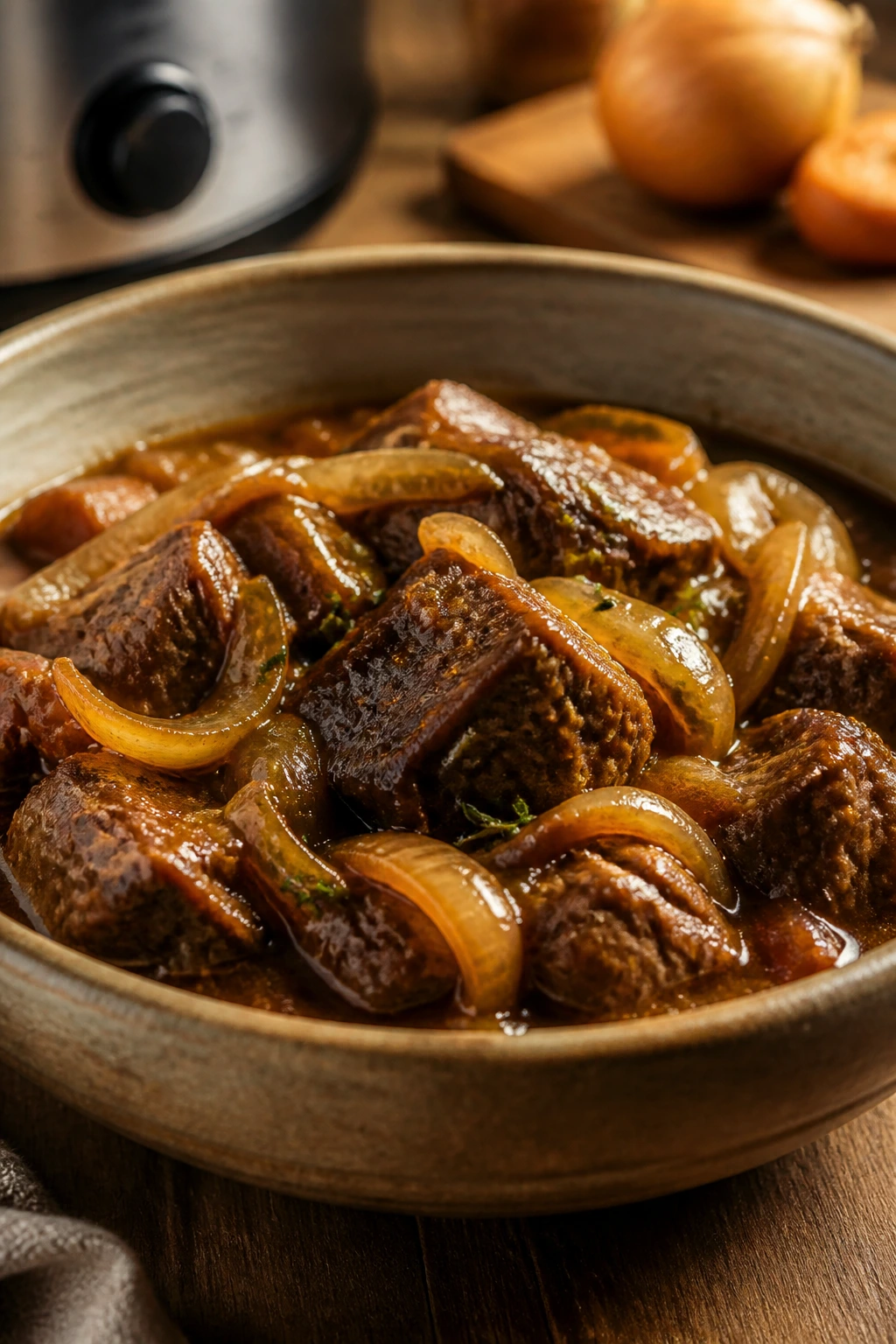
The best part is not the convenience by itself. It’s the way the meal feels settled. The onions are soft, the meat gives way with a fork, the sauce has had time to pull itself together, and a little vinegar or herbs at the end makes the whole thing wake up. That’s the difference between “I threw something in the crockpot” and dinner that actually lands.
If you get the cut right, keep the liquid under control, and finish with one sharp flavor at the end, a set-and-forget slow cooker dinner can become the easiest meal in your rotation — and one of the few that tastes like it took more effort than it did.