



A pot of stew does something a fast dinner never can. It starts with rough edges — meat that looks stubborn, onions that need coaxing, broth that tastes plain for the first few minutes — and then it settles into itself. A slow simmer turns those plain pieces into something deeper, rounder, and more satisfying than the sum of the parts.
That’s why stew recipes keep showing up when the weather turns cool, the pantry is a little bare, or the day has already taken enough from you. A good stew doesn’t ask for perfection. It asks for a heavy pot, steady heat, and a bit of patience while the liquid thickens and the vegetables soften just enough to hold their shape. If you’ve ever lifted the lid and caught that first puff of thyme, pepper, browned onion, and broth, you already know the appeal.
The best part? You can push stews in very different directions without losing what makes them work. Beef and potatoes. Chicken and leeks. Chickpeas with sweet potato. Mushroom and barley. Seafood with fennel. Once you know how to build a pot, the variations go on and on, and most of them are friendlier to the cook than they look from the outside.
Why These Stews Earn a Spot on the Stovetop
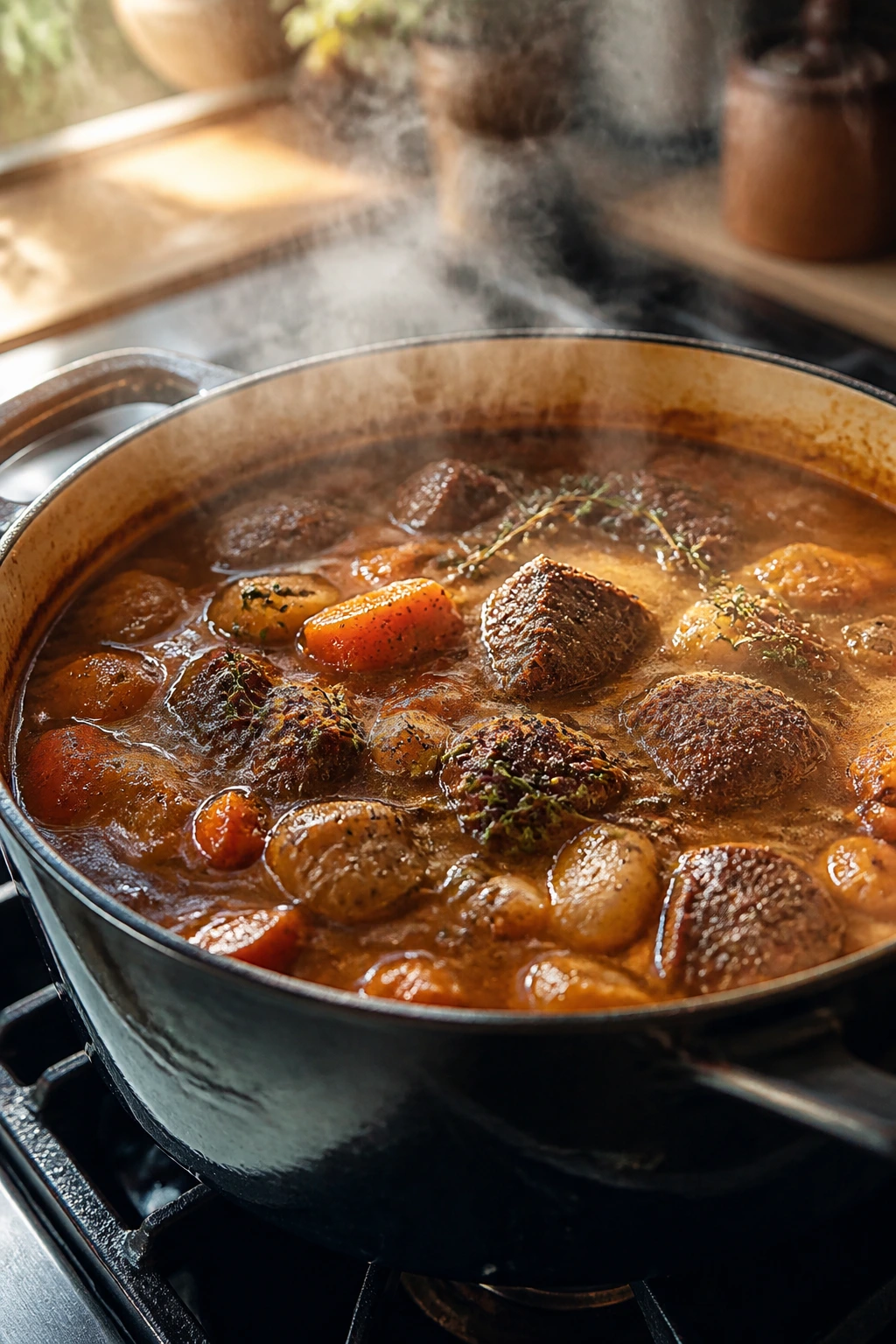
- Slow heat does the heavy lifting: Tough cuts like chuck, short rib, lamb shoulder, and oxtail soften best when they stay just below a boil, where the liquid shivers instead of thrashes.
- The pantry stretches farther: Beans, lentils, potatoes, cabbage, barley, and canned tomatoes all bulk up a pot without making it taste thin or apologetic.
- Most of them improve after a rest: A cooled stew in the fridge gives the seasoning time to settle, and the broth usually tastes more balanced the next day.
- One pot means better browning: Searing meat or sweating vegetables in the same pot you’ll simmer in keeps the fond on the bottom, and that browned layer is where a lot of the flavor lives.
- Dinner can be messy in the best way: These are the kinds of meals that want bread, rice, dumplings, or a shallow bowl and a spoon that doesn’t rush.
1. Classic Beef Stew with Potatoes and Carrots
Beef stew earns its reputation honestly. The broth goes brown and savory, the carrots turn sweet at the edges, and the potatoes soak up enough of the liquid to taste like they were made for it. When it’s done well, the meat should give way with almost no resistance, not fall apart into threads, and not stay chewy in the middle.
Why It Works:
Beef chuck brings connective tissue that melts during a long, gentle simmer, which thickens the broth without flour-heavy trickery. Tomato paste and red wine deepen the base, while potatoes and carrots go in late enough to keep their shape. The whole pot tastes richer after about 90 minutes of low bubbling, and that matters.
Key Ingredients:
- 2 lb beef chuck, cut into 1½-inch cubes — the marbling matters more than a fancy label.
- 2 tablespoons all-purpose flour — helps the beef brown and gives the broth a little body.
- 2 tablespoons olive oil — for searing in batches.
- 1 large yellow onion, chopped — the base flavor.
- 3 carrots, cut into thick coins — sweetens the broth.
- 3 Yukon Gold potatoes, cut into 1½-inch chunks — they hold together better than russets.
- 3 cups beef broth, low-sodium — keeps the pot from getting salty too fast.
- ½ cup dry red wine — adds depth, or use more broth if you skip it.
- 2 tablespoons tomato paste — gives the stew that dark, rounded edge.
- 2 teaspoons kosher salt, plus more to taste — season in layers.
- 1 teaspoon black pepper — enough to show up without taking over.
- 2 bay leaves and 2 teaspoons fresh thyme leaves — the herb backbone.
Quick Steps:
- Pat the beef dry and toss it with the flour, salt, and pepper.
- Brown the cubes in hot oil in batches, 3 to 4 minutes per side, until a dark crust forms.
- Cook the onion in the same pot for 5 minutes, then stir in the tomato paste for 1 minute.
- Add wine, broth, bay leaves, thyme, beef, carrots, and potatoes; bring to a bare simmer.
- Cover and cook on low for 1½ to 2 hours, stirring once or twice, until the beef is fork-tender.
- Taste, adjust salt, and let it sit 10 minutes before serving.
Equipment for This Recipe:
- 6-quart Dutch oven — the wide bottom helps with browning.
- Tongs — for turning beef without tearing it.
- Wooden spoon — for scraping the browned bits.
- Chef’s knife and cutting board — for clean, even vegetable pieces.
How to Serve This Dish:
Ladle it into shallow bowls so the broth doesn’t disappear under the beef. A piece of crusty bread or a scoop of mashed potatoes works well, and a peppery green salad cuts the richness nicely.
Pro Tips for This Recipe:
- Brown the beef in batches; if the pot looks crowded, the meat steams and the broth ends up flatter.
- Add the potatoes late enough that they stay intact, usually in the last 35 to 40 minutes.
- A teaspoon of red wine vinegar at the end wakes up the broth if it tastes heavy.
- Don’t rush the simmer. Fast boiling tightens the meat.
Variations on This Dish:
- Root-Cellar Version: Swap in parsnips and turnips for half the potatoes.
- Tomato-Forward Pot: Add an extra tablespoon of tomato paste and a splash more wine for a darker broth.
- No-Wine Pantry Stew: Use extra broth plus 1 teaspoon balsamic vinegar.
Common Mistakes to Avoid with This Dish:
- Skipping the browning: Pale beef makes a pale stew. Dark searing means deeper flavor.
- Adding all the vegetables too early: Mushy carrots and broken potatoes are the usual result.
- Boiling hard: The broth turns greasy and the meat gets dry at the edges.
2. Chicken, Leek, and Herb Stew
This one smells like a clean kitchen and a deep breath. Chicken thighs, softened leeks, celery, and thyme make a broth that’s lighter than beef stew but still substantial enough to stand up to bread. It’s the sort of pot you want when you’re after something soothing without turning the dinner into a brick.
Why It Works:
Chicken thighs stay juicy through a simmer that would dry out breasts fast. Leeks melt into the broth, celery adds a quiet green note, and a little cream at the end gives the liquid a soft finish without making it heavy. The stew tastes best when it sits covered off the heat for 10 minutes before serving.
Key Ingredients:
- 2 lb boneless, skinless chicken thighs — they stay tender.
- 2 tablespoons butter — for the leeks and a rounder flavor.
- 2 leeks, white and light green parts only, sliced and well-rinsed — grit hides between the layers.
- 3 celery stalks, chopped — adds freshness and crunch early on.
- 3 garlic cloves, minced — enough to smell warm, not sharp.
- 4 cups chicken broth, low-sodium — the main liquid.
- 1 cup peeled baby potatoes, halved — small enough to cook through without falling apart.
- 1 cup frozen peas — stirred in at the end.
- 1 tablespoon fresh thyme leaves — the herb that belongs here.
- ½ cup heavy cream — optional, but it smooths the broth.
- 1½ teaspoons kosher salt and 1 teaspoon black pepper — season as you go.
Quick Steps:
- Season the chicken thighs with salt and pepper.
- Melt butter in a Dutch oven and cook the leeks and celery for 6 to 8 minutes until soft and glossy.
- Add garlic and thyme, then nestle in the chicken and pour in the broth.
- Add potatoes, cover, and simmer gently for 25 to 30 minutes until the chicken is cooked through.
- Shred or leave the chicken in chunks, stir in peas and cream, and cook 2 minutes more.
- Taste and adjust before serving.
Equipment for This Recipe:
- Dutch oven or heavy soup pot — keeps the simmer even.
- Sharp knife — for thin leek slices.
- Slotted spoon — useful if you want to lift the chicken before shredding.
How to Serve This Dish:
Serve it with buttered toast, biscuits, or a torn baguette. The broth should coat the spoon lightly, and the chicken should sit in loose chunks rather than disappear into shreds.
Pro Tips for This Recipe:
- Rinse the leeks well; a sandy stew is hard to forgive.
- If using chicken breasts, add them in the last 12 to 15 minutes or they’ll tighten up.
- A squeeze of lemon at the end sharpens the broth without making it taste like lemon soup.
Variations on This Dish:
- Creamless Herb Pot: Skip the cream and finish with a spoon of olive oil.
- Mushroom Add-In: Stir in 8 ounces of sliced mushrooms with the leeks.
- Dill Finish: Add chopped dill right before serving for a brighter, almost spring-like profile.
Common Mistakes to Avoid with This Dish:
- Overcooking the peas: They only need a minute or two, or they go dull and wrinkled.
- Using too much cream: A splash is enough; a heavy pour mutes the herbs.
- Letting the broth boil hard: Chicken thighs stay juicy when the liquid barely trembles.
3. Guinness Beef and Onion Stew
This is the dark, brooding cousin of classic beef stew. The onions soften into the beer and broth, the sauce gets glossy and almost malty, and the finished pot tastes deeper than the ingredient list suggests. A slice of soda bread beside it feels right, even if you don’t usually reach for soda bread.
Why It Works:
Stout adds roasted bitterness and a little sweetness, and that plays especially well with beef chuck and caramelized onions. The beer’s body helps the broth taste fuller, but it does not do the work alone; you still need proper browning and a slow simmer to pull the whole thing together. After about 2 hours, the sauce thickens naturally.
Key Ingredients:
- 2 lb beef chuck, cubed — the right cut for long cooking.
- 1 tablespoon flour — a thin coating for browning.
- 2 tablespoons oil — for searing.
- 3 large onions, sliced — more onion than you think you need.
- 2 tablespoons tomato paste — deepens the sauce.
- 1 bottle stout beer, 12 ounces — the flavor signature.
- 3 cups beef broth — to keep the pot from turning too bitter.
- 3 carrots, cut into thick chunks — sweetness and texture.
- 2 bay leaves — enough to show up without shouting.
- 1 tablespoon Worcestershire sauce — brings in savory depth.
- 2 teaspoons salt and 1 teaspoon black pepper — hold back a little for the end.
Quick Steps:
- Toss beef with flour, salt, and pepper.
- Brown in batches in hot oil, then remove.
- Cook onions slowly for 12 to 15 minutes until golden and soft.
- Stir in tomato paste, beer, broth, Worcestershire, bay leaves, beef, and carrots.
- Cover and simmer 1¾ to 2¼ hours until the beef is easy to pull apart.
- Taste and adjust salt; rest 10 minutes before serving.
Equipment for This Recipe:
- Heavy Dutch oven — the best tool for both browning and braising.
- Long spoon — for scraping the bottom clean.
- Measuring cup — useful when pouring the stout and broth.
How to Serve This Dish:
Serve with buttered potatoes, mashed parsnips, or a thick slice of brown bread. The sauce should cling to the meat and catch in the creases of the bread instead of running off the plate.
Pro Tips for This Recipe:
- Cook the onions slowly; pale onion makes the stout taste harsher.
- Use a stout you’d happily drink. If it tastes thin in the glass, it’ll taste thin in the pot.
- A small splash of balsamic at the end can smooth the bitterness if the beer leans sharp.
Variations on This Dish:
- Mushroom Stout Stew: Add 8 ounces of mushrooms with the onions.
- Barley Addition: Stir in ½ cup pearled barley during the simmer.
- No-Alcohol Version: Use extra broth and 1 tablespoon soy sauce for some of the lost depth.
Common Mistakes to Avoid with This Dish:
- Dumping in too much beer: One bottle is plenty; more can overpower the beef.
- Not cooking off the raw onion edge: The onions should look soft and a little sweet before the liquid goes in.
- Serving it too soon: The broth settles and tastes better after a short rest.
4. Lamb, Parsnip, and Rosemary Stew
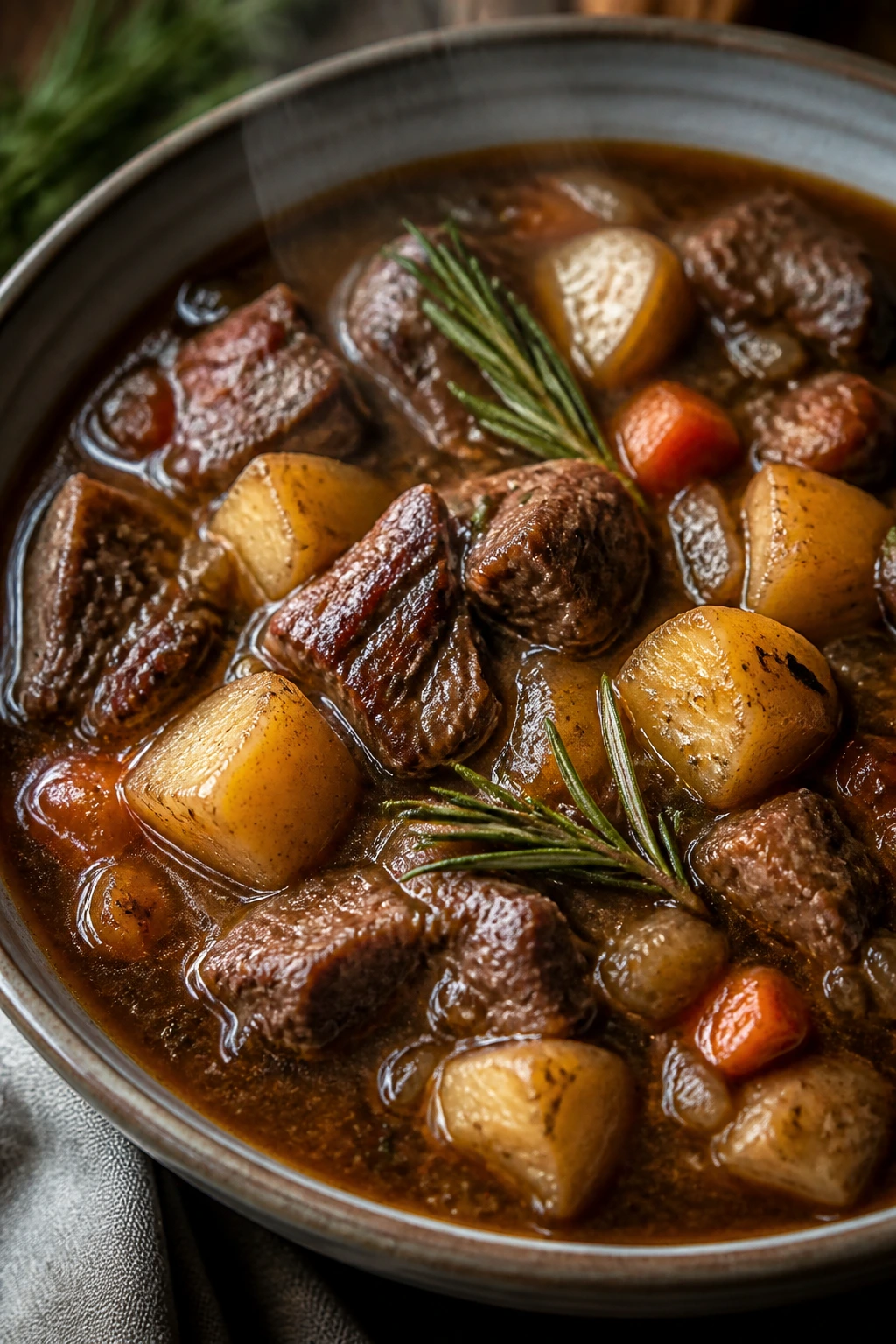
Lamb stew has a sharper, woodsy flavor than beef, and that’s exactly why it feels warming. Parsnips bring a sweet, almost nutty note, rosemary keeps the pot savory, and the broth turns silky if you simmer it gently enough. This is a stew with a little edge, in a good way.
Why It Works:
Lamb shoulder carries enough fat and connective tissue to stay tender through a long braise. Parsnips soften faster than carrots and give the broth a sweeter, rooty finish, while rosemary and garlic keep the flavor from drifting into sweetness. A little flour on the meat helps build a light sheen on the sauce.
Key Ingredients:
- 2 lb lamb shoulder, cut into chunks — shoulder is better than lean leg here.
- 2 tablespoons flour — for browning and slight thickening.
- 2 tablespoons olive oil — for a proper sear.
- 1 large onion, diced — the base.
- 3 parsnips, peeled and cut into 1-inch pieces — sweet and earthy.
- 2 carrots, chopped — for balance.
- 3 cups lamb or beef broth — either works.
- 1 cup dry white wine — brightens the broth.
- 2 sprigs rosemary — use whole sprigs so the needles don’t float everywhere.
- 3 garlic cloves, smashed — gentle, not minced.
- 1 tablespoon tomato paste — for depth.
- 2 teaspoons salt and 1 teaspoon black pepper — season early.
Quick Steps:
- Dust lamb with flour, salt, and pepper.
- Brown in hot oil, then remove.
- Cook onion and tomato paste for 5 minutes, then add wine and scrape up the browned bits.
- Add broth, rosemary, garlic, lamb, parsnips, and carrots; bring to a gentle simmer.
- Cover and cook 1½ to 2 hours until the lamb is tender.
- Remove rosemary stems, taste, and serve hot.
Equipment for This Recipe:
- Dutch oven — needed for the long simmer.
- Tongs — lamb chunks flip better than they stir.
- Fine grater or microplane — optional, if you want to add a little lemon zest at the end.
How to Serve This Dish:
A bowl of mashed potatoes or a ladle of polenta underneath this stew makes sense. The lamb should be spoon-tender, and the parsnips should still hold their shape instead of melting away.
Pro Tips for This Recipe:
- Trim only the hard, waxy fat from the lamb; a little fat helps the sauce.
- Parsnips can go from firm to soft fast, so cut them larger than the carrots.
- A small hit of lemon zest at the end keeps the rosemary from feeling heavy.
Variations on This Dish:
- Mediterranean Lamb Pot: Add olives and a strip of orange peel.
- Mint Finish: Stir in chopped mint right before serving for a sharper top note.
- Tomato-Rich Version: Add another tablespoon of tomato paste and a handful of chopped tomatoes.
Common Mistakes to Avoid with This Dish:
- Using lean lamb cuts: They dry out before the stew gets tender.
- Overloading the rosemary: Too much turns piney fast.
- Adding parsnips too early in small pieces: They’ll dissolve before the lamb is done.
5. Pork, Green Chile, and Hominy Stew
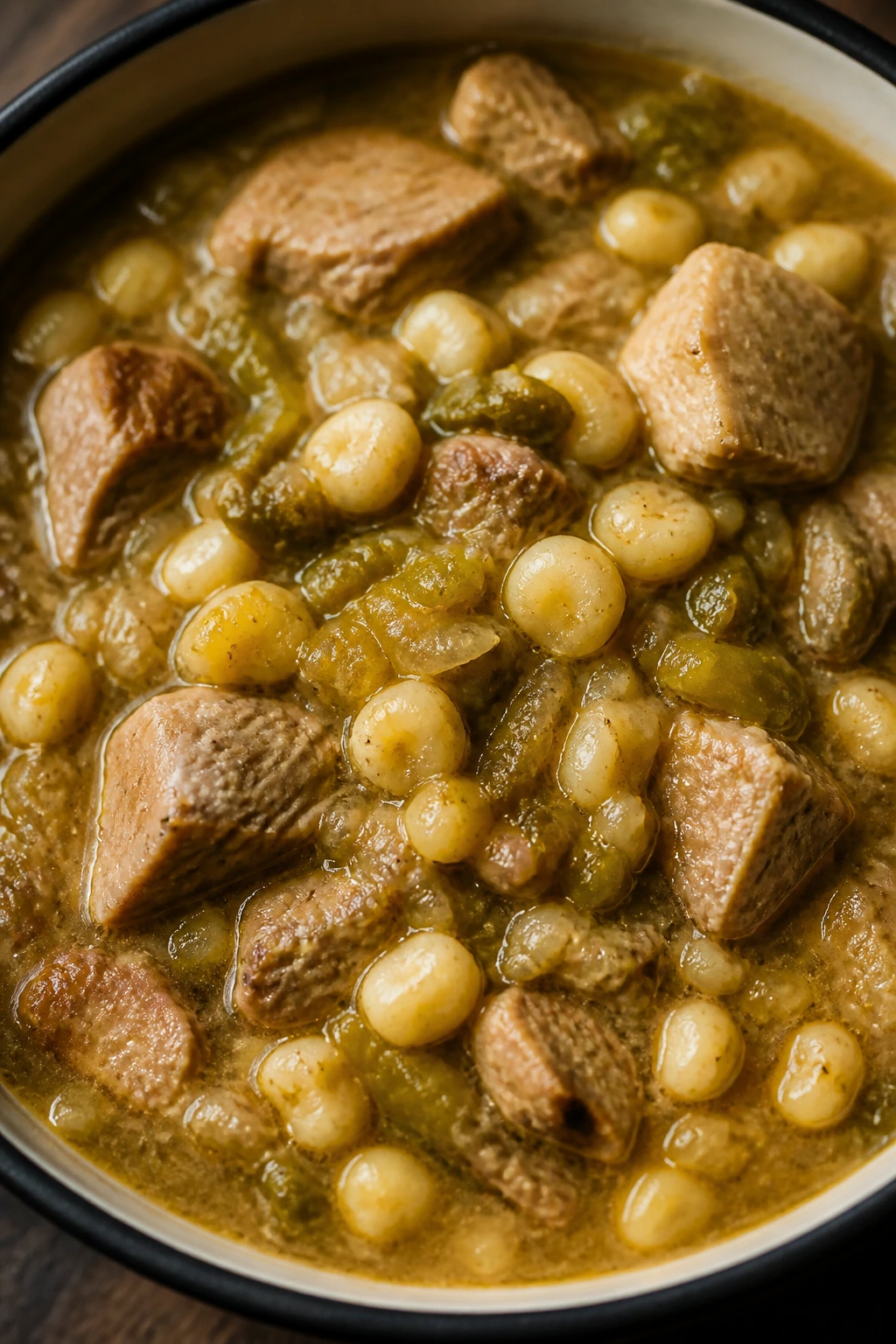
This stew has a bright, earthy heat that feels different from the brown, beefy pots above. Pork shoulder gets tender and juicy, green chiles bring gentle smoke, and hominy adds a chewy, almost corny bite that makes each spoonful feel built rather than thrown together.
Why It Works:
Pork shoulder has the fat and connective tissue needed for long cooking, and it takes well to chile flavor. Hominy holds its shape through a simmer, so you get texture in the bowl instead of a mushy starch. The broth thickens a little from the pork and the onions, which keeps the stew from feeling watery.
Key Ingredients:
- 2 lb pork shoulder, cut into 1½-inch cubes — the right cut for tenderness.
- 1 tablespoon flour — optional, for a little coating.
- 2 tablespoons oil — for browning.
- 1 onion, chopped — the base.
- 4 roasted green chiles, chopped — use mild or hot depending on taste.
- 3 garlic cloves, minced — enough to hold the flavor together.
- 4 cups chicken broth — keeps the broth light.
- 2 cups cooked hominy or 1 large can, drained and rinsed — the stew’s texture anchor.
- 1 teaspoon ground cumin — a warm, earthy note.
- 1 teaspoon oregano — preferably Mexican oregano.
- 2 teaspoons salt and 1 teaspoon black pepper — start here and adjust.
Quick Steps:
- Brown the pork in batches in hot oil.
- Cook onion, garlic, and chiles for 4 to 5 minutes.
- Stir in cumin, oregano, broth, and pork, then simmer covered for 1½ hours.
- Add hominy and cook 20 to 25 minutes more until the pork is tender.
- Taste, adjust salt, and serve with a little chopped cilantro if you like.
Equipment for This Recipe:
- Heavy pot or Dutch oven — keeps the simmer controlled.
- Slotted spoon — handy for removing browned pork.
- Cutting board with a lip — green chiles can be messy.
How to Serve This Dish:
Scoop it into bowls with lime wedges, warm tortillas, or a spoonful of sour cream. The hominy should stay pleasantly chewy, and the pork should shred at the edge of the spoon.
Pro Tips for This Recipe:
- Roast the chiles first if you want a deeper smoky note.
- Don’t add the hominy too early or it can split open and lose its bite.
- A squeeze of lime at the end sharpens the pork and chiles without making the broth sour.
Variations on This Dish:
- Poblano Version: Swap in roasted poblanos for a softer heat.
- White Hominy Pot: Use white hominy and a little more oregano for a cleaner look.
- Extra-Smoked Stew: Add a chopped chipotle in adobo.
Common Mistakes to Avoid with This Dish:
- Skipping the browning: The pork needs color before the broth goes in.
- Using too many chiles at once: Heat builds fast in a stew.
- Overcooking the hominy: It should stay toothsome, not burst apart.
6. Moroccan Chickpea and Sweet Potato Stew
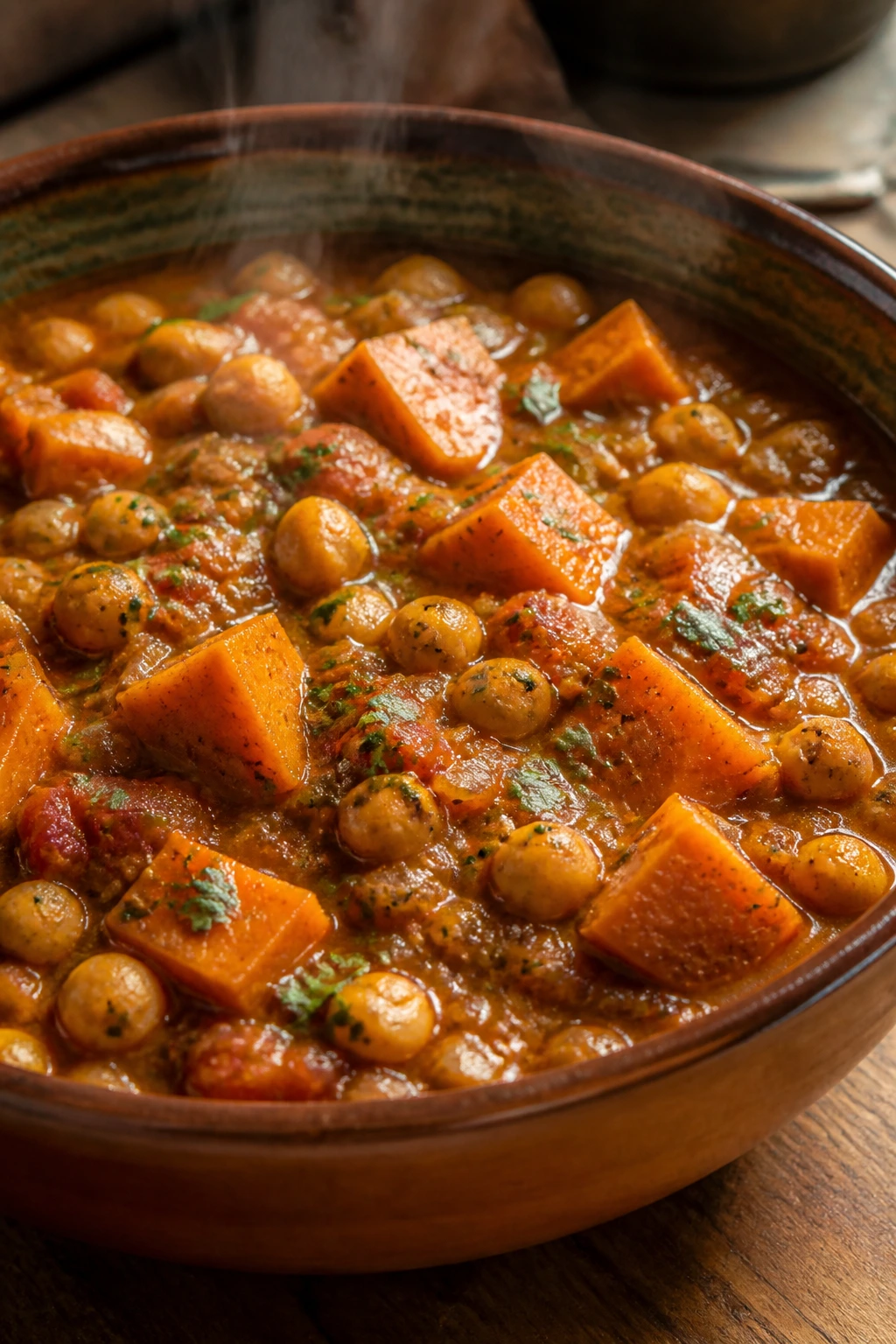
This is one of those pots that smells rich before it ever gets to the table. Chickpeas make it sturdy, sweet potatoes go soft at the edges, and warm spices like cumin, cinnamon, and coriander turn the broth fragrant without making it taste like dessert. It’s thick, bright, and deeply usable.
Why It Works:
Chickpeas bring protein and body, while sweet potatoes break down just enough to thicken the liquid naturally. The spices bloom in oil for a minute before the broth goes in, which makes a huge difference in how the stew tastes. A spoonful of lemon at the end keeps the whole thing from going flat.
Key Ingredients:
- 2 tablespoons olive oil — for blooming the spices.
- 1 onion, diced — the savory base.
- 3 garlic cloves, minced — enough to smell warm.
- 1 tablespoon fresh ginger, grated — adds brightness.
- 2 teaspoons ground cumin — the backbone spice.
- 1 teaspoon ground coriander — rounds the cumin.
- ½ teaspoon cinnamon — subtle, not sweet.
- 2 large sweet potatoes, peeled and cubed — they thicken the broth.
- 2 cans chickpeas, drained and rinsed — the main protein.
- 1 can crushed tomatoes, 14 ounces — gives the stew body.
- 3 cups vegetable broth — the simmering liquid.
- 2 cups chopped spinach — stirred in at the end.
- 1 lemon, juiced — a necessary finish.
- Salt and pepper to taste — layer it in.
Quick Steps:
- Cook onion in oil until soft, about 5 minutes.
- Add garlic, ginger, and spices; stir for 30 seconds.
- Add sweet potatoes, chickpeas, tomatoes, and broth.
- Simmer covered for 25 to 30 minutes until the sweet potatoes are tender.
- Stir in spinach and lemon juice; cook 2 minutes until the greens wilt.
- Taste and adjust before serving.
Equipment for This Recipe:
- Medium Dutch oven — enough room for a thick stew.
- Box grater or microplane — for ginger.
- Wooden spoon — keeps the spices from scorching.
How to Serve This Dish:
Serve over couscous, rice, or with warm flatbread for dipping. The broth should be thick enough to cling to the chickpeas, not so thin that it pools at the bottom of the bowl.
Pro Tips for This Recipe:
- Bloom the spices in oil before adding liquid; that minute matters.
- Cut the sweet potatoes into even chunks so they finish at the same time.
- Add lemon after the heat is off if you want it to taste sharp and clean.
Variations on This Dish:
- Harissa Heat: Stir in 1 tablespoon harissa with the garlic.
- Apricot Accent: Add ¼ cup chopped dried apricots for sweetness against the spice.
- Coconut Finish: Replace 1 cup broth with coconut milk for a softer broth.
Common Mistakes to Avoid with This Dish:
- Underseasoning the chickpeas: They need salt to stop tasting like the can.
- Overcooking the spinach: It only needs a minute or two.
- Using too much cinnamon: The stew should smell warm, not like a bakery.
7. Lentil, Tomato, and Spinach Stew
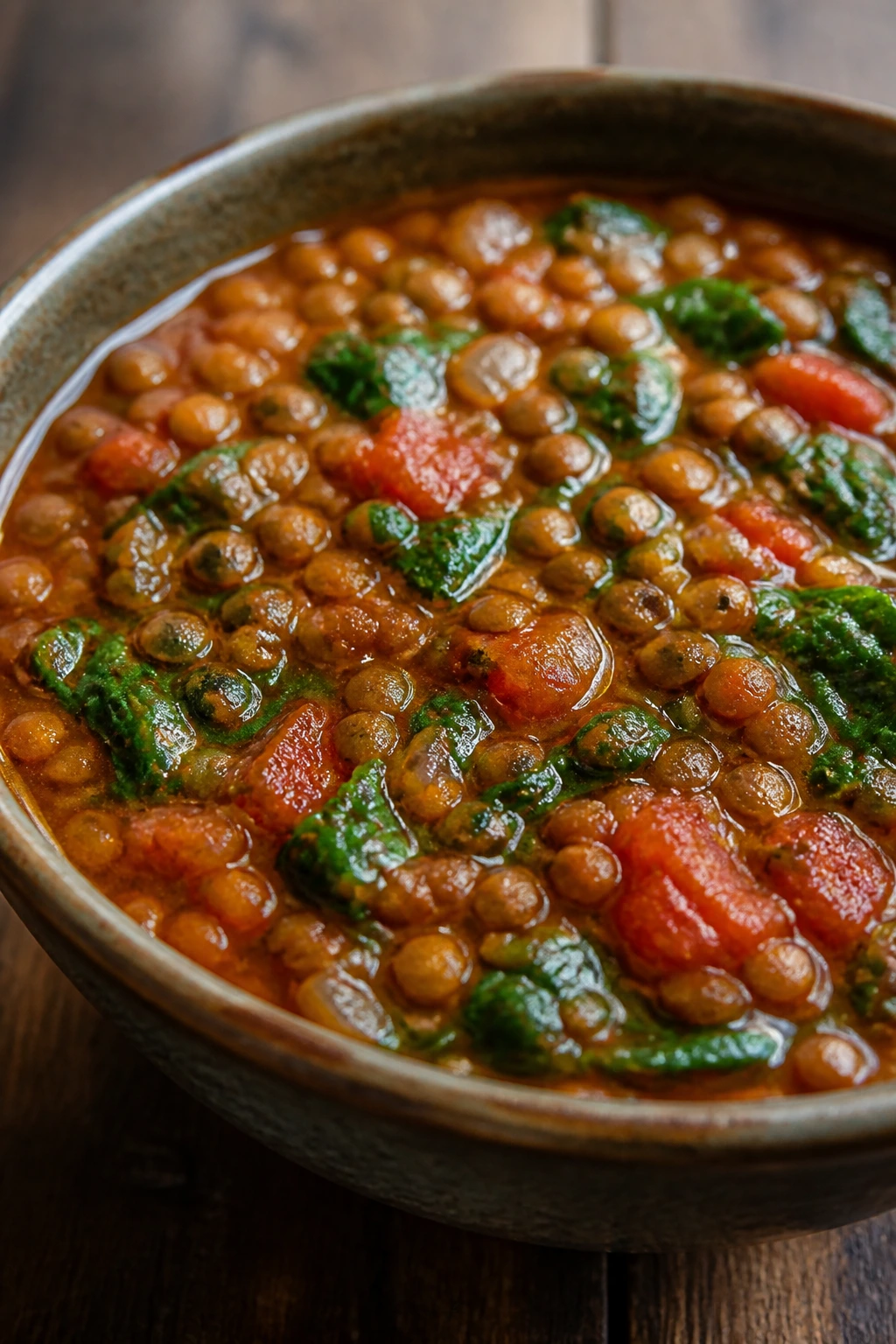
Lentils make one of the most practical stews on the stove. They cook fast, hold their shape, and soak up tomato, garlic, and herbs without turning to paste. Add spinach at the end and you get a pot that tastes earthy, tangy, and clean in a way heavier stews don’t.
Why It Works:
Brown or green lentils keep enough structure to feel like a stew instead of a puree. Tomato paste and canned tomatoes build a dark, savory broth, and a splash of vinegar at the end sharpens the flavor. You get a thick pot in under an hour, which is no small thing.
Key Ingredients:
- 2 tablespoons olive oil — for the aromatics.
- 1 onion, diced — the first layer of flavor.
- 2 carrots, diced — sweetness and texture.
- 2 celery stalks, diced — for a classic stew base.
- 4 garlic cloves, minced — this stew can take it.
- 2 tablespoons tomato paste — deepens the broth.
- 1½ cups brown or green lentils, rinsed — they keep their shape better than red.
- 1 can diced tomatoes, 14 ounces — the liquid backbone.
- 5 cups vegetable broth — enough to simmer the lentils properly.
- 2 teaspoons dried thyme — the herb that fits best.
- 3 cups spinach — stirred in at the end.
- 1 tablespoon red wine vinegar — for brightness.
- Salt and pepper to taste — don’t hold back.
Quick Steps:
- Cook onion, carrots, and celery in oil for 6 to 8 minutes.
- Stir in garlic and tomato paste for 1 minute.
- Add lentils, tomatoes, broth, and thyme.
- Simmer uncovered for 30 to 35 minutes until the lentils are tender and the broth thickens.
- Stir in spinach and vinegar, then cook 2 minutes more.
- Season again and serve hot.
Equipment for This Recipe:
- Soup pot or Dutch oven — both work here.
- Fine-mesh strainer — for rinsing lentils.
- Ladle — because the stew thickens as it sits.
How to Serve This Dish:
Put it beside a slice of toasted sourdough or a spoonful of yogurt if you want a creamy note. The lentils should still have shape, and the broth should look glossy rather than watery.
Pro Tips for This Recipe:
- Rinse lentils carefully; little grit hides in them.
- Keep the simmer gentle or the lentils burst and thicken the pot too much.
- Add vinegar at the end, not early, or it can mute the tomato.
Variations on This Dish:
- Smoked Paprika Pot: Add 1 teaspoon smoked paprika with the tomato paste.
- Mushroom Addition: Stir in sliced mushrooms with the vegetables.
- Chard Swap: Use chopped chard instead of spinach for a sturdier green.
Common Mistakes to Avoid with This Dish:
- Using red lentils by accident: They break down fast and make a different dish.
- Cooking uncovered the whole time without checking liquid: Lentils can seize if the pot dries out.
- Forgetting the acid finish: The vinegar keeps the stew from tasting dusty.
8. White Bean, Kale, and Garlic Stew
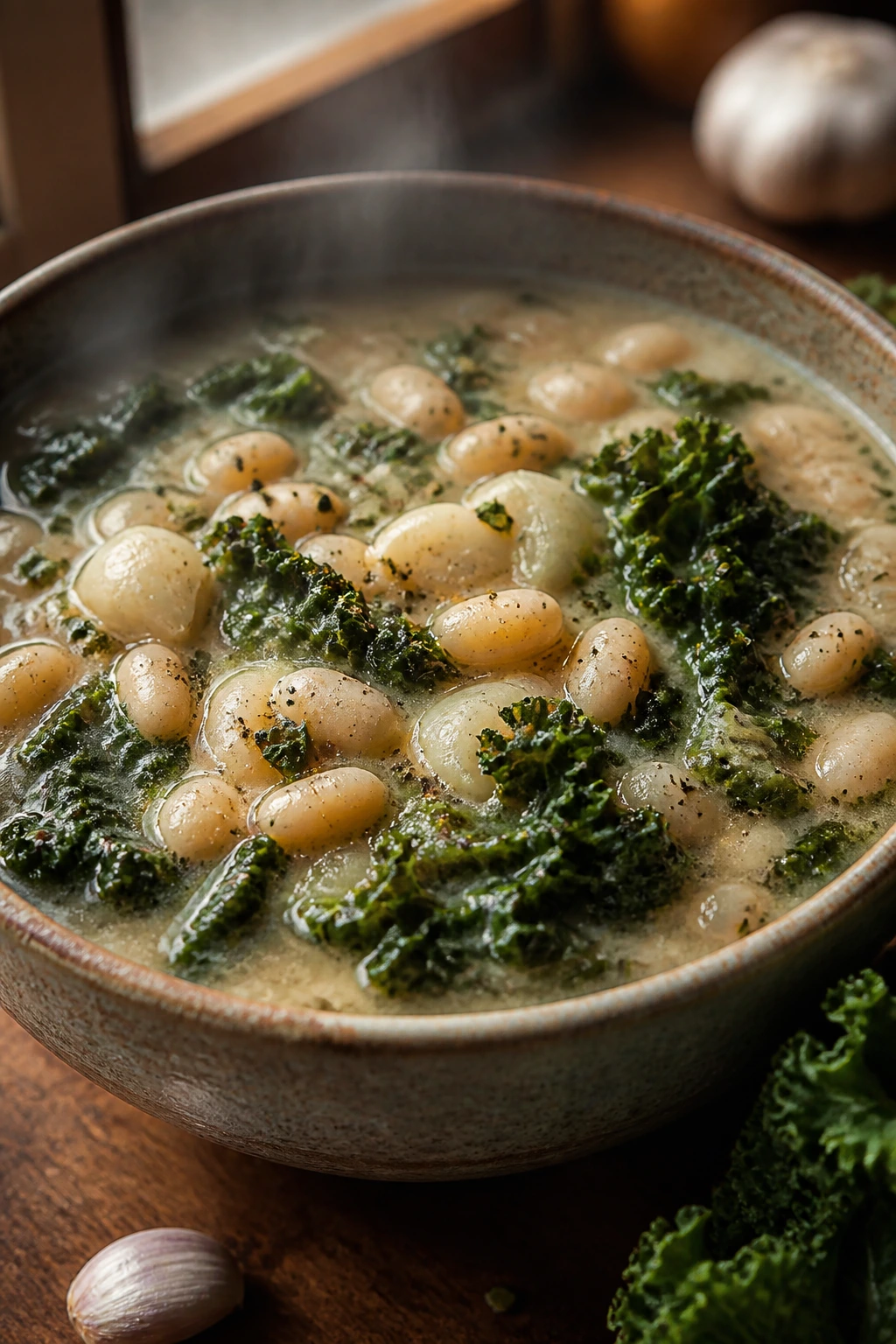
This is the kind of stew that looks humble and then wins you over with the second spoonful. White beans turn creamy without cream, kale gives the bowl a sturdy green edge, and garlic does more work here than it does in many meat stews. It’s simple, but not thin or dull.
Why It Works:
Cannellini or great northern beans break down slightly as they simmer, which thickens the broth in a way that feels natural. Garlic and rosemary give the pot a savory backbone, while kale adds texture near the end so it doesn’t vanish into the liquid. A Parmesan rind, if you have one, changes the whole tone of the broth.
Key Ingredients:
- 2 tablespoons olive oil — for the onion and garlic.
- 1 onion, chopped — the base.
- 6 garlic cloves, sliced — this stew wants more garlic than average.
- 1 teaspoon crushed red pepper flakes — optional but useful.
- 2 cans white beans, drained and rinsed — creamy and sturdy.
- 4 cups vegetable broth — keeps the broth light.
- 1 Parmesan rind — optional, but worth using.
- 1 teaspoon dried rosemary — or 1 sprig fresh.
- 1 bunch kale, stems removed and chopped — add it late.
- 1 tablespoon lemon juice — brightens the beans.
- Salt and black pepper to taste — the beans need both.
Quick Steps:
- Cook onion in oil for 5 minutes until soft.
- Add garlic and red pepper flakes; stir for 1 minute.
- Add beans, broth, rosemary, and Parmesan rind; simmer for 20 minutes.
- Stir in kale and cook 8 to 10 minutes until tender.
- Remove rind, add lemon juice, and season to taste.
- Serve warm with bread.
Equipment for This Recipe:
- Medium pot — no special gear needed.
- Wooden spoon — keeps the beans from sticking.
- Citrus juicer — optional, but handy.
How to Serve This Dish:
Serve it with grilled bread rubbed with garlic or a few drops of olive oil on top. The broth should be creamy enough to coat the beans but still spoonable.
Pro Tips for This Recipe:
- Mash a few beans against the side of the pot if you want a thicker broth.
- Strip the kale from the stems; thick stems stay chewy.
- Lemon at the end matters more than at the beginning.
Variations on This Dish:
- Tuscan Version: Add chopped tomatoes and a pinch of fennel seed.
- Potato Add-In: Stir in diced Yukon Gold potatoes with the beans.
- Spicy Garlic Pot: Double the red pepper flakes and finish with chili oil.
Common Mistakes to Avoid with This Dish:
- Adding kale too early: It gets drab and stringy.
- Skipping the acid finish: The beans can taste flat without lemon.
- Using too much salt before the Parmesan rind is removed: Taste first, then adjust.
9. Sausage, Cabbage, and Potato Stew

This stew tastes like a skillet meal that decided to get serious. Sausage gives the broth a smoky, peppery edge, cabbage softens into sweet ribbons, and potatoes make the whole thing feel complete without turning heavy. It’s especially good when you want a pot with some backbone.
Why It Works:
Sausage carries seasoning built in, so the broth starts with more depth than plain meat can provide. Cabbage holds up better than many greens and turns sweet after a short simmer, while potatoes pick up the savory fat from the sausage. A splash of vinegar at the end keeps the pot from tasting one-note.
Key Ingredients:
- 1 lb smoked sausage or kielbasa, sliced — pre-seasoned and sturdy.
- 1 tablespoon oil — only if the sausage is lean.
- 1 onion, chopped — the base.
- 3 garlic cloves, minced — for warmth.
- 1 small green cabbage, cored and chopped — the main vegetable.
- 4 medium potatoes, peeled and cubed — choose Yukon Gold for shape.
- 4 cups chicken broth — enough to simmer the potatoes.
- 1 teaspoon caraway seeds — optional, but very good with cabbage.
- 1 teaspoon black pepper — sausage already brings salt.
- 1 tablespoon cider vinegar — for the finish.
Quick Steps:
- Brown the sausage in a pot until the edges crisp, then remove.
- Cook onion and garlic in the rendered fat for 4 minutes.
- Add cabbage and cook until it starts to soften, about 5 minutes.
- Add potatoes, broth, caraway, and black pepper; simmer 20 minutes.
- Return the sausage and cook 10 minutes more until the potatoes are tender.
- Stir in vinegar and serve.
Equipment for This Recipe:
- Wide pot or Dutch oven — the cabbage needs room.
- Slotted spoon — helpful for lifting the sausage.
- Potato peeler — optional, depending on the potatoes.
How to Serve This Dish:
Serve in deep bowls with mustard on the side and rye bread if you have it. The sausage should stay in visible slices, and the cabbage should look soft but not collapsed.
Pro Tips for This Recipe:
- Brown the sausage well; pale sausage means a flatter broth.
- Cut the cabbage into broad pieces so it softens without disappearing.
- Vinegar at the end gives the whole pot a cleaner finish.
Variations on This Dish:
- Mustard Pot: Stir in 1 teaspoon whole-grain mustard at the end.
- Smoked Paprika Version: Add 1 teaspoon smoked paprika with the onions.
- Apple Cabbage Twist: Add diced apple for a sweet, sharp contrast.
Common Mistakes to Avoid with This Dish:
- Over-salting early: Sausage can be salty on its own.
- Slicing the cabbage too fine: Thin strands turn limp fast.
- Skipping the sear on the sausage: The browned edges flavor the broth.
10. Turkey, Mushroom, and Wild Rice Stew
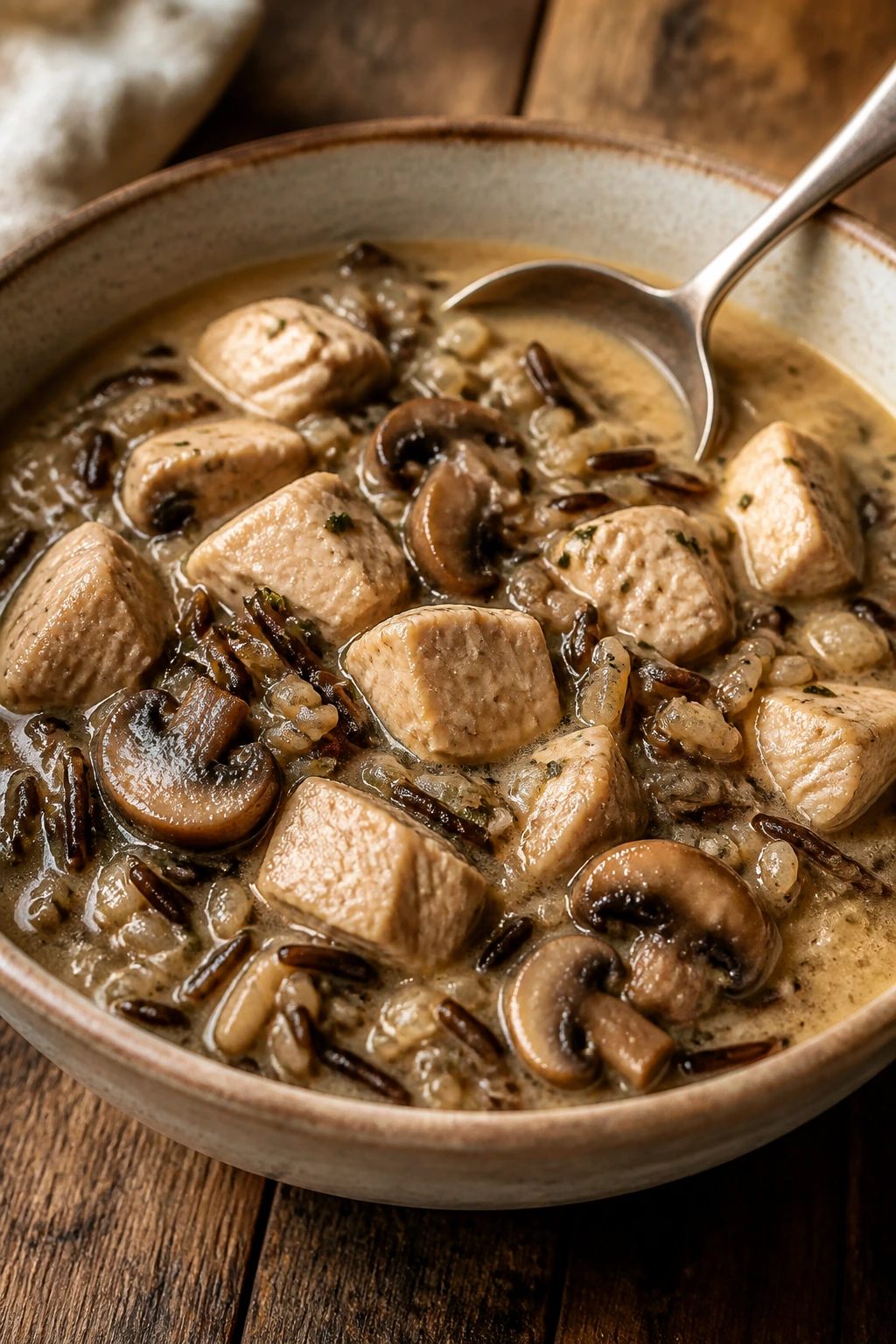
This stew feels like the day after a roast dinner, only better planned. Turkey brings a lean, clean flavor, mushrooms add the earthy depth it needs, and wild rice gives each spoonful a little chew. It’s one of the few hearty stews that still feels light on its feet.
Why It Works:
Turkey thighs or leftover cooked turkey both work, but the key is giving the mushrooms enough time to brown before the broth goes in. Wild rice holds its shape through a long simmer and keeps the stew from becoming too soft. The broth tastes best once the rice has cracked open and thickened the liquid.
Key Ingredients:
- 1½ lb turkey thighs, cut into chunks, or 4 cups cooked turkey — thighs stay juicier.
- 2 tablespoons butter — for the mushrooms.
- 8 ounces mushrooms, sliced — cremini are a safe pick.
- 1 onion, diced — the base.
- 2 carrots, diced — balance the mushrooms.
- 2 celery stalks, diced — classic stew backbone.
- ¾ cup wild rice, rinsed — needs time to soften.
- 6 cups turkey or chicken broth — the simmering liquid.
- 1 teaspoon thyme — works especially well with turkey.
- ½ cup milk or half-and-half — optional for a softer finish.
- Salt and pepper to taste — the broth needs a firm hand.
Quick Steps:
- Brown the turkey pieces lightly and set aside.
- Cook mushrooms, onion, carrots, and celery in butter until browned and softened.
- Add wild rice, broth, thyme, and turkey.
- Simmer covered 35 to 45 minutes if using cooked turkey, or 50 to 60 minutes if starting with raw thighs.
- Stir in milk, taste, and cook 5 minutes more.
- Let it rest before serving.
Equipment for This Recipe:
- Heavy pot — needed for even heat.
- Wooden spoon — for browning mushrooms properly.
- Fine colander — to rinse wild rice.
How to Serve This Dish:
It’s good with a chunk of country bread or a simple salad dressed with lemon. The wild rice should stay chewy, not split into little broken bits.
Pro Tips for This Recipe:
- Brown the mushrooms until they lose their water and darken; otherwise the stew tastes thin.
- If using leftover turkey, add it near the end so it stays tender.
- Wild rice takes time. Don’t cut the simmer short.
Variations on This Dish:
- Creamier Pot: Add ½ cup more half-and-half and a spoon of Dijon.
- Herb-Heavy Version: Finish with parsley and dill.
- All-Brown Mushroom Stew: Use a mix of cremini, shiitake, and button mushrooms.
Common Mistakes to Avoid with This Dish:
- Adding the turkey too early if it’s already cooked: It dries out fast.
- Rushing the mushrooms: They need real browning.
- Using regular rice instead of wild rice without adjusting time: The texture changes completely.
11. Seafood Stew with Fennel and Tomatoes
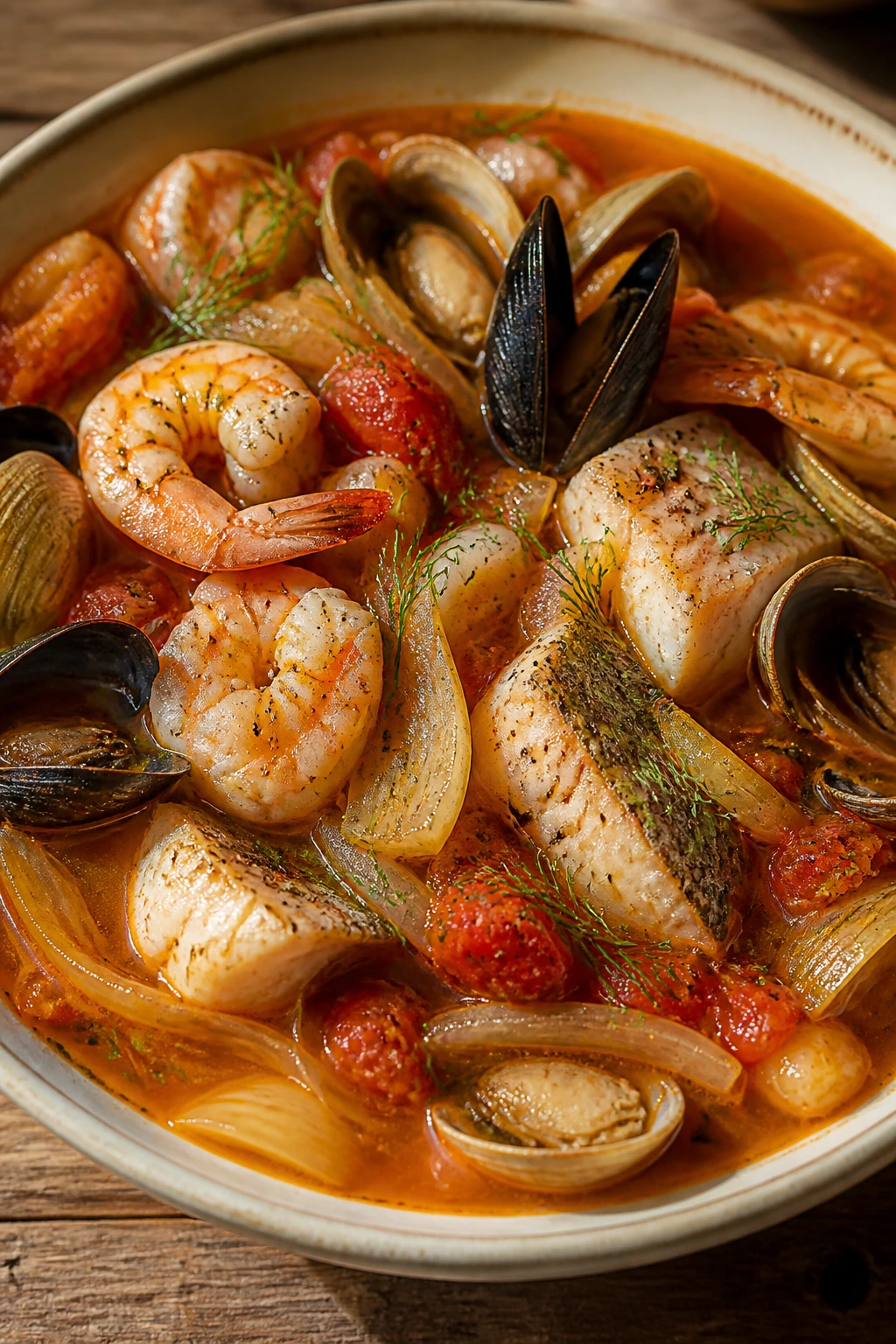
Seafood stew should smell like the shore, not like a heavy cream sauce. Fennel brings a mild anise note, tomatoes add brightness, and a mix of firm fish and shellfish makes the broth feel layered instead of one-dimensional. Keep the simmer gentle and the seafood tender.
Why It Works:
Seafood cooks fast, so the broth needs to be built first and the fish added late. Fennel and tomato make a sweet, savory base that supports shrimp, cod, mussels, or whatever firm seafood you’re using. The pot is done when the shellfish opens and the fish flakes without collapsing.
Key Ingredients:
- 2 tablespoons olive oil — for the base.
- 1 fennel bulb, thinly sliced — mild and aromatic.
- 1 onion, sliced — sweetness.
- 3 garlic cloves, minced — essential here.
- 1 can crushed tomatoes, 28 ounces — the broth body.
- 3 cups seafood stock or fish stock — use broth if that’s what you have.
- 1 pinch saffron or ½ teaspoon smoked paprika — optional but useful.
- 1 lb firm white fish, cut into chunks — cod or halibut works well.
- 1 lb shrimp, peeled and deveined — add near the end.
- 1 lb mussels or clams, scrubbed — if using shellfish.
- 2 tablespoons chopped parsley — for the finish.
- Salt and pepper to taste — season gently.
Quick Steps:
- Cook fennel and onion in oil until soft, about 8 minutes.
- Add garlic, tomatoes, stock, and saffron or paprika; simmer 20 minutes.
- Add fish and shellfish, cover, and cook 5 to 7 minutes.
- Add shrimp last and cook 2 to 3 minutes until pink.
- Stir in parsley and taste carefully.
- Serve immediately.
Equipment for This Recipe:
- Wide pot — gives the seafood space.
- Slotted spoon — for shellfish and fish pieces.
- Fish spatula — optional, but helpful.
How to Serve This Dish:
Serve with toasted sourdough or crusty baguette for catching the tomato broth. A bowl should look loose and brothy, with visible fennel and generous pieces of seafood.
Pro Tips for This Recipe:
- Clean shellfish well; grit ruins a broth this clean.
- Add shrimp after the fish, not at the same time, or they overcook.
- Keep the simmer gentle once seafood goes in.
Variations on This Dish:
- Portuguese-Style Pot: Add a few sliced potatoes and a pinch of paprika.
- Creamless “Bouillabaisse” Take: Use more fennel and a little orange zest.
- Spicy Tomato Version: Add red pepper flakes with the garlic.
Common Mistakes to Avoid with This Dish:
- Boiling seafood hard: It turns rubbery fast.
- Adding delicate fish too early: It flakes apart before the broth is ready.
- Using fish that falls apart in the pot: Choose firm varieties.
12. Mushroom and Barley Stew
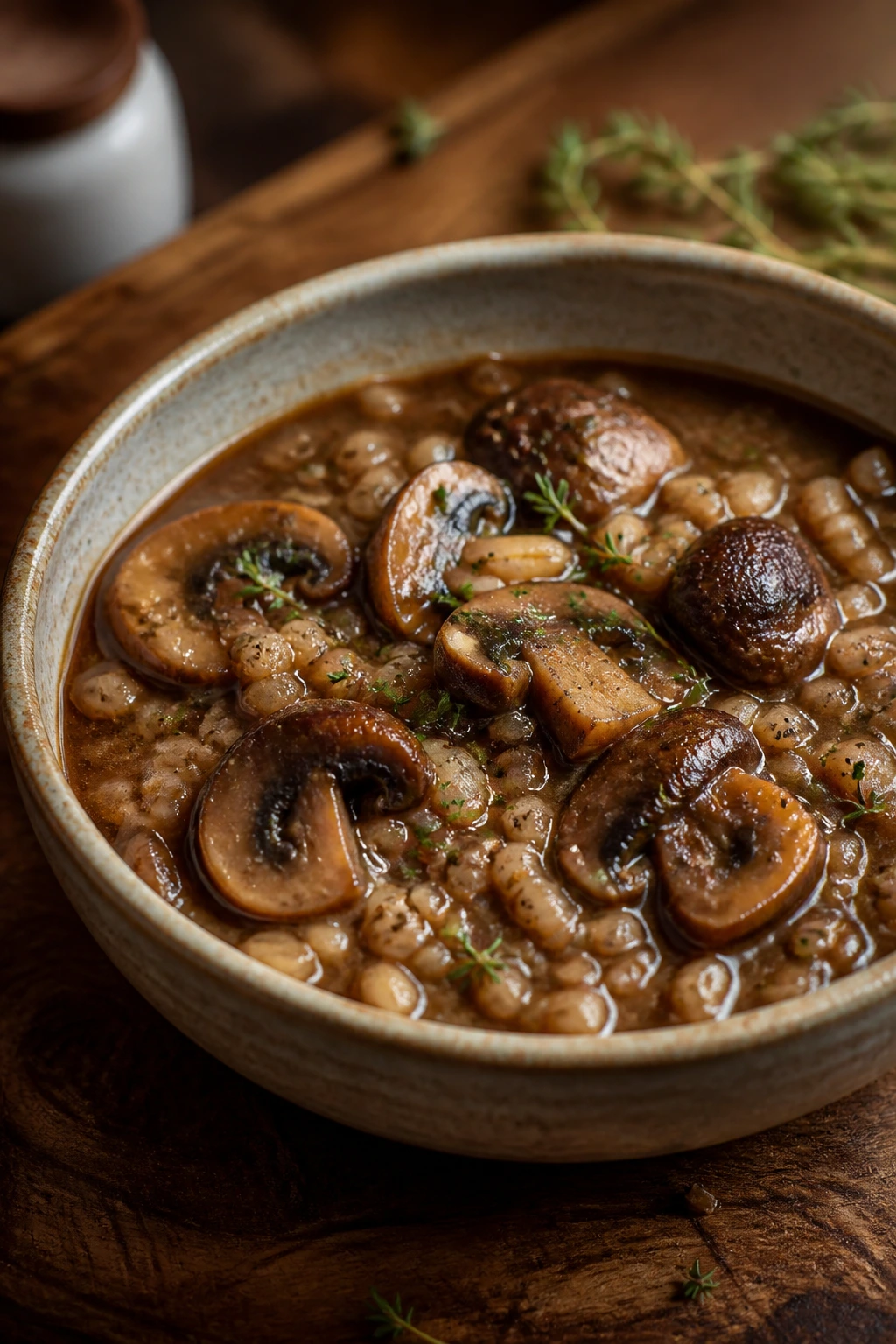
Mushroom and barley stew has a dark, woodsy flavor that feels like it came from a different kind of pantry. The barley turns chewy and silky at once, mushrooms bring the earth, and a long simmer ties everything together without meat. It’s the stew I make when I want depth more than weight.
Why It Works:
Pearled barley releases starch as it cooks, which gives the broth a natural thickness. Mushrooms should be browned before the liquid goes in so they contribute more than texture. A little soy sauce or tamari deepens the broth without making it taste Asian-style; it just tastes fuller.
Key Ingredients:
- 2 tablespoons butter or oil — for browning.
- 1 onion, chopped — the base.
- 8 ounces mushrooms, sliced — cremini or button.
- 2 carrots, chopped — for sweetness.
- 2 celery stalks, chopped — classic stew work.
- ¾ cup pearled barley, rinsed — the chewy core.
- 6 cups vegetable broth — enough for a hearty pot.
- 1 tablespoon soy sauce or tamari — deepens the mushroom flavor.
- 1 teaspoon thyme — a good herb pairing.
- Salt and pepper to taste — careful with the soy sauce.
Quick Steps:
- Brown the mushrooms in butter or oil until they release liquid and darken.
- Add onion, carrots, and celery; cook 5 minutes.
- Stir in barley, broth, soy sauce, and thyme.
- Simmer covered 35 to 40 minutes until the barley is chewy and tender.
- Season, let it sit, and serve warm.
- Add a little water if it thickens too much.
Equipment for This Recipe:
- Medium pot — enough room for the barley to swell.
- Wooden spoon — for browning the mushrooms.
- Measuring cup — barley expands more than people expect.
How to Serve This Dish:
Serve it with rye toast or a crisp green salad. The barley should still have bite, and the broth should feel glossy rather than thick like porridge.
Pro Tips for This Recipe:
- Brown the mushrooms in batches if needed; crowded mushrooms steam.
- Rinse the barley first so it cooks evenly.
- Stir once or twice during the simmer so barley doesn’t stick.
Variations on This Dish:
- Garlic-Parmesan Finish: Add grated Parmesan at the table.
- Tomato Mushroom Pot: Stir in 1 tablespoon tomato paste with the vegetables.
- Forest Herb Version: Use thyme, parsley, and a bay leaf.
Common Mistakes to Avoid with This Dish:
- Treating barley like rice: It takes longer and needs more liquid.
- Not browning the mushrooms: They stay bland if they never color.
- Letting it sit too long without thinning: Barley keeps drinking broth.
13. Short Rib and Red Wine Stew
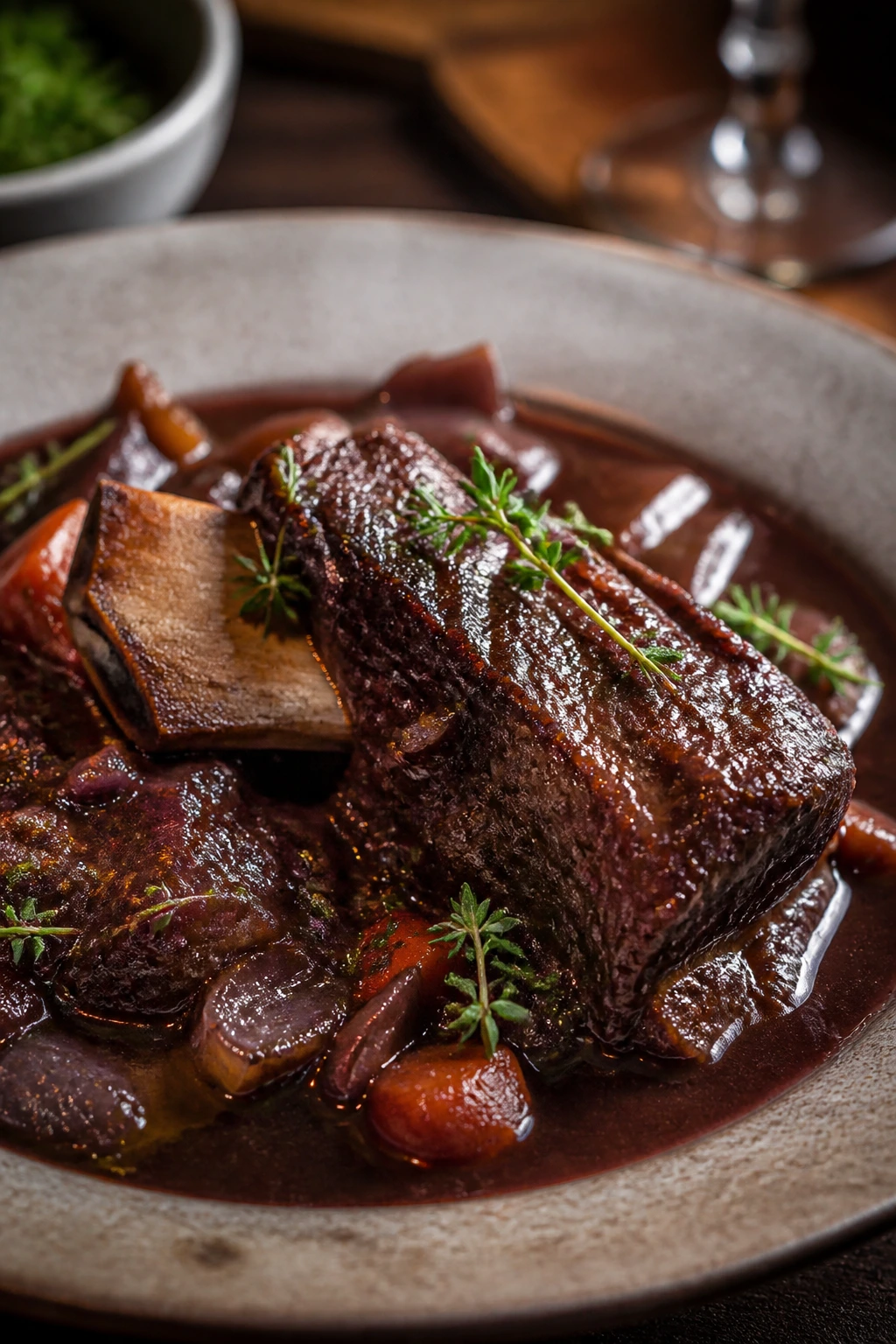
Short rib stew is the rich, slow-braised cousin of beef stew. The meat goes silky after a long cook, the broth picks up a deep wine tint, and the finished sauce tastes like it had hours of attention because it did. It’s a pot for when you want the table to go quiet for a minute.
Why It Works:
Short ribs have enough fat, collagen, and bone-in richness to create their own sauce. Red wine and tomato paste build a darker braise than water or stock alone could manage. The trick is low heat and enough time for the meat to loosen without shredding into strings.
Key Ingredients:
- 3 lb beef short ribs — bone-in for more flavor.
- Salt and pepper — season generously.
- 2 tablespoons flour — for a light coating.
- 2 tablespoons oil — for searing.
- 1 onion, chopped — the base.
- 2 carrots, chopped — classic braise vegetables.
- 2 tablespoons tomato paste — depth.
- 1 cup dry red wine — the braising liquid.
- 3 cups beef broth — rounds out the wine.
- 3 garlic cloves, smashed — softer than minced.
- 2 bay leaves and 2 sprigs thyme — herb support.
Quick Steps:
- Season and flour the ribs, then brown them deeply.
- Cook onion and carrots in the same pot until they start to color.
- Stir in tomato paste, then add wine and scrape the pot clean.
- Add broth, garlic, bay leaves, thyme, and ribs.
- Cover and braise at a very low simmer for 2½ to 3 hours until the meat is falling off the bone.
- Remove excess fat from the top and serve.
Equipment for This Recipe:
- Dutch oven — the best vessel for short ribs.
- Tongs — short ribs are heavy.
- Fat separator or spoon — useful after braising.
How to Serve This Dish:
Serve over mashed potatoes, polenta, or buttered noodles. The sauce should be thick enough to coat the spoon and the meat should separate with a gentle nudge.
Pro Tips for This Recipe:
- Brown the ribs deeply; pale ribs mean pale sauce.
- Skim the fat after braising if the pot looks greasy.
- Let the stew rest 15 minutes before serving so the meat holds together better.
Variations on This Dish:
- Mushroom Braise: Add 8 ounces of mushrooms with the carrots.
- Herb-Garlic Version: Add rosemary with the thyme.
- Tomato-Heavy Pot: Add a small can of crushed tomatoes for a richer sauce.
Common Mistakes to Avoid with This Dish:
- Using high heat to hurry the braise: The meat tightens up.
- Skipping the fat skim: Short rib stew can turn slick on top.
- Serving immediately from the pot: A short rest improves the texture.
14. Sweet Potato, Black Bean, and Corn Stew
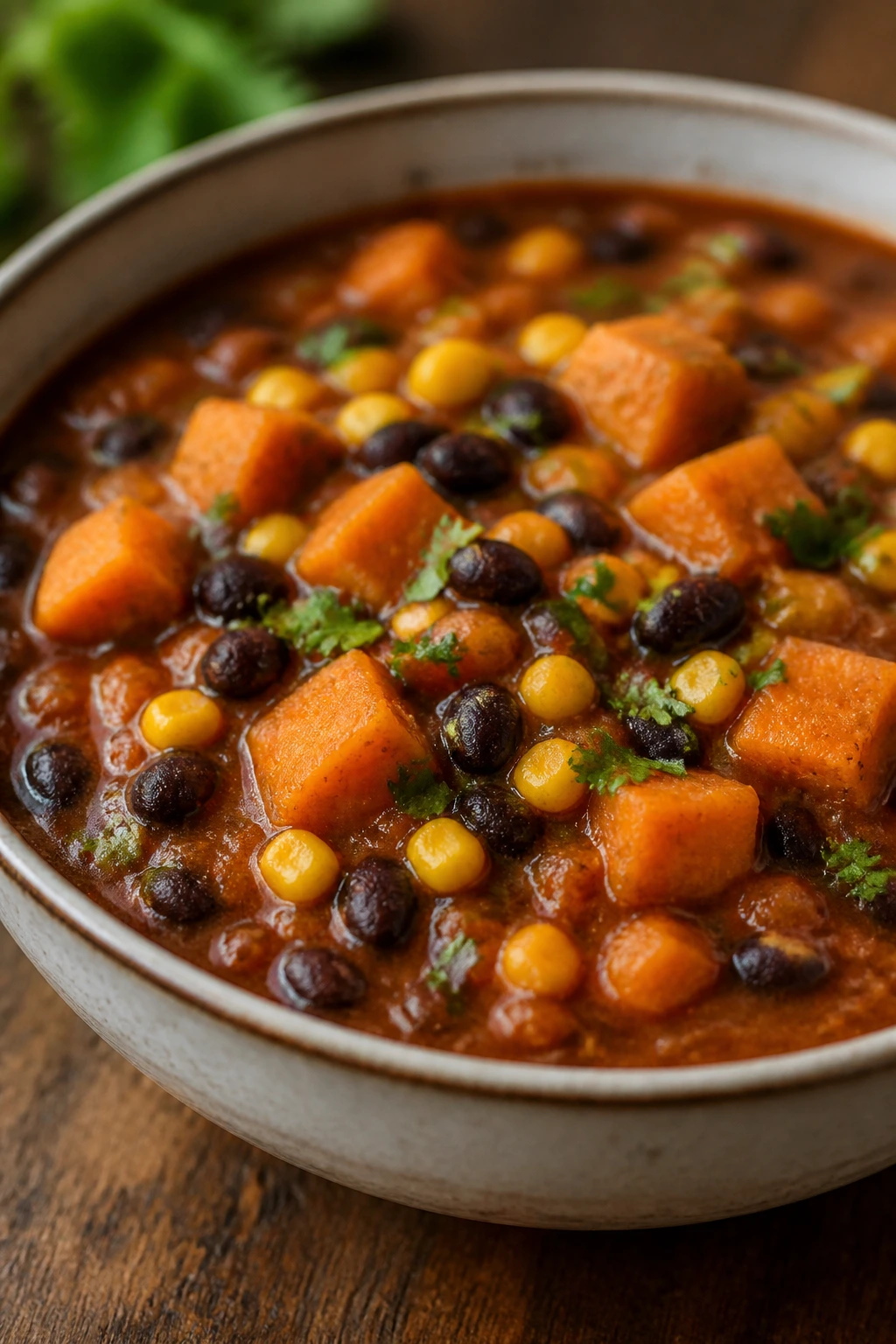
This stew is sweet, smoky, and thick enough to eat with a spoon but still loose enough to feel like a stew, not a mash. Sweet potatoes soften into the broth, black beans give it heft, and corn adds those little pops of sweetness that keep the bowl moving. It works especially well with lime.
Why It Works:
Black beans and sweet potatoes are both sturdy enough to hold shape while contributing body. A little cumin and smoked paprika make the broth taste cooked, not just assembled. The lime finish matters because it keeps all that sweetness from running together.
Key Ingredients:
- 2 tablespoons oil — for the vegetables.
- 1 onion, chopped — the first layer.
- 2 cloves garlic, minced — enough to perfume the pot.
- 1 teaspoon cumin — earthy and warm.
- 1 teaspoon smoked paprika — the smoke note.
- 2 medium sweet potatoes, peeled and cubed — the main starch.
- 2 cans black beans, drained and rinsed — the backbone.
- 1 cup corn kernels, frozen or fresh — for pops of sweetness.
- 4 cups vegetable broth — the simmering liquid.
- 1 can diced tomatoes, 14 ounces — gives the broth body.
- 1 lime, juiced — essential at the end.
- Salt and pepper to taste — adjust after simmering.
Quick Steps:
- Cook onion in oil until soft.
- Add garlic, cumin, and smoked paprika; stir for 30 seconds.
- Add sweet potatoes, beans, corn, tomatoes, and broth.
- Simmer 25 to 30 minutes until the sweet potatoes are tender.
- Stir in lime juice, taste, and serve.
- Add a little water if it gets too thick.
Equipment for This Recipe:
- Medium pot — the stew thickens as it cooks.
- Cutting board and peeler — for the sweet potatoes.
- Citrus juicer — not required, but handy.
How to Serve This Dish:
Ladle it into bowls with tortilla chips, avocado, or a spoonful of sour cream if you want richness. The sweet potatoes should hold their shape but be soft enough to cut with the edge of a spoon.
Pro Tips for This Recipe:
- Cut the sweet potatoes evenly so they cook at the same speed.
- Rinse the beans well to keep the broth from tasting canned.
- Lime at the end wakes everything up.
Variations on This Dish:
- Chipotle Pot: Add minced chipotle in adobo for smoke and heat.
- Rice Bowl Version: Serve over rice and keep the stew a little thicker.
- Tomatillo Twist: Replace half the tomatoes with tomatillos for a sharper edge.
Common Mistakes to Avoid with This Dish:
- Overcooking the sweet potatoes: They should soften, not dissolve.
- Skipping the acid finish: The lime keeps the pot from tasting flat.
- Using too little seasoning: Beans and sweet potatoes both need salt.
15. Oxtail and Tomato Stew
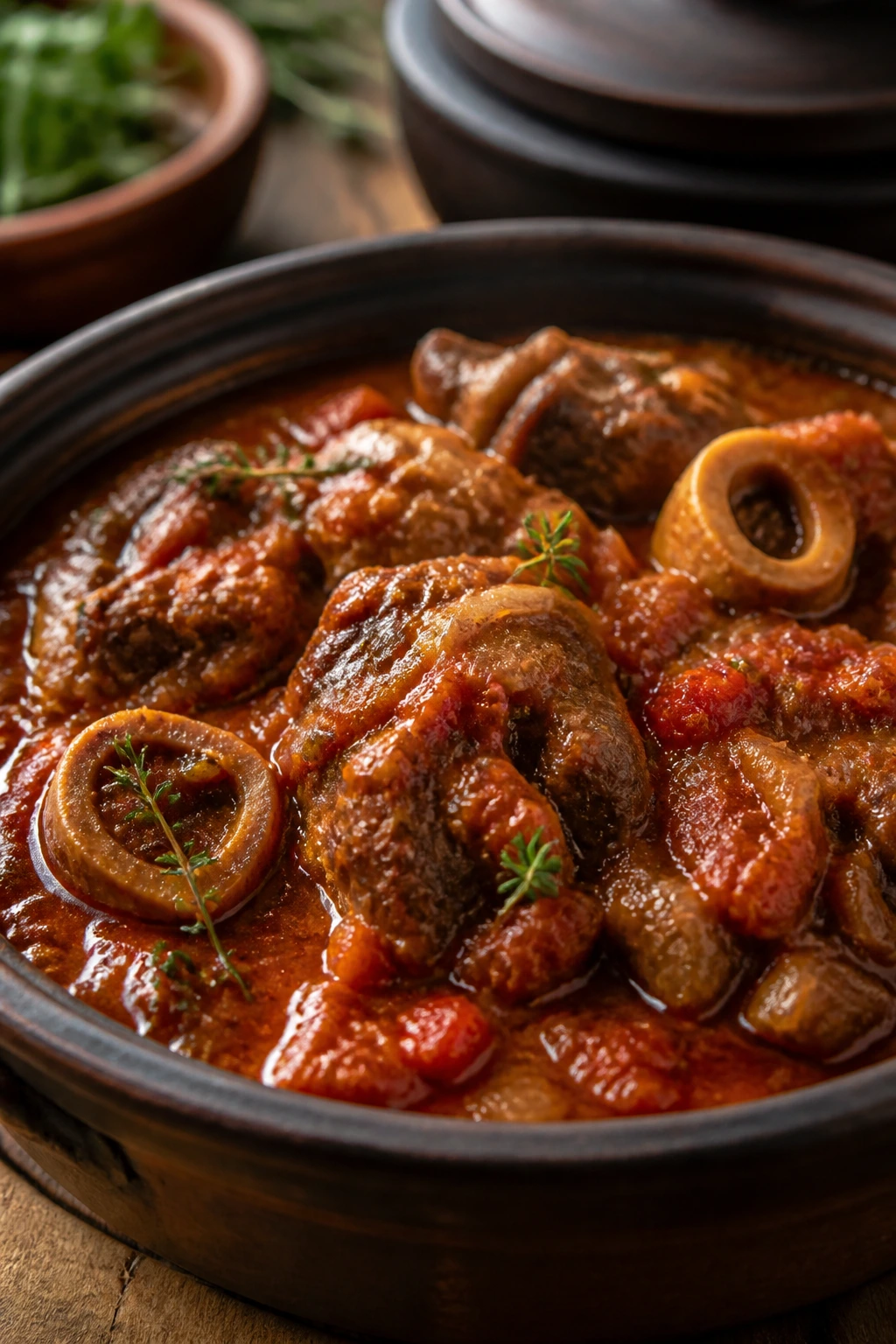
Oxtail stew is rich in a way that sneaks up on you. The bones and gelatin create a sauce with a mouth-coating feel, tomato adds brightness, and the meat becomes tender enough to fall off the bone after a long, slow cook. It’s not fast, and that’s the point.
Why It Works:
Oxtails are packed with collagen, which melts into the broth and gives the stew body without flour. Tomatoes and onion keep the richness from becoming heavy, and a long braise turns the meat loose from the bone. The broth tastes best when the top fat is skimmed before serving.
Key Ingredients:
- 3 lb oxtails — bone-in and trimmed of excess fat.
- Salt and pepper — season well.
- 2 tablespoons flour — optional, for a light crust.
- 2 tablespoons oil — for browning.
- 1 onion, chopped — the base.
- 2 carrots, chopped — sweetness.
- 2 tablespoons tomato paste — deepens the braise.
- 1 can crushed tomatoes, 14 ounces — the tomato body.
- 4 cups beef broth — enough for a long cook.
- 3 garlic cloves, smashed — gentle garlic flavor.
- 2 bay leaves — simple and right.
Quick Steps:
- Season and brown the oxtails in batches.
- Cook onion and carrots until lightly browned.
- Stir in tomato paste, then add tomatoes, broth, garlic, and bay leaves.
- Return the oxtails, cover, and simmer 3 to 3½ hours until very tender.
- Skim fat and adjust salt before serving.
- Let the pot rest before ladling.
Equipment for This Recipe:
- Heavy Dutch oven — needed for the long braise.
- Tongs — oxtails are awkward without them.
- Wide spoon — for skimming the fat.
How to Serve This Dish:
Serve over rice, mashed potatoes, or soft polenta. The meat should fall from the bone with a nudge, and the sauce should look glossy rather than greasy.
Pro Tips for This Recipe:
- Browning the oxtails properly is not optional.
- If the sauce gets too thin, uncover the pot for the last 20 minutes.
- A small spoon of vinegar at the end can sharpen the tomato.
Variations on This Dish:
- Caribbean Style: Add thyme, allspice, and scallions.
- Red Wine Braise: Replace 1 cup broth with red wine.
- Peppery Pot: Add a few cracked black peppercorns to the braise.
Common Mistakes to Avoid with This Dish:
- Stopping the cook too early: Oxtails need time to loosen.
- Not trimming the fat: Too much fat makes the broth slick.
- Serving without skimming: The stew tastes cleaner when the surface fat is removed.
16. Chicken and Dumpling Stew
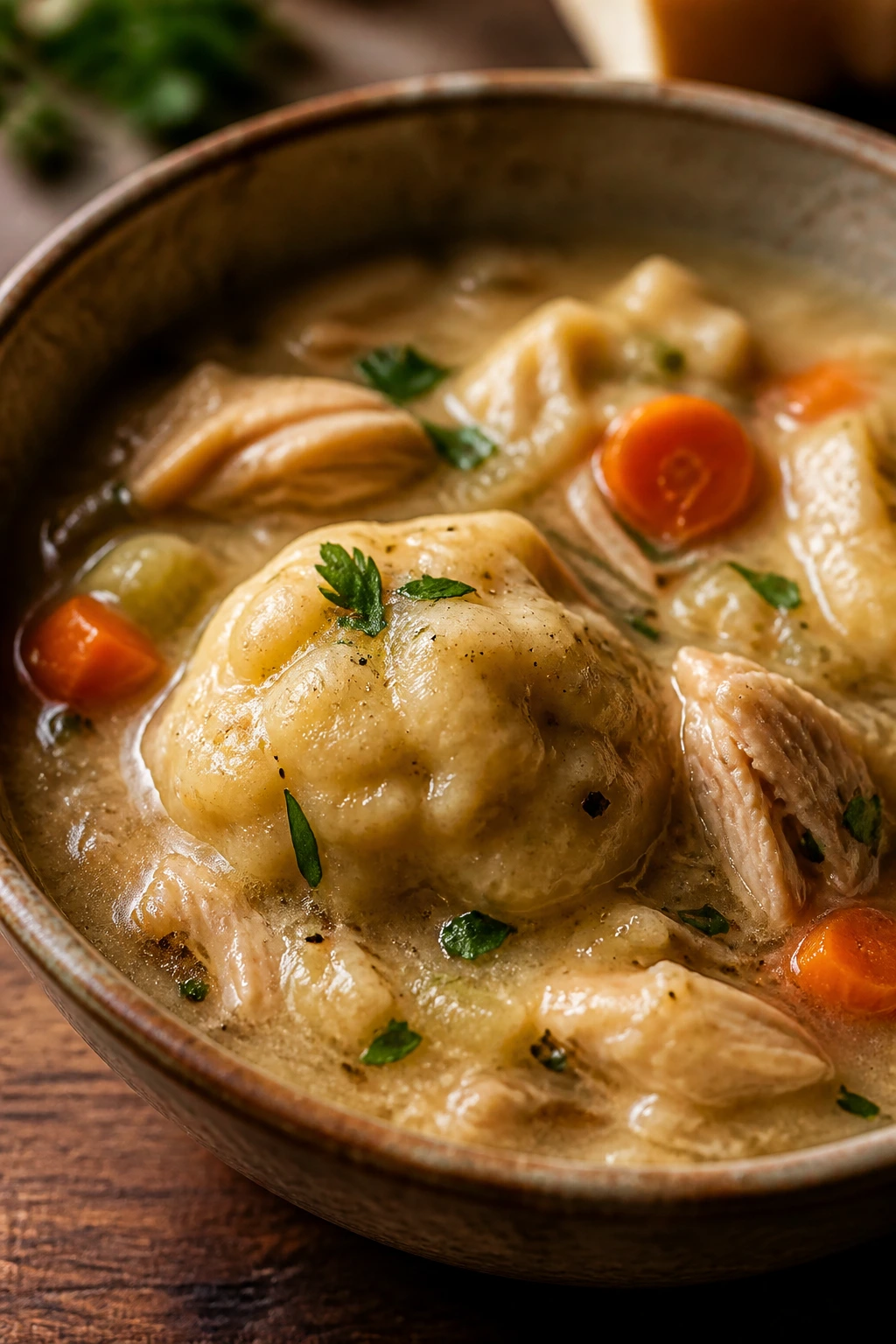
Chicken and dumpling stew sits in that pleasant middle ground between soup and biscuit-topped comfort. The broth should be thick enough to coat the spoon, the chicken needs to stay juicy, and the dumplings should cook through with a soft, doughy center. If the lid stays on at the right moments, this one works beautifully.
Why It Works:
The stew base is rich enough to support the dumplings without turning them gummy. Chicken thighs stay tender in simmering broth, and a little flour in the pot gives the liquid enough body to hold the dumplings up. The dumplings steam on top, which is why lid control matters so much.
Key Ingredients:
- 2 lb boneless chicken thighs — better than breasts here.
- 2 tablespoons butter — for the base.
- 1 onion, diced — flavor start.
- 2 carrots, diced — sweetness.
- 2 celery stalks, diced — classic support.
- 4 cups chicken broth — the stew liquid.
- ½ cup milk — for the dumpling dough.
- 1½ cups all-purpose flour — dumplings need structure.
- 2 teaspoons baking powder — helps them puff.
- 1 teaspoon salt — for the dumplings.
- 1 tablespoon chopped parsley — fresh finish.
Quick Steps:
- Cook onion, carrots, and celery in butter until softened.
- Add chicken and broth, then simmer 20 minutes until the chicken is cooked.
- Mix flour, baking powder, salt, milk, and parsley into a sticky dumpling dough.
- Drop spoonfuls of dough on top of the simmering stew.
- Cover and cook 15 minutes without lifting the lid.
- Check that the dumplings are set through, then serve.
Equipment for This Recipe:
- Wide pot with a tight lid — the lid is critical.
- Mixing bowl — for the dumplings.
- Small spoon or scoop — for portioning dough.
How to Serve This Dish:
Serve immediately while the dumplings are still soft and steaming. Each bowl should have broth, chicken, vegetables, and at least one dumpling that looks puffed rather than dense.
Pro Tips for This Recipe:
- Keep the stew at a low simmer when the dumplings go in.
- Do not lift the lid while the dumplings cook.
- Sticky dough is right; dry dough makes hard dumplings.
Variations on This Dish:
- Herb Dumplings: Add chives or thyme to the dough.
- Creamier Base: Stir in ½ cup cream before the dumplings go on.
- Turkey Swap: Use cooked turkey instead of chicken after holiday meals.
Common Mistakes to Avoid with This Dish:
- Overworking the dumpling dough: It makes the dumplings tough.
- Lifting the lid during steaming: The dumplings collapse.
- Boiling too hard: The stew base can break and the dumplings turn ragged.
17. Pumpkin, White Bean, and Sage Stew
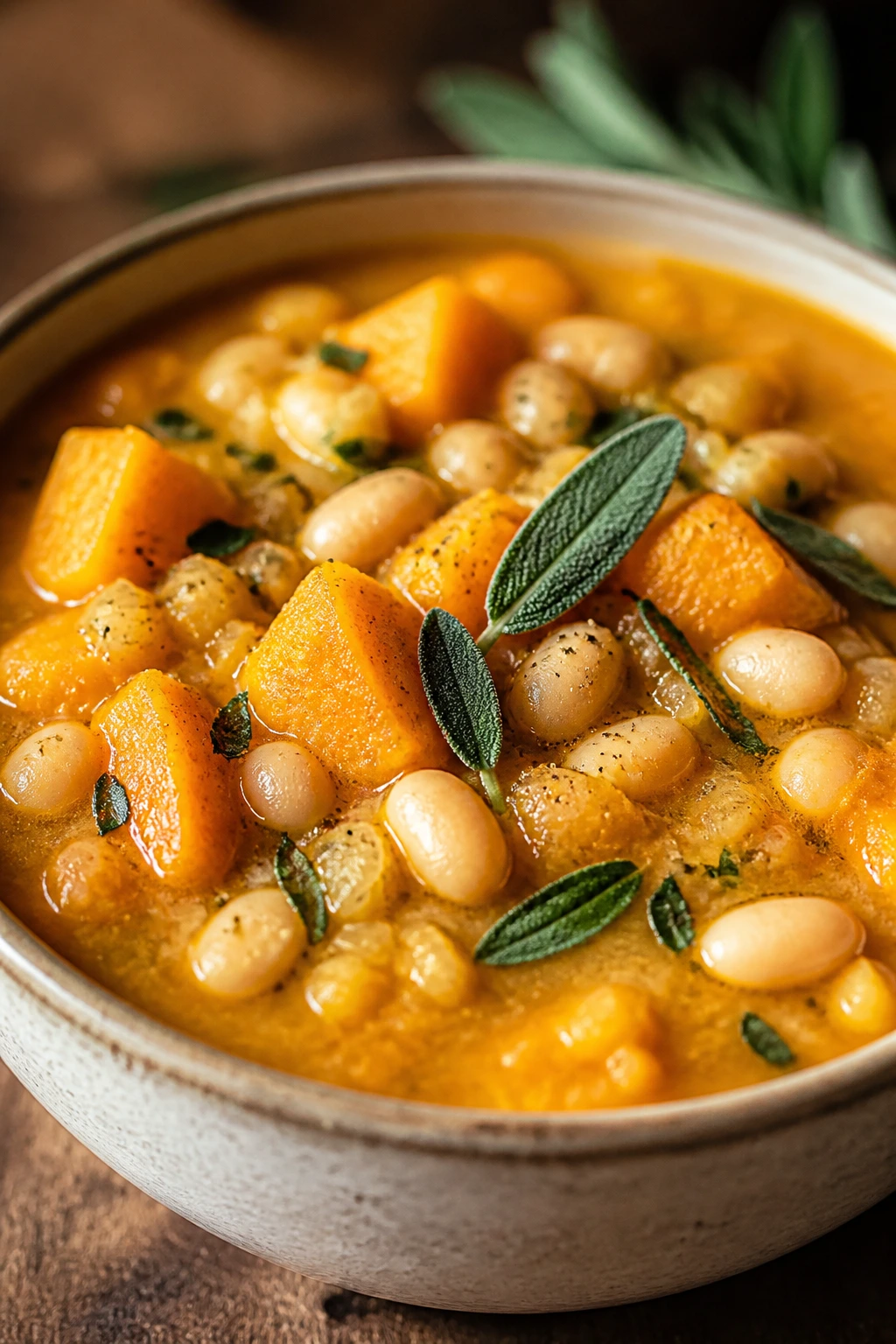
Pumpkin stew sounds unusual until you taste the first spoonful. The pumpkin gives the broth a silky, almost velvety body, white beans add weight, and sage gives the whole pot a warm herbal edge that feels built for cooler nights. It’s gentle, but not bland.
Why It Works:
Pumpkin puree or cubed pumpkin both bring natural thickness, and white beans keep the stew from feeling like baby food. Sage and onion give the broth a savory base, while a little cream or coconut milk can round the edges if you want it softer. The finished pot should sit somewhere between soup and puree, and that balance is the trick.
Key Ingredients:
- 2 tablespoons butter or oil — for the onion.
- 1 onion, chopped — the base.
- 2 teaspoons fresh sage, chopped — sage likes pumpkin.
- 3 cups pumpkin puree or 4 cups peeled pumpkin cubes — puree thickens faster.
- 2 cans white beans, drained and rinsed — for substance.
- 4 cups vegetable broth — the liquid.
- 1 cup milk or coconut milk — optional, for body.
- 1 teaspoon black pepper — helps the pumpkin taste savory.
- Salt to taste — start modestly.
- 1 tablespoon lemon juice — brightens the finish.
Quick Steps:
- Cook onion in butter until soft.
- Add sage and cook 30 seconds.
- Stir in pumpkin, beans, broth, and milk.
- Simmer 20 minutes until the flavors settle and the stew thickens.
- Stir in lemon juice, season, and serve.
- Thin with broth if it gets too dense.
Equipment for This Recipe:
- Saucepan or Dutch oven — both work.
- Immersion blender — optional if you want a smoother texture.
- Wooden spoon — enough for the job.
How to Serve This Dish:
Serve with toasted pumpkin seeds, sourdough, or a spoonful of crème fraîche if you like contrast. The stew should look thick and velvety, not stiff.
Pro Tips for This Recipe:
- If using pumpkin cubes, cut them small so they break down on schedule.
- Lemon at the end keeps the pumpkin from tasting flat.
- A little black pepper matters more here than you’d think.
Variations on This Dish:
- Ginger Pumpkin Pot: Add grated ginger with the sage.
- Sausage Addition: Brown sliced sausage and stir it in at the end.
- Coconut Version: Use coconut milk instead of dairy for a softer finish.
Common Mistakes to Avoid with This Dish:
- Over-thickening it: Pumpkin can turn gluey if the liquid is too low.
- Skipping the acid finish: A squeeze of lemon sharpens the whole pot.
- Using sweetened pumpkin products: Plain pumpkin puree is the move.
18. Coconut Curry Vegetable Stew
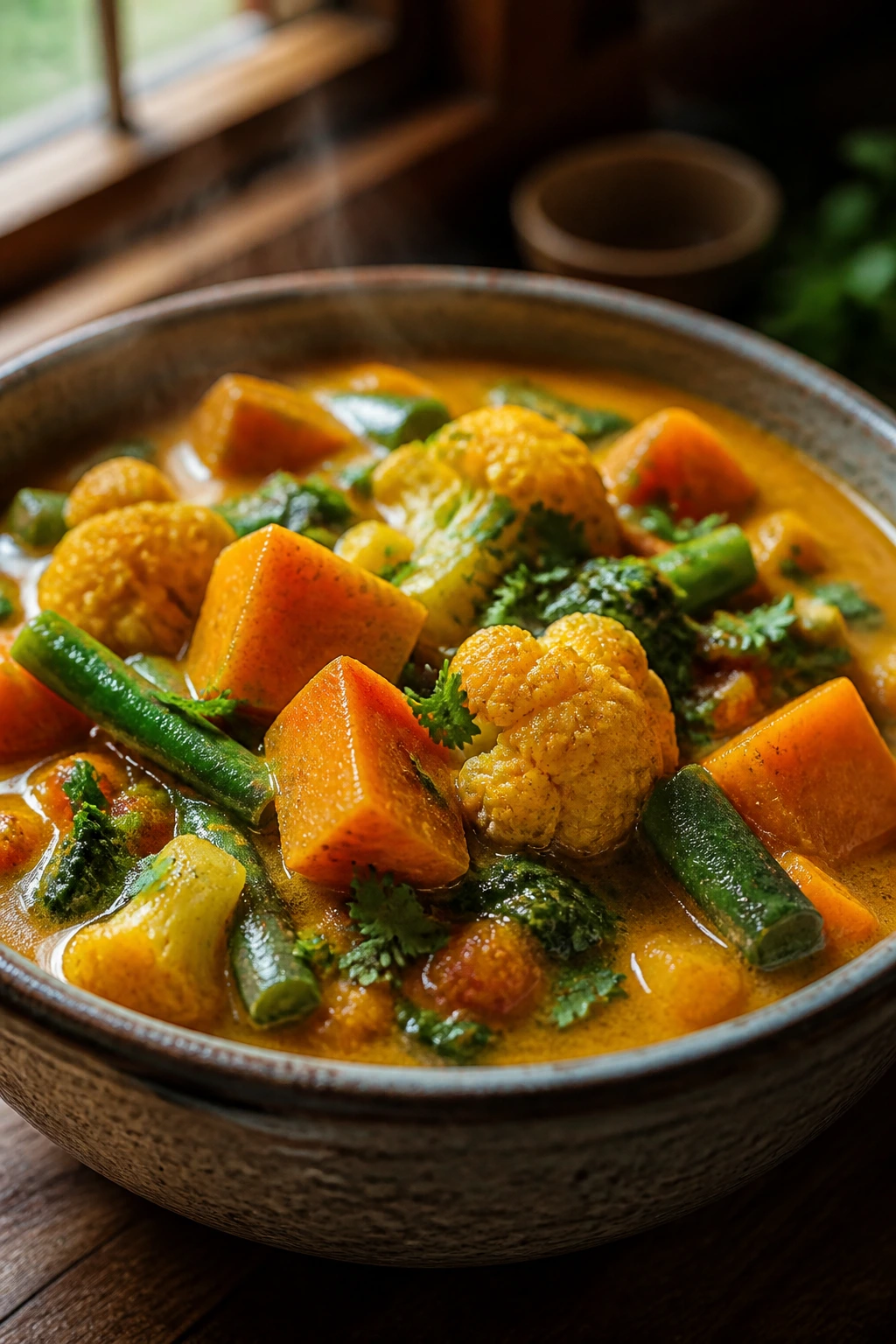
This stew is warm in a different register. Coconut milk softens the spices, curry paste gives the broth a deep yellow or red glow, and the vegetables stay distinct enough to keep each bowl lively. It’s rich without feeling heavy, which is a useful trick.
Why It Works:
Coconut milk carries spice well and makes the broth feel full even without meat. Curry paste needs to be cooked briefly in oil so it blooms instead of tasting raw, and the vegetables should be chosen for staggered cook times. Sweet potato, cauliflower, and green beans are a good trio.
Key Ingredients:
- 2 tablespoons oil — for the curry paste.
- 2 tablespoons curry paste — red or yellow, depending on your heat tolerance.
- 1 onion, sliced — the base.
- 2 cloves garlic, minced — enough to support the curry.
- 1 tablespoon grated ginger — brightens the pot.
- 1 sweet potato, cubed — sturdy and sweet.
- 1 small cauliflower, cut into florets — takes on flavor well.
- 1 can coconut milk, 13.5 ounces — the creamy base.
- 2 cups vegetable broth — keeps the stew spoonable.
- 1 cup green beans, trimmed — added later.
- 1 tablespoon lime juice — the finish.
- Salt to taste — curry pastes vary a lot.
Quick Steps:
- Cook onion in oil, then stir in curry paste for 1 minute.
- Add garlic and ginger, then sweet potato and cauliflower.
- Pour in coconut milk and broth; simmer 20 minutes.
- Add green beans and cook 8 to 10 minutes more.
- Stir in lime juice, taste, and serve.
- Add more broth if needed.
Equipment for This Recipe:
- Deep skillet or Dutch oven — both work.
- Wooden spoon — curry paste can stick.
- Sharp knife — for even vegetable pieces.
How to Serve This Dish:
Serve over jasmine rice or with naan for soaking up the broth. The stew should be fragrant and glossy, with vegetables that still look like actual vegetables.
Pro Tips for This Recipe:
- Fry the curry paste in oil first; that step matters.
- Add quick-cooking vegetables late so they stay bright.
- Lime juice at the end sharpens the coconut milk.
Variations on This Dish:
- Red Curry Heat: Use red curry paste and add a few Thai basil leaves.
- Chickpea Version: Add a can of chickpeas for extra body.
- Peanut Finish: Stir in 1 tablespoon peanut butter for a thicker broth.
Common Mistakes to Avoid with This Dish:
- Using only coconut milk and no broth: The stew can turn too heavy.
- Overcooking the green beans: They should stay crisp-tender.
- Skipping the lime: Coconut and curry need acid to stay lively.
19. Miso Ginger Tofu and Mushroom Stew

This stew is quiet in the best way. Miso brings salinity and depth, ginger keeps the broth bright, and tofu soaks up the flavor like a sponge with manners. Mushrooms do the savory heavy lifting, which means you get a broth that tastes bigger than the ingredient list suggests.
Why It Works:
Miso should be stirred in off the heat or at a very low simmer so it doesn’t taste dull. Mushrooms add umami and a pleasant chew, while firm tofu stays intact if you handle it gently. A little sesame oil at the end gives the stew a finished smell that lands immediately.
Key Ingredients:
- 1 tablespoon oil — for the mushrooms.
- 8 ounces mushrooms, sliced — shiitake or cremini.
- 1 onion, sliced — the base.
- 2 tablespoons fresh ginger, grated — the bright note.
- 3 garlic cloves, minced — should smell sweet, not bitter.
- 6 cups vegetable broth — the liquid.
- 3 tablespoons white miso — whisked in off heat.
- 1 block firm tofu, cubed — press it first if it’s wet.
- 2 cups bok choy or spinach — for the green finish.
- 1 teaspoon sesame oil — for aroma.
- 2 green onions, sliced — garnish and freshness.
Quick Steps:
- Brown the mushrooms and onion in oil until they release moisture and darken.
- Add ginger, garlic, and broth; simmer 10 minutes.
- Lower the heat and whisk miso with a little hot broth, then stir it back in.
- Add tofu and greens; simmer gently 5 minutes.
- Finish with sesame oil and green onions.
- Taste carefully before salting.
Equipment for This Recipe:
- Medium soup pot — enough for the tofu and broth.
- Whisk — for dissolving miso.
- Tofu press or paper towels — optional, but helpful.
How to Serve This Dish:
Serve with rice, soba noodles, or plain on its own in a deep bowl. The broth should taste savory and a little smoky from the mushrooms, with tofu cubes that hold their corners.
Pro Tips for This Recipe:
- Press the tofu so it doesn’t water down the broth.
- Never boil miso hard; it loses character.
- Browning the mushrooms adds more depth than extra miso does.
Variations on This Dish:
- Noodle Version: Add cooked soba or udon at the end.
- Spicy Miso Pot: Stir in chili crisp at serving.
- Seaweed Addition: Add wakame or nori for a more ocean-like note.
Common Mistakes to Avoid with This Dish:
- Boiling the miso: It flattens the flavor.
- Using soft tofu: It can break apart too easily.
- Underbrowning the mushrooms: They need color to contribute umami.
20. Ratatouille-Style Eggplant and Zucchini Stew
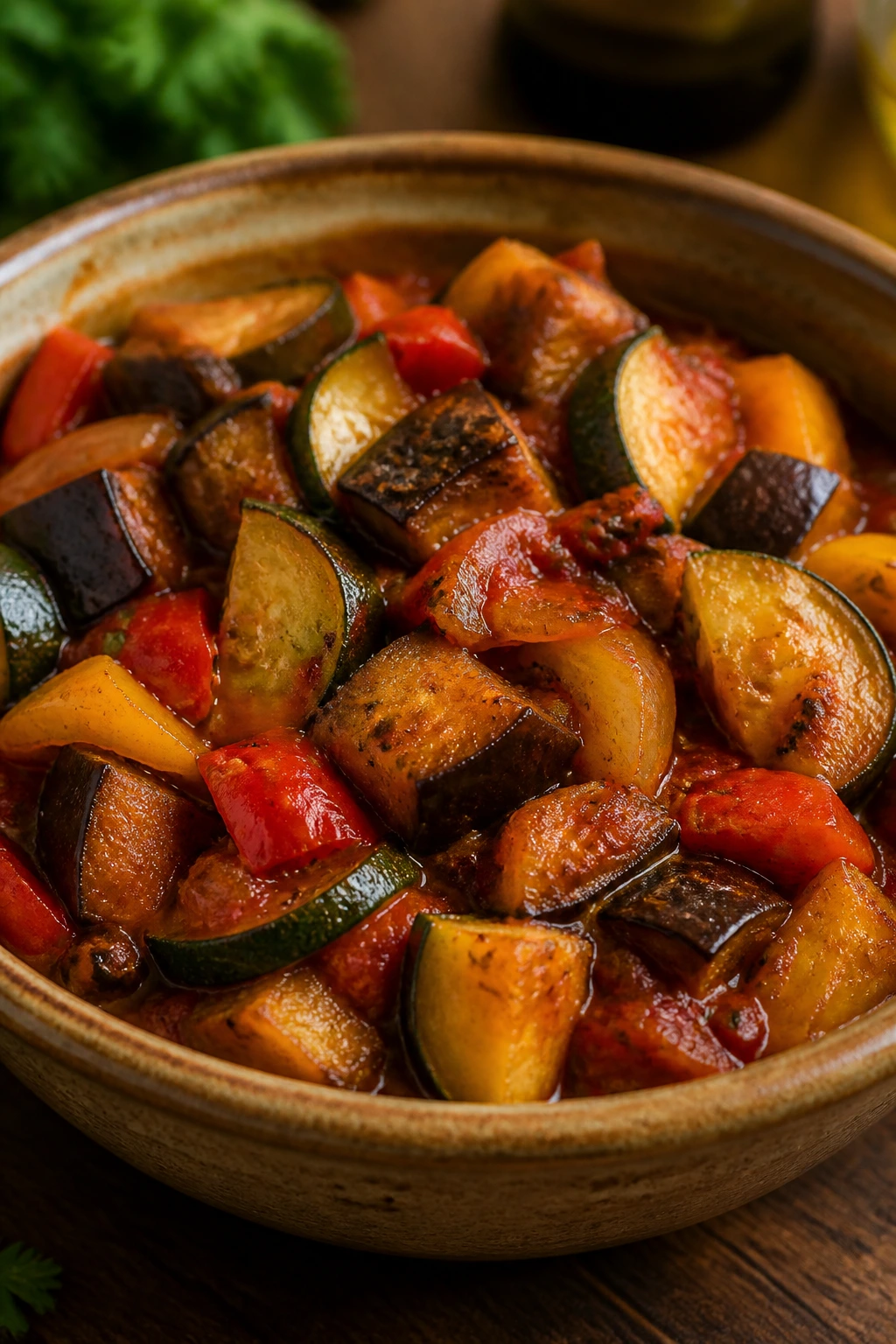
This stew tastes like late-simmered vegetables that have decided to cooperate. Eggplant turns silky, zucchini stays tender, peppers bring sweetness, and tomatoes pull the whole thing into one bowl. It’s not a heavy stew, but it still warms you from the inside out.
Why It Works:
Eggplant benefits from a real sauté so it softens properly instead of going spongy. Zucchini and peppers cook faster, so they go in after the eggplant gets a head start. Tomatoes supply the liquid, and a little herbs de Provence or thyme keeps the pot aromatic rather than flat.
Key Ingredients:
- 3 tablespoons olive oil — eggplant drinks oil, so don’t be shy.
- 1 eggplant, cubed — choose one with smooth skin and no soft spots.
- 2 zucchini, sliced thick — added after the eggplant.
- 1 onion, chopped — the base.
- 1 bell pepper, chopped — sweetness and color.
- 3 garlic cloves, minced — the savory layer.
- 1 can crushed tomatoes, 28 ounces — the stewing liquid.
- 1 teaspoon thyme or herbs de Provence — the herb note.
- Salt and pepper to taste — the vegetables need both.
- Fresh basil — optional for serving.
Quick Steps:
- Brown the eggplant in oil until golden on the edges.
- Add onion and pepper, and cook until softened.
- Stir in garlic, tomatoes, and thyme; simmer 10 minutes.
- Add zucchini and cook another 10 to 12 minutes until tender.
- Taste and adjust seasoning, then finish with basil if using.
- Serve warm, not blazing hot.
Equipment for This Recipe:
- Large skillet or Dutch oven — the vegetables need surface area.
- Wooden spoon — for turning the eggplant.
- Knife with a sharp edge — cleaner cuts mean even cooking.
How to Serve This Dish:
Serve over rice, with crusty bread, or beside grilled fish or chicken. The vegetables should be soft and glossy, with the eggplant almost melting at the edges.
Pro Tips for This Recipe:
- Salt the eggplant lightly before cooking if it’s very spongy.
- Don’t crowd the pan, or the eggplant steams instead of browning.
- Add basil at the table, not early.
Variations on This Dish:
- Olive Finish: Stir in a handful of chopped olives.
- Pecorino Version: Top with grated cheese at serving.
- White Bean Add-In: Stir in white beans for more body.
Common Mistakes to Avoid with This Dish:
- Skipping the eggplant browning: The texture suffers.
- Cutting zucchini too thin: It turns limp fast.
- Using watery tomatoes without simmering: The stew ends up thin.
21. Chipotle Turkey and Pinto Bean Stew
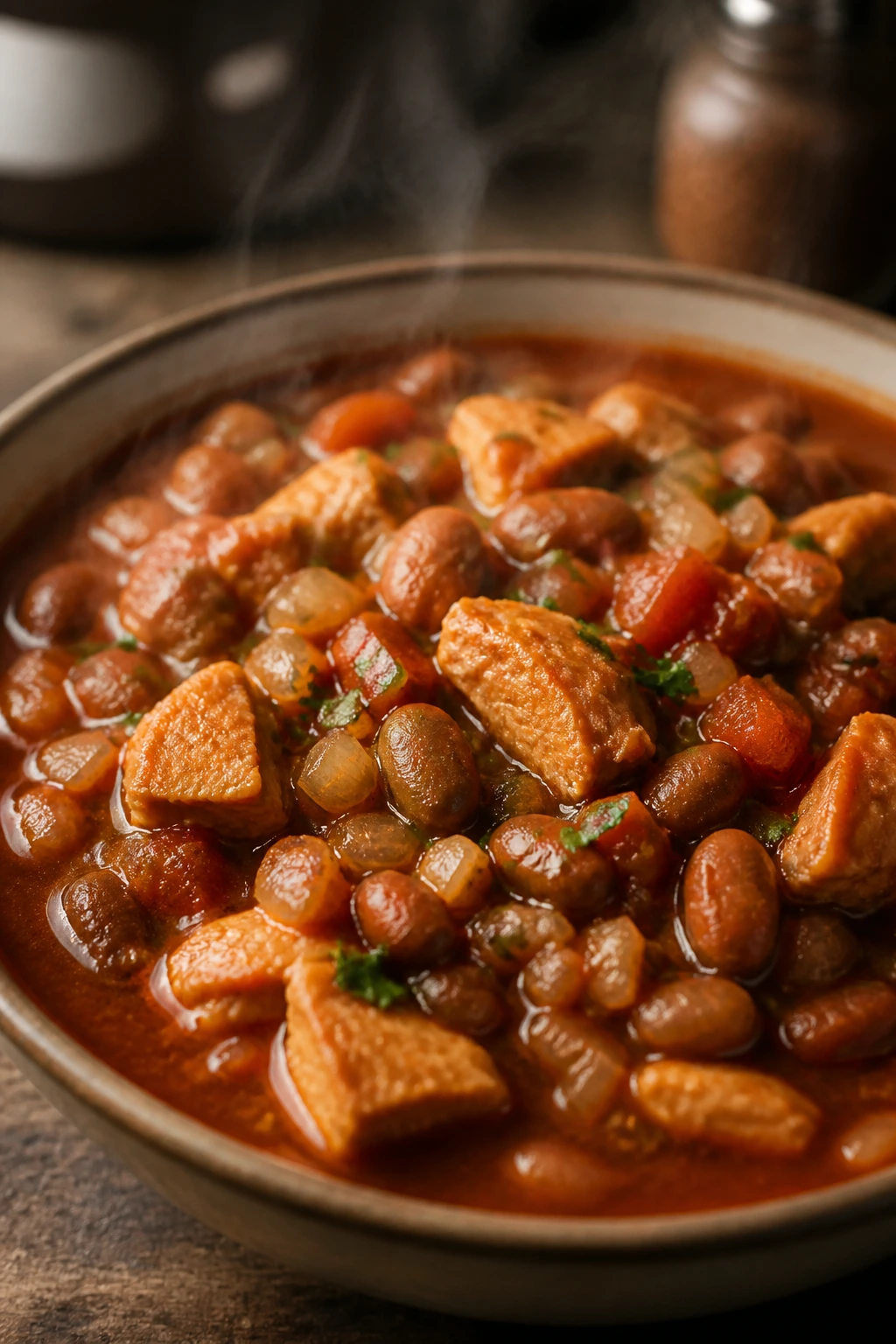
This stew tastes smoky, warm, and a little rough around the edges in a good way. Ground turkey gives it a lean base, pinto beans add heft, and chipotle in adobo gives the broth that deep, slow-building heat that lingers without scorching. It’s the sort of pot that gets better with a squeeze of lime and a spoon of yogurt.
Why It Works:
Ground turkey needs help, and chipotle plus tomato paste does that job neatly. Pinto beans make the stew thick enough to stand up in a bowl, while cumin and oregano round out the smoke. The broth should be simmered long enough for the chile to soften into the tomatoes.
Key Ingredients:
- 1½ lb ground turkey — dark meat if you can find it.
- 1 tablespoon oil — if the turkey is very lean.
- 1 onion, chopped — the base.
- 3 garlic cloves, minced — enough to matter.
- 1 to 2 chipotle peppers in adobo, minced — choose your heat.
- 1 tablespoon tomato paste — depth and body.
- 2 teaspoons cumin — essential here.
- 2 cans pinto beans, drained and rinsed — the main bulk.
- 1 can diced tomatoes, 14 ounces — the liquid source.
- 2 cups chicken broth — keeps it spoonable.
- 1 lime, juiced — for the finish.
- Salt and pepper to taste — beans need a firm hand.
Quick Steps:
- Brown the turkey with onion in oil until no pink remains.
- Stir in garlic, chipotle, tomato paste, cumin, and cook 1 minute.
- Add beans, tomatoes, and broth, then simmer 20 to 25 minutes.
- Taste and adjust salt, then add lime juice.
- Rest 5 minutes before serving.
- Thin with broth if it gets too thick.
Equipment for This Recipe:
- Large skillet or pot — either works.
- Wooden spoon — for breaking up turkey.
- Citrus juicer — optional but convenient.
How to Serve This Dish:
Serve with tortillas, avocado, or a spoonful of sour cream. The stew should be thick enough that the beans stay visible and the turkey doesn’t vanish into the broth.
Pro Tips for This Recipe:
- Chipotle heat builds slowly, so start with one pepper if you’re unsure.
- Let the tomato paste cook for a full minute or it tastes raw.
- Lime at the end brightens the smoked chile flavor.
Variations on This Dish:
- Corn Add-In: Stir in corn for a sweeter edge.
- Black Bean Swap: Use black beans for a darker broth.
- Extra-Green Finish: Top with cilantro and sliced scallions.
Common Mistakes to Avoid with This Dish:
- Using too much chipotle too fast: Heat becomes the only thing you taste.
- Not cooking the turkey fully before the liquid goes in: The texture gets odd.
- Skipping the lime: Smoke needs a bright counterpoint.
22. Corn, Bacon, and Potato Stew
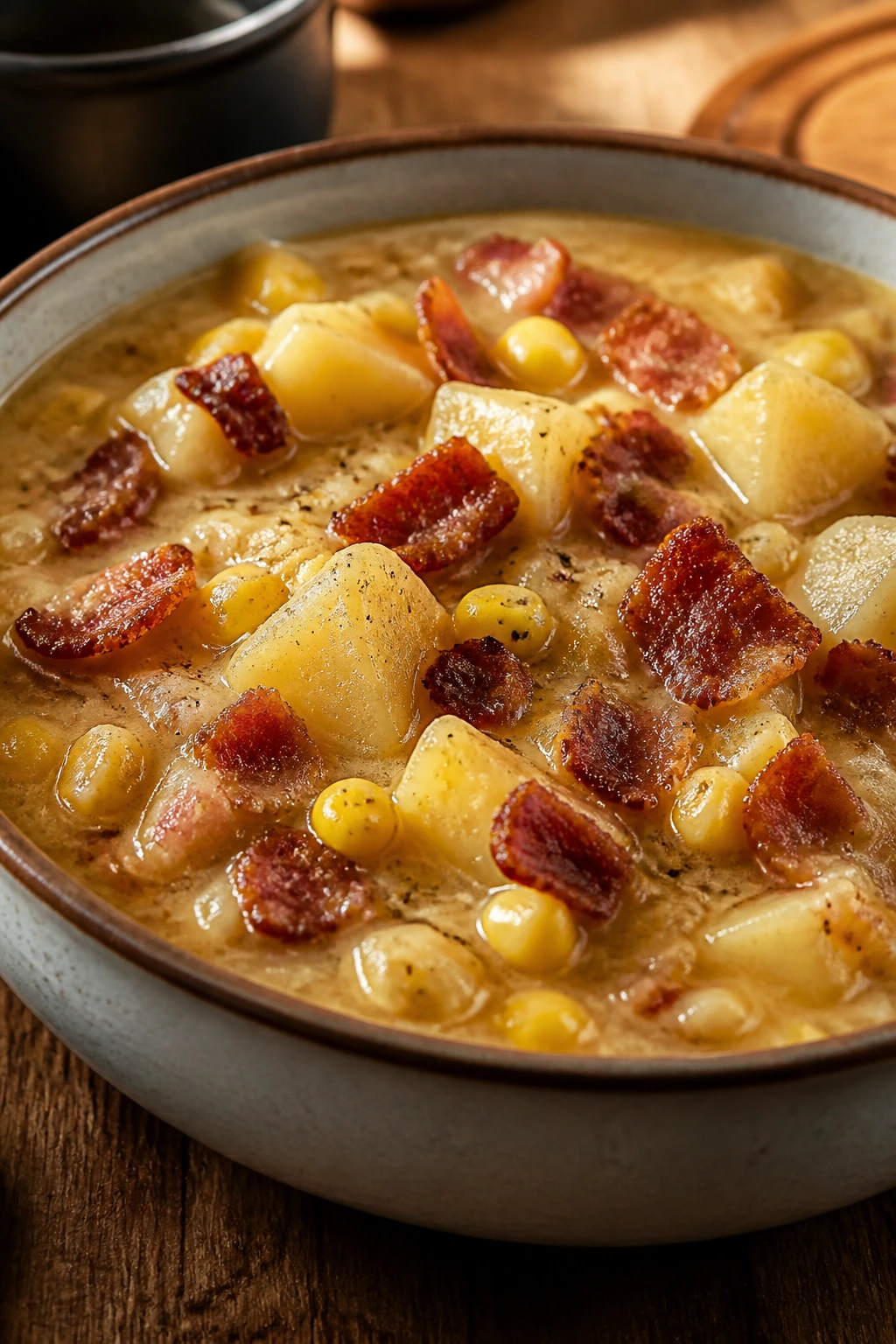
Corn stew with bacon is a little smoky, a little sweet, and shamelessly comforting in a way that feels earned. Bacon gives the broth its first layer of flavor, potatoes thicken the pot naturally, and corn keeps the whole thing from tasting heavy. It’s a good stew when you want something rustic without extra ceremony.
Why It Works:
Bacon gives you rendered fat for the base, and that fat carries onion and garlic better than plain oil. Potatoes break down just enough to thicken the broth, while corn adds sweetness and texture. A splash of cream at the end can smooth the edges, but the stew should still taste like corn and bacon, not dairy.
Key Ingredients:
- 6 slices bacon, chopped — the smoky base.
- 1 onion, diced — cooked in the bacon fat.
- 2 celery stalks, diced — quiet support.
- 3 garlic cloves, minced — the savory layer.
- 4 medium potatoes, peeled and cubed — Yukon Golds work well.
- 3 cups corn kernels — fresh or frozen.
- 4 cups chicken broth — the main liquid.
- 1 cup milk or half-and-half — optional for creaminess.
- 1 teaspoon black pepper — bacon already brings salt.
- Salt to taste — add carefully.
Quick Steps:
- Cook the bacon until crisp, then leave a little fat in the pot.
- Cook onion and celery in the bacon fat until softened.
- Add garlic, potatoes, corn, and broth; simmer 20 to 25 minutes.
- Stir in milk or half-and-half if using, then simmer 5 minutes more.
- Taste and season lightly.
- Serve hot with more pepper on top.
Equipment for This Recipe:
- Heavy soup pot — bacon needs steady heat.
- Slotted spoon — for lifting the bacon.
- Potato peeler — optional, depending on the potatoes.
How to Serve This Dish:
Serve with cornbread, saltines, or a green salad if you want something sharp on the side. The stew should be thick and spoonable, with bacon still crisp enough to notice.
Pro Tips for This Recipe:
- Keep some bacon crisp for the finish; soft bacon loses its charm.
- Don’t overblend the potatoes unless you want a chowder-like texture.
- Fresh corn in peak form makes the stew sweeter, but frozen corn works fine.
Variations on This Dish:
- Cheddar Finish: Stir in a handful of shredded cheddar off the heat.
- Smoked Paprika Version: Add 1 teaspoon smoked paprika with the onion.
- Turkey Bacon Swap: Use turkey bacon if you want less fat in the pot.
Common Mistakes to Avoid with This Dish:
- Adding too much salt before tasting: Bacon already seasons the broth.
- Cooking the potatoes too hard: They can break down into glue.
- Letting the bacon get buried in the stew too early: It loses its texture.
Why Stew Recipes Taste Better After a Slow Simmer
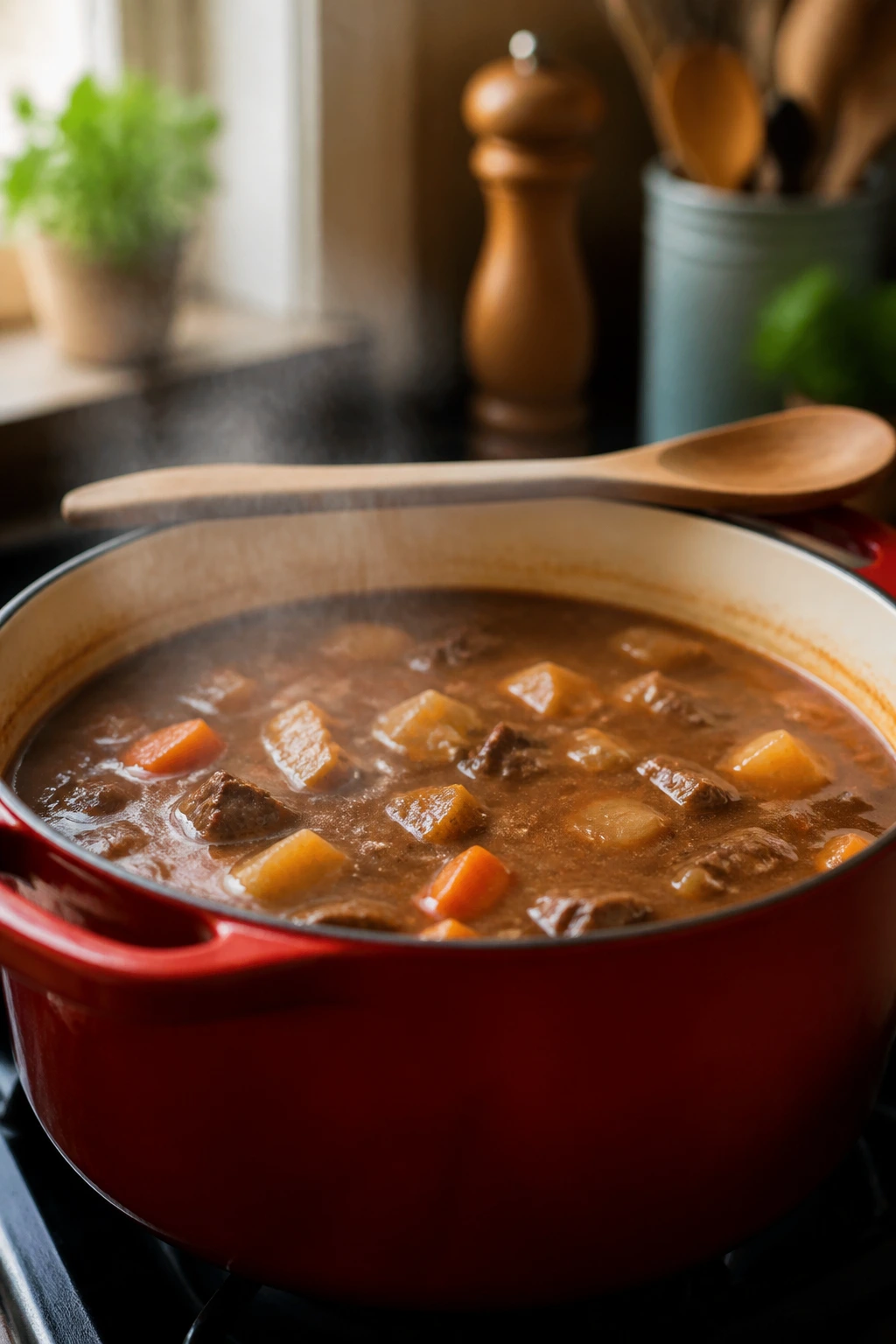
A hard boil can wreck a stew faster than people expect. The liquid looks active, even exciting, but the bubbles beat up the meat fibers, cloud the broth, and make vegetables collapse before they’ve had time to taste like themselves. A slow simmer — the kind where a bubble breaks the surface every second or two — keeps the pot calm enough for flavor to build in layers.
That gentle heat matters for tough cuts, but it also matters for beans, grains, and vegetables. Chuck needs time for collagen to melt. Barley needs time to swell without bursting. Chickpeas and white beans need enough simmering to take on seasoning, but not so much that they turn mealy. Even seafood stews follow this rule; the broth gets built first because the fish is too delicate to survive the long middle.
There’s a small, stubborn truth here: stews taste better when you stop trying to rush them. Browning the meat, softening the onions, cooking the tomato paste for a minute, adding the acidic piece at the right time — each step compounds the one before it. You can make a decent stew with shortcuts. You cannot make a memorable one without paying attention to the simmer.
Essential Equipment for These Recipes
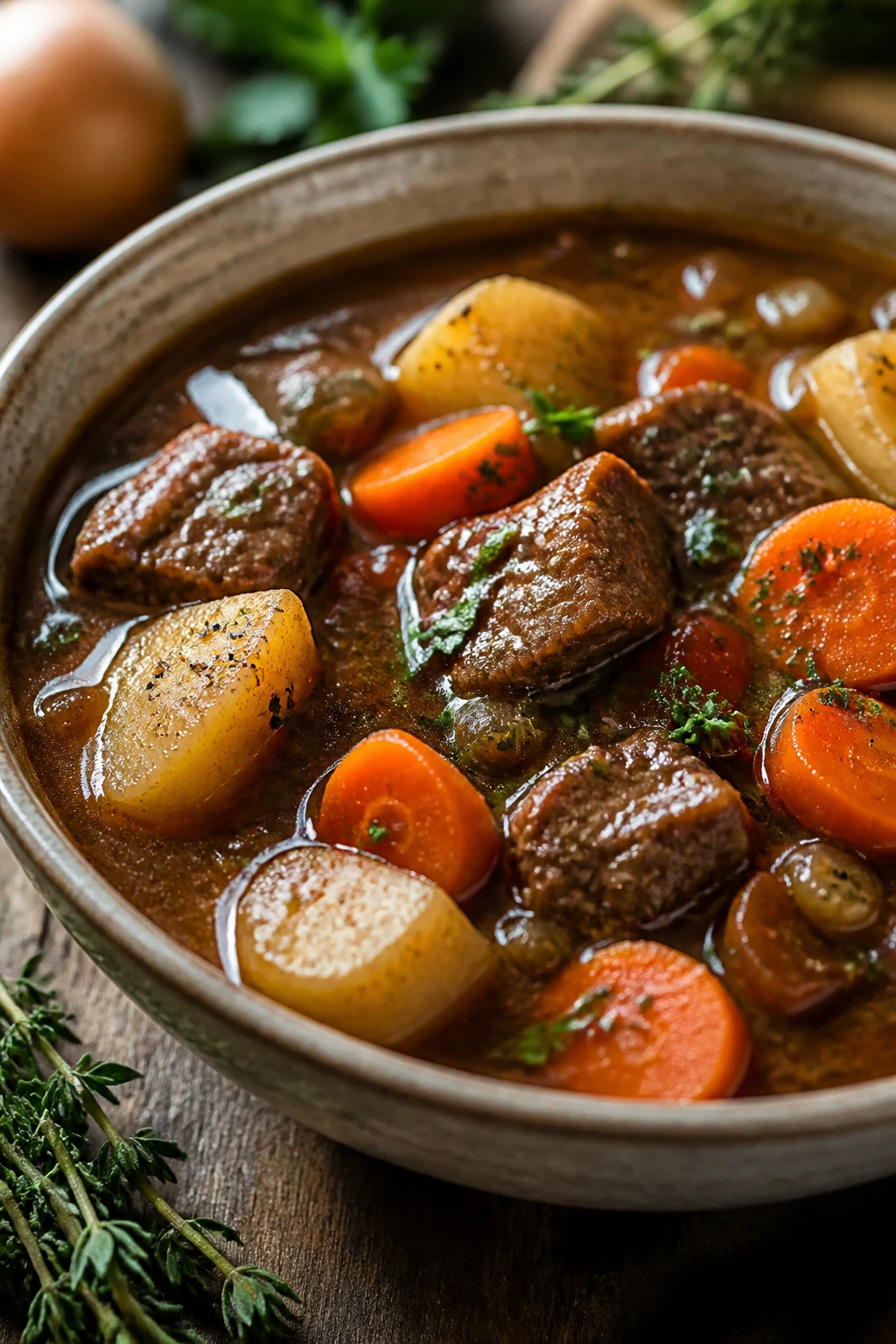
- 6- to 8-quart Dutch oven: The best all-around vessel for browning, simmering, and braising in one pot.
- Heavy-bottomed soup pot: A fine second choice for bean, lentil, or vegetable stews that don’t need the same browning depth.
- Long wooden spoon: Useful for scraping up browned bits without scratching the pot.
- Tongs: Handy for turning beef, lamb, pork, and short ribs without tearing the surface.
- Sharp chef’s knife: Stew lives or dies on even cuts; lopsided chunks cook unevenly.
- Cutting board with a juice groove: Keeps tomato liquid and meat juices where they belong.
- Ladle: A deep, sturdy ladle makes serving easier and cleaner.
- Slotted spoon: Good for lifting sausage, shellfish, or browned meat before deglazing.
- Fine-mesh strainer: Helpful for rinsing lentils, beans, and wild rice.
- Airtight containers: Flat, shallow containers cool faster and freeze more cleanly than deep bowls.
Smart Shopping for Beef, Beans, Broth, and Greens
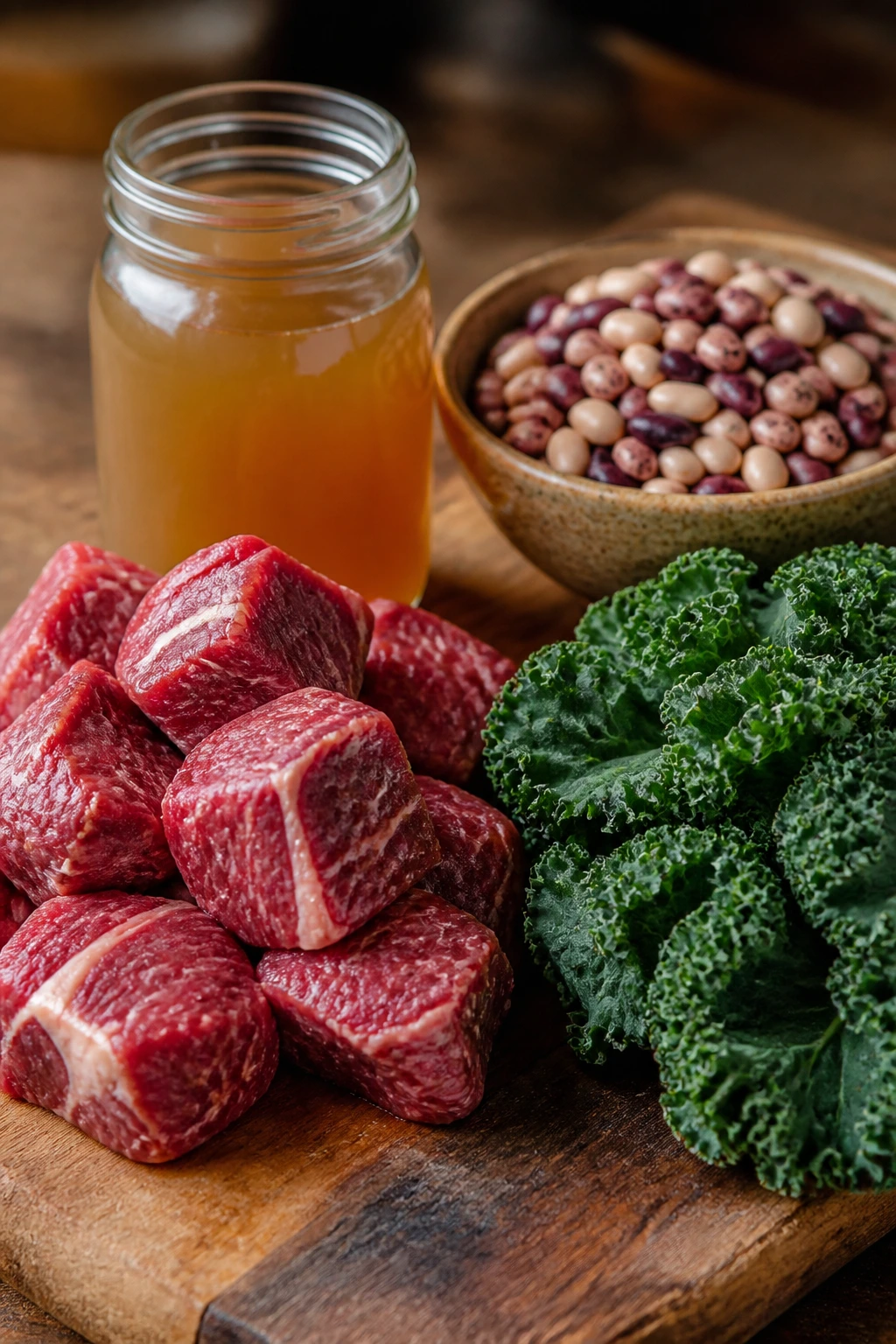
The cut of meat matters more than the brand name on the package. For beef stews, look for chuck with visible marbling and some connective tissue; that’s the stuff that softens into the broth. For lamb, shoulder beats lean leg for stewing. For chicken, thighs usually stay juicier than breasts, and for pork, shoulder does the heavy lifting better than loin ever could.
Broth deserves the same attention. If it tastes thin in a cup, it’ll taste thin in the pot, so low-sodium broth is usually the better buy because it gives you room to season properly. Canned tomatoes should taste bright, not metallic, and canned beans should be rinsed well enough that the starchy can liquid doesn’t muddy the broth. Frozen corn, peas, and spinach are often the smarter choice over tired fresh produce, especially when they’re headed into a long simmer.
Greens and root vegetables behave differently in a stew, and it pays to buy for texture. Kale and cabbage hold up under heat. Spinach, peas, and zucchini need late timing. Yukon Gold potatoes are more forgiving than russets because they keep their shape a little longer. Parsnips, turnips, fennel, and sweet potatoes each pull a stew in a different direction, so don’t treat them like interchangeable filler. They’re flavor decisions.
How to Serve These Recipes
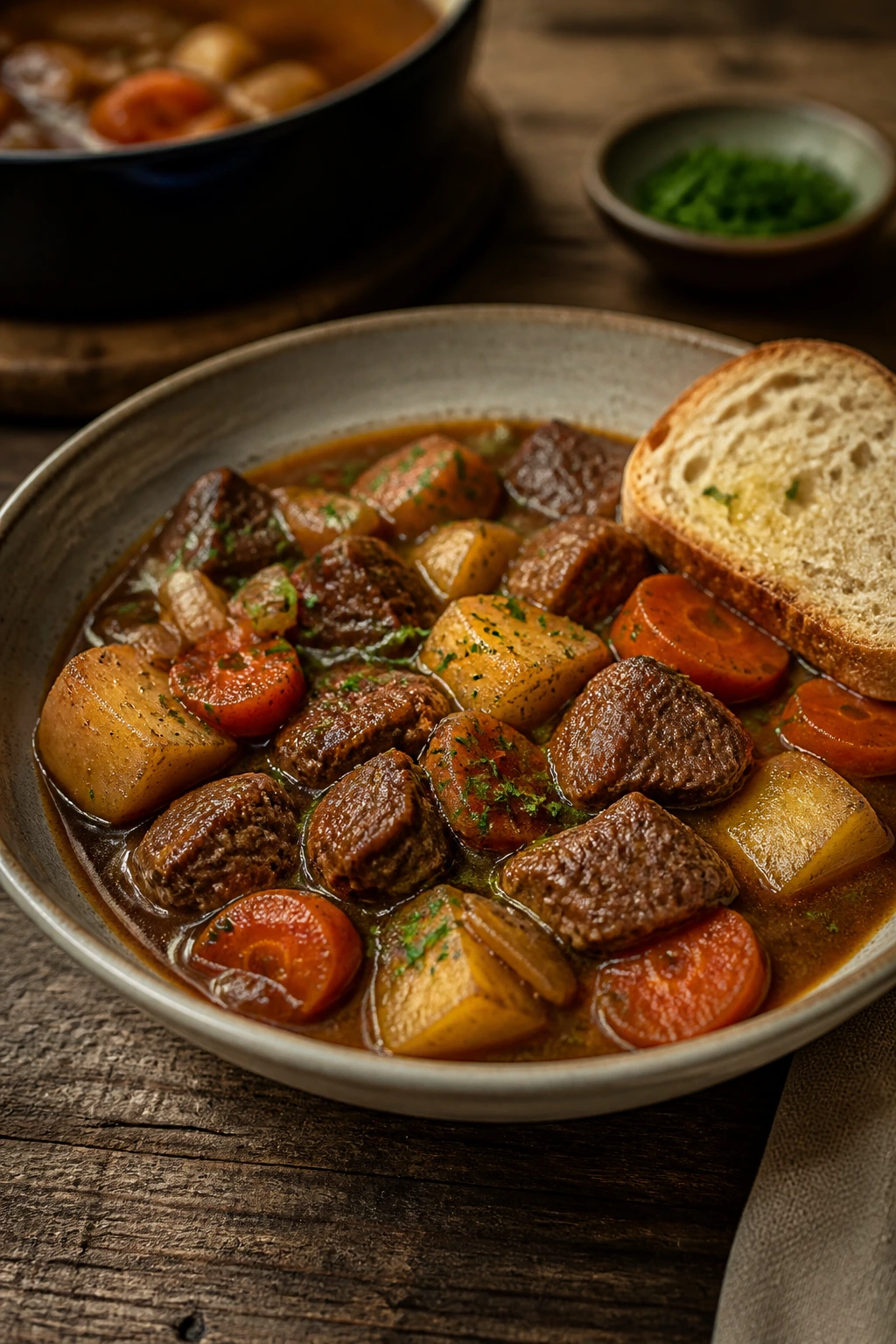
Presentation:
Use wide, shallow bowls for meat stews so the broth and solids both show up on the spoon. For bean or vegetable stews, a deeper bowl makes sense, but still leave a little rim of clean space so the dish doesn’t look crammed to the top.
Accompaniments:
Crusty bread, biscuits, cornbread, rice, polenta, buttered noodles, and mashed potatoes all make sense across this collection. Pick one sturdy side, not three. The stew already carries the meal.
Portions:
Most of these recipes feed 4 to 6 people when served as a main course, and the richer ones — short rib, oxtail, beef chuck — can stretch farther if you pile them over starch. Bean and vegetable stews are easier to scale down, but they also reheat well, so making a little extra is usually smart.
Beverage Pairing:
A malty stout works with beef and sausage stews. For chicken, bean, or vegetable pots, dry cider, sparkling water with lemon, or a crisp white wine keeps the meal from feeling too heavy.
Easy Ways to Add Heat, Creaminess, or Smoke
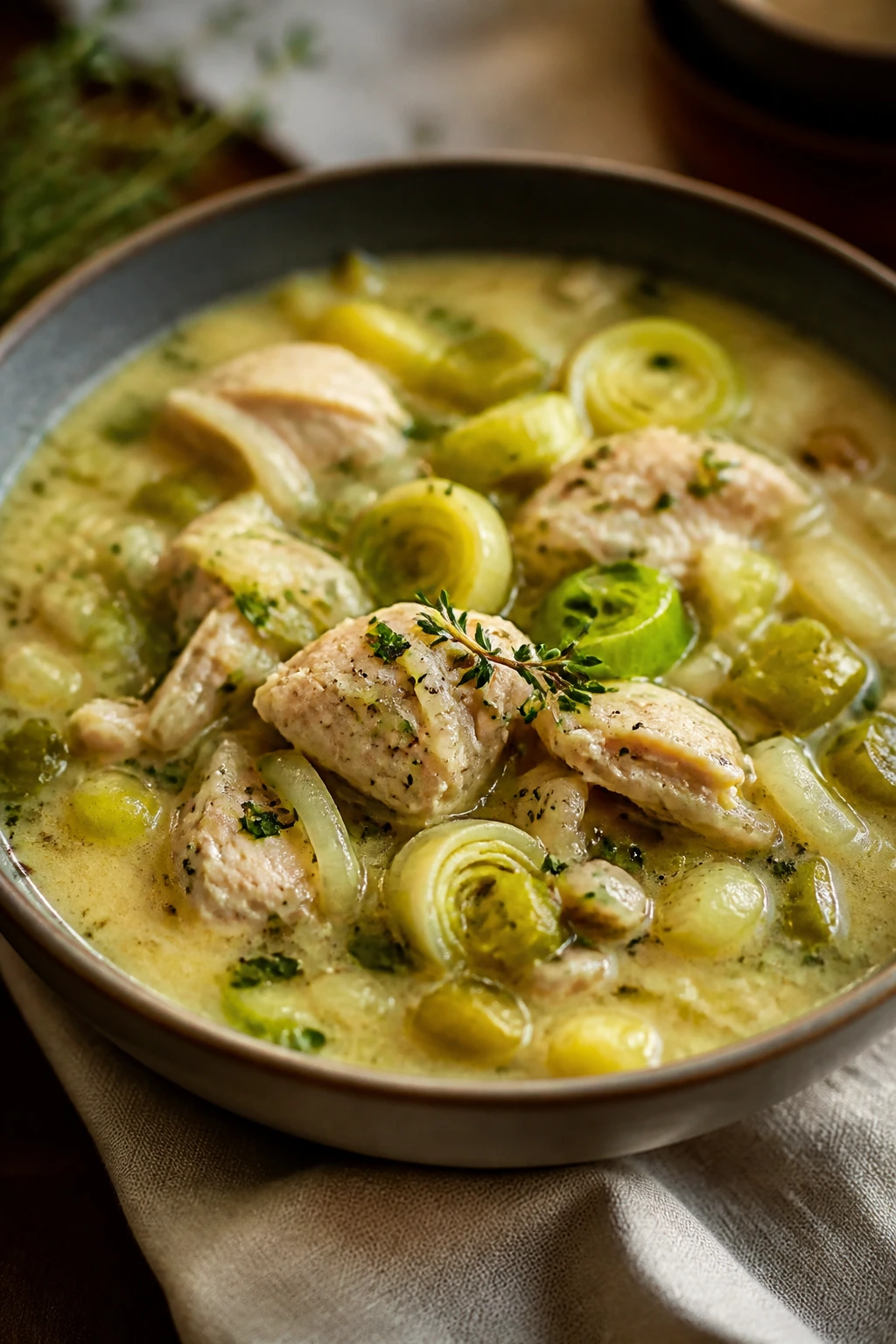
Flavor Enhancement:
A spoonful of sherry vinegar, cider vinegar, or lemon juice at the end can wake up almost any stew. A Parmesan rind, a strip of orange peel, or a teaspoon of miso in the broth can add quiet depth without changing the identity of the pot.
Customization:
If you want more heat, add chile flakes, chipotle, harissa, or a sliced fresh chile early with the aromatics. For creaminess, use a splash of half-and-half, coconut milk, or a few mashed beans instead of dumping in a lot of dairy. That keeps the stew from turning muddy.
Serving Suggestions:
Fresh herbs should usually go in at the end. Parsley, dill, basil, cilantro, scallions, and chives all work as a last-minute lift. A drizzle of good olive oil or a spoon of yogurt can make a plain-looking bowl feel finished.
Make-It-Yours:
For gluten-free cooking, use cornstarch, mashed beans, or reduction instead of flour. For dairy-free versions, coconut milk, olive oil, and bean mash work better than most fake cream products. For a lower-sodium pot, season with acid and herbs first, then salt in the final minutes.
Make-Ahead, Storage, and Reheating Guidance
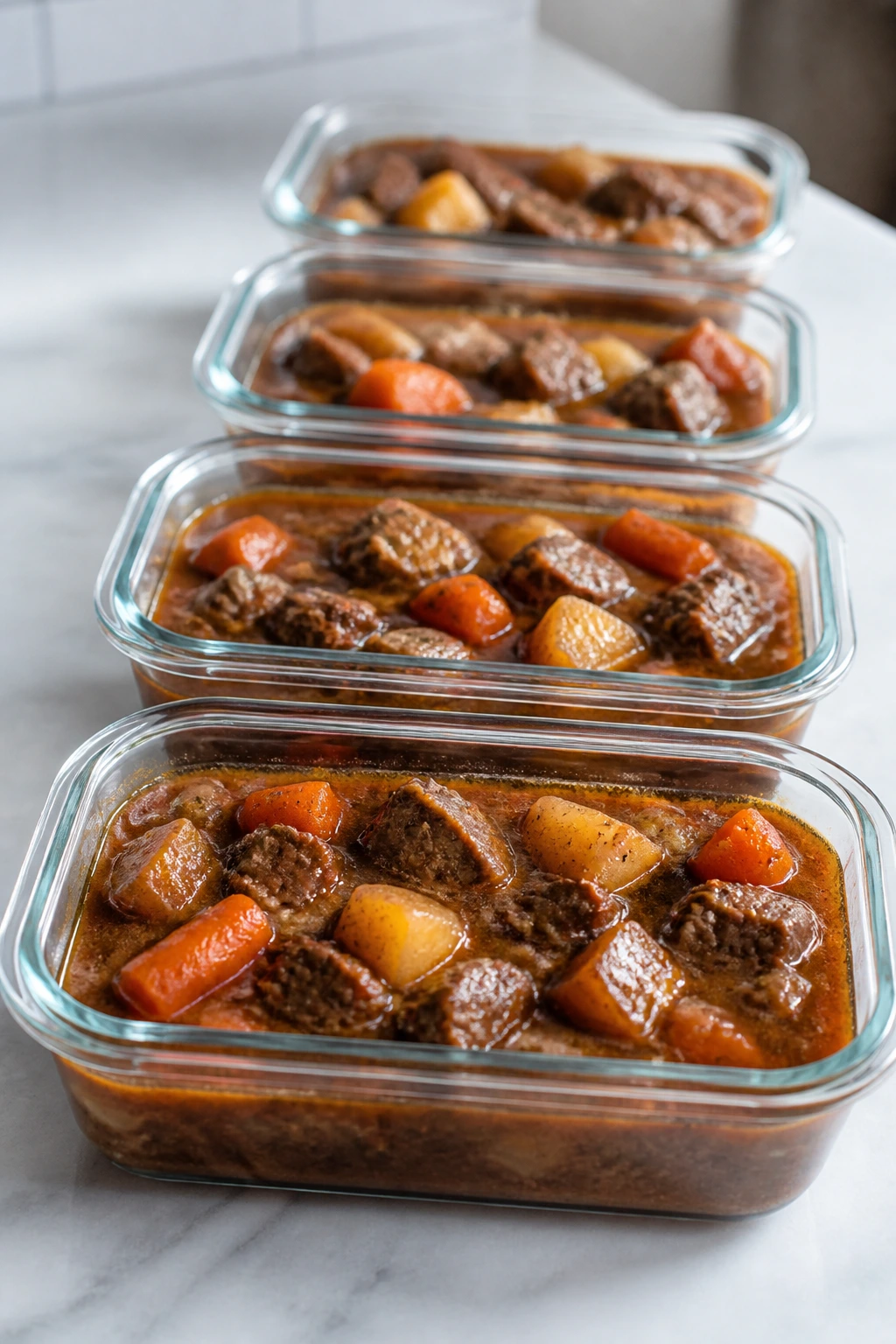
Most meat, bean, and vegetable stews keep well in the fridge for 3 to 4 days in a covered container. Seafood stew is the exception; it’s best eaten the same day or the next day, because fish and shellfish tighten up fast. Chicken and dumpling stew also loses some of its charm after the dumplings sit in broth overnight, so if you know you’ll have leftovers, keep the dumplings separate when you can.
Freezing works well for beef, lamb, pork, chicken, bean, lentil, and vegetable stews. Portion the cooled stew into shallow freezer containers or zip bags laid flat, and it will keep for up to 2 to 3 months with good texture. Short rib and beef chuck often freeze especially well because the sauce has enough body to survive the thaw. Potatoes can turn a little mealy after freezing, so if you’re making a stew for the freezer, consider adding the potatoes fresh when you reheat or using waxy potatoes instead of starchy ones.
Reheat gently. A low stove-top simmer beats a furious boil every time, and a splash of broth or water usually brings the texture back where it belongs. If the stew is thick, loosen it first, then warm it slowly so the meat doesn’t dry out and the beans don’t split. For dumpling stew, reheat the base separately and make fresh dumplings when possible. That extra step sounds fussy, but it pays off immediately.
Variations and Adaptations to Try
Slow-Cooker Swap:
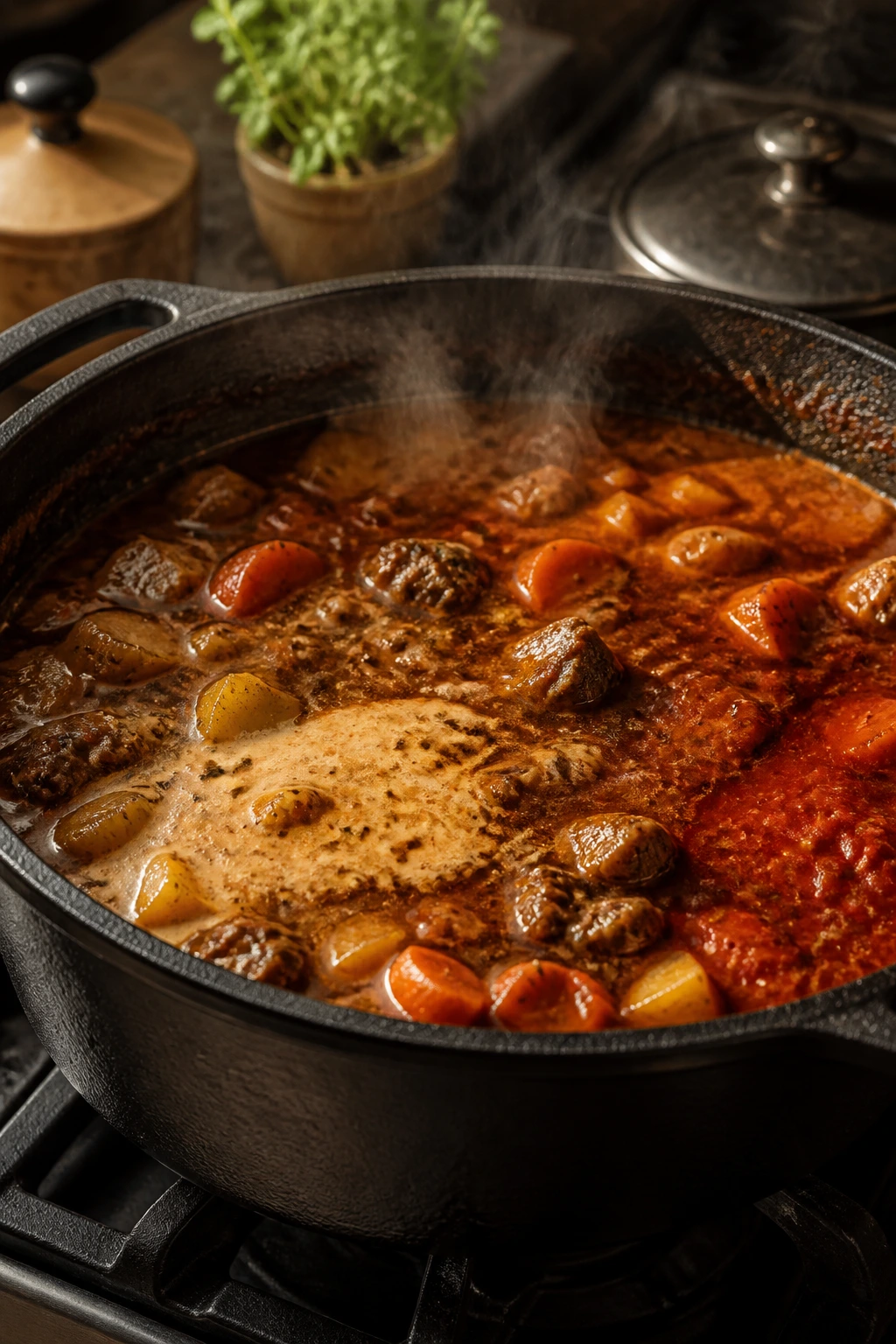
Most of the meat stews in this collection can move to a slow cooker after browning the meat and softening the onions. Keep the liquid a little lower than you would on the stove, because slow cookers don’t evaporate much. Add potatoes and delicate vegetables in the last hour so they don’t collapse.
Pressure-Cooker Shortcut:
Beef chuck, short rib, pork shoulder, beans, and oxtail all take well to pressure cooking if you want speed without losing too much depth. You still need to brown first. The pot gets you tenderness faster, but you may need to reduce the sauce afterward on sauté mode if it comes out too thin.
Dairy-Free Creaminess:
Coconut milk works for curry, pumpkin, and some vegetable stews. For other pots, a bean mash or a spoonful of tahini can thicken the broth without milk. Keep the flavor profile in mind; tahini belongs in some stews and feels odd in others.
Gluten-Free Thickening:
Skip flour on the meat and use cornstarch, arrowroot, or simple reduction for body. Mashed potatoes, beans, and barley alternatives like rice can also thicken a stew naturally. If you’re making dumplings, use a gluten-free baking mix that’s meant for quick breads.
Lower-Sodium Pantry Pot:
Choose unsalted broth, rinse canned beans well, and lean on garlic, acid, and herbs before adding salt. Sausage, bacon, and cured meats need the most caution because they bring a lot of sodium on their own. Taste at the end, not halfway through.
Kid-Friendly Milder Pots:
Pull back on chile, black pepper, and strong herbs if you’re cooking for a table that prefers softer flavors. Chicken and dumpling stew, beef stew, white bean stew, and corn-potato stew usually work well in this lane. Serve hot sauce or chile oil on the side for the people who want more bite.
Common Mistakes to Avoid When Making Stew
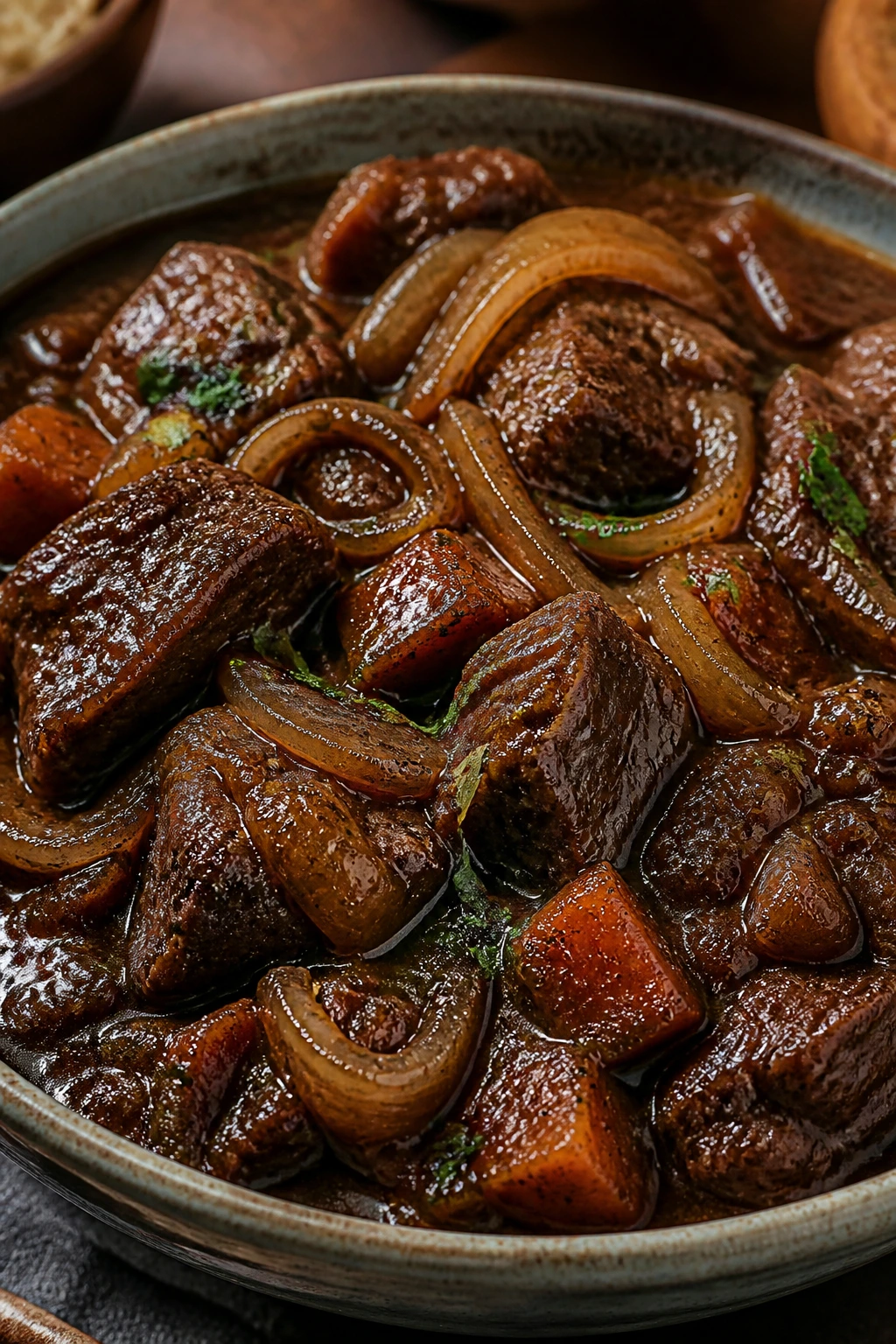
The first mistake is rushing the browning. Pale meat and pale onions give you a pale broth, and once the liquid goes in, you can’t fix that quickly. Take the time to get real color on the meat, even if it means working in batches. The pot should smell roasted before it smells soupy.
The second mistake is treating every vegetable the same. Potatoes, carrots, parsnips, cabbage, kale, spinach, peas, zucchini, and seafood all want different timing. If you toss everything in at once, something will overcook while something else stays hard. That’s how you end up with mush and crunch in the same spoon.
The third mistake is boiling too hard. A stew that thrashes on the stove often ends up greasy, cloudy, and oddly tight in texture. Keep the heat low enough that the surface trembles. If you’re hearing a hard rumble, the pot is too hot.
The fourth mistake is forgetting acid at the end. A little vinegar, lemon, or lime isn’t there to make the stew sour; it sharpens the broth so the salt, herbs, and meat taste clearer. Without that final lift, even a rich stew can taste tired.
The last mistake is serving too soon. Meat stews need a short rest so the sauce settles and the fat rises a bit. Bean and lentil stews need a minute to thicken. Seafood stews need to be served promptly, but even there, a tiny pause helps the broth collect itself.
Stew Questions People Actually Ask

Can I make most of these stews in advance?
Yes, and many of them are better the next day. Beef, lamb, bean, lentil, and pork stews usually improve after a night in the fridge because the seasoning distributes more evenly and the broth thickens a little.
What if my stew is too thin?
Uncover the pot and simmer it for 10 to 20 minutes so some of the liquid evaporates. You can also mash a few beans or potatoes against the side of the pot, or stir in a small cornstarch slurry if the stew needs a faster fix.
What if my stew tastes flat?
Add salt in small amounts, then follow with acid: vinegar, lemon, lime, or a spoon of tomato paste cooked briefly in the pot. If it still tastes dull, a pinch of pepper or a splash of soy sauce can add a missing edge.
Can I freeze stew with potatoes in it?
You can, but the texture may change and get a little mealy. If that bothers you, freeze the stew without potatoes and add fresh potatoes when you reheat it.
Which cuts of meat are best for stew?
Chuck, shoulder, short rib, lamb shoulder, and pork shoulder usually perform best because they have fat and connective tissue. Lean cuts cook faster, but they dry out before the stew has time to turn tender.
Can I use frozen vegetables?
Yes, especially peas, corn, spinach, and green beans. Add them near the end so they stay bright and don’t lose all texture.
How do I keep seafood stew from overcooking?
Build the tomato or broth base first, then add the fish and shellfish near the end. The seafood should cook in minutes, not half an hour, or it turns rubbery.
Do I need a Dutch oven?
No, but it helps. A heavy pot with a lid and a thick bottom gives you more even heat, which matters a lot for browning and low simmering.
A Pot Worth Returning To
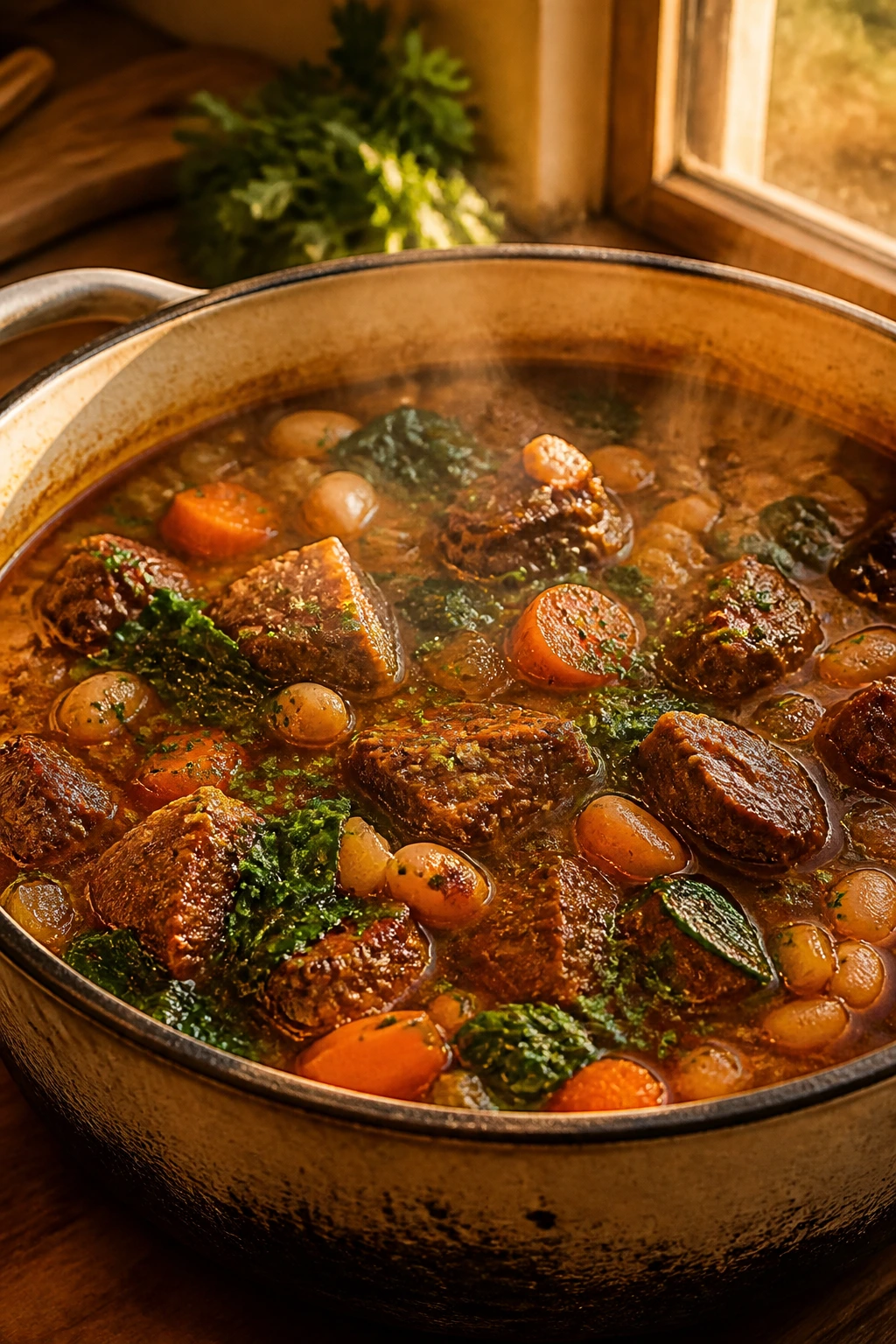
A good stew does not need to be complicated to feel complete. It needs color from browning, patience from the simmer, and enough judgment to know when to add the last handful of greens, beans, or potatoes. That’s why these stew recipes keep earning their way back into the rotation: they don’t just fill the bowl, they settle the room.
The nice part is how much room there is inside the category. Some pots lean dark and winey. Others go bright with lemon, lime, or tomatoes. A few are all about broth and tenderness, while others are really about beans, barley, or vegetables holding the line. Pick one that matches the weather, the pantry, or the mood, and let the pot do the work.