



A pot of 15 bean soup with sausage has a way of making a kitchen smell older and kinder at the same time. The broth turns dark gold, then brown at the edges, and the sausage leaves little smoky notes that seem to cling to the steam. If you’ve ever had bean soup that tasted thin or vaguely dusty, this version fixes that fast. The beans soften into the broth instead of floating around in it, and the smoked sausage gives the whole pot a savory backbone before the first simmer even settles down.
What makes this kind of soup worth making is not mystery. It’s structure. A 15-bean mix usually brings split peas, lentils, pintos, kidneys, black beans, and a few oddball beans that cook at slightly different speeds, which means the pot gives you texture instead of mush if you handle it gently. Brown the sausage. Sweat the vegetables. Keep the simmer low enough that the beans relax instead of bouncing around. Those small moves are the difference between a muddy pot and a bowl you keep returning to with a spoon.
And the best part? It’s one of those meals that keeps paying you back. The first bowl is smoky and full. The second bowl, after the soup has sat a while, tastes even rounder because the beans have had time to soak up the broth. A splash of cider vinegar at the end wakes everything up. Nothing fancy. Just a pot that knows exactly what it wants to be.
Why You’ll Be Glad You Made This Pot
-
Deep, smoky flavor from the start: Browning the sausage first leaves browned bits in the pot, and those little sticky spots do more for the broth than any shortcut ever will.
-
A lot of texture in one spoonful: A 15-bean mix gives you creamy split peas, firm kidney beans, and softer beans that melt into the broth, so the soup never feels flat.
-
Stretches into real meals: One pound of dried beans and a modest amount of sausage turn into a big pot with eight solid servings, which is exactly the kind of math I like in a soup.
-
Better after a rest: The broth thickens as it cools, the sausage settles in, and the beans absorb the seasoning instead of wearing it like a coat.
-
Flexible without getting fussy: You can pull this toward smoky, spicy, or herby without changing the basic method, and that matters when you want dinner to fit the pantry you have.
-
Comfort without cream: The soup gets body from the beans themselves, so it eats rich without needing dairy, flour, or a blender.
Why 15 Bean Soup with Sausage Tastes So Different
A lot of bean soups lean one of two ways: watery and polite, or heavy and overworked. This one lands in the middle, where the broth is thick enough to cling to the spoon but still loose enough to keep every bean distinct. The sausage does a lot of that heavy lifting. Not the fresh kind. Smoked sausage. Kielbasa, andouille, or a good cured rope sausage bring salt, fat, and a browned edge that holds up after a long simmer.
The bean mix matters more than people think. A bag labeled 15 beans usually isn’t fifteen perfect little twins sitting in neat rows. It’s a jumble, and that jumble is the charm. Split peas and lentils start to dissolve first, which makes the broth velvety. Larger beans hold their shape longer, so every bite changes a little. That mix gives the soup its old-fashioned, stick-to-your-ribs feel without asking you to make a roux or stir in cream.
There’s also a practical reason this version works. Many bean soups taste dull because they’re built entirely on water and hope. Here, the flavor base starts with browned sausage, onion, carrot, celery, garlic, tomato paste, and broth. That’s a real foundation. The tomato paste doesn’t turn the soup into tomato soup. It just gives the broth a deeper color and a little quiet sweetness that plays well with the smoke.
A quick soak keeps the cooking time civilized. I know some cooks skip soaking altogether, and yes, you can do that with the right amount of time and patience. But if you want a soup that finishes in the same afternoon and still has good texture, the quick-soak route is the one I reach for most often.
Yield, Timing, and the Ingredient List
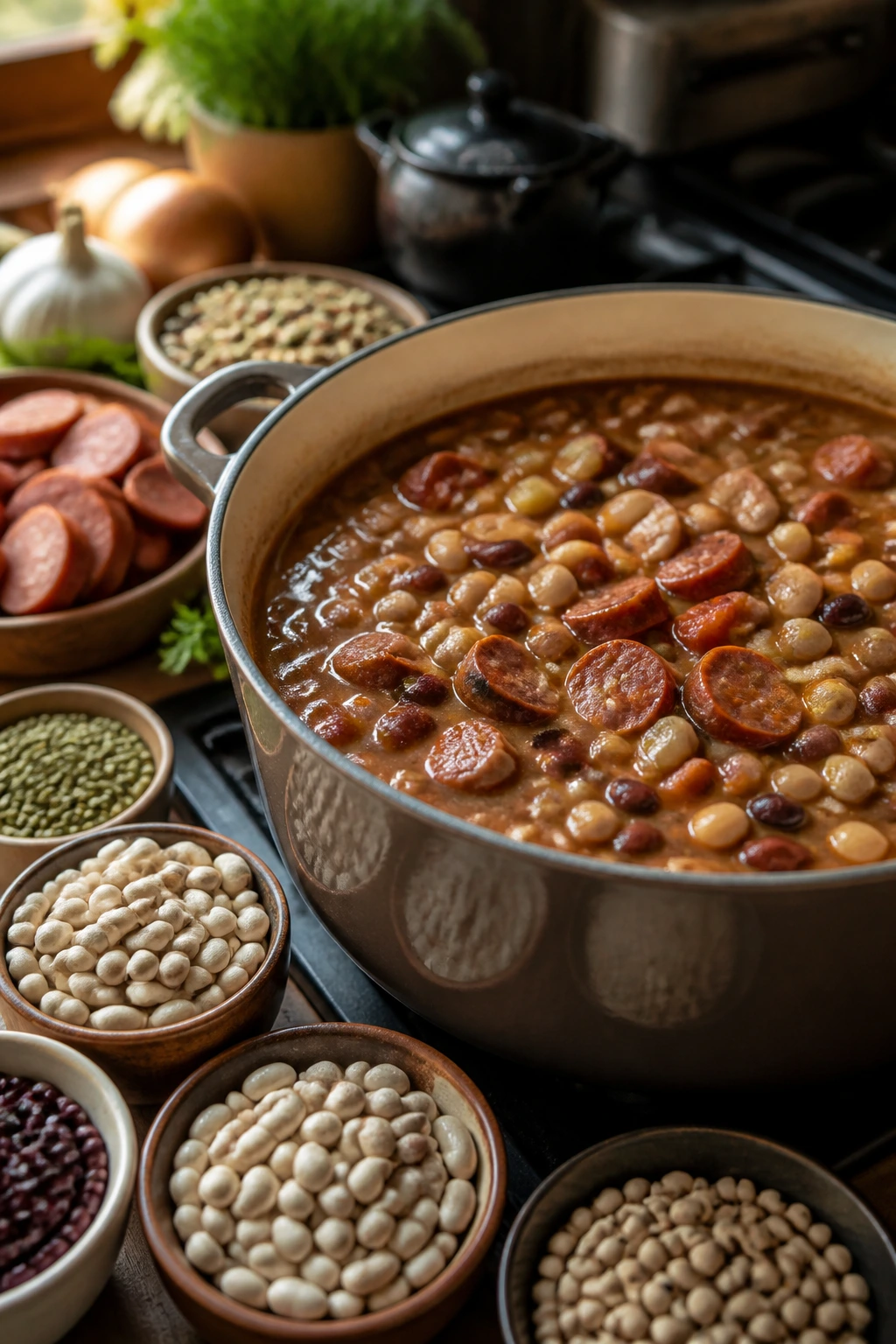
Yield: Serves 8 generous bowls
Prep Time: 25 minutes
Cook Time: 1 hour 45 minutes
Total Time: 3 hours 10 minutes, including 1 hour quick-soak time
Difficulty: Intermediate — the chopping is straightforward, but the beans need a steady simmer and a little attention near the end.
Rest Time: 1 hour quick-soak, plus 15 minutes resting before serving
Best Served: Warm, after a short rest, or the next day when the broth has thickened and the seasoning settles in
For the Quick Soak:
- 1 pound 15-bean soup mix, sorted and rinsed
- 12 cups water
- 1 tablespoon kosher salt
For the Soup:
- 1 tablespoon olive oil
- 12 ounces smoked sausage or kielbasa, sliced into 1/4-inch rounds
- 1 large yellow onion, diced
- 2 medium carrots, diced
- 2 celery stalks, diced
- 4 garlic cloves, minced
- 1 tablespoon tomato paste
- 8 cups low-sodium chicken broth
- 1 to 2 cups hot water, as needed while simmering
- 2 bay leaves
- 1 teaspoon dried thyme
- 1 teaspoon smoked paprika
- 1/2 teaspoon black pepper
- 1/4 teaspoon crushed red pepper flakes, optional
- 1 to 1 1/2 teaspoons kosher salt, plus more to taste
- 1 tablespoon apple cider vinegar
- 2 tablespoons chopped fresh parsley, optional
What Each Ingredient Does in the Pot
The Bean Mix
What to use: 1 pound of 15-bean soup mix, sorted and rinsed. The mix often includes pintos, kidneys, navy beans, black beans, split peas, and lentils, which is exactly why the broth gets both body and texture.
Preparation: Pick through the beans for small stones or broken bits, then rinse them in a colander until the water runs mostly clear. The quick soak helps the beans cook evenly and shortens the simmer.
Substitutions: Any mixed bean soup blend works here, and a homemade mix of pintos, great northerns, navy beans, and a handful of lentils will do the same job. If all you have are canned beans, use them in a shortened version, but the flavor and texture will be different.
Tips: Older beans take longer to soften. If the beans you bought have been sitting around for a while, soak them, simmer gently, and don’t panic if the pot needs another 15 to 20 minutes.
The Sausage
What to use: 12 ounces smoked sausage or kielbasa, sliced into 1/4-inch rounds. I like a sausage with enough fat to brown, not one that turns dry and tight after the first hour.
Preparation: Slice it evenly so some pieces stay tender while others catch crisp edges in the pot. Browning the slices before the vegetables go in is worth the few extra minutes.
Substitutions: Andouille brings heat, turkey kielbasa makes a lighter pot, and plant-based smoked sausage can work if you want the smoky note without pork. If you use raw sausage, cook it longer before moving on.
Tips: Thin slices disappear into the broth. Keep the rounds chunky enough to hold their shape, and leave the browned bits in the pot when you remove the sausage.
The Broth and Tomato Paste
What to use: 8 cups low-sodium chicken broth, 1 to 2 cups hot water as needed, and 1 tablespoon tomato paste. That combination gives the soup a savory base without making it salty or one-note.
Preparation: Measure the broth before you start the vegetables, because once the sausage and onions smell good, you’ll want the liquids ready. Stir the tomato paste into the vegetables until it darkens and loses that raw, metallic smell.
Substitutions: Vegetable broth works if you want to keep the soup pork-only or meat-light. In a pinch, use water plus a little bouillon, but go easy until the very end because sausage already brings salt.
Tips: Tomato paste is not there to make this taste like chili or pasta sauce. It deepens the color and gives the broth a rounder finish, which matters more than people realize.
The Vegetables
What to use: 1 large yellow onion, 2 medium carrots, 2 celery stalks, and 4 garlic cloves. This is a basic mirepoix with garlic, and it makes the soup taste built rather than assembled.
Preparation: Dice the onion, carrots, and celery into small, even pieces so they soften at the same pace. Mince the garlic finely so it disappears into the broth instead of floating around in sharp little pieces.
Substitutions: Leek can stand in for part of the onion, and parsnip can take the place of one carrot if you like a sweeter, earthier edge. Frozen mirepoix works in a pinch, though you lose some browning.
Tips: Let the onion go translucent with lightly golden edges. If the vegetables are still crunchy when the beans go in, they’ll feel out of place later.
The Seasonings and Finish
What to use: 2 bay leaves, 1 teaspoon dried thyme, 1 teaspoon smoked paprika, 1/2 teaspoon black pepper, 1/4 teaspoon crushed red pepper flakes if you want heat, 1 to 1 1/2 teaspoons kosher salt, 1 tablespoon apple cider vinegar, and chopped parsley for the end.
Preparation: Measure the seasonings before the simmer starts so you can move quickly. Add the vinegar only after the beans are tender and the broth has developed some body.
Substitutions: Oregano can stand in for thyme, though I like thyme better here. Lemon juice works in place of vinegar if that’s what you have, and cilantro can take the parsley spot if you lean that way.
Tips: Salt in layers. Season lightly at the start, then taste again near the end after the beans have absorbed the broth. That final taste is where the soup becomes itself.
The Tools That Make the Process Easy
-
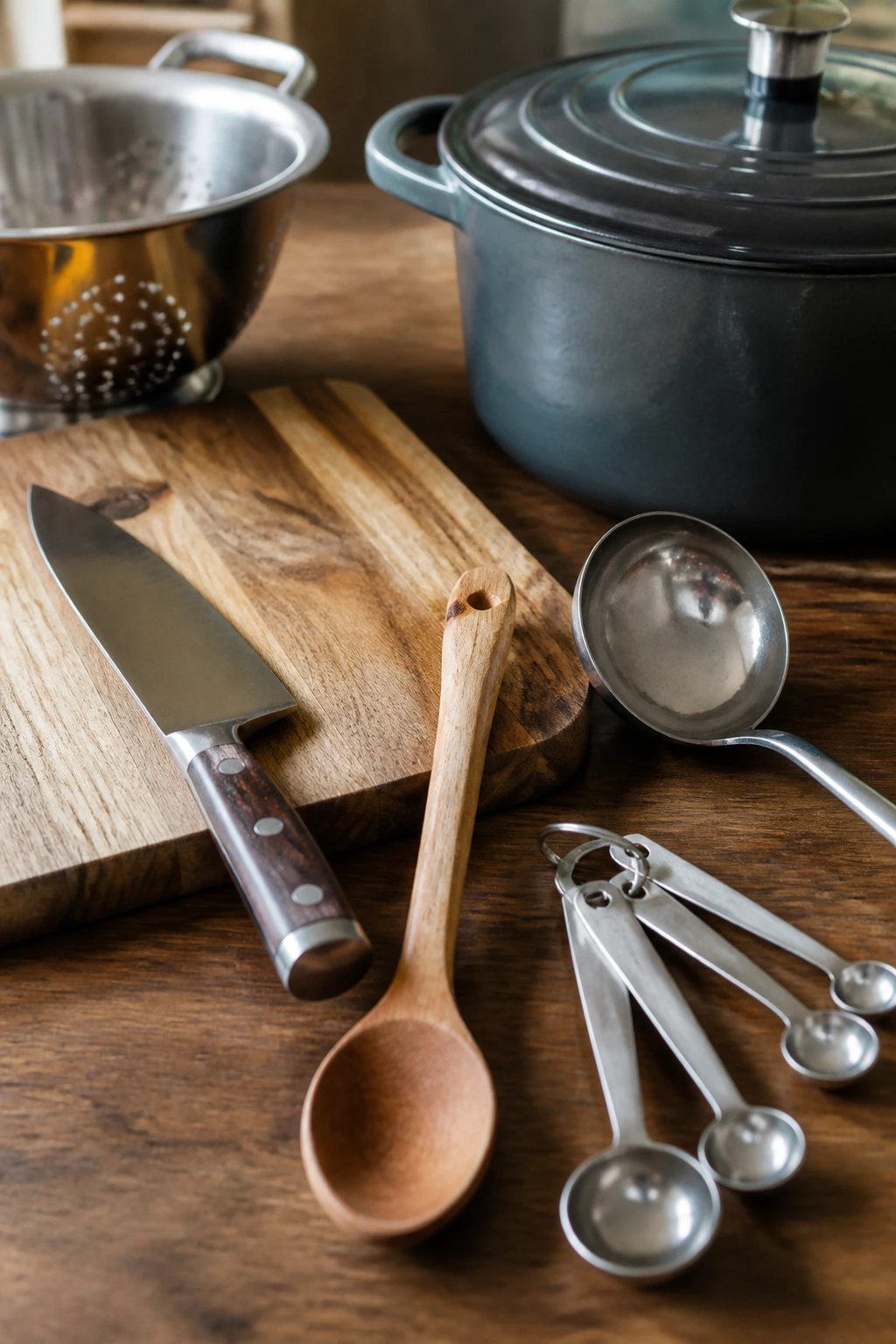
6- to 8-quart Dutch oven or heavy soup pot: You need a pot with enough room for the beans to move and enough weight to keep the heat steady.
-
Fine-mesh colander: Useful for rinsing beans and draining them after the quick soak without losing the smaller split peas and lentils.
-
Wooden spoon or heatproof spatula: A wooden spoon scrapes up the browned sausage bits without scratching the pot.
-
Sharp chef’s knife: The vegetables cook more evenly when the onion, carrots, and celery are cut to similar sizes.
-
Cutting board: A roomy board keeps the diced vegetables from skittering all over the counter while you work.
-
Ladle: Makes serving clean and helps you catch broth and beans in equal measure.
-
Slotted spoon: Handy for lifting the sausage out after browning while leaving the drippings behind.
-
Measuring cups and spoons: Bean soup is forgiving, but the liquid ratio matters enough that you want real measurements, not guesses.
How to Make 15 Bean Soup with Sausage on the Stove
Quick-Soak the Beans:
-
Sort and rinse the beans. Spread the 15-bean mix on a tray or in a wide bowl, pick out any stones or shriveled beans, then rinse in a colander under cool water until the runoff looks clear.
-
Boil and rest the beans. Put the beans in a large pot with 12 cups water and 1 tablespoon kosher salt. Bring to a boil over high heat, boil for 2 minutes, cover, turn off the heat, and let them sit for 1 hour. Drain and rinse again. Do not skip the rinse after soaking; it keeps the broth cleaner and less starchy.
Build the Flavor Base:
-
Brown the sausage. Set a 6- to 8-quart Dutch oven over medium heat and add the olive oil and sliced sausage. Cook for 5 to 6 minutes, stirring once or twice, until the edges are browned and the pan shows caramelized spots. Remove the sausage with a slotted spoon and leave the fat in the pot.
-
Cook the vegetables. Add the onion, carrots, and celery to the pot and cook for 8 to 10 minutes, stirring every minute or two, until the onion turns translucent and the carrot edges start to soften. Stir in the garlic and tomato paste and cook for 1 minute more, until the paste darkens and smells sweet instead of sharp.
Simmer the Soup:
-
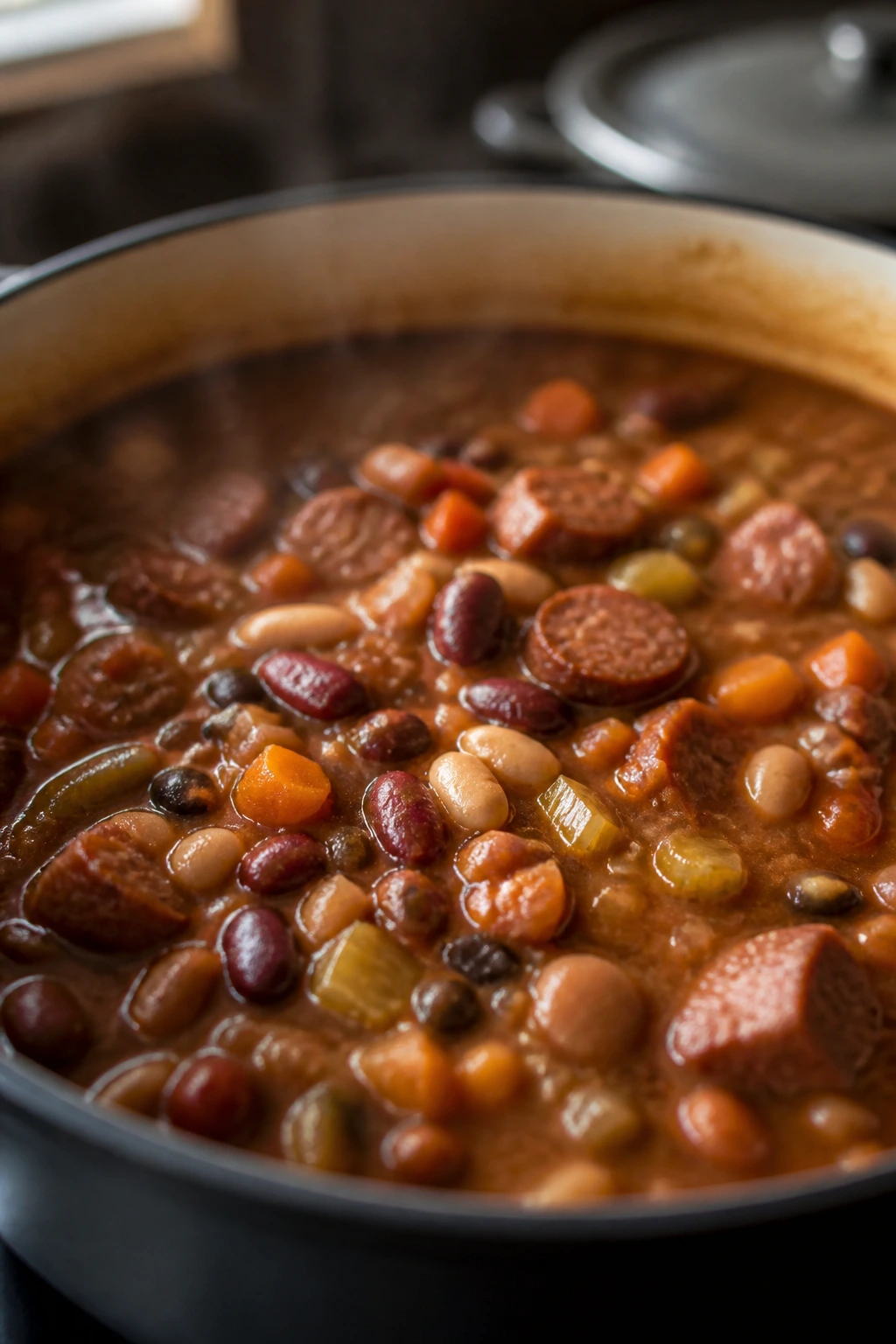
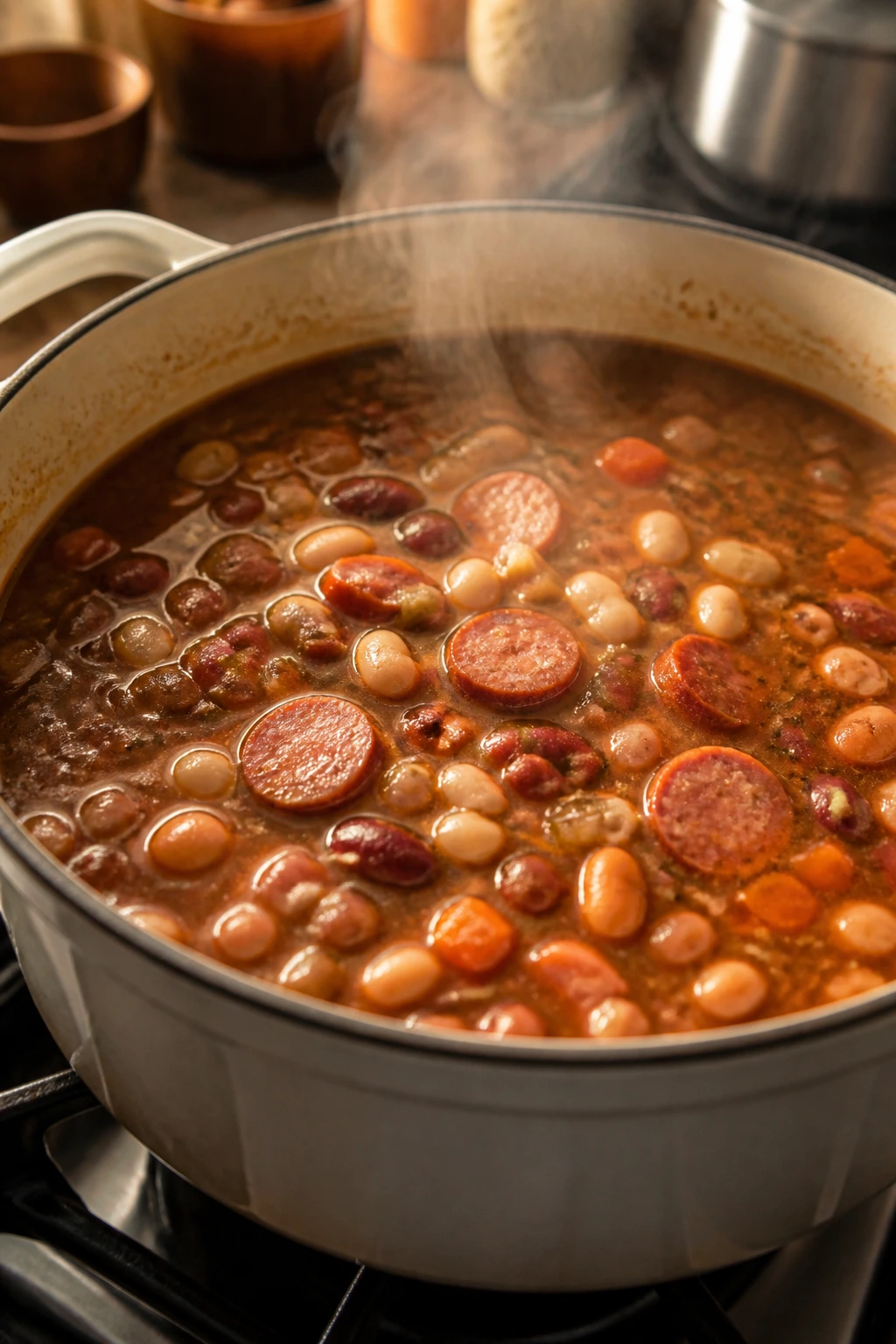
Add the beans, broth, and seasonings. Stir in the drained beans, browned sausage, broth, 1 to 2 cups hot water, bay leaves, thyme, smoked paprika, black pepper, and red pepper flakes if using. Bring the pot to a boil, then lower the heat until the surface barely trembles. Partially cover and simmer for 90 to 105 minutes, stirring every 20 minutes, until the beans are tender and a few of the softer beans have started to melt into the broth.
-
Check the texture and seasoning. Taste the broth and add salt in small pinches until the flavor wakes up. If you want a thicker soup, mash 4 to 6 spoonfuls of beans against the side of the pot with the back of a spoon. If the beans still feel chalky in the center, keep simmering in 10- to 15-minute increments and add hot water if the surface starts to dry out.
Finish and Rest:
-
Brighten the pot. Remove the bay leaves. Stir in the apple cider vinegar and parsley, then let the soup bubble gently for 2 more minutes. The vinegar should make the broth taste cleaner and more focused, not sour.
-
Rest before ladling. Turn off the heat and let the soup sit for 15 minutes before serving. The broth thickens a little as it cools, and that pause helps the flavors settle into the beans instead of racing past them.
How to Serve a Bowl Like a Full Meal

Presentation: Ladle the soup into warm, wide bowls so you can see the sausage slices and the different beans instead of hiding them under a deep pool of broth. A little chopped parsley on top keeps the bowl from looking brown all the way through, and a few cracks of black pepper give the surface some life.
Accompaniments: I like this with skillet cornbread, buttered toast, or a thick wedge of crusty bread that can drag through the broth. A sharp cabbage slaw or a simple green salad with a mustardy dressing cuts through the sausage fat and keeps the meal from feeling heavy in one direction. If you want an extra-savory plate, add pickled onions or a spoonful of chopped pickles on the side.
Portions: Plan on about 1 1/2 cups per serving for a main meal. If you’re serving smaller bowls with bread and salad, 1 cup is enough, and the pot will stretch a little farther. This soup also scales well for a crowd; just keep the bean-to-liquid ratio steady and use a bigger pot than you think you need.
Beverage Pairing: I reach for unsweetened iced tea, a dry cider, or a light amber lager. If you want something nonalcoholic with a little brightness, sparkling water with lemon stands up well to the sausage and beans without fighting them.
Small Tweaks That Make the Flavor Pop

Flavor Enhancement: A tablespoon of apple cider vinegar at the end does more than sharpen the broth; it makes the sausage taste smokier and the beans taste sweeter by contrast. If you like a deeper savory edge, tuck in a parmesan rind during the last 30 minutes and pull it out before serving.
Time-Saver: Chop the onion, carrots, and celery while the sausage browns. That little overlap saves enough time to matter, and the pot keeps moving instead of sitting around waiting for you. A bag of pre-cut mirepoix works too, and I won’t scold you for using it on a weeknight.
Cost-Saver: Low-sodium broth plus hot water is easier on the budget than using broth alone. The beans and sausage bring enough flavor that you do not need expensive stock to make the pot taste full.
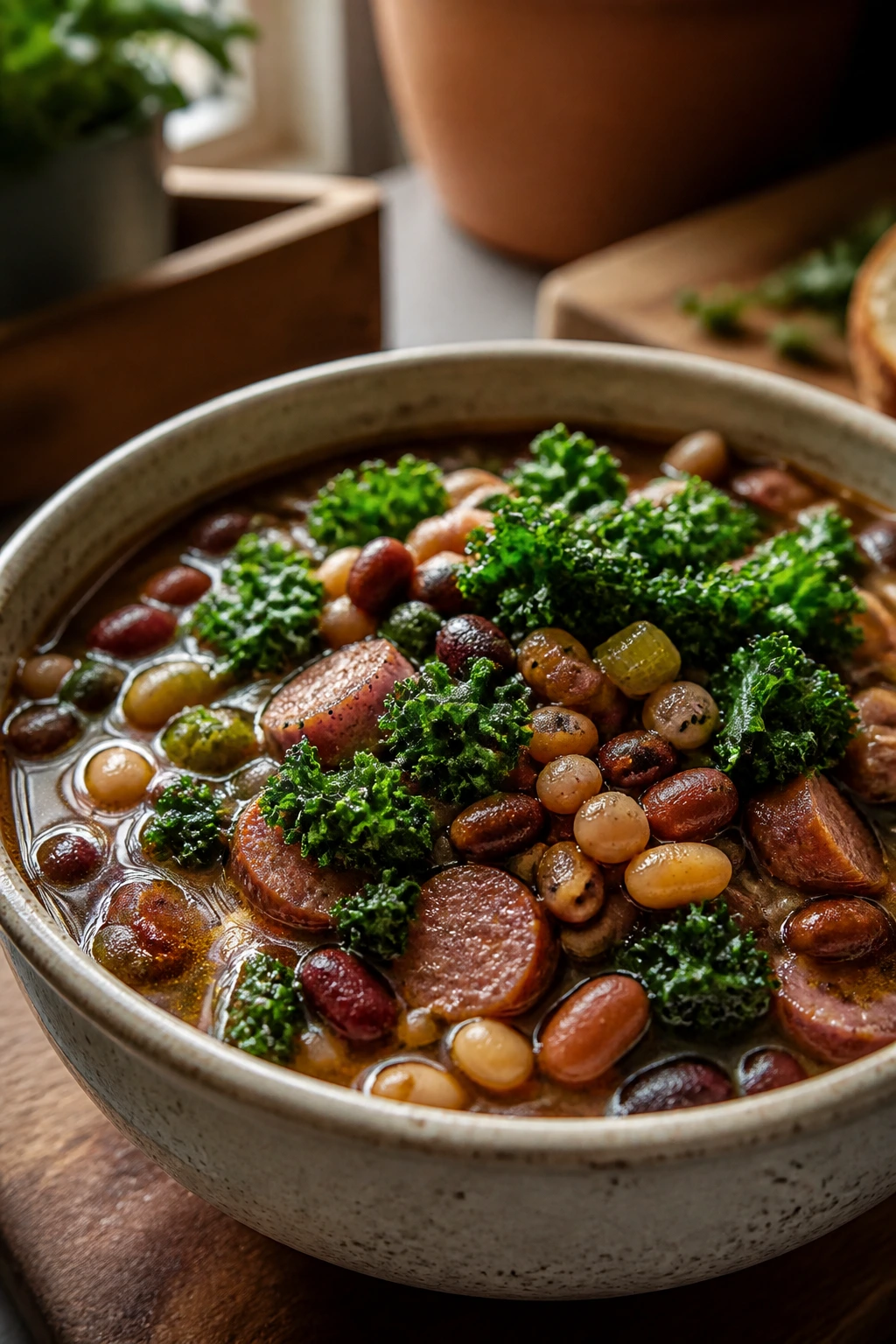
Make-It-Yours: If you like heat, add more crushed red pepper or switch to andouille. If you want a softer, less smoky bowl, use turkey kielbasa and a little extra olive oil. A few handfuls of chopped kale stirred in during the last 10 minutes turn the soup greener and give the bowl a little chew.
Texture Control: Mash some of the beans against the side of the pot if you want a thicker broth, or leave them whole if you like a looser soup. I usually do a little of both. That way the bowl has body without turning into bean paste.
Mistakes That Leave the Soup Flat or the Beans Tough

-
Boiling the soup hard instead of simmering it. A rolling boil beats the beans around, splits the skins, and makes the broth cloudy in a way that tastes rough, not rustic. Keep the pot at a lazy bubble; if the surface is angry, turn the heat down.
-
Under-seasoning until the very end and then panicking. Beans absorb salt slowly, and sausage brings its own salt too, so a timid pot tastes thin even when the ingredients are good. Season in stages, then taste after the beans soften and adjust from there.
-
Adding vinegar or lemon before the beans are tender. Acid can slow down the last stretch of softening, which is why the beans sometimes stay stubborn when the broth already tastes seasoned. Wait until the beans give easily between your fingers, then add the vinegar.
-
Using sausage that’s sliced too thin. Paper-thin rounds dry out and disappear into the broth, leaving behind only salt and a few lonely edges. Keep the slices chunky enough to brown and stay visible.
-
Walking away when the broth gets thick. Beans keep drinking liquid during the simmer and again as the soup sits. If the surface starts to look dry, add hot water in small splashes, not cold water dumped all at once.
-
Ignoring old beans. A fresh bag softens in a predictable way; a dusty old bag can act like it has a grudge against your dinner plans. If the beans feel suspiciously old, soak them longer and expect a little extra cook time.
Named Variations That Fit Different Kitchens
Andouille Heat Check: Swap the smoked sausage for andouille and use the full 1/4 teaspoon of crushed red pepper, maybe a touch more if you like the broth with a little bite. This version tastes sharper and more Southern, and it holds up well with cornbread on the side.
Turkey Kielbasa Simmer: Use turkey kielbasa instead of pork sausage and add an extra tablespoon of olive oil when you brown it, because lean sausage doesn’t leave as much fat behind. The soup still tastes smoky, just lighter around the edges.
Tomato-Broth Bean Pot: Stir in 1 can of diced tomatoes with the broth and add another 1/2 teaspoon smoked paprika. This pushes the soup toward a redder, brighter broth that feels a little closer to a stew without losing the bean character.
Green and Smoky Bowl: Add 2 packed cups of chopped kale or collard greens during the last 10 minutes of simmering. The greens keep their shape, add a slight chew, and make the soup feel sturdier without changing the core flavor.
Slow Cooker Version: Brown the sausage, onions, carrots, celery, garlic, and tomato paste on the stove first, then transfer everything to a slow cooker with the soaked beans, broth, and seasonings. Cook on low for 7 to 8 hours or high for 4 to 5 hours, then finish with vinegar and parsley at the end.
Make-Ahead, Storage, and Reheating
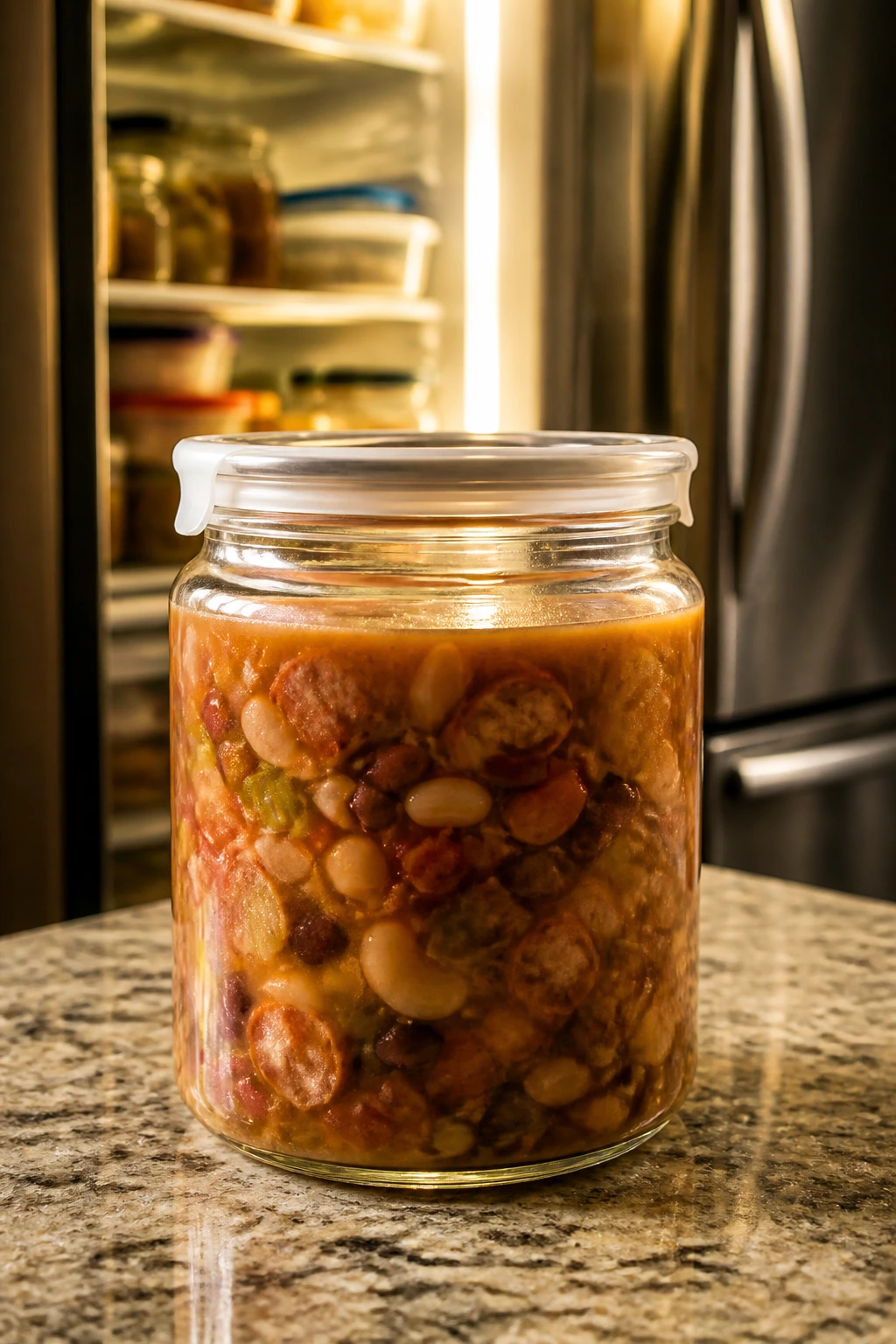
This soup keeps well, and that matters because the flavor deepens once the beans have had time to sit in the broth. If you make it the day before, the pot will taste rounder and less separate, which is usually a good sign with bean soup. Let it cool for no more than 2 hours at room temperature, then move it into containers.
In the refrigerator, it holds for 4 days without trouble. Expect it to thicken quite a bit; beans do that. When you reheat it on the stove, use low heat and add a splash of broth or hot water until the texture loosens again. The microwave works too, but use short bursts and stir between them so the beans warm evenly instead of exploding in the center.
For the freezer, portion the soup into airtight containers or heavy freezer bags and leave about an inch of space at the top, because the broth expands. It keeps for up to 3 months. Thaw it overnight in the fridge, then reheat gently on the stove. If the soup was a little undercooked before freezing, it will often finish softening during the reheat, which is handy.
A few make-ahead pieces are easy. You can quick-soak the beans the night before, chop the vegetables a day ahead, or even brown the sausage and refrigerate it separately. I do not recommend freezing the soup with a lot of extra parsley mixed in. Fresh herbs fade fast in the freezer and bring nothing useful back.
Questions Home Cooks Ask First

Do I have to soak the beans first?
No, but I recommend it. Quick-soaking helps the beans cook more evenly and keeps the soup from turning into an all-afternoon project. If you skip it, expect a much longer simmer and a little more attention to the liquid level.
Can I use canned beans instead of dried?
You can, but the soup becomes a different animal. Canned beans only need a short simmer, so you won’t get the same creamy broth or the same layered texture from the 15-bean mix. If you go that route, add the canned beans near the end and keep the cook time short.
What sausage tastes best in this soup?
Smoked sausage or kielbasa is my first choice because it brings fat and a cured edge that hold up through the simmer. Andouille is great if you want heat. Turkey sausage works, but it needs a little extra help from olive oil and seasoning.
Why are some of my beans still hard after simmering?
Usually it’s one of three things: the beans were old, the simmer was too hard, or the broth level dropped too far and the beans on top cooked unevenly. Keep the heat low, add hot water as needed, and give it more time in 10- to 15-minute stretches.
Can I make this in a slow cooker?
Yes. Brown the sausage and vegetables first, then transfer everything to the cooker with the soaked beans and broth. Cook on low for 7 to 8 hours, or until the beans are tender, and stir in vinegar at the end so the broth stays bright.
How do I make the soup thicker without mashing everything?
Take a spoonful of beans and press them against the side of the pot, then stir them back in. You only need a few mashes to give the broth more body. A longer uncovered simmer also helps, but I prefer the controlled route.
Does this freeze well?
Very well, actually. Bean soup is one of those dishes that tolerates freezing better than creamy soups or pasta soups. Just cool it fully, portion it tightly, and reheat with a little extra broth because the beans keep absorbing liquid.
Can I make it without tomatoes?
Yes, and the soup will still work. Leave out the tomato paste and use an extra half-teaspoon of smoked paprika for color and depth. The broth will taste a little less rounded, so the final vinegar and salt check matter even more.
A Last Bowl Worth Making Again
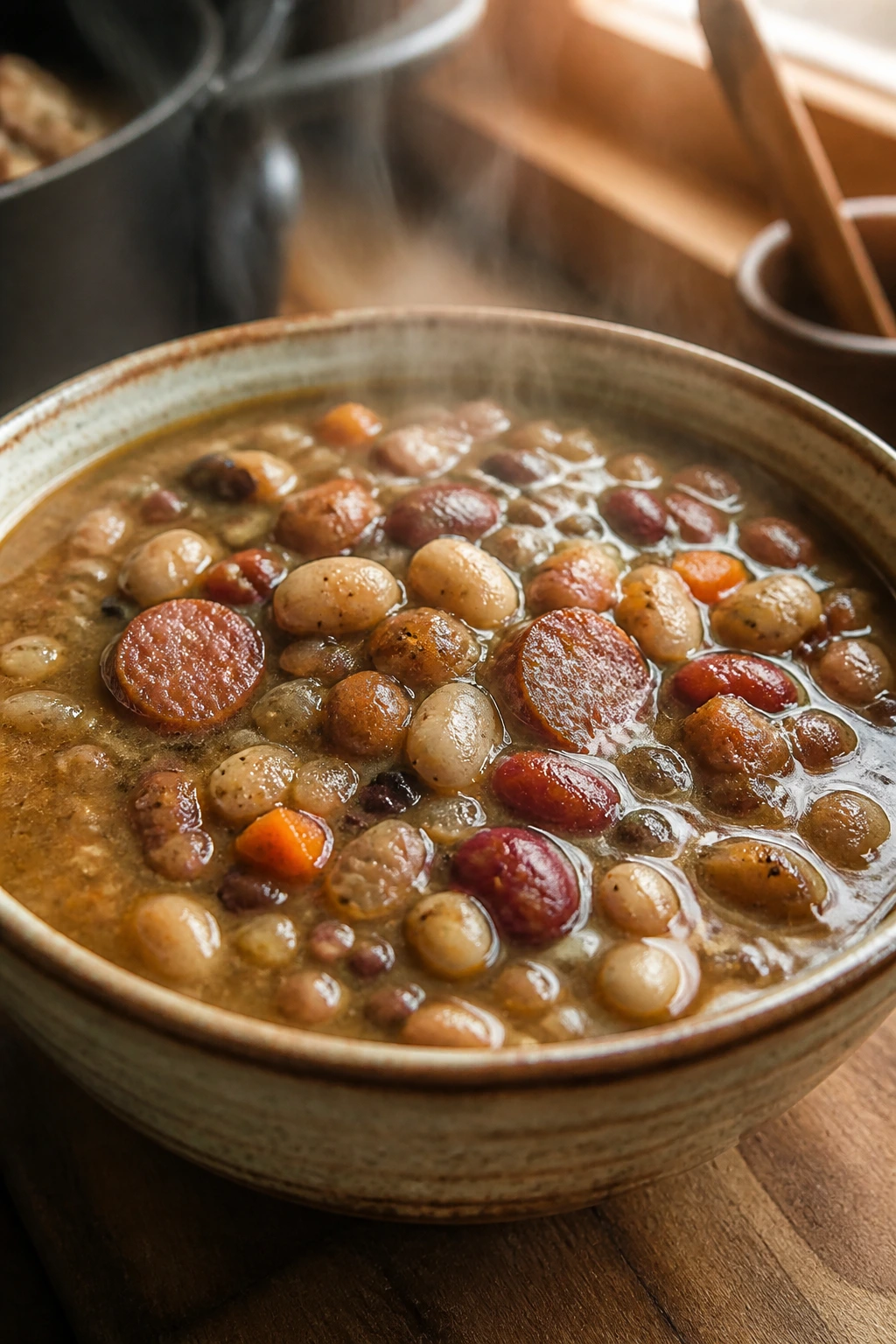
Bean soup is at its best when it’s allowed to become what it is instead of being rushed into something lighter or fancier. That’s why this pot works. The sausage browns, the beans soften, the broth thickens, and the whole thing lands somewhere between pantry cooking and a meal that feels cared for. Not precious. Just cared for.
Keep a little extra broth nearby when you reheat it, because this is the kind of soup that gets more serious as it sits. The first bowl is good. The second bowl, with a little cider vinegar and a warm piece of cornbread, is usually the one that disappears first.
Comforting 15 Bean Soup with Sausage — Recipe Card

Recipe Name: Comforting 15 Bean Soup with Sausage
Description: A smoky, thick bean soup made with a 15-bean mix, browned sausage, vegetables, and a bright finish of vinegar and parsley. The broth gets fuller as it simmers and even better after a rest.
Prep Time: 25 minutes
Cook Time: 1 hour 45 minutes
Total Time: 3 hours 10 minutes, including 1 hour quick-soak time
Course: Main Course
Cuisine: American
Servings: 8 servings
Calories: About 340 kcal per serving
For the Quick Soak:
- 1 pound 15-bean soup mix, sorted and rinsed
- 12 cups water
- 1 tablespoon kosher salt
For the Soup:
- 1 tablespoon olive oil
- 12 ounces smoked sausage or kielbasa, sliced into 1/4-inch rounds
- 1 large yellow onion, diced
- 2 medium carrots, diced
- 2 celery stalks, diced
- 4 garlic cloves, minced
- 1 tablespoon tomato paste
- 8 cups low-sodium chicken broth
- 1 to 2 cups hot water, as needed
- 2 bay leaves
- 1 teaspoon dried thyme
- 1 teaspoon smoked paprika
- 1/2 teaspoon black pepper
- 1/4 teaspoon crushed red pepper flakes, optional
- 1 to 1 1/2 teaspoons kosher salt, plus more to taste
- 1 tablespoon apple cider vinegar
- 2 tablespoons chopped fresh parsley, optional
Instructions:
- Sort and rinse the bean mix. Quick-soak it in 12 cups water with 1 tablespoon kosher salt: boil for 2 minutes, cover for 1 hour, then drain and rinse.
- Brown the sausage in olive oil over medium heat for 5 to 6 minutes, then remove it and leave the drippings in the pot.
- Cook the onion, carrots, and celery for 8 to 10 minutes. Add the garlic and tomato paste and cook 1 minute more.
- Stir in the beans, sausage, broth, hot water, bay leaves, thyme, smoked paprika, black pepper, and red pepper flakes. Bring to a boil, reduce to a bare simmer, partially cover, and cook 90 to 105 minutes.
- Season with salt to taste. Mash a few beans against the side of the pot if you want a thicker soup.
- Remove the bay leaves. Stir in the vinegar and parsley, cook 2 more minutes, then rest 15 minutes before serving.
Notes: The soup thickens as it cools, so add extra broth when reheating if needed. If your bean mix includes a seasoning packet, taste the soup before adding it.