



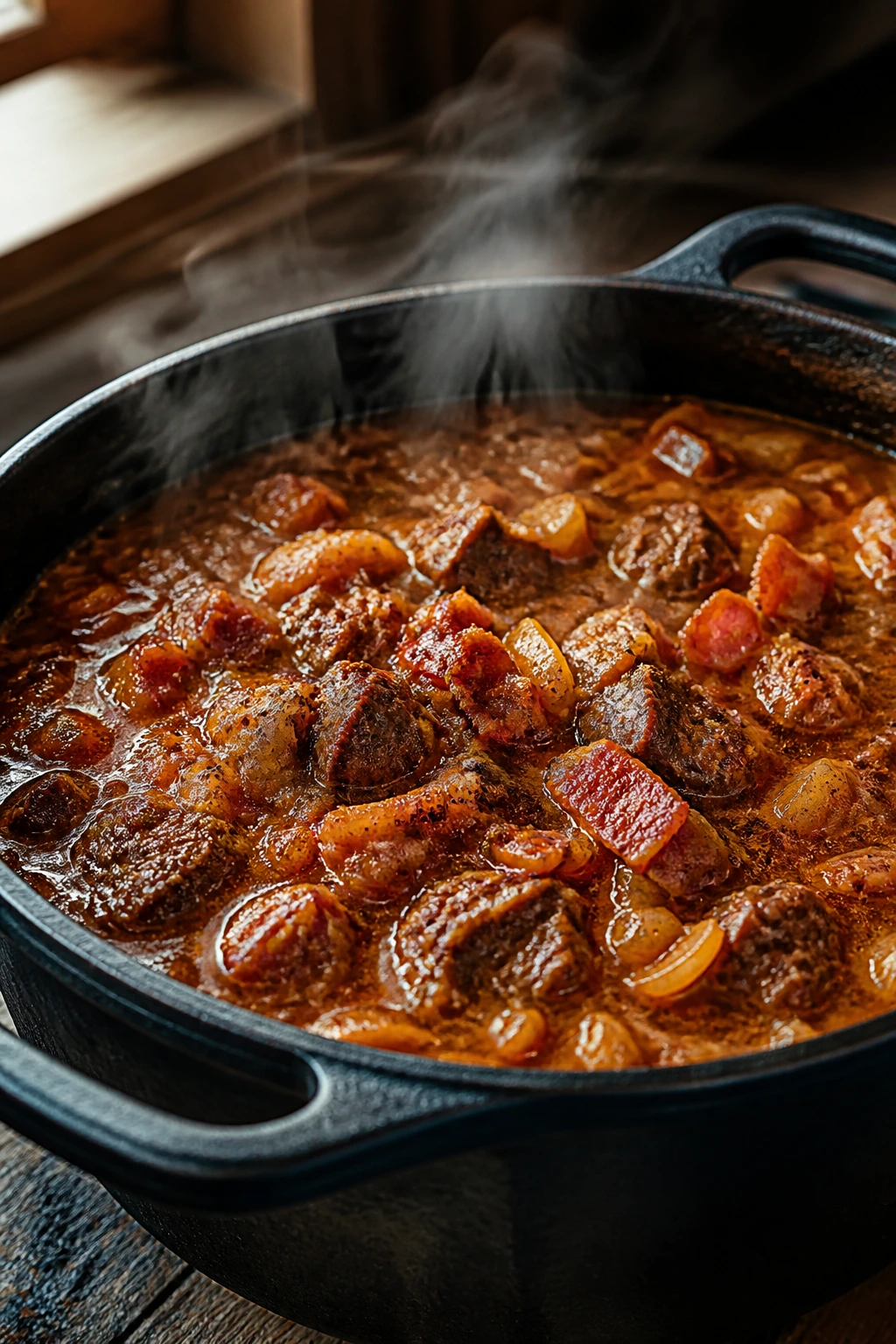
Smoky classic beef stew for cold winter nights has a way of making the whole house feel steadier. The first thing you notice isn’t the beef; it’s the bacon in the pot, then the onion, then that dark, paprika-red broth that smells like it has been waiting all day to be eaten.
A good stew needs time, but it also needs shape. Chuck roast gives you that elastic, spoon-soft texture after a long braise, and Yukon Gold potatoes stay intact instead of collapsing into starch soup. That matters more than people think. A stew can have all the right ingredients and still eat like muddy gravy if the cuts are wrong or the simmer gets too rough.
I like smoke in stew when it sits in the background and deepens the broth rather than shouting from across the room. Bacon, smoked paprika, a proper brown crust on the beef, and a little red wine do that job without turning dinner into barbecue. Once those pieces are working together, the pot tastes darker, rounder, and more deliberate.
Why This Smoky Classic Beef Stew Works When the Wind Gets Mean
Deep Brown Flavor: The beef gets seared in batches, and that browned surface is not decoration. It’s the backbone of the broth, the reason the stew tastes like it spent longer on the stove than it actually did.
Smoke Without a Heavy Hand: Bacon and smoked paprika give the pot a woodsy edge, but they stay in the background. You get warmth and depth, not a broth that tastes like a campfire somebody forgot to put out.
Beef That Turns Spoon-Tender: Chuck roast has enough connective tissue to melt during a slow braise. That means the meat softens into big, loose chunks instead of drying out into chewy cubes.
Potatoes That Hold Their Shape: Yukon Golds stay creamy at the edges while still keeping their form. That’s a small thing until you’ve had stew where the potatoes disappear into paste.
A Better Leftover Bowl: The broth thickens after a night in the fridge, and the smoke settles in more evenly. The second bowl often tastes more balanced than the first.
One Pot, Fewer Compromises: The Dutch oven goes from stovetop to oven to table without asking much from you. That’s the kind of practical cooking I’ll always defend.
Timing, Yield, and a Quiet Prep Routine
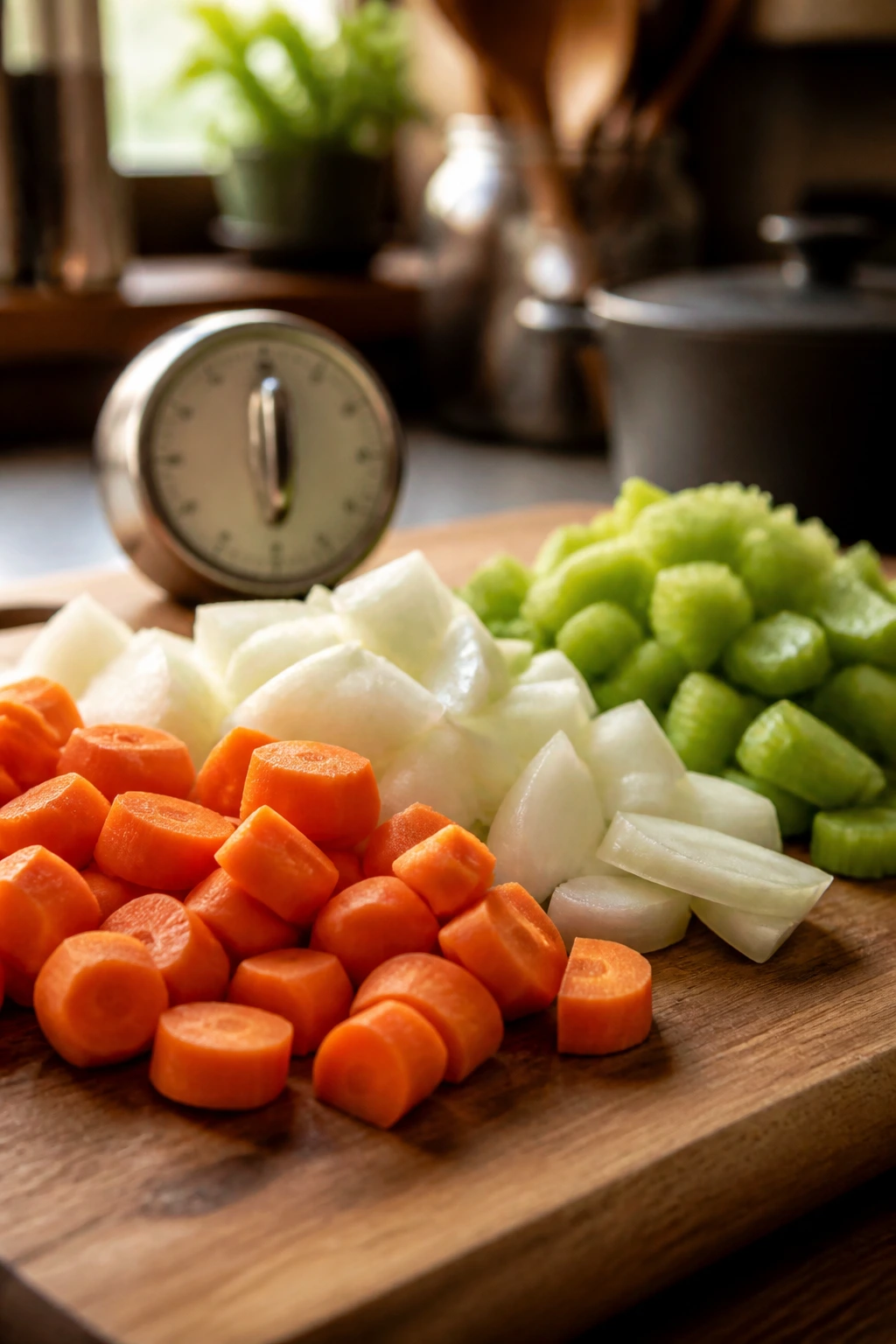
The one thing that makes stew feel easy is having everything chopped before the beef hits the pot. Once the browning starts, the pace picks up, and you do not want to be peeling carrots while the fond on the bottom burns.
Yield: Serves 6
Prep Time: 25 minutes
Cook Time: 2 hours 45 minutes
Total Time: 3 hours 10 minutes
Difficulty: Intermediate — the steps are straightforward, but browning, deglazing, and braising each need a little attention.
Best Served: After a 10-minute rest, when the broth has settled and the potatoes are still whole.
Ingredients for Smoky Classic Beef Stew
For the Beef and Seasoning
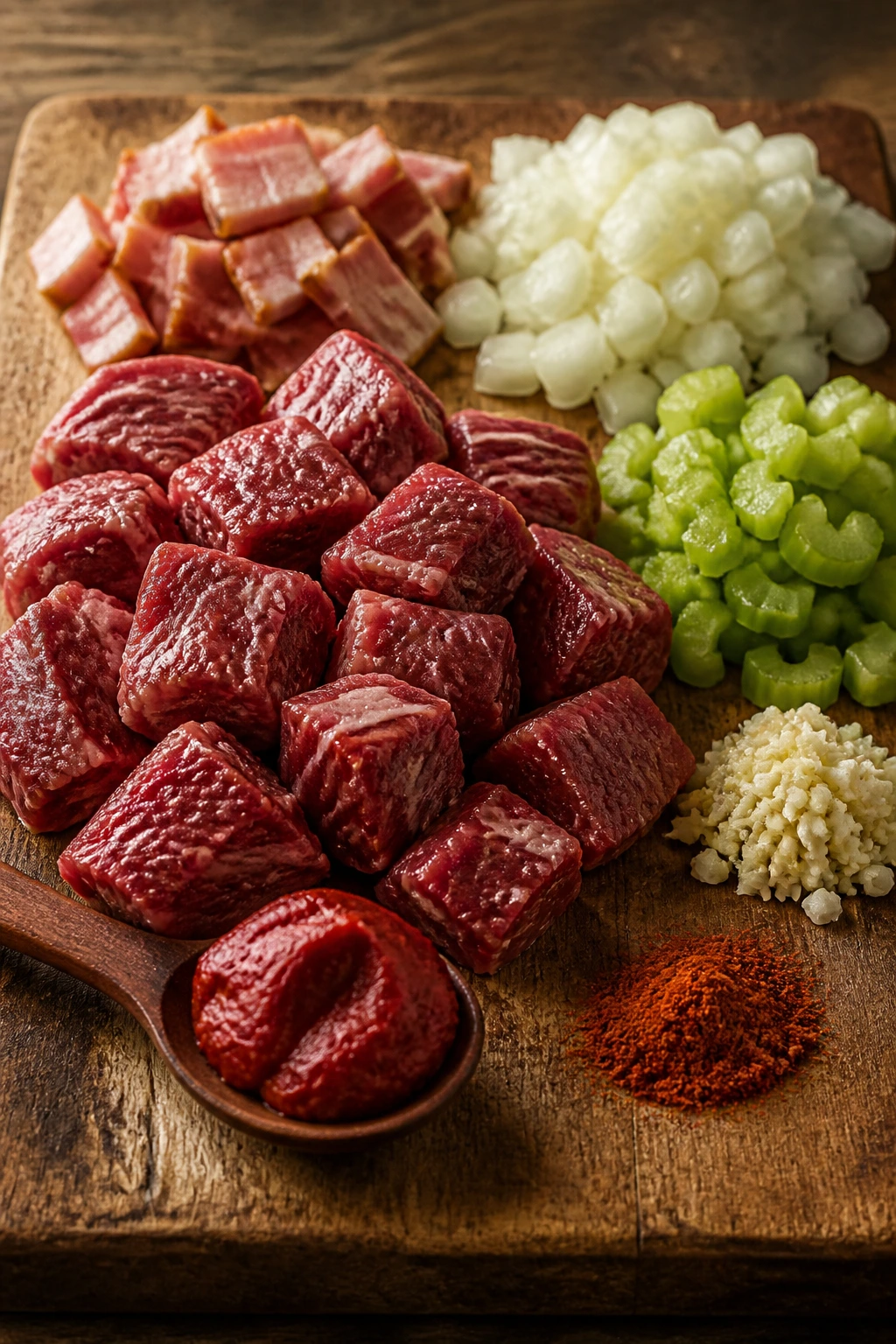
- 3 lbs beef chuck, cut into 1½-inch cubes and patted dry
- 2 tsp kosher salt, plus more to taste at the end
- 1 tsp black pepper
- 3 tbsp all-purpose flour, for a light coating that helps thicken the stew
For the Smoky Base
- 6 slices thick-cut bacon, chopped into 1-inch pieces
- 2 tbsp olive oil, if the pot looks dry after the bacon renders
- 2 large yellow onions, chopped
- 2 celery stalks, sliced
- 4 cloves garlic, minced
- 2 tbsp tomato paste
- 1 tbsp smoked paprika
For the Braise
- 1 cup dry red wine
- 4 cups low-sodium beef broth
- 1 tbsp Worcestershire sauce
- 2 bay leaves
- 1 tsp dried thyme
For the Vegetables and Finish
- 1½ lbs Yukon Gold potatoes, cut into 1½-inch chunks
- 3 medium carrots, cut into 1-inch pieces
- 1 tbsp red wine vinegar
- 2 tbsp chopped fresh parsley
Why Each Ingredient Pulls Its Weight
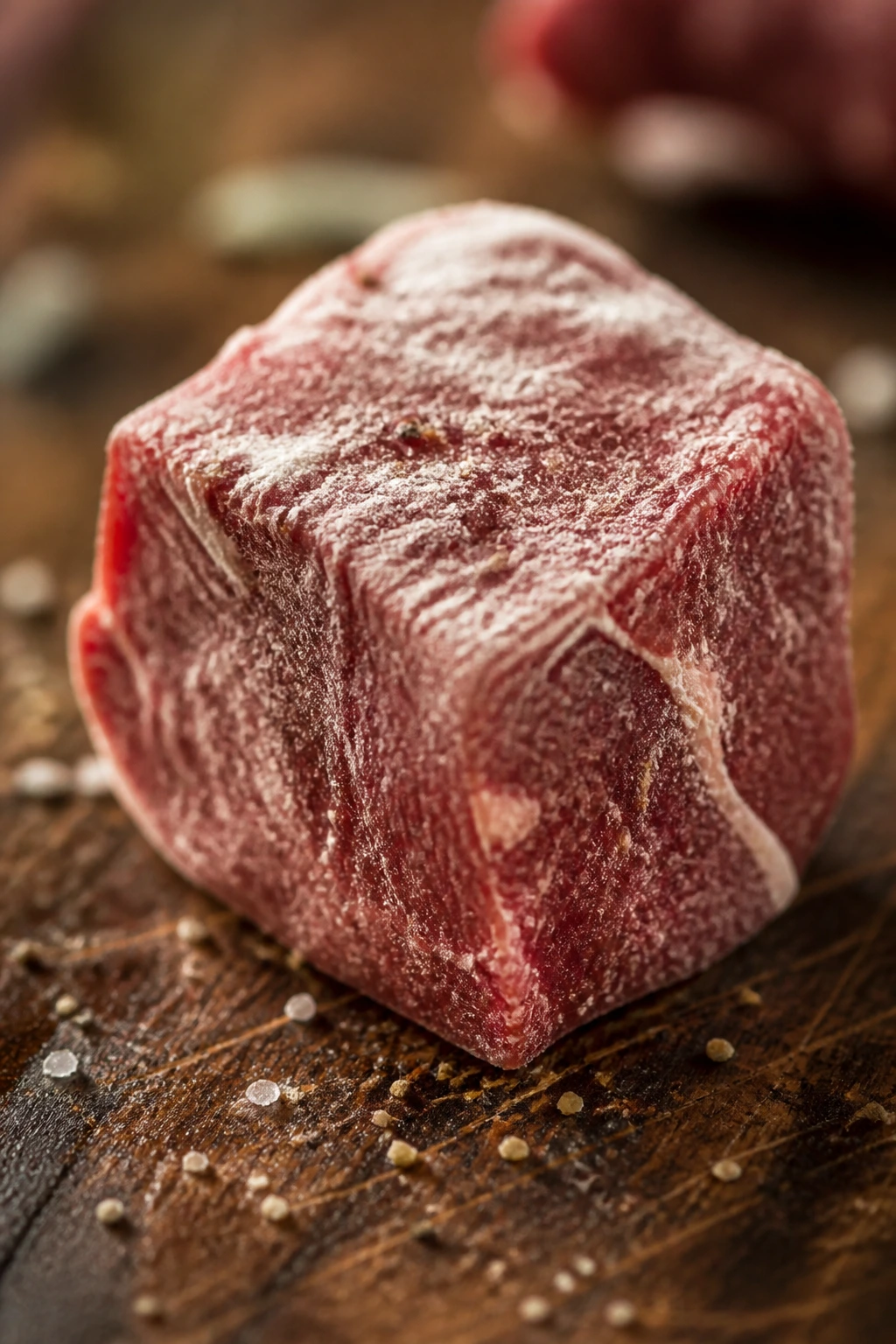
Beef and the Light Flour Coat
What to use: 3 lbs beef chuck, cut into 1½-inch cubes, plus kosher salt, pepper, and a light flour coating.
Preparation: Pat the beef dry before anything else. Toss it with the flour, salt, and pepper so each piece gets a thin dusting rather than a thick paste.
Substitutions: Beef shoulder or blade roast works if chuck is not available. Pre-cut stew meat can work too, but check the pieces; mixed cuts brown unevenly and finish unevenly.
Tips: Dry beef browns. Wet beef steams. That difference decides whether your stew tastes deep and beefy or flat from the start.
Bacon, Onions, Celery, Garlic, Tomato Paste, and Smoked Paprika
What to use: 6 slices thick-cut bacon, 2 large yellow onions, 2 celery stalks, 4 cloves garlic, 2 tbsp tomato paste, and 1 tbsp smoked paprika.
Preparation: Chop the bacon into pieces that can crisp in a few minutes. Cut the onions and celery into even pieces so they soften at the same pace.
Substitutions: Pancetta can stand in for bacon, though it gives less smoke and more salt. If you want a gentler smoky note, use 2 tsp smoked paprika instead of 1 tbsp and keep the bacon.
Tips: Let the tomato paste darken for a minute or so in the pot. That step pulls out the raw edge and gives the broth a deeper color.
Wine, Broth, Worcestershire, Bay, Thyme, and Vinegar
What to use: 1 cup dry red wine, 4 cups low-sodium beef broth, 1 tbsp Worcestershire sauce, 2 bay leaves, 1 tsp dried thyme, and 1 tbsp red wine vinegar at the end.
Preparation: Measure the wine and broth before you start browning. Once the beef is seared, the pan needs liquid fast so the browned bits don’t burn.
Substitutions: No wine? Use another cup of broth plus 1 tbsp balsamic vinegar. The broth will be a little less deep, but still rich.
Tips: Low-sodium broth is the move here. Bacon and Worcestershire already bring salt, and you want room to season at the end instead of fighting a salty pot.
Potatoes, Carrots, and Parsley
What to use: 1½ lbs Yukon Gold potatoes, 3 medium carrots, and 2 tbsp chopped parsley.
Preparation: Cut the potatoes and carrots into pieces large enough to survive a long braise without falling apart.
Substitutions: Red potatoes work, though they stay a little firmer. Parsnips or turnips can replace some of the carrots if you want a more rooty, winter flavor.
Tips: Add the potatoes and carrots late enough that they hold shape, and save the parsley for the finish so it stays bright and fresh.
The Tools That Make Braising Easier
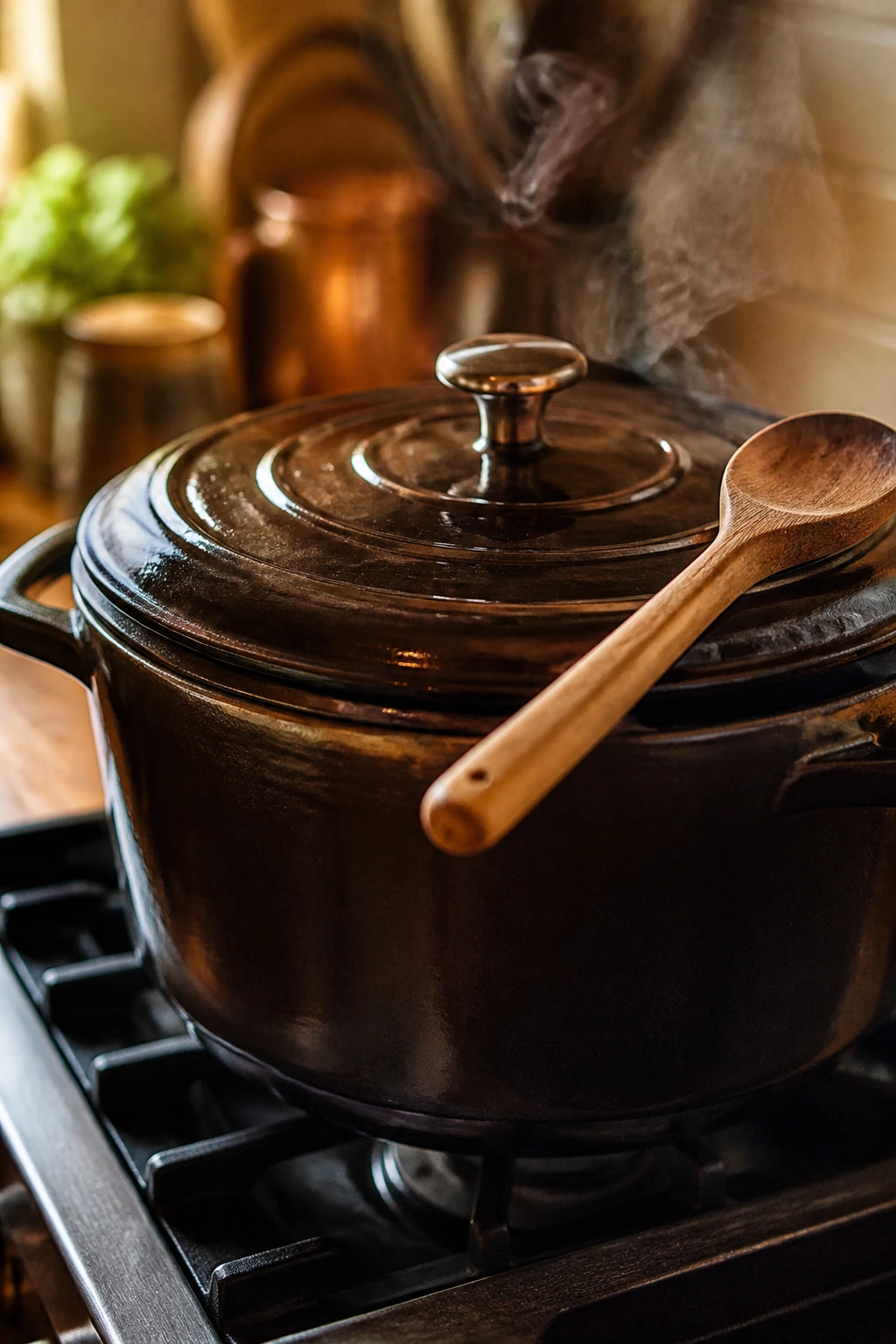
- 6-quart Dutch oven with a tight lid — Cast iron or enameled cast iron works best because it holds heat evenly and gives you room to sear and simmer in one pot.
- Wooden spoon or flat spatula — You need something sturdy enough to scrape up browned bits without scratching the pot.
- Sharp chef’s knife — Clean cuts on the beef and vegetables help everything cook at the same pace.
- Large cutting board — Beef, onions, carrots, and potatoes all need space; cramped prep leads to sloppy cuts.
- Tongs — Handy for turning beef cubes without tearing them apart while they brown.
- Ladle — Useful for serving thick bowls without leaving half the vegetables behind in the pot.
- Lid or heavy foil if you’re using a different pot — A tight cover matters during the braise because it keeps moisture from escaping too fast.
Step-by-Step: Building the Stew in One Dutch Oven
Prep and Season
-
Preheat the oven to 325°F (165°C) and set a rack in the center. If your Dutch oven is cold, let it sit on the stove for a minute before adding fat so the bacon starts rendering evenly.
-
Pat the beef chuck dry with paper towels, then toss it with the salt, pepper, and flour in a large bowl. The pieces should look lightly coated, not dusty; shake off any loose flour that falls to the bottom of the bowl.
Build the Smoky Base
-
Render the bacon in the Dutch oven over medium heat for 6 to 8 minutes, stirring now and then, until the pieces are crisp and the fat has collected in the bottom. Lift the bacon out with a slotted spoon and leave the fat in the pot.
-
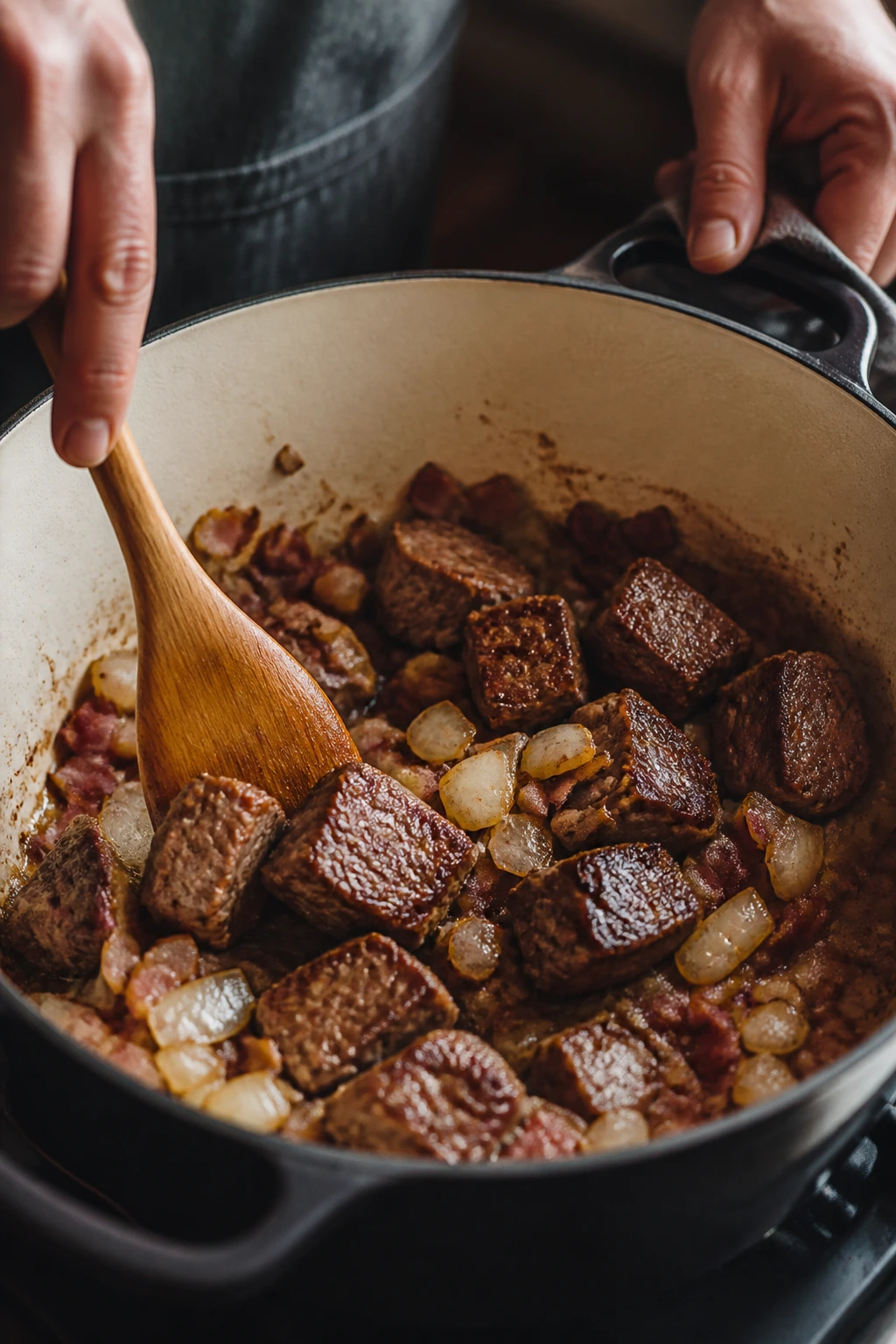
Sear the beef in batches over medium-high heat, turning each cube until it is dark brown on at least two sides, about 3 to 4 minutes per batch. Do not crowd the pot; if the beef piles up, it steams and the crust never forms. Add the olive oil only if the pot looks dry between batches.
-
Cook the onions and celery in the same pot for 5 to 7 minutes, stirring often, until the onions turn translucent and the edges pick up a little gold. Add the garlic and cook for 30 seconds, just until it smells sweet instead of sharp. Stir in the tomato paste and smoked paprika and cook for 1 minute more, until the paste darkens and clings to the vegetables.
-
Deglaze with the wine and scrape the bottom of the pot with a wooden spoon, loosening every brown bit. Let the wine bubble for 2 to 3 minutes, until the sharp alcohol smell fades and the liquid reduces by about half.
Braise and Finish
-
Add the broth, Worcestershire sauce, bay leaves, thyme, browned beef, and bacon. Bring the pot to a gentle simmer, then cover it and transfer it to the oven. Braise for 1 hour and 45 minutes, until the beef is starting to soften but still needs time.
-
Add the potatoes and carrots, stir once, and cover the pot again. Return it to the oven for 45 to 60 minutes, until the beef gives easily when pressed with a spoon and the potatoes are tender all the way through. If the liquid is boiling hard, lower the oven temperature by 10 degrees or crack the lid slightly.
-
Stir in the vinegar, taste the broth, and add more salt or pepper if needed. Let the stew rest for 10 minutes off the heat, then scatter the parsley over the top and serve. The broth should look glossy, not greasy, and the beef should break apart with light pressure.
How to Serve a Bowl That Feels Finished
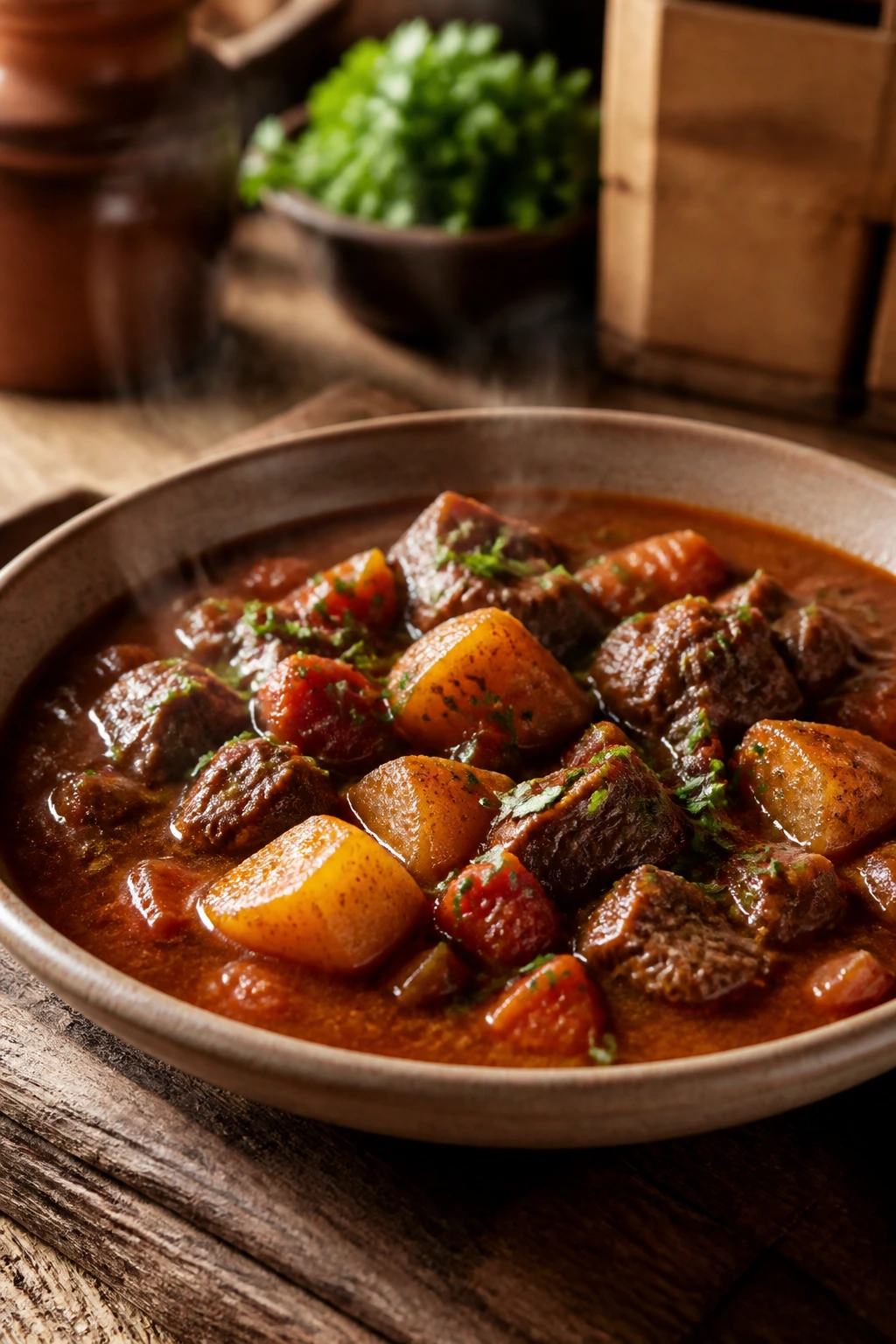
A stew like this can look plain if you drop it into the wrong bowl. Wide, shallow bowls are better than deep soup bowls because they show off the beef, potatoes, and carrots instead of burying everything in broth. I also like to warm the bowls with hot water for a minute, then dry them before ladling in the stew. It sounds fussy. It isn’t. Hot stew in a cold bowl loses its charm fast.
Presentation: Spoon the stew into bowls so each serving gets at least one big piece of beef, a few potatoes, and a good swipe of broth. Finish with parsley and a few turns of black pepper. If you want a sharper look, add the parsley right at the center and leave the edges of the bowl clean.
Accompaniments: Thick slices of sourdough, toasted rye, or a crusty country loaf are the first things I’d reach for. Buttermilk biscuits work too, especially if you like to drag them through the broth. If you want a green side, keep it simple: a small salad with mustardy vinaigrette or bitter greens like arugula.
Portions: Plan on about 1½ to 2 cups per person for dinner. If you’re serving a hungry crowd or pairing the stew with bread and salad, 6 servings is honest. For a lighter table, the same pot stretches to 8 smaller bowls.
Beverage Pairing: A dry red wine with enough structure to stand next to beef works nicely, especially something like Cabernet Sauvignon or Côtes du Rhône. A malty brown ale or stout is a better fit if you want the meal to feel even cozier. Plain sparkling water with lemon also does the job when you don’t want another heavy layer on the table.
Practical Tips for a Better Pot
Flavor Enhancement: Stir in the red wine vinegar at the end, not during the braise. A little acid wakes up the smoke and keeps the broth from tasting like it’s wearing a heavy coat. If you want a silkier finish, whisk in 1 tablespoon of cold butter right before serving.
Texture Control: Mash 2 or 3 potato chunks against the side of the pot if you want a thicker broth without adding more flour. That gives body fast and keeps the stew looking rustic rather than gluey.
Time-Saver: Chop the onions, carrots, celery, and potatoes while the beef dries on the counter. Dry beef browns better, and using that waiting time to prep the vegetables keeps the whole process moving without stress.
Deeper Brown Flavor: If your Dutch oven is roomy, sear the beef in only 2 batches. Fewer batches mean less waiting, but still enough space for a proper crust. The crust is what makes the broth taste like it simmered for twice as long.
Common Beef Stew Mistakes and How to Dodge Them
The mistakes people make with stew are rarely glamorous. They’re practical ones. The beef gets crowded, the pot gets too hot, or the vegetables spend too long in the bath and turn to mush.
-
Crowding the beef: If the cubes are packed tight, they steam instead of sear, and the whole pot tastes pale. Brown in batches and leave enough room between pieces for the surface to dry out.
-
Boiling the braise: A hard boil tightens the meat fibers and clouds the broth. You want a lazy simmer, the kind where you see a few bubbles break the surface every few seconds.
-
Adding potatoes too early: Potatoes that go in with the beef can fall apart long before the chuck turns tender. Add them during the second stretch of braising so they hold their shape.
-
Burning the paprika and tomato paste: Smoked paprika can turn bitter if it sits too long in a hot, dry pot. Stir it into the tomato paste and onions, then deglaze within a minute so the spice blooms instead of scorches.
-
Underseasoning at the finish: Beef broth, bacon, and potatoes all soak up salt at different rates, so the stew often needs a final adjustment after resting. Taste the broth with a spoon, then decide.
-
Serving it the second it leaves the oven: Right out of the oven, the broth can look looser than it really is. Ten minutes off the heat lets the starch settle and the flavor come together.
Smoky Variations Worth Trying
There’s a decent amount of room inside this pot, and I like that. The basic structure stays the same, but a few changes can push the stew in a different direction without wrecking the balance.
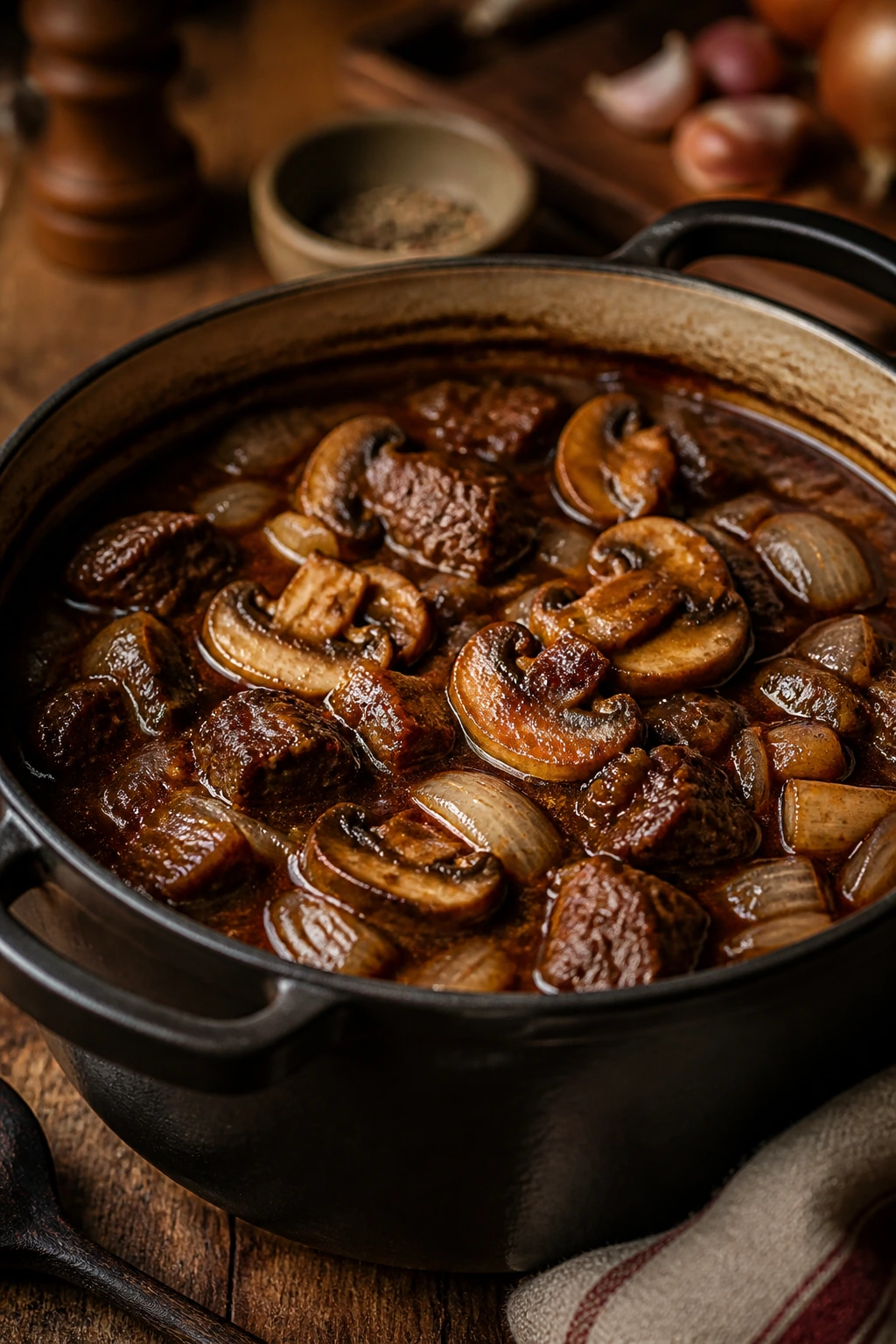
Stout-and-Mushroom Braise: Swap the red wine for 1 cup of dark stout and add 8 oz sliced cremini mushrooms with the onions. The broth turns earthier and a little maltier, which works well if you like a deeper roast note.
Root-Cellar Winter Pot: Replace 1 of the carrots with a parsnip and add 1 peeled turnip or a small rutabaga. The vegetables add a faint sweetness and a firmer bite that feels right in cold weather.
No-Wine Pantry Stew: Skip the wine and use 1 extra cup of beef broth plus 1 tbsp balsamic vinegar. The broth will be a shade less complex, but the vinegar still brings the brightness that keeps the pot from feeling heavy.
Gluten-Free Bowl: Omit the flour from the beef coating, brown the meat plain, and thicken the finished stew with 1 tbsp cornstarch mixed with 1 tbsp cold water. Stir that slurry into the simmering stew near the end and cook for 2 to 3 minutes until the broth turns slightly glossy.
Less-Smoky Family Version: Cut the smoked paprika to 2 tsp and keep the bacon, or use half bacon and half olive oil. That keeps the stew savory and warm without pushing the smoke so far forward that it dominates the beef.
Make-Ahead, Storage, and Reheating
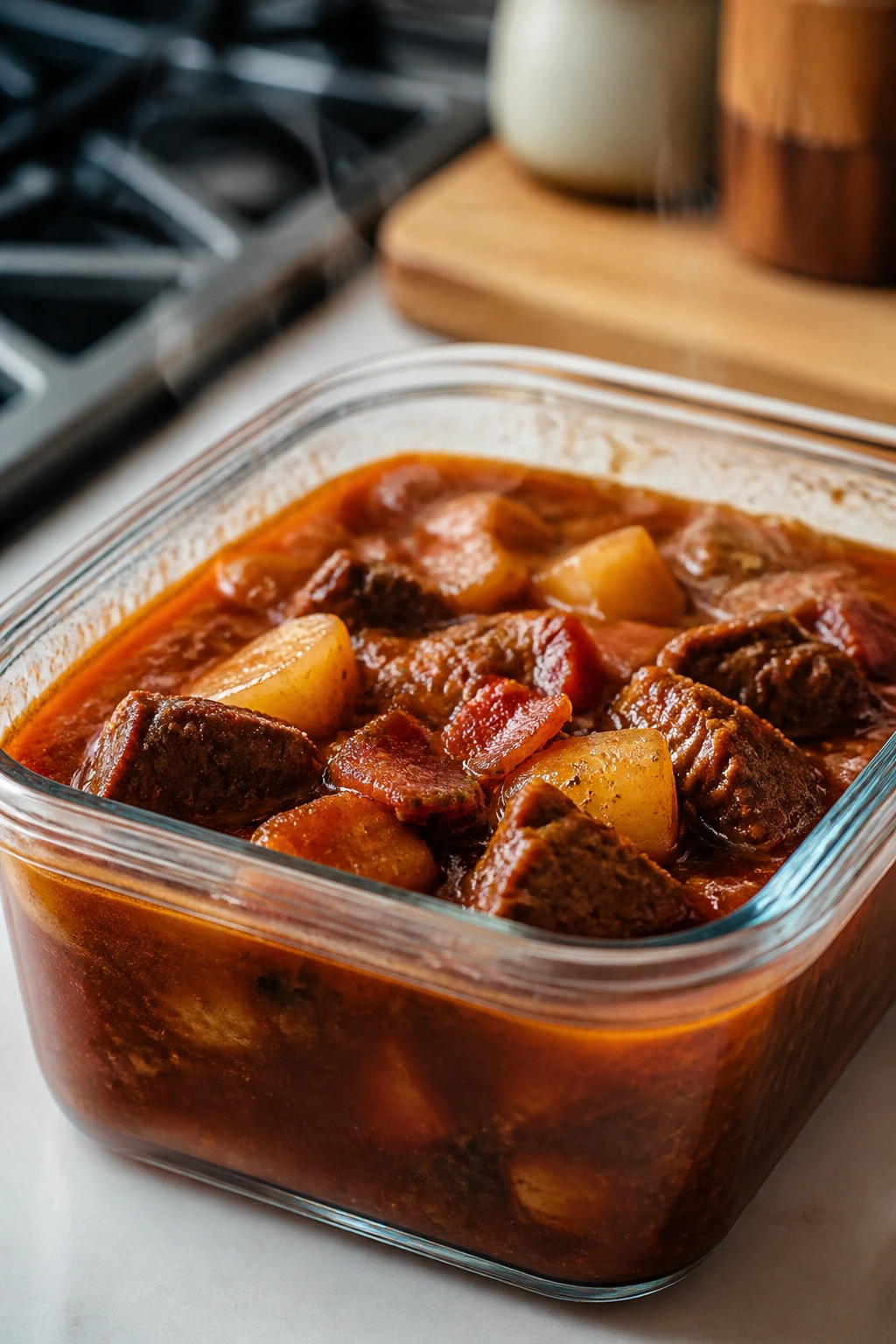
Stew is one of those dishes that behaves well the next day, and I trust recipes like that. The flavors settle, the broth thickens, and the beef gets a little more relaxed in the fridge. If you like cooking once and eating twice, this one earns its keep.
Refrigerator: Cool the stew until it stops steaming hard, then move it into airtight containers within 2 hours. It keeps well for 4 days in the fridge. If you know you’ll be reheating it more than once, store it in smaller portions so you only warm what you need.
Freezer: Freeze for up to 3 months in sealed containers or heavy freezer bags laid flat. The potatoes will soften a little after thawing, so if freezing is part of your plan, slightly undercook them before freezing or expect a softer texture later. The flavor stays strong even if the vegetables change a bit.
Reheating: The stovetop is the best choice. Warm the stew over medium-low heat, stirring now and then, and add a splash of broth or water if it looks too thick. Microwave reheating works in a pinch; cover the bowl loosely and heat in 1-minute bursts so the potatoes don’t split apart.
Make-Ahead: You can brown the beef and cook the onion-bacon base a day ahead, then refrigerate it and finish the braise later. Or make the whole pot, cool it, and reheat the next day. Either way, leave the parsley off until serving. Fresh herbs fade fast in storage.
Questions People Ask Before the First Spoonful
Can I make this in a slow cooker?
Yes, but still brown the beef and bacon first. Cook the onion, tomato paste, and paprika on the stovetop, then move everything to the slow cooker and cook on low for about 8 hours or high for 4 to 5 hours. Add the potatoes and carrots during the last 2 hours so they don’t turn to paste.
What cut of beef works best?
Chuck roast is the one I’d buy first. It has enough fat and connective tissue to break down into tender pieces during a long braise, while leaner cuts often dry out before the stew is done. Blade roast or beef shoulder can work in the same way.
Do I have to use red wine?
No. If you want to skip it, use another cup of beef broth and add 1 tablespoon balsamic vinegar near the end. The stew will lose a little of the dark, winey depth, but it will still taste rich and balanced.
Why is my stew thin?
Usually because the broth never reduced enough or the pot was kept at a weak simmer the whole time. If that happens, simmer the stew uncovered on the stove for 10 to 15 minutes after the beef turns tender, or mash a few potato pieces into the broth.
How smoky should it taste?
Subtle. You should notice smoke as a deeper edge, not as the headline. If you want more, increase the smoked paprika by ½ teaspoon next time. I would not reach for liquid smoke unless you are deliberately trying to push the pot into barbecue territory.
Can I freeze stew with potatoes in it?
You can, but the potatoes will soften after thawing. If freezer texture matters a lot to you, make the stew without potatoes and add fresh ones when you reheat it. If that feels like too much trouble, freezing the whole pot still gives you a very usable meal.
Can I make it on the stovetop instead of the oven?
Yes. After deglazing and adding the broth, cover the pot and keep it at the smallest possible simmer over low heat for about 2½ to 3 hours. Check it every 20 to 30 minutes, stir gently, and add the potatoes and carrots once the beef has started to soften.
A Bowl Worth Coming Back To
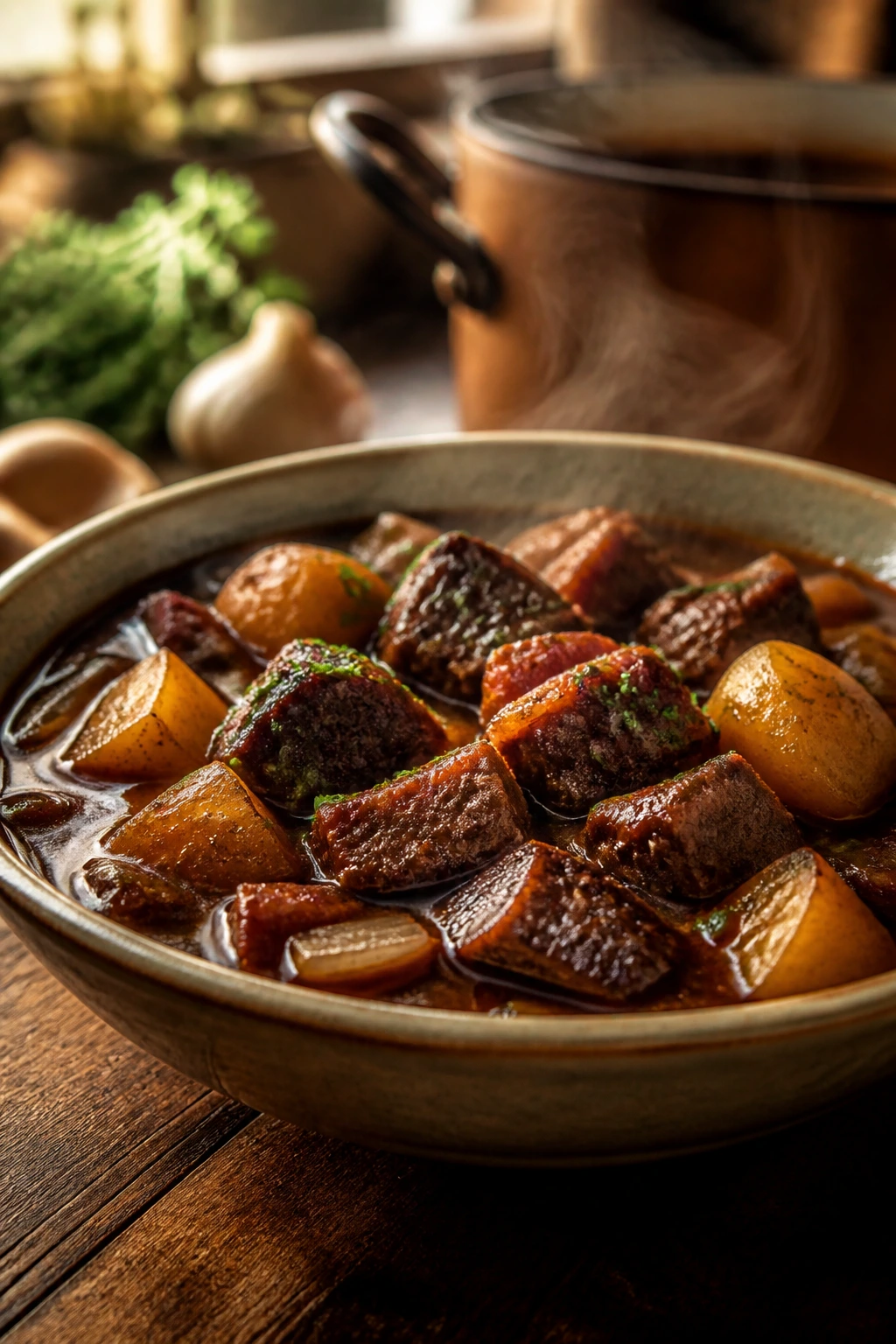
The best thing about this stew is not the smoke, even though the smoke is doing a lot of work. It’s the way the beef softens without falling apart too soon, the way the potatoes hold their shape, and the way the broth tastes dark without getting muddy. That balance takes a little care, but not much drama.
Keep a Dutch oven handy, brown the meat properly, and don’t rush the braise. The pot will do the rest, and the house will smell like you meant it.
Smoky Classic Beef Stew for Cold Winter Nights — Recipe Card
Recipe Name: Smoky Classic Beef Stew for Cold Winter Nights
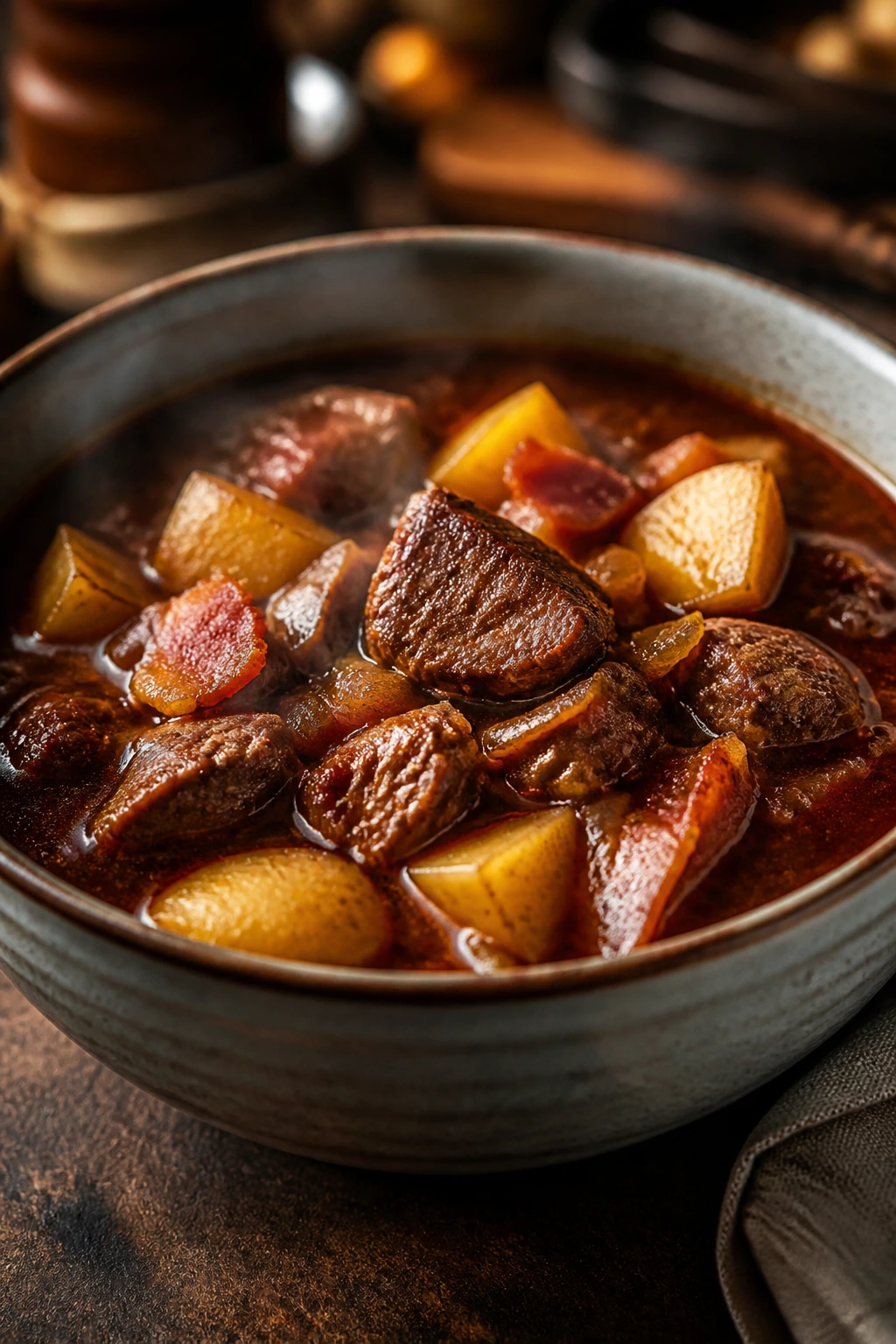
Description: Tender beef chuck, bacon, smoked paprika, red wine, and Yukon Gold potatoes simmer together in a dark, savory broth. The smoke stays in the background and gives the stew a deeper, richer edge.
Prep Time: 25 minutes
Cook Time: 2 hours 45 minutes
Total Time: 3 hours 10 minutes
Course: Dinner, Main Course
Cuisine: American
Servings: 6 servings
Calories: 540 kcal per serving
Ingredients
For the Beef and Seasoning:
- 3 lbs beef chuck, cut into 1½-inch cubes and patted dry
- 2 tsp kosher salt, plus more to taste
- 1 tsp black pepper
- 3 tbsp all-purpose flour, for a light coating
For the Smoky Base:
- 6 slices thick-cut bacon, chopped into 1-inch pieces
- 2 tbsp olive oil, if needed
- 2 large yellow onions, chopped
- 2 celery stalks, sliced
- 4 cloves garlic, minced
- 2 tbsp tomato paste
- 1 tbsp smoked paprika
For the Braise:
- 1 cup dry red wine
- 4 cups low-sodium beef broth
- 1 tbsp Worcestershire sauce
- 2 bay leaves
- 1 tsp dried thyme
For the Vegetables and Finish:
- 1½ lbs Yukon Gold potatoes, cut into 1½-inch chunks
- 3 medium carrots, cut into 1-inch pieces
- 1 tbsp red wine vinegar
- 2 tbsp chopped fresh parsley
Instructions
-
Preheat the oven to 325°F (165°C).
-
Pat the beef dry, then toss it with the salt, pepper, and flour.
-
Render the bacon in a Dutch oven over medium heat for 6 to 8 minutes, then remove it and keep the fat in the pot.
-
Brown the beef in batches over medium-high heat for 3 to 4 minutes per batch, adding olive oil if the pot looks dry.
-
Cook the onions and celery for 5 to 7 minutes, then add the garlic, tomato paste, and smoked paprika and cook for 1 minute.
-
Deglaze with the red wine and simmer for 2 to 3 minutes, scraping up the browned bits.
-
Add the broth, Worcestershire sauce, bay leaves, thyme, beef, and bacon. Bring to a gentle simmer, cover, and braise in the oven for 1 hour and 45 minutes.
-
Add the potatoes and carrots, cover again, and braise for 45 to 60 minutes more, until the beef is fork-tender and the vegetables are cooked through.
-
Stir in the vinegar, taste and adjust seasoning, then rest for 10 minutes. Garnish with parsley and serve.
Notes: Browning the beef in batches matters more than people think. The stew tastes even better the next day, and the broth thickens after chilling.