



A cold night has a way of exposing every weakness in canned tomato soup. Straight from the can, it can taste thin, sweet in the wrong places, and a little flat around the edges, like it got dressed for dinner and forgot the shoes. The fix is not complicated, and it does not require a fussy list of ingredients. What it needs is heat, a few vegetables that actually get browned instead of merely warmed, and a little body so the soup lands with some weight.
That is the whole point of this version: it keeps the convenience of canned tomato soup, then gives it the shape and depth people usually think they have to make from scratch. A skillet-sized onion, a spoonful of tomato paste, a handful of white beans, and a splash of cream change the texture fast. The soup turns from “something warm” into an actual bowl of dinner, the kind you can set beside a hunk of bread and not feel like you are still waiting for the meal.
I’ve made enough tomato soup to know the difference between pleasant and memorable. The memorable bowls are rarely the prettiest ones in the pot. They’re the ones that smell like sweet onions, toasted tomato paste, and peppery steam when you lift the lid. They cling to a spoon. They need bread. They make the kitchen feel smaller in the best possible way.
Why This Bowl Earns a Spot on the Stove
-
Pantry-first, not pantry-only: A couple of cans give you the base, but the onion, garlic, beans, and cheese turn it into something with chew and heft instead of a thin red broth.
-
Fast enough for a weeknight, rich enough for a snowed-in evening: The whole thing comes together in about 40 minutes, which is enough time to build flavor without hovering over the stove all night.
-
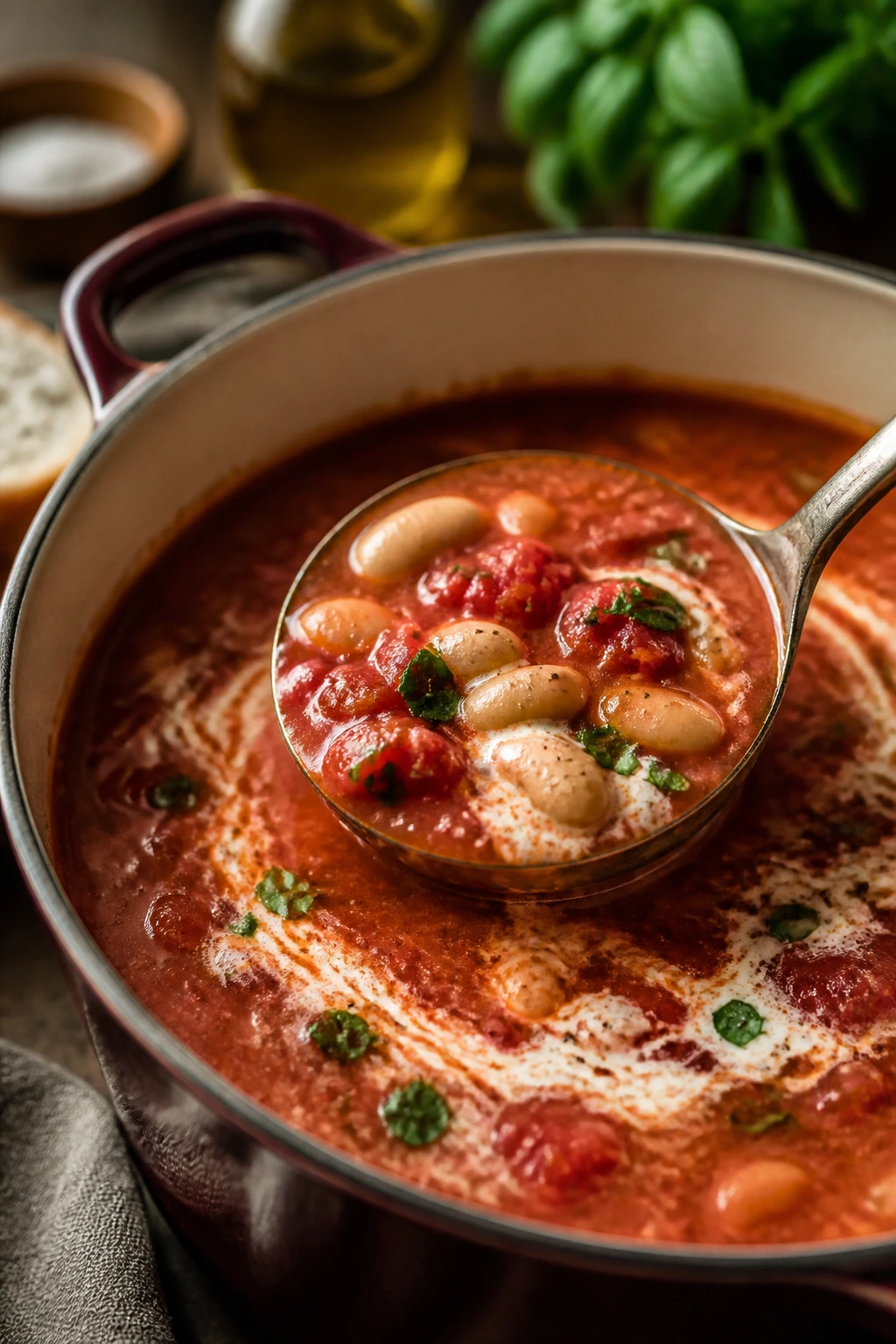
The texture has range: You get a smooth, velvety soup with little pockets of beans and soft tomato pieces, so every spoonful feels a little different.
-
It plays well with grilled cheese, crusty bread, or crackers: This is one of those soups that gets better when something crunchy dips into it, because the soup itself has enough body to coat the bread instead of soaking through instantly.
-
It forgives a few pantry substitutions: Store-brand condensed tomato soup, vegetable broth, half-and-half, canned white beans, or even dried herbs all work here if you keep the seasoning balanced.
-
It tastes like you tried harder than you did: That sounds flippant, but it matters on a cold night. A little browning, a little simmering, and one final splash of acid make the bowl taste composed.
A Quick Snapshot Before You Start
Yield: Serves 4 to 6
Prep Time: 15 minutes
Cook Time: 25 to 30 minutes
Total Time: 40 to 45 minutes
Difficulty: Beginner — the steps are straightforward, but the order matters if you want the soup to taste layered instead of blunt.
Best Served: Right away, while the soup is steaming and the bread on the side is still crisp at the edges.
What Goes Into the Pot
For the Soup Base:
- 2 tablespoons unsalted butter
- 1 tablespoon olive oil
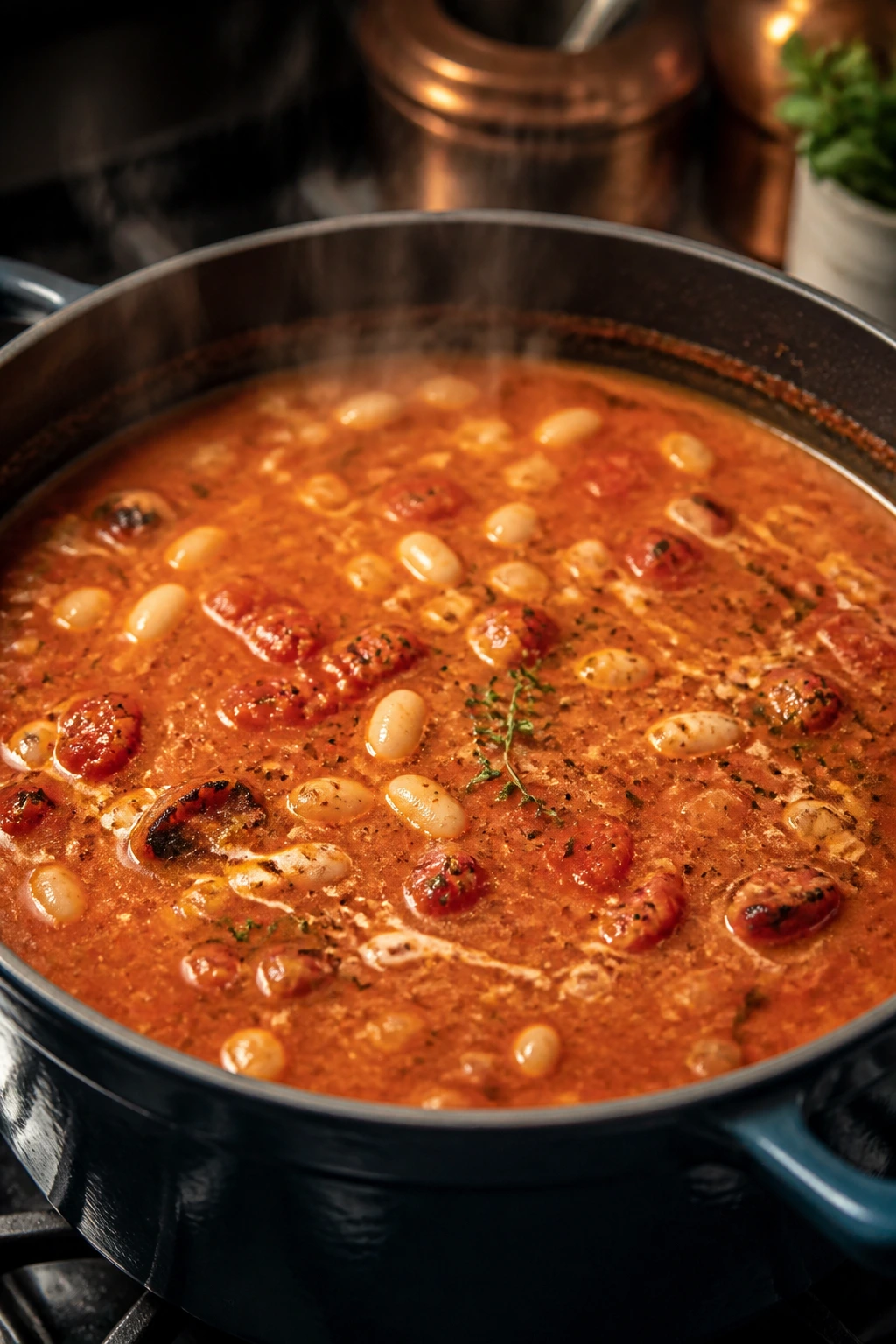
- 1 medium yellow onion, finely diced
- 2 medium carrots, finely diced
- 2 celery ribs, finely diced
- 4 cloves garlic, minced
- 2 tablespoons tomato paste
- 2 cans (10.75 ounces each) condensed tomato soup
- 2 cups low-sodium chicken broth or vegetable broth
- 1 can (14.5 ounces) fire-roasted diced tomatoes, undrained
- 1 can (15 ounces) cannellini beans, drained and rinsed
- 1 teaspoon dried thyme
- 1/2 teaspoon smoked paprika
- 1/2 teaspoon black pepper
- 1 teaspoon kosher salt, plus more to taste
- 1 teaspoon sugar, optional
- 1/2 cup heavy cream or half-and-half
For the Finish:
- 1/2 cup finely grated Parmesan cheese
- 1 to 2 teaspoons red wine vinegar or sherry vinegar
- 2 tablespoons chopped fresh basil or parsley
Optional Garnish:
- Croutons
- Extra Parmesan
- Fresh cracked pepper
Why These Ingredients Work So Well Together
The canned soup base
What to use: 2 cans of condensed tomato soup, 10.75 ounces each.
Preparation: Open both cans and pour them into the pot before adding the broth. Scrape the cans clean with a spatula so you do not leave a thick ring of soup behind.
Substitutions: If you only have one can, stretch it with an extra cup of broth and a bit more tomato paste, though the result will be lighter. Tomato purée can work in a pinch, but you’ll need more seasoning and probably a touch more cream.
Tips: This is the backbone, so buy a soup with a short ingredient list if possible. The cleaner the base tastes, the easier it is to build something good on top of it.
The vegetables that give the soup shape
What to use: 1 medium yellow onion, 2 medium carrots, 2 celery ribs, and 4 cloves garlic.
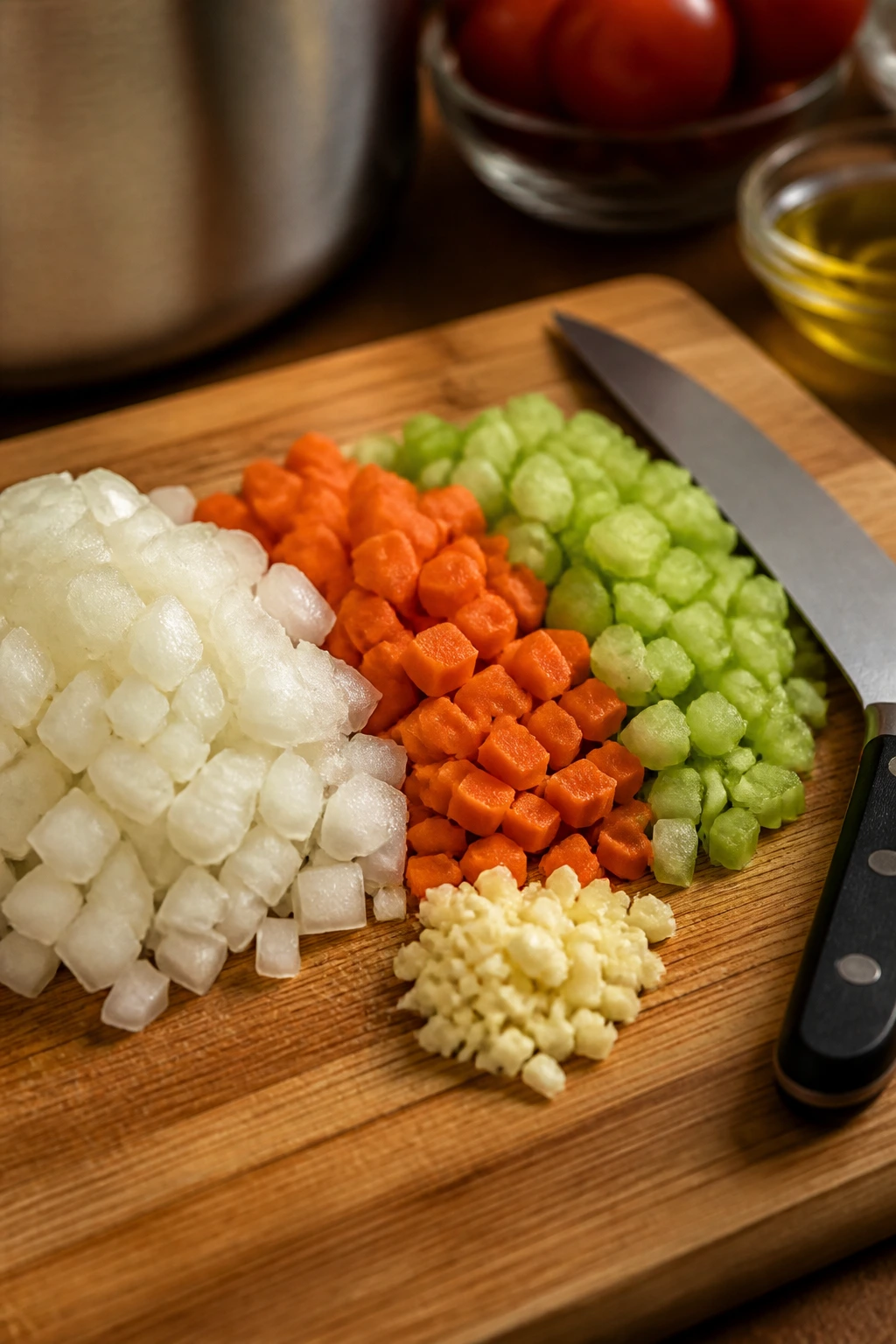
Preparation: Dice the onion, carrots, and celery into small, even pieces so they soften at the same pace. Mince the garlic finely so it melts into the soup rather than floating around like a sharp surprise.
Substitutions: Leeks can replace onion for a sweeter edge. If you dislike celery, skip it and add another carrot, though the soup will lose a little savoriness.
Tips: This base wants a full sauté. Do not rush it. The onion should turn translucent and a little golden at the edges before the garlic goes in.
The body builders
What to use: 1 can cannellini beans, 1 can fire-roasted diced tomatoes, 2 cups broth, and 2 tablespoons tomato paste.
Preparation: Rinse the beans well so the soup doesn’t taste like the can. Keep the diced tomatoes undrained; that juice carries a lot of the tomato flavor.
Substitutions: Great Northern beans work the same way. If beans are not your thing, use 1 cup small pasta or 1 cup cooked rice, though the soup changes character a bit.
Tips: Tomato paste is the difference between flat and deep. Cook it for a minute or two in the fat before you add liquid, and it will lose that raw, tinny edge.
The finishers that make it feel complete
What to use: 1/2 cup heavy cream or half-and-half, 1/2 cup Parmesan, 1 to 2 teaspoons vinegar, and fresh basil or parsley.
Preparation: Measure the cream before you start so you can add it at low heat and move on. Grate the Parmesan finely; it melts in cleaner than big shreds.
Substitutions: For a dairy-free version, use unsweetened oat cream and skip the Parmesan, or finish with a spoonful of good olive oil. Lemon juice can replace the vinegar if that’s what’s in the kitchen.
Tips: The vinegar is not there to make the soup taste sharp. It wakes up the tomato and keeps the cream from flattening everything into one note.
The Tools That Make It Easier
-
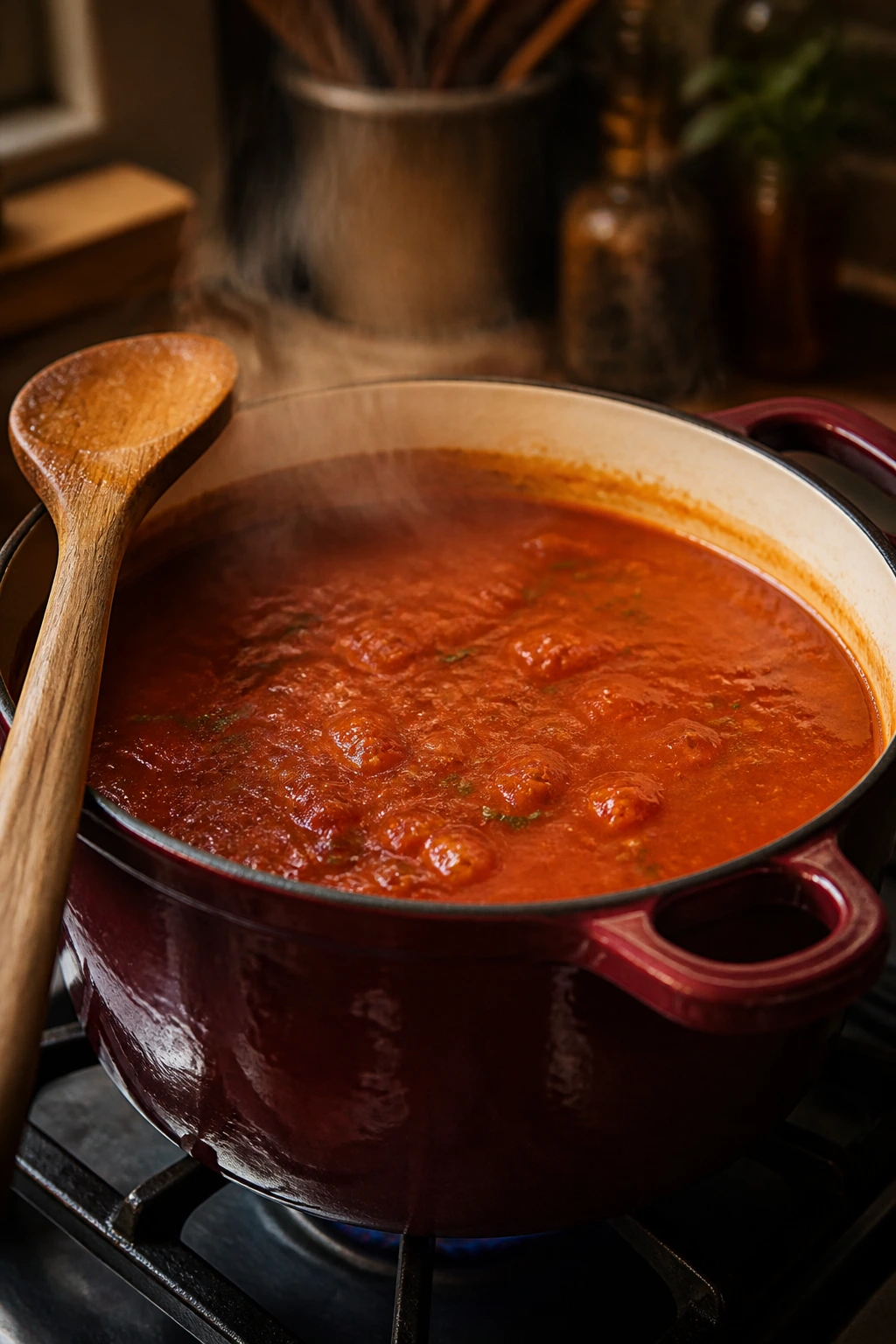
5- to 6-quart Dutch oven or heavy soup pot: A heavier pot keeps the vegetables from scorching while the tomato paste cooks.
-
Wooden spoon or heatproof spatula: You need something that can scrape the bottom of the pot without scratching it.
-
Chef’s knife and cutting board: Small, even dice matter here because they cook quickly and disappear into the soup.
-
Immersion blender or potato masher: Either one helps you control the texture. The immersion blender gives a smoother bowl; the masher leaves more rustic chunks.
-
Ladle: A good ladle sounds boring until you try to serve hot soup with a measuring cup and regret the splash.
-
Microplane or fine grater: Useful for the Parmesan and any garnish cheese you want to melt on top.
How to Build the Soup on the Stove
Build the aromatic base:
-
Set a Dutch oven or soup pot over medium heat and add the butter and olive oil. When the butter melts and the fat shimmers, add the onion, carrots, celery, and 1/2 teaspoon of the salt.
-
Cook for 6 to 8 minutes, stirring every minute or so, until the onion turns translucent and the carrots start to soften at the edges. Do not rush this step. If the vegetables stay pale and hard, the soup will taste thin later.
-
Stir in the garlic and tomato paste. Cook for 1 to 2 minutes, stirring constantly, until the paste darkens from bright red to a deeper rust color and smells sweet, almost smoky. That smell matters.
Build the soup:
-
Add the condensed tomato soup, broth, fire-roasted tomatoes, cannellini beans, thyme, smoked paprika, black pepper, remaining salt, and sugar if you are using it. Stir well, scraping up anything stuck to the bottom of the pot.
-
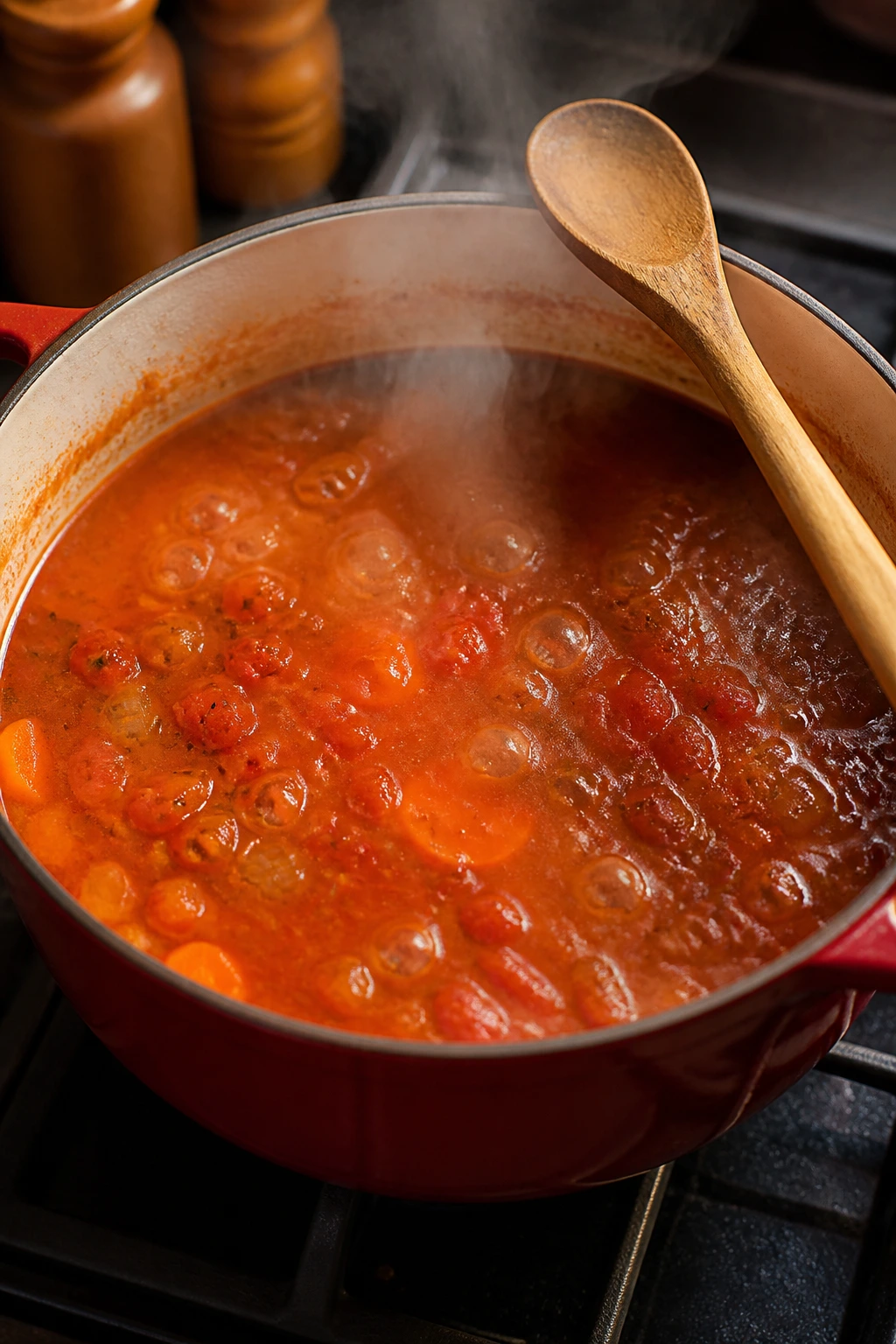
Raise the heat to medium-high and bring the soup to a gentle simmer. Once you see small bubbles around the edge, reduce the heat to low and simmer uncovered for 15 to 20 minutes, stirring every few minutes, until the carrots are tender and the soup looks slightly thicker.
-
Use an immersion blender for 4 to 6 quick pulses if you want the soup smoother, or mash part of it with a potato masher for a chunkier bowl. Leave some beans and tomato pieces intact so the soup still has bite. If using a countertop blender, blend only about 2 cups at a time and vent the lid carefully. Hot soup expands.
Finish and season:
-
Stir in the cream and Parmesan over low heat. Keep the soup below a boil so the dairy stays smooth. Heat for 2 to 3 minutes, just until the cheese melts and the broth turns glossy.
-
Add the vinegar, then taste. Adjust with a little more salt, pepper, or another splash of broth if the soup feels too thick. Stir in the basil or parsley, ladle into bowls, and serve while the surface still ripples with heat.
How to Serve It So It Feels Like Dinner
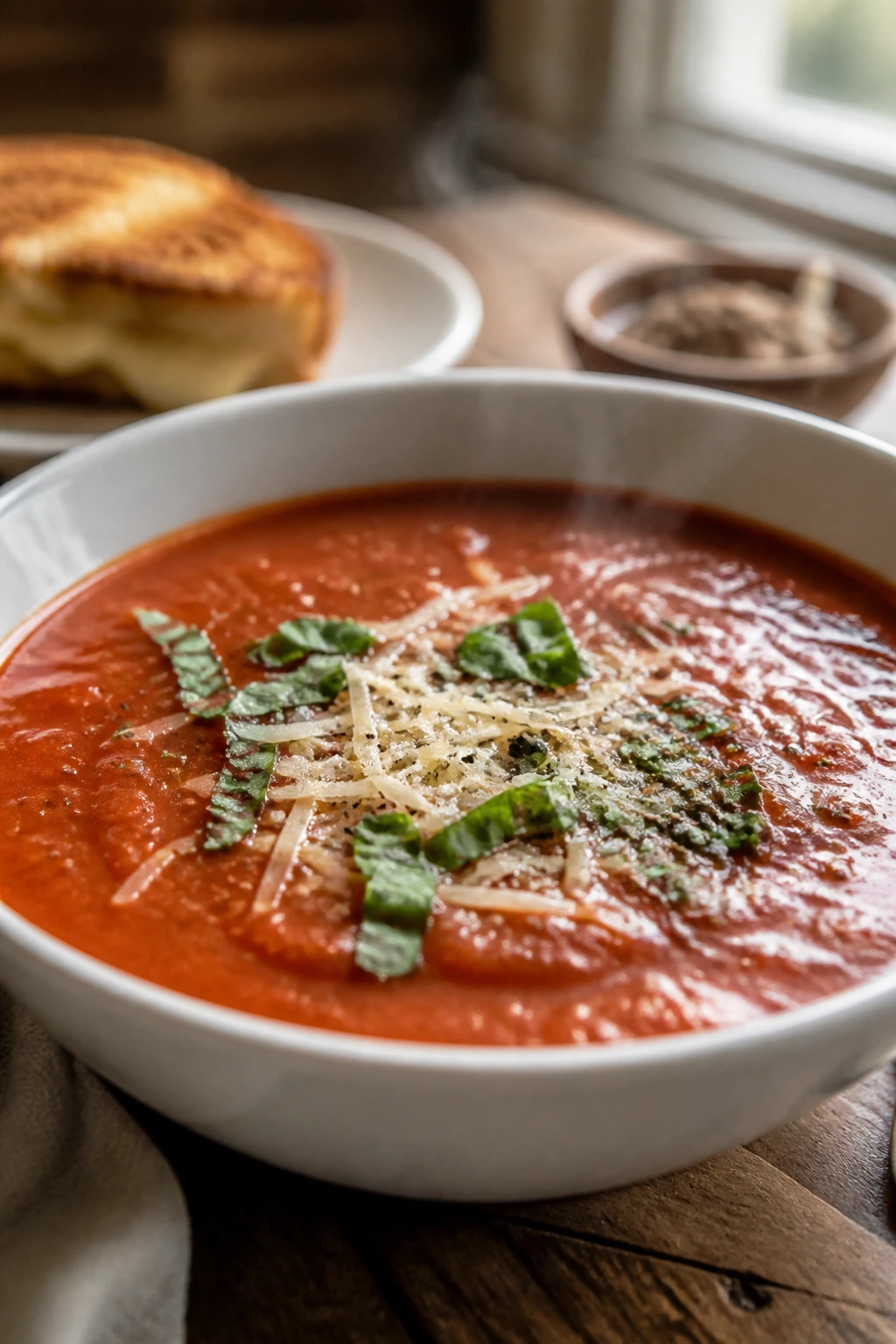
Presentation: Ladle the soup into wide bowls instead of deep mugs if you want the toppings to stay visible. A small pinch of Parmesan, a few torn basil leaves, and a grind of black pepper give it a finished look without turning it fussy.
Accompaniments: A thick slice of sourdough, a grilled cheddar sandwich, or buttery saltine crackers all work. If you want to make the plate feel more complete, add a simple green salad with lemony vinaigrette so the soup has something crisp beside it.
Portions: Plan on about 1 1/2 cups per person for dinner, or 1 cup if the soup is starting the meal instead of carrying it. If you’re feeding very hungry people, add bread and count on four servings. If the bowls are for smaller appetites, it stretches to six.
Beverage Pairing: A dry hard cider is sharp enough to cut through the cream, and a mug of strong black tea does the same job without any fuss. If you prefer wine, a light red with some acidity — something like gamay or a modest pinot noir — keeps the soup from feeling heavy.
Small Moves That Improve the Bowl
Flavor Enhancement: A teaspoon of Worcestershire sauce or a tiny splash of soy sauce in the simmering pot gives the tomato base a deeper, savory edge. It does not make the soup taste like either sauce; it makes it taste fuller.
Time-Saver: Pre-diced mirepoix from the produce section works if you’re staring at an empty fridge and a late hour. Give it the same sauté time, maybe even a minute longer, because packaged vegetable mixes often hold more moisture and need to shed it.
Texture Fix: If the soup tastes thin after simmering, mash one more scoop of beans against the side of the pot and stir them back in. That thickens the broth without flour, without starch, and without making the soup gluey.
Cost-Saver: Store-brand condensed tomato soup is fine here. The onions, garlic, herbs, and finishing vinegar are what make the bowl taste thoughtful; the can is there to give you a head start.
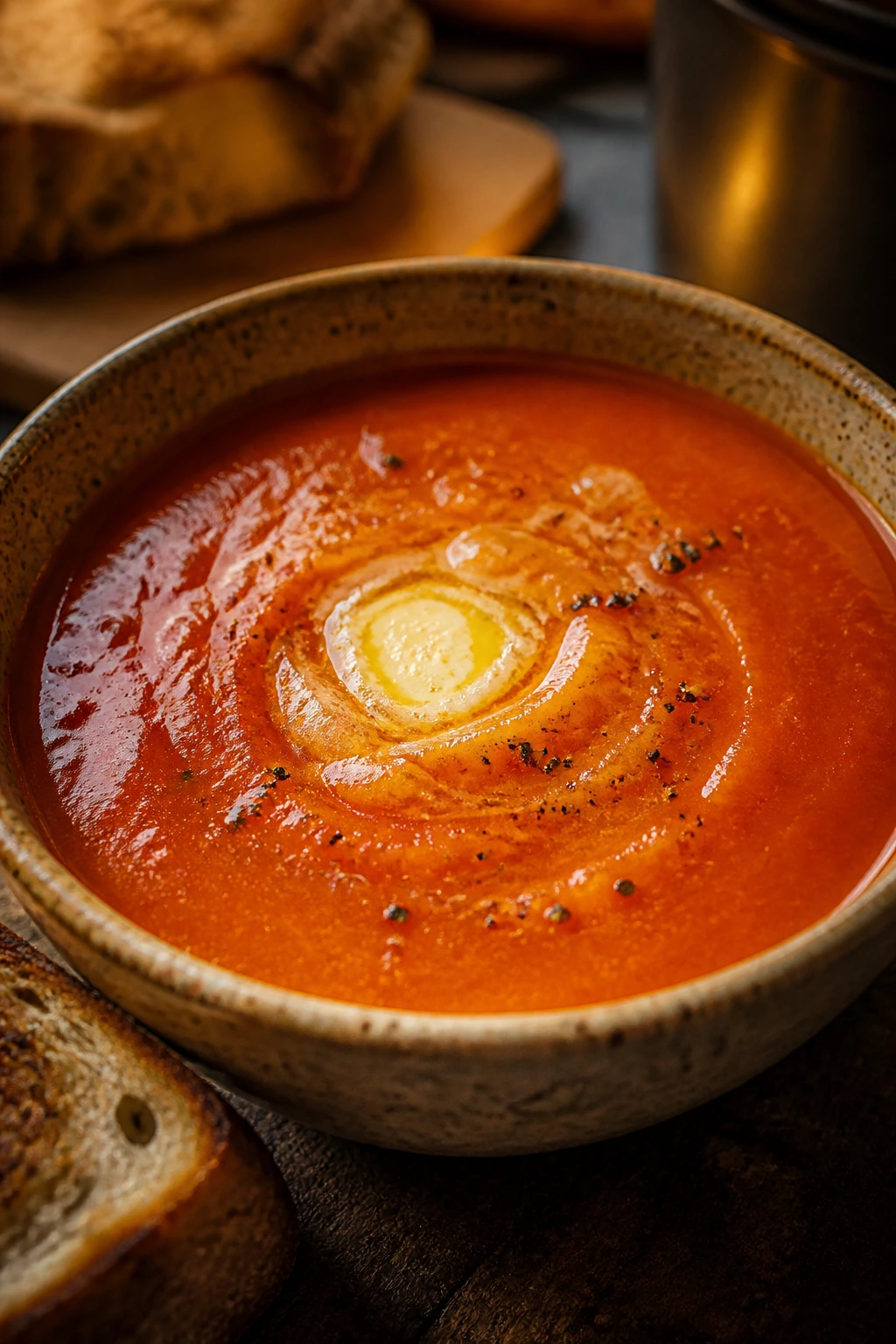
Finishing Touch: A small knob of butter swirled in right before serving gives the surface a soft shine and rounds off the tomato. It’s old-fashioned, a little bit diner, and it works.
Mistakes That Make Tomato Soup Flat or Grainy
The first mistake is skipping the sauté and dumping everything into the pot. You’ll know it happened because the soup tastes like hot canned soup, only bigger. The fix is simple: give the onion, carrot, celery, and tomato paste enough time to soften and brown a little before the liquid goes in. That is where the depth comes from.
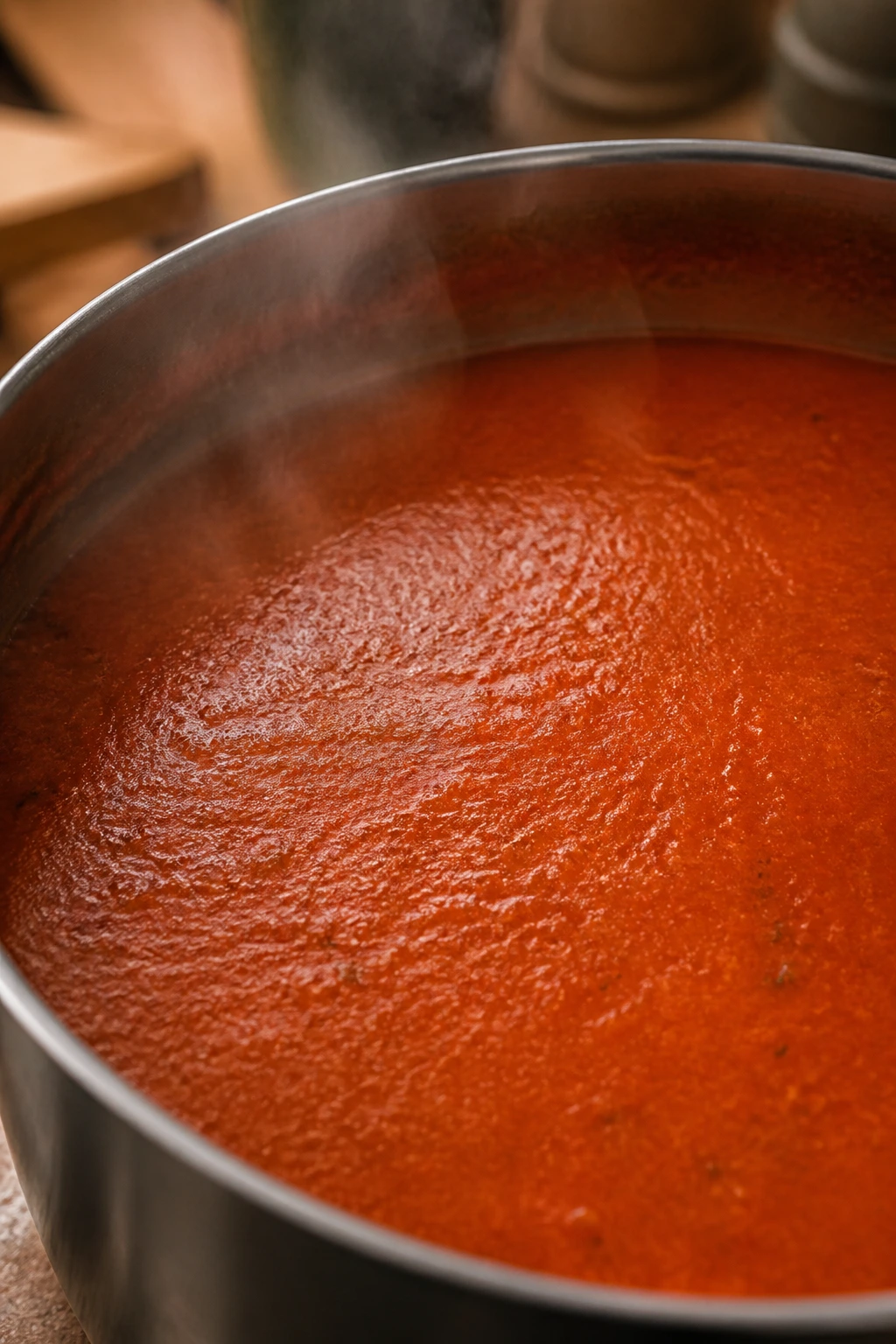
The second mistake is boiling the soup after the cream goes in. The texture can split into tiny grainy flecks, and once that happens, you can’t smooth it out completely. Keep the heat low when you add dairy. If the soup starts bubbling hard after the cream is in, pull the pot off the burner for a minute.
Another common problem is over-salting too early. Condensed soup, broth, Parmesan, and even canned tomatoes can all carry salt, so the pot may taste mild at the start and then get sharper after it reduces. Taste at the end, not halfway through. If it ends up a touch salty, add a splash of broth, a squeeze of lemon, or a little more cream to settle it down.
There’s also the opposite mistake: leaving the soup too bland because you were afraid to season it. Tomato soup needs a little acid and a little pepper. Without them, the bowl tastes brown around the edges even when the color looks bright. Vinegar at the end is not optional in my kitchen.
And then there’s the texture problem. Some cooks want it smooth, some want it chunky, but nobody wants it watery and empty. If the soup looks loose after simmering, reduce it uncovered a few more minutes, or blend a cup of beans into the broth. Body matters here. It’s the difference between a starter and dinner.
Ways to Bend the Recipe
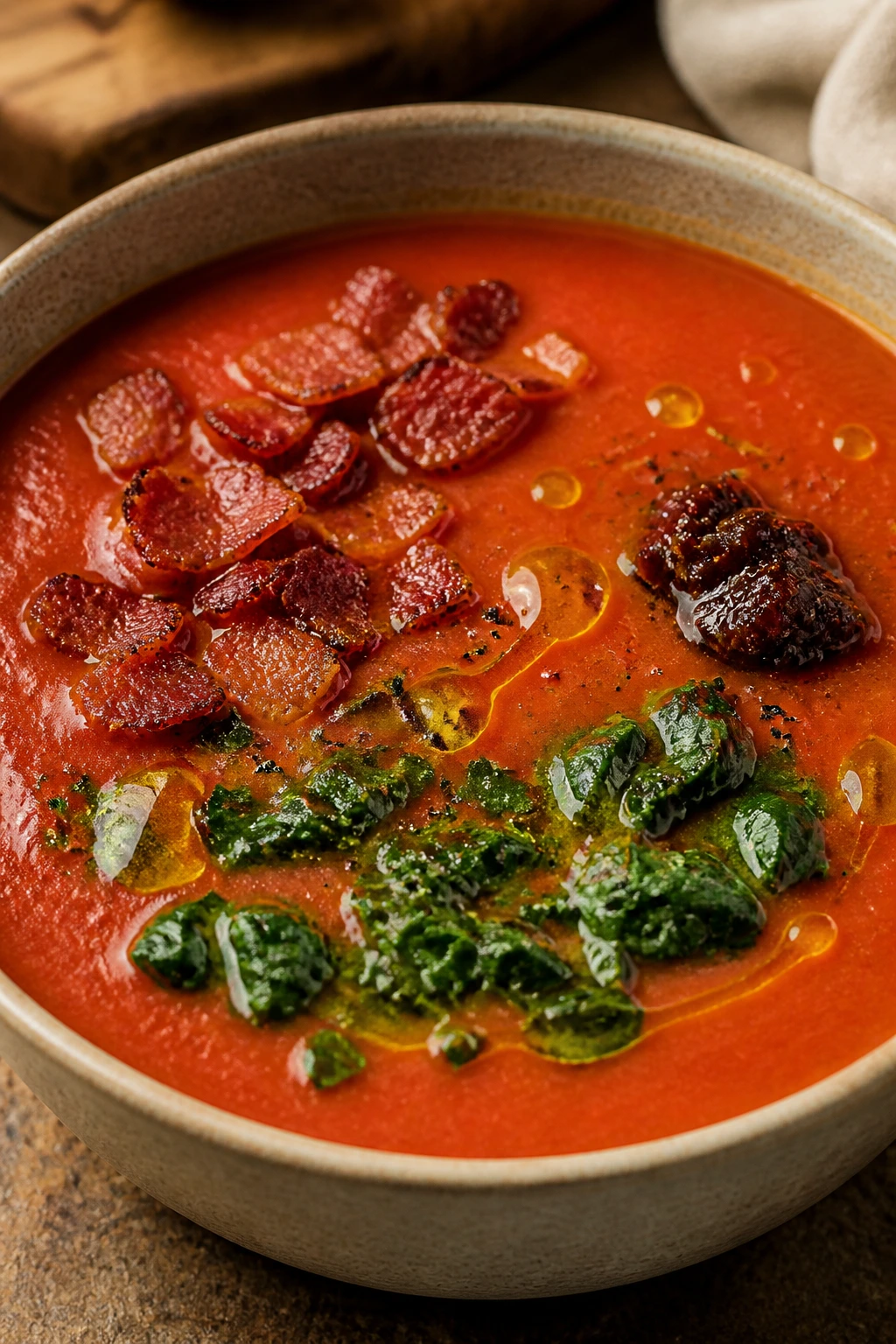
Smoky Bacon and White Bean: Cook 4 slices of chopped bacon first, then use a spoonful of the rendered fat in place of some of the butter. The bacon gives the soup a smoky, salty backbone that fits especially well with grilled cheese on the side. Crumble a little on top at the end if you want the bowl to feel more substantial.
Garden Bean Version: Skip the cream and Parmesan, use vegetable broth, and add an extra can of beans plus a handful of chopped spinach at the end. The soup stays hearty because the beans carry the weight, and the spinach wilts into the broth without turning the flavor muddy. A drizzle of olive oil on top takes the place of dairy.
Spicy Chipotle Bowl: Stir in 1 minced chipotle pepper in adobo, or 1 teaspoon of the adobo sauce, with the tomato paste. The smoke plays well with the canned tomato base, and the heat lands slowly instead of punching you in the mouth. This is the version I make when the night feels longer than it should.
Roasted Garlic and Herb Soup: Roast a whole head of garlic, squeeze the cloves into the pot at the end of the sauté, and finish with extra basil. The garlic becomes soft and sweet, almost spreadable, and the final bowl tastes rounder than the standard version. It’s a good route when you want something gentler.
Tiny Pasta Dinner Soup: Add 1 cup of small pasta such as ditalini or small shells after the simmer has started, plus 1 extra cup of broth. Cook until the pasta is tender, then finish with the cream and cheese. The result eats like a cross between soup and pasta, which is handy when dinner needs to feel bigger than it is.
Make-Ahead, Storage, and Reheating Notes
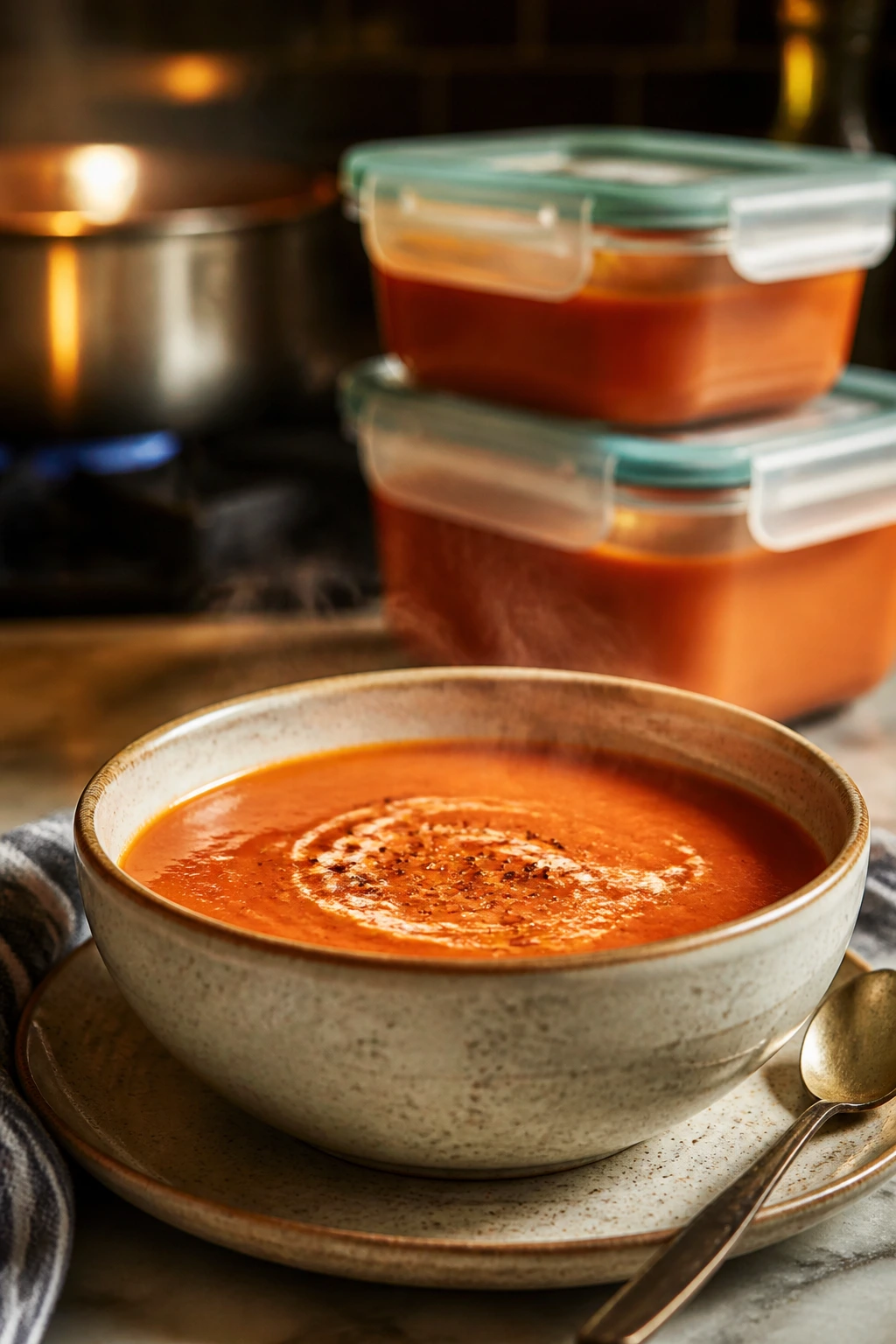
This soup keeps well, which is one reason I keep coming back to it. Store it in an airtight container in the refrigerator for 3 to 4 days. The flavor gets a little deeper on day two, especially if you hold back the vinegar until serving time and add it fresh.
If you plan to freeze it, the cleanest method is to freeze the soup before the cream and Parmesan go in. The tomato, bean, and vegetable base freezes for up to 3 months in a freezer-safe container, leaving a little space at the top for expansion. Thaw it in the refrigerator overnight, reheat it on the stove, and stir in the dairy once it is hot.
Freezing the finished creamy version is possible, but expect some texture shift. It may separate a little when it thaws. A quick whisk or a few pulses with an immersion blender usually brings it back together, especially if you add a splash of broth while reheating.
Reheat gently over medium-low heat on the stove, stirring often, until the soup is steaming and the beans are hot in the center. If it seems thick after chilling, add broth 1/4 cup at a time. Microwaving works for a single bowl, but use medium power and pause every 45 seconds to stir so the edges do not overcook while the middle stays cold.
If you want to make it ahead for company, cook the base through the simmering stage, cool it, and stop there. The cream, Parmesan, vinegar, and herbs go in after reheating. That keeps the finish fresh and keeps the soup from tasting tired.
Questions People Ask Before They Make It
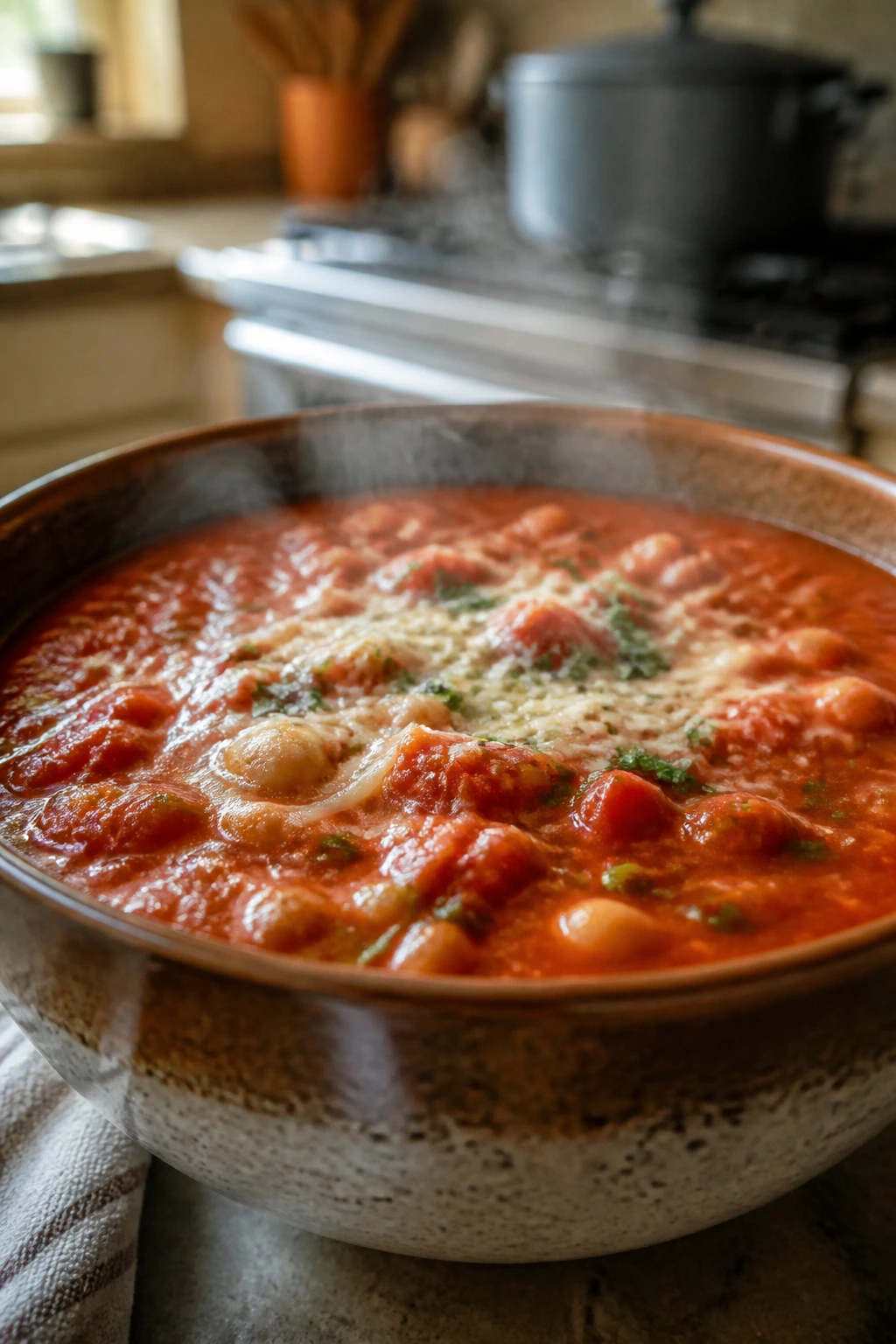
Can I use plain canned tomatoes instead of canned tomato soup?
Yes, but the result changes. You’ll need to build more body with extra tomato paste, a little cream or milk, and a longer simmer so the sharp edges soften. Plain tomatoes taste brighter and less sweet than condensed soup, which is fine if you like a more homemade flavor.
What if I do not have an immersion blender?
A potato masher works well enough. Mash about a third of the soup right in the pot, then stir it back in. You can also carefully blend a couple of cups in a countertop blender, but hot soup needs room to expand, so do not fill the jar more than halfway.
How do I keep the soup from tasting too acidic?
Start with a full sauté on the vegetables, cook the tomato paste long enough to mellow it, and finish with a little cream or butter. If the bowl still tastes sharp, add 1/2 teaspoon of sugar or 1 teaspoon of honey, then taste again before adding more. A tiny bit of vinegar at the end can still help, even when the soup feels acidic, because it brightens the flavor instead of making it sweeter.
Can I make this vegetarian?
Easily. Use vegetable broth instead of chicken broth, and keep the beans, cream, and Parmesan if dairy is fine for you. If you want it fully vegan, use oat cream or cashew cream and skip the cheese, then finish with olive oil and herbs.
Can I make this in a slow cooker?
You can, but the flavor is better if you sauté the onion, carrot, celery, garlic, and tomato paste first. After that, combine everything except the cream, Parmesan, vinegar, and herbs in the slow cooker and cook on low for 4 to 5 hours. Stir in the finishers right before serving so the dairy stays smooth.
What if the soup is too thick after chilling?
Thin it with broth or water, 1/4 cup at a time, while reheating. Stir well after each splash and let the soup come back to steaming before deciding if it needs more. Chilled beans and cream can tighten the texture more than you expect.
Is this soup good for serving with grilled cheese?
It is almost built for it. The beans and cream make it thick enough to cling to a sandwich, and the vinegar at the end keeps the bowl from feeling dull next to melted cheese. A sharp cheddar or American-and-cheddar blend works especially well because the soup has enough acidity to cut through the richness.
A Bowl Worth Repeating
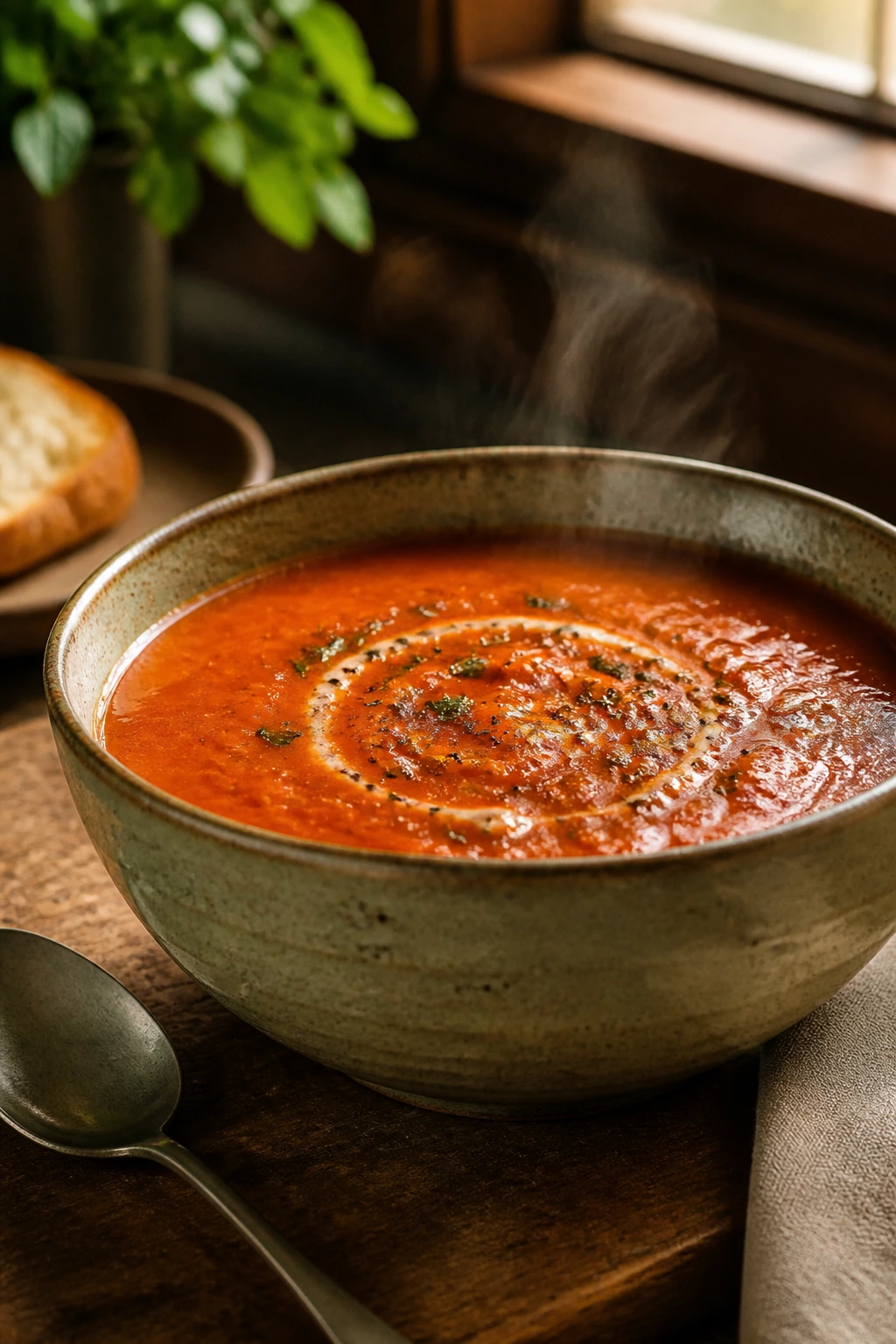
There’s a reason canned tomato soup keeps showing up on cold nights. It’s familiar, cheap, and fast, but it also leaves room for a little actual cooking. That is where the satisfaction comes from here: not from making something complicated, but from turning something ordinary into a bowl with body, scent, and enough savory depth to make the kitchen feel warmer than it really is.
The best part is how little ceremony it asks for. A pot, a knife, one can opener, and a few pantry staples. If you keep the heat steady, respect the sauté, and finish with acid instead of surrendering to blandness, you end up with the kind of soup people remember by smell before they remember the recipe. And on a freezing night, that’s more than enough reason to make it again.
Hearty Canned Tomato Soup for Cold Winter Nights — Recipe Card
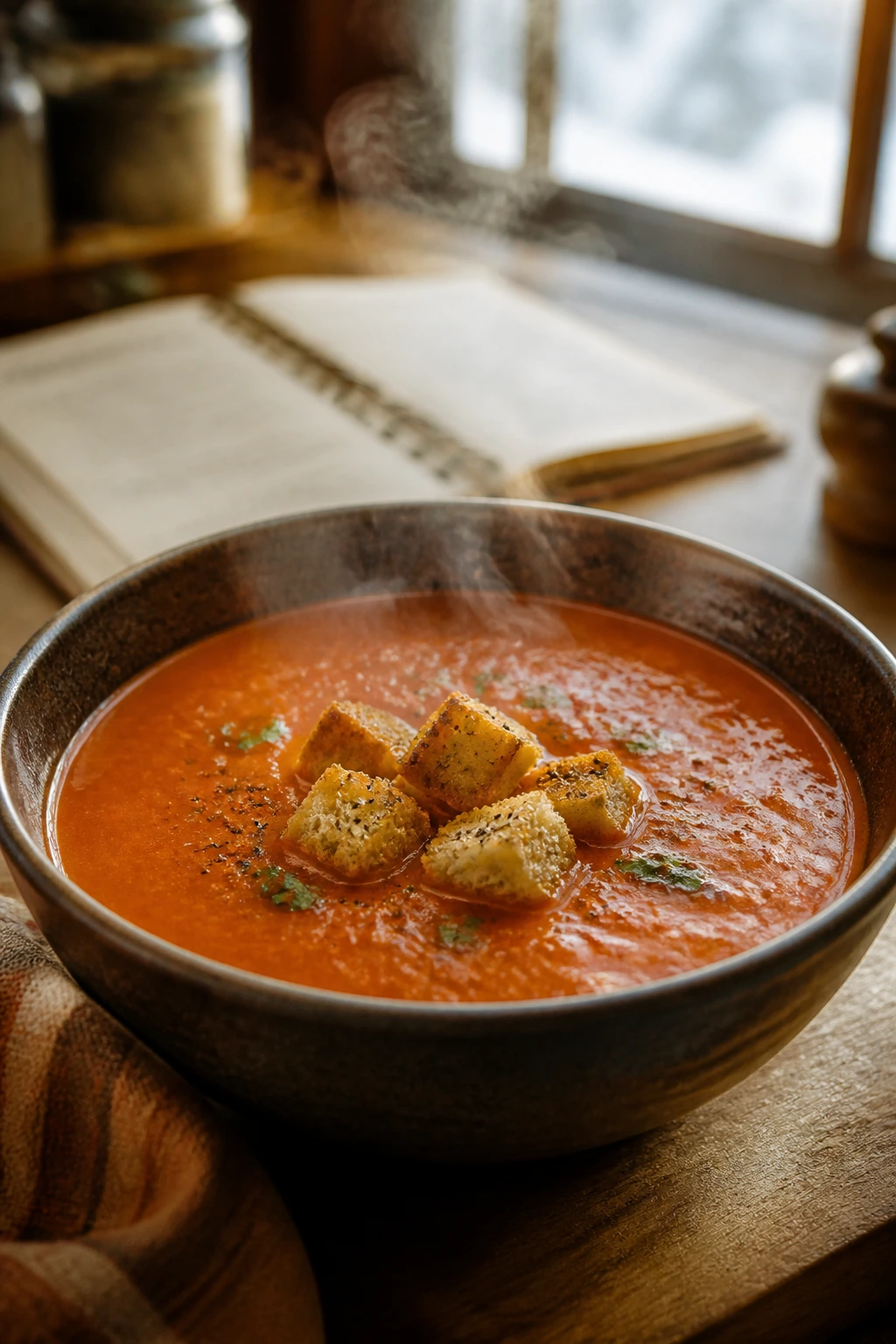
Recipe Name: Hearty Canned Tomato Soup for Cold Winter Nights
Description: A richer, fuller tomato soup made from canned condensed soup, simmered with onions, carrots, celery, beans, and herbs, then finished with cream, Parmesan, and a bright splash of vinegar. It tastes like pantry cooking that got a real plan.
Prep Time: 15 minutes
Cook Time: 25 to 30 minutes
Total Time: 40 to 45 minutes
Course: Soup, Main Course
Cuisine: American
Servings: 4 to 6 servings
Calories: About 285 kcal per serving
Ingredients
For the Soup Base:
- 2 tablespoons unsalted butter
- 1 tablespoon olive oil
- 1 medium yellow onion, finely diced
- 2 medium carrots, finely diced
- 2 celery ribs, finely diced
- 4 cloves garlic, minced
- 2 tablespoons tomato paste
- 2 cans (10.75 ounces each) condensed tomato soup
- 2 cups low-sodium chicken broth or vegetable broth
- 1 can (14.5 ounces) fire-roasted diced tomatoes, undrained
- 1 can (15 ounces) cannellini beans, drained and rinsed
- 1 teaspoon dried thyme
- 1/2 teaspoon smoked paprika
- 1/2 teaspoon black pepper
- 1 teaspoon kosher salt, plus more to taste
- 1 teaspoon sugar, optional
- 1/2 cup heavy cream or half-and-half
For the Finish:
- 1/2 cup finely grated Parmesan cheese
- 1 to 2 teaspoons red wine vinegar or sherry vinegar
- 2 tablespoons chopped fresh basil or parsley
Optional Garnish:
- Croutons
- Extra Parmesan
- Fresh cracked pepper
Instructions
-
Heat the butter and olive oil in a large soup pot over medium heat. Add the onion, carrots, celery, and 1/2 teaspoon of the salt, then cook for 6 to 8 minutes until the onion is translucent and the vegetables begin to soften.
-
Stir in the garlic and tomato paste. Cook for 1 to 2 minutes, stirring constantly, until the paste darkens and smells sweet.
-
Add the condensed tomato soup, broth, diced tomatoes, beans, thyme, smoked paprika, black pepper, remaining salt, and sugar if using. Stir well.
-
Bring the soup to a gentle simmer over medium-high heat, then reduce the heat to low and simmer uncovered for 15 to 20 minutes, stirring occasionally.
-
Use an immersion blender for a few pulses if you want a smoother texture, or mash part of the soup with a potato masher to keep it chunky.
-
Stir in the cream and Parmesan over low heat. Warm for 2 to 3 minutes without boiling.
-
Add the vinegar, then taste and adjust the salt or pepper. Stir in the basil or parsley.
-
Ladle into bowls and serve with croutons, extra Parmesan, or bread on the side.
Notes: For a dairy-free version, use unsweetened oat cream and skip the Parmesan. For the best texture after freezing, freeze the soup before adding the cream and cheese.