



A good 30-minute dinner has a smell to it. Garlic hits hot oil, a skillet starts snapping, and the whole kitchen shifts from “What are we eating?” to “Oh, dinner’s handled.” That’s the promise here: quick easy dinners ready in 30 minutes that don’t lean on shortcuts so flimsy they fall apart the second you sit down.
The trick is not magic. It’s structure. Thin-cut chicken, fast-cooking shrimp, canned beans, refrigerated pasta, couscous, tortillas, and a few vegetables that behave well in a hot pan can get you from empty counter to full plates faster than most people spend deciding on takeout. And because this sits in Budget & Quick Meals, the recipes here lean on ingredients that pull double duty: one protein, one starch, one vegetable, one sauce, and dinner is built.
I like fast dinners that still feel like real food. Not “open a box and call it done.” Real food has browned edges, a little sauce left in the pan, and enough texture that the second bite is better than the first. That’s the line these recipes are aiming for, and if you keep a sharp knife, a hot skillet, and a little common sense about timing, they’ll hold up on even the most tired weekday.
Why This Collection Earns Its Keep
-
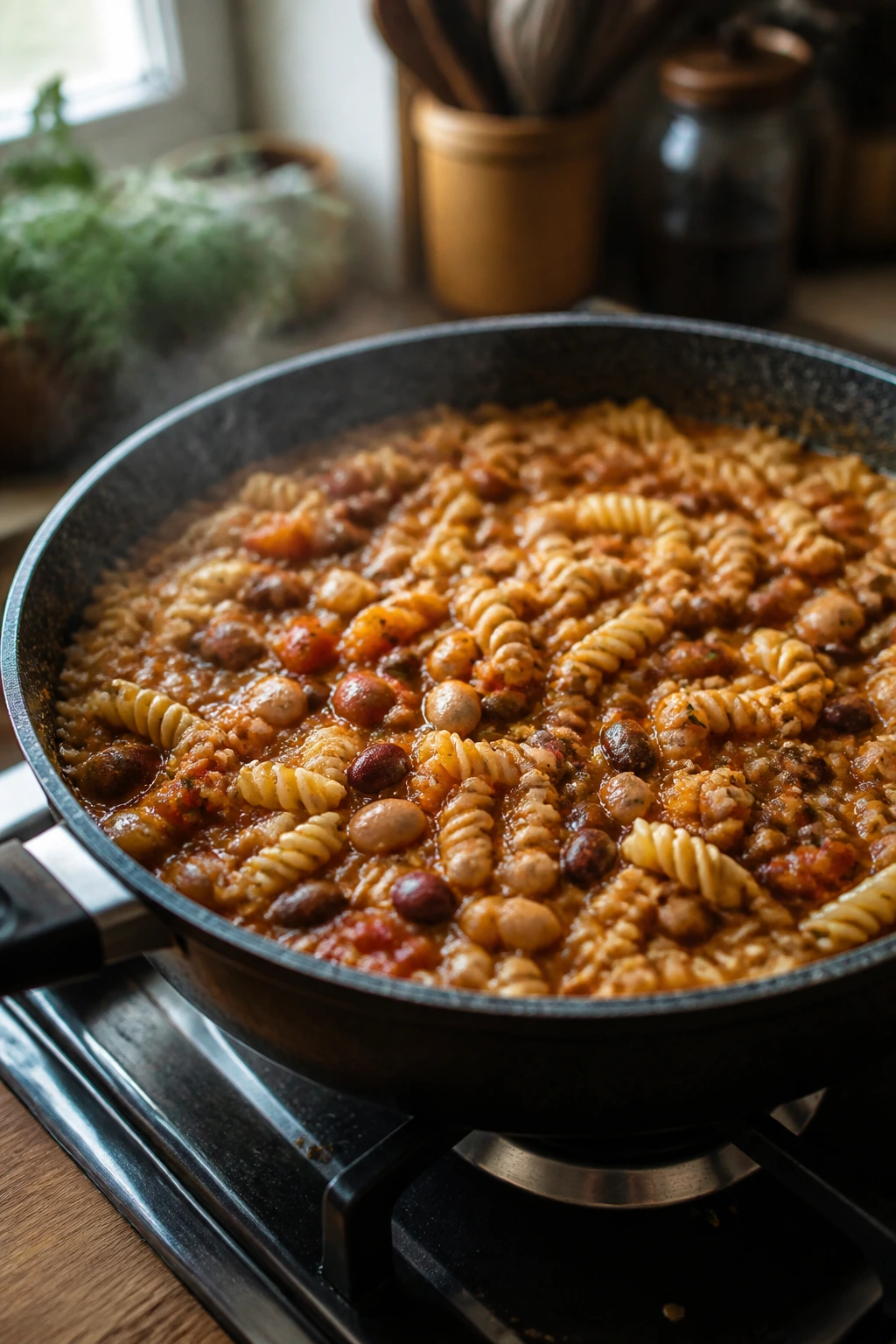
Pantry-first cooking: Several of these dinners start with canned beans, pasta, rice, couscous, or noodles you probably already have, so the grocery list stays short.
-
Thin cuts and fast starches: Chicken cutlets, shrimp, ground meat, tortellini, gnocchi, and couscous cook in minutes instead of dragging dinner past the half-hour mark.
-
One-pan and one-pot leaning: A lot of these meals leave you with one skillet, one pot, or both, which matters when you do not want a sink full of dishes at 8 p.m.
-
Easy to scale: Most of the recipes double cleanly if you have a bigger family or want leftovers for lunch, and several are just as good reheated the next day.
-
Budget-aware by design: You’ll see canned tomatoes, cabbage, black beans, eggs, tortillas, orzo, and other low-cost staples doing the heavy lifting instead of pricey specialty items.
-
Flexible under pressure: If the fridge is running low, these dinners tolerate swaps better than most. Broccoli can become green beans, turkey can become beef, and couscous can stand in for rice without drama.
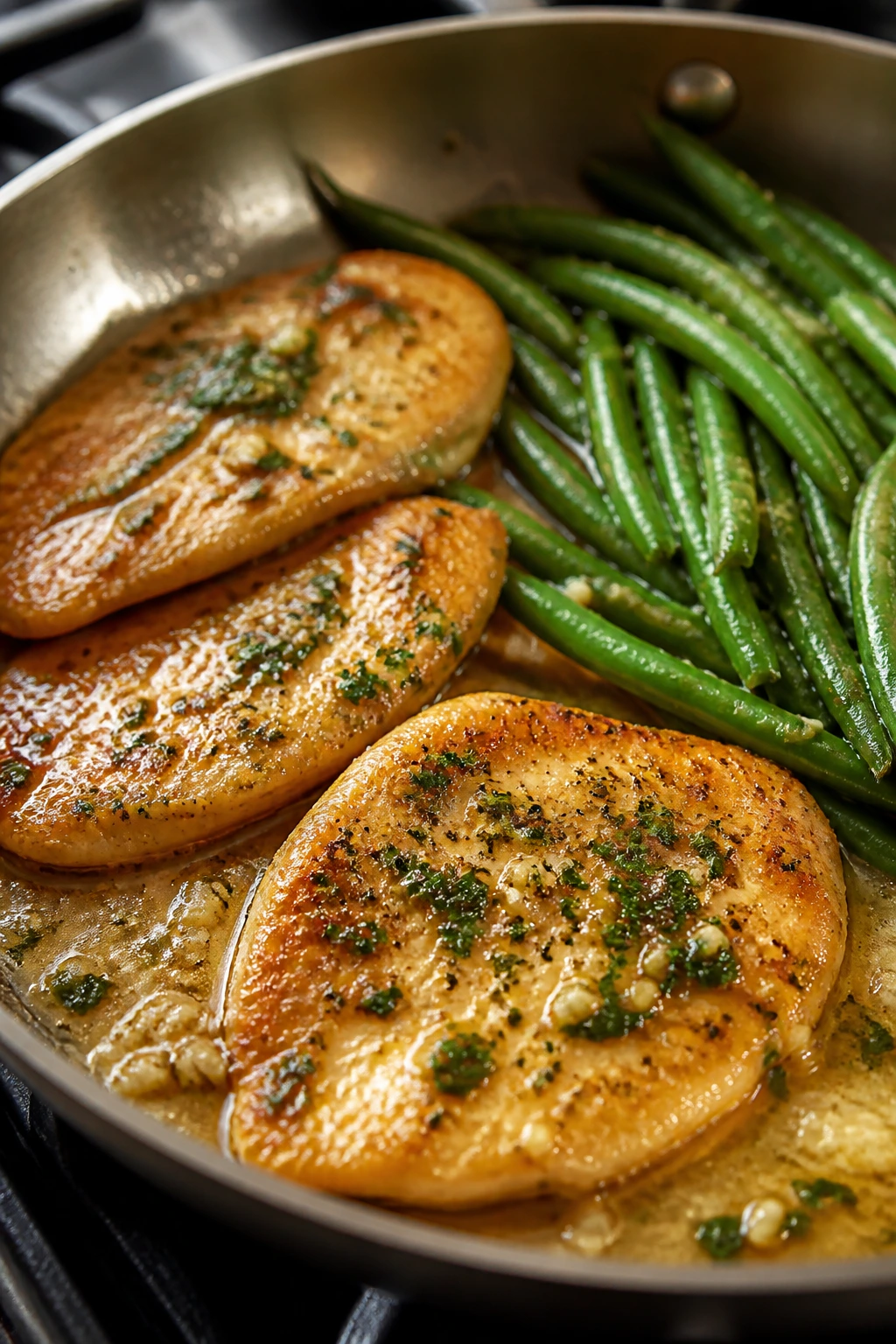
1. Garlic Butter Chicken Cutlets with Green Beans
This is the kind of skillet dinner that smells expensive while costing very little. Thin chicken cutlets brown fast, green beans stay crisp-tender, and the garlic butter coats everything without turning the pan greasy. It’s simple, but it lands with that little bit of pan sauce that makes a plate feel finished.
Why It Works: Cutlets cook in about 8 minutes total because they’re thin enough to sear instead of steam. Green beans go into the same pan, so the browned chicken bits help season them, and a splash of broth keeps the butter from feeling heavy. Lemon at the end keeps the whole thing bright.
Key Ingredients:
- 1 1/2 pounds boneless, skinless chicken breasts, sliced into thin cutlets
- 12 ounces green beans, trimmed
- 2 tablespoons olive oil
- 3 tablespoons unsalted butter
- 4 cloves garlic, minced
- 1/2 cup chicken broth
- 1 lemon, juiced
- 1 teaspoon kosher salt
- 1/2 teaspoon black pepper
Quick Steps:
- Pat the chicken dry and season both sides with salt and pepper.
- Heat olive oil in a large skillet over medium-high heat, then sear the cutlets for 3 to 4 minutes per side until golden and cooked through.
- Transfer the chicken to a plate and add the green beans to the same skillet with 2 tablespoons of water; cover for 3 minutes until they turn bright green.
- Stir in butter, garlic, and broth, scraping up the browned bits, then simmer for 1 to 2 minutes until the sauce looks glossy.
- Return the chicken, add lemon juice, and spoon the pan sauce over everything.
Equipment for This Recipe:
- 12-inch skillet, preferably stainless steel or cast iron
- Tongs for turning the chicken cleanly
- Sharp knife for slicing cutlets evenly
How to Serve This Dish: Pile the chicken and beans on a warm plate and spoon the garlic butter over the top. A little rice, buttered noodles, or a torn piece of bread catches the sauce nicely.
Pro Tips for This Recipe:
- Slice the chicken in half horizontally if the breasts are thick; thin pieces cook faster and stay juicier.
- Do not crowd the pan. If the chicken is packed in tight, it steams and loses the browned edge.
- Add the lemon at the end, not early, or the sauce turns flat.
Variations on This Dish:
- Parmesan Finish: Shower the finished skillet with 2 tablespoons of grated parmesan for a saltier, richer edge.
- Cajun Skillet: Swap the salt and pepper for 1 1/2 teaspoons Cajun seasoning and serve with rice.
- Dairy-Free Version: Use all olive oil plus 1 tablespoon of chicken broth instead of butter.
Common Mistakes to Avoid with This Dish:
- Using thick chicken breasts whole: They brown on the outside and stay raw inside. Slice them thin or pound them evenly first.
- Burning the garlic: Garlic only needs about 30 seconds in the hot pan. If it goes brown, the sauce tastes bitter.
- Skipping the broth scrape: Those browned bits are the flavor. Leave them stuck to the pan and the sauce tastes thin.
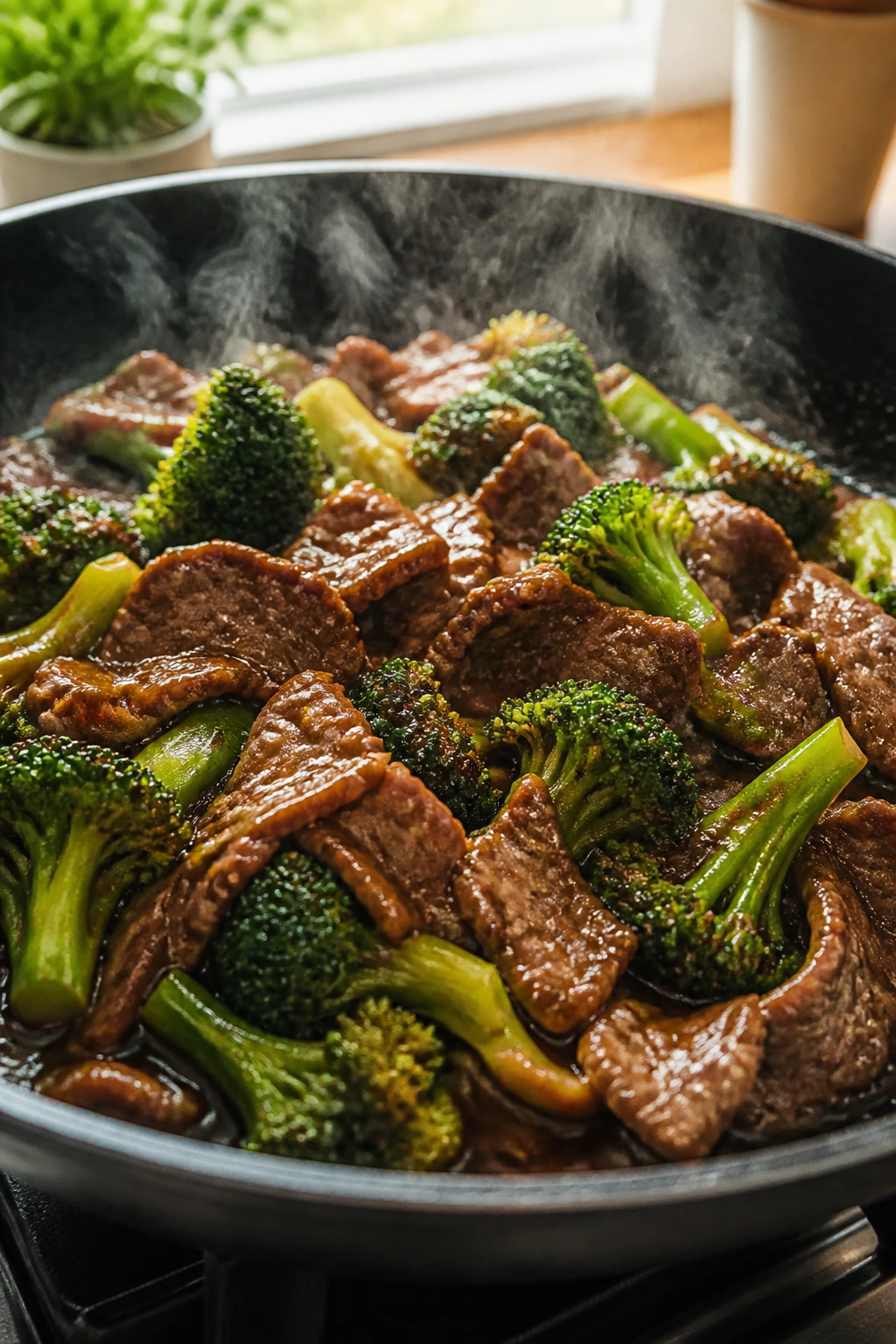
2. Beef and Broccoli Stir-Fry
This one earns its keep because it tastes like takeout in less time than delivery takes to arrive. Thin beef, crisp broccoli, and a soy-garlic sauce come together fast if the pan is hot and the slices are cut right. The smell when the ginger hits the oil is enough to get people wandering into the kitchen.
Why It Works: Flank steak or sirloin sliced against the grain cooks in a few minutes, and broccoli steams itself tender right in the skillet with a splash of water. A sauce made with soy sauce, garlic, ginger, and a little brown sugar clings to the beef instead of pooling at the bottom. It is one of the fastest ways to make a weeknight feel organized.
Key Ingredients:
- 1 pound flank steak or sirloin, thinly sliced against the grain
- 4 cups broccoli florets
- 2 tablespoons soy sauce
- 1 tablespoon cornstarch
- 2 cloves garlic, minced
- 1 teaspoon fresh ginger, grated
- 1 tablespoon brown sugar
- 1 tablespoon rice vinegar
- 2 tablespoons vegetable oil
Quick Steps:
- Toss the beef with cornstarch and 1 tablespoon soy sauce.
- Whisk the remaining soy sauce, garlic, ginger, brown sugar, and rice vinegar in a small bowl.
- Heat oil in a large skillet over high heat and sear the beef in a single layer for 2 to 3 minutes, then remove it.
- Add the broccoli and 2 tablespoons water, cover for 2 minutes, then uncover and stir until bright and barely tender.
- Pour in the sauce, return the beef, and toss for 1 minute until glossy.
Equipment for This Recipe:
- Large skillet or wok
- Mixing bowl for the sauce
- Sharp knife for thin slicing
How to Serve This Dish: Serve it over hot rice so the sauce has somewhere to go. If you want to keep the plate lighter, spoon it over shredded cabbage or leftover rice with a few sesame seeds.
Pro Tips for This Recipe:
- Put the beef in the freezer for 10 minutes before slicing; it firms up and slices more cleanly.
- Use high heat and keep the meat moving only after it sears. A cold pan gives you gray beef.
- Cut broccoli small enough that the stems finish at the same time as the florets.
Variations on This Dish:
- Chicken Swap: Thin chicken breast or thigh slices cook the same way and absorb the sauce well.
- Spicy Chili Version: Add 1 teaspoon chili flakes or 1 tablespoon chili garlic sauce to the pan sauce.
- Vegetable-Heavy Bowl: Double the broccoli and add sliced bell peppers or snow peas.
Common Mistakes to Avoid with This Dish:
- Wet beef: If the slices go into the pan damp, they steam instead of sear. Pat them dry first.
- Overloading the skillet: Too much beef at once drops the heat and softens the crust.
- Letting broccoli go soft: It only needs enough time to lose the raw bite. Pull it while it still has shape.
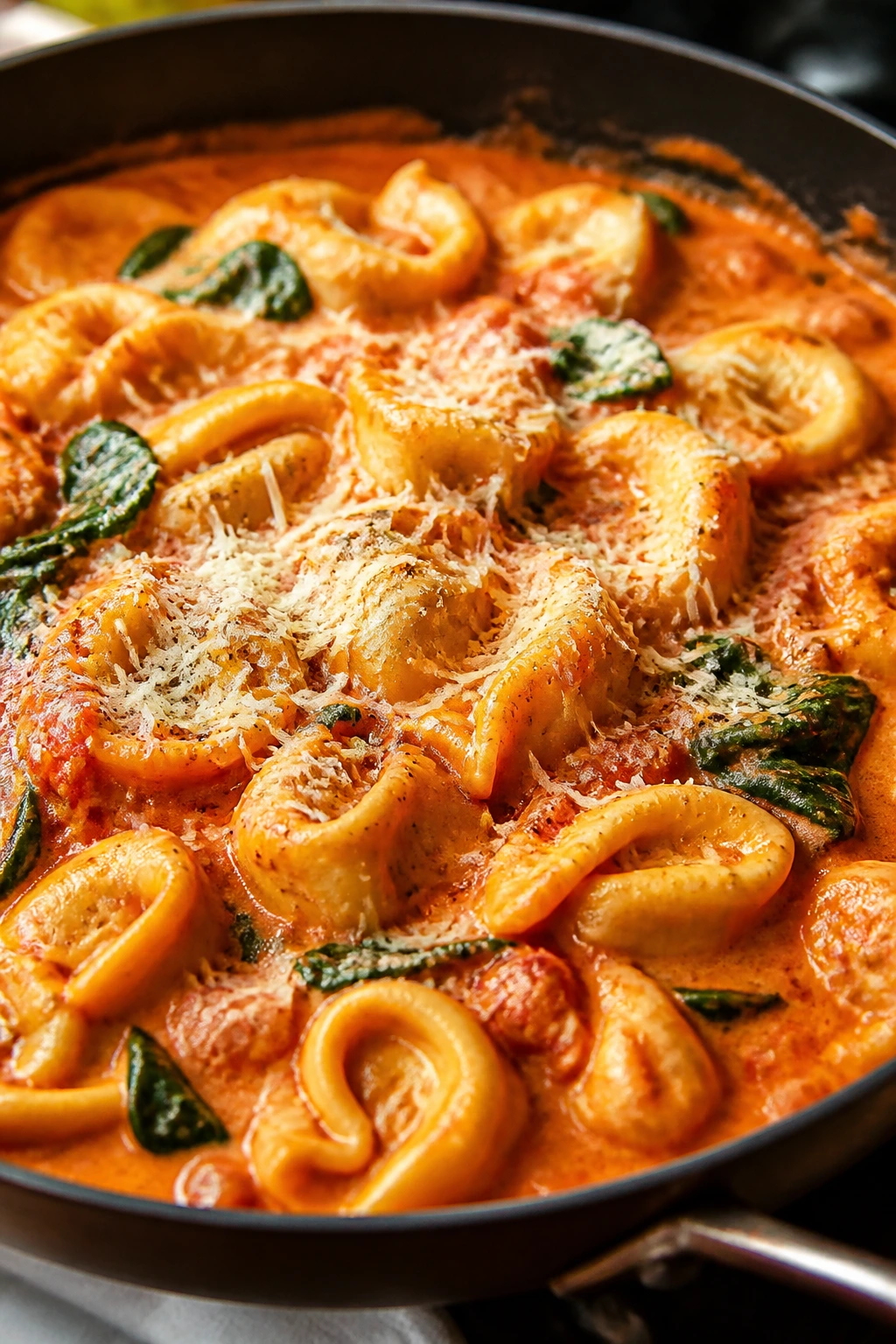
3. Creamy Tomato Tortellini
There’s a reason refrigerated tortellini is such a weeknight cheat code. It cooks in minutes, it carries sauce like it was built for the job, and when you stir it into a tomato-cream skillet, it turns into dinner that feels far more complete than the effort suggests. The sauce should taste like a good tomato soup that got dressed up for dinner.
Why It Works: The tortellini cooks directly in the tomato base, which saves both time and an extra pot. Crushed tomatoes bring body, cream softens the acidity, and parmesan finishes the sauce with a little salt and thickness. Spinach wilts right at the end, so it disappears into the dish without asking for extra time.
Key Ingredients:
- 1 tablespoon olive oil
- 1 small onion, finely diced
- 3 cloves garlic, minced
- 1 can (28 ounces) crushed tomatoes
- 1 teaspoon Italian seasoning
- 1 package (20 ounces) refrigerated cheese tortellini
- 1/2 cup heavy cream
- 1/2 cup grated parmesan
- 3 cups baby spinach
- Salt and black pepper
Quick Steps:
- Heat the olive oil in a large skillet over medium heat and cook the onion for 4 minutes until translucent.
- Stir in the garlic and Italian seasoning for 30 seconds.
- Add the crushed tomatoes and 1/2 cup water, then simmer for 6 to 8 minutes.
- Stir in the tortellini and cook according to package directions, adding a splash of water if the sauce gets too thick.
- Reduce the heat, add cream and parmesan, then fold in spinach until wilted.
Equipment for This Recipe:
- Large deep skillet or sauté pan
- Wooden spoon for stirring the sauce
- Measuring cup for the cream and water
How to Serve This Dish: Spoon the tortellini into shallow bowls and finish with extra parmesan. A crisp salad or garlic bread is enough; the pasta already brings the comfort.
Pro Tips for This Recipe:
- Keep the simmer gentle once the cream goes in. Hard boiling can make it grainy.
- Use a deep skillet, not a shallow one, because tortellini needs room to move.
- Taste before salting. The parmesan brings more salt than you might expect.
Variations on This Dish:
- Sausage Version: Brown 8 ounces of Italian sausage with the onion.
- Dairy-Light Swap: Use half-and-half instead of cream, but keep the heat low.
- Green Boost: Stir in chopped kale instead of spinach and simmer 2 minutes longer.
Common Mistakes to Avoid with This Dish:
- Overcooking the tortellini: It turns gummy fast. Start checking early.
- Boiling the cream: Once dairy is in, keep the sauce calm.
- Using too little liquid: Pasta that cooks in sauce needs enough moisture to move around.
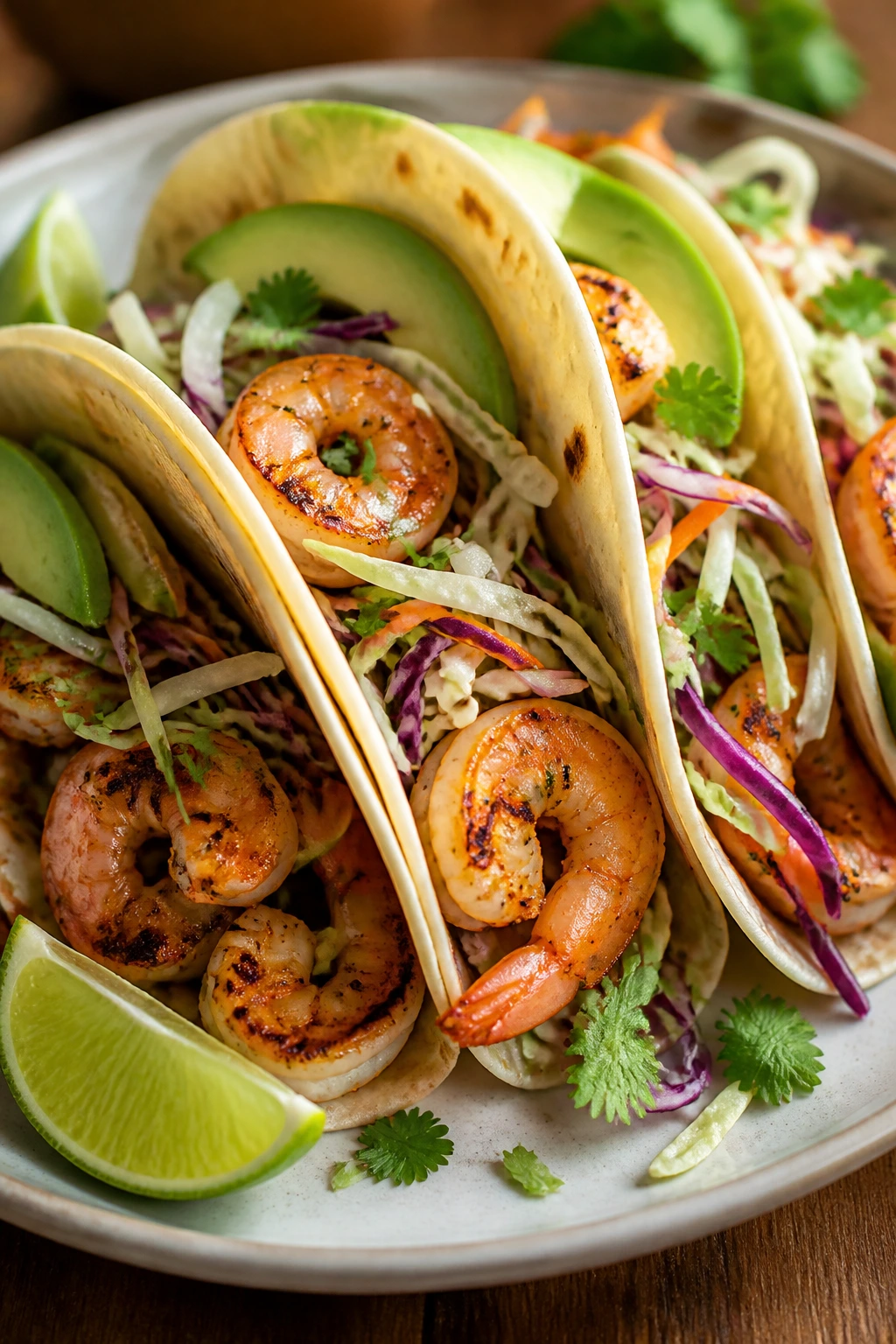
4. Shrimp Tacos with Lime Slaw
Shrimp tacos are fast, but they still need a little discipline. Shrimp cooks in minutes, cabbage stays crisp, and a sharp lime slaw keeps the whole thing from feeling heavy. If your pan is hot enough, the shrimp should pick up a little color before they curl tight.
Why It Works: Shrimp needs barely any time, which is why it fits a 30-minute dinner so neatly. The slaw can be mixed while the shrimp cooks, and the acid from lime wakes everything up. Warm tortillas are the difference between a taco that feels finished and one that feels thrown together.
Key Ingredients:
- 1 pound large shrimp, peeled and deveined
- 1 tablespoon olive oil
- 1 tablespoon taco seasoning
- 4 cups shredded cabbage
- 1 lime, juiced
- 2 tablespoons mayonnaise or Greek yogurt
- 8 small tortillas
- 1 avocado, sliced
- Fresh cilantro, chopped
Quick Steps:
- Toss the cabbage with lime juice, mayonnaise, and a pinch of salt.
- Season the shrimp with olive oil and taco seasoning.
- Heat a skillet over medium-high heat and cook the shrimp for 2 minutes per side until pink and opaque.
- Warm the tortillas in a dry skillet for 20 seconds per side.
- Fill each tortilla with slaw, shrimp, avocado, and cilantro.
Equipment for This Recipe:
- Large skillet
- Medium bowl for the slaw
- Tongs for turning shrimp quickly
How to Serve This Dish: Set the tortillas, shrimp, and slaw out separately and let everyone build their own. Black beans or tortilla chips fit beside these tacos without crowding the plate.
Pro Tips for This Recipe:
- Pat the shrimp dry first so the seasoning sticks.
- Pull the shrimp the moment they turn opaque; they go from tender to rubbery fast.
- Make the slaw before you cook the shrimp so the cabbage softens just enough.
Variations on This Dish:
- Chipotle Heat: Add 1 teaspoon chipotle powder to the shrimp seasoning.
- Fish Taco Swap: Use firm white fish and sear 3 minutes per side.
- Creamy Avocado Slaw: Mash half an avocado into the slaw dressing.
Common Mistakes to Avoid with This Dish:
- Overcooking shrimp: It curls hard and loses its sweetness. Two minutes per side is usually enough.
- Skipping the tortilla warm-up: Cold tortillas crack. Warm them, even briefly.
- Making the slaw too wet: If it drips, the tacos slide apart.
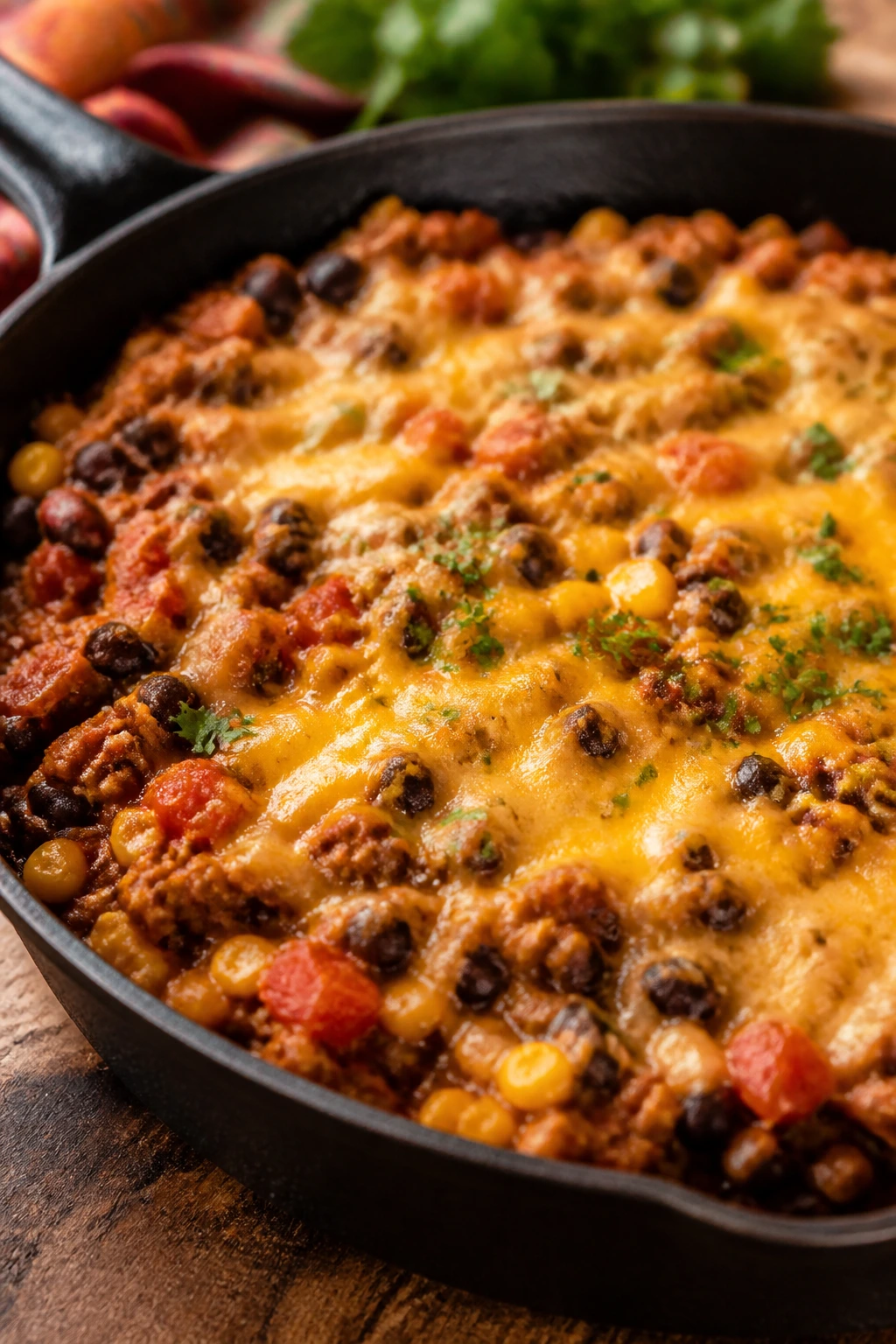
5. Turkey Taco Skillet
This is the kind of dinner that saves a bad evening. Ground turkey browns fast, taco seasoning does the heavy lifting, and canned beans and corn stretch the pan into a full meal without much cost. It has the same spirit as tacos, but with fewer moving pieces.
Why It Works: Ground turkey takes on seasoning well once it browns properly. Salsa adds tomato, acid, and spice in one spoonful, which is why it works better here than plain water. Beans and corn bulk out the skillet so you get more dinner from one pound of meat.
Key Ingredients:
- 1 pound ground turkey
- 1 small onion, diced
- 2 cloves garlic, minced
- 2 tablespoons taco seasoning
- 1 can black beans, drained and rinsed
- 1 cup frozen corn
- 1 cup salsa
- 1 cup shredded cheddar
- Tortillas, chips, or rice for serving
Quick Steps:
- Brown the turkey and onion in a skillet over medium-high heat for 6 to 7 minutes.
- Add the garlic and taco seasoning and stir for 30 seconds.
- Stir in the black beans, corn, and salsa.
- Simmer for 4 to 5 minutes until the mixture thickens.
- Top with cheddar, cover for 1 minute, then serve.
Equipment for This Recipe:
- Large skillet
- Wooden spoon
- Lid or foil for melting the cheese
How to Serve This Dish: Spoon it into tortillas, pile it over rice, or eat it with chips like a thick dip. A squeeze of lime and a spoonful of sour cream give it the last bit of lift.
Pro Tips for This Recipe:
- Let the turkey brown before stirring too much, or it goes pale and soft.
- Salsa is your sauce and your seasoning here; pick one with a flavor you’d actually eat by the spoonful.
- If the skillet looks too wet, simmer a minute longer before adding cheese.
Variations on This Dish:
- Beef Taco Skillet: Ground beef gives a deeper, fattier flavor.
- Vegetarian Version: Swap in two cans of lentils or extra black beans.
- Nacho Style: Add the cheese and scoop the skillet onto chips.
Common Mistakes to Avoid with This Dish:
- Underseasoning the meat: Plain turkey tastes flat. The seasoning needs the help of salt and salsa.
- Not draining the beans: Excess liquid waters down the skillet.
- Overcooking after cheese goes on: You only need enough heat to melt it.
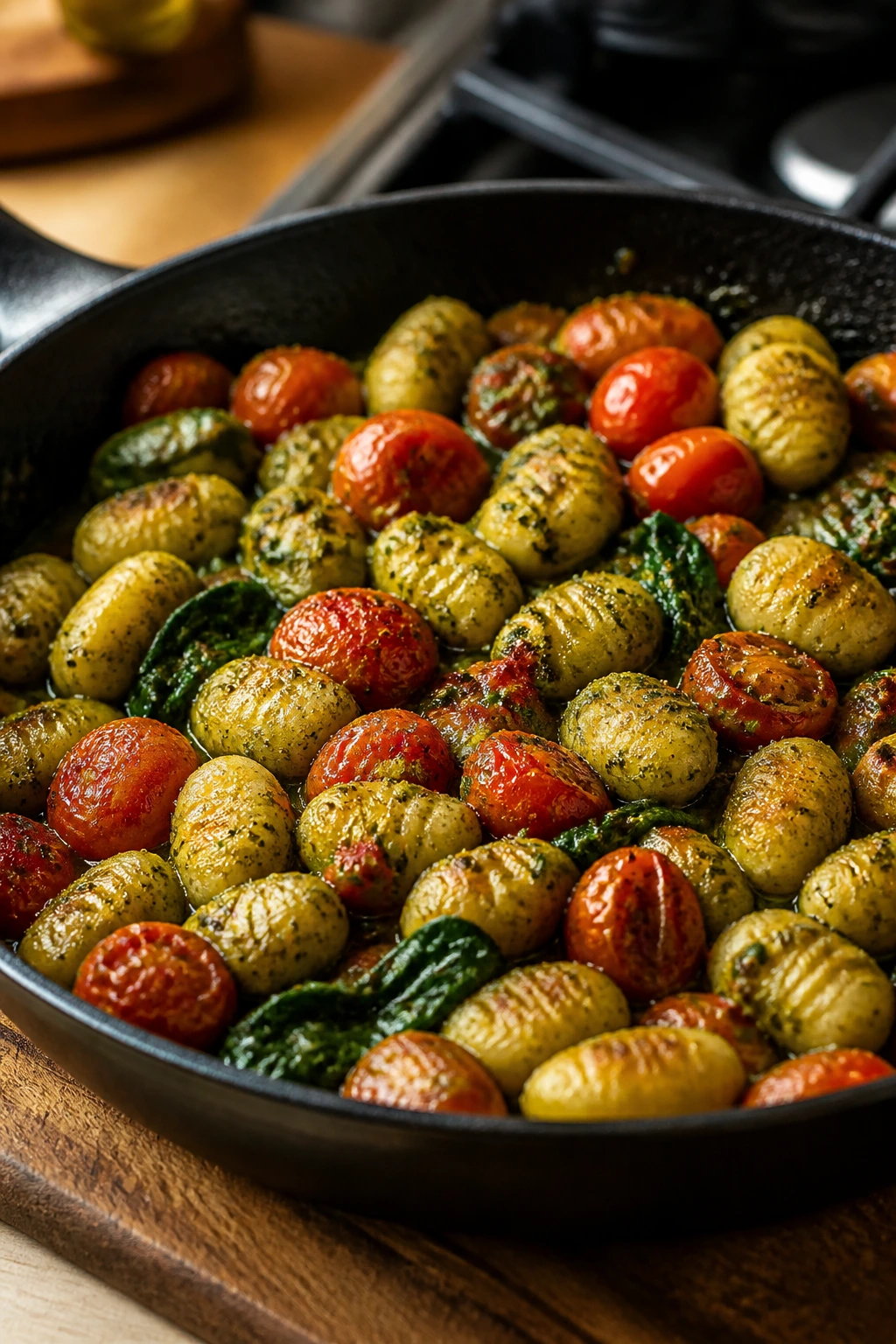
6. Pesto Gnocchi with Cherry Tomatoes
Shelf-stable gnocchi is one of the easier wins in a quick kitchen. It cooks in minutes, browns well in a skillet, and soaks up pesto without turning mushy. When the tomatoes burst and the basil smell rises off the pan, this stops feeling like a shortcut and starts feeling like dinner.
Why It Works: Gnocchi from a package is already cooked, so it only needs heat and a little surface color. Cherry tomatoes blister fast, adding sweet juice to loosen the pesto. Spinach disappears at the end and makes the plate look fuller than it is.
Key Ingredients:
- 1 package shelf-stable gnocchi, about 16 ounces
- 2 tablespoons olive oil
- 2 cups cherry tomatoes
- 2 cloves garlic, sliced
- 1/3 cup pesto
- 2 cups baby spinach
- 1/4 cup mozzarella pearls or shredded mozzarella
- Parmesan for finishing
Quick Steps:
- Heat olive oil in a skillet over medium-high heat and add the gnocchi in a single layer.
- Cook for 5 to 6 minutes, stirring once or twice, until golden spots appear.
- Add cherry tomatoes and garlic; cook for 3 minutes until the tomatoes blister.
- Stir in the pesto and spinach until the greens wilt.
- Finish with mozzarella and parmesan.
Equipment for This Recipe:
- Large nonstick or stainless skillet
- Wooden spoon or spatula
- Small grater for parmesan
How to Serve This Dish: Serve it in shallow bowls so the pesto clings to every dumpling. A side salad with sharp vinaigrette keeps the meal from leaning too soft.
Pro Tips for This Recipe:
- Dry the gnocchi if it feels sticky before it goes into the pan.
- Pan-frying gives you better texture than boiling and tossing.
- Add the pesto off the heat or over low heat so the basil flavor stays fresh.
Variations on This Dish:
- Chicken Pesto Bowl: Stir in cooked chicken breast or leftover rotisserie chicken.
- Sun-Dried Tomato Version: Replace half the pesto with chopped sun-dried tomatoes.
- Dairy-Free Style: Use a dairy-free pesto and skip the cheese.
Common Mistakes to Avoid with This Dish:
- Boiling the gnocchi first: You do not need to. It gets soft fast enough in the skillet.
- Too much pesto at once: The dish turns heavy. Start with less and add more only if needed.
- Skipping the pan color: Pale gnocchi tastes fine; browned gnocchi tastes better.
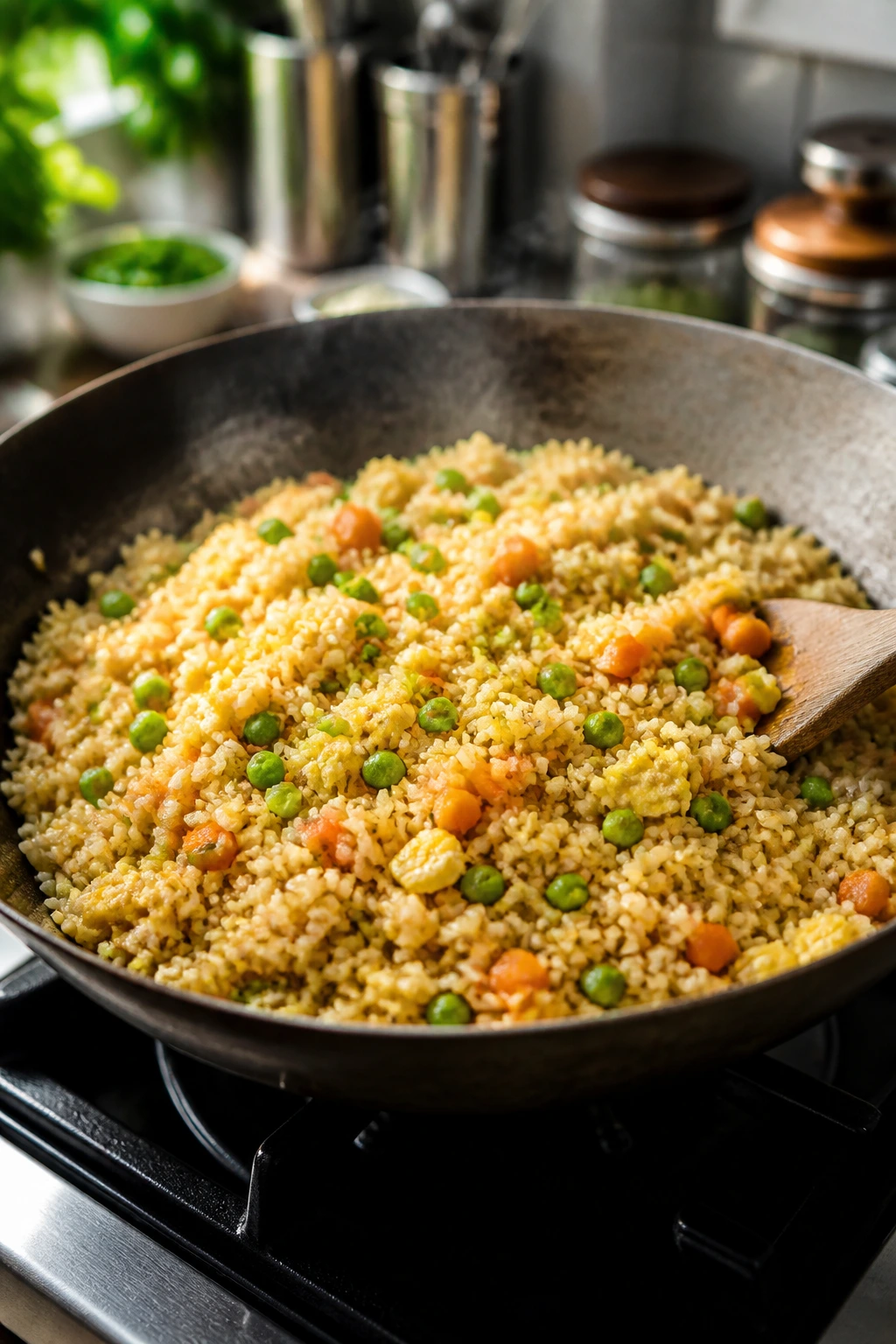
7. Egg Fried Rice with Peas and Scallions
If you have cold rice and eggs, dinner is already half done. Fried rice is one of those meals that rewards leftovers instead of punishing them, and the texture is better when the rice has had time to dry out a little. Hot pan, fast stir, done.
Why It Works: Day-old rice stays separate in the skillet, which means you get grains instead of paste. Eggs cook first, then come back at the end so they stay soft. Frozen peas and carrots go in straight from the freezer, and they cook in the time it takes the rice to heat through.
Key Ingredients:
- 3 cups cold cooked rice
- 3 large eggs, beaten
- 1 cup frozen peas and carrots
- 3 scallions, sliced
- 2 tablespoons soy sauce
- 1 teaspoon sesame oil
- 2 cloves garlic, minced
- 2 tablespoons neutral oil
Quick Steps:
- Heat 1 tablespoon oil in a skillet and scramble the eggs until just set, then remove them.
- Add the remaining oil, garlic, peas, and carrots, and stir for 2 minutes.
- Add the rice and break up clumps with a spatula.
- Pour in soy sauce and cook for 3 to 4 minutes until the rice is hot and a little toasted.
- Return the eggs, add sesame oil and scallions, and toss once more.
Equipment for This Recipe:
- Large skillet or wok
- Spatula with a flat edge
- Bowl for beaten eggs
How to Serve This Dish: Scoop it into bowls with extra scallions and a little chili crisp if you like heat. It can stand alone, but it also works beside leftover dumplings, edamame, or sliced cucumber.
Pro Tips for This Recipe:
- Use cold rice from the fridge, not freshly steamed rice.
- Keep the pan hot so the rice fries instead of steaming.
- Add sesame oil at the end; if it cooks too long, the flavor fades.
Variations on This Dish:
- Bacon Fried Rice: Crisp 3 slices of bacon first and cook everything in the fat.
- Veggie-Heavy Bowl: Add chopped cabbage or mushrooms.
- Kimchi Version: Stir in 1/3 cup chopped kimchi with the rice.
Common Mistakes to Avoid with This Dish:
- Using warm rice: It clumps and turns soft.
- Crowding the pan: The rice needs space to toast.
- Pouring in too much soy sauce: You want seasoning, not a wet skillet.
8. Sausage and Peppers Skillet
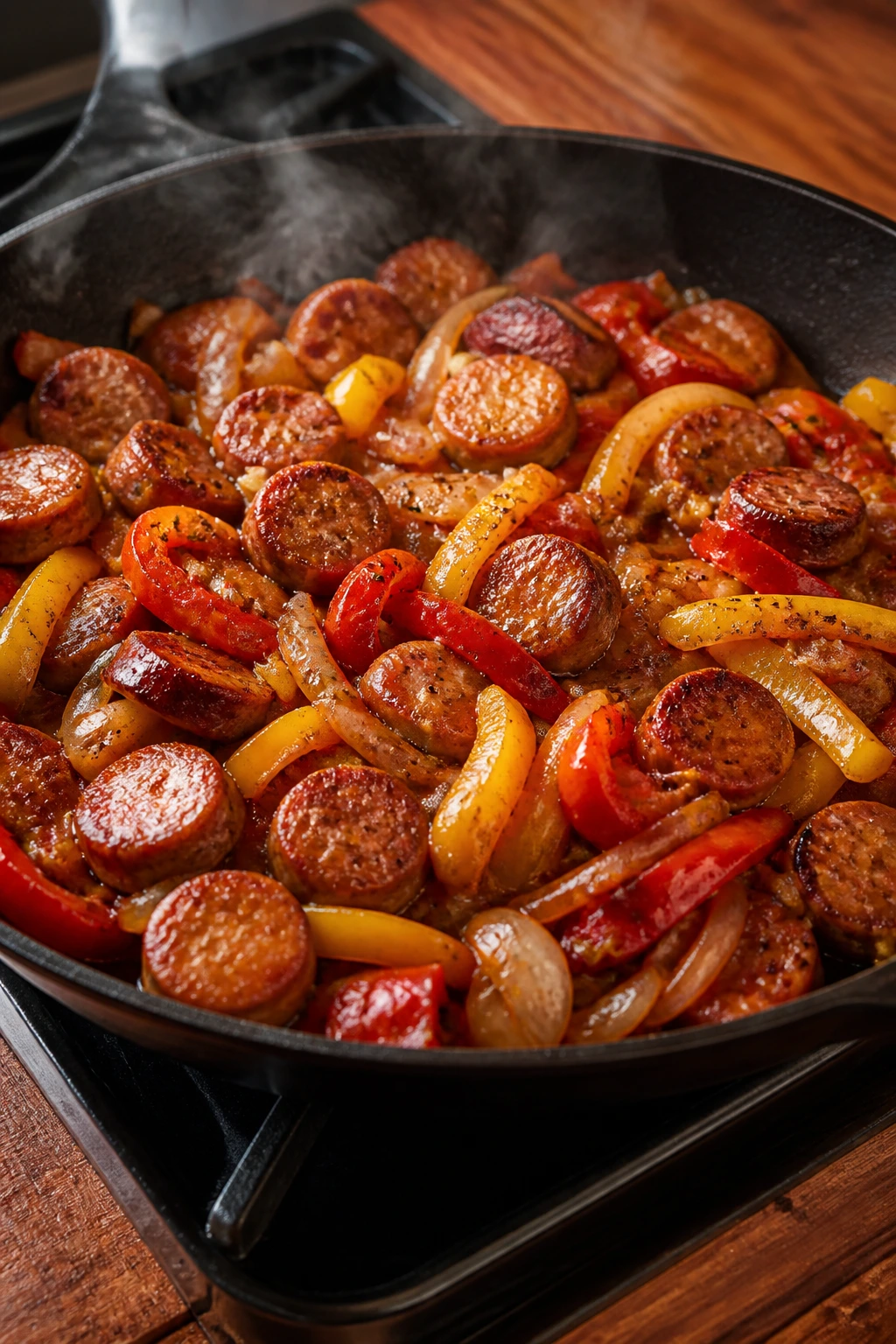
This dinner smells like the kind of thing you’d order in a loud little sandwich shop. Sausage browns fast, peppers soften just enough to go silky, and the onion turns sweet in the same pan. It’s cheap, filling, and honest about what it is.
Why It Works: Sausage brings its own seasoning, which means the vegetables only need a little help. Bell peppers and onions cook in the same fat, picking up flavor from the browned sausage. A spoonful of tomato paste gives the skillet a deeper, rounder taste without adding much time.
Key Ingredients:
- 1 pound Italian sausage links or smoked sausage
- 2 bell peppers, sliced
- 1 large onion, sliced
- 2 cloves garlic, minced
- 1 tablespoon tomato paste
- 1/2 cup chicken broth
- 1 teaspoon Italian seasoning
- Rolls, rice, or polenta for serving
Quick Steps:
- Brown the sausage in a skillet over medium-high heat for 6 to 8 minutes, then slice it.
- Add the peppers and onion to the same pan and cook for 5 minutes until softened.
- Stir in garlic and tomato paste for 30 seconds.
- Add broth and Italian seasoning, then return the sausage and simmer for 3 to 4 minutes.
- Serve hot over rolls or rice.
Equipment for This Recipe:
- Large skillet
- Sharp knife for clean pepper slices
- Tongs for turning sausage
How to Serve This Dish: Stuff it into hoagie rolls if you want the sandwich version, or spoon it over rice for a simpler plate. A handful of chopped parsley or grated parmesan is enough to make it look done.
Pro Tips for This Recipe:
- Brown the sausage first for the best flavor; pale sausage tastes flat.
- Slice the peppers evenly so none of them collapse while others stay raw.
- If the pan dries out, add another splash of broth instead of turning down the heat too soon.
Variations on This Dish:
- Chicken Sausage Version: Leaner, but still fast and full of seasoning.
- Spicy Marinara Style: Add 1/2 cup marinara sauce for a saucier skillet.
- Mushroom Add-In: Sliced mushrooms stretch the pan and soak up the juices.
Common Mistakes to Avoid with This Dish:
- Skipping the browning step: Sausage needs color or it tastes dull.
- Overcooking the peppers: They should soften, not collapse into mush.
- Serving it dry: A little broth or sauce keeps the whole skillet lively.
9. Black Bean and Cheese Quesadillas
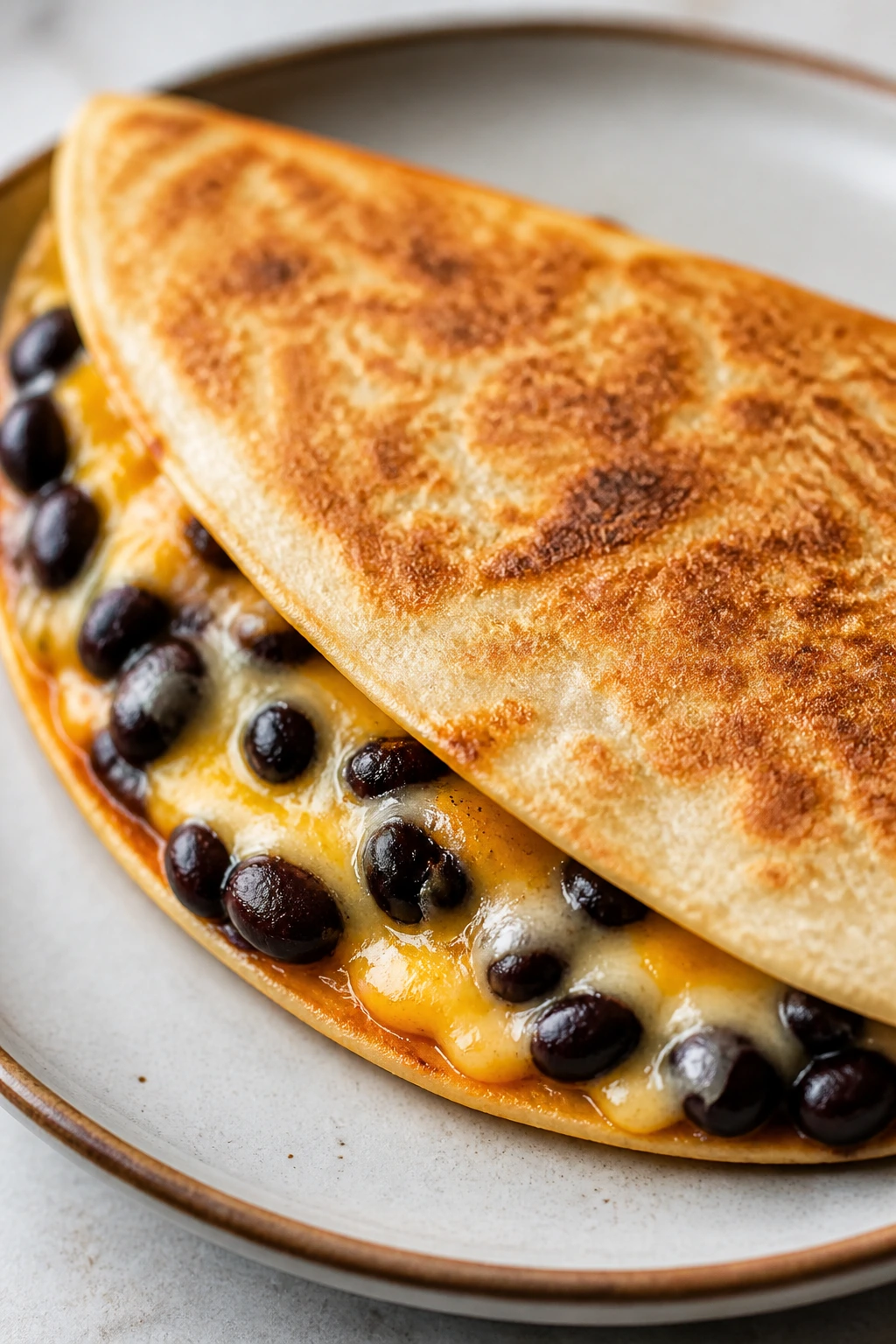
Quesadillas are cheap, fast, and far less boring than they look on paper. The trick is to keep the filling restrained and the skillet hot enough to brown the tortilla without scorching it. Black beans, cheese, and a little cumin do more than you’d expect.
Why It Works: Mashed black beans spread smoothly and keep the filling from spilling out. Cheese melts into the beans and acts like glue, which means the quesadilla slices cleanly. A skillet gives you a crisp shell in minutes, and that contrast is the whole point.
Key Ingredients:
- 2 cans black beans, drained and rinsed
- 1 teaspoon cumin
- 1/2 teaspoon garlic powder
- 2 cups shredded cheddar or Monterey Jack
- 4 large flour tortillas
- 2 tablespoons butter or oil
- Salsa, avocado, and cilantro for serving
Quick Steps:
- Mash about half the beans with cumin and garlic powder.
- Spread the beans over half of each tortilla and top with cheese and the remaining whole beans.
- Fold the tortillas over.
- Cook in a skillet with butter or oil for 2 to 3 minutes per side until crisp and browned.
- Slice and serve with salsa.
Equipment for This Recipe:
- Large skillet or griddle
- Potato masher or fork
- Spatula for flipping carefully
How to Serve This Dish: Cut each quesadilla into wedges and serve with salsa, avocado, or a quick cabbage salad. If you need more dinner, add a fried egg on top and call it a serious meal.
Pro Tips for This Recipe:
- Do not overfill. A thin layer of filling cooks and flips better.
- Use medium heat, not high heat, or the tortilla browns before the cheese melts.
- Let the quesadilla rest for 1 minute before slicing so the cheese settles.
Variations on This Dish:
- Chicken Quesadilla: Add 1 cup chopped cooked chicken.
- Pepper Jack Heat: Swap the cheese and add sliced jalapeños.
- Breakfast Version: Add scrambled eggs and a spoonful of salsa.
Common Mistakes to Avoid with This Dish:
- Too much filling: The tortilla tears and the cheese leaks out.
- High heat: Burnt tortilla, cold middle. Annoying and avoidable.
- Cutting immediately: The filling runs everywhere if you rush it.
10. Lemon Salmon with Couscous
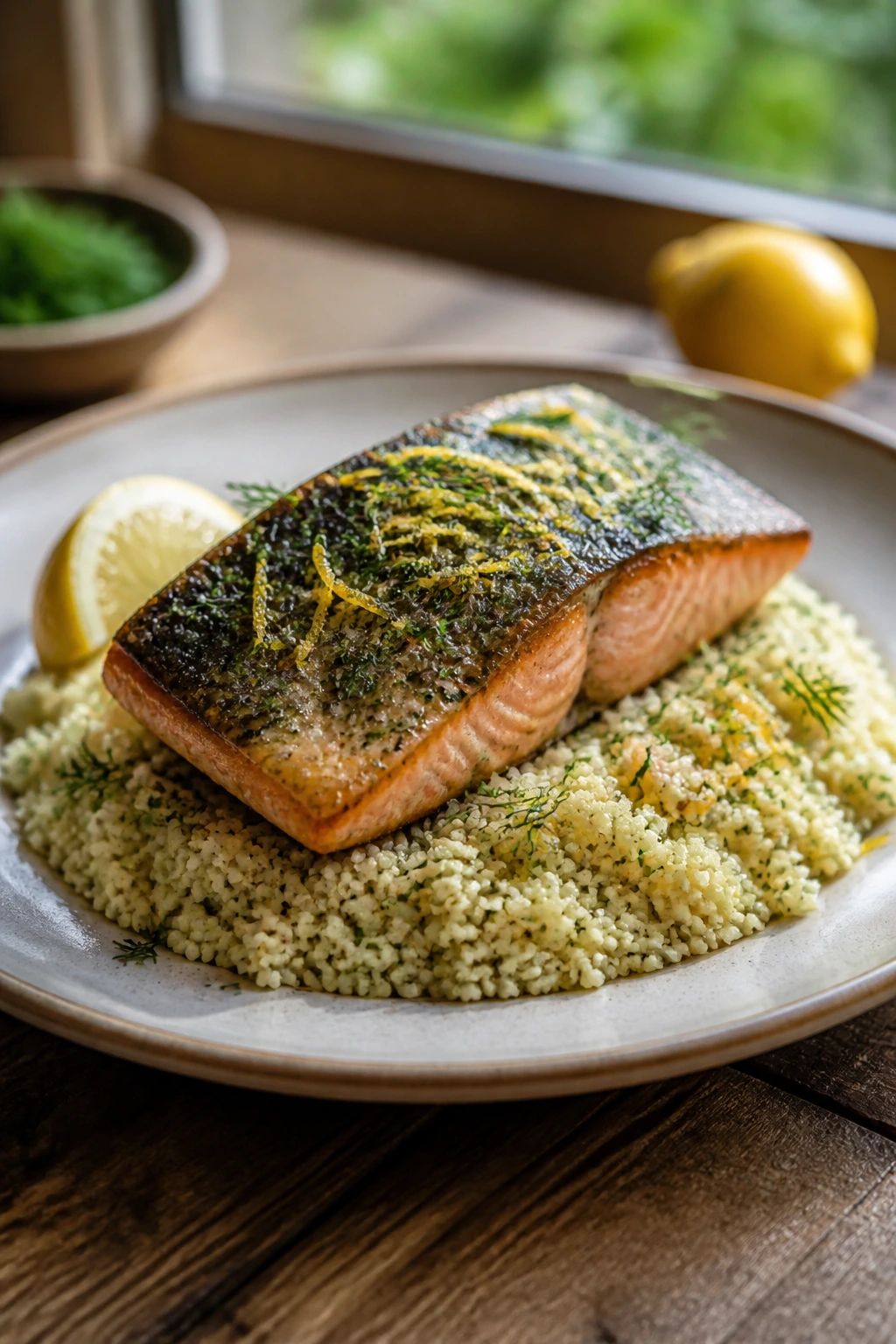
Salmon feels fancy until you realize how quickly it cooks. A hot skillet or oven does the work, couscous soaks up the lemony juices in minutes, and you end up with a dinner that looks cleaner than it is difficult. The dish lives or dies on not overcooking the fish.
Why It Works: Salmon fillets are thin enough to cook in about 10 minutes, especially if they’re portioned evenly. Couscous only needs boiling water or broth, so the side finishes while the fish cooks. Lemon and dill keep the richness from getting heavy.
Key Ingredients:
- 4 salmon fillets, about 5 to 6 ounces each
- 1 cup couscous
- 1 1/4 cups chicken broth or water
- 2 tablespoons olive oil
- 1 lemon, zested and juiced
- 2 cloves garlic, minced
- 1 tablespoon butter
- 1 tablespoon chopped dill or parsley
- Salt and black pepper
Quick Steps:
- Season the salmon with salt, pepper, and lemon zest.
- Heat olive oil in a skillet over medium-high heat and sear salmon skin-side down for 4 minutes, then flip and cook 2 to 3 minutes more.
- Bring the broth to a boil, stir in couscous, cover, and remove from the heat for 5 minutes.
- Fluff the couscous with butter, garlic, lemon juice, and herbs.
- Serve the salmon over the couscous.
Equipment for This Recipe:
- Skillet or sheet pan
- Small saucepan or kettle for the couscous
- Fish spatula if you have one
How to Serve This Dish: Spoon the couscous into a shallow bowl, lay the salmon on top, and drizzle the lemon juices over everything. A simple cucumber salad or steamed green beans keeps the plate balanced.
Pro Tips for This Recipe:
- If the salmon has skin, start skin-side down and leave it alone until it releases easily.
- Check the thickest part for doneness; it should flake and still look moist.
- Couscous needs a tight cover while it steams, or it dries out.
Variations on This Dish:
- Dijon Salmon: Brush the fish with 1 tablespoon Dijon before cooking.
- Tomato Couscous: Stir in chopped cherry tomatoes and olives.
- Herb-Free Swap: Use lemon and scallions if dill isn’t in the kitchen.
Common Mistakes to Avoid with This Dish:
- Overcooking salmon: It turns chalky fast. Pull it as soon as it flakes.
- Lifting the fish too soon: Let the crust form before you try to turn it.
- Undersalting couscous: The side should taste seasoned on its own, not just like filler.
11. Chicken Caesar Wraps
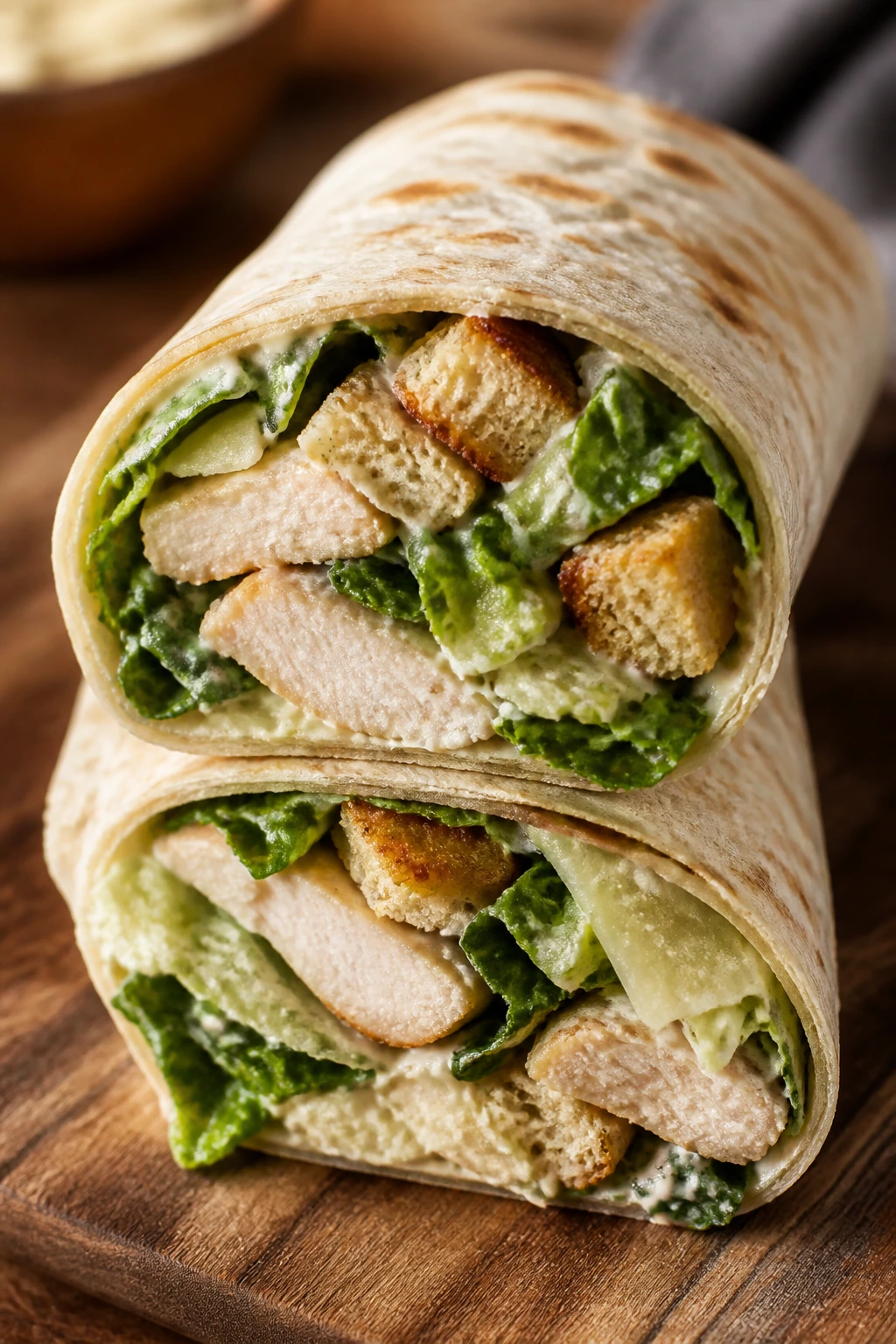
This is lunch behavior in dinner clothing, and I mean that as praise. Chicken Caesar wraps are fast, crisp, and easy to portion, especially when the chicken is sliced thin and the romaine is dry. The whole thing lives on texture: cool lettuce, warm chicken, salty parmesan, soft tortilla.
Why It Works: Caesar dressing gives you flavor without a separate sauce step. Thin chicken cutlets cook quickly and cool just enough to keep the tortilla from getting soggy. Croutons, if you use them, add a little crunch that makes the wrap feel complete.
Key Ingredients:
- 1 pound boneless chicken breasts, cut into thin strips
- 1 tablespoon olive oil
- 1 teaspoon garlic powder
- 4 cups chopped romaine
- 1/3 cup Caesar dressing
- 1/4 cup grated parmesan
- 4 large tortillas
- 1 cup croutons, optional
- Black pepper
Quick Steps:
- Season the chicken with olive oil and garlic powder.
- Cook the chicken strips in a skillet over medium-high heat for 5 to 6 minutes until browned and cooked through.
- Toss romaine with Caesar dressing, parmesan, and black pepper.
- Layer chicken, salad, and croutons on tortillas.
- Roll tightly and slice in half.
Equipment for This Recipe:
- Skillet
- Mixing bowl for the salad
- Knife for slicing the wraps cleanly
How to Serve This Dish: Serve the wraps with pickle spears, tomato soup, or chips if you want a little extra on the side. I like them cut on a diagonal, mostly because they look less like a rushed lunch item that way.
Pro Tips for This Recipe:
- Let the chicken rest for 2 minutes before wrapping so the dressing stays cool.
- Dry the romaine after washing. Wet lettuce makes the tortilla limp.
- Warm the tortilla for 15 seconds in a dry pan so it bends without cracking.
Variations on This Dish:
- Buffalo Chicken Wrap: Toss the cooked chicken with hot sauce before wrapping.
- Chickpea Caesar: Use mashed chickpeas instead of chicken.
- Grilled Version: Grill the chicken if the pan is already occupied.
Common Mistakes to Avoid with This Dish:
- Overdressing the lettuce: It leaks out the ends and softens the tortilla.
- Using hot chicken immediately: The wrap gets soggy and slippery.
- Packing it too full: A wrap should roll, not explode.
12. Peanut Ramen Noodle Stir-Fry
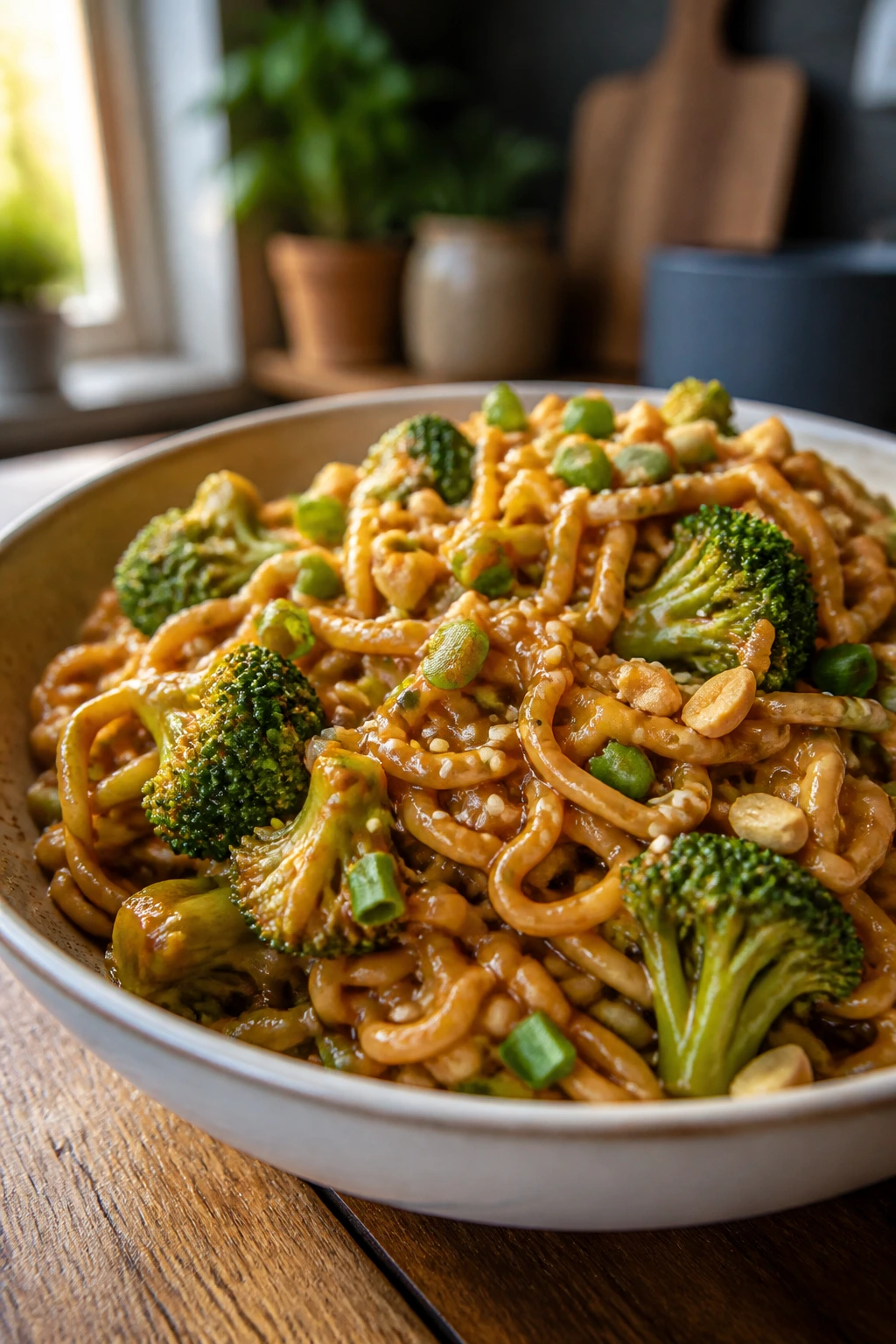
Instant ramen gets a lot of abuse, and most of it is deserved. But the noodles themselves are fast, cheap, and useful when you treat them like a base instead of a full meal. Peanut butter, soy sauce, garlic, and a splash of vinegar turn the packet into something with a little backbone.
Why It Works: Ramen noodles cook in a couple of minutes, which leaves time for the sauce to come together in the same pan. Peanut butter gives body, soy sauce adds salt, and vinegar cuts through the richness. Frozen vegetables work well here because the sauce covers any rough edges.
Key Ingredients:
- 3 packages instant ramen noodles, seasoning packets discarded or saved for another use
- 3 tablespoons peanut butter
- 2 tablespoons soy sauce
- 1 tablespoon rice vinegar
- 2 cloves garlic, minced
- 2 cups frozen stir-fry vegetables or broccoli
- 1 teaspoon sesame oil
- Crushed peanuts and scallions for topping
Quick Steps:
- Whisk peanut butter, soy sauce, rice vinegar, garlic, and 1/4 cup hot water in a bowl.
- Cook the noodles according to package directions, then drain.
- Stir-fry the vegetables in a skillet with a little oil for 3 to 4 minutes.
- Add the noodles and sauce, tossing until coated.
- Finish with sesame oil, peanuts, and scallions.
Equipment for This Recipe:
- Saucepan for the noodles
- Large skillet or wok
- Whisk or fork for the sauce
How to Serve This Dish: Serve it in bowls with extra scallions and a squeeze of lime. If you want protein, add a fried egg or a handful of leftover chicken.
Pro Tips for This Recipe:
- Loosen the peanut butter with hot water before it goes into the pan or it clumps.
- Reserve a splash of noodle water in case the sauce tightens too much.
- Use the vegetables you actually have; this dish is happy with cabbage, carrots, or snap peas.
Variations on This Dish:
- Spicy Chili Noodles: Add chili crisp or sriracha.
- Sesame Almond Version: Swap almond butter for peanut butter.
- Tofu Bowl: Add cubed pan-fried tofu for more staying power.
Common Mistakes to Avoid with This Dish:
- Cooking the noodles too long: They get soft fast and fall apart in the skillet.
- Skipping the acid: Without vinegar or lime, the sauce tastes heavy.
- Adding peanut butter dry: It needs hot water to loosen properly.
13. Chickpea Coconut Curry with Spinach
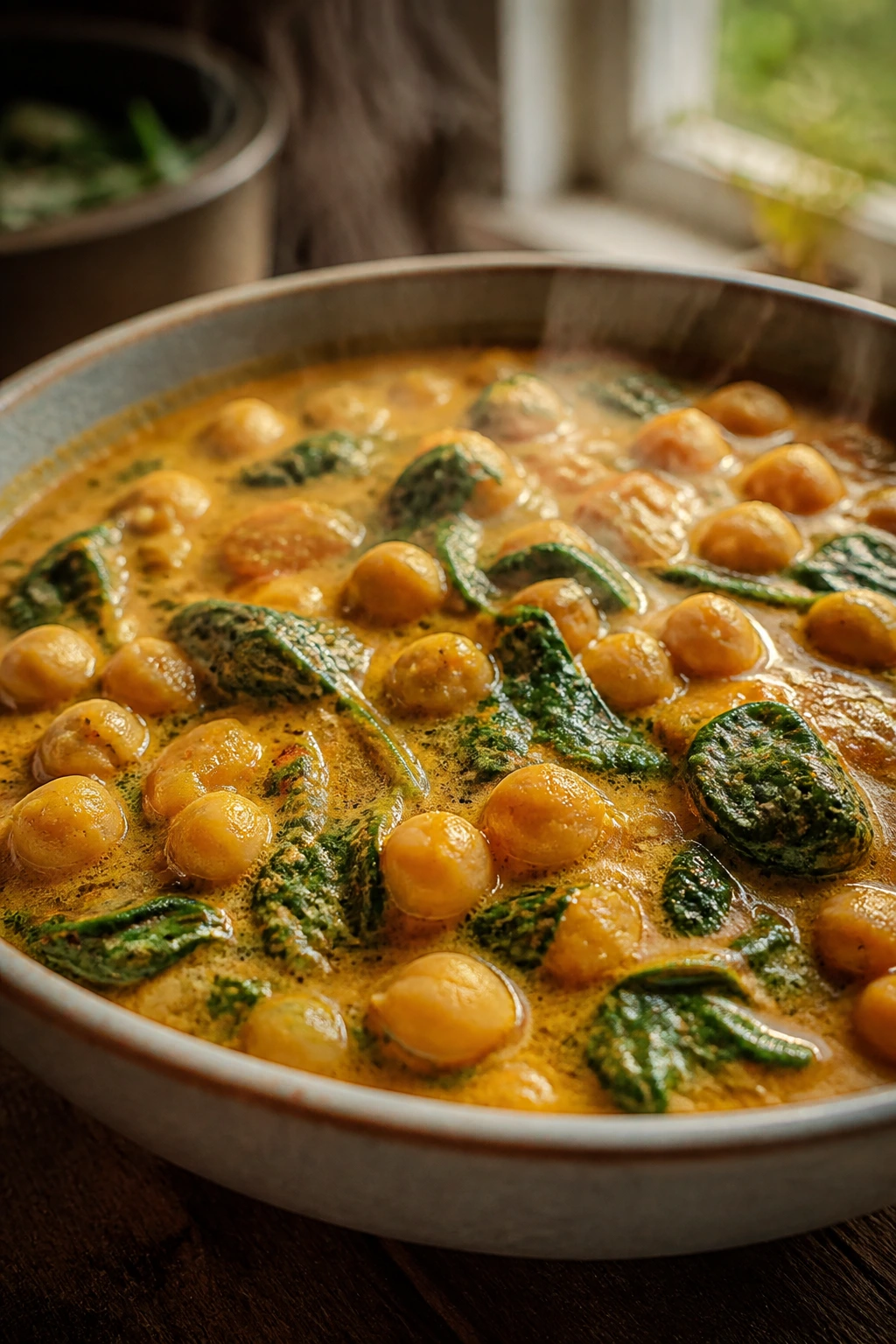
This is pantry food that does not taste like backup food. Chickpeas, coconut milk, curry powder, and spinach turn into a meal with enough sauce to soak into rice or mop up with naan. It’s fast, cheap, and forgiving in the way good weeknight food should be.
Why It Works: Canned chickpeas are already cooked, so they just need time to absorb flavor. Coconut milk builds a creamy base without a long simmer, and curry powder blooms quickly in hot oil. Spinach wilts at the end and gives the curry some color and freshness.
Key Ingredients:
- 1 tablespoon oil
- 1 small onion, diced
- 3 cloves garlic, minced
- 1 tablespoon grated ginger
- 2 tablespoons curry powder
- 2 cans chickpeas, drained and rinsed
- 1 can coconut milk
- 1 cup diced tomatoes
- 3 cups baby spinach
- Salt, lime, and rice for serving
Quick Steps:
- Cook onion in oil for 4 minutes until soft.
- Stir in garlic, ginger, and curry powder for 30 seconds.
- Add chickpeas, coconut milk, and tomatoes; simmer for 10 minutes.
- Stir in spinach until wilted.
- Finish with salt and lime juice.
Equipment for This Recipe:
- Medium saucepan or deep skillet
- Wooden spoon
- Citrus juicer, if you have one
How to Serve This Dish: Spoon the curry over rice or alongside warm naan. A spoonful of yogurt on top helps if you want a cooler, creamier finish.
Pro Tips for This Recipe:
- Bloom the curry powder in oil before adding liquids; it tastes fuller.
- Rinse the chickpeas well so the sauce stays clean and not starchy.
- Add lime at the end, not while it’s boiling, or the brightness disappears.
Variations on This Dish:
- Red Lentil Version: Replace one can of chickpeas with red lentils and add 1/2 cup extra water.
- Peanut Curry: Stir in 2 tablespoons peanut butter for a thicker sauce.
- Extra-Leafy Bowl: Add kale instead of spinach and simmer 2 more minutes.
Common Mistakes to Avoid with This Dish:
- Underseasoning the coconut milk: It needs salt to wake up.
- Skipping the simmer: The sauce needs those 10 minutes to thicken.
- Adding spinach too early: It collapses into nothing.
14. Tuna Pasta with Capers and Lemon
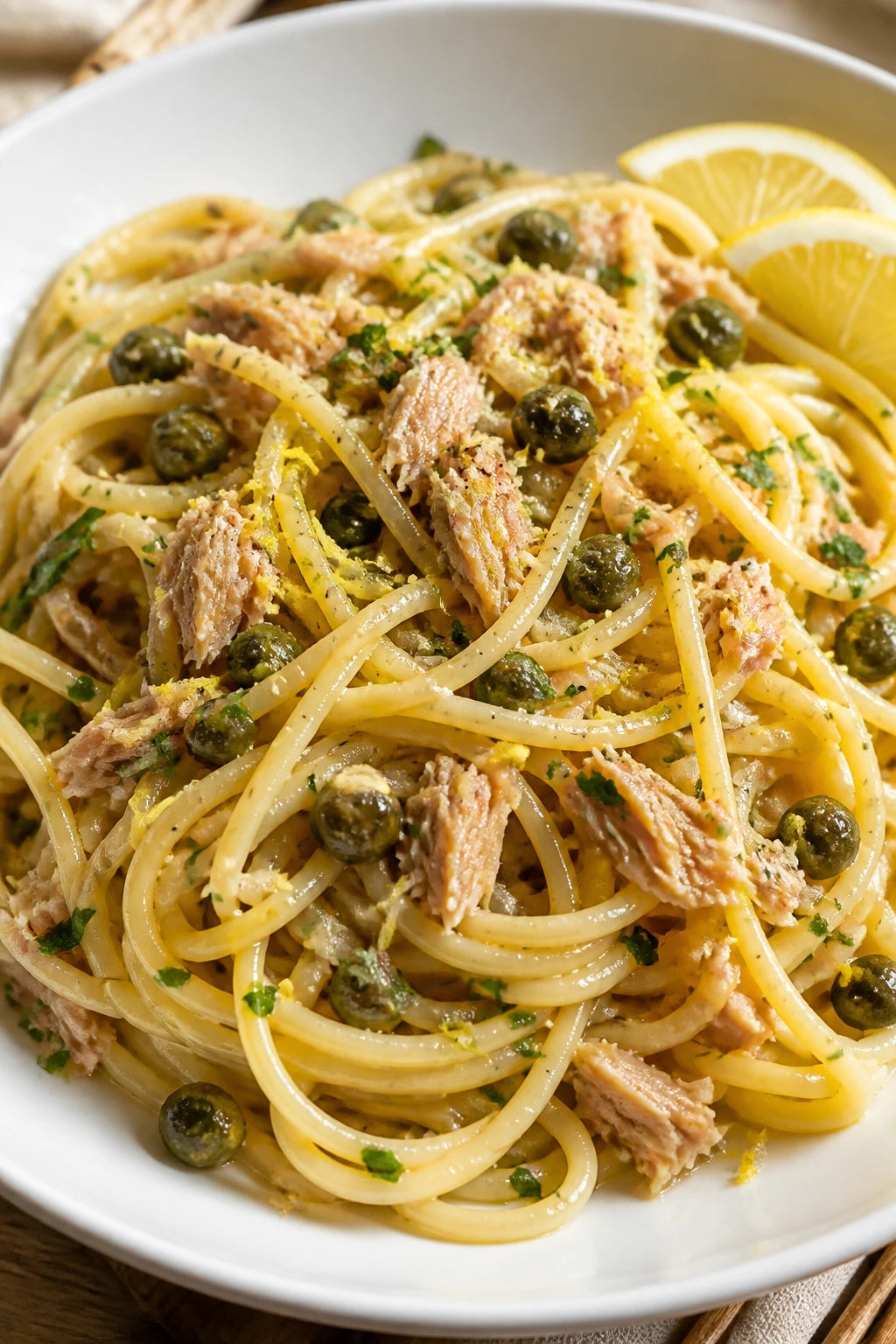
Canned tuna gets much better when it’s treated like a pasta sauce, not a sad emergency. A little garlic, capers, lemon, and olive oil turn it into something salty, bright, and just briny enough to feel intentional. It’s a pantry dinner with more character than people expect.
Why It Works: Tuna brings protein and a firm, flaky texture that holds up in hot pasta. Capers add sharp saltiness, lemon cuts through the oil, and pasta water ties everything together. This is one of the few fast dinners that tastes better with only a small handful of ingredients.
Key Ingredients:
- 12 ounces spaghetti or linguine
- 2 tablespoons olive oil
- 3 cloves garlic, sliced
- 2 tablespoons capers, drained
- 2 cans tuna in olive oil, drained slightly
- 1 lemon, zested and juiced
- 1/4 teaspoon red pepper flakes
- 1/4 cup chopped parsley
Quick Steps:
- Cook the pasta in salted water until al dente, reserving 1 cup pasta water.
- Heat olive oil in a skillet and cook garlic and capers for 1 minute.
- Stir in tuna, lemon zest, and red pepper flakes.
- Add the hot pasta and a splash of pasta water, tossing until glossy.
- Finish with lemon juice and parsley.
Equipment for This Recipe:
- Large pot for pasta
- Skillet for the sauce
- Tongs for tossing the noodles
How to Serve This Dish: Serve it in wide bowls with more parsley and a little black pepper. A green salad or roasted broccoli rounds it out without stealing time.
Pro Tips for This Recipe:
- Use tuna packed in olive oil if you can; the sauce tastes fuller.
- Keep some pasta water back. It’s the glue here.
- Do not brown the garlic hard. Pale and fragrant is enough.
Variations on This Dish:
- Tomato Tuna Pasta: Add 1/2 cup crushed tomatoes to the skillet.
- Olive-Heavy Version: Toss in sliced olives for a saltier bite.
- Creamy Finish: Stir in 2 tablespoons cream cheese at the end.
Common Mistakes to Avoid with This Dish:
- Dry pasta with no sauce water: It clumps and eats flat.
- Over-salting too early: Capers and tuna bring their own salt.
- Breaking the tuna up too much: Larger flakes feel better in the bowl.
15. Philly Cheesesteak Skillet
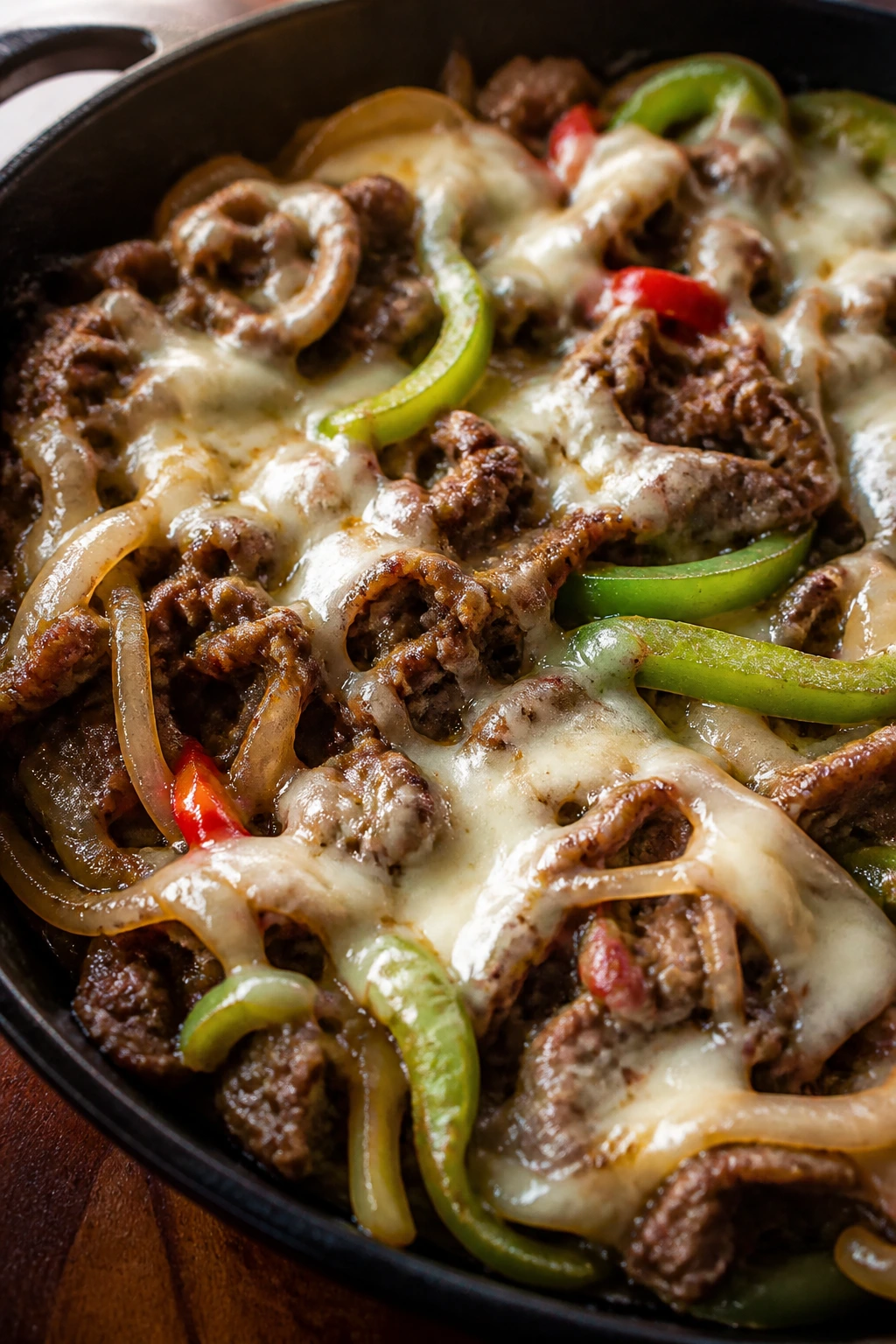
This is the version you make when you want the flavor of a cheesesteak without fussing over a griddle and a stack of rolls. Thin beef, onions, peppers, and melty cheese all land in one skillet, and the filling can go straight into bread or stay in a bowl. It tastes bold because the vegetables and meat share the same fat.
Why It Works: Thin-sliced beef cooks in minutes, especially if you give it room to sear. Onions and peppers soften in the same pan, picking up the browned flavor left behind. Provolone melts fast, which is why this dish can be assembled and eaten almost immediately.
Key Ingredients:
- 1 pound shaved steak or thin-sliced beef
- 1 tablespoon oil
- 1 onion, sliced
- 1 green bell pepper, sliced
- 1 cup sliced mushrooms, optional
- 4 to 6 slices provolone
- 4 hoagie rolls or sandwich buns
- Salt and pepper
Quick Steps:
- Sauté onion, pepper, and mushrooms in oil for 5 minutes.
- Push vegetables aside, add beef, and cook for 3 to 4 minutes until browned.
- Season with salt and pepper and toss everything together.
- Lay provolone over the meat mixture and cover for 1 minute to melt.
- Scoop into rolls or bowls.
Equipment for This Recipe:
- Large skillet
- Metal spatula
- Lid or foil to melt the cheese
How to Serve This Dish: Pile the filling into warm rolls for the classic route, or serve it over rice if the bread drawer is empty. A few pickle chips on the side cut through the richness nicely.
Pro Tips for This Recipe:
- Freeze the beef for 10 minutes if you need to slice it thin yourself.
- Cook the vegetables first so they soften before the beef is done.
- Use provolone or American cheese; both melt more smoothly than hard cheeses.
Variations on This Dish:
- Chicken Cheesesteak: Swap in thin chicken breast strips.
- Mushroom-Heavy Version: Double the mushrooms and reduce the beef a little.
- Spicy Hoagie: Add sliced cherry peppers or pepper jack.
Common Mistakes to Avoid with This Dish:
- Crowding the pan with beef: It steams instead of browns.
- Using thick steak chunks: They will not cook fast enough.
- Skipping the cheese cover step: Melted cheese is the point.
16. Teriyaki Meatballs with Broccoli
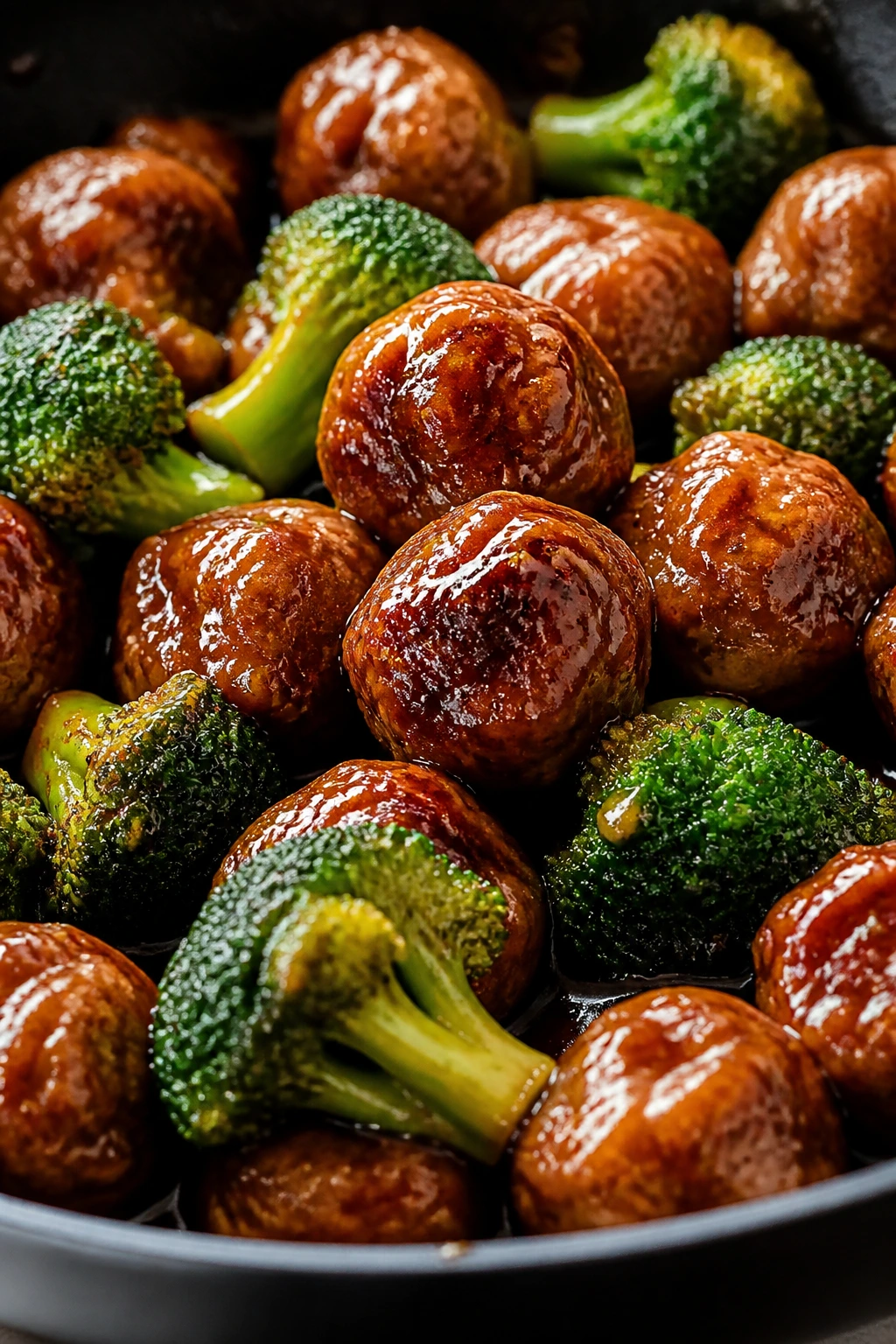
Meatballs sound like they need a long evening, but small ones are fast. If you keep them around one inch wide, they brown quickly, cook through without drama, and soak up a glossy teriyaki sauce in the last few minutes. Broccoli can steam right beside them.
Why It Works: Ground meat mixed with egg and breadcrumbs stays tender and shapes quickly. A quick teriyaki sauce thickened with cornstarch clings to the meatballs instead of sliding off the plate. Broccoli cooks in the same pan with a splash of water, which keeps the cleanup simple.
Key Ingredients:
- 1 pound ground turkey or beef
- 1 egg
- 1/3 cup breadcrumbs
- 2 cloves garlic, minced
- 1 teaspoon grated ginger
- 3 cups broccoli florets
- 1/4 cup soy sauce
- 2 tablespoons honey or brown sugar
- 1 teaspoon cornstarch
Quick Steps:
- Mix the ground meat, egg, breadcrumbs, garlic, and ginger, then shape into 1-inch meatballs.
- Brown the meatballs in a skillet with a little oil for 6 to 8 minutes, turning often.
- Add broccoli and 1/4 cup water, cover for 3 minutes.
- Stir soy sauce, honey, and cornstarch with 2 tablespoons water, then pour into the skillet.
- Toss until the sauce thickens and coats the meatballs.
Equipment for This Recipe:
- Large skillet with a lid
- Mixing bowl
- Small bowl for the sauce
How to Serve This Dish: Serve the meatballs over rice or noodles so the sauce has something to cling to. A sprinkle of sesame seeds and scallions gives the bowl a little finish.
Pro Tips for This Recipe:
- Keep the meatballs small; bigger ones slow the whole dinner down.
- Brown them before adding the sauce or they taste boiled.
- Mix the cornstarch with cold water first so it doesn’t clump.
Variations on This Dish:
- Chicken Meatballs: Ground chicken works if you add a little extra oil.
- Sticky Spicy Sauce: Add chili garlic sauce to the teriyaki mix.
- Gluten-Free Version: Use gluten-free breadcrumbs and tamari.
Common Mistakes to Avoid with This Dish:
- Making oversized meatballs: They miss the 30-minute window.
- Adding the sauce too early: It can burn before the meatballs finish.
- Using too much broccoli water: The sauce turns thin instead of glossy.
17. Chicken Fajita Bowls
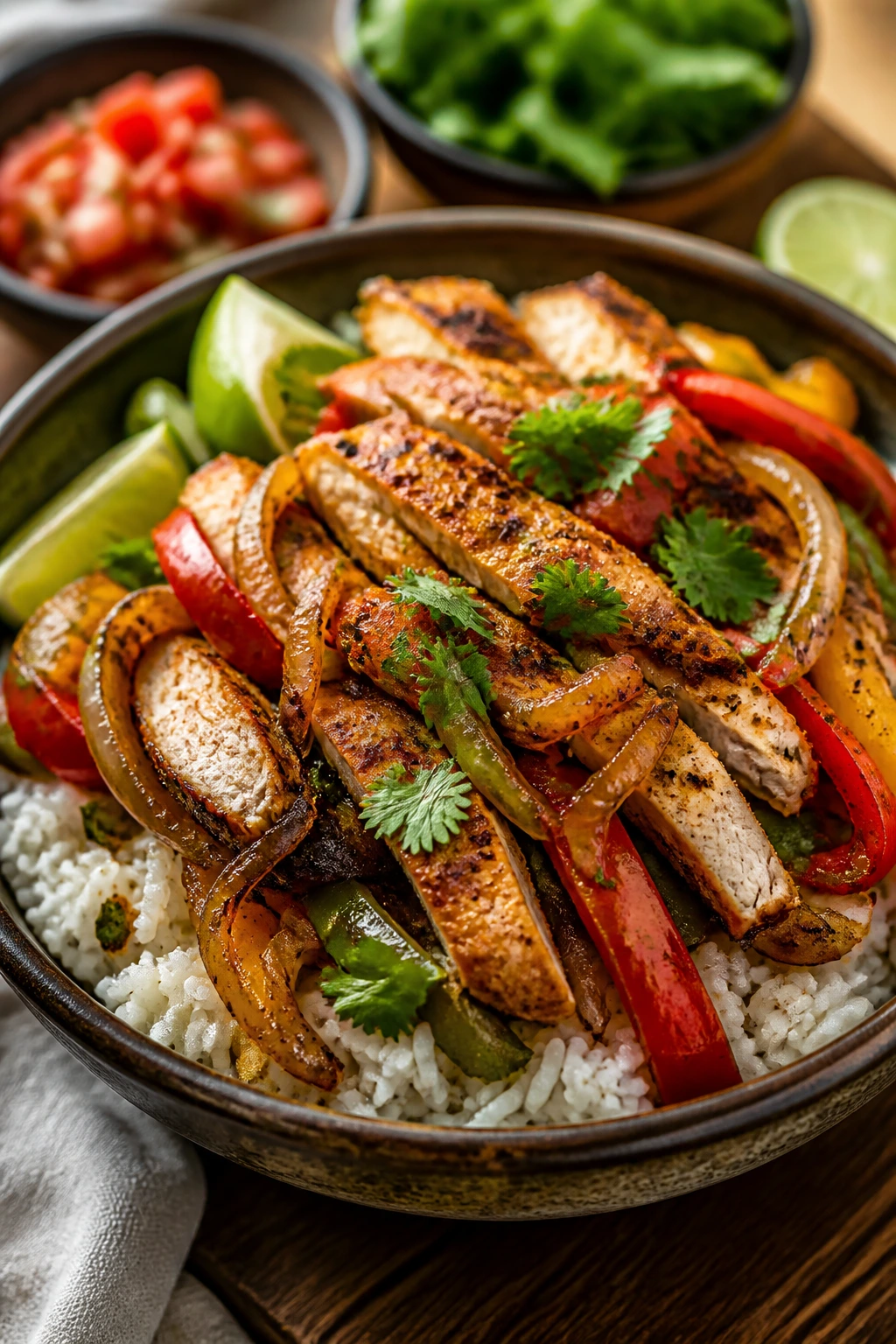
Fajitas are good, but bowls are easier. Thin chicken strips cook quickly with peppers and onions, and everything lands on rice, lettuce, or both without needing a stack of tortillas unless you want them. The skillet does the part people usually overcomplicate.
Why It Works: Chicken cut into strips cooks faster than whole breasts, and bell peppers plus onions soften in the same heat. Fajita seasoning is built to cling to hot meat and vegetables. If you start with a hot pan, the edges brown before the peppers go soft.
Key Ingredients:
- 1 pound chicken breast or thighs, sliced into strips
- 2 bell peppers, sliced
- 1 onion, sliced
- 2 tablespoons oil
- 2 tablespoons fajita seasoning
- 2 cups cooked rice
- 1 lime, cut into wedges
- Salsa and sour cream for serving
Quick Steps:
- Toss the chicken with half the seasoning and 1 tablespoon oil.
- Cook the chicken in a hot skillet for 4 to 5 minutes until mostly done, then remove it.
- Add the peppers and onion with the remaining oil and seasoning, cooking for 4 minutes.
- Return the chicken and cook for 2 minutes more.
- Serve over rice with lime, salsa, and sour cream.
Equipment for This Recipe:
- Large skillet
- Sharp knife for even strips
- Bowl for tossing the chicken
How to Serve This Dish: Spoon the fajita mixture over rice and add a few spoonfuls of salsa. If you want a more casual meal, wrap the filling in warm tortillas instead.
Pro Tips for This Recipe:
- Slice everything the same thickness so nothing finishes early.
- Rice can be leftover or quick-cooked; it just needs to be hot.
- A squeeze of lime right before serving keeps the peppers tasting fresh.
Variations on This Dish:
- Steak Fajita Bowls: Use thin flank steak and shorten the cook time.
- Veggie Bowl: Add mushrooms and zucchini.
- Cauliflower Rice Version: Good if you want a lighter base.
Common Mistakes to Avoid with This Dish:
- Thick chicken strips: They take too long and dry out.
- Cooking the peppers on low heat: They get soggy instead of browned.
- Forgetting acid at the end: Lime keeps the bowl from tasting flat.
18. Loaded Potato Soup with Bacon and Cheddar
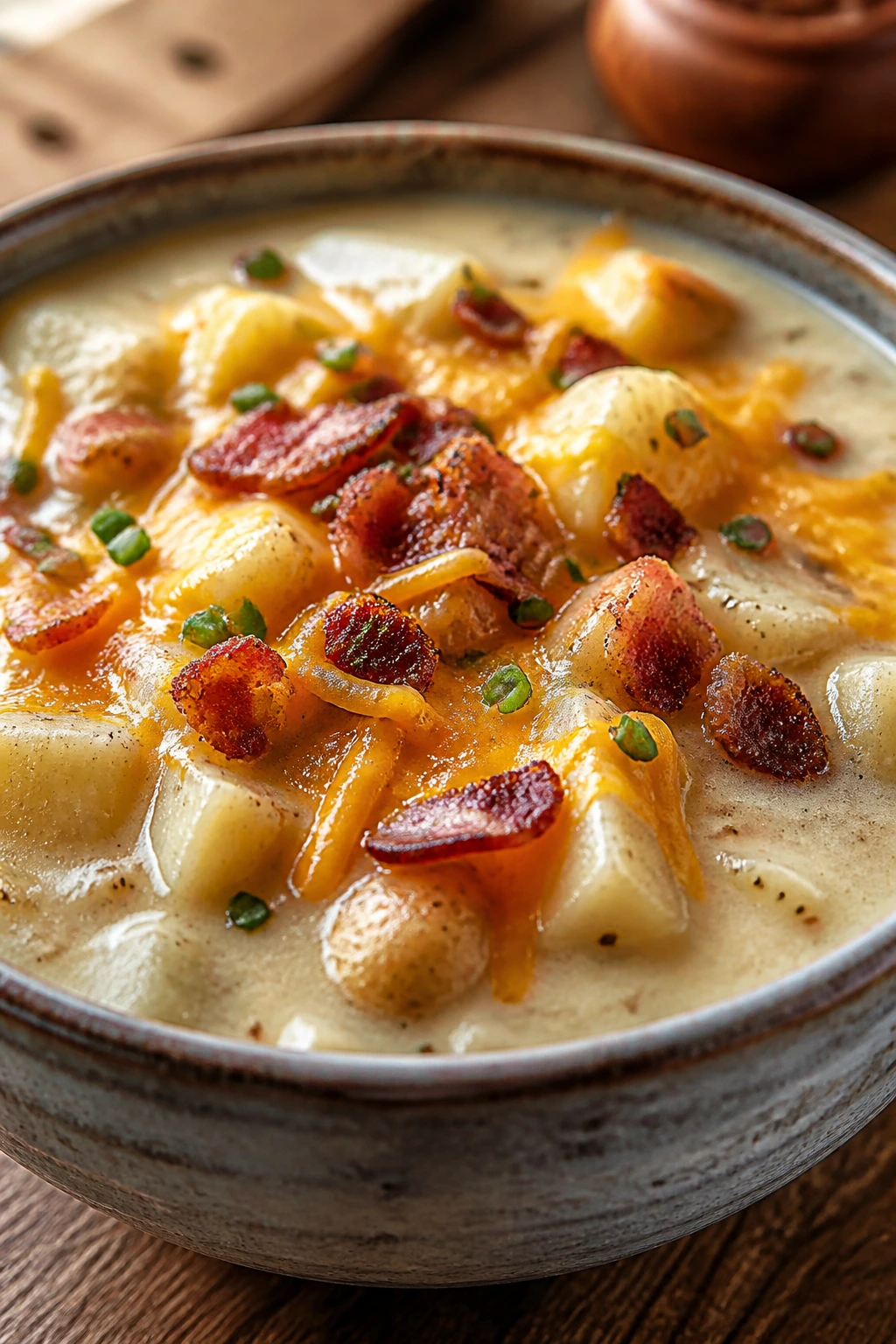
Soup can be fast if you cut the potatoes small enough to respect the clock. Bacon, onion, broth, and cheddar turn humble potatoes into a bowl that feels larger than the ingredient list. The texture should be creamy with a few soft chunks left in it.
Why It Works: Small-diced potatoes cook much faster than whole chunks, which is the whole trick here. Bacon gives the broth a smoky base, and a little milk or cream finishes the soup without needing a long simmer. Mashing some of the potatoes against the side of the pot thickens everything naturally.
Key Ingredients:
- 4 slices bacon, chopped
- 1 small onion, diced
- 4 medium Yukon gold potatoes, peeled and diced small
- 3 cups chicken broth
- 1 cup milk
- 1 cup shredded cheddar
- 2 green onions, sliced
- Salt and pepper
Quick Steps:
- Cook the bacon in a pot until crisp, then remove it and leave a little fat behind.
- Cook the onion in the bacon fat for 3 minutes.
- Add the potatoes and broth, then simmer for 12 to 15 minutes until tender.
- Mash a few potatoes in the pot, then stir in milk and cheddar over low heat.
- Top with bacon and green onions.
Equipment for This Recipe:
- Medium soup pot
- Potato masher or sturdy spoon
- Ladle for serving
How to Serve This Dish: Serve it in deep bowls with more cheddar on top and a piece of toast on the side. A sharp pickle or crisp salad helps cut through the richness.
Pro Tips for This Recipe:
- Dice the potatoes small; big chunks will not cook in time.
- Add the cheese after lowering the heat so it melts smoothly.
- Save a little bacon for the top so the texture stays obvious.
Variations on This Dish:
- Vegetarian Potato Soup: Skip bacon and use butter plus smoked paprika.
- Lighter Version: Use milk instead of cream and less cheese.
- Chive Swap: Use chives if green onions are missing.
Common Mistakes to Avoid with This Dish:
- Using large potato cubes: They stay hard in the middle.
- Boiling after dairy goes in: The soup can separate.
- Making it too salty early: Bacon and cheddar add salt on their own.
19. Sausage Tomato Orzo
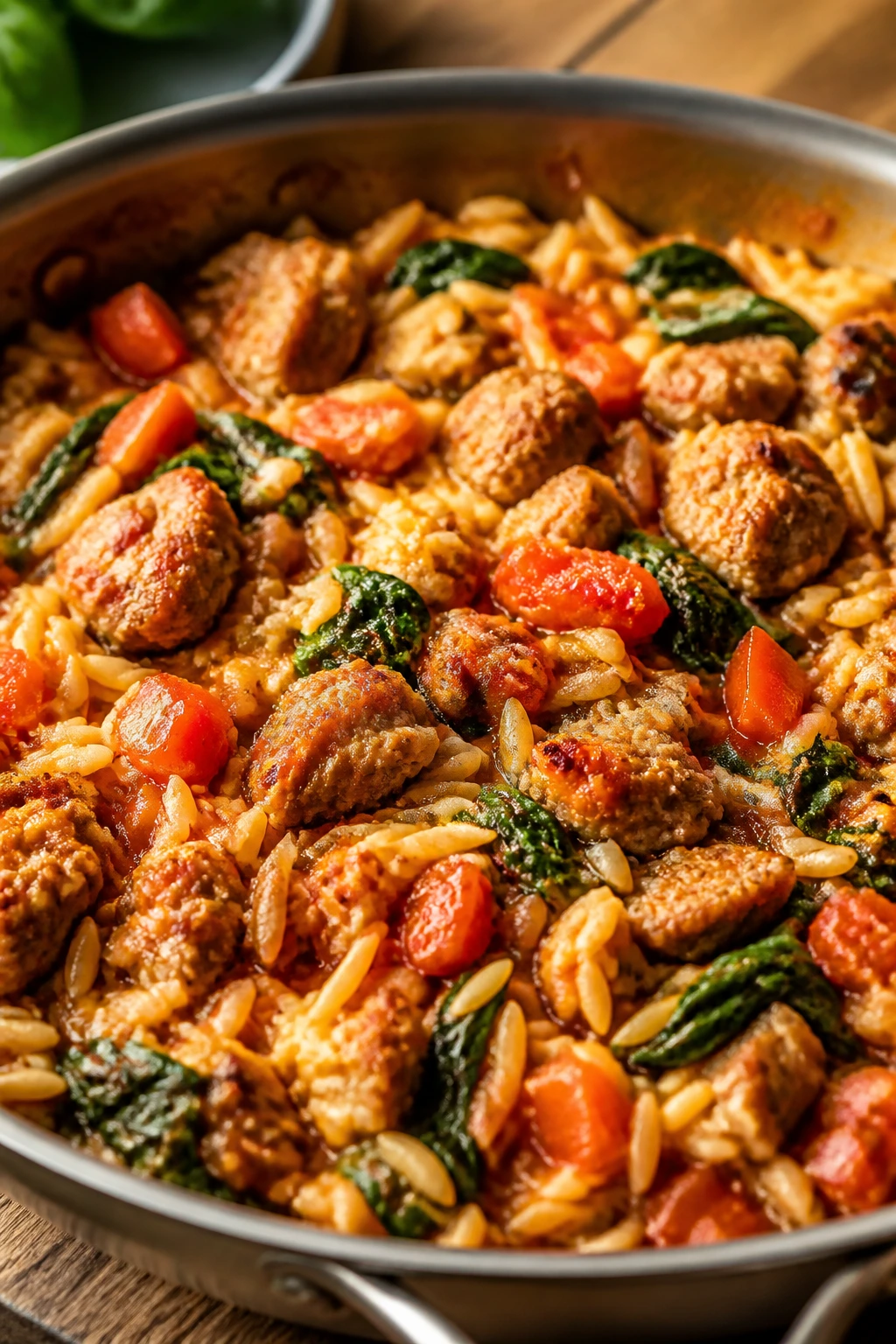
Orzo is tiny, which is exactly why it behaves so well on a clock. It cooks fast, drinks up broth, and turns into a risotto-ish skillet without demanding constant attention. Sausage and tomatoes give it enough heft that it feels like dinner, not a side dish dressed up.
Why It Works: Browning sausage first leaves fat in the pan for the onion and garlic. Orzo toasts for a minute before the broth goes in, which gives it a nuttier taste and keeps it from tasting flat. Tomatoes and spinach round out the skillet without slowing anything down.
Key Ingredients:
- 1 pound Italian sausage, casing removed
- 1 small onion, diced
- 2 cloves garlic, minced
- 1 1/2 cups orzo
- 1 can diced tomatoes
- 2 1/2 cups chicken broth
- 2 cups baby spinach
- 1/4 cup grated parmesan
Quick Steps:
- Brown the sausage in a large skillet, breaking it up as it cooks.
- Add onion and cook for 3 minutes, then stir in garlic for 30 seconds.
- Add orzo and toast it for 1 minute.
- Pour in tomatoes and broth, then simmer for 10 minutes, stirring often.
- Stir in spinach and parmesan until wilted and creamy.
Equipment for This Recipe:
- Large deep skillet
- Wooden spoon
- Measuring cup for broth
How to Serve This Dish: Spoon it into bowls with extra parmesan on top. A side of cucumber salad or toasted bread works if you want something fresh and crisp beside it.
Pro Tips for This Recipe:
- Stir the orzo often so it doesn’t stick to the bottom.
- Use diced tomatoes with juice; the liquid helps the pasta cook.
- If the pan dries out before the orzo is tender, add a splash more broth.
Variations on This Dish:
- Chicken Sausage Version: A little lighter and still full of flavor.
- Spicy Tomato Orzo: Use hot sausage and red pepper flakes.
- Creamy Finish: Stir in 2 tablespoons cream cheese at the end.
Common Mistakes to Avoid with This Dish:
- Walking away from the skillet: Orzo can stick fast.
- Adding spinach too early: It disappears and overcooks.
- Using too little liquid: The pasta needs enough broth to finish.
20. Miso Peanut Udon with Edamame
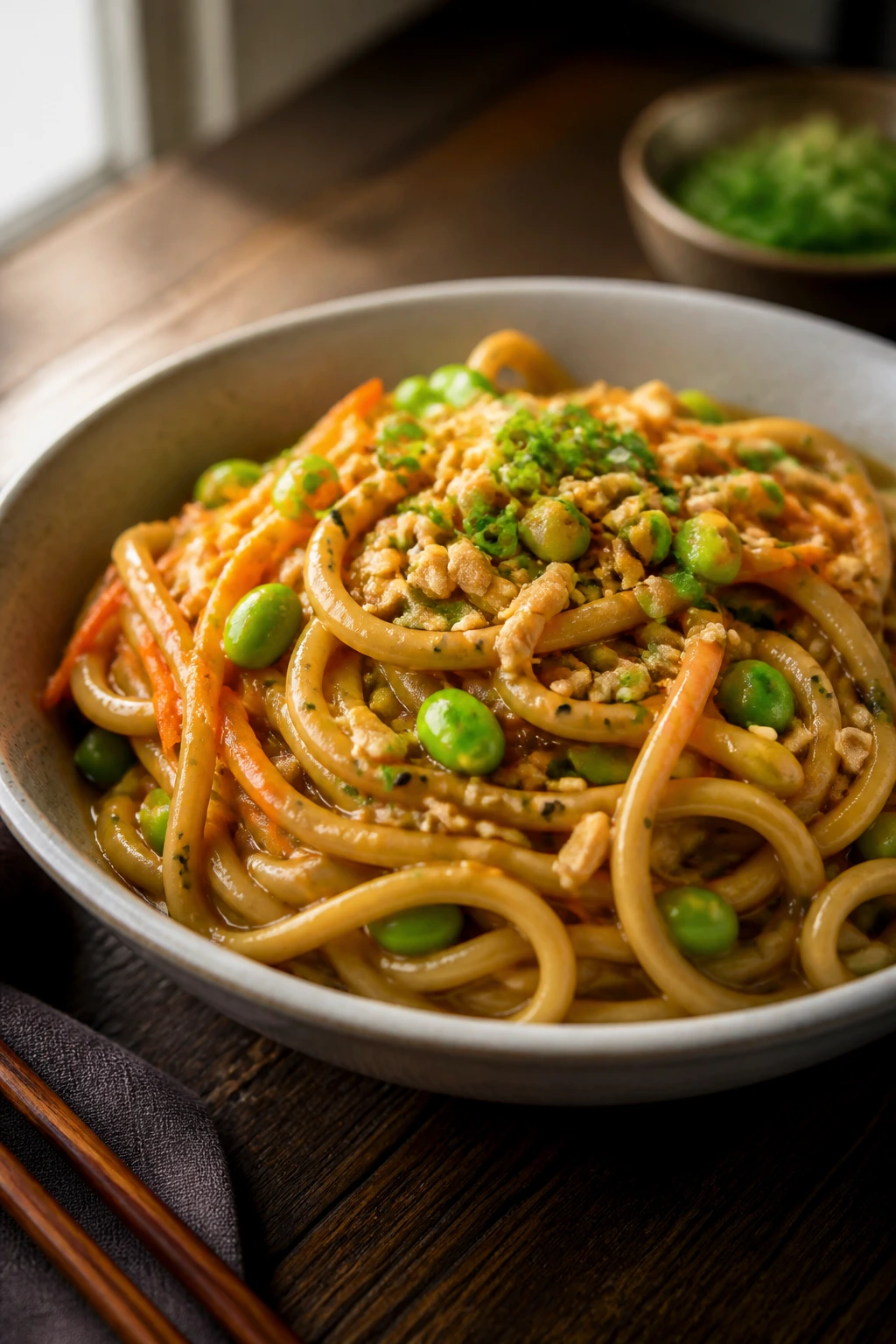
This bowl has more depth than the ingredient list suggests. Udon noodles, miso, peanut butter, and soy sauce make a sauce that tastes savory, nutty, and a little glossy, and frozen edamame gives the whole thing enough body to count as dinner. It’s fast, filling, and oddly soothing to make.
Why It Works: Udon noodles are soft and thick enough to hold a rich sauce. Miso adds fermented saltiness, peanut butter adds fat, and a splash of lime keeps the bowl from going heavy. Edamame and carrots cook quickly, so the stir-fry stays inside the half-hour.
Key Ingredients:
- 2 packs fresh or vacuum-sealed udon noodles
- 2 tablespoons white miso paste
- 3 tablespoons peanut butter
- 2 tablespoons soy sauce
- 1 tablespoon rice vinegar
- 2 cloves garlic, minced
- 1 cup frozen edamame
- 1 cup shredded carrots
- 1 teaspoon sesame oil
Quick Steps:
- Whisk miso, peanut butter, soy sauce, vinegar, garlic, and 1/4 cup hot water into a smooth sauce.
- Cook the udon according to package directions and drain.
- Stir-fry edamame and carrots in a skillet for 3 to 4 minutes.
- Add the noodles and sauce, tossing until coated.
- Finish with sesame oil and a squeeze of lime if you want extra brightness.
Equipment for This Recipe:
- Pot for the noodles
- Large skillet or wok
- Whisk or fork for the sauce
How to Serve This Dish: Serve it in bowls with scallions and sesame seeds on top. If you want protein, a fried egg or crisp tofu fits without changing the whole dish.
Pro Tips for This Recipe:
- Whisk the miso well; little clumps hide in cold sauce.
- Keep a splash of noodle water nearby to loosen the sauce.
- Use white miso if possible. It’s softer and less aggressive than darker miso.
Variations on This Dish:
- Spicy Bowl: Stir in chili crisp or sriracha.
- Tofu Dinner: Add cubes of pan-seared tofu for more heft.
- Almond Butter Swap: Works if peanut butter is not your thing.
Common Mistakes to Avoid with This Dish:
- Sauce too thick: Add hot water a tablespoon at a time.
- Miso clumps: Whisk it with the liquid before it hits the pan.
- Overcooked noodles: Udon should stay springy, not mushy.
21. Sloppy Joe Sliders
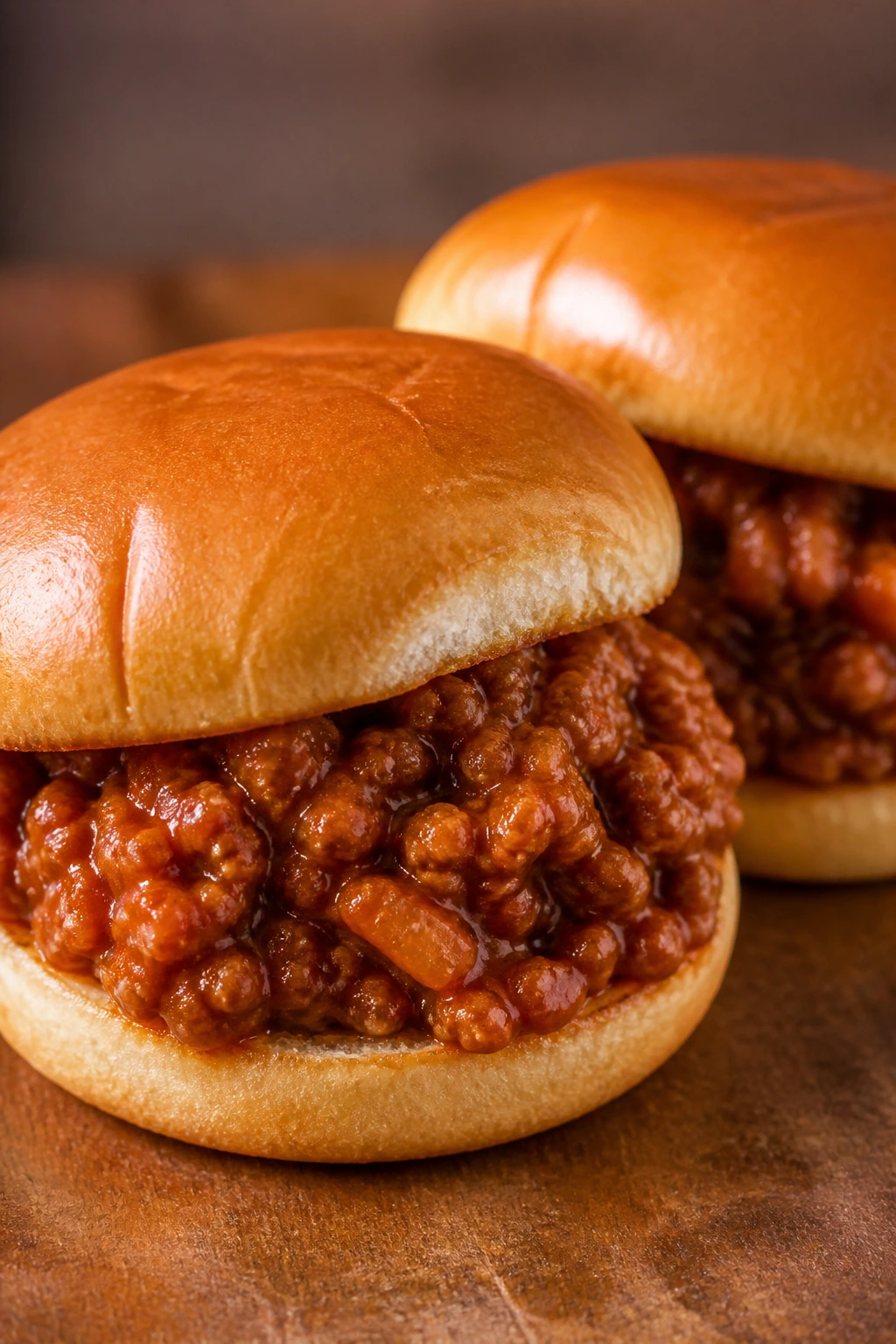
Sloppy Joes are still one of the cheapest ways to make a crowd look happy. Ground meat, a sticky tomato sauce, and soft slider buns make a dinner that feels casual in the best way. You want the filling thick enough to stay on the bun but loose enough to spoon.
Why It Works: Ground beef or turkey cooks quickly and takes on sauce fast. Ketchup, tomato paste, Worcestershire, and brown sugar give the filling the sweet-savory profile people expect without needing a long simmer. Slider buns keep the portions smaller, which is useful on a budget.
Key Ingredients:
- 1 pound ground beef or turkey
- 1 small onion, diced
- 1/2 cup ketchup
- 2 tablespoons tomato paste
- 1 tablespoon Worcestershire sauce
- 1 tablespoon brown sugar
- 8 slider buns
- Pickles for serving
Quick Steps:
- Brown the meat and onion in a skillet for 6 to 7 minutes.
- Stir in ketchup, tomato paste, Worcestershire, and brown sugar.
- Simmer for 5 to 7 minutes until thick and glossy.
- Spoon onto slider buns.
- Add pickles or cheese if you want more punch.
Equipment for This Recipe:
- Large skillet
- Wooden spoon
- Baking sheet if you want to warm the sliders together
How to Serve This Dish: Serve the sliders hot with pickles, chips, or a simple slaw. They work well for a family dinner because everyone can build their own little stack.
Pro Tips for This Recipe:
- Drain excess grease if the beef leaves too much behind.
- Let the sauce simmer long enough to thicken or it will soak the buns.
- Toast the buns lightly if you want them to hold up better.
Variations on This Dish:
- Barbecue Sloppy Joes: Swap half the ketchup for barbecue sauce.
- Lentil Version: Use cooked lentils instead of meat.
- Jalapeño Style: Add chopped pickled jalapeños to the filling.
Common Mistakes to Avoid with This Dish:
- Runny filling: It makes the buns collapse.
- Skipping the onion: The filling tastes flatter without it.
- Over-sweet sauce: A little brown sugar is enough; too much turns sticky in a bad way.
22. Veggie Egg Roll in a Bowl
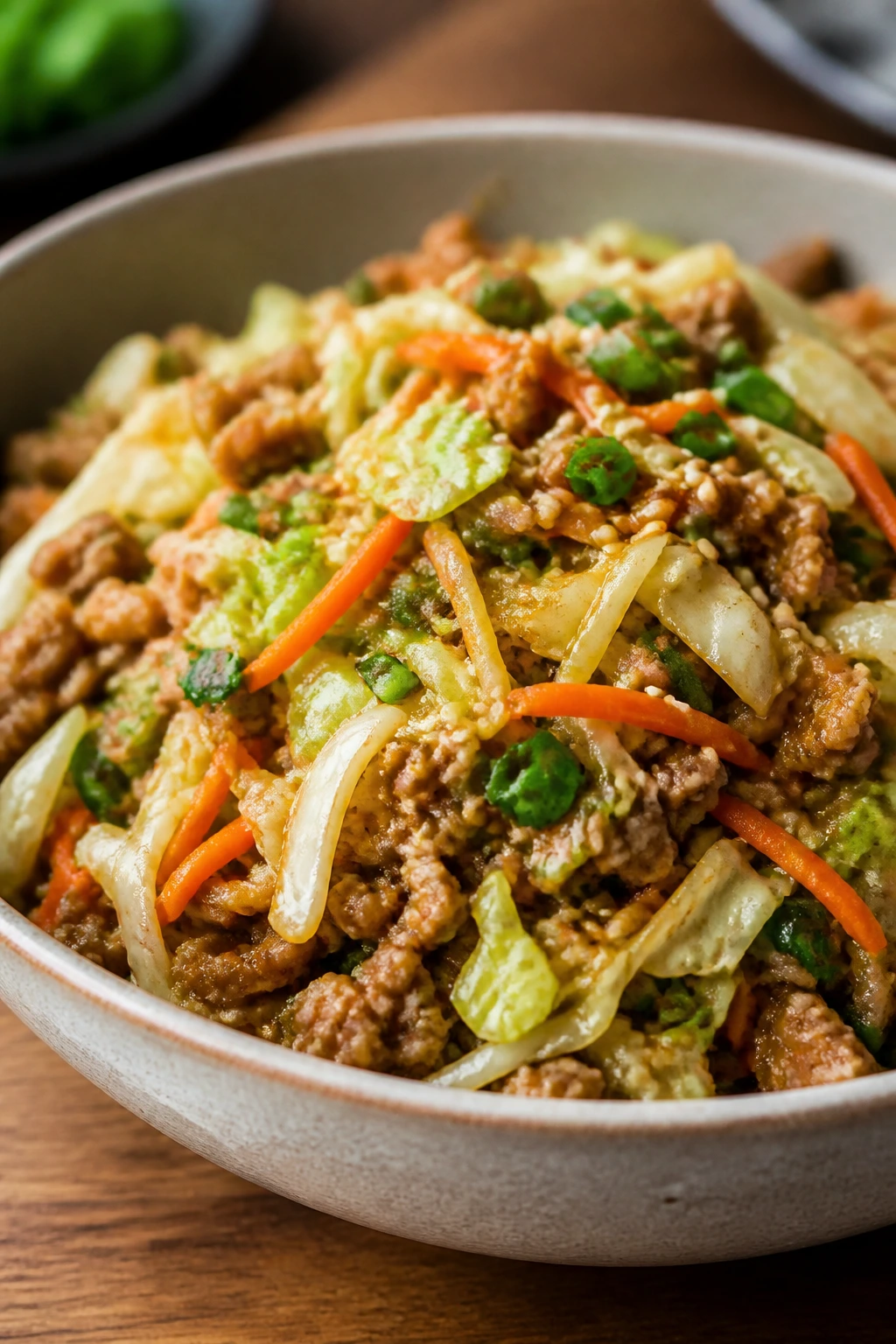
This is the fast dinner for people who like crunch and salt more than ceremony. Cabbage, carrots, garlic, ginger, and a little soy sauce cook down into something that tastes like the filling of a good egg roll without the wrapper. It’s cheap, fast, and surprisingly satisfying over rice.
Why It Works: Coleslaw mix gives you shredded vegetables without knife work. Ground pork, turkey, or tofu adds protein and helps the skillet feel complete. Sesame oil and ginger push the flavor in the right direction fast.
Key Ingredients:
- 1 pound ground pork, turkey, or crumbled tofu
- 1 tablespoon oil
- 1 bag coleslaw mix, about 14 ounces
- 2 cloves garlic, minced
- 1 teaspoon grated ginger
- 2 tablespoons soy sauce
- 1 teaspoon sesame oil
- Scallions and sesame seeds for topping
Quick Steps:
- Brown the meat or tofu in oil for 5 to 6 minutes.
- Add garlic and ginger and stir for 30 seconds.
- Toss in the coleslaw mix and cook for 4 to 5 minutes until just tender.
- Add soy sauce and sesame oil.
- Top with scallions and sesame seeds.
Equipment for This Recipe:
- Large skillet or wok
- Spatula
- Grater or microplane for ginger
How to Serve This Dish: Serve it over rice, cauliflower rice, or straight from the bowl if you want to keep it lighter. A little hot sauce or chili crisp on top gives it extra bite.
Pro Tips for This Recipe:
- Keep the heat fairly high so the cabbage softens without going watery.
- If using tofu, press it first and crumble it well.
- Taste before adding more soy sauce; cabbage shrinks and concentrates fast.
Variations on This Dish:
- Spicy Bowl: Add chili garlic sauce.
- Pork Version: Ground pork gives the most classic flavor.
- Low-Carb Plate: Skip rice and serve with cucumber slices.
Common Mistakes to Avoid with This Dish:
- Cooking the cabbage too long: It loses crunch and turns limp.
- Using too much sesame oil: It can take over fast.
- Not seasoning enough: Cabbage needs salt to taste like a meal.
23. Pork Chop with Mustard Pan Sauce and Snap Peas
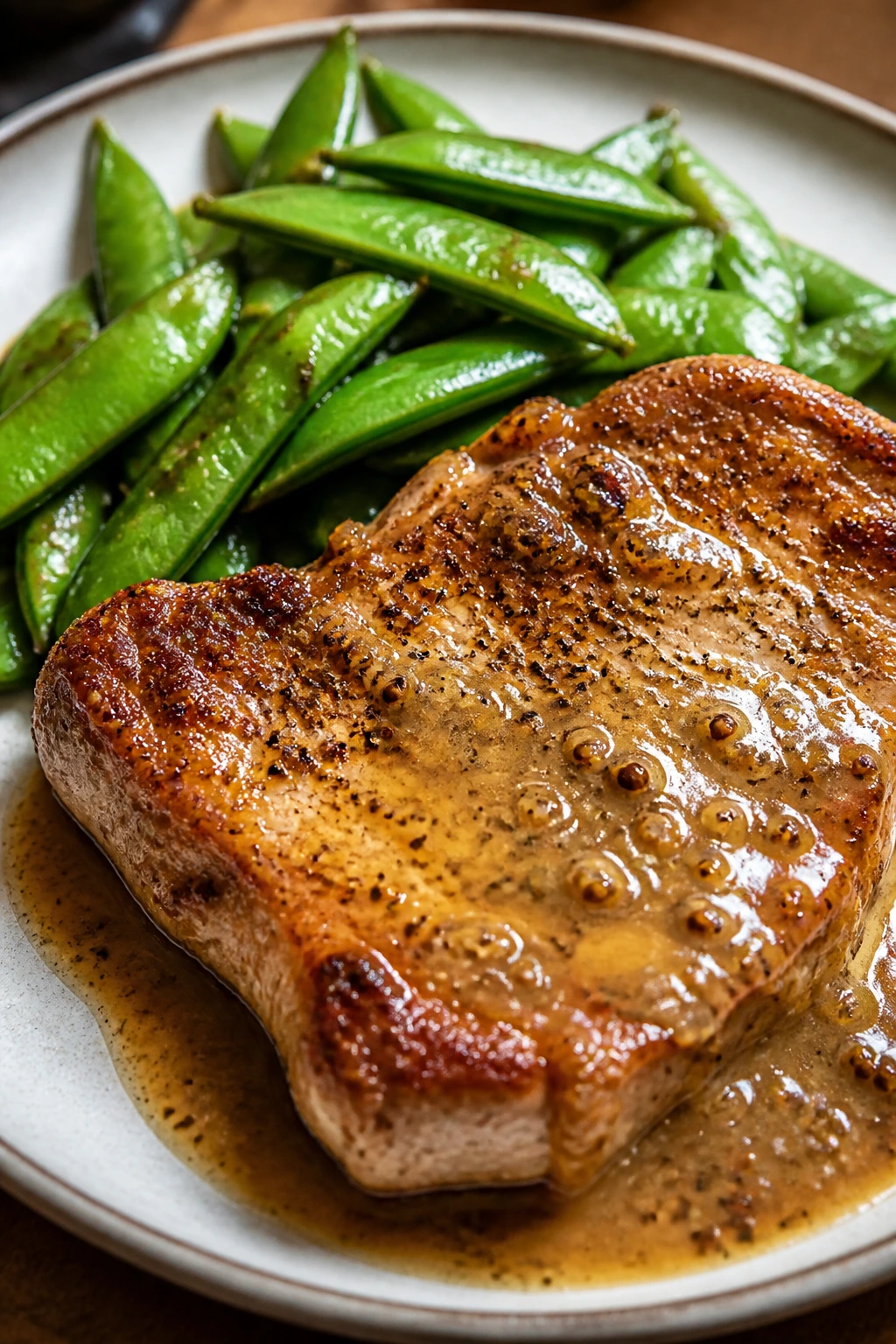
Thin pork chops are one of the more underrated weeknight proteins. They cook quickly, they brown well, and when you finish them with a mustard pan sauce and crisp snap peas, the plate tastes sharper and cleaner than most fast dinners. This is the sort of meal that rewards a hot pan and a little attention.
Why It Works: Thin chops cook through in minutes, which keeps them from drying out. Mustard and broth make a quick pan sauce out of the browned bits, and snap peas only need enough time to turn bright green. The whole meal stays inside 30 minutes because nothing asks for a long simmer.
Key Ingredients:
- 4 thin pork chops, about 1 pound total
- 1 tablespoon oil
- 2 cups snap peas
- 2 cloves garlic, minced
- 1/2 cup chicken broth
- 2 tablespoons Dijon mustard
- 1 tablespoon butter
- 1 teaspoon thyme or parsley
Quick Steps:
- Season the pork chops with salt and pepper.
- Sear them in oil over medium-high heat for 3 minutes per side, then remove.
- Add snap peas and garlic to the skillet, cooking for 2 minutes.
- Stir in broth and mustard, then simmer for 1 minute.
- Return the pork chops, add butter and herbs, and spoon sauce over the top.
Equipment for This Recipe:
- Large skillet
- Tongs
- Spoon for the sauce
How to Serve This Dish: Serve the pork chops with couscous, mashed potatoes, or crusty bread to catch the sauce. The snap peas make the plate look fresh without needing much more.
Pro Tips for This Recipe:
- Thin chops are the key; thick ones need more time than this format allows.
- Let the chops rest for a minute before saucing them.
- Dijon must be stirred in off the hottest part of the flame or it can separate.
Variations on This Dish:
- Apple Pan Sauce: Add a few thin apple slices with the snap peas.
- Creamy Mustard Finish: Stir in 2 tablespoons cream.
- Herb Swap: Use rosemary instead of thyme for a woodier note.
Common Mistakes to Avoid with This Dish:
- Overcooking pork chops: They dry out fast. Pull them early.
- Skipping the brown bits: They are the base of the sauce.
- Using thick chops here: They need a longer cooking method.
24. Mediterranean Chickpea Couscous
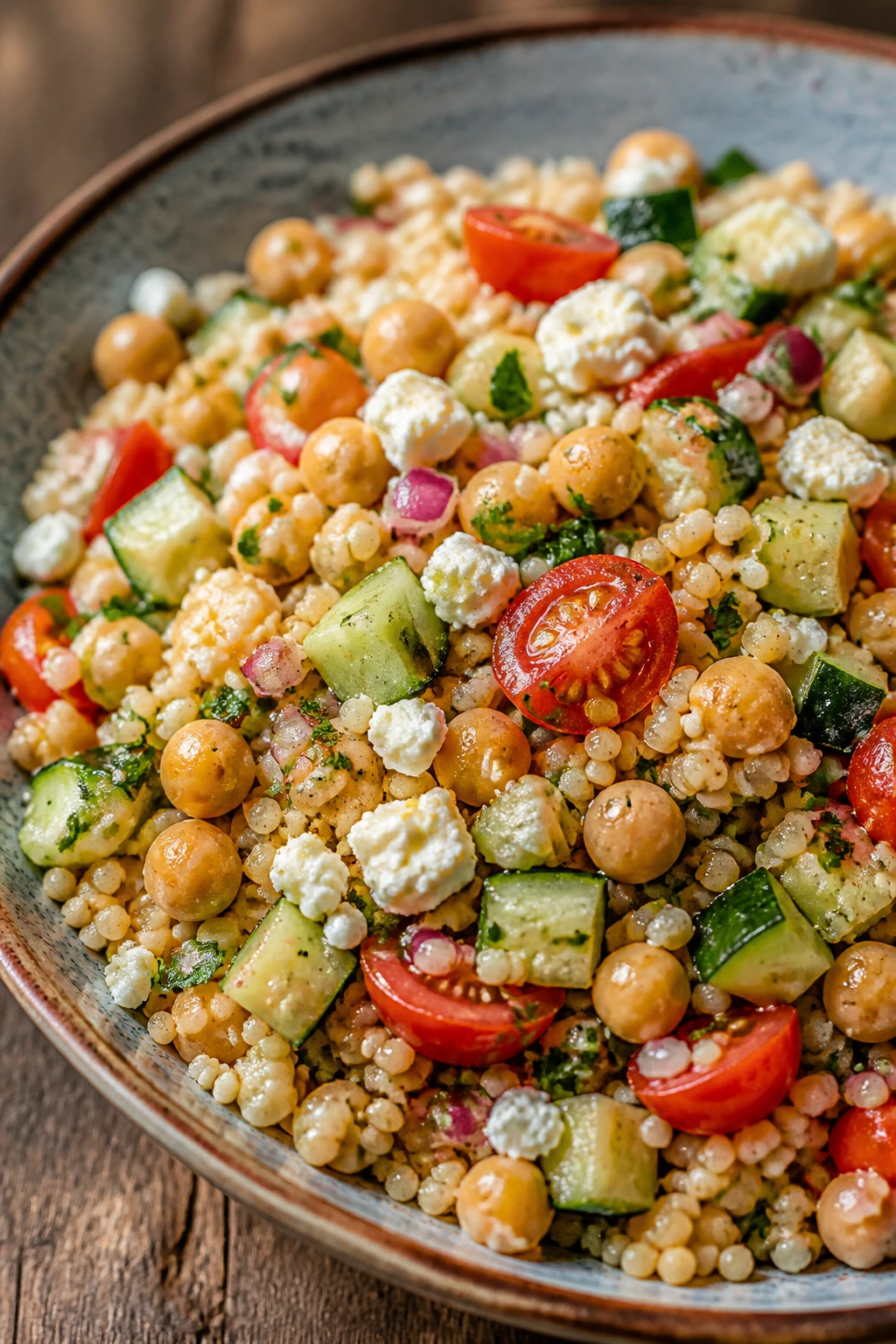
This is the no-drama dinner for nights when you want color, crunch, and almost no fuss. Couscous cooks in five minutes, chickpeas bring protein, and cucumber, tomato, lemon, and feta make the bowl taste brighter than the time it took to make it. It is fast enough to feel like a trick and cheap enough to repeat.
Why It Works: Couscous absorbs hot liquid almost instantly, which makes it one of the best starches for a rushed evening. Chickpeas need no real cooking beyond rinsing and seasoning. The vegetables stay raw and crisp, so the bowl feels fresh instead of heavy.
Key Ingredients:
- 1 cup couscous
- 1 1/4 cups boiling water or broth
- 2 cans chickpeas, drained and rinsed
- 1 cucumber, diced
- 1 cup cherry tomatoes, halved
- 1/4 cup red onion, finely diced
- 1/3 cup feta
- 2 tablespoons olive oil
- 1 lemon, juiced
- 1 teaspoon dried oregano
Quick Steps:
- Pour boiling water or broth over the couscous, cover, and let it sit for 5 minutes.
- Fluff with a fork and stir in olive oil and oregano.
- Toss the chickpeas, cucumber, tomatoes, and red onion with lemon juice and a pinch of salt.
- Fold the vegetables and chickpeas into the couscous.
- Top with feta and serve.
Equipment for This Recipe:
- Medium bowl with a lid or plate
- Fork for fluffing couscous
- Sharp knife for the vegetables
How to Serve This Dish: Serve it warm or at room temperature in shallow bowls with pita on the side. A few olives or a spoonful of yogurt can make it feel more finished.
Pro Tips for This Recipe:
- Couscous likes a tight cover while it steams, so trap the heat well.
- Salt the cucumber and tomatoes lightly before mixing; it wakes up the whole bowl.
- If the chickpeas taste flat, toss them with a little more lemon before adding them in.
Variations on This Dish:
- Chicken Add-On: Add chopped cooked chicken if you want a bigger protein hit.
- Vegan Version: Skip the feta and add olives instead.
- Quinoa Swap: Use quinoa if you prefer a firmer base, though it takes longer.
Common Mistakes to Avoid with This Dish:
- Using too much lemon at once: Start modestly; you can add more.
- Skipping the fluffing step: Couscous clumps if you leave it packed.
- Overdressing the bowl: You want brightness, not a puddle.
Why 30-Minute Dinners Work When the Clock Is Loud
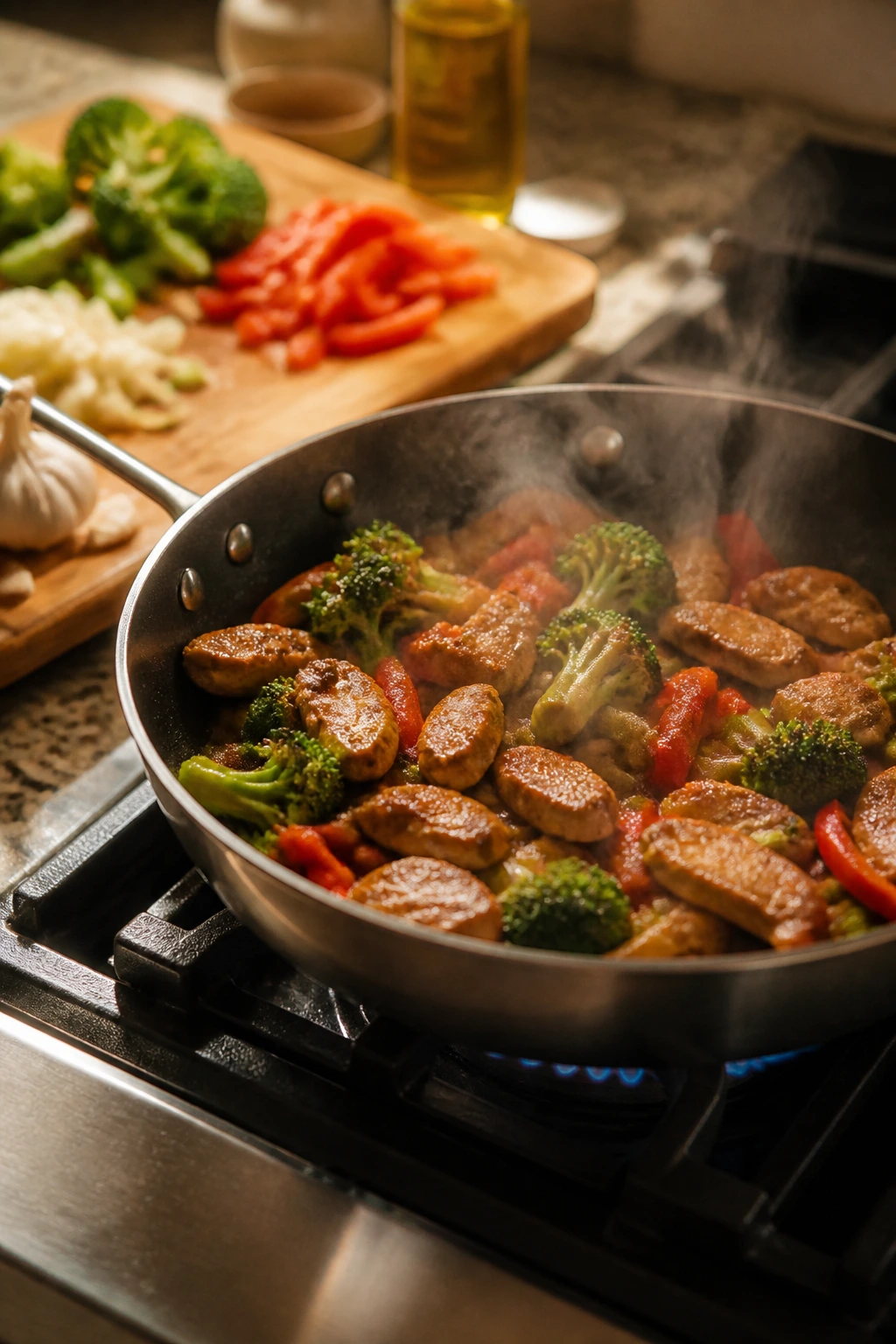
The best fast dinners are built, not rushed. That sounds fussy, but it matters. When you choose a thin protein, a quick starch, and one vegetable that cooks in the same window, you stop fighting the clock and start using it. A 12-inch skillet, a pot of boiling water, and a clean cutting board can do a lot more than most people give them credit for.
The other thing that makes these meals work is restraint. You do not need three vegetables, two sauces, and a garnish that requires a separate trip to the store. One sharp sauce, one solid base, and one smart texture are enough. A lemon wedge. A spoonful of yogurt. A handful of herbs. That’s usually enough to make the plate feel done.
And yes, some nights the dinner is a little rough around the edges. Fine. That’s still better than staring at a delivery app while the pantry sits there with perfectly usable food in it.
The Small Toolbox That Makes Weeknight Cooking Easier
-
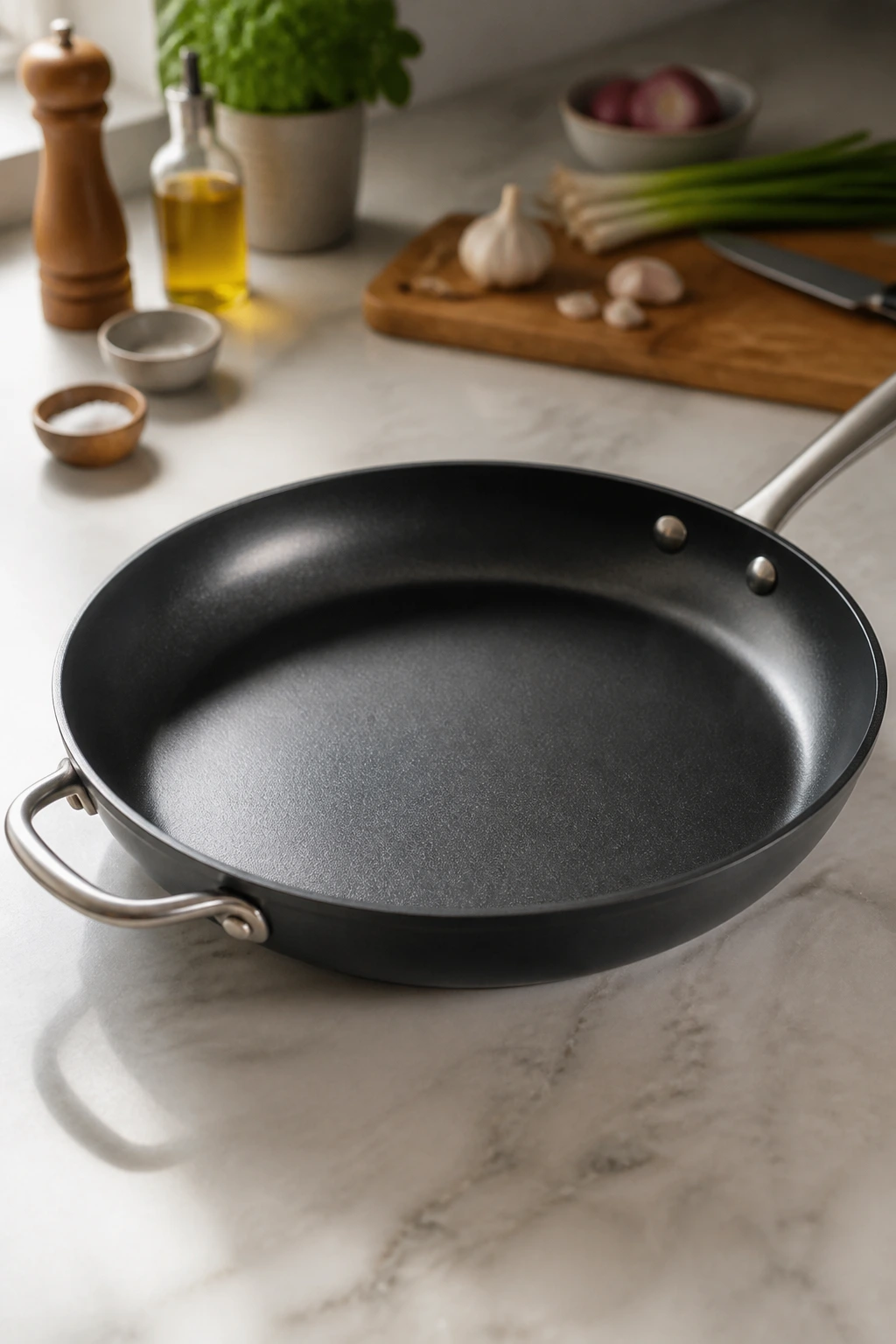
12-inch skillet: Big enough to brown meat instead of steaming it and roomy enough for most of these dinners.
-
Deep sauté pan or Dutch oven: Useful for saucy meals like tortellini, curry, or soup, where you want sides high enough to keep splatter down.
-
Large pot: Needed for pasta, noodles, couscous water, and soups. A 4-quart pot is the sweet spot for most homes.
-
Sharp chef’s knife: Thin slicing is half the battle. A dull knife slows everything down and makes cutlets, onions, and peppers uneven.
-
Cutting board with a damp towel underneath: Keeps the board from sliding when you’re slicing quickly.
-
Tongs: Better than a fork for chicken, sausage, shrimp, and pork chops because they do not pierce and dry out the meat.
-
Wooden spoon or flat spatula: Good for scraping browned bits, breaking up meat, and moving rice or orzo around the pan.
-
Measuring cups and spoons: Fast dinners still need accurate liquid and seasoning, especially for sauces.
-
Fine grater or microplane: Lemon zest, garlic, ginger, and parmesan all move faster when they’re grated fine.
-
Colander: Essential for pasta, noodles, and rinsing canned beans without making a mess.
-
Instant-read thermometer: Optional, but helpful for chicken, salmon, and pork so you do not guess at doneness.
Smart Shopping and Ingredient Tips
Fast dinners get easier when the grocery list is built around ingredients that cook at the same speed. Thin chicken cutlets, shrimp, ground meat, refrigerated tortellini, shelf-stable gnocchi, couscous, orzo, tortillas, and canned beans all shorten the path from fridge to plate. If a package tells you it needs 20 minutes of simmering, that recipe probably does not belong in a 30-minute dinner rotation.
Frozen vegetables are worth more credit than they usually get. Broccoli, peas, carrots, edamame, and stir-fry blends go straight from freezer to pan, and they save you from trimming and washing when the clock is already annoying you. For quick dinners, frozen is often the smarter buy than a sad bag of fresh vegetables that may limp out of the fridge two days later.
Pay attention to cuts of meat. Thin-sliced beef, chicken cutlets, thin pork chops, and ground meat all work because they cook in the same small window. Thick chicken breasts and big pork chops can still be used, but you’ll spend that saved time on slicing or pounding, so buy the right cut when you can.
A few pantry items earn a permanent spot in this kind of cooking: soy sauce, canned tomatoes, tomato paste, capers, rice vinegar, curry powder, black beans, couscous, and pasta water-friendly shapes like orzo or spaghetti. If you keep those on hand, the protein and vegetable can change without breaking the meal.
Cheese is another place where the right buy matters. Pre-shredded is fine for busy nights, but block cheese you grate yourself melts smoother in quesadillas, soups, and skillet pasta. The difference is small in a sandwich; it’s obvious in a pan sauce.
How to Serve These Recipes
Presentation: Fast dinners look better when you keep the serving style simple and deliberate. Bowls work for curry, fried rice, orzo, chickpea couscous, and ramen; shallow plates suit salmon, pork chops, and chicken cutlets; tortillas and sliders should be stacked or folded so they feel like a meal, not a pile. A scatter of herbs, sesame seeds, scallions, or parmesan is enough to make the plate look finished.
Accompaniments: The sides that fit this collection are the ones that do not demand more than a few minutes: bagged salad, buttered bread, rice, couscous, tortilla chips, cucumber slices, roasted frozen vegetables, or pickles. For richer recipes like loaded potato soup or Philly cheesesteak, something sharp and crisp on the side helps. For lighter bowls, bread or tortillas usually do the job.
Portions: Most of these dinners serve 4 in normal adult portions, though the casserole-style or rice-based dishes can stretch farther when you add extra vegetables. For hungrier eaters, build with more starch: another tortilla, an extra scoop of rice, or a second slice of bread. For lighter plates, keep the protein steady and cut the starch back to 1/2 cup per person.
Beverage Pairing: Cold sparkling water with lemon works across almost all of them, which is dull to say and true to use. I also like iced tea with the taco, slider, and skillet dinners, and plain mineral water with citrus for the richer creamy dishes. If you want something a little cozier, unsweetened ginger tea plays nicely with curry, noodle bowls, and tomato pasta.
Extra Flavor Moves That Cost Almost Nothing
Flavor Enhancement: A finish matters more than people think. Lemon juice, lime wedges, a small spoonful of yogurt, chopped parsley, scallions, chili crisp, or a little parmesan can wake up a whole skillet without changing the recipe. Use one sharp finishing note, not five.
Customization: If you need to stretch a dinner, add vegetables that cook at the same speed as the main dish: cabbage into stir-fries, spinach into pasta, peas into rice, or peppers into sausage skillets. If you want more protein, a fried egg, extra beans, or leftover cooked chicken usually fits without rewriting the meal.
Serving Suggestions: Toasted bread on the side, extra cheese at the table, and a bowl of sliced pickles or olives are small things, but they make a fast dinner feel considered. I’m also a fan of serving a wedge of lemon with almost anything that includes butter, cream, tuna, or rice; it cuts the weight in one move.
Make-It-Yours: Gluten-free is easy here if you lean on rice, corn tortillas, potatoes, or gluten-free pasta. Dairy-free is manageable with olive oil, coconut milk, or a spoonful of tahini instead of cream. For lower-sodium cooking, use unsalted broth, rinse canned beans well, and season in stages instead of dumping salt in at the end.
Make-Ahead, Storage, and Reheating Guidance
Most of these dinners keep 3 to 4 days in the refrigerator when stored in airtight containers. Rice, pasta, curry, soups, and skillet fillings reheat best when you add a tablespoon or two of water or broth before warming, because the starch drinks up liquid as it sits. Shrimp, salmon, and chicken are a little less forgiving, so reheat them gently rather than blasting them in the microwave until they turn dry and sad.
For the freezer, the best bets are the saucy or sturdy ones: turkey taco skillet, curry, sloppy joe filling, meatballs, soup, and tomato-based pasta sauces. Those usually hold for up to 2 months frozen in flat, sealed containers or freezer bags. Tortillas, cabbage slaw, and leafy greens do not freeze well, so keep those fresh and build the meal after reheating.
Microwave reheating works fine for rice bowls, orzo, and pasta if you cover the container loosely and stop to stir once halfway through. Stovetop reheating is better for skillet meals because you can add a splash of broth and bring the sauce back to life over medium-low heat. Soup should go back into a pot, not a microwave bowl, if you want the texture to stay smooth.
A few dishes improve overnight. Curry gets deeper, sloppy joe filling gets thicker, and tomato sauces mellow. Others are best fresh: shrimp tacos, wraps, fried rice, and anything where the crunch matters. If that’s the case, store the parts separately and assemble at the table.
Easy Swaps That Keep Dinner Moving
Pantry-Only Night: Use canned beans, pasta, tuna, couscous, eggs, or tortillas as your base when the fridge is bare. The collection already leans that way, and it is the safest way to keep a dinner on the table without a store run.
No-Meat Dinner: Chickpeas, black beans, eggs, tofu, and extra vegetables can take the place of meat in most of these recipes without much trouble. The key is to season them earlier than you think, because plant foods need a little more help to taste full.
Gluten-Free Path: Corn tortillas, rice, potatoes, couscous swaps like quinoa, and rice noodles cover most of the field. Check soy sauce and broth labels if you are cooking for someone who needs the gluten-free version to be strict.
Dairy-Free Path: Olive oil, coconut milk, tahini, and avocado can replace butter, cream, and cheese in many of these dinners. The flavor shifts, obviously, but the structure still holds.
Spice-Lover’s Finish: Chili crisp, red pepper flakes, hot sauce, and sliced jalapeños can be added at the table instead of built into the whole pan. That keeps the base friendly for everyone else while letting the heat-seekers wake theirs up.
Comfort Mode: If someone wants a heavier plate, add bread, extra cheese, a fried egg, or a scoop of rice. The food does not need to be more complicated to be more filling.
Common Mistakes That Slow Dinner Down
Crowding the pan: This is the mistake that ruins browning faster than anything else. If the meat or vegetables are packed too tightly, they steam, go pale, and take longer to finish. Cook in batches when needed; it is faster than rescuing a wet pan later.
Starting with ingredients that cook too slowly: Thick chicken breasts, giant potatoes, and full-size carrots can blow the time budget before you notice. Slice, dice, or pound them smaller, or choose a different cut that fits the clock.
Underseasoning early: A lot of quick dinners taste flat because the cook waits until the end to add salt. Season the protein, season the vegetables, and then taste again at the finish. The layers matter.
Walking away from the stove: Fast meals punish distraction. Garlic burns in seconds, shrimp overcooks in a blink, and pasta sauces can go from glossy to stuck if you leave the burner alone.
Using too much liquid: Some home cooks think more broth means more flavor. Usually it means a thin, watery skillet that takes longer to fix. Start with less and add only if the pan looks dry.
Forgetting the final acid or fresh herb: Lemon, lime, parsley, scallions, or a spoonful of yogurt often make the difference between “hot food” and a meal with shape. That last hit of brightness matters more than another pinch of salt.
Questions People Ask About 30-Minute Dinners

Can I use frozen vegetables in these recipes?
Yes, and in some of them they’re better than fresh. Frozen broccoli, peas, edamame, corn, and stir-fry mixes save prep time and cook quickly, which makes them a natural fit for fast dinners.
What protein is cheapest for quick dinners?
Ground turkey, eggs, canned tuna, black beans, chickpeas, and chicken thighs usually give the best value. Thin chicken cutlets and shrimp can be pricier, but they stay useful when you catch them on sale or buy frozen.
How do I keep chicken from drying out?
Use thinner pieces, cook over medium-high heat, and pull it the moment the center is done. A pan sauce or dressing on top also helps because it gives the meat somewhere to lean once it rests.
Can I double these recipes for a bigger family?
Most of them double fine, but use a bigger skillet or cook in batches so the ingredients still brown. Saucy dishes, soups, and skillet fillings scale more easily than shrimp or salmon, which are more sensitive to overcrowding.
What if I only have one skillet?
You can still do most of this collection. Cook the protein first, remove it to a plate, then use the same pan for the vegetables and sauce. That is not a workaround; it is the method.
Which recipes reheat the best?
Curry, chili-style skillet meals, sloppy joe filling, meatballs, soup, orzo, and most pasta dishes hold up well. Wraps, tacos, and anything crisp are better assembled fresh, even if the filling was made ahead.
Can I make these lower sodium?
Yes. Use low-sodium broth, rinse canned beans, go easy on soy sauce and cheese, and season with lemon, herbs, garlic, and pepper to build flavor without leaning only on salt. The food still needs seasoning; it just does not need so much from a shaker.
How do I make a fast dinner feel more like a full meal?
Add one starch, one vegetable, and one sharp finishing note. Rice, bread, tortillas, or couscous cover the base; a green salad, slaw, or snap peas bring crunch; lemon, herbs, or hot sauce finish the job.
Fast Dinners, Less Fuss
The best part of these dinners is not that they are fast. Speed matters, sure, but what actually saves the evening is the lack of friction. Thin cuts, short ingredient lists, one pan where possible, and enough seasoning to keep dinner from tasting like it was assembled in a hurry. That combination buys you a little breathing room.
Some nights you’ll reach for the creamy pasta. Other nights you’ll want the taco skillet, the fried rice, or the chickpea bowl that almost makes itself. Good. Keep a few of each style in rotation and the week stops feeling like a series of emergency decisions.
And if a recipe here becomes your default, that’s the real win. A dependable 30-minute dinner is not flashy. It just shows up, hot and ready, when you need it most.