



A cheap dinner can still taste like someone paid attention. That’s the part people forget when they’re standing in a kitchen at 6:15, staring at a bag of pasta, a head of cabbage, and a pack of eggs with the kind of exhaustion that makes takeout menus look glossy and comforting. The best affordable dinner ideas for busy weeknights don’t ask for a special trip, a long marinade, or five half-used cartons of cream. They ask for sturdy ingredients that pull their weight: beans, rice, pasta, potatoes, frozen vegetables, eggs, a little cheese, a little acid, and enough heat to make the whole thing come together.
What matters most is not some magical bargain ingredient. It’s the way the ingredients are paired. A skillet of onions and garlic can make canned tomatoes taste deeper. Frozen peas can make spaghetti feel finished. Beans can step in where pricier meat would normally sit, and chicken thighs can do a better job than chicken breasts when you want flavor without babysitting the pan. Small choices, plain food. That’s the whole trick.
I’m a fan of dinners that leave room for real life. The ones that forgive you if the onion dice are uneven, if the parsley is missing, if the cheese isn’t fancy, if the day has already been loud. So these recipes lean hard on pantry staples, short cook times, and ingredients that can be reused without turning dinner into leftovers theater. A good weeknight rotation should calm the room down a little. These do that.
Why These Affordable Dinner Ideas Earn Their Keep on a Busy Night
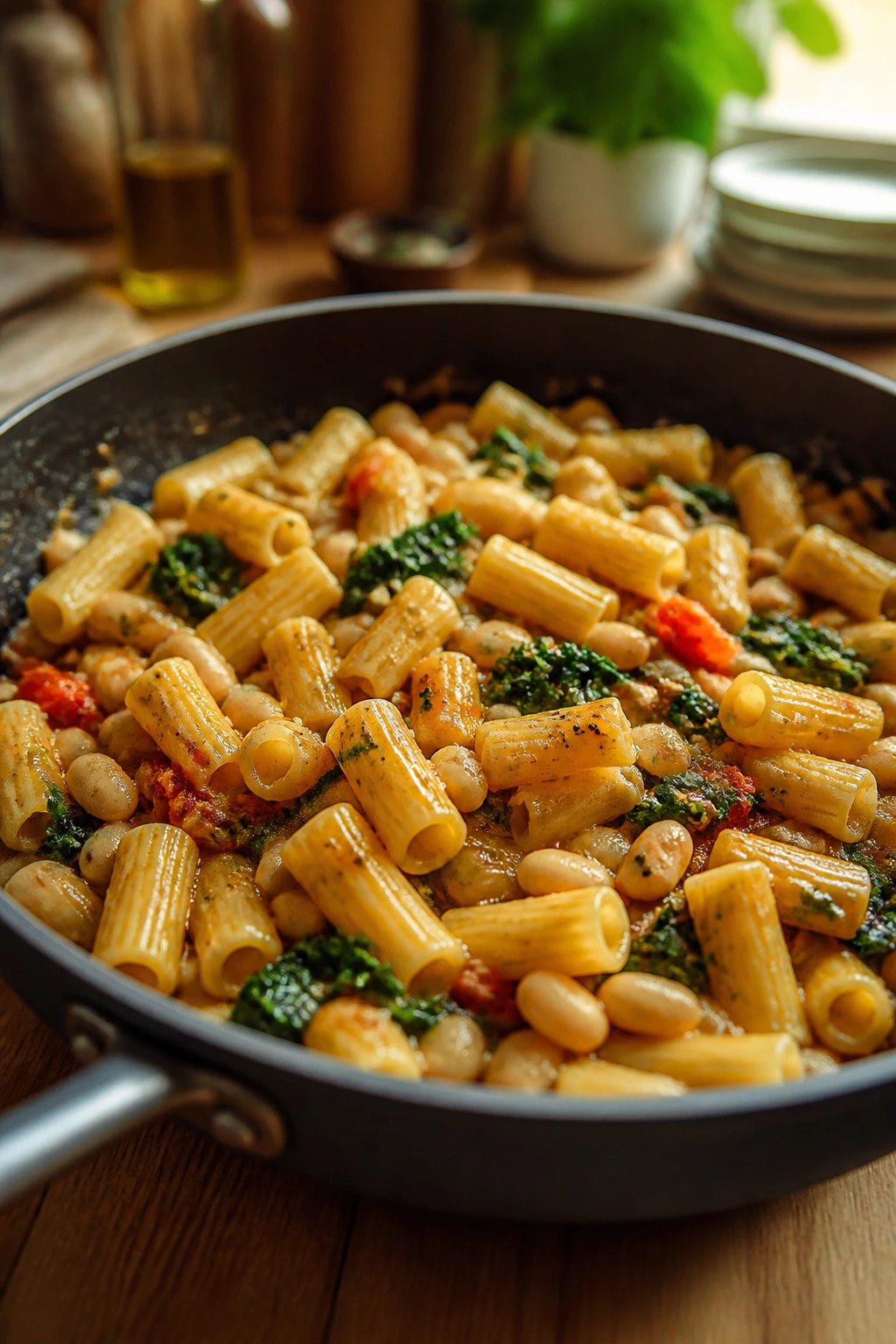
-
Pantry-first cooking: Most of these meals start with pasta, rice, beans, tortillas, eggs, or canned tomatoes, which means fewer last-minute store runs and less waste in the crisper drawer.
-
Short cook times: A skillet that comes together in 20 to 35 minutes is a real weeknight tool, not a promise written by someone with too much free time.
-
Stretchy proteins: Ground meat, sausage, eggs, tuna, chickpeas, lentils, and white beans all carry a dish without driving up the cost or the prep work.
-
Flexible vegetables: Frozen peas, spinach, broccoli, cabbage, onions, carrots, and corn are doing the hard work here. They cook fast and they don’t sulk if you forget them for a day.
-
Leftover-friendly: A lot of these dinners reheat well, which matters more than people admit. Tomorrow’s lunch should not feel like punishment.
-
Low-drama cleanup: Sheet pans, one-pot sauces, and skillet meals keep the sink from turning into a second job. That’s a feature, not a compromise.
1. Garlic Butter Spaghetti with Peas
Spaghetti can be plain in the worst way, or plain in the good way — the kind that tastes like butter, garlic, and a little patience. Frozen peas bring sweetness and color, and the starchy pasta water gives the whole dish that glossy look you usually get from more expensive sauces. I reach for this when the pantry is thin and the clock is mean.
Why It Works: The sauce is built from butter, olive oil, and pasta water, so it clings to the noodles instead of sitting in a puddle. Frozen peas cook in the residual heat in about 2 minutes, which keeps them bright and a little crisp. Parmesan adds salt and body without demanding much money or effort.
Key Ingredients:
- 12 oz spaghetti — long noodles hold the butter sauce well.
- 3 tbsp unsalted butter — the main flavor base.
- 2 tbsp olive oil — keeps the butter from browning too fast.
- 5 garlic cloves, minced — use fresh garlic, not the jarred kind.
- 1 1/2 cups frozen peas — no need to thaw.
- 1/2 tsp red pepper flakes — adds a small kick.
- 1/2 cup reserved pasta water — the sauce maker.
- 1/2 cup grated Parmesan — use a block if you can.
- 1 tsp lemon zest — wakes up the whole bowl.
Quick Steps:
- Bring a large pot of salted water to a boil and cook the spaghetti until al dente, usually 8 to 10 minutes.
- Reserve 1/2 cup of pasta water, then drain the noodles.
- Warm the butter and olive oil in a skillet over medium heat, then add the garlic and red pepper flakes for 30 to 45 seconds, until fragrant. Do not let the garlic brown.
- Stir in the peas and 1/4 cup of pasta water, then add the spaghetti and toss hard with tongs.
- Add the Parmesan and lemon zest, then loosen with more pasta water until the sauce looks silky and coats the noodles.
Equipment for This Recipe:
- Large pot — for boiling the pasta.
- 12-inch skillet — gives the sauce room to move.
- Colander — for draining.
- Tongs — easier than a spoon for long noodles.
How to Serve This Dish: Pile it into shallow bowls and finish with black pepper and another dusting of Parmesan. A simple green salad or a piece of toast is enough beside it, though a fried egg on top makes it feel a little more substantial.
Pro Tips for This Recipe:
- Salt the pasta water properly. It should taste pleasantly salty, not briny.
- Keep some pasta water back even if the sauce looks done. You’ll probably want it.
- If the peas are tiny and sweet, don’t overcook them. Their texture matters.
Variations on This Dish:
- Anchovy Garlic Spaghetti: Melt 2 chopped anchovy fillets into the butter with the garlic for a deeper, savory finish.
- Bacon Pea Pasta: Crisp 3 slices of bacon first, then use the fat in place of some of the butter.
- Dairy-Free Version: Skip the Parmesan and finish with extra lemon zest and a spoonful of nutritional yeast.
Common Mistakes to Avoid with This Dish:
- Don’t dump in all the pasta water at once. Add it gradually so the noodles stay glossy, not soupy.
- Don’t let the garlic turn brown. Bitter garlic can take over the whole pan.
- Don’t skip the final toss. The sauce needs a minute to emulsify around the noodles.
2. Bean and Cheese Quesadillas
A good quesadilla is a crisp shell with a soft center and a clean snap when you cut it. Beans keep the filling cheap and substantial, while cheese melts into the nooks and holds everything together. This is one of those dinners that looks almost too simple until you take the first bite and remember why simple wins so often.
Why It Works: Refried beans or mashed beans give you a spreadable layer that won’t fall out when the tortilla folds. The cheese melts at the edges and seals the whole thing into a tidy wedge. You can cook four quesadillas in about 15 minutes if the skillet is hot enough.
Key Ingredients:
- 4 large flour tortillas — sturdy enough for folding.
- 1 can refried black beans, 16 oz — or 1 1/2 cups mashed cooked beans.
- 2 cups shredded cheddar — sharp cheddar brings more flavor.
- 1/2 cup diced onion — optional, but it adds bite.
- 1/2 cup frozen or canned corn, drained — for sweetness and texture.
- 2 tbsp neutral oil or butter — for crisping the tortillas.
- 1/2 cup salsa — for serving.
- 1/4 cup chopped cilantro — optional finish.
Quick Steps:
- Warm the beans in a small saucepan or microwave until spreadable.
- Heat a skillet over medium heat and brush it with a thin layer of oil.
- Lay down one tortilla, spread half with beans, sprinkle with cheese, onion, and corn, then fold it over.
- Cook for 2 to 3 minutes per side, pressing gently with a spatula, until the tortilla is golden and the cheese melts.
- Rest for 1 minute, then cut into wedges and repeat with the remaining tortillas.
Equipment for This Recipe:
- Skillet — nonstick or cast iron both work.
- Spatula — for flipping without tearing.
- Knife or pizza cutter — for clean wedges.
- Small saucepan or microwave-safe bowl — for warming beans.
How to Serve This Dish: Cut the quesadillas into triangles and set them beside salsa, sour cream, or sliced jalapeños. A chopped tomato salad or bagged slaw makes the plate feel fuller without adding much work.
Pro Tips for This Recipe:
- Use medium heat. High heat browns the tortilla before the cheese melts.
- Spread the beans thinly. Thick bean layers slip out the sides.
- If the cheese is finely shredded, it melts faster and more evenly.
Variations on This Dish:
- Green Chile Quesadilla: Stir chopped green chiles into the beans for a brighter, smoky flavor.
- Leftover Chicken Quesadilla: Add 1 cup shredded cooked chicken if you happen to have it.
- Pepper Jack Version: Swap in pepper jack for a sharper, warmer finish.
Common Mistakes to Avoid with This Dish:
- Don’t overfill the tortilla. The filling will escape, and then you’re cleaning the skillet.
- Don’t rush the flip. Wait until the underside is deep golden and the tortilla holds together.
- Don’t skip the rest. A minute off the heat keeps the cheese from gushing everywhere when you cut it.
3. Egg Fried Rice with Frozen Vegetables
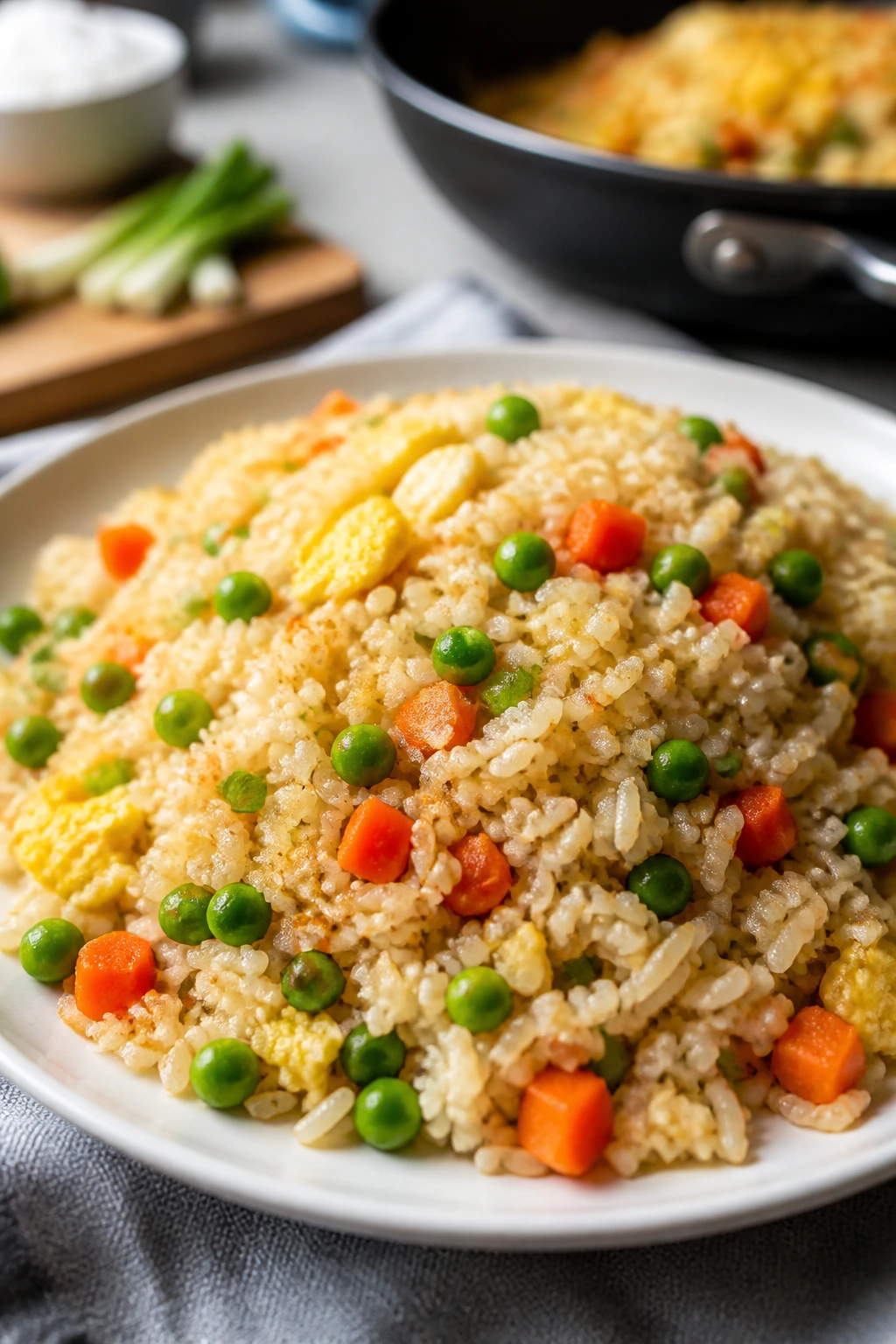
Cold rice is the secret here. Fresh rice goes sticky and clumpy; day-old rice fries up with little chewy grains that separate in the pan. Frozen vegetables make this even easier because they’re already chopped and they cook fast enough to match the rice.
Why It Works: The dry surface of chilled rice lets it fry instead of steam. Eggs add body and protein, and frozen mixed vegetables bring color without any chopping. The whole dish lives or dies on a hot pan and quick movement.
Key Ingredients:
- 3 cups cooked white rice, chilled — day-old is best.
- 3 large eggs — beaten.
- 2 cups frozen mixed vegetables — no thawing needed.
- 2 tbsp neutral oil — for frying.
- 2 tbsp soy sauce — start here and adjust.
- 1 tbsp sesame oil — finish, don’t fry with it.
- 2 scallions, sliced — fresh bite at the end.
- 2 garlic cloves, minced — optional but worth it.
- 1 tsp grated ginger — if you want a little lift.
Quick Steps:
- Heat 1 tbsp oil in a large skillet or wok over medium-high heat.
- Scramble the eggs for 30 to 60 seconds, then slide them onto a plate.
- Add the remaining oil, then cook the vegetables, garlic, and ginger for 2 minutes, until the moisture cooks off.
- Stir in the rice and break up clumps with your spatula. Fry for 3 to 4 minutes until the grains are hot and a little toasted.
- Return the eggs, add soy sauce and sesame oil, and toss with scallions.
Equipment for This Recipe:
- Wok or large skillet — room to toss matters.
- Spatula — sturdy enough to break up rice.
- Small bowl — for beating eggs.
- Measuring spoons — soy sauce is easy to overdo.
How to Serve This Dish: Serve it hot with extra scallions and a spoon of chili crisp if you like heat. A side of sliced cucumber or pickled vegetables gives the bowl some crunch and keeps it from feeling heavy.
Pro Tips for This Recipe:
- Use rice that has been chilled at least a few hours.
- Keep the heat up. Low heat makes fried rice taste flat.
- Add soy sauce around the edge of the pan so it hits the hot surface first.
Variations on This Dish:
- Spam Fried Rice: Dice and crisp 4 oz Spam before the vegetables.
- Veg-Only Version: Skip the eggs and add an extra cup of vegetables.
- Peanut-Forward Stir-Fry: Stir in 1 tablespoon peanut butter with the soy sauce for a richer sauce.
Common Mistakes to Avoid with This Dish:
- Don’t use warm rice. It turns dense and sticky fast.
- Don’t crowd the pan. If it’s too full, the rice steams instead of frying.
- Don’t drown it in soy sauce. Start small; you can always add more.
4. Sheet Pan Sausage, Potatoes, and Onions
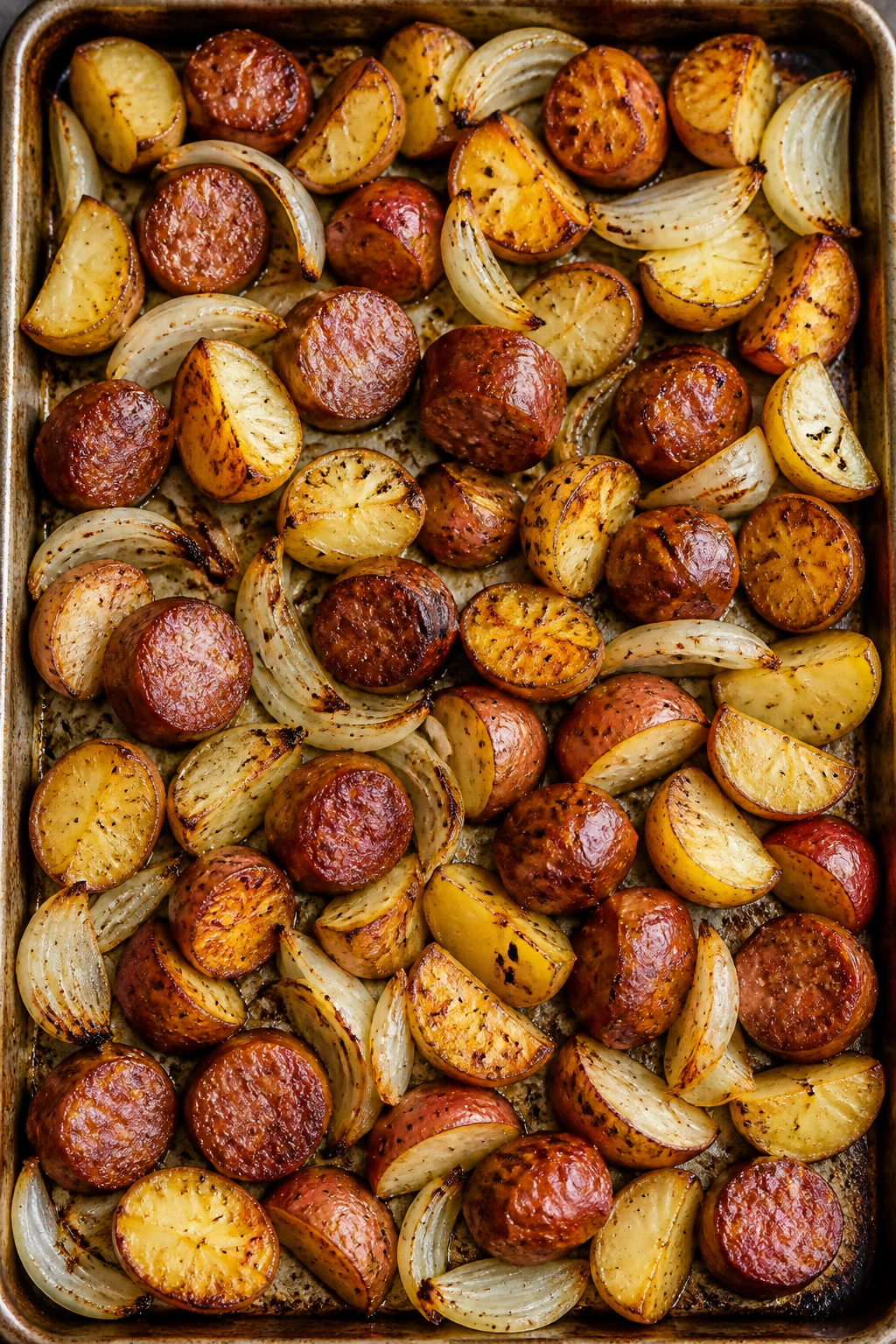
This is the kind of dinner that smells like you cooked longer than you did. Smoked sausage gives you built-in seasoning, potatoes turn crisp at the edges, and onions soften into something sweet enough to eat by the forkful. One sheet pan, one knife, one cleanup job. That’s the appeal.
Why It Works: Smoked sausage is already cooked, so it only needs browning and heat. Potatoes roast into something tender and crisp if they get enough space on the pan. Onions and bell peppers add sweetness and keep the meal from feeling one-note.
Key Ingredients:
- 14 oz smoked sausage, sliced into rounds — kielbasa or andouille both work.
- 1 1/2 lb baby potatoes, halved — cut larger ones smaller.
- 1 large onion, cut into wedges — keeps its shape in the oven.
- 1 bell pepper, sliced — optional, but useful.
- 2 tbsp olive oil — helps everything brown.
- 1 tsp paprika — sweet or smoked.
- 1/2 tsp garlic powder — easy background flavor.
- 3/4 tsp kosher salt — start here and adjust.
- 1/2 tsp black pepper — for the finish.
Quick Steps:
- Heat the oven to 425°F and line a rimmed sheet pan with parchment.
- Toss the potatoes with oil, paprika, garlic powder, salt, and pepper.
- Roast the potatoes for 15 minutes, until they start to soften at the edges.
- Add the sausage, onion, and bell pepper, then toss right on the pan.
- Roast 15 to 20 minutes more, stirring once, until the potatoes are browned and the onions are tender.
Equipment for This Recipe:
- Rimmed sheet pan — keeps everything from sliding off.
- Parchment paper — easier cleanup.
- Sharp knife — for even potato cuts.
- Large mixing bowl — for seasoning before roasting.
How to Serve This Dish: Spoon it onto plates with a little mustard or hot sauce on the side. A simple green salad or a pile of steamed cabbage works well if you want something fresh beside the roasting pan flavors.
Pro Tips for This Recipe:
- Cut the potatoes evenly so they finish at the same time.
- Don’t overcrowd the pan. If the vegetables are piled up, they steam.
- Stir only once or twice. Too much movement slows browning.
Variations on This Dish:
- Chicken Sausage Version: Use chicken sausage if that’s what’s on sale.
- Andouille Kick: Swap in andouille and add extra black pepper.
- Garlic-Herb Style: Toss the pan with dried thyme and rosemary before roasting.
Common Mistakes to Avoid with This Dish:
- Don’t add everything at once. Potatoes need a head start.
- Don’t slice the sausage too thin. Thin coins dry out quickly.
- Don’t use a baking sheet without edges. The onion juices will run.
5. Tuna Tomato Pasta
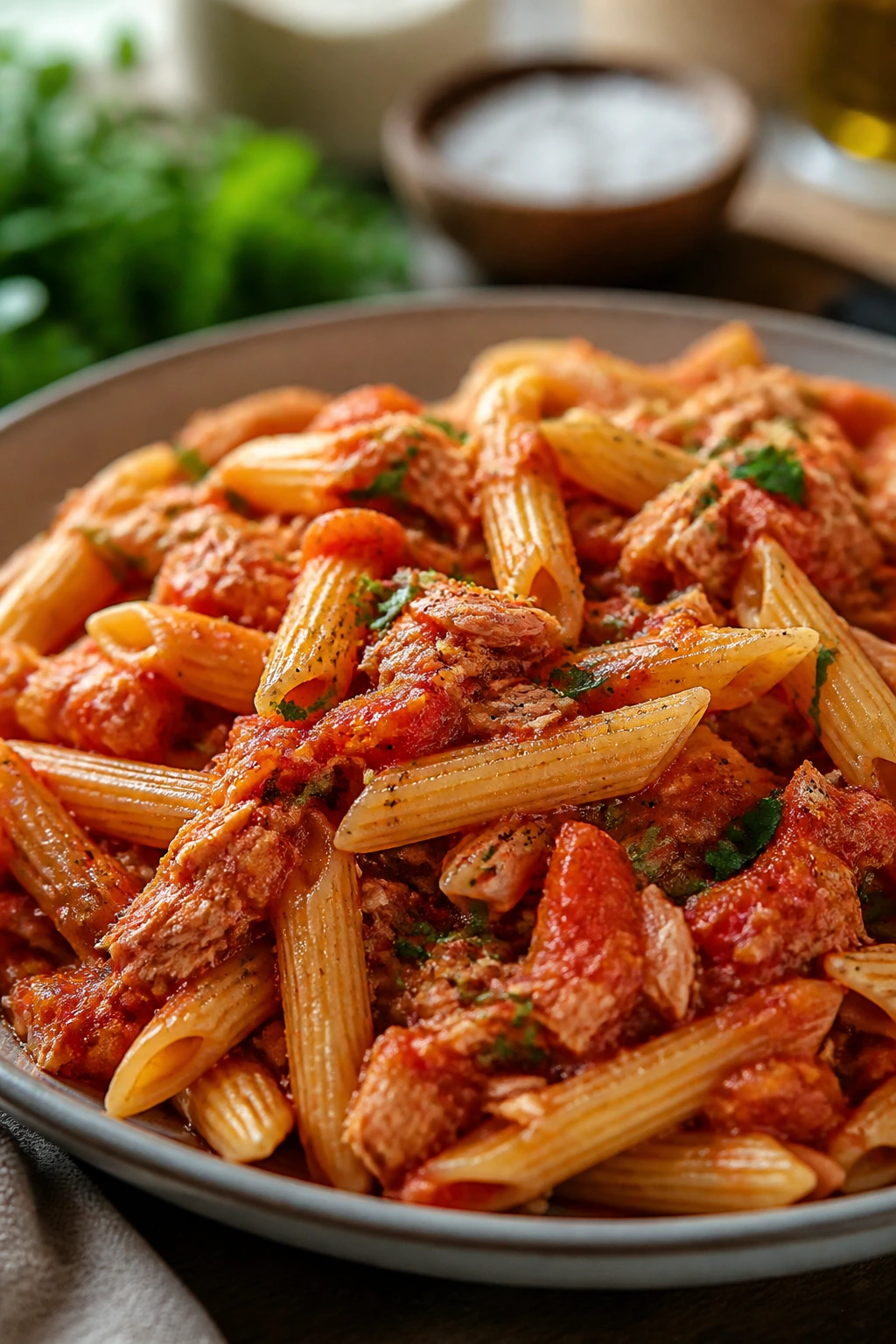
Canned tuna is not a sad ingredient when you treat it like pantry armor. With garlic, crushed tomatoes, and a little chili flake, it turns into a fast sauce that tastes salty, bright, and more deliberate than the ingredient list would suggest. I like this version because it feels like a real dinner instead of a clever trick.
Why It Works: Tuna adds protein and a briny depth that plain tomato sauce doesn’t have on its own. Crushed tomatoes simmer quickly and coat the pasta without needing cream or butter. Capers or olives give the sauce a sharp edge that makes the whole bowl taste more finished.
Key Ingredients:
- 12 oz pasta — spaghetti, penne, or rigatoni all work.
- 2 tbsp olive oil — for the garlic.
- 4 garlic cloves, thinly sliced — sliced garlic gives a softer flavor.
- 1 can crushed tomatoes, 28 oz — the body of the sauce.
- 2 cans tuna in olive oil, 5 oz each, drained — flake lightly.
- 1 tbsp capers, drained — optional but useful.
- 1/2 tsp red pepper flakes — for heat.
- 1/4 cup chopped parsley — for the end.
- Salt and black pepper — season carefully.
Quick Steps:
- Cook the pasta in salted water until just al dente, then reserve 1/2 cup of the water.
- Warm the olive oil in a skillet over medium heat and cook the garlic for 1 minute, until soft and fragrant.
- Add the tomatoes, capers, and red pepper flakes, then simmer for 8 to 10 minutes until the sauce thickens a little.
- Stir in the tuna and break it into chunks with a spoon.
- Toss with the pasta and a splash of reserved water, then finish with parsley and black pepper.
Equipment for This Recipe:
- Large pot — for the pasta.
- Skillet — for the sauce.
- Wooden spoon — easy for breaking up tuna.
- Colander — to drain the noodles.
How to Serve This Dish: Serve with crusty bread and a quick green salad if you have one. A small grate of Parmesan works, though the tuna and capers already carry a lot of salt.
Pro Tips for This Recipe:
- Use tuna packed in oil if possible. It has more flavor and a better texture.
- Simmer the sauce before adding the tuna. Raw tomato sauce tastes thin.
- Taste before salting. Capers and tuna both bring salt.
Variations on This Dish:
- Olive Lover’s Sauce: Add 1/4 cup chopped olives for a more briny finish.
- No-Capers Version: Skip the capers and add a squeeze of lemon at the end.
- Pasta With Tuna and Greens: Stir in a handful of spinach during the last minute.
Common Mistakes to Avoid with This Dish:
- Don’t cook the tuna in the pan for long. It dries out fast.
- Don’t underseason the sauce. Tomatoes need enough salt to wake up.
- Don’t skip the pasta water. It helps the sauce cling instead of slide off.
6. Creamy Chickpea Curry
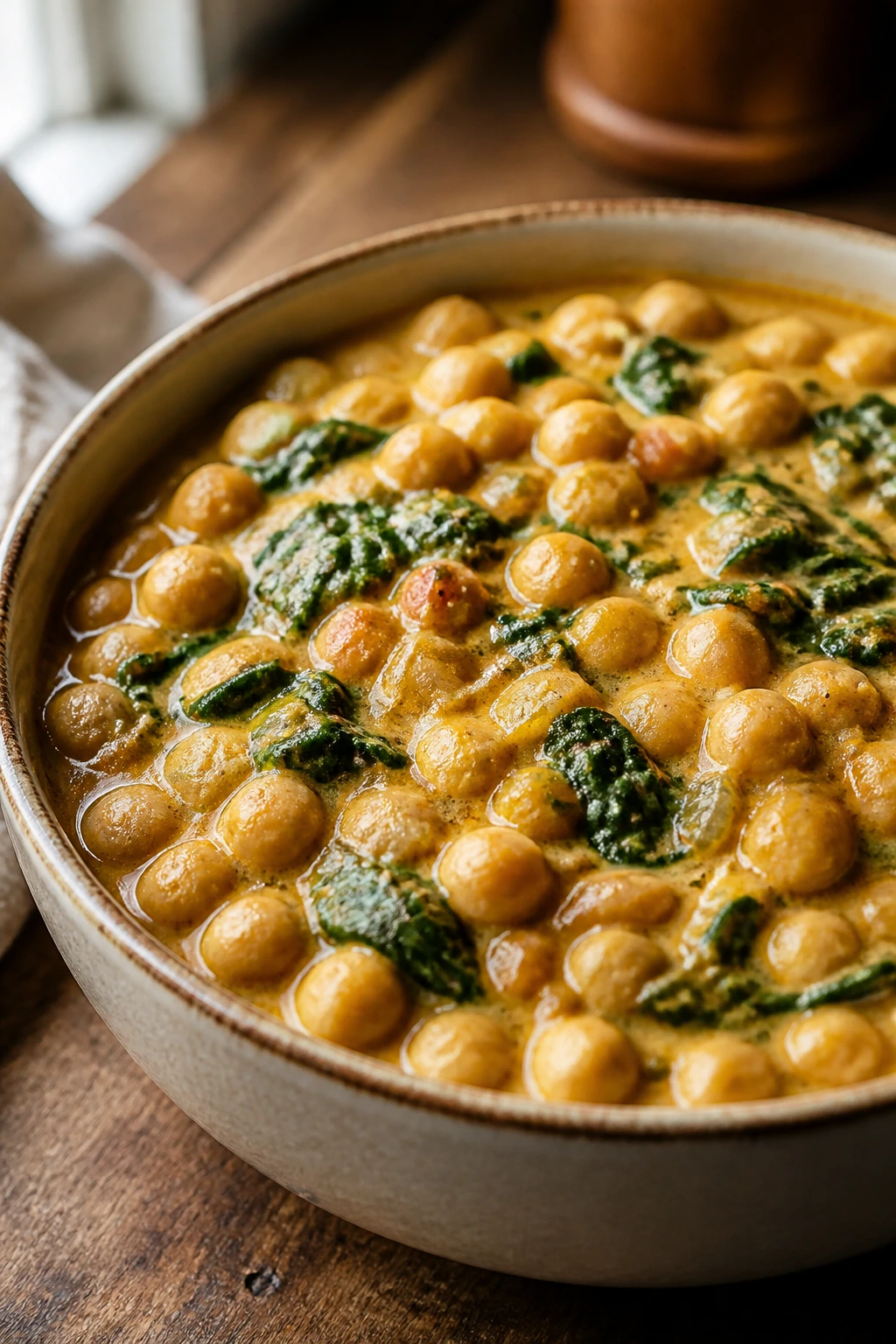
Canned chickpeas are one of the best bargain foods in a kitchen, and curry powder is the shortcut that keeps them from tasting like an afterthought. Coconut milk makes the sauce soft and rich, while spinach disappears into the pot and pretends it was there all along. This is a 20-minute dinner that eats like you worked harder than you did.
Why It Works: Chickpeas stay intact in simmering sauce, so they give the curry texture and heft. A little toasted curry powder and garlic bloom in the oil and make the sauce smell deeper almost immediately. Coconut milk smooths out the spices and helps the curry cling to rice.
Key Ingredients:
- 2 cans chickpeas, 15 oz each, drained and rinsed — the main body.
- 1 small onion, diced — gives the sauce sweetness.
- 3 garlic cloves, minced — keep them from burning.
- 1 tbsp grated fresh ginger — brightens the pot.
- 2 tbsp curry powder — toast it briefly.
- 1 can coconut milk, 13.5 oz — for creaminess.
- 1 can diced tomatoes, 14.5 oz — adds acidity.
- 3 cups baby spinach — folds in at the end.
- 1 tbsp lime juice — for finishing.
- Salt to taste — don’t be shy.
Quick Steps:
- Cook the onion in a skillet over medium heat with a splash of oil for 4 to 5 minutes, until soft.
- Add the garlic, ginger, and curry powder, then stir for 30 seconds until fragrant.
- Pour in the tomatoes and coconut milk, then add the chickpeas and a pinch of salt.
- Simmer for 10 minutes until the sauce thickens slightly.
- Stir in the spinach and lime juice, then cook just until the leaves wilt.
Equipment for This Recipe:
- Large skillet or saucepan — a deep one is easier.
- Wooden spoon — for stirring the spices.
- Can opener — obvious, but necessary.
- Measuring spoon — curry powder can overwhelm fast.
How to Serve This Dish: Serve it over rice or with naan if you have it. A spoonful of yogurt on top cools the heat and gives the curry a creamy edge.
Pro Tips for This Recipe:
- Toast the curry powder in oil. That 30 seconds matters.
- Rinse the chickpeas well so the sauce stays clean-tasting.
- Add lime at the end, not during the simmer. The flavor stays brighter.
Variations on This Dish:
- Sweet Potato Chickpea Curry: Add 1 cup diced sweet potato and simmer a little longer.
- Peanut Curry: Stir in 1 tablespoon peanut butter for a richer, nuttier sauce.
- Green Version: Swap spinach for chopped kale and give it 3 extra minutes.
Common Mistakes to Avoid with This Dish:
- Don’t boil the coconut milk hard. A gentle simmer keeps the sauce smooth.
- Don’t add the spinach too early. It turns drab and wilted.
- Don’t skip salt. Beans need more seasoning than people expect.
7. Baked Ziti with Cottage Cheese
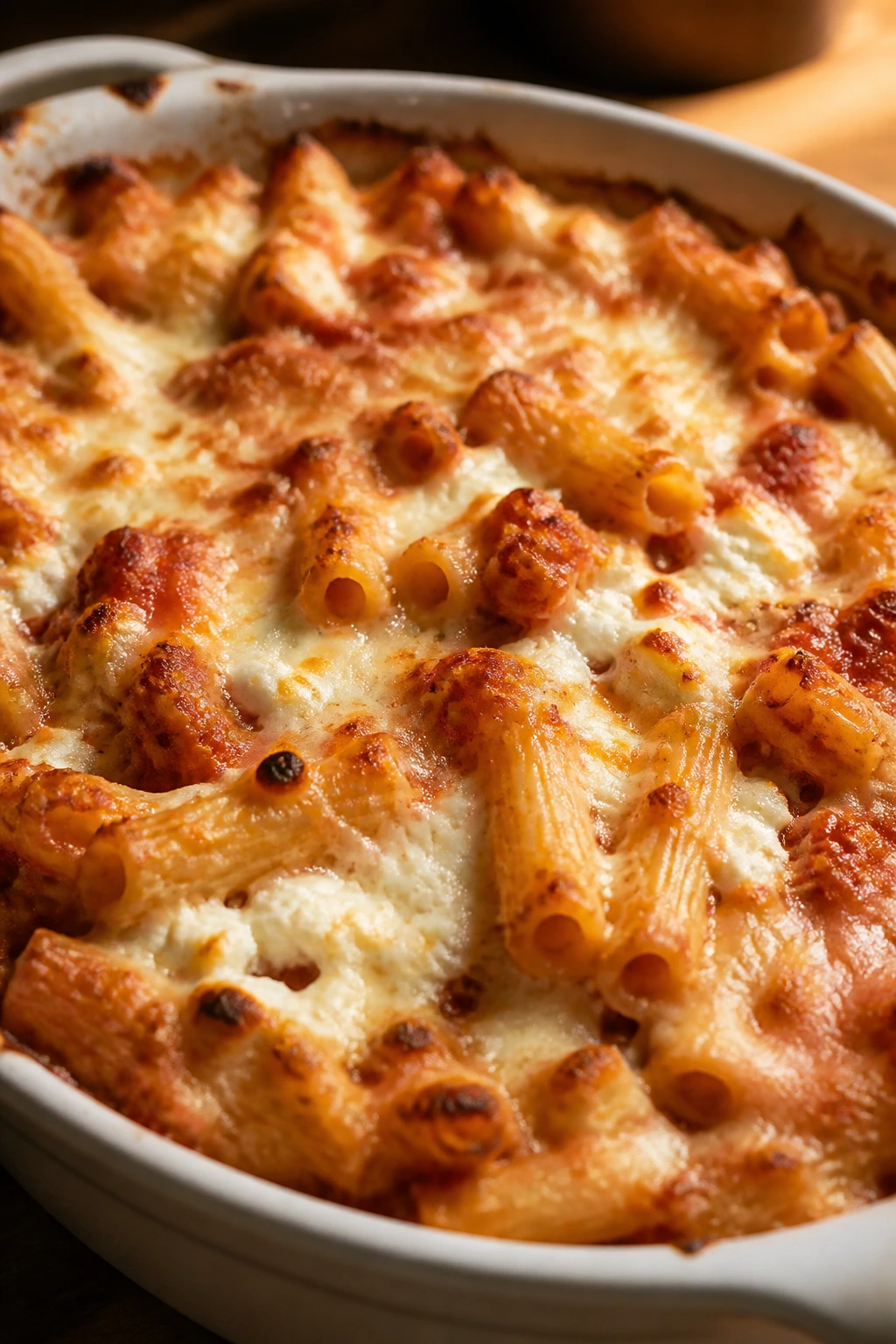
Baked ziti usually sounds pricier than it is, especially when you use cottage cheese in place of ricotta. Cottage cheese melts into a creamy, slightly tangy layer that holds the pasta together after baking. The top gets browned and a little crusty, which is half the reason to make it.
Why It Works: Pasta, marinara, and dairy all behave well in the oven when you don’t overcook the noodles first. Cottage cheese is cheaper than ricotta in many places and brings enough richness to make the filling taste full. A quick bake melds everything without drying it out.
Key Ingredients:
- 12 oz ziti or penne — short pasta holds sauce well.
- 3 cups marinara sauce — use a jar you actually like.
- 2 cups cottage cheese — small curd works best.
- 2 cups shredded mozzarella — for the top.
- 1 egg — helps the filling set.
- 1/4 cup grated Parmesan — salty edge.
- 1 tsp Italian seasoning — easy herb mix.
- 1/2 tsp salt — adjust based on your sauce.
Quick Steps:
- Heat the oven to 375°F and grease a 9×13-inch baking dish.
- Cook the pasta until just shy of al dente, then drain.
- Stir the cottage cheese, egg, Parmesan, and Italian seasoning together in a bowl.
- Toss the pasta with the marinara and half the mozzarella, then fold in the cottage cheese mixture.
- Spread it in the dish, top with the remaining mozzarella, and bake for 20 to 25 minutes until bubbling and browned in spots.
Equipment for This Recipe:
- Large pot — for boiling pasta.
- 9×13-inch baking dish — the right size matters.
- Mixing bowl — for the cheese filling.
- Wooden spoon — for folding.
How to Serve This Dish: Let it rest for 10 minutes before slicing, then serve with a green salad or roasted broccoli. It holds its shape better than people expect once it cools a little.
Pro Tips for This Recipe:
- Stop the pasta early. It will finish in the oven.
- Use a sauce that tastes good on its own. The bake will not fix bland marinara.
- Let it rest before cutting or the layers slide apart.
Variations on This Dish:
- Spinach Ziti: Fold 2 cups thawed, squeezed-dry spinach into the cheese mixture.
- Meat Sauce Ziti: Brown 1/2 pound ground beef and mix it into the sauce.
- Garlic Bread Ziti: Add extra garlic to the sauce and serve with toasted bread on the side.
Common Mistakes to Avoid with This Dish:
- Don’t overcook the pasta before baking. Mushy ziti is a sad thing.
- Don’t use watery cottage cheese straight from the tub. Drain it if needed.
- Don’t cut it right away. The bake needs a minute to settle.
8. Sloppy Joe Skillet
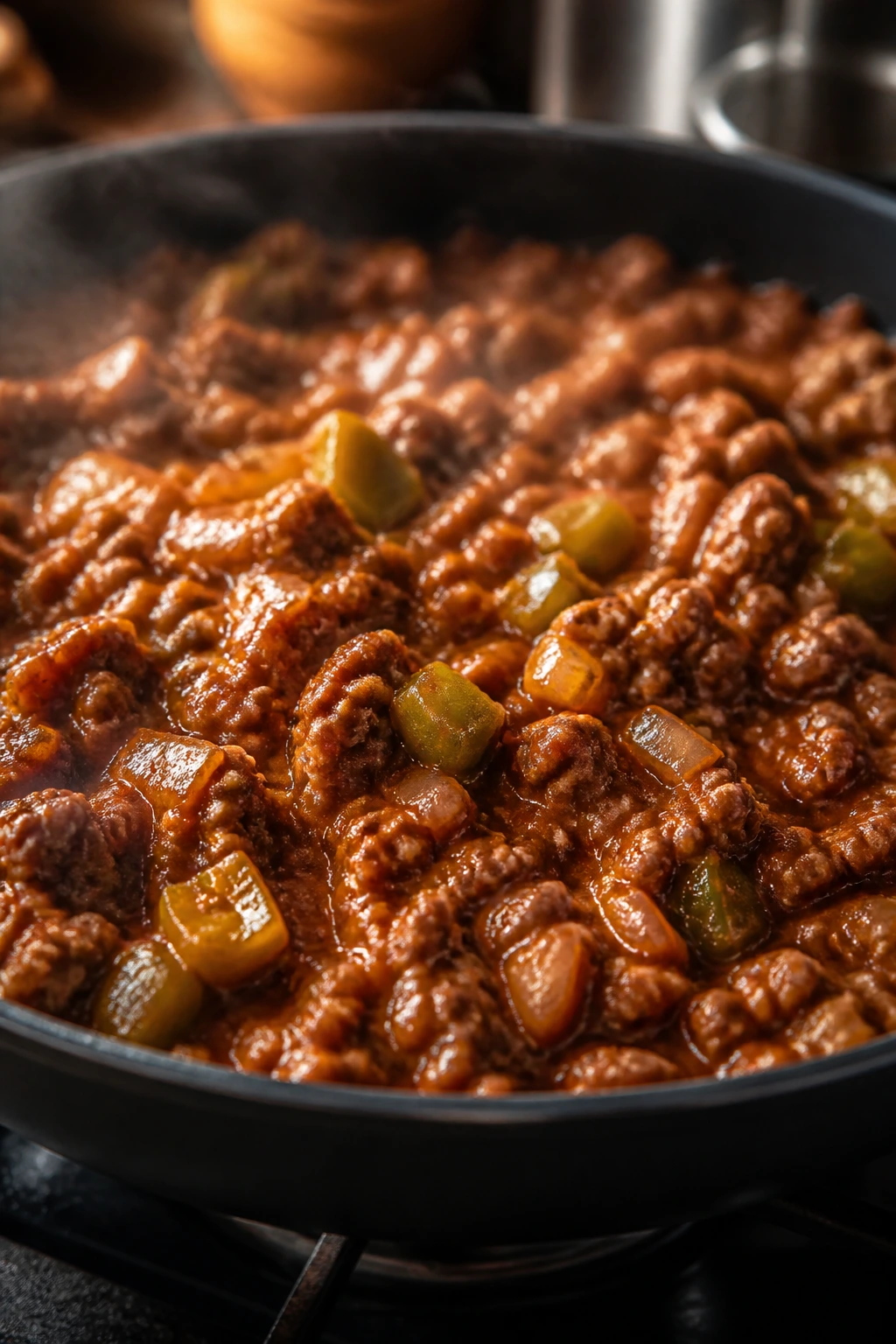
Sloppy joes are messy by design, and I’ve always thought that was honest. The sauce is sweet, tangy, and just thick enough to cling to the meat and bun without turning into soup. This skillet version cooks fast and skips the canned filling you may remember from school lunches.
Why It Works: Ground beef or turkey browns quickly and soaks up the ketchup-tomato base without much fuss. Onion and bell pepper add texture, while Worcestershire and mustard give the sauce some backbone. A short simmer thickens everything so it stays on the bun.
Key Ingredients:
- 1 lb ground beef or ground turkey — both work.
- 1 small onion, diced — basic flavor base.
- 1 small bell pepper, diced — optional, but helpful.
- 1/2 cup ketchup — the sweet-tangy body.
- 2 tbsp tomato paste — deepens the sauce.
- 1 tbsp Worcestershire sauce — savory edge.
- 1 tbsp yellow mustard — sharpens the flavor.
- 1 tbsp brown sugar — balances acidity.
- 4 hamburger buns — toasted if you have time.
Quick Steps:
- Brown the meat in a skillet over medium-high heat, breaking it into small crumbles.
- Add the onion and bell pepper and cook for 4 minutes, until softened.
- Stir in ketchup, tomato paste, Worcestershire, mustard, brown sugar, and 1/4 cup water.
- Simmer for 8 to 10 minutes until thick and spoonable.
- Spoon onto toasted buns and serve hot.
Equipment for This Recipe:
- Large skillet — enough room for the meat.
- Wooden spoon — for breaking and stirring.
- Cutting board and knife — for the vegetables.
- Toaster or skillet — for the buns.
How to Serve This Dish: Serve the filling on toasted buns with dill pickles and a pile of chips or carrot sticks. If you want a bigger meal, add a quick slaw with vinegar instead of a creamy dressing.
Pro Tips for This Recipe:
- Drain excess fat if the meat leaves a lot in the pan.
- Toast the buns. Soft buns get soggy too fast.
- Simmer until the sauce no longer looks shiny and loose.
Variations on This Dish:
- BBQ Sloppy Joes: Swap half the ketchup for barbecue sauce.
- Lentil Joes: Use cooked lentils instead of meat for a cheaper meatless version.
- Spicy Version: Add a chopped jalapeño or a dash of hot sauce.
Common Mistakes to Avoid with This Dish:
- Don’t leave the sauce too loose. It will run right out of the bun.
- Don’t skip the mustard. It keeps the filling from tasting flat.
- Don’t pack the skillet too full while browning. The meat should brown, not steam.
9. One-Pot Chili Mac
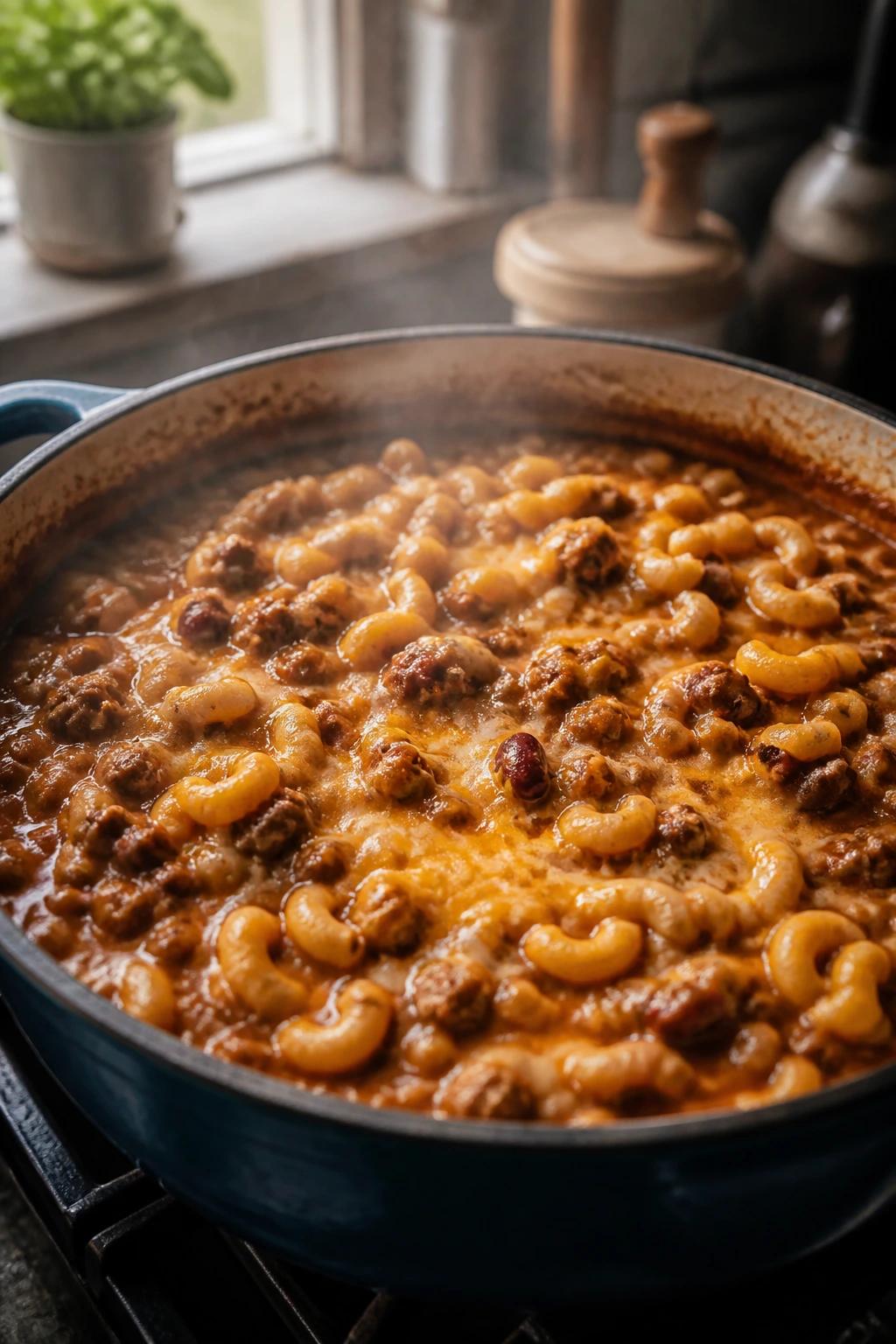
Chili mac is what happens when pasta and chili stop arguing and decide to share a pot. It’s hearty, fast, and deeply forgiving, which is exactly what weeknight cooking should be. The noodles soak up the chili liquid and the cheese melts into everything so no one at the table can separate the parts.
Why It Works: Pasta cooks right in the chili base, which saves time and gives the sauce starch. Beans stretch the meat without making the meal feel thin. Cheese at the end softens the spice and makes the whole pot taste rounder.
Key Ingredients:
- 1 lb ground beef — or turkey if you prefer.
- 1 small onion, diced — the base.
- 2 garlic cloves, minced — keeps the chili lively.
- 1 can kidney beans, 15 oz, drained — budget-friendly bulk.
- 1 can diced tomatoes, 14.5 oz — the sauce.
- 2 cups beef or vegetable broth — for cooking the pasta.
- 2 cups elbow macaroni — quick-cooking pasta.
- 2 tbsp chili powder — the main seasoning.
- 1 tsp cumin — adds warmth.
- 1 1/2 cups shredded cheddar — the finish.
Quick Steps:
- Brown the beef and onion in a Dutch oven or large pot over medium-high heat.
- Add the garlic, chili powder, and cumin; stir for 30 seconds.
- Stir in tomatoes, beans, broth, and macaroni.
- Bring to a simmer and cook, stirring often, for 10 to 12 minutes until the pasta is tender and the liquid is mostly absorbed.
- Stir in the cheddar and let it melt before serving.
Equipment for This Recipe:
- Dutch oven or deep pot — one vessel for everything.
- Wooden spoon — for stirring often.
- Measuring cups — the broth matters here.
- Cheese grater — if you’re using a block.
How to Serve This Dish: Serve it in bowls with scallions, sour cream, or a few crushed tortilla chips on top. A simple side of sliced cucumber or a green salad keeps the meal from feeling too heavy.
Pro Tips for This Recipe:
- Stir more than you think you need to. The pasta likes to cling to the bottom.
- Keep some broth nearby in case the pot dries out early.
- Add the cheese off the heat so it melts smoothly.
Variations on This Dish:
- Turkey Chili Mac: Swap in ground turkey and add a touch more oil while browning.
- Vegetarian Chili Mac: Use black beans and extra broth instead of meat.
- Corny Version: Stir in 1 cup frozen corn for sweetness.
Common Mistakes to Avoid with This Dish:
- Don’t walk away from the pot. Pasta can grab the bottom fast.
- Don’t add the cheese while the sauce is boiling hard. It can turn grainy.
- Don’t underseason the pot before the pasta goes in. The noodles will absorb the flavor.
10. Chicken Thigh Rice Skillet
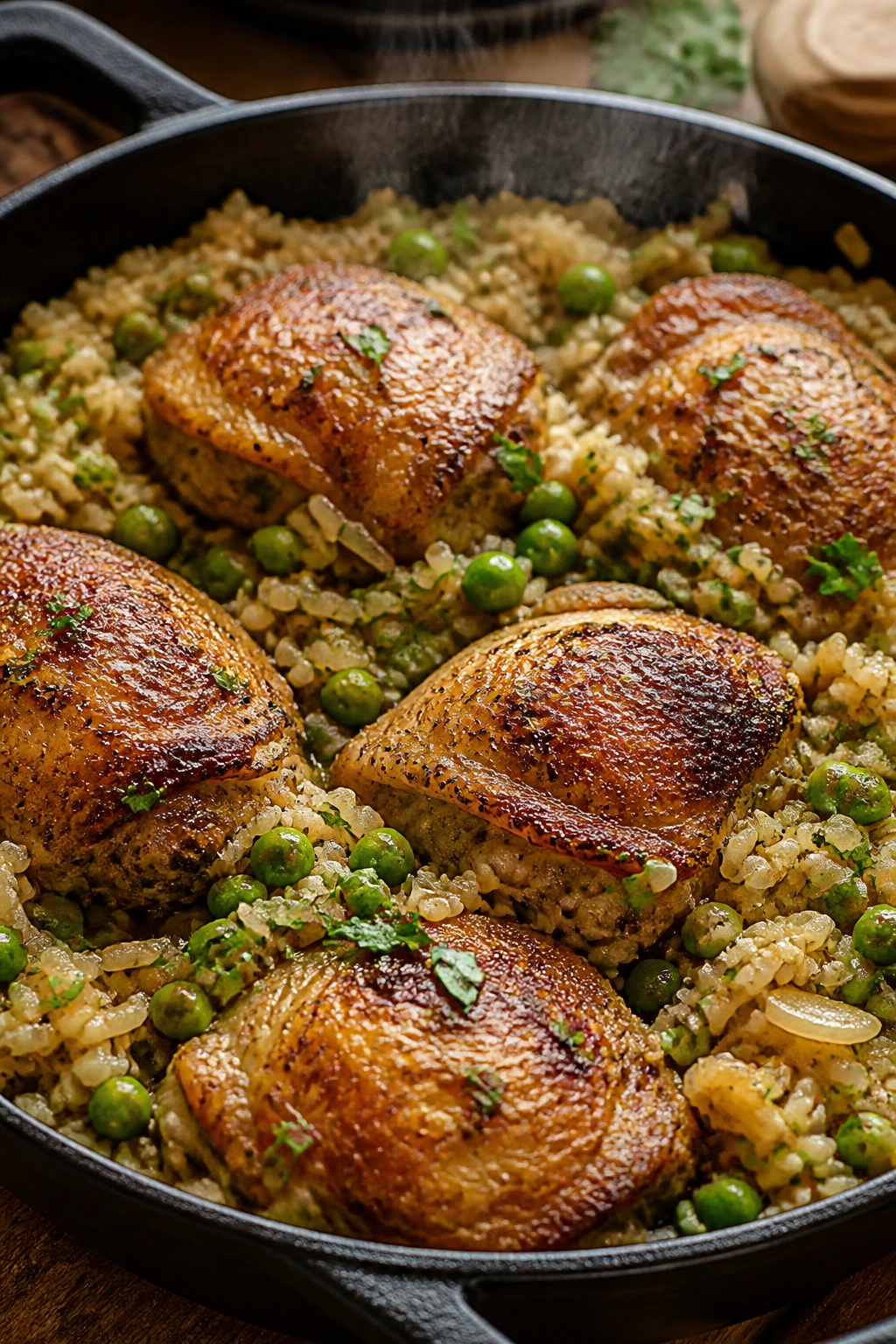
Chicken thighs are the weeknight cut I trust most. They stay juicy, they forgive a few extra minutes, and they give rice real flavor as they cook. Put them in a skillet with onion, broth, and peas, and you get a full dinner without a pile of separate pans.
Why It Works: Bone-in or boneless thighs both braise well in a covered skillet. Rice cooks in the chicken broth, which pulls flavor all the way through the grains. A handful of peas at the end keeps the dish bright and cheap.
Key Ingredients:
- 1 1/2 lb boneless chicken thighs — cut into large pieces.
- 1 cup long-grain rice — rinse if very starchy.
- 1 small onion, diced — for the base.
- 2 garlic cloves, minced — enough to smell it.
- 2 1/4 cups chicken broth — needed for the rice.
- 1 cup frozen peas — added near the end.
- 1 tsp paprika — gives the chicken color.
- 1/2 tsp salt — more if your broth is very low-sodium.
- 1/4 tsp black pepper — basic finish.
- 1 tbsp lemon juice — wakes up the whole skillet.
Quick Steps:
- Season the chicken with paprika, salt, and pepper.
- Sear it in a deep skillet over medium-high heat for 3 to 4 minutes per side, then set it aside.
- Cook the onion and garlic in the same skillet for 2 minutes, scraping up the browned bits.
- Stir in the rice and broth, nestle the chicken on top, cover, and simmer on low for 18 to 20 minutes.
- Add the peas, cover for 3 more minutes, then finish with lemon juice.
Equipment for This Recipe:
- Deep skillet with lid — or a sauté pan with a tight cover.
- Tongs — for turning chicken.
- Wooden spoon — for scraping the pan.
- Measuring cups — rice is sensitive to ratios.
How to Serve This Dish: Spoon the rice into bowls, top with chicken, and finish with parsley if you have it. A tomato-cucumber salad or a quick pickle on the side gives the meal some crunch.
Pro Tips for This Recipe:
- Don’t stir the rice once the lid goes on.
- Use thighs, not breasts, unless you want to micromanage the cook.
- Let the skillet rest for 5 minutes before serving so the rice finishes absorbing steam.
Variations on This Dish:
- Spanish-Style Skillet: Add smoked paprika and a pinch of saffron if you have it.
- Mushroom Rice Version: Stir in sliced mushrooms with the onions.
- Lemon Herb Version: Finish with dill or parsley instead of paprika.
Common Mistakes to Avoid with This Dish:
- Don’t use too much liquid. Rice can go mushy fast.
- Don’t keep lifting the lid. Steam is doing the work.
- Don’t cut the chicken too small. Larger pieces stay juicier.
11. Black Bean Burrito Bowls
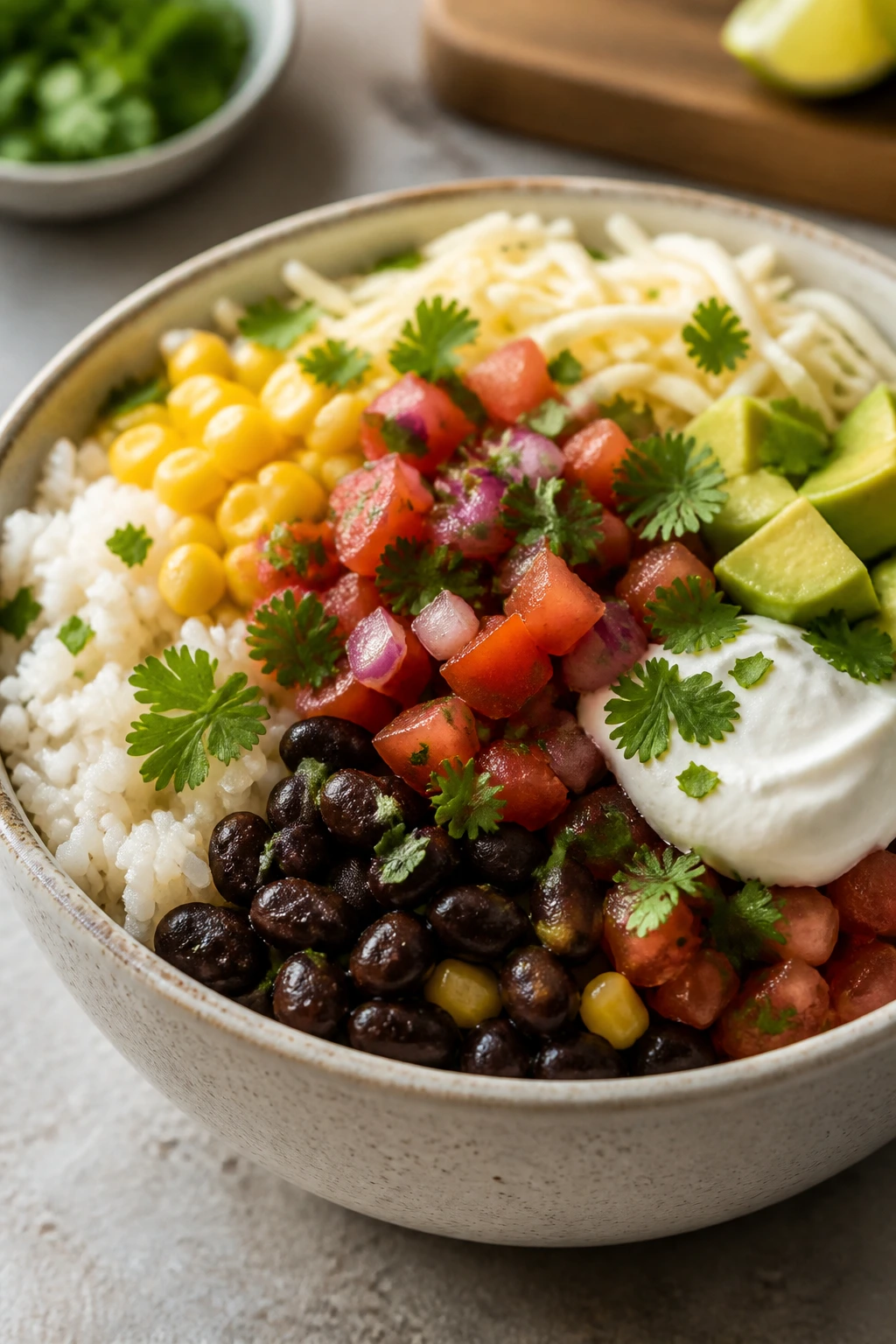
A burrito bowl is what I make when I want dinner to feel assembled instead of cooked. Rice, beans, corn, salsa, and a few cold toppings can be put together in minutes, and none of the parts need much money or drama. It’s also one of the easiest dinners to scale up when the house is hungrier than expected.
Why It Works: Black beans and rice make a complete, filling base with almost no prep. Corn adds sweetness, salsa brings acid and spice, and the toppings can be whatever is already in the fridge. It’s flexible in the way good budget meals ought to be.
Key Ingredients:
- 2 cups cooked rice — white or brown.
- 2 cans black beans, 15 oz each, drained and rinsed — the protein base.
- 1 cup frozen corn — quick and cheap.
- 1/2 cup salsa — for moisture and flavor.
- 1 tsp cumin — warms up the beans.
- 1 cup shredded lettuce — optional but fresh.
- 1/2 cup shredded cheddar — or Monterey Jack.
- 1 lime, cut into wedges — the finishing acid.
- 1 avocado, sliced — optional if it fits the budget.
Quick Steps:
- Warm the rice and beans separately.
- Heat the black beans with cumin and a pinch of salt until steamy.
- Microwave or sauté the corn until hot.
- Divide the rice into bowls, then top with beans, corn, salsa, lettuce, and cheese.
- Finish with lime juice and avocado if using.
Equipment for This Recipe:
- Saucepan or microwave-safe bowl — for reheating rice and beans.
- Small skillet — optional for corn.
- Serving bowls — wide ones make layering easier.
- Knife — for avocado and lime.
How to Serve This Dish: Serve it as a build-your-own bowl so people can add salsa, sour cream, or hot sauce the way they like. Tortilla chips on the side turn it into a more complete plate without much work.
Pro Tips for This Recipe:
- Season the rice with a little salt before serving.
- Warm the beans; cold beans from the can taste flat.
- Use lime at the end. It sharpens the whole bowl.
Variations on This Dish:
- Breakfast Bowl: Top the beans and rice with a fried egg.
- Loaded Bowl: Add sautéed peppers and onions if you have them.
- Bean-and-Cheese Burrito: Wrap the same filling in tortillas instead of bowls.
Common Mistakes to Avoid with This Dish:
- Don’t serve everything cold unless that is the point. Heat gives the bowl shape.
- Don’t drown it in salsa. A spoonful goes farther than people think.
- Don’t skip the acid. Lime keeps beans and rice from tasting dull.
12. Cabbage and Noodles with Bacon
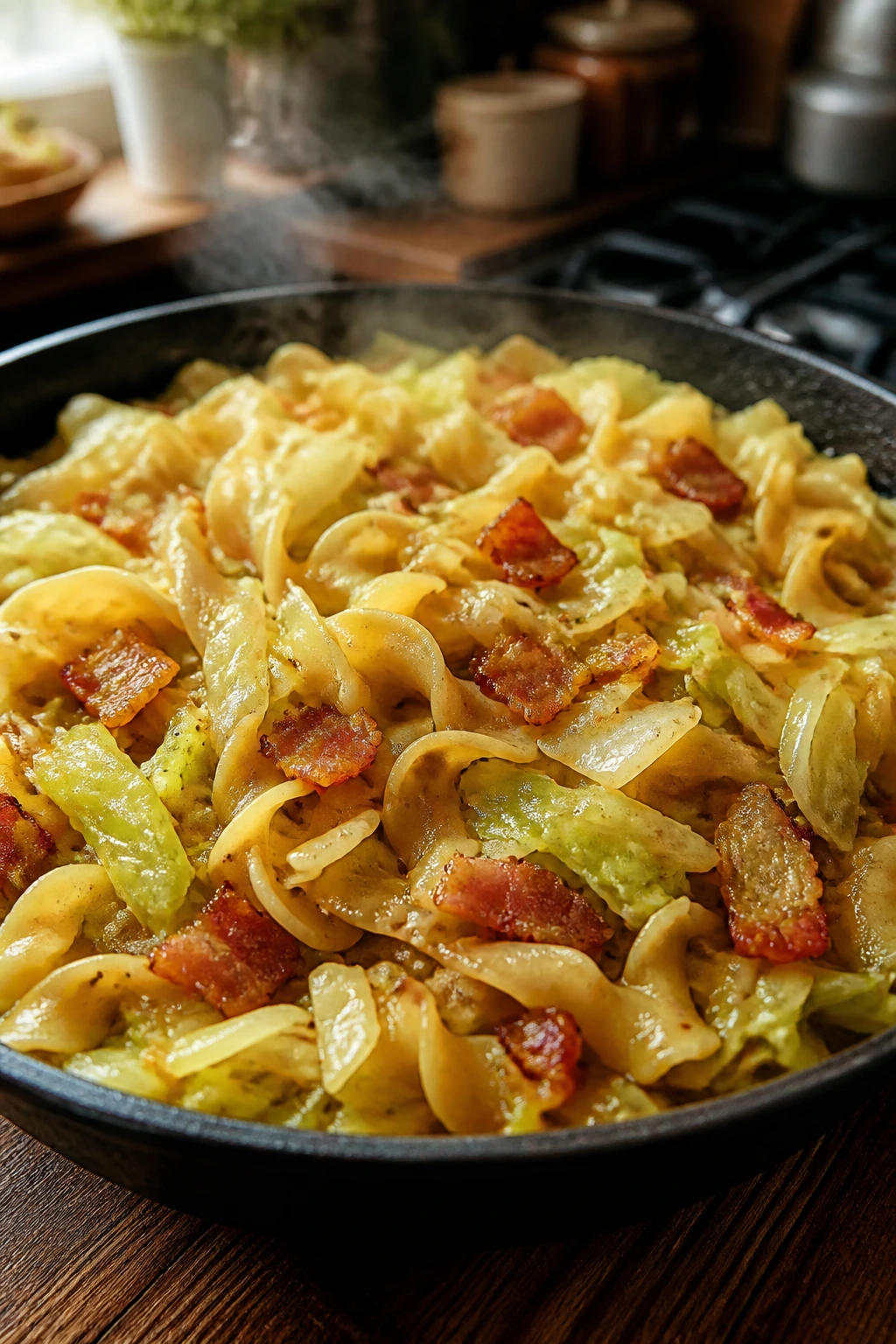
Cabbage is cheap, sturdy, and far better in a skillet than it gets credit for. With bacon and butter, it turns soft, sweet, and just a little smoky, while egg noodles make the dish feel like a complete meal instead of a side that wandered off. This is one of those old-fashioned dinners that still earns a place.
Why It Works: Cabbage cooks down a lot, which means one head feeds more people than it looks like it should. Bacon brings salt and fat, and noodles carry that flavor without needing much else. A splash of vinegar at the end keeps the pan from tasting heavy.
Key Ingredients:
- 8 oz egg noodles — the quick base.
- 6 slices bacon, chopped — or less if you want it lighter.
- 1 small green cabbage, shredded — about 6 cups.
- 1 small onion, sliced — for sweetness.
- 2 tbsp butter — helps the cabbage soften.
- 1 tbsp apple cider vinegar — for brightness.
- 1/2 tsp black pepper — generous is good.
- Salt to taste — go easy until the bacon is in.
Quick Steps:
- Cook the noodles in salted water, then drain.
- Crisp the bacon in a large skillet over medium heat, then leave 1 to 2 tablespoons of fat in the pan.
- Add the onion and cabbage, then cook for 8 to 10 minutes until the cabbage is soft and the edges are browned.
- Stir in butter, vinegar, and black pepper.
- Toss with the noodles and serve hot.
Equipment for This Recipe:
- Large skillet — cabbage needs surface area.
- Pot — for the noodles.
- Colander — for draining.
- Spatula — for tossing.
How to Serve This Dish: Serve it in shallow bowls with extra pepper on top. A spoonful of mustard or a handful of chopped dill on the side gives it more life, and rye toast fits the mood if you have it.
Pro Tips for This Recipe:
- Let the cabbage brown in spots. Pale cabbage tastes flat.
- Save a little noodle water if the pan looks dry.
- Vinegar at the end matters more than people expect.
Variations on This Dish:
- No-Bacon Version: Use butter and a pinch of smoked paprika instead.
- Sausage Cabbage Noodles: Add sliced smoked sausage with the cabbage.
- Peppery Butter Version: Skip the bacon and finish with extra black pepper and Parmesan.
Common Mistakes to Avoid with This Dish:
- Don’t undercook the cabbage. It should be tender, not squeaky.
- Don’t forget the acid. The dish gets heavy without it.
- Don’t boil the noodles to death; they need to hold up in the skillet.
13. Shakshuka with Bread
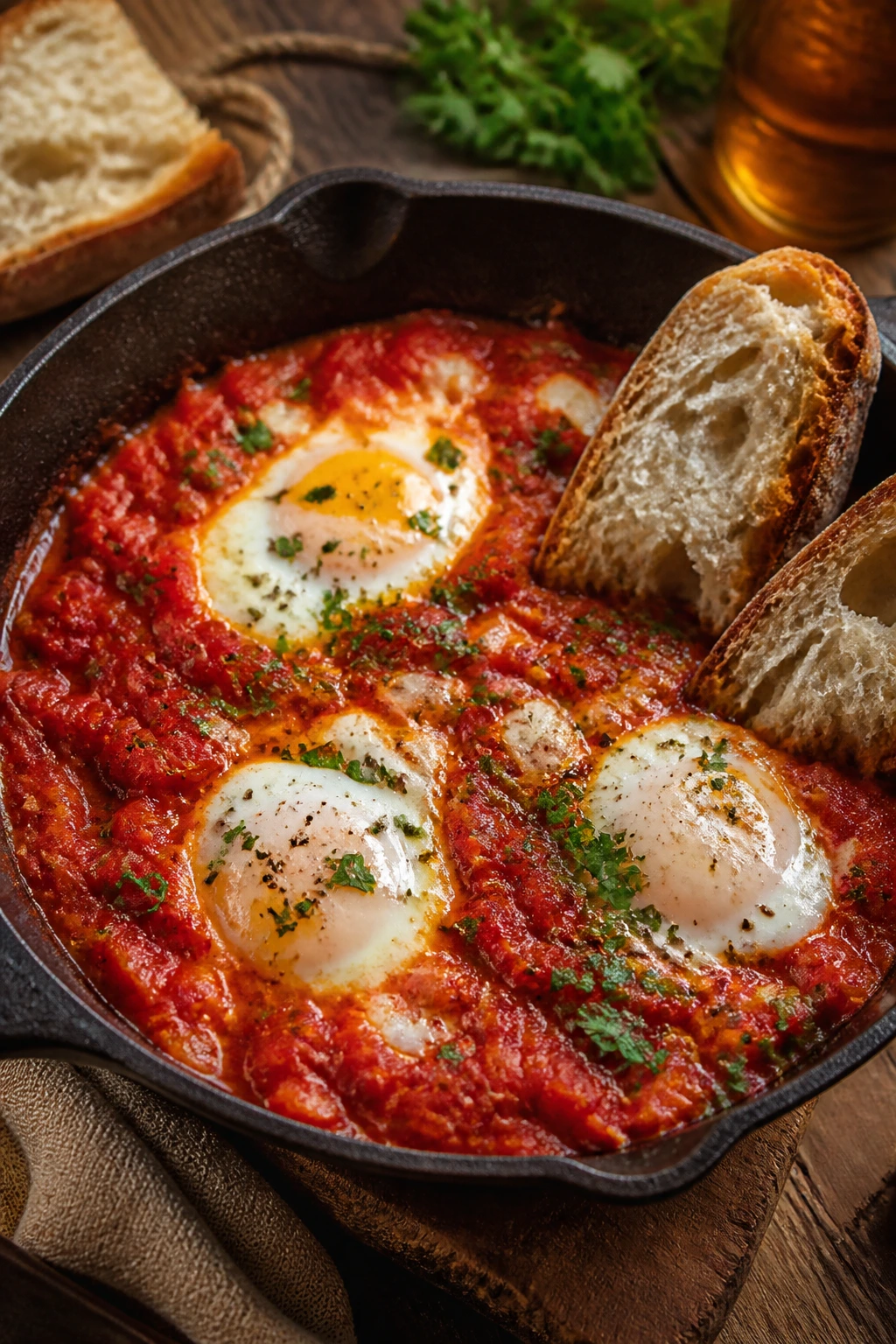
Shakshuka looks fancy until you notice what’s in the pan: tomatoes, onions, spices, and eggs. That’s part of its charm. The sauce turns rich and slightly sweet, and the eggs poach right in the skillet so you can drag bread through the yolks instead of reaching for another utensil.
Why It Works: Tomato sauce thickens quickly on the stove, and eggs cooked in the sauce need no extra pan. Cumin and paprika give the base some warmth without a long spice list. Bread turns the whole thing into dinner with almost no extra cost.
Key Ingredients:
- 1 tbsp olive oil — for the base.
- 1 small onion, diced — softens into the sauce.
- 1 bell pepper, diced — optional, but classic.
- 3 garlic cloves, minced — cooks fast.
- 1 tsp ground cumin — the earthier note.
- 1 tsp paprika — sweet or smoked.
- 1 can diced tomatoes, 28 oz — the sauce.
- 4 to 6 large eggs — depending on appetite.
- 1/4 cup crumbled feta — optional.
- Bread for serving — crusty if possible.
Quick Steps:
- Warm the oil in a skillet over medium heat and cook the onion and pepper for 5 minutes.
- Add garlic, cumin, and paprika, and stir for 30 seconds.
- Pour in the tomatoes and simmer for 10 minutes until the sauce thickens.
- Make small wells and crack in the eggs, then cover the skillet and cook 5 to 8 minutes, until the whites are set and the yolks still wobble a little.
- Top with feta and serve with bread.
Equipment for This Recipe:
- Large skillet with lid — essential for poaching the eggs.
- Spoon — to make the wells.
- Knife and cutting board — for the vegetables.
- Bread knife — if the loaf is crusty.
How to Serve This Dish: Bring the skillet straight to the table and set bread beside it for scooping. A simple cucumber salad or olives on the side gives the plate a salty, fresh counterpoint.
Pro Tips for This Recipe:
- Let the sauce thicken before adding eggs.
- Crack each egg into a small bowl first if you want cleaner placement.
- Cover the skillet loosely; too much steam can overcook the yolks.
Variations on This Dish:
- Chickpea Shakshuka: Add 1 can chickpeas to the sauce for more body.
- Green Shakshuka: Swap tomatoes for spinach, herbs, and leeks.
- Spicy Harissa Version: Stir in 1 tablespoon harissa with the spices.
Common Mistakes to Avoid with This Dish:
- Don’t leave the sauce thin. The eggs sink and overcook.
- Don’t overcook the yolks unless you want them firm.
- Don’t forget bread or pita. The skillet needs something sturdy to meet it.
14. Rice and Beans with Lime and Corn
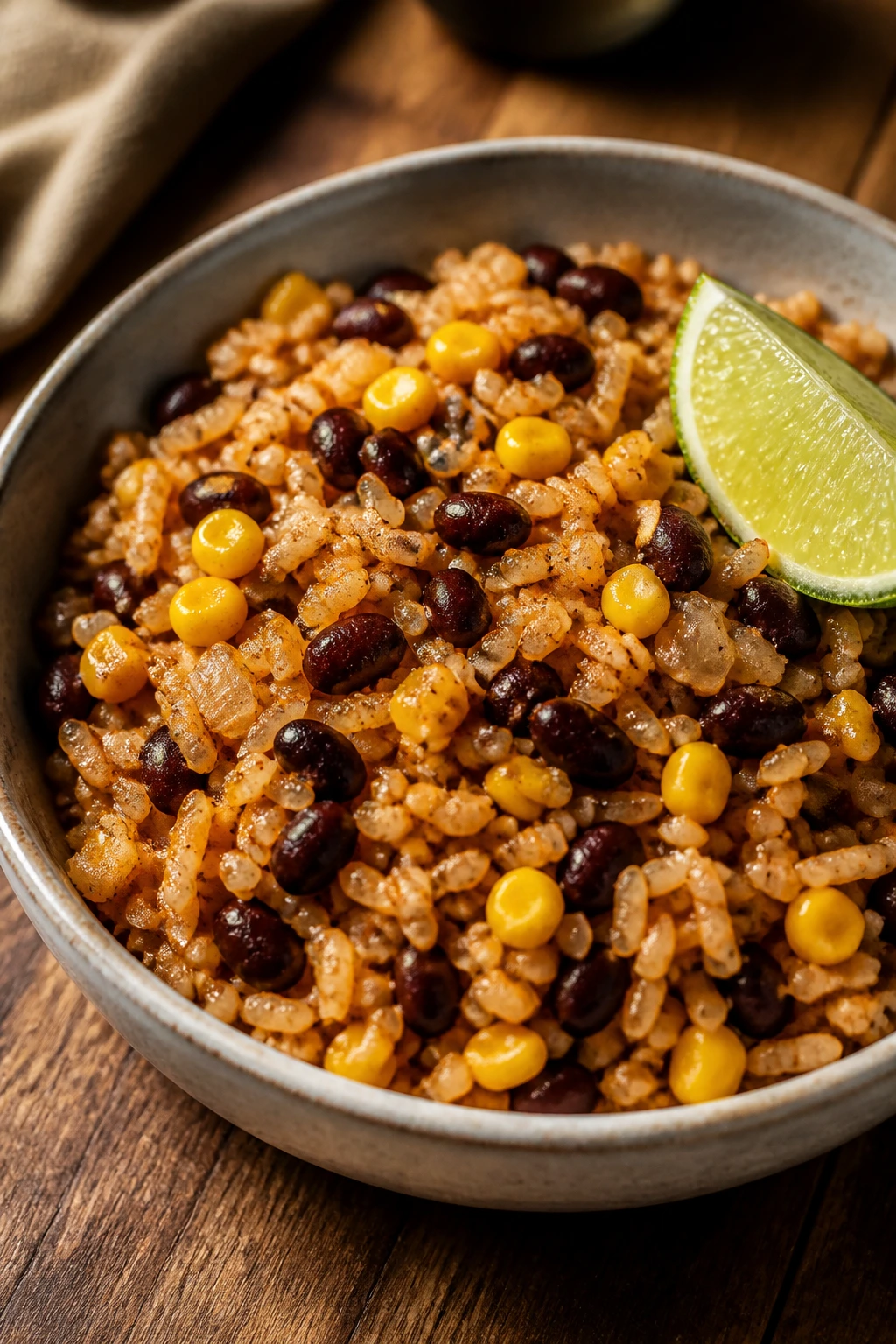
Rice and beans can be plain, or they can be the exact dinner you needed. The difference usually comes down to seasoning and one sharp finish at the end. Corn adds sweetness, lime adds snap, and the whole bowl becomes more than the sum of its parts.
Why It Works: Rice and beans cover the protein-and-starch base with almost no cost. Cumin, garlic, and onion build a savory backbone, while lime keeps the bowl from tasting heavy. Corn gives just enough texture to make the meal feel layered.
Key Ingredients:
- 2 cups cooked rice — warm it before serving.
- 2 cans black beans, 15 oz each, drained and rinsed — or pinto beans.
- 1 cup frozen corn — no thawing required.
- 1 small onion, diced — for flavor.
- 2 garlic cloves, minced — a small amount goes far.
- 1 tsp ground cumin — key seasoning.
- 1 tbsp olive oil — for sautéing.
- 1 lime, juiced — finish with it.
- 1/4 cup chopped cilantro — optional.
- Salt and black pepper — to taste.
Quick Steps:
- Cook the onion in oil over medium heat for 3 to 4 minutes.
- Add garlic and cumin, and stir for 30 seconds.
- Add the beans and corn with a pinch of salt, then heat until steamy.
- Fluff the rice and season it with lime juice and a little salt.
- Spoon the rice into bowls, top with the bean mixture, and finish with cilantro.
Equipment for This Recipe:
- Small skillet — for the bean mix.
- Saucepan or microwave bowl — for the rice.
- Spoon or spatula — for stirring.
- Citrus juicer — optional, but handy.
How to Serve This Dish: Serve it with avocado slices, hot sauce, or a fried egg if you want to make it feel bigger. Tortilla chips on the side are not mandatory, but they’re useful.
Pro Tips for This Recipe:
- Season the rice separately. Plain rice drags the whole bowl down.
- Warm the beans. They taste more complete that way.
- Use lime at the end so the flavor stays bright.
Variations on This Dish:
- Tex-Mex Bowl: Add salsa and shredded cheese.
- Coconut Rice Version: Cook the rice with a splash of coconut milk.
- Bean Burrito Filling: Spoon the same mixture into tortillas.
Common Mistakes to Avoid with This Dish:
- Don’t skip the onion step. Raw onion makes the bowl rough.
- Don’t serve the rice dry. It needs salt and acid.
- Don’t forget the corn. It brings a sweet note that keeps the bowl from feeling flat.
15. Ramen Stir-Fry with Egg and Veggies
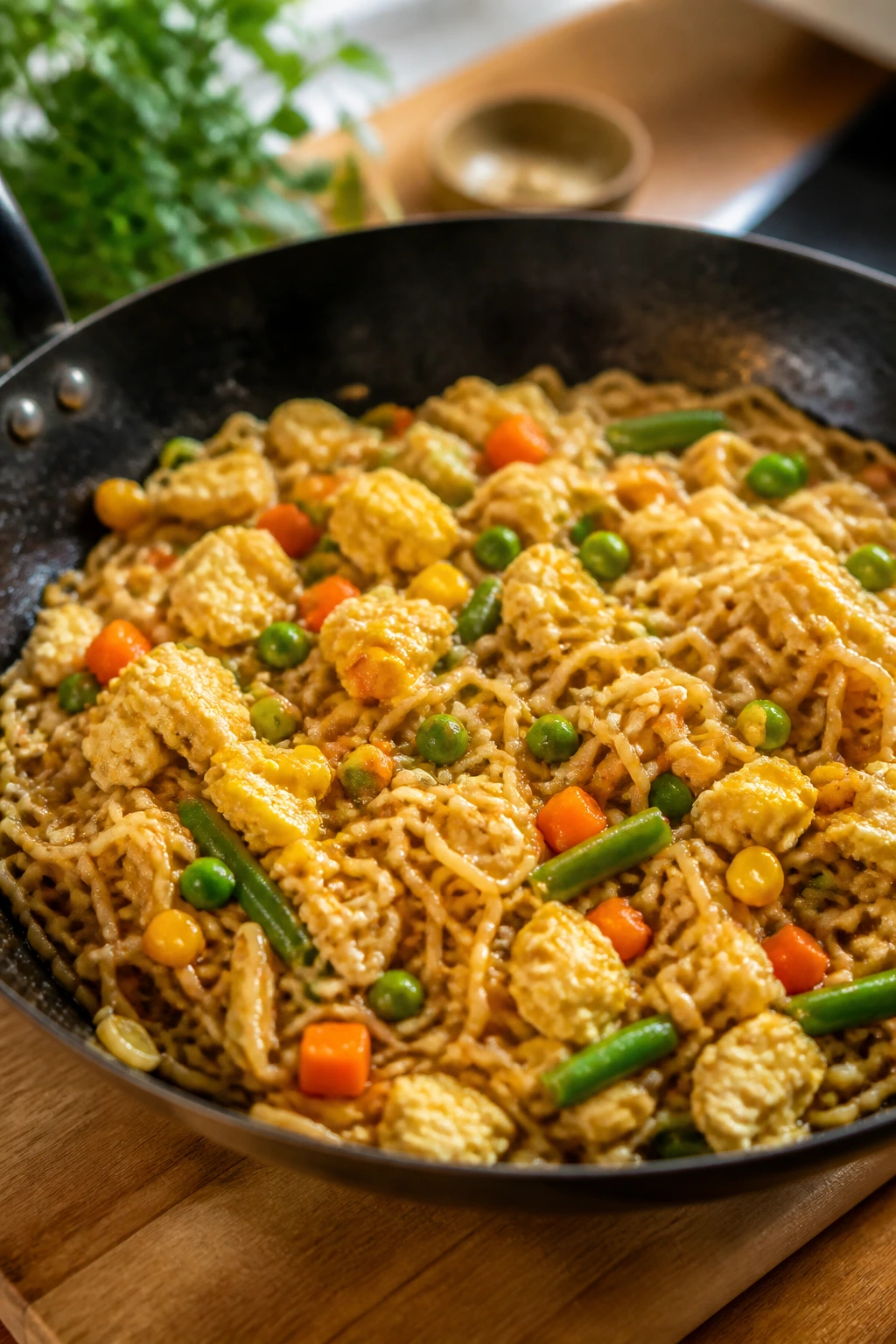
Instant ramen gets a bad reputation because most people stop at the packet. That’s a shame, because the noodles themselves are fast, cheap, and surprisingly useful when you treat them like stir-fry noodles instead of soup. Add eggs and frozen vegetables, and you’ve got a real dinner in less than 15 minutes.
Why It Works: Ramen noodles cook in a couple of minutes and soak up sauce fast. Eggs add richness, and frozen vegetables keep the pan from feeling bare. The seasoning packet can be used sparingly or left out entirely if you want to control the salt.
Key Ingredients:
- 3 packs instant ramen noodles — discard or halve the seasoning packets.
- 3 large eggs — scrambled into the pan.
- 3 cups frozen mixed vegetables — thawing not needed.
- 2 tbsp soy sauce — your main seasoning.
- 1 tbsp butter or neutral oil — for the stir-fry.
- 1 tsp chili garlic sauce — optional heat.
- 2 scallions, sliced — for the finish.
- 1 tsp sesame oil — for the end.
- 1 garlic clove, minced — if you want extra flavor.
Quick Steps:
- Cook the ramen noodles for 1 to 2 minutes, just until loosened, then drain.
- Scramble the eggs in a hot skillet and set them aside.
- Add butter or oil, then stir-fry the vegetables and garlic until hot and dry.
- Add the noodles, soy sauce, and chili sauce, then toss for 1 to 2 minutes.
- Fold the eggs back in and finish with sesame oil and scallions.
Equipment for This Recipe:
- Large skillet or wok — room to toss.
- Pot — for the noodles.
- Spatula — for breaking the eggs.
- Colander — for draining quickly.
How to Serve This Dish: Serve it hot with sesame seeds or a squeeze of lime if you have it. A side of sliced cucumbers or a small bowl of pickles makes the whole plate feel sharper.
Pro Tips for This Recipe:
- Undercook the noodles slightly. They keep cooking in the pan.
- Use only part of the seasoning packet if you want the dish to taste balanced.
- Keep the vegetables dry enough to stir-fry, not steam.
Variations on This Dish:
- Peanut Ramen: Stir 1 tablespoon peanut butter into the sauce.
- Kimchi Version: Add chopped kimchi near the end for tang and heat.
- Extra-Egg Version: Top each bowl with a fried egg.
Common Mistakes to Avoid with This Dish:
- Don’t overcook the noodles before stir-frying.
- Don’t use all the ramen seasoning by default; it can get salty fast.
- Don’t crowd the pan with wet vegetables.
16. Lentil Bolognese
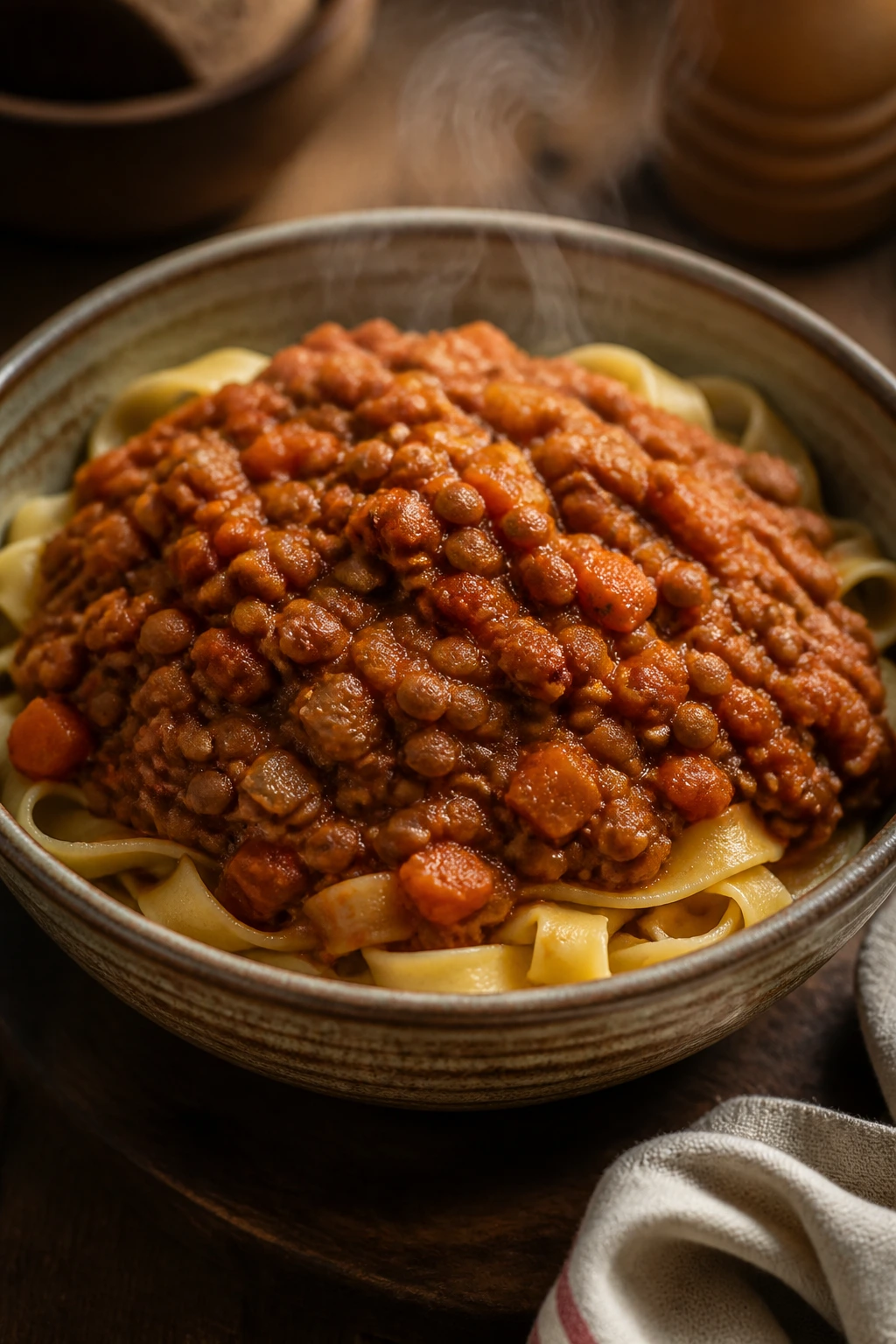
Lentils are what I reach for when I want a sauce that eats like it had meat in the room but didn’t need it. They simmer into a thick, spoonable bolognese with tomato, onion, carrot, and celery — the old reliable base that makes the whole pot smell like dinner is underway. It’s cheap, filling, and better on day two.
Why It Works: Brown lentils hold their shape enough to give the sauce texture, but they soften enough to feel rich. The carrot and celery add sweetness and body, and tomato paste gives the sauce a deeper color and flavor. Pasta gives you the familiar anchor that makes the bowl feel complete.
Key Ingredients:
- 1 cup brown lentils, rinsed — the main protein.
- 1 small onion, diced — flavor base.
- 1 carrot, diced — adds sweetness.
- 1 celery stalk, diced — classic soffritto.
- 3 garlic cloves, minced — for the sauce.
- 2 tbsp tomato paste — deepens the tomato flavor.
- 1 can crushed tomatoes, 28 oz — the sauce.
- 2 cups vegetable broth — for simmering.
- 1 tsp Italian seasoning — a simple herb mix.
- 12 oz pasta — spaghetti, rigatoni, or penne.
Quick Steps:
- Cook the onion, carrot, and celery in oil over medium heat for 6 to 7 minutes, until soft.
- Add garlic and tomato paste, and cook for 1 minute.
- Stir in lentils, tomatoes, broth, and seasoning.
- Simmer for 25 to 30 minutes, stirring now and then, until the lentils are tender and the sauce is thick.
- Spoon over pasta and finish with Parmesan if you like.
Equipment for This Recipe:
- Saucepan or Dutch oven — for the sauce.
- Pot — for the pasta.
- Wooden spoon — for stirring the lentils.
- Knife and cutting board — for the vegetables.
How to Serve This Dish: Serve it with pasta and a little Parmesan or with garlic bread if the budget stretches that far. A side salad with vinegar dressing keeps it from feeling too dense.
Pro Tips for This Recipe:
- Rinse lentils first so you don’t get dust in the sauce.
- Add water or broth if the pot looks dry before the lentils finish.
- Salt at the end if your broth is already seasoned.
Variations on This Dish:
- Mushroom-Lentil Version: Add chopped mushrooms with the vegetables.
- Spicy Red Pepper Version: Stir in crushed red pepper or a spoon of Calabrian chili paste.
- Creamier Finish: Stir in a spoon of butter right before serving.
Common Mistakes to Avoid with This Dish:
- Don’t rush the simmer. Lentils need time to soften properly.
- Don’t make the sauce too thick too early. It will tighten as it cooks.
- Don’t forget the pasta water if you need to loosen the final dish.
17. Sausage and White Bean Skillet
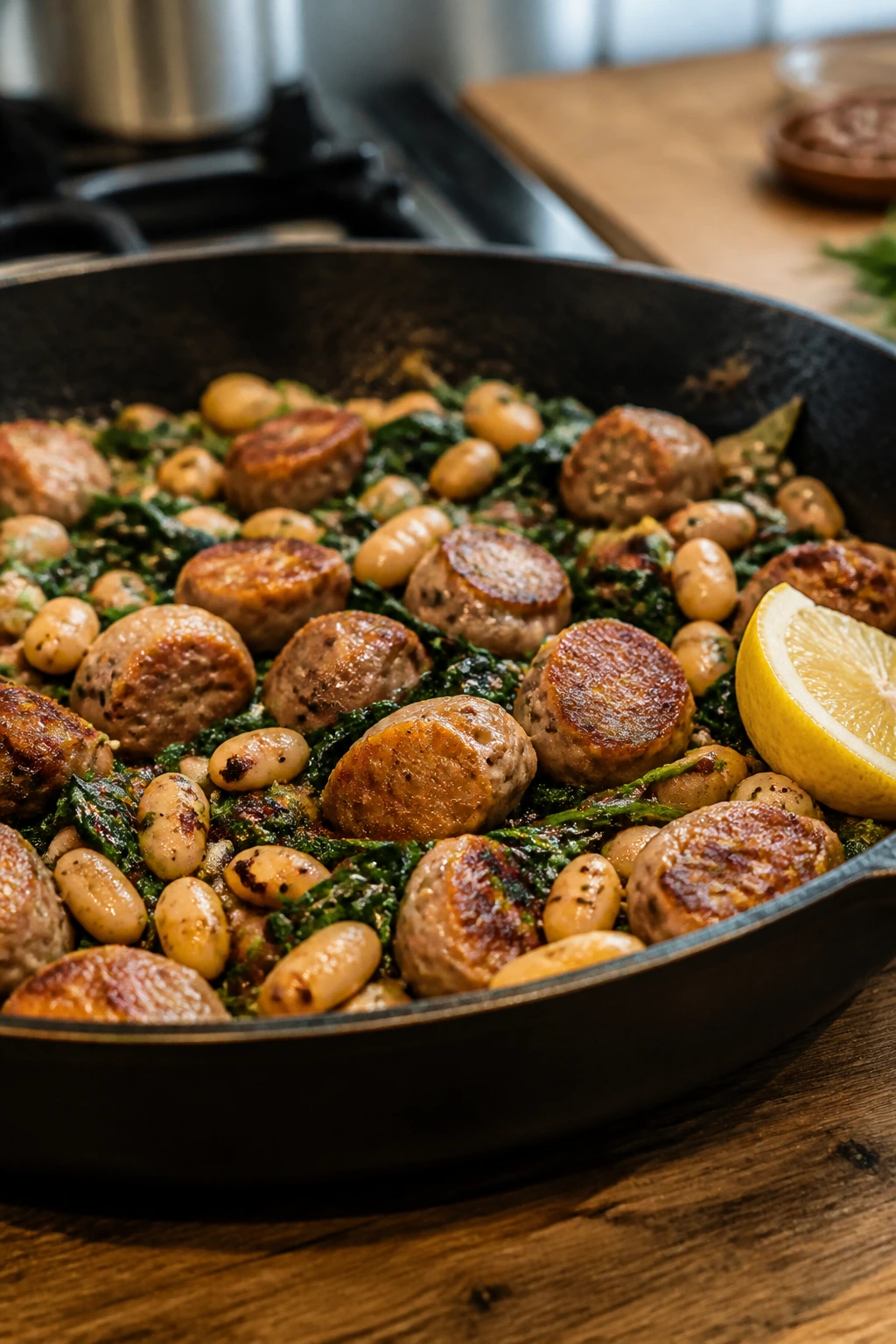
This is the kind of skillet dinner that tastes expensive because it’s so savory, but the ingredients are working-class through and through. Sausage gives you fat and seasoning in one package, while white beans bulk up the pan and soak up every bit of flavor. A handful of greens at the end keeps it from feeling heavy.
Why It Works: Sausage browns fast and leaves fond in the pan, which is the tasty brown stuff that makes the beans worth eating. White beans soften into the sauce and can be lightly mashed for a creamy texture without actual cream. Lemon at the end keeps the skillet sharp.
Key Ingredients:
- 12 oz Italian sausage, sliced or crumbled — mild or spicy.
- 2 cans white beans, 15 oz each, drained and rinsed — cannellini or great northern.
- 1 small onion, sliced — for sweetness.
- 3 garlic cloves, minced — don’t hold back.
- 2 cups chopped kale or spinach — the green element.
- 1/2 cup chicken broth — enough to loosen the skillet.
- 1 tbsp olive oil — only if the sausage is very lean.
- 1 tsp lemon juice — finish.
- 1/4 tsp black pepper — to taste.
Quick Steps:
- Brown the sausage in a skillet over medium heat until nicely colored.
- Add onion and cook for 4 minutes, then stir in garlic for 30 seconds.
- Add beans and broth, then mash a few beans with the spoon.
- Simmer for 5 minutes, then add the greens and cook until wilted.
- Finish with lemon juice and black pepper.
Equipment for This Recipe:
- Large skillet — gives room to brown the sausage.
- Wooden spoon — for mashing beans a little.
- Can opener — for the beans.
- Knife — for the onion and greens.
How to Serve This Dish: Spoon it over toast, polenta, or even plain rice if you need the meal to stretch further. A splash of hot sauce at the table works well with the sausage fat.
Pro Tips for This Recipe:
- Brown the sausage properly. Pale sausage tastes flat.
- Mash some beans. That’s how the sauce gets body.
- Add lemon at the end so the greens stay lively.
Variations on This Dish:
- Smoky Paprika Skillet: Add 1 teaspoon smoked paprika with the onions.
- Chicken Sausage Version: Use chicken sausage for a lighter pan.
- Tomato Bean Skillet: Stir in 1/2 cup crushed tomatoes for a saucier dish.
Common Mistakes to Avoid with This Dish:
- Don’t overcook the greens until they turn dark and limp.
- Don’t drain every bit of fat if the sausage is lean; you need some for flavor.
- Don’t forget to season the beans. They need salt to taste like dinner.
18. Veggie Frittata with Toast
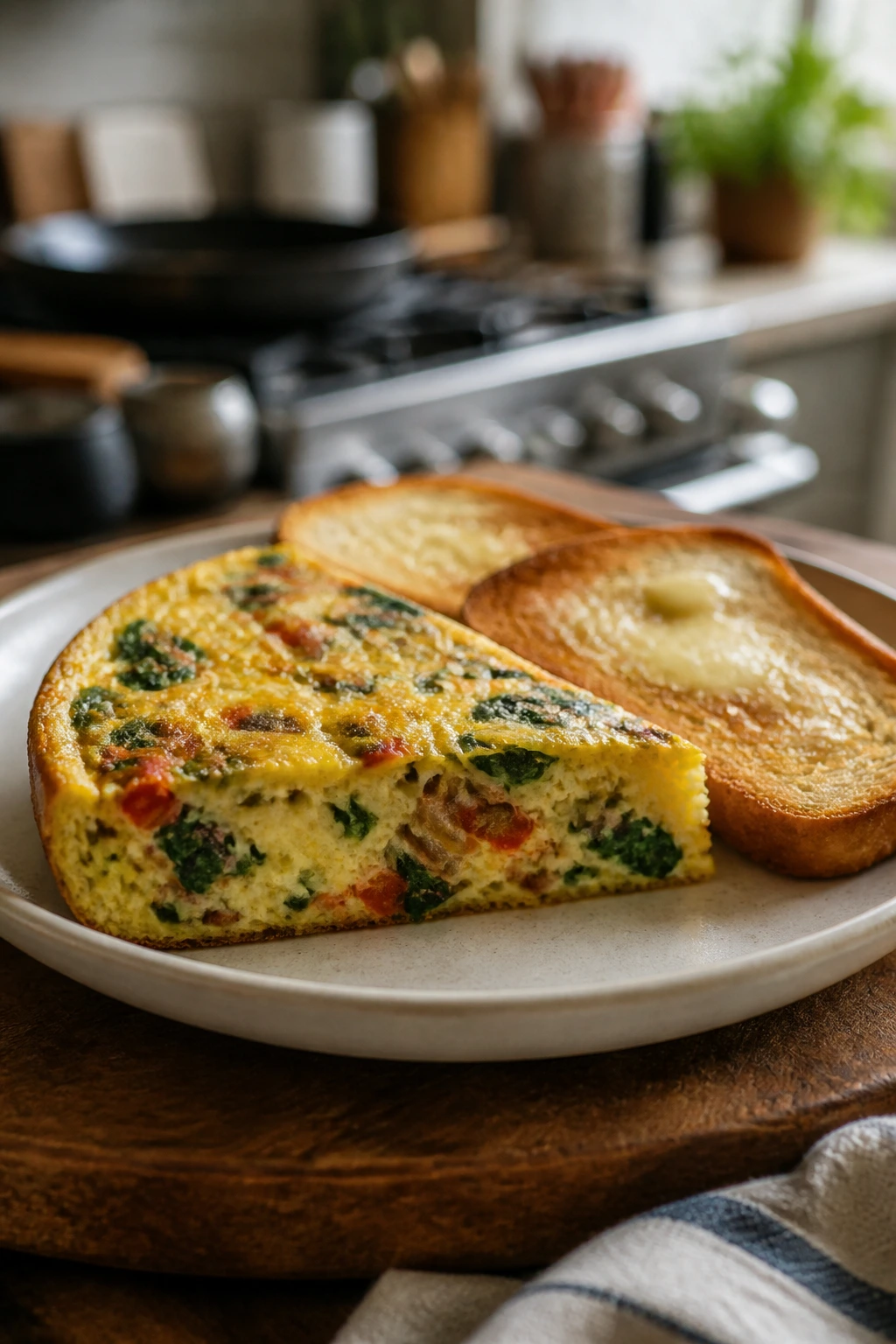
Eggs are one of the few foods that can turn leftover vegetables into a clean, satisfying dinner without making you feel like you’re eating odds and ends. A frittata does better than a scramble when you want slices you can serve with toast and a salad. It’s a quiet kind of useful.
Why It Works: Eggs set into a sturdy base, and a little milk keeps the texture tender. Any dry cooked vegetables — potatoes, peppers, onions, spinach, mushrooms — can be folded in without much cost. The oven finishes the top, so you don’t have to nurse the pan.
Key Ingredients:
- 8 large eggs — the structure.
- 1/4 cup milk — whole milk if you have it.
- 1 1/2 cups cooked vegetables — dry leftovers work best.
- 1/2 cup shredded cheese — cheddar, mozzarella, or both.
- 1 small onion, sliced — if you’re starting from scratch.
- 1 tbsp olive oil or butter — for the skillet.
- 1/2 tsp salt — eggs need seasoning.
- 1/4 tsp black pepper — for balance.
- Toast for serving — simple and right.
Quick Steps:
- Heat the oven to 375°F.
- Sauté the onion and any raw vegetables in an oven-safe skillet until softened.
- Whisk the eggs, milk, salt, and pepper in a bowl.
- Pour the eggs into the skillet, add the cheese, and cook for 2 to 3 minutes on the stove until the edges start to set.
- Transfer to the oven and bake 10 to 12 minutes until the center is just set.
Equipment for This Recipe:
- Oven-safe skillet, 8 to 10 inches — nonstick or cast iron.
- Mixing bowl — for whisking eggs.
- Whisk or fork — both work.
- Spatula — for serving slices.
How to Serve This Dish: Serve the frittata in wedges with toast and a plain green salad. A little hot sauce or a spoonful of salsa gives it a sharper edge if you want more punch.
Pro Tips for This Recipe:
- Keep the vegetables fairly dry so the eggs set cleanly.
- Don’t overbake. The center should have the slightest wobble when it comes out.
- Let it rest for 5 minutes before slicing.
Variations on This Dish:
- Spinach-Feta Frittata: Use spinach and crumble in feta.
- Potato Cheddar Frittata: Use diced cooked potatoes and extra cheddar.
- Mediterranean Version: Add olives and chopped tomatoes, but drain them well.
Common Mistakes to Avoid with This Dish:
- Don’t use wet vegetables straight from a pan. They thin the eggs.
- Don’t bake until the center is dry. That’s when eggs turn rubbery.
- Don’t forget to season the egg mixture before it goes in the skillet.
19. Peanut Noodles with Carrots and Cabbage
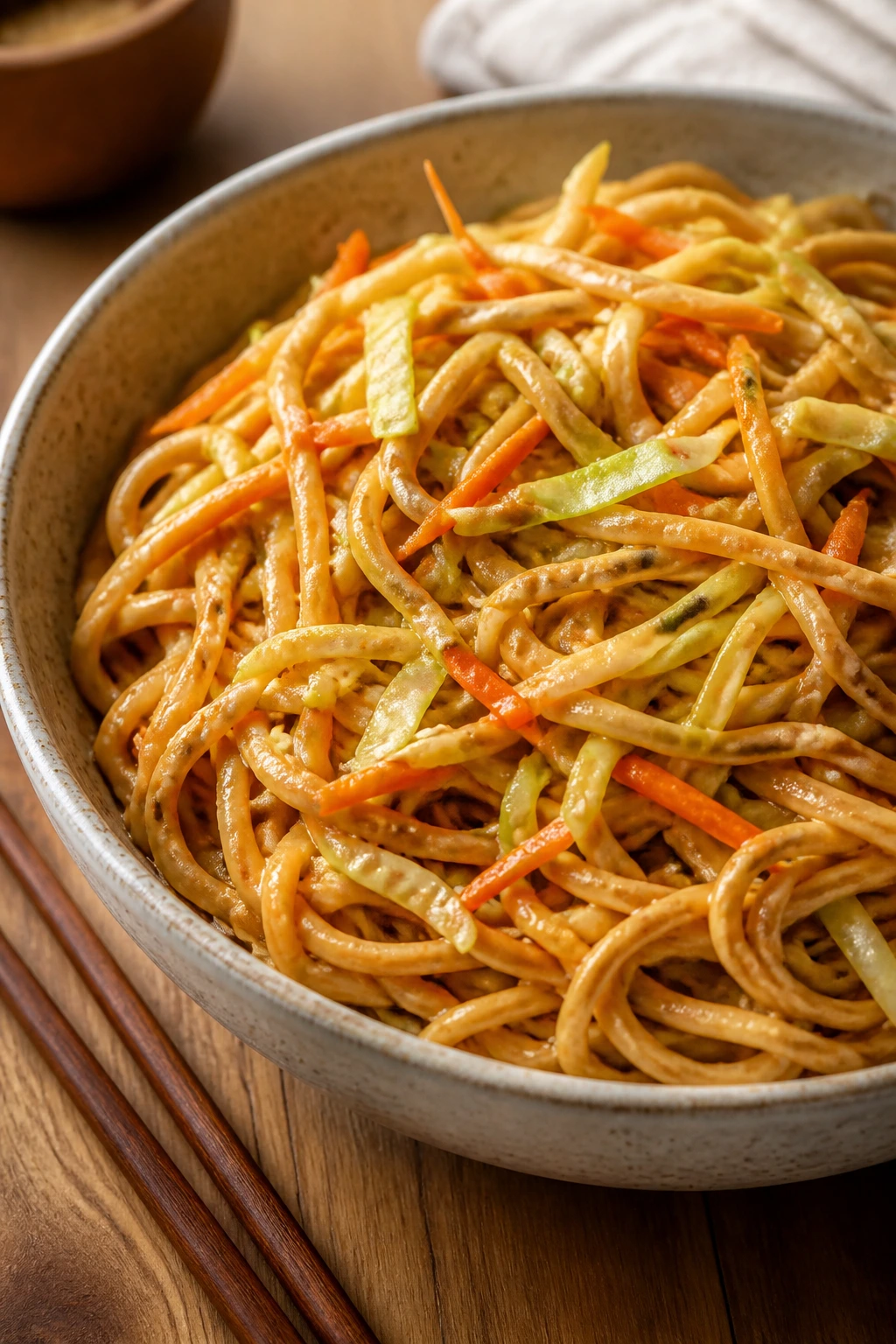
Peanut noodles are one of those dinners that taste like you ordered something more expensive than you did. The sauce is creamy, salty, a little sweet, and sharp enough to keep you going back for another forkful. Shredded carrots and cabbage add crunch without requiring a lot of knife work.
Why It Works: Peanut butter emulsifies with soy sauce and a little vinegar, which makes a sauce that clings to noodles. Cabbage and carrot bring texture and keep the bowl from tasting too soft. A splash of hot noodle water loosens the sauce into something spoonable.
Key Ingredients:
- 12 oz noodles or spaghetti — whichever is in the cupboard.
- 1/3 cup peanut butter — creamy works best.
- 2 tbsp soy sauce — salty backbone.
- 1 tbsp rice vinegar — for sharpness.
- 1 tbsp sesame oil — finish, not fry.
- 1 tsp sugar or honey — balances the sauce.
- 2 cups shredded cabbage — crisp bulk.
- 1 cup shredded carrots — sweet crunch.
- 2 scallions, sliced — for the top.
- 1 garlic clove, grated — optional, but good.
Quick Steps:
- Whisk peanut butter, soy sauce, vinegar, sesame oil, sugar, and 2 to 3 tablespoons hot water into a smooth sauce.
- Cook the noodles until al dente and reserve 1/2 cup of the water.
- Toss the noodles with the cabbage, carrots, and peanut sauce.
- Add noodle water a splash at a time until the sauce coats everything.
- Top with scallions and serve warm or room temperature.
Equipment for This Recipe:
- Pot — for the noodles.
- Mixing bowl — for the sauce.
- Whisk or fork — to smooth out the peanut butter.
- Tongs — for tossing.
How to Serve This Dish: Serve it as a warm noodle bowl or chill it slightly and eat it like a noodle salad. A handful of chopped peanuts or sesame seeds gives the top more crunch.
Pro Tips for This Recipe:
- Thin the sauce with hot water, not cold. It blends better.
- Taste before adding more soy sauce; peanut butter already has weight.
- Use a sharp vinegar so the sauce doesn’t sit heavy.
Variations on This Dish:
- Spicy Chili Crisp Version: Add 1 tablespoon chili crisp to the sauce.
- Sunflower Butter Version: Use sunflower seed butter for a peanut-free swap.
- Chicken Noodle Bowl: Top with shredded rotisserie chicken if you have it.
Common Mistakes to Avoid with This Dish:
- Don’t make the sauce too thick. It should coat, not glue.
- Don’t skip the acid. Vinegar keeps the peanut butter from tasting dull.
- Don’t overcook the noodles. Soft noodles turn to paste under the sauce.
20. Ground Beef Taco Pasta
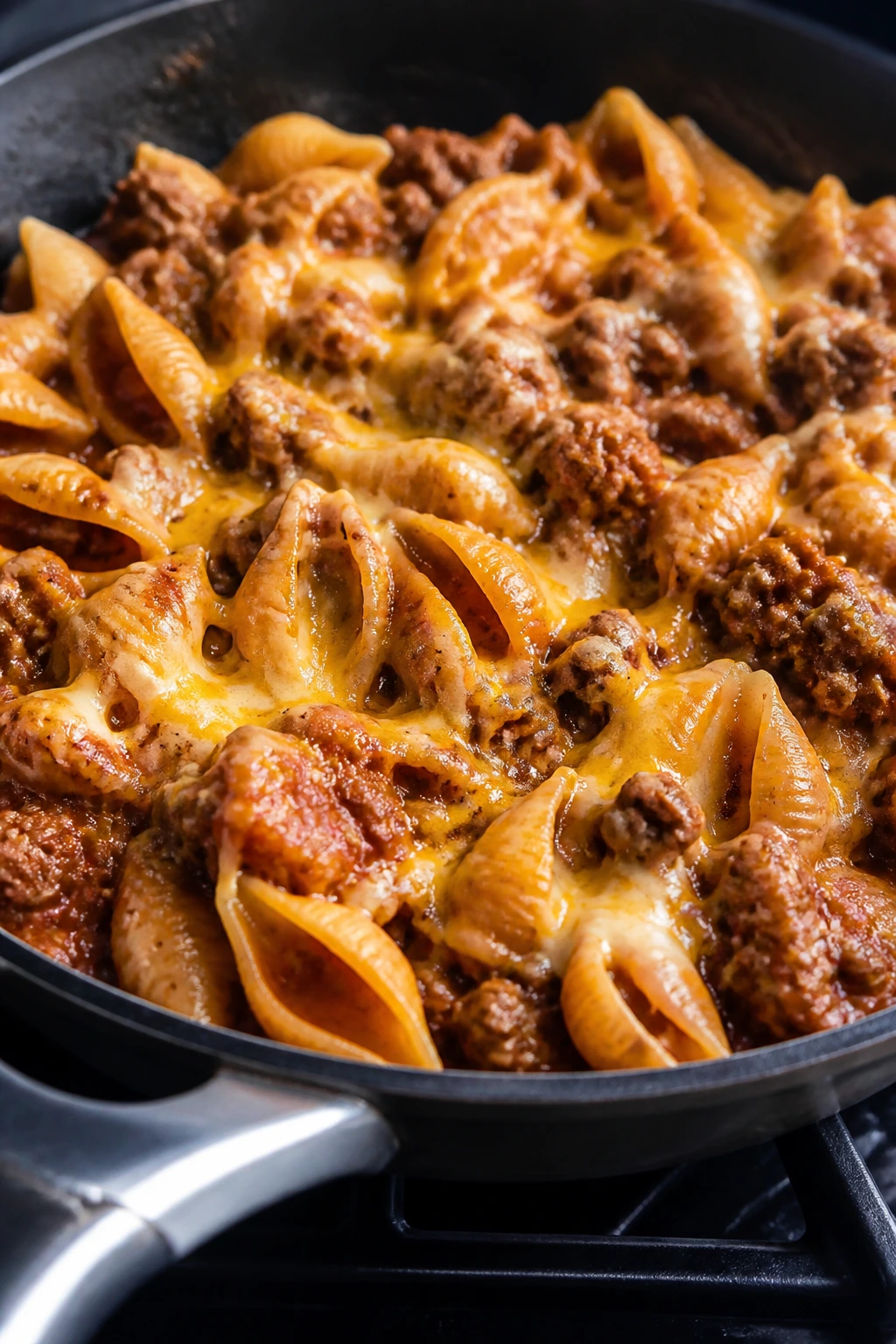
Taco pasta is what happens when two cheap comfort foods stop competing and land in the same pot. The seasoning feels familiar, the pasta catches the sauce, and the cheese pulls the whole thing together without requiring a separate taco bar. It’s fast, filling, and a little shameless in the best way.
Why It Works: Ground beef browns fast and takes taco seasoning well. Salsa and broth make a quick sauce for the pasta, while cheese melts into the liquid and thickens the whole pan. Corn or beans can be added without changing the basic rhythm.
Key Ingredients:
- 1 lb ground beef — or ground turkey.
- 1 small onion, diced — for flavor.
- 2 tbsp taco seasoning — store-bought or homemade.
- 8 oz pasta shells — they catch the sauce.
- 1 cup salsa — medium heat works best.
- 2 cups beef broth or water — for the pasta.
- 1 cup frozen corn — optional but useful.
- 1 cup shredded cheddar — the finish.
- 1/2 cup black beans — optional for more bulk.
Quick Steps:
- Brown the beef and onion in a deep skillet or pot.
- Stir in taco seasoning, salsa, broth, pasta shells, corn, and beans.
- Simmer, stirring often, for 10 to 12 minutes until the pasta is tender.
- Turn off the heat and stir in cheddar until melted.
- Let it rest for 2 minutes before serving.
Equipment for This Recipe:
- Deep skillet or Dutch oven — enough room for pasta.
- Wooden spoon — for stirring.
- Measuring cups — the liquid amount matters.
- Cheese grater — if you’re using a block.
How to Serve This Dish: Serve with sour cream, chopped cilantro, or a spoon of salsa on top. Tortilla chips on the side turn it into a bigger dinner without much expense.
Pro Tips for This Recipe:
- Stir often so the pasta doesn’t stick.
- Choose medium salsa, not a thin watery one.
- Add cheese off the heat for the smoothest melt.
Variations on This Dish:
- Turkey Taco Pasta: Swap in ground turkey and add a touch more oil.
- Bean Booster Version: Use extra black beans instead of some of the meat.
- Spicy Version: Add a chopped jalapeño with the onion.
Common Mistakes to Avoid with This Dish:
- Don’t let the pasta dry out in the pot. Keep enough liquid moving around it.
- Don’t add cheese too soon or it can separate.
- Don’t use a salsa that’s mostly liquid; it can make the sauce runny.
21. Tomato Soup and Grilled Cheese
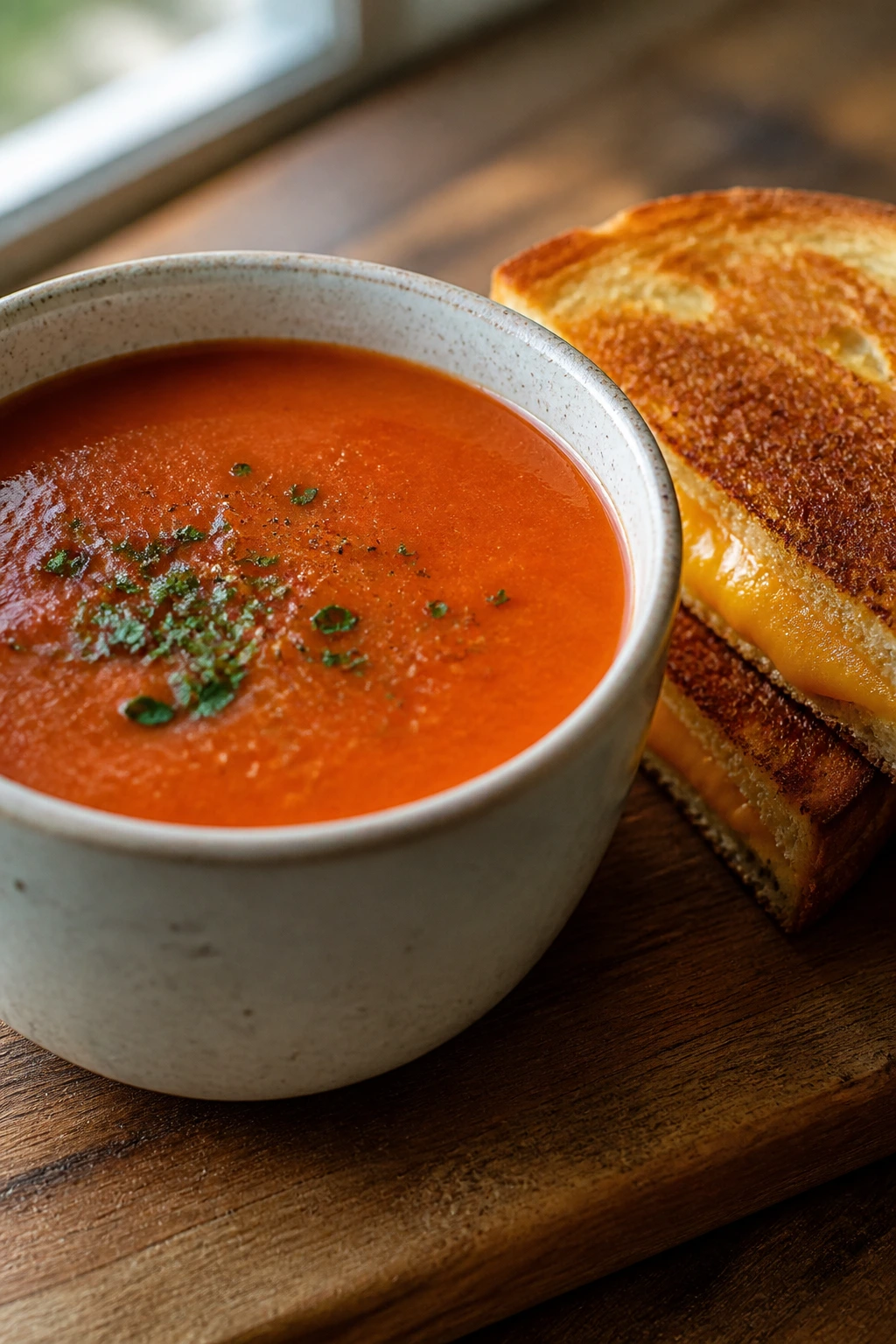
There’s a reason this pairing hangs on. Tomato soup is cheap, familiar, and easy to improve with one onion and a little butter, while grilled cheese gives you the crunchy, molten side that makes the whole meal feel complete. It’s a comfort dinner, yes, but it’s also a practical one.
Why It Works: Canned tomatoes simmer into a smooth soup with very little effort. A little milk or cream softens the acidity, and the sandwich gets its own texture contrast from toasted bread. The combo is fast enough for a weekday and forgiving enough for a tired cook.
Key Ingredients:
- 1 tbsp butter — for the soup base.
- 1 small onion, diced — brings sweetness.
- 2 garlic cloves, minced — optional but helpful.
- 2 cans crushed tomatoes, 14.5 oz each — the soup body.
- 1 1/2 cups broth — chicken or vegetable.
- 1/4 cup milk or cream — for softness.
- 4 slices bread — sturdy sandwich bread.
- 4 slices cheddar cheese — or more if you like it thick.
- Salt and black pepper — essential.
Quick Steps:
- Cook the onion in butter over medium heat for 5 minutes.
- Add garlic, then stir in tomatoes and broth and simmer for 10 minutes.
- Blend the soup if you want it smooth, then stir in milk or cream.
- Assemble the grilled cheese sandwiches and cook them in a skillet until both sides are golden and the cheese melts.
- Serve the soup hot with the sandwiches on the side or dipped in.
Equipment for This Recipe:
- Saucepan — for the soup.
- Skillet — for the sandwiches.
- Blender or immersion blender — optional but useful.
- Spatula — for flipping.
How to Serve This Dish: Serve the soup in bowls or mugs with the grilled cheese cut into strips for dipping. A few black pepper flakes on the soup look and taste right.
Pro Tips for This Recipe:
- Brown the onion a little for more depth.
- Use bread that can handle heat, not soft sandwich bread that collapses.
- Salt the soup after blending so you can taste it properly.
Variations on This Dish:
- Roasted Tomato Version: Use roasted canned tomatoes if you want more depth.
- Pepper Jack Sandwich: Swap in pepper jack for a little heat.
- Herbed Soup: Stir in dried basil or a pinch of thyme.
Common Mistakes to Avoid with This Dish:
- Don’t let the soup stay thin and watery.
- Don’t rush the grilled cheese. The bread should be golden before the cheese is fully molten.
- Don’t forget to taste for salt after the milk goes in.
22. Gnocchi with Marinara and Spinach
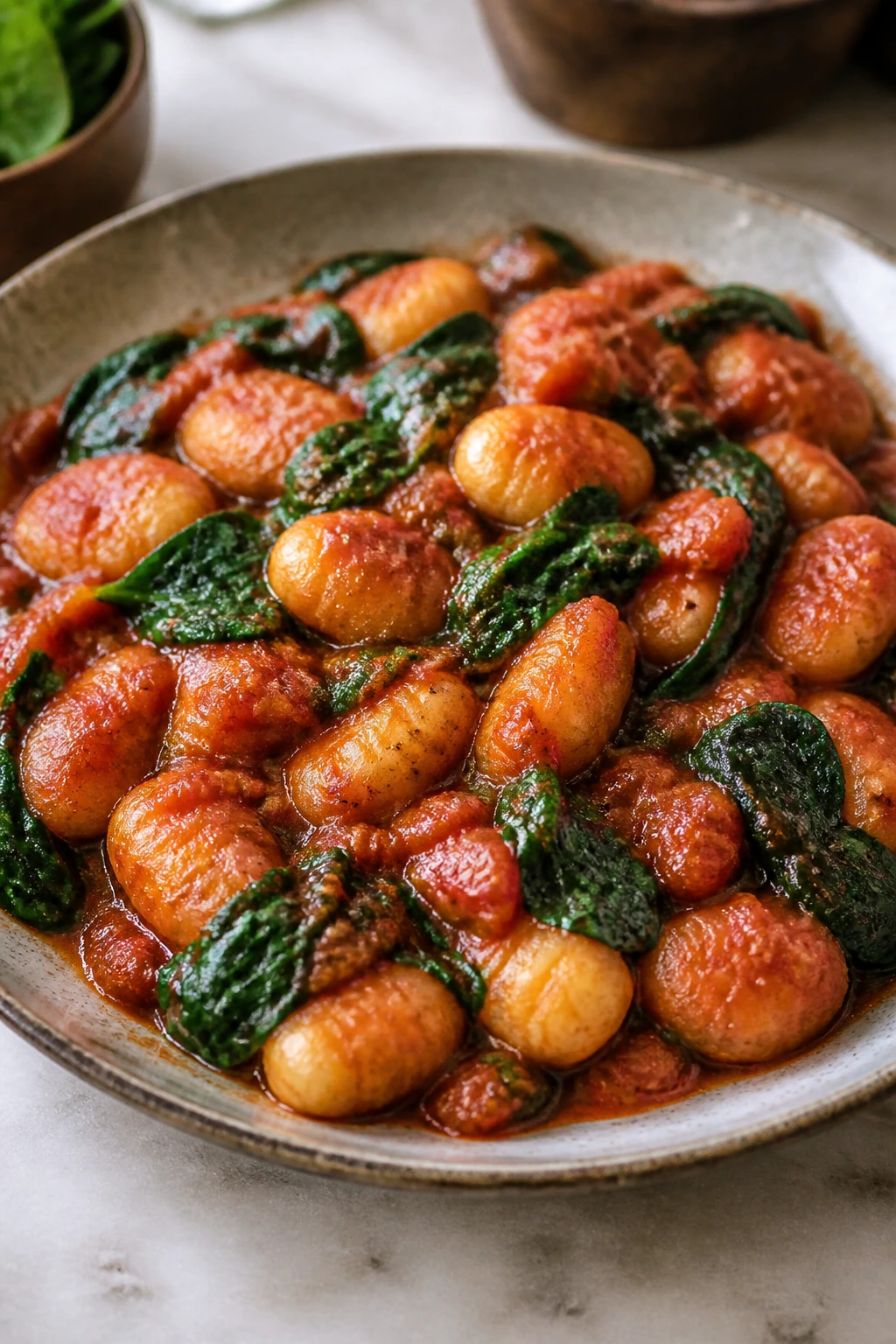
Shelf-stable gnocchi is a cheat code. It cooks in minutes, picks up sauce quickly, and turns a jar of marinara into something that feels more complete. Spinach melts into the sauce so fast that it seems almost optional, but I think it matters because it keeps the bowl from being all starch and cheese.
Why It Works: Gnocchi is already soft and filling, so it needs only a hot sauce and a little browning if you want extra texture. Marinara does the heavy lifting, and spinach adds a fresh note without extra effort. A bit of garlic in the pan keeps the jarred sauce from tasting too polite.
Key Ingredients:
- 1 lb shelf-stable gnocchi — no need to make it from scratch.
- 2 tbsp olive oil — for the pan.
- 3 garlic cloves, minced — flavor base.
- 2 cups marinara sauce — a jar you like.
- 3 cups fresh spinach — it collapses fast.
- 1/2 cup grated Parmesan — for serving.
- 1/4 tsp red pepper flakes — optional heat.
- Salt and black pepper — to taste.
Quick Steps:
- Boil the gnocchi according to the package or pan-fry it in oil until lightly browned.
- Warm the garlic in a skillet for 30 seconds.
- Add the marinara and simmer for 3 to 4 minutes.
- Stir in the spinach until just wilted.
- Add the gnocchi, toss gently, and finish with Parmesan.
Equipment for This Recipe:
- Pot or skillet — either cooking method works.
- Colander — if you boil the gnocchi.
- Wooden spoon — for gentle tossing.
- Grater — for the cheese.
How to Serve This Dish: Serve it in bowls with extra Parmesan and black pepper. A loaf of bread or a simple salad makes it feel rounded out without taking over the evening.
Pro Tips for This Recipe:
- Pan-frying adds more flavor than boiling, if you have the time.
- Don’t over-stir once the gnocchi is in the sauce or it can break apart.
- Use a marinara with enough garlic and basil so you’re not starting from nothing.
Variations on This Dish:
- Sausage Gnocchi: Brown sliced sausage before the garlic.
- Rose Sauce Version: Stir in a spoon of cream or ricotta.
- Mushroom Gnocchi: Add sliced mushrooms with the garlic.
Common Mistakes to Avoid with This Dish:
- Don’t overcook the gnocchi until it gets gummy.
- Don’t use too much sauce; gnocchi needs coating, not drowning.
- Don’t add spinach too early or it loses its color and shape.
23. Turkey or Lentil Tacos
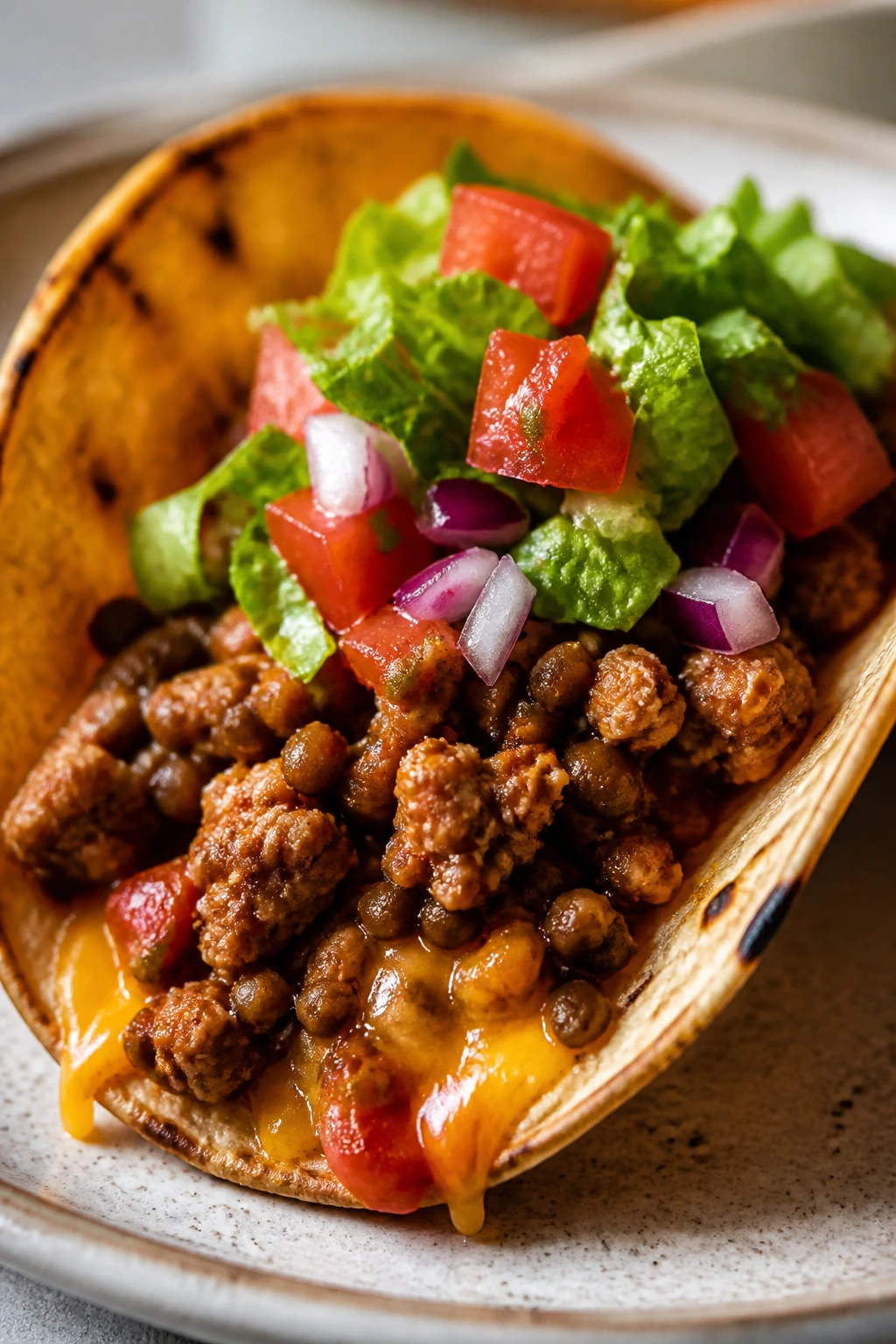
Tacos are already built for busy nights, and they don’t need a lot of money to work well. Ground turkey is lean and quick, but cooked lentils can do the same job if you want a meatless option that still feels meaty enough to stand up in a tortilla. Either way, you’re putting together dinner fast.
Why It Works: Taco seasoning gives the filling most of its character, so the protein doesn’t have to cost much or be fancy. Warm tortillas keep the tacos pliable, and simple toppings let each person build their own plate. The meal stays flexible, which is half the point.
Key Ingredients:
- 1 lb ground turkey or 2 1/2 cups cooked lentils — pick one.
- 1 small onion, diced — flavor base.
- 2 tbsp taco seasoning — or your own blend.
- 1/2 cup water — to help the seasoning coat.
- 8 small tortillas — corn or flour.
- 1 cup shredded lettuce — for crunch.
- 1 cup diced tomatoes — or salsa.
- 1/2 cup shredded cheese — optional.
- Lime wedges — for the end.
Quick Steps:
- Cook the onion in a skillet over medium heat until soft.
- Add turkey and cook until no longer pink, or warm the lentils through.
- Stir in taco seasoning and water, then simmer until the mixture looks saucy and clings to the spoon.
- Warm the tortillas in a dry skillet or microwave.
- Fill and top the tacos, then finish with lime.
Equipment for This Recipe:
- Skillet — for the filling.
- Spoon or spatula — for stirring.
- Tortilla warmer or dry pan — for heating tortillas.
- Knife and board — for toppings.
How to Serve This Dish: Put the filling and toppings in separate bowls and let people build their own tacos. Rice, corn, or chips can sit beside them if you need the meal to stretch.
Pro Tips for This Recipe:
- Season the lentils a little more aggressively than you think.
- Warm tortillas before filling or they crack.
- Drain excess grease from the turkey if needed before adding seasoning.
Variations on This Dish:
- Street Taco Style: Use corn tortillas, onion, cilantro, and lime only.
- Taco Salad: Serve the filling over lettuce instead of in tortillas.
- Smoky Version: Add a pinch of smoked paprika to the seasoning.
Common Mistakes to Avoid with This Dish:
- Don’t fill cold tortillas; they split.
- Don’t underseason the lentils if you choose that route.
- Don’t overload the tacos or the fillings will tumble out.
24. Broccoli Cheddar Rice Skillet
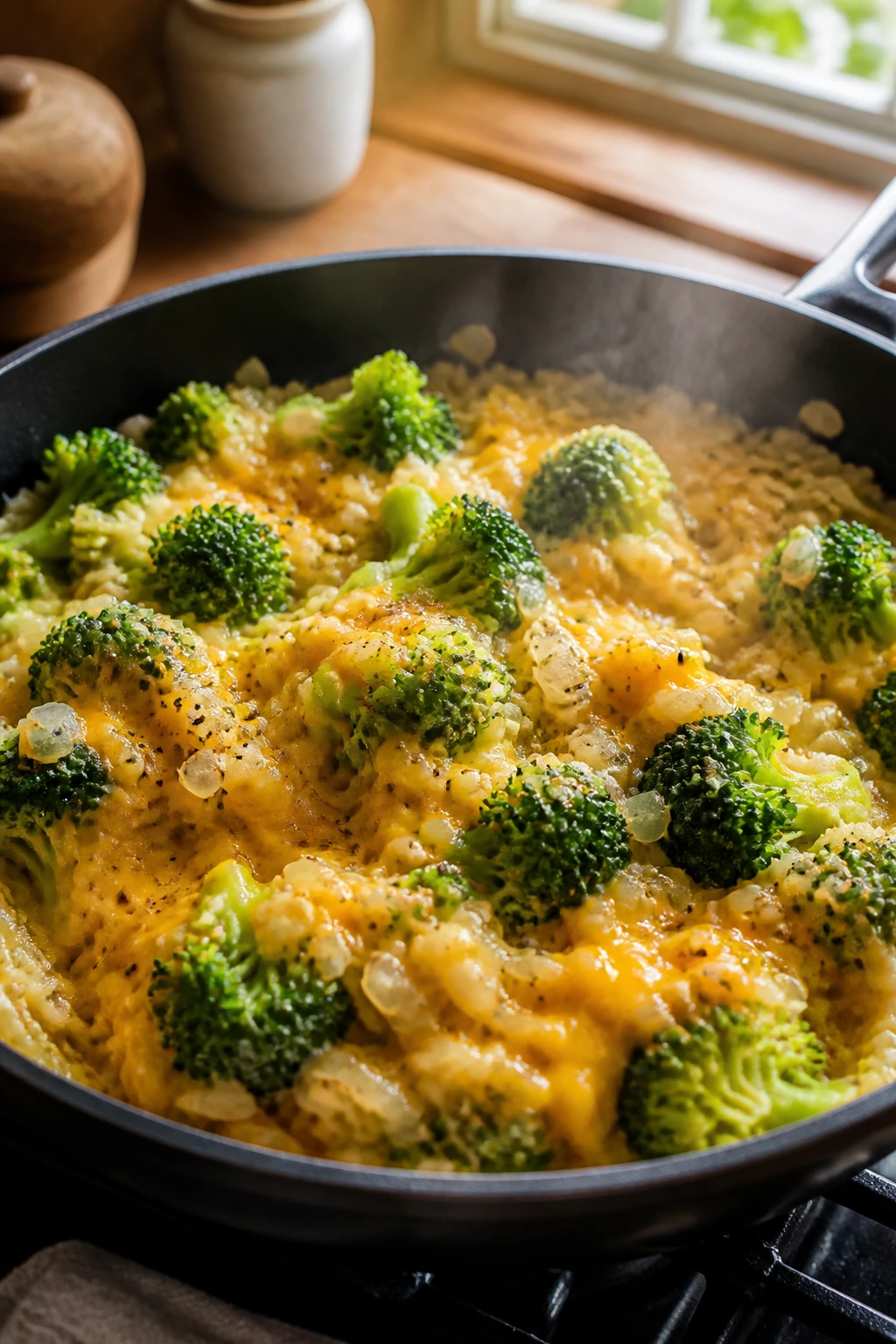
Broccoli and cheddar with rice is the sort of dinner that sneaks up on you. It’s cheap, it’s familiar, and when it’s done well, the cheese melts into the rice just enough to make the whole pan taste creamy without requiring actual cream. The broccoli keeps a bit of bite so the skillet doesn’t turn to mush.
Why It Works: Rice gives the dish heft, broccoli adds volume and color, and cheddar brings the flavor people expect. A little broth and milk make the sauce smooth enough to coat everything. It’s one of the easiest ways to turn a modest vegetable into a full meal.
Key Ingredients:
- 1 cup uncooked rice — long-grain or jasmine.
- 2 cups broccoli florets — small pieces cook best.
- 1 small onion, diced — builds the base.
- 2 garlic cloves, minced — always useful here.
- 2 cups broth — vegetable or chicken.
- 1/2 cup milk — for creaminess.
- 1 1/2 cups shredded cheddar — more if you want it richer.
- 1 tsp Dijon mustard — tiny amount, big payoff.
- Salt and pepper — to taste.
Quick Steps:
- Cook the onion in a skillet with a little oil until soft.
- Add garlic and rice, stirring for 1 minute.
- Pour in broth, cover, and simmer on low for 15 minutes.
- Stir in the broccoli and milk, then cook 5 more minutes until the rice is tender.
- Turn off the heat, fold in the cheddar and mustard, and let it melt.
Equipment for This Recipe:
- Deep skillet with lid — needed for the rice.
- Spoon — for stirring.
- Measuring cups — rice likes precision.
- Cutting board — for broccoli florets.
How to Serve This Dish: Serve it hot in bowls with black pepper on top. A fried egg on the side or a few slices of tomato can make it feel like a larger plate without adding much cost.
Pro Tips for This Recipe:
- Cut the broccoli small so it cooks with the rice.
- Add the cheese off the heat to keep it smooth.
- Taste before adding more salt; cheddar can carry some of it.
Variations on This Dish:
- Cauliflower Cheddar Version: Swap cauliflower for broccoli.
- Ham-Loaded Skillet: Add diced ham if you have leftovers.
- Jalapeño Version: Stir in a chopped jalapeño with the onion.
Common Mistakes to Avoid with This Dish:
- Don’t let the rice dry out before it’s tender. Add a splash of water if needed.
- Don’t overcook the broccoli into green paste.
- Don’t dump in all the cheese while the skillet is boiling hard.
25. White Bean Lemon Pasta with Spinach
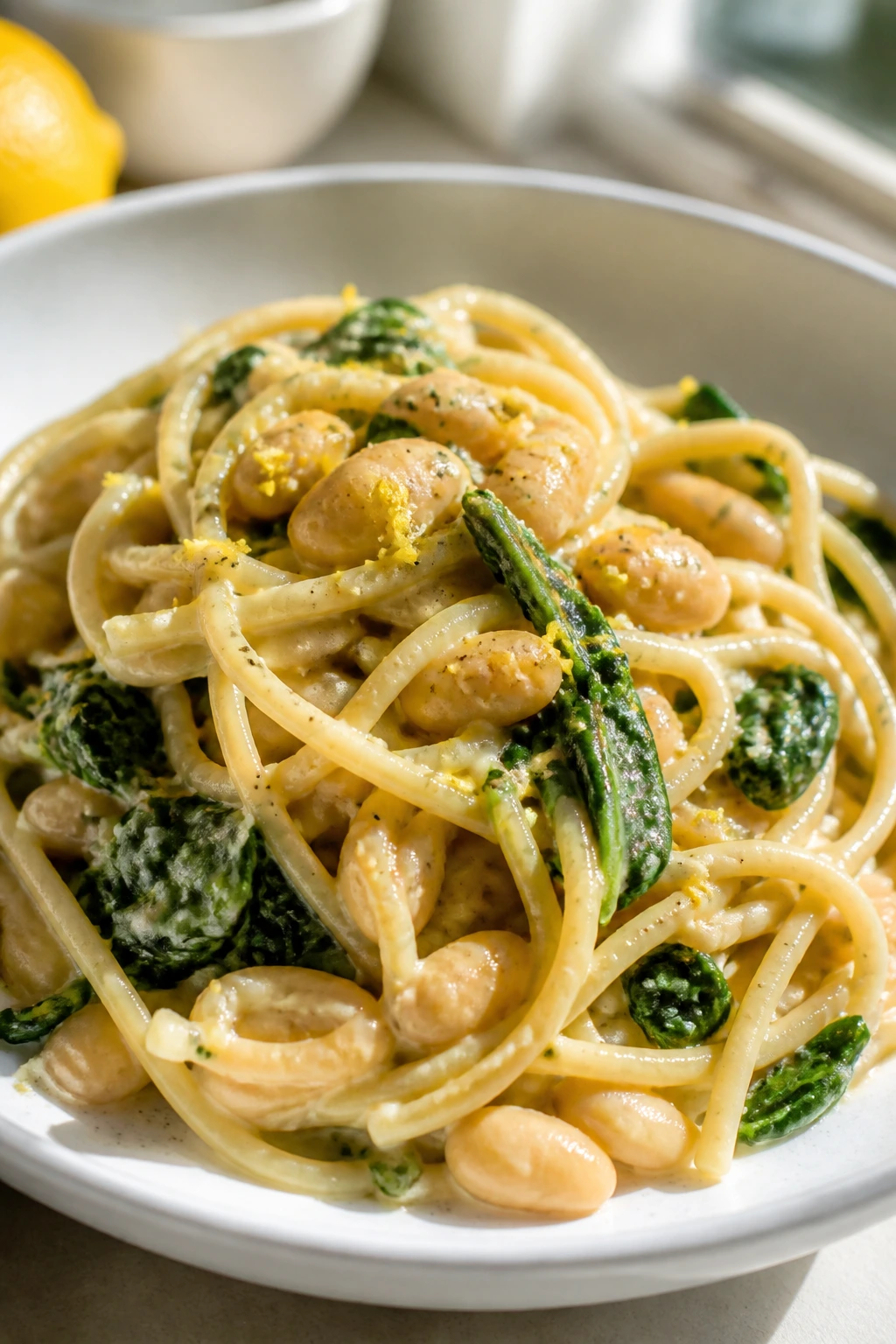
This is the pasta I make when I want dinner to feel lighter without getting boring. White beans make the sauce creamy once you mash a few of them, lemon keeps it sharp, and spinach folds in almost without resistance. It’s affordable, quick, and more elegant than the ingredient list suggests.
Why It Works: White beans bring protein and body, so the pasta doesn’t need meat or cream. Garlic and olive oil make a clean, savory base, while lemon brightens the whole bowl and stops it from feeling sleepy. Spinach adds a little color and a soft finish.
Key Ingredients:
- 12 oz pasta — linguine, spaghetti, or short shapes.
- 2 cans white beans, 15 oz each, drained and rinsed — cannellini are especially good.
- 3 garlic cloves, thinly sliced — soften them in oil.
- 3 cups fresh spinach — roughly chopped if large.
- 1 lemon, zested and juiced — the main finish.
- 1/4 cup olive oil — enough to coat the pan.
- 1/2 cup reserved pasta water — for the sauce.
- 1/3 cup grated Parmesan — optional but useful.
- 1/4 tsp red pepper flakes — optional.
Quick Steps:
- Cook the pasta in salted water until al dente, reserving 1/2 cup of the water.
- Warm the olive oil in a skillet and cook the garlic until fragrant, about 1 minute.
- Add the beans, 1/4 cup pasta water, and a pinch of salt. Mash a few beans with the spoon.
- Stir in the spinach until wilted, then add the pasta, lemon juice, and zest.
- Toss with Parmesan and more pasta water if needed.
Equipment for This Recipe:
- Pot — for the pasta.
- Skillet — for the sauce.
- Colander — for draining.
- Spoon or spatula — for mashing beans lightly.
How to Serve This Dish: Serve it in bowls with black pepper and a little extra olive oil. A side of bread or a quick tomato salad works well if you want more to the plate.
Pro Tips for This Recipe:
- Mash some beans so the sauce gets creamy without dairy.
- Use fresh lemon zest, not bottled juice only. The zest carries the aroma.
- Add spinach at the end so it stays green and tender.
Variations on This Dish:
- Herby Bean Pasta: Add chopped parsley or basil at the end.
- No-Dairy Version: Skip the Parmesan and finish with extra olive oil.
- Anchovy Lemon Pasta: Melt 1 anchovy fillet into the garlic oil for more depth.
Common Mistakes to Avoid with This Dish:
- Don’t forget the pasta water. It helps the sauce cling.
- Don’t overcook the spinach. It should wilt, not collapse into nothing.
- Don’t skip salt just because there are beans. They still need seasoning.
Why Pantry Dinners Win the Weeknight Race
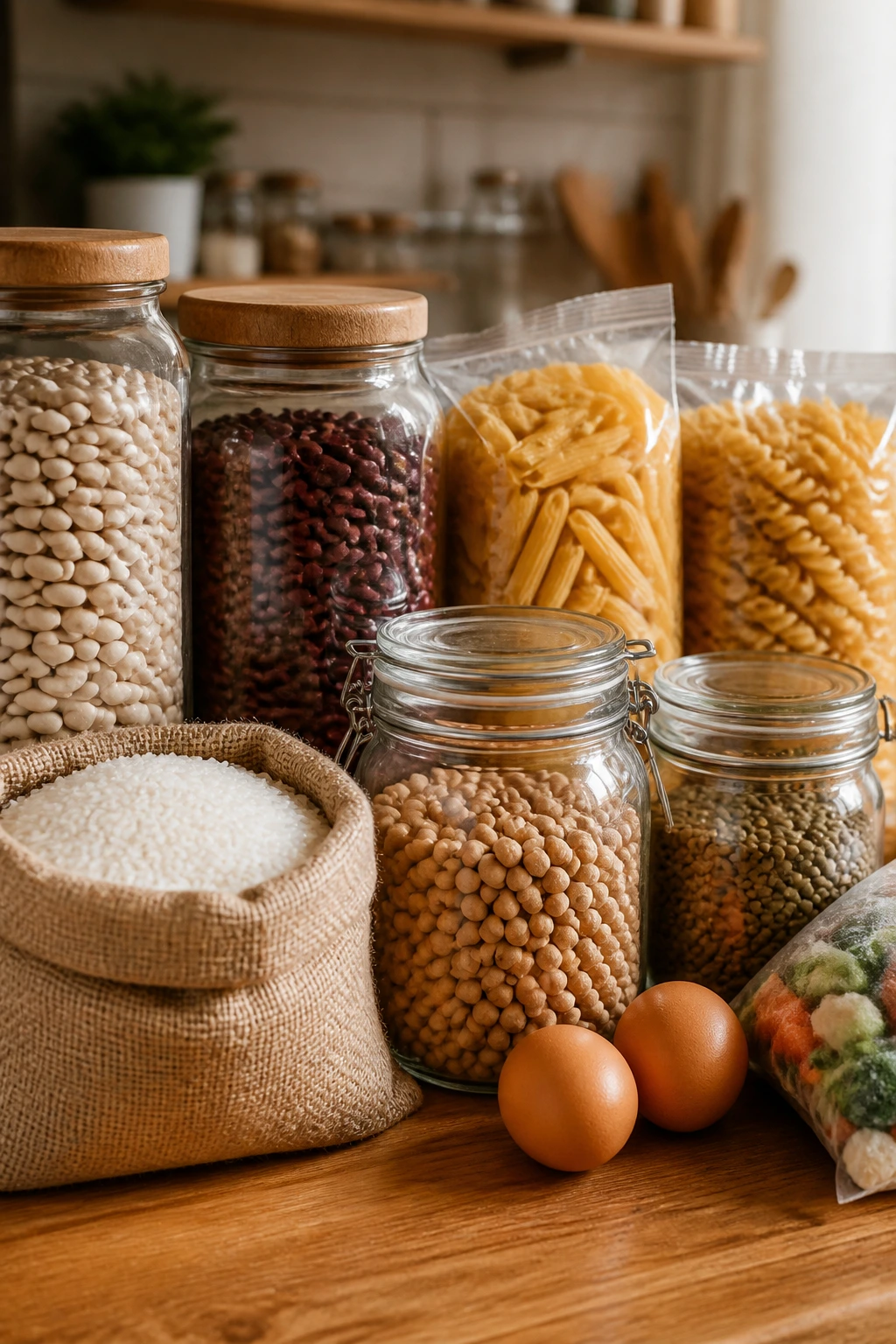
A lot of people think affordable dinners are about buying the cheapest possible food. That’s not quite right. The better move is buying ingredients that behave well under heat, keep for more than a day, and can be turned into dinner without a long list of supporting actors.
Beans, rice, pasta, eggs, potatoes, cabbage, frozen vegetables, canned tomatoes, and a few smart proteins — chicken thighs, sausage, tuna, ground meat — do a lot of work because they have structure. They can simmer, roast, fry, or bake without falling apart. That matters on a Tuesday when you do not want to wrestle with a finicky recipe.
There’s also a quiet nutrition advantage here. Pantry staples like beans and lentils bring protein and fiber. Frozen vegetables are picked and packed at the point they’re ready, which is why they can be more useful than limp produce that’s been hanging around the crisper. The same logic shows up in a lot of plain-spoken nutrition guidance: build meals around sturdy grains, legumes, vegetables, and modest portions of protein, then finish with fat or acid so the flavors land.
I like that these dinners keep the kitchen practical. Nothing has to be precious. You can use the onions that are starting to sprout, the last bit of cheese, the half bag of spinach, the jar of salsa that’s been sitting in the door. The meal still works because the structure is sound.
Essential Equipment for These Recipes
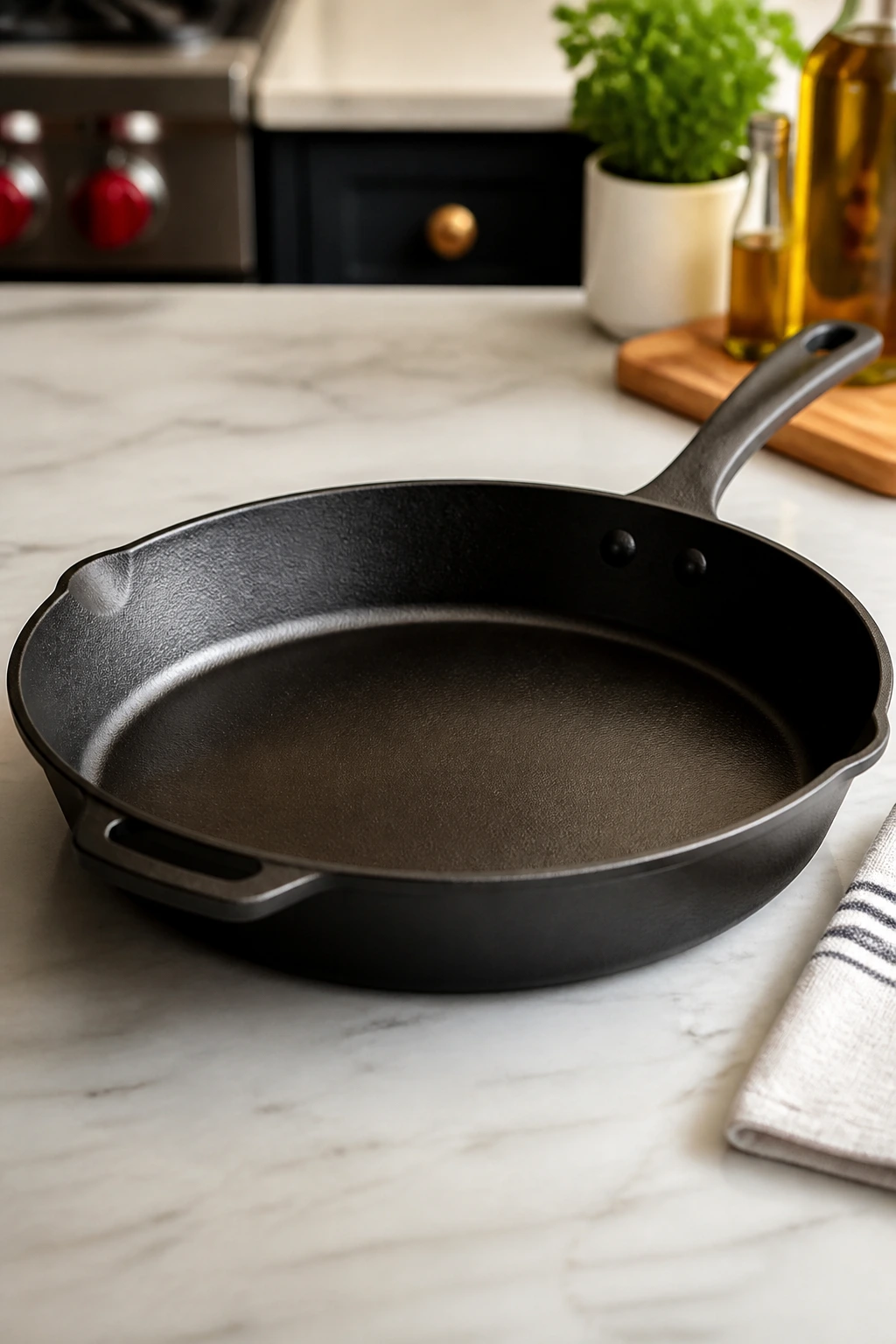
- Large skillet or sauté pan: The workhorse for quesadillas, fried rice, sausage skillets, and most saucy dinners.
- Deep pot or Dutch oven: Best for chili mac, lentil bolognese, and anything that needs room to simmer.
- Rimmed sheet pan: Necessary for roast dinners like sausage, potatoes, and onions.
- Medium saucepan: Useful for rice, soup, and warming beans or sauce.
- Colander: You’ll need it more than you think for pasta and rinsed beans.
- Sharp chef’s knife: Cheap ingredients cook better when they’re cut evenly.
- Cutting board: A large one keeps onions and peppers from skittering around.
- Wooden spoon or heat-safe spatula: Good for scraping browned bits and stirring pasta.
- Measuring cups and spoons: Pasta water helps, but ratios still matter.
- Airtight storage containers: Leftovers stay useful instead of drying out.
Smart Shopping for Affordable Dinner Ideas
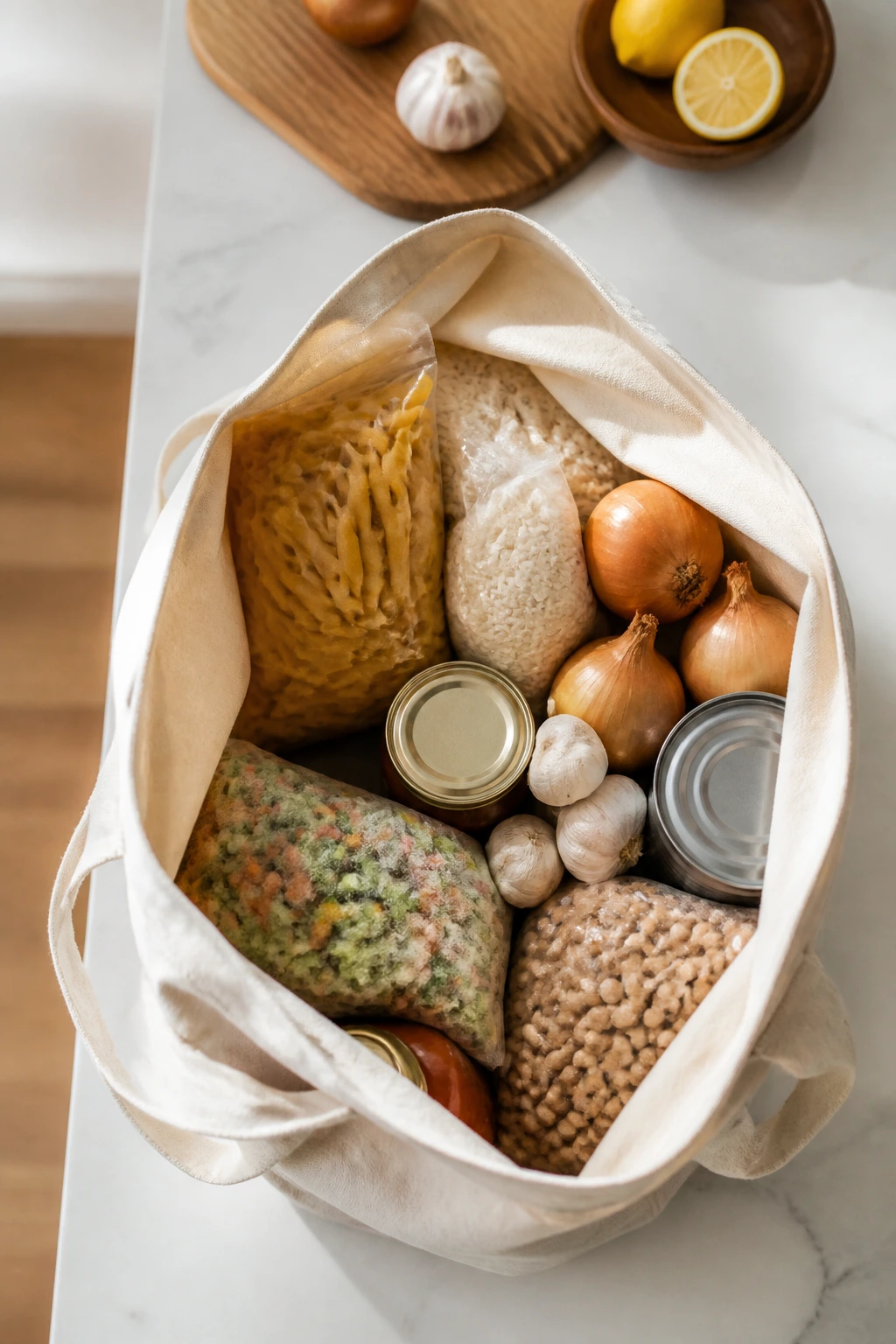
The smartest budget shopping is boring in the best way. Look for ingredients that can be used in more than one dish: pasta, rice, tortillas, onions, garlic, canned tomatoes, canned beans, frozen peas, frozen corn, cabbage, eggs, and one or two reliable proteins. I’d rather buy a head of cabbage that lasts a week than a bagged salad that needs immediate rescue.
Store-brand pasta and rice are usually fine. Same for canned tomatoes, beans, and broth. What matters more is the style of the product: crushed tomatoes make a smoother sauce, diced tomatoes hold more texture, and no-salt-added beans give you more control if you’re watching seasoning. For cheese, a block you grate yourself melts better than most pre-shredded bags because there’s less coating dust in the way.
A few ingredients are worth a little extra attention. Chicken thighs hold up better than breasts in skillet meals because they stay juicy during a longer simmer. Smoked sausage gives you fast flavor without buying separate spices. Eggs are still one of the cleanest value moves in a kitchen. Frozen vegetables, especially peas, corn, broccoli, spinach, and mixed blends, are the kind of convenience that doesn’t feel fake — they save chopping and waste.
If you’re shopping with a specific dinner in mind, think about the shape of the ingredient, not just the category. Small broccoli florets cook with rice. Short pasta grabs chili. Flour tortillas fold better than corn tortillas for quesadillas, while corn tortillas shine in tacos. That sort of detail is where budget cooking stops feeling random and starts feeling easy.
How to Serve These Recipes
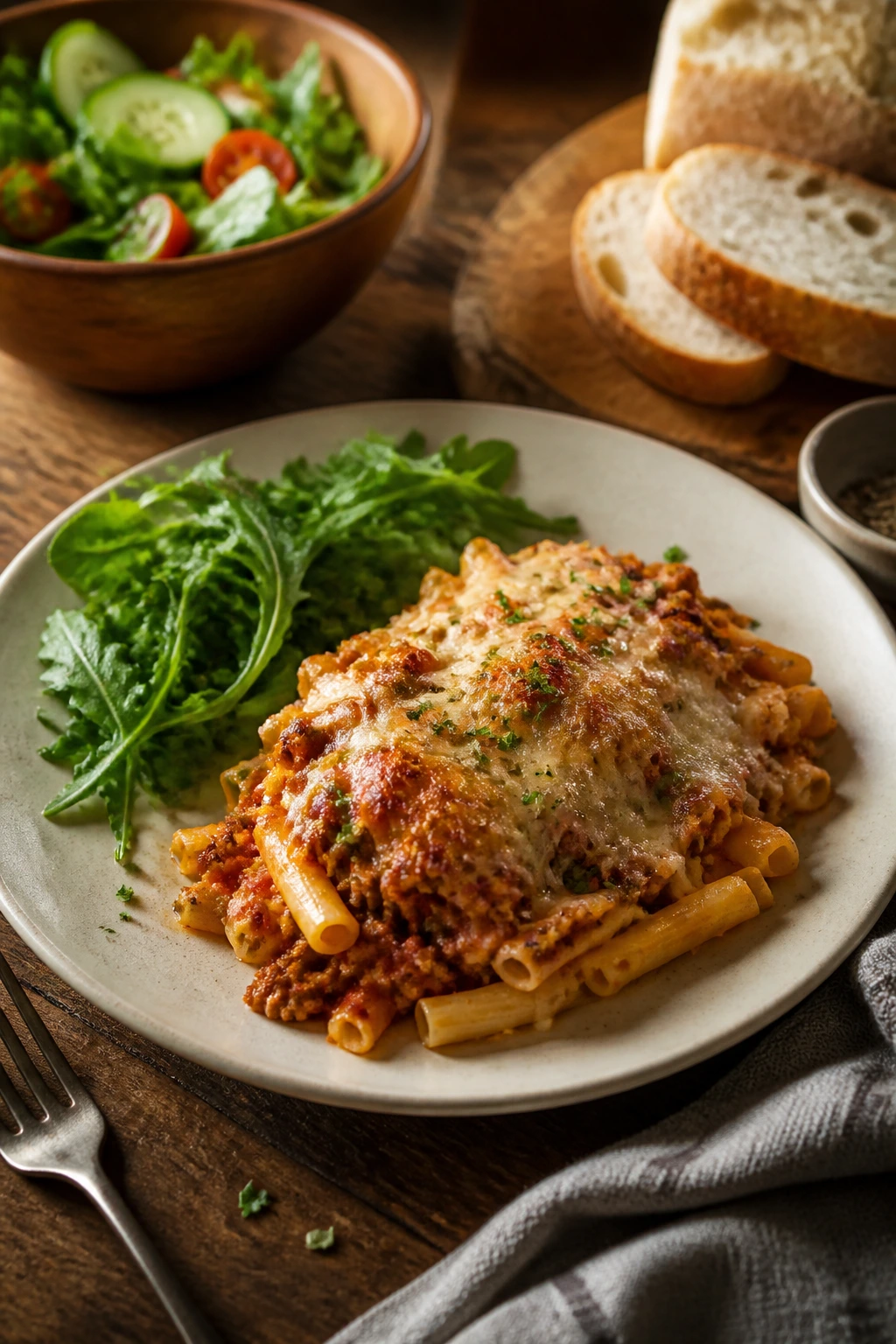
Presentation: Keep the plating plain and honest. Pasta looks best in shallow bowls, skillet dinners look good in low wide plates, and bowls with toppings should be arranged in neat piles so the colors show before anyone stirs.
Accompaniments: A bagged salad, sliced cucumbers, quick pickles, toast, tortilla chips, or buttered bread can fill gaps without changing the whole budget. For tomato-heavy dishes, bread is the safest bet. For bean and rice bowls, something crunchy on the side keeps the meal lively.
Portions: Most of these recipes feed 4, though rice and pasta dishes can stretch further if you add a salad or bread. If you’re cooking for smaller appetites, hold back half the starch and save it for another meal; the sauces and fillings usually reheat well enough to stand alone later.
Beverage Pairing: Sparkling water with lemon works across almost everything here. For tomato-based or smoky dinners, unsweet iced tea or a light red wine fits neatly. For curry and peanut noodles, I’d rather have cold water with lime or a simple ginger drink than anything sweet.
Additional Tips and Flavor Boosters
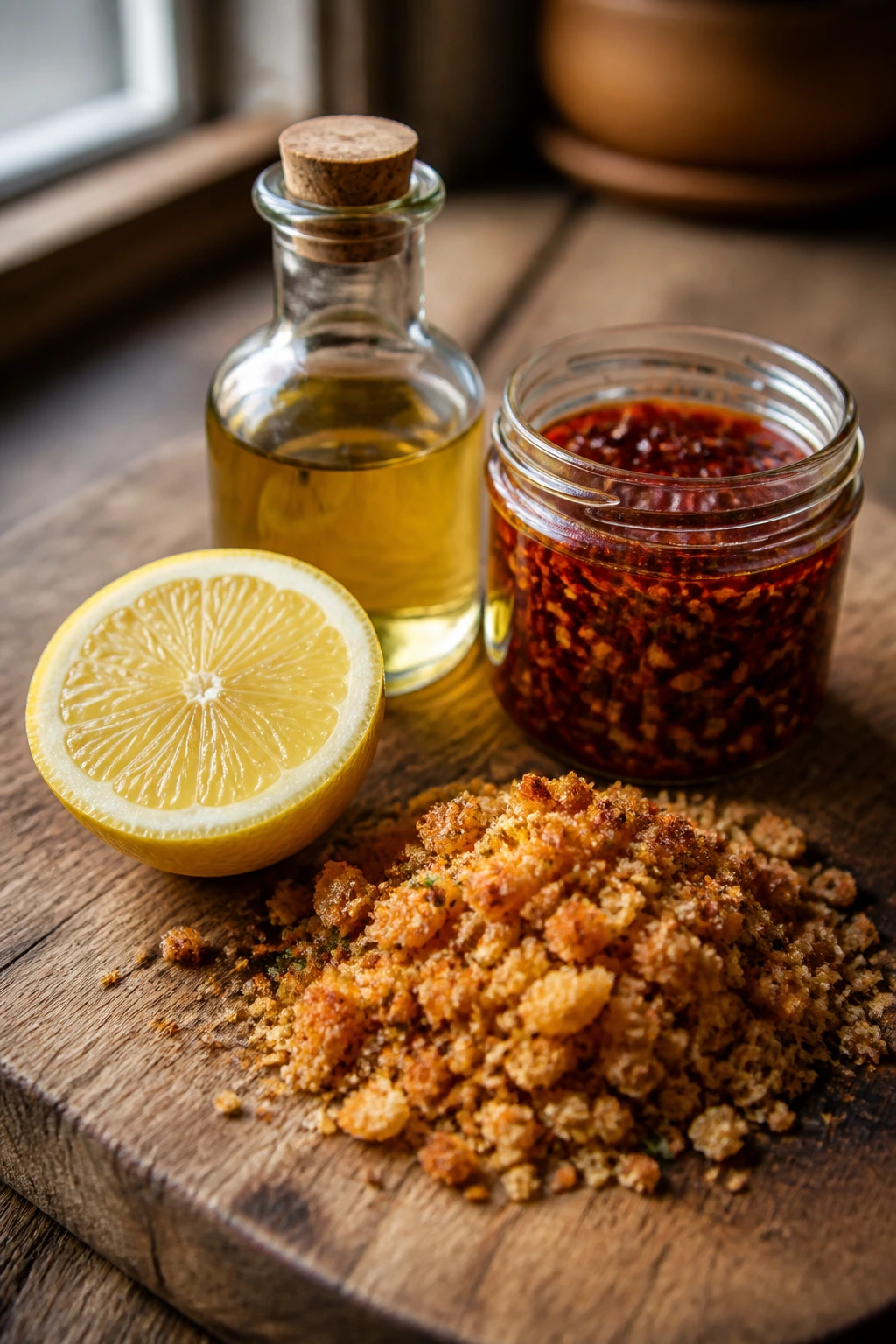
Flavor Enhancement: Keep a lemon, a bottle of vinegar, and one jar of chili crisp or hot sauce within reach. A small hit of acid at the end turns beans, pasta, and rice from flat to finished, and a little crunch from toasted breadcrumbs or chopped peanuts can make a cheap dinner feel deliberate.
Customization: Frozen peas, spinach, corn, carrots, cabbage, or broccoli can slide into almost every recipe in this collection. If you have leftover chicken, sausage, or roasted vegetables, fold them in near the end instead of building a whole new meal around them.
Serving Suggestions: Fresh herbs are nice, but they’re not required. Scallions, black pepper, shredded cheese, sour cream, yogurt, and toasted seeds do plenty of work without making you buy a whole herb pack you’ll forget in the crisper.
Make-It-Yours: For gluten-free dinners, swap in gluten-free pasta, rice, corn tortillas, or potatoes. For dairy-free versions, use olive oil instead of butter, skip the cheese, and lean on lemon, herbs, and extra salt. For extra protein, add eggs, beans, or a little more meat instead of building the whole meal around one expensive package.
Make-Ahead, Storage, and Reheating Guidance
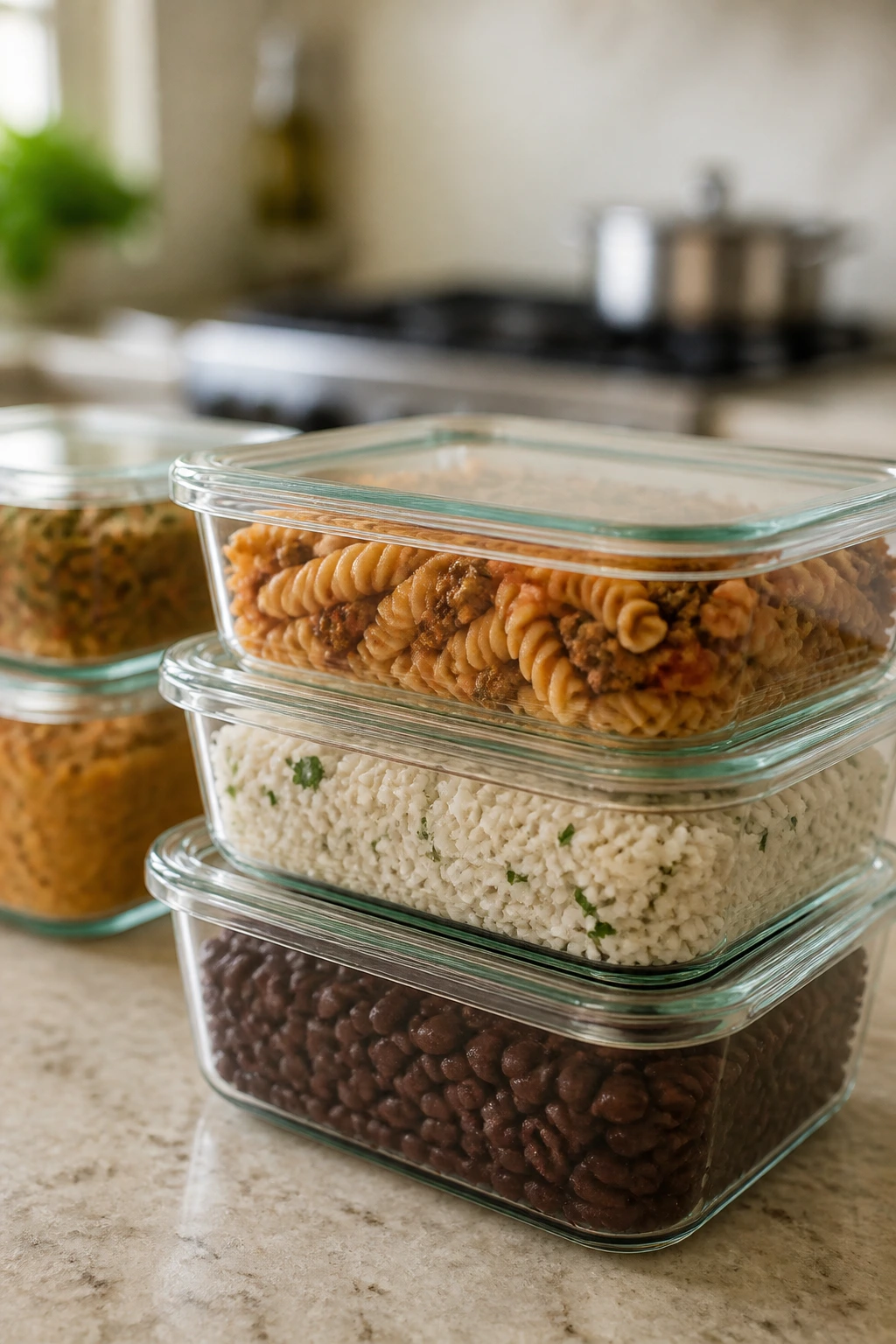
Most of these dinners keep 3 to 4 days in the refrigerator if they’re cooled quickly and stored in airtight containers. Pasta, rice, bean, sausage, and chili-style meals usually reheat best with a splash of water or broth in a skillet over medium heat. That splash matters; it loosens the starch and keeps the dish from turning stiff.
Tomato-heavy recipes freeze well for up to 2 months, especially chili mac, lentil bolognese, sloppy joe filling, and tuna tomato pasta sauce without the noodles mixed in. Rice dishes also freeze nicely if you pack them flat and reheat them with a damp paper towel over the container in the microwave. I’d keep lettuce, avocado, bread, and tortilla chips separate, since those textures collapse fast.
Egg dishes are the odd ones out. Frittata and shakshuka are best fresh or within 1 to 2 days; they’re still safe after that, but the texture gets less lively. Quesadillas can be reheated in a dry skillet so the tortilla crisps up again. For sheet pan dinners, a hot oven or air fryer beats the microwave if you want the potatoes or sausage to keep their edge.
A good make-ahead habit is to store sauce and starch separately whenever possible. Pasta stops drinking sauce overnight if they’re packed apart. Rice bowls can be prepped in layers, with cold toppings left off until serving. Small decision. Big difference.
Variations and Adaptations to Try
-
The Pantry-Only Night: Build dinner from shelf-stable ingredients only — pasta, rice, beans, canned tomatoes, tuna, broth, and spices. This is the version I’d use when the fridge is down to a lemon wedge and one slightly tired onion.
-
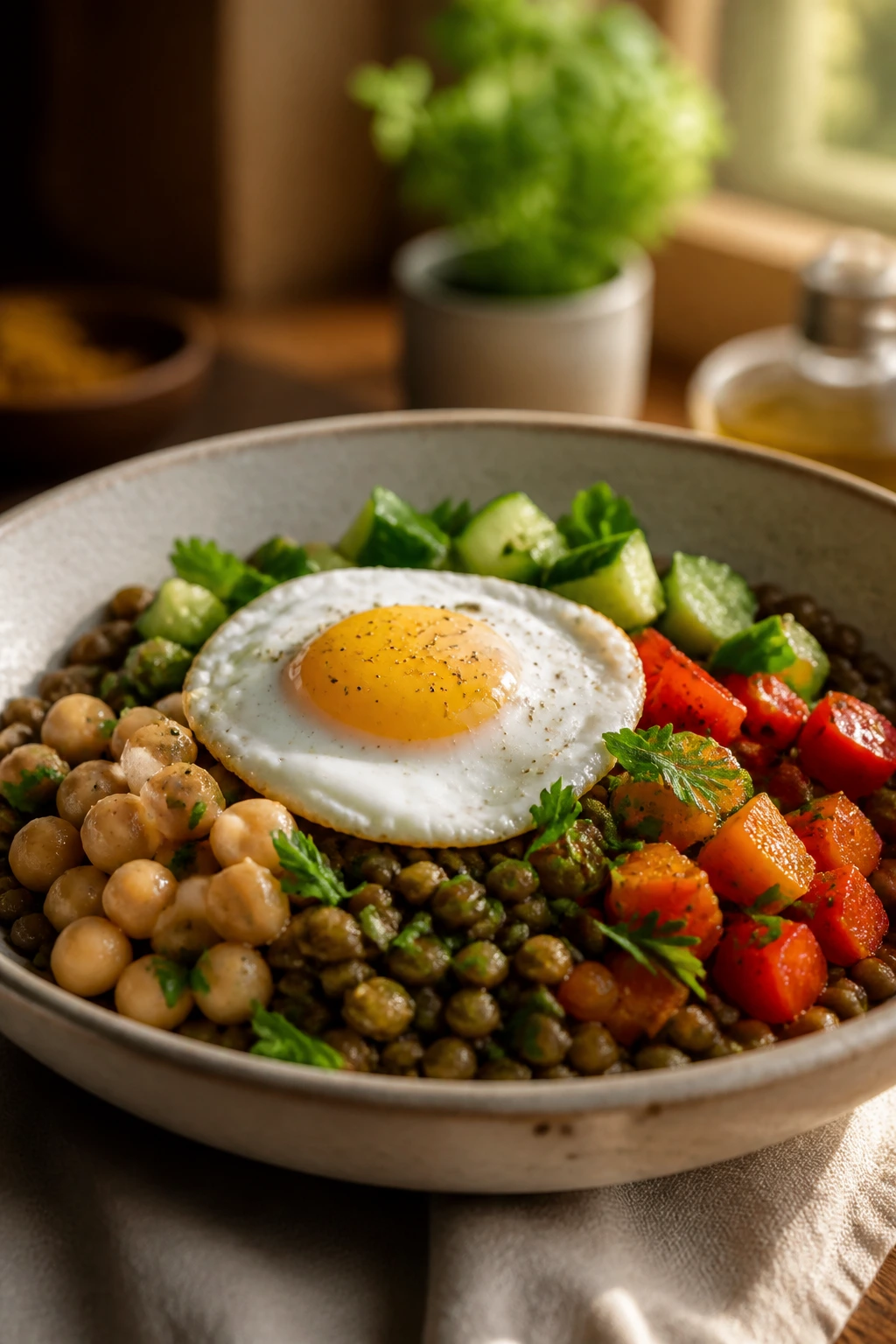
The Meatless Default: Use chickpeas, lentils, eggs, white beans, or black beans in place of meat. The trick is seasoning them a little more boldly and adding enough fat or acid at the end so the dish tastes finished, not ascetic.
-
The Kid-Mild Pass: Keep the base flavors gentle and put hot sauce, chili flakes, pickles, and strong condiments on the table instead. Kids usually do better when the bowl is calm and the excitement stays in the toppings.
-
The Bigger-Protein Bowl: Add a fried egg, extra beans, or a half-pound more chicken or sausage if the dinner needs to stretch for hungrier eaters. That often costs less than upgrading every ingredient in the dish.
-
The Gluten-Free Switch: Use rice, potatoes, corn tortillas, or gluten-free pasta instead of wheat-based starches. The safest swaps are the ones that preserve the shape of the dish, not the ones that try to mimic everything at once.
-
The Lower-Sodium Path: Choose no-salt-added beans and tomatoes, rinse canned beans, use less soy sauce, and lean on lemon, vinegar, garlic, and herbs. You can still get a punchy dinner without leaning so hard on salt that it blurs everything else.
Common Mistakes to Avoid
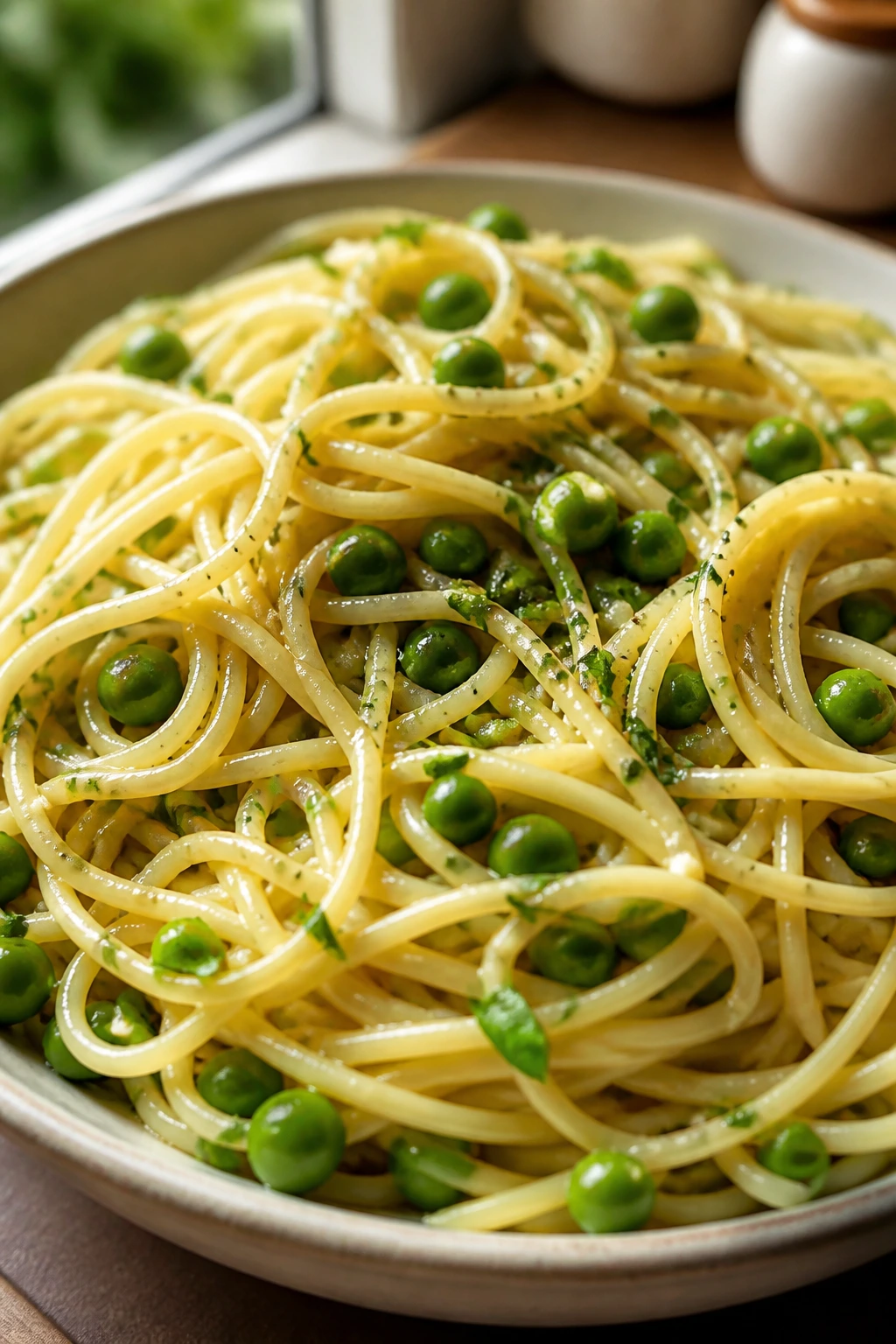
The first mistake is treating “budget” like a reason to buy random cheap ingredients that don’t know each other. Cheap food still needs structure. If you combine a dry starch, a watery sauce, and a weak protein without any acid or seasoning, the result tastes like the pantry fell over.
The second mistake is underseasoning the base. Rice, beans, pasta, and potatoes all need salt at different stages, not just at the table. A little onion, garlic, pepper, cumin, paprika, lemon juice, vinegar, or mustard can do more for flavor than another handful of cheese.
Crowding the pan is another common problem. Roast vegetables need space or they steam. Fried rice needs room or it goes soft. Quesadillas need medium heat or the tortilla burns before the filling melts. A busy night can tempt you to rush everything into one container, but cooking usually rewards a little breathing room.
People also forget to finish dishes. That’s the small final move — lemon, parsley, black pepper, hot sauce, vinegar, scallions, or a spoonful of yogurt. Without it, many inexpensive dinners taste dull and heavy. With it, they taste intentional. Not fussy. Intentional.
Frequently Asked Questions
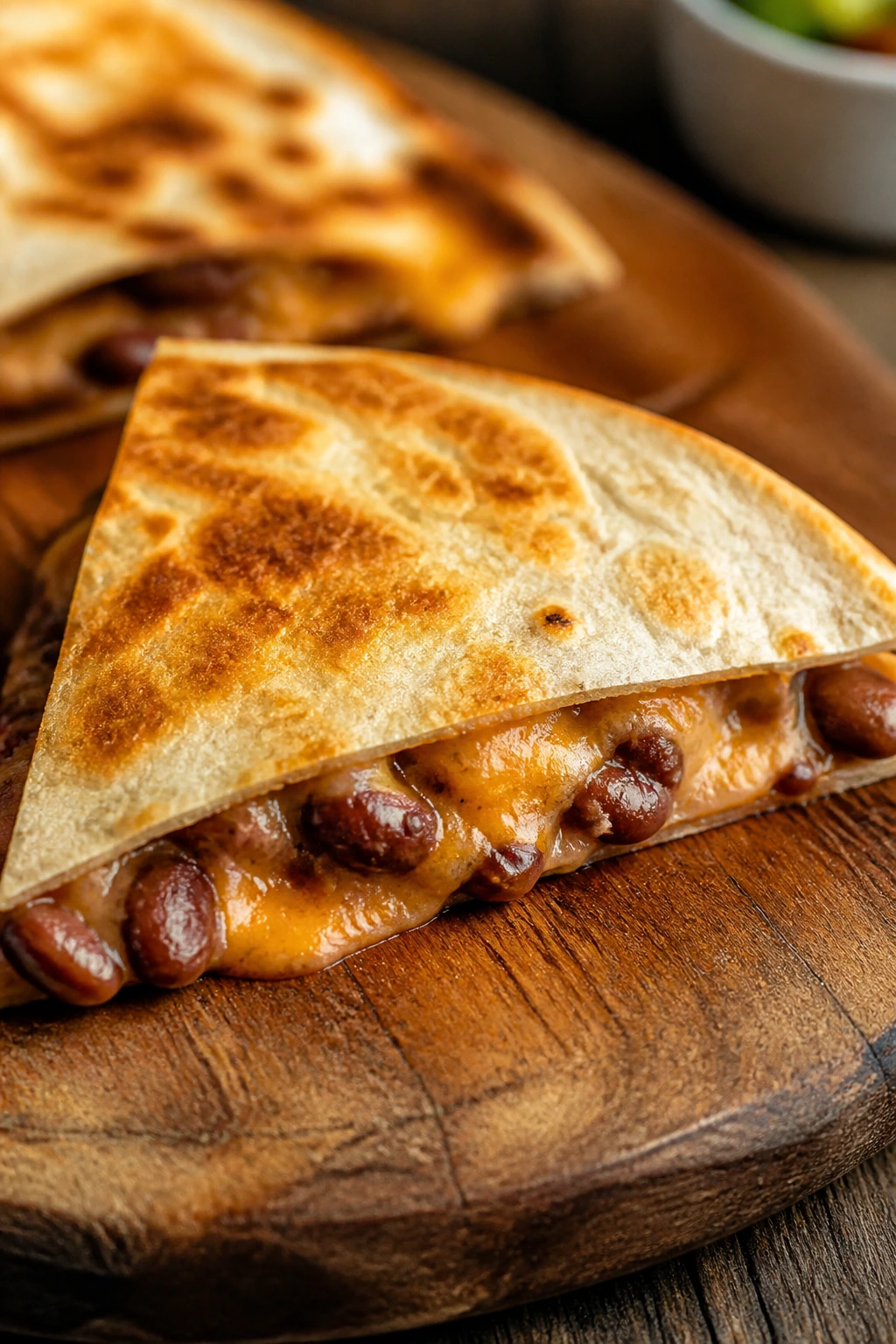
What are the cheapest ingredients that still make a real dinner?
Beans, lentils, rice, pasta, potatoes, eggs, cabbage, onions, frozen vegetables, canned tomatoes, and tortillas are the first things I’d buy. They store well, cook fast, and can be turned into enough different dinners that the grocery list doesn’t get boring.
How do I keep affordable dinners from tasting flat?
Season in layers and finish with acid or freshness. Salt the onions, beans, or sauce while they cook, then add lemon, vinegar, scallions, herbs, or a sharp cheese at the end so the flavor wakes up.
Can I use frozen vegetables instead of fresh in these recipes?
Yes, and in a lot of cases they’re the smarter choice. Frozen peas, corn, broccoli, spinach, and mixed vegetables are picked at a good stage, already chopped, and ready to go without any trimming or waste.
What protein gives the best value for weeknight dinners?
Eggs, canned tuna, beans, lentils, chicken thighs, sausage, and ground turkey usually give the most useful return. They cook quickly, work in a lot of different recipes, and don’t demand a long list of expensive extras.
How do I stretch one dinner into leftovers without ruining the texture?
Store sauces and starches separately when you can, and reheat with a splash of water or broth. Pasta and rice hold up better that way, and crisp things like quesadillas or sheet-pan sausage can be warmed in a skillet or oven instead of the microwave.
What if I only have 20 minutes?
Go straight for bean quesadillas, tuna tomato pasta, ramen stir-fry, white bean lemon pasta, or a simple egg fried rice. Those recipes use fast-cooking ingredients and don’t rely on a long simmer or a hot oven.
Which of these dinners freeze best?
Chili mac, lentil bolognese, sloppy joe filling, sausage and white bean skillet, and many tomato-based sauces freeze well for about 2 months. I’d freeze the sauce or filling without the bread, pasta, or rice when possible.
How do I reheat rice without drying it out?
Add a teaspoon or two of water, cover the rice, and reheat it gently in the microwave or a covered skillet. The trapped steam softens the grains again instead of turning them brittle.
Can I make these meals vegetarian without spending more?
Absolutely. Beans, lentils, eggs, chickpeas, and white beans are usually the cheapest path, and they keep the recipes filling. If you add cheese, use it as a finish rather than the main event so the budget stays sensible.
A Weeknight Routine That Actually Holds
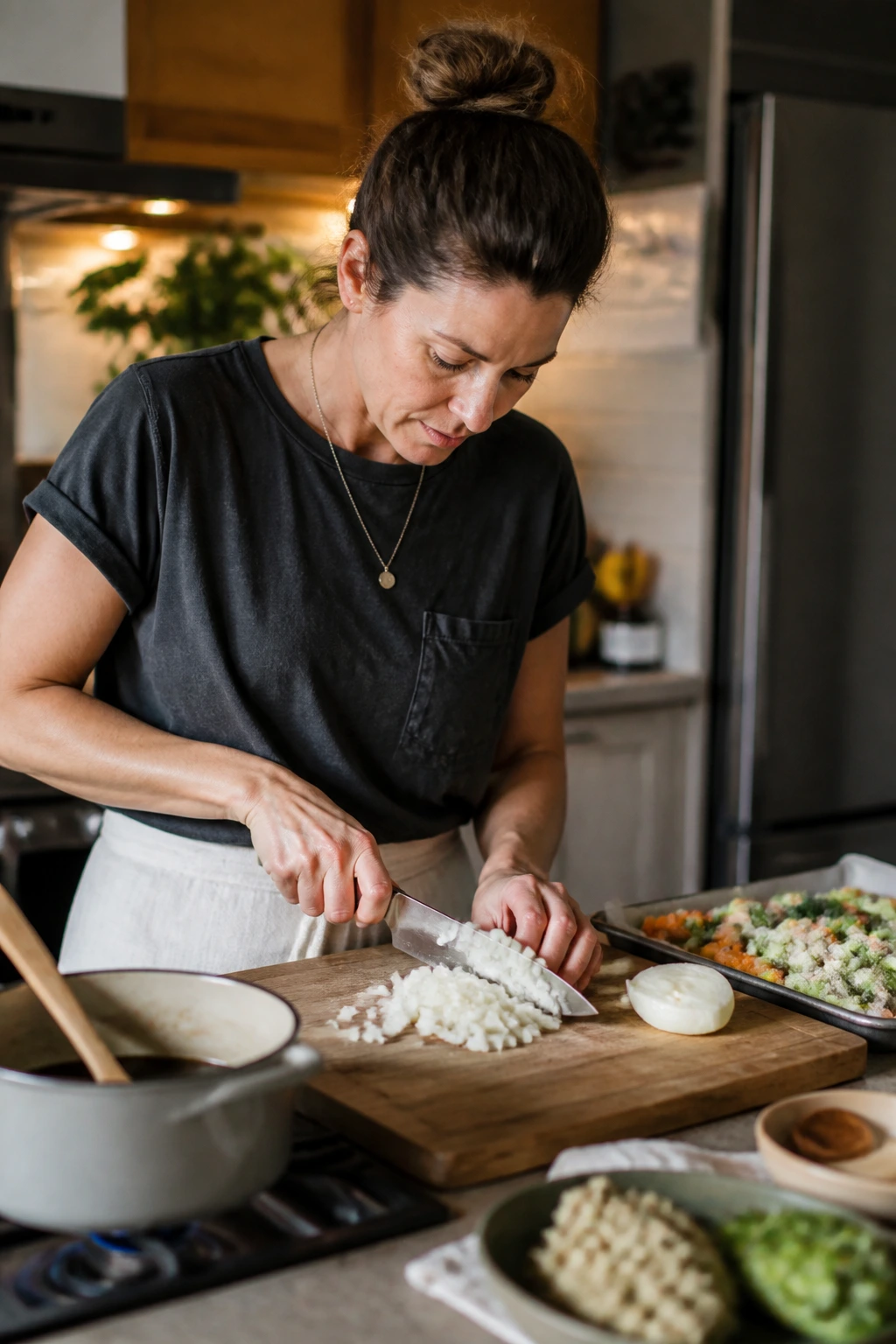
The nice thing about these dinners is that they don’t ask you to become a different person at 6 p.m. They just ask you to keep a few useful ingredients around and trust that onions, garlic, beans, pasta, rice, eggs, and frozen vegetables can still make a proper meal. That’s not a compromise. It’s good kitchen sense.
If you keep even five or six of these affordable dinner ideas in rotation, the week starts to loosen up. Grocery shopping gets shorter. Leftovers make sense. The sink gets a little less crowded. And the best part is that dinner still feels like dinner, not a puzzle you had to solve under pressure.