



A big pot of chowder earns its place fast. It goes from a soft sizzle of onions and celery to a full, thick dinner that can feed a table, refill itself a few times, and still taste good after the second ladle. Healthy chowder recipes for a crowd work because they lean on vegetables, beans, lean protein, and just enough dairy or starch to feel rich without tipping into that heavy, gluey finish some chowders get.
I like chowder when it has body but still tastes awake. Not gray. Not bland. The spoon should come up coated, the potatoes should keep their shape, and the broth should smell like sweet corn, dill, or leeks instead of a blunt wall of cream. That’s the sweet spot, and it’s easier to hit than people think if you use the right base: Yukon Gold potatoes, cauliflower, white beans, barley, oats, or even a blended cup of the soup itself.
And for a crowd, chowder has one unfair advantage. It reheats better than a lot of creamy soups, especially when you treat the dairy gently and add delicate ingredients late. A good batch can sit on the stove while people wander back for “just a little more,” which is exactly the kind of problem I like a dinner to have.
Why This Collection Earns Its Keep
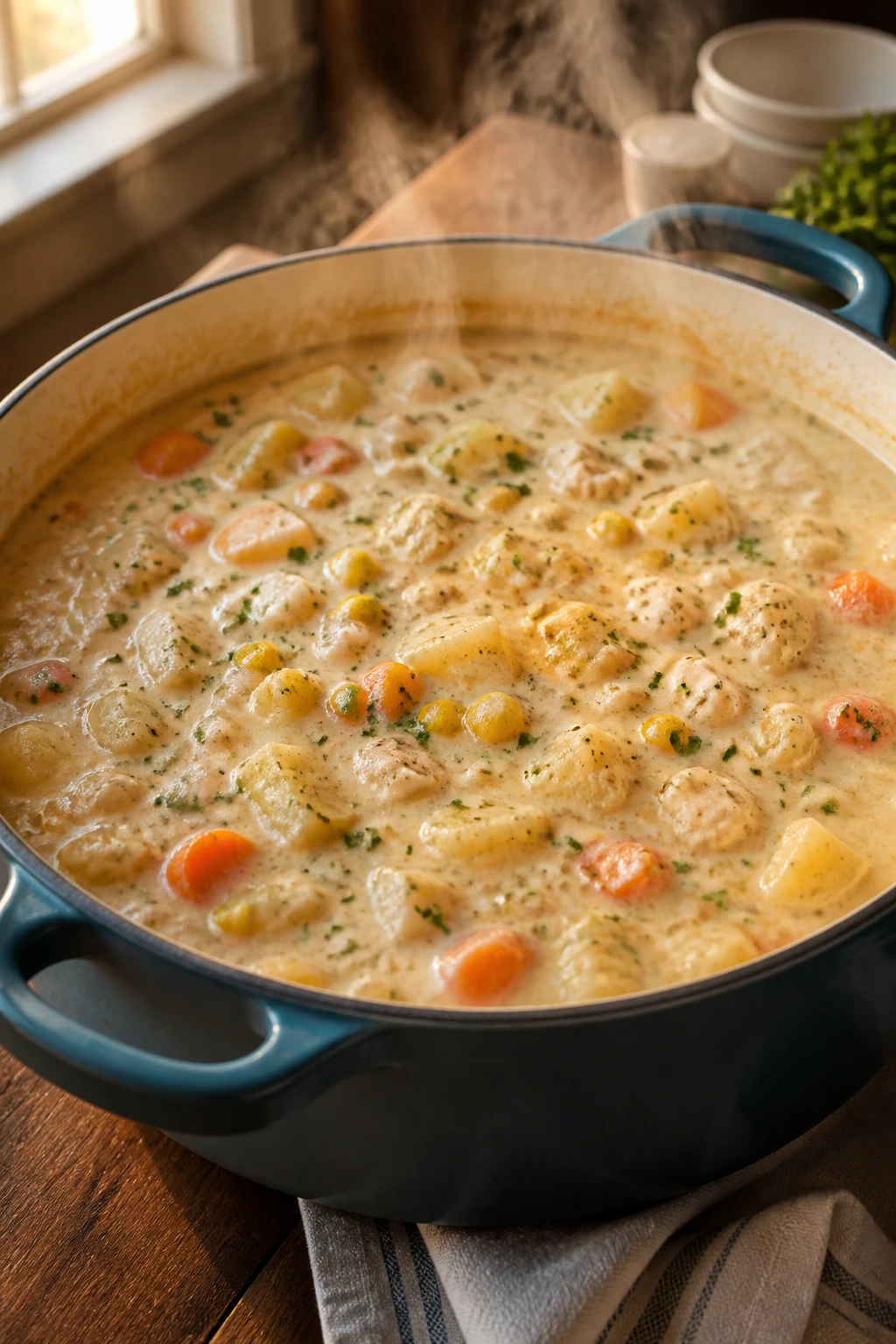
- Built for big pots: Most of these recipes are sized for 8 to 10 servings, which means one Dutch oven can carry the meal instead of a stack of side dishes.
- Thick without heavy cream overload: The body comes from potatoes, pureed vegetables, beans, barley, or oats, so the soup feels full without relying on a flood of cream.
- Flexible with proteins: Chicken, salmon, clams, shrimp, tofu, beans, and turkey all show up here, so you can work with what’s in the fridge.
- Easy to stretch: Corn, carrots, leeks, cabbage, and frozen vegetables all help a pot go farther without tasting like you cut corners.
- Good the next day: Most chowders settle in nicely overnight, which makes them handy for parties, potlucks, and make-ahead meals.
1. Sweet Corn and Yukon Gold Chowder
Intro: Sweet corn and Yukon Gold potatoes make a chowder that tastes sunny even when the weather outside is not cooperating. The corn brings pops of sweetness, the potatoes melt just enough to thicken the pot, and a little thyme keeps the whole thing from tasting flat.
Why It Works: Yukon Golds break down into a silky base without needing flour, which keeps the soup lighter and naturally gluten-free if you use the right broth. Frozen corn works well here, and it saves you from shucking a mountain of ears.
Key Ingredients:
- 2 tablespoons olive oil
- 1 large yellow onion, diced
- 3 celery stalks, diced
- 2 pounds Yukon Gold potatoes, peeled and cut into 1/2-inch cubes
- 5 cups low-sodium vegetable broth
- 4 cups corn kernels, fresh or frozen
- 2 cups 2% milk
- 1 teaspoon dried thyme
- 1 1/2 teaspoons kosher salt
- 1/2 teaspoon black pepper
Quick Steps:
- Heat the olive oil in an 8-quart pot over medium heat and cook the onion and celery for 6 to 8 minutes, until soft and glossy.
- Stir in the potatoes, broth, thyme, salt, and pepper, then bring to a simmer.
- Cook for 15 to 18 minutes, until the potatoes are tender at the center.
- Add the corn and milk, then warm gently for 5 minutes without boiling.
- Mash a few potato chunks against the side of the pot for extra body, then taste and adjust salt before serving.
Equipment for This Recipe:
- 8-quart Dutch oven
- Wooden spoon
- Potato masher or sturdy spoon
How to Serve This Dish: Ladle it into deep bowls and finish with chopped chives or parsley. A slice of seeded bread on the side makes sense here, especially if you want something to swipe through the broth.
Pro Tips for This Recipe:
- Use one cup of the potatoes to make the soup base slightly chunky after mashing.
- If your corn is very sweet, add a splash of lemon juice at the end to wake it up.
- Keep the milk at a low simmer. Hard boiling makes it taste dull.
Variations on This Dish:
- Smoked Paprika Corn Chowder: Add 1 teaspoon smoked paprika with the thyme for a gentle smoky note.
- Corn and White Bean Chowder: Stir in 1 can cannellini beans, rinsed, for extra protein and a thicker spoon.
Common Mistakes to Avoid with This Dish:
- Boiling the milk: That can split the texture and flatten the corn flavor. Warm it gently.
- Cutting the potatoes too large: Big chunks stay underdone while the broth gets cloudy. Keep the cubes small and even.
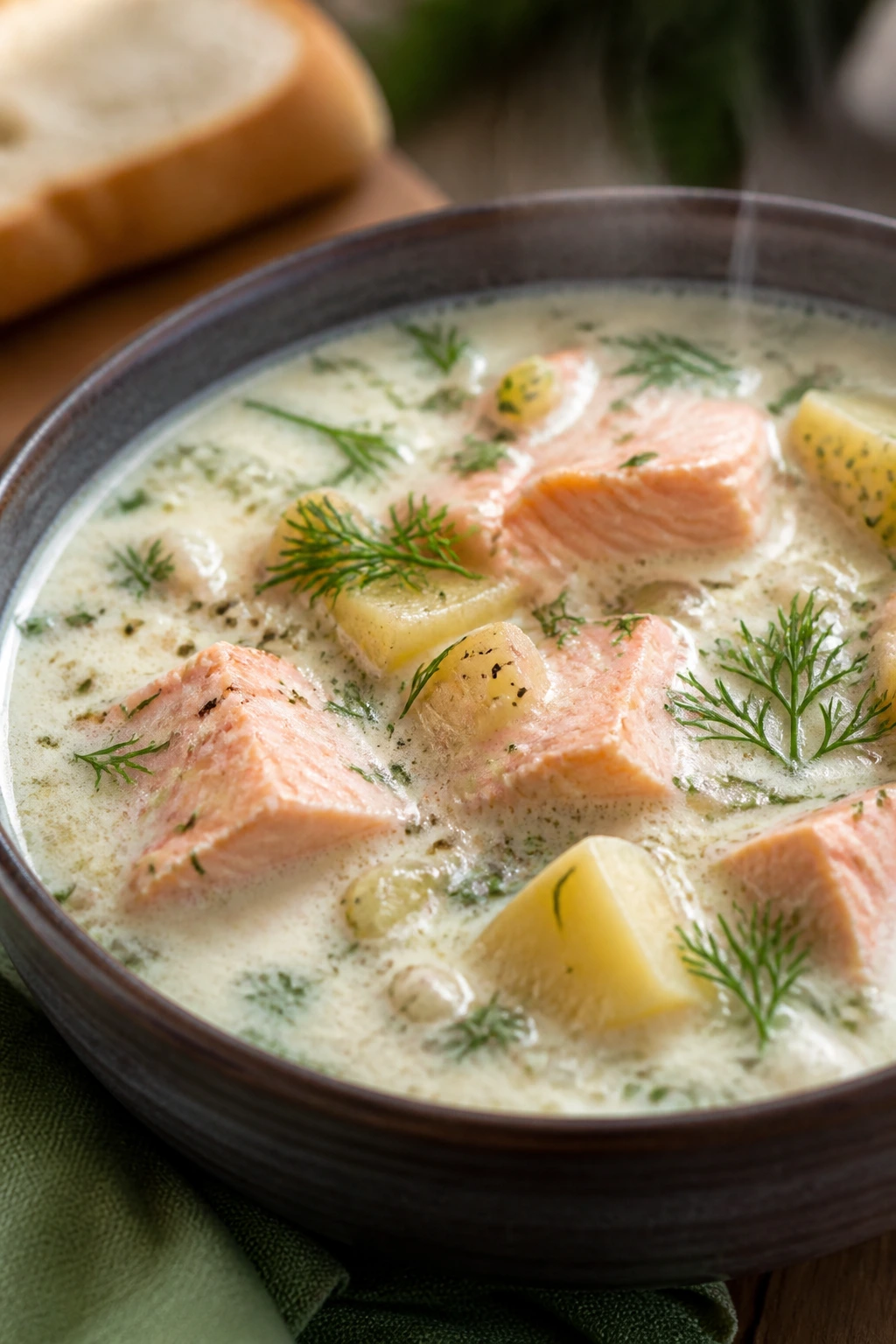
2. Salmon and Dill Chowder
Intro: This is the chowder I make when I want something briny, fresh, and rich enough to feel like a full meal. Salmon flakes apart into soft pieces, dill cuts through the cream, and the potatoes give the pot a clean, almost buttery texture.
Why It Works: Salmon cooks fast, so it’s best added near the end where it stays tender instead of chalky. Leeks soften into the broth and give the soup a sweeter edge than onion alone.
Key Ingredients:
- 1 1/2 pounds skinless salmon fillet, cut into 1-inch chunks
- 2 tablespoons olive oil
- 2 leeks, white and light green parts only, thinly sliced
- 2 pounds baby potatoes, halved
- 5 cups low-sodium chicken or vegetable broth
- 1 1/2 cups milk
- 1 cup frozen peas
- 1/3 cup chopped fresh dill
- 1 1/2 teaspoons kosher salt
- 1/2 teaspoon white pepper
Quick Steps:
- Cook the leeks in olive oil over medium heat for 5 minutes until soft but not browned.
- Add the potatoes, broth, salt, and pepper, then simmer for 15 minutes.
- Stir in the milk and peas, and simmer 3 minutes more.
- Add the salmon chunks and cook 4 to 5 minutes, just until opaque and flaky.
- Fold in dill and serve right away.
Equipment for This Recipe:
- Large Dutch oven
- Fish spatula or wide spoon
- Sharp knife
How to Serve This Dish: This wants a plain green salad and a heel of rye bread. The herbs make the bowl look clean and bright, so don’t bury it under heavy toppings.
Pro Tips for This Recipe:
- Cut the salmon into even chunks so it cooks at the same rate.
- Fresh dill matters here; dried dill tastes dusty in this soup.
- If the broth tastes flat, add a teaspoon of lemon juice before serving.
Variations on This Dish:
- Smoked Salmon Finish: Stir in 4 ounces smoked salmon at the end for a deeper, saltier flavor.
- Dairy-Light Version: Swap the milk for unsweetened oat milk; it keeps the soup smooth without a heavy dairy note.
Common Mistakes to Avoid with This Dish:
- Adding the salmon too early: It overcooks and turns grainy. Wait until the potatoes are done.
- Skipping the acid: A little lemon keeps the soup from tasting sleepy.
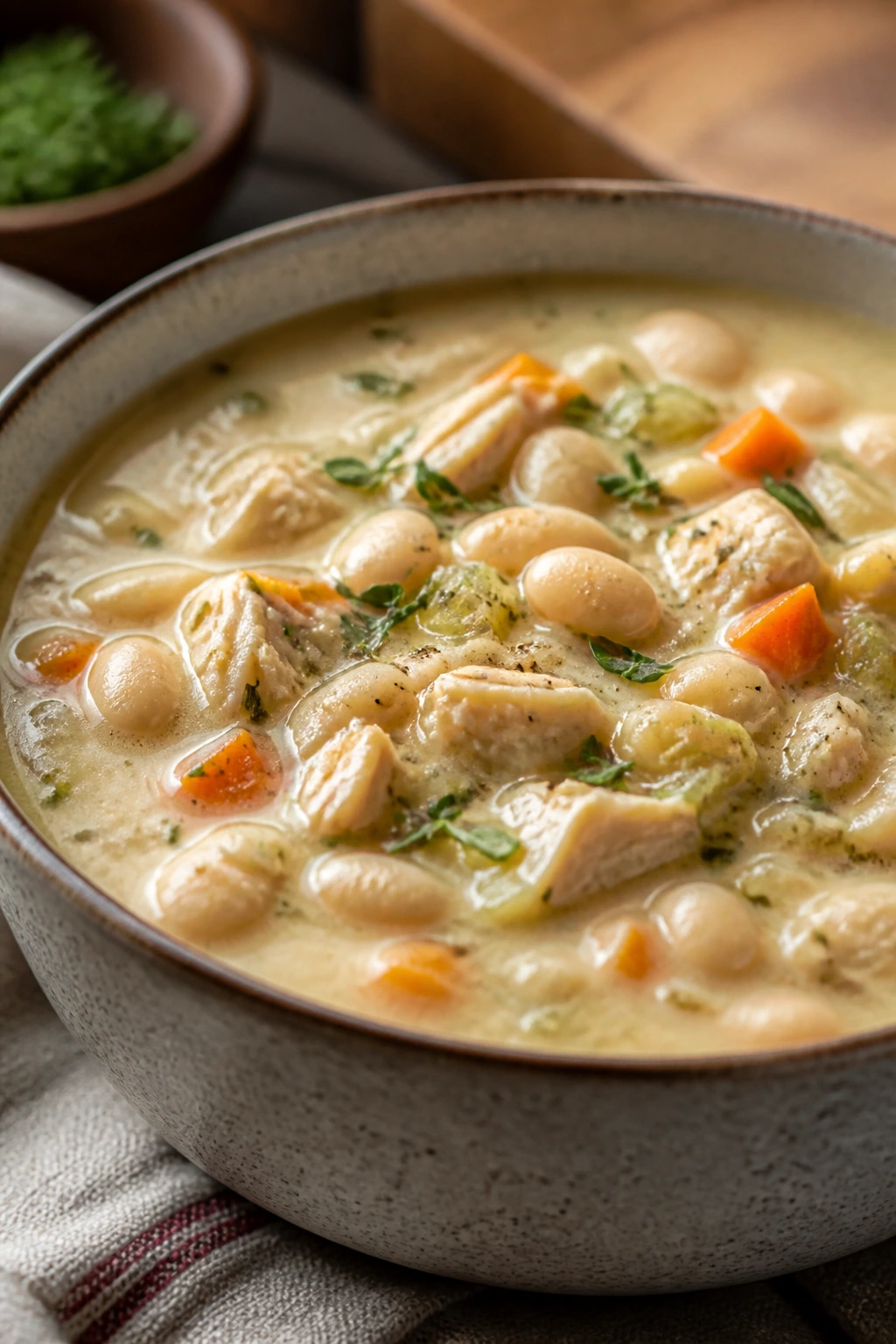
3. Chicken and White Bean Chowder
Intro: Chicken and white beans make a chowder that eats like dinner, not an appetizer. The beans thicken the broth from the inside, the chicken stays lean and tender, and carrots and celery keep the pot grounded.
Why It Works: Cannellini beans are the secret here. They melt enough to give the chowder body, but they still keep a little shape, which is more interesting than a fully blended soup.
Key Ingredients:
- 1 1/2 pounds boneless, skinless chicken thighs, diced
- 2 tablespoons olive oil
- 1 onion, diced
- 2 carrots, diced
- 2 celery stalks, diced
- 2 cans cannellini beans, rinsed and drained
- 5 cups low-sodium chicken broth
- 1 1/2 cups milk
- 1 teaspoon dried rosemary
- 1 1/2 teaspoons kosher salt
Quick Steps:
- Brown the chicken in olive oil over medium-high heat for 4 to 5 minutes.
- Add onion, carrots, and celery; cook 6 minutes until softened.
- Stir in beans, broth, rosemary, and salt, then simmer for 15 minutes.
- Mash about 1 cup of beans against the side of the pot.
- Stir in milk and warm for 3 minutes before serving.
Equipment for This Recipe:
- Large soup pot
- Potato masher
- Cutting board and chef’s knife
How to Serve This Dish: Spoon it over toasted sourdough if you want a heartier plate. A pile of chopped parsley on top makes the bowl look fresher than it has any right to.
Pro Tips for This Recipe:
- Chicken thighs stay juicier than breasts in a chowder.
- Mash only part of the beans or you’ll lose the pleasant texture.
- If using cooked chicken, add it in the last 5 minutes.
Variations on This Dish:
- Rotisserie Shortcut: Use 4 cups shredded rotisserie chicken and add it after the simmer.
- Lemon-Herb Version: Finish with 1 tablespoon lemon juice and extra parsley.
Common Mistakes to Avoid with This Dish:
- Using too much milk too soon: The broth can feel thin. Add it after the beans have done their work.
- Overcooking diced chicken breast: It dries out fast. Thighs are safer.
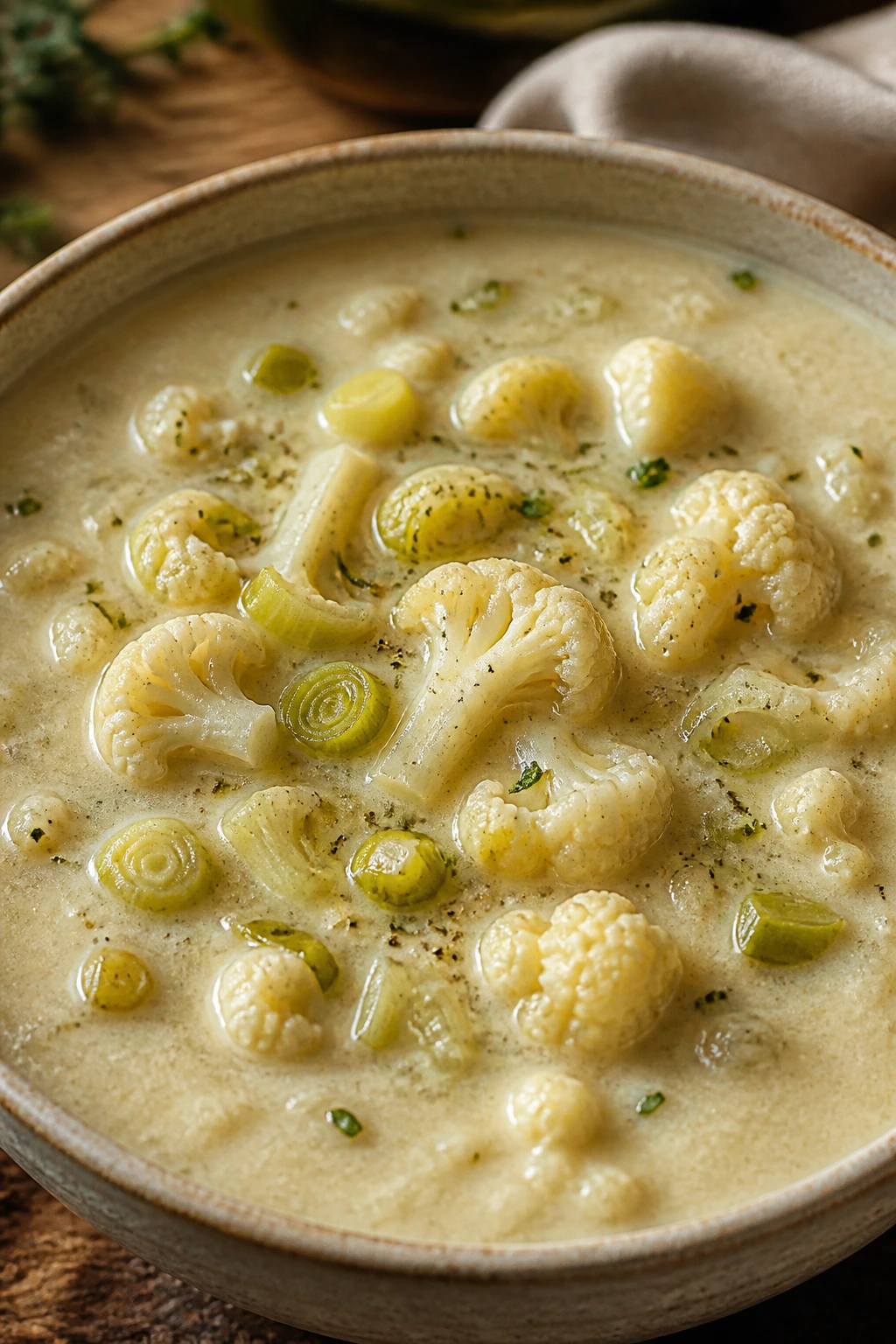
4. Cauliflower and Leek Chowder
Intro: Cauliflower chowder sounds modest until you taste it. Then it reads as creamy, sweet, and clean, with leeks doing the soft onion work and a little potato giving the pot the thickness people expect from chowder.
Why It Works: Blended cauliflower is one of the easiest ways to get a thick soup without flour. It also takes on seasoning well, which matters because cauliflower on its own can be shy.
Key Ingredients:
- 2 tablespoons olive oil
- 2 leeks, sliced
- 1 large head cauliflower, cut into florets
- 1 large Yukon Gold potato, diced
- 5 cups vegetable broth
- 1 cup unsweetened oat milk
- 1 teaspoon dried thyme
- 1 1/2 teaspoons kosher salt
- 1/2 teaspoon black pepper
- 2 tablespoons chopped chives
Quick Steps:
- Soften the leeks in oil over medium heat for 6 minutes.
- Add cauliflower, potato, broth, thyme, salt, and pepper.
- Simmer 18 minutes, until the vegetables are tender enough to crush with a spoon.
- Blend half the soup with an immersion blender for a thick, creamy base.
- Stir in oat milk and chives, then warm for 2 minutes.
Equipment for This Recipe:
- Large pot
- Immersion blender
- Fine-mesh strainer if you want a smoother finish
How to Serve This Dish: Serve with whole-grain croutons or a piece of grilled flatbread. It likes a green garnish because the bowl is pale and can use the contrast.
Pro Tips for This Recipe:
- Don’t puree every last bit; a few cauliflower pieces keep it from feeling like baby food.
- Oat milk stays neutral and creamy here.
- A little nutmeg, maybe 1/8 teaspoon, adds depth without turning the soup sweet.
Variations on This Dish:
- Roasted Garlic Version: Roast 1 head of garlic and blend the cloves into the soup.
- Cheddar-Optional Finish: Stir in 1/2 cup shredded sharp cheddar if you want more edge.
Common Mistakes to Avoid with This Dish:
- Over-blending into glue: Leave some texture. Chowder should have a little bite.
- Forgetting to season enough: Cauliflower needs salt or it tastes hollow.
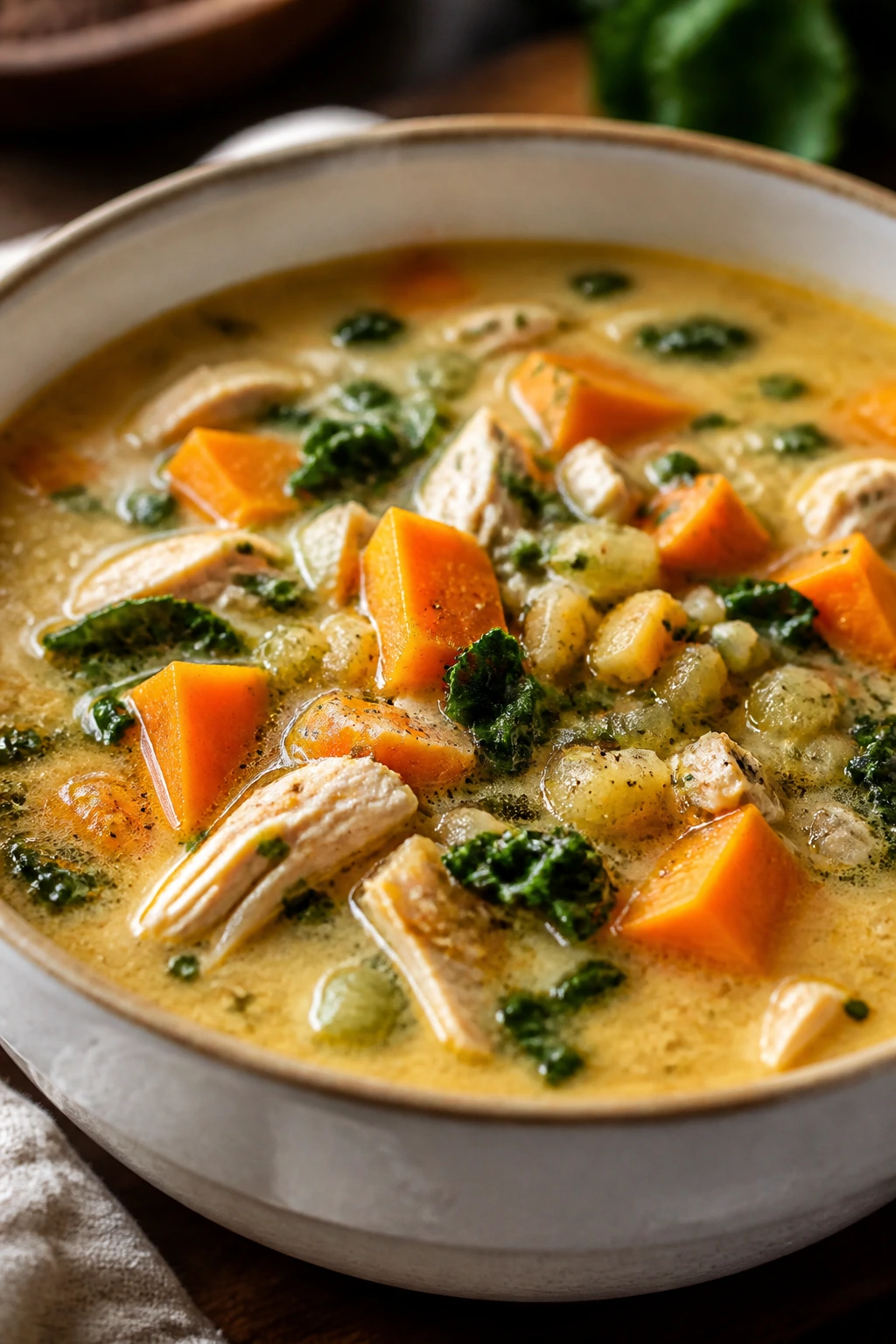
5. Turkey and Sweet Potato Chowder
Intro: Ground turkey and sweet potatoes make a chowder with a little sweetness, a little earthiness, and enough heft to carry a room full of hungry people. Kale gives it color and bite, and the soup stays lighter than a cream-heavy turkey stew.
Why It Works: Sweet potatoes soften into the broth and create natural body, while turkey gives clean protein without the grease of sausage or bacon. A little smoked paprika bridges the sweet and savory parts.
Key Ingredients:
- 1 1/2 pounds lean ground turkey
- 2 tablespoons olive oil
- 1 onion, diced
- 2 medium sweet potatoes, peeled and diced
- 5 cups low-sodium chicken broth
- 1 bunch kale, stems removed and chopped
- 1 cup milk
- 1 teaspoon smoked paprika
- 1 1/2 teaspoons kosher salt
- 1/2 teaspoon black pepper
Quick Steps:
- Brown the turkey in olive oil over medium heat, breaking it up as it cooks.
- Add onion and cook 5 minutes until translucent.
- Stir in sweet potatoes, broth, paprika, salt, and pepper.
- Simmer 18 to 20 minutes until the sweet potatoes are tender.
- Add kale and milk, then cook 3 more minutes until the kale turns deep green.
Equipment for This Recipe:
- Wide soup pot
- Wooden spoon
- Sharp peeler
How to Serve This Dish: It’s good with cornbread, especially if the cornbread is not sweetened much. A spoon of yogurt on top can cool the paprika and give the bowl a little tang.
Pro Tips for This Recipe:
- Cut the sweet potatoes small so they cook at the same pace as the turkey.
- If the turkey looks dry while browning, a splash of broth fixes it.
- Massage the kale with a pinch of salt first if you want it softer.
Variations on This Dish:
- Turkey-Bean Stretch: Add 1 can pinto beans to make the pot go farther.
- Curry Spiced Version: Swap paprika for 2 teaspoons curry powder and finish with cilantro.
Common Mistakes to Avoid with This Dish:
- Using giant sweet potato chunks: They stay hard in the center.
- Adding kale too early: It turns bitter and muddy.
6. Weeknight Clam and Celery Chowder
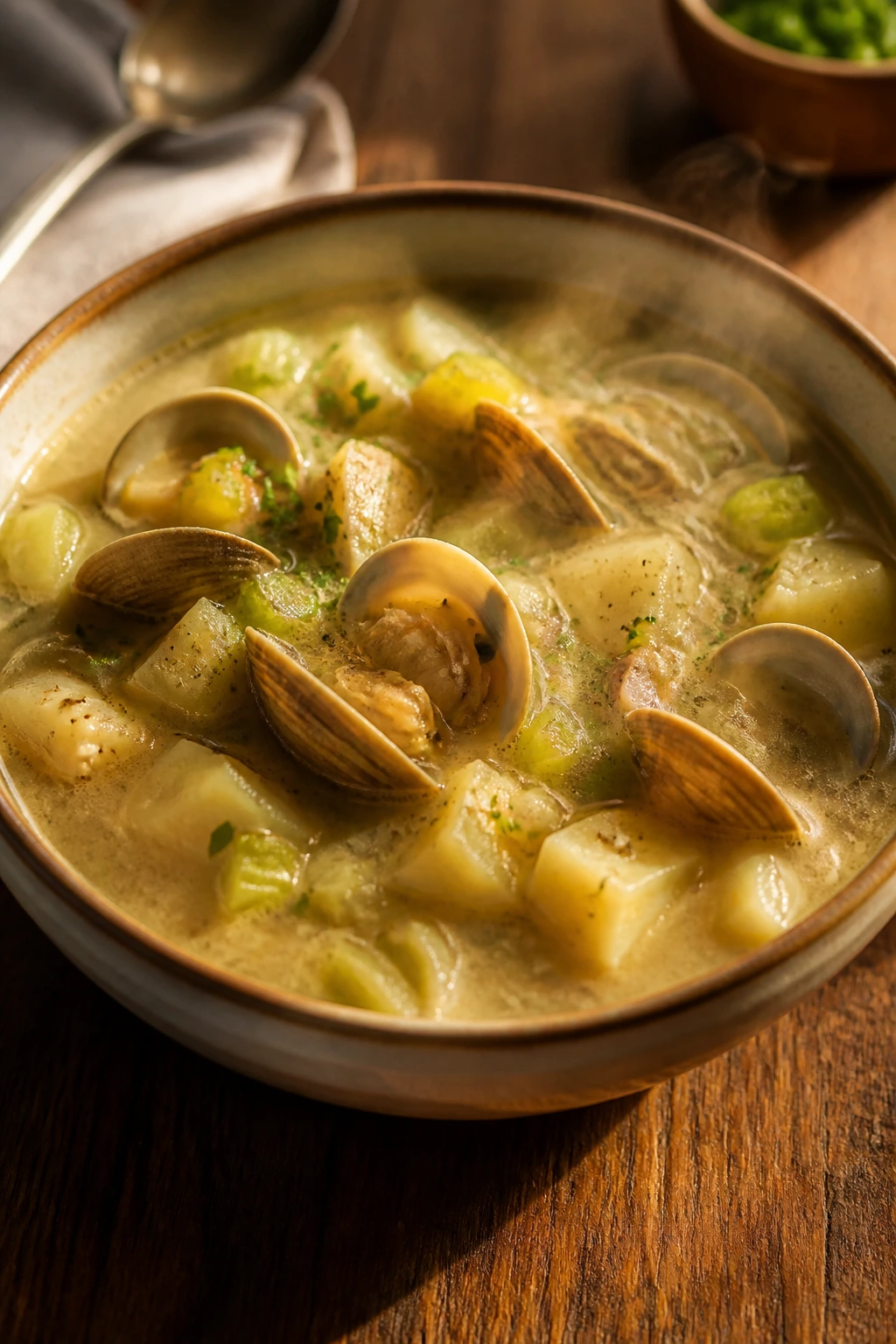
Intro: Clam chowder gets heavy fast when it’s built on too much cream. This version stays brighter, with celery, potato, and clams working in a clean, briny broth that still feels like the real thing.
Why It Works: Chopped clams carry enough salt and sea flavor that you don’t need much extra seasoning. The potatoes thicken the broth, and celery gives the classic chowder snap people expect.
Key Ingredients:
- 2 tablespoons olive oil
- 1 onion, diced
- 4 celery stalks, diced
- 2 pounds russet or Yukon Gold potatoes, cubed
- 4 cups low-sodium seafood or vegetable broth
- 2 cans chopped clams, with juice
- 1 1/2 cups milk
- 1 teaspoon dried thyme
- 1/2 teaspoon black pepper
- 2 tablespoons chopped parsley
Quick Steps:
- Cook onion and celery in olive oil for 6 minutes until softened.
- Add potatoes, broth, clam juice, thyme, and pepper; simmer 15 minutes.
- Stir in the clams and milk, then warm gently for 3 minutes.
- Taste before adding salt; clam juice can already do most of that work.
- Finish with parsley and serve hot.
Equipment for This Recipe:
- Medium Dutch oven
- Ladle
- Potato peeler
How to Serve This Dish: Oyster crackers make sense, but toasted rye is better if you want something sturdier. Keep the garnish simple: parsley or a pinch of chives, nothing busy.
Pro Tips for This Recipe:
- Don’t let the pot boil after the clams go in.
- Save the clam juice from the cans; it does half the seasoning.
- If you want a slightly thicker bowl, mash a few potatoes before adding the clams.
Variations on This Dish:
- Corn and Clam Chowder: Add 2 cups corn kernels with the potatoes.
- Lighter Dairy-Free Version: Use unsweetened oat milk and a teaspoon of olive oil at the end for richness.
Common Mistakes to Avoid with This Dish:
- Over-salting too early: The clam liquid can be plenty salty on its own.
- Cooking clams hard: They get rubbery in a hurry.
7. Black Bean and Corn Chowder
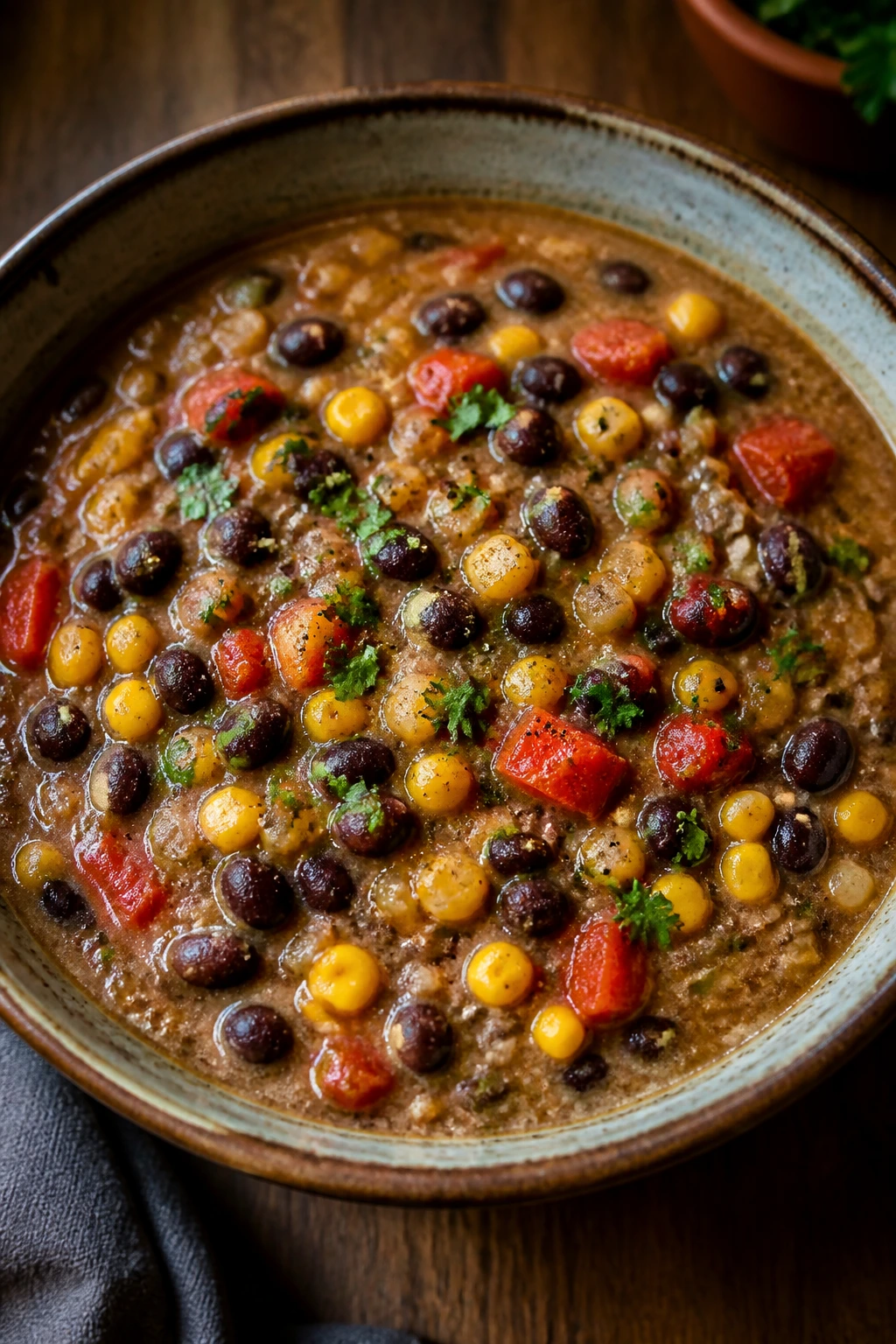
Intro: This one leans Southwestern without turning into chili. Black beans give it protein and body, corn brings sweetness, and a little lime at the end keeps the pot from tasting muddy.
Why It Works: Pureeing a portion of the beans makes the broth thick and silky, so you do not need flour or cream. Roasted red peppers add a sweet, smoky note that plays well with cumin.
Key Ingredients:
- 2 tablespoons olive oil
- 1 onion, diced
- 1 red bell pepper, diced
- 2 cans black beans, rinsed and drained
- 4 cups vegetable broth
- 3 cups corn kernels
- 1 can diced tomatoes, undrained
- 1 teaspoon ground cumin
- 1 1/2 teaspoons kosher salt
- 1 lime, juiced
- 1 avocado, sliced for serving
Quick Steps:
- Sauté onion and bell pepper in olive oil for 6 minutes.
- Add beans, broth, tomatoes, corn, cumin, and salt.
- Simmer 15 minutes, then blend 2 cups of the soup and return it to the pot.
- Stir in lime juice.
- Serve with avocado on top.
Equipment for This Recipe:
- Soup pot
- Immersion blender
- Citrus juicer or fork
How to Serve This Dish: A handful of tortilla strips gives this chowder crunch. I also like it with chopped cilantro and a spoonful of plain yogurt if you want to cool the cumin.
Pro Tips for This Recipe:
- Blending a portion of the beans thickens the pot without losing texture.
- Lime goes in at the end or it dulls while simmering.
- Frozen corn is fine here; no need for fresh.
Variations on This Dish:
- Chipotle Heat: Add 1 chopped chipotle in adobo for smoke and heat.
- Vegan Creamy Finish: Stir in 1/2 cup plain cashew cream instead of yogurt.
Common Mistakes to Avoid with This Dish:
- Pureeing all of it: You’ll lose the bean texture that makes the chowder feel substantial.
- Skipping acid: The lime keeps the sweetness from taking over.
8. Broccoli and Light Cheddar Chowder
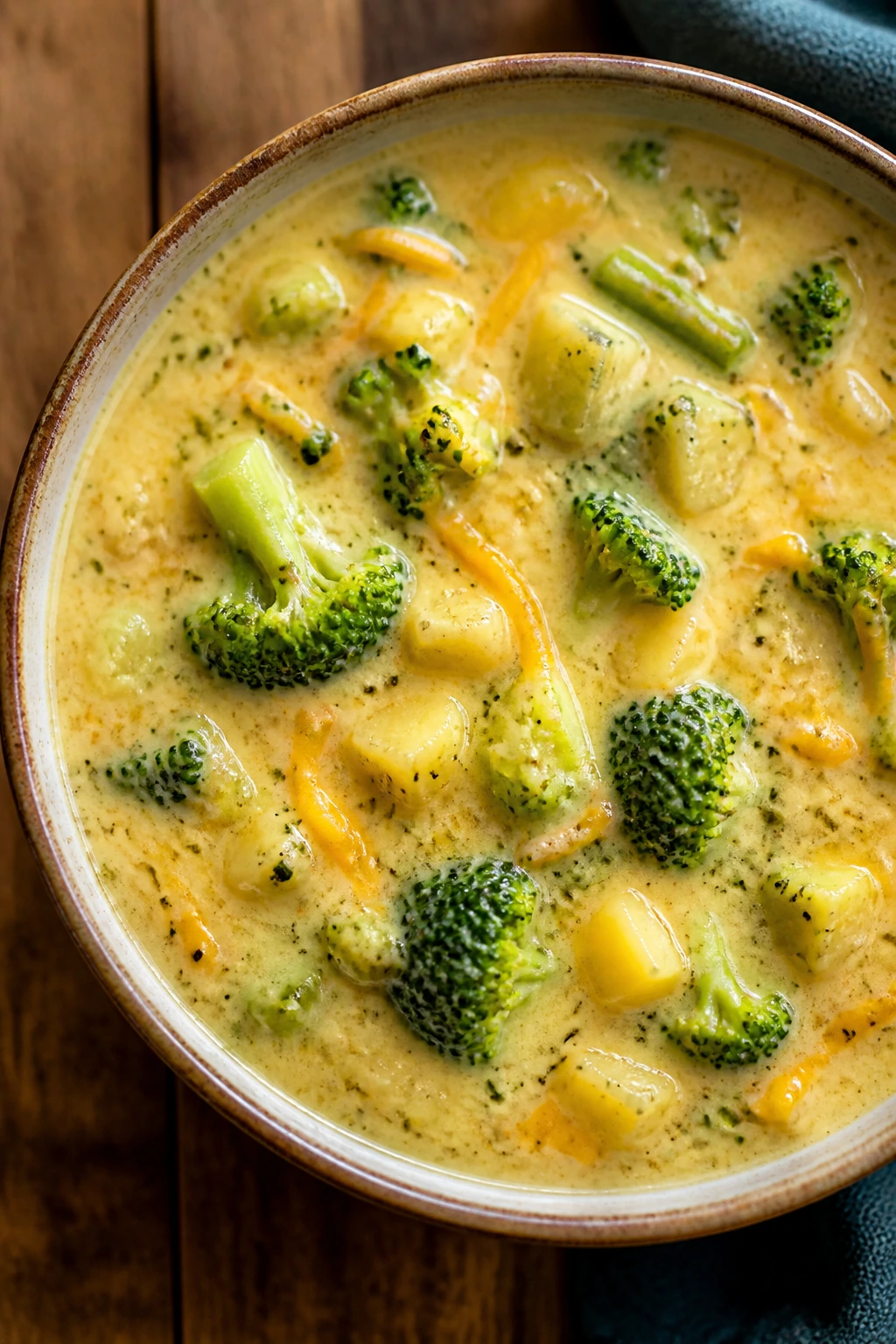
Intro: Broccoli chowder can go wrong fast if it turns grainy or dull. This version keeps the cheese in check, uses plenty of broccoli stems, and lands with enough body to feel like a proper meal.
Why It Works: A little potato helps the broccoli chowder thicken naturally, and using reduced-fat cheddar in a modest amount keeps the sauce smooth if you melt it off the heat. The stems matter too; they’re too often tossed, and they bring a sweet, clean flavor.
Key Ingredients:
- 2 tablespoons butter or olive oil
- 1 onion, diced
- 2 broccoli crowns, florets and peeled stems chopped
- 2 medium potatoes, diced
- 5 cups vegetable broth
- 1 1/2 cups milk
- 1 1/2 cups shredded sharp cheddar
- 1 teaspoon Dijon mustard
- 1 1/2 teaspoons kosher salt
- 1/2 teaspoon black pepper
Quick Steps:
- Cook onion in butter or oil for 5 minutes.
- Add broccoli stems, potatoes, broth, salt, and pepper; simmer 15 minutes.
- Add broccoli florets and cook 5 more minutes until bright green.
- Lower the heat, stir in milk and Dijon, then add cheddar off the boil.
- Stir until smooth and serve.
Equipment for This Recipe:
- Heavy pot
- Box grater if the cheese is not pre-shredded
- Wooden spoon
How to Serve This Dish: It’s sturdy enough for a bowl and a sandwich, especially something sharp like turkey on rye. A little extra cheddar on top is fine, but don’t drown the bowl in it.
Pro Tips for This Recipe:
- Add cheese after the heat drops or it can turn grainy.
- Broccoli stems should be peeled; the outer layer stays woody.
- A spoon of Dijon sharpens the cheese flavor more than extra salt.
Variations on This Dish:
- Cauliflower Swap: Replace half the broccoli with cauliflower for a softer, milder flavor.
- Bacon-Optional Topping: A teaspoon or two of crisp bacon bits adds smoke without taking over.
Common Mistakes to Avoid with This Dish:
- Boiling after the cheese goes in: That’s how you get a split, oily mess.
- Leaving stems in big chunks: They stay tough and stringy.
9. Mushroom and Barley Chowder
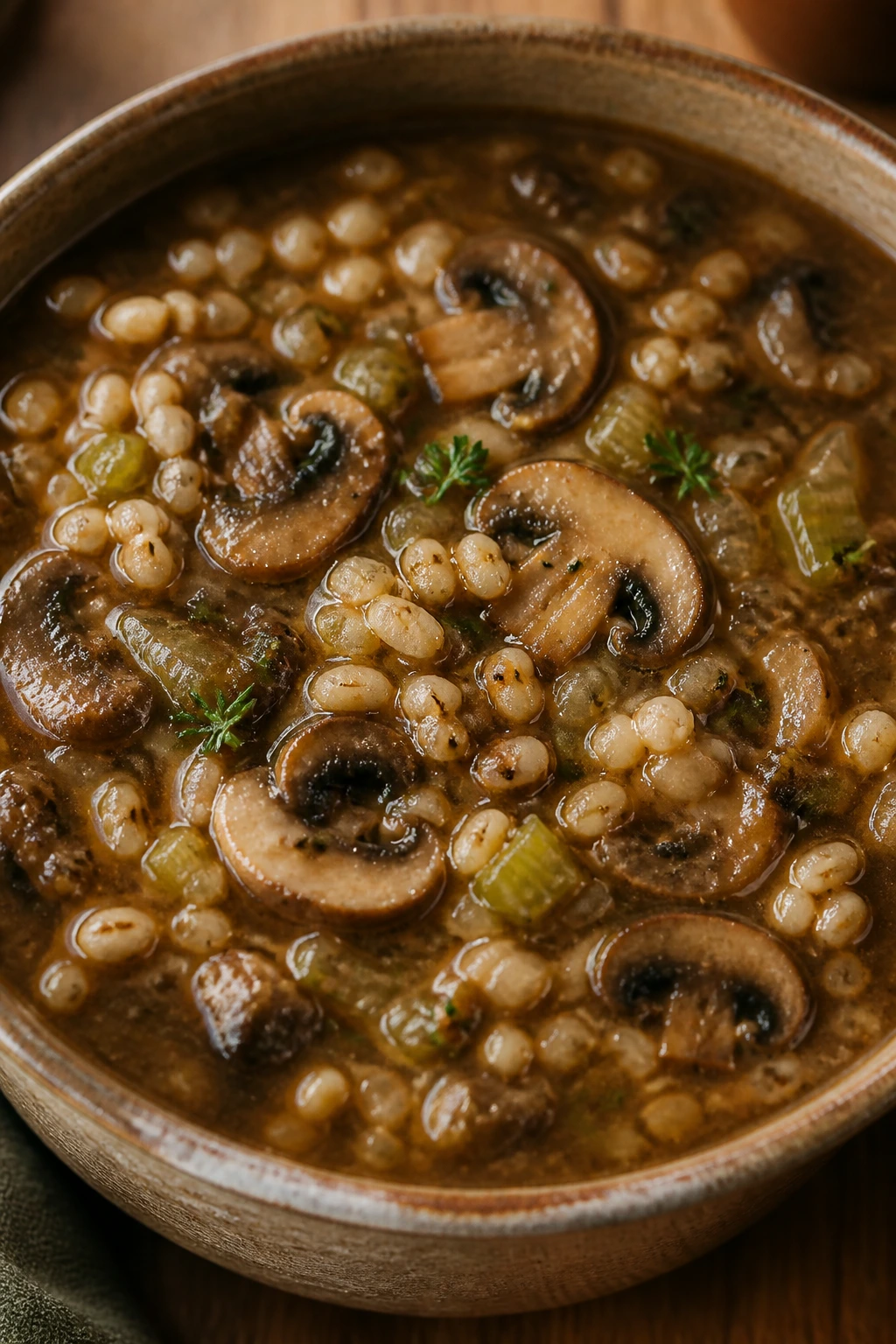
Intro: Mushroom chowder with barley has a deep, brown-bread flavor that feels old-fashioned in the best way. The barley gives the soup chew, the mushrooms go meaty without actual meat, and the broth gets darker and more savory as it simmers.
Why It Works: Barley thickens naturally as it cooks, which gives the chowder body and a little chew without cream. Cremini mushrooms are good, but a mix of cremini and shiitake makes the bowl taste more layered.
Key Ingredients:
- 2 tablespoons olive oil
- 1 onion, diced
- 1 pound cremini mushrooms, sliced
- 2 carrots, diced
- 1/2 cup pearl barley, rinsed
- 6 cups vegetable broth
- 1 teaspoon dried thyme
- 1 cup milk or unsweetened oat milk
- 1 1/2 teaspoons kosher salt
- 1/2 teaspoon black pepper
Quick Steps:
- Brown the mushrooms in olive oil over medium-high heat for 6 to 8 minutes.
- Add onion and carrots; cook 5 minutes.
- Stir in barley, broth, thyme, salt, and pepper.
- Simmer 35 minutes until the barley is tender.
- Add milk and warm 3 minutes before serving.
Equipment for This Recipe:
- Large soup pot
- Long spoon
- Fine sieve for rinsing barley
How to Serve This Dish: A loaf of crusty whole-grain bread is the right partner. If you want to make the bowl feel richer, drizzle with a little olive oil right before serving.
Pro Tips for This Recipe:
- Let the mushrooms brown instead of steaming; that’s where the flavor lives.
- Pearl barley needs time, so don’t rush the simmer.
- Add a handful of chopped parsley at the end if the soup tastes too dark.
Variations on This Dish:
- Wild Mushroom Version: Use 8 ounces shiitakes or oyster mushrooms with the creminis.
- Herbed Potato-Barley Chowder: Add 1 diced potato if you want a thicker, more familiar chowder feel.
Common Mistakes to Avoid with This Dish:
- Under-browning the mushrooms: The soup ends up pale and flat.
- Rushing barley: Hard barley in a soft soup is a bad contrast.
10. Shrimp and Tomato Chowder
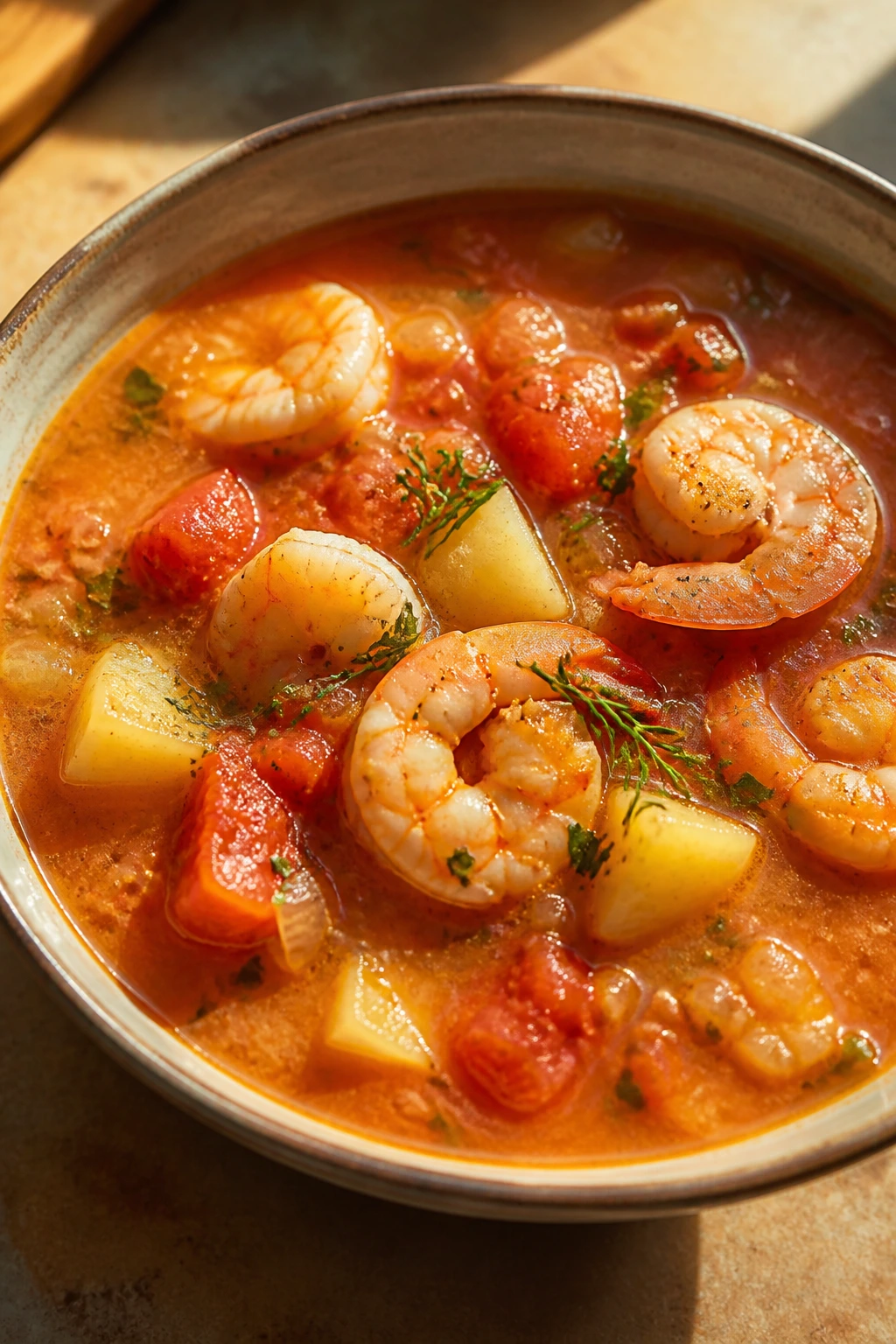
Intro: Shrimp chowder is a little unusual, and that’s part of the appeal. Tomatoes give it color and acidity, potatoes make it filling, and the shrimp cook fast enough to stay juicy if you don’t lose patience.
Why It Works: Shrimp need only a few minutes in the hot broth, which makes this a good last-minute chowder for a crowd. The tomatoes keep the soup from feeling heavy, and fennel gives the pot a subtle sweetness.
Key Ingredients:
- 1 1/2 pounds raw shrimp, peeled and deveined
- 2 tablespoons olive oil
- 1 onion, diced
- 1 fennel bulb, diced
- 2 medium potatoes, diced
- 1 can crushed tomatoes
- 4 cups fish or vegetable broth
- 1 cup milk
- 1 teaspoon smoked paprika
- 1 1/2 teaspoons kosher salt
Quick Steps:
- Cook onion and fennel in olive oil for 6 minutes.
- Add potatoes, tomatoes, broth, paprika, and salt; simmer 15 minutes.
- Stir in milk and cook 3 more minutes.
- Add shrimp and simmer 3 to 4 minutes until pink and curled.
- Serve right away.
Equipment for This Recipe:
- Large pot
- Sharp paring knife
- Slotted spoon
How to Serve This Dish: Serve with garlic toast if you want something that can catch the tomato broth. A squeeze of lemon over each bowl wakes up the shrimp.
Pro Tips for This Recipe:
- Buy shrimp that are already peeled and deveined if you’re feeding a crowd.
- Do not let the soup bubble hard after the shrimp go in.
- Smoked paprika gives the bowl a warm, almost coastal depth.
Variations on This Dish:
- Corny Shrimp Chowder: Add 2 cups corn kernels with the potatoes.
- Spicy Tomato Version: Add a pinch of cayenne or red pepper flakes.
Common Mistakes to Avoid with This Dish:
- Overcooking shrimp: They turn tight and squeaky fast.
- Skipping fennel: It balances the tomato and seafood in a way onion alone won’t.
11. Lentil and Kale Chowder
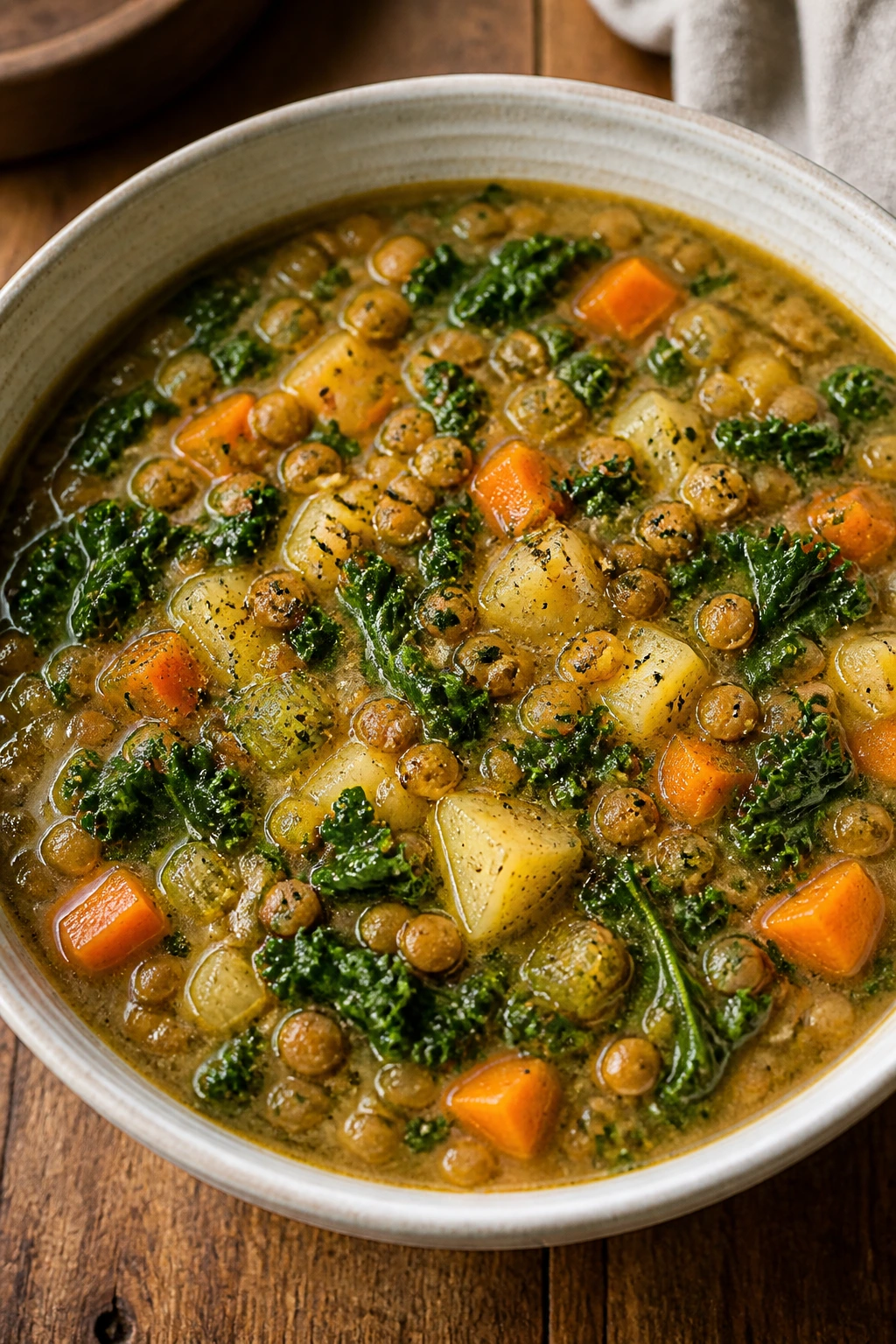
Intro: Lentils make a chowder that eats like a full meal and still feels light enough for a second bowl. Kale brings a faint bitterness, carrots add sweetness, and the lentils give the soup a thick, earthy backbone.
Why It Works: Lentils cook faster than beans and don’t need soaking, which makes this a smart big-batch soup. Green or brown lentils hold shape better than red ones, so the chowder stays textured instead of mushy.
Key Ingredients:
- 2 tablespoons olive oil
- 1 onion, diced
- 2 carrots, diced
- 2 celery stalks, diced
- 1 1/2 cups green or brown lentils, rinsed
- 6 cups vegetable broth
- 1 large potato, diced
- 1 bunch kale, chopped
- 1 teaspoon dried thyme
- 1 1/2 teaspoons kosher salt
Quick Steps:
- Cook onion, carrots, and celery in olive oil for 6 minutes.
- Add lentils, broth, potato, thyme, and salt.
- Simmer 25 minutes until the lentils are tender.
- Stir in kale and cook 5 minutes.
- Taste and adjust seasoning before serving.
Equipment for This Recipe:
- Soup pot
- Measuring cups
- Ladle
How to Serve This Dish: A spoon of pesto on top sounds odd, but it works. So does a little grated Parmesan and a thick slice of whole wheat bread.
Pro Tips for This Recipe:
- Keep the lentils on the green or brown side for texture.
- If the soup gets too thick, add broth in 1/2-cup splashes.
- A teaspoon of red wine vinegar at the end sharpens the whole pot.
Variations on This Dish:
- Tomato Lentil Chowder: Add 1 can diced tomatoes for a brighter broth.
- Spiced Carrot Version: Add 1 teaspoon cumin and 1/2 teaspoon coriander.
Common Mistakes to Avoid with This Dish:
- Using red lentils: They collapse too fast for this style.
- Adding kale too soon: It loses color and turns limp.
12. Smoked Haddock and Potato Chowder
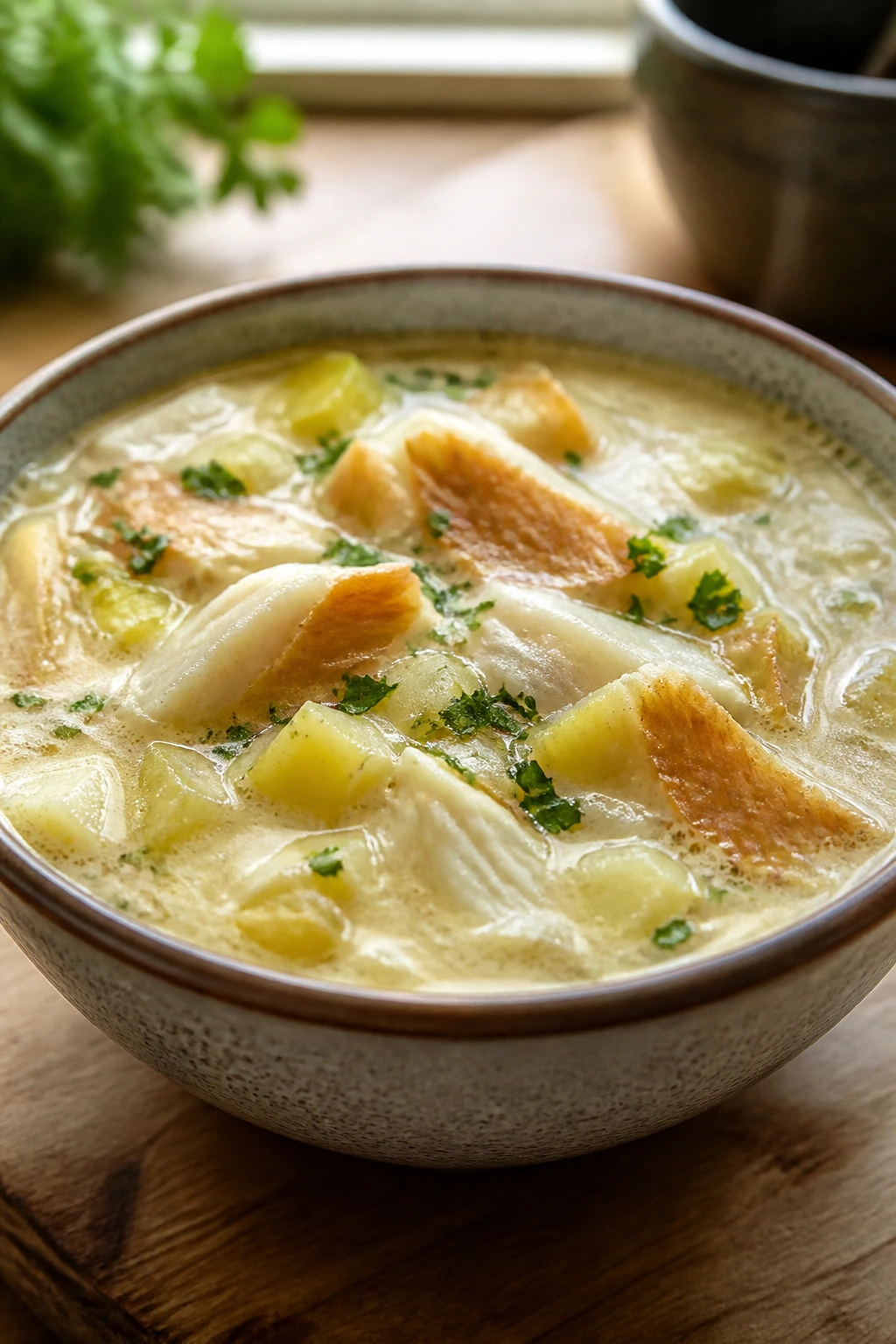
Intro: Smoked haddock gives chowder a deep, savory edge that plain fish never quite reaches. The smoke does half the seasoning work, which lets the potatoes and leeks stay gentle instead of fighting for attention.
Why It Works: The fish poaches directly in the broth, which flavors the soup and keeps the flesh delicate. Use only a small amount of salt at first; smoked haddock can be saltier than you expect.
Key Ingredients:
- 1 1/2 pounds smoked haddock fillets
- 2 tablespoons butter
- 2 leeks, sliced
- 2 pounds potatoes, diced
- 5 cups low-sodium fish or vegetable broth
- 1 1/2 cups milk
- 1 cup frozen peas
- 1 teaspoon black pepper
- 2 tablespoons chopped parsley
Quick Steps:
- Soften leeks in butter for 5 minutes.
- Add potatoes and broth, then simmer 15 minutes.
- Nestle haddock into the pot and poach 6 to 8 minutes.
- Remove the fish, flake it, and return it with milk and peas.
- Warm gently and finish with parsley.
Equipment for This Recipe:
- Wide soup pot
- Fish spatula
- Fork for flaking
How to Serve This Dish: Serve in shallow bowls so the flaked fish shows on top. Brown bread or soda bread is the natural side if you have it.
Pro Tips for This Recipe:
- Poach the fish gently so it stays in large flakes.
- If the haddock is very salty, rinse it quickly first.
- Add peas at the end for color and sweetness.
Variations on This Dish:
- Cod Swap: Use cod if you want a milder fish flavor.
- Herb Finish: Dill or chives both work better than heavy herbs.
Common Mistakes to Avoid with This Dish:
- Boiling the fish hard: It gets dry and breaks apart.
- Too much added salt: Smoked haddock usually needs less than you think.
13. Butternut Squash and Apple Chowder
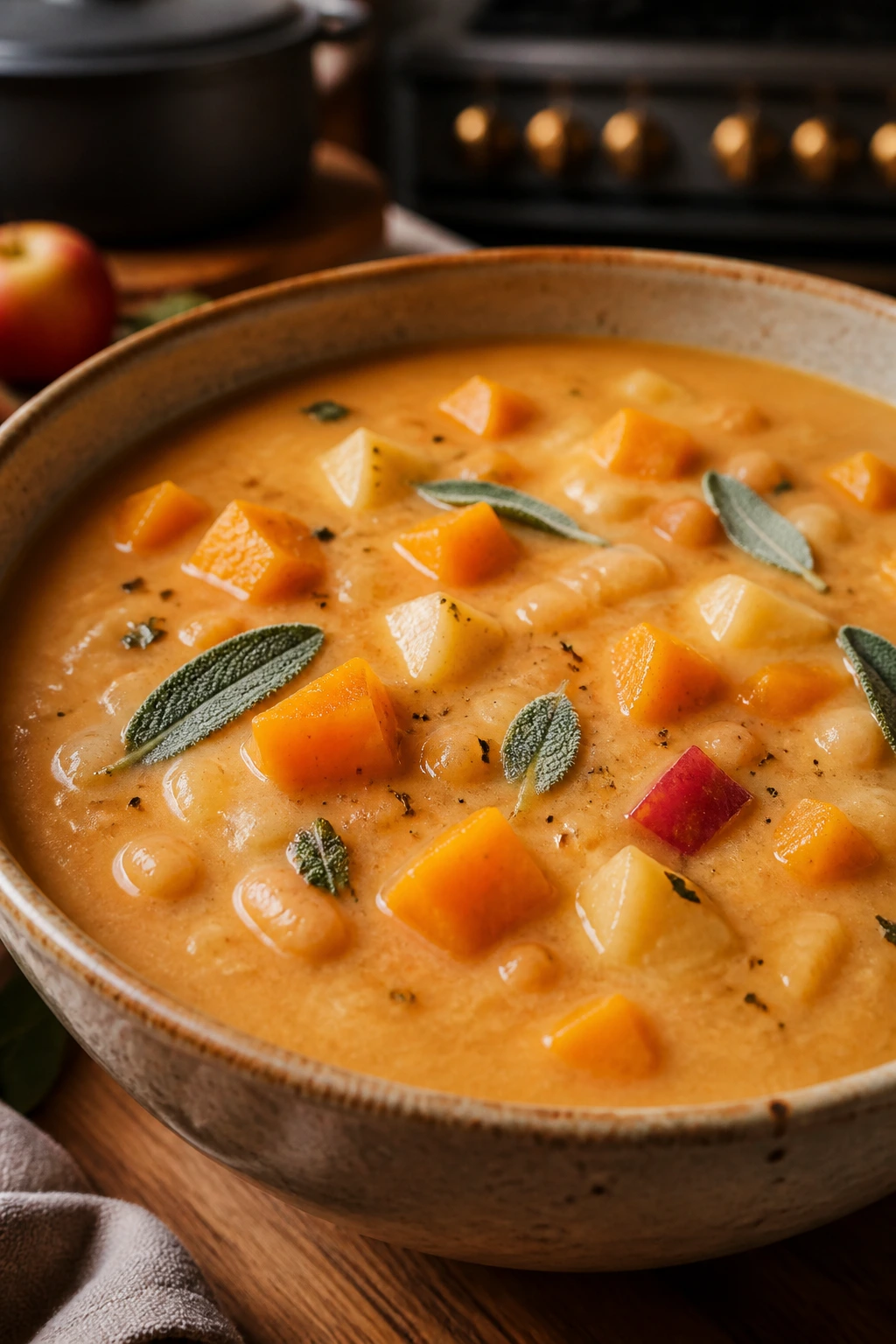
Intro: Butternut squash and apple make a chowder that tastes warm and a little sweet, but not dessert-like. White beans round it out, and sage gives the bowl a savory finish that keeps the fruit from taking over.
Why It Works: Squash blends into a smooth base, apples brighten the flavor, and beans add protein and extra thickness. It’s one of the easiest chowders to make feel rich without a lot of dairy.
Key Ingredients:
- 2 tablespoons olive oil
- 1 onion, diced
- 1 butternut squash, peeled and cubed
- 1 tart apple, peeled and diced
- 2 cans cannellini beans, rinsed and drained
- 6 cups vegetable broth
- 1 cup milk or oat milk
- 1 teaspoon dried sage
- 1 1/2 teaspoons kosher salt
- 1/2 teaspoon black pepper
Quick Steps:
- Cook onion in oil for 5 minutes.
- Add squash, apple, broth, sage, salt, and pepper.
- Simmer 20 minutes until the squash is soft.
- Blend half the soup, then stir in beans and milk.
- Warm 5 minutes and serve.
Equipment for This Recipe:
- Large pot
- Immersion blender
- Vegetable peeler
How to Serve This Dish: Toasted pepitas on top add crunch and make the bowl look finished. I’d serve it with a simple salad dressed in lemon, because the chowder is already carrying some sweetness.
Pro Tips for This Recipe:
- Choose a tart apple like Granny Smith so the soup doesn’t tilt sugary.
- Roasting the squash first gives a deeper flavor, if you have the time.
- Blend only part of the pot or you’ll lose the bean texture.
Variations on This Dish:
- Coconut Sage Version: Swap the milk for unsweetened coconut milk.
- Maple-Optional Finish: A teaspoon of maple syrup smooths the edge if your squash is very pale.
Common Mistakes to Avoid with This Dish:
- Using a sweet apple: The flavor can get flat and syrupy.
- Skipping the sage: The soup needs that savory anchor.
14. Vegetable Medley Chowder with Pesto
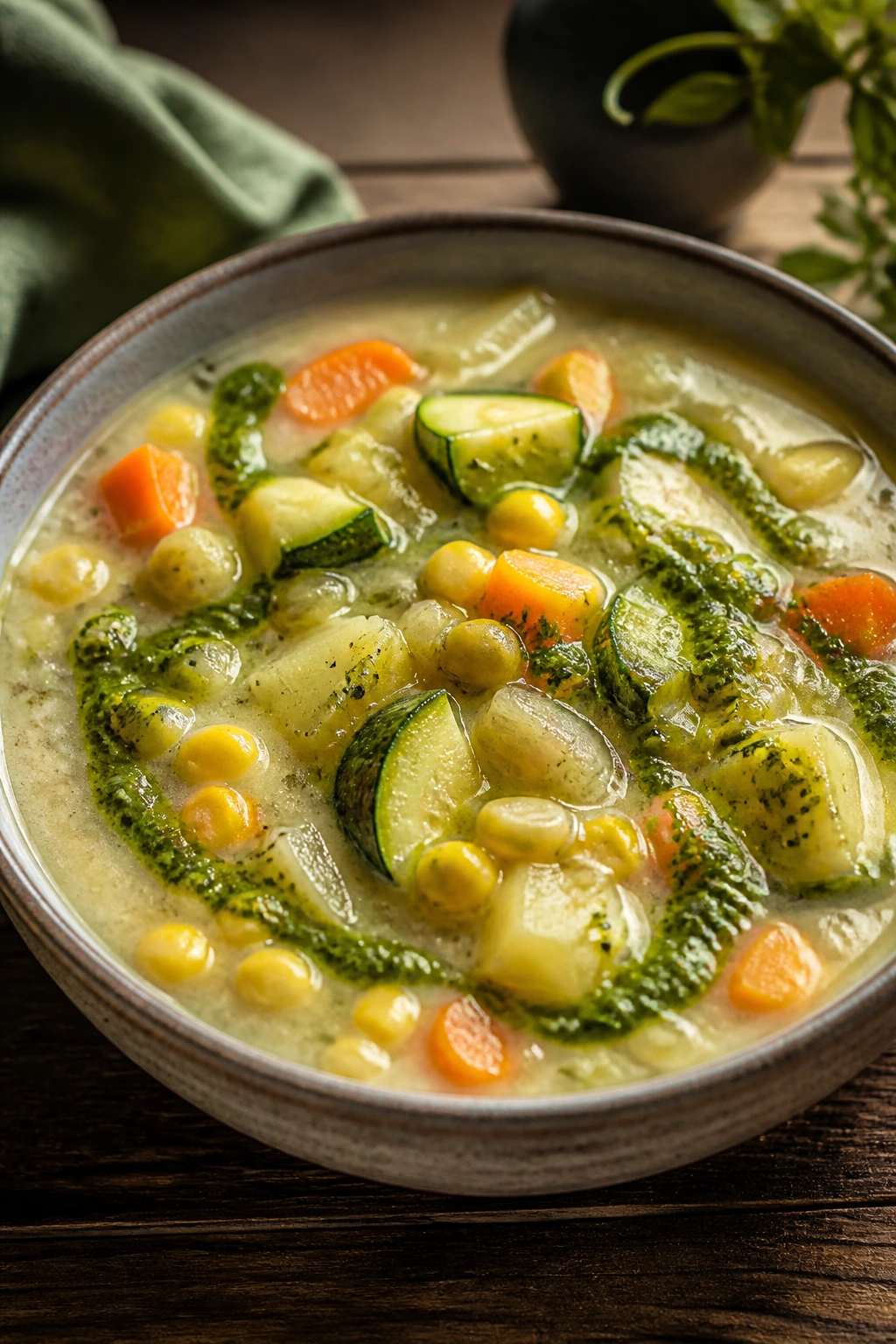
Intro: This is the clean-out-the-crisper chowder that still tastes deliberate. Zucchini, carrots, corn, and potatoes make the body of the soup, while a spoonful of pesto at the end gives it a green, garlicky lift.
Why It Works: Pesto works best off the heat, where its basil stays fresh instead of dulling. White beans thicken the broth and give enough protein that the soup doesn’t feel like side dish material.
Key Ingredients:
- 2 tablespoons olive oil
- 1 onion, diced
- 2 carrots, diced
- 2 zucchini, diced
- 1 potato, diced
- 1 can white beans, rinsed and drained
- 4 cups vegetable broth
- 2 cups corn kernels
- 1/2 cup pesto
- 1 1/2 teaspoons kosher salt
Quick Steps:
- Soften onion and carrots in oil for 5 minutes.
- Add zucchini, potato, broth, and salt; simmer 15 minutes.
- Stir in corn and beans, then cook 5 more minutes.
- Turn off the heat and stir in pesto.
- Taste and add more salt only if needed.
Equipment for This Recipe:
- Large soup pot
- Wooden spoon
- Ladle
How to Serve This Dish: Serve with crusty bread and a few extra basil leaves on top. It’s one of the prettiest bowls in the bunch if you keep the garnish simple.
Pro Tips for This Recipe:
- Add pesto at the very end so the basil stays bright.
- Dice the zucchini larger than the carrots; it softens faster.
- Frozen corn works fine and saves chopping.
Variations on This Dish:
- Spinach Pesto Version: Use spinach pesto if basil is not what you have.
- Parmesan Finish: A little grated Parmesan at the table gives the broth extra depth.
Common Mistakes to Avoid with This Dish:
- Cooking pesto hard: Heat dulls the basil and makes the garlic rough.
- Adding zucchini too early: It can collapse into mush.
15. Zucchini and Basil Chowder
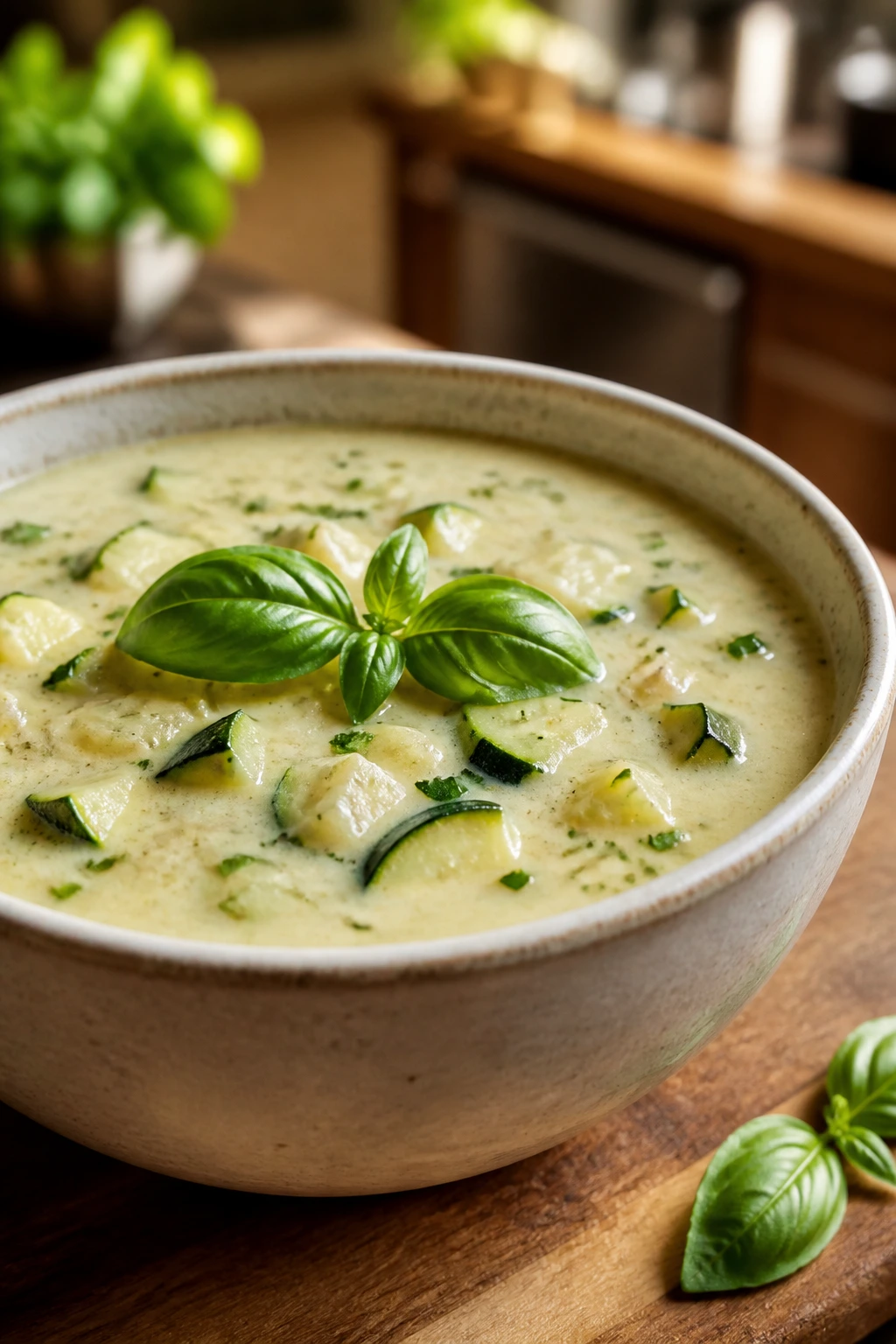
Intro: Zucchini chowder can be forgettable if it’s treated like filler, but basil fixes that. The zucchini goes soft and sweet, the potato makes the broth creamy, and a handful of basil gives the soup a fresh, almost peppery smell.
Why It Works: Zucchini breaks down fast, so it needs only a short simmer. A little Greek yogurt stirred in at the end can replace heavier cream while giving the bowl a cool, tangy finish.
Key Ingredients:
- 2 tablespoons olive oil
- 1 onion, diced
- 3 zucchini, diced
- 1 potato, diced
- 5 cups vegetable broth
- 1 cup frozen peas
- 1/2 cup plain Greek yogurt
- 1/2 cup chopped basil
- 1 1/2 teaspoons kosher salt
- 1/2 teaspoon black pepper
Quick Steps:
- Cook onion in oil for 5 minutes.
- Add zucchini, potato, broth, salt, and pepper; simmer 15 minutes.
- Stir in peas for the last 3 minutes.
- Mash a few potato pieces, then turn off the heat.
- Stir in yogurt and basil.
Equipment for This Recipe:
- Soup pot
- Potato masher
- Small bowl for tempering yogurt
How to Serve This Dish: Top it with extra basil and a drizzle of olive oil. It pairs well with tomato toast or a cucumber salad if you want something crisp alongside it.
Pro Tips for This Recipe:
- Temper the yogurt with a spoonful of hot soup first so it won’t curdle.
- Basil should go in at the end or it loses its scent.
- A squeeze of lemon sharpens zucchini more than extra salt.
Variations on This Dish:
- Garlic Zucchini Version: Add 4 minced garlic cloves with the onion.
- Dairy-Free Bowl: Skip the yogurt and blend 1 cup of the soup for body instead.
Common Mistakes to Avoid with This Dish:
- Overcooking zucchini: It goes watery and drab.
- Adding yogurt straight from the fridge to boiling soup: That’s how curdles happen.
16. Corn, Tomato, and Chickpea Chowder
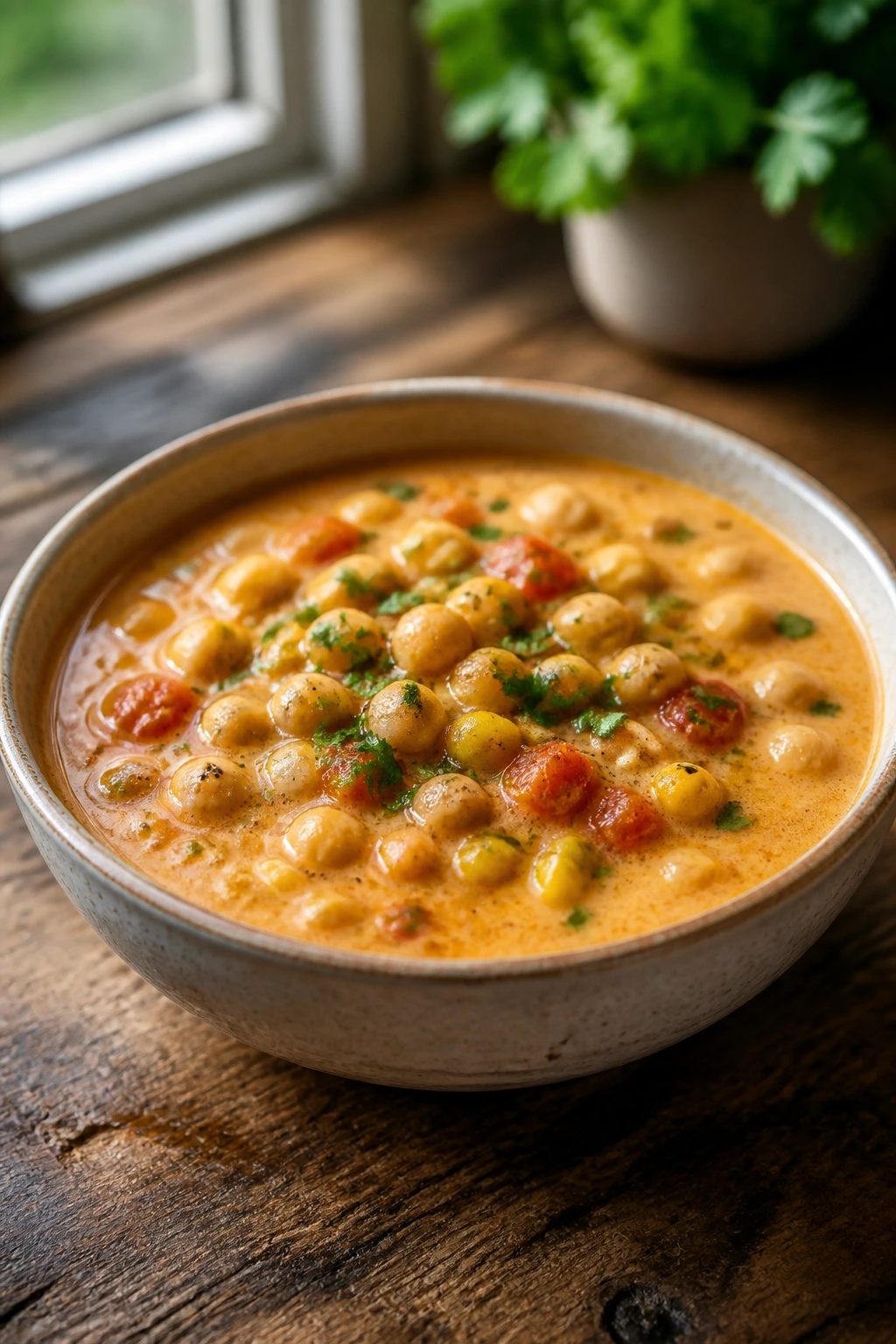
Intro: Chickpeas give this chowder a sturdy, almost stew-like feel, while corn and tomato keep it lively. The result sits somewhere between chowder and summer soup, which is a nice place to be when you want a bowl that can still feed a room full of people.
Why It Works: Tomatoes add acidity and color, chickpeas bring protein, and a little cumin makes the whole pot taste warmer. It’s one of the easiest vegan crowd soups to pull off without anyone asking where the cream went.
Key Ingredients:
- 2 tablespoons olive oil
- 1 onion, diced
- 1 red bell pepper, diced
- 2 cans chickpeas, rinsed and drained
- 1 can diced tomatoes
- 4 cups vegetable broth
- 3 cups corn kernels
- 1 teaspoon ground cumin
- 1 1/2 teaspoons kosher salt
- 1 lime, juiced
Quick Steps:
- Cook onion and bell pepper in oil for 6 minutes.
- Add chickpeas, tomatoes, broth, corn, cumin, and salt.
- Simmer 18 minutes, then mash some chickpeas to thicken the soup.
- Stir in lime juice.
- Serve with cilantro if you like it.
Equipment for This Recipe:
- Heavy pot
- Potato masher
- Citrus juicer
How to Serve This Dish: Spoon it into bowls with avocado slices or a little chopped cilantro. Tortilla chips on the side make more sense than bread here.
Pro Tips for This Recipe:
- Mash some chickpeas only after simmering so the soup stays chunky.
- Lime juice at the end keeps the flavor sharp.
- If the tomatoes are very acidic, add a pinch of sugar.
Variations on This Dish:
- Roasted Corn Version: Char the corn in a skillet first for deeper flavor.
- Smoky Chile Version: Add diced green chiles for more heat and less sweetness.
Common Mistakes to Avoid with This Dish:
- Skipping the mash: The soup can feel thin without it.
- Adding lime too early: The flavor fades during simmering.
17. Split Pea and Potato Chowder
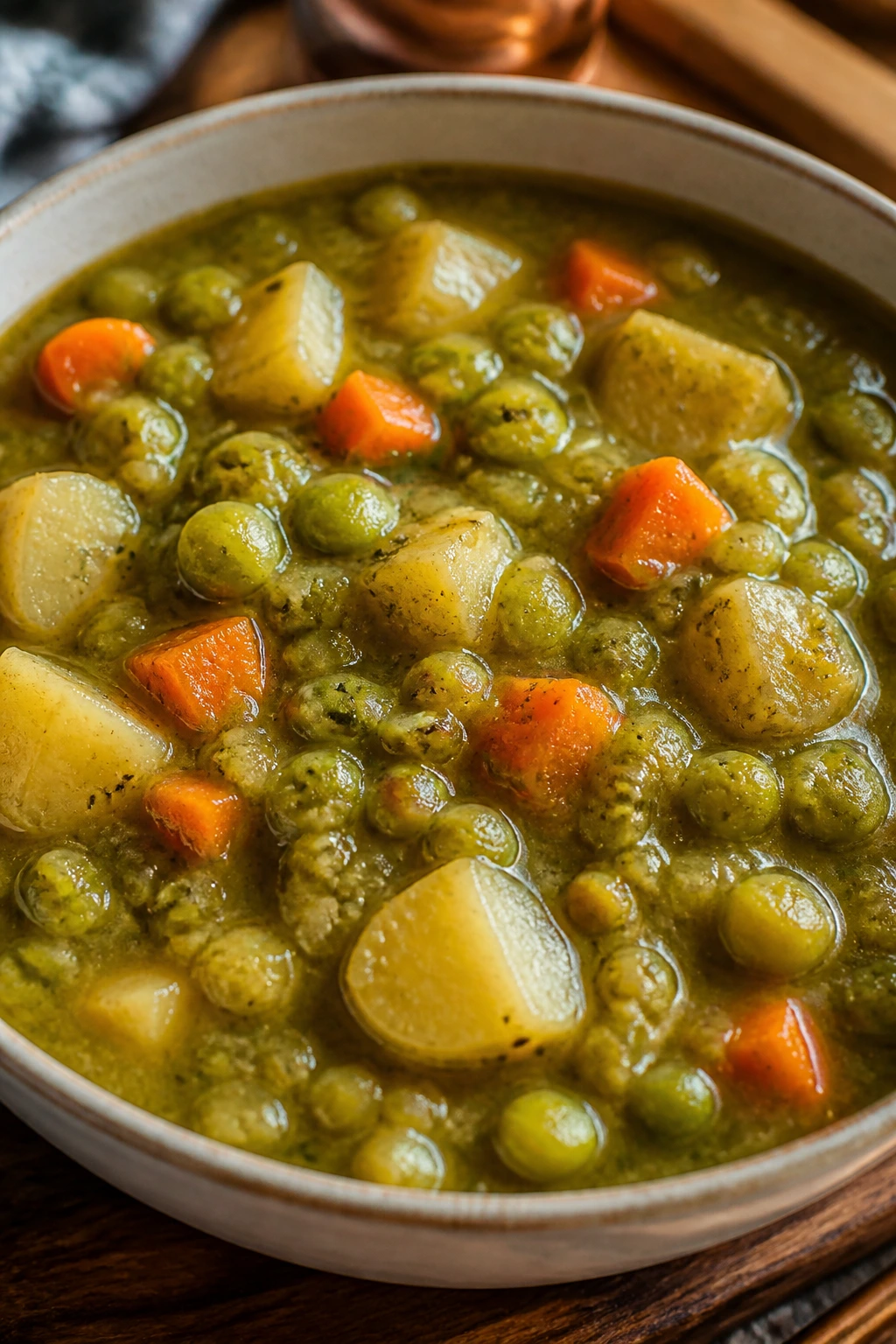
Intro: Split pea chowder is old-school in a way I respect. It’s thick, green, and sturdy, with potatoes giving it a more chowder-like shape and carrots keeping the color from going flat.
Why It Works: Split peas break down on their own, so they create body without flour, cream, or a blender. A smoked paprika finish can mimic the depth people usually get from ham.
Key Ingredients:
- 2 tablespoons olive oil
- 1 onion, diced
- 2 carrots, diced
- 2 celery stalks, diced
- 1 1/2 cups split peas, rinsed
- 1 large potato, diced
- 6 cups vegetable broth
- 1 teaspoon smoked paprika
- 1 1/2 teaspoons kosher salt
- 1/2 teaspoon black pepper
Quick Steps:
- Cook onion, carrots, and celery in oil for 5 minutes.
- Add split peas, potato, broth, paprika, salt, and pepper.
- Simmer 40 to 45 minutes, stirring now and then, until the peas collapse.
- Add more broth if the pot gets too thick.
- Taste and serve hot.
Equipment for This Recipe:
- Heavy soup pot
- Wooden spoon
- Ladle
How to Serve This Dish: A dollop of Greek yogurt or sour cream on top softens the earthy flavor. Thick toast or crackers are both smart here because the chowder is dense.
Pro Tips for This Recipe:
- Keep the simmer low or the bottom can scorch.
- Rinse split peas well to remove dust and starch.
- This soup gets thicker as it sits, so keep extra broth nearby.
Variations on This Dish:
- Ham-Optional Version: Add a diced ham hock if you want a meatier bowl.
- Herb Finish: Parsley or dill brightens the dark, earthy base.
Common Mistakes to Avoid with This Dish:
- Walking away from the pot: Split peas can stick fast.
- Expecting it to stay loose: It thickens a lot on standing.
18. Cod and Fennel Chowder
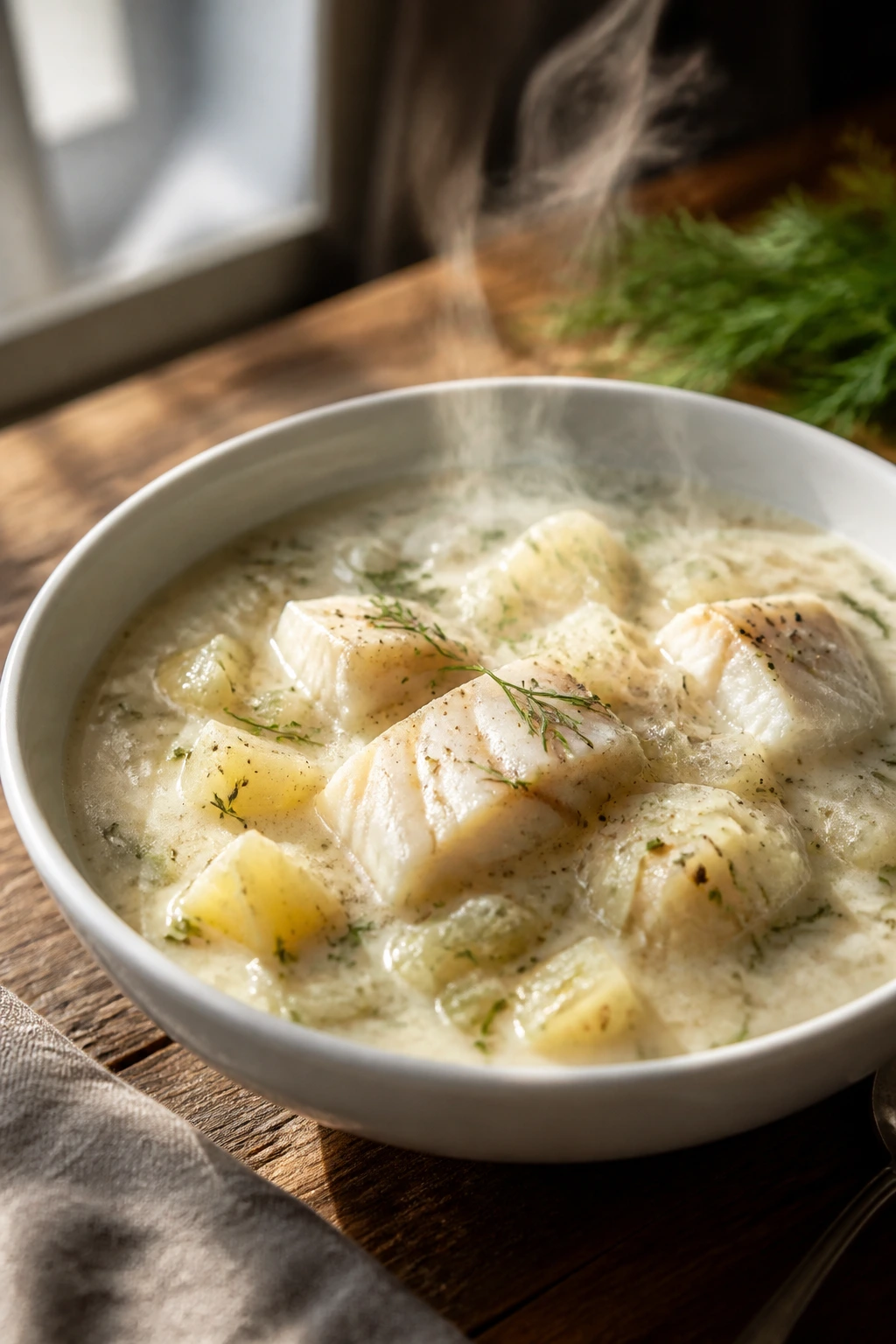
Intro: Cod brings clean white fish flavor, and fennel gives the broth a slight licorice edge that somehow feels right instead of weird. The potatoes keep it traditional; the fennel makes it a little more interesting than the usual fish chowder.
Why It Works: Cod cooks quickly and flakes in big soft pieces, which is what you want in a chowder. Fennel softens into sweetness when cooked long enough, so don’t rush that first sauté.
Key Ingredients:
- 1 1/2 pounds cod fillets, cut into large chunks
- 2 tablespoons olive oil
- 1 fennel bulb, diced
- 1 onion, diced
- 2 pounds potatoes, diced
- 5 cups fish or vegetable broth
- 1 1/2 cups milk
- 1 teaspoon dried thyme
- 1 1/2 teaspoons kosher salt
- 2 tablespoons chopped dill
Quick Steps:
- Cook fennel and onion in oil for 6 to 8 minutes.
- Add potatoes, broth, thyme, salt, and pepper; simmer 15 minutes.
- Stir in milk.
- Add cod and cook 4 to 6 minutes until opaque.
- Finish with dill.
Equipment for This Recipe:
- Wide pot
- Fish spatula
- Sharp knife
How to Serve This Dish: Keep the serving simple: lemon wedges, dill, and toasted bread. The fennel already gives the soup a little flair, so it doesn’t need much else.
Pro Tips for This Recipe:
- Cut the cod into big pieces so it doesn’t vanish in the pot.
- Save a few fennel fronds for garnish if you have them.
- Do not boil after the fish goes in.
Variations on This Dish:
- Smoked Paprika Cod Chowder: A pinch of paprika adds warmth without hiding the fish.
- Corn Addition: Two cups corn kernels make the bowl sweeter and more filling.
Common Mistakes to Avoid with This Dish:
- Undercooking fennel: It should taste soft and sweet, not raw and sharp.
- Breaking the cod while stirring: Fold gently once it’s in.
19. Parsnip and Carrot Chowder
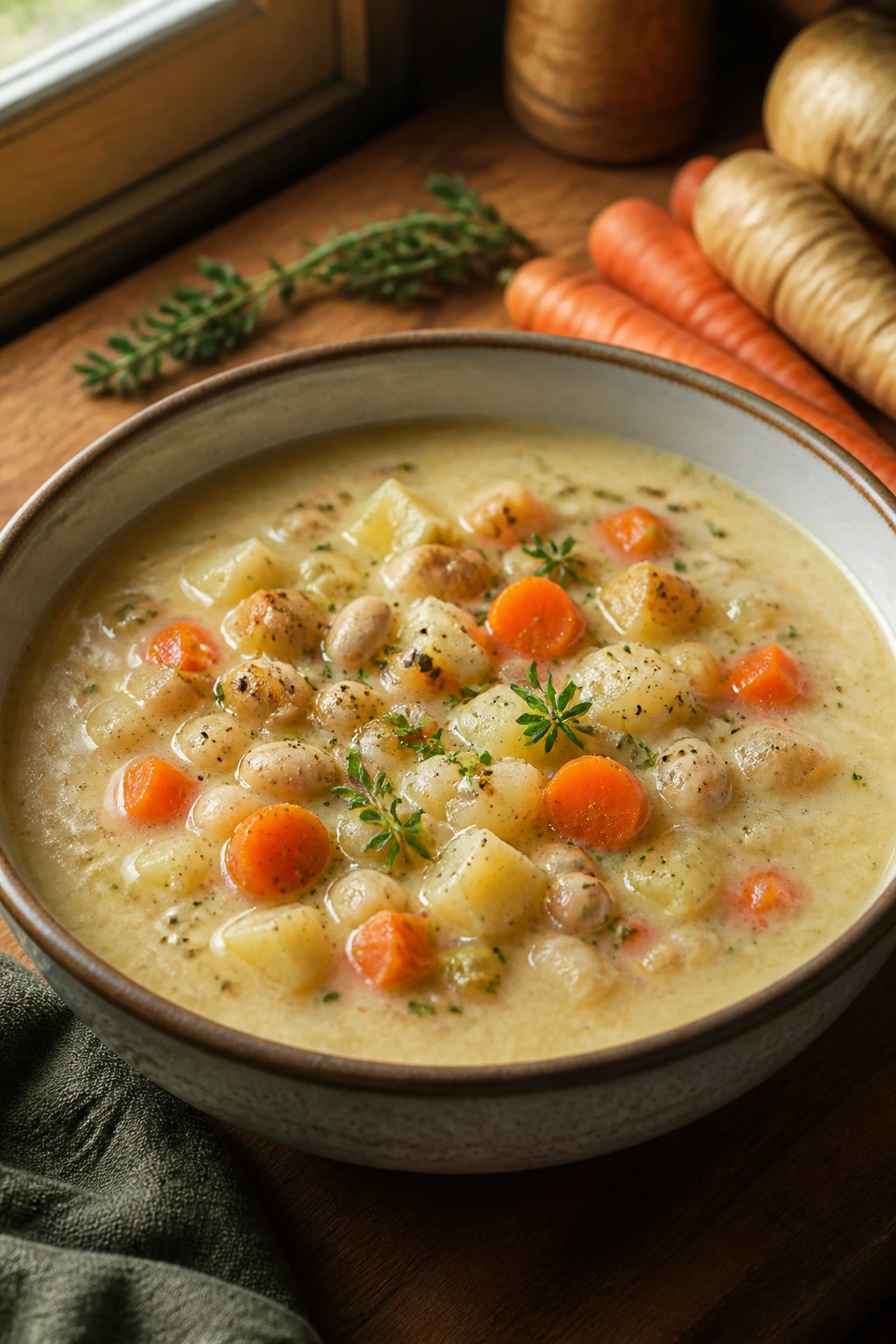
Intro: Parsnips make people pause, then go back for a second spoonful. They have a sweet, earthy flavor that plays well with carrots, and the whole pot turns silky if you blend just enough of it.
Why It Works: Parsnips are sturdy, so they hold up in a simmer and bring a natural sweetness that means you don’t need much dairy. A white bean finish adds protein and keeps the bowl from feeling like a side dish.
Key Ingredients:
- 2 tablespoons olive oil
- 1 onion, diced
- 3 parsnips, peeled and diced
- 3 carrots, diced
- 1 can cannellini beans, rinsed
- 5 cups vegetable broth
- 1 cup milk or oat milk
- 1 teaspoon dried thyme
- 1 1/2 teaspoons kosher salt
- 1/2 teaspoon black pepper
Quick Steps:
- Cook onion in oil for 5 minutes.
- Add parsnips, carrots, broth, thyme, salt, and pepper.
- Simmer 20 minutes until the vegetables are soft.
- Blend half the soup and stir in beans and milk.
- Warm 3 minutes and serve.
Equipment for This Recipe:
- Soup pot
- Immersion blender
- Peeler
How to Serve This Dish: Finish with chopped parsley or chives and a spoon of yogurt if you want brightness. It works with a grainy bread that can handle the sweetness.
Pro Tips for This Recipe:
- Pick parsnips that are firm and not woody.
- Blend only part of the soup to keep the texture interesting.
- A little lemon zest at the end is a good move.
Variations on This Dish:
- Roasted Root Version: Roast the parsnips and carrots first if you want a deeper flavor.
- Ginger Finish: Add 1 teaspoon grated ginger with the onion for a brighter edge.
Common Mistakes to Avoid with This Dish:
- Using old parsnips: They can taste woody and bitter.
- Blending all of it smooth: Chowder should keep some texture.
20. Green Chile Chicken Chowder
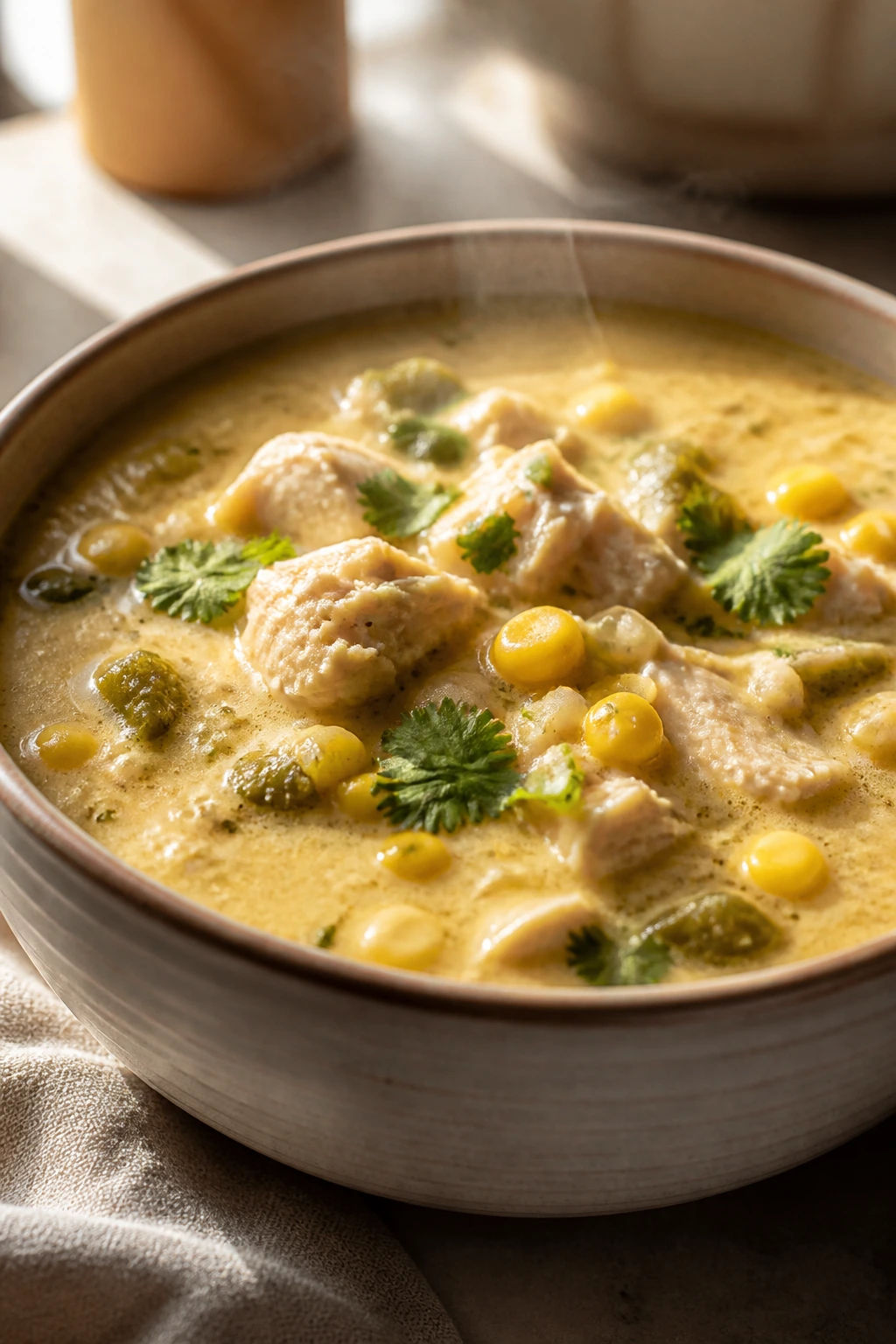
Intro: This chowder tastes like comfort with a little heat. Green chiles bring warmth instead of brute force, chicken makes it substantial, and corn gives the bowl a sweet pop between spoonfuls.
Why It Works: The chiles and cumin build flavor fast, so you don’t need a long simmer to make the soup taste complete. Potatoes and chicken make it crowd-friendly and filling without turning the pot heavy.
Key Ingredients:
- 1 1/2 pounds boneless chicken thighs, diced
- 2 tablespoons olive oil
- 1 onion, diced
- 2 cans mild green chiles
- 2 medium potatoes, diced
- 5 cups chicken broth
- 2 cups corn kernels
- 1 cup milk
- 1 teaspoon cumin
- 1 1/2 teaspoons kosher salt
Quick Steps:
- Brown the chicken in oil for 4 to 5 minutes.
- Add onion and cook 5 minutes.
- Stir in chiles, potatoes, broth, cumin, and salt; simmer 15 minutes.
- Add corn and milk, then cook 3 more minutes.
- Taste and serve with cilantro.
Equipment for This Recipe:
- Soup pot
- Wooden spoon
- Ladle
How to Serve This Dish: This one likes crushed tortilla chips, cilantro, and maybe a few sliced scallions. A lime wedge on the rim helps if the chiles are mild.
Pro Tips for This Recipe:
- Use thighs for a softer, juicier texture.
- If you want more heat, add diced jalapeño with the onion.
- Stir the milk in after the potatoes are done to keep it smooth.
Variations on This Dish:
- White Bean Stretch: Add 1 can white beans if you want more heft.
- Cheese Optional: A small handful of shredded Monterey Jack melts nicely on top.
Common Mistakes to Avoid with This Dish:
- Over-seasoning before tasting the chiles: Some cans are hotter than others.
- Using breast meat and simmering it too long: It can dry out.
21. Pinto Bean and Roasted Pepper Chowder
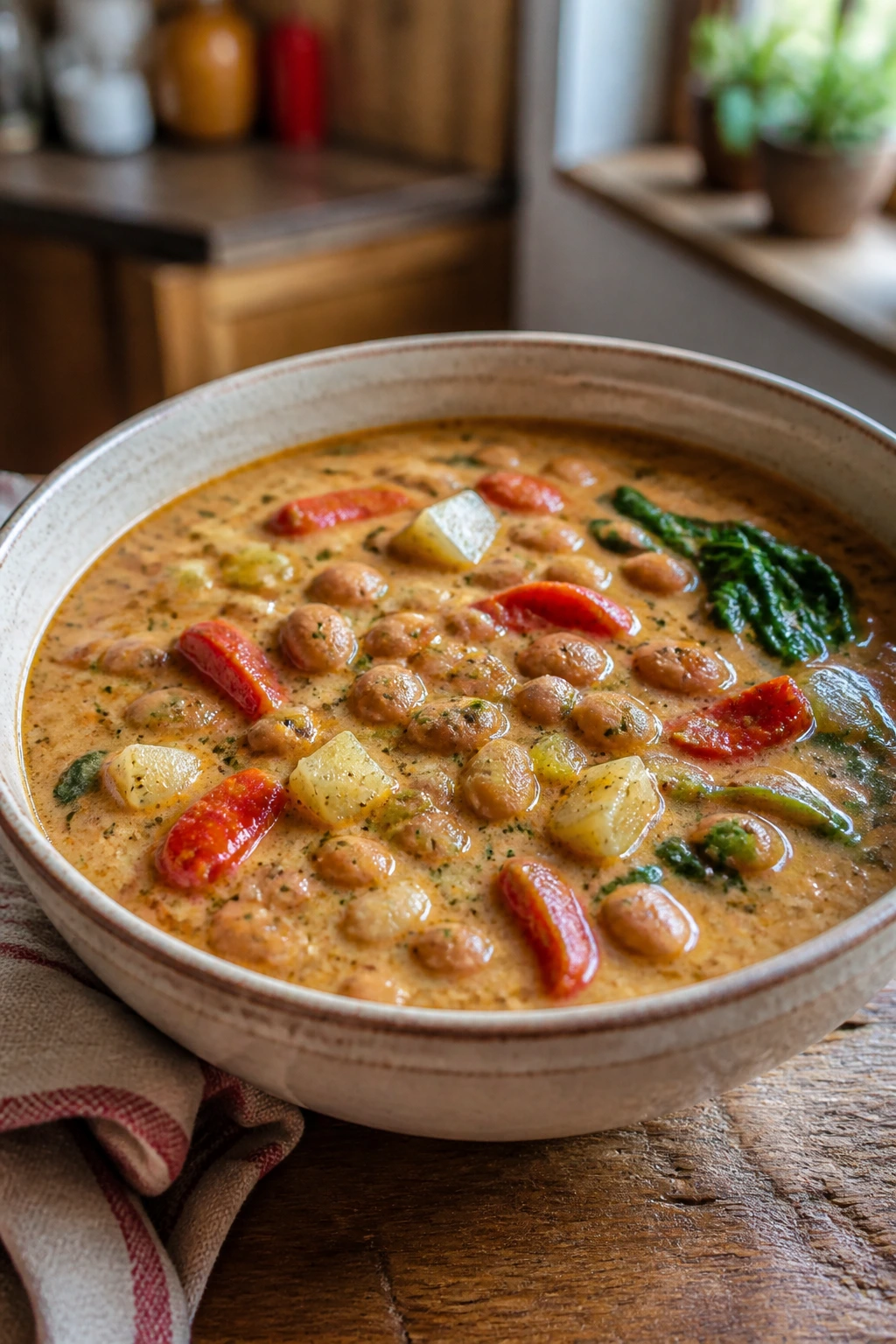
Intro: Roasted red peppers make this chowder taste deeper than a simple bean soup. Pinto beans give it a creamy texture, potatoes bulk it up, and spinach gives the pot a clean finish at the end.
Why It Works: Roasted peppers add sweetness and smoke without needing bacon. Pinto beans blend smoothly, so a portion of them can thicken the chowder while the rest stay whole for texture.
Key Ingredients:
- 2 tablespoons olive oil
- 1 onion, diced
- 1 jar roasted red peppers, drained and chopped
- 2 cans pinto beans, rinsed and drained
- 2 potatoes, diced
- 5 cups vegetable broth
- 2 cups baby spinach
- 1 teaspoon smoked paprika
- 1 1/2 teaspoons kosher salt
- 1 tablespoon red wine vinegar
Quick Steps:
- Cook onion in oil for 5 minutes.
- Add roasted peppers, beans, potatoes, broth, paprika, and salt.
- Simmer 20 minutes until potatoes are tender.
- Blend 1 to 2 cups of soup and return it to the pot.
- Stir in spinach and vinegar.
Equipment for This Recipe:
- Soup pot
- Immersion blender
- Jar tongs or spoon for peppers
How to Serve This Dish: Top with chopped parsley and serve with warm corn tortillas or crusty bread. The vinegar at the end gives the bowl a lively edge, so don’t bury it under too many toppings.
Pro Tips for This Recipe:
- Drain the peppers well or the broth gets slick.
- Vinegar at the end makes the beans taste brighter.
- A little cumin works if you want it more Southwestern.
Variations on This Dish:
- Fire-Roasted Version: Use fire-roasted peppers for a deeper char.
- Coconut Cream Option: A splash of coconut milk softens the smoke.
Common Mistakes to Avoid with This Dish:
- Skipping the acid: The chowder tastes flat without it.
- Blending all the beans: A few whole beans make the bowl more interesting.
22. Oat-Thickened Mushroom Chowder
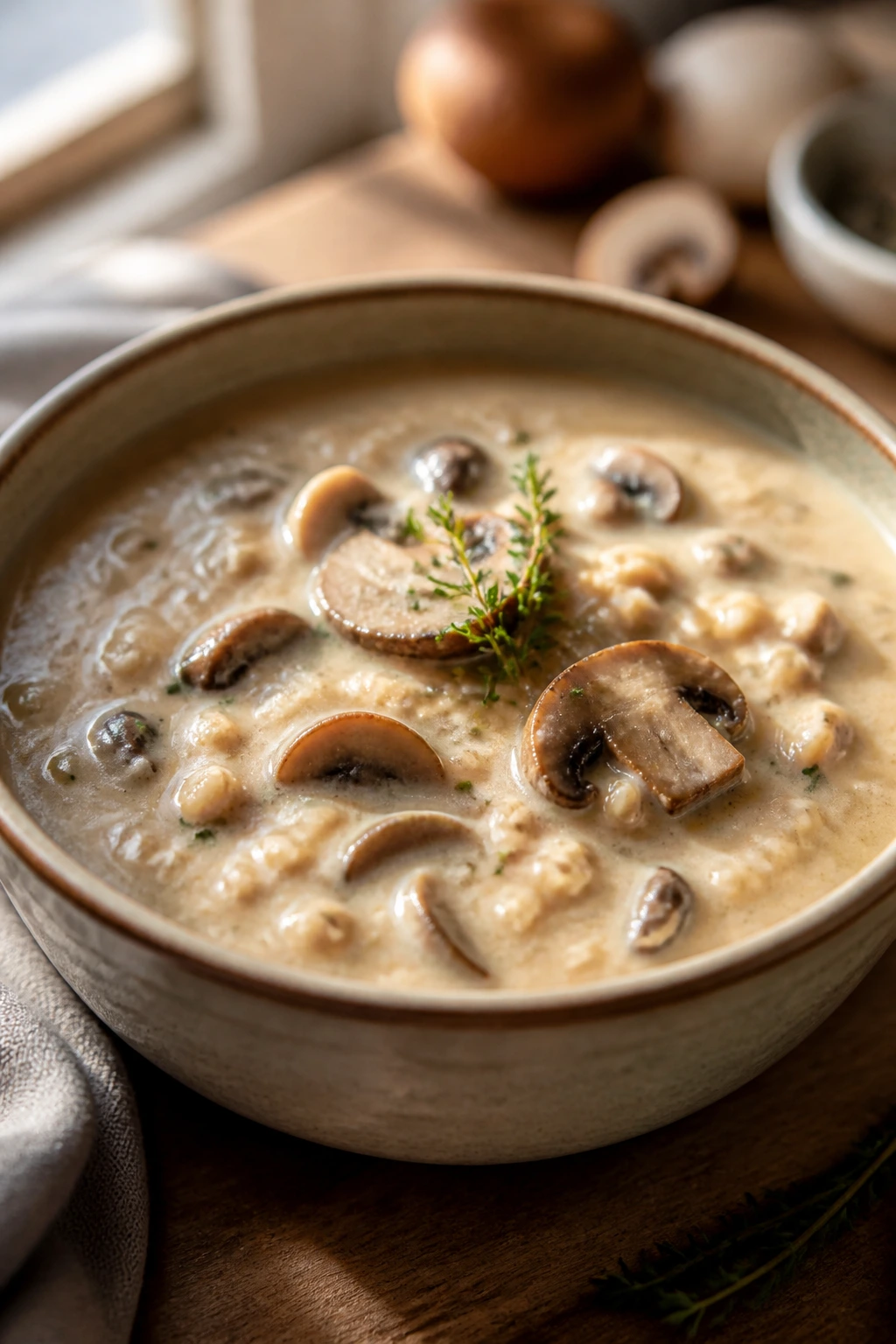
Intro: Rolled oats sound odd in chowder until you taste the texture. They melt into the broth, give the soup a velvety body, and let the mushrooms stay front and center instead of disappearing under cream.
Why It Works: Oats are a smart thickener when you want a dairy-light bowl that still eats richly. They break down just enough to thicken the soup, and mushrooms bring the savory depth that oats need beside them.
Key Ingredients:
- 2 tablespoons olive oil
- 1 onion, diced
- 1 pound cremini mushrooms, sliced
- 1/2 cup rolled oats
- 5 cups vegetable broth
- 2 carrots, diced
- 1 cup chopped kale
- 1 cup milk or oat milk
- 1 teaspoon dried thyme
- 1 1/2 teaspoons kosher salt
Quick Steps:
- Brown the mushrooms in oil for 6 minutes.
- Add onion and carrots; cook 5 minutes.
- Stir in oats, broth, thyme, and salt.
- Simmer 20 minutes, until the oats have loosened and thickened the pot.
- Add kale and milk, then cook 3 minutes.
Equipment for This Recipe:
- Soup pot
- Wooden spoon
- Measuring cup for oats
How to Serve This Dish: A little cracked black pepper and parsley are enough. This is the kind of chowder that does well with brown bread and not much else.
Pro Tips for This Recipe:
- Use rolled oats, not instant oats; instant can turn pasty.
- Let the mushrooms brown before adding liquid.
- Stir often near the end so the oats don’t settle and stick.
Variations on This Dish:
- Herb Mushroom Version: Add rosemary with the thyme if you want more piney depth.
- Bean Boost: Stir in 1 can white beans for more protein.
Common Mistakes to Avoid with This Dish:
- Using too many oats: The soup turns gluey fast.
- Letting it sit too long without stirring: Oats settle and catch on the bottom.
23. Turkey Sausage and Cabbage Chowder

Intro: Cabbage chowder has a rougher edge than a lot of the bowls here, and I mean that as praise. Turkey sausage gives it enough richness, cabbage softens into sweet ribbons, and potatoes carry the whole thing to dinner-table status.
Why It Works: Turkey sausage brings seasoning built in, so the soup gets flavor early. Cabbage is cheap, sturdy, and ideal for a crowd because it shrinks down but keeps a little tooth.
Key Ingredients:
- 1 1/2 pounds turkey sausage, casings removed if needed
- 2 tablespoons olive oil
- 1 onion, diced
- 4 cups shredded green cabbage
- 2 potatoes, diced
- 5 cups chicken broth
- 1 cup milk
- 1 teaspoon caraway seeds
- 1 1/2 teaspoons kosher salt
- 1/2 teaspoon black pepper
Quick Steps:
- Brown the sausage in oil for 5 to 6 minutes.
- Add onion and cabbage; cook 5 minutes until the cabbage starts to soften.
- Stir in potatoes, broth, caraway, salt, and pepper.
- Simmer 18 minutes until the potatoes are tender.
- Stir in milk and warm gently.
Equipment for This Recipe:
- Large pot
- Wooden spoon
- Sharp knife or mandoline for cabbage
How to Serve This Dish: Serve with rye bread or a seeded roll. A spoonful of mustard on the side sounds strange, but it works with the sausage and cabbage.
Pro Tips for This Recipe:
- If the sausage is very lean, keep the oil in the pan.
- Thinly sliced cabbage cooks faster and tastes sweeter.
- Caraway is optional, but it gives the bowl a clean, old-world note.
Variations on This Dish:
- Smoky Version: Use smoked turkey sausage for a deeper flavor.
- Potato-Heavy Version: Add one extra potato if you want a thicker chowder.
Common Mistakes to Avoid with This Dish:
- Using coarse cabbage chunks: They take too long to soften.
- Boiling the milk hard at the end: Keep it gentle.
24. Miso Corn and Tofu Chowder
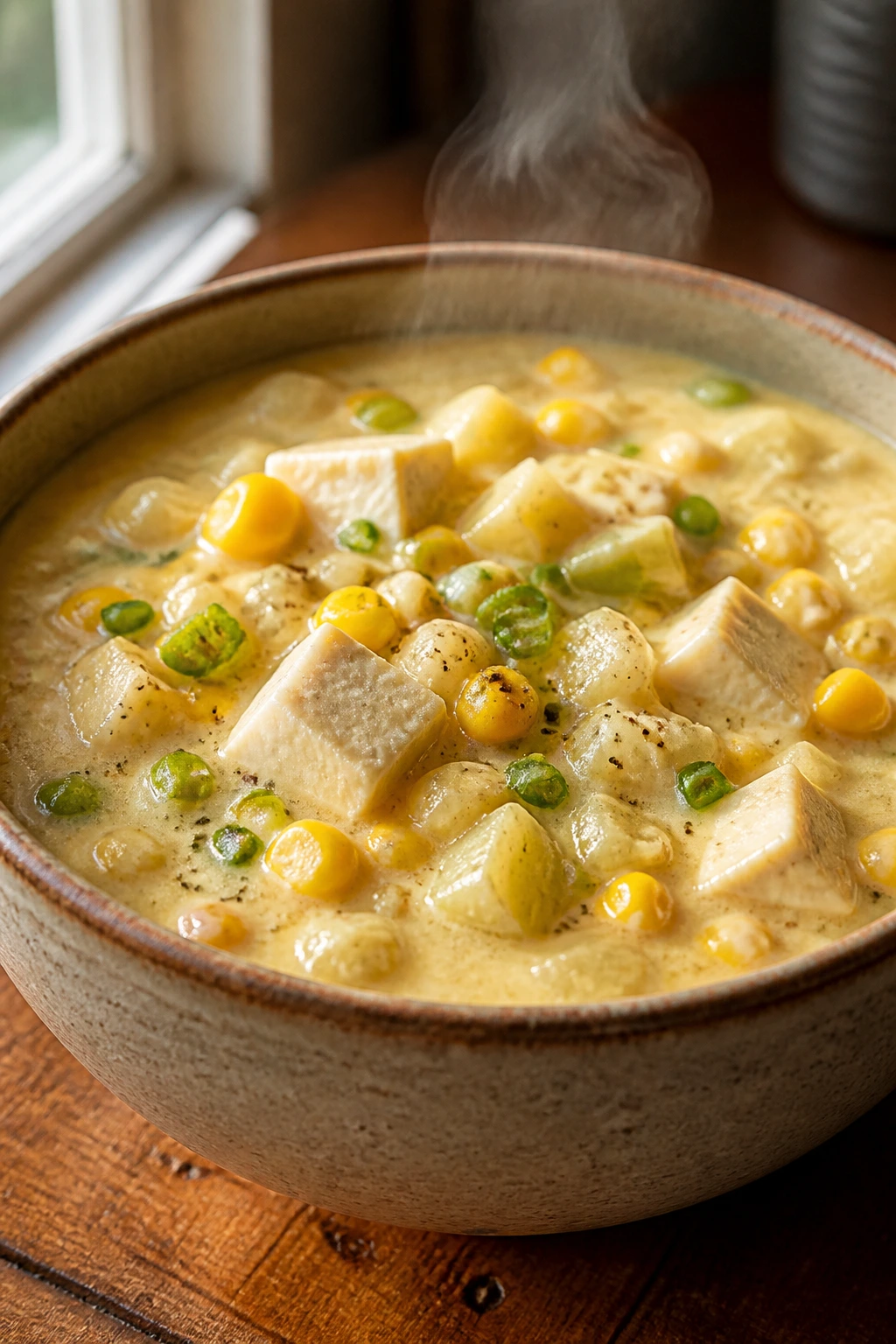
Intro: Miso is the kind of ingredient that makes a soup taste deeper than it has any right to. Corn gives sweetness, tofu brings soft protein, and potatoes keep the chowder from feeling too light to count as dinner.
Why It Works: White miso adds a savory background that acts like a long simmer in a spoonful. The trick is to whisk it in after the heat drops so the flavor stays round and not sharp.
Key Ingredients:
- 2 tablespoons neutral oil
- 1 onion, diced
- 2 potatoes, diced
- 4 cups vegetable broth
- 3 cups corn kernels
- 1 block firm tofu, cut into cubes
- 2 tablespoons white miso
- 1 cup unsweetened soy milk
- 1 tablespoon chopped scallions
- 1 teaspoon salt, or less
Quick Steps:
- Cook onion in oil for 5 minutes.
- Add potatoes and broth, then simmer 15 minutes.
- Stir in corn and tofu and cook 5 minutes.
- Whisk miso with a ladle of hot broth, then stir it back in off the heat.
- Add soy milk and scallions.
Equipment for This Recipe:
- Soup pot
- Small bowl for dissolving miso
- Knife for tofu cubes
How to Serve This Dish: Serve in simple bowls with scallions and a few sesame seeds if you like that nutty note. It pairs well with rice crackers or plain toast.
Pro Tips for This Recipe:
- Dissolve miso in hot broth first so it distributes evenly.
- Use firm tofu or it can break apart too easily.
- Keep salt light until after the miso goes in.
Variations on This Dish:
- Edamame Boost: Add 1 cup shelled edamame for extra protein and color.
- Ginger Finish: A teaspoon of grated ginger adds lift without making it spicy.
Common Mistakes to Avoid with This Dish:
- Boiling the miso: That flattens its flavor.
- Using silken tofu: It can fall apart in the pot.
25. Spinach and Artichoke Chowder
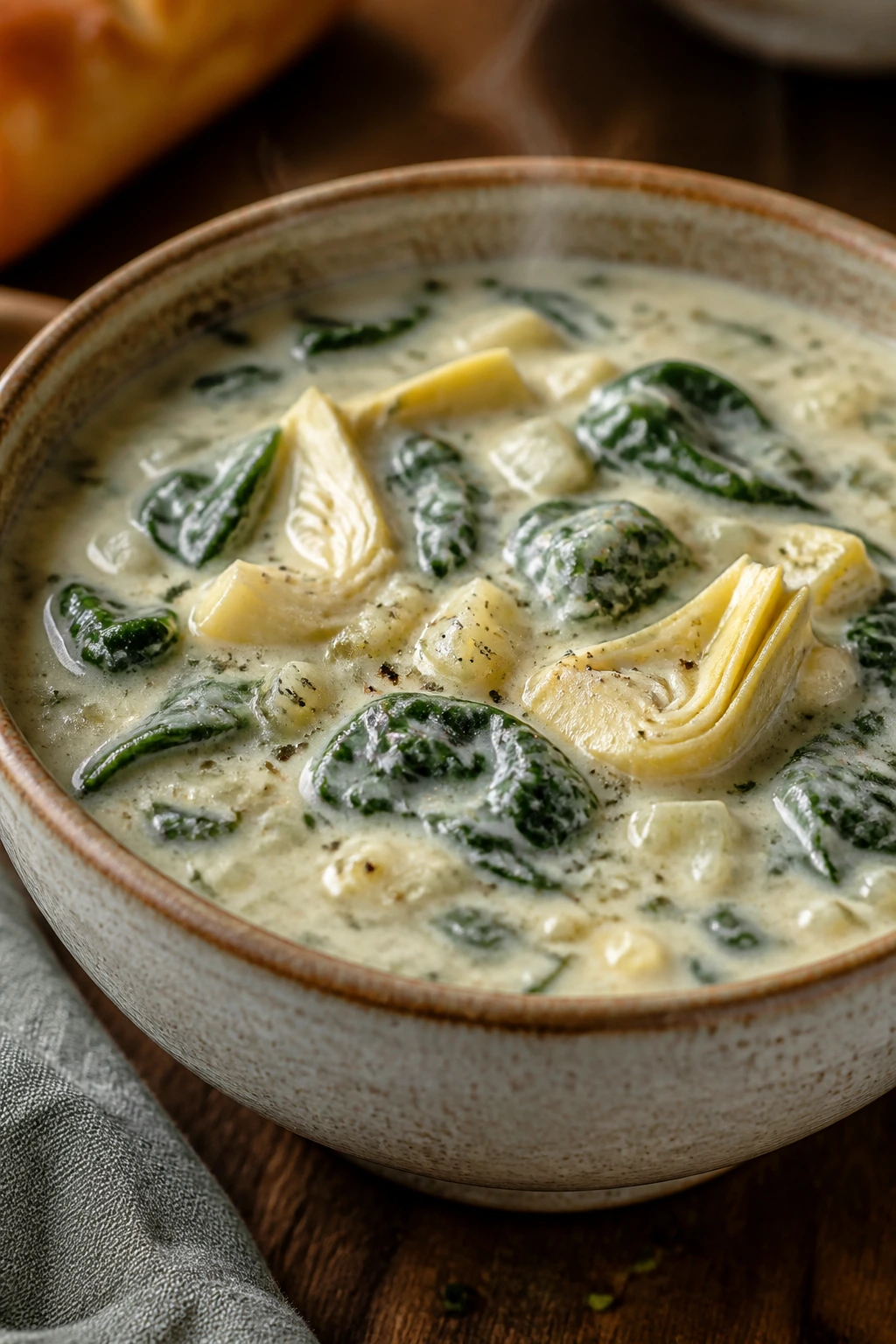
Intro: Spinach and artichoke chowder borrows the flavor idea from the dip, then turns it into dinner. The artichokes add tang, the spinach softens in the broth, and a small amount of Greek yogurt gives the soup a creamy finish without dragging it down.
Why It Works: Artichokes and spinach both like acid, so a little lemon at the end makes the whole bowl taste sharper and fresher. Potatoes and cauliflower help thicken the pot without needing flour or a lot of cheese.
Key Ingredients:
- 2 tablespoons olive oil
- 1 onion, diced
- 1 head cauliflower, chopped
- 2 medium potatoes, diced
- 5 cups vegetable broth
- 1 can artichoke hearts, drained and chopped
- 4 cups baby spinach
- 1/2 cup plain Greek yogurt
- 1 teaspoon dried oregano
- 1 1/2 teaspoons kosher salt
- 1 lemon, juiced
Quick Steps:
- Cook onion in oil for 5 minutes.
- Add cauliflower, potatoes, broth, oregano, salt, and pepper.
- Simmer 18 minutes until soft.
- Stir in artichokes and spinach, then cook 3 minutes.
- Turn off the heat, add yogurt and lemon, and stir until smooth.
Equipment for This Recipe:
- Large soup pot
- Immersion blender if you want it smoother
- Small bowl for tempering yogurt
How to Serve This Dish: Finish with black pepper and a little extra lemon zest. A slice of toasted sourdough is enough to make it feel complete.
Pro Tips for This Recipe:
- Temper the yogurt before adding it or it can curdle.
- Use chopped artichoke hearts, not marinated ones, unless you want a stronger vinegar note.
- Blend part of the soup if you want a thicker, dip-like texture.
Variations on This Dish:
- Parmesan Finish: A small handful of grated Parmesan adds salt and depth.
- Garlic Spinach Version: Add 3 minced garlic cloves with the onion.
Common Mistakes to Avoid with This Dish:
- Using too much yogurt at once: It can thin the soup and split under heat.
- Forgetting lemon: The chowder needs that lift at the end.
Why Big-Pot Chowder Works Better Than It Sounds
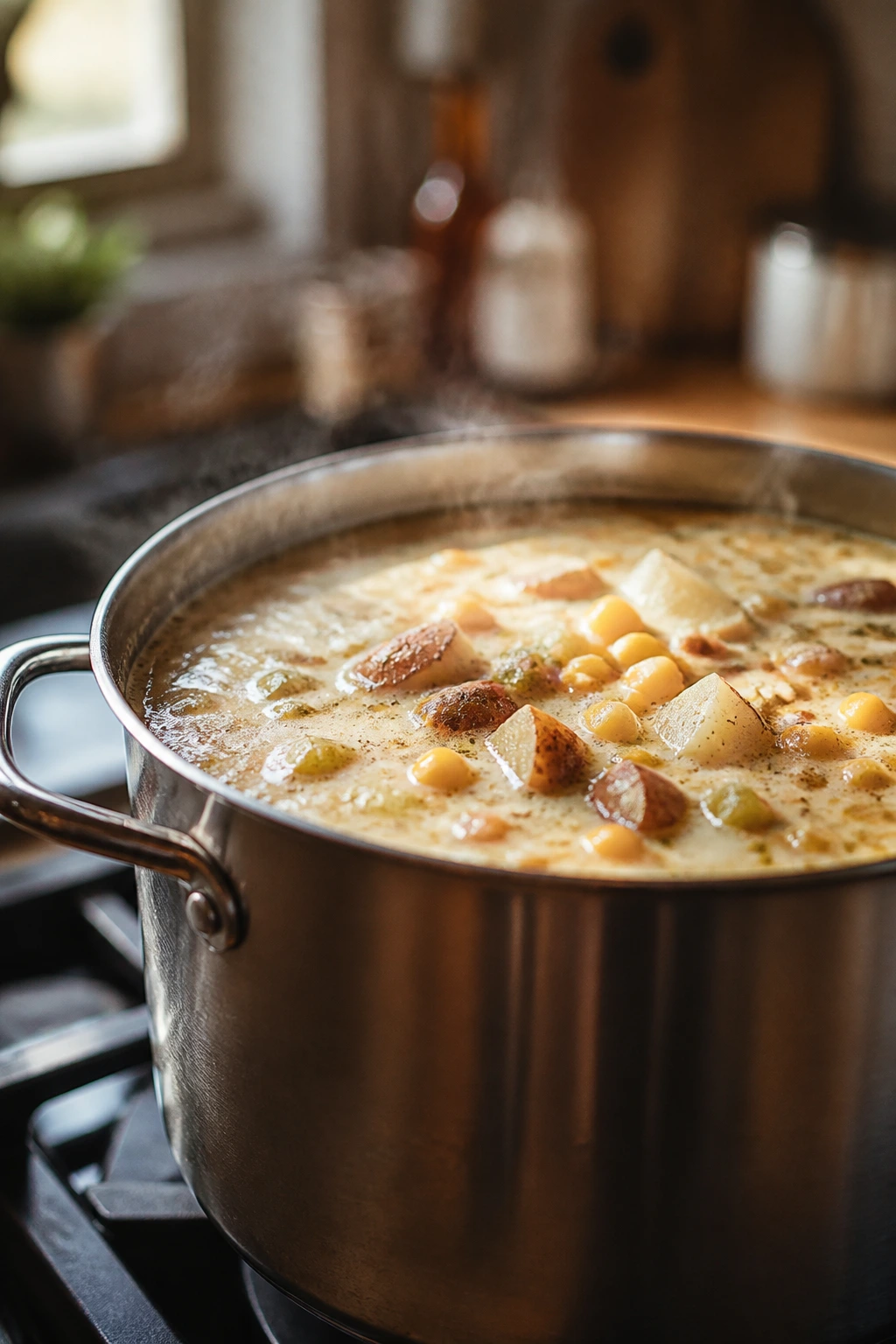
A crowd-size chowder needs three things that line up neatly: body, stretch, and a flavor base that survives reheating. Potatoes, beans, barley, oats, and pureed vegetables do the heavy lifting here, and that matters more than a lot of people realize. A pot that relies on cream alone can taste rich for ten minutes, then turn flat and heavy after it sits.
I’m a big fan of soups that improve while they wait. Chowder does that when you build it with ingredients that release starch slowly and don’t fall apart under a second gentle heat. Yukon Gold potatoes stay soft but not mealy. Beans thicken without getting stiff. Corn stays sweet. Seafood goes in late. None of that is fancy. It’s just the difference between a bowl that eats well at the table and one that sulks in the pot.
Essential Equipment for These Recipes
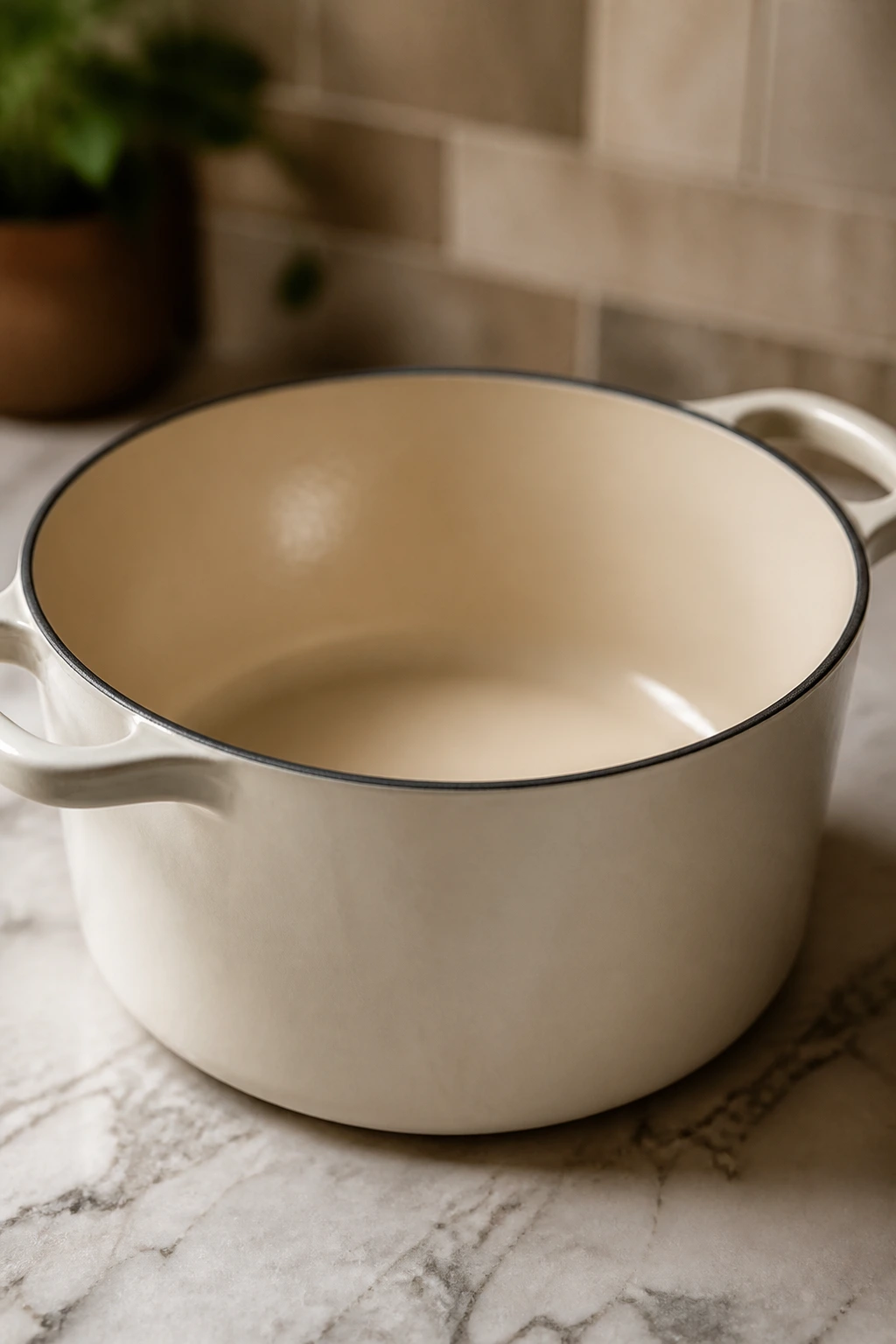
- 8-quart Dutch oven or soup pot: Large enough for a real crowd batch without splashing the sides every time you stir.
- Immersion blender: Handy for making part of the soup creamy while leaving chunks in the pot.
- Sharp chef’s knife: Veg-heavy chowders live or die on even cuts.
- Wooden spoon: Better than a whisk for scraping the bottom and keeping potato and bean soups from catching.
- Ladle: Sounds obvious, but a wide ladle makes serving a thick chowder much easier.
- Potato masher: Useful for bean and potato chowders where you want body without a blender.
- Fine-mesh strainer: Good for rinsing beans, lentils, or barley and for checking clams if needed.
- Citrus juicer: Not required, but lemon and lime show up enough in this collection to earn their place.
Smart Shopping and Ingredient Tips
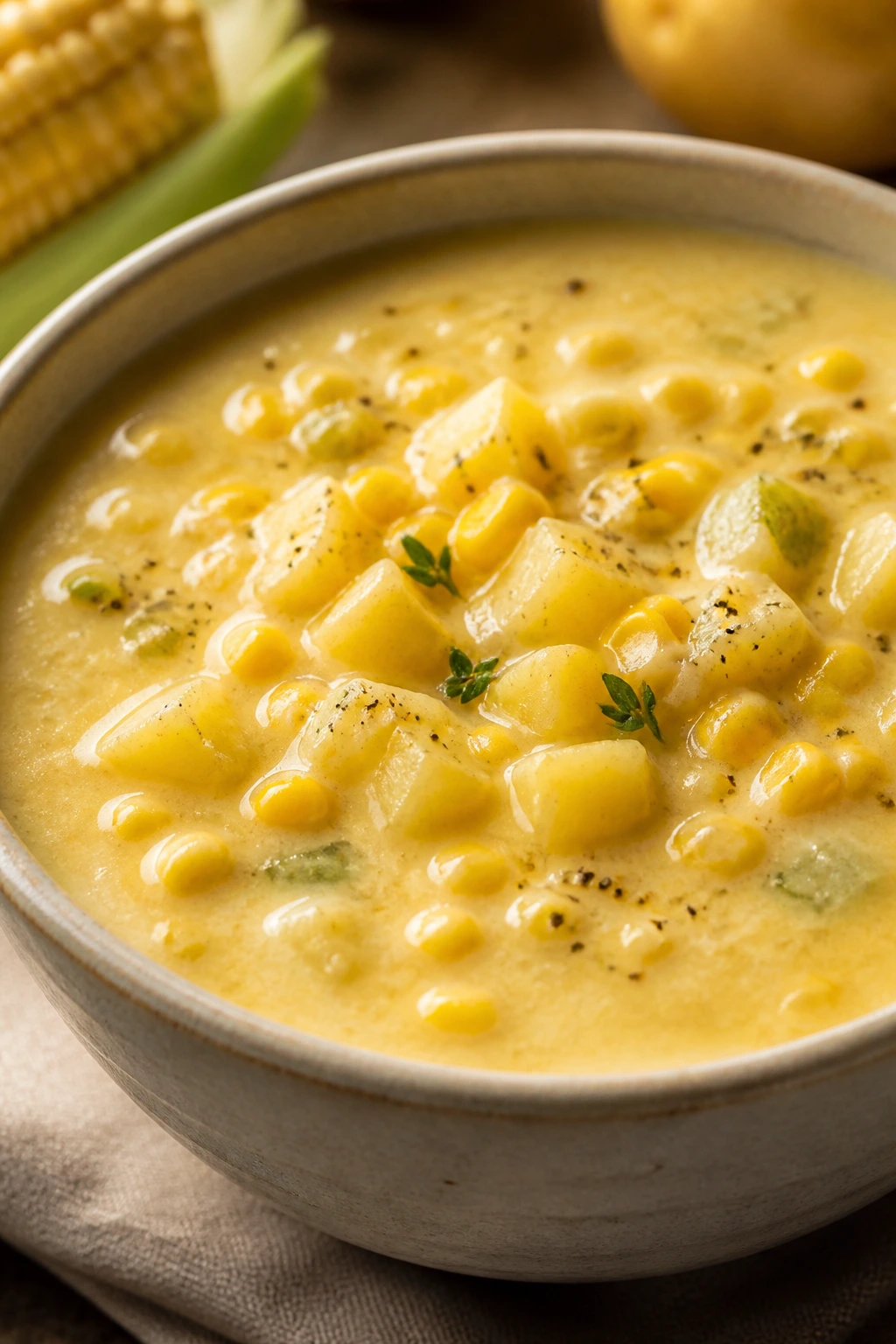
Buy the broth with your eyes open. Low-sodium stock gives you room to season later, which matters because clams, smoked fish, miso, and sausage all bring their own salt. If you start with a salty broth, you can still make dinner, but you lose control over the final bowl.
Potatoes deserve a little thought too. Yukon Golds are the best all-around chowder potato because they hold shape while still thickening the broth. Russets are better when you want a softer, more broken-down texture. Tiny baby potatoes are convenient, but they can go mealy if you cook them too hard or too long.
Frozen vegetables are not a downgrade in this kind of cooking. Frozen corn is often better than tired fresh corn. Frozen peas, spinach, and even cauliflower florets save time and still taste clean in the final bowl. For beans, canned is fine—just rinse them well so the liquid in the can does not muddy the soup.
If you’re buying seafood, look for pieces that smell fresh and clean, not overly briny. Shrimp and white fish should go into the pot late and stay there only until opaque. That rule is boring, but it matters. Overcooked seafood turns a good chowder into a sad one fast.
How to Serve These Recipes
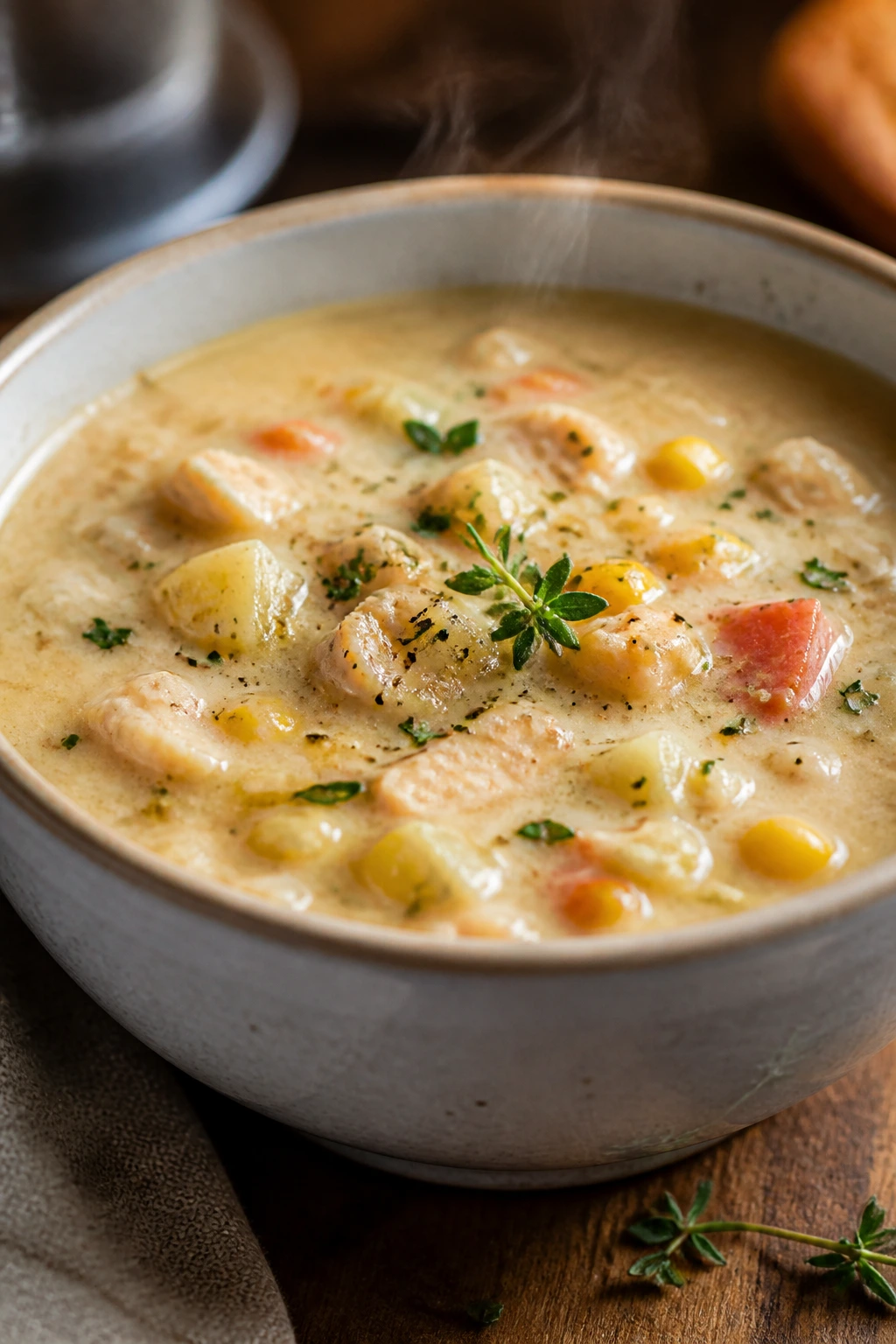
Presentation: Use wide, warmed bowls for thick chowders and deeper soup bowls for the looser ones. A final sprinkle of herbs, black pepper, scallions, or a few croutons makes the surface look finished instead of flat.
Accompaniments: Crusty bread, rye toast, cornbread, oyster crackers, seed crackers, and simple green salads all work across this collection. For the tomato, bean, and chile versions, tortilla chips and warm tortillas fit better than baguette.
Portions: Plan on 1 1/2 to 2 cups per adult if the chowder is the main meal. If you’re serving it with bread and a salad, 1 1/2 cups is usually enough. For a party, make the pot a little looser than you think you need; chowder thickens as it cools.
Beverage Pairing: Sparkling water with lemon is fine, but I like dry cider with corn, potato, or seafood chowders and a light lager or nonalcoholic pilsner with the heartier bean and turkey versions. For the creamier vegetable bowls, unsweetened iced tea or a crisp white wine keeps the finish clean.
Additional Tips and Flavor Boosters
Flavor Enhancement: A small hit of acid at the end—lemon, lime, red wine vinegar, or sherry vinegar—keeps the chowder from tasting sleepy. Use 1 to 2 teaspoons, taste, then stop when the bowl wakes up.
Customization: If you want more heft, add white beans to almost any vegetable chowder. If you want a lighter finish, swap some milk for unsweetened oat milk and blend a cup of the soup instead of pouring in more dairy.
Serving Suggestions: Fresh herbs matter more than people think. Dill for fish, parsley for most vegetable chowders, chives for potato-heavy bowls, cilantro for chile versions. They’re not decoration; they change the smell as you lift the spoon.
Make-It-Yours: For gluten-free chowders, rely on potato, cauliflower, beans, or oats instead of flour. For dairy-free versions, unsweetened oat milk or soy milk usually behaves better than almond milk because it carries more body.
Make-Ahead, Storage, and Reheating Guidance
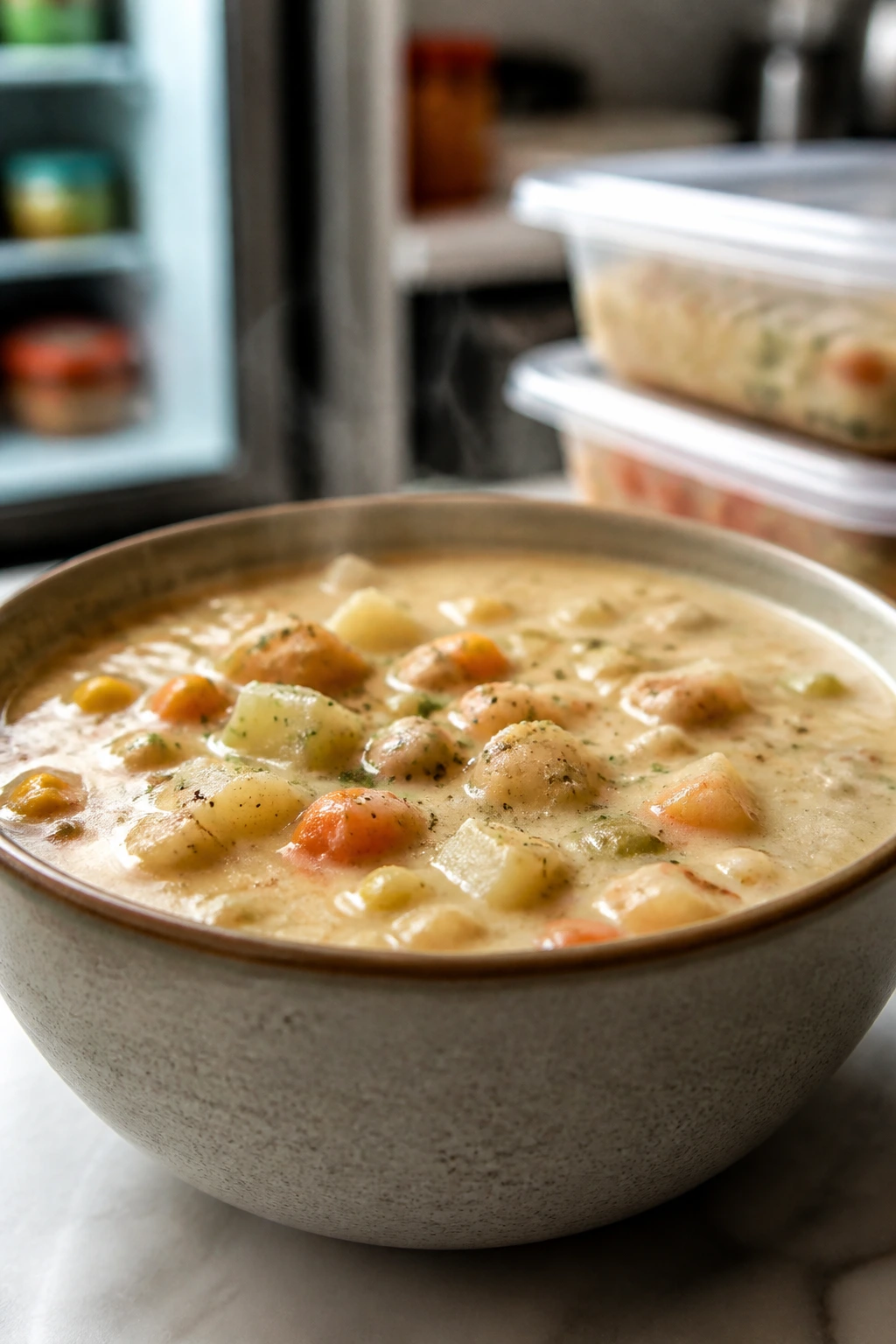
Most of these chowders keep well in the refrigerator for 3 to 4 days in airtight containers. Seafood versions are the exception; they’re better within 2 days because fish and shrimp get less forgiving after that. If you know you’re freezing a batch, leave out the dairy where possible and stir it in after reheating.
Freezer life is best at up to 2 months for bean, vegetable, turkey, and potato chowders. Creamy seafood chowders do not freeze as gracefully. The texture can turn grainy, and the fish can dry out on reheating. For those, I’d freeze the base without the seafood and add the seafood fresh when you reheat.
Reheat gently on the stovetop over low to medium-low heat. Add a splash of broth or milk if the soup has tightened up in the fridge. Stir often, scrape the bottom, and do not let dairy-based chowders come to a full boil. Microwave reheating works in a pinch, but do it in 60-second bursts and stir between each one so the edges don’t overheat while the center stays cold.
A lot of these chowders taste better the next day, especially the bean, lentil, split pea, mushroom, and vegetable versions. The flavors settle. The salt evens out. The broth thickens in a way that feels deliberate instead of accidental. Seafood and very herb-forward bowls are best the day they’re made, but even those can hold for a short stretch if you reheat them with care.
Variations and Adaptations to Try
Dairy-Free Creaminess: Use oat milk, soy milk, or a blended white bean base in place of milk and yogurt. These work best when the soup already has potato, cauliflower, or beans for body.
Gluten-Free Crowd Pot: Skip flour entirely and lean on starch from potatoes, corn, oats, beans, or pureed vegetables. If oats are in play, buy certified gluten-free oats.
Lower-Sodium Version: Start with unsalted broth, rinse canned beans well, and hold back on added salt until the very end. Smoked paprika, herbs, lemon, and vinegar all help the soup taste complete without extra salt.
Hearty Vegetarian Swap: Replace chicken, sausage, or fish with cannellini beans, chickpeas, or lentils. If the soup needs more depth, sauté mushrooms first; they bring a savory backbone that plant-based chowders often need.
Bigger Heat, Same Balance: Add jalapeño, chipotle, red pepper flakes, or hot sauce to the chile and bean chowders. Keep the heat in check with lime, yogurt, or a little extra corn so the soup doesn’t turn into a dare.
Seafood Without the Fuss: Use cod, salmon, shrimp, or clams, but add them late and keep the simmer gentle. Seafood chowder is one of those things where restraint pays off. A hard boil ruins more than it helps.
Common Mistakes to Avoid
The first mistake is over-thickening. Chowder should coat a spoon, not park on it. If you puree too much potato, mash too many beans, or pile in too many oats, the soup crosses from creamy into paste. Fix it with broth, a little milk, and a gentler hand next time.
The second mistake is adding dairy at a boil. Milk and yogurt can split, curdle, or take on a chalky edge if the pot is too hot. Pull the heat back before you add them, and if you’re using yogurt or sour cream, temper it with a few spoonfuls of hot broth first.
The third mistake is overcooking the delicate ingredients. Shrimp, cod, salmon, and haddock need only minutes. Herbs need only seconds if you want them fresh and bright. Kale and spinach need just enough heat to soften. If you treat every ingredient like a potato, the bowl loses the best parts of chowder.
A fourth misstep is under-seasoning the base because you’re waiting for the final garnish. By the time the chowder is done, it should taste good before the parsley goes on. Salt in layers, taste after the simmer, and use acid at the end to sharpen the finish.
Finally, people sometimes cut the vegetables unevenly and wonder why some pieces fall apart while others stay hard. Keep the potatoes, carrots, and squash in similar-size pieces. Small, even cuts make a crowd pot easier to manage and a lot nicer to eat.
Frequently Asked Questions
Can I make these chowders in advance?
Yes, and many of them get better after a night in the fridge. Bean, lentil, potato, and vegetable chowders are the most make-ahead friendly because their texture holds up after reheating.
Which chowders freeze best?
The bean, lentil, split pea, mushroom, and vegetable-based versions freeze best. Seafood and yogurt-heavy chowders are less reliable; if you want to freeze them, freeze the base first and add the delicate ingredients later.
How do I keep chowder from getting too thick overnight?
Hold back some broth when you cook it, then stir that extra broth in during reheating. The starch in potatoes, beans, and oats keeps tightening as the soup sits, so a splash of liquid is normal.
Can I use frozen vegetables instead of fresh?
Absolutely. Frozen corn, peas, spinach, broccoli, and cauliflower are all solid choices here. In fact, frozen corn and peas often taste sweeter and more consistent than tired fresh produce.
What’s the easiest way to thicken chowder without flour?
Mash some potatoes, blend a cup or two of the soup, or stir in white beans, chickpeas, or rolled oats. Those methods keep the soup naturally thick without making it taste pasty.
How do I make a chowder dairy-free and still creamy?
Use oat milk or soy milk, then lean on potatoes, cauliflower, beans, or a partial blend of the soup for body. Coconut milk can work too, but it brings its own flavor, which fits some chowders better than others.
Can I scale these recipes up for a very large group?
Yes, but use a bigger pot than you think you need and keep the seasoning in stages. When a batch gets huge, salt and acid need a final taste test at the end because the same amount won’t spread the same way.
What if my chowder turns out too thin?
Simmer it uncovered for 10 to 15 minutes, mash a few potatoes or beans, or blend a cup of the soup and return it to the pot. Don’t start with flour unless you really need it; starch-based thickening usually tastes cleaner.
A Pot Worth Passing Around
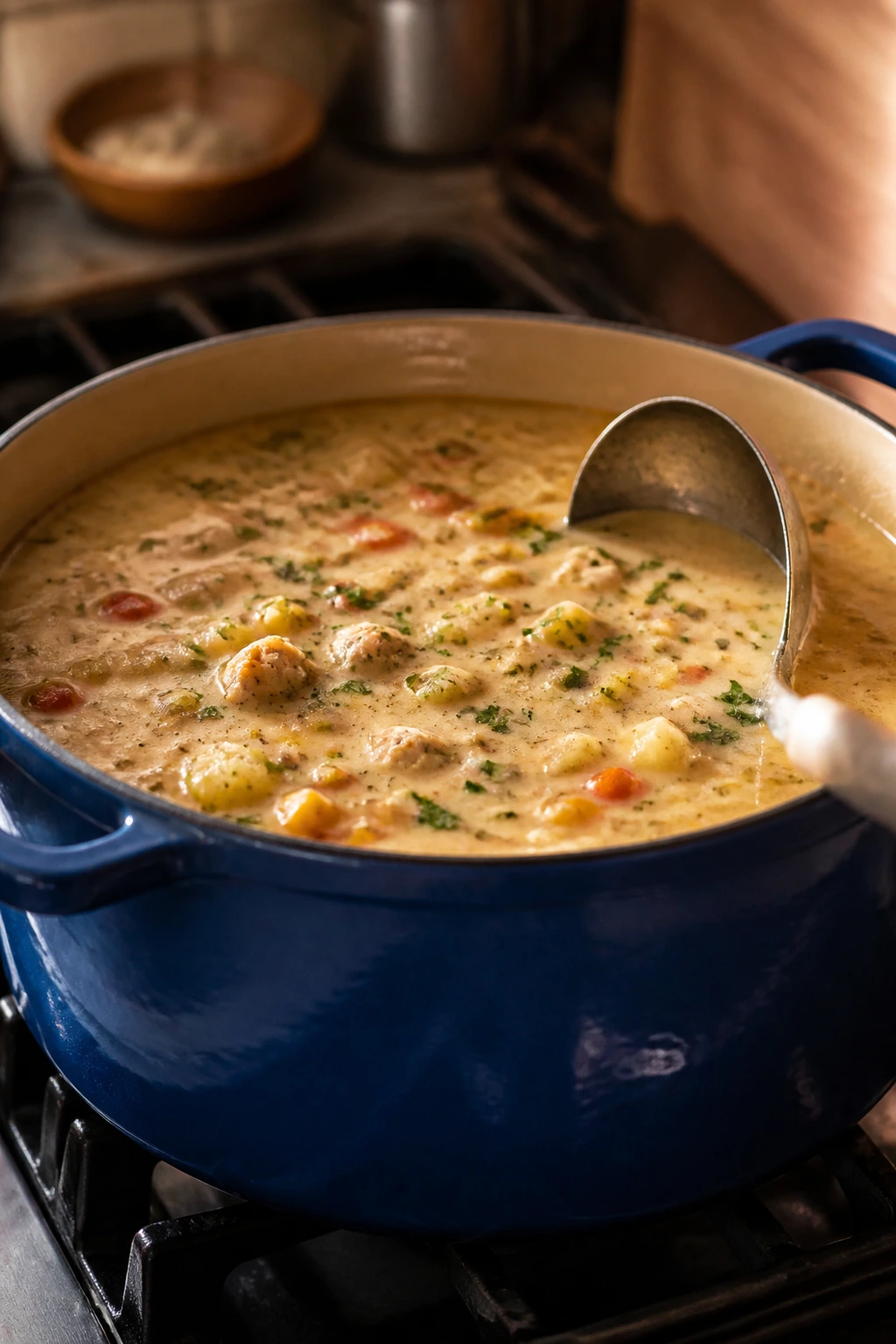
A good chowder pot does more than fill bowls. It gives a crowd one thing to gather around without turning dinner into a production. That’s the real charm here: potatoes, beans, corn, seafood, leeks, herbs, and a little dairy can all do enough work to make the bowl feel generous.
I’d keep one of the bean-based or potato-based versions in the regular rotation, then bring out the seafood or herb-heavy bowls when you want something a little more specific. That’s where this kind of cooking shines. It’s broad enough for a crowd, but it still leaves room for a few opinions at the stove.
If you make one batch, make it with enough bread to mop the bottom of the bowl. That’s where the best part usually lives.