



A pound of sausage can do more work than a whole shelf of jars. It brings fat, salt, spice, and enough browning to make a skillet smell like dinner before the onions have even softened. That is why sausage dinner ideas show up so often in my own weeknight rotation: they stretch across pasta, rice, soup, casseroles, and sheet pans without asking for a long shopping list.
The trick is picking the right style for the job. Fresh Italian sausage melts into sauces and bakes; smoked kielbasa holds its shape and gives a salty snap; breakfast sausage turns a pile of potatoes and eggs into dinner without much drama. Add a couple of vegetables, a starch, and a sharp finish like lemon or vinegar, and the whole pan starts making sense.
These recipes lean hard on that kind of practical cooking. No fussy technique. No ingredients you have to hunt for in three stores. Just family dinners that cook fast enough for a Tuesday and still feel like someone paid attention.
Why These Sausage Dinners Earn a Spot in the Rotation
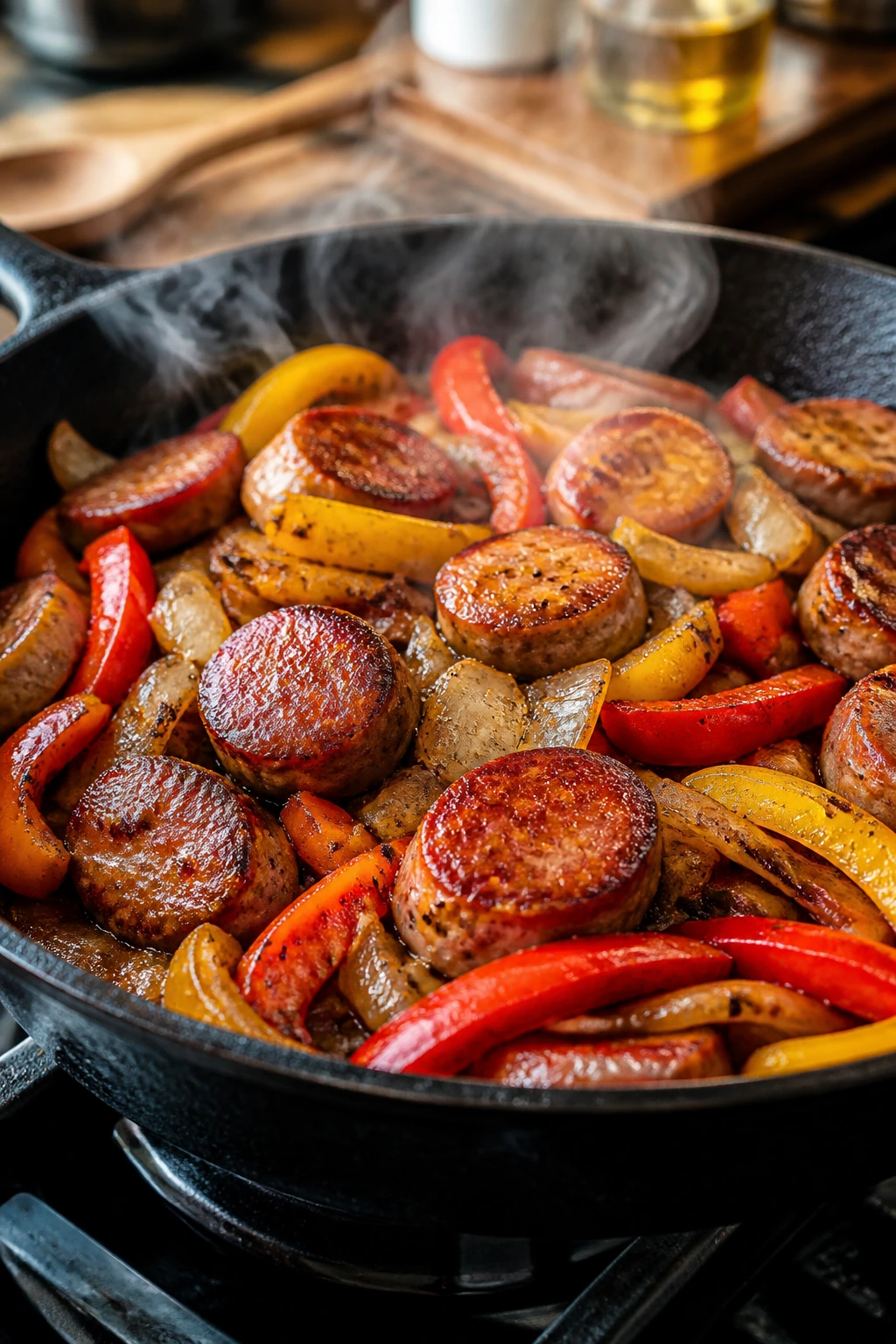
- Fast Browning: Sausage starts building flavor the second it hits a hot pan, so you get dinner-worthy color in minutes, not half an hour.
- Built-In Seasoning: Good sausage already carries salt, fennel, garlic, pepper, or smoke, which means the rest of the dish can stay simple and still taste finished.
- Budget Stretch: A single pound of sausage can season pasta for six, fill peppers, or anchor a soup pot with beans and greens.
- Kid-Friendly Flexibility: Mild sausage, extra cheese, and soft vegetables make it easy to keep heat low while still serving a dish that tastes like a real meal.
- One-Pan Friendly: Several of these ideas stay in a skillet, Dutch oven, or sheet pan, which means fewer dishes and less of that end-of-night sink pile.
- Leftovers That Hold Up: Sausage-based casseroles, soups, and rice dishes usually reheat better than lean meat meals because the fat keeps the texture from drying out.
1. One-Pan Sausage and Peppers Skillet
A good sausage-and-pepper skillet smells like dinner before the pan even leaves the stove. The peppers soften into sweet ribbons, the onions go glossy, and the sausage leaves those dark browned bits that turn a simple tomato sauce into something worth dragging bread through.
Why It Works:
This is the kind of skillet dinner that tastes bigger than the ingredient list. The sausage gives you fat and spice, the peppers bring sweetness, and a small splash of broth keeps the tomatoes from cooking down too aggressively. It lands somewhere between a sandwich filling and a saucy main, which is exactly why it works.
Key Ingredients:
- 1 lb mild Italian pork sausage, casings removed — mild keeps the whole pan family-friendly.
- 2 bell peppers, sliced — use red and yellow for sweetness.
- 1 large yellow onion, sliced — it melts into the sauce.
- 3 cloves garlic, minced — add at the end so it stays sweet.
- 1 can (14.5 oz) diced tomatoes — the tomato base should be chunky, not smooth.
- 1/2 cup chicken broth — loosens the pan juices.
- 1 tsp Italian seasoning — a shortcut that actually works here.
Quick Steps:
- Brown the sausage in a large skillet over medium-high heat for 6 to 8 minutes, breaking it up as it cooks.
- Add the onion and peppers, then cook for 5 minutes until the edges start to soften.
- Stir in the garlic and cook for 30 seconds.
- Add the diced tomatoes, broth, and Italian seasoning; simmer 8 to 10 minutes until the sauce thickens slightly.
- Taste and finish with basil or parmesan if you want a sharper edge.
Equipment for This Recipe:
- 12-inch skillet — wide enough to brown instead of steam.
- Wooden spoon — good for scraping up the browned bits.
- Sharp knife — for even pepper slices.
How to Serve This Dish:
Pile it over rice, spoon it into hoagie rolls, or serve it with crusty bread and a simple green salad. A little grated parmesan on top gives the whole plate a salty finish.
Pro Tips for This Recipe:
- Browning matters here; don’t rush it.
- If your sausage is very fatty, spoon off a little grease before adding the vegetables.
- A splash of red wine vinegar at the end wakes up the tomatoes.
Variations on This Dish:
- Spicy Hoagie Version: Use hot Italian sausage and add pepperoncini.
- Rice Bowl Version: Spoon the finished skillet over white rice with a fried egg.
Common Mistakes to Avoid with This Dish:
- Don’t crowd the skillet or the sausage will gray instead of brown.
- Don’t add the garlic too early; it burns fast and goes bitter.
2. Creamy Sausage and Spinach Pasta
Creamy sausage pasta is the kind of dinner that looks like you worked harder than you did. The sauce clings to penne or rigatoni, the spinach wilts into the heat in seconds, and every forkful gets a little hit of garlic and parmesan.
Why It Works:
Pasta water, cream, and sausage fat make a sauce that stays smooth instead of breaking. The spinach is there for color and a little bite, but the real job is balance — it keeps the bowl from feeling heavy. Use a short pasta with ridges so the sauce grabs.
Key Ingredients:
- 12 oz penne or rigatoni — the ridges catch the sauce.
- 1 lb Italian sausage — mild or hot, depending on your crowd.
- 1 small onion, diced — gives the sauce sweetness.
- 3 cloves garlic, minced — the backbone of the flavor.
- 1 1/2 cups chicken broth — loosens the pan sauce.
- 1 cup heavy cream — keeps the sauce silky.
- 3 cups baby spinach — wilts right at the end.
- 1/2 cup grated parmesan — adds salt and body.
Quick Steps:
- Boil the pasta in salted water until just shy of tender, then drain.
- Brown the sausage in a deep skillet over medium heat for 6 to 8 minutes.
- Add the onion and garlic; cook until soft and fragrant, about 3 minutes.
- Pour in the broth and cream, then simmer 5 minutes until the sauce thickens enough to coat a spoon.
- Stir in the pasta, spinach, and parmesan until the greens wilt and everything turns glossy.
- Serve right away with extra cheese.
Equipment for This Recipe:
- Large pot — for boiling the pasta.
- Deep skillet or sauté pan — enough room for sauce and pasta together.
- Colander — drain pasta without overcooking it.
How to Serve This Dish:
A plain Caesar-style salad or sliced cucumbers on the side keeps the plate from feeling too rich. If you have garlic bread, use it; the sauce is built for it.
Pro Tips for This Recipe:
- Pull the pasta a minute early; it finishes in the sauce.
- Save 1/2 cup pasta water in case the sauce tightens too much.
- Pre-grated parmesan is fine here and melts smoothly.
Variations on This Dish:
- Sun-Dried Tomato Version: Add 1/3 cup chopped sun-dried tomatoes with the garlic.
- Lighter Creamy Version: Swap half the cream for milk and add an extra spoonful of parmesan.
Common Mistakes to Avoid with This Dish:
- Don’t boil the cream hard or it can split.
- Don’t forget to salt the pasta water; the sauce needs that foundation.
3. Sheet Pan Sausage, Potatoes, and Green Beans
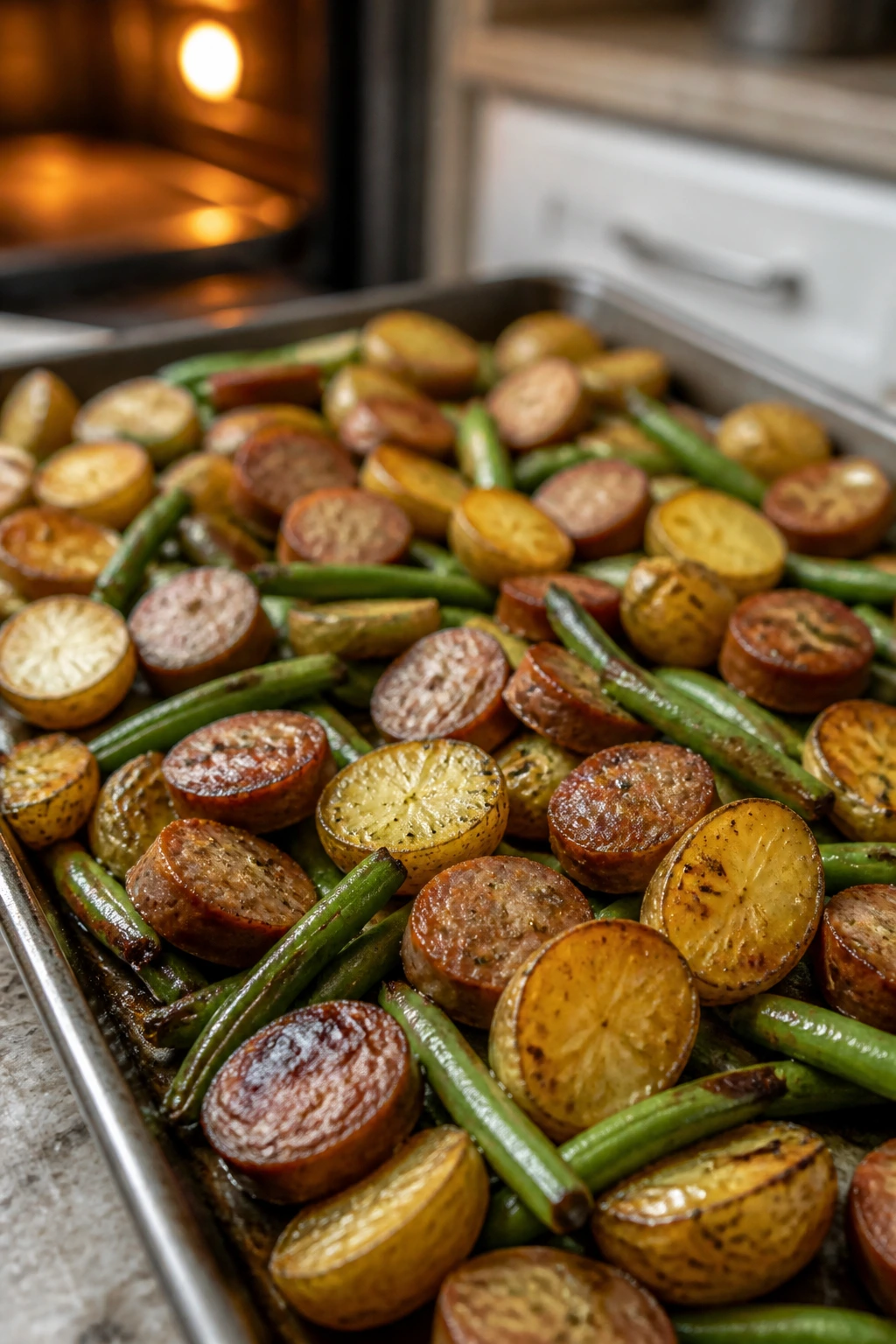
This is the dinner I make when I want the oven to do the heavy lifting. The potatoes get crisp on the cut sides, the green beans blister a little, and the sausage picks up enough roasted edges to taste like it came from a much more complicated meal.
Why It Works:
Roasting gives you texture that a skillet can’t quite match. Potatoes need time, so they go in first; the sausage and beans join later so they don’t dry out. A sheet pan also keeps the seasoning concentrated, which means every bite tastes deliberate.
Key Ingredients:
- 1 1/2 lb baby potatoes, halved — small potatoes roast evenly.
- 1 lb smoked sausage, sliced into 1/2-inch rounds — easy and sturdy.
- 12 oz green beans, trimmed — they stay crisp-tender.
- 1 red onion, cut into wedges — sweetens in the oven.
- 2 tbsp olive oil — enough to coat without pooling.
- 1 tsp smoked paprika — plays well with the sausage.
- 1 tsp garlic powder — keeps the seasoning simple.
- 1/2 tsp salt and 1/4 tsp black pepper — enough to wake up the tray.
Quick Steps:
- Heat the oven to 425°F and place a sheet pan inside while it heats.
- Toss the potatoes with oil, paprika, garlic powder, salt, and pepper.
- Roast the potatoes for 15 minutes, then pull the pan out carefully.
- Add the sausage, green beans, and onion; toss once and roast 15 to 20 minutes more until the beans blister and the potatoes are tender.
- Finish with chopped parsley or a squeeze of lemon.
Equipment for This Recipe:
- Rimmed sheet pan — keeps the juices contained.
- Large mixing bowl — for tossing everything evenly.
- Spatula — helps flip the vegetables without tearing them.
How to Serve This Dish:
Serve it straight from the pan with mustard on the side or a spoonful of sour cream. It’s sturdy enough for a weeknight plate and simple enough for second helpings.
Pro Tips for This Recipe:
- Cut the potatoes the same size so they roast at the same pace.
- Leave space on the pan; overcrowding softens the edges.
- A squeeze of lemon at the end keeps the whole tray from tasting flat.
Variations on This Dish:
- Mustard-Dill Version: Toss the finished pan with a little Dijon and chopped dill.
- Apple-Onion Version: Add sliced apples in the last 10 minutes for a sweet edge.
Common Mistakes to Avoid with This Dish:
- Don’t add the sausage at the beginning or it can dry out.
- Don’t use a crowded baking sheet; steam is the enemy of crisp potatoes.
4. Sausage and Rice Skillet with Tomatoes
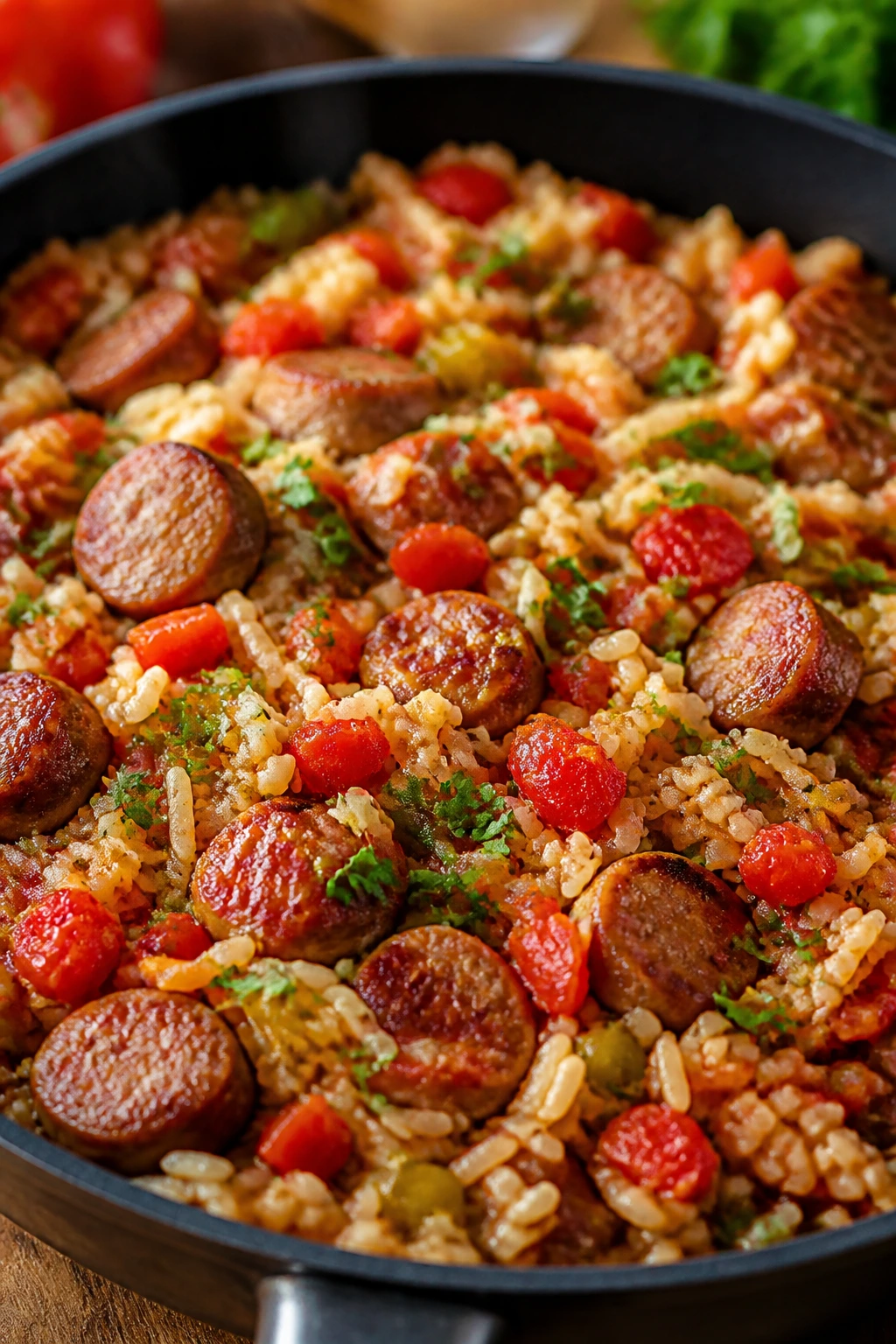
If you want dinner that feels complete without a pile of side dishes, this skillet gets the job done. The rice soaks up tomato broth, the sausage seasons the whole pan, and the final texture lands somewhere between pilaf and a rustic one-pot supper.
Why It Works:
Rice is a sponge, which is exactly why it belongs with sausage. The fat from the sausage and the acidity from the tomatoes settle into every grain, and a few peas at the end keep the skillet from looking one-note. It’s a pantry meal that eats like more than pantry food.
Key Ingredients:
- 1 lb ground pork sausage — gives the rice its flavor base.
- 1 cup long-grain white rice, rinsed — keeps the grains separate.
- 1 small onion, diced — softens into the skillet.
- 1 bell pepper, diced — adds color and sweetness.
- 1 can (14.5 oz) diced tomatoes — brings the broth and acidity.
- 2 cups chicken broth — the rice needs measured liquid.
- 1 cup frozen peas — stir in at the end.
- 1 tsp paprika — rounds out the tomato flavor.
Quick Steps:
- Brown the sausage in a large skillet over medium heat, about 6 minutes.
- Add onion and pepper; cook until softened, about 4 minutes.
- Stir in the rice, tomatoes, broth, and paprika.
- Bring to a simmer, cover, and cook on low for 18 to 20 minutes until the rice is tender.
- Stir in the peas, cover for 2 more minutes, then fluff and serve.
Equipment for This Recipe:
- Large lidded skillet — the cover matters.
- Measuring cups — rice needs a real ratio.
- Fork — for fluffing without smashing the grains.
How to Serve This Dish:
A spoonful of chopped parsley and a little hot sauce on the table make this feel finished. It’s good on its own, but a crisp salad is never a bad move.
Pro Tips for This Recipe:
- Rinse the rice so the finished skillet stays fluffy.
- Keep the lid closed during the simmer; peeking steals steam.
- If the rice is still a little firm, add 2 tablespoons of broth and give it 3 more minutes.
Variations on This Dish:
- Cheesy Rice Version: Stir in 1 cup shredded cheddar after cooking.
- Spanish-Style Version: Add a pinch of saffron or turmeric and use smoked paprika.
Common Mistakes to Avoid with This Dish:
- Don’t stir the rice constantly or it turns sticky.
- Don’t use instant rice here; it gets mushy fast.
5. Sausage and White Bean Soup
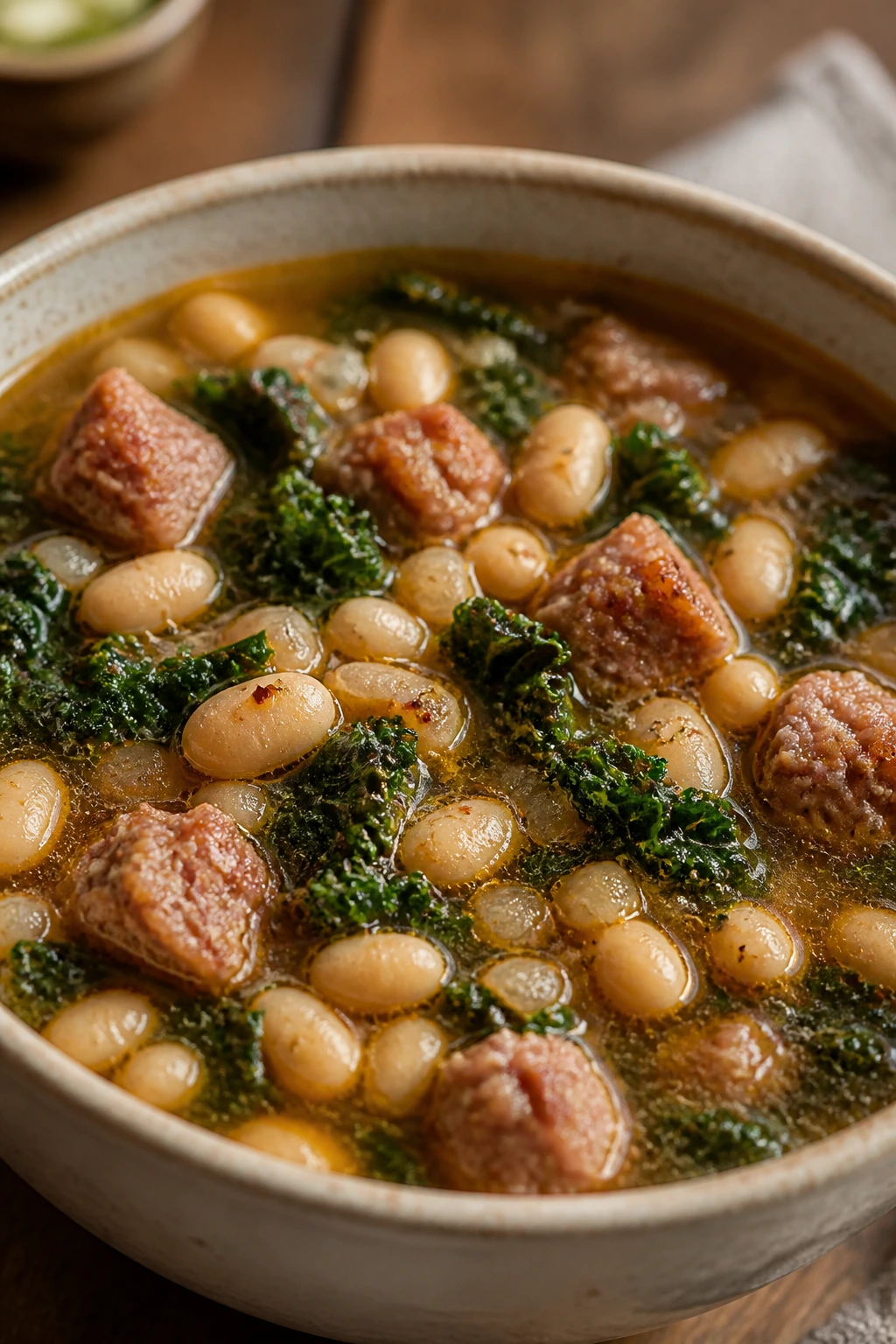
This soup tastes like it simmered longer than it did. The beans make it creamy without cream, the sausage gives the broth depth, and the kale softens just enough to stay green and a little chewy.
Why It Works:
Beans and sausage are an old pairing for a reason. The beans absorb the rendered fat and seasoning, while the broth carries the herbs into every spoonful. It is hearty without turning heavy, which matters when you want a bowl that finishes clean.
Key Ingredients:
- 1 lb Italian sausage — mild or hot both work.
- 1 yellow onion, diced — builds the base.
- 2 carrots, diced — add sweetness.
- 2 celery stalks, diced — keep the broth savory.
- 3 cloves garlic, minced — never skip it.
- 2 cans (15 oz each) cannellini beans, drained and rinsed — make the soup creamy.
- 6 cups chicken broth — the soup needs enough liquid to simmer.
- 2 cups chopped kale — stir in near the end.
- 1 tsp dried rosemary — fits the beans and sausage.
Quick Steps:
- Brown the sausage in a Dutch oven over medium heat, then spoon off extra fat if needed.
- Add onion, carrots, and celery; cook until softened, about 6 minutes.
- Stir in garlic and rosemary for 30 seconds.
- Add beans and broth, then simmer 20 minutes.
- Stir in the kale and cook 5 minutes more until tender.
Equipment for This Recipe:
- Dutch oven or soup pot — holds the broth comfortably.
- Wooden spoon — for breaking up sausage.
- Ladle — makes serving simple and less messy.
How to Serve This Dish:
Ladle it into bowls with crusty bread or a grilled cheese on the side. A little grated parmesan on top is not fancy, but it works.
Pro Tips for This Recipe:
- Mash a few beans against the side of the pot if you want a thicker broth.
- Add kale late so it stays bright.
- A splash of lemon juice at the end sharpens the whole pot.
Variations on This Dish:
- Tuscan Version: Add chopped tomatoes and a pinch of fennel seed.
- Creamy Version: Stir in 1/4 cup cream right before serving.
Common Mistakes to Avoid with This Dish:
- Don’t boil the soup hard once the beans are in; that can make them break apart.
- Don’t salt heavily at the start if your broth is already seasoned.
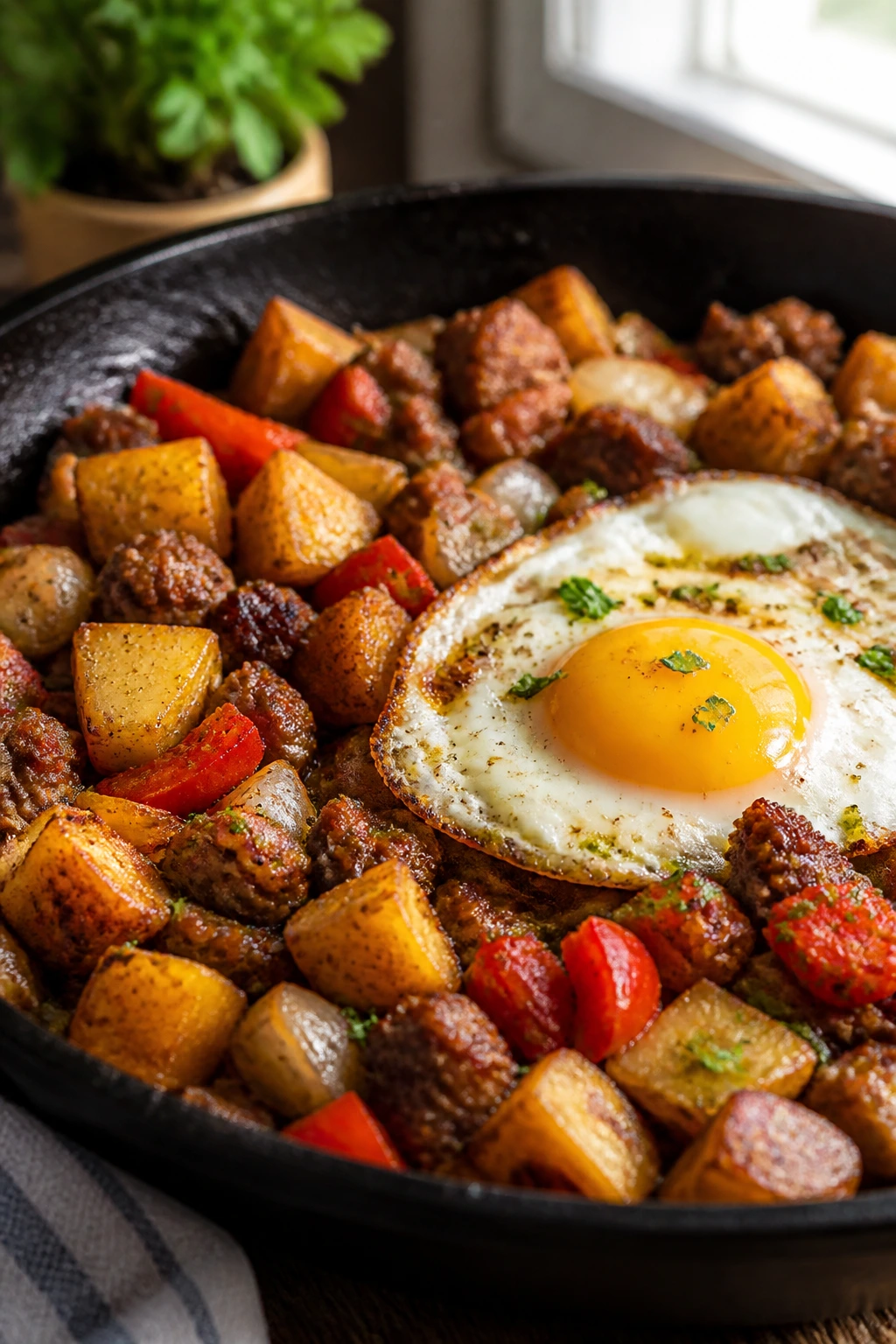
6. Breakfast Hash for Dinner
There’s something appealingly unpretentious about serving eggs and potatoes after dark. The sausage crisps, the potatoes pick up all the browned bits, and the eggs turn the whole thing into dinner that takes almost no convincing.
Why It Works:
Breakfast sausage is already seasoned for quick cooking, which makes it a natural fit for hash. You get crispy edges from the potatoes and a soft yolk if you choose to finish with eggs on top. It is cheap, filling, and fast.
Key Ingredients:
- 1 lb breakfast sausage — use a mild one for kids.
- 1 1/2 lb Yukon Gold potatoes, diced small — smaller cubes cook faster.
- 1 small onion, diced — gives the hash sweetness.
- 1 red bell pepper, diced — adds color and crunch.
- 4 large eggs — for the finish.
- 1 cup shredded cheddar — melts across the top.
- 2 tbsp neutral oil — helps the potatoes crisp.
Quick Steps:
- Par-cook the potatoes in a microwave or boil them for 5 minutes until just barely tender.
- Brown the sausage in a large skillet, then set it aside.
- Add oil and potatoes; cook over medium-high heat until golden, about 8 to 10 minutes.
- Stir in onion and bell pepper, then return the sausage to the pan.
- Make 4 wells, crack in the eggs, cover, and cook until the whites set.
- Top with cheddar and serve immediately.
Equipment for This Recipe:
- Large cast-iron or nonstick skillet — wide surface, good browning.
- Spatula — for turning the potatoes.
- Lid — helps the eggs set without overcooking the bottom.
How to Serve This Dish:
Serve it straight from the skillet with toast or warm tortillas. Hot sauce on the table is a nice move if your crowd likes a little heat.
Pro Tips for This Recipe:
- Par-cooking the potatoes saves ten minutes and keeps the center soft.
- Use a skillet that can handle high heat without sticking.
- Crack the eggs into a cup first if you want cleaner placement.
Variations on This Dish:
- Cheddar-Jalapeño Version: Add sliced jalapeños with the peppers.
- Veggie-Heavy Version: Fold in spinach or mushrooms near the end.
Common Mistakes to Avoid with This Dish:
- Don’t skip par-cooking the potatoes unless you like waiting forever.
- Don’t overcook the eggs; the yolk should still be a little loose.
7. Baked Sausage Ziti
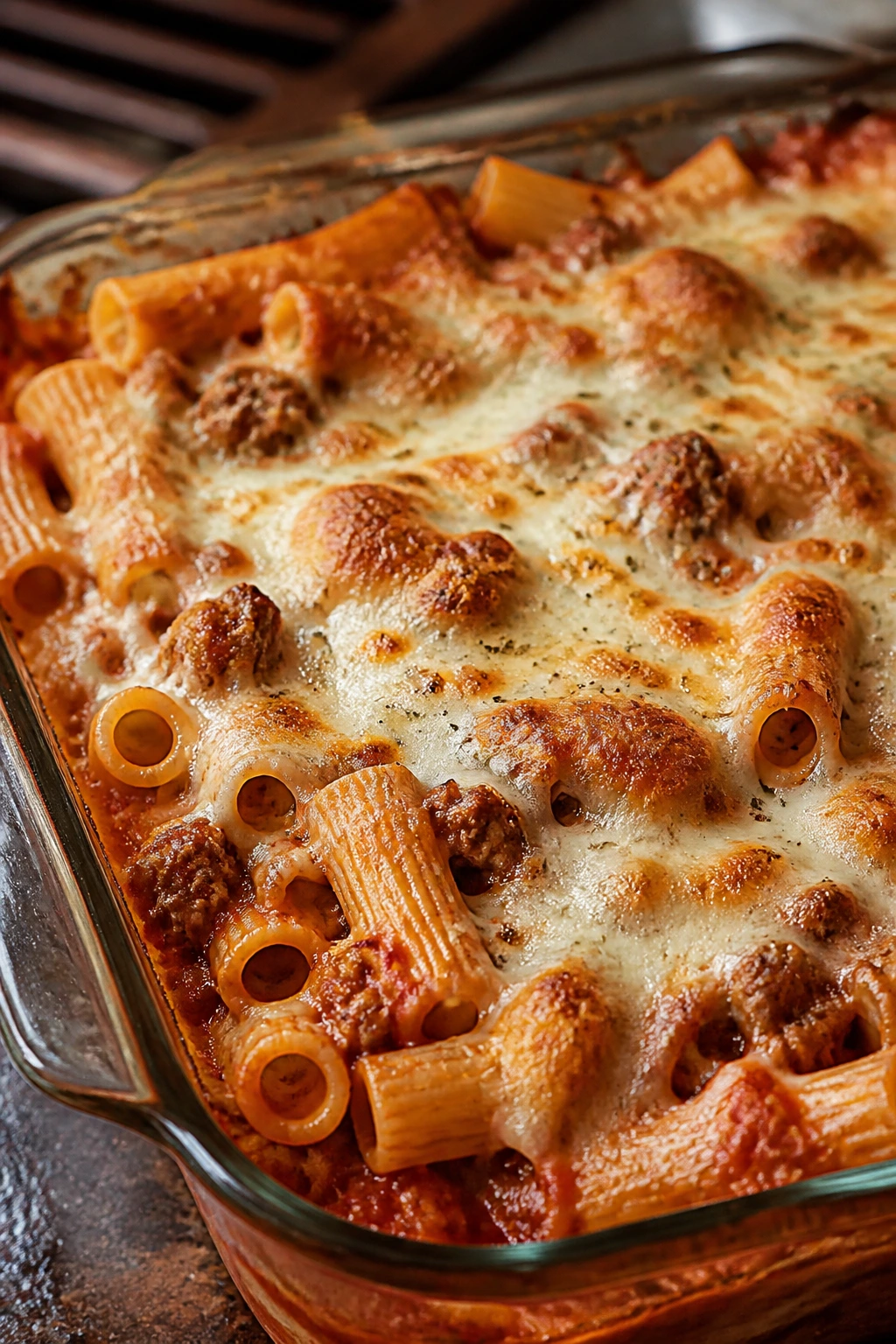
Baked ziti has the kind of bubbling, cheese-laced top that makes the room smell like you know what you’re doing. With sausage in the sauce, it gets a richer, meatier edge and doesn’t need much else besides a salad and maybe a box grater.
Why It Works:
The sausage seasons the tomato sauce from the inside out. Ricotta softens the bake, mozzarella makes the top stretch, and the pasta catches sauce in all the little tubes and ridges. It’s the casserole that disappears first when people are hungry.
Key Ingredients:
- 12 oz ziti — sturdy enough to bake.
- 1 lb Italian sausage — remove the casings if needed.
- 1 jar or 24 oz marinara sauce — choose one with garlic and basil.
- 1 cup ricotta — makes the filling creamy.
- 2 cups shredded mozzarella — for the top.
- 1/2 cup grated parmesan — adds a salty finish.
- 1 small onion, diced — builds the sauce.
- 2 cloves garlic, minced — goes into the meat sauce.
Quick Steps:
- Boil the ziti until just under al dente, then drain.
- Brown the sausage with onion and garlic in a skillet.
- Stir in marinara and simmer 5 minutes.
- Mix pasta with ricotta and half the mozzarella, then fold in the sauce.
- Transfer to a baking dish, top with remaining mozzarella and parmesan, and bake at 375°F for 20 to 25 minutes until bubbling.
Equipment for This Recipe:
- Large pot — for the pasta.
- Skillet — for the sausage sauce.
- 9×13-inch baking dish — the bake needs room to bubble.
How to Serve This Dish:
Cut it into squares and serve with a peppery salad or roasted broccoli. Garlic bread is the obvious side, and honestly, that is fine.
Pro Tips for This Recipe:
- Pull the pasta early so it does not go mushy in the oven.
- Let the bake rest 10 minutes before cutting.
- A little basil on top makes the pan look and taste fresher.
Variations on This Dish:
- Spinach Version: Stir 2 cups spinach into the hot sauce before baking.
- Spicy Version: Use hot sausage and add red pepper flakes to the sauce.
Common Mistakes to Avoid with This Dish:
- Don’t overcook the pasta before baking.
- Don’t cut it too soon or the slices slump apart.
8. Sausage Stuffed Bell Peppers
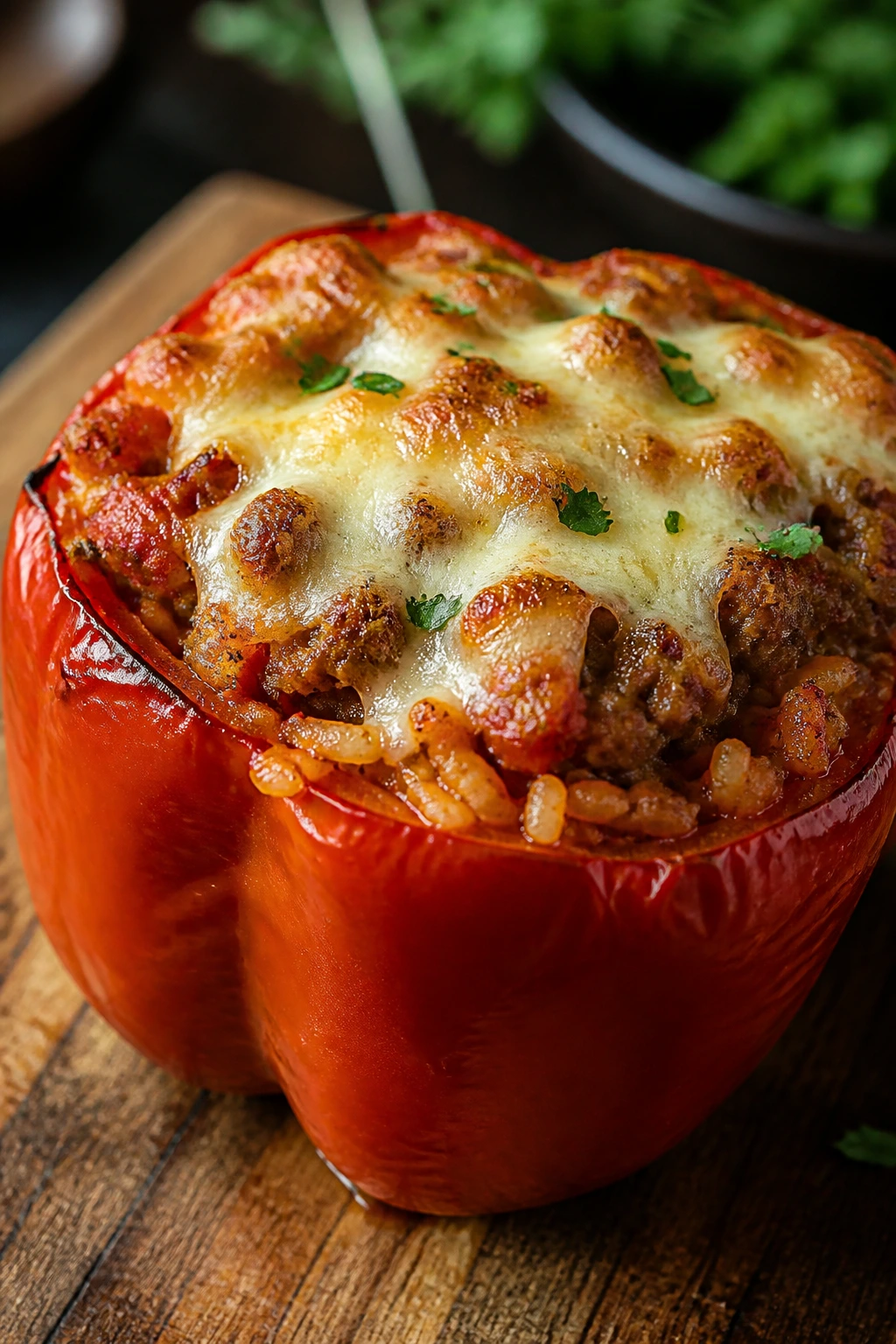
Stuffed peppers look polished, but the filling is plain old comfort food. Once they bake, the peppers soften, the cheese browns at the edges, and the sausage-rice mix gets all the tomato flavor it needs.
Why It Works:
The pepper does the job of both vessel and vegetable. That saves you from making a separate side, and the sausage filling stays moist because the tomato sauce and rice keep it from tightening up in the oven.
Key Ingredients:
- 6 large bell peppers — choose ones that sit flat.
- 1 lb Italian sausage — mild keeps the filling balanced.
- 1 cup cooked rice — helps the filling hold together.
- 1 small onion, diced — sweetens the mixture.
- 2 cups tomato sauce — binds the filling.
- 1 cup shredded mozzarella — for the top.
- 1 tsp dried oregano — fits the tomato base.
Quick Steps:
- Slice the tops off the peppers and remove the seeds.
- Brown the sausage with onion, then stir in rice, half the tomato sauce, and oregano.
- Pack the mixture into the peppers and set them in a baking dish.
- Spoon the remaining sauce over the tops and bake at 375°F for 35 minutes.
- Add mozzarella and bake 10 minutes more until melted and lightly browned.
Equipment for This Recipe:
- Baking dish — keeps the peppers upright.
- Sharp paring knife — for clean pepper prep.
- Spoon — for packing the filling without tearing peppers.
How to Serve This Dish:
Serve two pepper halves per adult or one half for smaller appetites. A dollop of sour cream or plain yogurt on top cools the tomato sauce nicely.
Pro Tips for This Recipe:
- Par-bake the peppers for 10 minutes if you like them softer.
- Use cooked rice, not raw, or the filling dries out before the rice is done.
- Choose peppers with broad bottoms so they do not tip.
Variations on This Dish:
- Mexican-Style Version: Use salsa and pepper jack instead of tomato sauce and mozzarella.
- Mushroom Version: Add chopped mushrooms to the sausage while browning.
Common Mistakes to Avoid with This Dish:
- Don’t pack the filling so tightly that the peppers split.
- Don’t skip the sauce on top; it keeps the filling from drying out.
9. Sausage and Tortellini Soup
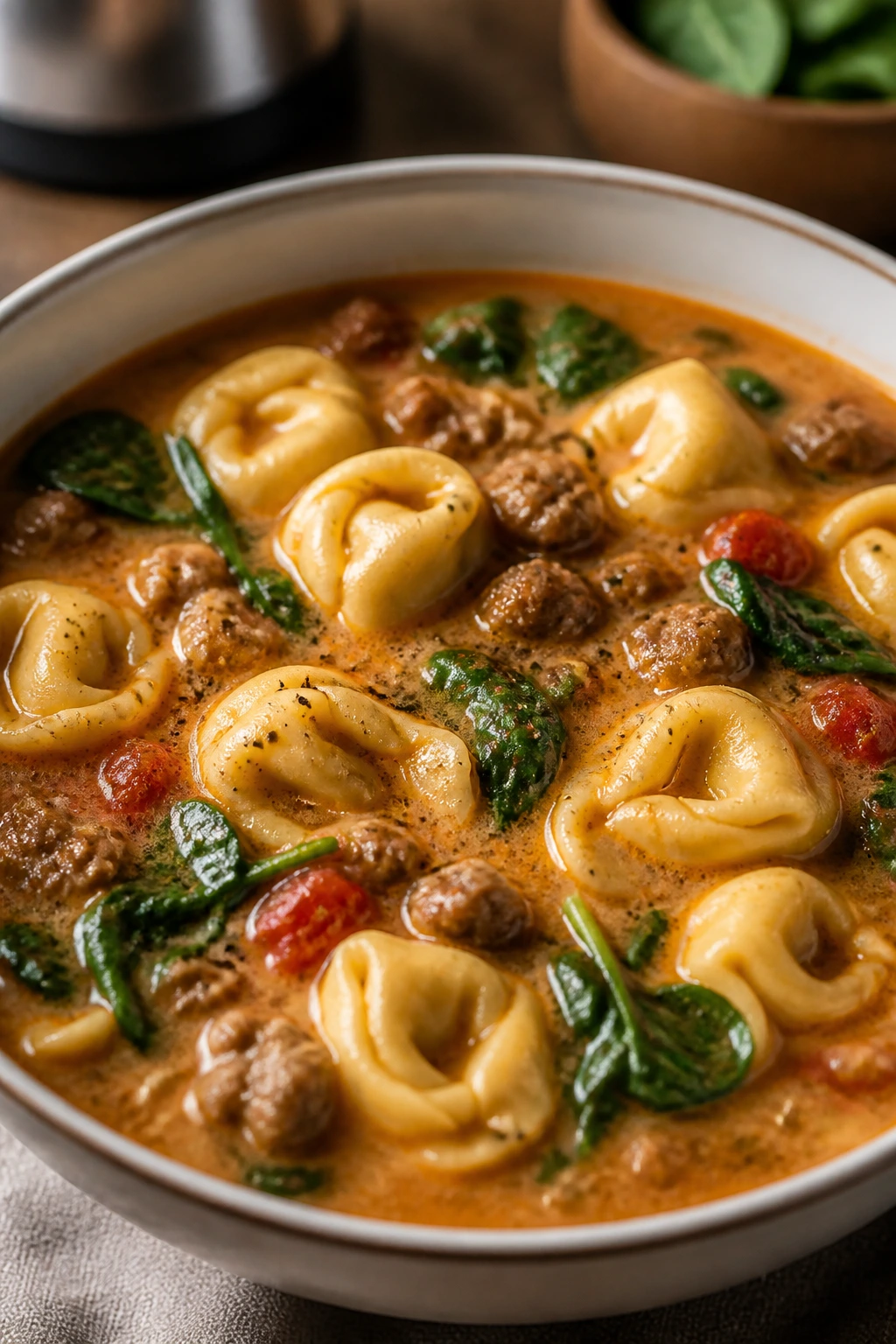
Tortellini makes soup feel like a full dinner without much effort. The sausage keeps the broth rich, the cheese-filled pasta gives you little soft bites, and spinach disappears into the pot in the best possible way.
Why It Works:
This soup has a lot of built-in payoff for not much work. Tortellini cooks fast, so you can finish the bowl in one pot once the sausage base is ready. That makes it a strong choice when the clock is tight and the pantry needs to do the work.
Key Ingredients:
- 1 lb Italian sausage — the broth starts here.
- 1 onion, diced — builds sweetness.
- 3 cloves garlic, minced — gives the broth depth.
- 1 can (14.5 oz) diced tomatoes — brings acidity.
- 6 cups chicken broth — enough for a soup pot.
- 1 package (9 oz) cheese tortellini — cooks right in the soup.
- 3 cups baby spinach — stir in at the end.
- 1 tsp Italian seasoning — keeps the flavor consistent.
Quick Steps:
- Brown the sausage in a soup pot, then add onion and garlic.
- Stir in tomatoes, broth, and Italian seasoning; simmer 10 minutes.
- Add the tortellini and cook according to the package, usually 4 to 6 minutes.
- Stir in spinach until wilted.
- Serve with parmesan and black pepper.
Equipment for This Recipe:
- Soup pot or Dutch oven — gives the tortellini room.
- Ladle — easier serving.
- Grater — for parmesan at the table.
How to Serve This Dish:
A slice of bread is almost mandatory here. If you want a brighter plate, add a simple arugula salad with lemon dressing.
Pro Tips for This Recipe:
- Don’t add tortellini too early or it breaks apart.
- If you’re making it ahead, cook the tortellini separately and add it at serving.
- A spoonful of pesto on top is a smart finish.
Variations on This Dish:
- Creamy Tortellini Version: Stir in 1/2 cup cream at the end.
- Veggie-Loaded Version: Add chopped zucchini or carrots with the onions.
Common Mistakes to Avoid with This Dish:
- Don’t overcook the pasta or the soup turns cloudy and heavy.
- Don’t simmer the spinach for long; it only needs a minute.
10. Smoked Sausage and Cabbage Skillet
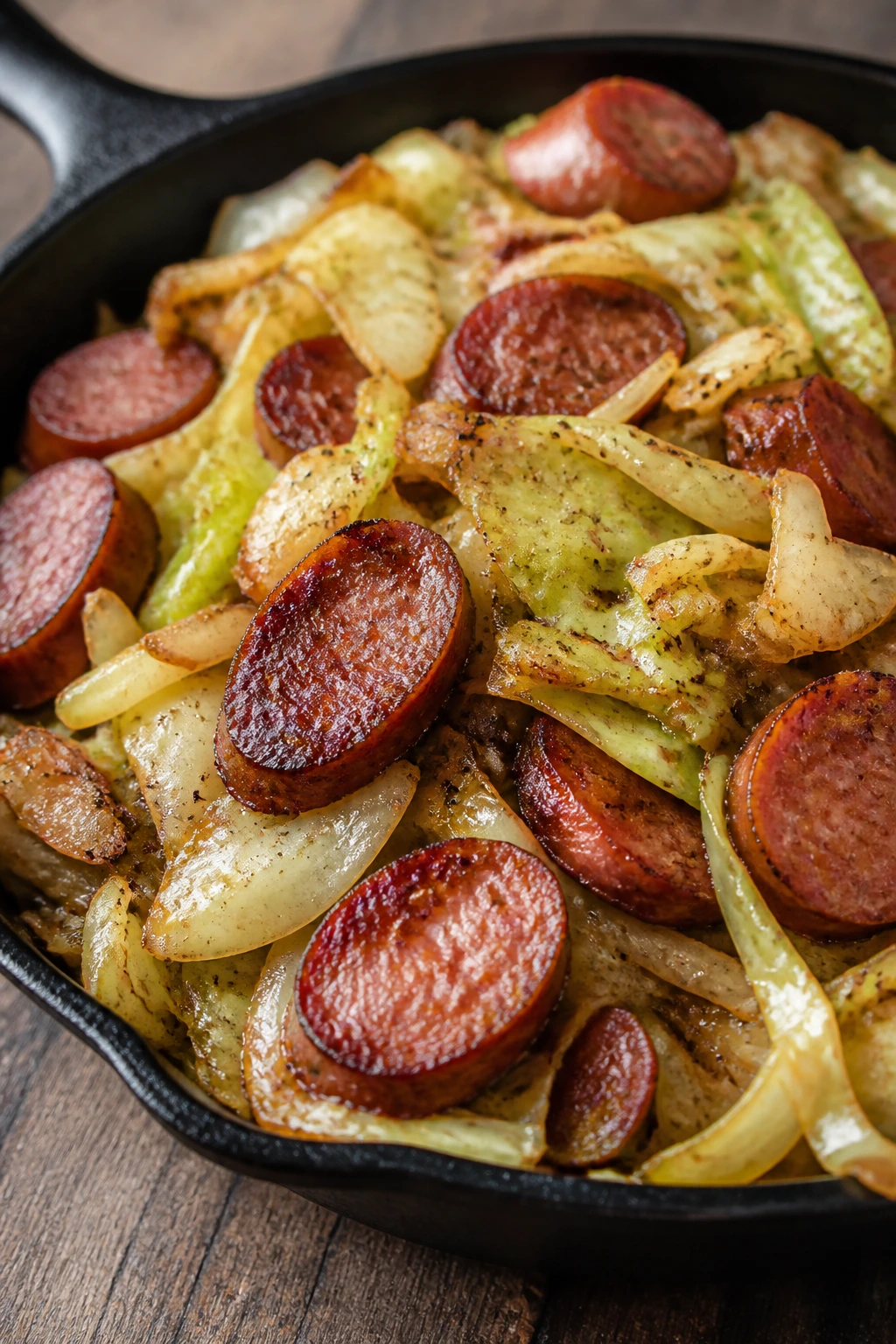
Cabbage gets a bad reputation from people who have only met it boiled. In a hot skillet with smoked sausage, it turns sweet, soft, and a little browned at the edges — the kind of side-turned-main that is cheaper than it tastes.
Why It Works:
Smoked sausage already brings salt and smoke, so cabbage just needs time in the pan to soften and pick up the flavor. A little apple adds a sharp sweet note that keeps the skillet from feeling flat. It’s simple, but not boring.
Key Ingredients:
- 14 oz smoked sausage, sliced — kielbasa works well.
- 1 small green cabbage, chopped — keeps its shape.
- 1 onion, sliced — adds sweetness.
- 1 apple, thinly sliced — brightens the skillet.
- 2 tbsp butter — helps the cabbage brown.
- 1/4 cup chicken broth — loosens the pan.
- 1 tsp Dijon mustard — sharpens the finish.
Quick Steps:
- Brown the sausage in a large skillet over medium-high heat, then set it aside.
- Add butter and onion; cook 3 minutes.
- Stir in the cabbage and apple, then cook 8 to 10 minutes until softened.
- Pour in broth and Dijon, then return the sausage to the pan.
- Cover for 5 minutes, uncover, and let the liquid cook off.
Equipment for This Recipe:
- Large skillet with a lid — needed for softening the cabbage.
- Chef’s knife — cabbage cuts better with a sharp blade.
- Spatula — for tossing without smashing.
How to Serve This Dish:
Serve it with mashed potatoes, buttered noodles, or rye bread. A spoonful of grainy mustard on the side is a nice move for adults.
Pro Tips for This Recipe:
- Do not rush the cabbage; its sweetness shows up in the second half of cooking.
- An apple that stays firm, like Honeycrisp, works better than a mealy one.
- A splash of cider vinegar at the end adds lift.
Variations on This Dish:
- Potato Version: Add diced boiled potatoes with the cabbage.
- Caraway Version: Add 1/2 teaspoon caraway seeds with the onion.
Common Mistakes to Avoid with This Dish:
- Don’t cook the cabbage on high heat the whole time or it scorches.
- Don’t skip the acid at the end; the skillet needs a little brightness.
11. Sausage Enchilada Casserole
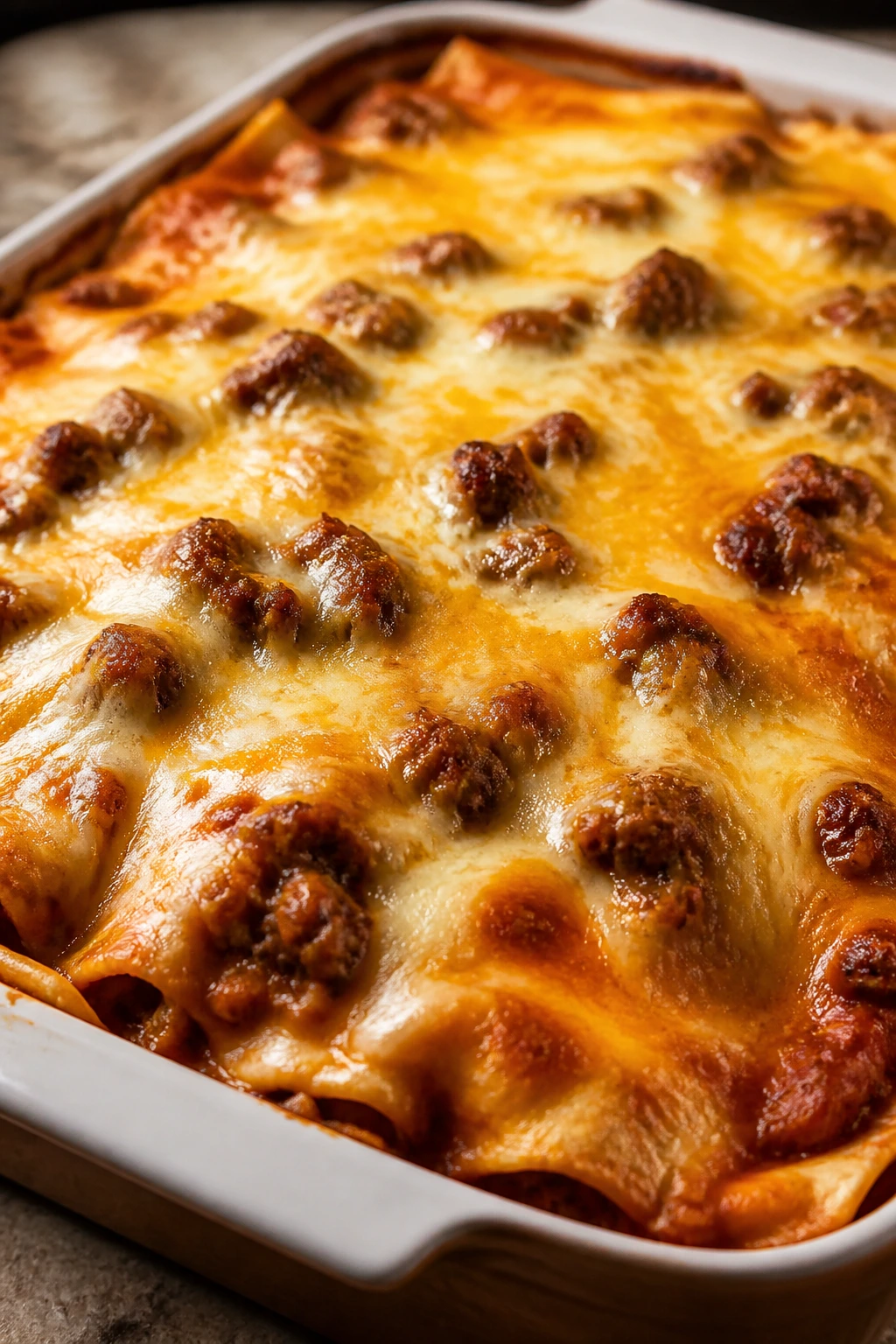
This is the casserole you make when everyone wants something saucy and cheesy, but you do not have the patience for rolling tortillas. Layers of sausage, sauce, tortillas, and melted cheese bake into something that slices cleanly and still scoops like comfort food.
Why It Works:
The sausage takes the place of a longer-cooked filling and gives the enchilada sauce some depth. Tortillas soften in the oven without dissolving, and black beans add a little body so the whole pan feels like more than meat and cheese.
Key Ingredients:
- 1 lb sausage — mild or spicy depending on your crowd.
- 8 corn tortillas, cut into strips — easier than rolling.
- 2 cups enchilada sauce — red sauce keeps it classic.
- 1 can black beans, drained — gives the casserole heft.
- 1 cup corn kernels — adds sweetness.
- 2 cups shredded cheddar or Monterey Jack — for the top.
- 1 small onion, diced — rounds out the filling.
Quick Steps:
- Brown the sausage with onion in a skillet.
- Stir in beans and corn, then season lightly.
- Spread a little enchilada sauce in a baking dish, layer tortillas, sausage filling, sauce, and cheese.
- Repeat once, finishing with cheese.
- Bake at 375°F for 25 minutes until bubbling; rest 10 minutes before serving.
Equipment for This Recipe:
- 9×13-inch baking dish — ideal for layering.
- Skillet — for the filling.
- Sharp knife — to cut tortillas cleanly.
How to Serve This Dish:
Top with cilantro, sliced scallions, or diced avocado if you have it. A dollop of sour cream and a few tortilla chips on the side make the plate feel complete.
Pro Tips for This Recipe:
- Lightly warm the tortillas before layering so they fold more easily.
- Don’t drown the pan in sauce; too much makes it soupy.
- Let it rest so the layers set.
Variations on This Dish:
- Green Chile Version: Swap in green enchilada sauce and pepper jack.
- Bean-Heavy Version: Double the black beans and reduce the sausage slightly.
Common Mistakes to Avoid with This Dish:
- Don’t skip the rest time or the slices collapse.
- Don’t use flour tortillas unless you want a softer, less defined texture.
12. Sausage and Broccoli Alfredo Gnocchi
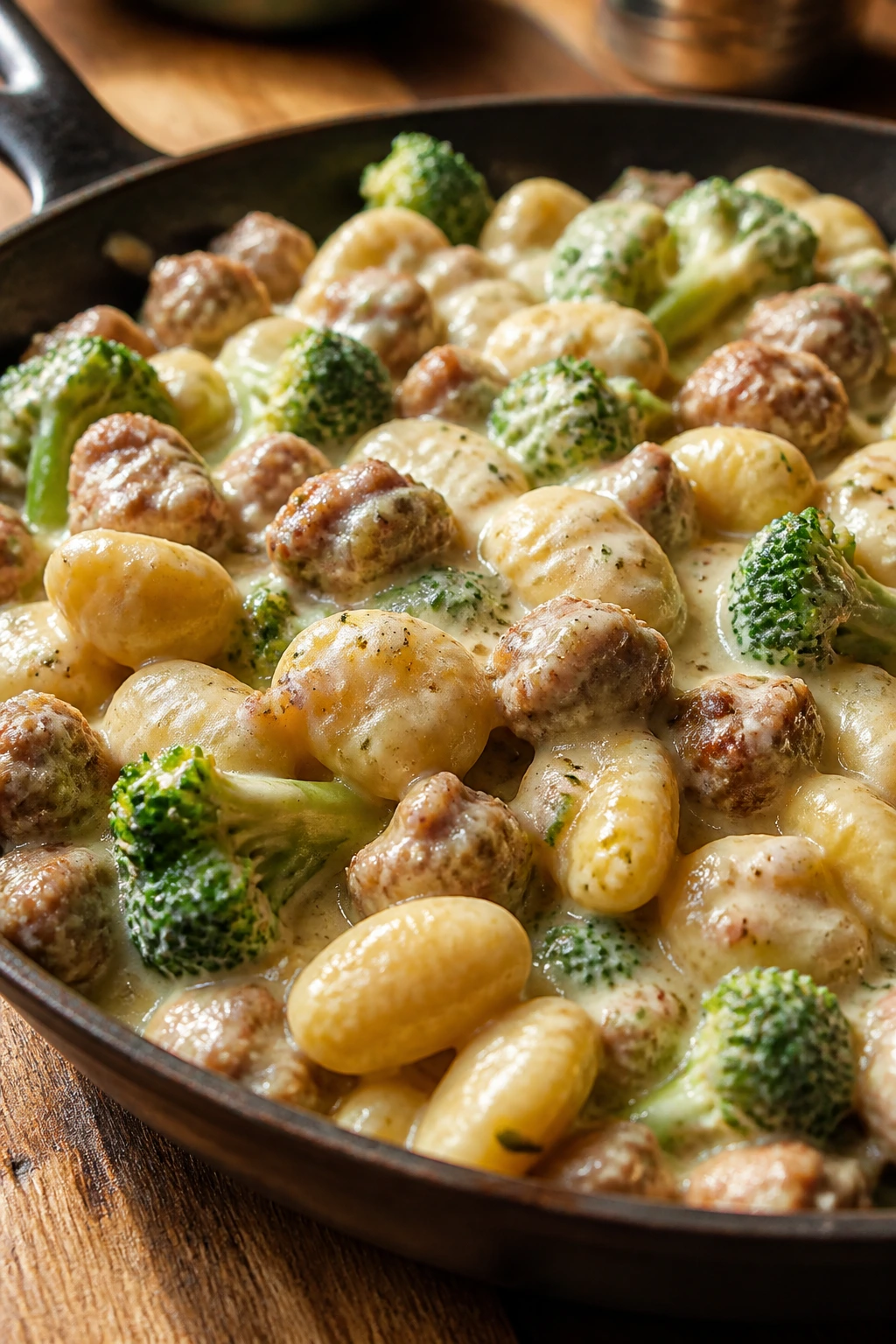
This dish tastes like it came from a restaurant kitchen that likes butter. Gnocchi turns pillowy in the sauce, broccoli adds a green bite, and sausage keeps the whole thing from drifting into pure cream territory.
Why It Works:
Gnocchi cooks fast and grabs sauce in all its little folds. Broccoli needs just enough heat to turn bright and tender, and sausage supplies the salt that keeps Alfredo from tasting blank. It is rich, but the broccoli keeps it from feeling stuck on the tongue.
Key Ingredients:
- 1 lb Italian sausage — browned first for flavor.
- 1 package (16 oz) shelf-stable gnocchi — no boiling separate if you don’t want to.
- 3 cups broccoli florets — cut small so they soften quickly.
- 1 cup heavy cream — the sauce base.
- 3/4 cup parmesan — melts into the cream.
- 2 cloves garlic, minced — adds depth.
- 1 tbsp butter — helps start the sauce.
Quick Steps:
- Brown the sausage in a large skillet, then remove it.
- Add butter and garlic, cook 30 seconds, then pour in cream.
- Stir in the broccoli and a splash of water, cover, and cook 3 to 4 minutes.
- Add gnocchi and sausage; simmer until the gnocchi is tender, about 5 minutes.
- Stir in parmesan until the sauce turns glossy and thick.
Equipment for This Recipe:
- Large skillet with a lid — for the broccoli and sauce.
- Wooden spoon — helps keep the sauce moving.
- Box grater — for fresh parmesan if you want smoother melting.
How to Serve This Dish:
Serve in shallow bowls with black pepper over the top. A crisp green salad helps cut the richness, which this dish does need.
Pro Tips for This Recipe:
- Use small broccoli florets so they cook at the same pace as the gnocchi.
- If the sauce gets too thick, loosen it with a few tablespoons of water.
- Add the parmesan off the heat if your skillet runs very hot.
Variations on This Dish:
- Lemon Version: Add a little lemon zest at the end for a sharper finish.
- Mushroom Version: Cook sliced mushrooms with the sausage for more depth.
Common Mistakes to Avoid with This Dish:
- Don’t boil the cream hard or it can separate.
- Don’t leave the broccoli in the pan too long or it goes dull and limp.
13. Sausage and Lentil Stew
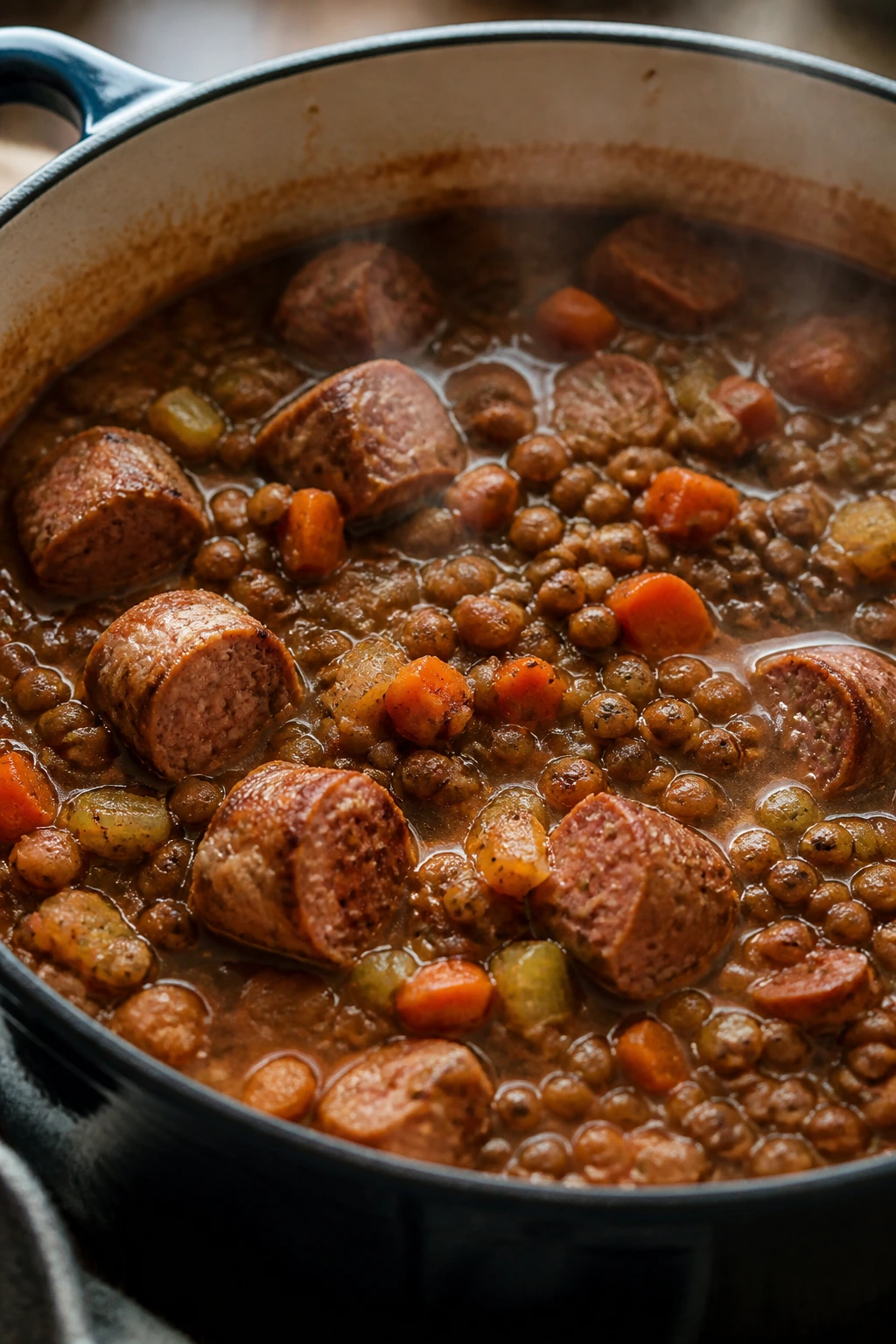
Lentils and sausage make a stew that feels old-school in the best way. The lentils get tender without falling apart, the sausage gives the pot richness, and the carrots and celery keep everything tasting grounded.
Why It Works:
Lentils cook faster than beans and do not need soaking, which makes them perfect for a dinner that starts in the late afternoon. They thicken the broth naturally, so you get a stew that sits between soup and braise. A little thyme or bay leaf is enough to pull it together.
Key Ingredients:
- 1 lb sausage, sliced or crumbled — smoked or fresh both work.
- 1 1/2 cups brown lentils, rinsed — hold their shape.
- 2 carrots, diced — adds sweetness.
- 2 celery stalks, diced — keeps the base savory.
- 1 onion, diced — the usual starting point.
- 6 cups chicken broth — enough for a deep pot.
- 1 can diced tomatoes — gives the broth body.
- 1 tsp dried thyme — a good fit for lentils.
Quick Steps:
- Brown the sausage in a Dutch oven, then add onion, carrots, and celery.
- Cook 5 minutes until the vegetables soften.
- Stir in lentils, tomatoes, broth, and thyme.
- Simmer uncovered for 30 to 35 minutes until the lentils are tender.
- Add salt and pepper only at the end, after tasting.
Equipment for This Recipe:
- Dutch oven — the right size for a thick stew.
- Wooden spoon — for stirring without crushing lentils.
- Ladle — makes serving easy.
How to Serve This Dish:
A chunk of sourdough or cornbread is enough to finish the bowl. If you want a little freshness, add chopped parsley or a spoonful of plain yogurt.
Pro Tips for This Recipe:
- Keep an eye on the liquid; lentils drink broth as they cook.
- Brown the sausage well before adding liquid.
- A tiny splash of vinegar at the end keeps the stew from tasting muddy.
Variations on This Dish:
- Smoky Version: Use smoked sausage and add paprika.
- Greens Version: Stir in chopped kale in the last 5 minutes.
Common Mistakes to Avoid with This Dish:
- Don’t salt too early if your broth is salty.
- Don’t let the stew boil wildly; lentils can split.
14. Sausage Pizza Casserole
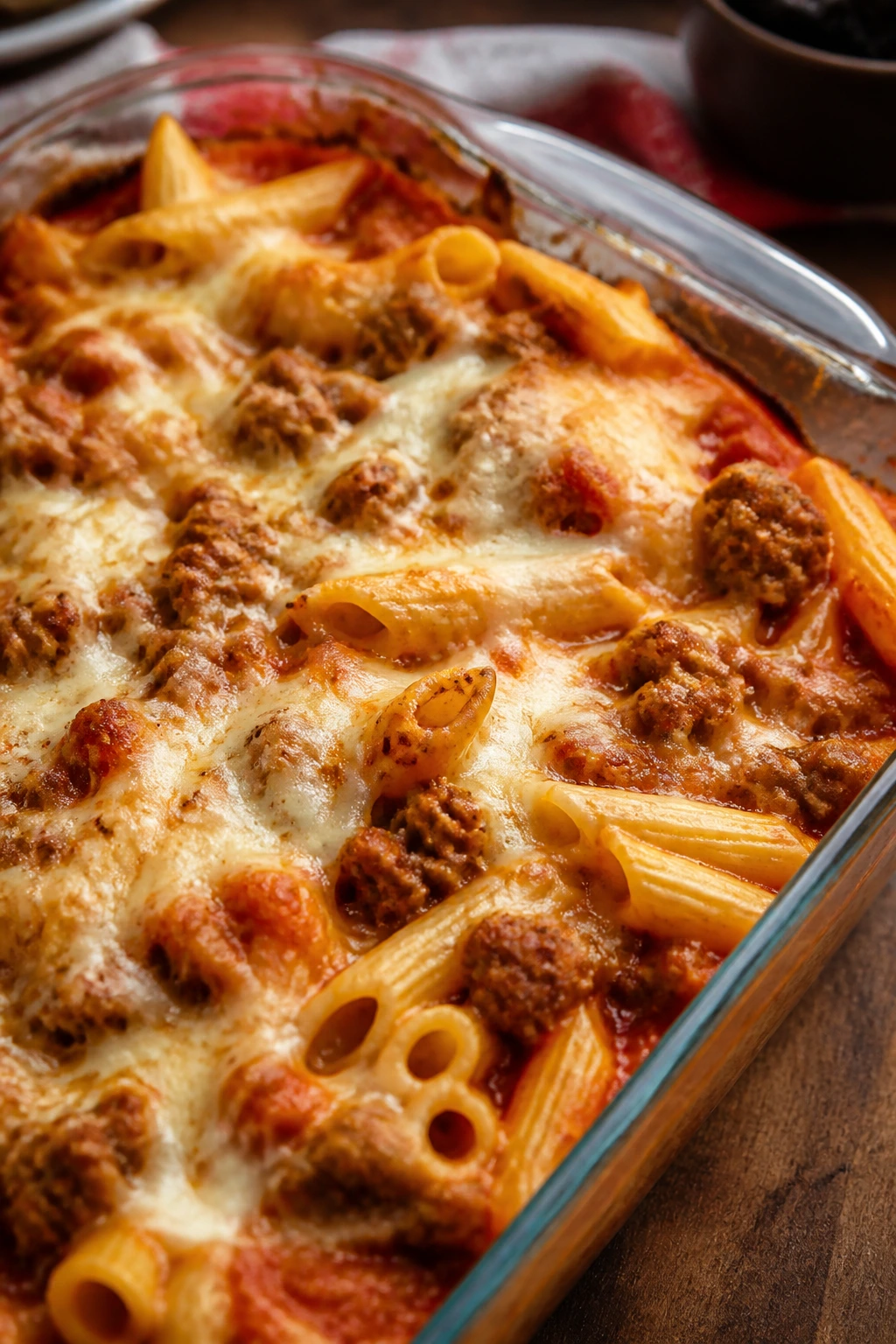
Pizza flavors in a baked pasta dish? That tends to vanish fast. This casserole layers sausage, marinara, mozzarella, and a few pizza-style extras into something that tastes familiar enough for picky eaters but still feels like a real dinner.
Why It Works:
Pasta gives the casserole structure, sausage provides the meaty base, and the cheese melts into those soft corners that people always scrape for. A little pepperoni or olives can push the flavor toward pizza night without making the dish complicated.
Key Ingredients:
- 12 oz rotini or penne — shape matters for holding sauce.
- 1 lb Italian sausage — browned and drained if needed.
- 2 cups marinara sauce — use one with garlic and herbs.
- 2 cups shredded mozzarella — the melt is the point.
- 1/2 cup sliced pepperoni — optional, but fun.
- 1/3 cup sliced black olives — gives a pizza shop edge.
- 1 tsp dried oregano — ties it to pizza flavor.
Quick Steps:
- Cook the pasta until just under al dente, then drain.
- Brown the sausage in a skillet and stir in marinara and oregano.
- Toss pasta with the sauce, pepperoni, and olives.
- Transfer to a baking dish, top with mozzarella, and bake at 375°F for 20 minutes until bubbly.
- Broil for 1 to 2 minutes if you want the top spotted and browned.
Equipment for This Recipe:
- Pot for pasta — nothing fancy.
- Skillet — for the sausage sauce.
- Baking dish — for the final melt.
How to Serve This Dish:
Cut it into squares and serve with a chopped salad or roasted broccoli. Garlic knots fit the theme, but plain bread is enough.
Pro Tips for This Recipe:
- Don’t overdo the sauce or the bake gets loose.
- Let the casserole rest so it slices neatly.
- Add fresh basil after baking if you want it to taste brighter.
Variations on This Dish:
- Supreme Version: Add diced bell peppers and mushrooms.
- Meat-Lover Version: Mix in a little cooked bacon or extra pepperoni.
Common Mistakes to Avoid with This Dish:
- Don’t use too much cheese in the middle layer or it turns greasy.
- Don’t skip the rest time before serving.
15. Sausage Mac and Cheese Bake
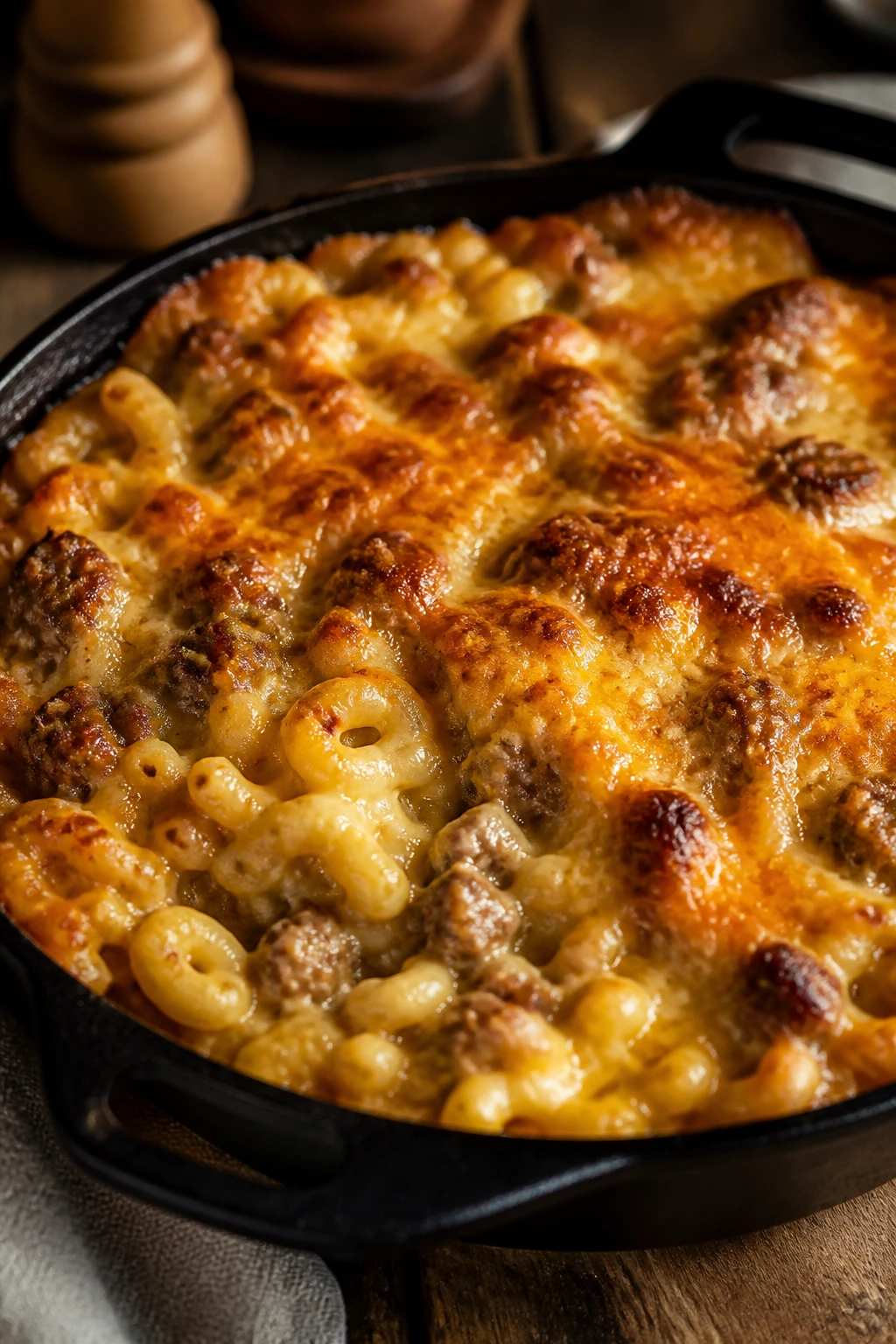
Mac and cheese with sausage is what happens when comfort food stops pretending. The pasta stays soft, the cheese sauce turns thick and sharp, and the sausage runs through the pan like a built-in side dish.
Why It Works:
Cheese sauce and sausage both like a little salt and fat, so they fit together without fighting. Baking the casserole gives you a browned top and a firmer scoop, which is helpful when you want dinner to feel like a dish instead of a pot of noodles.
Key Ingredients:
- 12 oz elbow macaroni — classic and sturdy.
- 1 lb sausage — mild works best for kids.
- 2 tbsp butter — starts the sauce.
- 2 tbsp flour — thickens the cheese sauce.
- 2 cups milk — keeps the sauce smooth.
- 2 cups shredded sharp cheddar — the main flavor.
- 1/2 cup breadcrumbs — for the top.
- 1 tsp Dijon mustard — sharpens the cheese.
Quick Steps:
- Cook the macaroni until just al dente, then drain.
- Brown the sausage in a skillet and set it aside.
- Make a quick roux with butter and flour, whisk in milk, then melt in cheddar and Dijon.
- Stir in pasta and sausage, then transfer to a baking dish.
- Top with breadcrumbs and bake at 375°F for 15 to 20 minutes until golden.
Equipment for This Recipe:
- Saucepan or deep skillet — for the cheese sauce.
- Whisk — keeps the sauce smooth.
- Baking dish — for the final bake.
How to Serve This Dish:
Serve with a sharp salad or steamed peas. The plate needs something crisp or green, because the casserole itself is unapologetically rich.
Pro Tips for This Recipe:
- Shred the cheese yourself if you want the smoothest melt.
- Warm the milk a bit before adding it to the roux.
- Use a mild sausage if your cheddar is already sharp.
Variations on This Dish:
- Broccoli Version: Fold in steamed broccoli florets before baking.
- Breadcrumb-Free Version: Skip the top crumbs and broil the cheese for a minute instead.
Common Mistakes to Avoid with This Dish:
- Don’t let the cheese sauce boil hard or it can turn grainy.
- Don’t overbake or the macaroni dries out.
16. Sausage, Apple, and Sweet Potato Sheet Pan
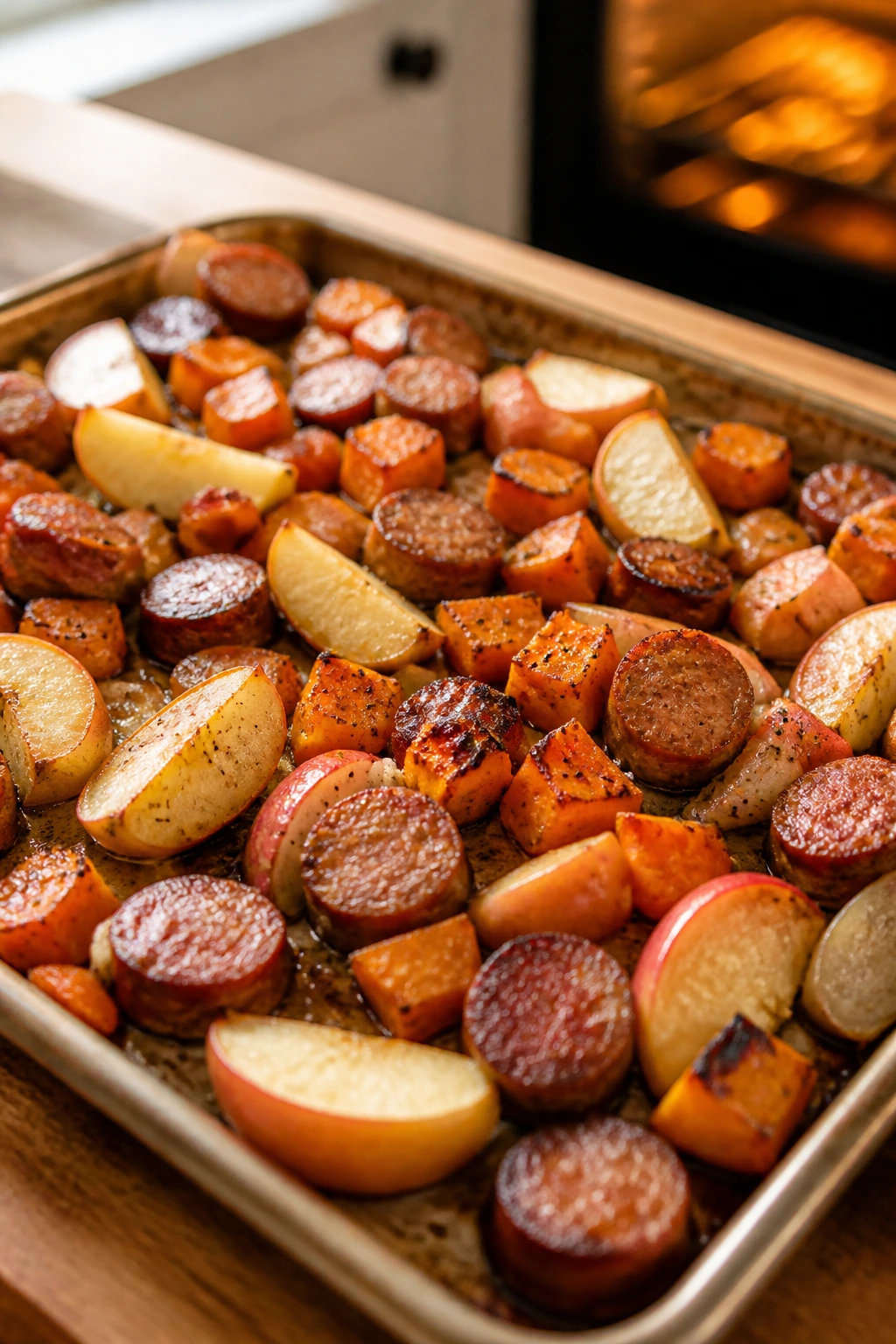
This is the tray I pull when I want dinner to smell like fall without turning it into a project. Sweet potatoes roast into caramel edges, apples soften just enough, and sausage keeps the whole thing savory instead of drifting into dessert territory.
Why It Works:
The sweet potatoes need the longest head start, the sausage brings salt and fat, and the apples go in late so they keep shape. Sage or thyme keeps the pan from tasting one-dimensional. It is one of those combinations that sounds a little odd until you taste it.
Key Ingredients:
- 1 1/2 lb sweet potatoes, peeled and cubed — cut them evenly.
- 1 lb sausage, sliced — smoked or fresh both work.
- 2 apples, cored and sliced — firm apples hold up best.
- 1 red onion, cut into wedges — adds a soft onion note.
- 2 tbsp olive oil — for roasting.
- 1 tsp chopped fresh sage or 1/2 tsp dried — the right herb here.
- 1/2 tsp salt and black pepper — keep the seasoning simple.
Quick Steps:
- Heat the oven to 425°F.
- Toss sweet potatoes with oil, sage, salt, and pepper, then roast 15 minutes.
- Add sausage, apples, and onion; toss once.
- Roast 20 minutes more until the sweet potatoes are tender and the sausage is browned.
- Finish with a drizzle of maple syrup if you want a sweeter edge.
Equipment for This Recipe:
- Rimmed sheet pan — the juices stay put.
- Cutting board — especially helpful for the squashier apples.
- Mixing bowl — makes tossing easier.
How to Serve This Dish:
Serve it as-is or with a simple green salad. A spoonful of mustard on the side gives adults a sharper option.
Pro Tips for This Recipe:
- Cut the sweet potatoes small enough to finish on time.
- Add the apples later if you want firmer pieces.
- A little apple cider vinegar at the end sharpens the whole tray.
Variations on This Dish:
- Maple-Mustard Version: Toss the finished pan with 1 tsp mustard and 1 tsp maple syrup.
- Brussels Version: Swap the apples for halved Brussels sprouts.
Common Mistakes to Avoid with This Dish:
- Don’t cut the potatoes too large or they lag behind the sausage.
- Don’t add the apples from the start unless you want them very soft.
17. Sausage Jambalaya
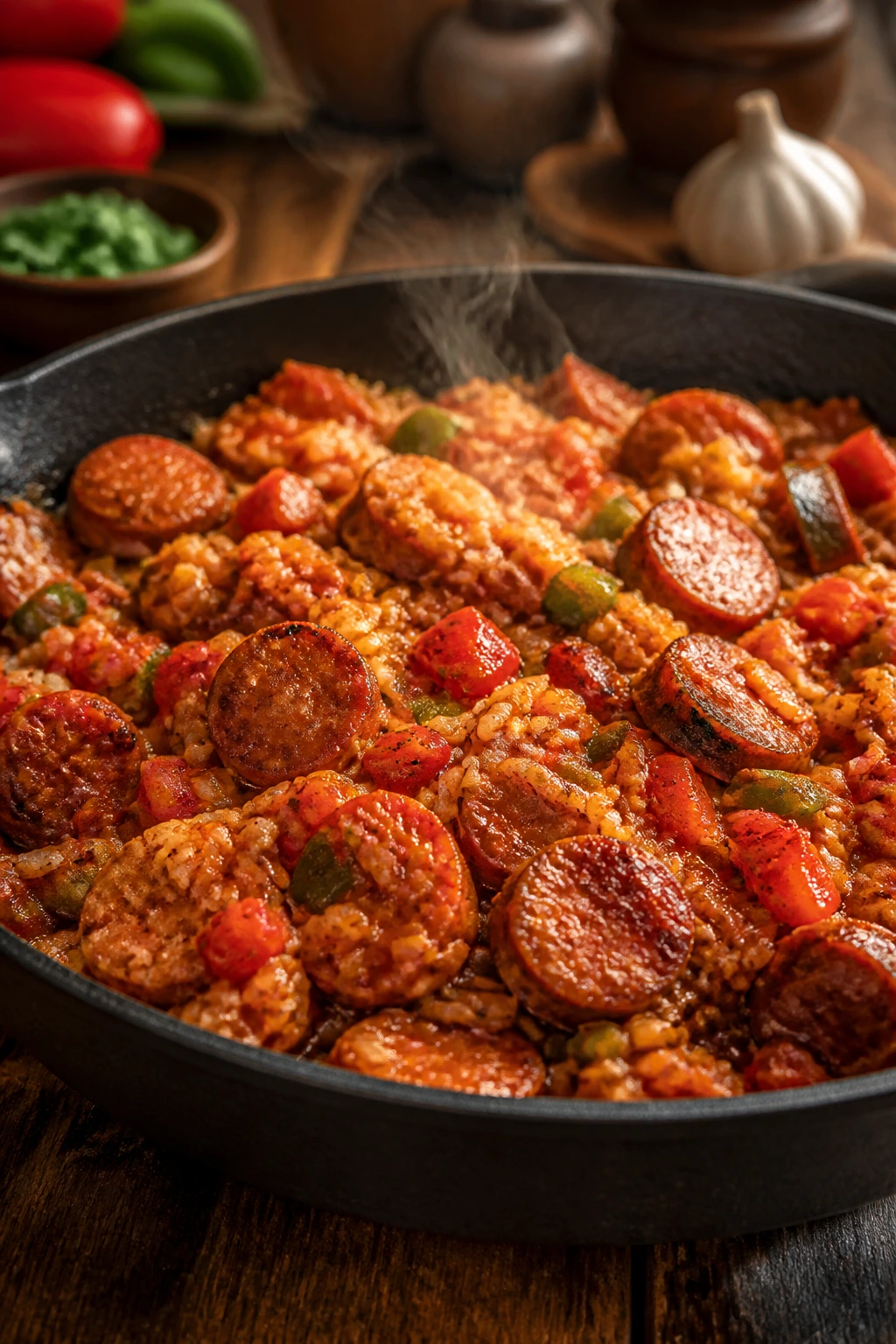
Jambalaya is a one-pot dinner that looks busier than it is. The rice picks up the tomato broth, the sausage drives the flavor, and the vegetables keep the pot moving so every spoonful has a little bit of everything.
Why It Works:
The rice cooks in the same pot as the sausage and vegetables, which means every grain gets seasoned. Bell pepper, celery, and onion form the classic base, and the sausage adds enough fat to keep the dish from tasting dry. A little Cajun seasoning goes a long way.
Key Ingredients:
- 1 lb smoked sausage, sliced — kielbasa or andouille style.
- 1 cup long-grain rice, rinsed — important for separate grains.
- 1 onion, diced — part of the base.
- 1 bell pepper, diced — the other half of the base.
- 2 celery stalks, diced — keeps the flavor balanced.
- 1 can diced tomatoes — gives color and liquid.
- 2 cups chicken broth — enough to cook the rice.
- 1 to 2 tsp Cajun seasoning — use lightly, then taste.
Quick Steps:
- Brown the sausage in a deep skillet or Dutch oven.
- Add onion, bell pepper, and celery; cook 5 minutes.
- Stir in rice, tomatoes, broth, and Cajun seasoning.
- Cover and simmer on low for 20 to 25 minutes until the rice is tender.
- Let it rest 5 minutes, then fluff with a fork.
Equipment for This Recipe:
- Dutch oven or deep skillet with lid — the cover matters.
- Fork — for fluffing the rice.
- Measuring cup — for accurate broth.
How to Serve This Dish:
A little chopped parsley and hot sauce on top make the bowl look and taste finished. If you want to stretch it further, serve with sliced cucumbers or a simple salad.
Pro Tips for This Recipe:
- Rinse the rice so it stays light.
- Don’t stir once the lid goes on.
- Use a low flame; rice scorches when the heat gets too aggressive.
Variations on This Dish:
- Chicken-Sausage Version: Mix in diced cooked chicken with the sausage.
- Mild Family Version: Cut the Cajun seasoning down and add a little smoked paprika instead.
Common Mistakes to Avoid with This Dish:
- Don’t lift the lid every few minutes.
- Don’t add too much liquid or the rice turns soft and sticky.
18. Sausage and Mushroom Stroganoff
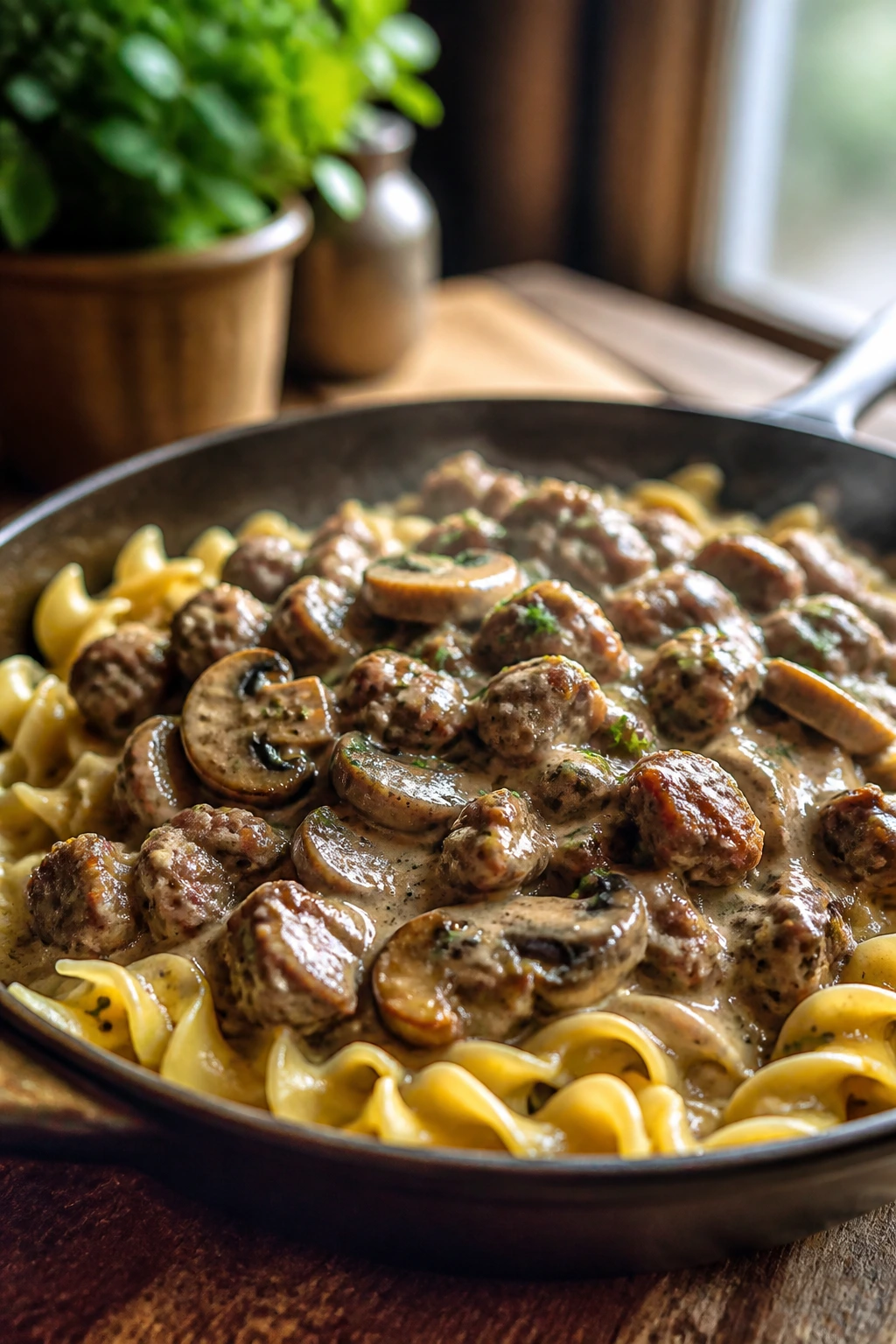
Sausage stroganoff has a cozy, old-school feel that still works on a random Tuesday. Mushrooms add that earthy depth, the sour cream turns the sauce silky, and the noodles give you the kind of bowl people reach for twice.
Why It Works:
Mushrooms and sausage both like browning, so the skillet builds flavor quickly. A little Dijon in the sauce helps it taste brighter, and sour cream added off the heat keeps the sauce smooth. It is richer than a plain noodle skillet, but still fast enough to be practical.
Key Ingredients:
- 1 lb sausage — sliced or crumbled.
- 8 oz mushrooms, sliced — cremini hold up well.
- 1 onion, sliced — softens into the sauce.
- 2 cloves garlic, minced — keeps the skillet savory.
- 2 cups beef broth — gives the sauce body.
- 1 cup sour cream — stirred in at the end.
- 1 tsp Dijon mustard — sharpens the sauce.
- 12 oz egg noodles — the classic base.
Quick Steps:
- Cook the noodles and drain.
- Brown the sausage in a skillet, then add mushrooms and onion.
- Cook until the mushrooms release their liquid and start to brown, about 8 minutes.
- Stir in broth and Dijon, simmer 5 minutes, then turn the heat off.
- Fold in sour cream and noodles; season and serve.
Equipment for This Recipe:
- Large skillet — enough room for the sauce.
- Pot for noodles — keep it separate if needed.
- Whisk or spoon — for blending the sour cream in smoothly.
How to Serve This Dish:
Serve with parsley on top and a side of steamed green beans or peas. The sauce is thick enough to coat a fork but still wants a little green on the plate.
Pro Tips for This Recipe:
- Let the mushrooms brown instead of crowding them.
- Add sour cream after turning off the burner.
- If the sauce tightens, loosen it with a splash of broth.
Variations on This Dish:
- Paprika Version: Add 1 tsp paprika with the broth for extra warmth.
- No-Noodle Version: Spoon it over mashed potatoes instead.
Common Mistakes to Avoid with This Dish:
- Don’t add sour cream to a boiling sauce or it can curdle.
- Don’t undercook the mushrooms; they need time to shed their water.
19. Sausage and Kale Orzo
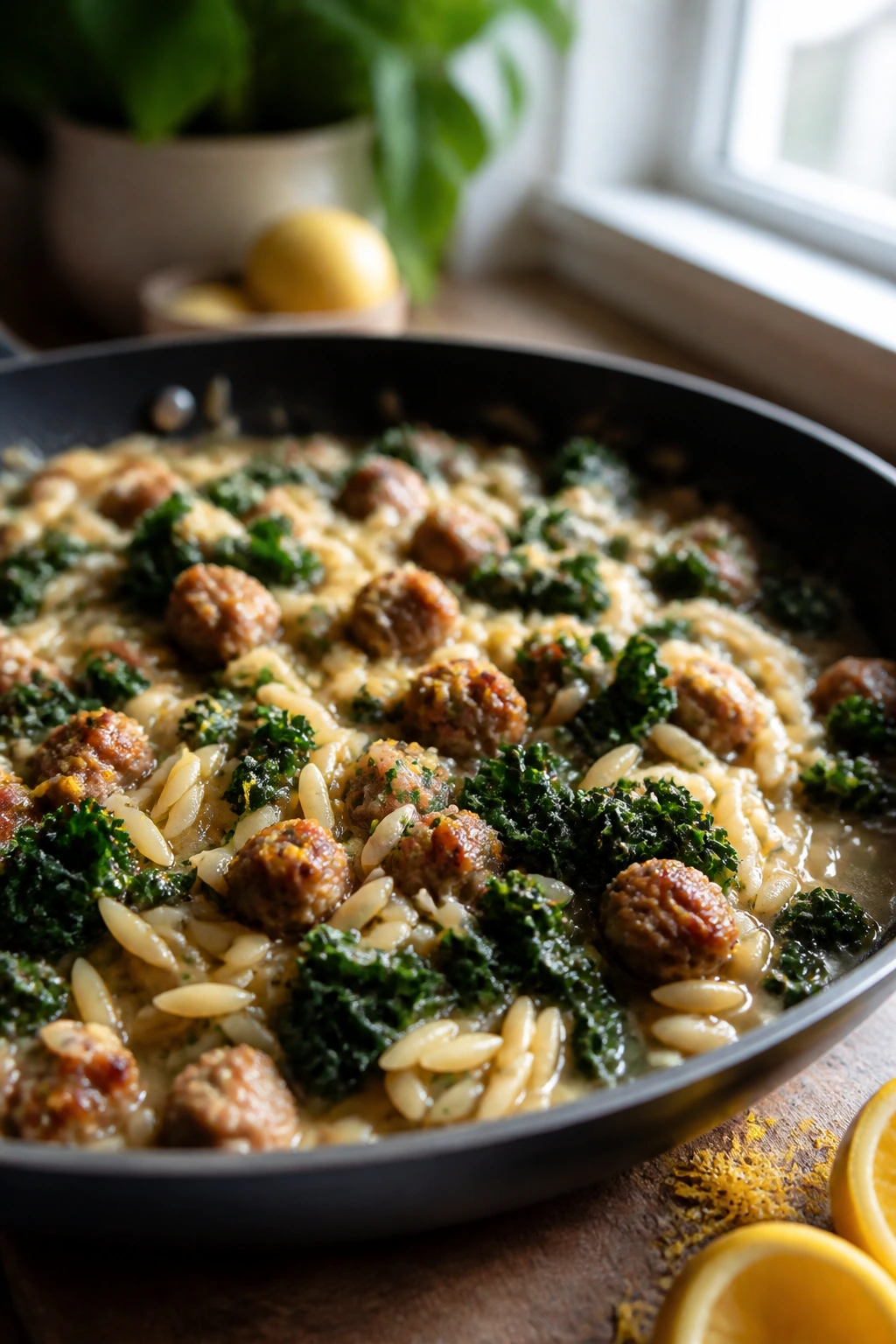
Orzo has a sneaky way of making a skillet feel more finished than it should. The pasta cooks right in the broth, the kale softens into the grains, and sausage brings enough weight that you do not need anything else on the table.
Why It Works:
Orzo acts almost like rice but cooks with a little more sheen. It absorbs broth fast, so the sausage fat and the lemon finish become part of the sauce rather than sitting on top. This is a useful trick when you want a bowl that eats like dinner without a separate side dish.
Key Ingredients:
- 1 lb Italian sausage — mild or spicy.
- 1 cup orzo — cooks quickly in the skillet.
- 1 onion, diced — the base.
- 3 cloves garlic, minced — add with care.
- 3 cups chicken broth — enough to cook the orzo.
- 3 cups chopped kale — wilts into the pan.
- 1/2 cup parmesan — for the finish.
- 1 lemon, zested and juiced — brightens the whole dish.
Quick Steps:
- Brown the sausage in a large skillet and set it aside.
- Cook onion and garlic in the same pan for 3 minutes.
- Stir in orzo, broth, and kale; simmer 10 to 12 minutes, stirring now and then.
- Return the sausage to the pan and cook until the orzo is tender.
- Finish with parmesan, lemon zest, and a squeeze of juice.
Equipment for This Recipe:
- Large skillet — the orzo needs room to move.
- Citrus zester — optional, but useful.
- Wooden spoon — for stirring without scratching.
How to Serve This Dish:
Serve in shallow bowls with extra parmesan and black pepper. A little crusty bread helps chase the last bits from the pan.
Pro Tips for This Recipe:
- Stir often enough to keep the orzo from sticking.
- Add the lemon at the end; early lemon can taste harsh.
- If the skillet gets dry before the orzo is tender, add broth in 1/4-cup splashes.
Variations on This Dish:
- Creamy Version: Stir in 2 tablespoons cream cheese at the end.
- Tomato Version: Add a handful of cherry tomatoes with the broth.
Common Mistakes to Avoid with This Dish:
- Don’t walk away from orzo; it goes from tender to dry fast.
- Don’t overdo the lemon or it dominates the sausage.
20. Sausage Chili with Beans
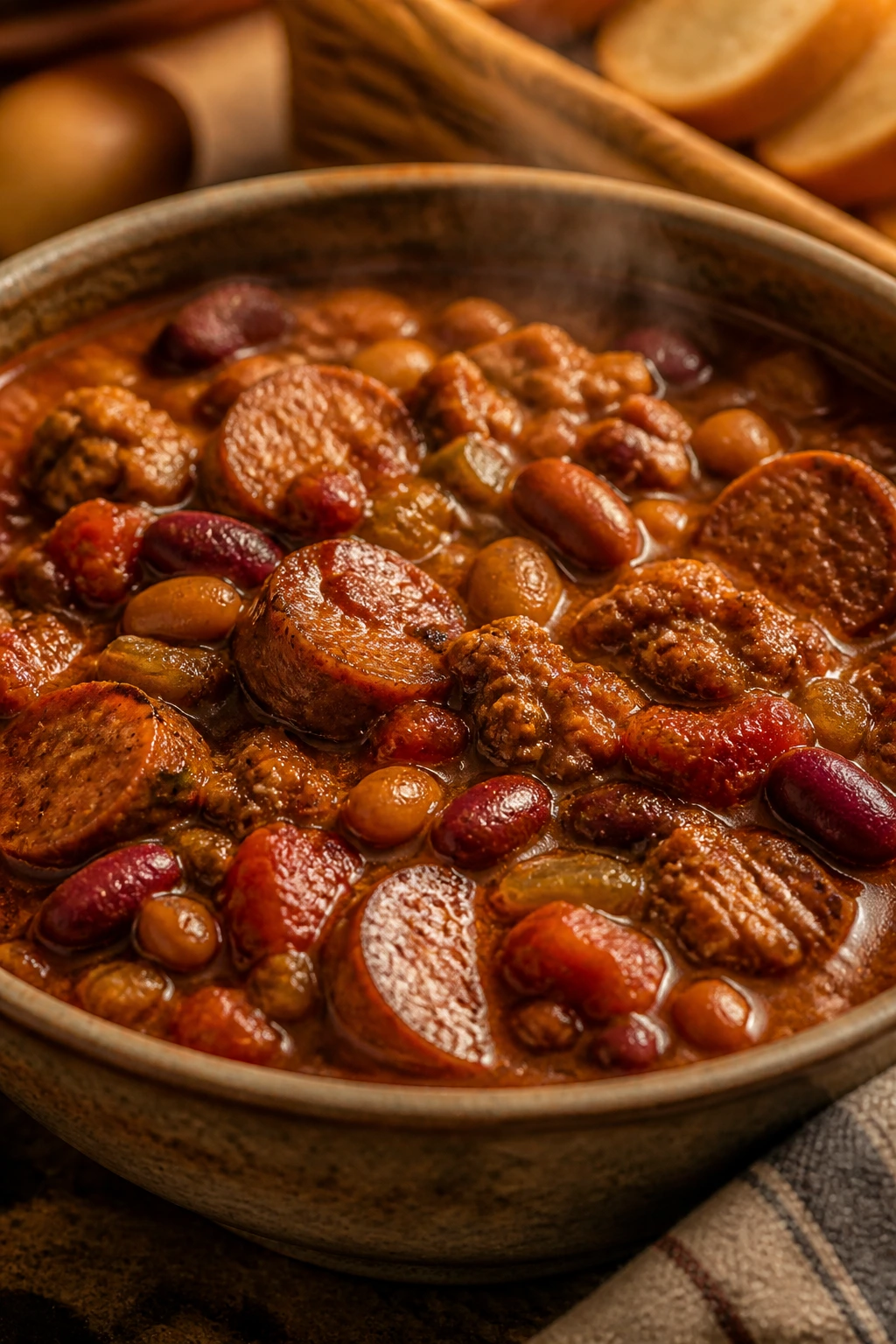
Chili made with sausage has a rounder, richer flavor than lean beef chili, and it gets there fast. The beans make it filling, the tomatoes give it body, and the spice mix lets you steer the heat up or down without changing the whole pot.
Why It Works:
Sausage brings seasoning into the pot early, which means the spices have something to cling to. Beans stretch the chili in a way that feels natural, not padded. This is one of the easiest sausage dinner ideas to batch cook, because it tastes even better after a night in the fridge.
Key Ingredients:
- 1 lb sausage — crumbled and browned.
- 1 onion, diced — for the base.
- 1 bell pepper, diced — adds sweetness.
- 2 cans beans, drained — kidney, pinto, or a mix.
- 1 can crushed tomatoes — thicker than diced.
- 2 cups broth — adjusts the texture.
- 2 tbsp chili powder — the main seasoning.
- 1 tsp cumin — keeps the flavor grounded.
Quick Steps:
- Brown the sausage in a large pot.
- Add onion and pepper; cook until softened.
- Stir in chili powder and cumin for 30 seconds.
- Add beans, tomatoes, and broth; simmer 25 to 30 minutes.
- Taste and adjust salt, then serve with toppings.
Equipment for This Recipe:
- Large soup pot — for a deep simmer.
- Wooden spoon — for stirring and breaking sausage.
- Ladle — for easy serving.
How to Serve This Dish:
Put out shredded cheese, sour cream, scallions, and tortilla chips. Cornbread also works, and it soaks up the chili better than you think.
Pro Tips for This Recipe:
- Toast the spices in the pot before adding liquid.
- If the chili looks thin, simmer uncovered for 10 more minutes.
- A square of dark chocolate can deepen the pot if you like a richer finish.
Variations on This Dish:
- Smoky Version: Add chipotle powder or smoked paprika.
- Bean-Light Version: Use one can of beans and add diced zucchini instead.
Common Mistakes to Avoid with This Dish:
- Don’t dump spices into cold liquid and expect full flavor.
- Don’t rush the simmer; chili needs time to settle.
21. Sausage and Corn Chowder
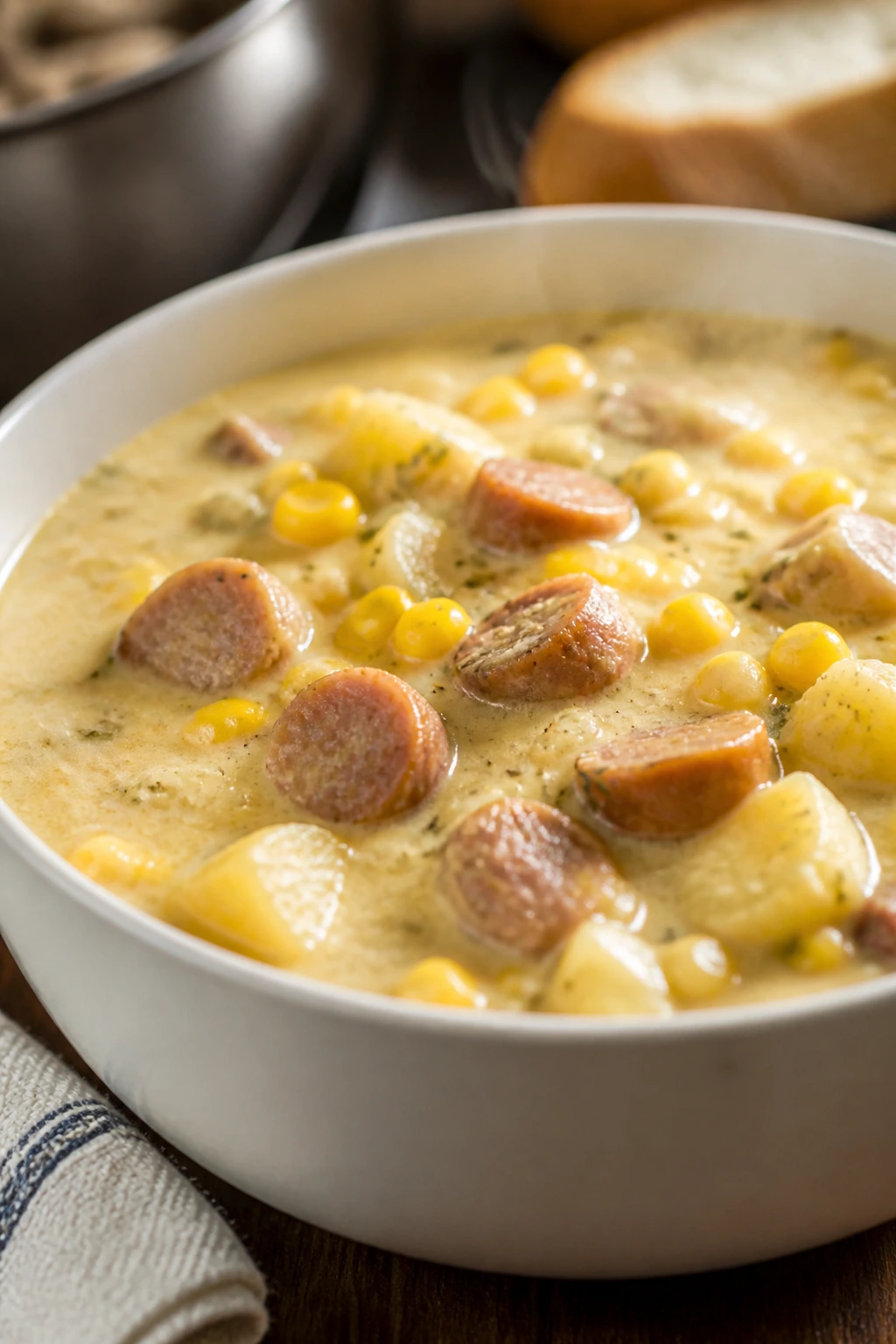
Corn chowder with sausage sits right on that line between soup and stew. The potatoes give the broth body, the corn adds sweetness, and the sausage keeps every spoonful from tasting too soft or too sweet.
Why It Works:
Chowder wants cream, starch, and something savory enough to keep it from turning bland. Sausage gives the broth a backbone, and a few potatoes break down just enough to thicken the pot naturally. That means you do not need a long list of thickeners to get the texture right.
Key Ingredients:
- 1 lb sausage — sliced or crumbled.
- 1 onion, diced — the first layer of flavor.
- 2 celery stalks, diced — classic chowder base.
- 2 potatoes, peeled and diced — thicken the broth.
- 3 cups corn kernels — fresh, frozen, or canned and drained.
- 4 cups chicken broth — enough liquid for simmering.
- 1 cup milk or half-and-half — makes it creamy.
- 1 tbsp butter — for richness.
Quick Steps:
- Brown the sausage in a soup pot, then add onion and celery.
- Stir in potatoes and broth; simmer 15 minutes until the potatoes soften.
- Add corn and cook 5 minutes more.
- Stir in milk or half-and-half and butter over low heat.
- Season and serve once the chowder is hot and glossy.
Equipment for This Recipe:
- Soup pot — the classic tool here.
- Potato peeler — optional, but useful.
- Ladle — for serving thick soup cleanly.
How to Serve This Dish:
Serve with oyster crackers or warm bread. A little chopped chive on top gives the bowl a sharp finish.
Pro Tips for This Recipe:
- Add dairy at low heat so it does not scorch.
- Mash a few potatoes against the pot if you want a thicker chowder.
- Frozen corn works well and does not need thawing.
Variations on This Dish:
- Smoked Sausage Version: Use kielbasa for a deeper smoky broth.
- Herb Version: Add thyme and a bay leaf during the simmer.
Common Mistakes to Avoid with This Dish:
- Don’t let the chowder boil after adding dairy.
- Don’t undersalt; potatoes absorb a lot of seasoning.
22. Sausage and Zucchini Skillet Parmesan
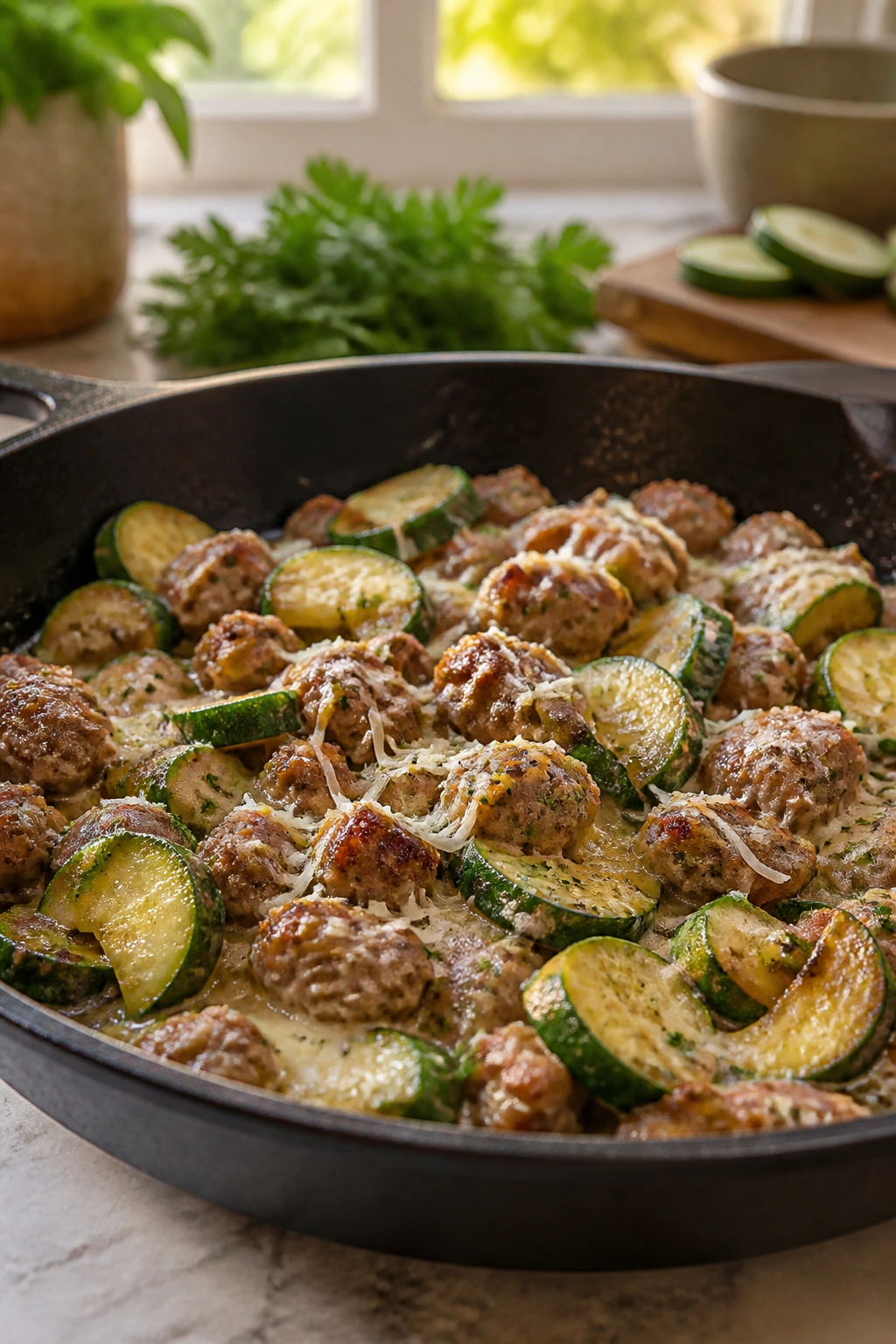
Zucchini can go watery in a hurry, which is why sausage and parmesan are such a smart match. The sausage gives the skillet weight, the zucchini softens without disappearing, and the cheese ties everything together with a salty finish.
Why It Works:
This is a fast skillet dinner that uses summer squash without making you babysit it. Browning the sausage first gives the pan something savory to cling to, and the zucchini cooks just long enough to turn tender. Parmesan at the end keeps the texture from feeling loose.
Key Ingredients:
- 1 lb sausage — crumbled or sliced.
- 3 medium zucchini, cut into half-moons — not too thin.
- 1 onion, sliced — adds sweetness.
- 2 cloves garlic, minced — goes in late.
- 1 can diced tomatoes — helps make a light sauce.
- 1/2 cup parmesan — the finishing cheese.
- 1/2 cup breadcrumbs — optional, for a little crunch.
Quick Steps:
- Brown the sausage in a wide skillet and spoon off excess fat.
- Add onion and zucchini; cook 5 to 7 minutes until the zucchini softens.
- Stir in garlic and tomatoes, then simmer 5 minutes.
- Sprinkle with parmesan and breadcrumbs, then cover for 2 minutes.
- Serve while the zucchini still has some shape.
Equipment for This Recipe:
- Wide skillet — helps the zucchini evaporate instead of steam.
- Grater — for parmesan.
- Lid — optional, for melting the top.
How to Serve This Dish:
Spoon it over rice, pasta, or toasted bread. It also works well on its own with a crisp salad, which is a nice reset after a rich week.
Pro Tips for This Recipe:
- Cut zucchini a little thick so it doesn’t collapse.
- Don’t salt the zucchini too early or it will leak water.
- A squeeze of lemon at the end gives it shape.
Variations on This Dish:
- Pasta Version: Toss the skillet with cooked penne.
- Herbed Version: Add basil or oregano with the tomatoes.
Common Mistakes to Avoid with This Dish:
- Don’t overcook the zucchini into mush.
- Don’t leave the skillet uncovered too long if the sauce is drying out.
23. Sausage Tater Tot Bake
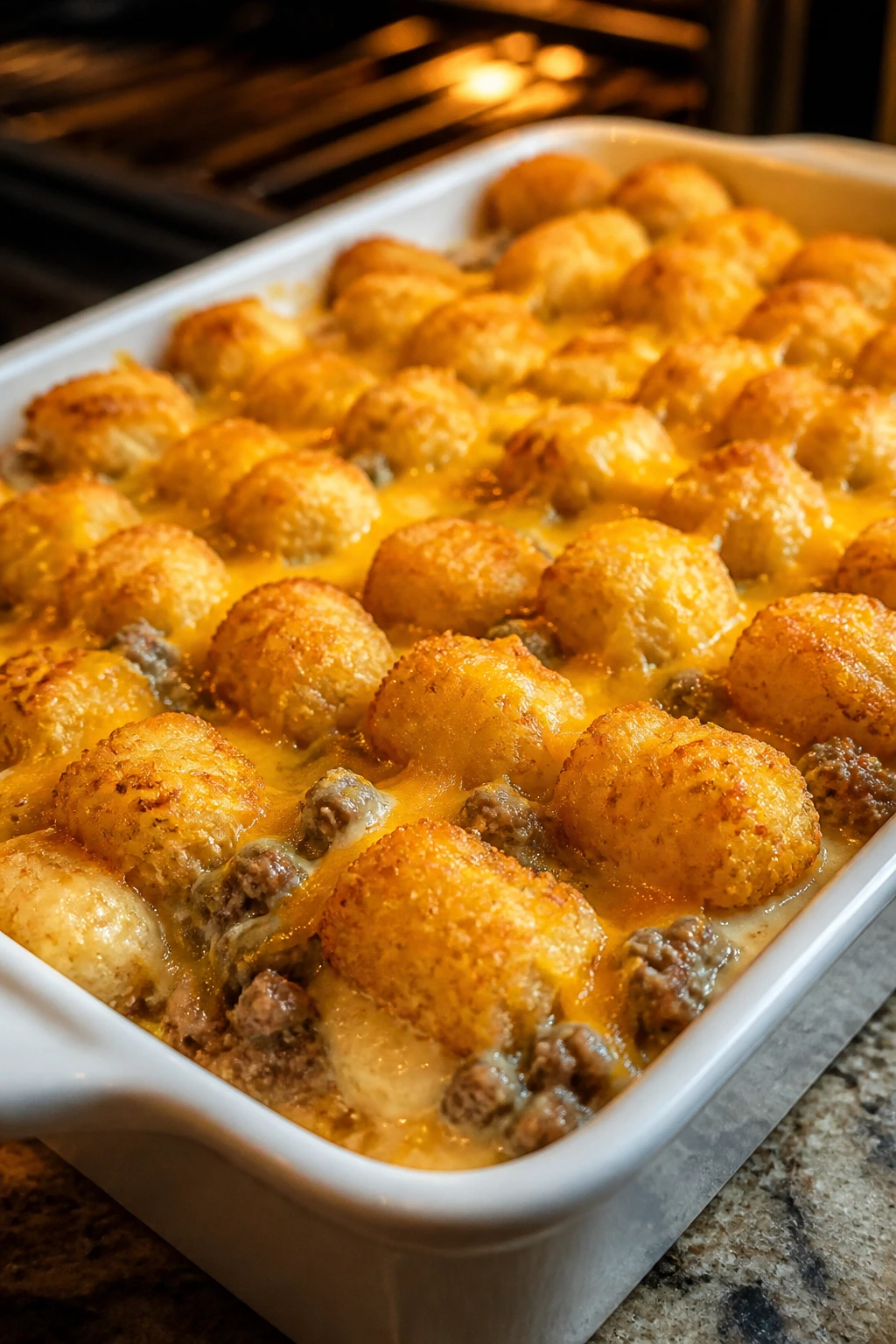
Tater tot bake is not subtle, and that is part of the appeal. The sausage mixture goes under a layer of crisp potato puffs, the cheese melts into the gaps, and the whole thing comes out of the oven with more texture than you expect.
Why It Works:
This casserole gives you crunch, creaminess, and salt in one pan. The sausage and gravy-style base stay soft under the tots, which is exactly why the top can stay crisp. It is a strong choice when you want something kids will recognize without making dinner feel repetitive.
Key Ingredients:
- 1 lb sausage — browned first.
- 1 small onion, diced — adds sweetness.
- 1 can cream of mushroom soup or 1 cup gravy — makes the filling creamy.
- 1 cup frozen peas — for color and a little balance.
- 1 bag frozen tater tots — enough to cover the top.
- 2 cups shredded cheddar — melts between the tots.
- 1/2 tsp black pepper — enough seasoning for the base.
Quick Steps:
- Brown the sausage with onion and drain if needed.
- Stir in soup or gravy and peas.
- Spread the mixture in a baking dish and top with tater tots.
- Bake at 400°F for 25 minutes, add cheddar, then bake 10 to 15 minutes more until the tots are crisp.
- Rest 5 minutes before serving.
Equipment for This Recipe:
- 9×13-inch baking dish — standard casserole size.
- Skillet — for the sausage base.
- Spatula — for spreading the filling evenly.
How to Serve This Dish:
Serve with a crunchy salad or pickles if you want something sharp on the plate. It is rich enough that you do not need much else.
Pro Tips for This Recipe:
- Keep the tots in a single layer.
- Drain extra sausage fat or the casserole gets greasy.
- Add cheese near the end so it doesn’t burn.
Variations on This Dish:
- Green Bean Version: Swap peas for green beans.
- Spicy Version: Add a little hot sauce to the filling.
Common Mistakes to Avoid with This Dish:
- Don’t thaw the tots first.
- Don’t overload the filling or the bottom gets soupy.
24. Sausage Curry with Coconut Rice
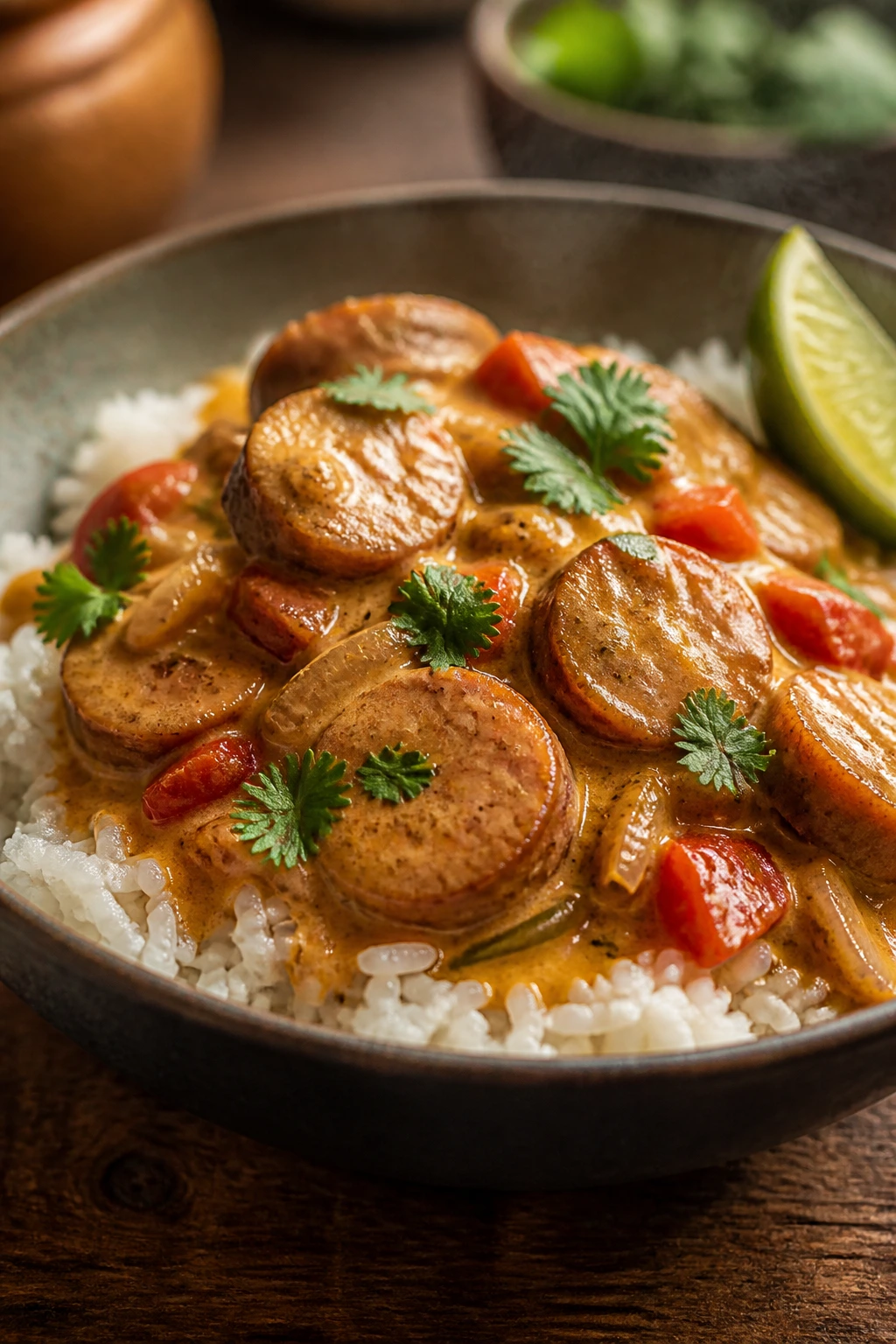
Curry sounds more complicated than it is here. Sausage brings the savory base, coconut milk adds a mellow richness, and rice soaks up the sauce like it was built for the job.
Why It Works:
Curry powder or paste gives the pan a warm, fragrant backbone, while coconut milk softens the heat. Sausage is sturdy enough to hold up to the sauce and still tastes at home with rice, especially if you finish with lime. The result lands gently spicy rather than aggressively hot.
Key Ingredients:
- 1 lb sausage, sliced — smoked or mild fresh sausage both work.
- 1 onion, sliced — forms the base.
- 2 carrots, sliced thin — add sweetness.
- 1 tbsp curry powder or 2 tbsp curry paste — adjust to taste.
- 1 can coconut milk — gives the sauce body.
- 1 cup frozen peas — stir in at the end.
- 1 1/2 cups rice — for serving.
- 1 lime — for the finish.
Quick Steps:
- Cook the rice, using part coconut milk and part water if you want a richer result.
- Brown the sausage in a skillet, then add onion and carrots.
- Stir in curry powder or paste and cook 30 seconds.
- Pour in coconut milk and simmer 10 minutes.
- Stir in peas and serve over the rice with lime juice.
Equipment for This Recipe:
- Skillet — for the curry base.
- Saucepan or rice cooker — for the rice.
- Citrus juicer — optional, but handy.
How to Serve This Dish:
Serve the curry over rice with chopped cilantro if you have it. A cucumber salad on the side brings a cold, crisp note that works well.
Pro Tips for This Recipe:
- Start with less curry paste than you think you need.
- A squeeze of lime at the end brightens the coconut milk.
- If the sauce is too thick, add a splash of water or broth.
Variations on This Dish:
- Milder Version: Use curry powder instead of paste.
- Vegetable-Heavy Version: Add bell peppers or cauliflower florets.
Common Mistakes to Avoid with This Dish:
- Don’t let coconut milk boil hard.
- Don’t forget acid at the end or the sauce can taste heavy.
25. Sausage and Dumplings Skillet
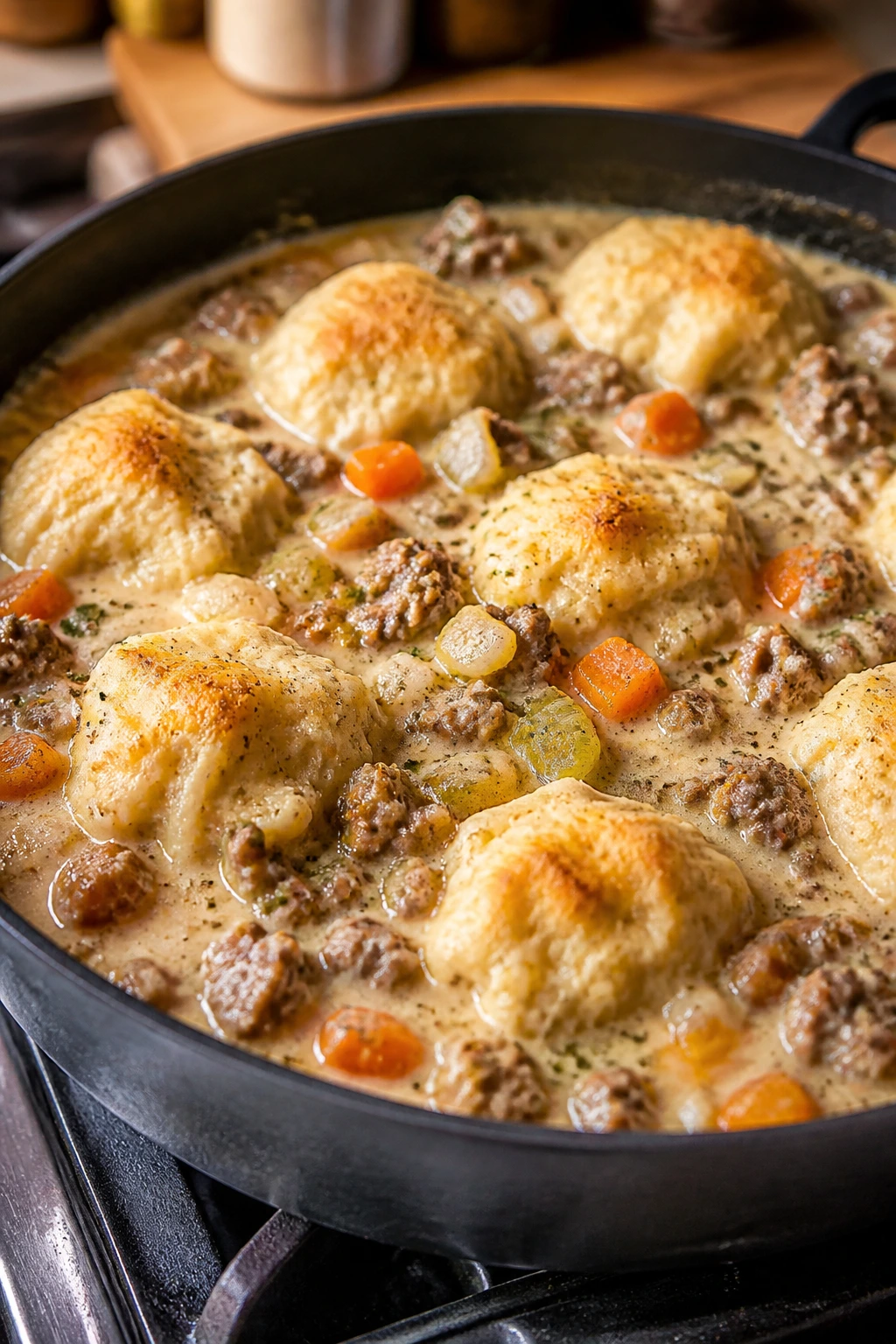
This is the kind of dinner that makes the kitchen smell like someone has been taking care of you all afternoon. The sausage and vegetables simmer in a creamy broth, then the dumplings steam on top until they turn fluffy and a little golden at the edges.
Why It Works:
Dumplings are forgiving, which makes them a smart finish for a sausage skillet. The broth stays savory from the sausage, the vegetables add body, and the covered steam does most of the final work. You get a one-pan meal that eats like a full Sunday dinner without needing a roast.
Key Ingredients:
- 1 lb sausage — crumbled and browned.
- 1 onion, diced — starts the filling.
- 2 carrots, sliced — adds sweetness.
- 2 celery stalks, sliced — keeps the base balanced.
- 4 cups chicken broth — enough for the simmer.
- 1 cup frozen peas — stirred in near the end.
- 1 can refrigerated biscuit dough or homemade dumpling dough — the topping.
- 1/2 cup cream — makes the broth richer.
Quick Steps:
- Brown the sausage in a large oven-safe skillet.
- Add onion, carrots, and celery; cook until softened.
- Stir in broth and cream, then simmer 10 minutes.
- Drop biscuit dough pieces or dumpling dough over the top.
- Cover and cook on low, or bake at 375°F, until the dumplings are cooked through and the tops are set, about 15 to 18 minutes.
Equipment for This Recipe:
- Oven-safe skillet — easiest if you finish in the oven.
- Lid or foil — for steaming the dumplings.
- Spoon — for dropping dough in rough mounds.
How to Serve This Dish:
Serve it in wide bowls so every scoop gets broth, vegetables, and dumpling. A little cracked black pepper on top is enough; the skillet already does plenty.
Pro Tips for This Recipe:
- Keep the lid on while the dumplings cook.
- Don’t make the broth too thin or the dumplings sink.
- If using biscuit dough, tear it into smaller pieces so it cooks through.
Variations on This Dish:
- Herb Version: Add thyme and parsley to the broth.
- Creamier Version: Stir in an extra splash of cream just before the dumplings go on.
Common Mistakes to Avoid with This Dish:
- Don’t lift the lid too often or you lose the steam.
- Don’t use too much liquid; dumplings need a thick enough base to sit on.
Why Sausage Keeps Weeknight Cooking Moving
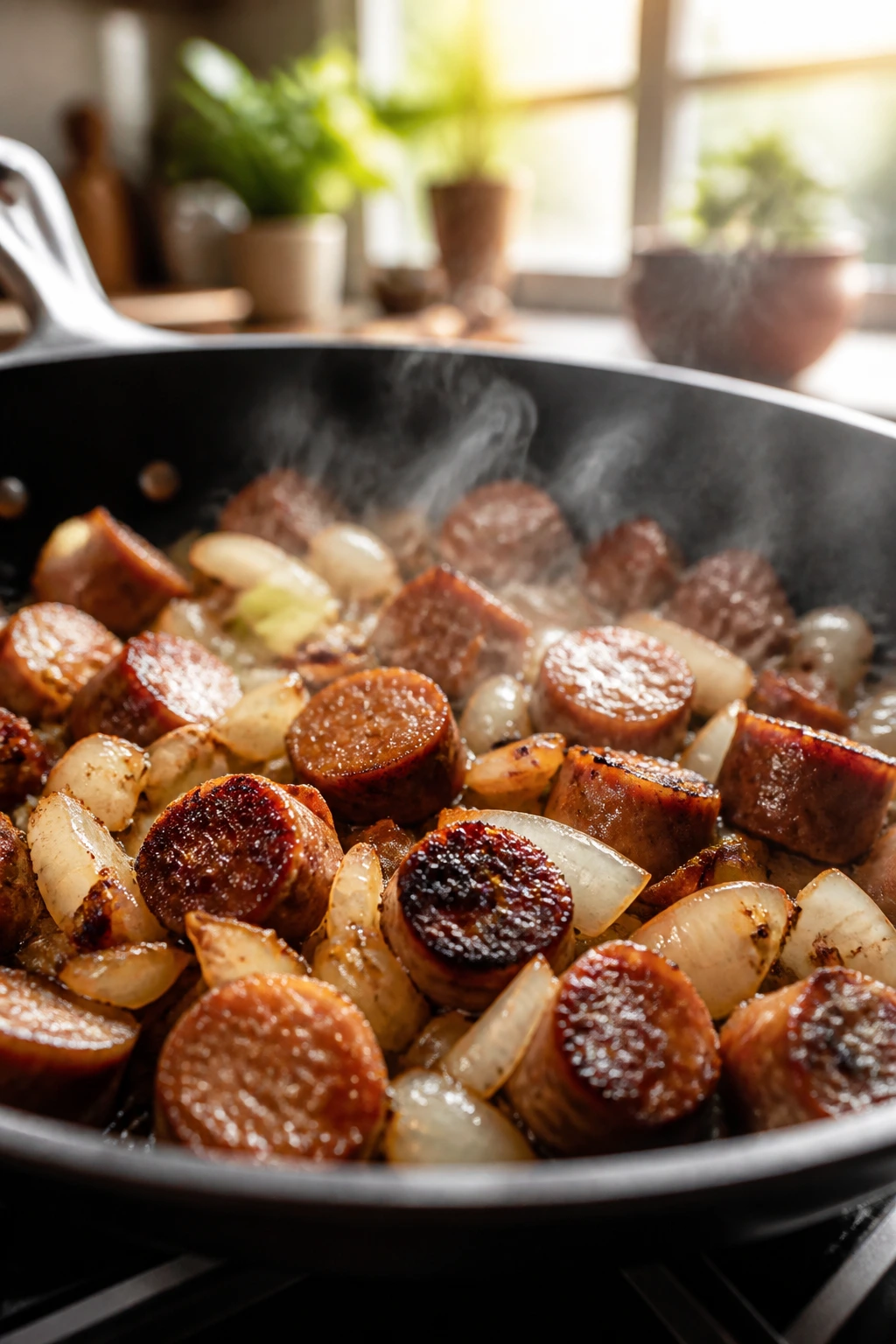
Sausage does two useful things at once. It cooks fast, and it seasons the pan as it goes. That means you are not starting with plain chicken breast or an empty pot of beans and trying to build flavor from scratch; you are starting with a browned, salty, aromatic base that already tastes like dinner.
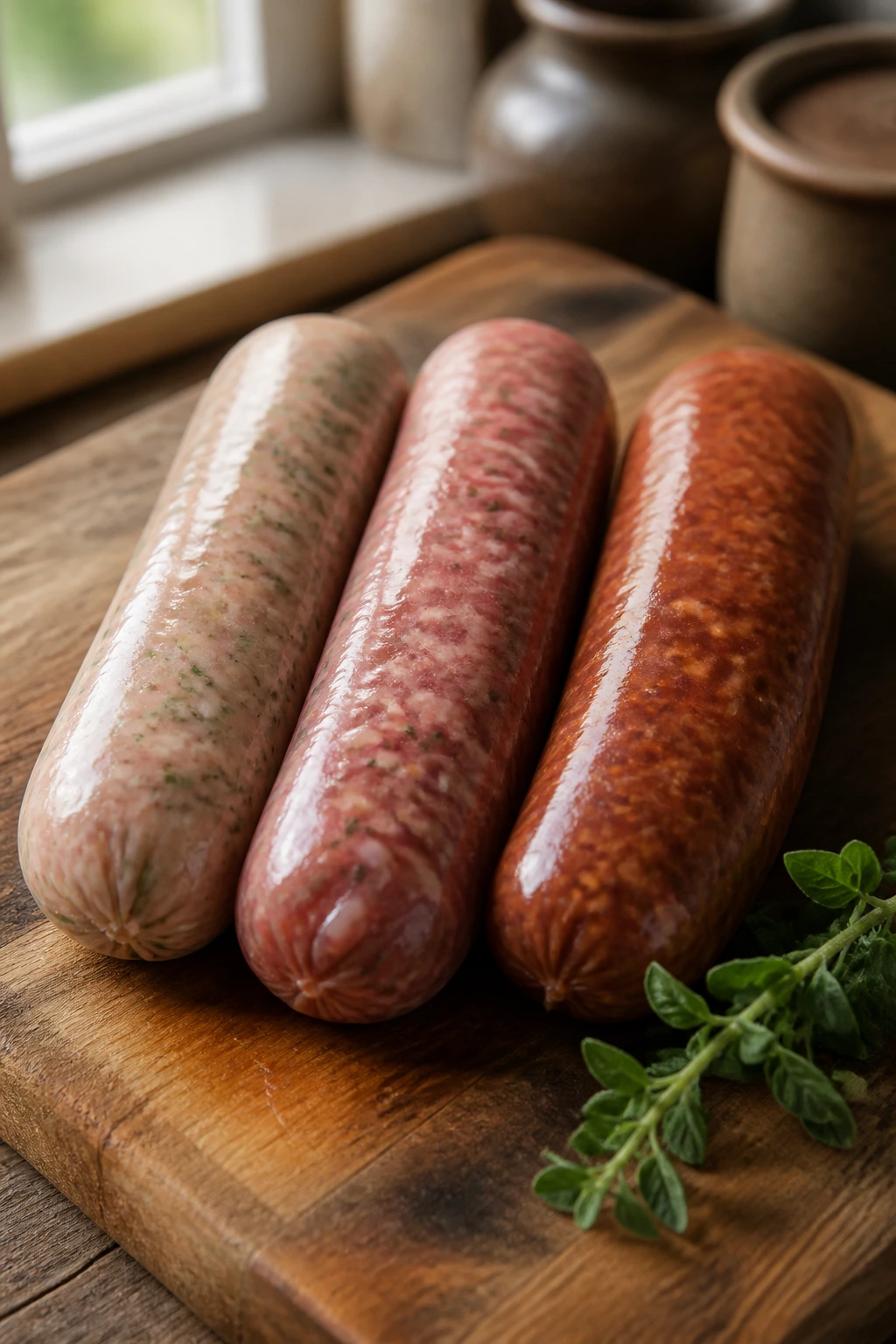
Fresh sausage and smoked sausage behave differently, and that matters. Fresh sausage breaks down into sauces, soups, and casseroles, while smoked sausage keeps its shape and adds little chewy bites that stand up well in rice, cabbage, or sheet-pan dinners. If a recipe feels too lean, sausage fat fixes that. If it feels too flat, sausage seasoning fixes that. Simple. Useful. Hard to beat.
The other advantage is texture. Ground sausage can disappear into a sauce, but sliced sausage gives you pockets of richness. Both styles are forgiving, which is why sausage dinner ideas show up so often in recipes that need to be reliable rather than clever.
Essential Equipment for These Recipes
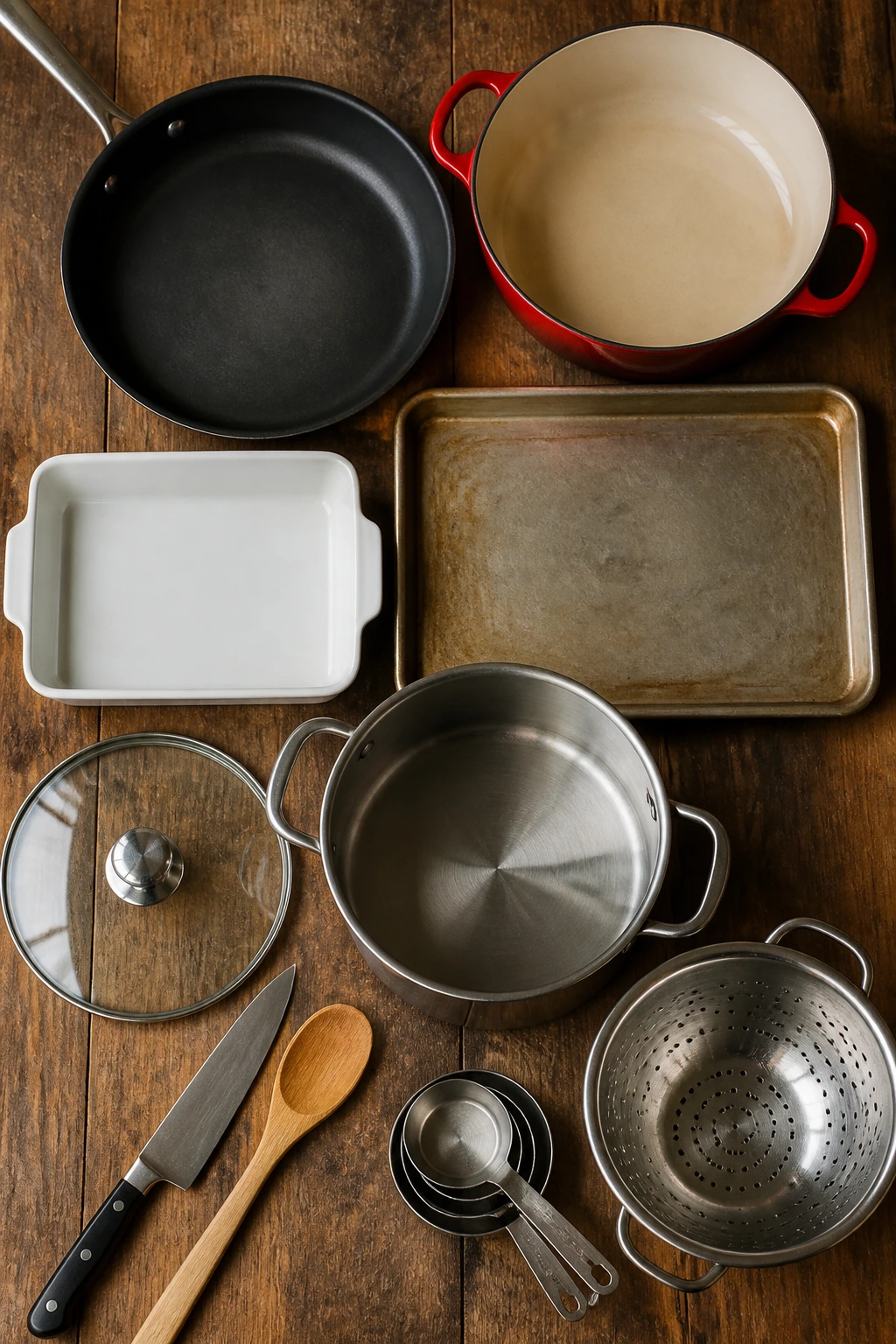
- 12-inch skillet: The workhorse for browning sausage and simmering one-pan dinners.
- Dutch oven: Best for soups, chili, jambalaya, and anything that needs steady heat.
- Rimmed sheet pan: Keeps roasted sausage dinners from spilling juices all over the oven.
- 9×13-inch baking dish: Needed for casseroles like baked ziti, enchilada bake, and tater tot casserole.
- Large pot: Useful for pasta, soup, and anything with a boil-and-simmer step.
- Sharp chef’s knife: Sausage dinners usually lean on onions, peppers, cabbage, and potatoes; a sharp blade saves time and tears less produce.
- Wooden spoon or spatula: Good for breaking up sausage and scraping browned bits.
- Lid or foil: Important for rice dishes, dumplings, and skillet bakes that depend on trapped steam.
- Colander: Handy when pasta or tortellini is part of the plan.
- Measuring cups and spoons: Rice, broth, and seasoning need actual measurements or the texture goes sideways.
Smart Shopping and Ingredient Tips
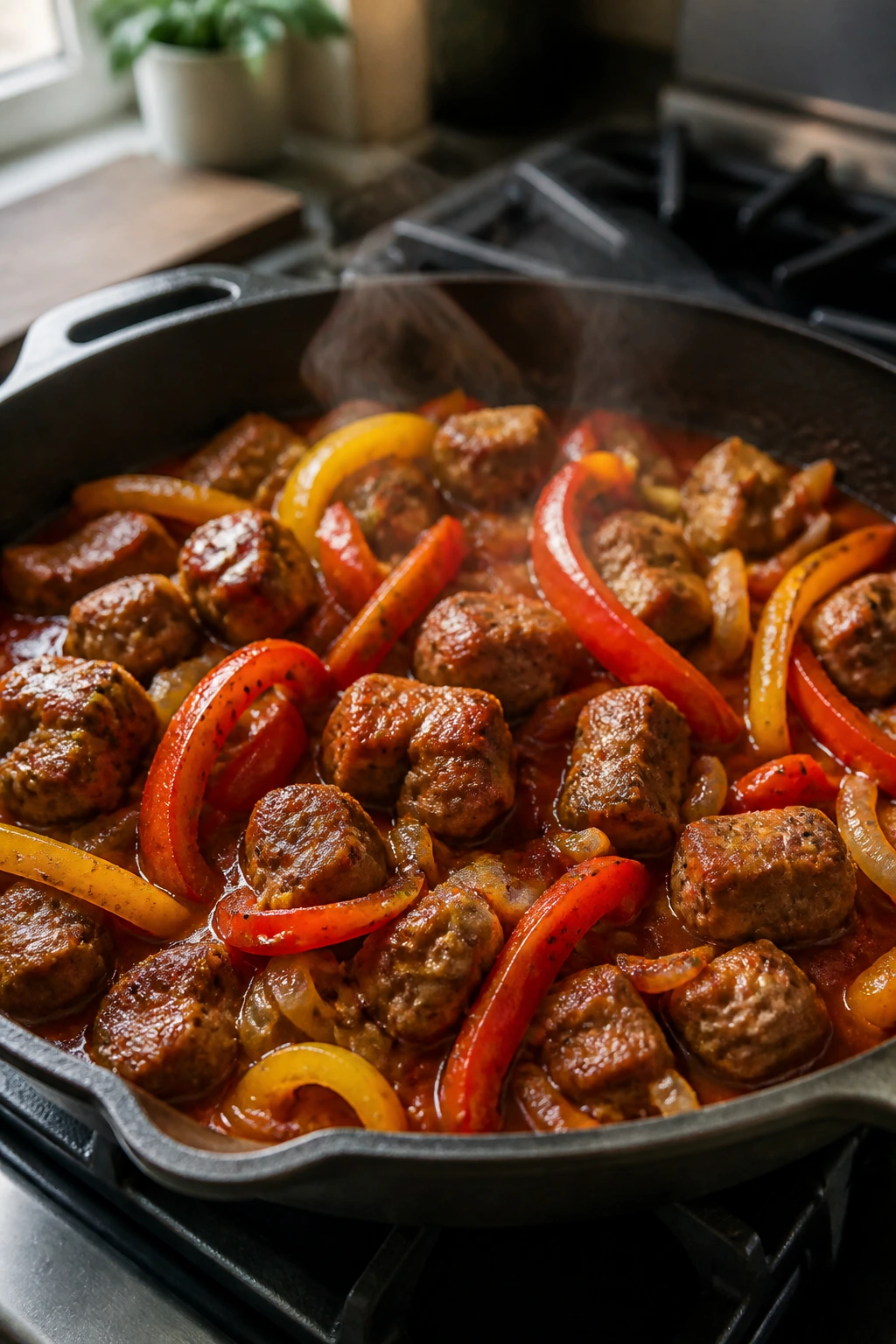
Pick the sausage based on the dish, not the label on the package. Mild Italian sausage is the safest all-purpose choice for pasta, casseroles, and stuffed peppers. Smoked sausage or kielbasa is better when you want clean slices that stay firm in a skillet or on a sheet pan. Breakfast sausage belongs with potatoes and eggs, where its sage and pepper notes make sense.
Check the fat content if the package lists it. A sausage that is too lean can taste dry once it is browned, especially in casseroles. You do not need a super-fatty link, but a little fat helps the seasoning carry through the dish. If you are buying links, ask yourself one question: do you want to slice it, crumble it, or let it stay in rounds?
For vegetables, choose sturdier shapes when the recipe bakes or roasts. Bell peppers, cabbage, broccoli, green beans, carrots, onions, potatoes, and kale all hold up better than delicate greens. Spinach and zucchini are fine too — just add them late. That timing keeps them from collapsing into the pan.
Tomatoes, beans, broth, and pasta are where pantry quality matters. Buy broth you would actually sip; weak broth makes sausage soups taste thin. For canned tomatoes, diced gives you texture, crushed gives you body, and marinara brings more seasoning. With beans, rinse them unless the recipe needs the thick canning liquid. Small choices there change the whole finish.
How to Serve These Recipes
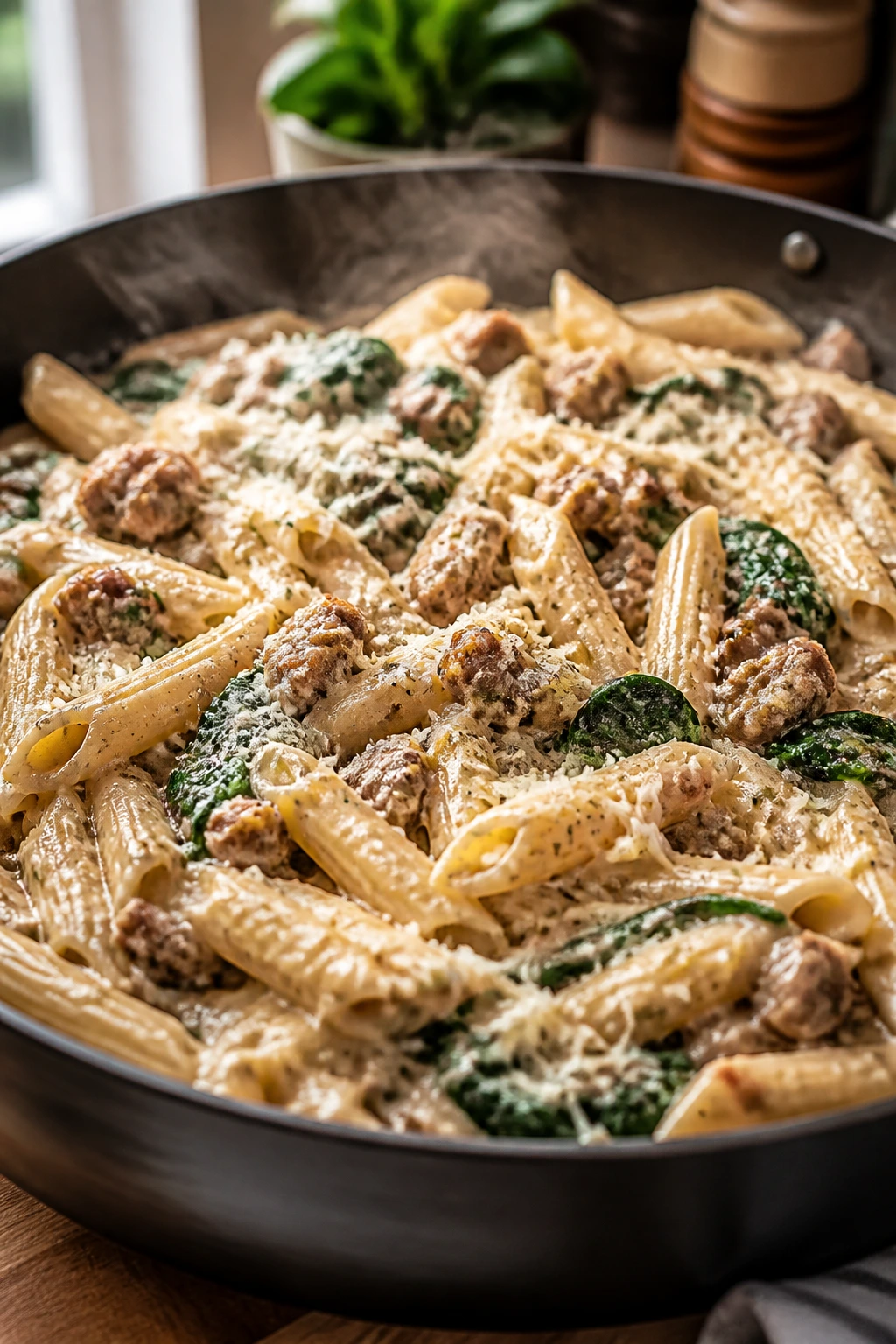
Presentation: Spoon saucy dishes into shallow bowls so the sausage, vegetables, and starch all show at once. For casseroles, let the pan rest before cutting so the squares hold their shape. On sheet-pan dinners, a final scatter of parsley, dill, or scallions makes the tray look finished instead of dumped.
Accompaniments: Crusty bread, garlic bread, rice, buttered noodles, roasted broccoli, simple salads, and steamed green beans all play well with sausage dinners. If the recipe already has potatoes or pasta, lean toward something crisp or fresh on the side. If the recipe is soup or chili, bread is never wasted.
Portions: Most of these dishes feed 4 to 6 people from a pound of sausage, especially when pasta, rice, beans, or potatoes are in the mix. For bigger appetites, stretch the meal with extra vegetables or another half cup of starch rather than adding more sausage. It keeps the texture balanced and the budget from creeping up.
Beverage Pairing: Sparkling water with lemon, iced tea, a crisp lager, or a simple red wine all work with the savory, salty edge of sausage. For spicy dishes like jambalaya or chili, choose something cold and clean. For creamy bakes, a tart drink cuts through the richness better than anything sweet.
Additional Tips and Flavor Boosters
Flavor Enhancement: A small splash of vinegar, lemon juice, or hot sauce at the end can wake up a sausage dish that tastes a little heavy. I reach for red wine vinegar in tomato sauces, lemon on broccoli and greens, and Dijon in creamy skillets. Those tiny sharp notes keep the sausage from flattening the whole plate.
Customization: If your crowd likes heat, add red pepper flakes, chipotle powder, or hot Italian sausage to the base recipe instead of trying to rescue it later. If you want a milder pan, use sweet Italian sausage and let garlic, onion, and herbs do the work. The sausage style matters more than people think.
Serving Suggestions: Fresh parsley, basil, grated parmesan, sliced scallions, and a few turns of black pepper are not garnish theater here. They actually change the flavor on the plate. Even a greasy-looking skillet gets friendlier with a green finish.
Make-It-Yours: For gluten-free dinners, lean on rice, potatoes, polenta, or gluten-free pasta. For dairy-free versions, use broth-thickened sauces, olive oil, and a non-dairy shred that melts decently. For higher-vegetable meals, add kale, zucchini, cabbage, mushrooms, or spinach without changing the whole recipe.
Make-Ahead, Storage, and Reheating Guidance
Most sausage dinners keep well, which is one reason they earn repeat status. Casseroles, skillet pastas, and soups usually hold for 3 to 4 days in the refrigerator in airtight containers. Chili, lentil stew, and white bean soup are especially good the next day because the sausage flavor settles into the broth.
Freezing depends on the style. Soups, chili, lentil stew, and saucy casseroles freeze for up to 2 months with good texture. Cream-heavy dishes can freeze, but the sauce may look a little rough when thawed; stir well while reheating and add a splash of broth or milk. Rice dishes freeze, too, though the grains soften a bit after thawing.
For reheating, go low and slow. A skillet over medium-low heat with a spoonful of broth works well for pasta and rice. Soups and chili reheat best on the stove, covered loosely, until steaming hot. Casseroles do better in the oven at 325°F, covered with foil for most of the time, then uncovered at the end if you want the top crisp again.
If you are planning ahead, brown the sausage and chop the vegetables in advance. That alone cuts a weeknight dinner nearly in half. For baked pasta and casseroles, you can assemble the dish earlier in the day and bake it later; just add 5 to 10 minutes to the oven time if it goes into the oven cold.
Variations and Adaptations to Try
Turkey-Sausage Swap:
Turkey sausage works in almost every one of these recipes if you want a lighter result. The one thing to watch is browning; lean sausage needs a little extra oil in the pan or it can look pale and dry.
Gluten-Free Pantry Dinner:
Use rice, potatoes, corn tortillas, polenta, or gluten-free pasta in place of wheat-based starches. Most of the skillet and soup recipes are already close to gluten-free if you check the broth and sausage labels.
Dairy-Light Route:
Skip the cream sauces and use tomato-based skillet dinners, brothy soups, or coconut milk where a richer sauce is needed. Parmesan can be replaced with a little nutritional yeast or left out entirely in the more savory pans.
Kid-Mild Version:
Use mild sausage, cut back on chili powder and pepper flakes, and lean on cheese, rice, or pasta to soften the edges. Peppers can be sliced thin, and cabbage or spinach usually disappear into a dish more easily than chunky vegetables.
Veggie-Heavy Stretch:
Add mushrooms, zucchini, kale, spinach, cabbage, carrots, or beans to stretch the sausage further without making the meal feel skimpy. Sausage does not need to be the whole show; sometimes it just needs to be the piece that makes the vegetables taste better.
Smoky and Spicy Lift:
If your family likes a little edge, use smoked sausage, add paprika or chipotle, and finish with hot sauce or pickled peppers. That combination works especially well in chili, rice skillets, and casserole-style dishes.
Common Mistakes to Avoid
Crowding the pan: Sausage needs room to brown. If the skillet is packed, it steams and turns gray, which is a sad way to start dinner. Cook in batches when needed.
Skipping the browning step: Raw sausage needs that dark edge before the rest of the recipe goes in. Those browned bits are flavor, and if you leave them behind, the whole dish tastes flatter.
Adding dairy too early: Cream, sour cream, and milk can break or curdle if the heat is too high. Lower the burner first, then stir them in. Slow and steady saves the sauce.
Underseasoning the starch: Pasta, rice, potatoes, and bread need help. Salt the water, season the rice base, or finish the potatoes with a little acid and herbs. Otherwise the sausage tastes strong and everything else feels blank.
Overcooking vegetables: Zucchini, spinach, peas, and green beans can go from good to limp in a short window. Add them late. Really late, in some cases.
Using the wrong sausage for the recipe: Smoked sausage and fresh sausage are not interchangeable in every pan. Smoked sausage gives you slices with bite; fresh sausage melts into the dish. Pick the one that matches the texture you want.
Frequently Asked Questions
Can I use pre-cooked sausage instead of raw sausage?
Yes, and it works especially well in sheet-pan meals, soups, and rice dishes. Just brown it lightly for color and focus on building flavor in the vegetables, broth, or sauce.
What kind of sausage is best for family dinners?
Mild Italian sausage is the easiest all-around choice because it fits pasta, casseroles, soup, and baked dishes. If your family likes a little smoke, kielbasa is the next smartest buy.
How do I keep sausage from tasting greasy?
Brown it well, then spoon off excess fat before adding the next ingredients. Also, use acid at the end — lemon, vinegar, tomatoes, or mustard — because that sharp edge keeps the dish from feeling heavy.
Can I make these recipes ahead of time?
Most of them work well in stages. Brown the sausage and chop the vegetables ahead, then assemble or finish the dish later. Casseroles and soups are especially forgiving about being made a few hours early.
Which recipes freeze best?
Soups, chili, lentil stew, and baked pasta dishes hold up the best in the freezer. Creamy pastas and dairy-heavy skillets can freeze, but the texture is usually a little less smooth after thawing.
How do I make these dishes less spicy for kids?
Use mild sausage, skip hot sauce and red pepper flakes, and lean on cheese or cream to soften the flavor. You can always put the heat on the table for adults instead of building it into the pan.
What if my sauce gets too thick?
Add broth, pasta water, or a splash of milk depending on the recipe. Do it a little at a time — a couple of tablespoons can fix a skillet faster than another full pour.
Can I use chicken or turkey sausage in these recipes?
Absolutely. The main difference is browning and fat content, so you may need a touch more oil and a slightly lighter hand with the salt. The structure of the dinner still works.
What’s the best way to scale these for a bigger crowd?
Double the sausage and vegetables first, then increase the starch by about 50 percent, not always by a full double. That keeps the pan from turning dry or overly heavy.
A Dinner Rotation That Earns Its Keep
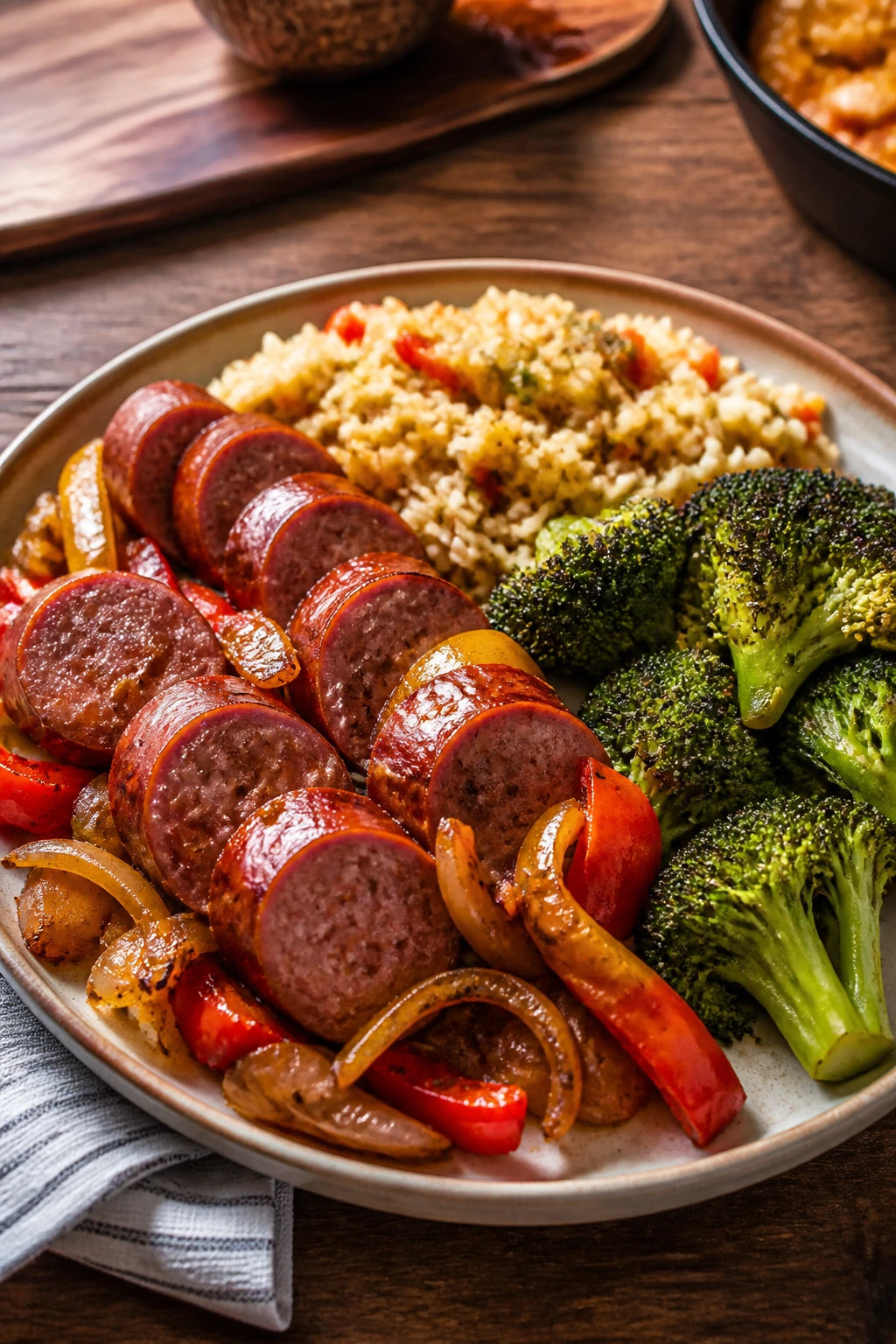
Sausage dinner ideas work because they do not ask for much and give back a lot. A single ingredient can handle pasta night, soup night, casserole night, and sheet-pan night without feeling repetitive, as long as you change the starch, the vegetable, and the finish.
Keep one mild sausage, one smoked sausage, and a couple of pantry-friendly sides in rotation, and weeknight cooking gets easier without turning boring. That is the real trick here: not novelty, but reliable meals that land hot, browned, and on the table before the evening slips away.