



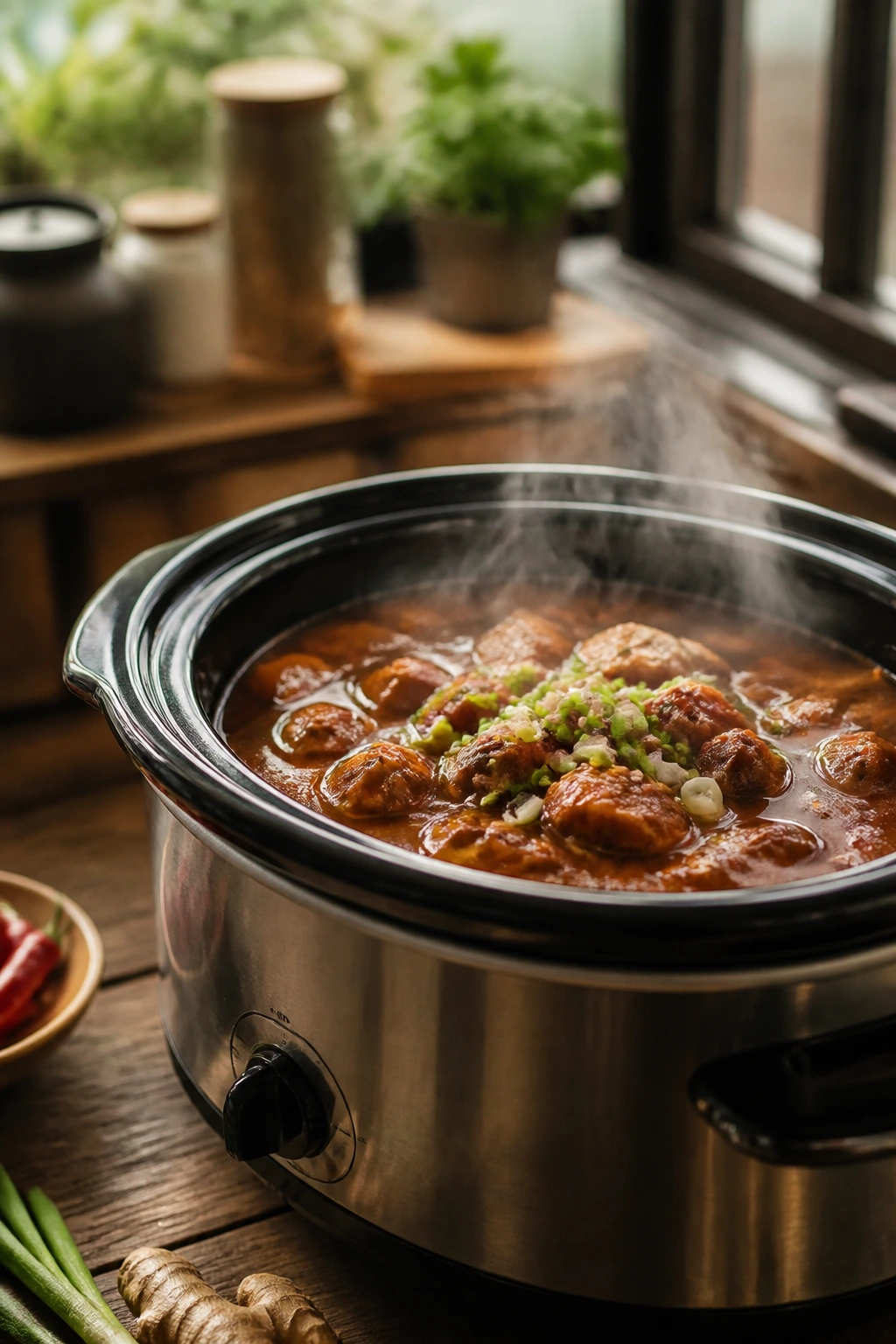
A cold day changes the rules in the kitchen. You want dinner that makes the windows fog and the house smell like ginger, soy, garlic, and something quietly rich simmering away in the background. That is where crockpot Chinese recipes earn their keep: not as fake stir-fries pretending to be wok food, but as slow braises, glossy sauces, brothy soups, and sticky, spoon-coating dishes that taste like they had time to become themselves.
I’ve always liked Chinese takeout flavors best when they’re given a little more breathing room. A slow cooker does that part well. It softens pork shoulder until it falls apart in strands. It turns chicken thighs into something silkier than a quick sauté usually manages. It gives star anise, five-spice, hoisin, and black vinegar the long runway they need to taste deep instead of shouty.
Why You’ll Love This Collection
- Cold-Weather Payoff: These dishes lean into warmth, sauce, and broth, which is exactly what a gray day asks for.
- Takeout Comfort, Better Timing: Most of the work happens before lunch, then dinner finishes itself with a quick thicken, stir, or garnish.
- Saucy on Purpose: Rice, noodles, and steamed greens actually make sense here because the sauce is built to cling, not slide off.
- Pantry-Friendly Flavor: Soy sauce, rice vinegar, garlic, ginger, hoisin, sesame oil, and cornstarch show up again and again, so you are not chasing a strange shopping list.
- Flexible for Real Life: Chicken thighs, pork shoulder, chuck roast, tofu, frozen broccoli, and boxed broth all have a place here if you buy them well.
1. Slow Cooker General Tso’s Chicken
Intro: This version is sticky, savory, and a little sweet, with enough chili heat to keep the sauce lively. It is not trying to imitate the crisp fried edge of a restaurant version; it leans into the slow cooker’s strength and gives you glossy, spoonable chicken instead.
Why It Works: Chicken thighs stay tender over 4 to 5 hours on low, and the sauce has time to mellow instead of tasting sharp. A quick cornstarch finish at the end gives you that lacquered, takeout-style sheen.
Key Ingredients:
- 2 lbs boneless, skinless chicken thighs, cut into 1 1/2-inch pieces
- 1/2 cup low-sodium soy sauce
- 1/3 cup honey
- 1/4 cup rice vinegar
- 2 tbsp hoisin sauce
- 4 cloves garlic, minced
- 1 tbsp grated fresh ginger
- 1 to 2 tbsp chili garlic sauce
- 2 tbsp cornstarch mixed with 3 tbsp water
Quick Steps:
- Whisk soy sauce, honey, vinegar, hoisin, garlic, ginger, and chili garlic sauce in the crockpot.
- Add the chicken thighs and turn them until coated.
- Cook on low for 4 to 5 hours, until the chicken is very tender and the sauce smells rounded, not sharp.
- Stir in the cornstarch slurry and cook on high for 15 to 20 minutes, until the sauce lightly coats a spoon.
- Serve over rice with scallions or sesame seeds.
Equipment for This Recipe:
- 6-quart slow cooker
- Small whisk
- Measuring cups and spoons
How to Serve This Dish: Spoon it over hot jasmine rice so the sauce can soak into the grains. A pile of steamed broccoli or bok choy on the side gives you crunch and keeps the plate from feeling too heavy.
Pro Tips for This Recipe:
- Better Texture: If you have 10 spare minutes, brown the chicken in a skillet first. The edges pick up more flavor.
- Heat Control: Start with 1 tablespoon chili garlic sauce; you can add more after thickening.
- Finish Matters: A teaspoon of toasted sesame oil at the end gives the sauce a deeper smell than more soy sauce ever will.
Variations on This Dish:
- Orange-Chili Tso: Swap 2 tablespoons of the honey for orange marmalade and add 1 teaspoon orange zest.
- Milder Family Pot: Leave out the chili garlic sauce and serve chili crisp on the table.
- Gluten-Free Version: Use tamari and certified gluten-free hoisin.
Common Mistakes to Avoid with This Dish:
- Dumping in too much vinegar: The sauce turns sharp and thin. Measure it.
- Skipping the slurry: Without cornstarch, the sauce stays watery and won’t cling to rice.
- Using chicken breast only: It can work, but it dries fast; thighs hold up better here.
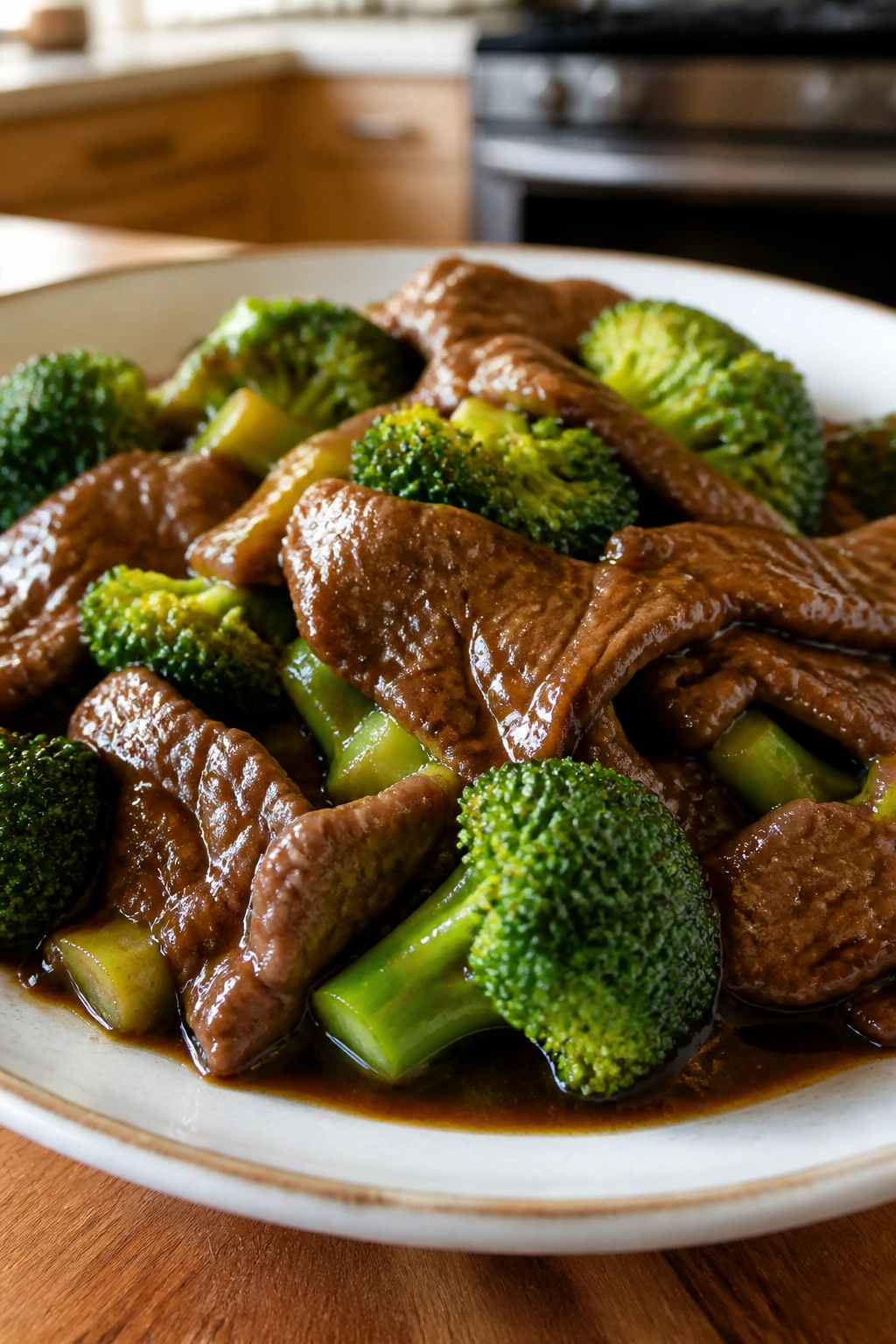
2. Crockpot Beef and Broccoli
Intro: Beef and broccoli in the slow cooker needs a sturdier cut than a quick stir-fry, and that’s the whole trick. Chuck roast gives you tender slices and a sauce that tastes like it had hours to settle down.
Why It Works: Slow heat breaks down chuck roast into something soft enough to pull apart with chopsticks. Broccoli goes in near the end so it stays bright green instead of collapsing into swampy florets.
Key Ingredients:
- 2 lbs chuck roast, sliced thin against the grain
- 1/2 cup low-sodium soy sauce
- 1/2 cup beef broth
- 1/4 cup oyster sauce
- 2 tbsp brown sugar
- 4 cloves garlic, minced
- 1 tbsp grated ginger
- 4 cups broccoli florets
- 2 tbsp cornstarch mixed with 2 tbsp water
Quick Steps:
- Add soy sauce, broth, oyster sauce, brown sugar, garlic, and ginger to the slow cooker.
- Stir in the sliced beef and cook on low for 6 to 7 hours.
- Add the broccoli during the last 30 to 40 minutes, just until it turns bright and tender-crisp.
- Stir in the cornstarch slurry and cook on high for 10 to 15 minutes.
- Serve over rice or noodles.
Equipment for This Recipe:
- Slow cooker
- Sharp knife for slicing beef thin
- Slotted spoon
How to Serve This Dish: This wants plain steamed rice, not fancy rice. Let the sauce puddle a little around the edges, then add sesame seeds and sliced scallions if you want the plate to look finished.
Pro Tips for This Recipe:
- Freeze First: Put the chuck roast in the freezer for 20 minutes before slicing; it’s much easier to get thin pieces.
- Broccoli Timing: If your broccoli is very small, add it even later so it keeps some bite.
- Sauce Balance: A splash of rice vinegar at the end wakes up the beef if the sauce tastes too heavy.
Variations on This Dish:
- Black Pepper Beef: Add 1 tablespoon cracked black pepper and 1 teaspoon toasted sesame oil at the end.
- Mushroom Broccoli Beef: Stir in 8 ounces sliced mushrooms with the beef.
- Lean Sirloin Version: Use sirloin and cook on low only 4 to 5 hours so it doesn’t go stringy.
Common Mistakes to Avoid with This Dish:
- Adding broccoli at the start: It will go khaki and limp.
- Using high heat with thin beef: It can turn tough before the sauce has time to thicken.
- Overslicing with the grain: The beef stays chewy instead of tender.
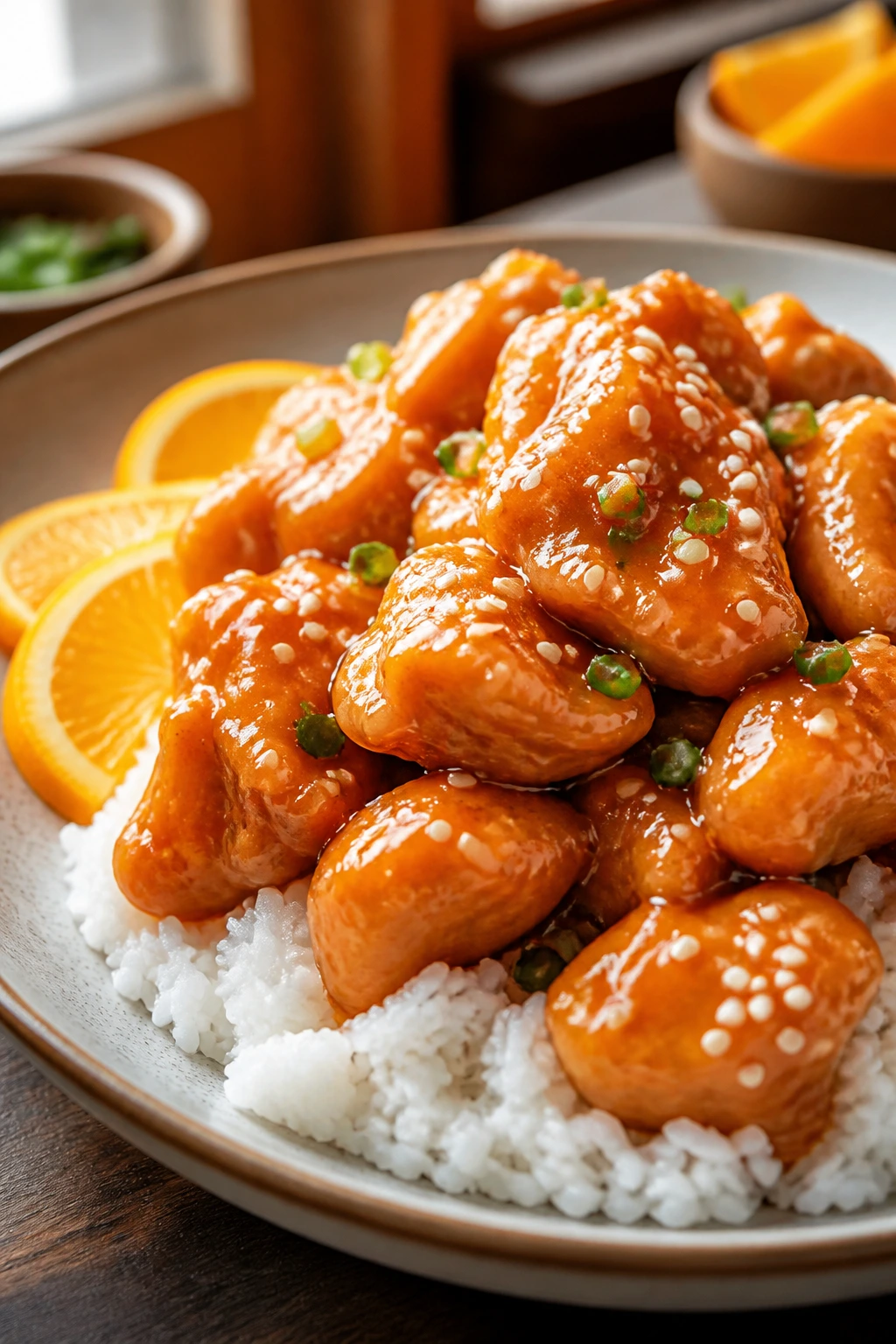
3. Slow Cooker Orange Chicken
Intro: Orange chicken from the slow cooker should taste bright, sticky, and slightly sticky-citrus, not like sweet marmalade soup. The zest is what saves it; the juice alone can go flat.
Why It Works: Orange juice, soy, and a little honey build a sauce that tastes rounded after several hours. Chicken thighs handle the long simmer far better than breasts and stay juicy enough to shred or chunk.
Key Ingredients:
- 2 lbs boneless, skinless chicken thighs
- 1/2 cup orange juice
- 1 tbsp orange zest
- 1/3 cup low-sodium soy sauce
- 1/4 cup honey
- 2 tbsp rice vinegar
- 3 cloves garlic, minced
- 1 tbsp grated ginger
- 2 tbsp cornstarch mixed with 2 tbsp water
Quick Steps:
- Whisk orange juice, zest, soy sauce, honey, vinegar, garlic, and ginger in the slow cooker.
- Add chicken thighs and coat well.
- Cook on low for 4 to 5 hours until tender.
- Stir in the cornstarch slurry and cook on high for 15 minutes until glossy.
- Spoon over rice and finish with scallions.
Equipment for This Recipe:
- Slow cooker
- Microplane or fine grater
- Small bowl for slurry
How to Serve This Dish: Serve it with white rice and something green and plain, like steamed snow peas. The sauce is the star, so keep the rest of the plate quiet.
Pro Tips for This Recipe:
- Zest First: Zest the orange before juicing it. Hunting for zest in a squeezed half is a nuisance.
- Avoid Bitter Pith: Use only the orange skin, not the white layer underneath.
- Better Finish: A few drops of sesame oil at the end deepen the aroma without making it taste oily.
Variations on This Dish:
- Spicy Orange Chicken: Add 1 to 2 teaspoons chili flakes or chili garlic sauce.
- Mandarin-Style Version: Stir in 1/4 cup pineapple juice for a softer citrus note.
- Gluten-Free Swap: Use tamari and a gluten-free cornstarch blend if needed.
Common Mistakes to Avoid with This Dish:
- Too much juice, not enough zest: The sauce tastes one-note.
- Overcooking breasts: They dry out before the sauce is ready.
- Skipping the thickener: Orange chicken should cling to the rice, not flood it.
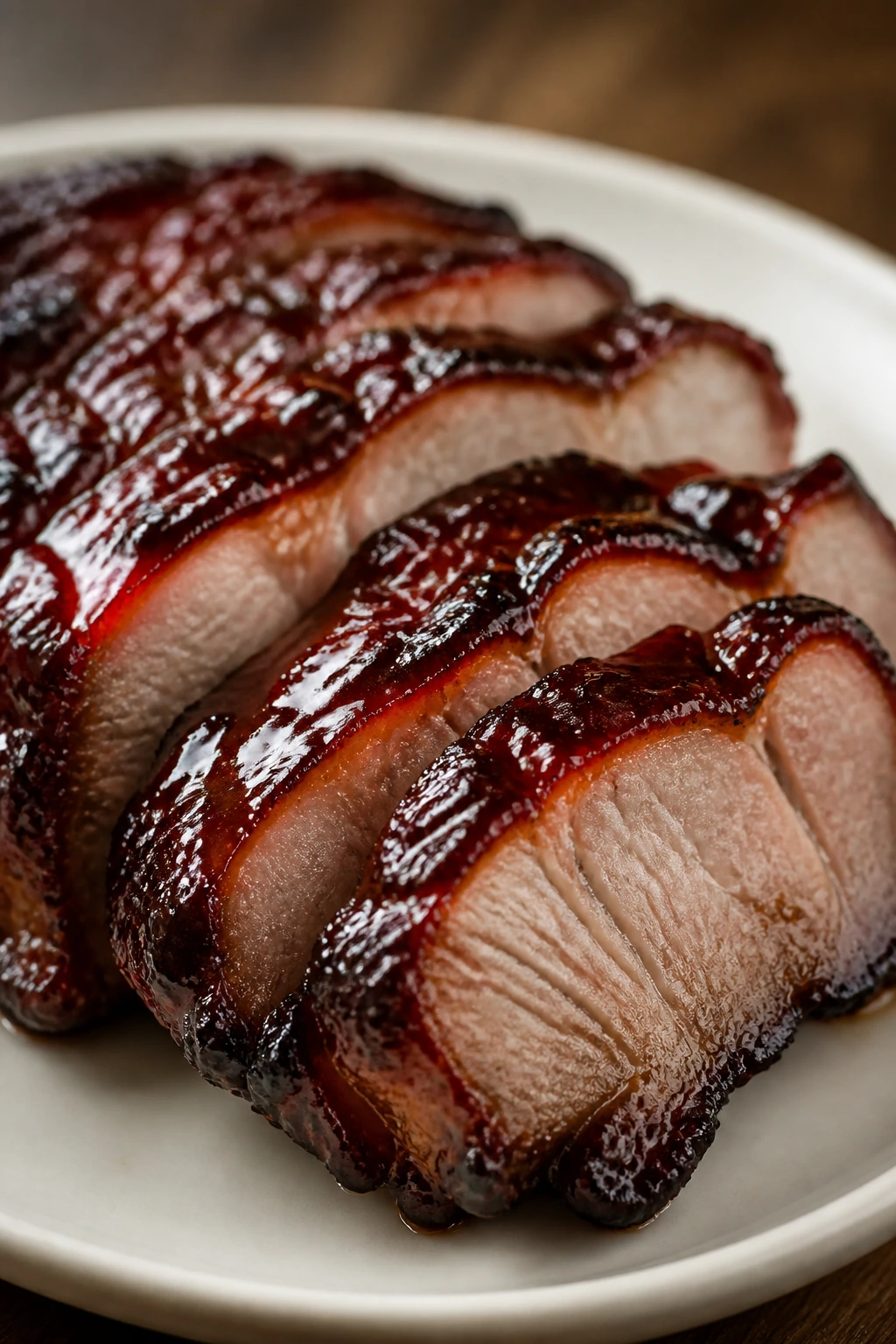
4. Chinese Five-Spice Char Siu Pork Shoulder
Intro: Char siu should be sticky at the edges, fragrant in the middle, and a little sweet in that unmistakable roasted-pork way. Pork shoulder is the smart cut here because it can take the long cook and still slice or shred cleanly.
Why It Works: Five-spice, hoisin, soy, and honey build the deep red-brown glaze char siu is known for. Slow cooking softens the pork before a quick broil tightens the outside.
Key Ingredients:
- 3 lbs pork shoulder, cut into large chunks
- 1/3 cup hoisin sauce
- 1/4 cup soy sauce
- 1/4 cup honey
- 2 tbsp Shaoxing wine or dry sherry
- 2 tsp Chinese five-spice powder
- 4 cloves garlic, minced
- 1 tbsp ketchup
- 1 tbsp cornstarch mixed with 1 tbsp water
Quick Steps:
- Whisk hoisin, soy, honey, wine, five-spice, garlic, and ketchup in the slow cooker.
- Add pork shoulder and turn to coat.
- Cook on low for 8 hours until the meat pulls apart easily.
- Transfer pork to a foil-lined pan, brush with sauce, and broil 3 to 5 minutes until edges darken.
- Thicken the sauce with the cornstarch slurry and spoon it over the pork.
Equipment for This Recipe:
- Slow cooker
- Rimmed baking sheet
- Pastry brush
How to Serve This Dish: Slice or shred the pork and serve it with rice, lettuce leaves, or steamed bao buns. A few sliced cucumbers on the side cut through the sweetness in a way that makes the plate feel sharper.
Pro Tips for This Recipe:
- Don’t Skip the Broil: The broiler gives you the lacquered finish the slow cooker cannot.
- Watch the Sugar: Honey burns quickly, so keep the broiling close.
- Use Shoulder, Not Loin: Lean pork gets dry and stringy over long heat.
Variations on This Dish:
- Pineapple Char Siu: Add 1/4 cup pineapple juice to the sauce for a softer sweetness.
- Spice-Heavy Version: Add 1 teaspoon chili paste for a warmer finish.
- Red Braise Shortcut: Skip the broiler and serve it shredded over rice if you want a more stew-like bowl.
Common Mistakes to Avoid with This Dish:
- Broiling too long: The glaze turns bitter fast.
- Using too much five-spice: It should perfume the pork, not taste like potpourri.
- Slicing before resting: Let the meat sit 10 minutes so the juices stay inside.
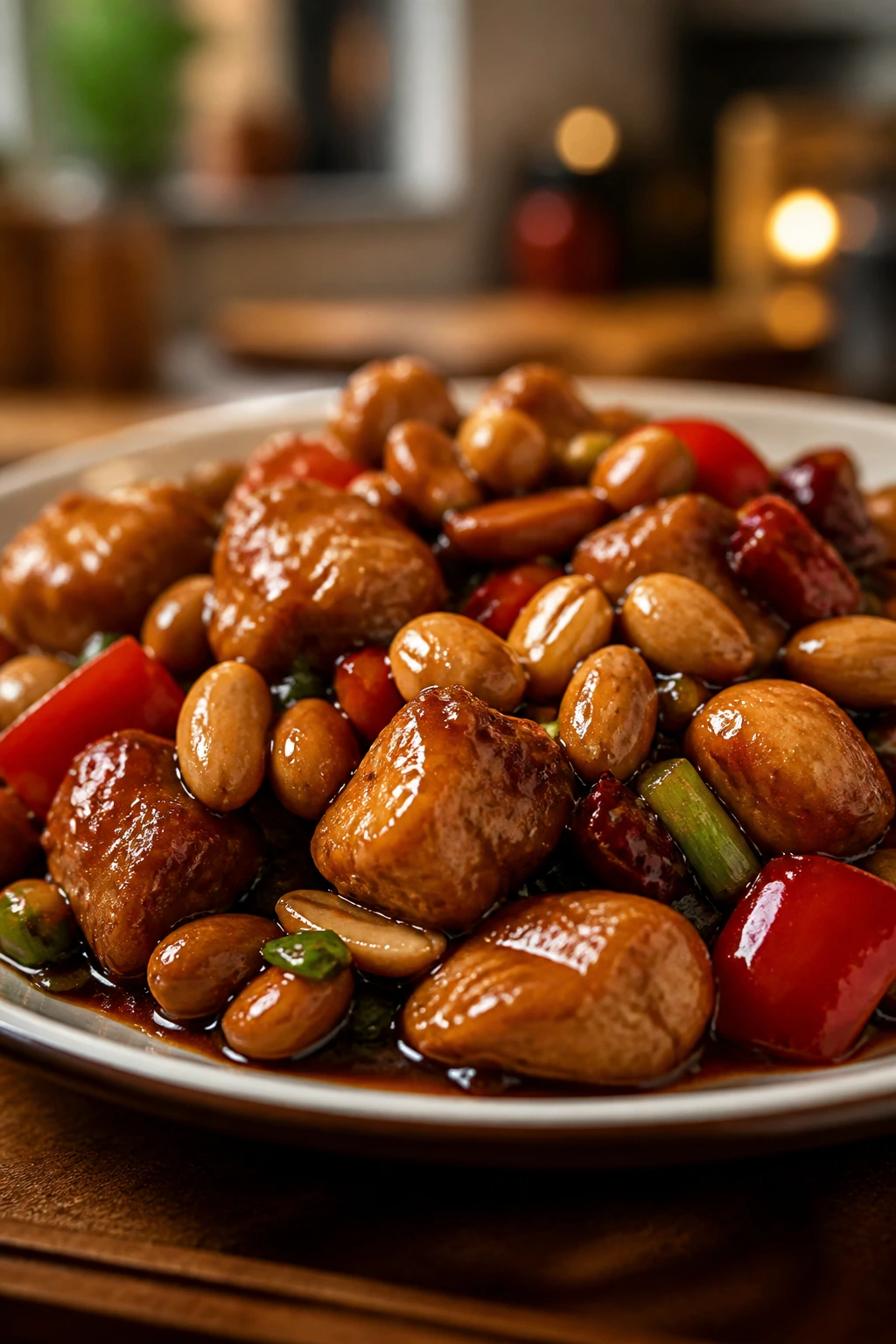
5. Slow Cooker Kung Pao Chicken
Intro: Kung Pao belongs in a slow cooker more than people think. The peanuts keep their crunch, the chicken drinks in the sauce, and the dried chilies give you that sharp, smoky heat without a greasy stir-fry pan.
Why It Works: The sauce has enough vinegar and soy to stay balanced after several hours, and the bell pepper goes in late so it still tastes fresh. This is one of those dishes that benefits from a little restraint.
Key Ingredients:
- 2 lbs boneless, skinless chicken thighs, cubed
- 1/2 cup chicken broth
- 1/4 cup low-sodium soy sauce
- 2 tbsp rice vinegar
- 2 tbsp hoisin sauce
- 2 tbsp chili garlic sauce
- 2 tbsp brown sugar
- 1 red bell pepper, chopped
- 1/2 cup roasted peanuts
- 2 tbsp cornstarch mixed with 2 tbsp water
Quick Steps:
- Stir broth, soy sauce, vinegar, hoisin, chili garlic sauce, and brown sugar in the slow cooker.
- Add chicken and cook on low for 4 hours.
- Add bell pepper and peanuts during the last 20 minutes.
- Stir in the slurry and cook until the sauce turns glossy.
- Serve with rice and extra chilies if you want more heat.
Equipment for This Recipe:
- Slow cooker
- Cutting board and sharp knife
- Small whisk
How to Serve This Dish: Serve with plain rice and maybe a handful of sliced cucumbers. The peanuts and sauce do the heavy lifting, so the side dish can be simple and cool.
Pro Tips for This Recipe:
- Keep Peanuts Crunchy: Add them near the end so they do not soften into paste.
- Use Dark Meat: Thighs stay springy; breasts can feel dry after a long cook.
- Extra Sichuan Bite: A pinch of ground Sichuan peppercorn gives a mild numbing finish.
Variations on This Dish:
- Cashew Kung Pao: Swap peanuts for cashews if that’s what’s in the pantry.
- Milder Version: Cut the chili garlic sauce to 1 tablespoon.
- Veggie Add-In: Add mushrooms during the last hour for a meatier texture.
Common Mistakes to Avoid with This Dish:
- Adding nuts at the start: They go soft and lose their snap.
- Overloading with sugar: The sauce should be savory first.
- Using very large chicken chunks: Bite-size pieces cook more evenly.
6. Crockpot Mongolian Beef
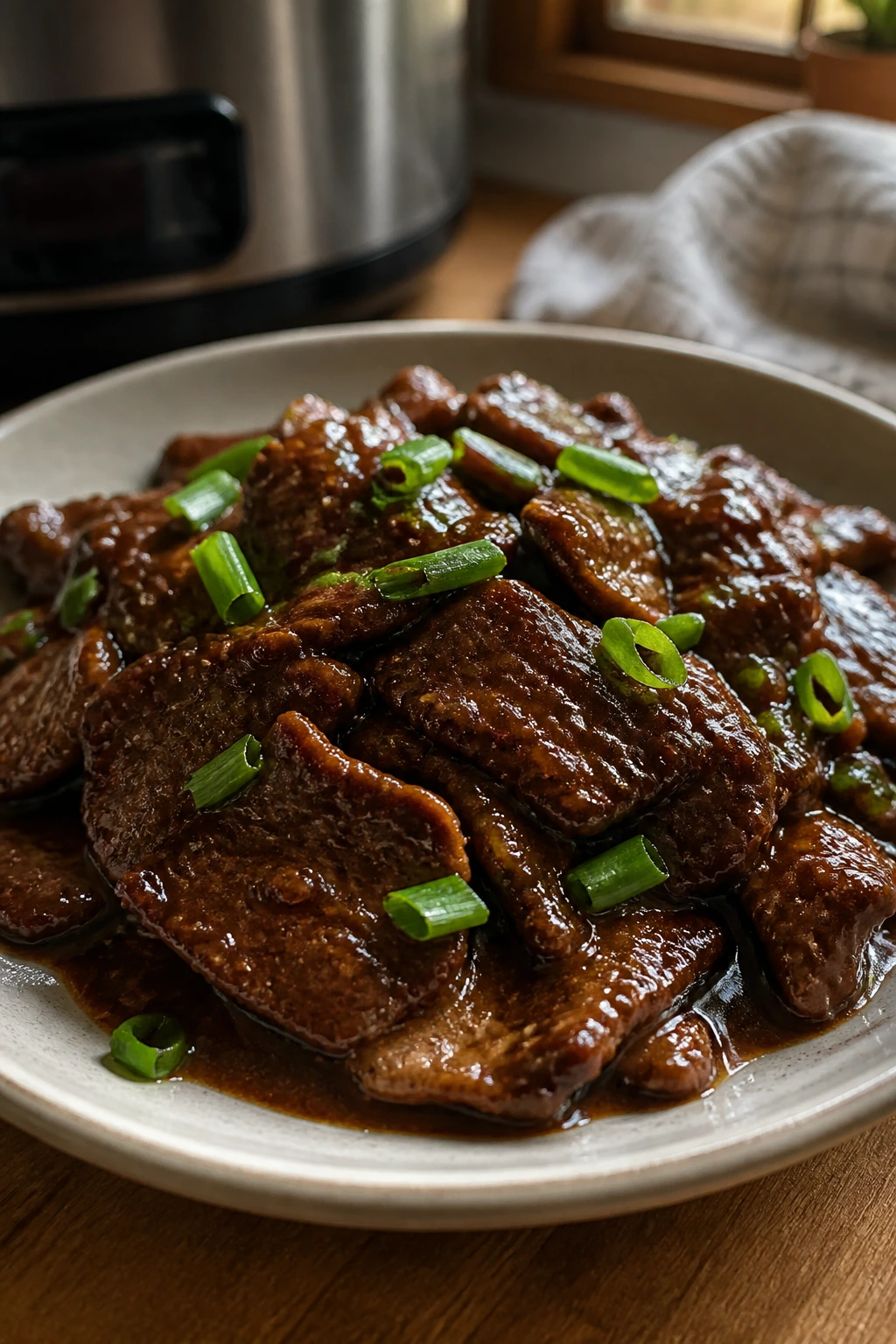
Intro: Mongolian beef in a slow cooker needs to be rich, not syrupy. The sweet soy sauce should coat the beef and green onions in a dark gloss, with just enough garlic to keep it from tasting flat.
Why It Works: A little brown sugar and soy sauce go a long way when cooked low and slow. Sirloin or flank gets tender if you slice it thin and don’t crowd the pot.
Key Ingredients:
- 2 lbs flank steak or sirloin, sliced thin
- 1/2 cup low-sodium soy sauce
- 1/2 cup beef broth
- 1/3 cup brown sugar
- 1 tbsp grated ginger
- 4 cloves garlic, minced
- 4 scallions, cut into 2-inch pieces
- 2 tbsp cornstarch mixed with 2 tbsp water
- 1 tsp red pepper flakes
Quick Steps:
- Whisk soy sauce, broth, brown sugar, ginger, garlic, and red pepper flakes in the slow cooker.
- Add beef and cook on low for 4 to 5 hours.
- Stir in the scallions during the last 15 minutes.
- Add the slurry and cook on high until the sauce turns shiny and clings to the meat.
- Serve over rice or wide noodles.
Equipment for This Recipe:
- Slow cooker
- Sharp knife
- Measuring spoons
How to Serve This Dish: This sits nicely over steamed rice with a side of blanched greens. A few extra scallion tops on the plate make it look purposeful instead of dark and heavy.
Pro Tips for This Recipe:
- Slice Against the Grain: The beef eats tender instead of ropey.
- Do Not Overcook Flank: If your slow cooker runs hot, check at 4 hours.
- Add Heat Carefully: Red pepper flakes can disappear behind the sugar if you use too little.
Variations on This Dish:
- Black Bean Version: Add 1 tablespoon fermented black beans for a deeper salty edge.
- Mushroom Mongolian Beef: Stir in sliced shiitakes with the beef.
- Gluten-Free Fix: Use tamari and a certified gluten-free broth.
Common Mistakes to Avoid with This Dish:
- Too much liquid: The sauce turns soupy instead of glossy.
- Skipping the cornstarch finish: That shine is part of the dish.
- Cutting the steak thick: It won’t soften evenly.
7. Slow Cooker Sesame Chicken
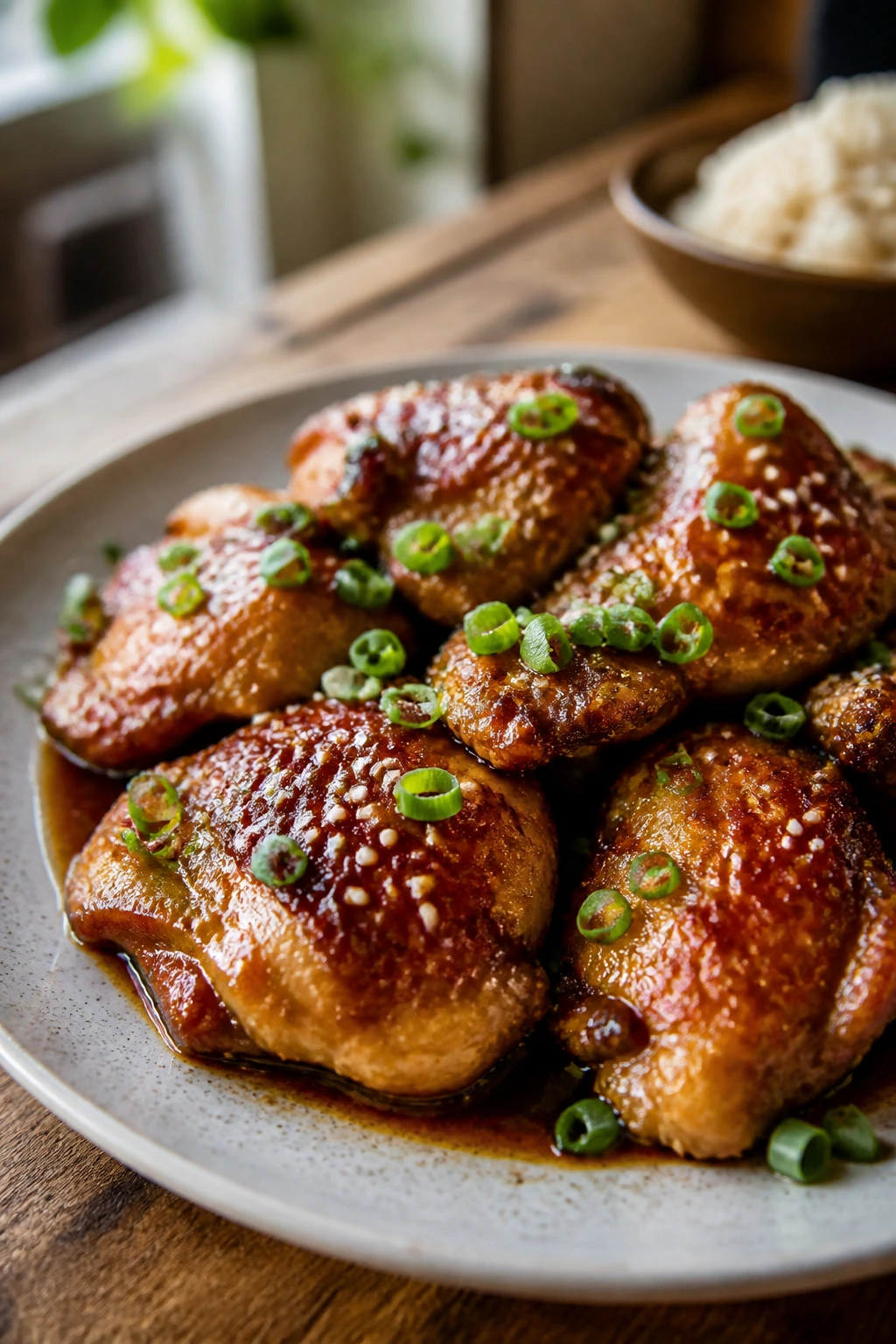
Intro: Sesame chicken should smell toasty before it tastes sweet. The sesame seeds belong at the end, where they can stay nutty and give the sauce a little grit against all that gloss.
Why It Works: Honey, soy, and rice vinegar build the familiar sweet-salty base, while sesame oil gives the dish its name and aroma. Chicken thighs absorb the sauce without turning chalky.
Key Ingredients:
- 2 lbs boneless, skinless chicken thighs
- 1/3 cup soy sauce
- 1/3 cup honey
- 3 tbsp rice vinegar
- 2 tbsp ketchup
- 2 cloves garlic, minced
- 1 tbsp sesame oil
- 2 tbsp cornstarch mixed with 2 tbsp water
- 2 tbsp sesame seeds
Quick Steps:
- Stir soy sauce, honey, vinegar, ketchup, garlic, and sesame oil in the slow cooker.
- Add chicken and cook on low for 4 to 5 hours.
- Remove the lid for the last 10 minutes if the sauce looks too thin.
- Stir in the slurry and cook until it coats the chicken.
- Finish with sesame seeds and scallions.
Equipment for This Recipe:
- Slow cooker
- Small bowl for slurry
- Toasting pan for sesame seeds, optional
How to Serve This Dish: Serve it over rice with steamed carrots or broccoli. The sauce is sweet enough that a plain vegetable side is the right move.
Pro Tips for This Recipe:
- Toast the Seeds: Even 2 minutes in a dry pan makes them smell more like sesame chicken should.
- Use Rice Vinegar, Not White Vinegar: White vinegar can taste too blunt here.
- Spoon Sauce Over Rice: It’s half the point of the dish.
Variations on This Dish:
- Spicy Sesame Chicken: Add 1 teaspoon chili paste.
- Ginger Sesame Chicken: Double the ginger and cut the honey by 1 tablespoon.
- Less Sweet Version: Replace 2 tablespoons honey with chicken broth.
Common Mistakes to Avoid with This Dish:
- Using too much sesame oil: It can take over fast.
- Adding sesame seeds too early: They lose their crunch.
- Cooking on high for too long: The sauce can darken and taste burnt-sweet.
8. Crockpot Sweet and Sour Meatballs
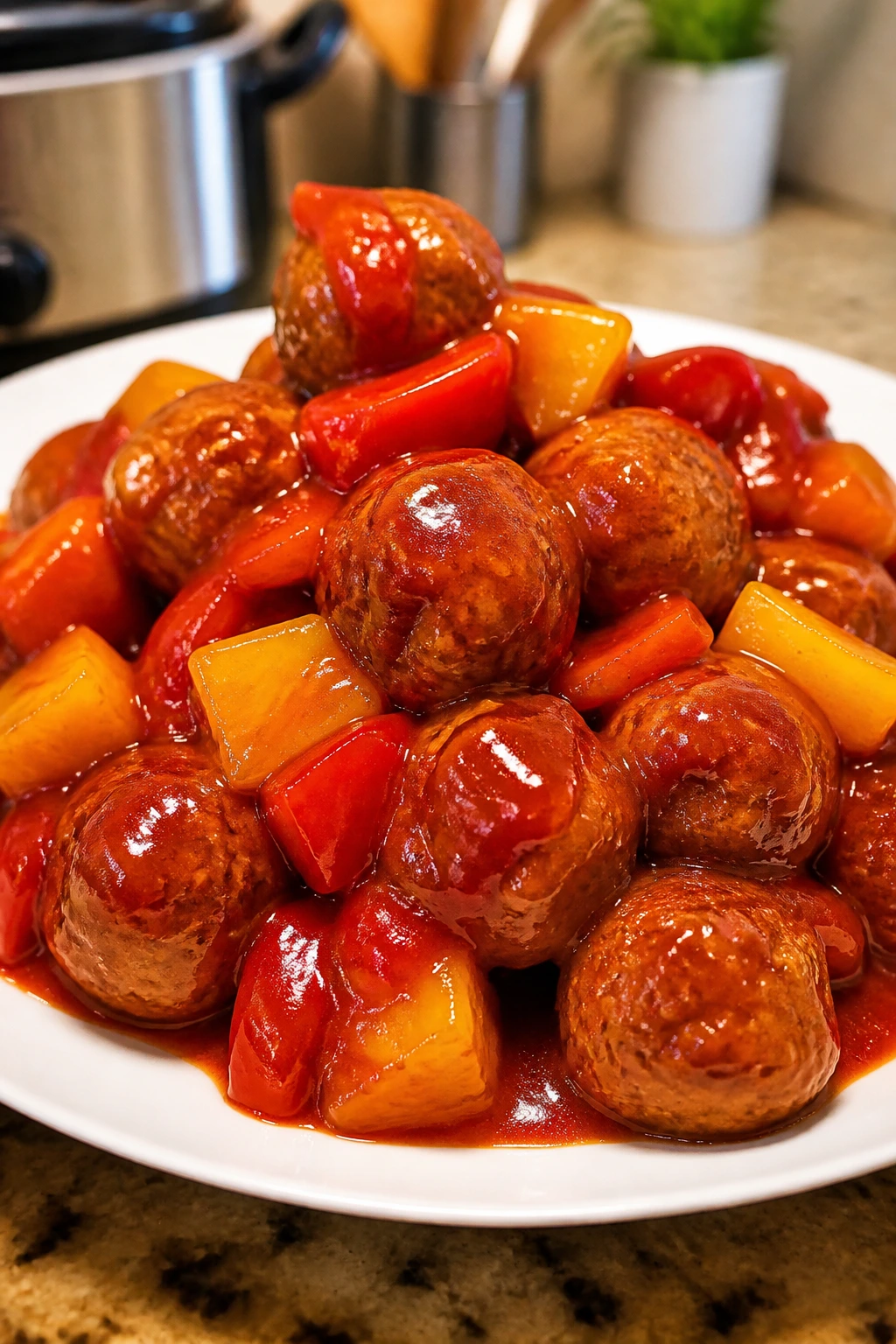
Intro: This is the kind of dish that lands between party food and cold-night dinner, and I mean that as a compliment. Pineapple, bell pepper, and a glossy red sauce turn simple meatballs into something sticky and cheerful.
Why It Works: Frozen meatballs hold shape well in the slow cooker, and the sauce thickens around them without needing a stove. Pineapple juice gives the sauce the tang it needs without extra fuss.
Key Ingredients:
- 2 lbs frozen cooked meatballs
- 1 can (20 oz) pineapple chunks, drained with juice reserved
- 1 red bell pepper, chopped
- 1 green bell pepper, chopped
- 1/2 cup ketchup
- 1/4 cup rice vinegar
- 1/3 cup brown sugar
- 2 tbsp soy sauce
- 1 tbsp cornstarch mixed with 1 tbsp water
Quick Steps:
- Combine pineapple juice, ketchup, vinegar, brown sugar, and soy sauce in the slow cooker.
- Add meatballs, pineapple chunks, and bell peppers.
- Cook on low for 4 hours, until everything is hot and the peppers are tender.
- Stir in the slurry for the last 15 minutes to tighten the sauce.
- Serve with rice or toothpicks if you’re leaning snack-style.
Equipment for This Recipe:
- Slow cooker
- Can opener
- Slotted spoon
How to Serve This Dish: Over rice, it eats like dinner. On a platter with toothpicks, it turns into game-day food. I prefer the dinner version when the weather is cold and the house smells like vinegar and brown sugar.
Pro Tips for This Recipe:
- Drain the Pineapple: Too much juice can make the sauce thin.
- Use Cooked Meatballs: Raw ones need different timing and a different safety check.
- Brighten at the End: A few drops of rice vinegar after cooking sharpen the sauce.
Variations on This Dish:
- Pork-and-Pineapple Version: Use pork meatballs for a richer taste.
- Spicy Sweet Sour: Add chili flakes or sriracha to the sauce.
- Vegetarian Swap: Use plant-based meatballs with the same timing.
Common Mistakes to Avoid with This Dish:
- Overcrowding with too many peppers: The sauce can go watery.
- Using raw meatballs without adjusting time: That’s a food safety problem.
- Skipping the cornstarch: The sauce should cling.
9. Slow Cooker Mapo Tofu with Pork
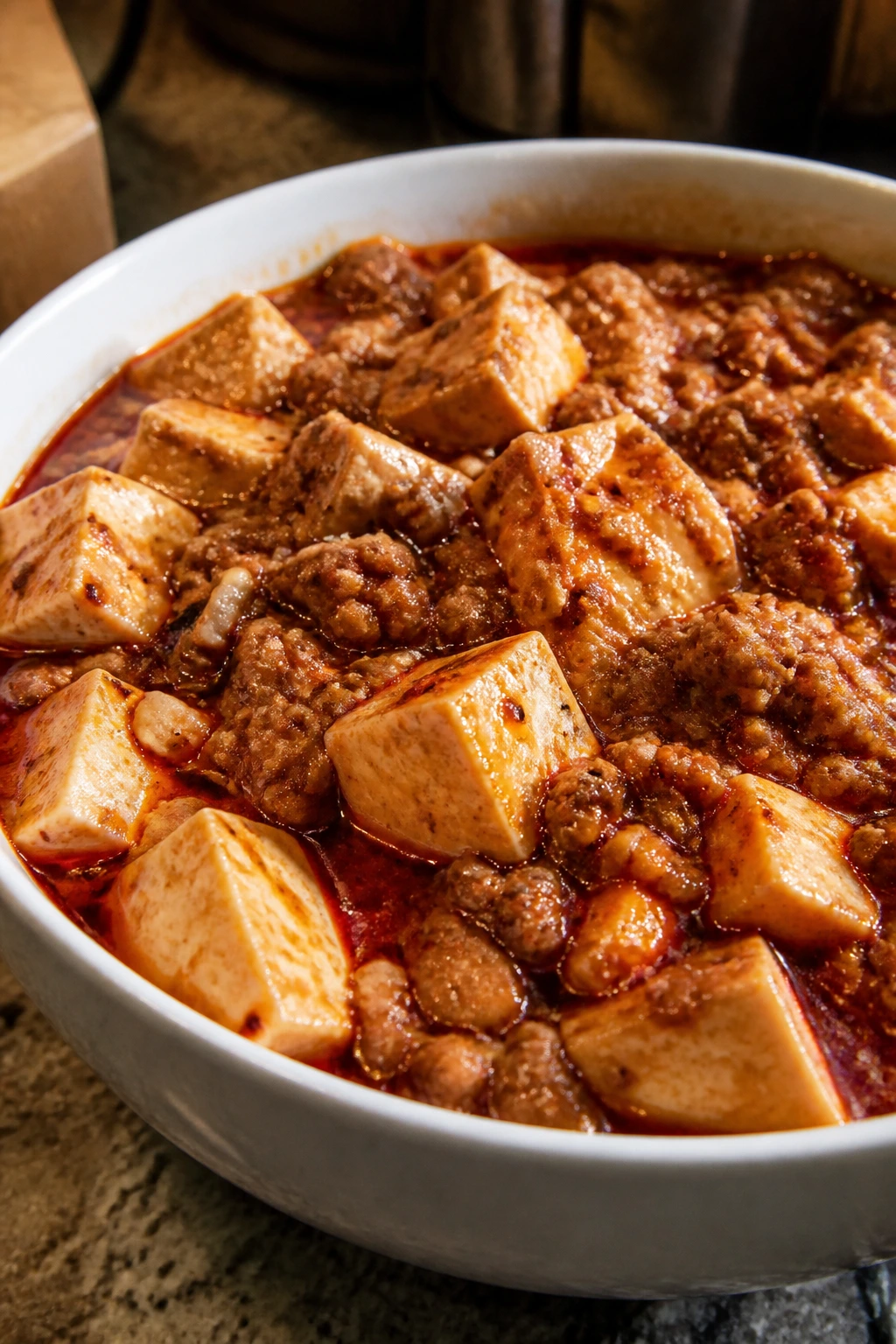
Intro: Mapo tofu is supposed to feel hot, silky, and a little dangerous. The tofu should keep its shape but tremble in the sauce, while the pork brings the dish down into something rich enough for a winter bowl.
Why It Works: Ground pork gives the sauce body, and doubanjiang supplies the fermented, spicy backbone mapo tofu needs. Tofu goes in late so it warms through without breaking into curds.
Key Ingredients:
- 1 lb ground pork
- 2 blocks (14 oz each) firm tofu, drained and cut into cubes
- 2 tbsp doubanjiang
- 2 cups chicken broth
- 2 tbsp soy sauce
- 1 tbsp chili oil
- 3 cloves garlic, minced
- 1 tbsp grated ginger
- 1 tsp Sichuan peppercorns, crushed
- 1 tbsp cornstarch mixed with 1 tbsp water
Quick Steps:
- Brown the pork in a skillet, then add it to the slow cooker.
- Stir in doubanjiang, broth, soy sauce, chili oil, garlic, ginger, and Sichuan peppercorns.
- Cook on low for 3 to 4 hours.
- Gently add tofu during the last 30 minutes.
- Stir in the slurry, then serve over rice.
Equipment for This Recipe:
- Slow cooker
- Skillet for browning pork
- Rubber spatula
How to Serve This Dish: Serve mapo tofu over plain rice with nothing too busy on the side. A few chopped scallions on top are enough; the sauce carries the whole bowl.
Pro Tips for This Recipe:
- Handle Tofu Gently: Stir with a spatula, not a spoon, so the cubes stay intact.
- Bloom the Paste: If the doubanjiang tastes flat, fry it briefly with the pork before it goes into the cooker.
- Taste the Heat: Sichuan peppercorns should tingle, not numb the whole bowl.
Variations on This Dish:
- Extra-Saucy Version: Add 1/2 cup more broth if you want a looser bowl.
- Vegetarian Mapo: Replace pork with finely chopped mushrooms and 1 tablespoon extra doubanjiang.
- Less-Heat Version: Cut the chili oil in half and skip the peppercorns.
Common Mistakes to Avoid with This Dish:
- Adding tofu too early: It breaks down and gets grainy.
- Skipping the pork browning: The flavor ends up flatter.
- Overstirring: The cubes should stay whole.
10. Crockpot Hot and Sour Soup
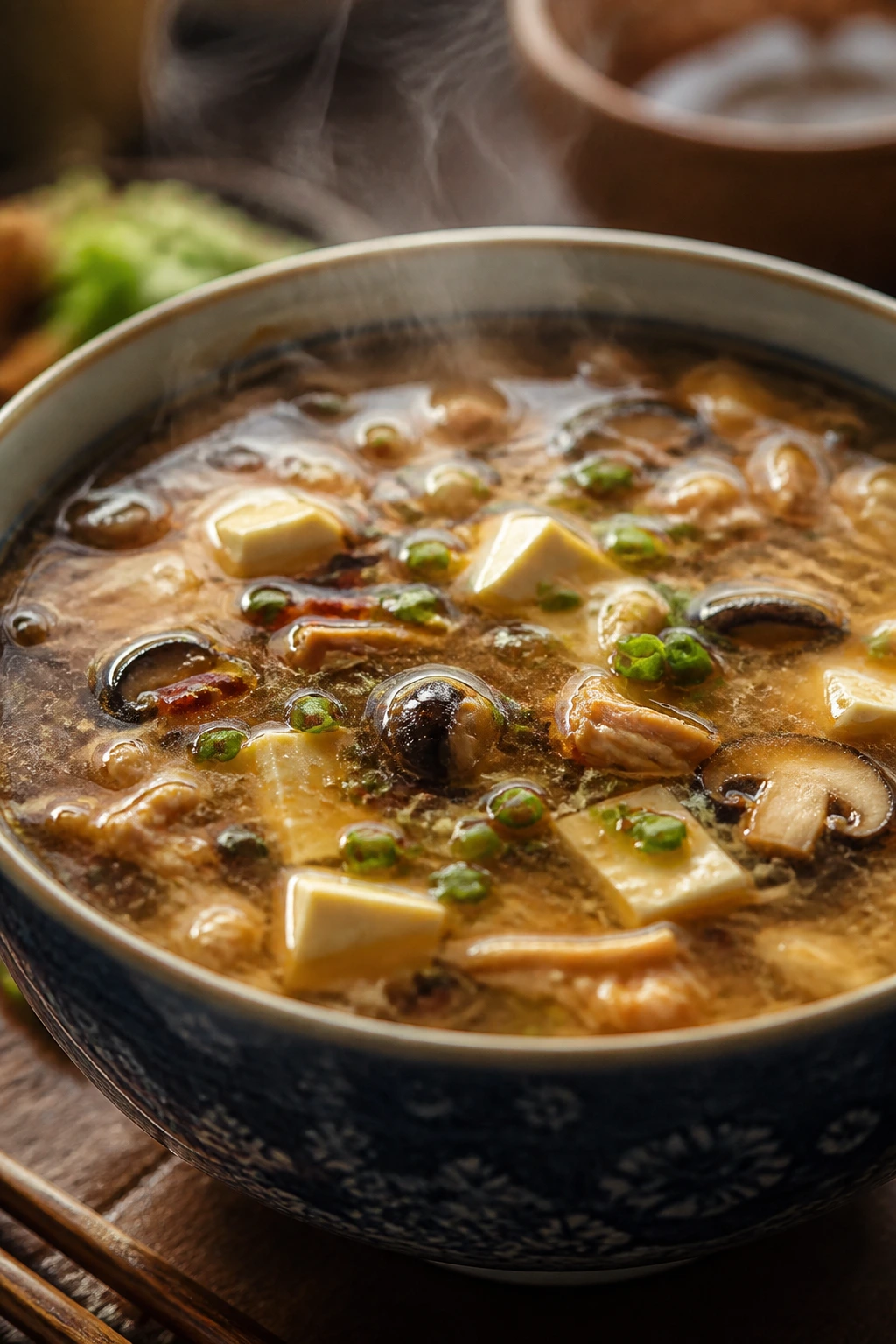
Intro: Hot and sour soup from a slow cooker feels almost unfair on a cold night because it delivers both heat and brightness in the same spoon. The vinegar should wake up the broth, while mushrooms and tofu keep it earthy.
Why It Works: Broth, mushrooms, ginger, and soy build a deep base over several hours. The egg ribbons and vinegar go in at the end so the soup stays clear and lively.
Key Ingredients:
- 8 cups chicken broth
- 6 oz shiitake mushrooms, sliced
- 1 cup bamboo shoots, sliced
- 1 block (14 oz) firm tofu, cubed
- 2 tbsp soy sauce
- 2 tbsp rice vinegar
- 1 tbsp chili garlic sauce
- 1 tbsp grated ginger
- 2 eggs, lightly beaten
- 2 tbsp cornstarch mixed with 2 tbsp water
Quick Steps:
- Combine broth, mushrooms, bamboo shoots, soy sauce, chili garlic sauce, and ginger in the slow cooker.
- Cook on low for 4 hours.
- Add tofu during the last 20 minutes.
- Stir in the slurry, then slowly drizzle in the beaten eggs while stirring.
- Finish with rice vinegar and white pepper.
Equipment for This Recipe:
- Slow cooker
- Whisk
- Ladle
How to Serve This Dish: Serve in deep bowls with extra vinegar on the table. A small plate of scallion pancakes or steamed buns turns soup into a full meal.
Pro Tips for This Recipe:
- Vinegar Last: Add it after cooking so the sour note stays bright.
- Drizzle the Eggs Slowly: That’s how you get ribbons, not scrambled bits.
- Use Shiitake if Possible: They give the broth more depth than button mushrooms.
Variations on This Dish:
- Pork Version: Add 1/2 lb cooked ground pork for more body.
- Mild Bowl: Reduce the chili garlic sauce to 1 teaspoon.
- Vegetarian Swap: Use vegetable broth and a mushroom-heavy mix.
Common Mistakes to Avoid with This Dish:
- Boiling vinegar for hours: It loses its edge.
- Adding eggs all at once: You get clumps.
- Cutting tofu too small: It vanishes into the soup.
11. Slow Cooker Wonton Soup
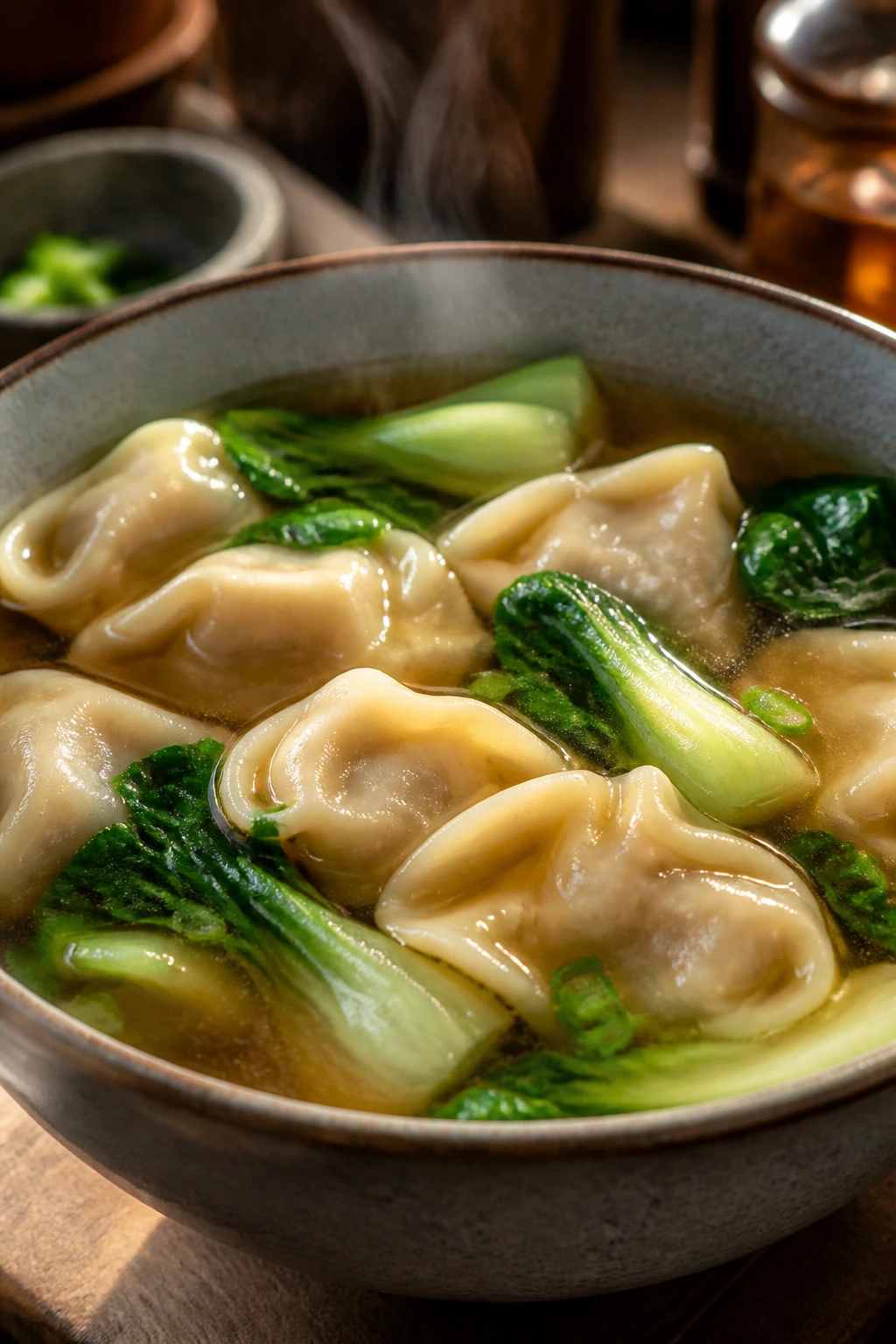
Intro: Wonton soup is usually a fast, delicate thing, so the slow cooker version plays a different game. It builds a clean broth, then lets frozen wontons finish it off at the last minute so they stay intact.
Why It Works: Ginger, garlic, and chicken broth make a fragrant base while the wontons cook only long enough to heat through. Bok choy adds a little green snap that keeps the bowl from feeling one-note.
Key Ingredients:
- 8 cups chicken broth
- 1 tbsp grated ginger
- 3 cloves garlic, smashed
- 2 tbsp soy sauce
- 24 frozen wontons
- 4 cups baby bok choy, chopped
- 2 scallions, sliced
- 1 tsp sesame oil
- White pepper, to taste
Quick Steps:
- Combine broth, ginger, garlic, and soy sauce in the slow cooker.
- Cook on low for 3 to 4 hours.
- Add bok choy and frozen wontons during the last 20 minutes.
- Drizzle in sesame oil and season with white pepper.
- Ladle into bowls and top with scallions.
Equipment for This Recipe:
- Slow cooker
- Slotted spoon
- Ladle
How to Serve This Dish: Serve it as the main event with a side of chili crisp if someone wants more heat. A little extra scallion on top makes the broth look fresher than it is.
Pro Tips for This Recipe:
- Use Frozen Wontons: Fresh ones can fall apart if they sit too long.
- Don’t Overcook Bok Choy: It only needs a few minutes.
- Taste the Broth Before Serving: Sometimes a second pinch of salt or a splash more soy is all it needs.
Variations on This Dish:
- Shrimp Wonton Soup: Use shrimp-filled wontons and a lighter hand with soy.
- Mushroom Broth Version: Add sliced shiitakes for a deeper vegetarian bowl.
- Spicy Bowl: Add chili oil at the table, not in the pot.
Common Mistakes to Avoid with This Dish:
- Adding wontons too early: They tear apart.
- Over-salting the broth: Frozen wontons often bring their own seasoning.
- Letting the soup sit too long after cooking: The wrappers soften fast.
12. Crockpot Egg Drop Soup with Corn and Ginger
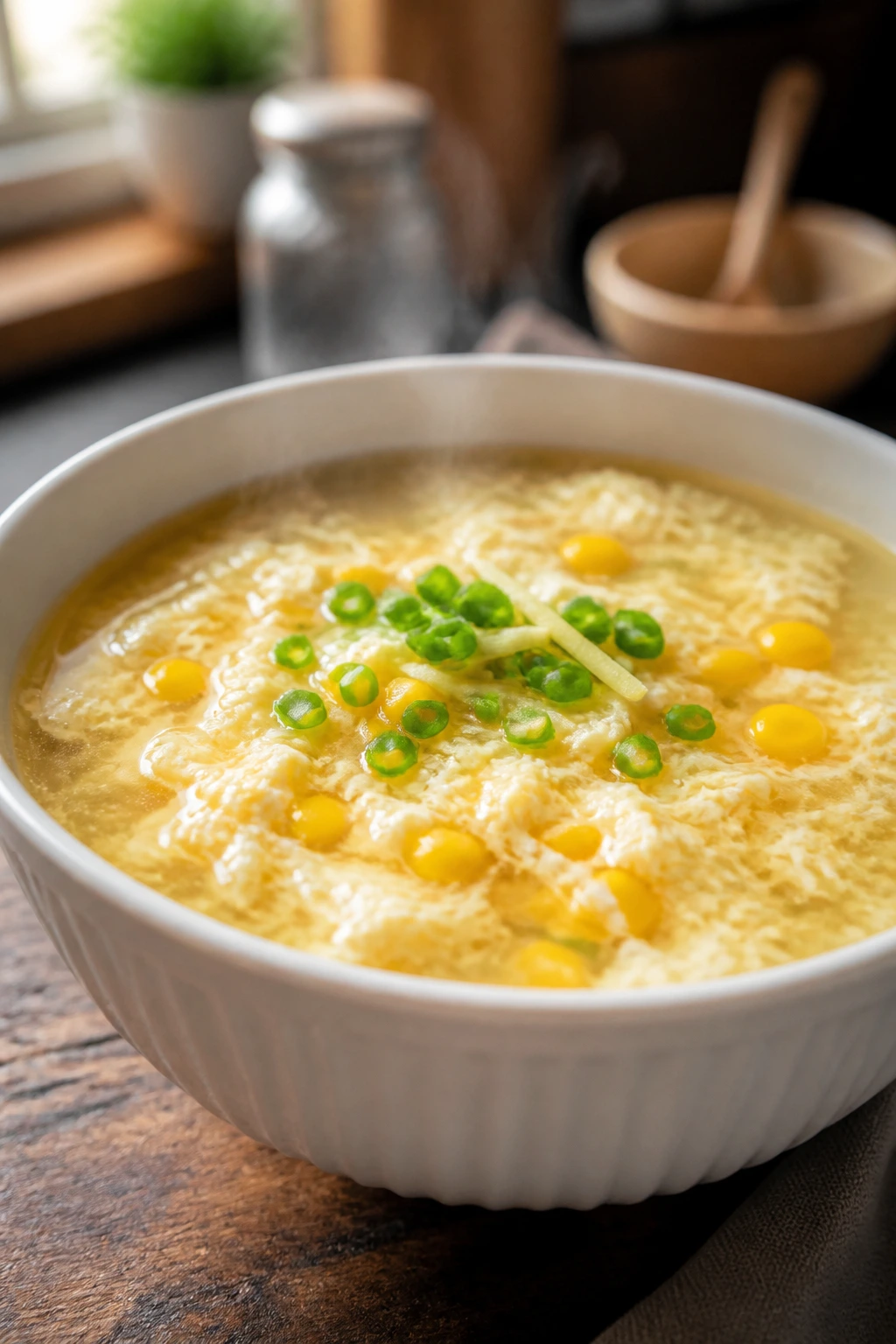
Intro: Egg drop soup should be silky, not cloudy, and the slow cooker handles the broth part beautifully. The corn gives it sweetness, the ginger keeps it sharp, and the egg ribbons make the whole bowl feel finished.
Why It Works: Slow-cooked broth with ginger and white pepper has more depth than a quick stovetop version. Whisked eggs poured into hot broth create those soft ribbons that make the soup feel restaurant-style.
Key Ingredients:
- 8 cups chicken broth
- 1 cup corn kernels
- 1 tbsp grated ginger
- 2 tbsp soy sauce
- 1/2 tsp white pepper
- 2 tbsp cornstarch mixed with 2 tbsp water
- 4 eggs, lightly beaten
- 2 scallions, sliced
- 1 tsp sesame oil
Quick Steps:
- Combine broth, corn, ginger, soy sauce, and white pepper in the slow cooker.
- Cook on low for 3 hours.
- Stir in the cornstarch slurry and let the soup thicken slightly.
- Slowly drizzle in the beaten eggs while stirring the broth in one direction.
- Finish with sesame oil and scallions.
Equipment for This Recipe:
- Slow cooker
- Whisk
- Ladle
How to Serve This Dish: Serve it in small bowls as a starter or in big bowls with rice on the side. The sweetness of the corn makes it feel richer than the short ingredient list suggests.
Pro Tips for This Recipe:
- Keep the Broth Hot: Eggs form better ribbons in very hot liquid.
- Stir in One Direction: You get longer strands that way.
- Use White Pepper: Black pepper changes the look and the flavor too much here.
Variations on This Dish:
- Crab Corn Soup: Add 6 ounces lump crab at the end.
- Chicken Version: Stir in shredded cooked chicken for a fuller meal.
- Miso Twist: Add 1 tablespoon white miso at the end for a saltier finish.
Common Mistakes to Avoid with This Dish:
- Dumping eggs too fast: They scramble instead of ribbon.
- Too much cornstarch: The soup turns gluey.
- Using cold eggs straight from the fridge: They settle poorly into the broth.
13. Slow Cooker Chicken Congee
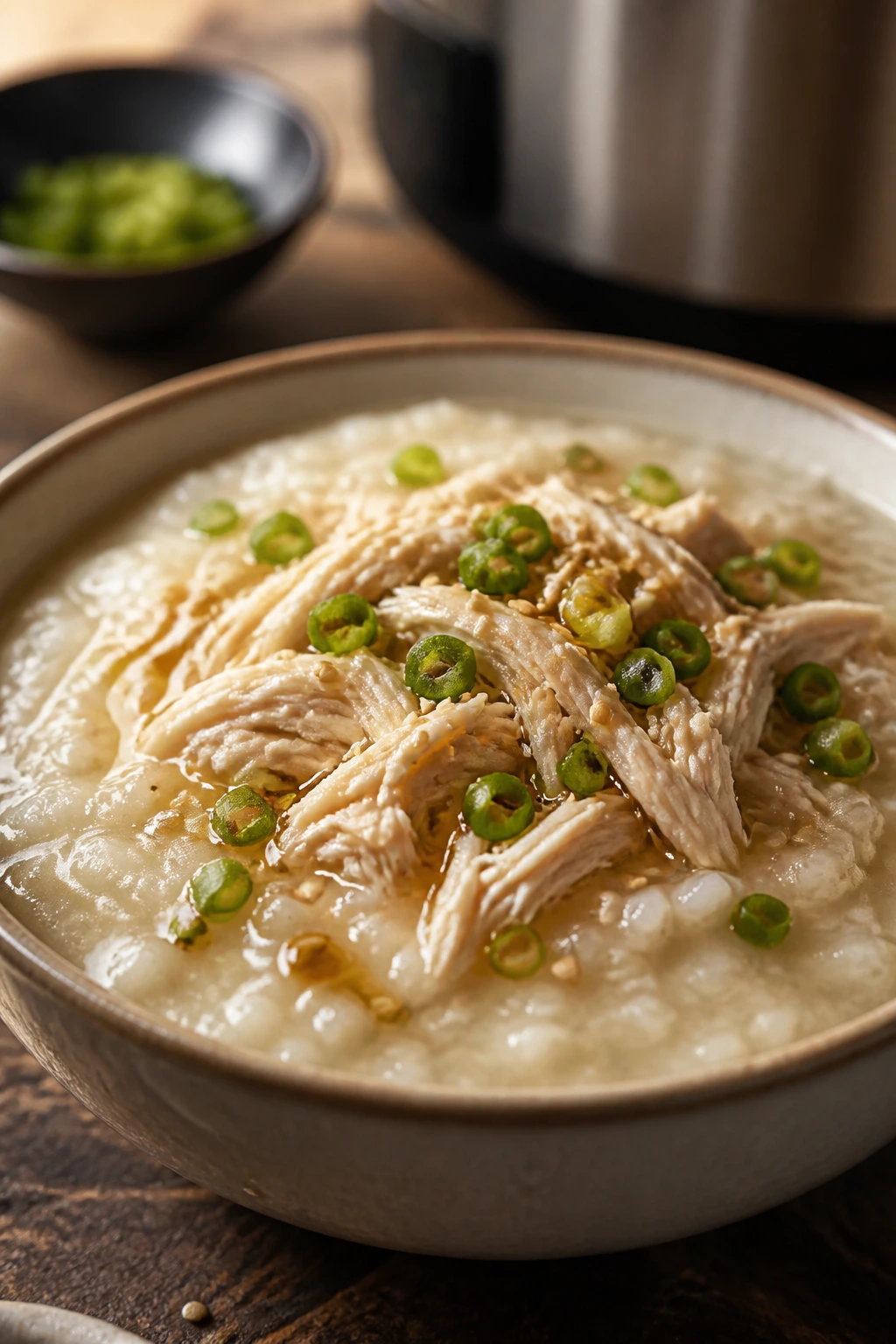
Intro: Congee is comfort with a pulse. The rice breaks down into a soft, creamy porridge, and the chicken gets so tender you barely need to chew it.
Why It Works: Long, low heat turns rice and broth into a silky base without constant stirring. Ginger keeps the porridge from tasting bland, and chicken thighs stay moist through the long cook.
Key Ingredients:
- 1 cup jasmine rice, rinsed
- 1 1/2 lbs boneless, skinless chicken thighs
- 8 cups chicken broth
- 1 tbsp grated ginger
- 2 cloves garlic, smashed
- 2 tbsp soy sauce
- 1 tsp salt, plus more to taste
- 2 scallions, sliced
- 1 tsp sesame oil
Quick Steps:
- Add rice, chicken thighs, broth, ginger, garlic, soy sauce, and salt to the slow cooker.
- Cook on low for 6 to 7 hours, until the rice has broken down and the chicken shreds easily.
- Remove the chicken, shred it, and return it to the pot.
- Stir well and thin with hot water if needed.
- Serve with scallions and sesame oil.
Equipment for This Recipe:
- Slow cooker
- Forks for shredding chicken
- Ladle
How to Serve This Dish: Serve congee with extra soy sauce, sliced scallions, and maybe a soft-boiled egg. A little chili oil on top changes the whole bowl.
Pro Tips for This Recipe:
- Rinse the Rice: It helps the porridge become smooth instead of sticky-clumpy.
- Check Thickness at the End: Congee thickens as it cools.
- Use Thighs, Not Breasts: Breasts can dry out before the rice is done.
Variations on This Dish:
- Preserved Egg Version: Top with chopped century egg if that’s your style.
- Mushroom Congee: Add sliced shiitakes for a deeper savory base.
- Plain Breakfast Bowl: Leave the chicken out and use extra ginger and scallions.
Common Mistakes to Avoid with This Dish:
- Too little liquid: The rice won’t fully break down.
- Skipping the rinse: The porridge can turn gluey.
- Forgetting to stir before serving: The thick stuff settles on the bottom.
14. Crockpot Soy-Braised Short Ribs
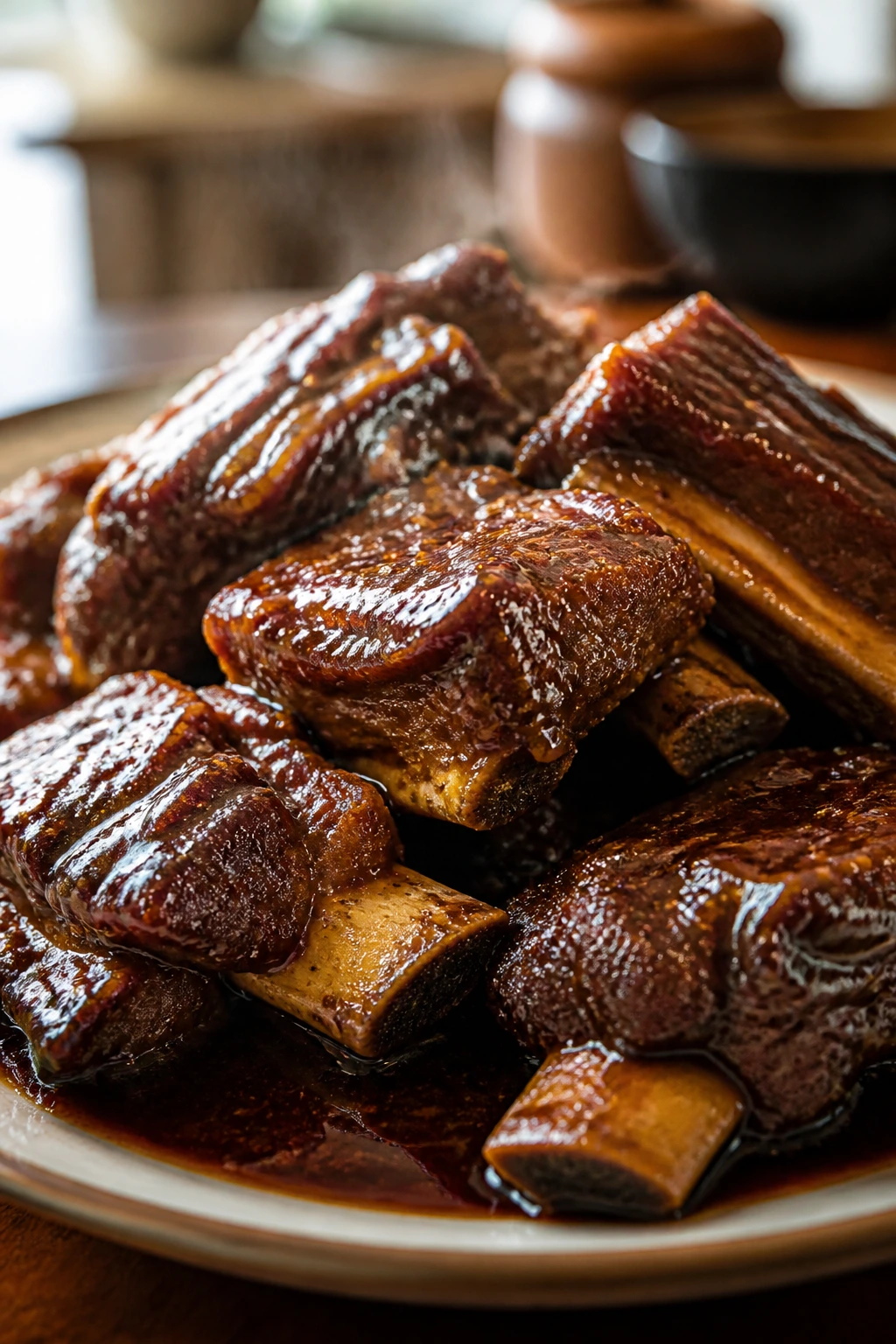
Intro: Short ribs belong in a slow cooker. They want time, and they reward it with meat that slides from the bone and a braising liquid that tastes like soy, wine, and caramelized beef.
Why It Works: Collagen in the ribs breaks down over a long, steady cook, which gives you that glossy, almost sticky texture. Star anise and cinnamon add a warm background note that feels right on cold days.
Key Ingredients:
- 3 lbs beef short ribs
- 1/2 cup low-sodium soy sauce
- 2 cups beef broth
- 1/4 cup Shaoxing wine or dry sherry
- 3 tbsp brown sugar
- 4 cloves garlic, smashed
- 1 tbsp sliced ginger
- 2 star anise
- 1 cinnamon stick
- 2 scallions, sliced
Quick Steps:
- Add soy sauce, broth, wine, brown sugar, garlic, ginger, star anise, and cinnamon to the slow cooker.
- Nestle in the short ribs.
- Cook on low for 8 hours, until the meat pulls from the bone with no effort.
- Remove the ribs and skim excess fat if needed.
- Reduce the sauce on high or on the stove, then spoon it over the ribs.
Equipment for This Recipe:
- Slow cooker
- Tongs
- Fat separator, optional
How to Serve This Dish: These are best over rice with a spoonful of the braising liquid. Add steamed baby bok choy and you’ve got a bowl that feels complete without needing much else.
Pro Tips for This Recipe:
- Brown If You Can: A quick sear deepens the flavor.
- Skim the Fat: Short ribs can leave a heavy slick if you do not.
- Use Whole Spices: Ground cinnamon and star anise can turn muddy.
Variations on This Dish:
- Black Bean Short Ribs: Add 1 tablespoon fermented black beans for a deeper salty note.
- Ginger-Heavy Version: Double the ginger if you want a brighter finish.
- Sweet-Savory Version: Add 1 tablespoon honey for a richer glaze.
Common Mistakes to Avoid with This Dish:
- Using high heat too long: The meat can seize instead of relax.
- Not reducing the sauce: It stays thin and misses the glossy finish.
- Overcooking until the meat dries: Check tenderness once the ribs start loosening.
15. Slow Cooker Five-Spice Chicken Thighs with Mushrooms
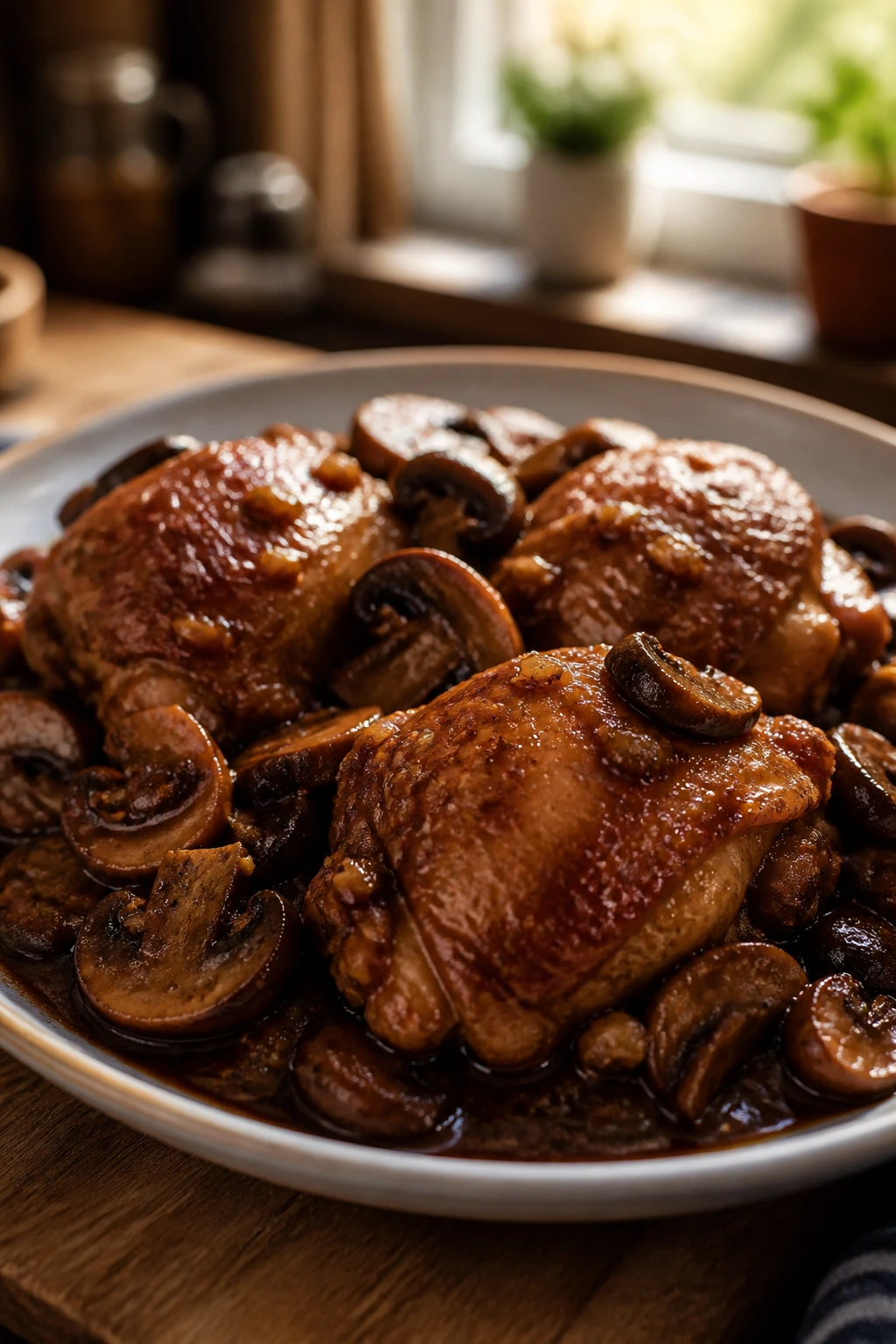
Intro: This is the kind of dinner that tastes like the kitchen has been working hard all day, even when you haven’t. Five-spice gives the chicken a warm, perfumed edge, and mushrooms turn the sauce earthy.
Why It Works: Chicken thighs handle the long cook well, and mushrooms absorb the soy-rich braising liquid. Five-spice needs a low and slow environment so the clove and cinnamon notes don’t taste harsh.
Key Ingredients:
- 2 1/2 lbs bone-in or boneless chicken thighs
- 12 oz mushrooms, sliced
- 1/2 cup low-sodium soy sauce
- 1/3 cup chicken broth
- 2 tbsp honey
- 2 tsp Chinese five-spice powder
- 4 cloves garlic, minced
- 1 tbsp grated ginger
- 1 tbsp cornstarch mixed with 1 tbsp water
Quick Steps:
- Stir soy sauce, broth, honey, five-spice, garlic, and ginger in the slow cooker.
- Add chicken thighs and mushrooms.
- Cook on low for 4 to 5 hours, until the chicken is tender and the mushrooms have shrunk and darkened.
- Stir in the slurry for the last 15 minutes.
- Serve with rice and the cooking juices.
Equipment for This Recipe:
- Slow cooker
- Measuring spoons
- Serving spoon
How to Serve This Dish: Serve it over rice with steamed greens or cabbage. The mushrooms make the sauce feel richer than it looks, so don’t underseason the rice.
Pro Tips for This Recipe:
- Use Bone-In for More Flavor: It gives the sauce more depth.
- Watch the Five-Spice: Start with 1 1/2 teaspoons if you’re cautious.
- Add Scallions at the End: They brighten the dark sauce.
Variations on This Dish:
- Soy-Garlic Version: Skip the five-spice and add another 2 cloves garlic.
- Miso Mushroom Swap: Stir in 1 tablespoon white miso at the end.
- Spicy Version: Add sliced fresh chilies with the mushrooms.
Common Mistakes to Avoid with This Dish:
- Using too much spice blend: Five-spice is strong.
- Adding mushrooms too late: They need time to season the sauce.
- Serving without a green side: The plate can feel heavy without one.
16. Crockpot Garlic Ginger Pork Ribs
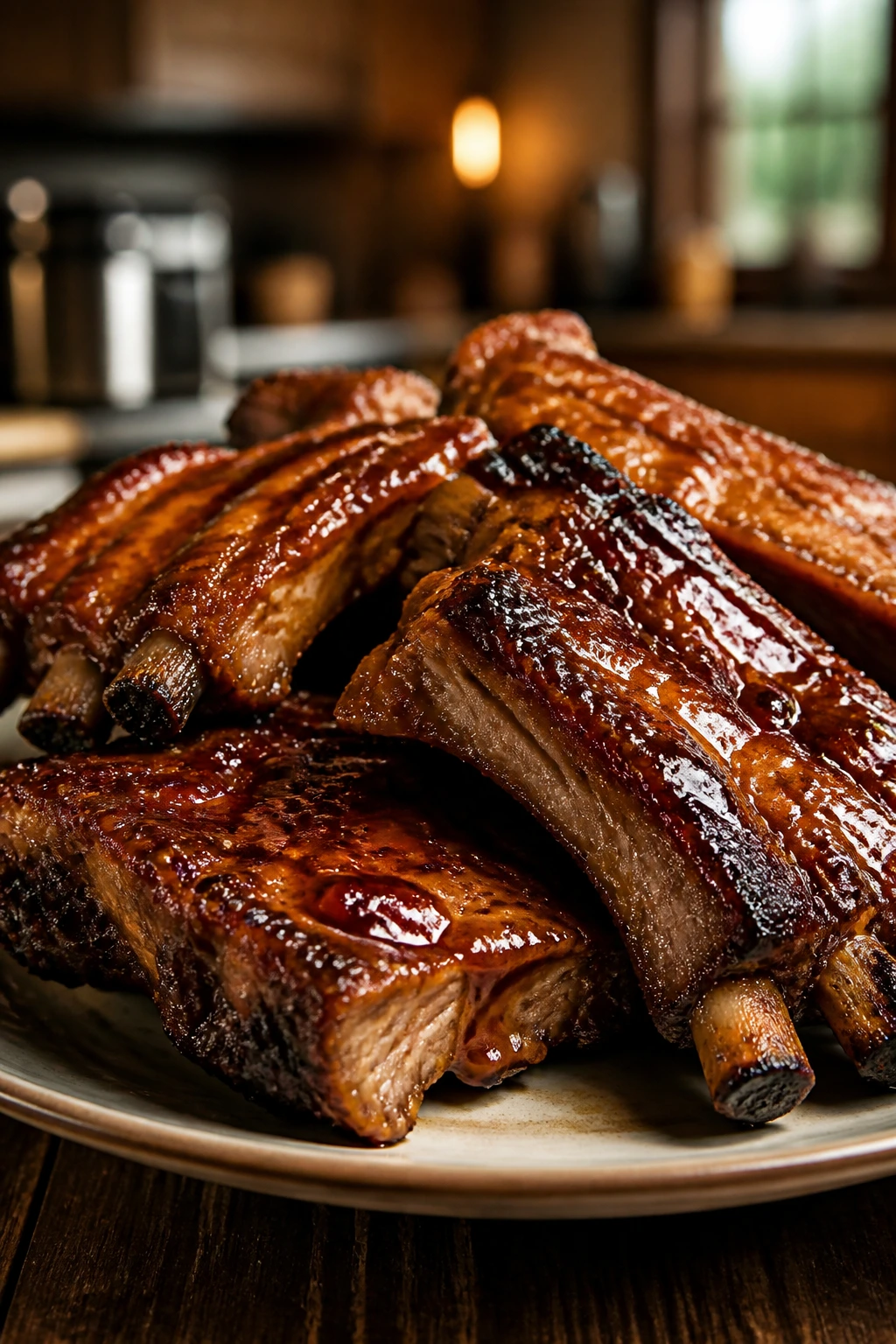
Intro: Pork ribs in a slow cooker are about tenderness first, sauce second, and sticky edges third. Garlic and ginger keep the sweetness in check so the ribs taste savory, not candy-like.
Why It Works: Spare ribs soften over hours until the meat loosens from the bone. A short broil at the end gives you the sticky surface a slow cooker can’t create on its own.
Key Ingredients:
- 3 lbs pork spare ribs, cut into pieces
- 1/2 cup soy sauce
- 1/4 cup hoisin sauce
- 1/4 cup brown sugar
- 4 cloves garlic, minced
- 1 tbsp grated ginger
- 2 tbsp rice vinegar
- 1 tsp red pepper flakes
- 1 tbsp cornstarch mixed with 1 tbsp water
Quick Steps:
- Whisk soy sauce, hoisin, brown sugar, garlic, ginger, vinegar, and red pepper flakes in the slow cooker.
- Add ribs and turn to coat.
- Cook on low for 7 to 8 hours.
- Move ribs to a sheet pan and broil 3 to 4 minutes.
- Thicken the sauce and pour it over the ribs.
Equipment for This Recipe:
- Slow cooker
- Rimmed sheet pan
- Tongs
How to Serve This Dish: Serve with rice and a pile of steamed cabbage or bok choy. The sticky bones make this a little messy, and that is part of the charm.
Pro Tips for This Recipe:
- Trim Excess Fat: Too much renders into a greasy sauce.
- Broil Close to the Heat: A few inches matter here.
- Cut Between Bones Before Cooking: It makes serving easier later.
Variations on This Dish:
- Five-Spice Ribs: Add 1 teaspoon five-spice powder to the sauce.
- Citrus Ribs: Add 1 tablespoon orange juice for brightness.
- Milder Sticky Ribs: Leave out the red pepper flakes.
Common Mistakes to Avoid with This Dish:
- Skipping the broil: The ribs taste braised, not finished.
- Using too much sugar: The glaze can burn or turn cloying.
- Not removing excess fat: The sauce gets slick.
17. Slow Cooker Cashew Chicken
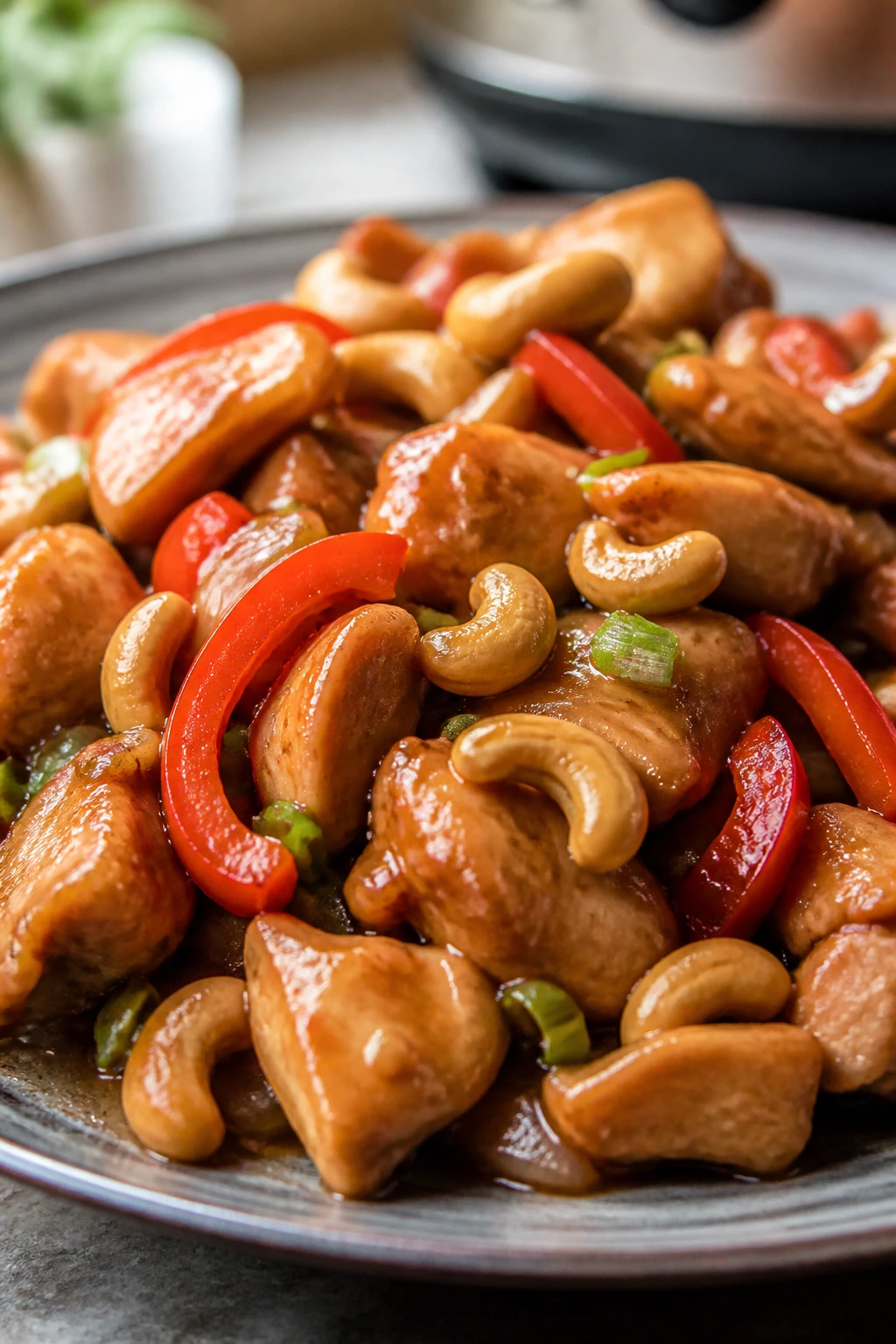
Intro: Cashew chicken should have soft chicken, crisp-tasting nuts, and a sauce that sits somewhere between savory and lightly sweet. The slow cooker version needs the cashews added late, or they turn dull fast.
Why It Works: Soy, broth, ginger, and garlic give the chicken a classic takeout base. The cashews bring crunch at the end, which is the part people remember.
Key Ingredients:
- 2 lbs boneless, skinless chicken thighs, cubed
- 1/2 cup chicken broth
- 1/3 cup low-sodium soy sauce
- 2 tbsp hoisin sauce
- 2 tbsp honey
- 1 tbsp grated ginger
- 3 cloves garlic, minced
- 1 red bell pepper, chopped
- 3/4 cup roasted cashews
- 2 tbsp cornstarch mixed with 2 tbsp water
Quick Steps:
- Stir broth, soy sauce, hoisin, honey, ginger, and garlic in the slow cooker.
- Add chicken and bell pepper.
- Cook on low for 4 hours.
- Add cashews during the last 10 minutes.
- Stir in the slurry and serve over rice.
Equipment for This Recipe:
- Slow cooker
- Small bowl for slurry
- Wooden spoon
How to Serve This Dish: Serve it over rice with a few extra bell pepper strips on top. A cool cucumber salad on the side keeps the whole dinner from feeling too dense.
Pro Tips for This Recipe:
- Cashews Last: They should stay crisp.
- Use Thighs: They stay juicy under long heat.
- Cut Bell Pepper Large: Small pieces vanish and lose texture.
Variations on This Dish:
- Tangerine Cashew Chicken: Add orange zest and use 2 tablespoons orange juice.
- Spicy Cashew Version: Add 1 tablespoon chili garlic sauce.
- Vegetable-Heavy Pot: Add mushrooms or snow peas in the last 30 minutes.
Common Mistakes to Avoid with This Dish:
- Adding cashews at the start: They go soft.
- Too much hoisin: The sauce gets overly sweet.
- Cooking on high too long: Chicken thighs can still dry at the edges.
18. Crockpot Lemon Chicken
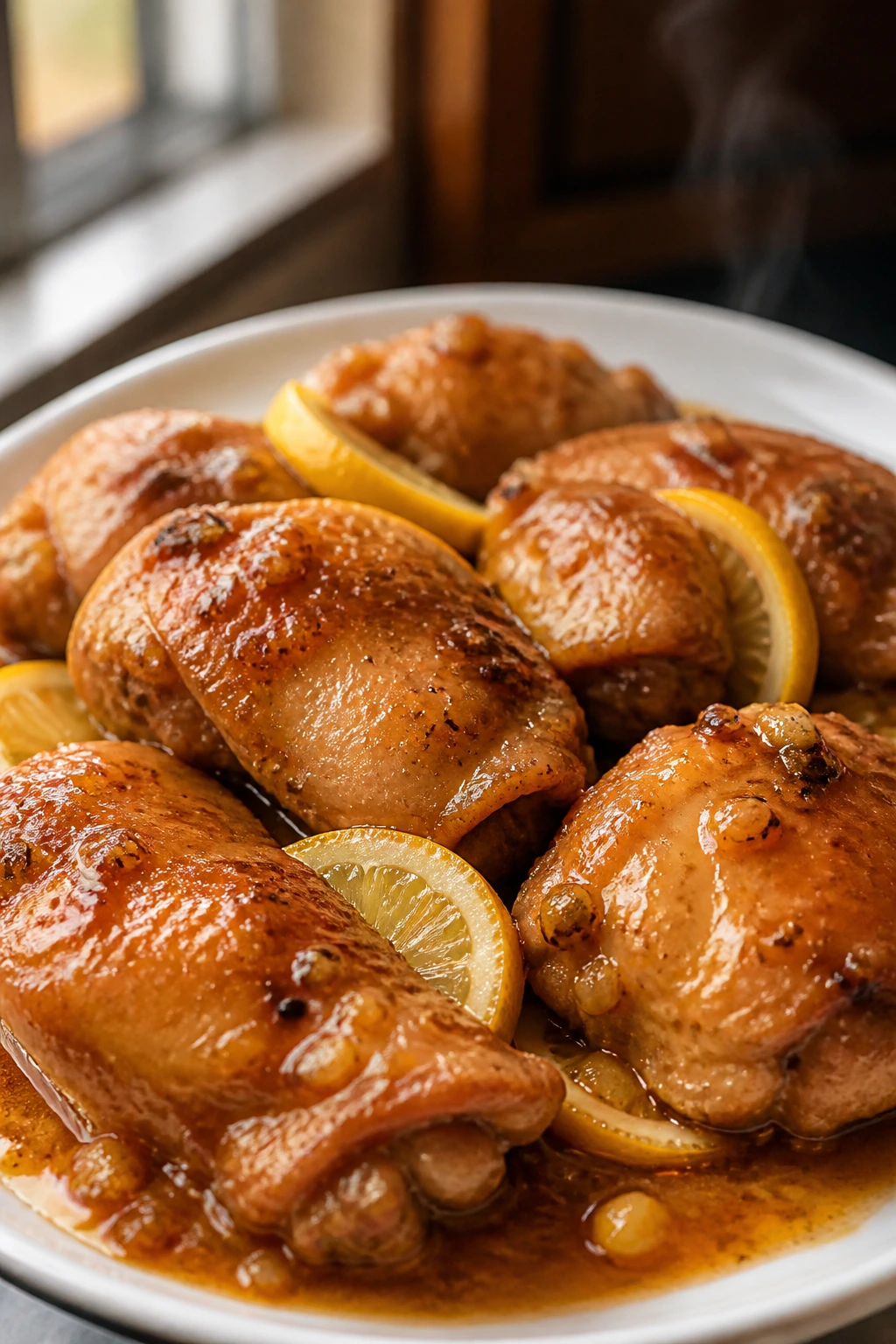
Intro: Lemon chicken can get harsh if you’re careless, so the slow cooker version needs balance. Honey softens the lemon, garlic keeps the sauce savory, and chicken thighs keep the texture friendly.
Why It Works: The sauce cooks down into something bright without tasting raw or sour. A cornstarch finish turns it into a glossy pan-style sauce even though the pan part never happened.
Key Ingredients:
- 2 lbs boneless, skinless chicken thighs
- 1/3 cup lemon juice
- 1 tbsp lemon zest
- 1/3 cup chicken broth
- 2 tbsp honey
- 3 cloves garlic, minced
- 1 tbsp soy sauce
- 2 tbsp cornstarch mixed with 2 tbsp water
- 1 tbsp butter, optional
Quick Steps:
- Whisk lemon juice, zest, broth, honey, garlic, and soy sauce in the slow cooker.
- Add chicken and cook on low for 4 to 5 hours.
- Stir in the slurry during the last 15 minutes.
- Add butter if you want a softer, rounder sauce.
- Serve with rice and steamed vegetables.
Equipment for This Recipe:
- Slow cooker
- Citrus zester
- Whisk
How to Serve This Dish: This works well over white rice or even mashed potatoes if you’re mixing dinner styles on purpose. A green vegetable matters here because the sauce is bright enough to need a quieter side.
Pro Tips for This Recipe:
- Zest Before Juicing: It saves time and your patience.
- Add Butter at the End: It smooths out the lemon edge.
- Taste Before Serving: Some lemons are much sharper than others.
Variations on This Dish:
- Ginger Lemon Chicken: Add 1 tablespoon grated ginger.
- Garlic-Forward Version: Double the garlic and skip the butter.
- Lighter Sauce: Use only 2 tablespoons honey if you want more tartness.
Common Mistakes to Avoid with This Dish:
- Using too much lemon juice: The sauce can turn aggressive.
- Overcooking breasts: Thighs are safer here.
- Skipping salt: Citrus needs enough seasoning to taste complete.
19. Slow Cooker Hoisin Meatballs
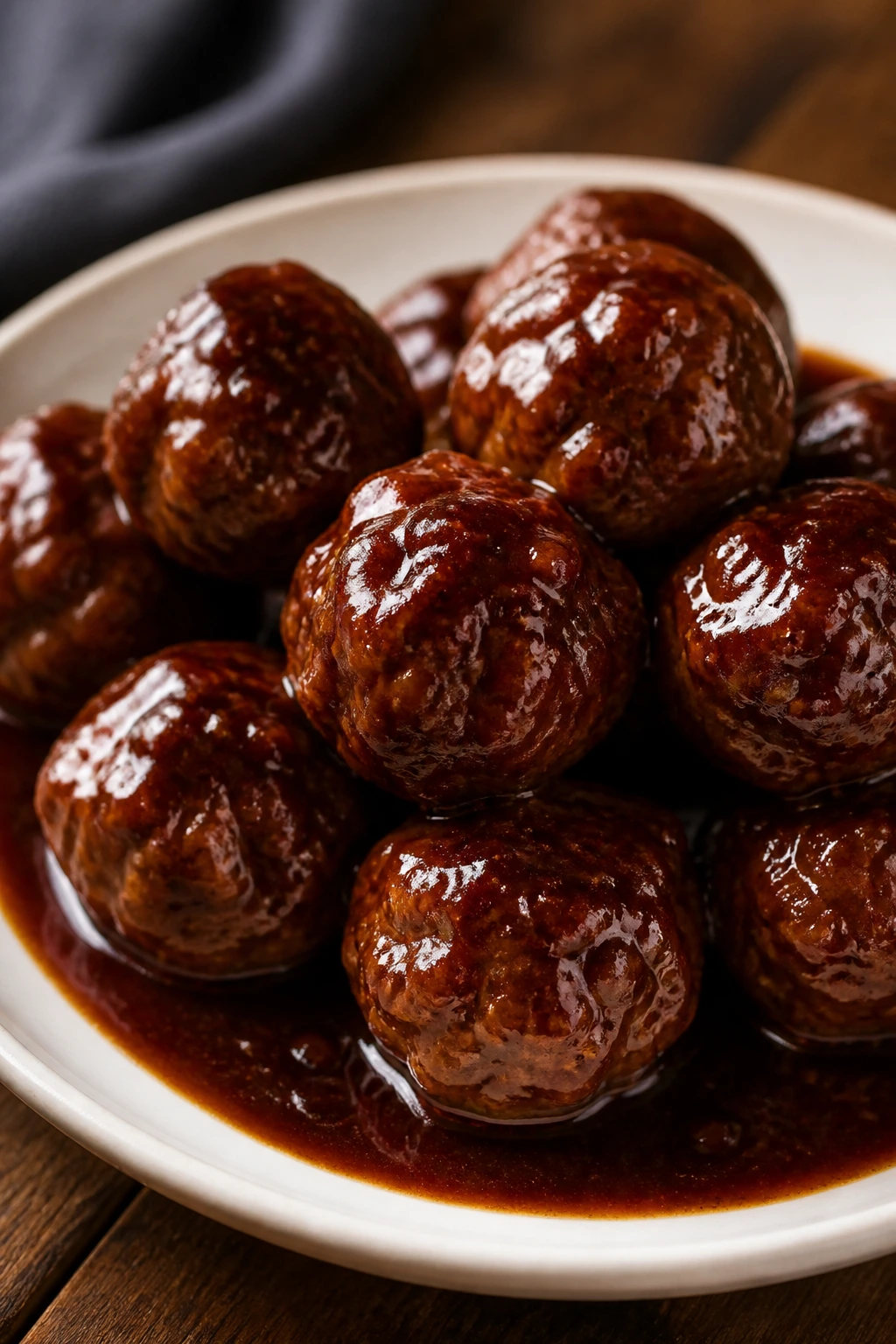
Intro: Hoisin meatballs are sweet, savory, and easy to serve in bowls or on toothpicks. They work because meatballs soak up sauce slowly and keep their shape without much babysitting.
Why It Works: Hoisin gives the sauce body and depth, while soy and ginger keep it from tasting one-note. A little rice vinegar cuts the sweetness, which matters more than people think.
Key Ingredients:
- 2 lbs cooked meatballs, beef or pork
- 1/2 cup hoisin sauce
- 1/4 cup soy sauce
- 2 tbsp rice vinegar
- 1/4 cup water
- 2 cloves garlic, minced
- 1 tbsp grated ginger
- 1 tbsp sesame oil
- 2 scallions, sliced
Quick Steps:
- Whisk hoisin, soy sauce, vinegar, water, garlic, ginger, and sesame oil in the slow cooker.
- Add meatballs and coat well.
- Cook on low for 3 to 4 hours.
- Stir gently once or twice so the sauce covers evenly.
- Finish with scallions and serve hot.
Equipment for This Recipe:
- Slow cooker
- Slotted spoon
- Serving bowl
How to Serve This Dish: Serve over rice, alongside noodles, or as a party tray. If you’re going dinner-style, a simple green vegetable keeps the sauce from taking over the whole plate.
Pro Tips for This Recipe:
- Use Cooked Meatballs: They hold up better in the slow cooker.
- Thin the Sauce Slightly: Hoisin is thick out of the jar.
- Add Scallions at the End: They keep the finish fresh.
Variations on This Dish:
- Pineapple Hoisin Meatballs: Add 1/2 cup pineapple chunks.
- Spicy Glazed Meatballs: Stir in chili garlic sauce.
- Turkey Meatball Version: Works well if the sauce is a touch richer.
Common Mistakes to Avoid with This Dish:
- Too much simmer time: Meatballs can become dense.
- Not thinning hoisin: The sauce can glue itself to the pot.
- Over-salting early: Hoisin and soy both bring salt.
20. Crockpot Black Pepper Chicken
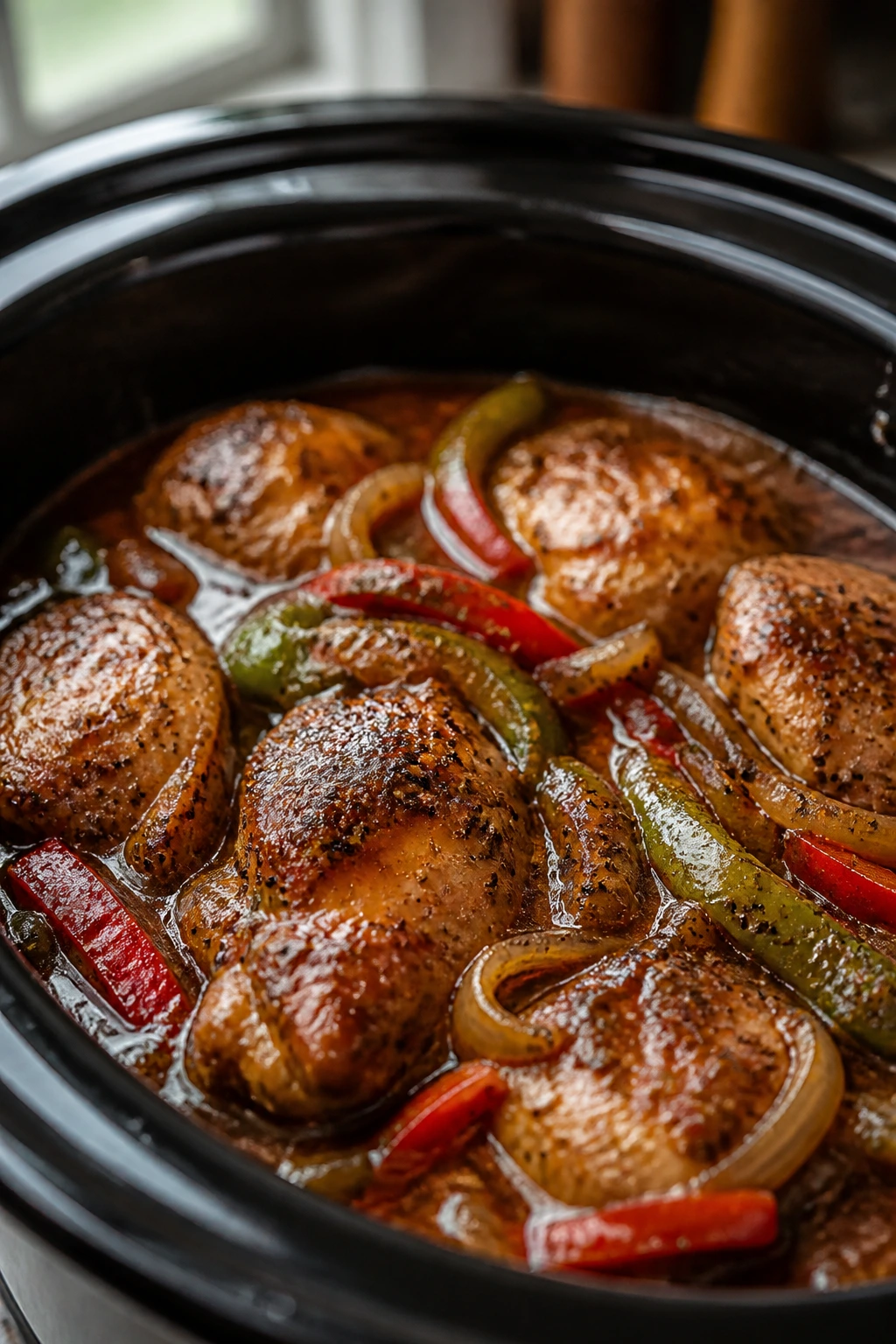
Intro: Black pepper chicken should taste bold, warm, and peppery in a way that lingers. It’s one of the best cold-day slow cooker dishes because the sauce gets deeper with time instead of flatter.
Why It Works: Chicken thighs stay tender, and a good dose of black pepper gives the sauce a sharp edge that stands up to rice. Bell peppers and onions soften into the sauce without disappearing completely.
Key Ingredients:
- 2 lbs boneless, skinless chicken thighs
- 1 onion, sliced
- 1 green bell pepper, sliced
- 1 red bell pepper, sliced
- 1/2 cup chicken broth
- 1/3 cup low-sodium soy sauce
- 2 tbsp oyster sauce
- 1 tbsp freshly cracked black pepper
- 3 cloves garlic, minced
- 2 tbsp cornstarch mixed with 2 tbsp water
Quick Steps:
- Add broth, soy sauce, oyster sauce, black pepper, and garlic to the slow cooker.
- Stir in chicken, onion, and peppers.
- Cook on low for 4 to 5 hours.
- Add the slurry near the end until the sauce clings.
- Serve over rice.
Equipment for This Recipe:
- Slow cooker
- Sharp pepper grinder
- Measuring spoons
How to Serve This Dish: Rice is the cleanest fit here. The peppery sauce needs something plain underneath it, and a few steamed snap peas on the side help the bowl feel crisp.
Pro Tips for This Recipe:
- Use Fresh Pepper: Pre-ground pepper won’t give the same bite.
- Don’t Overcook the Peppers: Leave them with a little structure.
- Taste Before Serving: Pepper can bloom differently depending on the grind.
Variations on This Dish:
- Mushroom Pepper Chicken: Add sliced mushrooms with the peppers.
- Extra-Savory Version: Add 1 teaspoon dark soy sauce.
- Milder Bowl: Cut the black pepper to 2 teaspoons.
Common Mistakes to Avoid with This Dish:
- Using too fine a grind: The pepper gets muddy.
- Cooking peppers all day: They lose their shape.
- Skipping oyster sauce: The dish needs that savory body.
21. Slow Cooker Chinese-Style Braised Tofu and Napa Cabbage
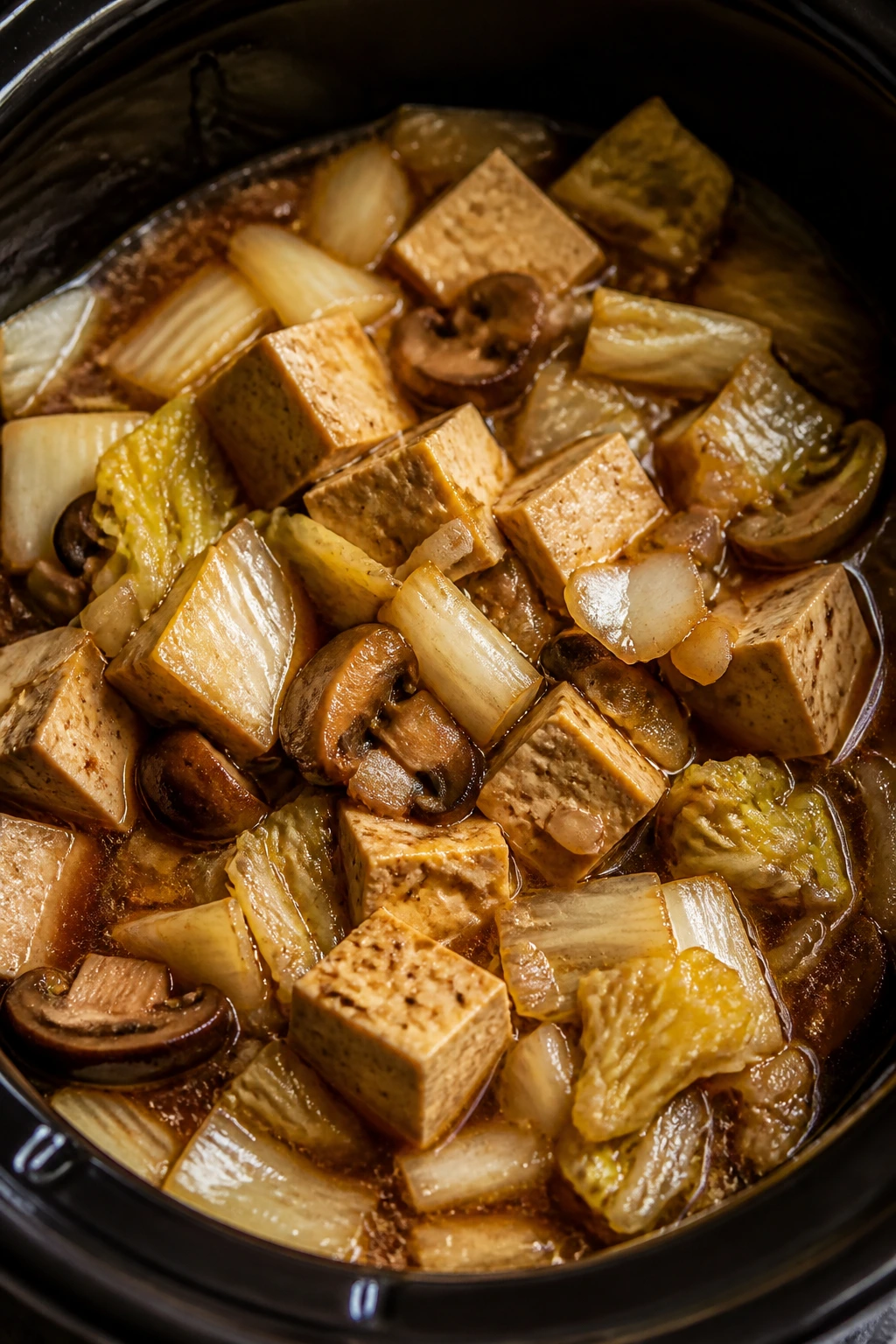
Intro: This is the vegetable bowl I reach for when I want dinner to feel warming but not heavy. Napa cabbage softens into silk, tofu holds the broth, and mushrooms make the whole thing taste richer than the ingredient list suggests.
Why It Works: Tofu and cabbage both like gentle heat, which makes the slow cooker a good fit. Ginger, soy, and mushroom broth give the pot a savory backbone without relying on meat.
Key Ingredients:
- 2 blocks firm tofu, drained and cut into cubes
- 1 small napa cabbage, chopped
- 8 oz shiitake mushrooms, sliced
- 4 cups vegetable broth
- 1/4 cup low-sodium soy sauce
- 1 tbsp grated ginger
- 3 cloves garlic, minced
- 1 tsp sesame oil
- 1 tbsp cornstarch mixed with 1 tbsp water
Quick Steps:
- Combine broth, soy sauce, ginger, and garlic in the slow cooker.
- Add mushrooms and cabbage.
- Cook on low for 3 hours.
- Gently add tofu during the last 20 minutes.
- Stir in the slurry and finish with sesame oil.
Equipment for This Recipe:
- Slow cooker
- Cutting board
- Slotted spoon
How to Serve This Dish: Serve it in bowls over rice or with a side of noodles. It also works with a spoon and a piece of crusty bread if you are less concerned with rules than with dinner.
Pro Tips for This Recipe:
- Use Firm Tofu: Soft tofu falls apart too easily.
- Cut Cabbage in Large Pieces: It keeps some body.
- Add Sesame Oil at the End: Heat can flatten its smell.
Variations on This Dish:
- Spinach Finish: Stir in a few handfuls of spinach right before serving.
- Spicy Mushroom Tofu: Add chili oil or sliced chilies.
- Protein Boost: Add shredded chicken if you want a fuller bowl.
Common Mistakes to Avoid with This Dish:
- Cutting tofu too small: It breaks apart.
- Cooking cabbage too long: It can turn mushy.
- Underseasoning the broth: Vegetables need enough salt to wake up.
22. Crockpot Vegetable Chow Mein
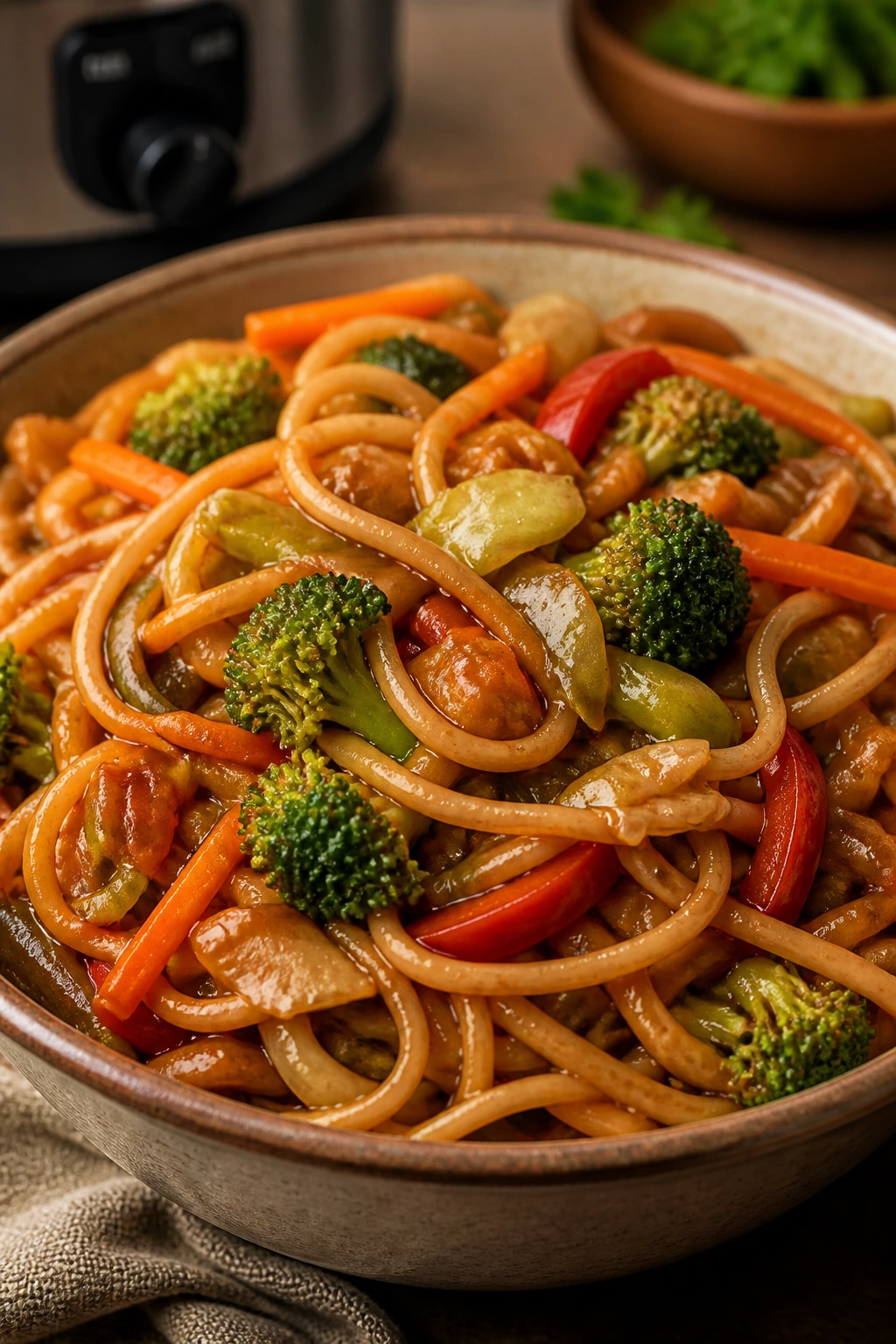
Intro: Chow mein is usually about a hot wok and quick movement, so the slow cooker version has a different personality. It becomes a soft, saucy noodle bowl with enough vegetables to make dinner feel substantial.
Why It Works: Cabbage, carrots, mushrooms, and onions all soften into the sauce over several hours. The noodles go in at the end so they don’t turn into paste.
Key Ingredients:
- 1 small green cabbage, shredded
- 2 carrots, julienned
- 8 oz mushrooms, sliced
- 1 onion, sliced
- 1/3 cup low-sodium soy sauce
- 2 tbsp oyster sauce
- 1 tbsp sesame oil
- 3 cups cooked chow mein noodles or lo mein noodles
- 2 scallions, sliced
Quick Steps:
- Place cabbage, carrots, mushrooms, onion, soy sauce, oyster sauce, and sesame oil in the slow cooker.
- Cook on low for 3 to 4 hours.
- Stir in cooked noodles during the last 10 minutes.
- Toss gently so the sauce coats everything.
- Finish with scallions.
Equipment for This Recipe:
- Slow cooker
- Large spoon or tongs
- Pot for cooking noodles
How to Serve This Dish: Serve it in wide bowls with extra scallions on top. If you want more protein, add shredded chicken or tofu before the noodles go in.
Pro Tips for This Recipe:
- Cook Noodles Separately: They hold up much better that way.
- Shred Cabbage Thinly: It softens more evenly.
- Keep Sauce Modest: Too much liquid makes the noodles soggy.
Variations on This Dish:
- Chicken Chow Mein: Add 2 cups shredded cooked chicken.
- Tofu Chow Mein: Use pan-seared tofu cubes.
- Spicy Version: Add chili oil at the end.
Common Mistakes to Avoid with This Dish:
- Cooking noodles all day: They fall apart.
- Too much sauce: The dish turns wet instead of coated.
- Skipping the finishing toss: The noodles need a final mix.
23. Slow Cooker Red-Cooked Pork Belly
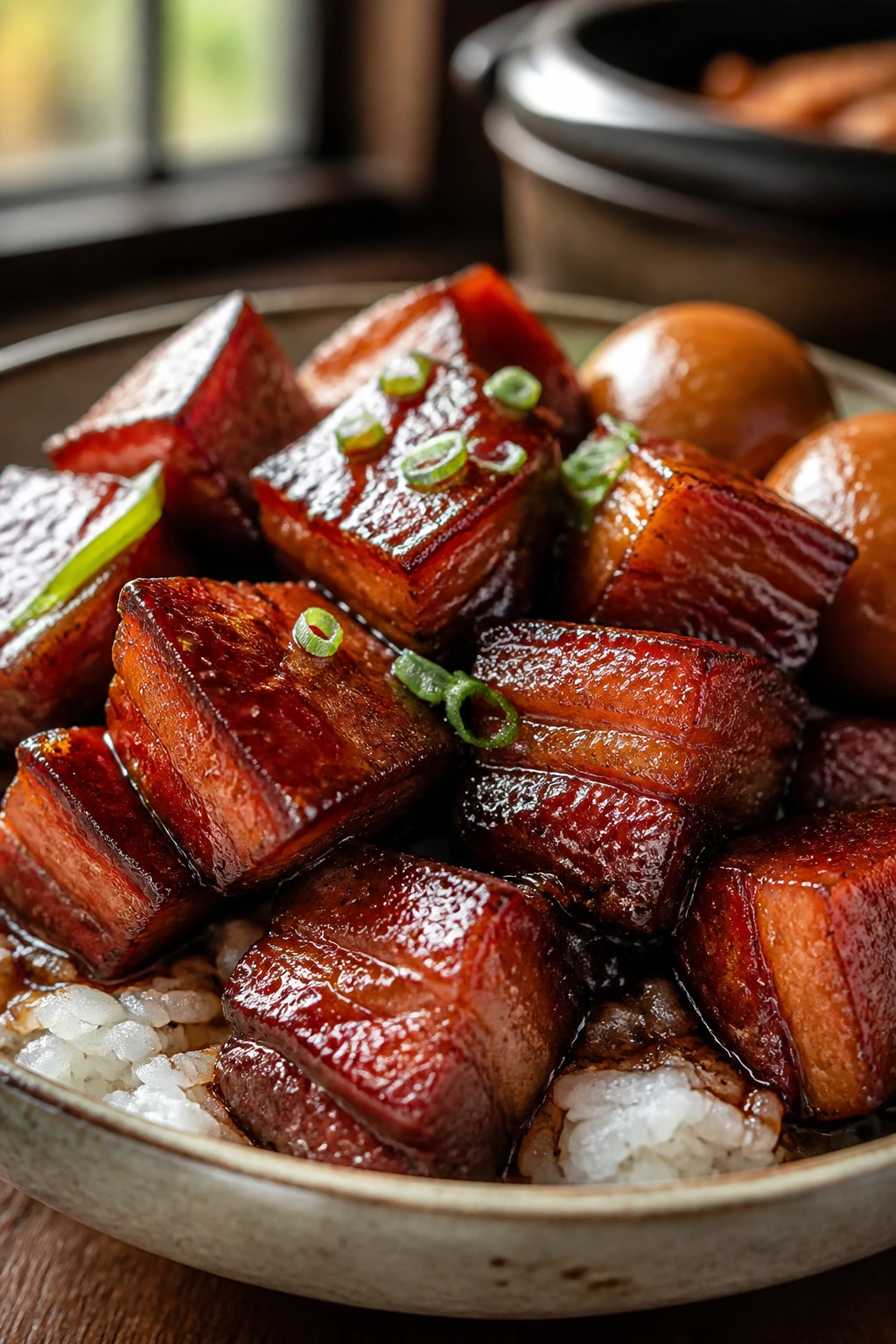
Intro: Red-cooked pork belly is rich, glossy, and deeply savory, the sort of thing that makes cold weather feel like an invitation. The fat renders slowly, the soy sauce darkens, and the meat turns silky in a way that only pork belly really can.
Why It Works: This is a classic braising job: soy, sugar, Shaoxing wine, and aromatics build a dark lacquer while the pork relaxes into tenderness. A few hard-boiled eggs can soak up the sauce if you want the pot to stretch farther.
Key Ingredients:
- 2 1/2 lbs pork belly, cut into 2-inch cubes
- 1/2 cup low-sodium soy sauce
- 2 tbsp dark soy sauce
- 1/4 cup Shaoxing wine or dry sherry
- 3 tbsp rock sugar or brown sugar
- 4 slices ginger
- 3 scallions, cut into lengths
- 2 star anise
- 2 cups water
- 4 hard-boiled eggs, optional
Quick Steps:
- Combine soy sauces, wine, sugar, ginger, scallions, star anise, and water in the slow cooker.
- Add pork belly and optional eggs.
- Cook on low for 7 to 8 hours, until the pork is tender and glossy.
- Skim excess fat from the surface if needed.
- Serve with rice and spoon the sauce over the top.
Equipment for This Recipe:
- Slow cooker
- Slotted spoon
- Fat skimmer, optional
How to Serve This Dish: This is best with plain rice and quick greens. A little pickled vegetable on the side helps cut through the richness, which you will want by the second bowl.
Pro Tips for This Recipe:
- Use Dark Soy Sparingly: It deepens color fast.
- Skim Fat Before Serving: Pork belly gives you plenty of it.
- Add Eggs Midway: They absorb more flavor than if added at the end.
Variations on This Dish:
- Five-Spice Braise: Add 1 teaspoon five-spice powder.
- Ginger-Heavy Version: Add more ginger if you want a brighter pot.
- Lower-Richness Swap: Use pork shoulder instead of belly.
Common Mistakes to Avoid with This Dish:
- Using too much sugar: It can taste candy-sweet.
- Leaving the fat unskimmed: The sauce gets heavy fast.
- Cutting the pork too small: It can fall apart completely.
24. Crockpot Chicken and Corn Soup
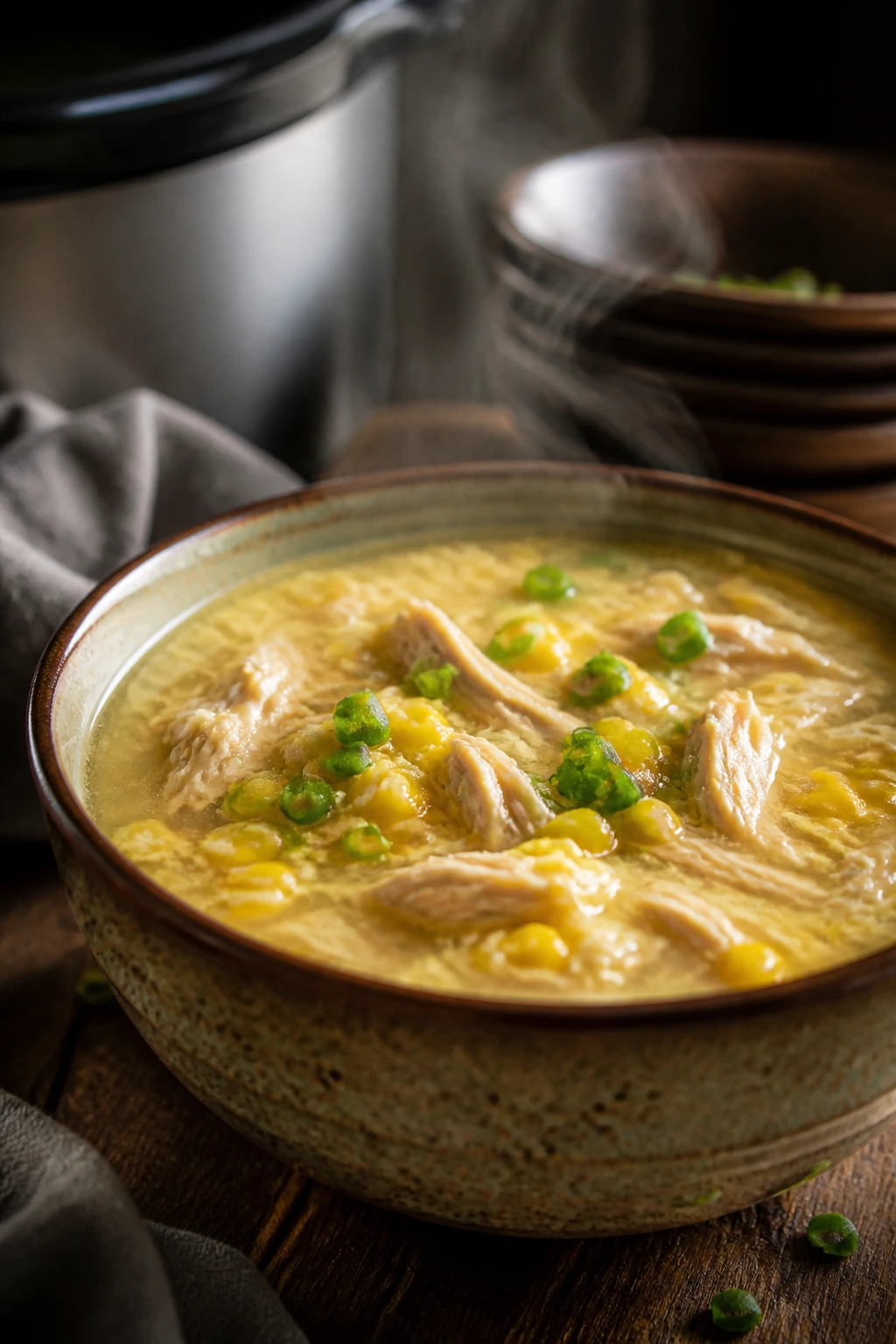
Intro: Chicken and corn soup sits in the sweet spot between cozy and light. The corn brings a little sweetness, the chicken gives body, and the broth ends up tasting fuller than it looks.
Why It Works: Chicken thighs stay tender in the slow cooker, and corn adds natural sweetness that plays well with ginger and white pepper. A little cornstarch gives the soup that restaurant-style body.
Key Ingredients:
- 1 1/2 lbs boneless, skinless chicken thighs
- 8 cups chicken broth
- 1 1/2 cups corn kernels
- 1 tbsp grated ginger
- 2 tbsp soy sauce
- 1/2 tsp white pepper
- 2 tbsp cornstarch mixed with 2 tbsp water
- 2 eggs, lightly beaten
- 2 scallions, sliced
Quick Steps:
- Add broth, chicken, corn, ginger, soy sauce, and white pepper to the slow cooker.
- Cook on low for 4 to 5 hours.
- Remove the chicken, shred it, and return it to the pot.
- Stir in the slurry, then drizzle in the eggs while stirring.
- Finish with scallions.
Equipment for This Recipe:
- Slow cooker
- Forks for shredding chicken
- Whisk
How to Serve This Dish: Serve it in big bowls with a little chili oil if you want heat. A plate of steamed dumplings alongside makes it feel like a full restaurant dinner.
Pro Tips for This Recipe:
- Shred Chicken Before Returning It: It spreads better through the soup.
- Use White Pepper: It keeps the flavor closer to classic Chinese soup.
- Add Eggs Slowly: Ribbons beat clumps every time.
Variations on This Dish:
- Crab and Corn Soup: Add crab meat at the end.
- Creamier Version: Stir in a splash of milk or evaporated milk.
- Vegetable Boost: Add finely diced carrots with the corn.
Common Mistakes to Avoid with This Dish:
- Too much slurry: The soup can turn starchy.
- Cooking on high all day: The chicken can dry out.
- Over-salting before reduction: Broth concentrates as it cooks.
25. Slow Cooker Dan Dan-Style Ground Pork Bowls
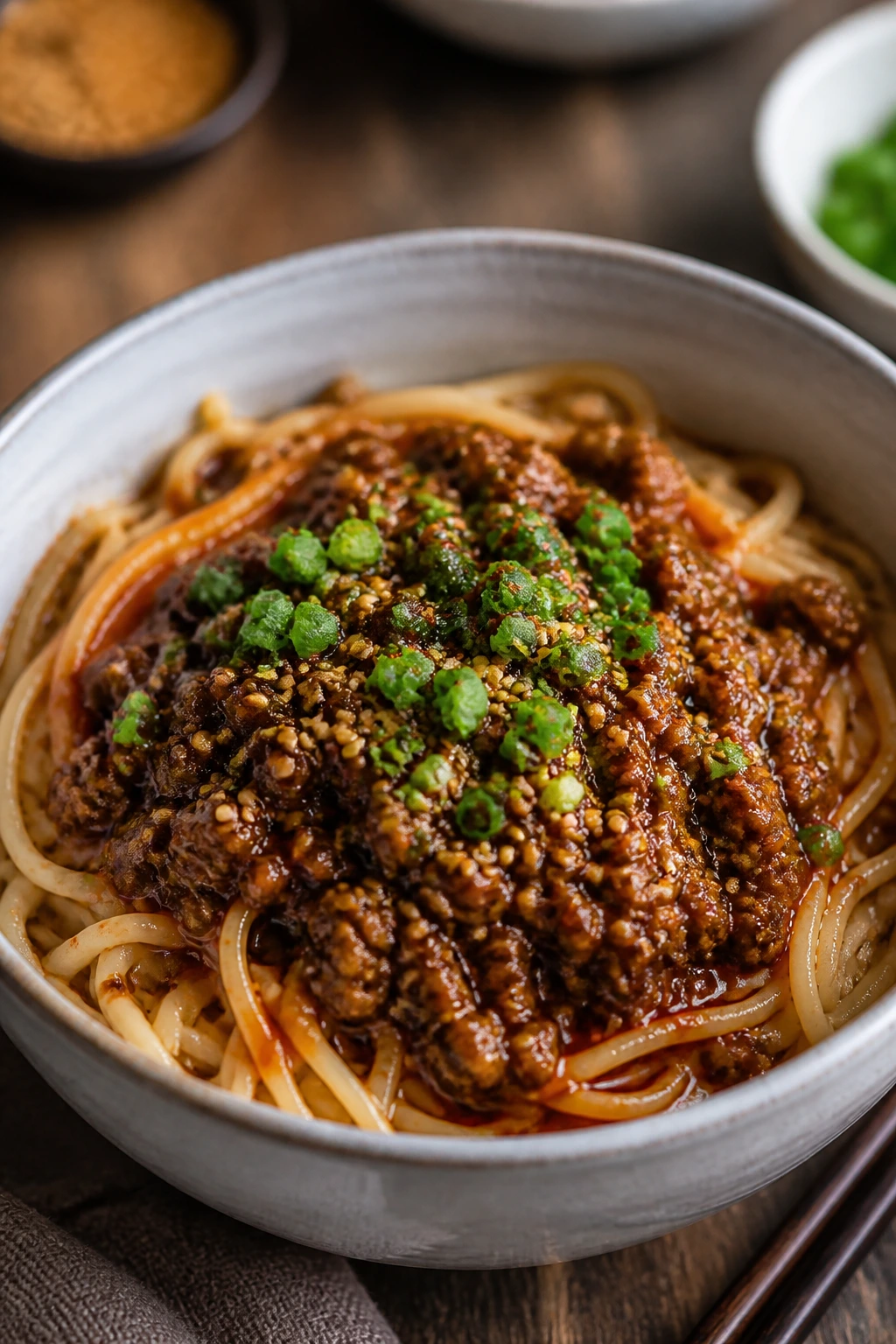
Intro: Dan dan bowls are meant to be messy and bold, with a spicy-sesame sauce that clings to noodles. The slow cooker makes the pork filling easy, then you finish the rest quickly so the bowl keeps its contrast.
Why It Works: Ground pork takes seasoning fast, and the sauce gets depth from sesame paste, soy, and chili oil. The noodles stay separate, which matters because dan dan is about texture as much as taste.
Key Ingredients:
- 1 1/2 lbs ground pork
- 3 cloves garlic, minced
- 1 tbsp grated ginger
- 1/4 cup soy sauce
- 2 tbsp sesame paste or smooth peanut butter
- 2 tbsp chili oil
- 1 tbsp rice vinegar
- 1/2 cup chicken broth
- 12 oz noodles, cooked
- 2 scallions, sliced
Quick Steps:
- Brown the pork in a skillet, then transfer it to the slow cooker.
- Add garlic, ginger, soy sauce, broth, and rice vinegar.
- Cook on low for 3 to 4 hours.
- Stir in sesame paste and chili oil just before serving.
- Spoon over noodles and top with scallions.
Equipment for This Recipe:
- Slow cooker
- Skillet
- Pot for noodles
How to Serve This Dish: Serve the pork over noodles with extra chili oil on the side. A few quick cucumber slices give the bowl some relief from the heat.
Pro Tips for This Recipe:
- Cook the Noodles Separately: They should be springy, not soggy.
- Use Sesame Paste if You Have It: Peanut butter works, but sesame tastes closer.
- Save Some Broth: A splash loosens the sauce if it tightens too much.
Variations on This Dish:
- Numbing Sichuan Version: Add crushed Sichuan peppercorn.
- Sweeter Take: Add 1 teaspoon brown sugar if your chili oil is very sharp.
- Vegetarian Bowl: Swap pork for finely chopped mushrooms.
Common Mistakes to Avoid with This Dish:
- Adding noodles too early: They go soft and bland.
- Using too little chili oil: The dish loses its point.
- Skipping acid: Rice vinegar keeps the sauce from feeling flat.
26. Crockpot Chinese Spare Ribs
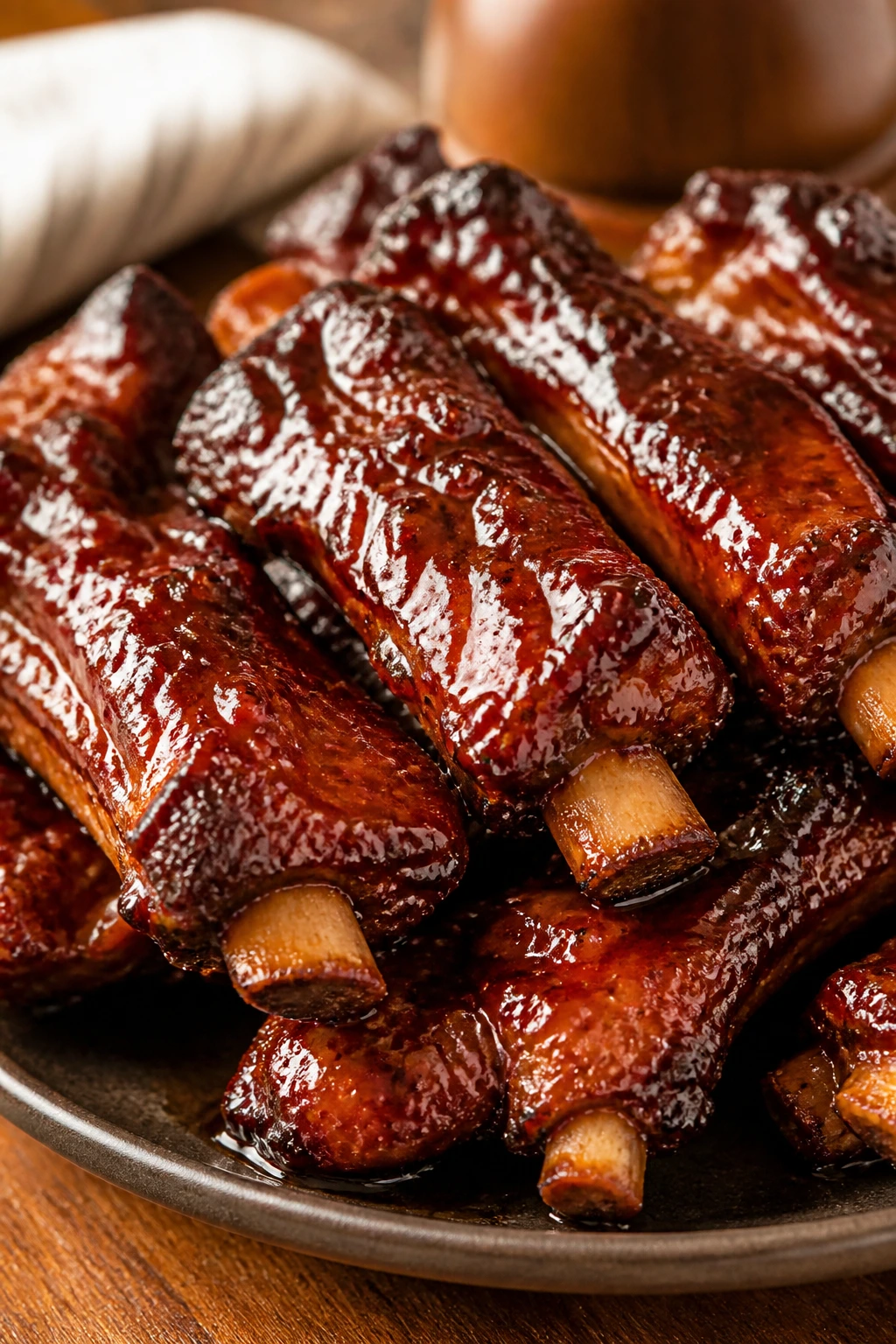
Intro: Chinese spare ribs should be sticky on the outside and tender enough to pull apart with one hand. This slow cooker version leans sweet-savory, with hoisin and soy doing the heavy lifting.
Why It Works: Pork ribs need time to relax, and the slow cooker gives them exactly that. A quick broil at the end makes the glaze tacky and dark at the edges.
Key Ingredients:
- 3 lbs pork spare ribs
- 1/2 cup hoisin sauce
- 1/3 cup soy sauce
- 1/4 cup honey
- 2 tbsp rice vinegar
- 4 cloves garlic, minced
- 1 tbsp grated ginger
- 1 tsp Chinese five-spice powder
- 1 tbsp cornstarch mixed with 1 tbsp water
Quick Steps:
- Whisk hoisin, soy sauce, honey, vinegar, garlic, ginger, and five-spice in the slow cooker.
- Add ribs and coat them well.
- Cook on low for 7 to 8 hours.
- Transfer ribs to a sheet pan and broil briefly until the edges darken.
- Thicken the sauce and brush or spoon it over the ribs.
Equipment for This Recipe:
- Slow cooker
- Sheet pan
- Tongs
How to Serve This Dish: Serve with rice and a crunchy vegetable, such as cucumber salad or slaw. The ribs are rich enough that the side needs to cut, not compete.
Pro Tips for This Recipe:
- Broil in Batches if Needed: Crowding the pan softens the glaze.
- Cut Ribs Before Cooking: They’re easier to handle later.
- Taste the Sauce: If it feels too sweet, add a touch more vinegar.
Variations on This Dish:
- Garlic-Chili Ribs: Add chili flakes or chili garlic sauce.
- Orange Spare Ribs: Add orange zest for a sweeter aroma.
- Less-Sweet Version: Reduce honey and add extra soy.
Common Mistakes to Avoid with This Dish:
- Skipping the finish under heat: They stay braised, not sticky.
- Using too much sugar: The glaze can become heavy.
- Cooking ribs in too little sauce: The bottom can dry out.
27. Slow Cooker Beef Noodle Soup
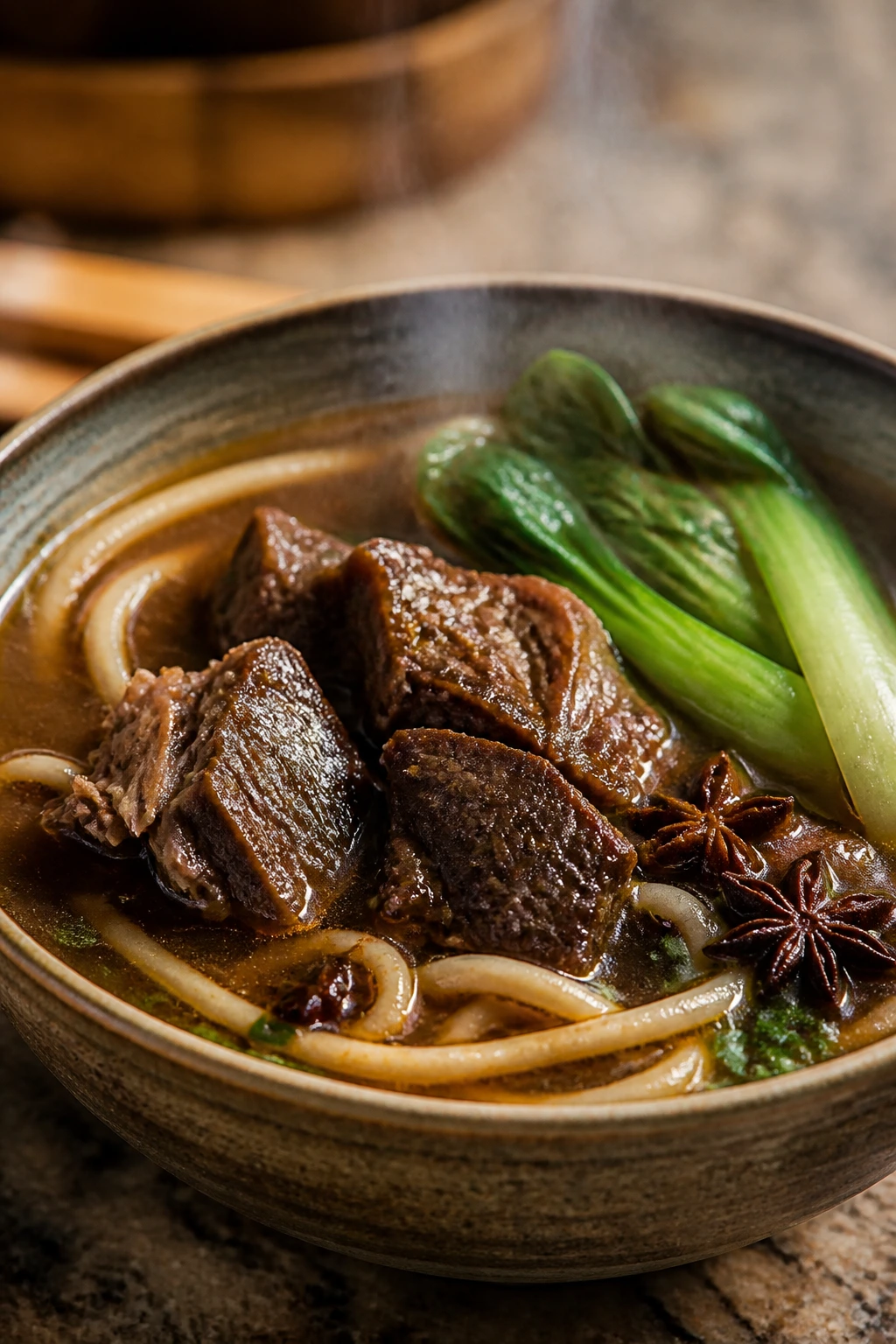
Intro: Beef noodle soup is the kind of meal that makes a cold kitchen feel intentional. The broth gets deep and meaty, the beef turns soft, and the noodles give you enough starch to make the whole thing feel like a real bowl, not an afterthought.
Why It Works: Chuck roast or beef shank breaks down into tender pieces during a long, low simmer. Star anise, ginger, and soy create a broth with more shape than plain beef stock.
Key Ingredients:
- 2 lbs beef chuck, cut into large chunks
- 8 cups beef broth
- 1/4 cup soy sauce
- 2 tbsp Shaoxing wine or dry sherry
- 4 cloves garlic, smashed
- 1 tbsp sliced ginger
- 2 star anise
- 2 carrots, cut into chunks
- 8 oz bok choy
- 12 oz cooked noodles
Quick Steps:
- Combine broth, soy sauce, wine, garlic, ginger, and star anise in the slow cooker.
- Add beef and carrots.
- Cook on low for 7 to 8 hours.
- Stir in bok choy during the last 15 minutes.
- Serve over cooked noodles with broth ladled on top.
Equipment for This Recipe:
- Slow cooker
- Ladle
- Pot for noodles
How to Serve This Dish: Put the noodles in the bowl first, then the beef, then the broth. That order keeps the noodles from over-soaking while you carry the bowl to the table.
Pro Tips for This Recipe:
- Use Wide Noodles if You Can: They stand up to broth better.
- Skim Fat After Cooking: It makes the soup cleaner.
- Add a Splash of Vinegar at the End: It sharpens the broth.
Variations on This Dish:
- Spicy Noodle Soup: Add chili oil or dried chilies.
- Tomato Beef Noodles: Stir in a chopped tomato for a softer broth.
- Mushroom Version: Add shiitakes with the carrots.
Common Mistakes to Avoid with This Dish:
- Cooking noodles in the slow cooker: They get mushy.
- Underseasoning the broth: Beef noodles need enough salt to taste alive.
- Skipping the star anise: The broth loses its warmth.
28. Crockpot Sweet Soy Drumsticks
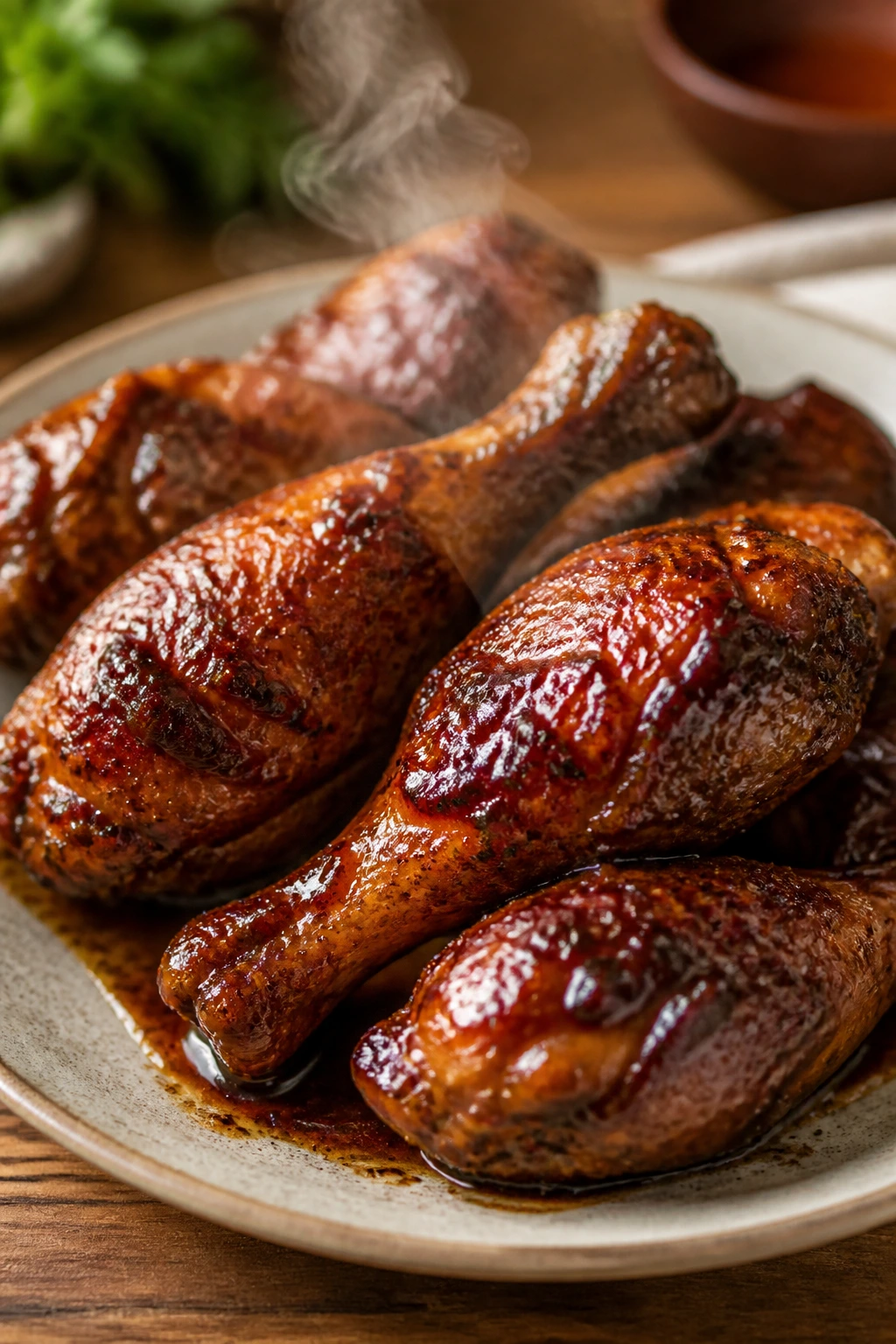
Intro: Drumsticks are inexpensive, easy to eat, and excellent at soaking up a sweet soy glaze. This is the kind of dinner that fills the house with garlic and honey long before anyone sits down.
Why It Works: Chicken drumsticks stay juicy under long heat, and the skinless glaze clings well once it’s reduced. Ginger and rice vinegar keep the sweetness from turning sticky in a one-note way.
Key Ingredients:
- 3 lbs chicken drumsticks
- 1/2 cup soy sauce
- 1/3 cup honey
- 2 tbsp ketchup
- 2 tbsp rice vinegar
- 3 cloves garlic, minced
- 1 tbsp grated ginger
- 1 tsp sesame oil
- 1 tbsp cornstarch mixed with 1 tbsp water
Quick Steps:
- Whisk soy sauce, honey, ketchup, vinegar, garlic, ginger, and sesame oil in the slow cooker.
- Add drumsticks and coat well.
- Cook on low for 5 to 6 hours.
- Remove the drumsticks and reduce the sauce with the slurry.
- Brush the glaze over the drumsticks and serve hot.
Equipment for This Recipe:
- Slow cooker
- Tongs
- Small brush or spoon
How to Serve This Dish: Serve the drumsticks with rice and steamed broccoli. They also work with pickled cucumber if you want something brighter alongside the sweet glaze.
Pro Tips for This Recipe:
- Remove Skin If Needed: The glaze sticks better without a slippery skin layer.
- Rotate Drumsticks Once: It helps them coat evenly.
- Broil for 2 Minutes: If you want a tackier finish, a brief broil helps.
Variations on This Dish:
- Spicy Sweet Drumsticks: Add chili garlic sauce.
- Orange Soy Drumsticks: Swap 2 tablespoons of honey for orange juice.
- Five-Spice Drumsticks: Add 1 teaspoon five-spice powder.
Common Mistakes to Avoid with This Dish:
- Serving without reducing the sauce: The flavor feels thin.
- Using too much honey: It can burn or turn cloying.
- Overcooking until the meat dries: Drumsticks are forgiving, but not invincible.
Why the Slow Cooker Wins on Chinese Takeout Nights
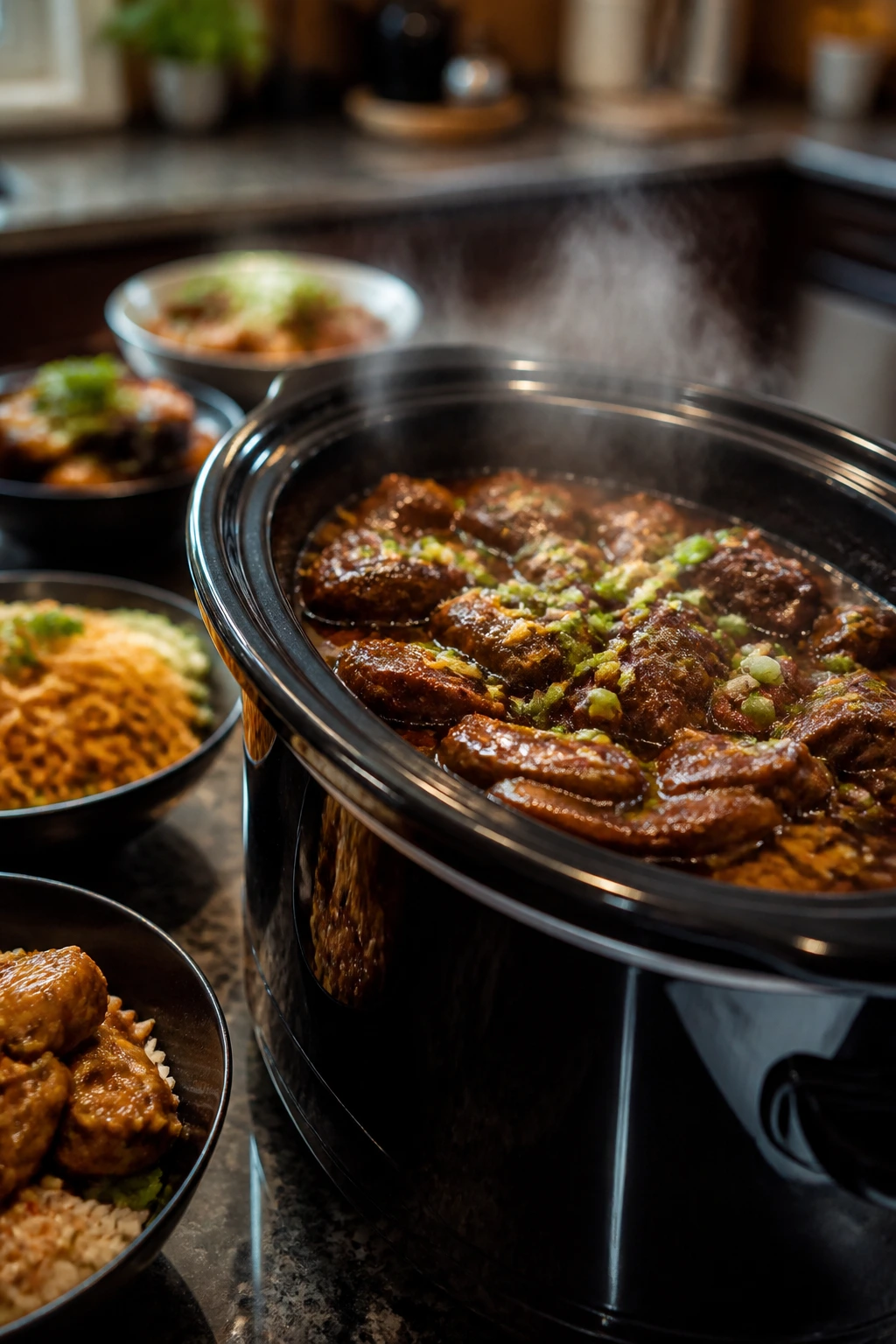
A slow cooker is not trying to be a wok, and that’s exactly why it works here. Wok cooking is about speed, heat, and crisp edges. Slow cooking is about tenderness, sauce depth, and letting aromatics like ginger, garlic, star anise, and five-spice settle into the meat or broth instead of flashing past in a minute and a half.
That matters most with cuts that like time: pork shoulder, short ribs, chuck roast, chicken thighs, and spare ribs. It also helps with soups. Hot and sour soup, wonton soup, congee, and beef noodle soup all benefit from a broth that tastes cooked, not rushed. The tradeoff is simple. You do not get stir-fry crunch from a pot that sits for hours. You do get glossy braises, soft vegetables, and sauces that actually cling to rice instead of sliding off the first grain they touch.
The trick is knowing where the slow cooker should stop. Broccoli, bok choy, noodles, peanuts, sesame seeds, and scallions usually belong near the end. Thickening with cornstarch usually happens at the end too. If you treat those last few minutes as the finishing stage, the whole collection tastes more deliberate.
Essential Equipment for These Recipes
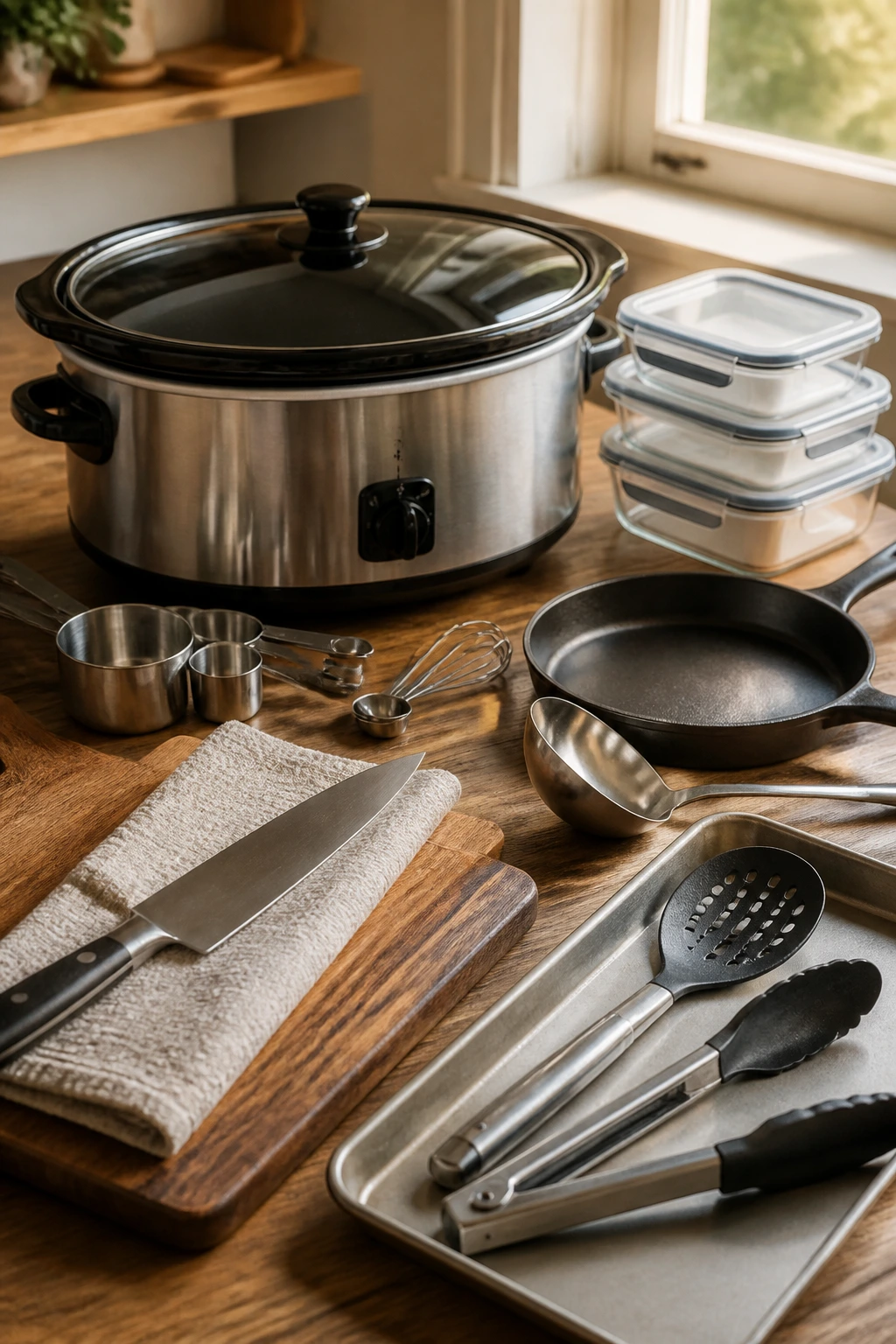
- 6-quart slow cooker: The sweet spot for most of these dishes; smaller pots can crowd ribs and braises.
- Sharp chef’s knife: Thin slicing matters for beef, pork, and cabbage.
- Cutting board with a damp towel underneath: Keeps slippery ingredients from sliding around.
- Measuring cups and spoons: Soy sauce, vinegar, sugar, and cornstarch need to be precise enough to balance.
- Small whisk or fork: Useful for slurry, eggs, and sauces.
- Rimmed sheet pan: Handy for broiling char siu, ribs, and glazed chicken at the end.
- Slotted spoon or tongs: Makes it easier to lift meat without dragging too much liquid.
- Ladle: Soup bowls go smoother with one.
- Small skillet: Optional, but worth having if you want to brown pork, beef, or garlic before it goes into the pot.
- Airtight storage containers: These dishes keep well, and flat containers cool faster.
Smart Shopping and Ingredient Tips
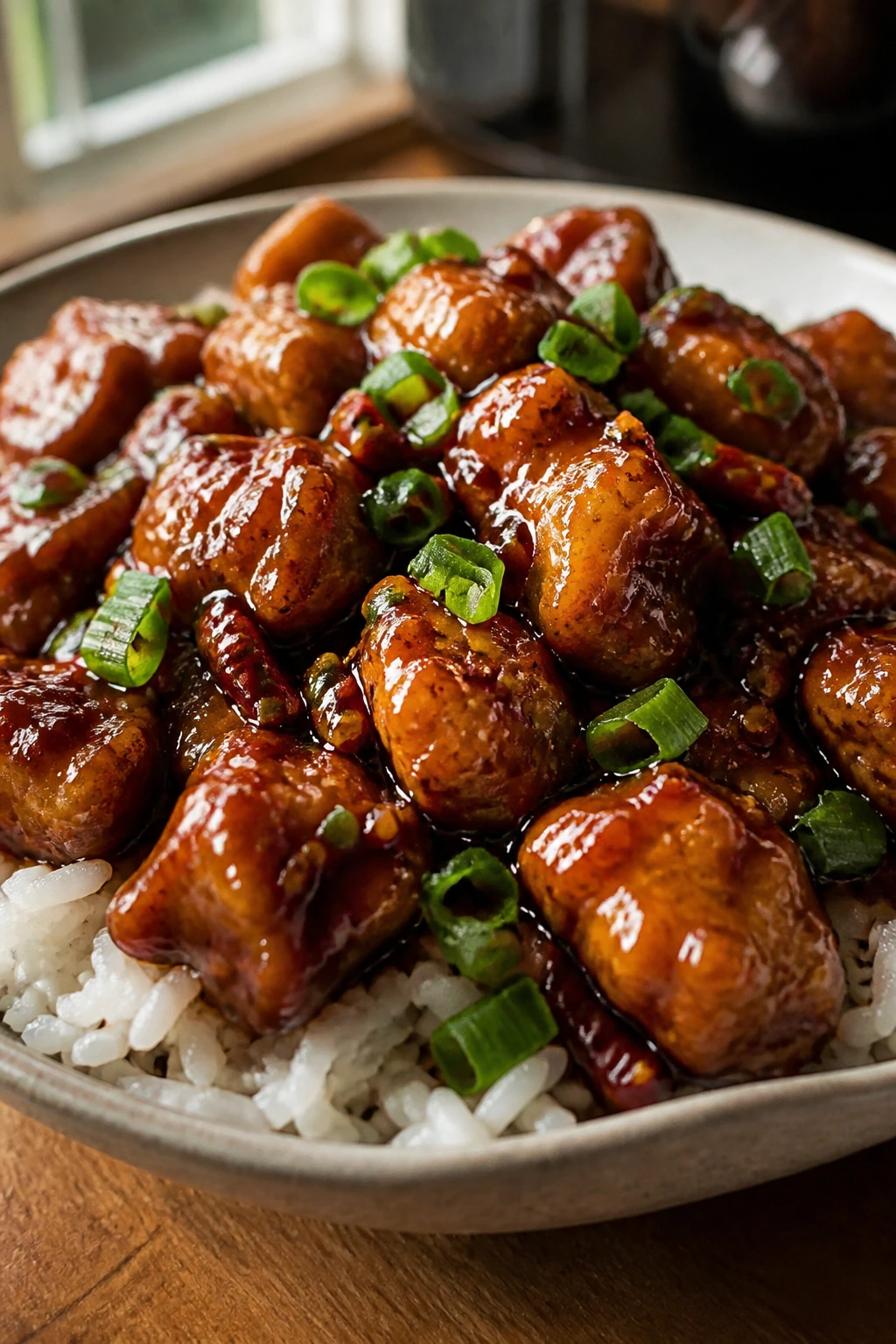
The backbone of these dishes is built from a small cluster of ingredients, so buying well matters more than buying a lot. Low-sodium soy sauce is the best default because slow cookers reduce flavor over time; regular soy can tip a sauce into salt overload before you notice. For the same reason, hoisin and oyster sauce should be tasted before you double them. Some jars lean sweet, some lean salty, and the slow cooker will exaggerate both.
Rice vinegar is cleaner than distilled white vinegar here. It gives you tang without the sharp, almost metallic edge that can show up in slow-simmered sauces. Shaoxing wine adds depth to braises like char siu, red-cooked pork belly, and beef noodle soup, but dry sherry can stand in if that’s what you have.
For proteins, chicken thighs, pork shoulder, chuck roast, and short ribs are the safest bets because they stay tender after hours of heat. Lean chicken breast can work, but it wants a shorter cook and a close eye. For vegetables, buy broccoli, bok choy, cabbage, and bell peppers with some snap left in them; they’re going to spend time in liquid, and tired produce turns mushy fast.
Frozen vegetables are not cheating here. Frozen broccoli, frozen meatballs, and frozen wontons are practical and often better than produce that’s been sitting too long. The only rule is timing: add them late enough that they heat through without losing shape.
How to Serve These Recipes
Presentation:
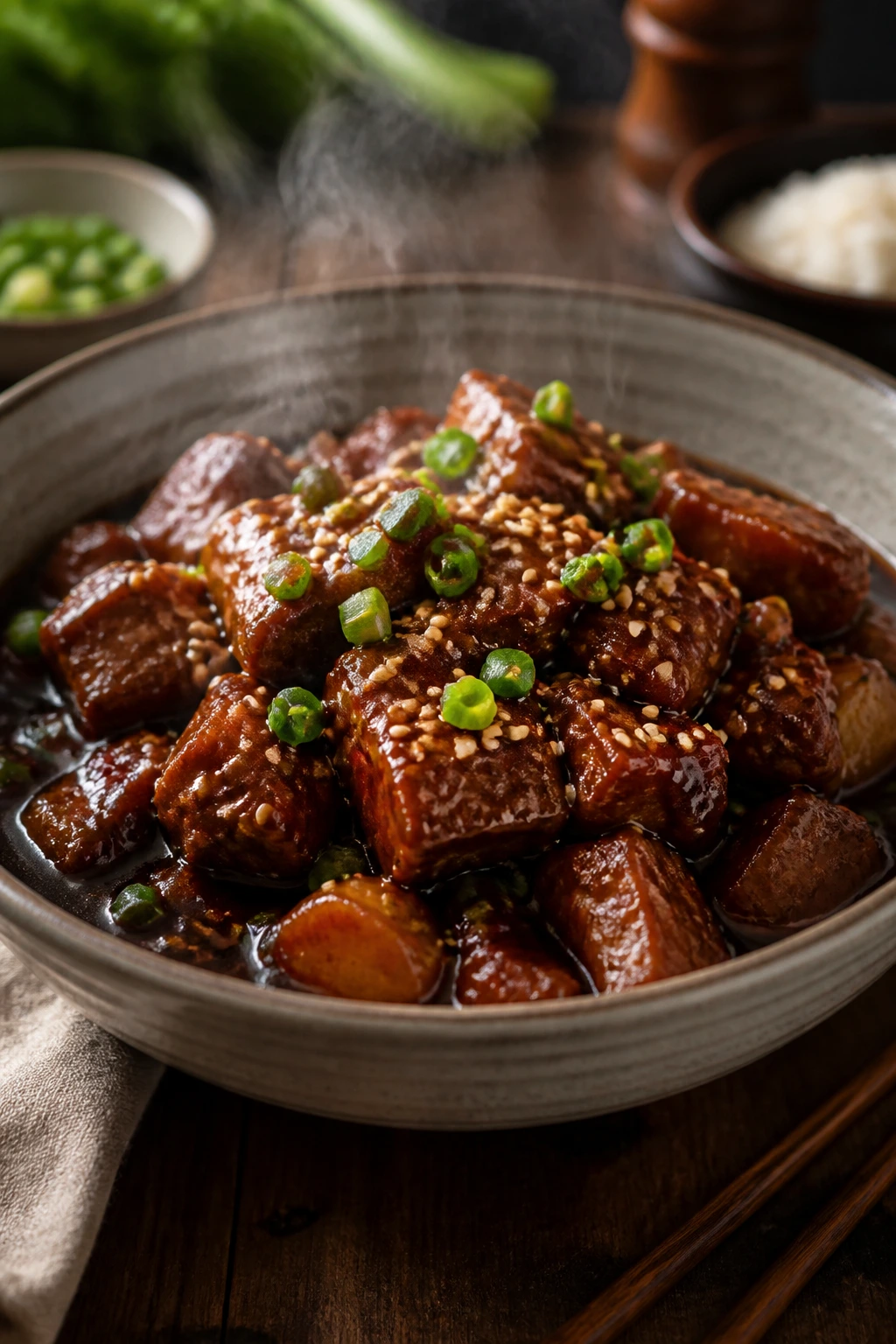
Give saucy dishes a bowl, not a plate. Rice bowls, noodle bowls, and deep soup bowls keep the sauce where it belongs and make the meal feel more generous. A final scatter of scallions, sesame seeds, or chili oil does more for the plate than trying to make it look fussy.
Accompaniments:
Steamed jasmine rice is the safe, quiet base for General Tso’s chicken, sesame chicken, black pepper chicken, and char siu. Lo mein or chow mein noodles make sense for beef noodle soup, dan dan-style pork, and vegetable chow mein. For sides, keep it simple: steamed bok choy, cucumber salad, quick-pickled carrots, or plain cabbage slaw. If you want bread, steamed buns or scallion pancakes work better than crusty loaves.
Portions:
Most of these slow cooker dinners feed 4 to 6 people, and the braises often taste even better the next day. For soup, figure on 2 generous bowls if it is the whole meal. For meat-heavy dishes, 6 ounces cooked meat per person is a sensible target, especially when rice is doing part of the job.
Beverage Pairing:
Hot jasmine tea is the easiest match for everything from orange chicken to hot and sour soup. For something colder, an off-dry lager or a light pilsner keeps the richer dishes from feeling too heavy. Ginger tea also works well when the sauce leans sweet or spicy.
Additional Tips and Flavor Boosters
Flavor Enhancement:
A few final drops of toasted sesame oil can change a dish more than another splash of soy sauce. Add it at the end, after the heat is off, so it stays fragrant. A spoonful of black vinegar can also sharpen rich braises like pork belly, short ribs, and ribs.
Customization:
If you like heat, keep chili crisp, chili garlic sauce, or dried Sichuan chilies on the table instead of mixing them into the whole pot. That way everyone can control the burn. For a sweeter takeout vibe, add a little orange zest to chicken dishes or pineapple juice to sweet-and-sour sauces.
Serving Suggestions:
Top saucy chicken with toasted sesame seeds, sliced scallions, or a few crushed peanuts if the recipe calls for them. For soups, a swirl of chili oil or a handful of herbs turns a plain bowl into a proper one. For braises, a few quick-pickled cucumber slices help the plate feel balanced.
Make-It-Yours:
For gluten-free, use tamari and check hoisin and oyster sauce labels. For dairy-free, most of these recipes already fit; just skip the optional butter in lemon chicken. For vegetarian, use tofu, mushrooms, cabbage, and vegetable broth, and let the sauce carry the meal instead of the meat.
Make-Ahead, Storage, and Reheating Guidance
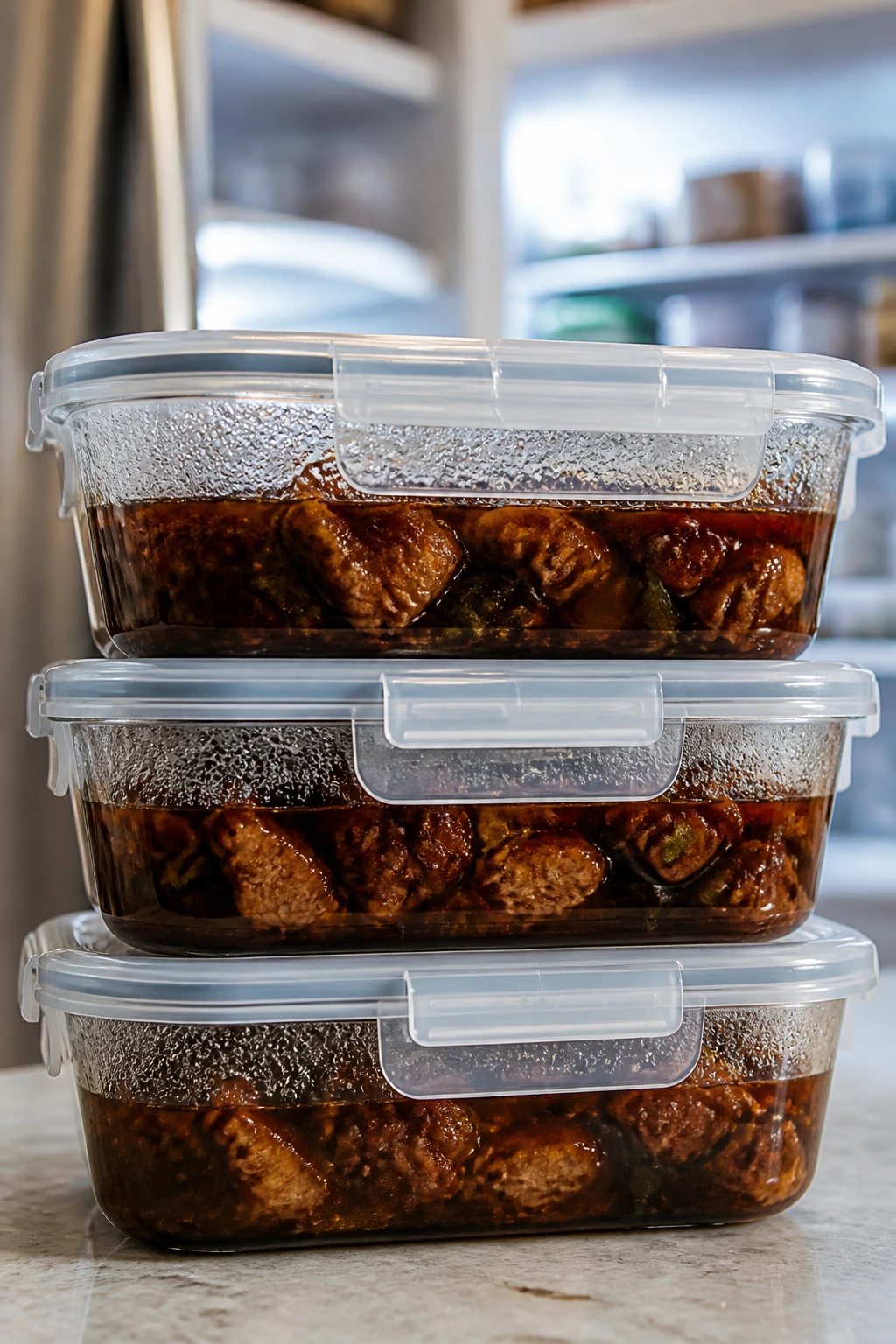
Most of these recipes keep well in the refrigerator for 3 to 4 days. Braises like beef and broccoli, char siu pork, ribs, and soy-braised short ribs often taste deeper the next day because the sauce settles and thickens a little more. Soups keep well too, but noodles should usually be stored separately if you want them to stay pleasant instead of bloated.
For the freezer, aim for up to 2 to 3 months. Chicken thighs, pork shoulder, short ribs, meatballs, congee, and broth-based soups freeze well. Broccoli, bok choy, and cabbage soften after thawing, so they’re fine in a casserole-style bowl but not as good if you’re trying to preserve a crisp bite. Wonton soup is best frozen as broth only, with the wontons added fresh when you reheat.
Reheat braises gently on the stove over medium-low heat or in the microwave at 50 to 70 percent power, stirring once or twice. Add a splash of broth or water if the sauce has tightened in the fridge. Soup should come back to a simmer, not a hard boil. Congee almost always needs extra water because rice keeps absorbing liquid while it sits. If you froze a dish with a cornstarch-thickened sauce, expect to loosen it slightly after thawing and reheat until it turns glossy again.
If you want to get ahead, make the sauce base the night before, slice the vegetables, and refrigerate everything separately. The next day, dumping measured ingredients into the slow cooker feels almost suspiciously easy.
Variations and Adaptations to Try
Gluten-Free Pantry Swap:
Use tamari instead of soy sauce and check the labels on hoisin, oyster sauce, and broth. Most of the recipes here depend more on flavor balance than on a specific brand, so the swap is easy if you read the jar.
Less-Sweet Takeout Style:
Cut honey or brown sugar by about one-third and add an extra splash of rice vinegar or dry sherry. This works especially well for General Tso’s chicken, orange chicken, sesame chicken, and sweet soy drumsticks.
Heat-Lover’s Pot:
Add chili garlic sauce, dried red chilies, chili oil, or Sichuan peppercorn to kung pao chicken, mapo tofu, hot and sour soup, black pepper chicken, and dan dan-style pork bowls. Use the heat in layers instead of dumping it all in at once.
Vegetable-First Version:
Make the cabbage, mushrooms, tofu, bok choy, and noodle dishes the center of the table instead of the side act. Braised tofu and napa cabbage, vegetable chow mein, hot and sour soup, and egg drop soup all adapt well without feeling like compromise food.
Family-Mild Version:
Leave out the dried chilies and chili paste, then serve chili crisp on the table. That keeps the dish friendly for kids or anyone who wants the same sauce without the burn.
Braise-to-Bowl Version:
Turn leftover char siu, ribs, short ribs, or soy-braised chicken into rice bowls with quick cucumber slices and a soft egg on top. Cold leftovers behave well when they’re treated like a second meal instead of reheated and forgotten.
Common Mistakes to Avoid
Adding crisp vegetables too early:
Broccoli, bok choy, bell peppers, and cabbage need late timing. If they sit all day, they lose color and turn limp. Add them during the last 15 to 40 minutes unless the recipe is built around very soft vegetables.
Treating the slow cooker like a wok:
It does not sear, crisp, or fry. If you want browned edges, broil the meat at the end or sear it before it goes in. Skipping that step is fine sometimes, but you should know what you’re trading away.
Overusing cornstarch too soon:
A slurry added at the start can make sauces dull and gummy. Save it for the last stretch so it thickens the sauce without muting the flavor.
Using lean meat for long cooks:
Chicken breast, pork loin, and thin steak can dry out or go stringy if you leave them in too long. Thighs, shoulder, chuck, short ribs, and drumsticks are much safer choices.
Forgetting the acid:
Soy sauce, hoisin, and sugar can make a pot taste heavy if you don’t balance them with vinegar, citrus, or black vinegar. A teaspoon or two at the end often changes the whole pot.
Cooking noodles in the slow cooker:
They soak up too much liquid and go soft fast. Boil them separately and add them right before serving. It takes one extra pot and saves the whole bowl.
Frequently Asked Questions
Can I use chicken breast instead of thighs?
You can, but shorten the cook time and check early. Breast meat dries out faster in the slow cooker, especially in saucy dishes like orange chicken or sesame chicken. If you want the safest result, thighs are the better buy.
Do I need to brown the meat first?
Not always, but it helps with beef, pork, and ground meat dishes. Browning builds flavor on the surface, which a slow cooker cannot create on its own. If you are short on time, skip it; if you have 10 extra minutes, it’s usually worth it.
What if my sauce is too thin at the end?
Stir in a cornstarch slurry and cook on high for 10 to 20 minutes until it turns glossy. If the dish already tastes thick enough but the flavor is weak, reduce the sauce uncovered for a few minutes instead of thickening it more.
Can I cook these on high instead of low?
Some can, but low heat usually gives you better texture. High is useful for shorter soups or when you are behind schedule, but braises like short ribs, pork shoulder, and red-cooked pork belly tend to improve with the slower route.
What should I do with leftovers that have noodles in them?
If you can, store noodles separately from the sauce or broth. Noodles keep soaking up liquid overnight, and by the next day they can turn bloated and soft. If they’re already mixed, add a splash of broth when reheating.
Can I freeze dishes with broccoli or bok choy in them?
Yes, but expect softer vegetables after thawing. That’s fine for a braised bowl, but it won’t feel crisp anymore. If texture matters to you, freeze the sauce and protein, then add fresh vegetables when reheating.
What can I use instead of Shaoxing wine?
Dry sherry is the closest easy substitute. In a pinch, use chicken broth with a teaspoon of rice vinegar, though the flavor will be a little flatter. For cold-day braises, even that small bit of added acidity helps.
Are these recipes good for meal prep?
Very. Pork shoulder, short ribs, chicken thighs, meatballs, and beef braises often taste better after a night in the fridge. Soups and congee also hold up well as long as you add water or broth when reheating.
How do I keep the food from tasting too sweet?
Cut back a little on honey or brown sugar and add rice vinegar at the end. Many Chinese-American style sauces need sweetener, but they usually need acid too. Without that balance, they can taste sticky instead of full.
A Warm Pot at the End of the Day
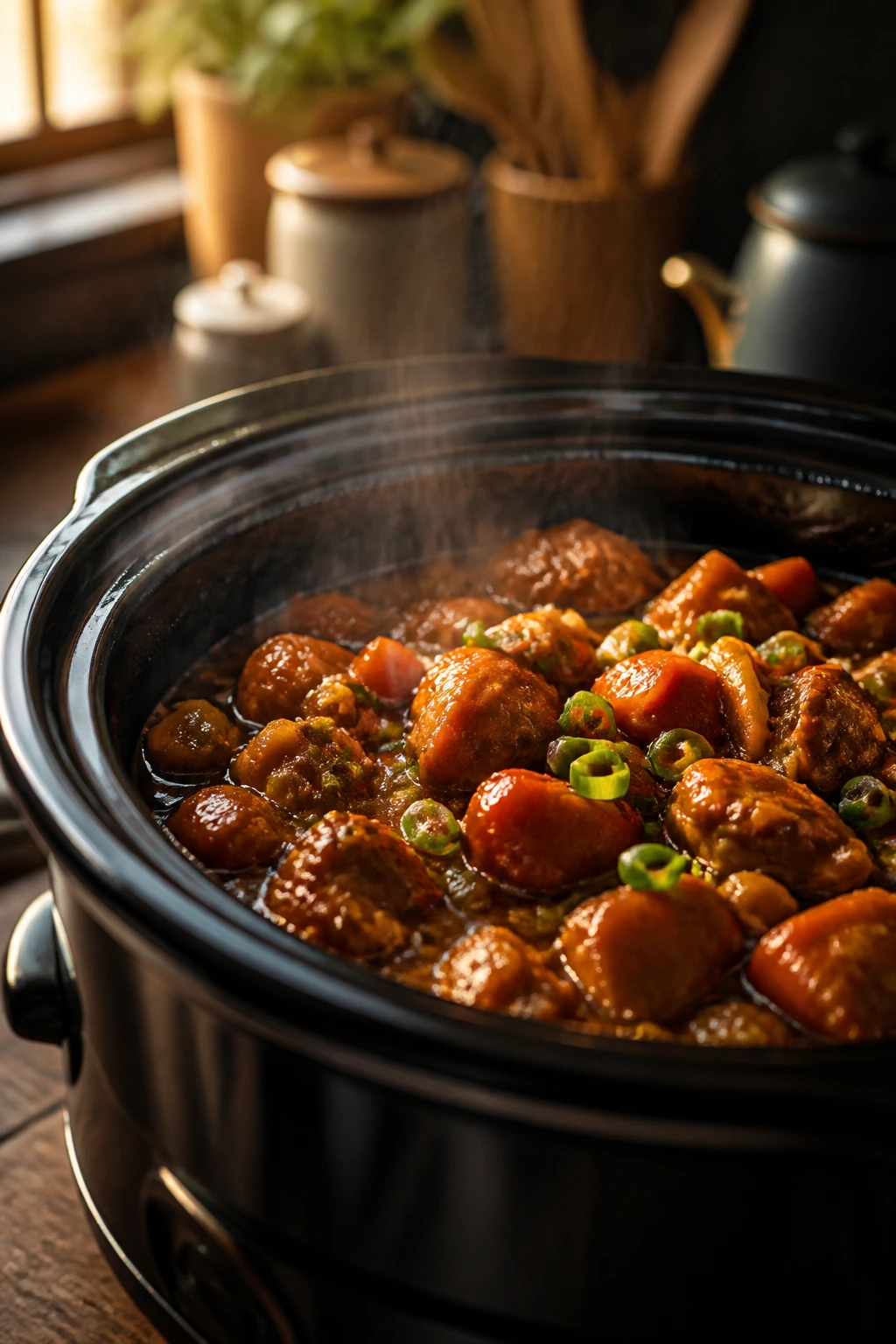
The best thing about crockpot Chinese recipes is not that they save effort, though they do. It’s that they let you build a dinner with real flavor while the day is still happening around you. You come back to a kitchen that smells like ginger and soy, lift the lid, and dinner is already halfway finished.
Some nights call for a bowl of congee. Some ask for sticky ribs or beef and broccoli over plain rice. Some only want hot and sour soup and a quiet spoon. However you pick from the list, the point is the same: a slow cooker can turn cold weather into something a little more generous, one steady simmer at a time.