



Easy meals that are healthy under 500 calories usually go wrong in one of two ways: the plate looks stingy, or the food tastes like it was designed by a spreadsheet. The trick is not shrinking everything until it disappears. It’s building a real meal with enough protein, enough vegetables, and one sensible carb so the forkfuls feel balanced instead of apologetic.
I trust a dinner more when it gives me contrast: something hot, something crisp, something creamy, and a sharp little finish from lemon, vinegar, salsa, or herbs. That’s the part most calorie-counted meals miss. They chase the number and forget the texture.
These 28 meals lean on the kinds of dishes I reach for when I want food that behaves itself without becoming boring. Skillets, sheet pans, soups, bowls, wraps, and fast breakfast plates do the heavy lifting here, because they’re the easiest way to keep portions sane while still getting color, crunch, and enough flavor to make you want a second bite.
Why These Meals Stay Satisfying Without Going Past 500
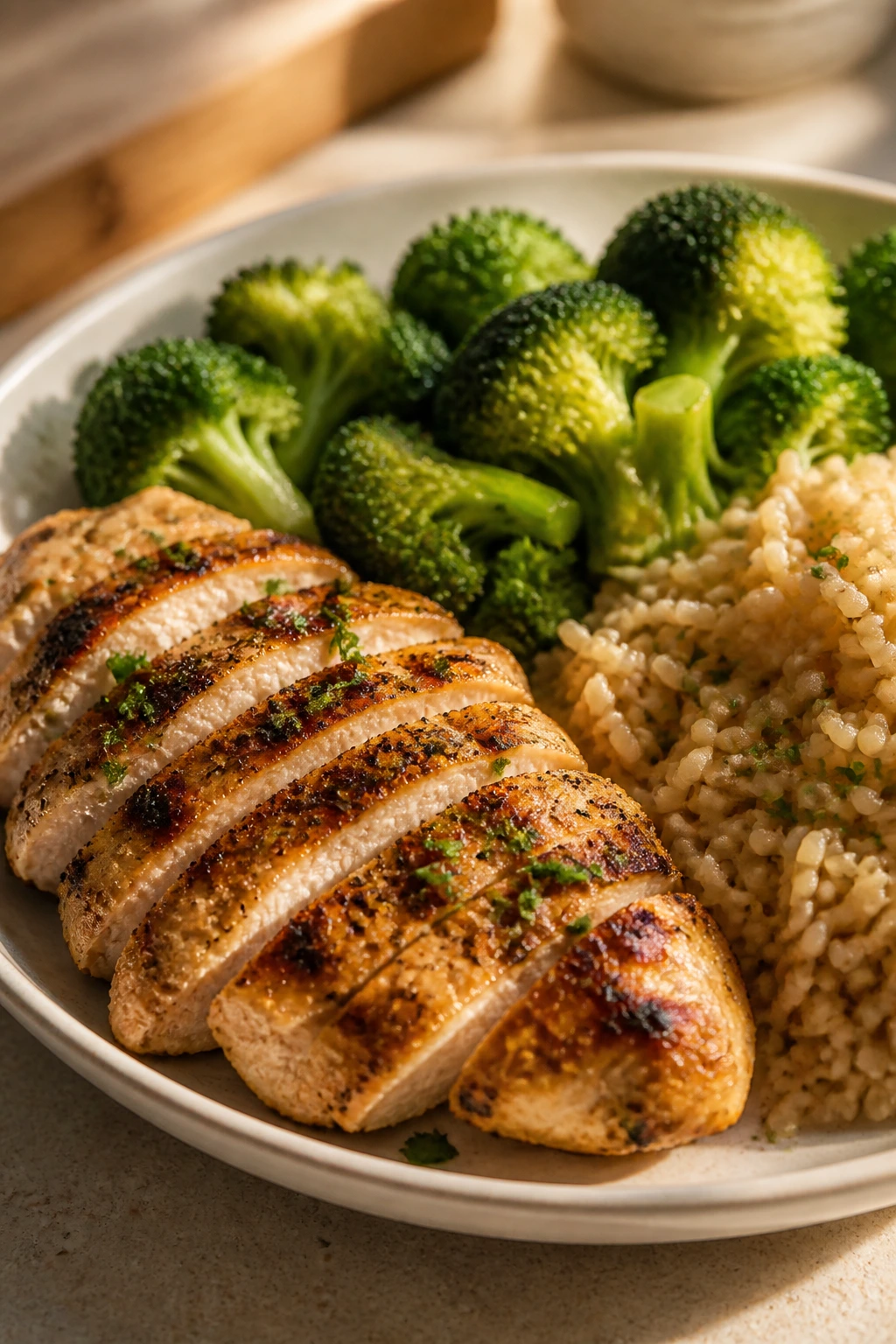
Protein does the heavy lifting: A 4- to 6-ounce serving of chicken, fish, turkey, tofu, eggs, or cottage cheese gives each plate some staying power, which is why these recipes don’t leave you staring into the pantry an hour later.
Vegetables add volume in a useful way: Broccoli, cabbage, peppers, spinach, zucchini, slaw, and tomatoes bulk up the plate fast, and most of them bring a lot more texture than calories.
The carb is present, not absent: A half cup of rice, a small pita, a handful of barley, or one tortilla keeps the meal from feeling stripped down, which matters more than people admit.
Oil is measured, not poured: One tablespoon here, one teaspoon there. That’s the difference between a 420-calorie bowl and a dish that quietly drifts into the 600s.
Acid keeps the whole thing awake: Lemon juice, salsa, balsamic glaze, vinegar, and yogurt sauces do a lot of work for almost no calorie cost.
These meals are easy to repeat: None of them need fancy gear, odd ingredients, or a sink full of pans. That’s why they work on tired nights, which is when most healthy eating plans fall apart.
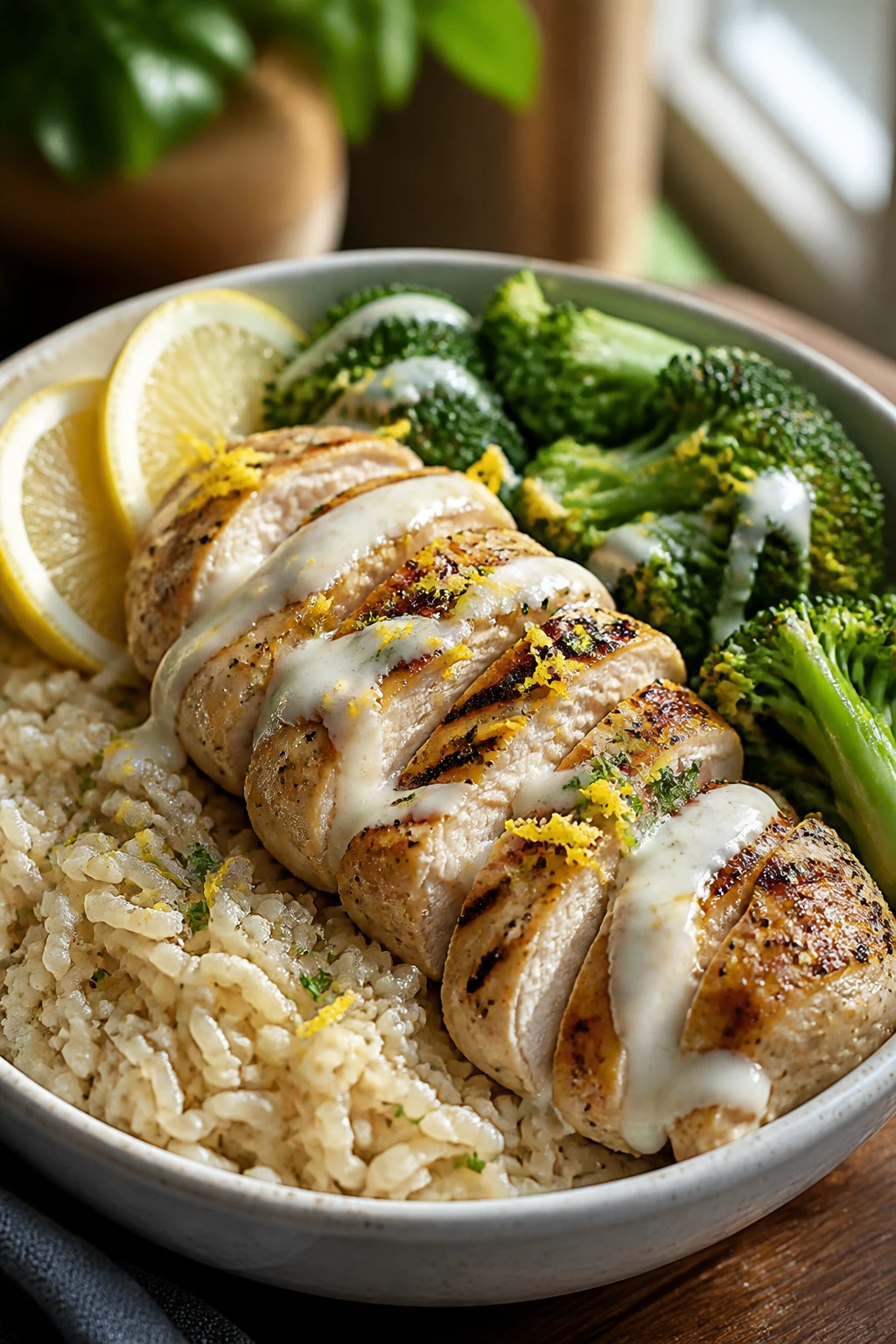
1. Lemon Garlic Chicken Rice Bowl
This chicken rice bowl tastes like takeout that remembered to bring vegetables. Warm brown rice catches the lemon-garlic juices, the broccoli stays a little crisp, and the yogurt on top melts into a light sauce that pulls the whole bowl together. It lands around 430 calories per serving, which gives you room for a real portion without needing to micromanage every bite.
Why It Works:
Lean chicken breast gives the bowl structure, while broccoli and rice keep it from feeling thin. The yogurt-lemon finish does the job that butter or heavy sauce usually does, but without adding much weight. If you cook the chicken in a hot skillet and don’t crowd it, you get browned edges instead of steamed gray pieces.
Key Ingredients:
- 1 lb boneless, skinless chicken breast, cut into 1-inch pieces
- 1 tbsp olive oil
- 2 cloves garlic, minced
- 2 cups broccoli florets
- 1 cup cooked brown rice
- 2 tbsp plain Greek yogurt
- 1 lemon, zested and juiced
- 1 tsp kosher salt
- 1/2 tsp black pepper
Quick Steps:
- Season the chicken with salt, pepper, and half the garlic.
- Heat the olive oil in a large skillet over medium-high heat and cook the chicken for 6 to 7 minutes, until browned and the center reaches 165°F.
- Add the broccoli with 2 tablespoons of water, cover for 3 minutes, and cook until bright green and just tender.
- Stir the yogurt with lemon juice, lemon zest, and the remaining garlic.
- Spoon the rice into bowls, top with chicken and broccoli, and finish with the yogurt sauce.
Equipment for This Recipe:
- Large skillet
- Small bowl for the sauce
- Measuring cups and spoons
How to Serve This Dish:
Pile it into a shallow bowl so the sauce runs through the rice instead of sitting on top in one cold blob. A few cucumber slices or a side of cherry tomatoes fit the plate without making dinner feel bigger than it needs to be.
Pro Tips for This Recipe:
- Cut the chicken into even pieces so it cooks at the same speed.
- Cook the rice ahead if you want the whole bowl to come together in 15 minutes.
- Add the yogurt sauce off the heat; boiling it will make it separate.
- If your broccoli stalks are thick, slice them thin so they soften at the same time as the florets.
Variations on This Dish:
- Herb-Lemon Bowl: Add chopped dill or parsley to the yogurt sauce for a fresher finish.
- Spicy Weeknight Bowl: Stir in red pepper flakes or a spoonful of chili crisp at the end.
Common Mistakes to Avoid with This Dish:
- Don’t cook the chicken on low heat. It will steam and lose the browned edges that give the bowl real flavor.
- Don’t drown the bowl in rice. The vegetables should still be visible when you serve it.
2. Turkey Taco Lettuce Wraps
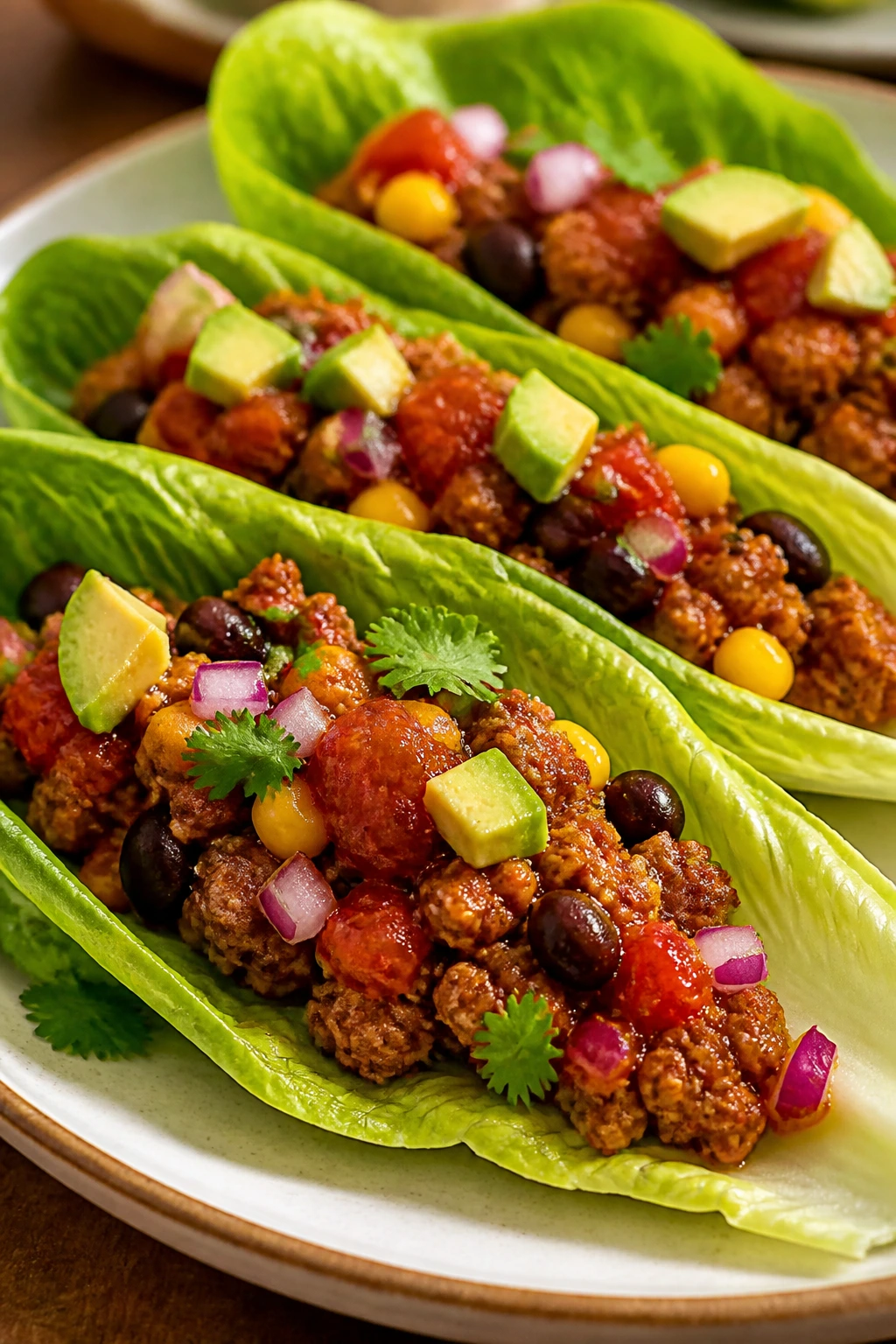
These lettuce wraps are the dinner version of a good taco truck order stripped down in the right places. The turkey gets savory and a little smoky, the salsa gives it moisture, and the romaine leaves stay cold and snappy. The whole thing stays around 360 calories if you keep the avocado measured and resist the urge to add every taco topping in the fridge.
Why It Works:
Lean ground turkey takes seasoning well, especially taco spice and salsa, which means you get a lot of flavor without a lot of fat. Romaine leaves work better than soft lettuce because they hold up under warm filling. A little avocado gives creaminess, but the wrap stays light because the base is mostly vegetables.
Key Ingredients:
- 1 lb lean ground turkey
- 1 tsp olive oil
- 1 small onion, diced
- 1 tbsp taco seasoning
- 1/2 cup salsa
- 1 cup corn kernels
- 8 romaine leaves, washed and dried
- 1 avocado, sliced
- 2 tbsp plain Greek yogurt
- Lime wedges for serving
Quick Steps:
- Heat the olive oil in a skillet over medium heat and cook the onion for 3 minutes, until softened.
- Add the turkey and cook for 5 to 6 minutes, breaking it up with a spoon, until no pink remains.
- Stir in the taco seasoning, salsa, and corn, then simmer for 2 minutes until the mixture looks glossy and thick.
- Spoon the turkey filling into the romaine leaves.
- Top with avocado, yogurt, and a squeeze of lime.
Equipment for This Recipe:
- Large skillet
- Cutting board and knife
- Spoon for filling the wraps
How to Serve This Dish:
Serve the wraps on a platter with the filling in the center and the lettuce leaves arranged around it. A spoonful of pico de gallo on the side keeps the plate bright without tipping the calories too far.
Pro Tips for This Recipe:
- Dry the lettuce leaves well or they’ll slide around the plate.
- Let the filling thicken for a minute before scooping it into the wraps.
- Use ripe but firm avocado so it slices cleanly.
Variations on This Dish:
- Black Bean Taco Wraps: Swap half the turkey for black beans if you want a more plant-heavy meal.
- Buffalo Turkey Wraps: Trade taco seasoning for a light buffalo sauce and blue cheese crumbles.
Common Mistakes to Avoid with This Dish:
- Don’t overload each leaf. Two big spoonfuls are enough; more than that and the wrap tears.
- Don’t skip draining excess liquid from the skillet. Watery filling turns the lettuce limp fast.
3. Sheet Pan Salmon with Asparagus and Potatoes
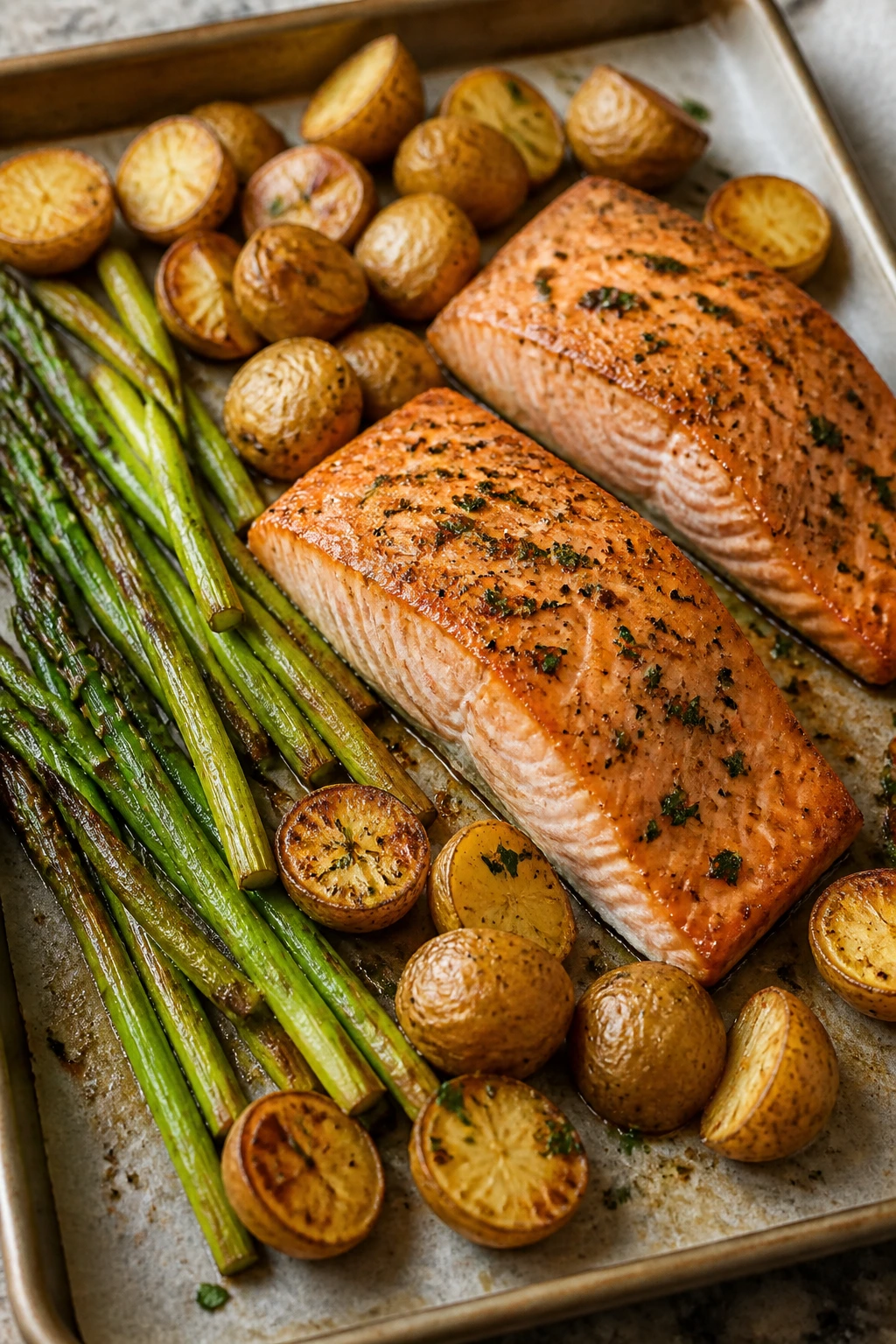
The best thing about this dinner is the smell when the salmon hits the hot pan with lemon and dill. The potatoes go golden at the edges, the asparagus keeps a little snap, and the fish comes out silky if you pull it at the right moment. You’re looking at roughly 470 calories for a plate that feels like actual dinner, not a compromise.
Why It Works:
Salmon brings richness, so you don’t need much oil or sauce. Potatoes give the meal a sturdy base, and asparagus adds a bitter-green note that keeps the plate from tasting flat. Roasting everything on one sheet pan means the potatoes can start first, which is the only real trick here.
Key Ingredients:
- 2 salmon fillets, about 5 oz each
- 1 lb baby potatoes, halved
- 1 bunch asparagus, trimmed
- 2 tbsp olive oil
- 2 cloves garlic, minced
- 1 lemon, sliced
- 1 tbsp chopped dill or parsley
- 1 tsp kosher salt
- 1/2 tsp black pepper
Quick Steps:
- Heat the oven to 425°F and line a sheet pan with parchment.
- Toss the potatoes with 1 tbsp olive oil, half the salt, half the pepper, and the garlic, then roast for 15 minutes.
- Push the potatoes to one side, add the salmon and asparagus, and drizzle with the remaining oil.
- Roast for 12 more minutes, until the salmon flakes easily and the asparagus is bright with browned tips.
- Finish with lemon and herbs.
Equipment for This Recipe:
- Rimmed sheet pan
- Parchment paper
- Fish spatula or thin turner
How to Serve This Dish:
Plate the salmon on top of the potatoes so the juices soak in a little. A simple cucumber salad or a handful of arugula with vinegar keeps the meal sharp and clean.
Pro Tips for This Recipe:
- Cut the potatoes in similar sizes or the small ones will burn before the bigger ones soften.
- Don’t overcook the salmon; it should flake but still look moist in the center.
- If your asparagus spears are thick, give them the same lemon and oil treatment but let them roast one minute less.
Variations on This Dish:
- Mustard-Dill Salmon: Brush the fish with Dijon before roasting.
- Mediterranean Salmon: Add cherry tomatoes and olives during the last 8 minutes.
Common Mistakes to Avoid with This Dish:
- Don’t crowd the pan. The vegetables need space to roast instead of steaming.
- Don’t add the lemon too early or it can dull the flavor of the herbs.
4. Chickpea Spinach Curry with Brown Rice
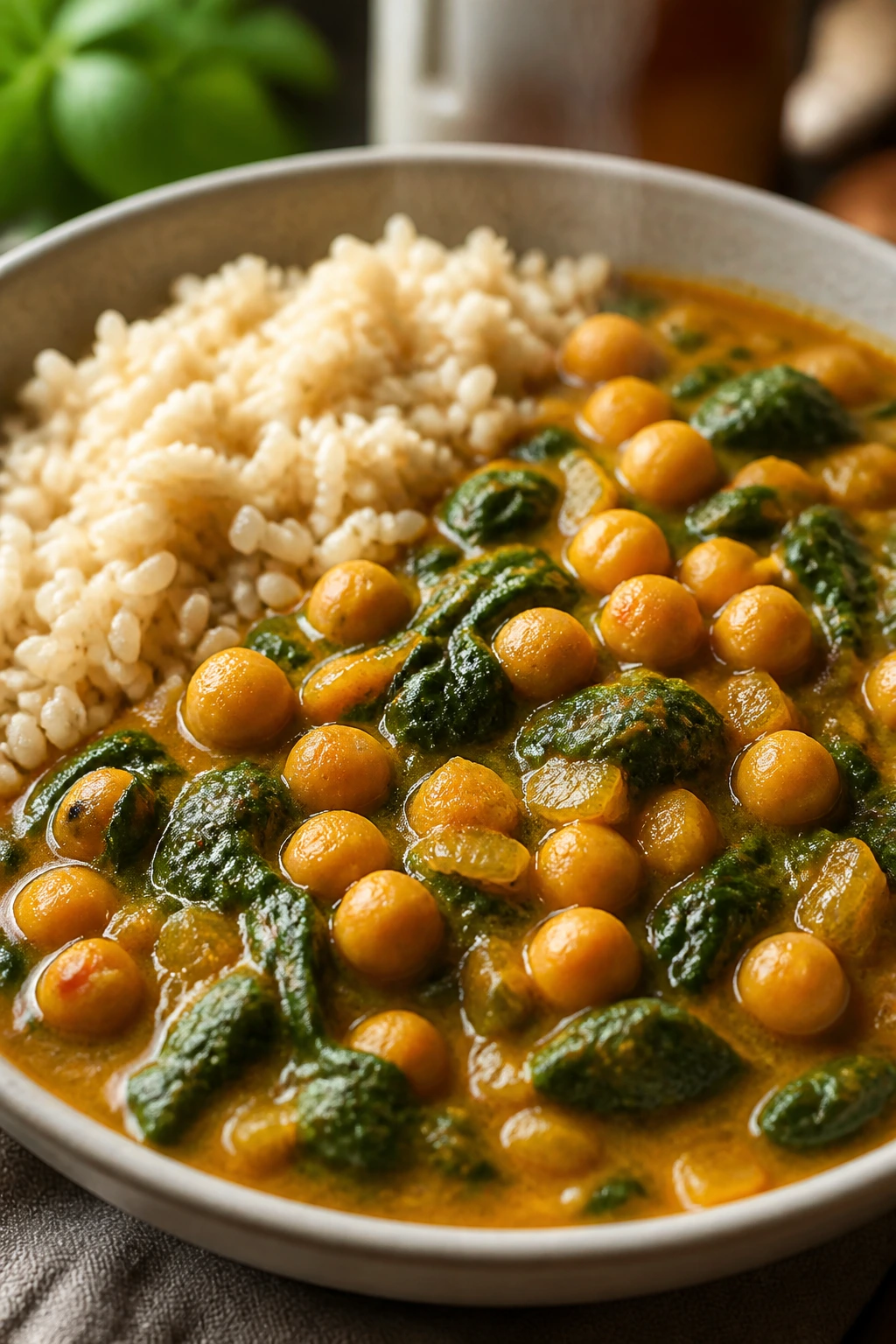
This curry smells warm and a little sweet when the onion, ginger, and curry powder hit the pan. Chickpeas bring a soft bite, the spinach melts into the sauce, and the light coconut milk makes the whole thing feel rich without turning heavy. It comes in around 450 calories with rice, which is a very workable place to land for a meatless dinner.
Why It Works:
Chickpeas and brown rice give you both protein and slow-burning carbs, so the bowl has real staying power. Spinach wilts down to almost nothing, which means you can add a lot of it without affecting the calorie count much. A squeeze of lime at the end keeps the coconut milk from feeling sleepy.
Key Ingredients:
- 1 tbsp olive oil
- 1 small onion, diced
- 2 cloves garlic, minced
- 1 tbsp grated ginger
- 1 tbsp curry powder
- 1 can chickpeas, drained and rinsed
- 1 can light coconut milk
- 3 cups fresh spinach
- 1 cup cooked brown rice
- 1 lime, cut into wedges
Quick Steps:
- Warm the oil in a saucepan over medium heat and cook the onion for 4 minutes, until soft.
- Add the garlic, ginger, and curry powder, and stir for 30 seconds until fragrant.
- Stir in the chickpeas and coconut milk, then simmer for 10 minutes until the sauce thickens slightly.
- Add the spinach and cook just until wilted.
- Serve over brown rice with lime squeezed on top.
Equipment for This Recipe:
- Medium saucepan
- Wooden spoon
- Measuring cups
How to Serve This Dish:
Use a wide bowl so the curry pools around the rice instead of disappearing into it. A few toasted pumpkin seeds on top add crunch if you want a little extra texture.
Pro Tips for This Recipe:
- Don’t let the curry powder burn; 30 seconds in the oil is enough.
- Rinse the chickpeas well so the sauce stays clean-tasting.
- If you want a thicker curry, simmer uncovered for the last 3 minutes.
Variations on This Dish:
- Tomato Curry: Add 1/2 cup crushed tomatoes for a brighter, tangier sauce.
- Peanut Curry: Stir in 1 tablespoon peanut butter for a deeper, nuttier finish.
Common Mistakes to Avoid with This Dish:
- Don’t add the spinach too early. It should wilt at the very end or it turns dull and mushy.
- Don’t skip the salt. Coconut milk softens flavor fast, so the seasoning needs to be deliberate.
5. Greek Chicken Pita Pockets
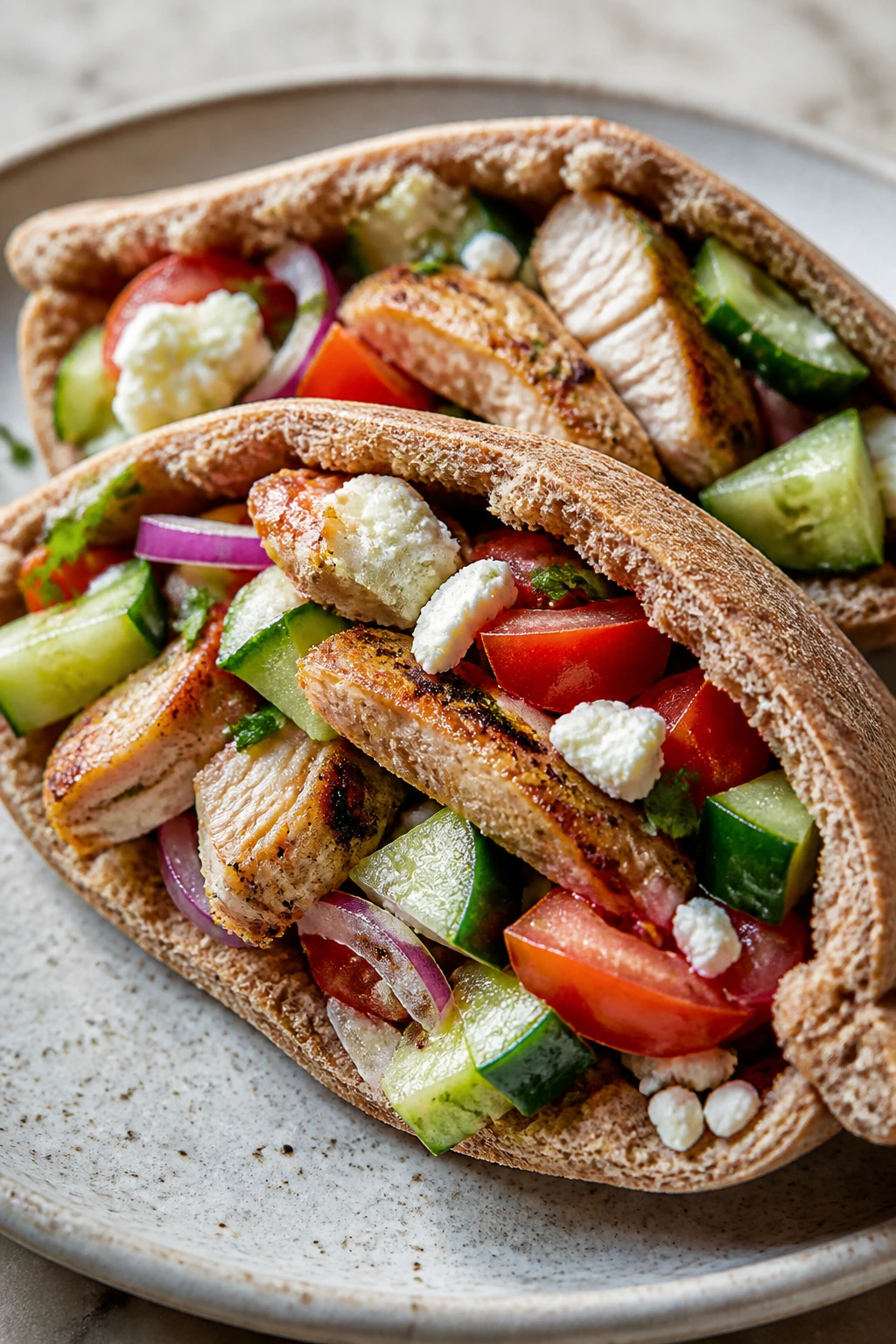
A good pita pocket should feel packed, not stuffed to the point of collapse. This version gets there with lemony chicken, cucumbers, tomatoes, onion, and a little feta that melts just enough against the warm meat. It sits around 440 calories if you stop at one pita and don’t overdo the sauce.
Why It Works:
Chicken breast cooks quickly and keeps the filling lean. The vegetables bring crunch and juice, while Greek yogurt and feta add tang instead of a heavy dressing. Whole-wheat pita gives enough body to make lunch or dinner feel complete.
Key Ingredients:
- 1 lb boneless, skinless chicken breast, sliced thin
- 1 tbsp olive oil
- 1 tsp dried oregano
- 1/2 tsp garlic powder
- 2 whole-wheat pitas
- 1 cucumber, diced
- 1 tomato, diced
- 1/4 red onion, thinly sliced
- 1/3 cup crumbled feta
- 1/2 cup plain Greek yogurt
- 1 lemon, juiced
Quick Steps:
- Toss the chicken with olive oil, oregano, garlic powder, salt, and pepper.
- Cook it in a skillet over medium-high heat for 5 to 6 minutes, until the strips are browned and cooked through.
- Mix the cucumber, tomato, onion, yogurt, and lemon juice in a bowl.
- Warm the pitas for 30 seconds in a dry skillet or microwave.
- Fill each pita with chicken, vegetables, and feta.
Equipment for This Recipe:
- Skillet
- Mixing bowl
- Knife and cutting board
How to Serve This Dish:
Slice the pitas in half and serve them with the openings facing up so the filling doesn’t fall out on the first bite. A few olives or a simple cucumber salad works well beside them.
Pro Tips for This Recipe:
- Slice the chicken thin so it cooks fast and stays tender.
- Warm the pita briefly; cold pita tears more easily.
- Salt the cucumber mixture lightly and let it sit for 5 minutes if you want a little more flavor.
Variations on This Dish:
- Tzatziki Pita: Add grated cucumber and dill to the yogurt for a more classic sauce.
- Spinach Pita: Tuck in a handful of baby spinach for extra volume.
Common Mistakes to Avoid with This Dish:
- Don’t pack the pita while the chicken is piping hot; it can make the bread soggy.
- Don’t chop the vegetables too far ahead unless you’re draining them first.
6. Tuna White Bean Salad
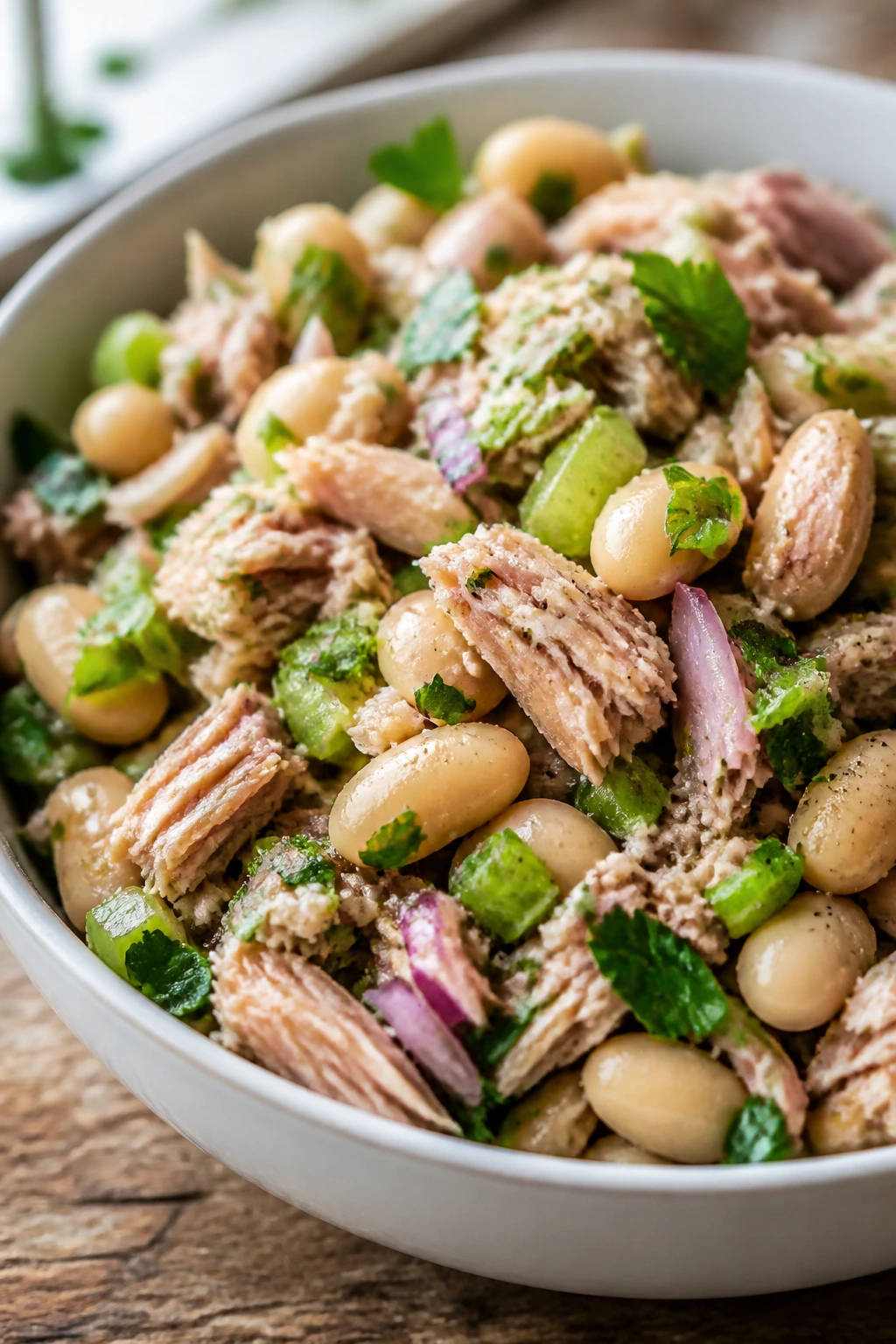
This is the kind of lunch I make when I want to be done cooking before I start. The tuna is briny and firm, the beans turn creamy after they sit with lemon and olive oil, and the celery gives every bite a little snap. It’s one of the easiest easy meals that are healthy under 500 calories, and it lands around 320 calories before any bread or crackers.
Why It Works:
Canned tuna and white beans bring protein without any real cooking. The olive oil and Dijon build a fast dressing that coats everything instead of pooling at the bottom of the bowl. Because the flavors improve after 10 minutes, it’s also one of the better make-ahead options in the whole list.
Key Ingredients:
- 2 cans tuna in water, drained
- 1 can cannellini beans, drained and rinsed
- 2 celery stalks, finely chopped
- 1/4 red onion, finely chopped
- 2 tbsp olive oil
- 2 tbsp lemon juice
- 1 tbsp Dijon mustard
- 2 tbsp chopped parsley
- Salt and black pepper
Quick Steps:
- Combine the tuna, beans, celery, onion, and parsley in a bowl.
- Whisk the olive oil, lemon juice, Dijon, salt, and pepper in a small bowl.
- Pour the dressing over the salad and fold gently so the beans stay mostly whole.
- Taste and adjust the seasoning, then chill for 10 minutes if you have time.
Equipment for This Recipe:
- Medium mixing bowl
- Small whisk or fork
- Can opener
How to Serve This Dish:
Pile it over arugula, spoon it into lettuce cups, or eat it with whole-grain crackers if you want more crunch. A bowl of tomatoes on the side keeps lunch light and bright.
Pro Tips for This Recipe:
- Drain the tuna well so the dressing doesn’t get watery.
- Mash a few beans against the bowl if you want a creamier texture.
- Use a sharp lemon; the acid is doing a lot of work here.
Variations on This Dish:
- Mediterranean Tuna Salad: Add chopped cucumber and a few olives.
- Apple-Celery Tuna Salad: Stir in chopped apple for a sweeter crunch.
Common Mistakes to Avoid with This Dish:
- Don’t drown it in mayo. That changes the texture and pushes the calories up fast.
- Don’t skip rinsing the beans; the canning liquid can muddy the flavor.
7. Shrimp Zucchini Noodle Skillet
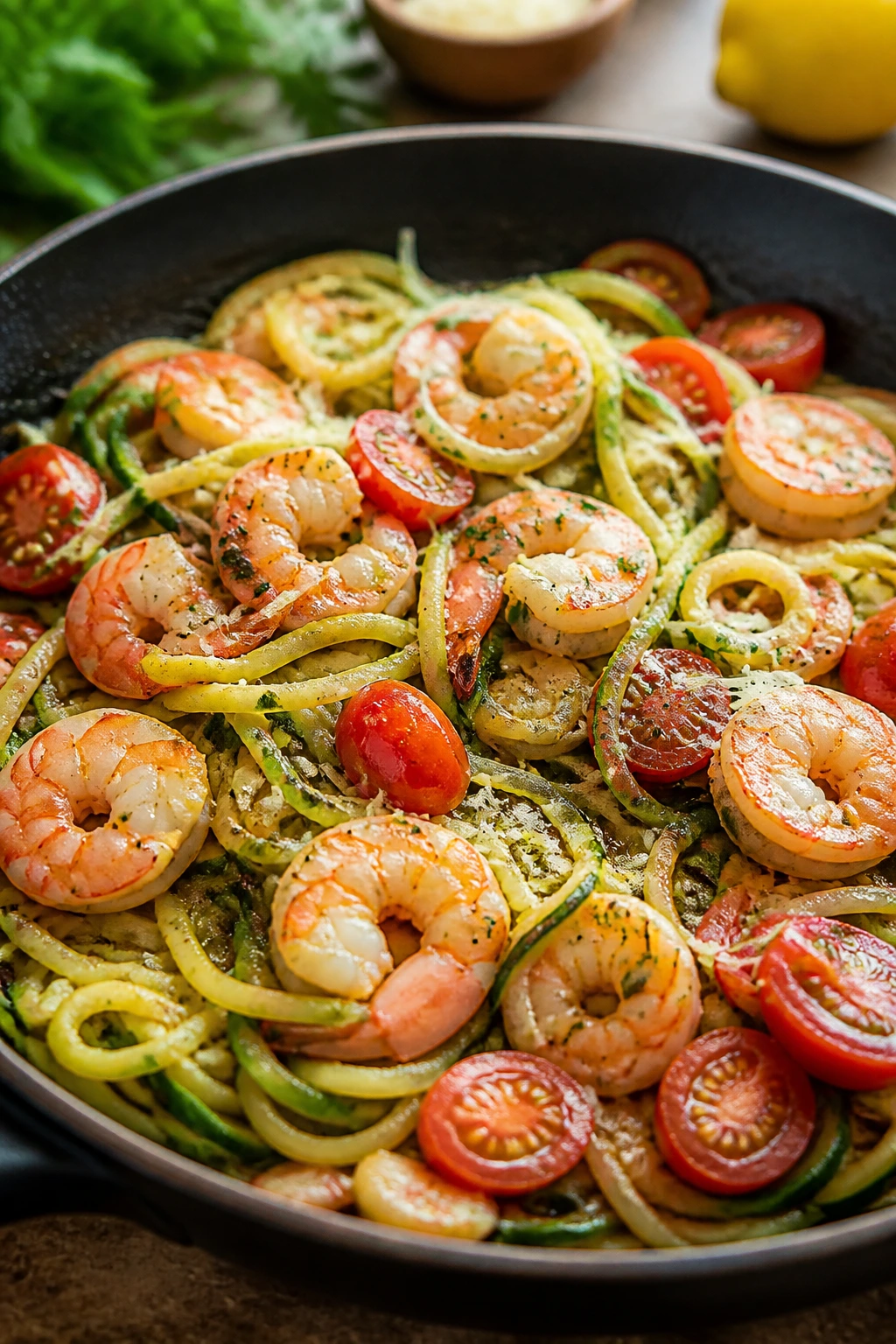
Shrimp and zucchini noodles are a fast pair because neither one wants much time in the pan. The shrimp turns pink and springy, the zucchini softens just enough to feel cooked but not soggy, and the cherry tomatoes burst into a quick sauce. It comes in around 340 calories, which leaves the meal feeling clean and light without leaving you hungry.
Why It Works:
Shrimp cooks in minutes, so you don’t need much oil or added starch to make dinner happen. Zucchini noodles carry the sauce well if you keep the heat moderate and stop before they collapse. Parmesan adds a salty finish that makes the dish feel finished instead of just assembled.
Key Ingredients:
- 1 lb shrimp, peeled and deveined
- 2 medium zucchini, spiralized
- 1 tbsp olive oil
- 2 cloves garlic, minced
- 1 cup cherry tomatoes, halved
- 1/4 tsp red pepper flakes
- 2 tbsp grated Parmesan
- 1 lemon, juiced
- Salt and black pepper
Quick Steps:
- Pat the shrimp dry and season with salt and pepper.
- Heat the oil in a skillet over medium-high heat and cook the shrimp for 2 minutes per side, until pink.
- Add the garlic, tomatoes, and red pepper flakes, and cook for 1 minute until the tomatoes start to burst.
- Add the zucchini noodles and toss for 1 to 2 minutes, just until warmed through.
- Finish with lemon juice and Parmesan.
Equipment for This Recipe:
- Large skillet
- Spiralizer or julienne peeler
- Tongs
How to Serve This Dish:
Serve it immediately in shallow bowls so the zucchini noodles don’t keep steaming in a deep pile. A few basil leaves or chopped parsley make it look and taste fresher.
Pro Tips for This Recipe:
- Dry the shrimp well or they’ll water the pan.
- Do not overcook the zucchini; one extra minute is enough to turn it limp.
- If you want more body, add a handful of cooked white beans.
Variations on This Dish:
- Pesto Shrimp Zoodles: Swap the Parmesan finish for 1 tablespoon pesto.
- Garlic Butter Version: Use 1 teaspoon butter with the olive oil for a richer sauce.
Common Mistakes to Avoid with This Dish:
- Don’t crowd the pan with shrimp. They need space to sear.
- Don’t spiralize the zucchini too early or it will weep water before cooking.
8. Turkey Veggie Egg Roll in a Bowl
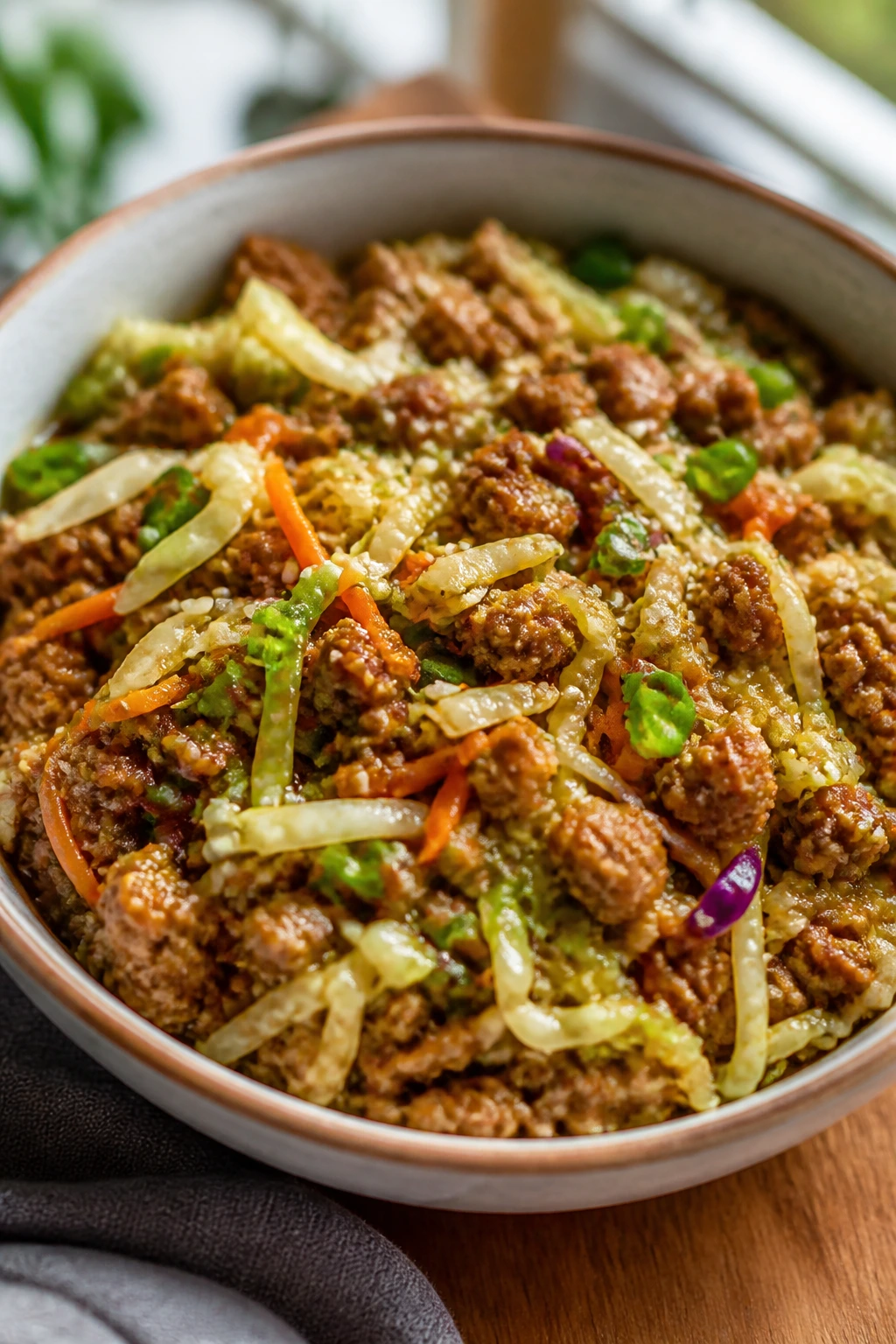
This is all the savory, gingery part of an egg roll without the wrapper. The ground turkey browns, the cabbage softens just enough to hold onto the sauce, and the sesame oil makes the whole thing smell like takeout in the best way. It’s about 390 calories per serving and comes together fast enough for a midweek dinner.
Why It Works:
Ground turkey gives the bowl enough protein to feel like dinner, while coleslaw mix does the heavy lifting on volume. Ginger, soy sauce, and sesame oil make a short ingredient list taste much bigger than it is. The cabbage also holds up well if you want leftovers the next day.
Key Ingredients:
- 1 lb lean ground turkey
- 1 tbsp sesame oil
- 1 small onion, sliced
- 1 bag coleslaw mix, about 14 oz
- 2 tbsp soy sauce or tamari
- 1 tbsp rice vinegar
- 1 tbsp grated ginger
- 2 scallions, sliced
- 1 tsp sesame seeds
Quick Steps:
- Heat the sesame oil in a large skillet over medium heat and cook the onion for 3 minutes.
- Add the turkey and cook for 5 to 6 minutes, breaking it apart until browned.
- Stir in the ginger, soy sauce, and rice vinegar.
- Add the coleslaw mix and cook for 3 to 4 minutes, until just wilted but still crisp in spots.
- Finish with scallions and sesame seeds.
Equipment for This Recipe:
- Large skillet
- Wooden spoon
- Measuring spoons
How to Serve This Dish:
Spoon it into bowls and eat it as-is, or add a scoop of rice if you need a little more starch. A drizzle of sriracha works well if you want more heat.
Pro Tips for This Recipe:
- Keep the cabbage a little crunchy; that texture is the whole point.
- Add the vinegar near the end so it stays bright.
- If the skillet looks dry, add 1 tablespoon water, not more oil.
Variations on This Dish:
- Pork Version: Swap in lean ground pork for a richer flavor.
- Spicy Garlic Bowl: Add chili garlic sauce and extra scallions.
Common Mistakes to Avoid with This Dish:
- Don’t cook the cabbage until it goes soft and pale. It should still have a little bite.
- Don’t drown the bowl in soy sauce. The dish should taste seasoned, not salty.
9. Veggie Feta Omelet with Toast
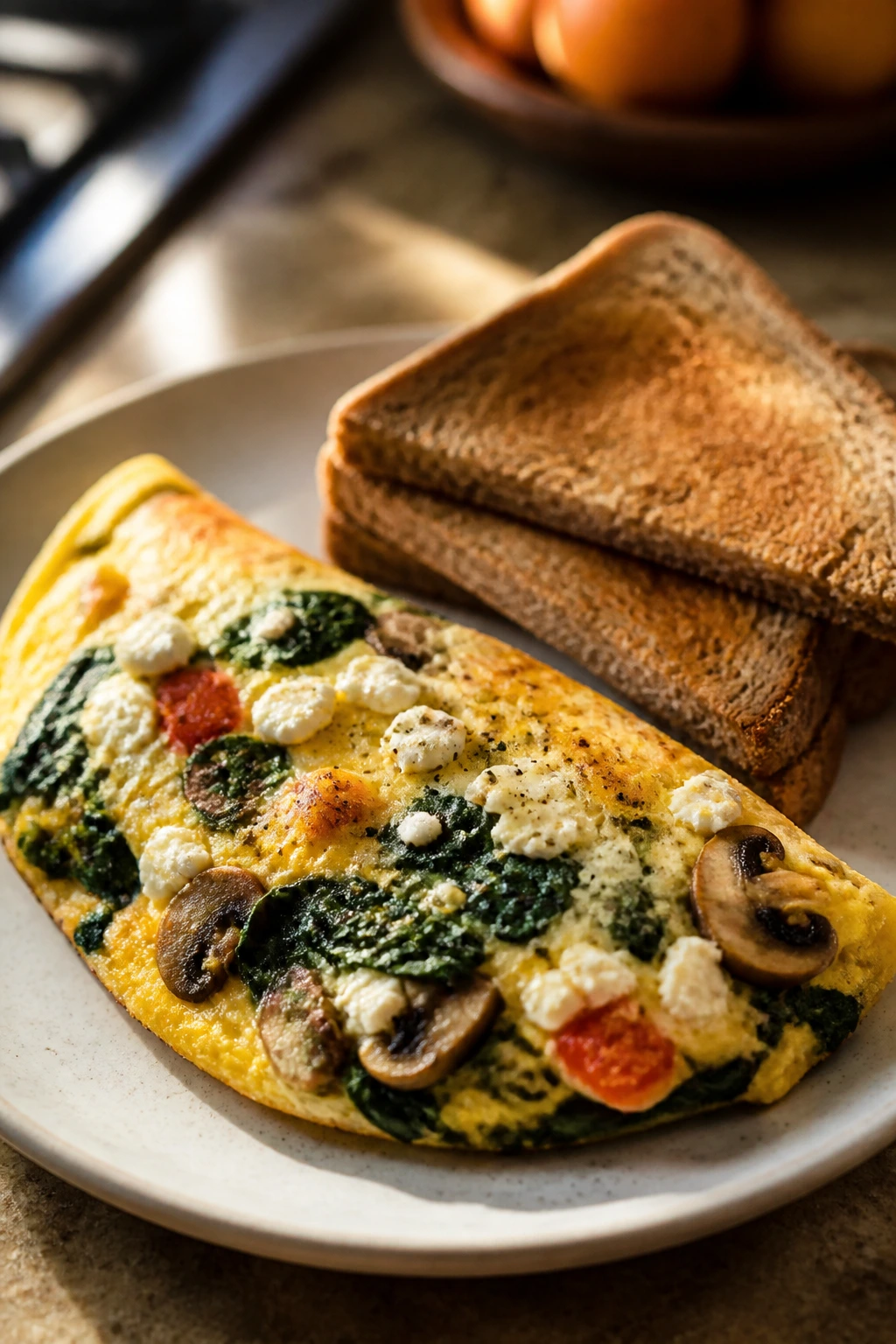
A good omelet has a soft middle, not rubbery edges and a dry filling. This one gets there with spinach, mushrooms, and feta, plus a piece of toast on the side so breakfast feels like a meal instead of a snack wearing a suit. It stays around 360 calories, which is plenty for a morning plate.
Why It Works:
Eggs bring protein and fat, so they do a lot of the satisfaction work on their own. The vegetables add moisture and texture, and the feta gives you salty little bursts without needing much cheese. Toast keeps the meal grounded and makes it easier to eat at a normal pace.
Key Ingredients:
- 3 large eggs
- 1 tsp butter or olive oil
- 1/2 cup sliced mushrooms
- 1 cup baby spinach
- 1/4 cup crumbled feta
- 2 slices whole-grain toast
- 1/2 cup cherry tomatoes
- Salt and black pepper
Quick Steps:
- Heat the butter or oil in a nonstick skillet over medium heat.
- Cook the mushrooms for 3 minutes, then add the spinach and cook until wilted.
- Whisk the eggs with salt and pepper and pour them into the skillet.
- Cook until the edges set, sprinkle in the feta, and fold the omelet when the top is still slightly soft.
- Toast the bread and serve with cherry tomatoes.
Equipment for This Recipe:
- Nonstick skillet
- Whisk or fork
- Spatula
How to Serve This Dish:
Slide the omelet onto a warm plate and add the toast beside it, not underneath. The tomatoes can go on the side or inside the omelet if you want a juicier bite.
Pro Tips for This Recipe:
- Keep the heat medium, not high, or the eggs will brown before they set.
- Shake the pan gently while the eggs cook; that helps the center stay tender.
- Use a lid for 30 seconds if the top needs help finishing.
Variations on This Dish:
- Herb Omelet: Add chives or dill to the eggs before cooking.
- Tomato-Basil Omelet: Swap the mushrooms for diced tomato and basil.
Common Mistakes to Avoid with This Dish:
- Don’t overfill the omelet. Too many vegetables make folding messy.
- Don’t cook until the eggs look dry in the pan; carryover heat finishes them.
10. Black Bean Sweet Potato Bowl
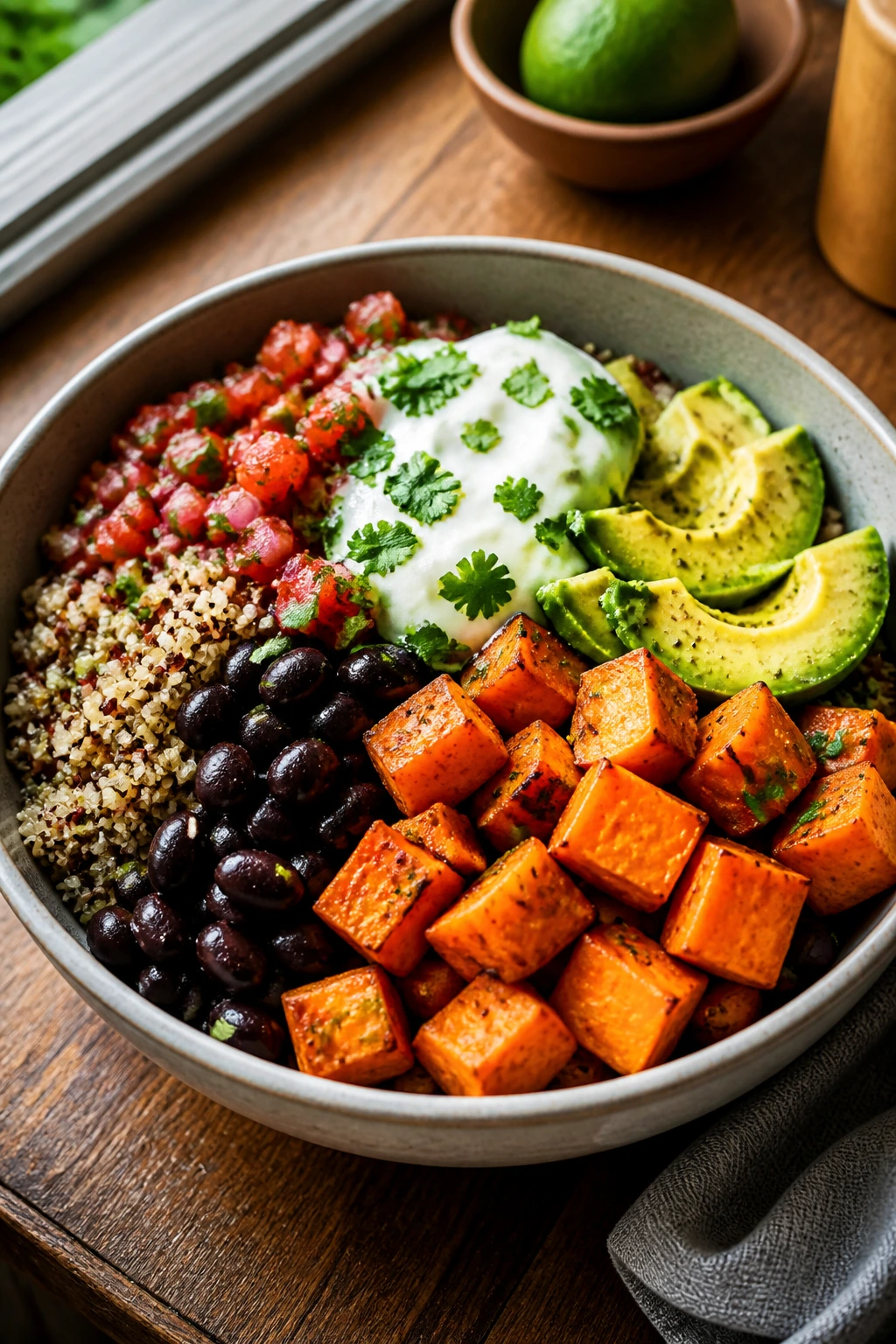
This bowl has a sweet-and-savory rhythm that works better than people expect. The sweet potato goes soft and caramelized at the edges, the black beans bring heft, and the salsa and lime keep the whole thing from tasting heavy. It lands around 430 calories and feels bigger than the number suggests.
Why It Works:
Sweet potato gives the bowl a natural sweetness and enough starch to make it filling. Black beans add fiber and protein, while salsa and Greek yogurt keep the flavor sharp and fresh. A little avocado goes a long way here, which is handy because that ingredient can eat up calories fast.
Key Ingredients:
- 1 medium sweet potato, peeled and cubed
- 1 tbsp olive oil
- 1 cup black beans, drained and rinsed
- 1/2 cup cooked quinoa
- 1/2 cup salsa
- 1/4 avocado, sliced
- 2 tbsp plain Greek yogurt
- 1/2 tsp cumin
- 1/4 tsp chili powder
- 1 lime, juiced
Quick Steps:
- Toss the sweet potato with olive oil, cumin, chili powder, salt, and pepper.
- Roast at 425°F for 20 minutes, until tender and lightly browned.
- Warm the black beans in a small saucepan for 3 minutes.
- Build the bowl with quinoa, sweet potato, beans, salsa, yogurt, and avocado.
- Finish with lime juice.
Equipment for This Recipe:
- Sheet pan
- Small saucepan
- Mixing bowl
How to Serve This Dish:
Serve it in a deep bowl so the salsa and yogurt can settle into the grains. A handful of chopped cilantro makes the top look finished without much effort.
Pro Tips for This Recipe:
- Cut the sweet potato into equal cubes so it roasts evenly.
- Salt the beans lightly before warming them; plain beans taste dull next to the sweet potato.
- If you want extra crunch, add pumpkin seeds at the end.
Variations on This Dish:
- Tex-Mex Bowl: Add corn and chopped jalapeño.
- Breakfast Bowl: Top it with a fried egg instead of yogurt.
Common Mistakes to Avoid with This Dish:
- Don’t underseason the sweet potato. It needs salt to taste like dinner.
- Don’t add too much avocado unless you’re happy with the calorie count climbing fast.
11. Miso Glazed Cod with Broccoli
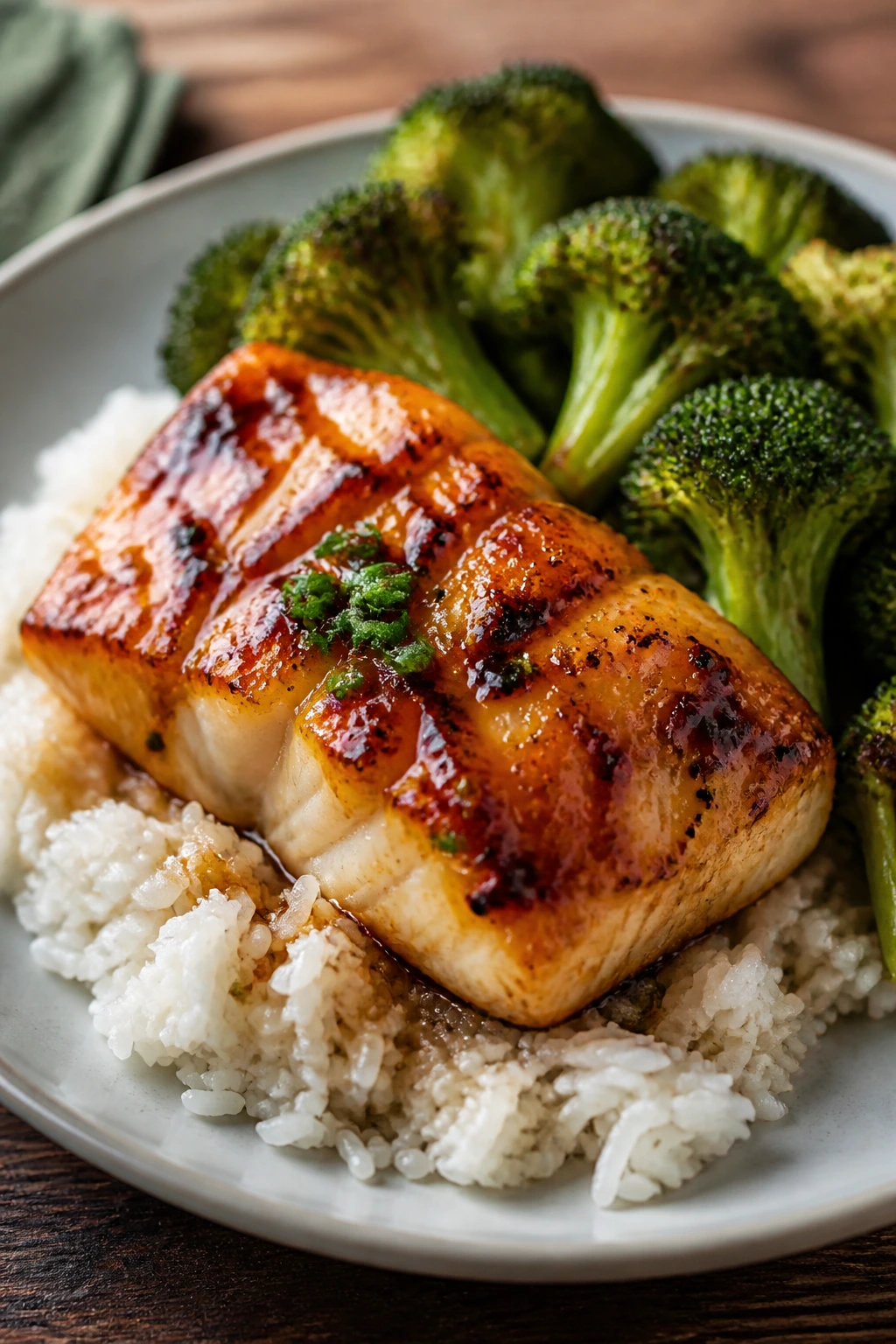
Cod is mild, but it takes on a lot of flavor from the glaze, which is the whole point here. The miso turns sweet and savory in the oven, the broccoli edges brown a little, and the rice soaks up the sticky bits from the pan. This plate lands around 400 calories and feels polished without being fussy.
Why It Works:
Cod is lean, so the miso glaze brings back the richness you’d normally get from a heavier sauce. Broccoli and rice give the meal enough volume and structure to stay satisfying. The glaze uses just enough honey to caramelize in the oven without making the fish taste like dessert.
Key Ingredients:
- 2 cod fillets, about 5 oz each
- 1 tbsp white miso
- 1 tbsp honey
- 1 tbsp soy sauce
- 1 tbsp rice vinegar
- 2 cups broccoli florets
- 1 tsp sesame oil
- 3/4 cup cooked rice
Quick Steps:
- Heat the oven to 425°F and line a sheet pan.
- Whisk the miso, honey, soy sauce, and rice vinegar.
- Brush the glaze over the cod and toss the broccoli with sesame oil and a pinch of salt.
- Roast for 10 to 12 minutes, until the cod flakes and the broccoli is browned on the edges.
- Serve with rice.
Equipment for This Recipe:
- Sheet pan
- Small whisk
- Pastry brush or spoon
How to Serve This Dish:
Slide the fish over the rice and let the glaze drip down into the grains. A few sesame seeds or sliced scallions add texture that the plate really benefits from.
Pro Tips for This Recipe:
- Use thick cod fillets if you can; thin ones overcook fast.
- Don’t brush on a thick layer of glaze or it may burn before the fish finishes.
- If the broccoli is crowded, use a second pan.
Variations on This Dish:
- Salmon Swap: Use salmon fillets and add 2 extra minutes of roasting.
- Ginger Miso Cod: Stir grated ginger into the glaze for a sharper finish.
Common Mistakes to Avoid with This Dish:
- Don’t overbake the cod. It should flake, not turn chalky.
- Don’t forget to dry the fish first, or the glaze won’t cling well.
12. Chicken Vegetable Soup
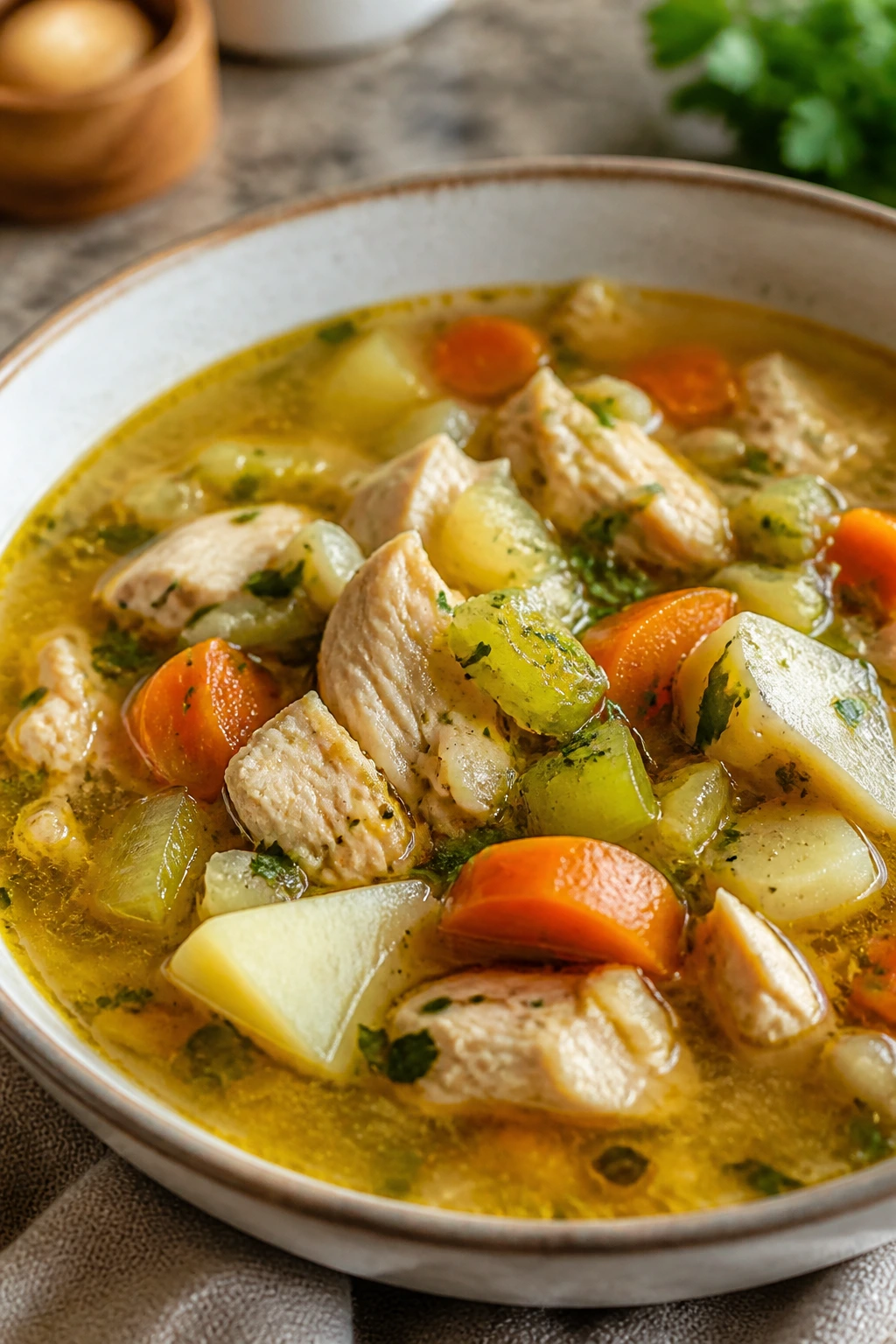
This soup smells like garlic, carrots, and broth that’s been simmering long enough to stop tasting like water. The chicken turns tender, the potatoes stay soft without falling apart, and every spoonful has enough vegetables to feel like a full bowl. It comes in around 290 calories, which gives you room for a slice of bread if you want one.
Why It Works:
Soup is one of the easiest ways to keep calories in check without shrinking the portion. Chicken breast or thighs give the broth substance, while carrots, celery, onion, and potatoes build volume. Because the broth carries the flavor, you don’t need much oil.
Key Ingredients:
- 1 lb boneless chicken breast or thighs
- 1 tbsp olive oil
- 1 onion, diced
- 2 carrots, sliced
- 2 celery stalks, sliced
- 2 cloves garlic, minced
- 6 cups low-sodium chicken broth
- 1 can diced tomatoes
- 1 cup diced potatoes
- 1 bay leaf
- 2 tbsp chopped parsley
Quick Steps:
- Heat the oil in a soup pot over medium heat and cook the onion, carrots, and celery for 5 minutes.
- Add the garlic and cook for 30 seconds.
- Pour in the broth and tomatoes, then add the chicken, potatoes, and bay leaf.
- Simmer for 20 to 25 minutes, until the chicken is cooked through and the potatoes are tender.
- Shred the chicken, return it to the pot, and finish with parsley.
Equipment for This Recipe:
- Soup pot or Dutch oven
- Wooden spoon
- Ladle
How to Serve This Dish:
Ladle it into deep bowls and finish with black pepper. If you want more texture, serve it with a small piece of crusty bread rather than a big slice.
Pro Tips for This Recipe:
- Keep the broth at a gentle simmer, not a hard boil, or the chicken can turn stringy.
- Dice the potatoes small so they cook in the same time as the carrots.
- Add the parsley at the end so it stays bright.
Variations on This Dish:
- Rice Soup: Swap the potatoes for 1/2 cup cooked rice.
- Herb Soup: Add thyme and dill for a more fragrant pot.
Common Mistakes to Avoid with This Dish:
- Don’t under-salt the broth. Soup needs a stronger hand with seasoning than people expect.
- Don’t cook the vegetables until they disappear; they should still have shape.
13. Tofu Stir-Fry with Peanut Sauce
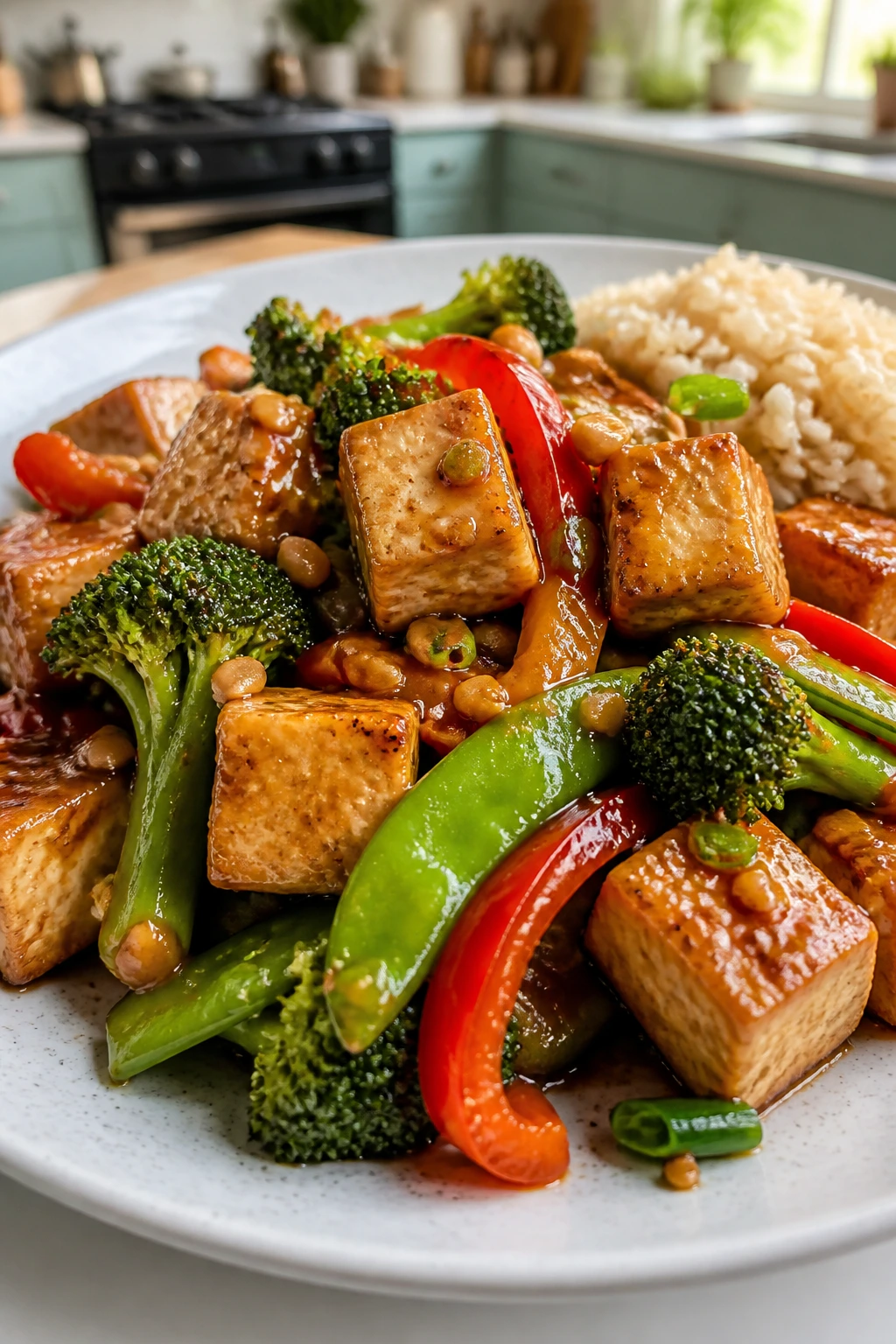
Tofu gets a bad reputation from people who have only eaten it when it was soft and bland. Press it, brown it, and coat it with peanut sauce, and it turns into the kind of dinner that disappears fast. The vegetables stay crisp, the sauce clings to the tofu, and the whole thing lands around 430 calories with brown rice.
Why It Works:
Extra-firm tofu holds up to high heat and soaks in flavor once the outside gets a little crust. The peanut sauce gives you richness without needing a pile of oil. Broccoli, bell pepper, and snap peas bring crunch and color, which is half the appeal of a good stir-fry anyway.
Key Ingredients:
- 14 oz extra-firm tofu, pressed and cubed
- 1 tbsp cornstarch
- 1 tbsp neutral oil
- 1 red bell pepper, sliced
- 2 cups broccoli florets
- 1 cup snap peas
- 2 tbsp peanut butter
- 1 tbsp soy sauce
- 1 tbsp lime juice
- 1 tsp grated ginger
- 3/4 cup cooked brown rice
Quick Steps:
- Toss the tofu with cornstarch and a pinch of salt.
- Cook the tofu in the hot oil over medium-high heat for 8 to 10 minutes, turning until golden on most sides.
- Add the vegetables and stir-fry for 3 to 4 minutes, until crisp-tender.
- Whisk the peanut butter, soy sauce, lime juice, ginger, and 2 tablespoons hot water.
- Pour the sauce into the pan, toss to coat, and serve over rice.
Equipment for This Recipe:
- Large skillet or wok
- Small whisk
- Spatula
How to Serve This Dish:
Serve it right away while the tofu still has a little crust. A sprinkle of chopped peanuts or scallions gives it the crunch that a peanut sauce dinner should have.
Pro Tips for This Recipe:
- Press the tofu for at least 15 minutes so it browns instead of steaming.
- Add water to the peanut sauce a teaspoon at a time until it drizzles easily.
- Don’t overcook the vegetables; they should still snap.
Variations on This Dish:
- Sesame Tofu: Swap peanut butter for tahini and add sesame oil.
- Spicy Peanut Bowl: Add chili paste or sriracha to the sauce.
Common Mistakes to Avoid with This Dish:
- Don’t skip the cornstarch if you want a crisp edge on the tofu.
- Don’t dump the sauce in too early or it will tighten up before the vegetables finish cooking.
14. Turkey Chili
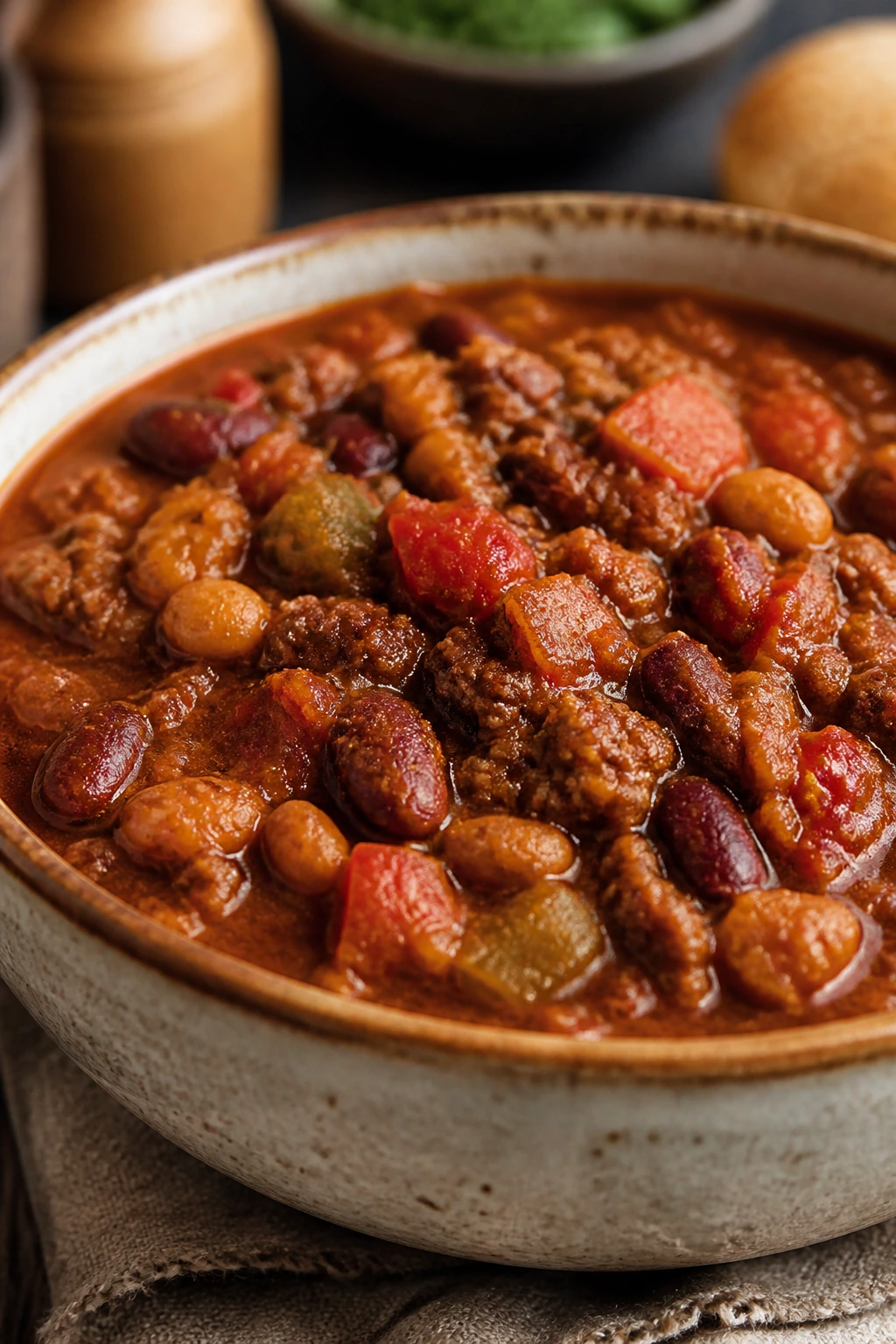
A good turkey chili should feel thick enough to eat with a spoon, not like soup pretending to be chili. This version gets there with beans, tomatoes, peppers, and enough spice to taste like dinner rather than a diet project. It sits around 410 calories a bowl and reheats well, which is a big part of its appeal.
Why It Works:
Ground turkey keeps the dish lean while beans add fiber and body. Tomato, onion, and pepper bring the old-school chili base, and the seasoning carries the flavor without a huge amount of fat. Chili is one of those meals where leftovers taste even more settled the next day.
Key Ingredients:
- 1 lb lean ground turkey
- 1 tbsp olive oil
- 1 onion, diced
- 1 bell pepper, diced
- 2 cloves garlic, minced
- 1 can kidney beans, drained and rinsed
- 1 can black beans, drained and rinsed
- 1 can diced tomatoes
- 1 cup low-sodium broth
- 1 tbsp chili powder
- 1 tsp cumin
Quick Steps:
- Heat the oil in a pot over medium heat and cook the onion and bell pepper for 4 minutes.
- Add the turkey and cook for 5 to 6 minutes, breaking it apart until browned.
- Stir in the garlic, chili powder, and cumin for 30 seconds.
- Add the beans, tomatoes, and broth, then simmer for 20 minutes until thick.
- Taste and adjust salt before serving.
Equipment for This Recipe:
- Large pot or Dutch oven
- Wooden spoon
- Ladle
How to Serve This Dish:
Top each bowl with a spoonful of Greek yogurt, chopped cilantro, or a few crushed tortilla chips if you want crunch. A side of green salad keeps the meal balanced without adding much work.
Pro Tips for This Recipe:
- Let the chili simmer uncovered if you want it thicker.
- Mash a few beans against the pot for a heartier texture.
- Season at the end, after the beans and tomatoes have had time to settle.
Variations on This Dish:
- White Turkey Chili: Use white beans, cumin, and green chiles.
- Smoky Chili: Add a pinch of smoked paprika or chipotle powder.
Common Mistakes to Avoid with This Dish:
- Don’t stop at ten minutes of simmering; the flavor needs time to come together.
- Don’t add a mountain of cheese on top unless you’re tracking calories very closely.
15. Caprese Chicken Skillet
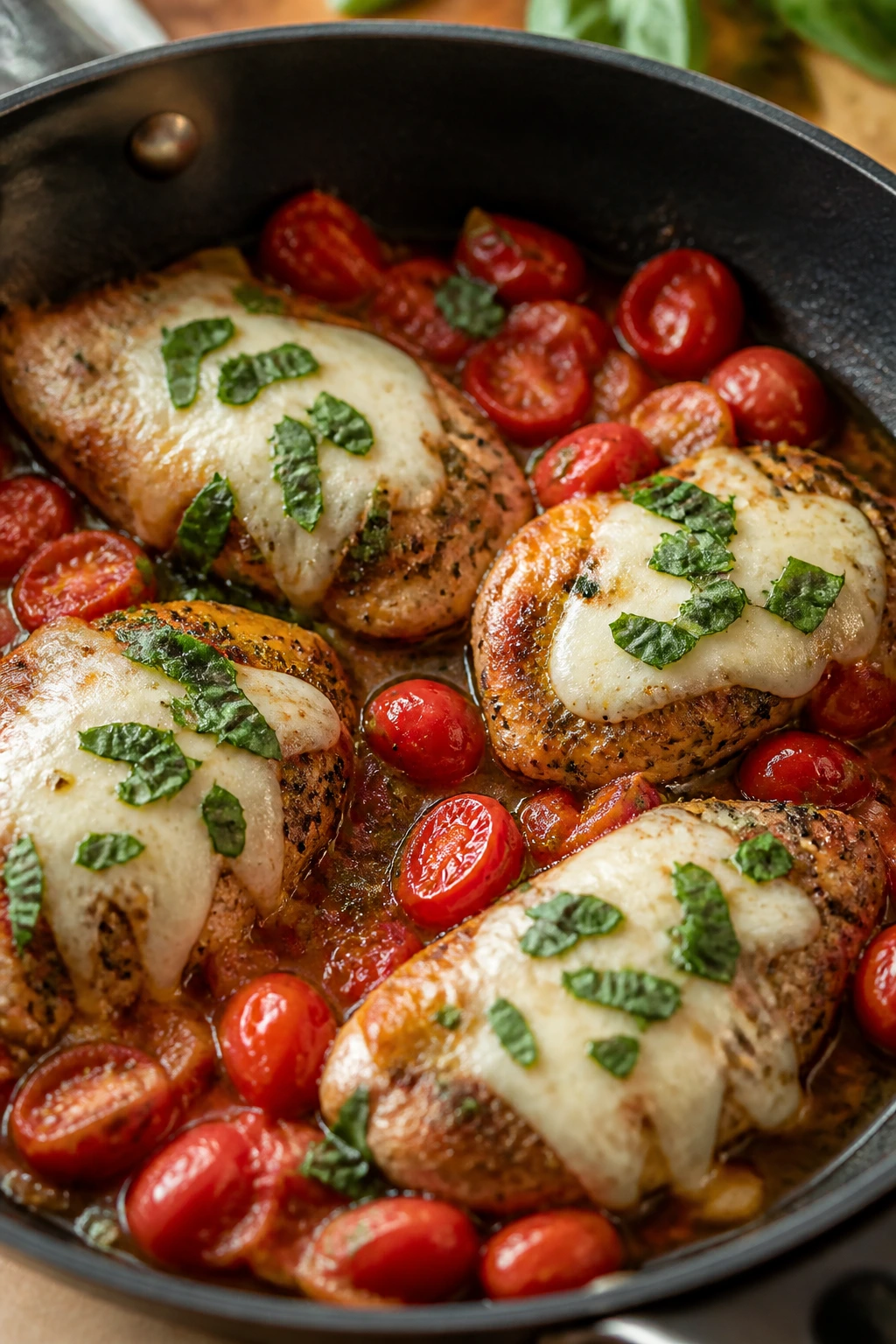
This skillet smells like a tomato garden after rain once the garlic and cherry tomatoes start bursting. The chicken stays tender, the mozzarella melts into soft pockets, and the basil goes in at the end so it keeps its peppery edge. With couscous on the side, the plate still stays around 420 calories.
Why It Works:
Caprese flavors are built on a few strong ingredients, which makes them easy to keep light. Chicken gives the meal enough protein, tomatoes bring acid and juice, and mozzarella adds creaminess in a controlled amount. Couscous is a smart base here because it cooks fast and doesn’t weigh the dish down.
Key Ingredients:
- 1 lb boneless, skinless chicken breast cutlets
- 1 tbsp olive oil
- 2 cups cherry tomatoes
- 2 cloves garlic, minced
- 2 oz fresh mozzarella, torn into pieces
- 1/4 cup fresh basil, torn
- 3/4 cup cooked couscous
- 1 tbsp balsamic glaze
- 2 cups baby spinach
Quick Steps:
- Season the chicken with salt and pepper.
- Cook it in the oil over medium-high heat for 4 to 5 minutes per side, until cooked through.
- Add the garlic and tomatoes, and cook for 2 to 3 minutes until the tomatoes burst.
- Stir in the spinach and mozzarella until the cheese softens.
- Spoon over couscous and finish with basil and balsamic glaze.
Equipment for This Recipe:
- Large skillet
- Small saucepan for the couscous
- Tongs
How to Serve This Dish:
Serve it straight from the skillet over the couscous so the tomato juices soak down into the grains. A crisp green salad would fit, but it doesn’t need one.
Pro Tips for This Recipe:
- Use chicken cutlets or pound the breasts thin so they cook evenly.
- Add the basil off the heat so it stays fragrant.
- Balsamic glaze is stronger than plain vinegar; a little goes a long way.
Variations on This Dish:
- Zucchini Caprese: Swap the couscous for sautéed zucchini ribbons.
- Balsamic Mushroom Caprese: Add sliced mushrooms with the tomatoes.
Common Mistakes to Avoid with This Dish:
- Don’t boil the tomatoes until they collapse into paste. You want some shape left.
- Don’t drown the dish in cheese or the calorie count climbs fast.
16. Lentil Vegetable Soup
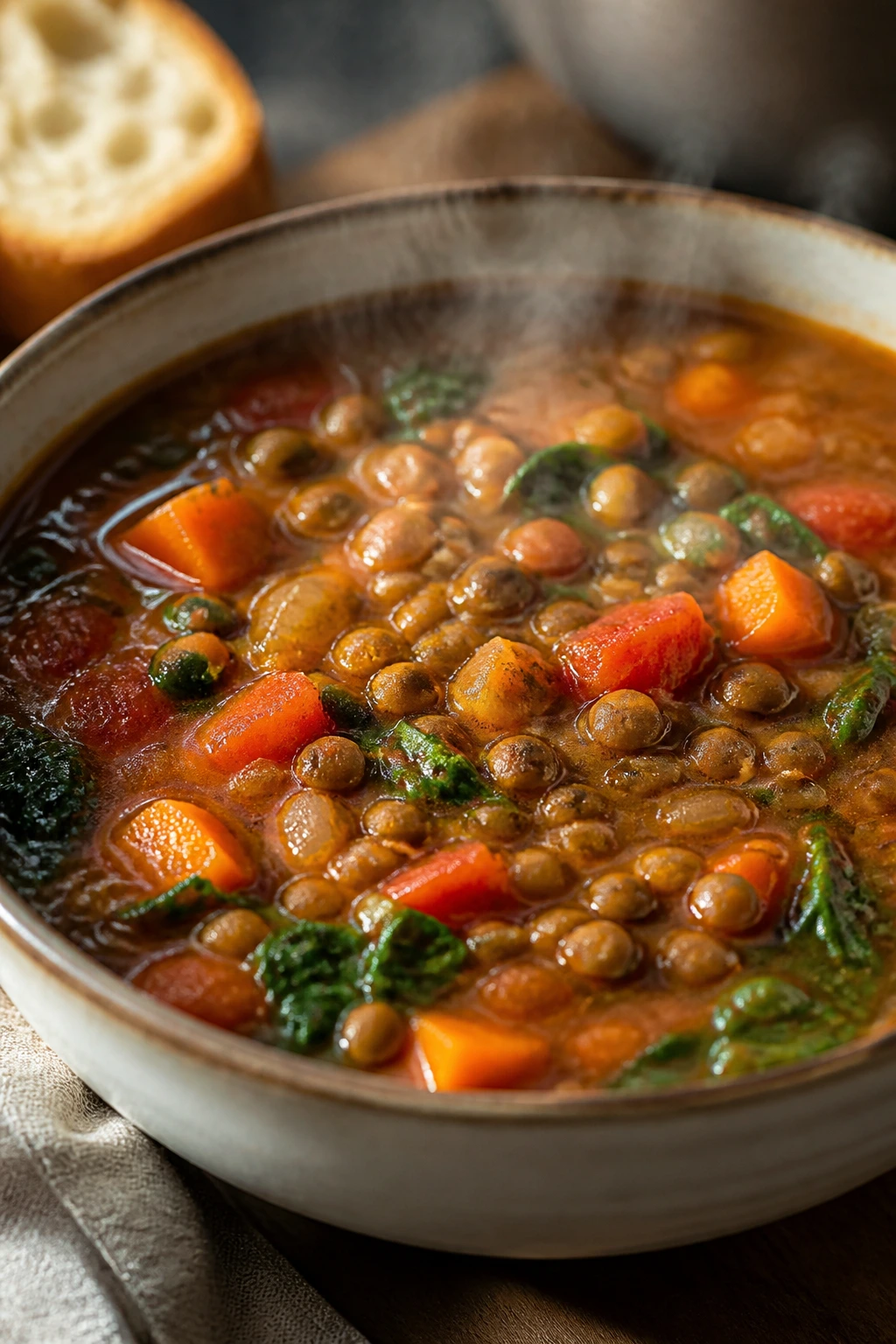
Lentils have a way of making a soup feel sturdier than it looks in the pot. This one is earthy, tomato-forward, and packed with carrots, celery, and spinach so every spoonful has something to chew on. It comes in around 330 calories and reheats cleanly, which makes it a reliable lunch.
Why It Works:
Lentils cook quickly compared with most beans, and they bring both protein and fiber. The vegetables build volume, while the broth and tomatoes keep the soup light enough for a second bowl if you want it. A squeeze of lemon at the end wakes up the whole pot.
Key Ingredients:
- 1 cup dried brown or green lentils, rinsed
- 1 onion, diced
- 2 carrots, sliced
- 2 celery stalks, sliced
- 2 cloves garlic, minced
- 6 cups low-sodium vegetable broth
- 1 can diced tomatoes
- 1 tsp dried thyme
- 2 cups baby spinach
- 1 lemon, juiced
Quick Steps:
- Cook the onion, carrots, and celery in a pot over medium heat for 5 minutes.
- Add the garlic and thyme and cook for 30 seconds.
- Stir in the lentils, broth, and tomatoes.
- Simmer for 30 to 35 minutes, until the lentils are tender.
- Stir in the spinach and lemon juice right before serving.
Equipment for This Recipe:
- Soup pot
- Wooden spoon
- Ladle
How to Serve This Dish:
Serve it with a crack of black pepper and a small piece of toast if you want a little extra. The soup also works well with a spoonful of yogurt on top if you like a creamier finish.
Pro Tips for This Recipe:
- Rinse the lentils well or the broth can taste dusty.
- Keep the simmer gentle so the lentils hold their shape.
- Add lemon at the end, not the beginning, or it can dull while cooking.
Variations on This Dish:
- Smoky Lentil Soup: Add smoked paprika and a chopped roasted pepper.
- Creamy Lentil Soup: Blend half the pot and stir it back in.
Common Mistakes to Avoid with This Dish:
- Don’t salt aggressively at the start if your broth is already seasoned.
- Don’t overcook the spinach; it should just wilt into the soup.
17. Burrito Bowl with Cauliflower Rice
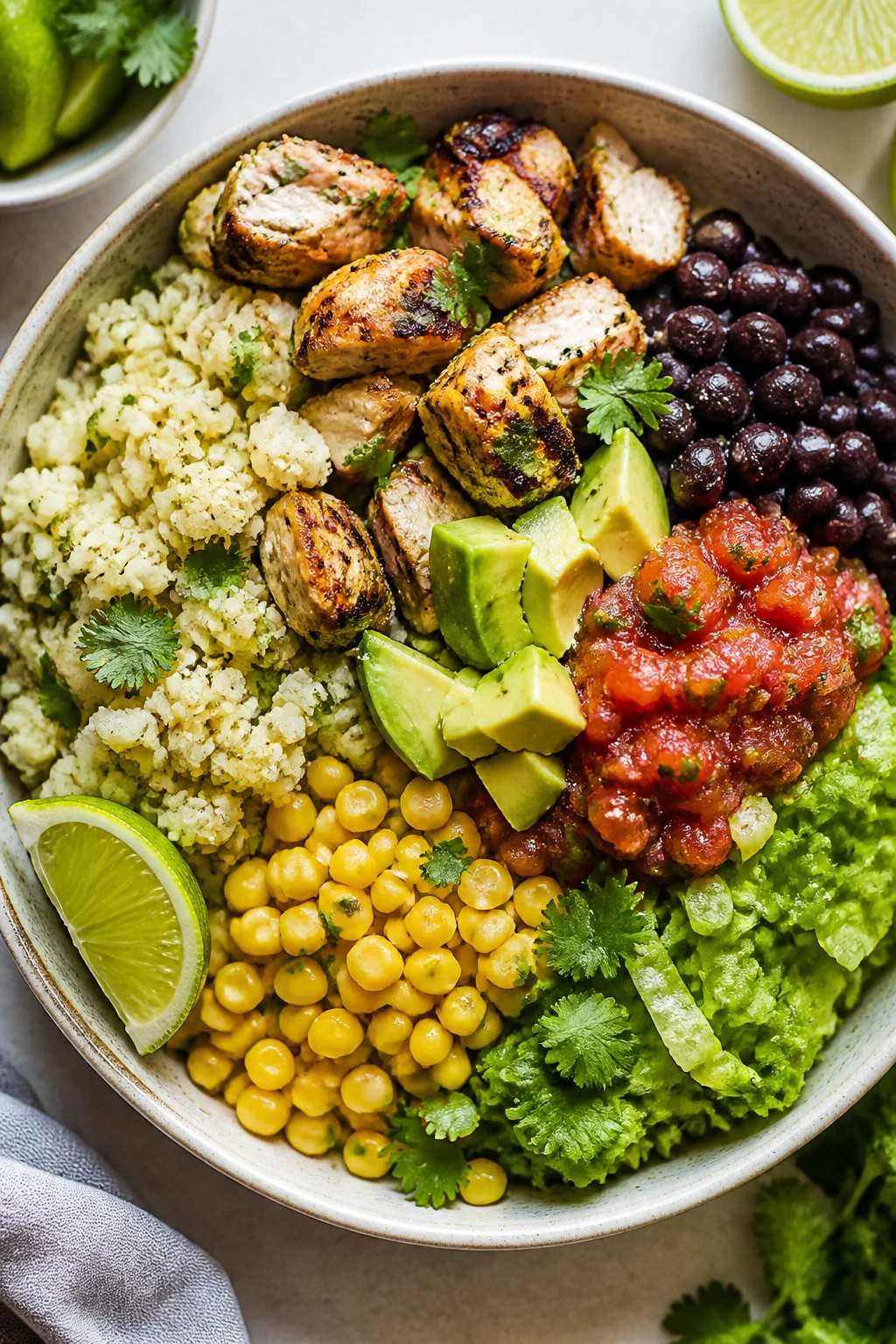
This bowl gives you the taco shop feel without the oversized tortilla shell. The chicken stays juicy, the cauliflower rice takes on salsa and lime, and the avocado gives the bowl enough richness to feel complete. It clocks in around 440 calories, which leaves a little breathing room if you want extra lettuce or cilantro.
Why It Works:
Cauliflower rice keeps the base light while black beans and chicken cover the protein. Corn, salsa, and lime keep the flavors bright and familiar, which matters more than calorie math when you’re deciding whether a meal feels worth eating. The bowl also scales cleanly if you’re feeding more than one person.
Key Ingredients:
- 1 lb boneless, skinless chicken breast, diced
- 1 tbsp olive oil
- 2 cups cauliflower rice
- 1 cup black beans, drained and rinsed
- 1/2 cup corn kernels
- 1 cup shredded lettuce
- 1/2 cup salsa
- 1/4 avocado, sliced
- 1 lime, juiced
- 1 tsp cumin
Quick Steps:
- Season the chicken with cumin, salt, and pepper.
- Cook it in the oil over medium-high heat for 6 to 7 minutes, until browned and cooked through.
- Warm the cauliflower rice in a skillet for 3 to 4 minutes.
- Heat the black beans and corn briefly in a small saucepan or microwave.
- Assemble the bowl with lettuce, cauliflower rice, chicken, beans, corn, salsa, avocado, and lime.
Equipment for This Recipe:
- Large skillet
- Small saucepan or microwave-safe bowl
- Sharp knife
How to Serve This Dish:
Use a deep bowl and keep the toppings in clear sections if you want it to look neat. A spoonful of Greek yogurt can stand in for sour cream without pushing the calories much.
Pro Tips for This Recipe:
- Squeeze extra water out of frozen cauliflower rice before cooking it.
- Keep the salsa on top until the end so the bowl doesn’t get soggy.
- If you want more heat, use pickled jalapeños instead of extra cheese.
Variations on This Dish:
- Steak Burrito Bowl: Swap the chicken for lean flank steak strips.
- Vegetarian Bowl: Replace the chicken with extra beans and sautéed peppers.
Common Mistakes to Avoid with This Dish:
- Don’t overcook the cauliflower rice or it turns wet and grainy.
- Don’t pile on cheese, sour cream, and avocado all at once unless you’ve planned for it.
18. Baked Tilapia with Salsa and Corn
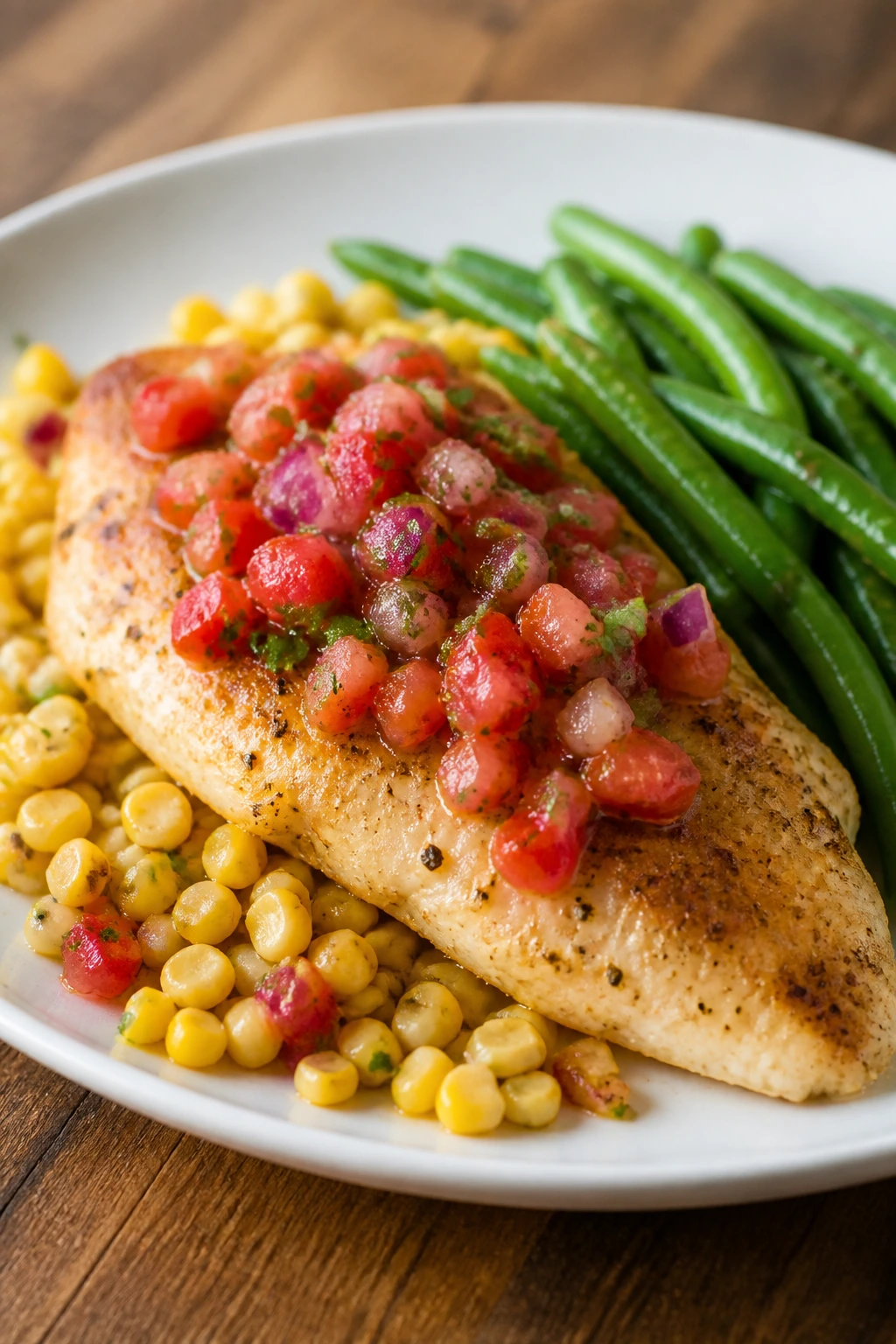
Tilapia is mild enough to disappear under bad seasoning, which is why a bright salsa topping matters so much here. The fish turns tender in the oven, the corn adds sweetness, and the green beans keep the plate from feeling one-note. It lands around 350 calories and comes together with almost no cleanup.
Why It Works:
Tilapia cooks quickly and takes on flavor from the salsa without needing a marinade. Corn adds texture and a little chew, and the rice gives the plate enough body to feel like dinner. This is one of the easiest meals on the list to scale up when you’re feeding two or four.
Key Ingredients:
- 2 tilapia fillets, about 5 oz each
- 1 tbsp olive oil
- 1 cup salsa
- 1 cup corn kernels
- 1 cup green beans
- 3/4 cup cooked brown rice
- 1 lime, cut into wedges
- 1/2 tsp cumin
Quick Steps:
- Heat the oven to 400°F and place the fish in a baking dish.
- Drizzle with olive oil and season with salt, pepper, and cumin.
- Spoon the salsa over the fish and bake for 12 minutes, until it flakes easily.
- Warm the corn and green beans while the fish cooks.
- Serve with brown rice and lime.
Equipment for This Recipe:
- Baking dish
- Small saucepan
- Spoon
How to Serve This Dish:
Serve the fish over the rice and spoon the extra salsa from the pan on top. A handful of chopped cilantro gives the plate a fresher finish, especially if the salsa is store-bought.
Pro Tips for This Recipe:
- Check the fish early; tilapia can go dry fast.
- If your salsa is thin, simmer it for a minute before baking.
- Green beans can be steamed or microwaved—no need to make that part harder.
Variations on This Dish:
- Pineapple Salsa Tilapia: Use a fruit salsa for a sweeter plate.
- Chipotle Tilapia: Add chipotle powder to the seasoning mix.
Common Mistakes to Avoid with This Dish:
- Don’t bake tilapia too long. It should just flake under a fork.
- Don’t skip seasoning the fish itself; salsa alone won’t carry the whole dish.
19. Chicken Fajita Skillet
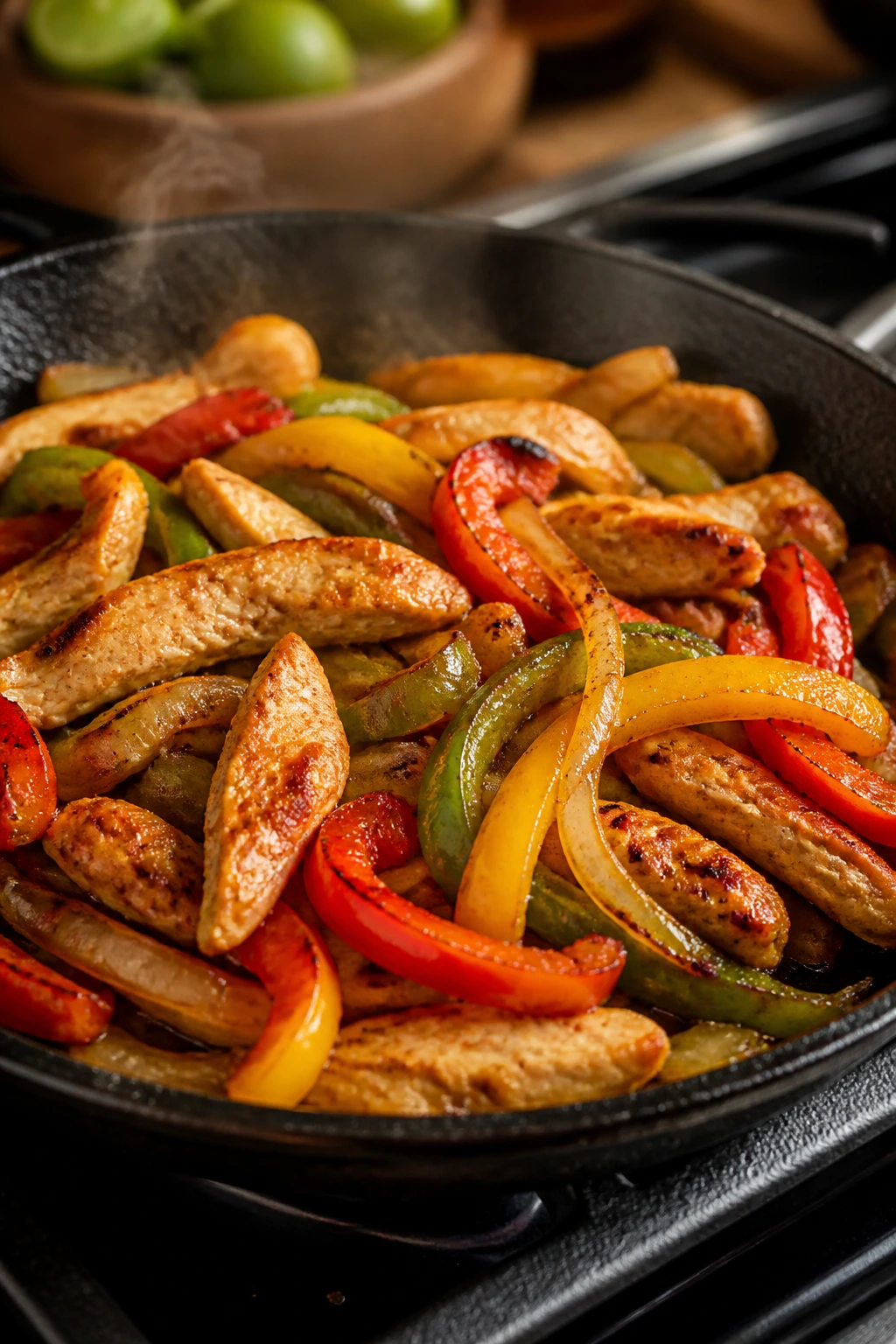
The pan smells like onions and peppers the second they hit the heat, which is half the reason fajitas work so well at home. The chicken gets charred edges, the vegetables stay a little crisp, and the tortillas give you enough structure to turn it into a proper meal. Two small tortillas per serving keeps it around 390 calories.
Why It Works:
Chicken breast cooks quickly in strips, and the peppers and onions taste better when they get a little color in a hot skillet. Corn tortillas keep the meal controlled without feeling stripped down. Salsa and yogurt give you two fast toppings that add flavor without a lot of extra calories.
Key Ingredients:
- 1 lb boneless, skinless chicken breast, sliced into strips
- 1 tbsp olive oil
- 3 bell peppers, sliced
- 1 large onion, sliced
- 1 tbsp fajita seasoning
- 8 small corn tortillas
- 1/2 cup salsa
- 2 tbsp plain Greek yogurt
- 1 lime, cut into wedges
Quick Steps:
- Toss the chicken with fajita seasoning, salt, and pepper.
- Heat the oil in a large skillet over medium-high heat and cook the chicken for 5 to 6 minutes.
- Add the peppers and onion and cook for 5 more minutes, until the vegetables are crisp-tender and lightly browned.
- Warm the tortillas in a dry skillet or microwave.
- Serve the chicken and vegetables with salsa, yogurt, and lime.
Equipment for This Recipe:
- Large skillet
- Tongs
- Small pan or microwave for tortillas
How to Serve This Dish:
Set everything out family-style and let people build their own tortillas. If you want to keep portions in check, fill each tortilla with mostly vegetables and a smaller amount of chicken.
Pro Tips for This Recipe:
- Slice the chicken and peppers the same width so they cook evenly.
- Don’t stir the vegetables constantly; a little stillness gives you browning.
- Heat the tortillas right before serving or they’ll crack.
Variations on This Dish:
- Steak Fajitas: Swap in flank steak and cook it a little less time.
- Veggie Fajitas: Use mushrooms and extra peppers instead of chicken.
Common Mistakes to Avoid with This Dish:
- Don’t overfill the tortillas. That’s how the meal turns messy and slow.
- Don’t cook the vegetables until soft. You want a little bite left.
20. Cauliflower Fried Rice with Egg
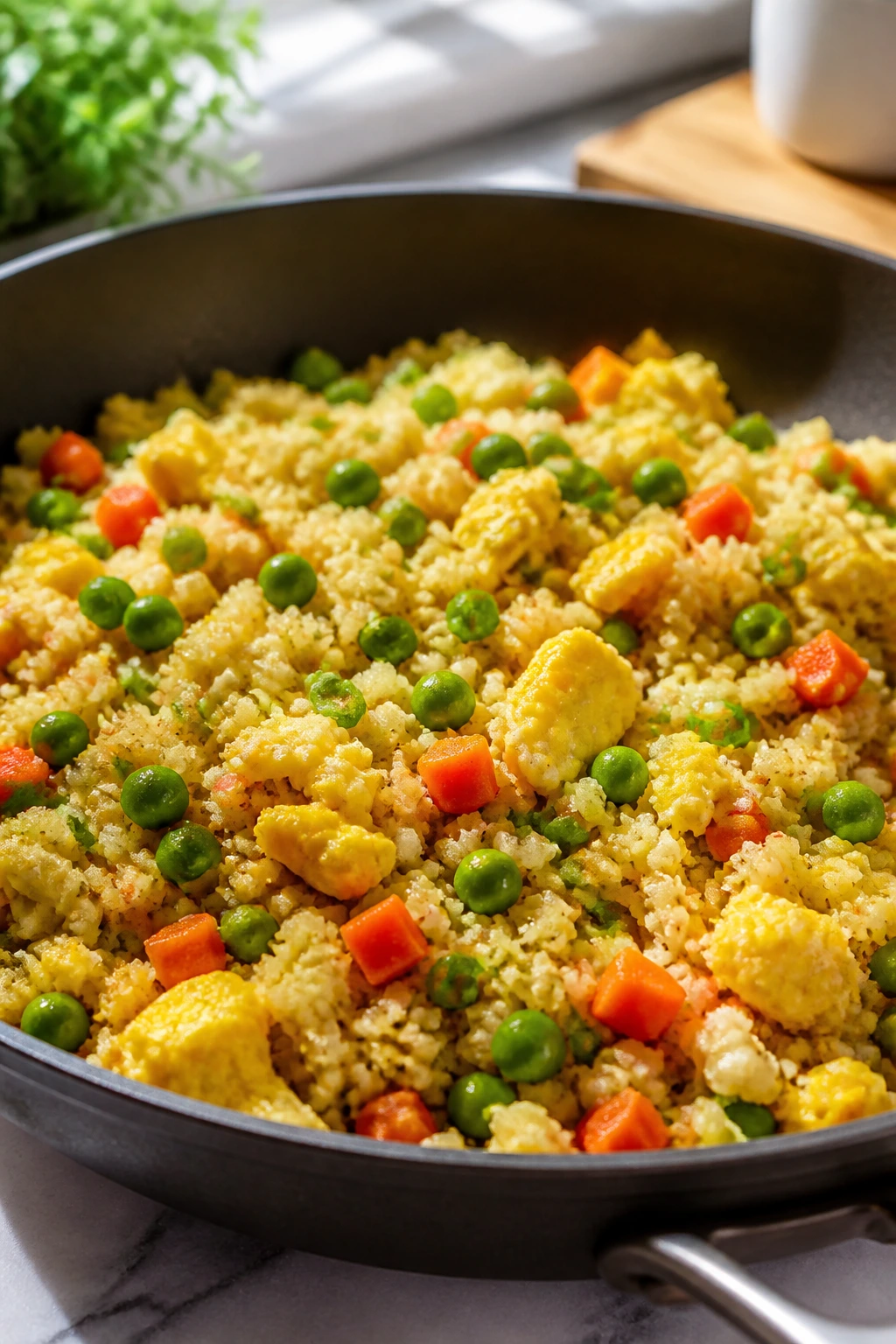
Cauliflower fried rice is only good when it tastes like fried rice, not damp vegetables in a pan. This version gets there with sesame oil, eggs, peas, carrots, and scallions, and it keeps the calorie count around 310. Fast heat and a dry pan make the difference.
Why It Works:
Cauliflower rice takes on seasoning fast, and eggs add the richness that makes fried rice feel like a complete meal. A little sesame oil does a lot of the flavor work, so you don’t need much else. Edamame or peas help the bowl feel fuller without pushing it over the line.
Key Ingredients:
- 4 cups cauliflower rice
- 3 large eggs
- 1 cup frozen peas and carrots
- 2 scallions, sliced
- 2 tbsp soy sauce or tamari
- 1 tsp sesame oil
- 1 tbsp neutral oil
- 1/2 cup shelled edamame
Quick Steps:
- Heat the neutral oil in a large skillet over medium-high heat.
- Scramble the eggs in the skillet until just set, then transfer them to a plate.
- Add the peas, carrots, and edamame and cook for 2 minutes.
- Stir in the cauliflower rice and cook for 4 to 5 minutes, until the moisture cooks off.
- Return the eggs, add soy sauce and sesame oil, and finish with scallions.
Equipment for This Recipe:
- Large skillet or wok
- Spatula
- Bowl for the eggs
How to Serve This Dish:
Serve it hot, right from the pan. A few chili flakes or a spoonful of chili crisp can wake it up if you want more bite.
Pro Tips for This Recipe:
- Use frozen cauliflower rice if it’s easier, but thaw it and squeeze out extra water.
- Keep the pan hot so the rice doesn’t turn mushy.
- Season at the end with soy sauce so it doesn’t over-reduce.
Variations on This Dish:
- Chicken Fried Rice: Add diced cooked chicken.
- Pineapple Fried Rice: Stir in small pineapple chunks for a sweet-salty version.
Common Mistakes to Avoid with This Dish:
- Don’t crowd the pan or the cauliflower steams instead of frying.
- Don’t leave the rice wet. Moisture is the enemy here.
21. Greek Yogurt Chicken Salad Stuffed Avocados
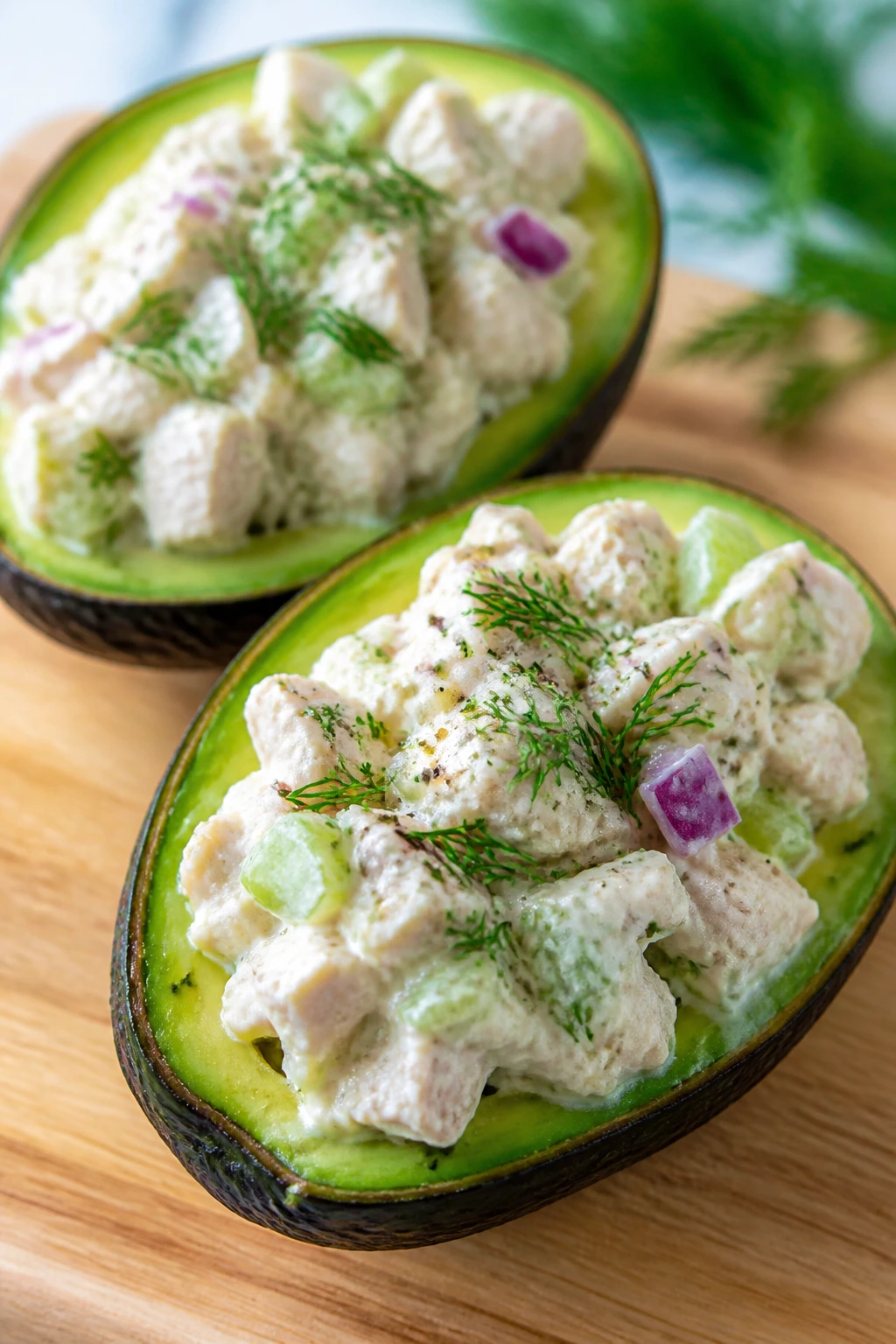
This is chicken salad with a cleaner finish and enough richness to make it feel like lunch worth sitting down for. Greek yogurt keeps it tangy and light, apples or grapes add crunch, and the avocado half acts like both bowl and garnish. It lands around 380 calories for two stuffed halves.
Why It Works:
Chicken gives the salad structure, Greek yogurt cuts the heaviness of mayo, and avocado replaces the bread or crackers that would normally push the plate upward. Celery and fruit keep the texture lively. It’s also one of the easiest lunches to pack if you keep the avocados separate until serving.
Key Ingredients:
- 2 cups cooked chicken breast, chopped
- 1/2 cup plain Greek yogurt
- 1 celery stalk, finely chopped
- 1/2 cup grapes, halved, or diced apple
- 1 tsp Dijon mustard
- 1 tbsp lemon juice
- 2 avocados, halved and pitted
- 1 tbsp chopped dill
- Salt and black pepper
Quick Steps:
- Mix the chicken, yogurt, celery, grapes, Dijon, lemon juice, dill, salt, and pepper.
- Taste and adjust the seasoning.
- Spoon the chicken salad into the avocado halves.
- Serve immediately so the avocado stays bright.
Equipment for This Recipe:
- Mixing bowl
- Spoon
- Knife
How to Serve This Dish:
Serve the stuffed avocados on a plate with a handful of greens or sliced cucumbers. If you want a little more crunch, a few whole-grain crackers on the side are enough.
Pro Tips for This Recipe:
- Pick avocados that are ripe but still firm so they don’t collapse.
- If the salad looks dry, add yogurt one tablespoon at a time.
- Chill the chicken salad for 15 minutes before stuffing if you want the flavors to settle.
Variations on This Dish:
- Curry Chicken Salad: Add curry powder and chopped raisins.
- Herbed Chicken Salad: Use parsley and tarragon instead of dill.
Common Mistakes to Avoid with This Dish:
- Don’t overmix the chicken; you want pieces, not paste.
- Don’t stuff the avocados too far ahead or they’ll brown and soften.
22. Chicken Sausage and Roasted Veg Tray Bake
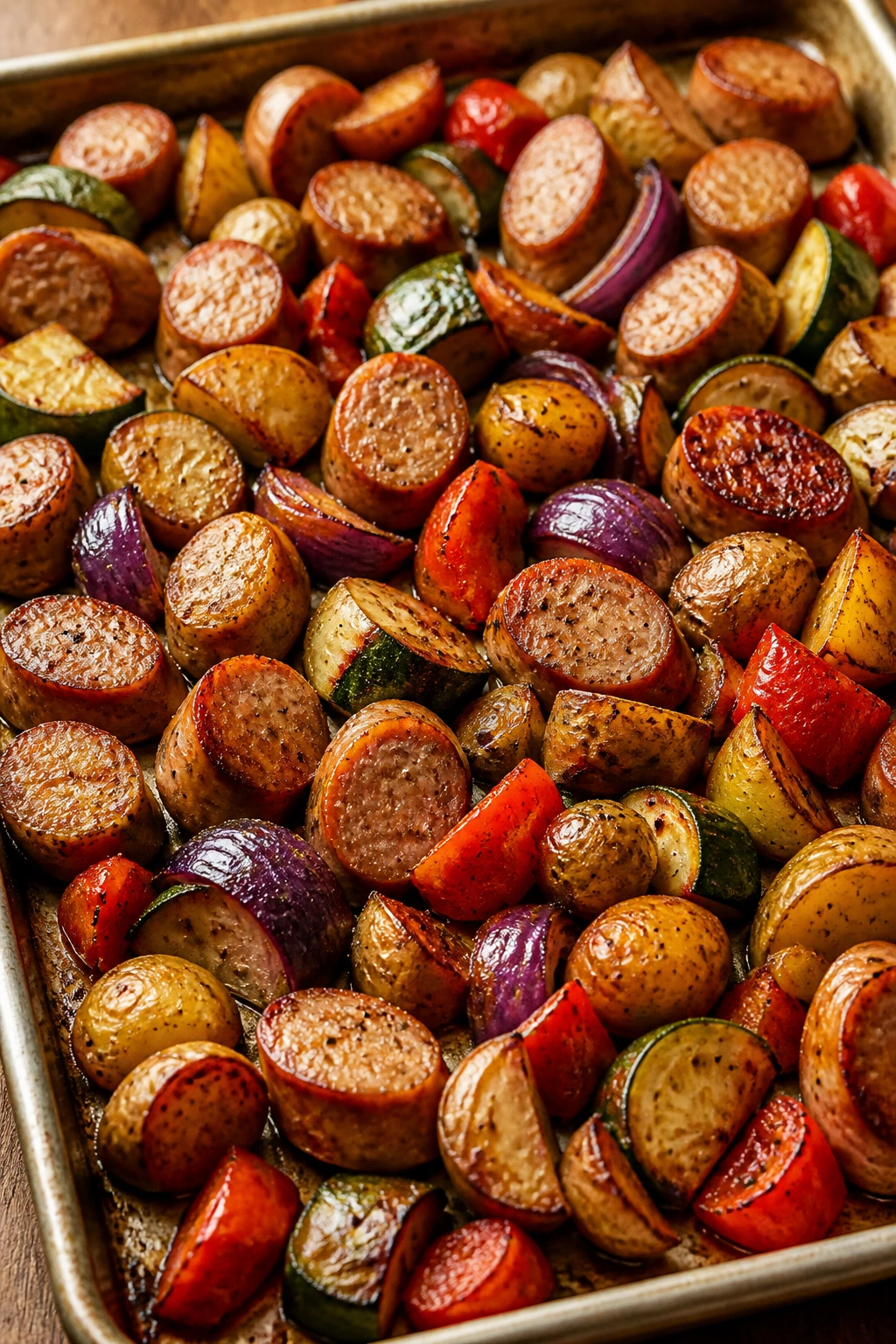
This is the tray bake I make when I want dinner to cook itself while I do literally anything else. The sausage browns, the zucchini softens at the edges, and the potatoes go crisp where they touch the pan. It lands around 450 calories and feels more substantial than most one-pan meals.
Why It Works:
Chicken sausage gives you flavor without needing a long marinade or a separate sauce. The vegetables roast at the same temperature, which keeps the method simple. Potatoes make the dish feel like dinner, not a side dish with ambitions.
Key Ingredients:
- 4 chicken sausage links, sliced on a bias
- 1 medium zucchini, sliced
- 1 red onion, cut into wedges
- 1 bell pepper, chopped
- 1 cup baby potatoes, halved
- 2 tbsp olive oil
- 1 tbsp Italian seasoning
- Salt and black pepper
Quick Steps:
- Heat the oven to 425°F.
- Toss the potatoes with half the oil, salt, and pepper, then roast for 15 minutes.
- Add the sausage, zucchini, onion, and bell pepper with the remaining oil and seasoning.
- Roast for 15 to 18 minutes more, until the vegetables are tender and the sausage is browned.
- Serve hot from the pan.
Equipment for This Recipe:
- Large sheet pan
- Parchment paper
- Spatula
How to Serve This Dish:
Serve it as-is for a simple dinner or over a small handful of arugula if you want more green on the plate. A spoonful of mustard on the side works better than you might think.
Pro Tips for This Recipe:
- Start the potatoes first; they need the head start.
- Cut the vegetables into similar sizes so they finish together.
- If the pan looks crowded, use two pans instead of steaming the vegetables.
Variations on This Dish:
- Smoky Sausage Bake: Use smoked paprika and a little chili powder.
- Garlic-Parmesan Bake: Finish with a small sprinkle of Parmesan.
Common Mistakes to Avoid with This Dish:
- Don’t add all the ingredients at once. The potatoes need more time than the sausage.
- Don’t use too much oil; tray bakes can get greasy fast.
23. Mushroom Barley Soup with Parmesan
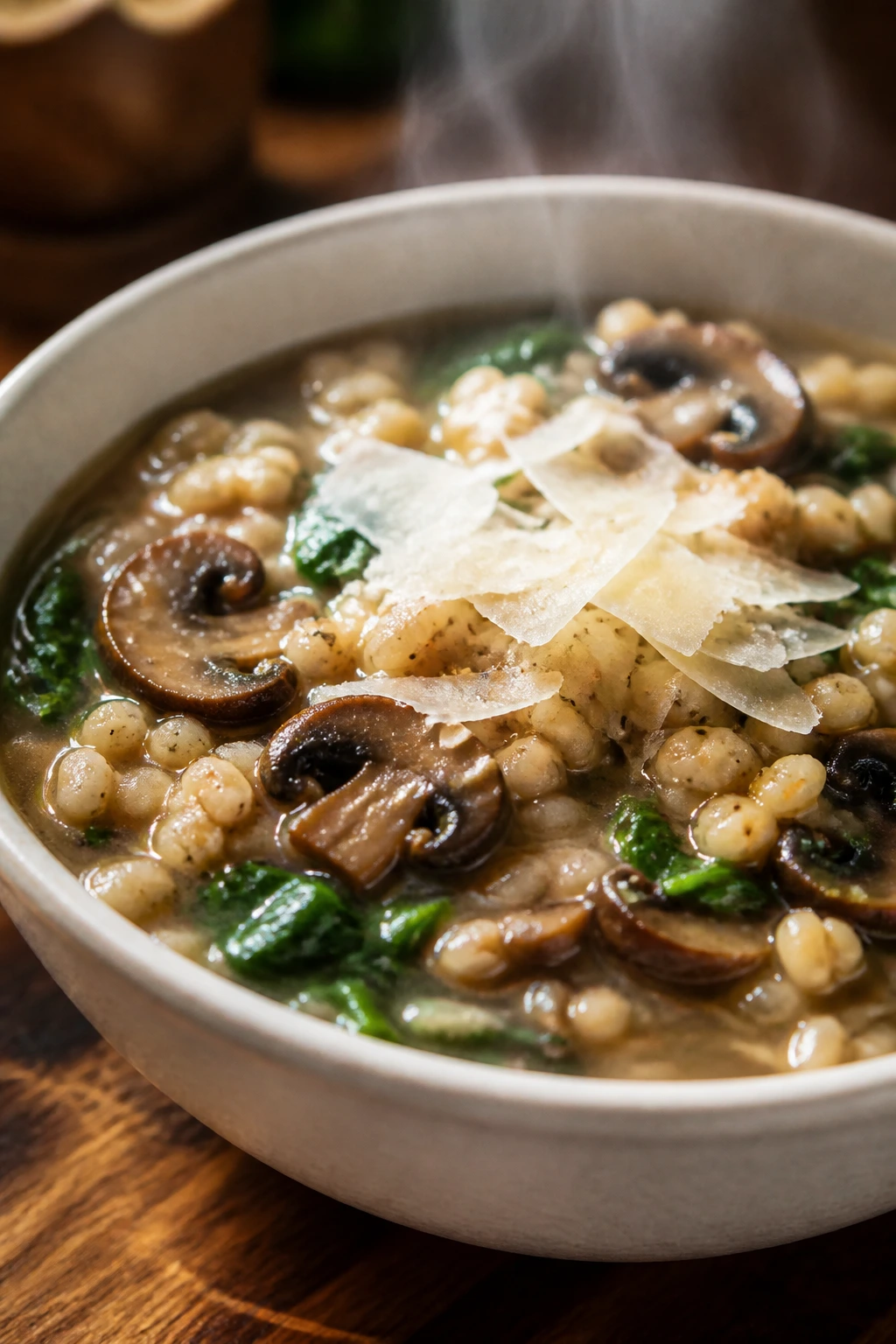
Mushroom barley soup has a kind of old-school comfort that still feels smart on a calorie budget. The mushrooms bring earthiness, the barley gives chew, and the Parmesan adds a salty note that makes the whole pot taste rounded. It sits around 360 calories and makes excellent leftovers.
Why It Works:
Barley gives the soup more body than rice would, and it stays pleasantly chewy after simmering. Mushrooms soak up broth and deepen the flavor, while spinach at the end keeps the soup from looking brown and one-dimensional. The Parmesan finish adds enough richness that you don’t need cream.
Key Ingredients:
- 8 oz mushrooms, sliced
- 1/2 cup pearled barley, rinsed
- 1 onion, diced
- 1 carrot, diced
- 2 celery stalks, diced
- 2 cloves garlic, minced
- 6 cups low-sodium vegetable or chicken broth
- 1 tsp dried thyme
- 2 cups spinach
- 1/4 cup grated Parmesan
Quick Steps:
- Cook the onion, carrot, celery, and mushrooms in a soup pot with a little oil for 6 minutes.
- Add the garlic and thyme and cook for 30 seconds.
- Stir in the barley and broth.
- Simmer for 30 to 35 minutes, until the barley is tender.
- Add the spinach and Parmesan at the end.
Equipment for This Recipe:
- Soup pot
- Wooden spoon
- Ladle
How to Serve This Dish:
Serve it in a deep bowl with extra black pepper on top. A small piece of crusty bread is enough if you want one; this soup already has enough going on.
Pro Tips for This Recipe:
- Brown the mushrooms well so they bring more flavor to the broth.
- Keep the lid slightly ajar to avoid a thin soup.
- Add Parmesan at the end so it doesn’t clump.
Variations on This Dish:
- Creamy Mushroom Barley: Stir in a little Greek yogurt off the heat.
- Herbed Barley Soup: Add rosemary and parsley for a brighter pot.
Common Mistakes to Avoid with This Dish:
- Don’t rush the barley. It needs time to soften fully.
- Don’t add too much cheese at the start; it’s better at the end.
24. Pesto Zucchini Pasta with Chicken
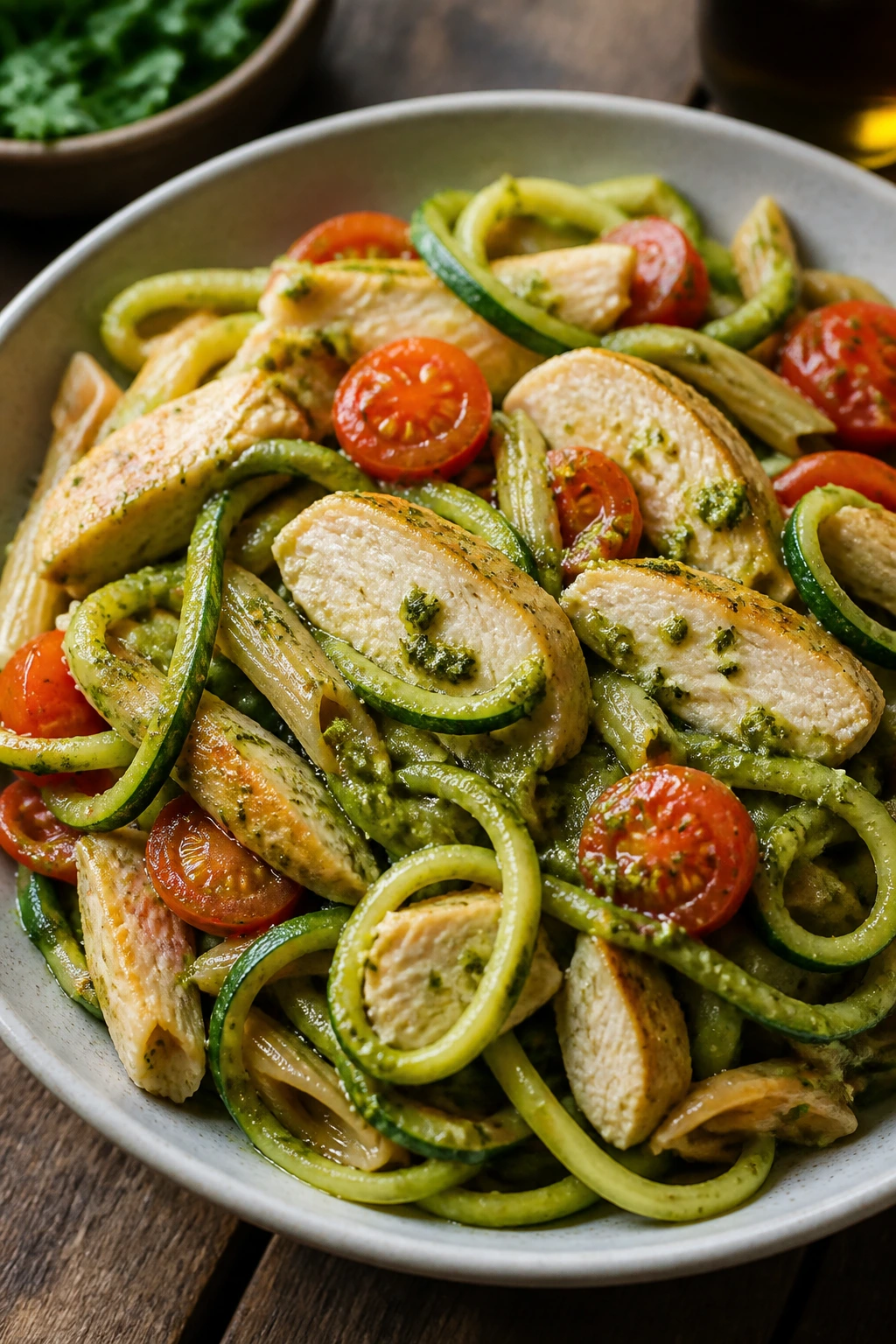
Pesto zucchini pasta is the kind of dinner that can feel rich if you’re careless and nicely balanced if you’re paying attention. The zucchini adds bulk, the whole-wheat pasta gives you the chew people actually want, and the pesto ties it all together. It lands around 470 calories if you keep the pesto measured.
Why It Works:
A small amount of pesto goes a long way because it’s built on herbs, oil, and cheese. Chicken breast keeps the meal firmly in dinner territory, while zucchini stretches the pasta so you get a bigger bowl without a massive calorie count. Cherry tomatoes add a little sweetness and juice to keep the sauce from feeling heavy.
Key Ingredients:
- 8 oz chicken breast, sliced
- 2 medium zucchini, spiralized or sliced into ribbons
- 2 oz dry whole-wheat spaghetti
- 2 tbsp pesto
- 1 cup cherry tomatoes, halved
- 1 tbsp olive oil
- 2 tbsp grated Parmesan
- 1 tbsp chopped basil
Quick Steps:
- Cook the spaghetti in salted water until al dente.
- Sauté the chicken in olive oil over medium-high heat for 5 to 6 minutes, until cooked through.
- Add the zucchini and tomatoes and cook for 2 minutes.
- Toss in the drained pasta and pesto with 2 tablespoons of pasta water.
- Finish with Parmesan and basil.
Equipment for This Recipe:
- Large skillet
- Pot for pasta
- Tongs
How to Serve This Dish:
Serve it in a wide bowl so the pesto coats the pasta instead of sinking to the bottom. A few extra tomatoes on top make the plate look brighter and keep the portion from feeling small.
Pro Tips for This Recipe:
- Save pasta water; it helps the pesto cling.
- Don’t cook the zucchini too long or it will disappear into the noodles.
- Use a strongly flavored pesto so a small amount still tastes like something.
Variations on This Dish:
- Pesto Shrimp Pasta: Swap the chicken for shrimp and cook them first.
- Dairy-Light Version: Use dairy-free pesto and skip the Parmesan.
Common Mistakes to Avoid with This Dish:
- Don’t use too much pesto. It’s easy for the calories to jump fast.
- Don’t overcook the pasta; it needs bite to balance the zucchini.
25. Peanut Soba Noodle Bowl with Edamame
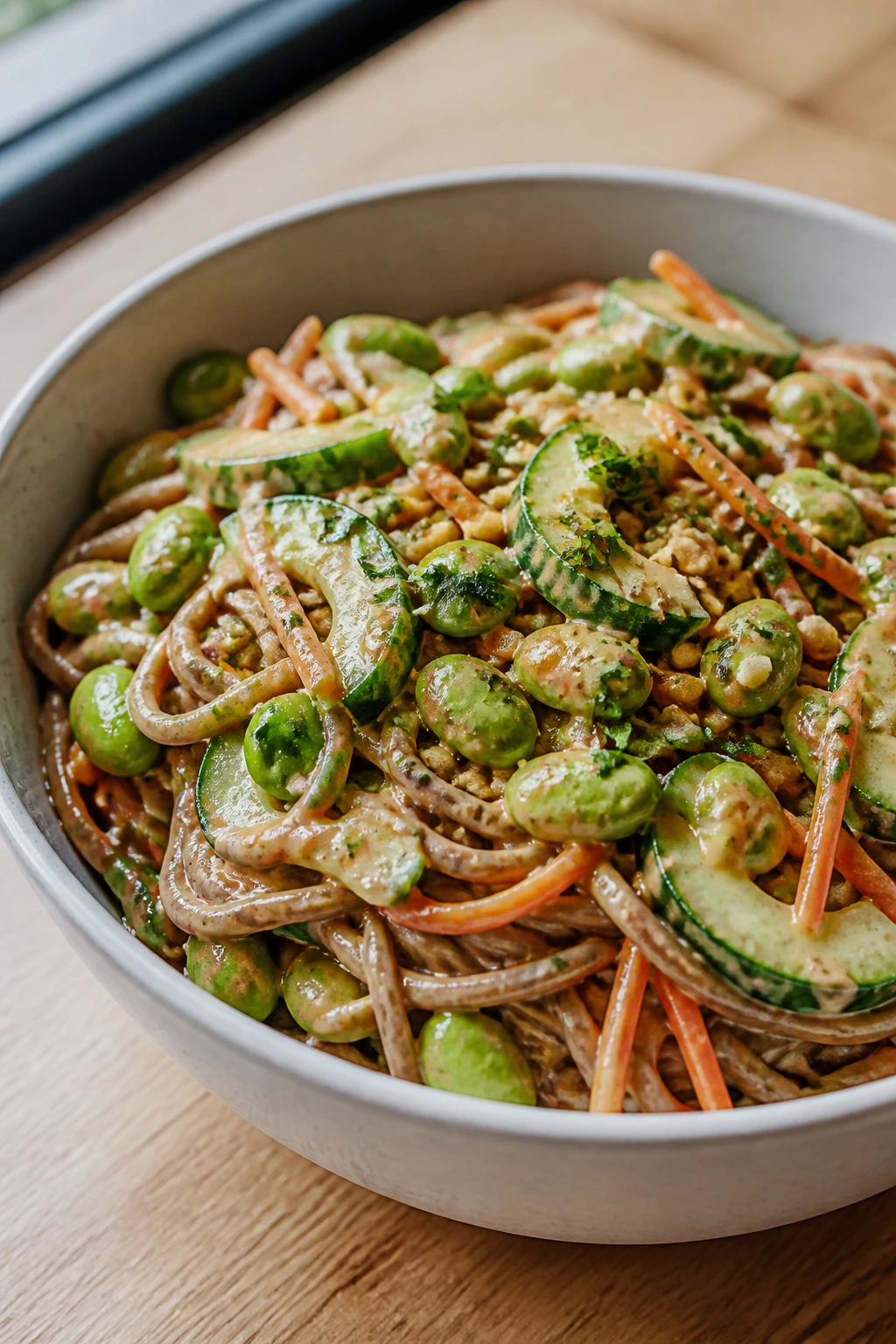
This bowl has a cool, slurpy quality that makes it feel different from the other dinners here. The soba noodles bring chew, the peanut sauce clings to every strand, and the cucumber and carrots add the crunch that keeps the bowl from getting dense. It lands around 480 calories, which is near the top of the range but still reasonable for a full meal.
Why It Works:
Soba noodles are sturdy enough to carry a sauce without turning mushy. Edamame adds protein, while the vegetables keep the bowl fresh. Because the sauce is built from peanut butter, soy sauce, vinegar, and water, you get a lot of flavor with a short ingredient list.
Key Ingredients:
- 4 oz dry soba noodles
- 1 cup shelled edamame
- 1 cucumber, thinly sliced
- 1 carrot, shredded
- 2 tbsp peanut butter
- 1 tbsp soy sauce
- 1 tbsp rice vinegar
- 1 tsp sesame oil
- 1 tbsp lime juice
- 2 scallions, sliced
Quick Steps:
- Cook the soba noodles according to the package directions and rinse under cool water.
- Warm the edamame in a small pot or microwave.
- Whisk the peanut butter, soy sauce, vinegar, sesame oil, lime juice, and 2 to 3 tablespoons water.
- Toss the noodles with the sauce, edamame, cucumber, carrot, and scallions.
- Chill for 5 minutes or serve right away.
Equipment for This Recipe:
- Medium pot
- Mixing bowl
- Whisk
How to Serve This Dish:
Serve it in a bowl with chopsticks or a fork, whichever feels easier. A few sesame seeds or chopped peanuts on top add a good crunch.
Pro Tips for This Recipe:
- Rinse the noodles well so they don’t clump.
- Thin the peanut sauce slowly; it can go from thick to watery fast.
- Keep the cucumber cold for a better texture contrast.
Variations on This Dish:
- Sesame Noodle Bowl: Swap peanut butter for tahini.
- Spicy Noodle Bowl: Add chili oil or sambal for heat.
Common Mistakes to Avoid with This Dish:
- Don’t overcook soba noodles; they go soft fast.
- Don’t skip the rinse after boiling or the noodles will stick.
26. Cottage Cheese Breakfast Bowl with Berries and Almonds
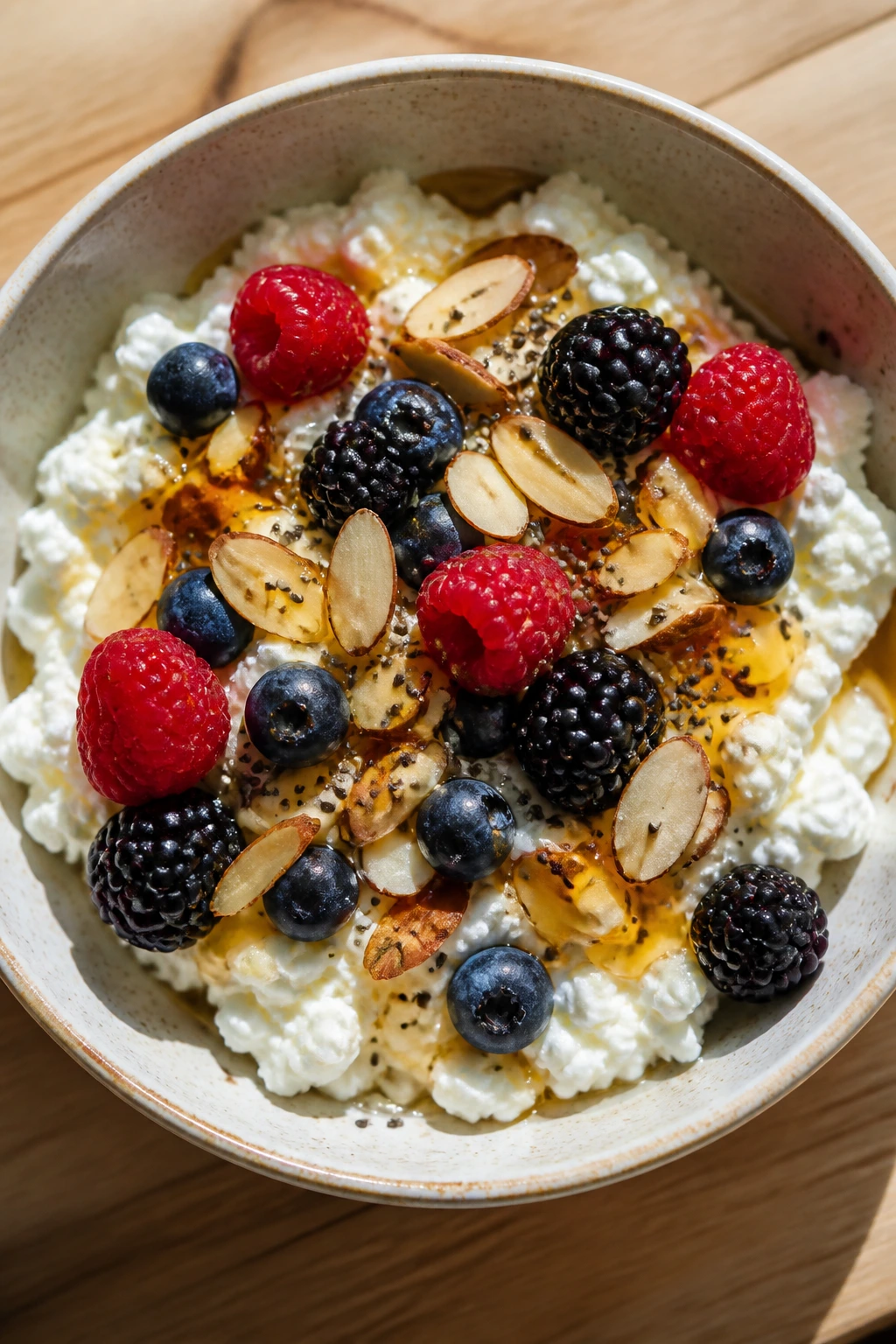
This is the kind of breakfast that works when you want something fast but not bland. Cottage cheese brings a cold, creamy base, the berries pop with juice, and the almonds and chia add enough crunch to keep the bowl interesting. It sits around 320 calories and doesn’t need a stove at all.
Why It Works:
Cottage cheese is high in protein for the calories, which makes it one of the better breakfast anchors out there. Berries add sweetness and acid, while almonds and chia bring texture and a little fat. You can make it in 2 minutes, which matters more than people think on a busy morning.
Key Ingredients:
- 1 cup cottage cheese
- 1 cup mixed berries
- 2 tbsp sliced almonds
- 1 tbsp chia seeds
- 1 tsp honey
- 1/4 tsp cinnamon
- Pinch of salt
Quick Steps:
- Spoon the cottage cheese into a bowl.
- Top with berries, almonds, and chia seeds.
- Drizzle with honey and dust with cinnamon.
- Finish with a tiny pinch of salt.
Equipment for This Recipe:
- Bowl
- Spoon
- Measuring spoon
How to Serve This Dish:
Eat it cold right away, or pack the toppings separately and assemble at work if you’re bringing breakfast with you. A slice of toast fits if you need more carbs, but the bowl stands fine on its own.
Pro Tips for This Recipe:
- Use berries that are dry and firm so the bowl doesn’t turn watery.
- A little salt makes the cottage cheese taste fuller.
- If you want more sweetness, add sliced banana instead of more honey.
Variations on This Dish:
- Peach Bowl: Swap berries for sliced peaches and a sprinkle of nutmeg.
- Savory Bowl: Skip the honey and add cucumber, pepper, and chives.
Common Mistakes to Avoid with This Dish:
- Don’t add too many nuts or the calories climb faster than you’d expect.
- Don’t use watery fruit that turns the cottage cheese thin.
27. Avocado Toast with Jammy Eggs and Tomatoes
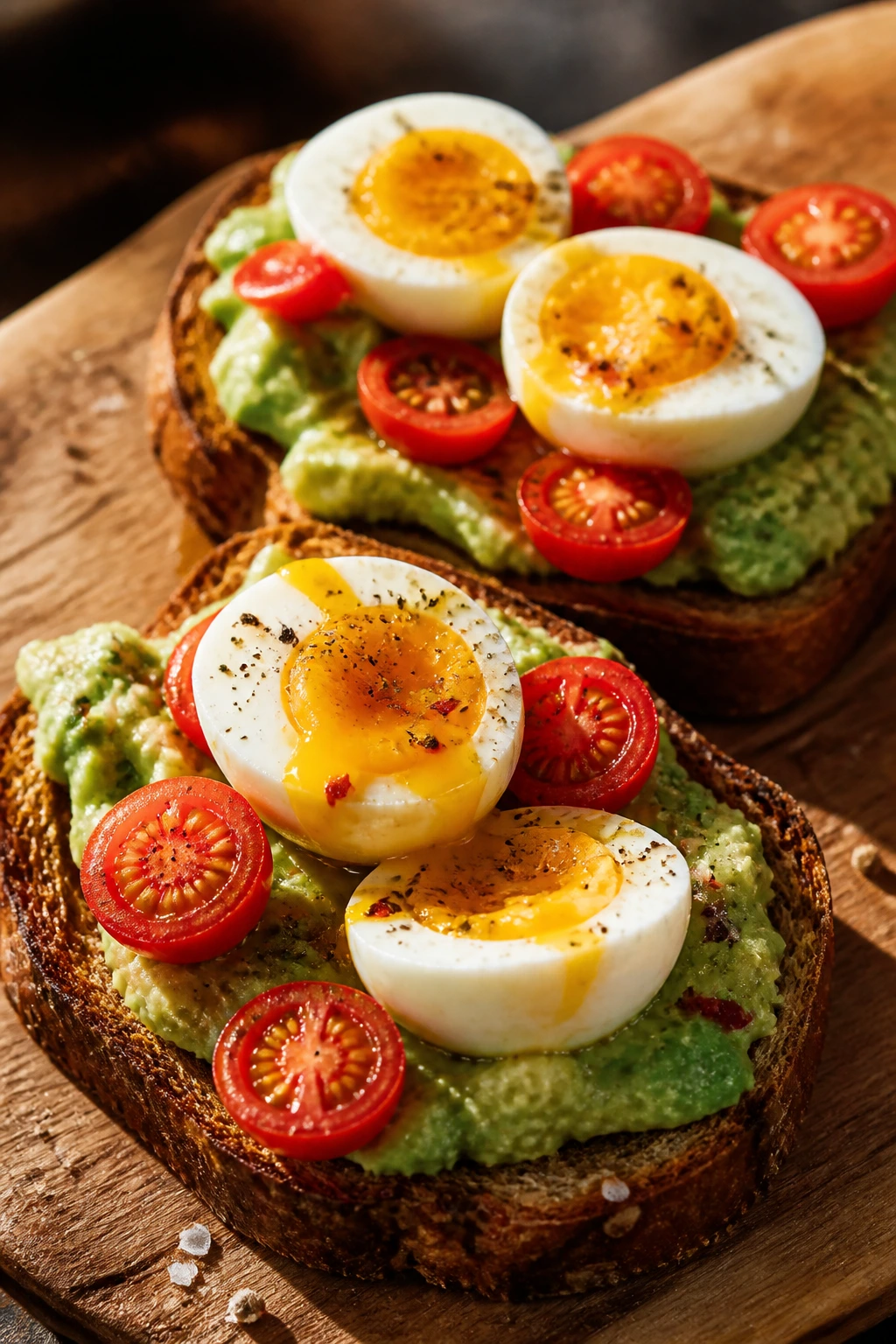
Avocado toast can be lazy or it can be good. The difference is usually the egg and the seasoning. Here, the bread gets crisp, the avocado gets lemony, the eggs stay soft in the middle, and the tomatoes bring a fresh snap that keeps the whole plate around 430 calories.
Why It Works:
Eggs add protein and richness, which gives the toast actual staying power. Avocado provides the creamy base, but because it’s measured, the calories don’t run away. Tomatoes and chili flakes keep the toast from tasting like plain fat on bread, which is the trap a lot of versions fall into.
Key Ingredients:
- 2 slices whole-grain bread
- 1 avocado
- 2 large eggs
- 1 cup cherry tomatoes, halved
- 1 tsp olive oil
- 1/2 lemon, juiced
- Chili flakes
- Flaky salt and black pepper
Quick Steps:
- Toast the bread until crisp and golden.
- Boil the eggs for 7 minutes, then cool and peel them.
- Mash the avocado with lemon juice, salt, and pepper.
- Spread the avocado over the toast and top with sliced eggs and tomatoes.
- Drizzle with olive oil and add chili flakes.
Equipment for This Recipe:
- Toaster
- Small saucepan
- Knife
How to Serve This Dish:
Serve the toast on a plate with the tomatoes scattered alongside, not buried under the bread. If you want more substance, a small side salad is enough.
Pro Tips for This Recipe:
- Use bread with some heft so it doesn’t collapse under the avocado.
- Jammy eggs should be cooled in ice water for easy peeling.
- Season the avocado well; bland avocado toast is a waste of good bread.
Variations on This Dish:
- Smoked Salmon Toast: Replace the eggs with a few slices of smoked salmon.
- Feta Toast: Add crumbled feta and cucumber instead of tomatoes.
Common Mistakes to Avoid with This Dish:
- Don’t use soggy bread. It ruins the texture almost immediately.
- Don’t mash the avocado into a paste; a little texture is better.
28. Turkey Meatballs with Marinara and Spaghetti Squash
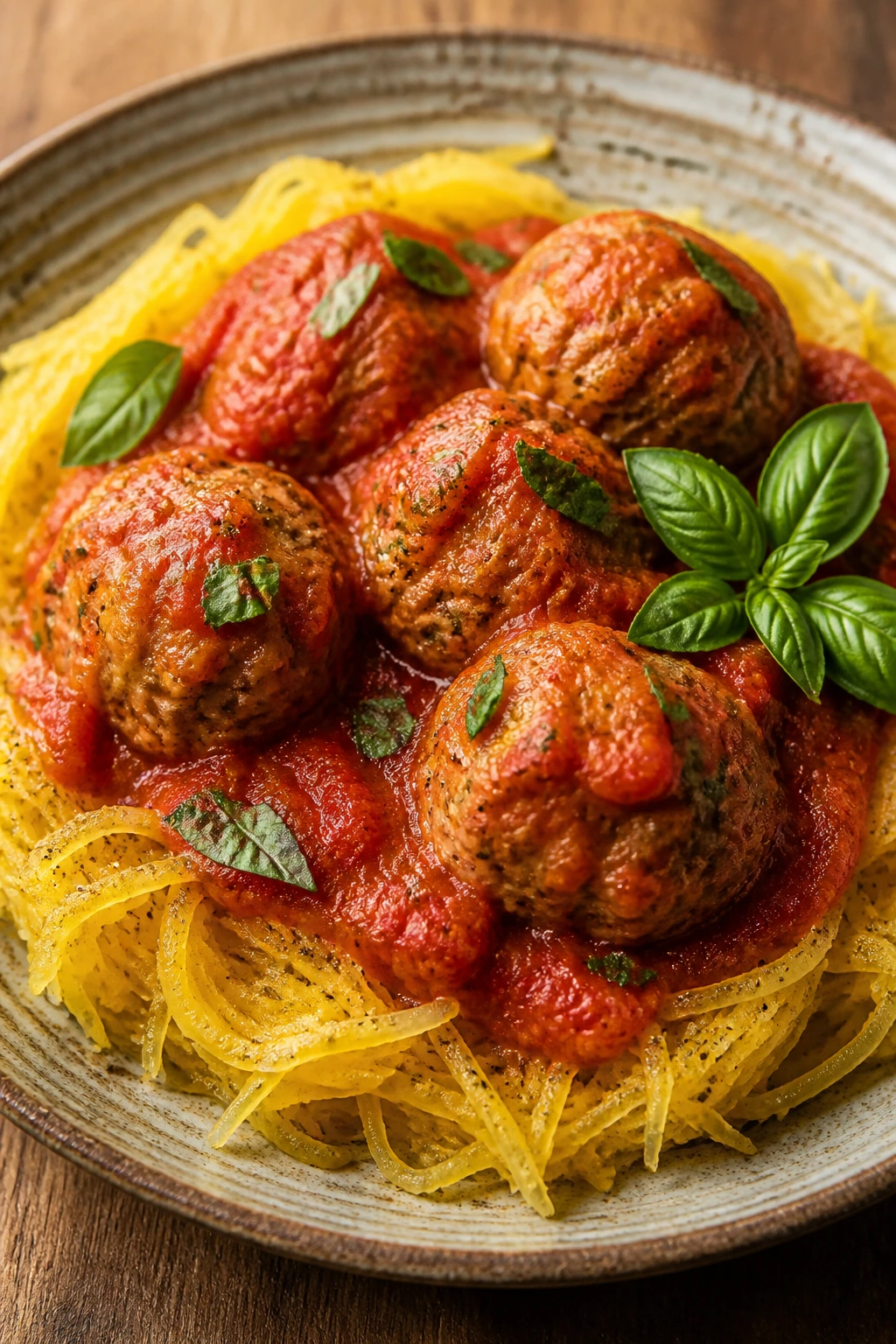
Turkey meatballs are one of those dishes that can turn dry if you rush them, but done right they’re tender, savory, and better than the frozen version by a wide margin. The spaghetti squash gives you a light base that still feels like a real dinner, and the marinara ties everything together. It lands around 460 calories and makes a solid repeat meal.
Why It Works:
Lean turkey stays in the calorie range, while egg and breadcrumbs keep the meatballs from turning crumbly. Spaghetti squash gives you a lot of volume for very few calories, so the plate looks generous. Marinara adds moisture, which is the difference between a good turkey meatball and a dry one.
Key Ingredients:
- 1 lb lean ground turkey
- 1 egg
- 1/4 cup breadcrumbs
- 1/4 cup grated Parmesan
- 2 cloves garlic, minced
- 2 cups marinara sauce
- 1 medium spaghetti squash
- 1 tbsp olive oil
- 1 tbsp chopped basil
Quick Steps:
- Heat the oven to 400°F and roast the spaghetti squash cut-side down for 35 to 40 minutes, until tender.
- Mix the turkey, egg, breadcrumbs, Parmesan, garlic, salt, and pepper.
- Form into meatballs and bake for 15 to 18 minutes, until cooked through.
- Warm the marinara in a saucepan and toss the meatballs in the sauce.
- Scrape the squash into strands and serve with the meatballs on top.
Equipment for This Recipe:
- Baking sheet
- Mixing bowl
- Saucepan
- Fork for shredding the squash
How to Serve This Dish:
Serve the squash in a bowl with the meatballs and sauce centered on top, then finish with basil. If you want more texture, a few roasted mushrooms fit in nicely.
Pro Tips for This Recipe:
- Don’t overmix the meatball mixture or they’ll turn dense.
- Let the squash cool for a few minutes before shredding or the strands get watery.
- Bake the meatballs until just cooked; overbaking dries them out fast.
Variations on This Dish:
- Italian Herb Meatballs: Add oregano and parsley to the mix.
- Spicy Meatballs: Stir red pepper flakes into the marinara.
Common Mistakes to Avoid with This Dish:
- Don’t make the meatballs too large or the centers stay undercooked.
- Don’t skip draining the squash lightly if it seems watery after roasting.
Why These 500-Calorie Meals Work Better Than “Light” Food
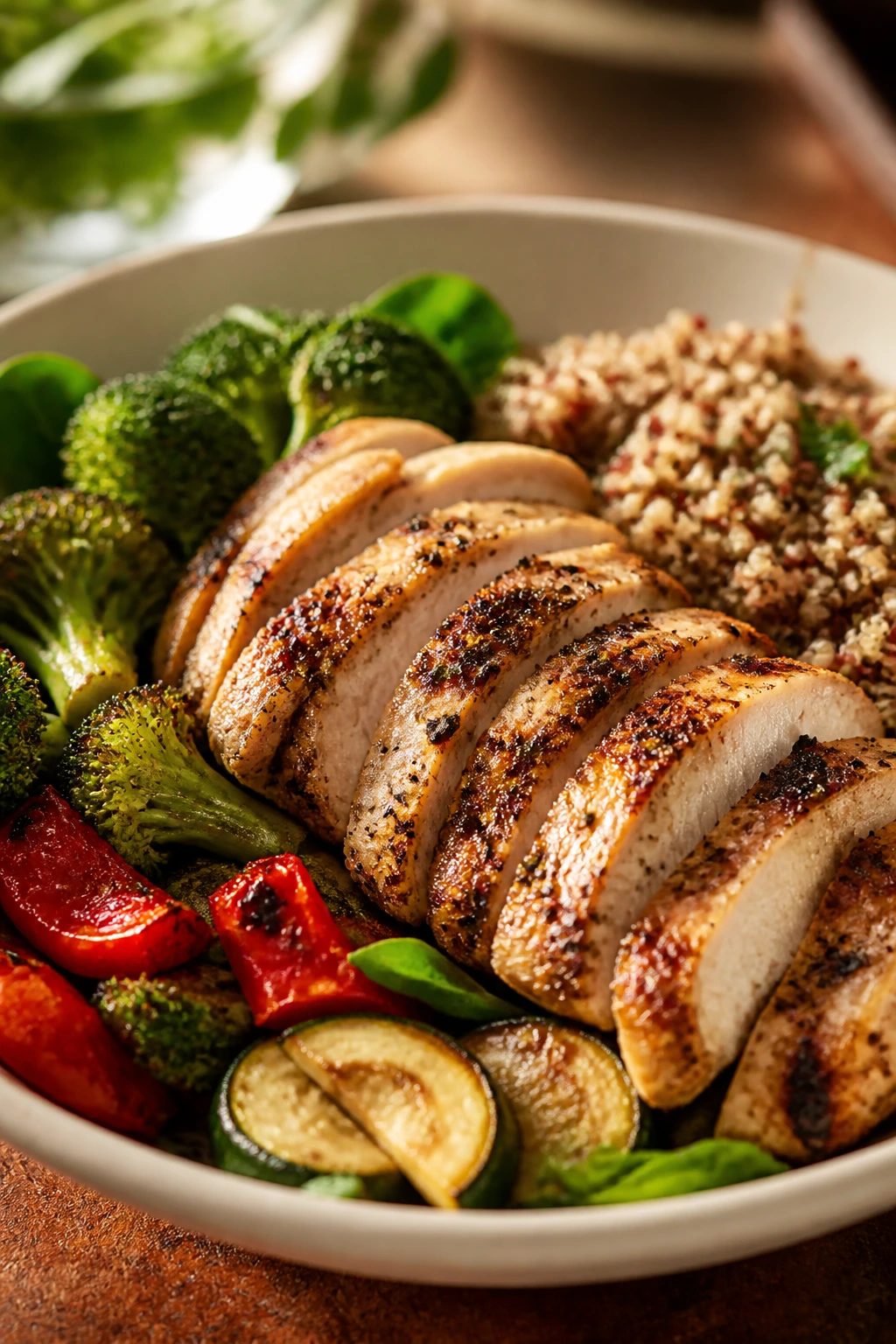
A meal under 500 calories only feels satisfying when the calories are doing useful work. A spoon of oil is not the same as a spoon of oil used to brown chicken, toast spices, and carry lemon through a bowl. That’s the difference between a food log and a dinner.
The strongest pattern in these recipes is simple: protein takes the lead, vegetables add bulk, and starch stays measured instead of missing. There’s a reason soups, bowls, skillets, and tray bakes show up so often here. They let you build height and color on the plate without quietly pouring in a cup of cheese or a second glug of oil.
And there’s a small trick worth keeping in your back pocket. Acid makes food taste bigger than it is. Lemon, vinegar, salsa, yogurt, and even a little balsamic glaze can make lean chicken or beans taste finished in a way that heavy sauces often do not.
Essential Equipment for These Recipes
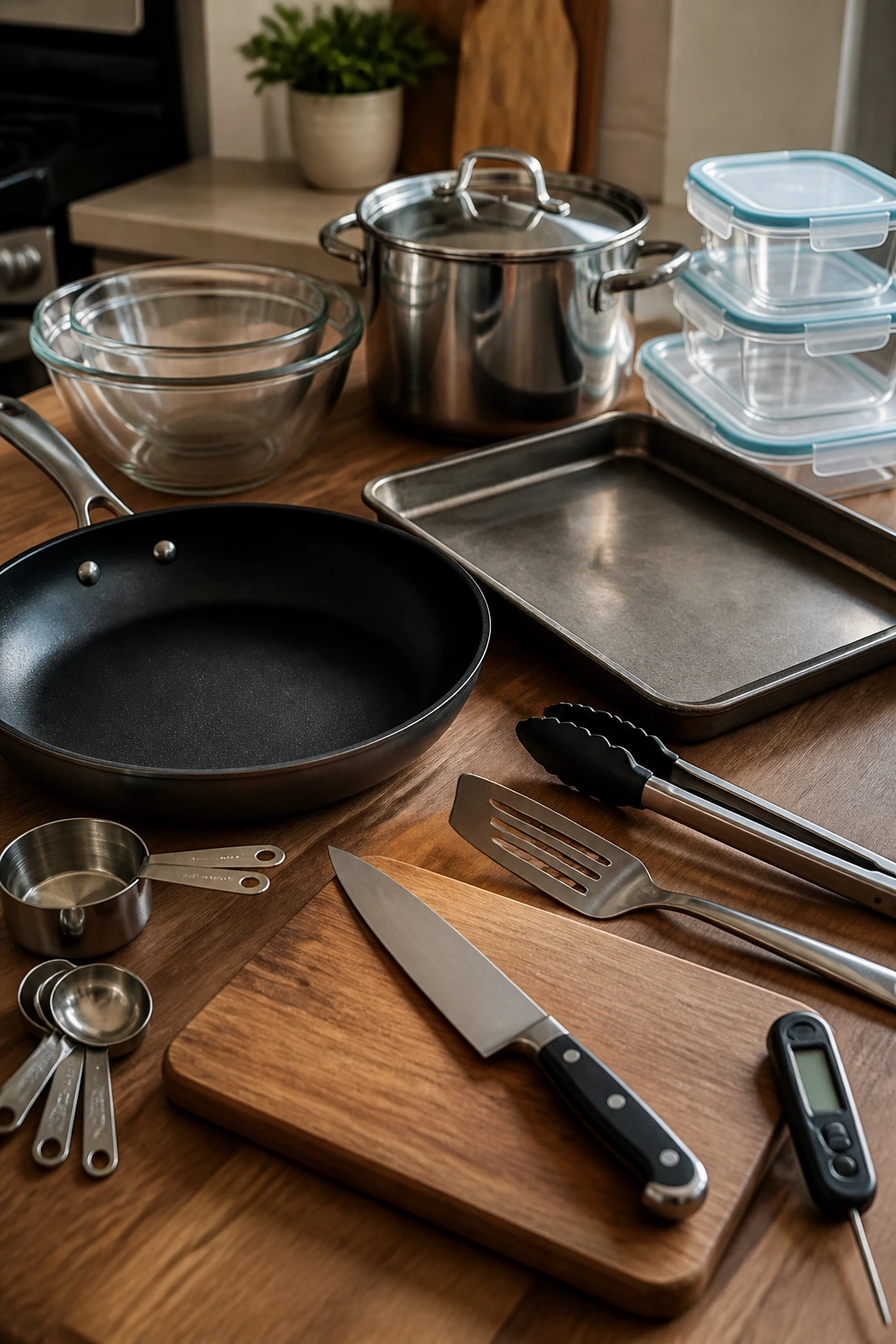
- 12-inch skillet: The sweet spot for chicken, turkey, shrimp, omelets, and stir-fries without crowding the pan.
- Rimmed sheet pans: Needed for salmon, roasted vegetables, meatballs, and tray bakes; the rim keeps juices from escaping.
- Soup pot or Dutch oven: Best for chili, lentil soup, chicken soup, and mushroom barley soup.
- Sharp chef’s knife: Saves time on onions, peppers, herbs, and chicken cutlets.
- Cutting board: A stable board makes faster prep and keeps lettuce, herbs, and citrus cleaner to handle.
- Mixing bowls: Handy for salads, sauces, meatballs, and quick dressings.
- Measuring spoons and cups: Oil, yogurt, cheese, and nut butter are where calorie creep usually happens.
- Instant-read thermometer: The cleanest way to keep chicken, turkey, and fish from drying out.
- Tongs and a fish spatula: Not glamorous, but they make flipping and serving a lot easier.
- Airtight storage containers: Important if you plan to pack leftovers or prep lunches for the week.
Smart Shopping for Lean Protein, Beans, and Produce
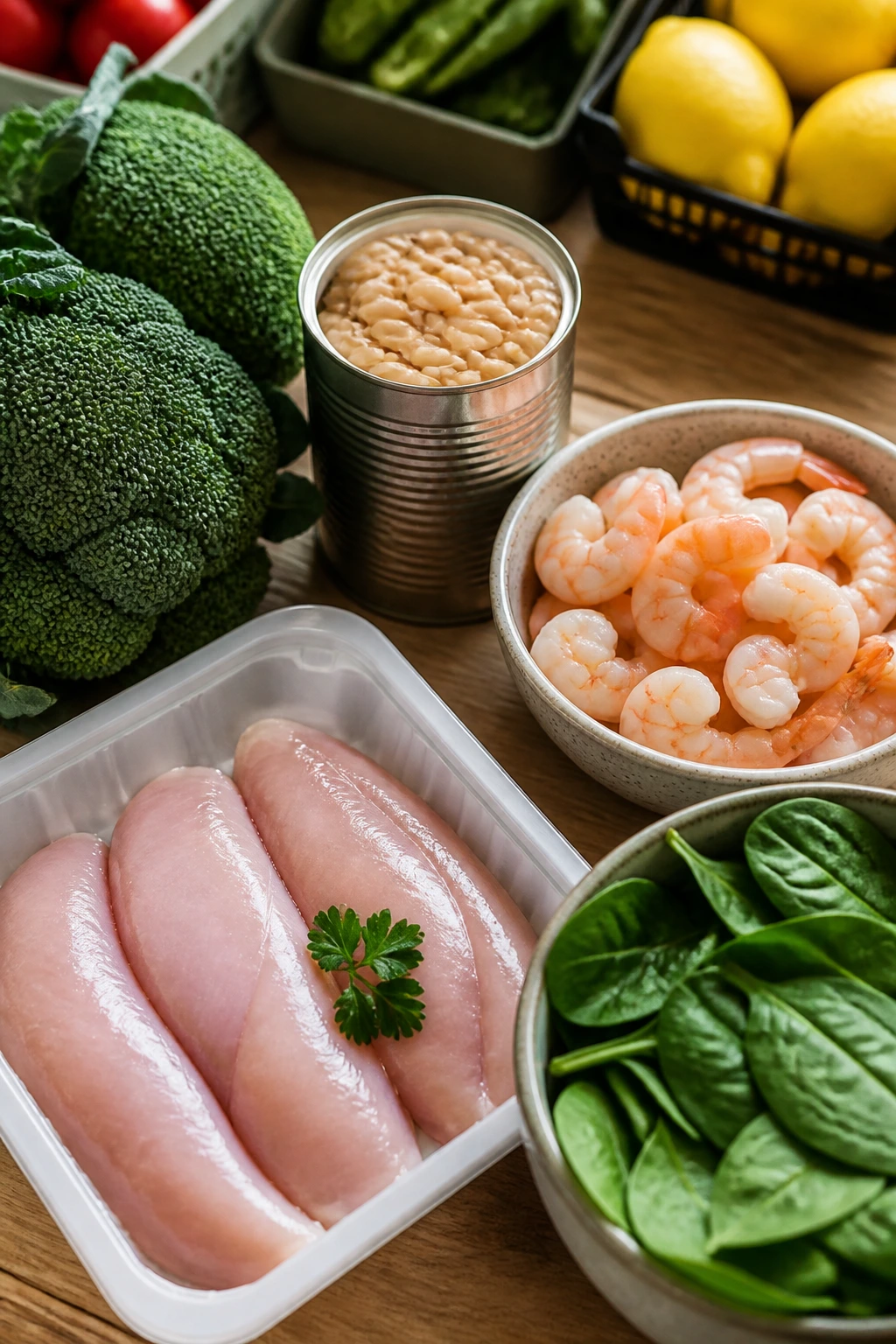
The easiest way to keep these meals under 500 calories is to shop with the recipe structure in mind. Buy proteins that are already friendly to quick cooking: chicken breast cutlets, lean ground turkey, shrimp, cod, tilapia, tofu, eggs, tuna in water, and chicken sausage with a sane ingredient list. If the protein needs a lot of breading or a heavy sauce to taste good, it’s already working against you.
Beans and lentils are your quiet heroes. A can of black beans or cannellini beans is cheap, filling, and almost always useful. Rinse them well so the flavor stays clean and the sodium doesn’t stack up too fast. Dry lentils cook into soup and curry without much fuss, and they’re one of the best pantry buys you can make for a meal like this.
Vegetables matter more than the marketing on the package. Frozen broccoli, cauliflower rice, peas, and edamame are usually fine, and in some cases they’re better than the sad fresh bag that’s been sitting in the crisper drawer for a week. For salads and bowls, look for crisp produce with real texture: romaine that snaps, cucumbers that feel firm, peppers with shiny skin, and spinach that hasn’t gone slimy at the edges.
I’d also keep a small list of “flavor helpers” in the cart. Greek yogurt, salsa, Dijon, miso, pesto, low-sodium broth, Parmesan, feta, lemons, limes, and rice vinegar do a lot of the work that cream and butter usually do. When those are in the fridge, a lean meal stops feeling like an emergency.
How to Plate These Recipes So They Feel Like a Real Meal
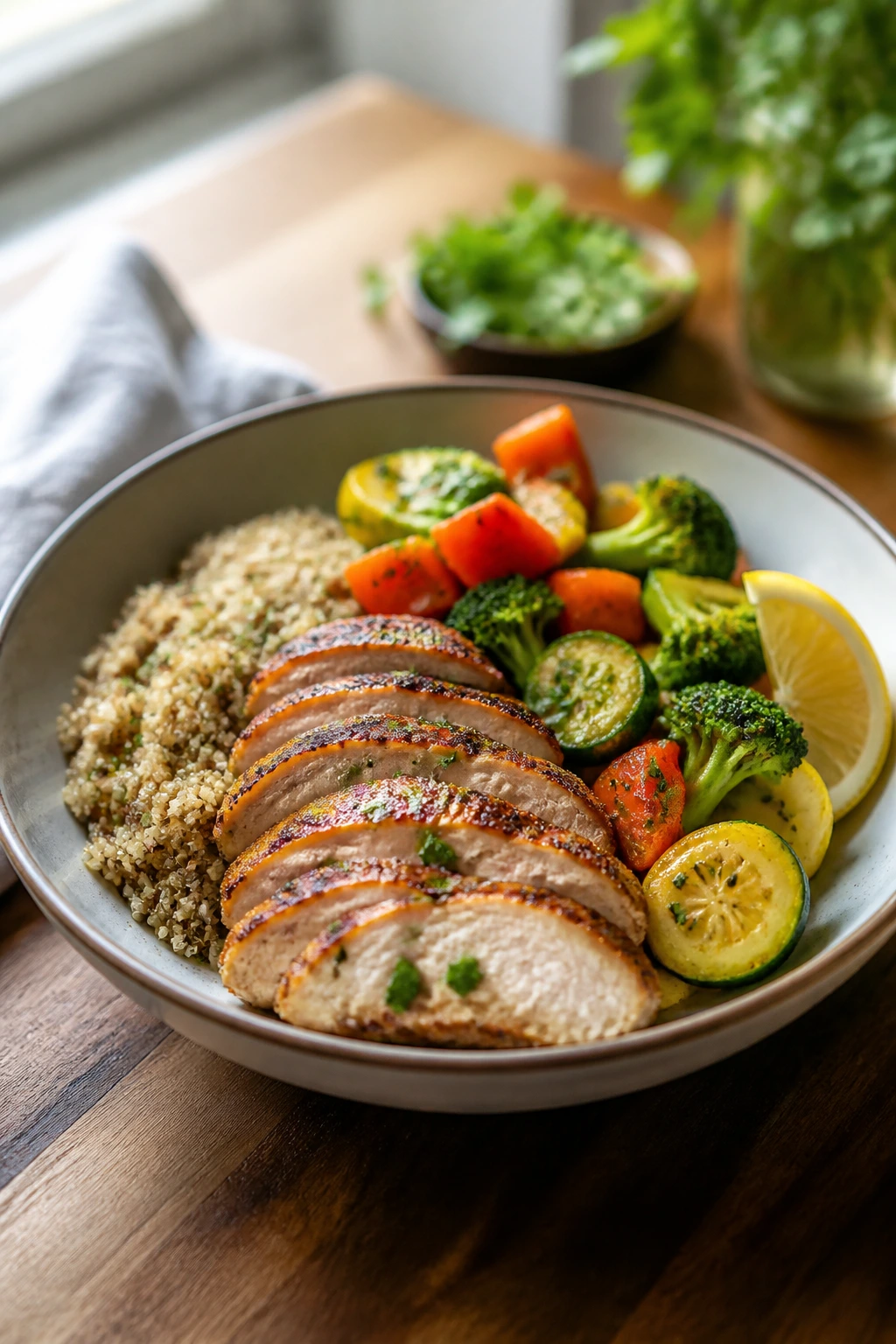
Presentation:
Use shallow bowls for rice bowls, noodles, curry, chili, and soups so the food spreads out instead of sinking into a deep well. Sheet-pan dinners and fish look better on wide plates, where the vegetables can sit beside the protein instead of hiding under it. A final scatter of herbs, scallions, or sesame seeds helps every one of these dishes look finished.
Accompaniments:
Keep the side dishes small and specific. Think cucumber salad with salmon, a piece of toast with soup, a fruit cup with breakfast, or a few crackers with tuna salad. If you want bread, choose one slice or one pita, not a pile that turns dinner into a carb festival.
Portions:
Most of these meals are built for one hearty serving or four lighter ones, and the serving size matters more than the recipe title. If you’re scaling down, save the extra sauce rather than the extra protein. If you’re scaling up, add vegetables first, then grains or bread, and only then consider extra cheese or avocado.
Beverage Pairing:
Sparkling water with lemon works across almost every recipe here. Unsweetened iced tea is good with lunch bowls and wraps, while coffee or plain black tea makes sense with the breakfast options. For soup or chili, I like plain water more than anything else; the food already has enough going on.
Additional Tips and Flavor Boosters
Flavor Enhancement:
A teaspoon of something sharp at the end changes everything. Lemon juice, vinegar, lime, pickle brine, or a spoonful of salsa can make lean protein and vegetables taste far less restrained.
Customization:
If a meal feels too light, add volume before you add fat. Another cup of vegetables, a little extra beans, or an extra half cup of rice usually solves the problem more cleanly than tossing in more cheese or oil.
Serving Suggestions:
Finish bowls with chopped herbs, scallions, chili flakes, sesame seeds, or a small spoon of yogurt. That last layer gives the meal a sense of intention, even when it took 15 minutes and one skillet.
Make-It-Yours:
For dairy-free meals, lean on avocado, tahini, pesto without cheese, or a citrus vinaigrette. For gluten-free plates, use rice, potatoes, quinoa, corn tortillas, or cauliflower rice. For vegetarian swaps, tofu, lentils, eggs, beans, and chickpeas cover a lot of ground without making dinner feel like a compromise.
Make-Ahead, Storage, and Reheating Guidance
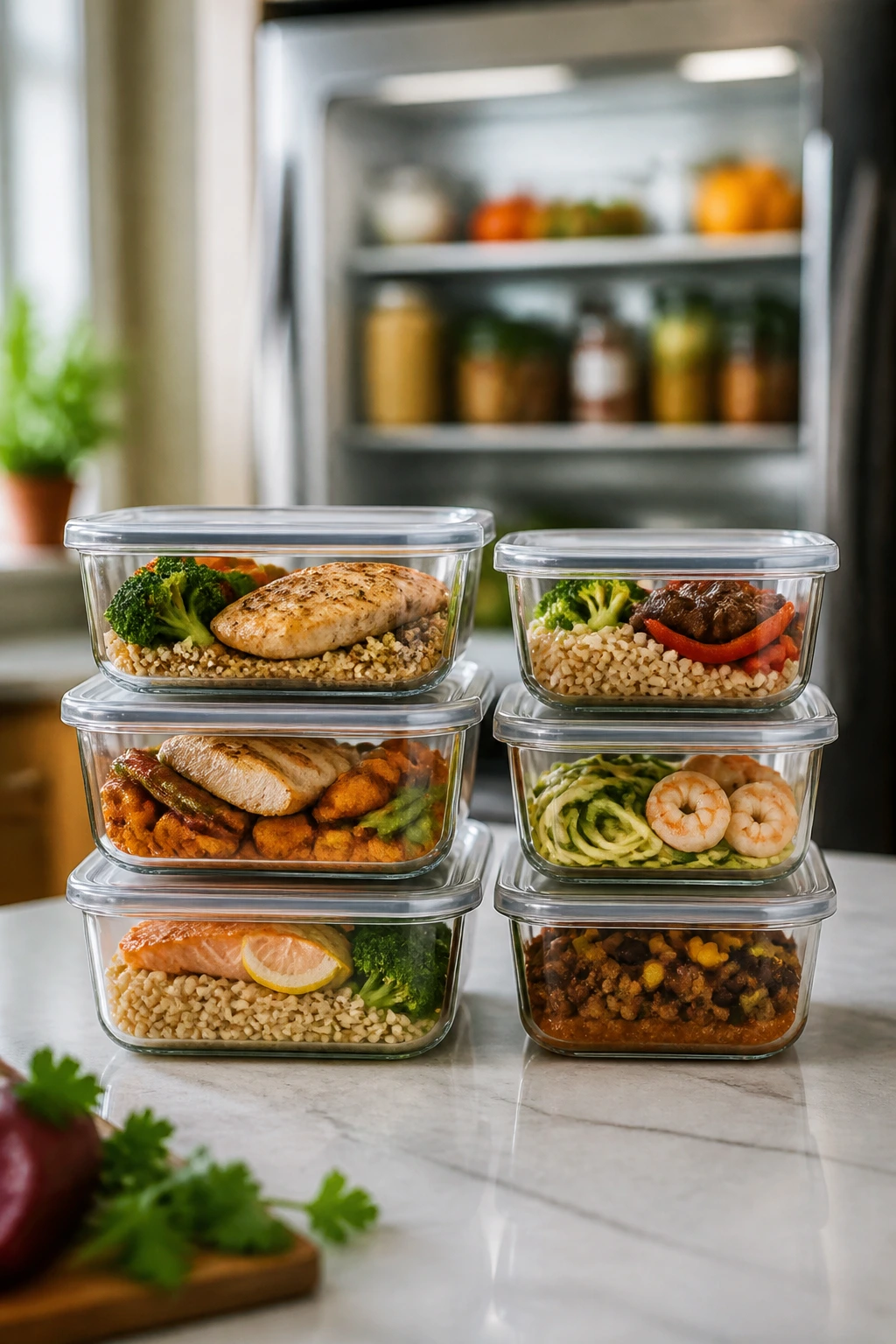
Most of these meals hold up well if you store the components with a little common sense. Cooked chicken, turkey, tofu, beans, grains, and roasted vegetables keep for 3 to 4 days in the fridge in airtight containers. Soups and chili are usually good for 4 days refrigerated, and they freeze well for up to 2 to 3 months. Fish is the exception; it’s best within 1 to 2 days, because reheated cod or tilapia can go dry and fishy faster than people expect.
For bowls and skillet meals, keep wet and dry parts separate when you can. Store rice or quinoa in one container, sauces in another, and fresh toppings like lettuce, avocado, cucumbers, and herbs on the side. That one habit does more for texture than almost any other make-ahead trick. If you’ve ever eaten a soggy lunch bowl at your desk, you already know why.
Reheat chicken, turkey, tofu, rice, beans, and vegetables in the microwave with a splash of water or broth, covered loosely so the steam stays in the container. Use 50 to 70 percent power if the food tends to dry out. Soup and chili are better on the stove over medium heat, where you can stir until they’re hot all the way through. Sheet-pan meals and roasted vegetables reheat best in a 325°F oven for 10 to 15 minutes.
Avocado, fresh herbs, lettuce, and yogurt sauces should be added after reheating, not before. Their texture changes too fast. If you’re meal prepping for several days, choose the recipes here that rely on beans, grains, soup, or roasted vegetables, because they hold on to their shape better than shrimp, salad greens, or soft eggs.
Simple Swaps That Keep the Calories in Range
Gluten-Free Plate:
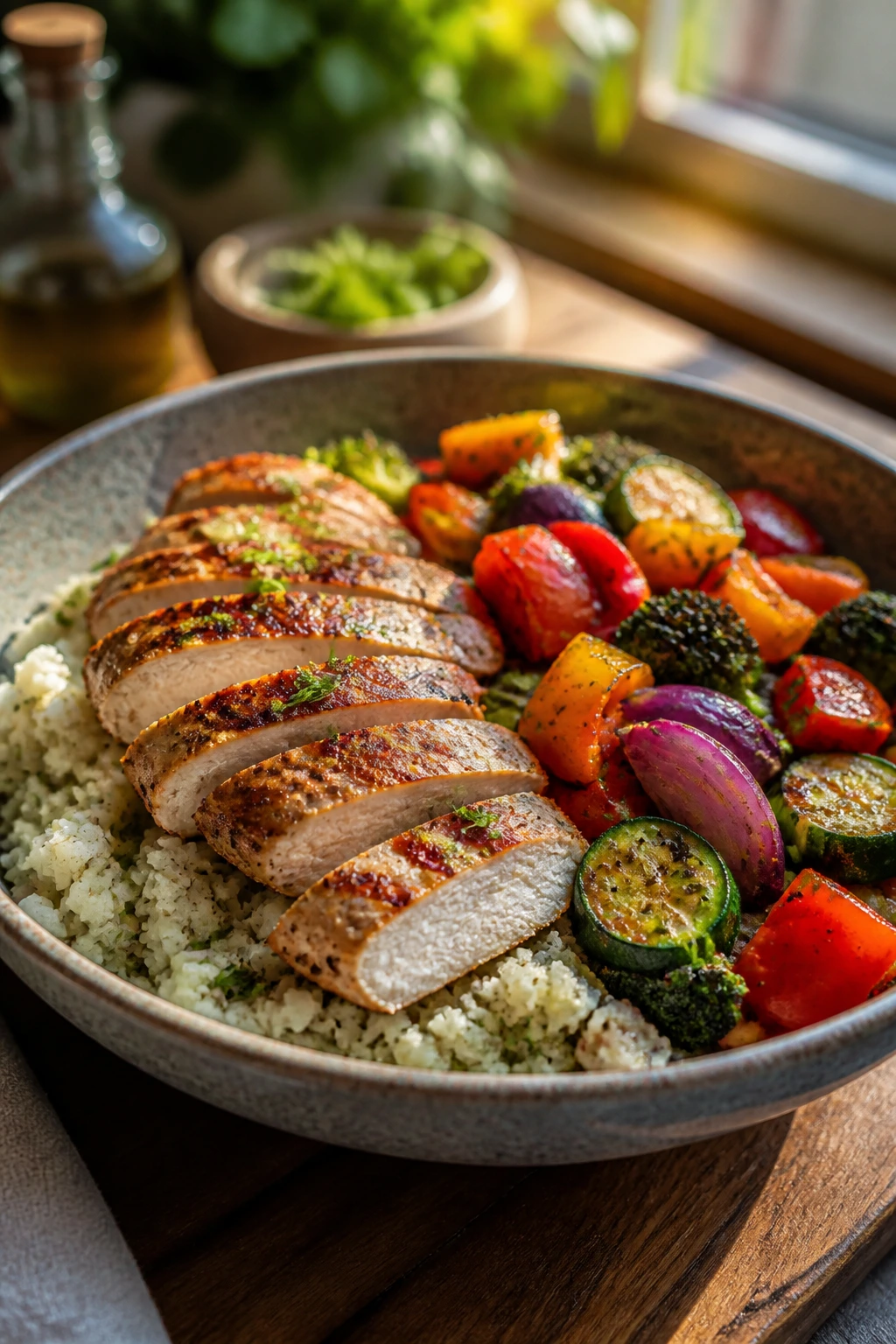
Use rice, quinoa, corn tortillas, potatoes, or cauliflower rice instead of pita, couscous, barley, or wheat pasta. Tamari is an easy swap for soy sauce, and it behaves almost the same in stir-fries and sauces.
Dairy-Free Finish:
Skip feta, mozzarella, Parmesan, and Greek yogurt where needed, then use salsa, tahini, avocado, lemon juice, or a dairy-free pesto instead. You won’t get the same creamy finish, but you can keep the dish bright and balanced.
Higher-Protein Build:
Add one extra egg, a few more ounces of chicken, or a scoop of Greek yogurt on the side if the meal needs more staying power. This is the cleanest way to adjust a plate without blowing up the calorie count.
Lower-Carb Route:
Lean on zucchini noodles, cauliflower rice, slaw, extra greens, and non-starchy vegetables. You can keep the same flavor profile and cut the starch without making the meal feel stripped down.
Vegetarian Switch:
Use tofu, lentils, beans, chickpeas, eggs, or cottage cheese where meat or fish usually shows up. The trick is to keep the seasoning bold enough that the swap feels deliberate, not apologetic.
Kid-Mild Version:
Pull back on chili flakes, hot sauce, and strong onions, then serve the sharp bits on the side. Kids tend to do better when they can build their own plate and add heat later, if they want it.
Mistakes That Make a Light Meal Feel Small
Eyeballing oil:
Oil is the quiet calorie leak in a lot of home cooking. A free-poured tablespoon disappears fast, so use a spoon or measuring cap when you’re building these meals.
Skipping texture:
If everything is soft, the meal feels smaller than it is. Add crisp lettuce, roasted edges, toasted nuts, cucumbers, scallions, or a cold garnish so the plate has contrast.
Forgetting acid and salt:
Lean food goes flat without enough seasoning. A little lemon, vinegar, salsa, pickled onion, or salt at the end is often the difference between “fine” and “I’d make this again.”
Overcooking protein:
Chicken breast, shrimp, fish, and turkey can dry out fast. Use high heat for a short time, and pull them when they’re just cooked through rather than waiting for them to look perfect in the pan.
Making one ingredient carry the whole meal:
A pile of avocado, cheese, nuts, or sauce can make the calories jump too fast. Pick one or two extras and let the vegetables and protein do the rest.
Using too little food:
Some people make a 500-calorie meal by accident and then wonder why they’re hungry an hour later. A better approach is to plan a real portion of protein, a decent amount of vegetables, and a measured carb, then stop there.
Questions People Ask About Meals Under 500 Calories
How do I stay full on a meal under 500 calories?
Start with protein, then add vegetables until the plate looks normal, not tiny. A sensible portion of rice, potatoes, beans, or bread helps too, because a meal that’s all protein and greens often feels unfinished.
Can I use chicken thighs instead of chicken breast?
Yes, but the calories rise faster because thighs carry more fat. If you make the swap, keep the portion smaller or trim back the oil and cheese elsewhere in the recipe.
Are frozen vegetables okay in these meals?
Absolutely. Frozen broccoli, cauliflower rice, peas, carrots, edamame, and spinach are often the easiest way to keep these meals fast and affordable. Just cook off extra moisture so the dish doesn’t turn watery.
How do I count calories if I change the ingredients?
The easiest method is to track the calorie-dense items first: oil, cheese, nuts, avocado, rice, pasta, tortillas, and sauces. If you swap one of those, the total changes more than it would if you swapped lettuce for spinach.
Can I meal prep these recipes for several days?
Yes, especially the soups, chili, bowls, and tray bakes. Keep fresh toppings separate and reheat only what needs reheating, because avocado, lettuce, and yogurt sauces don’t like being cooked twice.
What if I don’t eat fish?
Use chicken, tofu, turkey, or beans in the fish recipes. The seasoning and method matter more than the exact protein, especially in sheet-pan dinners and bowls.
What if a dish tastes bland after I make it?
First check salt, then acid. A squeeze of lemon, a spoon of salsa, a splash of vinegar, or a little mustard can fix more “healthy” meals than an extra handful of cheese ever will.
Can I add more carbs on a harder training day?
Sure. The cleanest move is to add another half cup of rice, a second slice of bread, or a few extra potatoes and leave the fats alone. That keeps the meal from becoming greasy while still giving you more fuel.
A Plate That Feels Like Dinner
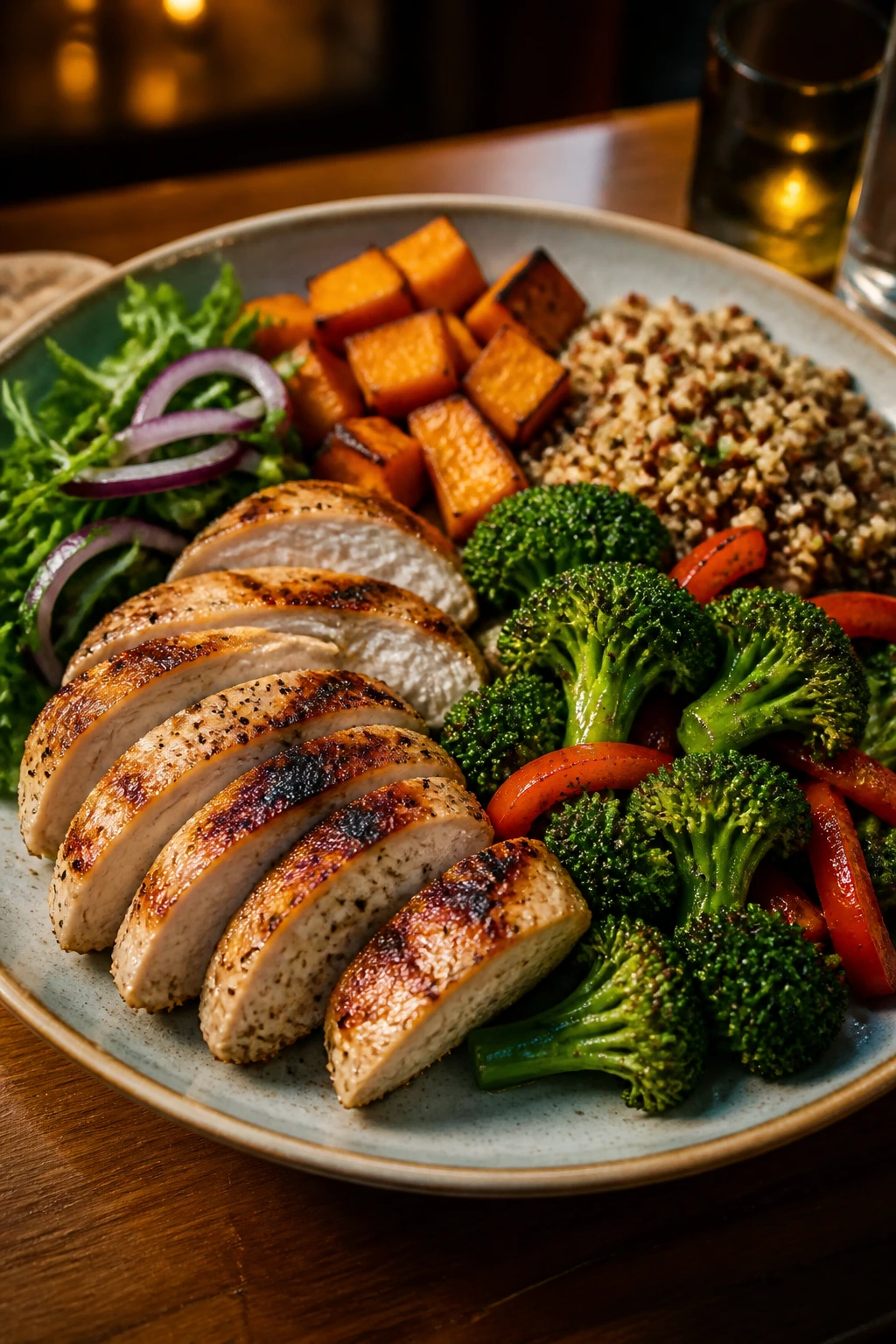
The nicest thing about these recipes is that they don’t ask you to eat like a person on a punishment plan. They ask for a little measurement, a little heat, and a little attention to texture. That’s a much better bargain.
If you keep the protein solid, the vegetables plentiful, and the extras measured, a 500-calorie meal can feel generous instead of small. And once you start cooking that way, the number stops being the main event—the food does.